Seating For Conversation Areas
Seating For Conversation Areas
-
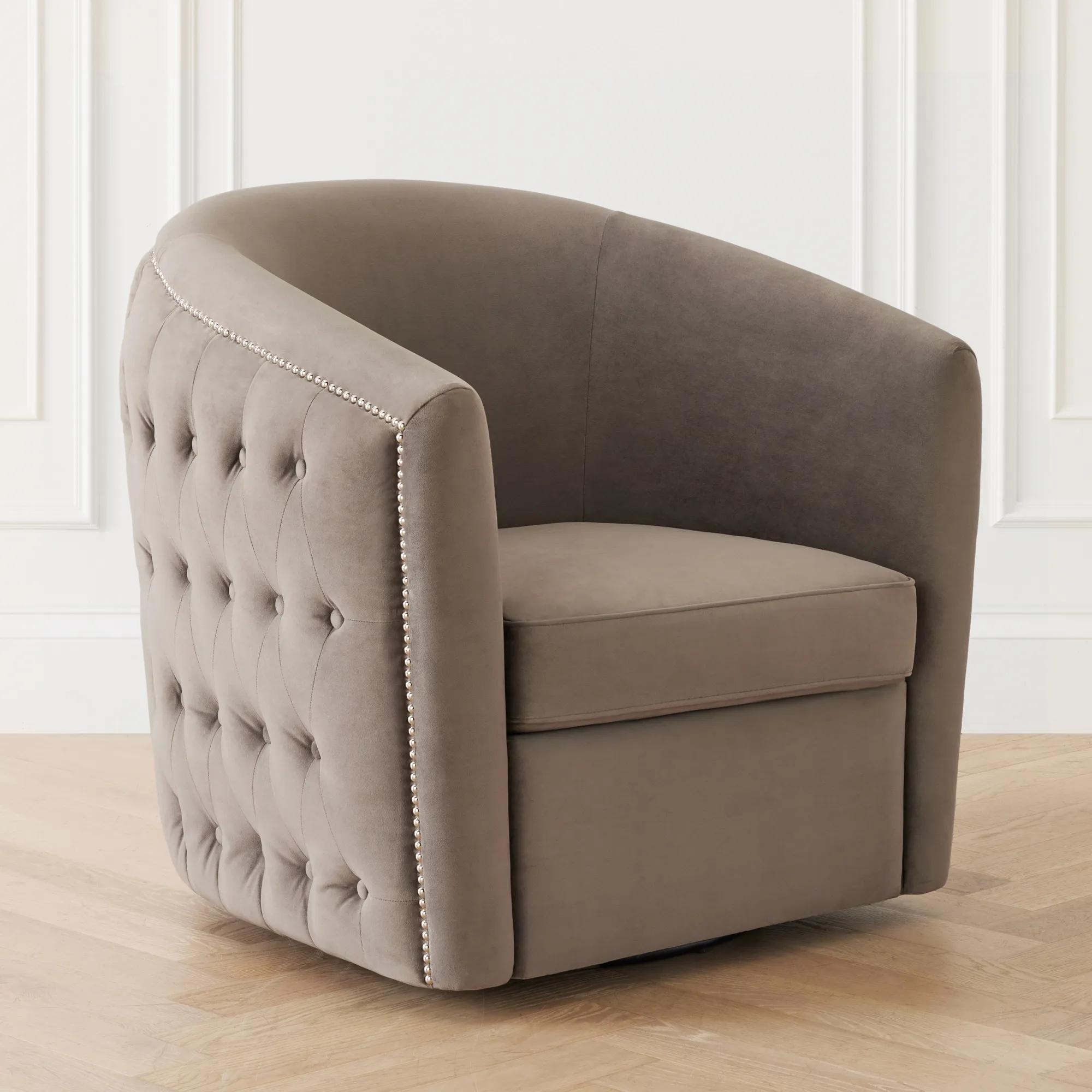
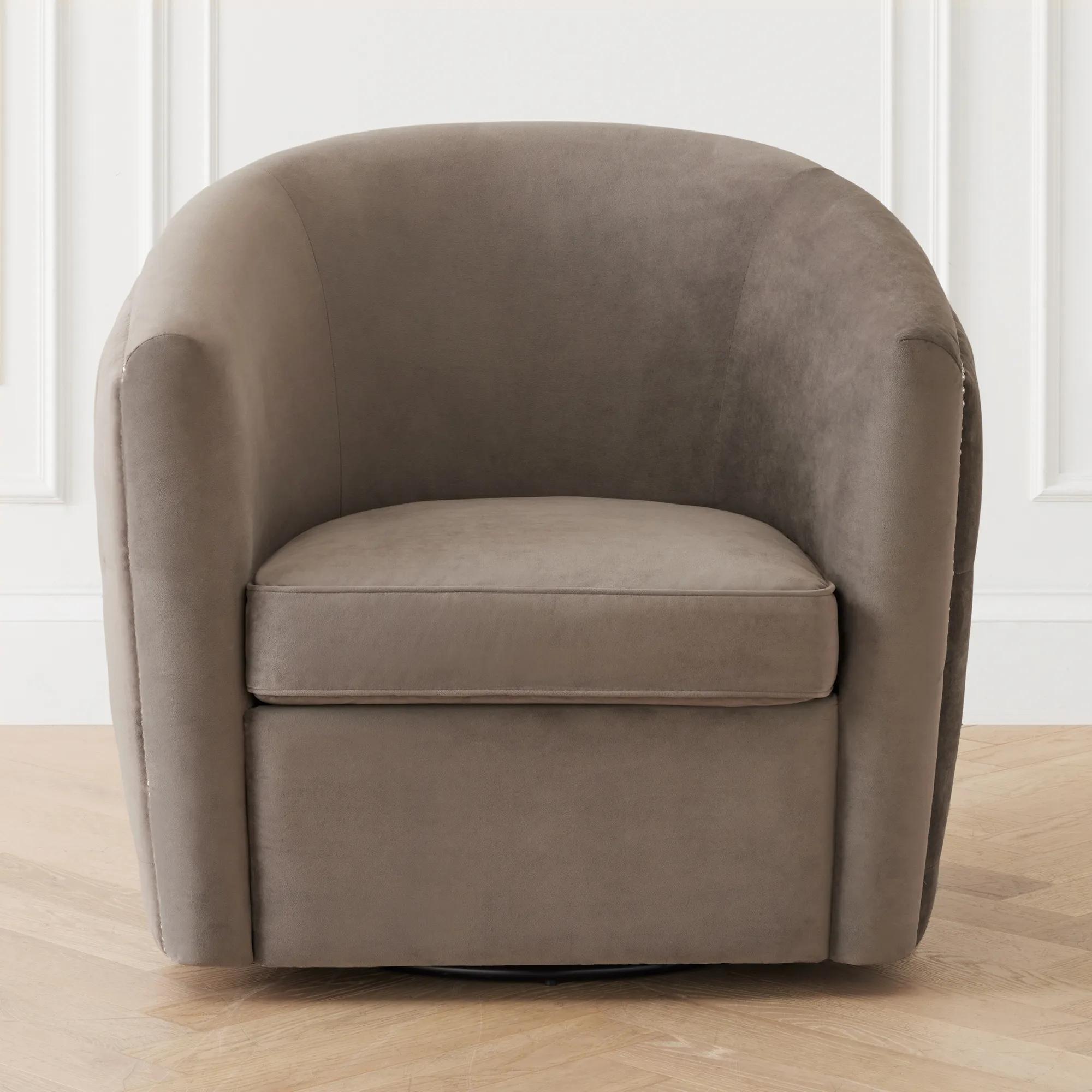 Aria Tufted Swivel Chair$1299
A barrel silhouette swivel chair in kiln-dried hardwood, shown in Bella Velvet Otter with bright nickel nailheads.
Add To Cart -
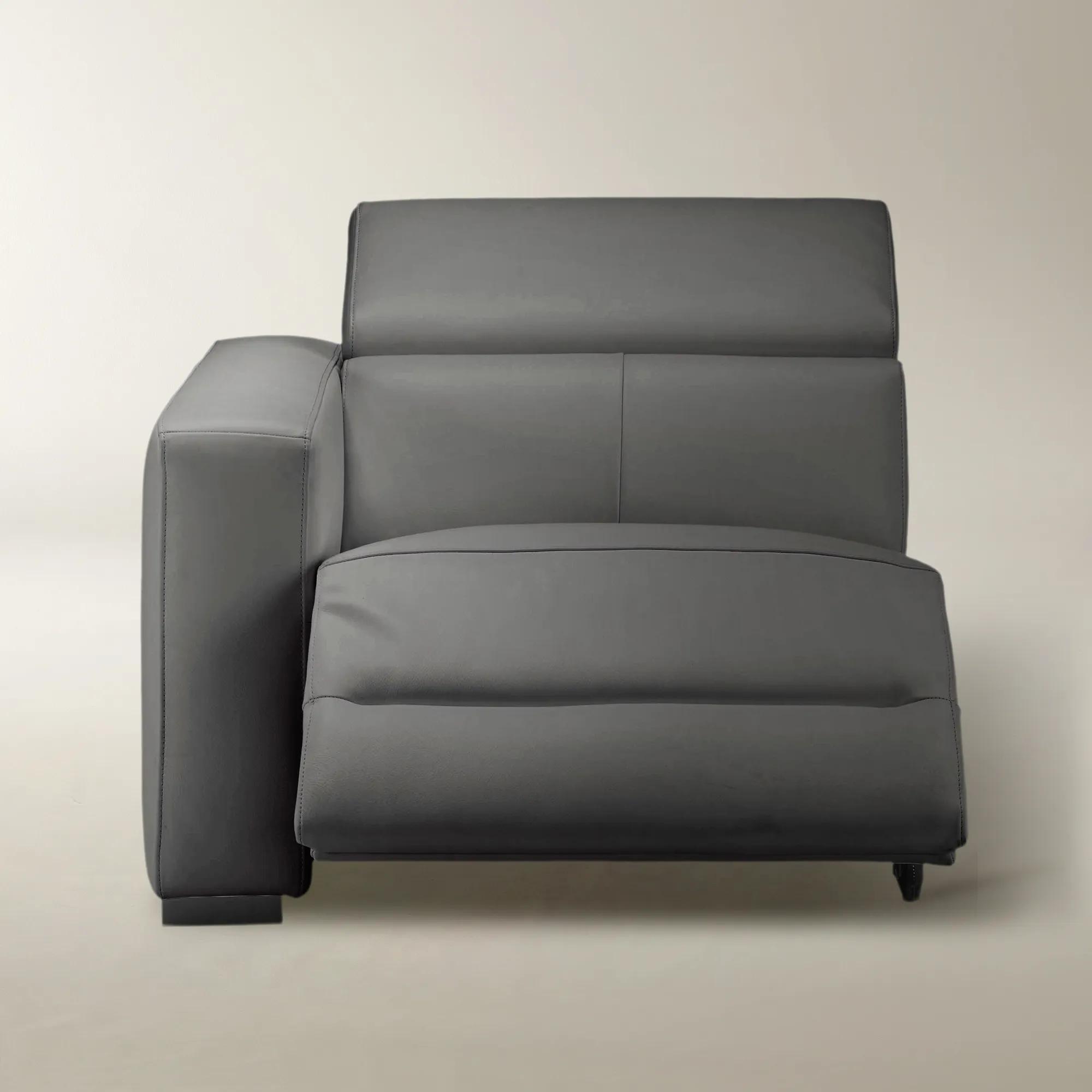
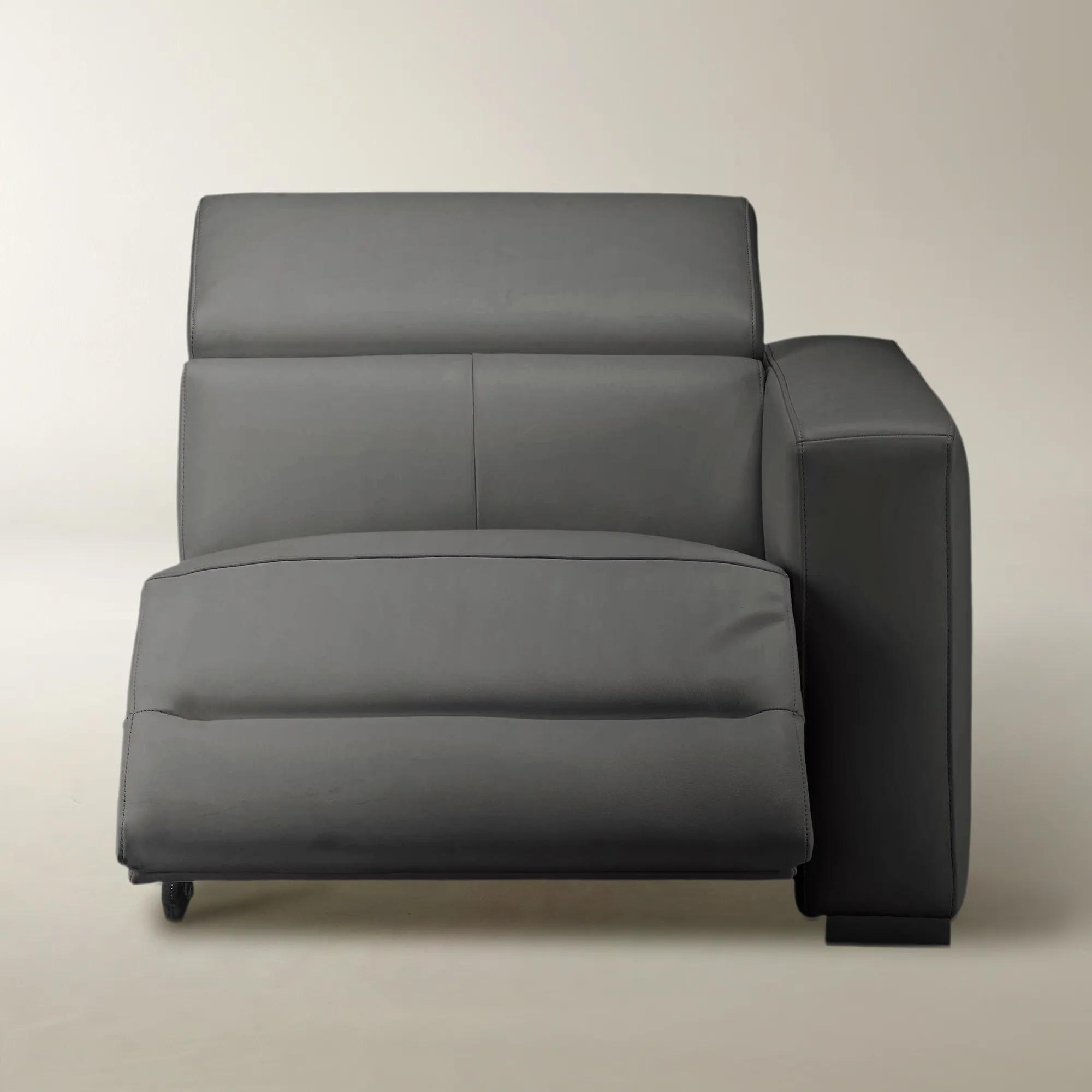
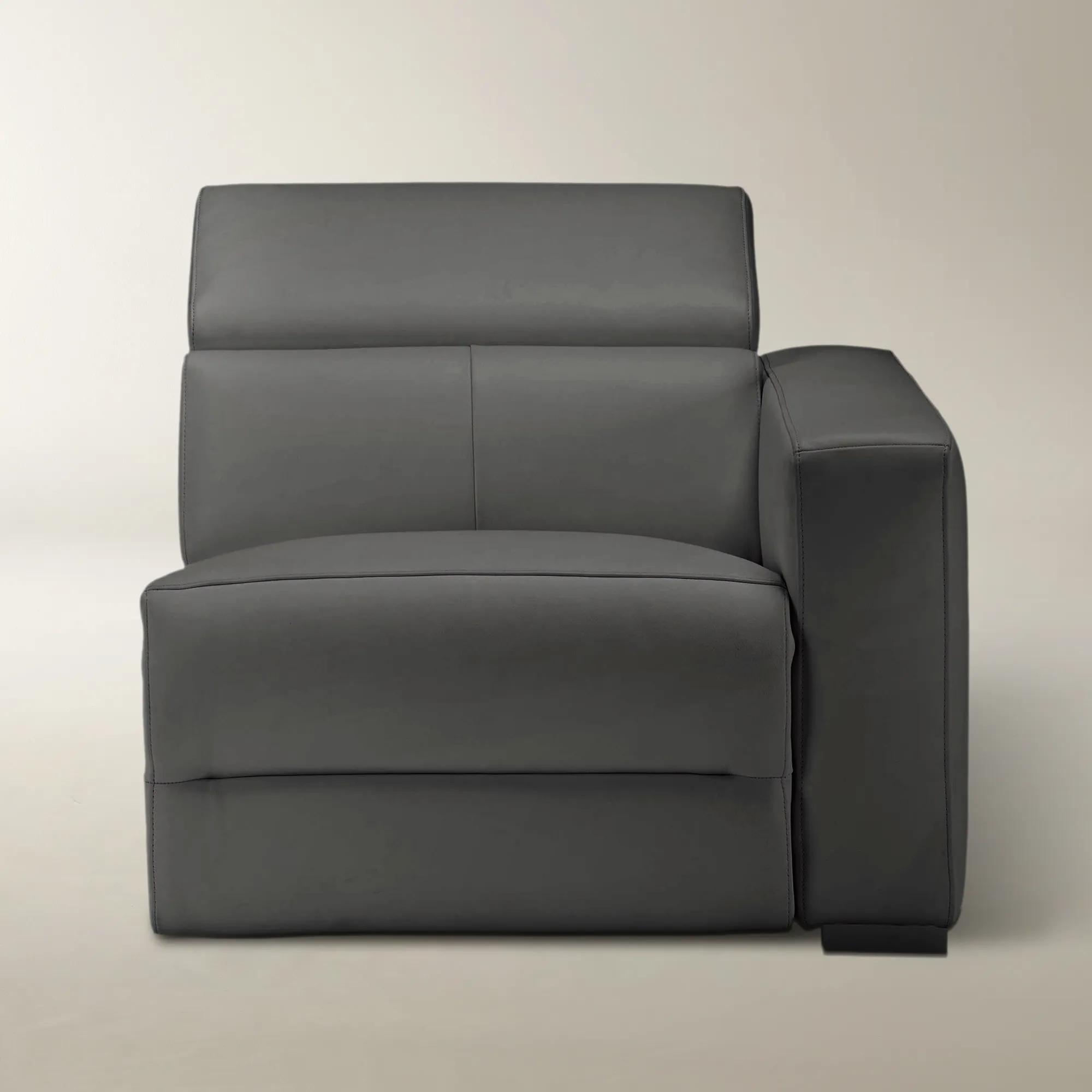
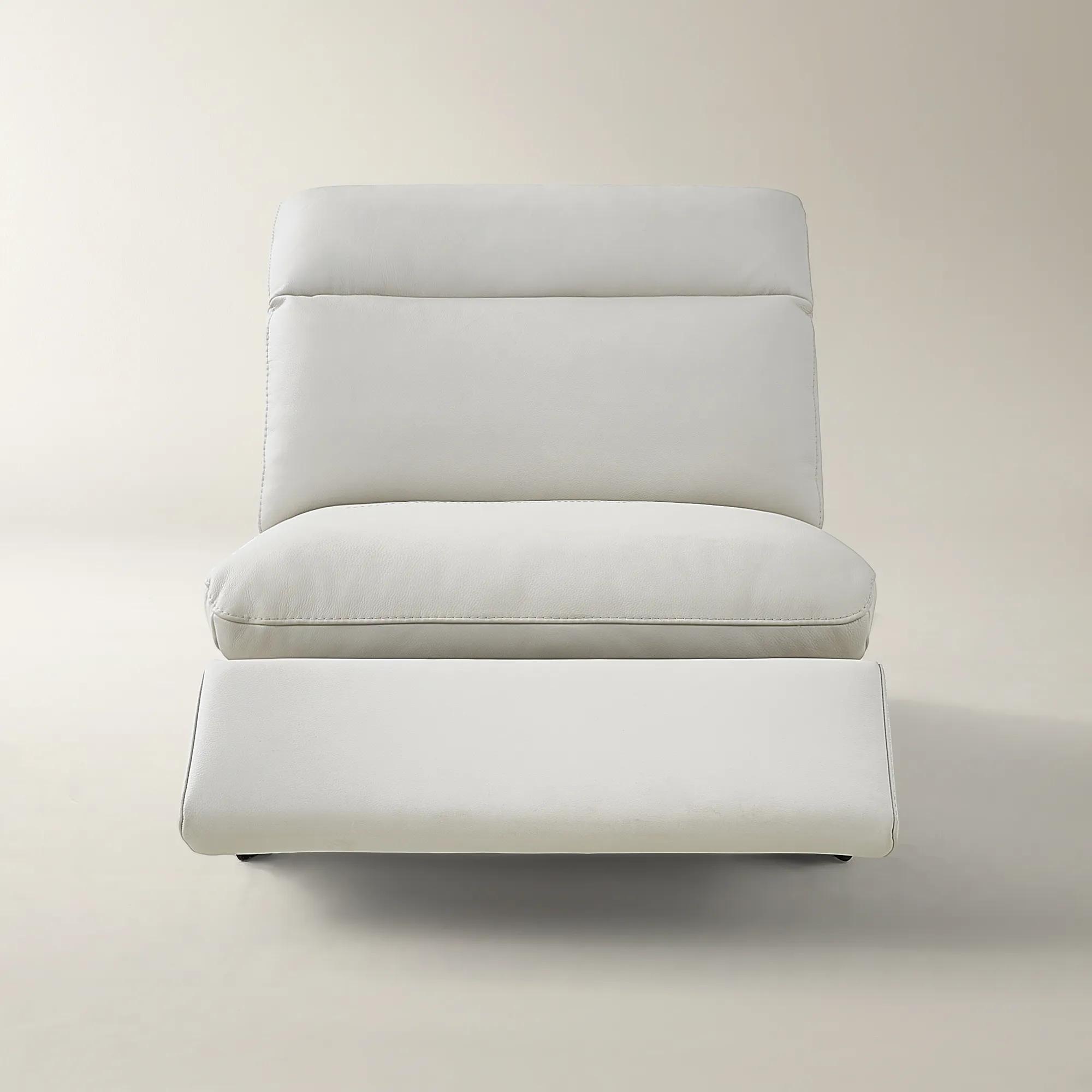
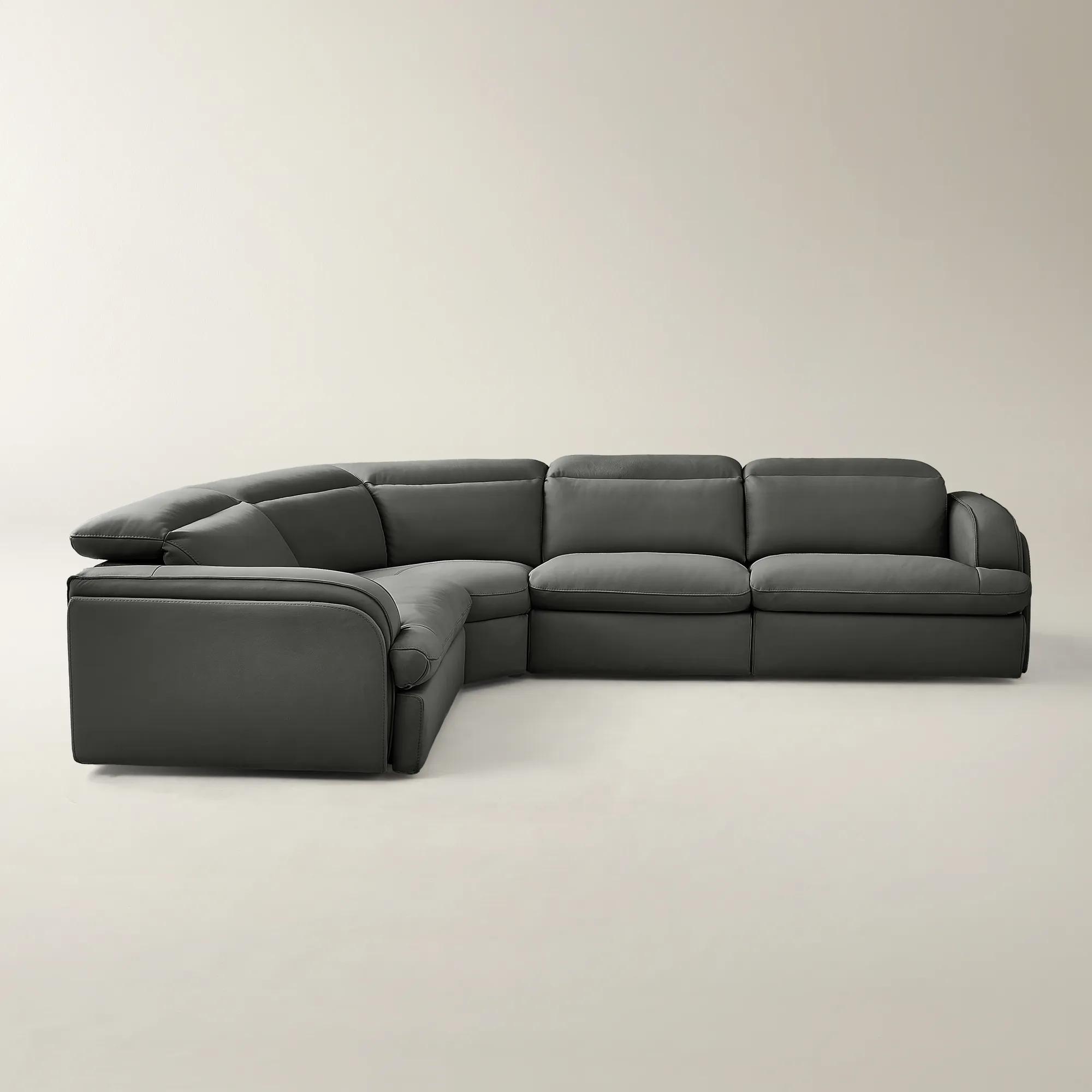
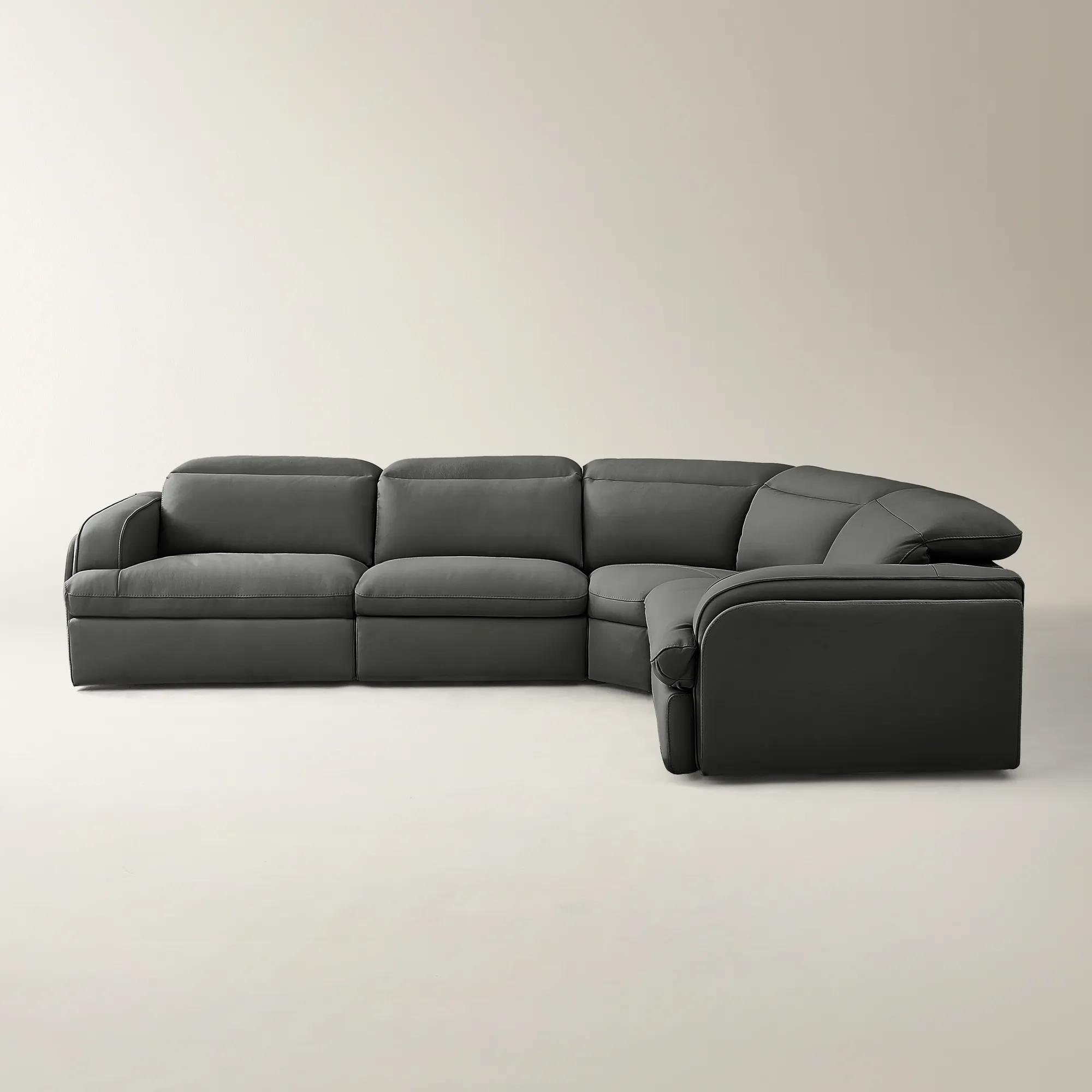
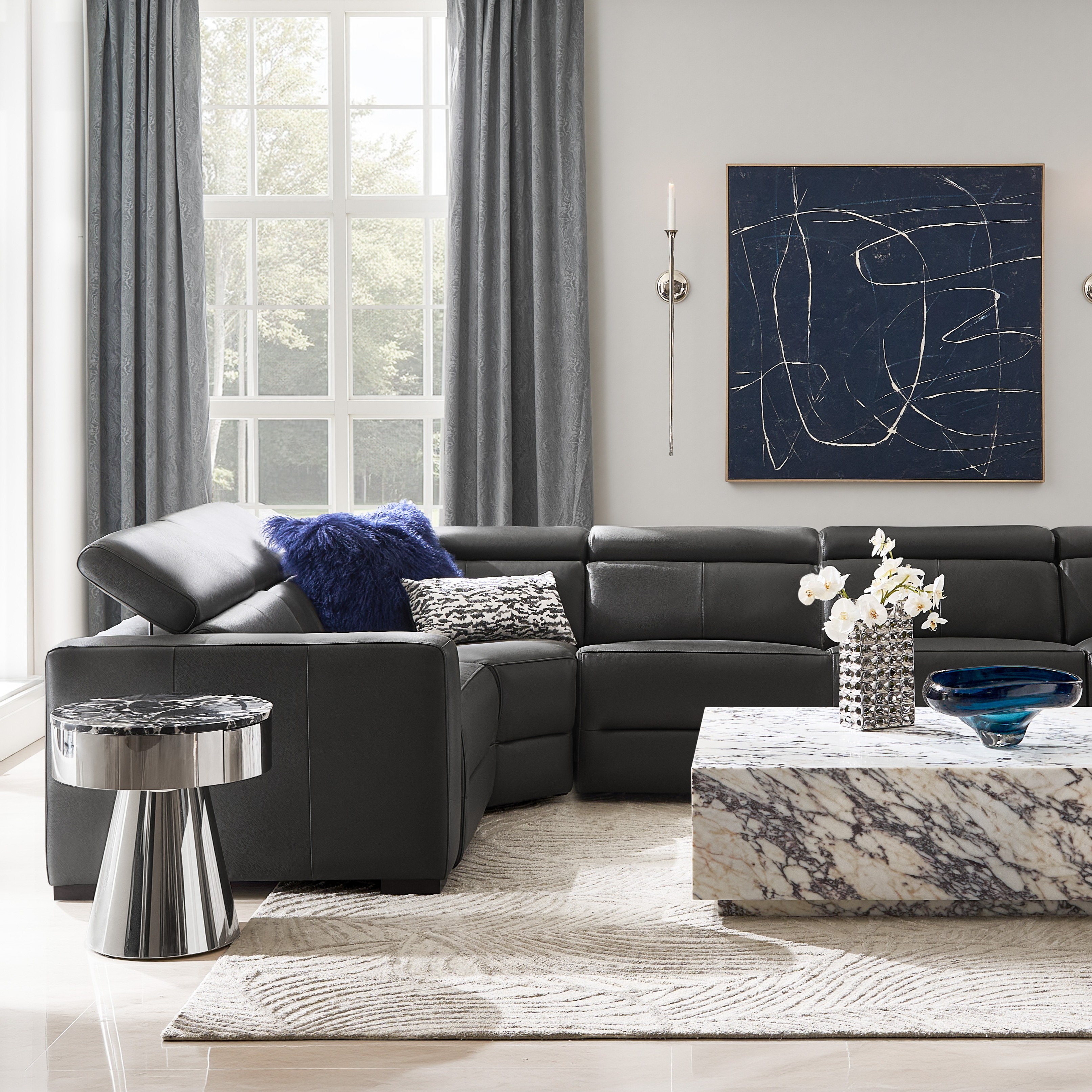 Verona Reclining Charcoal Leather Left Arm Chair With Power$1499
A charcoal semi-aniline leather sectional with adjustable headrests, power-reclining seats, and kiln-dried hardwood frame.
Add To Cart -
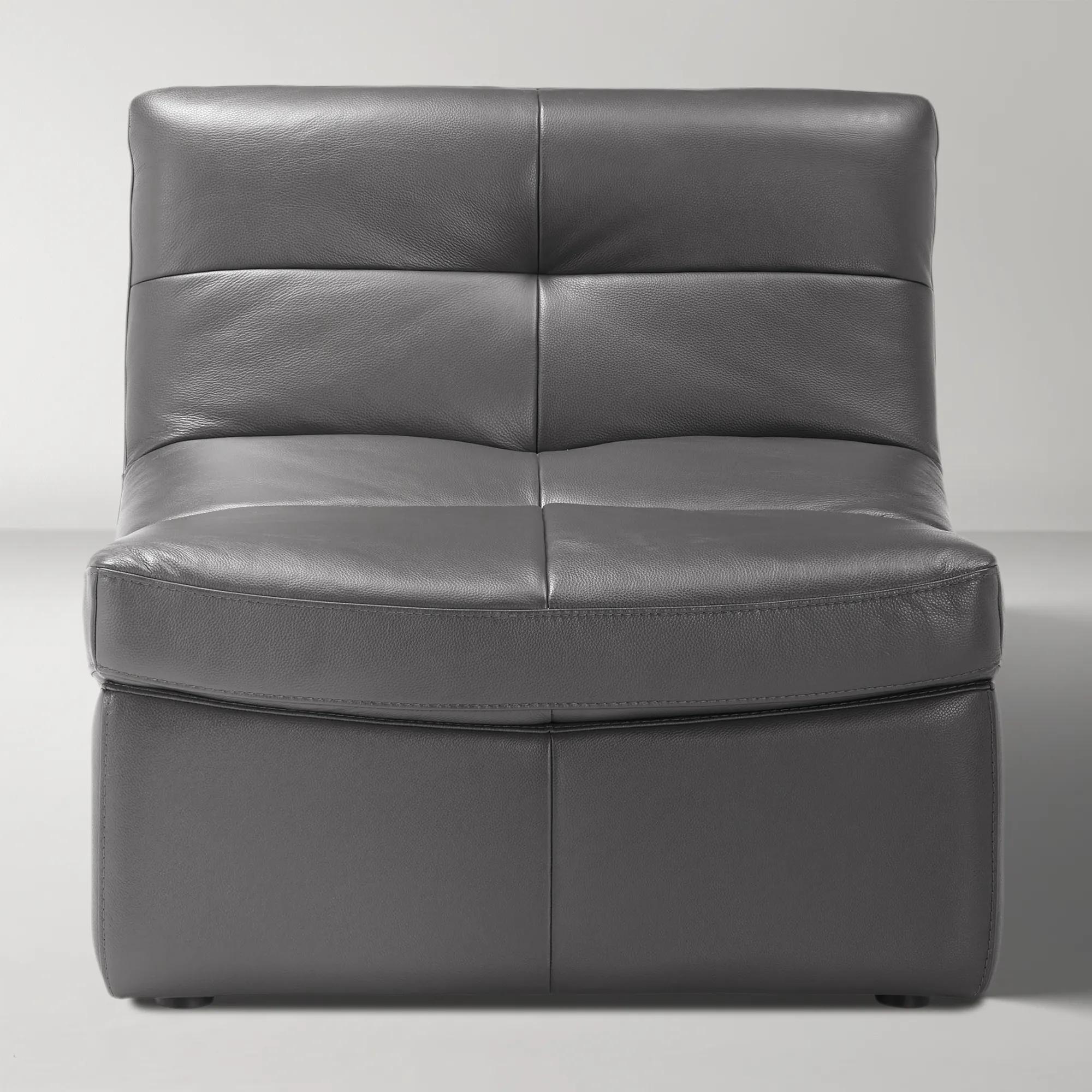
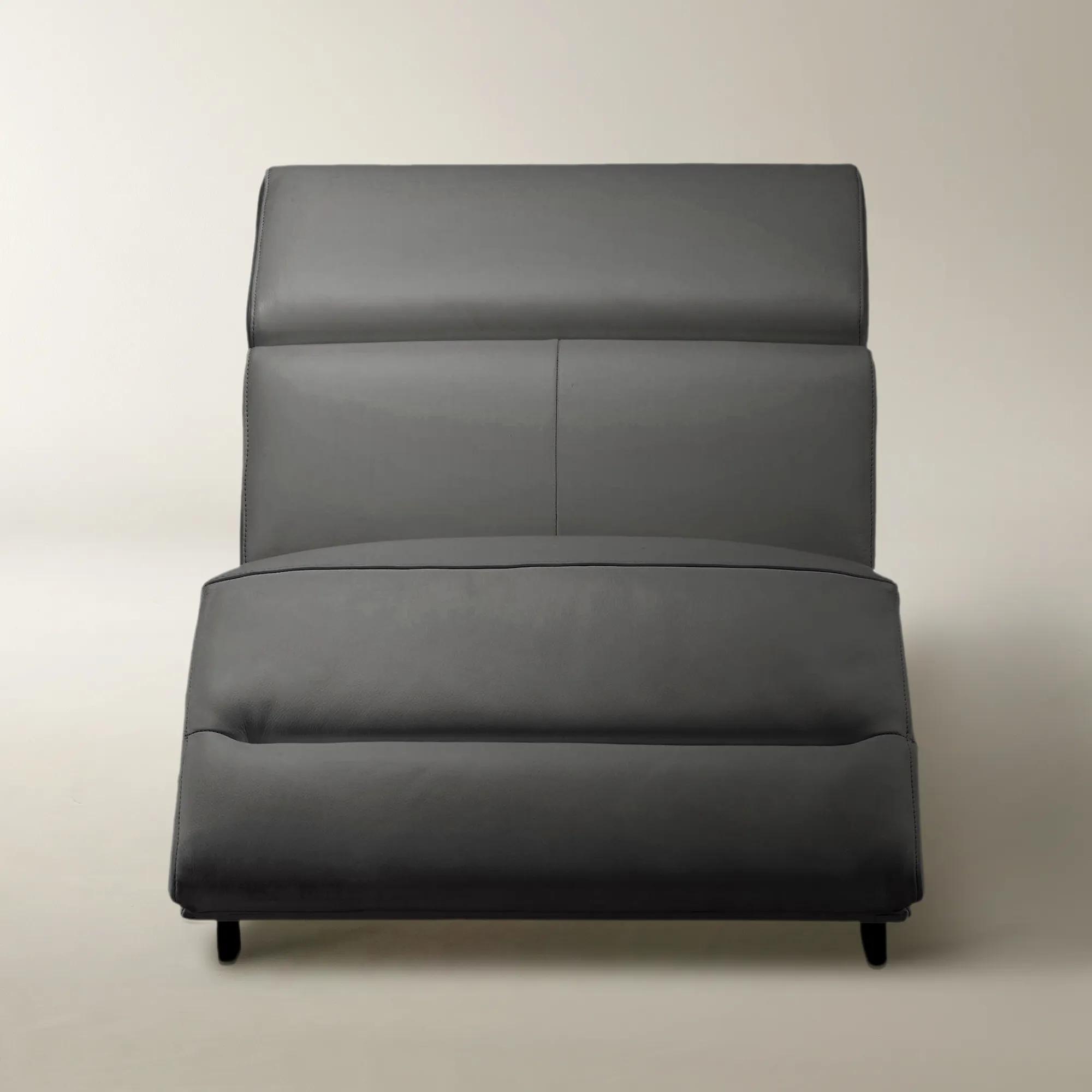
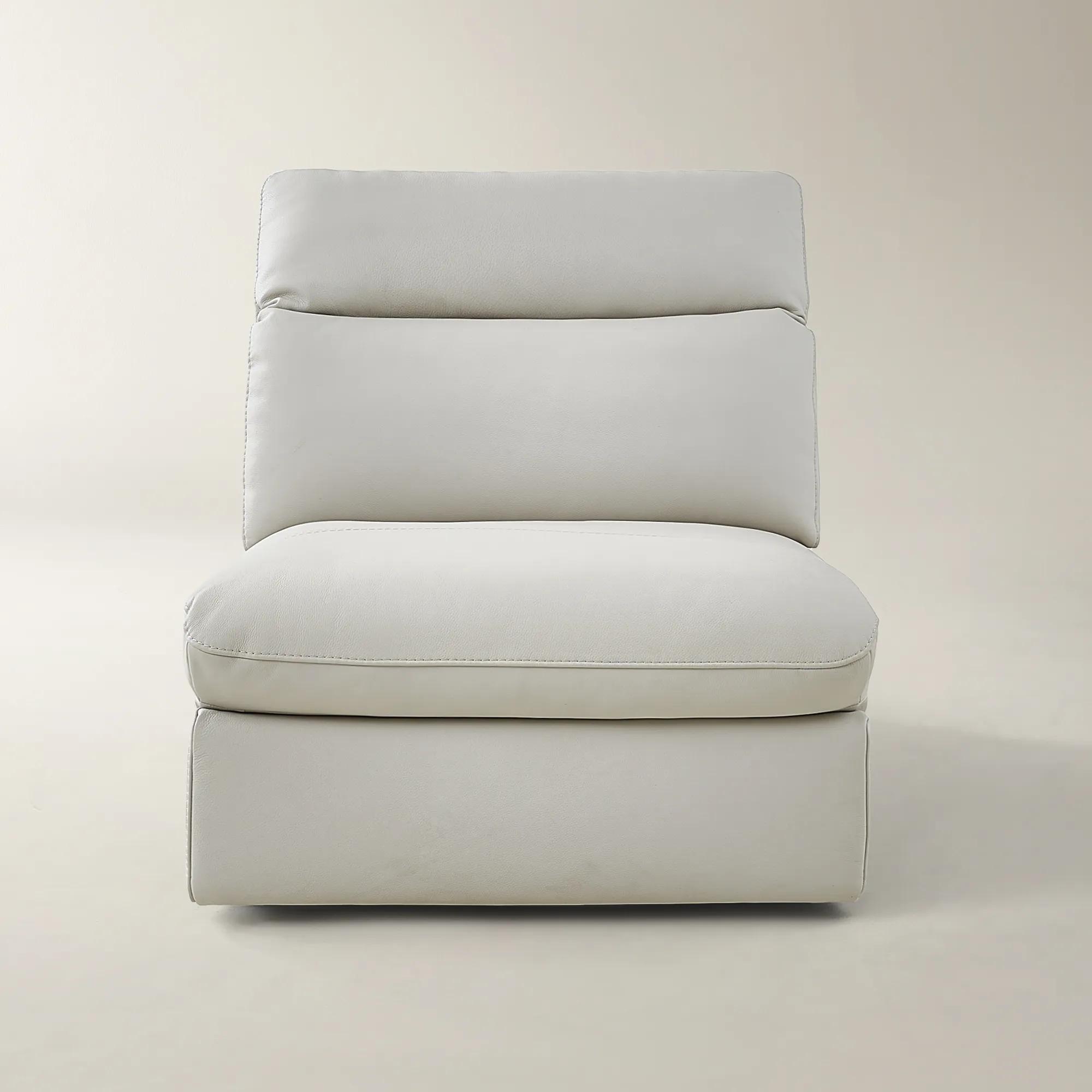
.jpg?w=1200&h=1200) Convo Charcoal Leather Armless Chair$1199
Convo Charcoal Leather Armless Chair$1199A modular sectional with kiln-dried hardwood frame and charcoal semi-aniline leather upholstery for modern versatility.
Add To Cart -

 Aria Pleated Swivel Chair$1249
A barrel-style swivel chair in kiln-dried hardwood, shown in pearl velvet with elegant pleated detailing.
Add To Cart -
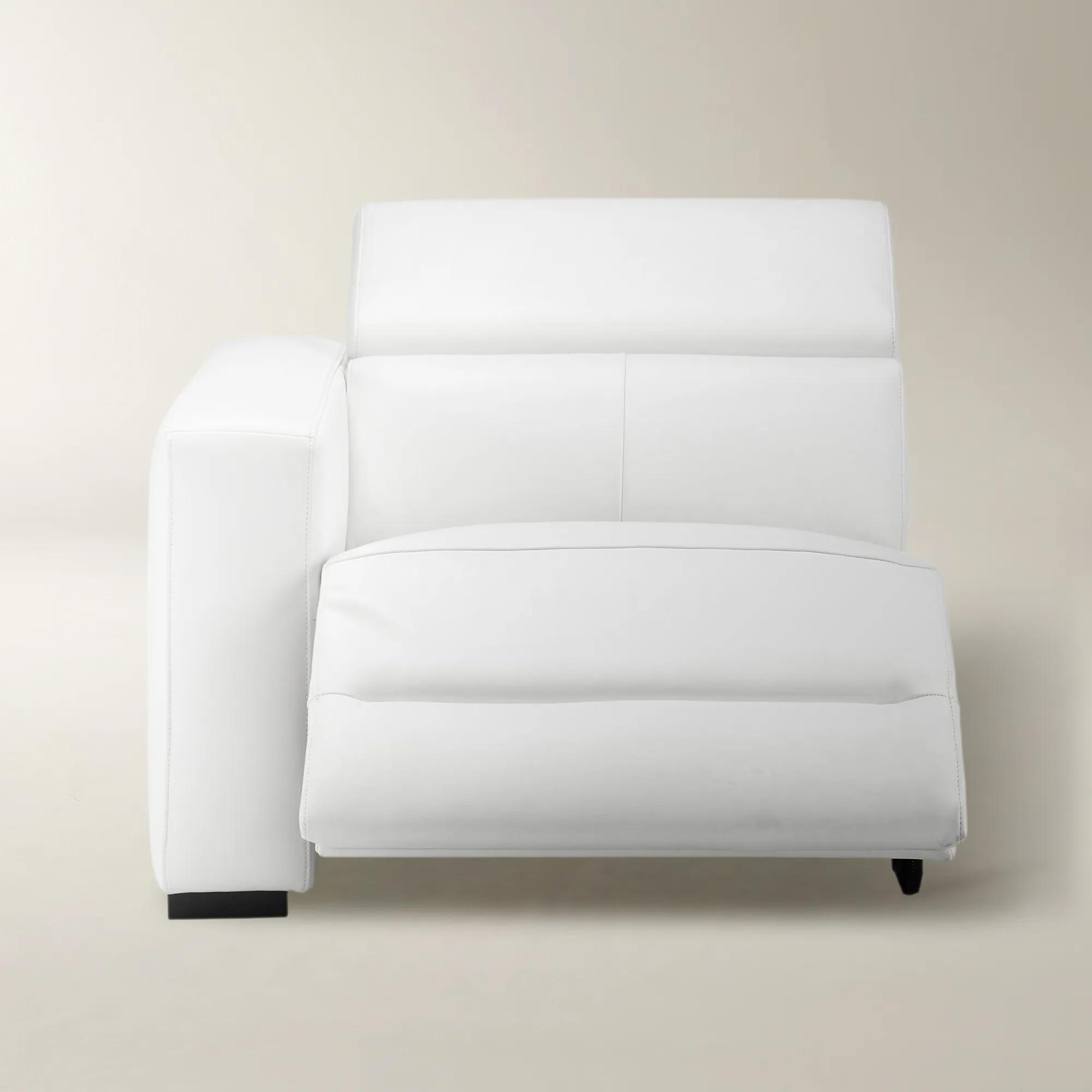
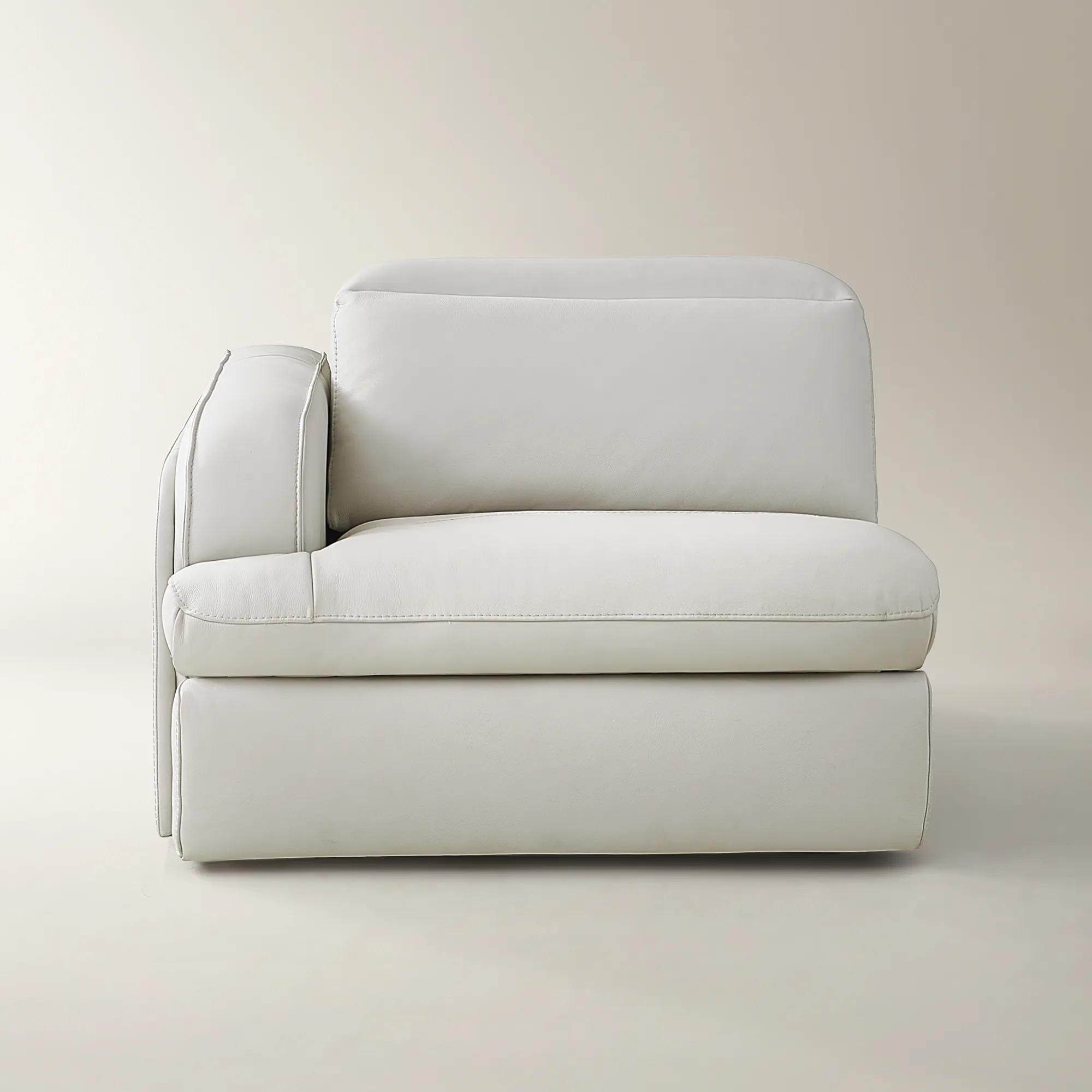
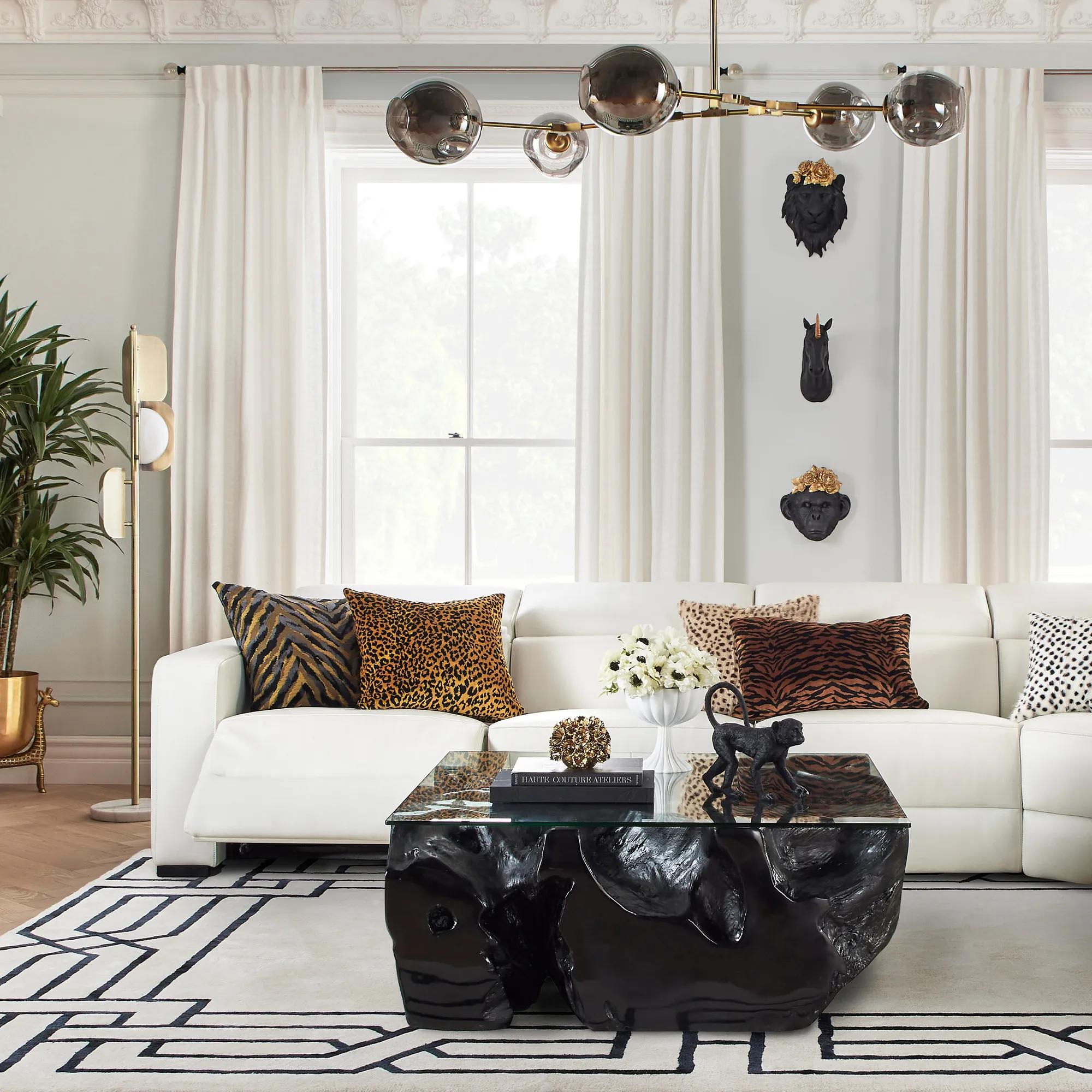 Verona Reclining White Leather Left Arm Chair With Power$1499
A modern white sectional upholstered in supple semi-aniline leather with adjustable headrests and power-reclining seats.
Add To Cart -
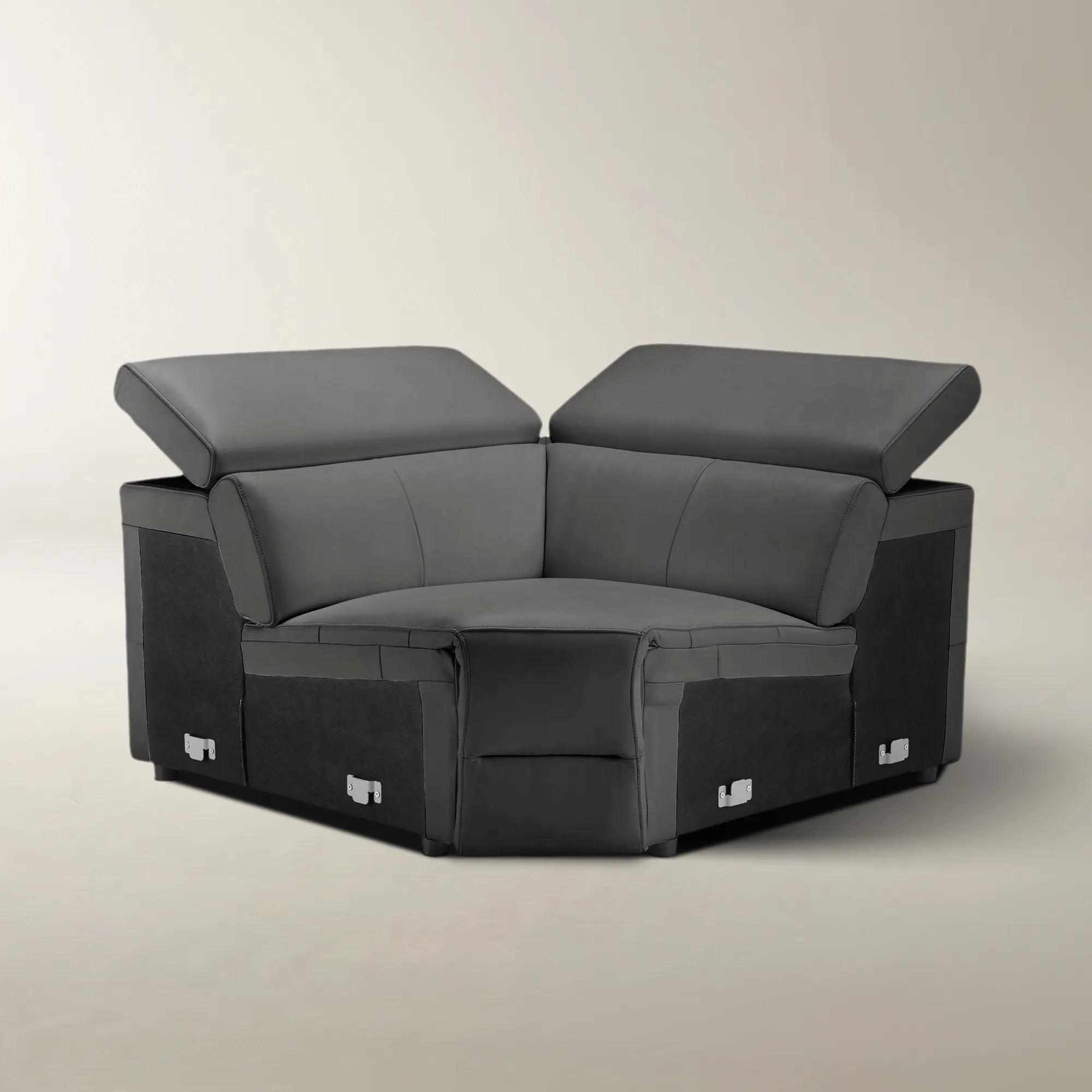
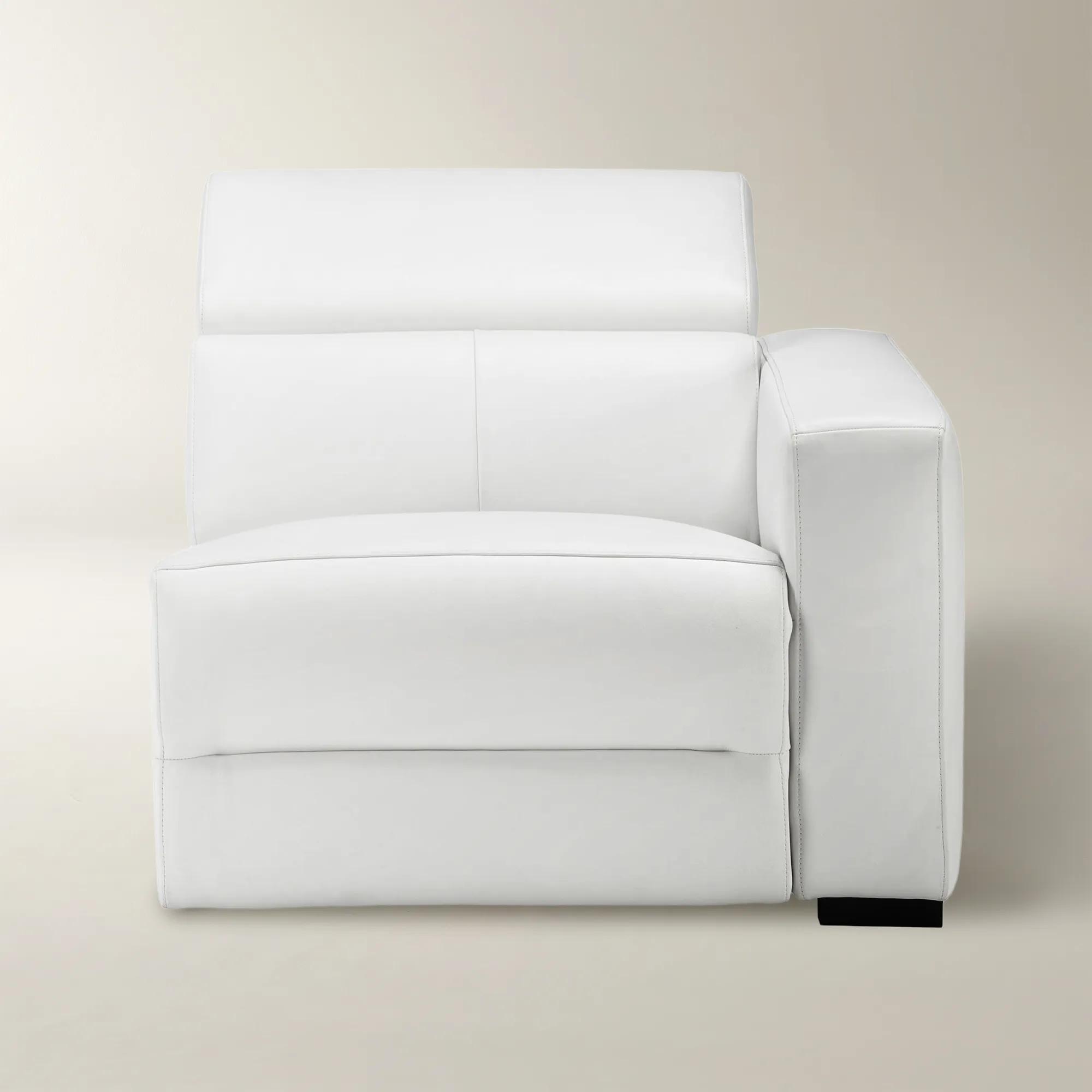
 Convo White Leather Corner Chair$1399
A modular sectional featuring kiln-dried hardwood frames and charcoal semi-aniline leather upholstery for modern versatility.
Add To Cart -
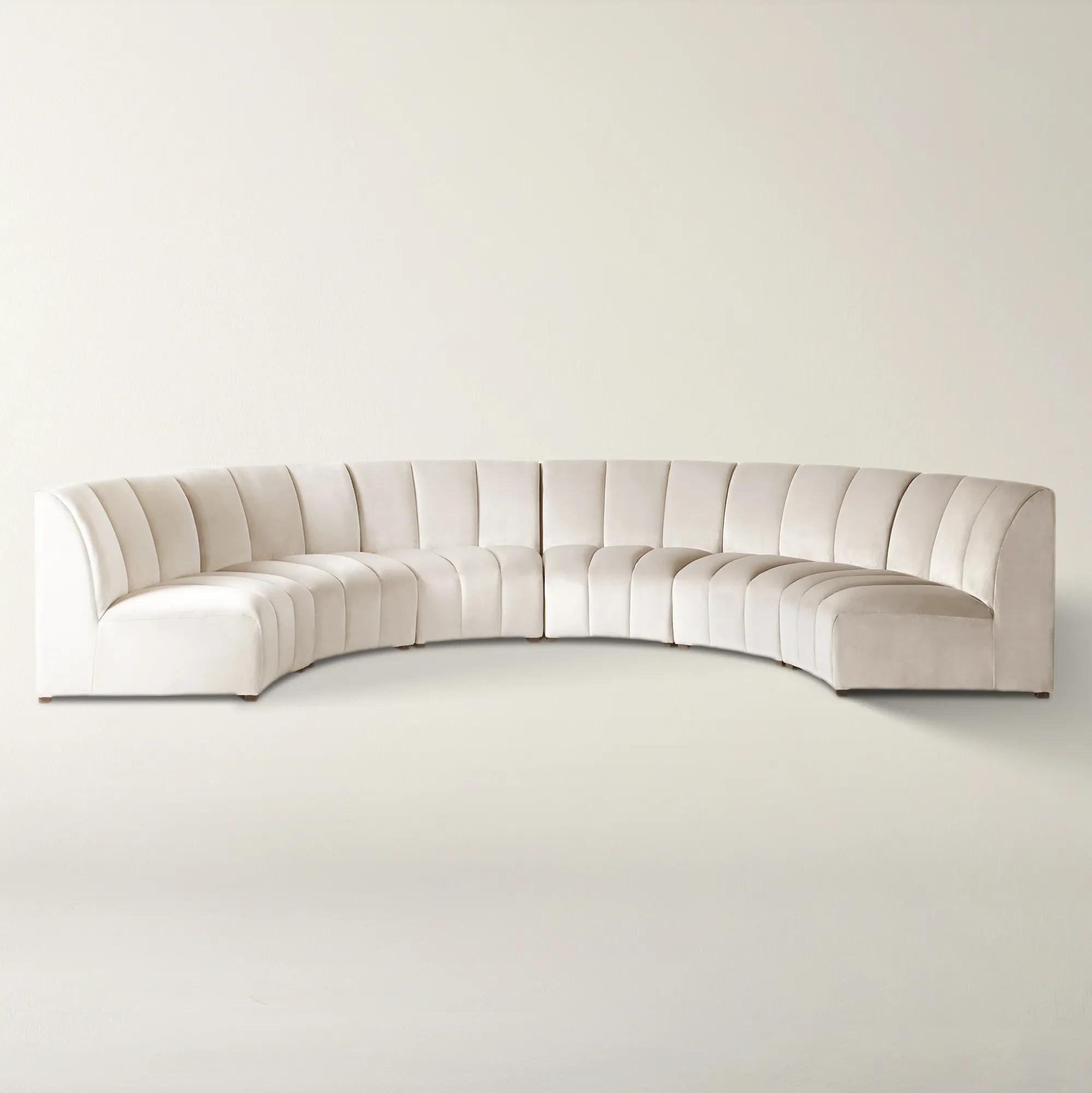 Jayce 6-Piece Channel-Tufted Ivory Velvet Sectional Sofa$5499
A modern curved sectional in stain-resistant Velvet Ivory with deep channel tufting and plush, structured cushions.
Add To Cart -
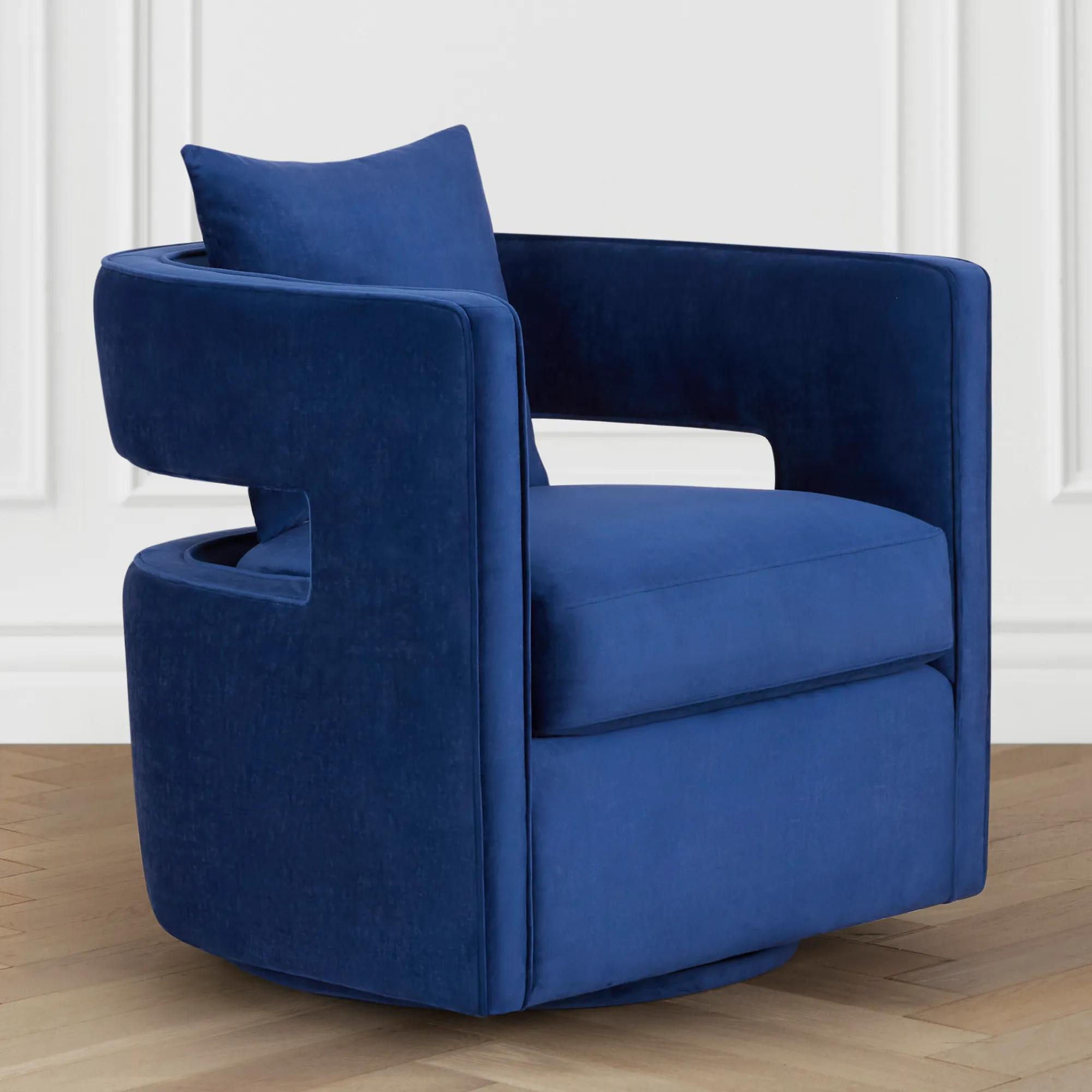
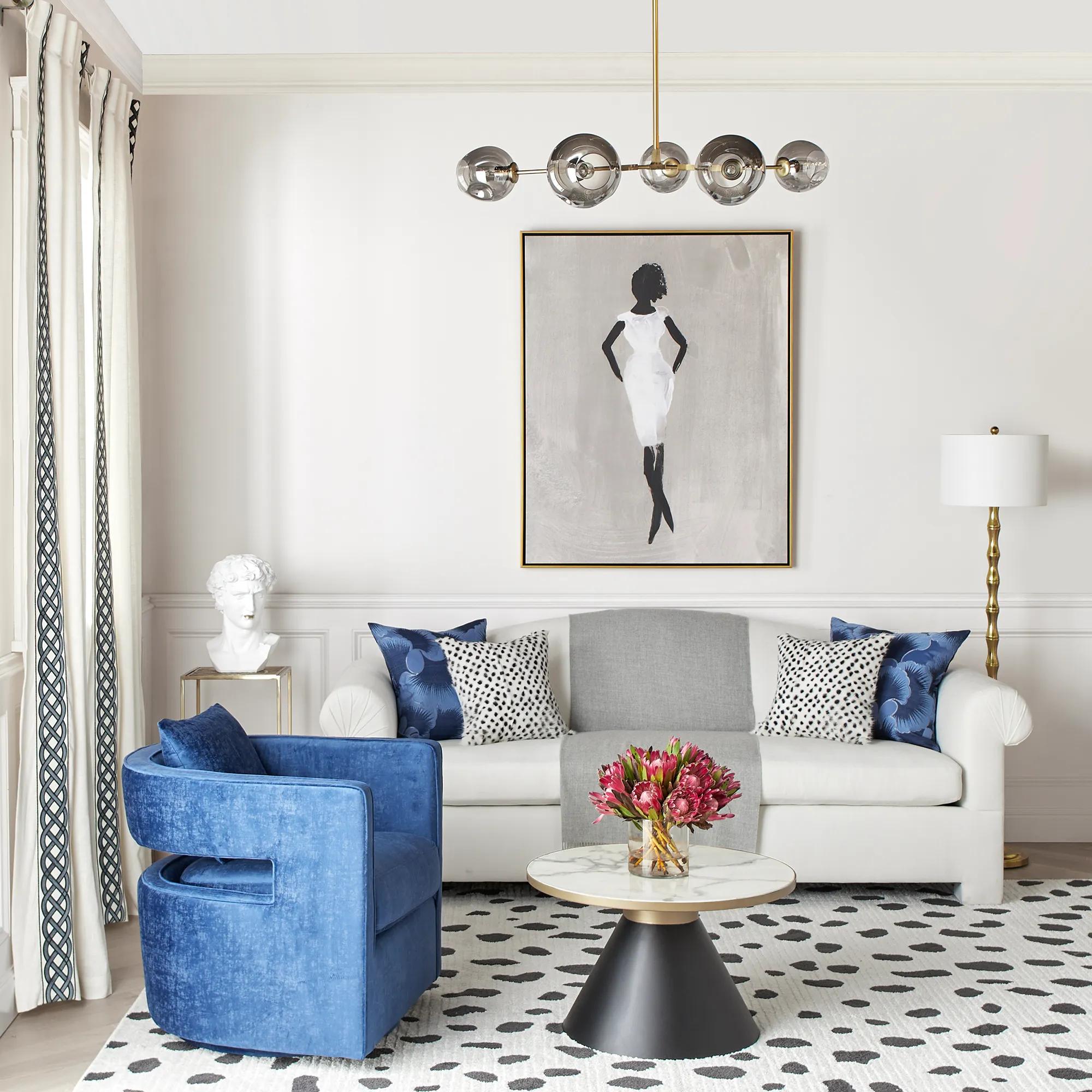 Lottie Navy Velvet Swivel Accent Chair$999
A glamorous navy velvet swivel chair featuring a barrel back, cutout arms, and plush foam cushioning.
Add To Cart -
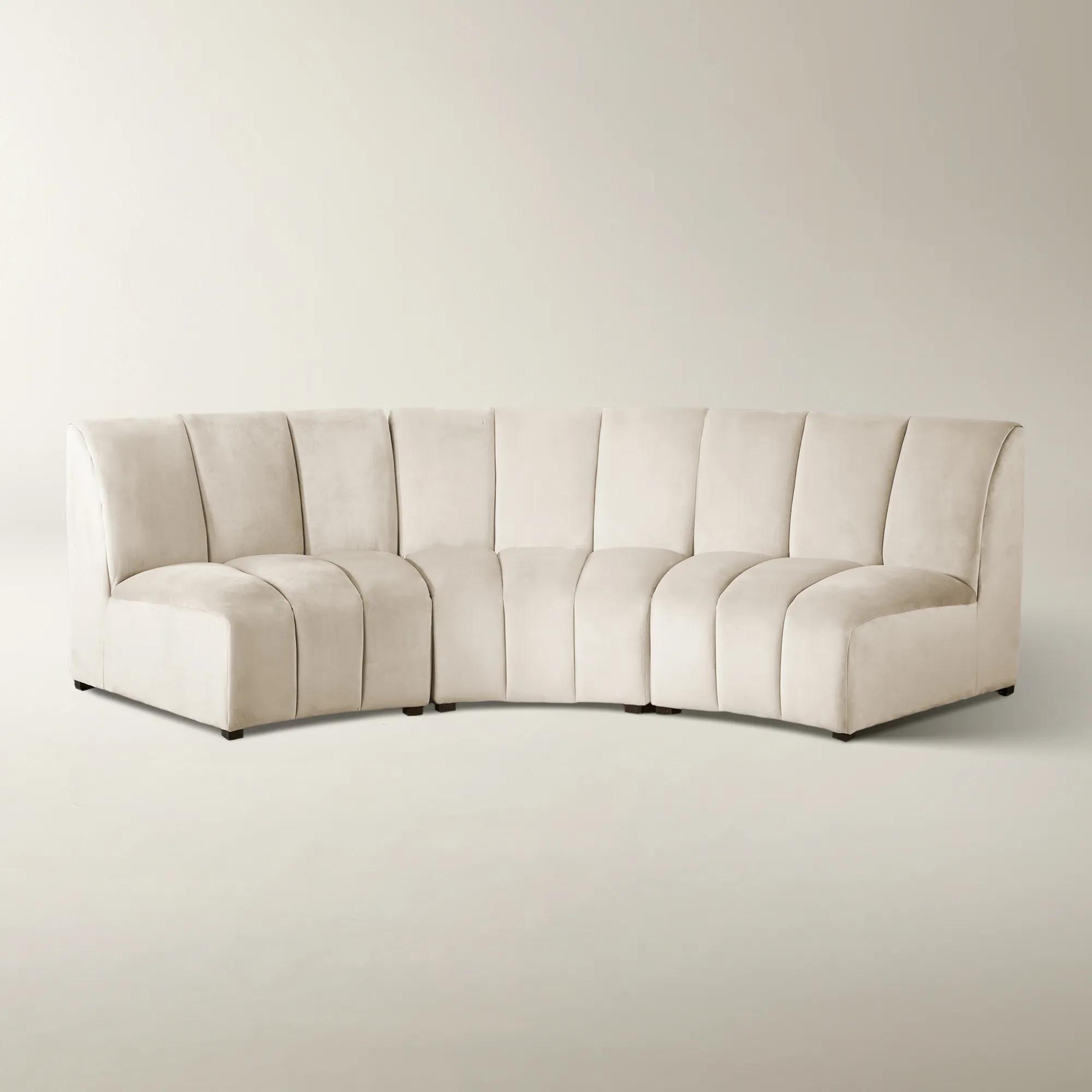
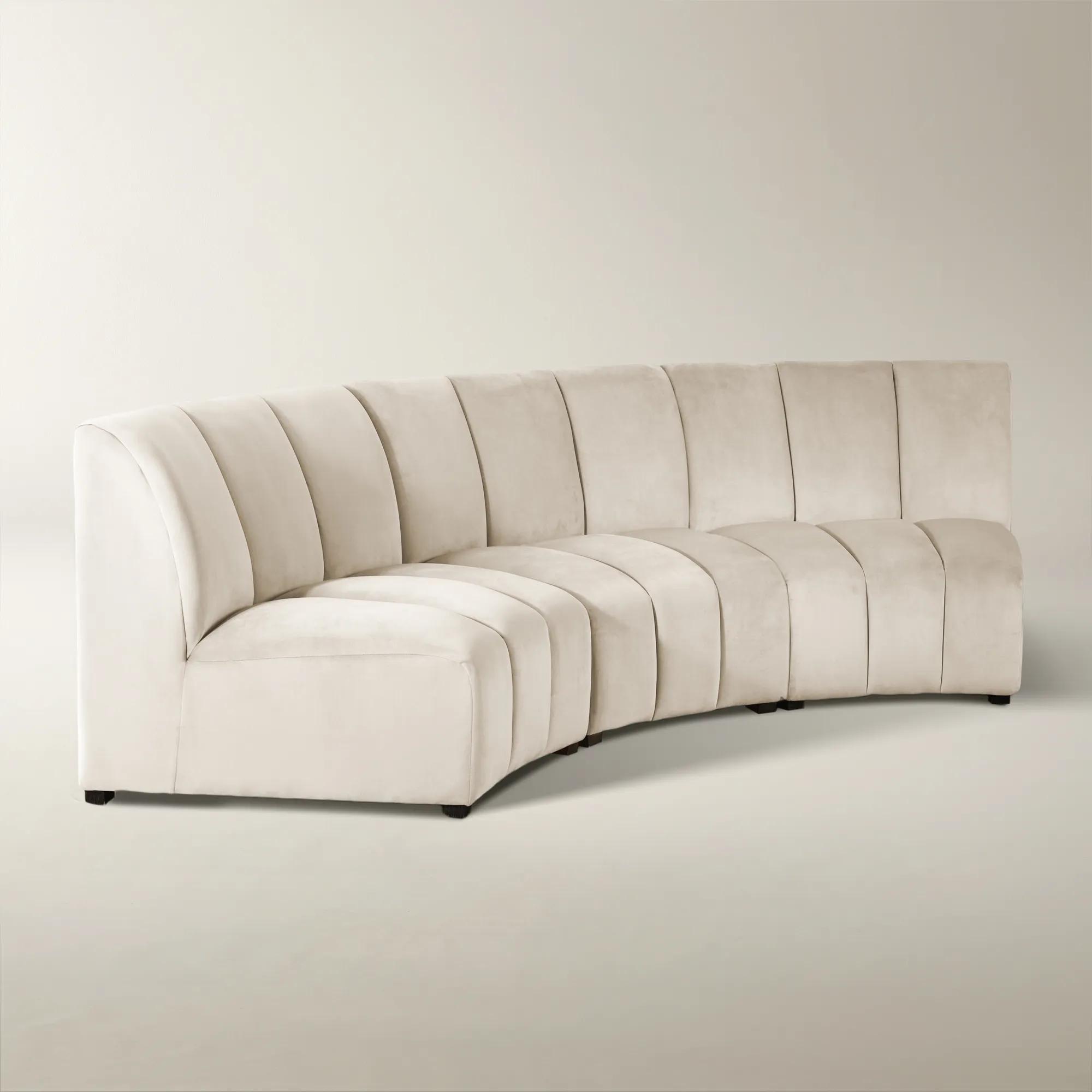 Jayce 3-Piece Channel-Tufted Ivory Velvet Sectional Sofa$2799
A modern curved sectional in stain-resistant Velvet Ivory with deep channel tufting and plush, structured cushions.
Add To Cart -
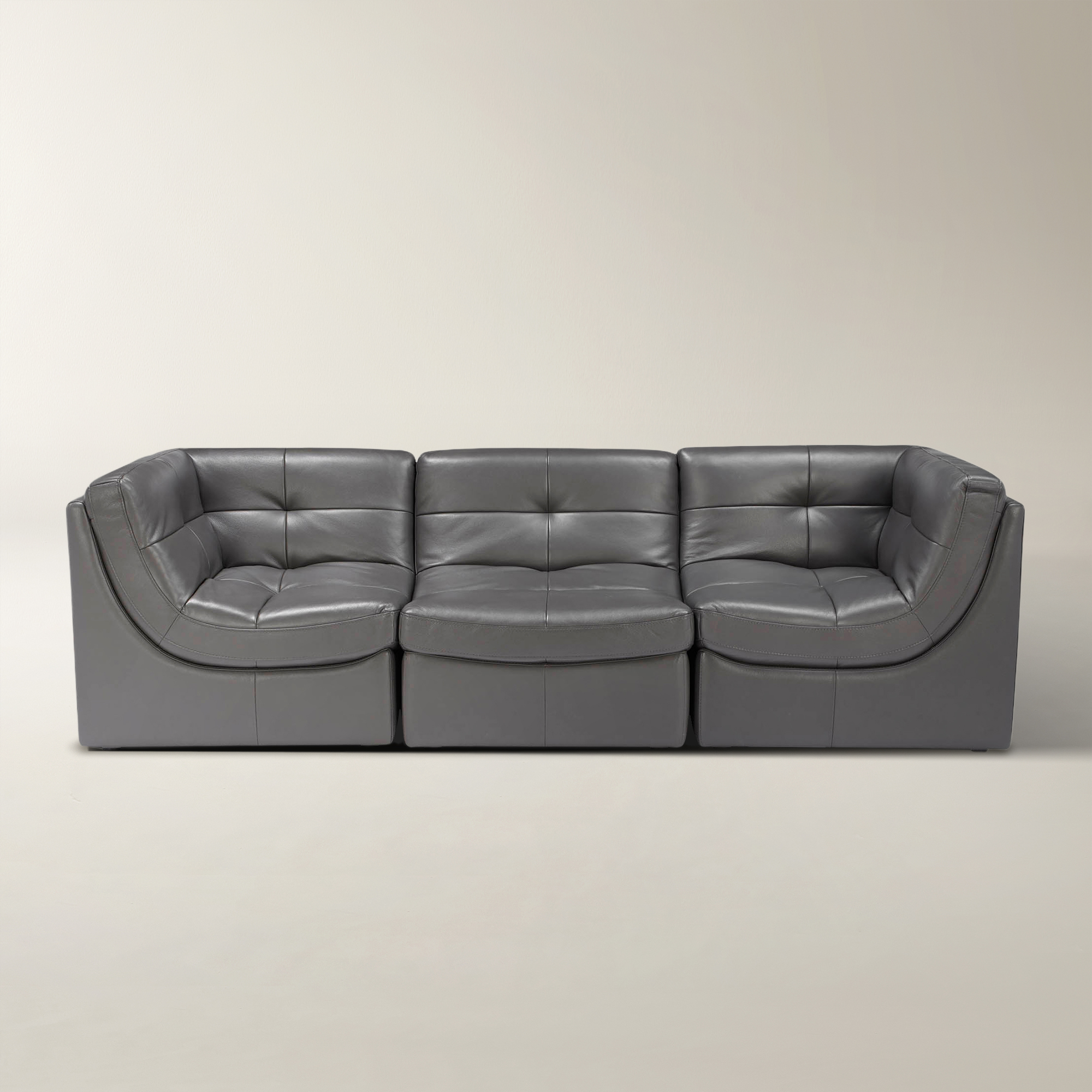 Convo 3-Piece Charcoal Leather Sectional Sofa$3999
A modular charcoal leather sofa with kiln-dried hardwood frame and gently curved, blind-tufted seats.
Add To Cart -
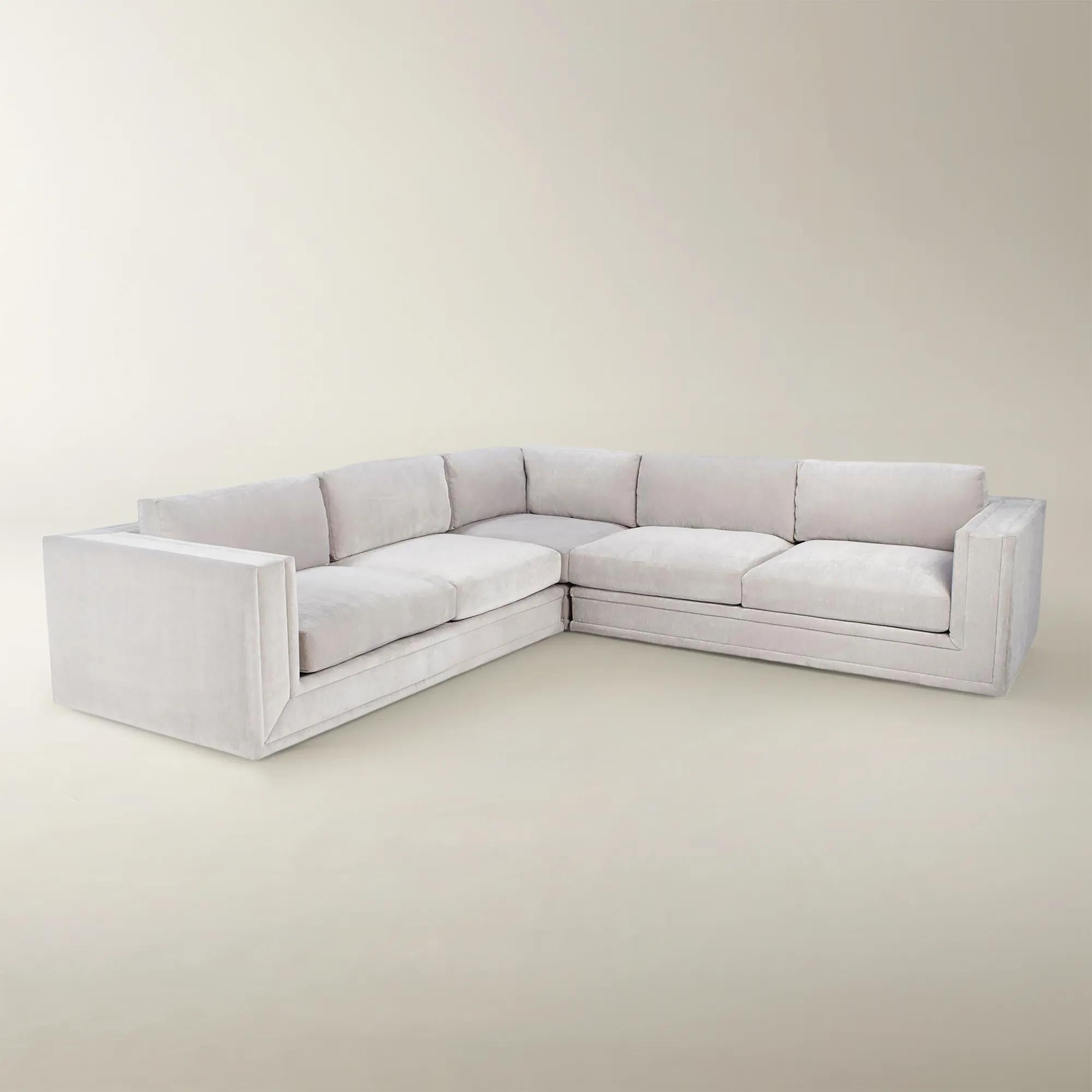 Luka 3-Piece Polar Chenille Sectional Sofa$4999
A modern corner sectional featuring deep seating, high-density foam cushions, and hand-upholstered opulent chenille fabric.
Add To Cart -
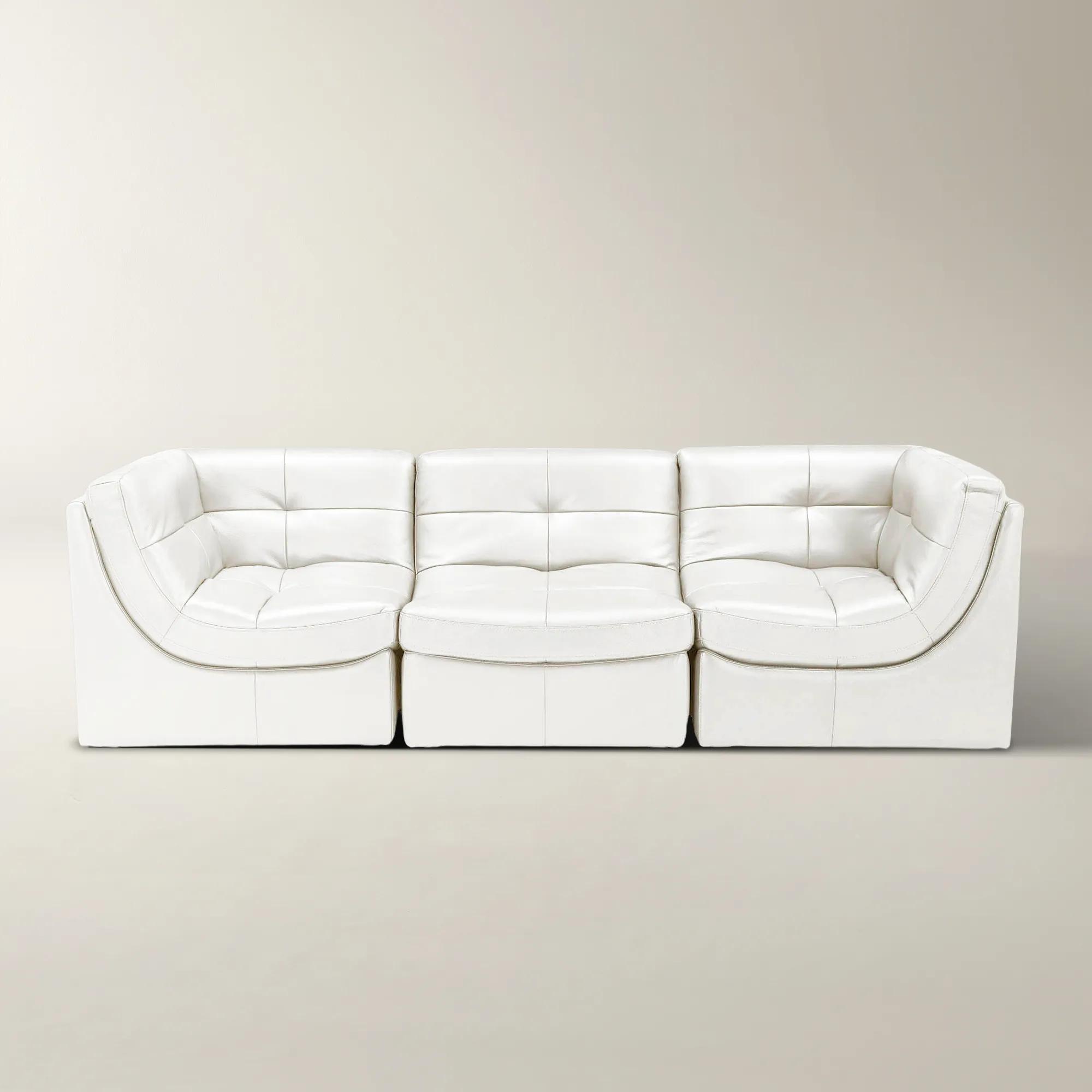 Convo 3-Piece White Leather Sectional Sofa$3999
A modular charcoal leather sofa with kiln-dried hardwood frame and blind-tufted, semi-aniline upholstery.
Add To Cart -
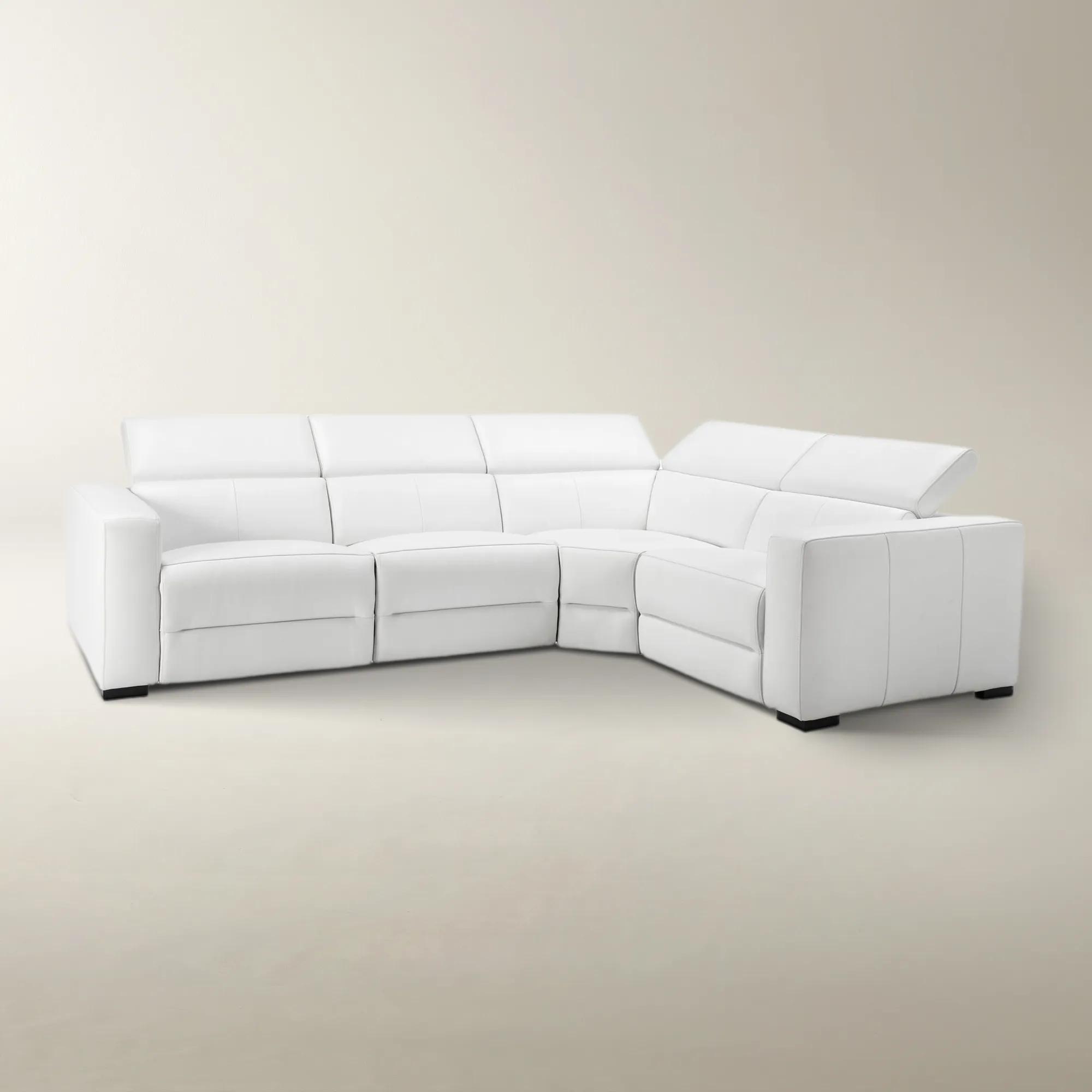
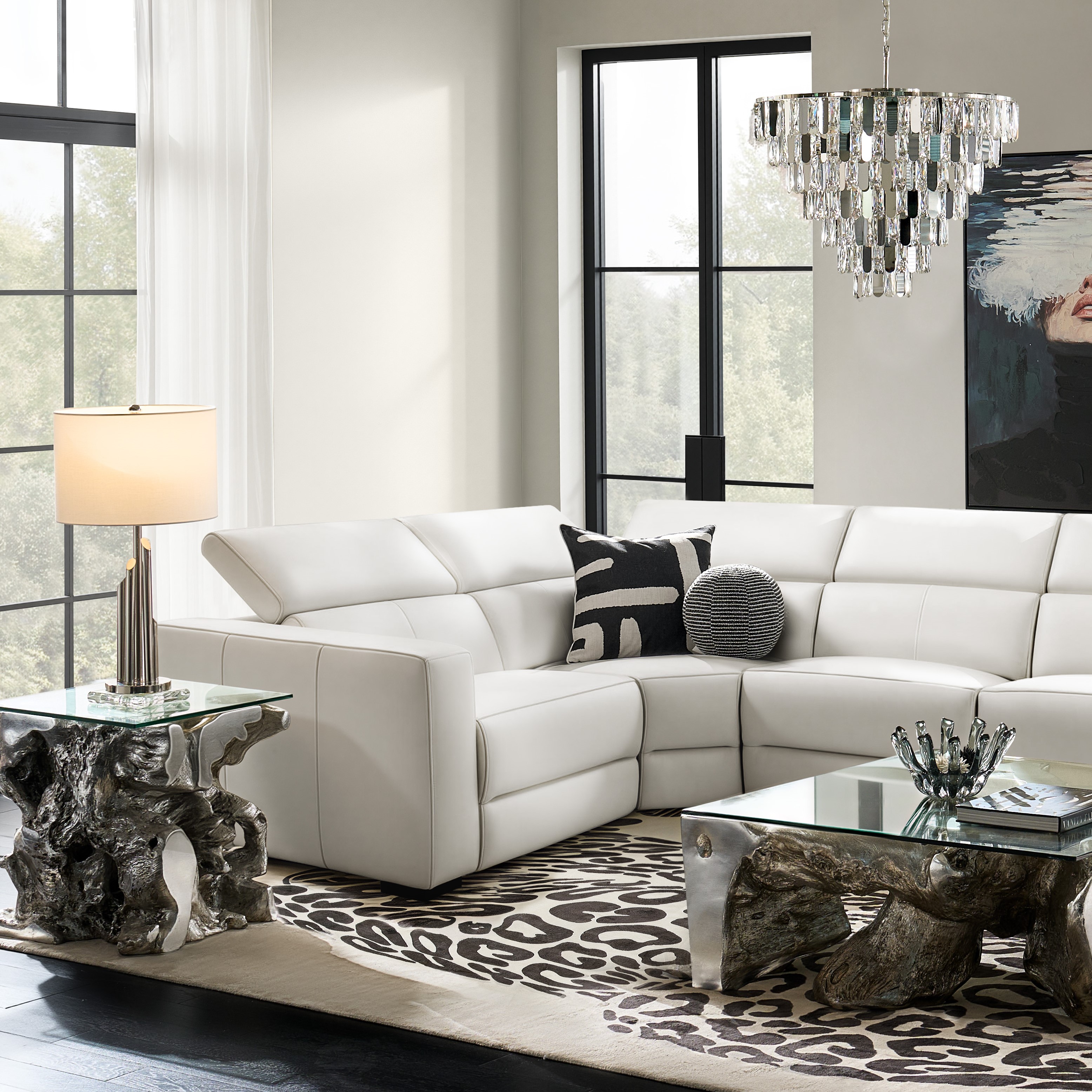 Verona 4-Piece L-Shaped Reclining White Leather Sectional Sofa With Right-Arm$5499
A modern sectional upholstered in supple white semi-aniline leather with adjustable headrests and power-reclining seats.
Add To Cart -
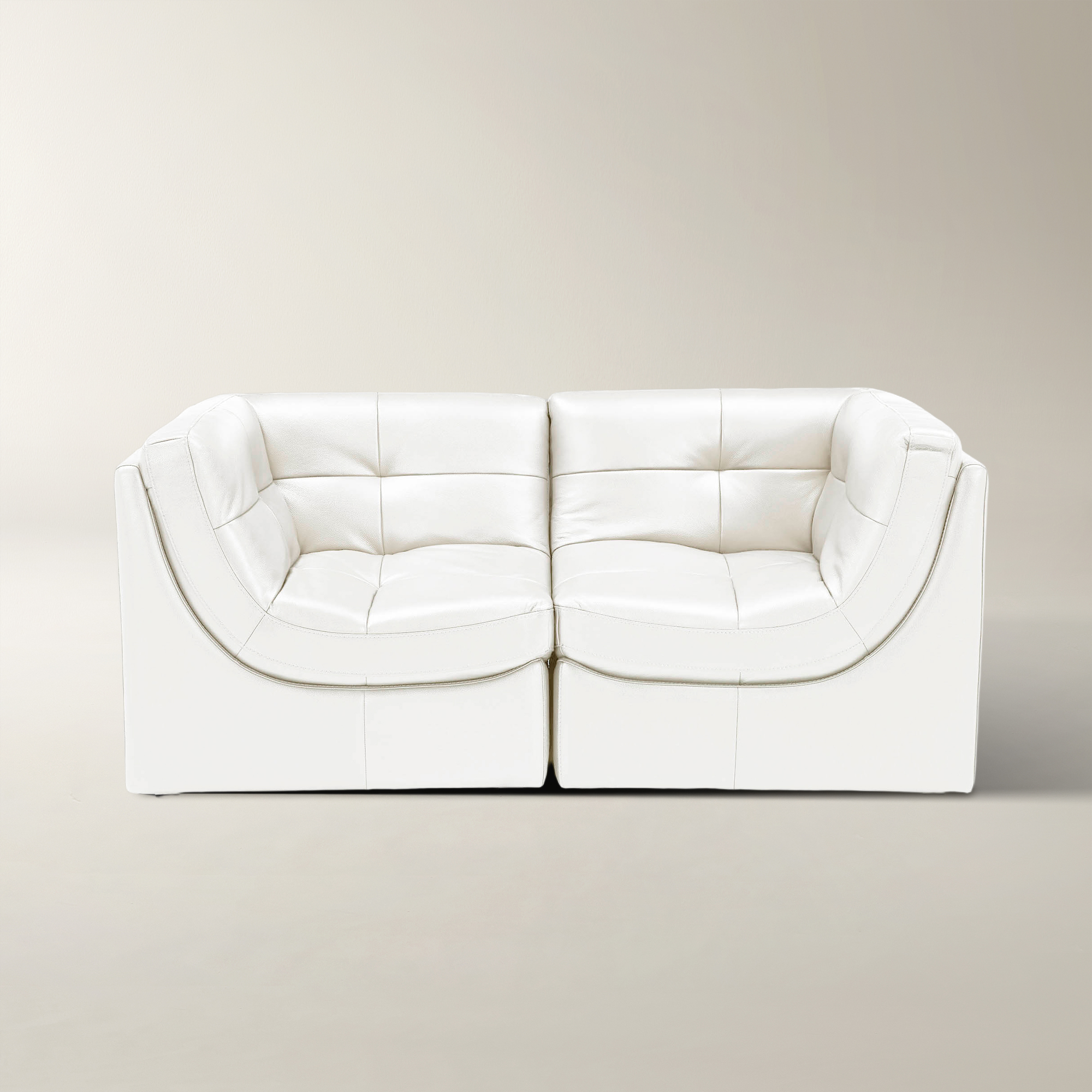 Convo 2-Piece White Leather Sectional Sofa$2799
A modular charcoal leather sofa with kiln-dried hardwood frame and blind-tufted, semi-aniline upholstery.
Add To Cart -
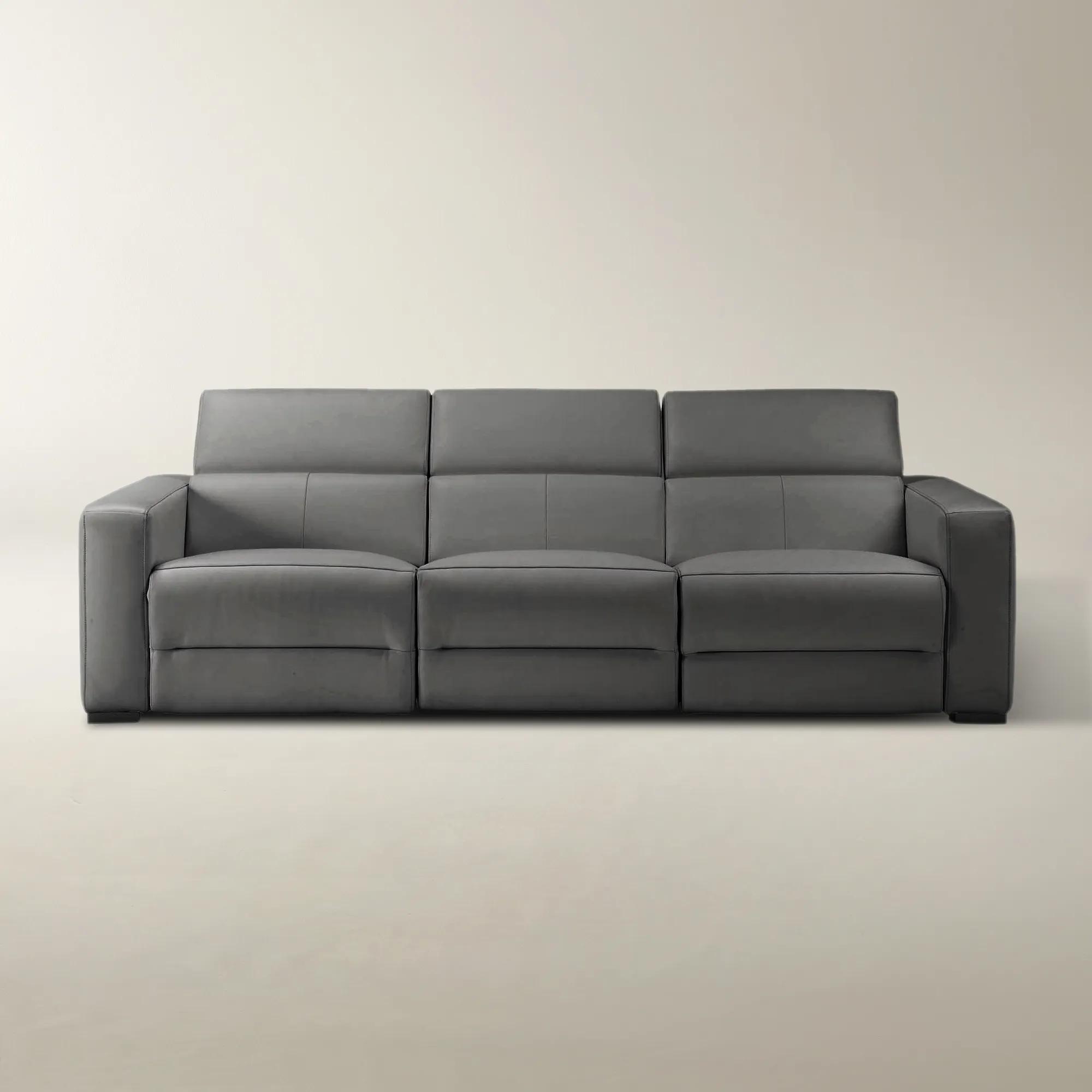 Verona 3-Piece Charcoal Leather Sectional Sofa$4199
A charcoal semi-aniline leather sectional featuring adjustable headrests, kiln-dried hardwood frame, and optional power recline.
Add To Cart -
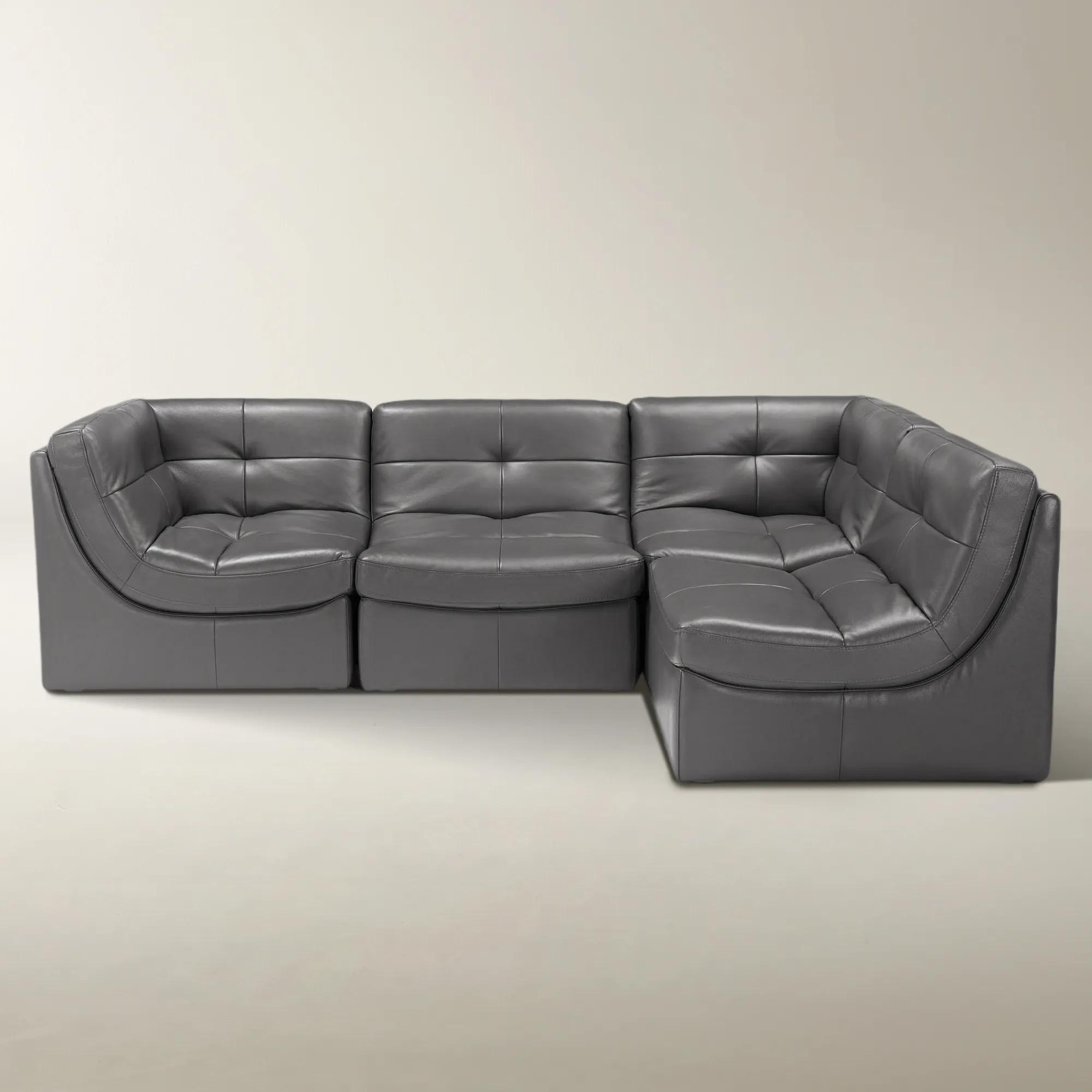 Convo 4-Piece L-Shaped Charcoal Leather Sectional Sofa With Armless Chair$5199
A modular charcoal leather sectional with kiln-dried hardwood frame and gently curved, blind-tufted seats.
Add To Cart -
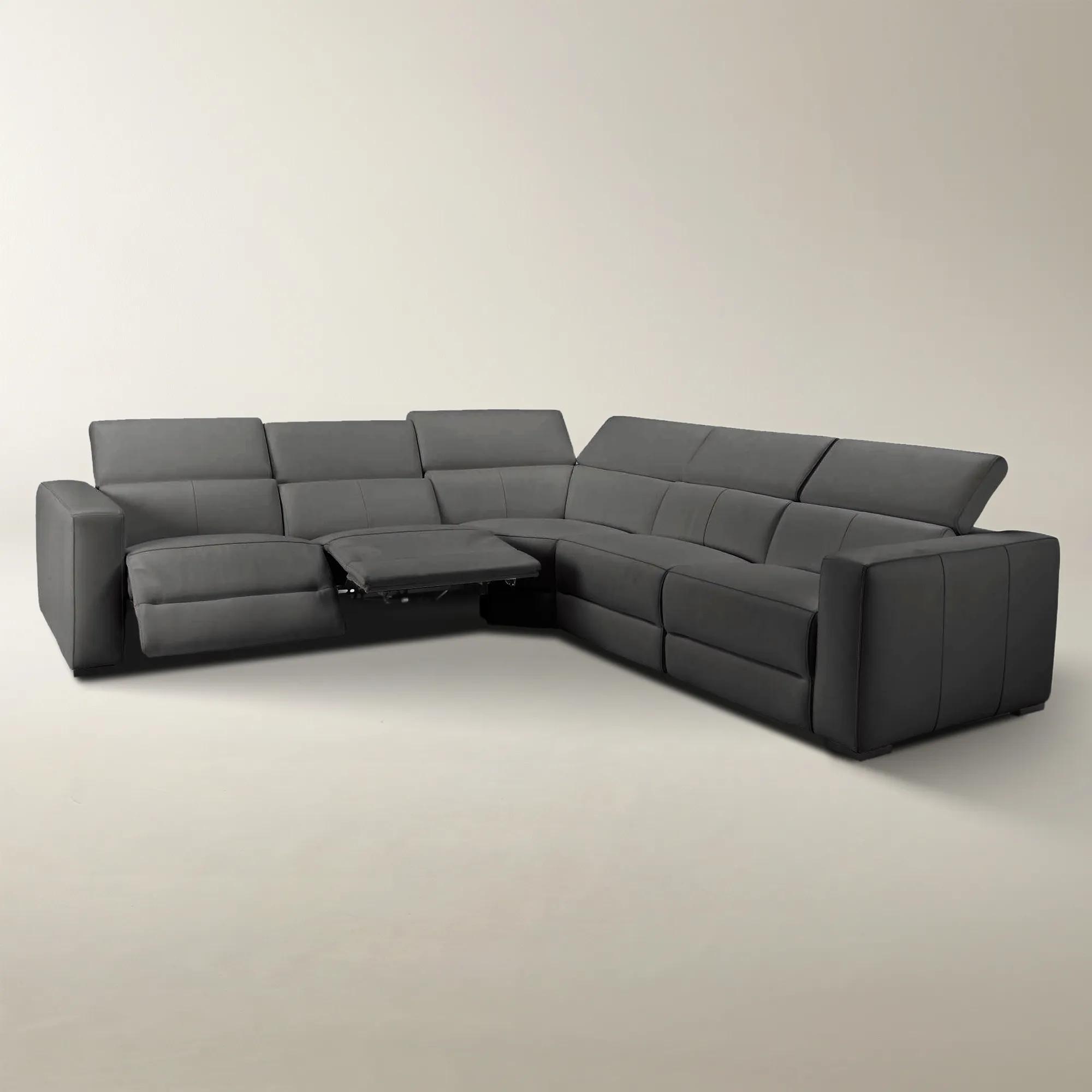 Verona 5-Piece Reclining Charcoal Leather Sectional Sofa$6799
A charcoal semi-aniline leather sectional featuring adjustable headrests, kiln-dried hardwood frame, and optional power recline.
Add To Cart -
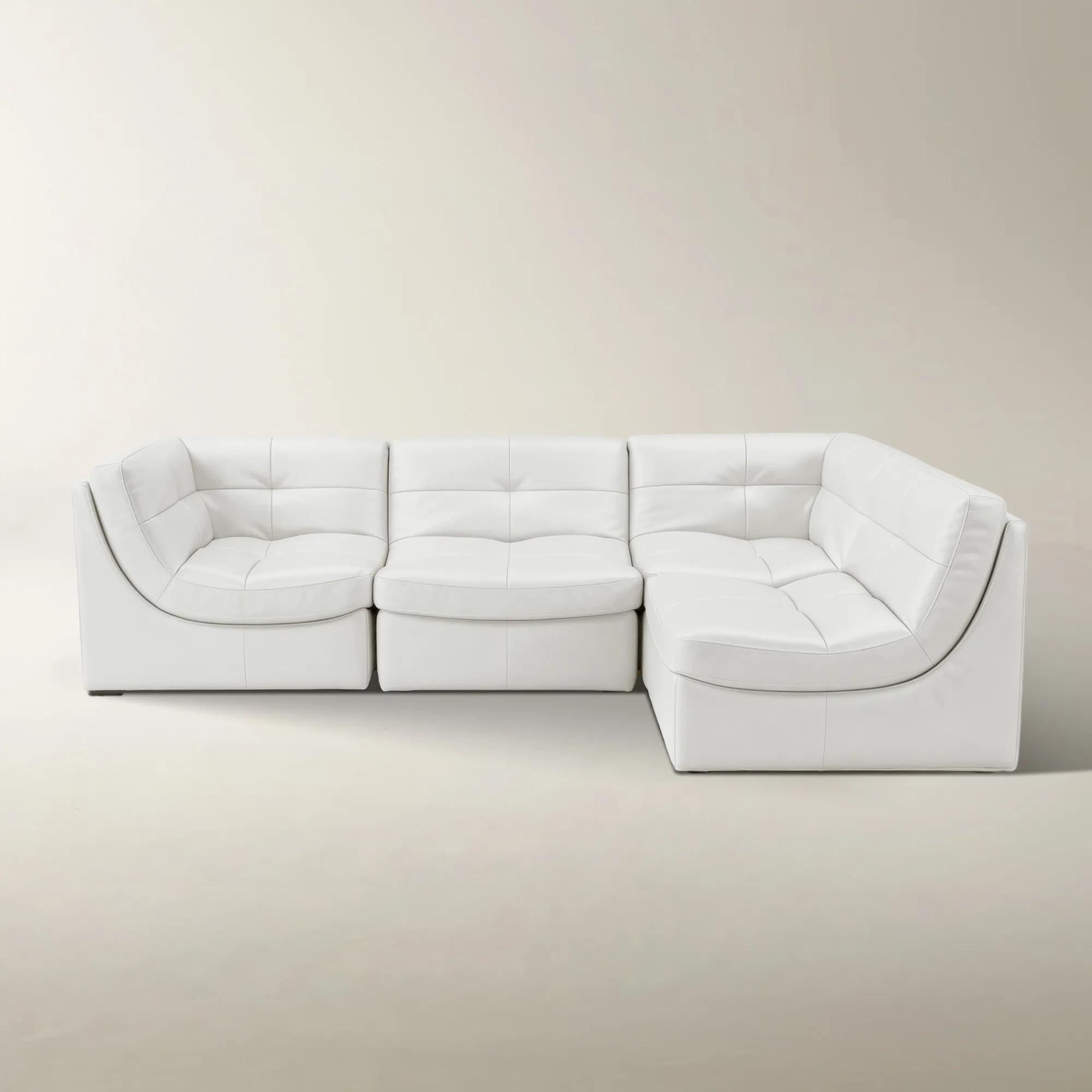
.jpg?w=1200&h=1200) Convo 4-Piece L-Shaped White Leather Sectional Sofa With Armless Chair$5199
Convo 4-Piece L-Shaped White Leather Sectional Sofa With Armless Chair$5199A modular charcoal leather sectional with kiln-dried hardwood frame and gently curved, blind-tufted seats.
Add To Cart -
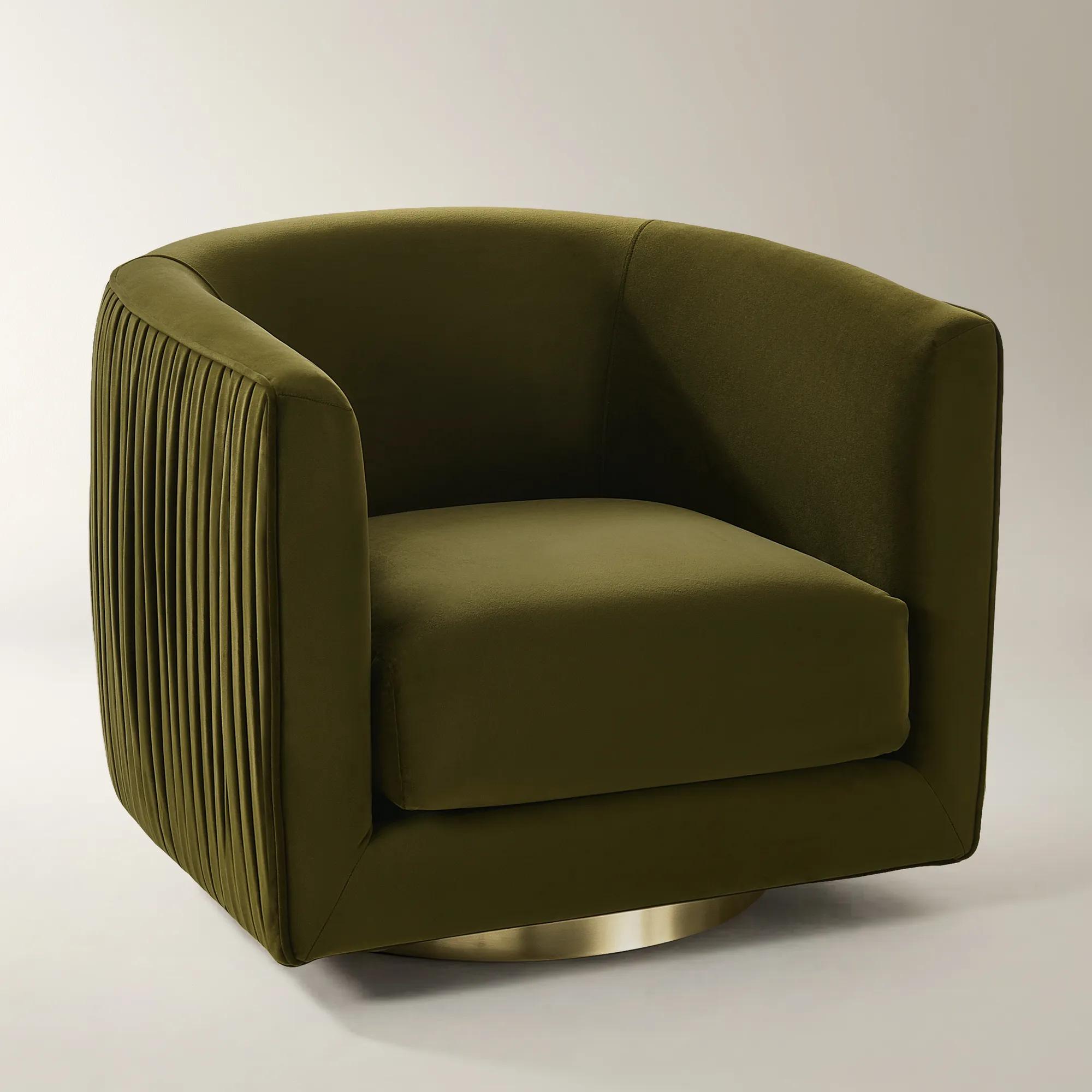
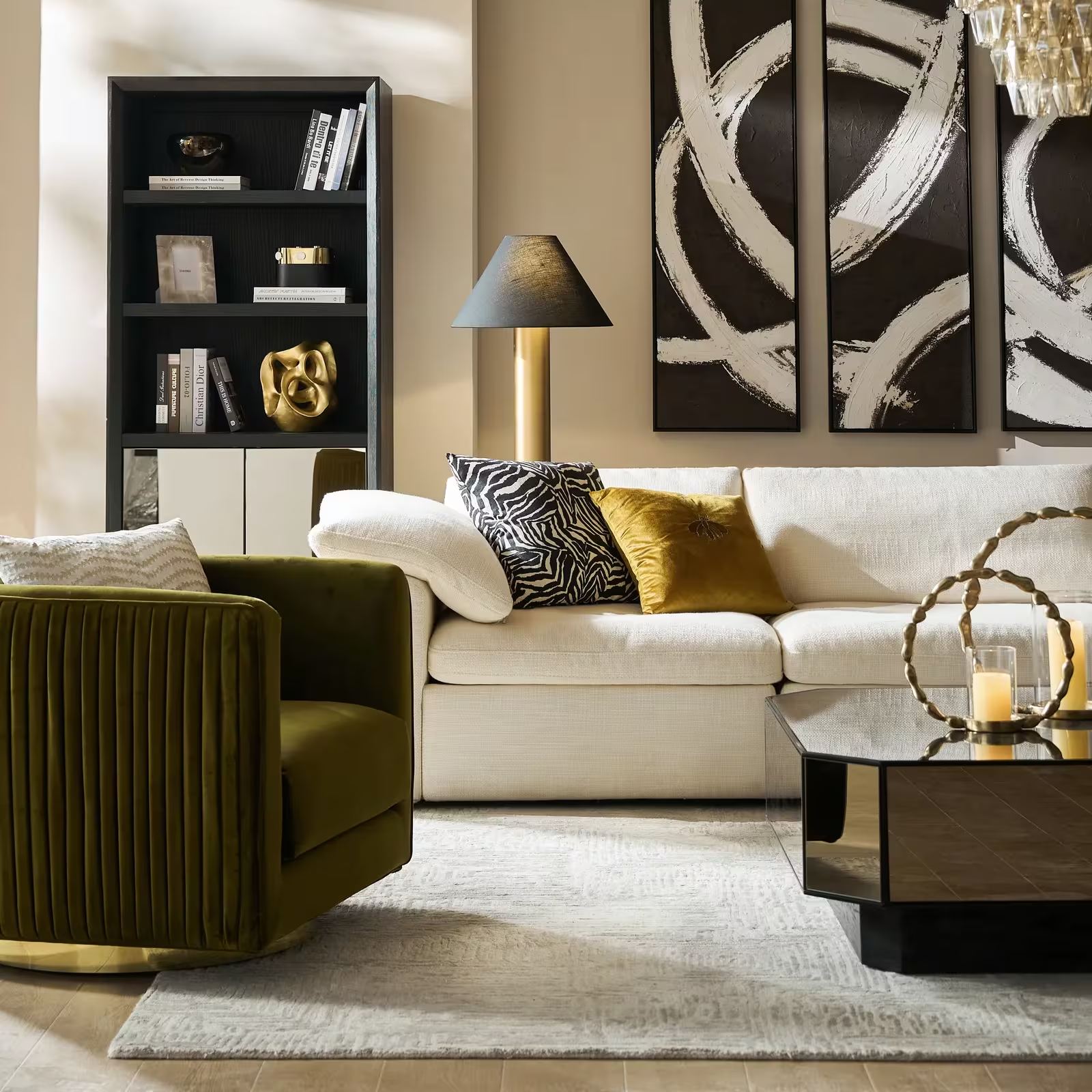 Lyssa Pleated Deep Olive Velvet Swivel Accent Chair$1099
A deep olive green velvet accent chair featuring pleated panels, smooth curves, and a 360-degree swivel base.
Add To Cart -
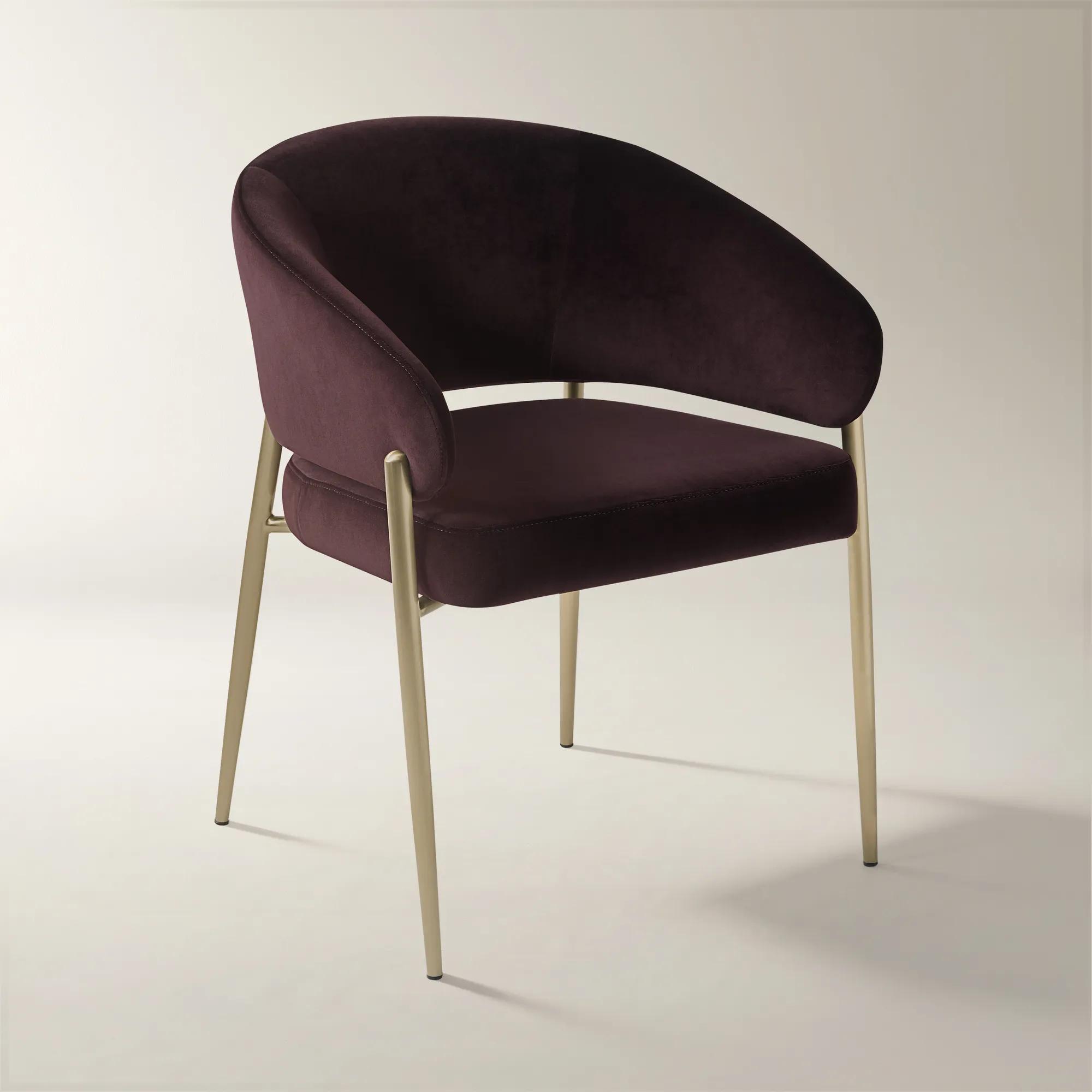 Nara Fig Velvet Dining Chair Set Of 2$599
A set of two dining chairs featuring plush fig velvet upholstery and brushed brass stainless-steel legs.
Add To Cart -
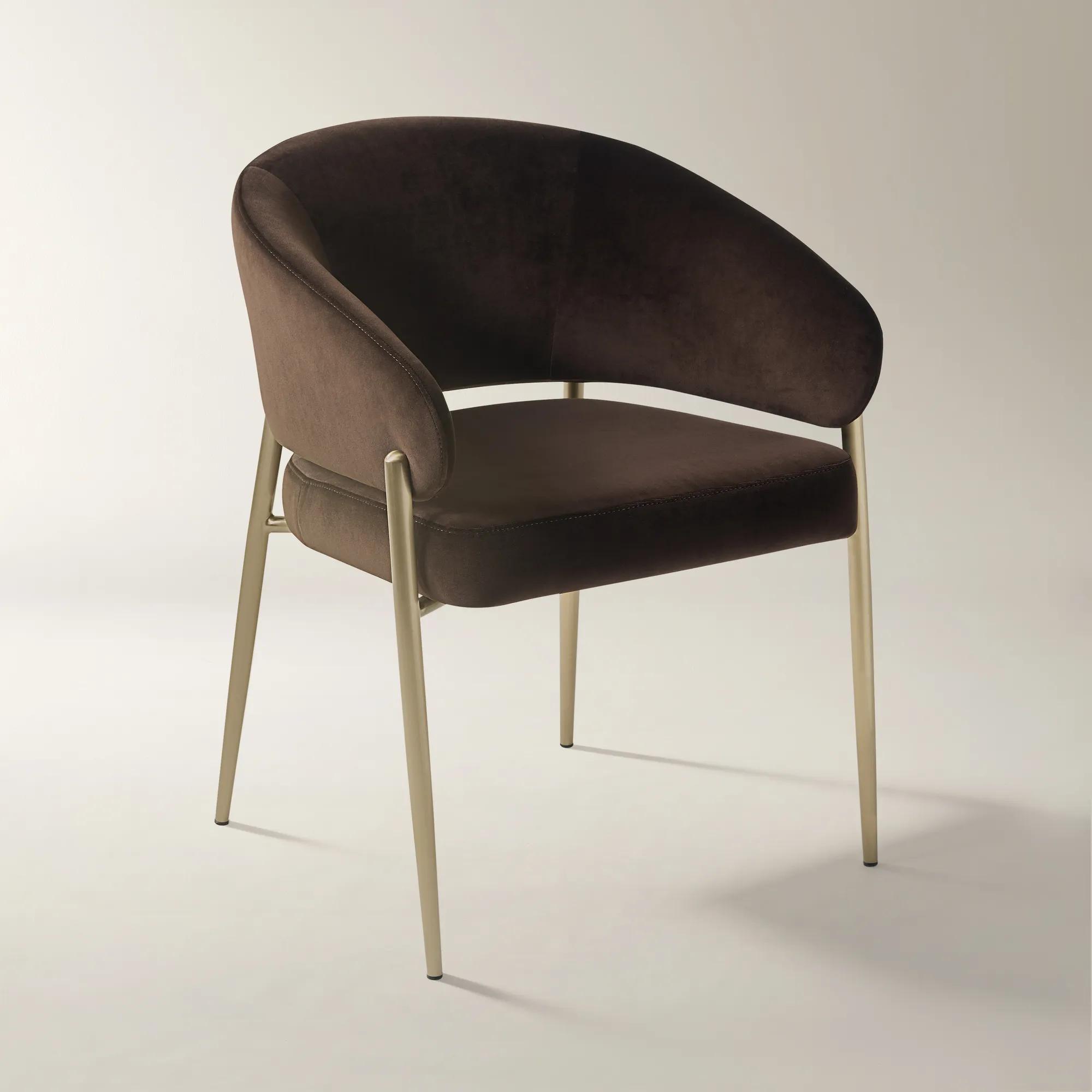 Nara Dark Chocolate Velvet Dining Chair Set Of 2$599
A pair of dark chocolate velvet chairs with curved backs and brushed brass stainless-steel legs for modern elegance.
Add To Cart -
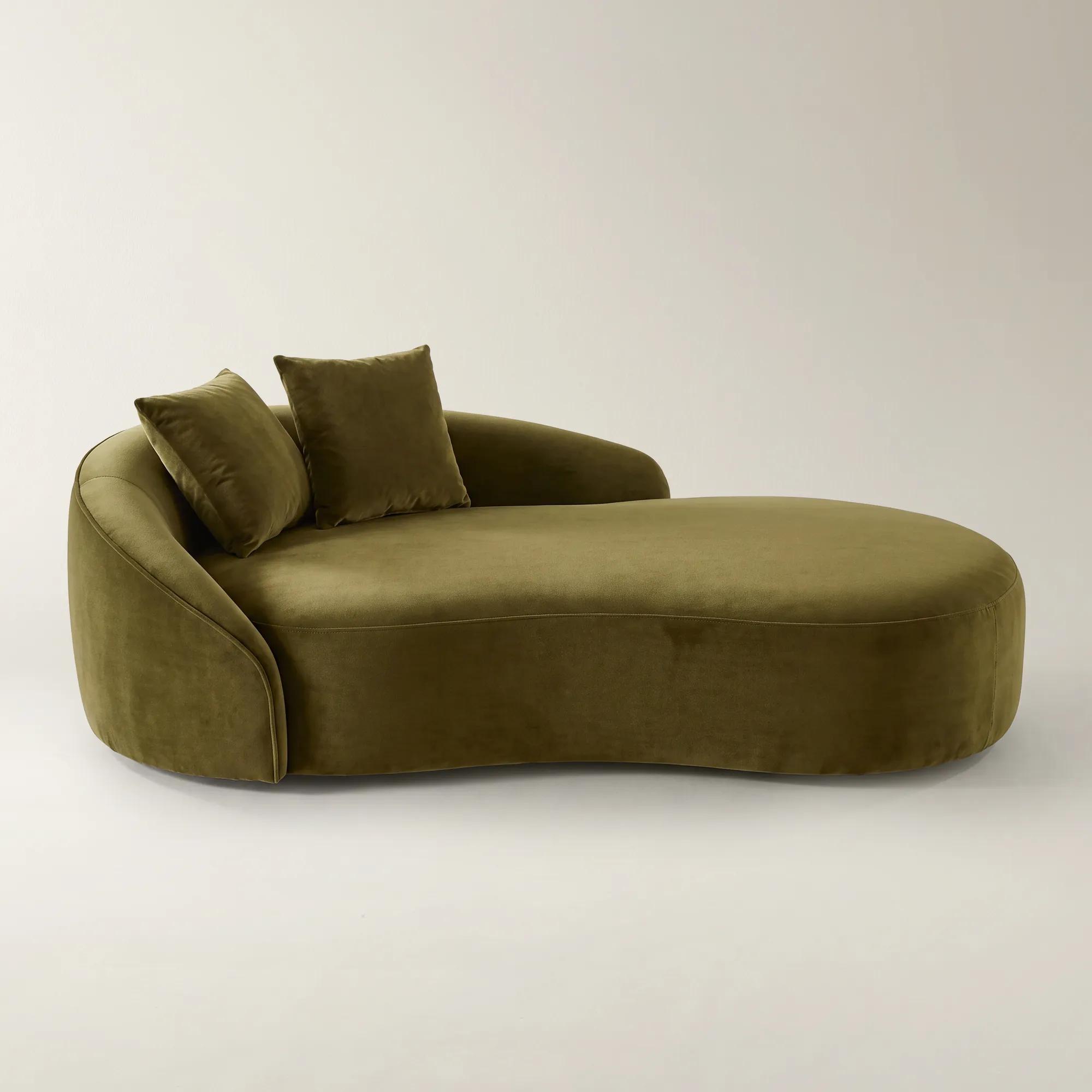
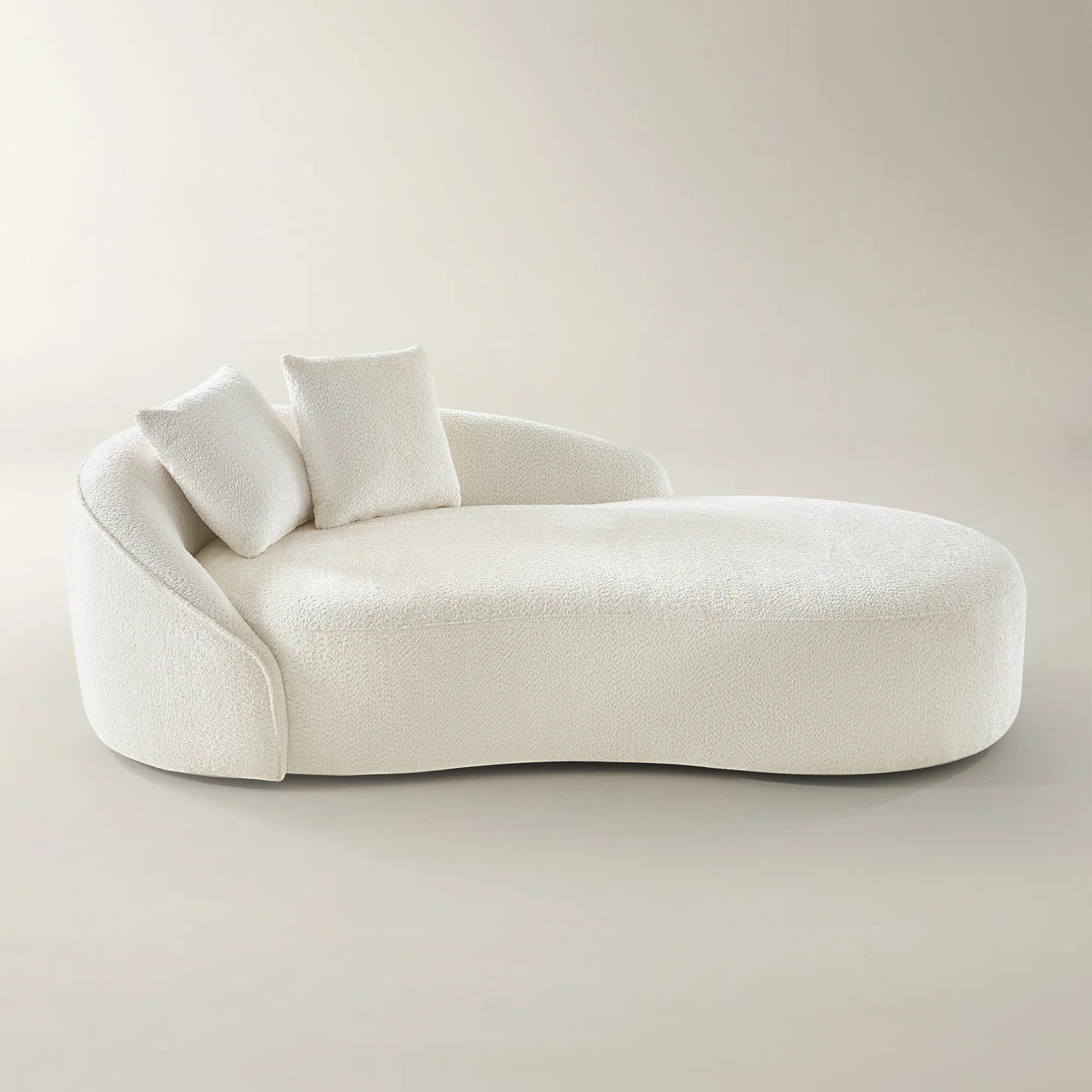 Irene Deep Olive Velvet Chaise$1699
A sculptural deep olive velvet chaise featuring high-resiliency foam cushions and artisan hand-finished upholstery.
Add To Cart -
.jpg?w=1200&h=1200)
 Stria Light Brown Chenille Swivel Accent Chair$1399
Stria Light Brown Chenille Swivel Accent Chair$1399A light brown chenille accent chair featuring triple-layer cushioning, a 360° swivel, and a solid oak base.
Add To Cart -
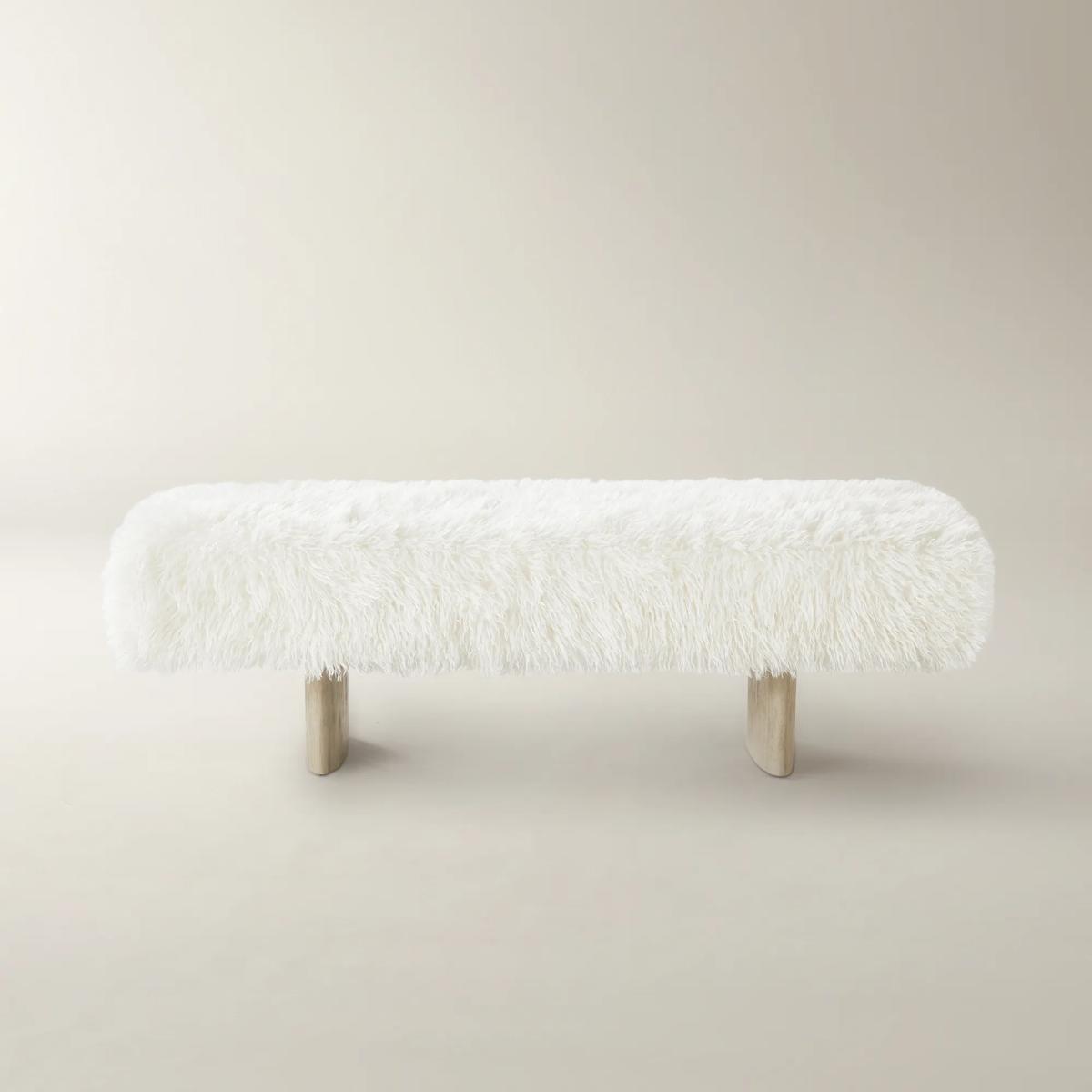 Micah Ivory Mongolian Faux Fur Bench With Rubberwood Legs (62.6")$699
An ivory faux Mongolian fur bench with high-density foam and sculptural solid rubberwood base for modern coziness.
Add To Cart

Seating For Conversation Areas
Seating for conversation areas transforms gathering spaces into vibrant stages for connection and creativity. Each piece is an invitation—to linger, to laugh, to share stories in sumptuous comfort. With silhouettes that command attention and textures that beckon touch, seating for conversation areas becomes the heartbeat of the room, orchestrating moments both grand and intimate. Here, artistry meets function, offering a curated canvas where every seat is a statement and every arrangement sparks new dialogue. Elevate your entertaining with designs that celebrate togetherness as the ultimate luxury.
Seating for conversation areas brings sofas, loveseats, armchairs, and occasional seating into a shared setting where people can face one another comfortably, hear easily, and move through the room without interrupting the gathering. The most inviting arrangements balance expressive silhouettes with generous comfort: a curved sofa that gently turns guests toward each other, a pair of sculptural chairs with enveloping backs, or four upholstered club chairs gathered around a central table. Unlike a room organized entirely around a television, a conversation area makes the people in it the focal point. That distinction gives seating a more personal role, whether the setting is a formal living room, an intimate sitting room, or a defined corner of an open-plan home. A sofa opposite two armchairs creates a composed, welcoming arrangement with room for different sitting preferences. Four chairs in the round establish a balanced setting for lively discussion, while a sofa and chairs positioned at right angles leave one side open to the rest of the room. Loveseats lend themselves to smaller spaces where a full-size sofa would overwhelm the grouping, and a carefully placed ottoman can offer flexible seating when its construction and weight rating support that use. For a distinctive counterpoint to a larger upholstered silhouette, accent chairs for creating conversation areas bring individual character to the composition through shape, texture, and proportion. Matching chairs introduce symmetry; coordinating rather than identical pieces create a more collected effect. Think sumptuous upholstery against a gleaming table base, a rounded chair softening the lines of a tailored sofa, or an open-arm silhouette preserving a view through the room. Each approach can feel richly layered without becoming visually crowded. For hosts who enjoy lingering after dinner, households that gather to exchange stories, or anyone who wants a more engaging alternative to screen-centered seating, the appeal lies in furniture that makes settling in feel as natural as joining the conversation.
Scale determines whether that atmosphere translates into everyday comfort. Conversation seating generally works best when the people seated opposite one another are within about eight feet, close enough to speak comfortably without leaning forward or raising their voices. A central coffee table typically needs about 16 to 18 inches of clearance from the front edge of a sofa or chair, allowing legroom while keeping a glass or small plate within reach. Main walkways around the grouping benefit from roughly 30 to 36 inches of clear space, with additional clearance where mobility needs, doors, or frequent traffic require it. These dimensions are starting points rather than substitutes for measuring the room and the furniture itself. An expansive chair can look beautifully proportioned beside a substantial sofa yet consume too much circulation space in a narrow sitting area; a slimmer frame may deliver the same visual presence with a smaller footprint. Seat width, usable cushion depth, arm height, and overall back height deserve equal attention. Deep seats encourage lounging, while a shallower seat and supportive back can feel more comfortable for upright conversation. Higher, firmer seats with supportive arms may make sitting down and standing up easier for some guests, although comfort depends on individual needs. Similar seat heights across a grouping help keep eye lines comfortable and give the arrangement a cohesive rhythm. Swivel chairs offer particular flexibility in open living spaces, allowing a guest to turn between a sofa and an adjoining gathering area, provided there is enough clearance for the chair to rotate freely. Floating seating away from the walls can define a conversation zone, especially when the front legs rest on a generously proportioned area rug. In that arrangement, finished backs become part of the room’s visual story rather than an overlooked detail. Delivery dimensions matter as much as the final layout: doorways, stair turns, elevators, and narrow halls can determine whether a substantial upholstered piece reaches its intended setting. A beautifully scaled grouping leaves room not only for furniture, but also for someone to enter, set down a drink, and take a seat without asking everyone else to move.
Materials give conversation seating its tactile identity, shaping both the mood of the room and the level of care it will need. Velvet lends upholstery a luminous depth, with highlights and shadows tracing the curve of an arm or the sweep of a back. Its pile may show pressure marks or changes in shading, characteristics worth considering in a frequently used seat. Textured woven fabrics bring dimension to tailored forms, while bouclé offers a sculptural, nubby surface whose loops may be more vulnerable to snagging from claws or sharp accessories. Leather introduces a different kind of richness, with care requirements that vary by finish; some types develop patina, while others are treated for a more consistent appearance. Performance-designated upholstery may offer helpful resistance to certain spills or wear, but the designation does not make a fabric stain-proof, and individual specifications remain important. For a conversation area used every day, frame construction, joinery, suspension, cushion composition, and upholstery suitability all contribute to durability. Plush, fiber-filled cushions may need regular reshaping, while firmer foam cushions can provide a more structured sit; neither appearance alone nor initial softness tells the whole story. Removable covers are not necessarily machine washable, so the manufacturer’s care label should govern cleaning. Routine vacuuming with an appropriate upholstery attachment helps remove dust and debris, and prompt blotting rather than rubbing can limit the spread of a spill. Cleaning products should suit the stated fabric code or leather finish, and any permitted treatment should be tested in an inconspicuous area first. Direct sunlight can affect upholstery color over time, making placement another part of preserving its beauty. These practical distinctions allow a seating arrangement to suit its intended life, from frequent entertaining to quieter conversations between two people. With considered proportions and materials chosen for the household, conversation seating becomes more than a decorative composition: it creates a room with presence, intimacy, and a generous invitation to linger.
FAQs
To craft a conversation seating area that exudes elegance and warmth, focus on arranging seats to face each other, encouraging eye contact and effortless dialogue. Incorporate plush textiles, sculptural silhouettes, and statement accents to evoke a sense of artistry. Layer in tactile elements like velvet or boucle for comfort, and anchor the space with a central coffee table or ottoman to ground the arrangement. Lighting, such as a dramatic chandelier or shimmering floor lamp, sets the mood and enhances the overall ambiance.
During the winter months, opt for seating that offers both comfort and coziness. Deeply cushioned sofas, lounge chairs upholstered in sumptuous fabrics, and sectionals with ample room for gathering are ideal. Consider layering with plush throws and decorative pillows in rich, seasonal hues to add warmth and visual interest. These elements invite guests to relax, linger, and enjoy the intimacy of indoor gatherings.
Selecting a mix of seating styles—such as pairing a statement sofa with bold accent chairs—adds visual intrigue and dimension to your conversation area. Balance is key: combine pieces with complementary shapes, heights, and textures to create a harmonious yet dynamic vignette. Use accent chairs to introduce color, metallic finishes, or unique silhouettes, ensuring each piece contributes to the overall narrative of your space.
Absolutely. Conversation seating areas are inherently versatile and can be styled to suit any occasion. For formal entertaining, opt for refined materials, structured silhouettes, and a symmetrical arrangement. For more casual gatherings, embrace relaxed fabrics, organic shapes, and a looser layout. Personal touches—such as curated art, dramatic lighting, or a signature centerpiece—ensure your space feels intentional and expressive, no matter the mood.
Infuse your conversation seating area with festive flair by swapping in decorative pillows, draping luxurious throws, or introducing a bold area rug in seasonal tones. Add a touch of glamour with metallic accents, mirrored surfaces, or crystal lighting. Arrange fresh florals, sculptural vases, or artful trays on your coffee table to serve as conversation starters. These thoughtful updates transform your space into a captivating backdrop for holiday gatherings and celebrations.