Ideas For Creating Conversation Areas
Ideas For Creating Conversation Areas
-
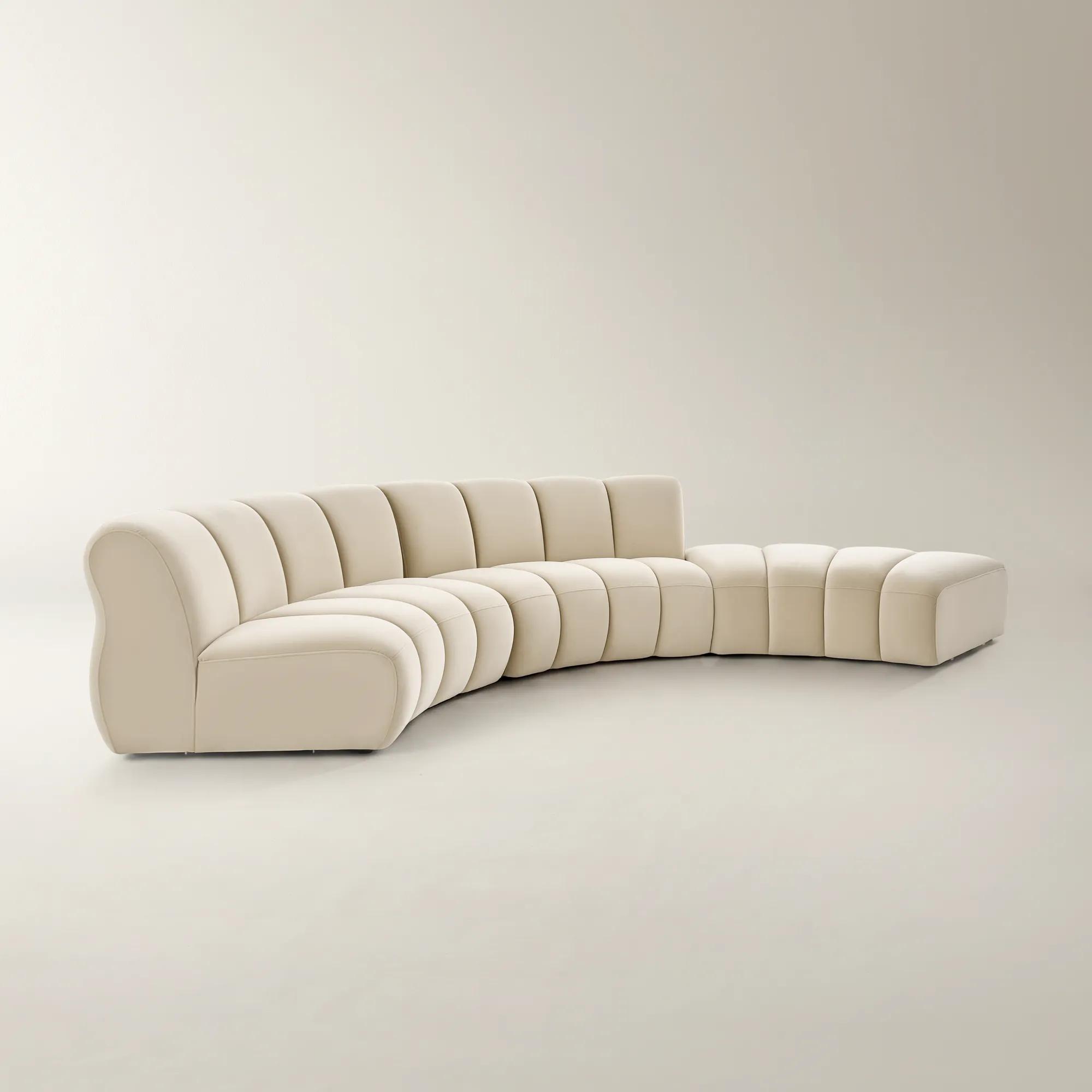 Jocelyn 3-Piece Channel-Tufted Oatmeal Velvet Sectional Sofa With Ottoman$3699
An oatmeal velvet sectional with deep channel tufting, curved silhouette, and modular design for versatile lounging.
Add To Cart -
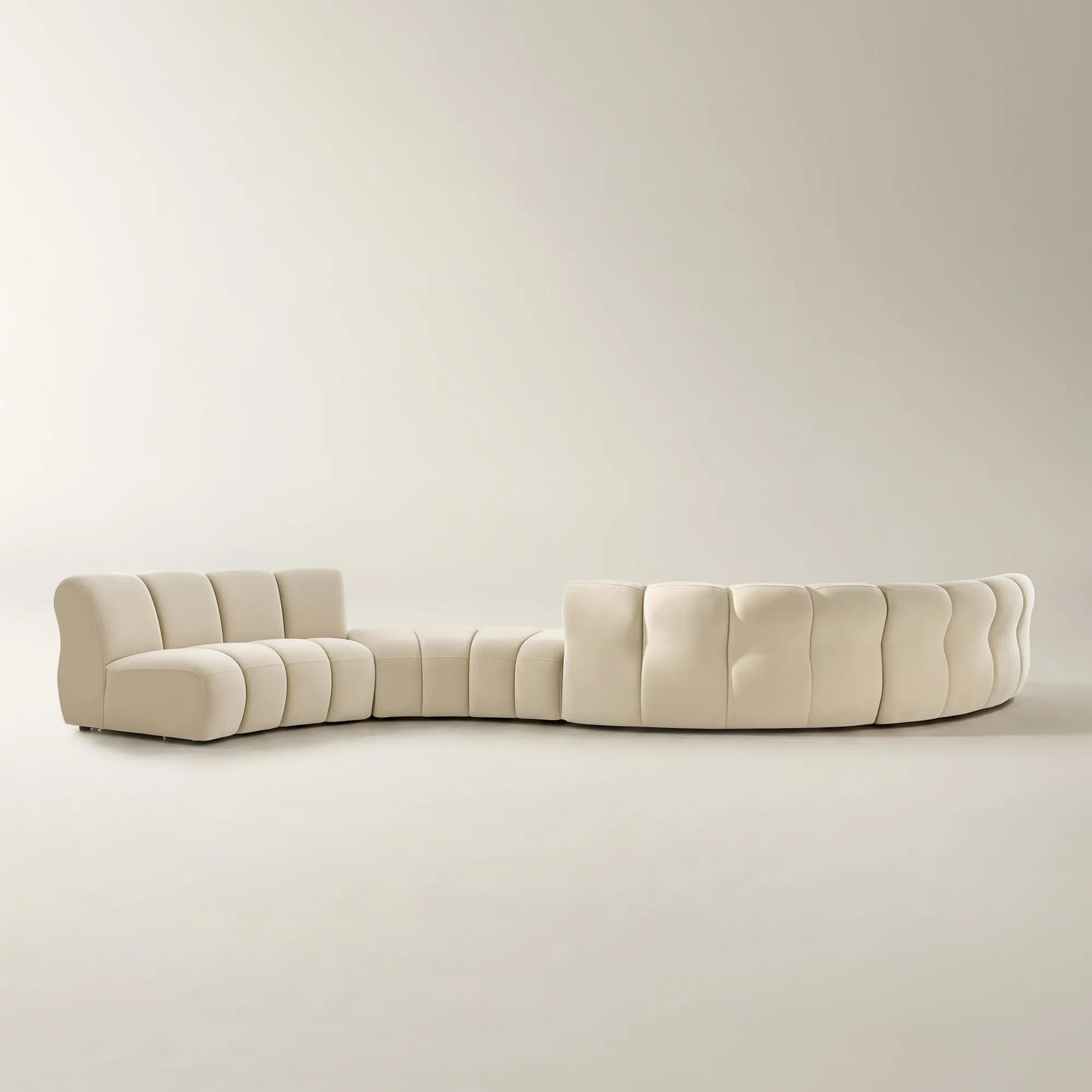 Jocelyn 4-Piece Channel-Tufted Oatmeal Velvet Sectional Sofa With Ottoman$4999
An oatmeal velvet sectional with deep channel tufting, curved silhouette, and modular design for flexible arrangements.
Add To Cart -
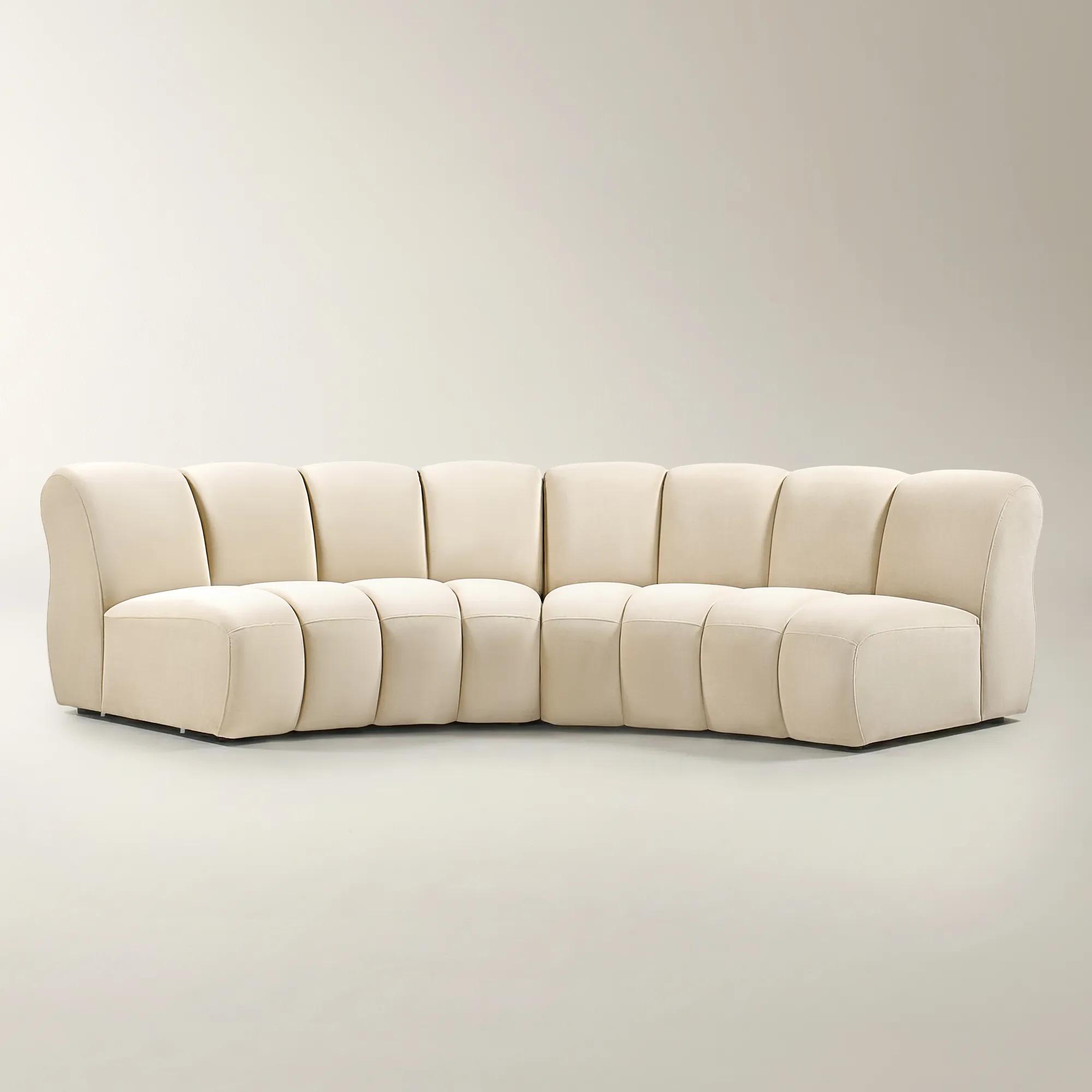
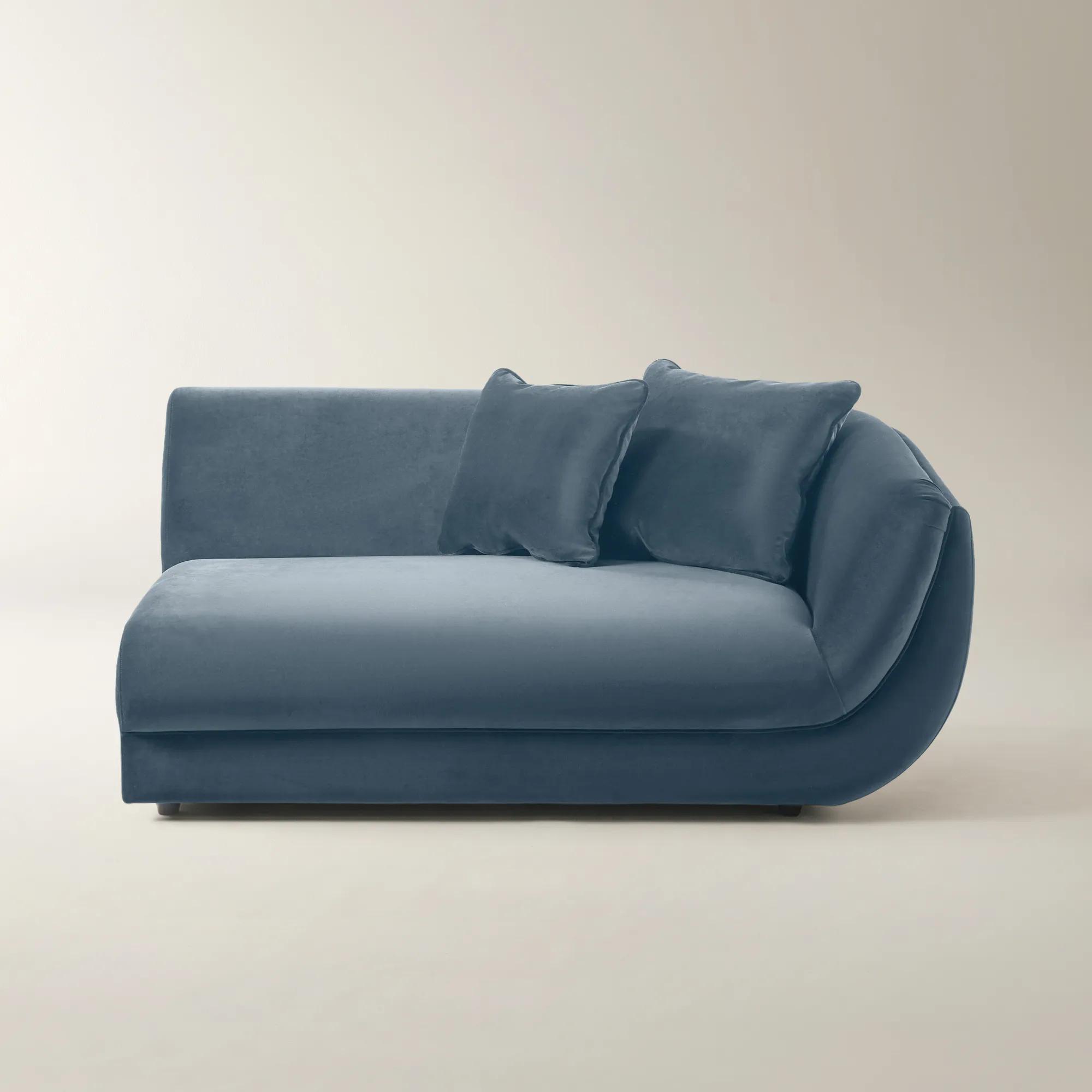
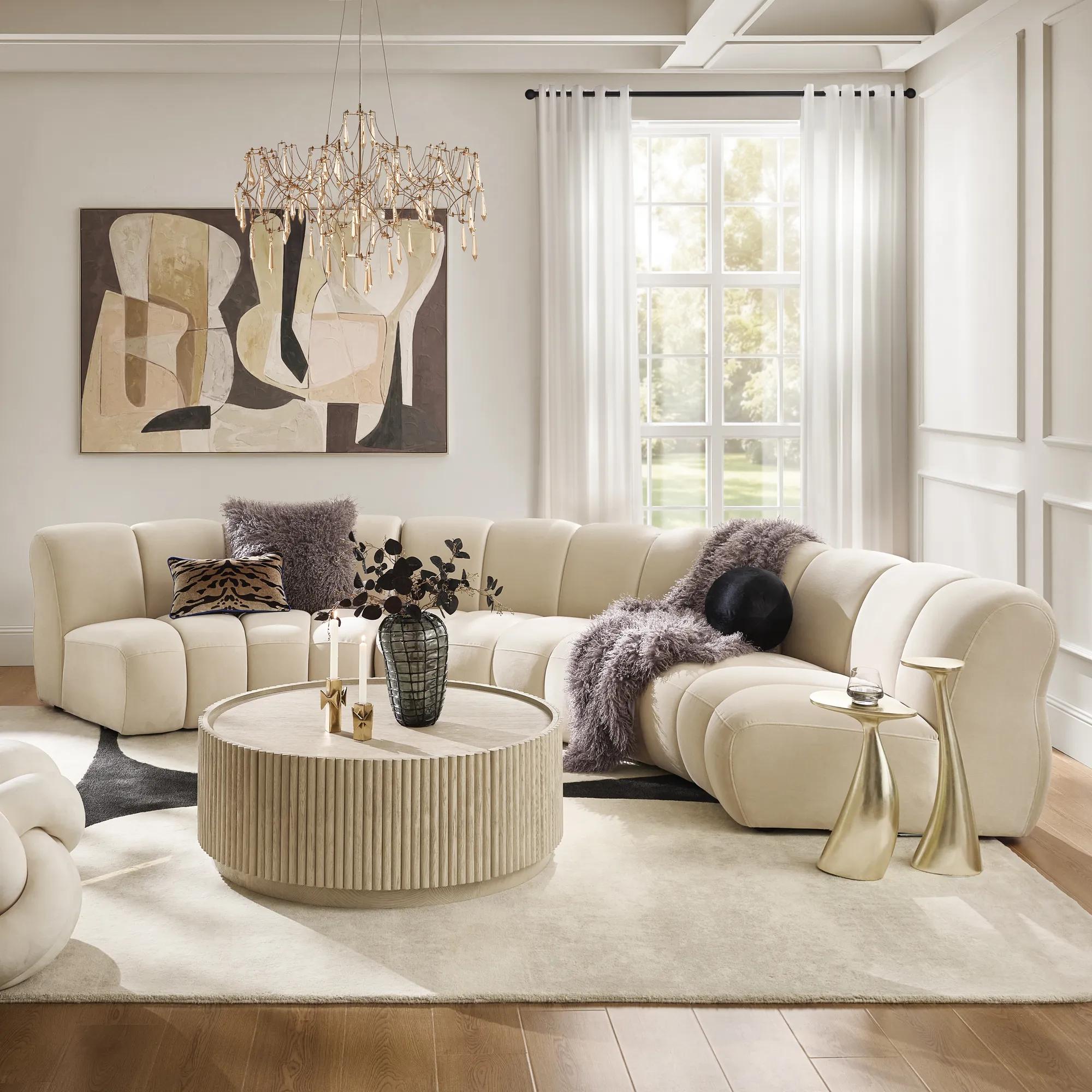 Jocelyn 2-Piece Channel-Tufted Oatmeal Velvet Sectional Sofa$2699
A sculptural oatmeal velvet sectional with deep channel tufting, curved silhouette, and modular, conversation-friendly design.
Add To Cart -
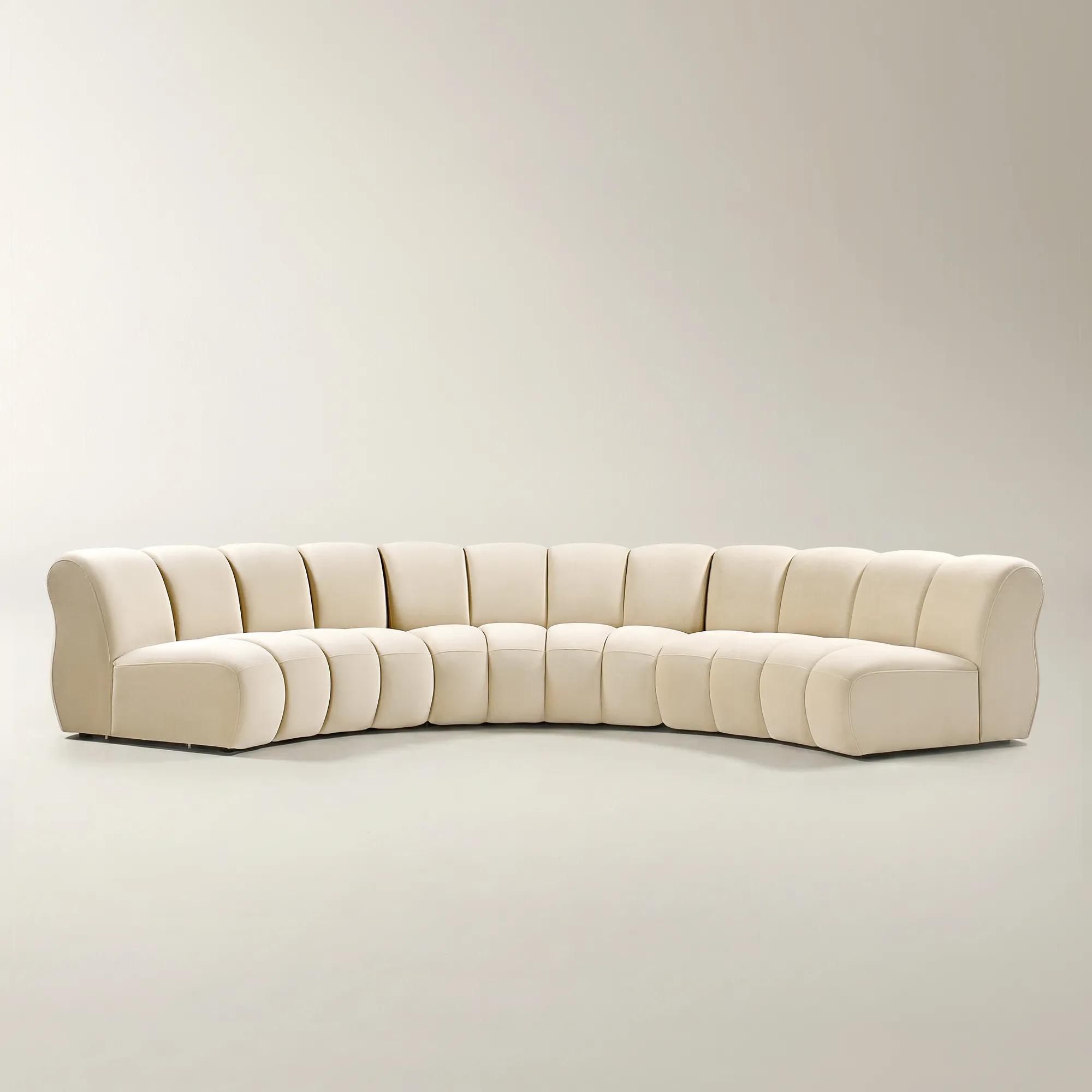
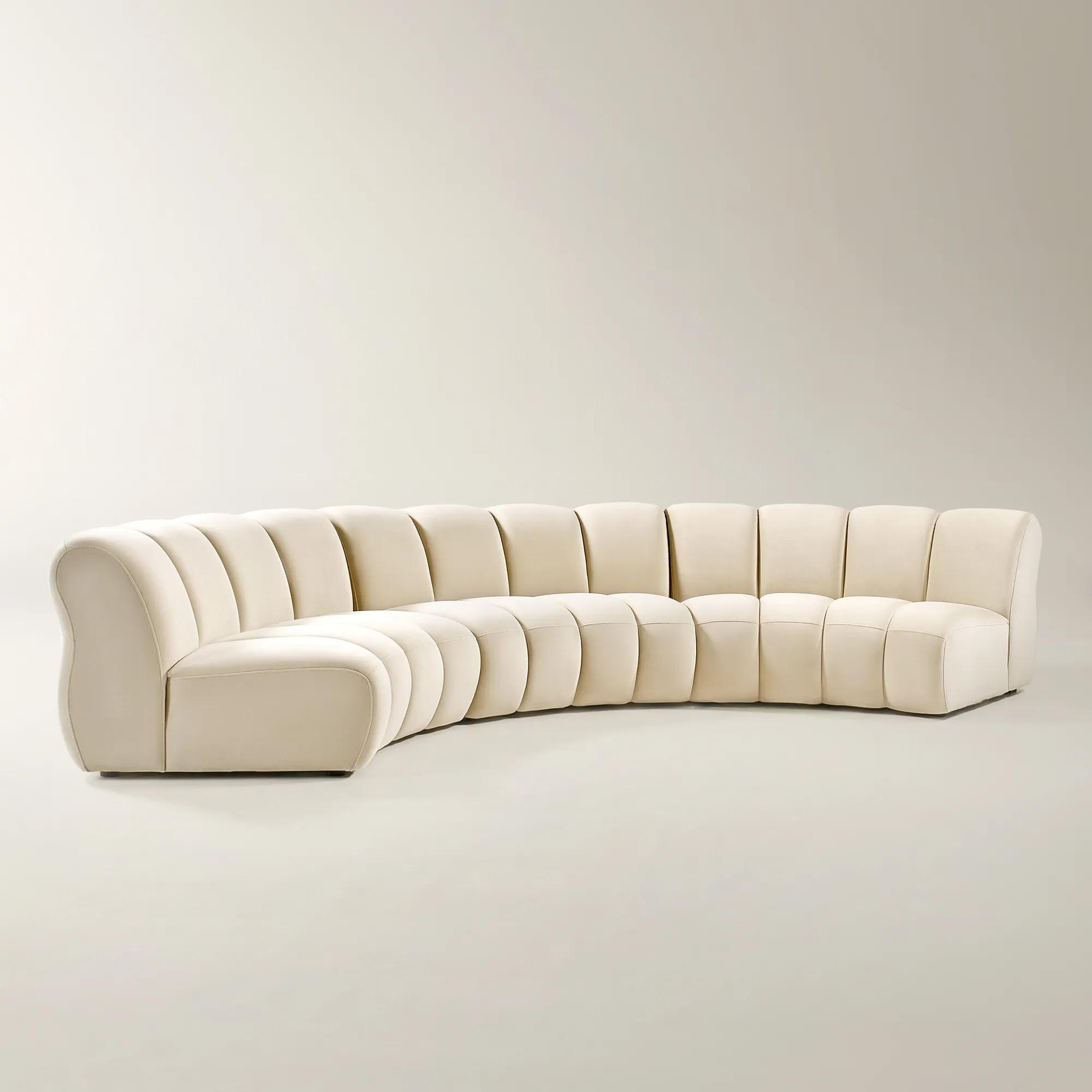 Jocelyn 3-Piece Channel-Tufted Oatmeal Velvet Sectional Sofa$4099
An oatmeal velvet sectional featuring deep channel tufting, sculptural curves, and modular, kiln-dried wood construction.
Add To Cart -
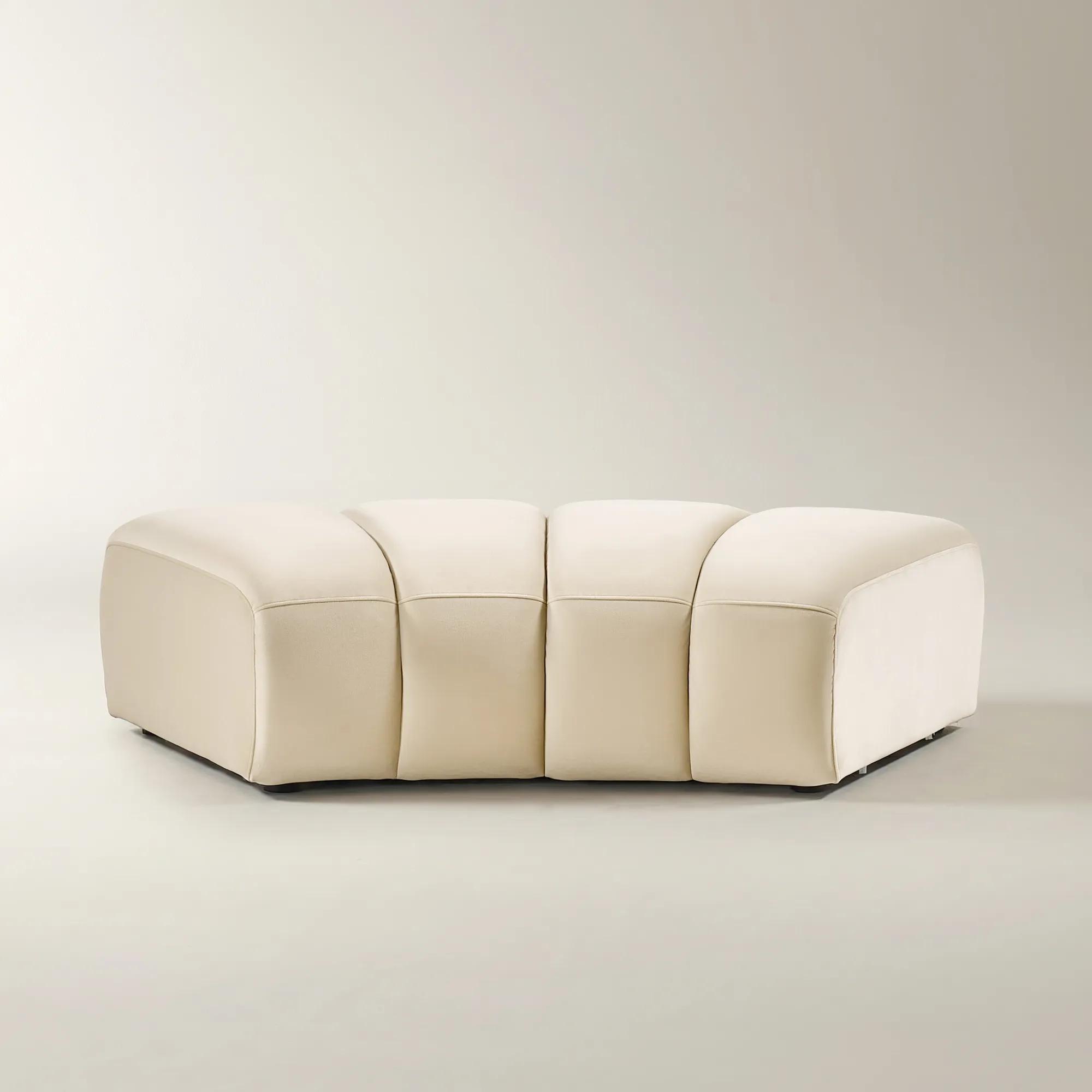 Jocelyn Channel-Tufted Oatmeal Velvet Ottoman$999
An oatmeal velvet ottoman featuring deep channel tufting, curved silhouette, and kiln-dried wood construction.
Add To Cart -
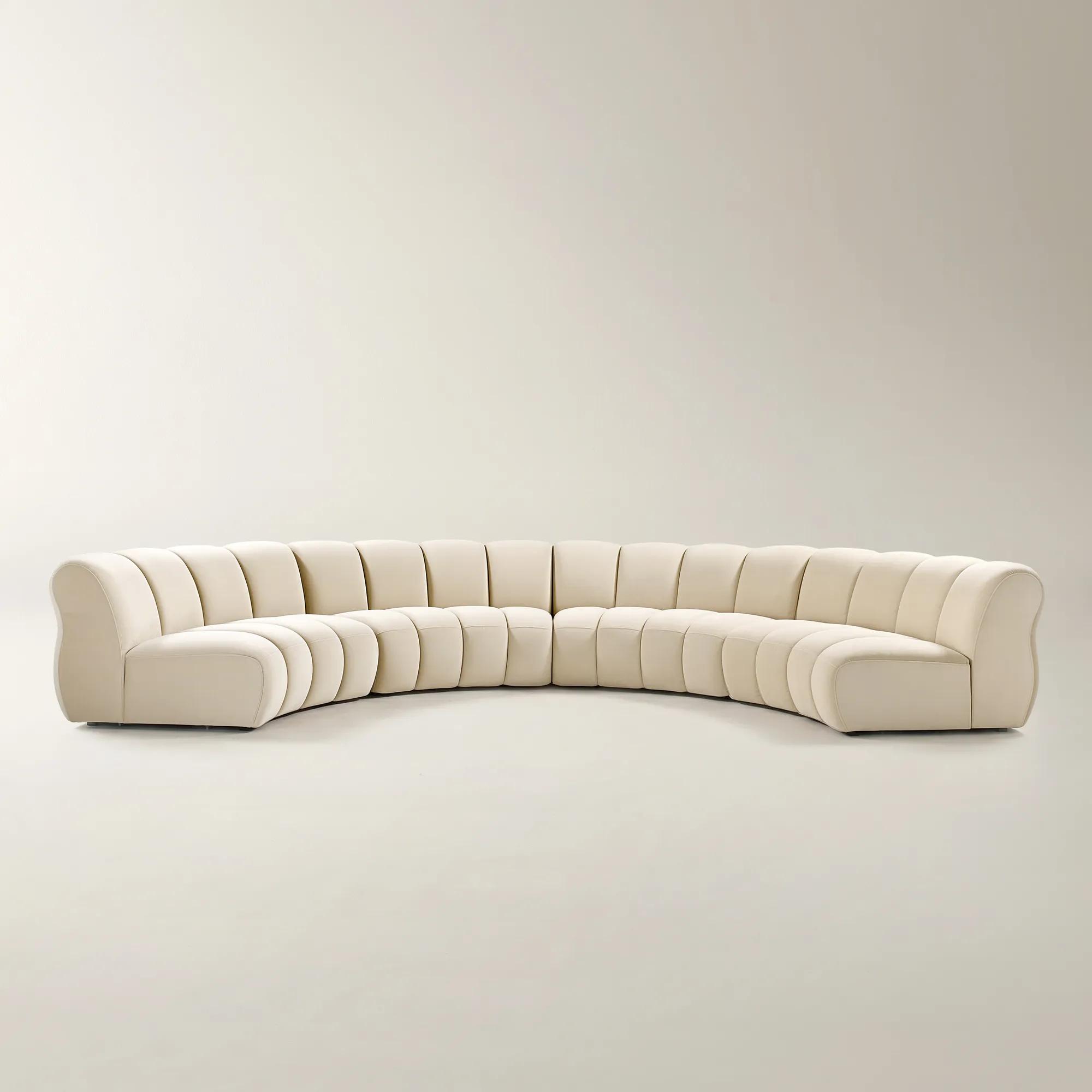
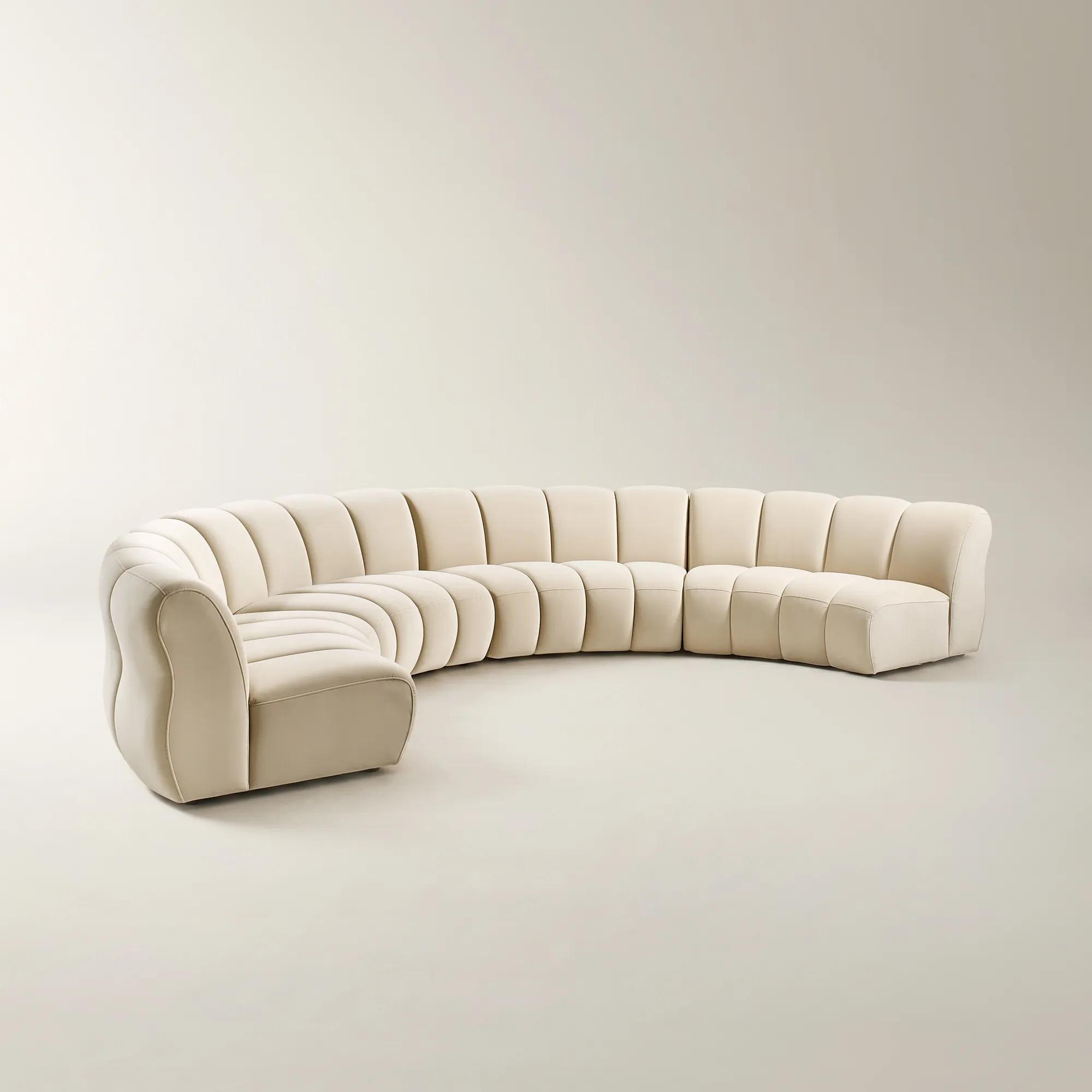 Jocelyn 4-Piece Channel-Tufted Oatmeal Velvet Sectional Sofa$4999
An oatmeal velvet sectional with deep channel tufting, curved silhouette, and modular design for versatile lounging.
Add To Cart -
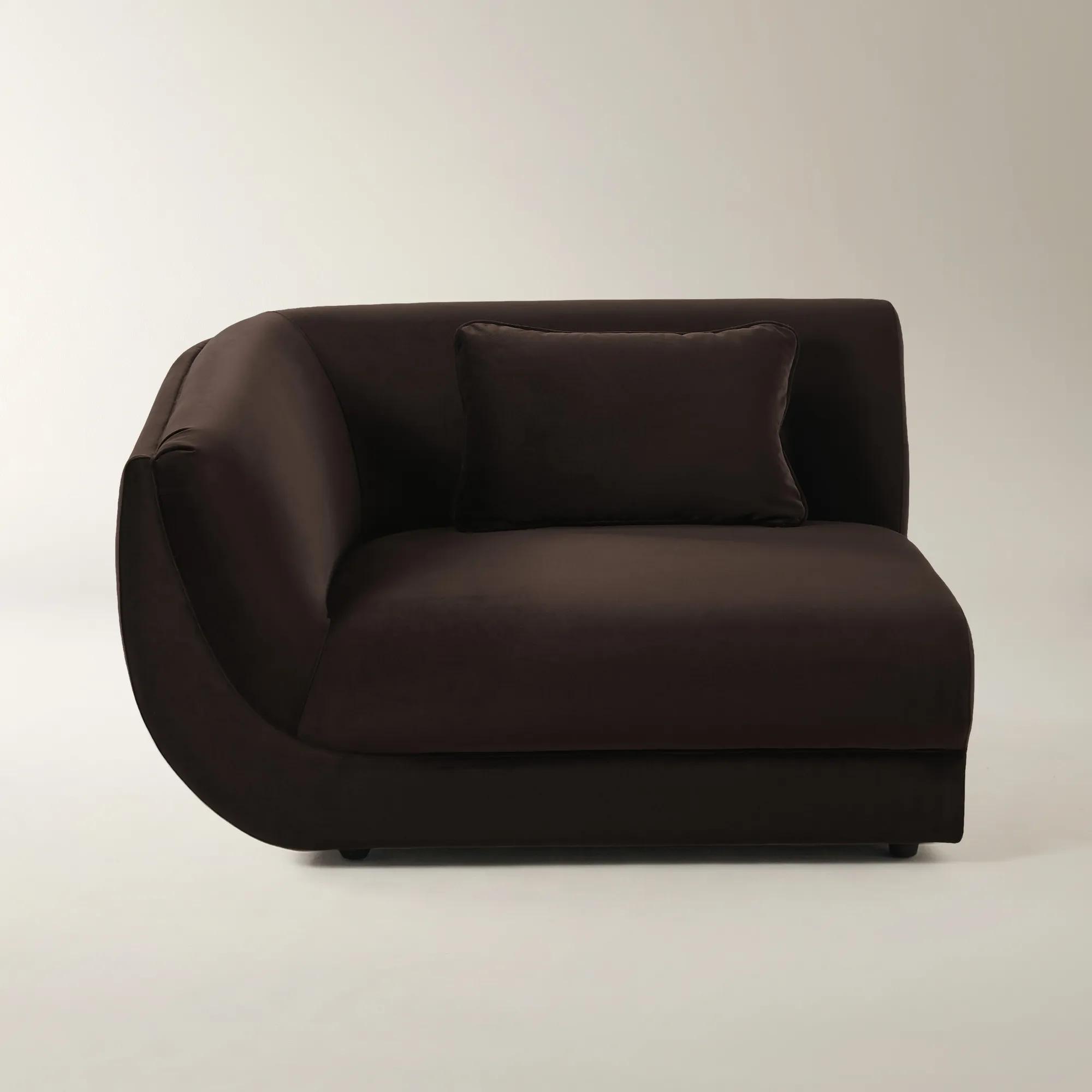
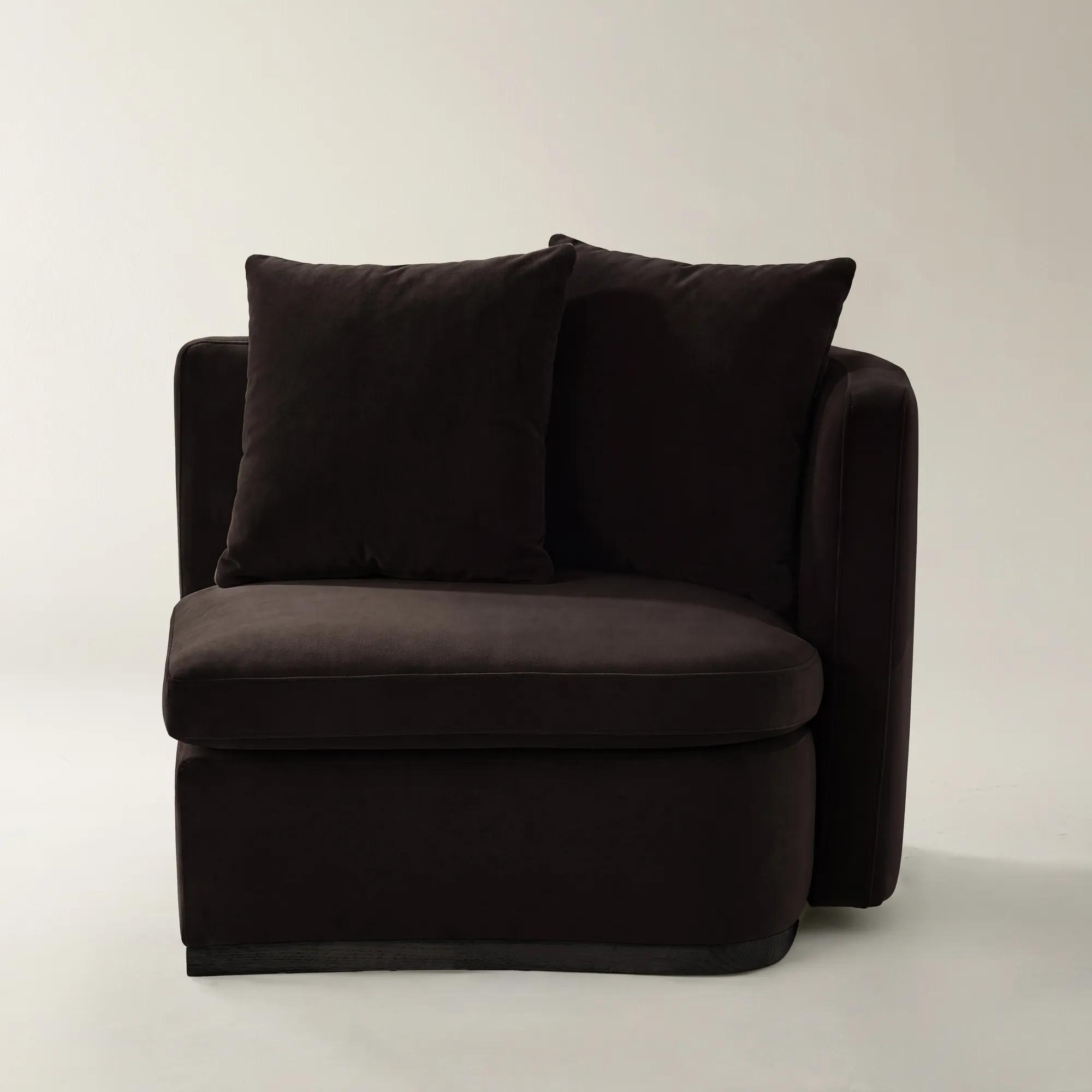
 Convo White Leather Corner Chair$1399
A modular sectional featuring kiln-dried hardwood frames and charcoal semi-aniline leather upholstery for modern versatility.
Add To Cart -
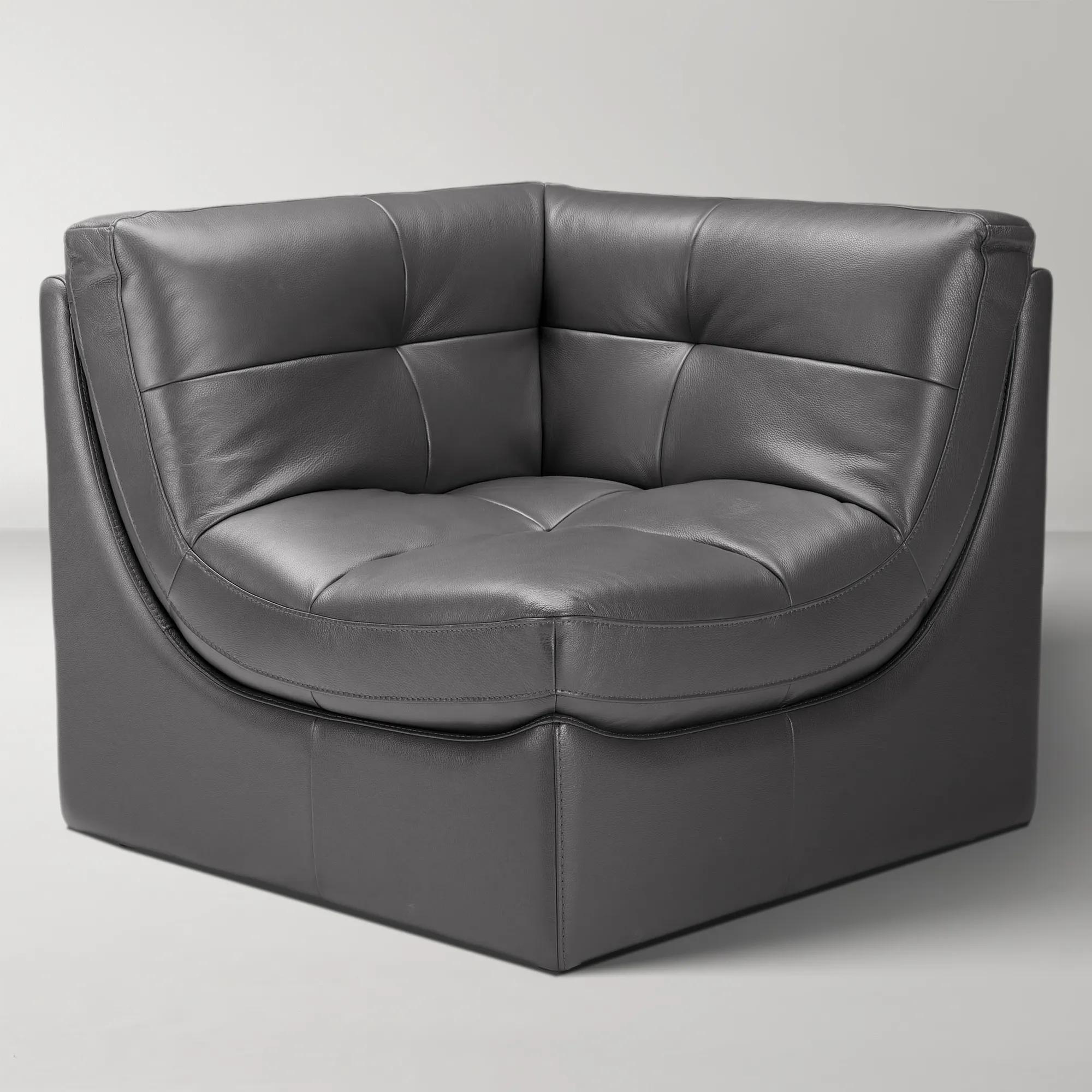
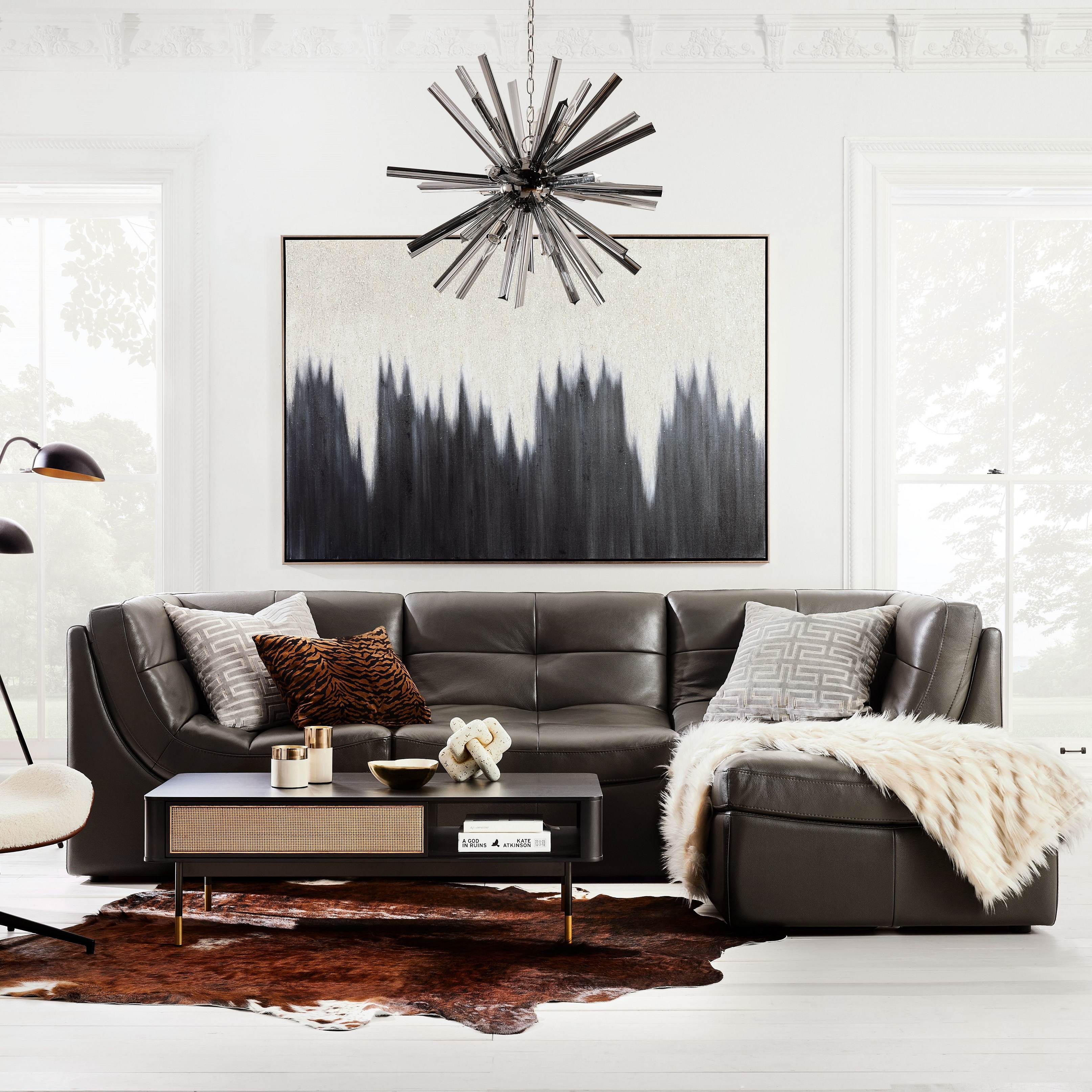 Convo Charcoal Leather Corner Chair$1399
A modular sectional featuring kiln-dried hardwood frames and charcoal semi-aniline leather upholstery for modern versatility.
Add To Cart -
 Convo White Leather Armless Chair$1199
A modular sectional in charcoal semi-aniline leather with kiln-dried hardwood frames and gently curved seats.
Add To Cart -
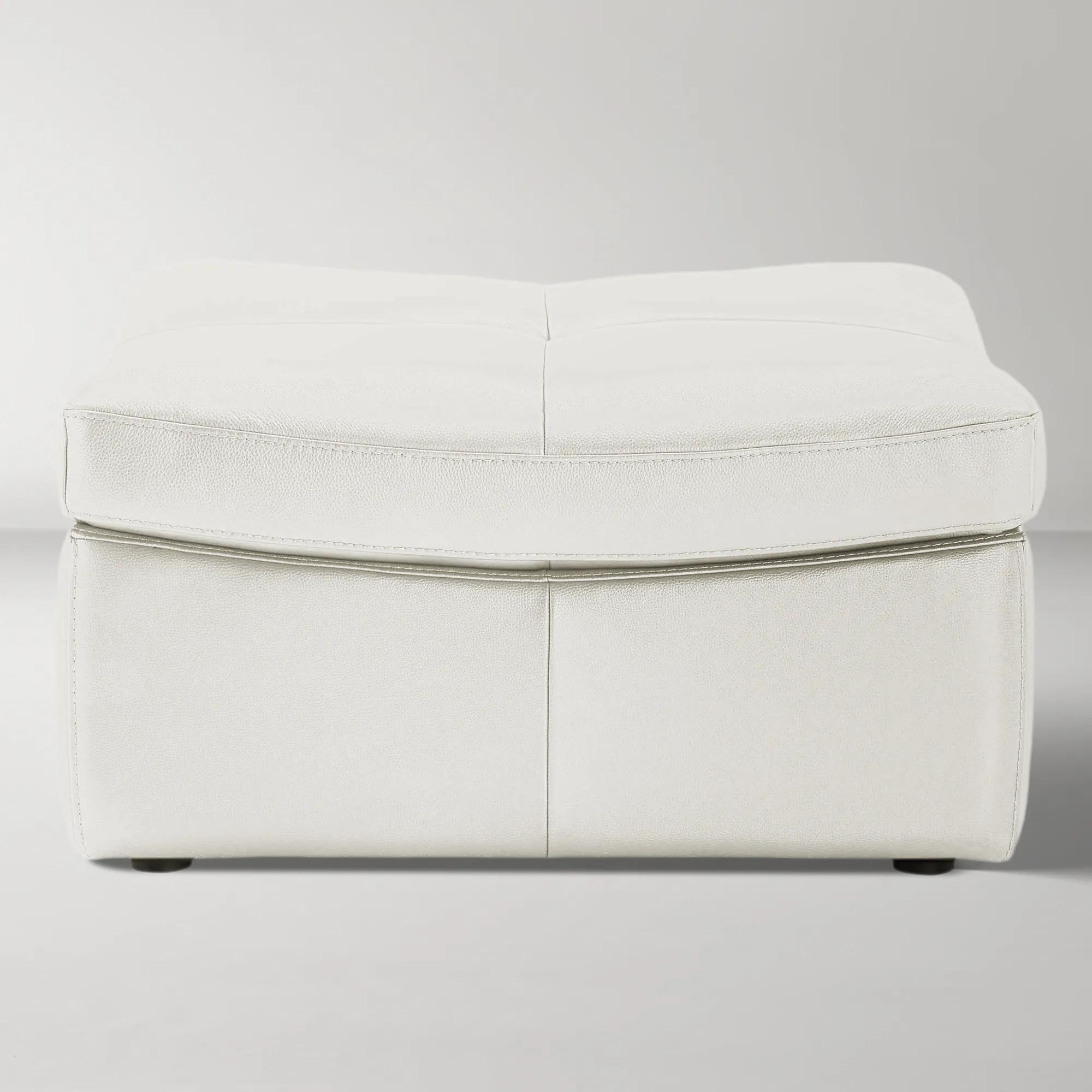 Convo White Leather Ottoman$849
A modular sectional with kiln-dried hardwood frame and charcoal semi-aniline leather upholstery for modern versatility.
Add To Cart -
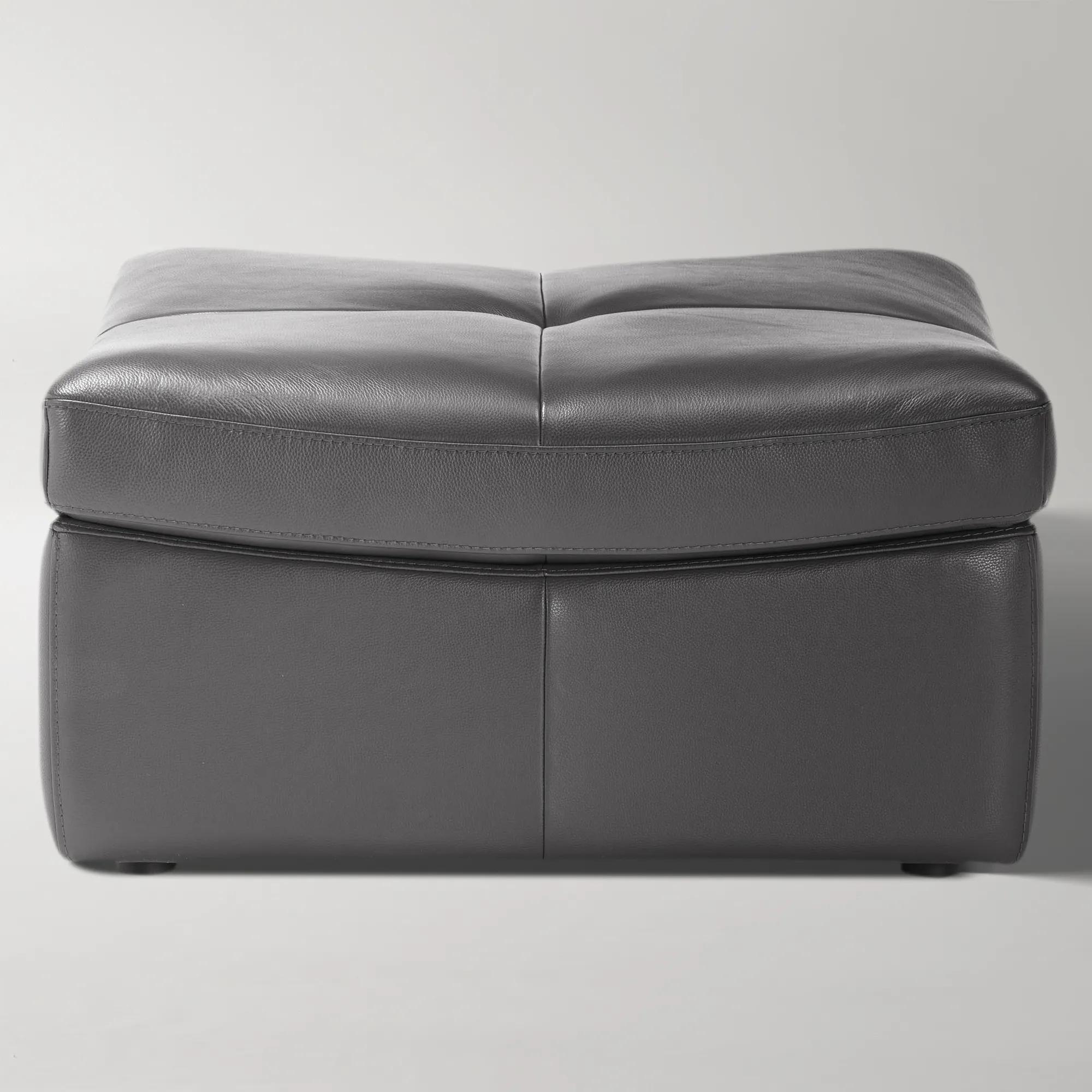 Convo Charcoal Leather Ottoman$849
A modular sectional in charcoal semi-aniline leather with kiln-dried hardwood frames and gently curved seats.
Add To Cart -
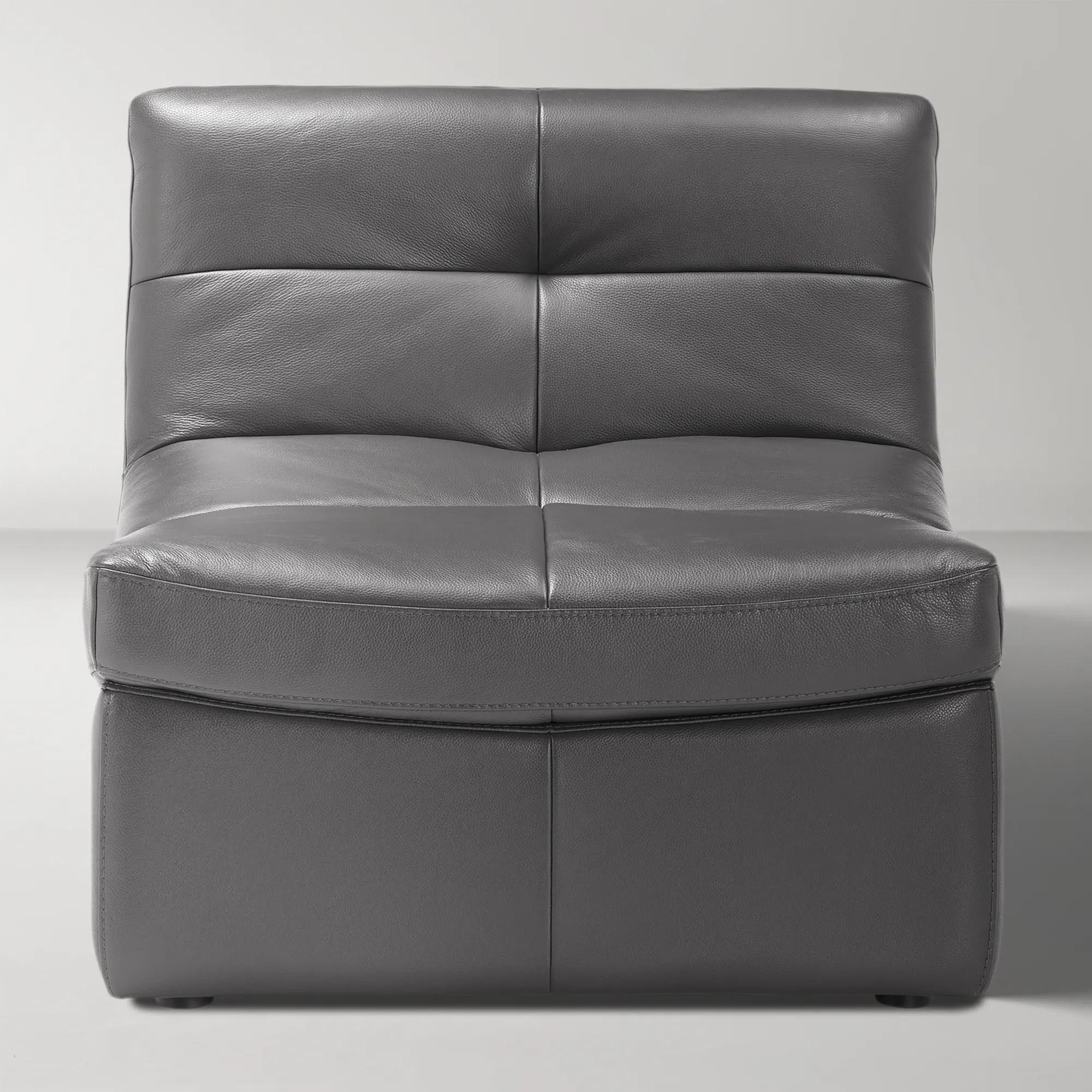
 Convo Charcoal Leather Armless Chair$1199
A modular sectional with kiln-dried hardwood frame and charcoal semi-aniline leather upholstery for modern versatility.
Add To Cart -
 Paulina Round White Outdoor Table (31”)$999
A white outdoor round counter table offering stylish functionality for elevated alfresco dining.
Add To Cart -
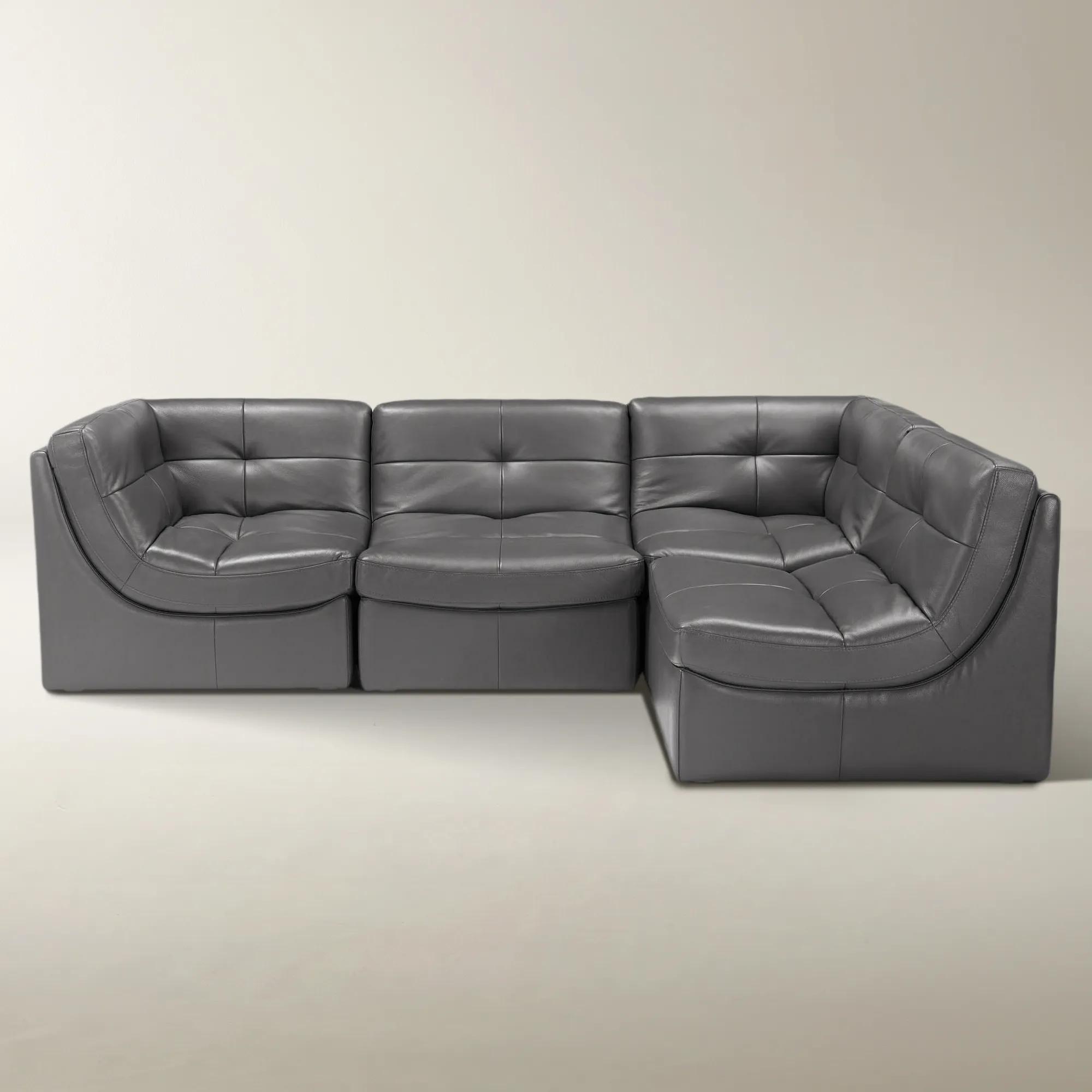 Convo 4-Piece L-Shaped Charcoal Leather Sectional Sofa With Armless Chair$5199
A modular charcoal leather sectional with kiln-dried hardwood frame and gently curved, blind-tufted seats.
Add To Cart -
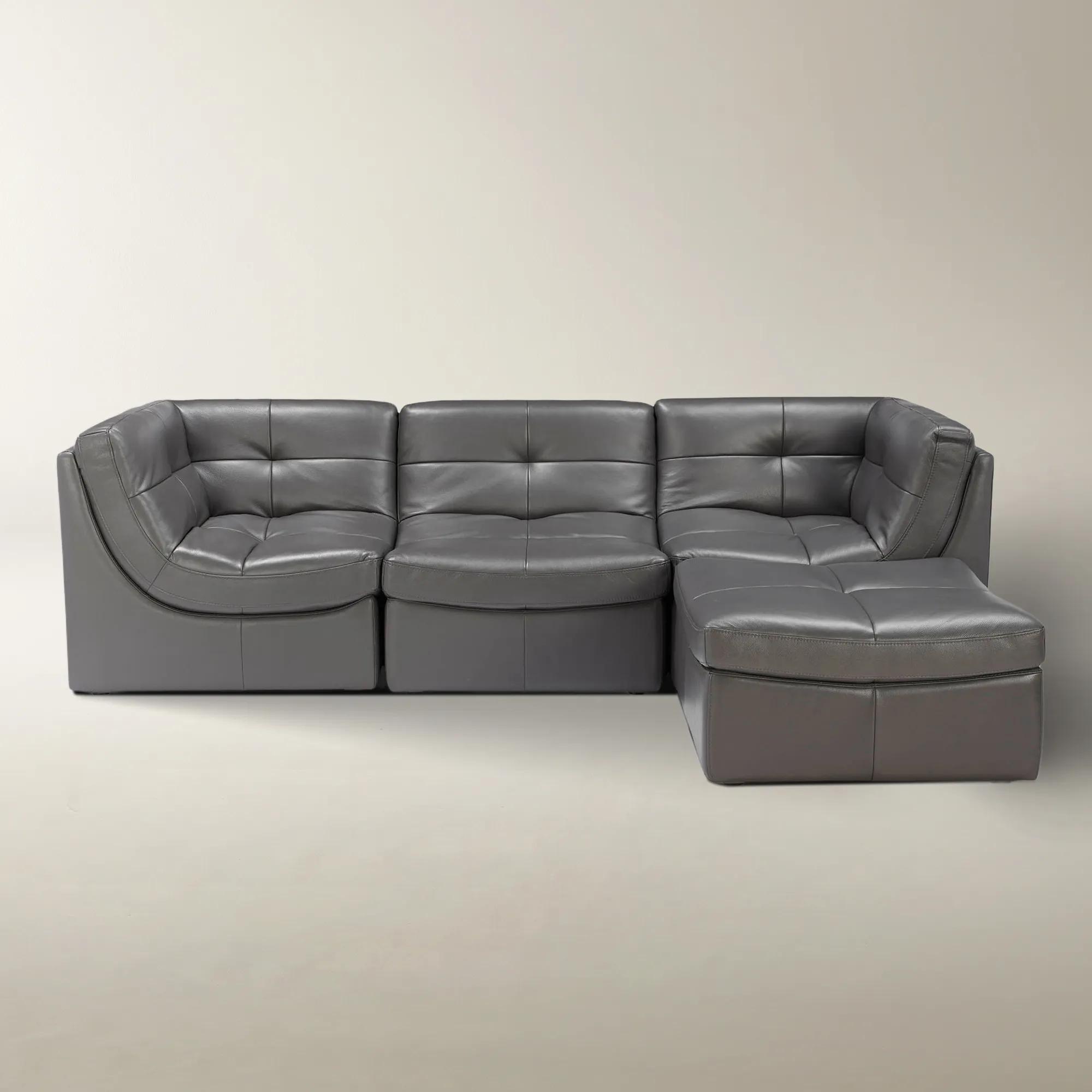 Convo 4-Piece L-Shaped Charcoal Leather Sectional Sofa With Ottoman$4849
A modular charcoal leather sectional with kiln-dried hardwood frame and gently curved, blind-tufted seats.
Add To Cart -
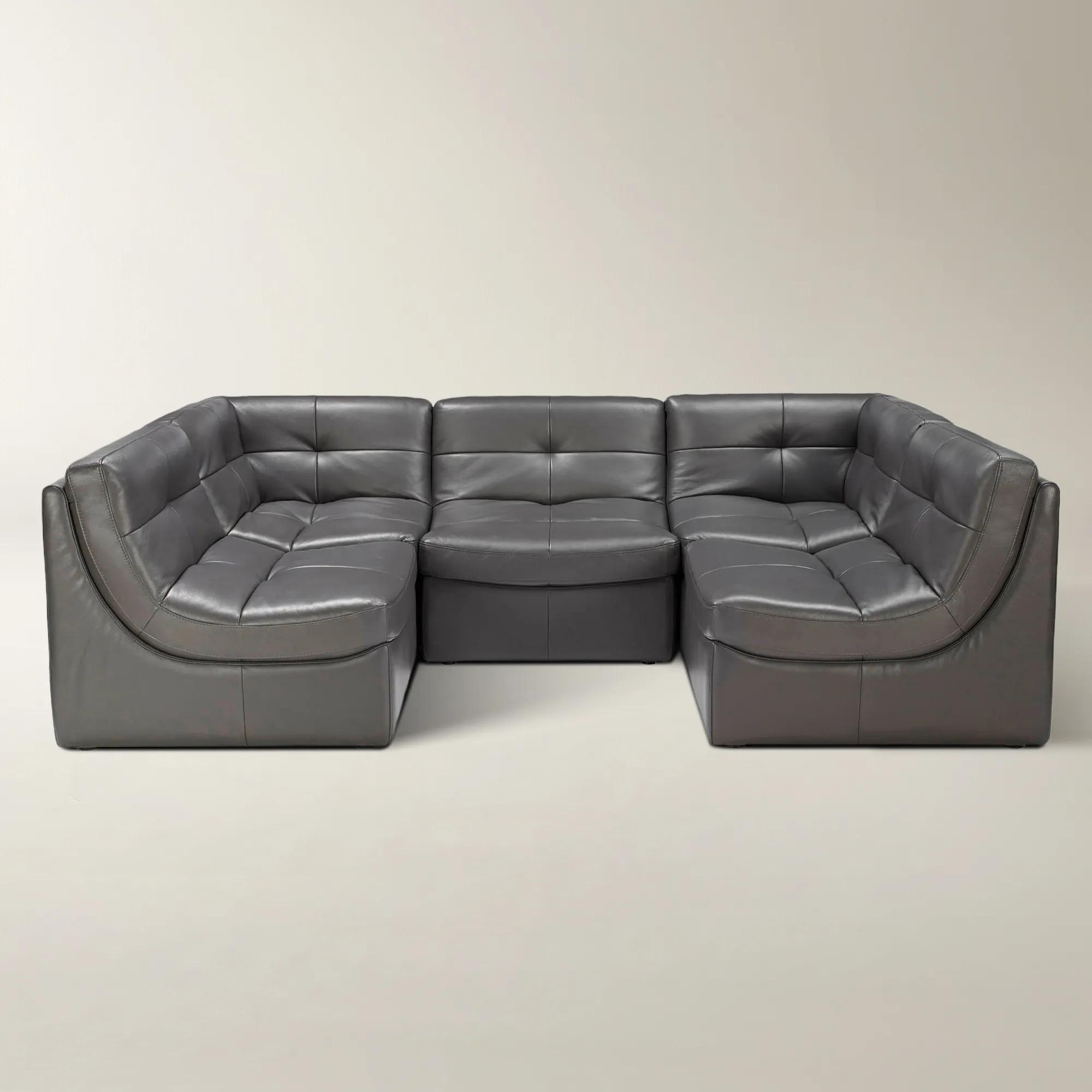
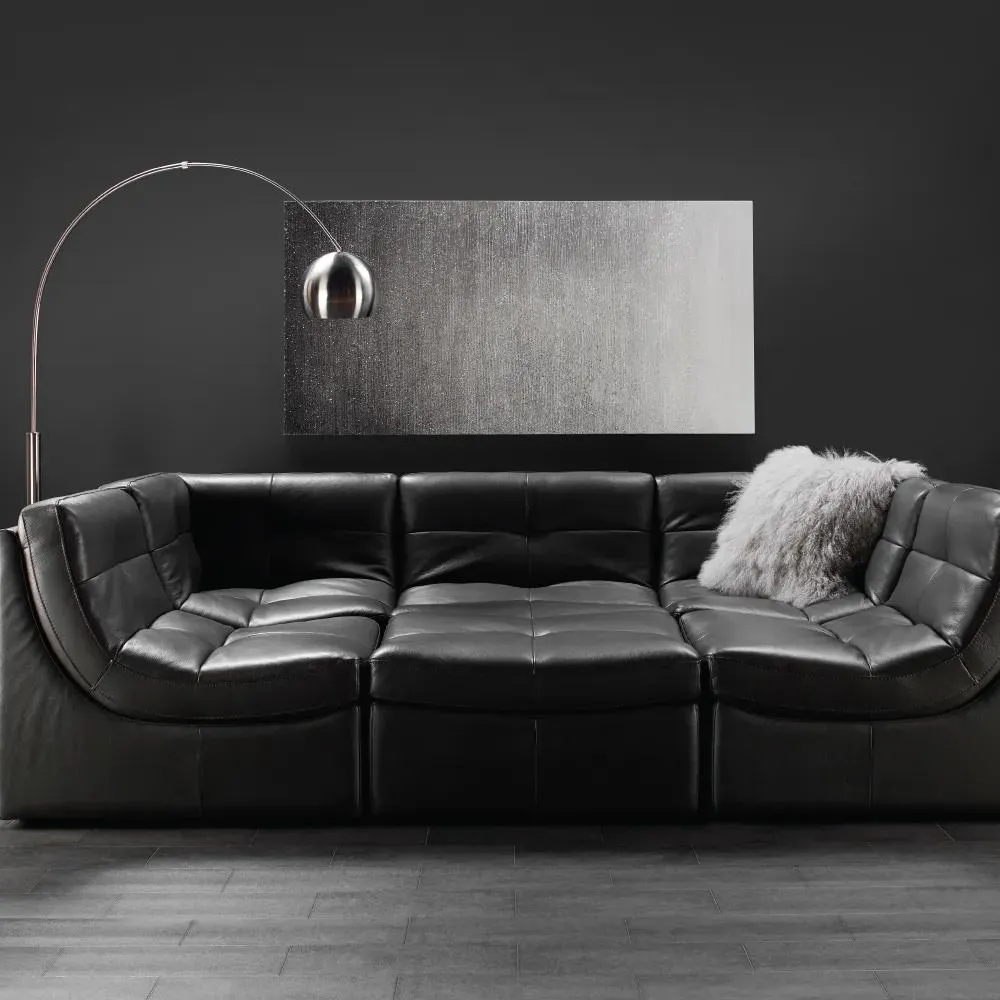 Convo 5-Piece U- Shaped Charcoal Leather Sectional Sofa$6399
A modular charcoal leather sectional with kiln-dried hardwood frame and blind-tufted, semi-aniline upholstery.
Add To Cart -
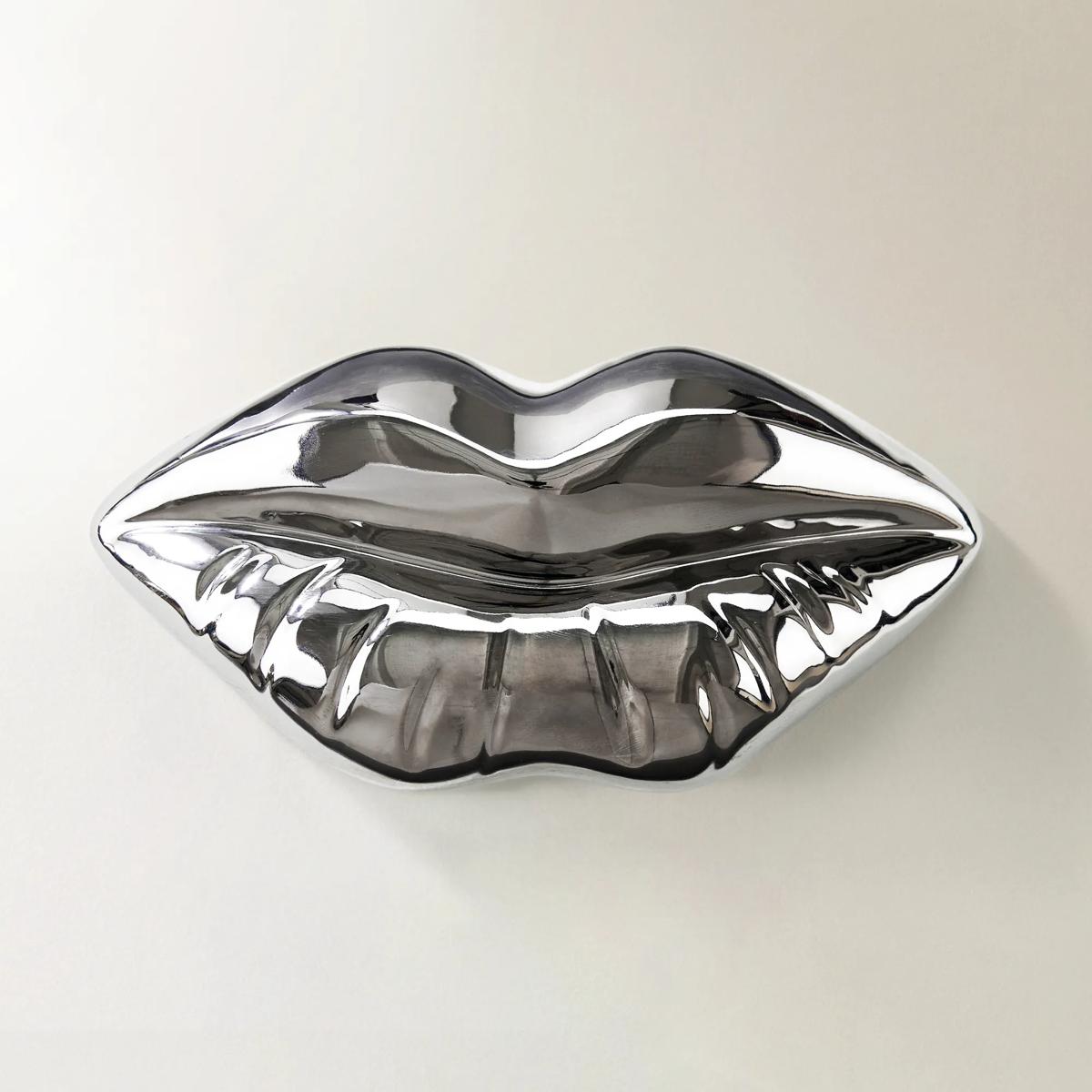 Chrome Lips Ceramic Decorative Object 5.25"$29
A high-shine silver ceramic sculpture that adds modern pop art flair and playful sophistication to any space.
Add To Cart -
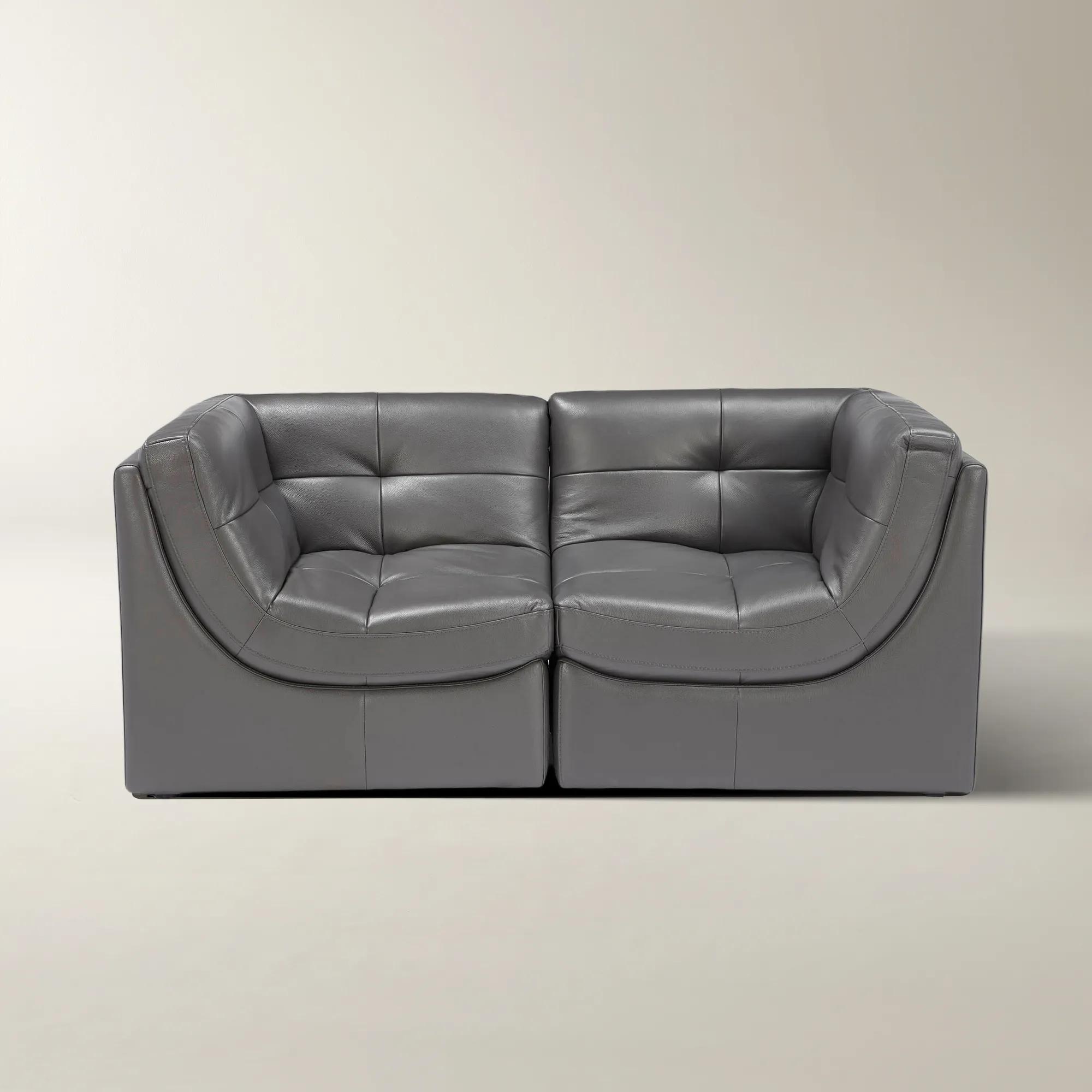 Convo 2-Piece Charcoal Leather Sectional Sofa$2799
A modular charcoal leather sofa with kiln-dried hardwood frame and blind-tufted, semi-aniline upholstery.
Add To Cart -
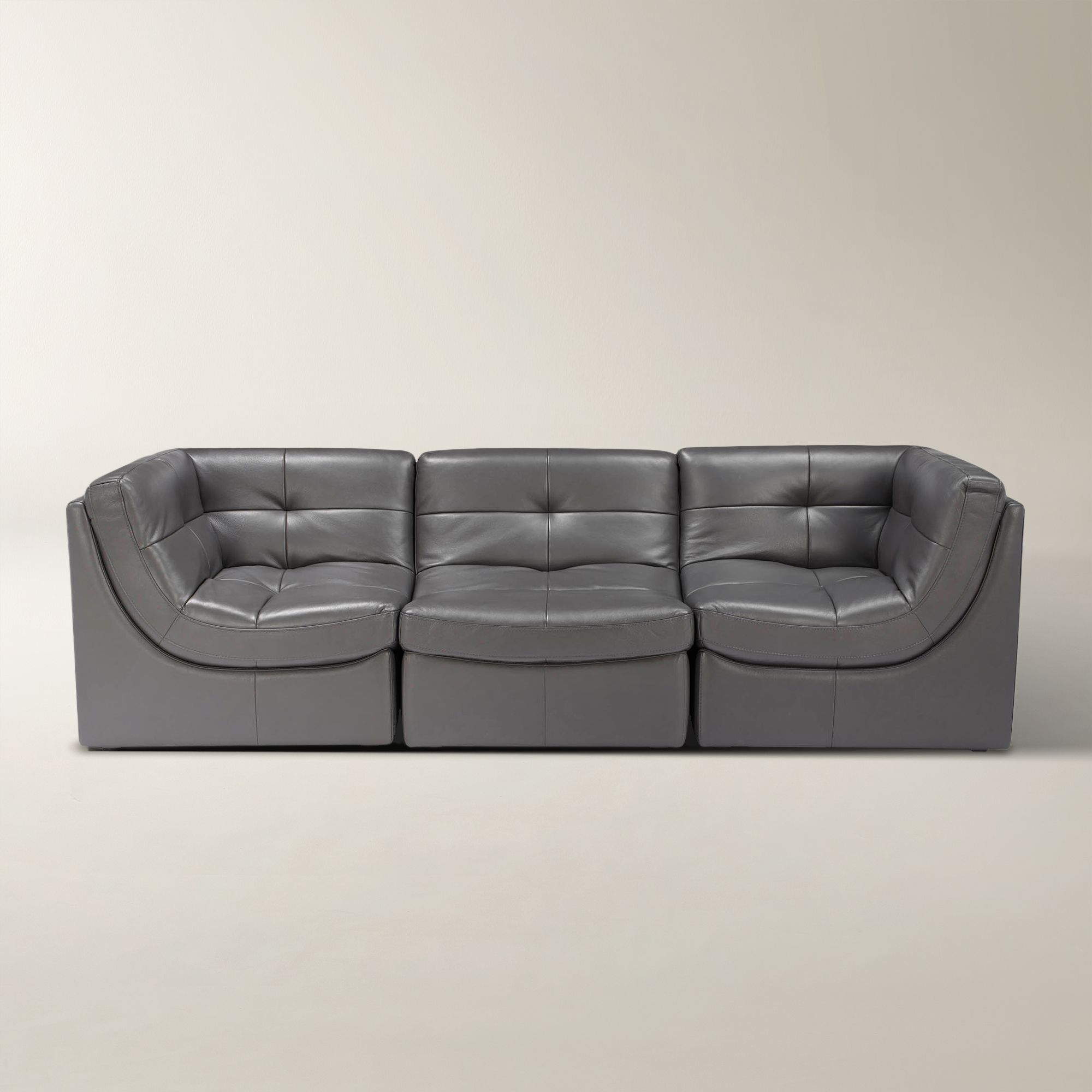 Convo 3-Piece Charcoal Leather Sectional Sofa$3999
A modular charcoal leather sofa with kiln-dried hardwood frame and gently curved, blind-tufted seats.
Add To Cart -
 XOXO Gold Silver Aluminum Tic-Tac-Toe Game Pieces$69
A set of oversized gold and silver aluminum game pieces that adds playful, modern glamour to any space.
Add To Cart

Ideas For Creating Conversation Areas
Ideas for Creating Conversation Areas begin with the art of invitation—spaces that beckon guests to linger, share, and connect. Imagine sculpting a living room vignette where every seat feels like the best in the house, or curating a cozy nook that draws friends closer with its magnetic allure. Whether you crave the intimacy of a fireside chat or the energy of a lively gathering, these curated concepts transform ordinary corners into dramatic focal points. Let your home become a stage for laughter, storytelling, and unforgettable moments—because every conversation deserves a setting as expressive as your style.
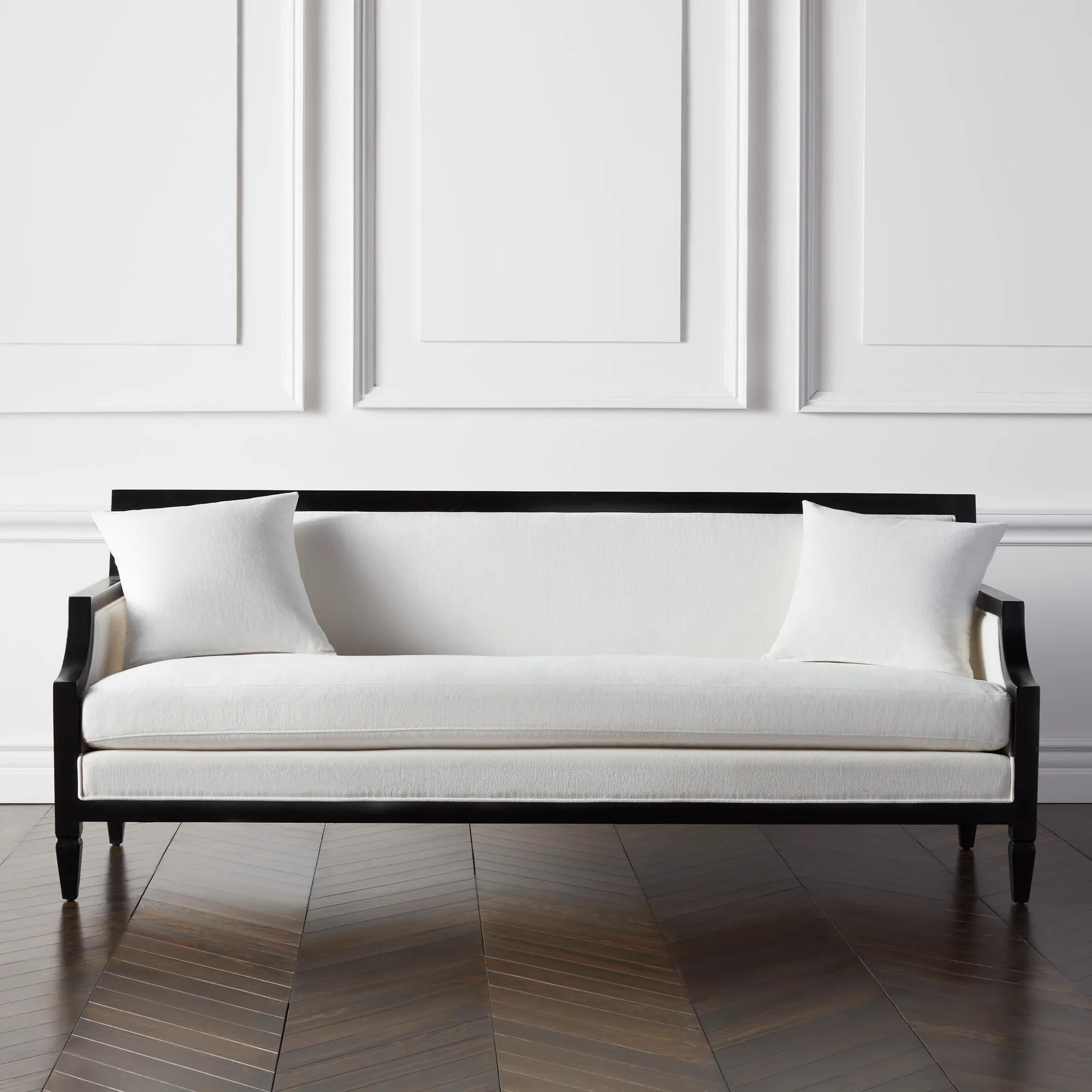
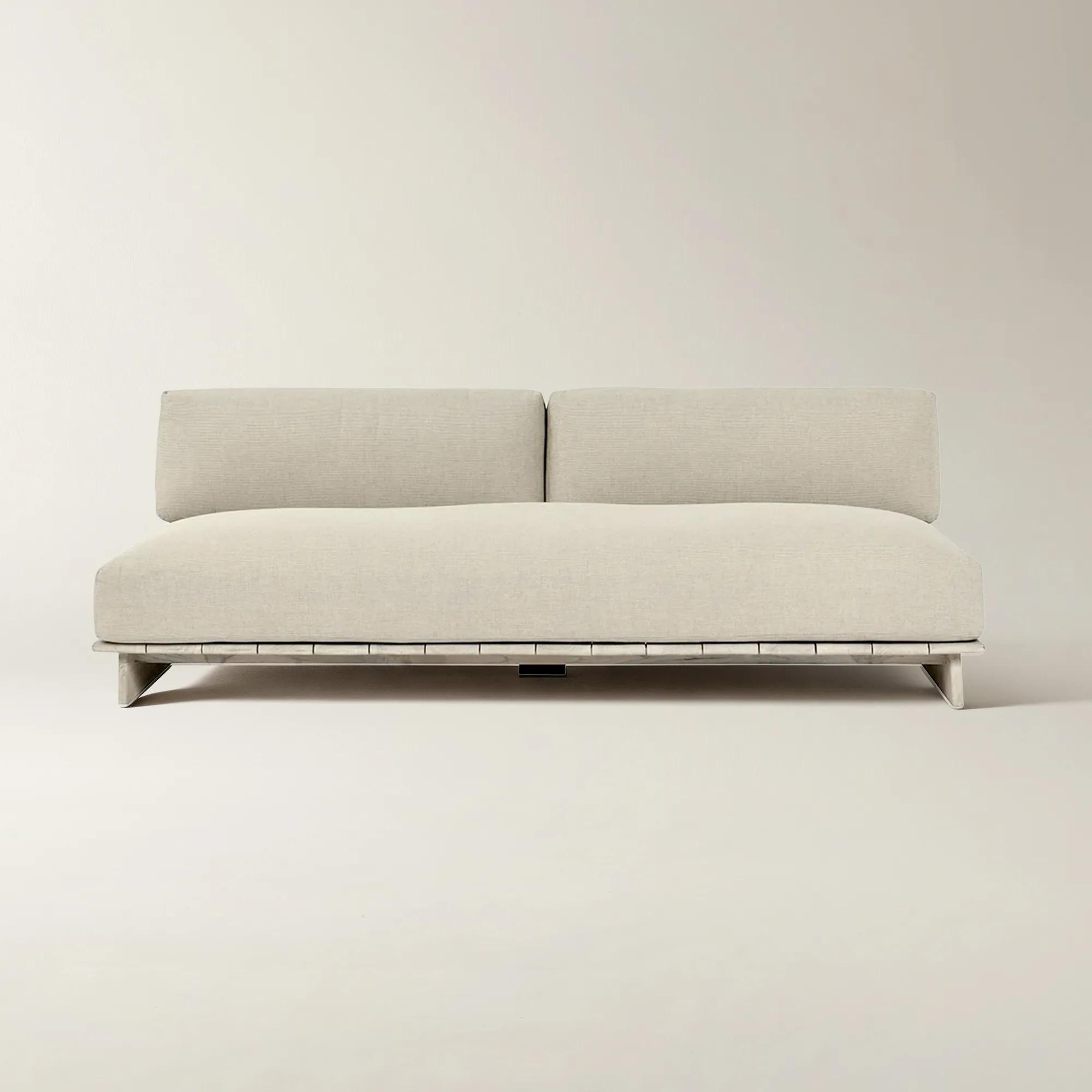
Conversation areas bring people into comfortable proximity, using thoughtfully scaled seating, accessible tables, and a defined layout to make gathering feel effortless. The most inviting arrangements turn furniture toward people rather than placing every piece against a wall. A sofa facing two accent chairs creates a balanced setting for drinks and lingering conversation, while two sofas positioned opposite each other give a larger living room a gracious, salon-like presence. Four lounge chairs gathered around a round coffee table offer another expressive option, particularly in a room where conversation takes precedence over television. A sectional paired with an armchair can shape a more relaxed, L-shaped grouping without closing the space off from adjoining rooms. For many layouts, a seating group spanning roughly 7 to 10 feet keeps guests close enough to speak comfortably without raising their voices; the exact arrangement depends on furniture depth, room dimensions, and the number of people gathering. Pieces with curved backs soften the composition, while clean-lined silhouettes establish a crisp architectural rhythm. Swivel chairs can connect a conversation area with a neighboring dining space or view, provided their rotation has adequate clearance. In an apartment, two generously upholstered chairs and a compact table may create the same sense of occasion as a larger seating arrangement. In an open-plan home, a sofa positioned away from the wall helps establish a distinct gathering zone without adding a physical partition. The selection of Seating For Conversation Areas can be considered in relation to these layouts, with attention to seat count, proportions, and the atmosphere each silhouette creates. Hosts who enjoy lively evenings may gravitate toward an open arrangement with several individual seats, while households that favor quieter gatherings may prefer a sofa paired with enveloping lounge chairs. Visual balance does not require every piece to match: repeated upholstery tones, complementary curves, or coordinated finishes can give different silhouettes a deliberate relationship. The result is a room with presence, where each seat belongs to the gathering rather than standing apart from it.
Comfort gives a conversation area its staying power, and the best fit involves more than a dramatic profile. Seat height, cushion depth, back support, and arm placement influence how naturally someone can settle in, turn toward another guest, or stand again. Deep seats encourage lounging, but a shallower seat with supportive cushioning may feel more comfortable for guests who prefer an upright posture. Similar seat heights across a grouping help people converse at a comfortable eye level, while a mix of chair widths accommodates different preferences without sacrificing cohesion. Before choosing substantial seating, measurements should account for the furniture footprint, doorways, delivery routes, and space needed around the finished arrangement. Upholstery then establishes both mood and maintenance expectations. Velvet lends a luminous richness, its pile catching light differently across curves and cushions; woven textiles introduce texture that can temper gleaming tables and sculptural accents. Leather offers a distinct tactile character, though its appearance and care requirements vary with the finish. Performance fabrics may suit frequently used gathering spaces, but stain resistance, cleaning methods, and durability should be assessed from the individual material specifications rather than assumed from a label. For homes with children, pets, or regular entertaining, fabric construction, removable cushion covers where offered, and documented cleaning instructions deserve particular attention. Frame construction, joinery, suspension, and cushion composition also matter because daily comfort depends on what supports the upholstery. High-density foam can provide structure, while softer fills may require more frequent fluffing to maintain their shape. Routine care usually includes gentle vacuuming with an appropriate attachment, rotating reversible cushions when permitted, and addressing spills promptly according to the upholstery care instructions. Direct sunlight can fade some fabrics and finishes, making placement part of long-term care. A sumptuous conversation area should feel welcoming enough to use every day, with materials chosen for the household’s habits rather than reserved solely for their visual effect.
Tables, rugs, and lighting complete the arrangement by giving comfort a practical foundation and the room a distinctive atmosphere. A central coffee table provides a shared surface, while side tables near individual seats keep drinks within reach without requiring guests to lean across the group. Approximately 14 to 18 inches between a coffee table and the front of a sofa is a useful starting point, adjusted for seat depth, legroom, and how people move through the space. Round tables soften circulation among closely grouped chairs; rectangular tables can echo the length of a sofa and provide more surface area for a larger gathering. A substantial ottoman introduces upholstered softness and can serve as a central surface with a stable tray, although seating capacity, weight limits, and intended use should follow its specifications. Materials influence daily upkeep as well as visual character: glass creates an airy impression but reveals fingerprints, marble needs care appropriate to its finish, and wood benefits from protection against moisture and heat. An area rug grounds the furniture composition, ideally extending beneath at least the front legs of the main seating pieces so the group reads as one connected space. Rug size, pile height, fiber, and an appropriate rug pad deserve attention, especially where chairs move frequently. Around the seating zone, roughly 3 feet of clear passage helps preserve everyday circulation; more room may be needed for mobility devices or busy routes between adjoining spaces. Layered lighting adds depth through table lamps, floor lamps, and overhead illumination, with shades and placement that limit glare at seated eye level. A sculptural lamp beside a chair can create an intimate pool of light, while cushions, a textured throw, and art introduce color without crowding useful surfaces. For a host furnishing a new home, these finishing accents can also make thoughtful housewarming gifts when chosen around known tastes. Whether the room welcomes two close friends or a fuller gathering, its most compelling details support the same experience: comfortable conversation within a setting that feels personal, expressive, and beautifully composed.
FAQs
A well-designed conversation area combines comfortable seating arranged to encourage face-to-face interaction, an anchoring element like an area rug, and a central surface such as a coffee table or ottoman. Layer in ambient lighting, textured pillows, soft throws, and curated decor—think art, botanicals, or sculptural accents—to create a welcoming, expressive atmosphere that invites guests to linger.
In intimate spaces, opt for armless chairs, petite loveseats, or multifunctional poufs that maximize seating without crowding the room. Float furniture away from the walls to foster connection, and use a smaller area rug to define the zone. Mirrors and reflective surfaces can amplify light, while a few bold accessories add character and charm without overwhelming the space.
Layered lighting creates a warm, inviting mood. Start with soft, ambient sources such as table lamps or floor lamps placed near seating. Accent lighting—like wall sconces or candles—adds drama and intimacy, while dimmers offer flexibility to set the perfect tone for every gathering, from lively parties to quiet evening chats.
Bold color choices and tactile materials elevate the space and stimulate conversation. Rich velvets, metallic finishes, and patterned textiles add depth and personality. Consider a statement rug or vibrant pillows to set the palette, and mix in contrasting textures—like a glass-topped table with a plush sofa—to create visual and sensory intrigue.
Absolutely. Conversation areas bring intimacy and style to bedrooms, home offices, landings, or even outdoor patios. A pair of accent chairs in a bay window, a reading nook by the fireplace, or a grouping of seating around a fire pit all become inviting spots for connection and relaxation, no matter where they are in your home.