Statement Pieces For Open Concept Homes
Statement Pieces For Open Concept Homes
-

 Oversized Cherries Black And Gold Resin Aluminum Decorative Object 17"$150
A striking gold and black aluminum accent piece that adds glamour and sophistication to any décor.
Add To Cart -
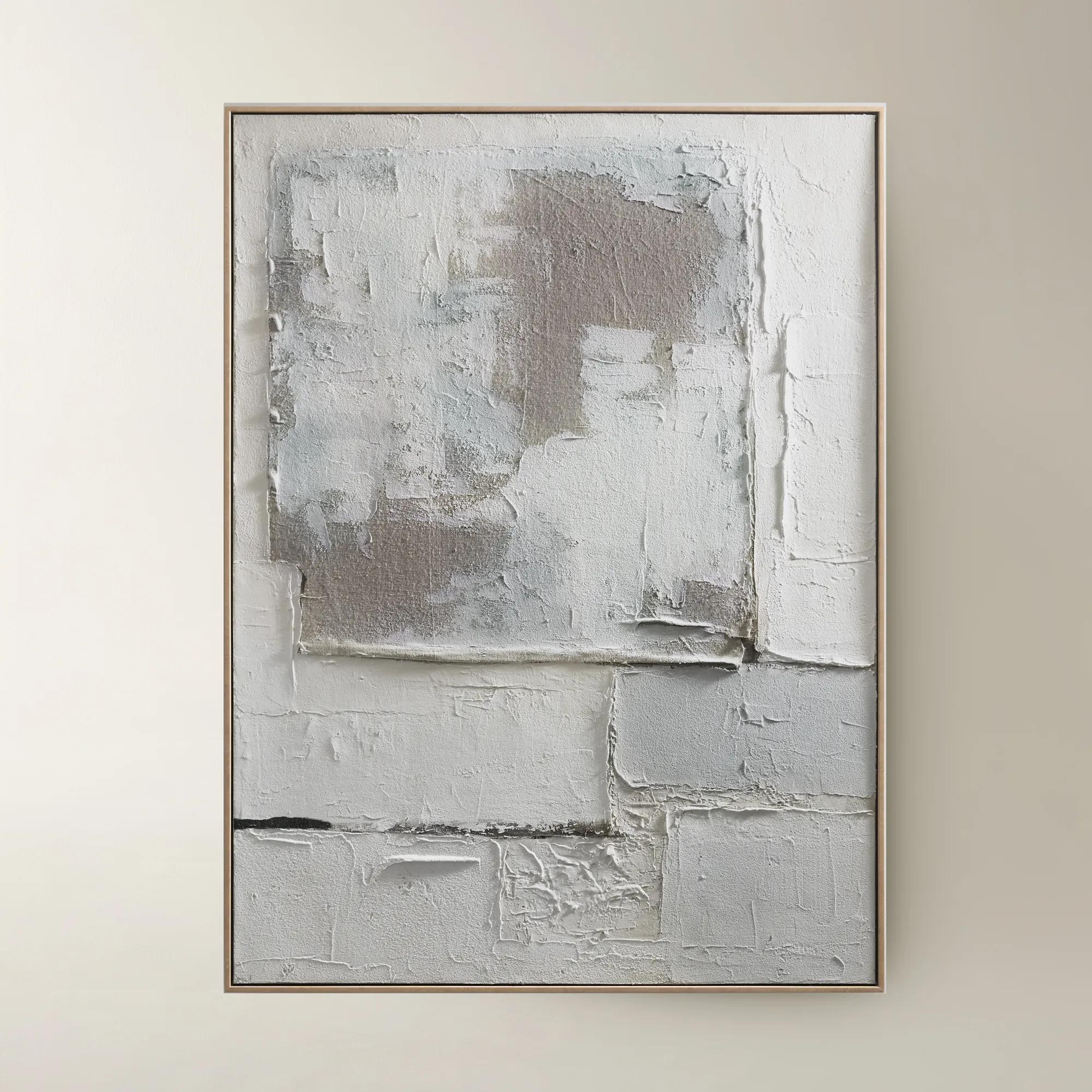
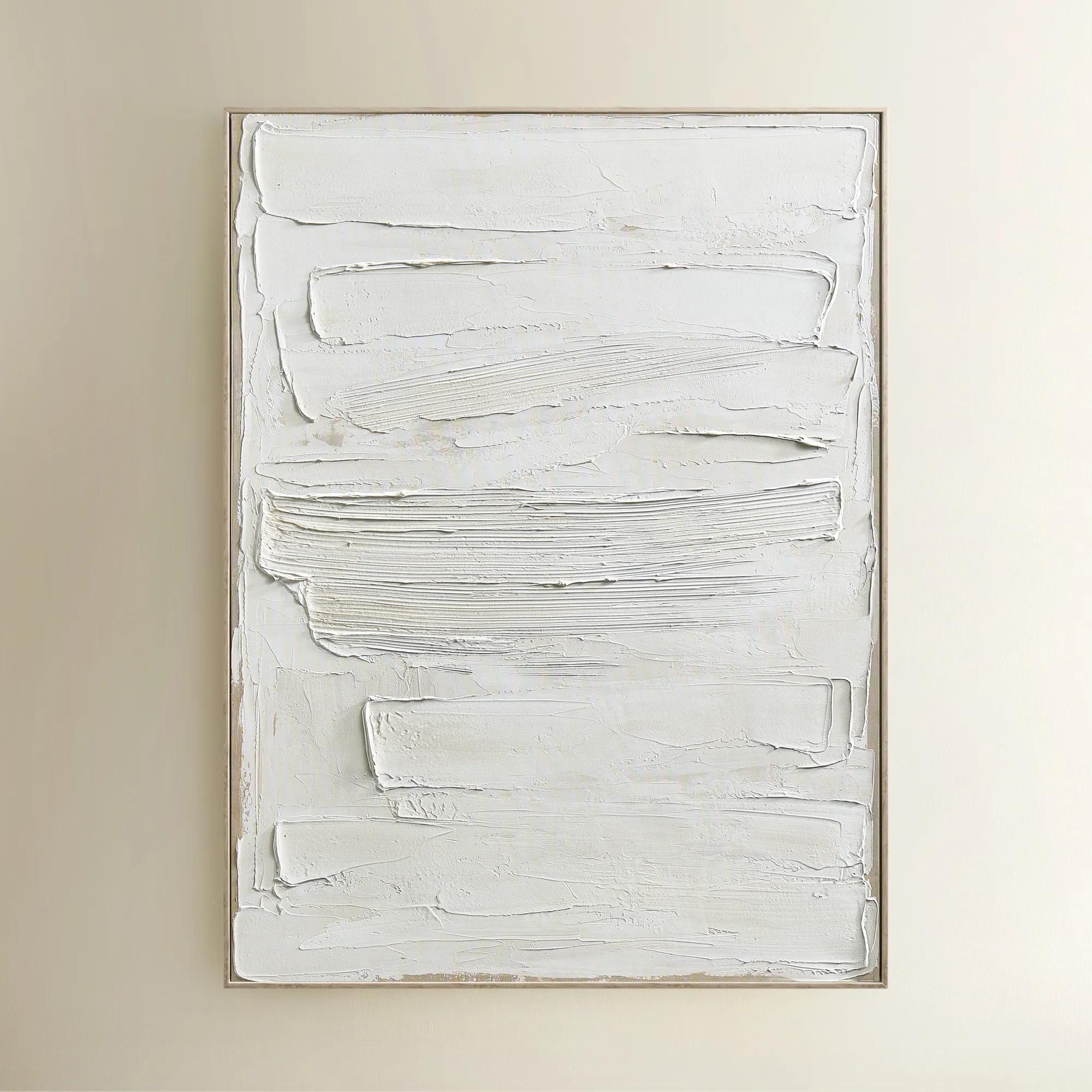
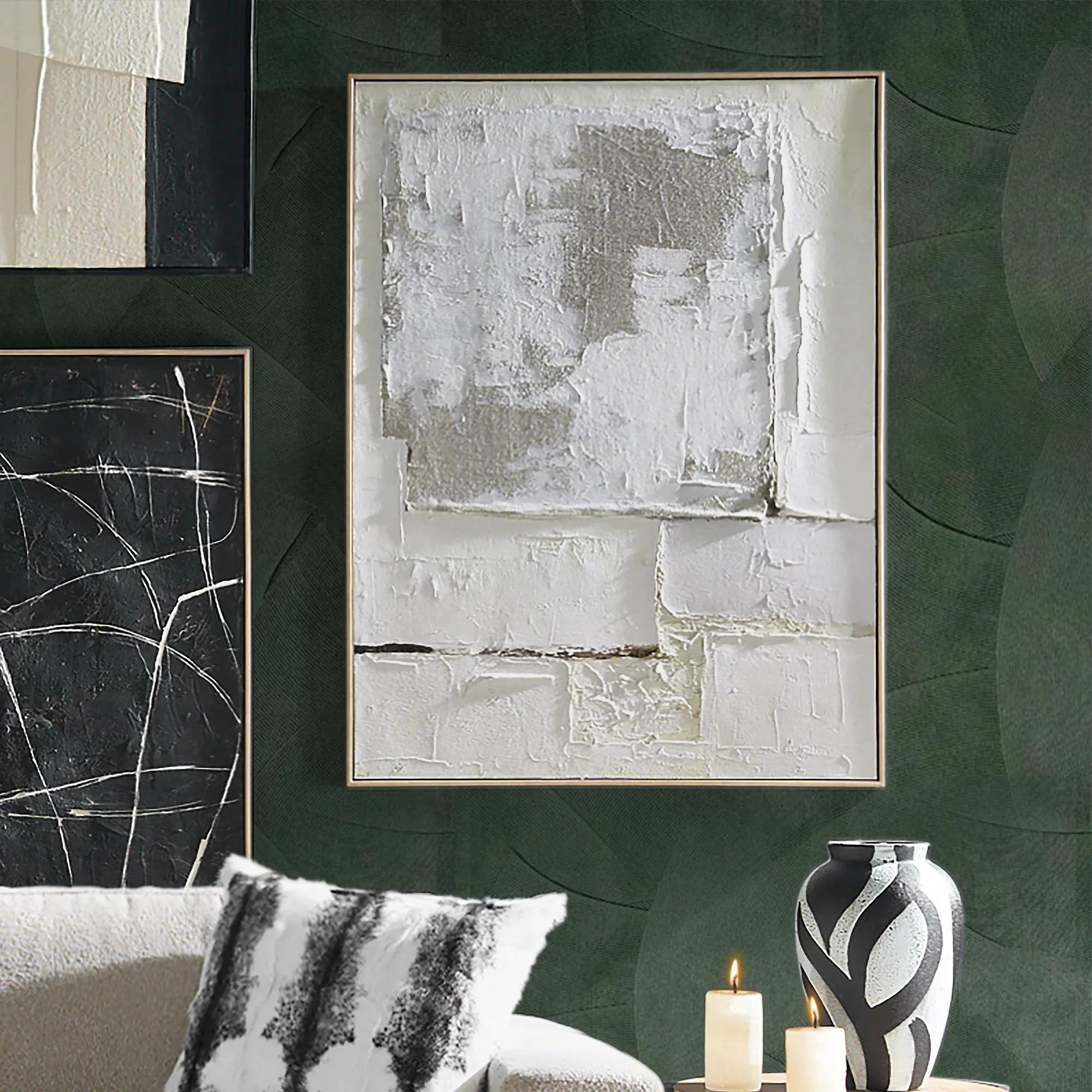 Marrow Painting$399
A hand-painted abstract canvas in subtle beige hues, elegantly framed in a warm beech wood floater.
Add To Cart -
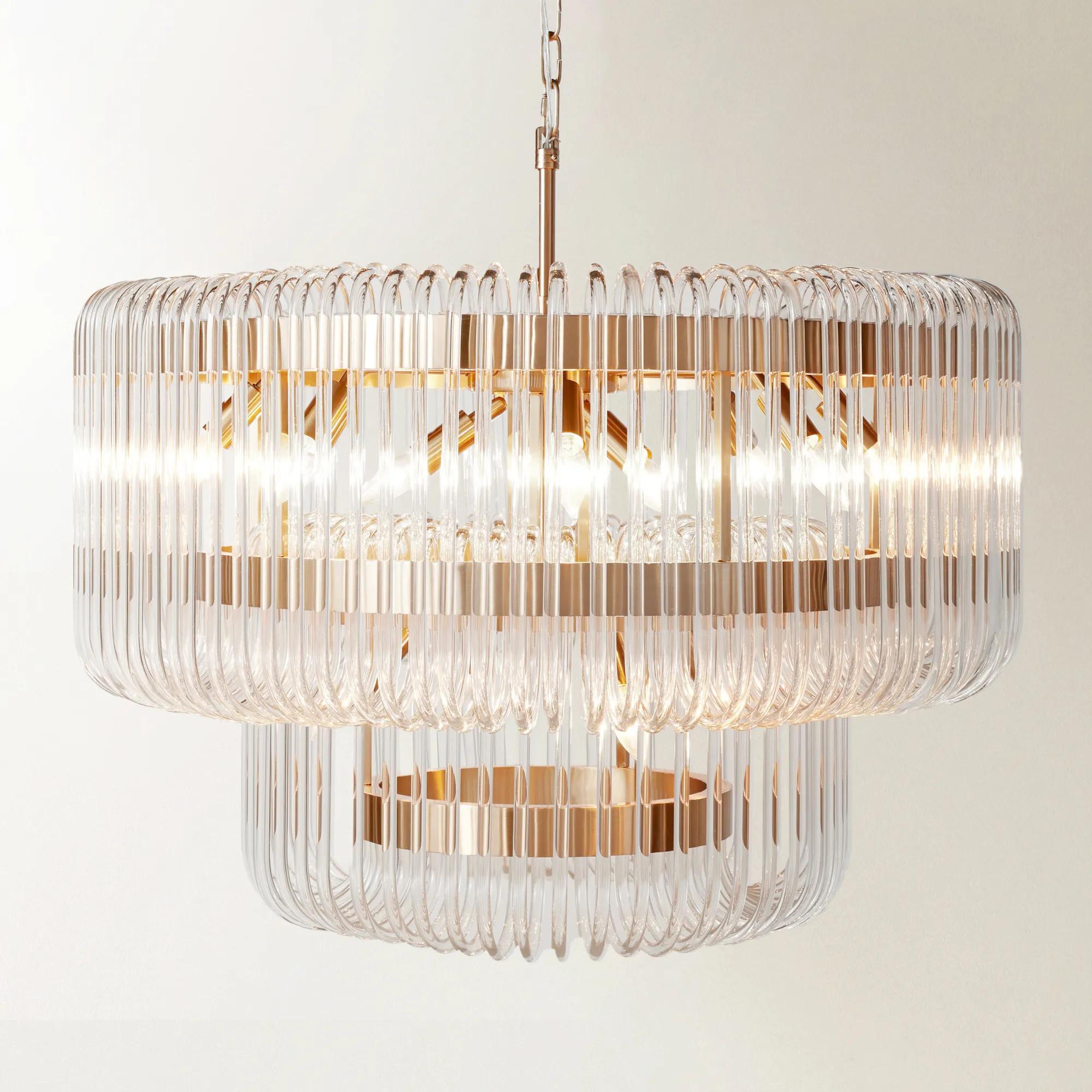 Allure Clear Curved Glass Chandelier 31.5"D x 27.75"H$1499
A dramatic chandelier featuring over 150 clear blown glass rods and brushed brass-finished iron rings.
Add To Cart -
 Cubism Black Resin Floor Totem 65"$329
A sculptural black resin totem with stacked geometric forms and brushed gold accents creates drama.
Add To Cart -
 Sawin Chandelier$699
A sculptural brass-plated steel chandelier with frosted acrylic diffusers for a soft, ambient glow.
Add To Cart -
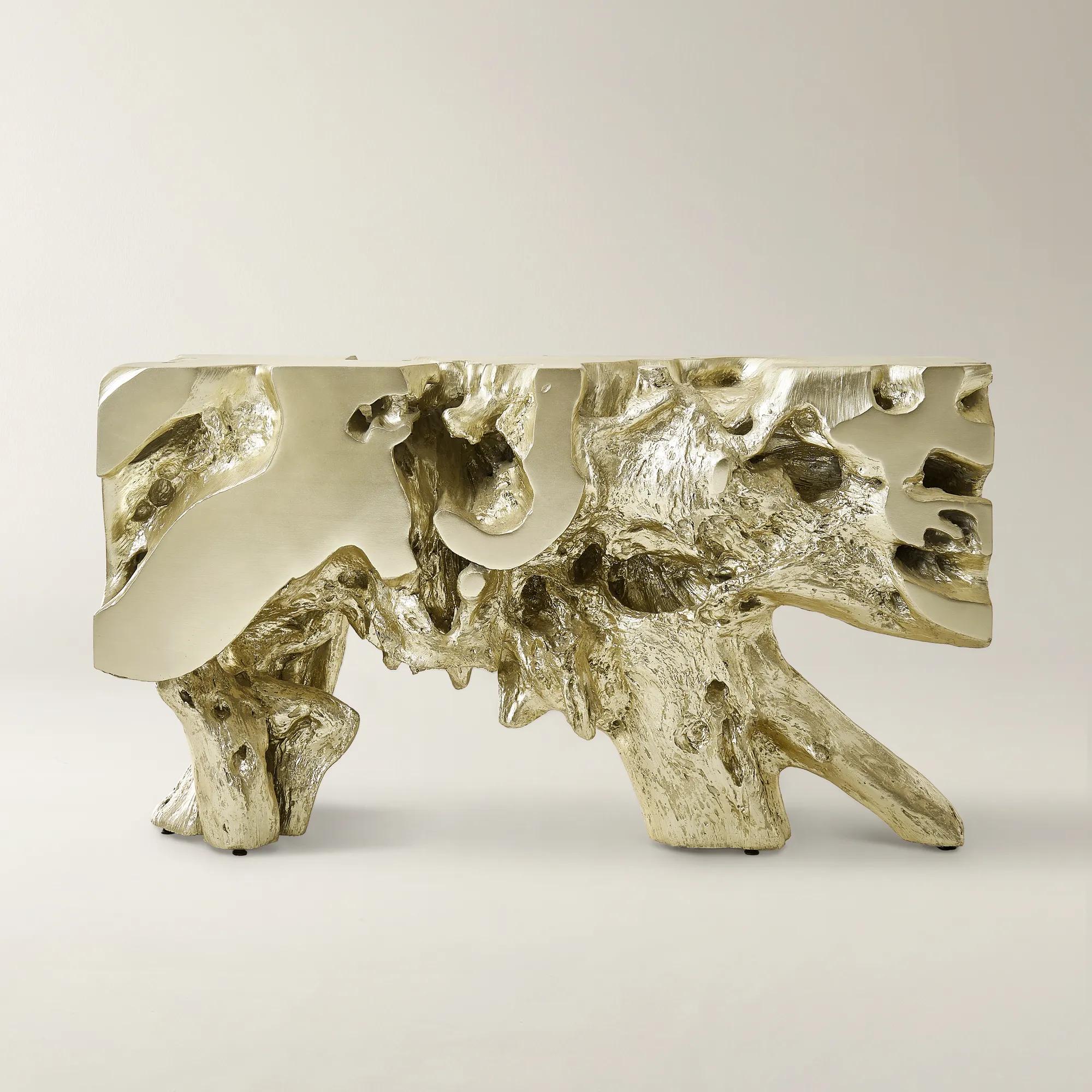 Sequoia Champagne Gold Resin Console Table (58")$1999
A sculptural resin console table finished in luminous champagne gold leaf with organic, root-inspired texture.
Add To Cart -
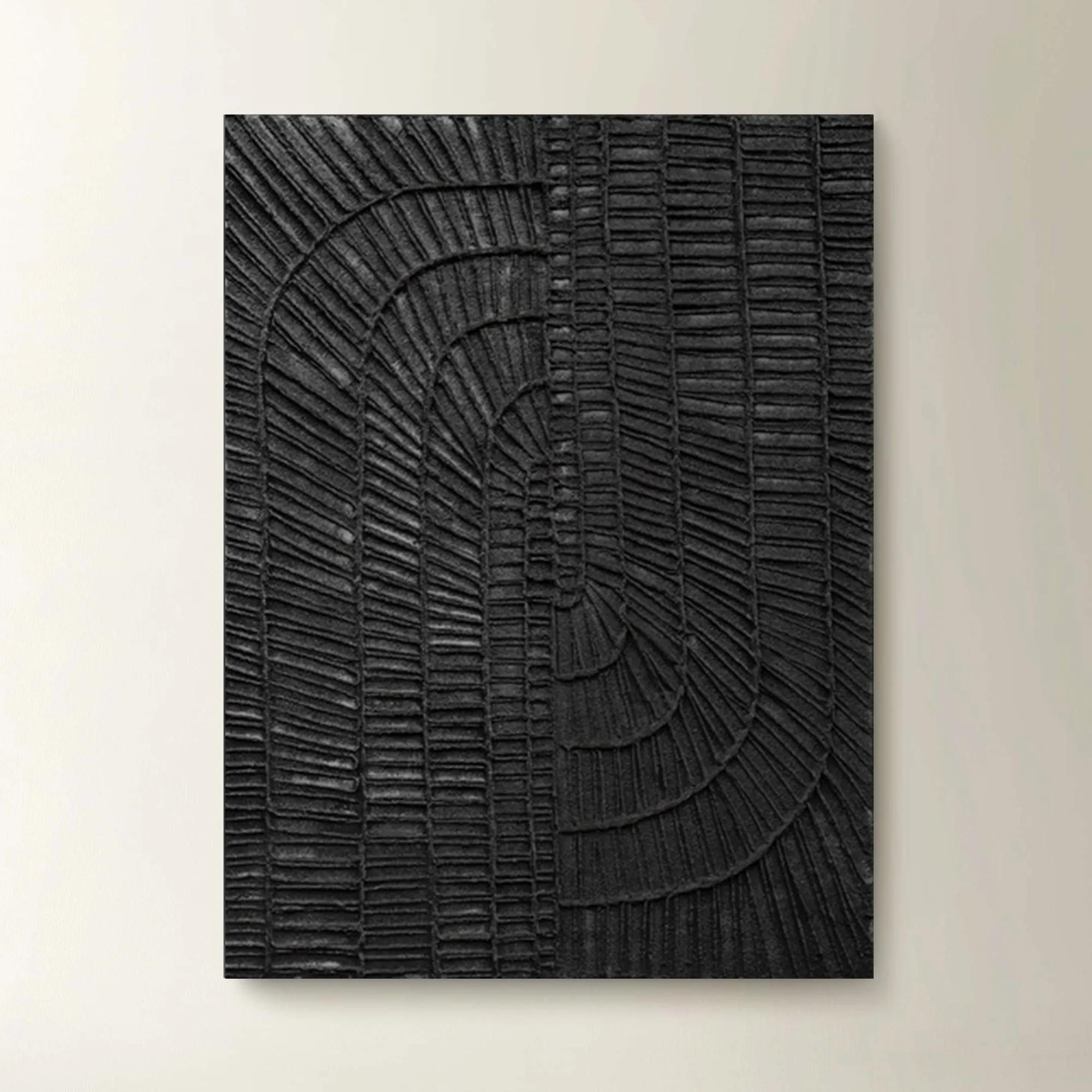
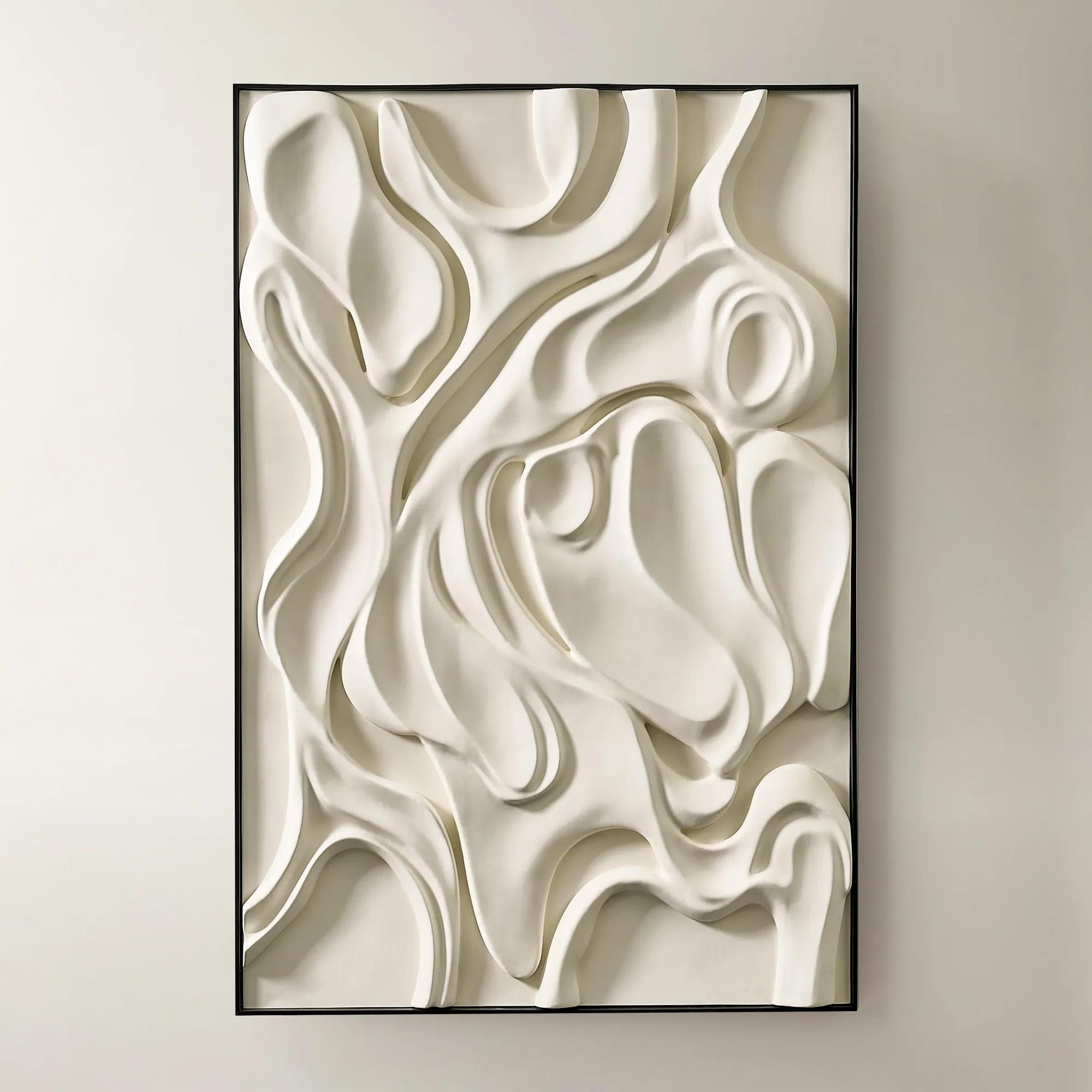 Overflow Alabaster Sculpted Resin Wall Panel 40" x 60"$699
An alabaster fiberglass resin wall panel with sculptural texture and a versatile black frame for modern spaces.
Add To Cart -

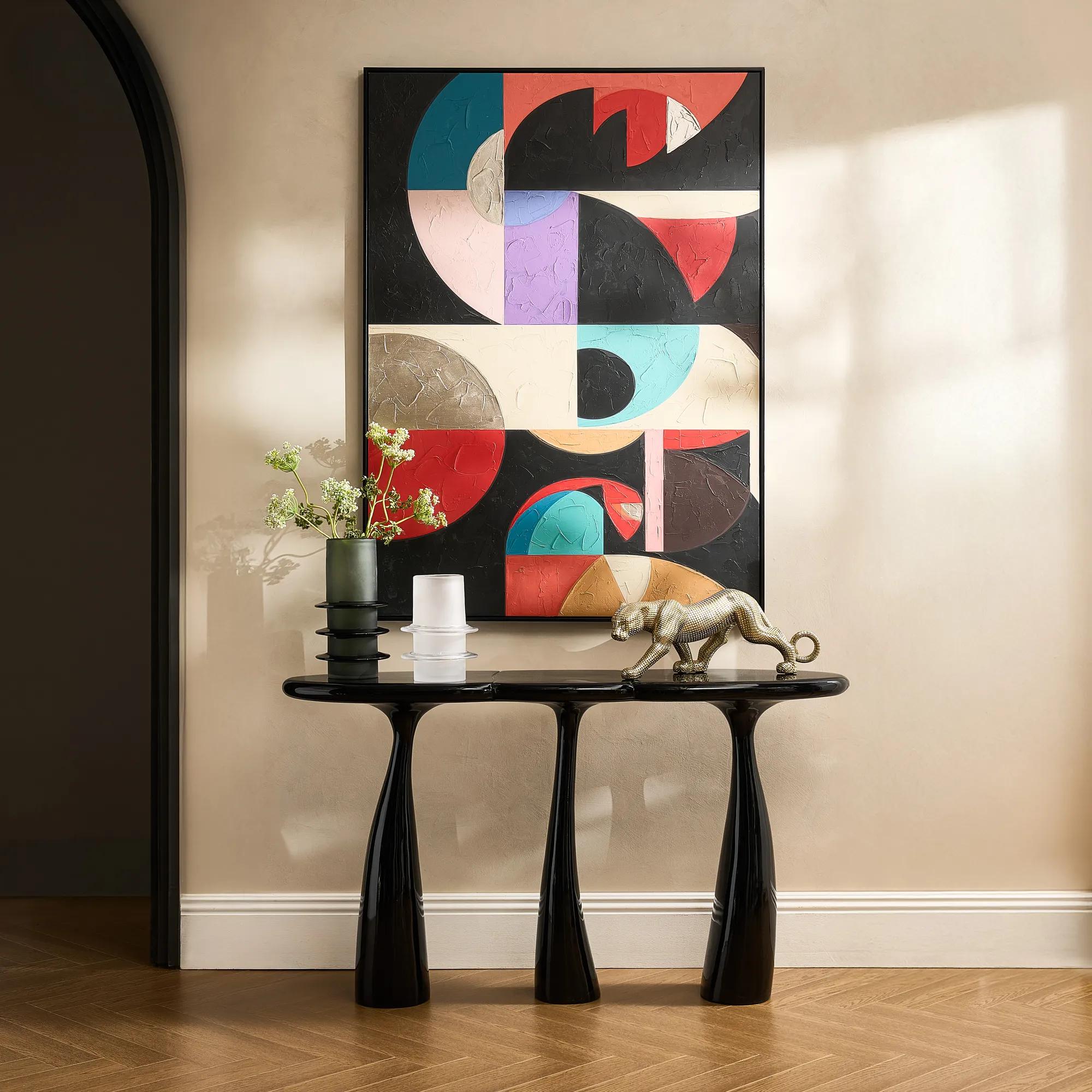 Thalia Glossy Black Console Table (52.4")$999
A sculptural console table crafted from glossy black fiberglass with seamless curves and a mirror-like finish.
Add To Cart -
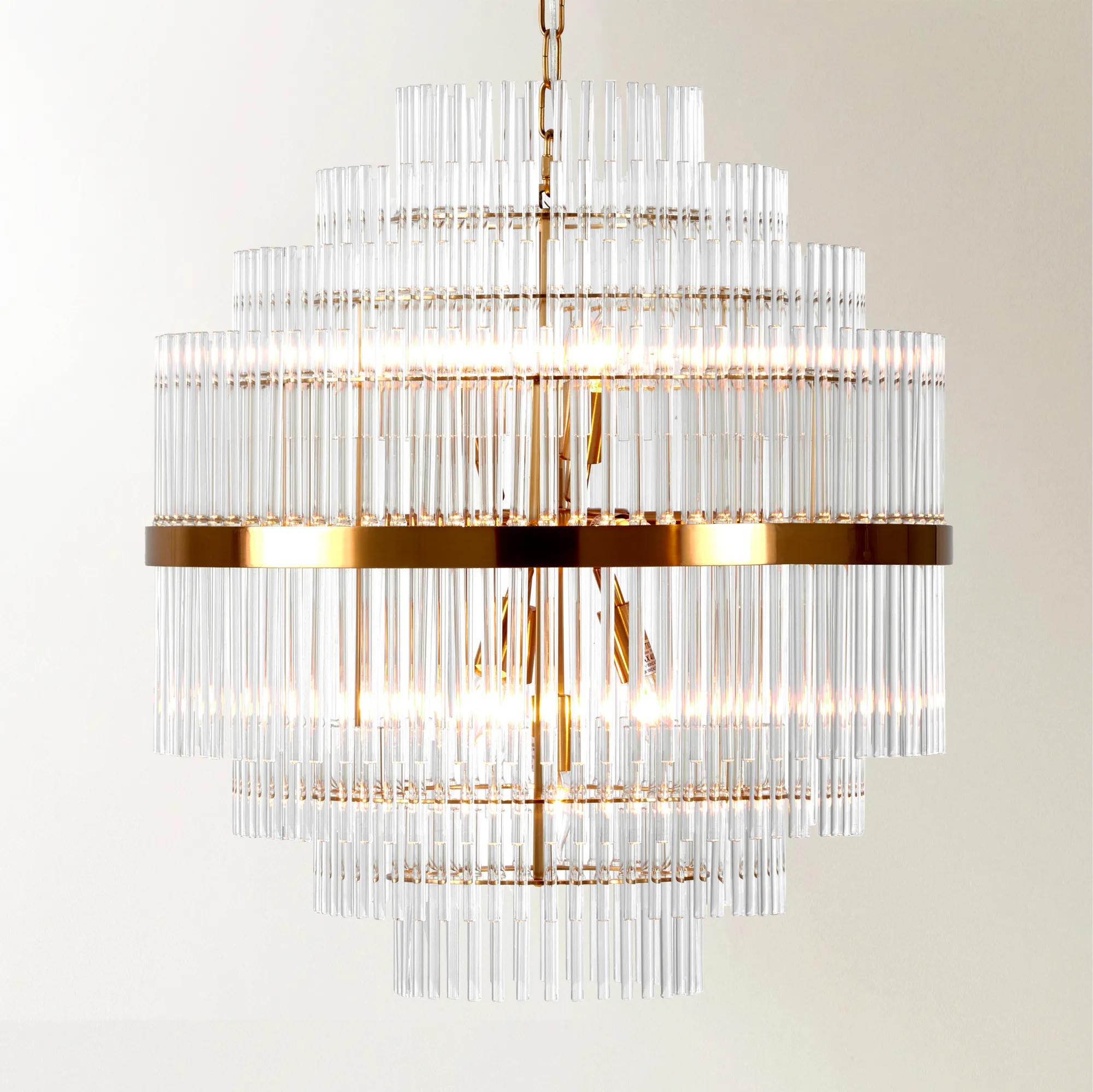
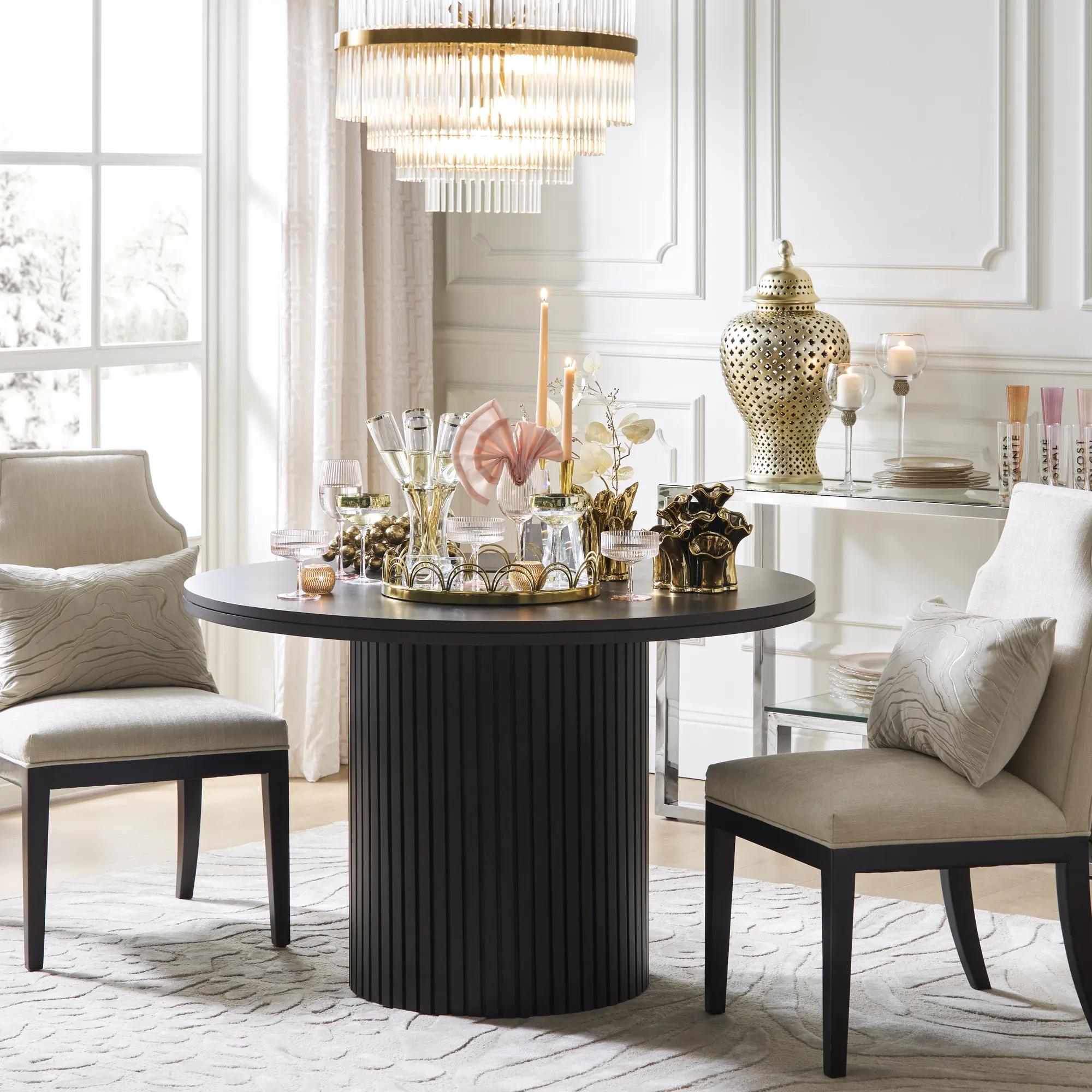 Renata Clear Glass Rod Grand Chandelier 23.6"D x 26.3"H$999
A dramatic chandelier featuring dozens of glass rods and a polished gold iron frame for sophisticated elegance.
Add To Cart -

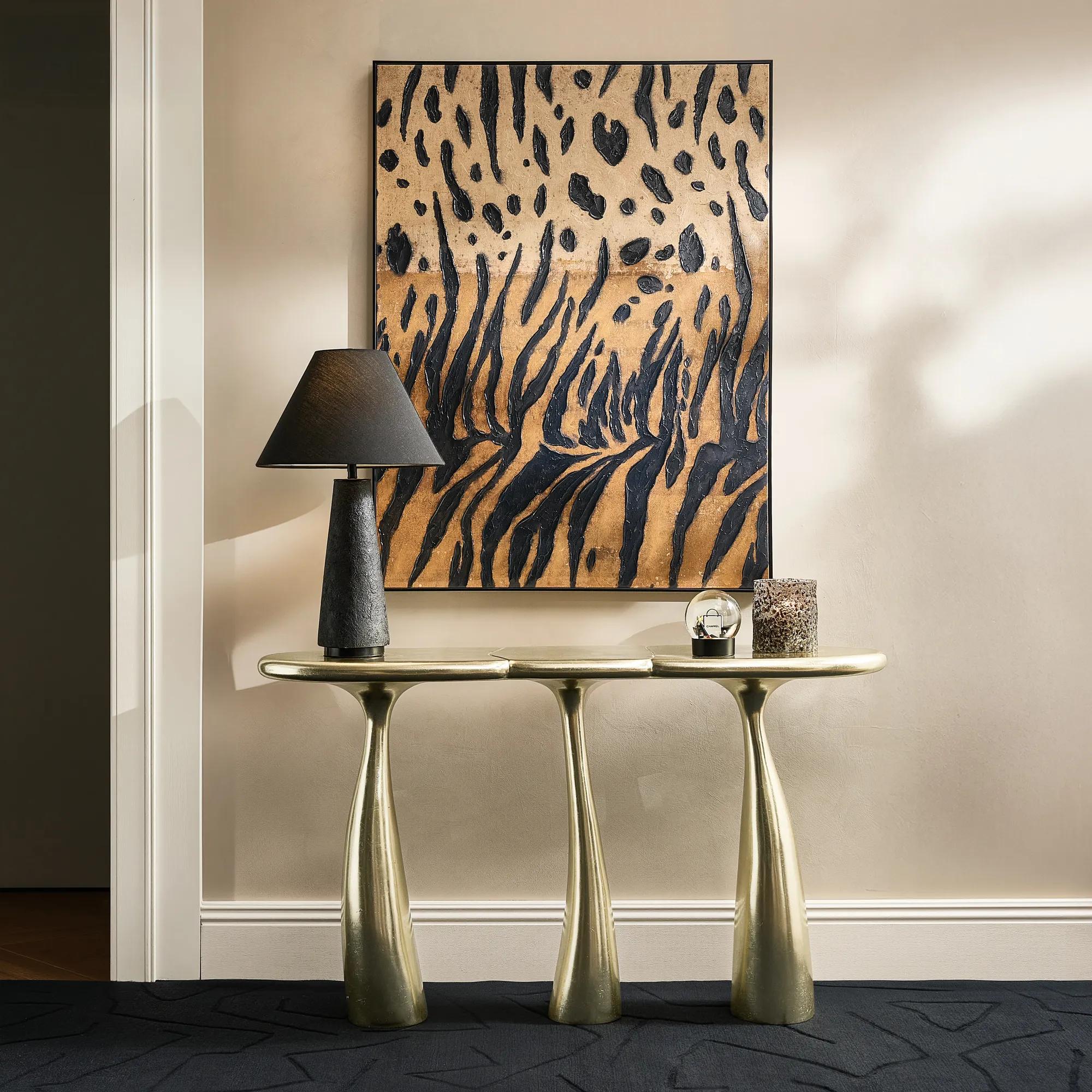 Thalia Soft Gold Console Table (52.4")$999
A sculptural console table hand-molded from fiberglass with a luminous, hand-applied gold leaf finish.
Add To Cart -
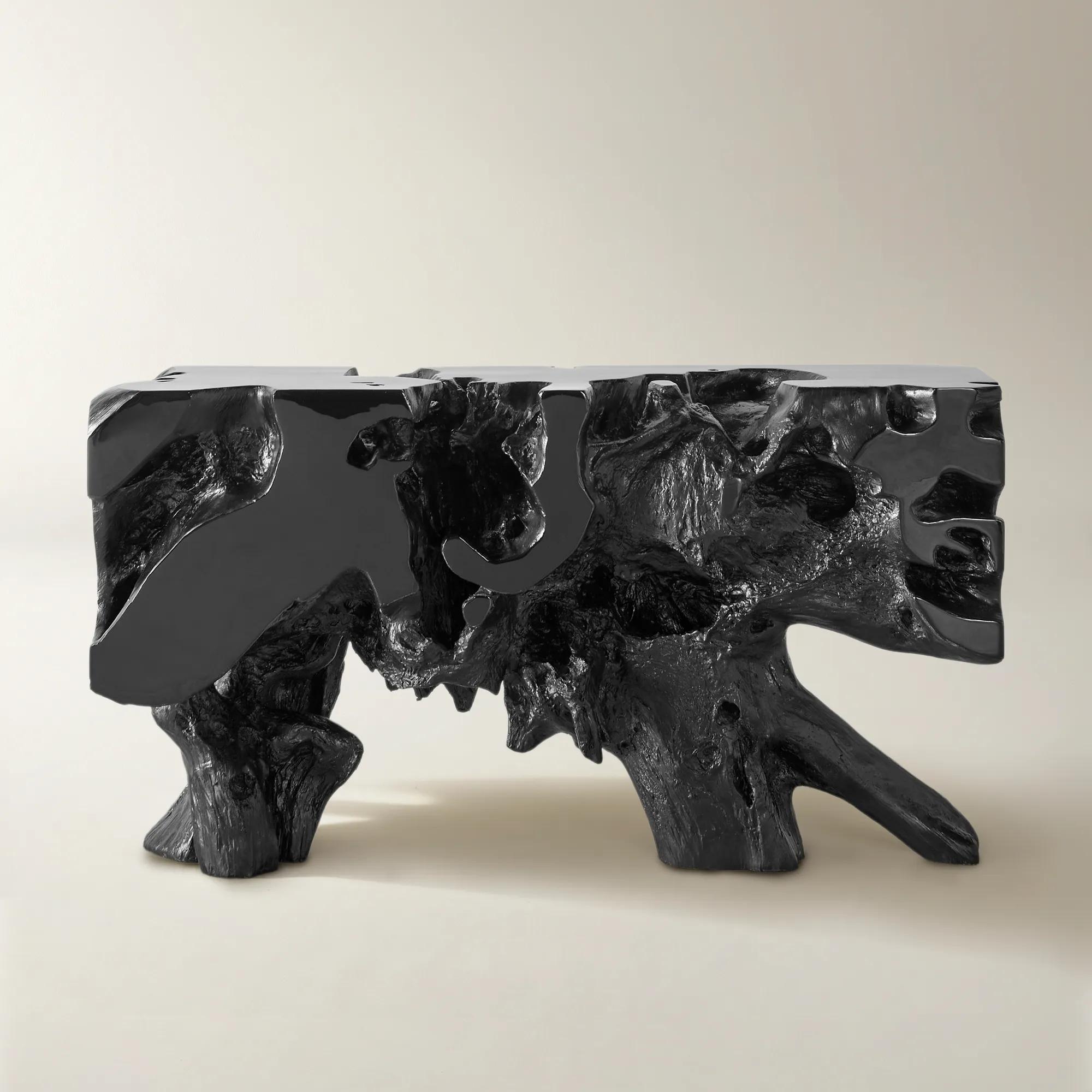 Sequoia Black Resin Console Table (58")$1999
A sculptural black console table crafted from resin, fiberglass, and polished stone for indoor or outdoor use.
Add To Cart -
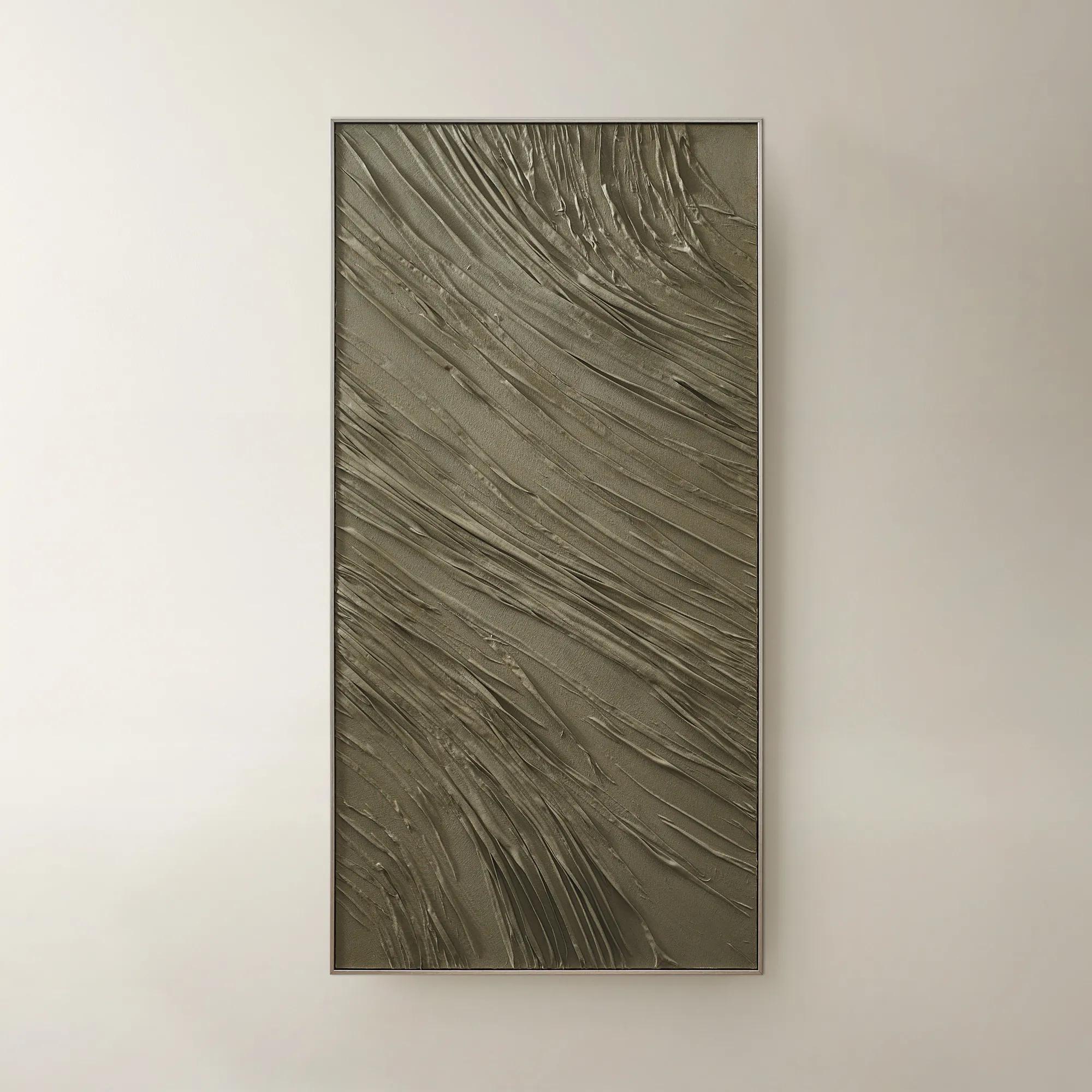
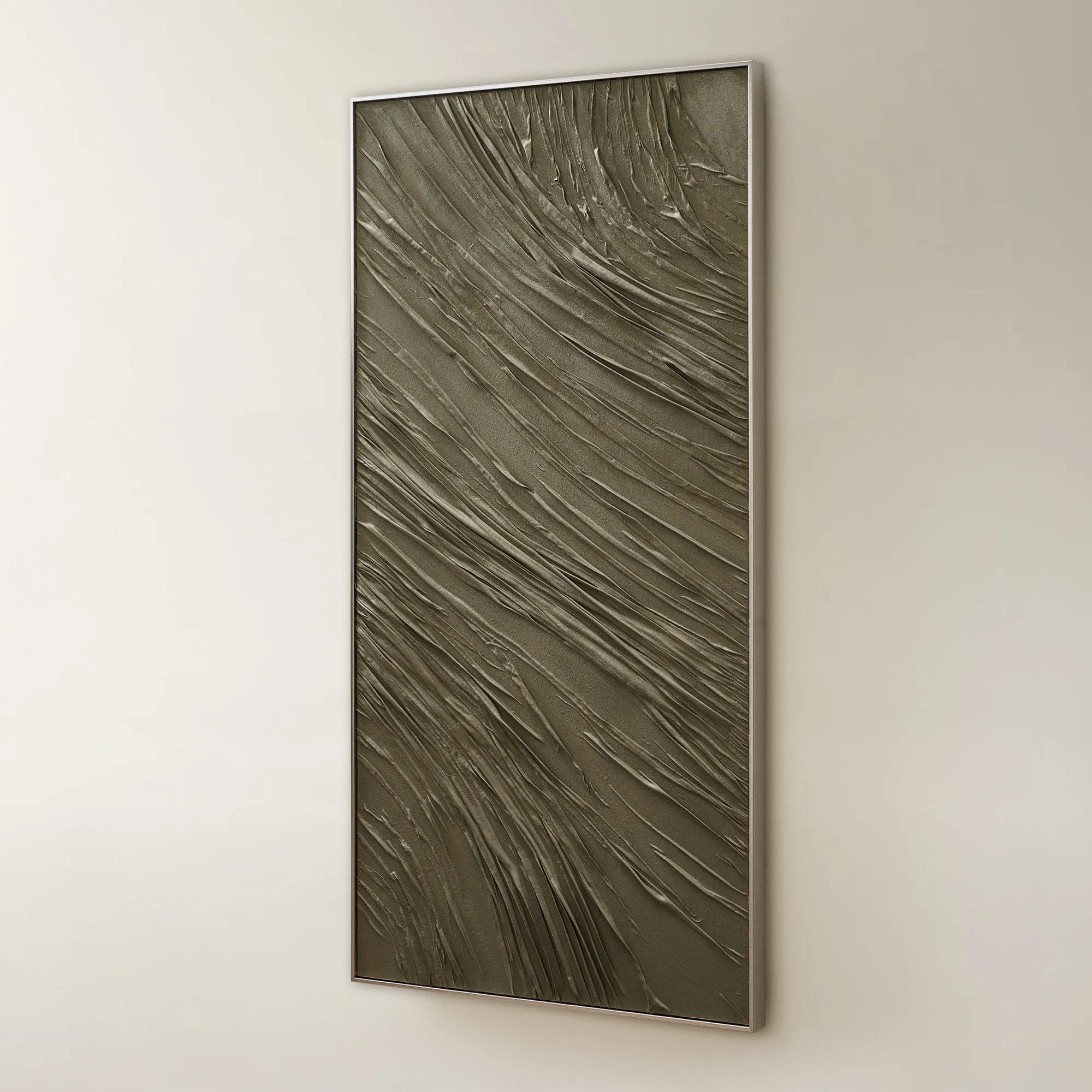 Grove Framed Hand-crafted Folded Fabric Wall Art 60" x 30"$349
A hand-crafted folded canvas in deep olive with a champagne frame for sculptural, modern wall art.
Add To Cart -
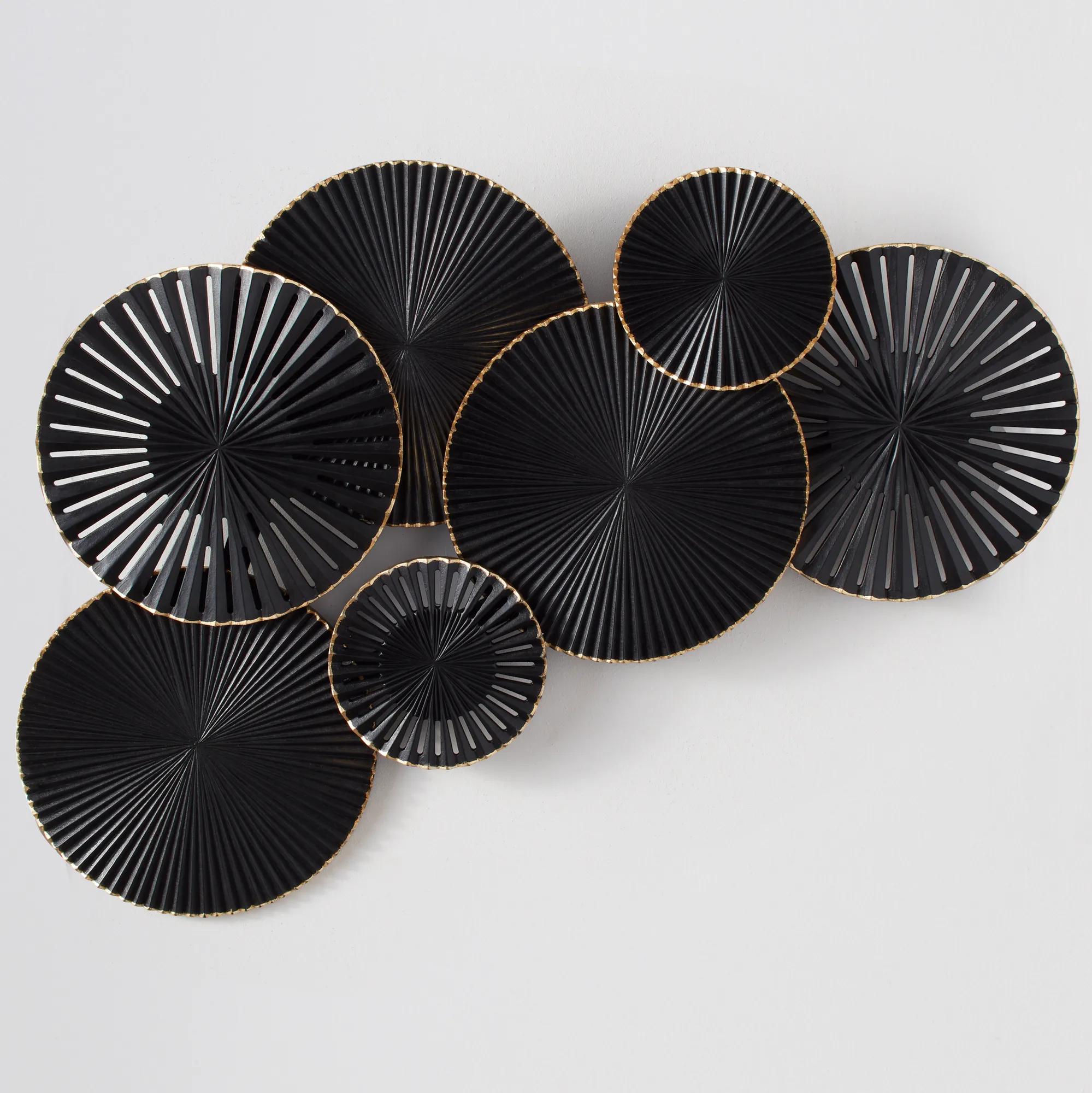
 Circa Black Carved Wood Dimensional Wall Panel 47.25" x 27.5"$499
A carved wood wall art panel in black and gold that adds abstract intrigue to any room.
Add To Cart -
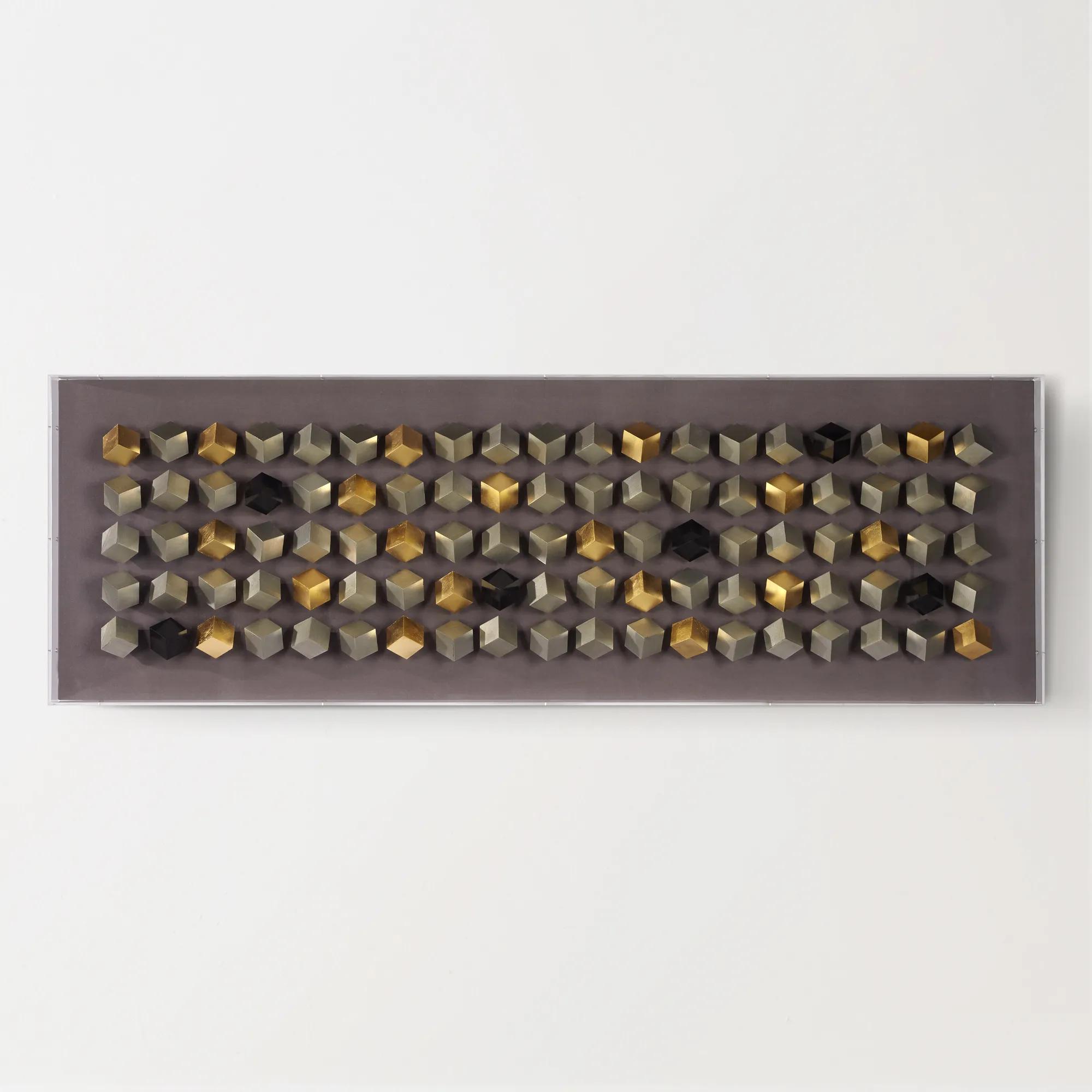
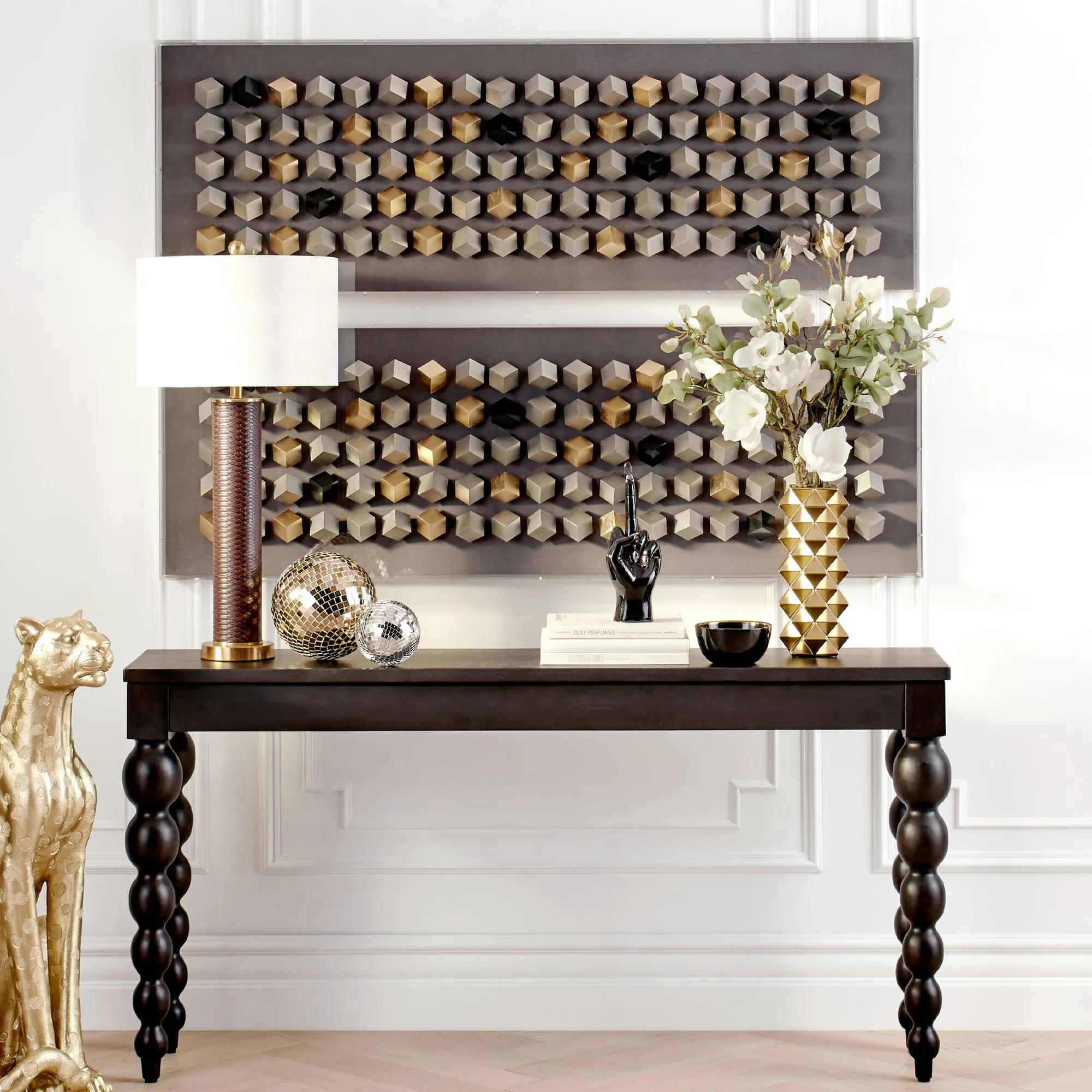 Cubic Array Dimensional Wall Decor in Acrylic 59" x 19.75"$599
A striking shadowbox wall art featuring a cubic, dimensional design with a tri-tone metallic finish.
Add To Cart -
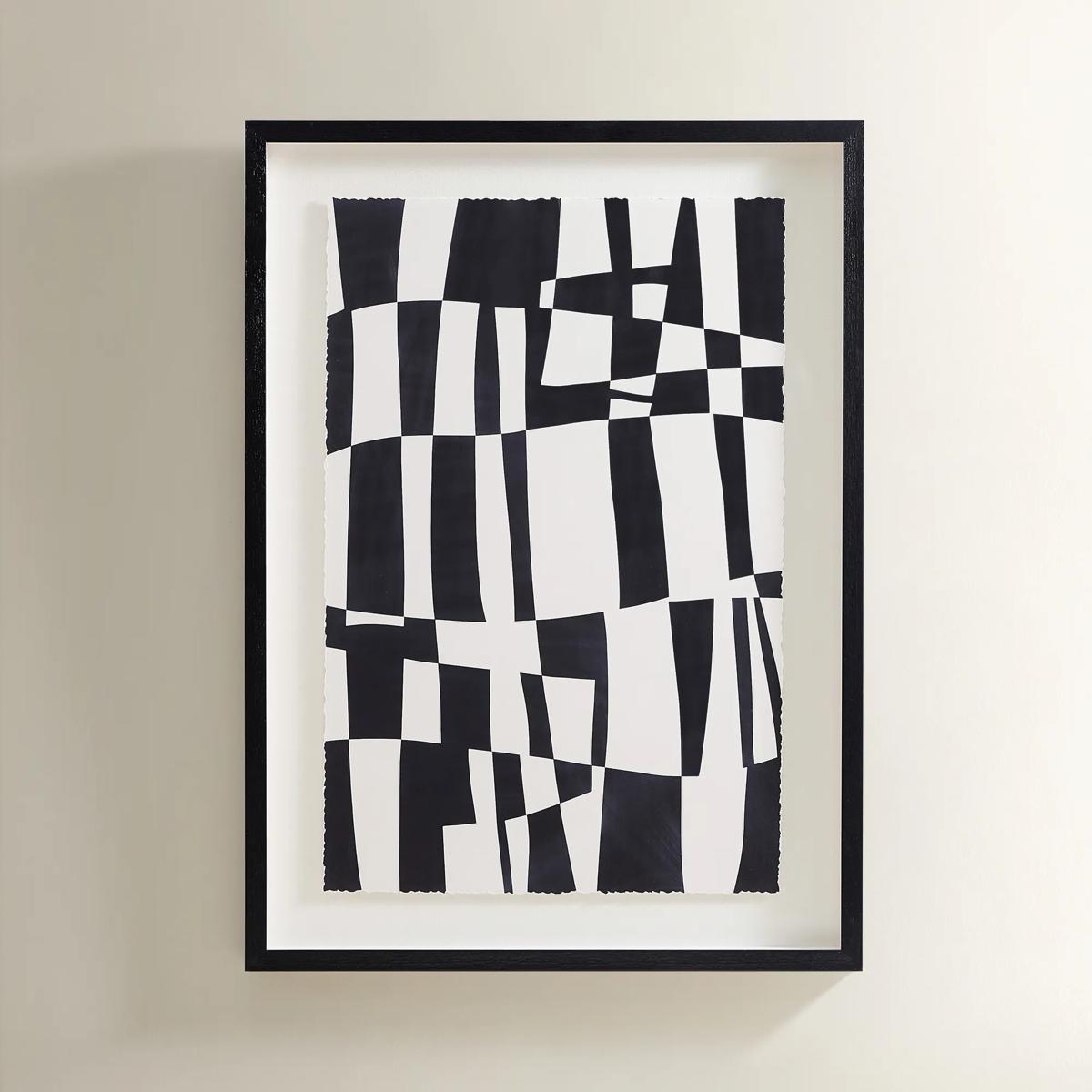 Matrix Art$369
A striking black and white abstract grid print set in a sleek black polyresin frame.
Add To Cart -

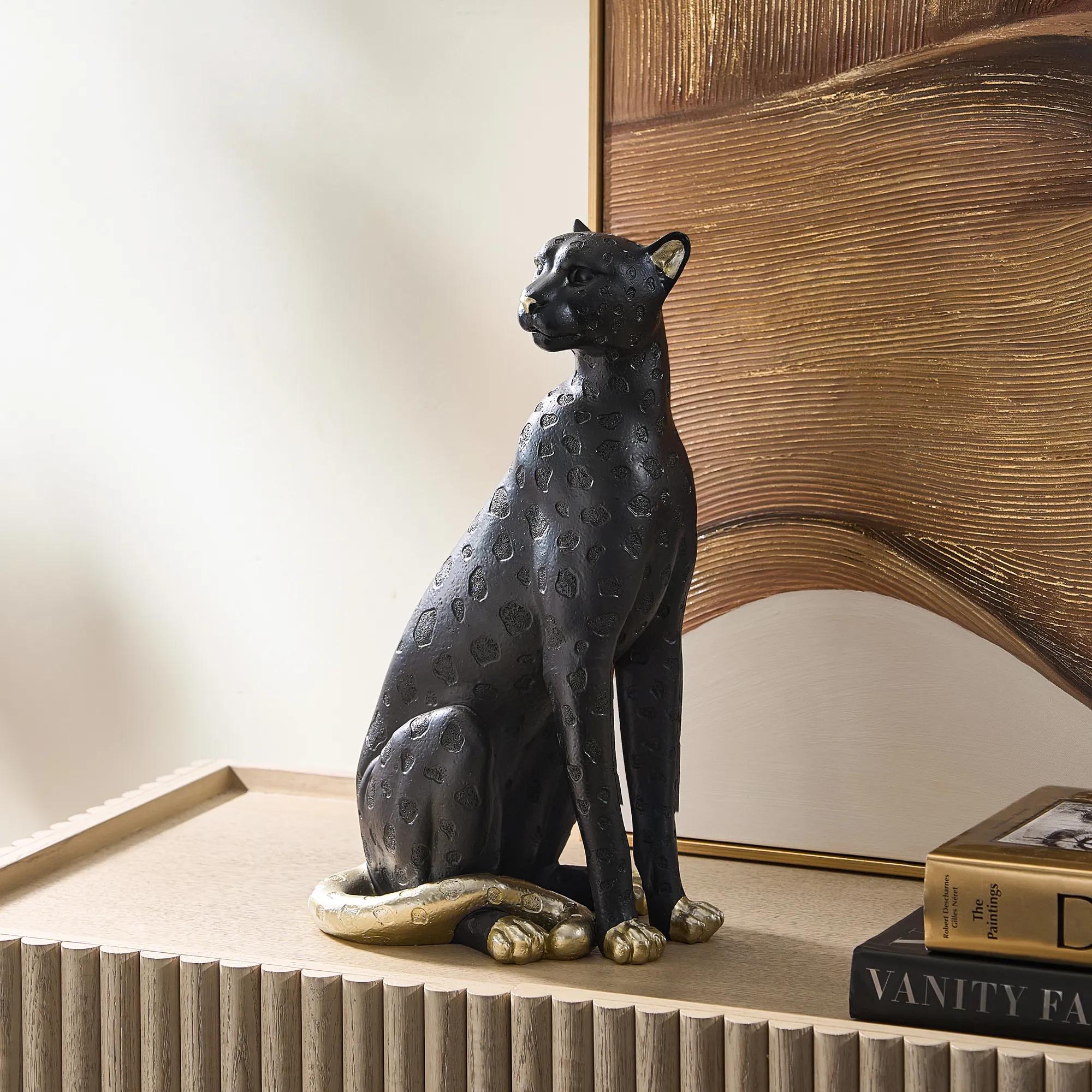 Midnight Leo Black And Gold Resin Object 17.75"$149
A sculpted black resin leopard with gilded gold accents adds bold, artistic glamour to any space.
Add To Cart -
 Naali Black Resin Floor Vase 31"$279
A bold black resin vase featuring a chunky, sculptural silhouette for striking modern decor.
Add To Cart -
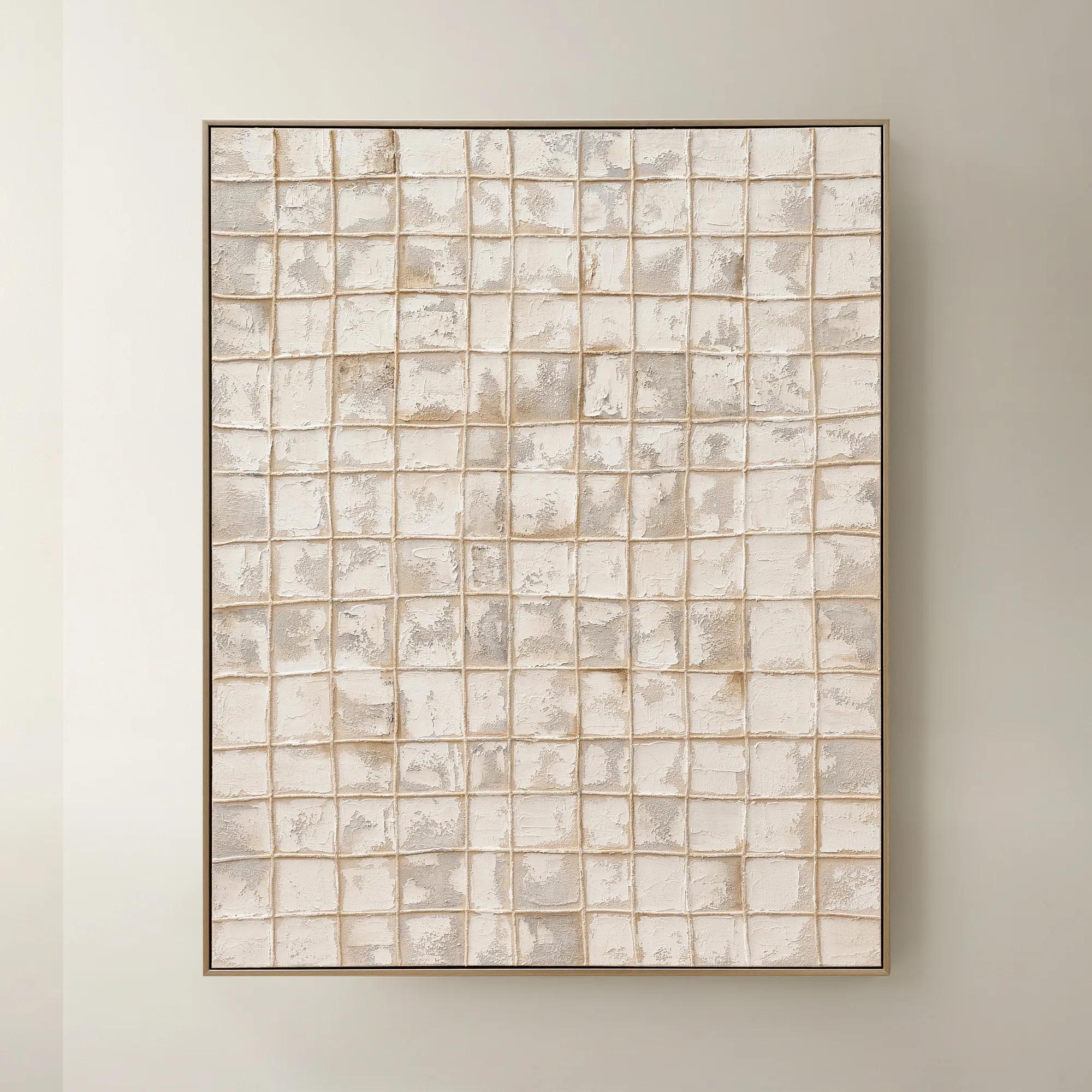
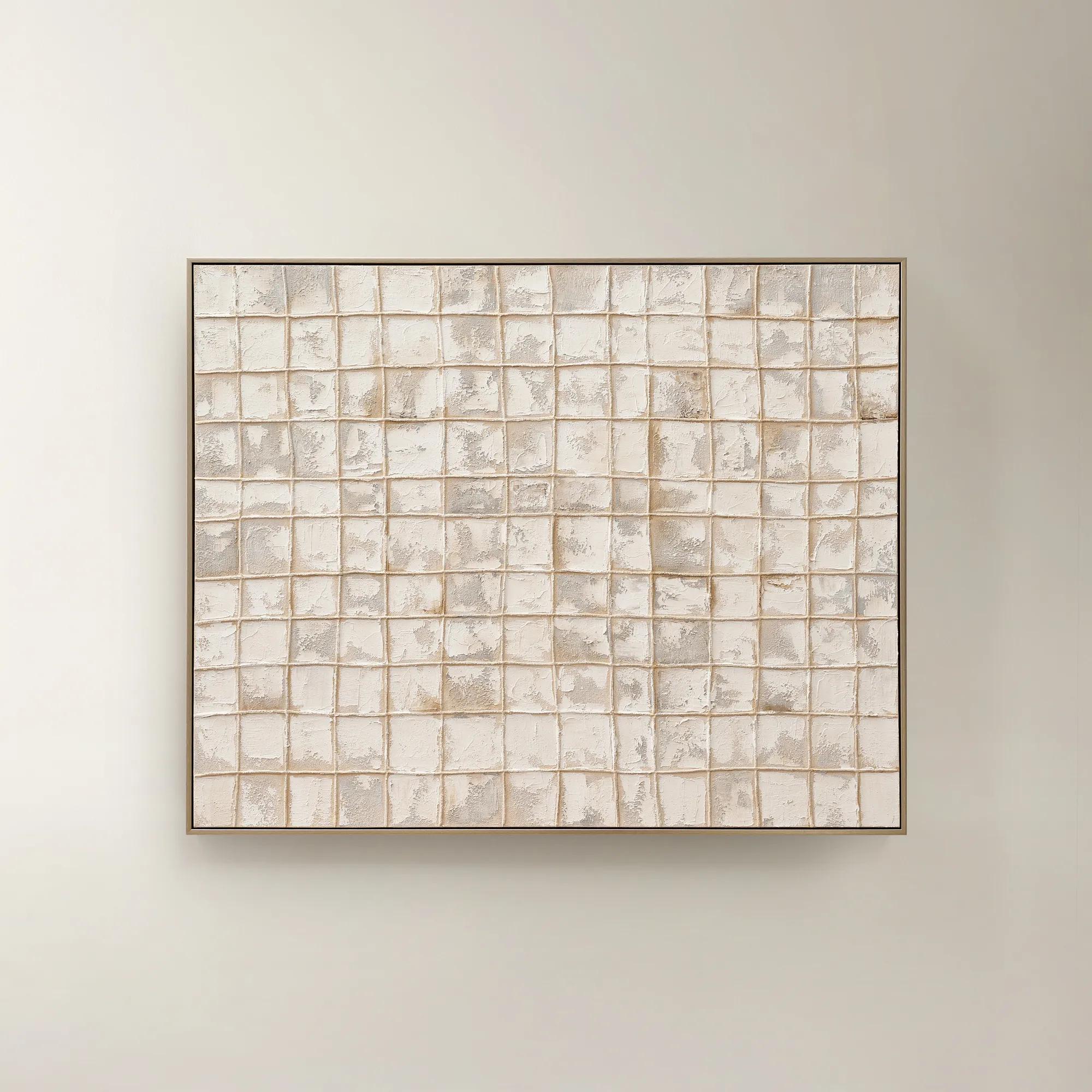 Painted Echos Framed Gold Leaf Wall Art 60" x 48"$699
A hand-painted abstract canvas with gold leaf accents and a champagne frame for modern, versatile display.
Add To Cart -
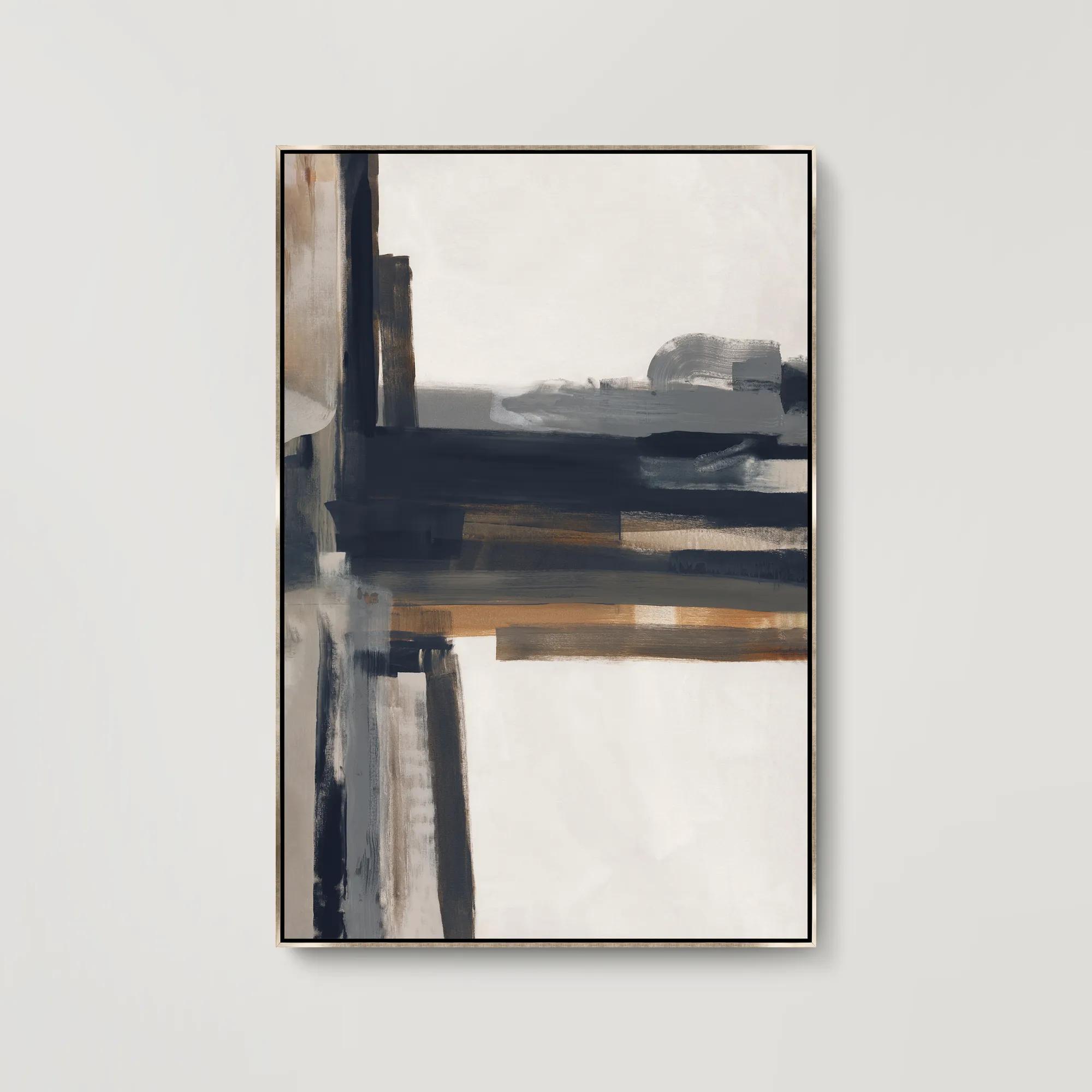
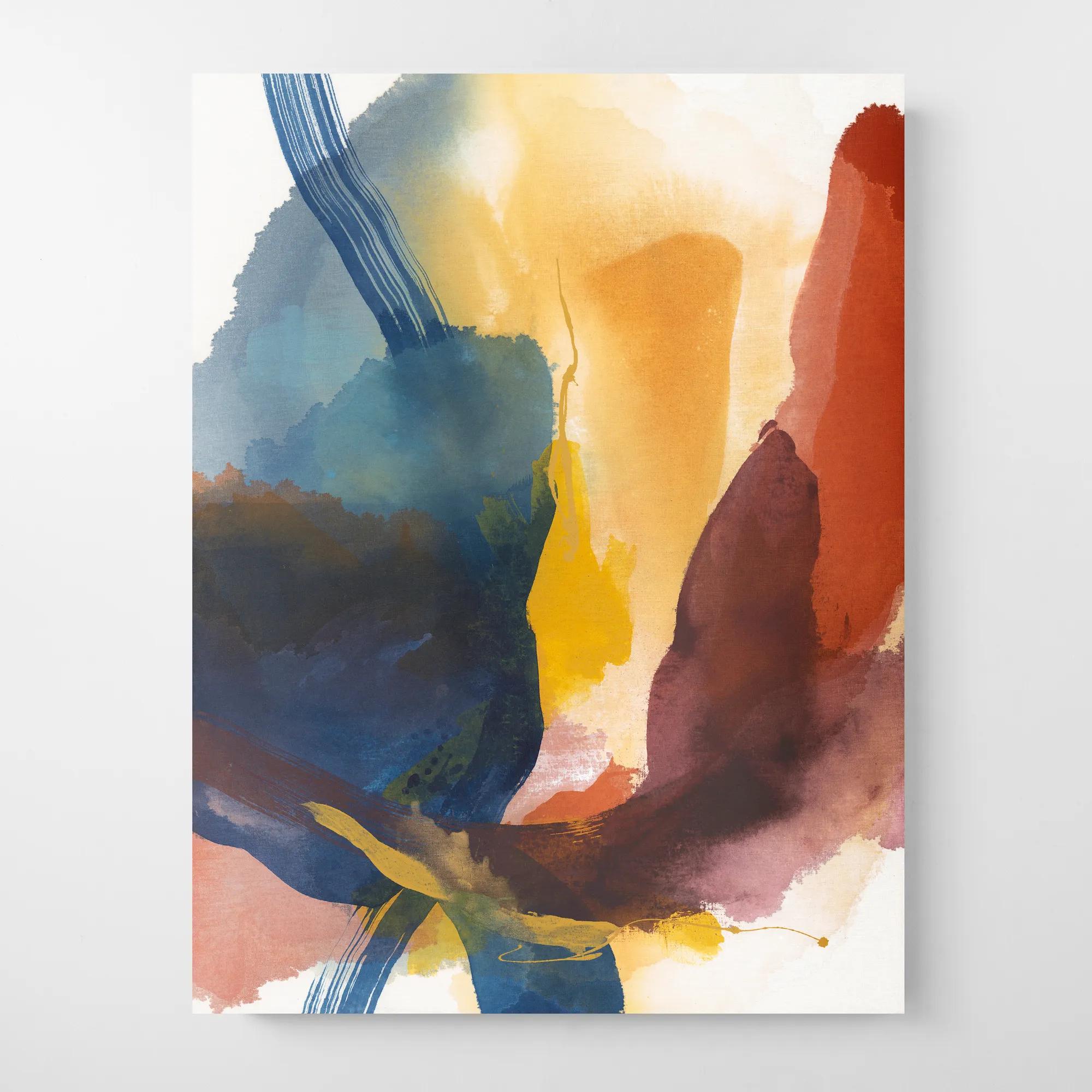
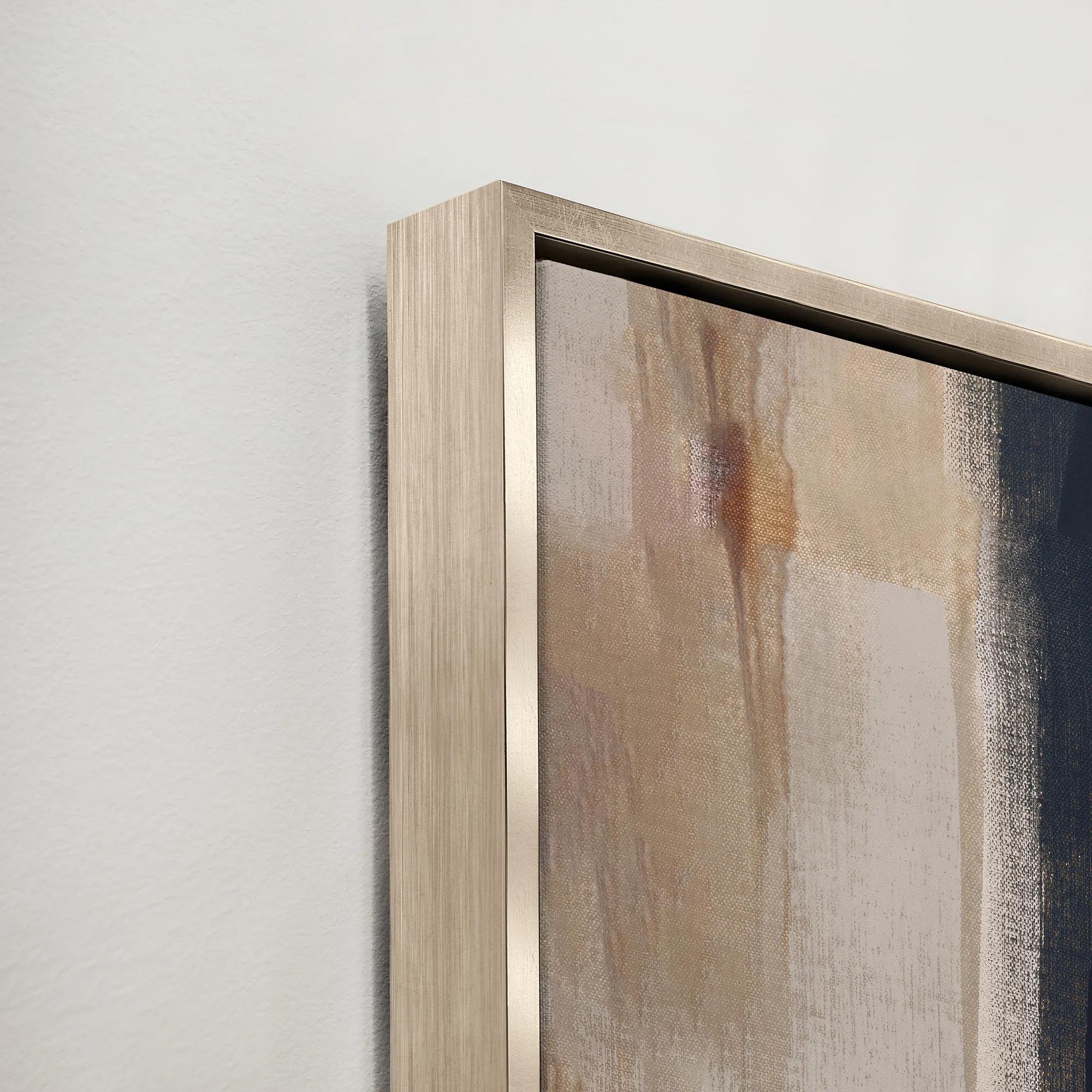 Imposing Construct I Framed Wall Art 41.5" x 61.5"$949
A gallery-wrapped abstract canvas featuring hand-applied brush gel and set in a sleek silver floater frame.
Add To Cart -
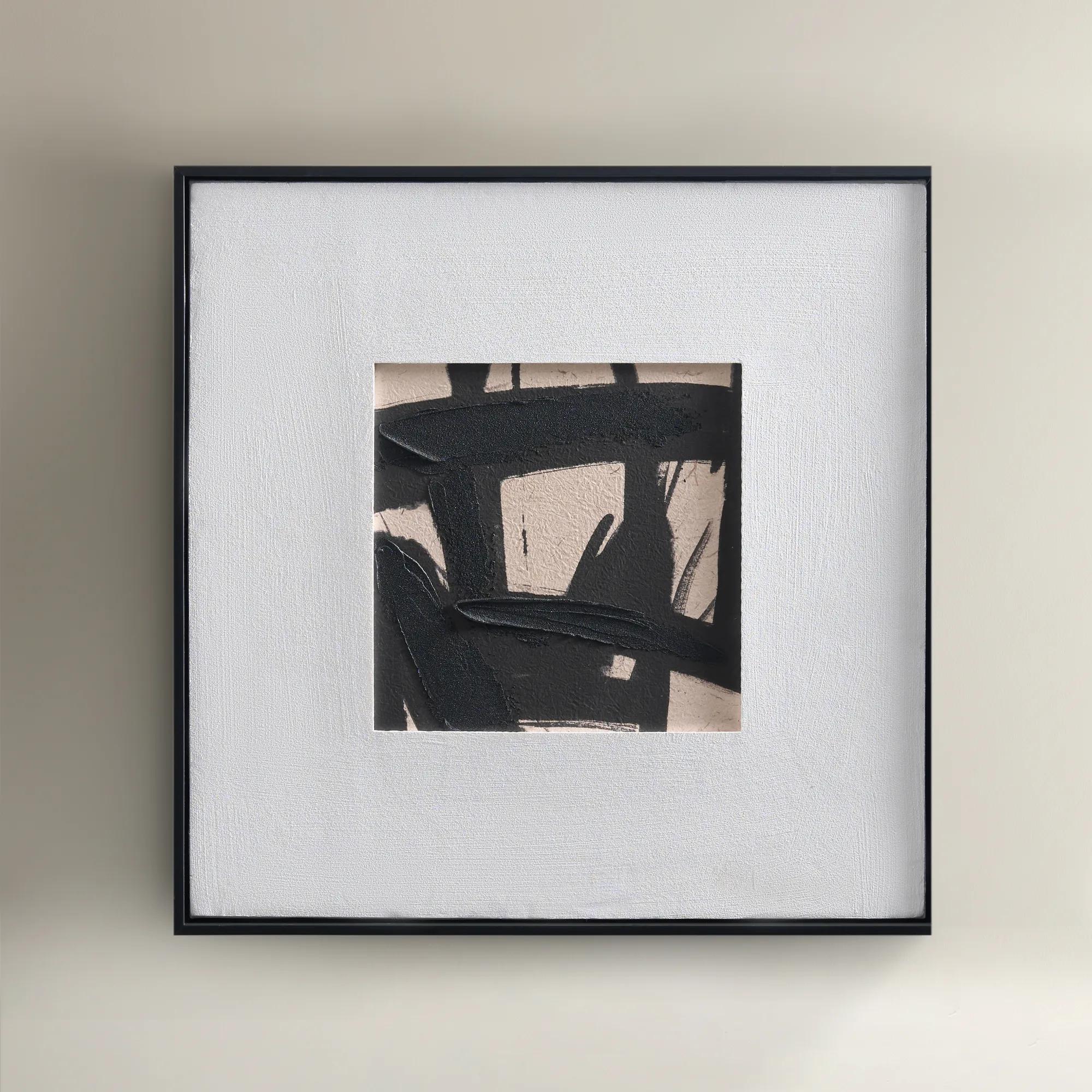
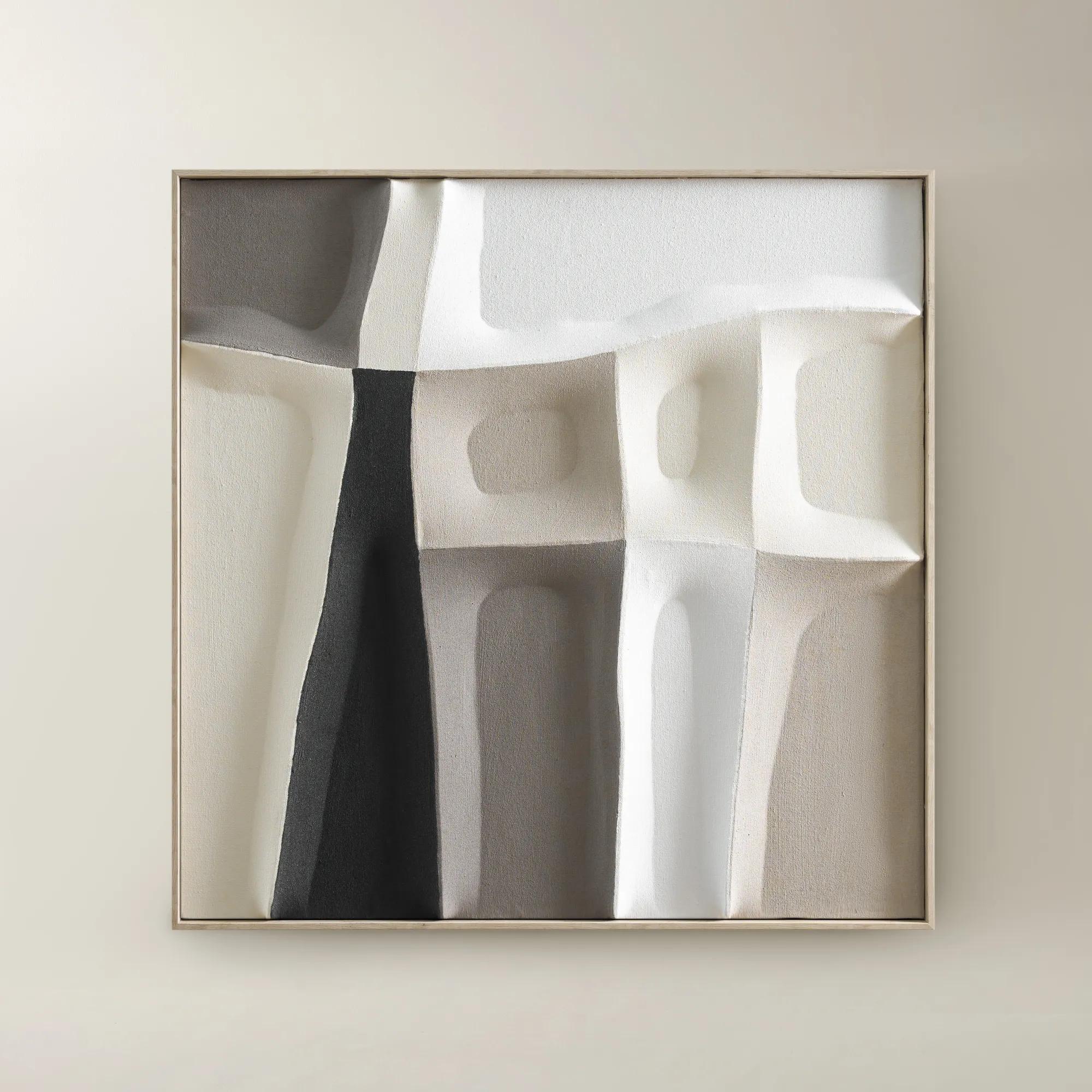 Shadow Painting 1$179
A hand-painted canvas featuring bold colors and sculptural textures in a warm whitewash floater frame.
Add To Cart -
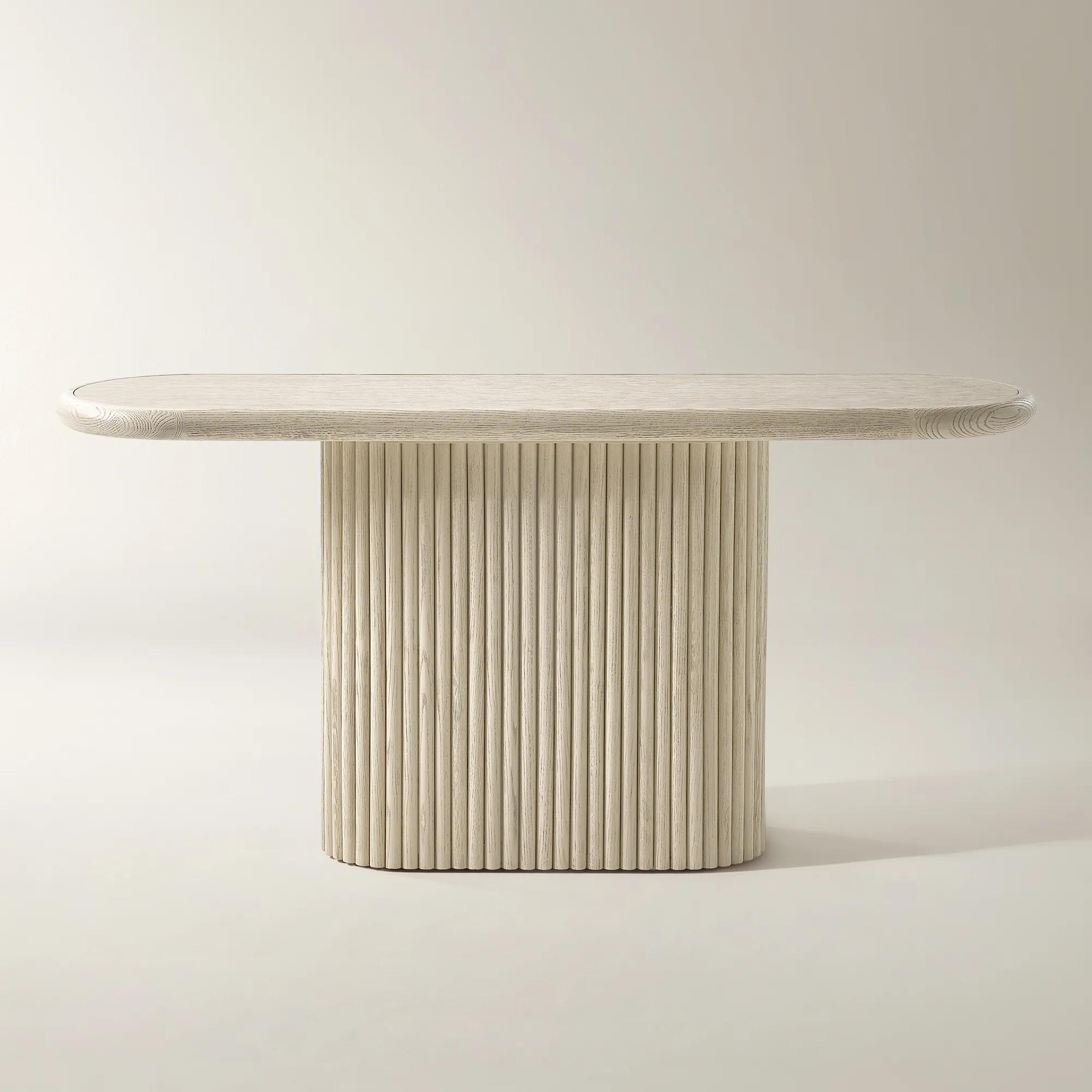
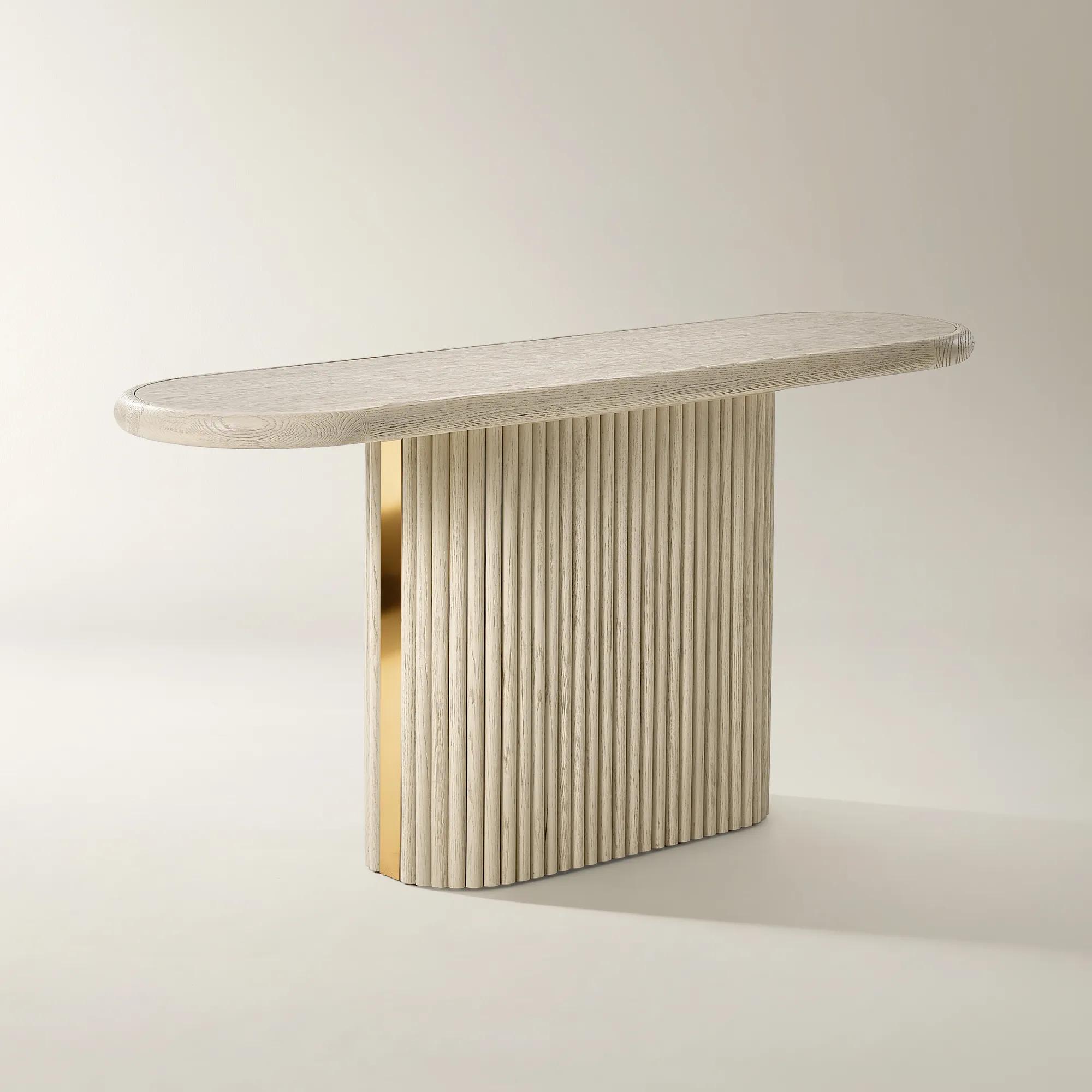 Stria Oval Reeded White Oak Console Table (63")$1399
A sculptural console table featuring reeded white oak, soft gold metal trim, and an architectural pedestal base.
Add To Cart -
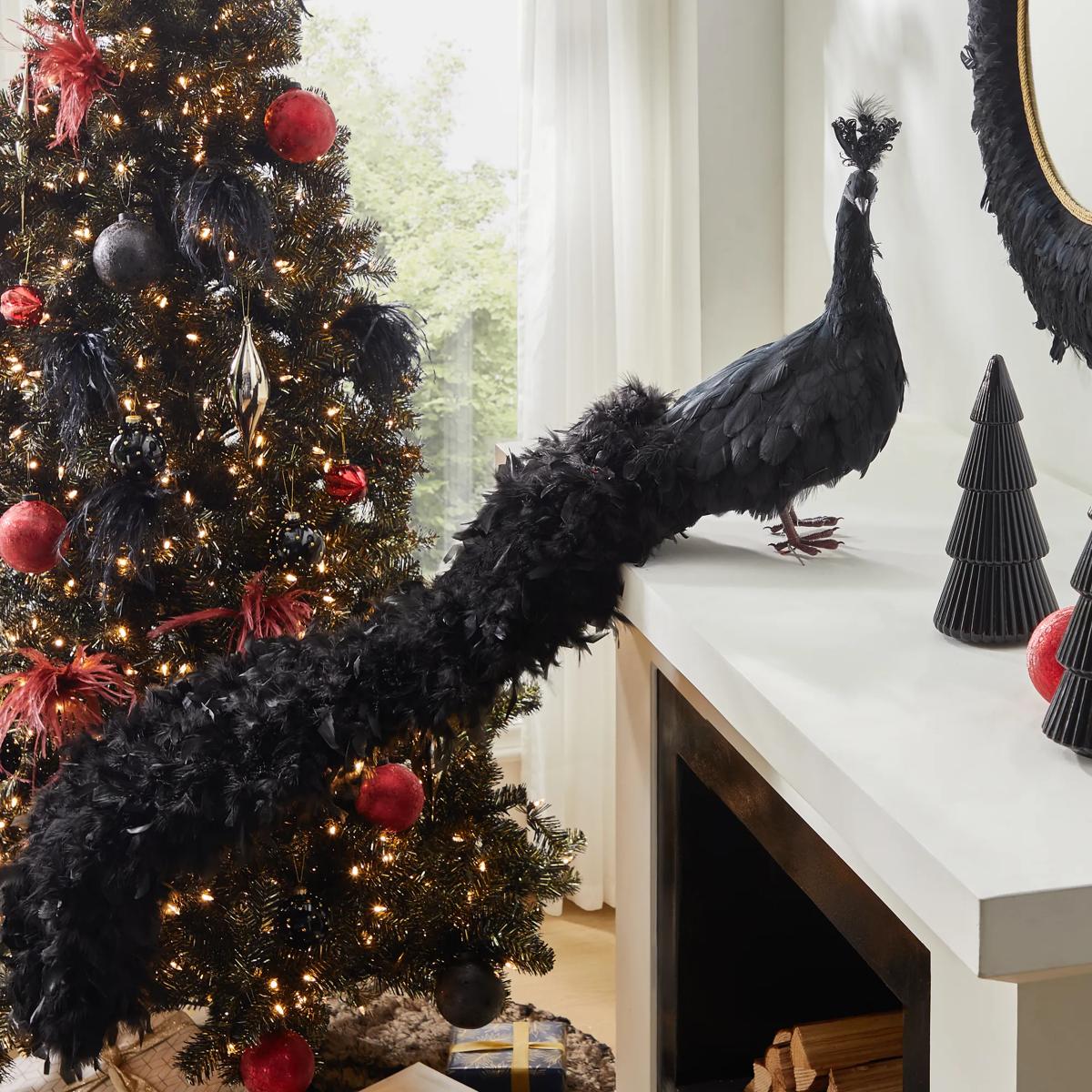
 Black Fancy Peacock - 60"$499
A dramatic black peacock crafted with soft, layered feathers for bold, textured holiday decor.
Add To Cart -
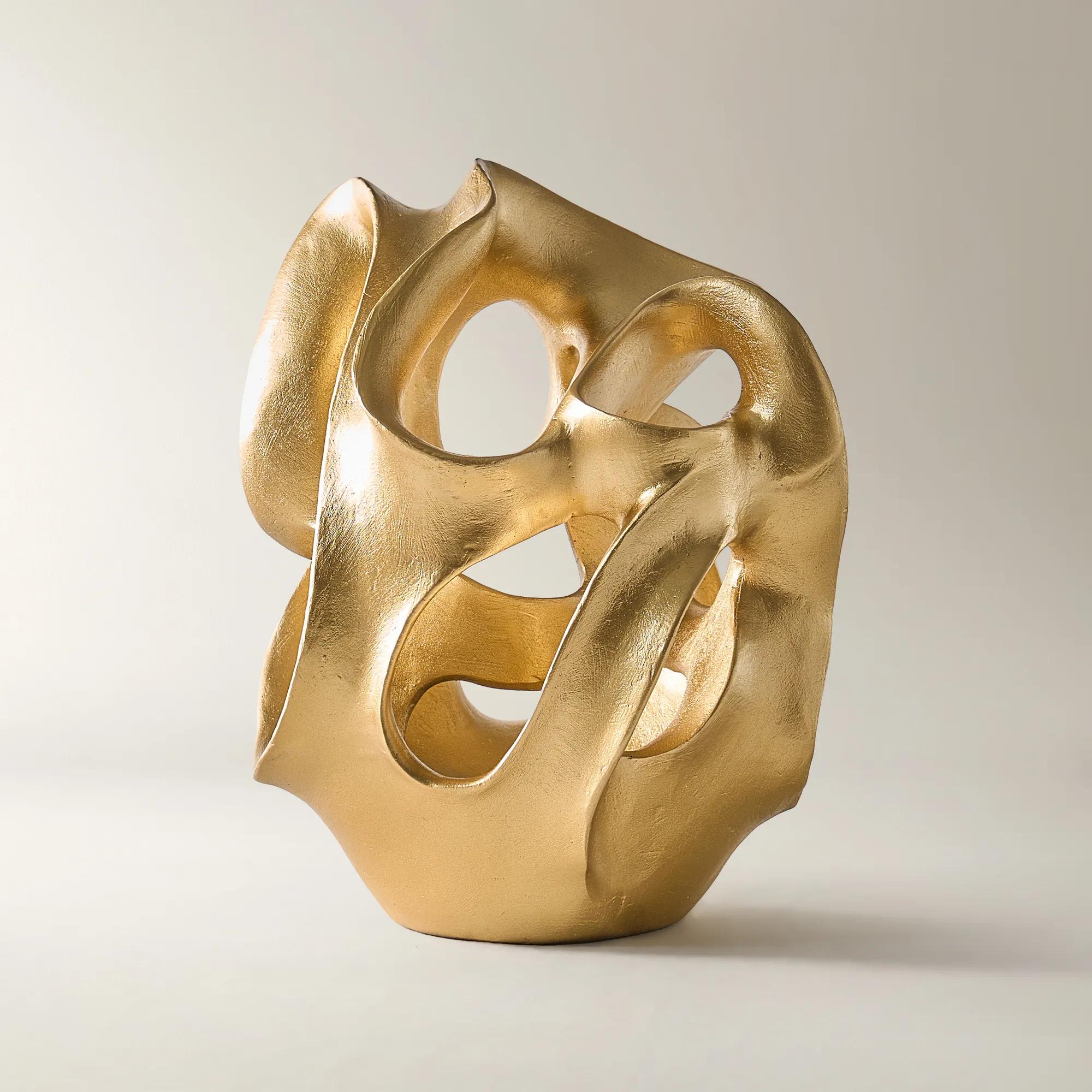
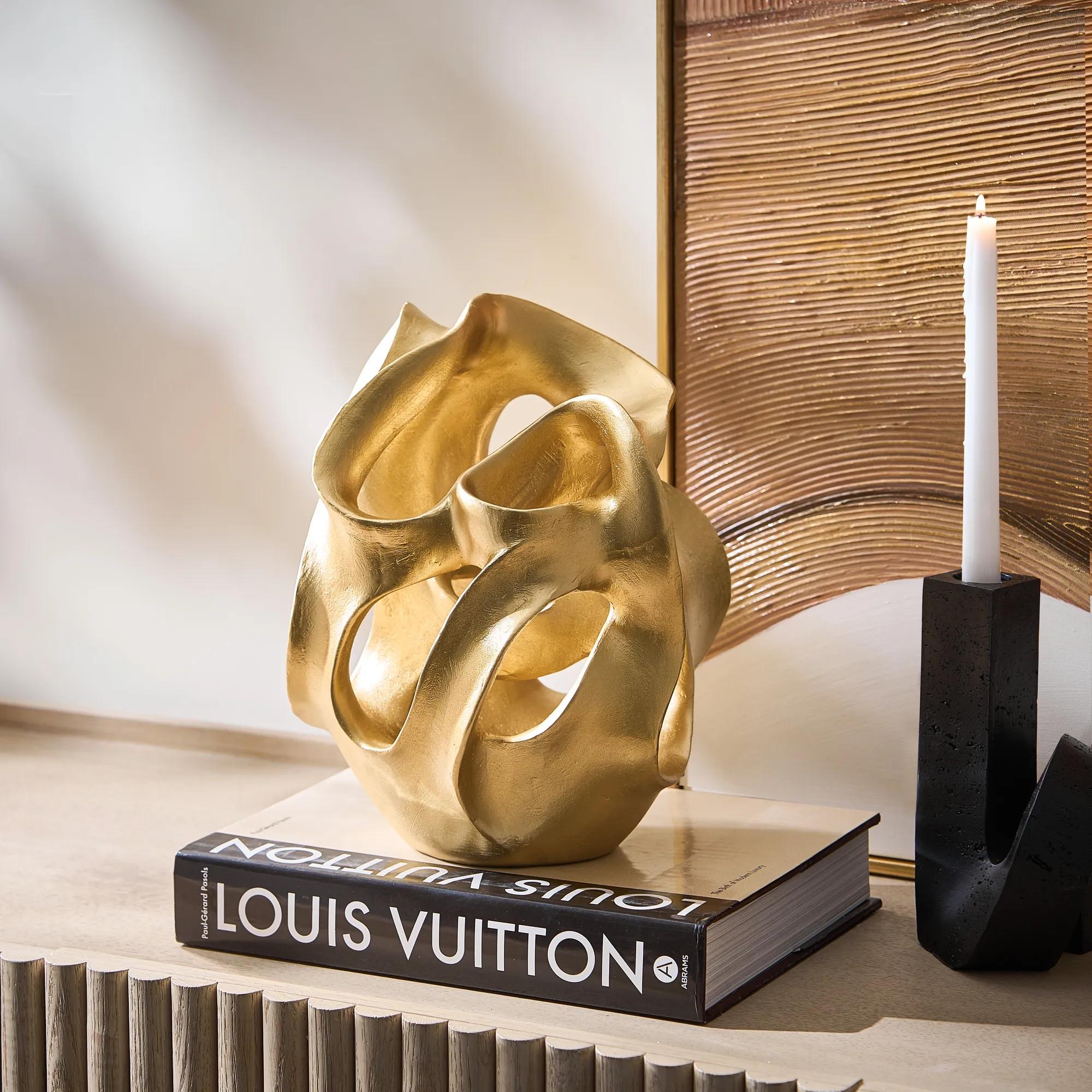 Payal Gold Resin Decorative Object 12"$99
A gold-finished resin sculpture with a fluid open silhouette adds architectural elegance and organic movement.
Add To Cart -
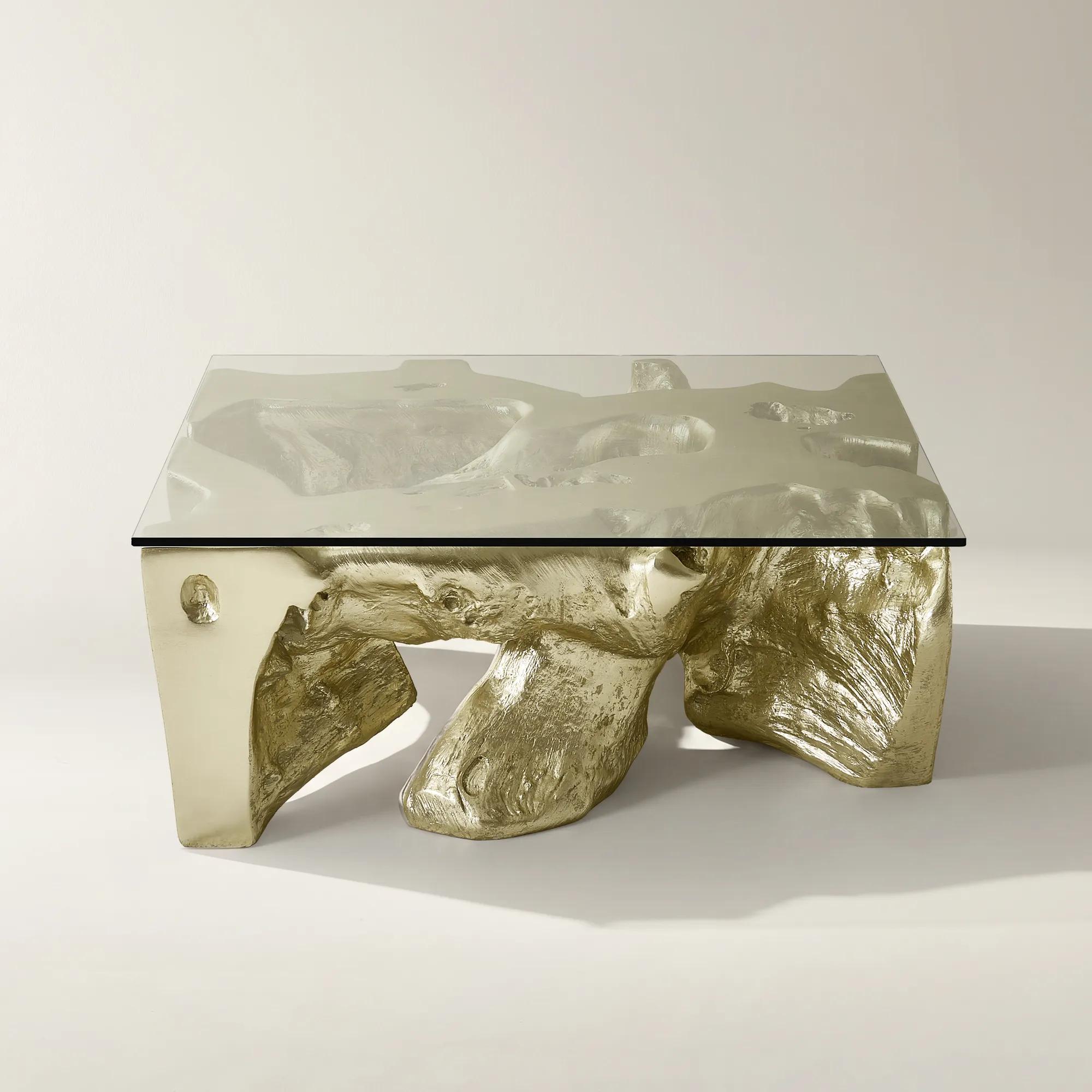 Sequoia Champagne Gold Resin Coffee Table With Glass Top (44")$2299
A sculptural resin coffee table with a champagne gold leaf finish and a clear tempered glass top.
Add To Cart

Statement Pieces For Open Concept Homes
In the world of open concept homes, every glance is an invitation to indulge in artistry. Statement pieces for open concept homes are more than décor—they are declarations of style, orchestrating drama and harmony across expansive spaces. Think sculptural silhouettes that command attention from every angle, gleaming finishes that catch the light and spark conversation, and daring forms that transform blank canvases into living galleries. Each piece becomes a focal point, infusing your home with personality and poise, ensuring every moment feels curated, captivating, and unmistakably you.
Statement pieces for open concept homes give expansive interiors a sense of purpose: they anchor gathering areas, distinguish dining from lounging, and create memorable focal points without enclosing the space. A sculptural sofa, an expressive area rug, or a chandelier with architectural presence can establish where one room begins while allowing the next to remain beautifully connected. The most compelling pieces balance visual impact with everyday function, bringing definition to a floor plan that has few walls to do that work. Generous seating creates an inviting center for conversation, while a substantial dining table gives shared meals their own distinct setting. In a living area that opens directly onto the kitchen, a floating sofa can form a graceful boundary, with its back facing the adjoining space rather than a wall. A finished back, considered upholstery details, and an appealing profile matter here because the furniture is visible from several directions. Curved silhouettes soften long architectural lines; tailored shapes lend structure to a room filled with flowing movement. Scale is equally important. A dramatic piece should feel intentional within the room, not simply large: its height, width, and depth need to relate to ceiling height, surrounding furnishings, and the distance from which it will be seen. An oversized chair may look beautifully proportioned beside a generous sectional yet overwhelm a narrow passage between living and dining areas. Clear circulation preserves the openness that makes these homes so appealing, with roughly 36 inches along primary walkways serving as a useful planning reference where the layout allows. Doors, drawers, and dining chairs also need room to open or move comfortably. For households that entertain, this balance is especially valuable: guests can move between conversation, refreshments, and the table without interrupting the composition. The result is furniture that does more than command attention. It gives a spacious interior an unmistakable rhythm, with places to gather, places to pause, and uninterrupted views that let each setting contribute to the whole.
Materials bring that visual rhythm into focus, allowing connected spaces to feel coordinated without becoming repetitive. Velvet upholstery introduces sumptuous depth, especially when daylight reveals subtle shifts in its pile, while textured woven fabrics add dimension to broad seating silhouettes. For frequently used family spaces, upholstery specifications matter as much as appearance: fiber content, abrasion testing when provided, cushion construction, and cleaning instructions offer more useful information than a fabric’s look alone. Performance treatments vary, and no upholstery should be assumed to resist every spill or scratch. Wood, stone, glass, and metal each create a different kind of presence. Wood grain adds organic movement to a substantial dining surface or console; stone contributes distinctive veining and visual weight; glass and open metal frameworks can keep larger forms from appearing to close off the room. Natural variations in wood and stone make these materials expressive, while their care requirements deserve attention. Stone may need sealing depending on its type and finish, wood benefits from protection against moisture and heat, and mirrored or polished surfaces show fingerprints more readily than textured finishes. Coasters, felt pads, and care appropriate to the manufacturer’s instructions help preserve the details that make a piece remarkable. Area rugs introduce another layer of definition, outlining a living or dining zone through texture, pattern, and proportion rather than a physical barrier. A generously sized living room rug can connect the main seating pieces, with at least their front legs resting on its surface for a cohesive arrangement. Beneath a dining table, sufficient rug coverage keeps chair legs supported when seats are pulled back. Lower piles generally make chair movement easier, while richer textures bring softness to lounging areas and can help temper the hard-surfaced feel of an expansive room. Suitable rug pads add cushioning and help limit movement when matched to the flooring and rug construction. Across these materials, a shared undertone or repeated finish creates continuity, leaving room for a bold pattern or contrasting silhouette to supply the surprise.
Statement lighting, wall art, and sculptural decor complete an open layout by giving the eye distinct places to land at different heights. A chandelier centered over a dining table can establish an intimate destination within a much larger room, while a floor lamp beside seating creates a softer pool of illumination for reading or conversation. Layered light lets adjoining areas serve different purposes without feeling disconnected: a well-lit dining surface can coexist with a lounge arranged around a quieter glow. Fixture dimensions, ceiling height, mounting requirements, and bulb compatibility all influence the effect, and larger suspended fixtures may require professional installation and appropriate structural support. Expansive art brings color and emotional energy to broad walls, particularly when its palette echoes a smaller detail elsewhere in the room. A generous mirror can reflect light and extend a compelling view, though its placement should account for what appears in the reflection, whether that is an expressive chandelier or a busy kitchen counter. Tall sculpture and open-backed shelving add vertical definition at the edge of a seating area, preserving glimpses into the space beyond. Their bases, stability, and anchoring requirements deserve particular attention in homes with children or pets. Smaller decorative forms have a role as well: a sculptural vessel on a console or an artful centerpiece on a dining table can repeat a curve, finish, or color without competing with the main focal point. These accents also make meaningful housewarming gifts when their scale and character suit the recipient’s home. For a broader interior transformation, Statement Pieces For Home Renovations connects that same expressive spirit with spaces being reimagined. Throughout an open concept home, the strongest composition comes from a few confident gestures supported by thoughtful details. A gleaming surface catches the light, a sweeping silhouette shapes the gathering area, and a richly textured rug holds the arrangement together—each piece distinct, each contributing to a home with presence.
FAQs
Statement pieces serve as visual anchors within open-concept layouts, defining distinct zones while adding personality and drama. Whether it’s a sculptural coffee table, a bold sofa, or an oversized artwork, these pieces create focal points that draw the eye and set the mood, transforming expansive spaces into curated experiences filled with artistry and intention.
Luxe materials such as velvet, marble, glass, and polished metals bring a sense of sophistication and depth to open-concept homes. Mirror-finish surfaces and high-gloss lacquers reflect light and amplify the sense of space, while organic elements like raw wood or stone introduce warmth and texture, balancing bold design with inviting comfort.
Cohesion is achieved by echoing colors, finishes, or design motifs across zones. For example, pairing a jewel-toned sofa with matching accent pillows in the dining area, or repeating metallic accents in lighting and décor, creates a sense of unity. Layering complementary textures and sticking to a cohesive palette ensures each statement piece feels intentional within the overall design.
Absolutely. A dramatic accent chair, a distinctive lighting fixture, or a striking piece of art makes a memorable gift for housewarmings, anniversaries, or milestone celebrations. These pieces not only elevate the recipient’s home but also serve as lasting reminders of the occasion and the giver’s thoughtful taste.
Lighting fixtures such as sculptural chandeliers, sputnik pendants, or oversized floor lamps do more than illuminate—they define spaces, set ambiance, and become works of art in their own right. Placing a dramatic fixture above a dining table or in a central living area can instantly elevate the room, bathing it in a golden glow and drawing attention to key gathering spots.