Elegant Seating For Open Concept Homes
Elegant Seating For Open Concept Homes
-
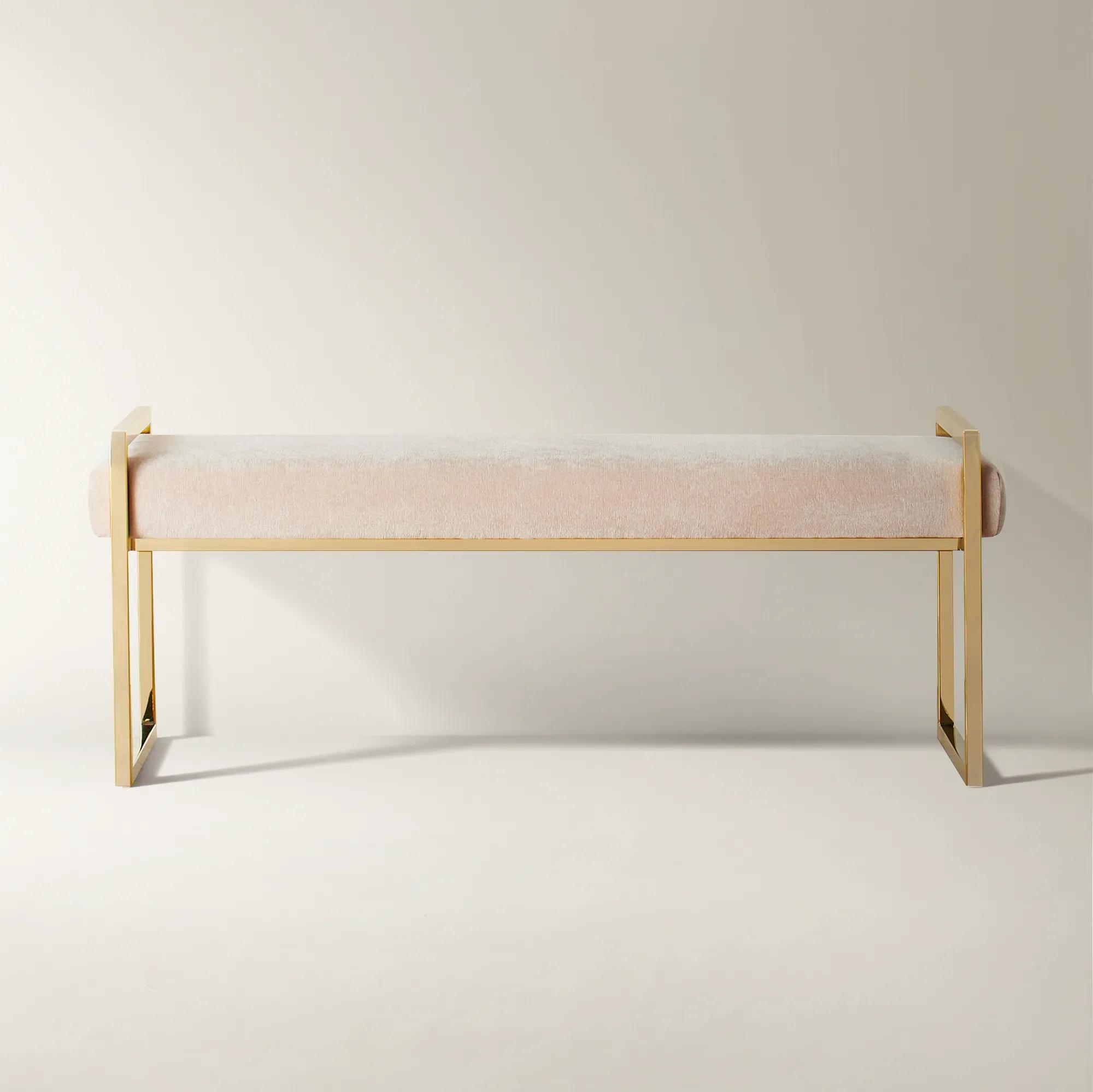 Clara Bench$699
A plush upholstered bench with a high-density foam seat and polished gold metal legs for modern elegance.
Add To Cart -
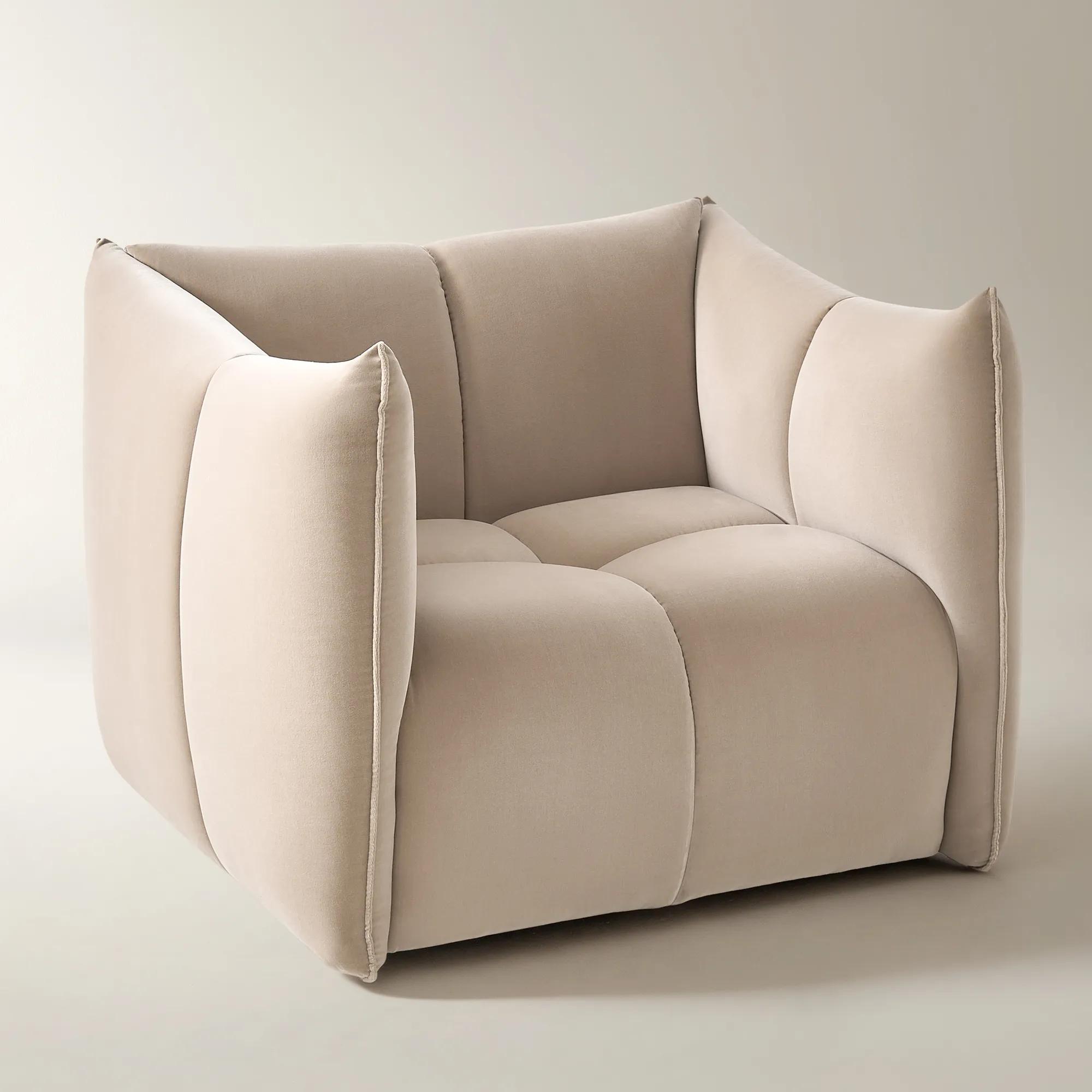 Reina Tufted Simply Taupe Velvet Swivel Chair$1099
A taupe velvet swivel chair with channel tufting, an architectural winged profile, and plush, sculpted comfort.
Add To Cart -
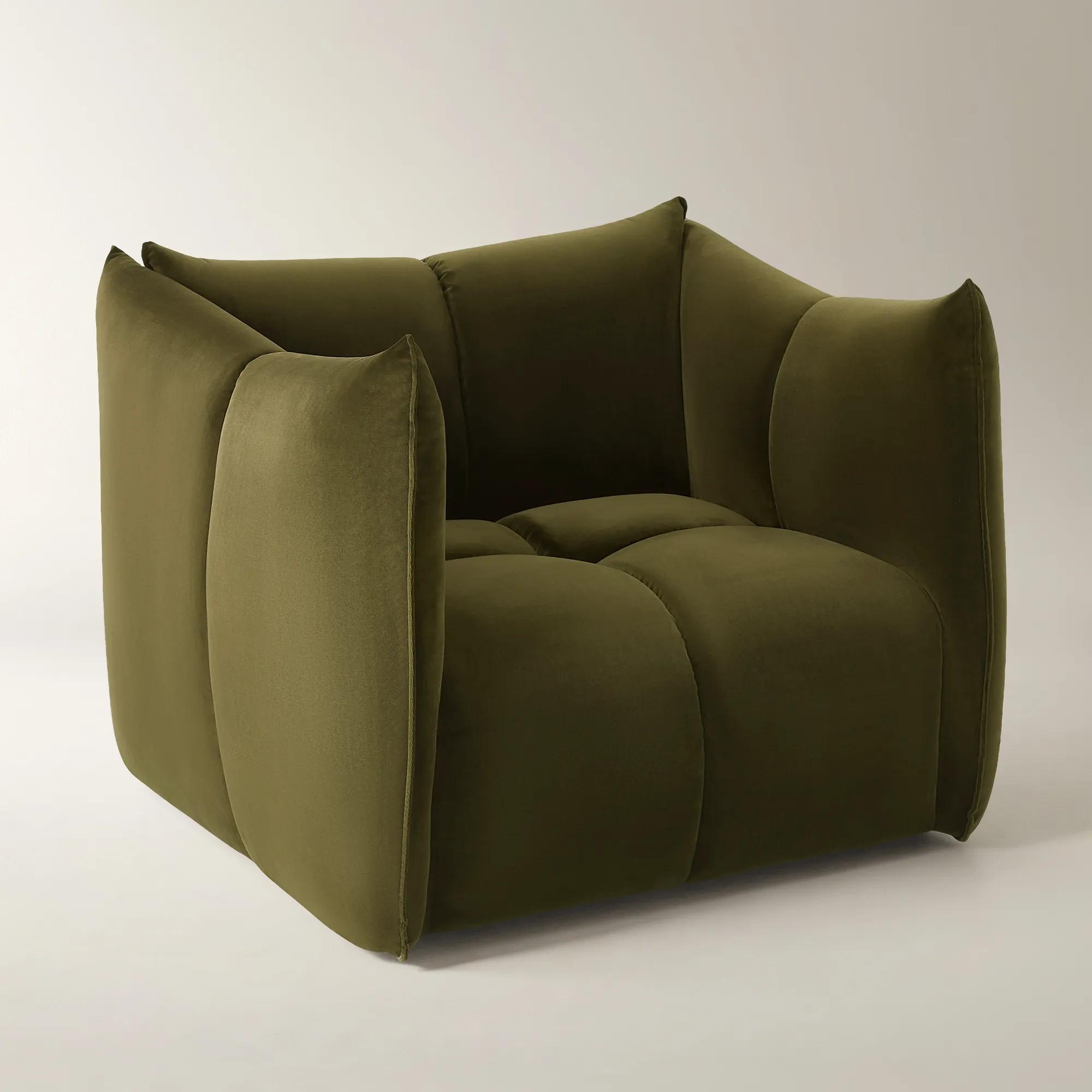 Reina Tufted Deep Olive Velvet Swivel Chair$1099
A green velvet swivel chair with channel tufting, winged architecture, and plush high-density foam comfort.
Add To Cart -
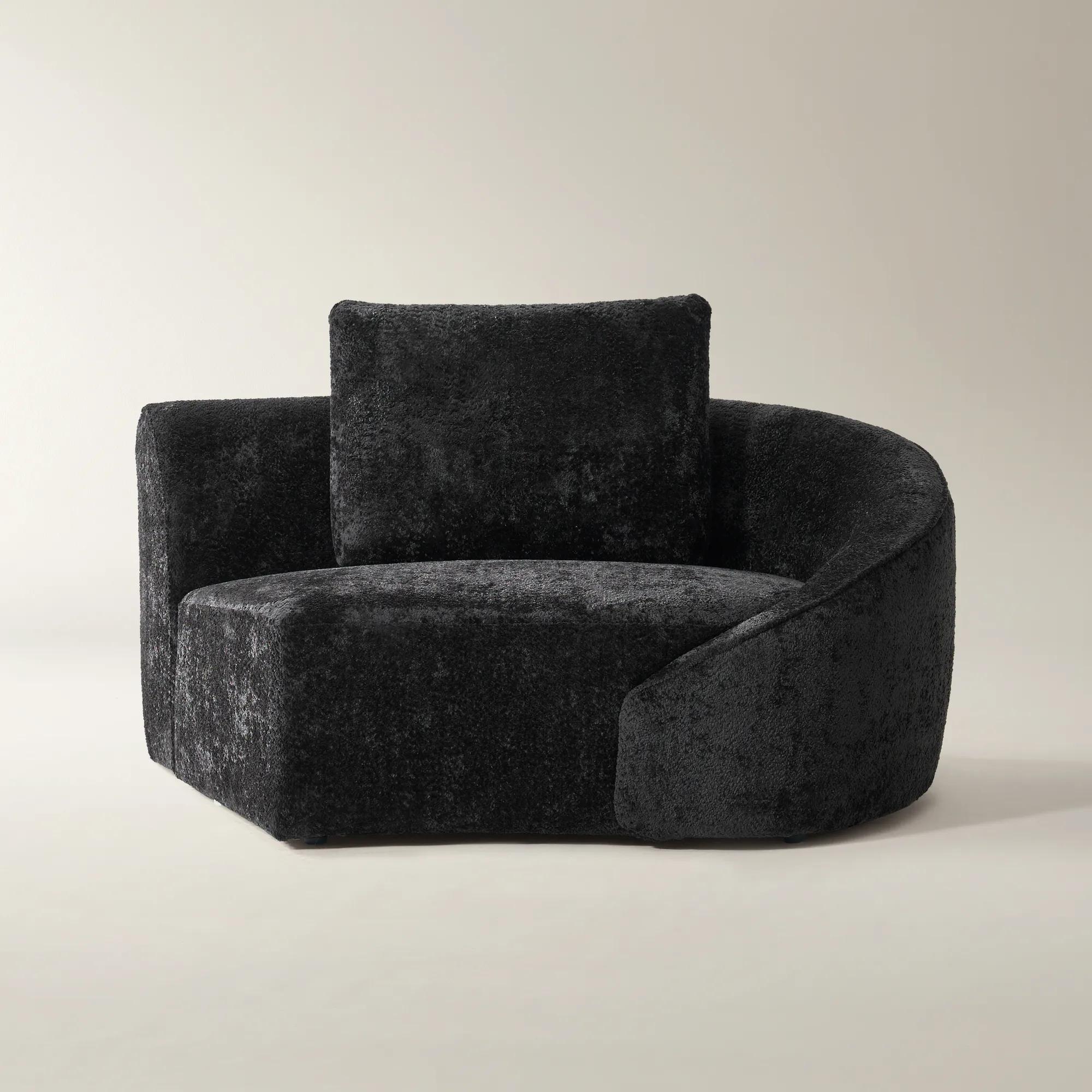
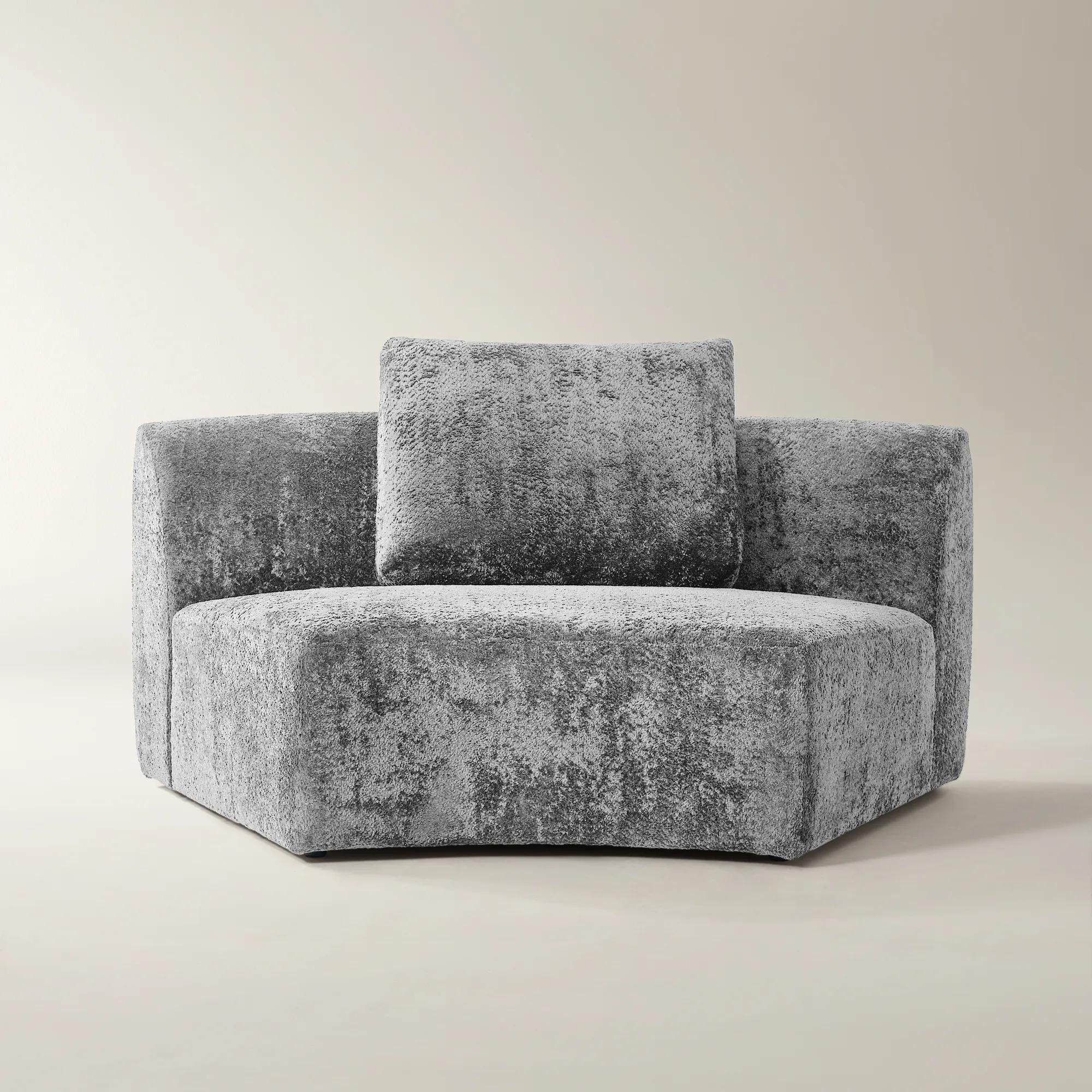
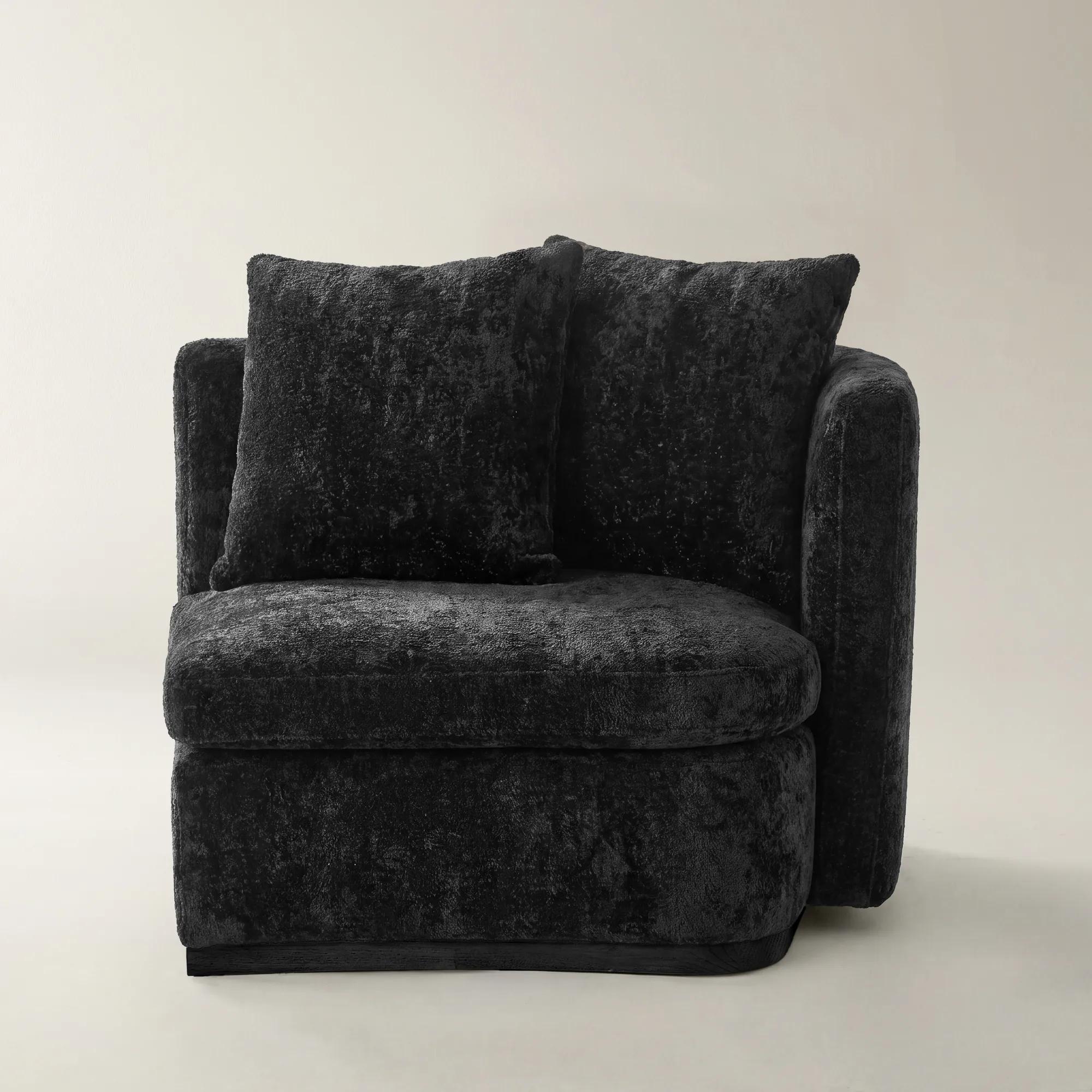 Stria Black Chenille Right-Arm Chair$1199
A sculptural black chenille chair featuring a flowing silhouette, layered foam-and-down cushioning, and modular connectors.
Add To Cart -
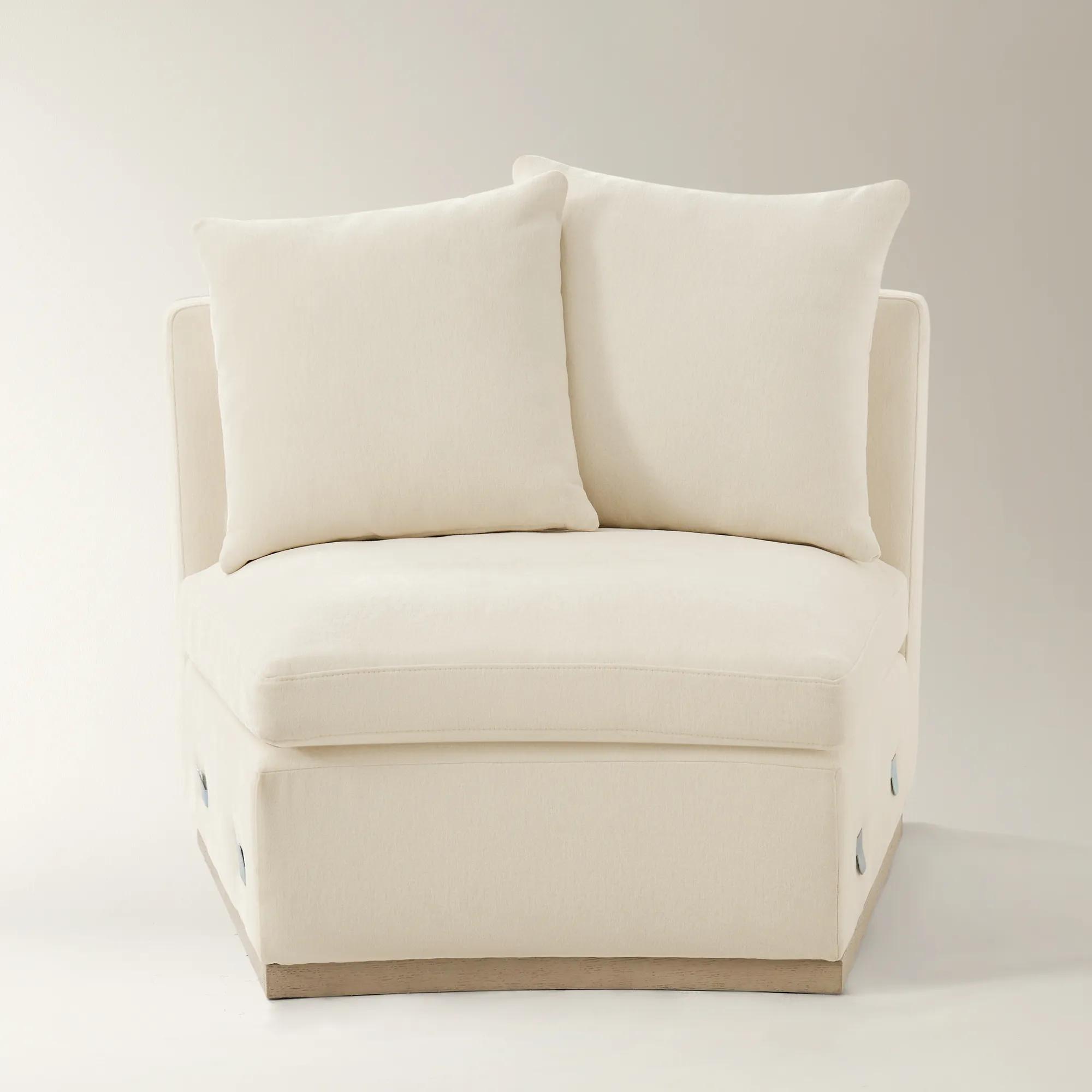
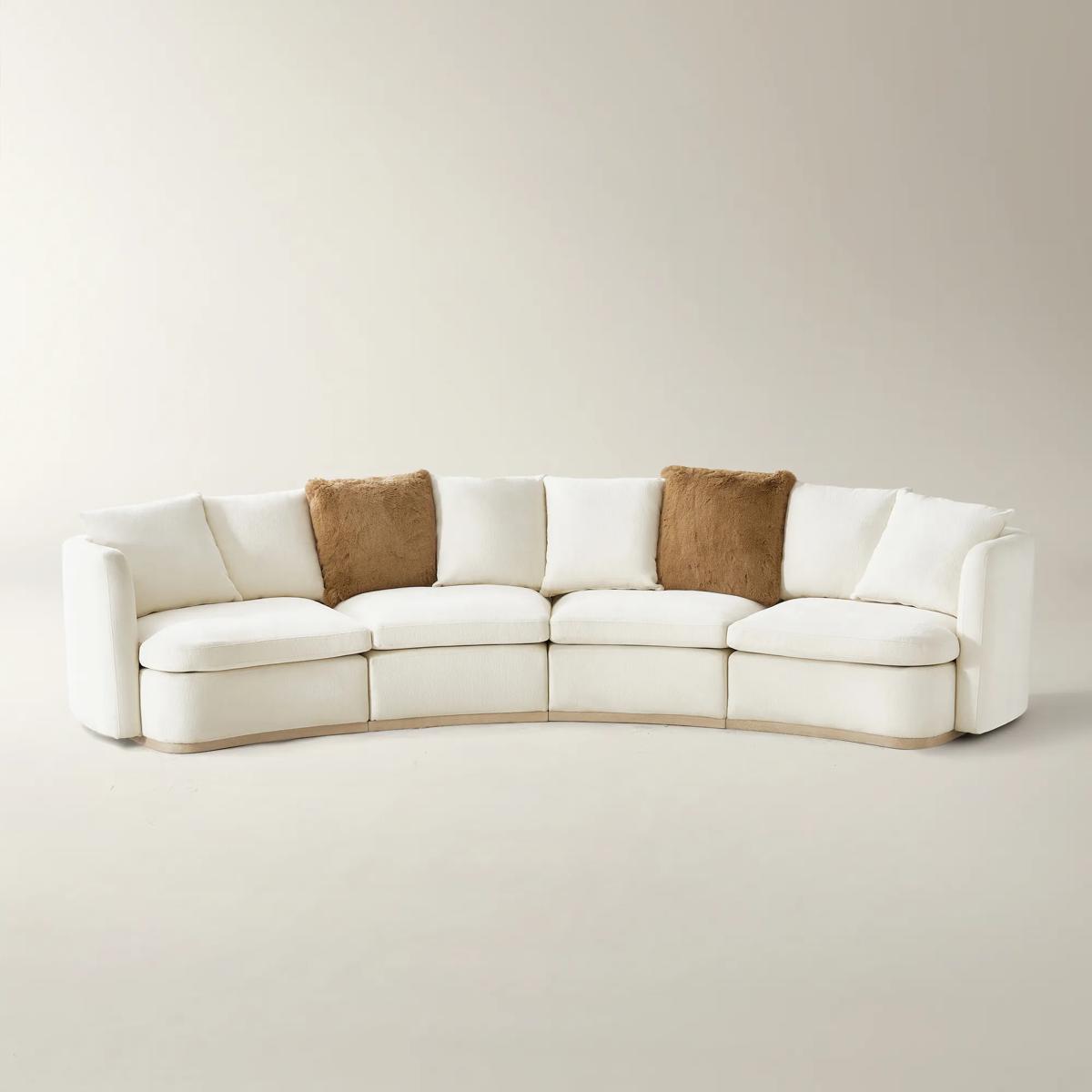 Stria Oatmeal Velvet Armless Chair$1099
A sculptural oatmeal velvet armless chair featuring layered cushioning, curved edges, and a kiln-dried wood frame.
Add To Cart -
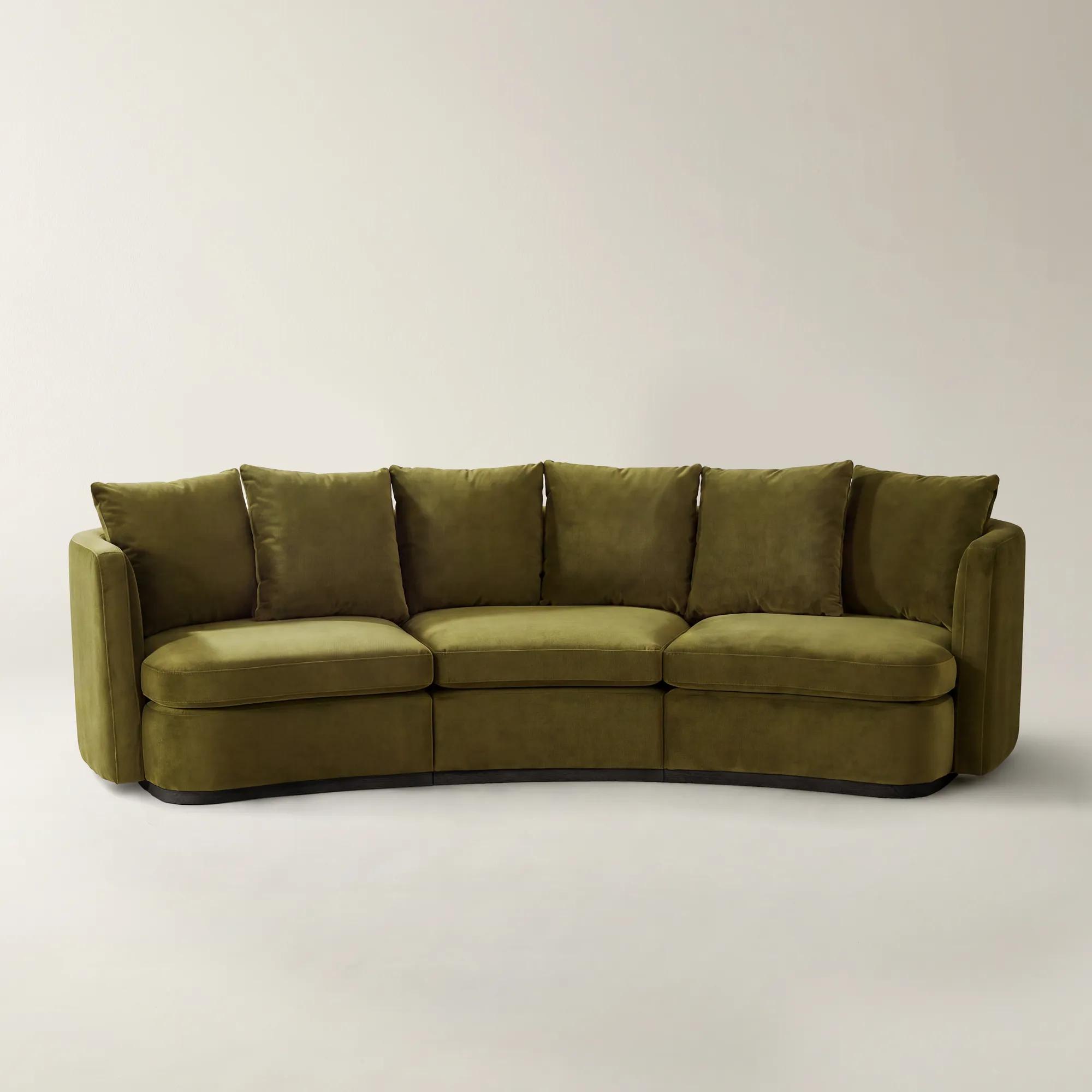
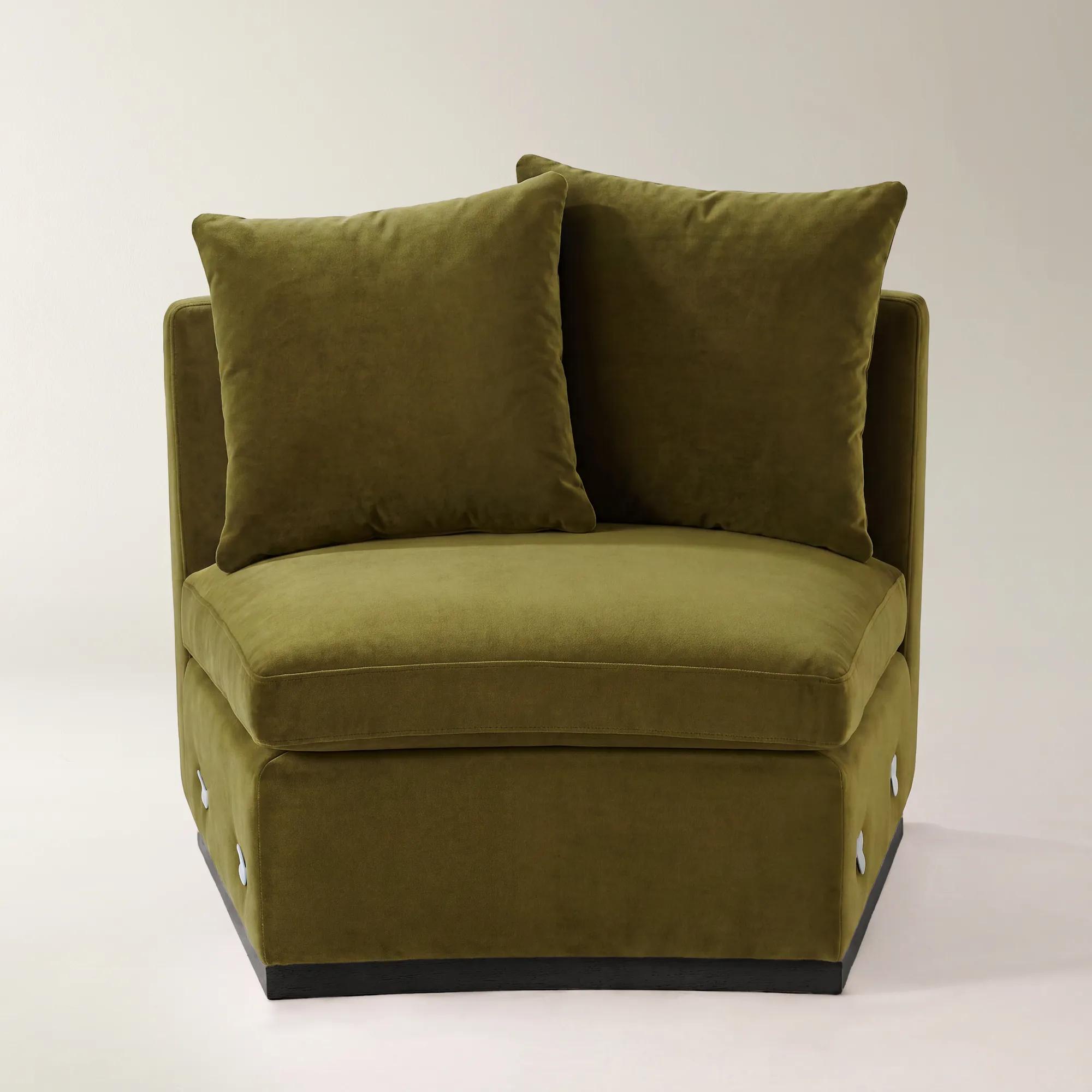 Stria Deep Olive Velvet Armless Chair$1099
A sculptural deep olive velvet armless chair with kiln-dried wood construction and layered foam-down cushioning.
Add To Cart -
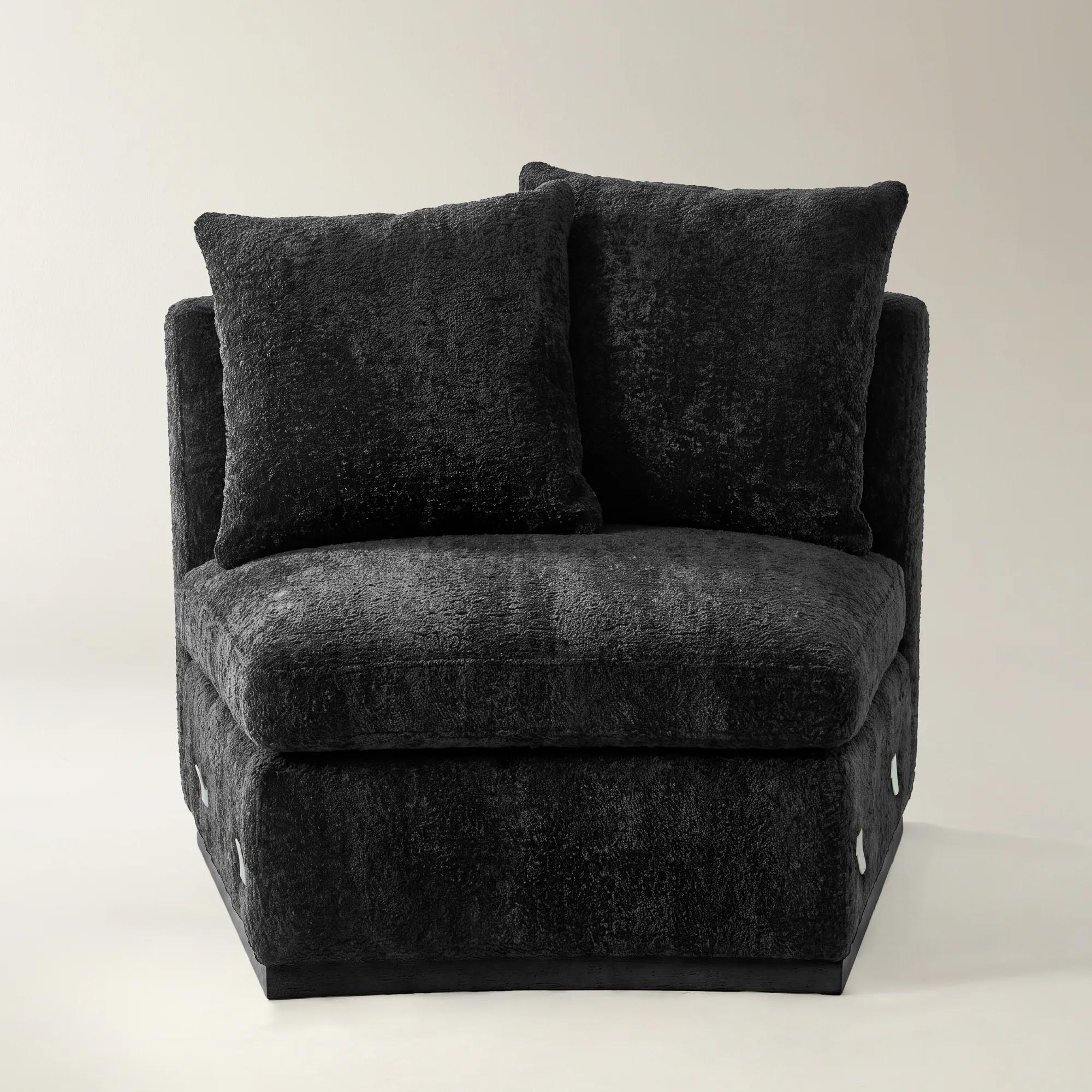 Stria Black Chenille Armless Chair$1099
A sculptural black chenille armless chair with kiln-dried wood construction, solid oak base, and layered cushioning.
Add To Cart -
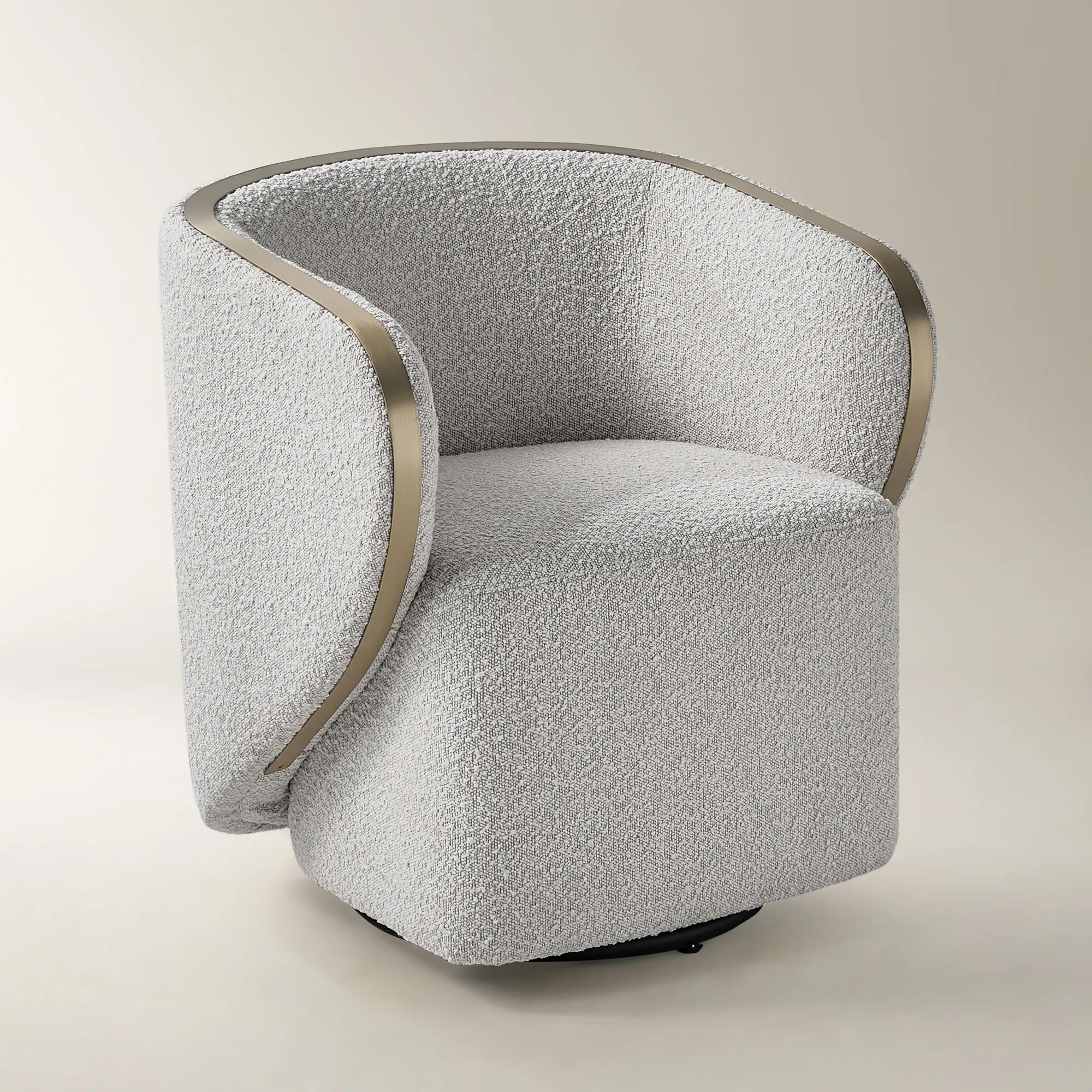 Nova Light Grey Performance Boucle Swivel Dining Chair$699
A sculptural light grey chair in water-repellent boucle with metallic trim and a smooth 360° swivel base.
Add To Cart -
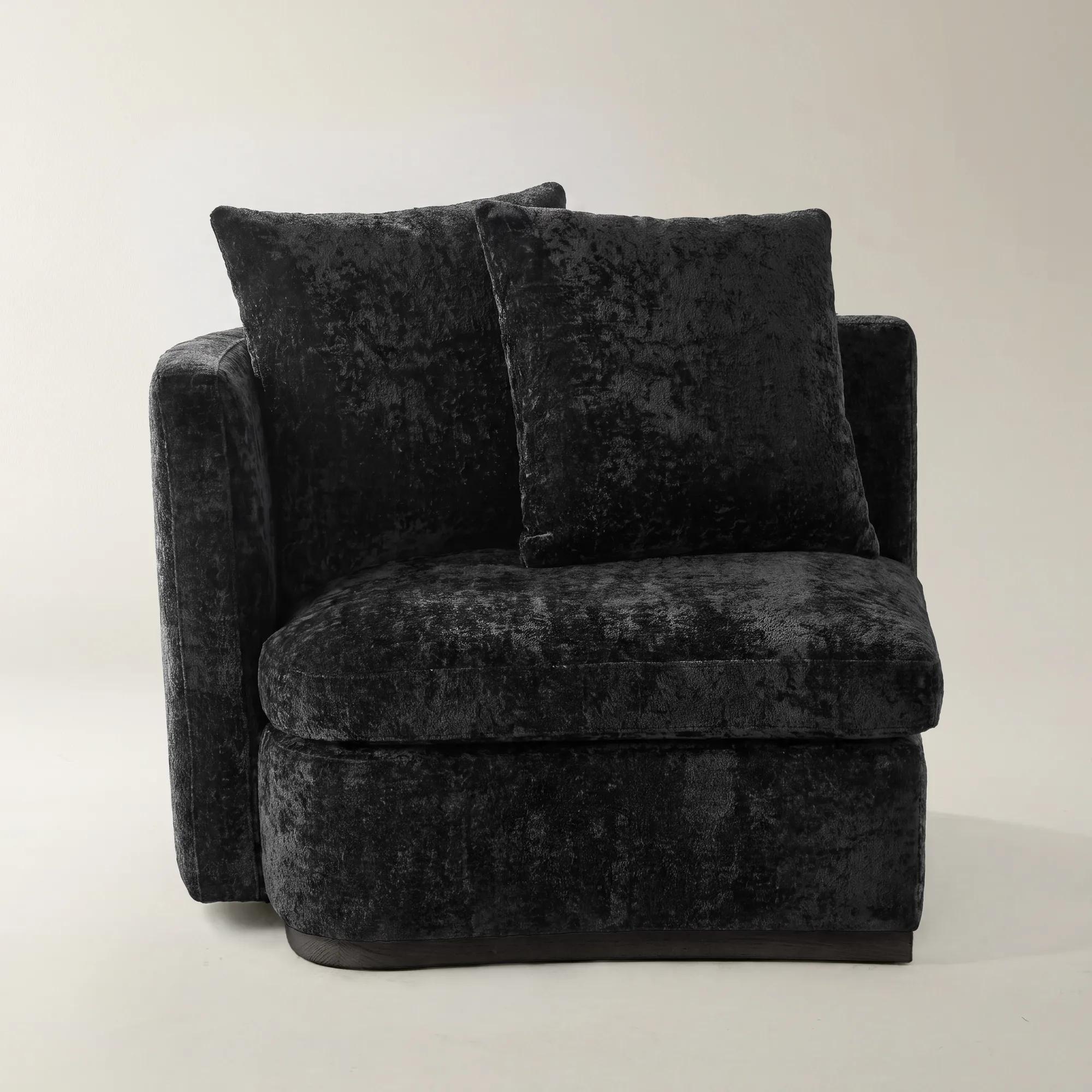 Stria Black Chenille Left-Arm Chair$1199
A sculptural black chenille chair featuring layered foam-and-down cushioning, curved edges, and a kiln-dried wood frame.
Add To Cart -
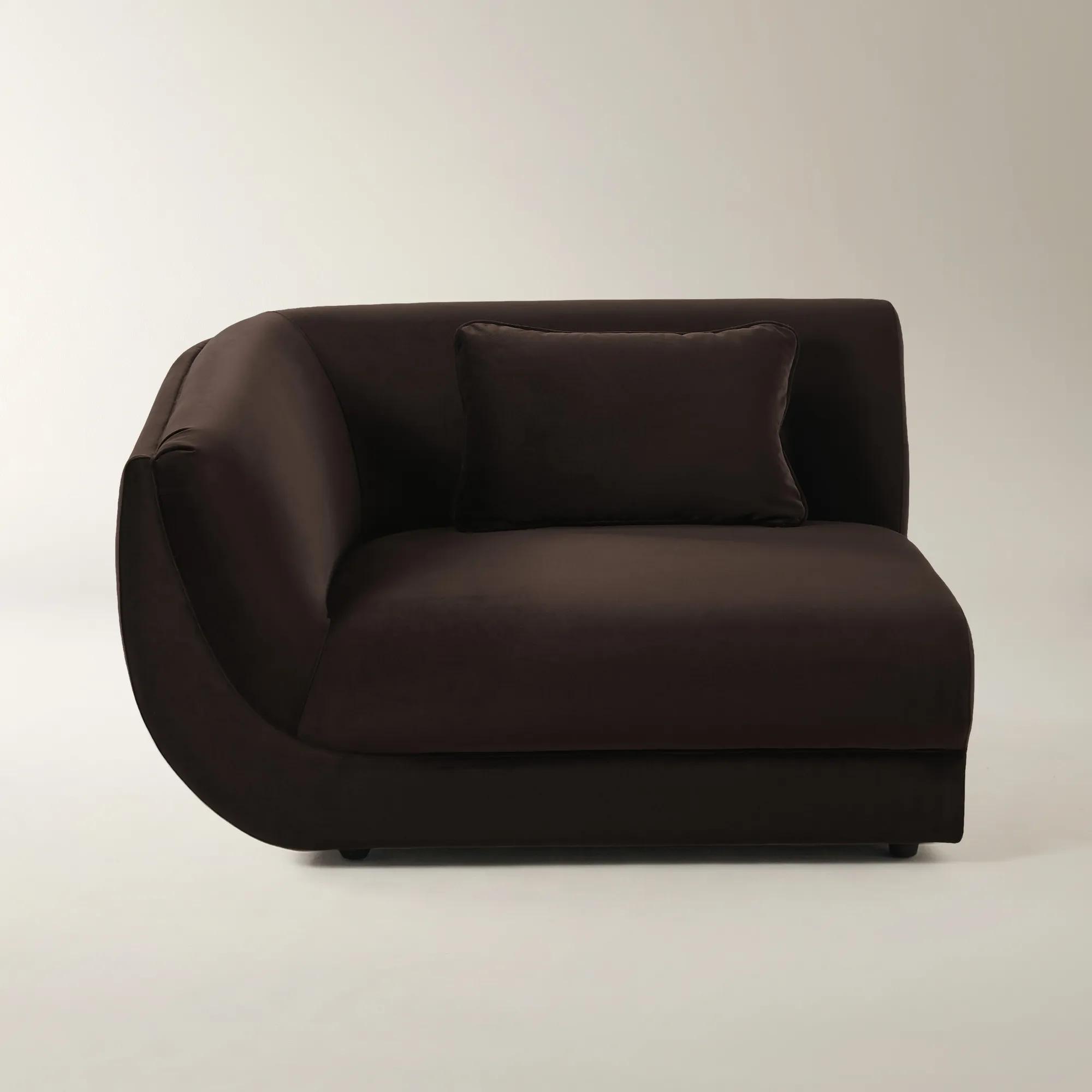
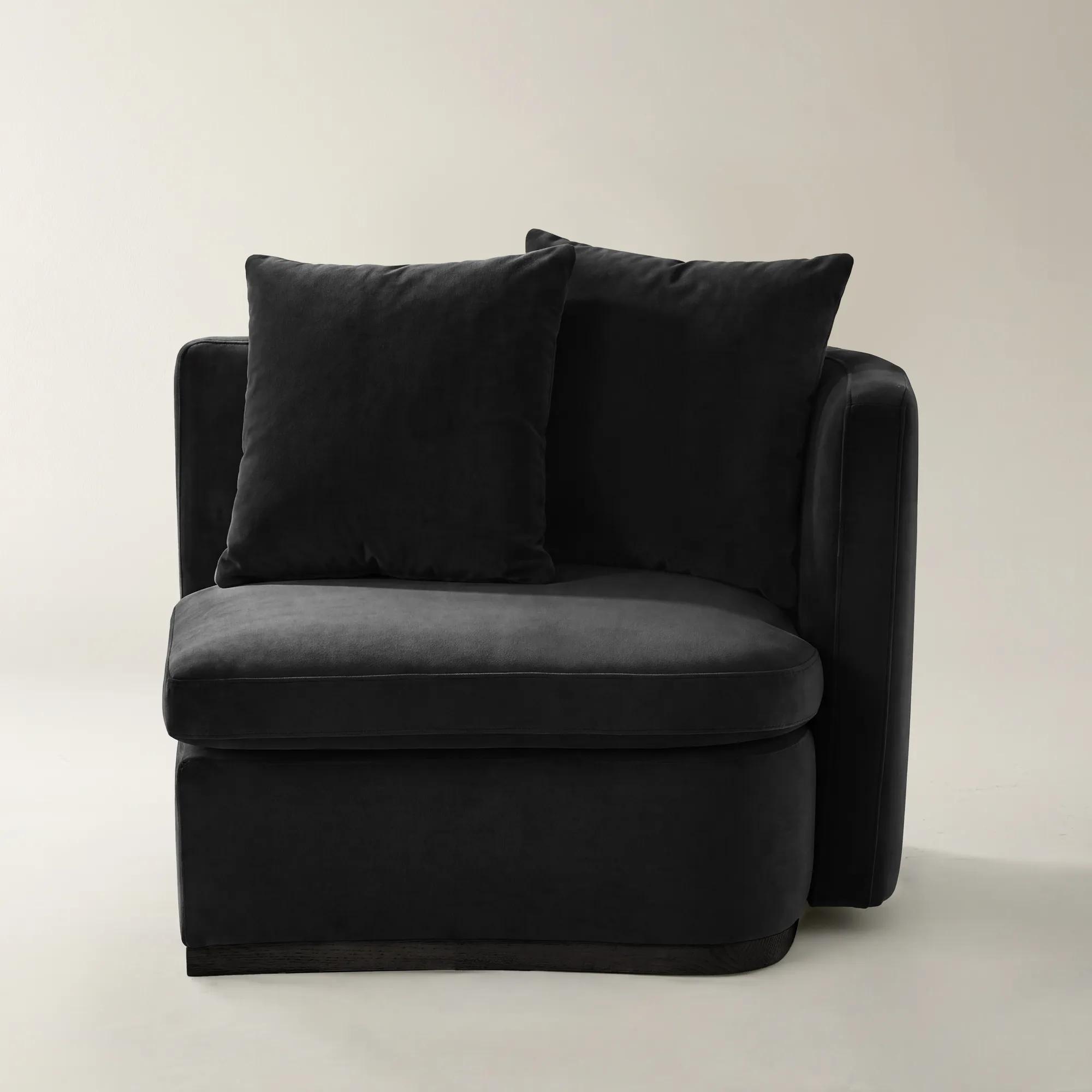 Stria Charcoal Velvet Right-Arm Chair$1199
A charcoal velvet chair featuring a kiln-dried wood frame, solid oak base, and layered down-blend cushioning.
Add To Cart -
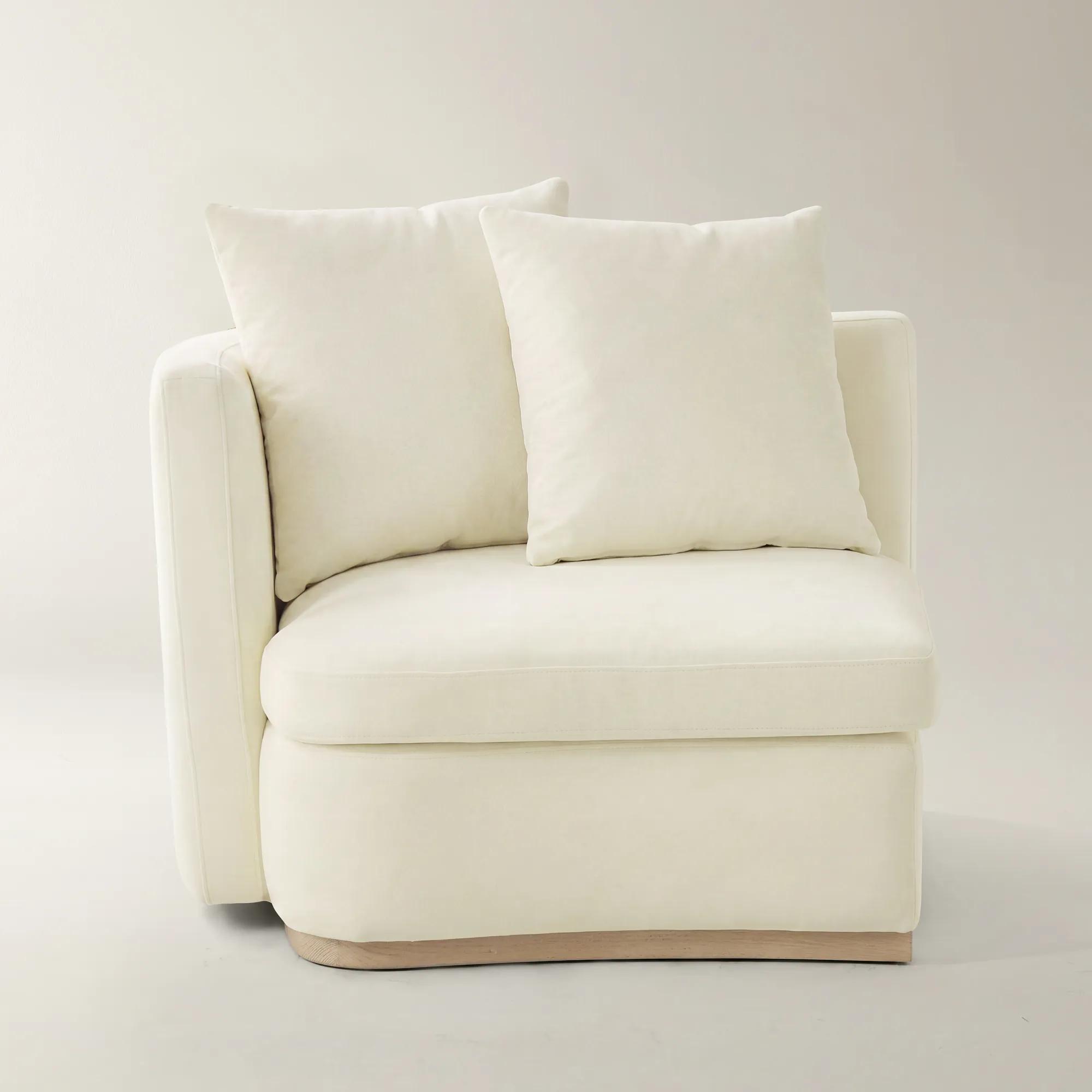 Stria Cloud Velvet Left-Arm Chair$1199
A sculptural cloud-velvet chair with curved edges, layered cushioning, and modular connectors for tailored comfort.
Add To Cart -
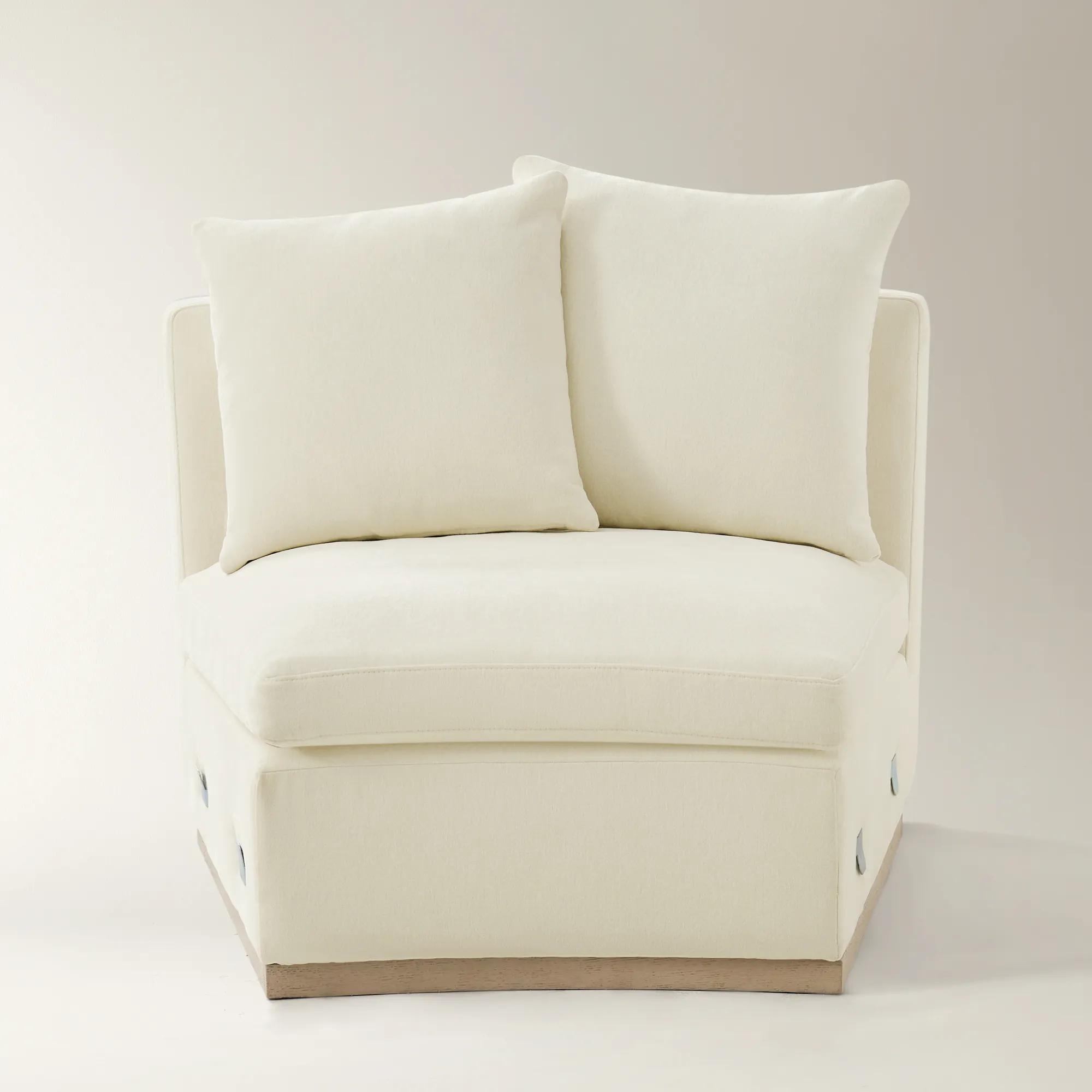 Stria Cloud Velvet Armless Chair$1099
A sculptural cloud velvet armless chair featuring layered foam-and-down cushioning and a solid oak base.
Add To Cart -
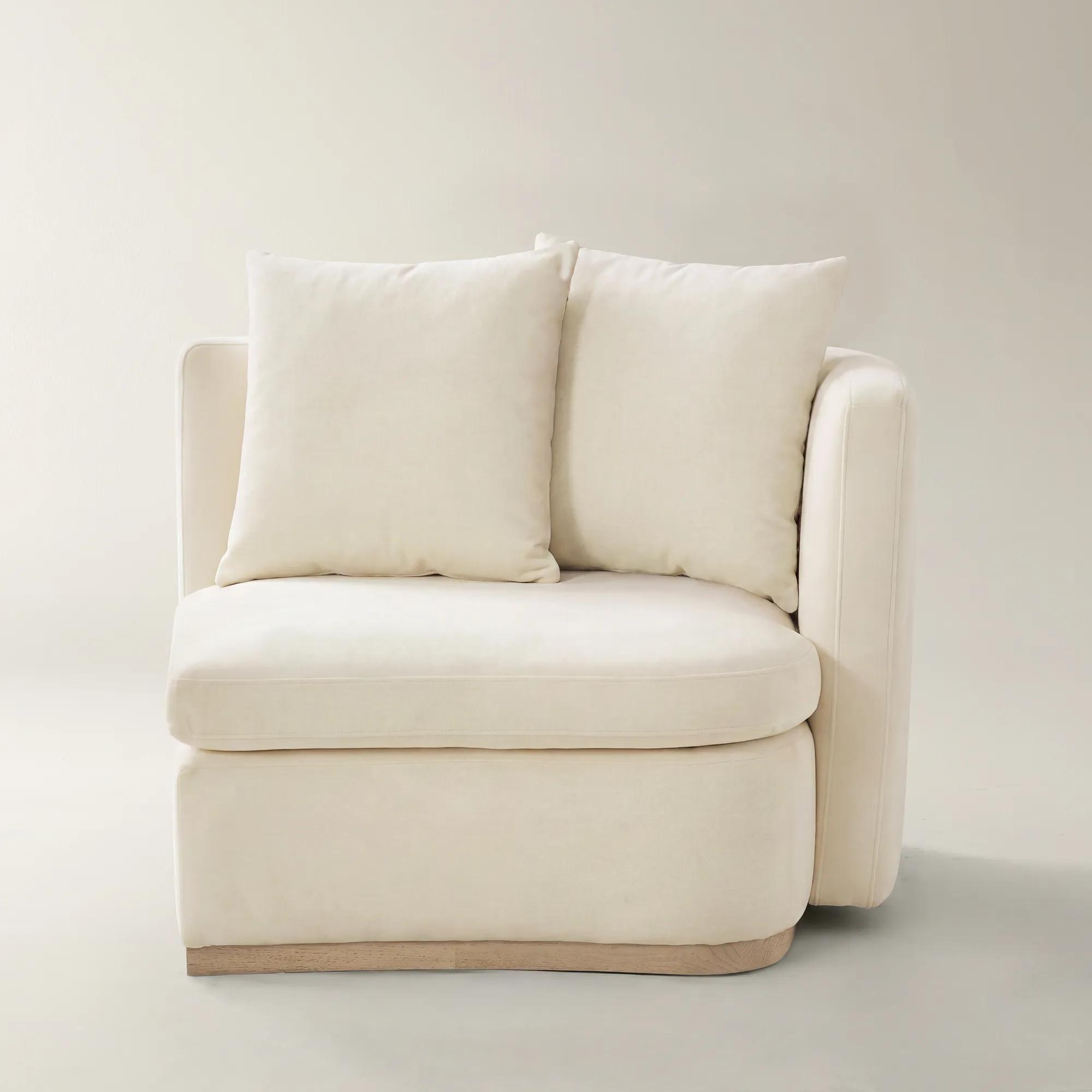 Stria Oatmeal Velvet Right-Arm Chair$1199
A sculptural oatmeal velvet chair with a curved silhouette, oak base, and layered foam-and-down cushioning.
Add To Cart -
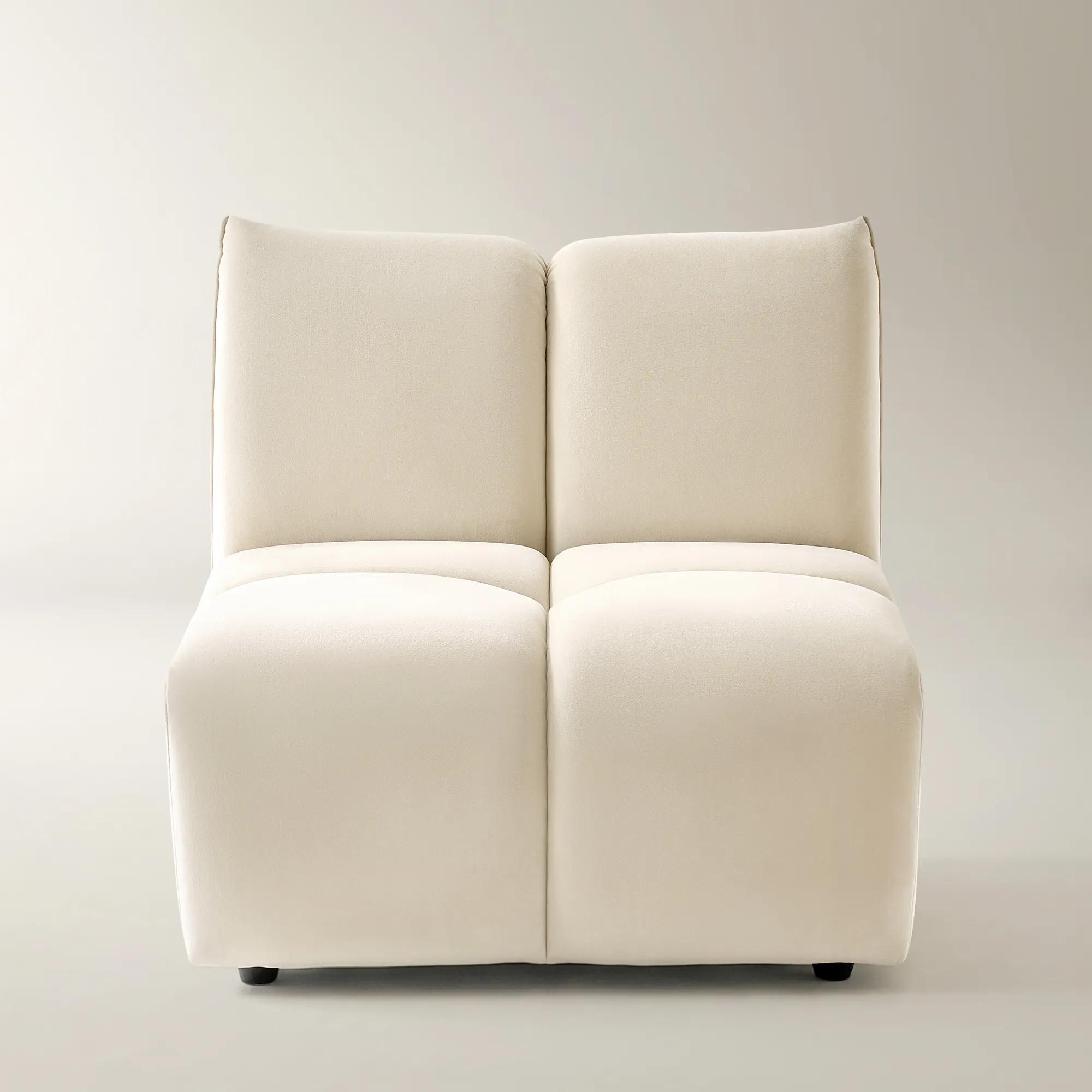
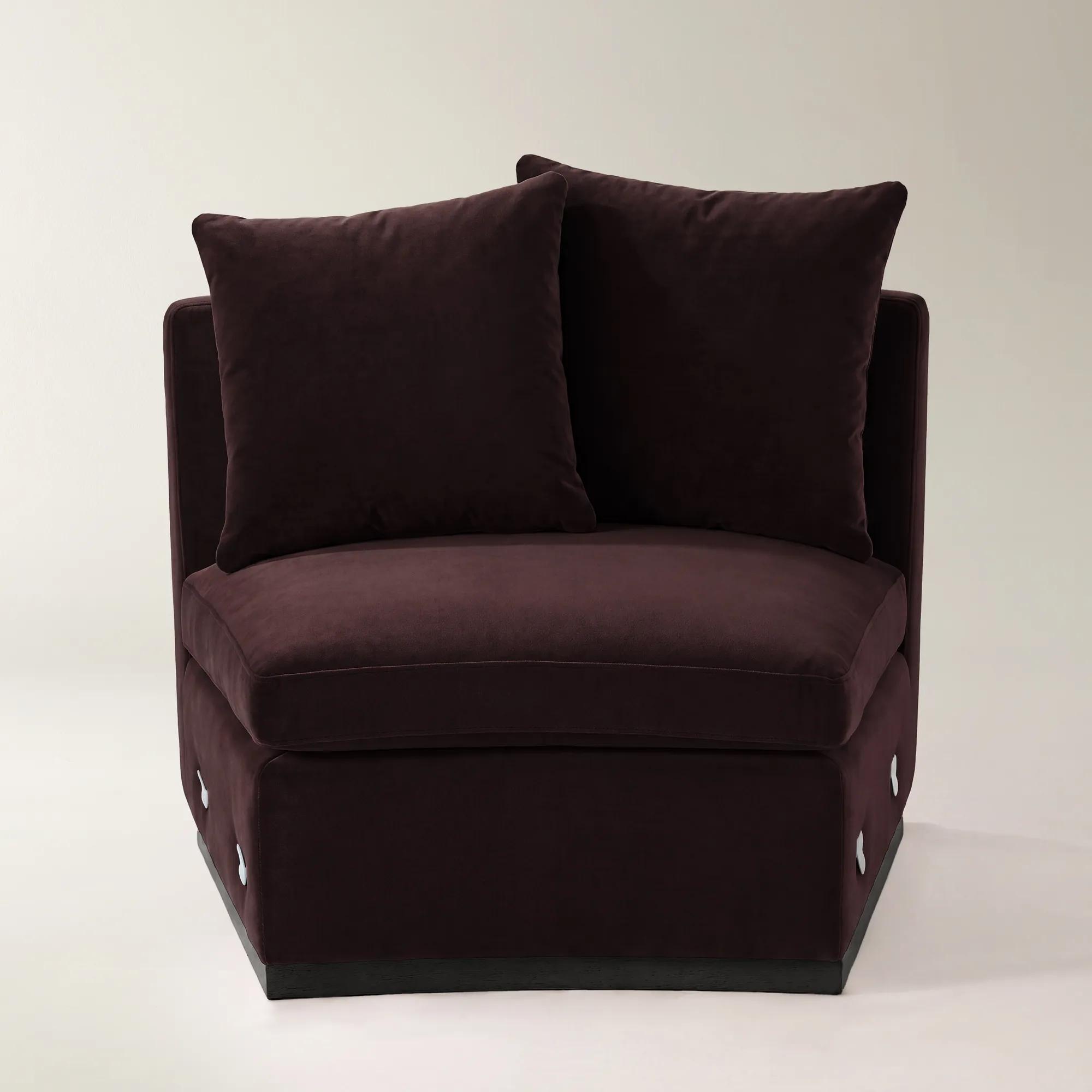
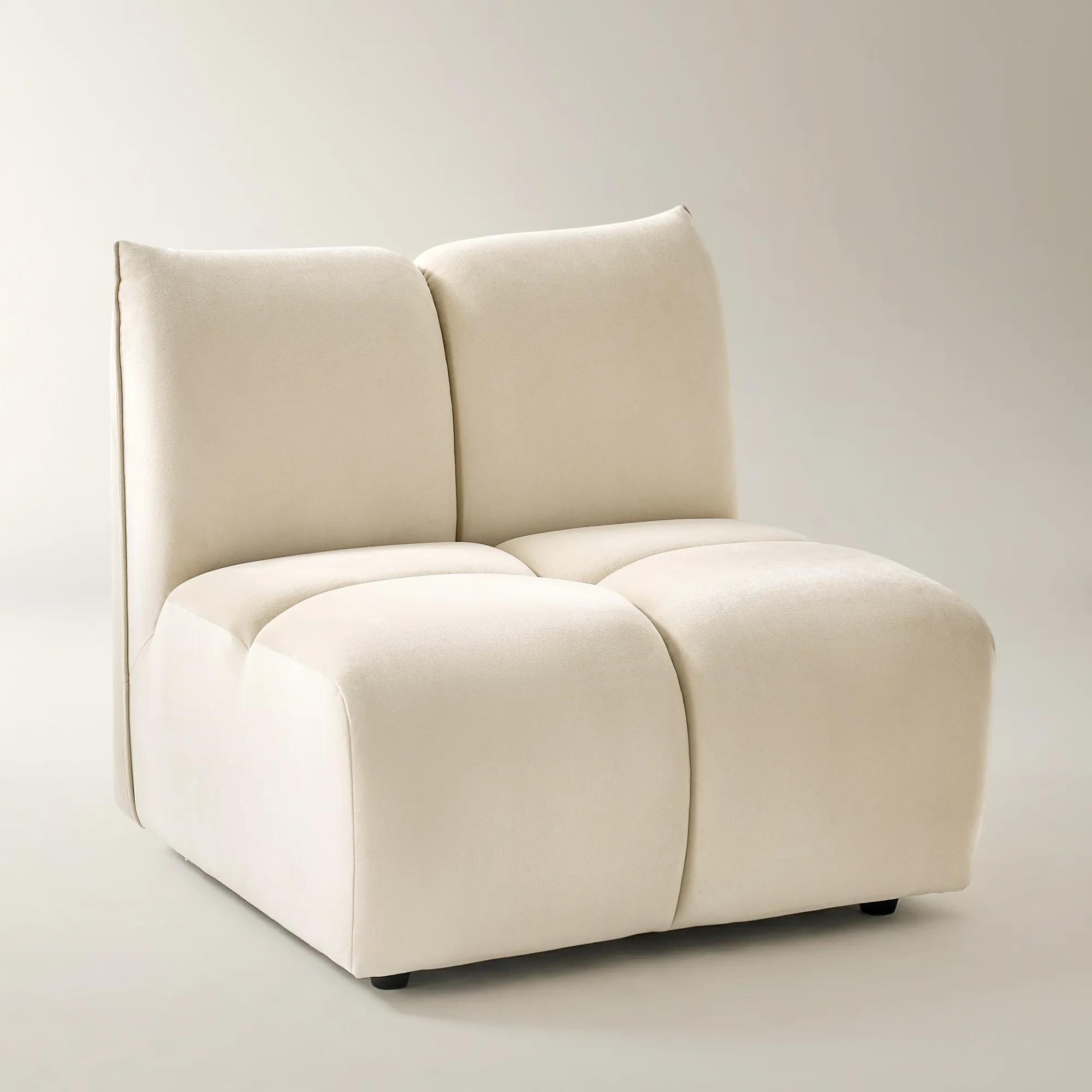 Reina Tufted Oatmeal Velvet Armless Chair$799
A plush oatmeal velvet armless chair featuring channel tufting, deep seating, and an architectural winged profile.
Add To Cart -
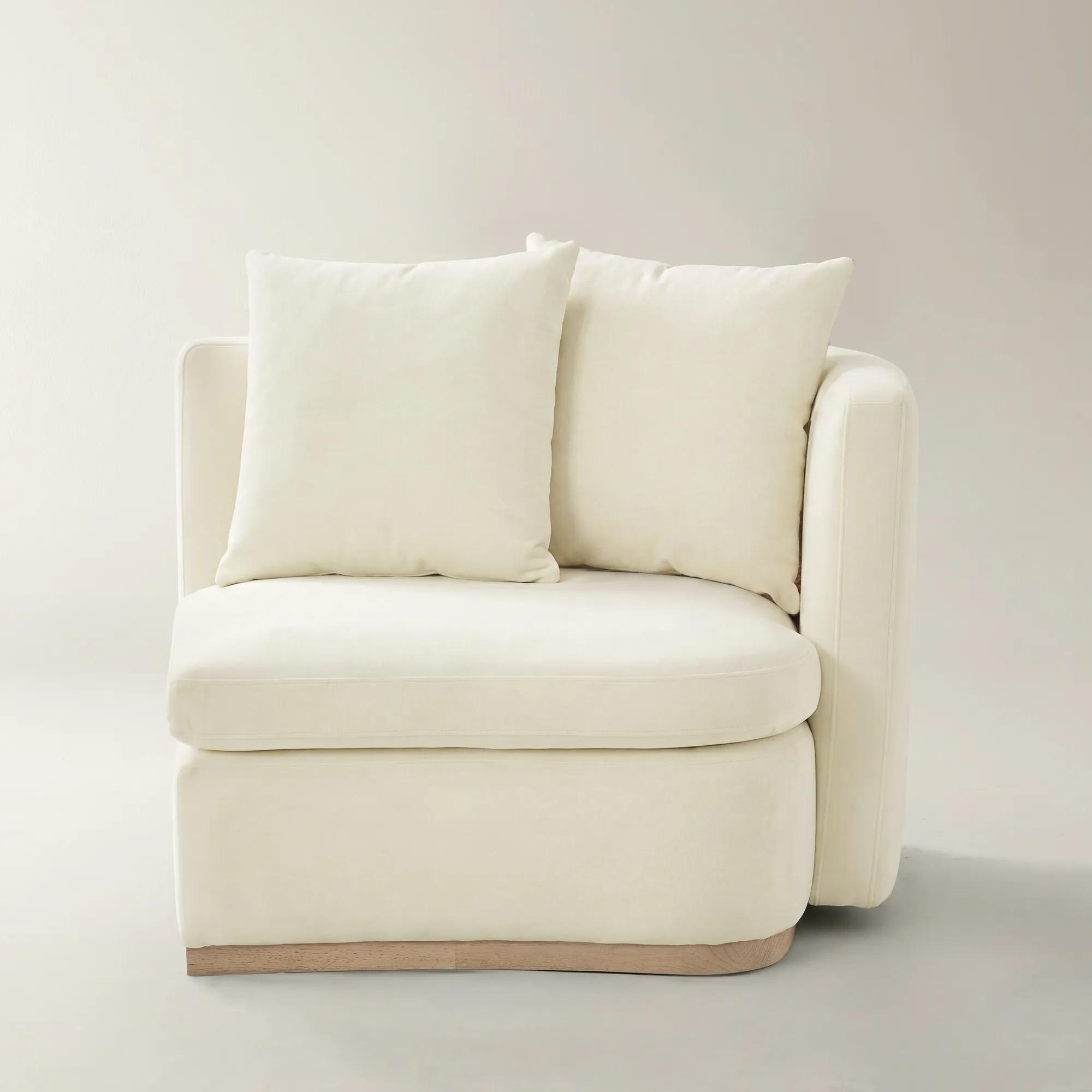 Stria Cloud Velvet Right-Arm Chair$1199
A sculptural chair upholstered in cloud velvet, featuring layered cushioning, softly curved edges, and a solid oak base.
Add To Cart -
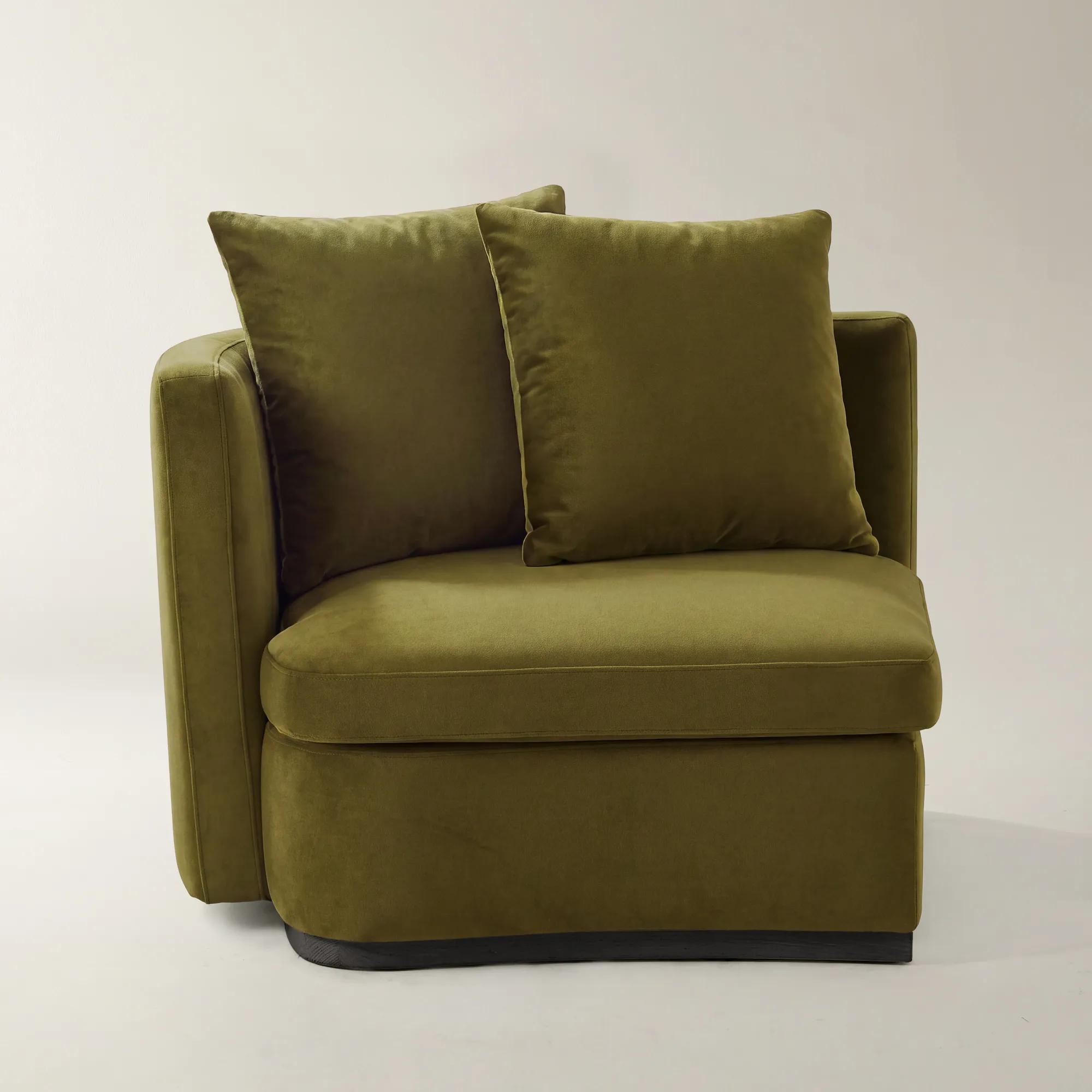 Stria Deep Olive Velvet Left-Arm Chair$1199
A sculptural deep olive velvet chair featuring kiln-dried wood construction and layered down-blend cushioning.
Add To Cart -
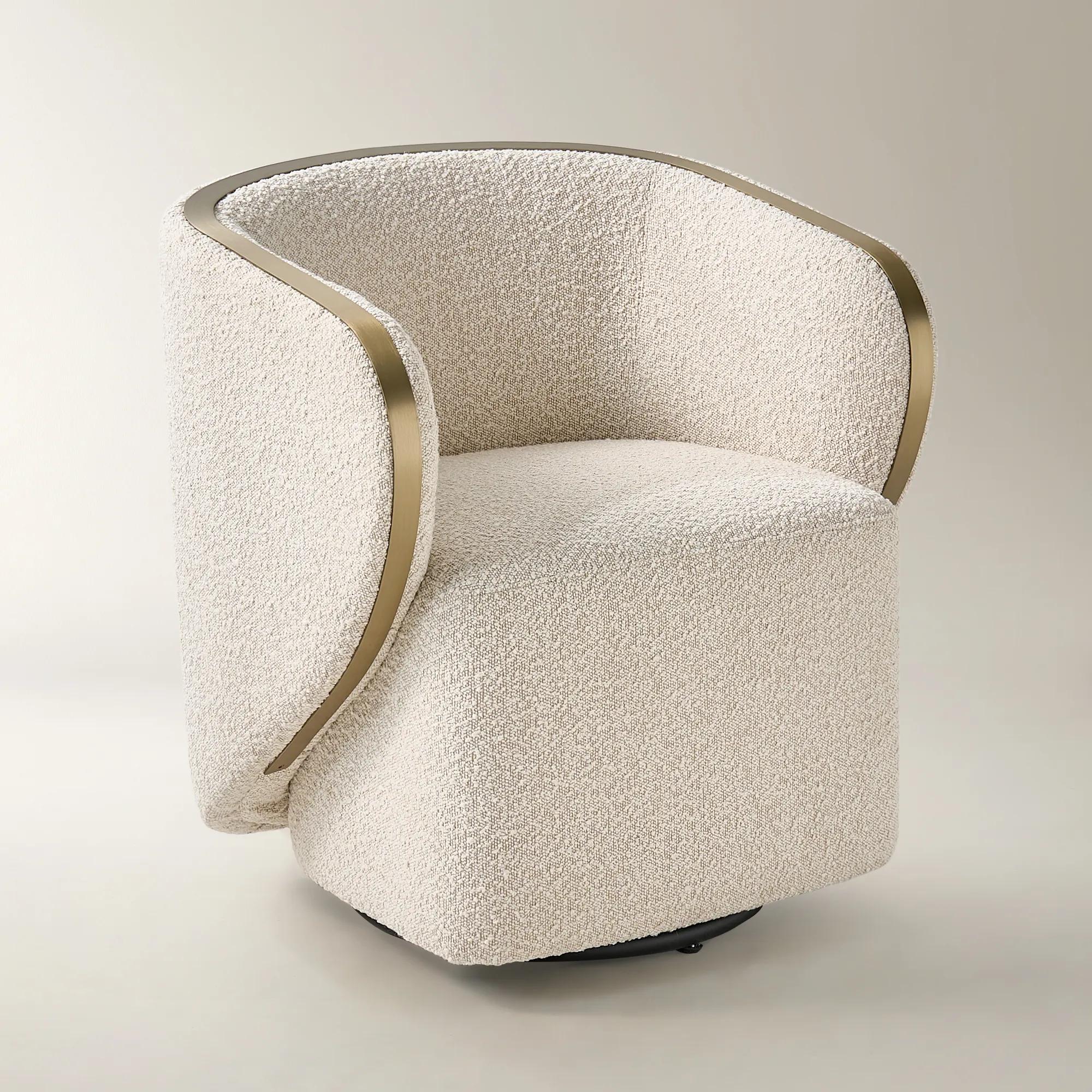 Nova Ivory Performance Boucle Swivel Dining Chair$699
An ivory boucle swivel chair featuring a sculptural wraparound silhouette and elegant metallic trim accents.
Add To Cart -
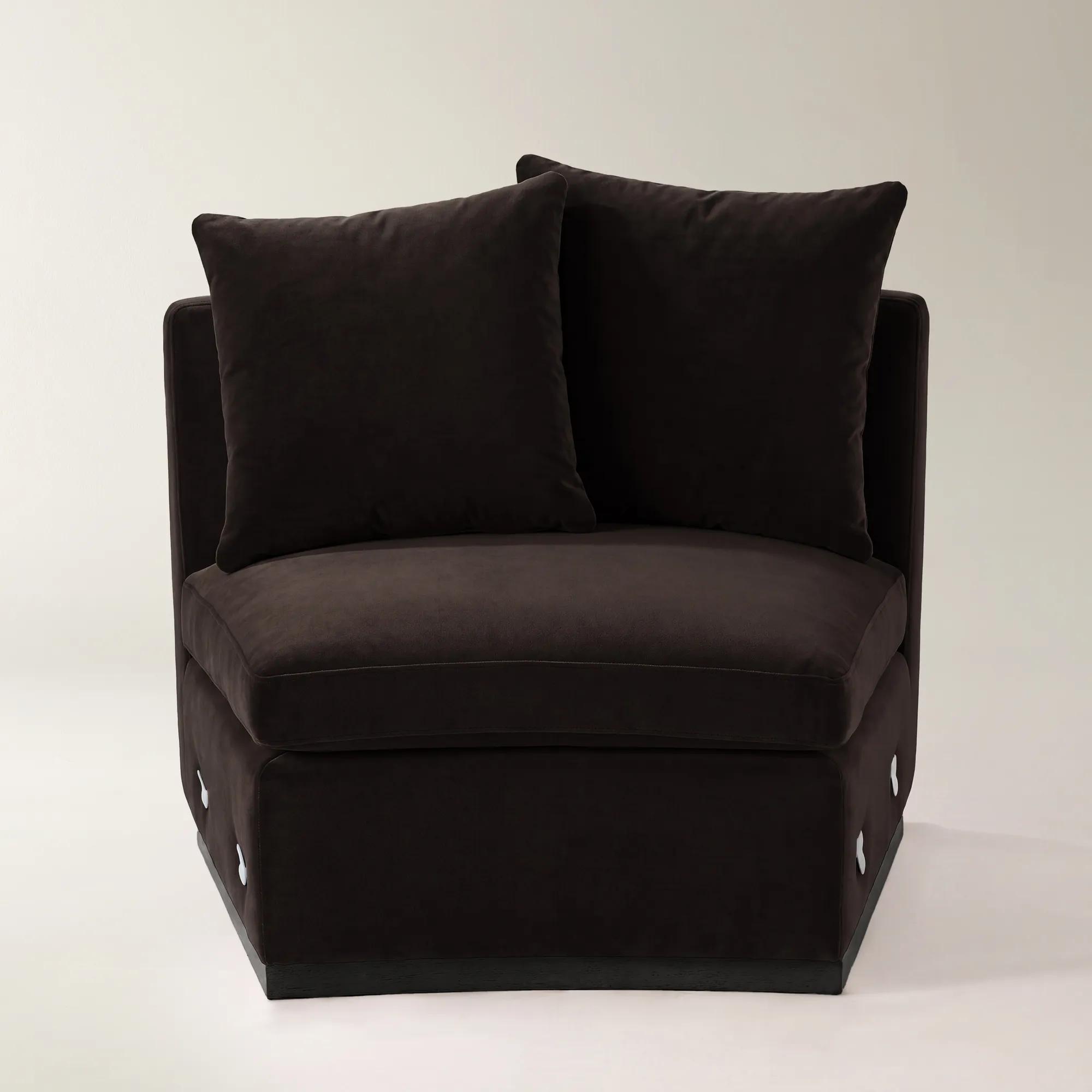
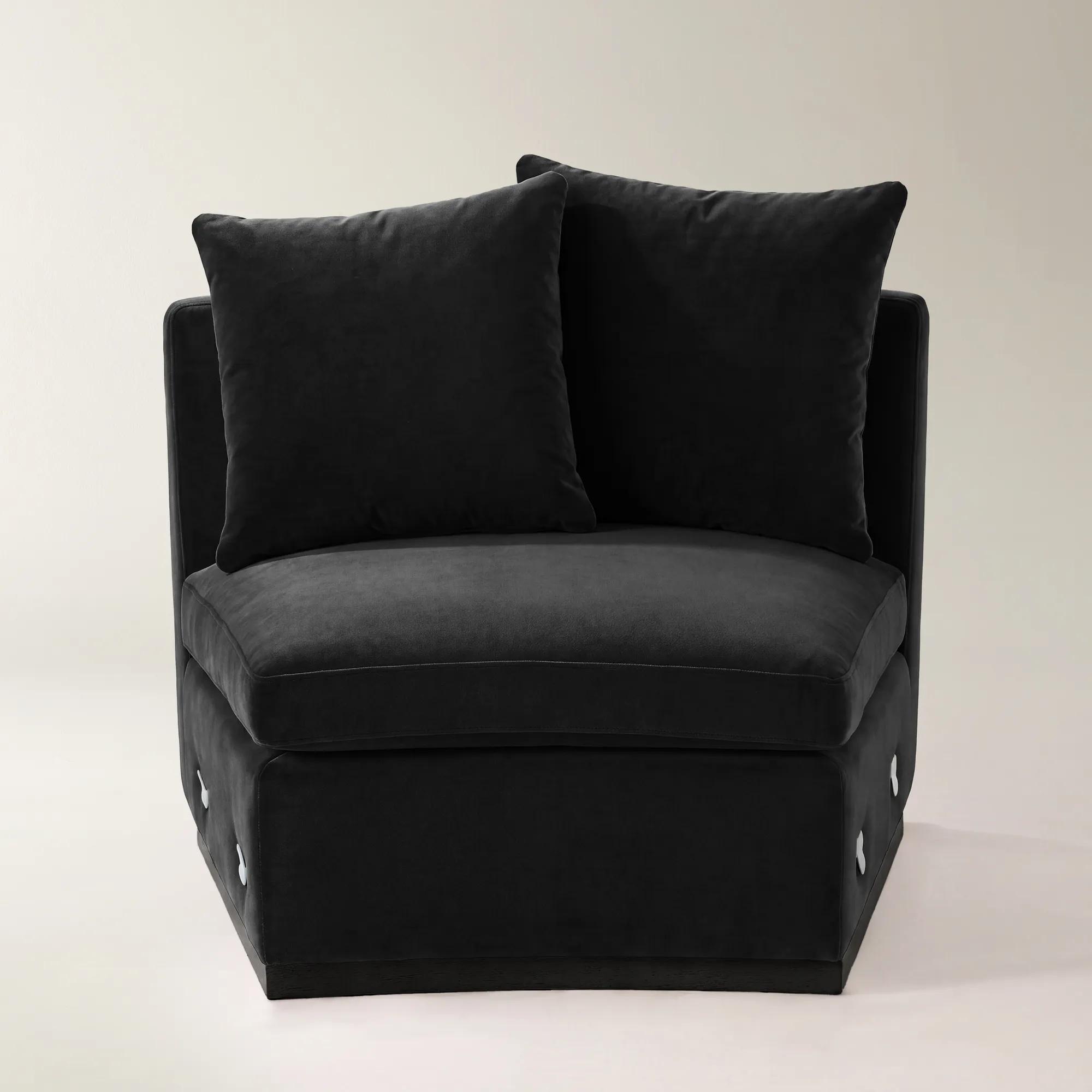 Stria Charcoal Velvet Armless Chair$1099
A sculptural charcoal velvet armless chair featuring layered foam-and-down cushioning and a kiln-dried wood frame.
Add To Cart -
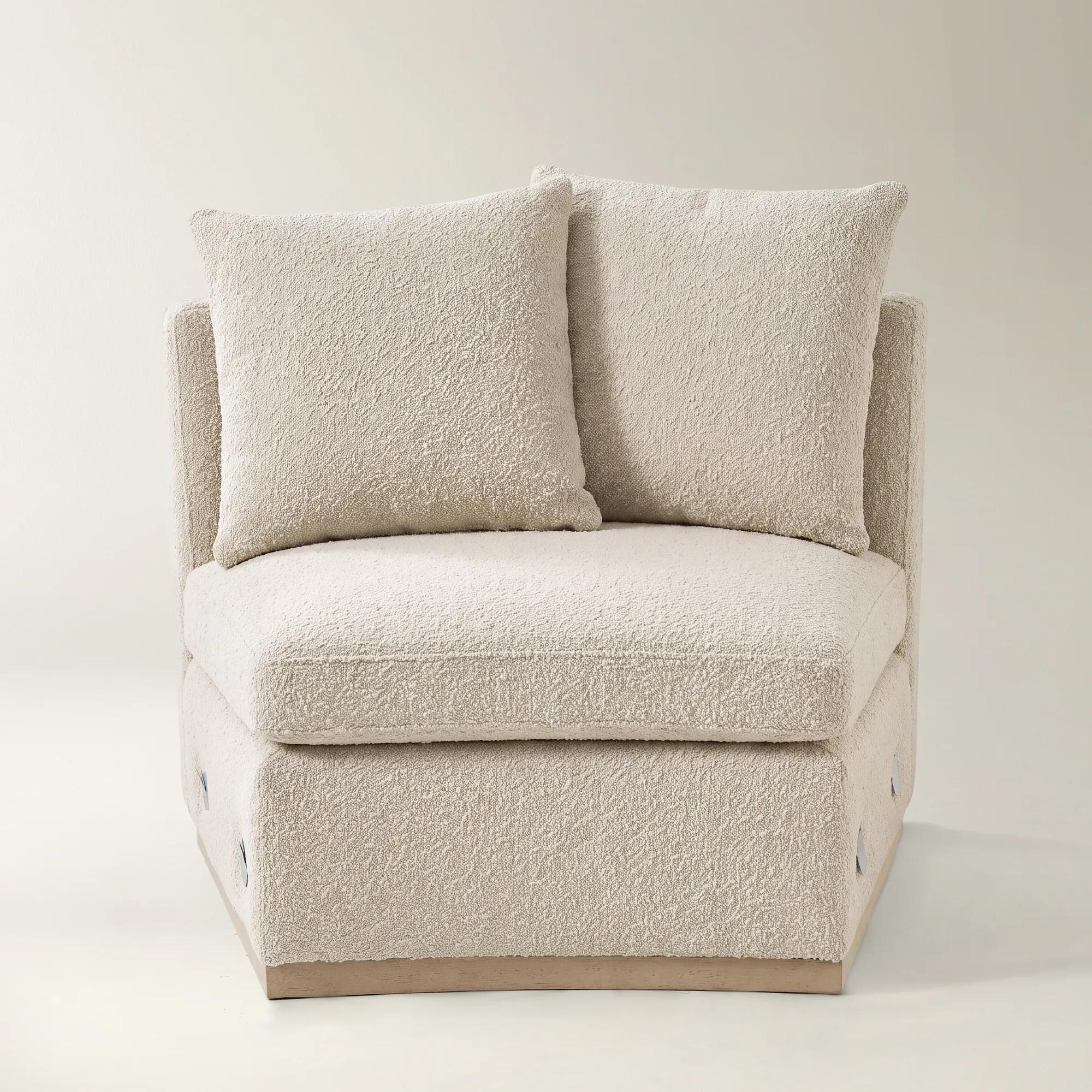 Stria Ivory Performance Boucle Armless Chair$1099
A sculptural ivory performance boucle chair with curved lines, layered cushioning, and a kiln-dried wood frame.
Add To Cart -
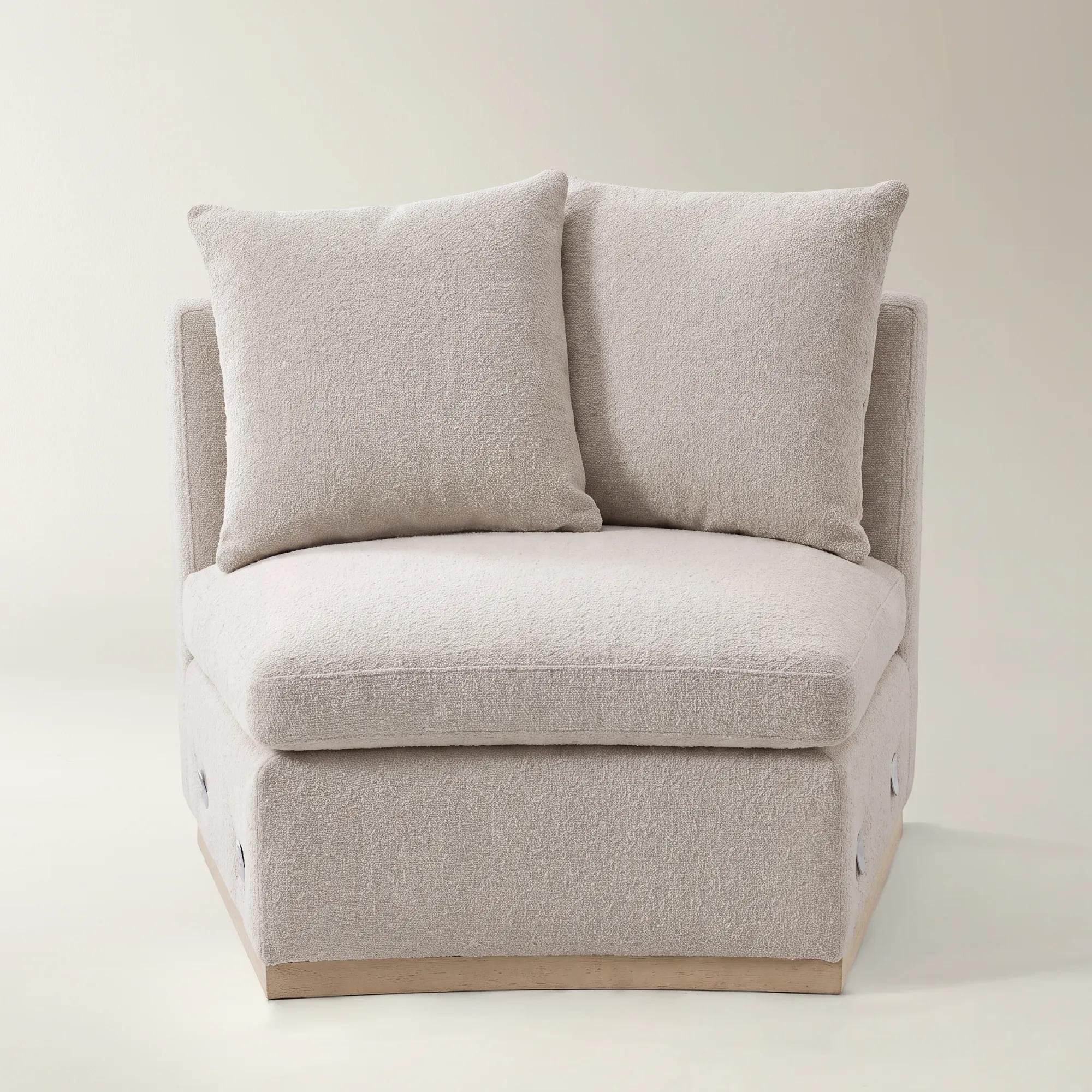 Stria Ivory Performance Boucle Armless Chair$1099
An ivory boucle chair with sculptural curves, layered foam-and-down cushioning, and a kiln-dried wood frame.
Add To Cart -
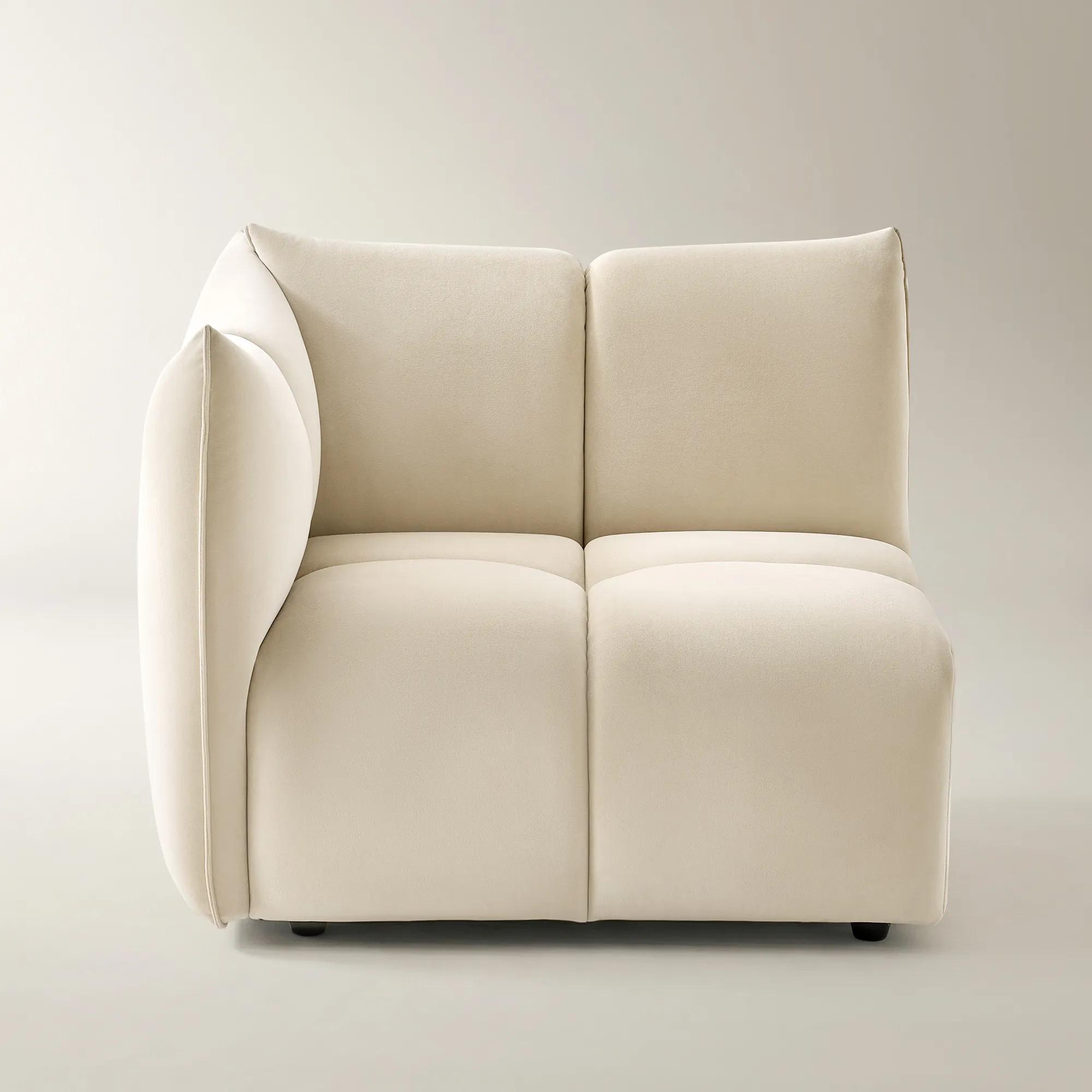 Reina Tufted Oatmeal Velvet Left-Arm Chair$899
A left-arm chair in oatmeal velvet featuring channel tufting, deep seating, and an architectural winged profile.
Add To Cart -
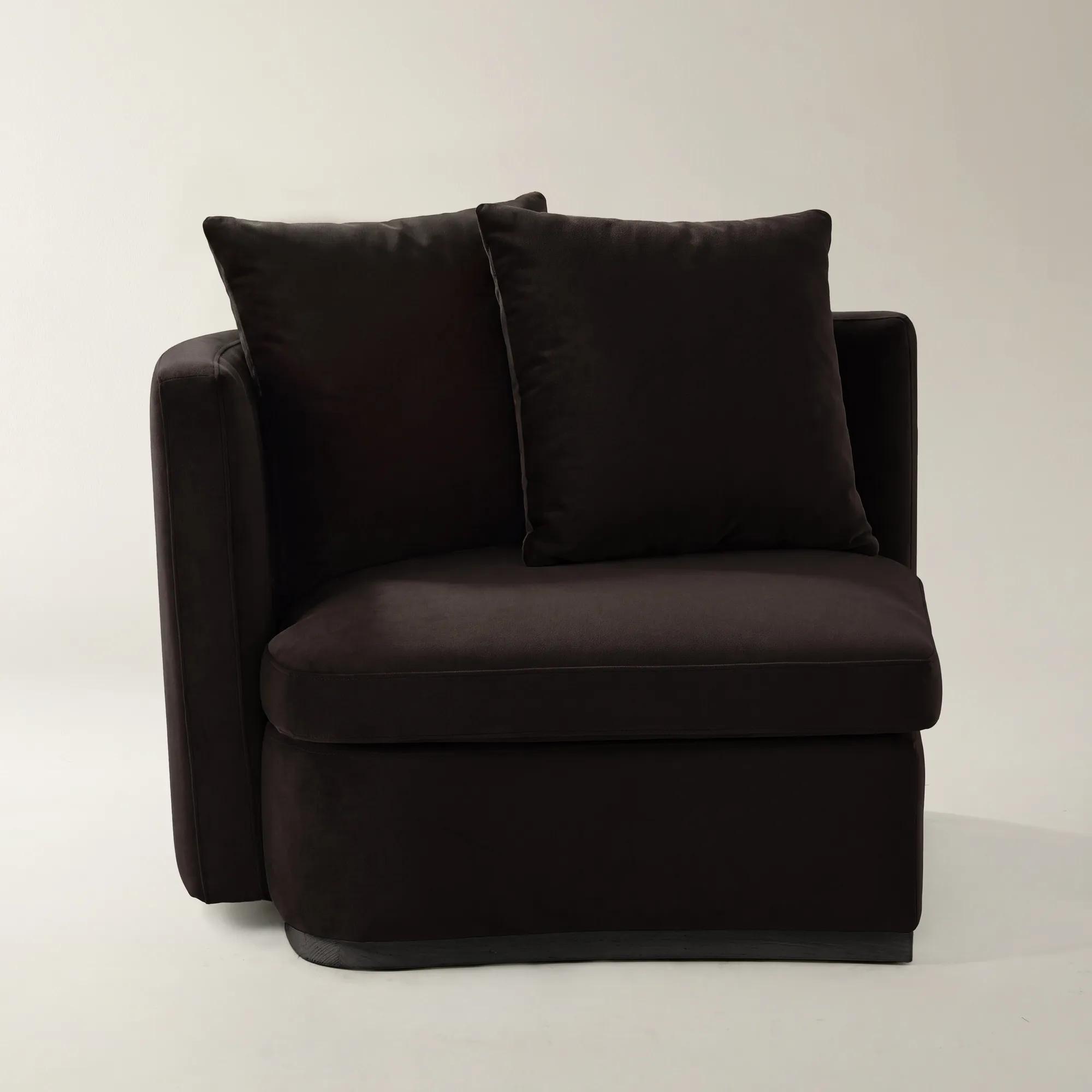
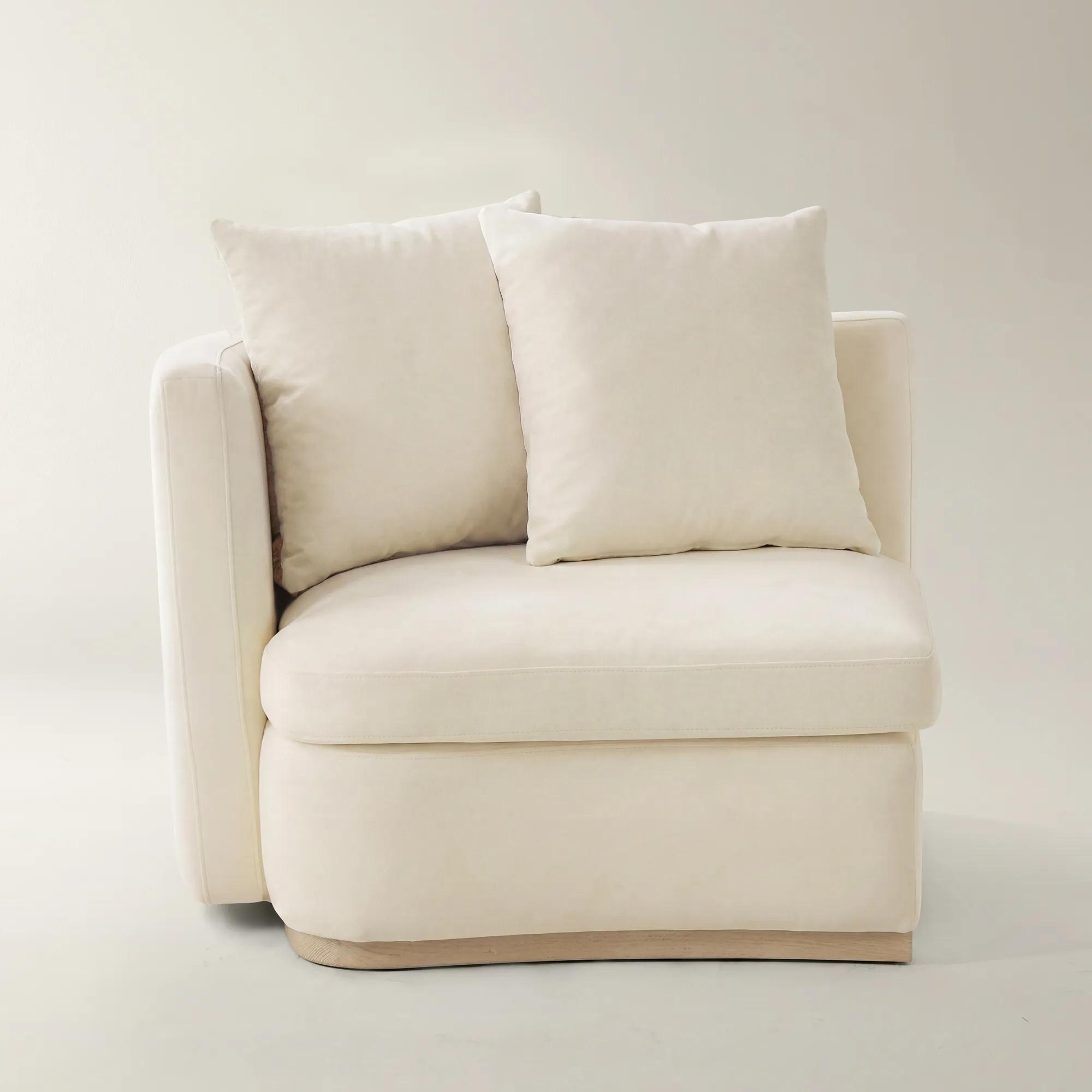 Stria Oatmeal Velvet Left-Arm Chair$1199
An oatmeal velvet chair with a kiln-dried wood frame, solid oak base, and layered down-blend cushioning.
Add To Cart -
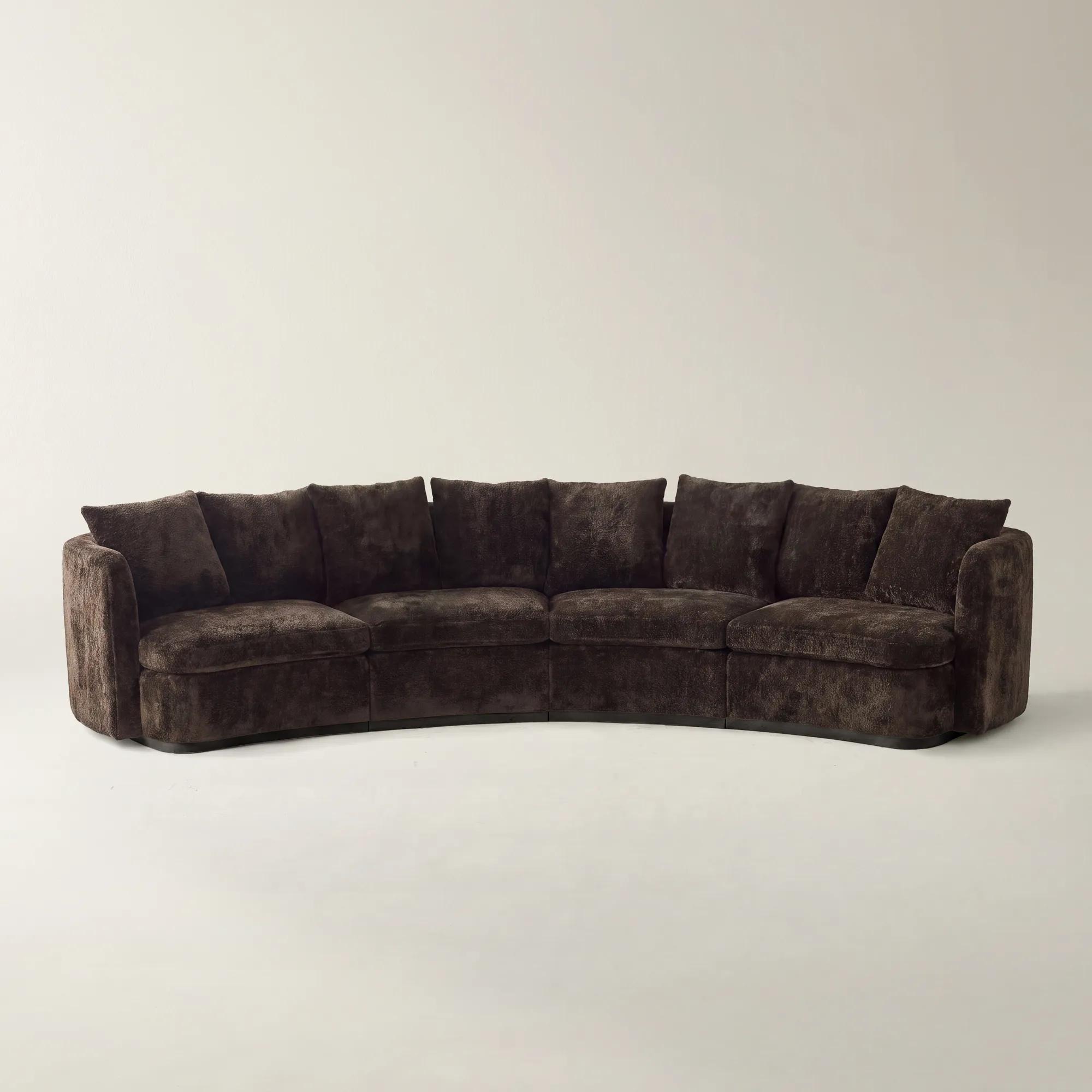
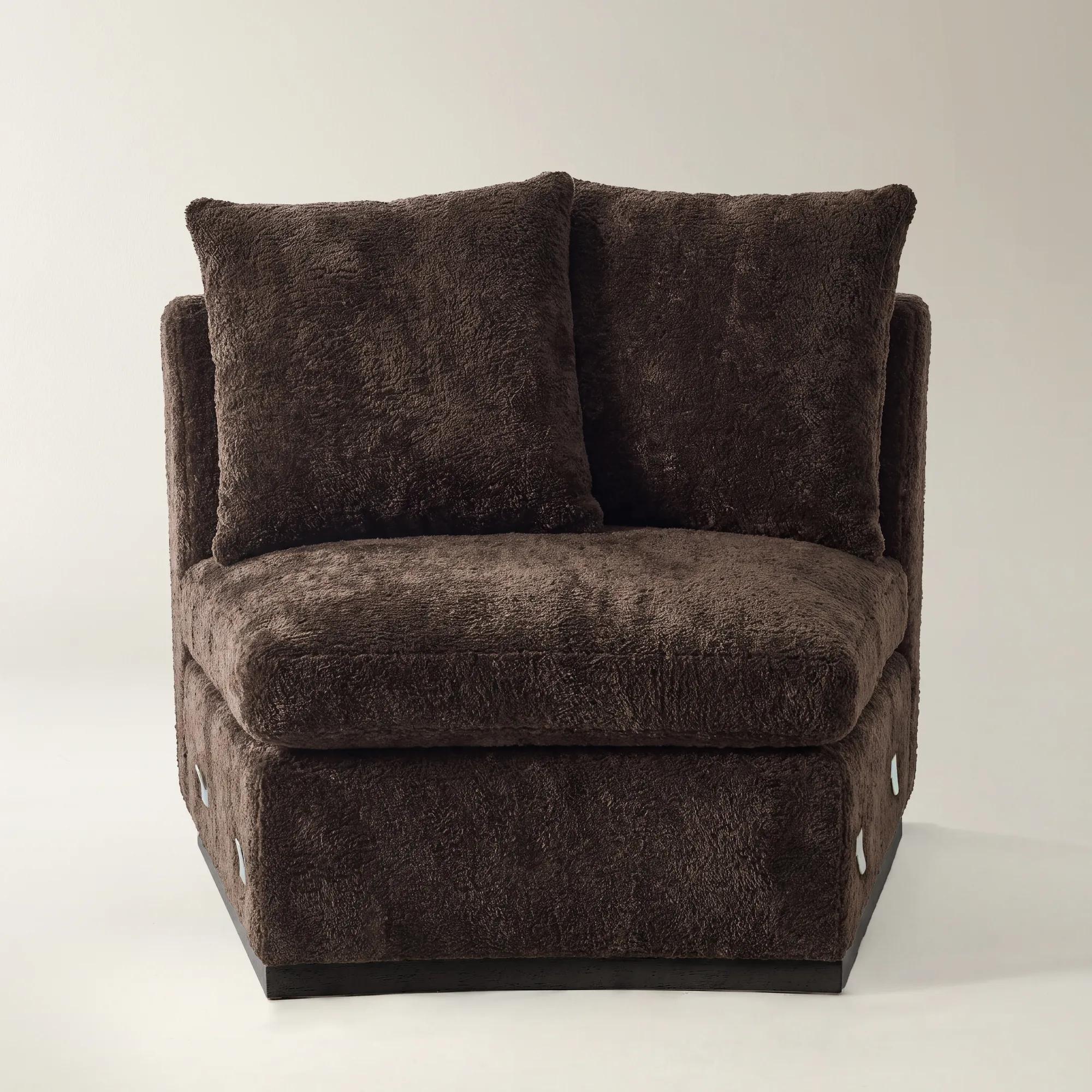 Stria Dark Chocolate Chenille Armless Chair$1099
A sculptural dark chocolate chenille armless chair with a kiln-dried wood frame and layered cushioning.
Add To Cart -
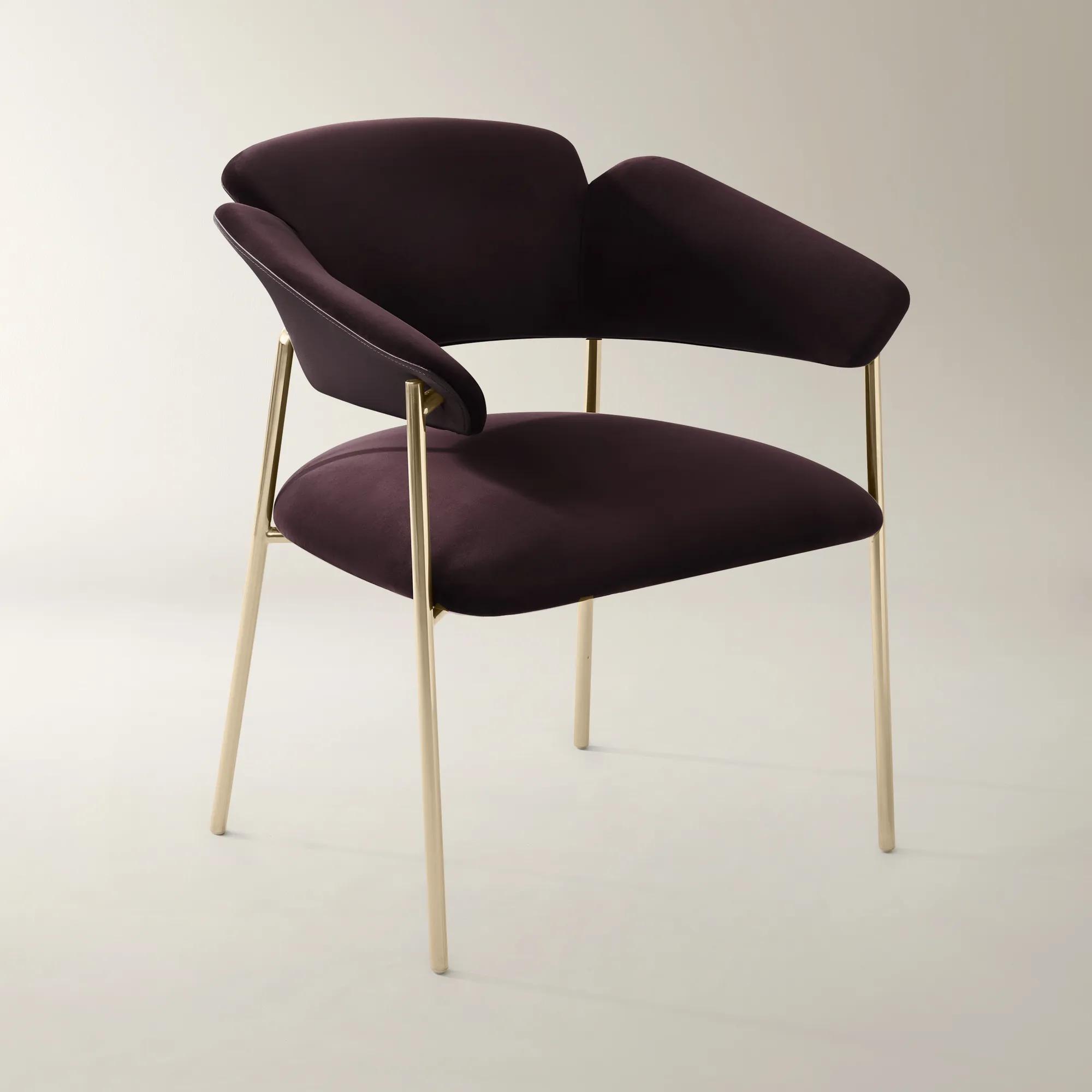 Odette Fig Velvet Dining Chair$499
A sculptural dining chair featuring fig velvet, tonal faux leather accents, and slender gold-finished metal legs.
Add To Cart

Elegant Seating For Open Concept Homes
Elegant Seating for Open Concept Homes transforms every gathering into a grand affair, where boundaries dissolve and artistry takes center stage. Imagine sumptuous silhouettes and sculptural forms that invite conversation, each piece curated to harmonize with expansive layouts and luminous sightlines. Here, seating isn’t just functional—it’s a statement of intent, an invitation to linger in style. Let your living spaces flow with confidence and charisma, as every chair and sofa becomes a brushstroke in your masterpiece of modern living.
Elegant seating for open-concept homes defines distinct living areas while preserving the openness that makes a connected floor plan so inviting. Low-profile sofas, thoughtfully scaled sectionals, sculptural accent chairs, and upholstered benches can establish a conversation area without creating a visual wall between the kitchen, dining room, and lounge. The most compelling arrangements balance an expressive silhouette with a clear view across the room: a sweeping sofa anchors the gathering space, while a pair of curved chairs brings softness to the geometry of an island or dining table. Seating that floats away from the walls becomes part of the architecture, making its back and sides as important as its front. A beautifully upholstered back, tailored seams, or an exposed frame gives a sofa the presence to divide two zones gracefully. Positioned with its back toward the dining area, it suggests a boundary without closing anything off. Swivel chairs offer a different kind of flexibility, allowing conversation to move between the living area and an adjacent kitchen without requiring the entire chair to be repositioned. Their rotation still needs clearance, particularly beside tables or walkways. Modular seating can bring similar adaptability through separate sections, although connection systems and configuration options vary by design. Scale matters more than matching every piece: a generous sectional may feel composed in a broad living area, while an apartment with an open kitchen may benefit from a compact sofa and two lighter accent seats. Low arms and visible legs can make seating appear less visually dense, while a substantial upholstered base creates a grounded, enveloping effect. A rug extending beneath the front legs of the main seating helps gather these forms into a recognizable destination. The result is a room with definition and rhythm, where the seating creates an intimate place to settle without interrupting the larger sweep of the home. Rather than relying on identical shapes, a cohesive arrangement can repeat one detail—a curved back, a warm metallic finish, or a rich neutral tone—across neighboring spaces.
Upholstery brings that visual connection into focus, adding depth, sheen, and tactile contrast to an expansive room. Velvet lends saturated color a particularly dramatic presence, with a directional pile that catches light differently across a curved back or broad seat. That variation is part of its character; pressure marks and changes in shading do not necessarily indicate damage, though care requirements depend on the fiber and construction. Textured woven fabrics create a quieter kind of richness, giving ivory, taupe, charcoal, and other restrained colors dimension without demanding a competing pattern. Where seating receives frequent use, fabric specifications deserve as much attention as color. Performance upholstery may offer stain resistance or easier cleaning, but the designation does not mean every spill can be removed or that the fabric is scratchproof. Manufacturer care instructions and cleaning codes remain essential, especially for homes shared with children or pets. Removable cushion covers are not automatically machine washable, and an inconspicuous test is important before applying an approved cleaning product. Leather offers another expressive option, from a smooth, tailored surface to a more relaxed finish that may develop visible character with use; its maintenance depends on the leather type and protective treatment. Frame construction, cushion support, seams, and connections also influence how seating holds up over time. Solid wood, engineered wood, and metal can each serve different structural roles, so durability is better assessed through construction details than appearance alone. In an open floor plan, these material choices need not be identical from one zone to the next. A velvet lounge chair can sit comfortably within sight of woven dining chairs when their undertones or silhouettes relate. Metal legs can echo nearby lighting, while a wood frame can draw warmth from a dining table. Upholstered dining chairs and counter stools extend the sense of comfort beyond the lounge, provided their seat heights, arm clearance, and proportions suit the surfaces they accompany. Repetition creates continuity; a measured contrast gives each area its own identity.
Comfort gives elegant seating its lasting appeal, particularly in a home where one connected space accommodates conversation, reading, dining, and evenings stretched out together. Deep seats encourage reclining, but they can leave shorter adults sitting forward without back support; a shallower seat or a supportive cushion may feel more natural for upright conversation. Seat height, cushion firmness, and arm placement also shape how easily someone settles in and stands again. For households that entertain often, a sofa paired with individual chairs offers different seating positions and a more conversational arrangement than a single row facing a screen. An upholstered bench can add a lower visual element near the edge of the living area, while an ottoman may provide a place to rest feet or occasional seating when its construction is intended for that use. Everyday movement deserves equal consideration. A main circulation path often benefits from about 36 inches of clear space, with additional room useful for busy routes or mobility needs; actual requirements depend on the layout and household. Dining chairs need space to pull back, and recliners, swivel bases, and extending footrests require clearance beyond their resting dimensions. Overall furniture measurements, usable seat dimensions, and delivery access all matter, including doorways, stair turns, elevators, and any assembly requirements. These practical details allow a dramatic silhouette to feel effortless rather than imposing. For a broader expression of coordinated forms, Designer Seating For Open Floor Plans offers a related perspective on seating across connected rooms. The strongest compositions leave breathing room around their statement pieces, giving a sculptural chair or richly upholstered sofa enough space to be appreciated from several angles. With considered proportions, tactile materials, and comfort suited to daily life, seating becomes more than a collection of places to sit. It gives an open-concept home its gathering points, its visual cadence, and its unmistakable sense of personality.
FAQs
To define distinct zones in an open concept space, use seating arrangements as visual anchors. Position sectionals or sofas to subtly separate the living area from dining or kitchen zones, and pair them with accent chairs or benches to create inviting conversation nooks. Incorporate area rugs beneath seating groups to ground each space, and use complementary palettes and textures to maintain cohesion while still celebrating each zone’s unique function.
Luxurious materials like velvet, leather, and performance fabrics are ideal for open concept seating, offering both comfort and visual impact. Metallic or lacquered finishes on chair legs and frames add a glamorous touch, while natural wood tones can introduce warmth and balance. Mixing textures—such as pairing a boucle chair with a sleek glass coffee table—creates interest and depth, ensuring each seating area feels curated and distinctive.
Choose seating that offers both sculptural beauty and practical comfort. Modular sectionals and swivel chairs provide flexibility for entertaining or relaxing, while storage ottomans and benches help keep the space uncluttered. Opt for seating with clean lines and elegant details to maintain a sophisticated aesthetic, and consider multi-functional pieces that adapt to your lifestyle, seamlessly blending style with everyday needs.
Elegant seating makes a memorable and meaningful gift for new homeowners, newlyweds, or anyone celebrating a milestone. A statement accent chair, a pair of chic barstools, or a plush bench elevates any open concept home, offering both beauty and utility. These pieces become lasting symbols of thoughtfulness and style, enhancing the recipient’s living space for years to come.
Strategic lighting—such as pendant fixtures over islands or sculptural floor lamps near seating—enhances the drama and ambiance of your open concept space. Pair seating with bold area rugs, decorative pillows, and gleaming side tables to layer in texture and color. Thoughtfully chosen accessories not only highlight the elegance of your seating but also complete the story of each zone, creating a cohesive and inviting environment.