Elegant Banquettes For Open Floor Plans
Elegant Banquettes For Open Floor Plans
-
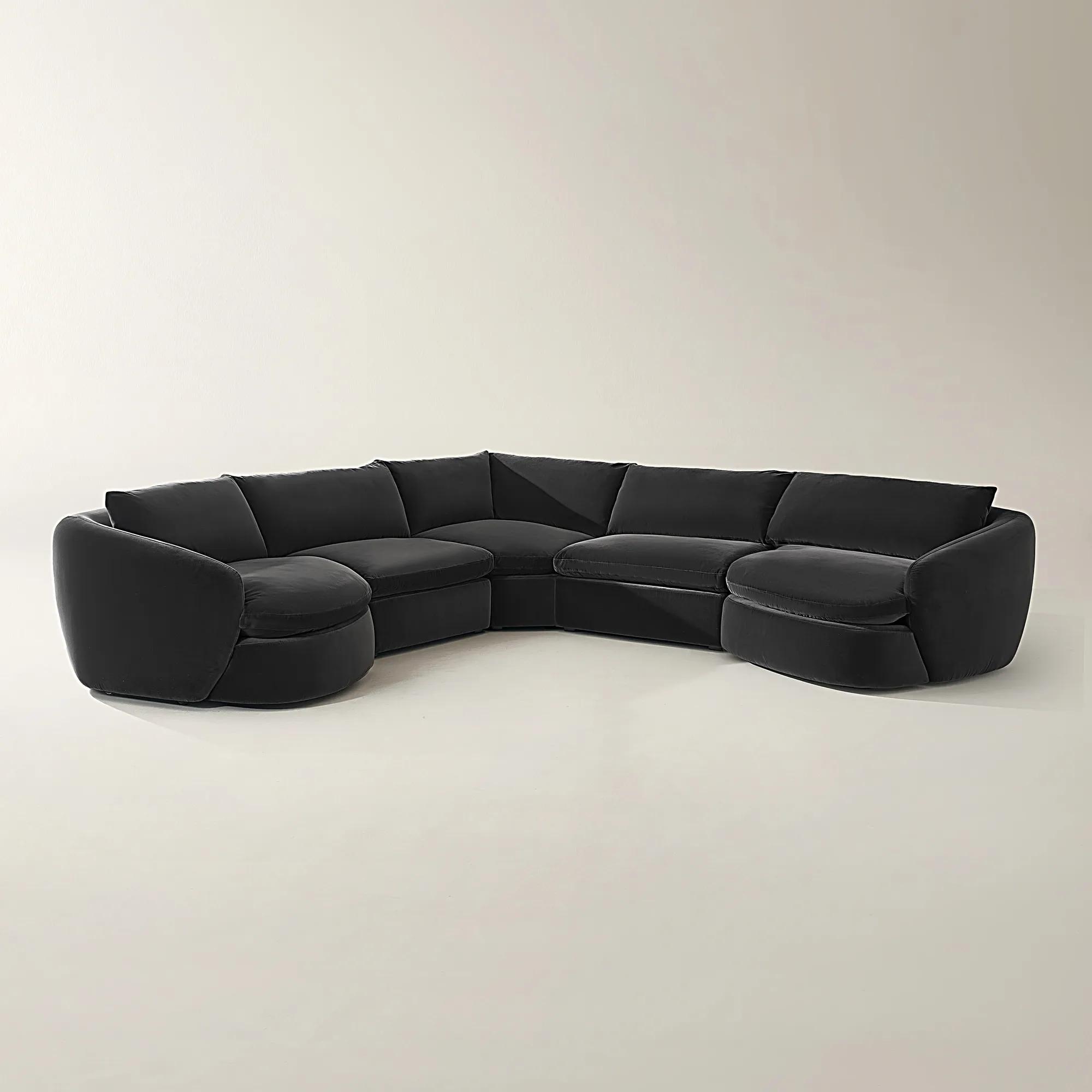
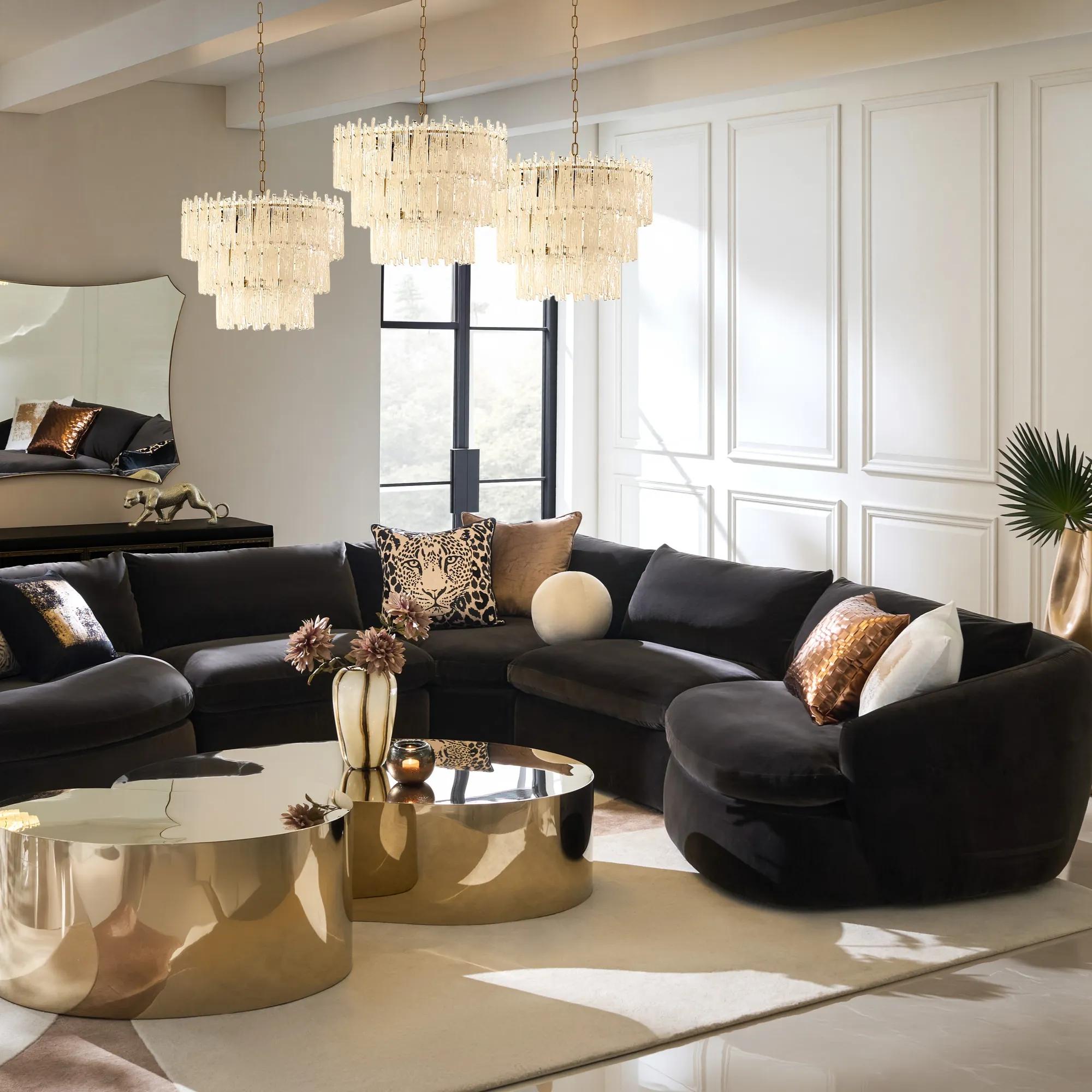 Sabrina 5-Piece Charcoal Velvet Sectional$5999
A modular charcoal velvet sectional with plush feather-blend cushions and a softly curved, modern silhouette.
Add To Cart -
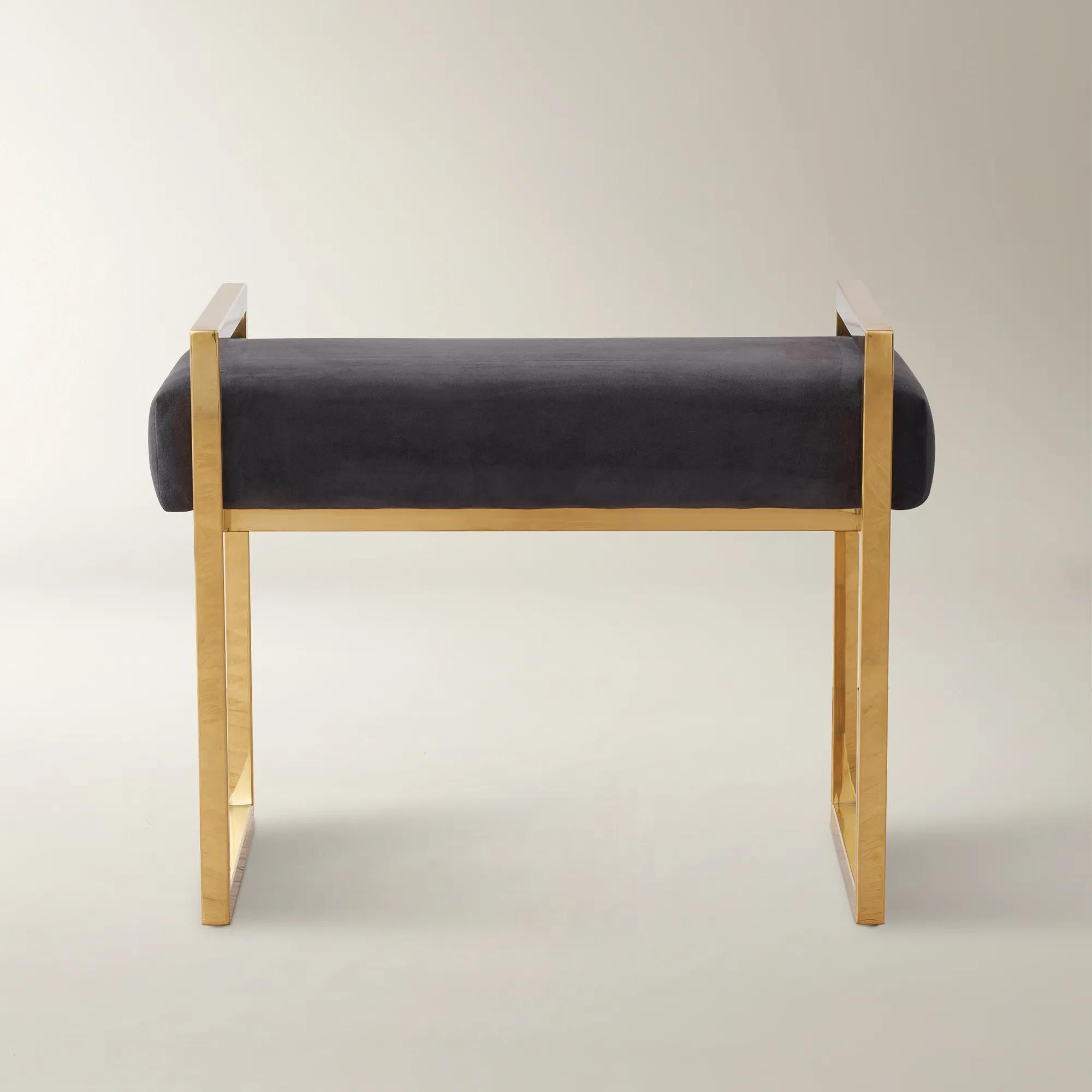
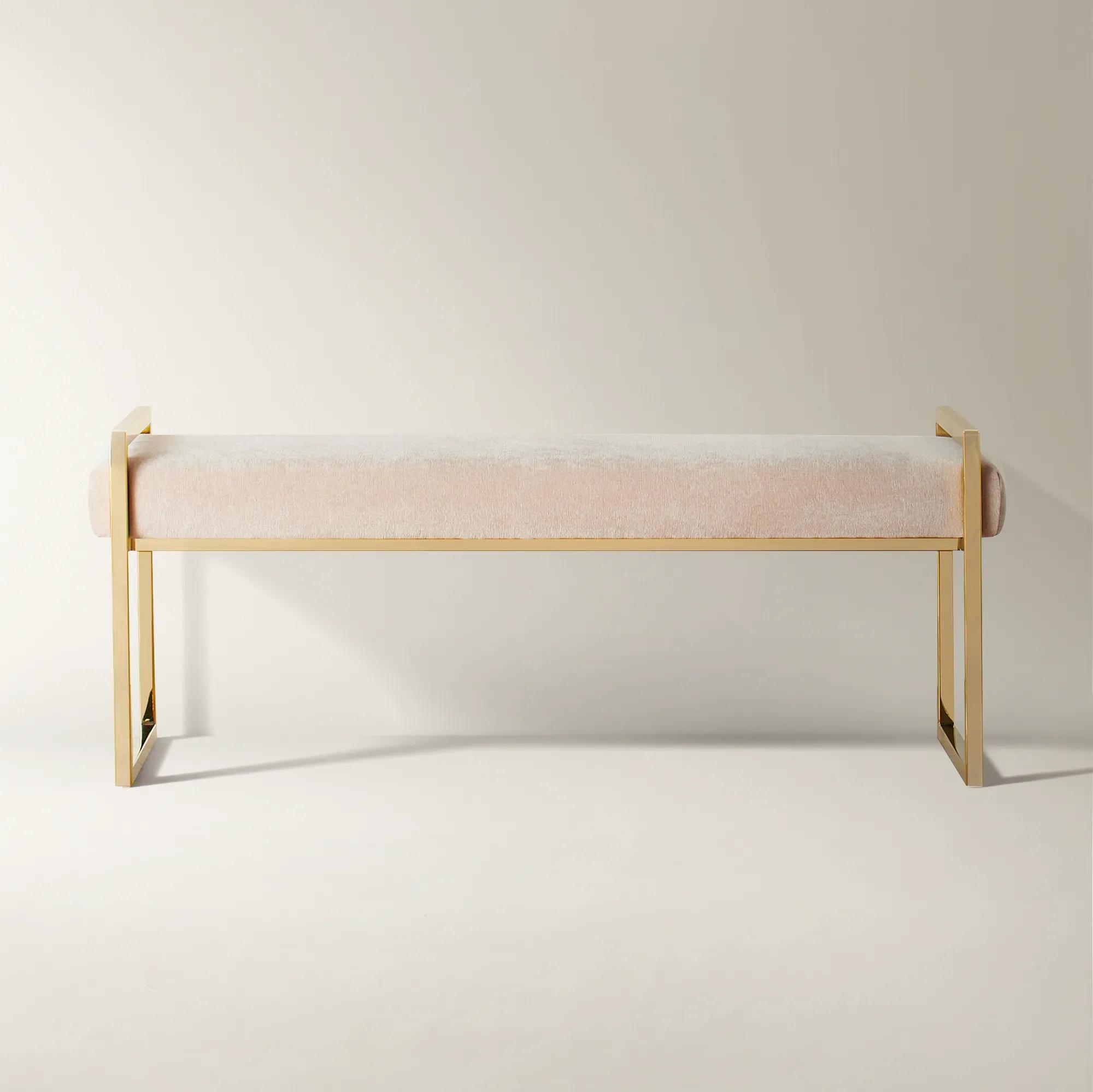 Clara Bench$799
A plush upholstered bench with a high-density foam seat and polished gold metal legs for modern elegance.
Add To Cart -
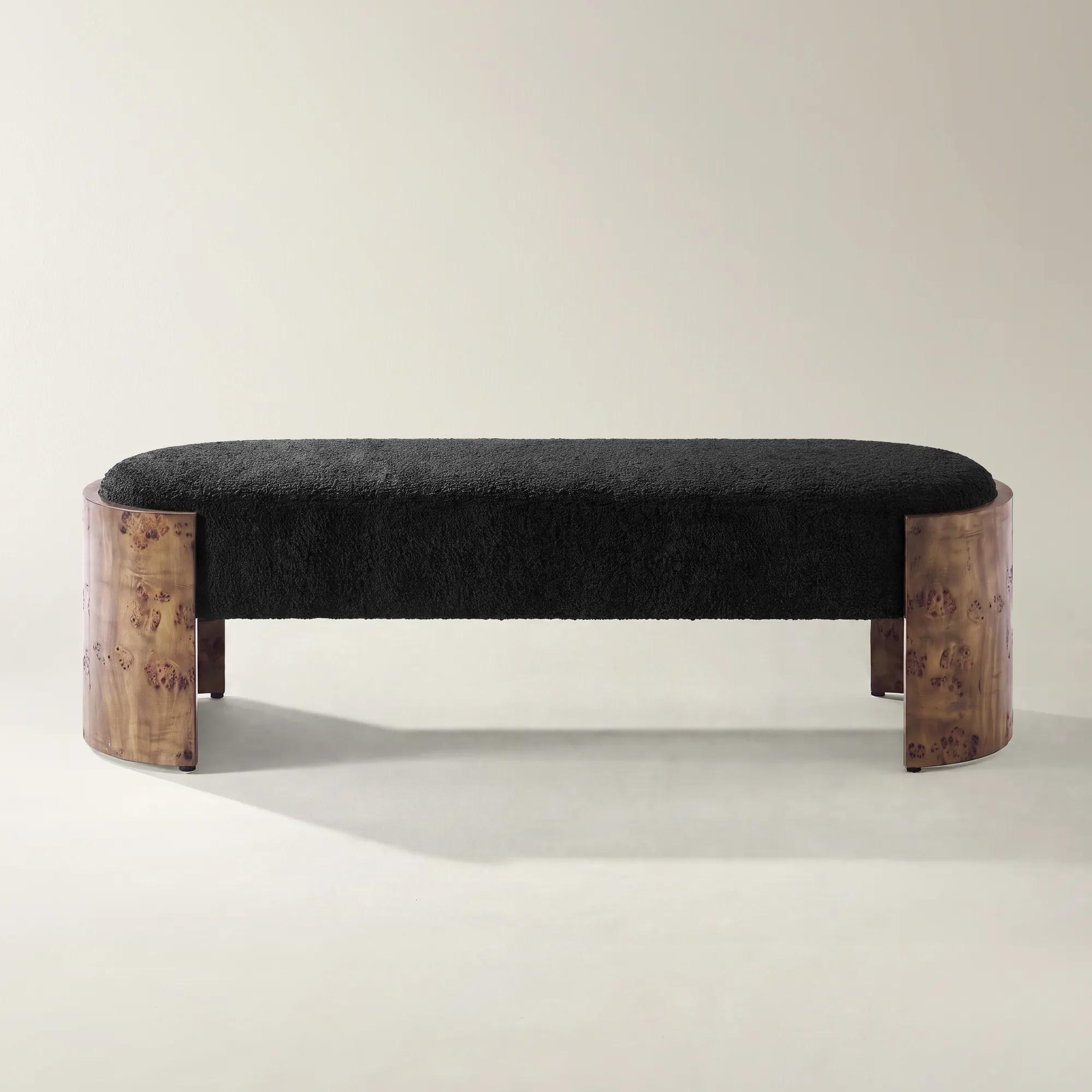 Cora Black Chenille With Ash Wood Bench (60.6")$999
A sculpted charcoal chenille bench featuring curved bookmatched ash burl panels and supportive foam cushioning.
Add To Cart -
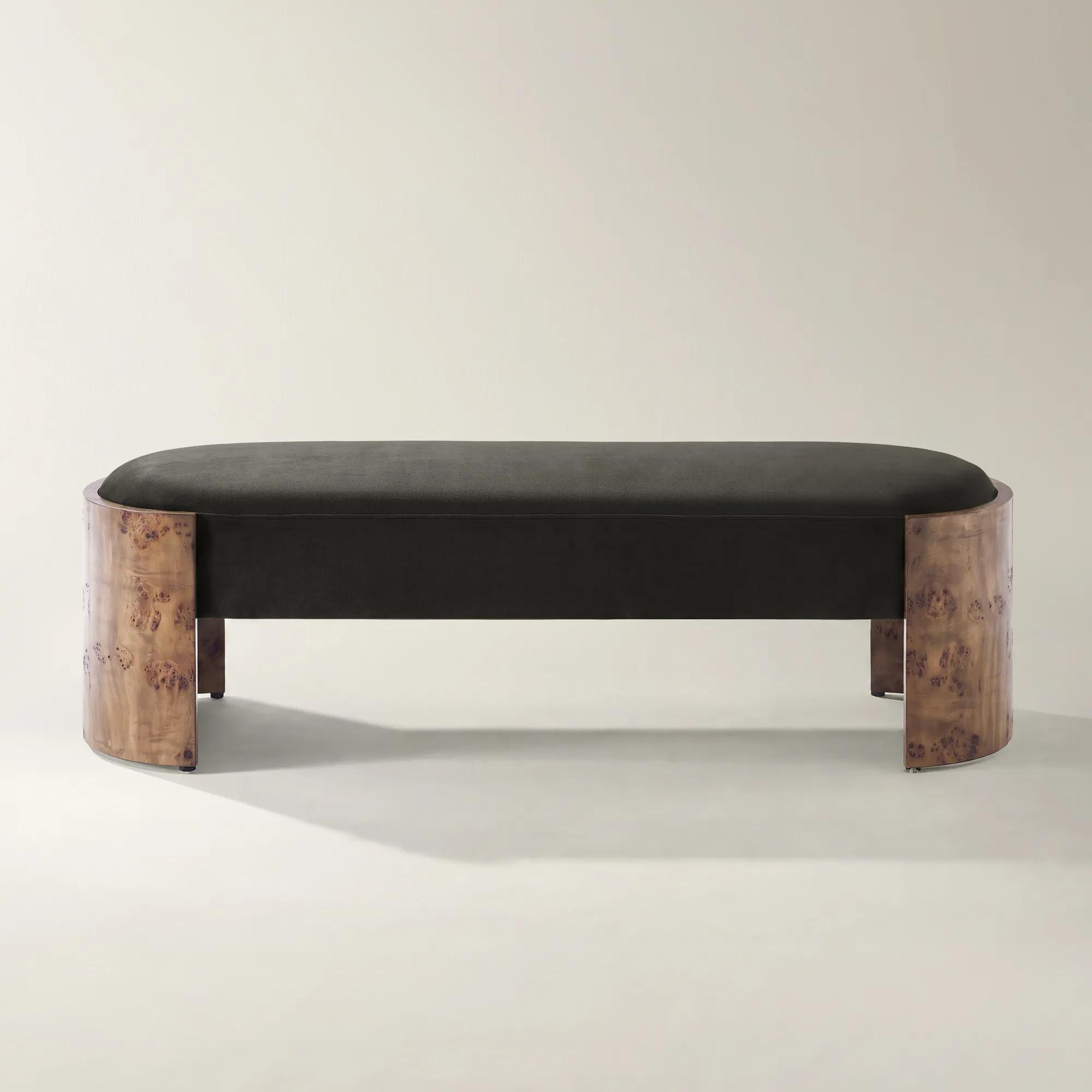
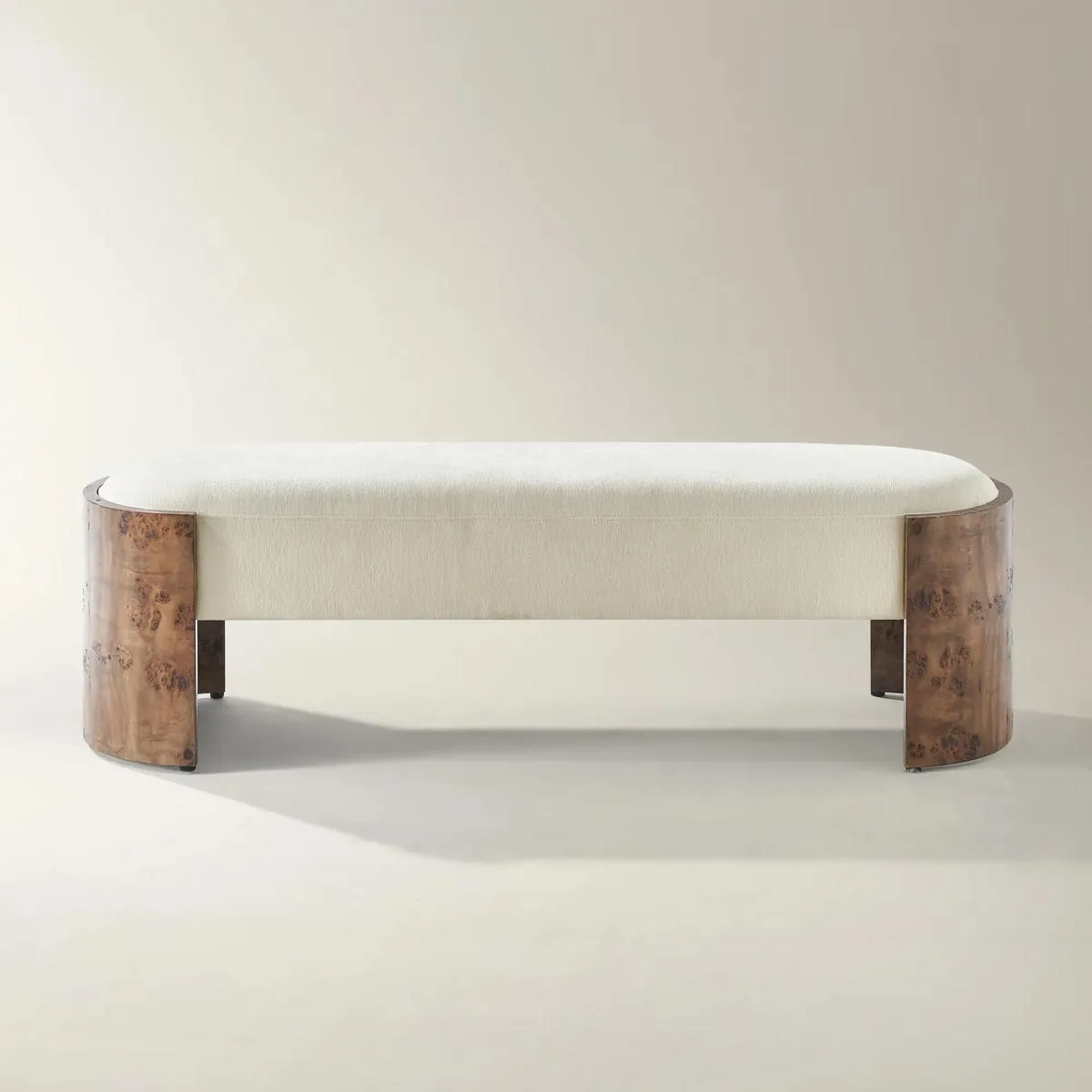 Cora Charcoal Velvet With Ash Wood Bench (60.6")$999
A sculpted charcoal velvet bench with curved bookmatched ash burl panels and supportive foam cushioning.
Add To Cart -
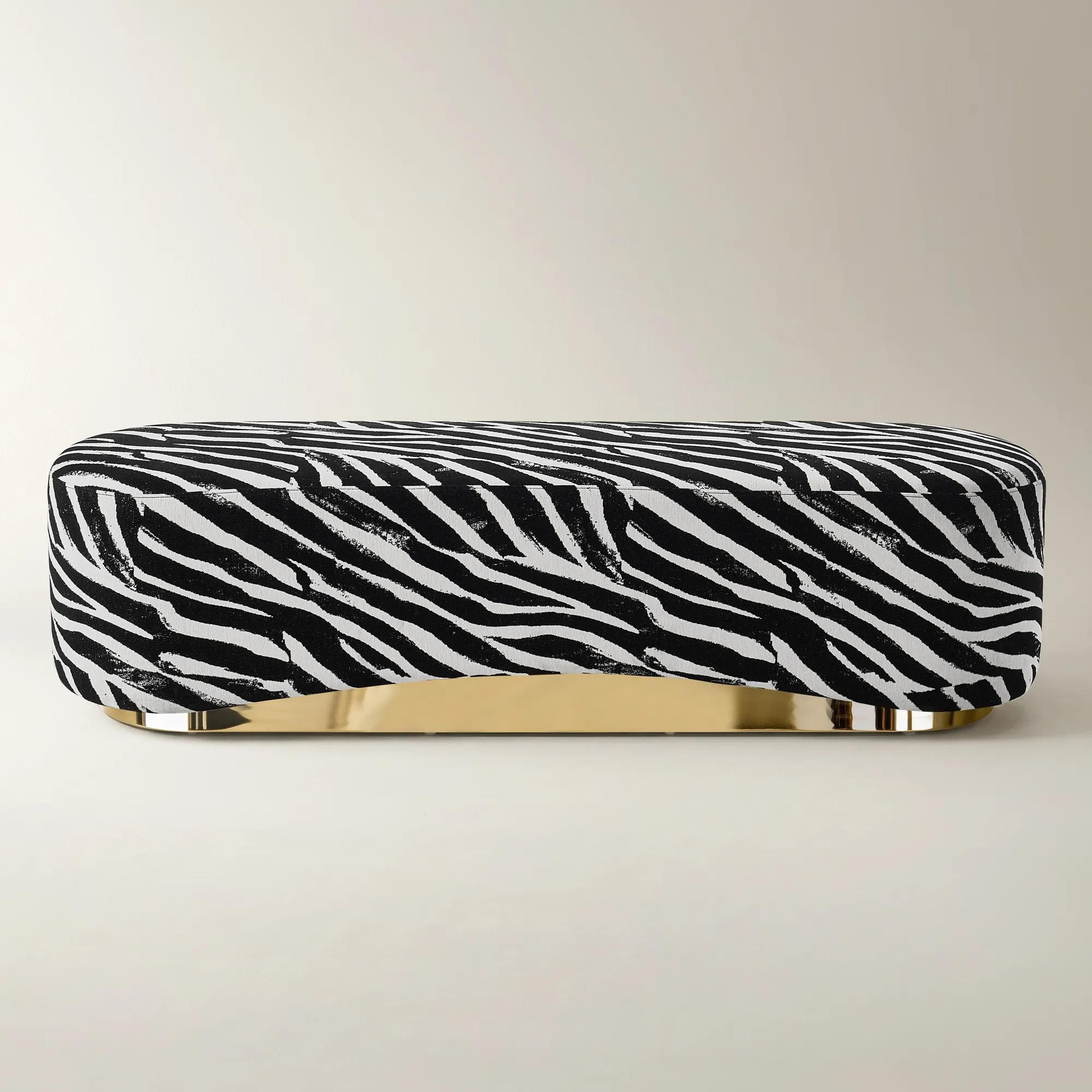
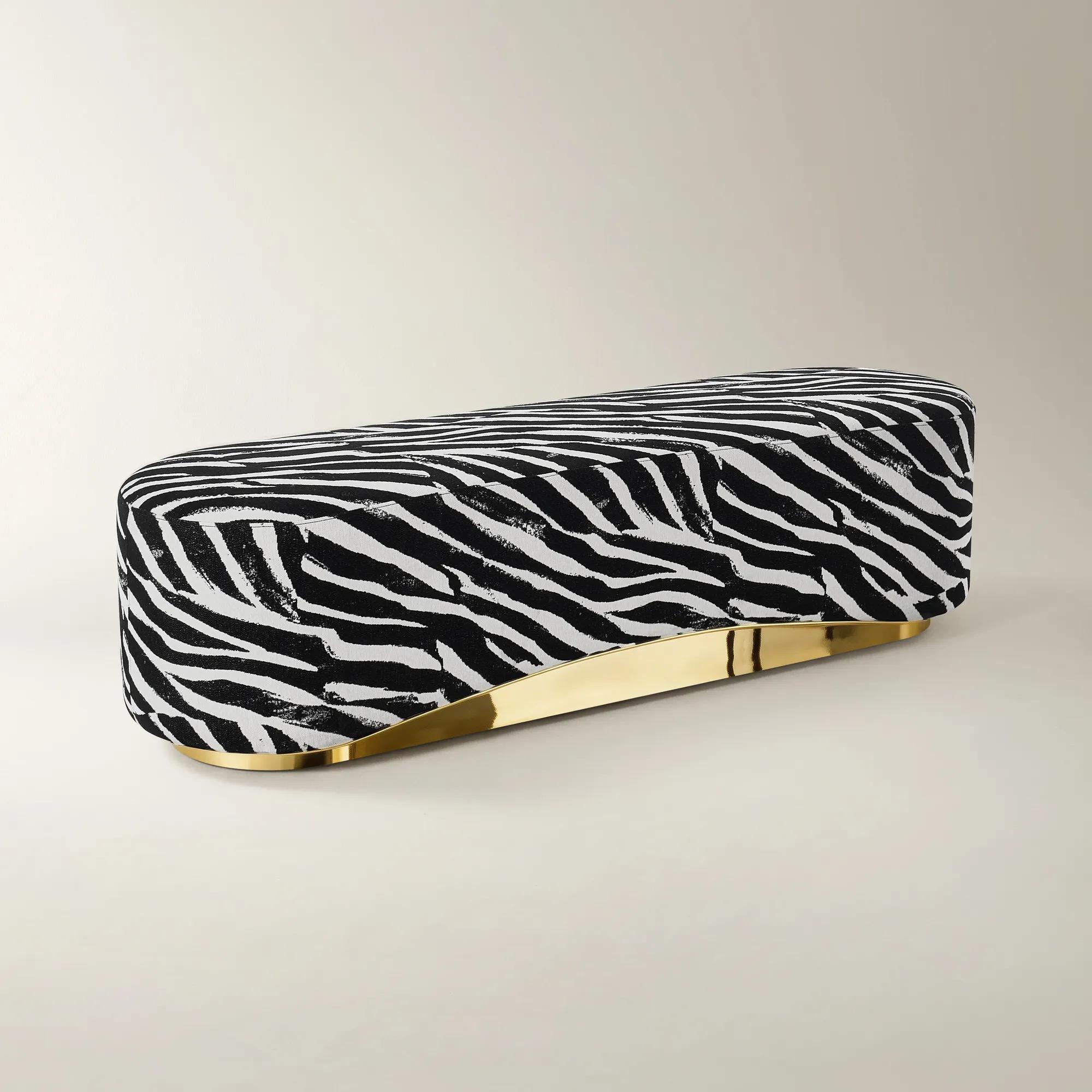 Kendra White/Black Performance Chenille Bench (70.47")$799
An elongated oval bench upholstered in white and black performance chenille with a polished gold stainless steel base.
Add To Cart -
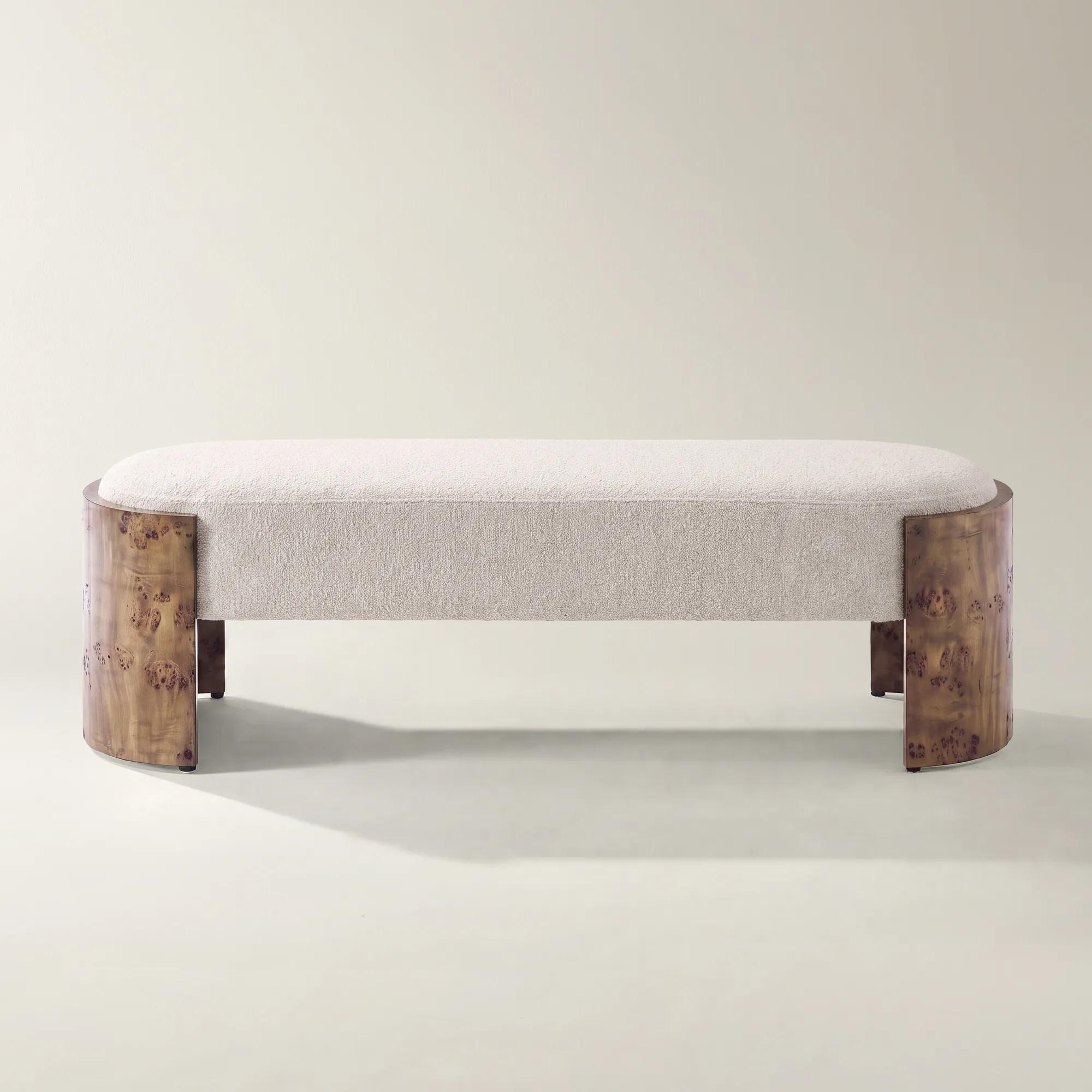 Cora Ivory Performance Boucle With Ash Wood Bench (60.6")$999
A sculpted ivory performance bouclé bench with curved bookmatched ash burl panels and supportive foam cushioning.
Add To Cart -
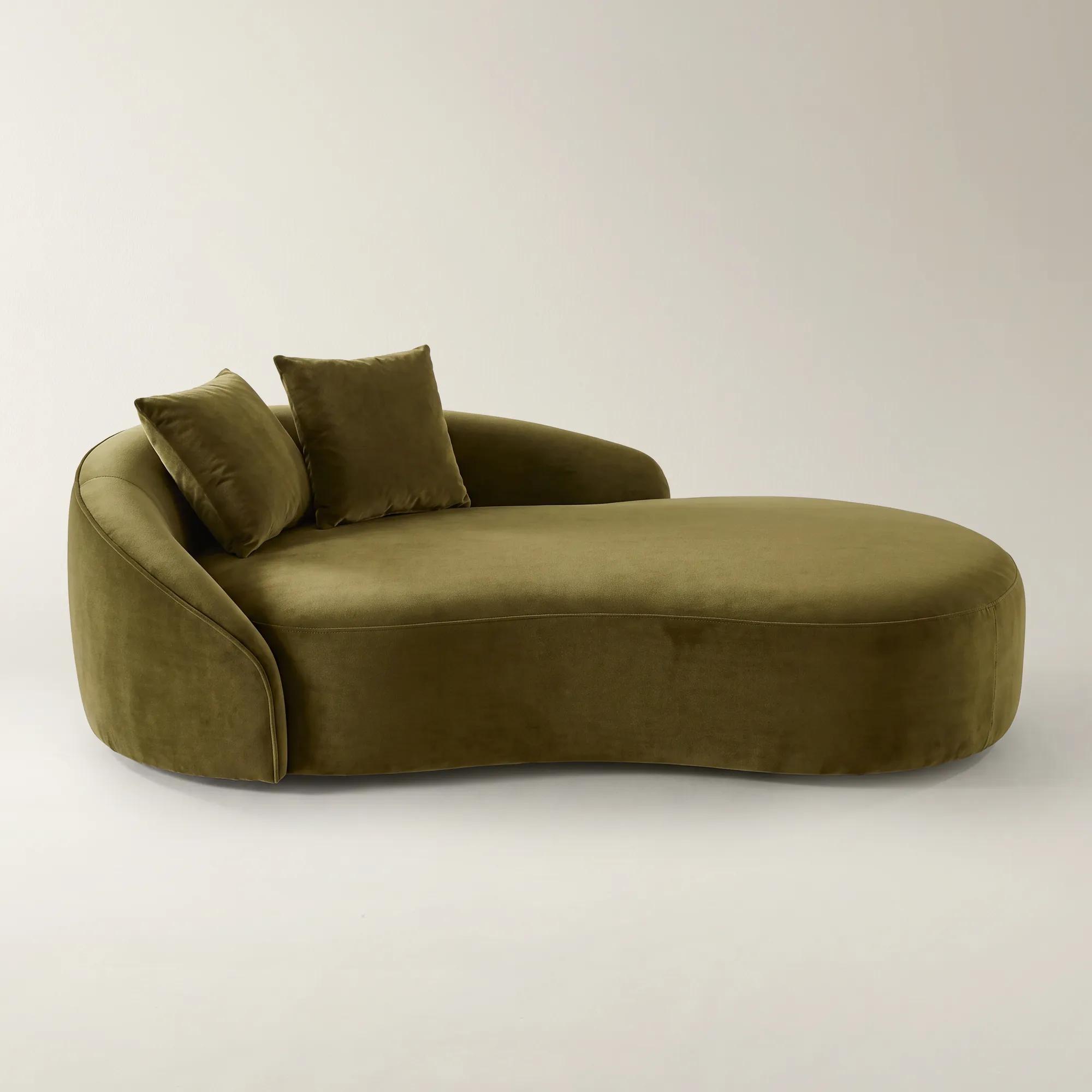
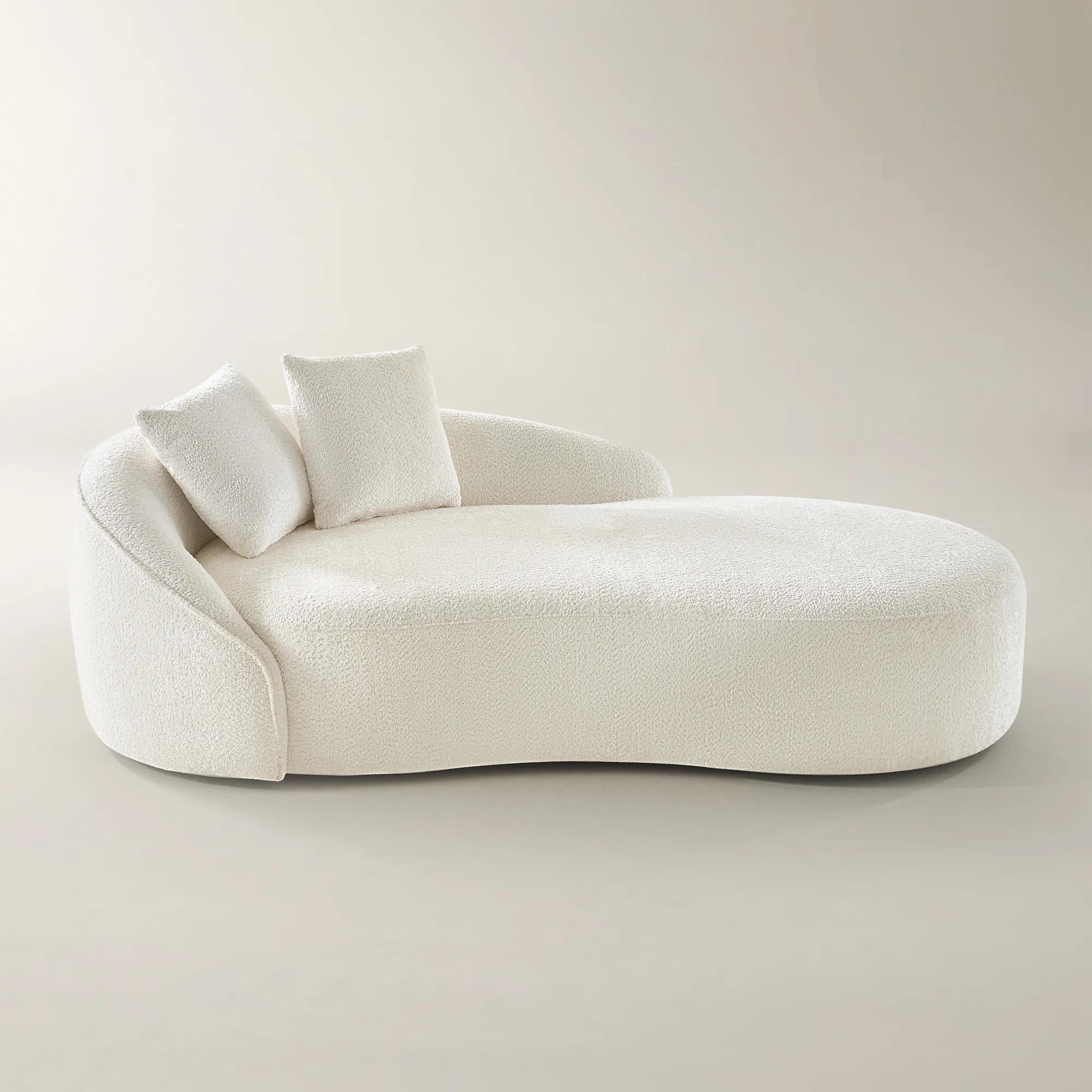 Irene Deep Olive Velvet Chaise$1899
A sculptural deep olive velvet chaise featuring high-resiliency foam cushions and artisan hand-finished upholstery.
Add To Cart -
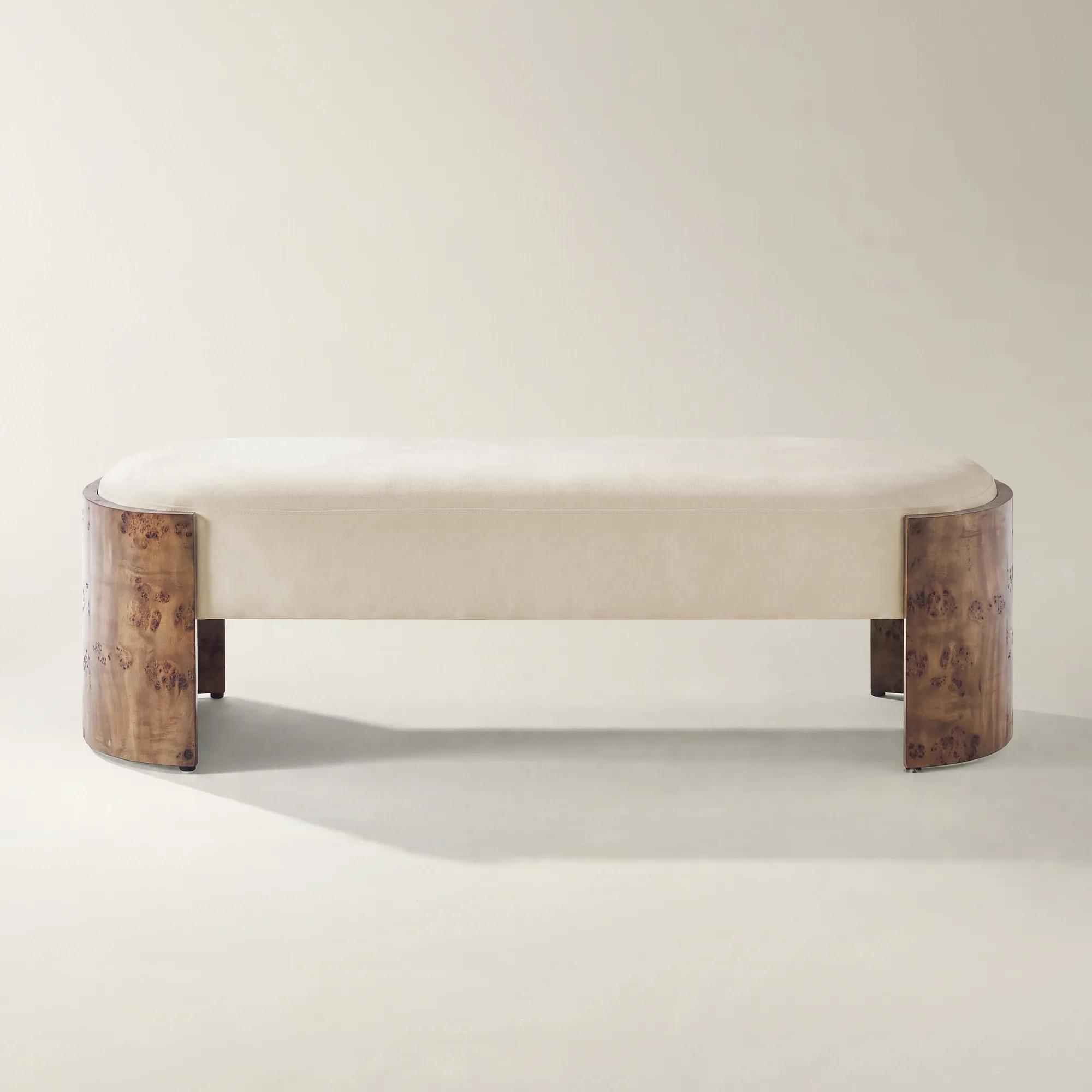 Cora Oatmeal Velvet With Ash Wood Bench (60.6")$999
A sculptural oatmeal velvet bench with curved ash burl wood panels and supportive foam cushioning.
Add To Cart -
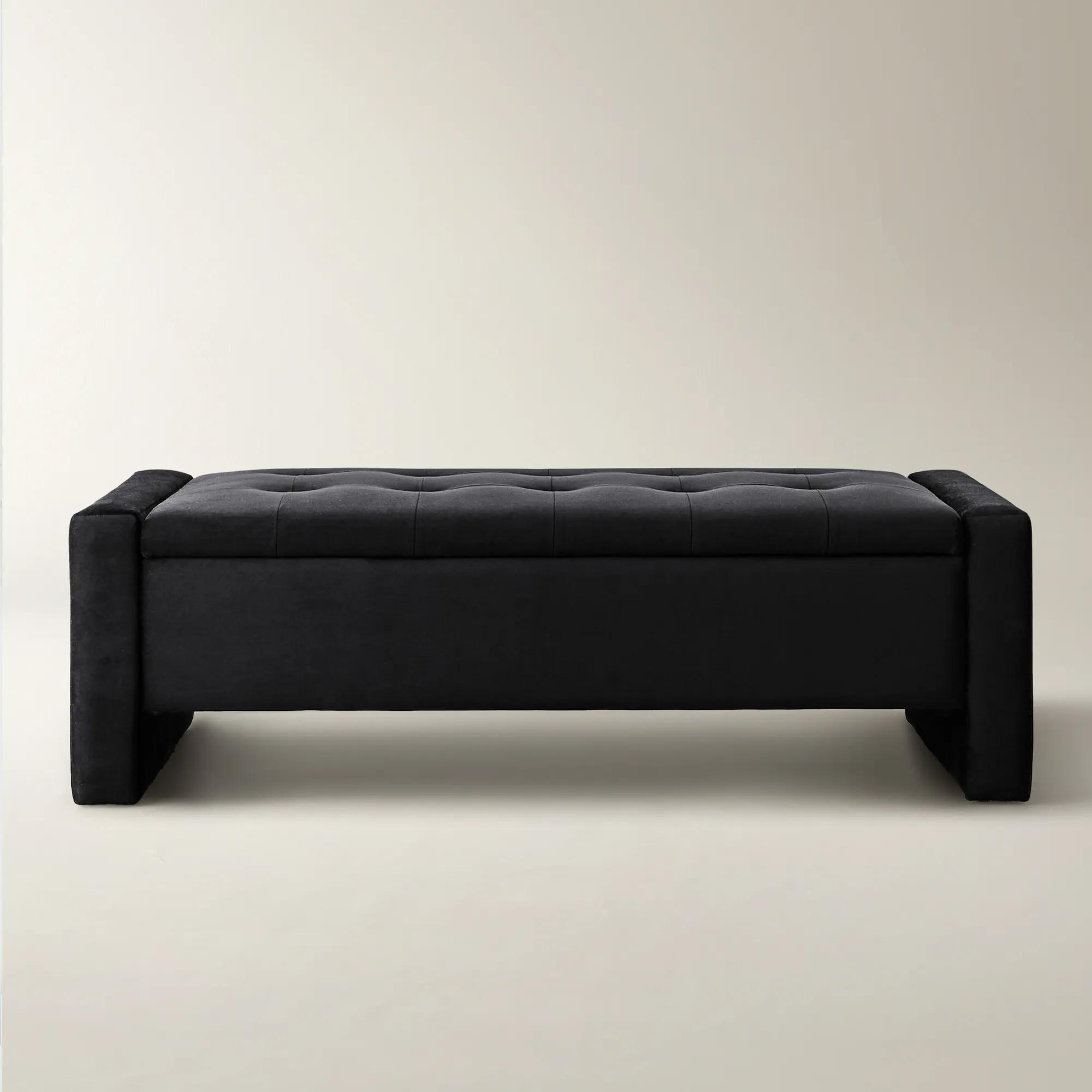
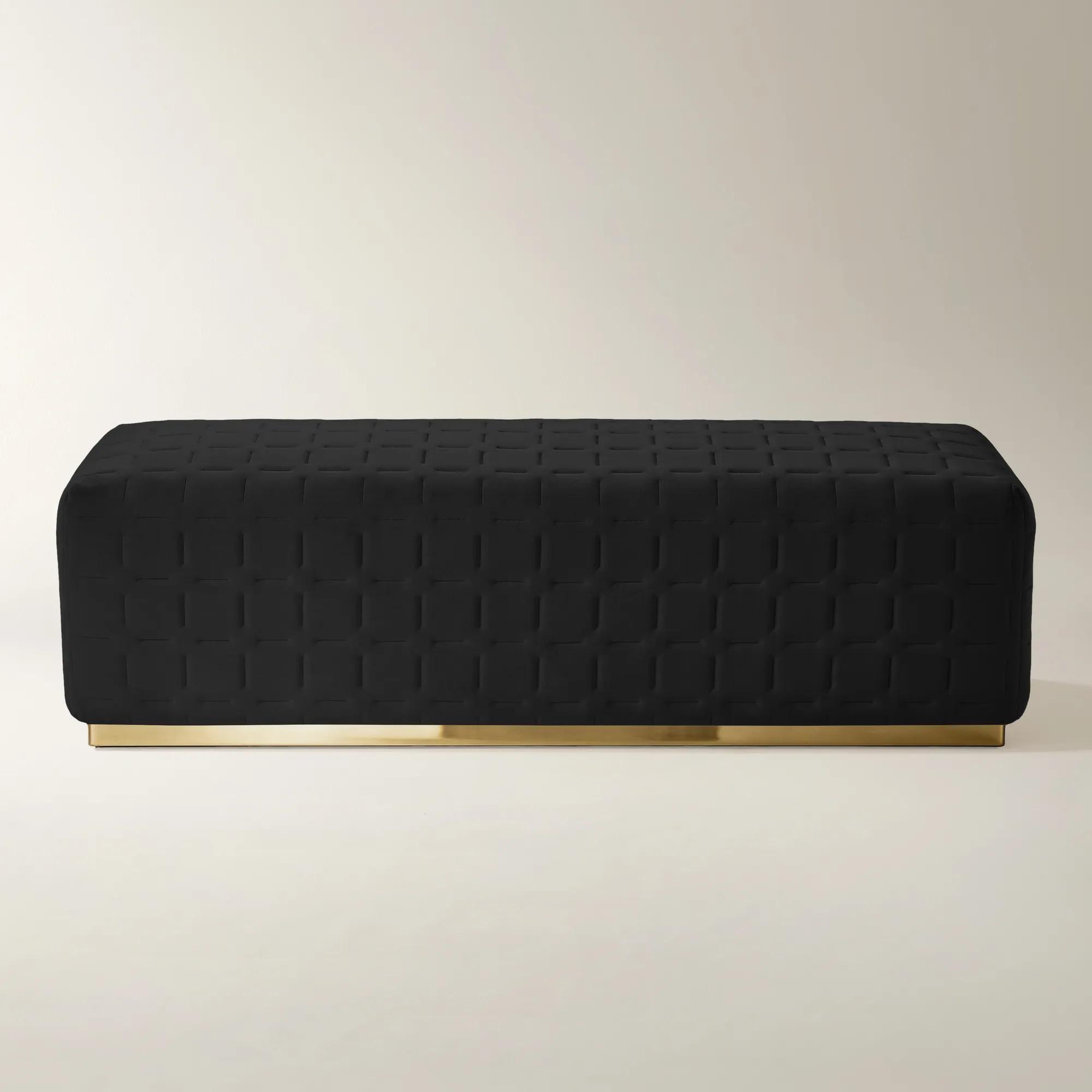 Vanta Quilted Charcoal Velvet Bench (64.6")$899
A charcoal velvet bench featuring checker quilted tufting and a gold stainless steel base for modern elegance.
Add To Cart -
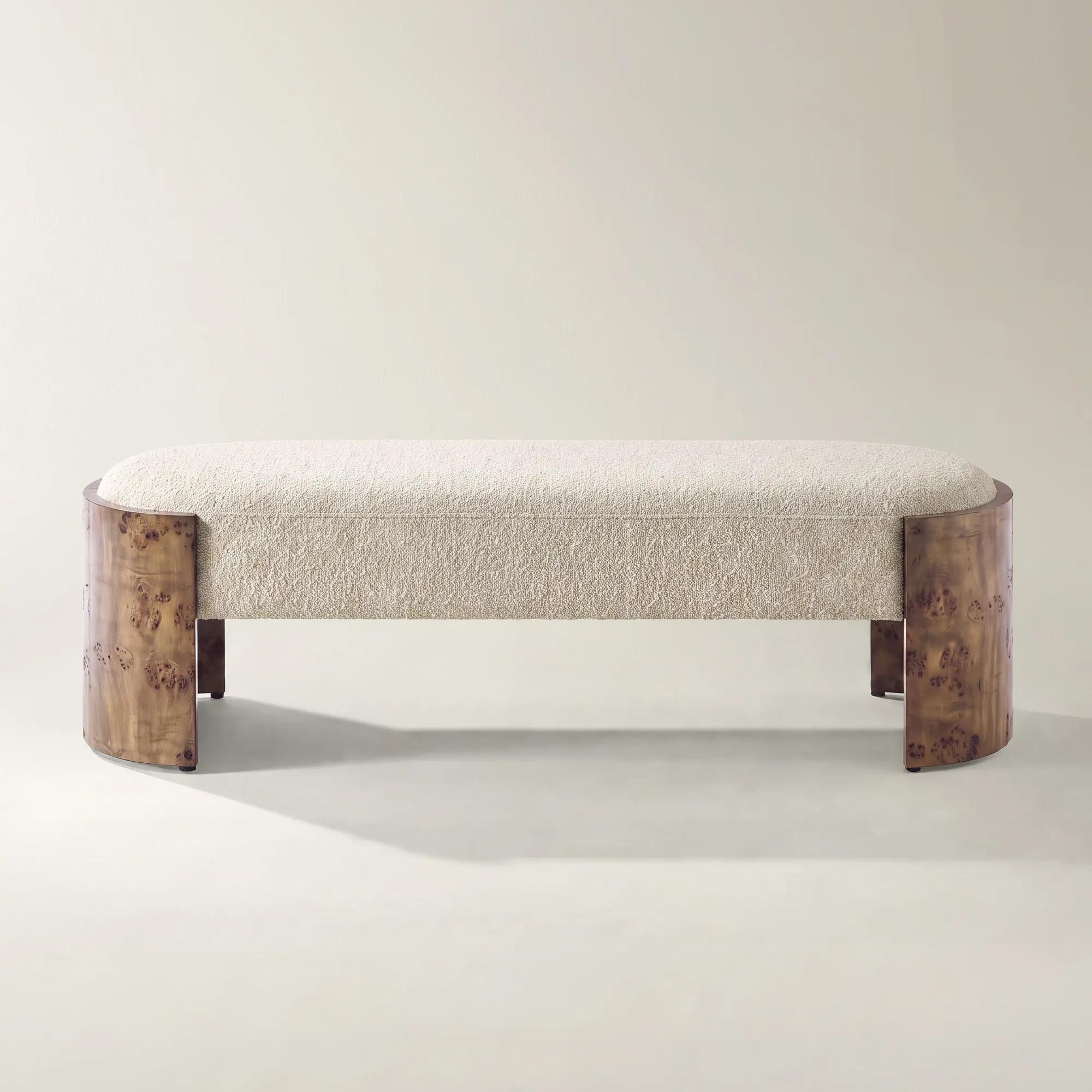 Cora Ivory Performance Boucle With Ash Wood Bench (60.6")$999
An ivory performance boucle bench with curved bookmatched ash burl panels and supportive foam cushioning.
Add To Cart -
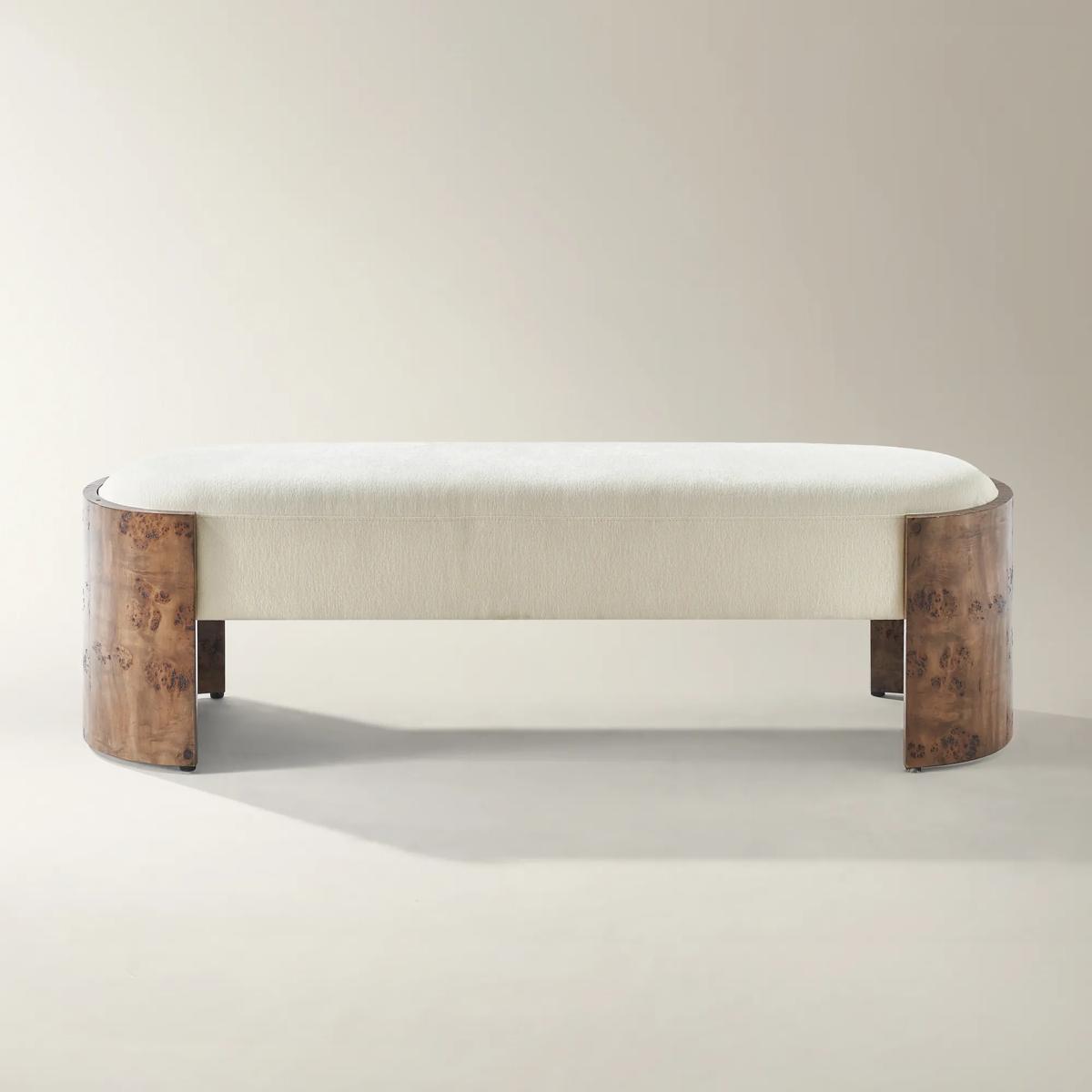 Cora Ivory Chenille With Ash Wood Bench (60.6")$999
An ivory chenille bench with curved ash burl veneer panels, blending plush comfort with striking wood artistry.
Add To Cart -
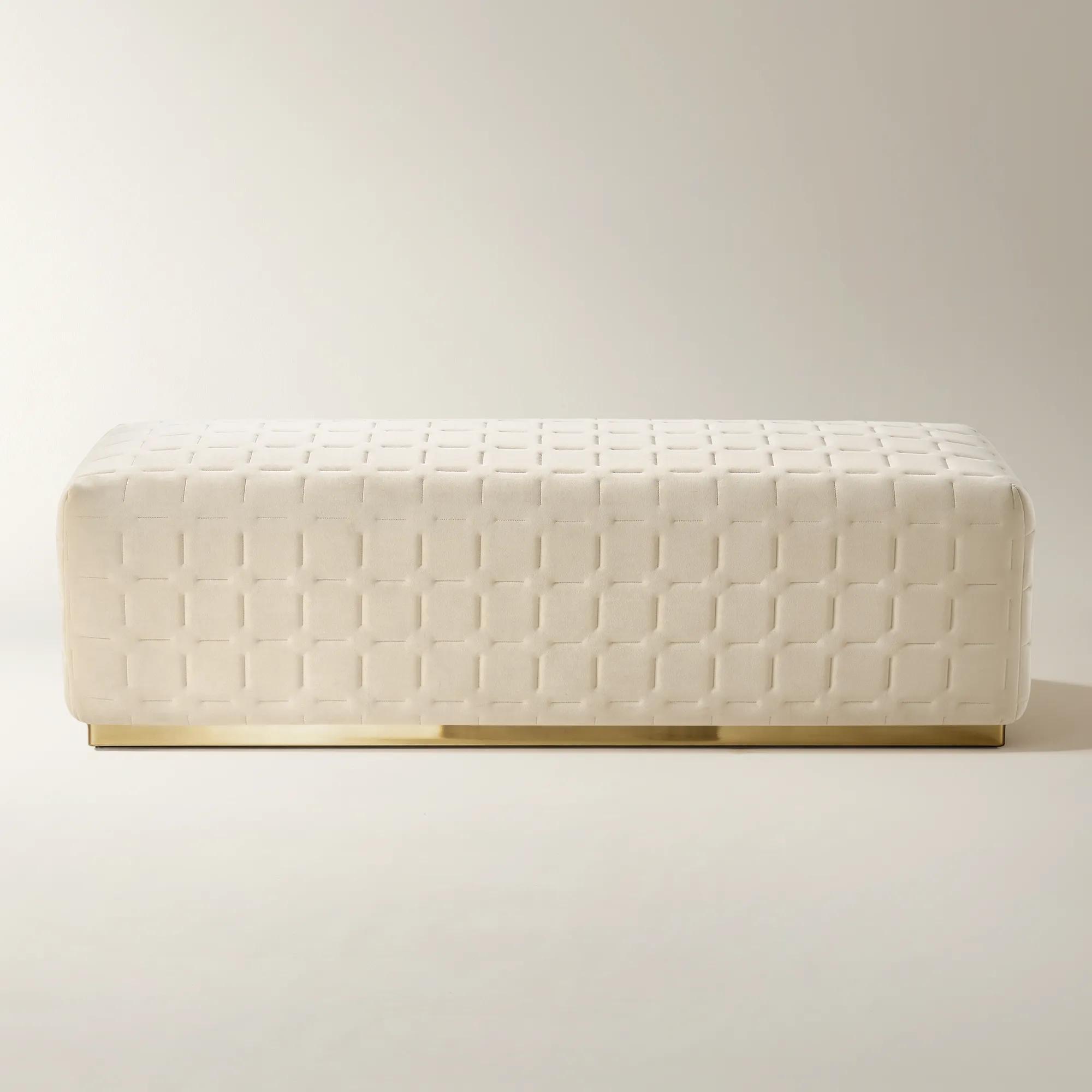
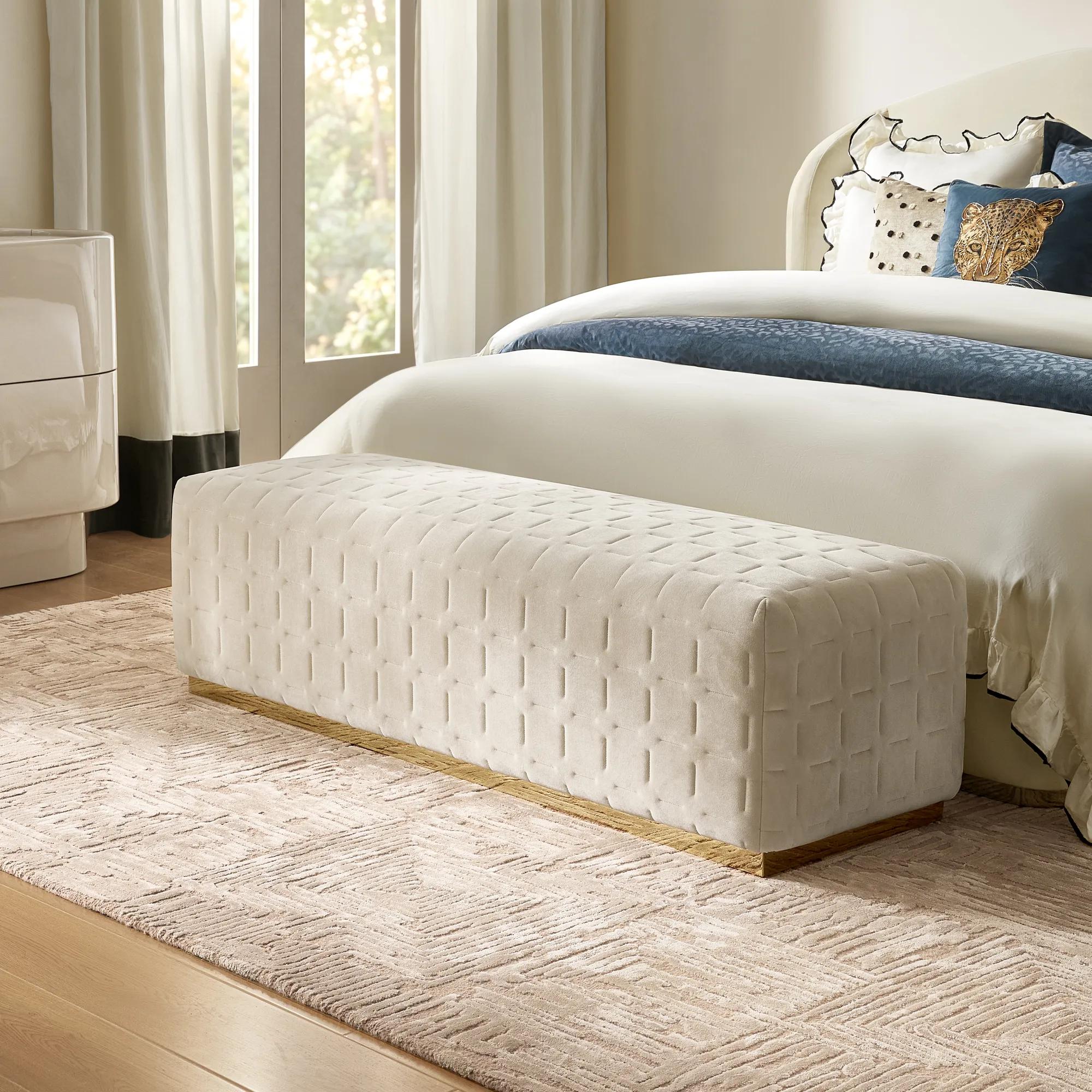 Vanta Quilted Oatmeal Velvet Bench (64.6")$899
A plush oatmeal velvet bench featuring checker quilted tufting and a sleek gold stainless steel base.
Add To Cart -
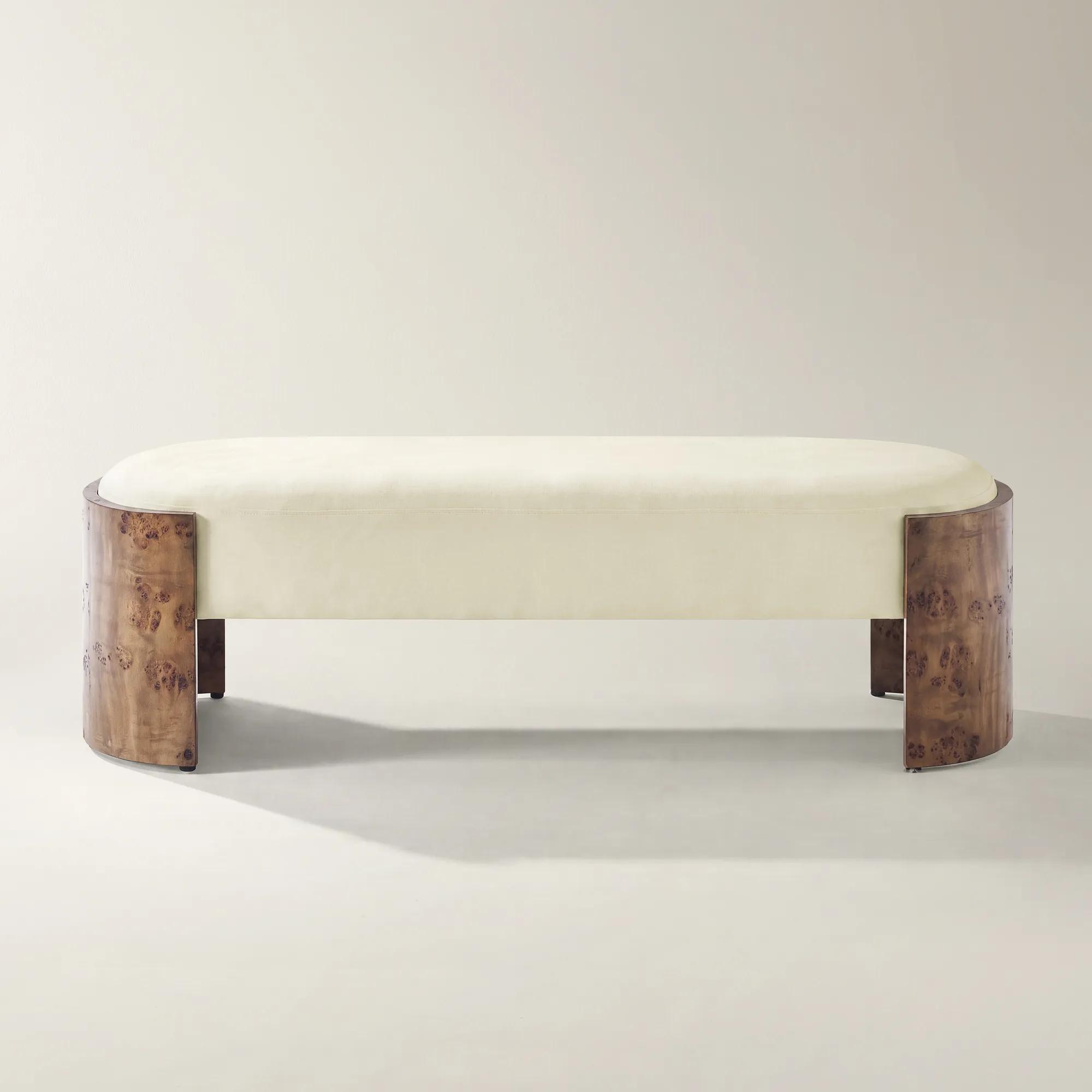 Cora Cloud Velvet With Ash Wood Bench (60.6")$999
A cloud velvet bench with bookmatched ash burl panels and supportive foam cushioning.
Add To Cart -
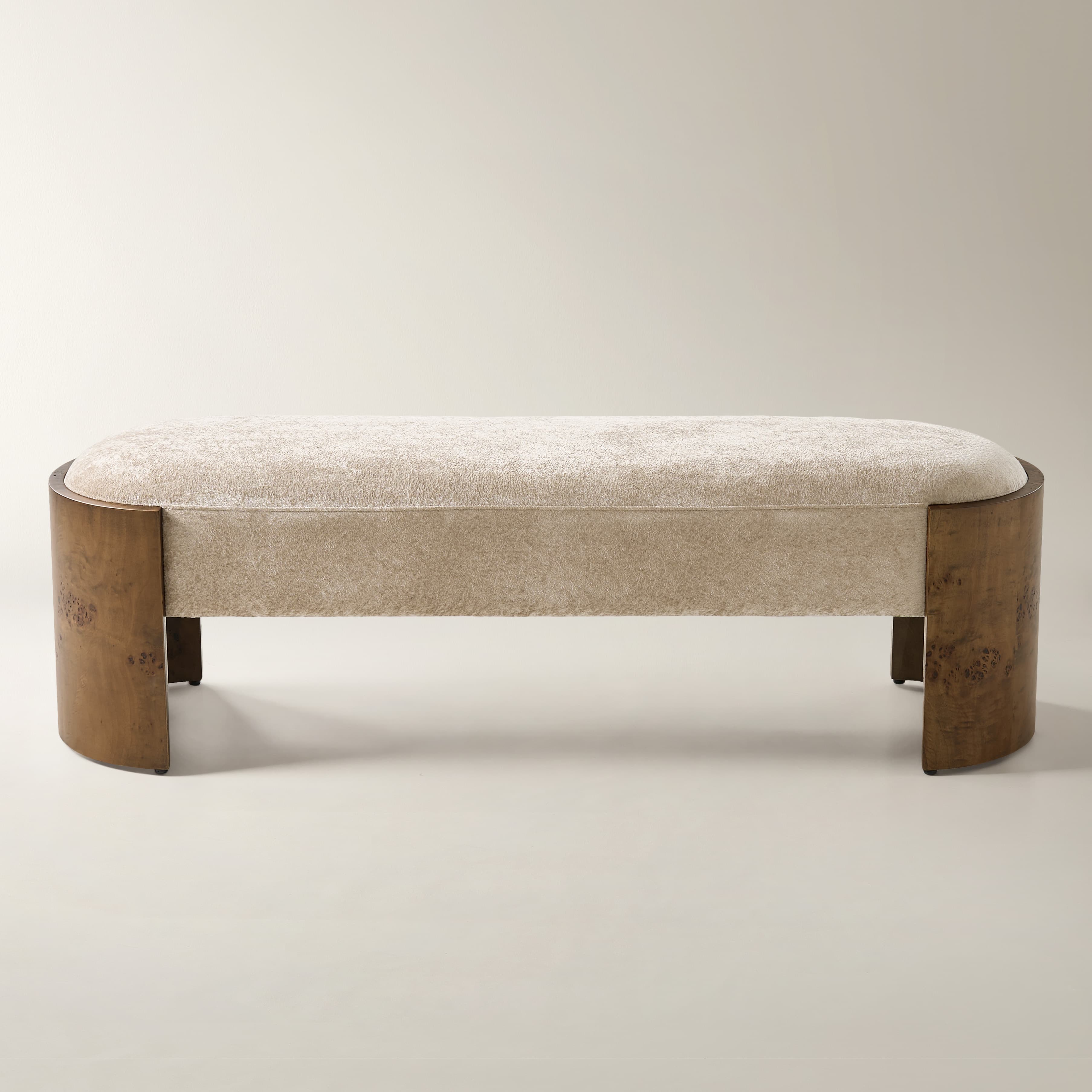 Cora Light Brown Chenille With Ash Wood Bench (60.6")$999
A light brown chenille bench with curved ash burl veneer panels, blending plush comfort and organic artistry.
Add To Cart -
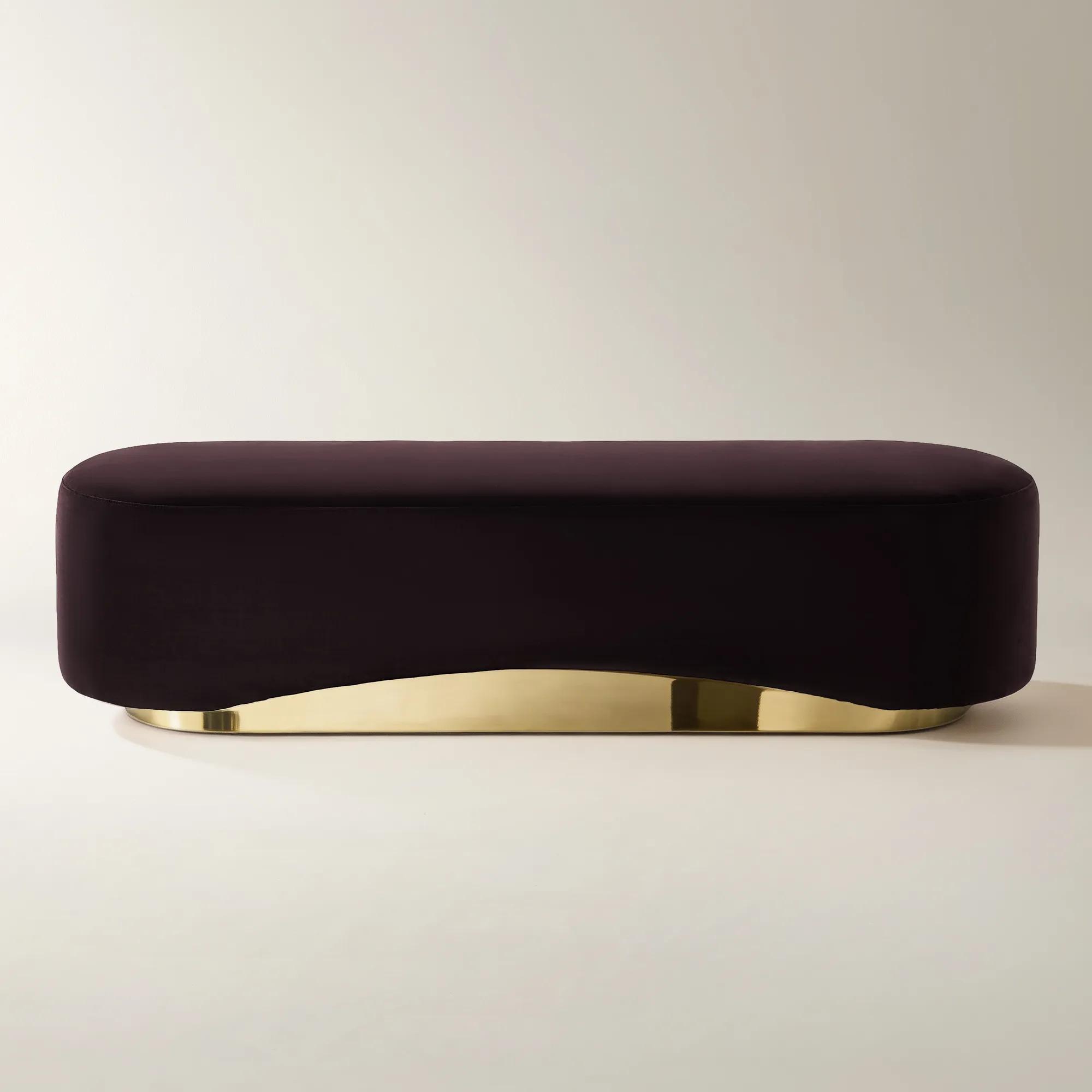 Kendra Fig Velvet Bench (70.47")$799
A plush fig velvet bench with an elongated oval silhouette and a polished gold stainless steel base.
Add To Cart -
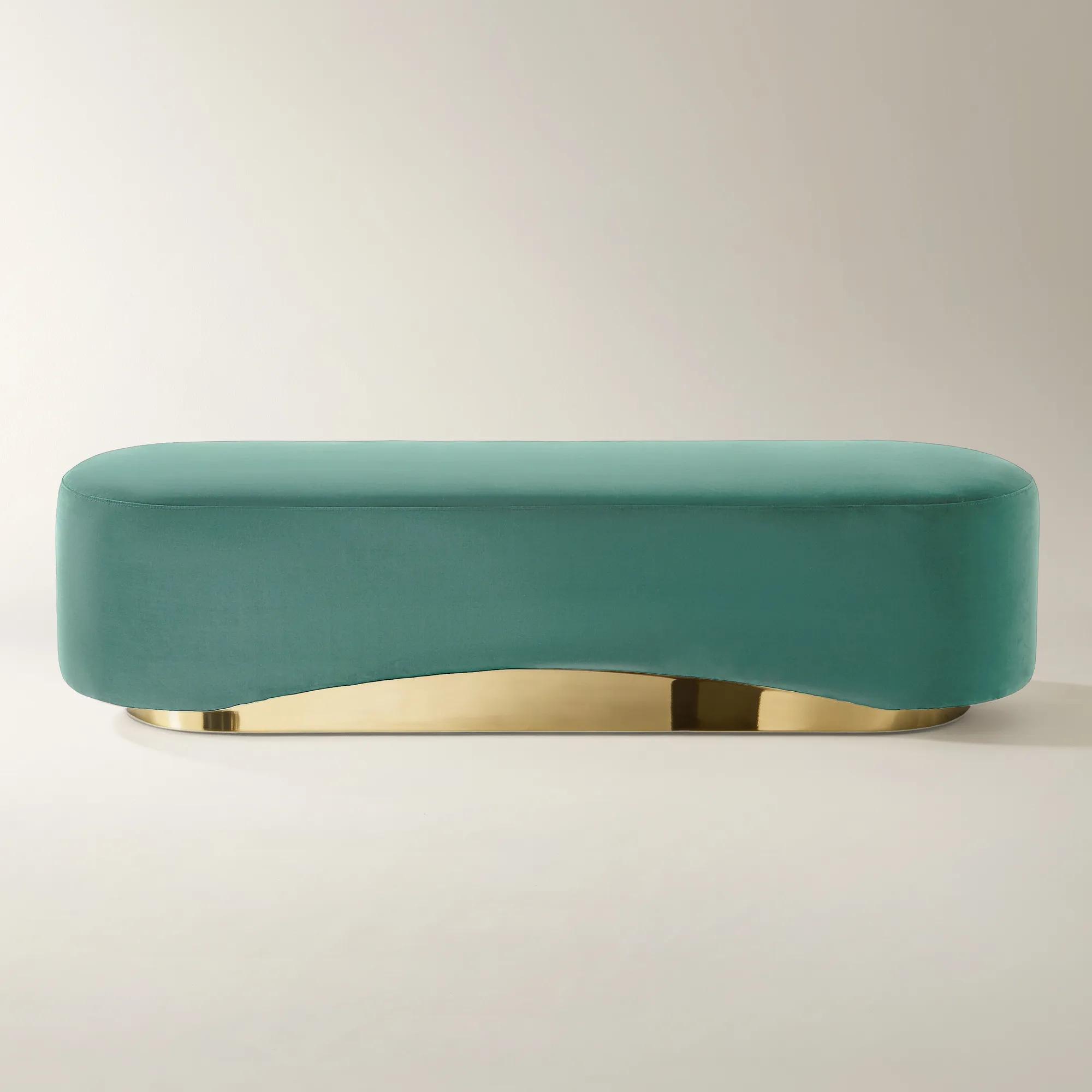 Kendra Ocean Teal Velvet Bench (70.47")$799
An elongated oval bench in ocean teal velvet with a plush seat and polished gold stainless steel base.
Add To Cart -
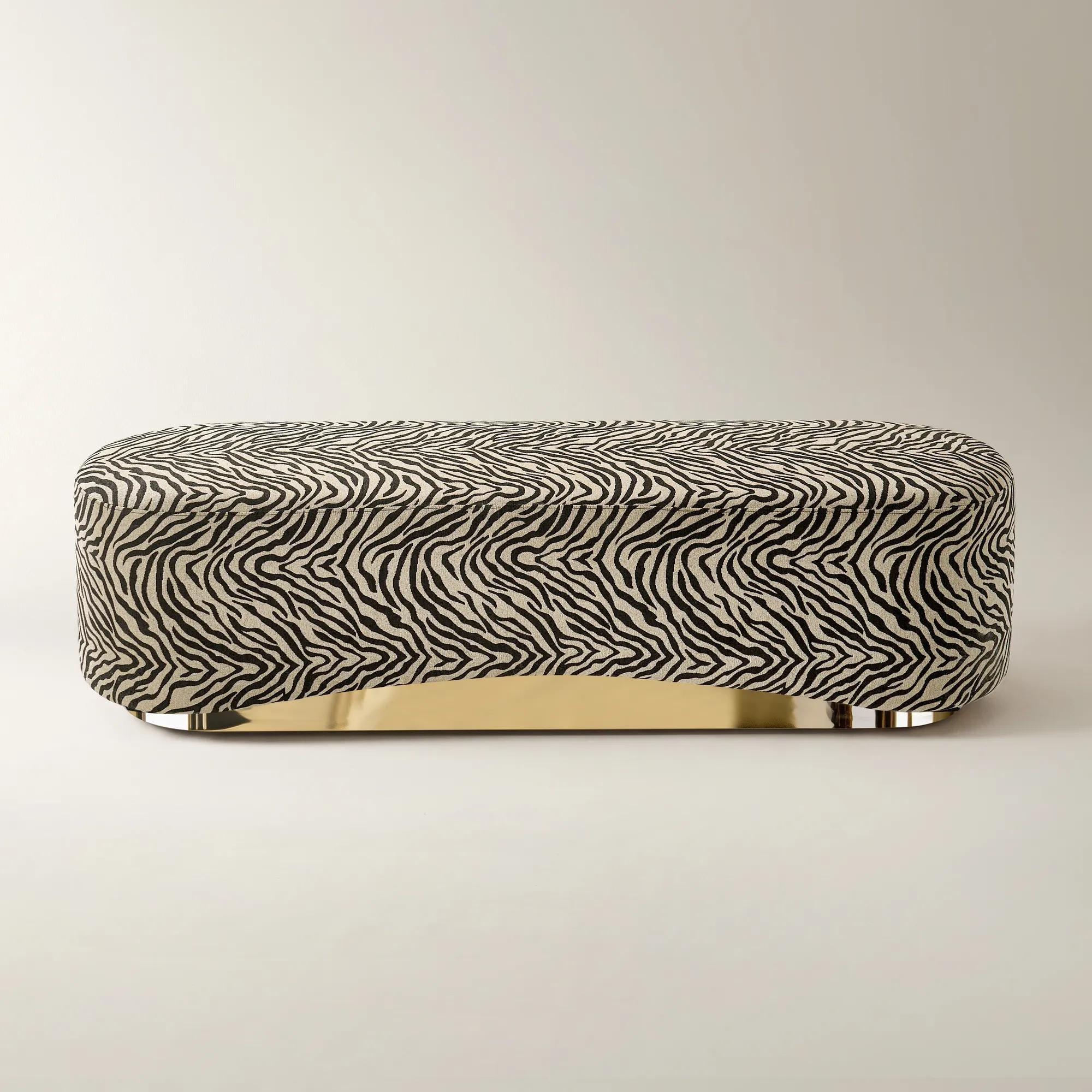
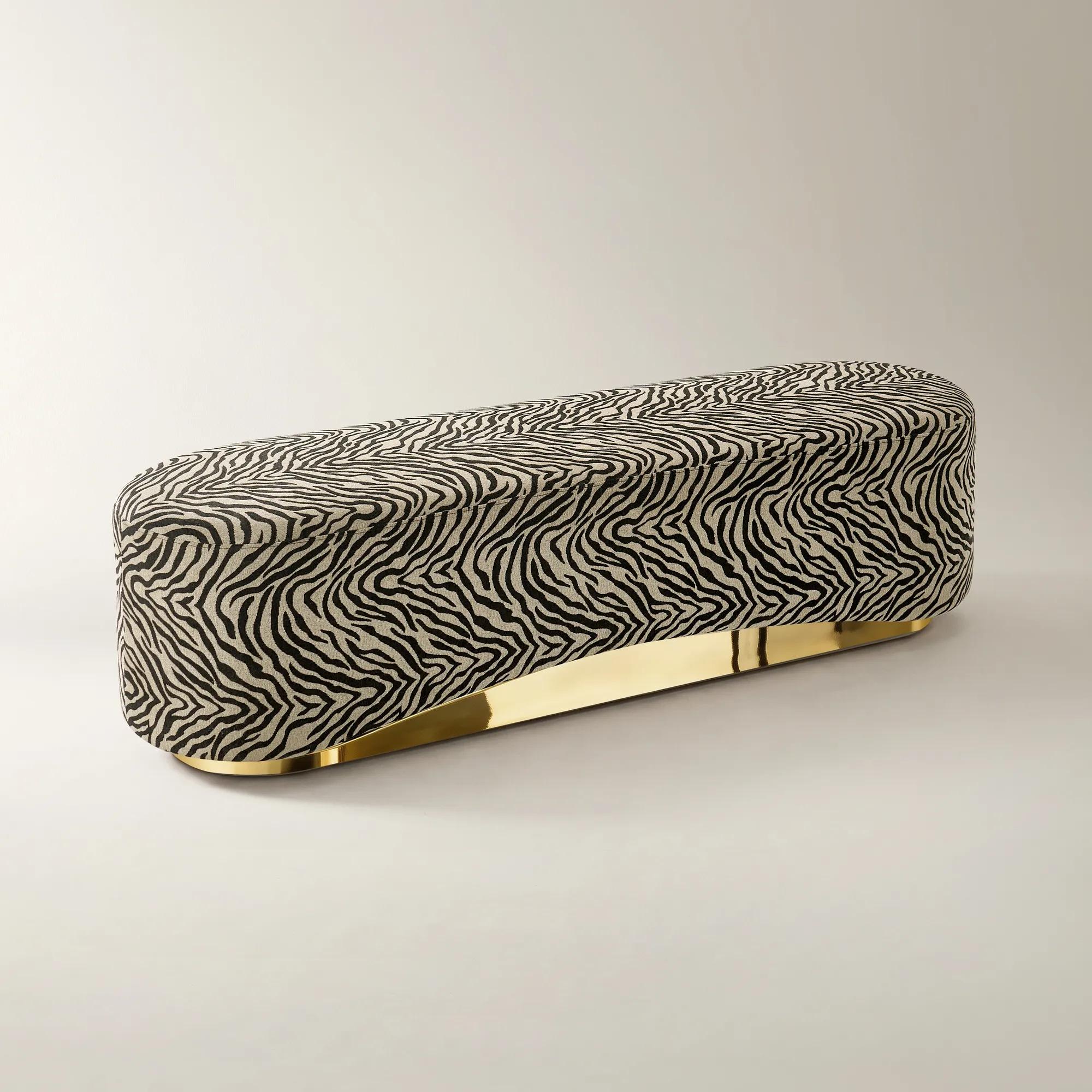 Kendra Zebra Performance Chenille Bench (70.47")$799
An elongated oval bench upholstered in textured zebra-pattern chenille with a polished gold stainless steel base.
Add To Cart -
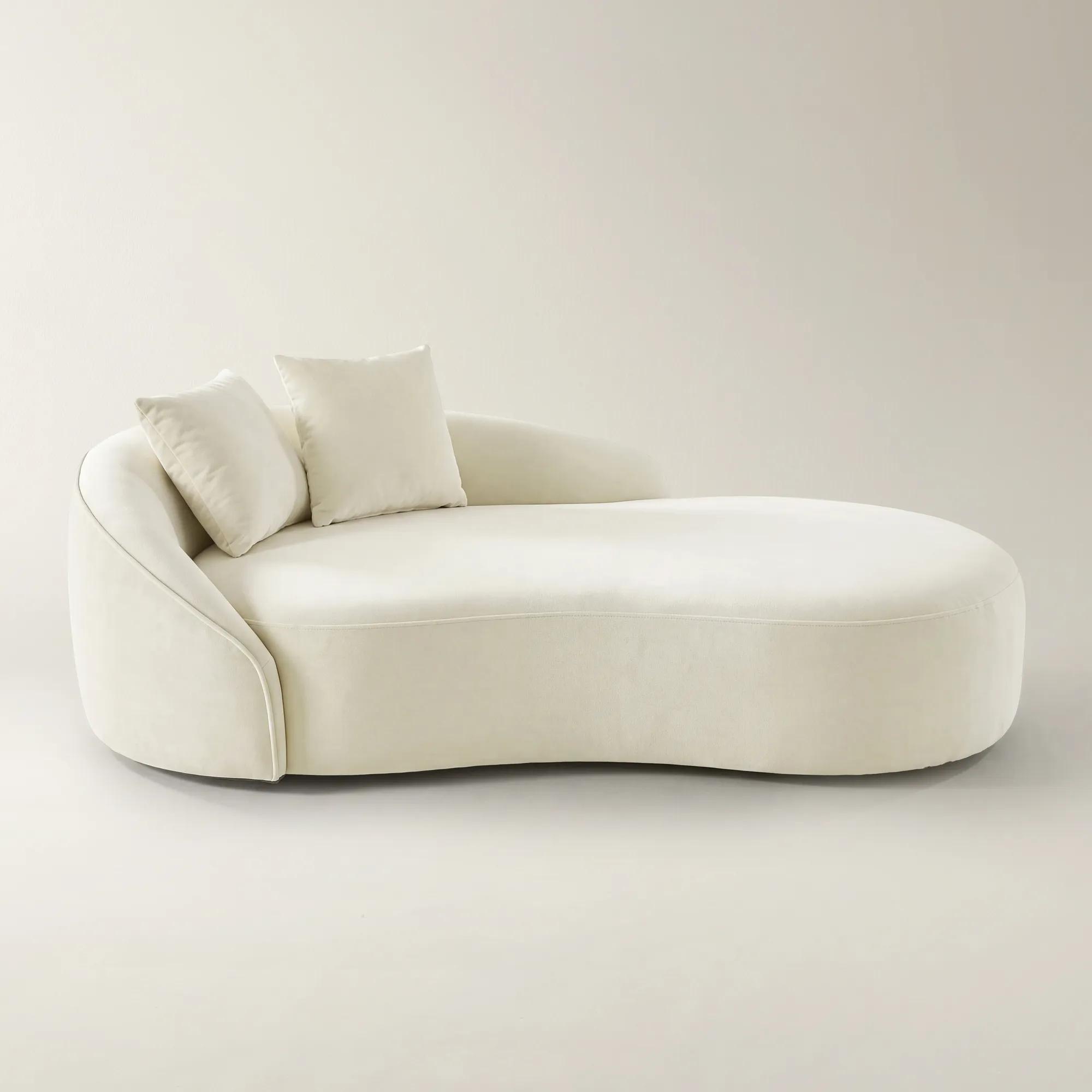 Irene Cloud Velvet Chaise$1899
A sculptural chaise in cloud velvet with high-resiliency foam cushions and hand-finished artisan upholstery.
Add To Cart -
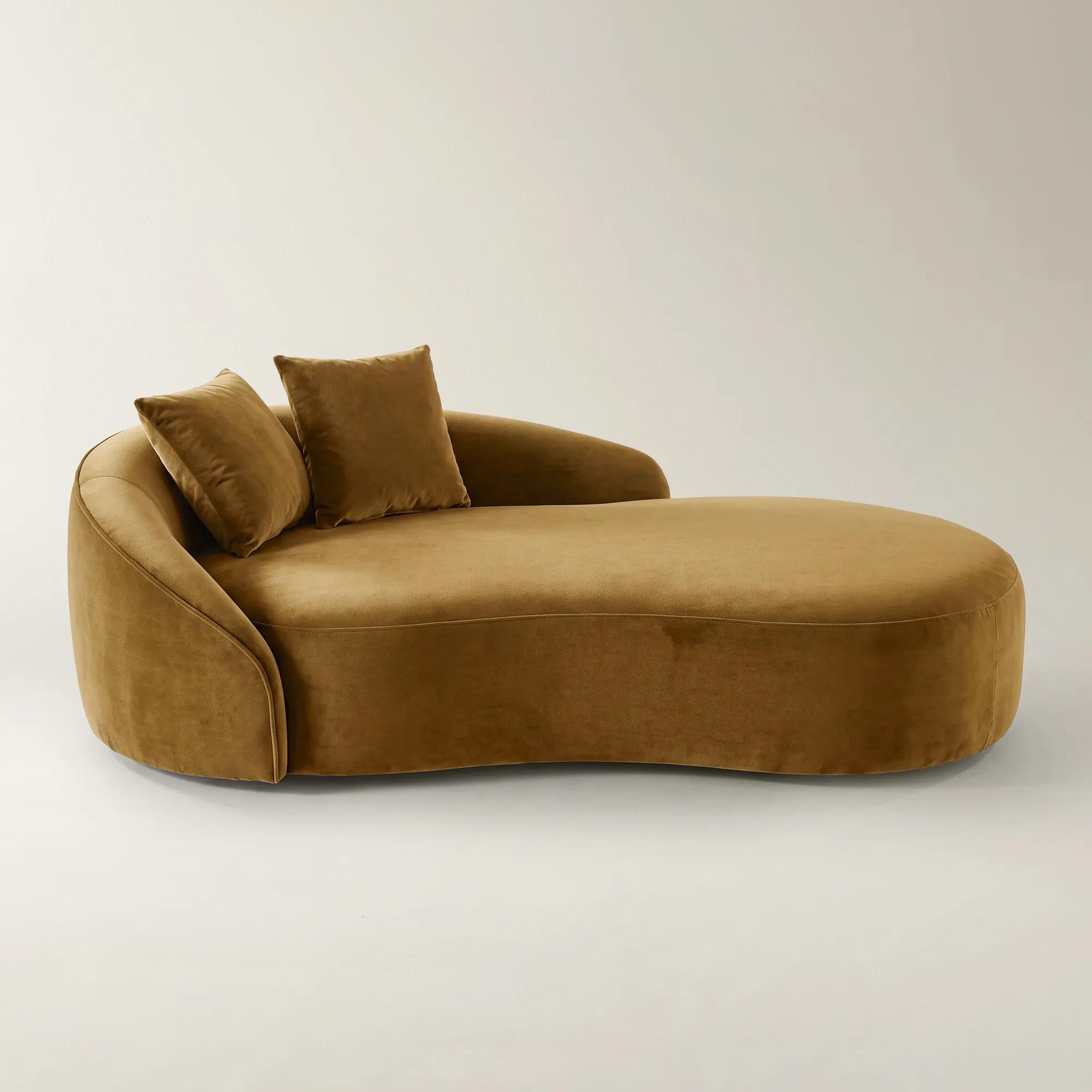 Irene Roasted Pecan Velvet Chaise$1899
A sculptural chaise in roasted pecan velvet, featuring hand-finished upholstery and high-resiliency foam cushions.
Add To Cart -
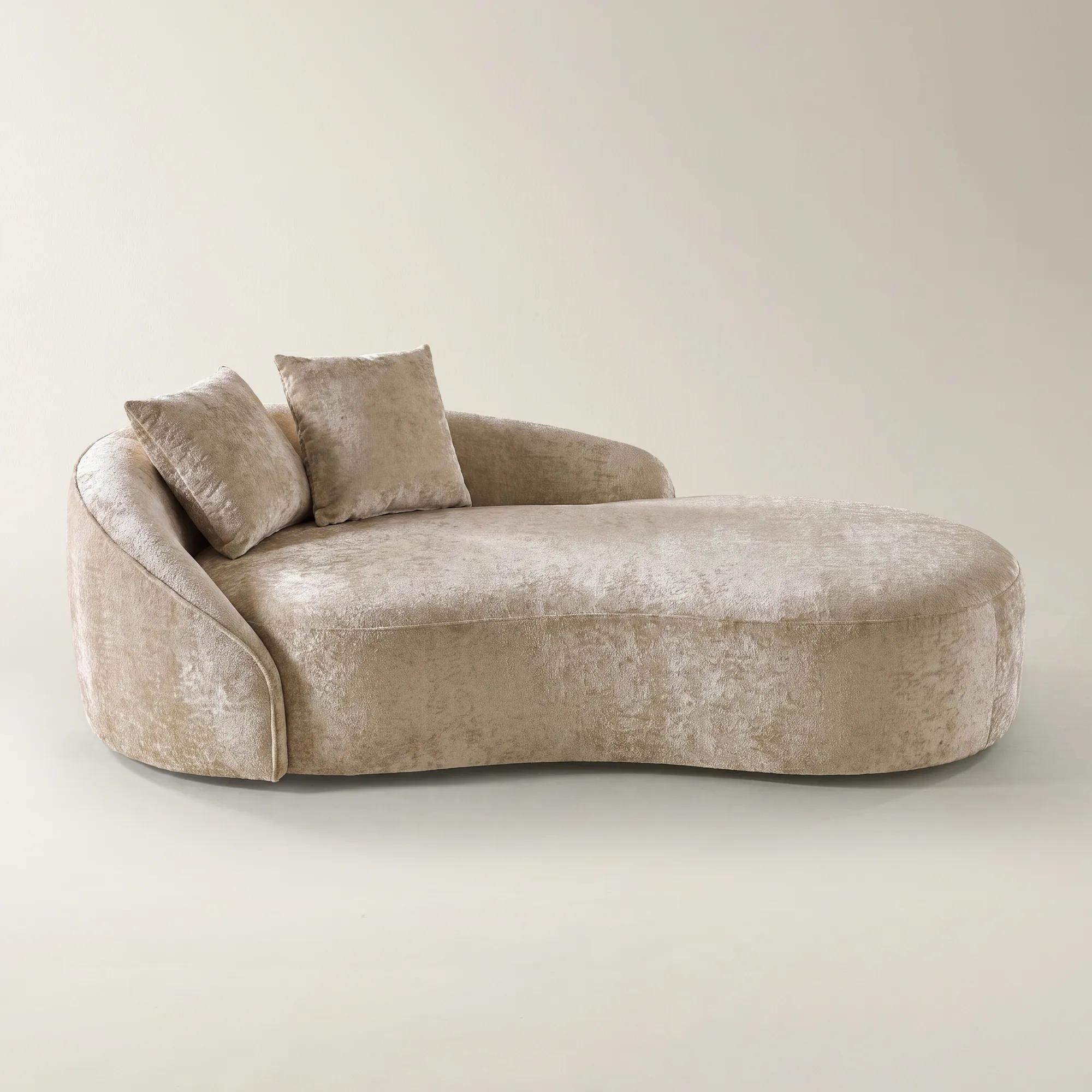 Irene Light Brown Chenille Chaise$1899
A sculptural light brown chenille chaise featuring hand-finished upholstery and high-resiliency foam cushions for lasting comfort.
Add To Cart -
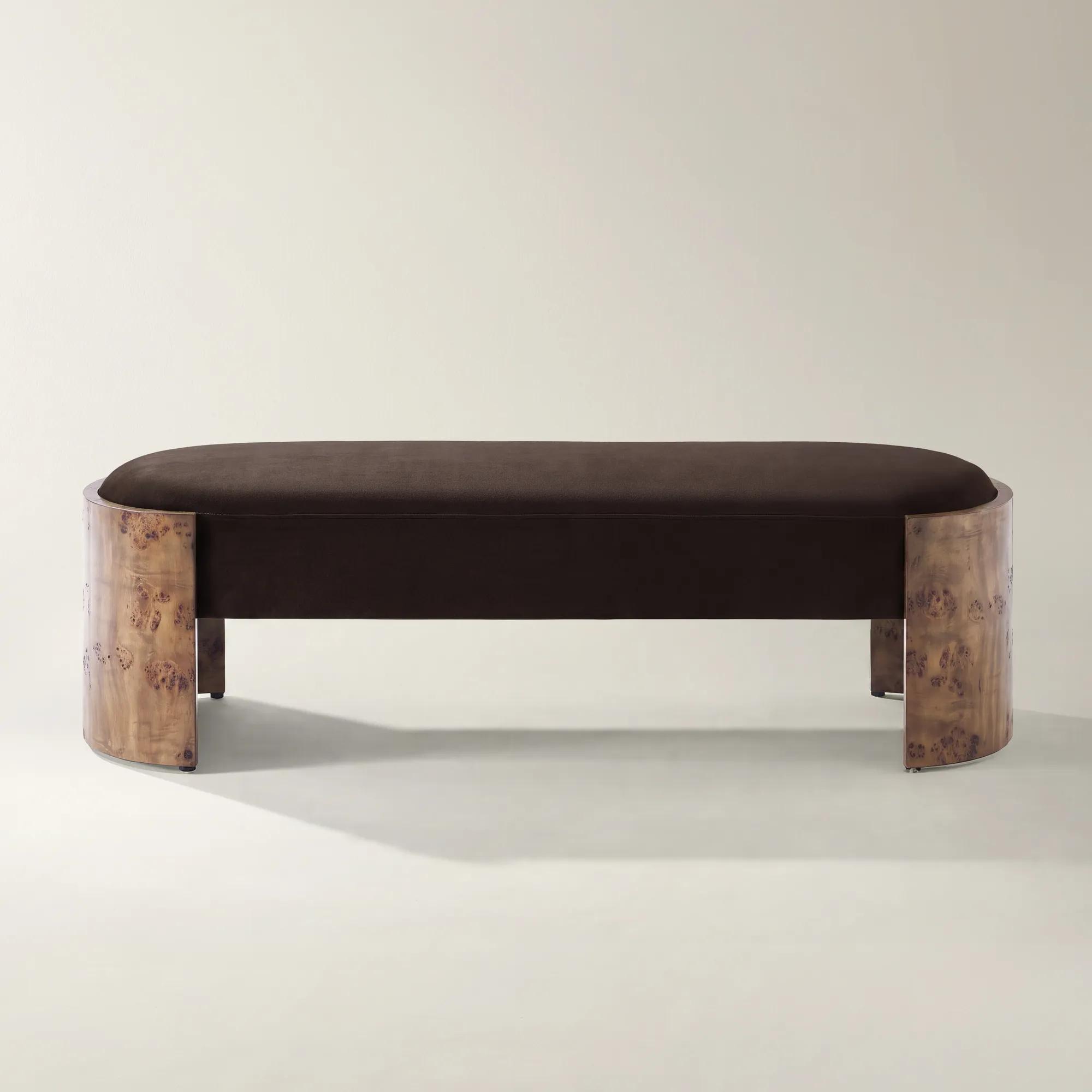 Cora Dark Chocolate Velvet With Ash Wood Bench (60.6")$999
A dark chocolate velvet bench with sculpted bookmatched ash burl end panels and high-resiliency foam cushioning.
Add To Cart -
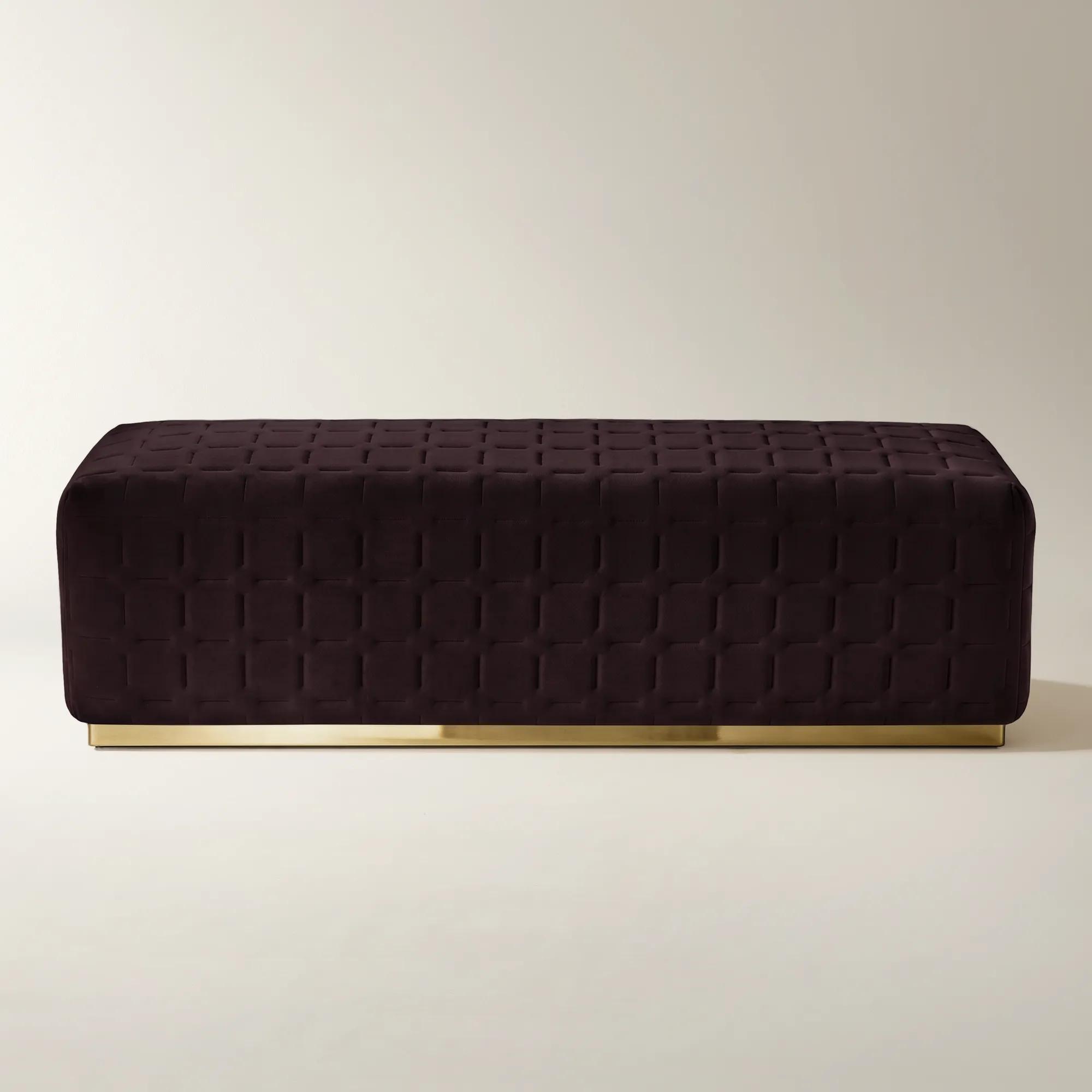
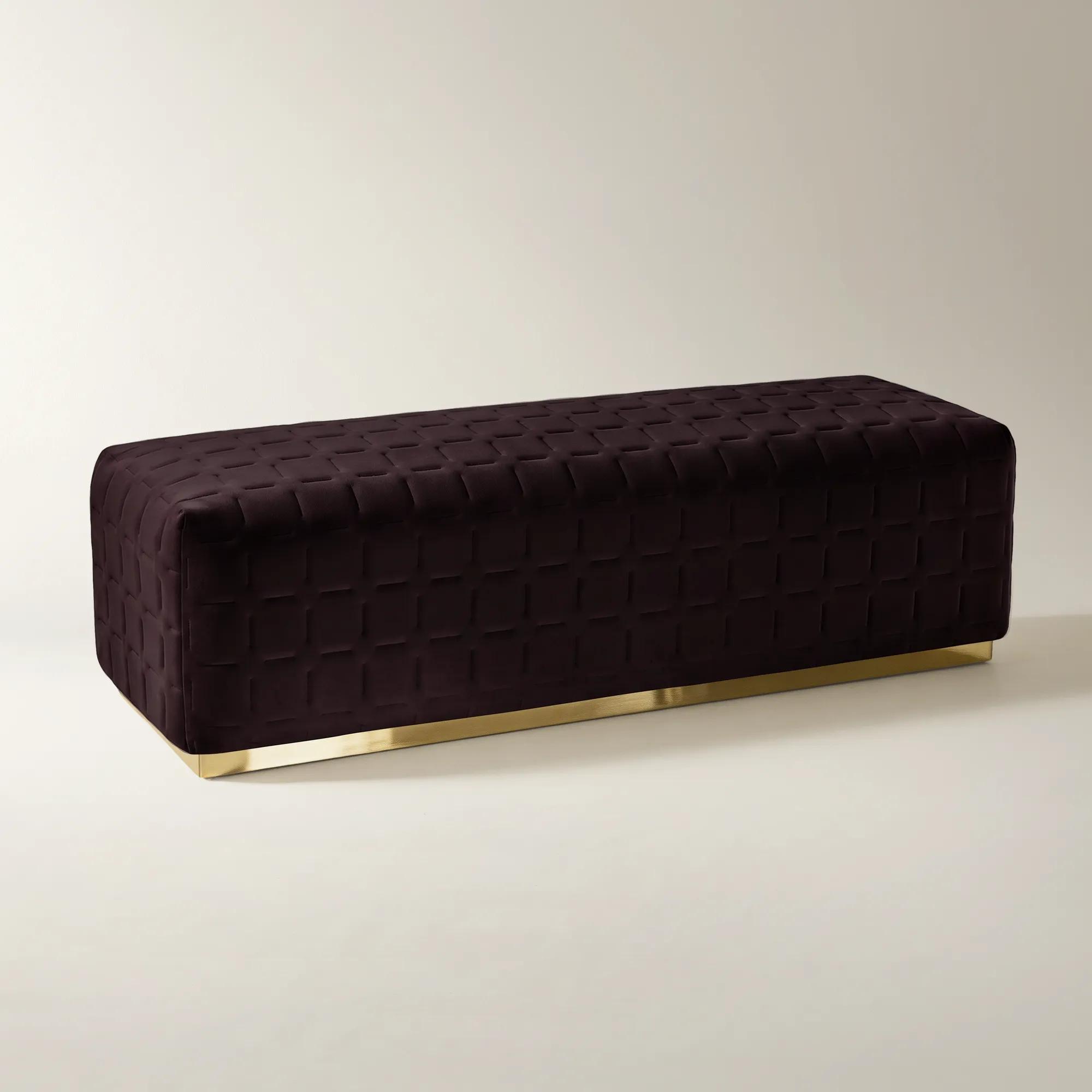 Vanta Quilted Fig Velvet Bench (64.6")$899
A plush fig velvet bench featuring checker quilted tufting and a sleek gold stainless steel base.
Add To Cart -
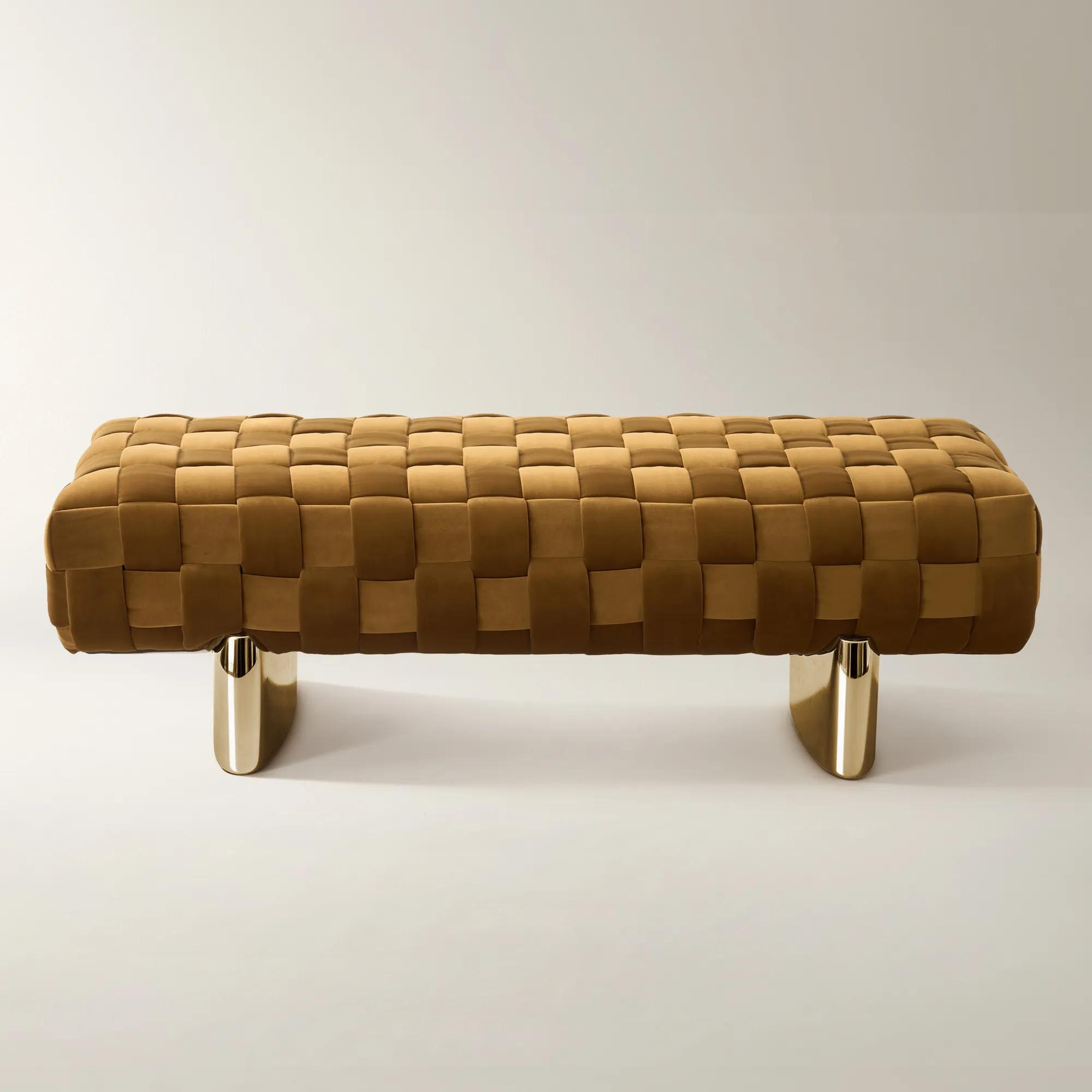
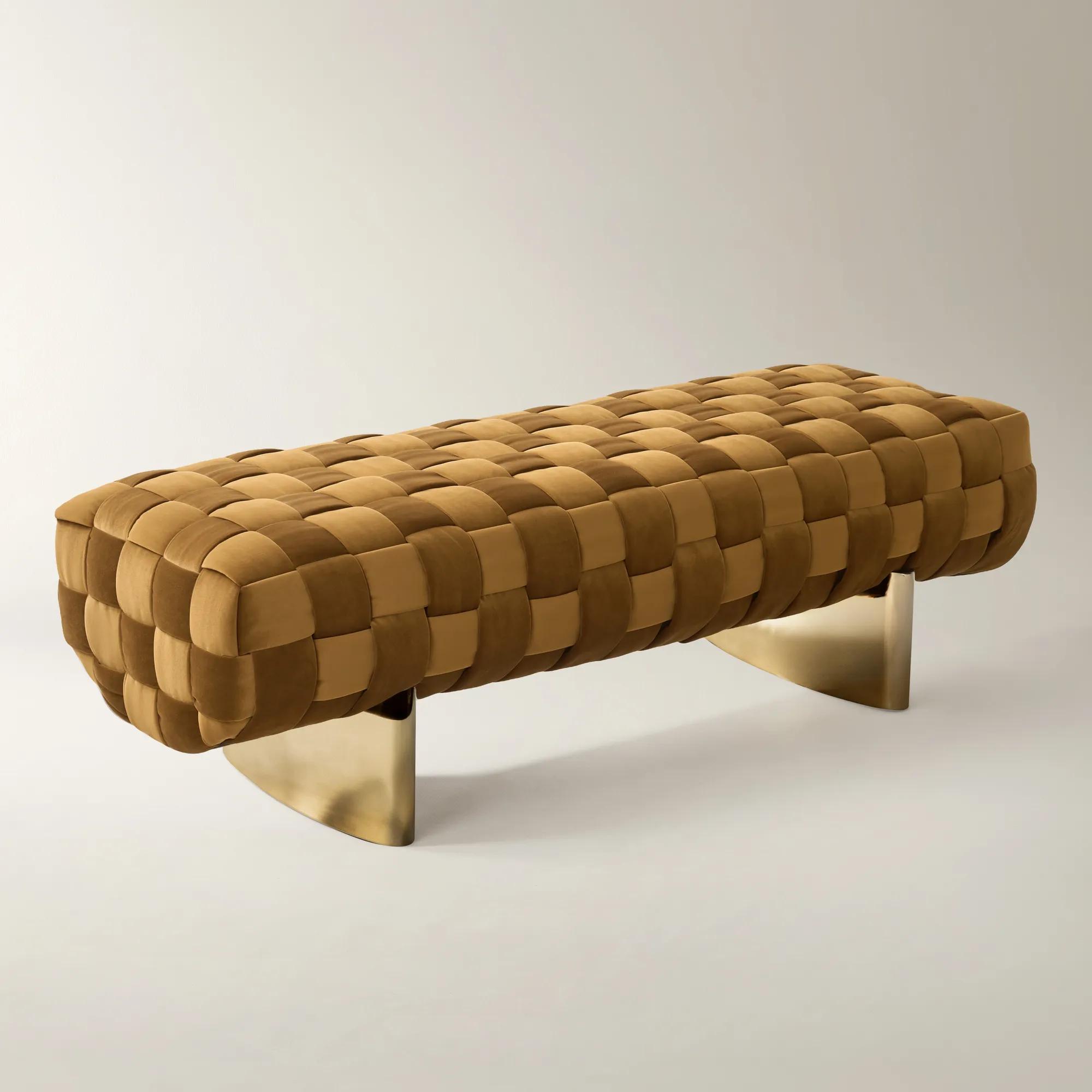 Dexter Woven Roasted Pecan Velvet Bench (64.2")$999
A woven roasted pecan velvet bench featuring plush upholstery and polished gold stainless steel legs for modern elegance.
Add To Cart -
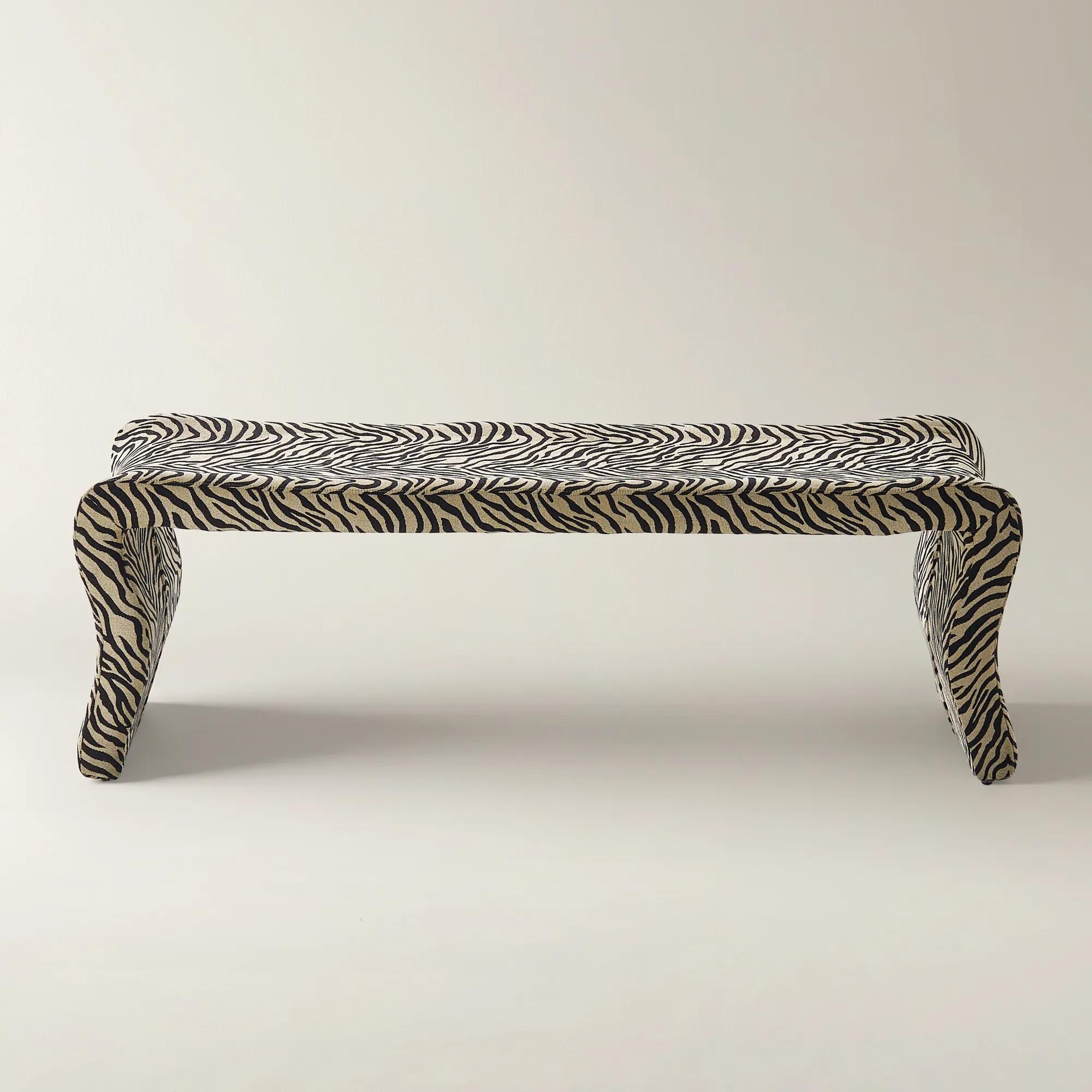 Romy Zebra Performance Chenille Bench (61.5")$899
A sculptural bench wrapped in zebra-patterned performance chenille with a wave-like silhouette and full foam construction.
Add To Cart

Elegant Banquettes For Open Floor Plans
Elegant banquettes for open floor plans invite a symphony of style and sophistication into your home, transforming vast spaces into intimate moments of connection. With their sculptural silhouettes and plush allure, these statement pieces carve out conversation nooks, dining retreats, or reading havens—each one a testament to the art of living beautifully. Whether poised against panoramic windows or anchoring a grand salon, elegant banquettes become the heart of your open concept, infusing every gathering with an air of curated luxury and effortless charm.
Elegant banquettes for open floor plans define a dining area with upholstered seating rather than walls, bringing architectural presence to a room while preserving its sense of connection. A beautifully proportioned banquette gives the table a distinct setting within a larger kitchen, living, and dining space: a place for lingering conversation, intimate dinners, and everyday rituals with a little more ceremony. Low-backed silhouettes establish a visual boundary without interrupting sightlines as much as taller seating, allowing statement lighting, artwork, and views to remain part of the composition. Taller backs create a more enveloping dining experience, particularly against a wall, but deserve careful placement where openness is essential. In a generous great room, a freestanding banquette with a fully finished back can face the table while presenting an equally polished profile toward the living area. Its upholstery becomes part of the room’s larger palette, connecting a velvet sofa, a sculptural accent chair, or the subtle sheen of decorative metal. Along a perimeter wall, a straight banquette concentrates seating into a clean, tailored line. An L-shaped configuration gives a structural corner purpose, creating a defined dining destination without introducing another partition. Where an arrangement permits it, back-to-back seating can distinguish adjacent gathering areas, although the combined depth needs to suit the room rather than overwhelm it. Modular configurations offer another possibility for spaces that need a more individualized footprint; connection methods and finished surfaces matter when separate sections become one composition. The appeal is not simply additional seating. A banquette can bring order to an expansive room, introducing a horizontal line that balances tall windows, cabinetry, or dramatic lighting. For a compact apartment, that same sense of definition helps a dining nook feel intentional rather than squeezed between other furnishings. The most compelling arrangements leave the room visually open while giving the table its own unmistakable identity.
Proportion determines whether a dining banquette feels sumptuous or cumbersome. Overall depth, usable seat depth, back height, and cushion thickness each influence how comfortably it meets the table and how much floor space the arrangement occupies. A deep, lounge-like seat may look inviting but can place diners too far from their plates; an upright back and supportive cushion generally suit meals and longer conversations more naturally. Many dining combinations work with approximately 10 to 12 inches between the seat and tabletop, but the table’s apron, cushion compression, and individual comfort can change the fit. Width matters just as much: roughly 24 inches of seating per person is a useful starting point, with additional room desirable for generous place settings, substantial upholstery, or arms. A pedestal table can make entering and leaving a banquette easier by reducing interference from corner legs, provided its base does not crowd feet. Round or oval tabletops soften the composition and can ease movement around exposed corners, while rectangular tables reinforce the tailored geometry of a straight bench. Wall-side banquettes eliminate the need to pull a chair backward on that side, but they still require accessible entry points and comfortable circulation around the table. About 36 inches behind opposite-side chairs is a common planning starting point, not a universal clearance; busy routes may need more space, especially when people pass behind seated diners. A kitchen island, an open dishwasher, and a route to the living room all affect how that space functions. Pairing a banquette with individual chairs on the open side adds flexibility for guests and makes the dining area feel less enclosed. For arrangements that call for a lighter visual profile or seating that moves between settings, upholstered benches for open floor plans offer a related expression of tailored comfort. Backless seating creates less visual interruption, while a backed banquette offers the more enveloping support associated with an intimate dining alcove.
Upholstery gives an elegant banquette much of its personality, especially in an open floor plan where the dining furniture remains visible from several directions. Velvet introduces depth and a light-responsive surface that can shift from luminous to richly saturated across the day. A tightly woven fabric offers a more restrained texture, while linen-look upholstery brings visual softness without requiring the same fiber composition or care as natural linen. Leather, where used, creates a smooth, defined silhouette, though its finish determines how it responds to moisture, scratches, and routine cleaning. Fabric names alone do not establish durability. Fiber content, weave, abrasion testing, seam construction, and the manufacturer’s intended use provide a more meaningful picture of how upholstery may perform at a frequently used table. Performance fabrics can be useful for households with children, visiting guests, or regular entertaining, but stain resistance is not stain immunity, and cleaning directions still govern care. Supportive cushioning, secure joints, and a stable frame deserve equal attention; a banquette should feel composed when someone sits near an end, not merely look substantial from across the room. Details also shape the experience. Deep tufting creates shadow and dimension but offers more places for crumbs to collect, while a smoothly upholstered seat is generally easier to maintain between meals. Exposed legs lighten the silhouette and allow access beneath the seat, whereas an upholstered base delivers a more continuous, architectural presence. Regular vacuuming with an appropriate attachment helps remove dust and debris, and spills should be blotted promptly rather than rubbed into the surface. Approved cleaning methods, protection from prolonged direct sunlight, and sensible placement away from splashes help preserve the finish. These practical qualities support the larger pleasure of the piece: a dining setting that welcomes daily use without surrendering its sense of occasion. Paired with a gleaming table base, expressive artwork, or a finely textured rug, an elegant banquette brings softness and structure into balance, giving an open room a place to gather with unmistakable presence.
FAQs
Banquettes offer a striking blend of comfort and artistry, serving as both a visual anchor and a functional seating solution in open floor plans. Their tailored silhouettes help define zones within expansive spaces, fostering intimacy for dining, lounging, or conversation while maintaining an effortless flow. With options ranging from curved banquettes to sleek, linear designs, they add architectural interest and a touch of luxury to any room.
Styling your banquette for seasonal gatherings is all about layering textures and accents. In the winter months, drape a faux fur throw or add jewel-toned velvet cushions for warmth and richness. Pair your seating with a dramatic centerpiece or sculptural candleholders to create a festive atmosphere. The banquette’s generous seat becomes the perfect stage for both everyday moments and celebratory occasions.
A luxury banquette makes a memorable gift for design enthusiasts, newlyweds, or anyone moving into a new home. It’s also a thoughtful choice for families who cherish shared meals, or for hosts who love to entertain in style. Its enduring presence and dramatic flair ensure it will be treasured for years to come.
Elegant banquettes harmonize beautifully with mirrored accents, sculptural lighting, and plush area rugs. Consider pairing your seating with a statement dining table or layering in metallic accessories for added glamor. The interplay of materials—such as velvet, lacquer, or polished wood—can elevate the entire vignette, creating a space that feels both curated and inviting.
Banquettes infuse dining and living areas with a sense of luxury and intimacy, encouraging guests to linger and connect. Their enveloping forms and sumptuous upholstery create a welcoming ambiance, while their bold silhouettes add architectural drama. Whether used for family meals or sophisticated soirées, banquettes transform everyday routines into extraordinary experiences.