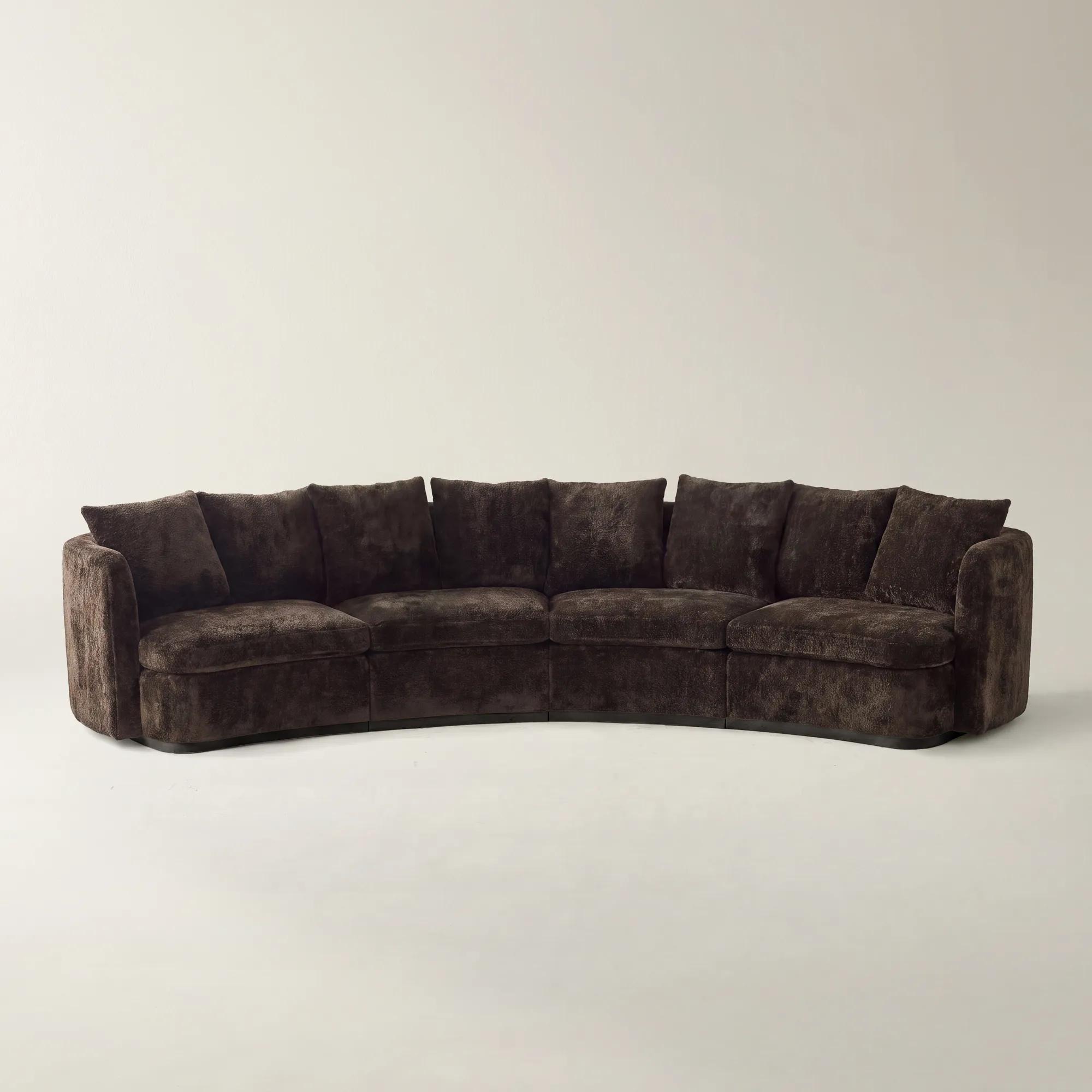
Designer Seating For Open Floor Plans
Designer Seating For Open Floor Plans
-
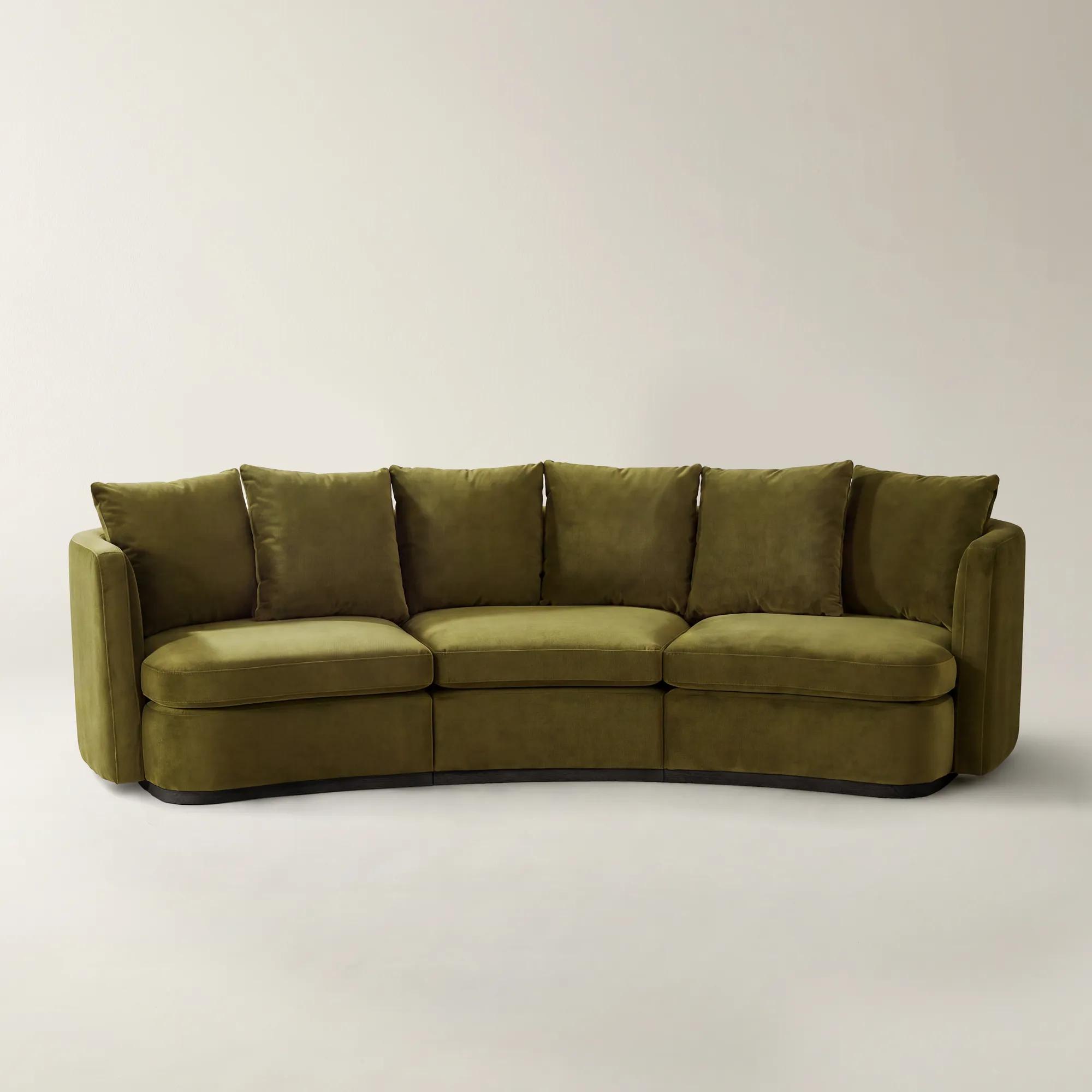
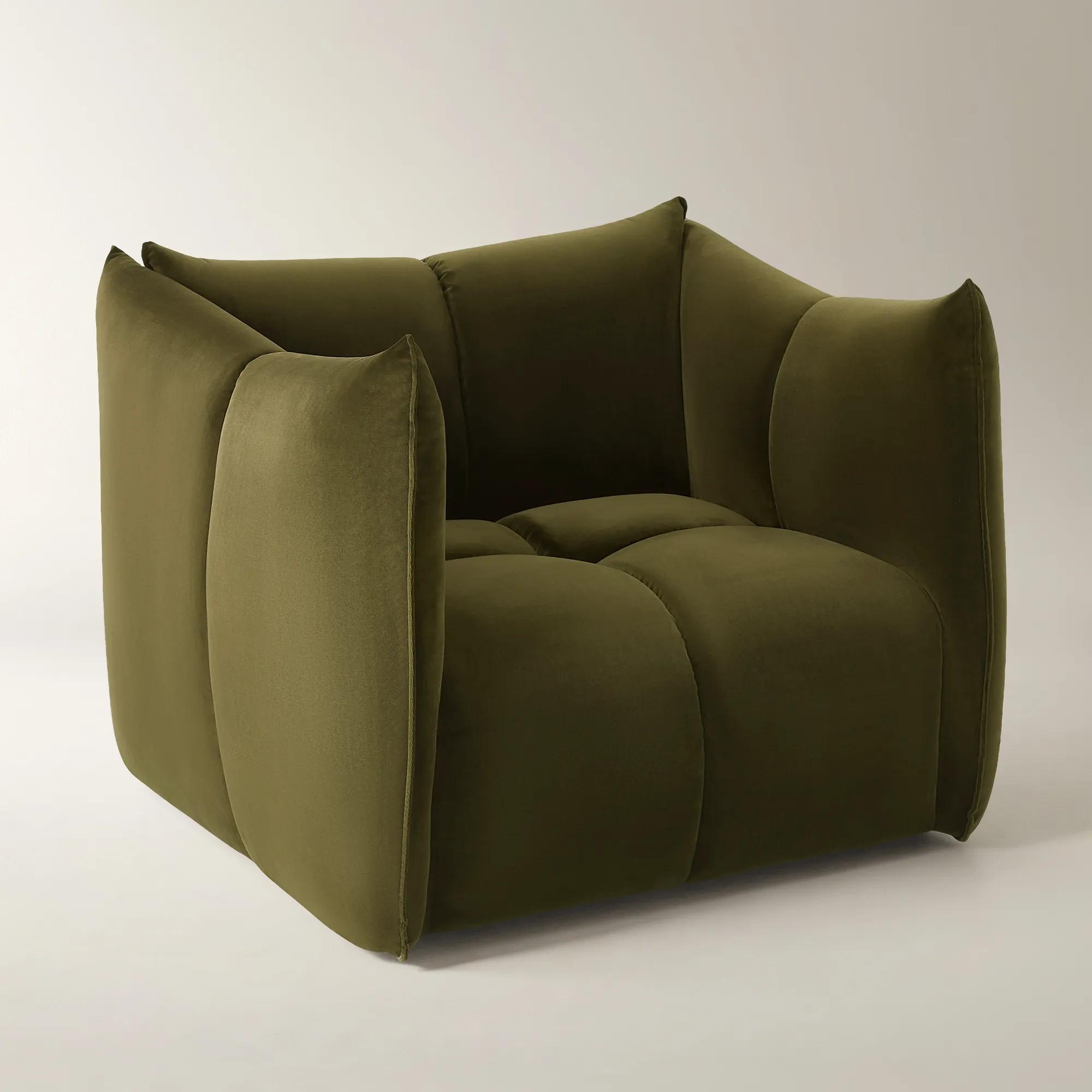 Reina Tufted Deep Olive Velvet Swivel Chair$1099
A green velvet swivel chair with channel tufting, winged architecture, and plush high-density foam comfort.
Add To Cart -
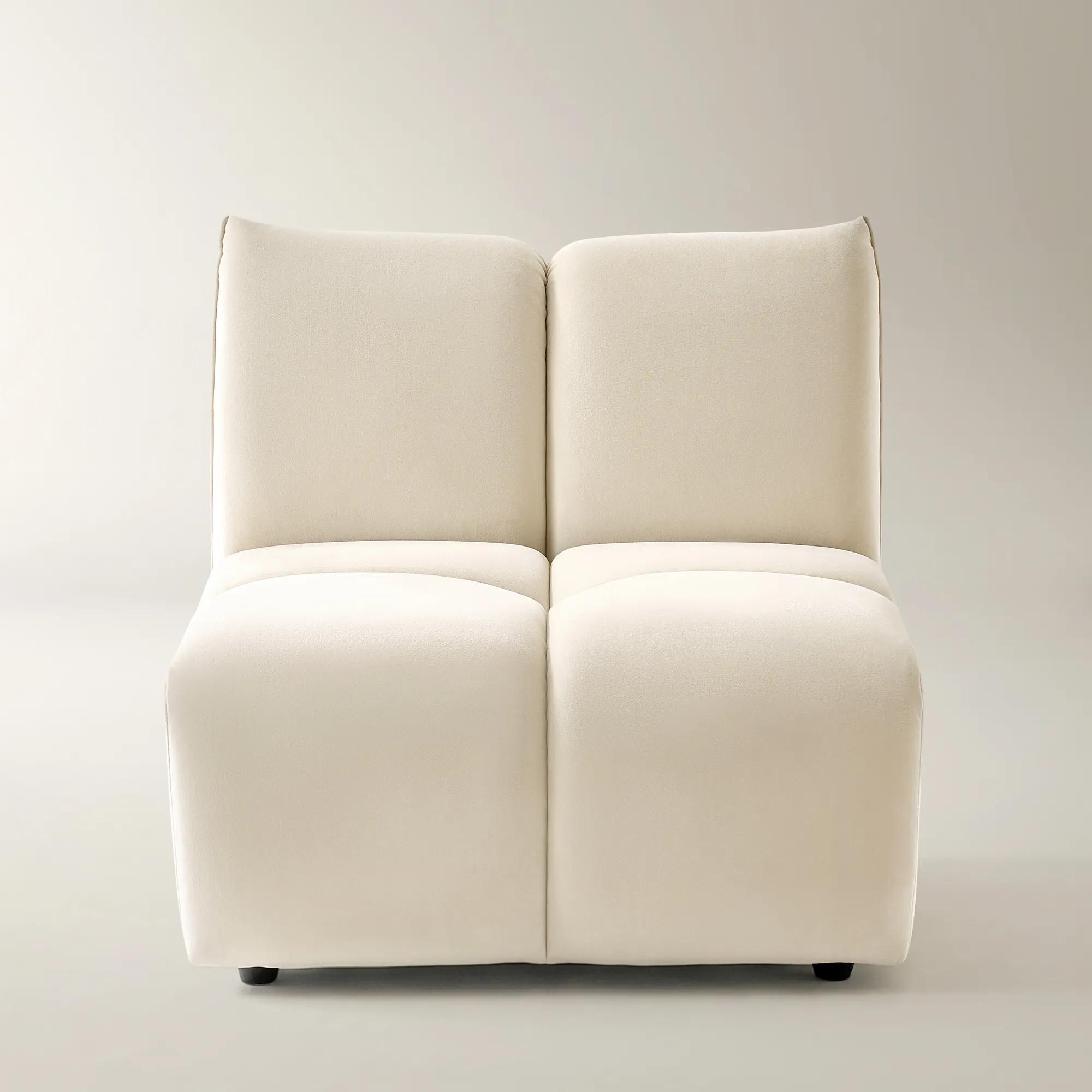
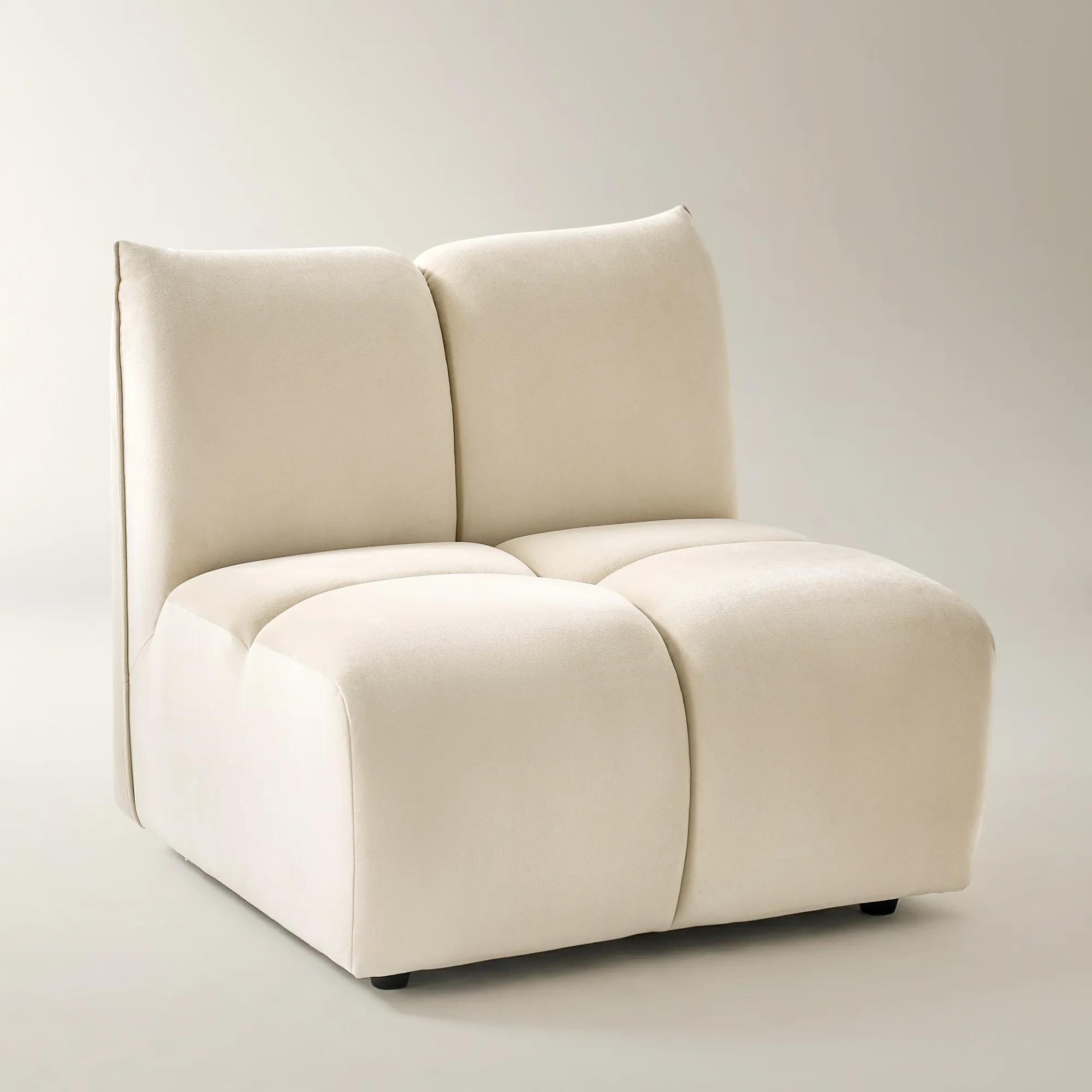 Reina Tufted Oatmeal Velvet Armless Chair$799
A plush oatmeal velvet armless chair featuring channel tufting, deep seating, and an architectural winged profile.
Add To Cart -
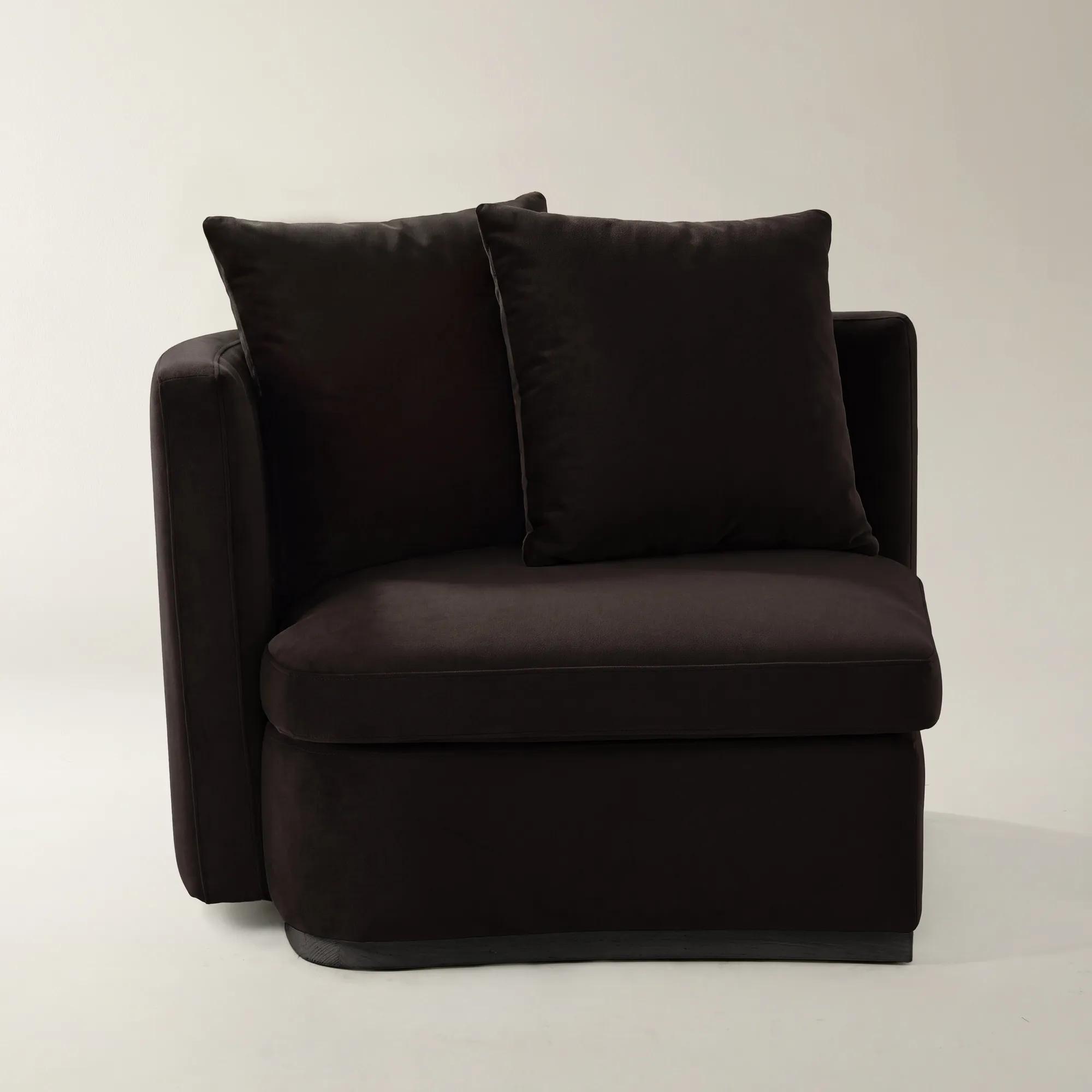
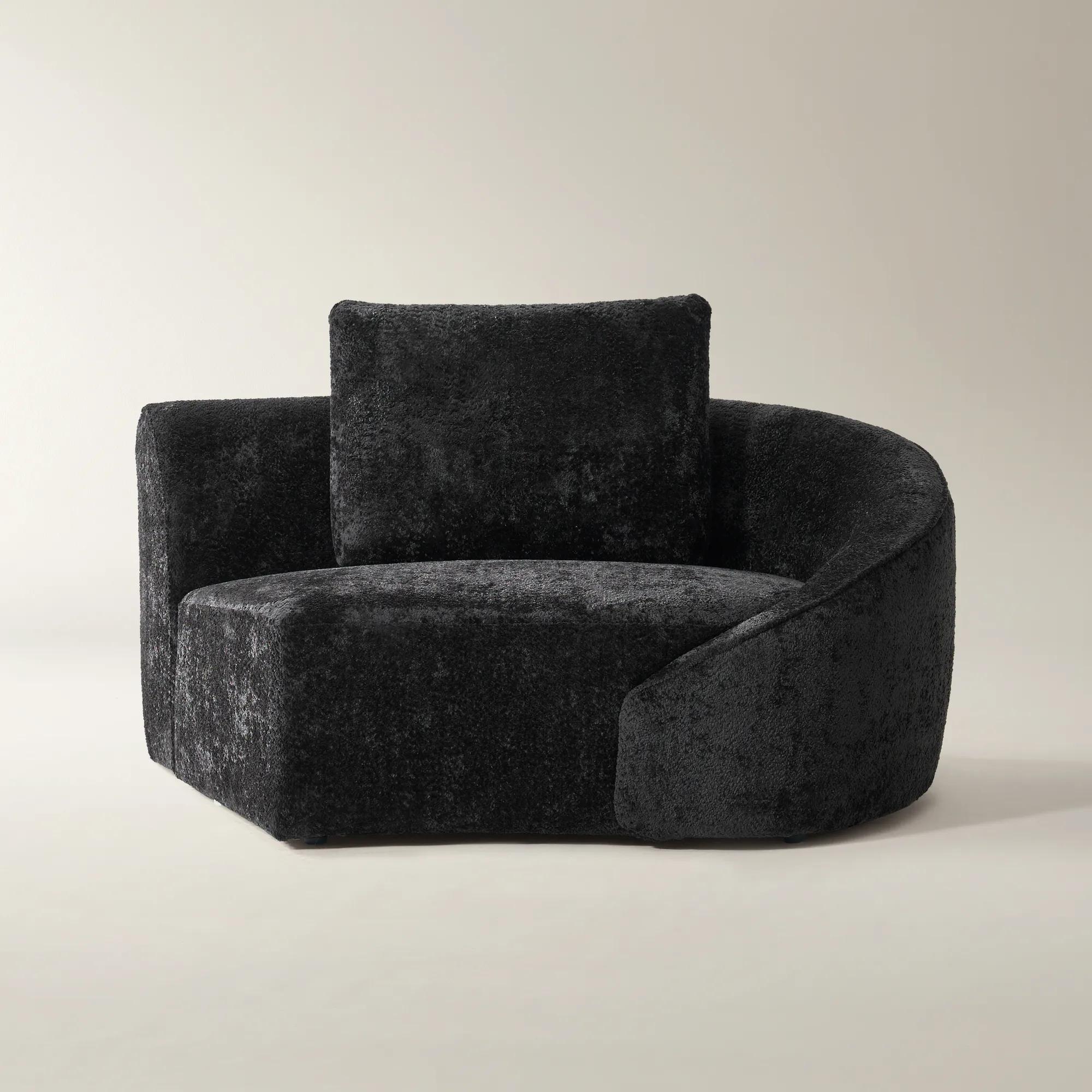
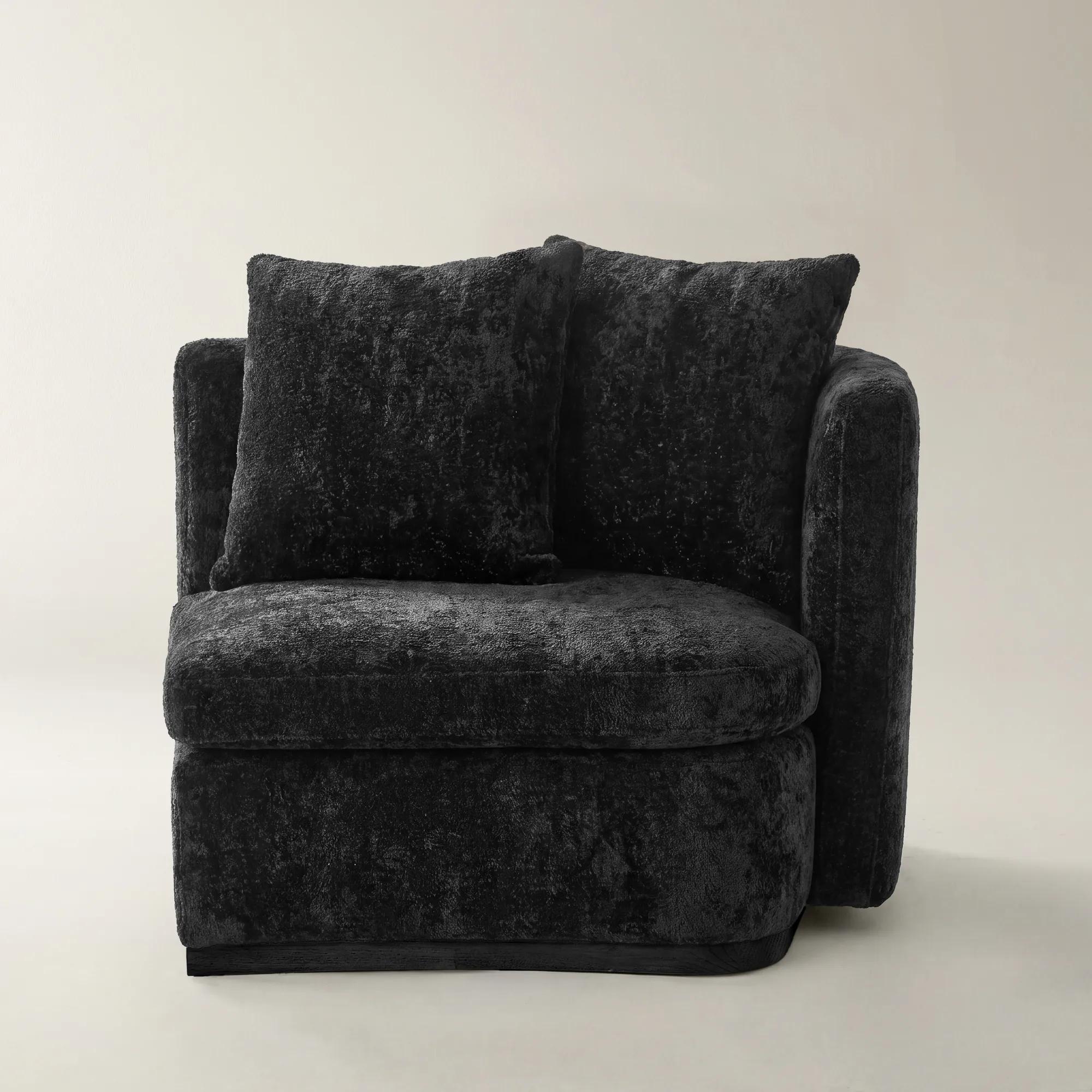 Stria Black Chenille Right-Arm Chair$1199
A sculptural black chenille chair featuring a flowing silhouette, layered foam-and-down cushioning, and modular connectors.
Add To Cart -
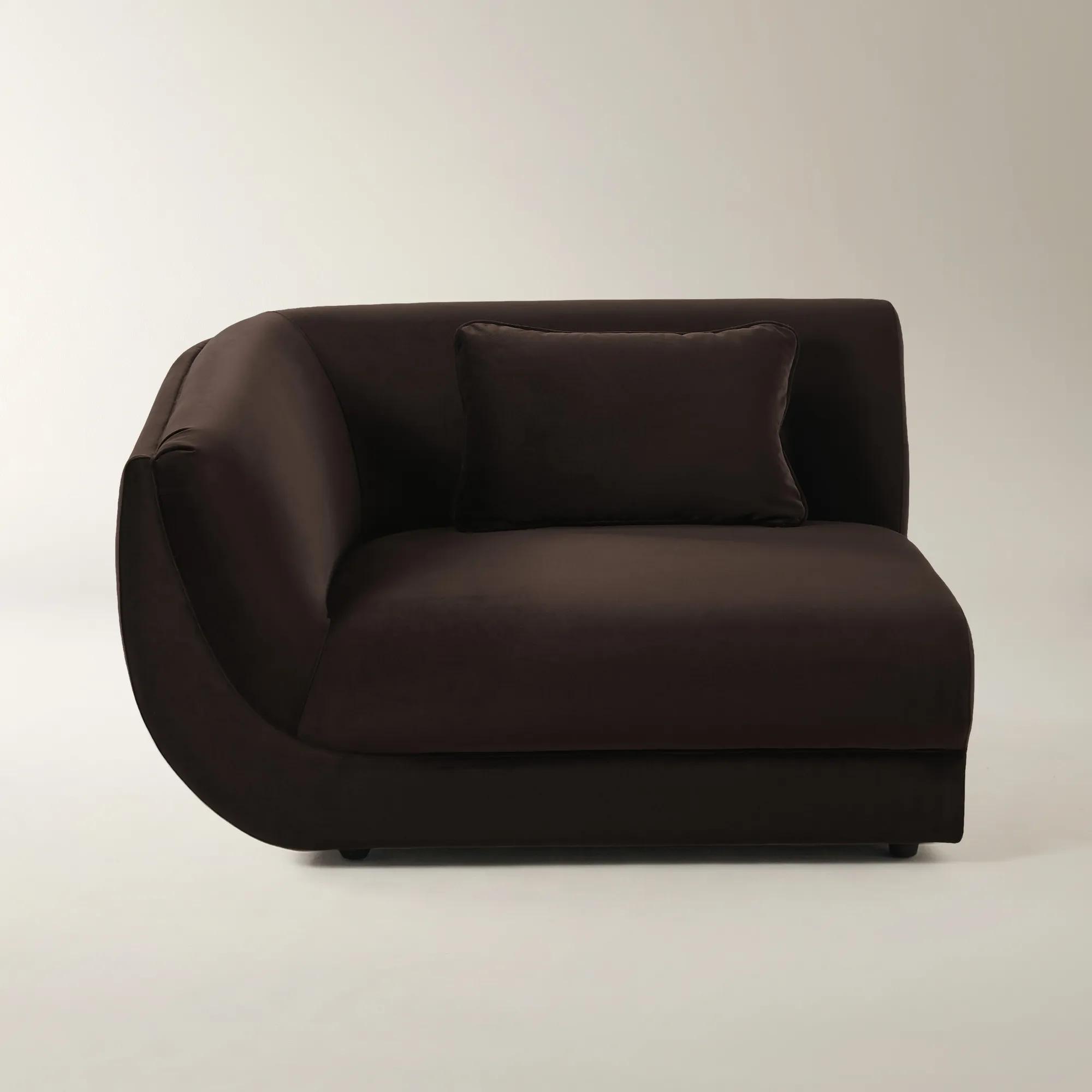
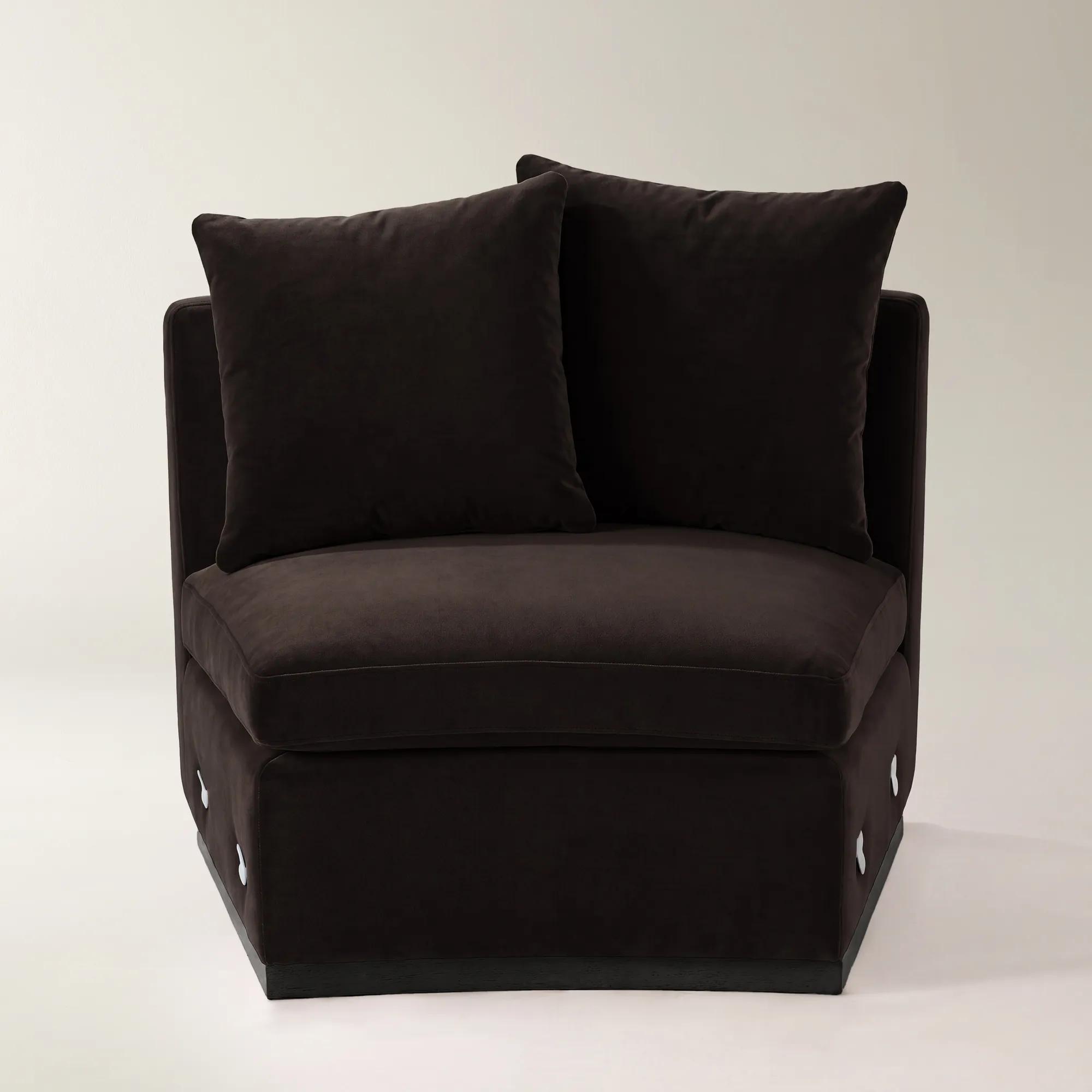
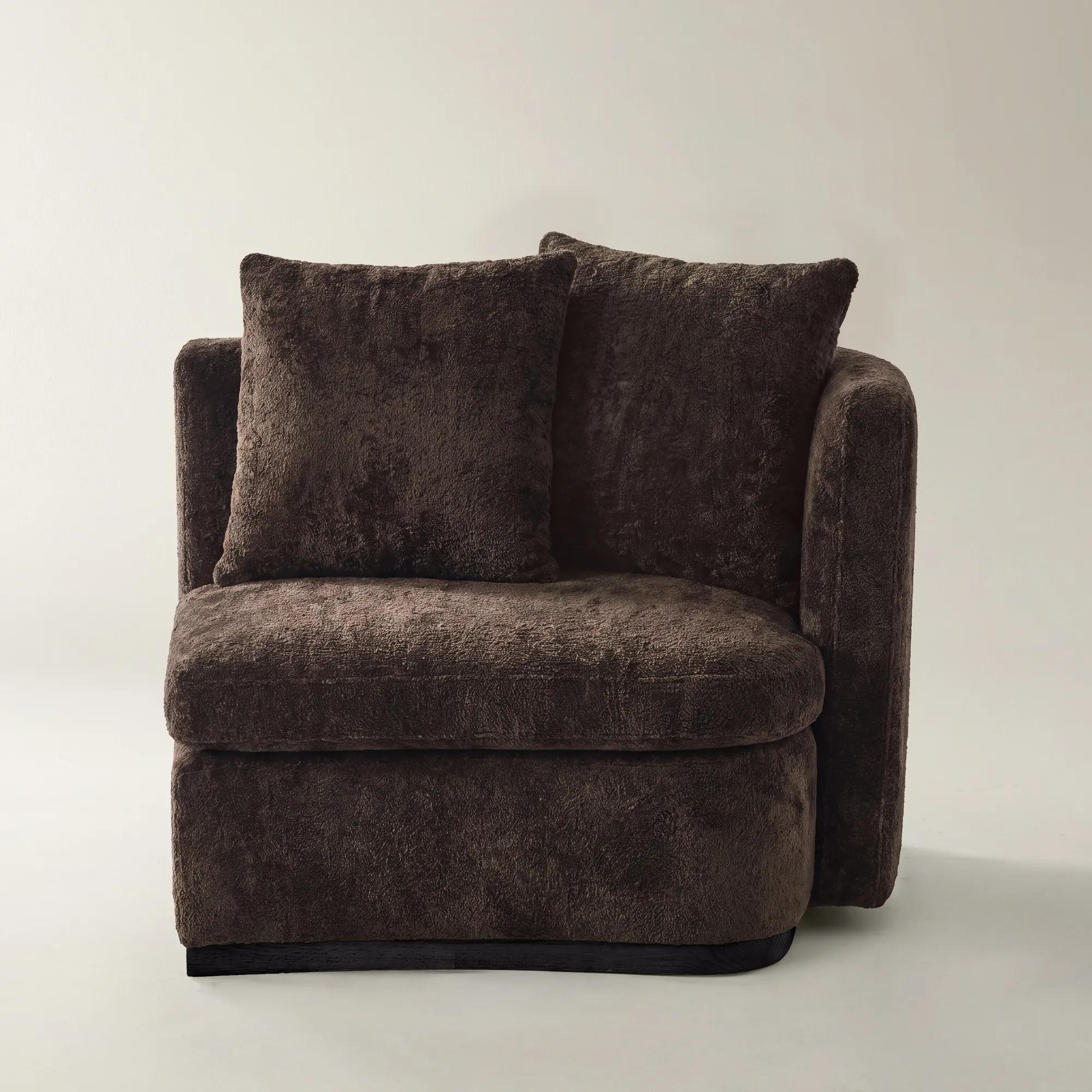 Stria Dark Chocolate Chenille Right-Arm Chair$1199
A sculptural dark chocolate chenille chair with layered cushioning, curved edges, and a supportive, sink-in seat.
Add To Cart -
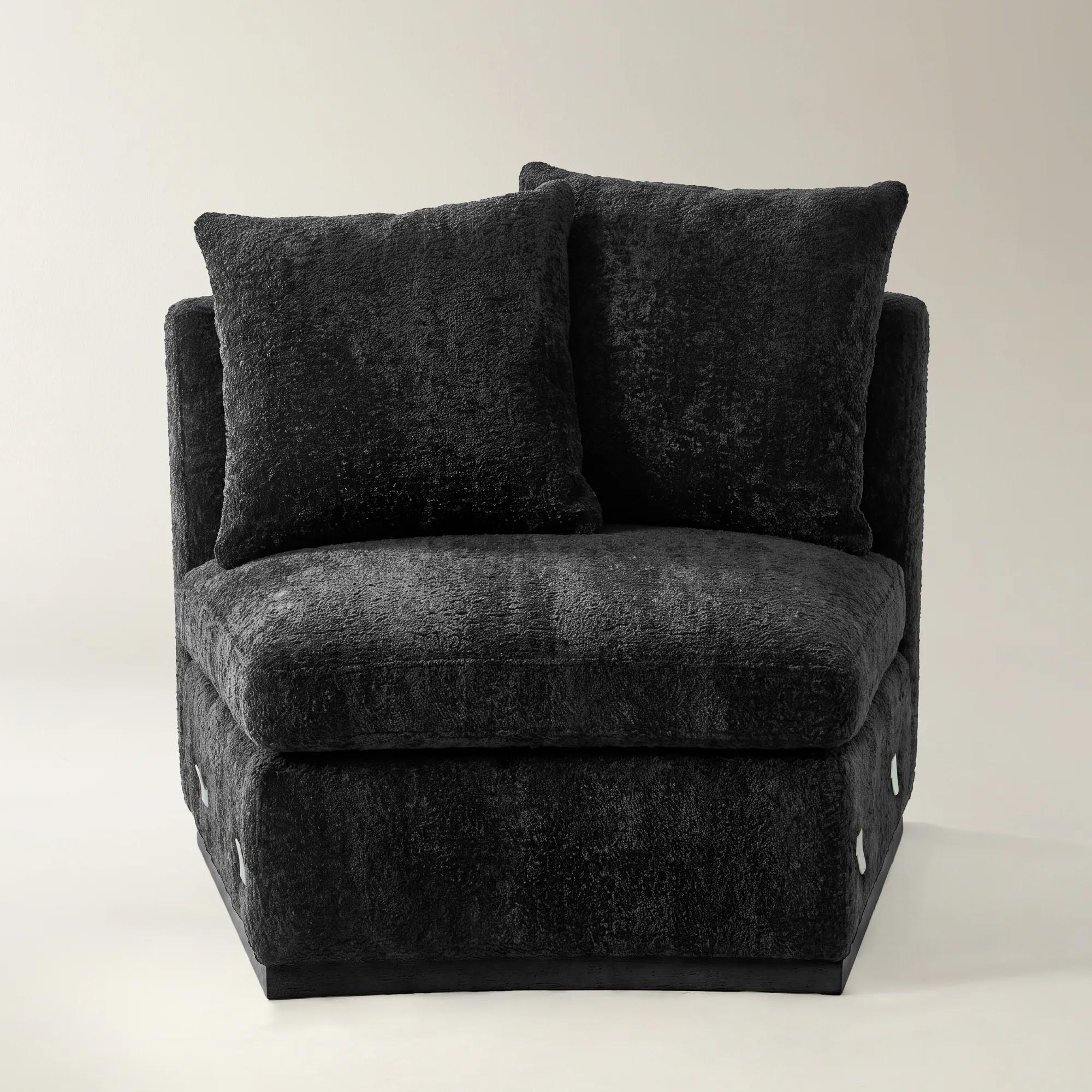
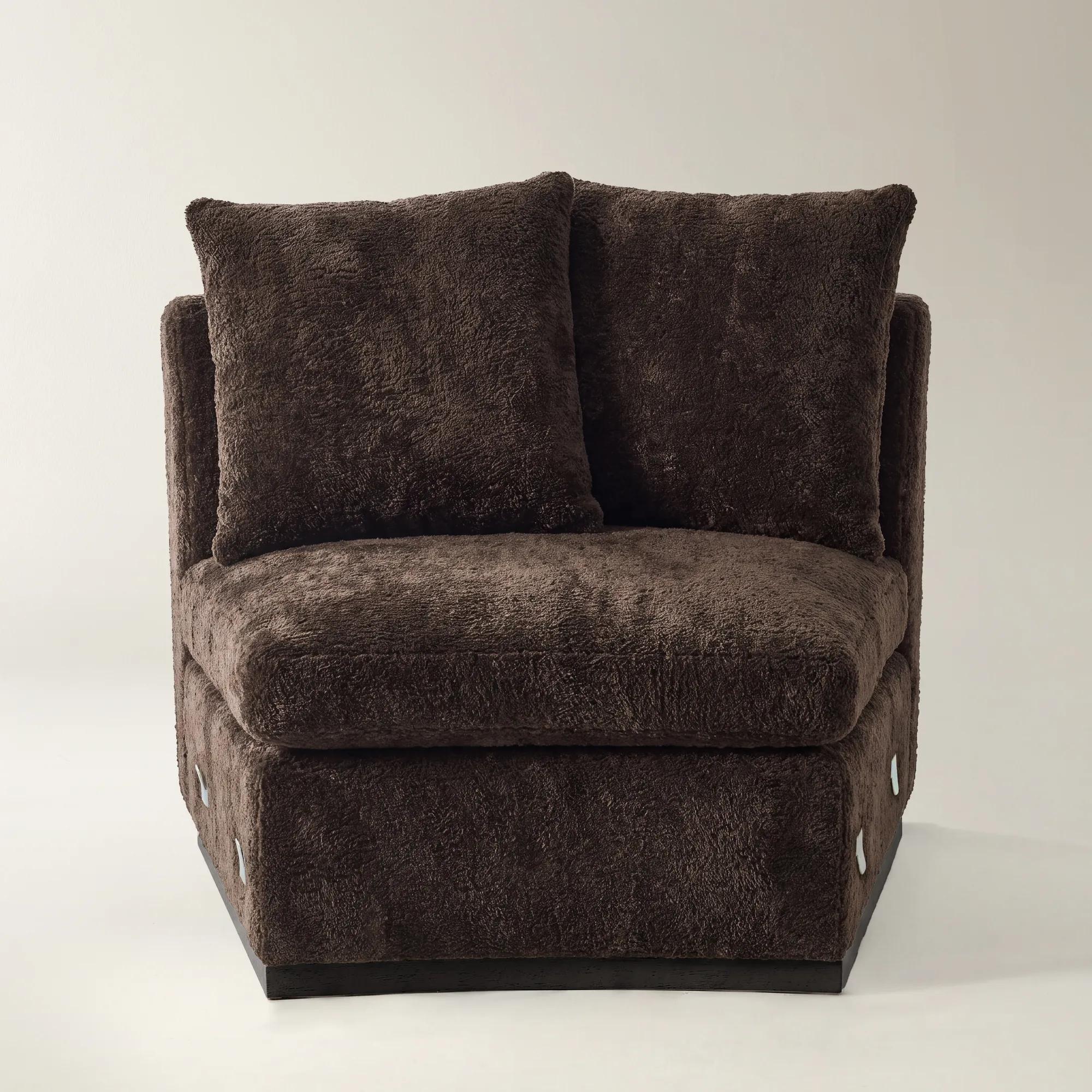
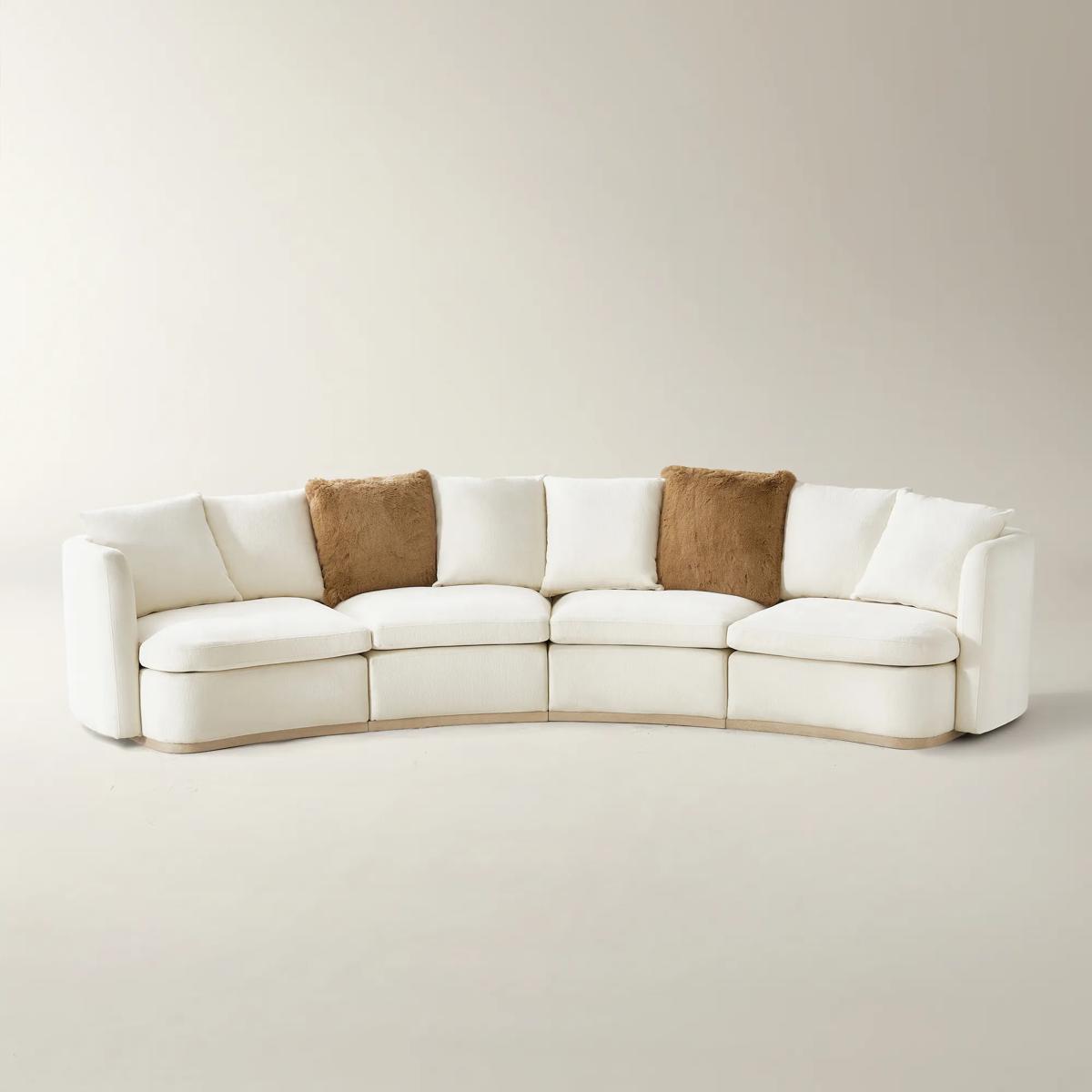 Stria Black Chenille Armless Chair$1099
A sculptural black chenille armless chair with kiln-dried wood construction, solid oak base, and layered cushioning.
Add To Cart -
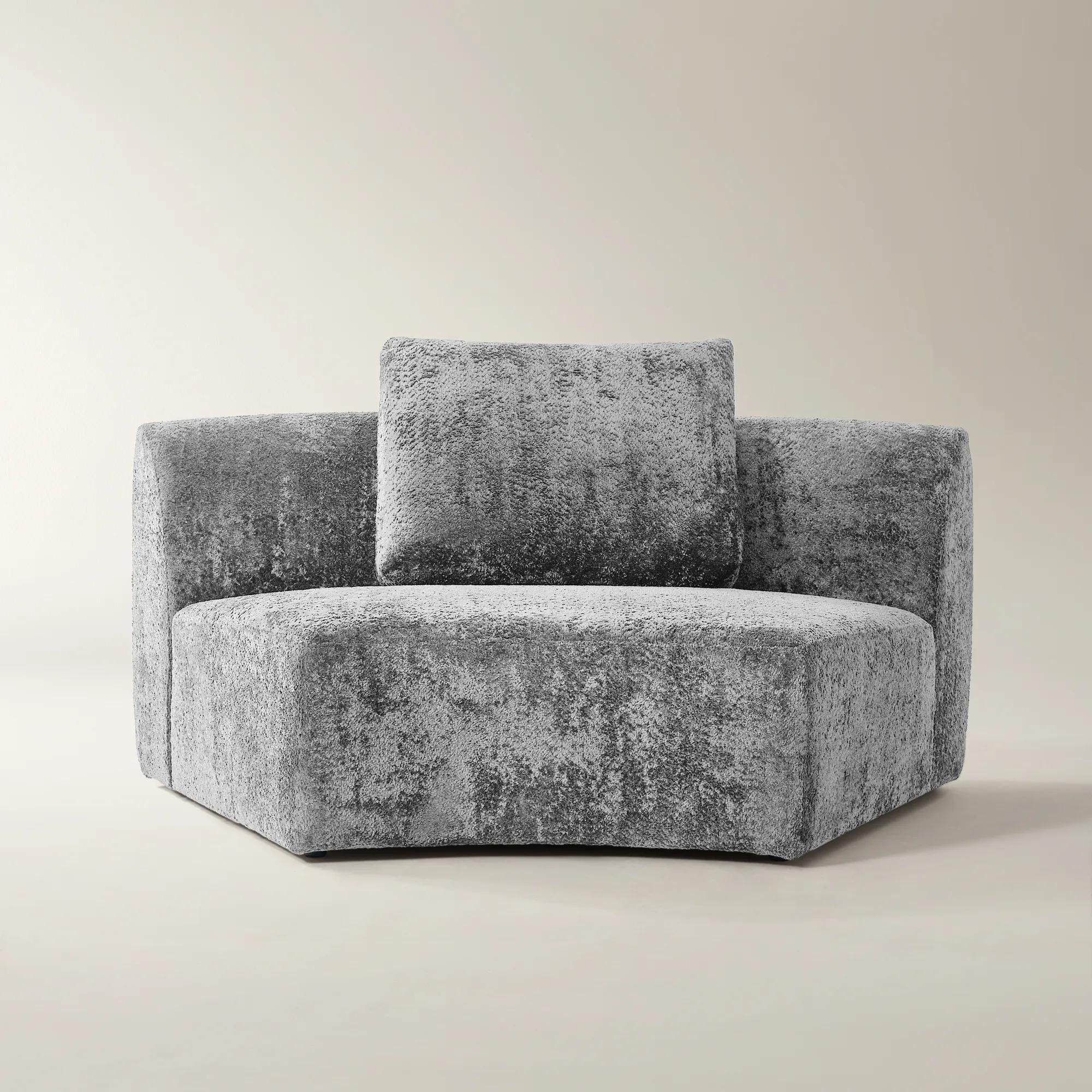
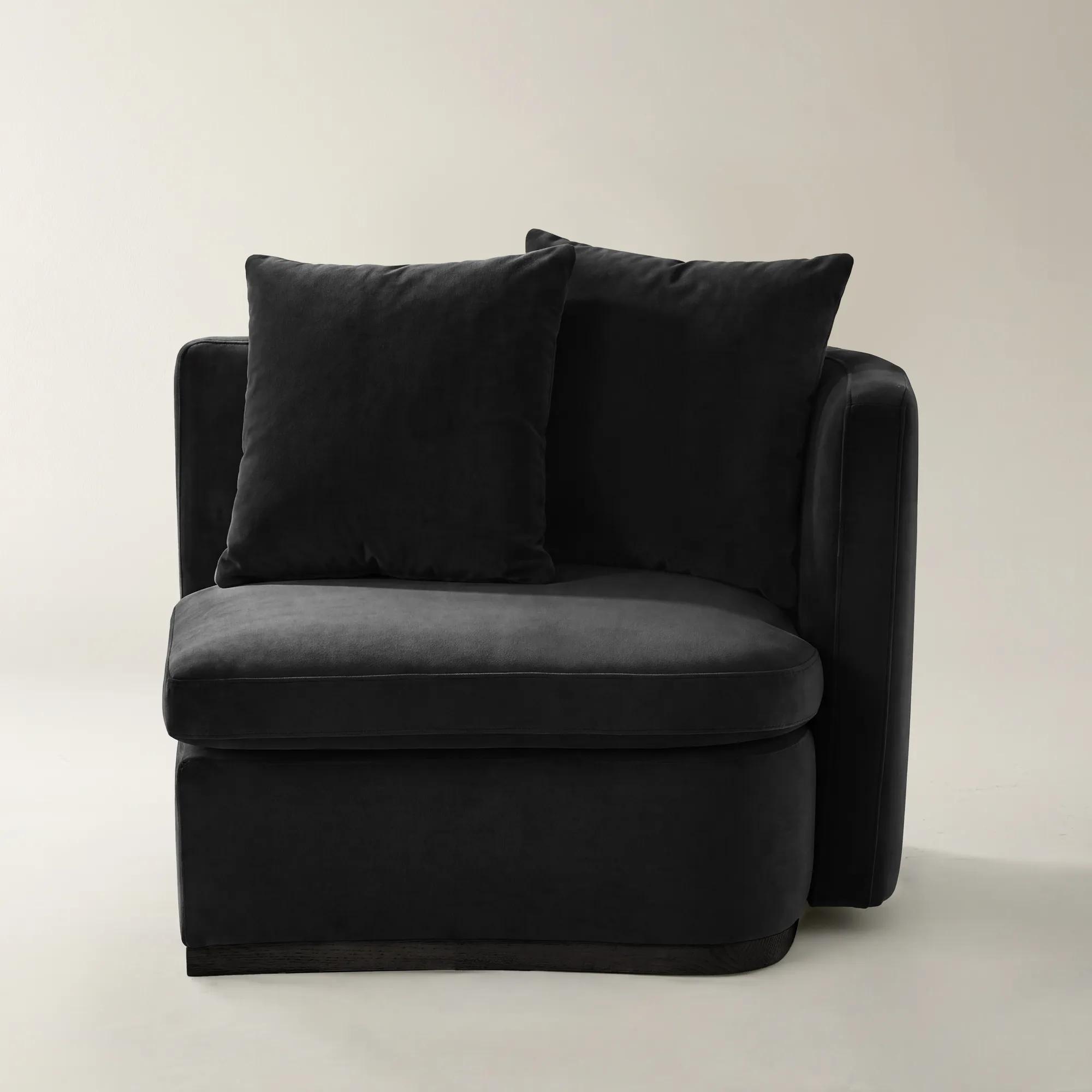 Stria Charcoal Velvet Right-Arm Chair$1199
A charcoal velvet chair featuring a kiln-dried wood frame, solid oak base, and layered down-blend cushioning.
Add To Cart -
 Jocelyn Channel-Tufted Oatmeal Velvet Armless Chair$1399
An armless chair upholstered in oatmeal velvet with deep channel tufting and a flowing, curved silhouette.
Add To Cart -
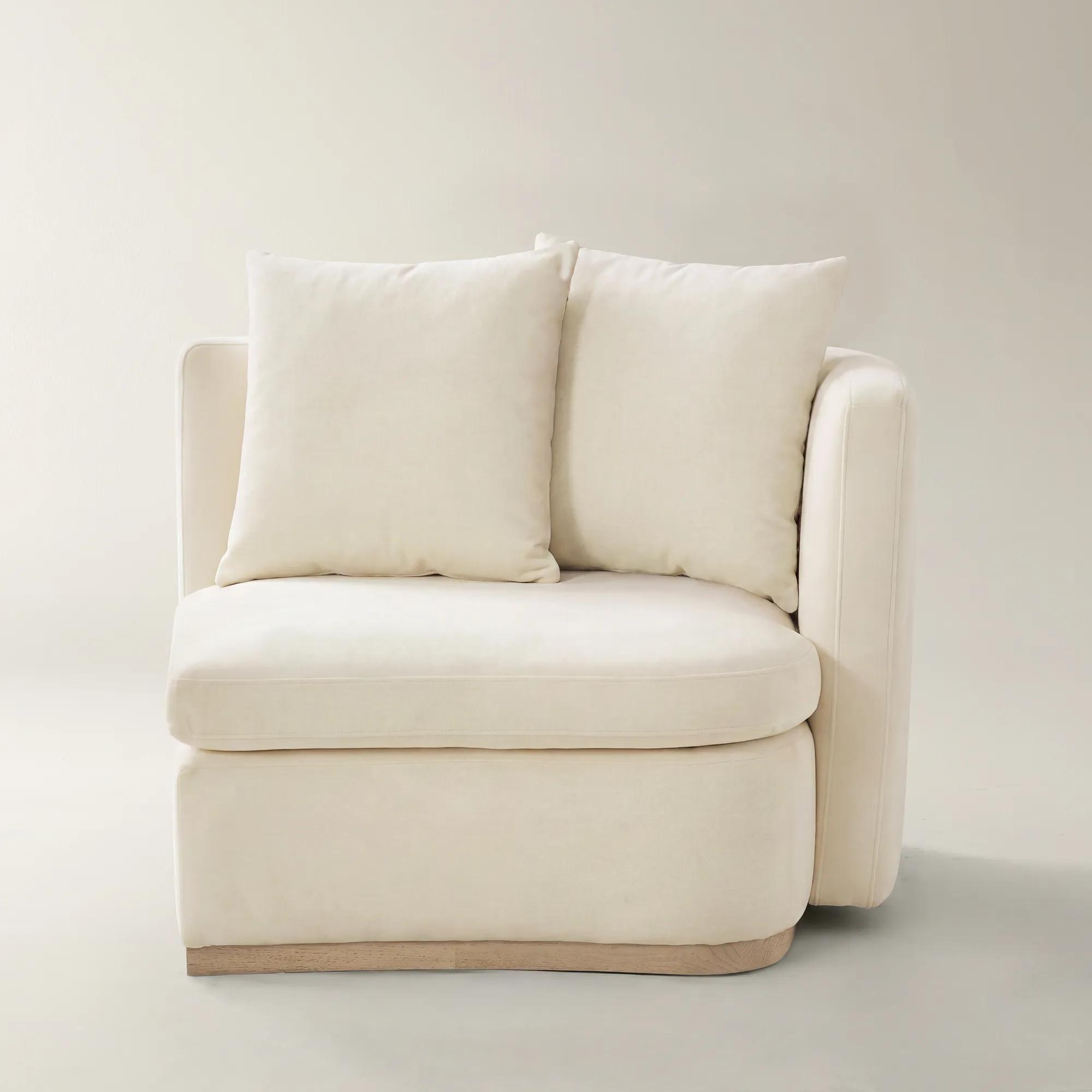 Stria Oatmeal Velvet Right-Arm Chair$1199
A sculptural oatmeal velvet chair with a curved silhouette, oak base, and layered foam-and-down cushioning.
Add To Cart -
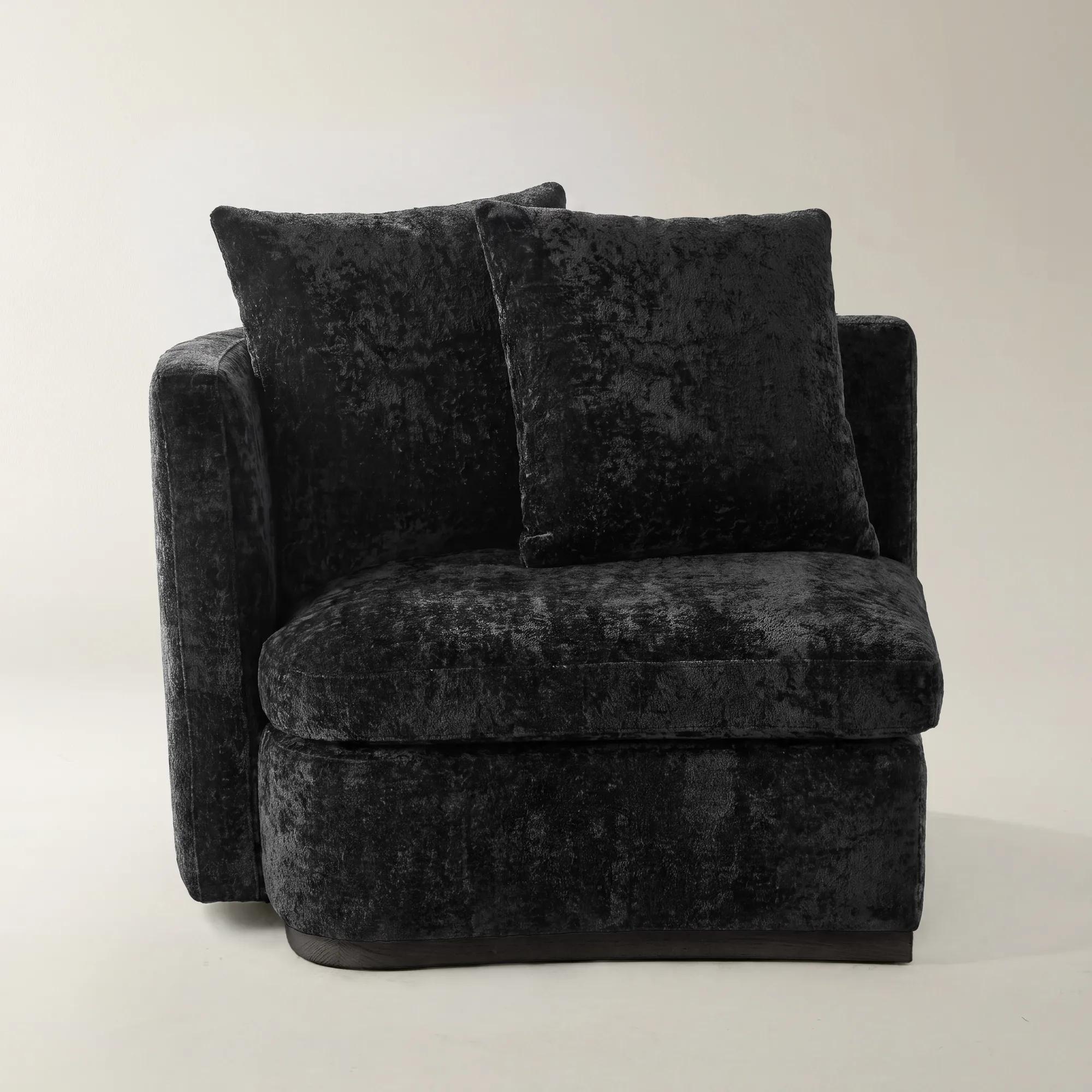 Stria Black Chenille Left-Arm Chair$1199
A sculptural black chenille chair featuring layered foam-and-down cushioning, curved edges, and a kiln-dried wood frame.
Add To Cart -
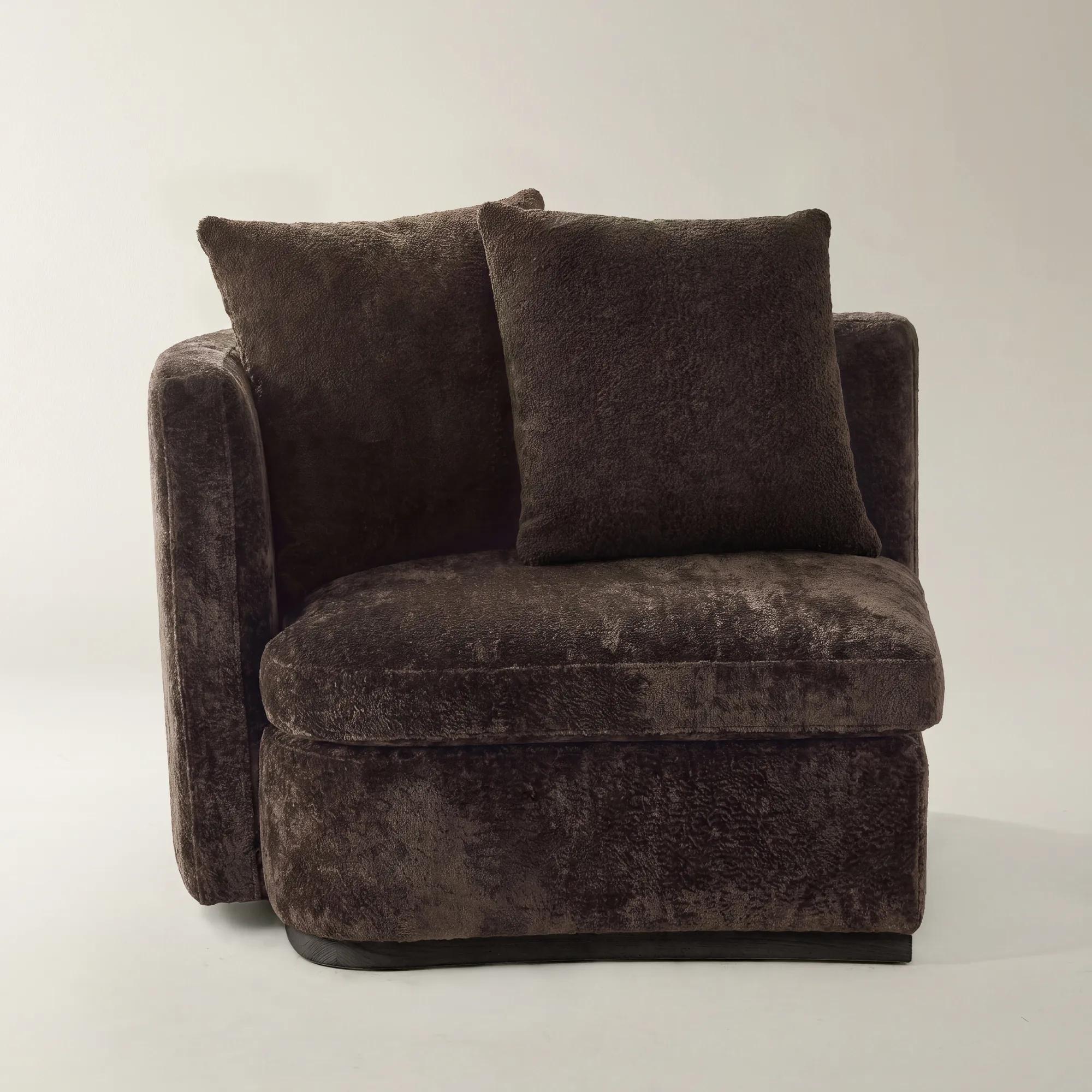 Stria Dark Chocolate Chenille Left-Arm Chair$1199
A sculptural dark chocolate chenille chair with curved edges, layered cushioning, and a kiln-dried wood frame.
Add To Cart -
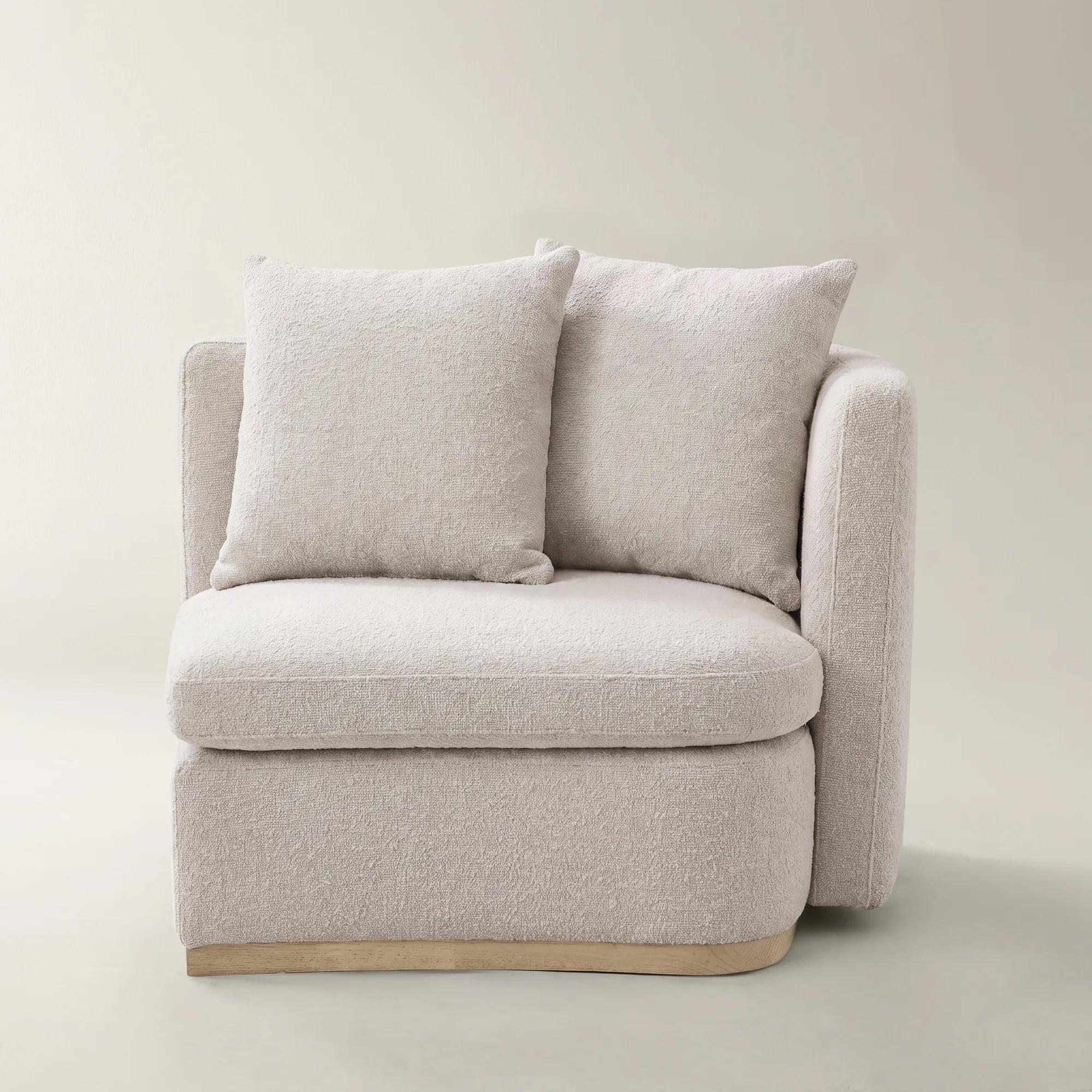 Stria Ivory Performance Boucle Right-Arm Chair$1199
A sculptural ivory performance boucle chair with layered foam-and-down cushioning and a kiln-dried wood frame.
Add To Cart -
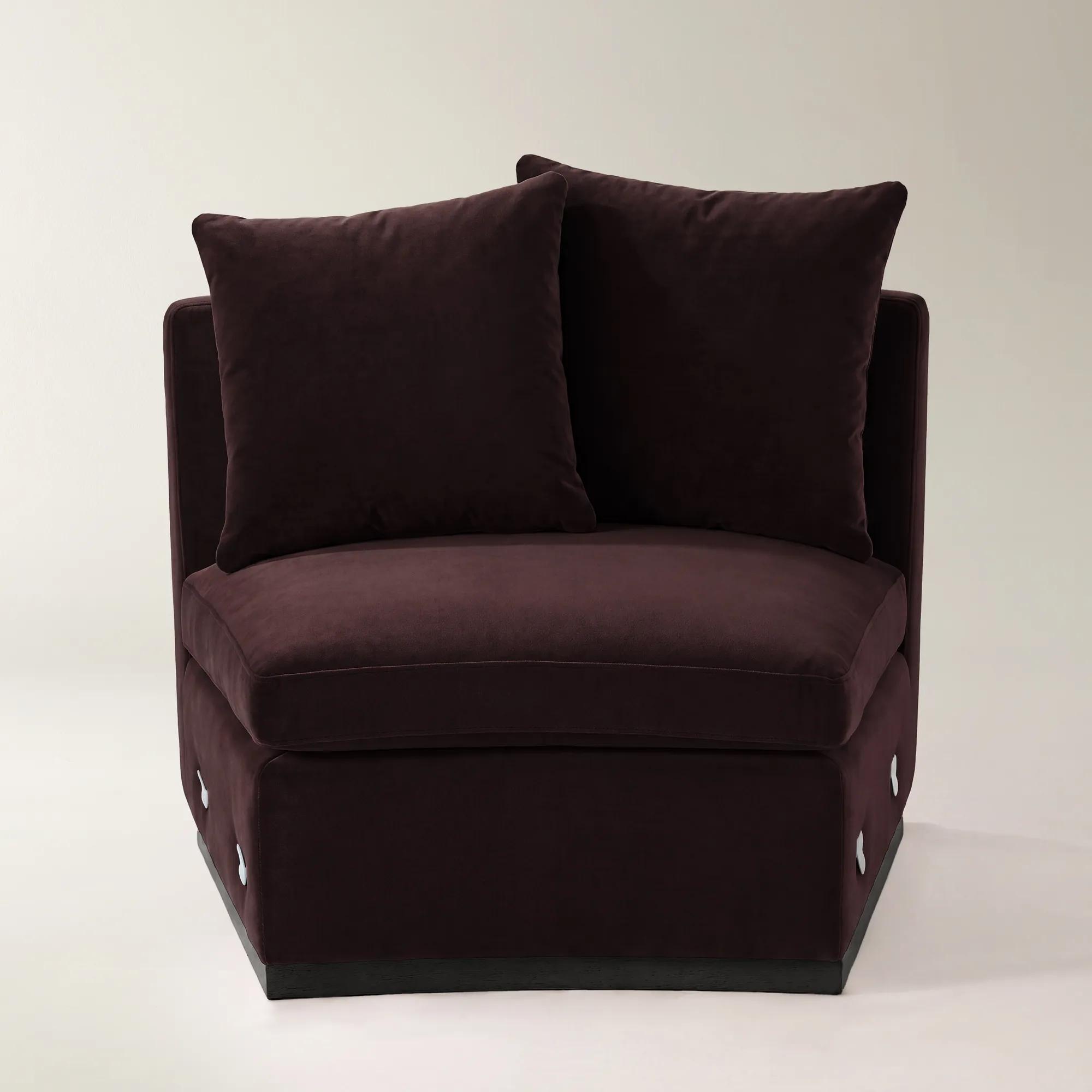
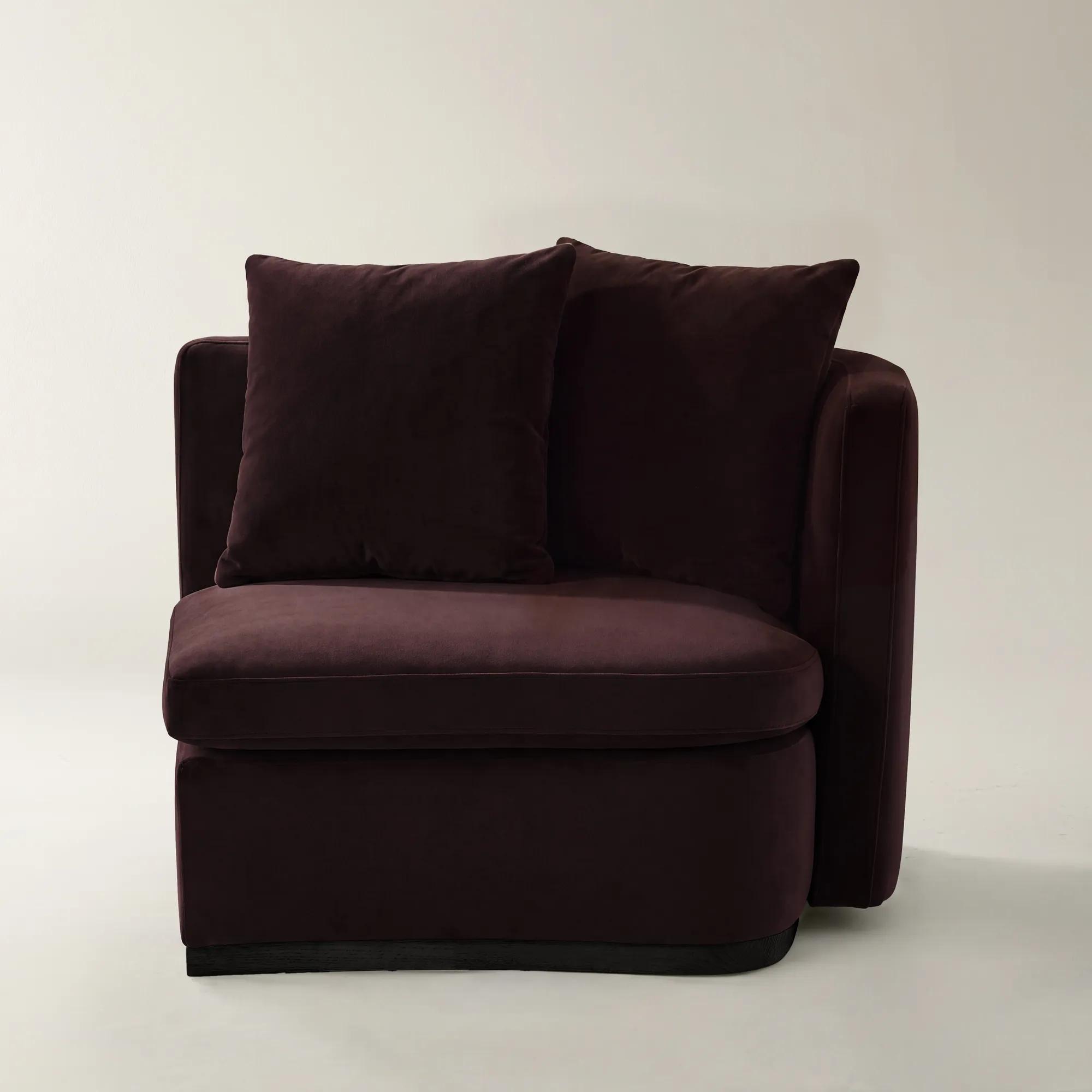 Stria Fig Velvet Right-Arm Chair$1199
A sculptural fig velvet right-arm chair with kiln-dried wood construction and layered foam-down cushioning.
Add To Cart -
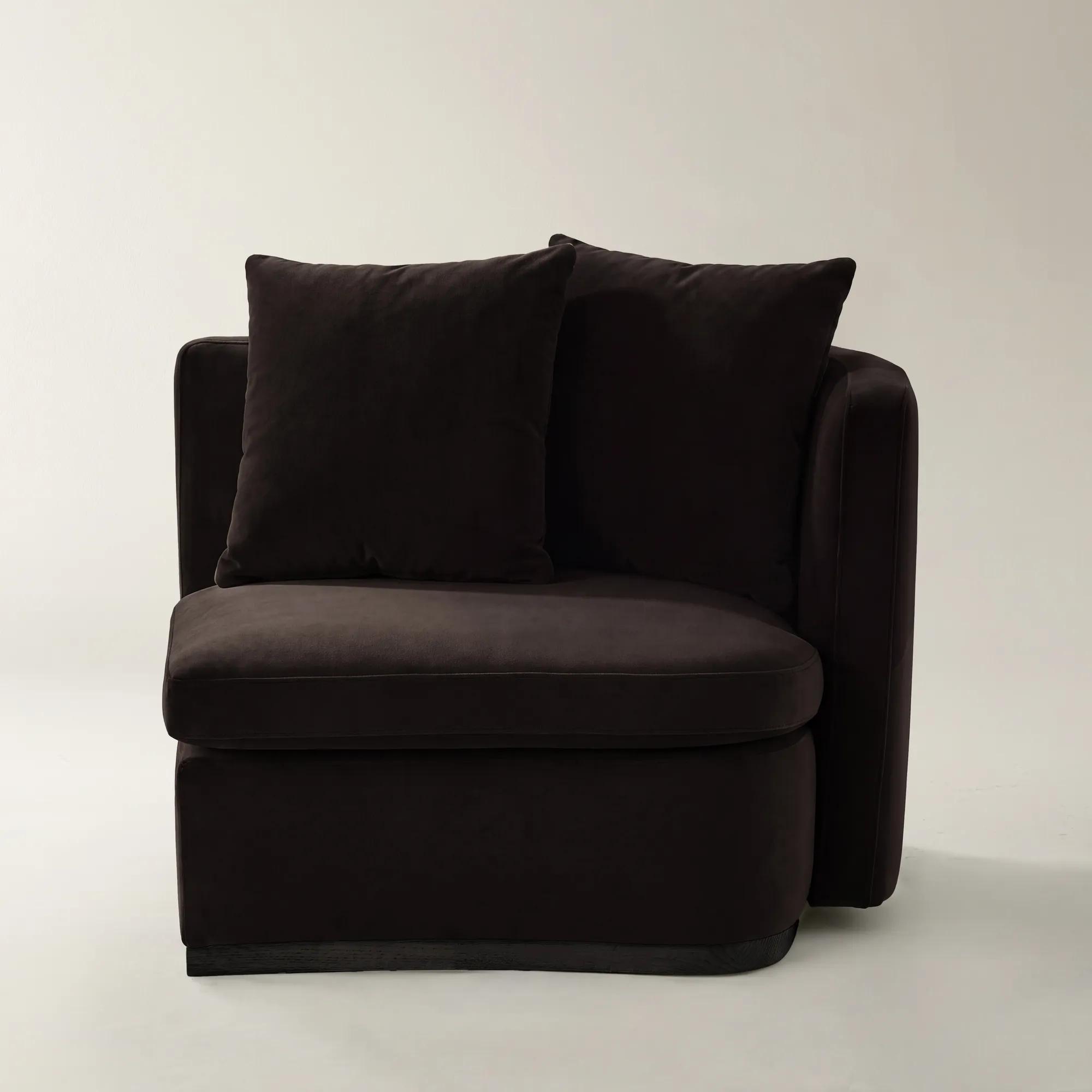 Stria Dark Chocolate Velvet Right-Arm Chair$1199
A sculptural dark chocolate velvet right-arm chair featuring layered cushioning and a solid oak base.
Add To Cart -
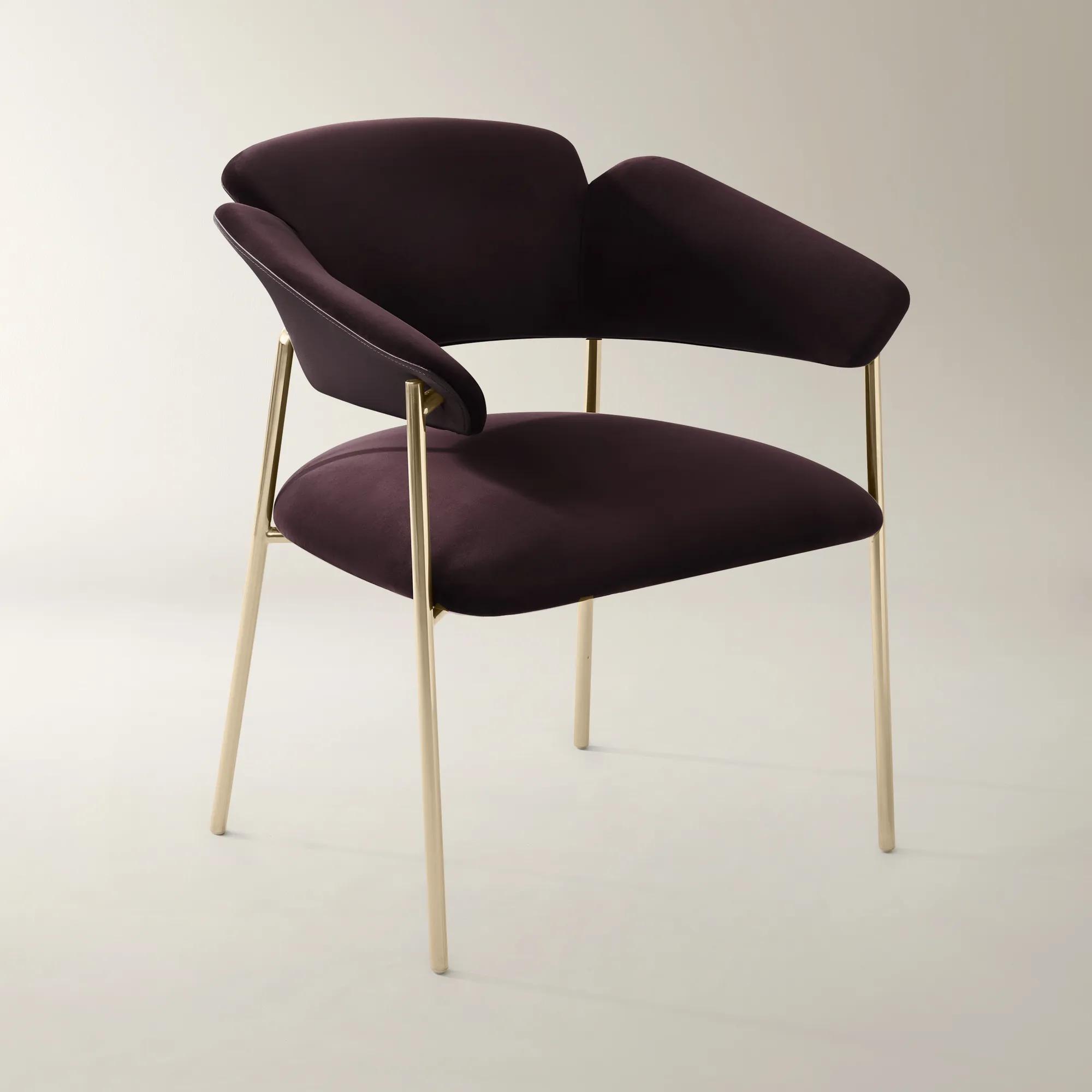 Odette Fig Velvet Dining Chair$499
A sculptural dining chair featuring fig velvet, tonal faux leather accents, and slender gold-finished metal legs.
Add To Cart -
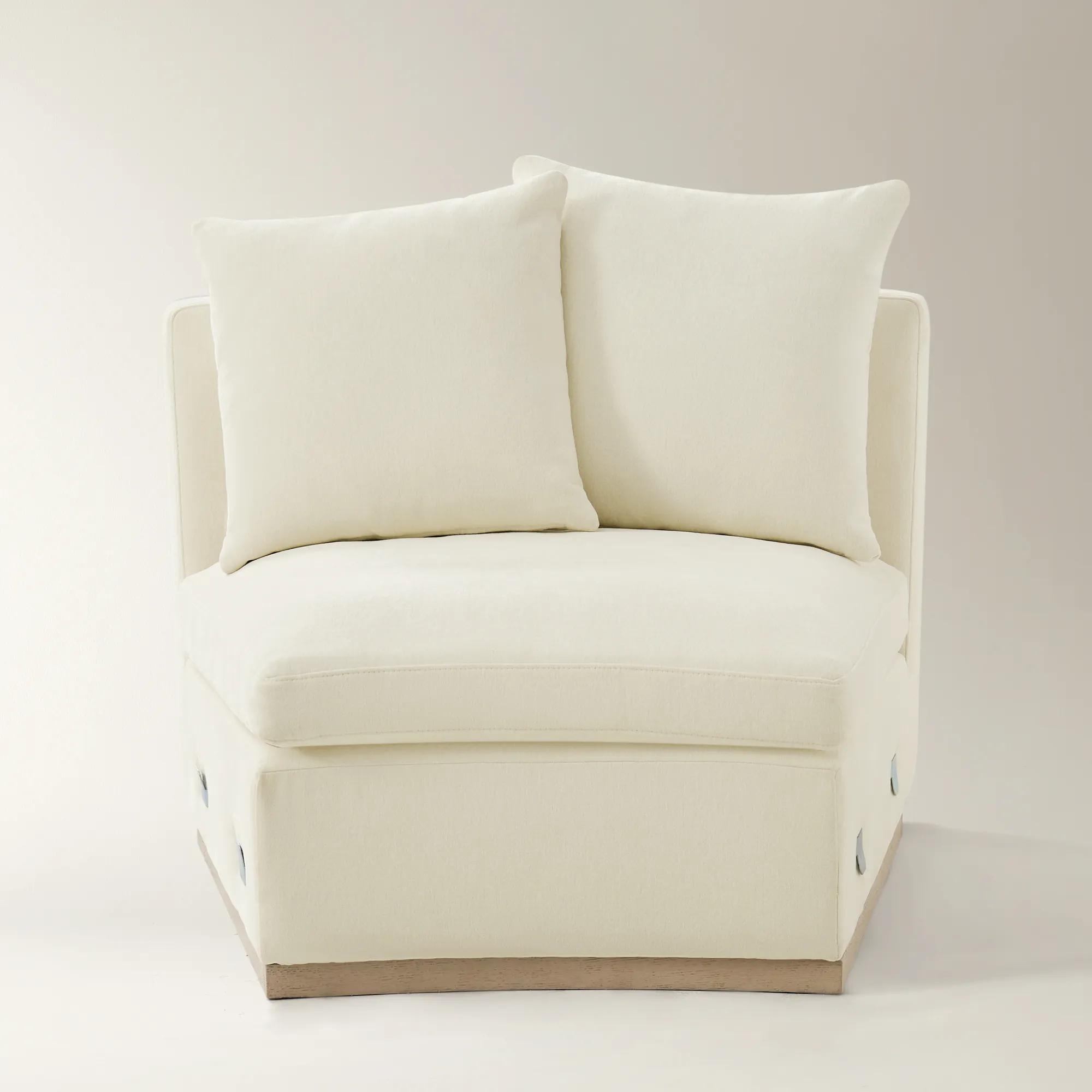 Stria Cloud Velvet Armless Chair$1099
A sculptural cloud velvet armless chair featuring layered foam-and-down cushioning and a solid oak base.
Add To Cart -
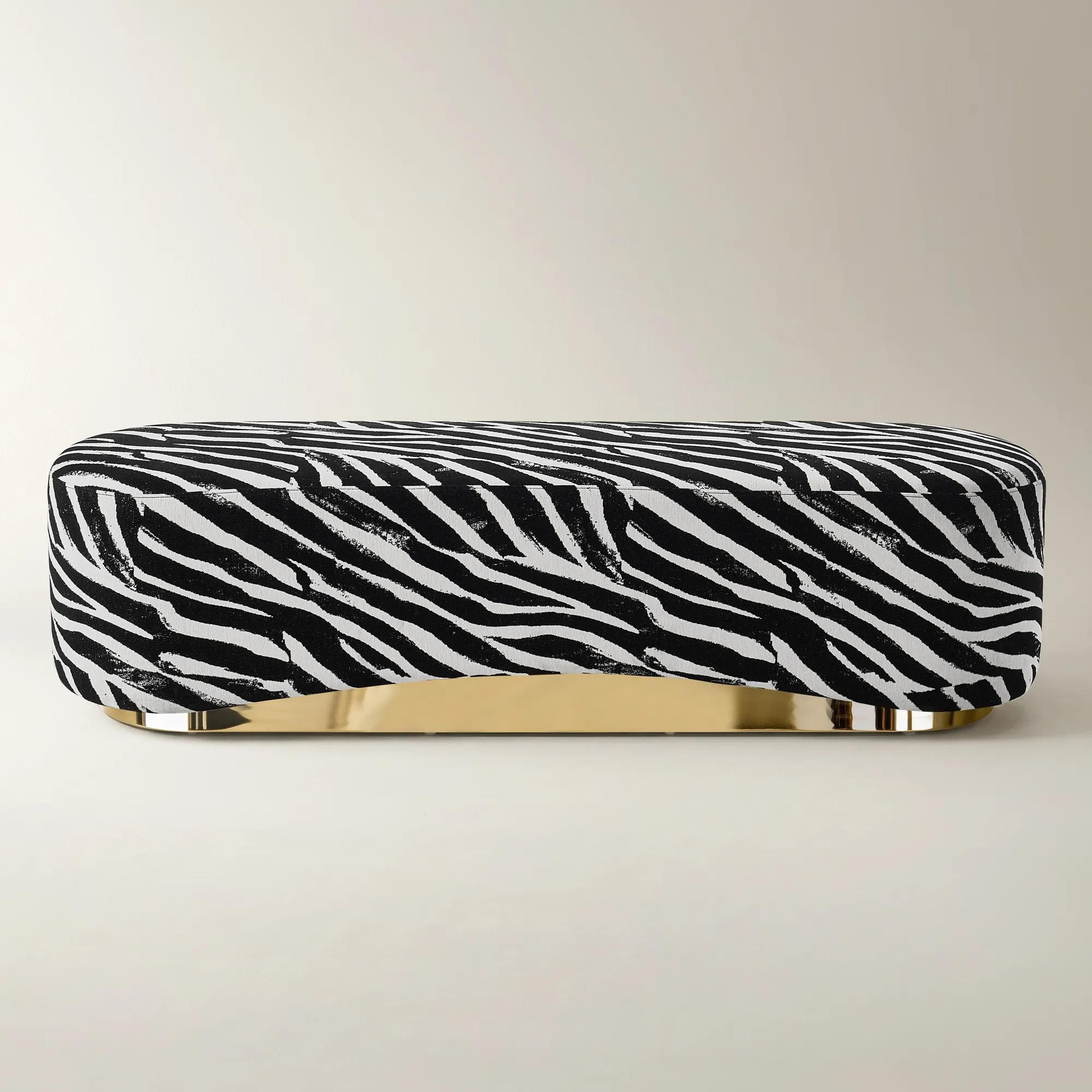
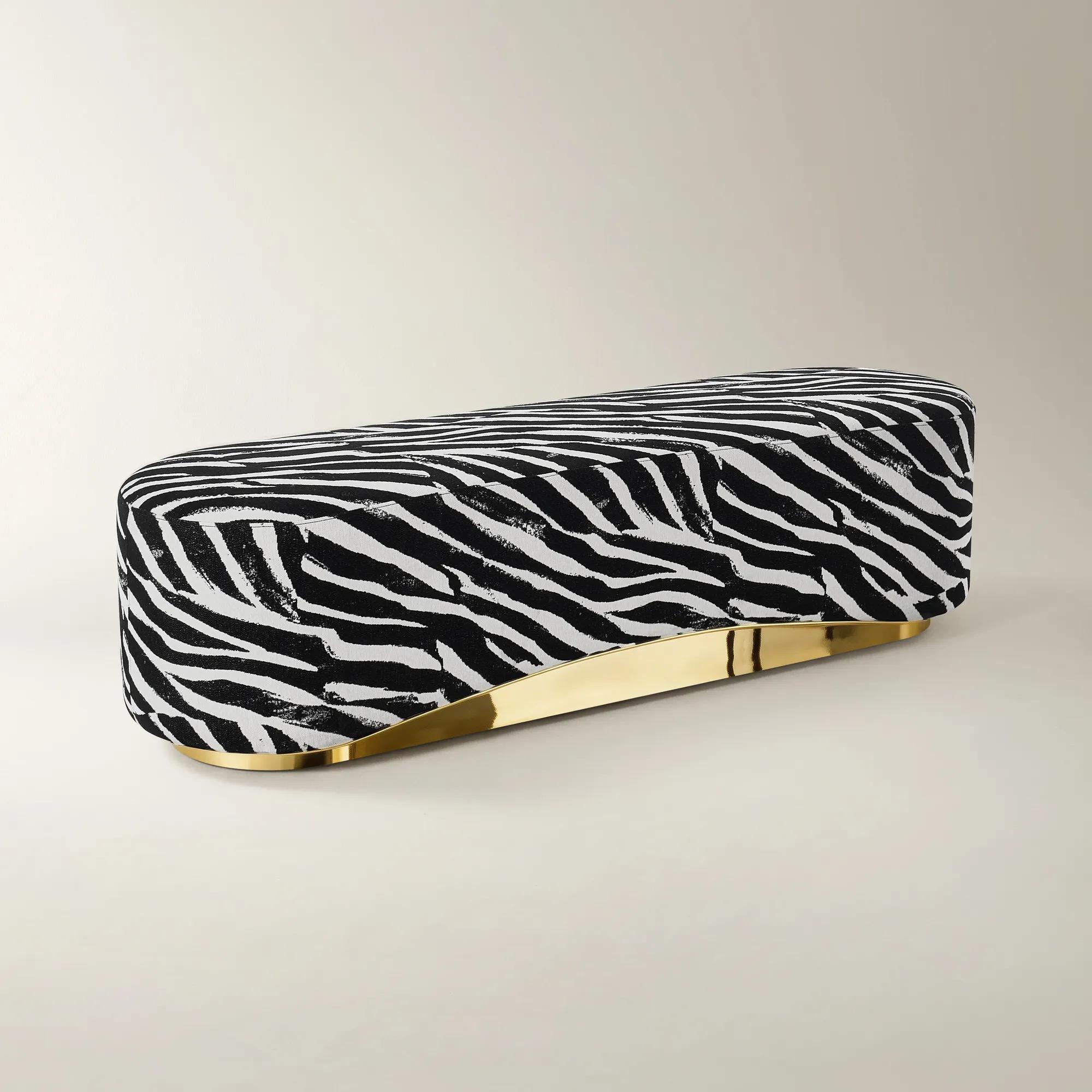 Kendra White/Black Performance Chenille Bench (70.47")$799
An elongated oval bench upholstered in white and black performance chenille with a polished gold stainless steel base.
Add To Cart -
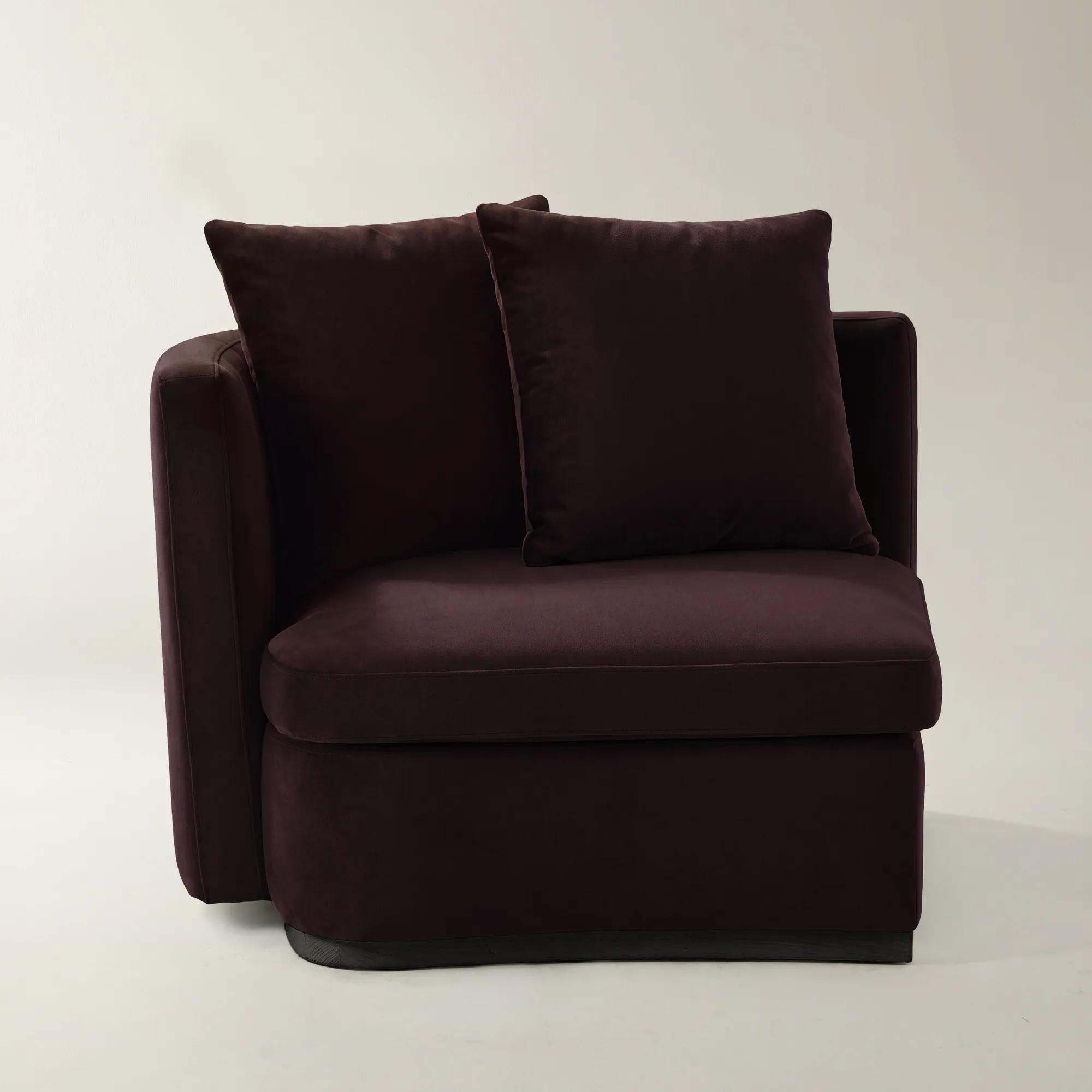 Stria Fig Velvet Left-Arm Chair$1199
A sculptural fig velvet chair featuring a low flowing silhouette, oak base, and layered down-blend cushioning.
Add To Cart -

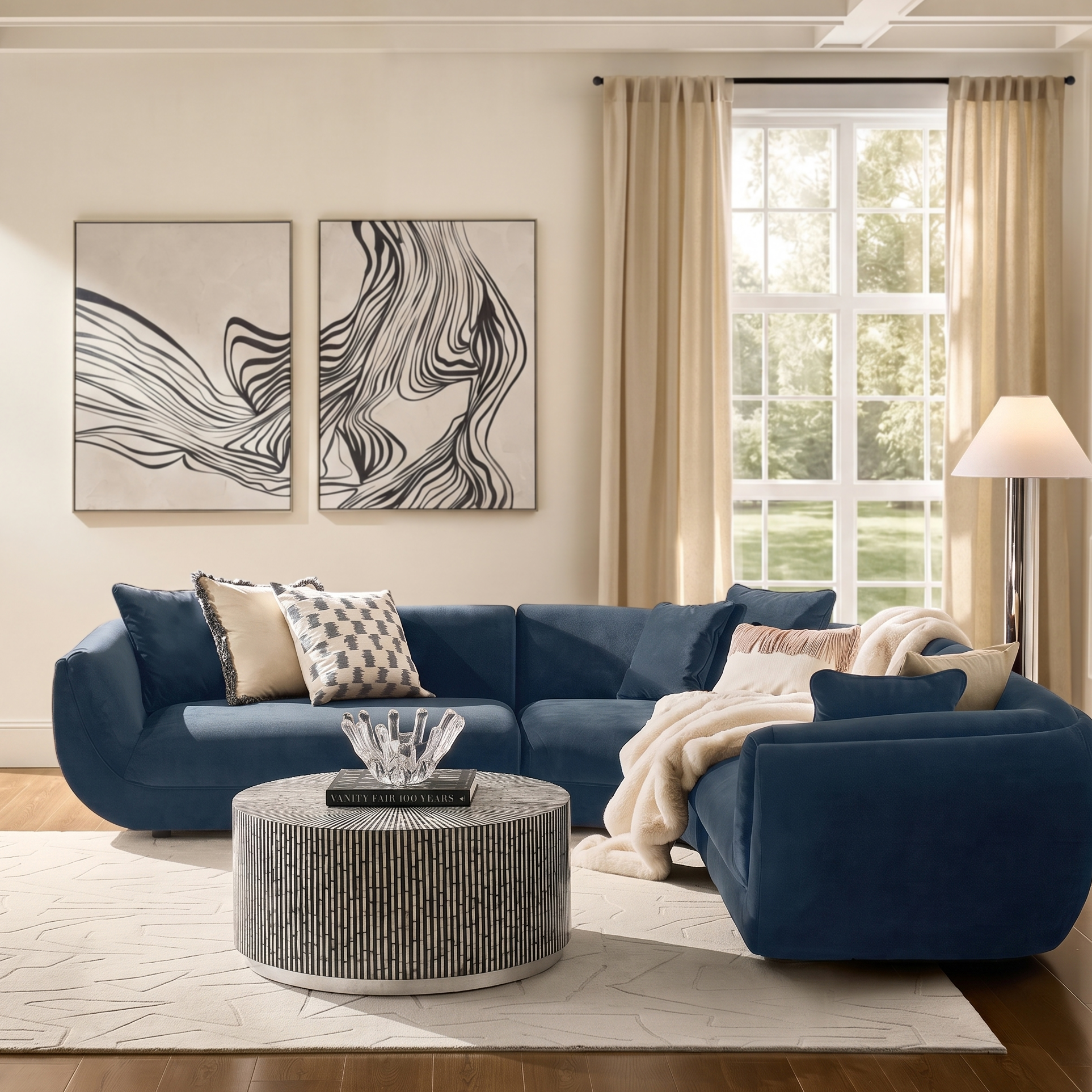 Curvia Dusty Blue Velvet Grand Right-Arm Chair$1499
A sculptural right-arm chair in plush dusty blue velvet with deep lounge comfort and modular versatility.
Add To Cart -
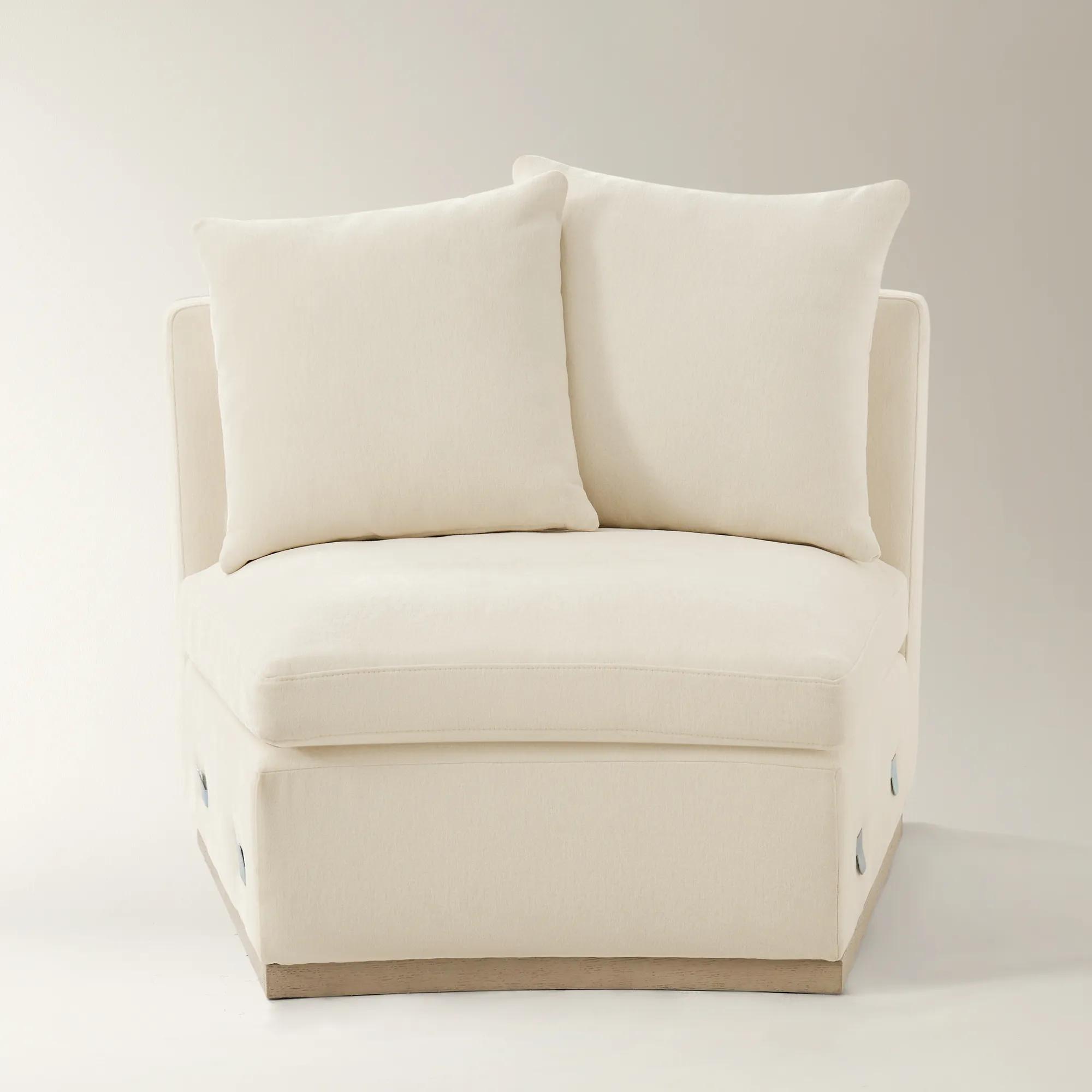 Stria Oatmeal Velvet Armless Chair$1099
A sculptural oatmeal velvet armless chair featuring layered cushioning, curved edges, and a kiln-dried wood frame.
Add To Cart -
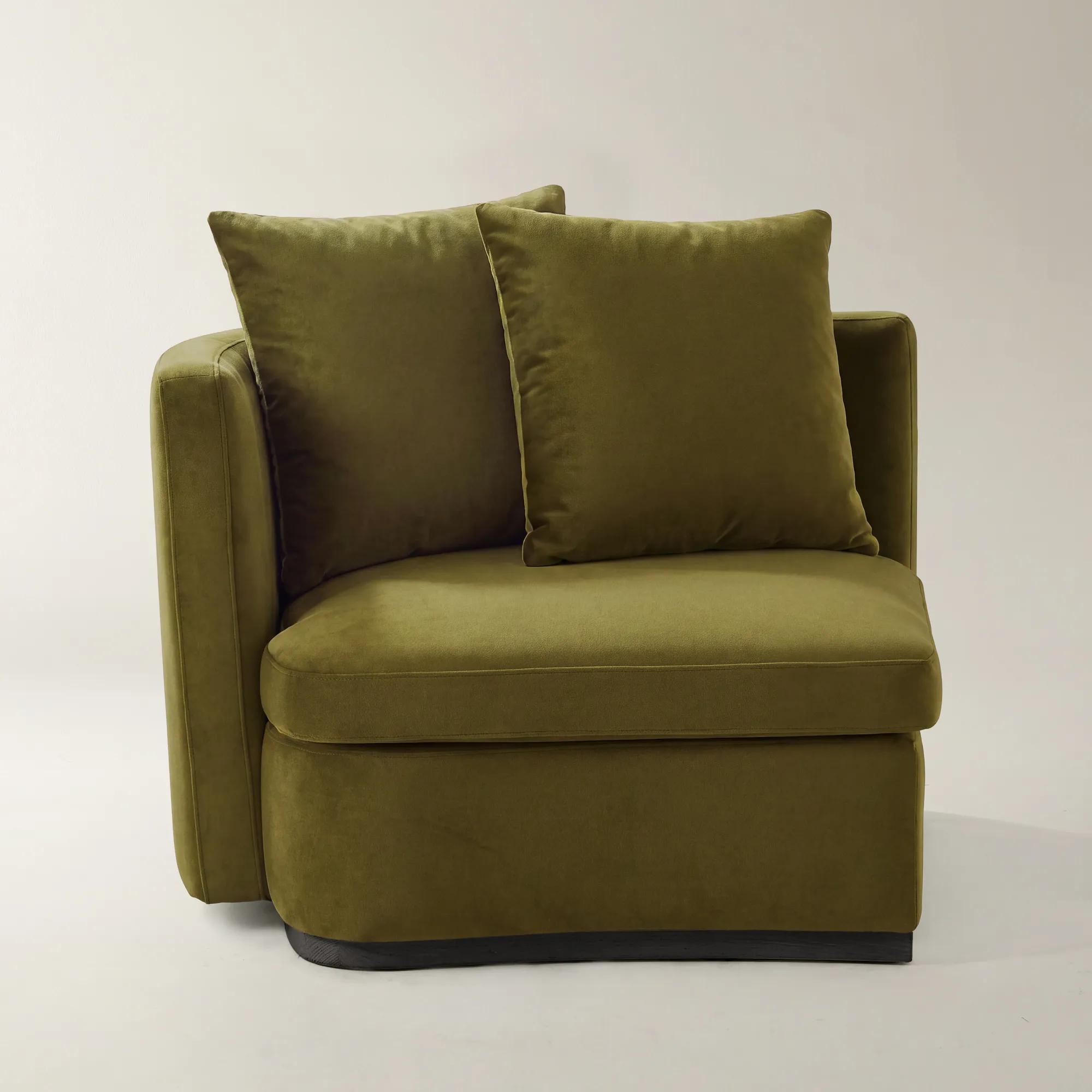 Stria Deep Olive Velvet Left-Arm Chair$1199
A sculptural deep olive velvet chair featuring kiln-dried wood construction and layered down-blend cushioning.
Add To Cart -
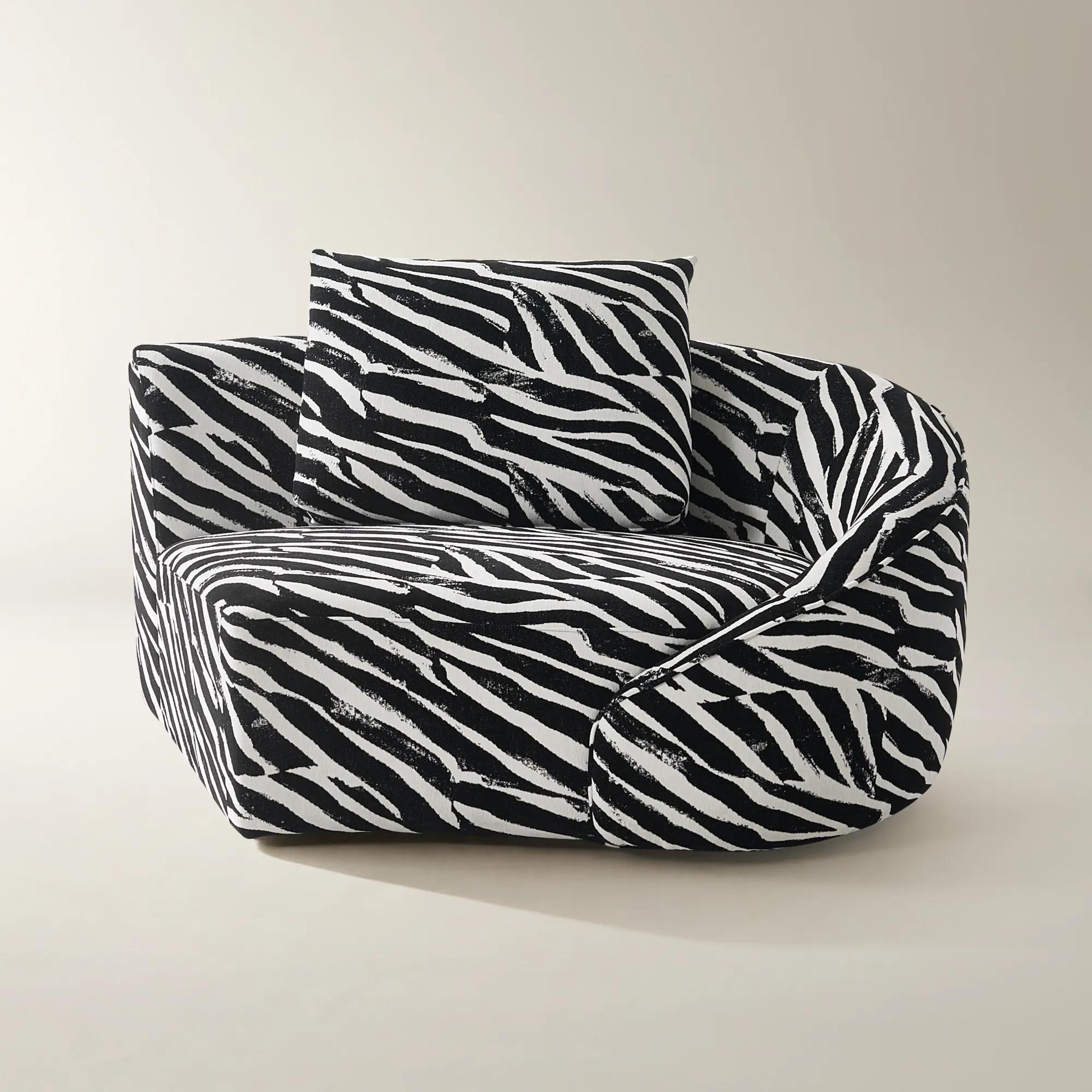
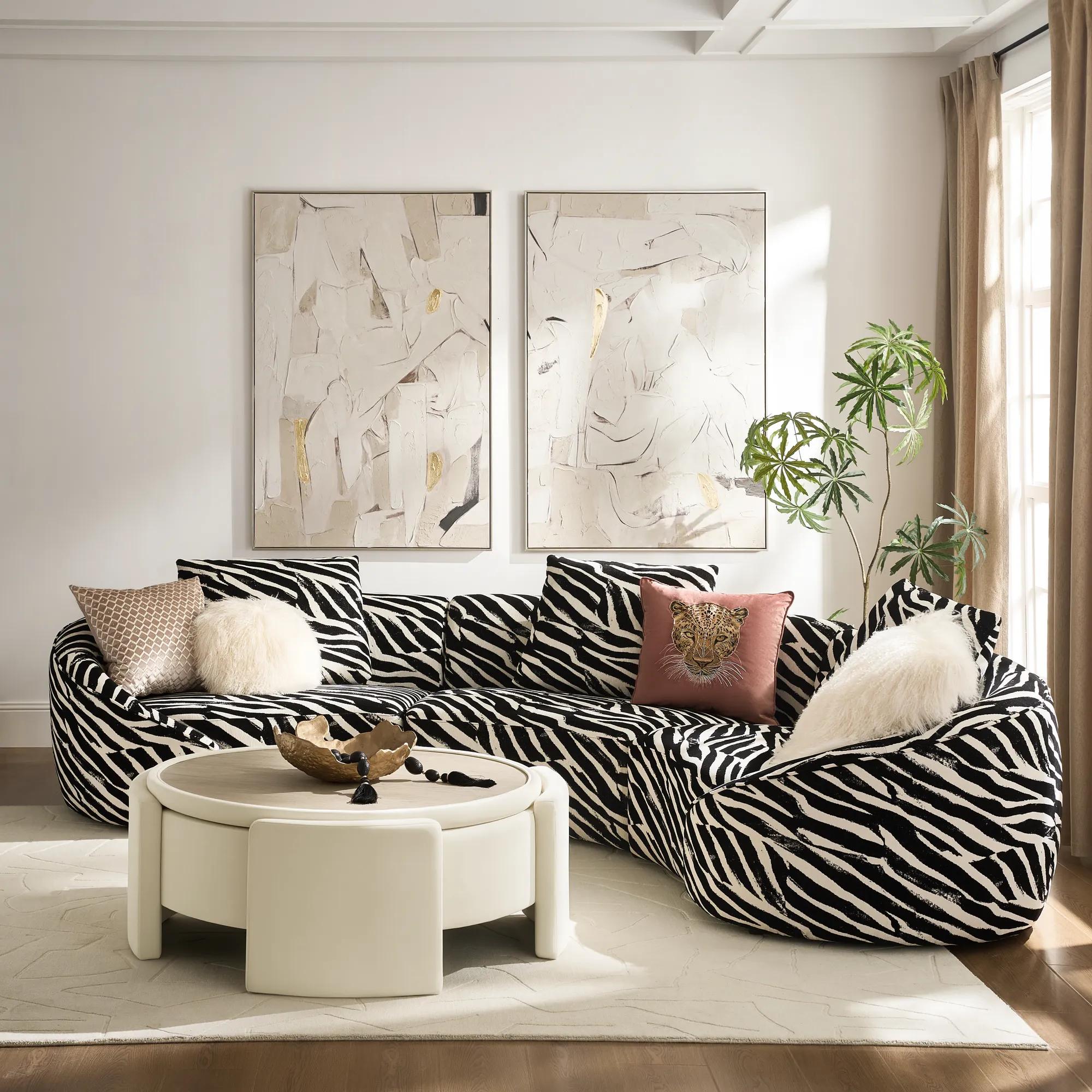 Irene White/Black Performance Chenille Right-Arm Chair$1399
A sculptural right-arm chair in black and white performance chenille with plush foam cushions and artisan detailing.
Add To Cart -
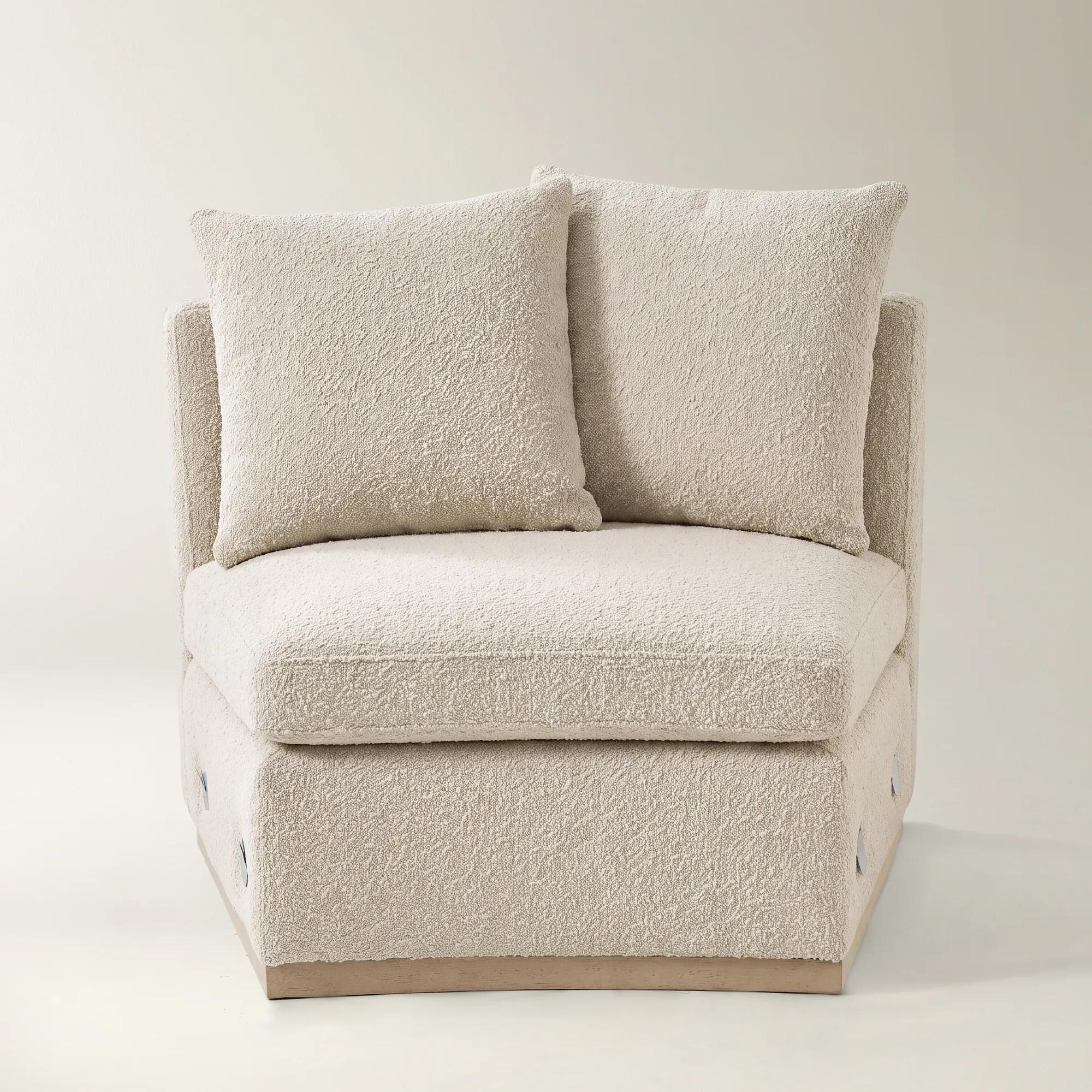 Stria Ivory Performance Boucle Armless Chair$1099
A sculptural ivory performance boucle chair with curved lines, layered cushioning, and a kiln-dried wood frame.
Add To Cart -
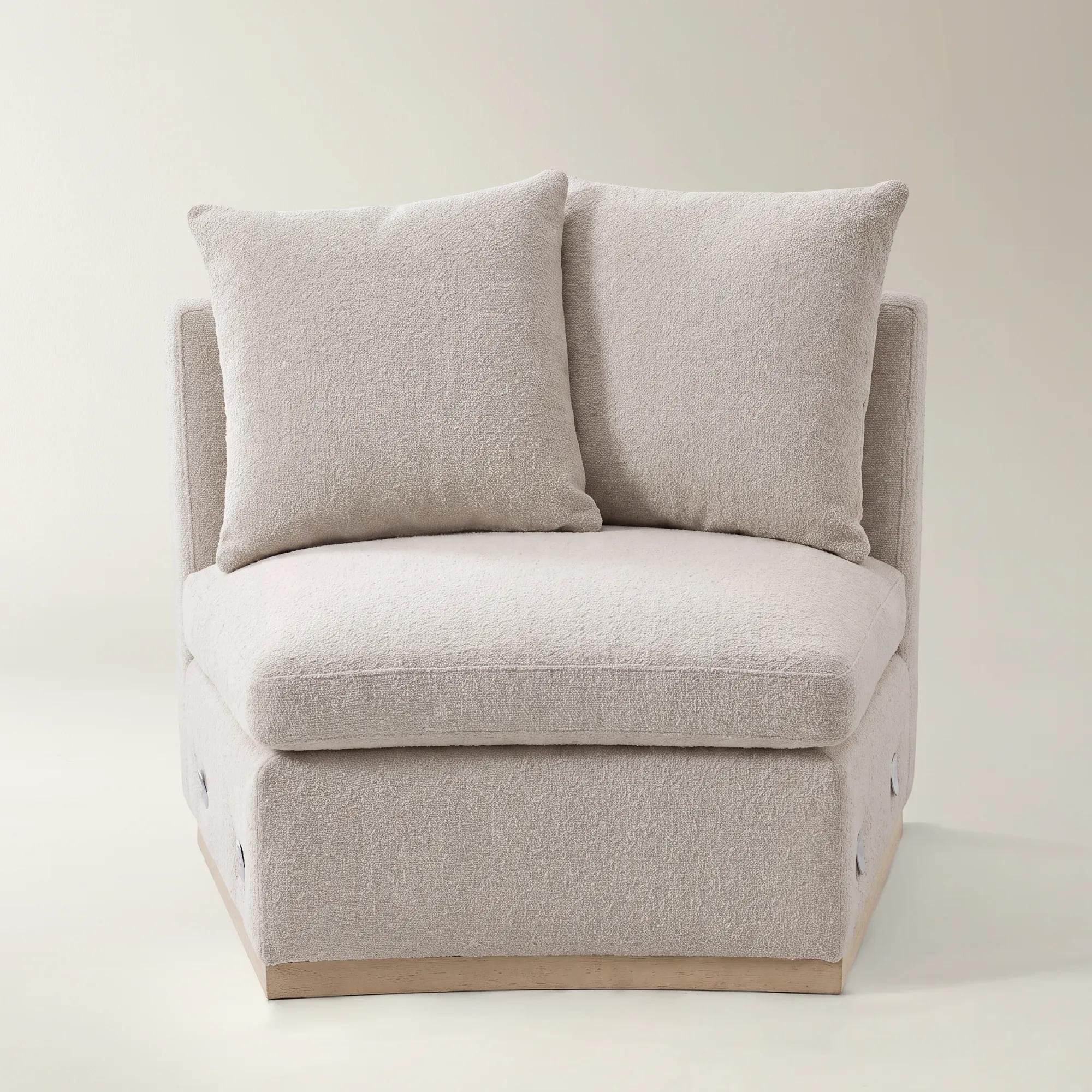 Stria Ivory Performance Boucle Armless Chair$1099
An ivory boucle chair with sculptural curves, layered foam-and-down cushioning, and a kiln-dried wood frame.
Add To Cart -
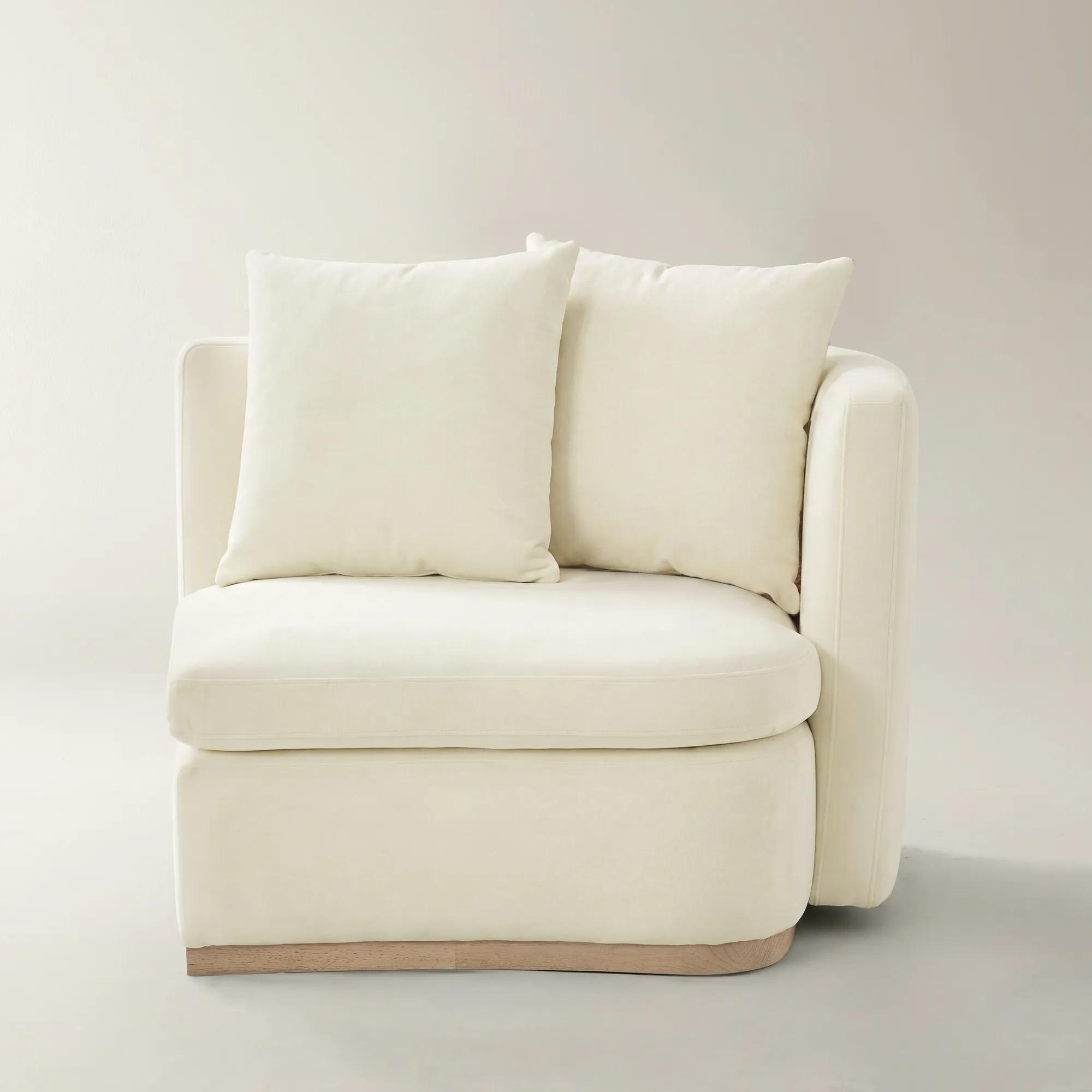 Stria Cloud Velvet Right-Arm Chair$1199
A sculptural chair upholstered in cloud velvet, featuring layered cushioning, softly curved edges, and a solid oak base.
Add To Cart

Designer Seating For Open Floor Plans
Designer seating for open floor plans transforms every gathering into a curated experience—where artistry and comfort converge, and every angle reveals a new perspective. In these expansive settings, seating is more than a place to pause; it’s the sculptural centerpiece that defines the flow, inviting conversation and connection across airy, sunlit spaces. With silhouettes that command attention and finishes that shimmer with intention, designer seating for open floor plans turns each room into a living gallery—a bold expression of taste, vision, and unapologetic glamour.
Designer seating for open floor plans defines distinct living, dining, and conversation areas without closing off the architecture that makes an open home feel expansive. Low-profile sofas, modular sectionals, swivel accent chairs, and upholstered benches bring structure to shared spaces while preserving sightlines and comfortable circulation. The most compelling pieces have a presence from every angle: a gracefully curved back, tailored upholstery, sculptural legs, or a beautifully finished frame that deserves to be seen beyond the front view. In a floating arrangement, the back of a sofa becomes a visual boundary between the living area and the dining table, giving each setting its own identity without introducing a wall. A sectional can establish a generous gathering place, while a pair of accent chairs creates a more intimate conversation area within the larger room. Modular seating adds flexibility when its individual components and connection system suit the intended arrangement, allowing configurations that respond to the room rather than overwhelm it. For households that entertain across the kitchen and living area, swivel chairs offer an elegant advantage: guests can turn toward conversation without repeatedly shifting the chair base. Low backs keep the composition visually open, although seat depth, cushion support, and back height still need to suit the people who will use them. Raised legs can reveal more of the floor and lighten the visual weight of an upholstered silhouette; a grounded, plinth-style base creates a more architectural statement. Neither approach needs to disappear into the room. A sweeping curve or richly textured surface can provide all the drama an open layout needs, especially when surrounding seating shares a deliberate relationship in scale and finish. Allowing roughly 36 inches or more for primary walkways helps maintain movement between zones, with additional clearance where doors open, dining chairs pull out, or household members need more generous access. The result is seating that gives a large space definition while keeping everyday movement effortless.
Upholstery sets the emotional register of an open living space, where a sofa or chair may be visible from the entry, kitchen, and dining area at once. Velvet introduces a luminous depth that changes with the direction of its pile, lending even a restrained silhouette a sumptuous quality. Its natural shading and pressure marks are part of the material’s character, making the finish especially expressive across curved arms and broad cushions. Bouclé brings a tactile, sculptural surface, while woven upholstery can offer subtle dimension without competing with nearby cabinetry, artwork, or a statement light fixture. Leather provides another distinct mood, from smooth and tailored to softly lived-in, with aging and maintenance requirements that depend on the specific finish. Material choice becomes especially important when seating supports daily lounging, frequent entertaining, or a home shared with children and pets. Tightly woven fabrics may be preferable where claws could catch on pronounced loops, and performance upholstery deserves a close look at its stated stain resistance and cleaning requirements rather than an assumption that every spill will disappear. Durability comes from the complete construction, not the fabric alone: frame quality, supportive suspension, secure joints, and cushions suited to regular use all contribute to how seating holds its shape and comfort. A deep, relaxed cushion invites an extended evening with a book, while a firmer, more upright seat can make conversation and getting up feel easier. Care should follow the manufacturer’s instructions and upholstery cleaning code, with routine vacuuming using an appropriate attachment and prompt blotting rather than rubbing when spills occur. Removable cushion covers are not necessarily machine washable. Wood and metal details also benefit from finish-appropriate care instead of abrasive cleaners. Direct sunlight can alter upholstery color over time, so placement and window treatments matter in bright, uninterrupted rooms. These practical considerations protect the visual richness of seating intended to be enjoyed, not simply admired.
Scale gives designer seating its authority in an open floor plan. A substantial sectional can feel beautifully proportioned in a broad great room yet interrupt circulation in a narrower living-and-dining layout, while several undersized chairs may leave a generous space feeling fragmented. Overall width and depth matter, but so do arm thickness, seat height, and the distance between pieces. Slimmer arms can preserve usable seating within a smaller footprint; broad upholstered arms create a more enveloping profile and require space to carry that volume gracefully. Deep seats favor lounging, whereas shallower seats may better accommodate upright conversation or people whose feet do not comfortably reach the floor in oversized furniture. A floor outline made with painter’s tape can clarify whether a chaise projects into the route from the kitchen or whether a chair has enough room to swivel without striking a nearby table. Delivery access deserves equal attention, including entryways, elevators, stair turns, and the dimensions of separate sectional components. In dining zones, upholstered benches and banquettes offer a tailored counterpoint to living-room seating, especially along a wall where a continuous silhouette creates a composed backdrop. Their seat height and depth must work with the table, and sufficient space beneath the tabletop and around its legs keeps the arrangement comfortable rather than merely photogenic. Across adjoining zones, repetition creates cohesion without requiring every piece to match: a warm metal detail can echo another frame, a curved chair can answer a rounded sofa, and a shared undertone can connect contrasting fabrics. A quieter neutral foundation leaves room for one saturated accent chair to command attention, while a tonal arrangement lets texture and silhouette provide the spectacle. For a complementary expression of this balance, Elegant Seating for Open Concept Homes offers a related perspective on seating for connected interiors. Whether the setting serves lively gatherings, relaxed family evenings, or a polished place to welcome guests, thoughtfully proportioned seating makes an open home feel intentional, expressive, and deeply comfortable.
FAQs
Designer seating is a powerful tool for sculpting distinct areas within an open floor plan. Arrange modular sofas or sectionals to anchor your main living space, positioning them to subtly separate the lounge from the dining or kitchen area. Accent chairs, benches, and backless stools can be used to create visual boundaries while maintaining an airy, connected feel. By mixing shapes and placements, you can elegantly guide the flow of movement and conversation throughout your home.
Mixing and matching seating styles adds depth and personality to your open concept home. Pair sculptural accent chairs with plush sectionals, or combine vintage-inspired pieces with modern silhouettes for a curated, gallery-like effect. Experiment with contrasting textures—such as velvet, leather, and boucle—to create tactile richness. The key is to balance boldness with cohesion, using color palettes or metallic accents to tie the story together.
Absolutely. Multifunctional seating, such as storage ottomans, daybeds, and convertible benches, enhances both the beauty and utility of open floor plans. These pieces provide flexibility for entertaining, lounging, or even accommodating overnight guests, all while maintaining a streamlined, artful look. Their adaptability makes them ideal for homes that host everything from intimate gatherings to grand celebrations.
To enhance flow, consider the orientation and scale of each seating piece. Opt for armless or low-profile chairs to keep sightlines open, and use swivel chairs to create seamless transitions between zones. Arrange furniture to encourage movement, leaving natural pathways between areas. Cohesive color stories and thoughtfully chosen materials will further unify the space, making each zone distinct yet harmonious.
Designer seating is a luxurious, meaningful gift for anyone who sees their home as a canvas for self-expression. A sculptural accent chair or a sumptuous bench can become the centerpiece of a new space, elevating both comfort and style. These pieces are especially cherished by those who love to entertain or curate their environment, making them ideal gifts for housewarmings, weddings, or milestone celebrations.