Modern Stools For Open Floor Plans
Modern Stools For Open Floor Plans
-
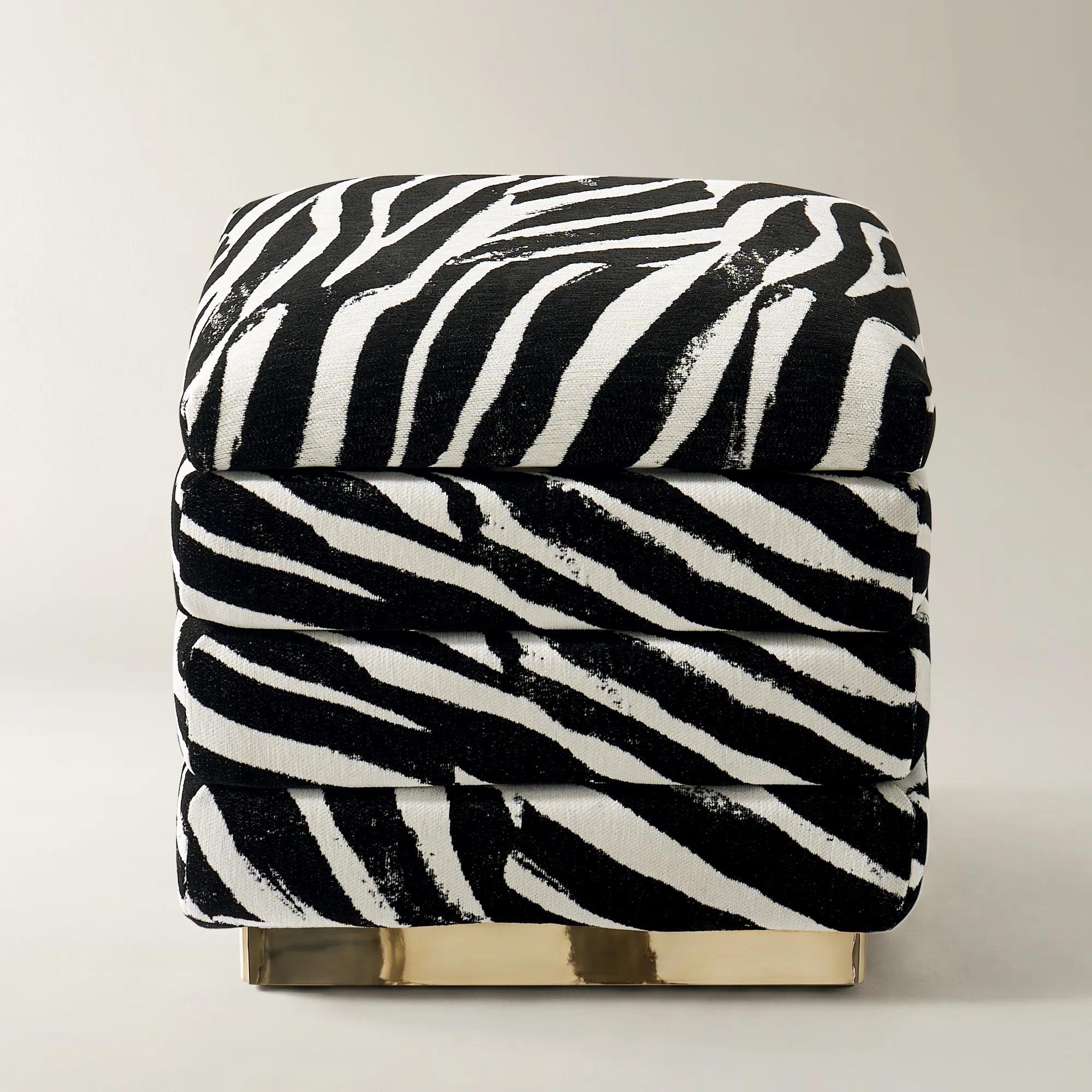
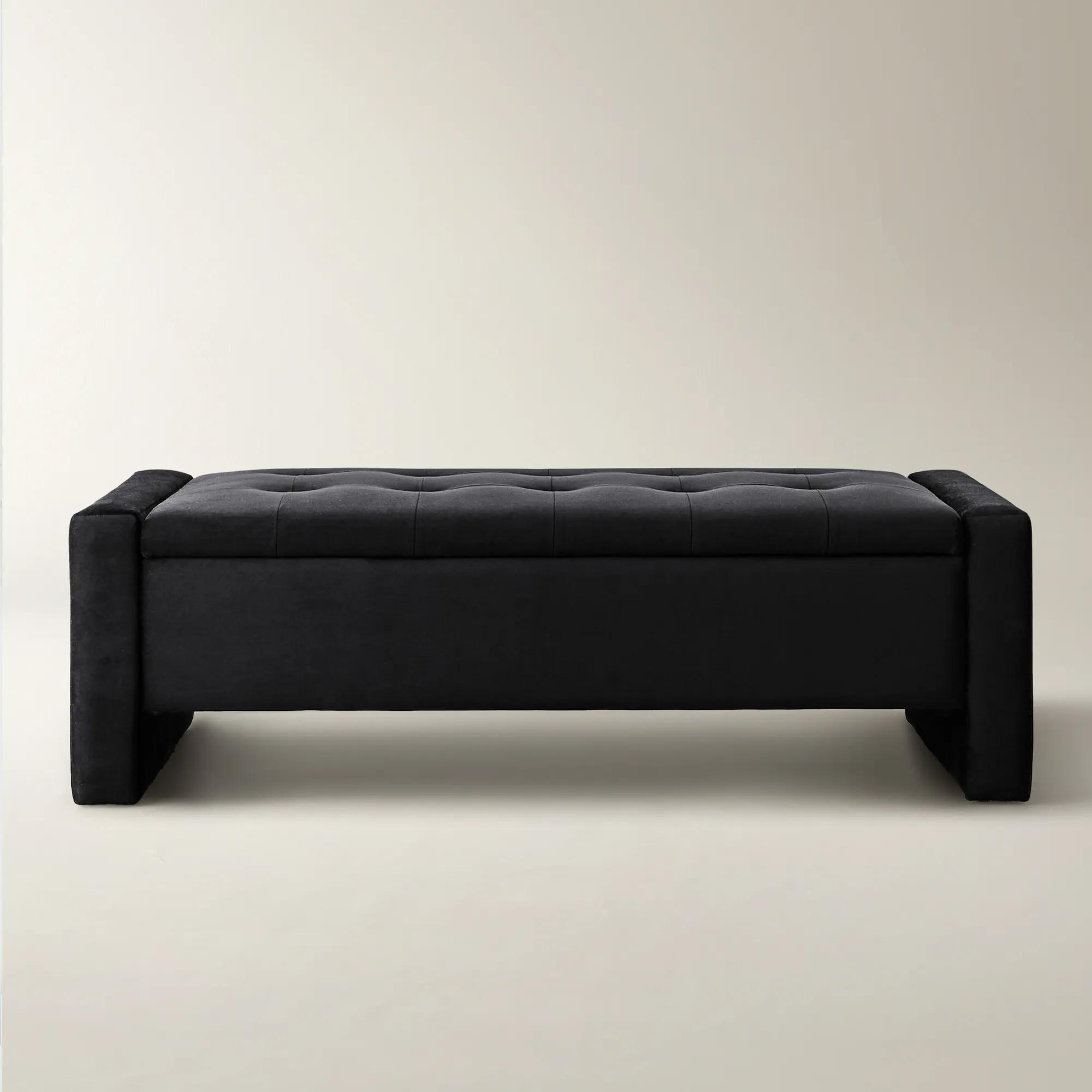
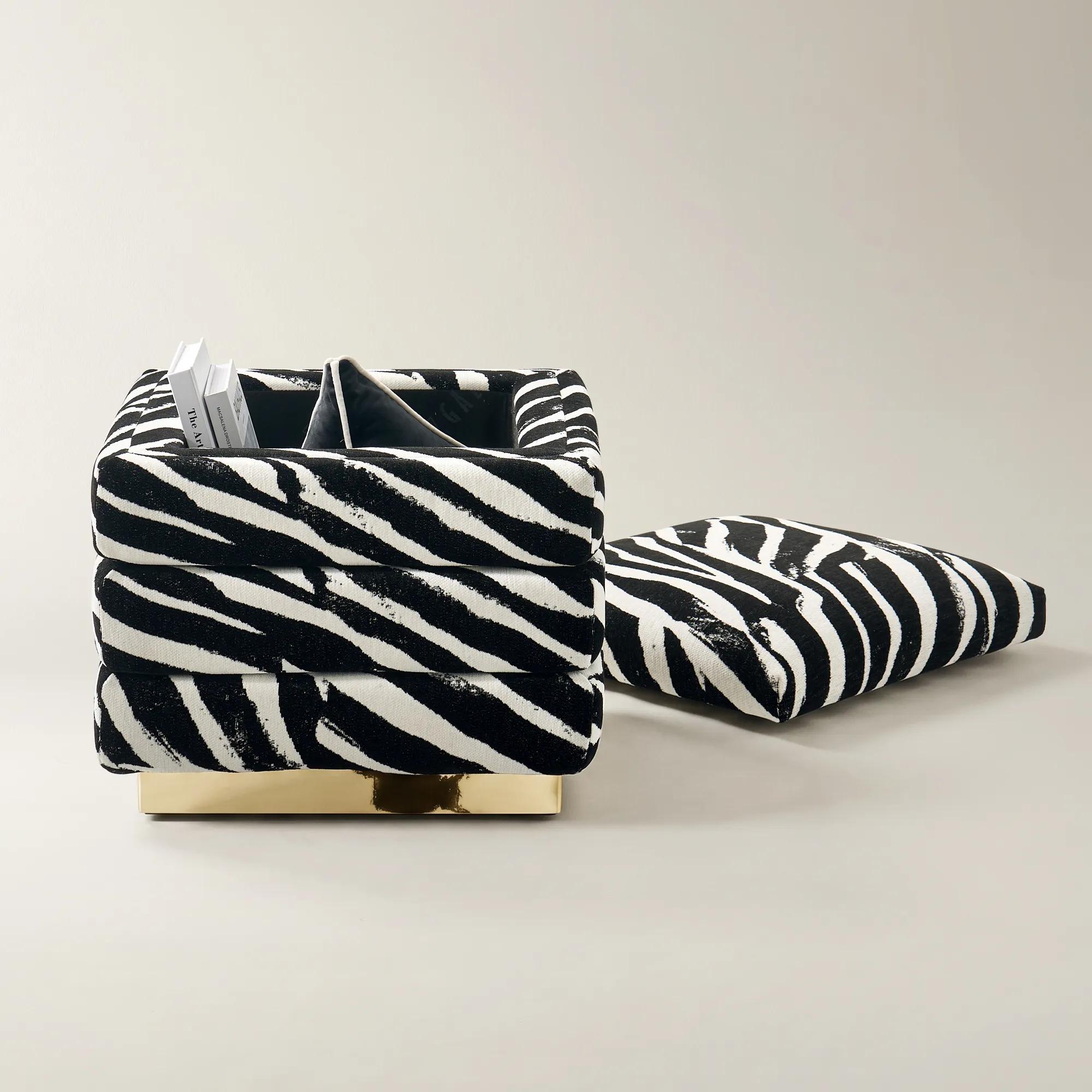 Gable White/Black Performance Chenille Stool$399
A plush white and black chenille stool with hidden storage and a polished gold stainless steel base.
Add To Cart -
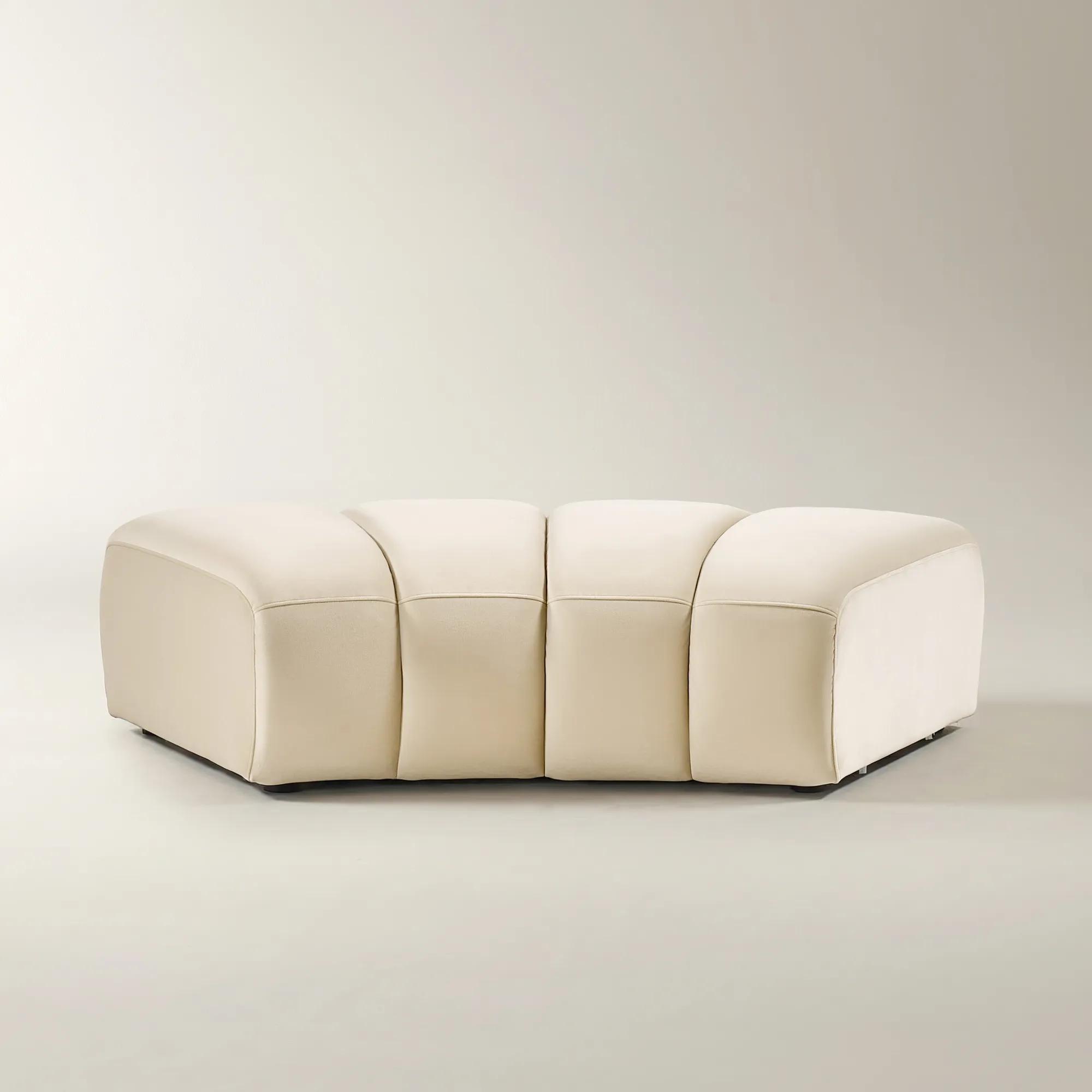
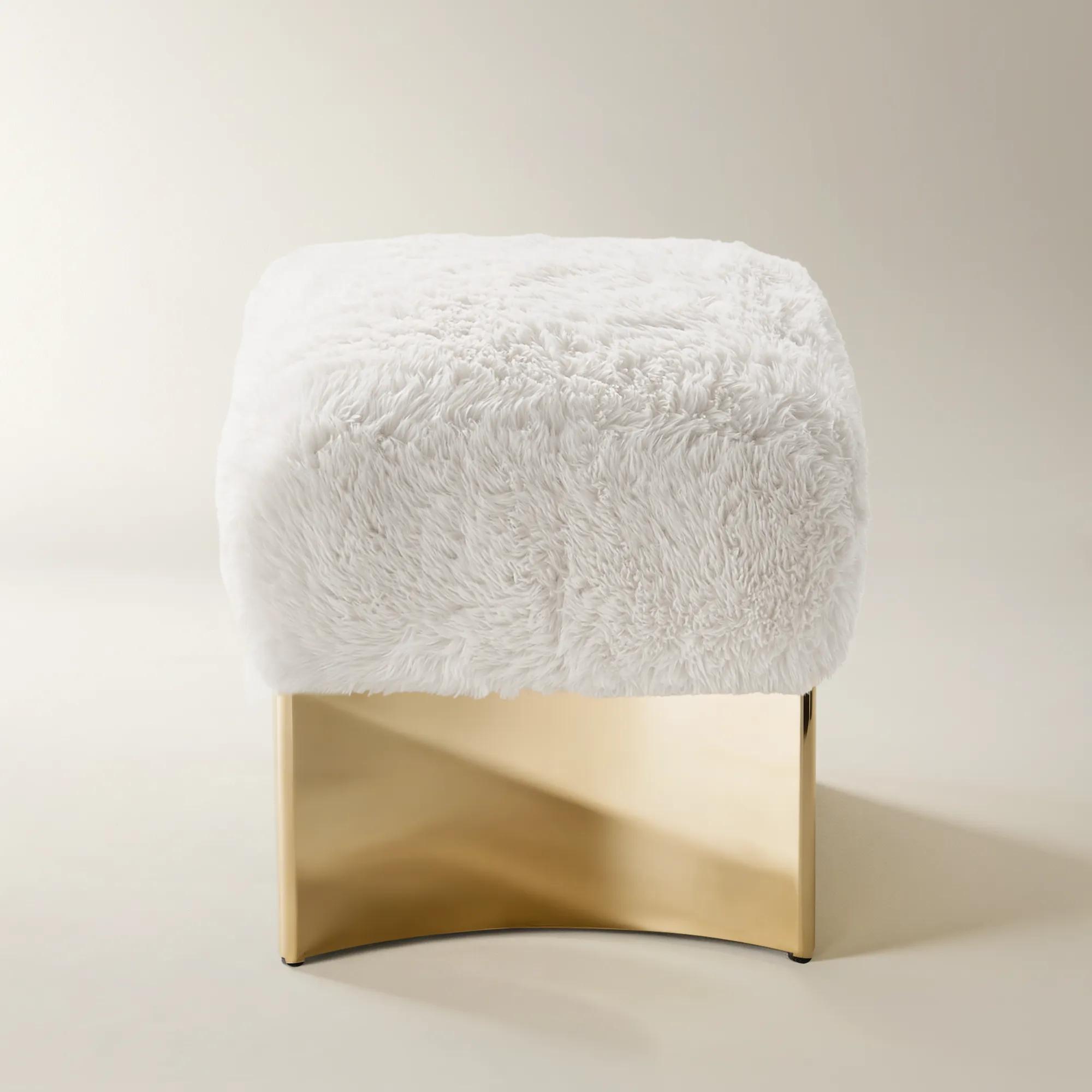 Lush White Faux Fur Stool$499
A sculptural white faux fur stool with a plush seat and polished gold stainless steel base.
Add To Cart -
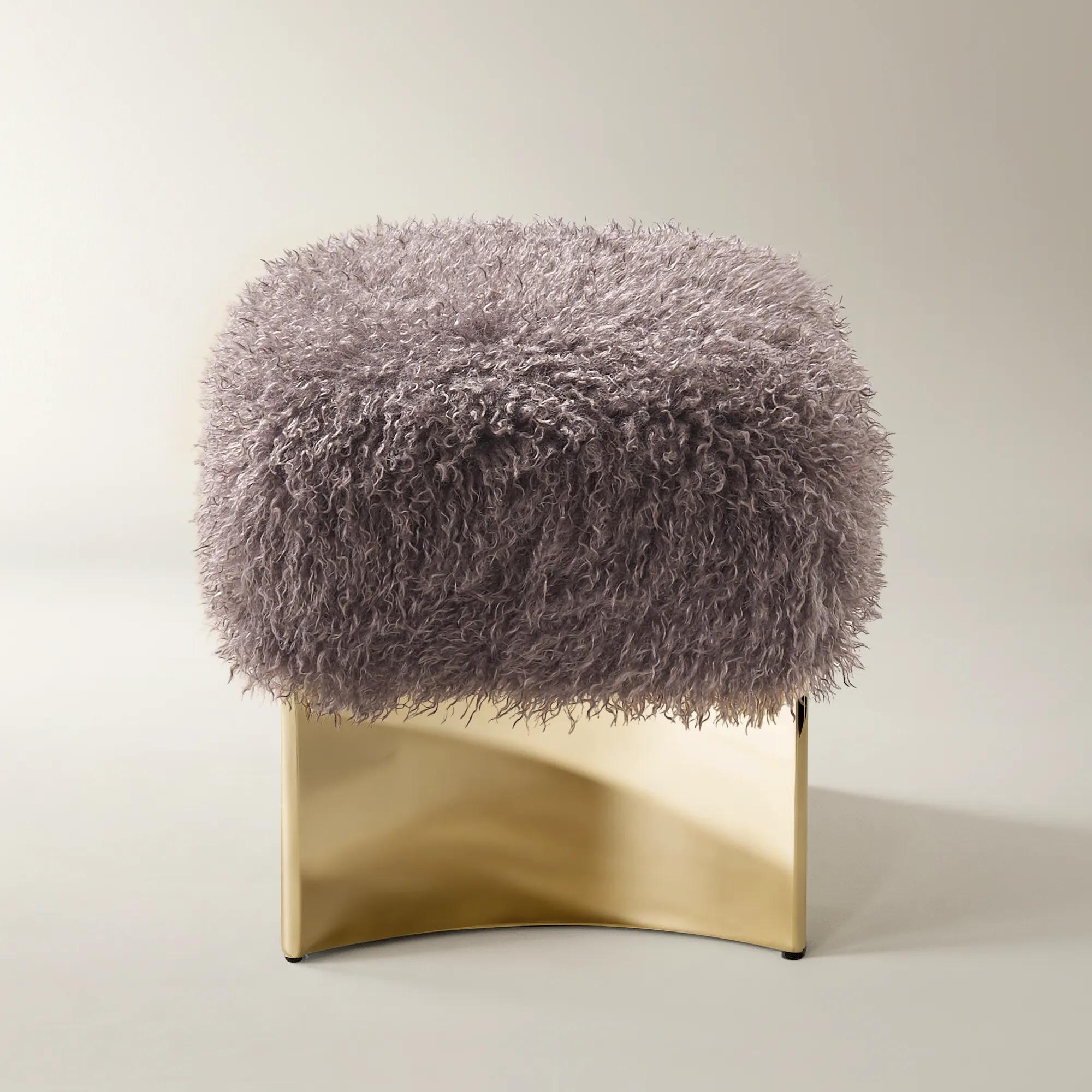 Lush Smoked Plum Faux Fur Stool$499
A sculptural smoked plum faux fur stool with a plush seat and polished gold stainless steel base.
Add To Cart -
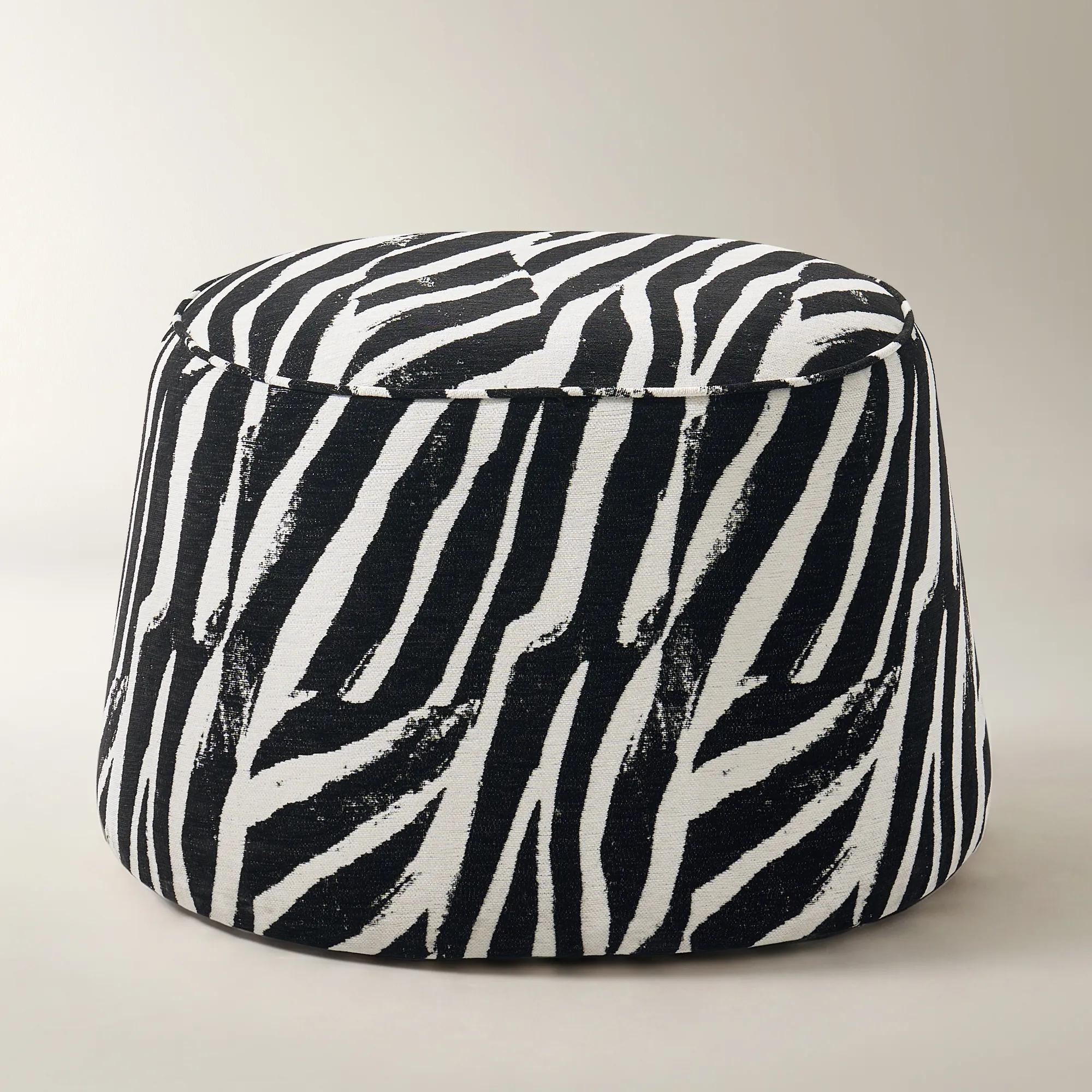 Avery White/Black Performance Chenille Stool$399
A sculpted drum accent stool in black and white performance chenille with an animal-inspired pattern.
Add To Cart -
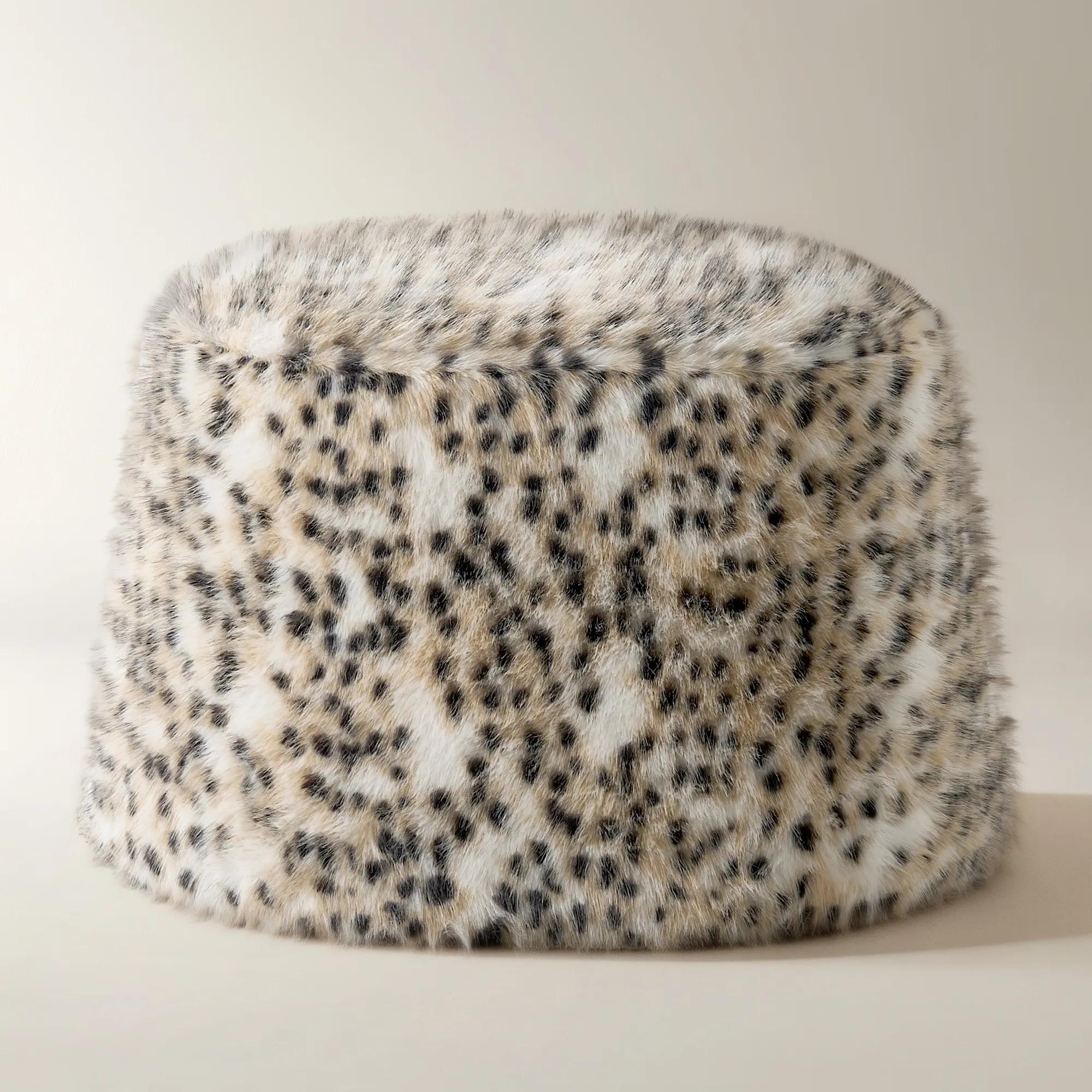
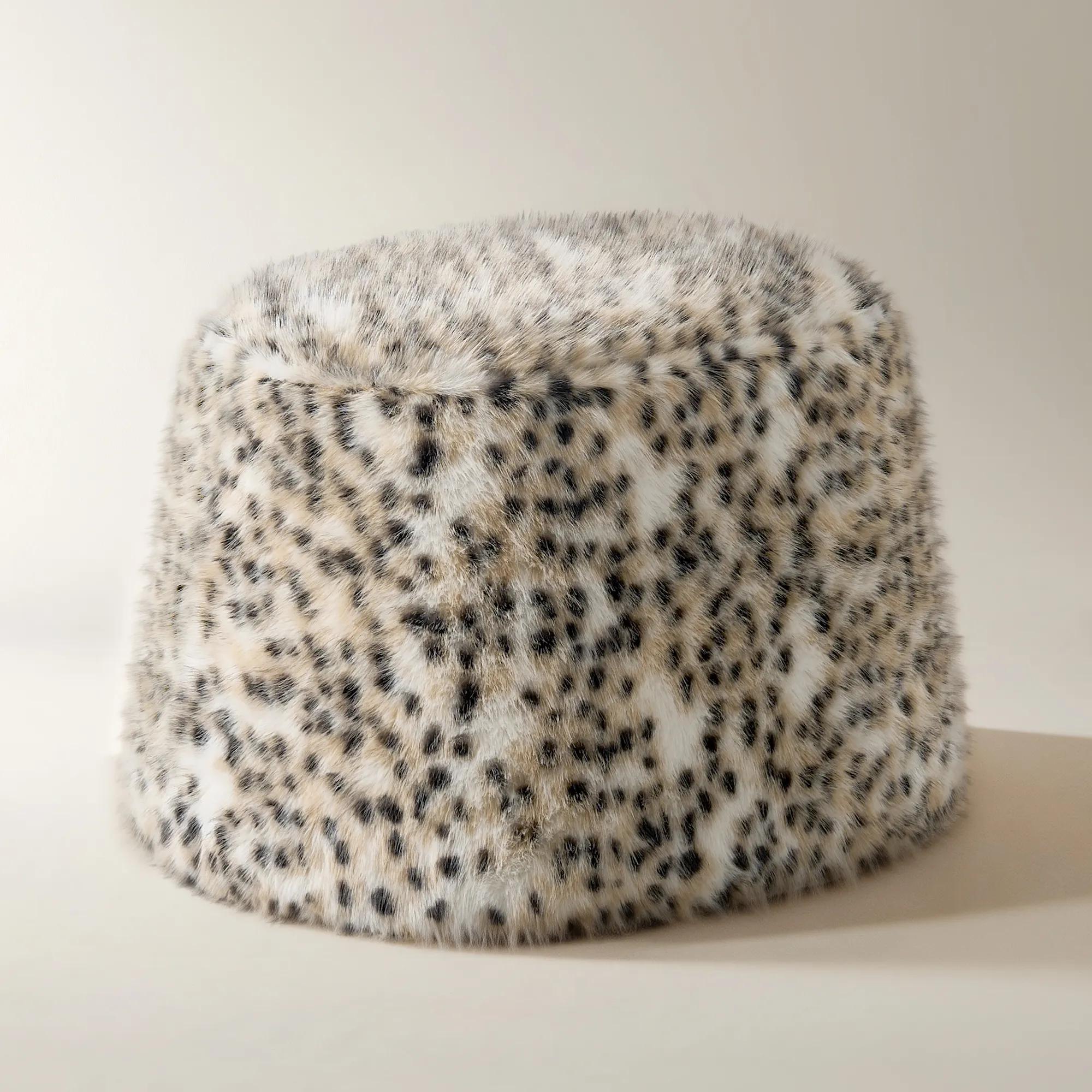 Avery Spotted Faux Fur Stool$399
A sculpted drum stool wrapped in plush spotted faux fur for bold, modern accent seating.
Add To Cart -
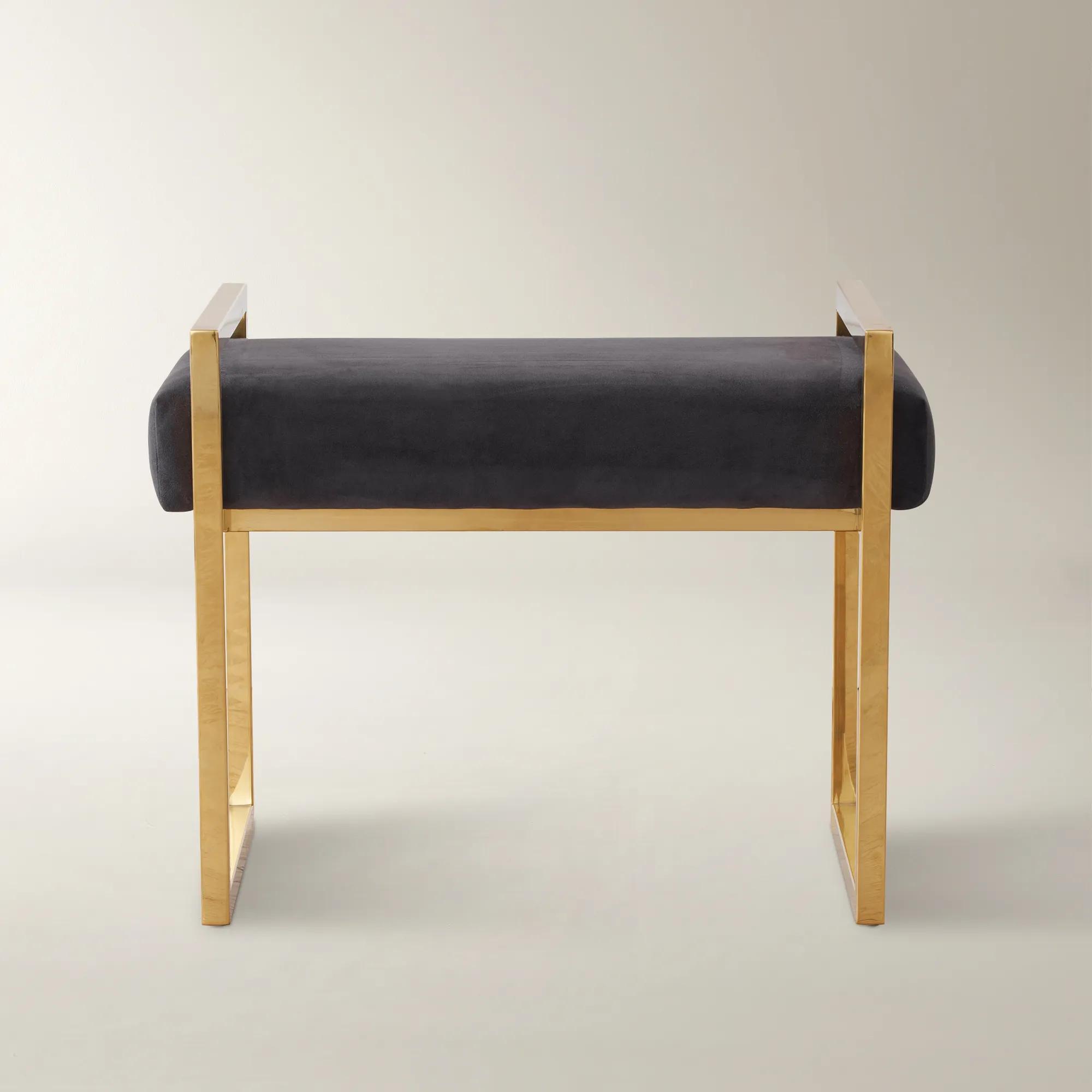
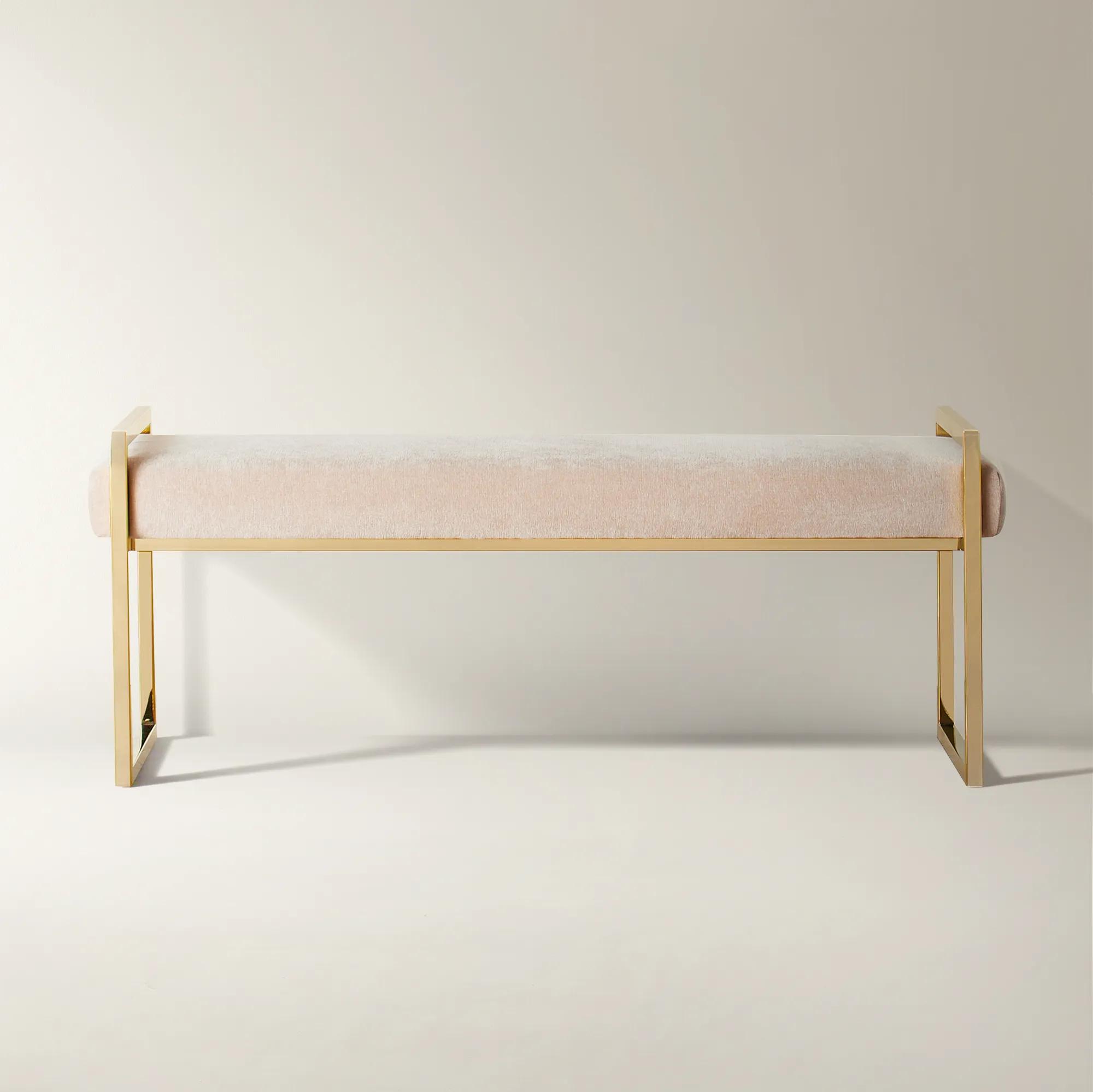
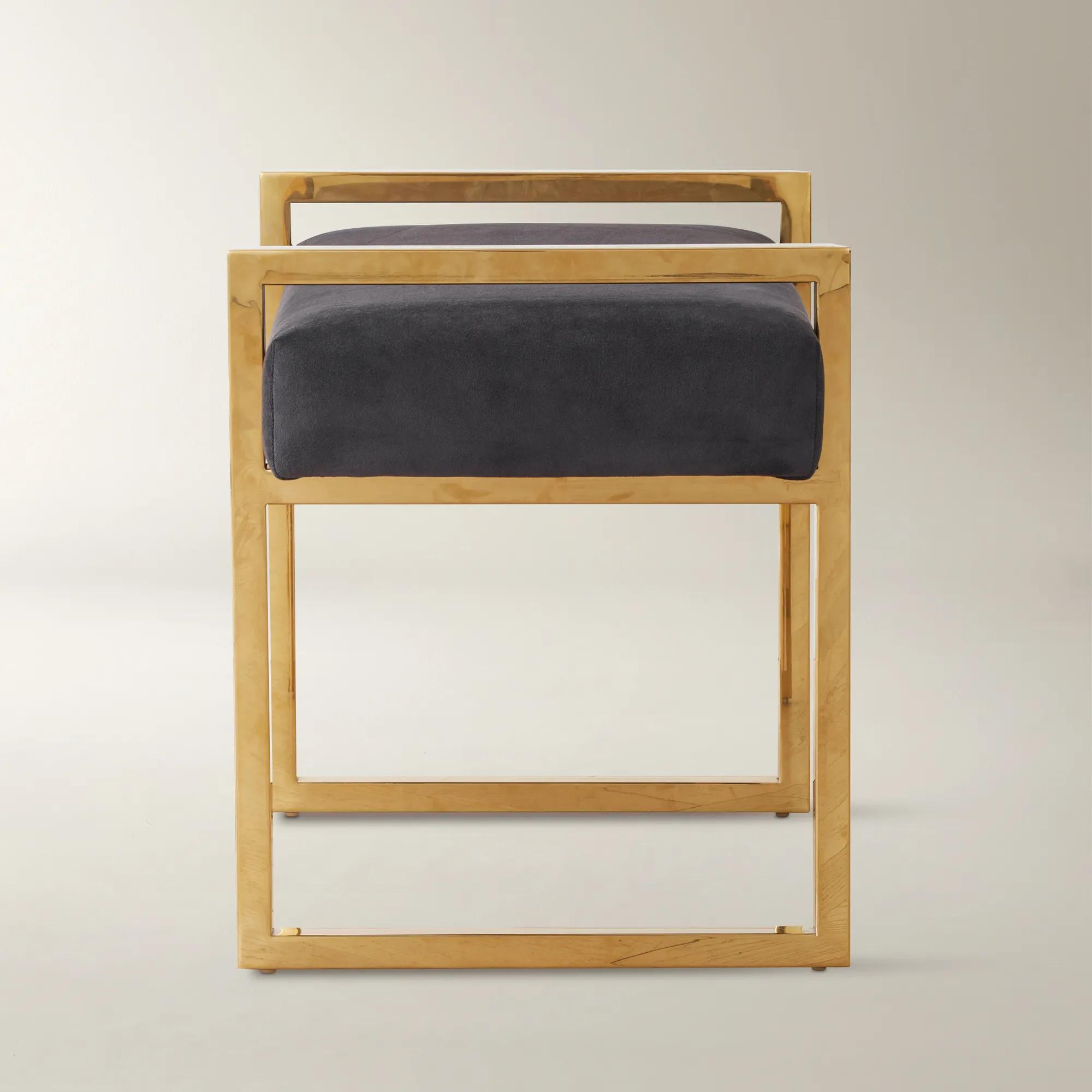 Clara Accent Stool$449
A chic accent stool featuring a plush black velvet seat and polished gold metal legs for modern flair.
Add To Cart -
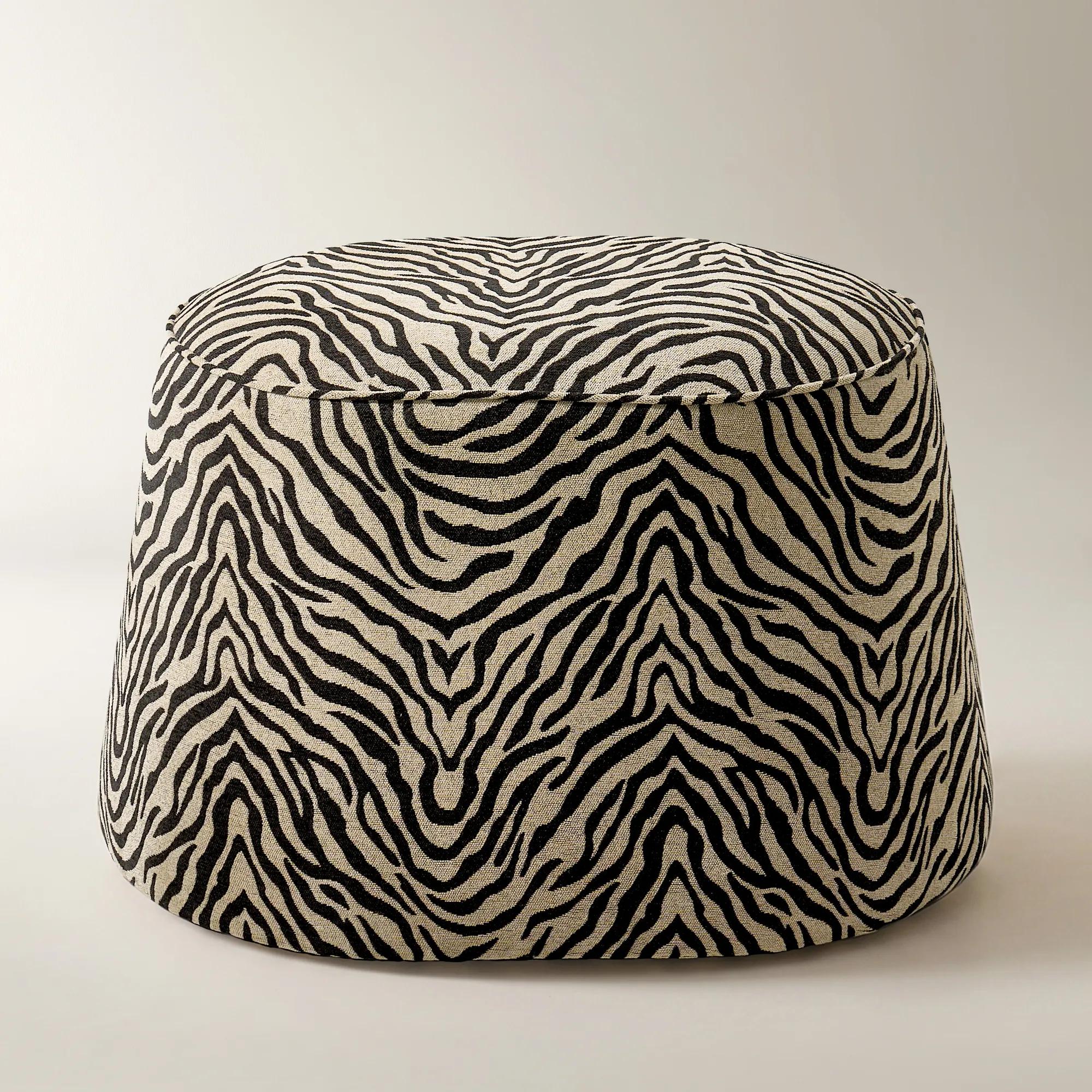 Avery Zebra Performance Chenille Stool$399
A sculpted drum-shaped accent stool upholstered in zebra-patterned performance chenille for bold, modern style.
Add To Cart -
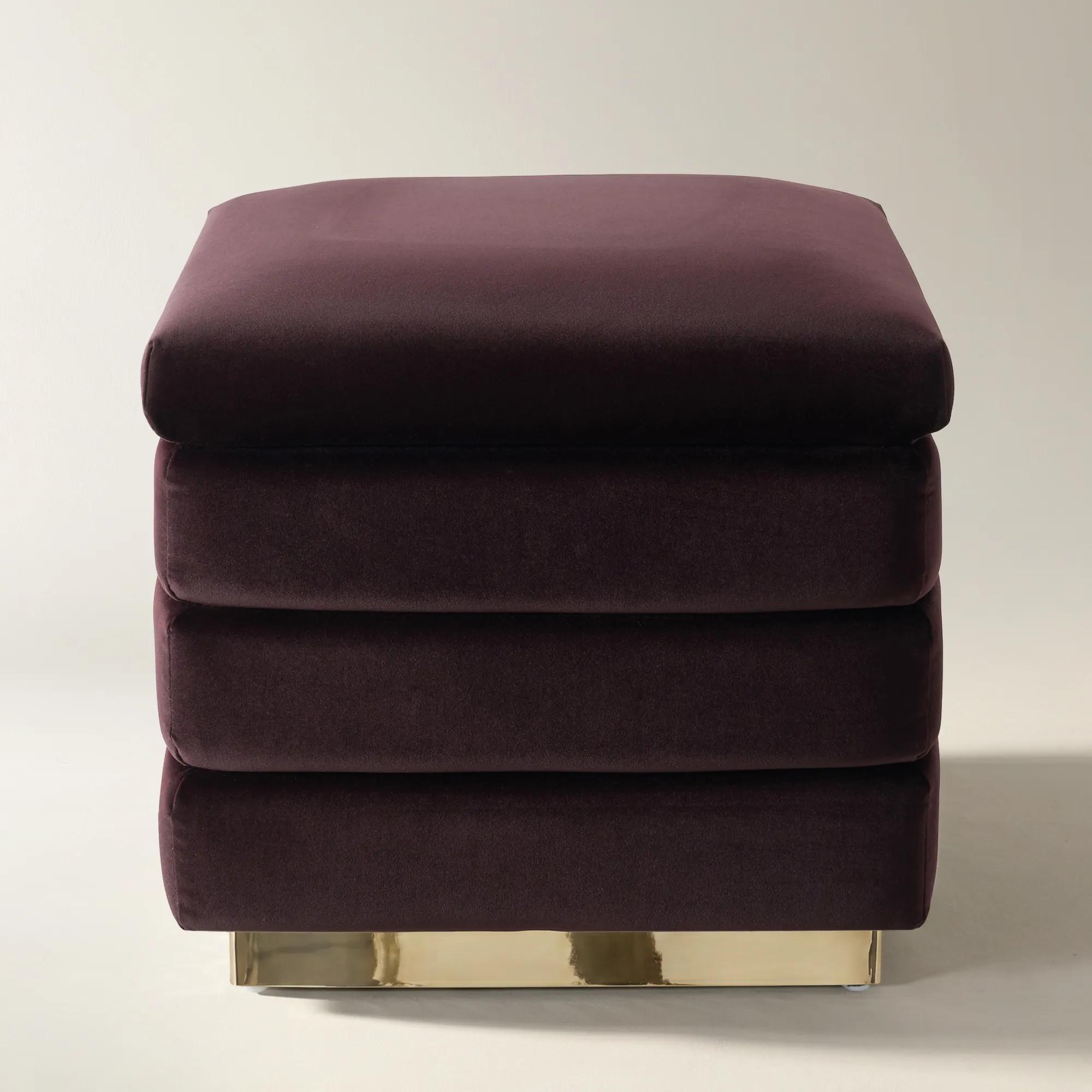
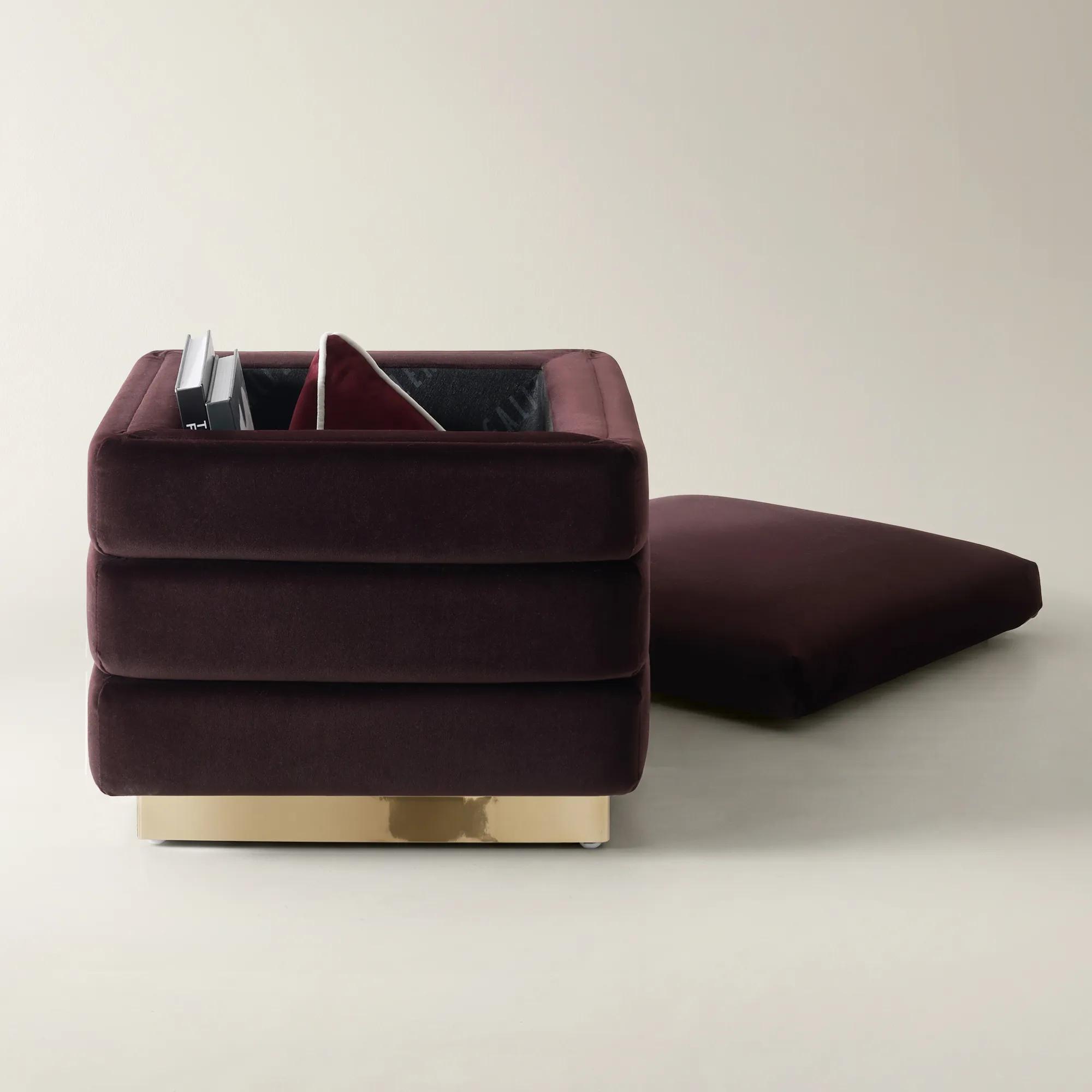 Gable Fig Chenille Storage Stool$399
A plush fig chenille stool with hidden storage, velvet upholstery, and a polished gold stainless steel base.
Add To Cart -

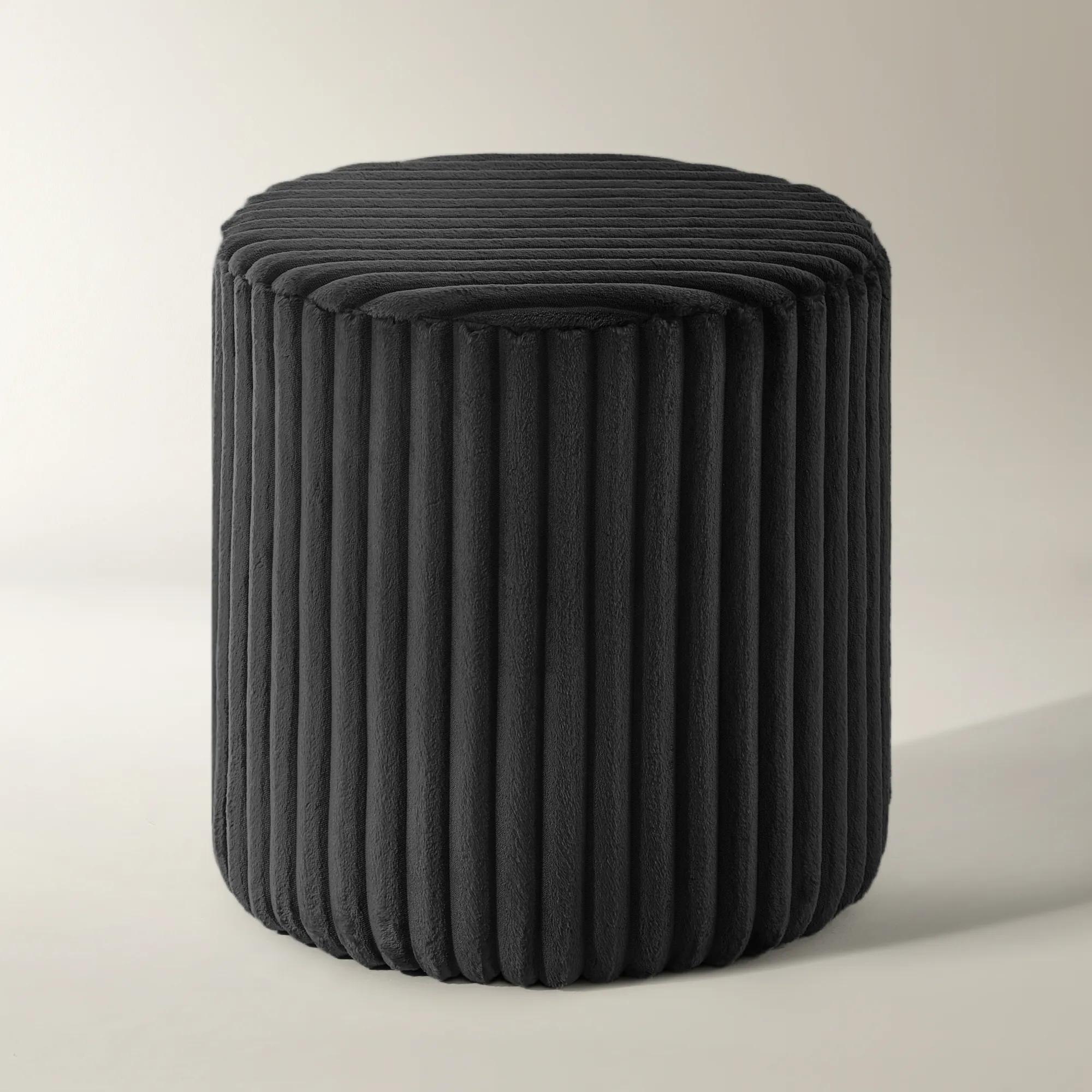 Fleece Fluted Black Velvet Stool (15.55'')$229
A plush black ribbed velvet stool offering versatile seating and cozy texture for any modern space.
Add To Cart -
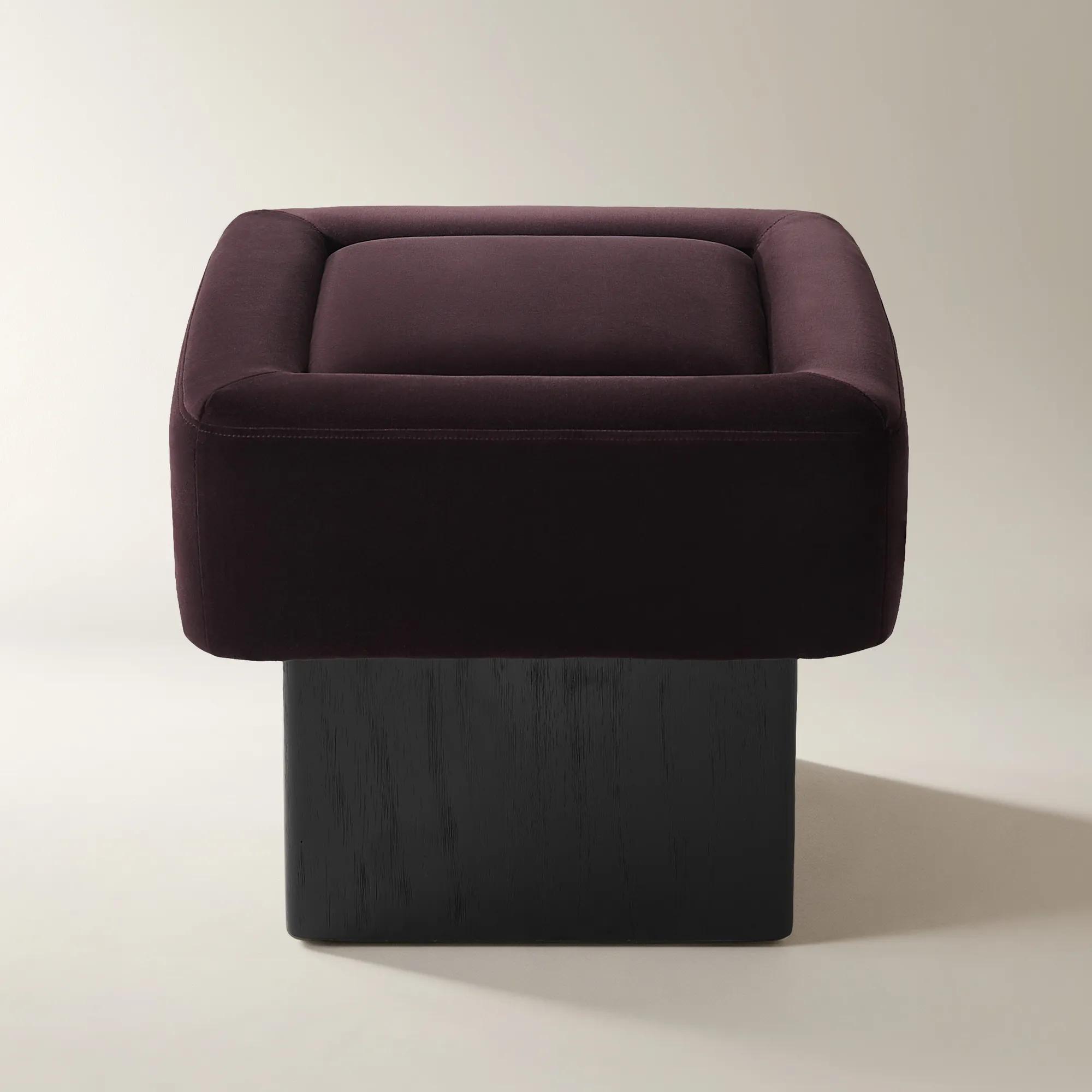 Reims Fig Velvet Stool$399
A plush fig-colored velvet stool featuring a sculpted cushion and a solid rubberwood base for modern contrast.
Add To Cart -
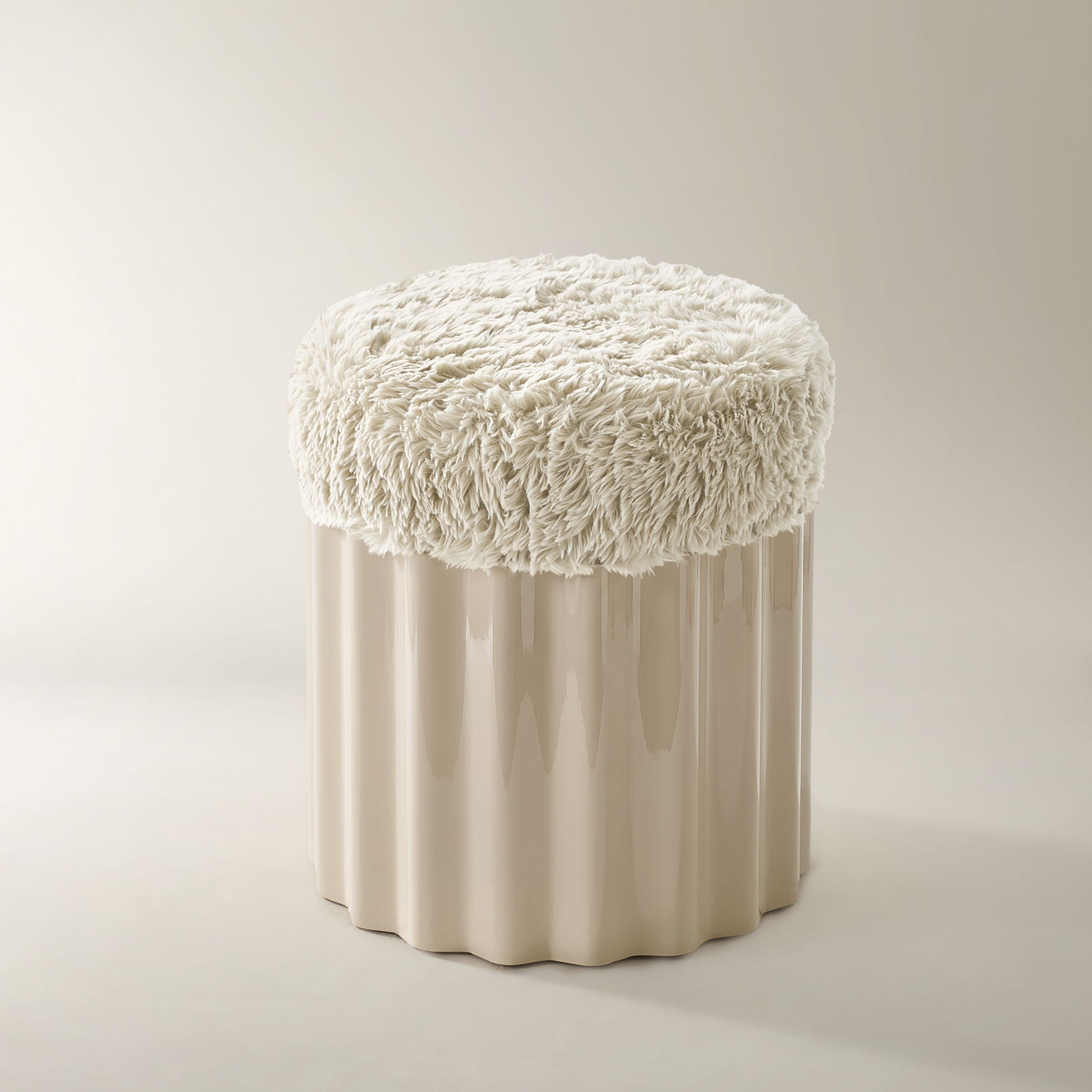
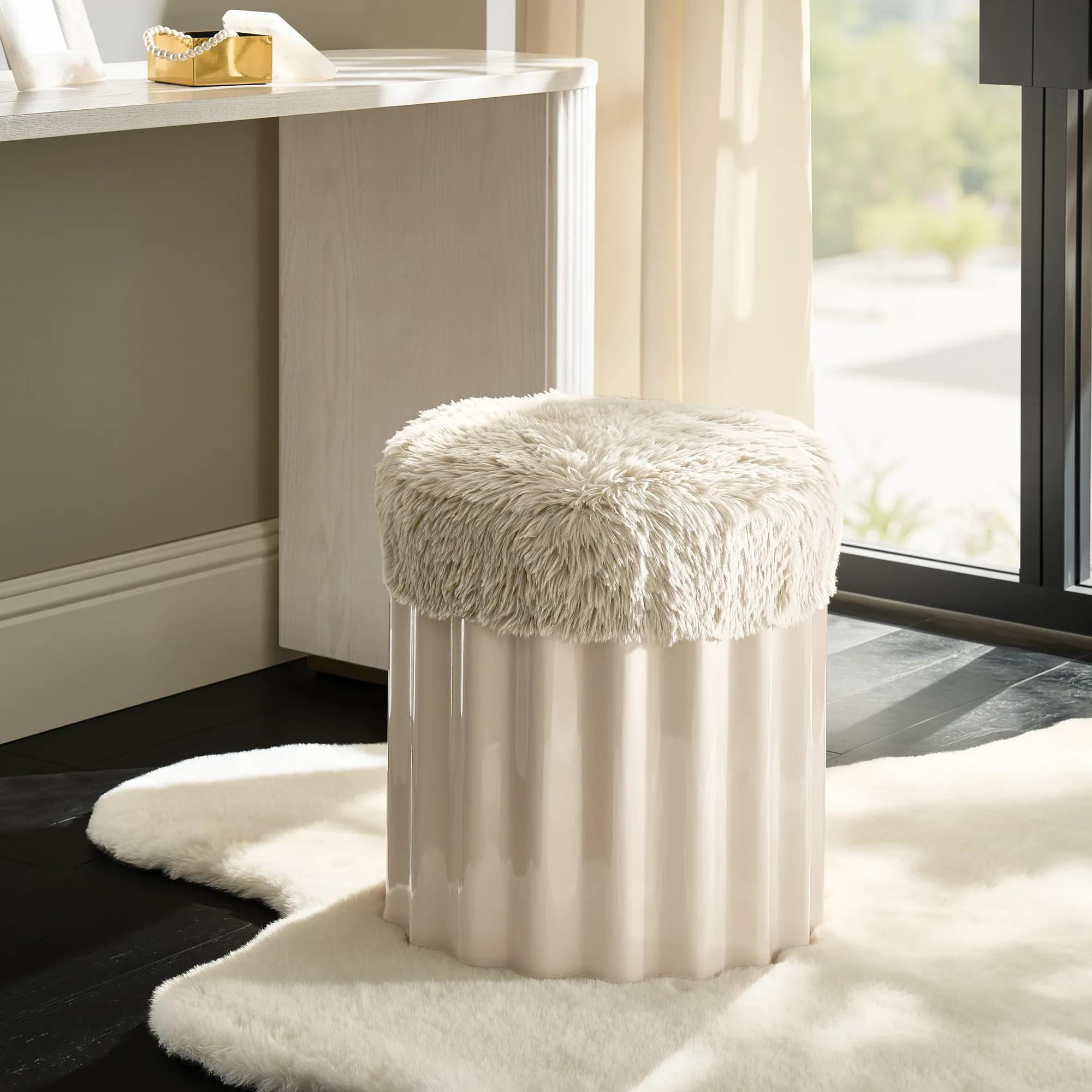 Nia Lacquered Turtle Dove Faux Fur Storage Stool$399
A sculptural fluted stool in warm turtle dove with plush faux fur seat and hidden storage compartment.
Add To Cart -
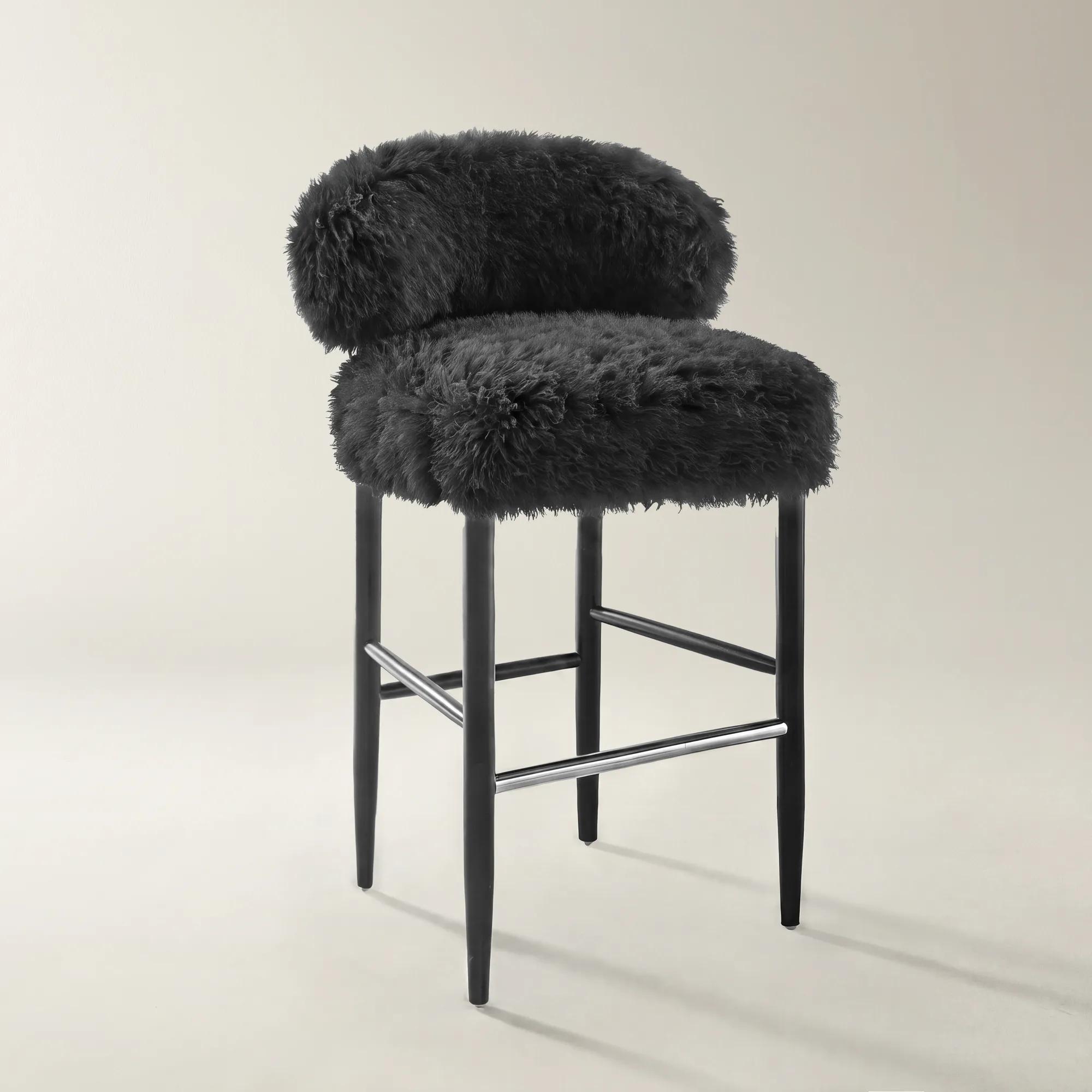 Anna Black Faux Fur Bar/Counter Stool$549
A black faux-fur bar stool with a sculpted back, padded seat, and solid rubberwood legs.
Add To Cart -
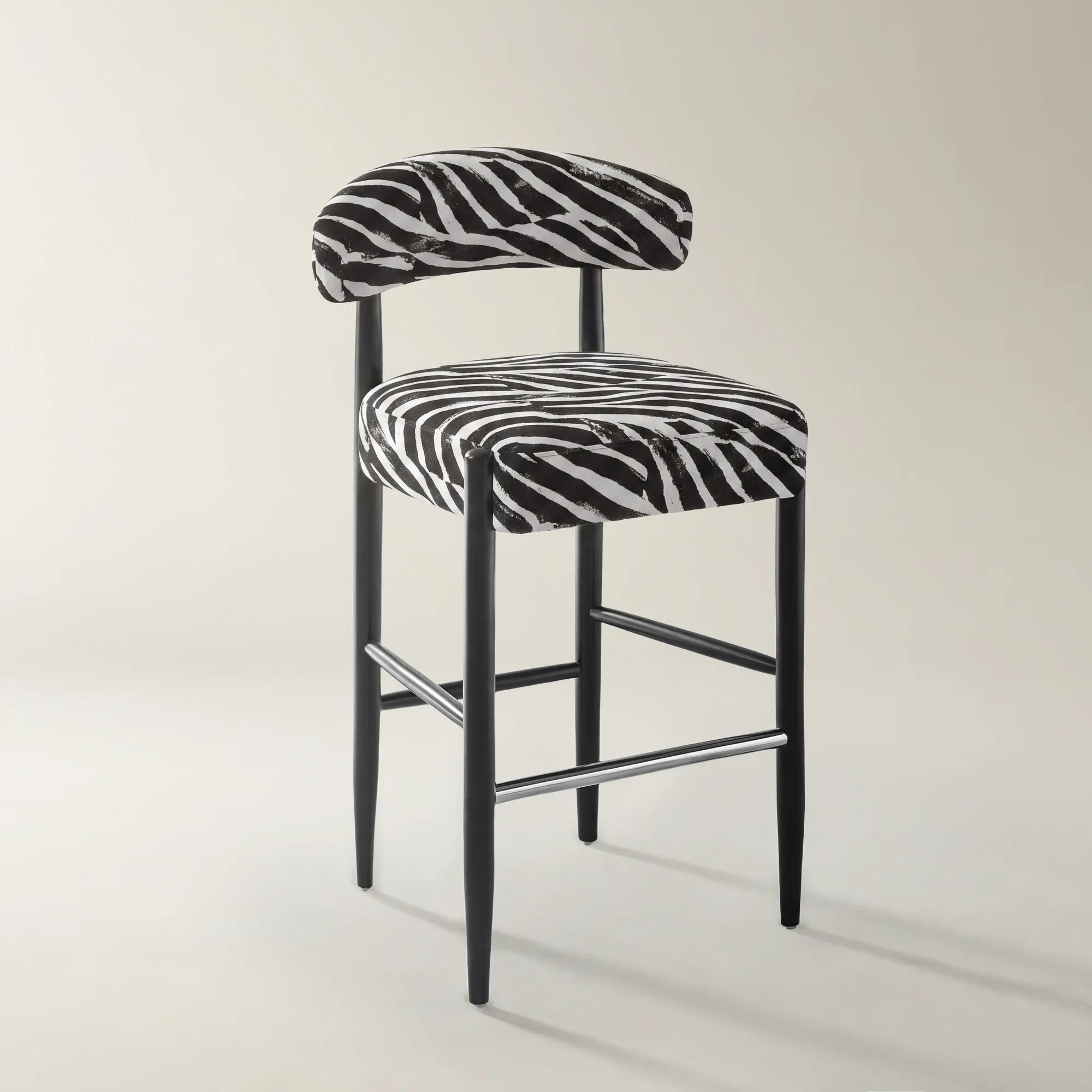 Anna White/Black Performance Chenille Bar/Counter Stool$449
A black-and-white chenille bar stool with a sculpted back, padded seat, and tapered solid rubberwood legs.
Add To Cart -
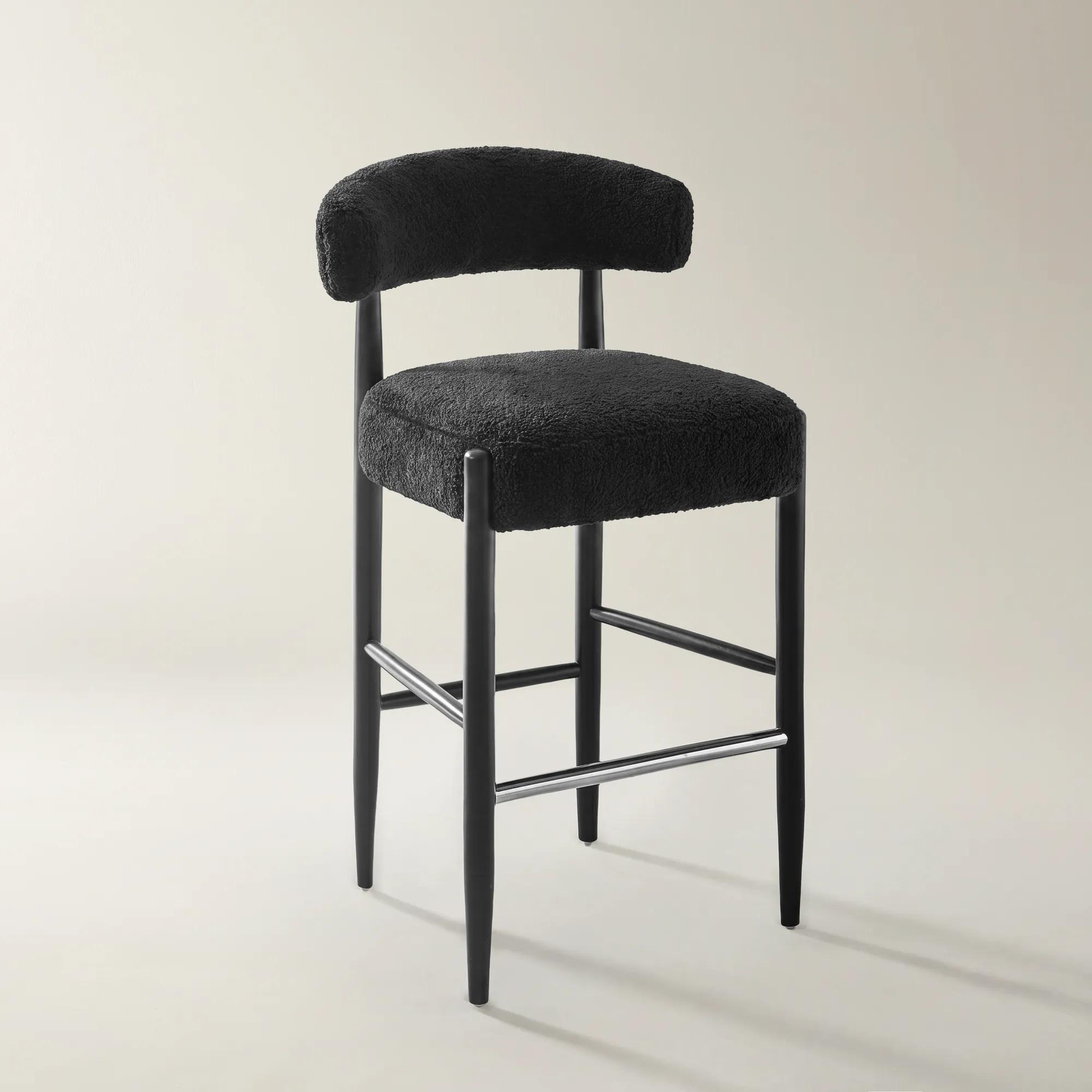 Anna Black Chenille Bar/Counter Stool$449
A black chenille counter stool with a sculpted padded seat and solid rubberwood legs.
Add To Cart -
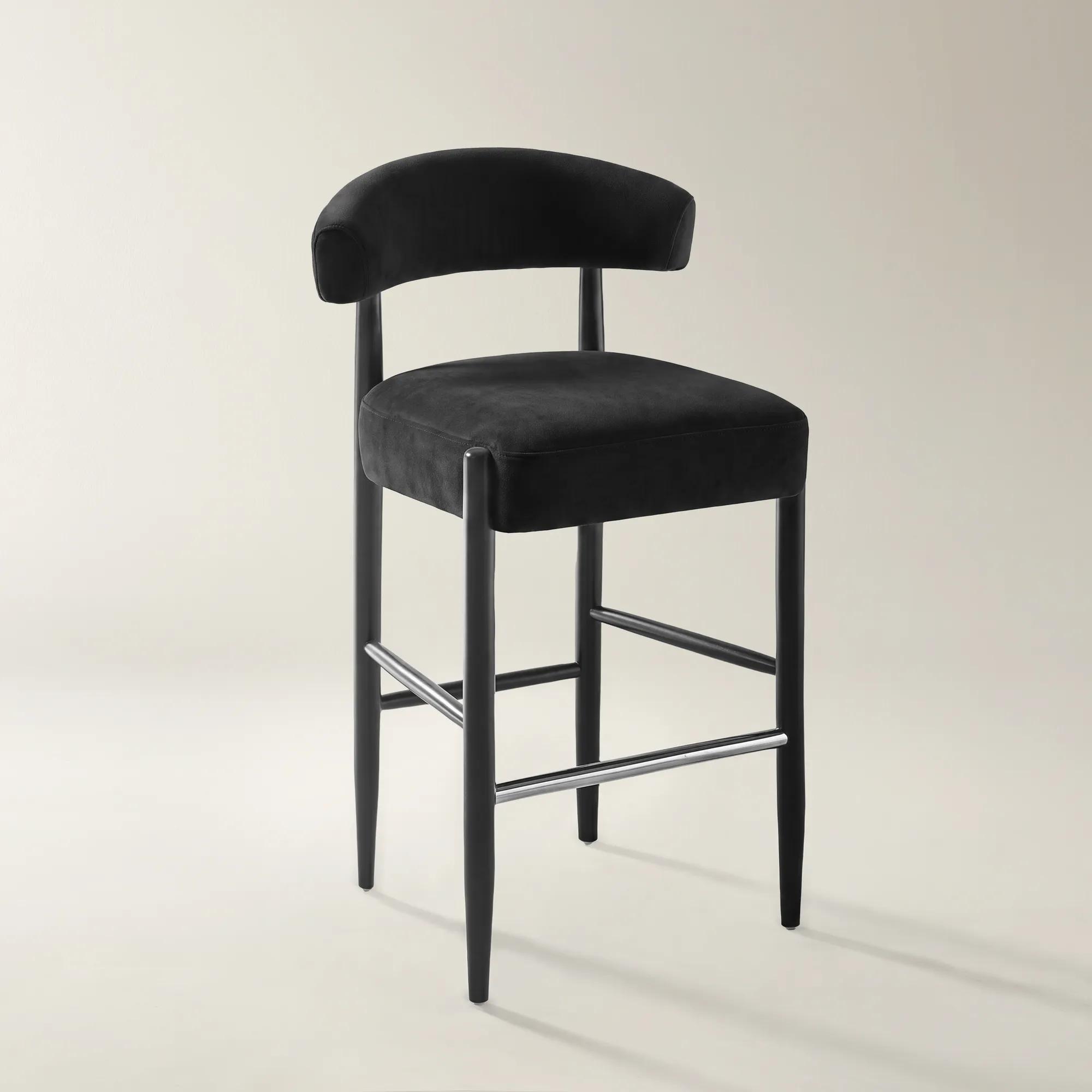 Anna Charcoal Velvet Bar/Counter Stool$449
A charcoal velvet bar stool with a sculpted padded seat and solid rubberwood legs.
Add To Cart -
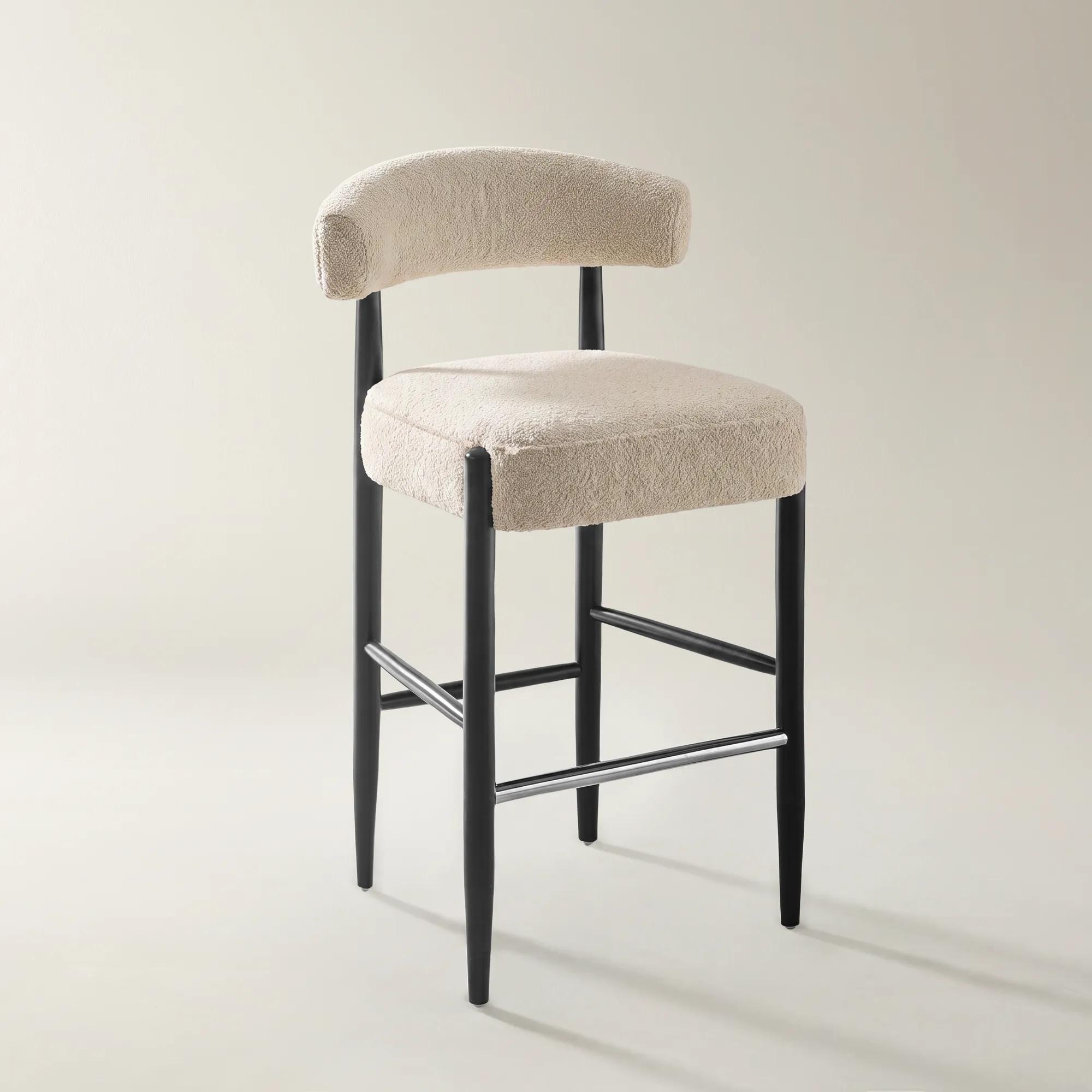 Anna Utopia Sand Chenille Bar/Counter Stool$449
A chenille bar stool with a sculpted padded seat, kiln-dried hardwood frame, and solid rubberwood legs.
Add To Cart -
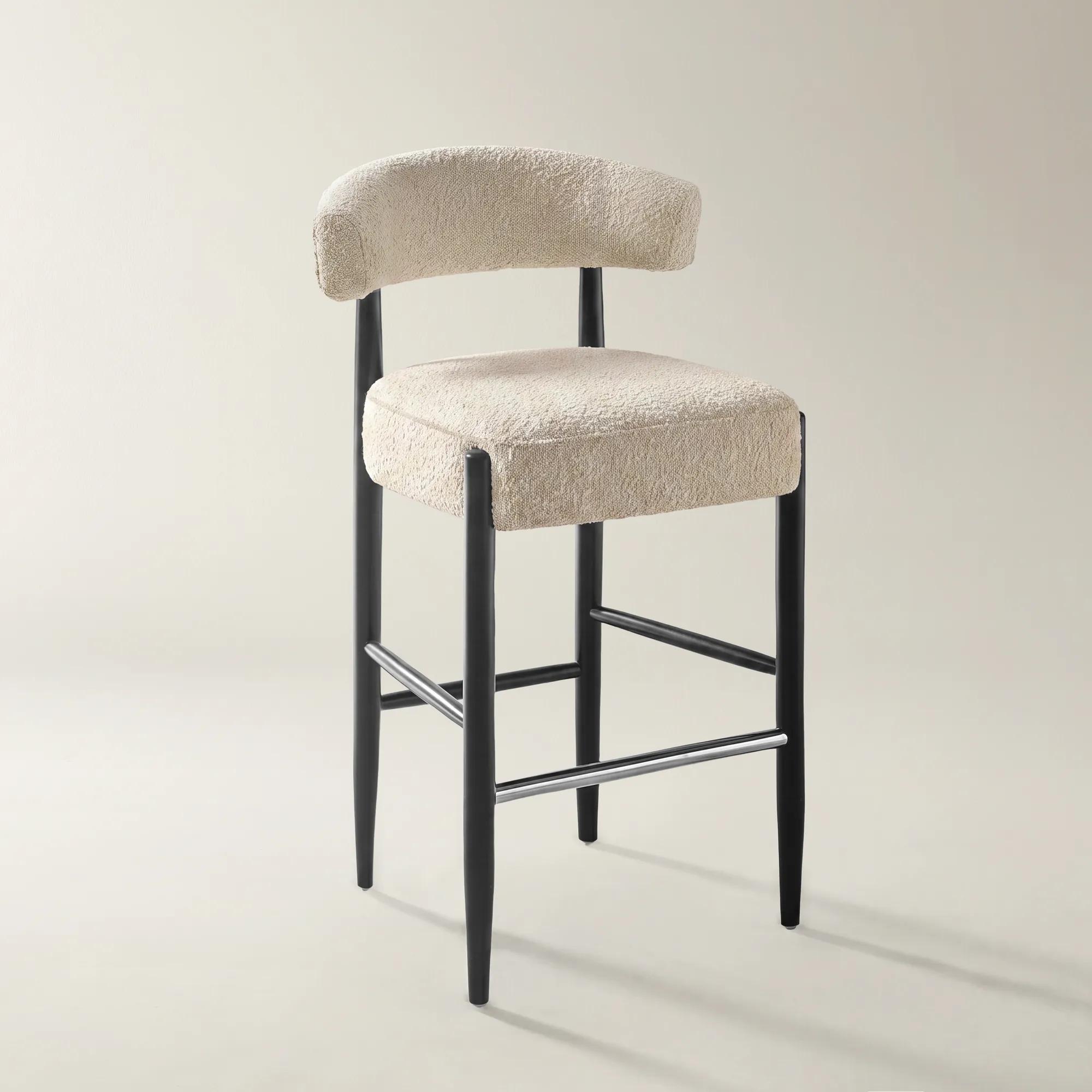 Anna Ivory Performance Boucle Bar/Counter Stool$449
A counter stool with ivory performance boucle upholstery, sculpted support, and tapered solid rubberwood legs.
Add To Cart -
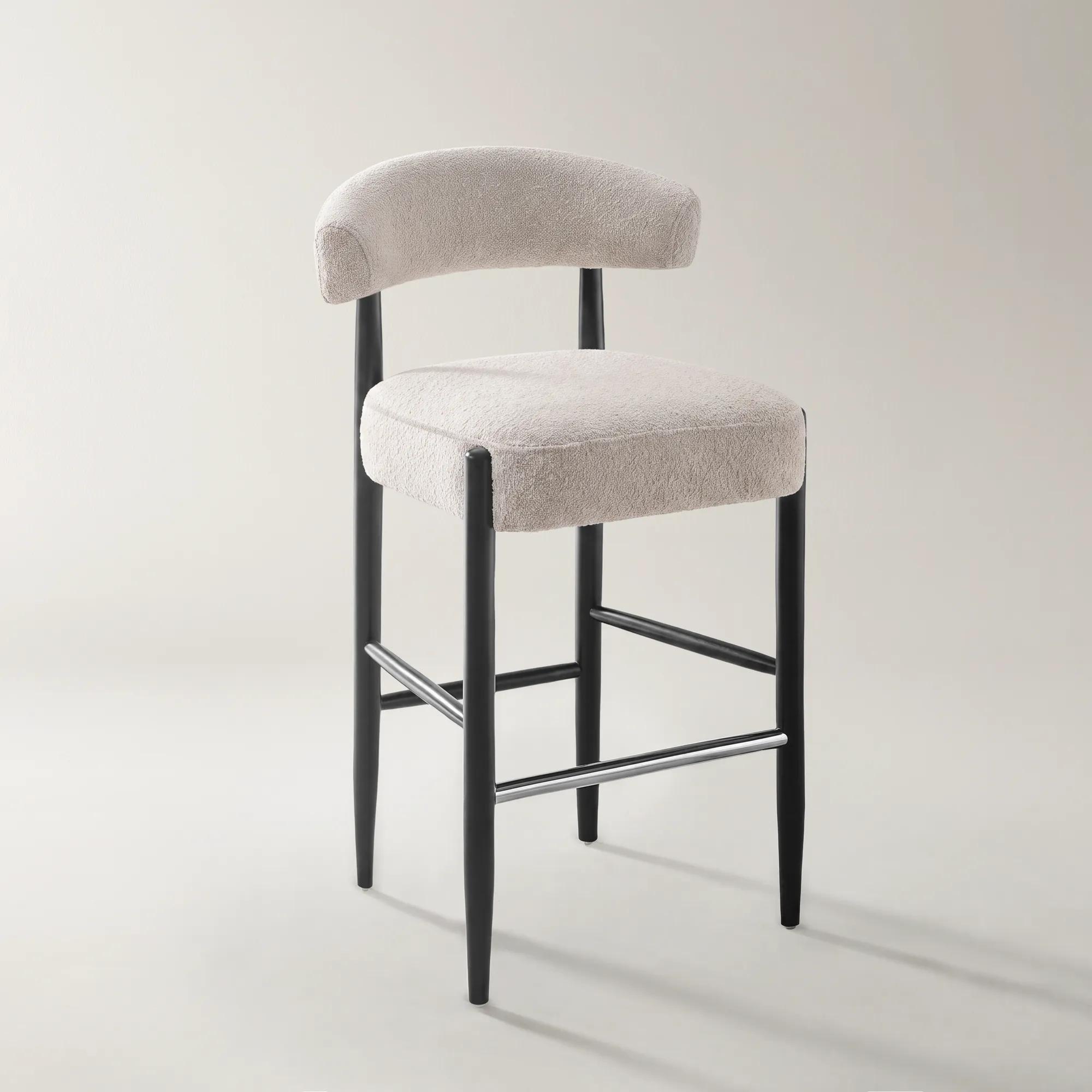 Anna Ivory Performance Boucle Bar/Counter Stool$449
An ivory performance-bouclé bar stool with sculpted padded support and tapered solid-rubberwood legs.
Add To Cart -
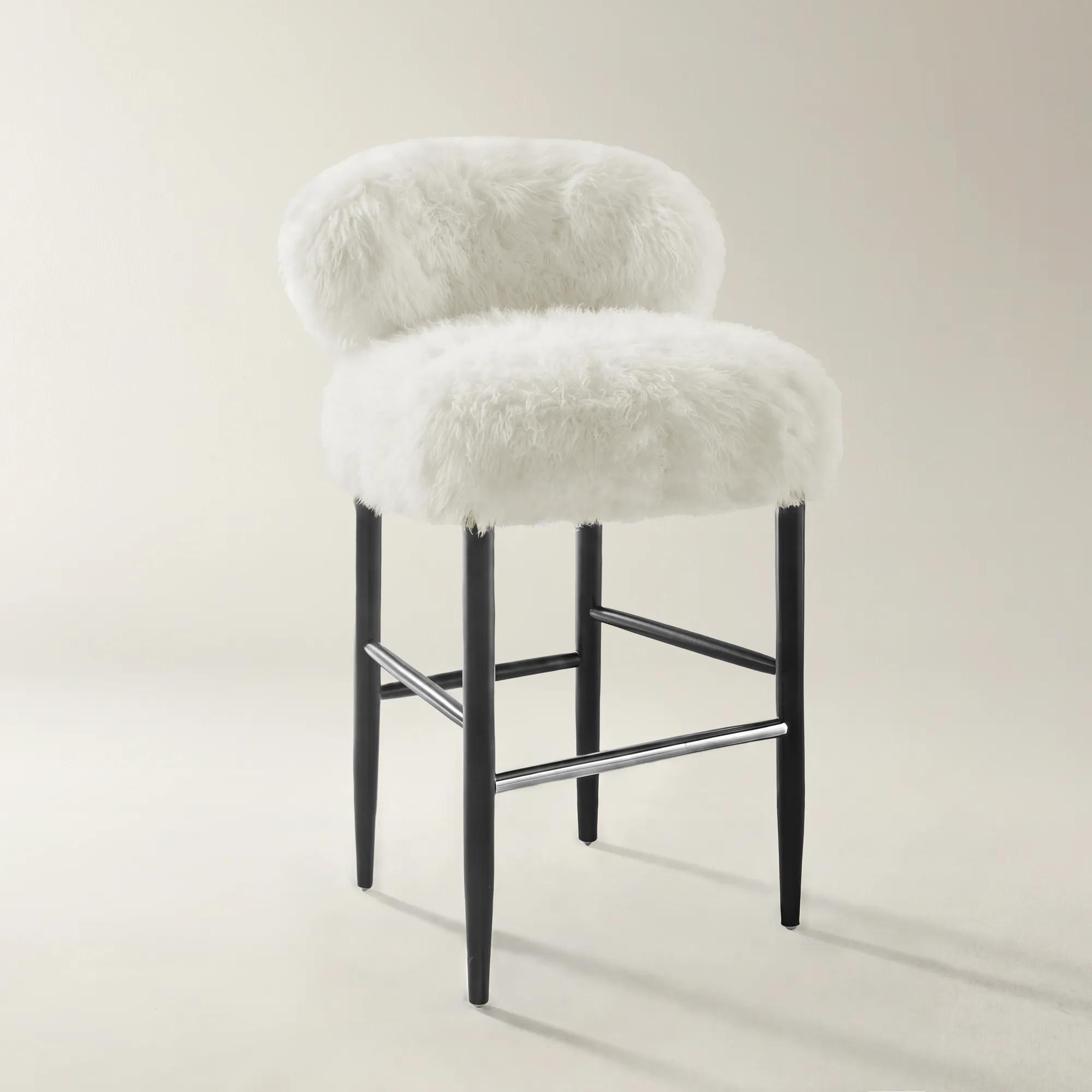 Anna Ivory Faux Fur Bar/Counter Stool$549
An ivory faux-fur counter stool with sculpted support, padded seating, and tapered solid-rubberwood legs.
Add To Cart -
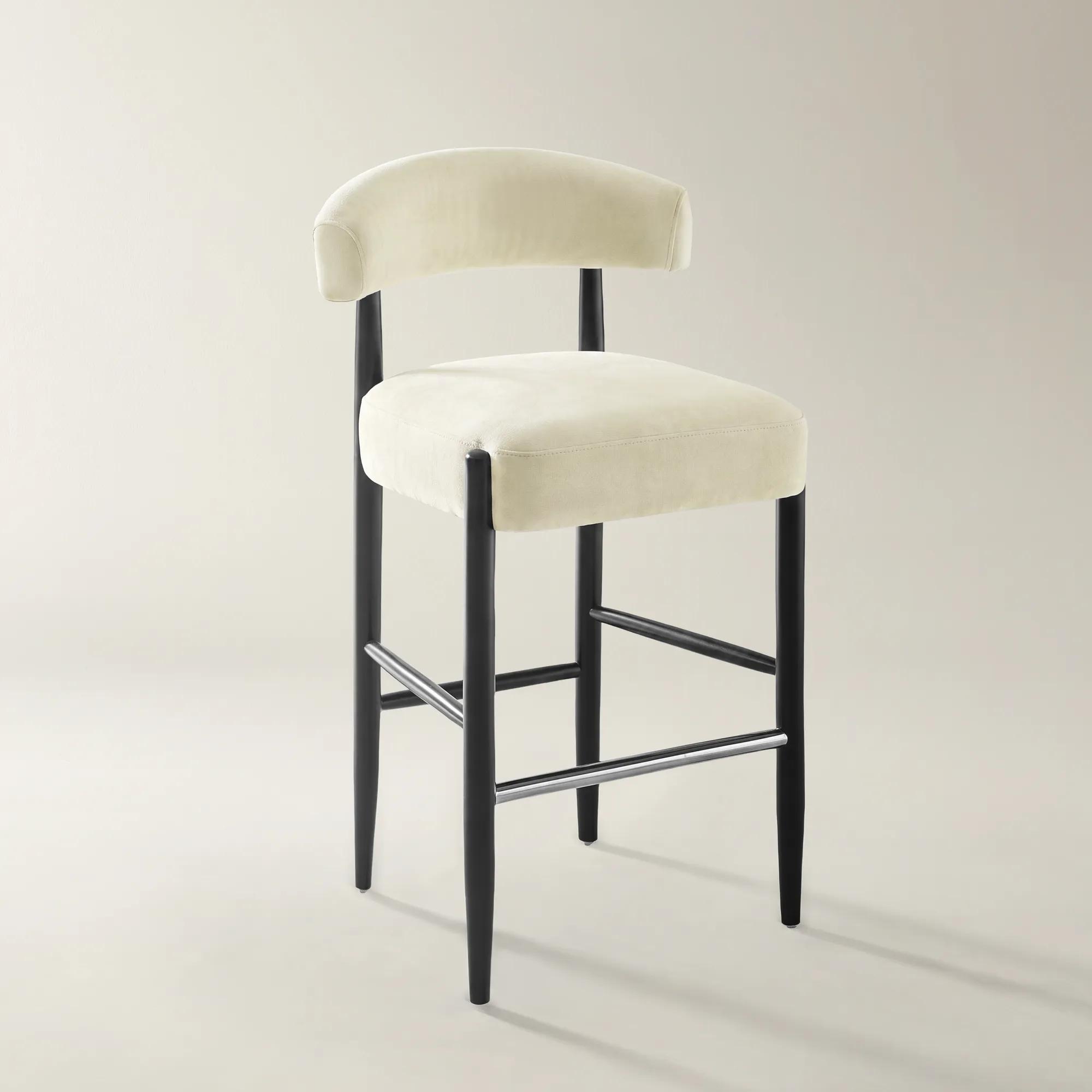 Anna Cloud Velvet Bar/Counter Stool$449
A cloud velvet counter stool with sculpted padded support and tapered solid-rubberwood legs.
Add To Cart -
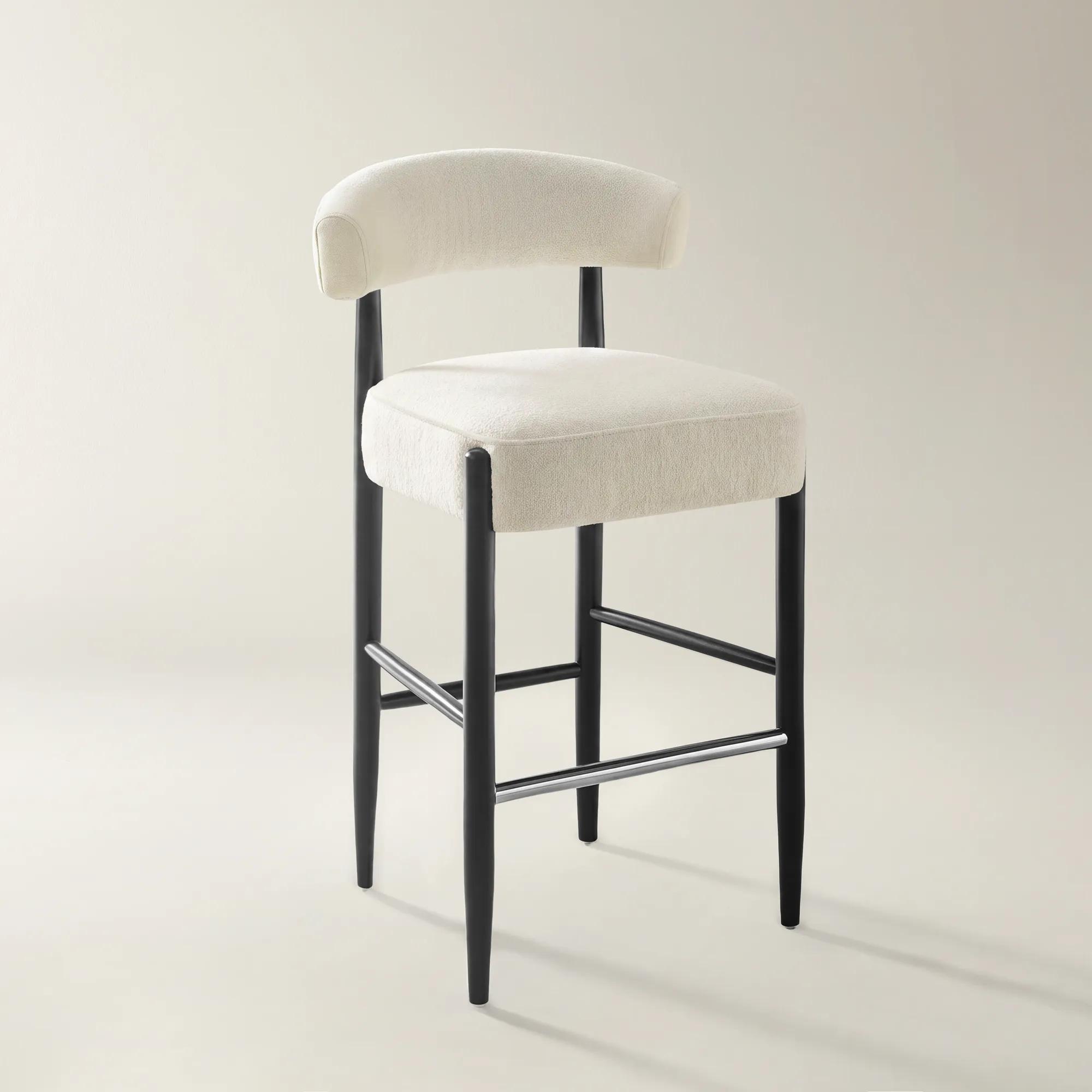 Anna Ivory Performance Chenille Bar/Counter Stool$449
An ivory performance-chenille bar stool with a sculpted back, padded seat, and tapered solid-rubberwood legs.
Add To Cart -
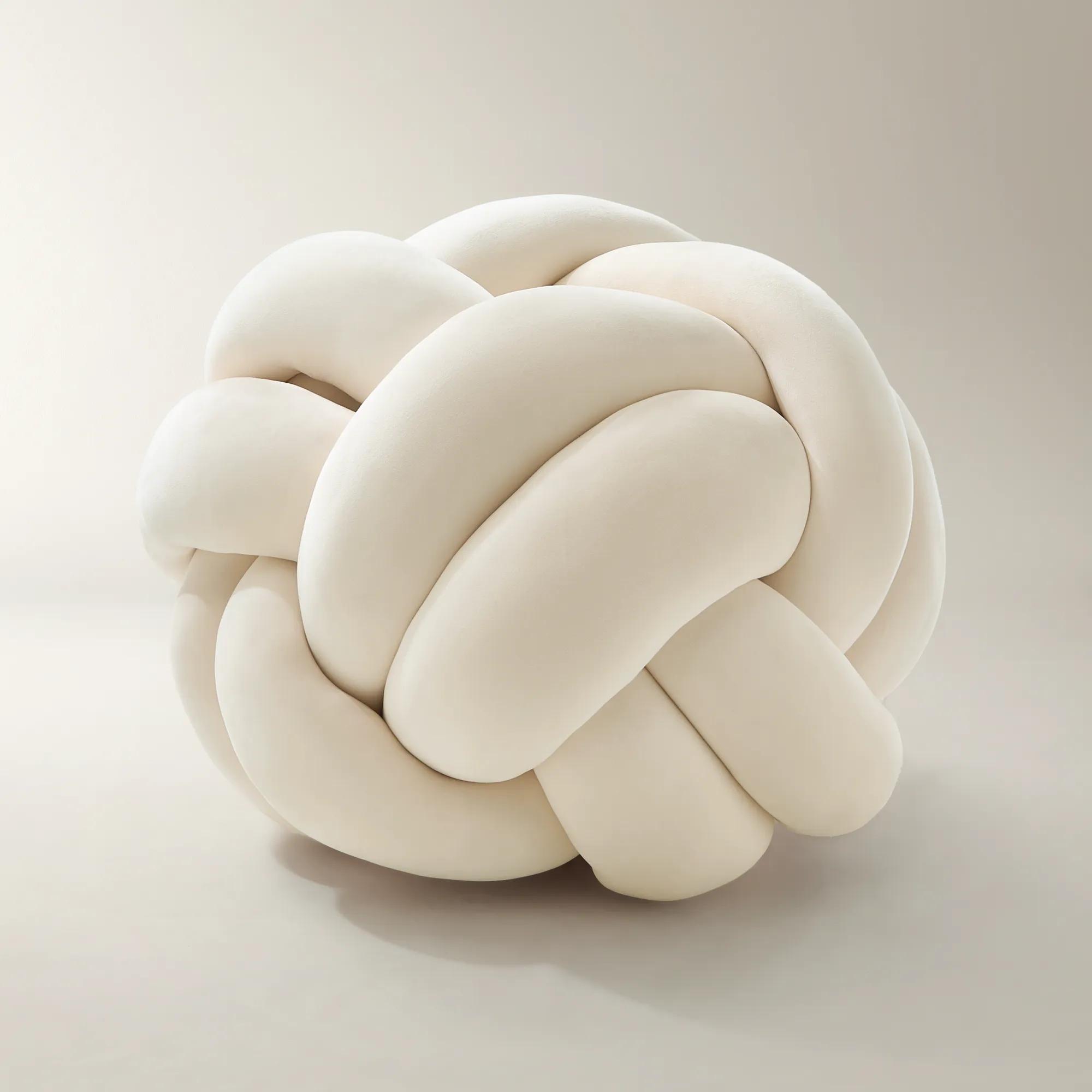 Loopie Oatmeal Velvet Stool (34.5")$399
An oversized oatmeal velvet stool featuring a sculptural knotted silhouette and plush, hand-upholstered finish.
Add To Cart -
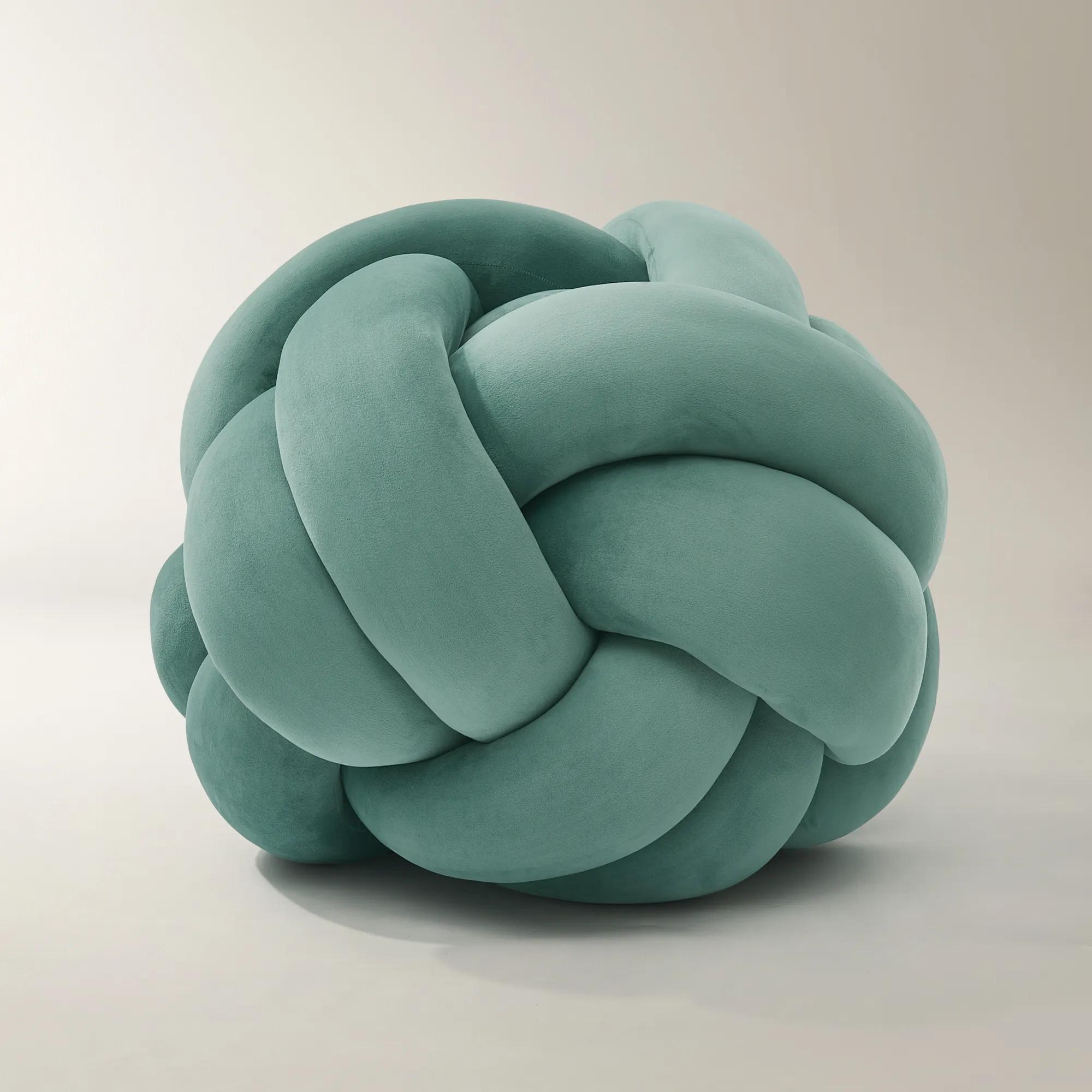 Loopie Ocean Teal Velvet Stool (34.5")$399
A bold sculptural stool featuring plush ocean teal velvet upholstery and an oversized knotted silhouette.
Add To Cart -
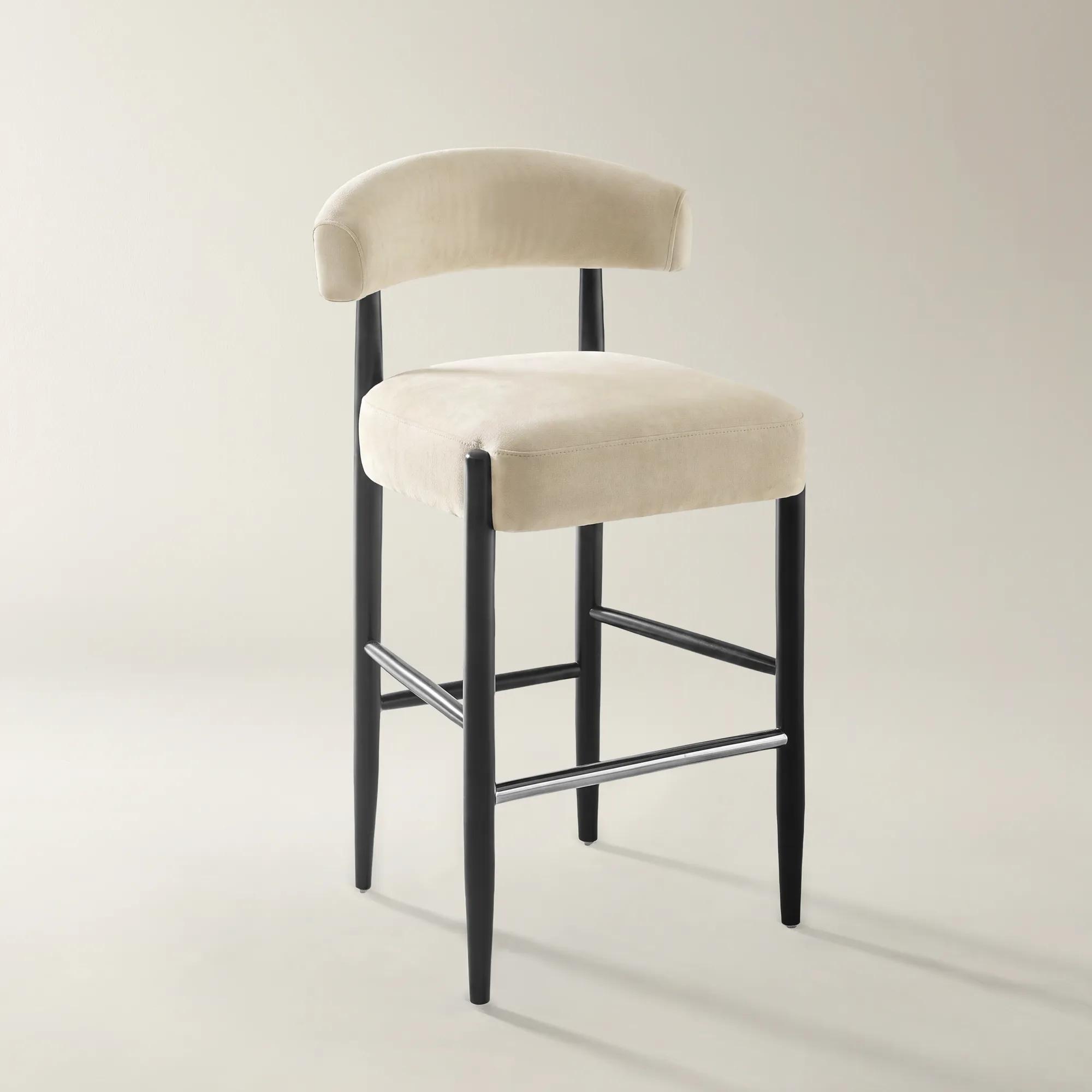 Anna Oatmeal Velvet Bar/Counter Stool$449
A counter stool with oatmeal velvet upholstery, sculpted back, padded seat, and solid rubberwood legs.
Add To Cart

Modern Stools For Open Floor Plans
Modern stools for open floor plans are the secret ingredient in crafting a space that is as captivating as it is functional. These sculptural silhouettes invite conversation and movement, creating seamless transitions between kitchen islands, dining areas, and living lounges. With every curve and finish, they transform the ordinary into the extraordinary—offering both a perch and a statement piece. Let your open-concept home become a gallery of possibility, where each stool punctuates the room with artistry, elegance, and irresistible allure.
Modern stools for open floor plans bring definition to a room without dividing it, turning a kitchen island or raised counter into a place for conversation, casual dining, and expressive design. In a space where the kitchen, dining area, and living room share a view, every silhouette contributes to the larger composition. Low-back stools offer a touch of support while keeping the horizon open; backless stools can slip beneath a generous counter overhang, allowing the island’s stone, wood, or sculptural base to remain the focal point. Open metal frames and transparent materials create a lighter visual presence, while upholstered seats introduce softness against hard kitchen surfaces. The most successful choice balances that visual openness with the way the seat will actually be used. A perch for morning coffee may call for a different profile than seating for lingering dinners or evening conversation. Counter height and bar height are not interchangeable: a standard 36-inch-high island typically pairs with a seat approximately 24 to 26 inches high, while a 42-inch-high bar generally pairs with a seat approximately 28 to 30 inches high. Those ranges are a starting point, not a substitute for measuring the actual opening. Aim for approximately 10 to 12 inches between the top of the seat and the underside of the counter, accounting for aprons, brackets, and other obstructions that reduce knee room. Seat width matters just as much as height. Allow roughly 24 to 30 inches of counter frontage per person, with more room for broad seats, arms, or swivel movement. About 6 inches between the edges of neighboring seats is a useful starting point for comfortable spacing. A beautifully proportioned arrangement gives each person room to settle in without making the island feel crowded. From across the living room, that breathing room also allows the stools’ shapes, finishes, and upholstery to read as deliberate design details rather than a dense row of furniture.
Materials give modern counter stools and bar stools their character, especially in an open layout where seating is visible from several angles. Polished metal catches surrounding light and introduces a jewelry-like accent; brushed finishes offer a more subdued gleam that can echo cabinet hardware or a nearby chandelier. Wood adds depth through grain and tone, creating a rich counterpoint to stone counters, glass tables, and lacquered cabinetry. Transparent acrylic can preserve a view through the seating area, although its surface needs thoughtful handling to help prevent scratches. Upholstery changes both the atmosphere and the sitting experience. Velvet brings dimensional color and a sumptuous hand, textured woven fabrics add tactile interest, and leather or leather-look coverings create a tailored impression. Material names alone do not establish durability, so construction details and the stated care requirements deserve attention. For a frequently used breakfast counter, secure joints, a stable base, supportive seating, and an accessible footrest matter more than an elaborate profile that feels awkward in daily use. Footrests help prevent legs from dangling, especially on taller bar seating, while a backrest may make longer conversations more comfortable. Families and frequent hosts may appreciate upholstery with documented stain resistance or clearly defined cleaning instructions, but performance fabric should never be assumed to be stainproof. Blot spills promptly rather than rubbing them into fibers, and follow the manufacturer’s directions before applying a cleaning solution. Vacuum upholstered seats with a suitable attachment to remove crumbs from seams and crevices. Dust wood and metal with a soft cloth, keeping abrasive cleaners away from delicate finishes; use only an acrylic-safe cleaner on transparent components. Leather and synthetic coverings may require different treatments even when they look similar. Appropriate floor protectors can help reduce scuffs, while periodic checks of fasteners and joints support dependable everyday use. These practical details preserve the drama of a beautifully finished stool without allowing maintenance to become an afterthought.
Within an open floor plan, stools act as a visual bridge between the kitchen and the rooms beyond it. A slim black frame can pick up the outline of a nearby console, while warm metallic accents can carry a lighting finish through the space without requiring every surface to match. Upholstery might draw a single color from an abstract artwork or repeat the depth of a living room accent chair. That connection feels more layered when shape, texture, and finish complement one another rather than duplicate an entire furniture suite. Consider the view from the sofa as carefully as the view from the counter: the back of a stool may be its most visible surface, making a curved shell, tailored seam, or graceful frame especially meaningful. In a compact apartment, backless seating that tucks fully beneath the counter can help preserve a clear path. In a larger entertaining space, low upholstered backs can establish a welcoming gathering point without forming a tall visual barrier. Check the stool’s full depth, including its back and base, and allow additional room for someone to pull out the seat or turn comfortably. Swivel designs need clearance from neighboring stools, cabinetry, and counter edges. Keep walking routes open when seats are occupied, not merely when they are tucked away; approximately 36 inches of clear passage is a useful planning baseline, with more space desirable along busy routes. Beyond the island, Accent Stools For Open Concept Spaces can extend the composition with lower, sculptural seating suited to a conversation area or an otherwise overlooked corner. Counter stools, bar stools, and accent stools serve different heights and purposes, so their proportions should suit their intended setting. Together, thoughtfully chosen seating creates distinct places to gather while preserving the expansive feeling that makes an open plan compelling. The result is a connected interior with room for both everyday rituals and a more theatrical expression of personal style.
FAQs
Modern stools are remarkably versatile, complementing a range of design aesthetics from urban industrial to glamorous transitional. Pair sleek metal-and-wood stools with exposed brick or concrete for an industrial edge, or choose plush, tufted seats with metallic accents to add a touch of drama to contemporary and glam-inspired spaces. Minimalist acrylic or neutral-toned stools integrate seamlessly with airy, open concepts, while richwoods and leather finishes evoke warmth and sophistication in both modern farmhouse and classic interiors.
In open concept homes, modern stools serve as visual anchors that subtly delineate functional zones without the need for walls. Arranging stools along a kitchen island or peninsula creates a natural gathering spot, while a set of accent stools can carve out a cozy conversation area or reading nook. Their sculptural presence adds structure and rhythm, guiding the eye and encouraging movement throughout the space while maintaining an inviting, connected atmosphere.
Absolutely. Modern stools make thoughtful and memorable gifts for housewarmings, weddings, or milestone celebrations. Their blend of artistry and utility ensures they’ll be cherished and used daily, while their expressive design makes each piece feel personal and unique. Gifting a modern stool is a sophisticated gesture—one that invites comfort, connection, and a touch of luxury into the recipient’s home.
Current trends in modern stools highlight a mix of richwoods, brushed metals, and sumptuous upholstery. The latest richwoods barstool designs bring depth and natural beauty, while metal frames in gold, black, or chrome add urban sophistication. Upholstered seats in velvet, leather, or tactile fabrics offer comfort and a sense of indulgence. Mixing these materials creates a curated, layered look that feels both fresh and timeless.
Modern stools are a simple yet impactful way to update your home’s ambiance for winter. Choose stools with plush, upholstered seats in cozy textures or deep, warm hues to evoke a sense of comfort and luxury. Arrange them around a kitchen island or bar to create inviting spots for gathering over hot drinks or casual meals. Their sculptural forms and rich materials reflect the season’s light, adding warmth and elegance to every moment spent indoors.