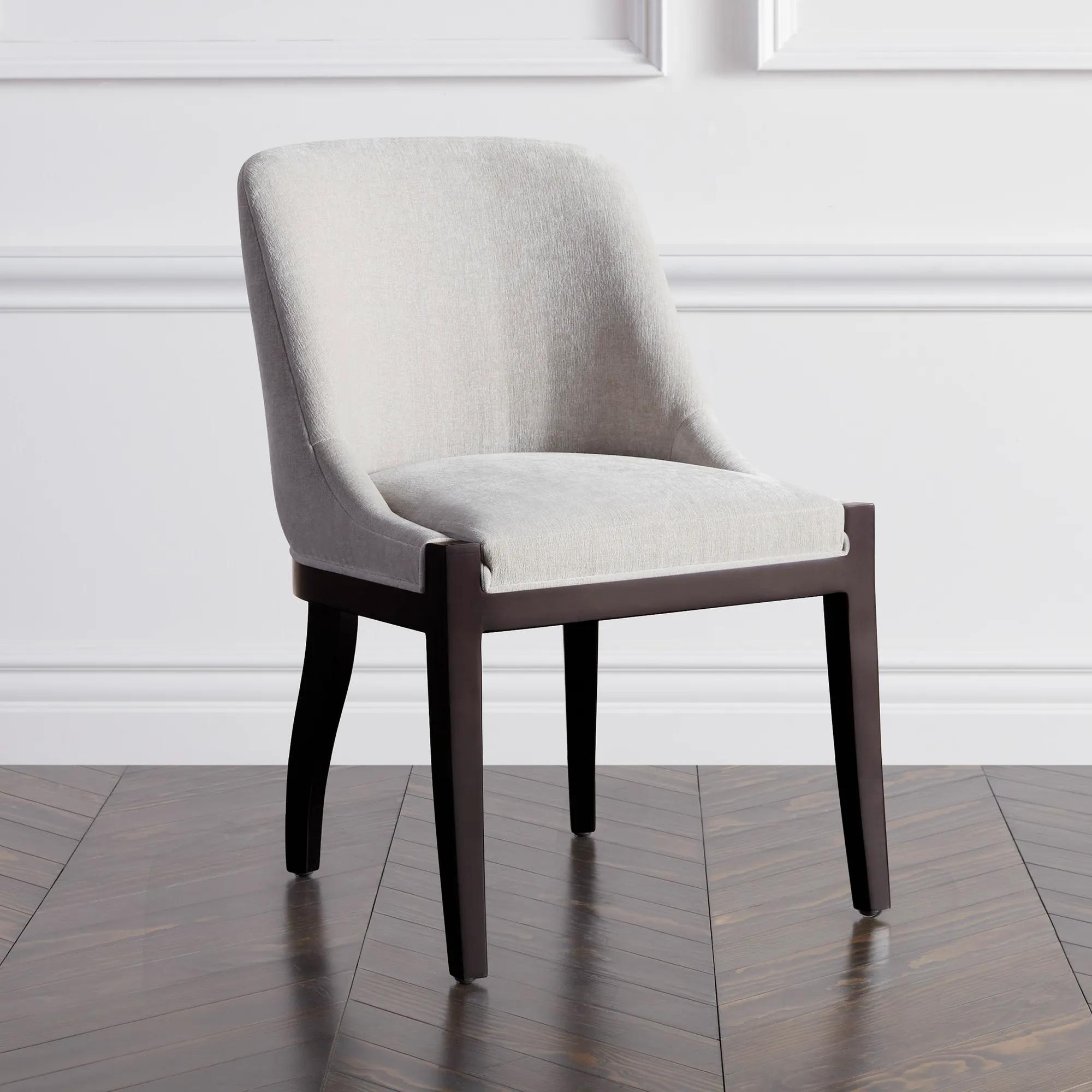
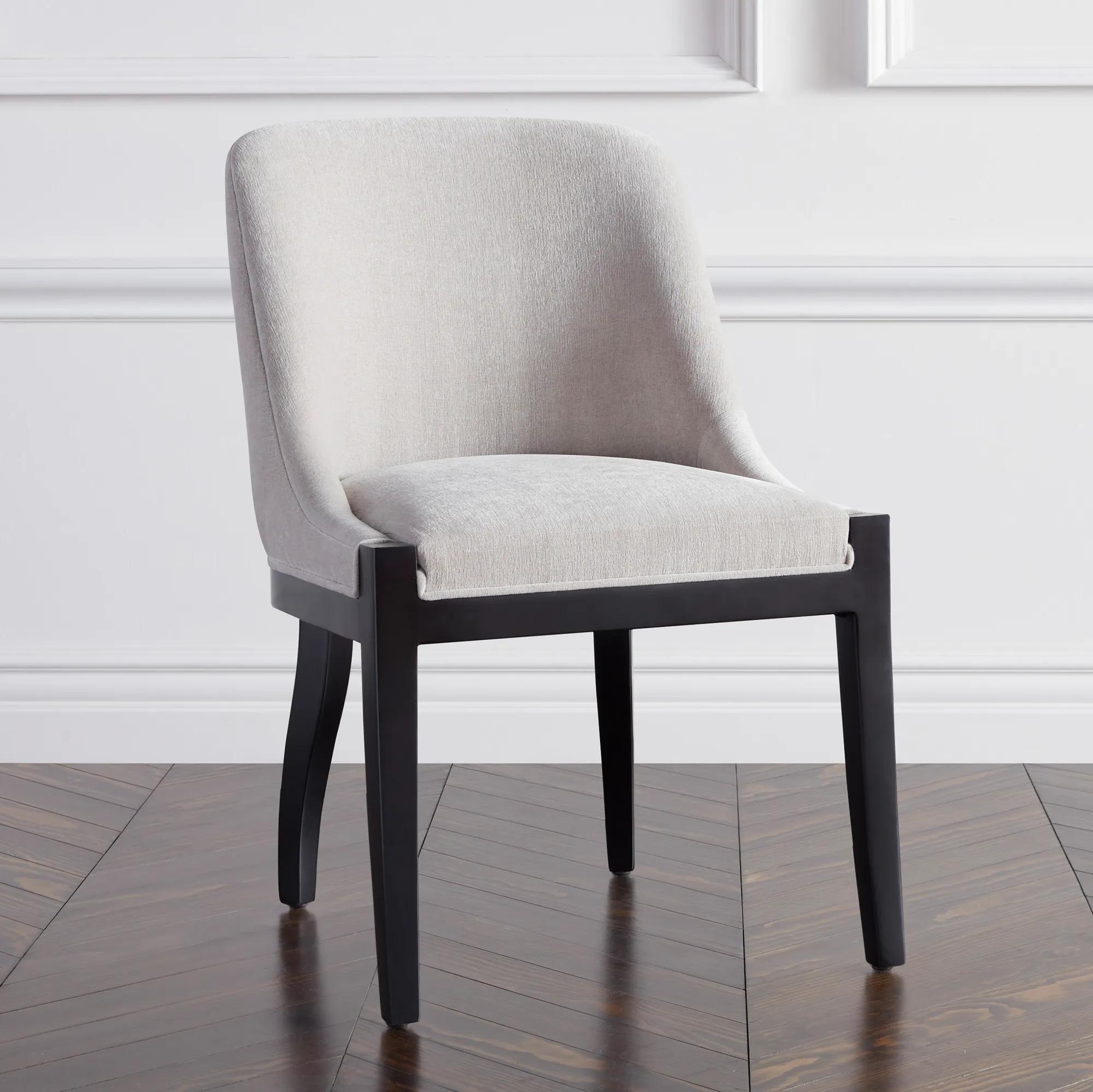
Barstools For Open Plan Dining
Barstools For Open Plan Dining
-
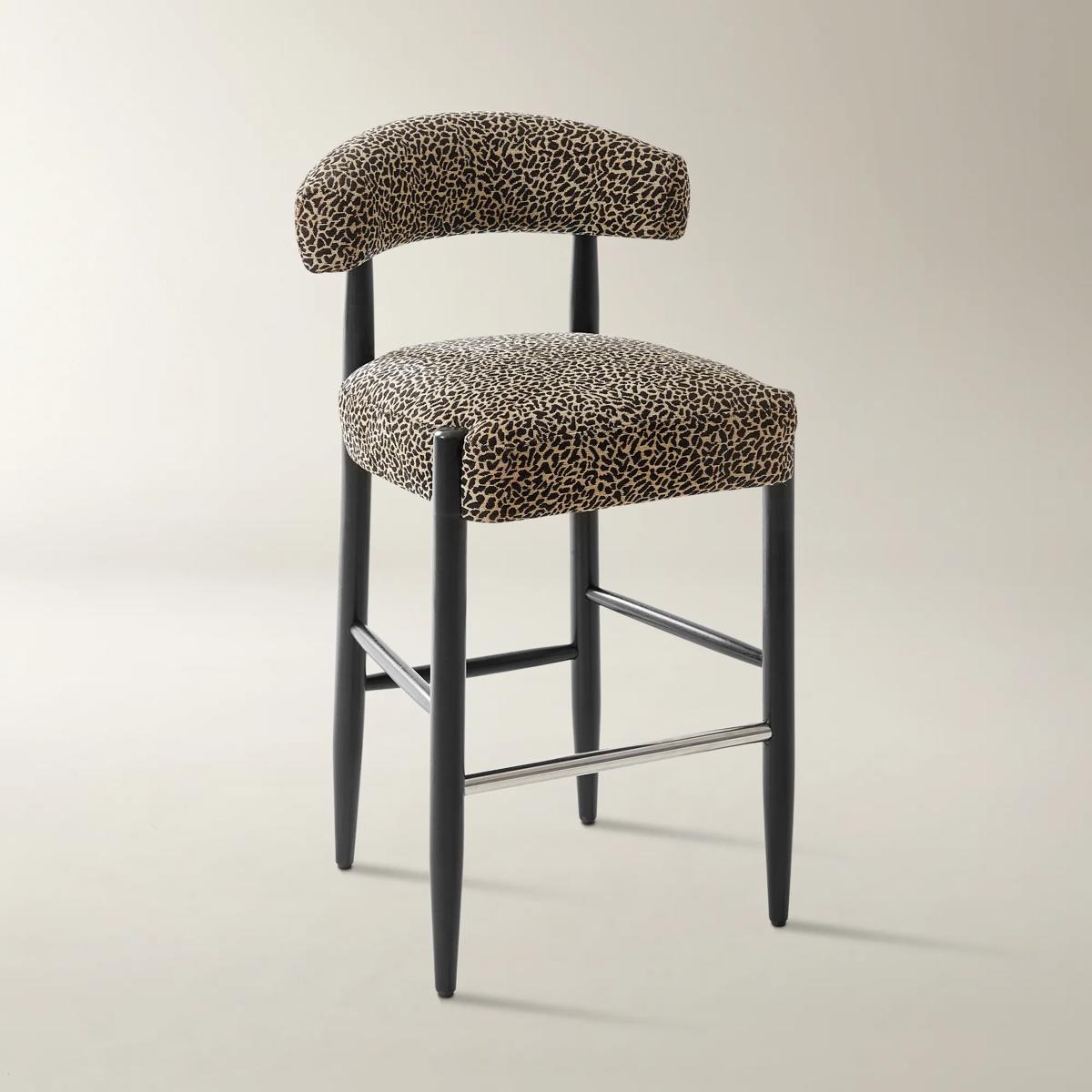
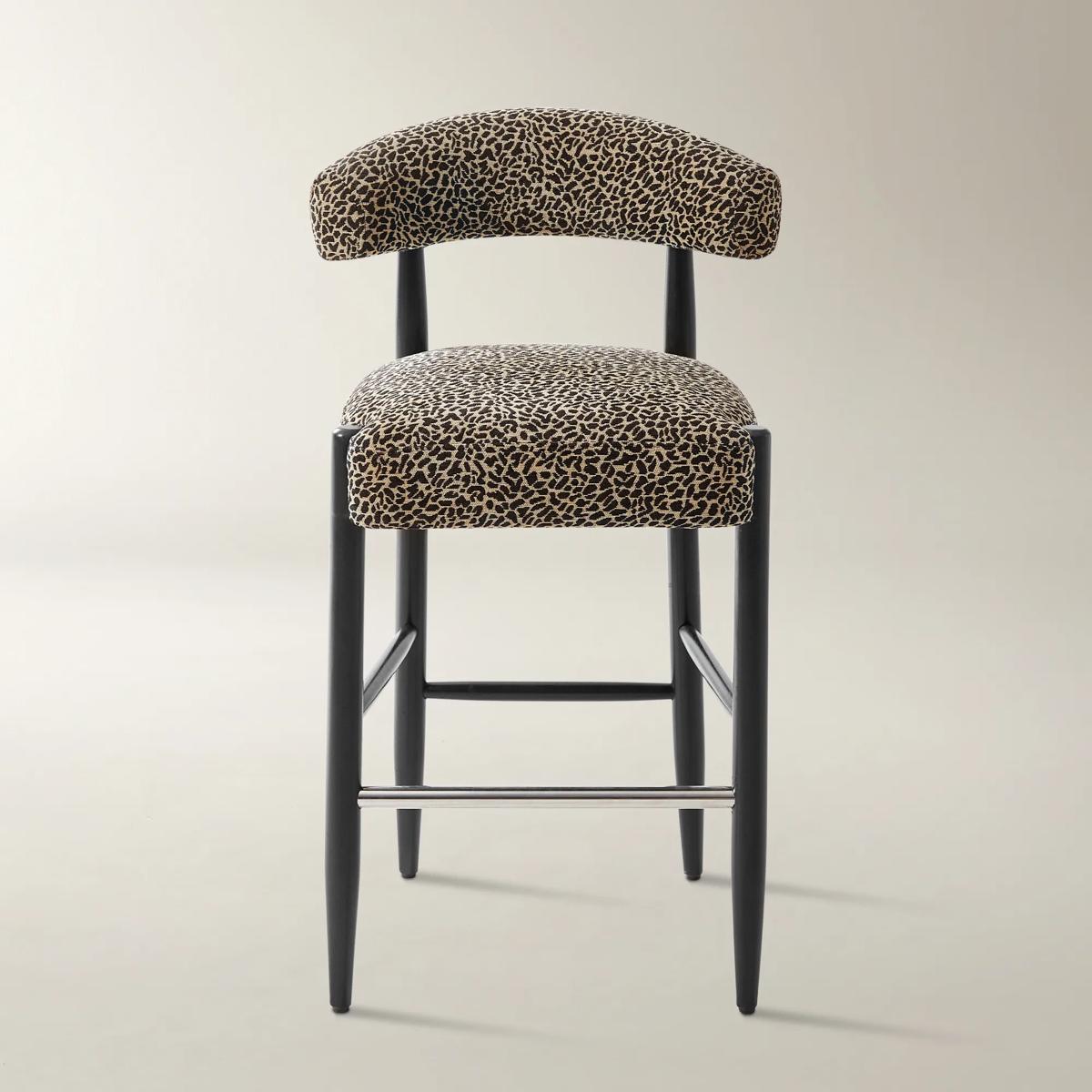 Anna Leopard Chenille Bar/Counter Stool$449
A leopard-print chenille barstool with kiln-dried hardwood legs and supportive, hand-upholstered cushioning.
Add To Cart -
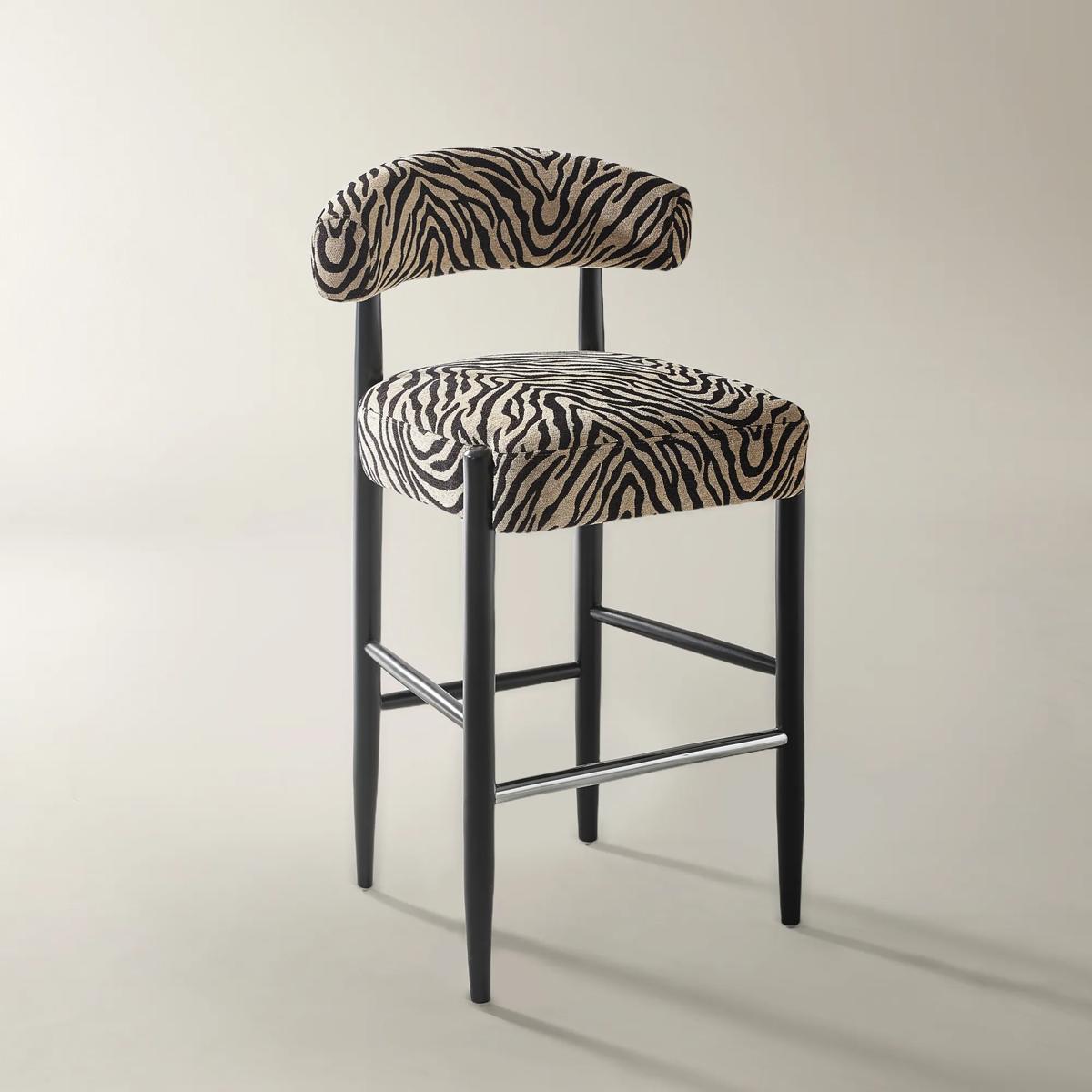
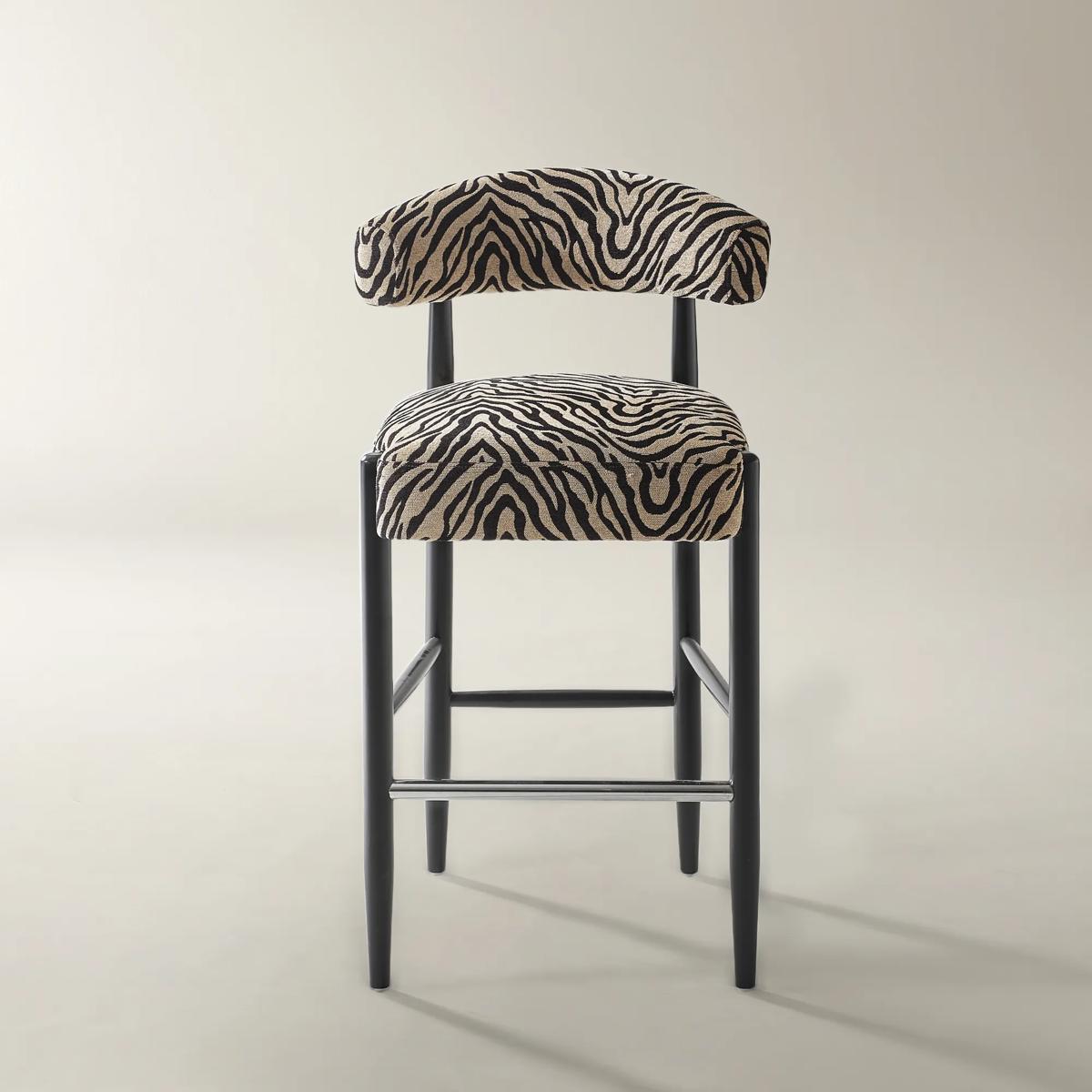 Anna Zebra Chenille Bar/Counter Stool$449
A zebra-print chenille barstool with plush foam padding and solid rubberwood legs for modern sophistication.
Add To Cart -
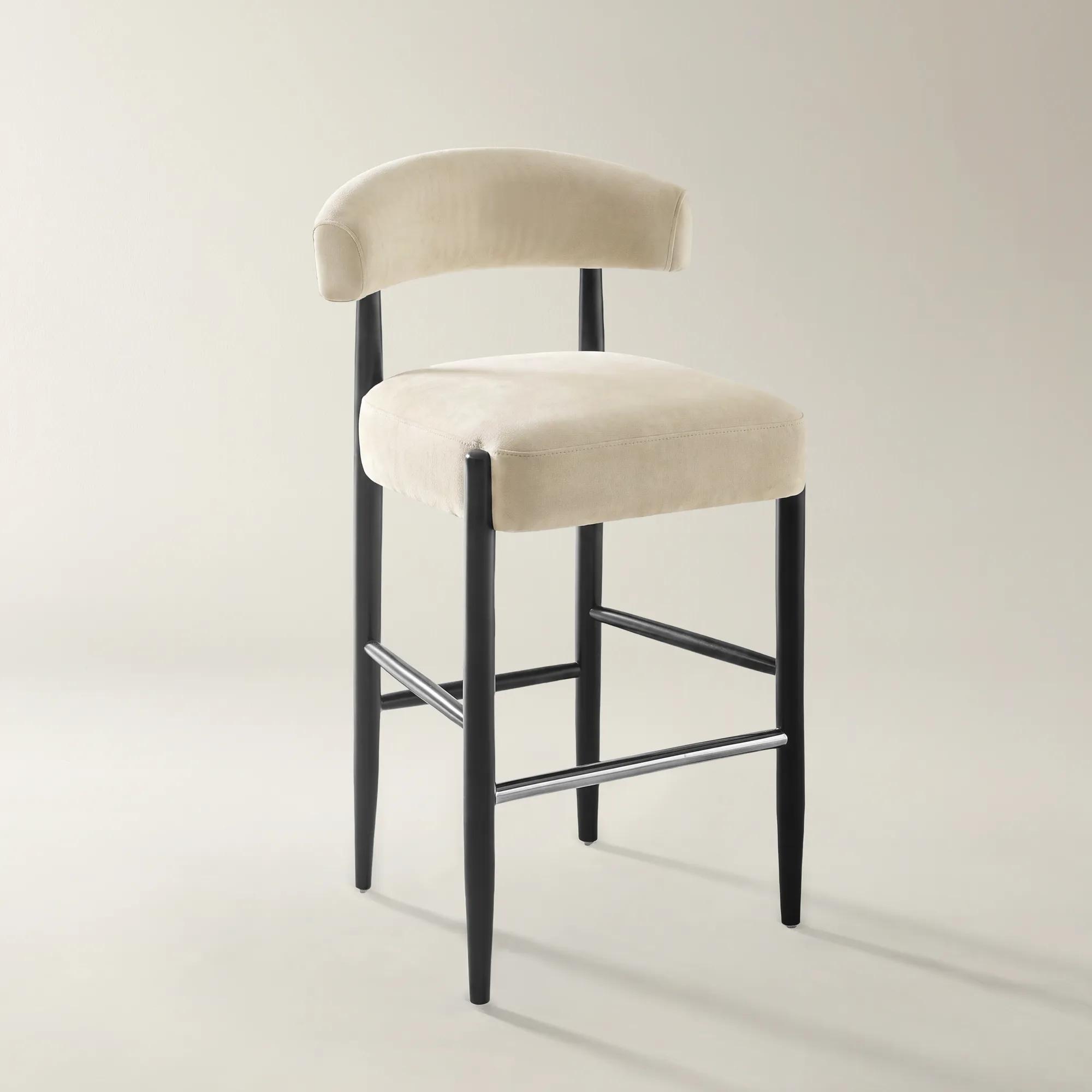 Anna Oatmeal Velvet Bar/Counter Stool$399
A refined oatmeal velvet stool with a sculpted padded seat and solid rubberwood legs.
Add To Cart -
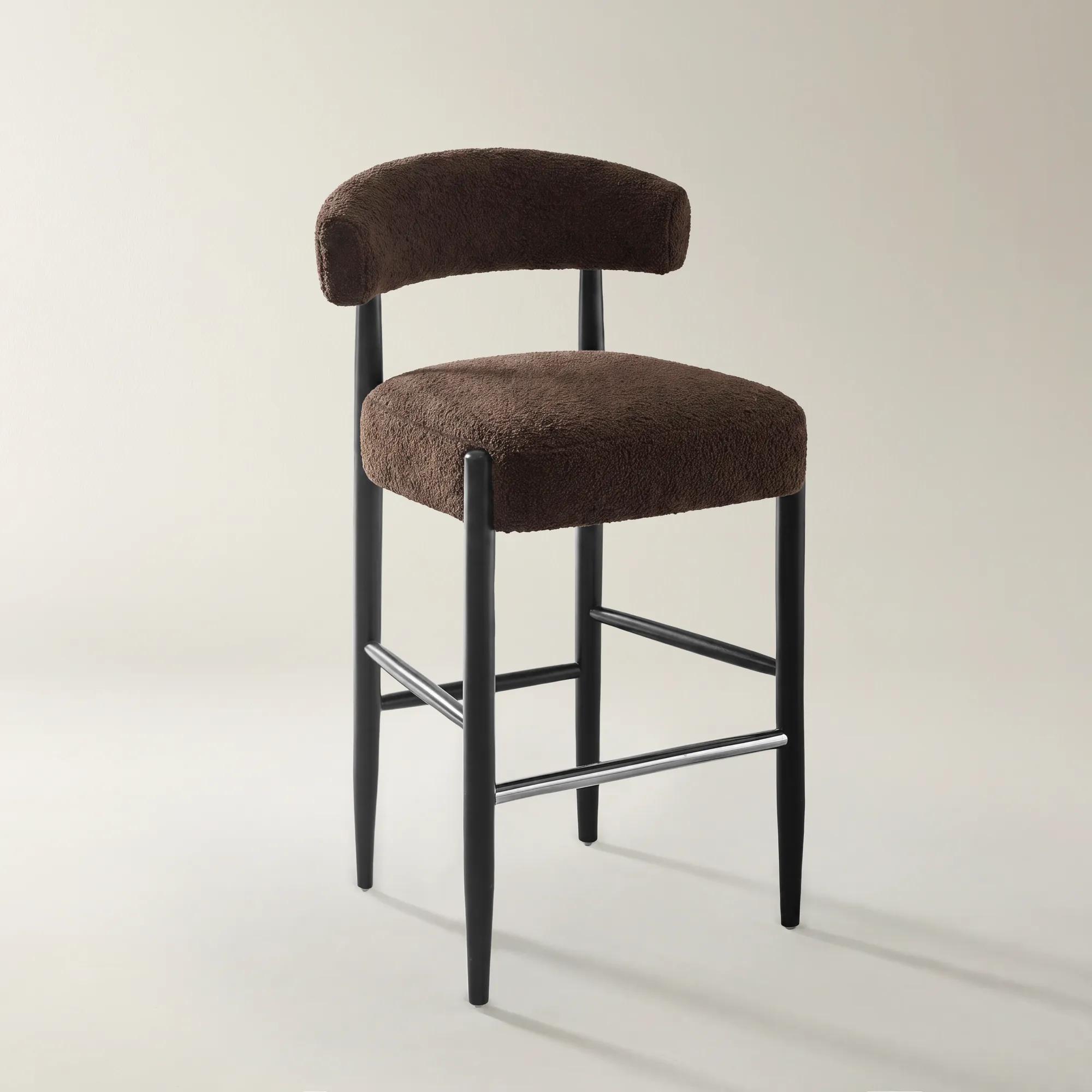 Anna Dark Chocolate Chenille Bar/Counter Stool$399
A dark chocolate chenille stool with sculpted support, padded comfort, and tapered solid rubberwood legs.
Add To Cart -
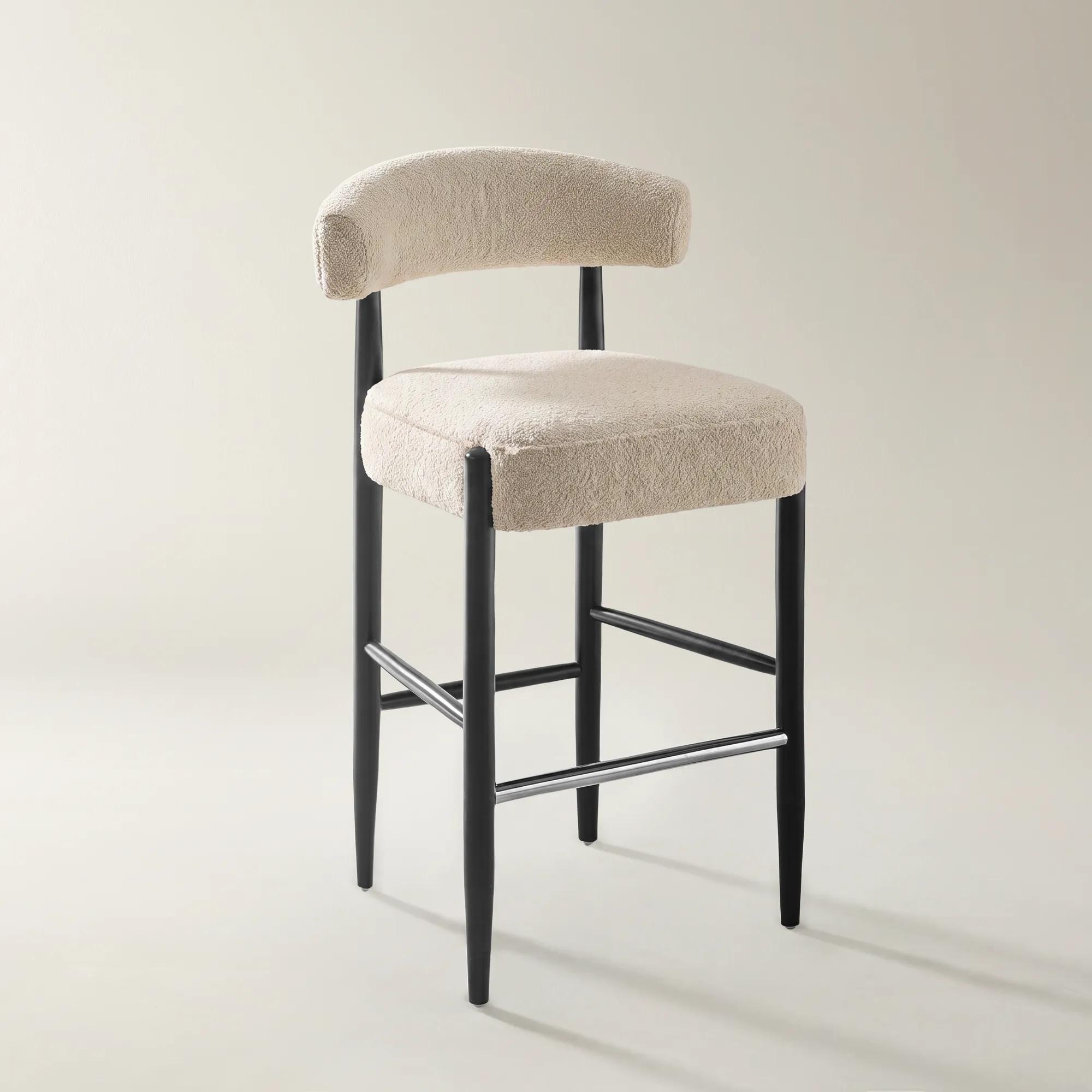 Anna Utopia Sand Chenille Bar/Counter Stool$399
A sand chenille stool with a sculpted padded seat, tailored upholstery, and tapered solid rubberwood legs.
Add To Cart -
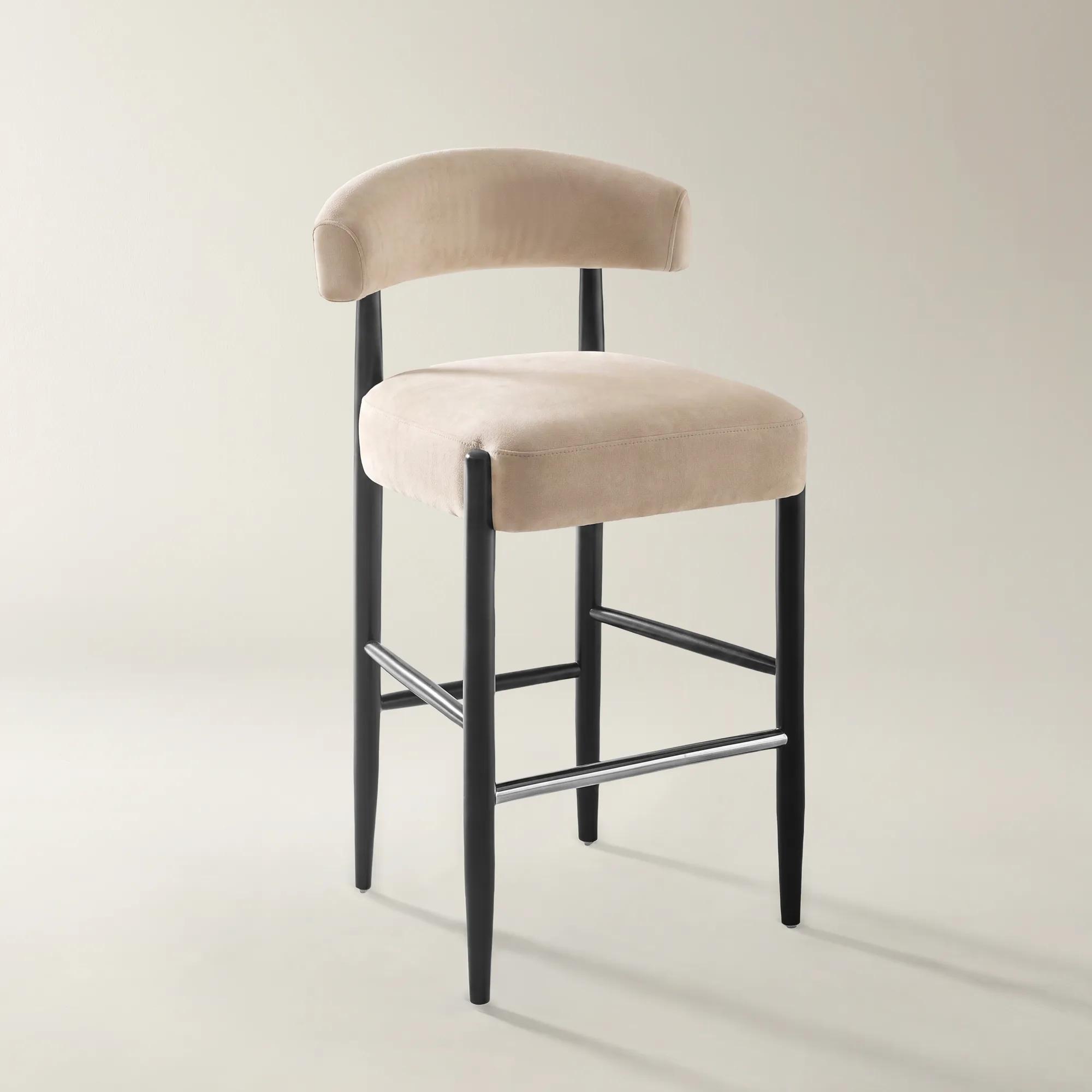 Anna Simply Taupe Velvet Bar/Counter Stool$399
A taupe velvet stool featuring sculpted support, a generously padded seat, and tapered solid rubberwood legs.
Add To Cart -
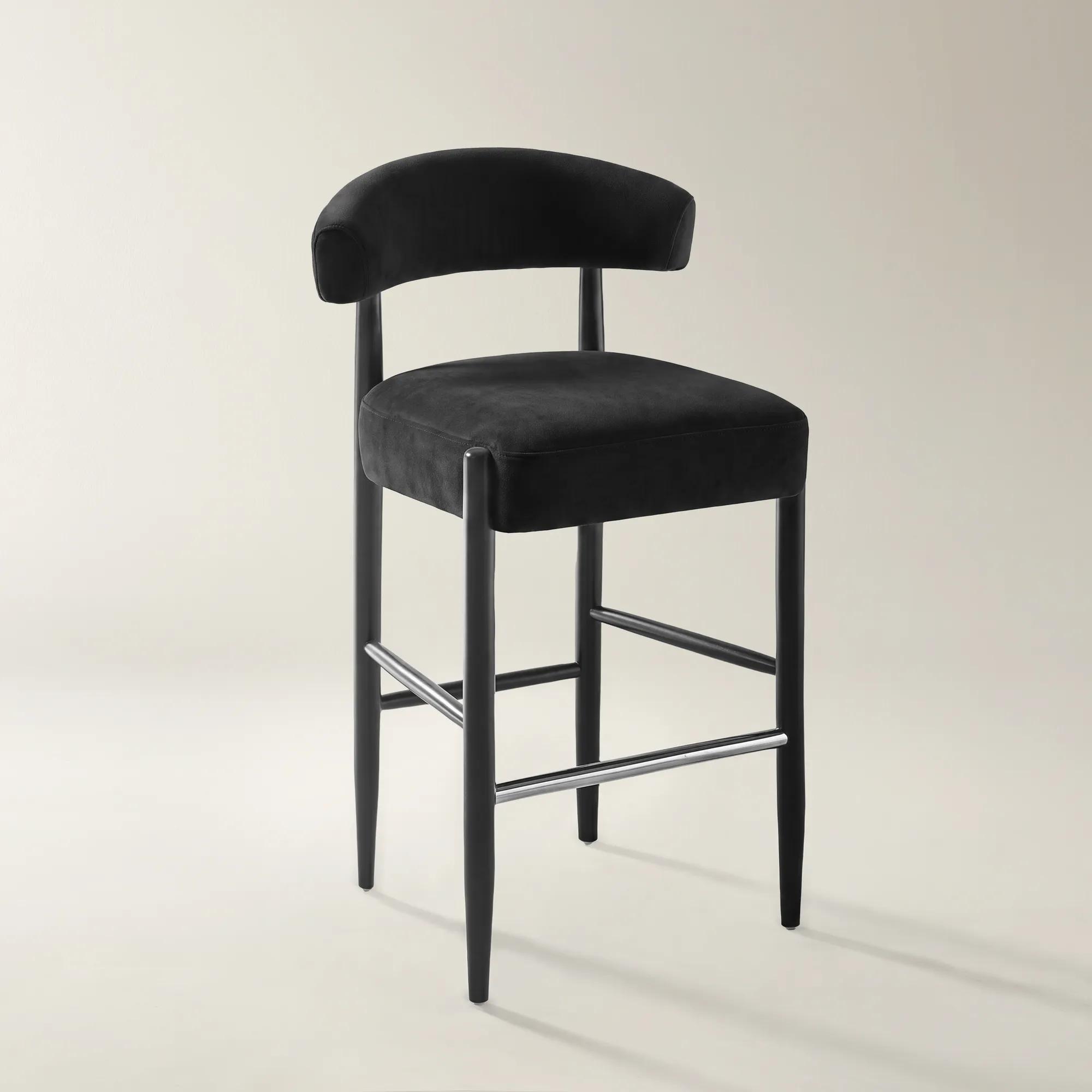 Anna Charcoal Velvet Bar/Counter Stool$399
A charcoal velvet stool featuring a sculpted padded seat, tailored upholstery, and tapered solid-rubberwood legs.
Add To Cart -
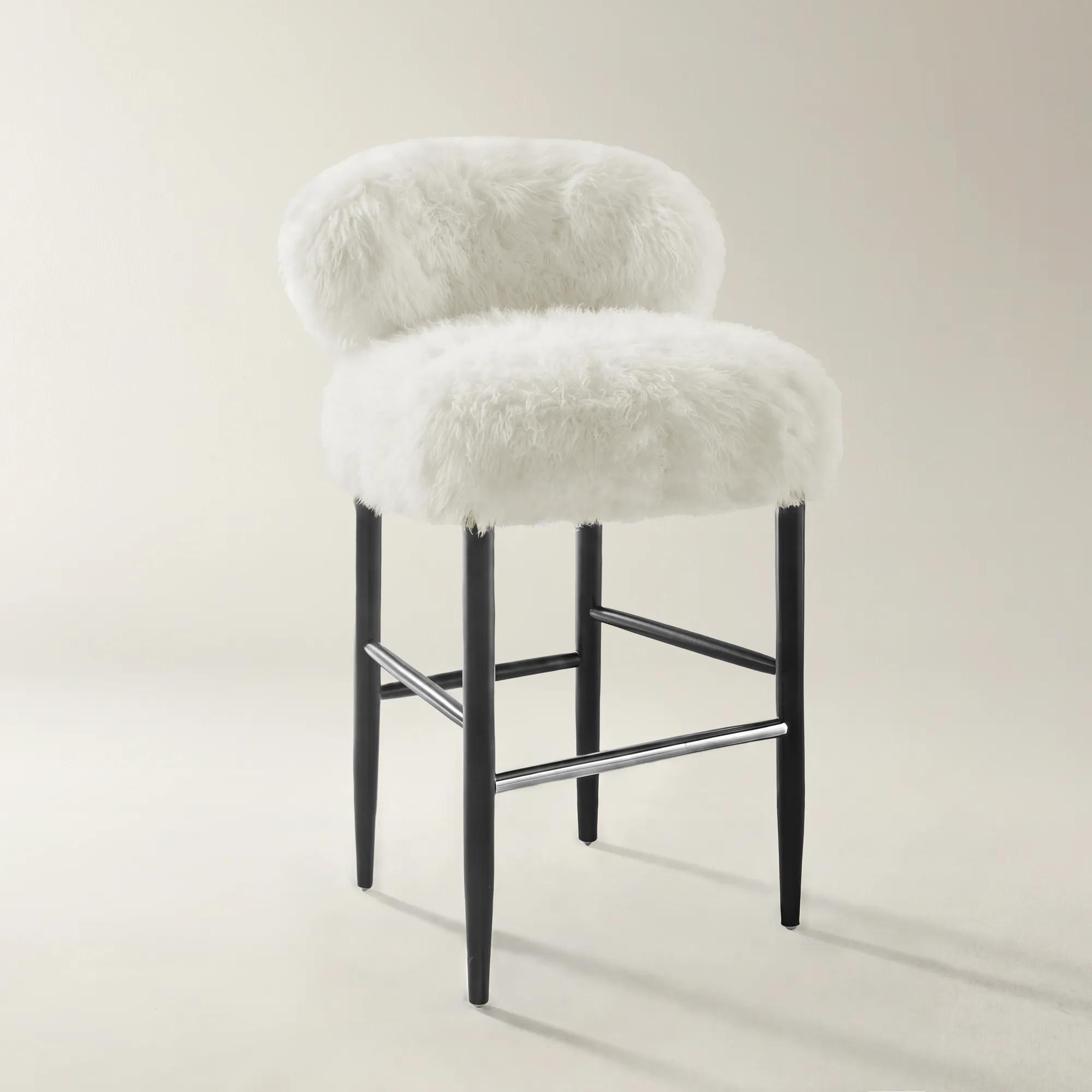 Anna Ivory Faux Fur Bar/Counter Stool$499
An ivory faux-fur stool with a sculpted padded seat and tapered solid rubberwood legs.
Add To Cart -
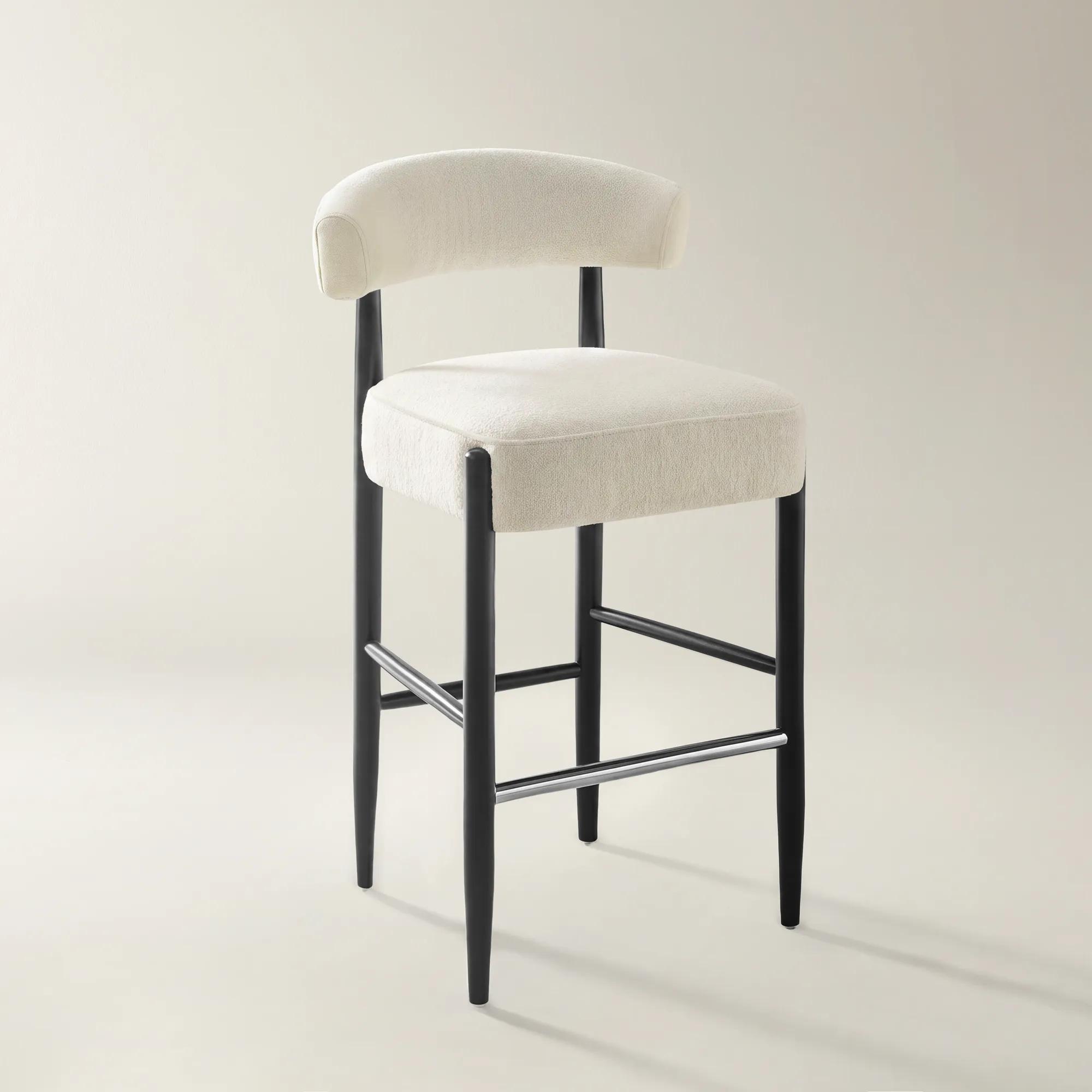 Anna Ivory Performance Chenille Bar/Counter Stool$399
A sculpted ivory performance chenille stool with plush padding and tapered solid rubberwood legs.
Add To Cart -
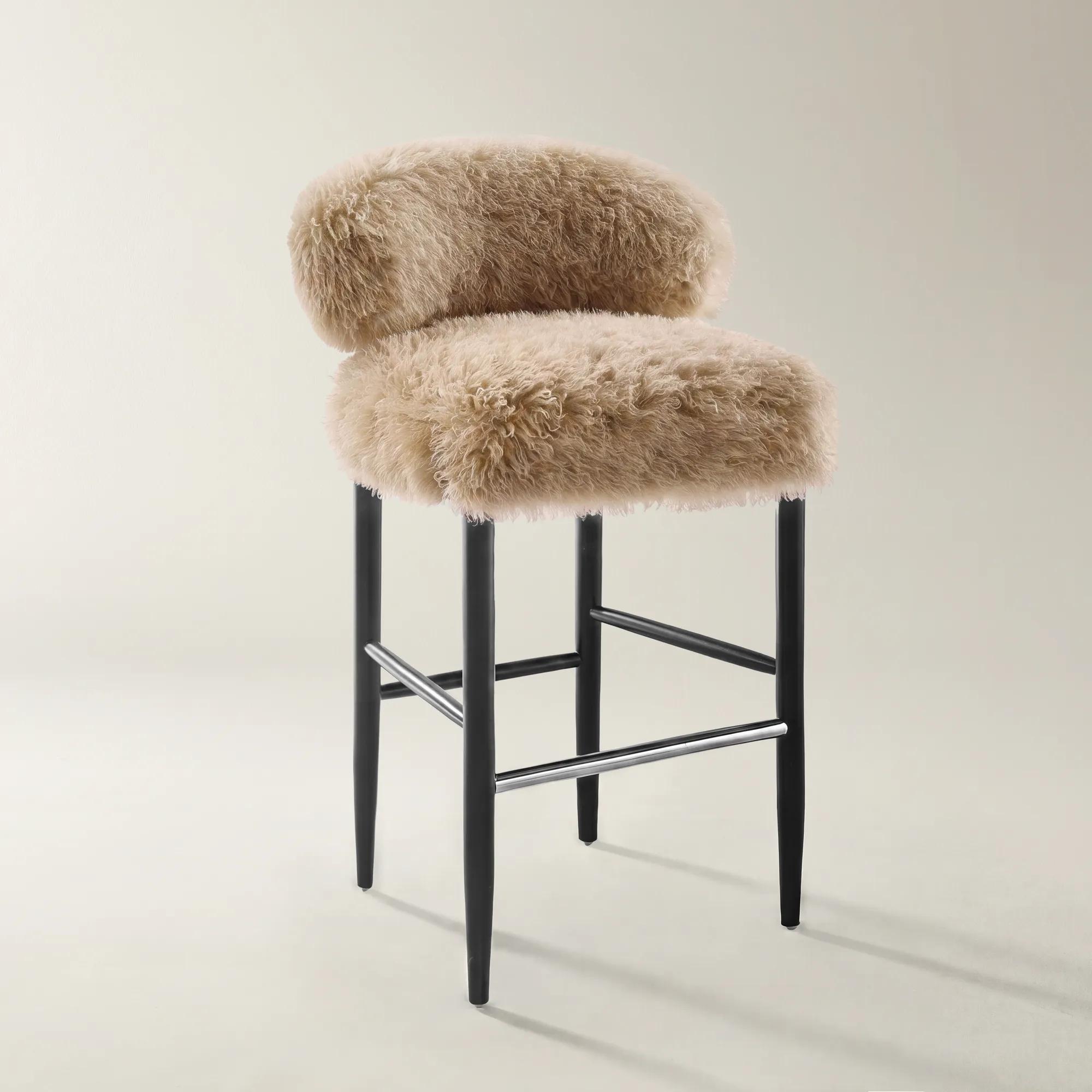 Anna Tan Faux Fur Bar/Counter Stool$499
A tan faux-fur counter stool featuring sculpted support, high-density cushioning, and tapered solid rubberwood legs.
Add To Cart -
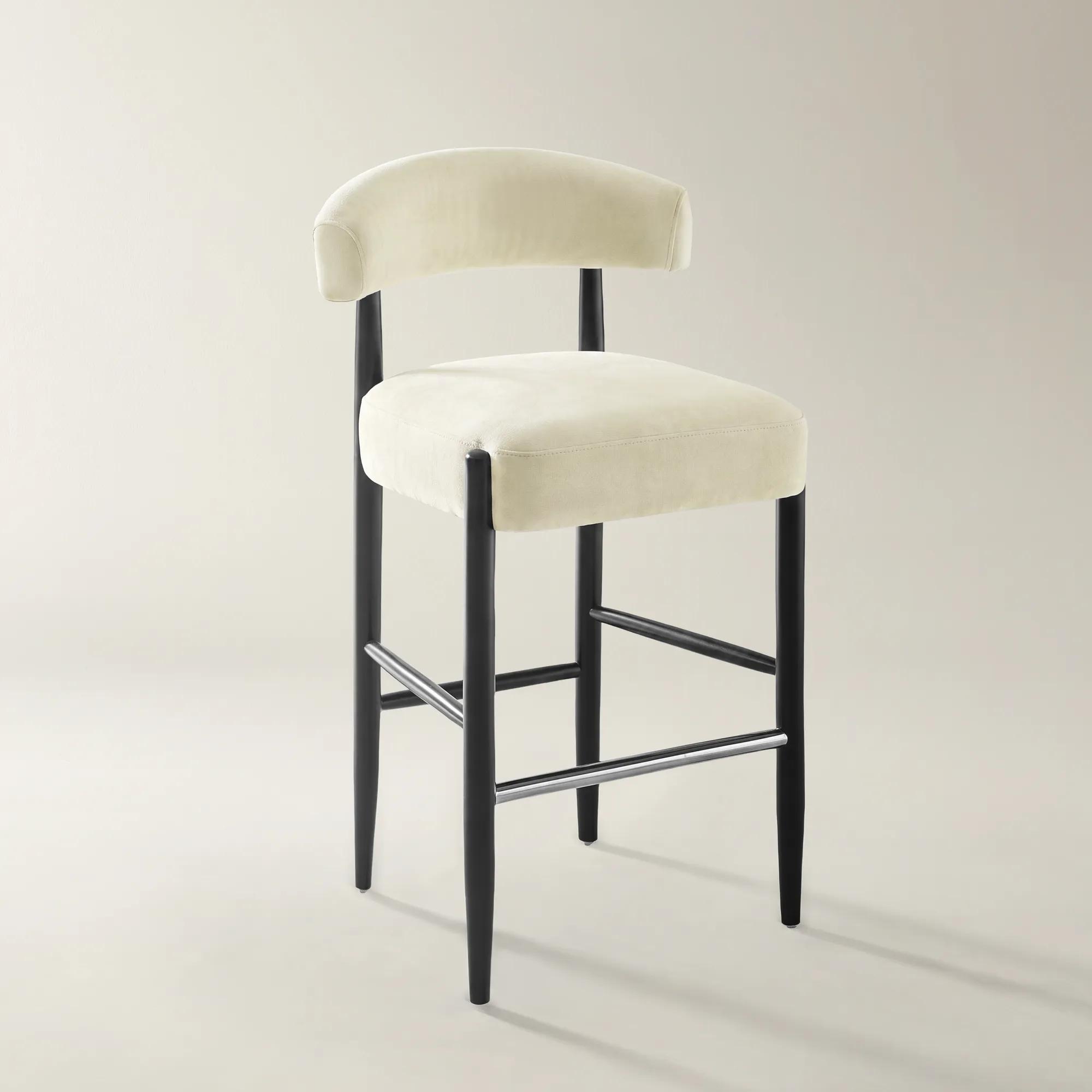 Anna Cloud Velvet Bar/Counter Stool$399
A tailored velvet stool with sculpted support, padded comfort, and solid rubberwood legs.
Add To Cart -
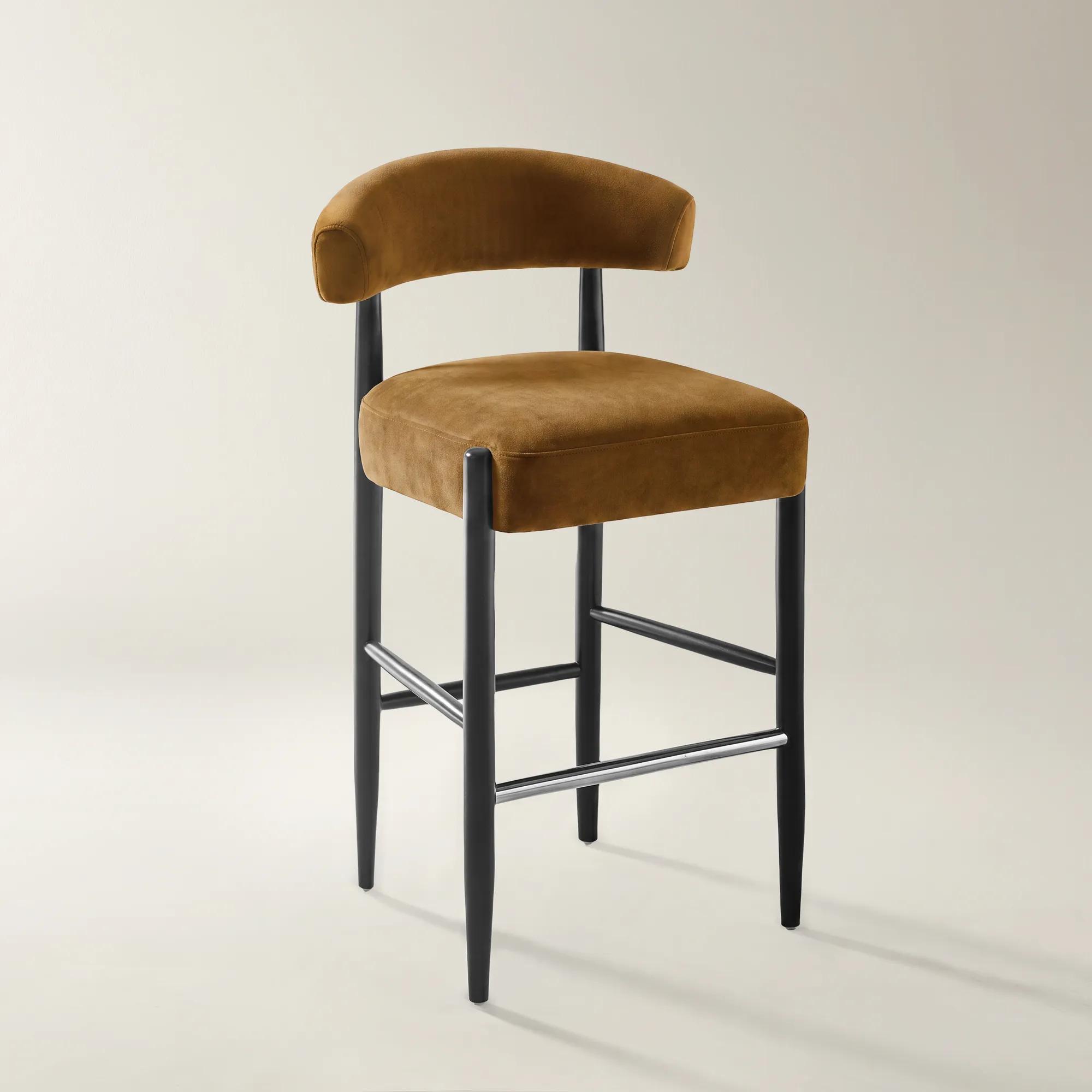 Anna Roasted Pecan Velvet Bar/Counter Stool$399
A roasted pecan velvet stool with a sculpted padded seat and solid rubberwood legs, fully assembled.
Add To Cart -
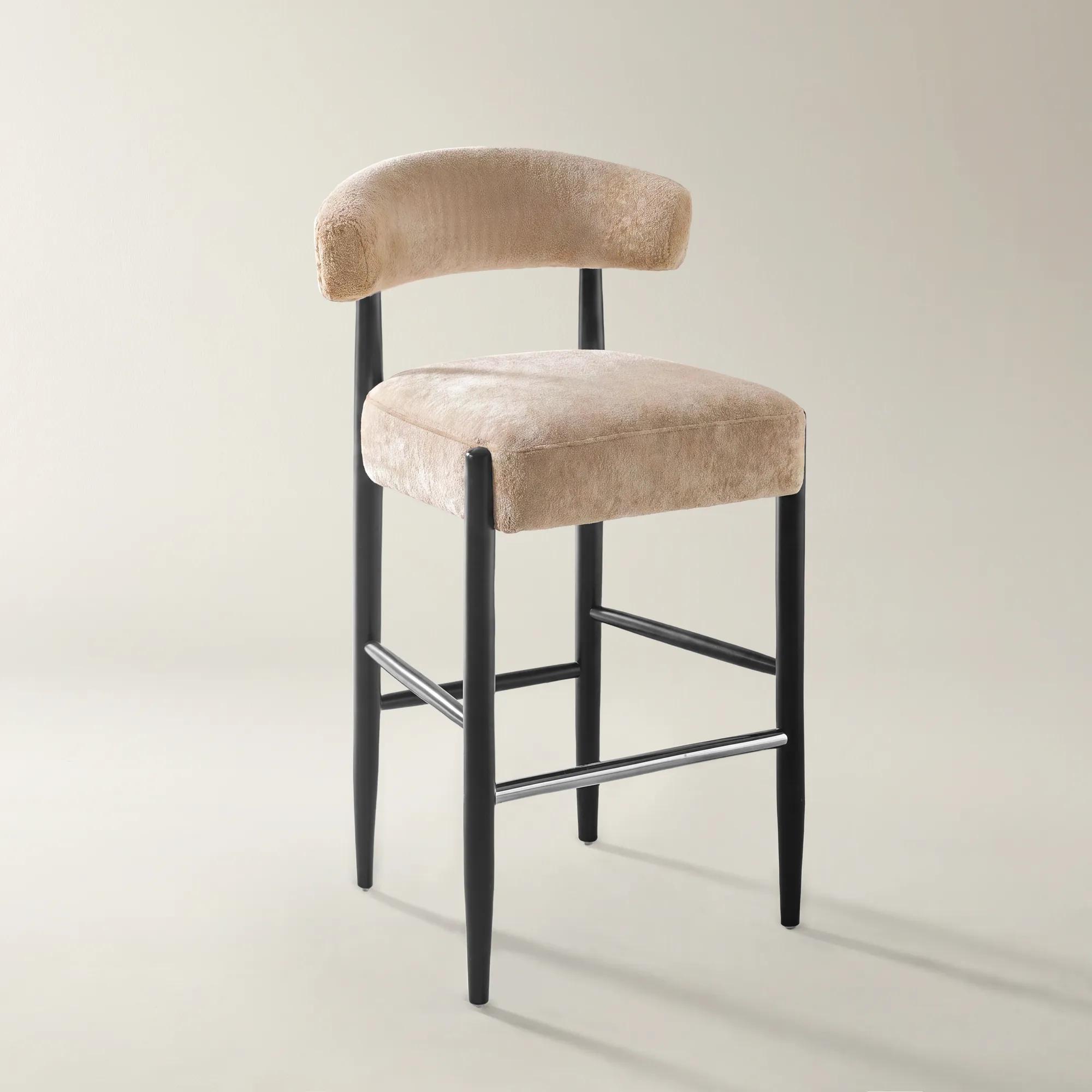 Anna Light Brown Chenille Bar/Counter Stool$399
A brown chenille stool featuring a sculpted back, padded seat, and tapered solid-rubberwood legs.
Add To Cart -
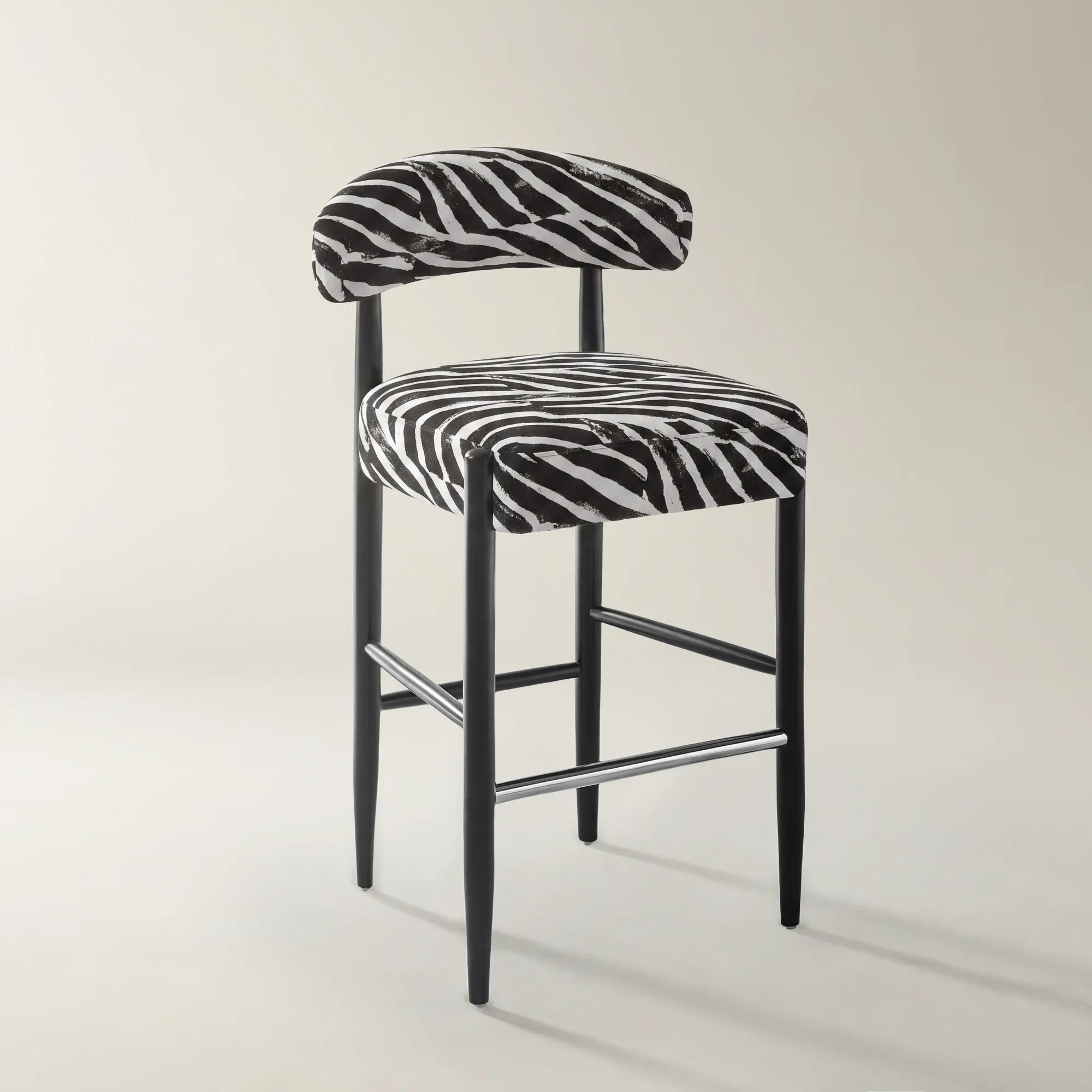 Anna White/Black Performance Chenille Bar/Counter Stool$399
A black-and-white performance chenille stool with sculpted support, padded seating, and tapered solid-rubberwood legs.
Add To Cart -
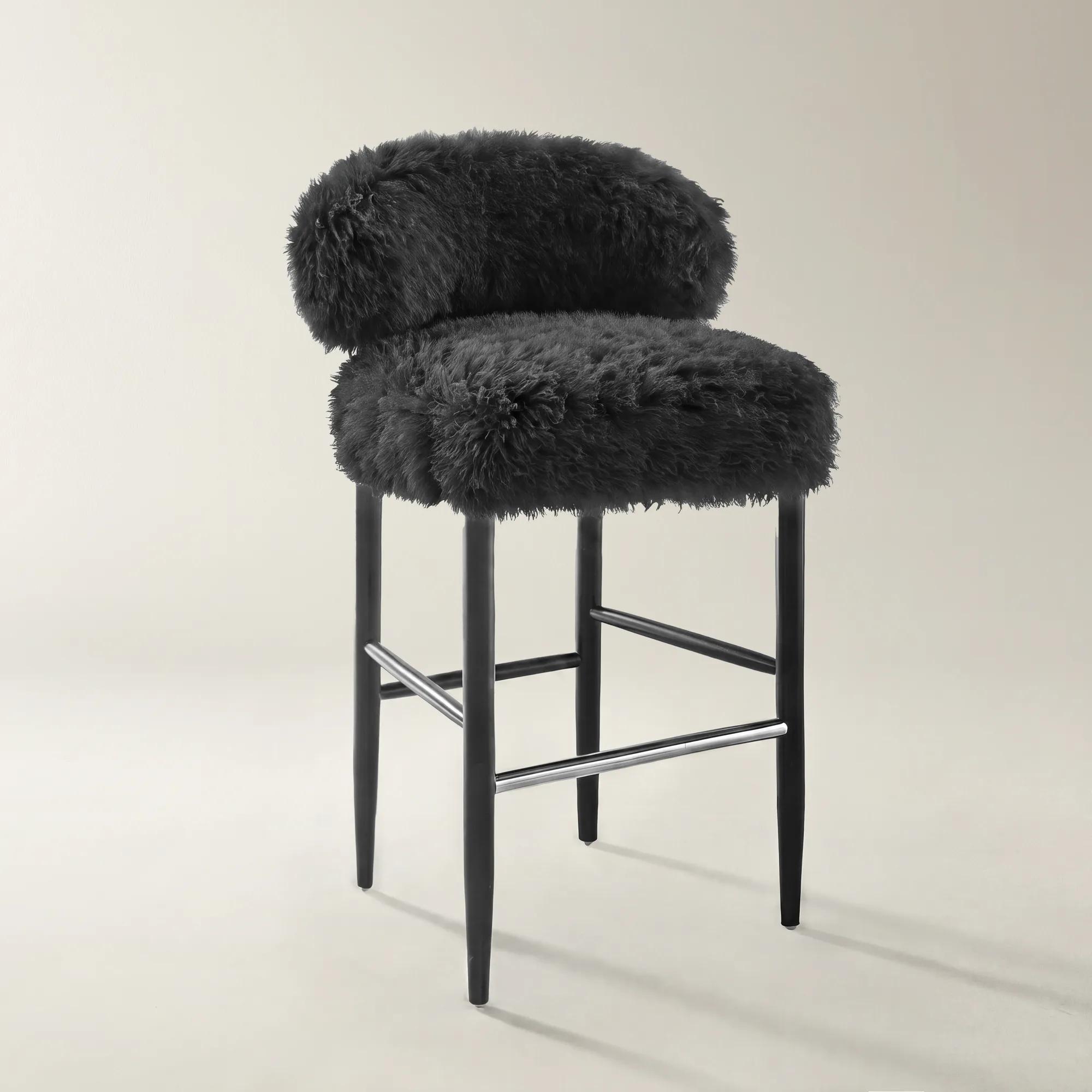 Anna Black Faux Fur Bar/Counter Stool$499
A black faux fur stool with sculpted support, padded seating, and solid rubberwood legs.
Add To Cart -
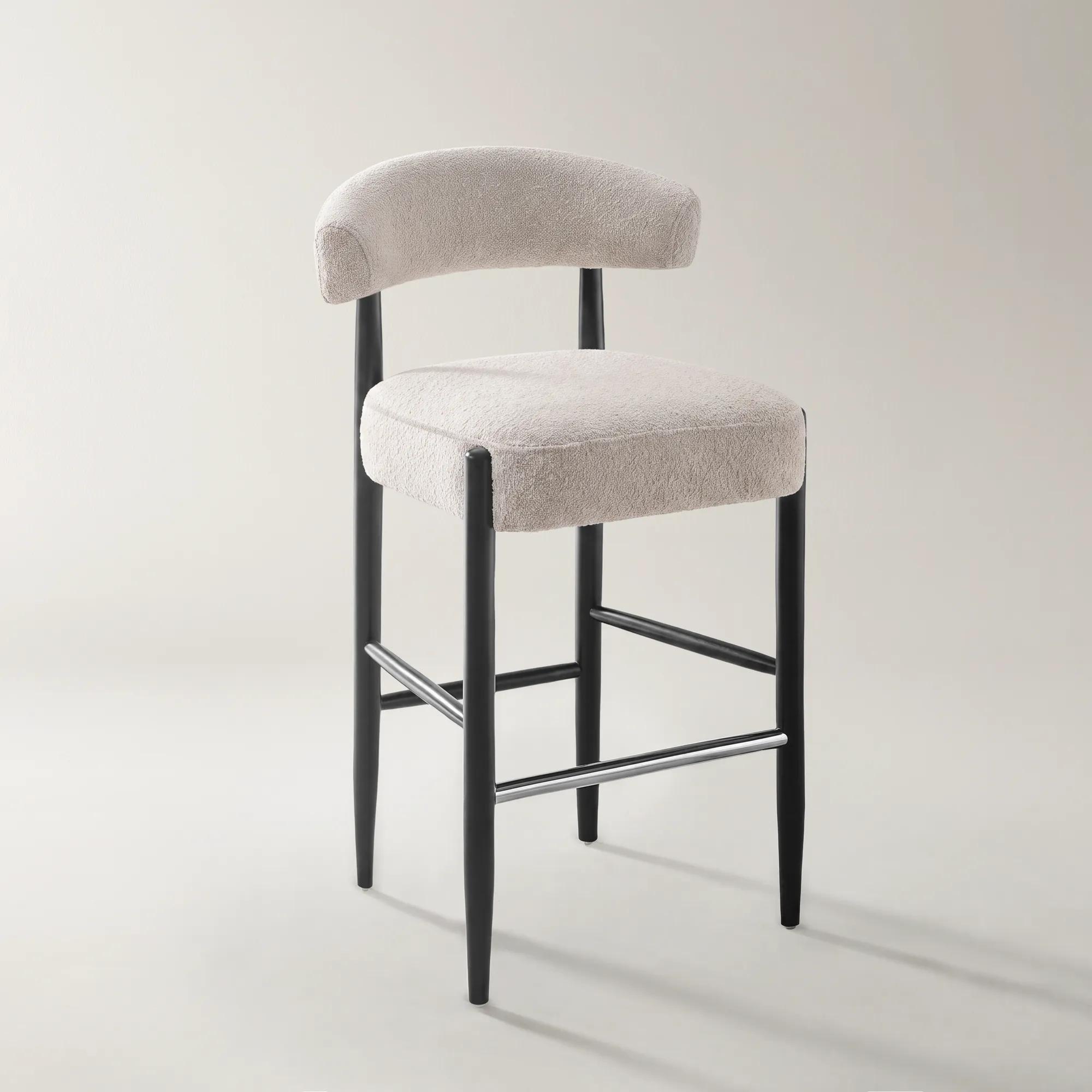 Anna Ivory Performance Boucle Bar/Counter Stool$399
A sculpted ivory performance-bouclé stool with padded support and tapered solid-rubberwood legs for elevated entertaining.
Add To Cart -
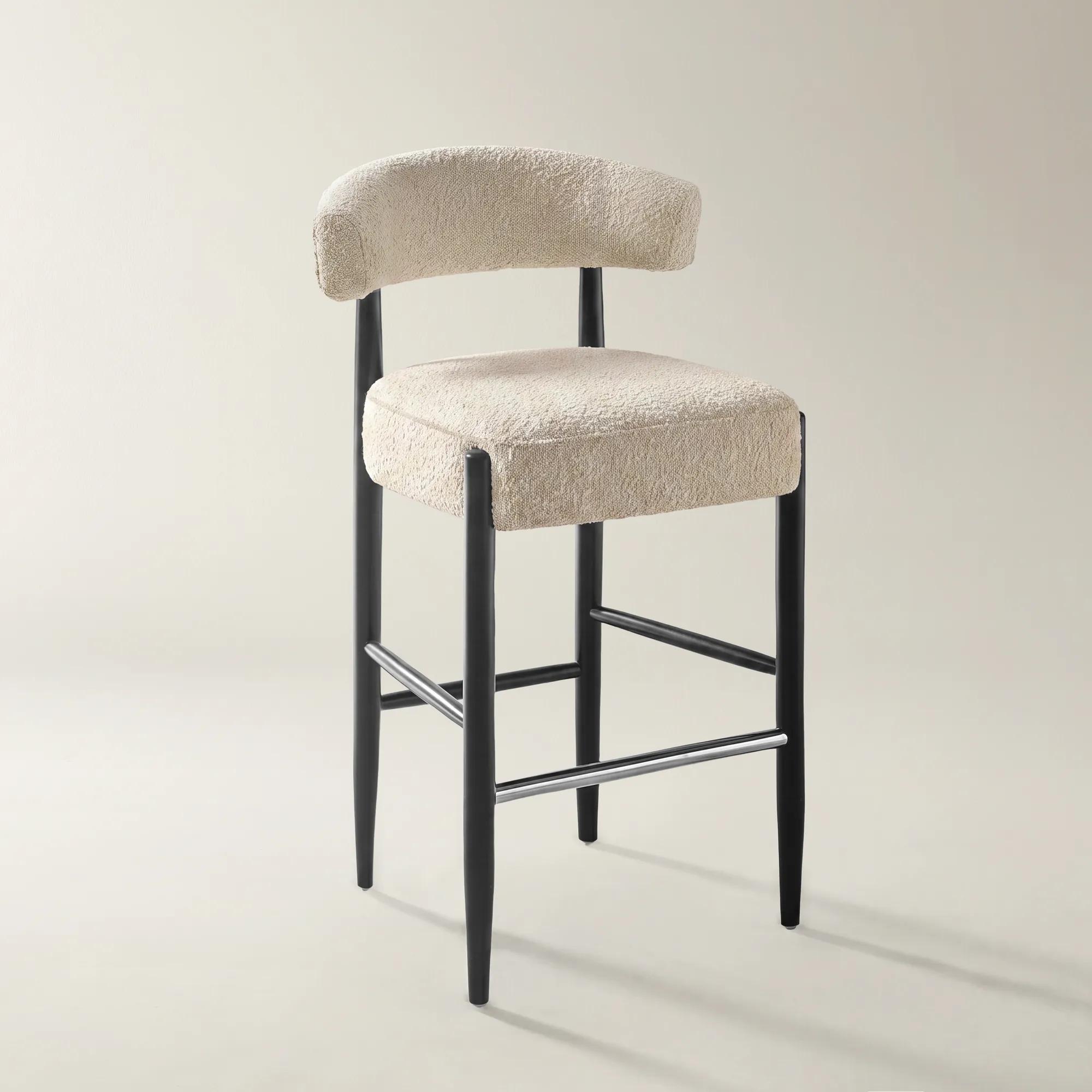 Anna Ivory Performance Boucle Bar/Counter Stool$399
A sculpted ivory performance-bouclé stool with padded support, tailored upholstery, and tapered solid-rubberwood legs.
Add To Cart -
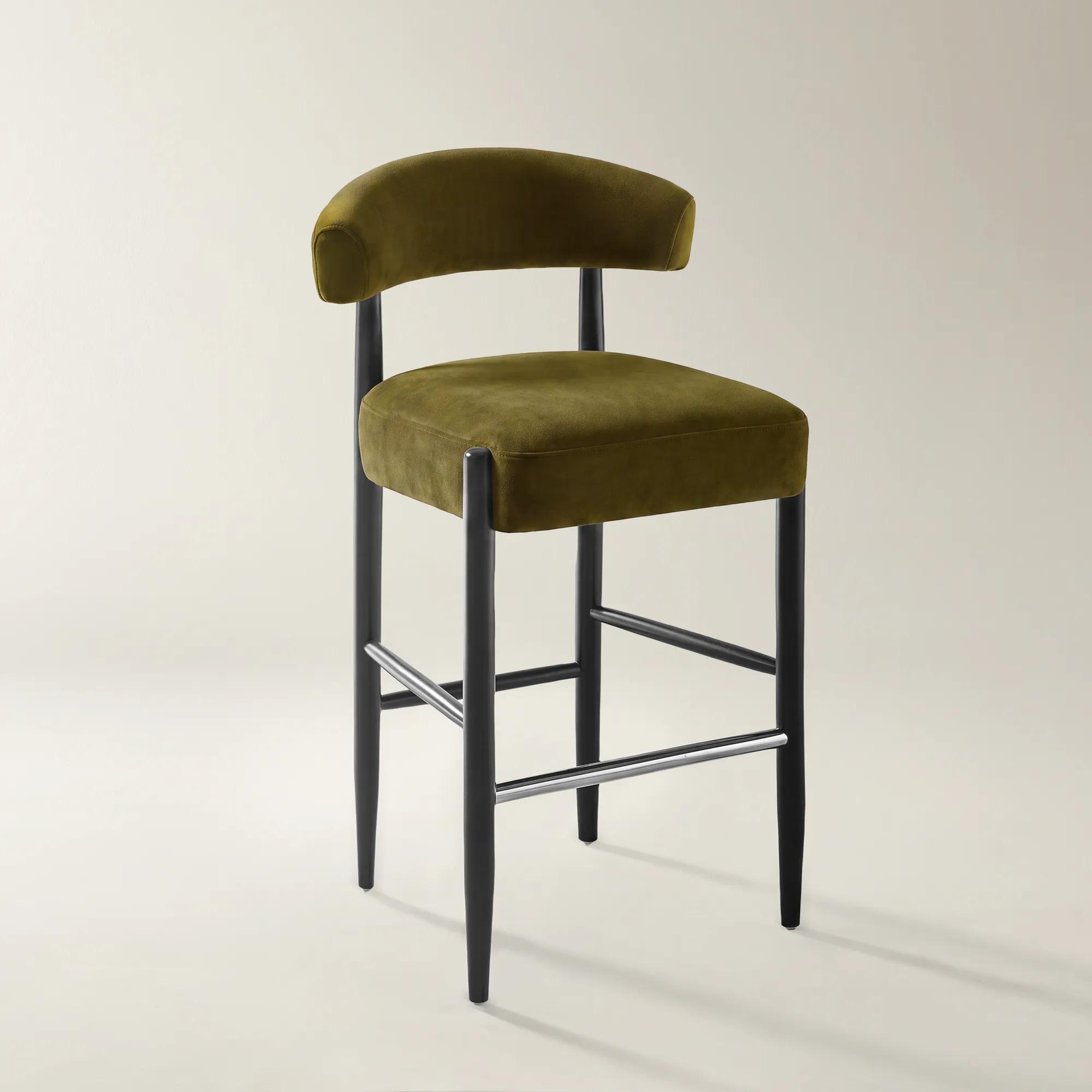 Anna Deep Olive Velvet Bar/Counter Stool$399
A deep olive velvet stool with sculpted support, padded comfort, and tapered solid rubberwood legs.
Add To Cart -
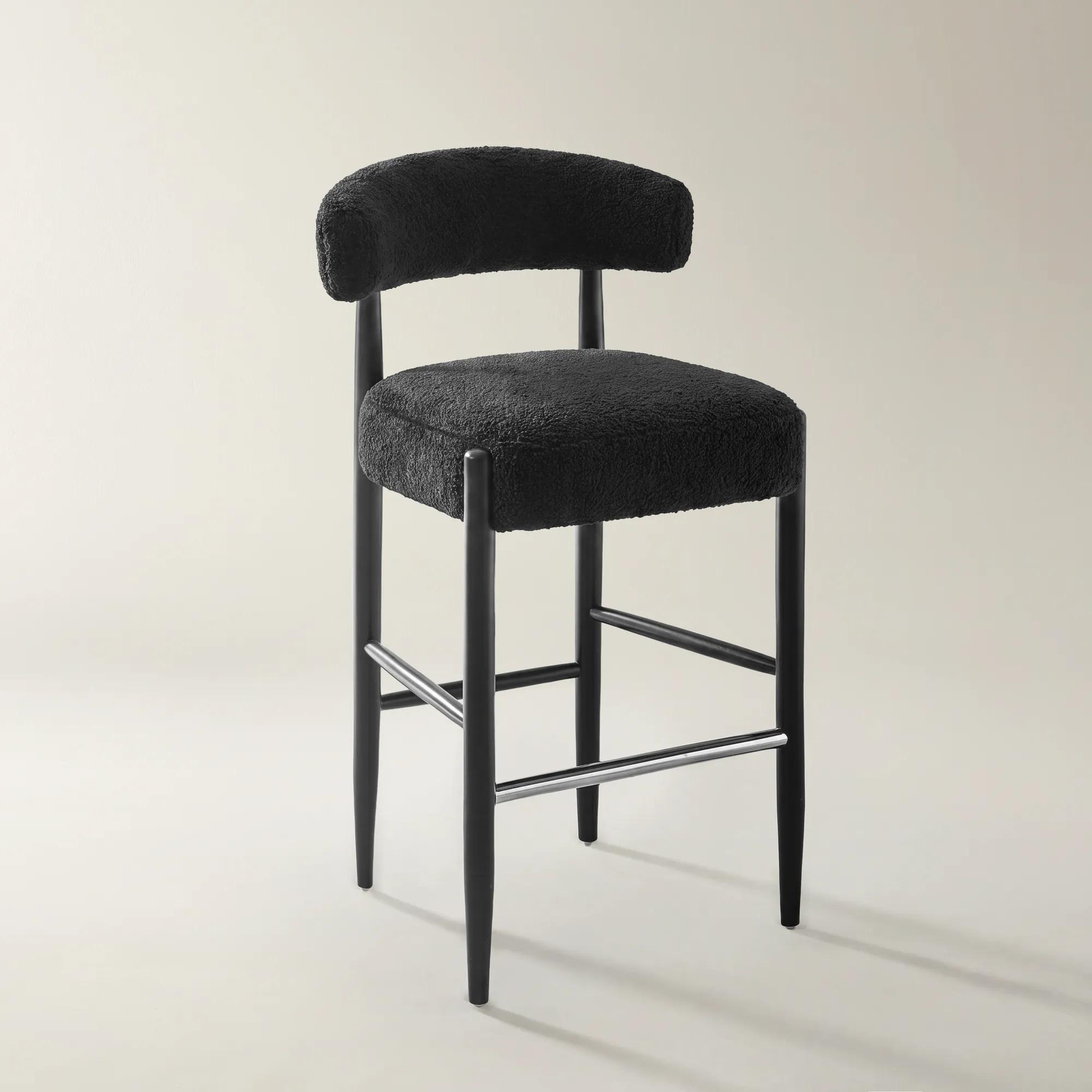 Anna Black Chenille Bar/Counter Stool$399
A charcoal chenille stool featuring sculpted support, high-density cushioning, and tapered solid rubberwood legs.
Add To Cart -
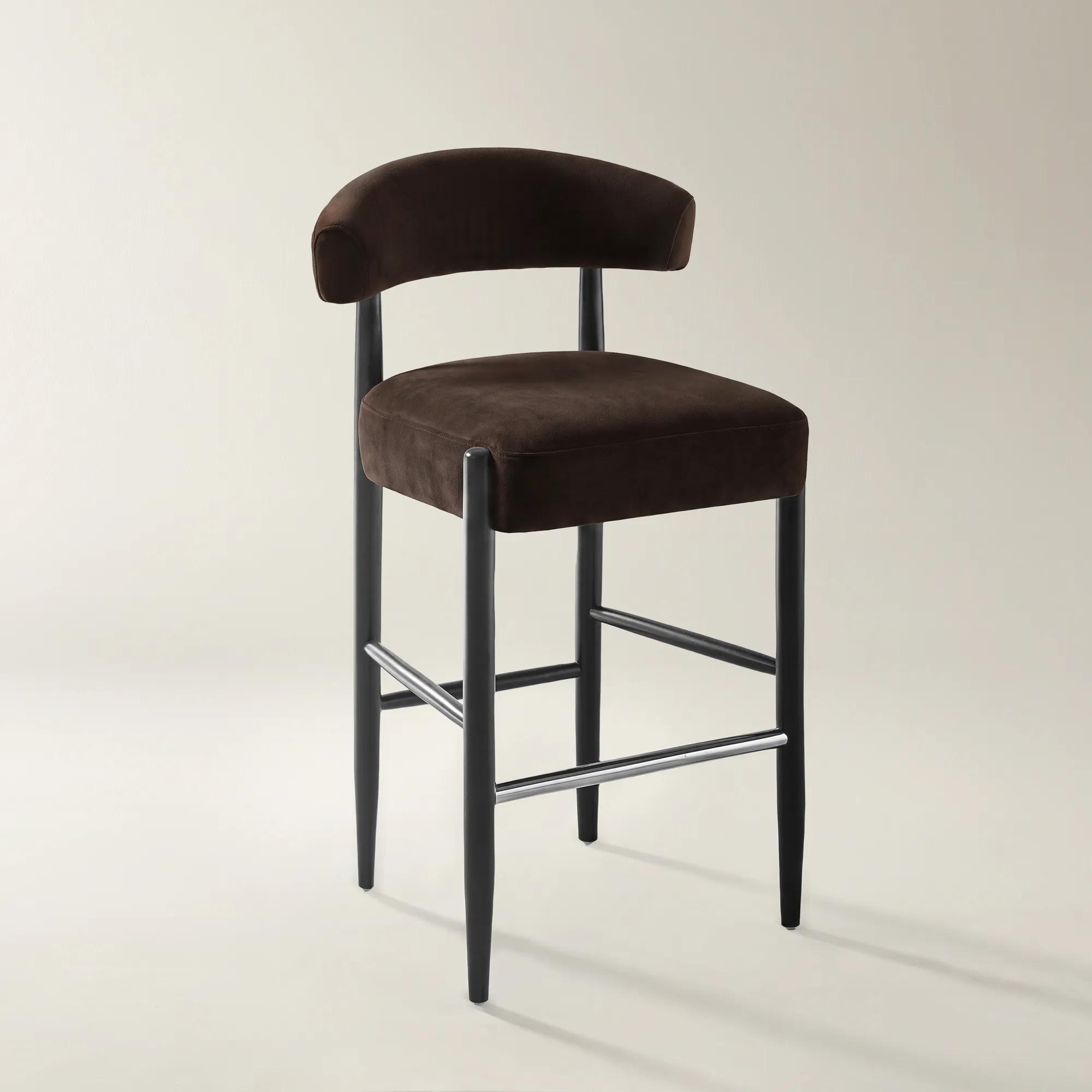 Anna Dark Chocolate Velvet Bar/Counter Stool$399
A dark chocolate velvet stool featuring sculpted support, high-density cushioning, and tapered solid-rubberwood legs.
Add To Cart -
 Valerie Natural Outdoor Counter Stool$659
A natural-finished outdoor stool offering stylish counter-height seating.
Add To Cart

Barstools For Open Plan Dining
Barstools for open plan dining are the secret ingredient to a space that dazzles with both form and function. Imagine sculptural silhouettes punctuating your kitchen island, each seat inviting conversation and celebration. These elevated designs transform mere seating into an artful experience—effortlessly bridging the flow between cooking, dining, and living. With every detail curated for visual impact, barstools for open plan dining become more than just furniture; they’re statement pieces that define the rhythm of your home’s most dynamic moments.
Barstools for open plan dining bring the kitchen, dining area, and living space into a single visual conversation. At an island or elevated breakfast bar, their silhouettes are visible from several angles, making the curve of a backrest, the gleam of a metal frame, and the texture of upholstery part of the larger room composition. The most compelling choices offer both a comfortable place to gather and a deliberate design statement: a sculptural seat beneath pendant lighting, a velvet back that echoes the richness of nearby drapery, or a warm wood frame that softens polished stone. In an open layout, barstools and dining chairs do not need to match, but a shared element helps the space feel composed. Similar wood undertones, complementary fabrics, or repeated metal finishes can establish continuity without making every piece feel identical. A brushed gold stool base might pick up the glow of a chandelier across the dining area, while ivory upholstery can connect darker kitchen cabinetry with a lighter living room palette. Backless and low-back barstools preserve sightlines, allowing statement lighting, artwork, and architectural details to remain visible across the room. Taller upholstered backs create more presence and can give the island the intimate feeling of a dining destination, especially when it serves as the household’s primary eating area. Because the reverse side often faces the sofa or dining table, details such as tailored seams, an elegantly tapered frame, or a beautifully finished back deserve as much attention as the seat itself. For a cohesive approach to seating at kitchen islands, breakfast counters, and raised dining surfaces, Indoor Dining Barstools connect everyday function with expressive interior style. These seats suit everything from a quiet breakfast before the day begins to an evening when guests linger at the island while dinner takes shape. During the cooler months, that comfortable perch becomes an especially inviting gathering place, close to the warmth and activity of the kitchen without separating anyone from the conversation.
Proportion determines whether barstools look graceful and feel comfortable in an open-plan dining space. Counter-height stools typically have seats about 24 to 26 inches from the floor and suit standard kitchen counters approximately 36 inches high. Bar-height stools generally have seats about 30 to 32 inches high and suit raised surfaces approximately 42 inches high. These are starting points rather than substitutes for measuring: allow roughly 10 to 12 inches between the top of the seat and the underside of the counter for comfortable legroom. A thick countertop, decorative apron, or support structure can reduce that clearance, even when the overall counter height seems standard. Seat width matters just as much. Allow approximately 24 to 26 inches of counter length per person for compact armless stools, with more space for broad seats, arms, or swivel movement. Generously proportioned designs may need 28 to 30 inches or more per place, so check the actual dimensions rather than dividing the island length by a fixed number alone. A row of stools should feel like an invitation to settle in, not a tightly arranged display that leaves elbows competing for space. Counter overhang also matters; generous seat padding cannot compensate for knees pressed against cabinetry. Look at the room with the stools pulled out and occupied, particularly where the island faces a dining table, refrigerator, or route to the living area. Where the layout permits, about 36 inches of clear passage behind an occupied seat helps maintain circulation, while busier routes benefit from additional room. Backless designs can tuck beneath a suitable overhang, lending the kitchen a more uninterrupted profile between meals. Arms provide a relaxed, enveloping feel but need enough clearance to slide under the surface if tucked seating is the goal. Swivel seats can make turning toward conversation easier, though they require room to rotate without striking adjacent stools or cabinetry. For long breakfasts, casual dinners, or an afternoon spent at the counter with a laptop, supportive backs, well-placed footrests, and comfortable seat depth make the difference between occasional seating and a place people genuinely enjoy using.
Materials give open-plan barstools their character while shaping how they perform in daily life. Velvet introduces depth and a subtle play of light, making even a restrained color feel sumptuous against marble-look surfaces or richly grained wood. Textured woven upholstery adds dimension, while leather and faux leather can deliver a smooth, tailored contrast to plush seating elsewhere in the room. Each material has distinct care requirements, and an easy-to-wipe surface is not necessarily stain-proof or resistant to every household cleaner. For an island used for meals, art projects, and frequent entertaining, consider upholstery with documented performance characteristics and follow the manufacturer’s cleaning instructions rather than relying on the fabric’s appearance. Blot spills promptly, avoid vigorous rubbing, and use only cleaners approved for the upholstery. Regular gentle vacuuming with an appropriate attachment helps keep crumbs and dust from settling into seams. Wood seats offer expressive grain and a firm sitting surface, while upholstered seats bring softness that can be especially welcome during longer meals. Metal frames can appear slender and architectural, but durability depends on construction, joints, finish quality, and intended use—not material alone. Check stated weight capacities, frame stability, and care guidance, particularly for seating that will move frequently throughout the day. Footrests deserve close attention because they provide essential support on elevated seats and receive repeated contact from shoes. Protective floor glides suited to the flooring help reduce scraping, and hardware should be checked periodically according to the manufacturer’s instructions. Keep wood and finished metal dry after cleaning, and avoid abrasive pads that can dull a polished surface or damage a protective coating. In sunny open-plan rooms, follow guidance on light exposure to help preserve upholstery and finishes. Indoor barstools belong in the interior environments for which they are designed, rather than on exposed patios where moisture and temperature changes may cause damage. With thoughtful proportions, considered materials, and a finish that relates to the surrounding room, barstools become more than an extra row of seats. They give the island a distinct identity: sculptural enough to hold attention, comfortable enough to encourage another conversation, and expressive enough to make the entire dining space feel personal.
FAQs
Barstools are remarkably versatile, seamlessly complementing a spectrum of design aesthetics. In open plan dining, they can amplify the glamour of a modern, art-deco-inspired space with luxe materials and bold silhouettes, or bring warmth and character to transitional and contemporary interiors through rich textures and sculptural details. Whether your home is a canvas of sleek minimalism, eclectic artistry, or classic sophistication, thoughtfully chosen barstools become expressive focal points that unify your space.
During the festive season, barstools transform your kitchen island or breakfast bar into a welcoming stage for celebration. Their elevated seating encourages guests to mingle, sip cocktails, and enjoy hors d’oeuvres in comfort and style. Plush upholstery, gleaming finishes, and dramatic lines set a glamorous, convivial tone, ensuring every gathering feels both intimate and extraordinary.
Absolutely—barstools are a thoughtful and stylish gift for those embarking on a new chapter. They offer both function and flair, instantly elevating open plan dining areas and providing a chic perch for daily rituals and special occasions alike. Gifting barstools is a way to celebrate new beginnings, infusing a home with comfort, artistry, and a touch of everyday luxury.
Popular materials for barstools include sumptuous velvet, hand-finished wood, polished metals such as brass or chrome, and tactile fabrics that invite touch. These materials not only provide durability and comfort but also introduce layers of texture and visual intrigue, enhancing the overall ambiance of your open plan dining space.
To achieve a cohesive look, consider echoing elements from your surrounding décor—such as metallic accents, color palettes, or architectural shapes—within your barstool selection. Mixing complementary textures and finishes can add depth and sophistication, while a consistent design motif ties the entire space together, transforming your open plan dining area into a harmonious, gallery-worthy retreat.