Elegant Bar Stools For Open Kitchens
Elegant Bar Stools For Open Kitchens
-
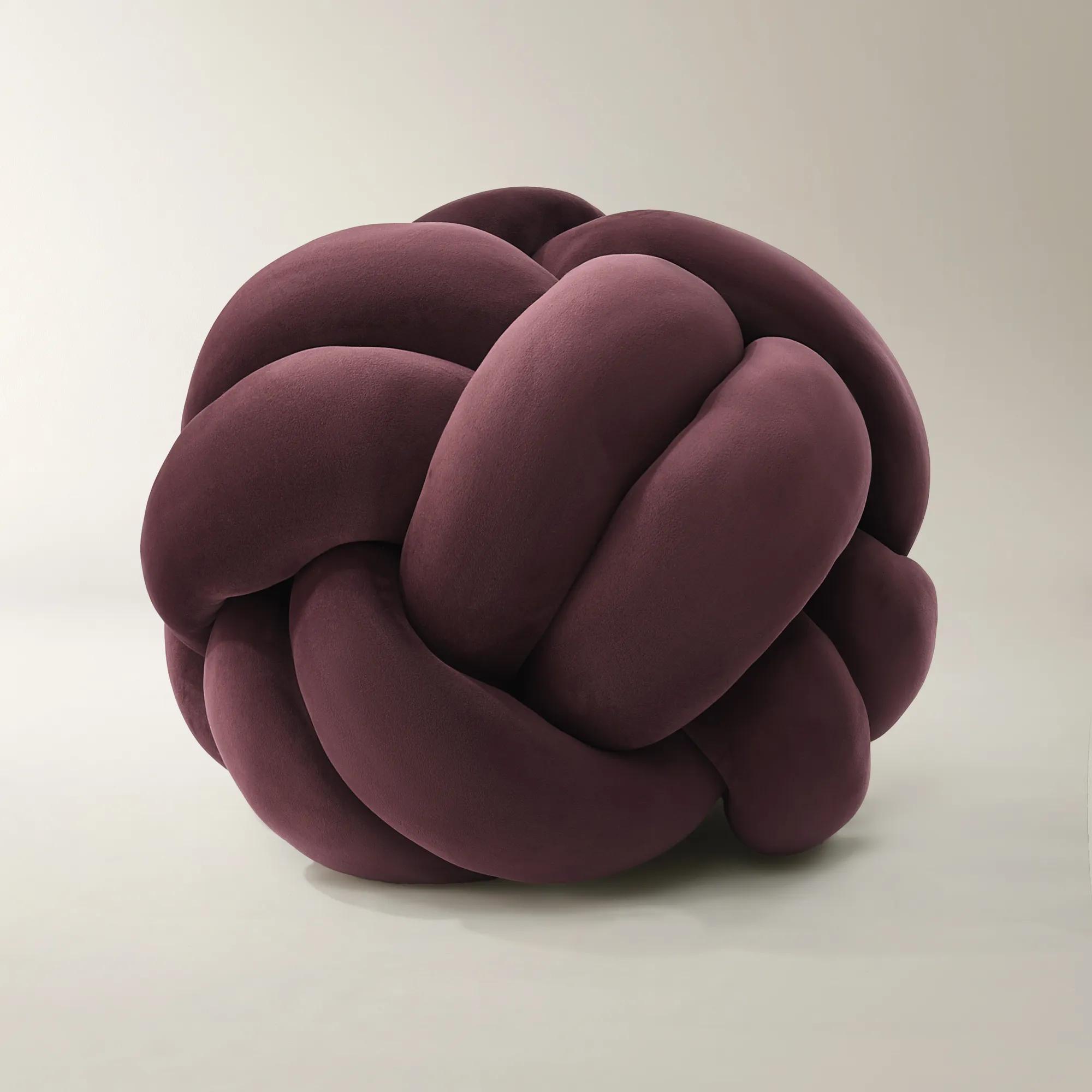
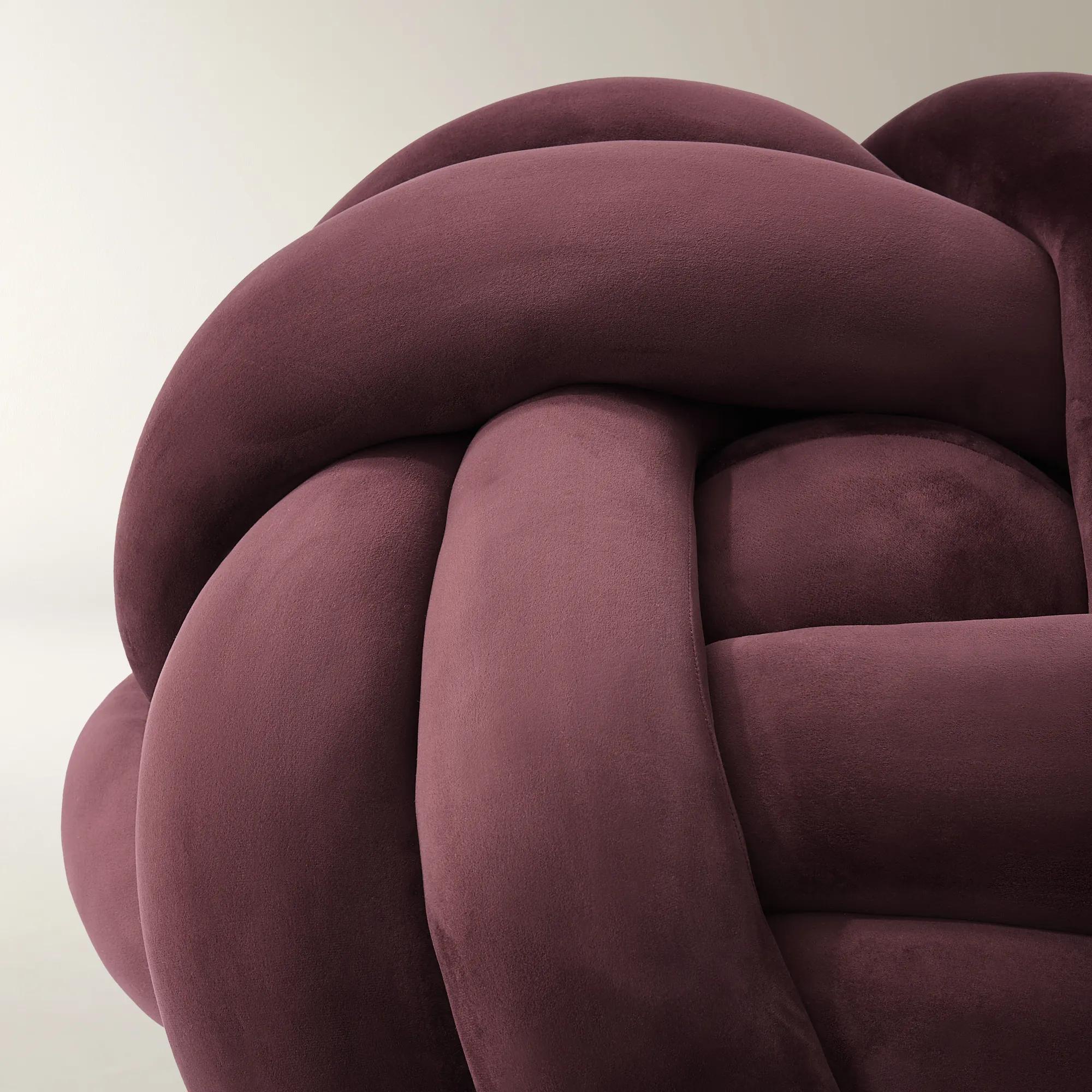 Loopie Fig Velvet Stool (34.5")$349
An oversized, knot-inspired stool hand-upholstered in plush fig velvet for bold sculptural appeal.
Add To Cart -
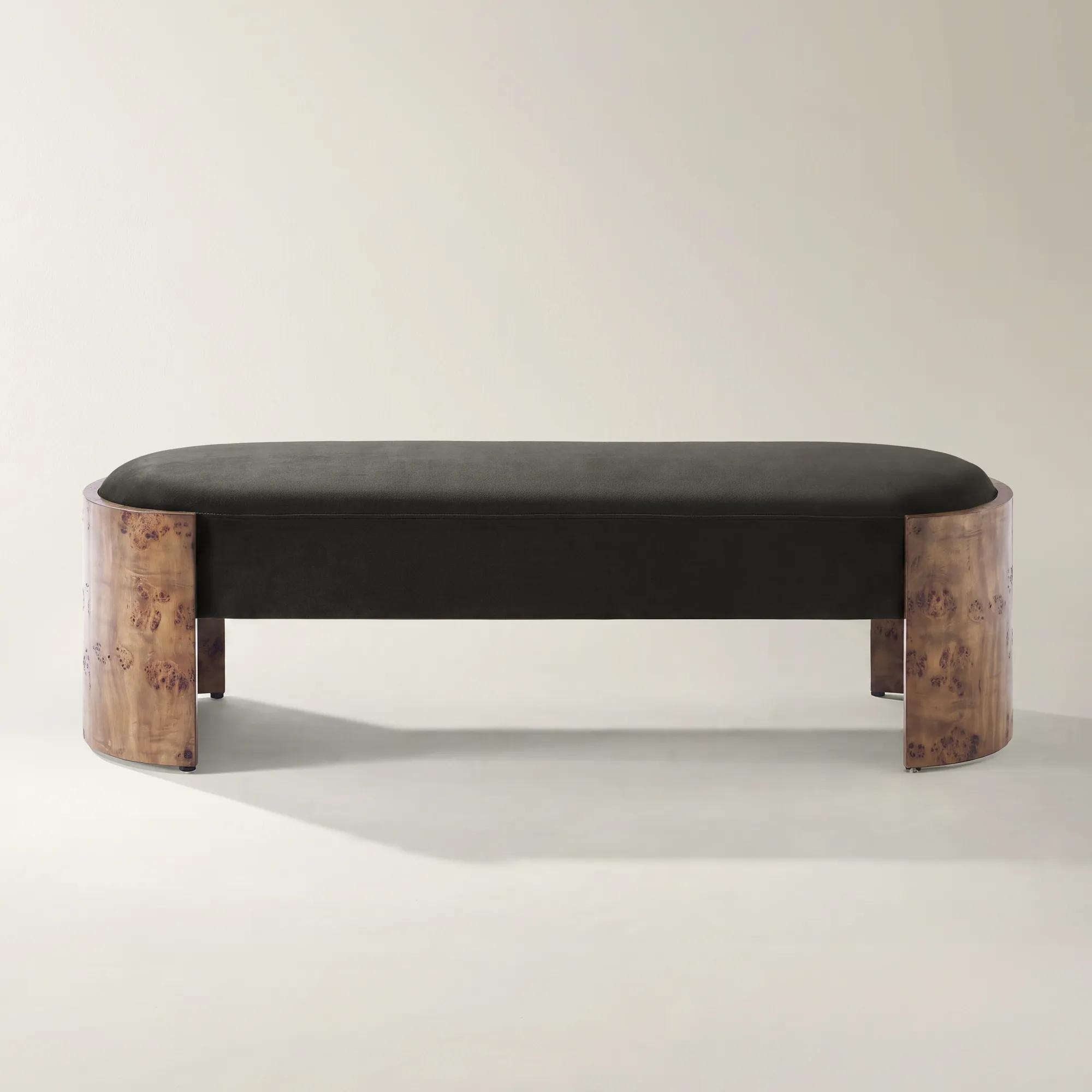
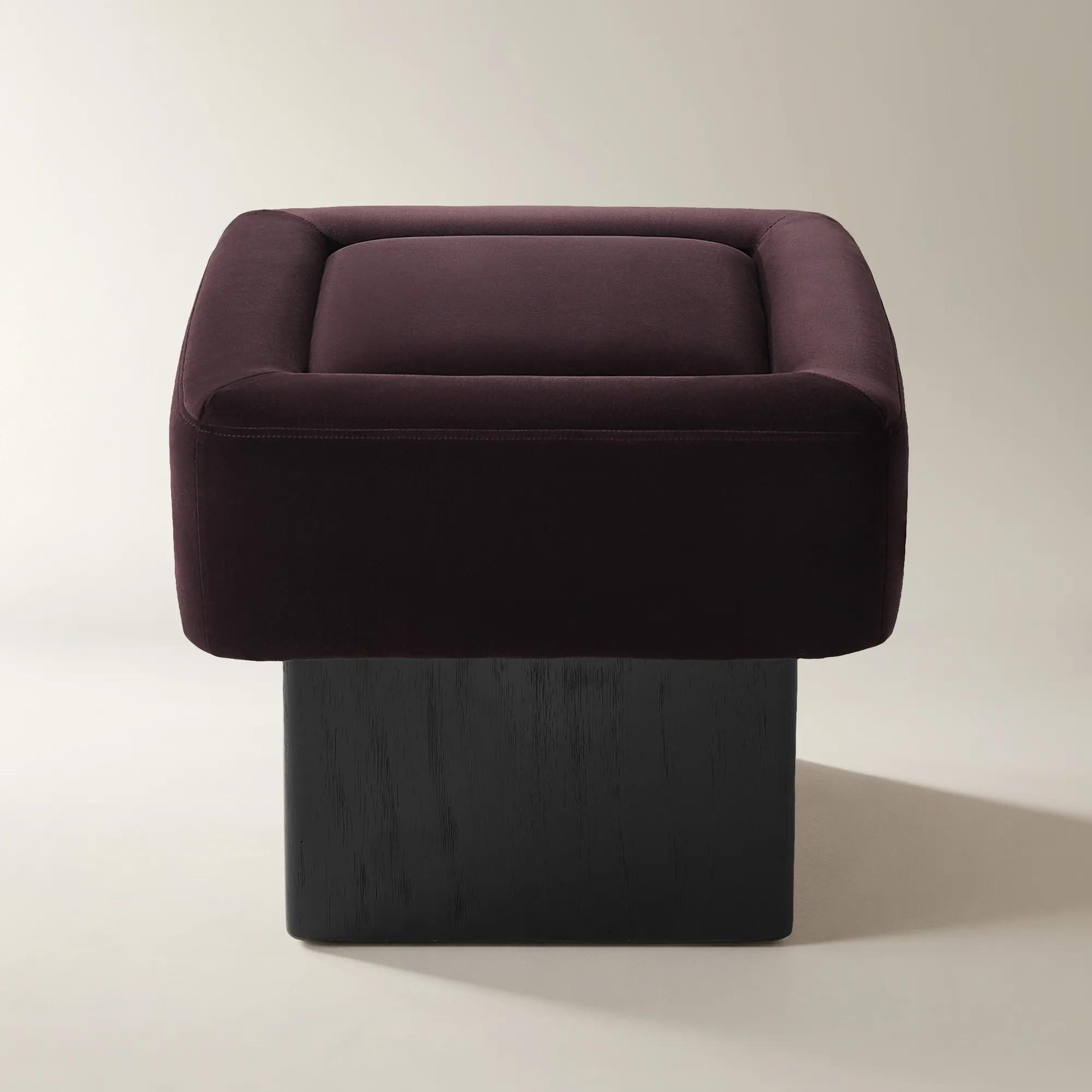 Reims Fig Velvet Stool$349
A plush fig-colored velvet stool featuring a sculpted cushion and a solid rubberwood base for modern contrast.
Add To Cart -
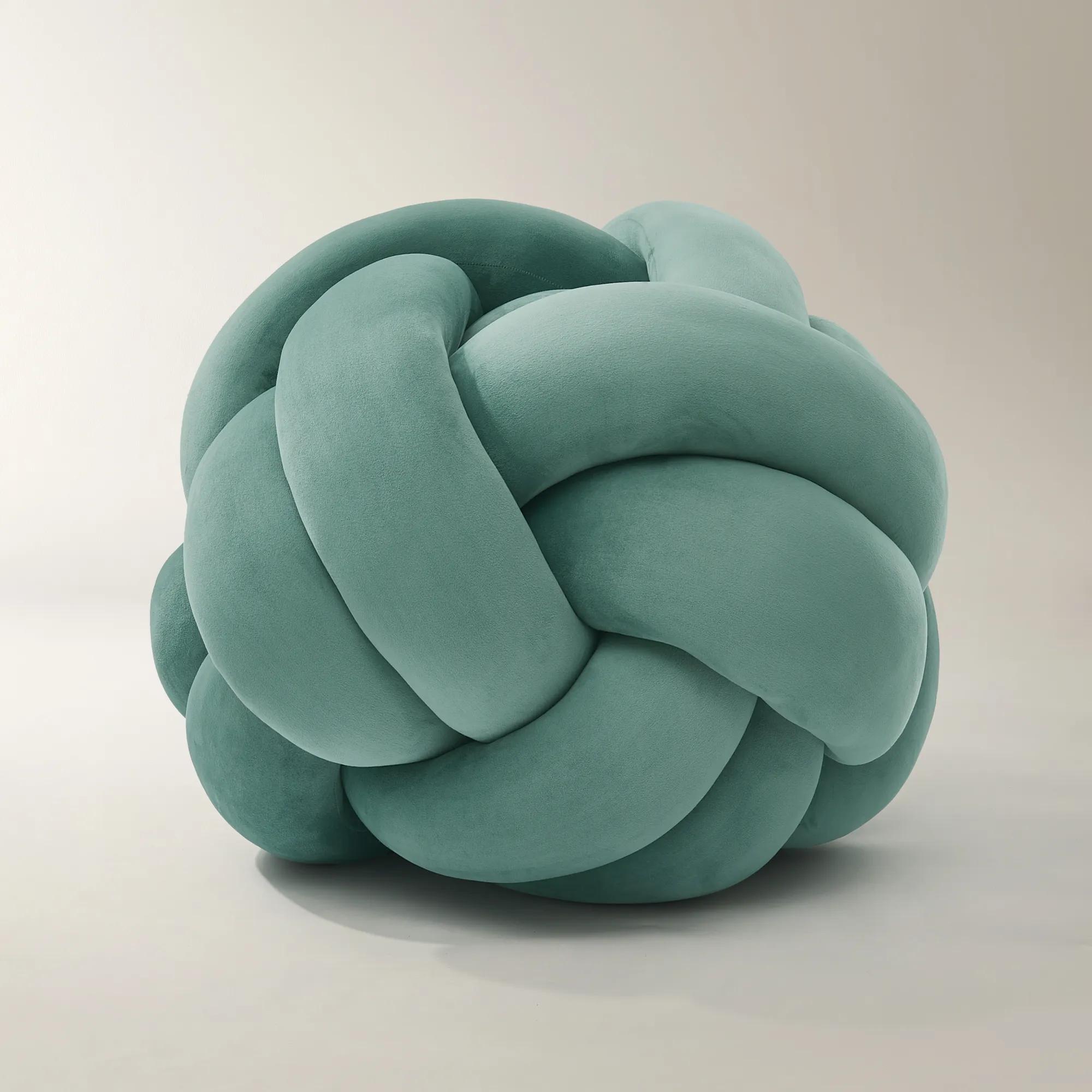 Loopie Ocean Teal Velvet Stool (34.5")$349
A bold sculptural stool featuring plush ocean teal velvet upholstery and an oversized knotted silhouette.
Add To Cart -
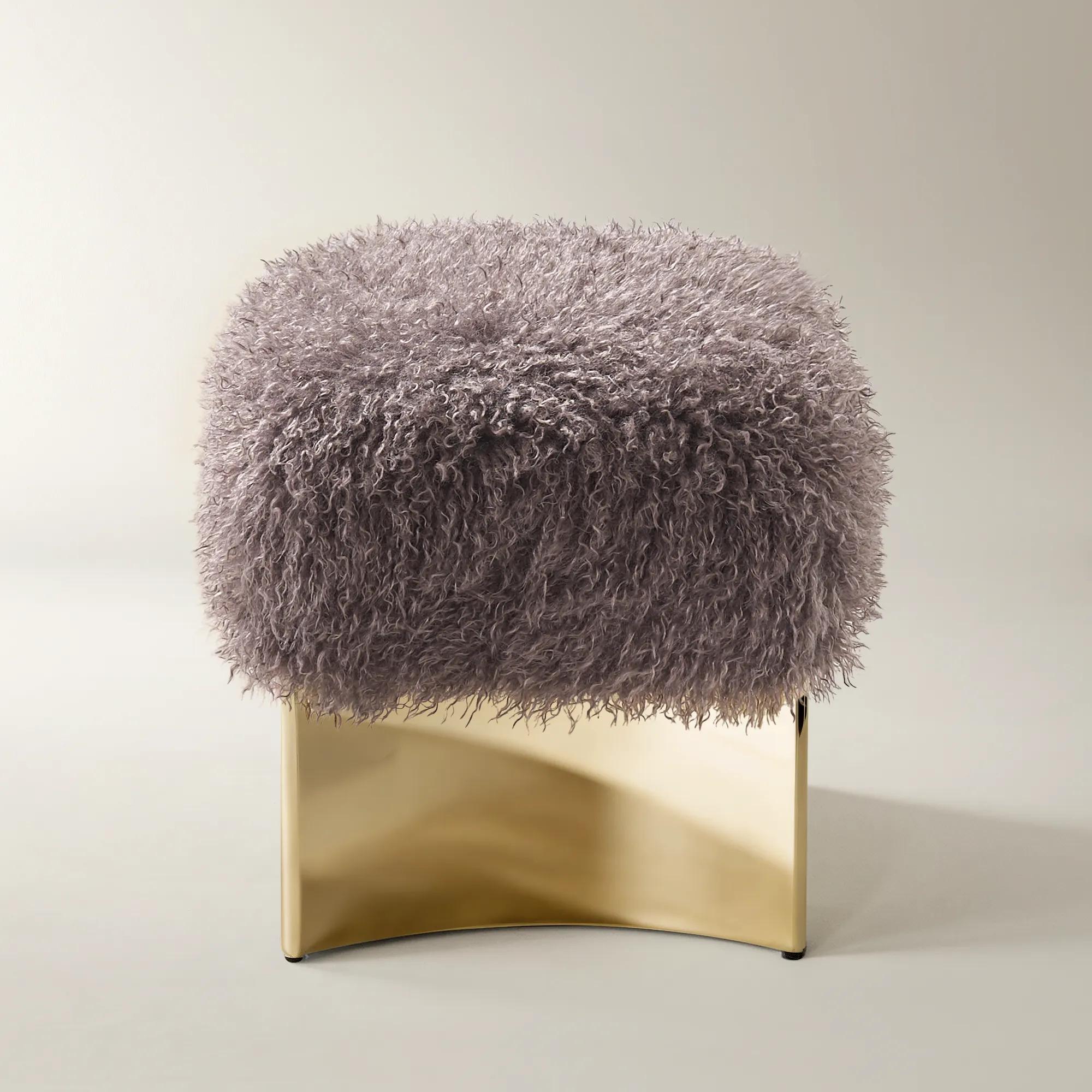 Lush Smoked Plum Faux Fur Stool$499
A sculptural smoked plum faux fur stool with a plush seat and polished gold stainless steel base.
Add To Cart -
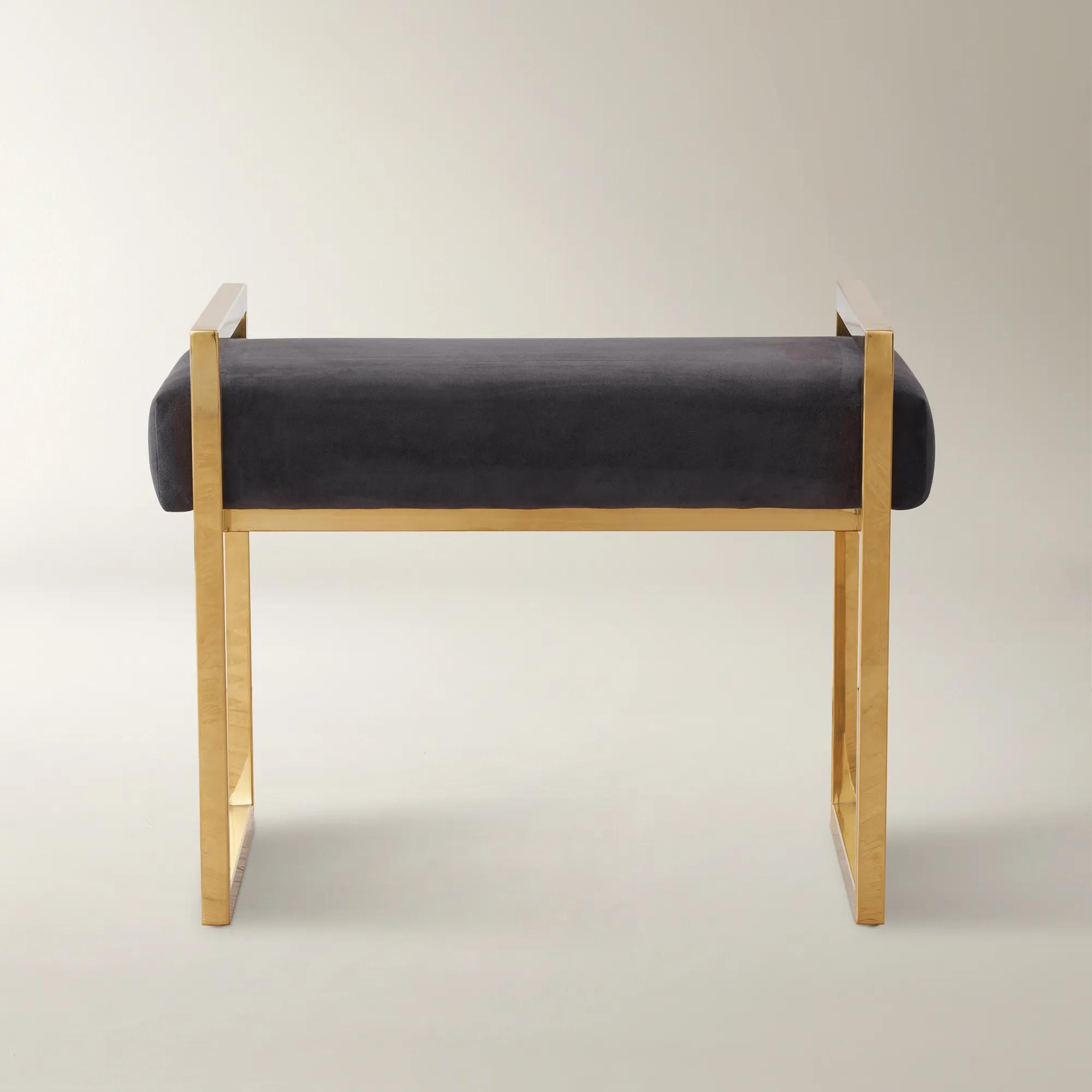
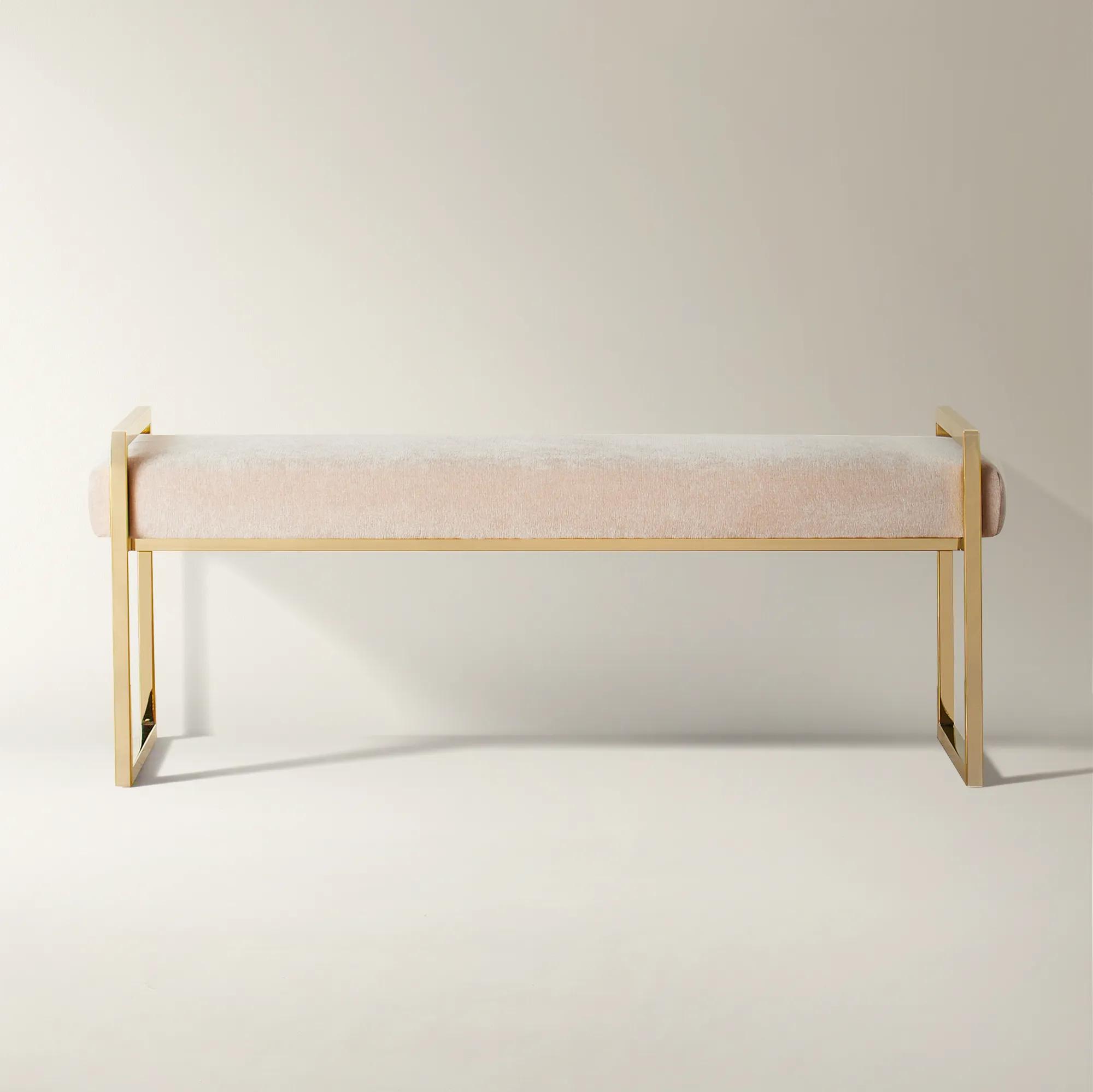
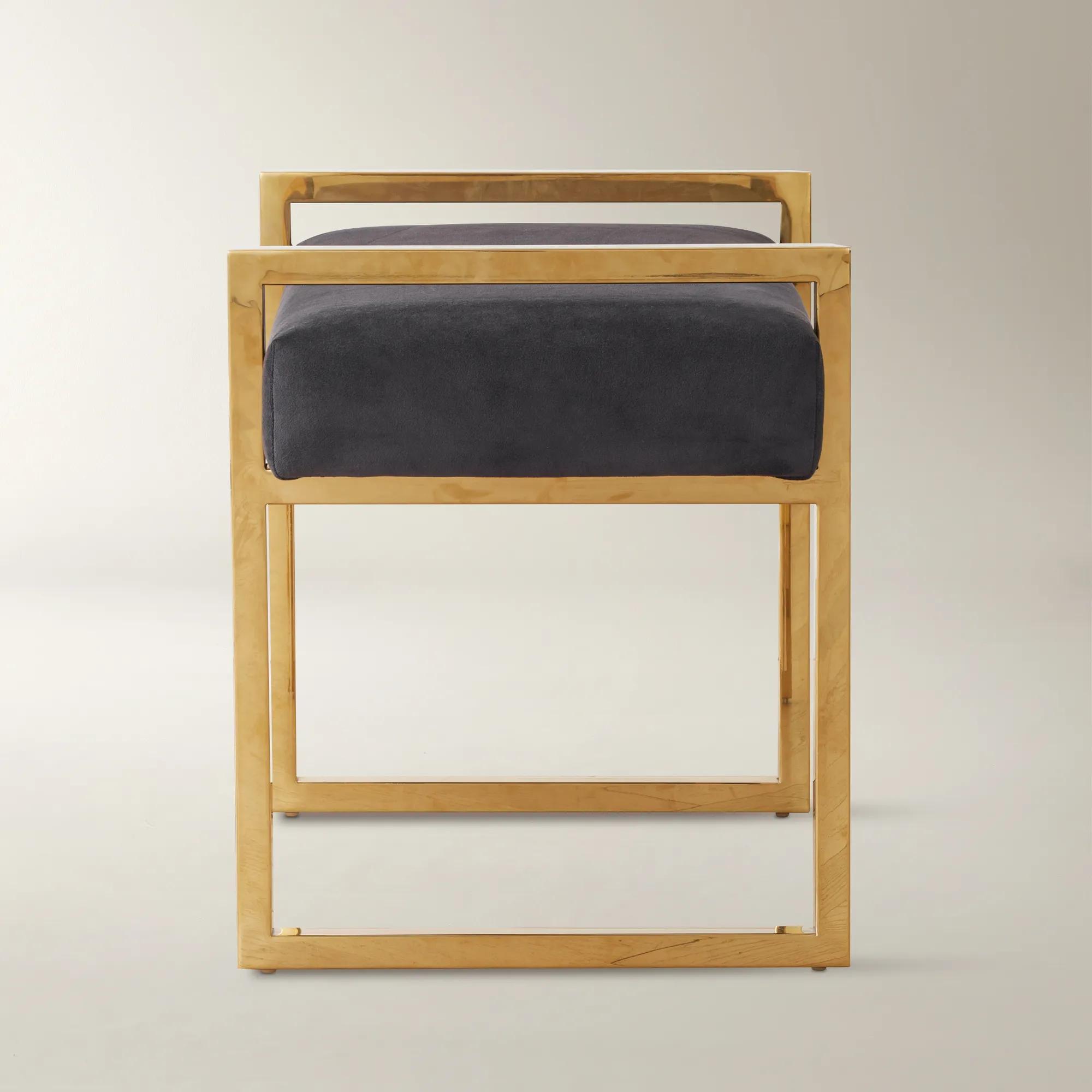 Clara Accent Stool$399
A plush black velvet seat rests on polished gold metal legs for a chic, modern accent piece.
Add To Cart -
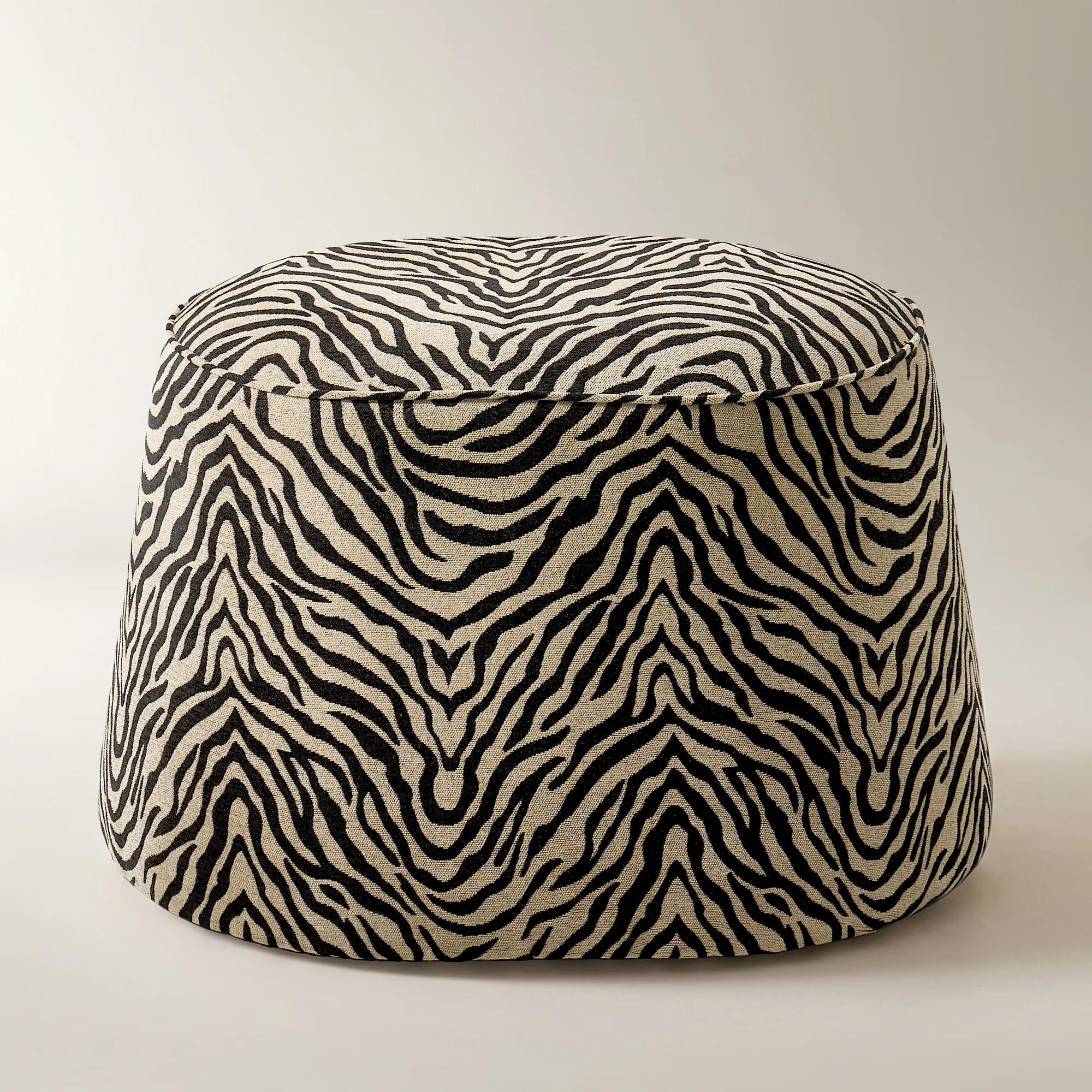
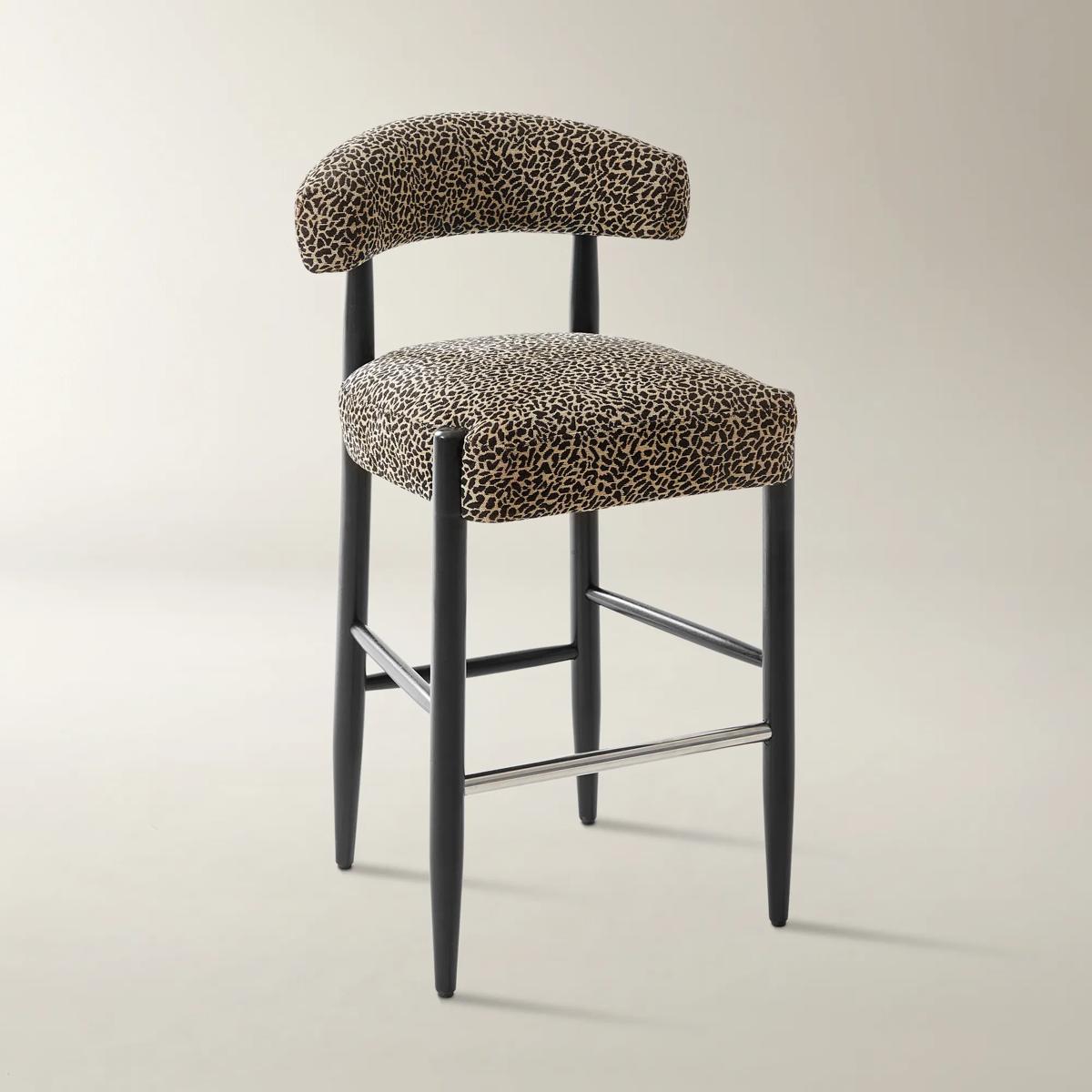 Anna Leopard Chenille Bar/Counter Stool$399
A leopard-print chenille barstool with kiln-dried hardwood legs and supportive, hand-upholstered cushioning.
Add To Cart -
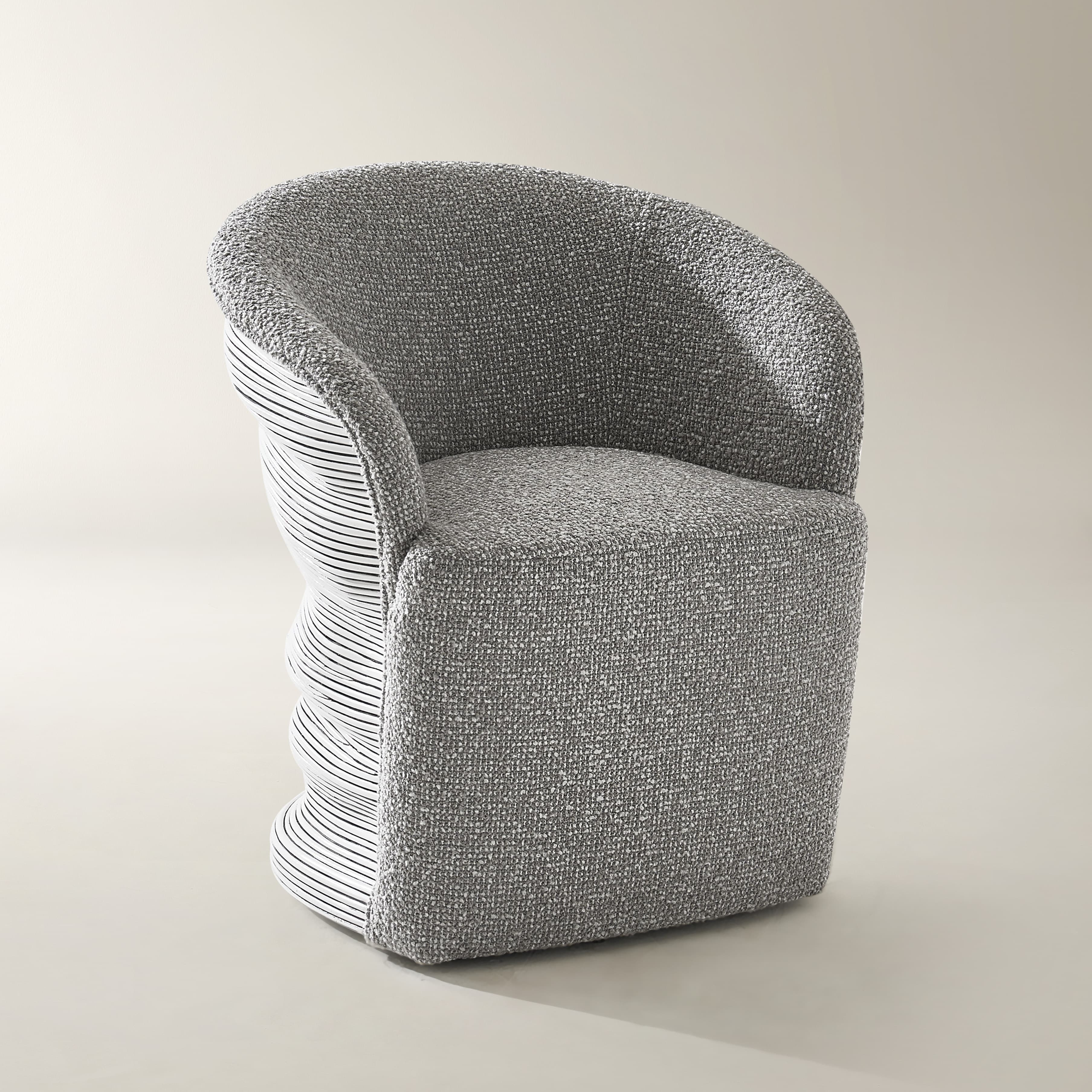
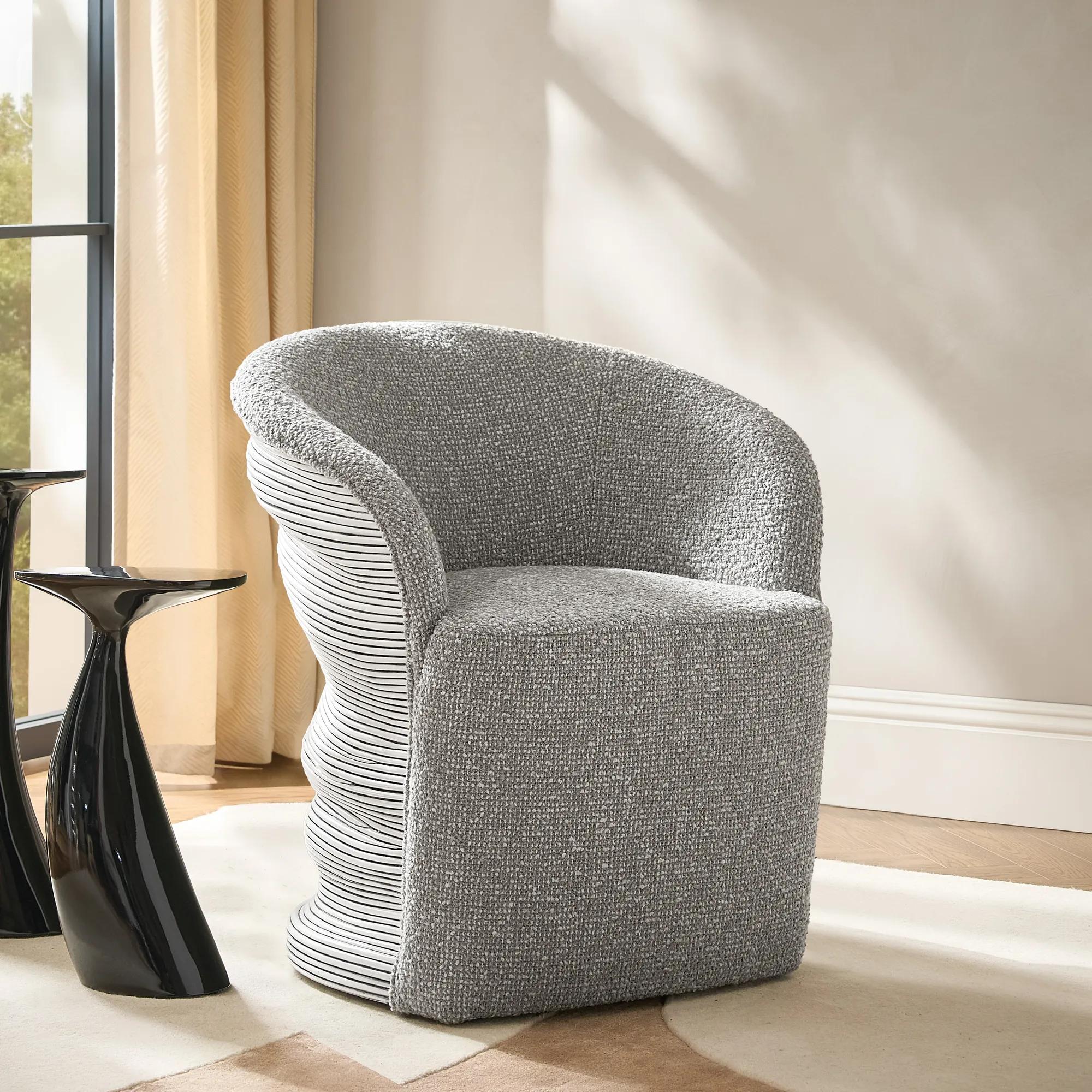 Cairo Rattan Grey Chenille Dining Chair$899
A handwoven natural rattan swivel chair in grey chenille, blending sculptural form with plush comfort.
Add To Cart -
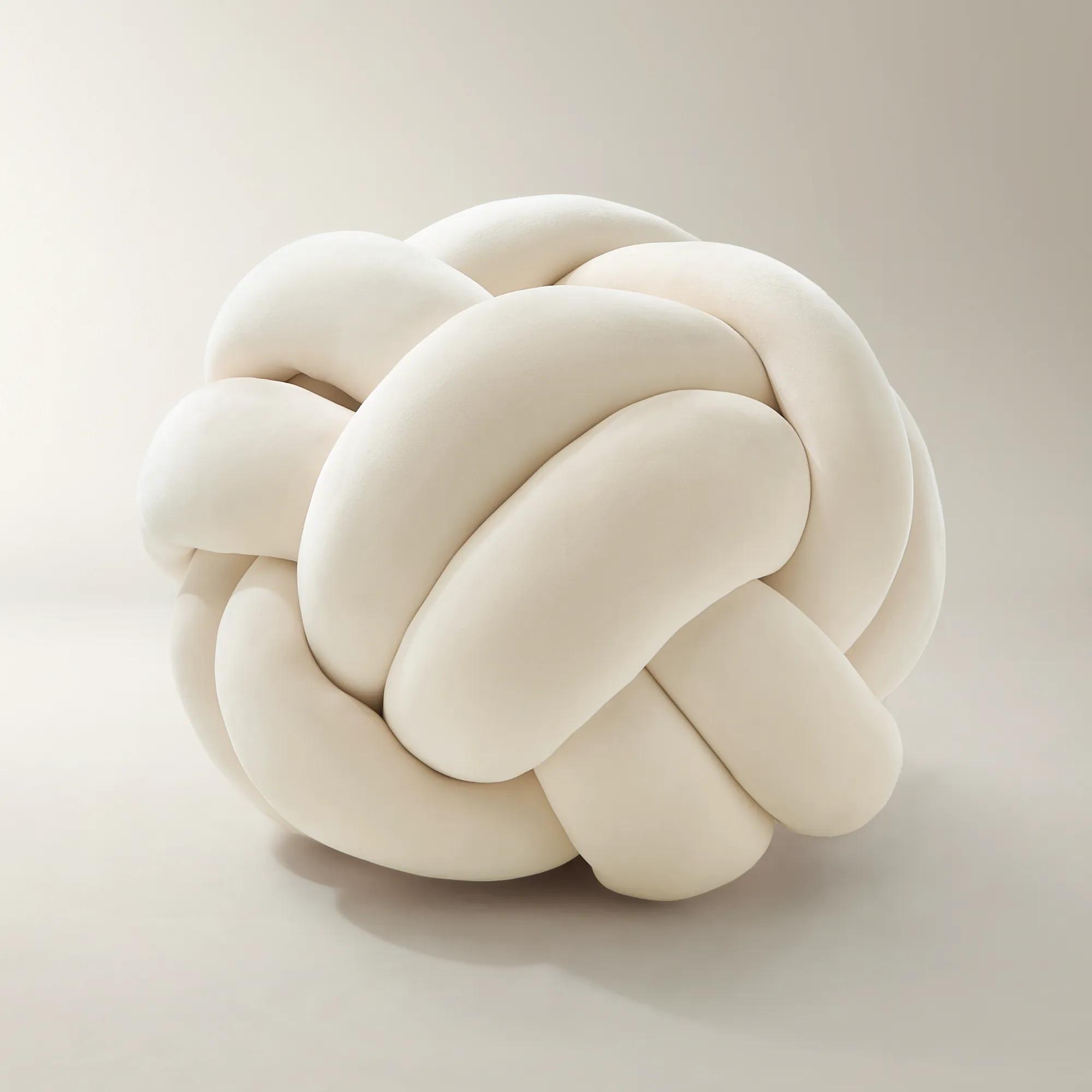 Loopie Oatmeal Velvet Stool (34.5")$349
An oversized oatmeal velvet stool featuring a sculptural knotted silhouette and plush, hand-upholstered finish.
Add To Cart -
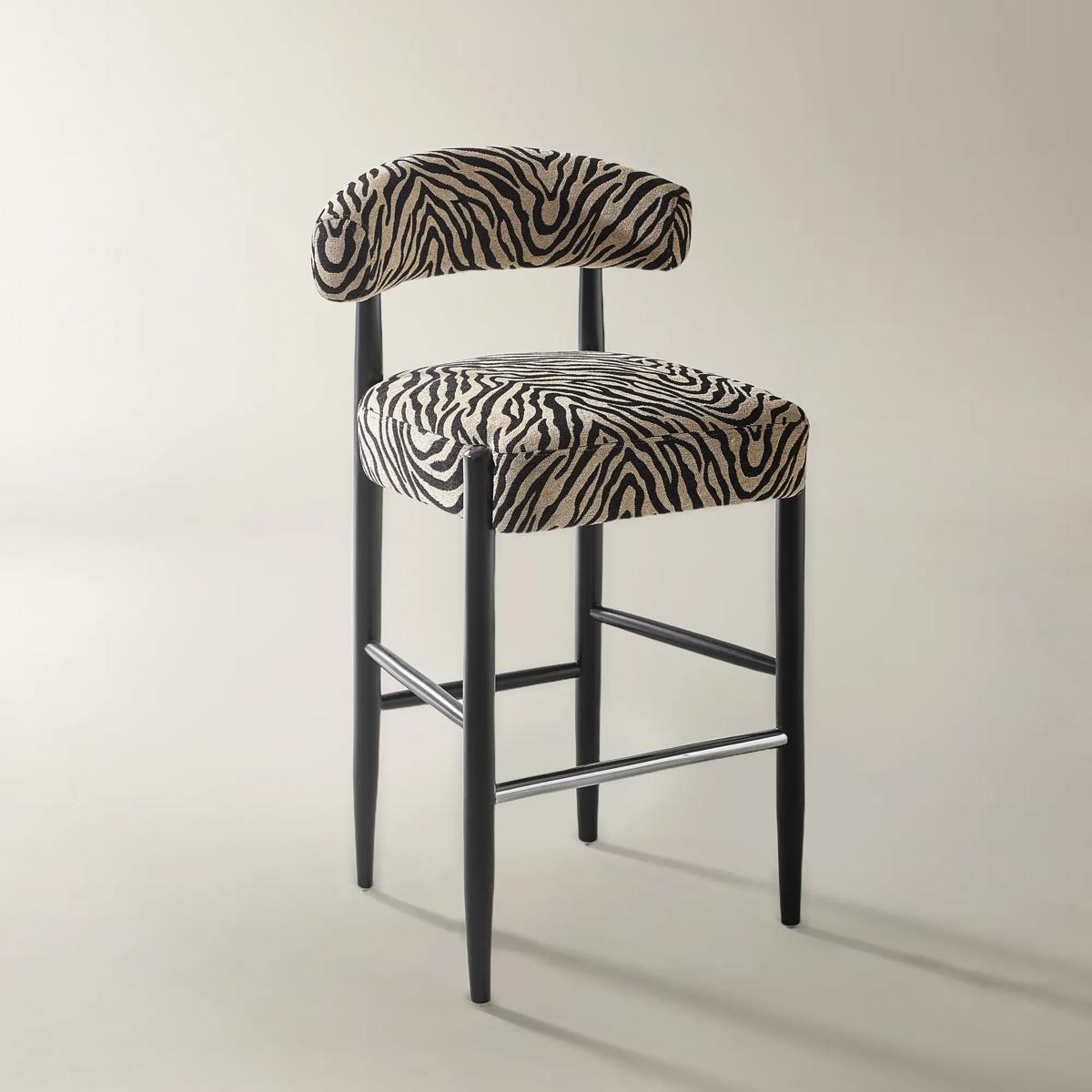
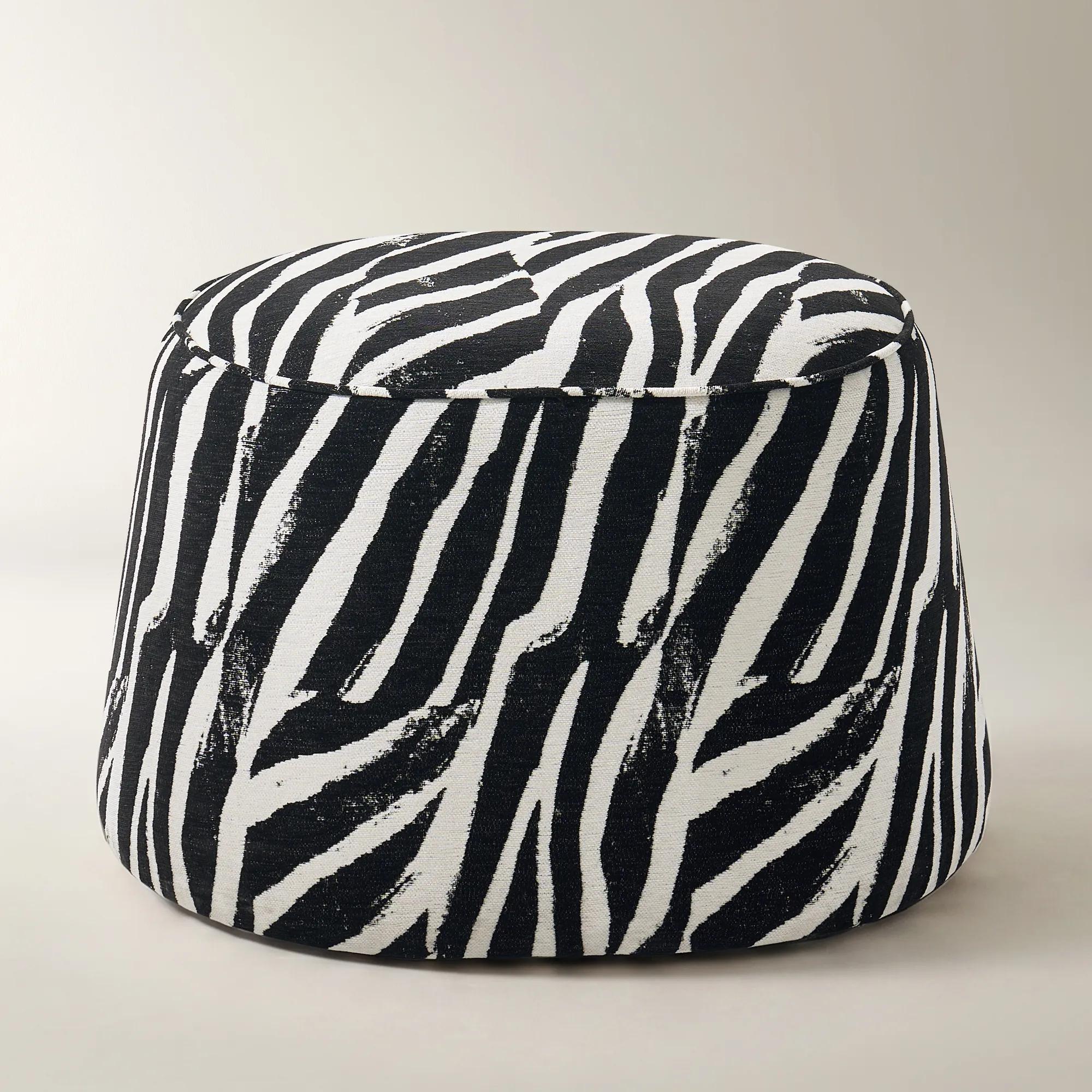
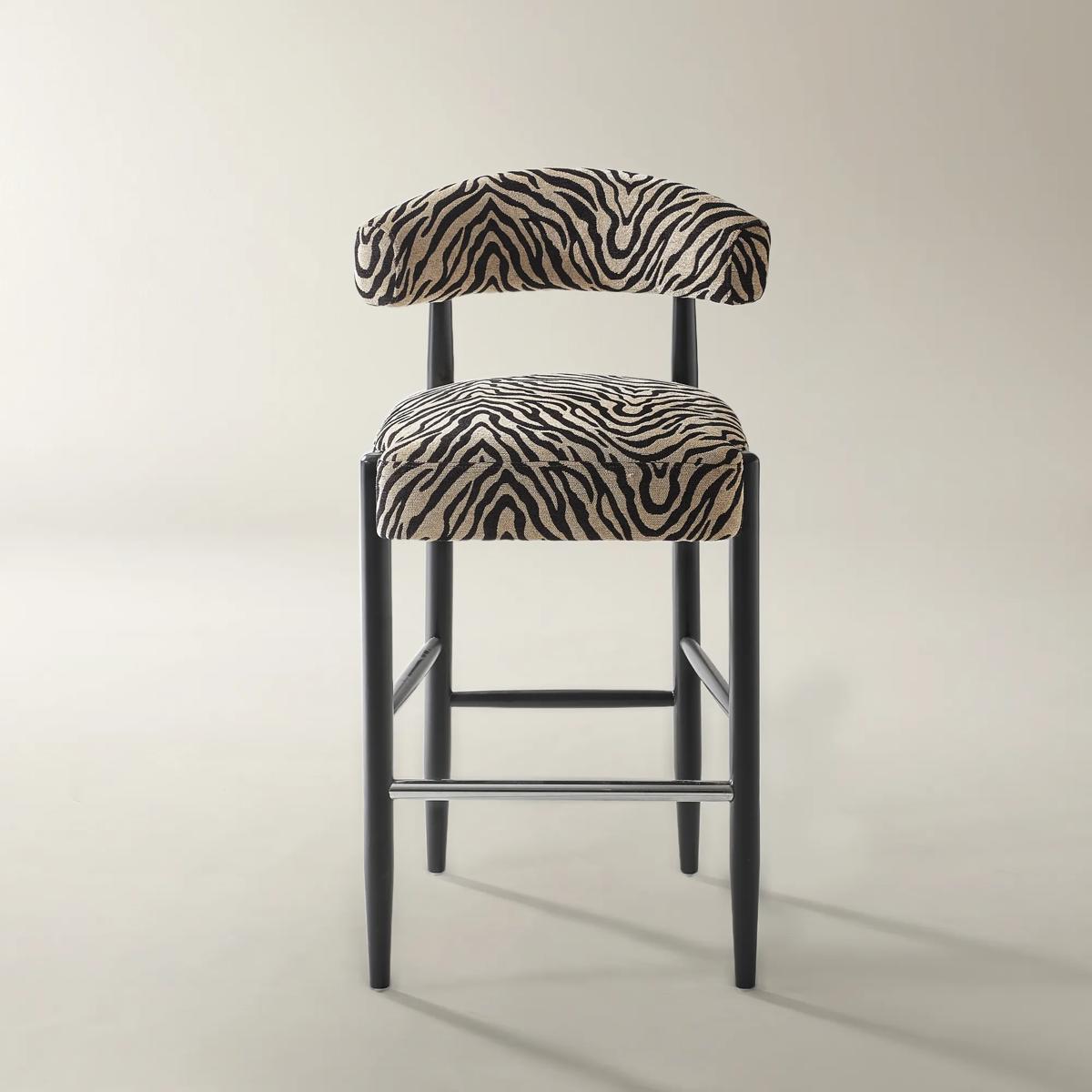 Anna Zebra Chenille Bar/Counter Stool$399
A zebra-print chenille barstool with plush foam padding and solid rubberwood legs for modern sophistication.
Add To Cart -
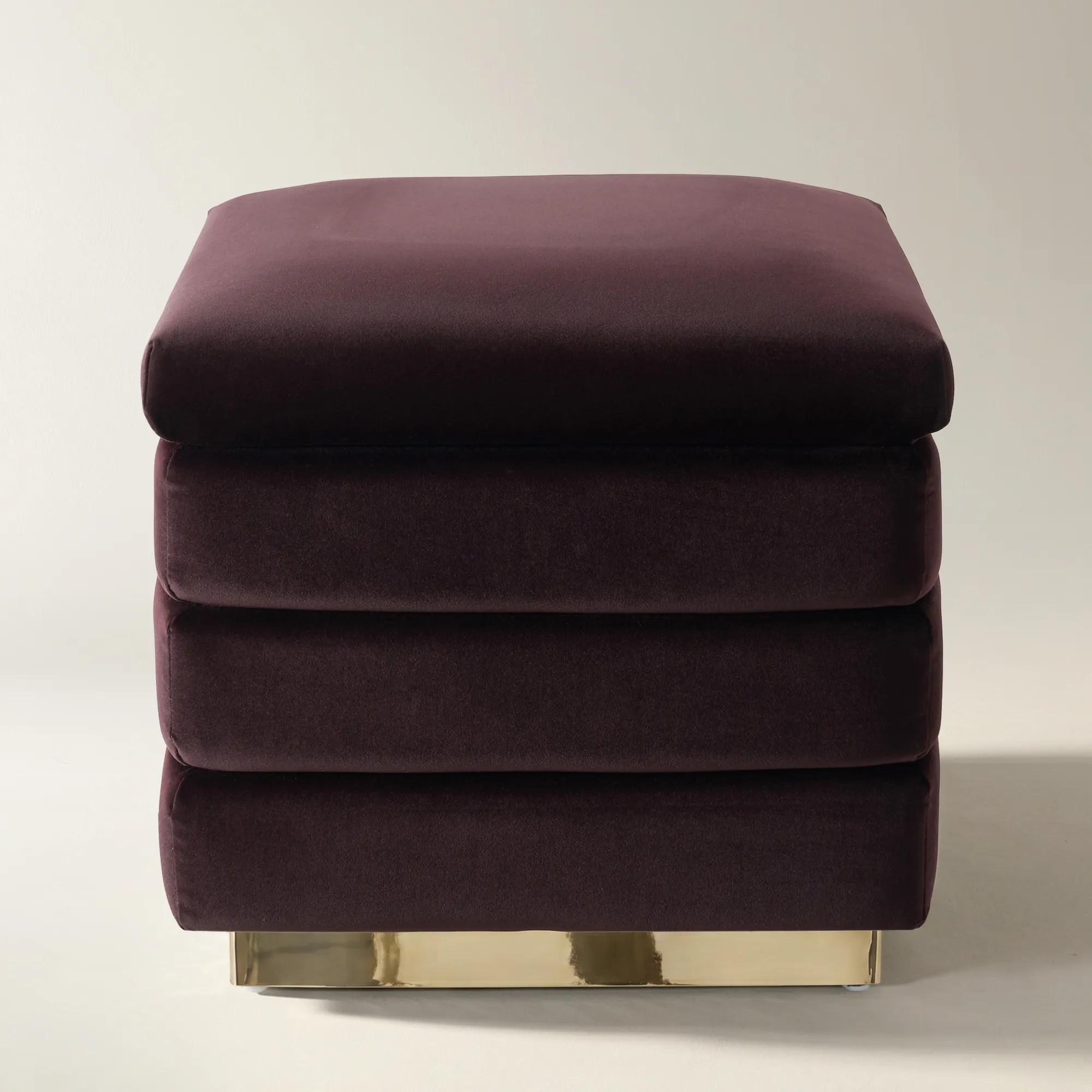
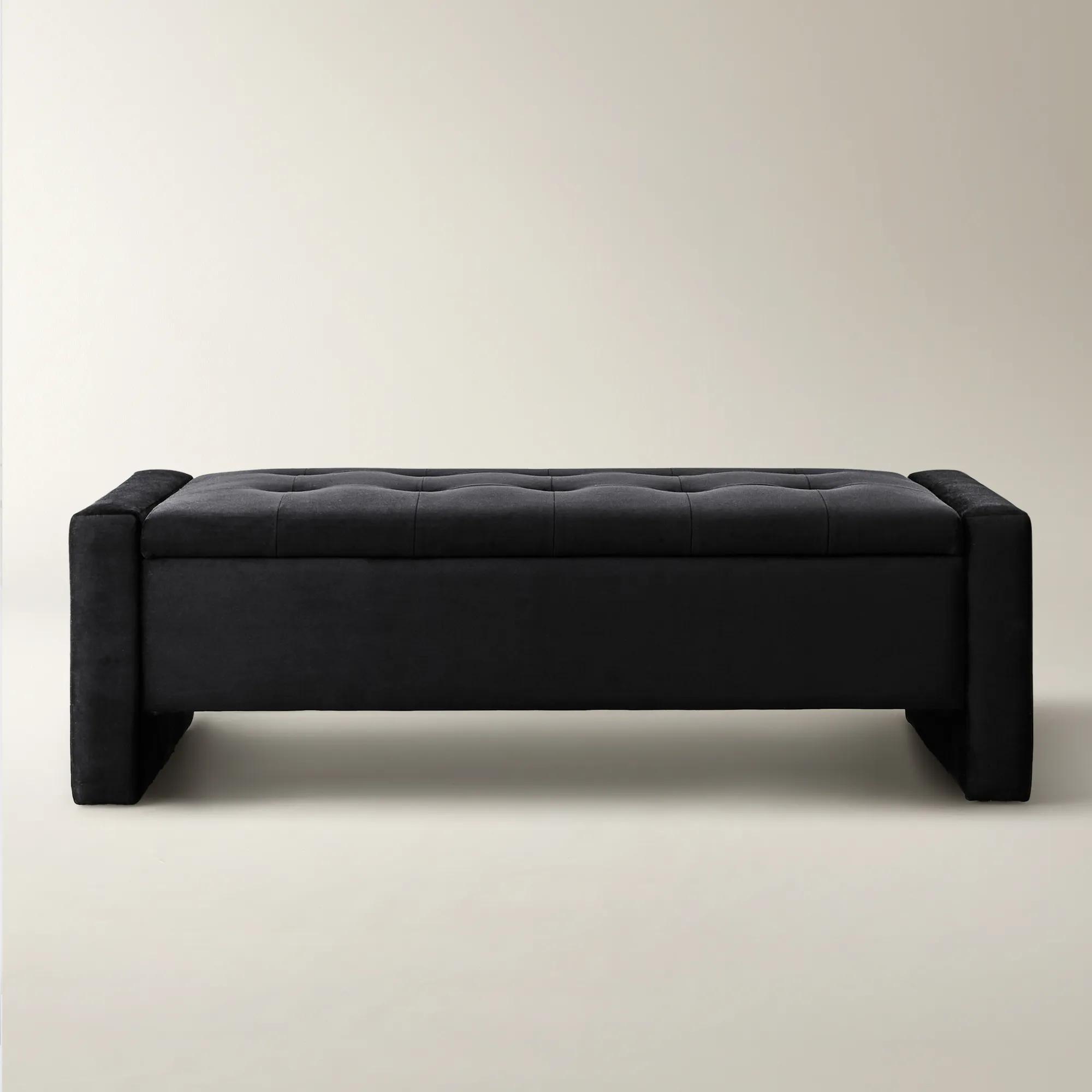
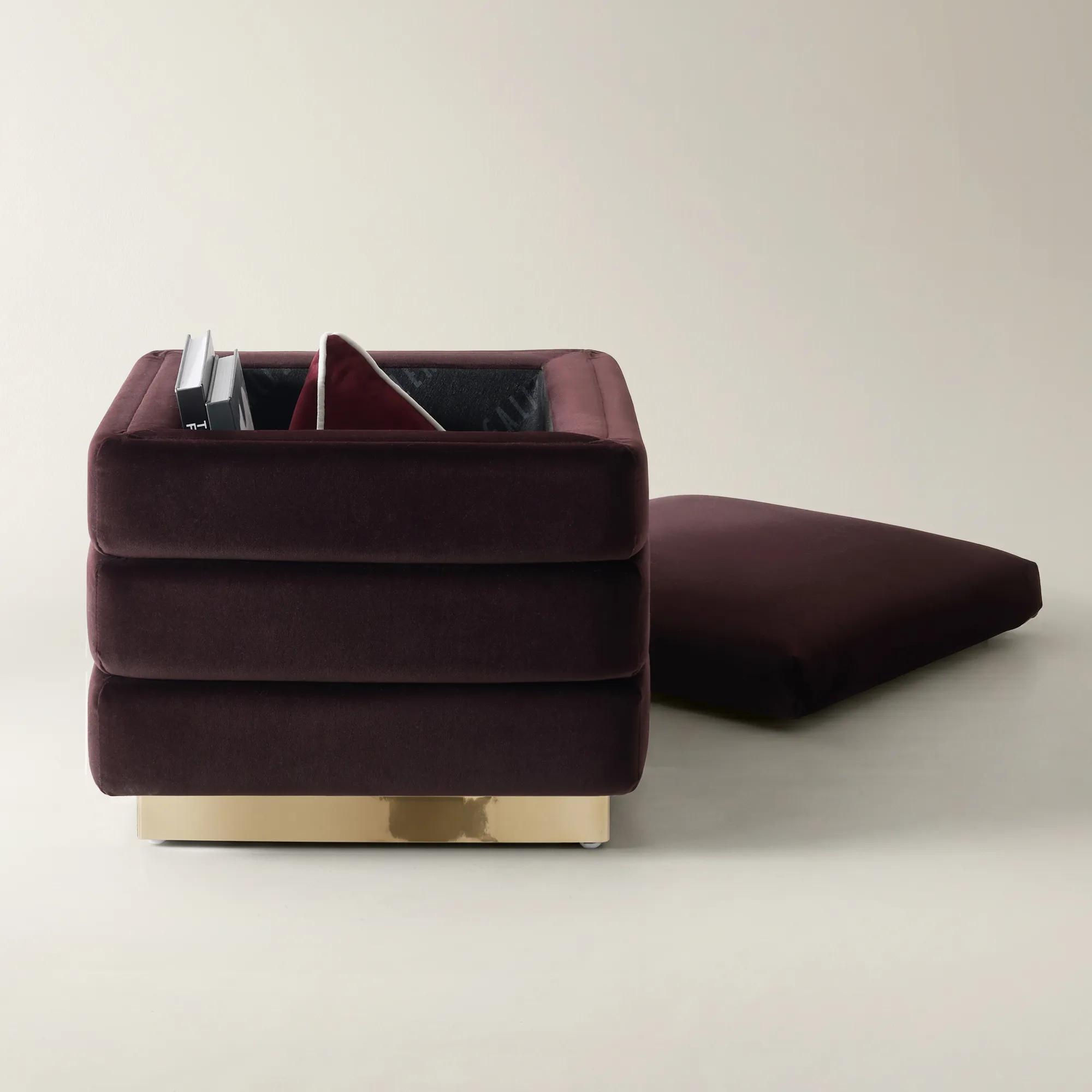 Gable Fig Chenille Storage Stool$399
A plush fig chenille stool with hidden storage, velvet upholstery, and a polished gold stainless steel base.
Add To Cart -
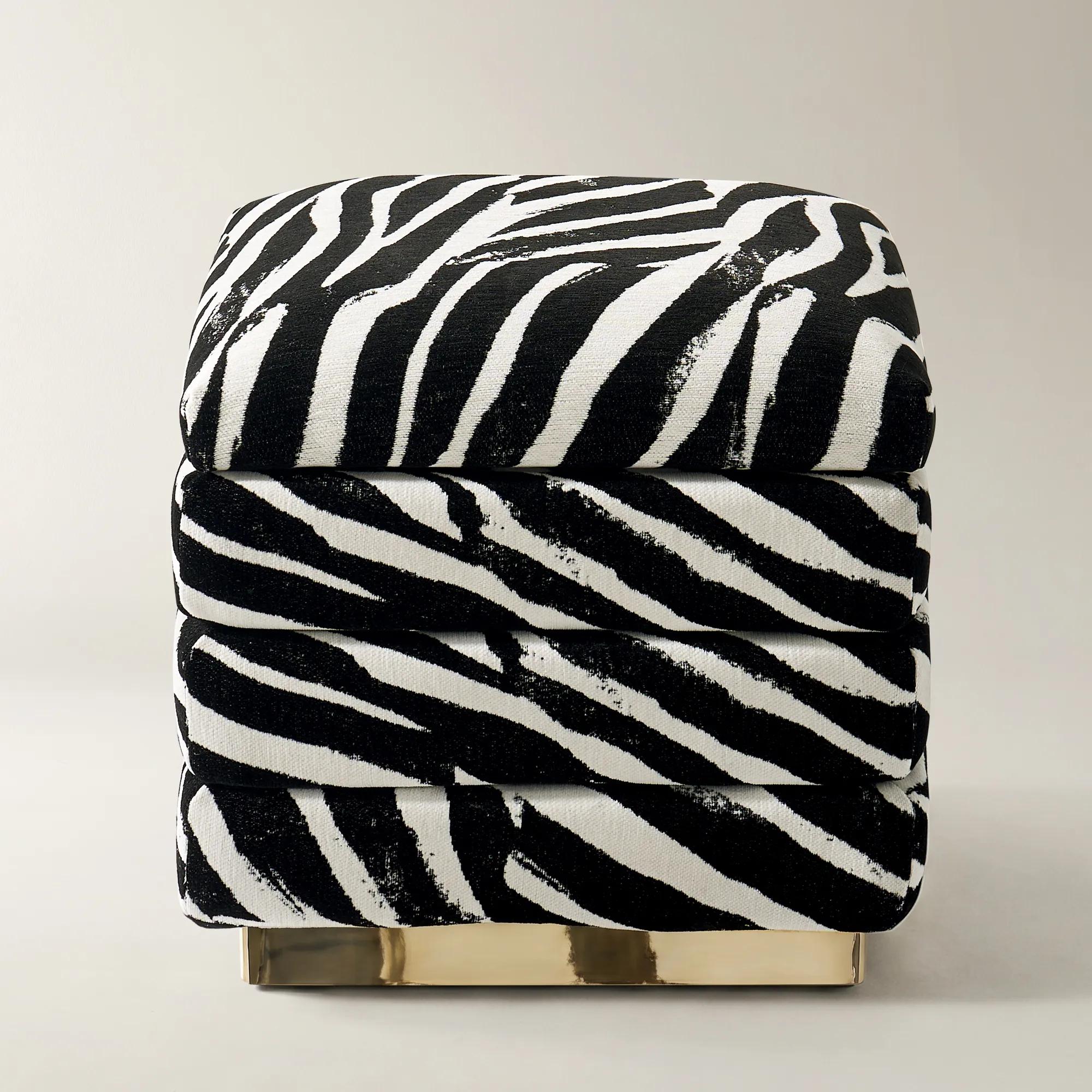
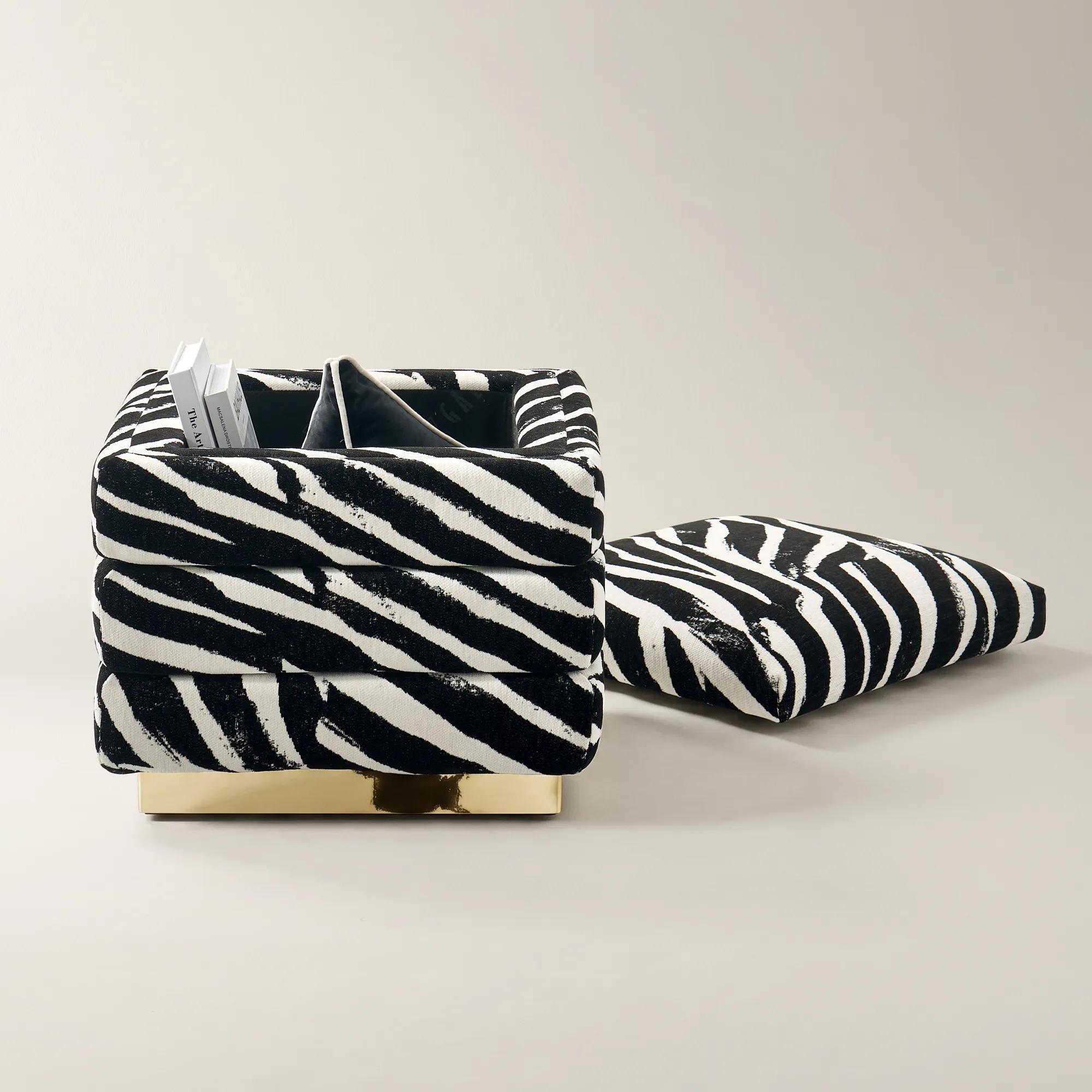 Gable White/Black Performance Chenille Stool$399
A plush white and black chenille stool with hidden storage and a polished gold stainless steel base.
Add To Cart -
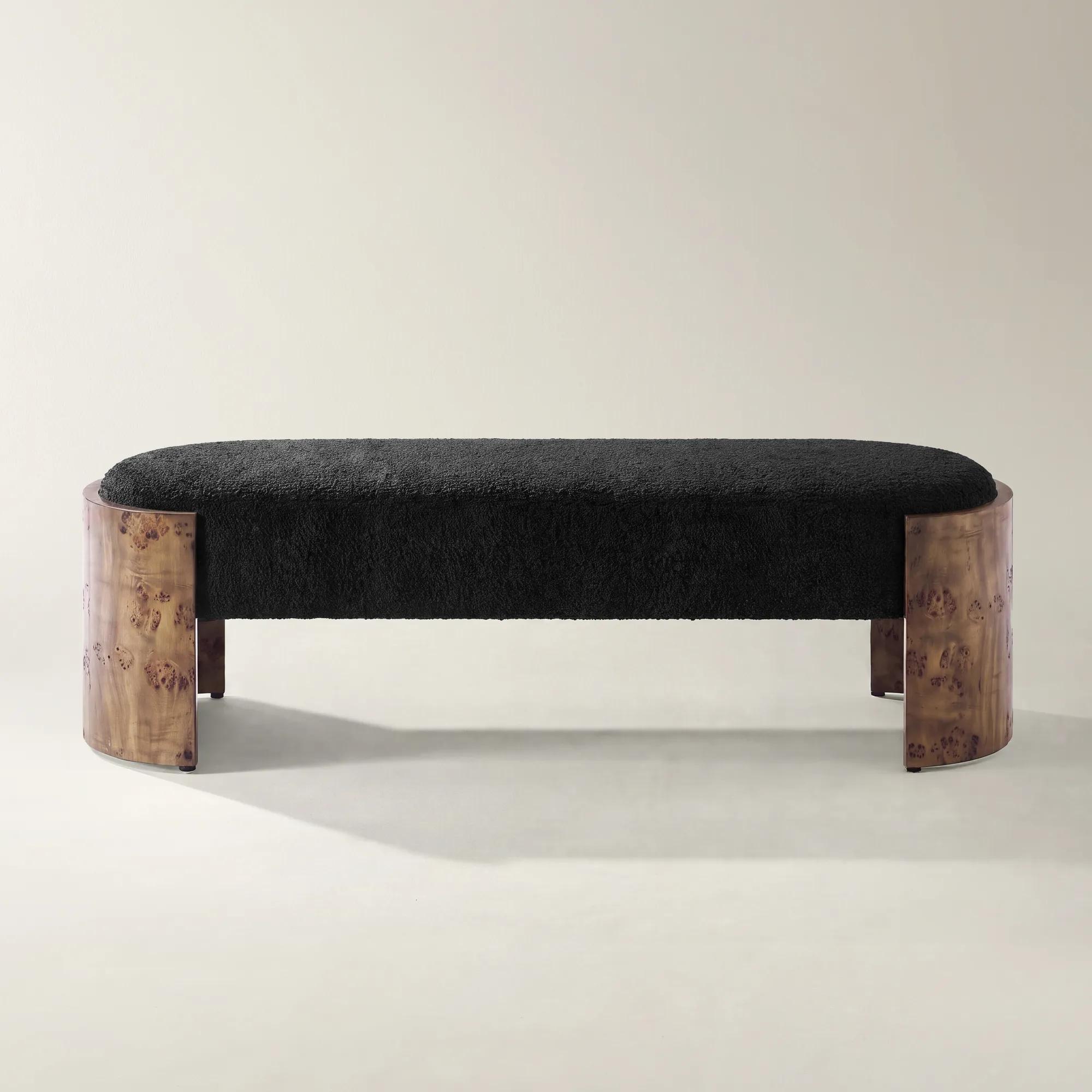
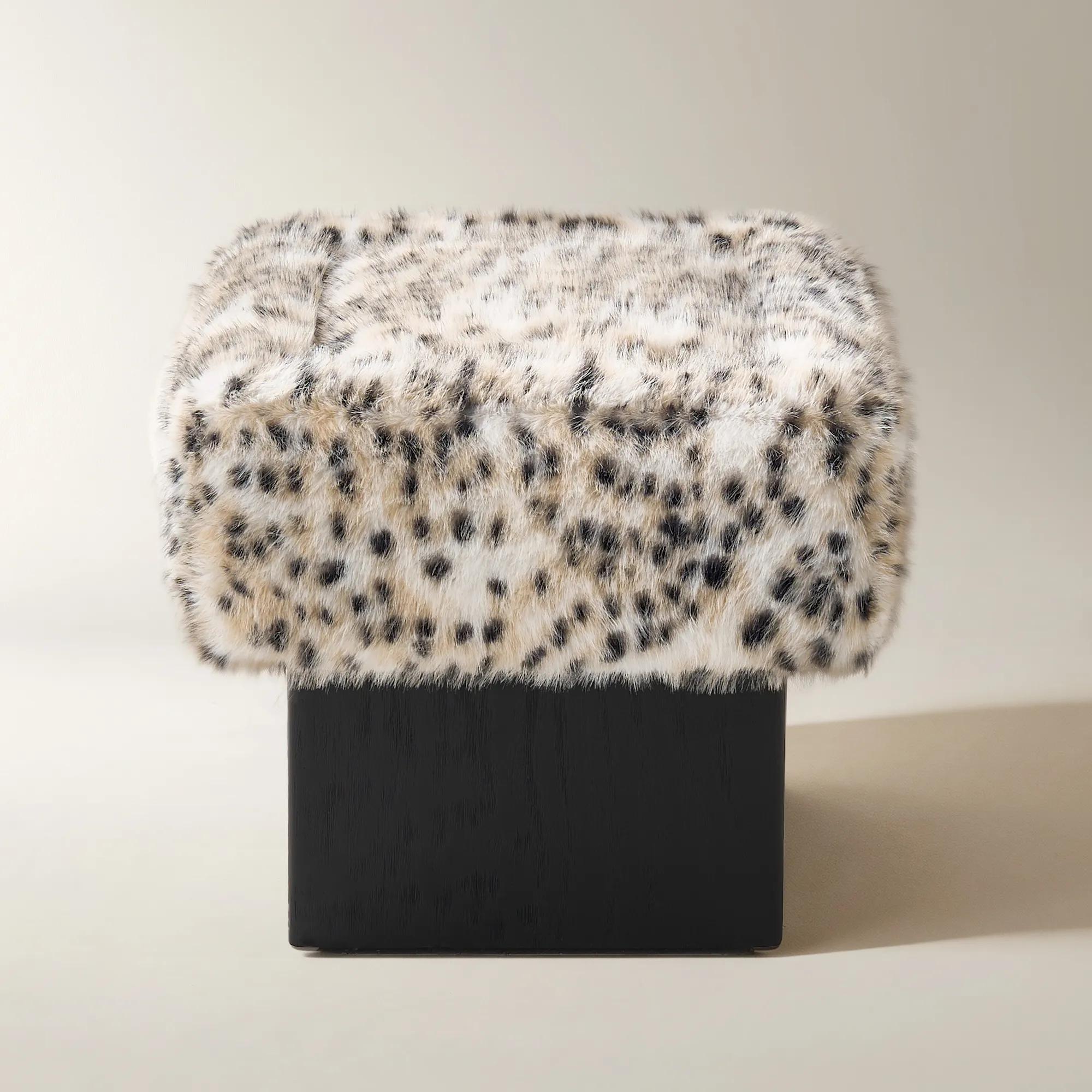 Reims Spotted Faux Fur Stool$349
A plush spotted faux fur stool with a sculpted cushion and solid rubberwood base for modern contrast.
Add To Cart -
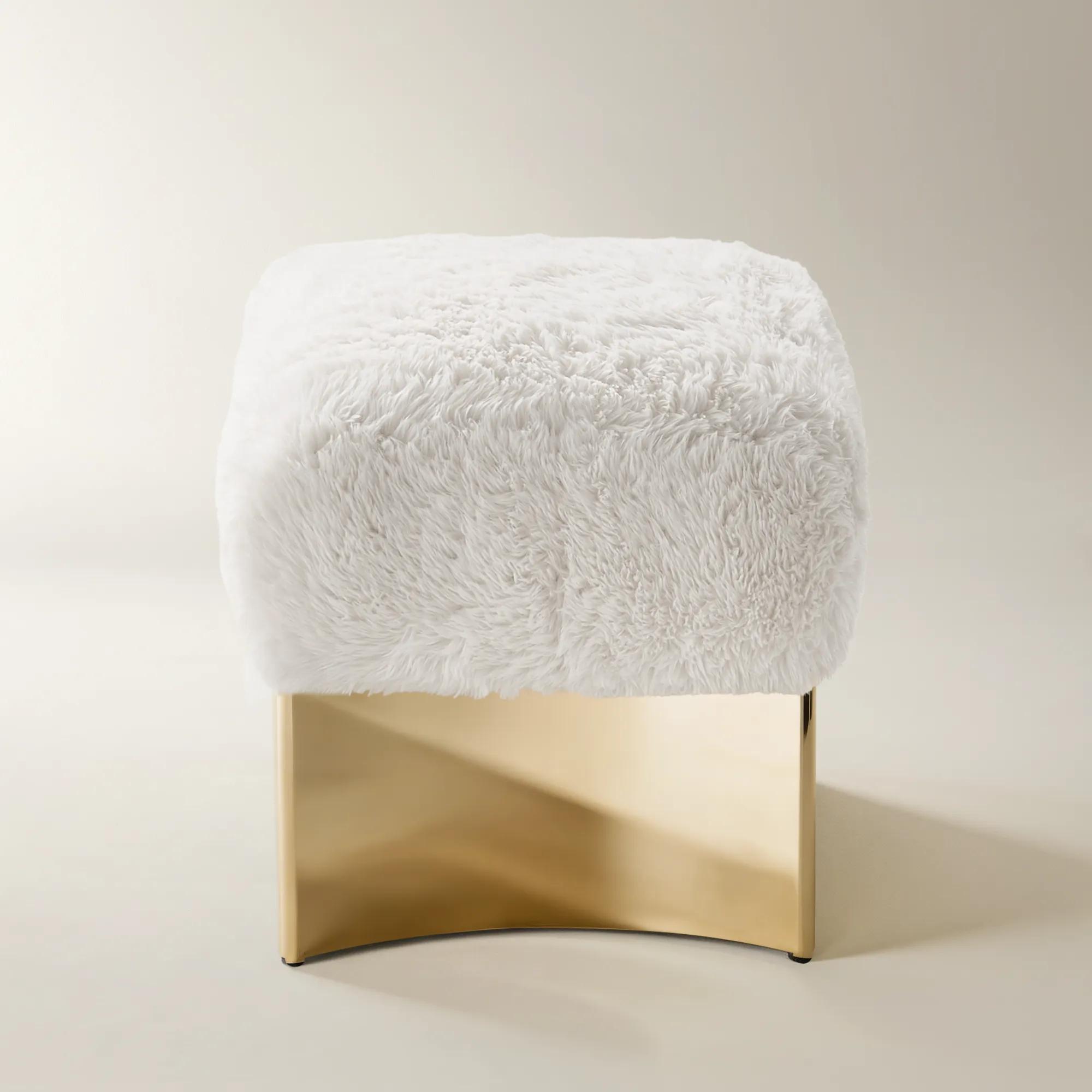 Lush White Faux Fur Stool$499
A sculptural white faux fur stool with a plush seat and polished gold stainless steel base.
Add To Cart

Elegant Bar Stools For Open Kitchens
Elevate your culinary sanctuary with elegant bar stools for open kitchens—where sophistication meets artistry and every gathering becomes an occasion. Envision sculptural silhouettes that invite conversation, sumptuous textures that beckon you to linger, and refined finishes that catch the light in dazzling display. These bar stools are more than seating; they are statement pieces, effortlessly bridging the kitchen and living space while infusing your home with a sense of curated glamour. Redefine the heart of your home with designs that command attention and transform everyday moments into something extraordinary.
Elegant bar stools for open kitchens bring the island into the larger design conversation, connecting the practical rhythm of meal preparation with the expressive character of a living or dining room. In an open layout, seating is visible from several angles, so the curve of a backrest, the sheen of a frame, and the texture of upholstery all contribute to the room’s composition. A row of sculptural silhouettes can give a broad stone island definition, while slender legs and softly rounded seats introduce a lighter visual rhythm. The most successful choices balance that presence with proportions suited to the surface. Counter-height stools typically have seats approximately 24 to 26 inches from the floor and suit many standard 36-inch kitchen counters. Bar-height stools generally measure approximately 28 to 32 inches at the seat and are intended for taller surfaces, often around 40 to 42 inches high. The distinction matters: a stool described as a bar stool is not necessarily the correct height for a kitchen island. Allowing roughly 10 to 12 inches between the seat and the underside of the counter helps provide comfortable thigh clearance, though thick countertops, support brackets, and aprons can reduce usable space. Seat width deserves equal attention. Approximately 26 to 30 inches from the center of one stool to the next is a useful starting point, with additional room for broad seats, arms, or swivel movement. Two generously proportioned stools can feel more composed than three squeezed into the same span. For households where the island hosts breakfast, conversation, and an occasional laptop, supportive backs and well-positioned footrests make the seating more inviting. Where an island primarily serves drinks or brief gatherings, a backless silhouette can preserve an uninterrupted view across the room. The result is seating that feels considered both from across the living area and at the counter itself, with enough space for guests to settle in without crowding neighboring seats.
Materials establish the mood of kitchen island seating long before anyone takes a seat. Upholstered bar stools introduce softness against cabinetry, stone, and glass, giving an open kitchen some of the layered richness usually associated with a lounge. Velvet offers depth and a subtly shifting surface, especially in jewel tones that turn a neutral island into a focal point. Its pile can show changes in direction and pressure, so gentle maintenance and the manufacturer’s care instructions are part of preserving its character. Bouclé and other textured weaves create a more tactile effect, although their loops and surface texture deserve consideration in homes with pets or frequent food spills. Tightly woven upholstery can offer a smoother finish for everyday dining; fabrics described as performance materials should still be evaluated for their specific cleaning requirements and resistance to staining or abrasion. Leather brings another kind of richness, from a smooth, tailored appearance to the gradual character that some finishes develop with use. Leather and leather-look upholstery require different care, making the listed material more useful than appearance alone when assessing suitability. Wood frames add warmth and visible grain, tempering the crisp geometry of a contemporary kitchen. Metal frames can feel sharply architectural, with brushed, polished, or dark finishes setting distinctly different tones. A gleaming accent can echo a pendant light without requiring every metal in the space to match, while a restrained dark frame can outline a pale upholstered seat with striking clarity. These choices work best when they acknowledge the neighboring rooms: a curved stool back might pick up the shape of a dining chair, or a warm wood detail might relate to a living room console. The connection need not be literal. Repeating one finish or color is often enough to create continuity while leaving room for contrast. For a connected entertaining space, Elegant Home Bar Stools can extend that same design language beyond the kitchen island. Whether the mood is luminous and polished or deeply textured, the materials should feel intentional from the front, side, and back, particularly when the stools sit in full view of the main gathering area.
Comfort and durability give that visual statement staying power. A beautifully shaped seat should also accommodate the way it will be used: a shallow perch suits a quick espresso differently than a generously padded seat with a supportive back suits a lingering conversation. Arms can lend a dining-chair sense of enclosure, but their height must clear the counter if the stool is meant to slide underneath. Backless stools only tuck away completely when seat depth, leg placement, and the island’s overhang allow it. Swivel seats can make turning toward guests easier in an open-plan room, although they need clearance from adjacent stools, cabinet faces, and the counter edge. Footrests matter especially on taller seating, where unsupported feet can make even a plush seat uncomfortable. For everyday household use, secure joints, a stable base, appropriate weight capacity, and upholstery suited to repeated contact are as important as a dramatic profile. Families with young children may favor stable seating and straightforward cleaning over delicate textures, while frequent hosts may place greater emphasis on padded backs and comfortable spacing. Floor protectors appropriate to the flooring help reduce scratches, and they should be checked periodically for wear or trapped grit. Upholstery benefits from prompt attention to spills, blotting rather than vigorous rubbing, and cleaning methods matched to its care label. Wood and metal surfaces generally call for soft cloths and finish-appropriate products rather than abrasive cleaners; footrests may need particular attention because they receive repeated contact from shoes. Placement also influences longevity, since strong direct sunlight can alter some upholstery colors and wood finishes over time. These practical details support, rather than diminish, the sense of luxury. Seating that moves easily into place, offers reassuring support, and remains beautiful through daily use brings a quiet confidence to the room. Around an open kitchen island, elegant stools create a place for the guest chatting with the cook, the couple sharing breakfast, and the family gathering before dinner—each seat part of a larger, beautifully lived-in composition.
FAQs
Elegant barstools for open kitchens often feature luxurious materials such as velvet, leather, brushed metals, and richly grained woods. These materials not only add visual drama and tactile allure but also complement a variety of kitchen finishes, from marble countertops to gleaming hardware.
Barstools serve as both functional seating and artistic accents, setting the tone for the entire space. Whether you choose sculptural metallic frames or plush upholstered stools, the right design can add a sense of sophistication, warmth, and expressive personality to your kitchen.
Absolutely. Elegant barstools make a thoughtful and memorable gift for new homeowners, newlyweds, or anyone looking to refresh their living space. Their blend of style and utility ensures they’ll be cherished and used daily, making every gathering feel special.
To create a harmonious aesthetic, consider barstools that echo the finishes, textures, or color palette of your kitchen. Details like metallic accents, tufted upholstery, or statement backs can tie together lighting, cabinetry, and decor, resulting in a seamless and luxurious environment.
Backless barstools offer an airy, minimalist vibe and tuck neatly under counters, ideal for streamlined spaces. High-backed options provide more support and drama, making them perfect for kitchens where comfort and visual impact are equally important.