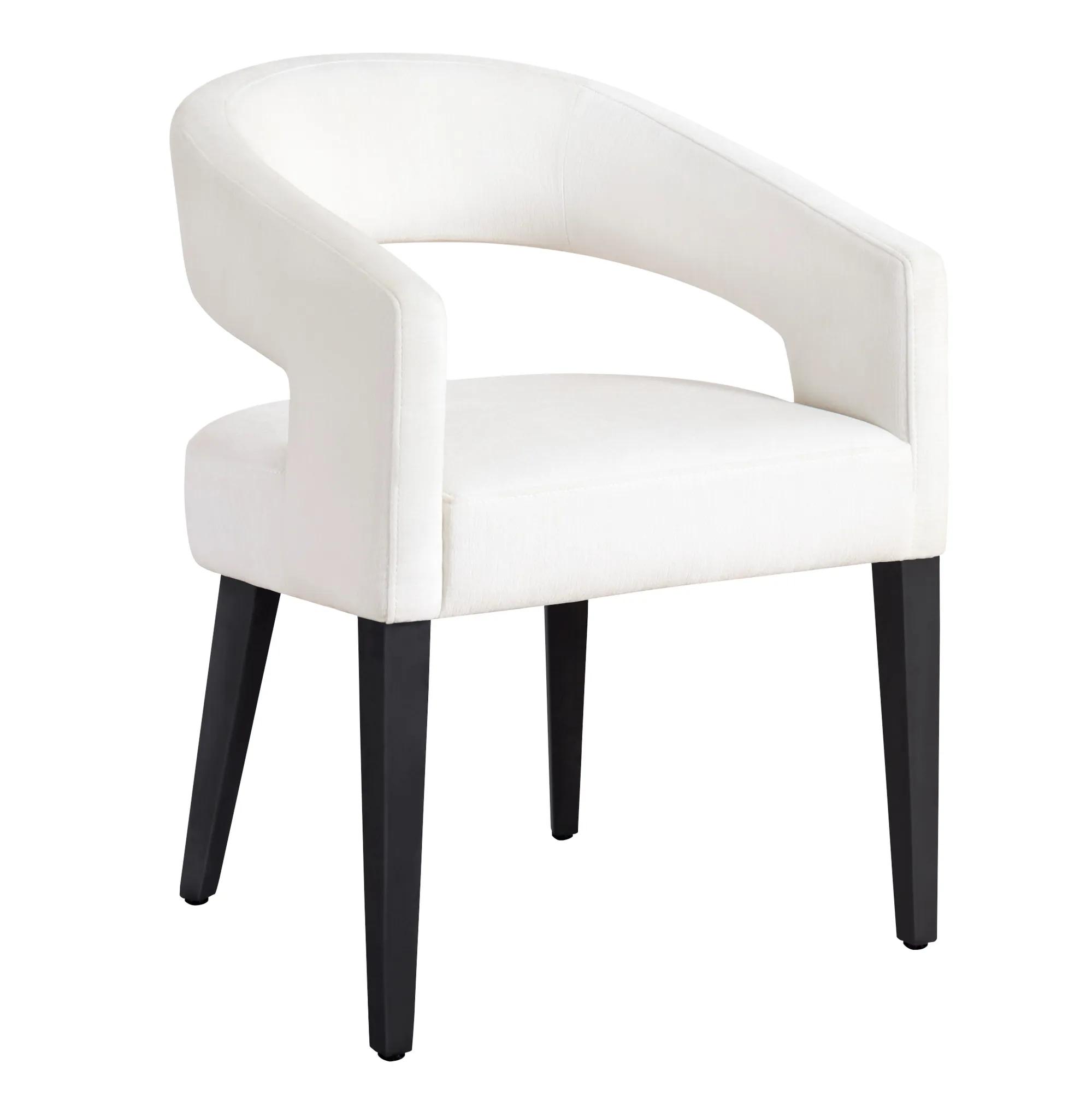
Modern Kitchen Counter Stools
Modern Kitchen Counter Stools
-
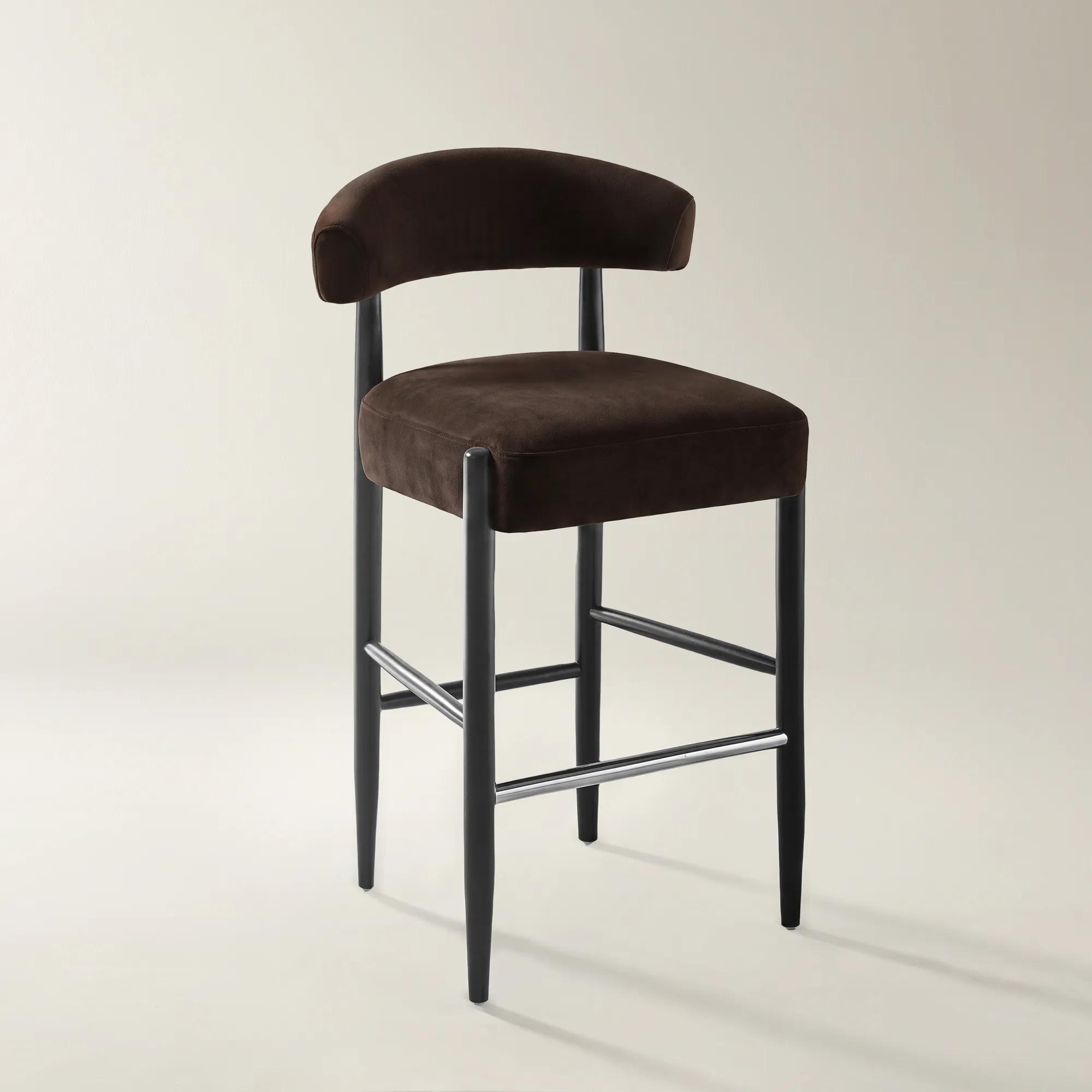 Anna Dark Chocolate Velvet Bar/Counter Stool$449
A dark chocolate velvet counter stool with a sculpted back, padded seat, and tapered solid-rubberwood legs.
Add To Cart -
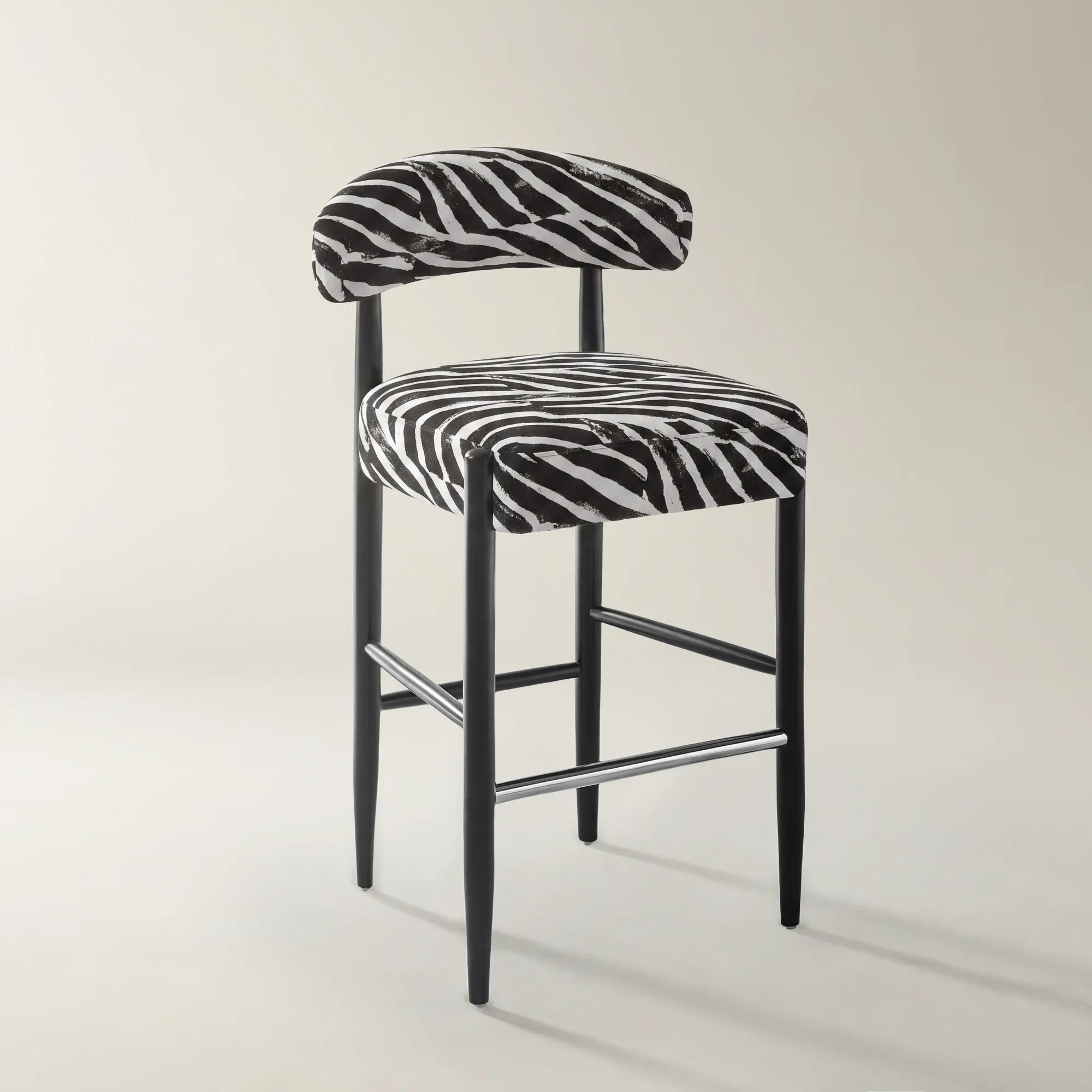 Anna White/Black Performance Chenille Bar/Counter Stool$449
A black-and-white chenille bar stool with a sculpted back, padded seat, and tapered solid rubberwood legs.
Add To Cart -
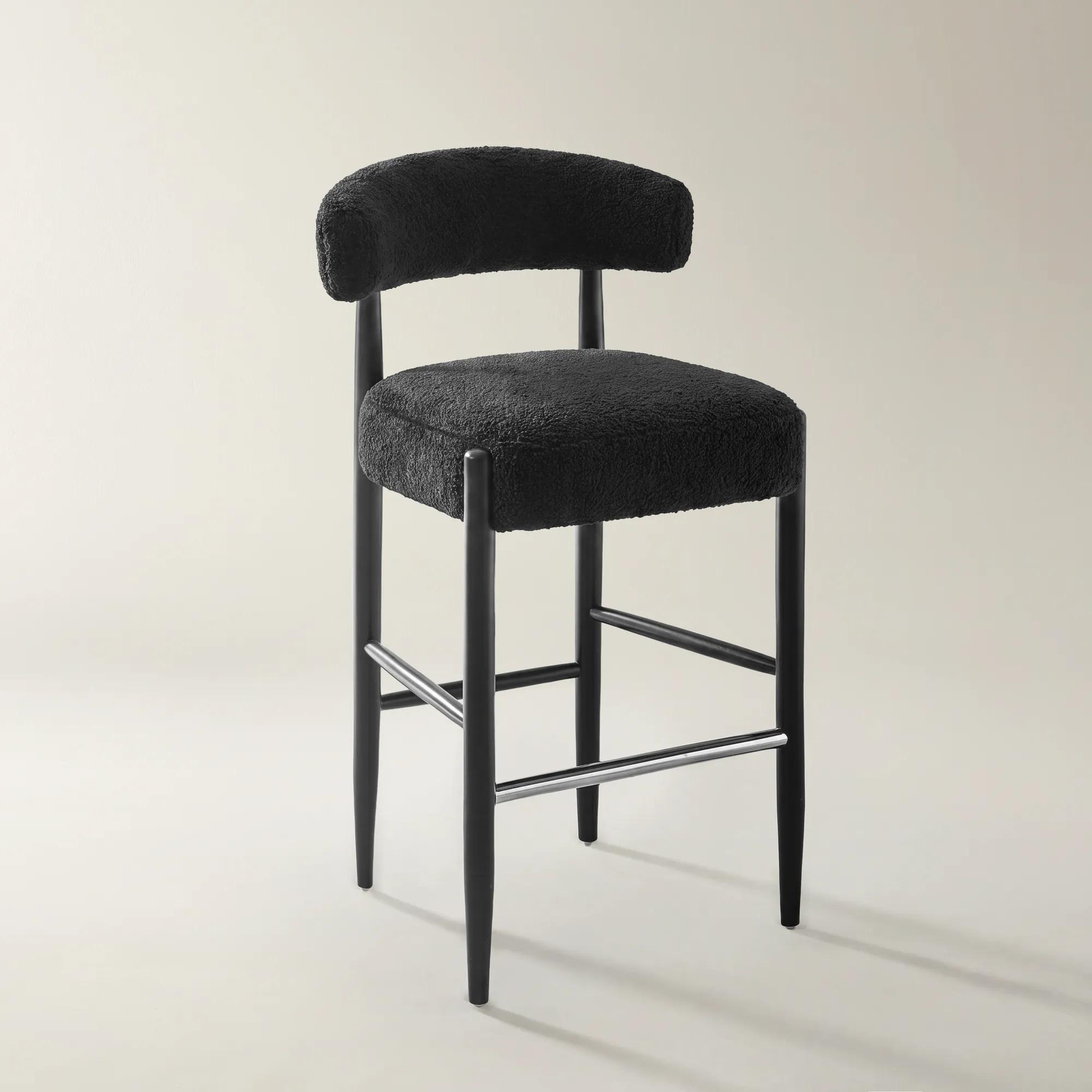 Anna Black Chenille Bar/Counter Stool$449
A black chenille counter stool with a sculpted padded seat and solid rubberwood legs.
Add To Cart -
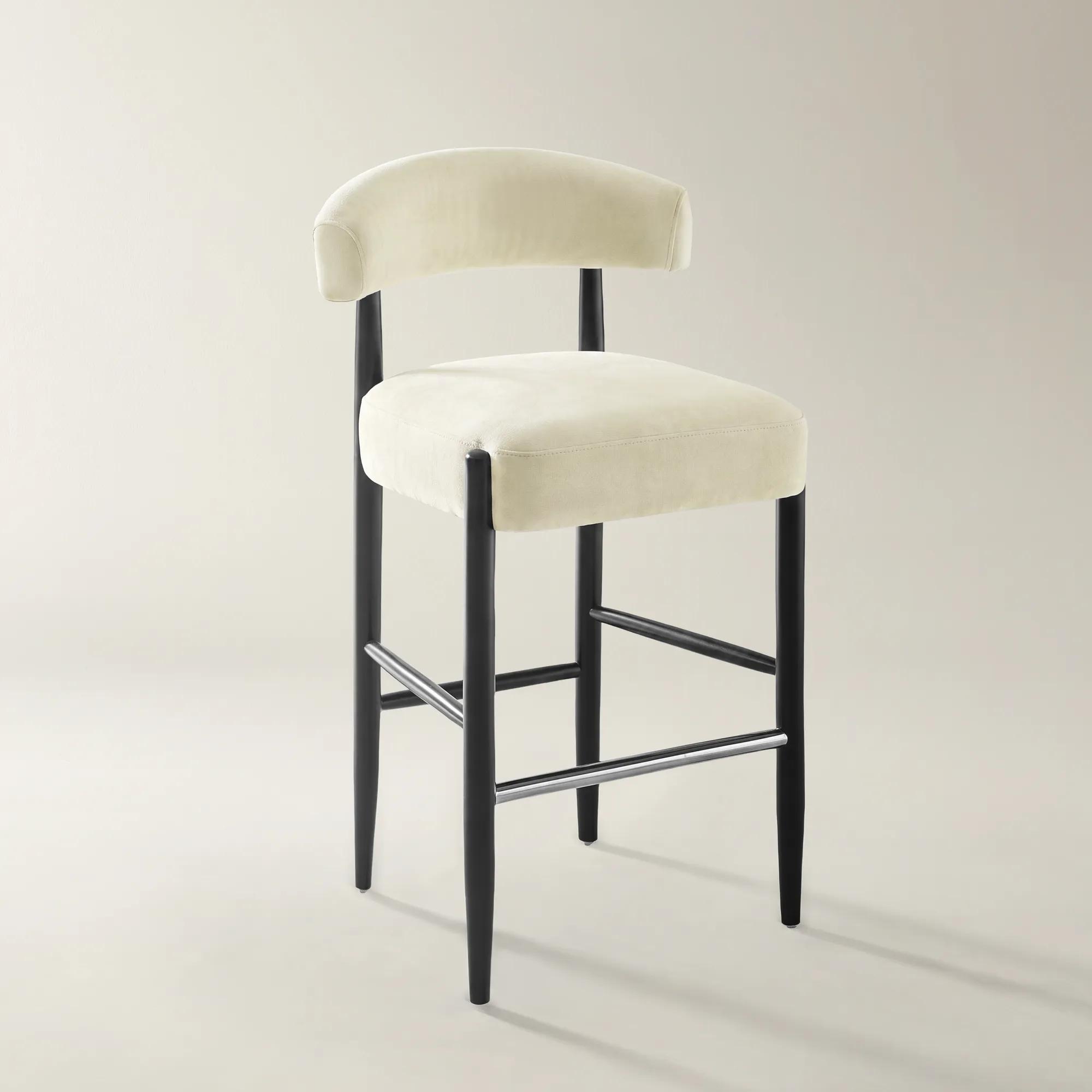 Anna Cloud Velvet Bar/Counter Stool$449
A cloud velvet counter stool with sculpted padded support and tapered solid-rubberwood legs.
Add To Cart -
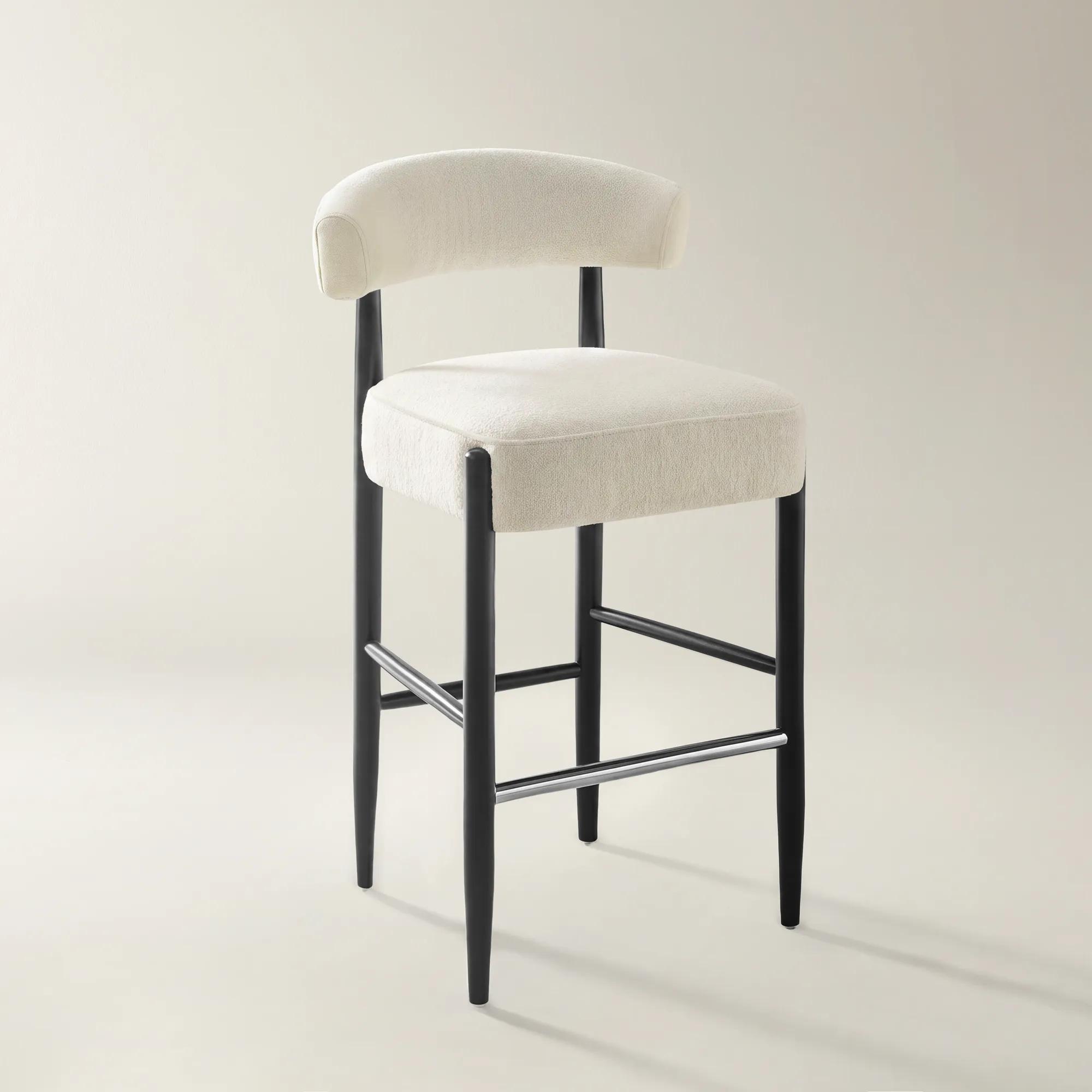 Anna Ivory Performance Chenille Bar/Counter Stool$449
An ivory performance-chenille bar stool with a sculpted back, padded seat, and tapered solid-rubberwood legs.
Add To Cart -
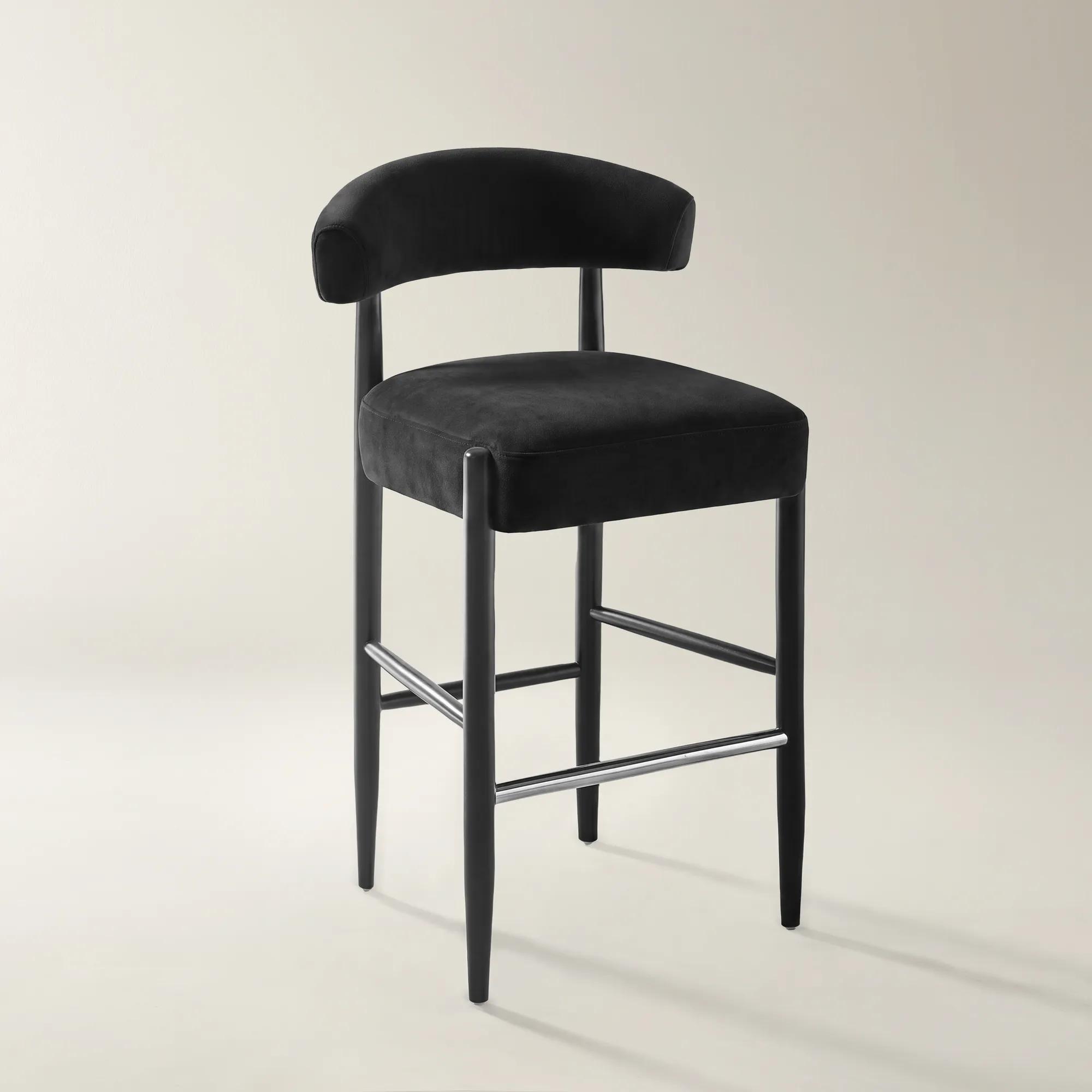 Anna Charcoal Velvet Bar/Counter Stool$449
A charcoal velvet bar stool with a sculpted padded seat and solid rubberwood legs.
Add To Cart -
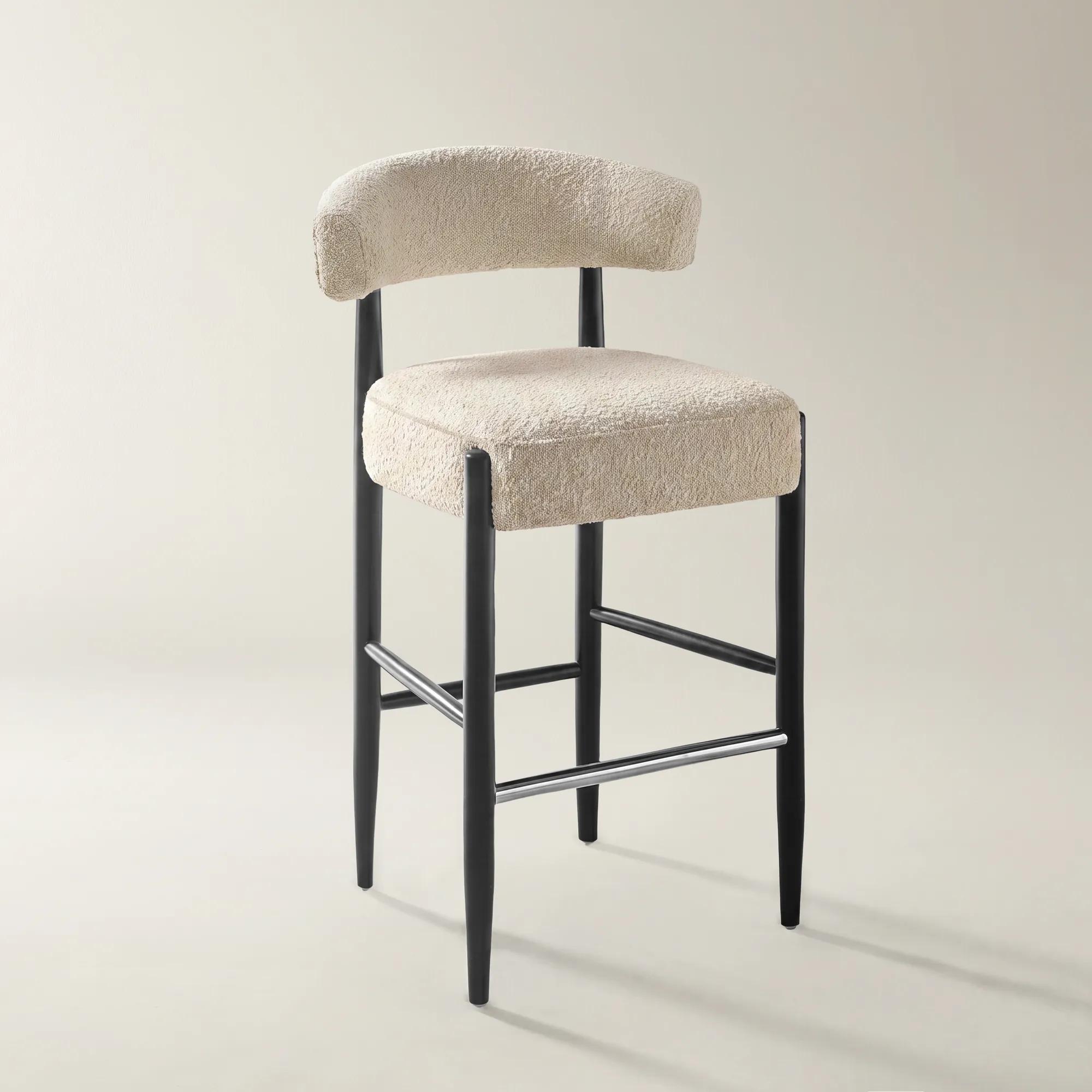 Anna Ivory Performance Boucle Bar/Counter Stool$449
A counter stool with ivory performance boucle upholstery, sculpted support, and tapered solid rubberwood legs.
Add To Cart -
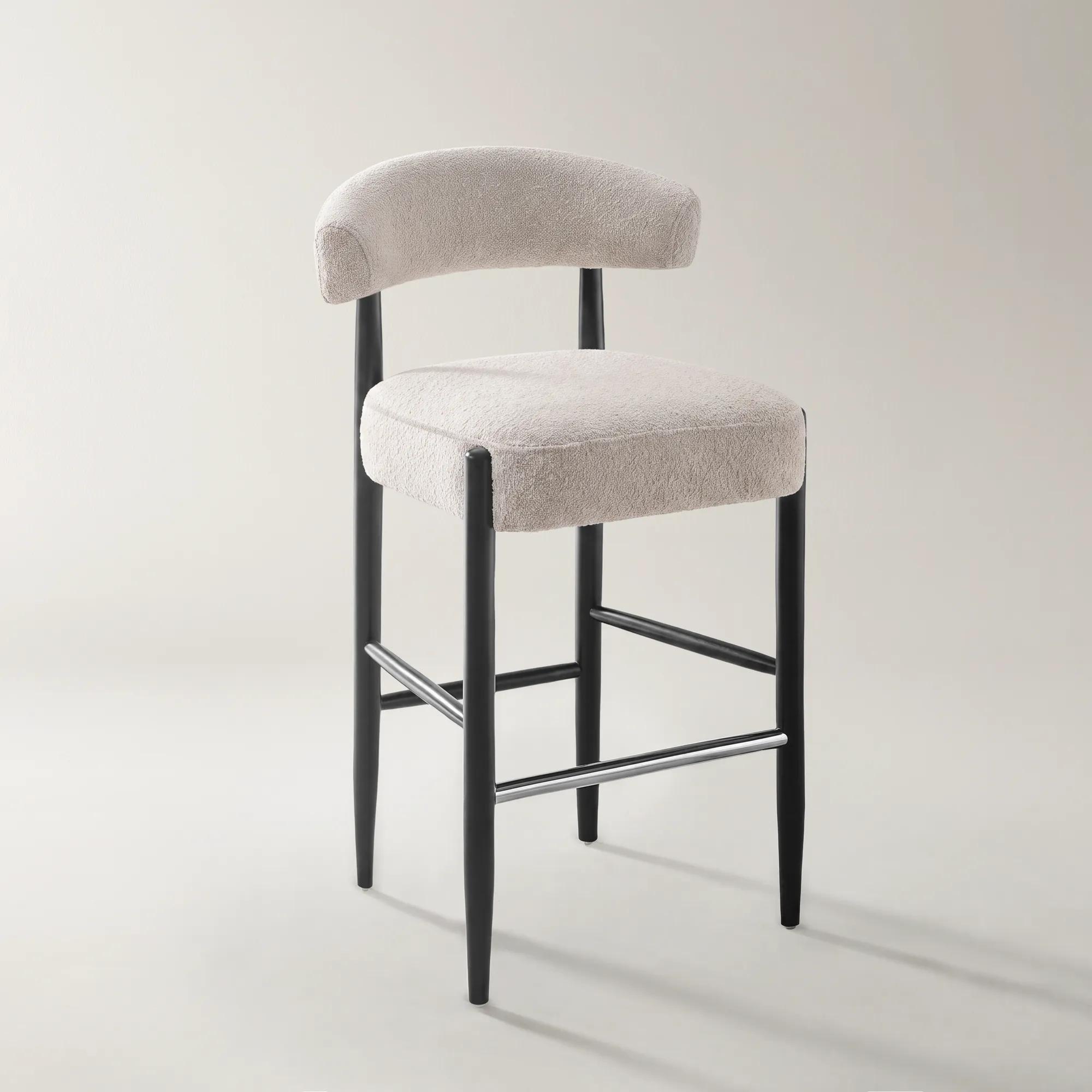 Anna Ivory Performance Boucle Bar/Counter Stool$449
An ivory performance-bouclé bar stool with sculpted padded support and tapered solid-rubberwood legs.
Add To Cart -
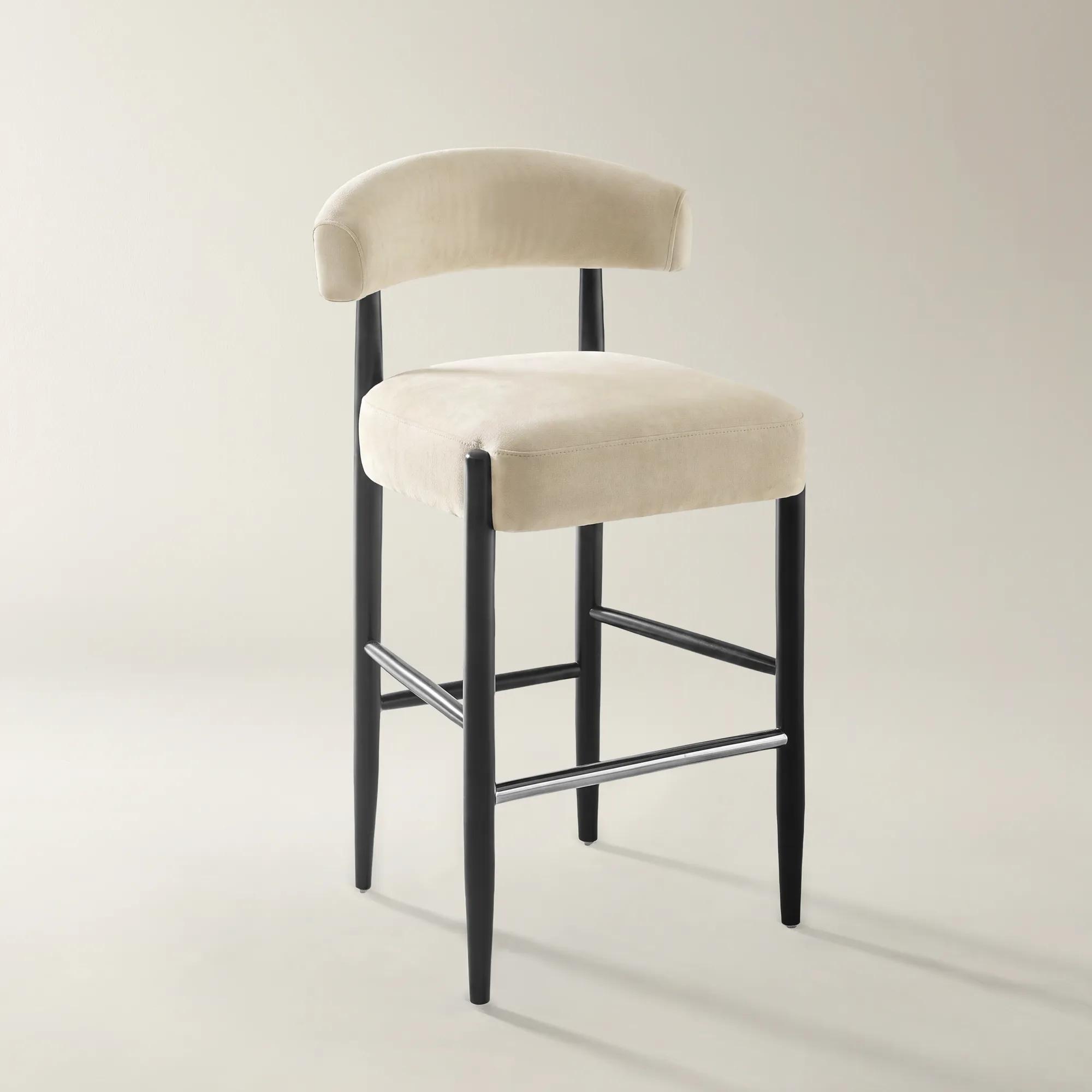 Anna Oatmeal Velvet Bar/Counter Stool$449
A counter stool with oatmeal velvet upholstery, sculpted back, padded seat, and solid rubberwood legs.
Add To Cart -
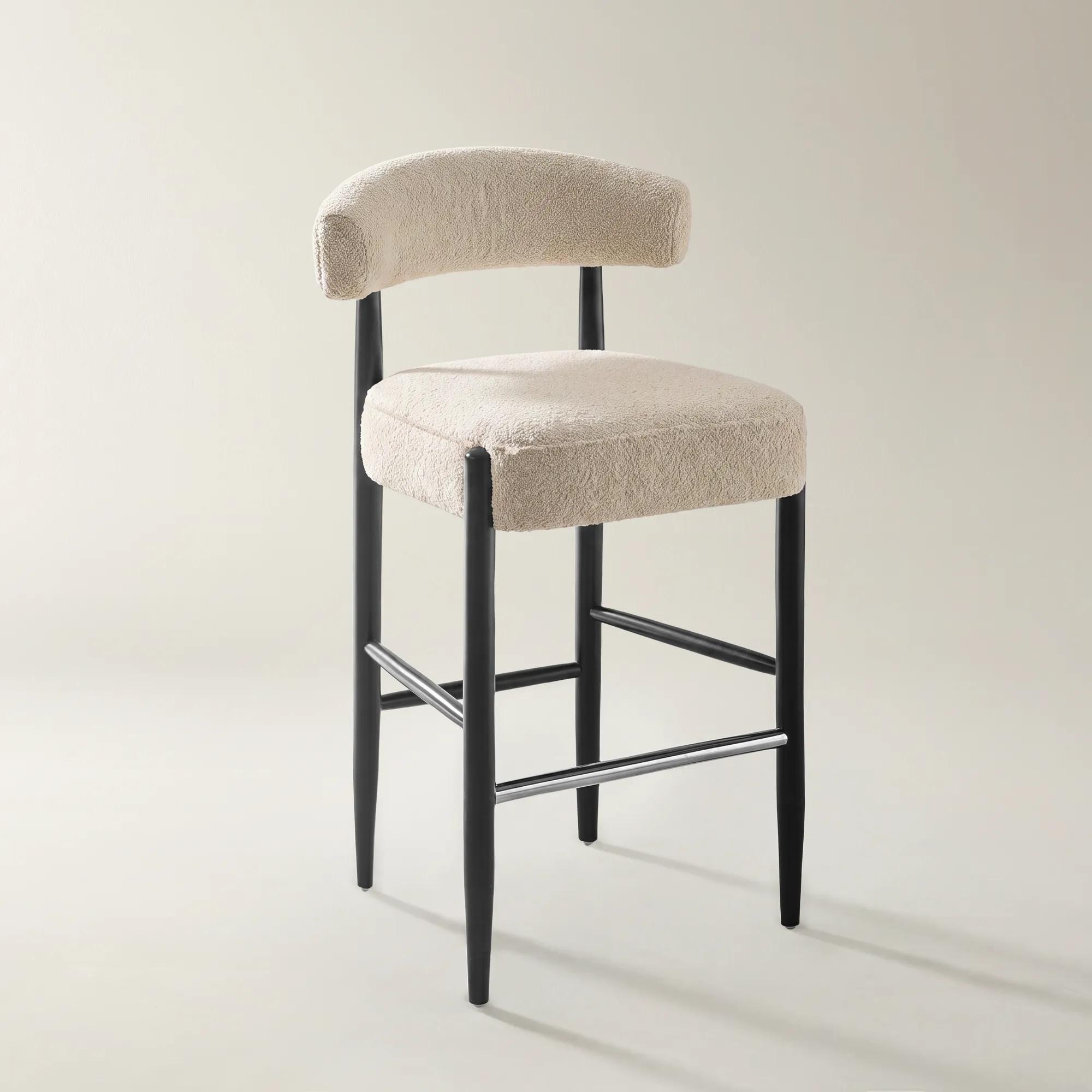 Anna Utopia Sand Chenille Bar/Counter Stool$449
A chenille bar stool with a sculpted padded seat, kiln-dried hardwood frame, and solid rubberwood legs.
Add To Cart -
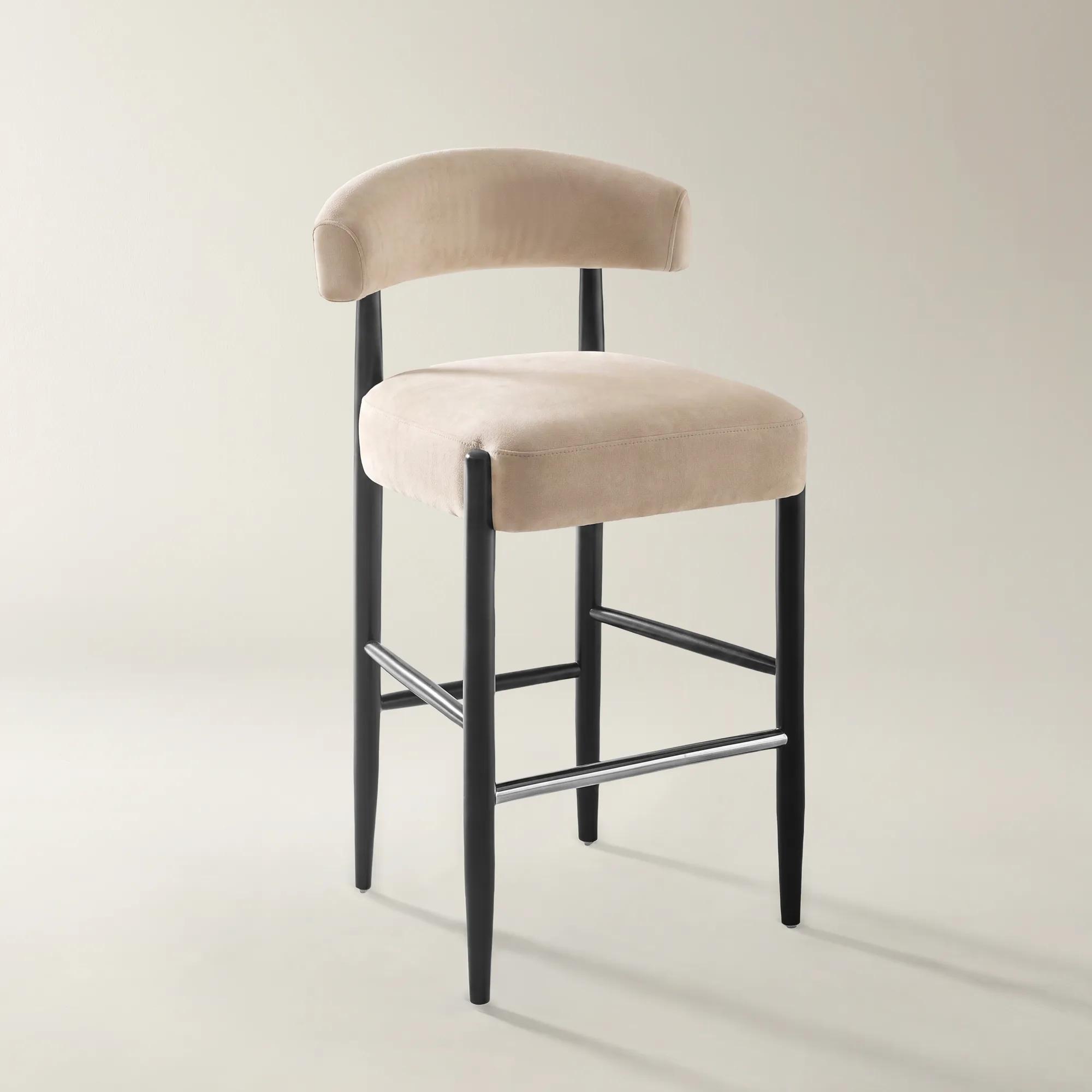 Anna Simply Taupe Velvet Bar/Counter Stool$449
A taupe velvet counter stool with a sculpted back, padded seat, and tapered solid-rubberwood base.
Add To Cart -
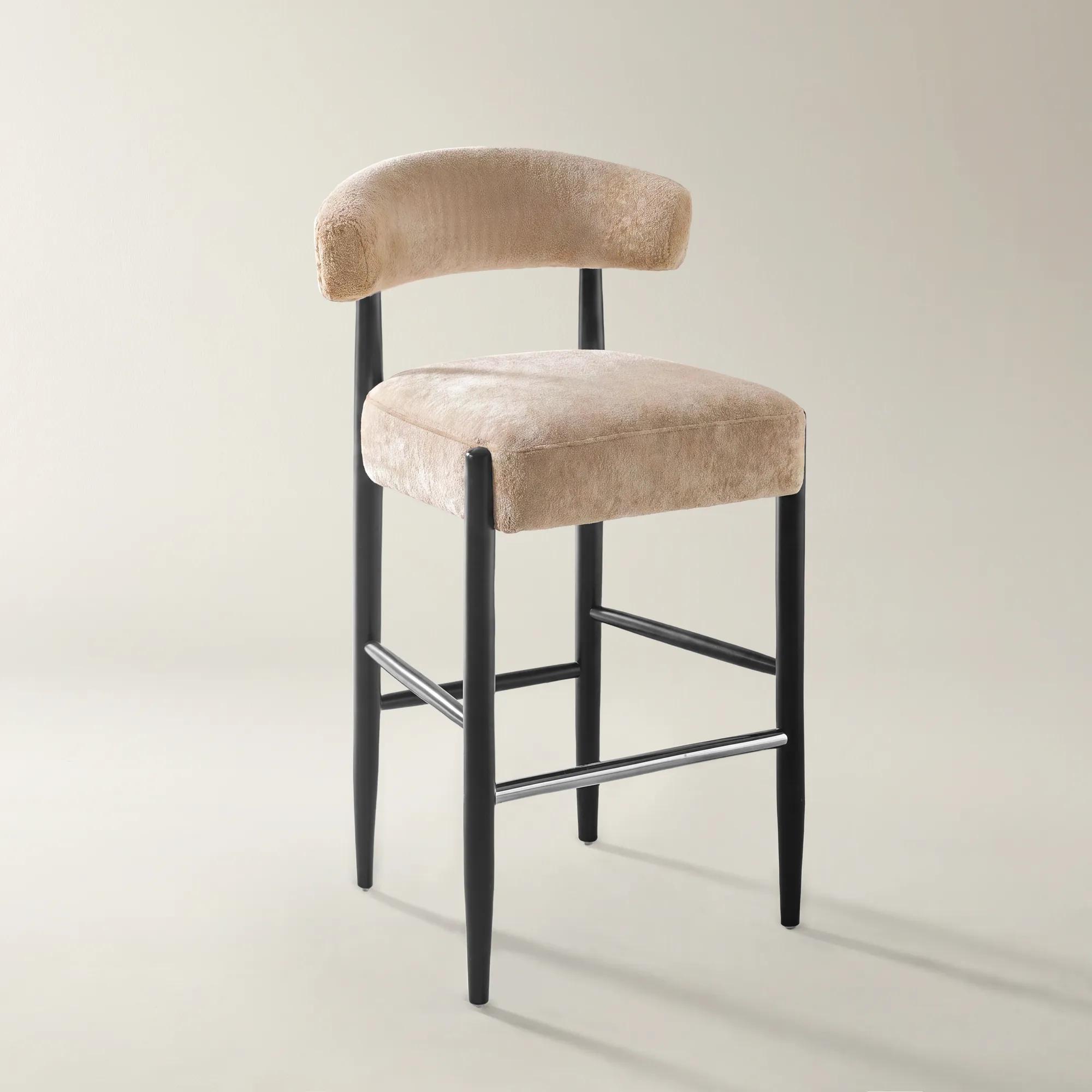 Anna Light Brown Chenille Bar/Counter Stool$449
A brown chenille counter stool with a sculpted back, padded seat, and tapered solid-rubberwood legs.
Add To Cart -
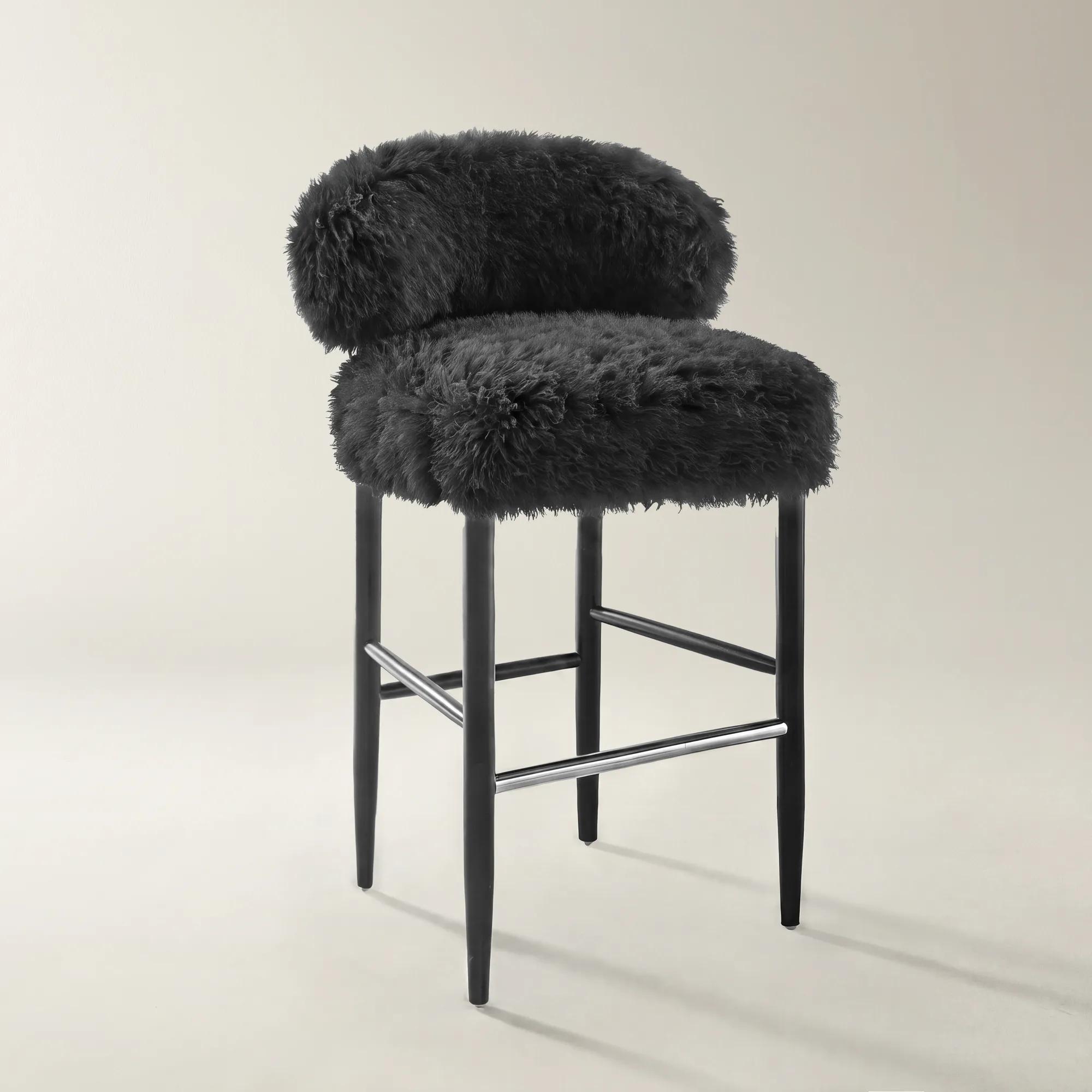 Anna Black Faux Fur Bar/Counter Stool$549
A black faux-fur bar stool with a sculpted back, padded seat, and solid rubberwood legs.
Add To Cart -
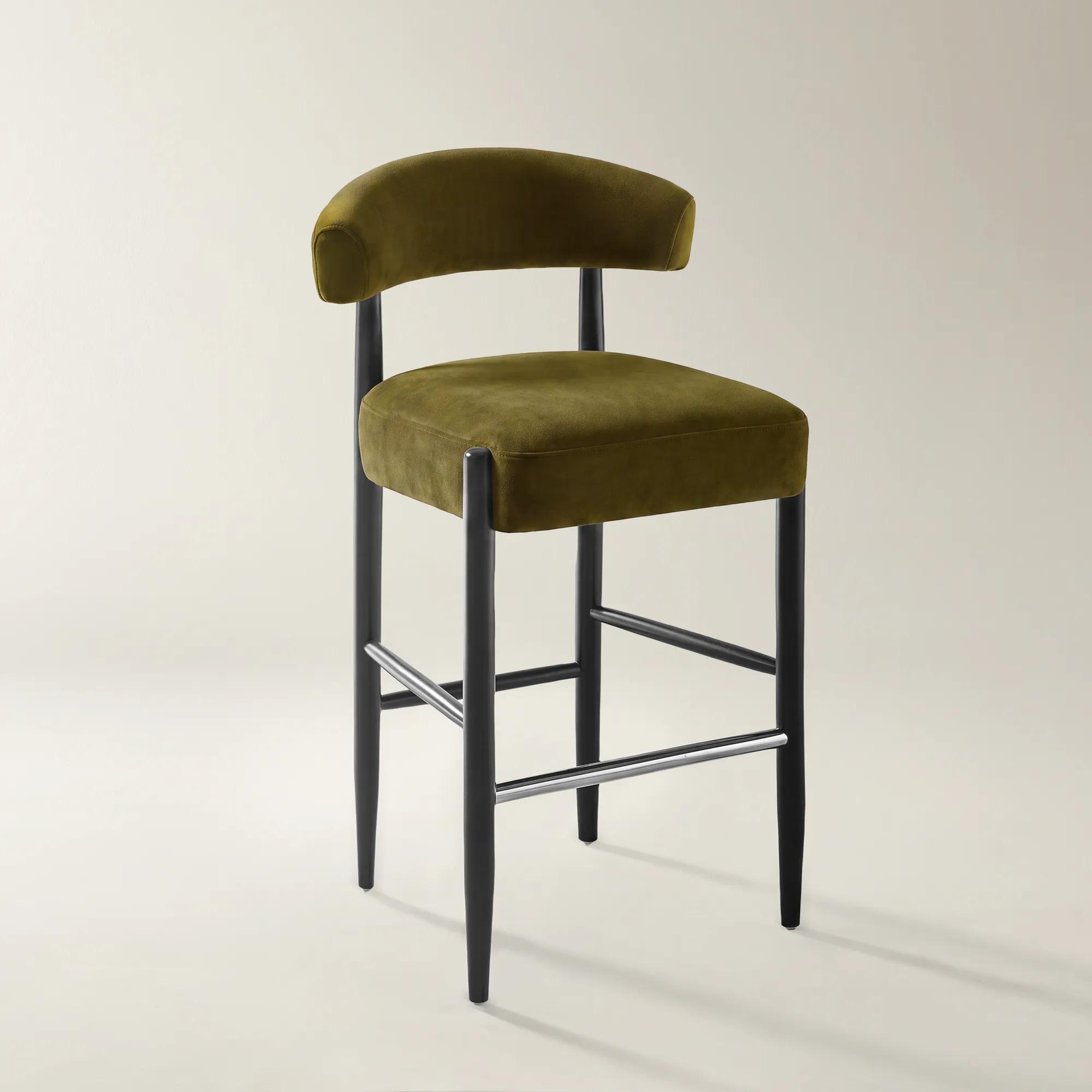 Anna Deep Olive Velvet Bar/Counter Stool$449
A green velvet bar stool with a sculpted padded seat, tailored upholstery, and tapered solid-rubberwood legs.
Add To Cart -
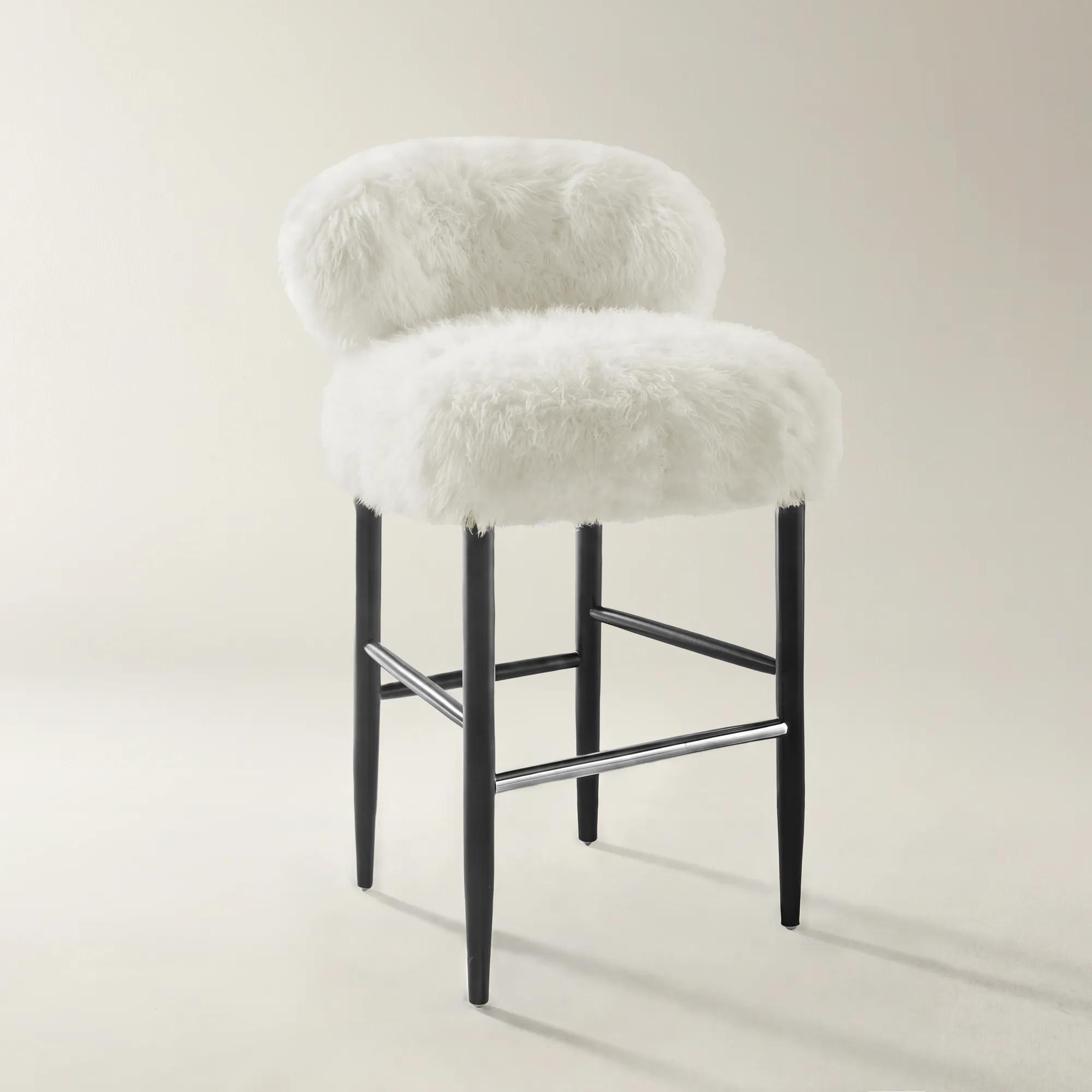 Anna Ivory Faux Fur Bar/Counter Stool$549
An ivory faux-fur counter stool with sculpted support, padded seating, and tapered solid-rubberwood legs.
Add To Cart -
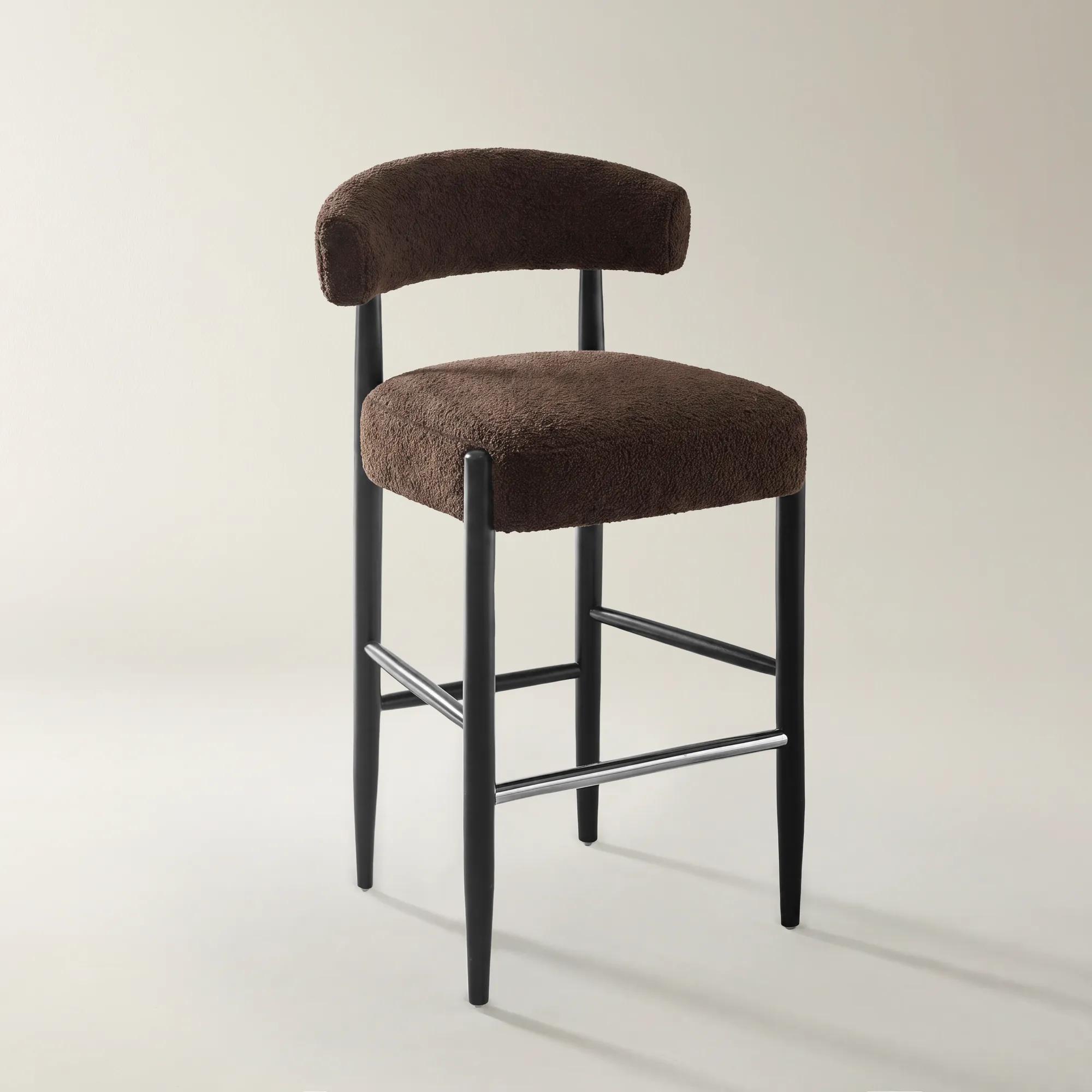 Anna Dark Chocolate Chenille Bar/Counter Stool$449
A dark chocolate chenille counter stool with a sculpted padded seat and solid rubberwood legs.
Add To Cart -
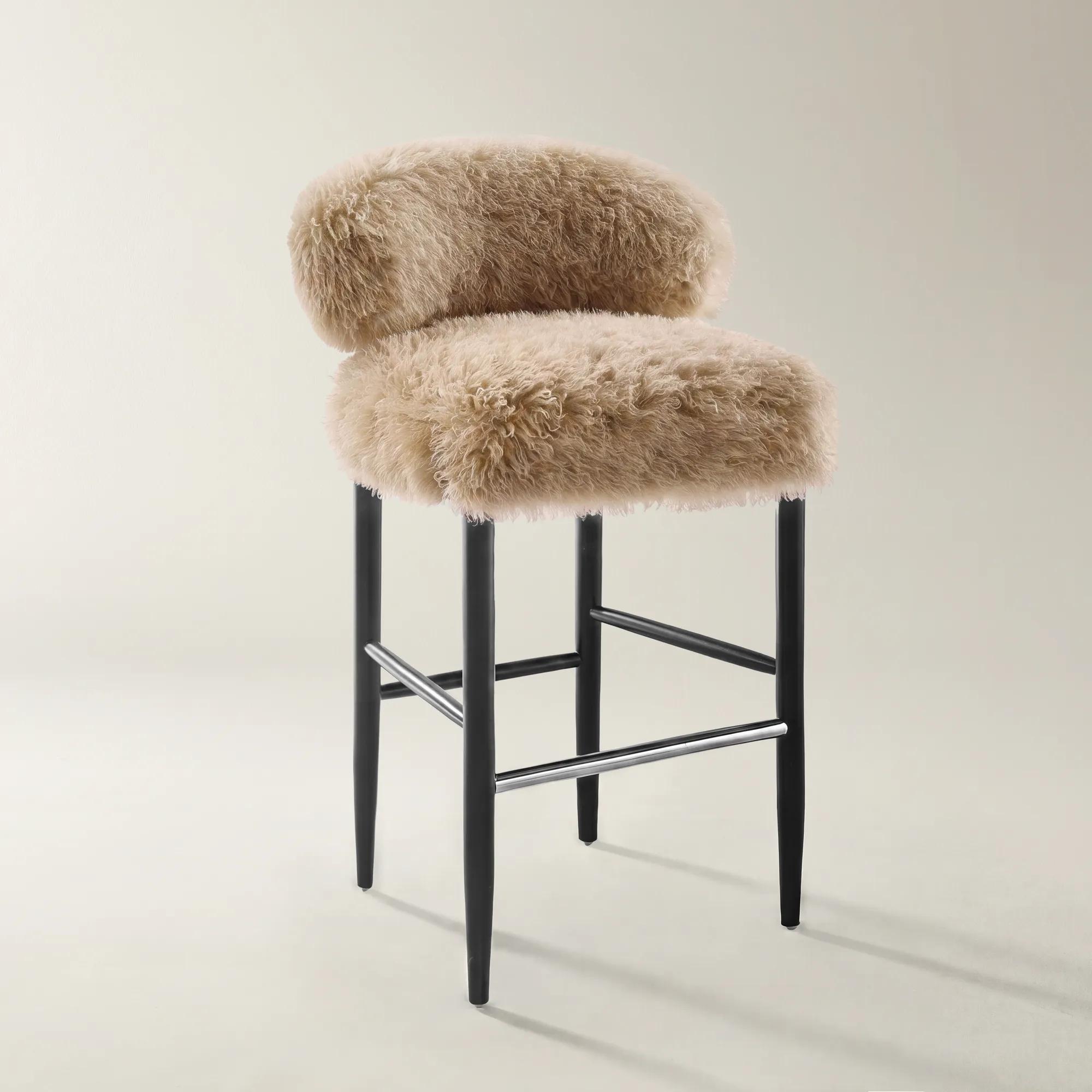 Anna Tan Faux Fur Bar/Counter Stool$549
A tan faux-fur bar stool with a sculpted padded seat and tapered solid-rubberwood legs.
Add To Cart -
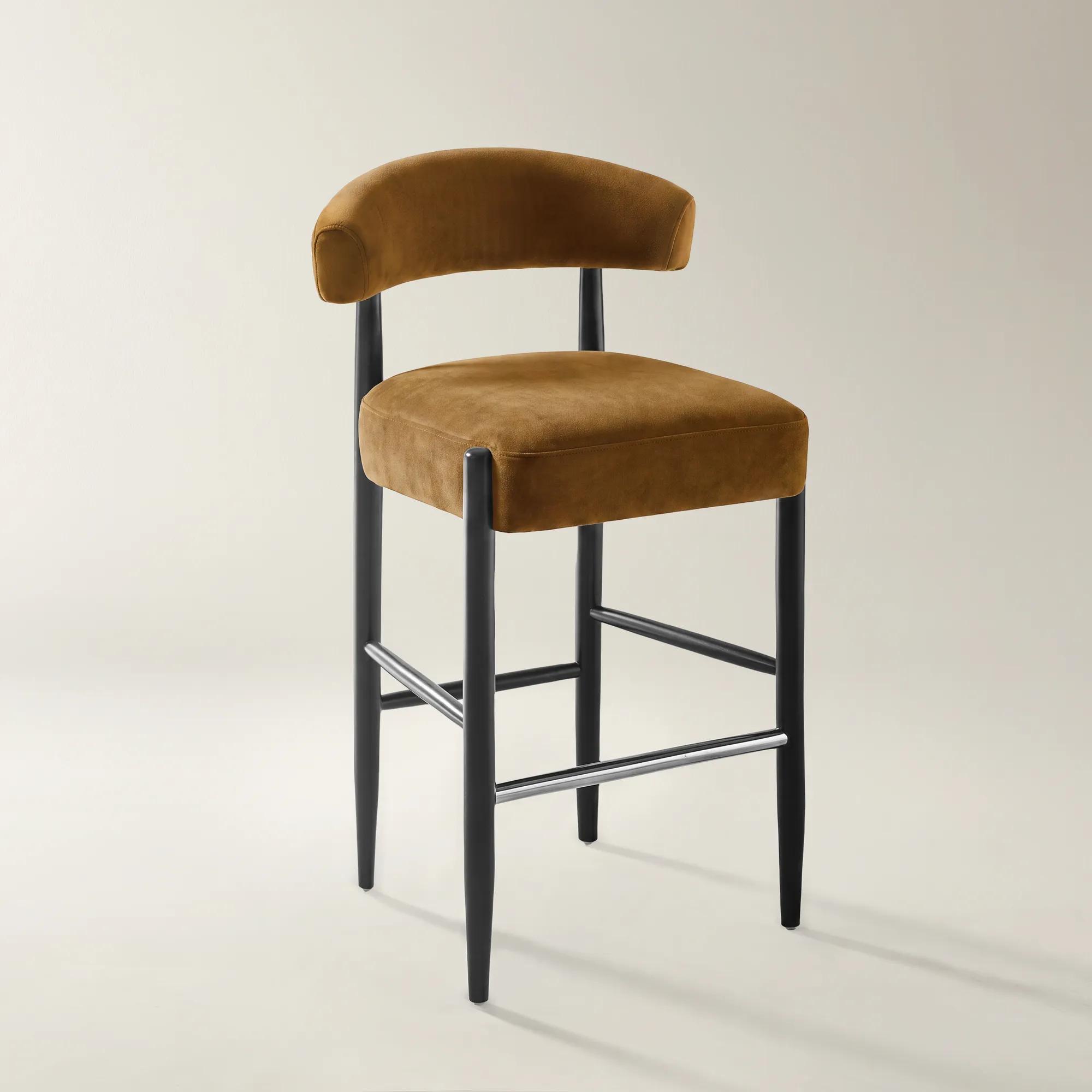 Anna Roasted Pecan Velvet Bar/Counter Stool$449
A roasted pecan velvet bar stool with a sculpted padded back, custom upholstery, and tapered solid-rubberwood legs.
Add To Cart -
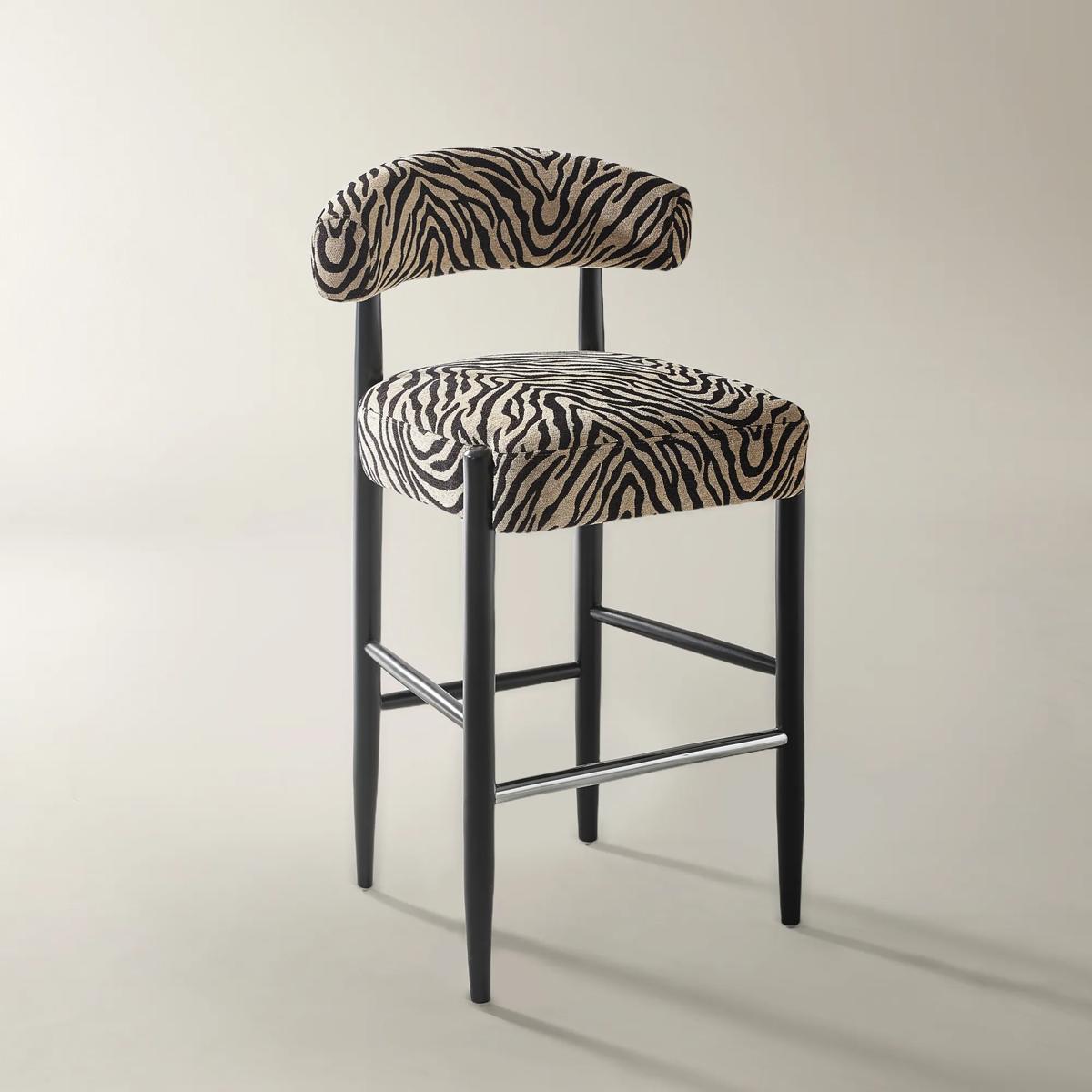
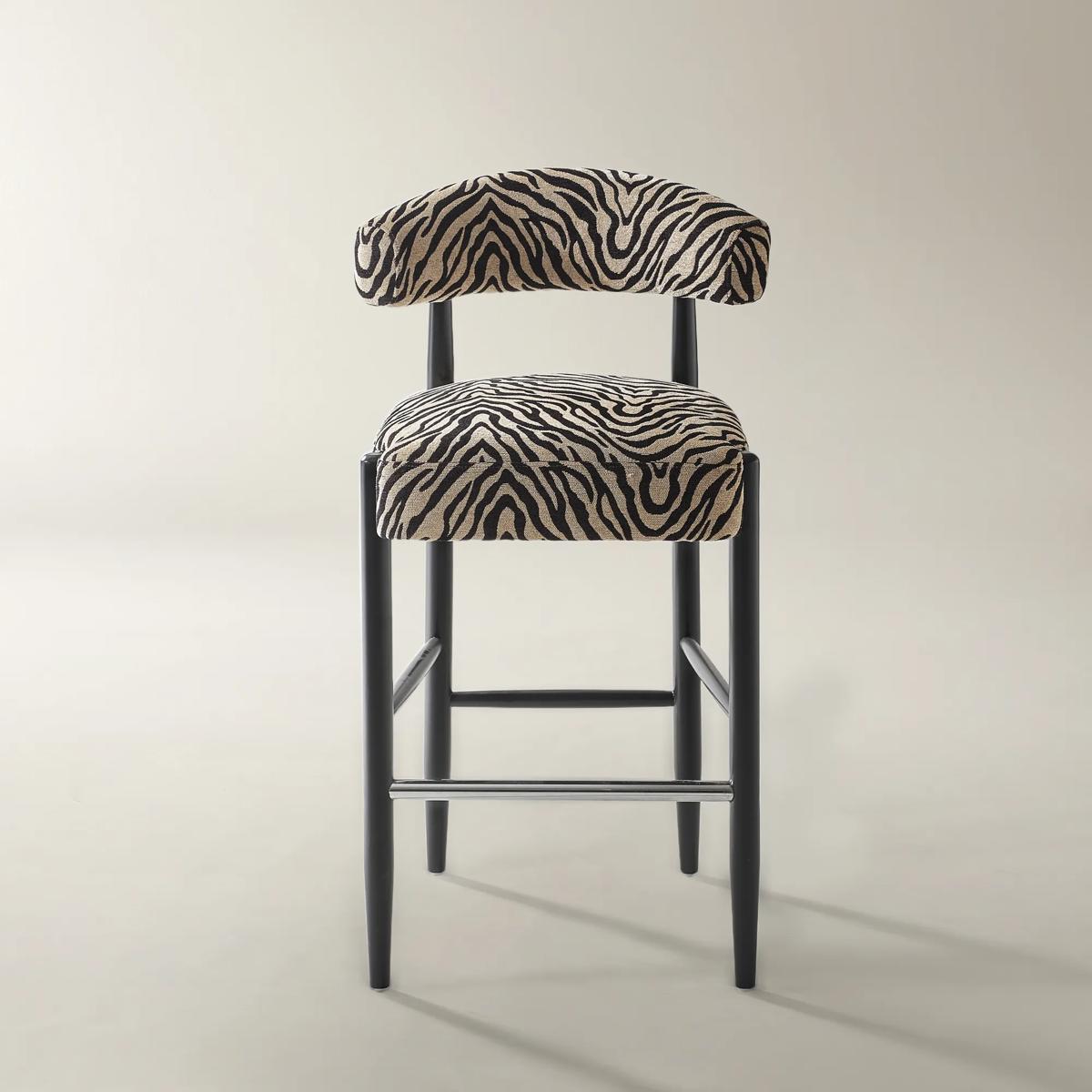 Anna Zebra Chenille Bar/Counter Stool$449
A bar stool with zebra-patterned chenille upholstery, sculpted padding, and tapered solid-rubberwood legs.
Add To Cart -
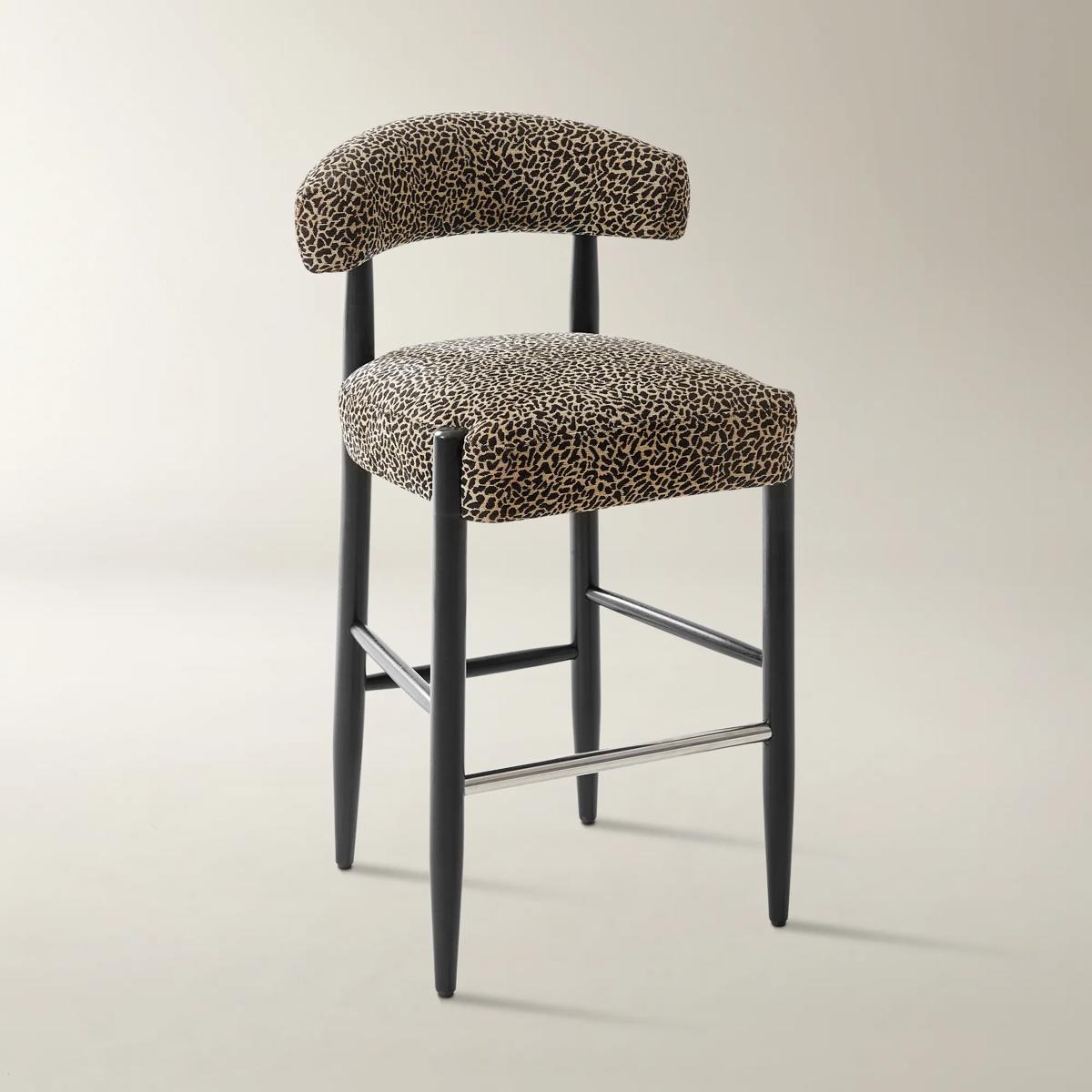
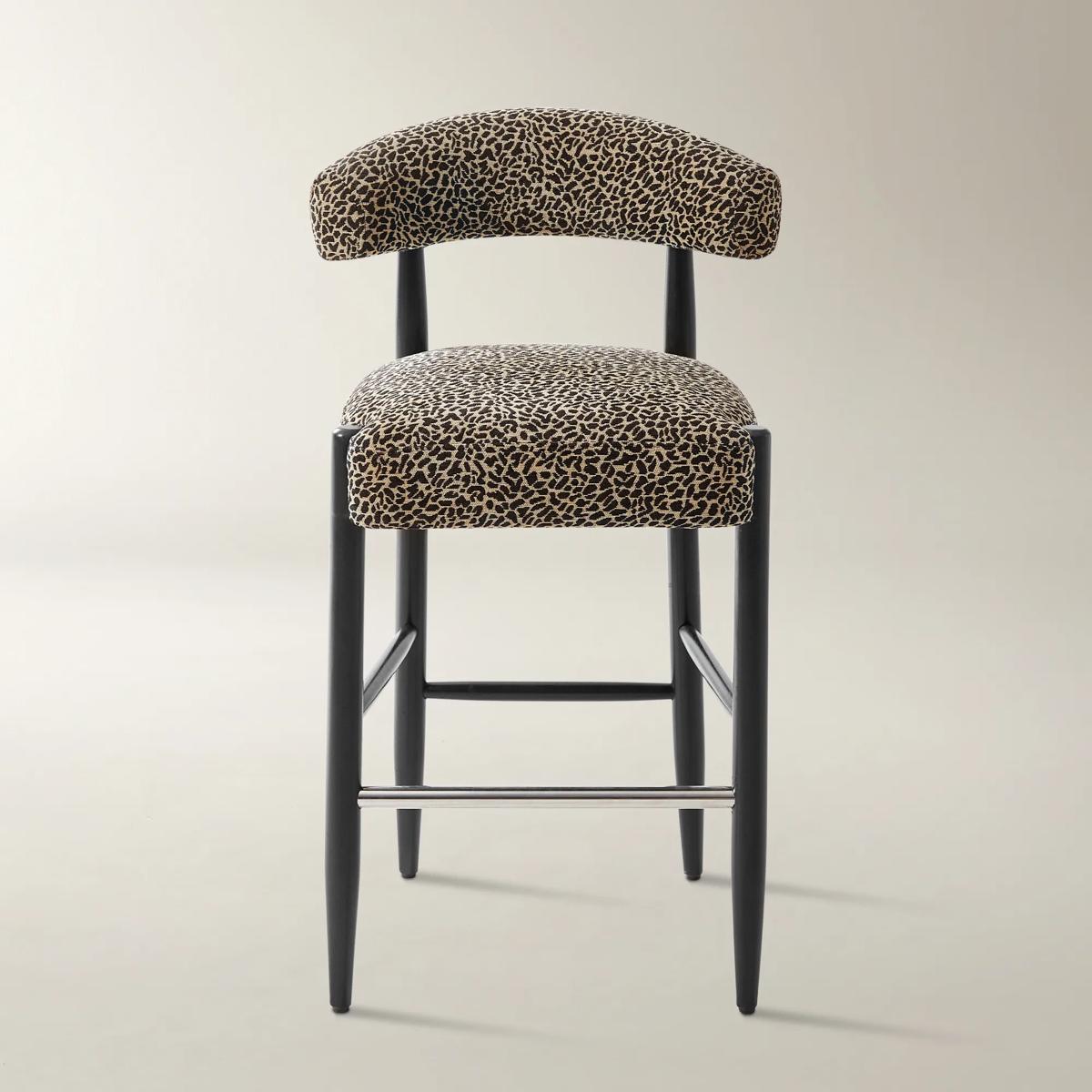 Anna Leopard Chenille Bar/Counter Stool$449
A leopard-patterned chenille bar stool with sculpted padded support and tapered solid rubberwood legs.
Add To Cart -
 Valerie Natural Outdoor Counter Stool$659
A natural-finished outdoor stool offering stylish counter-height seating.
Add To Cart -
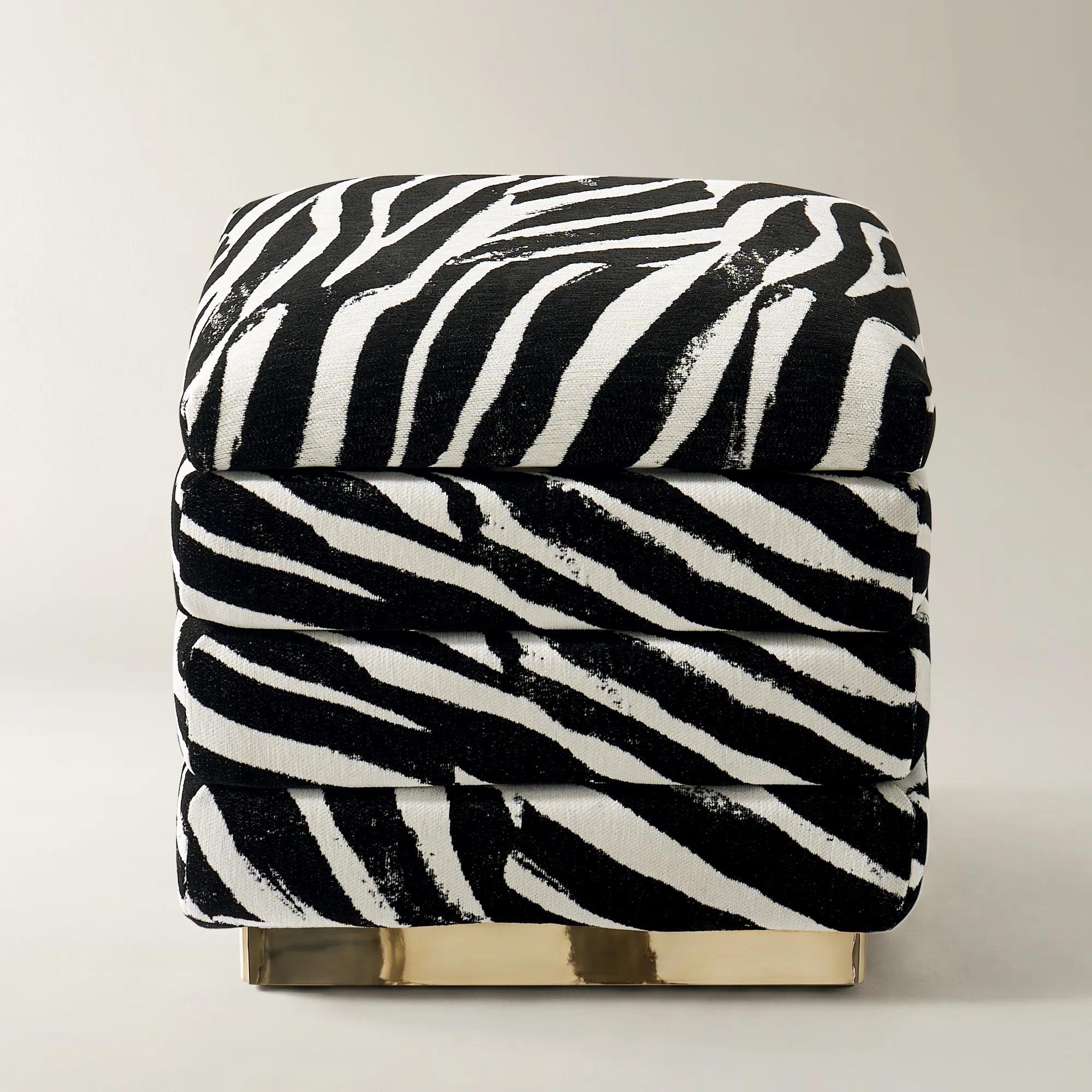
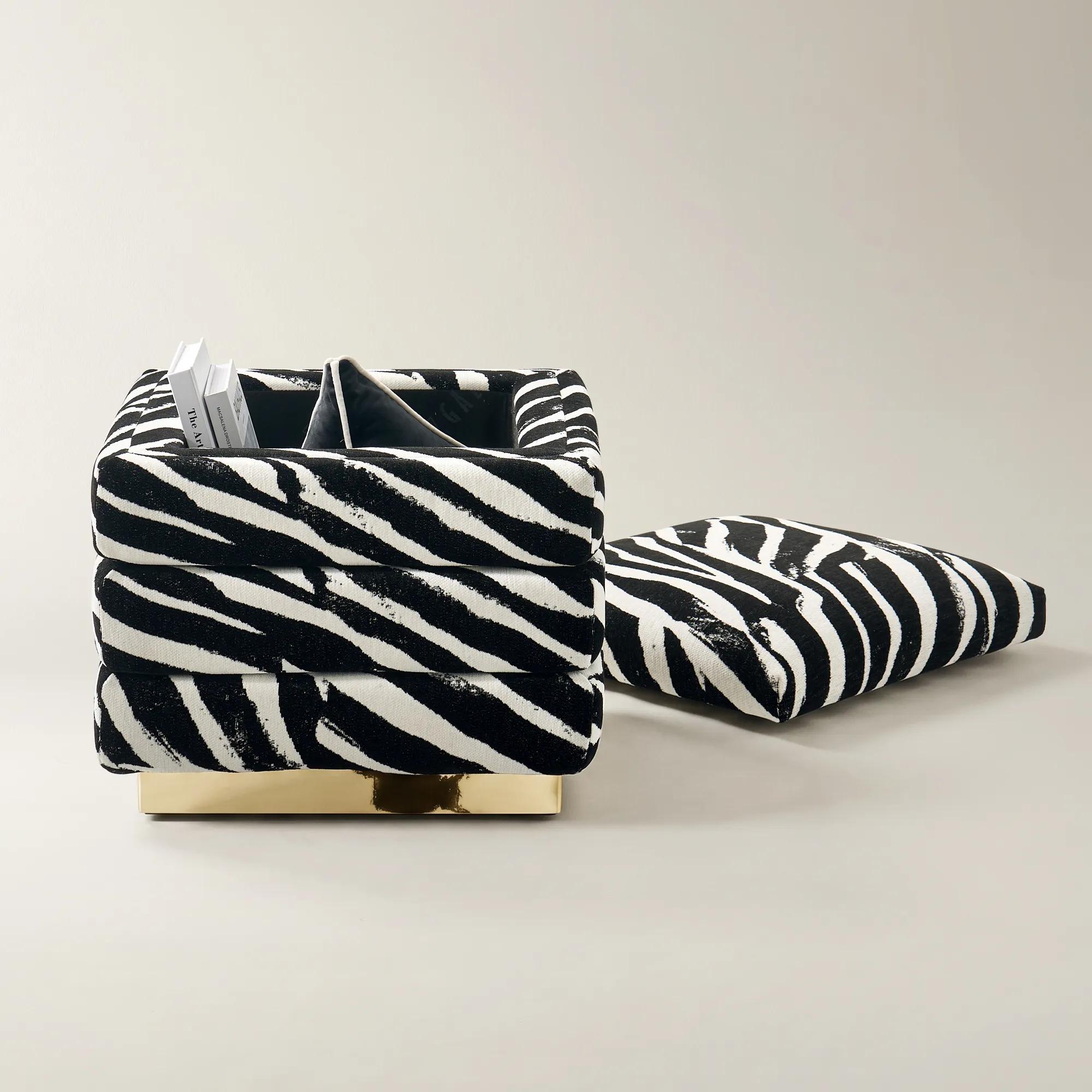 Gable White/Black Performance Chenille Stool$399
A plush white and black chenille stool with hidden storage and a polished gold stainless steel base.
Add To Cart -
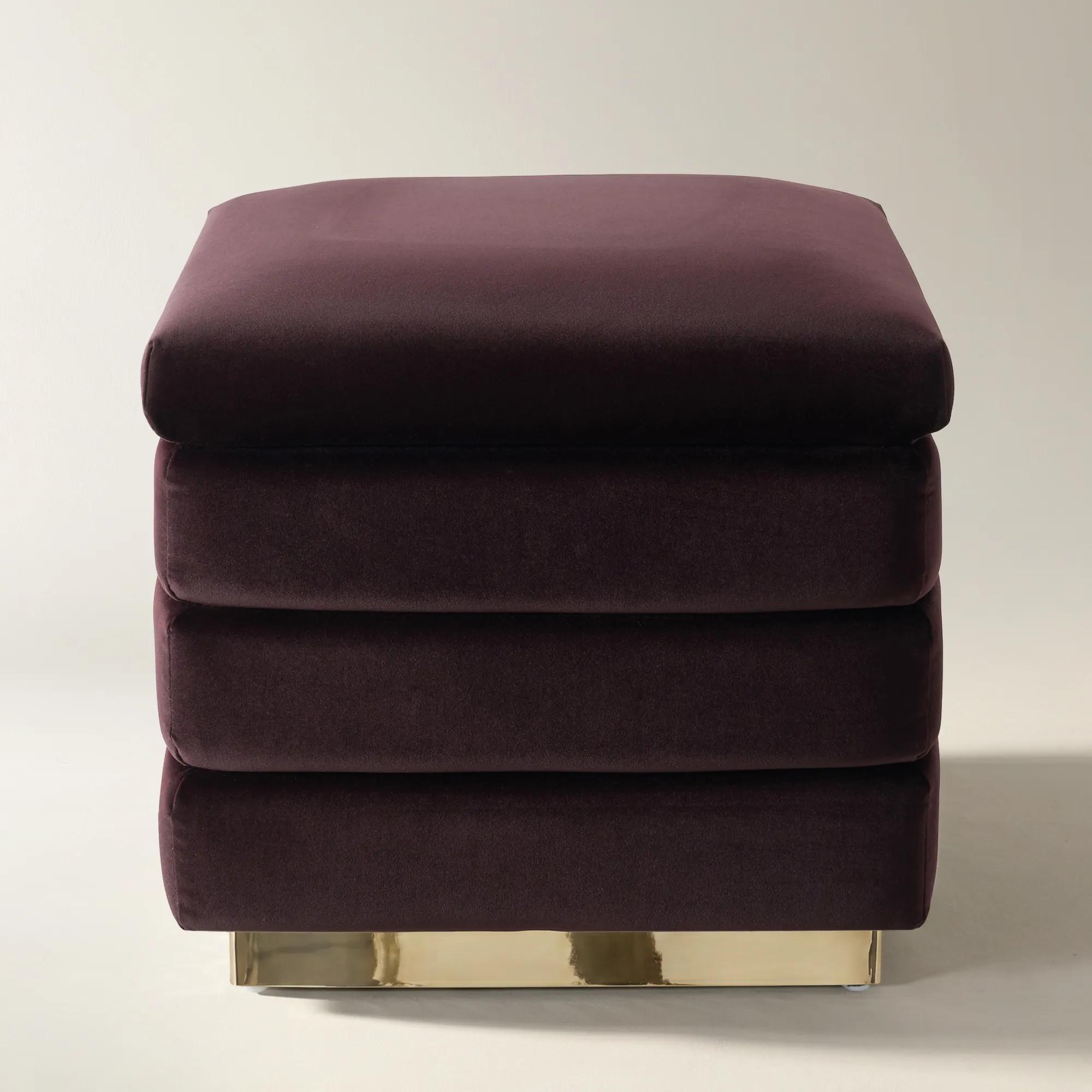
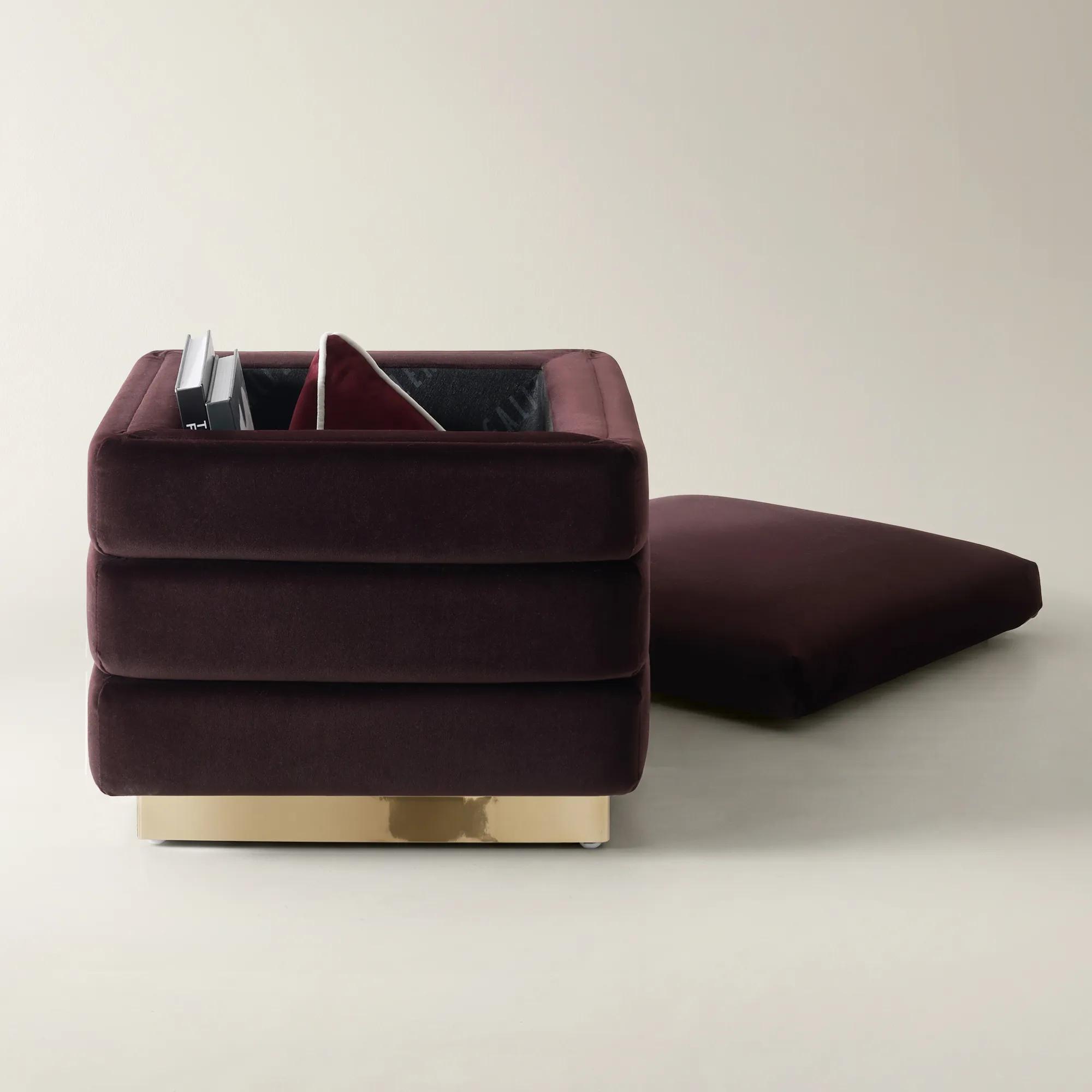 Gable Fig Chenille Storage Stool$399
A plush fig chenille stool with hidden storage, velvet upholstery, and a polished gold stainless steel base.
Add To Cart -
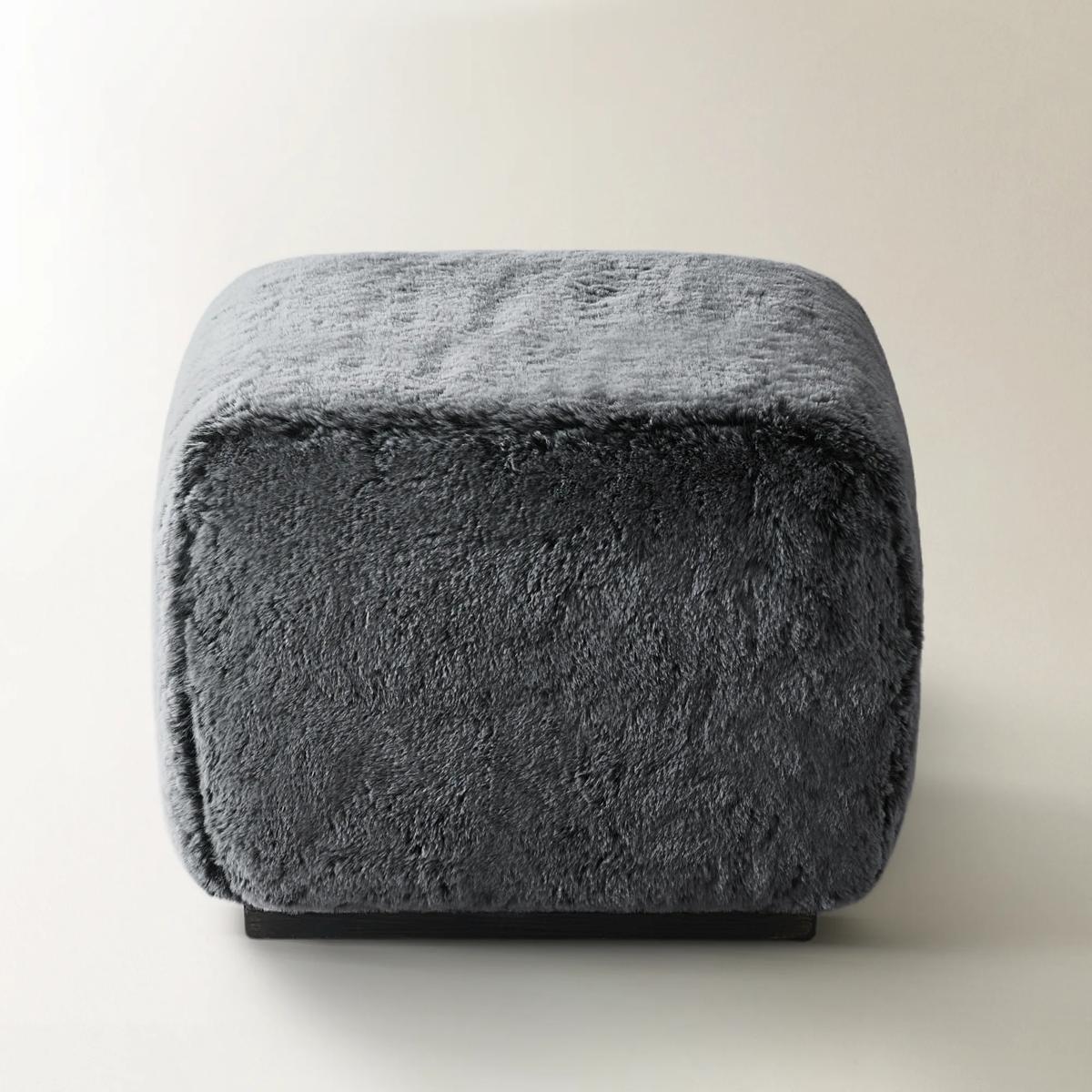
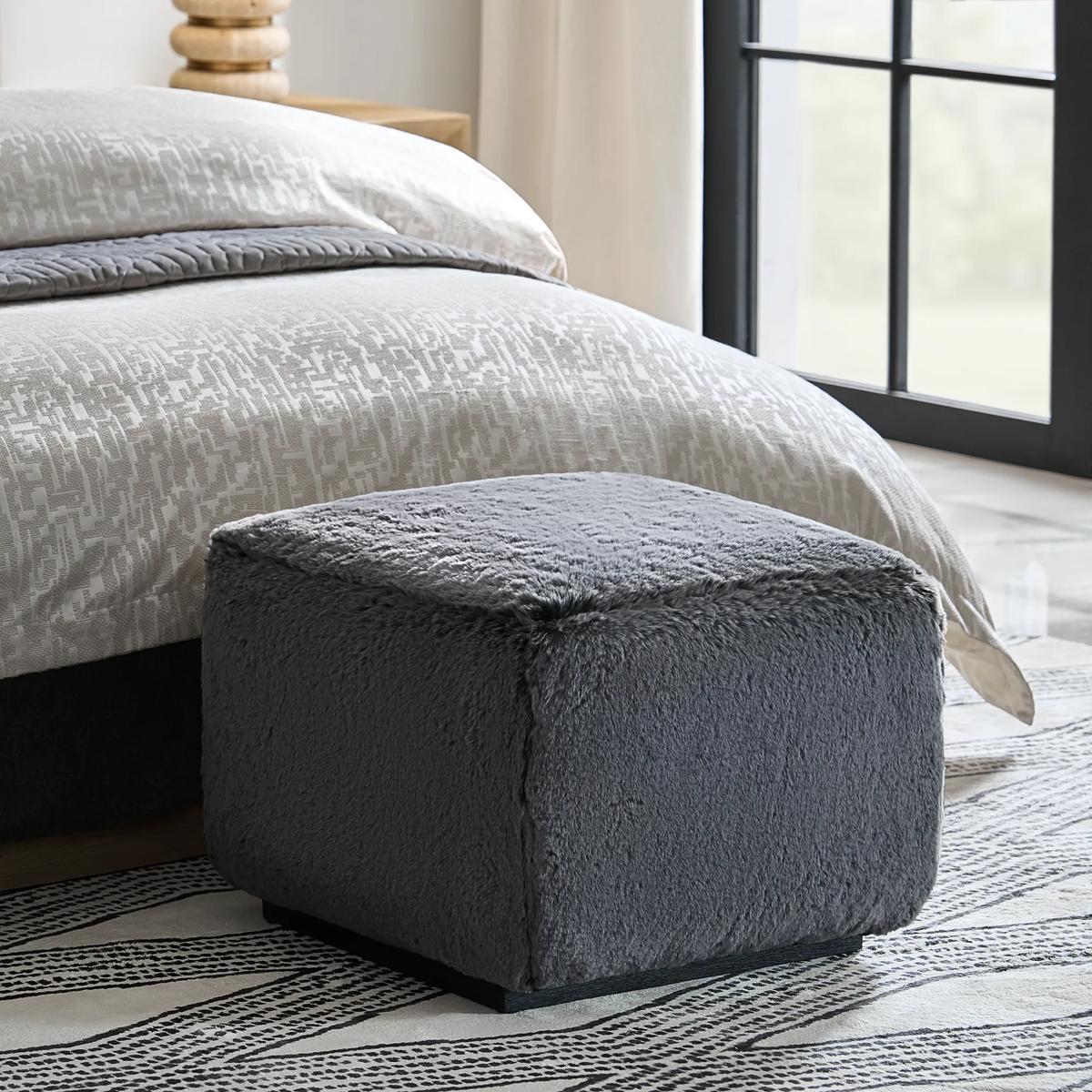 Lris Grey Faux Fur Stool (21")$299
A charcoal grey faux fur pouf with high-density foam and a sturdy rubberwood base for modern comfort.
Add To Cart

Modern Kitchen Counter Stools
Elevate your culinary space into a stage of style and sophistication with modern kitchen counter stools that command attention at every angle. These sculptural silhouettes invite you to linger, transforming the everyday act of gathering into an experience drenched in glamour and artistry. Whether perched for a morning espresso or an evening soirée, each seat becomes a statement—an invitation to savor both design and conversation. Let your kitchen island become a canvas for bold expression, grounded by counter stools that blend sleek lines, sumptuous materials, and an undeniable sense of drama.
Modern kitchen counter stools bring elevated seating to the place where daily life naturally gathers: the kitchen island, breakfast counter, or open-plan entertaining space. Defined by clean silhouettes, considered proportions, and materials that feel as good as they look, these stools bridge the practical demands of a kitchen and the expressive character of a living room. A slim metal frame can draw a gleaming outline beneath a stone countertop, while a curved upholstered back introduces softness against flat-front cabinetry. Wood adds depth through grain and tone; polished metal creates a more luminous accent; brushed finishes offer a subtler shimmer. Upholstered counter stools lend the island a tailored, lounge-like presence, particularly when the fabric brings dimension through velvet pile, a textured weave, or a richly colored surface. Leather develops character with use, while faux leather offers a different material composition and care requirements that deserve equal consideration. Neither material should be judged on appearance alone: construction, finish, and the intended setting all influence how seating performs. Modern design also leaves room for contrast. Dark frames can give a pale kitchen a crisp architectural rhythm, while ivory upholstery softens dramatic cabinetry without competing with it. Repeating a metal tone from cabinet hardware creates continuity; introducing a different finish makes the stools feel more deliberately collected. The distinctive silhouettes associated with Designer Kitchen Counter Stools offer another way to make everyday seating part of the room’s visual identity. Whether the mood is sculptural and restrained or richly layered, the strongest arrangement relates to the surrounding space without disappearing into it. From the living room, a row of beautifully shaped backs may become part of the view; from the kitchen, the same seating makes room for a conversation over coffee or company while dinner takes shape. That dual role gives counter seating unusual influence: it must feel inviting close up and composed from across the room.
Proportion is what turns a striking silhouette into seating that feels effortless to use. Counter-height stools differ from bar-height stools, and the distinction matters even when their styling looks similar. For a kitchen counter approximately 36 inches high, a seat around 24 to 26 inches high generally leaves the 10 to 12 inches of clearance that allows comfortable legroom. Bar stools are typically taller and are intended for higher surfaces, so the seat height—not simply the overall product height—is the essential measurement. A thick countertop edge, decorative apron, or shallow overhang can reduce usable knee space even when the seat-to-counter distance appears suitable. The stool’s width matters just as much. Allowing approximately 8 to 10 inches between the outer edges of adjacent seats provides a useful starting point for elbow room, with additional space often needed for broad seats, arms, or swivel movement. Three generously proportioned stools may create a more welcoming arrangement than four pressed tightly together. Backless counter stools preserve open sightlines and can tuck beneath an adequately deep overhang, making them appealing where the island faces a living area. Low backs provide a defined silhouette without dominating the view, while taller backs can offer more upper-body support for lingering conversations and everyday meals. Armrests introduce a more enveloping feel, though their height must clear the underside of the counter if the stools are meant to slide inward. Swivel counter stools make it easier to turn toward another person or step away from the island without repeatedly pulling the entire frame across the floor. Their range of motion needs clearance from neighboring seats and cabinetry. Adjustable-height designs can accommodate different surfaces within their stated height range, but the base footprint and adjustment mechanism also deserve attention. A well-positioned footrest supports a more relaxed seated posture, particularly when feet cannot reach the floor. Together, these details shape seating that suits quick breakfasts, shared meals, and the unhurried conversations that give a kitchen its character.
Materials and construction determine how convincingly modern kitchen counter stools carry that elegance into everyday use. A frame should feel steady on a level surface, with secure joints and a footrest designed to accommodate the demands of regular seating. Wood offers visual warmth, but its finish still needs protection from prolonged moisture and abrasive cleaning. Metal frames can feel crisp and architectural, although plated, painted, and polished surfaces each require appropriate care to preserve their appearance. Upholstery introduces another layer of consideration. A tightly woven fabric may suit a frequently used breakfast counter, while velvet brings a light-catching depth whose appearance can shift as the pile changes direction. Performance fabrics may offer specific stain-resistance or cleaning benefits, but those features vary by material and should be confirmed in the care information rather than assumed. Leather and faux leather also require different cleaning approaches; harsh solvents or an unsuitable conditioner can damage a surface rather than restore it. Prompt attention to spills, gentle routine dusting, and cleaning methods approved for the particular material help maintain a polished presentation. Removable cushions or covers should only be washed when their instructions explicitly permit it. Floor protection matters as well: suitable glides or pads can help limit marks, and their condition should be checked as they wear. Any assembly hardware should be tightened and maintained according to the manufacturer’s directions, with stated weight limits and intended uses respected. For households where the island hosts meals, homework, and frequent visitors, cleanability, supportive seating, and manageable weight may carry as much importance as a dramatic profile. In a space used primarily for entertaining, a sculptural back or richly textured seat may have greater visual emphasis, without making fit and stability less essential. The lasting appeal of modern counter seating comes from this balance. A graceful frame, a comfortable perch, and a finish that belongs in the room allow an ordinary kitchen gathering to feel beautifully considered, with enough presence to make the island a destination in its own right.
FAQs
Modern kitchen counter stools often feature a blend of luxurious materials such as polished metals, rich woods, and plush upholstery. Velvet, leather, and performance fabrics are favored for their comfort and durability, while metal and wood bases provide a striking, contemporary silhouette that complements a range of kitchen aesthetics.
Consider the overall mood and palette of your kitchen when selecting counter stools. For a cohesive look, choose stools that echo your cabinetry or countertop tones. If you crave a bold accent, opt for contrasting materials or vibrant upholstery. Sculptural shapes and unique finishes can also add an element of drama, turning your seating into a true design statement.
Absolutely. Modern kitchen counter stools make a thoughtful and stylish gift for new homeowners, newlyweds, or anyone celebrating a fresh start. They offer both function and flair, helping to transform a new space into a welcoming, expressive home that reflects the recipient’s personal taste.
Look for counter stools with ergonomic backrests, plush cushions, and supportive footrests for elevated comfort. Swivel bases and adjustable heights are also popular, allowing each guest to find their ideal position with ease—perfect for long, leisurely gatherings around the kitchen island.
Counter stools can serve as a stylish bridge between your kitchen and living areas in an open-concept home. Select designs that complement your dining chairs or living room accents for a harmonious flow, or use bold, artistic stools as a visual anchor to define the kitchen zone and spark conversation.