Designer Kitchen Stools
Designer Kitchen Stools
-
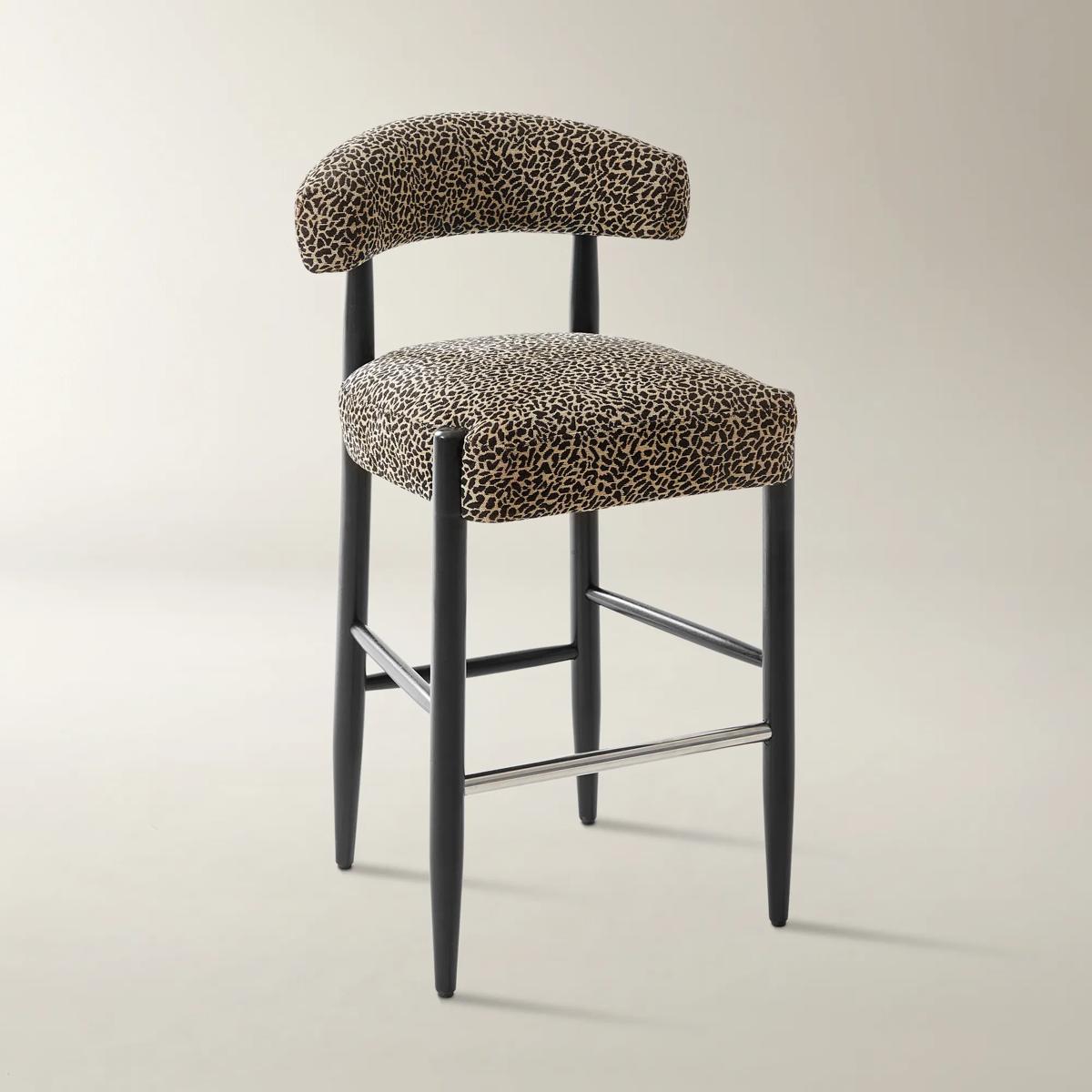 Anna Leopard Chenille Bar/Counter Stool$399
A leopard-print chenille barstool with kiln-dried hardwood legs and supportive, hand-upholstered cushioning.
Add To Cart -
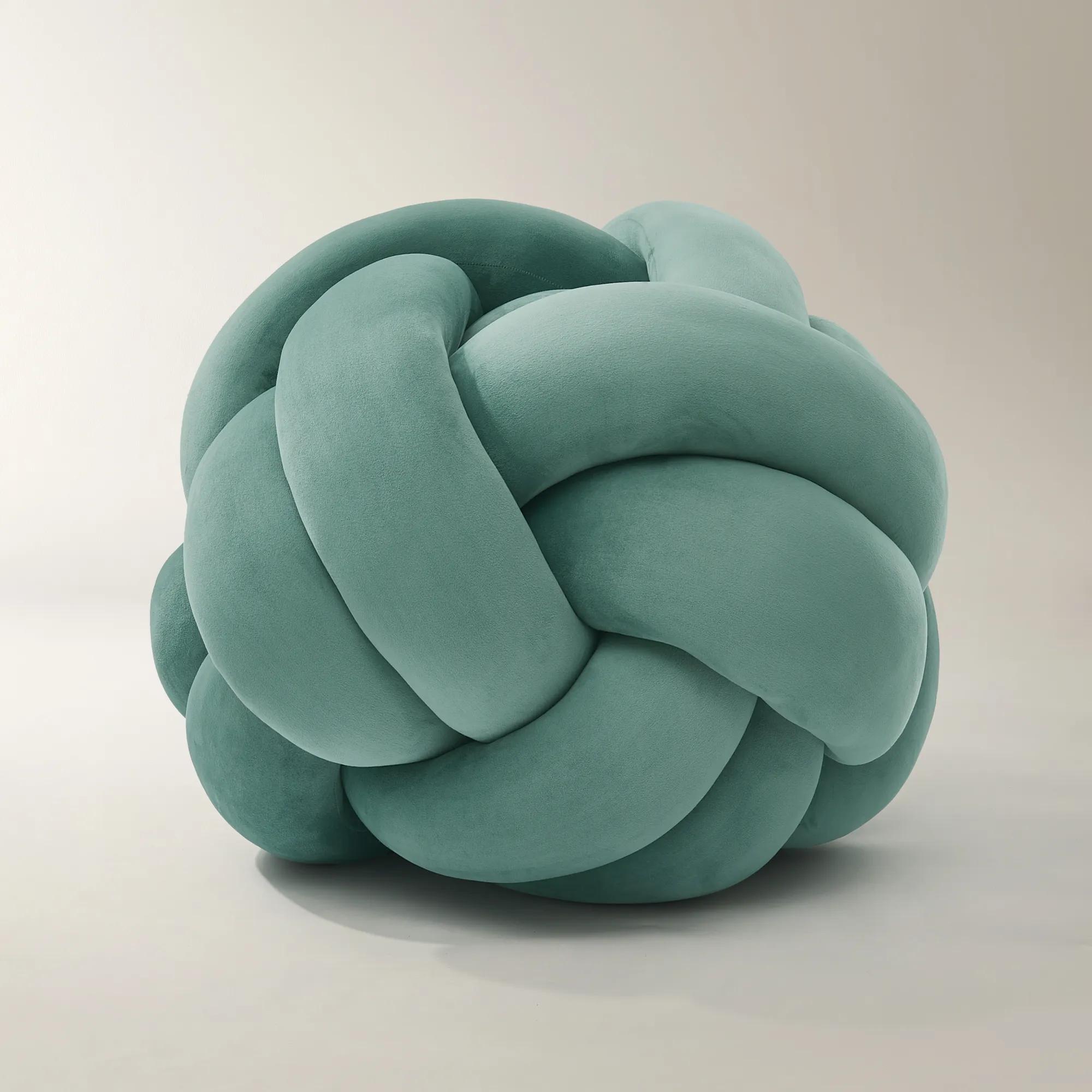 Loopie Ocean Teal Velvet Stool (34.5")$349
A bold sculptural stool featuring plush ocean teal velvet upholstery and an oversized knotted silhouette.
Add To Cart -
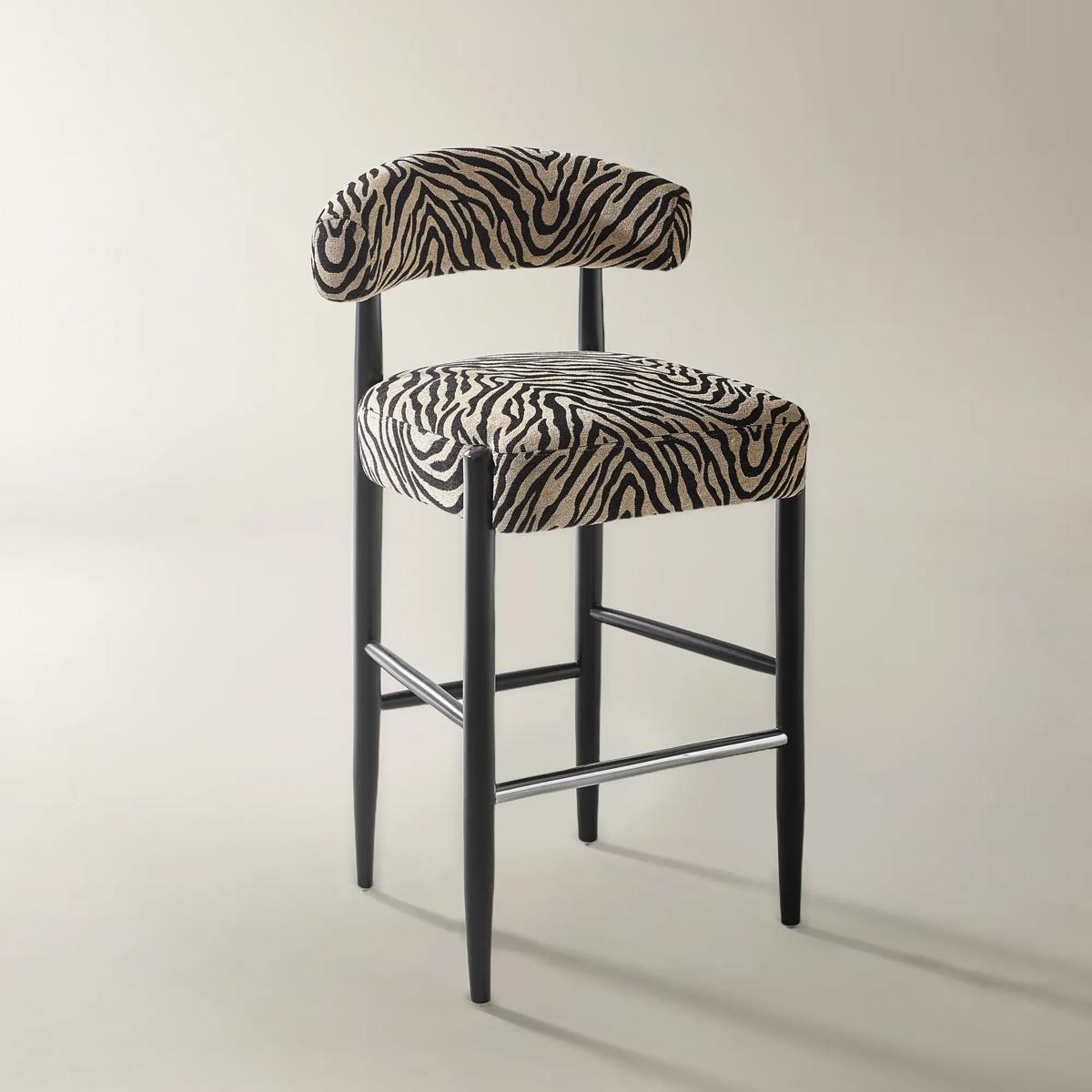
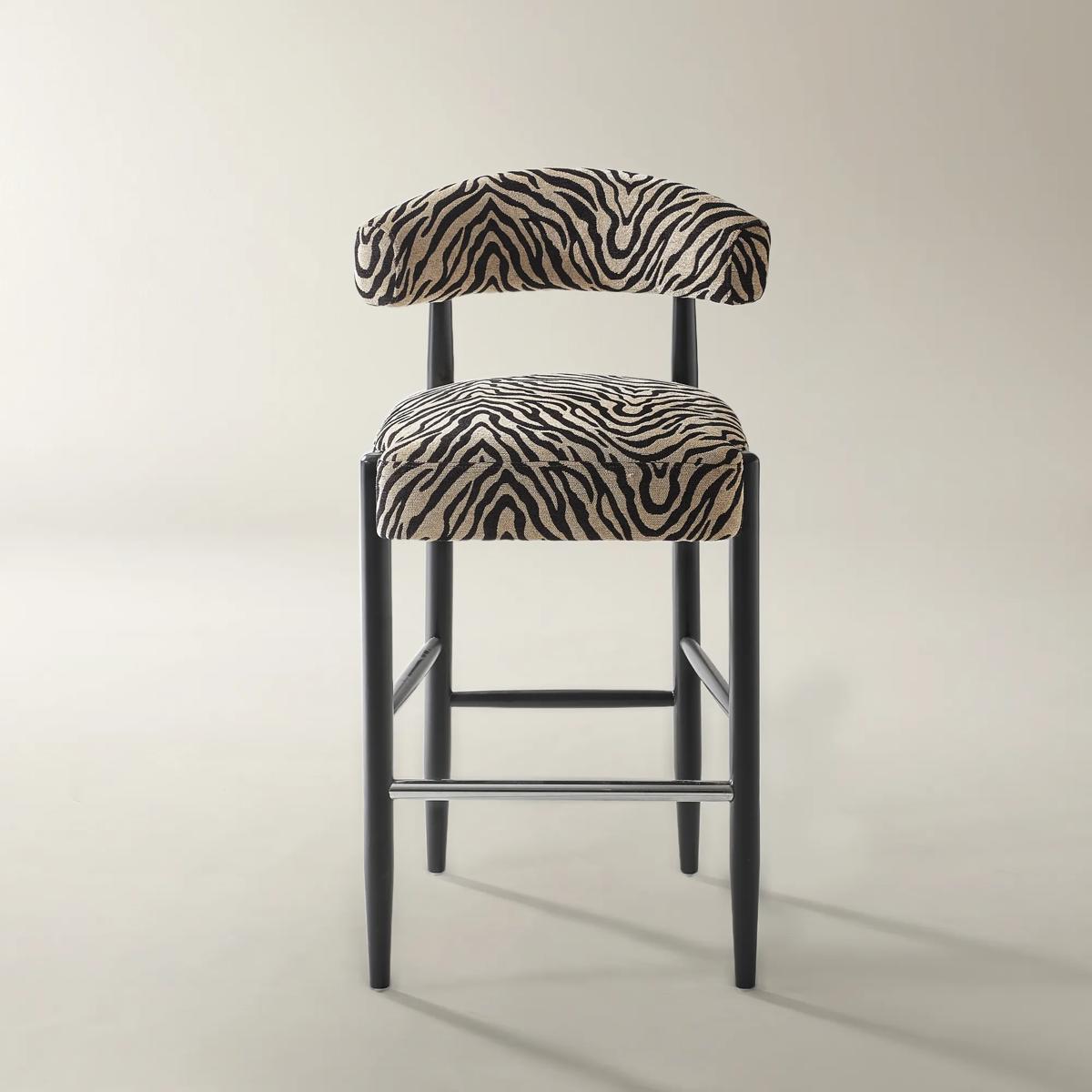 Anna Zebra Chenille Bar/Counter Stool$399
A zebra-print chenille barstool with plush foam padding and solid rubberwood legs for modern sophistication.
Add To Cart -
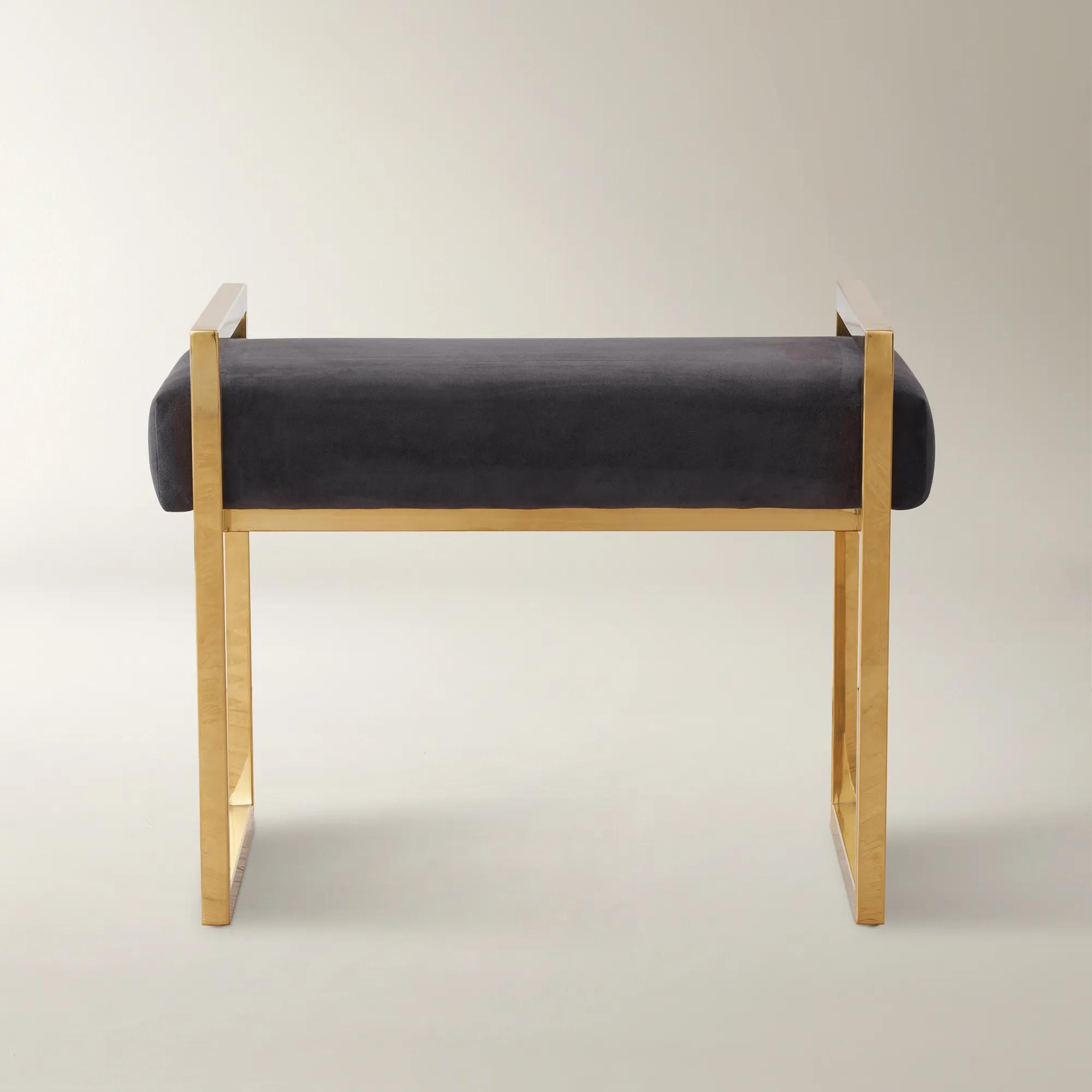
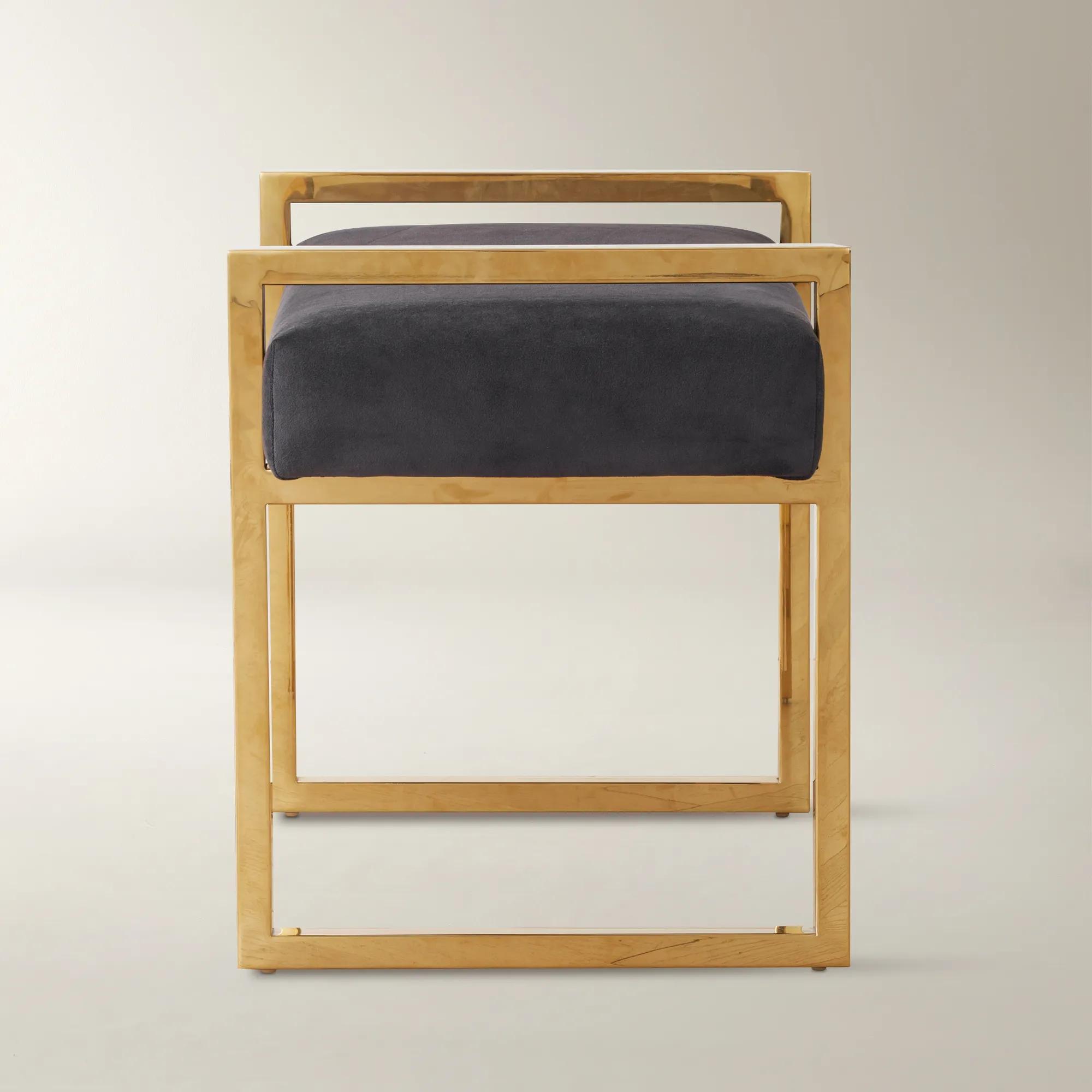 Clara Accent Stool$499
A plush black velvet stool with a high-density foam seat and polished gold metal legs.
Add To Cart -
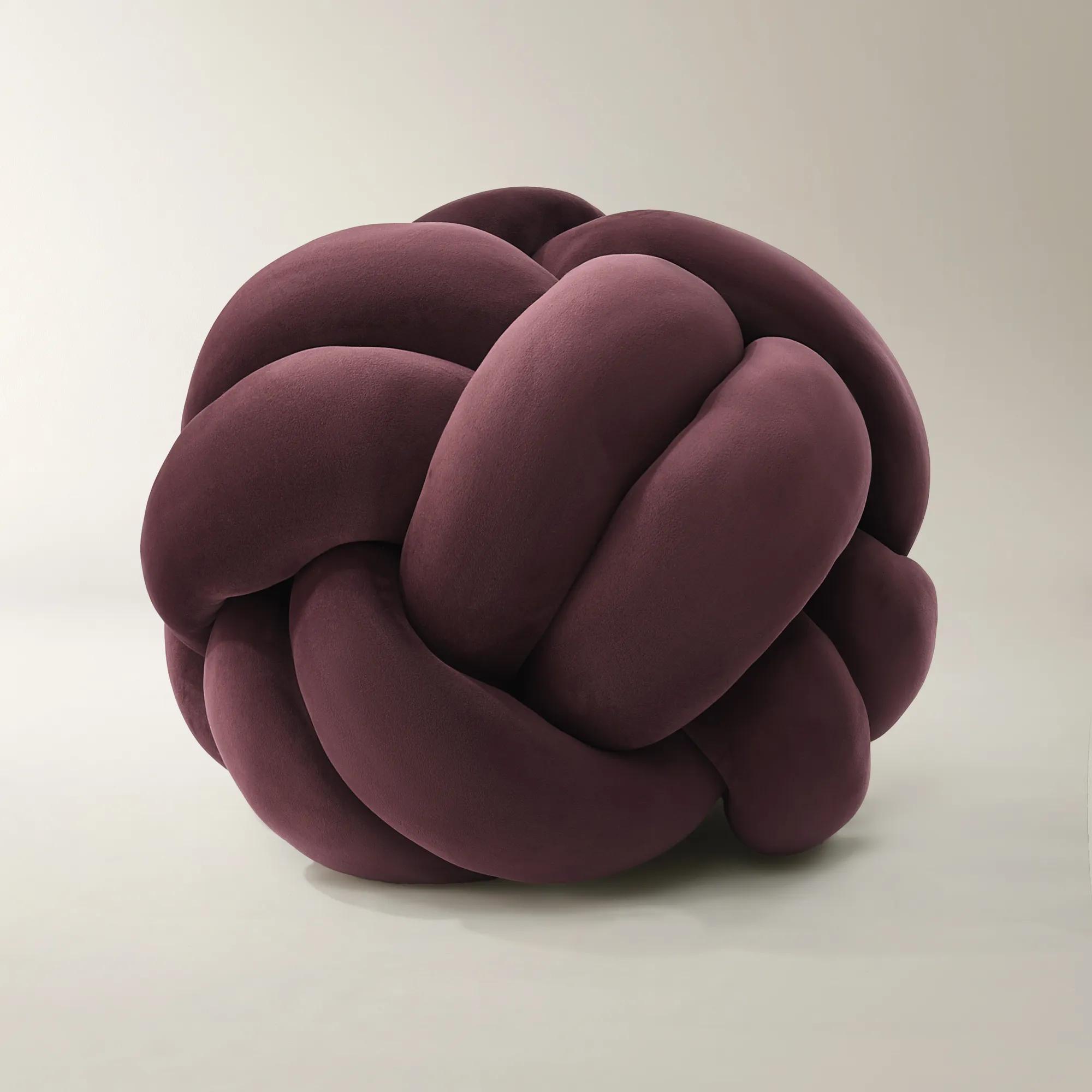
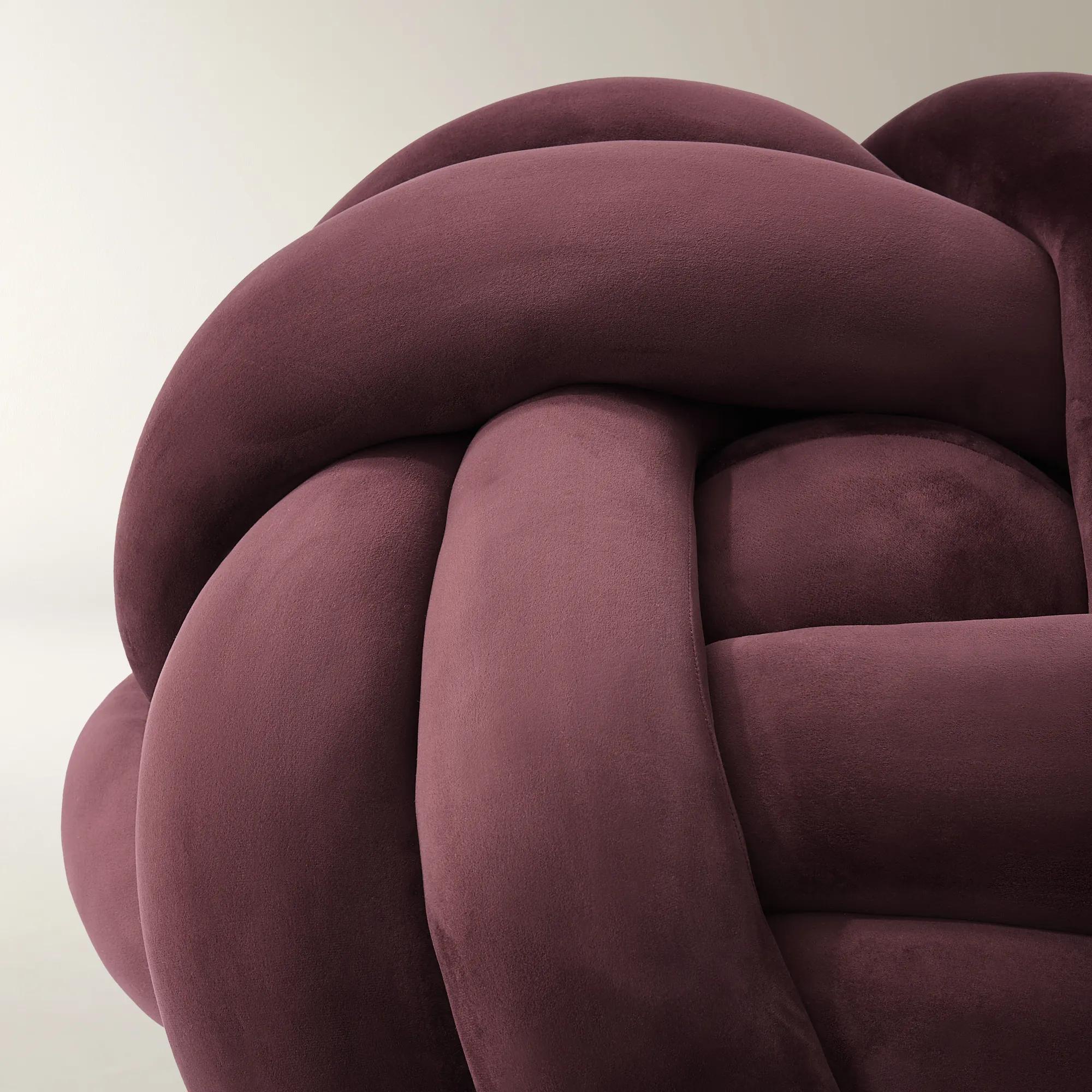 Loopie Fig Velvet Stool (34.5")$349
An oversized, knot-inspired stool hand-upholstered in plush fig velvet for bold sculptural appeal.
Add To Cart -
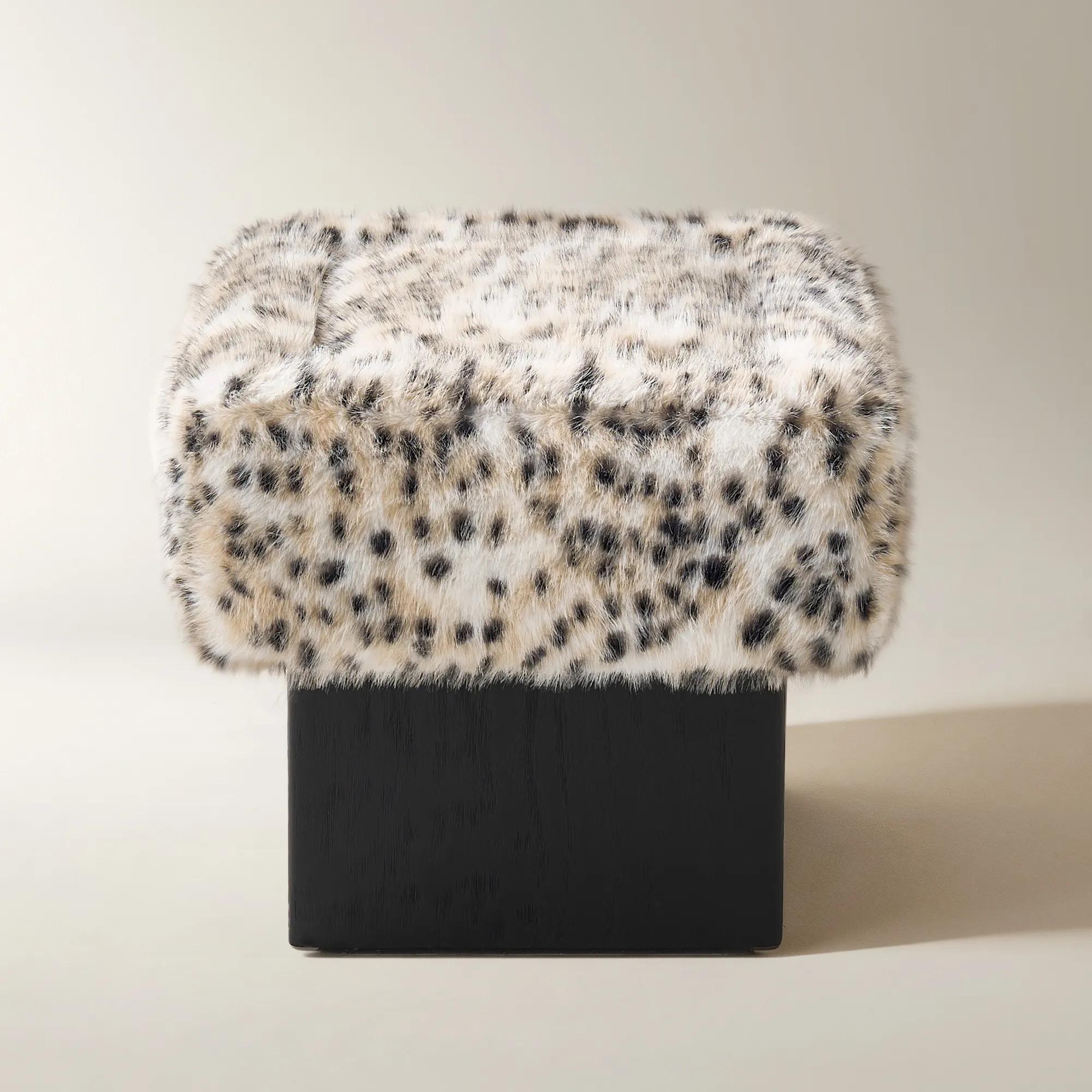
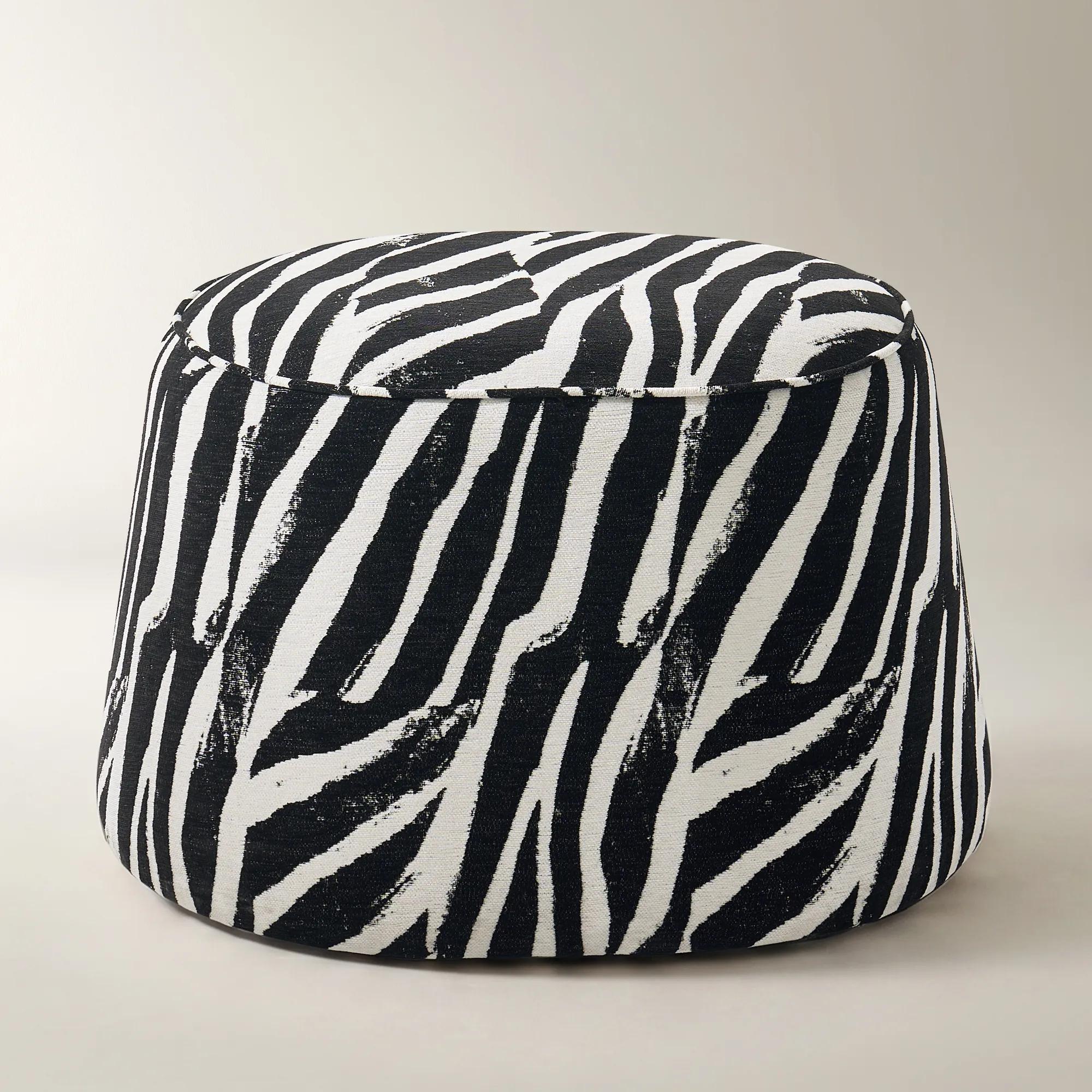 Avery White/Black Performance Chenille Stool$399
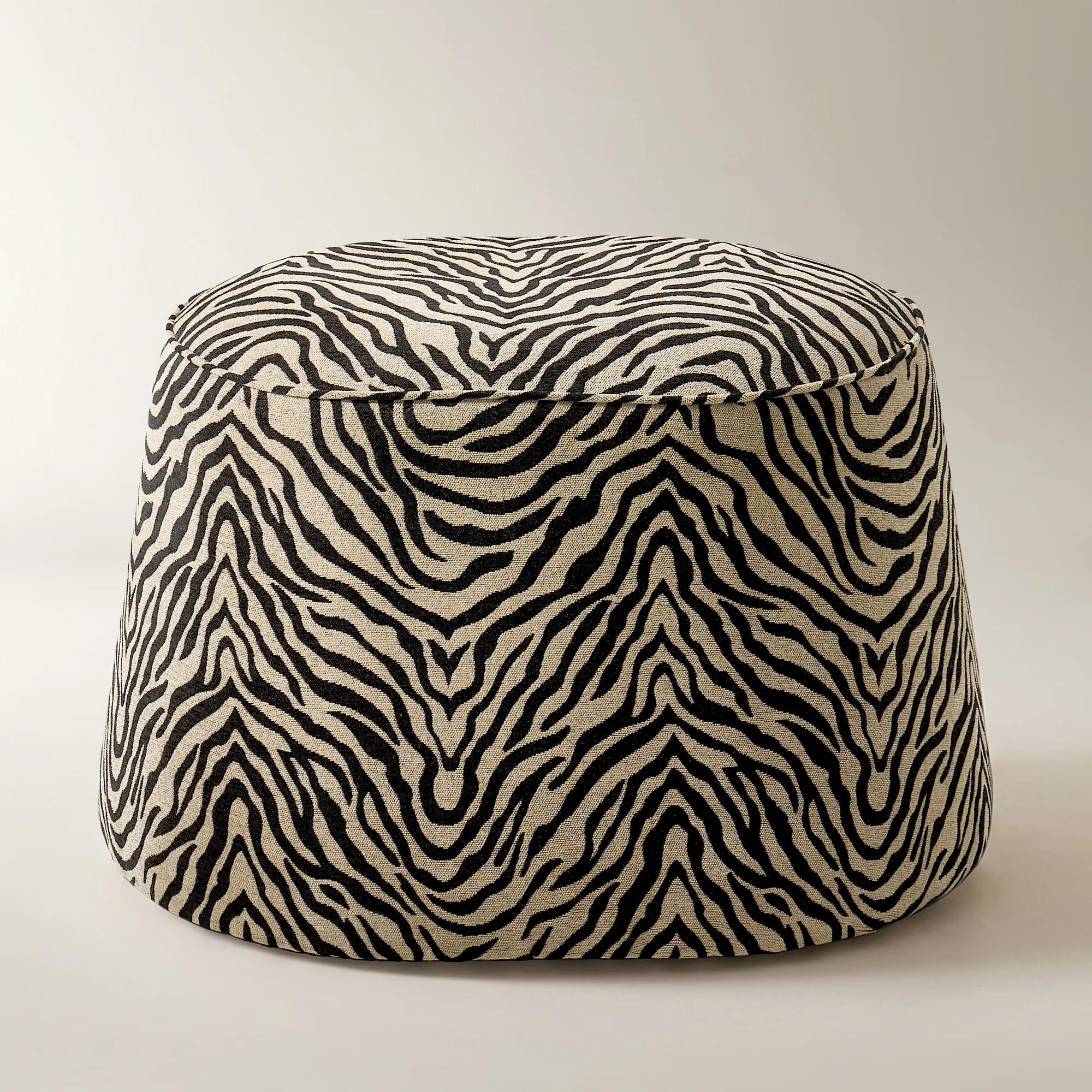
A sculpted drum accent stool in black and white performance chenille with an animal-inspired pattern.
Add To Cart -
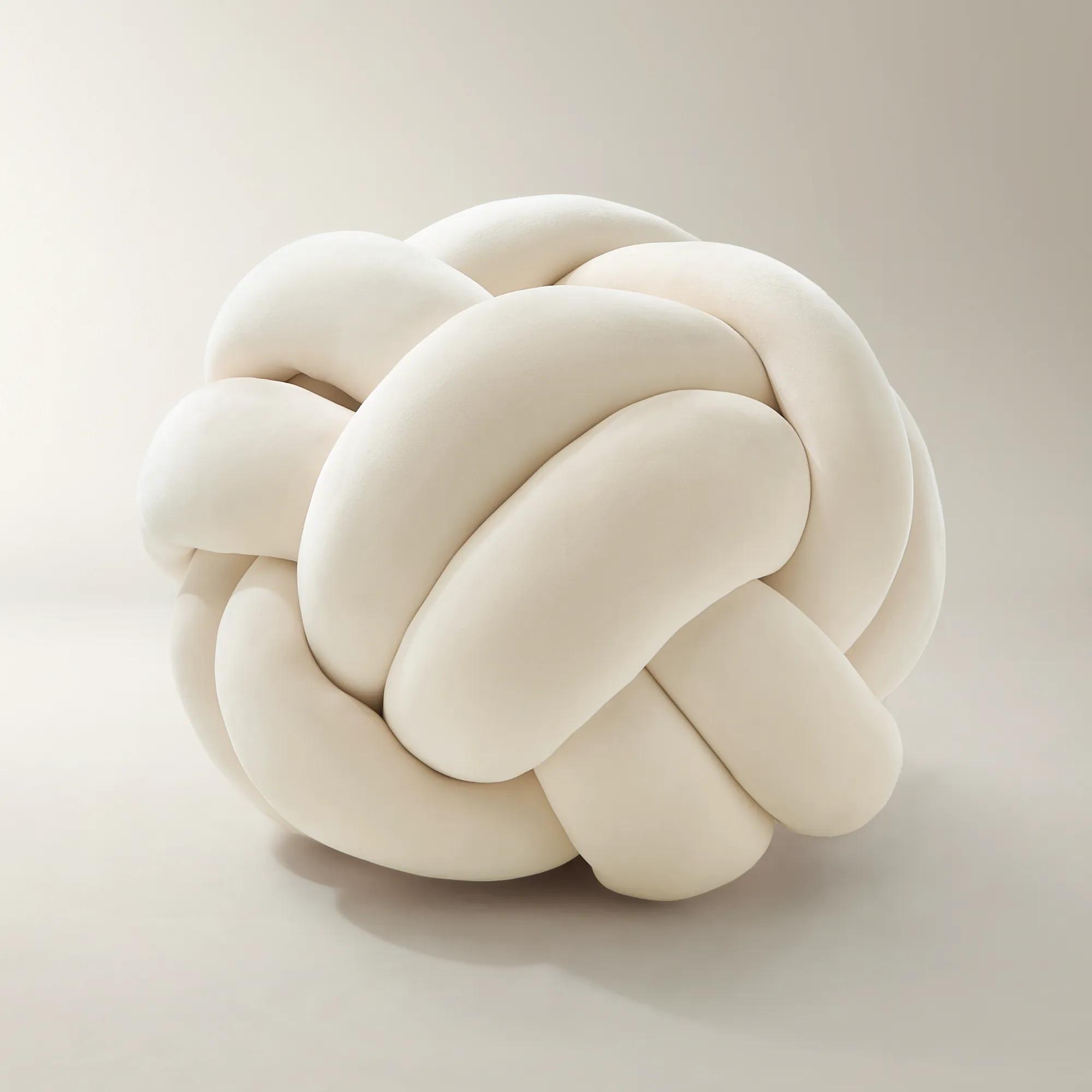 Loopie Oatmeal Velvet Stool (34.5")$349
An oversized oatmeal velvet stool featuring a sculptural knotted silhouette and plush, hand-upholstered finish.
Add To Cart

Designer Kitchen Stools
Designer Kitchen Stools transform the everyday into the extraordinary, turning your kitchen into a stage for style and self-expression. Each piece is an invitation to indulge in artistry—where sculptural silhouettes and sumptuous finishes elevate the heart of your home from functional to fabulous. Whether perched at a marble island or gathered around a gleaming counter, these stools become more than just seating; they are statements of confidence and creativity. Discover how Designer Kitchen Stools can infuse your space with drama, sophistication, and undeniable allure—because every moment in your kitchen deserves to be unforgettable.
Designer kitchen stools bring a distinct sense of composition to the space where daily life and entertaining naturally meet. Along a broad island or beneath a compact breakfast counter, their silhouettes establish a rhythm: a curve repeated, a gleaming frame catching the light, a richly textured seat softening the expanse of stone nearby. These are hardworking furnishings with a highly visible role, often seen from the living room or dining area as part of an open floor plan. The most compelling choices feel considered from every angle, especially from the back, where an upholstered panel, sculptural opening, or elegantly tapered leg can become part of the room’s architecture. A kitchen with crisp cabinetry and pale surfaces gains depth from dark upholstery or warm wood, while a richly veined countertop can find balance in a quieter stool profile with a beautifully defined shape. Metallic finishes introduce another layer of expression. A polished surface reflects pendant lighting with a jewel-like brilliance; a brushed finish offers a softer shimmer that sits comfortably beside textured fabrics and natural materials. Matching every metal is not essential to a cohesive setting. Repeating one finish across stools and a nearby accent can create a deliberate connection without making the entire room feel overly coordinated. Upholstery adds its own character, from the light-catching nap of velvet to the dimensional weave of a textured fabric or the tailored appearance of leather. Each material changes the mood as much as the color does. Pale seats can create a luminous border around a darker island, while saturated shades lend definition to an otherwise neutral kitchen. For a space that opens directly into an entertaining area, related seating can carry that visual language farther; Designer Dining Bar Stools offer another direction for considering silhouettes and finishes across connected spaces. The aim is a kitchen that feels expressive without losing its ease, where a morning espresso and an evening gathering belong to the same beautifully composed setting.
Proportion gives designer kitchen stools their poise, and the relationship between seat height and counter height matters as much as the silhouette. Counter-height stools commonly have seats around 24 to 27 inches high and suit many kitchen surfaces approximately 36 inches tall. Bar-height stools generally sit higher, often around 28 to 32 inches at the seat, for raised surfaces closer to 40 to 42 inches. Those ranges are starting points rather than guarantees of a comfortable fit; actual measurements should leave roughly 9 to 12 inches between the seat and the underside of the surface, with attention to aprons, supports, and other obstructions. A deep countertop edge or shallow overhang can affect knee room even when the height appears correct. Width deserves equal consideration. Allowing approximately 24 to 30 inches from the center of one seat to the next is a useful starting point, though broad seats, substantial arms, and swivel movement may require more generous spacing. Picture two people sharing breakfast while another person passes behind them carrying a serving platter. The arrangement should accommodate that movement without chairs colliding or guests having to turn sideways. Backless kitchen stools tuck neatly beneath an island and preserve a clear view across the room, making them particularly appealing where the countertop itself is a dramatic focal point. Low backs provide a more defined silhouette without creating a tall visual barrier, while fuller backs and upholstered seats can make lingering over conversation more comfortable. Arms introduce an enveloping, chair-like presence, but their height needs to clear the counter if the stools are intended to tuck underneath. Swivel seats can ease the transition between the kitchen and an adjoining sitting area, provided there is room for them to rotate without striking cabinetry. A well-positioned footrest also matters, giving elevated seating a more settled feel. For a kitchen island that doubles as a place for casual meals, conversation, or an occasional laptop session, these details distinguish seating that merely looks balanced from seating that feels inviting throughout the day.
Materials and construction shape how kitchen stools live alongside the inevitable spills, shifting routines, and frequent movement of a busy home. Wood brings warmth and visible grain, with natural variations that can lend individuality to a repeated row of seats. Metal can create slender, architectural lines, though stability depends on the complete frame and its construction rather than appearance alone. Secure joints, a balanced base, an appropriate weight rating, and a footrest suited to regular use are valuable considerations for seating that will be pulled out and repositioned often. Upholstered kitchen stools offer softness and a tailored finish, but fabric selection should reflect the setting. In a household where the island hosts breakfast, homework, and weekend baking, cleanability may carry as much importance as color. Performance upholstery can be worth considering, although stain resistance, cleaning methods, and durability vary by fabric and should be confirmed in the material details. Velvet rewards attention to its care instructions, since its pile can show pressure marks and shifts in shading; leather and leather-look coverings likewise require cleaning methods appropriate to their particular finish. Promptly blotting spills rather than rubbing them helps limit their spread, while routine dusting and gentle vacuuming with a suitable attachment can keep crumbs from collecting along seams. Wood and metal surfaces benefit from soft cloths and approved cleaners rather than abrasive products that may alter their finish. Protective glides chosen for the flooring can reduce scuffing, and keeping them clean helps prevent trapped grit from scratching the surface beneath. In homes with young children, stable seating, manageable access, and easy-care materials deserve particular attention; stools should never serve as climbing steps. For frequent hosts, generous seat spacing and supportive backs can make the island a welcoming extension of the gathering rather than a temporary perch. A thoughtfully chosen set can also be a meaningful housewarming or wedding gift when the recipient’s measurements and preferences are known. Whether framing a quiet breakfast spot or a kitchen filled with conversation during the cooler months, designer stools earn their place through a balance of presence, comfort, and lasting everyday usefulness.
FAQs
Designer kitchen stools often showcase a blend of premium materials such as polished metals, gleaming chrome, brushed brass, rich woods, and sumptuous upholstery like velvet or faux leather. These materials not only deliver striking visual appeal but also add tactile richness and durability, turning each stool into a statement piece that enhances the overall ambiance of your kitchen.
Designer kitchen stools set the tone for the room, whether you’re aiming for modern glamor, timeless elegance, or artistic flair. Their sculptural forms, bold finishes, and intricate details become focal points that invite conversation and elevate the mood, transforming the kitchen into an inspiring space where guests feel welcomed and every gathering feels extraordinary.
Absolutely—designer kitchen stools make a thoughtful and dazzling gift for newlyweds, new homeowners, or anyone with a passion for interior design. Their blend of comfort and artistry ensures they’ll be cherished for years to come, making them a memorable choice for housewarmings, anniversaries, or milestone celebrations.
To achieve a harmonious look, consider the finishes and textures already present in your kitchen—such as cabinetry, lighting, and hardware. Choose stools that echo these elements, whether through metallic accents, complementary upholstery, or sculptural shapes. This approach ensures your stools feel intentionally curated and seamlessly integrated into your overall design vision.
During the holidays, designer kitchen stools become the heart of the home, offering stylish and comfortable seating for guests as they gather around the kitchen island. Their luxurious details and inviting silhouettes create a festive atmosphere, encouraging guests to linger, share stories, and celebrate in style—all while adding a layer of elegance to your seasonal entertaining.