Designer Stools For Modern Interiors
Designer Stools For Modern Interiors
-
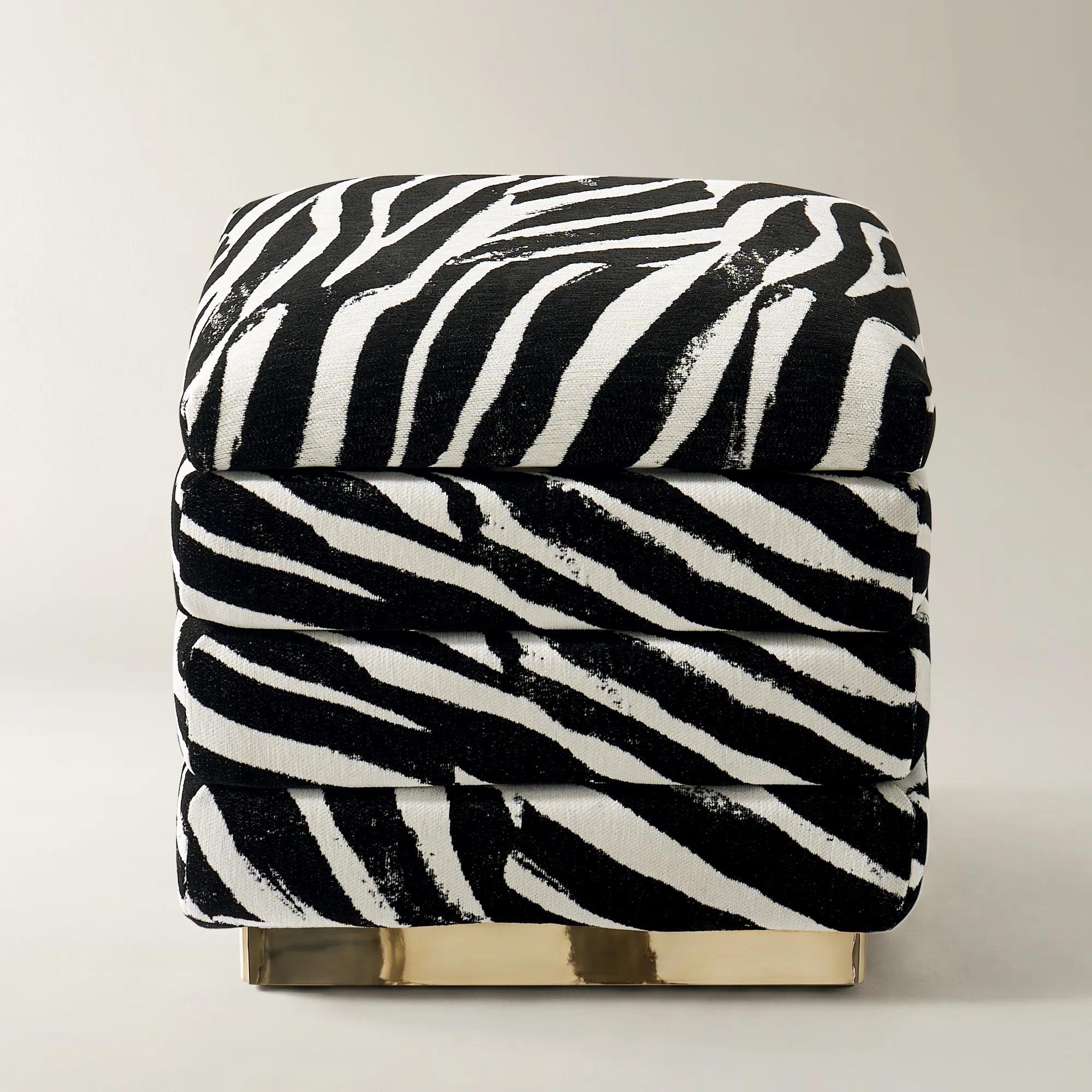
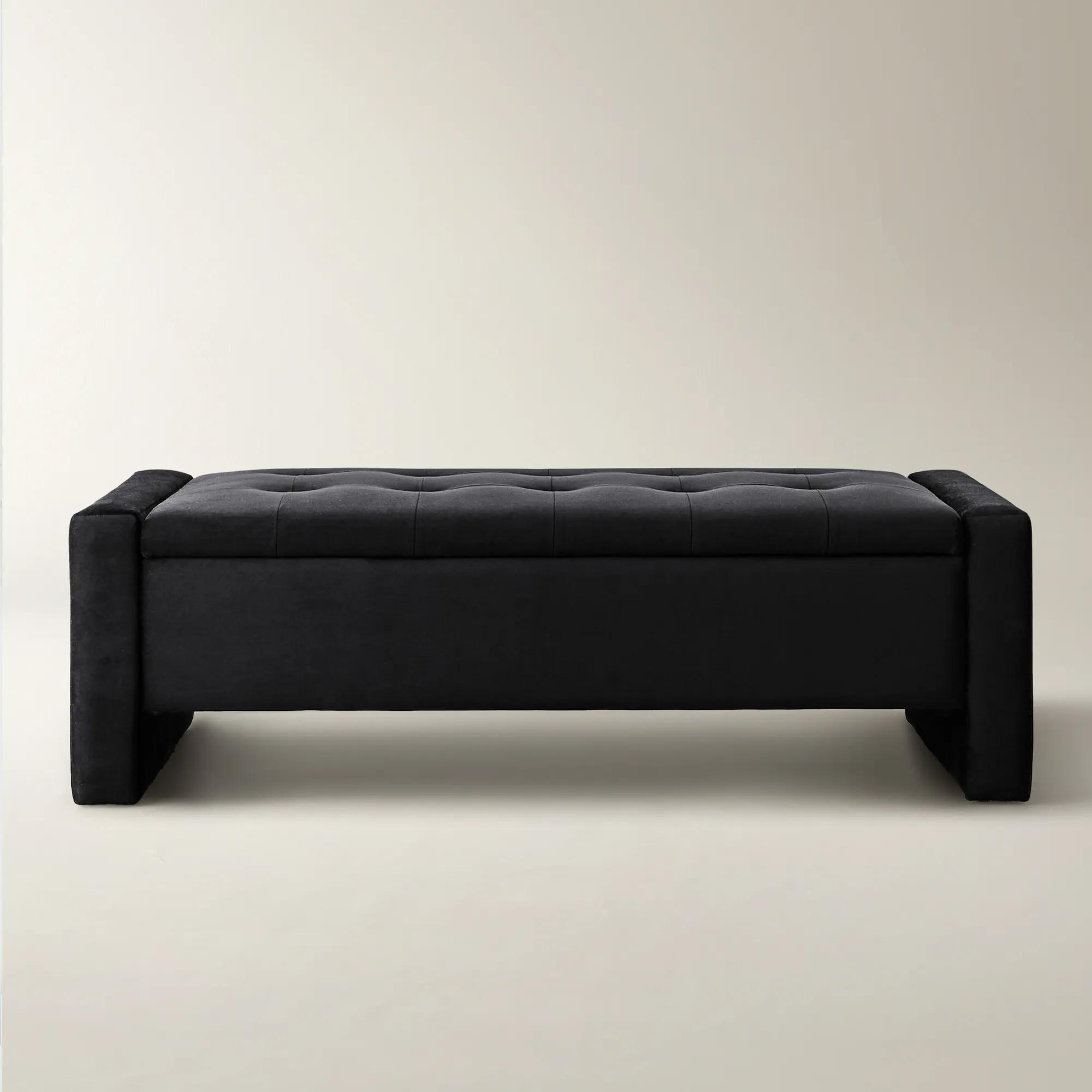
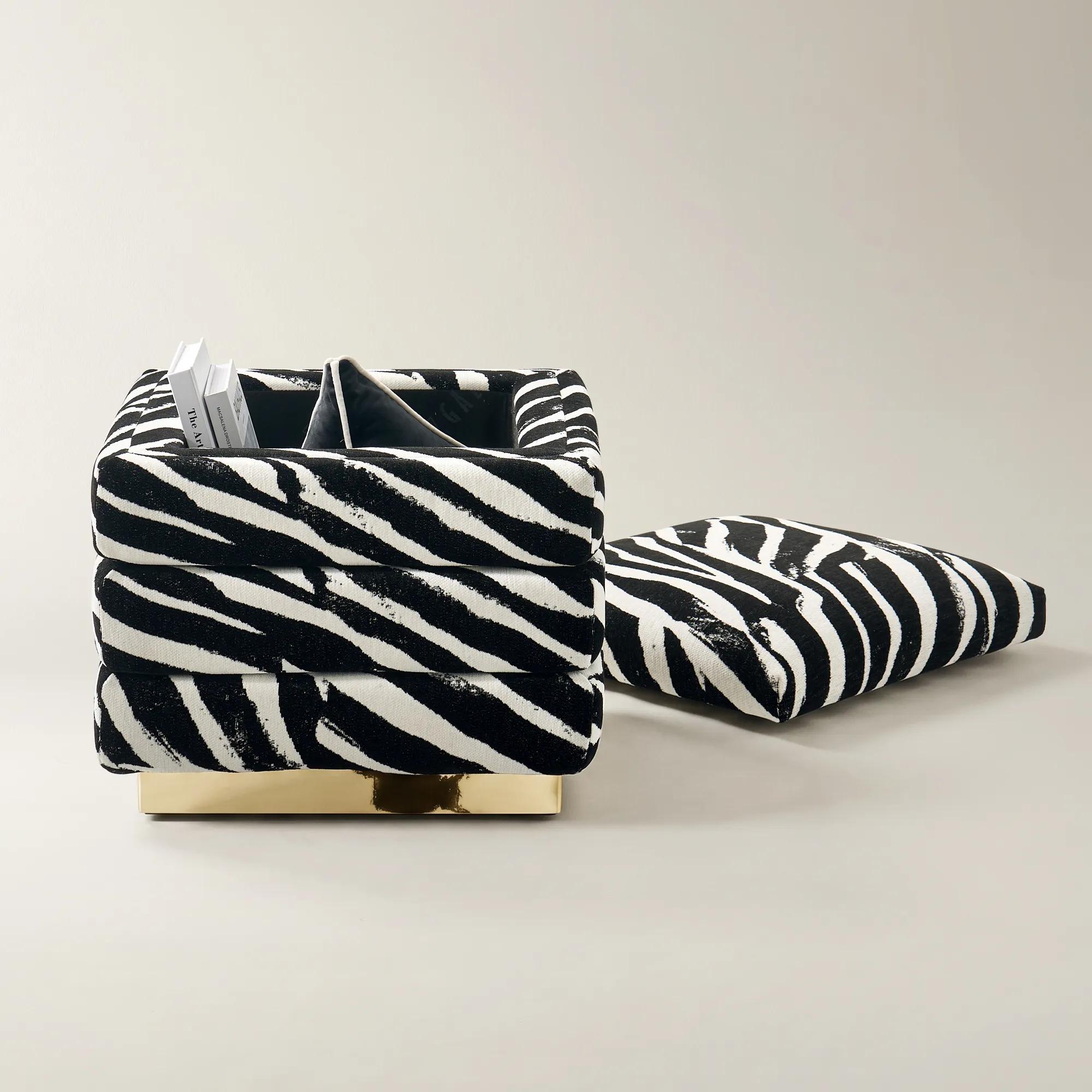 Gable White/Black Performance Chenille Stool$399
A plush white and black chenille stool with hidden storage and a polished gold stainless steel base.
Add To Cart -

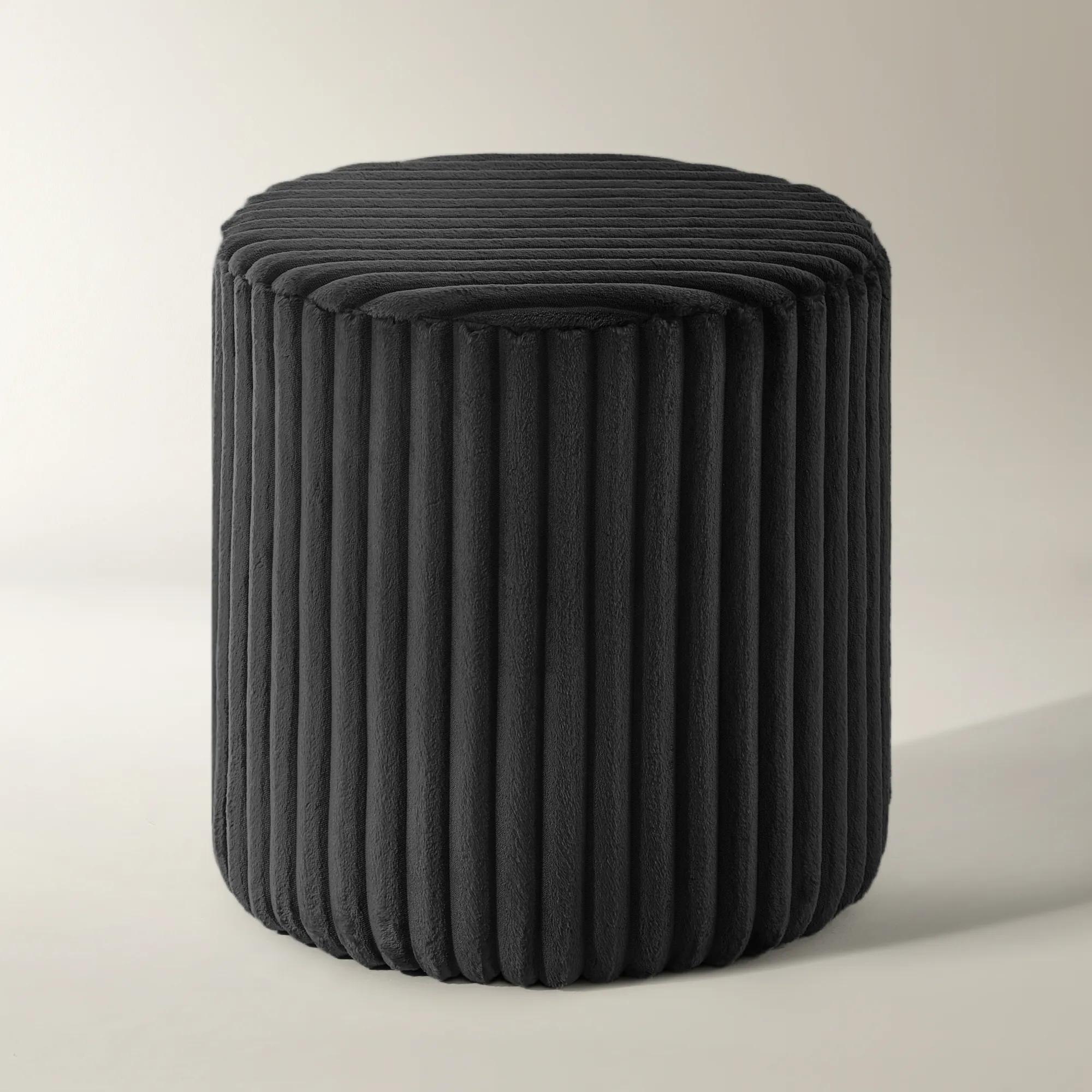 Fleece Fluted Black Velvet Stool (15.55'')$229
A plush black ribbed velvet stool offering versatile seating and cozy texture for any modern space.
Add To Cart -
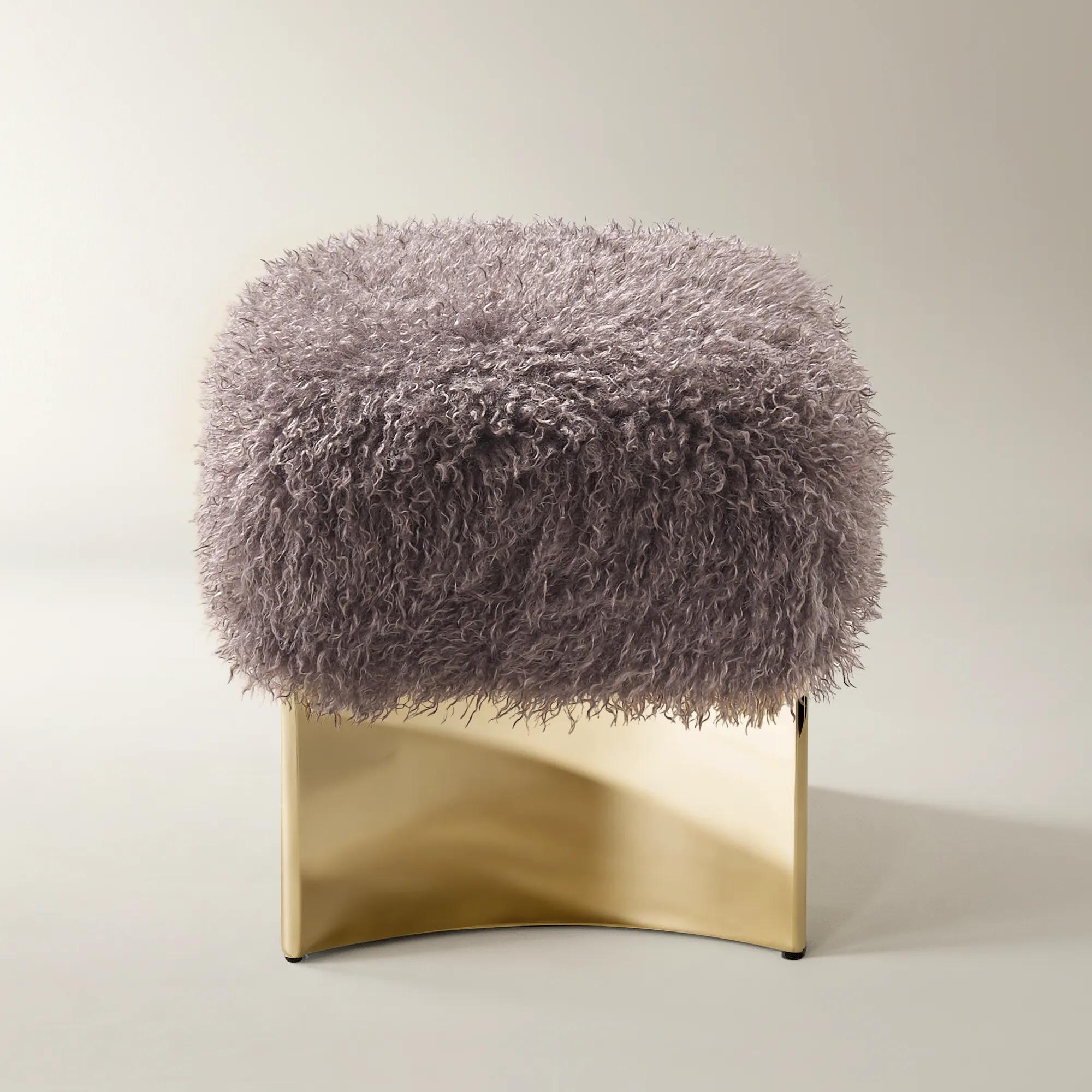 Lush Smoked Plum Faux Fur Stool$499
A sculptural smoked plum faux fur stool with a plush seat and polished gold stainless steel base.
Add To Cart -
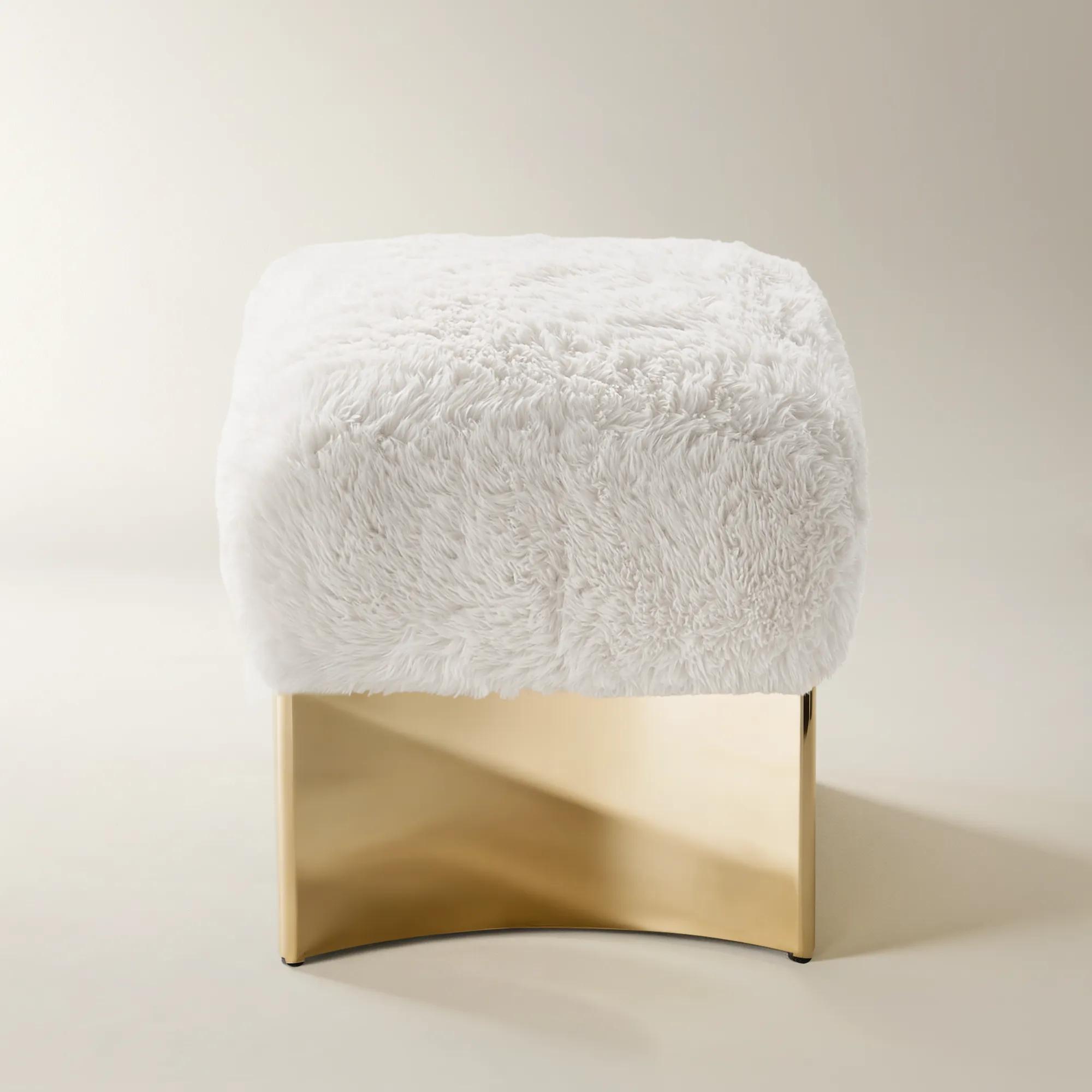 Lush White Faux Fur Stool$499
A sculptural white faux fur stool with a plush seat and polished gold stainless steel base.
Add To Cart -
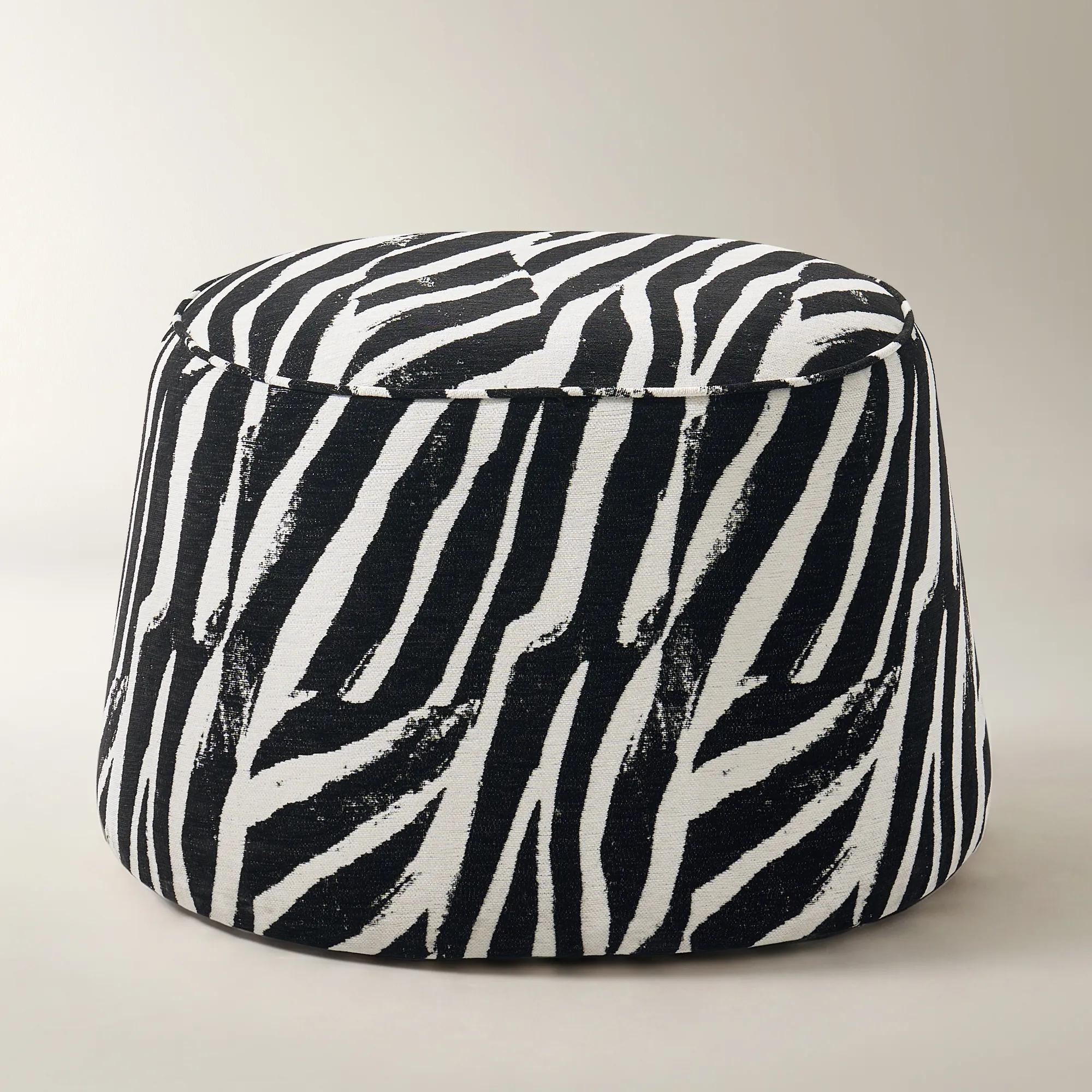 Avery White/Black Performance Chenille Stool$399
A sculpted drum accent stool in black and white performance chenille with an animal-inspired pattern.
Add To Cart -
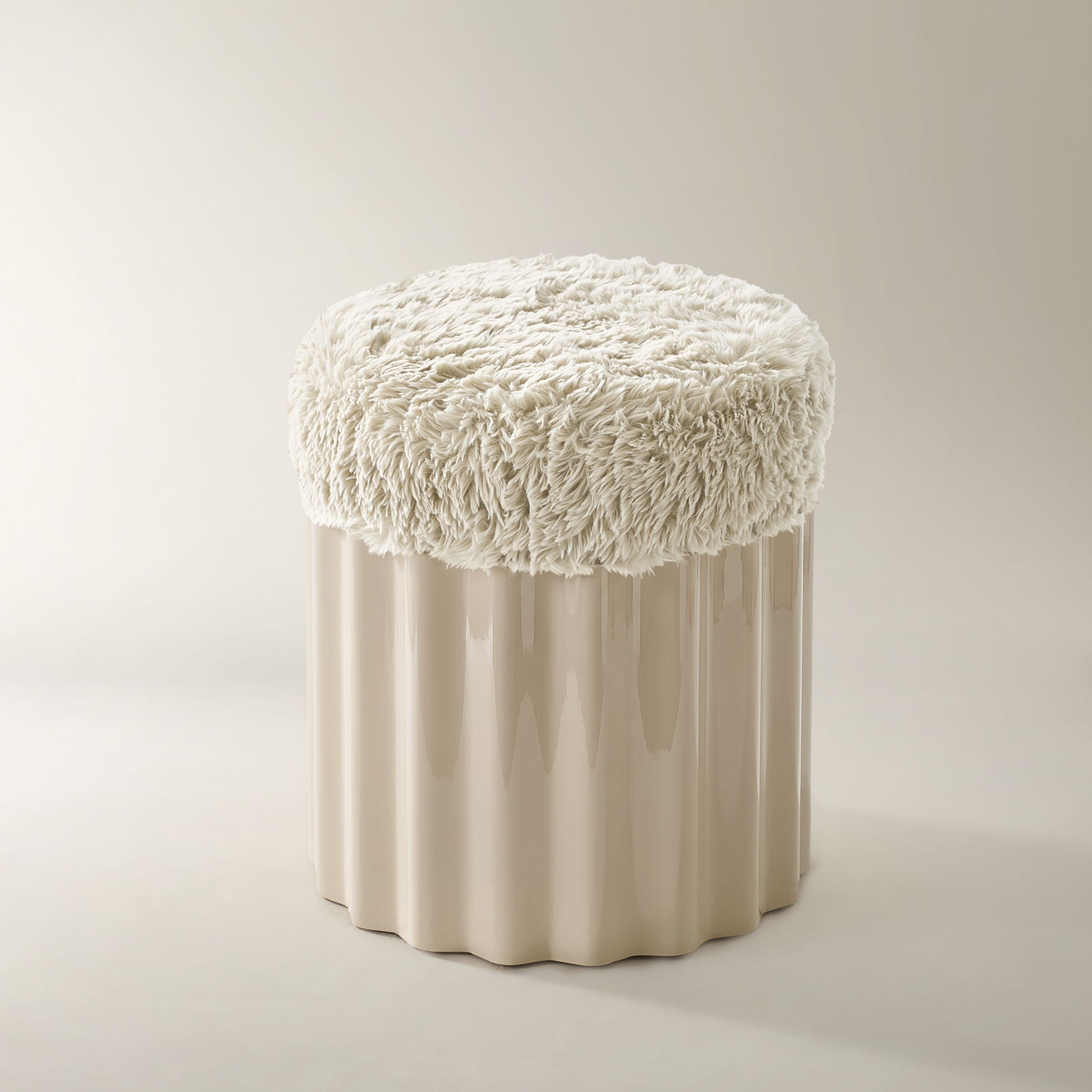
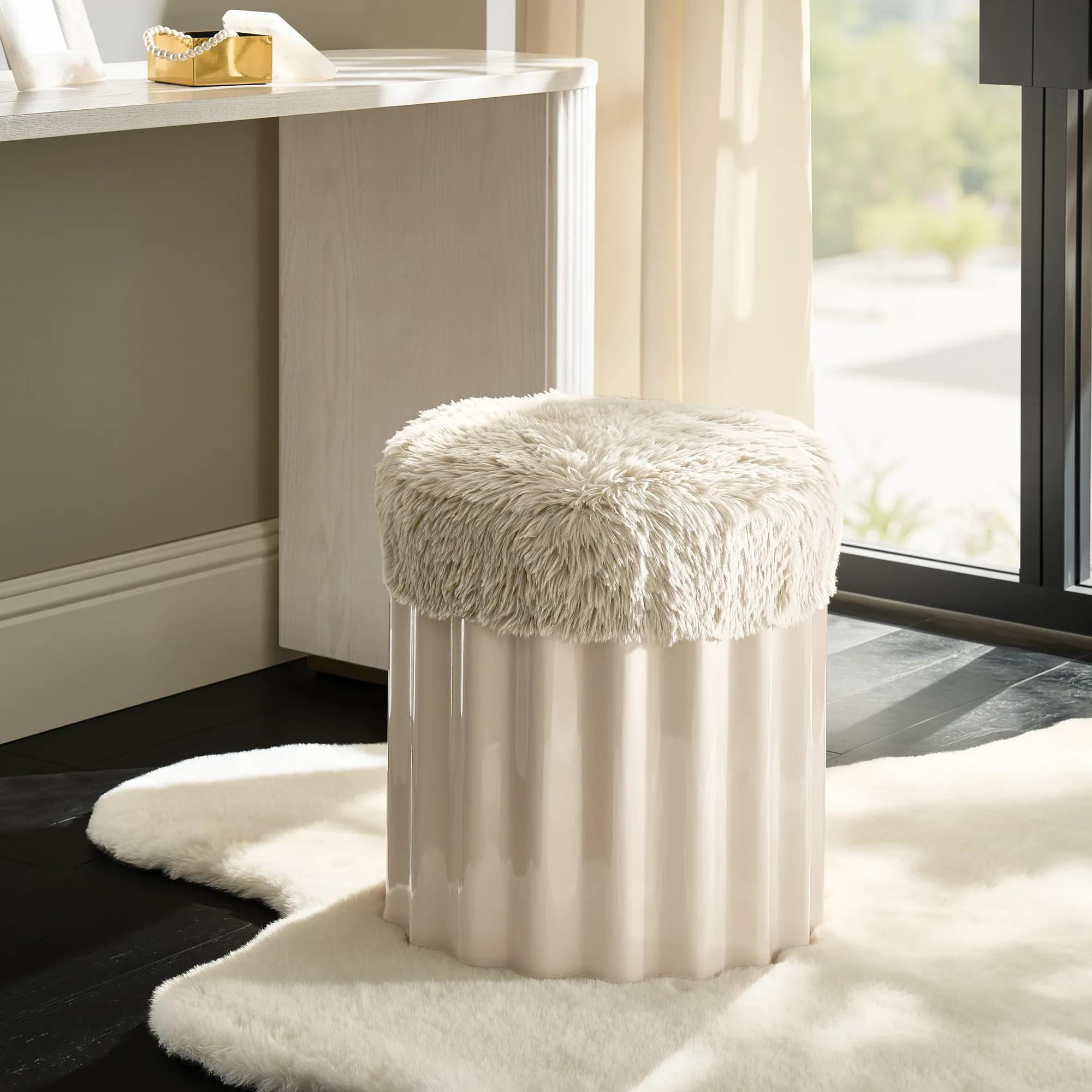 Nia Lacquered Turtle Dove Faux Fur Storage Stool$399
A sculptural fluted stool in warm turtle dove with plush faux fur seat and hidden storage compartment.
Add To Cart -
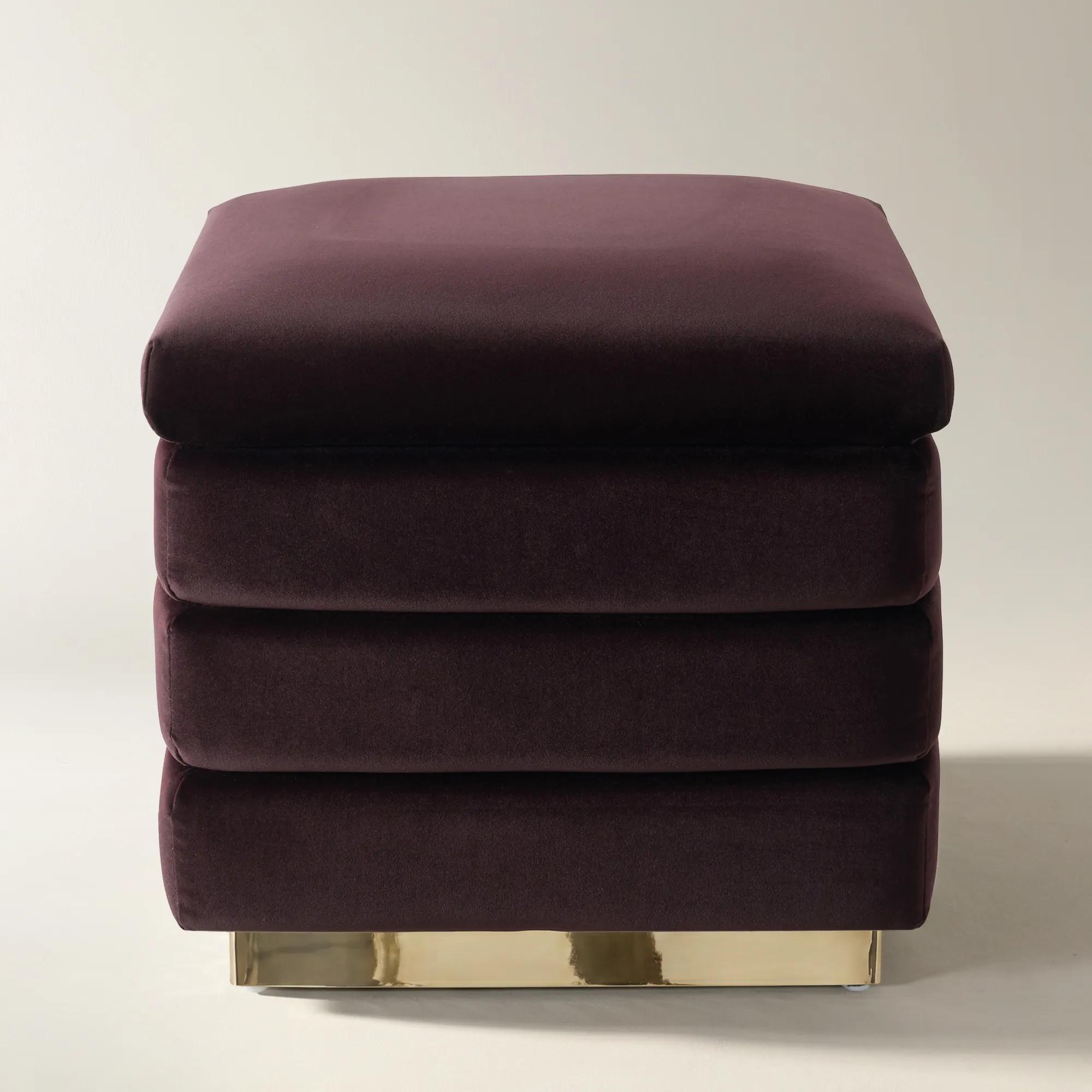
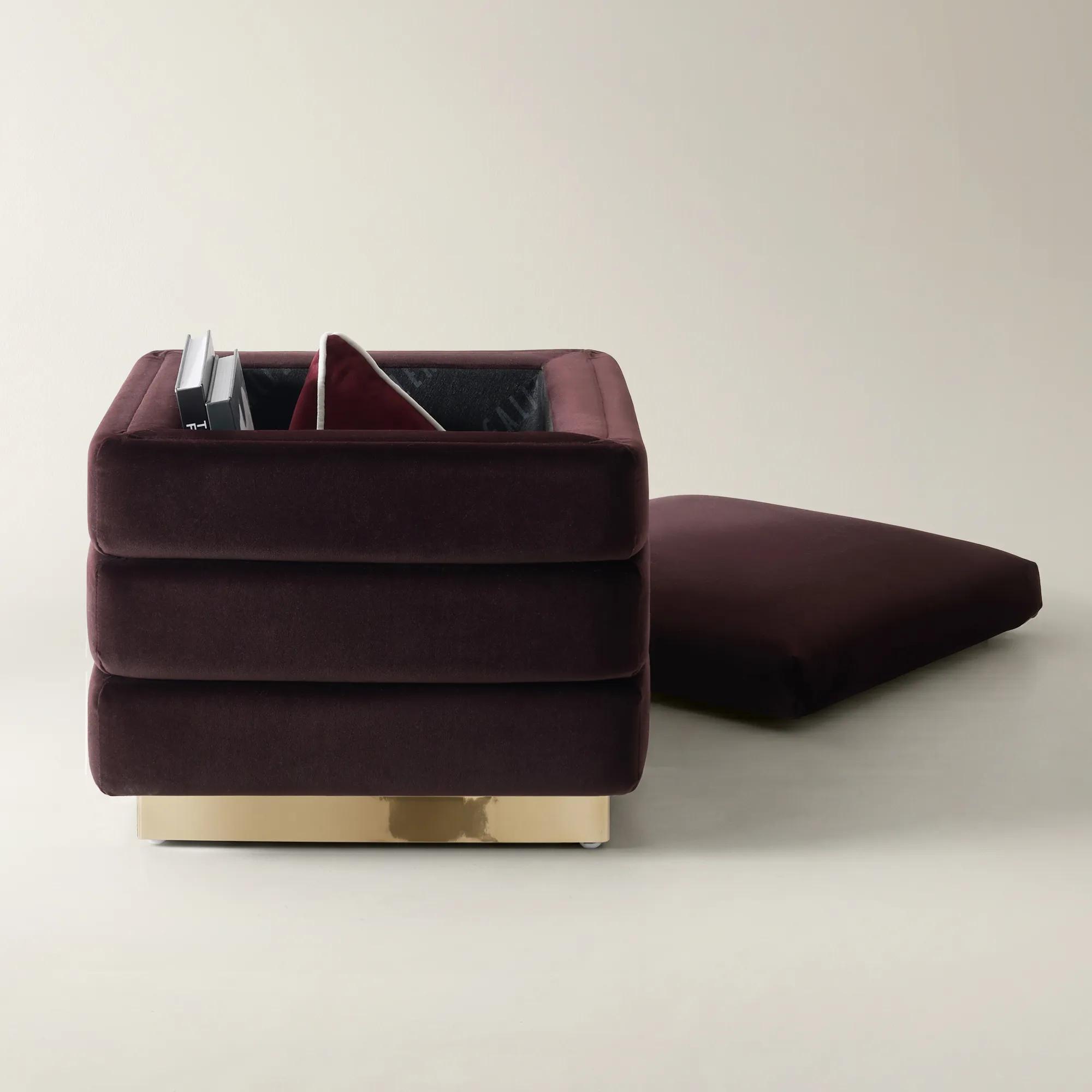 Gable Fig Chenille Storage Stool$399
A plush fig chenille stool with hidden storage, velvet upholstery, and a polished gold stainless steel base.
Add To Cart -
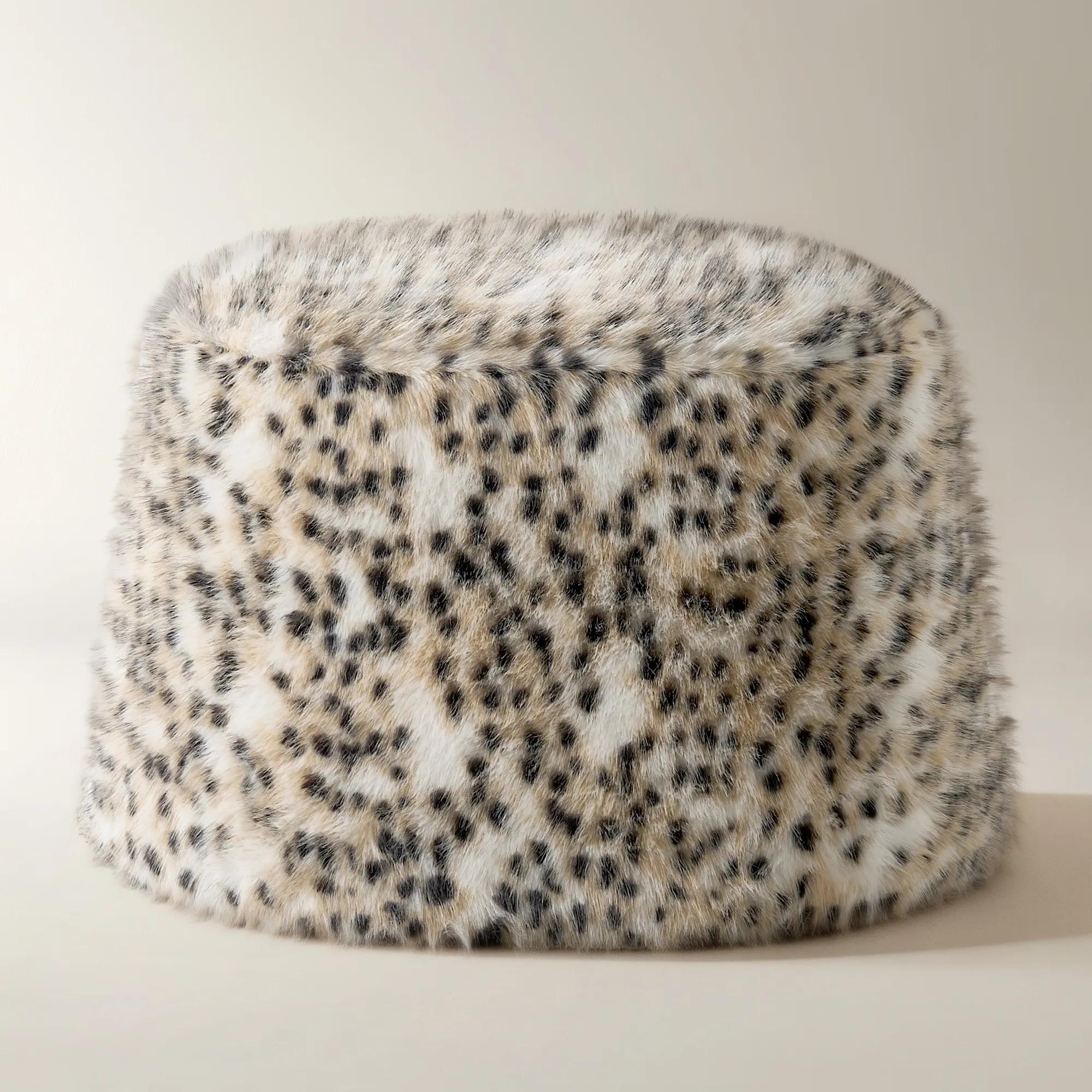
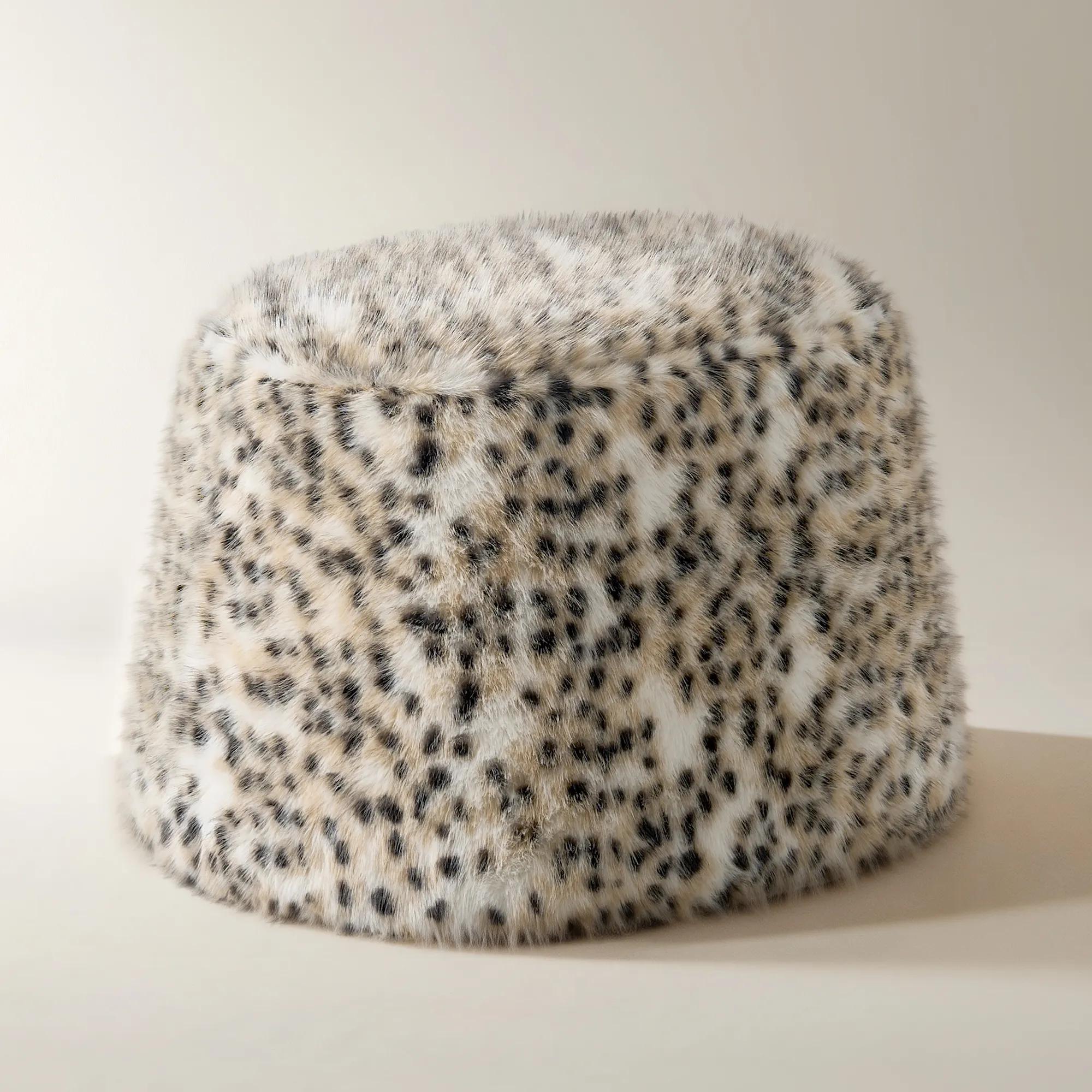 Avery Spotted Faux Fur Stool$399
A sculpted drum stool wrapped in plush spotted faux fur for bold, modern accent seating.
Add To Cart -
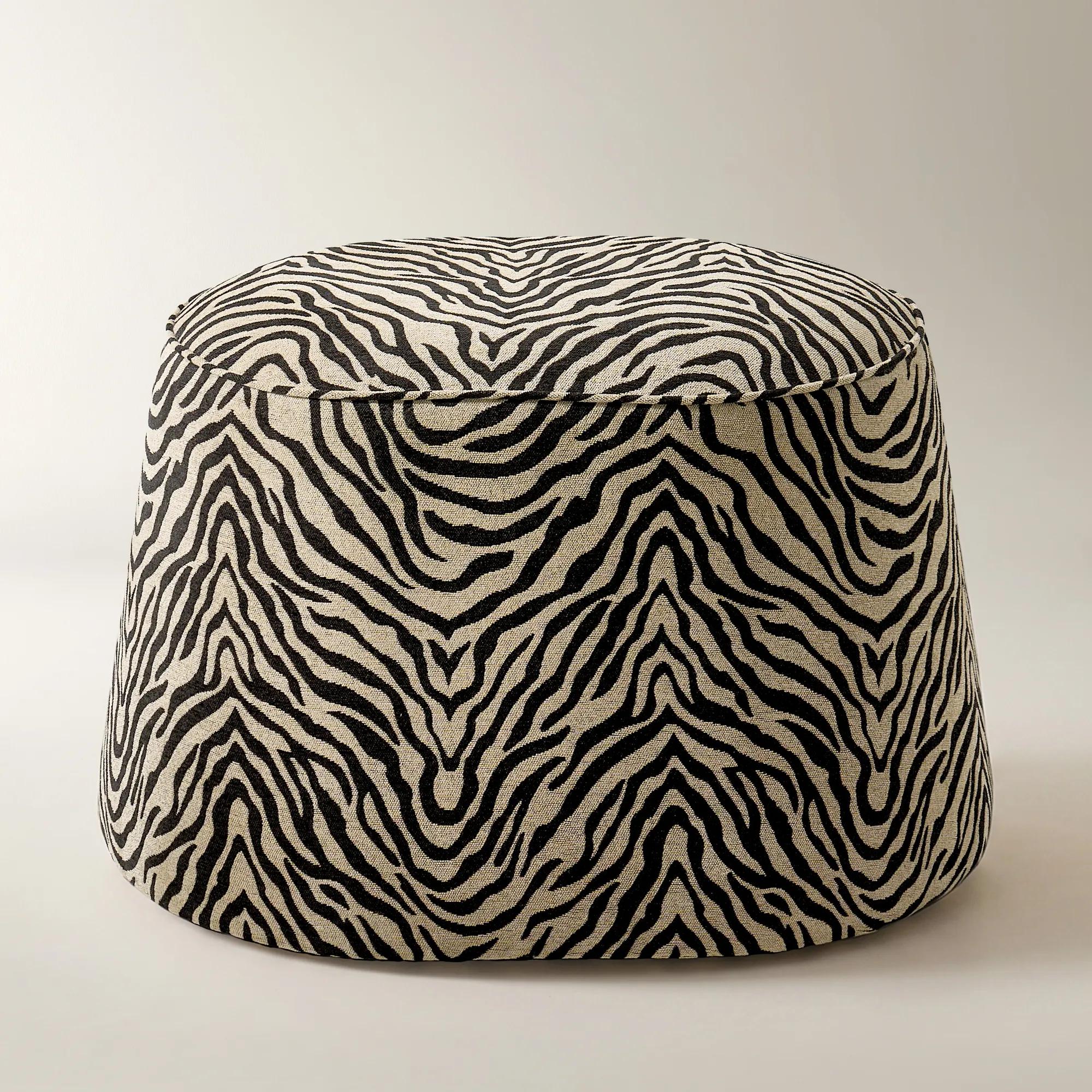 Avery Zebra Performance Chenille Stool$399
A sculpted drum-shaped accent stool upholstered in zebra-patterned performance chenille for bold, modern style.
Add To Cart -
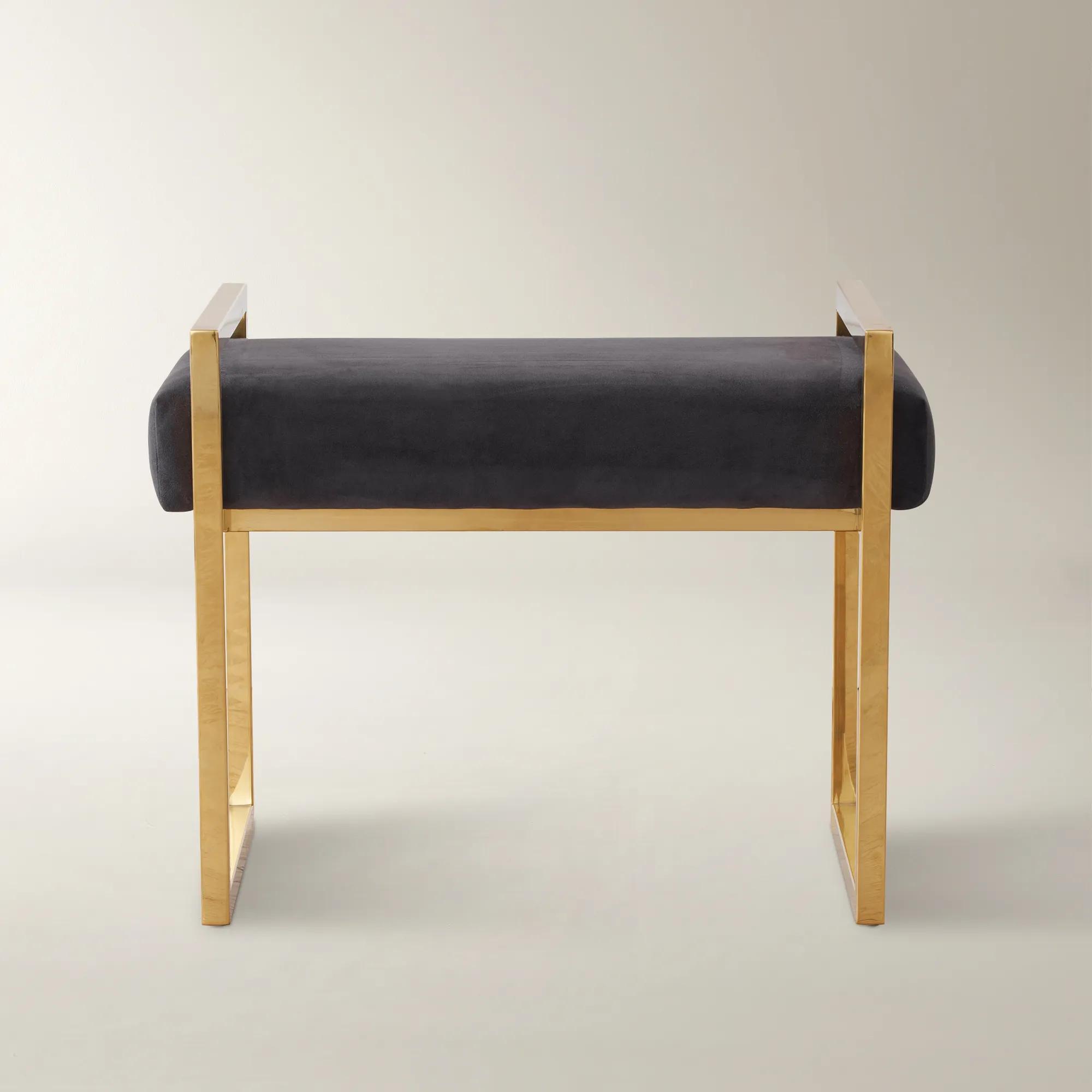
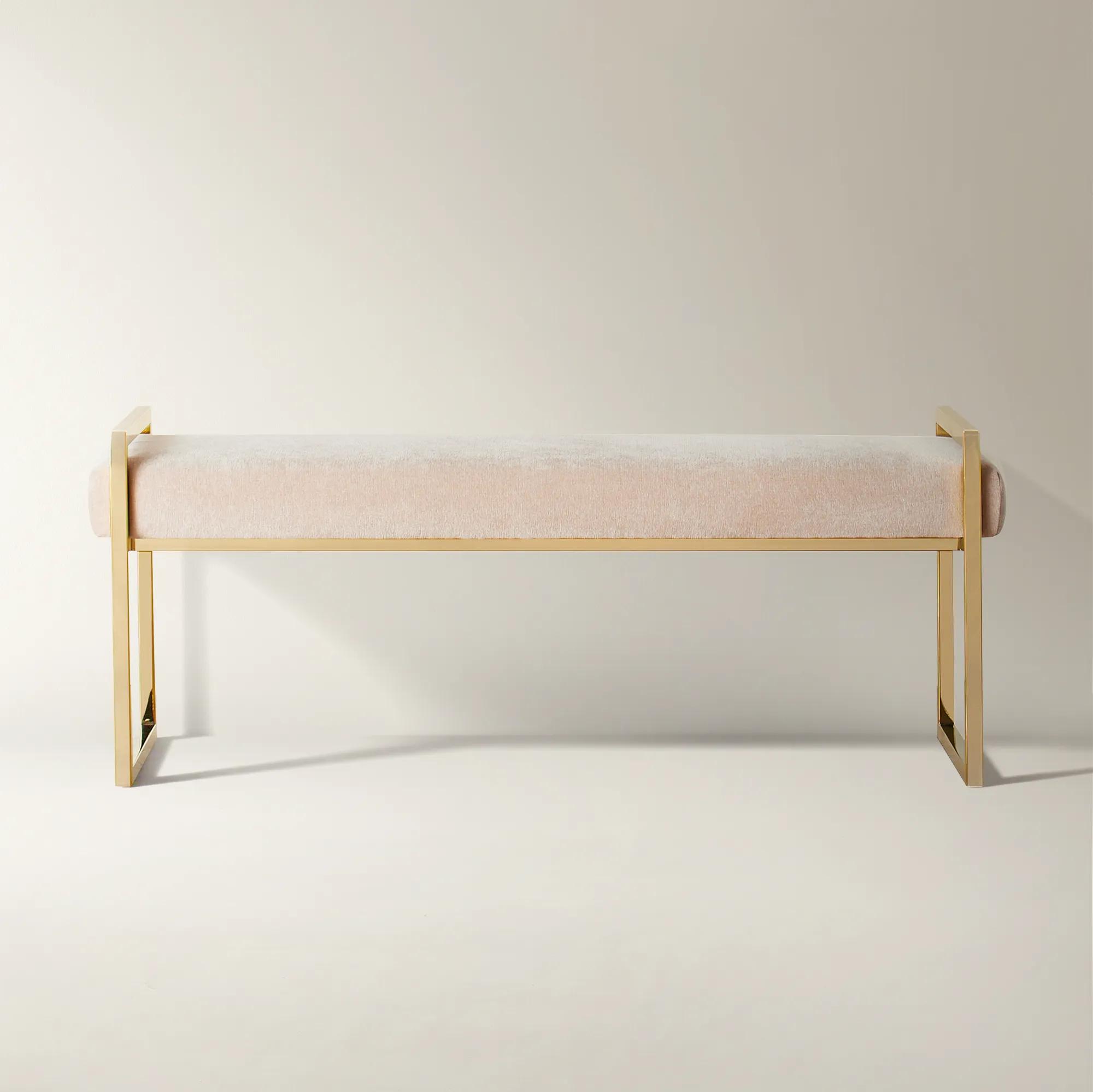
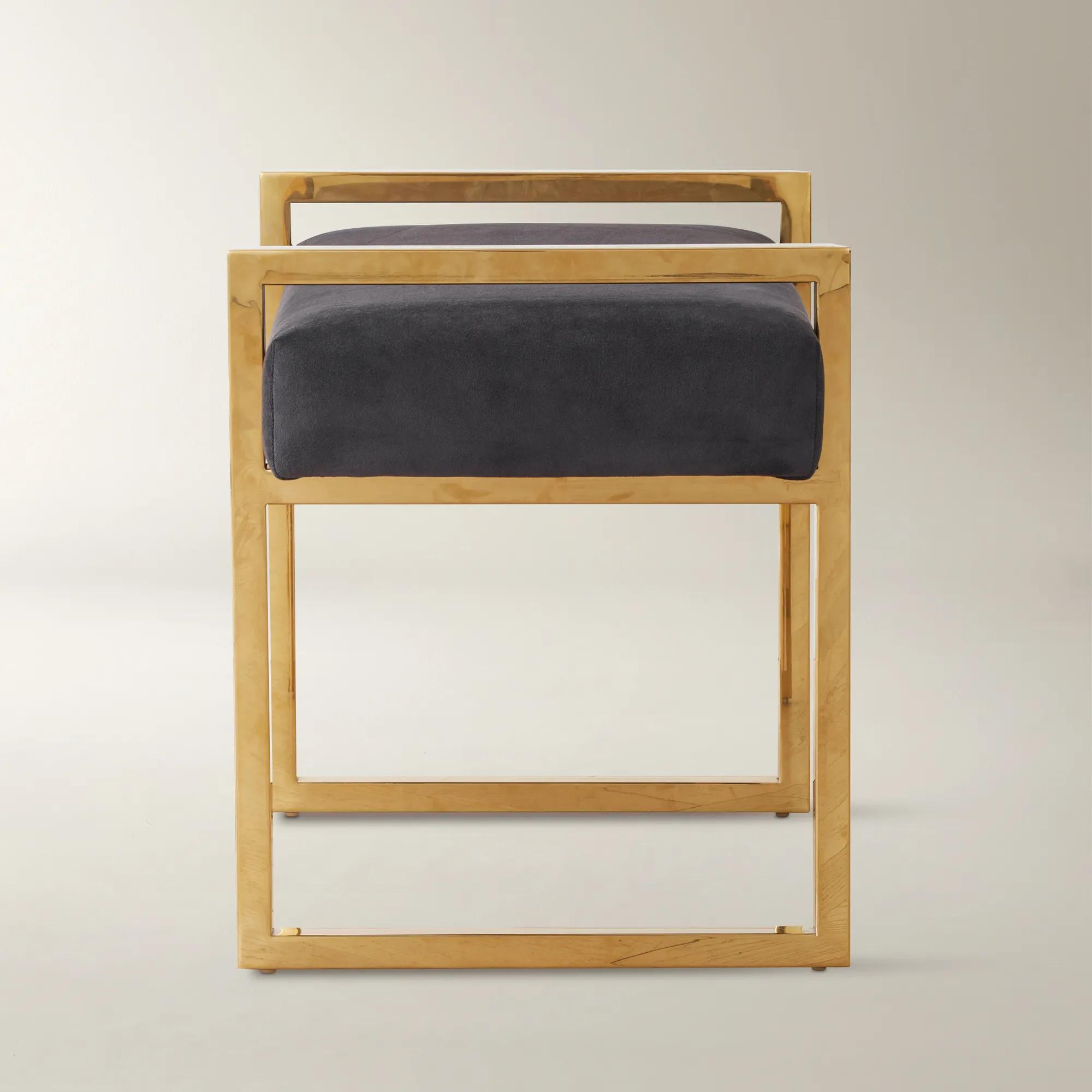 Clara Accent Stool$449
A chic accent stool featuring a plush black velvet seat and polished gold metal legs for modern flair.
Add To Cart -
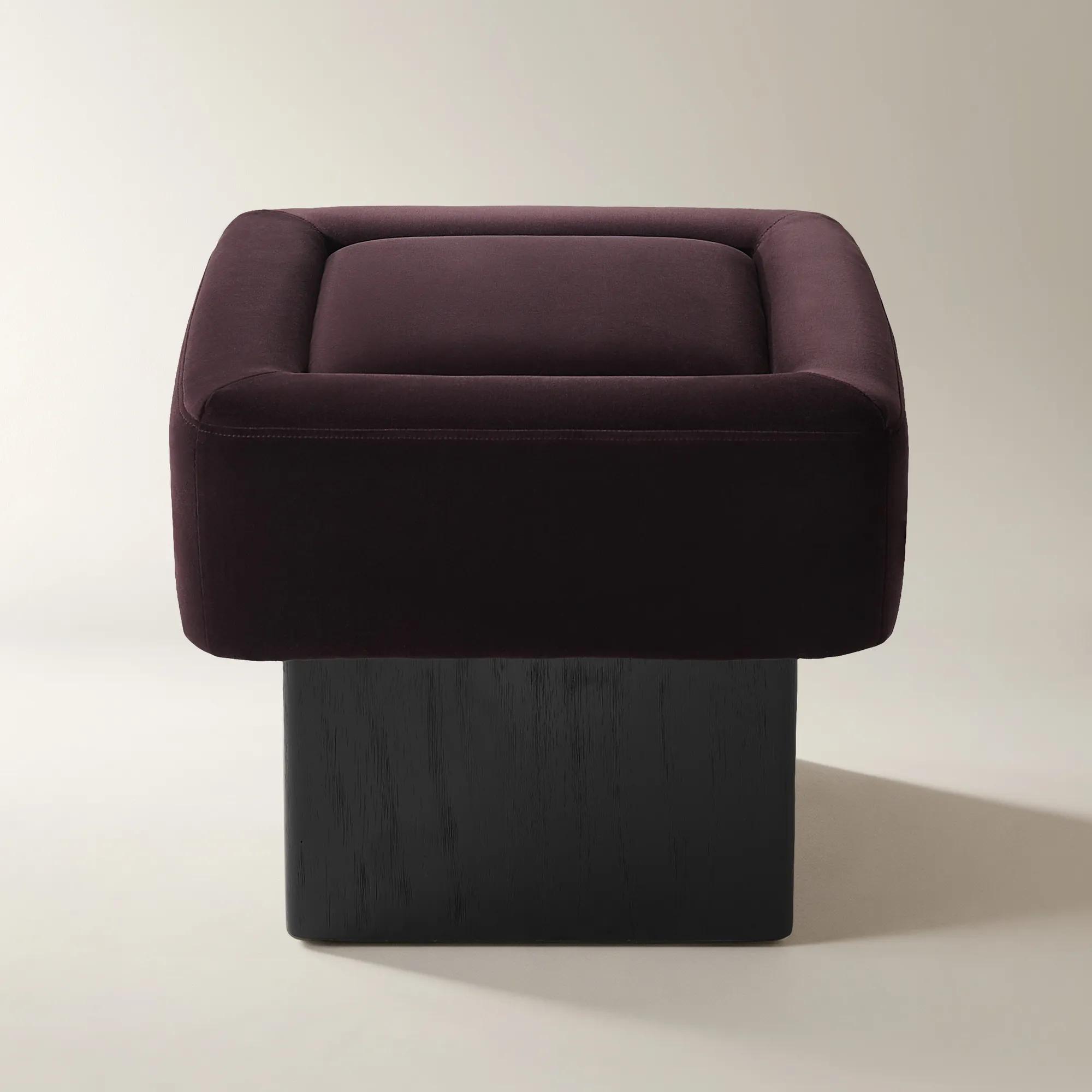 Reims Fig Velvet Stool$399
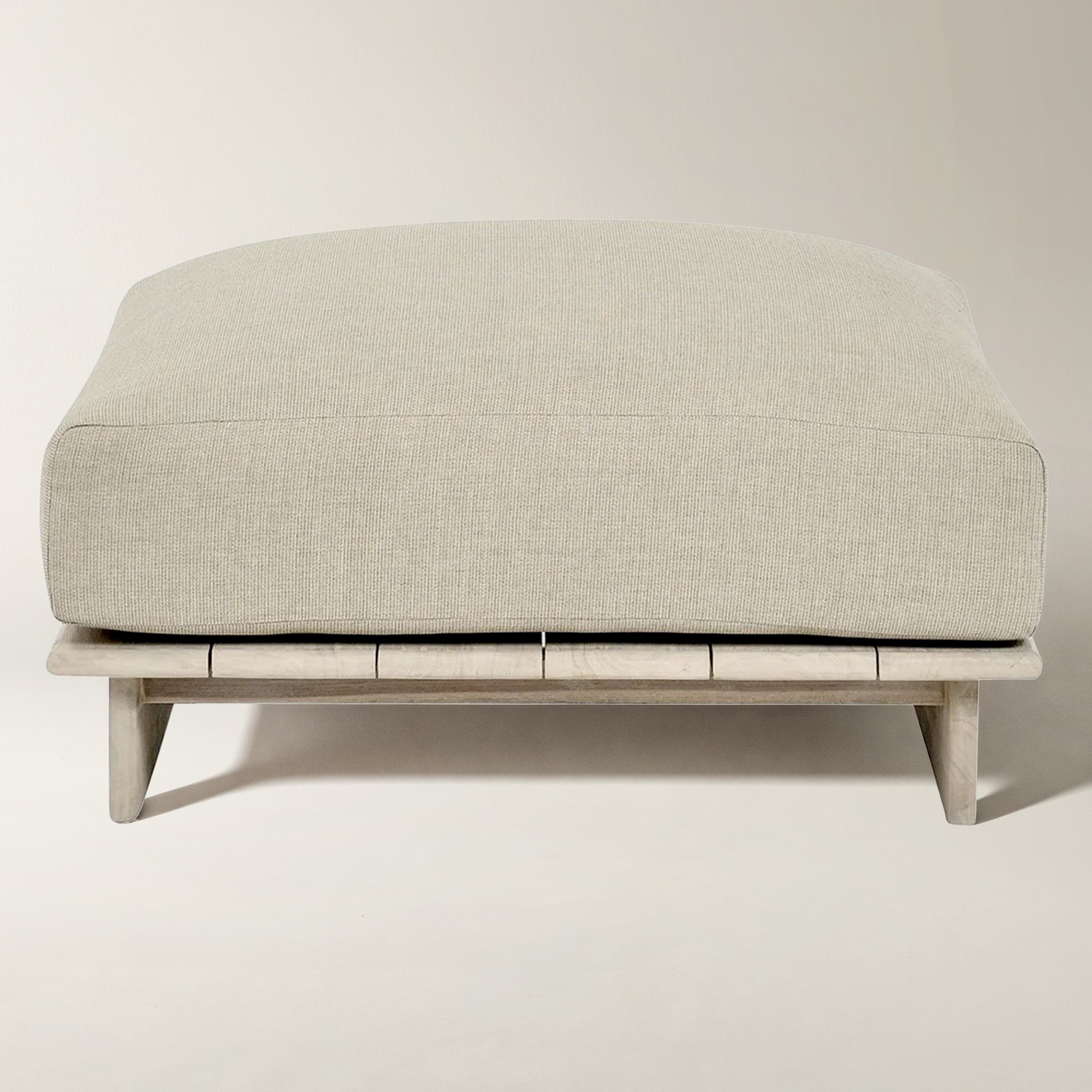
A plush fig-colored velvet stool featuring a sculpted cushion and a solid rubberwood base for modern contrast.
Add To Cart -
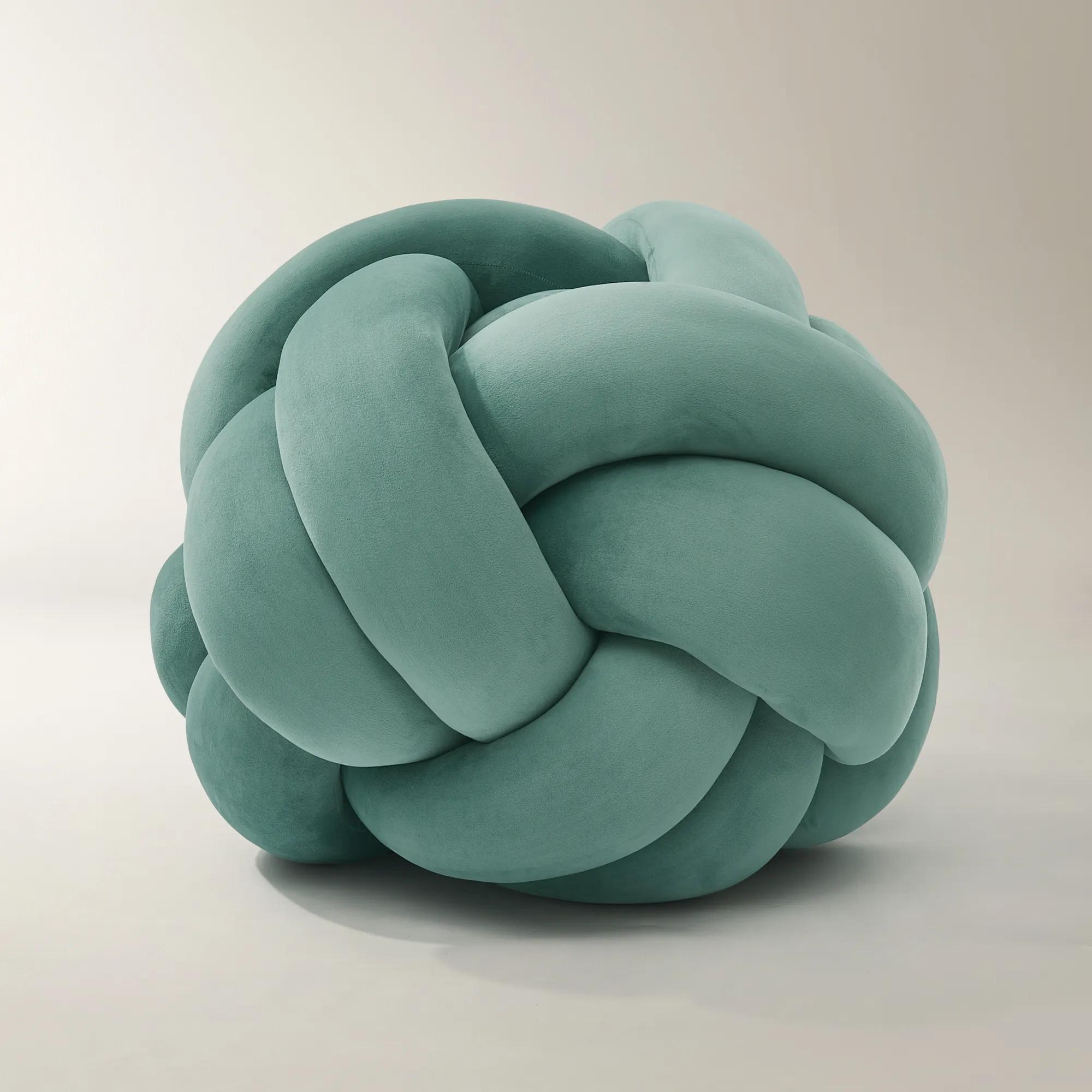 Loopie Ocean Teal Velvet Stool (34.5")$399
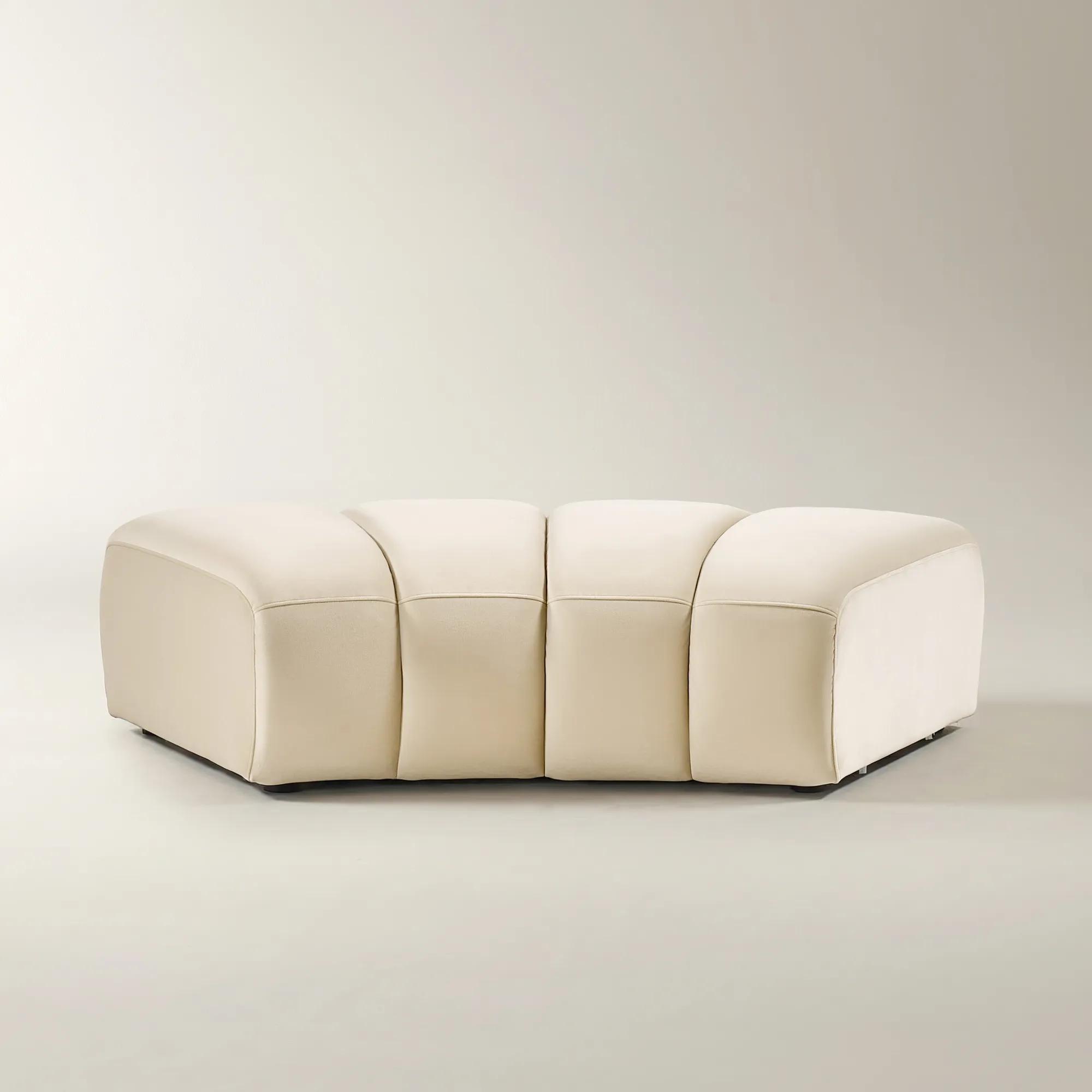
A bold sculptural stool featuring plush ocean teal velvet upholstery and an oversized knotted silhouette.
Add To Cart -
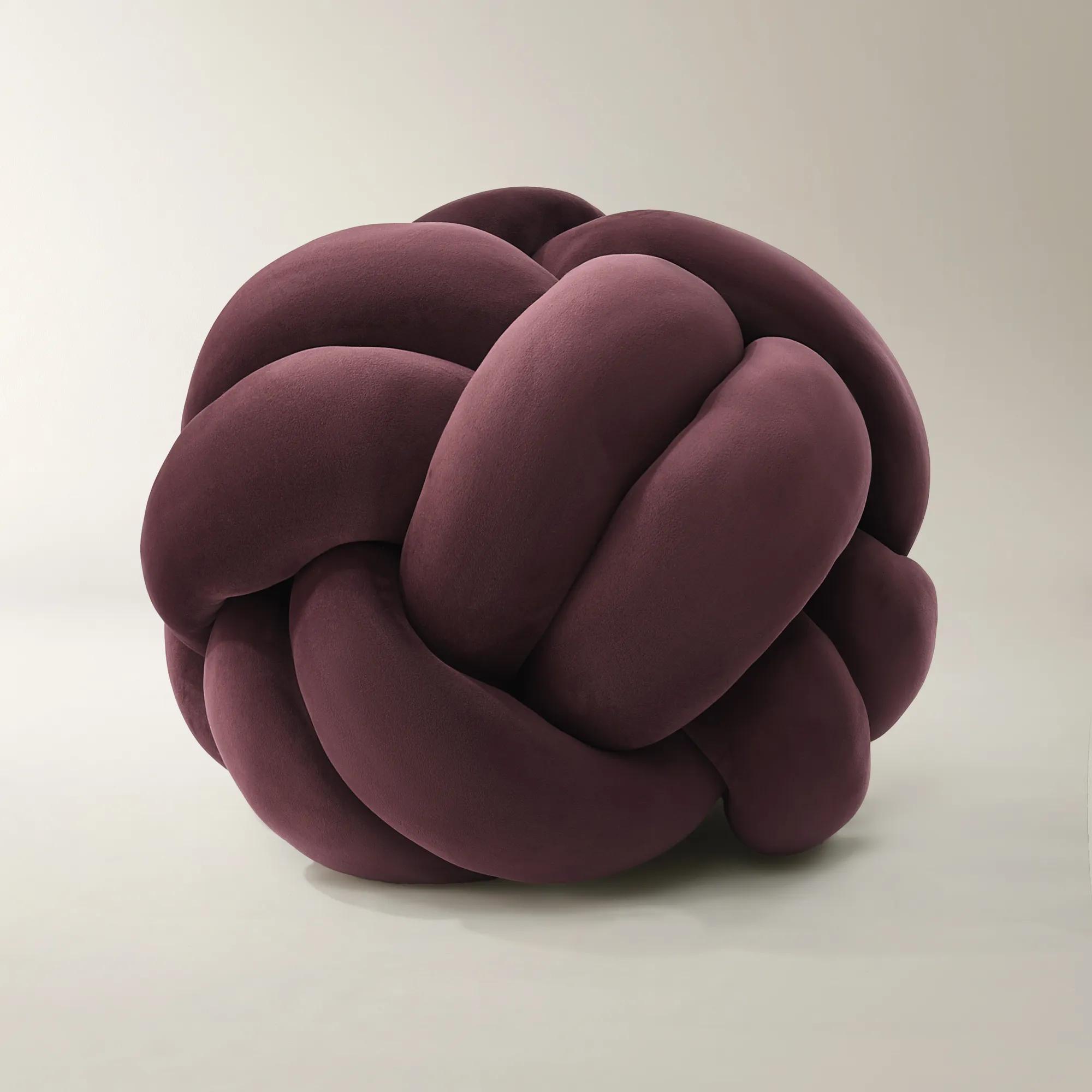
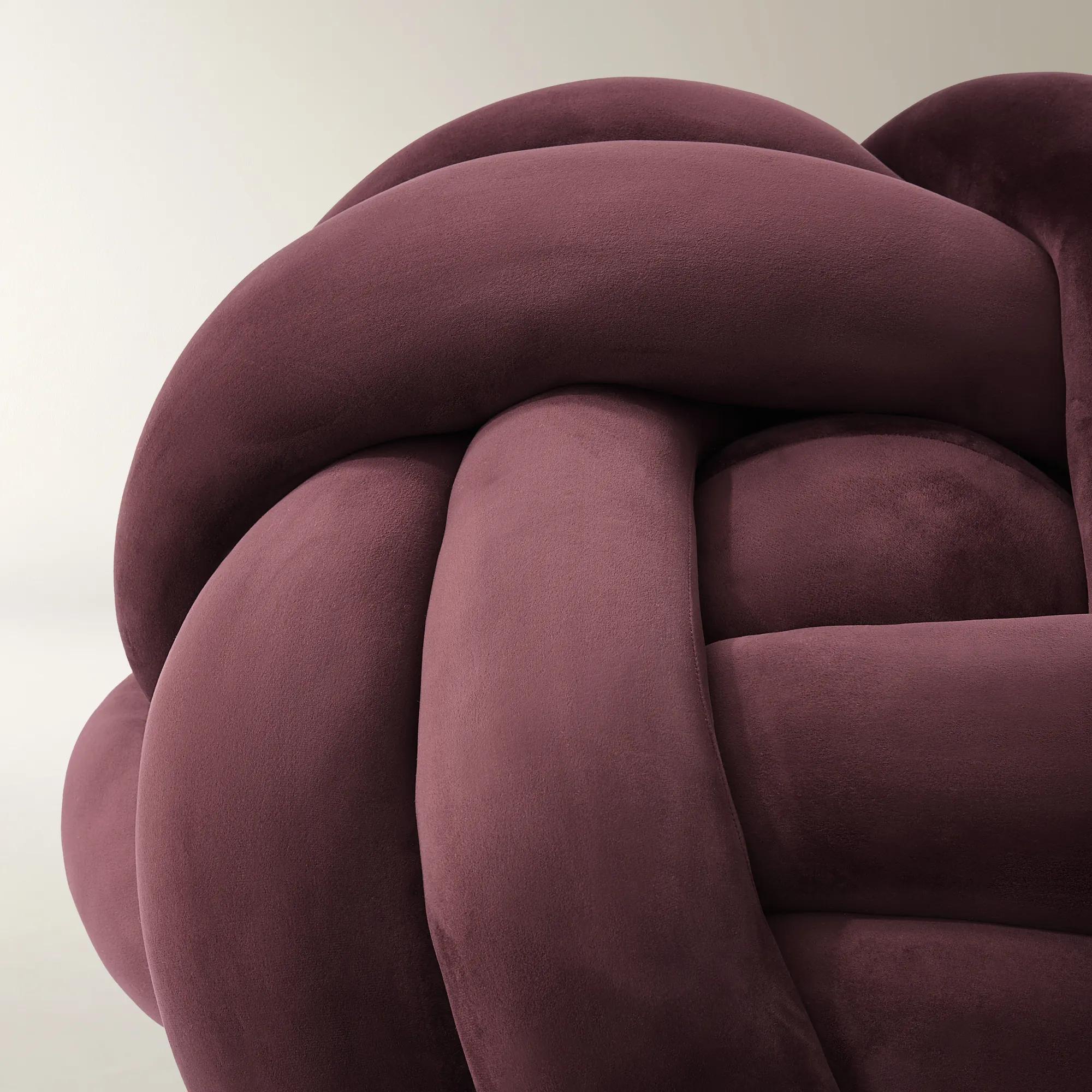 Loopie Fig Velvet Stool (34.5")$399
An oversized, knot-inspired stool hand-upholstered in plush fig velvet for bold sculptural appeal.
Add To Cart -
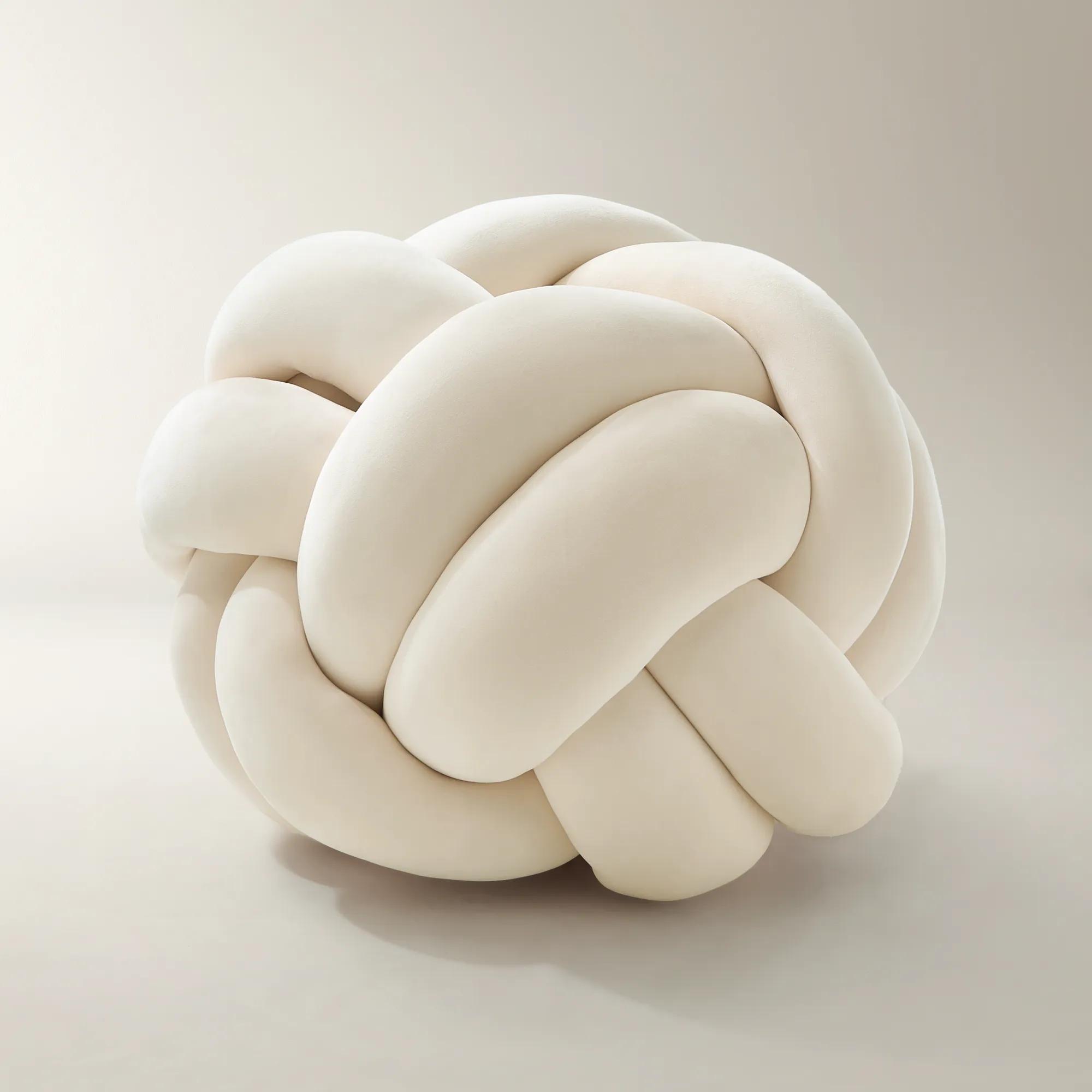 Loopie Oatmeal Velvet Stool (34.5")$399
An oversized oatmeal velvet stool featuring a sculptural knotted silhouette and plush, hand-upholstered finish.
Add To Cart -
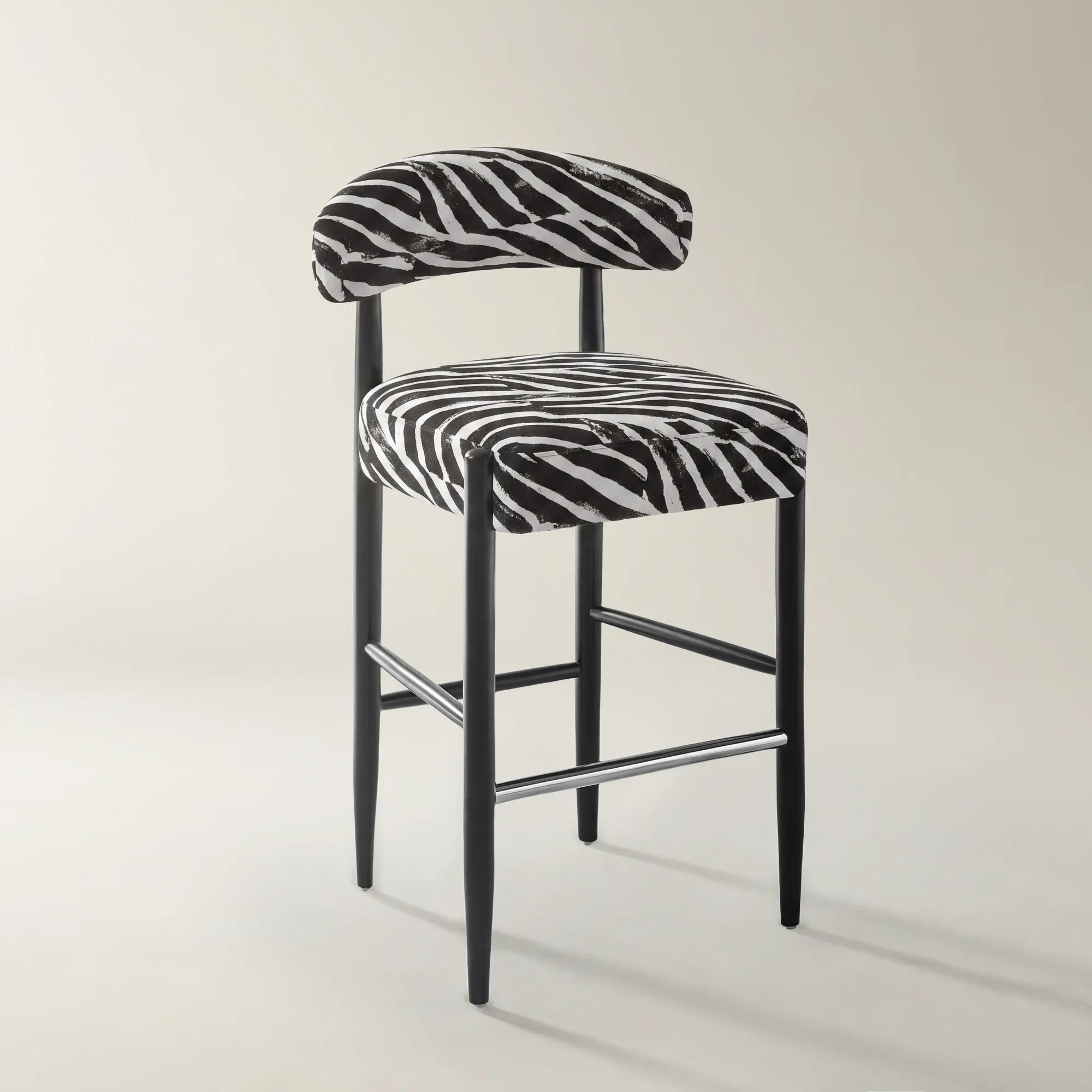 Anna White/Black Performance Chenille Bar/Counter Stool$449
A black-and-white chenille bar stool with a sculpted back, padded seat, and tapered solid rubberwood legs.
Add To Cart -
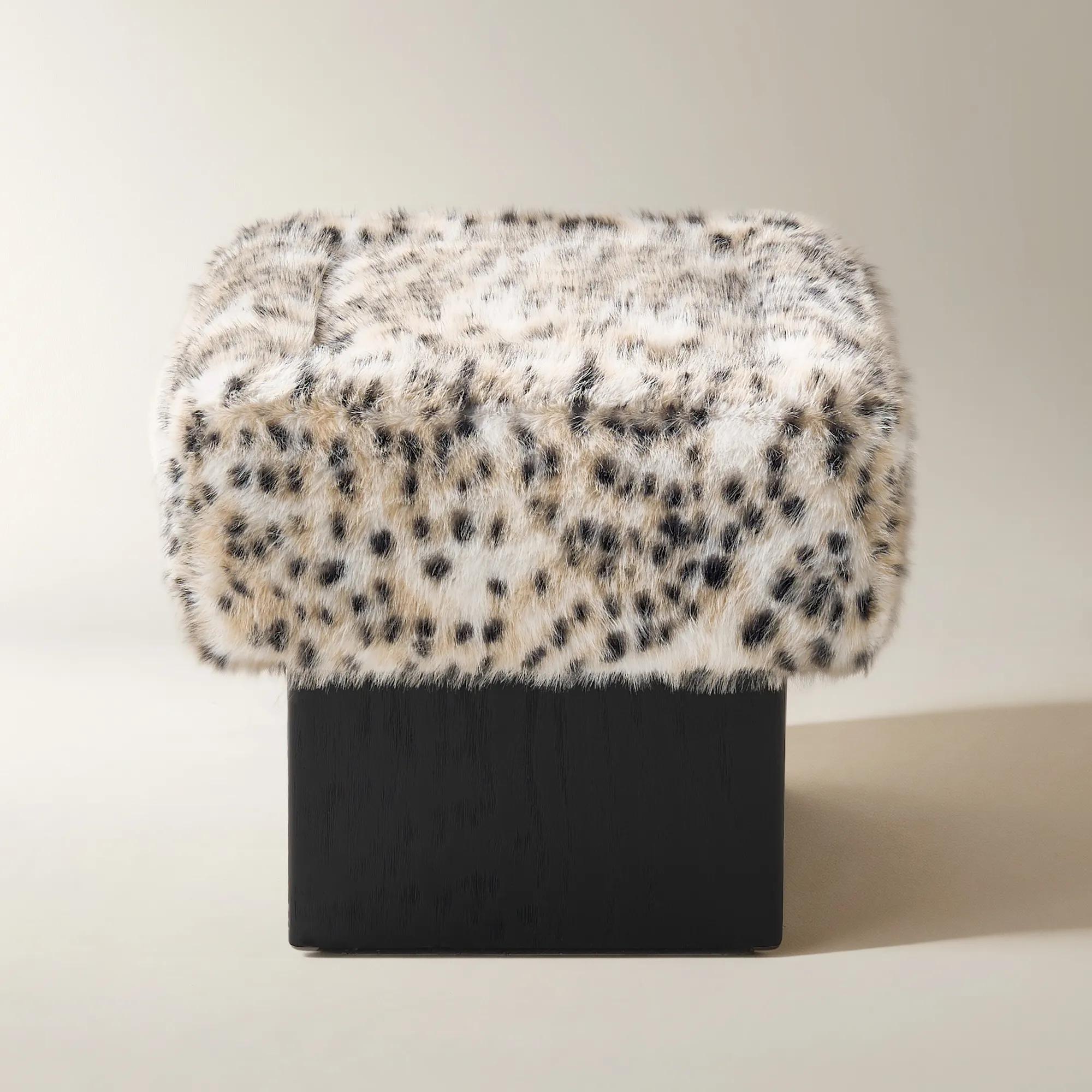 Reims Spotted Faux Fur Stool$399
A plush spotted faux fur stool with a sculpted cushion and solid rubberwood base for modern contrast.
Add To Cart -
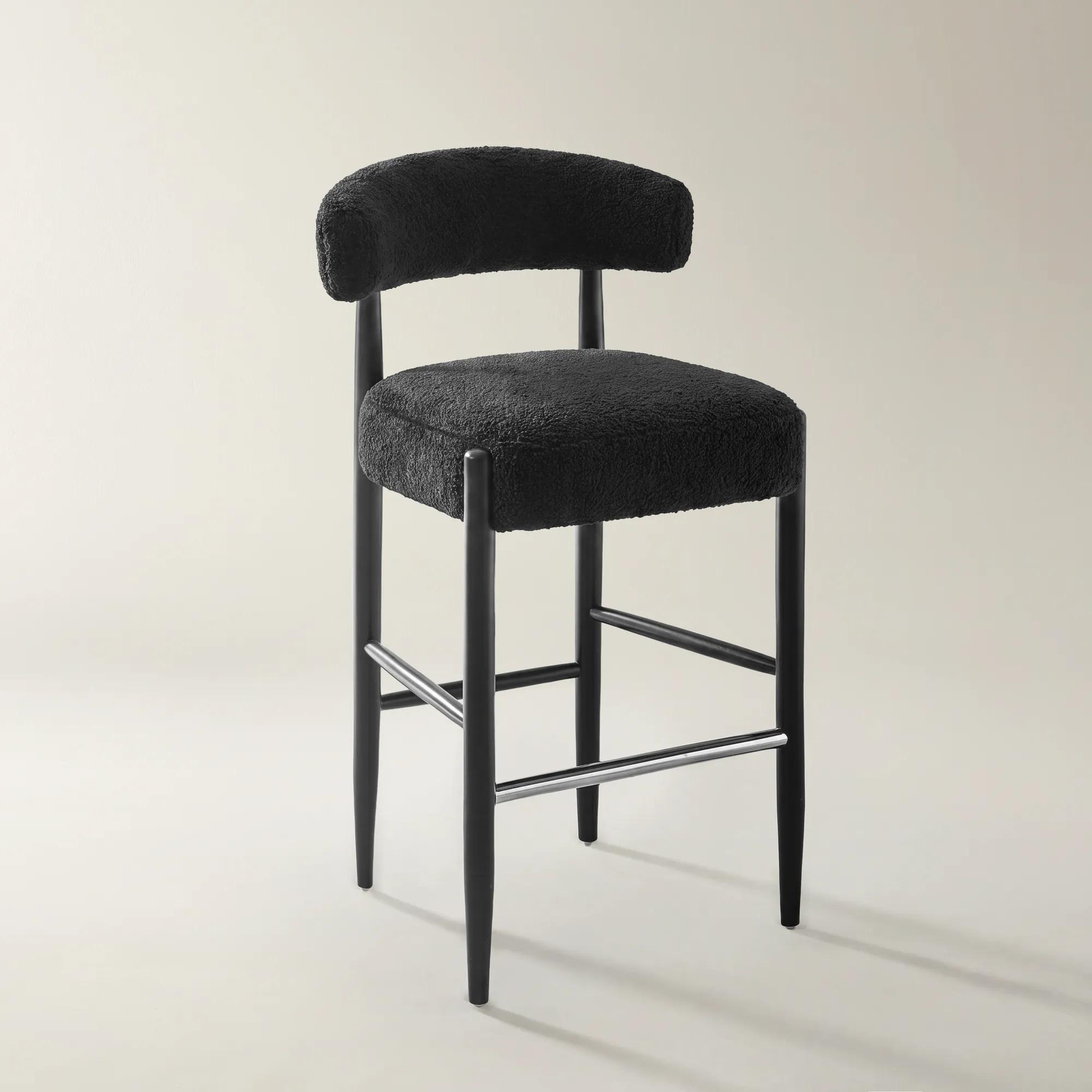 Anna Black Chenille Bar/Counter Stool$449
A black chenille counter stool with a sculpted padded seat and solid rubberwood legs.
Add To Cart -
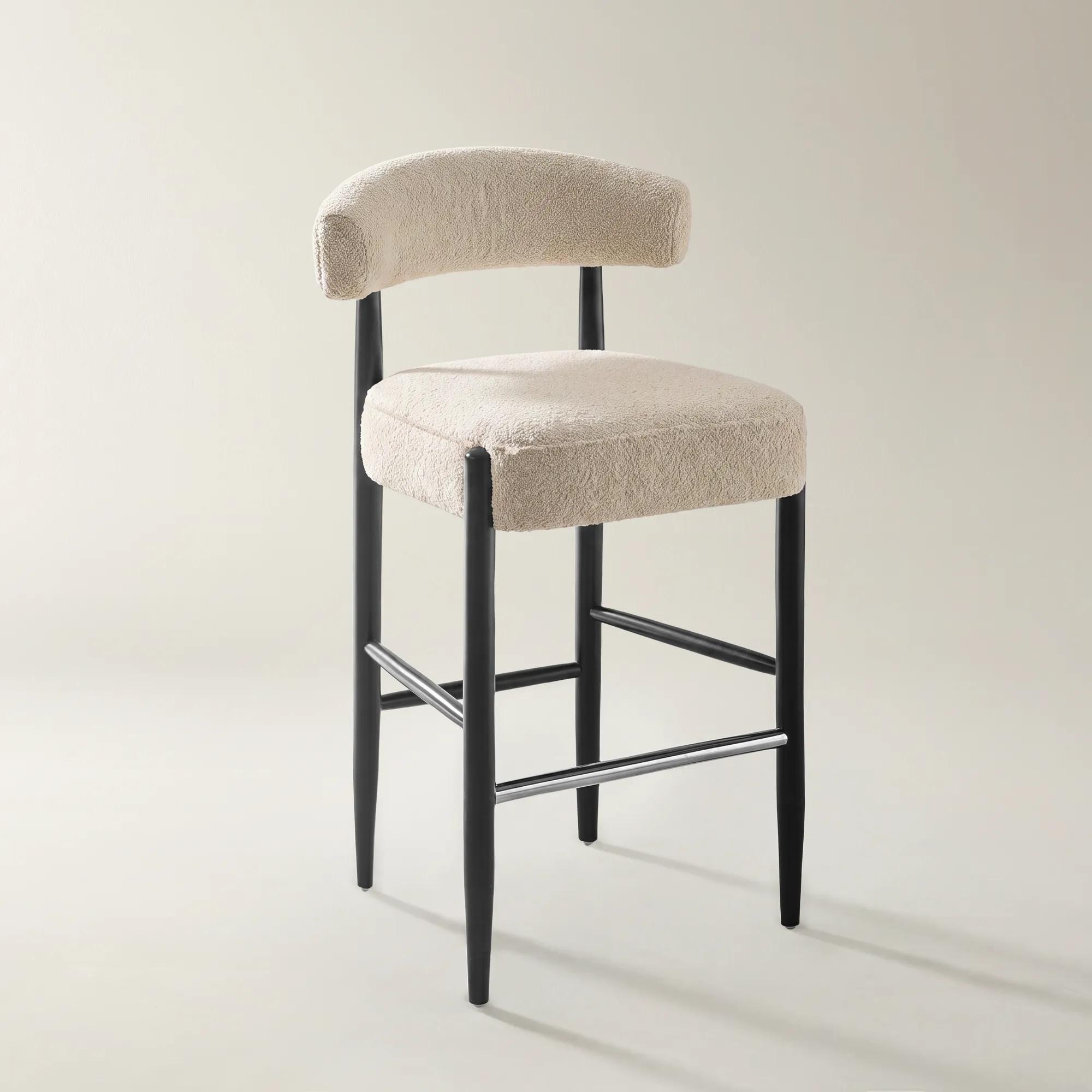 Anna Utopia Sand Chenille Bar/Counter Stool$449
A chenille bar stool with a sculpted padded seat, kiln-dried hardwood frame, and solid rubberwood legs.
Add To Cart -
 Fleece Fluted Gray Velvet Stool (15.55'')$229
A plush grey velvet stool with a unique ribbed texture, perfect for versatile, cozy seating or decor.
Add To Cart -
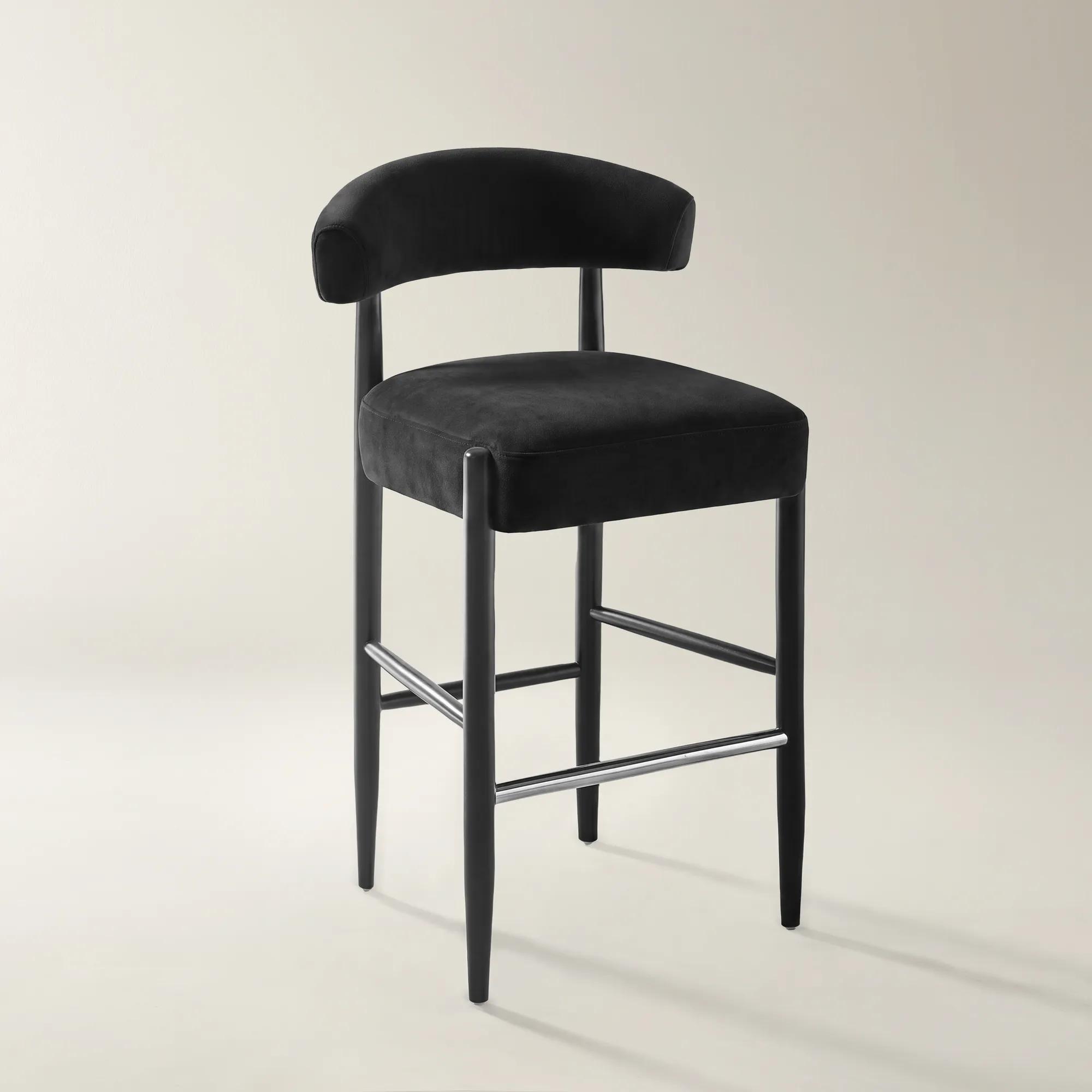 Anna Charcoal Velvet Bar/Counter Stool$449
A charcoal velvet bar stool with a sculpted padded seat and solid rubberwood legs.
Add To Cart -
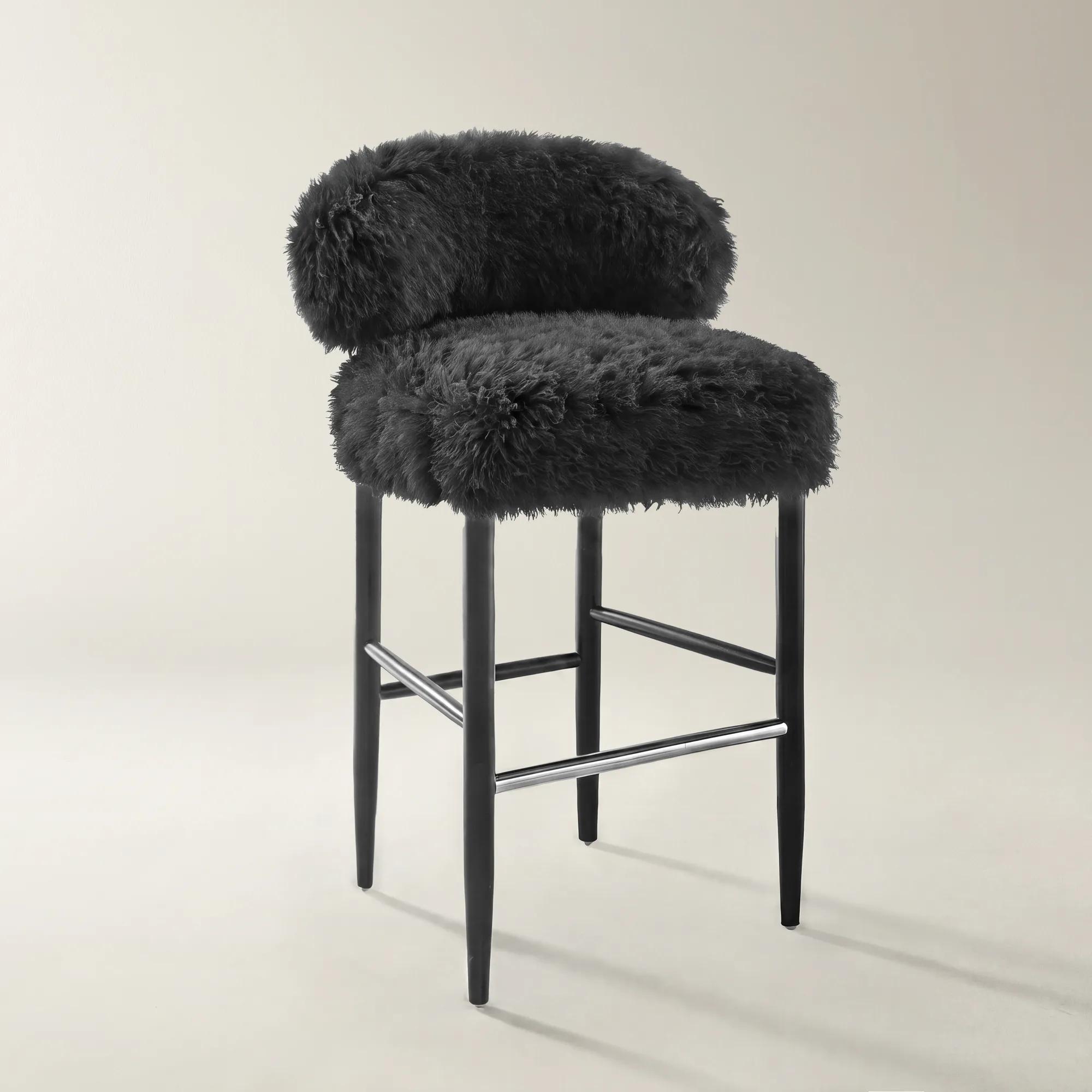 Anna Black Faux Fur Bar/Counter Stool$549
A black faux-fur bar stool with a sculpted back, padded seat, and solid rubberwood legs.
Add To Cart -
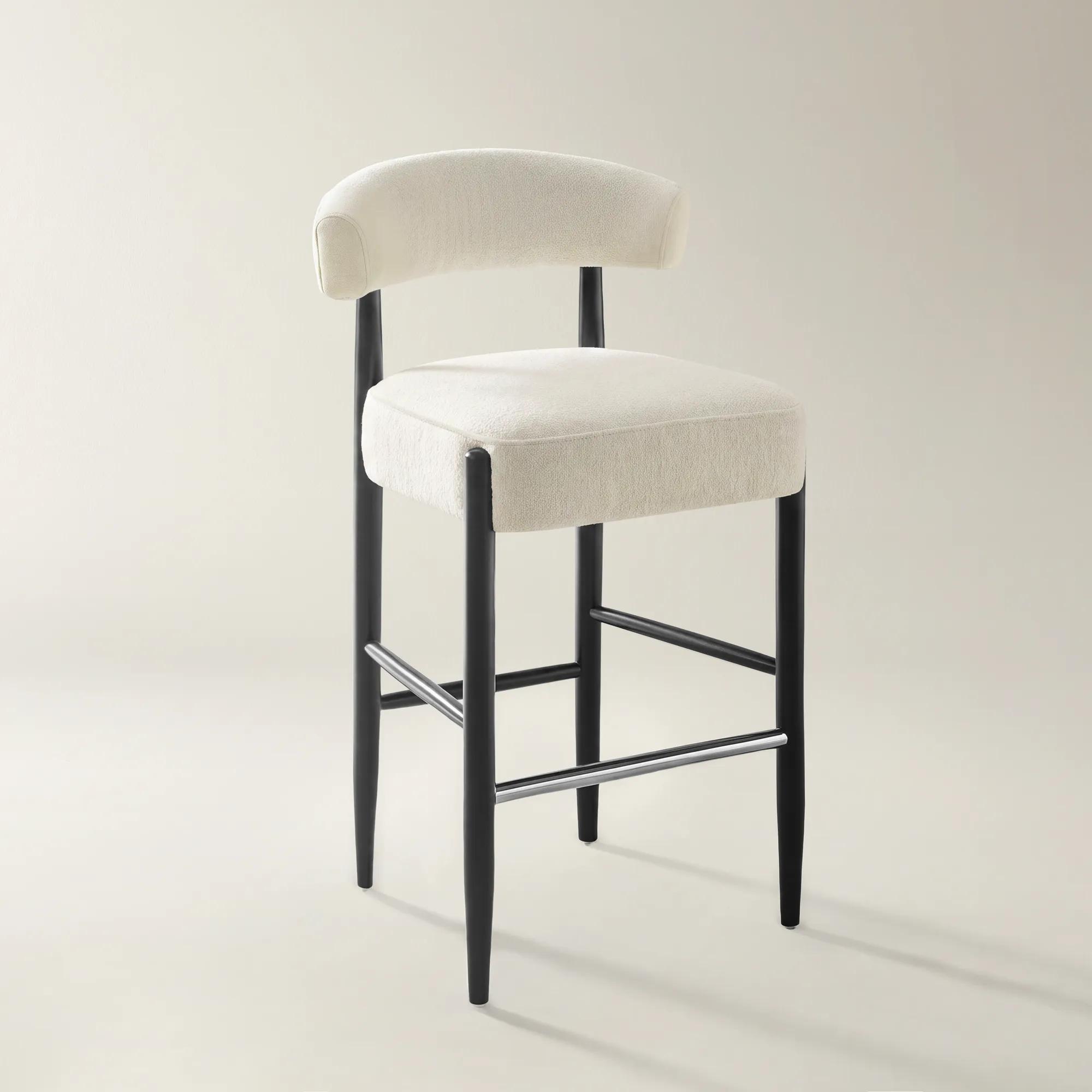 Anna Ivory Performance Chenille Bar/Counter Stool$449
An ivory performance-chenille bar stool with a sculpted back, padded seat, and tapered solid-rubberwood legs.
Add To Cart -
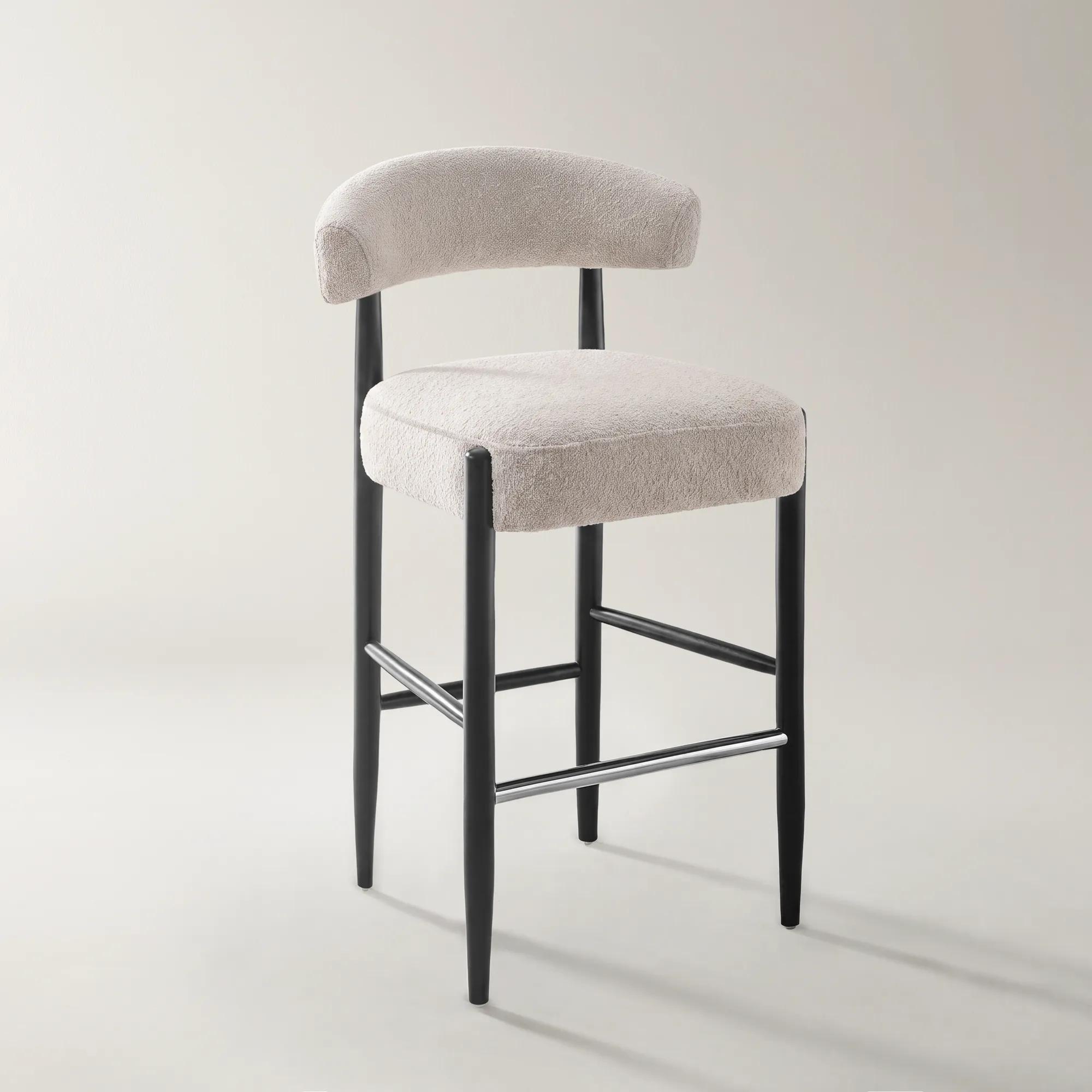 Anna Ivory Performance Boucle Bar/Counter Stool$449
An ivory performance-bouclé bar stool with sculpted padded support and tapered solid-rubberwood legs.
Add To Cart -
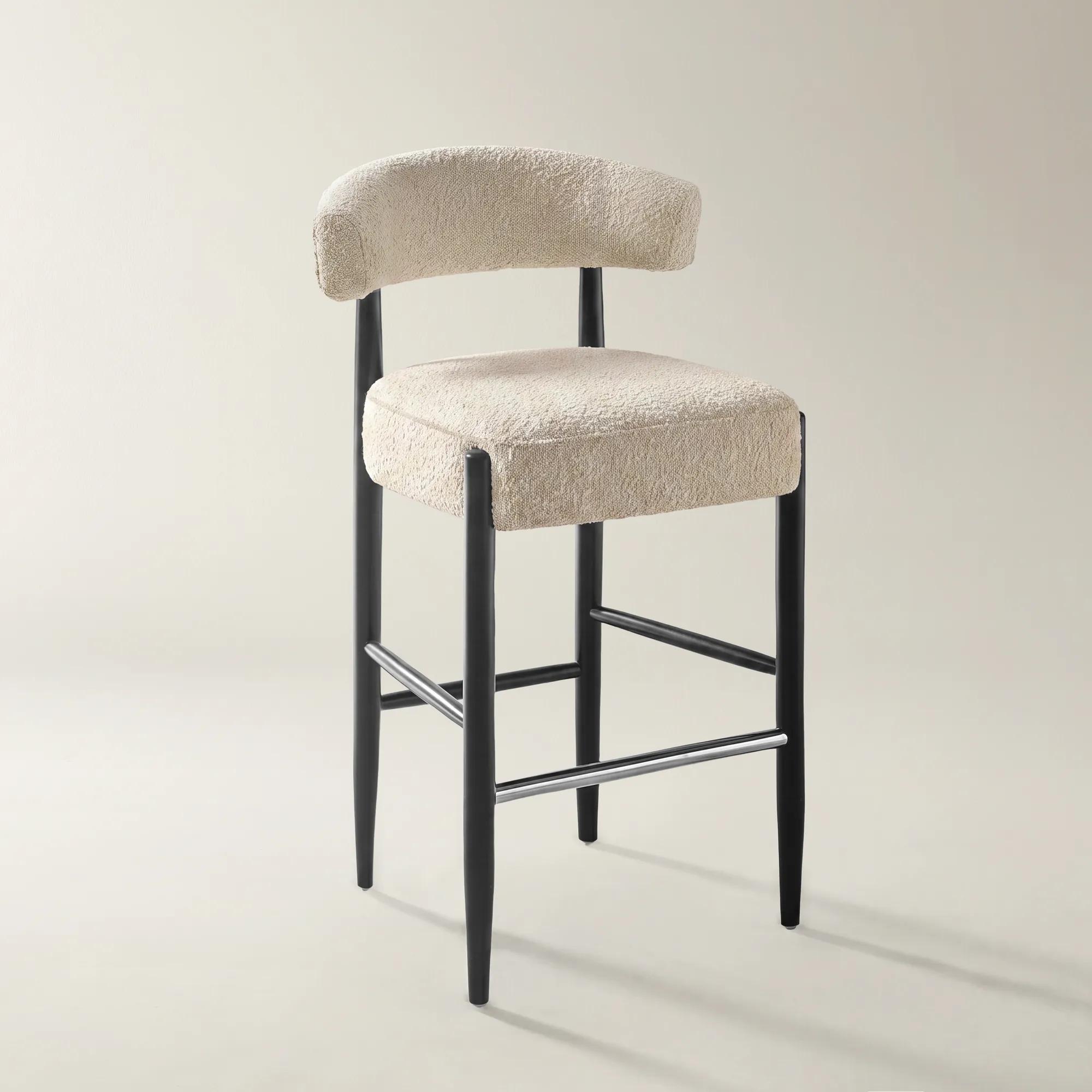 Anna Ivory Performance Boucle Bar/Counter Stool$449
A counter stool with ivory performance boucle upholstery, sculpted support, and tapered solid rubberwood legs.
Add To Cart

Designer Stools For Modern Interiors
Designer stools for modern interiors are the punctuation marks of a well-curated space—bold, sculptural, and undeniably chic. Each piece is an invitation to elevate the everyday, transforming the ordinary perch into an artful statement that commands attention. Whether poised beneath a marble-topped island or accenting a dramatic entryway, these stools infuse every corner with sophistication and flair. For those who believe that seating should spark conversation and ignite imagination, designer stools for modern interiors offer the perfect balance of function and fantasy—proof that even the smallest detail can set the stage for grandeur.
Designer stools for modern interiors combine expressive silhouettes, considered proportions, and practical seating in pieces that give a room its signature. At a kitchen island, a row of upholstered seats can turn a broad expanse of stone into an inviting gathering place; beside a home bar, a sculptural frame introduces the polish of a beautifully appointed lounge. Their appeal lies in that balance of presence and purpose. A stool occupies relatively little floor space, yet its outline, finish, and upholstery can influence the mood of an entire room. Curved backs soften angular cabinetry, slender metal legs bring definition to pale surfaces, and richly textured seats add depth to interiors built around smooth stone, glass, and lacquer. Modern design does not demand an all-white palette or an absence of ornament. It leaves room for channel tufting, lustrous metallic accents, enveloping upholstery, and bold contrasts, provided the proportions feel deliberate. A tailored seat with a gleaming base can hold its own beneath statement lighting, while a warm wood frame offers a compelling counterpoint to polished architectural finishes. In an open-plan home, stools also help connect the kitchen with the living and dining areas: a repeated metal tone or a shared upholstery color creates continuity without making every piece match. Low accent stools serve a different role, bringing movable seating to a conversation area, dressing space, or bedroom without the visual weight of a full-size chair. Their compact scale makes them especially useful where an occasional guest needs a place to sit or a vanity calls for a seat that tucks away gracefully. The strongest choices feel intentional from every angle, including the view from an adjacent sofa or entryway. An elegantly shaped back, a distinctive stretcher, or a beautifully finished leg becomes part of the composition, giving even a frequently used seat the character of an object chosen for its artistry.
Scale and comfort give that artistry staying power. Counter-height stools commonly have seats about 24 to 26 inches high and suit surfaces around 36 inches high; bar-height stools generally range from about 28 to 32 inches and are intended for taller surfaces, often around 40 to 42 inches. These are broad categories rather than a substitute for measuring the actual pairing. Approximately 10 to 12 inches between the seat and the underside of the counter usually provides comfortable legroom, although thick aprons, support brackets, and substantial seat cushions can affect the fit. The relationship matters in everyday scenes: breakfast at the island, a conversation over cocktails, or an evening spent helping with homework should feel relaxed rather than cramped. For seating arranged in a row, roughly 26 to 30 inches between seat centers can serve as an initial planning range, with more room needed for generous seats, arms, or swivel movement. Counter legs, nearby walls, and the path to a refrigerator or doorway also influence how many seats a space can comfortably accommodate. A backless silhouette preserves uninterrupted sightlines and may slide beneath an overhang, while a supportive back offers a more settled seat for lingering. Arms add a lounge-like quality but need clearance beneath the counter if the stool is meant to tuck in. Swivel seats make it easier to turn toward conversation in an adjoining room, provided there is enough surrounding space to move without striking cabinetry. A well-positioned footrest is particularly important on elevated seating, giving feet a stable place to rest rather than leaving legs suspended. For entertaining spaces centered on taller counters, designer barstools for home extend this balance of sculptural presence and comfortable proportion. Whether furnishing an intimate apartment kitchen or a generous gathering space, a cohesive arrangement lets the seating frame the room without overwhelming it.
Materials determine much of a stool’s personality, as well as how it lives with daily use. Velvet lends saturated color and a light-catching surface that can make a simple silhouette feel sumptuous; its pile may show changes in direction or pressure marks that are part of its appearance. Woven upholstery brings tactile dimension, while leather offers a distinctive surface that may develop character with use, depending on its type and finish. Performance fabrics can be worth considering in spaces where meals and frequent entertaining are part of the routine, but stain resistance and cleaning requirements vary, and no upholstery should be assumed to be impervious to spills. Wood introduces natural grain and warmth, with subtle variations that give a repeated row of stools welcome individuality. Metal can appear crisp and architectural or richly decorative, depending on the finish, while clear acrylic creates a lighter visual footprint and allows surrounding materials to remain prominent. Durability depends on more than the material name: sound joinery, a stable base, secure footrests, suitable weight capacity, and upholstery appropriate to the intended use all deserve attention. Seating used several times a day benefits from construction and surfaces suited to that level of activity, whereas an occasional accent stool may place greater emphasis on sculptural form. Care should follow the manufacturer’s directions, with spills blotted promptly and cleaning solutions tested only as recommended. Gentle vacuuming can help remove dust from fabric, soft cloths protect many finished surfaces, and abrasive cleaners can damage acrylic or decorative metal finishes. Floor glides appropriate to the flooring help limit scratches, while periodic checks of fasteners can keep assembled frames secure. Indoor stools should remain in their intended environment unless explicitly rated for outdoor use, and decorative seating should never be treated as a step stool or assumed to function as a table. With thoughtful proportions and attentive care, modern stools bring lasting comfort and a distinctive visual rhythm to the home—beautiful enough to command attention, yet integral to the way a room is enjoyed.
FAQs
Designer stools for modern interiors often feature luxurious materials such as brushed metals, polished stainless steel, rich hardwoods like walnut and oak, and sumptuous upholstery in velvet, linen, or leather. These materials not only provide durability but also introduce texture, warmth, and visual interest to a space, allowing each stool to serve as a focal point or a harmonious accent within your decor.
Designer stools can be used as versatile side stools for sitting rooms, offering extra seating for guests, serving as chic surfaces for books or drinks, or adding a sculptural element to your layout. Select a style that complements your existing furnishings, and consider using stools with bold finishes or unique silhouettes to introduce a layer of artistry and drama to your living space.
Absolutely. Designer stools can infuse bathrooms with a sense of luxury and thoughtful design. Explore bathroom stool decor ideas such as placing a marble-topped or mirrored stool beside a soaking tub, using it as a perch for towels, bath accessories, or even a lush potted plant. The right stool elevates the bathroom from functional to spa-like retreat.
For entertaining, designer stools can be artfully arranged around kitchen islands, cocktail bars, or open-plan living spaces to encourage conversation and connection. Mix and match finishes for a curated look, or use a set of matching stools to create visual cohesion. Add plush cushions or drape a luxe throw to enhance comfort and style, making every gathering feel elevated and inviting.
A designer stool makes a thoughtful and memorable gift for anyone who values expressive interiors—new homeowners, newlyweds, or those celebrating a milestone. Its blend of beauty and function ensures it will be cherished for years, serving as a daily reminder of the giver's impeccable taste and attention to detail.