Designer Home Counter Stools
Designer Home Counter Stools
-
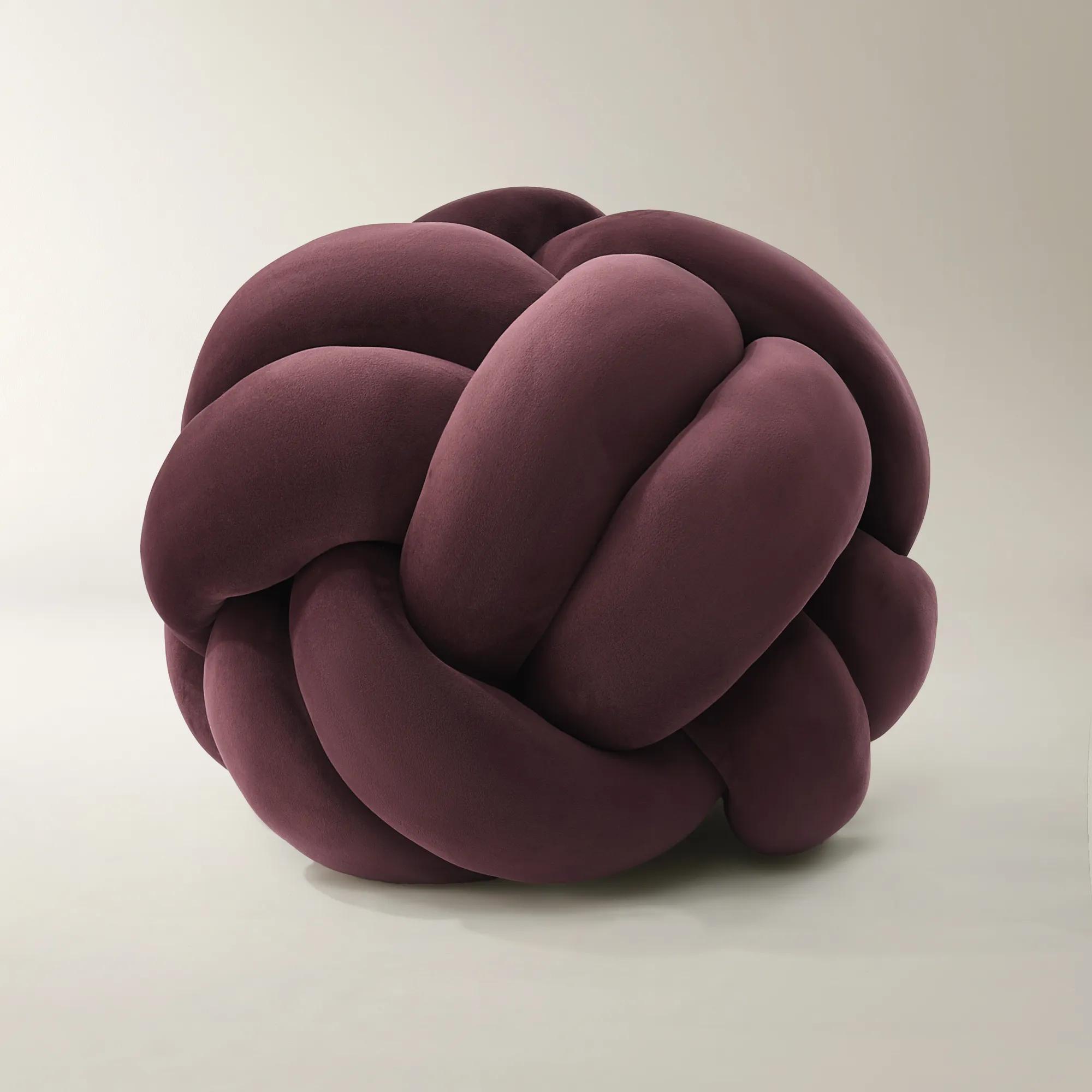
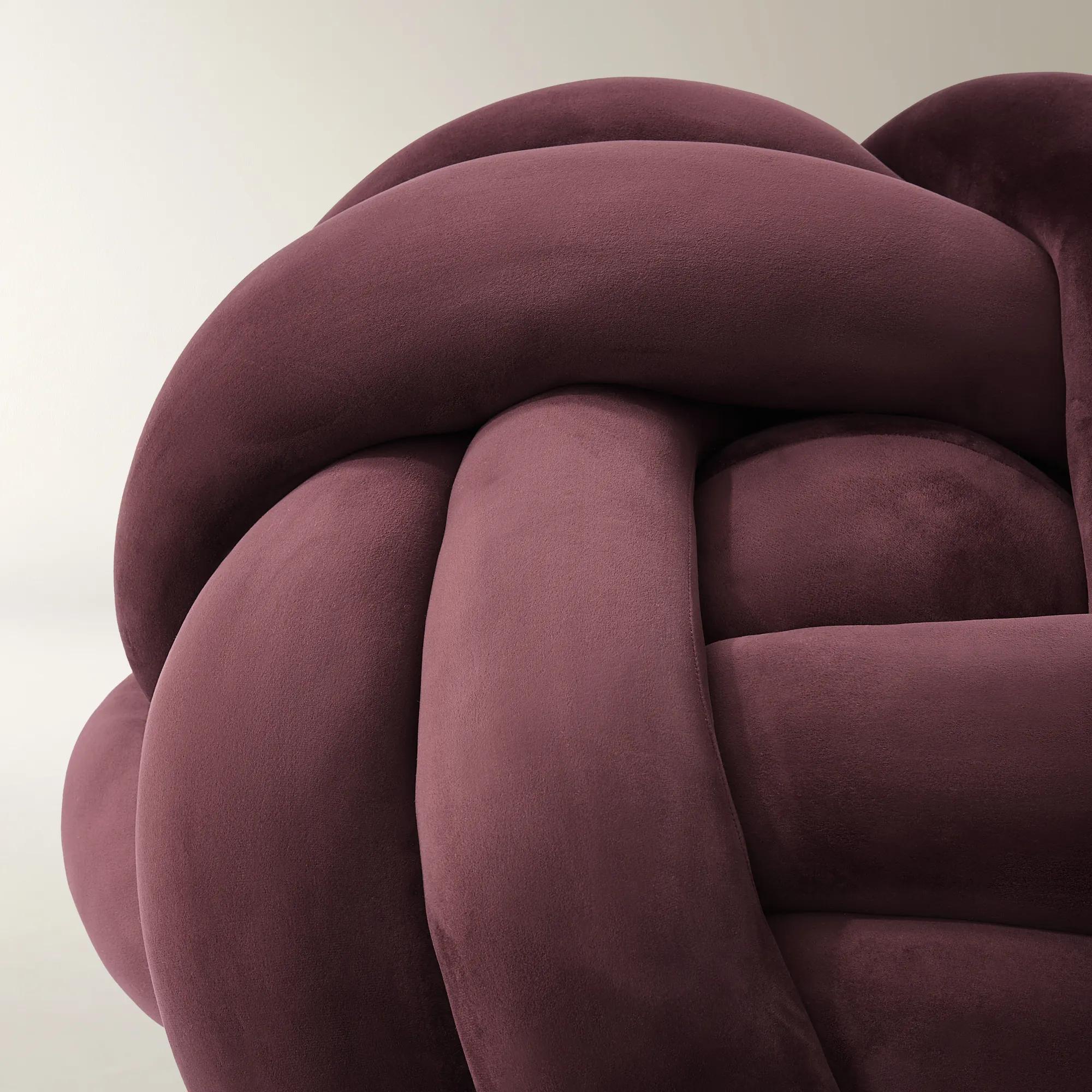 Loopie Fig Velvet Stool (34.5")$349
An oversized, knot-inspired stool hand-upholstered in plush fig velvet for bold sculptural appeal.
Add To Cart -
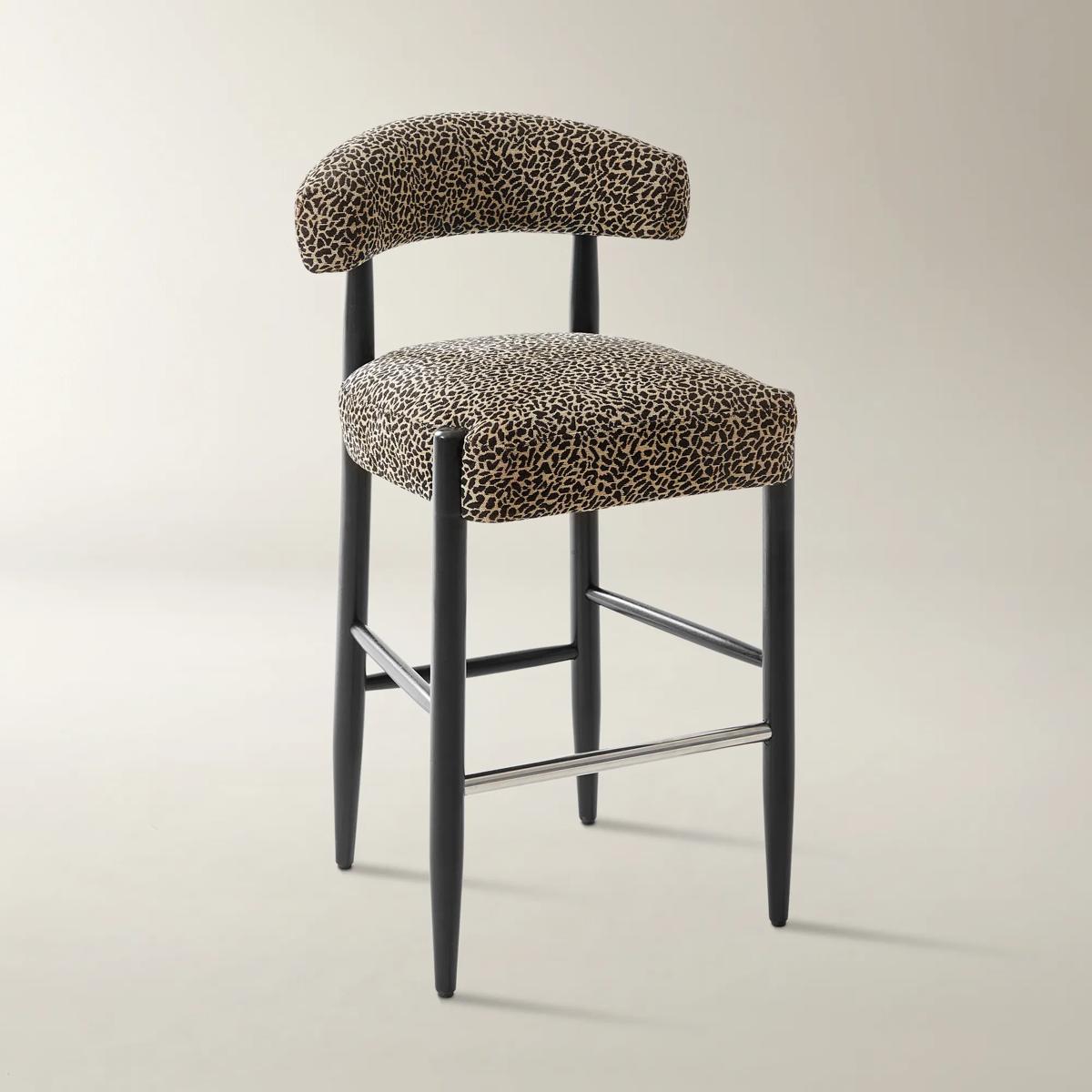 Anna Leopard Chenille Bar/Counter Stool$399
A leopard-print chenille barstool with kiln-dried hardwood legs and supportive, hand-upholstered cushioning.
Add To Cart -
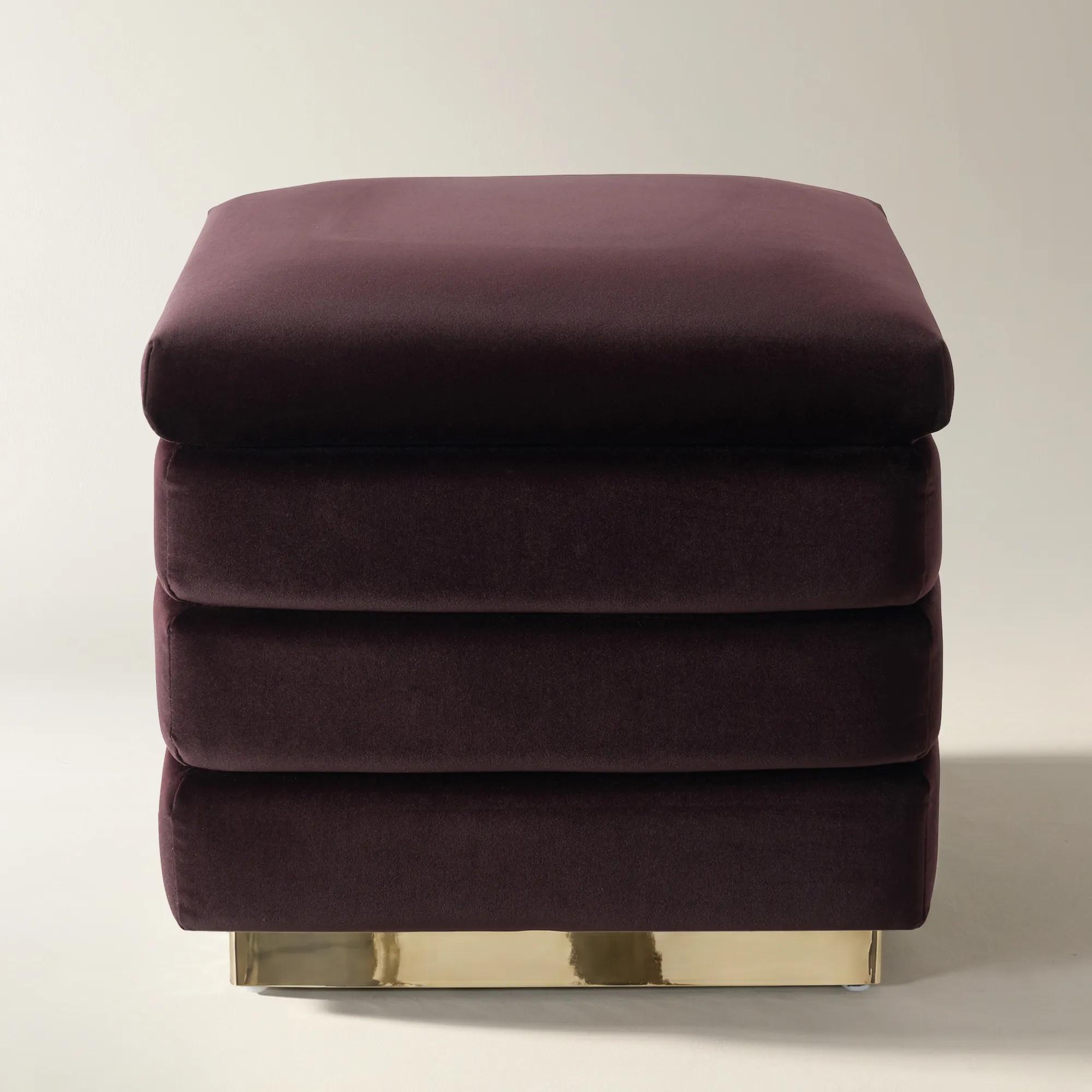
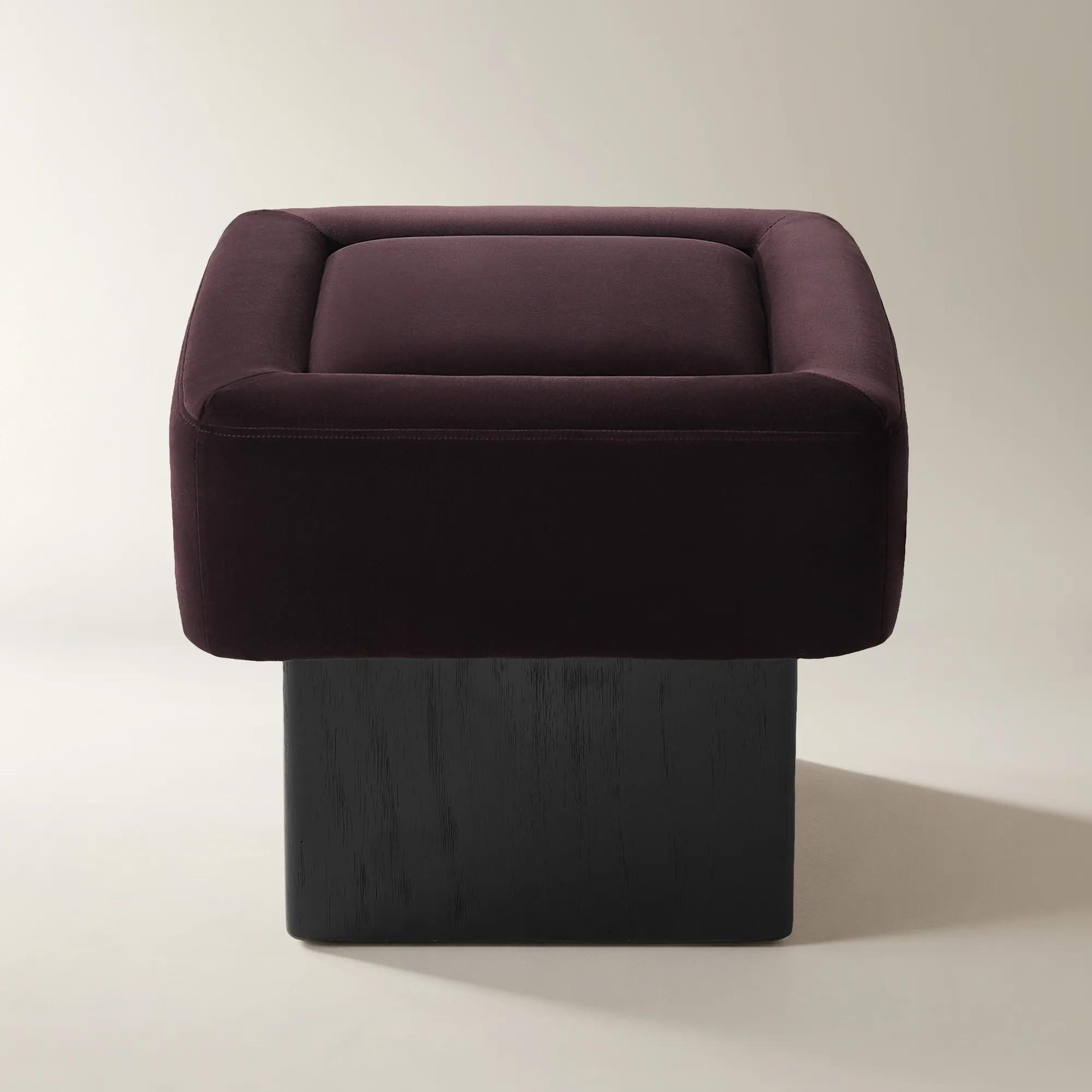 Reims Fig Velvet Stool$349
A plush fig-colored velvet stool featuring a sculpted cushion and a solid rubberwood base for modern contrast.
Add To Cart -
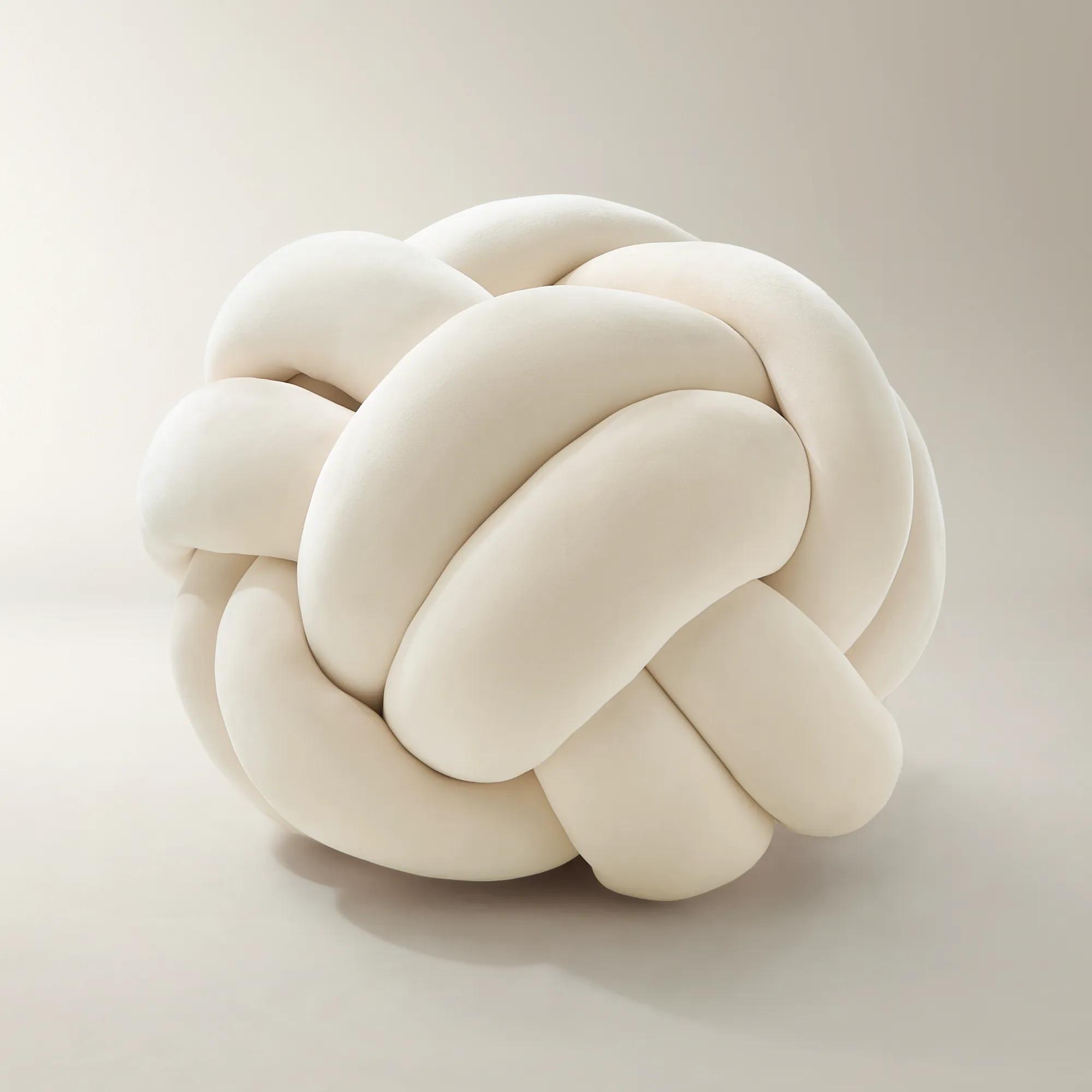 Loopie Oatmeal Velvet Stool (34.5")$349
An oversized oatmeal velvet stool featuring a sculptural knotted silhouette and plush, hand-upholstered finish.
Add To Cart -
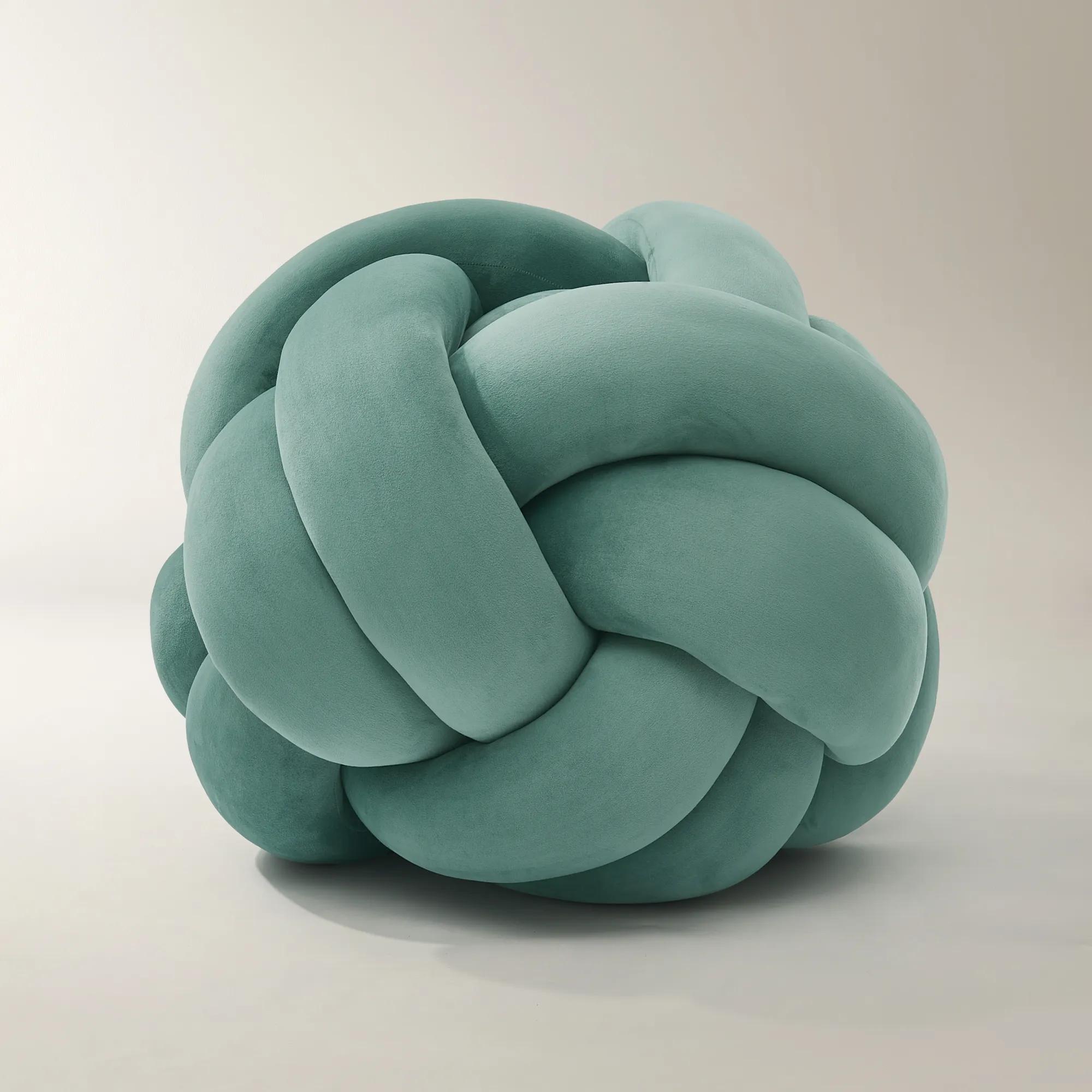 Loopie Ocean Teal Velvet Stool (34.5")$349
A bold sculptural stool featuring plush ocean teal velvet upholstery and an oversized knotted silhouette.
Add To Cart -
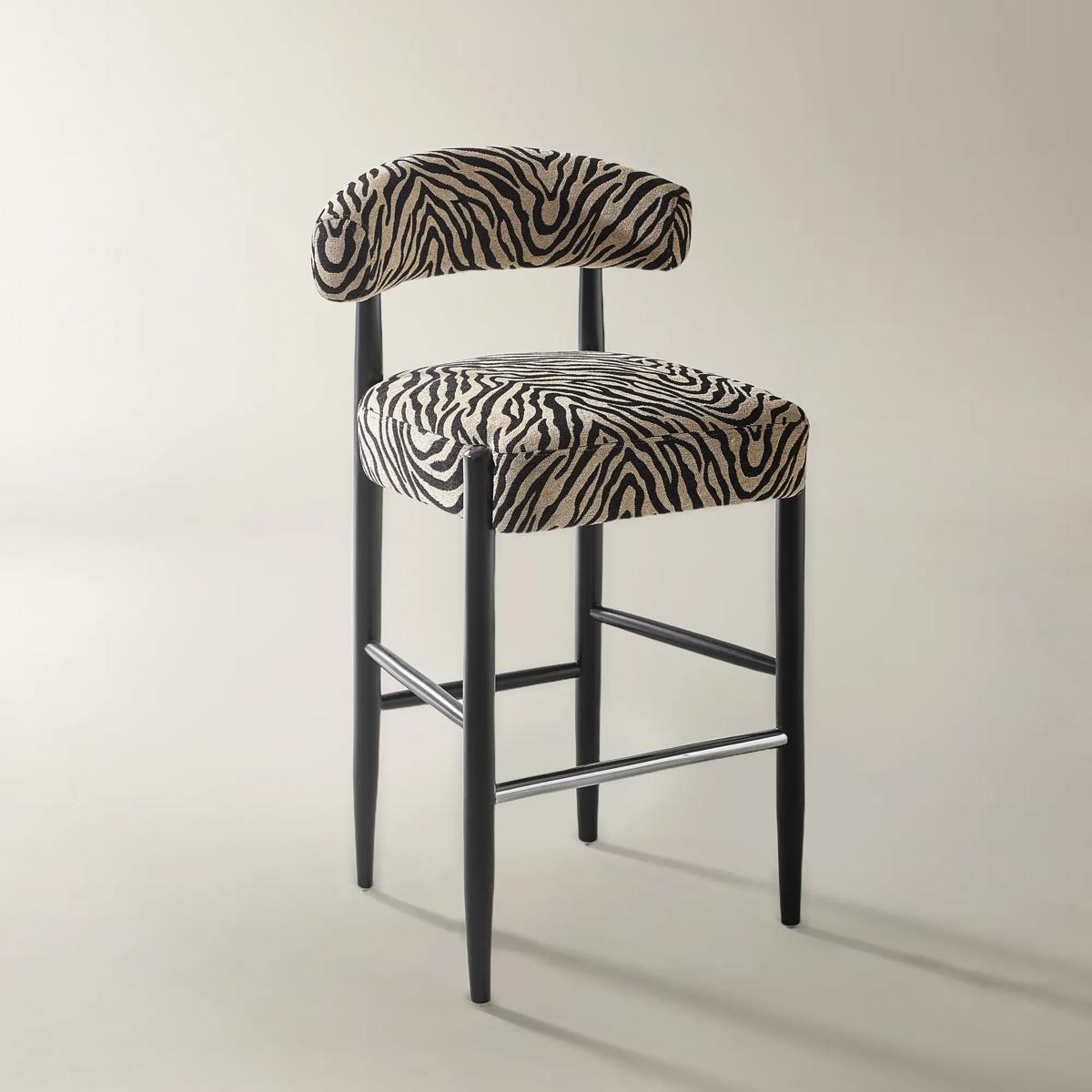
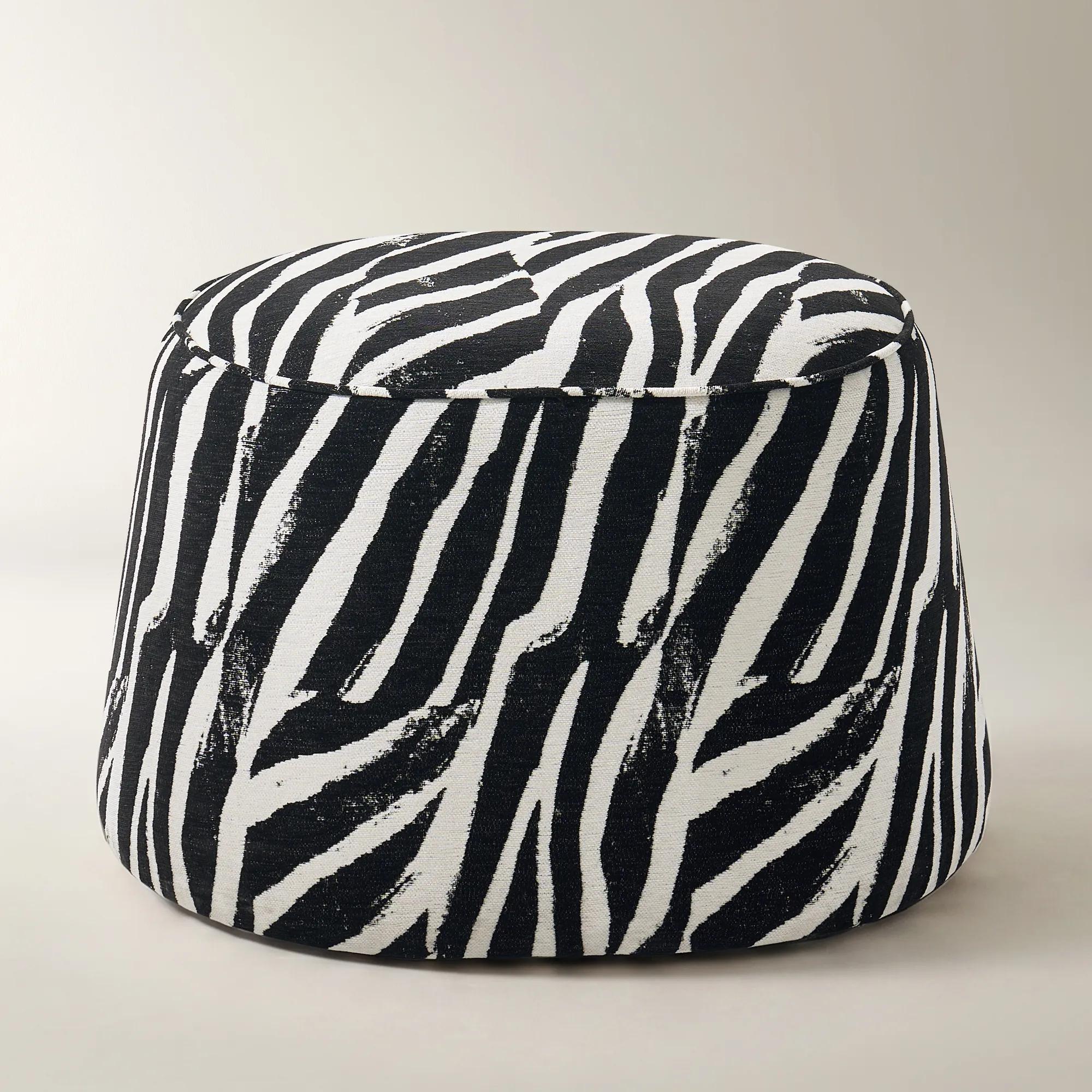
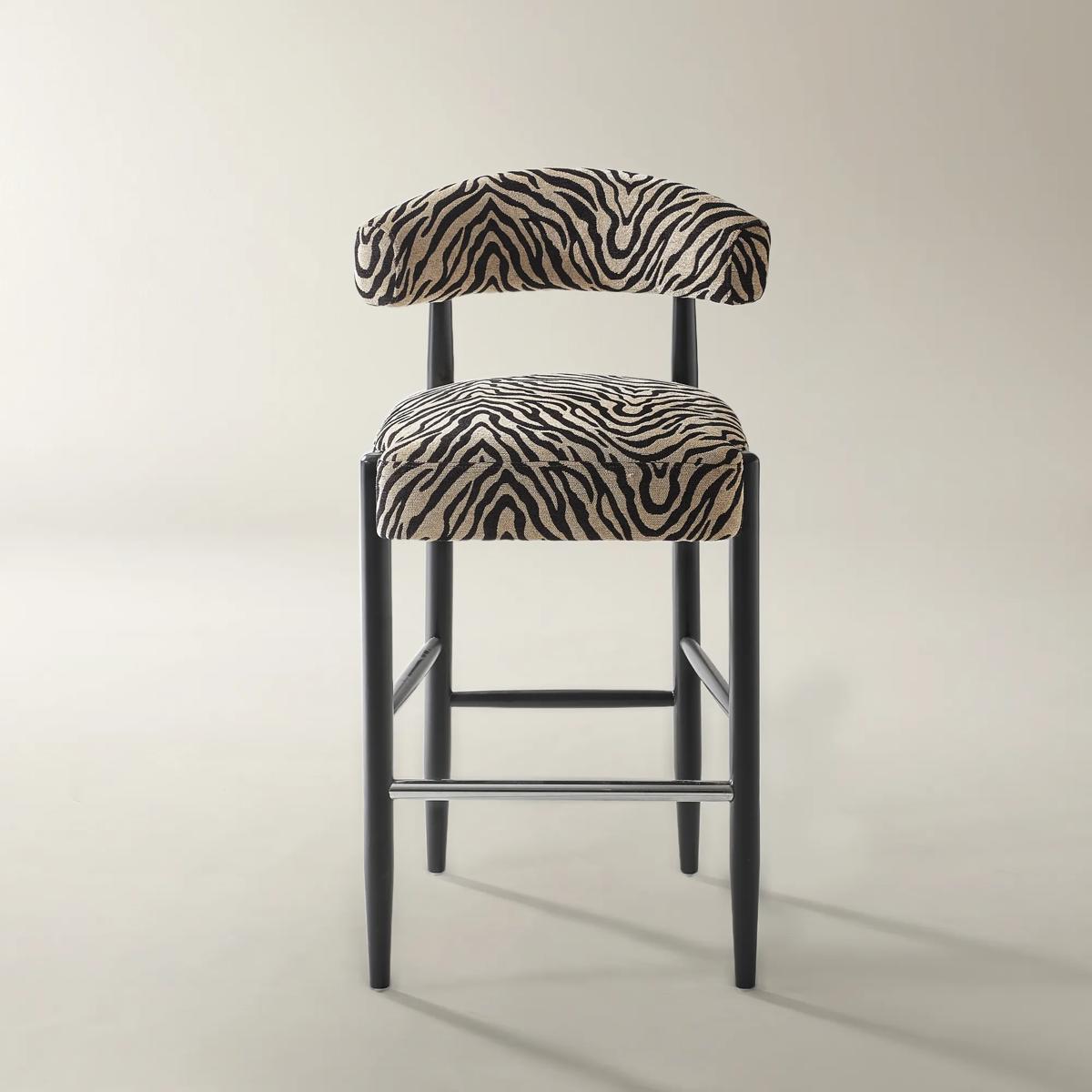 Anna Zebra Chenille Bar/Counter Stool$399
A zebra-print chenille barstool with plush foam padding and solid rubberwood legs for modern sophistication.
Add To Cart -
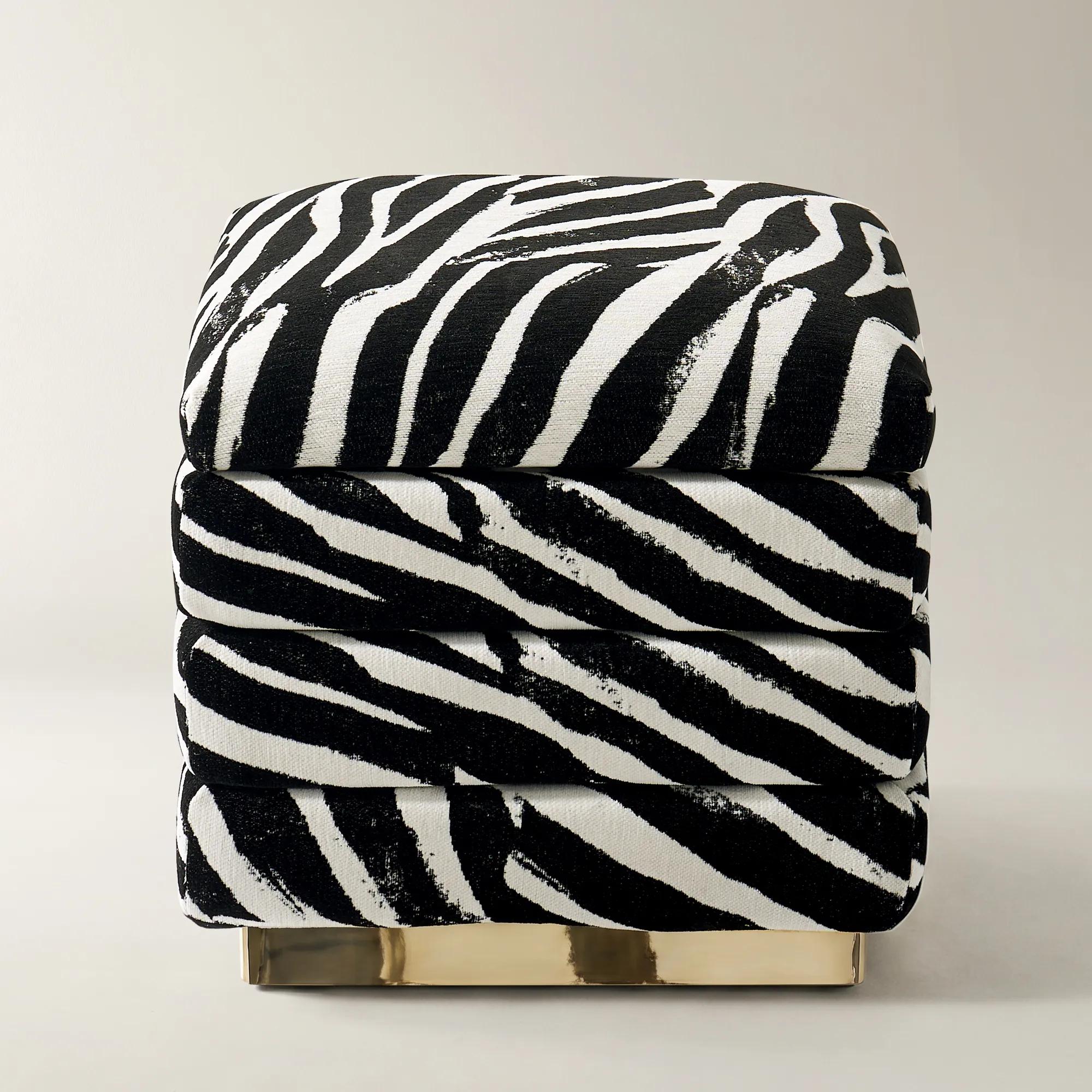
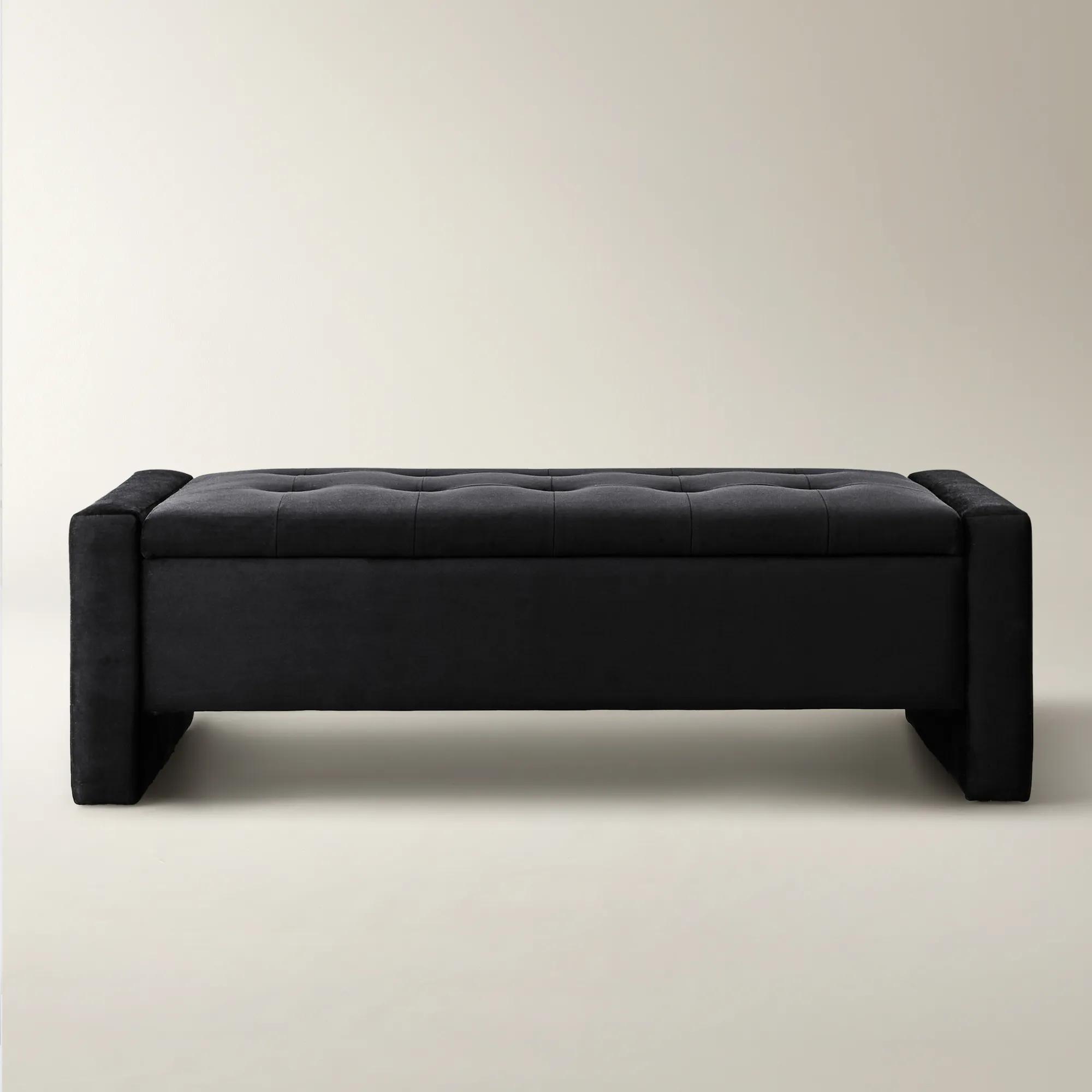
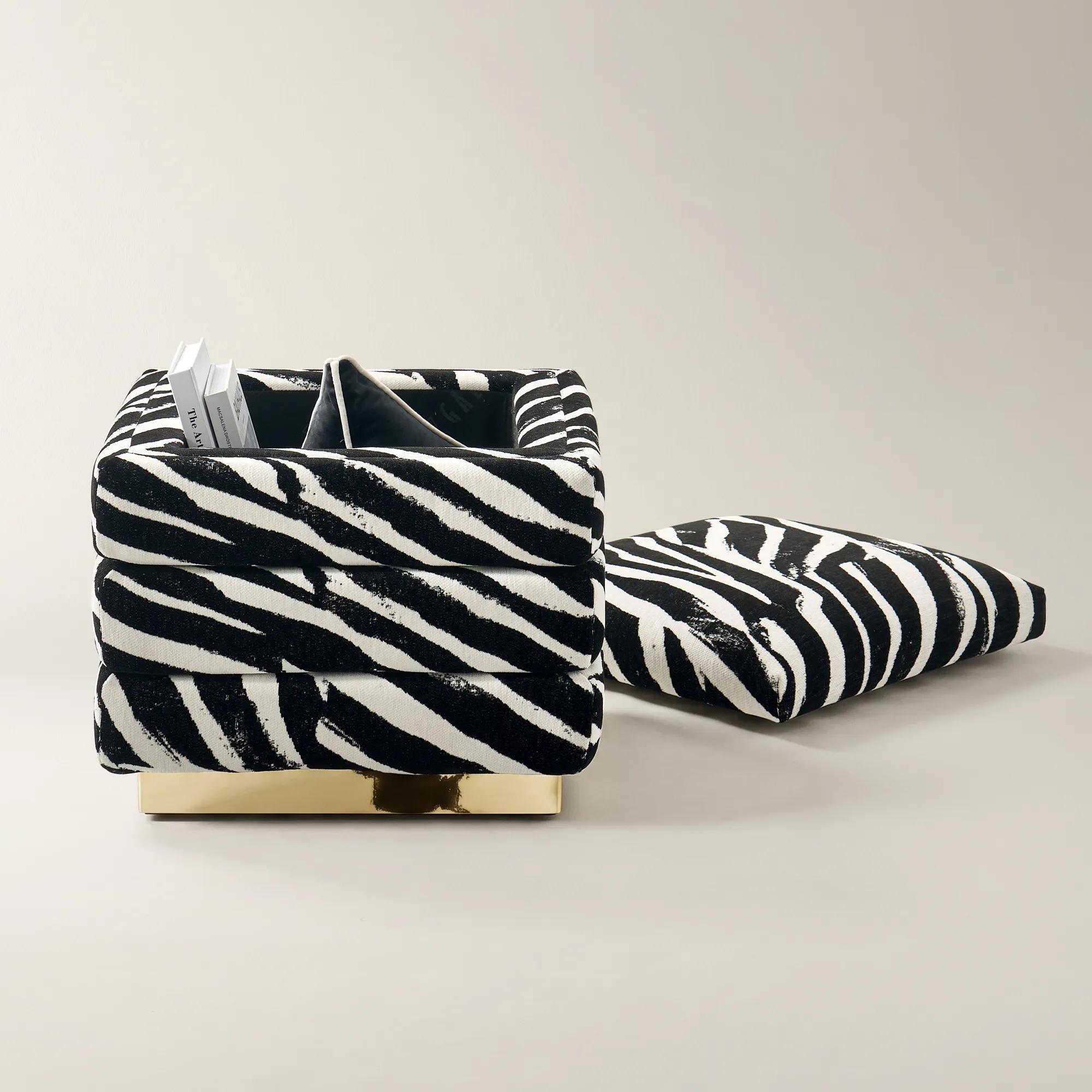 Gable White/Black Performance Chenille Stool$399
A plush white and black chenille stool with hidden storage and a polished gold stainless steel base.
Add To Cart -
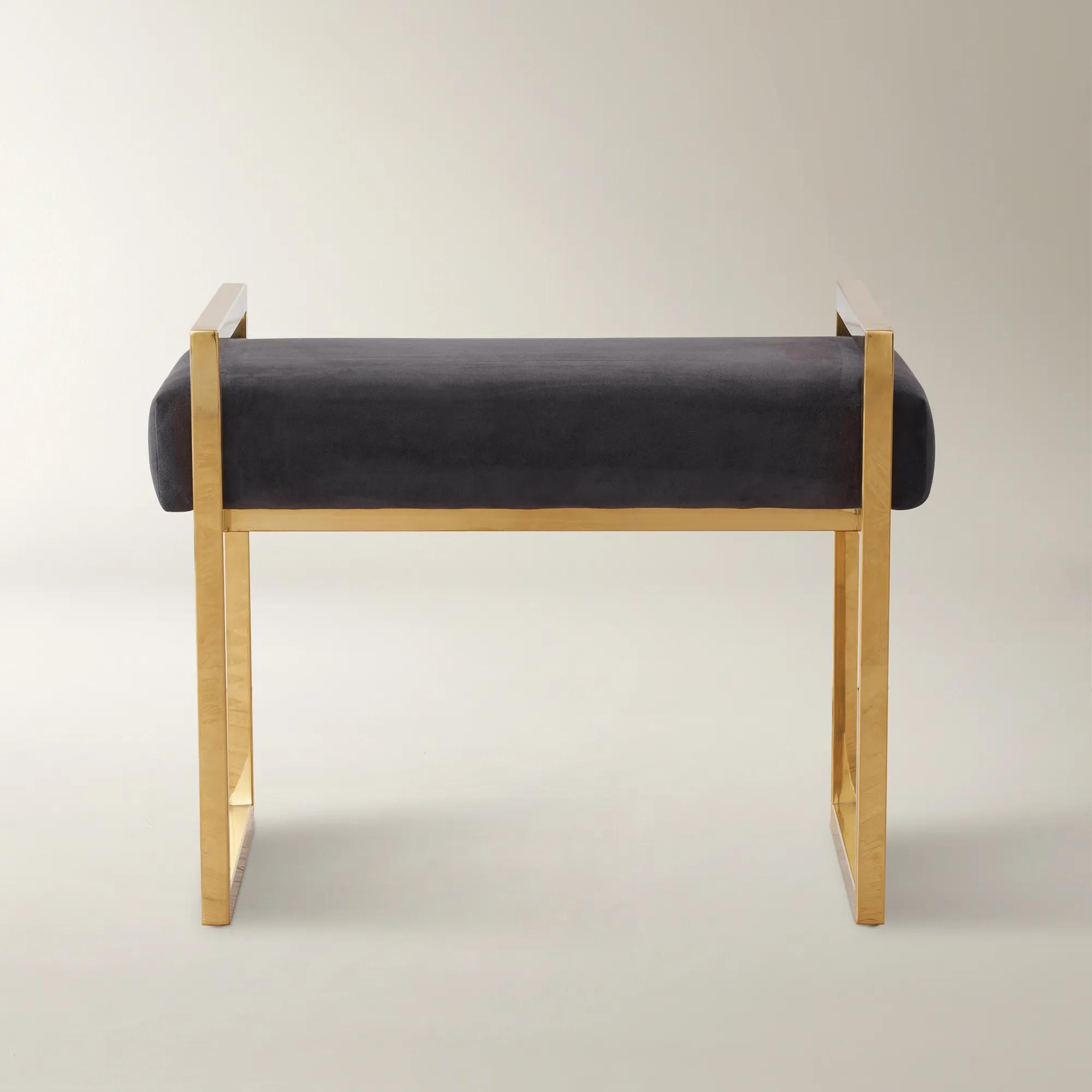
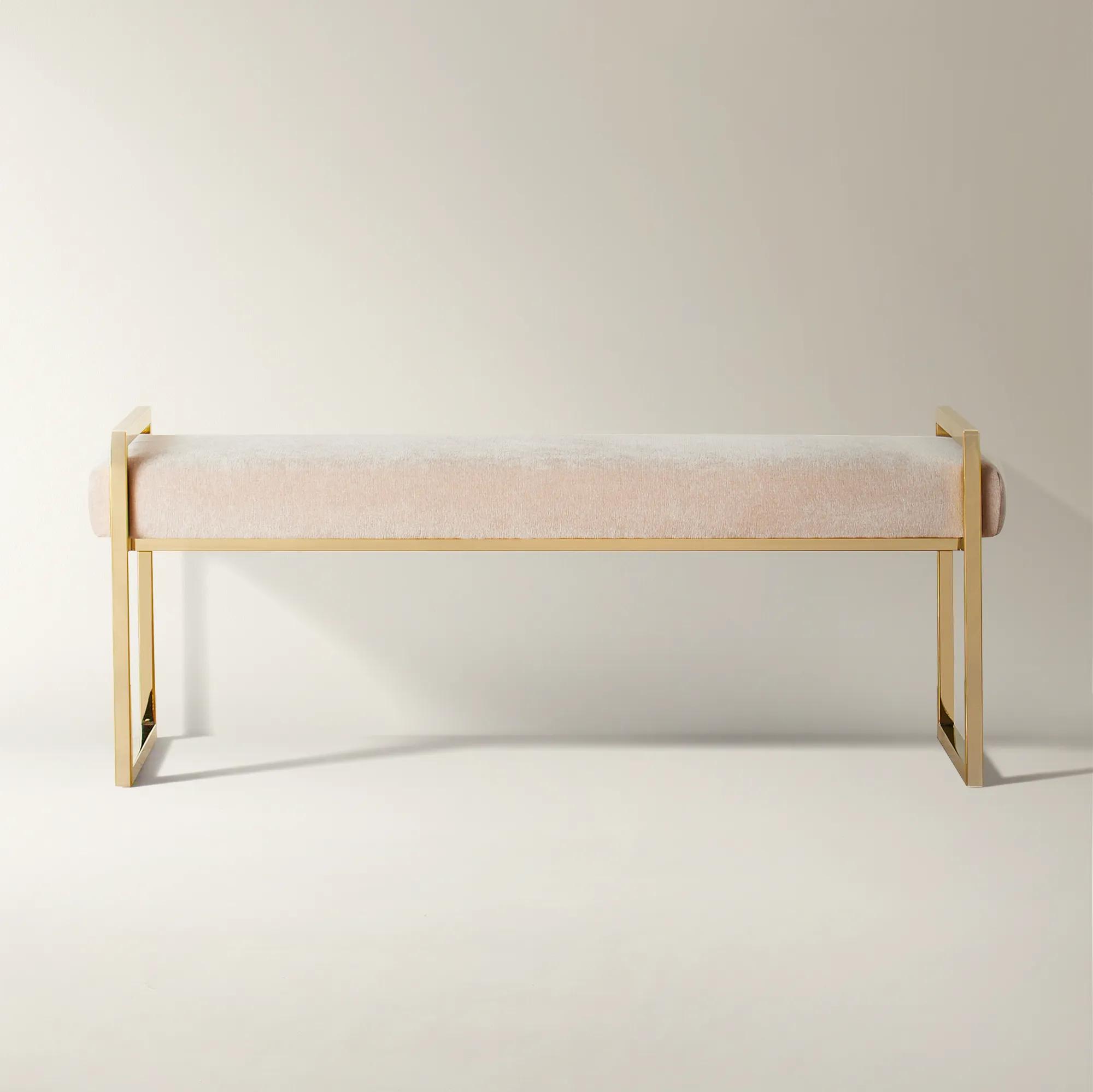
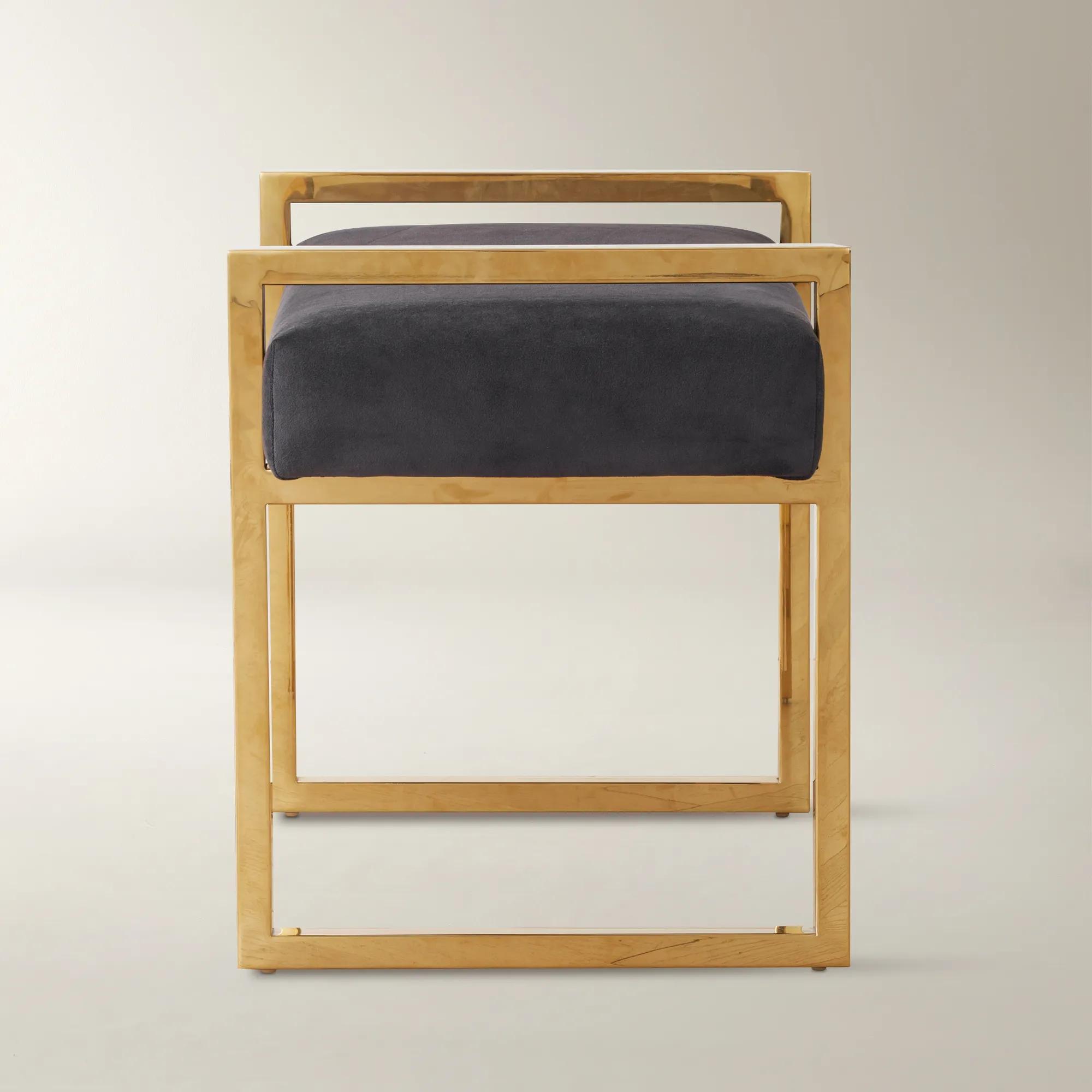 Clara Accent Stool$399
A plush black velvet seat rests on open polished gold metal legs for a chic, modern accent.
Add To Cart -
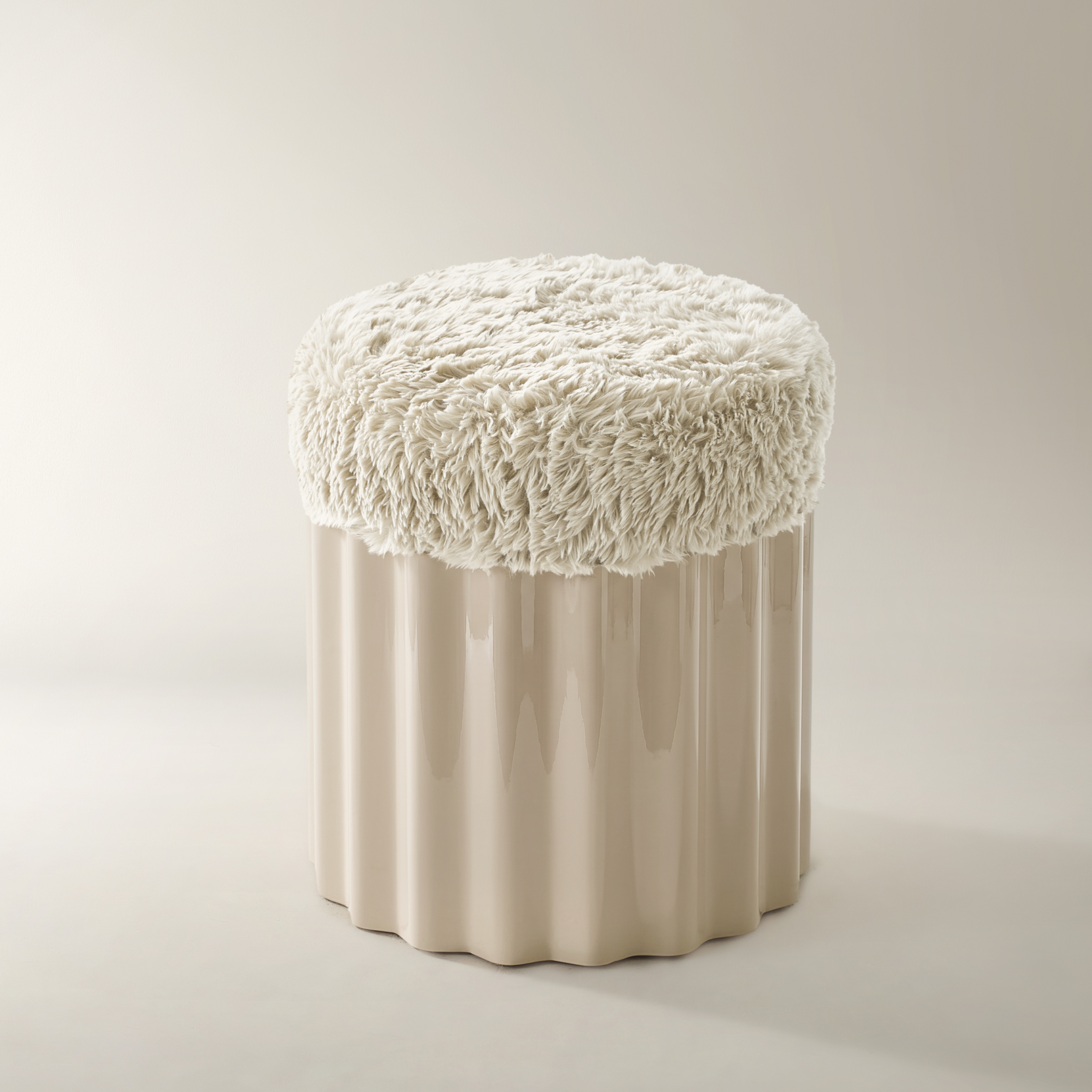
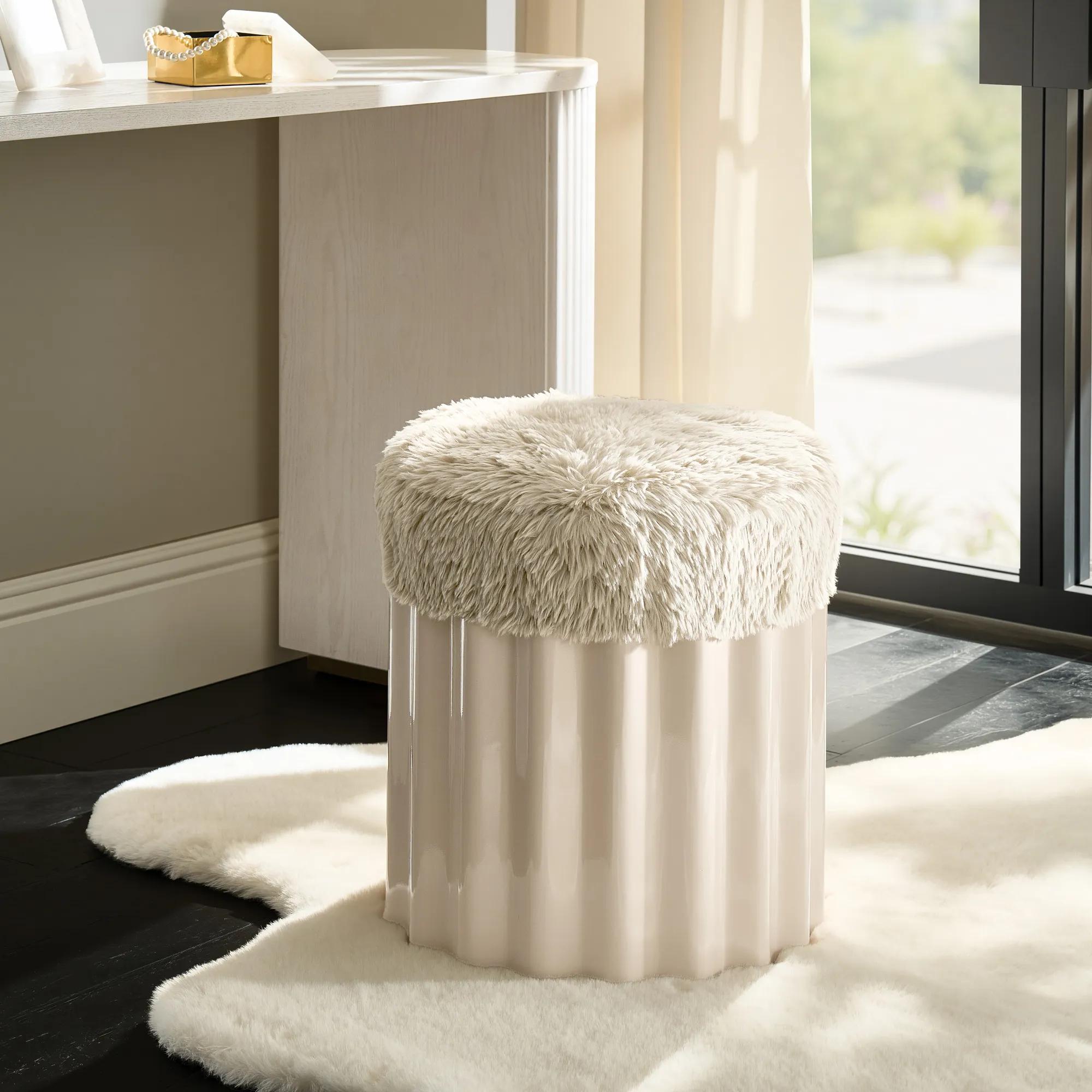 Nia Lacquered Turtle Dove Faux Fur Storage Stool$399
A sculptural fluted stool in warm turtle dove with plush faux fur seat and hidden storage compartment.
Add To Cart -
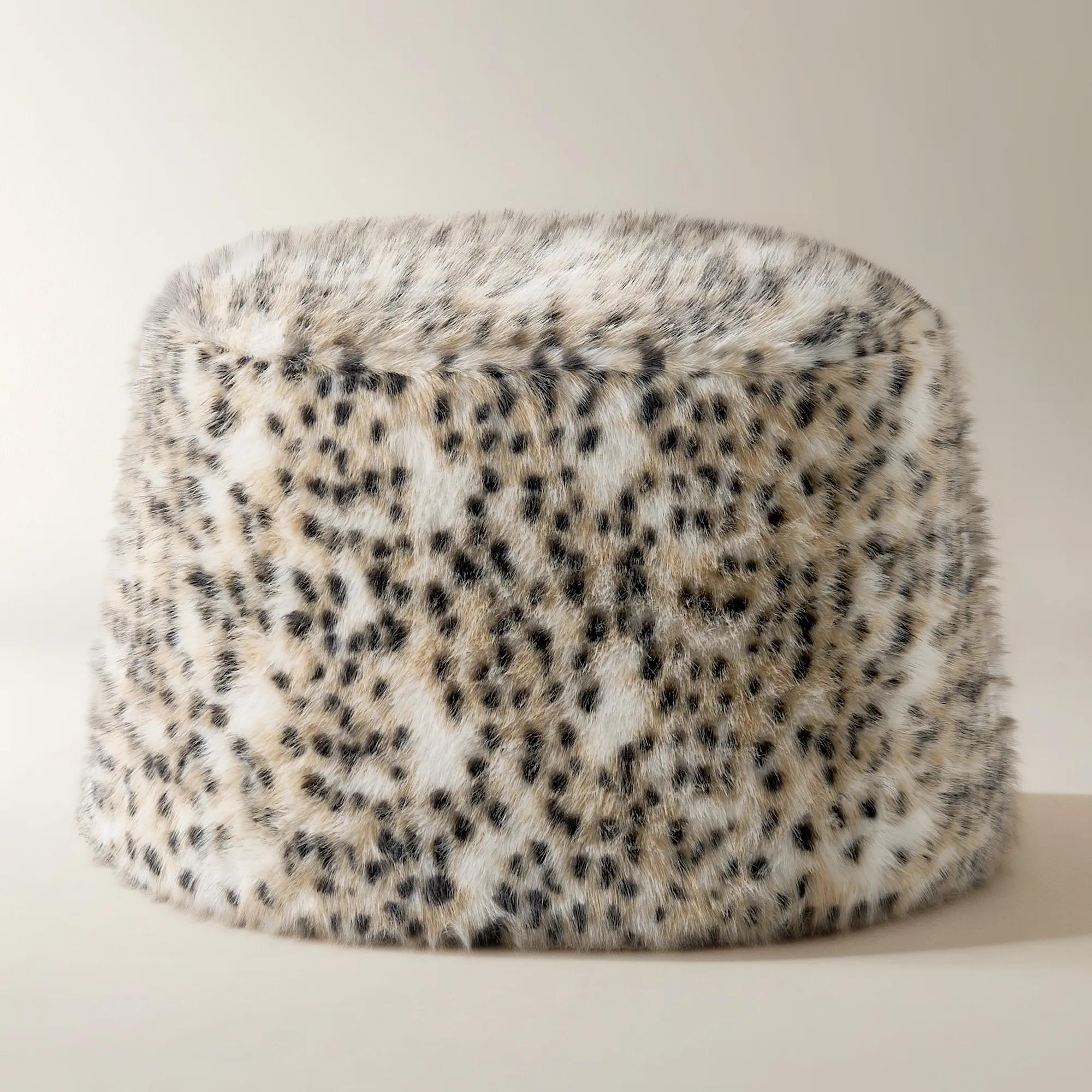
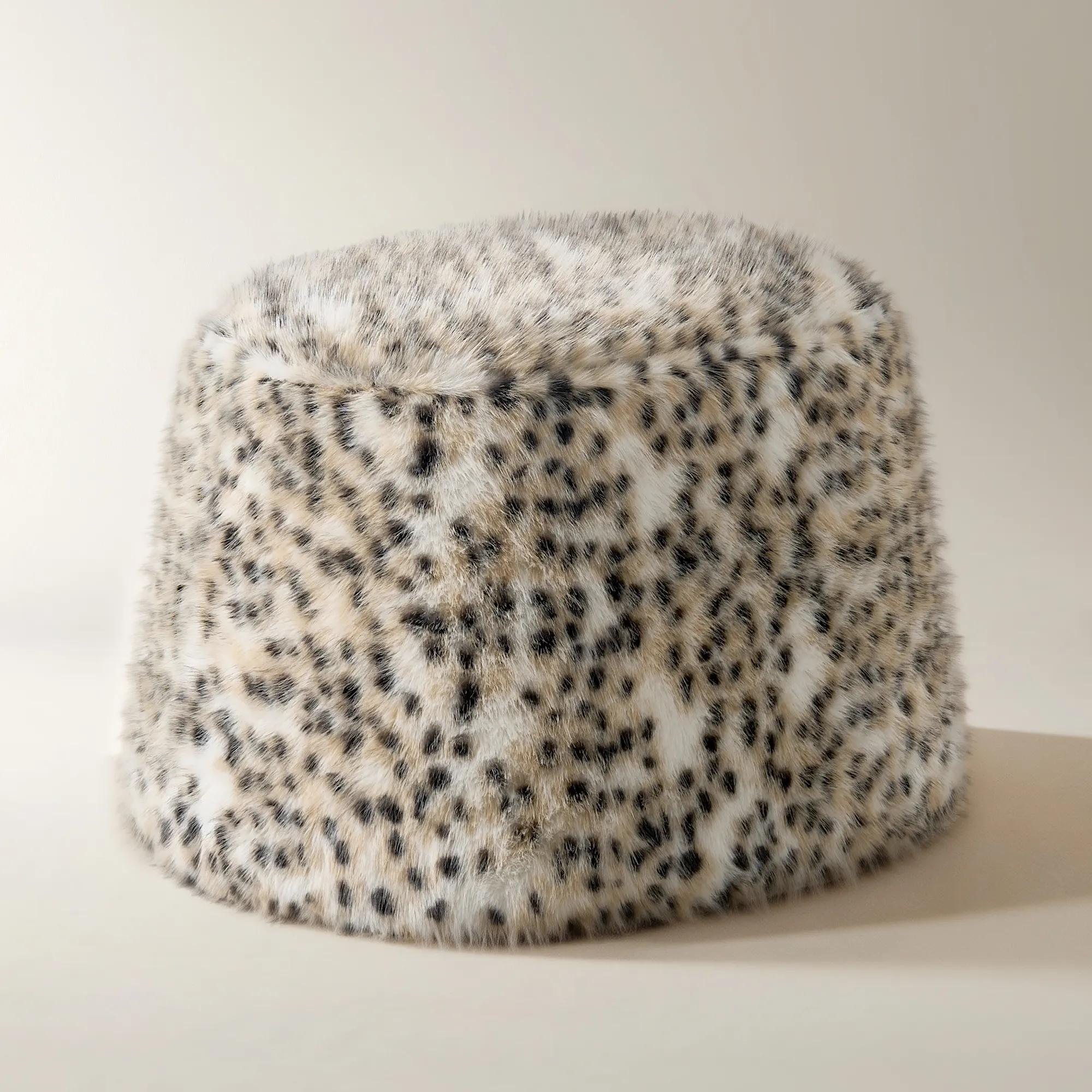 Avery Spotted Faux Fur Stool$399
A sculpted drum stool wrapped in plush spotted faux fur for bold, modern accent seating.
Add To Cart -
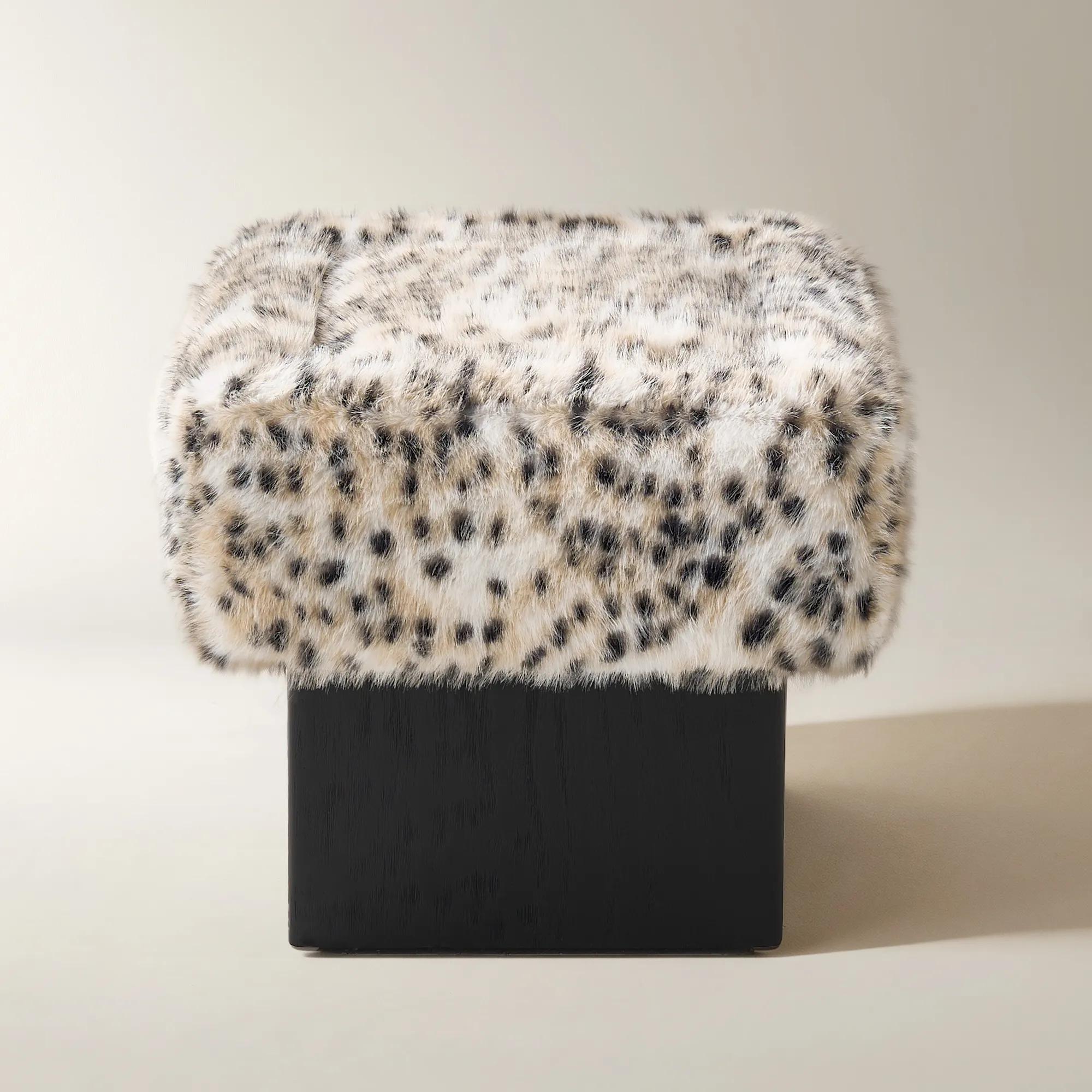 Reims Spotted Faux Fur Stool$349
A plush spotted faux fur stool with a sculpted cushion and solid rubberwood base for modern contrast.
Add To Cart -
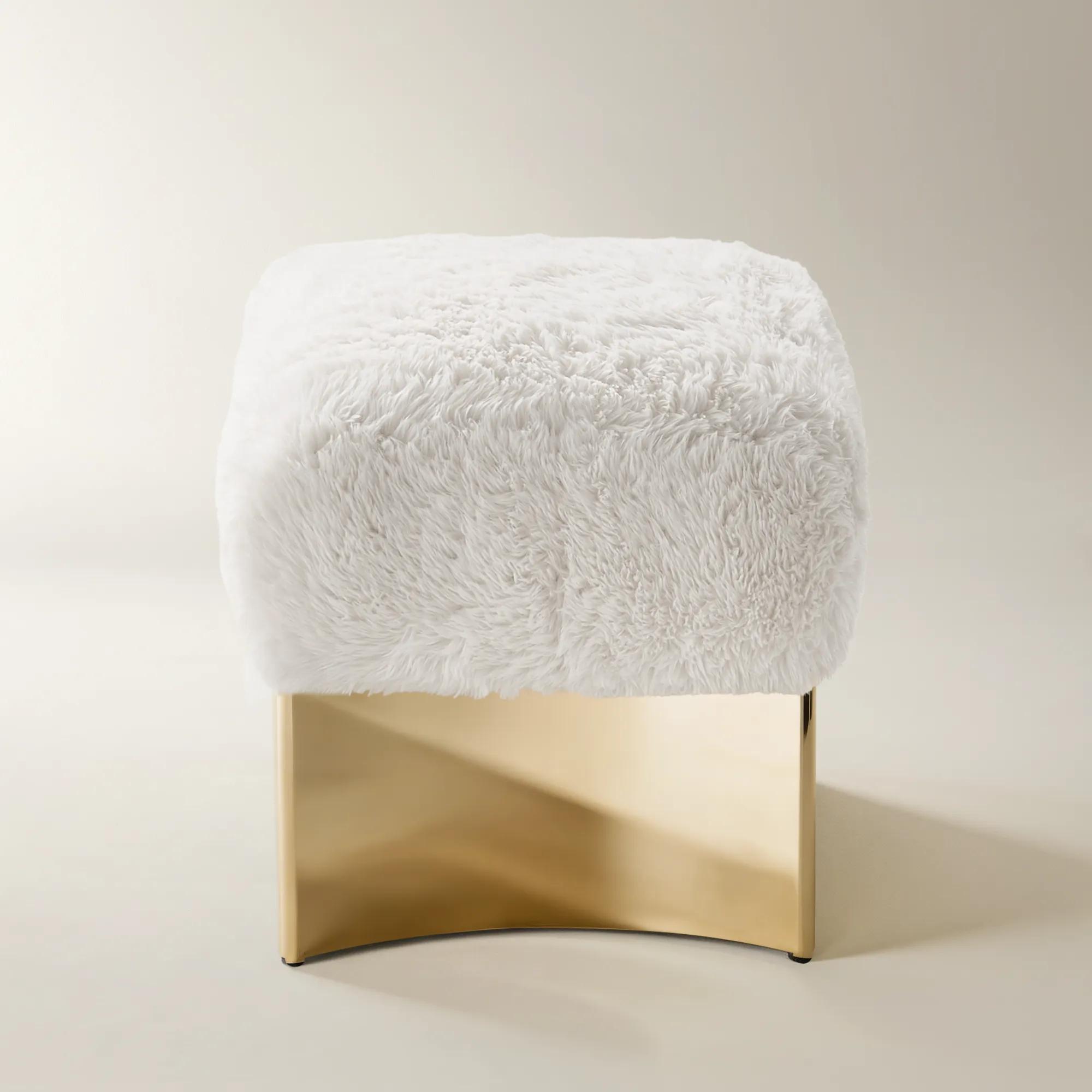 Lush White Faux Fur Stool$499
A sculptural white faux fur stool with a plush seat and polished gold stainless steel base.
Add To Cart -
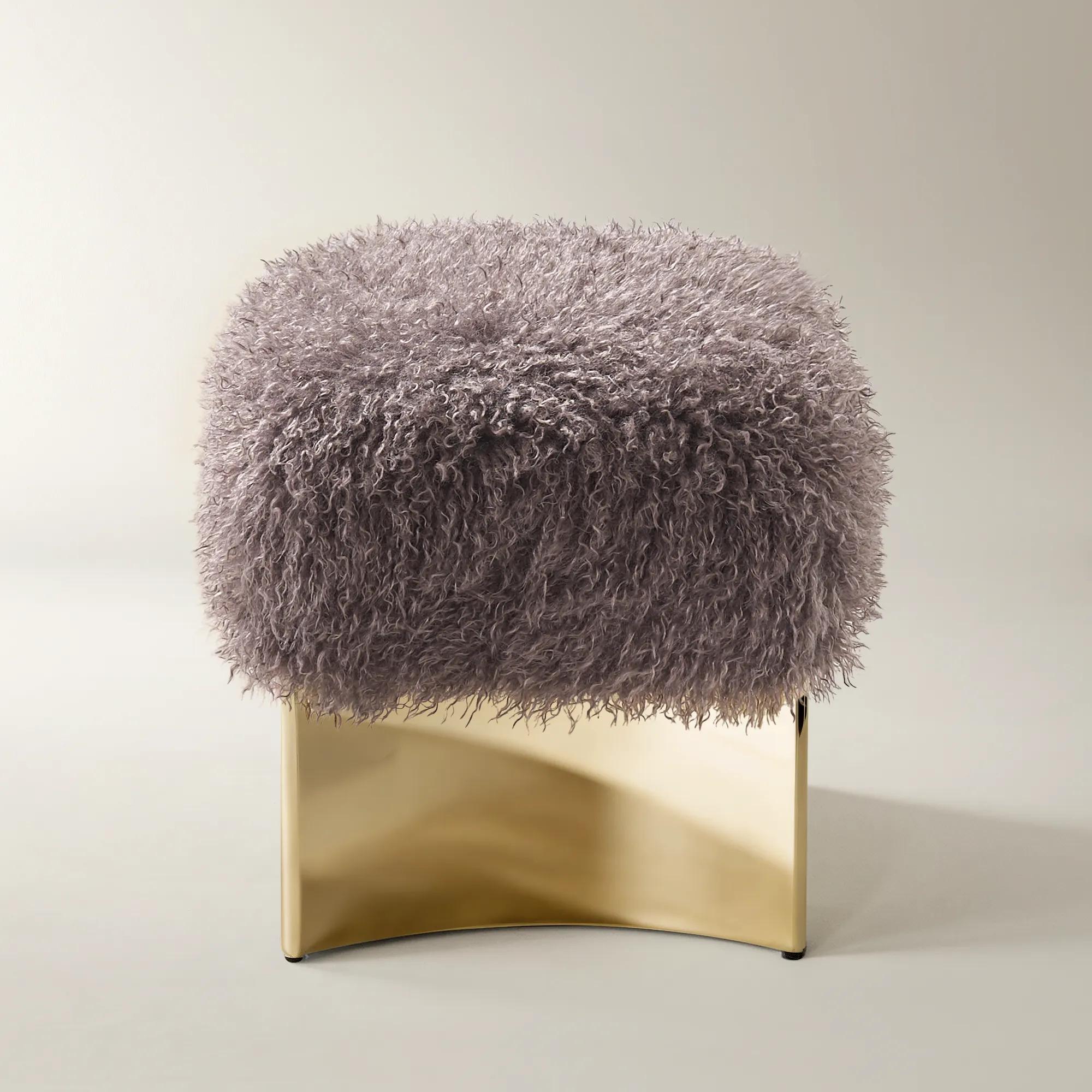 Lush Smoked Plum Faux Fur Stool$499
A sculptural smoked plum faux fur stool with a plush seat and polished gold stainless steel base.
Add To Cart

Designer Home Counter Stools
Elevate your kitchen or entertaining space into a gallery of modern artistry with designer home counter stools that command attention at every glance. Each silhouette is a curated statement—sculpted lines, unexpected textures, and sumptuous finishes harmonize to create seating that transcends the ordinary. Whether you crave the allure of gleaming metallics or the plush embrace of luxe upholstery, these counter stools transform everyday moments into extraordinary experiences. With designer home counter stools as your muse, every gathering becomes an exhibition in style, sophistication, and unapologetic self-expression.
Designer home counter stools bring sculptural presence and everyday comfort to the kitchen island, breakfast counter, or open-plan entertaining space. More than an extra place to sit, they establish a rhythm across the room: a sweep of curved backs against veined stone, a gleaming metal detail beneath tailored upholstery, or a richly grained wood frame that gives lacquered cabinetry a warmer counterpoint. Counter-height stools typically have seats about 24 to 26 inches from the floor, making them suitable for many standard 36-inch-high counters. Bar-height stools are taller, commonly with seats around 28 to 30 inches, and generally suit surfaces approximately 40 to 42 inches high. That distinction matters both visually and physically; the right proportions allow a stool to feel integrated with the architecture rather than perched awkwardly beneath it. Within those proportions, the design possibilities are expressive. A rounded upholstered back softens an angular island, while an open frame preserves the view through a compact kitchen. Channel detailing introduces a measured cadence; a smooth, generously padded seat lets the silhouette take the spotlight. Ivory, charcoal, and warm neutral upholstery can create a composed foundation for dramatic lighting and decorative accents, while deeper hues give a restrained kitchen a deliberate focal point. A repeated metallic finish can connect seating to cabinet hardware or pendant lights without requiring every element to match. Wood offers another kind of richness, with visible grain and subtle tonal variation lending depth to polished surroundings. For households that gather at the island over breakfast, hosts who enjoy conversation while preparing dinner, or apartment dwellers whose counter doubles as a dining surface, these stools make a frequently used space feel thoughtfully furnished. Their impact is especially strong in open floor plans, where the backs remain visible from the living room and deserve the same attention as the fronts. A beautiful rear profile, considered seams, and balanced proportions give the seating a finished presence from every angle.
The appeal of luxury counter stools lies in the relationship between what catches the eye and what supports the body. Velvet can add luminous depth, its pile shifting in appearance as light moves across the seat, while textured woven upholstery creates a quieter interplay of shadow and dimension. Leather brings a supple surface and a distinctive character that varies with its finish and develops with use. Performance upholstery may be a practical consideration around meals and frequent gatherings, although stain resistance, cleaning methods, and wear characteristics depend on the particular fabric; the designation does not mean a surface is stain-proof. For a household where the island hosts everything from morning coffee to an extended dinner conversation, upholstery should feel as considered as its color. Tightly woven fabrics with documented abrasion performance can be worth considering for frequent use, while pronounced loops or delicate textures may require greater care around pet claws, jewelry, and clothing hardware. Solid wood, wood veneers, and metal each offer different aesthetic qualities, and durability depends on construction, finish, and appropriate use rather than material alone. Secure joinery, stable legs, supportive cushioning, and a well-positioned footrest contribute to seating that feels reassuring in daily use. A footrest is particularly important on elevated seating because it gives the feet support instead of leaving them suspended. Full backs offer more support for lingering meals, low backs introduce definition without dominating the sightline, and backless counter stools create a cleaner view when tucked beneath a suitable overhang. Arms can lend a chair-like sense of enclosure, but their height needs to clear the underside of the counter if the seat is intended to slide beneath it. Swivel seating makes it easier to turn toward a conversation, though adjacent stools and cabinetry need room for that movement. For spaces where the island serves as the principal dining area, Designer Dining Counter Stools extend the same attention to silhouette and comfort into seating intended for shared meals. The strongest choices unite an expressive profile with the way the room is actually used.
A beautifully composed row of modern counter stools also depends on breathing room. As a general starting point, allow approximately 9 to 12 inches between the seat and the underside of the counter for leg clearance, checking for aprons, support brackets, or other obstructions that reduce usable space. The countertop’s overhang matters as well: even an appropriate seat height cannot compensate for an island face that leaves knees crowded. For many stools, about 26 to 30 inches from the center of one seat to the next provides a useful planning range, with wider seats, arms, and swiveling designs requiring more room. Actual overall dimensions should determine the arrangement, rather than the length of the counter alone. Three generous seats can create a more gracious setting than four tightly pressed together, particularly when guests need space for elbows or family members pass behind the seating. Back height influences the composition, too. Taller backs give an island a more formal, dining-room presence, while lower silhouettes let a dramatic stone surface or a pair of pendants remain prominent. Protecting that composition requires care suited to the materials. Regular vacuuming with an appropriate upholstery attachment helps remove crumbs and surface dust; spills should be blotted promptly rather than rubbed, following the manufacturer’s cleaning instructions before applying any treatment. Leather needs care matched to its finish, and wood or metal surfaces should be cleaned with recommended products rather than abrasive pads or harsh chemicals. Prolonged direct sunlight can affect some upholstery and finishes. Floor protectors appropriate to both the stool and flooring help limit scuffs, while periodic checks of fasteners can maintain stability where the construction calls for them. Counter stools are intended for seated use, not as steps, and specified weight limits should always be observed. With thoughtful proportions, tactile materials, and consistent care, designer counter seating gives the everyday gathering place a distinctive identity: polished enough to anchor the room, comfortable enough to invite another conversation.
FAQs
Designer home counter stools stand apart through their striking visual appeal, elevated craftsmanship, and attention to detail. From sculptural silhouettes and luxe upholstery to unique material pairings and artful finishes, these stools are crafted to make a statement and transform your space into a curated work of art.
Counter stools are as versatile as they are beautiful. Use them to create an inviting breakfast bar, anchor a kitchen island, or provide chic seating for casual gatherings. Select styles with swivel bases or contoured backs for added comfort, and choose finishes or fabrics that complement your existing décor to strike the perfect balance between utility and artistry.
Absolutely. A designer stool is a thoughtful and memorable gift for housewarmings, weddings, or milestone celebrations. With their blend of functionality and statement-making style, these stools offer the recipient a piece that will become a cherished focal point in their home for years to come.
Luxury counter stools often feature sumptuous materials such as velvet, top-grain leather, hand-finished wood, gleaming metals, and even stunning acrylics. These premium materials not only provide comfort and durability but also bring a tactile richness and visual drama to your interiors.
To achieve a harmonious blend, focus on unifying elements like color palettes, complementary materials, or consistent design motifs. Mixing textures—such as pairing velvet seats with metallic frames—can add depth and interest, while keeping an eye on scale and proportion ensures a balanced, curated aesthetic throughout your space.