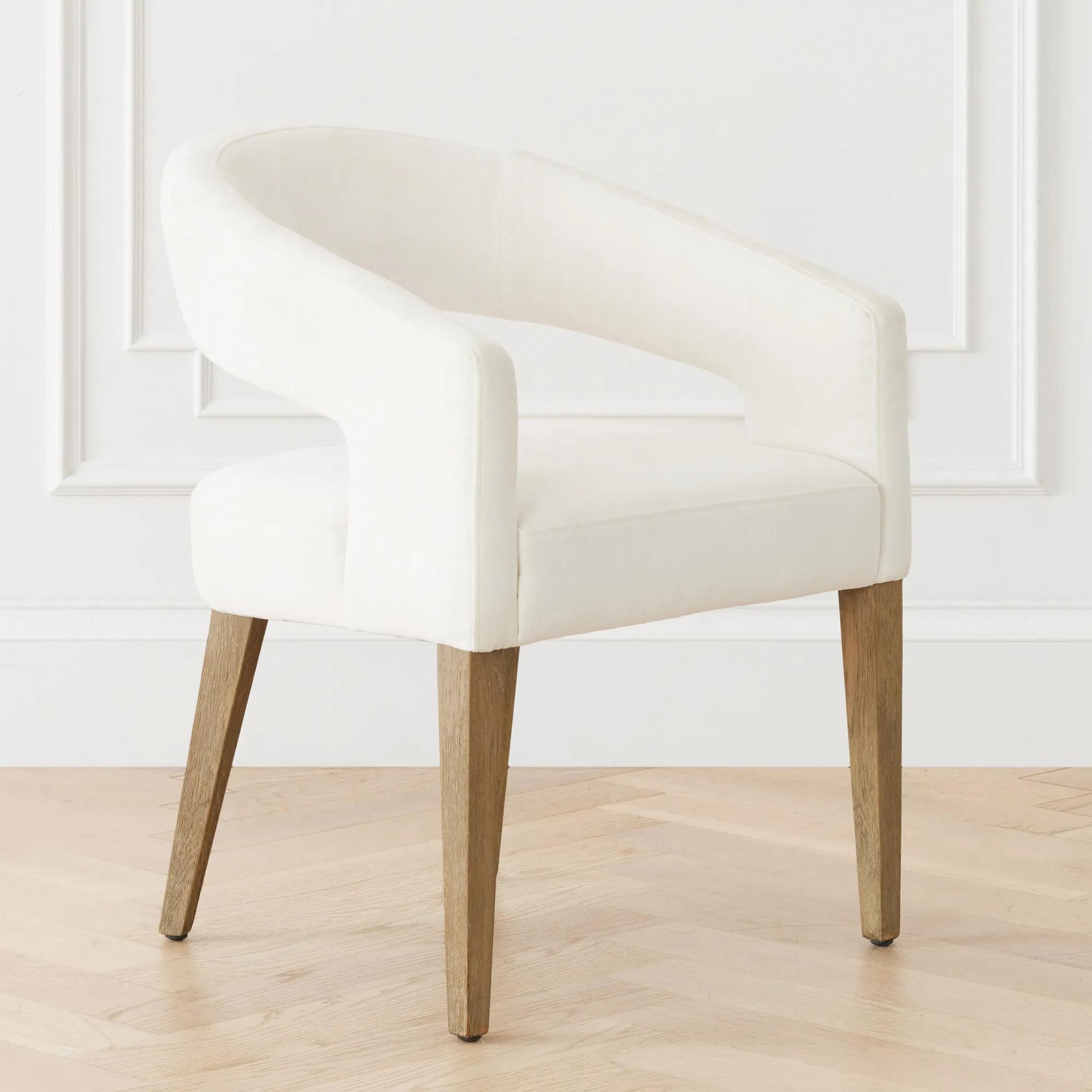
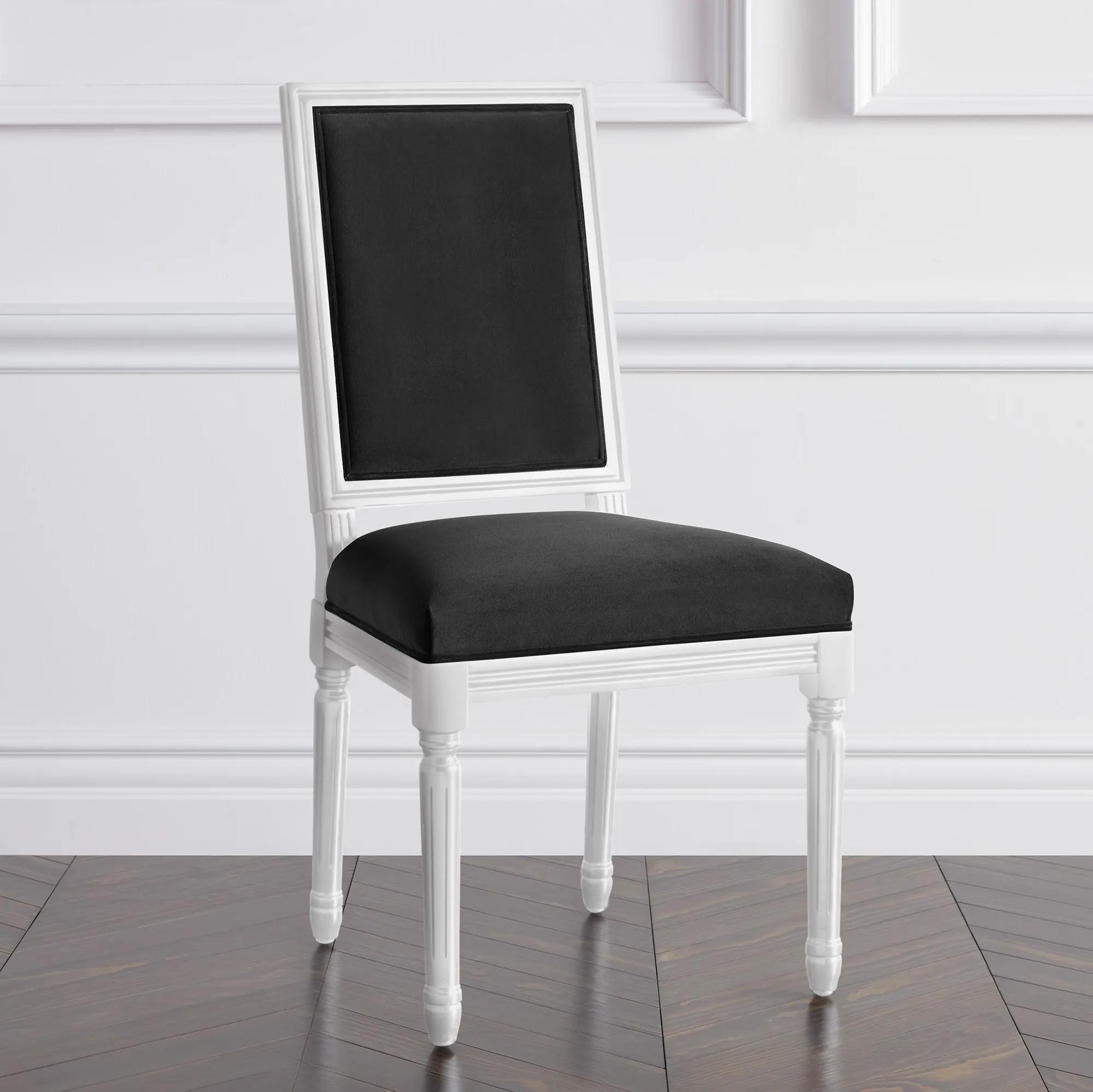
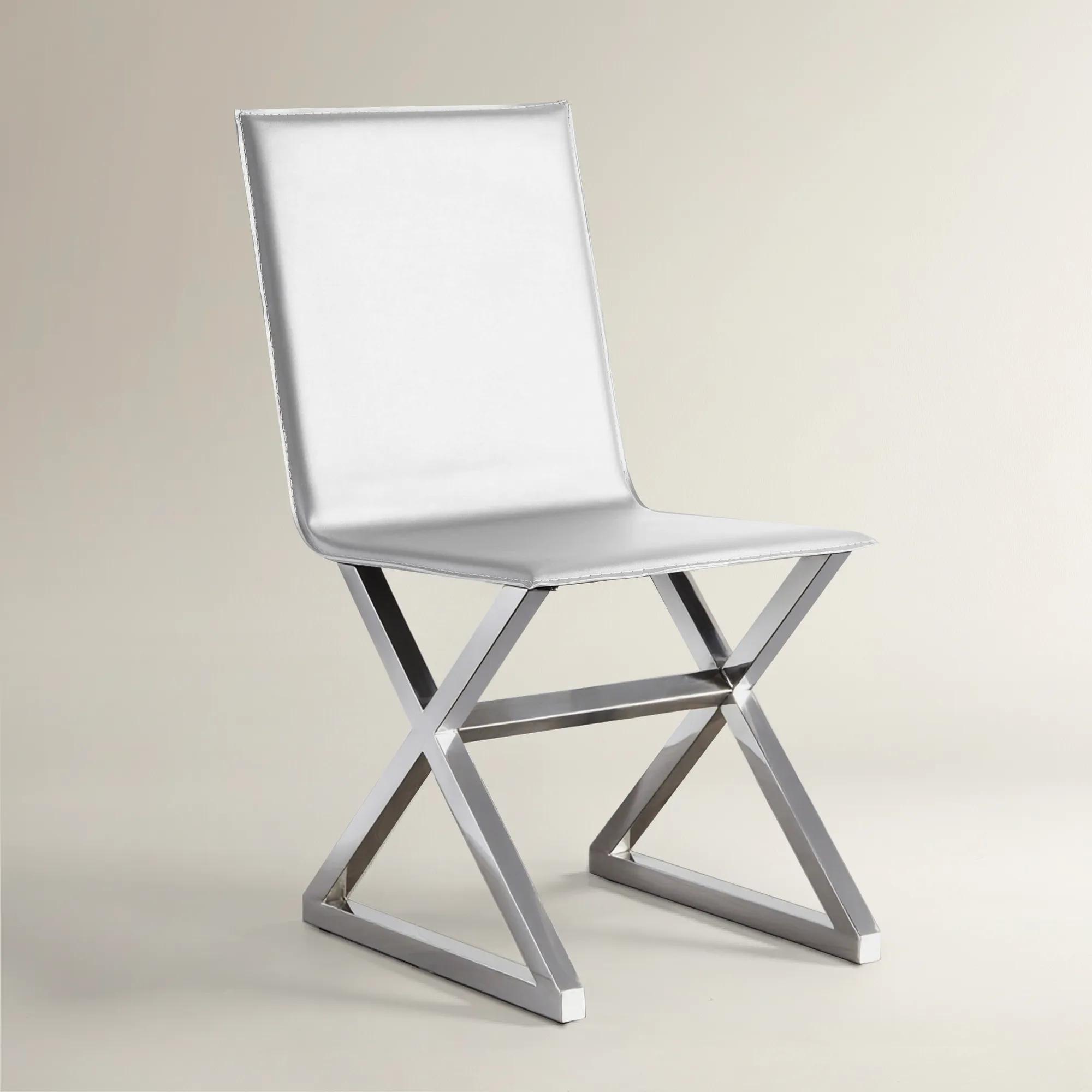
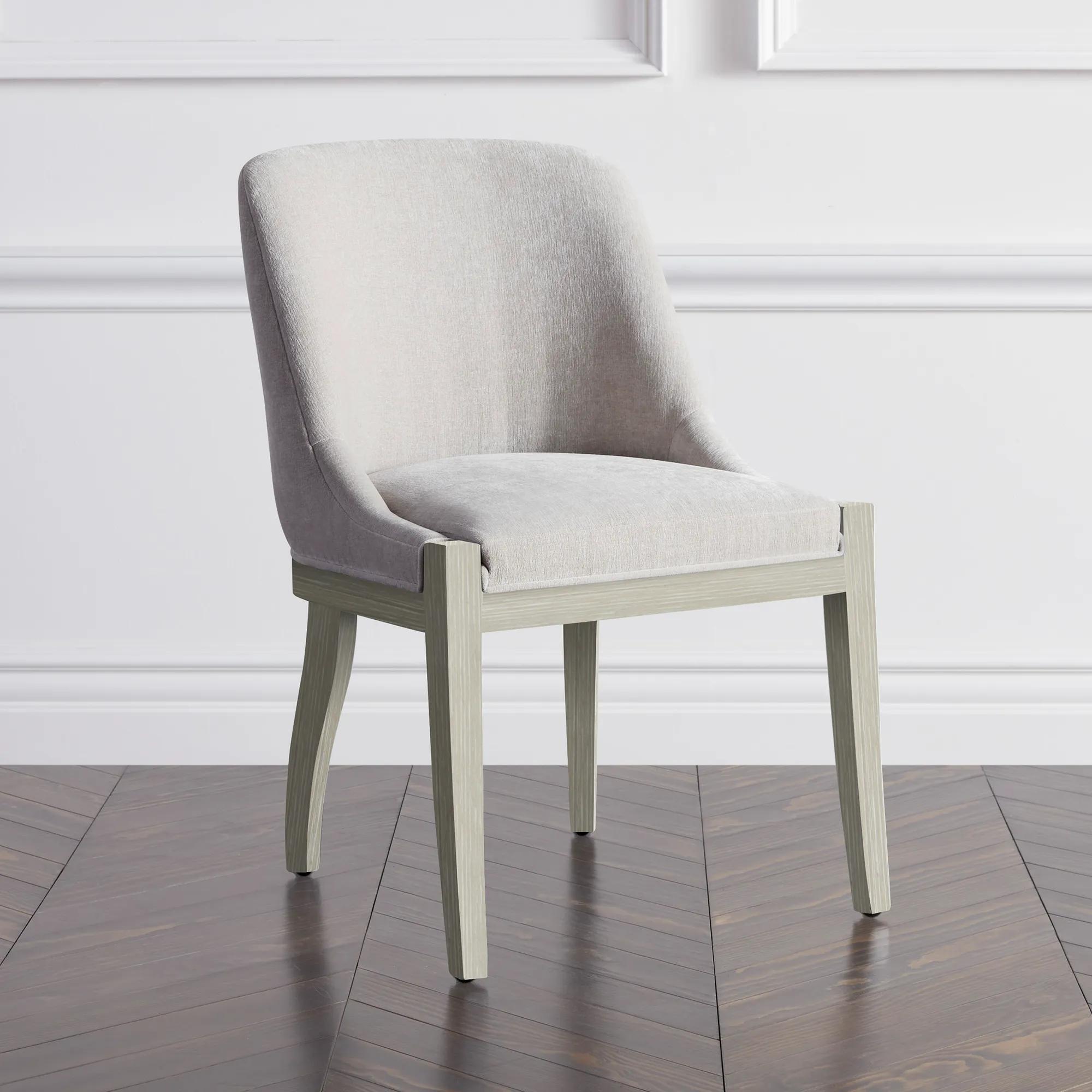
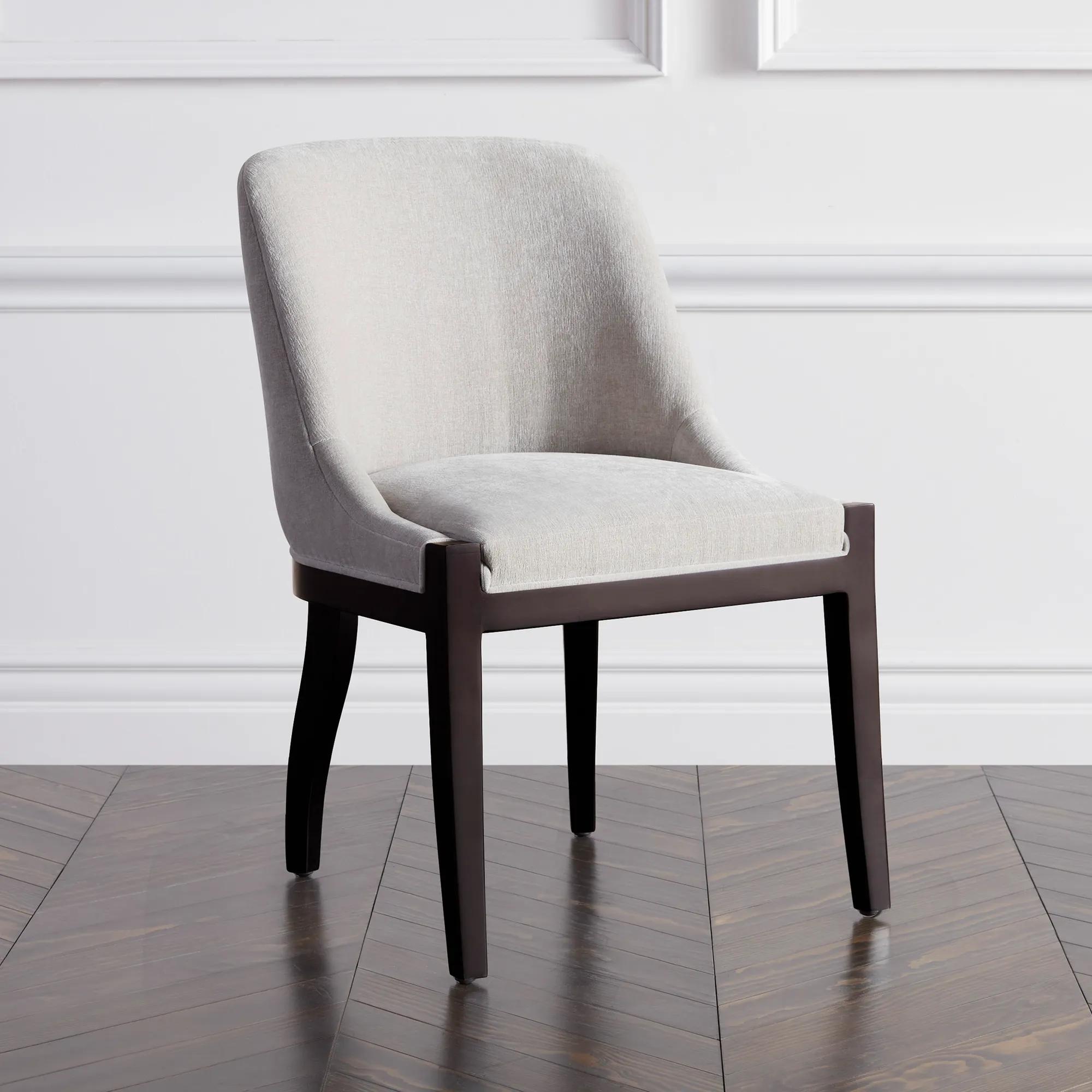
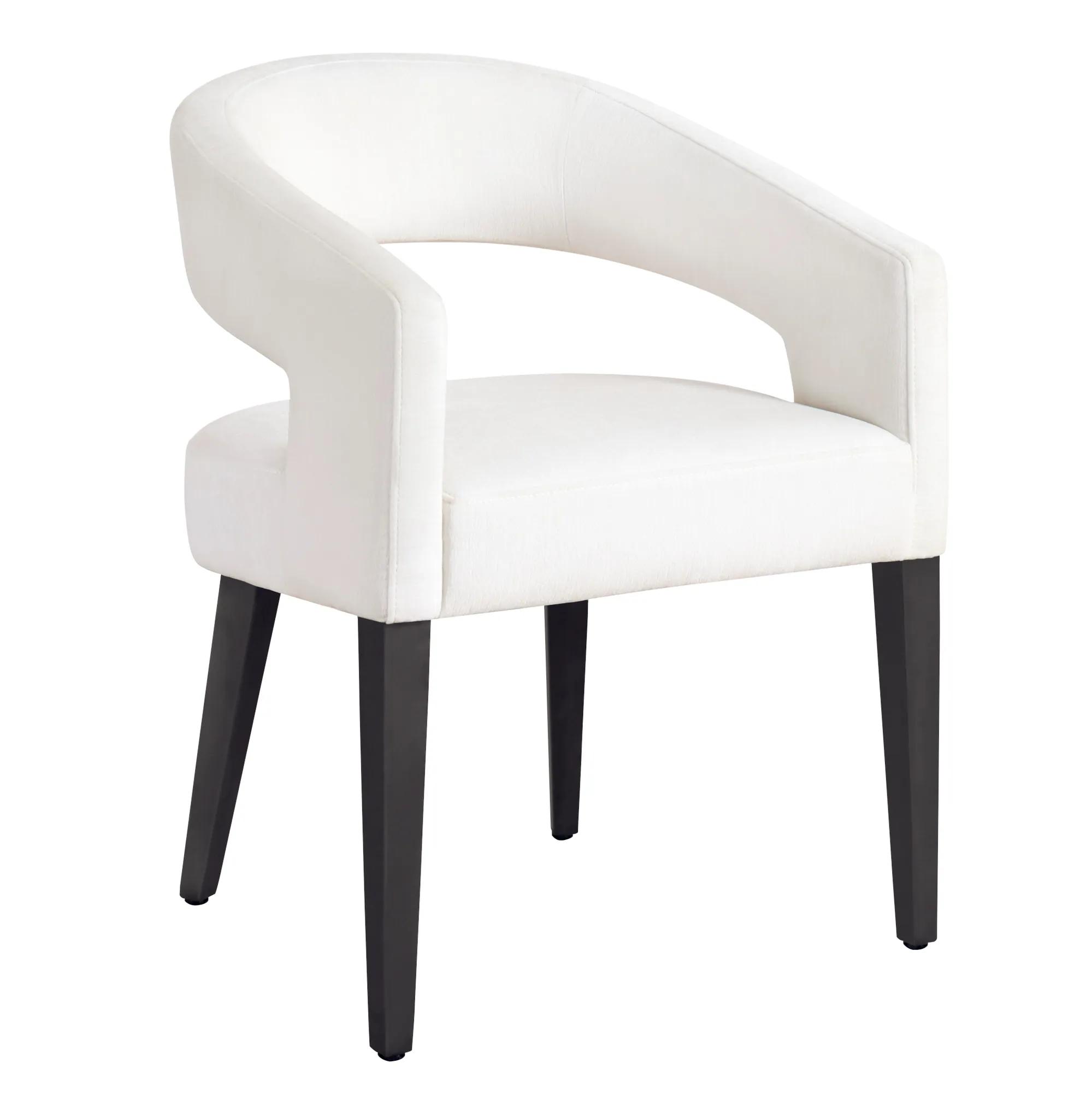
Exclusive Design Counterstools
Exclusive Design Counterstools
-
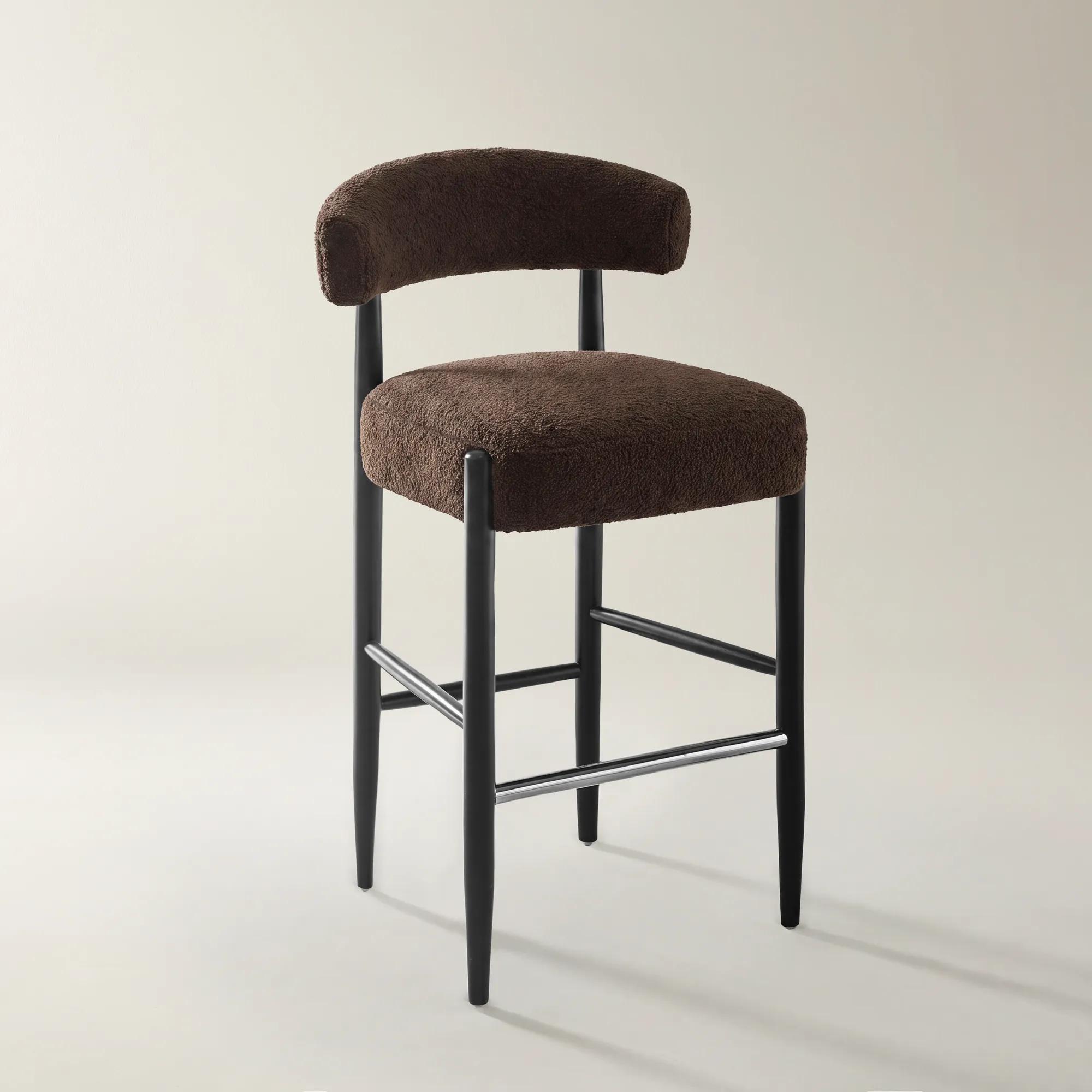 Anna Dark Chocolate Chenille Bar/Counter Stool$399
A dark chocolate chenille stool with sculpted support, padded comfort, and tapered solid rubberwood legs.
Add To Cart -
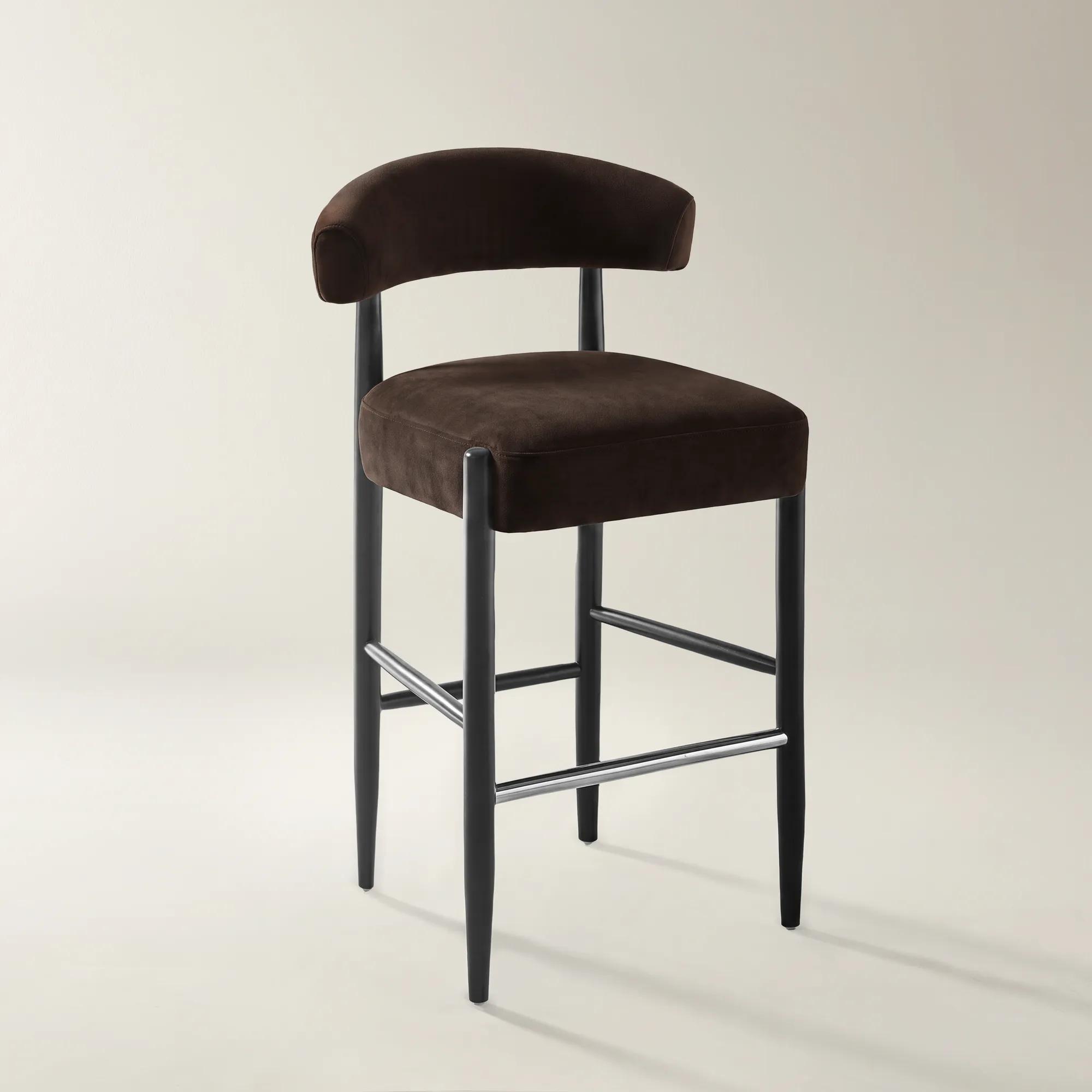 Anna Dark Chocolate Velvet Bar/Counter Stool$399
A dark chocolate velvet stool featuring sculpted support, high-density cushioning, and tapered solid-rubberwood legs.
Add To Cart -
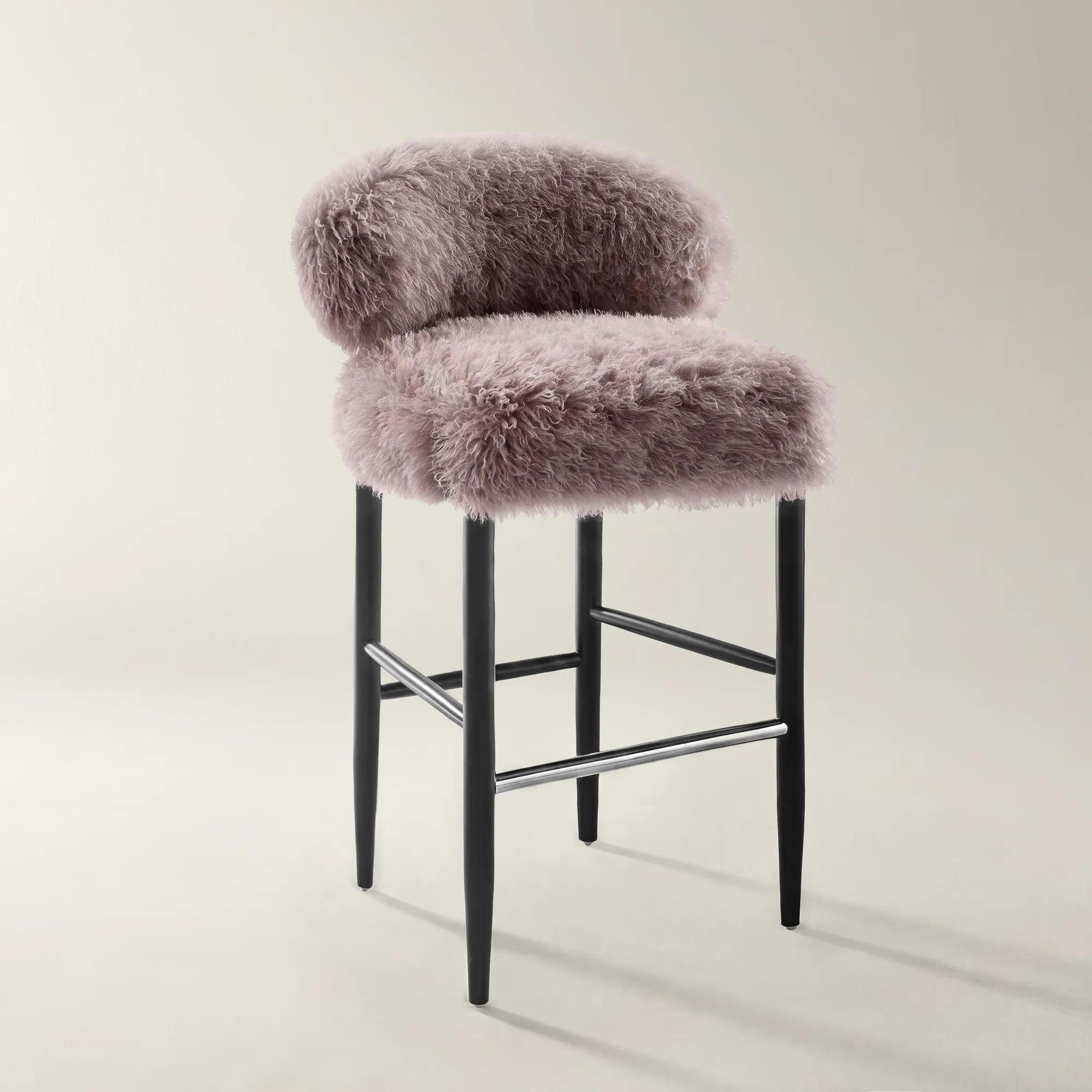 Anna Smoked Plum Faux Fur Bar/Counter Stool$499
A smoked plum faux fur stool featuring a sculpted padded seat and solid rubberwood base.
Add To Cart -
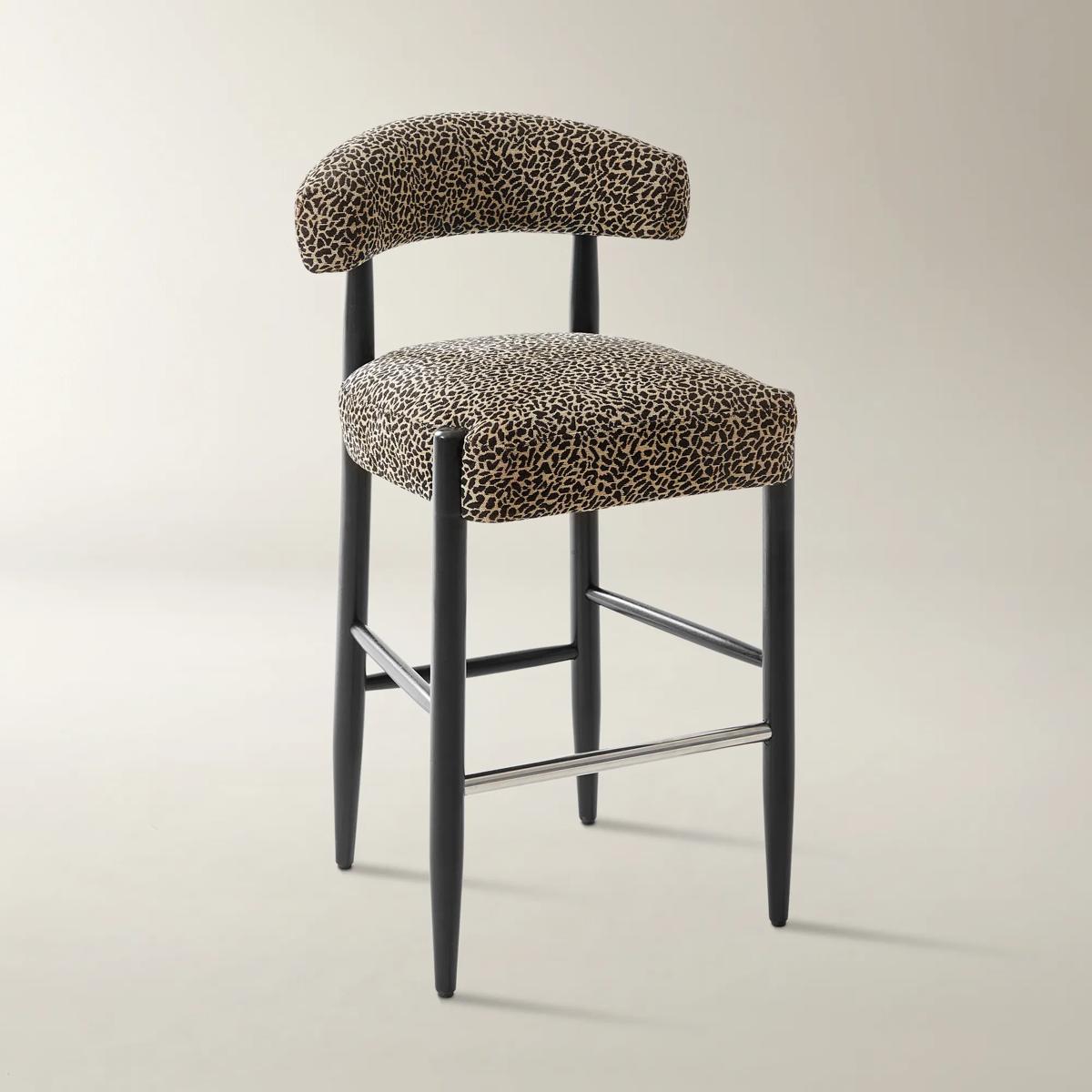 Anna Leopard Chenille Bar/Counter Stool$399
A leopard-print chenille barstool with kiln-dried hardwood legs and supportive, hand-upholstered cushioning.
Add To Cart -
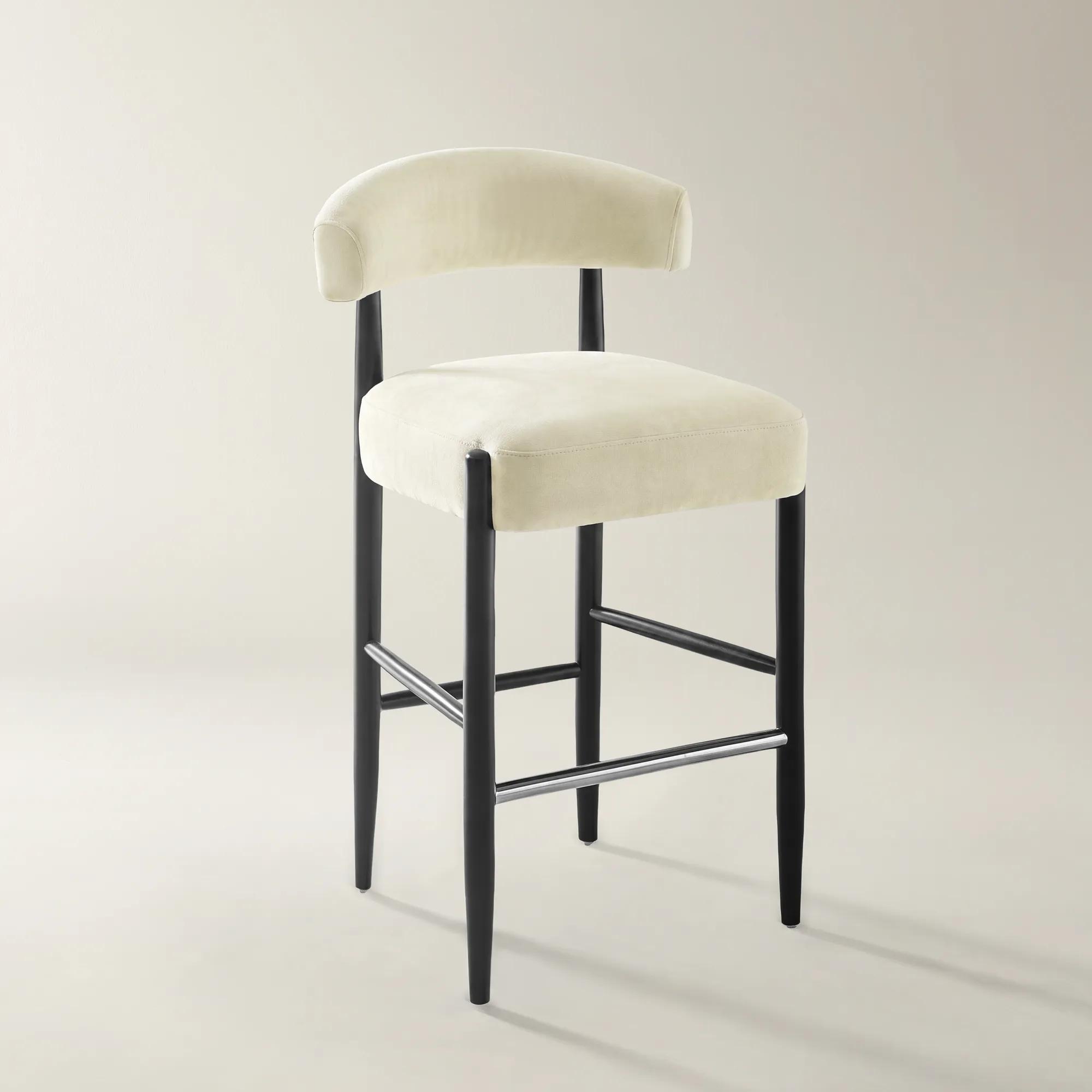 Anna Cloud Velvet Bar/Counter Stool$399
A tailored velvet stool with sculpted support, padded comfort, and solid rubberwood legs.
Add To Cart -
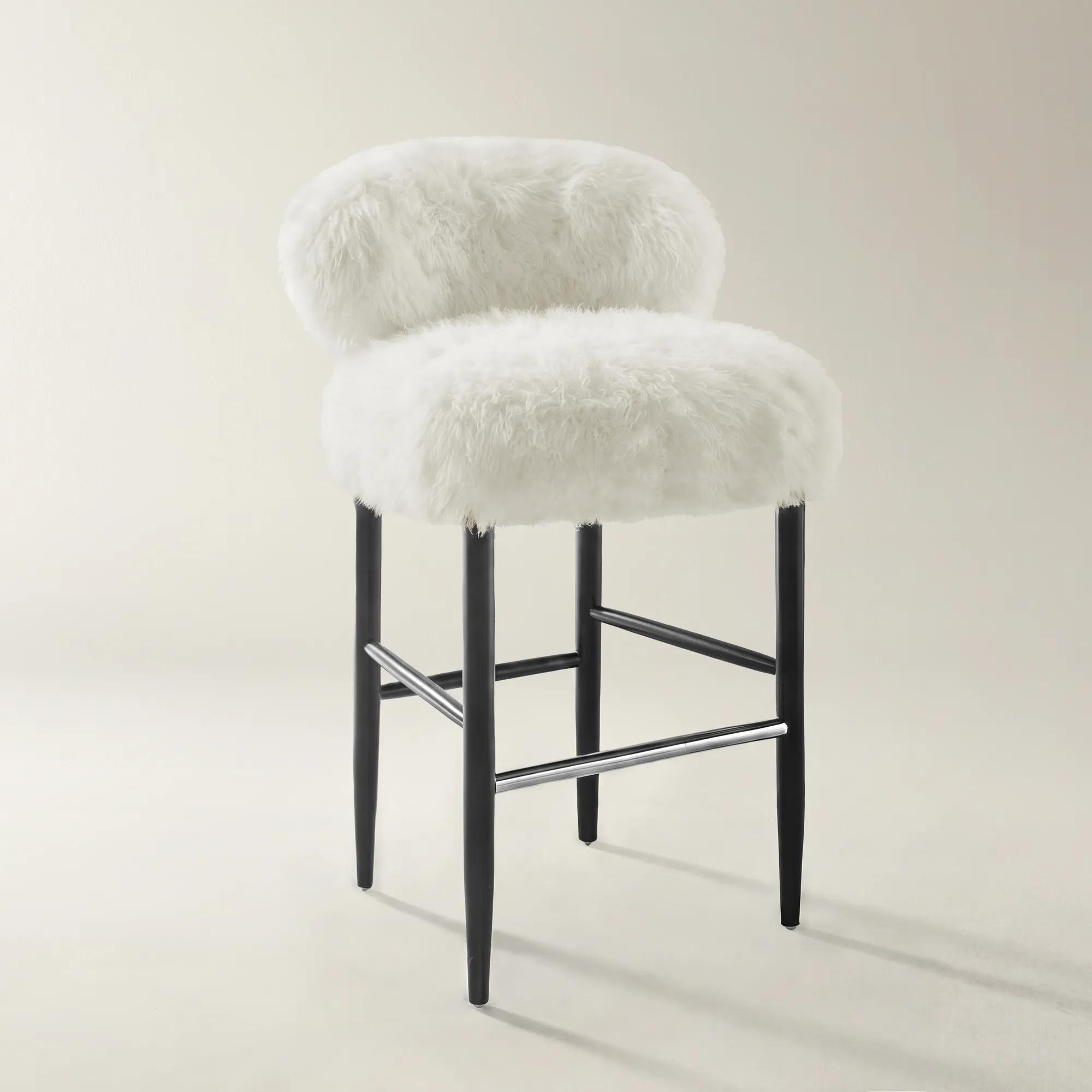 Anna Ivory Faux Fur Bar/Counter Stool$499
An ivory faux-fur stool with a sculpted padded seat and tapered solid rubberwood legs.
Add To Cart -
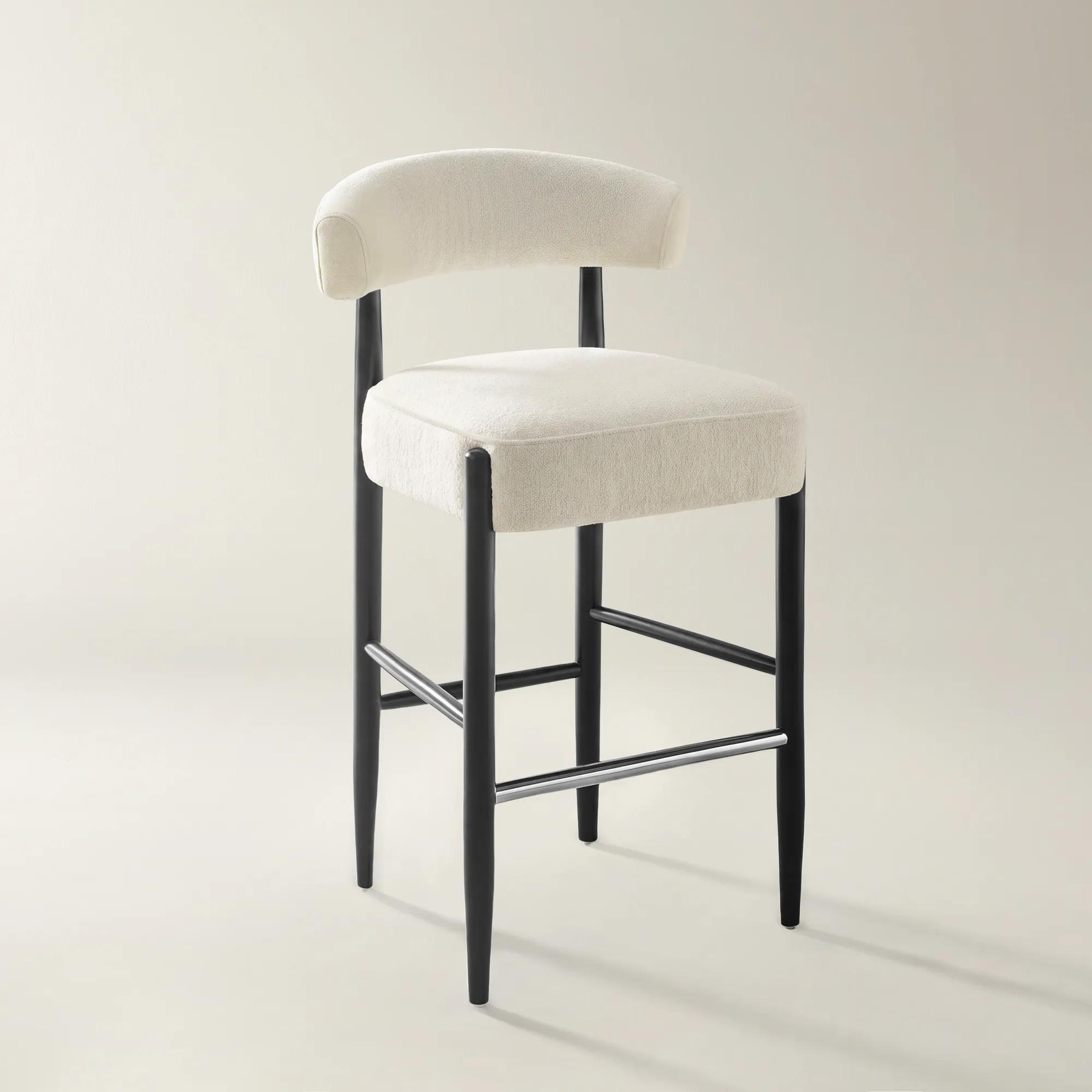 Anna Ivory Performance Chenille Bar/Counter Stool$399
A sculpted ivory performance chenille stool with plush padding and tapered solid rubberwood legs.
Add To Cart -
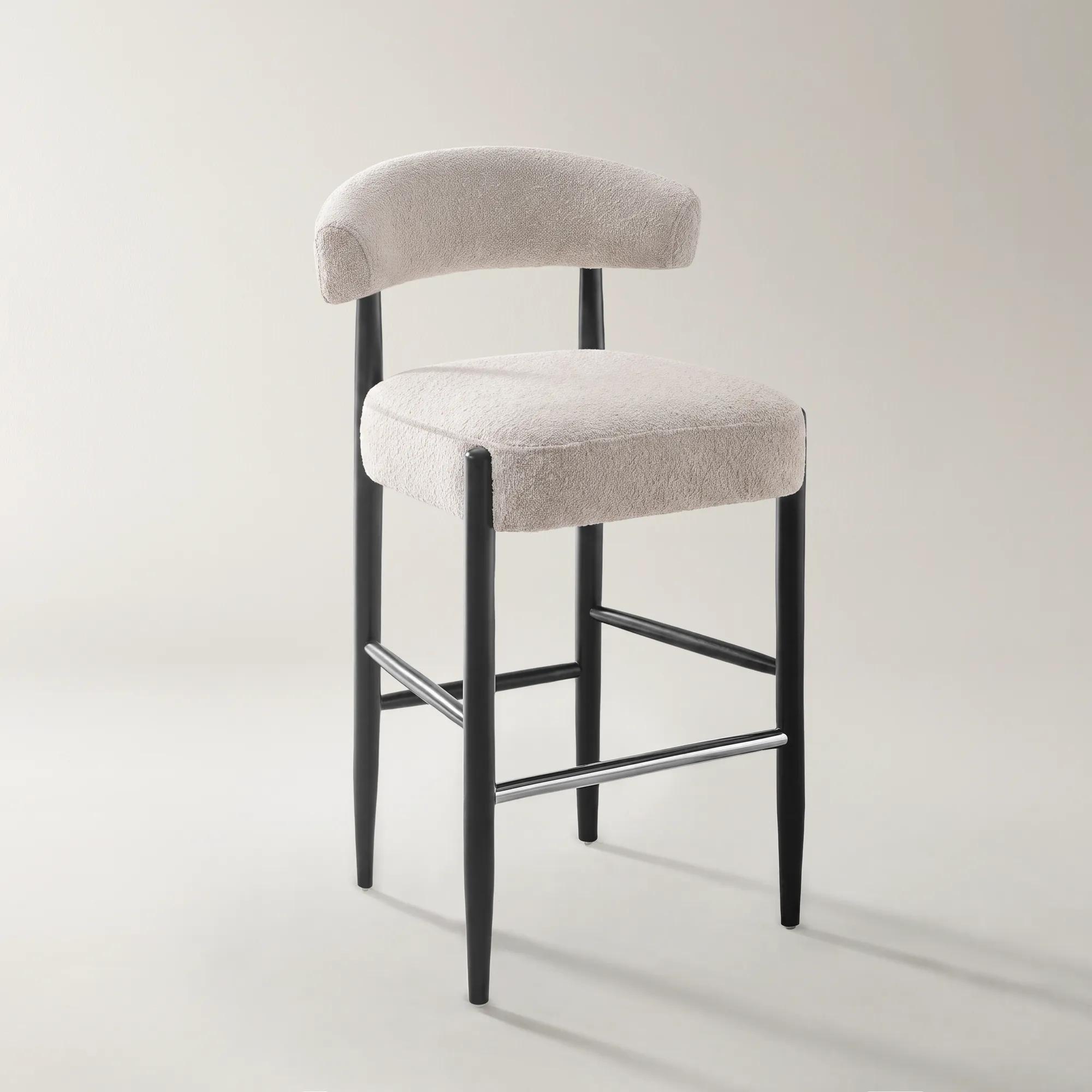 Anna Ivory Performance Boucle Bar/Counter Stool$399
A sculpted ivory performance-bouclé stool with padded support and tapered solid-rubberwood legs for elevated entertaining.
Add To Cart -
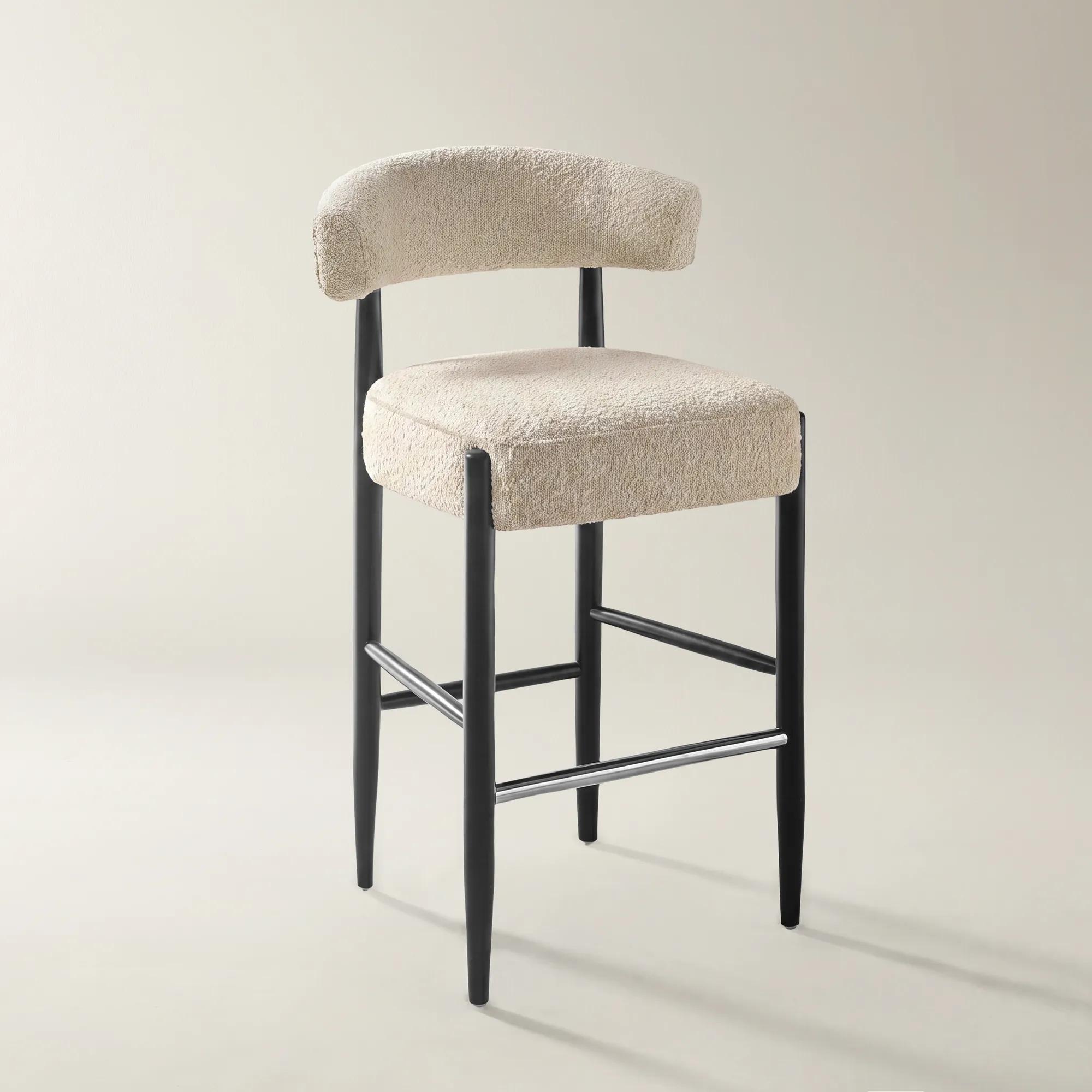 Anna Ivory Performance Boucle Bar/Counter Stool$399
A sculpted ivory performance-bouclé stool with padded support, tailored upholstery, and tapered solid-rubberwood legs.
Add To Cart -
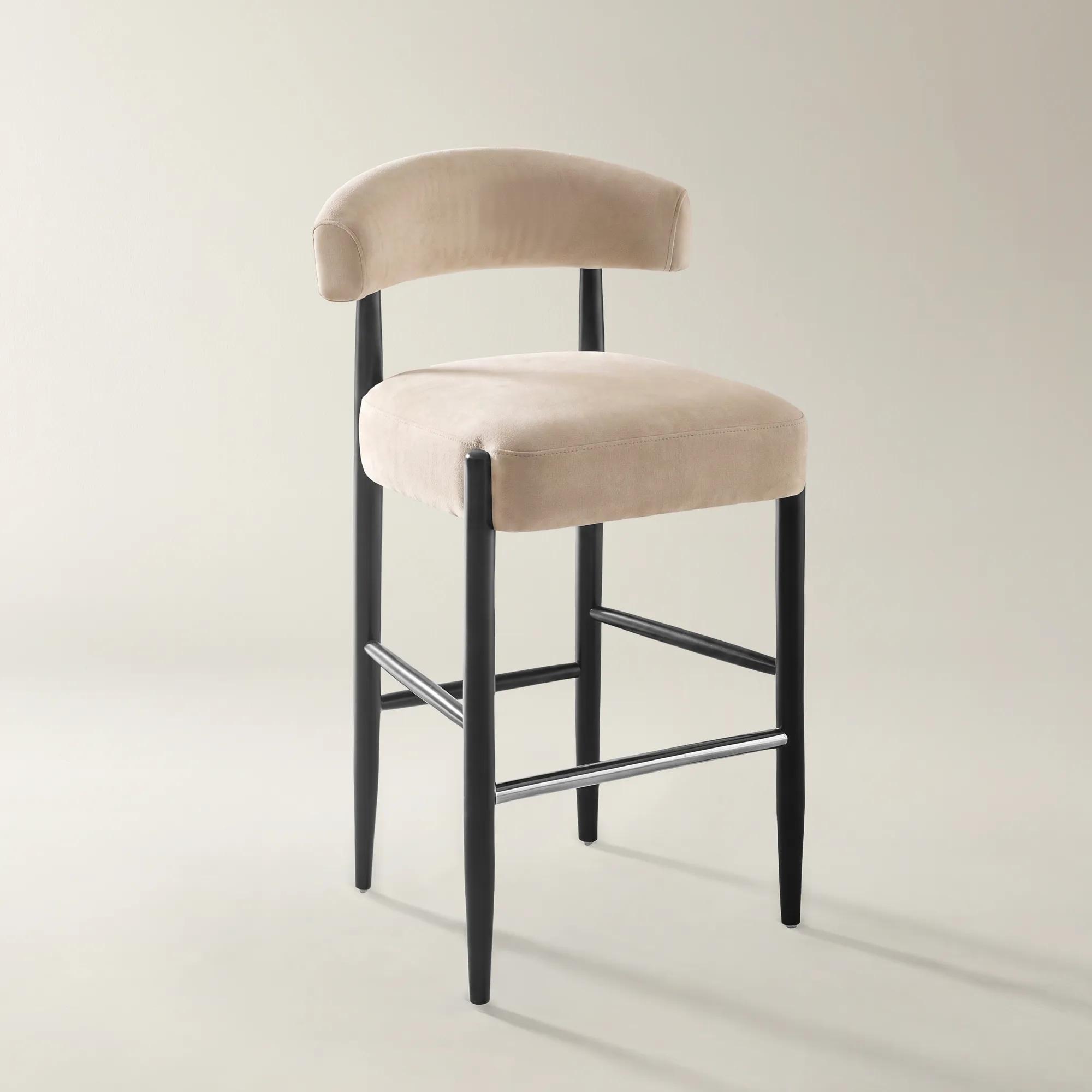 Anna Simply Taupe Velvet Bar/Counter Stool$399
A taupe velvet stool featuring sculpted support, a generously padded seat, and tapered solid rubberwood legs.
Add To Cart -
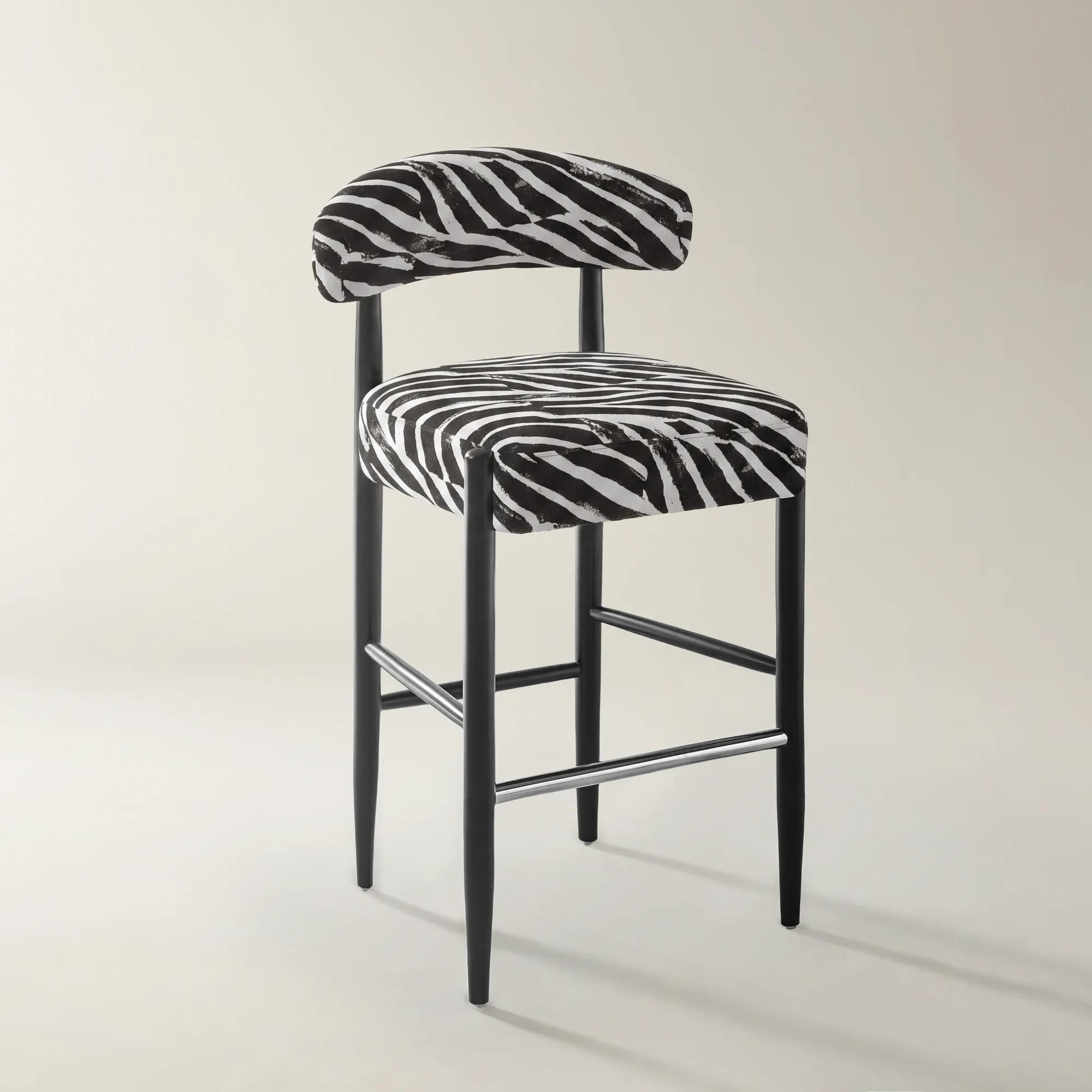 Anna White/Black Performance Chenille Bar/Counter Stool$399
A black-and-white performance chenille stool with sculpted support, padded seating, and tapered solid-rubberwood legs.
Add To Cart -
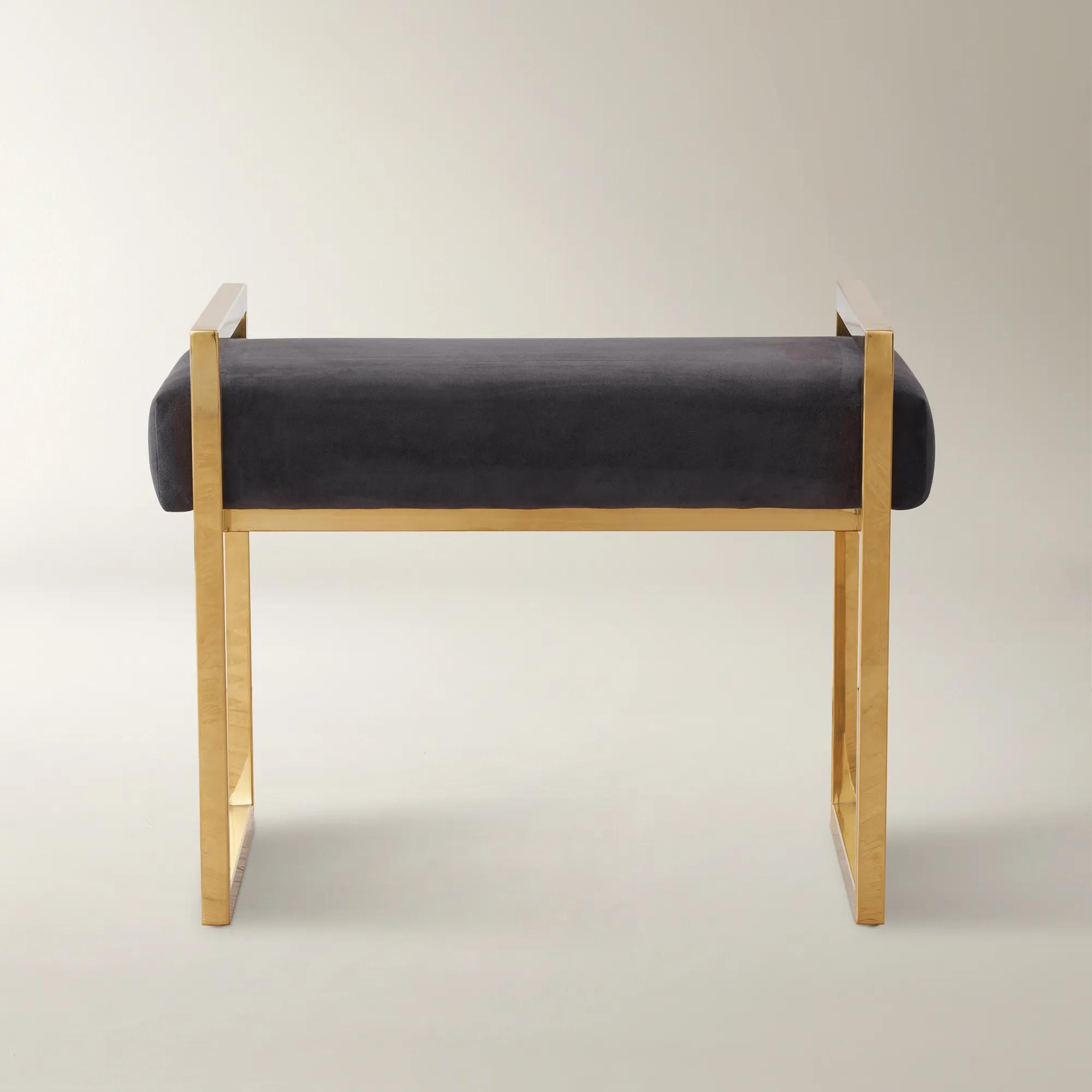
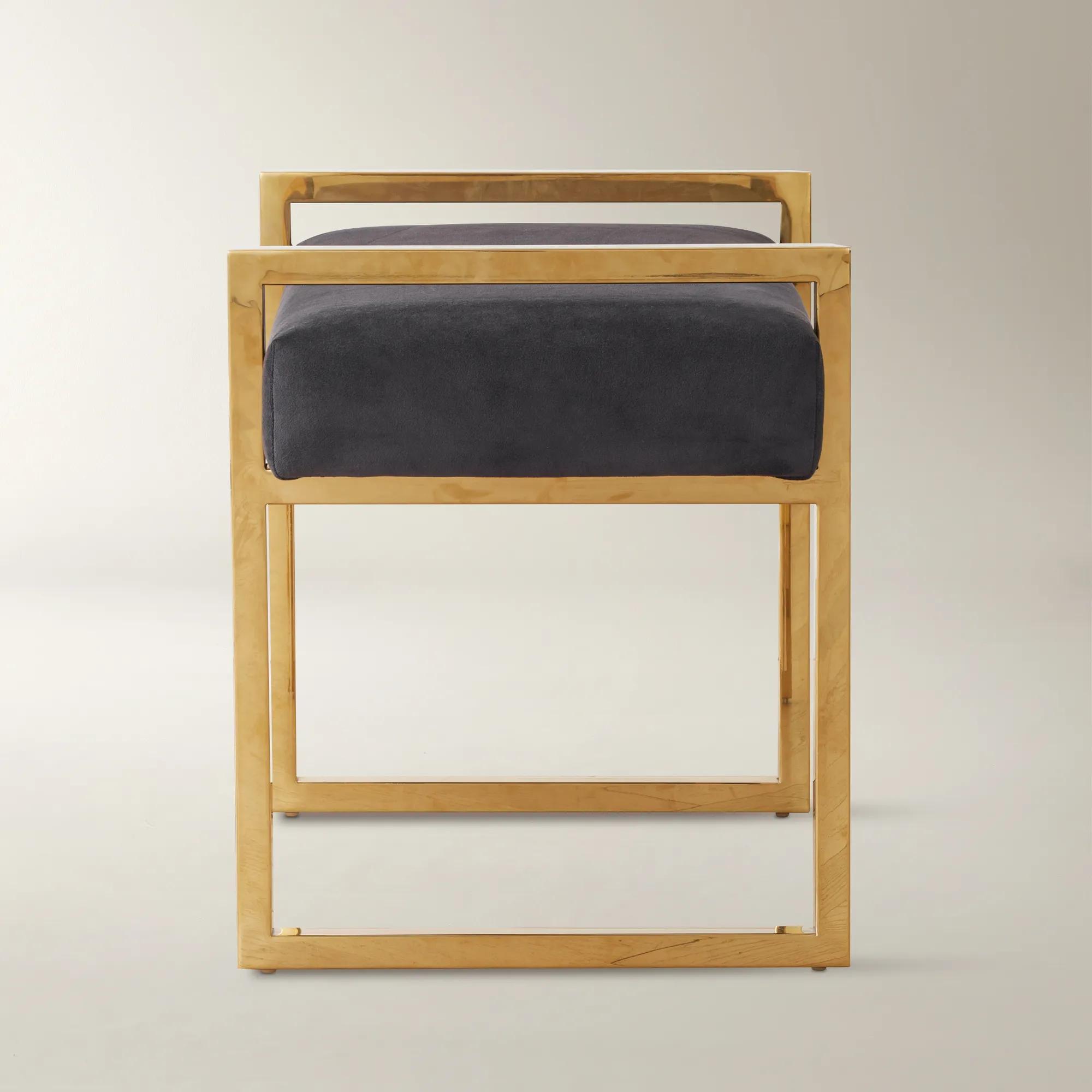 Clara Accent Stool$399
A plush black velvet seat rests on open polished gold metal legs for a chic, modern accent.
Add To Cart -
.jpg?w=1200&h=1200)
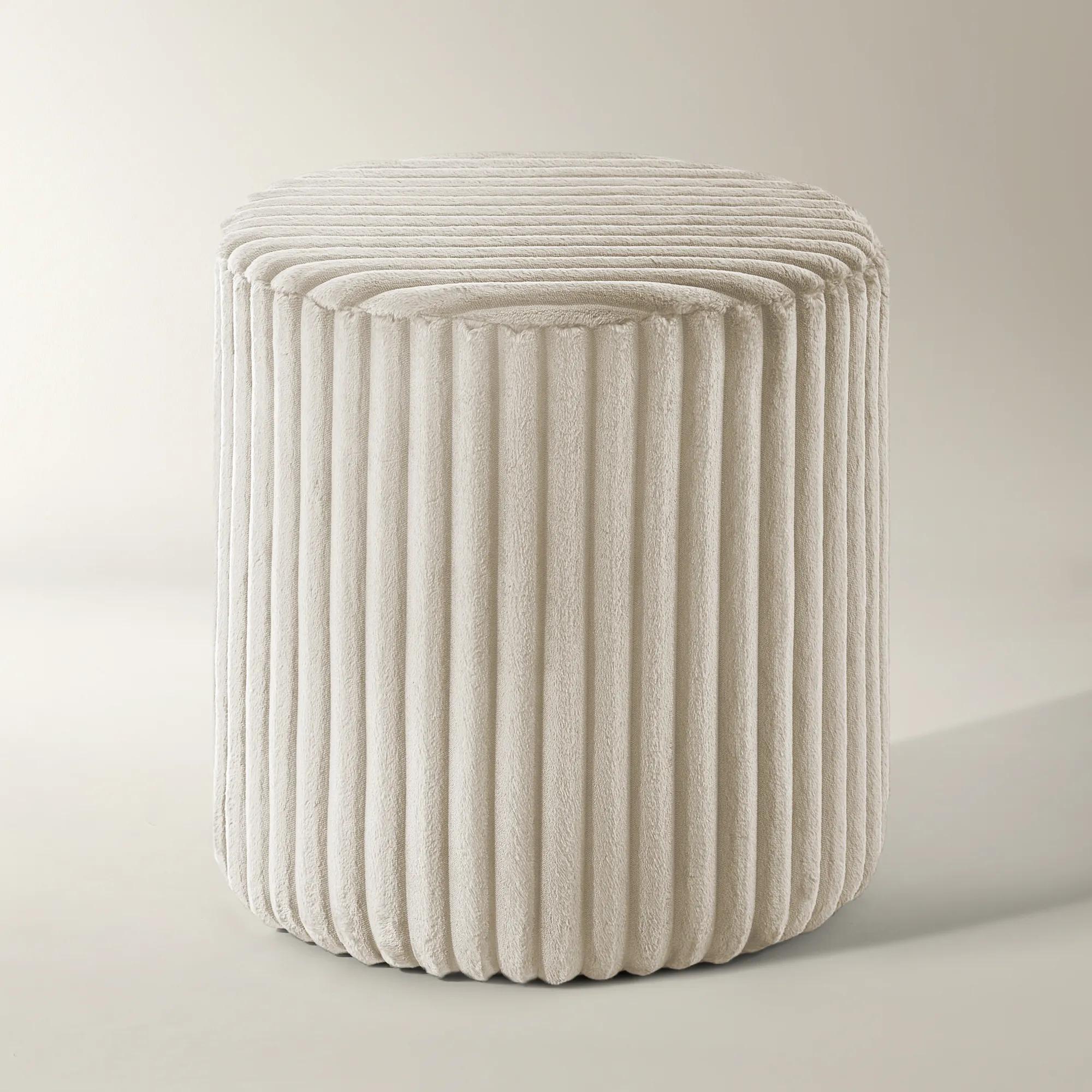 Fleece Fluted Ivory Velvet Stool (15.55'')$229
An ivory ribbed velvet stool offering cozy softness and versatile use as seating, footrest, or accent table.
Add To Cart -
.jpg?w=1200&h=1200) Fleece Fluted Gray Velvet Stool (15.55'')$229
Fleece Fluted Gray Velvet Stool (15.55'')$229A plush grey velvet stool with a unique ribbed texture, perfect for versatile, cozy seating or decor.
Add To Cart -
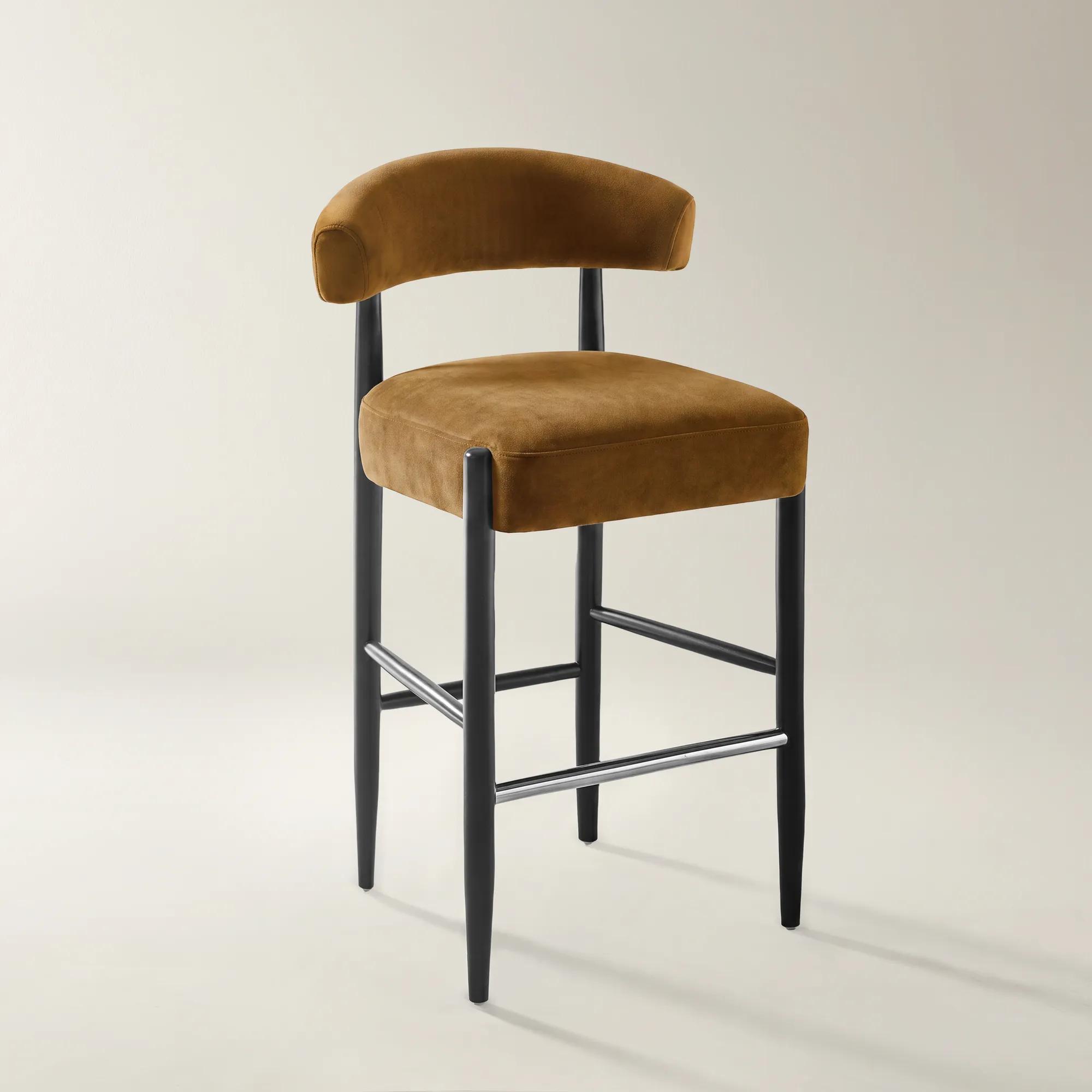 Anna Roasted Pecan Velvet Bar/Counter Stool$399
A roasted pecan velvet stool with a sculpted padded seat and solid rubberwood legs, fully assembled.
Add To Cart -
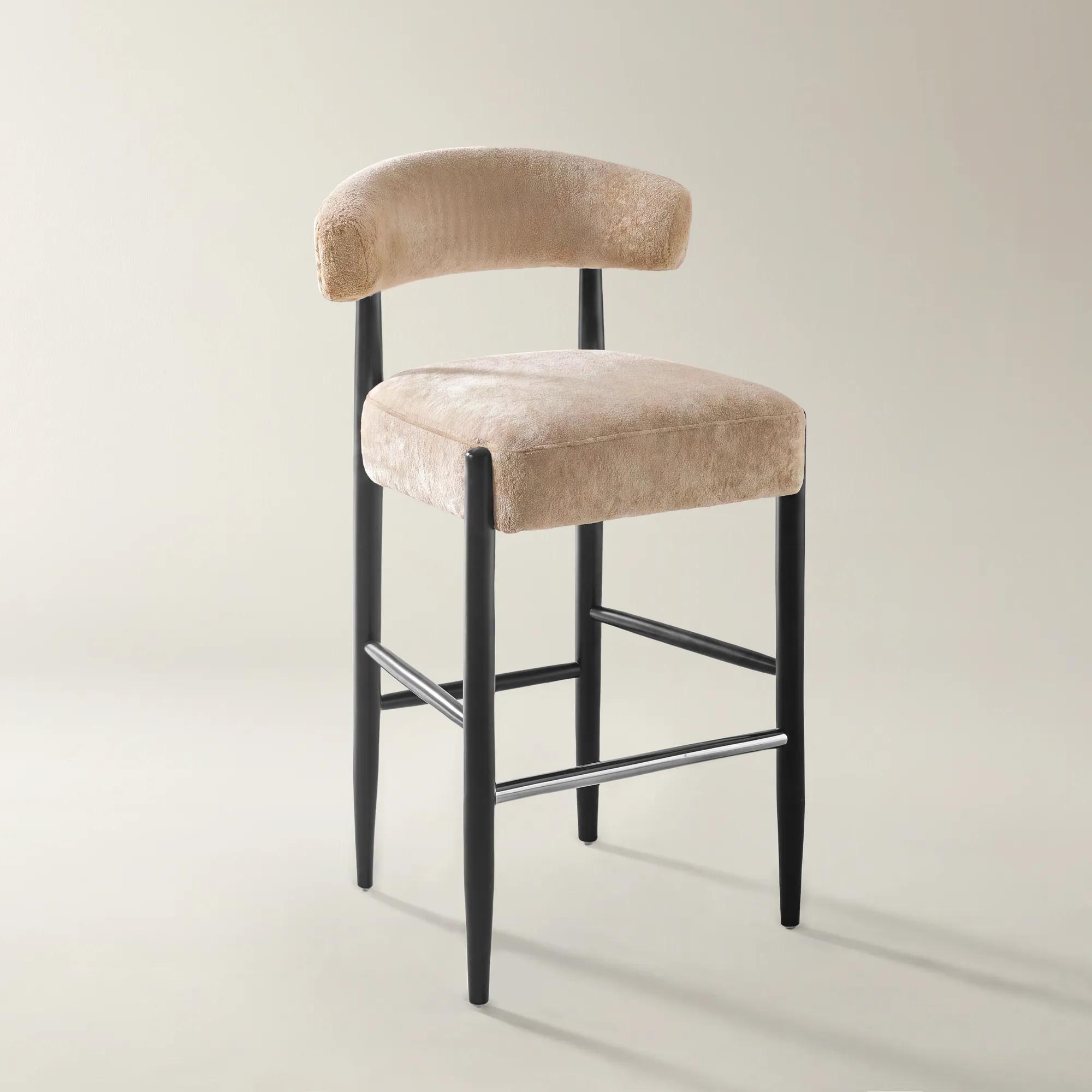 Anna Light Brown Chenille Bar/Counter Stool$399
A brown chenille stool featuring a sculpted back, padded seat, and tapered solid-rubberwood legs.
Add To Cart -
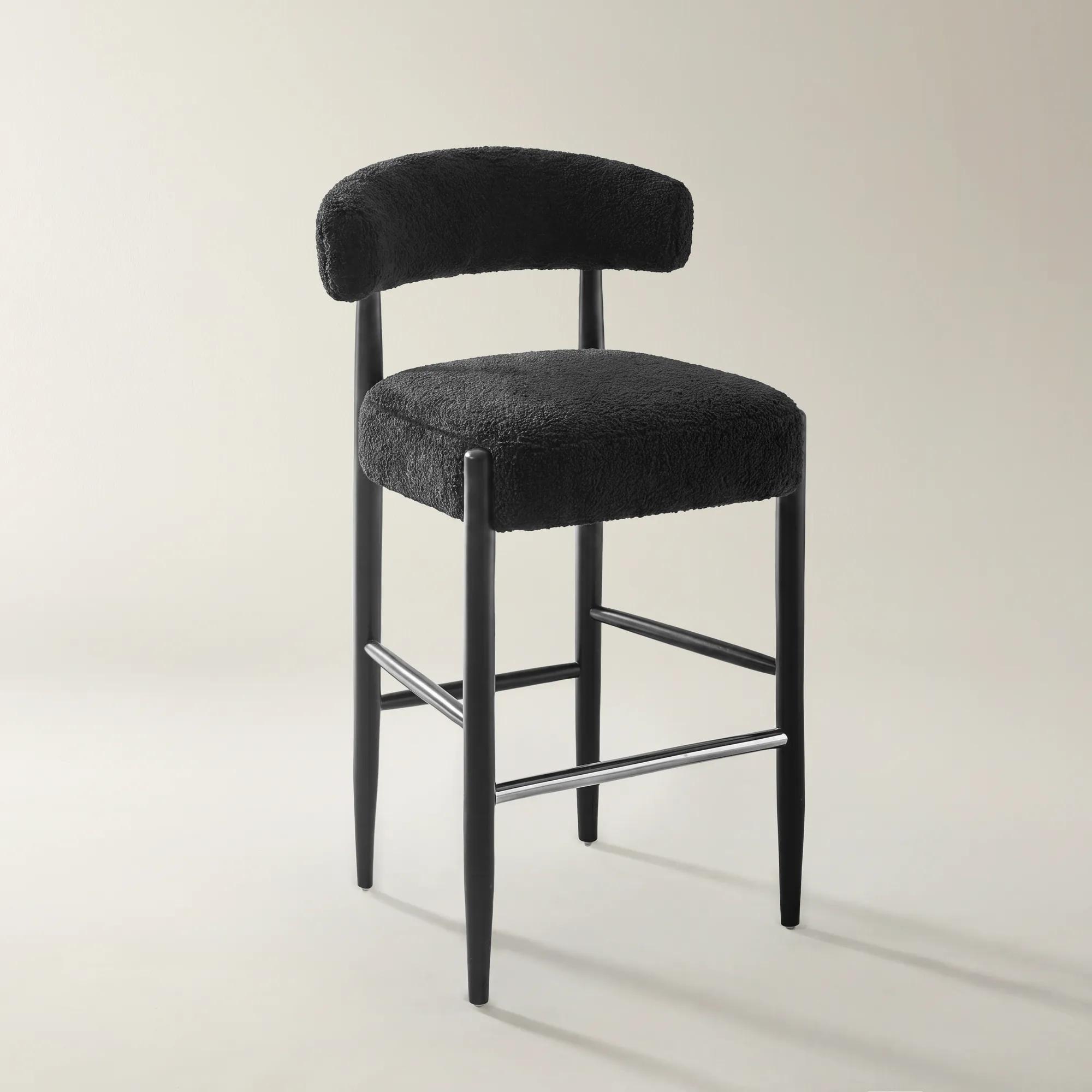 Anna Black Chenille Bar/Counter Stool$399
A charcoal chenille stool featuring sculpted support, high-density cushioning, and tapered solid rubberwood legs.
Add To Cart -
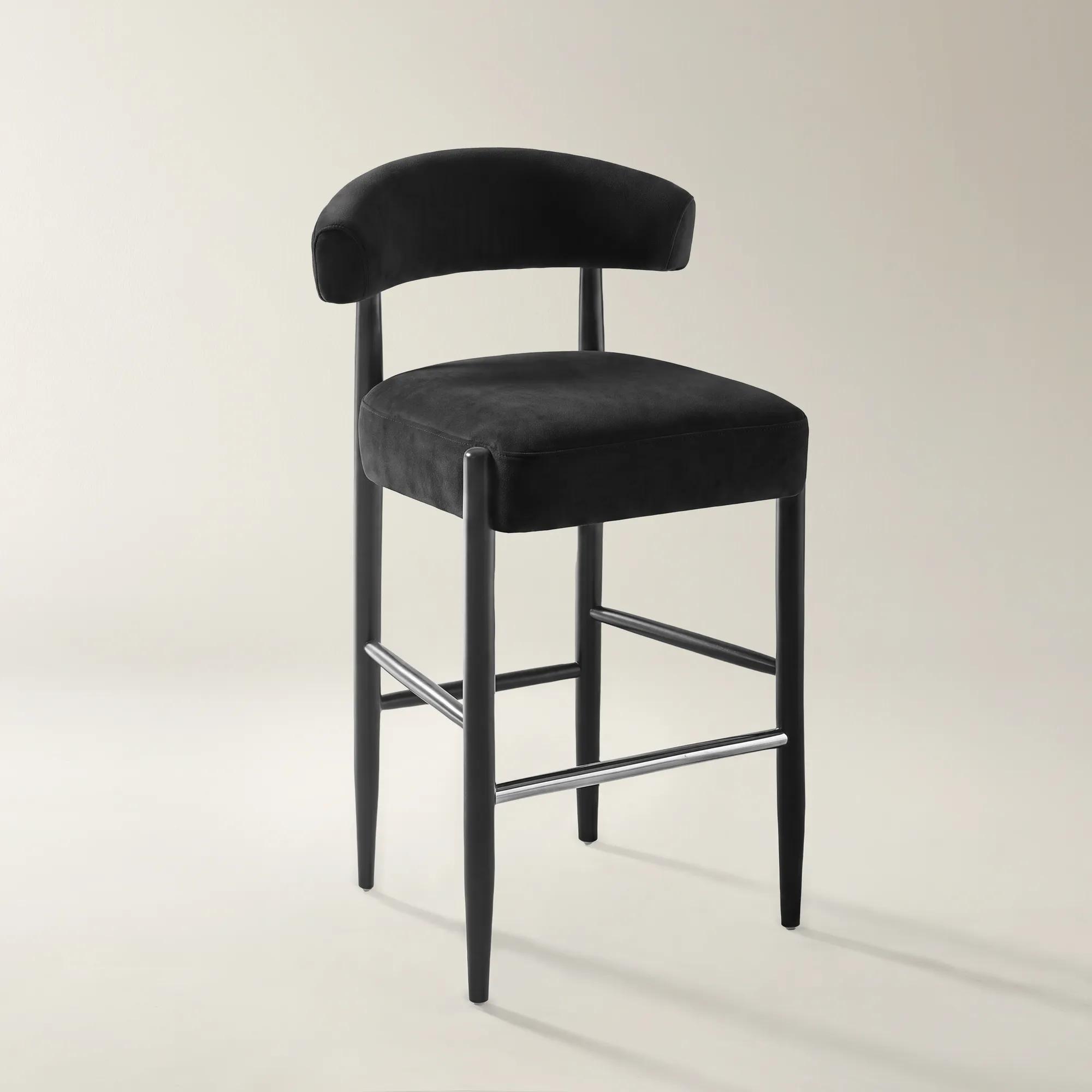 Anna Charcoal Velvet Bar/Counter Stool$399
A charcoal velvet stool featuring a sculpted padded seat, tailored upholstery, and tapered solid-rubberwood legs.
Add To Cart -
.jpg?w=1200&h=1200)
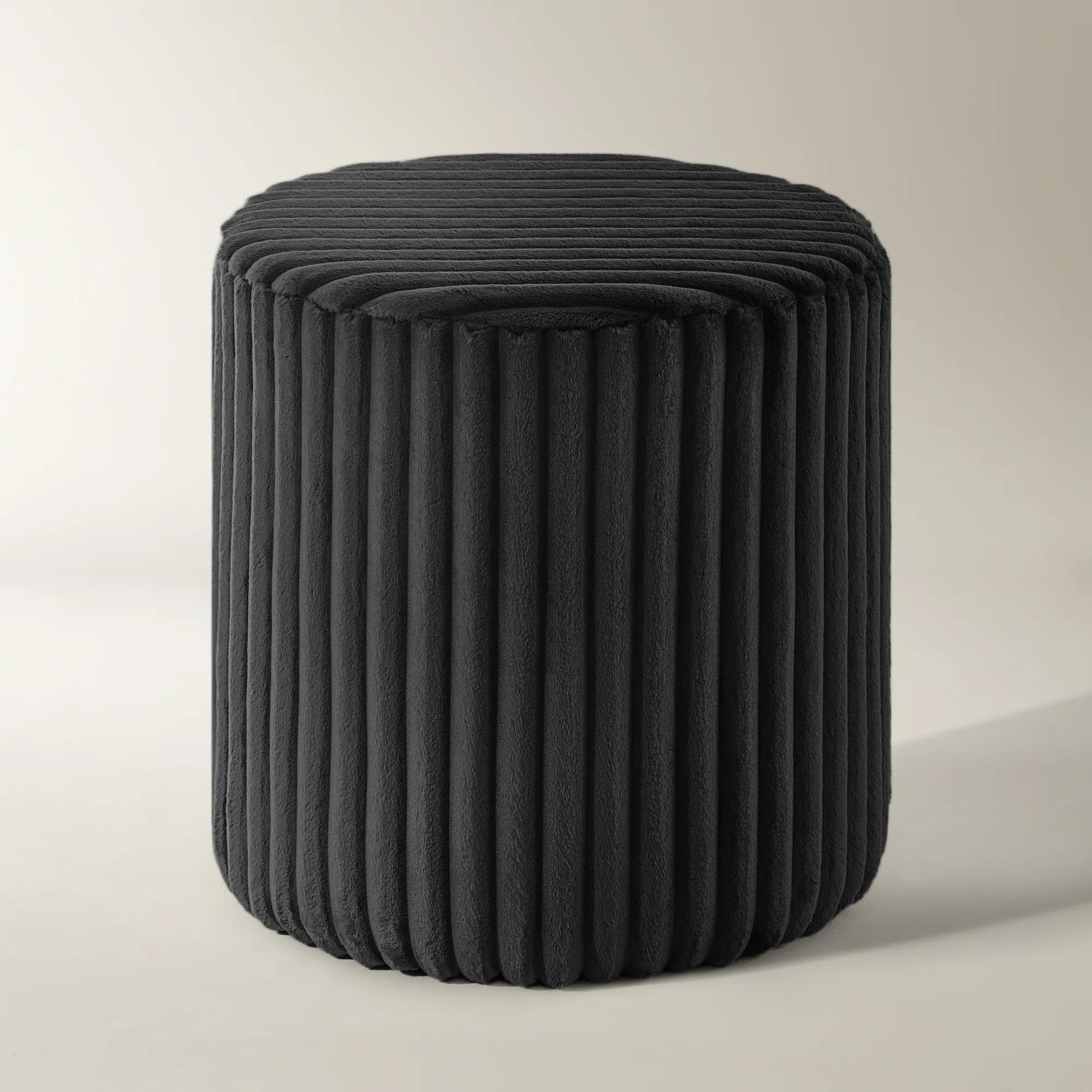 Fleece Fluted Black Velvet Stool (15.55'')$229
A plush black ribbed velvet stool offering versatile seating and cozy texture for any modern space.
Add To Cart -
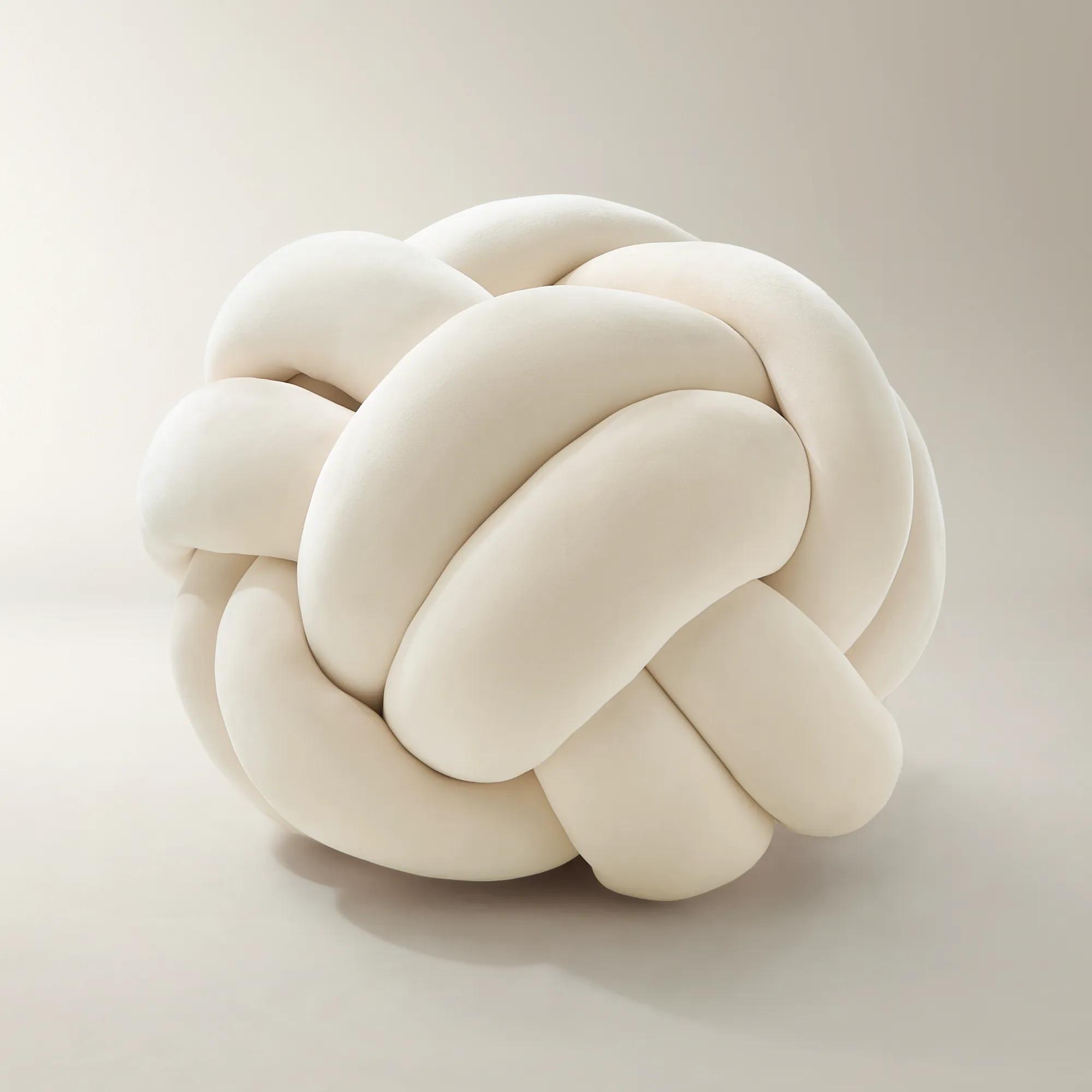 Loopie Oatmeal Velvet Stool (34.5")$349
An oversized oatmeal velvet stool featuring a sculptural knotted silhouette and plush, hand-upholstered finish.
Add To Cart -
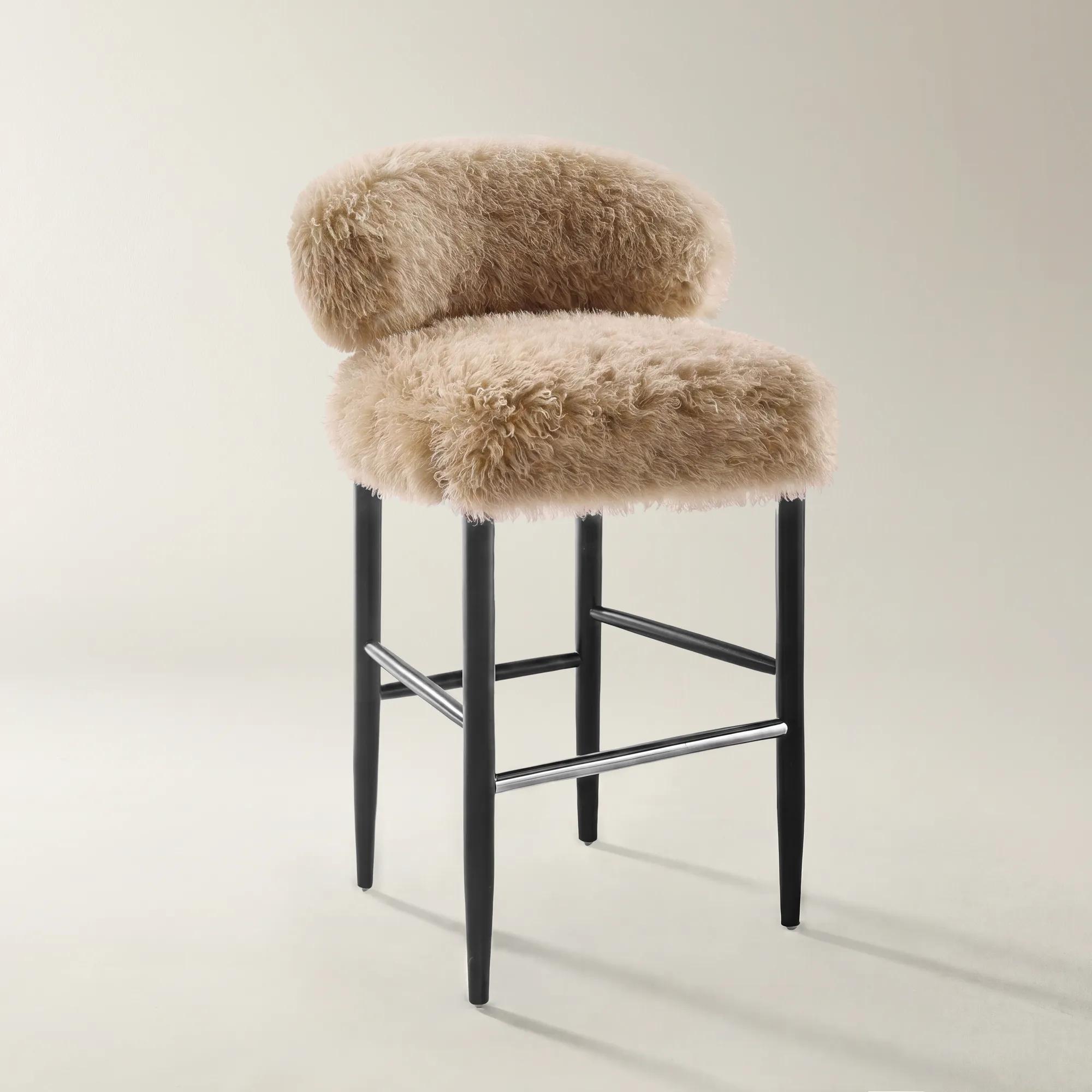 Anna Tan Faux Fur Bar/Counter Stool$499
A tan faux-fur counter stool featuring sculpted support, high-density cushioning, and tapered solid rubberwood legs.
Add To Cart -
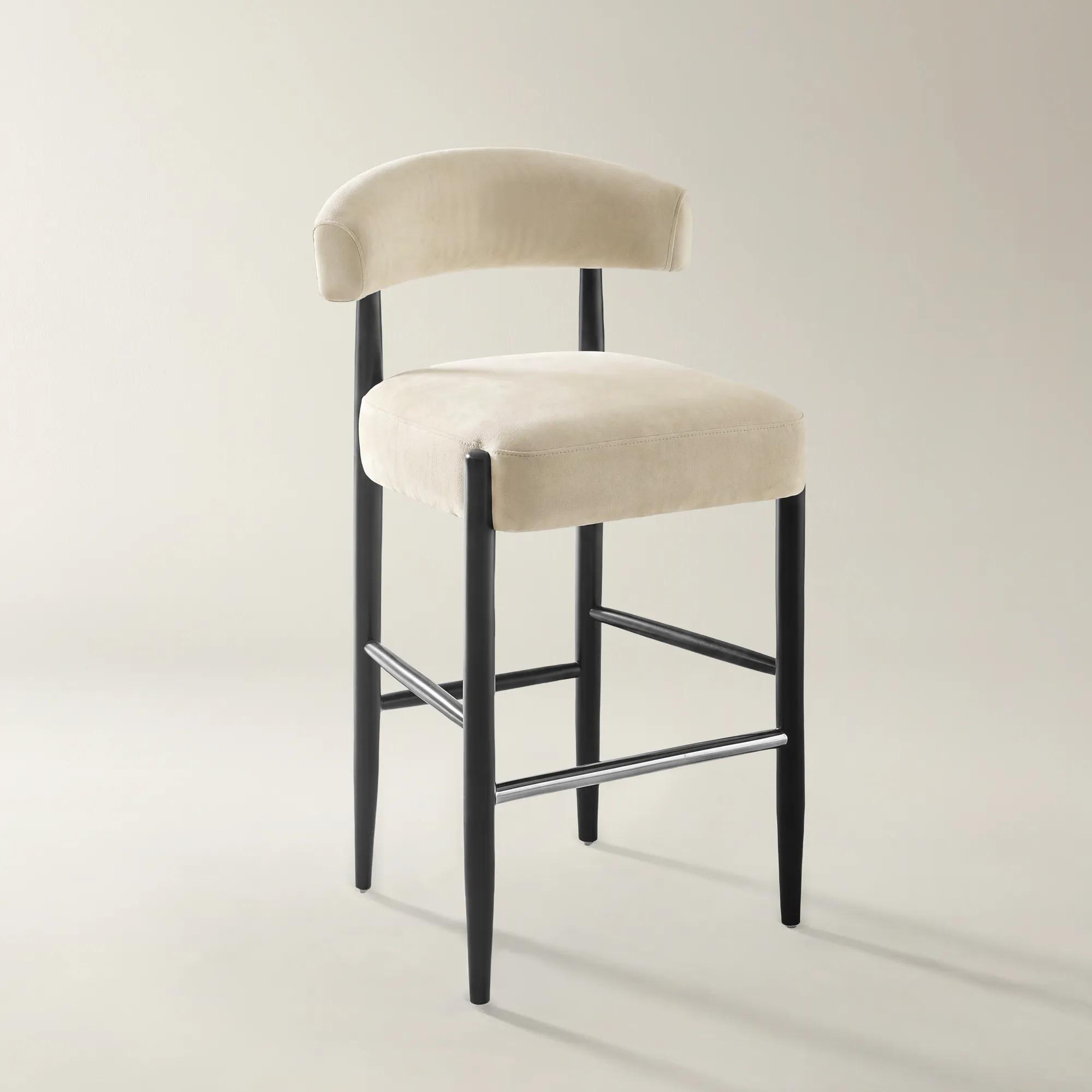 Anna Oatmeal Velvet Bar/Counter Stool$399
A refined oatmeal velvet stool with a sculpted padded seat and solid rubberwood legs.
Add To Cart -
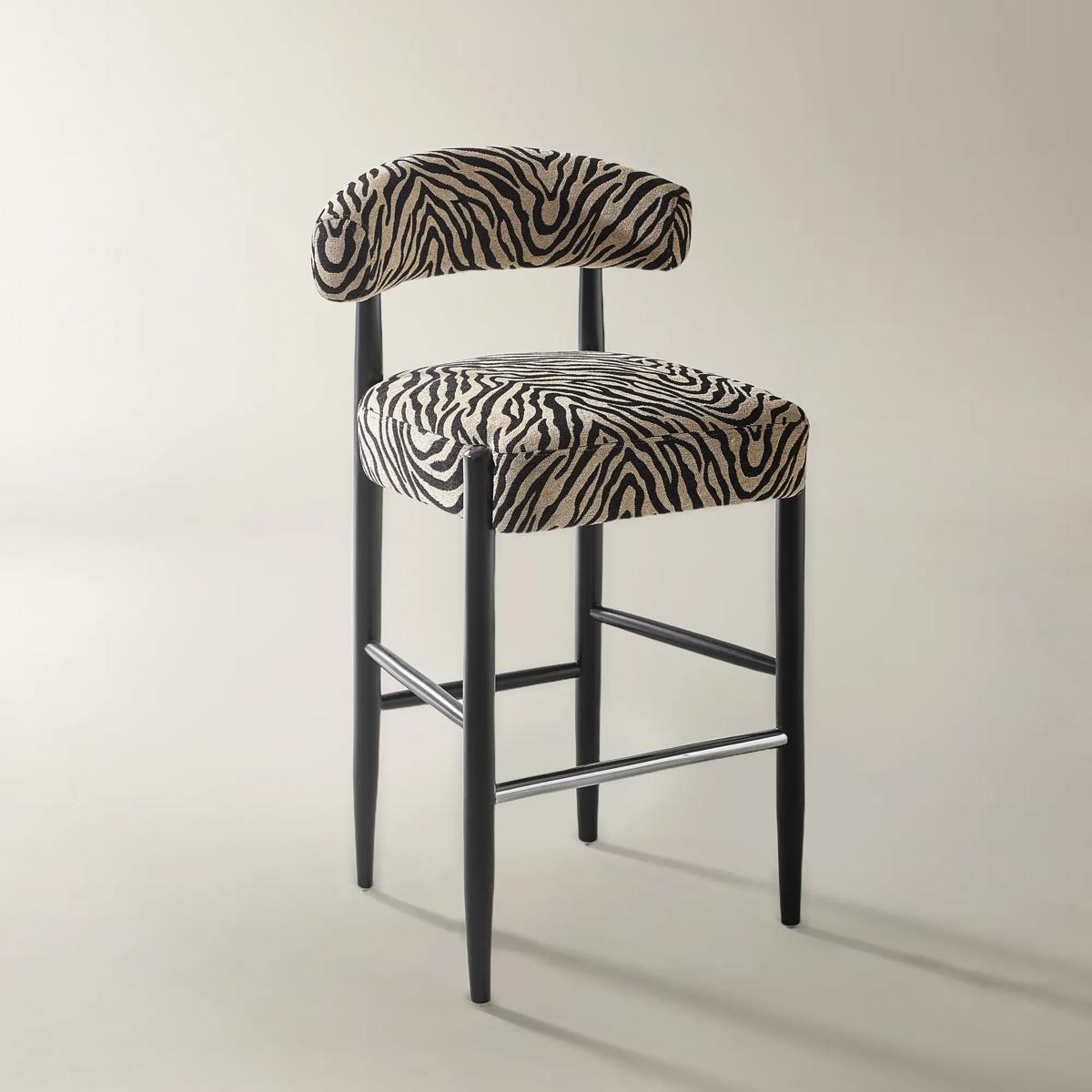
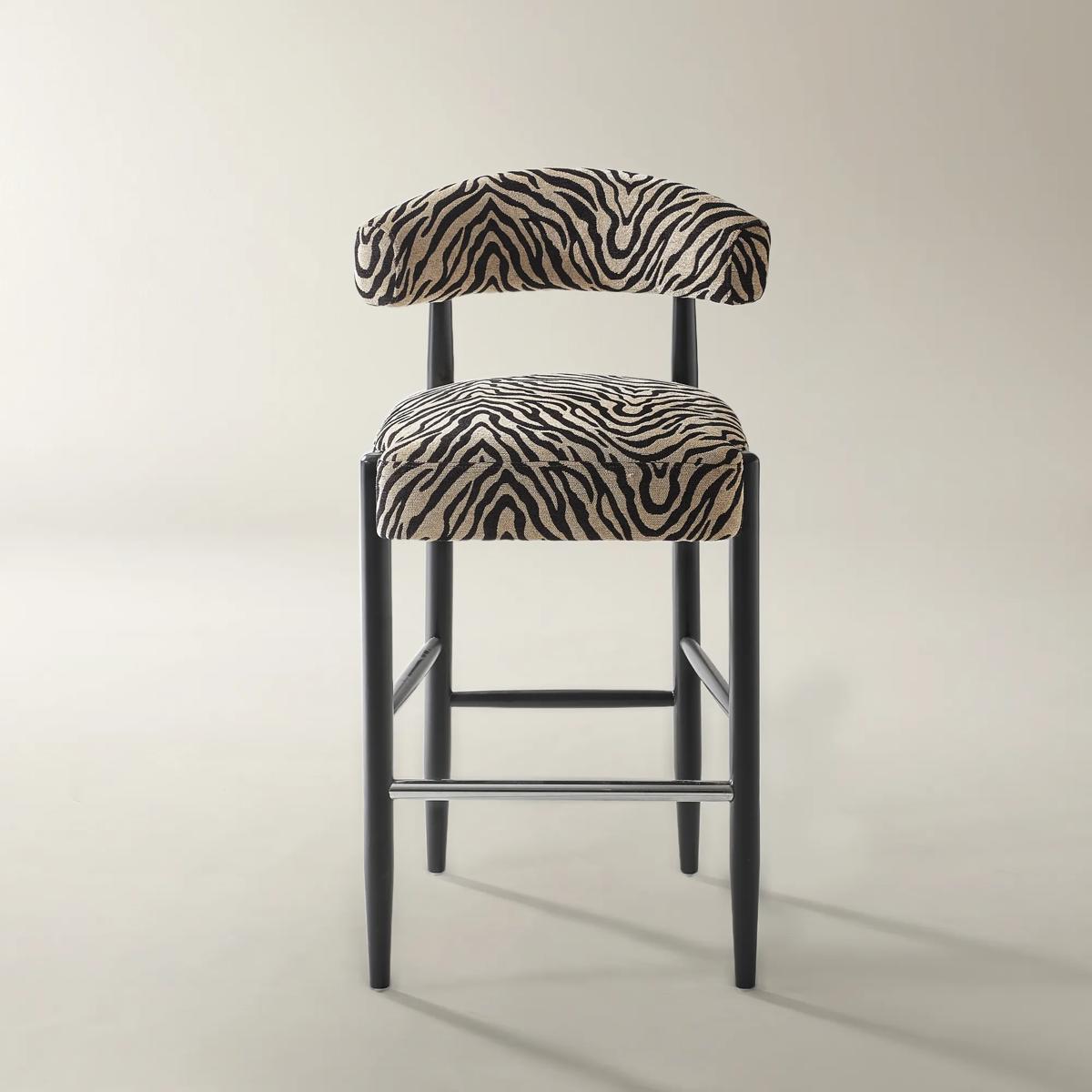 Anna Zebra Chenille Bar/Counter Stool$399
A zebra-print chenille barstool with plush foam padding and solid rubberwood legs for modern sophistication.
Add To Cart -
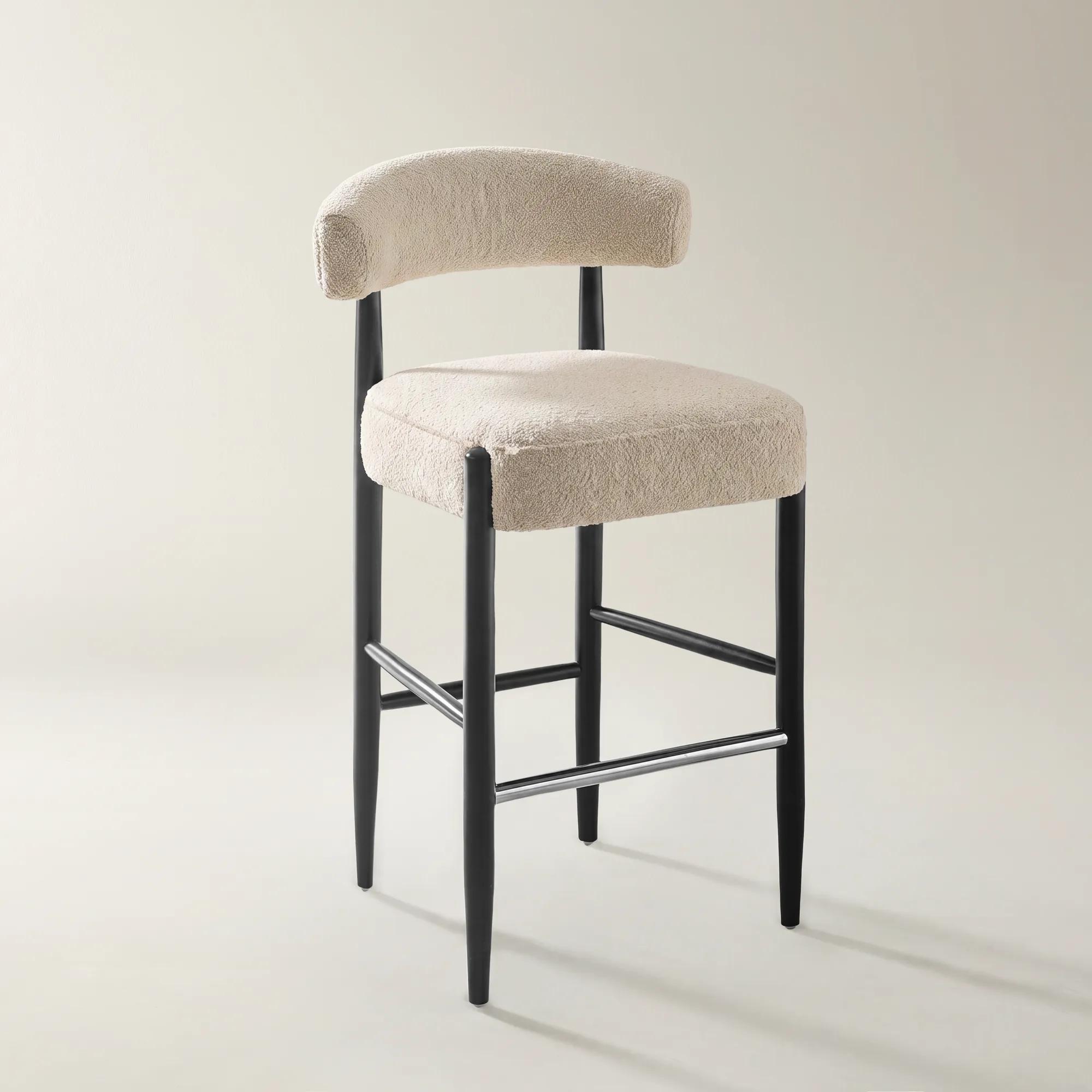 Anna Utopia Sand Chenille Bar/Counter Stool$399
A sand chenille stool with a sculpted padded seat, tailored upholstery, and tapered solid rubberwood legs.
Add To Cart

Exclusive Design Counterstools
Exclusive Design Counterstools transform every gathering into a grand affair, inviting you to linger in spaces where artistry meets indulgence. Each silhouette is a statement—sculptural, unexpected, and unapologetically bold—infusing your kitchen or bar with an air of curated sophistication. With sumptuous materials and dramatic profiles, these counterstools are more than seating; they’re the finishing touch that elevates your home from ordinary to extraordinary. Discover how Exclusive Design Counterstools can redefine your space with a flourish of glamour and expressive style.
Exclusive design counterstools bring a distinctive point of view to one of the most lived-in spaces in the home, combining expressive silhouettes, considered materials, and comfortable proportions at the kitchen island or counter-height dining surface. Their appeal goes beyond an extra place to sit. A curved back can soften the geometry of cabinetry; a gleaming metal frame can echo the warmth of nearby lighting; richly textured upholstery can introduce a sumptuous note against cool stone. Because counterstools often stand in an open sight line between the kitchen and living area, they help establish the character of both spaces. The most compelling designs look deliberate from every angle, including the back—the view guests may notice first when entering the room. Sculptural supports, tailored seams, an elegantly framed backrest, or a beautifully finished wood surface can make that everyday view feel composed rather than incidental. Exclusive design is best understood here as an emphasis on distinctive detailing and a cohesive aesthetic, rather than a particular material or silhouette; any claim of limited production or designer authorship should be confirmed in the individual product description. For shopping purposes, the essentials are seat height, overall width, back support, upholstery, frame construction, and the room needed to sit comfortably. Standard counterstools typically have seats about 24 to 26 inches high and suit counters approximately 36 inches high, though the actual measurements of both pieces should determine the fit. Within those practical boundaries, there is considerable freedom for self-expression. Deep-toned upholstery gives a pale kitchen definition, while ivory or warm neutral seating can create a softer transition into an adjoining living room. A repeated metallic detail adds rhythm without requiring every finish in the space to match. Picture the island after dinner, with serving dishes cleared and a few guests lingering over conversation: the stools remain part of the gathering, their comfort as important as their visual presence. That balance makes them especially valuable for frequent hosts, households that gather around the kitchen, and anyone who wants everyday seating to carry the same design intention as the rest of the home.
Proportion deserves as much attention as upholstery or finish when choosing luxury counterstools. Allow approximately 9 to 12 inches between the top of the seat and the underside of the counter, checking for an apron, drawer, or support that could reduce usable legroom. Measure the seat itself rather than relying on the overall stool height, which includes the backrest. For spacing, about 24 to 30 inches from the center of one seat to the center of the next is a useful starting point, with wider seats, arms, and swivel designs often needing more room. The goal is an inviting row of seats, not a crowded arrangement that makes every arrival an exercise in maneuvering. Marking the proposed stool widths with painter’s tape can reveal whether an island comfortably accommodates two generous seats or three narrower ones before an order is placed. Consider the space behind them as well, particularly where someone will need to pass while another person is seated. Backless counterstools offer an uninterrupted view across a striking countertop and may tuck beneath an overhang when their dimensions allow. Low backs preserve much of that openness while providing some support; taller, contoured backs create a more enveloping seat for leisurely meals or extended conversation. Arms can lend the presence of a dining chair, but their height must clear the underside of the counter if you want the stools to slide inward. A swivel seat can make it easier to turn toward the living room or join a conversation without dragging the frame, provided there is sufficient clearance from neighboring seats and cabinetry. Footrests also matter: at counter height, a well-positioned support helps prevent feet from dangling. For a kitchen that doubles as a place to answer emails or supervise homework, prioritize supportive proportions and cushioning over silhouette alone. Beautiful seating earns its place when the person who sits down for a quick coffee is still comfortable after the conversation runs long.
Materials give exclusive design counterstools their tactile character, but the right choice depends on how your kitchen actually lives. Velvet can introduce a lush depth of color, with its pile catching light differently as you move through the room. Woven upholstery offers another kind of richness, from a fine, tailored texture to a more pronounced surface that contrasts beautifully with polished stone. Leather brings natural variation and can develop character with use, although its care requirements depend on the specific finish. When considering performance fabric, look for stated information about stain resistance, cleaning methods, and wear testing rather than assuming the label means spillproof or maintenance-free. In homes where the island hosts breakfast, baking projects, and evening entertaining, accessible care instructions are part of a thoughtful purchase. Follow the manufacturer’s recommendations for every upholstered surface, and check whether professional cleaning or a particular cleaning solution is required. Frame materials deserve equally close attention. Wood lends warmth and visible grain, while metal can produce a crisp outline or a jewelry-like accent beneath the seat. Review construction details, weight capacity, assembly requirements, and floor-protection features; a graceful profile should still suit the demands of daily use. Ordering a fabric or finish sample, when available, helps you judge color beside your cabinetry in daylight and under evening lighting. During the cooler months, when gatherings often move toward the kitchen, those relationships become especially noticeable: soft upholstery, warm light, and a reflective frame can give the island a welcoming, dressed-for-company presence without seasonal decoration. For a taller entertaining surface, explore Exclusive Fabric Barstools, keeping in mind that bar-height seating is generally taller and is not interchangeable with counter-height seating. Counterstools can also make a generous housewarming or shared-home gift, but dimensions, preferred finishes, and the recipient’s seating needs are worth confirming first. Whether furnishing a compact apartment island or a spacious kitchen designed for entertaining, choose the number of stools the space can comfortably hold and let their detailing do the expressive work. A beautifully judged curve, a satisfying texture, and room to settle in can turn a hardworking counter into the seat everyone gravitates toward.
FAQs
Exclusive design counterstools are distinguished by their artistry, premium materials, and attention to detail. They often feature sculptural silhouettes, luxurious finishes, and thoughtful craftsmanship that transform them from simple seating into statement pieces. These stools are designed to evoke emotion and elevate the ambiance of any space, making them an essential choice for those who view their home as a canvas for self-expression.
Designer stools can be seamlessly integrated into a variety of interiors by considering complementary colors, textures, and finishes. For a cohesive look, echo elements from your space—such as metallic accents, wood tones, or upholstery fabrics—in your stool selection. Alternatively, use bold, contrasting stools as a focal point to add drama and visual interest to your kitchen or bar area.
Absolutely—exclusive counterstools make a memorable and luxurious gift for housewarmings, weddings, or milestone celebrations. Their blend of function and artistry ensures the recipient will enjoy both comfort and style, while the unique design serves as a lasting reminder of a meaningful occasion.
Luxury counterstools often feature a harmonious mix of materials such as hand-finished woods, gleaming metals like brass or chrome, sumptuous velvets, rich leathers, and high-quality performance fabrics. These materials are chosen not just for their durability, but for their ability to create a sense of opulence and tactile pleasure in the home.
Exclusive design counterstools elevate the atmosphere by introducing sculptural form, rich texture, and a sense of curated luxury. Whether anchoring a kitchen island or accentuating a home bar, they invite guests to linger, spark conversation, and create moments of connection—all while serving as striking works of functional art within your home.