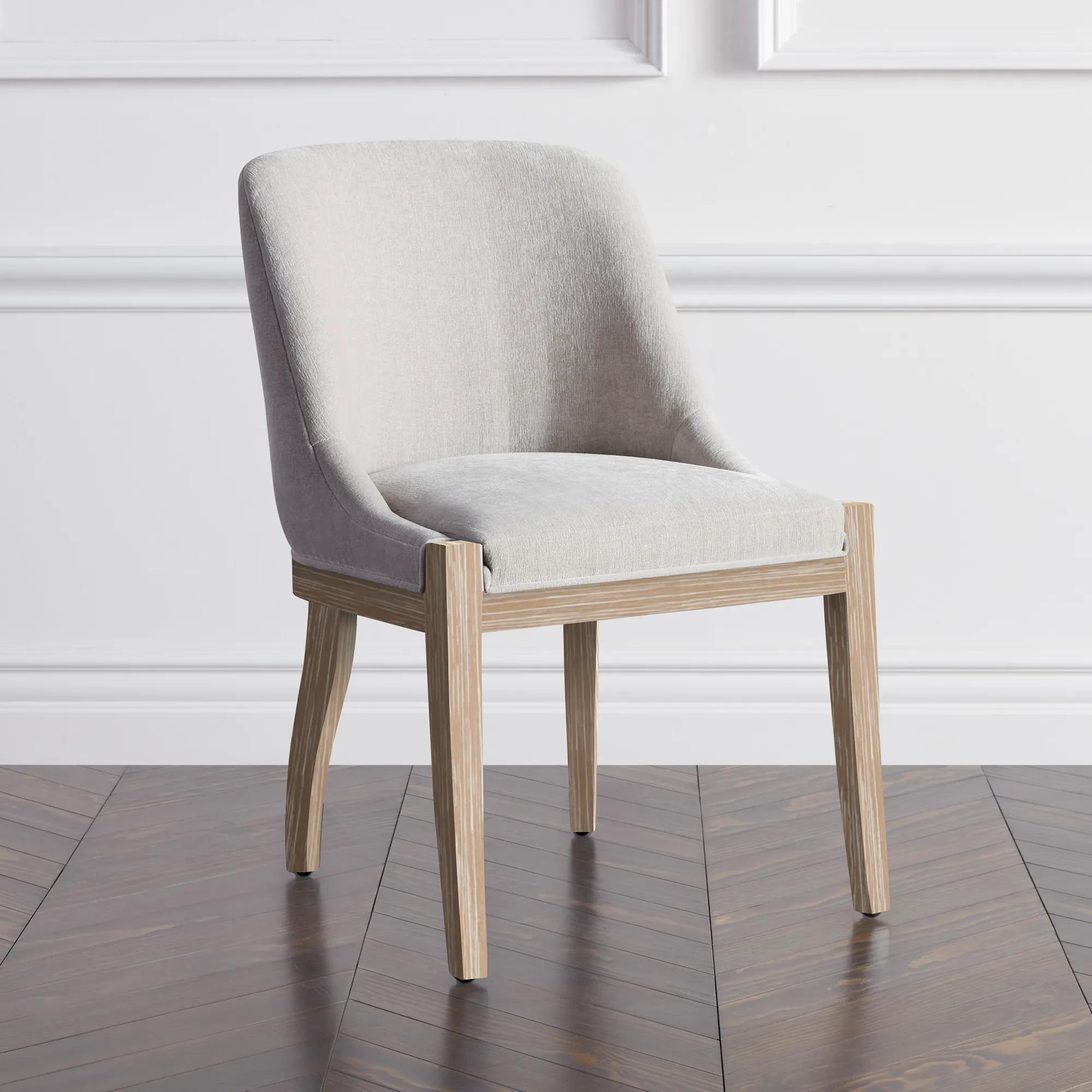
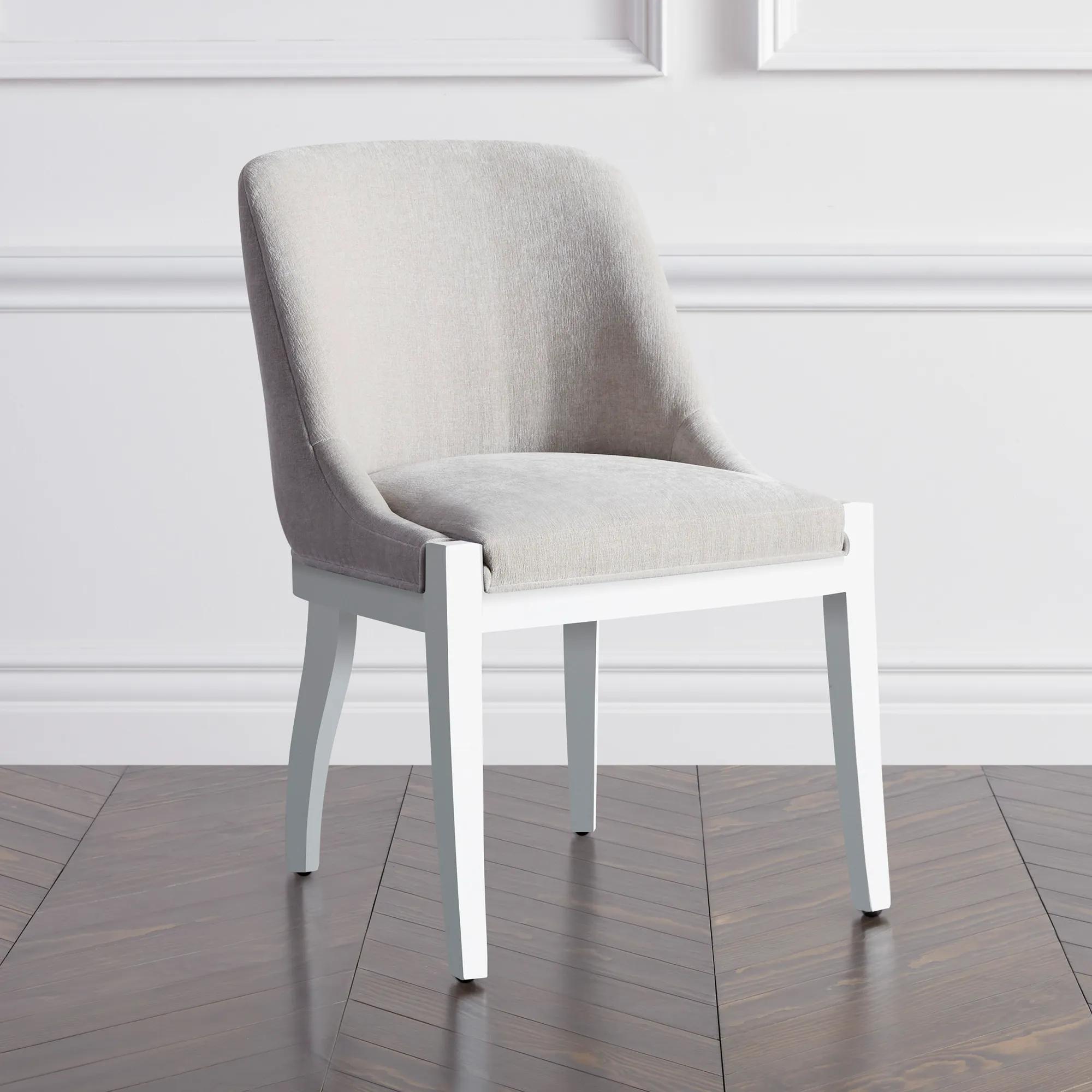
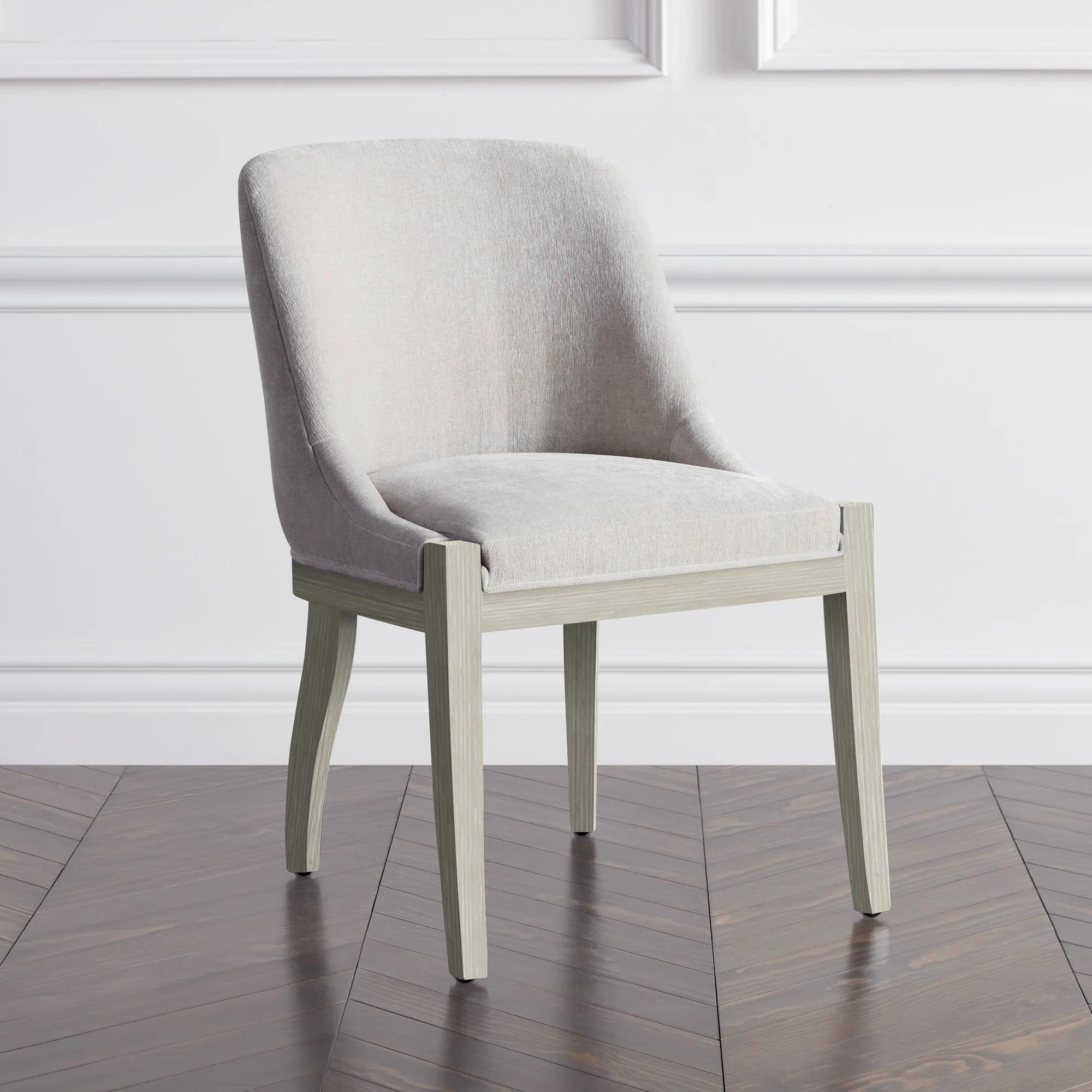
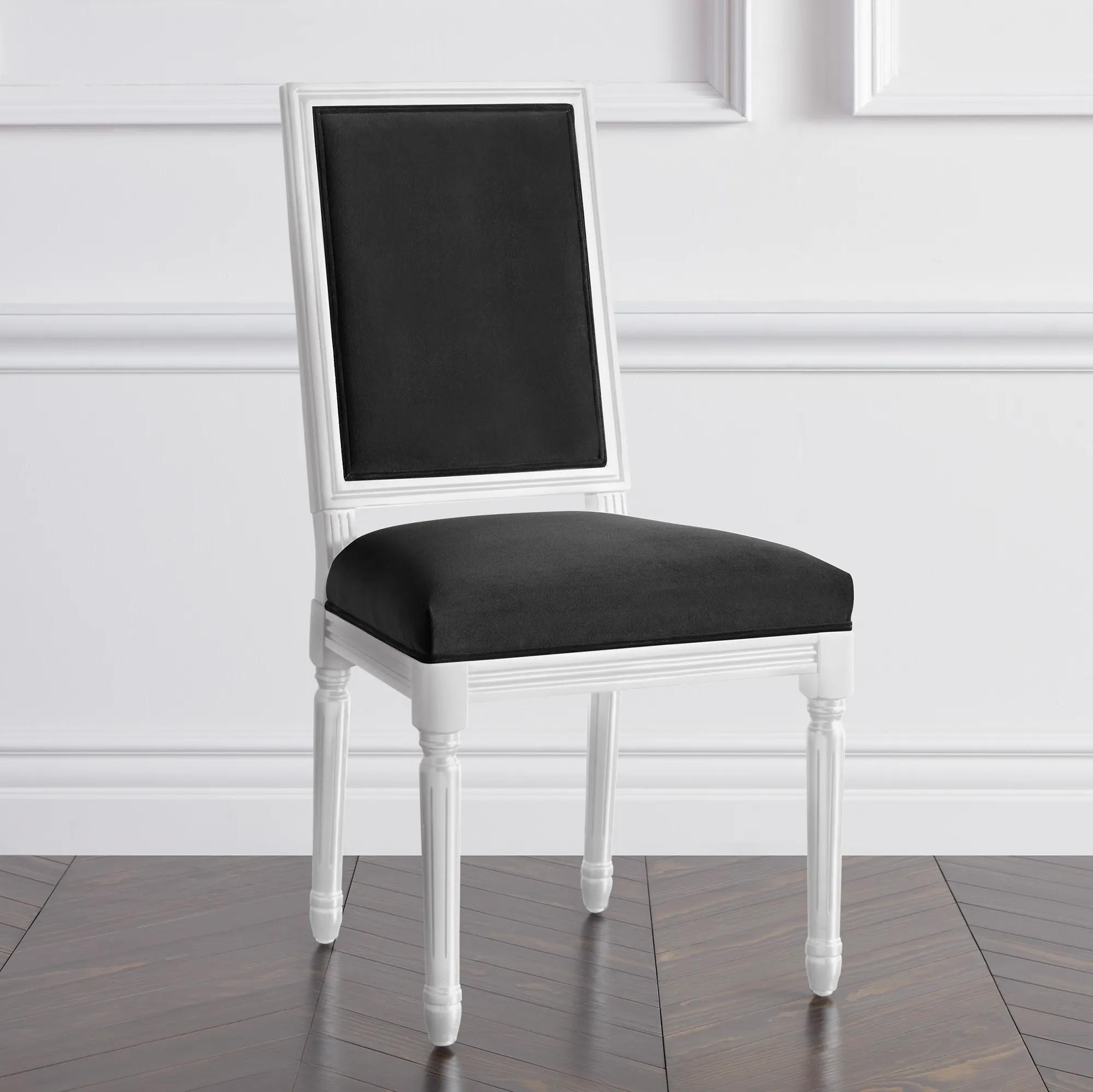
Exclusive Upholstered Counter Stools
Exclusive Upholstered Counter Stools
-
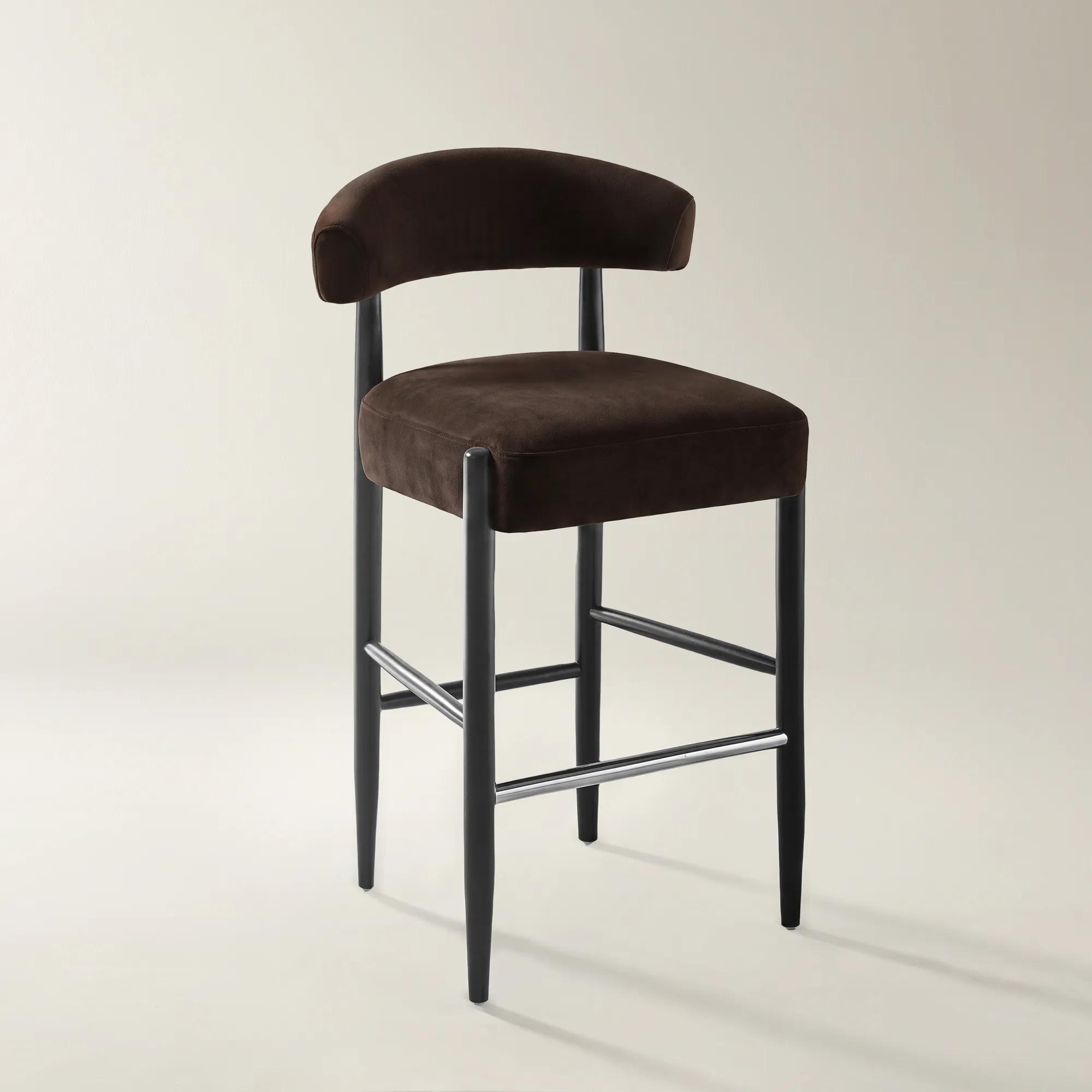 Anna Dark Chocolate Velvet Bar/Counter Stool$399
A dark chocolate velvet stool featuring sculpted support, high-density cushioning, and tapered solid-rubberwood legs.
Add To Cart -
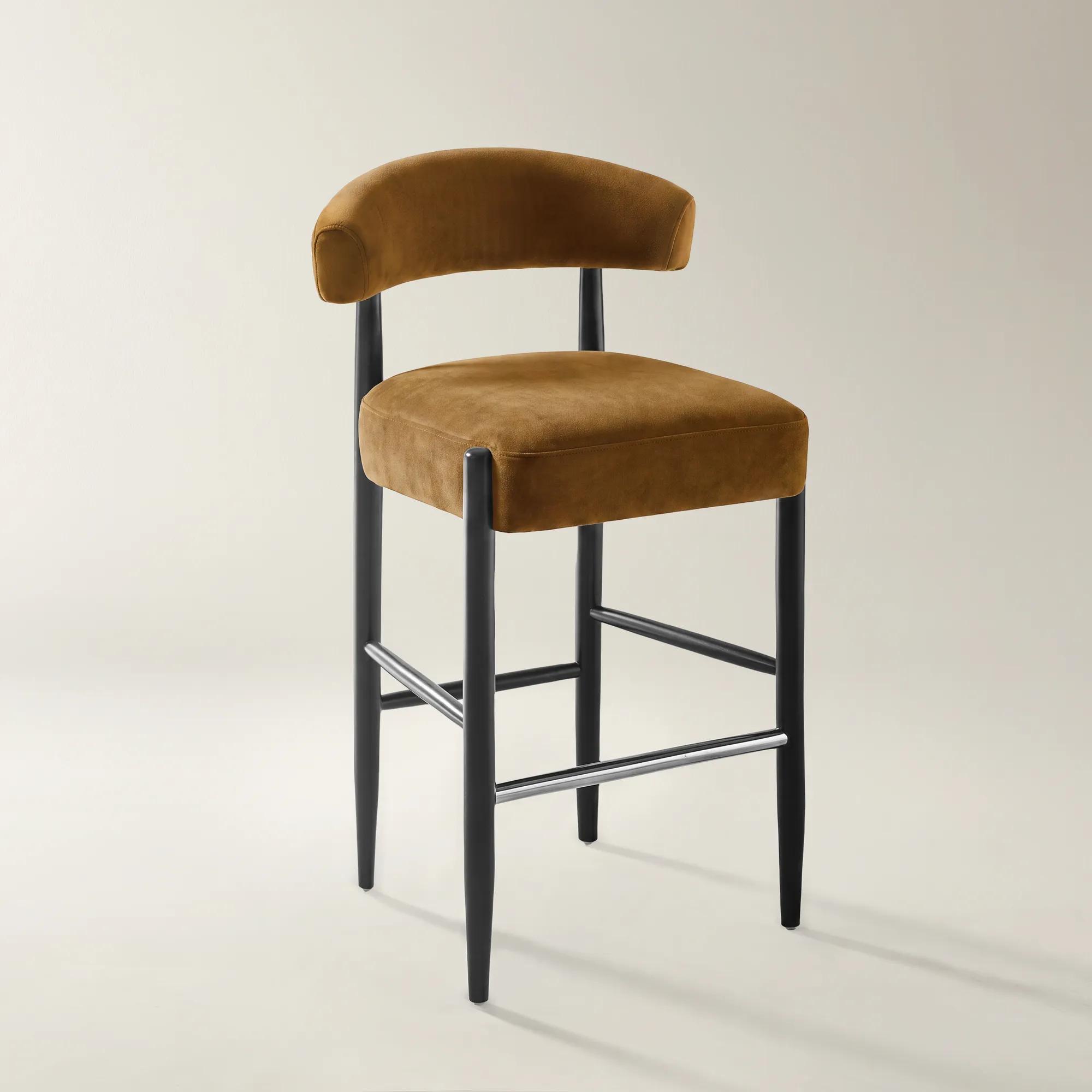 Anna Roasted Pecan Velvet Bar/Counter Stool$399
A roasted pecan velvet stool with a sculpted padded seat and solid rubberwood legs, fully assembled.
Add To Cart -
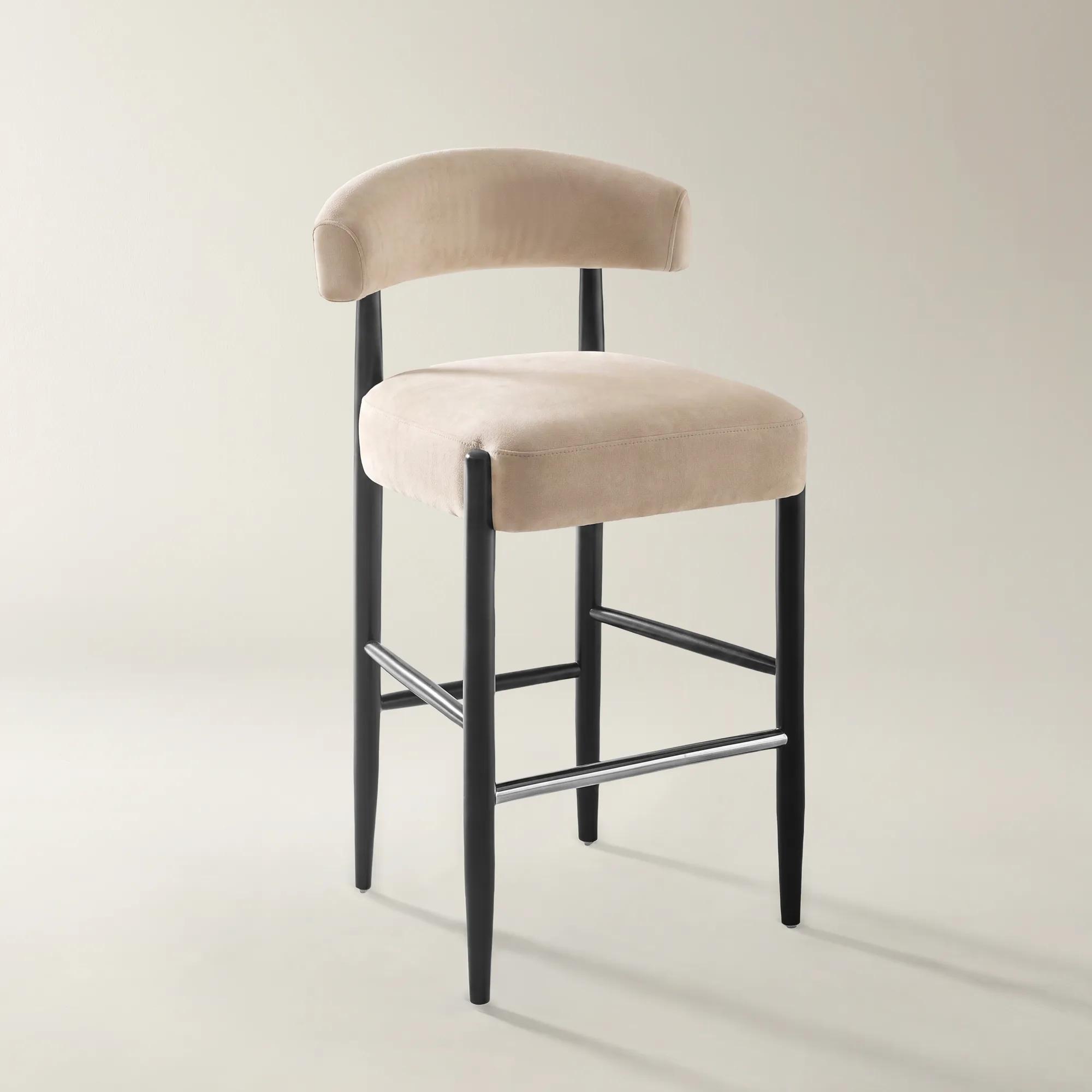 Anna Simply Taupe Velvet Bar/Counter Stool$399
A taupe velvet stool featuring sculpted support, a generously padded seat, and tapered solid rubberwood legs.
Add To Cart -
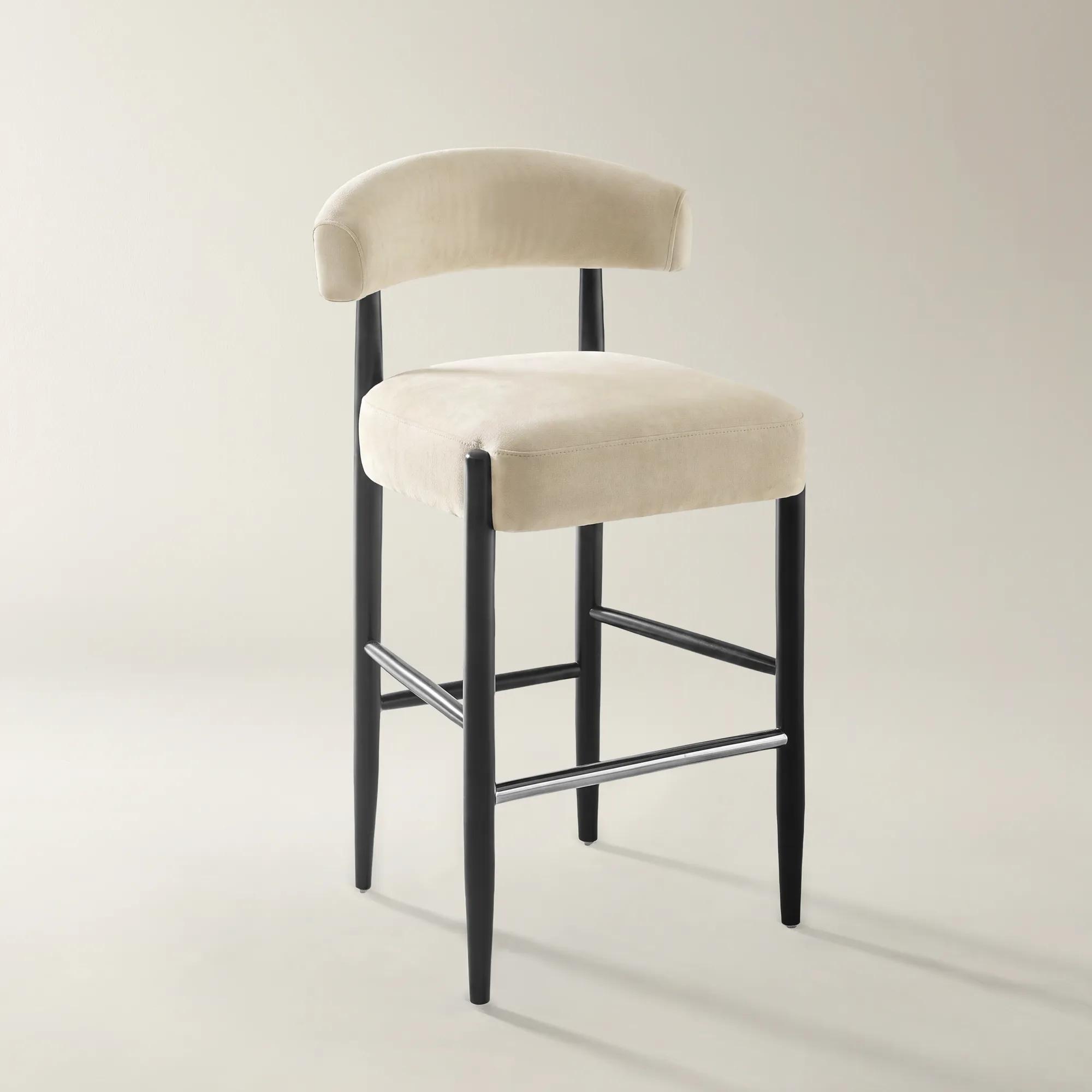 Anna Oatmeal Velvet Bar/Counter Stool$399
A refined oatmeal velvet stool with a sculpted padded seat and solid rubberwood legs.
Add To Cart -
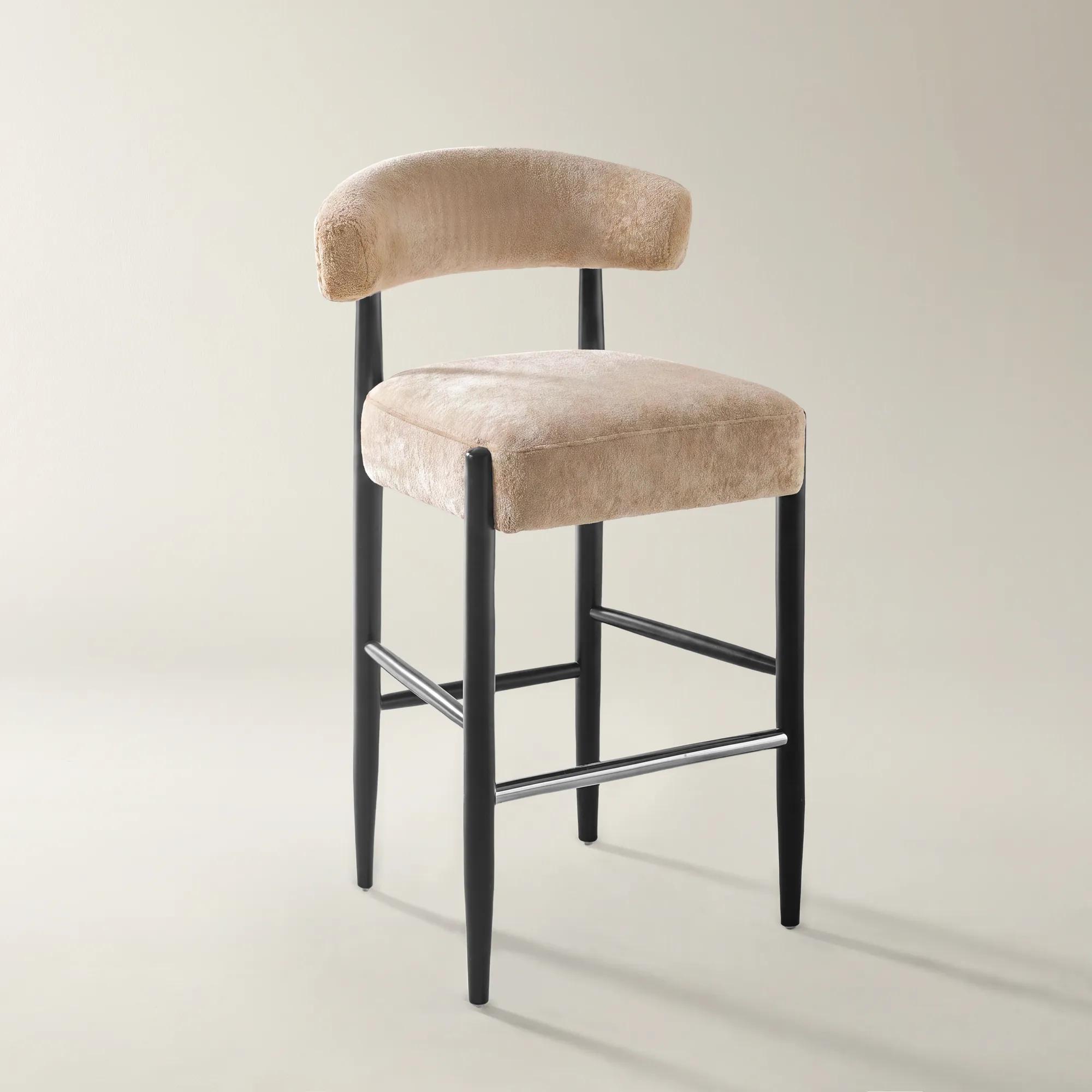 Anna Light Brown Chenille Bar/Counter Stool$399
A brown chenille stool featuring a sculpted back, padded seat, and tapered solid-rubberwood legs.
Add To Cart -
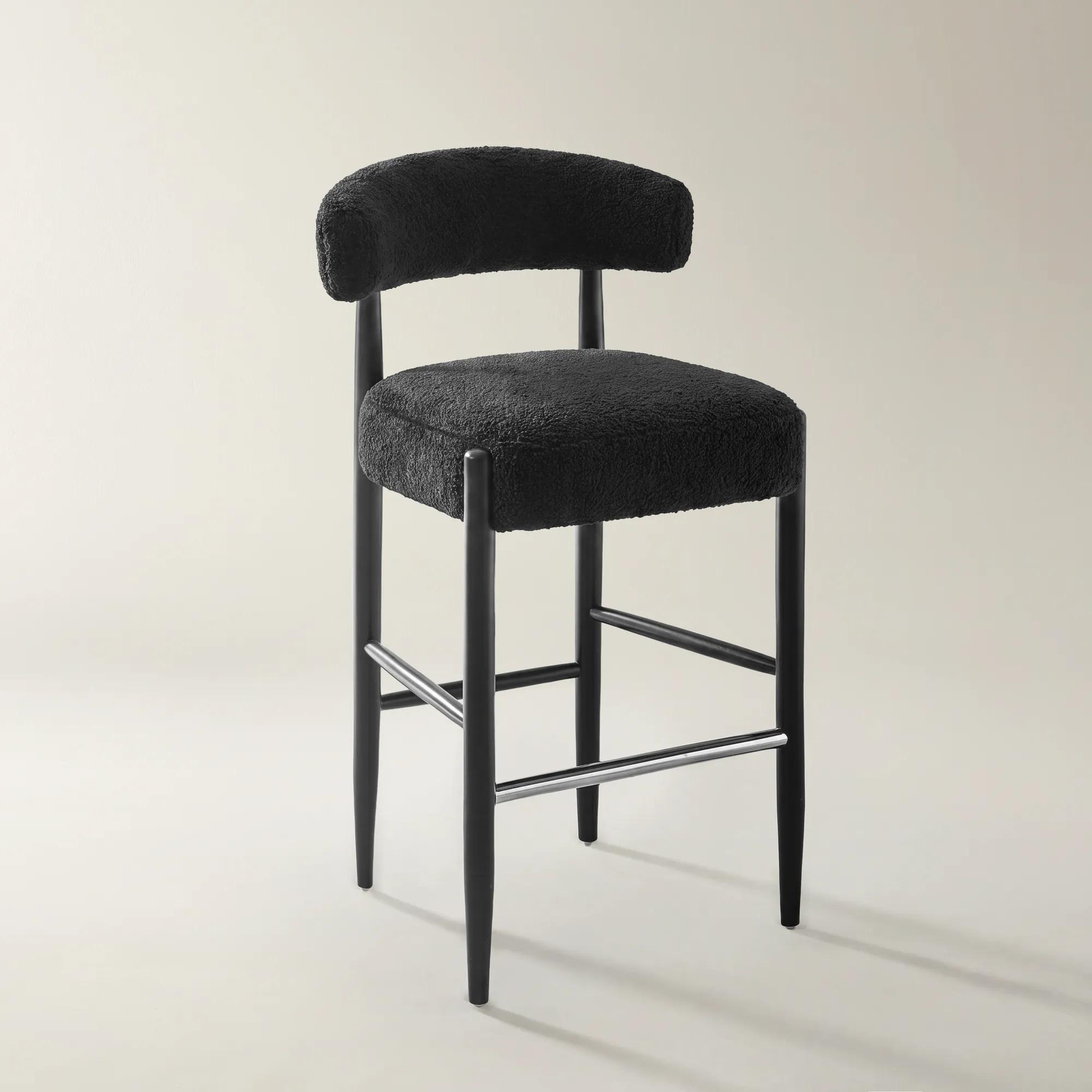 Anna Black Chenille Bar/Counter Stool$399
A charcoal chenille stool featuring sculpted support, high-density cushioning, and tapered solid rubberwood legs.
Add To Cart -
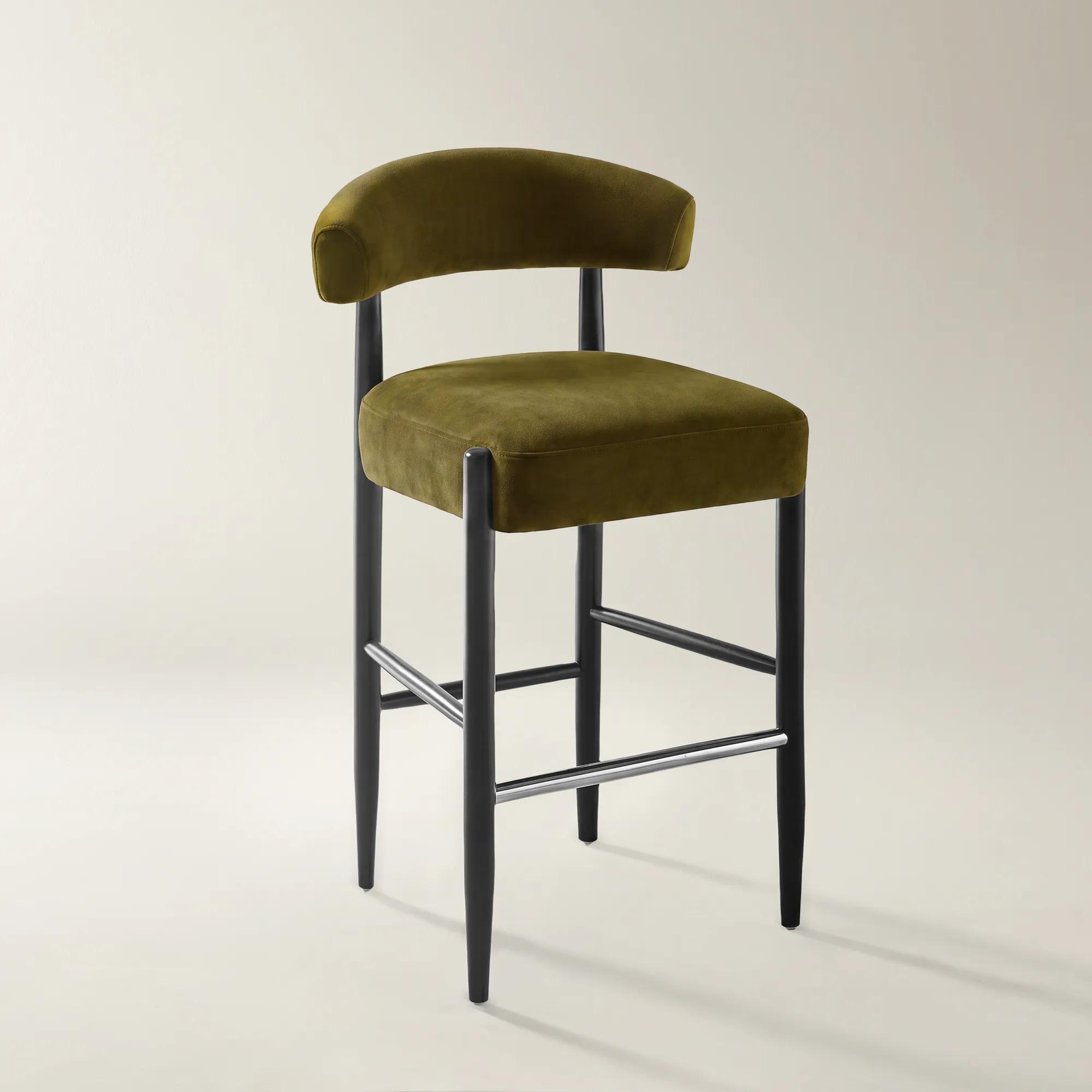 Anna Deep Olive Velvet Bar/Counter Stool$399
A deep olive velvet stool with sculpted support, padded comfort, and tapered solid rubberwood legs.
Add To Cart -
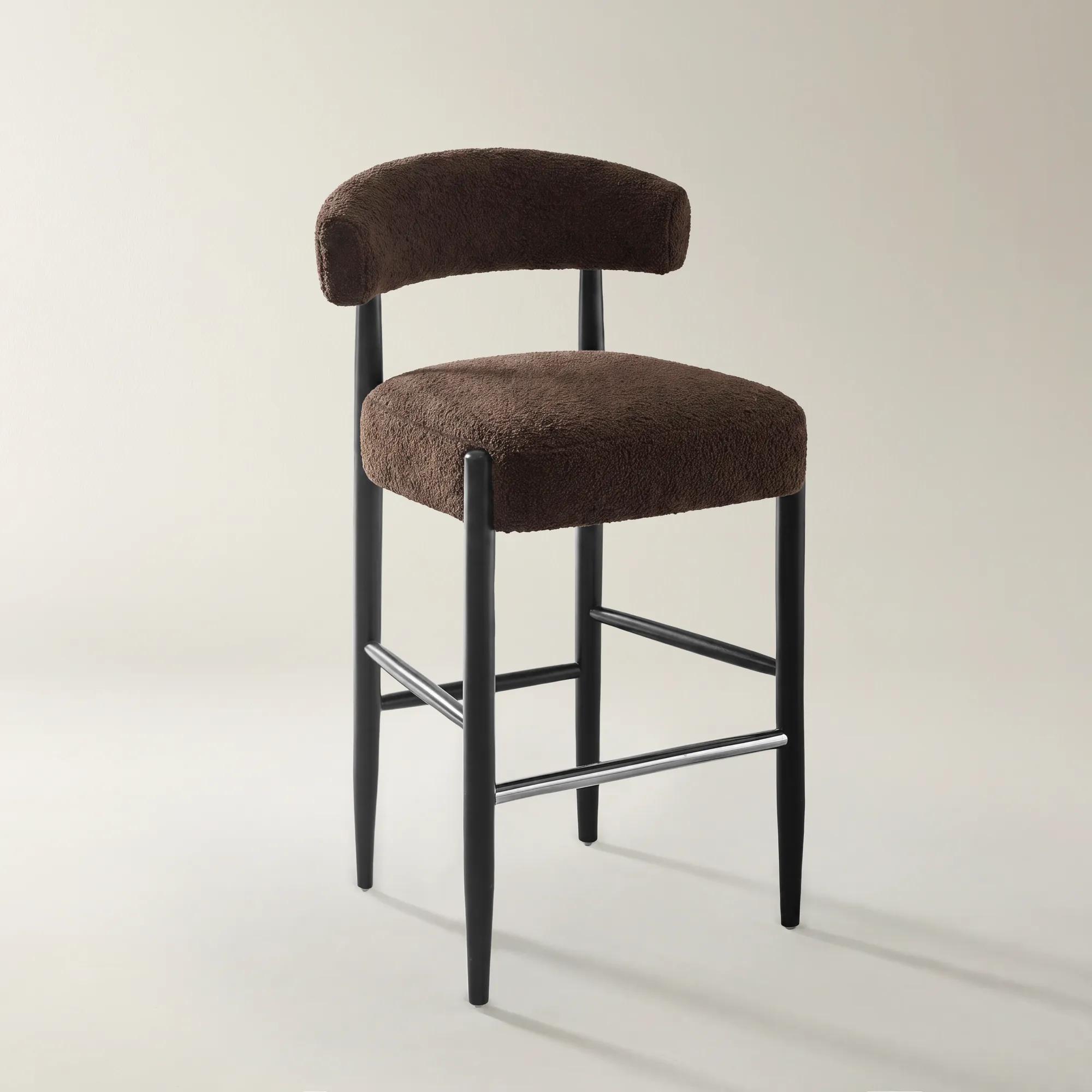 Anna Dark Chocolate Chenille Bar/Counter Stool$399
A dark chocolate chenille stool with sculpted support, padded comfort, and tapered solid rubberwood legs.
Add To Cart -
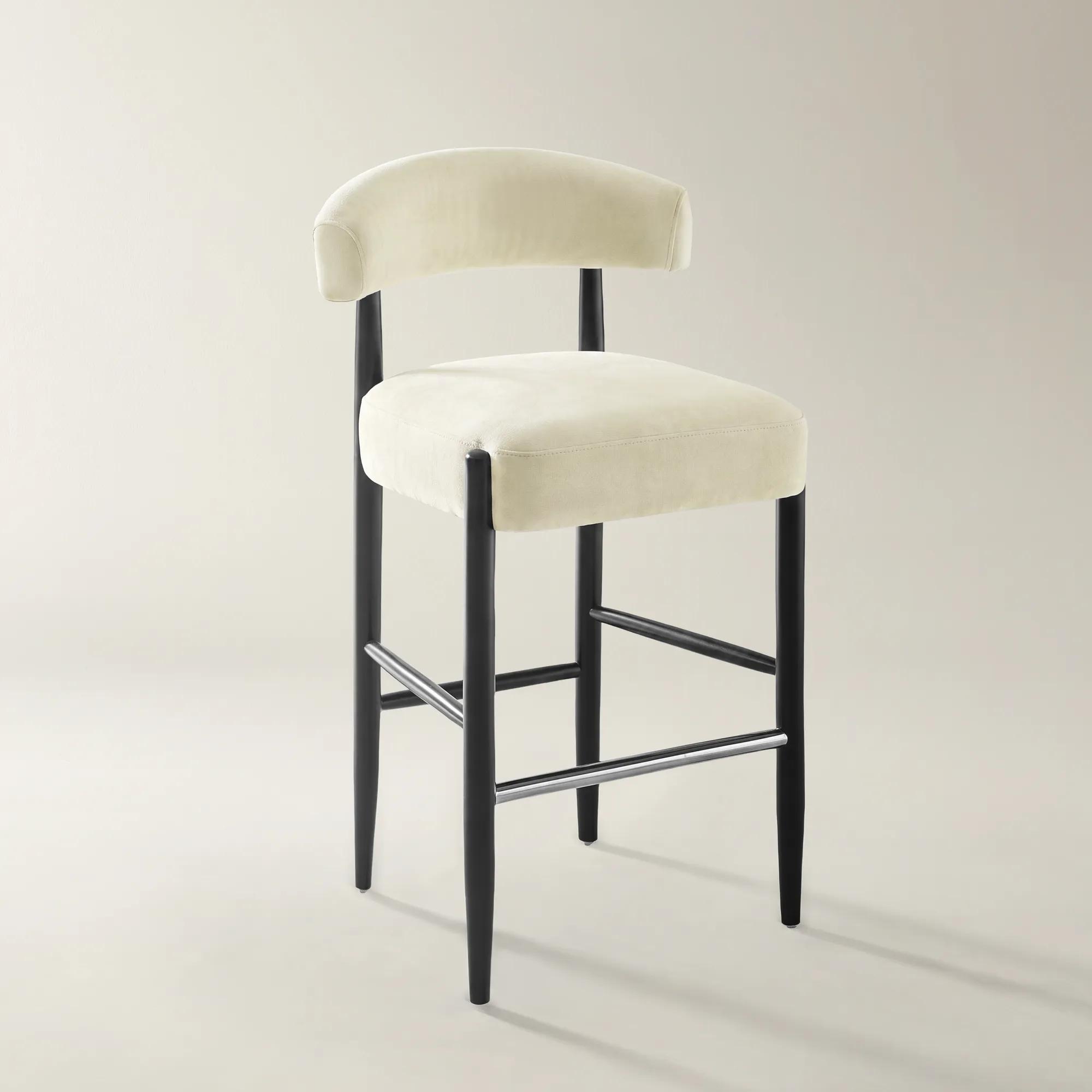 Anna Cloud Velvet Bar/Counter Stool$399
A tailored velvet stool with sculpted support, padded comfort, and solid rubberwood legs.
Add To Cart -
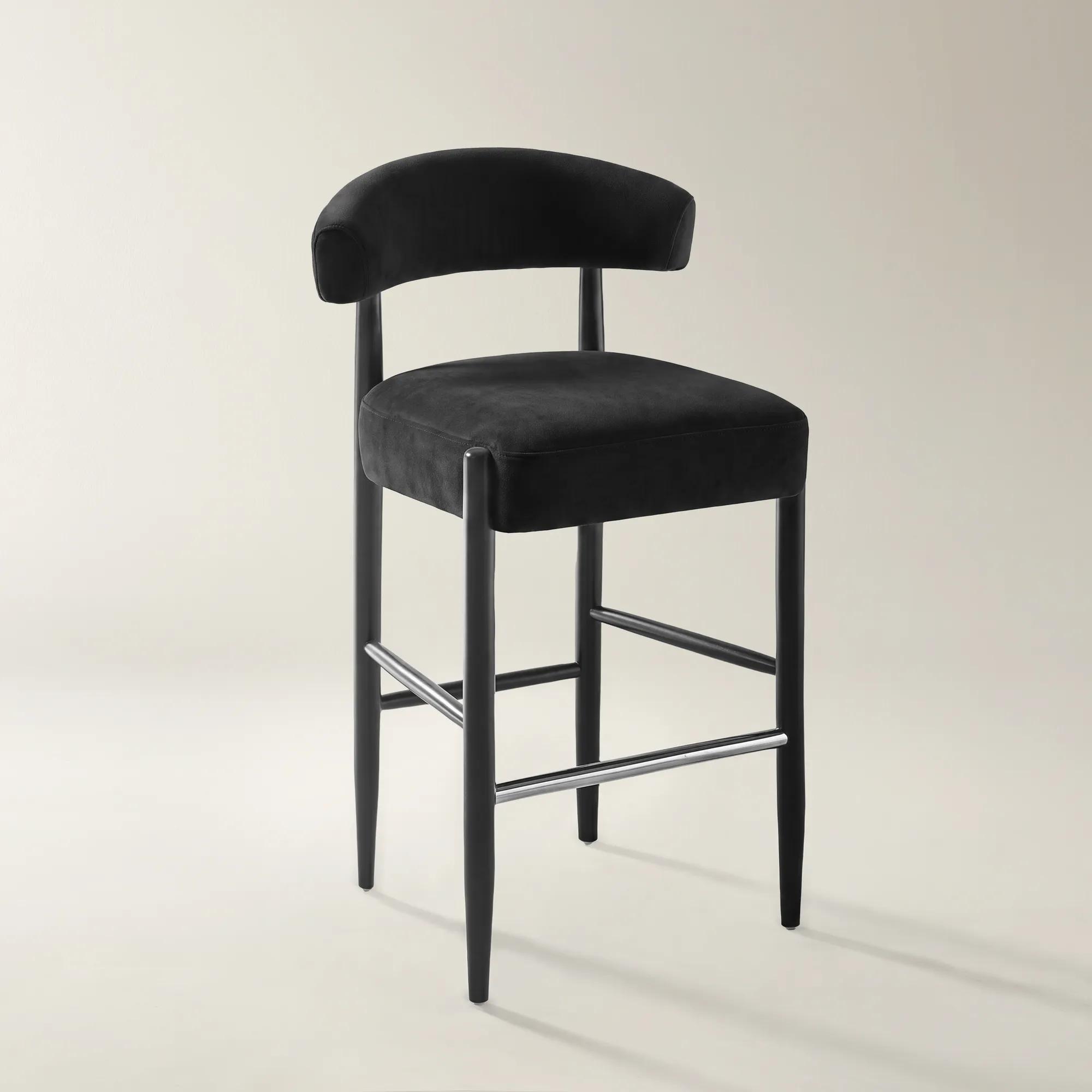 Anna Charcoal Velvet Bar/Counter Stool$399
A charcoal velvet stool featuring a sculpted padded seat, tailored upholstery, and tapered solid-rubberwood legs.
Add To Cart -
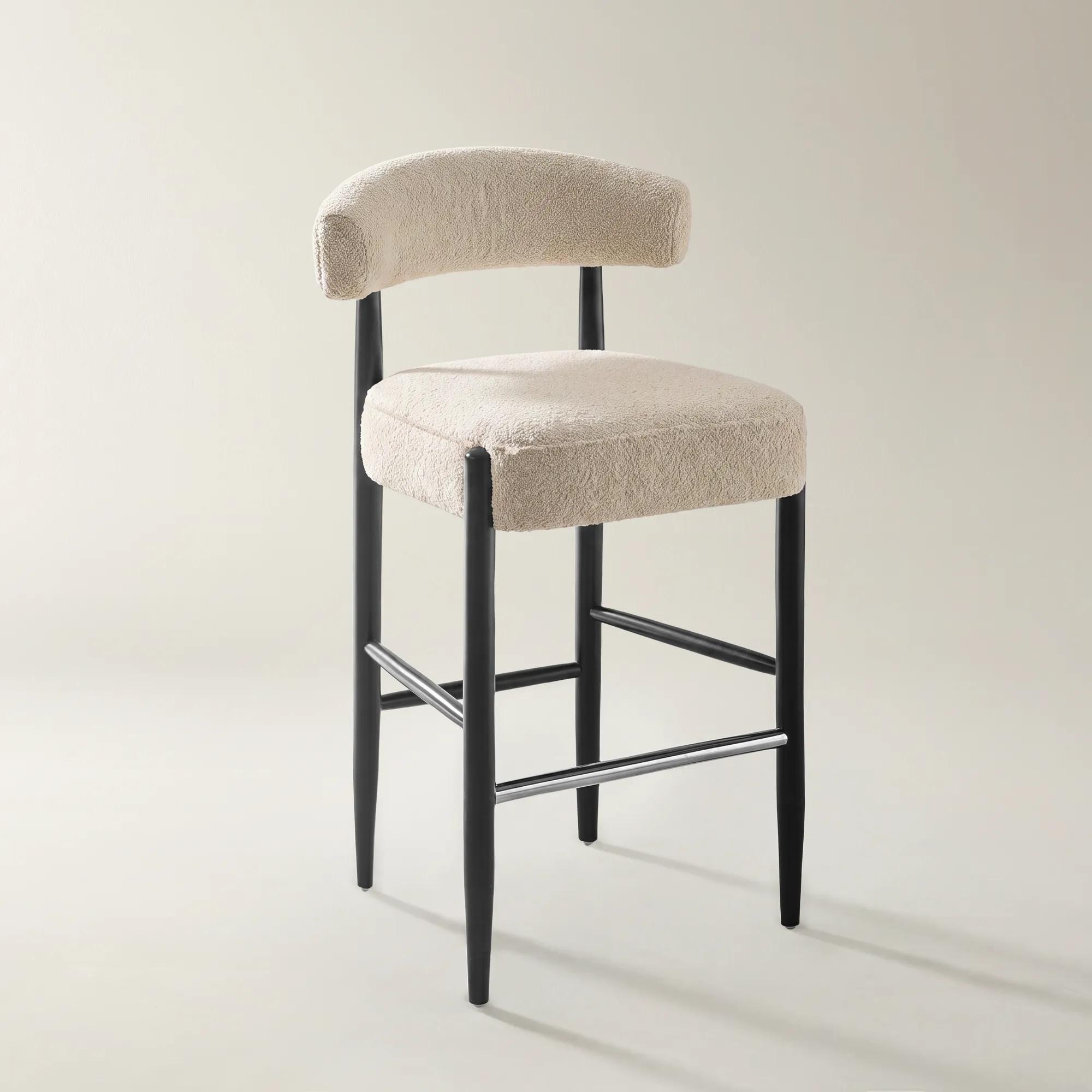 Anna Utopia Sand Chenille Bar/Counter Stool$399
A sand chenille stool with a sculpted padded seat, tailored upholstery, and tapered solid rubberwood legs.
Add To Cart -
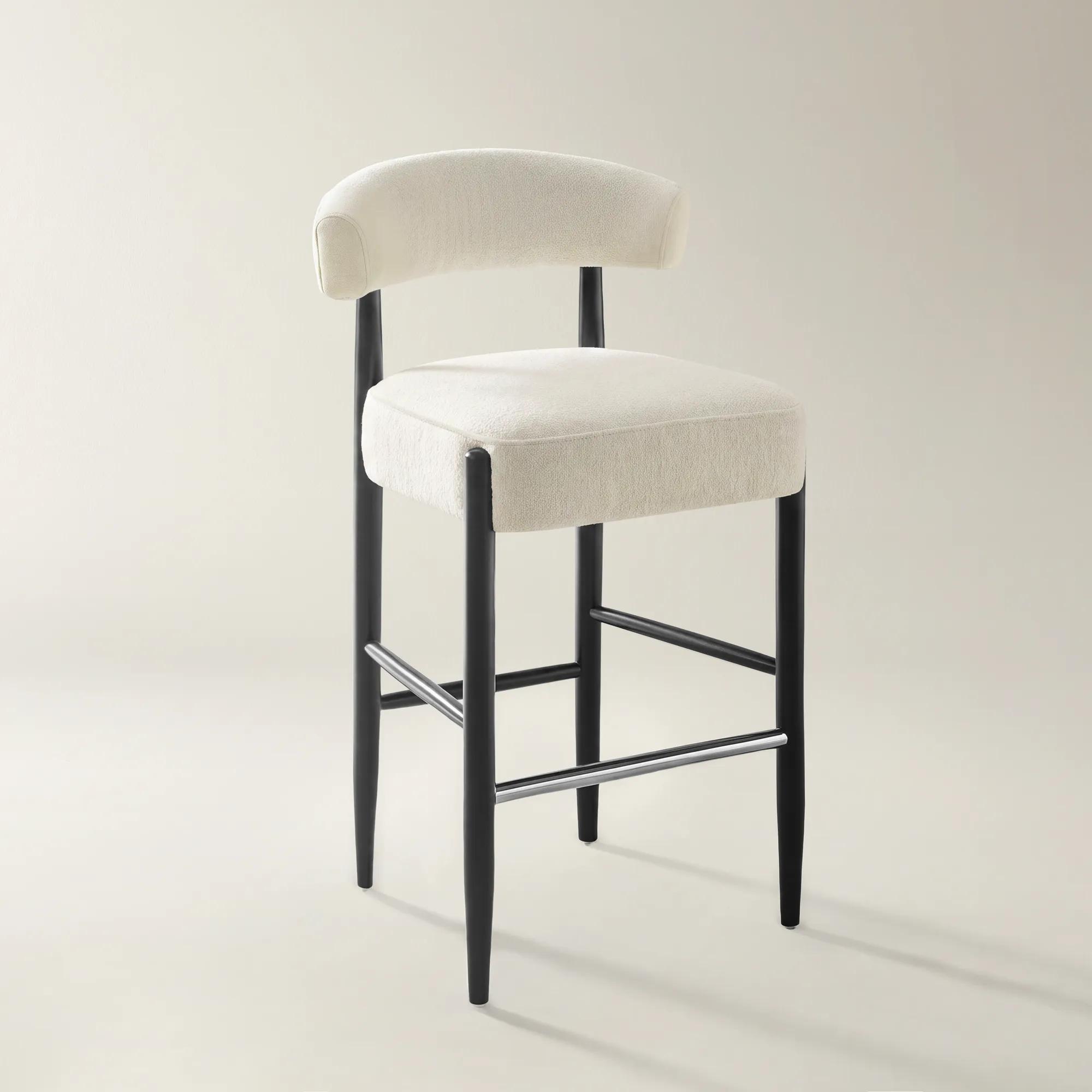 Anna Ivory Performance Chenille Bar/Counter Stool$399
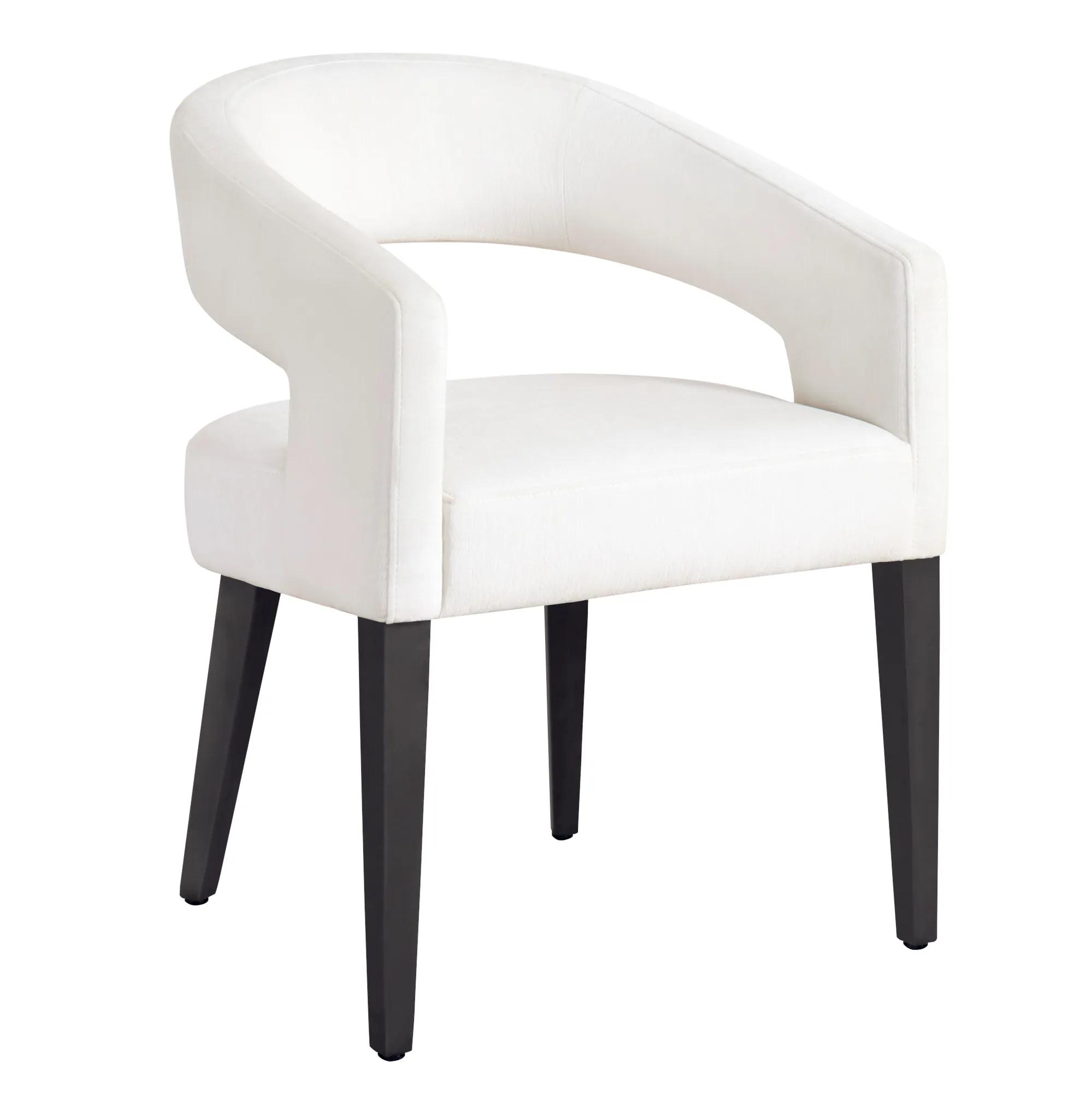
A sculpted ivory performance chenille stool with plush padding and tapered solid rubberwood legs.
Add To Cart -
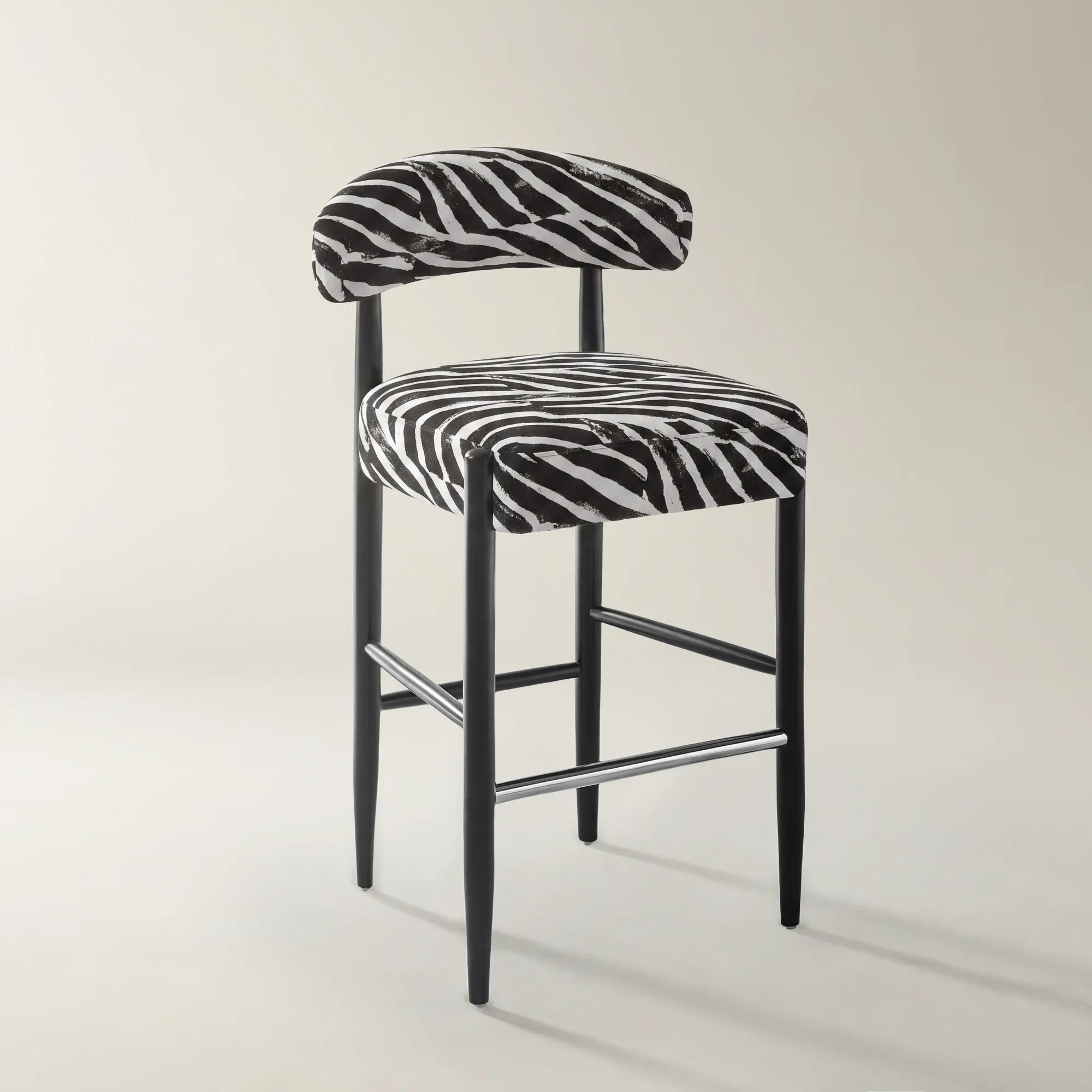 Anna White/Black Performance Chenille Bar/Counter Stool$399
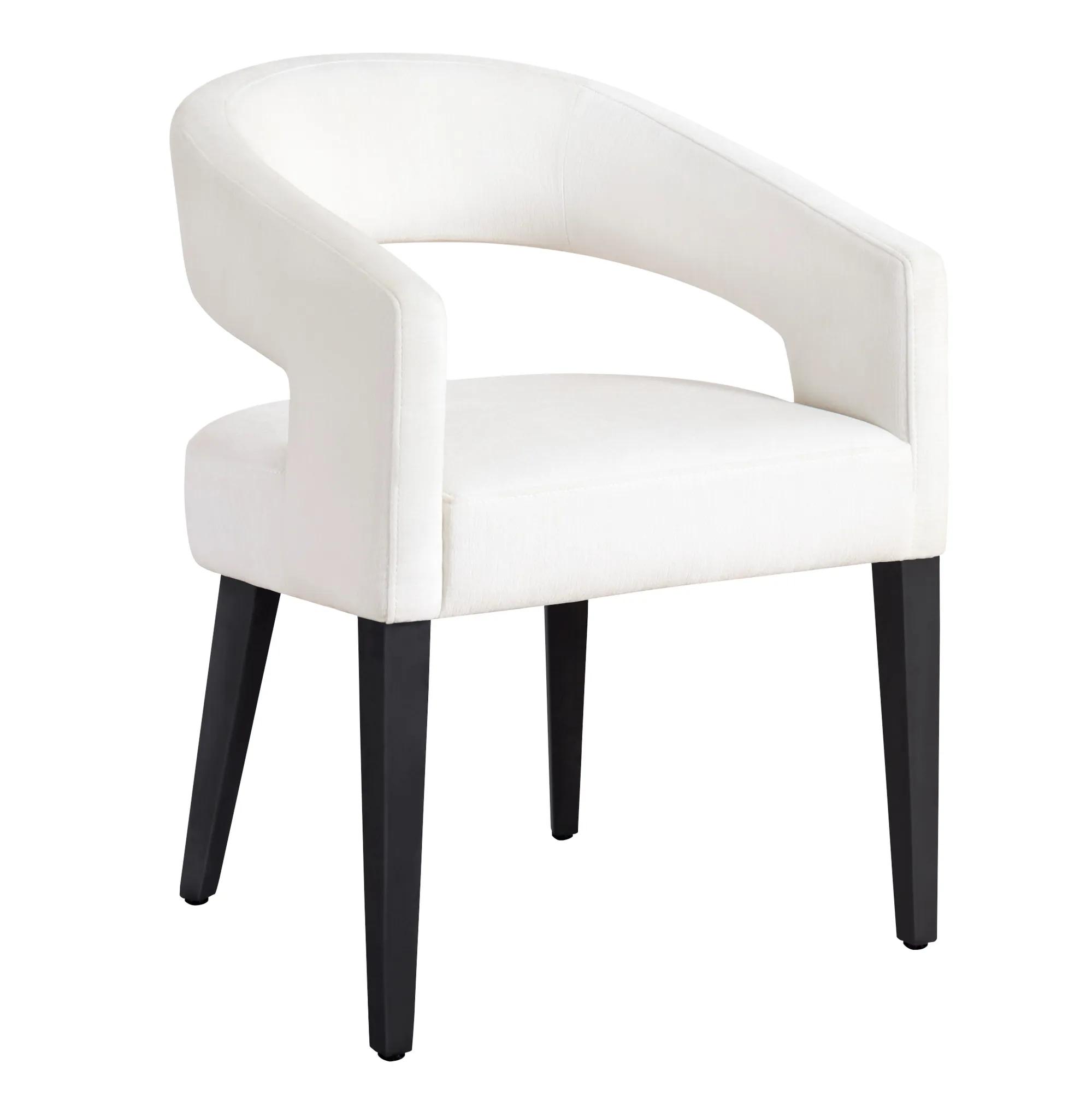
A black-and-white performance chenille stool with sculpted support, padded seating, and tapered solid-rubberwood legs.
Add To Cart -
 Valerie Natural Outdoor Counter Stool$659
A natural-finished outdoor stool offering stylish counter-height seating.
Add To Cart -
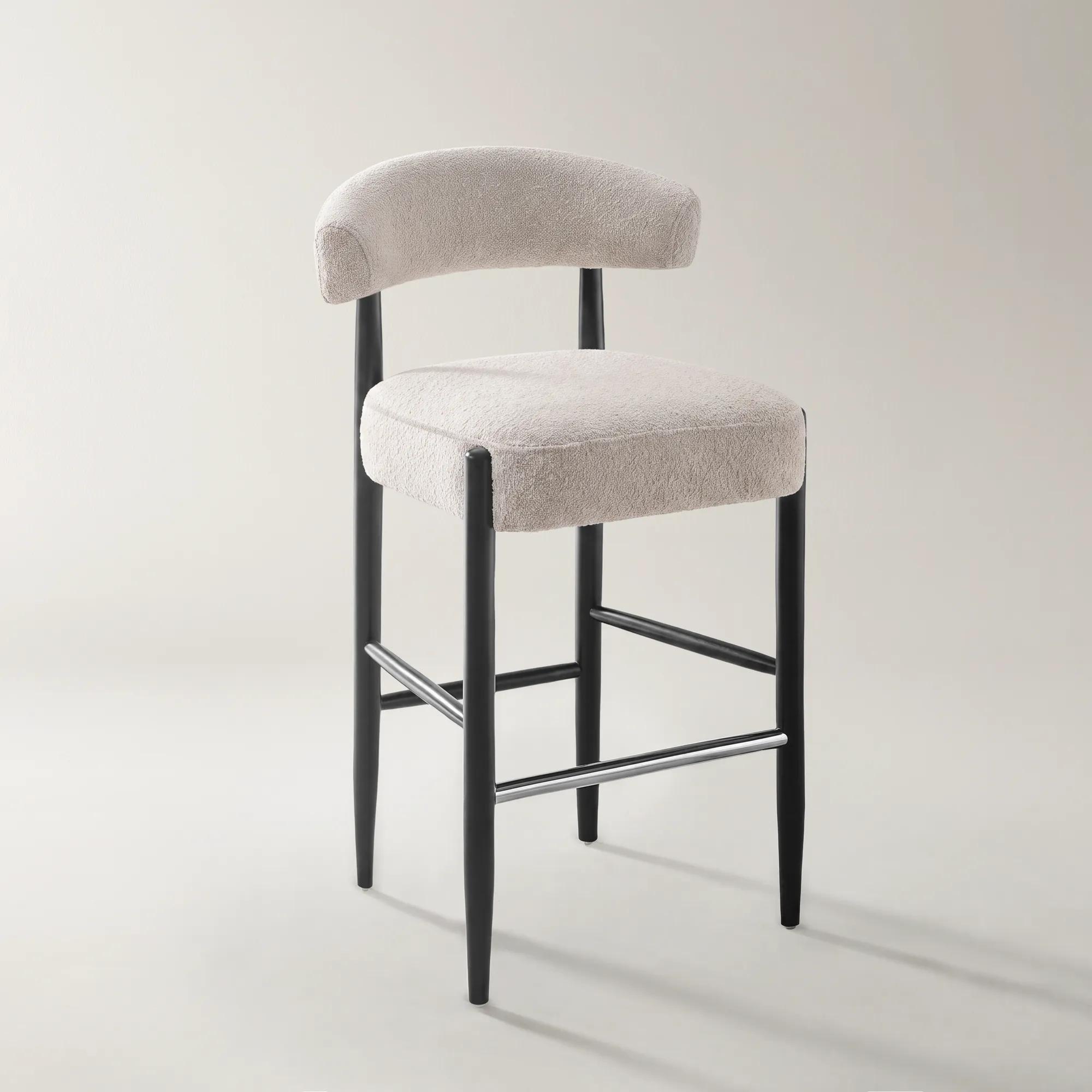 Anna Ivory Performance Boucle Bar/Counter Stool$399
A sculpted ivory performance-bouclé stool with padded support and tapered solid-rubberwood legs for elevated entertaining.
Add To Cart -
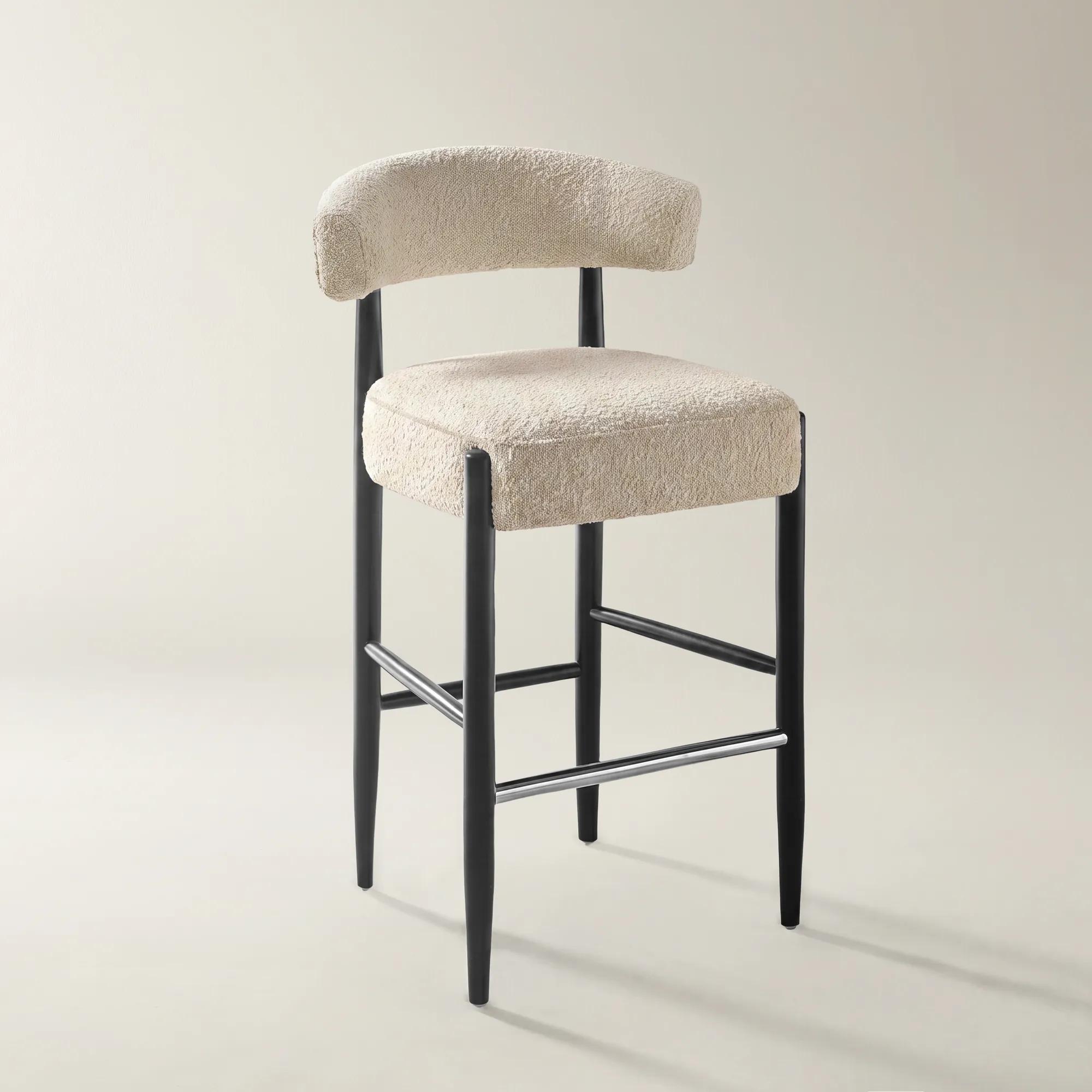 Anna Ivory Performance Boucle Bar/Counter Stool$399
A sculpted ivory performance-bouclé stool with padded support, tailored upholstery, and tapered solid-rubberwood legs.
Add To Cart -
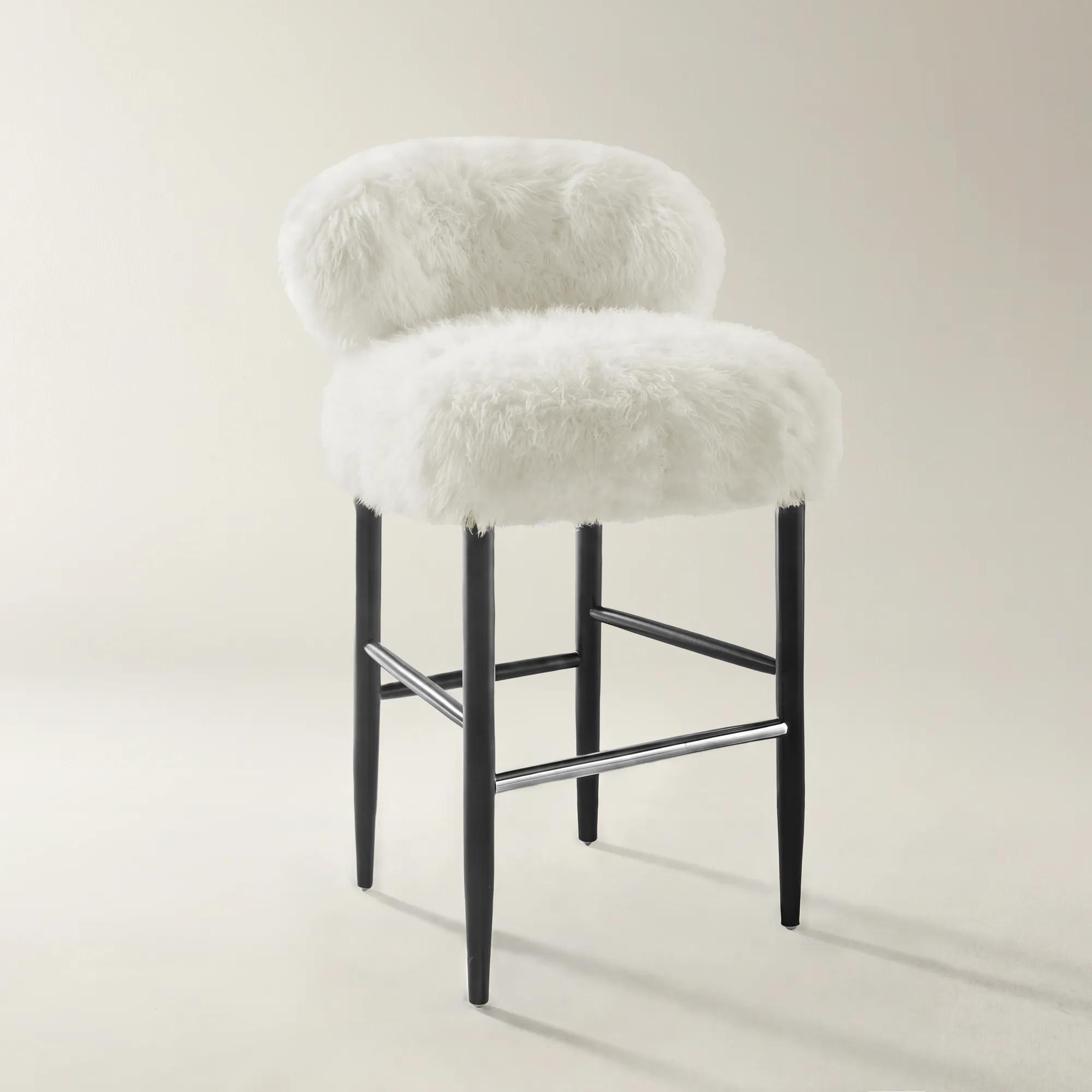 Anna Ivory Faux Fur Bar/Counter Stool$499
An ivory faux-fur stool with a sculpted padded seat and tapered solid rubberwood legs.
Add To Cart -
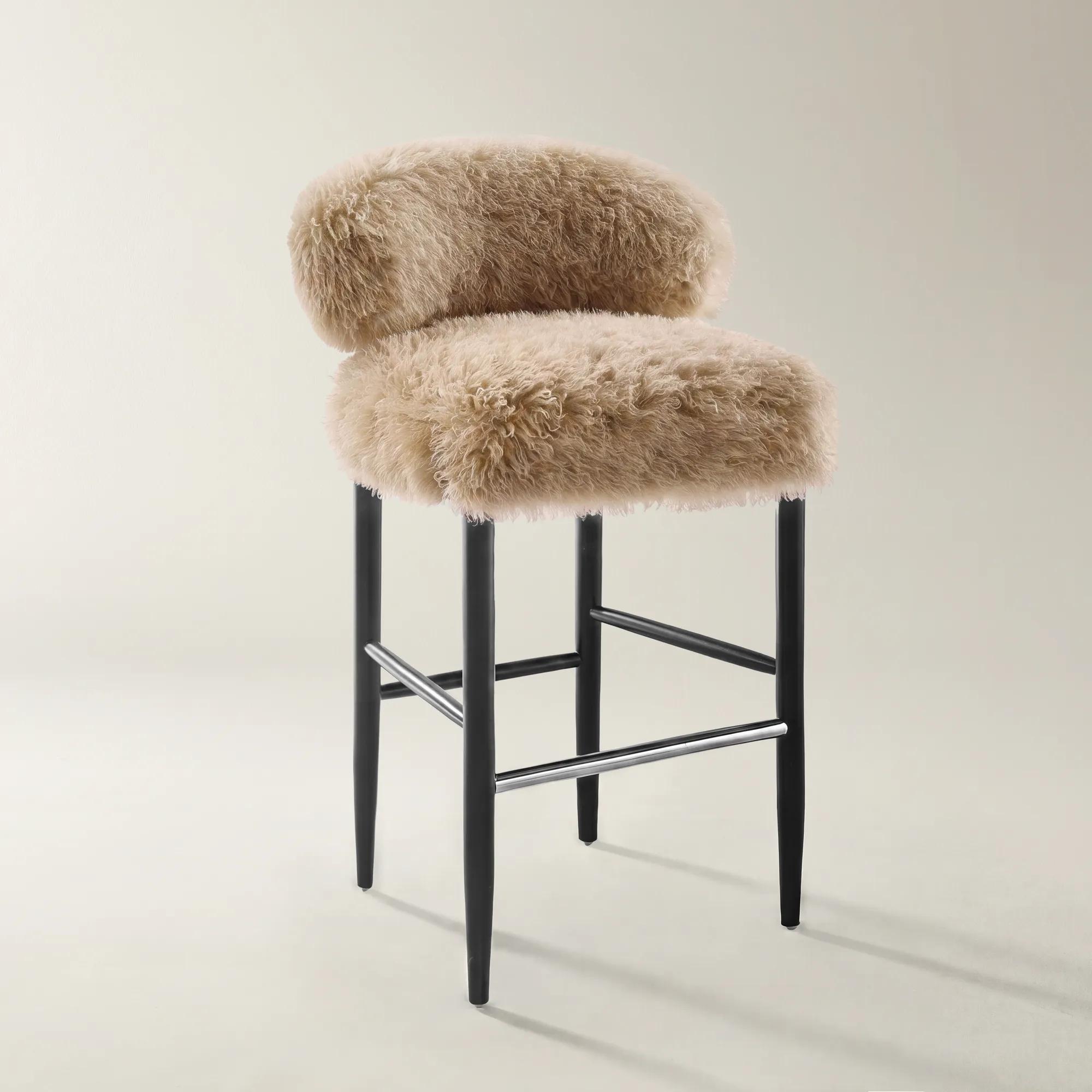 Anna Tan Faux Fur Bar/Counter Stool$499
A tan faux-fur counter stool featuring sculpted support, high-density cushioning, and tapered solid rubberwood legs.
Add To Cart -
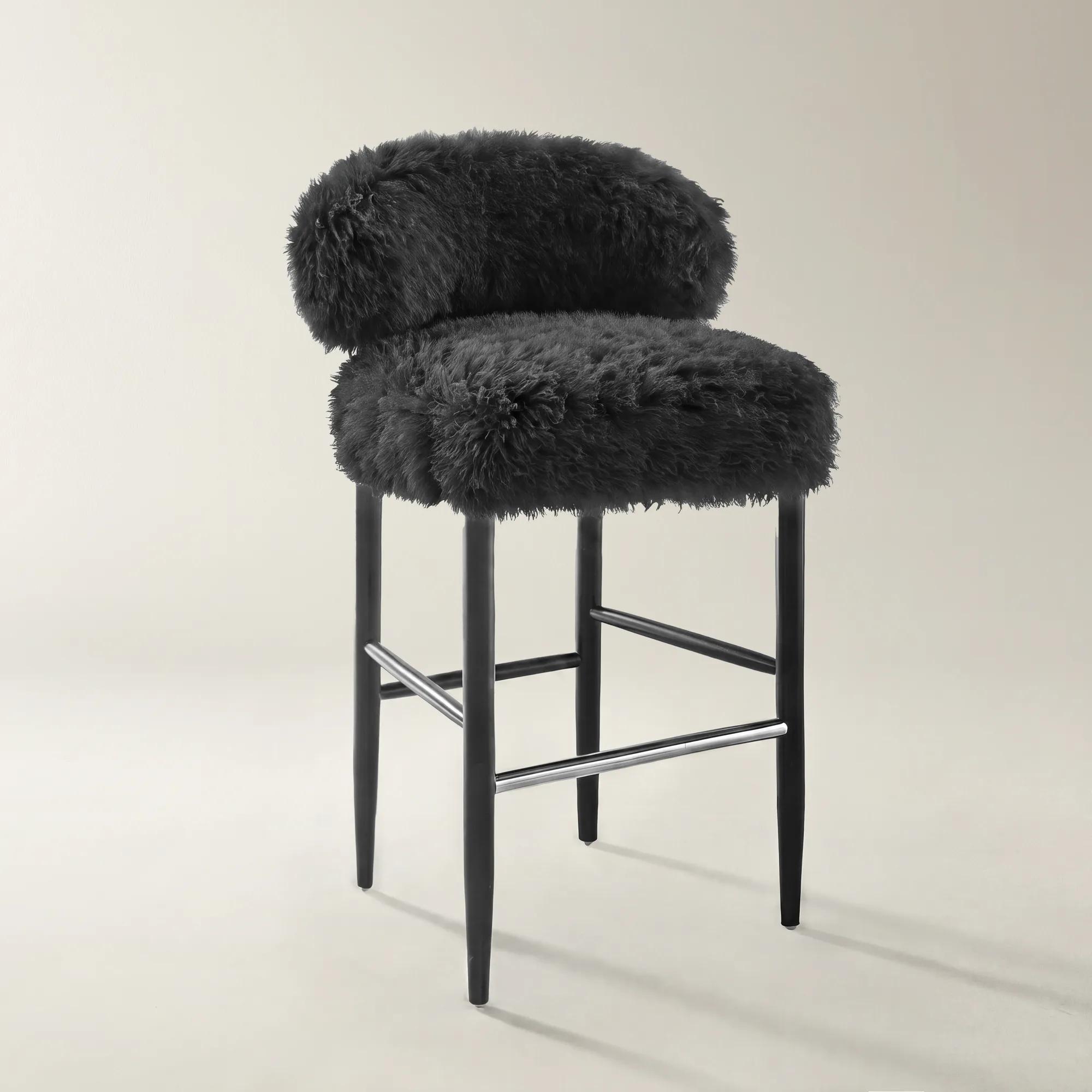 Anna Black Faux Fur Bar/Counter Stool$499
A black faux fur stool with sculpted support, padded seating, and solid rubberwood legs.
Add To Cart -
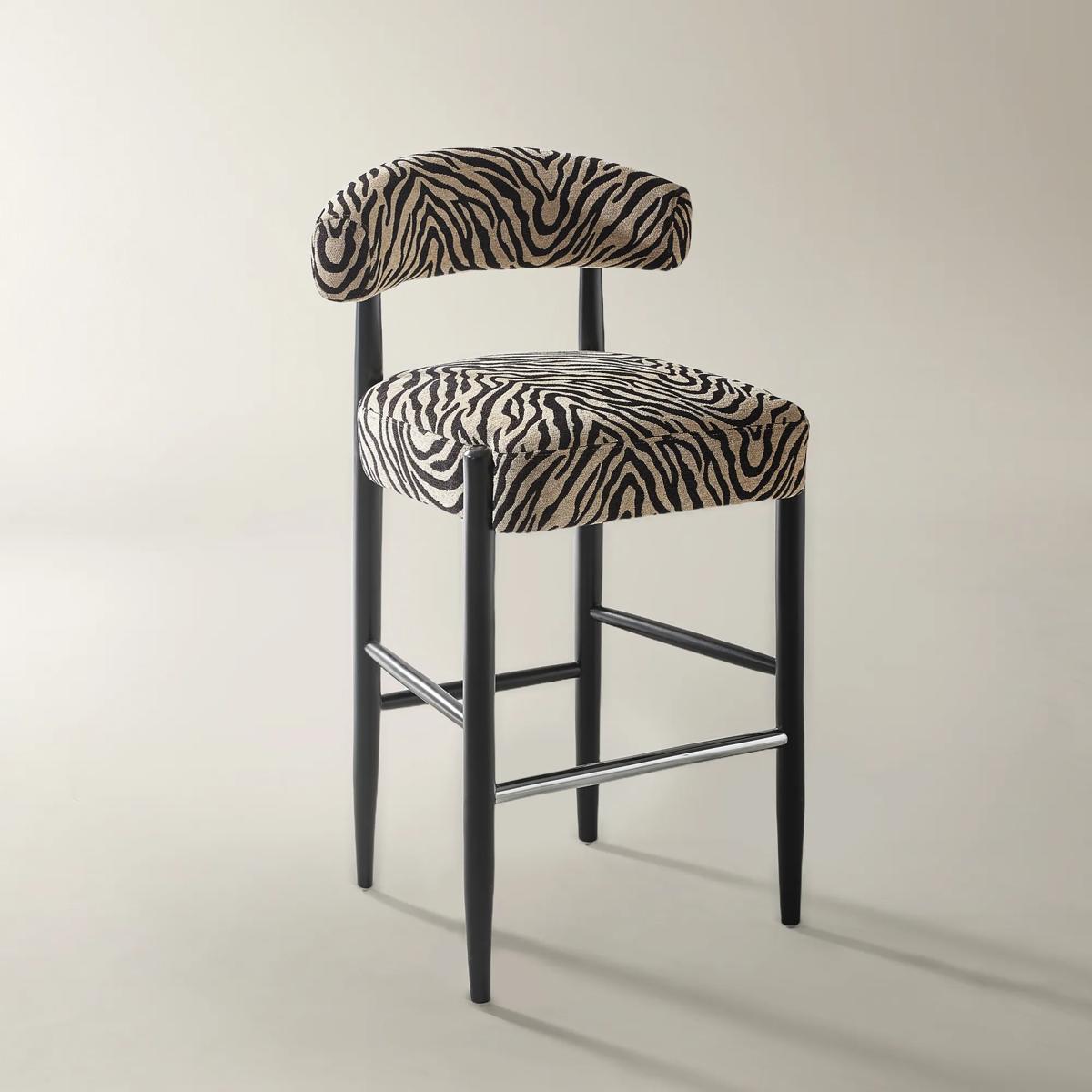
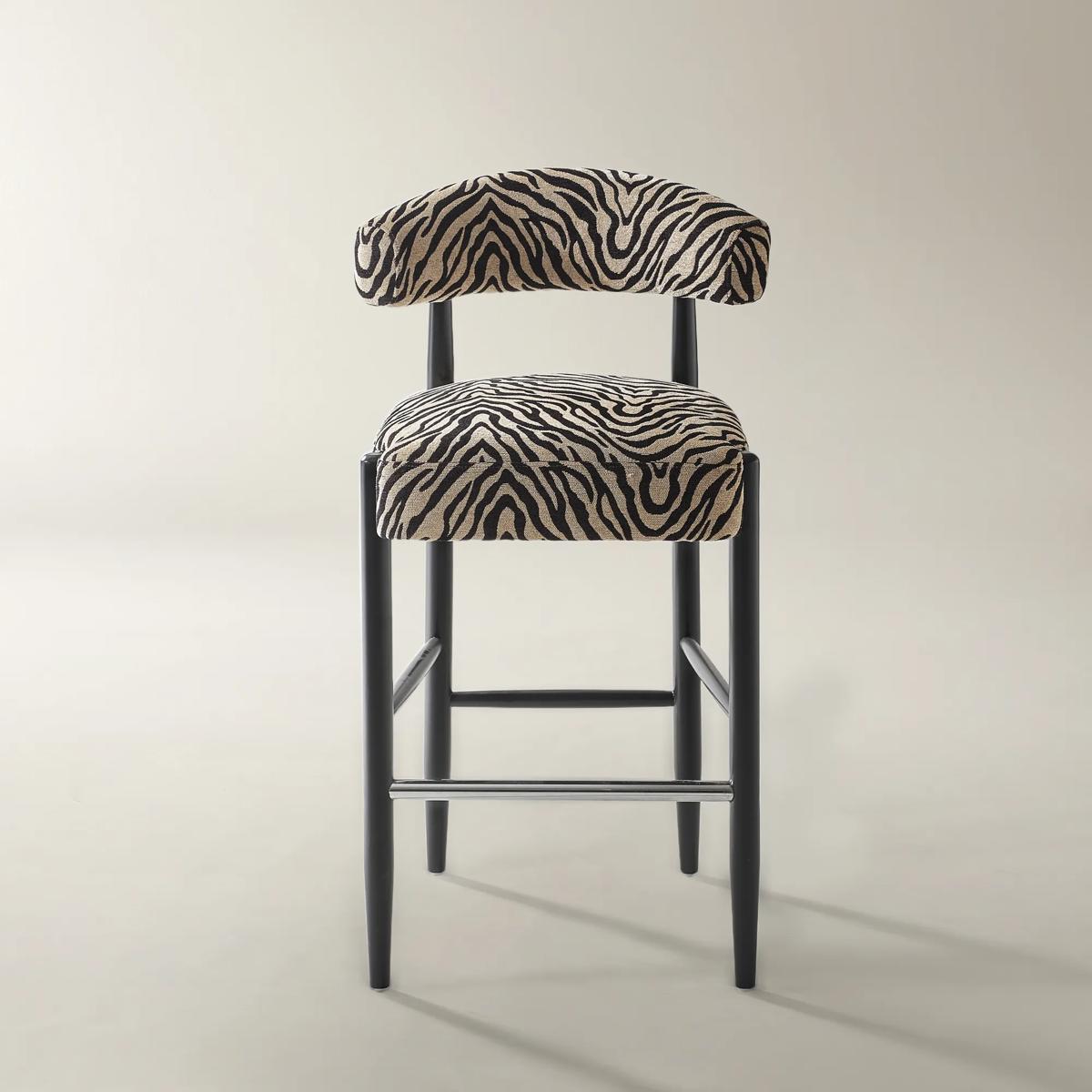 Anna Zebra Chenille Bar/Counter Stool$449
A zebra-print chenille barstool with plush foam padding and solid rubberwood legs for modern sophistication.
Add To Cart -
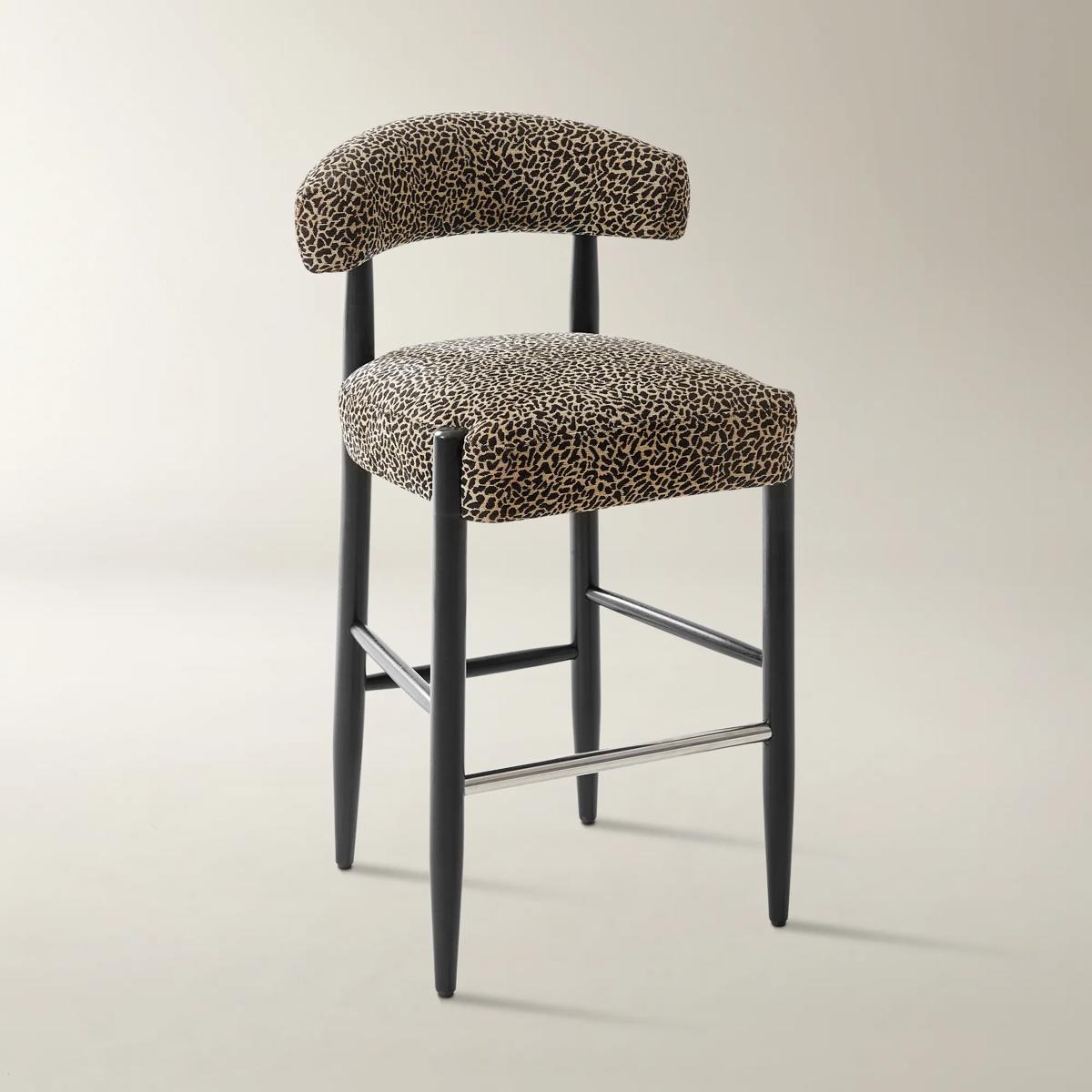
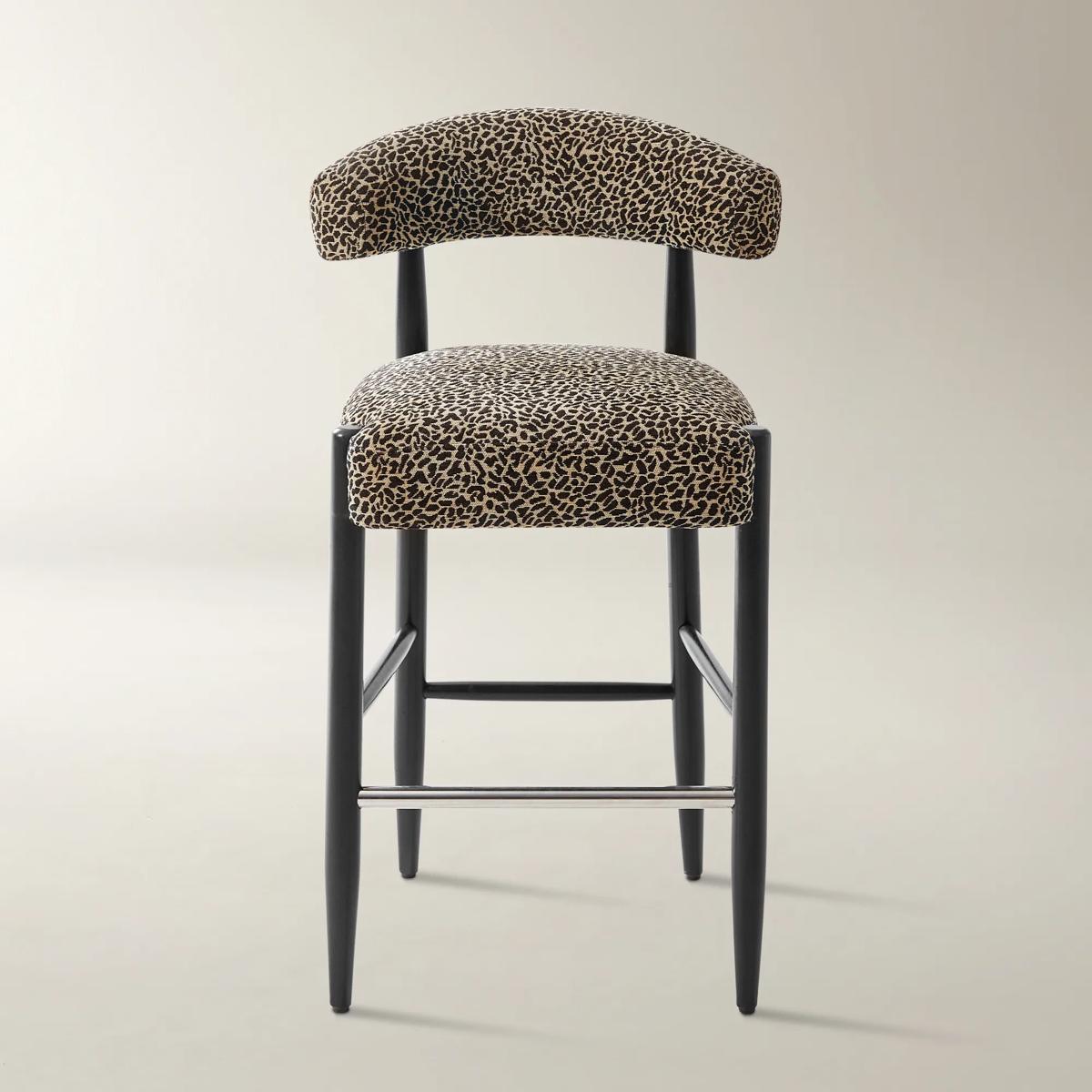 Anna Leopard Chenille Bar/Counter Stool$449
A leopard-print chenille barstool with kiln-dried hardwood legs and supportive, hand-upholstered cushioning.
Add To Cart -
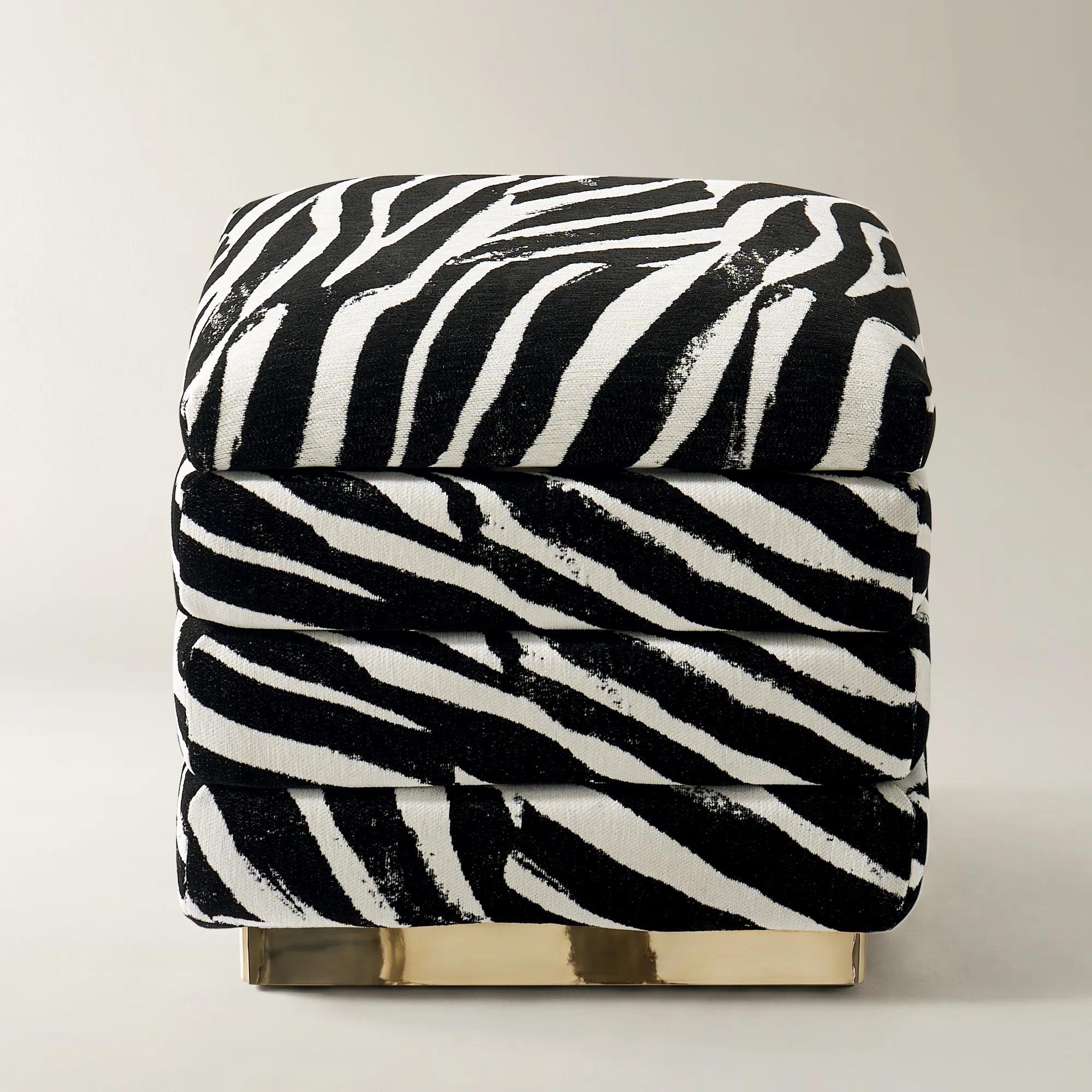
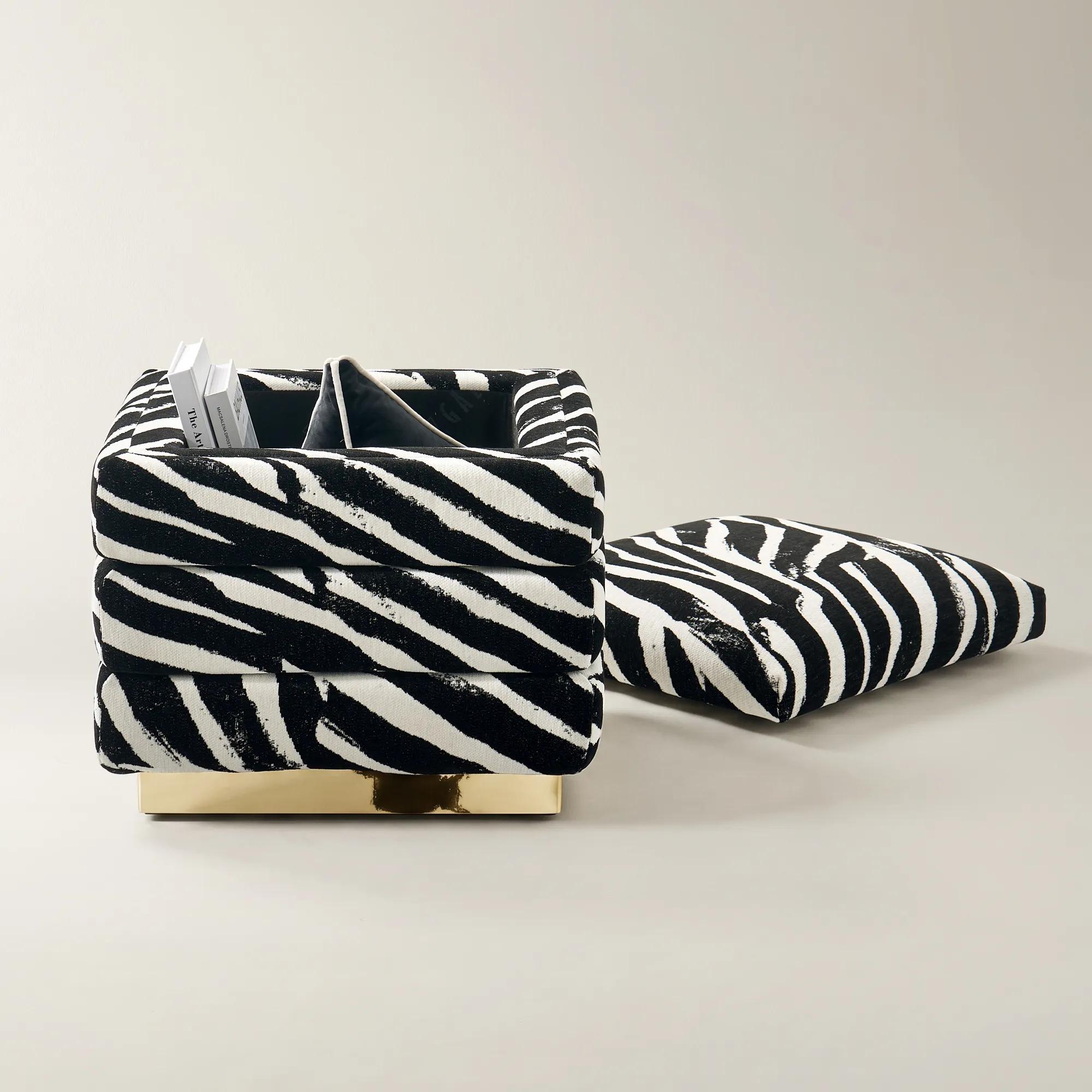 Gable White/Black Performance Chenille Stool$399
A plush white and black chenille stool with hidden storage and a polished gold stainless steel base.
Add To Cart -
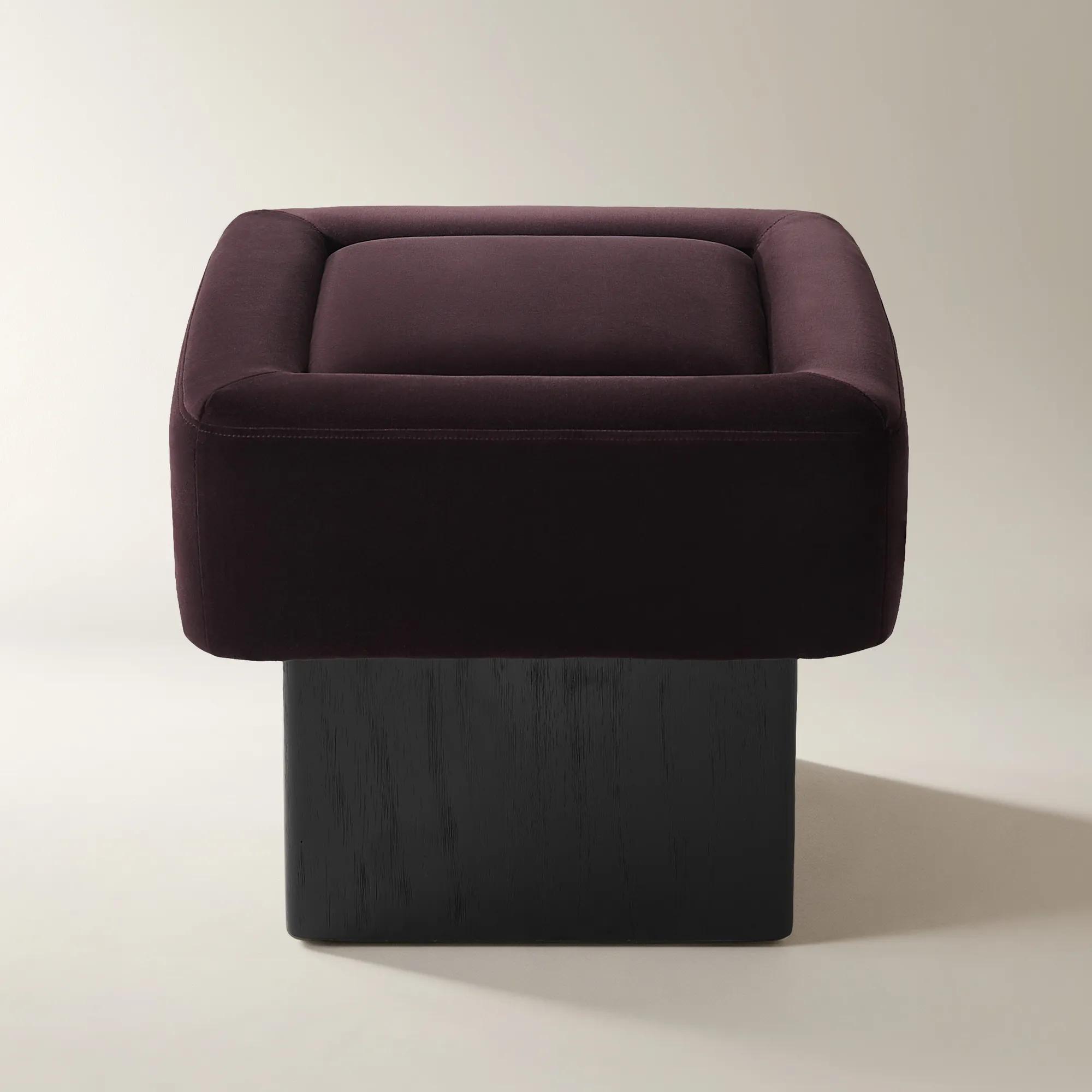 Reims Fig Velvet Stool$399
A plush fig-colored velvet stool featuring a sculpted cushion and a solid rubberwood base for modern contrast.
Add To Cart -
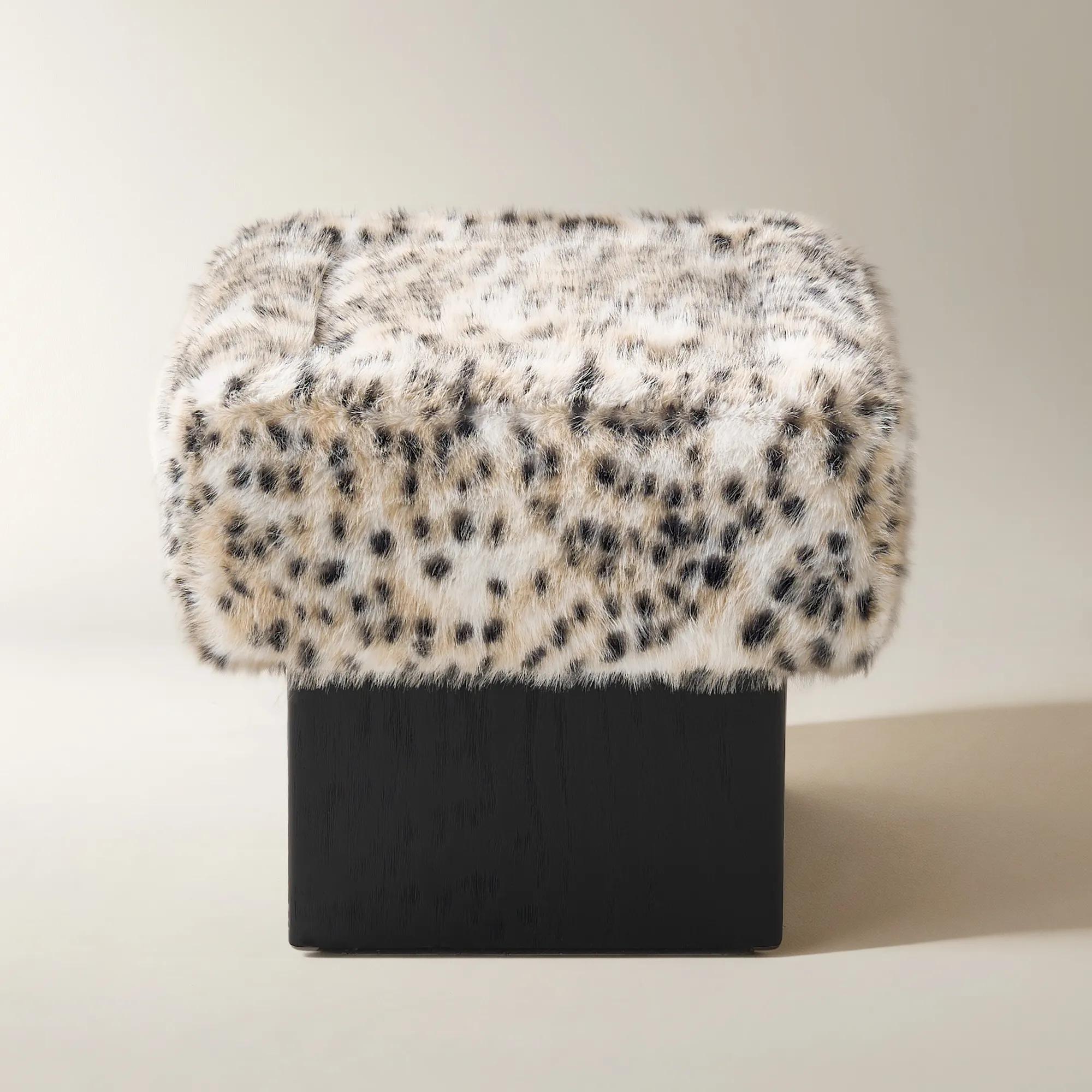 Reims Spotted Faux Fur Stool$399
A plush spotted faux fur stool with a sculpted cushion and solid rubberwood base for modern contrast.
Add To Cart

Exclusive Upholstered Counter Stools
Elevate your dining experience with exclusive upholstered counter stools that turn every meal into a moment of artistry. These sculptural seats invite you to linger, blending sumptuous textures and refined silhouettes that capture the essence of modern glamour. Each stool is more than a place to perch—it’s a bold statement, thoughtfully designed to infuse your space with personality and poise. Discover how exclusive upholstered counter stools can transform your kitchen or bar into a destination for style, comfort, and conversation.
Exclusive upholstered counter stools bring the softness of a beautifully dressed living room to the kitchen island, turning an everyday gathering place into a considered part of the interior. Defined by a padded seat covered in fabric, leather, or another upholstery material, these stools pair elevated seating with texture, color, and sculptural presence. Their appeal extends beyond a comfortable place for breakfast: upholstery gives hard surfaces such as stone countertops, tile, and metal fixtures a luxurious counterpoint. A curved back can soften the geometry of a long island, while a tailored seat on slender legs preserves an open sightline across the room. Channel detailing introduces a rhythmic, architectural note; deeper tufting creates a more decorative impression. Velvet catches the light with a subtle change in tone, textured woven fabrics add dimension, and leather develops its character through grain and finish. Pale upholstery can create a luminous contrast against dark cabinetry, while charcoal, chocolate, or saturated jewel tones give a light kitchen greater depth. The base matters just as much as the fabric. Warm wood brings richness to polished stone, black metal adds definition, and metallic finishes introduce a gleaming accent without requiring every fixture in the room to match. In an open-plan home, counter seating also offers an opportunity to carry a color or material from the dining area into the kitchen without repeating an entire furniture suite. The silhouette remains visible even when the seat is tucked away, making the back, legs, and upholstery seams part of the composition. A restrained counter surface lets those details command attention, while a nearby pendant can draw out the sheen of the fabric or the shape of a curved frame. Explore Exclusive Design Counterstools to connect an expressive seating silhouette with the larger design of the room. The strongest arrangement feels intentional from every angle, whether viewed across the island during a conversation or from the adjoining living space.
Proportion gives upholstered counter stools their ease as well as their presence. A standard kitchen counter is approximately 36 inches high, and a seat height of about 24 to 26 inches commonly provides the 10 to 12 inches of clearance needed between the seat and the underside of the counter. Actual measurements matter more than the category name: a thick countertop, decorative apron, or unusually low overhang can reduce usable legroom. Counter-height stools are distinct from taller bar stools, which are generally intended for surfaces around 40 to 42 inches high. Measuring from the floor to the top of the seat helps establish the right relationship, while checking the space beneath the counter accounts for knees and thighs. Seat width and depth deserve equal attention, particularly with generously padded upholstery or a wraparound back. As a general starting point, allow approximately 24 to 30 inches from the center of one stool to the center of the next, then adjust for the actual width of the frame. About 6 inches between the outer edges of narrower armless seats can provide useful elbow room; wider seats, arms, and swivel movement typically call for additional space. Three substantial stools can create a more gracious setting than four crowded ones. Arms offer another point of support but may prevent a stool from sliding beneath the countertop, so their height should be checked against the lowest obstruction. A full upholstered back suits lingering over coffee or an informal meal, while a low back maintains a quieter profile across an open kitchen. Swivel seating can make it easier to turn toward a conversation, provided the surrounding cabinetry and nearby seats leave room for movement. A footrest offers a place to rest the feet at counter height. Behind the stools, sufficient clearance for pulling out a seat and walking past helps the island remain welcoming rather than congested, especially when it sits along a frequently used route through the home.
Materials and construction shape how upholstered counter seating lives over time. A well-built wood or metal frame provides the foundation, while secure joints, a firmly attached footrest, and supportive cushioning contribute to a composed feel during everyday use. Solid wood, engineered wood, and metal each have different characteristics; the quality of the construction and finish matters more than a material name alone. Cushioning should feel inviting without allowing the sitter to sink so deeply that the seat loses its practical height. Upholstery selection is equally personal. Velvet offers depth and a luxurious hand, though some varieties show pressure marks or changes in the direction of the pile. A tightly woven fabric can provide a more tailored surface, while textured upholstery introduces visual softness and may require extra attention where crumbs collect. Performance fabrics may offer stain resistance or easier cleaning, but those qualities vary, so the stated care instructions remain essential. Leather and leather alternatives should also be treated according to their specific finish rather than assumed to share the same cleaning requirements. For a kitchen island used for meals, the most satisfying choice balances an expressive appearance with a realistic maintenance routine. Regular gentle vacuuming with an appropriate upholstery attachment helps remove loose debris, and spills are best blotted promptly rather than rubbed into the surface. Cleaning solutions should follow the upholstery care label and be tested in an inconspicuous area when directed; removable cushions do not necessarily mean their covers are machine washable. Protective floor glides suited to the flooring can help reduce scuffing, while periodic checks of fasteners support continued stability. Direct sunlight, cooking splatter, and contact with sharp hardware can affect fabrics and finishes, making placement part of long-term care. For a compact apartment, an upholstered counter stool can make island dining feel fully appointed without a separate dining set. In a larger home, a coordinated grouping creates an intimate gathering place within an expansive kitchen. The result is seating that brings comfort, artistry, and a distinctive sense of occasion to daily life.
FAQs
Upholstered counter stools bring a sense of opulence and comfort to any space, blending sumptuous fabrics and tailored details with artistry and function. Their plush seating, intricate textures, and designer-inspired silhouettes elevate the atmosphere, transforming everyday moments—like morning coffee or evening cocktails—into experiences of refined indulgence.
To create drama, choose stools with bold fabrics such as velvet or textured linen, and look for accents like tufting, metallic legs, or sculptural backs. Pair them with statement lighting and rich color palettes to set a mood of sophistication. Mixing materials—like pairing brass finishes with deep jewel tones—adds a curated, editorial touch to your space.
Design enthusiasts, new homeowners, or anyone passionate about entertaining will cherish upholstered counter stools as a gift. Their blend of comfort and artistry makes them perfect for those who love to host gatherings or appreciate the transformative power of beautiful interiors.
Upholstered stools with luxe fabric shine in spaces meant for gathering and conversation, such as kitchen islands, breakfast bars, and home cocktail lounges. They also make a striking impression in open-concept living areas, where their elegance can be appreciated from multiple vantage points.
Exclusive upholstered counter stools act as both functional seating and artistic accents, infusing a room with texture, color, and sculptural beauty. Their presence adds warmth and sophistication, inviting guests to linger while creating a cohesive, thoughtfully curated environment.