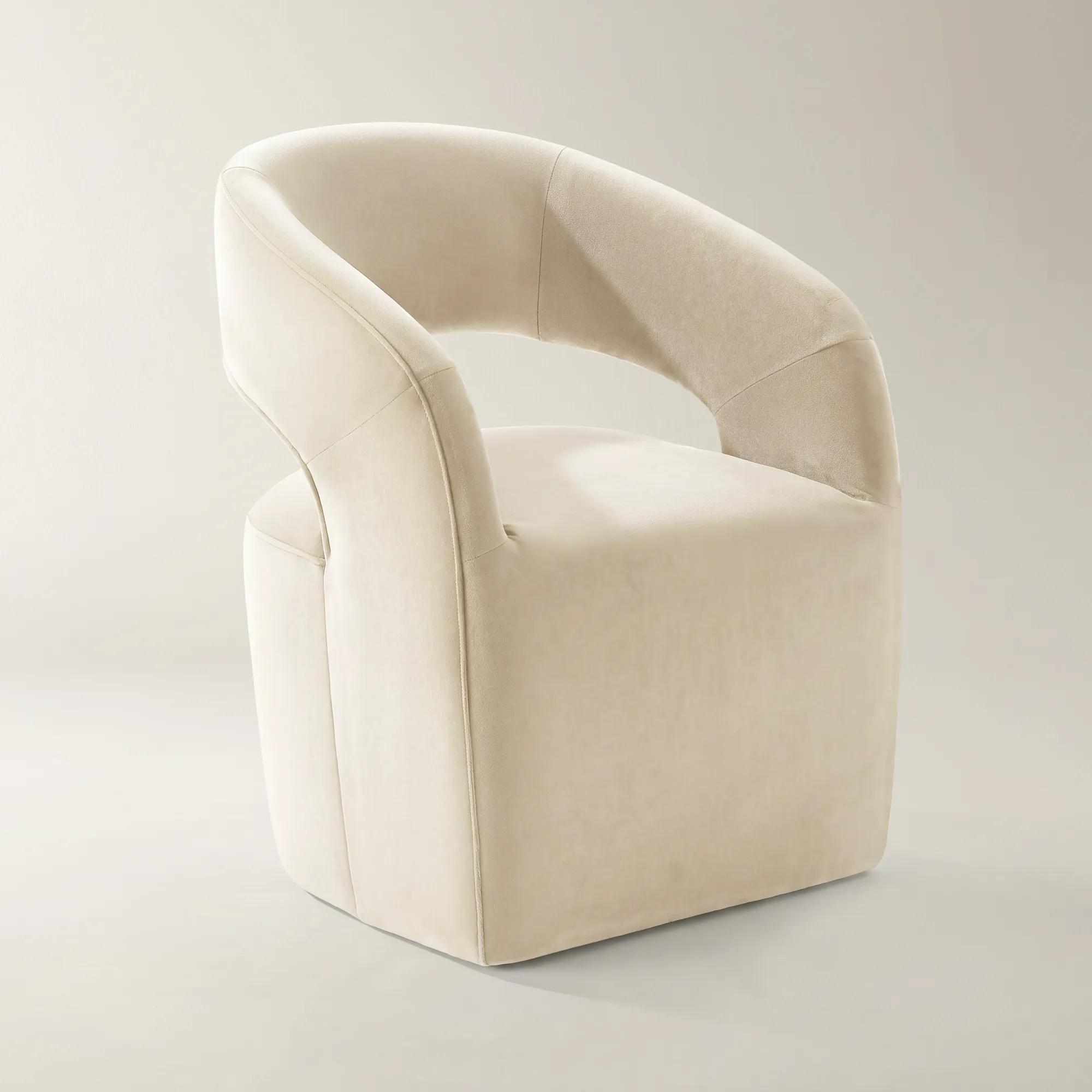
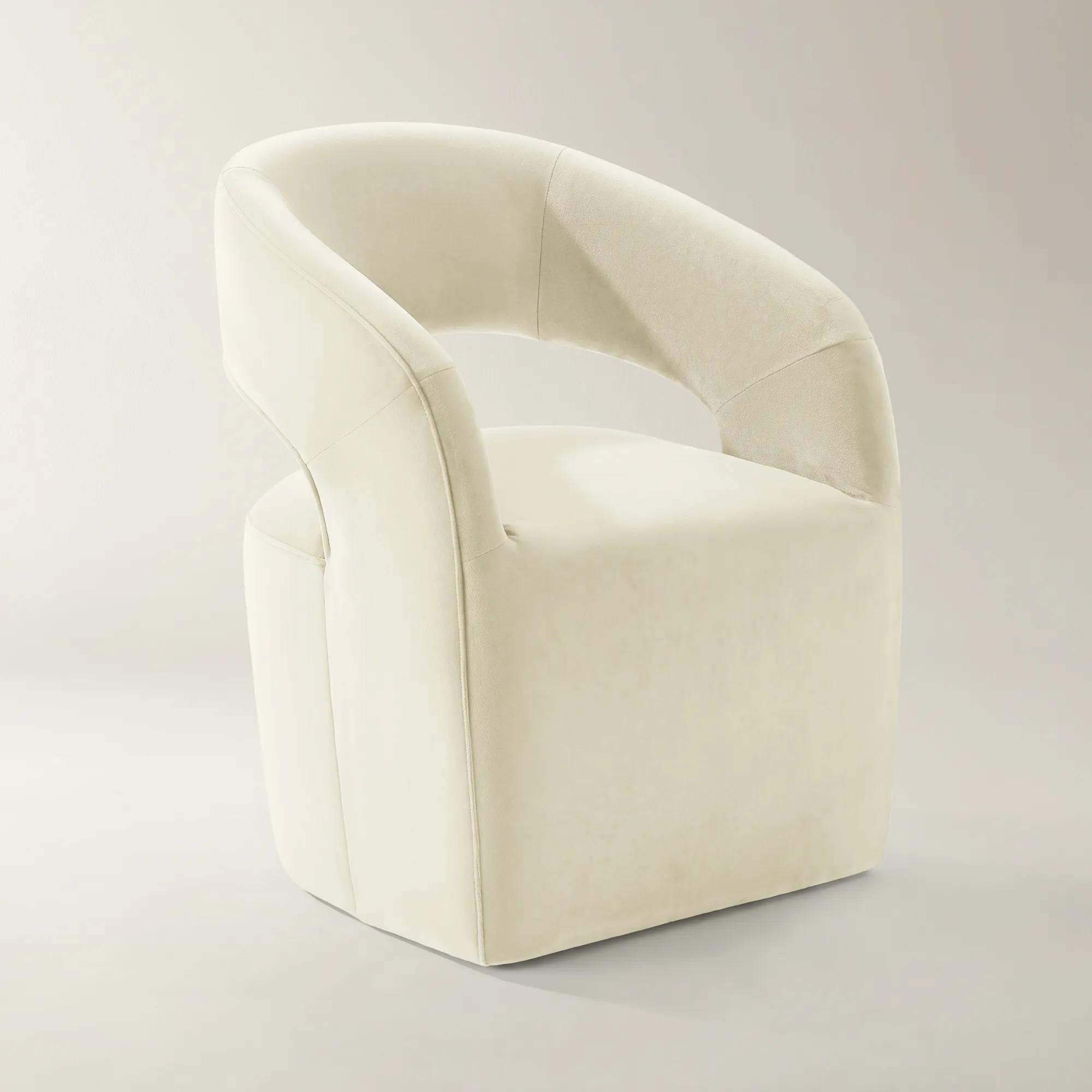
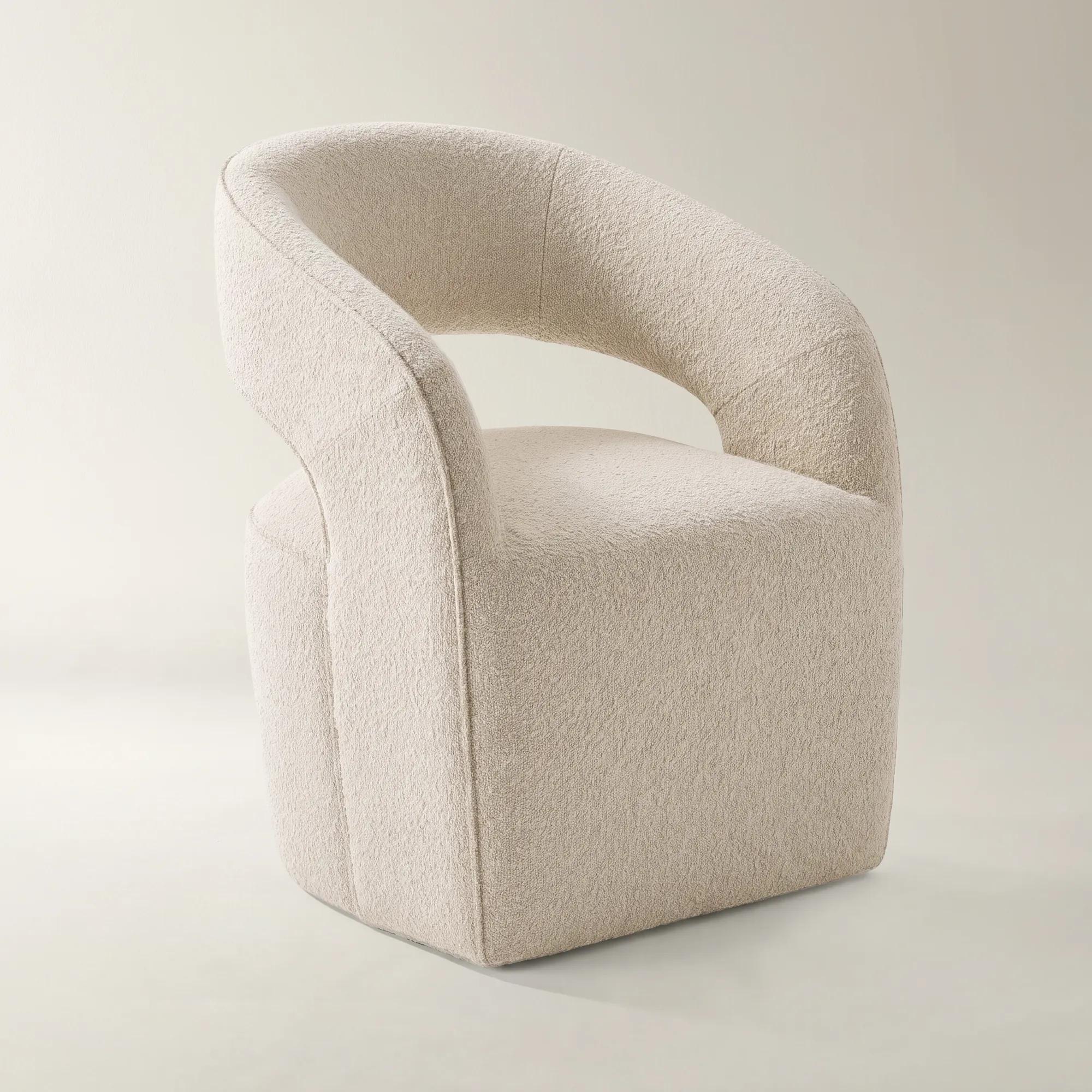
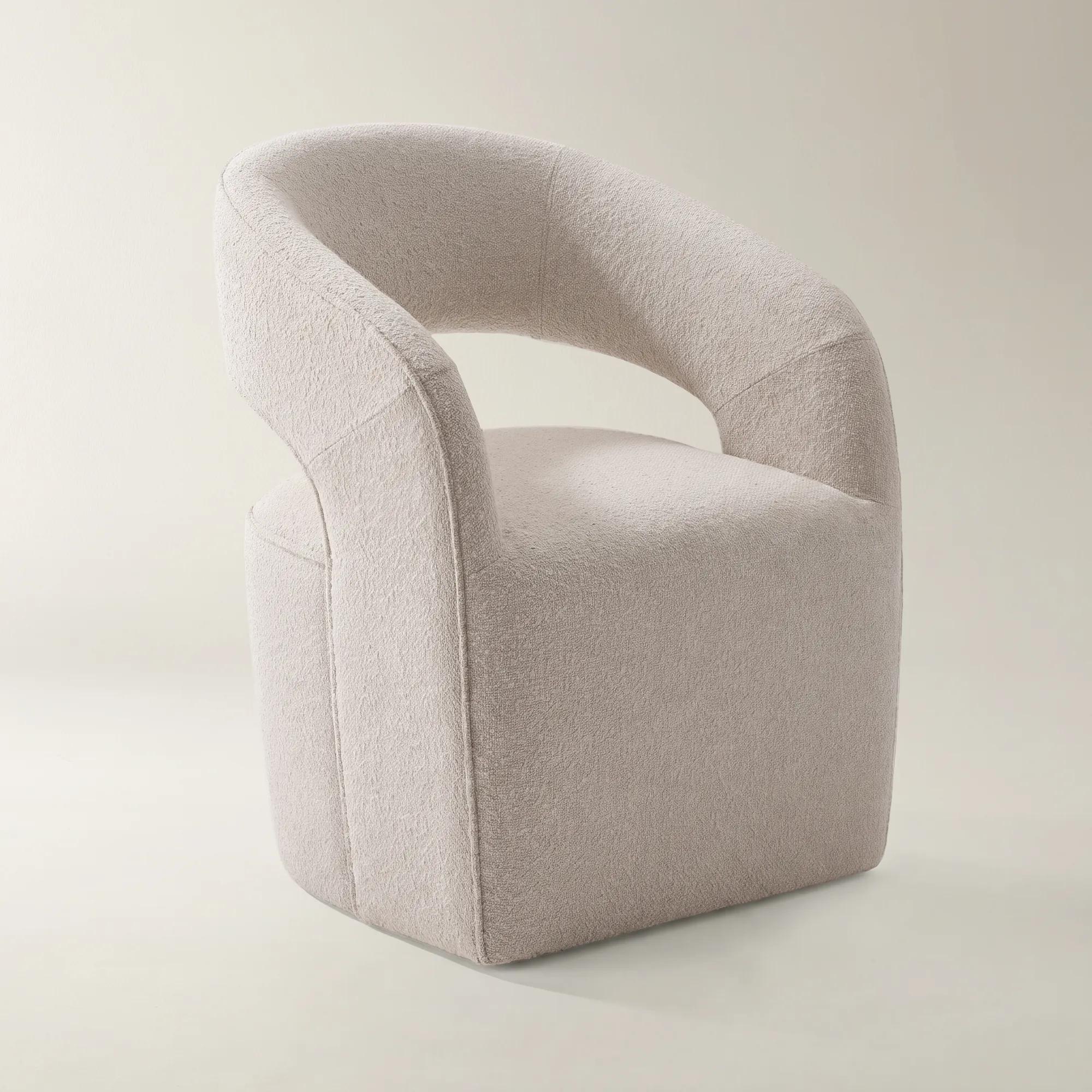
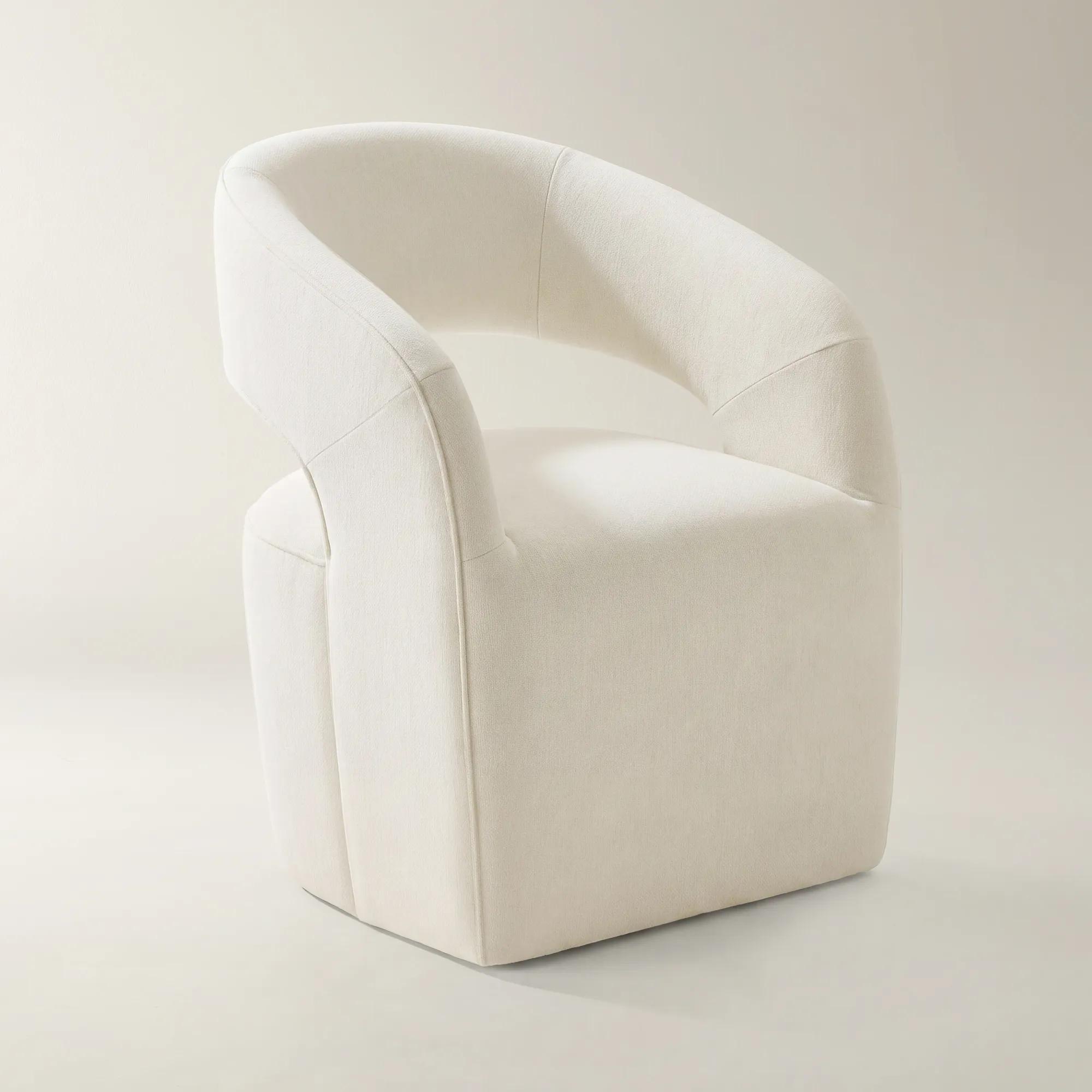
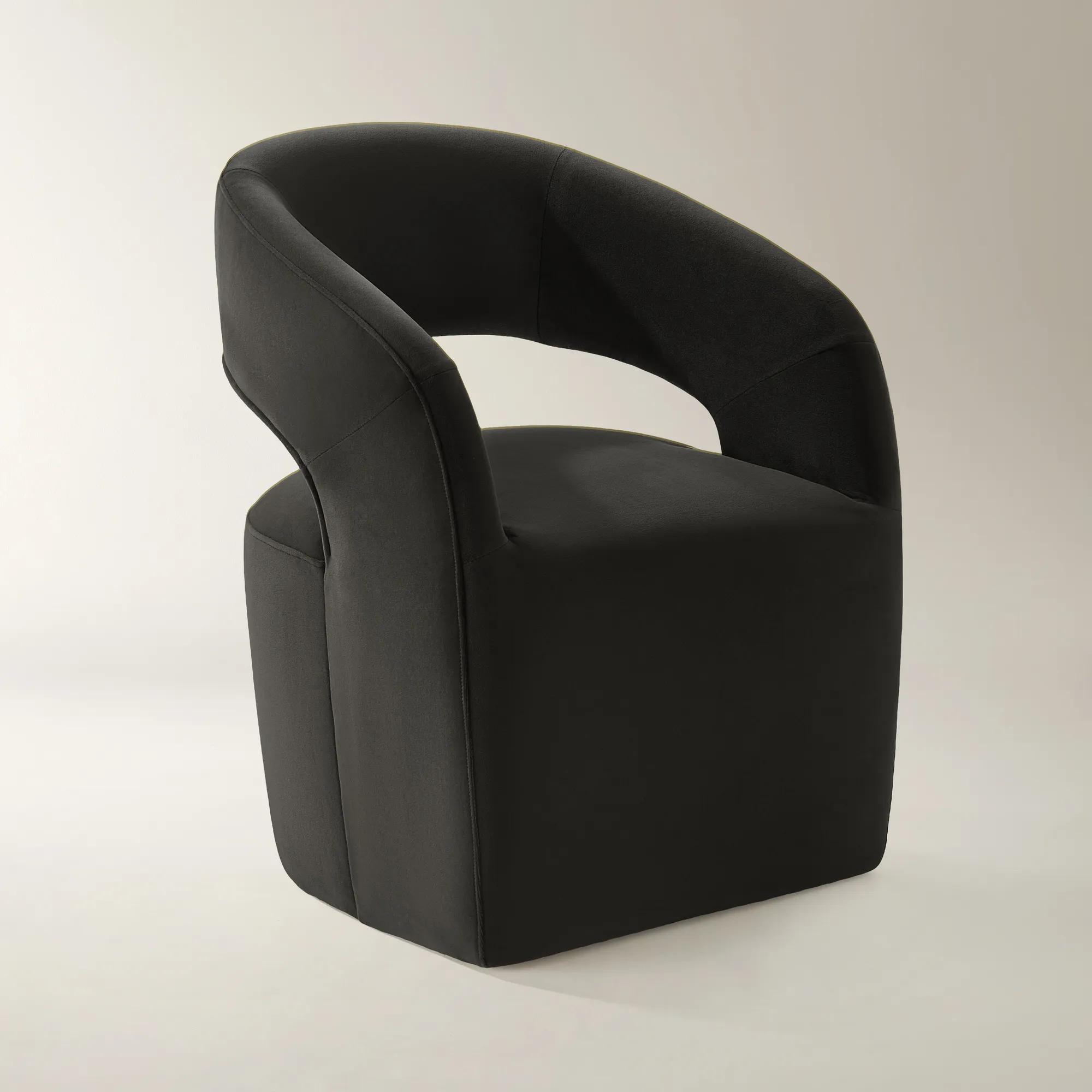
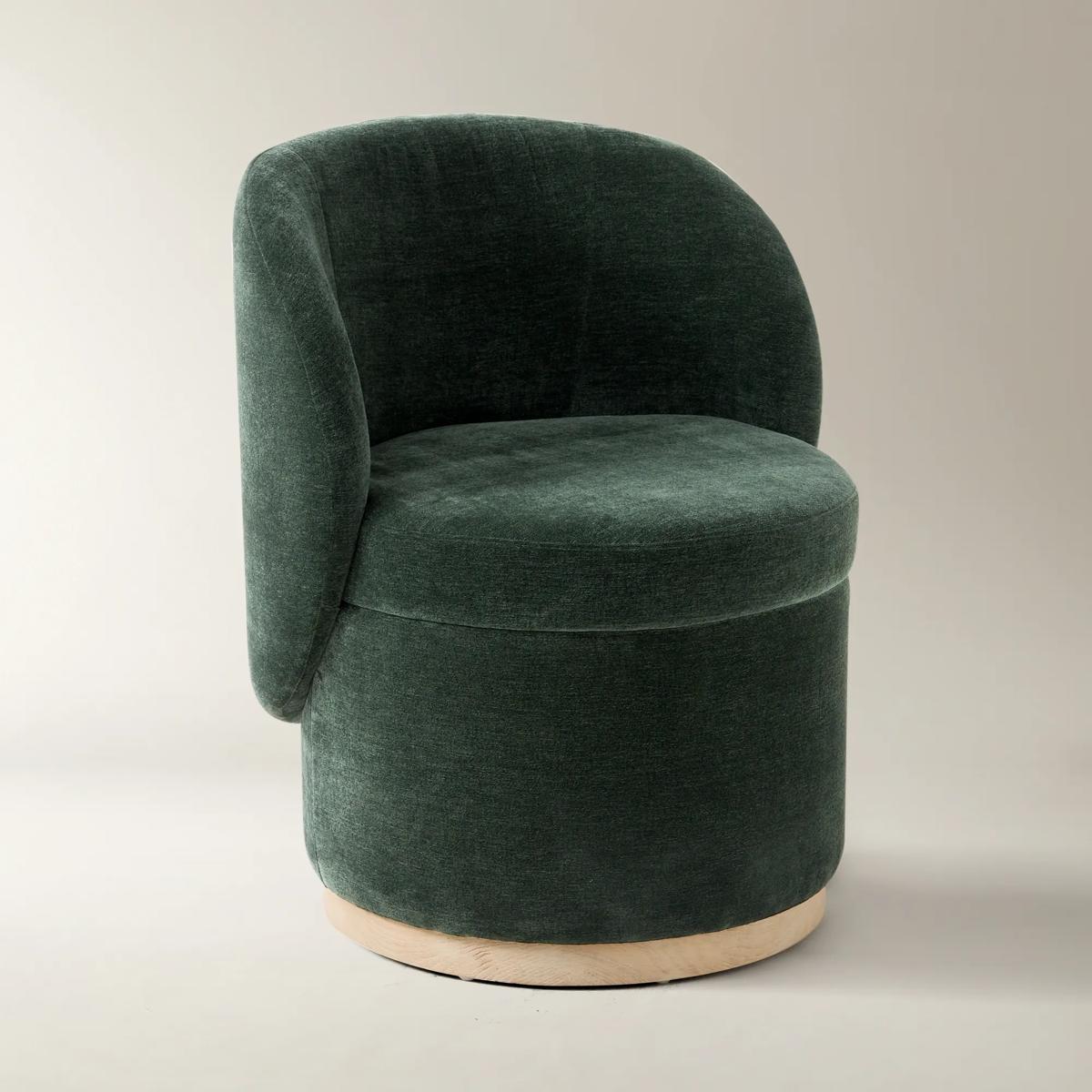
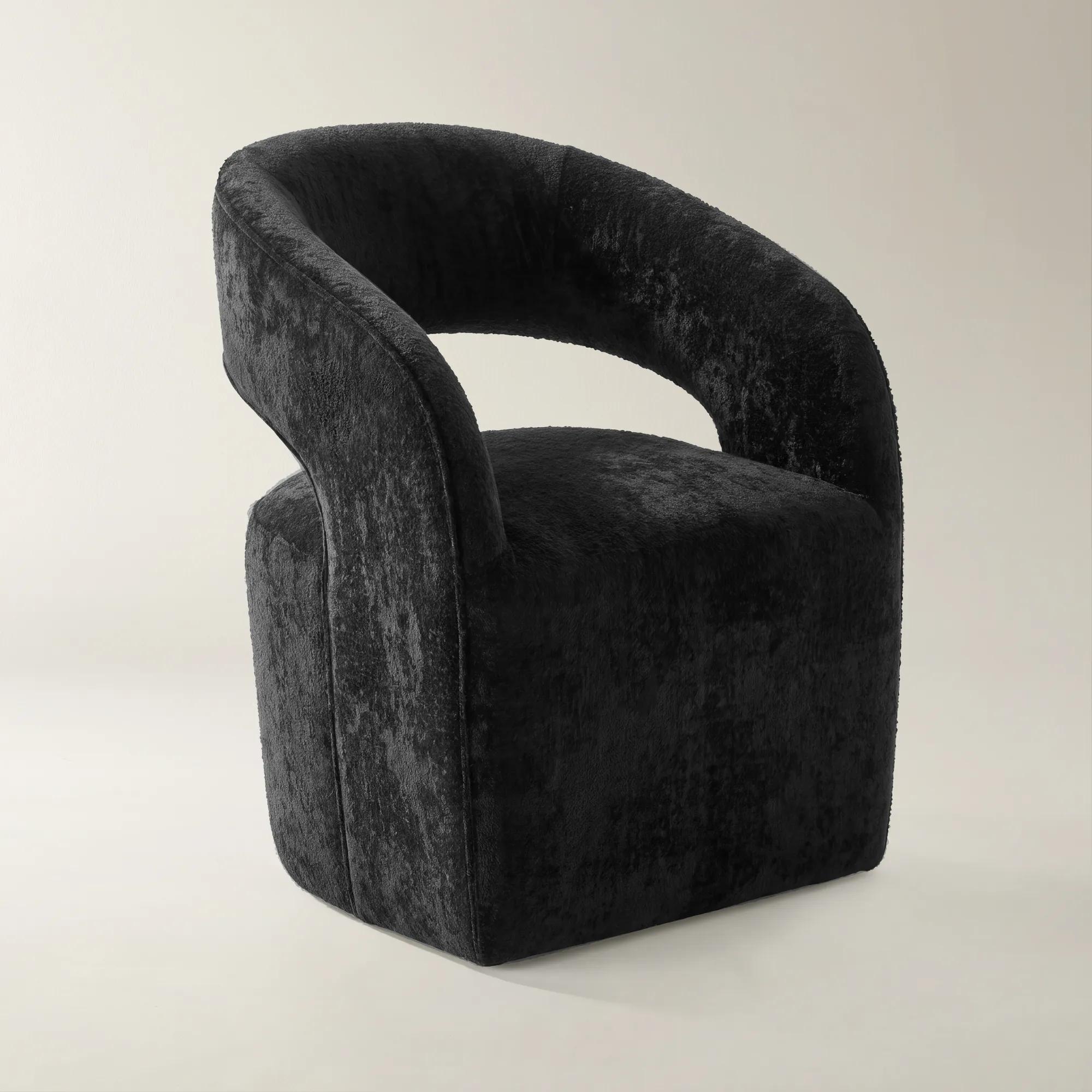
Exclusive Velvet Counter Stools
Exclusive Velvet Counter Stools
-
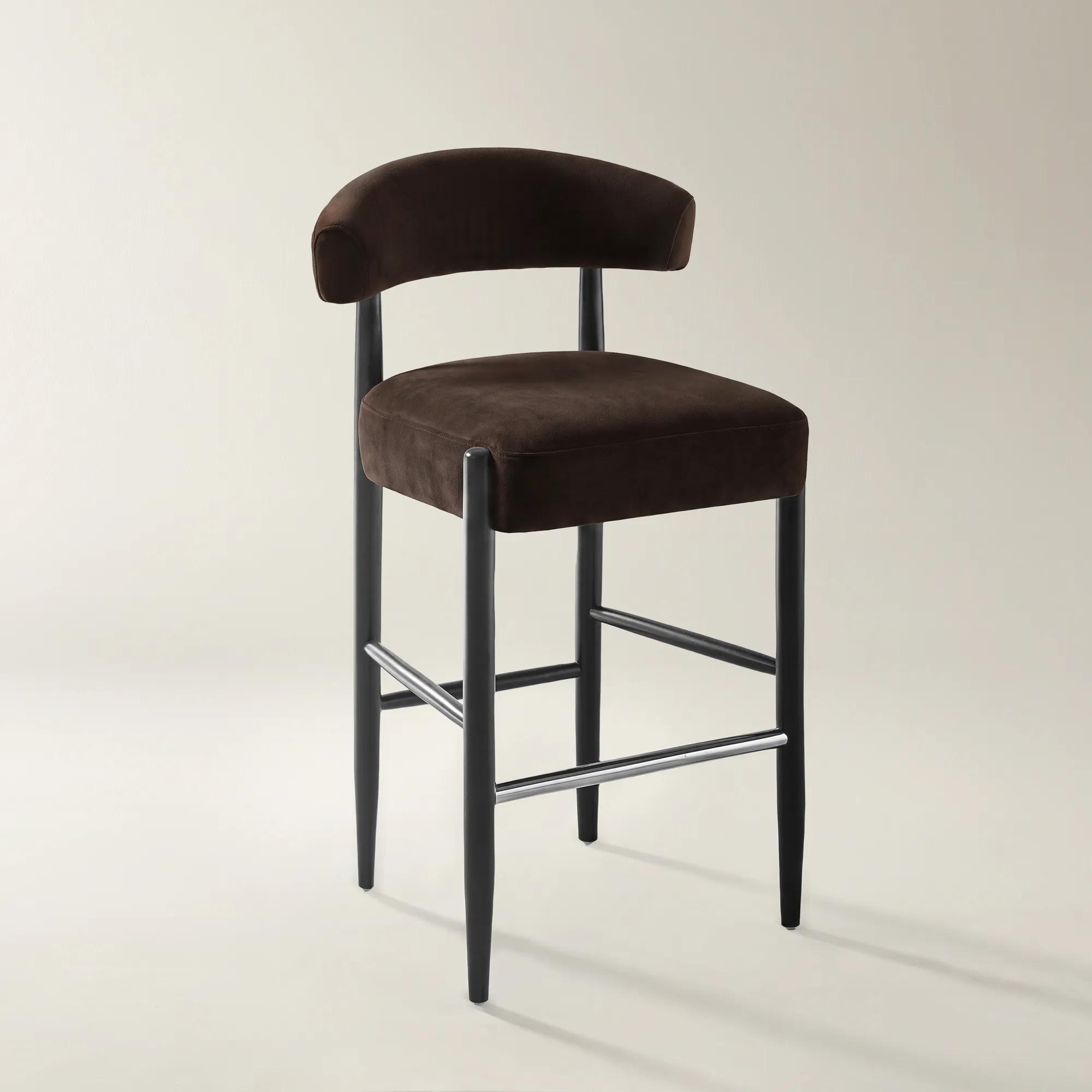 Anna Dark Chocolate Velvet Bar/Counter Stool$399
A dark chocolate velvet stool featuring sculpted support, high-density cushioning, and tapered solid-rubberwood legs.
Add To Cart -
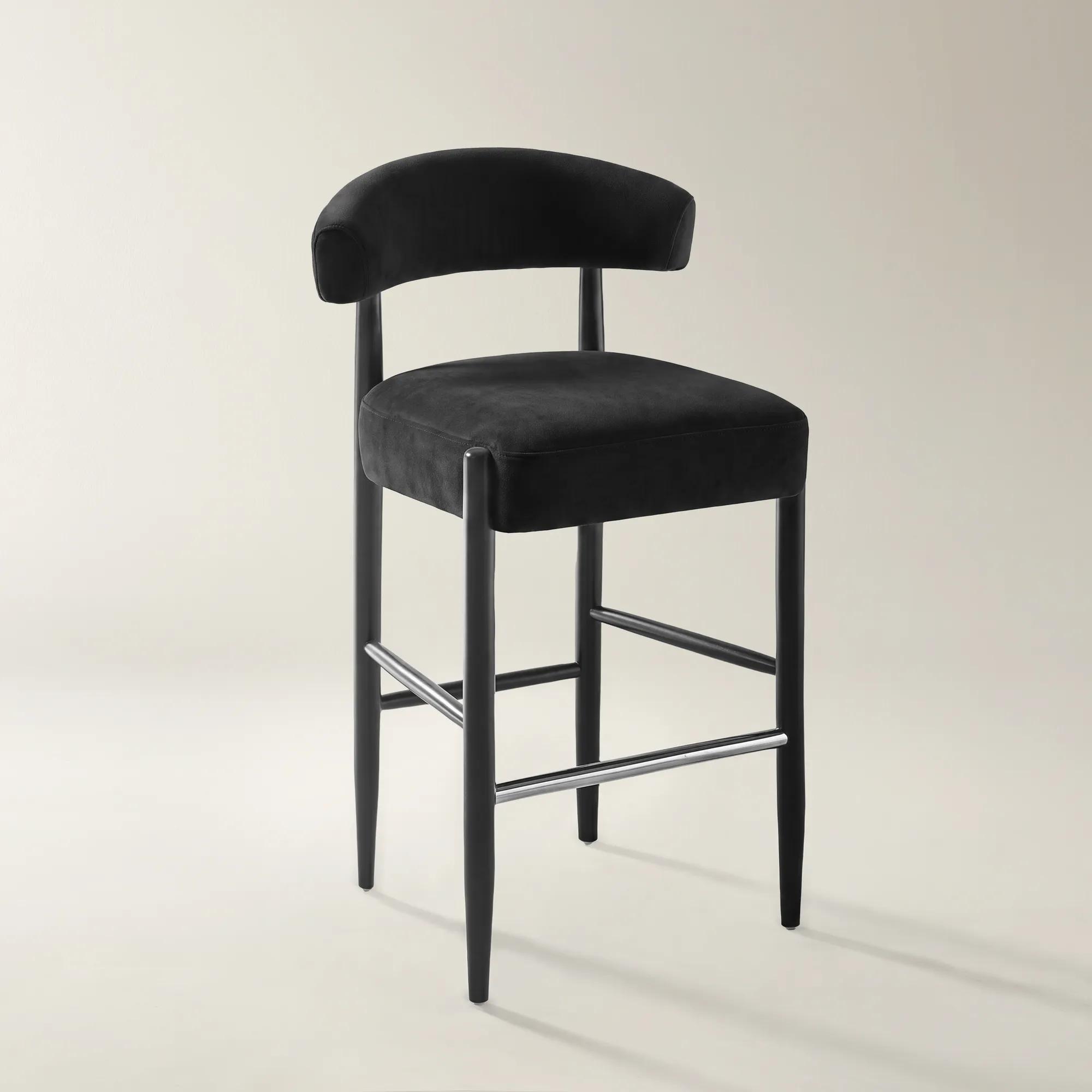 Anna Charcoal Velvet Bar/Counter Stool$399
A charcoal velvet stool featuring a sculpted padded seat, tailored upholstery, and tapered solid-rubberwood legs.
Add To Cart -
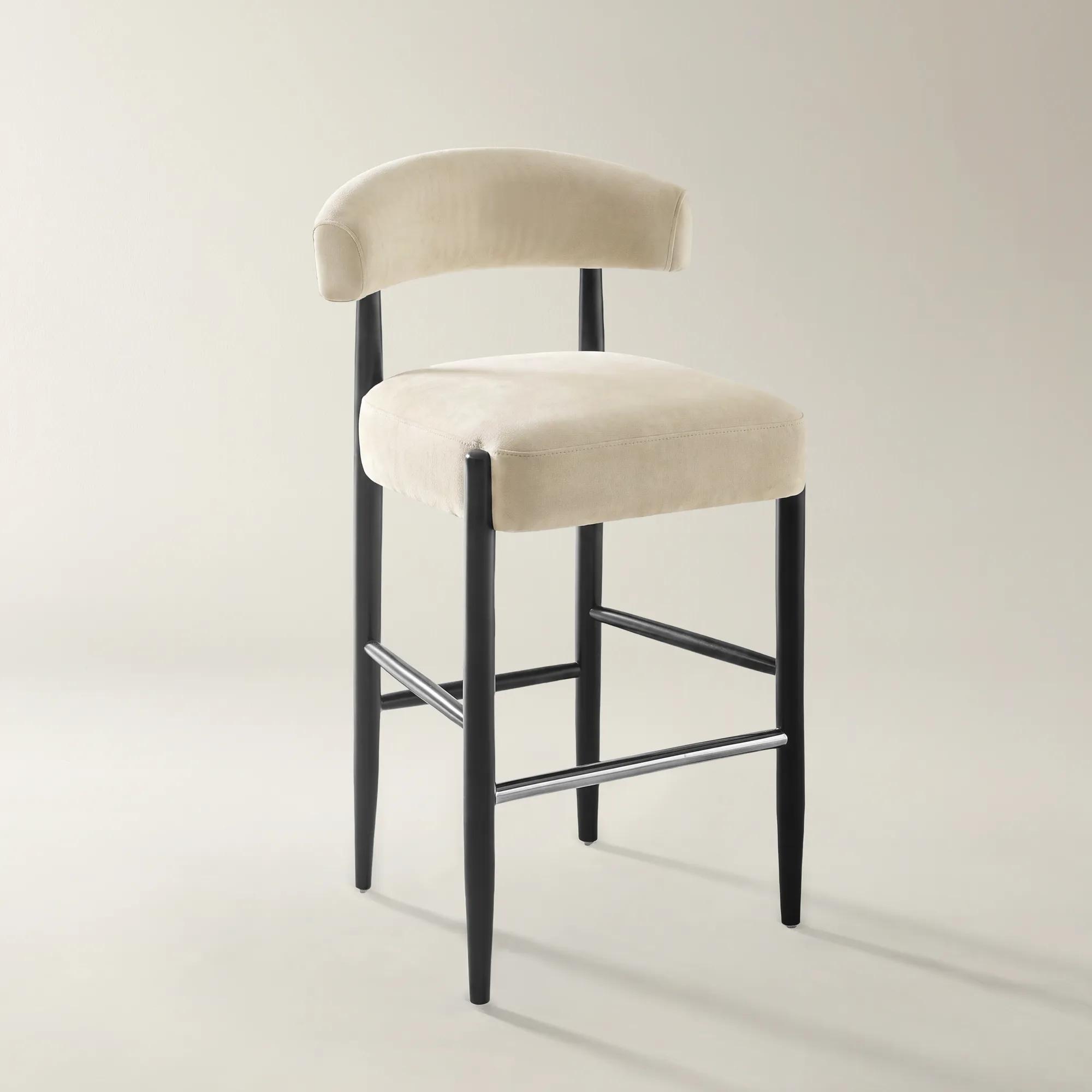 Anna Oatmeal Velvet Bar/Counter Stool$399
A refined oatmeal velvet stool with a sculpted padded seat and solid rubberwood legs.
Add To Cart -
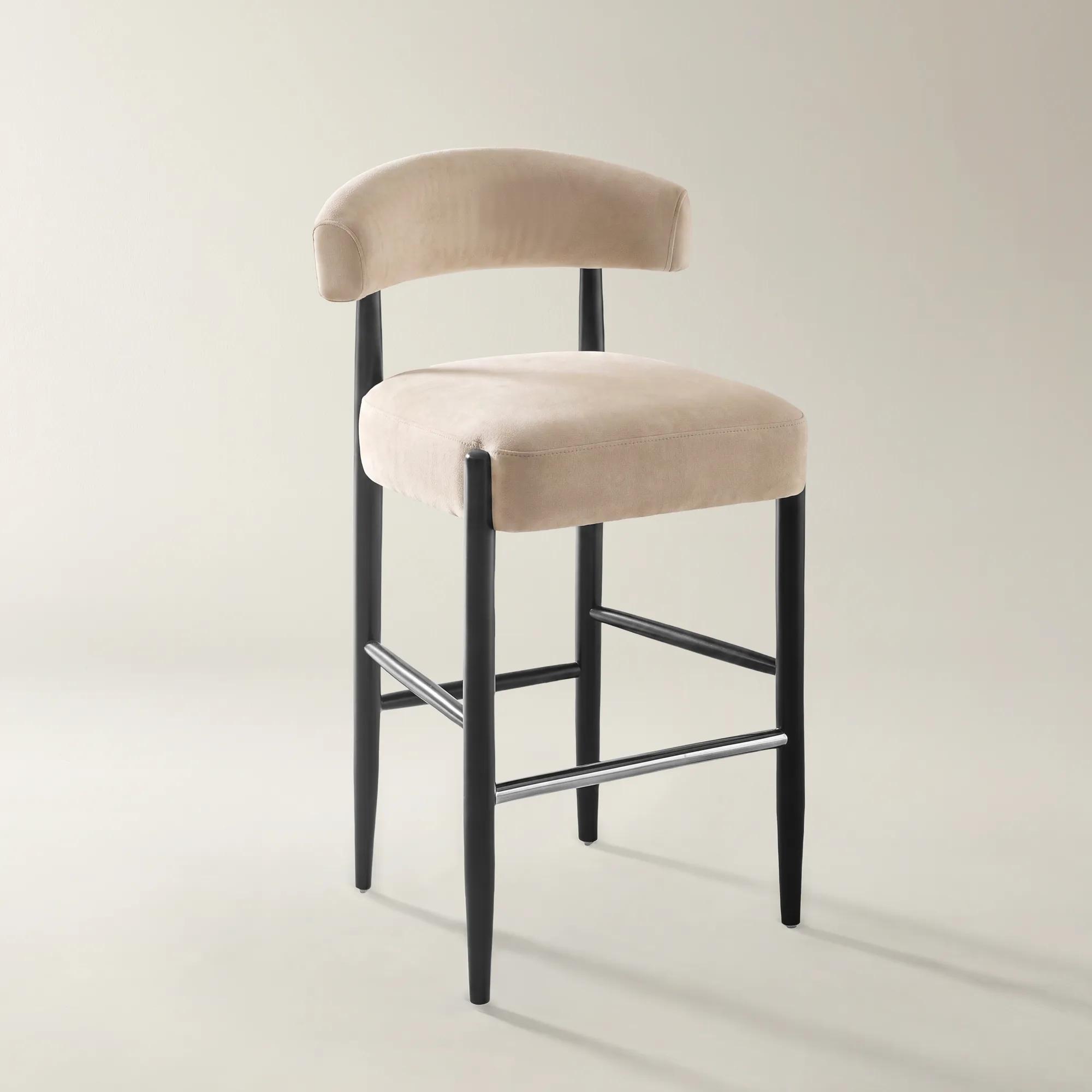 Anna Simply Taupe Velvet Bar/Counter Stool$399
A taupe velvet stool featuring sculpted support, a generously padded seat, and tapered solid rubberwood legs.
Add To Cart -
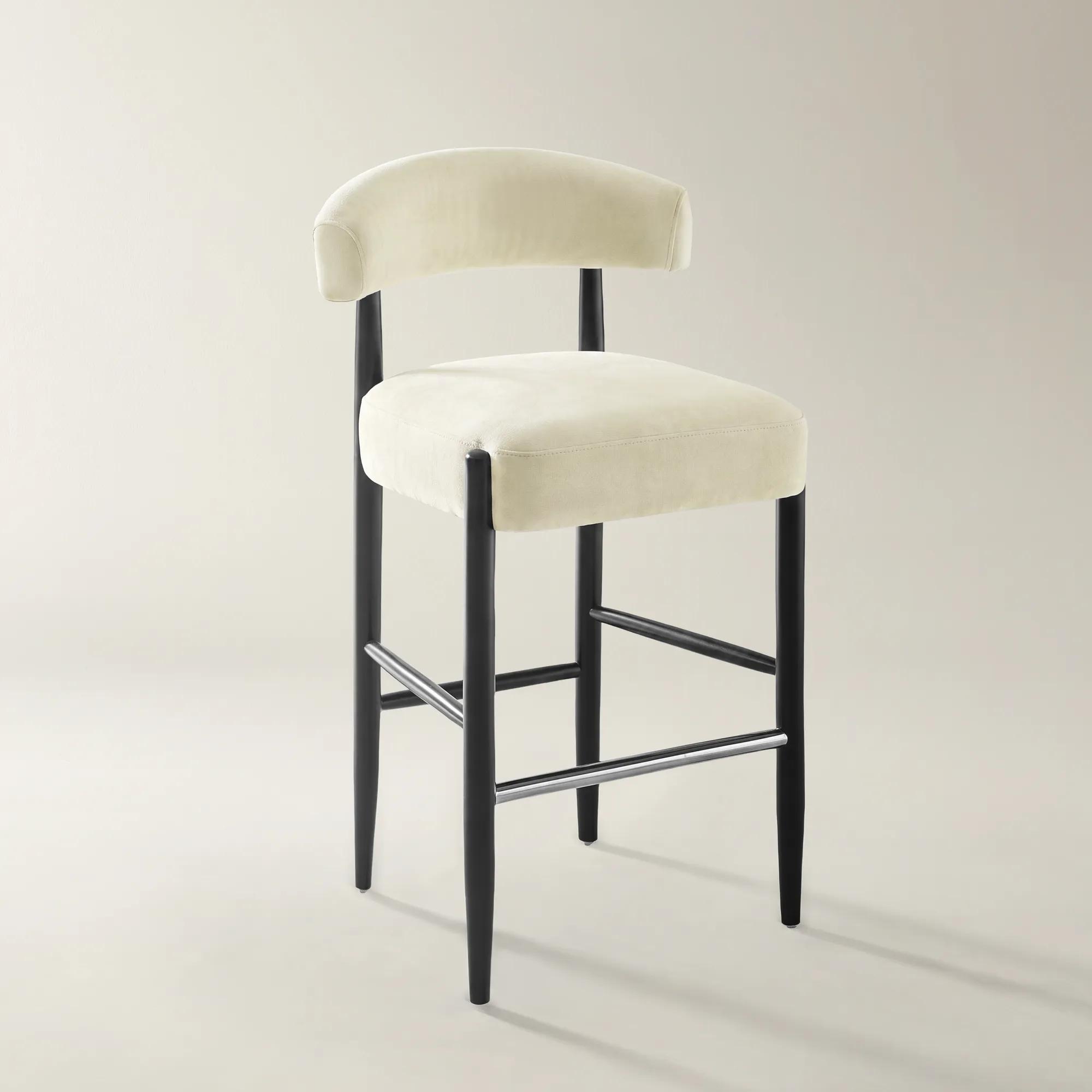 Anna Cloud Velvet Bar/Counter Stool$399
A tailored velvet stool with sculpted support, padded comfort, and solid rubberwood legs.
Add To Cart -
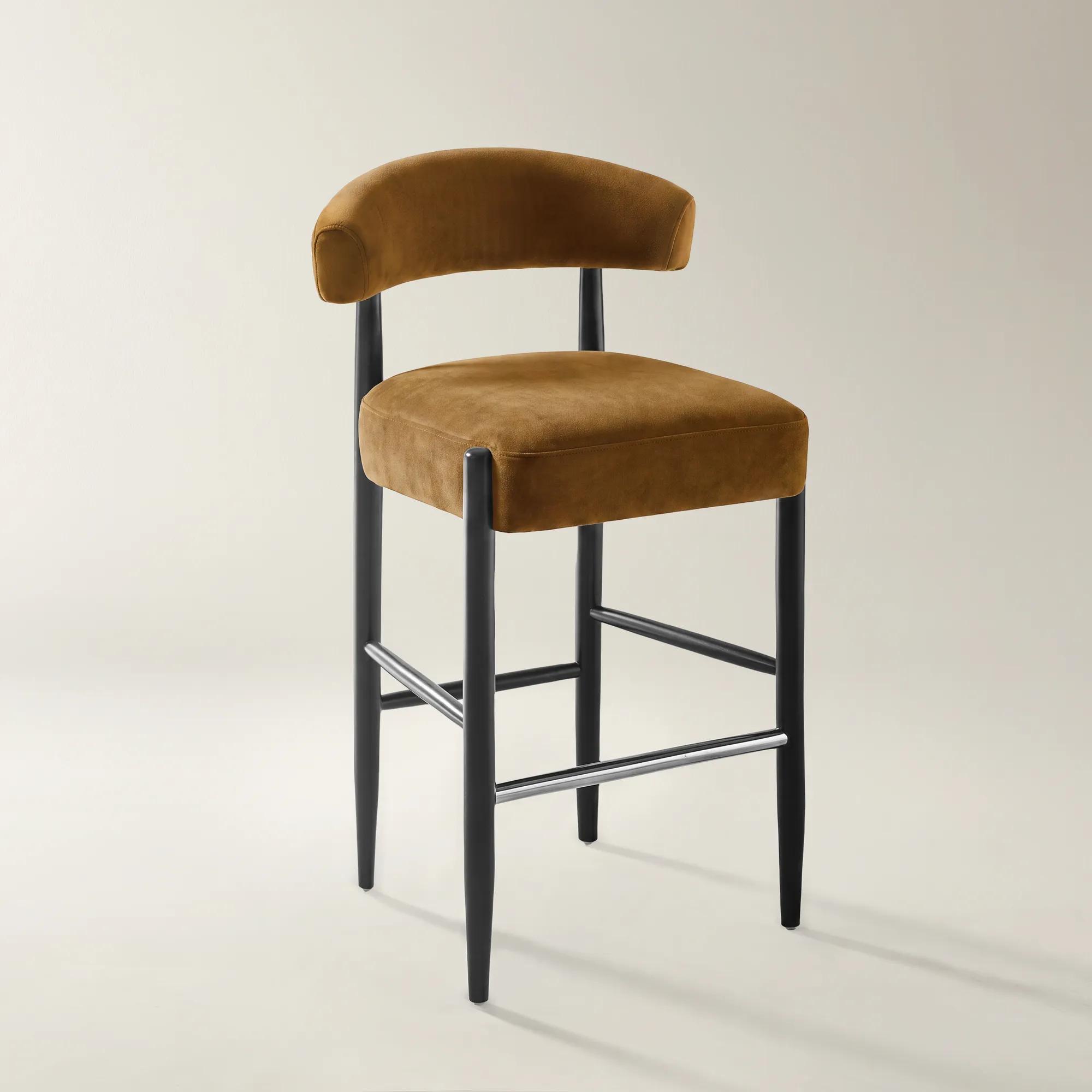 Anna Roasted Pecan Velvet Bar/Counter Stool$399
A roasted pecan velvet stool with a sculpted padded seat and solid rubberwood legs, fully assembled.
Add To Cart -
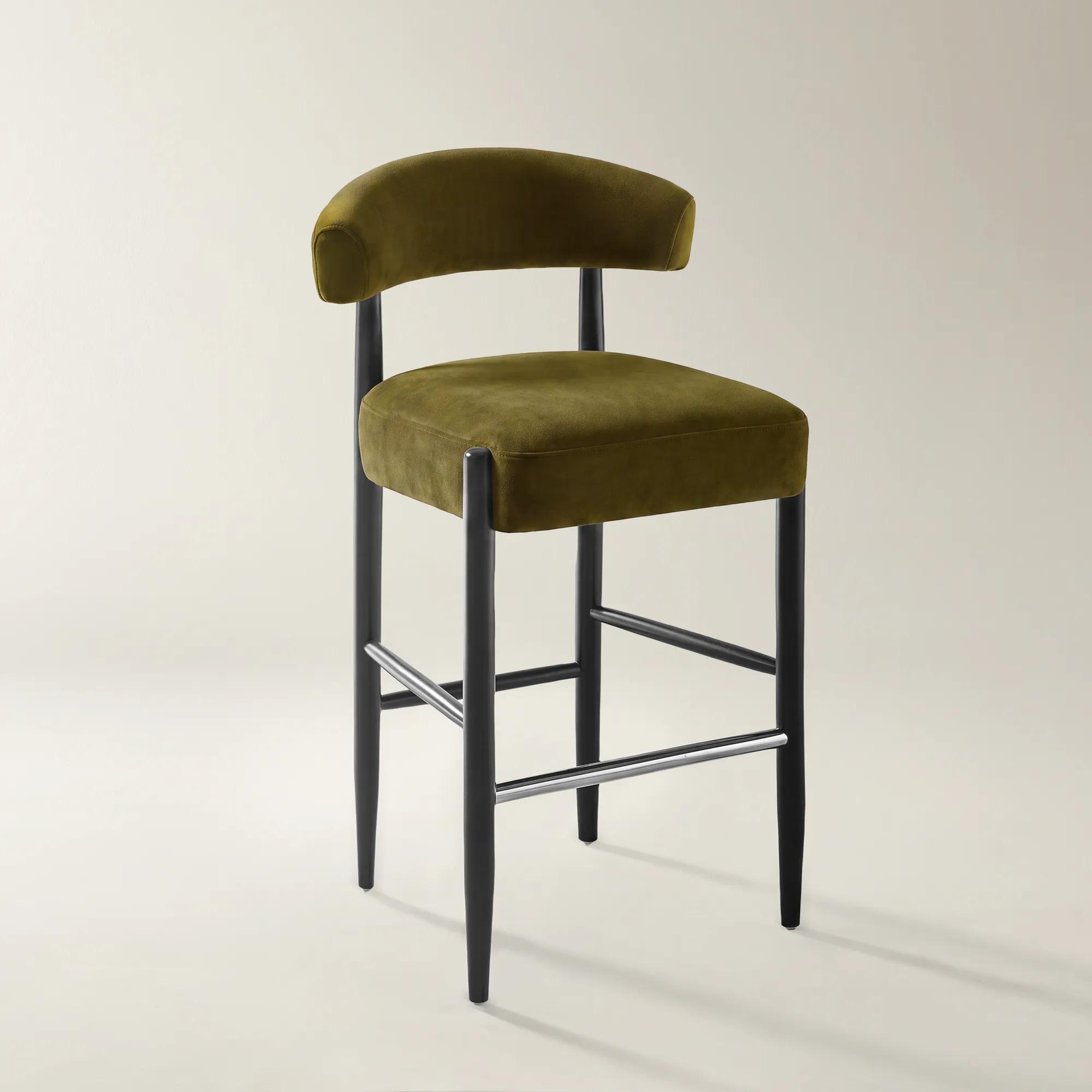 Anna Deep Olive Velvet Bar/Counter Stool$399
A deep olive velvet stool with sculpted support, padded comfort, and tapered solid rubberwood legs.
Add To Cart -
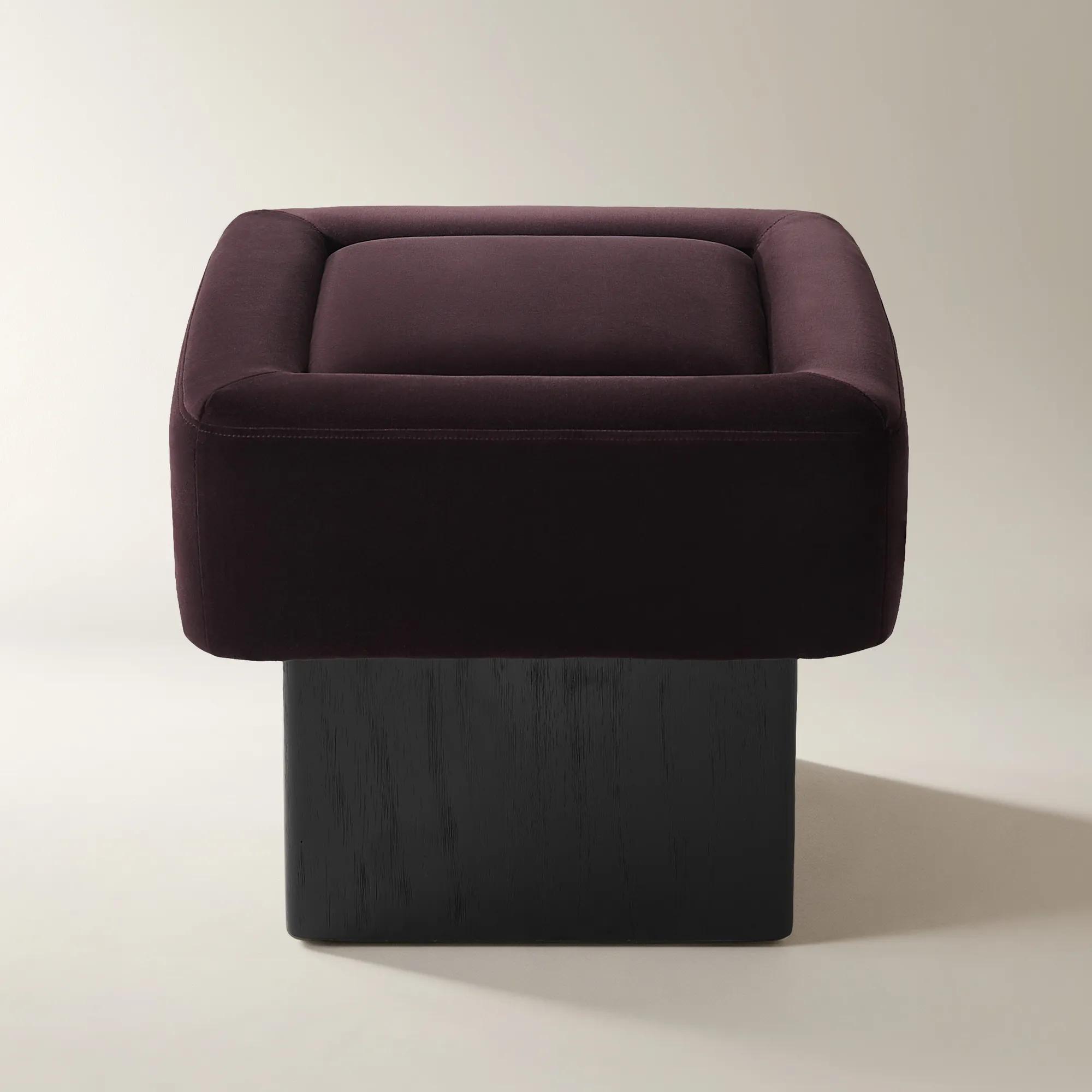 Reims Fig Velvet Stool$399
A plush fig-colored velvet stool featuring a sculpted cushion and a solid rubberwood base for modern contrast.
Add To Cart -
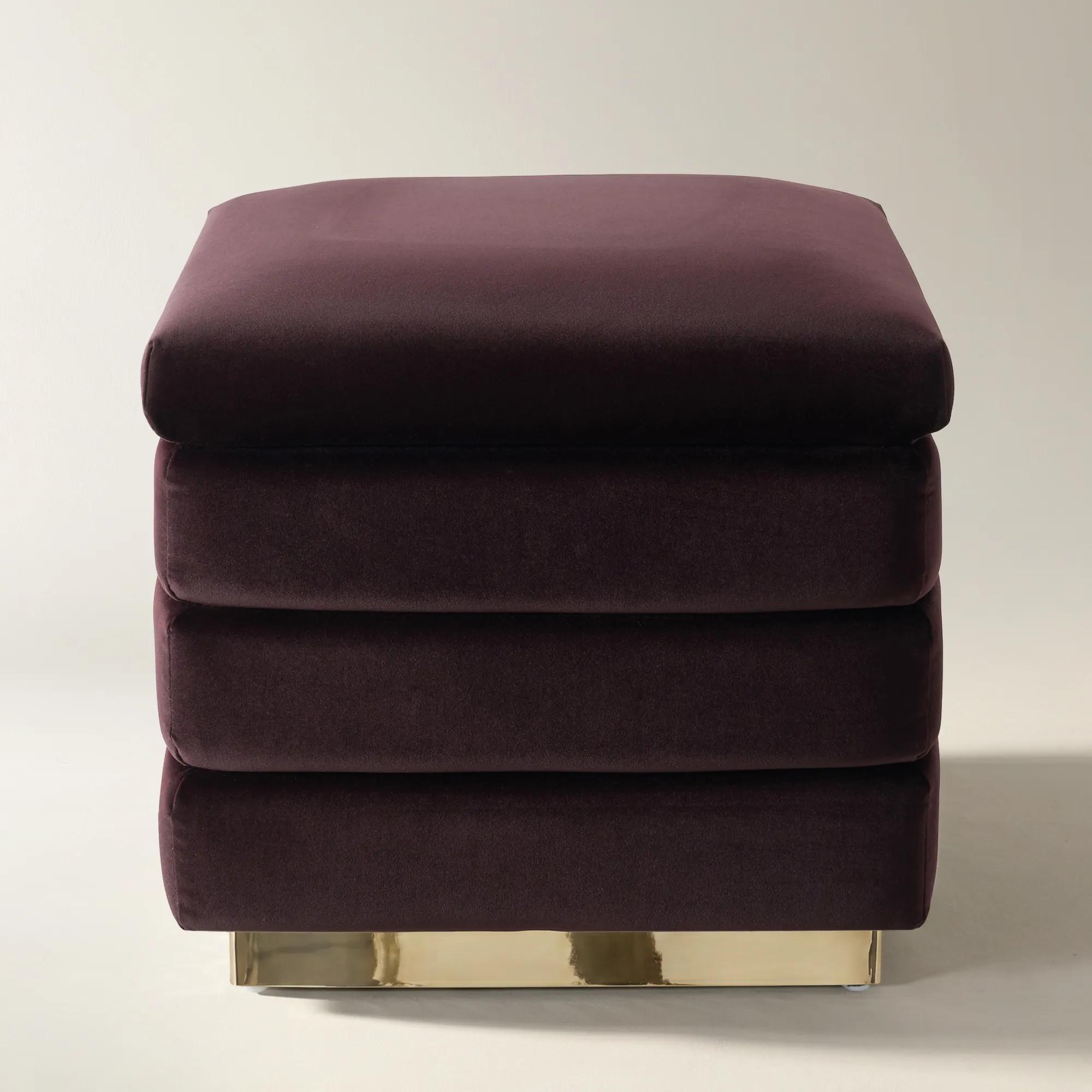
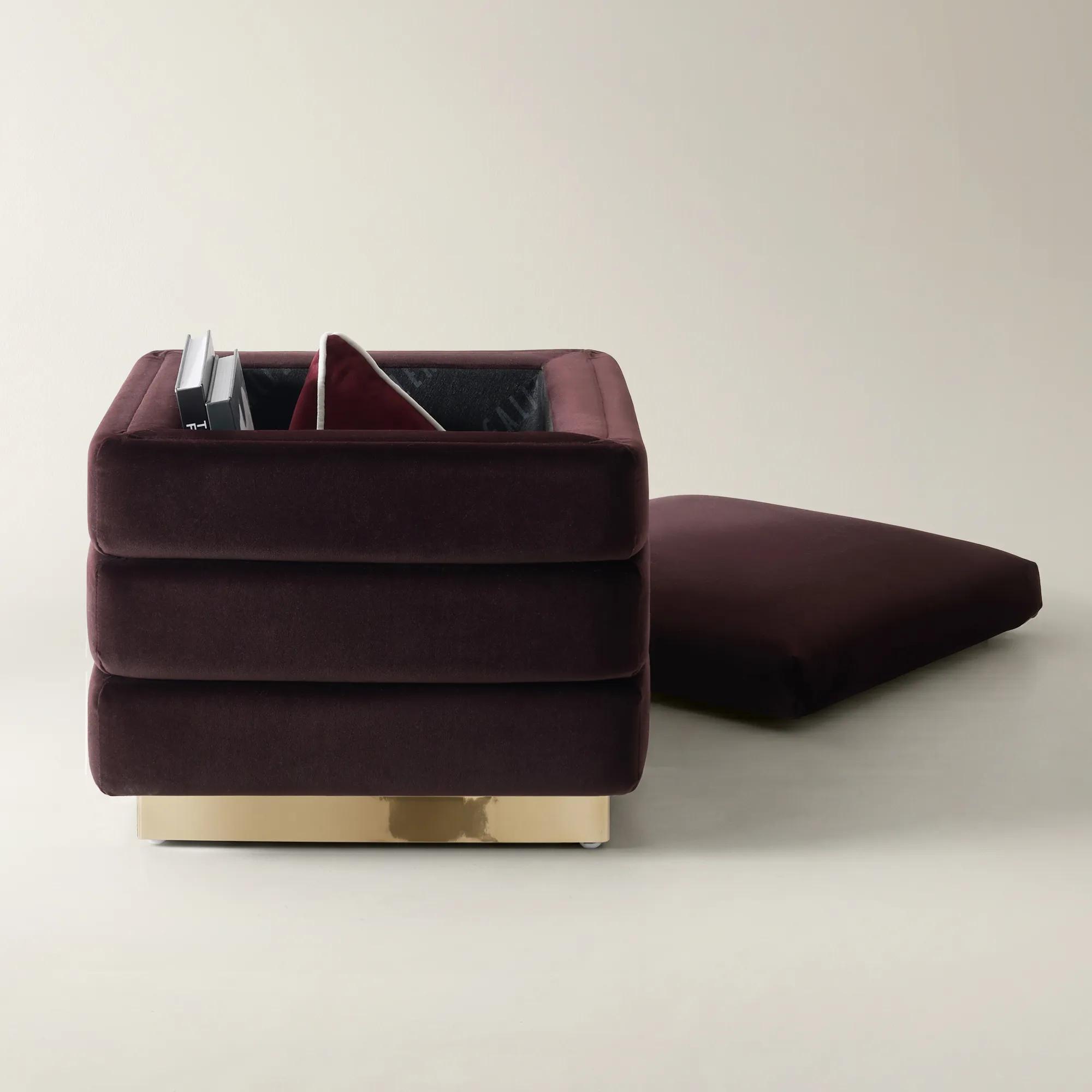 Gable Fig Chenille Storage Stool$399
A plush fig chenille stool with hidden storage, velvet upholstery, and a polished gold stainless steel base.
Add To Cart -
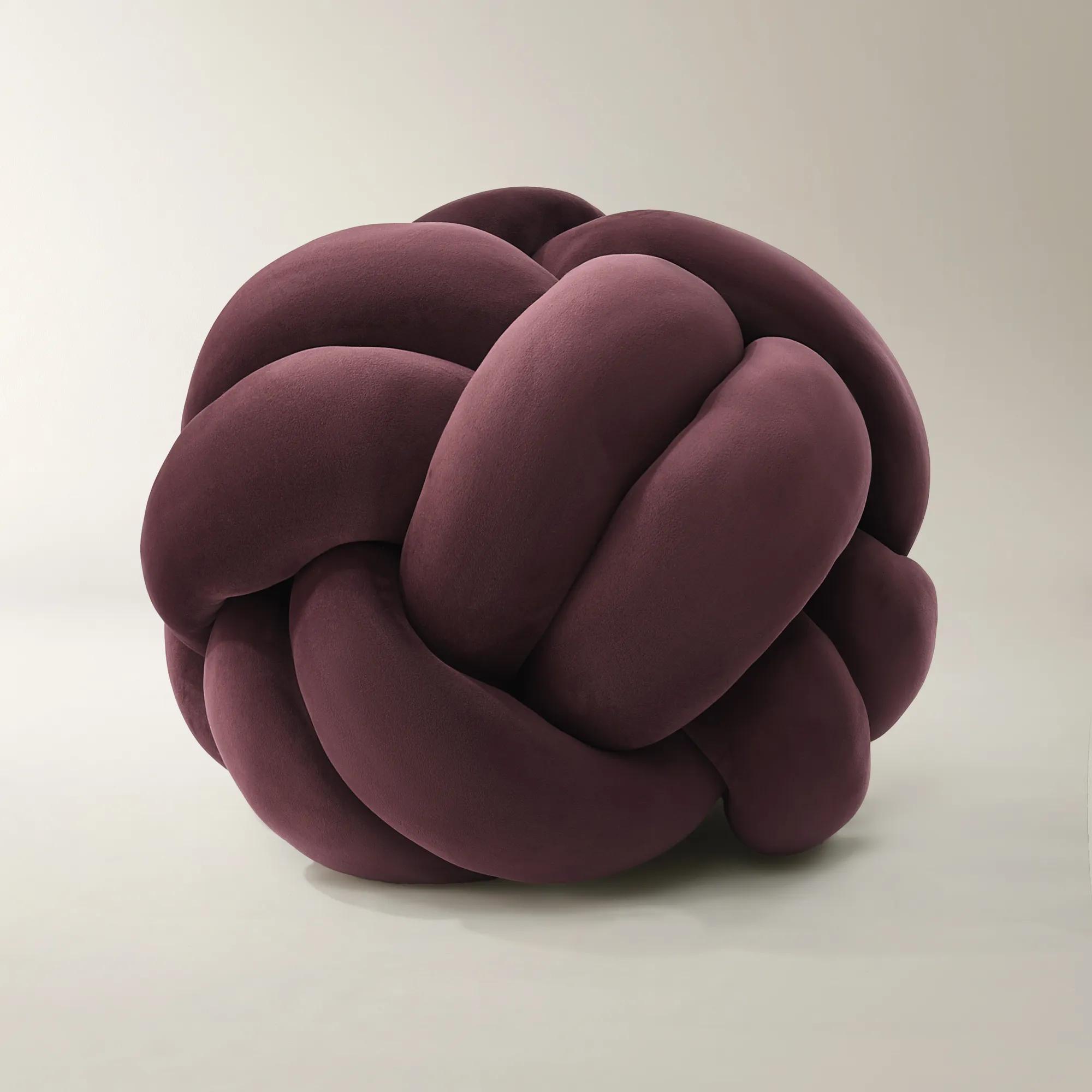
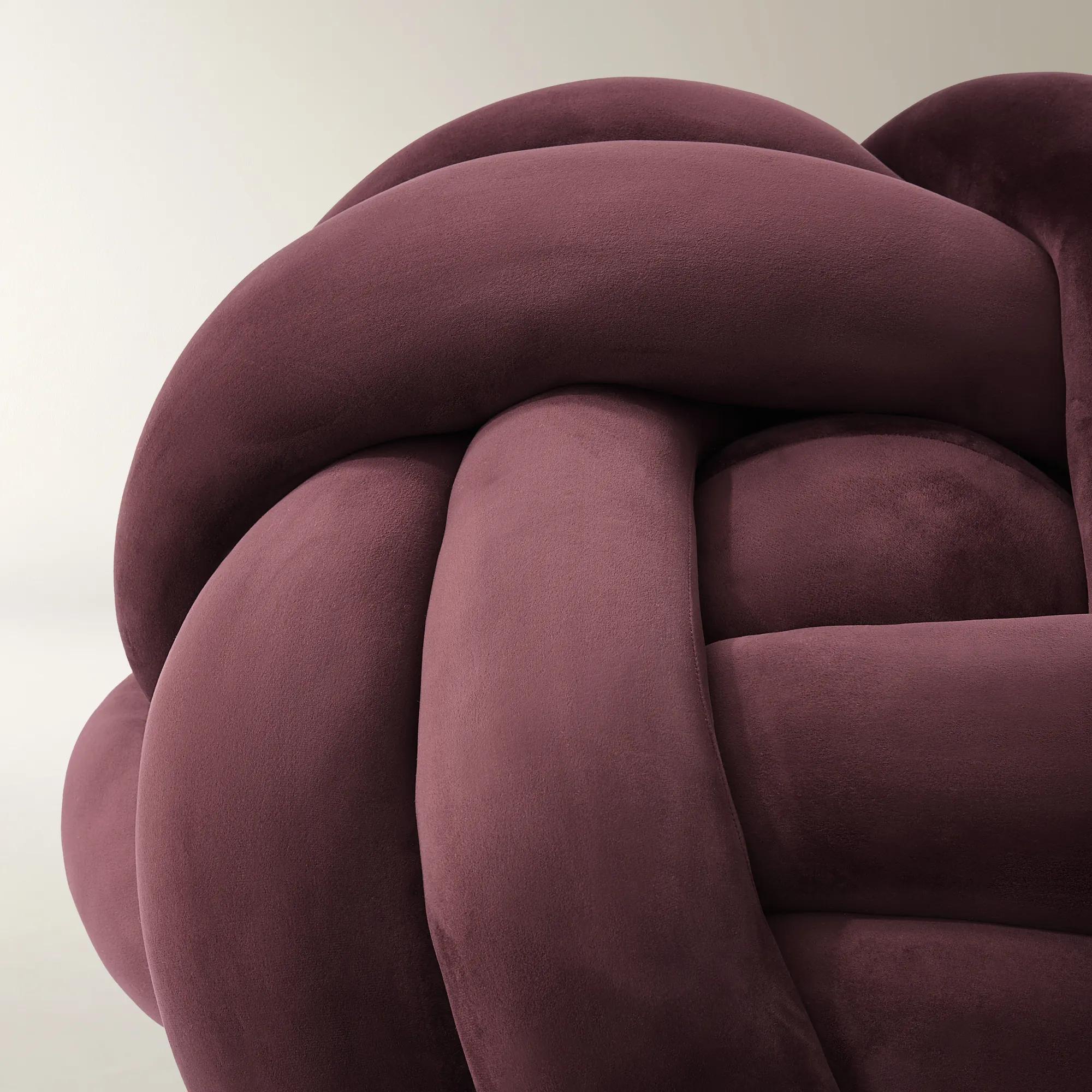 Loopie Fig Velvet Stool (34.5")$399
An oversized, knot-inspired stool hand-upholstered in plush fig velvet for bold sculptural appeal.
Add To Cart -
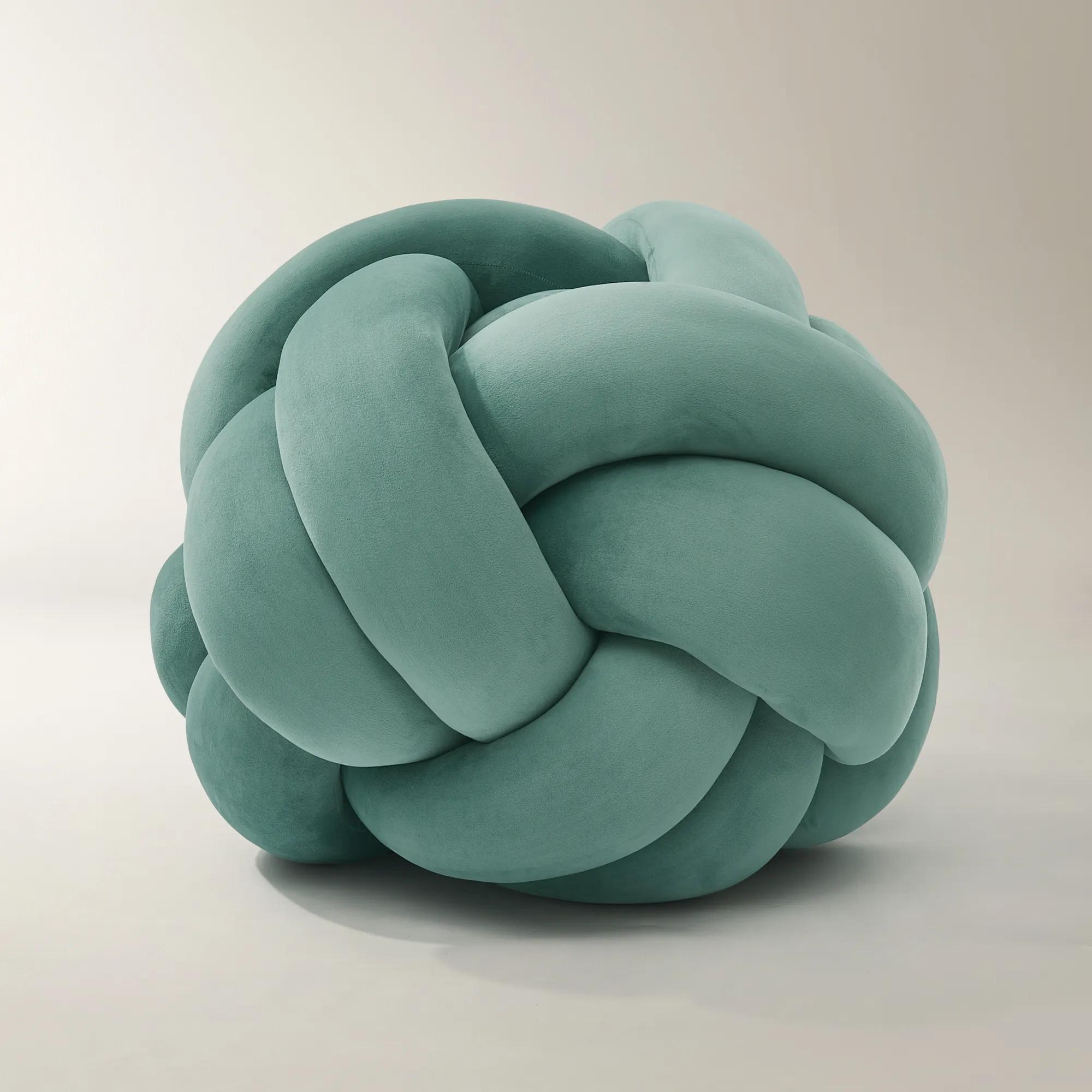 Loopie Ocean Teal Velvet Stool (34.5")$399
A bold sculptural stool featuring plush ocean teal velvet upholstery and an oversized knotted silhouette.
Add To Cart -
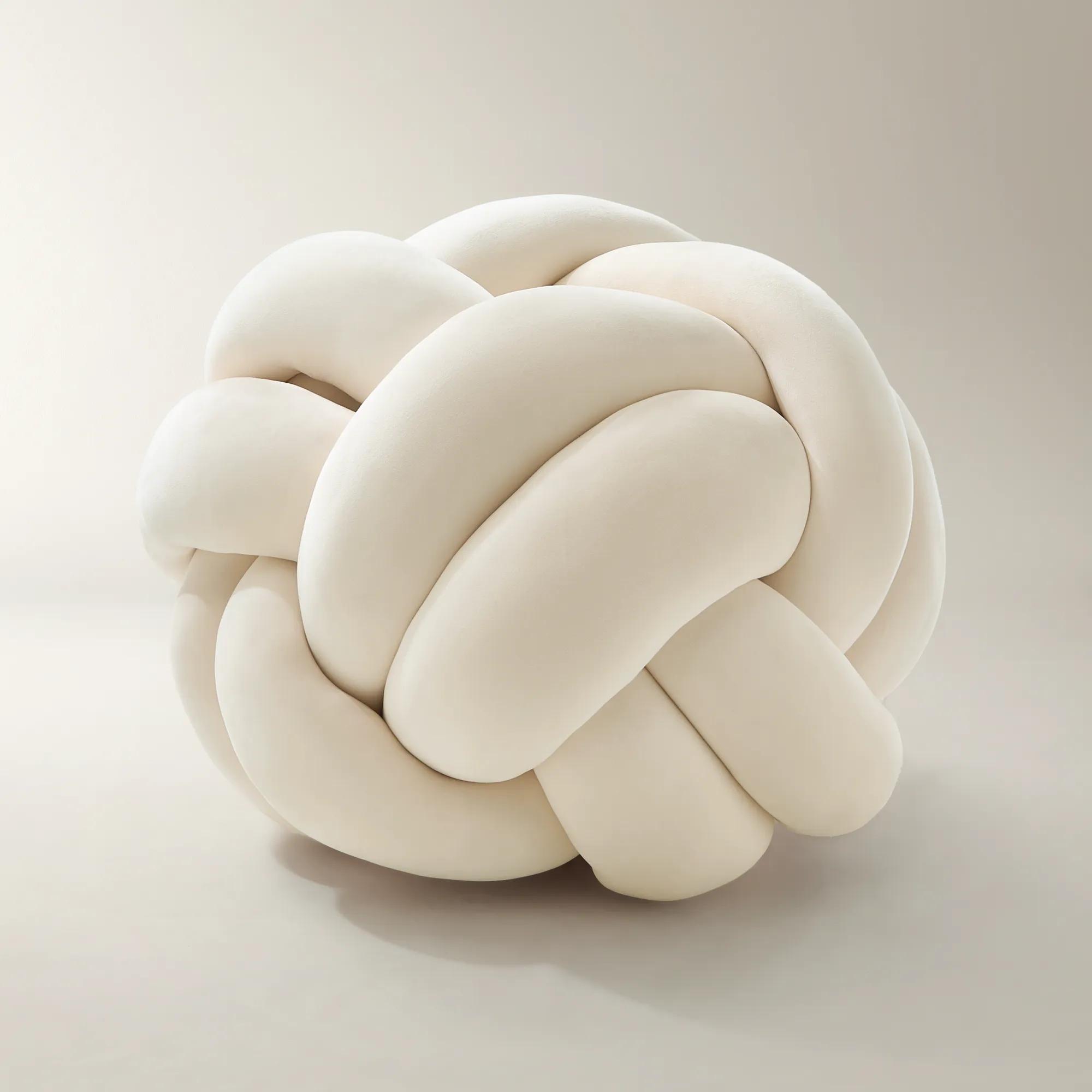 Loopie Oatmeal Velvet Stool (34.5")$399
An oversized oatmeal velvet stool featuring a sculptural knotted silhouette and plush, hand-upholstered finish.
Add To Cart -
 Fleece Fluted Gray Velvet Stool (15.55'')$229
A plush grey velvet stool with a unique ribbed texture, perfect for versatile, cozy seating or decor.
Add To Cart -

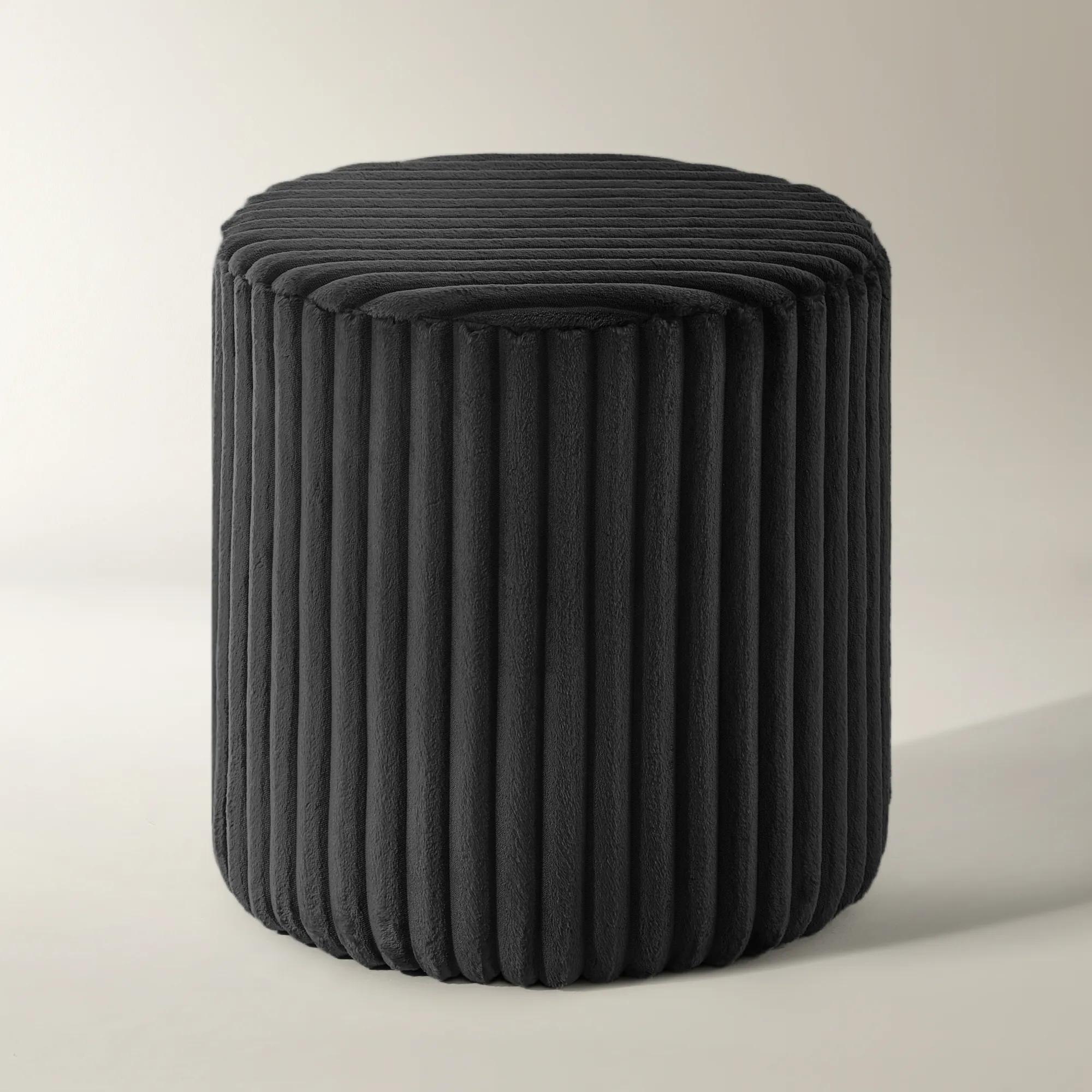 Fleece Fluted Black Velvet Stool (15.55'')$229
A plush black ribbed velvet stool offering versatile seating and cozy texture for any modern space.
Add To Cart -
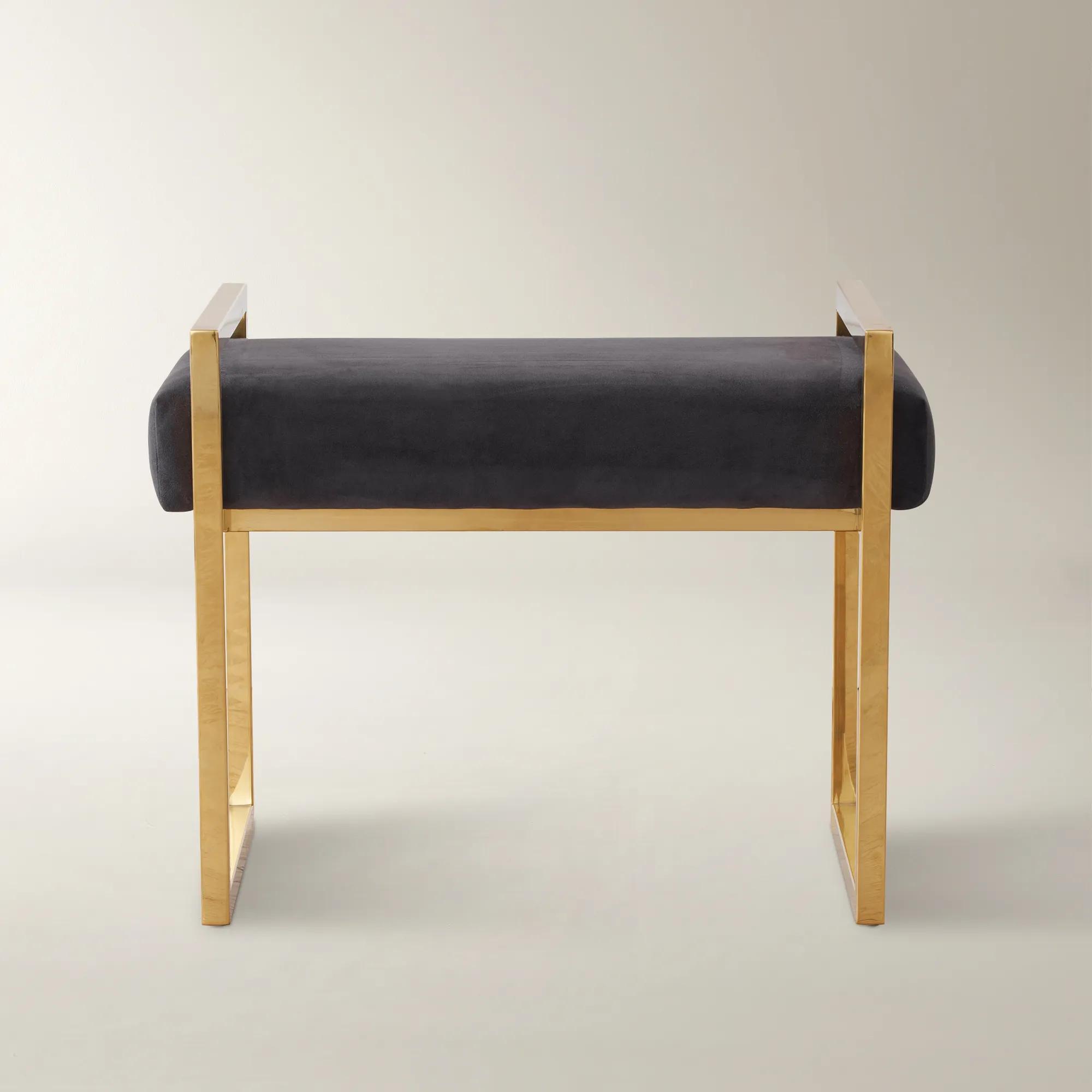
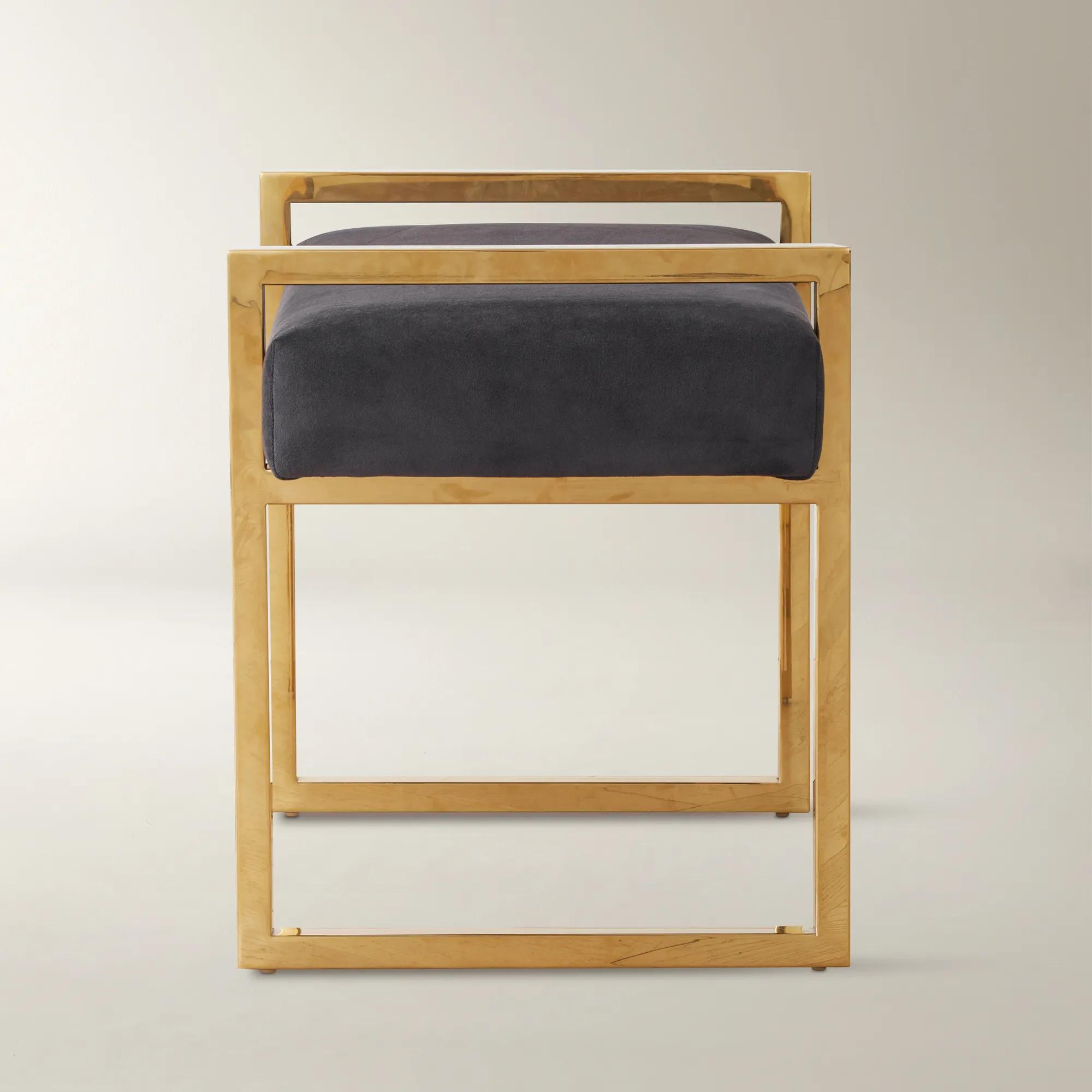 Clara Accent Stool$499
A plush black velvet stool with a high-density foam seat and polished gold metal legs.
Add To Cart -

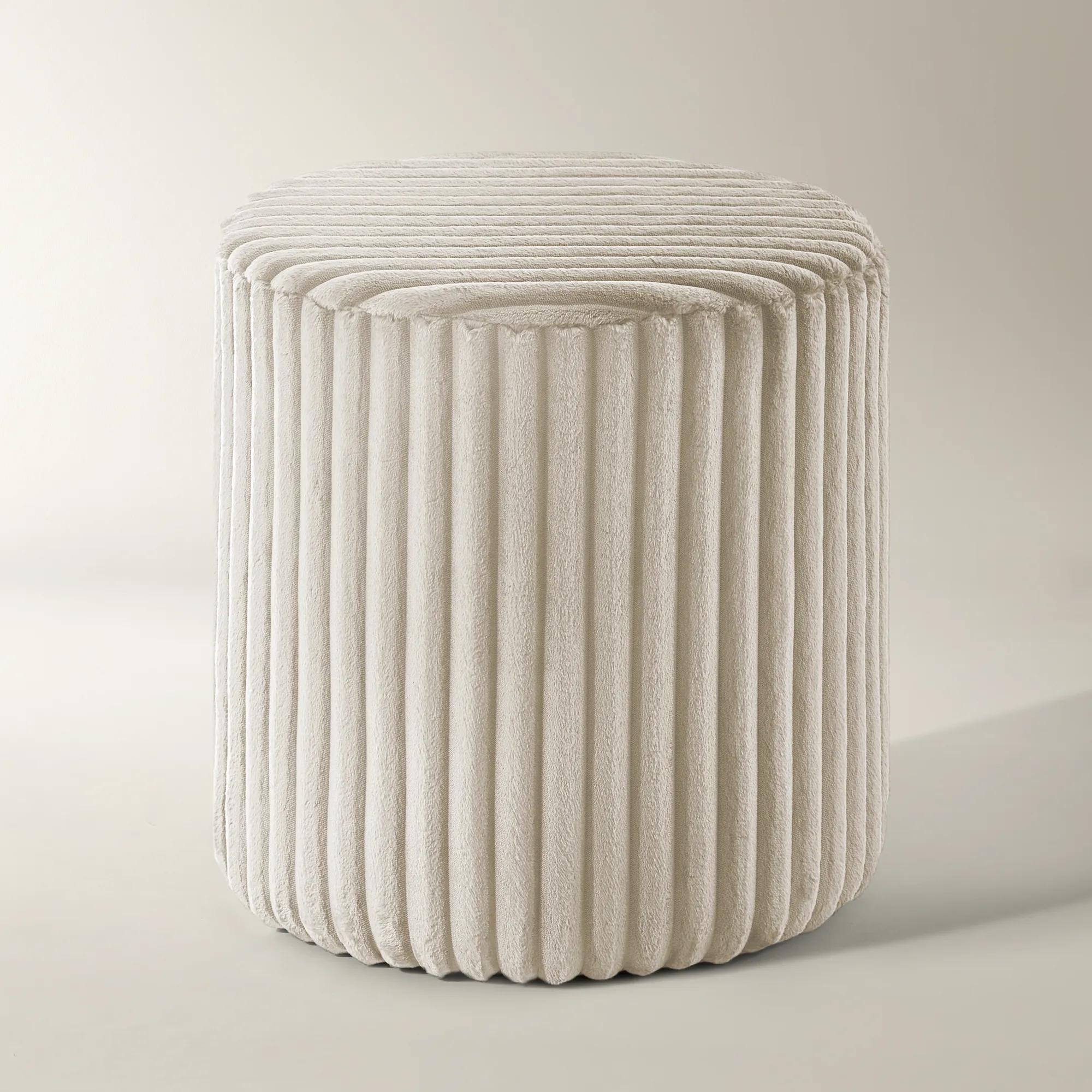 Fleece Fluted Ivory Velvet Stool (15.55'')$229
An ivory ribbed velvet stool offering cozy softness and versatile use as seating, footrest, or accent table.
Add To Cart -
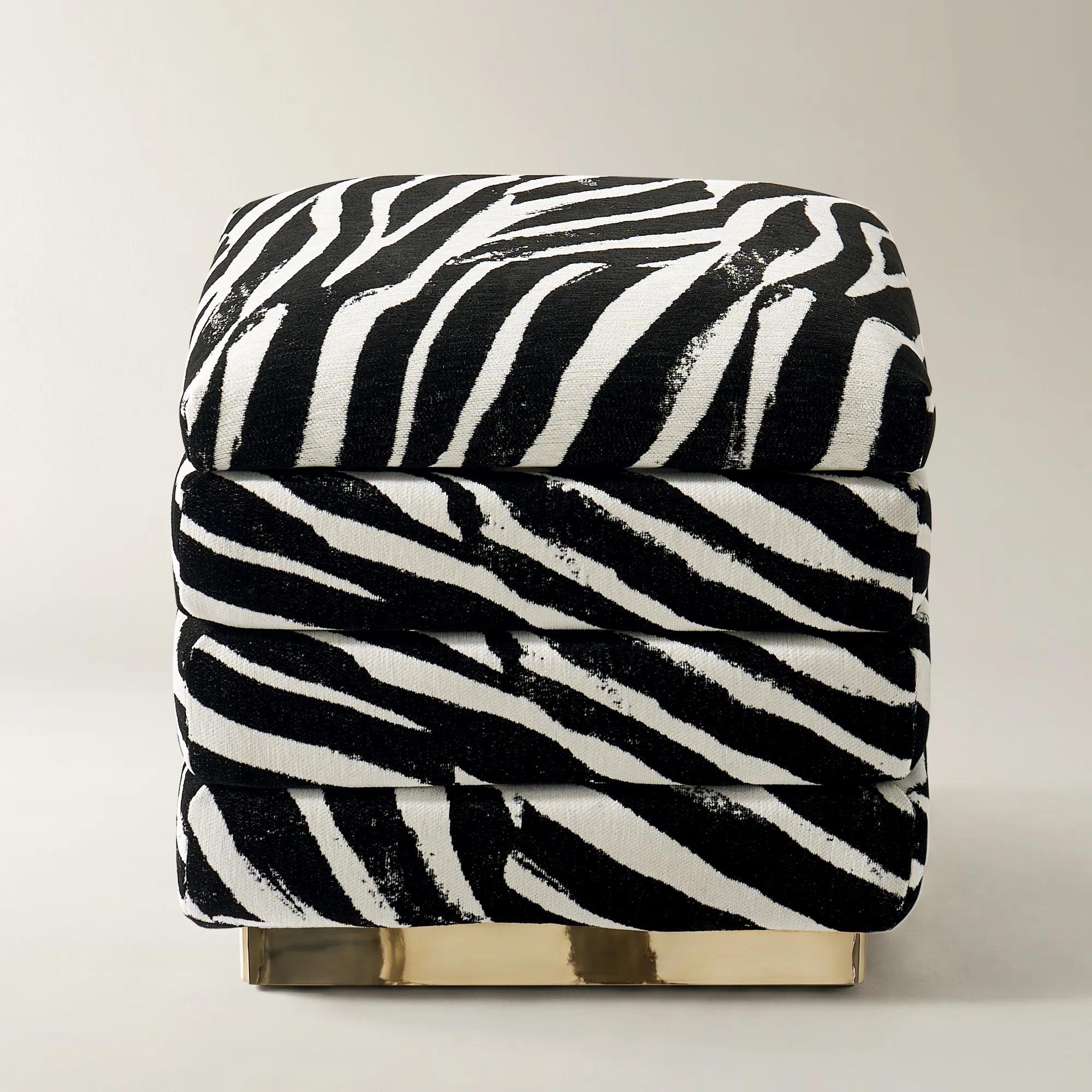
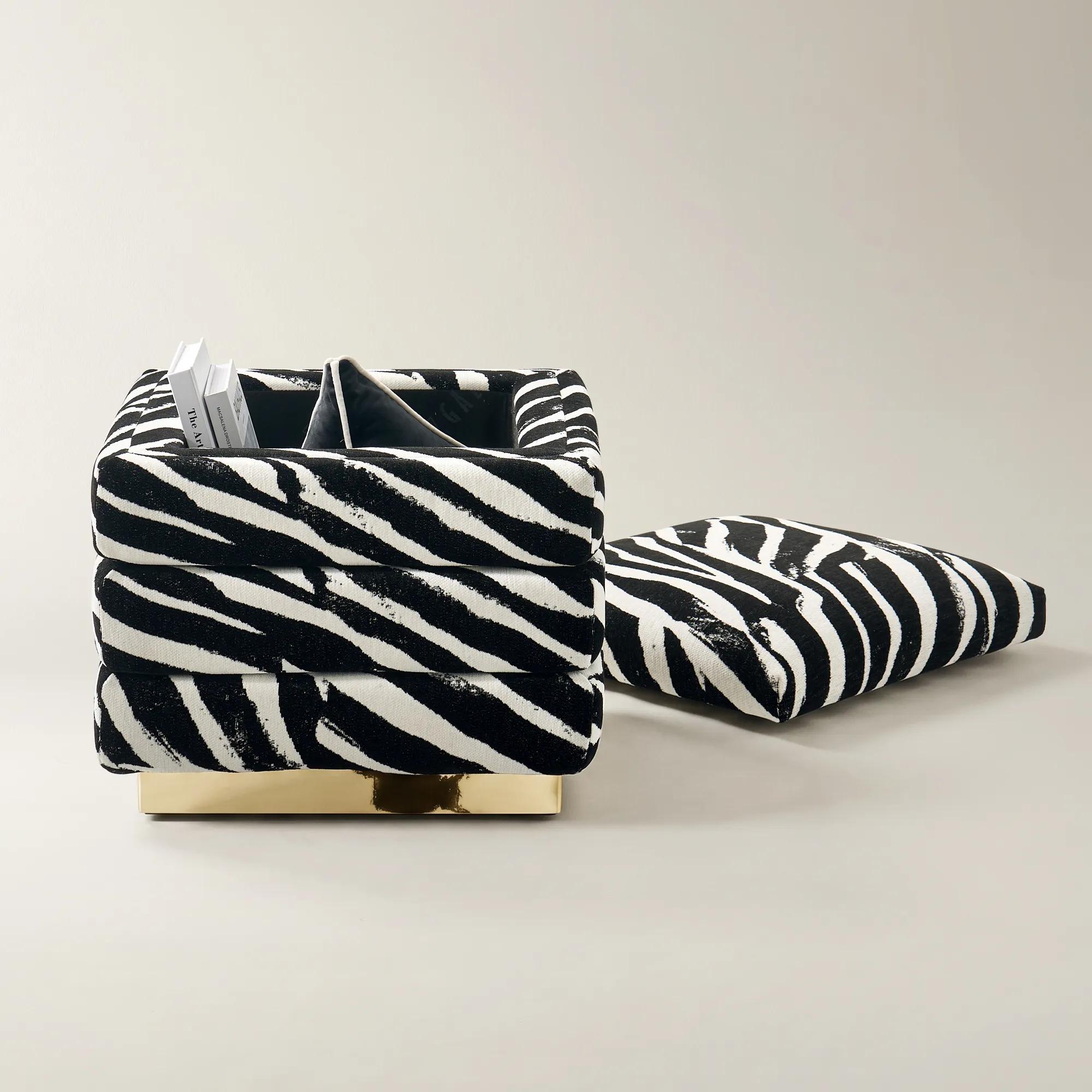 Gable White/Black Performance Chenille Stool$399
A plush white and black chenille stool with hidden storage and a polished gold stainless steel base.
Add To Cart -
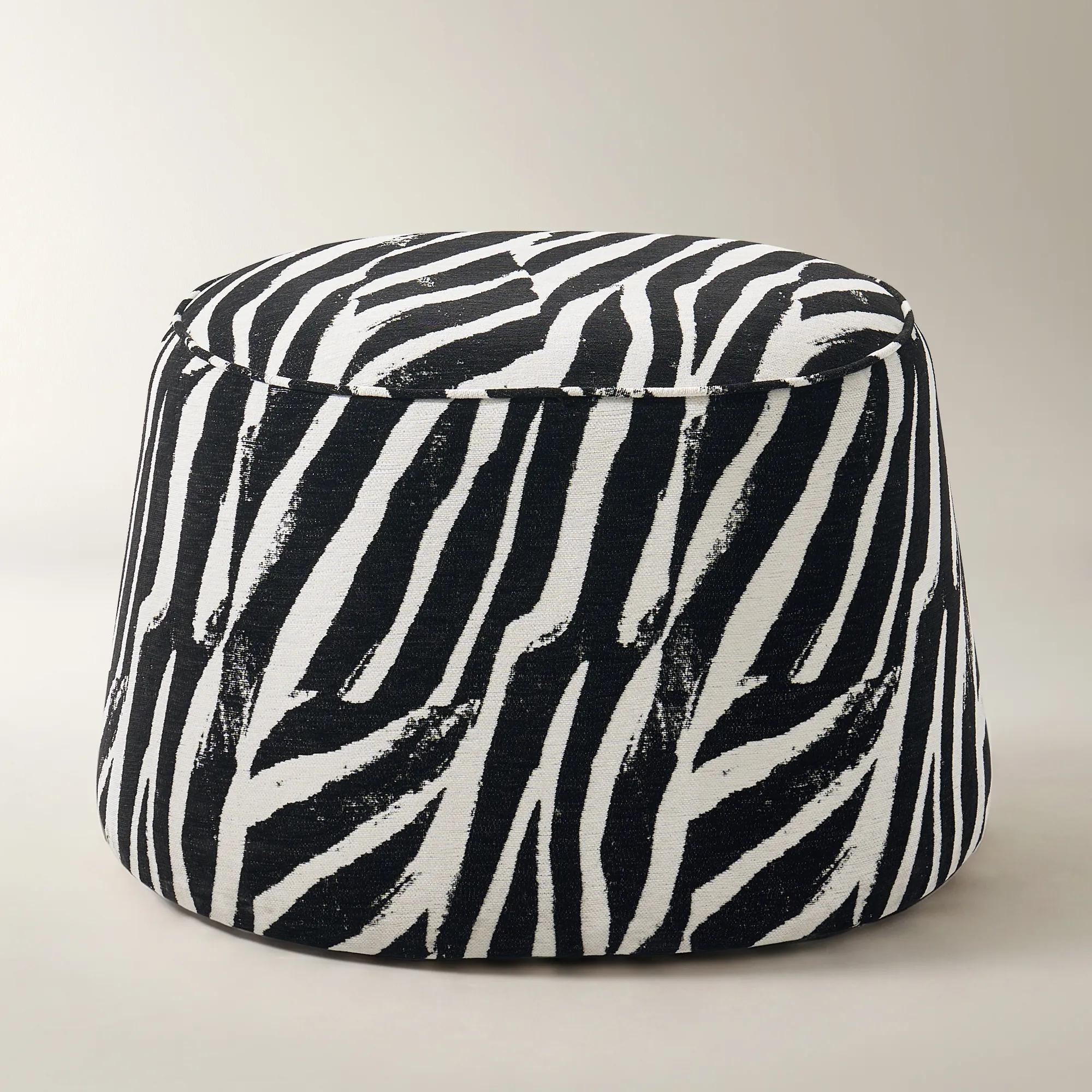 Avery White/Black Performance Chenille Stool$399
A sculpted drum accent stool in black and white performance chenille with an animal-inspired pattern.
Add To Cart -
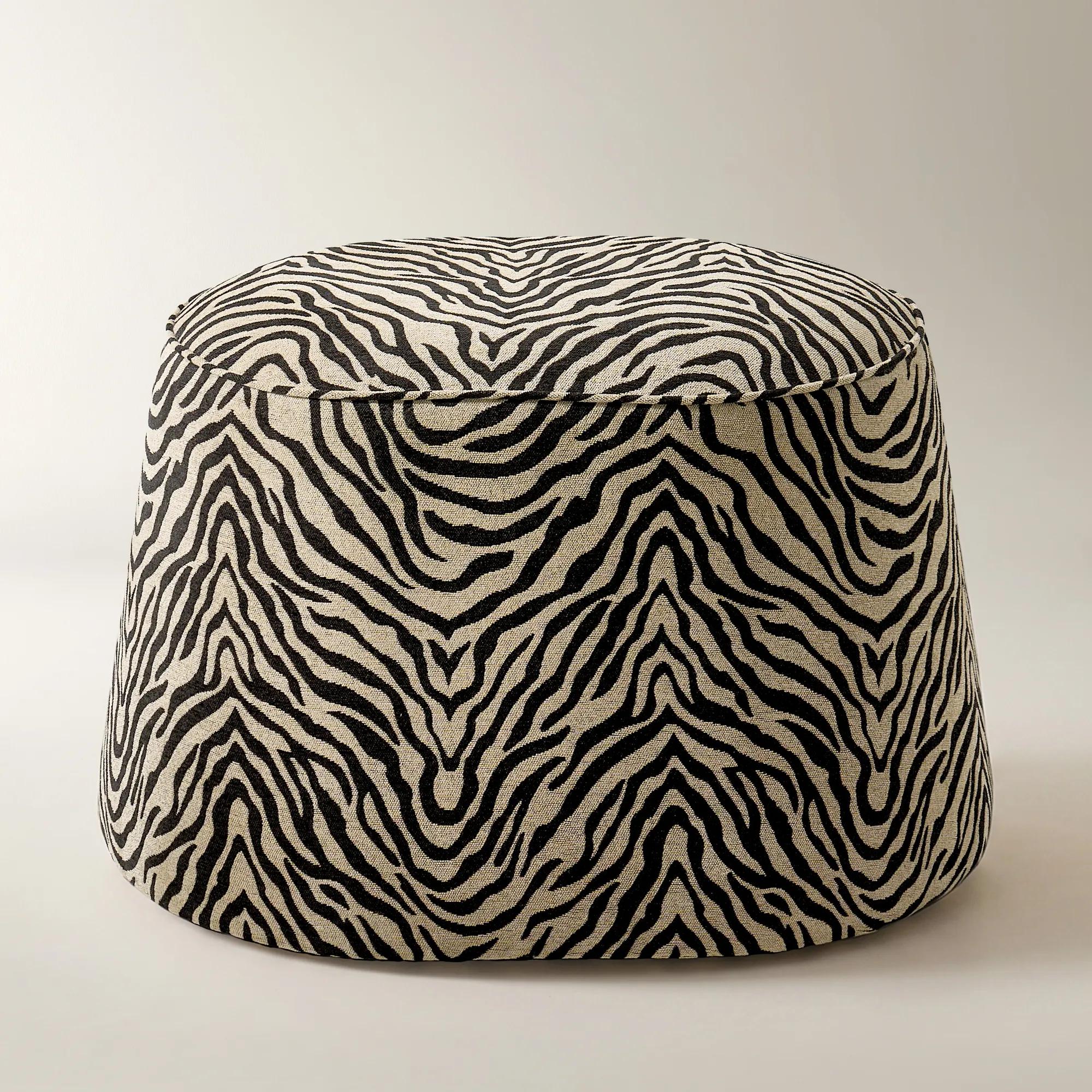 Avery Zebra Performance Chenille Stool$399
A sculpted drum-shaped accent stool upholstered in zebra-patterned performance chenille for bold, modern style.
Add To Cart -
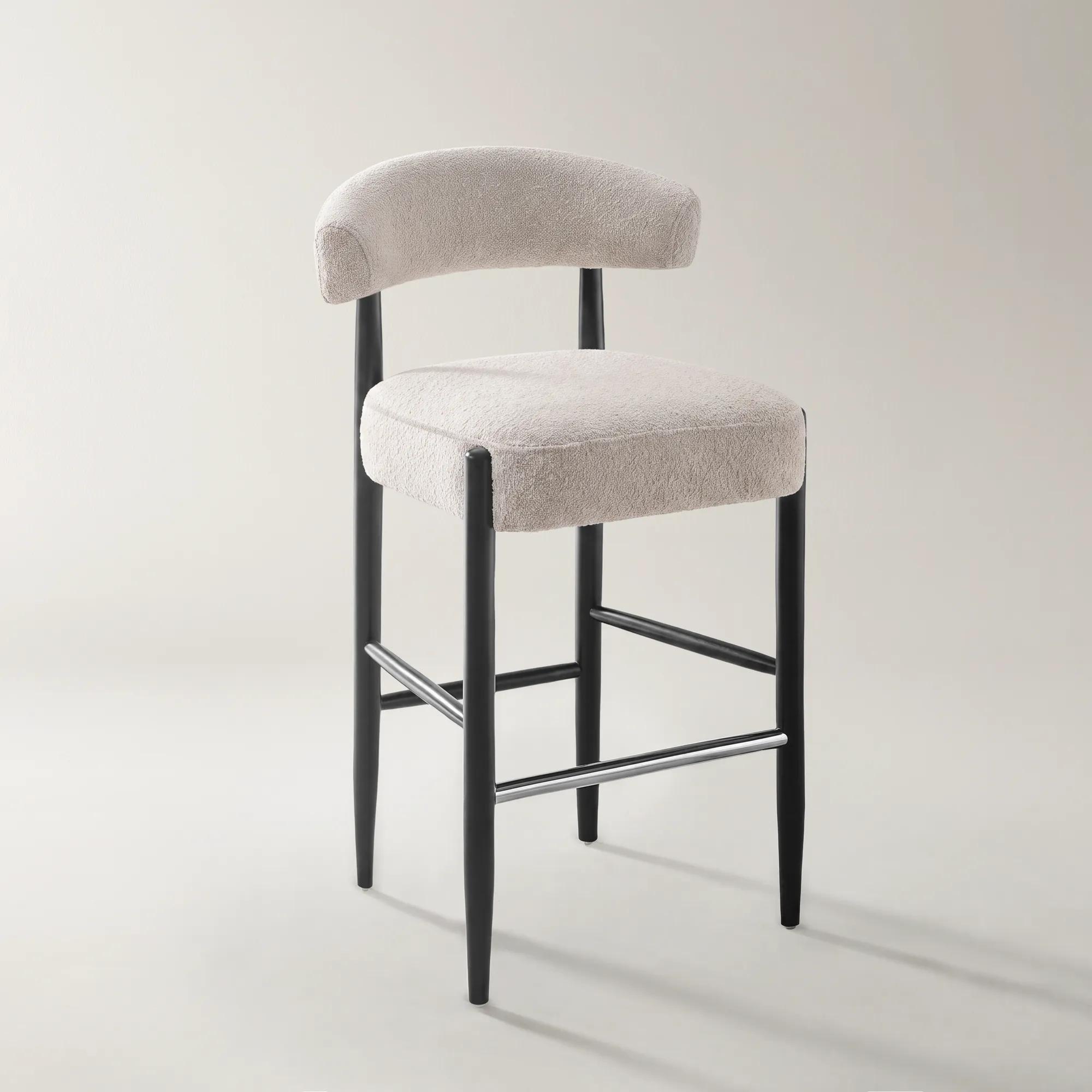 Anna Ivory Performance Boucle Bar/Counter Stool$399
A sculpted ivory performance-bouclé stool with padded support and tapered solid-rubberwood legs for elevated entertaining.
Add To Cart -
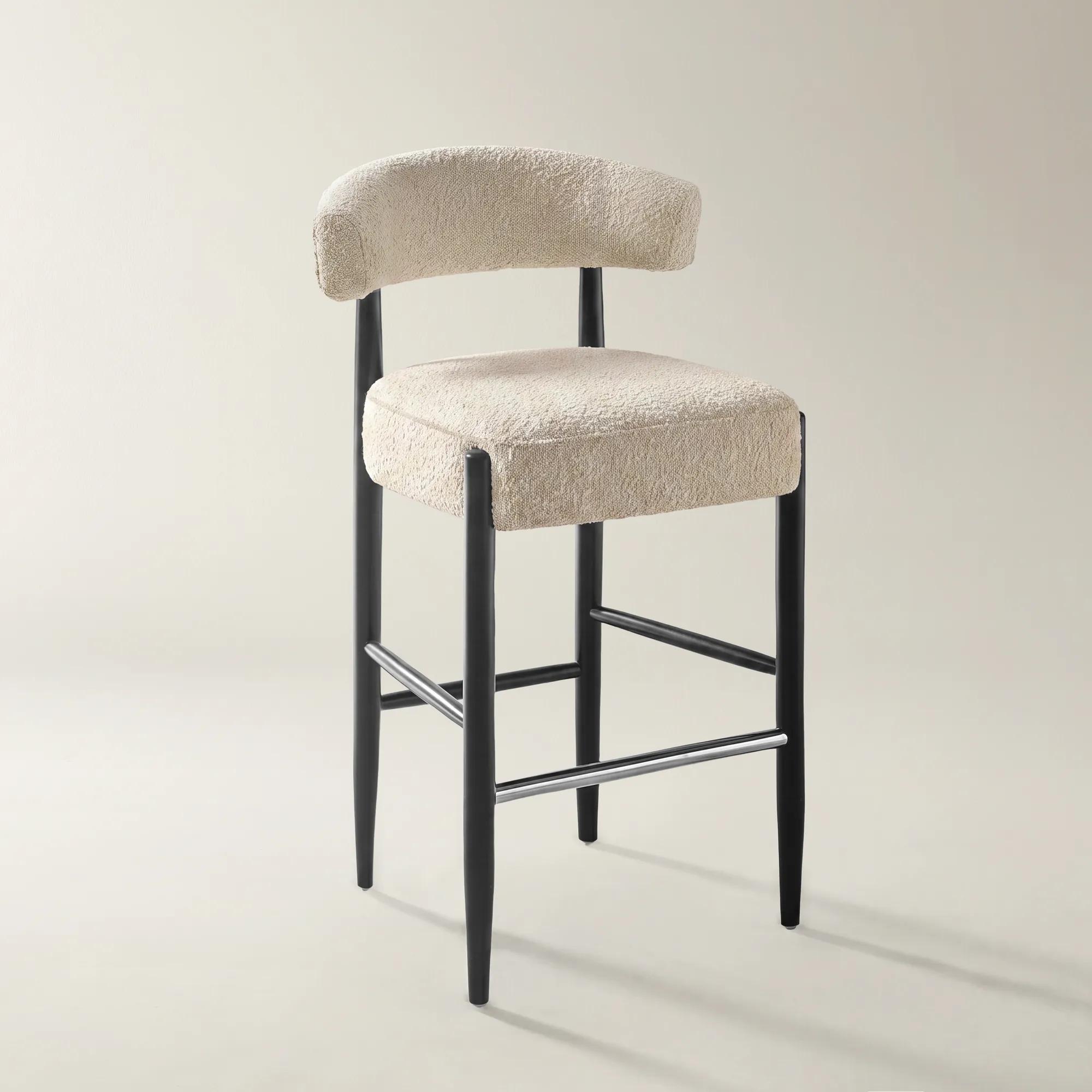 Anna Ivory Performance Boucle Bar/Counter Stool$399
A sculpted ivory performance-bouclé stool with padded support, tailored upholstery, and tapered solid-rubberwood legs.
Add To Cart -
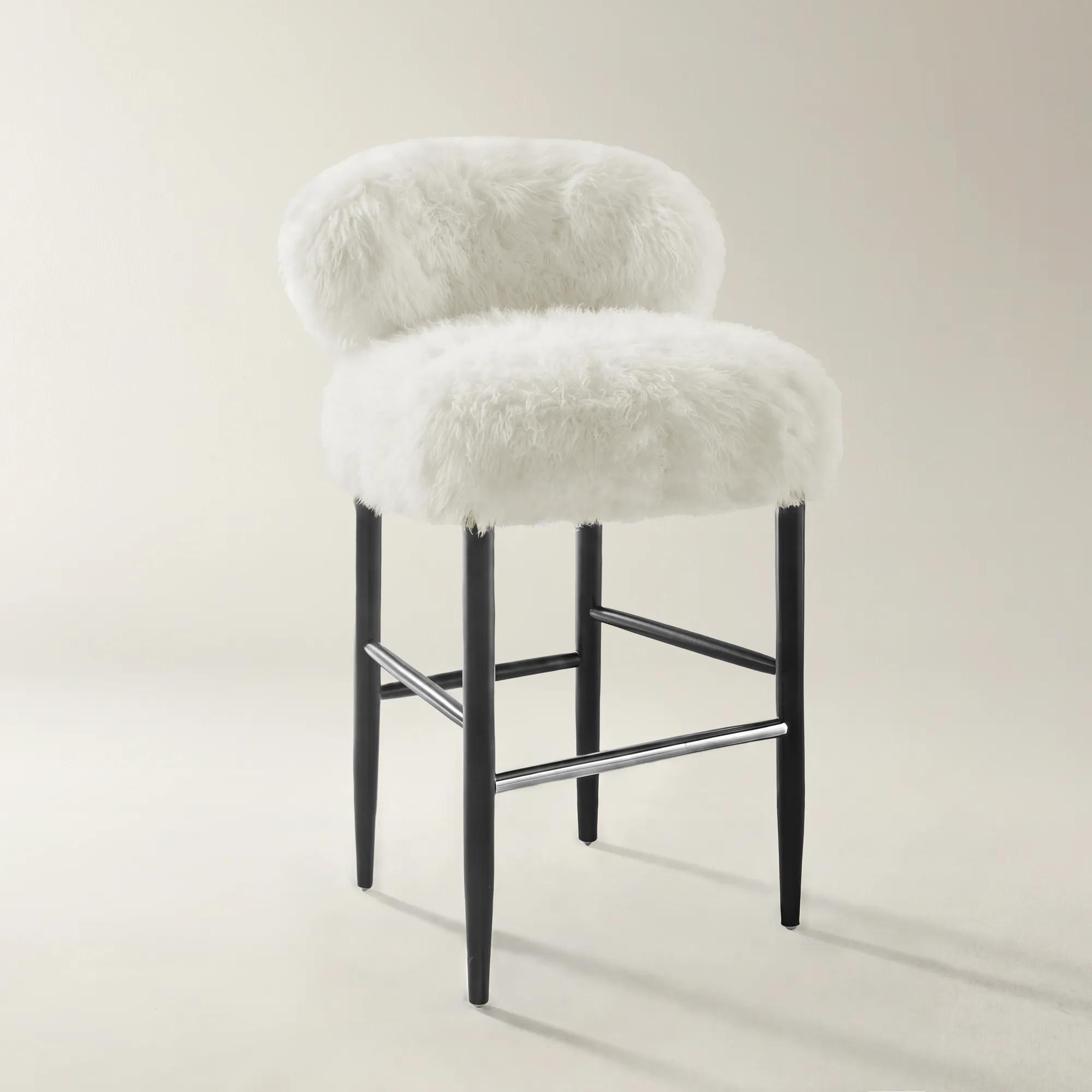 Anna Ivory Faux Fur Bar/Counter Stool$499
An ivory faux-fur stool with a sculpted padded seat and tapered solid rubberwood legs.
Add To Cart -
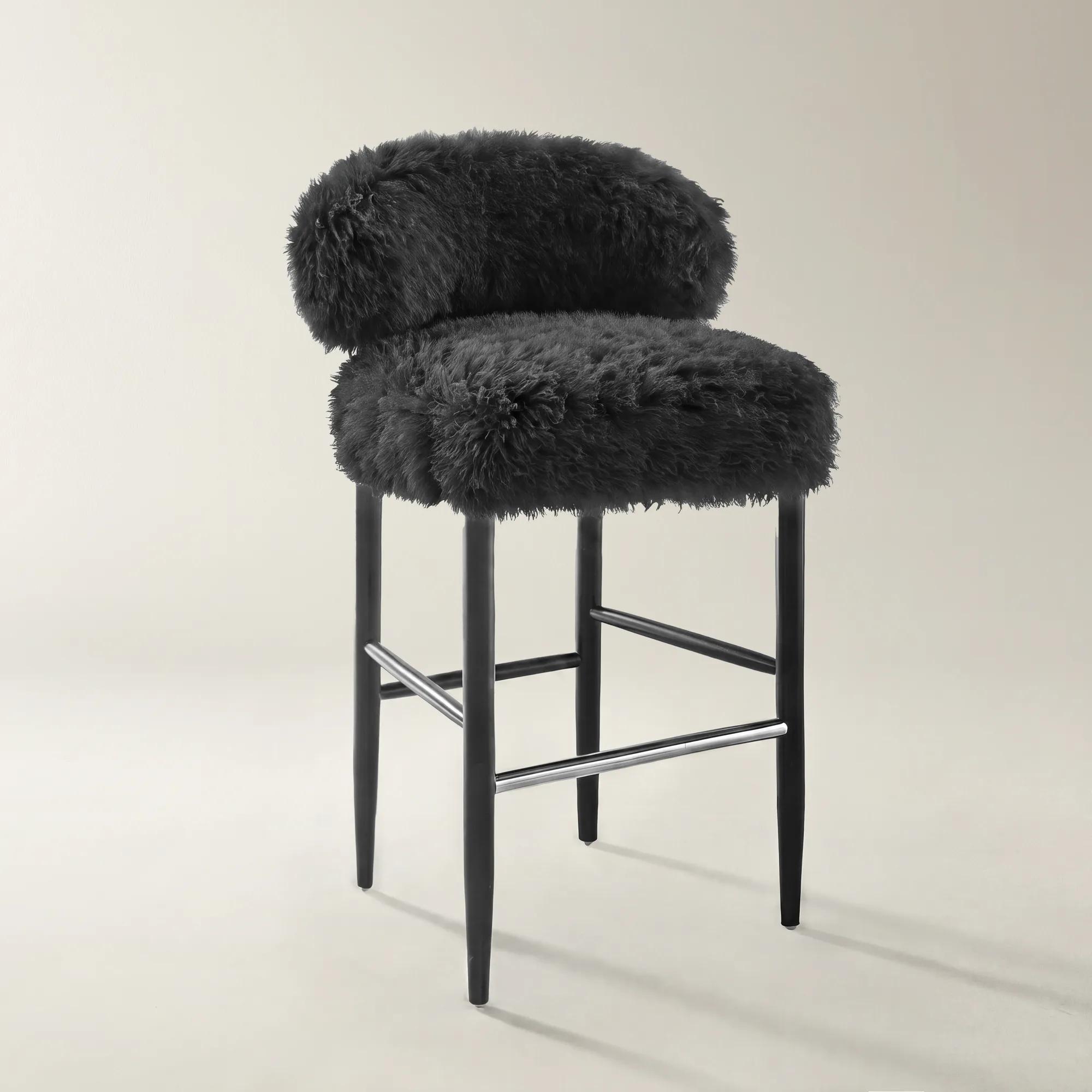 Anna Black Faux Fur Bar/Counter Stool$499
A black faux fur stool with sculpted support, padded seating, and solid rubberwood legs.
Add To Cart -
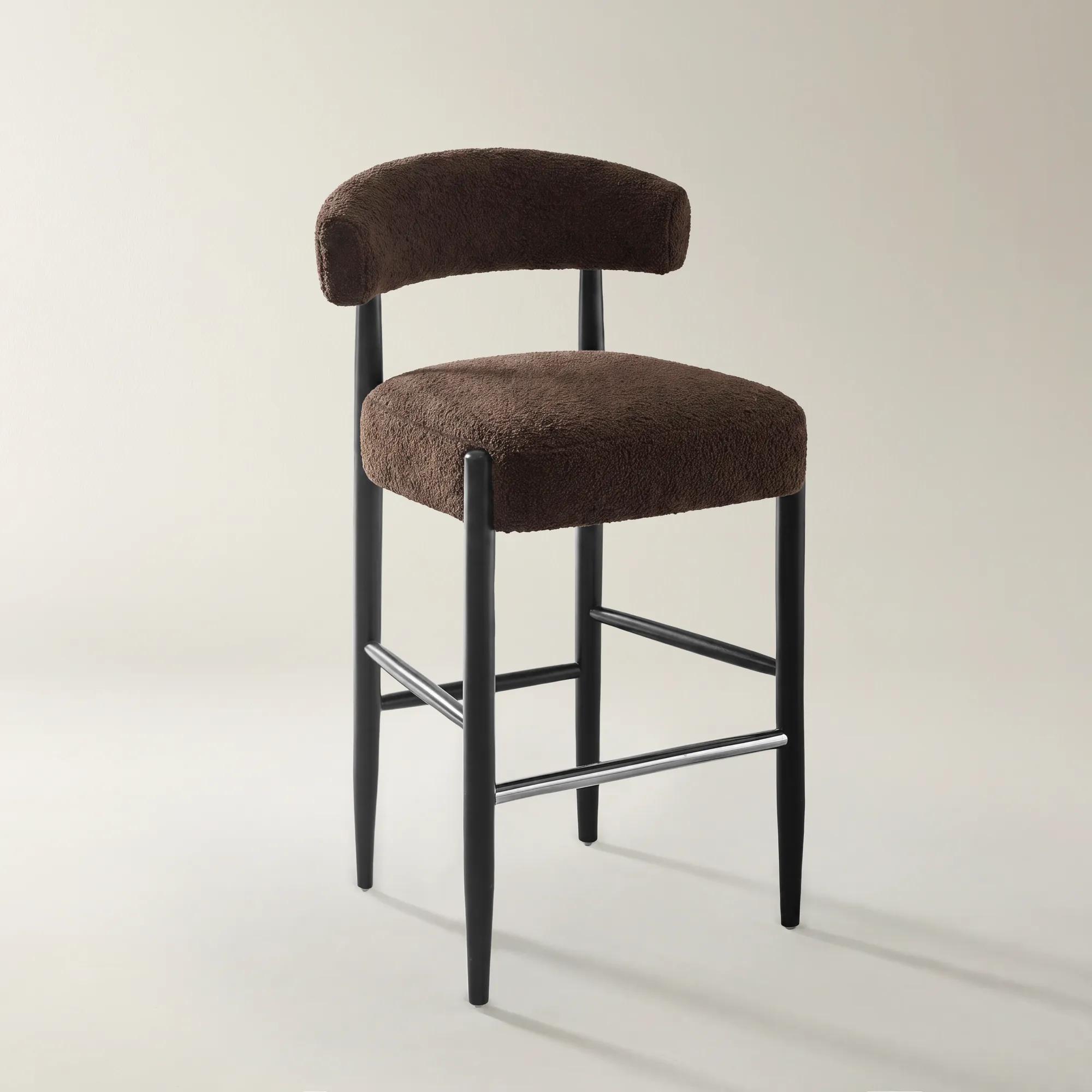 Anna Dark Chocolate Chenille Bar/Counter Stool$399
A dark chocolate chenille stool with sculpted support, padded comfort, and tapered solid rubberwood legs.
Add To Cart

Exclusive Velvet Counter Stools
Elevate your kitchen or bar with exclusive velvet counter stools that transform seating into an art form. Each piece is designed to captivate, infusing your space with a rush of color, texture, and undeniable glamour. Imagine plush velvet catching the light, inviting guests to linger in comfort while exuding an air of curated sophistication. These statement-making stools are more than just functional—they’re the finishing touch that turns every gathering into a scene worthy of admiration. With exclusive velvet counter stools, your home becomes a stage for bold self-expression and everyday luxury.
Exclusive velvet counter stools bring a distinctly dressed-up presence to the kitchen island, pairing the richness of upholstered seating with proportions designed for everyday gathering. Velvet’s appeal begins with its pile: closely arranged fibers catch the light differently as their direction changes, creating subtle shifts in color across a curved back or cushioned seat. That movement gives even a restrained silhouette depth, while a saturated jewel tone can make a row of stools feel like a deliberate stroke of color against pale stone. Ivory and champagne shades create a luminous contrast with dark cabinetry; charcoal lends definition to a tonal kitchen; emerald or sapphire introduces the drama of a beautifully appointed lounge. The result is seating that connects the kitchen to the surrounding living space rather than treating it as a purely functional room. Along an island that faces a dining area, sculptural backs become part of the view, so the rear profile deserves as much attention as the front. Channel detailing can establish a rhythmic, architectural effect, while a smoothly upholstered barrel back offers a softer counterpoint to angular counters and cabinetry. A slender metal base keeps the composition visually open; a substantial wood frame adds warmth and a more grounded presence. Polished finishes introduce flashes of reflected light, whereas brushed or matte finishes let the velvet take the lead. These are furnishings for the host who wants guests to linger over appetizers, the apartment dweller whose island doubles as a dining table, and anyone who appreciates a little ceremony in a morning coffee. Coordinating velvet counter-height stools with nearby dining chairs does not require an exact match. Repeating a metal finish, a curved line, or an undertone in the upholstery can create continuity without making the room feel overly prescribed. For another expression of this richly layered aesthetic, Designer Velvet Counter Stools offer a related direction to explore. The most compelling arrangement gives the upholstery room to register, allowing each silhouette to contribute to the kitchen’s larger composition.
Beautiful proportions also depend on how comfortably a stool fits beneath the counter and within the room. Counter stools typically have seat heights of about 24 to 27 inches and are generally intended for surfaces approximately 35 to 38 inches high; the specific pairing matters more than the category name. Allow roughly 10 to 12 inches between the top of the seat and the underside of the counter for comfortable legroom, accounting for any apron, support rail, or other obstruction below the surface. A 36-inch-high counter, for example, often pairs comfortably with a seat around 24 to 26 inches high, provided the underside leaves adequate clearance. Bar stools are usually taller and should not be treated as interchangeable with counter-height seating. Seat width, back height, and overall depth matter just as much when several stools share an island. Leaving approximately 6 inches between the widest points of stationary stools is a useful starting point, with additional space for arms or swivel movement. Broad, enveloping silhouettes need more room than narrow, armless designs, and a generous kitchen walkway should remain usable when someone is seated. In an open-plan room, imagine a guest turning toward the conversation while another person passes behind; that small scenario reveals whether a striking silhouette also suits the floor plan. Upholstered backs can make extended meals more inviting, while low-profile backs preserve a clearer sightline across the counter. Arms offer a sense of enclosure but require a separate clearance check if the stools need to tuck underneath. A footrest gives feet a place to settle and helps counter-height seating feel more supported, especially during longer conversations. Swivel seating may make it easier to turn toward a living area without repeatedly shifting the stool, though its movement requires unobstructed space. Consider who will use the seating most often, too. A stool chosen primarily for occasional entertaining may prioritize a dramatic profile, while an island used for daily meals benefits from supportive proportions, accessible footrests, and upholstery appropriate to frequent use.
Velvet counter stools achieve their lasting appeal through the relationship between fabric, cushioning, frame construction, and thoughtful care. Velvet describes a fabric structure rather than a single fiber, so upholstery may be made from polyester, cotton, blends, or other materials, each with its own feel and maintenance needs. Polyester velvet is often selected for resilience, while cotton velvet can have a softer, more matte character; actual performance depends on the particular fabric and its construction. Performance velvet may offer enhanced resistance to spills or wear, but that designation should be supported by the stated specifications rather than assumed from appearance. For a kitchen island where coffee, sauces, and frequent seating are part of daily life, cleanability deserves particular attention. Abrasion-test information, when provided, can help indicate resistance to rubbing, although no single rating guarantees how upholstery will age in a household. A well-constructed wood or metal frame, secure joints, and an appropriate weight capacity are equally important. Kiln-dried wood can help limit movement associated with changing moisture levels, while metal frames depend on sound connections and a finish suited to regular use. Cushioning should feel supportive rather than allowing the sitter to sink against the frame, and floor glides should suit the flooring beneath them. Care begins with the manufacturer’s upholstery instructions and cleaning code. Gentle vacuuming with an appropriate upholstery attachment helps remove crumbs and dust before they settle into the pile. Blot spills promptly with a clean, absorbent cloth rather than rubbing, which can spread a mark or disturb the surface. Water-based cleaners, solvents, steam, and household mixtures are not universally suitable for velvet; use only the method approved for the fabric, testing where directed in an inconspicuous area. Changes in shading or pressure marks can be characteristic of the pile rather than signs of damage, and any brushing should follow the fabric’s care guidance. Protecting upholstery from prolonged direct sunlight and checking frame connections periodically can also help preserve its appearance and stability. With considered placement and attentive maintenance, velvet seating brings tactile richness to the island while remaining beautifully integrated into the rituals of everyday living.
FAQs
Exclusive velvet counter stools are remarkably versatile, complementing a wide range of interiors. Their lush upholstery and bold silhouettes make them a natural fit for glamorous, art deco, or Hollywood Regency spaces, while jewel-toned velvet and sleek lines can bring a dramatic edge to modern or contemporary settings. For those who love eclectic expression, mixing velvet stools with metallic accents or statement lighting creates a curated, gallery-inspired atmosphere.
Velvet counter stools infuse a space with instant opulence and warmth. The tactile richness of velvet invites touch and lingers in memory, while its subtle sheen catches the light, creating a sense of depth and drama. Whether gathered around a kitchen island or framing a home bar, these stools transform everyday seating into an experience—adding a layer of artistry that elevates the entire room.
Absolutely. Velvet counter stools are designed to impress, offering both comfort and visual intrigue. Their plush seats encourage guests to relax and linger, making them ideal for hosting everything from elegant cocktail hours to casual brunches. The luxurious texture and bold color options create a welcoming, conversation-worthy focal point that sets the tone for memorable gatherings.
To preserve the beauty of velvet, gently vacuum the fabric using a soft brush attachment to remove dust and crumbs. For spills, blot immediately with a clean, dry cloth—avoid rubbing, which can crush the pile. Occasional brushing with a velvet upholstery brush will restore the fabric’s signature luster. For deeper cleaning, consult a professional upholstery service experienced in handling fine fabrics.
Velvet counter stools are ideal for open-concept living, where their striking textures and colors can define zones and anchor visual interest. Placing a row of velvet stools at a kitchen island or bar creates a seamless transition between dining and living areas, while their sculptural forms add a curated, designer touch that draws the eye and unifies the space.