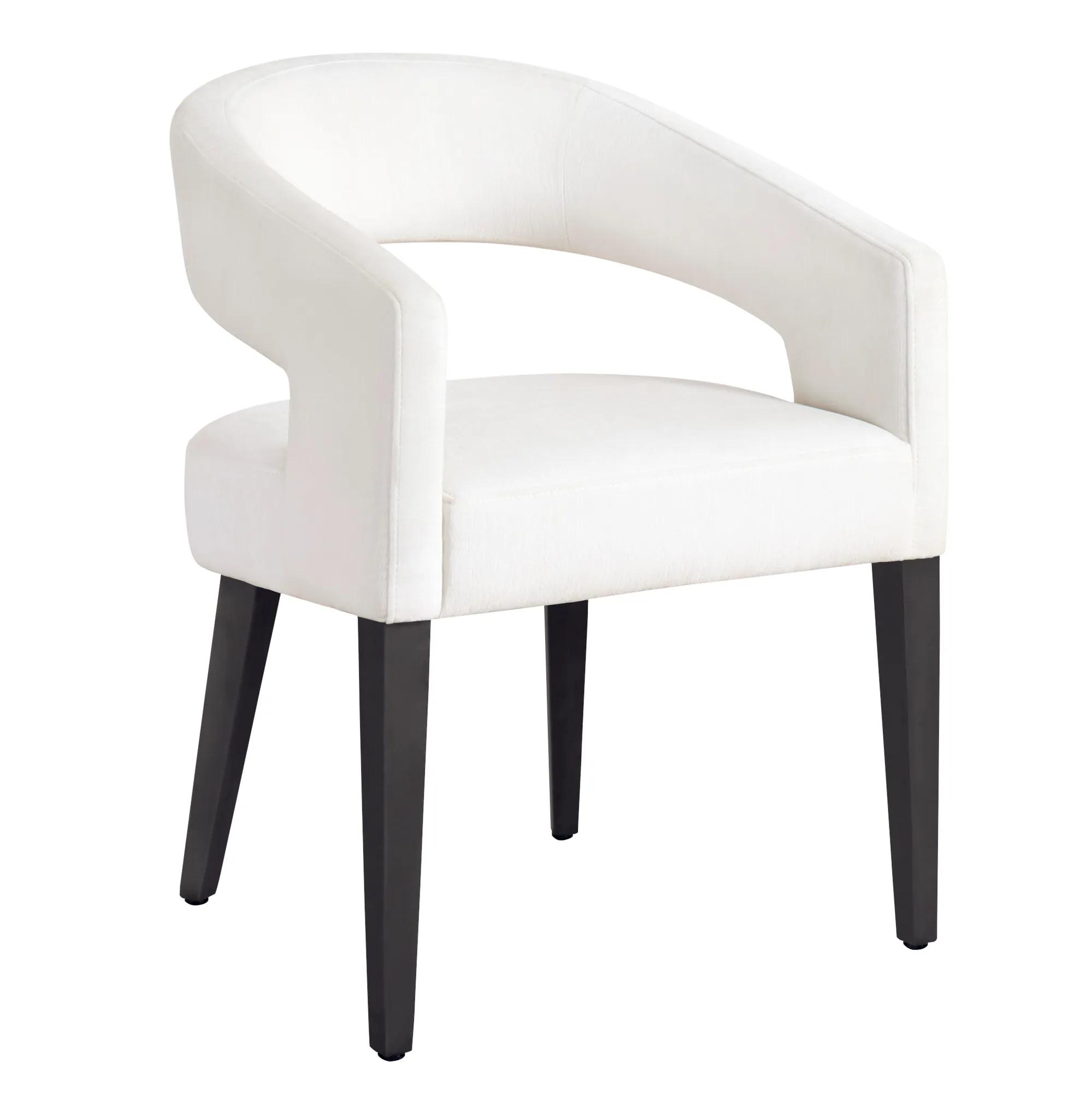
Custom Upholstered Counter Stools
Custom Upholstered Counter Stools
-
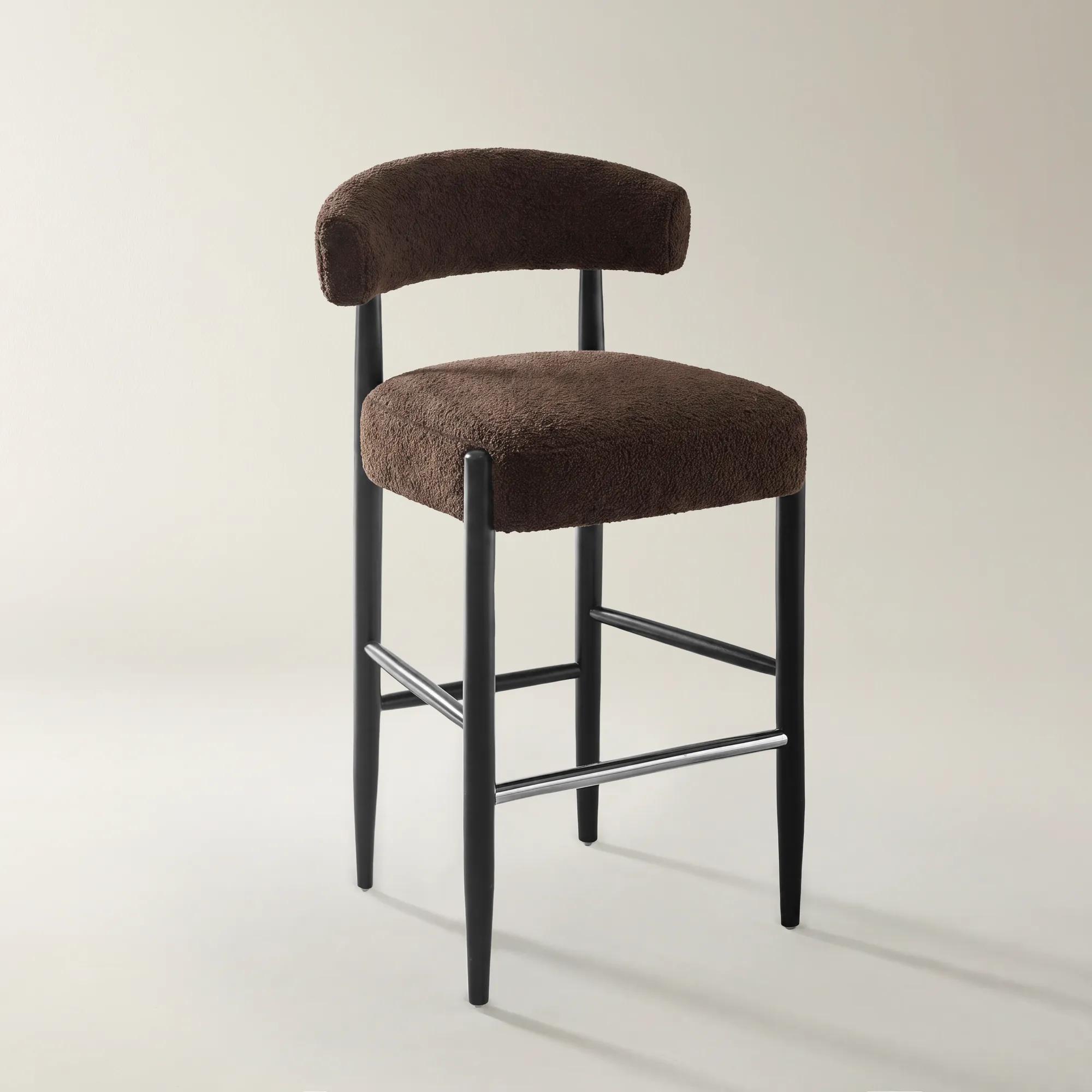 Anna Dark Chocolate Chenille Bar/Counter Stool$449
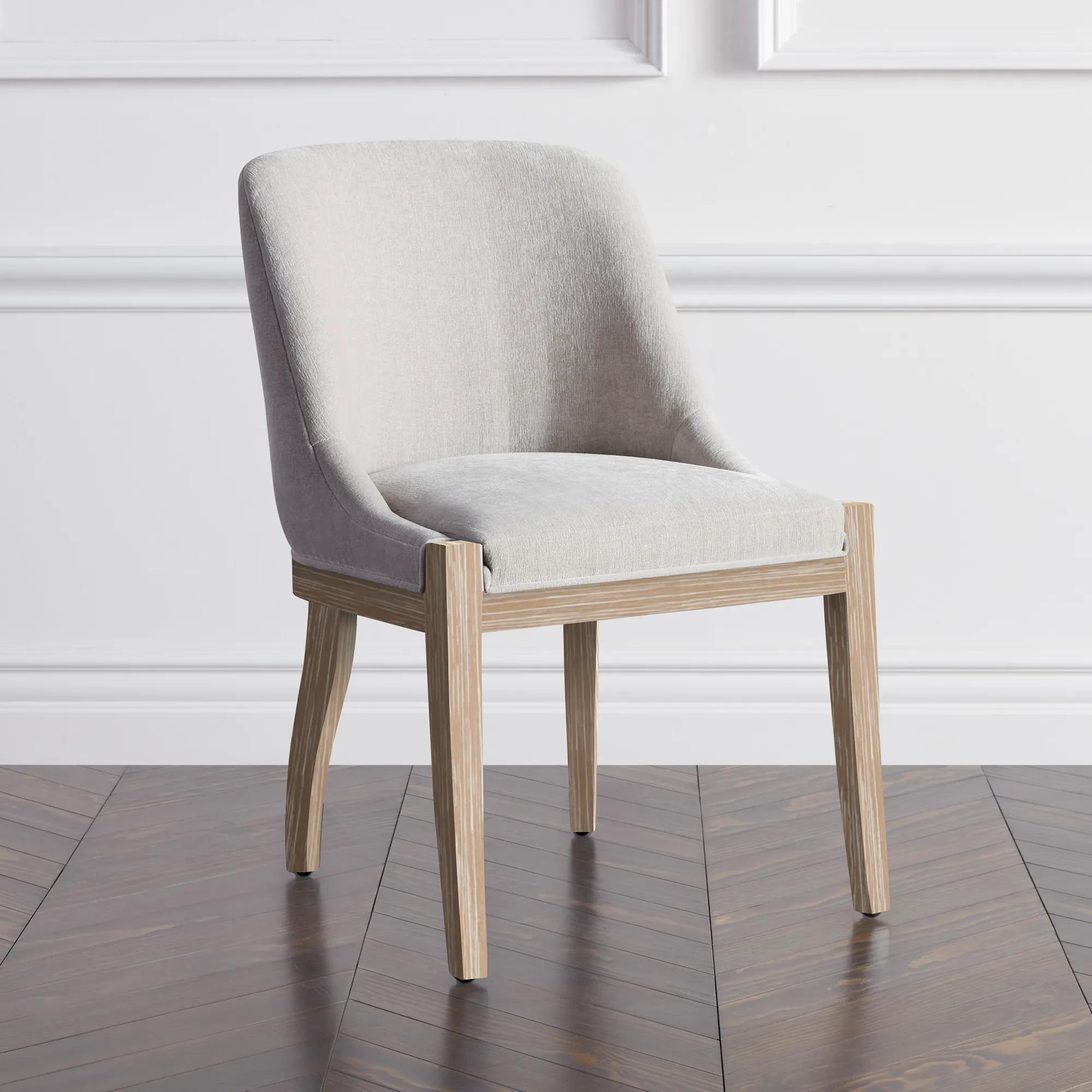
A dark chocolate chenille counter stool with a sculpted padded seat and solid rubberwood legs.
Add To Cart -
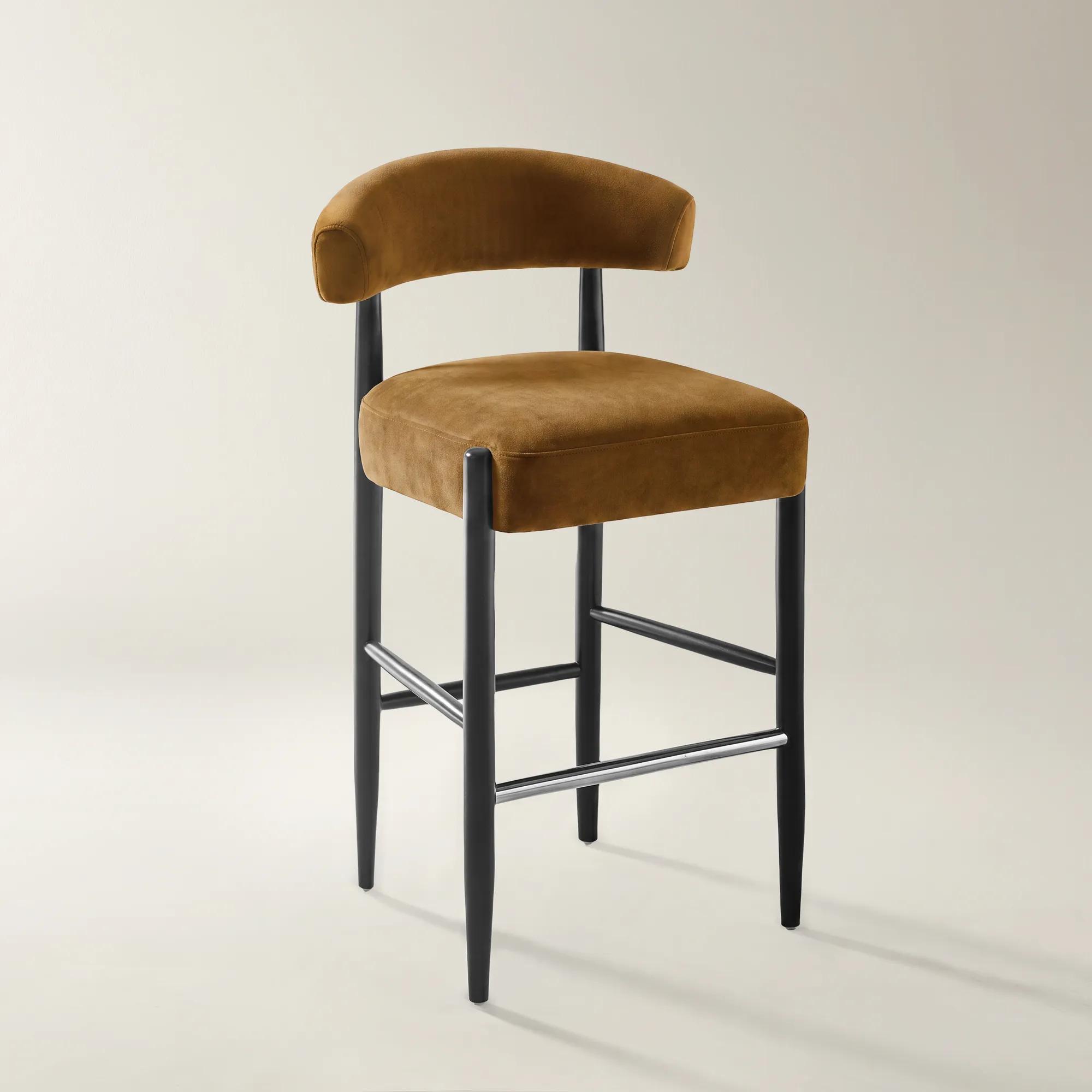 Anna Roasted Pecan Velvet Bar/Counter Stool$449
A roasted pecan velvet bar stool with a sculpted padded back, custom upholstery, and tapered solid-rubberwood legs.
Add To Cart -
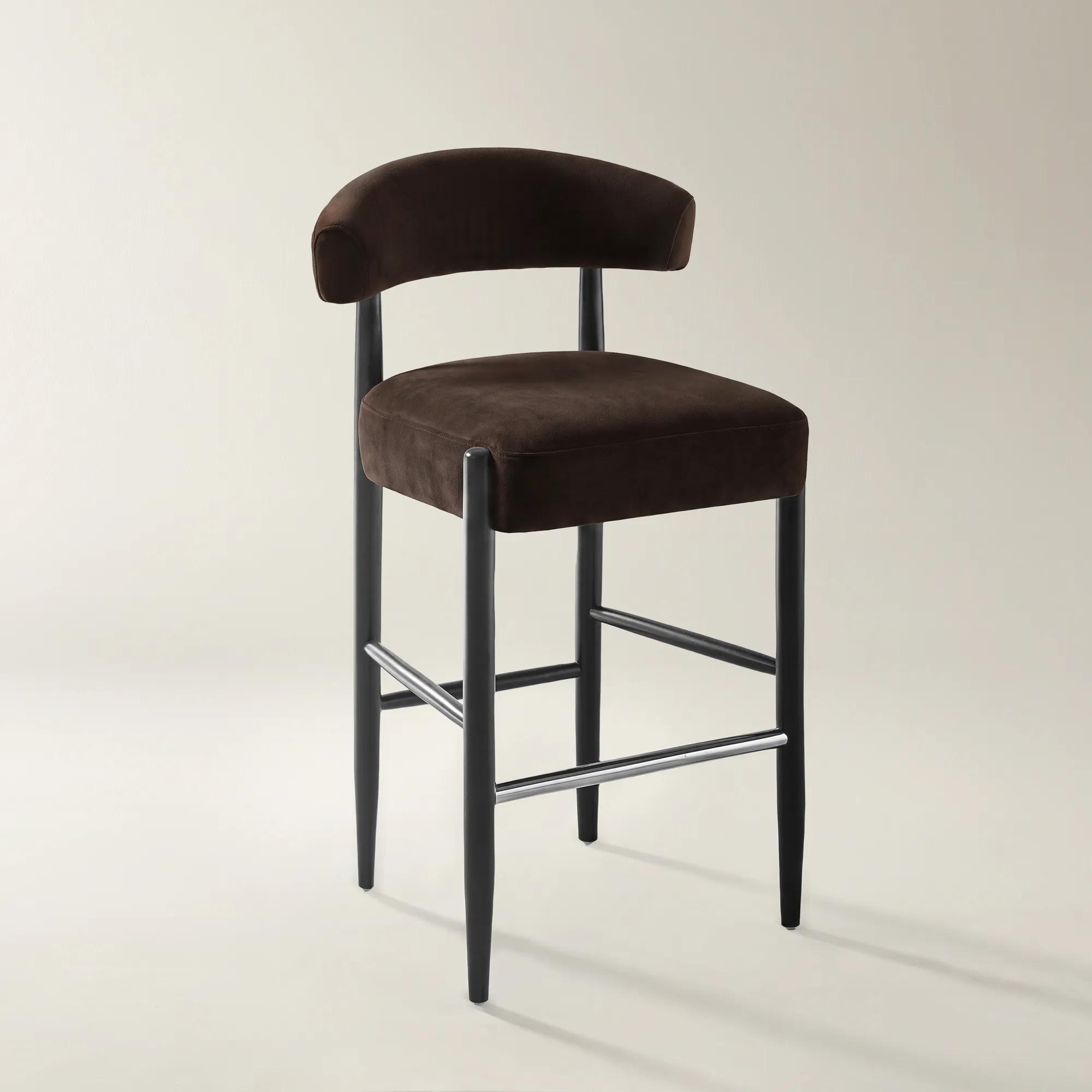 Anna Dark Chocolate Velvet Bar/Counter Stool$449
A dark chocolate velvet counter stool with a sculpted back, padded seat, and tapered solid-rubberwood legs.
Add To Cart -
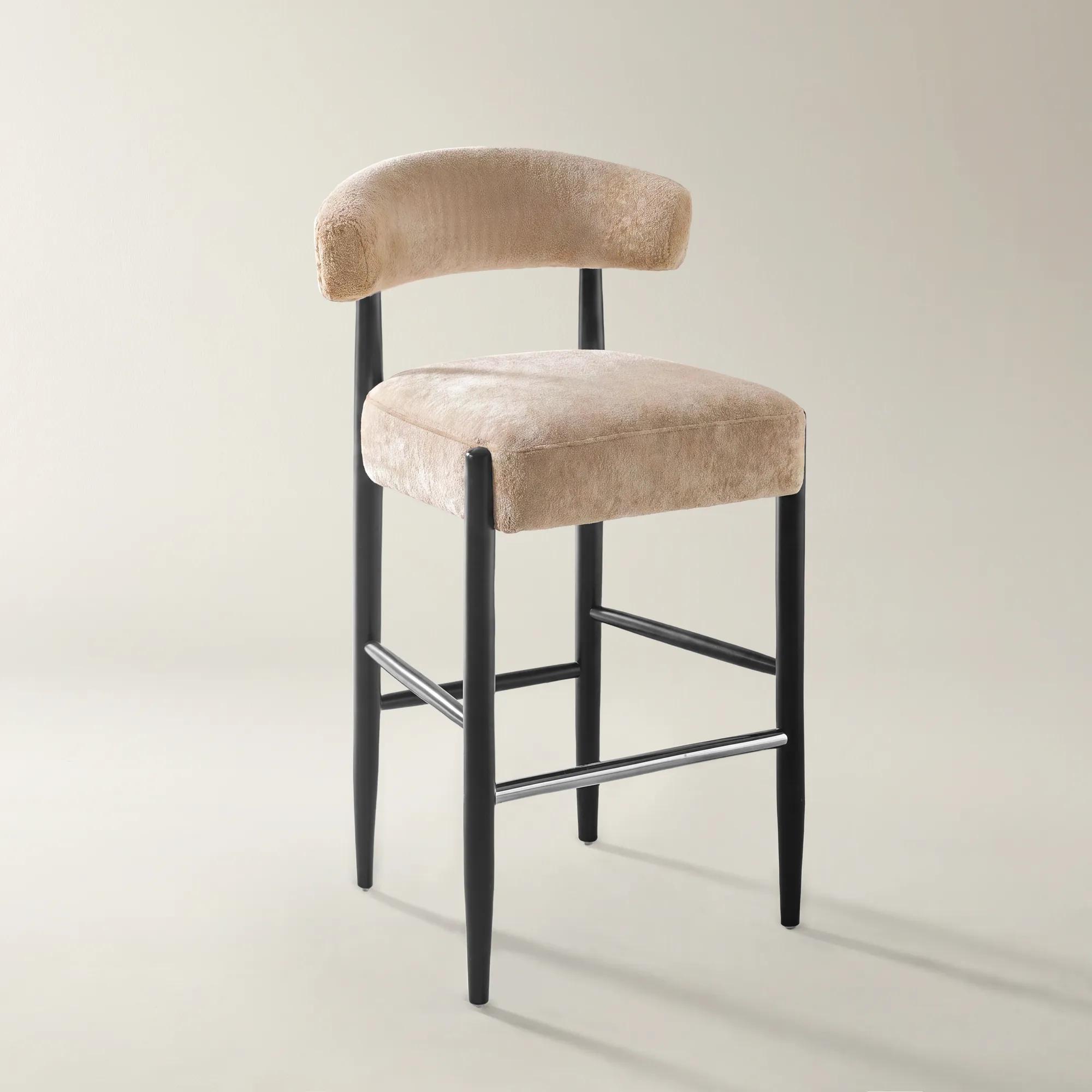 Anna Light Brown Chenille Bar/Counter Stool$449
A brown chenille counter stool with a sculpted back, padded seat, and tapered solid-rubberwood legs.
Add To Cart -
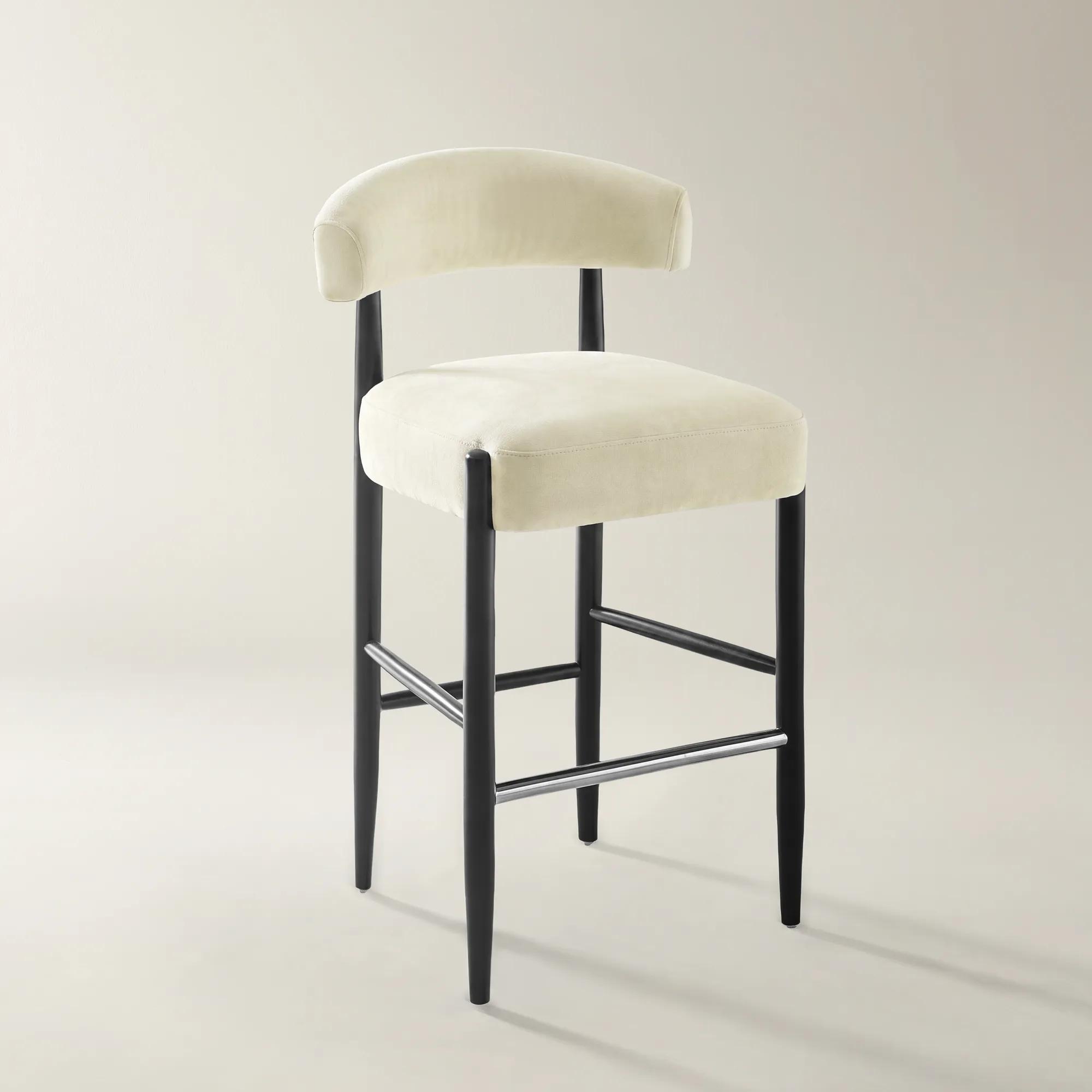 Anna Cloud Velvet Bar/Counter Stool$449
A cloud velvet counter stool with sculpted padded support and tapered solid-rubberwood legs.
Add To Cart -
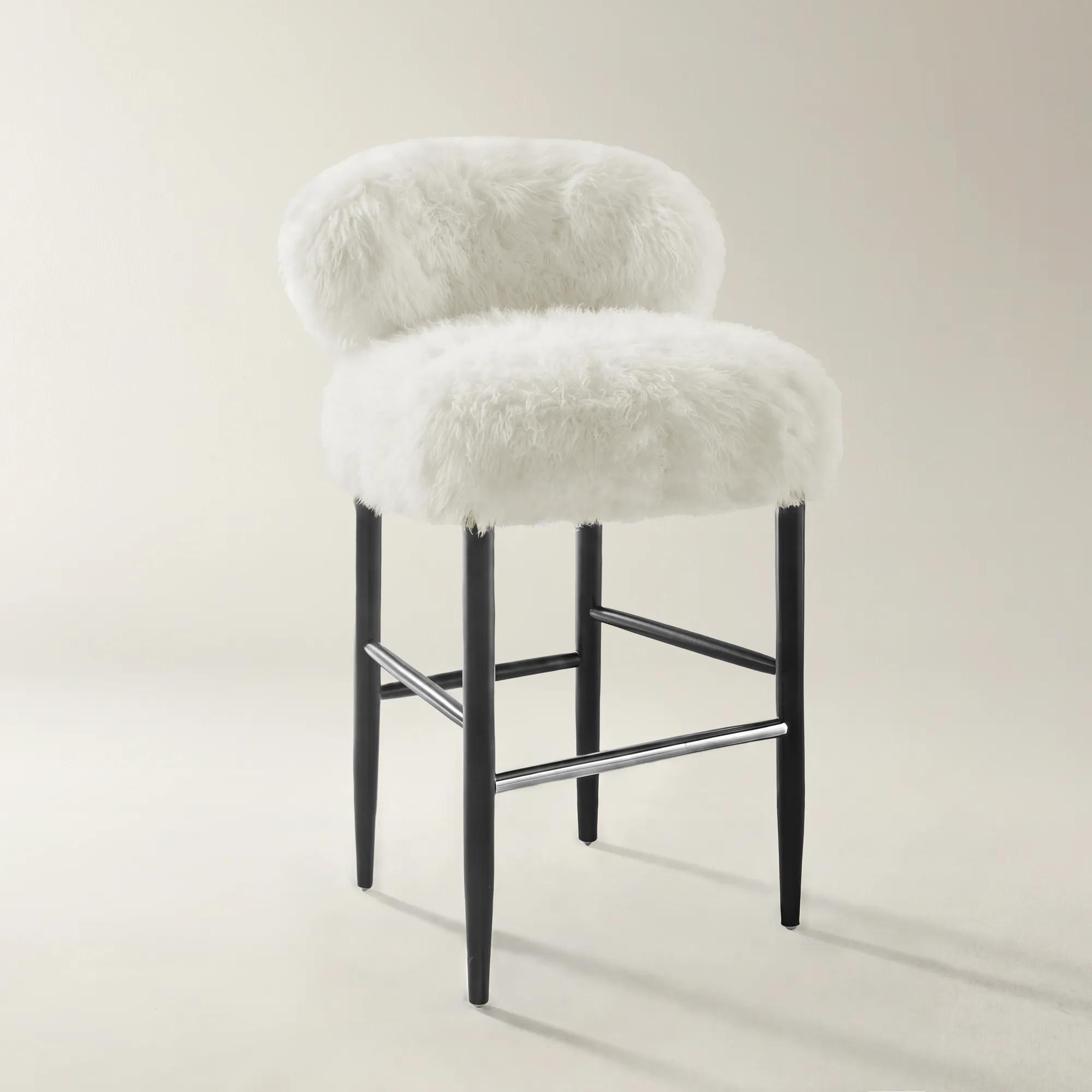 Anna Ivory Faux Fur Bar/Counter Stool$549
An ivory faux-fur counter stool with sculpted support, padded seating, and tapered solid-rubberwood legs.
Add To Cart -
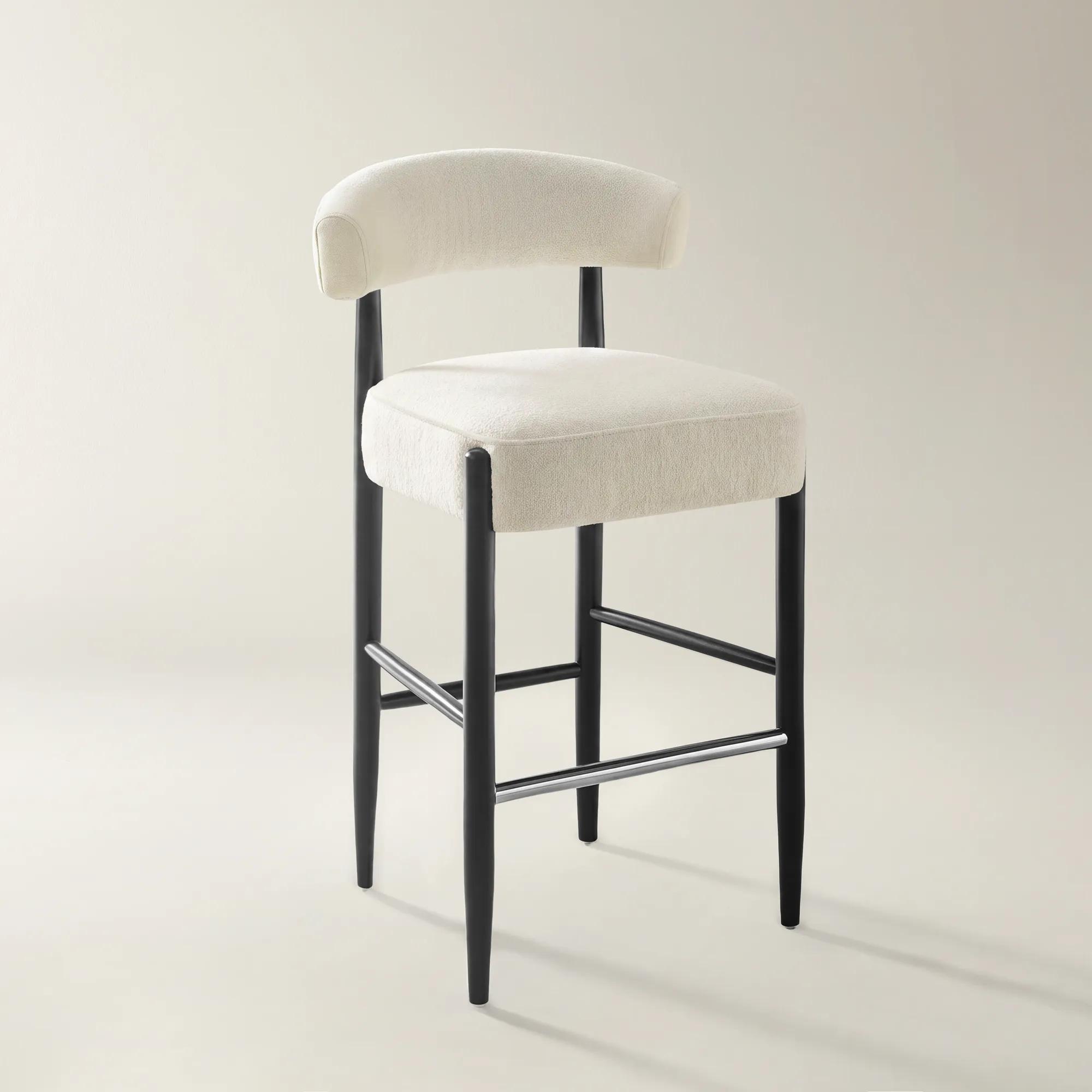 Anna Ivory Performance Chenille Bar/Counter Stool$449
An ivory performance-chenille bar stool with a sculpted back, padded seat, and tapered solid-rubberwood legs.
Add To Cart -
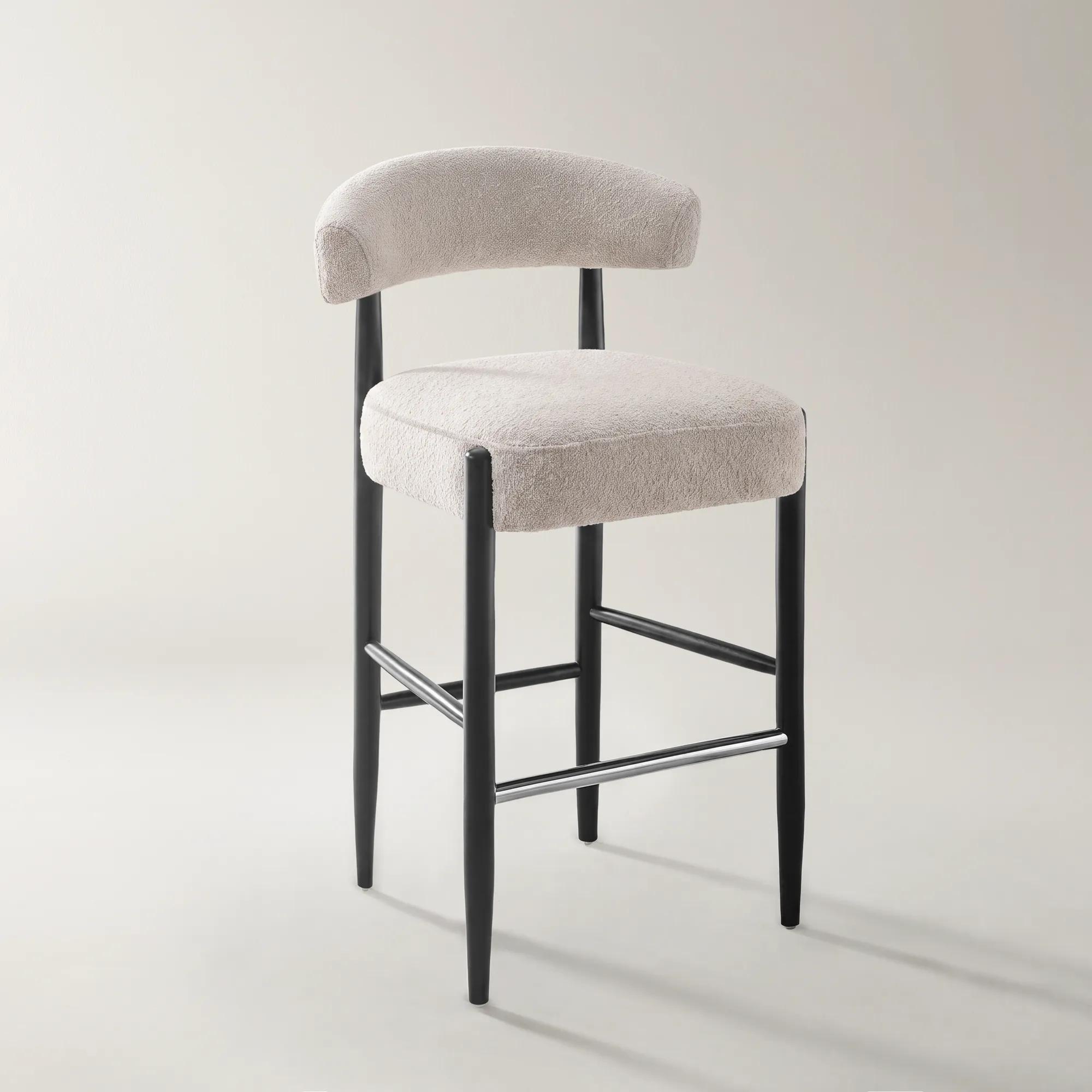 Anna Ivory Performance Boucle Bar/Counter Stool$449
An ivory performance-bouclé bar stool with sculpted padded support and tapered solid-rubberwood legs.
Add To Cart -
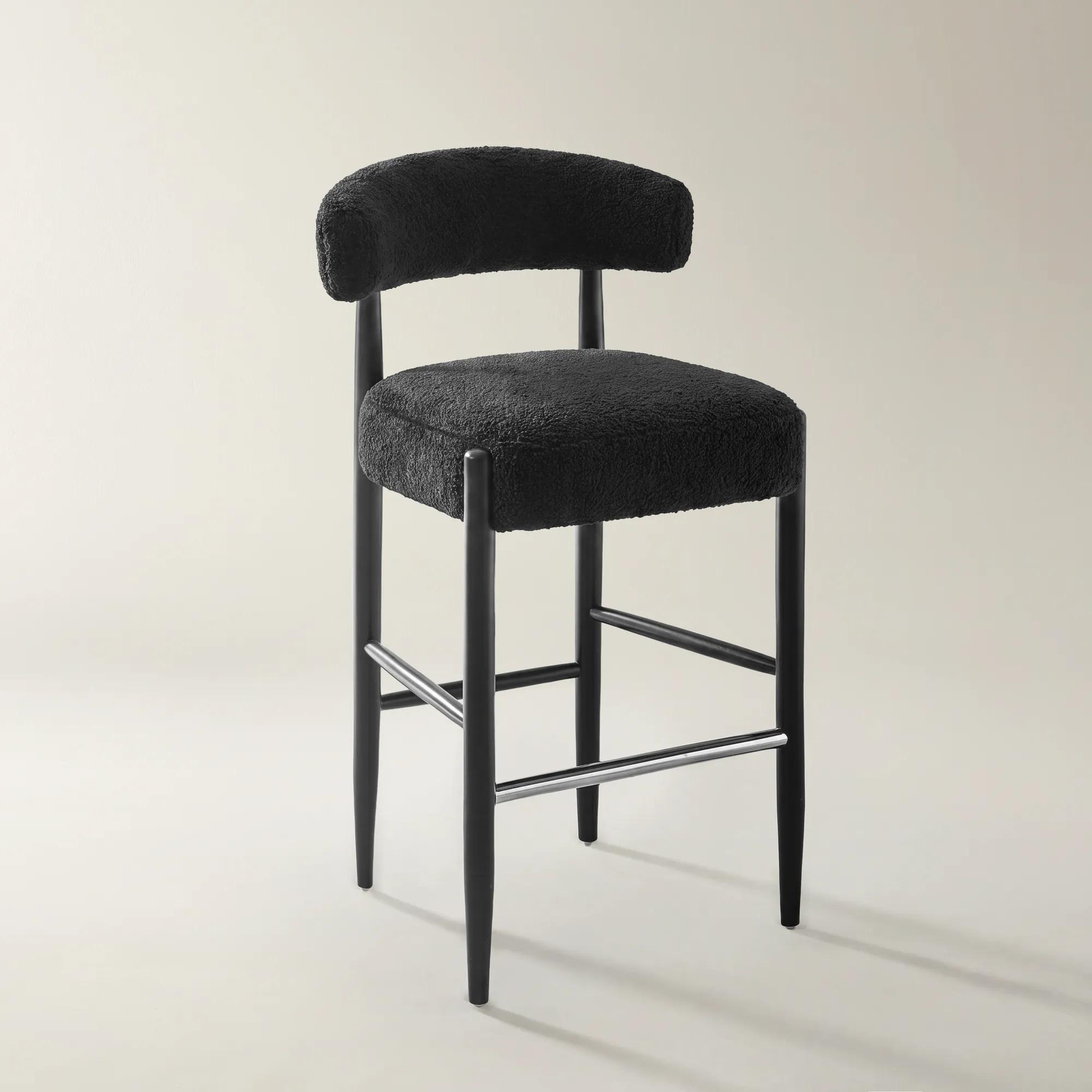 Anna Black Chenille Bar/Counter Stool$449
A black chenille counter stool with a sculpted padded seat and solid rubberwood legs.
Add To Cart -
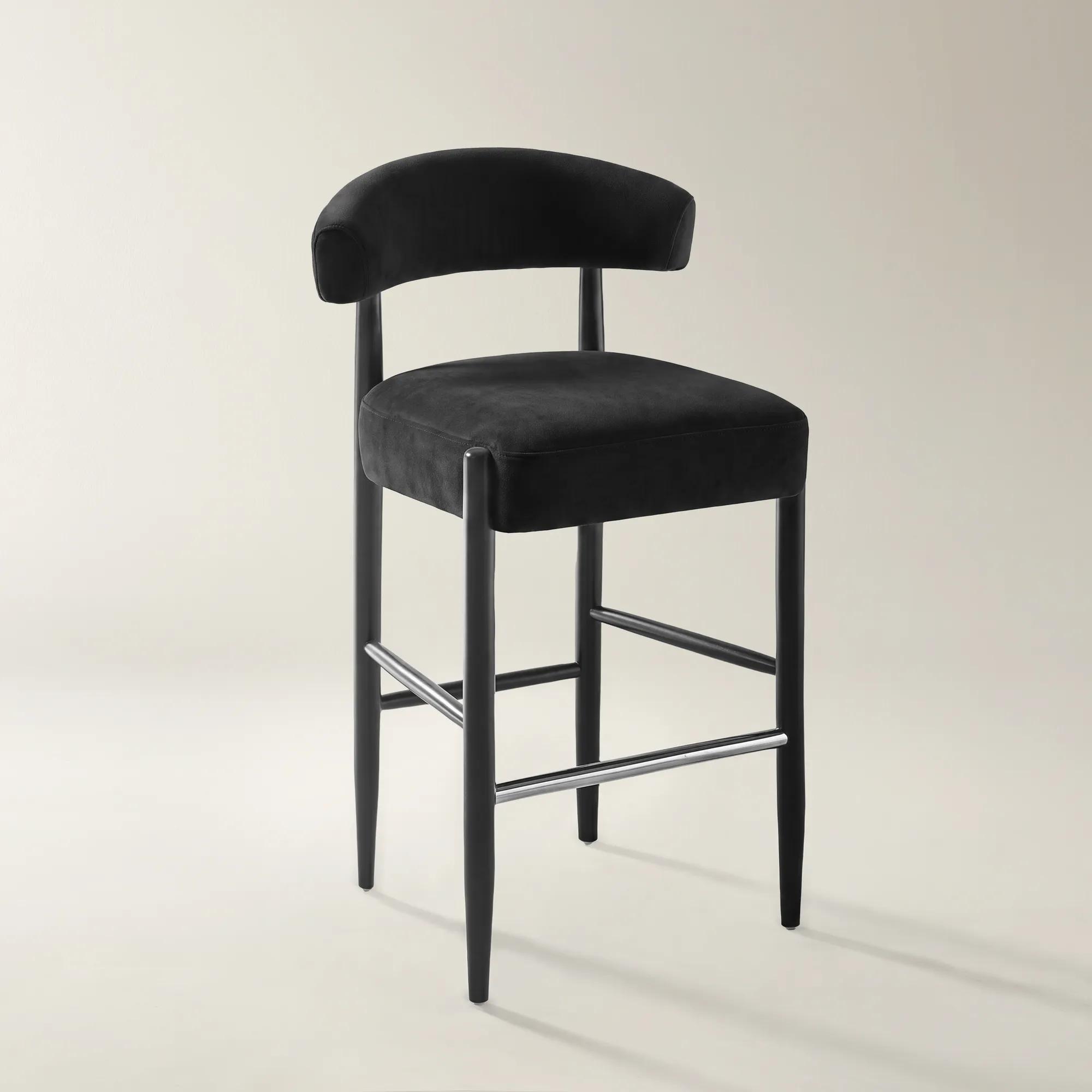 Anna Charcoal Velvet Bar/Counter Stool$449
A charcoal velvet bar stool with a sculpted padded seat and solid rubberwood legs.
Add To Cart -
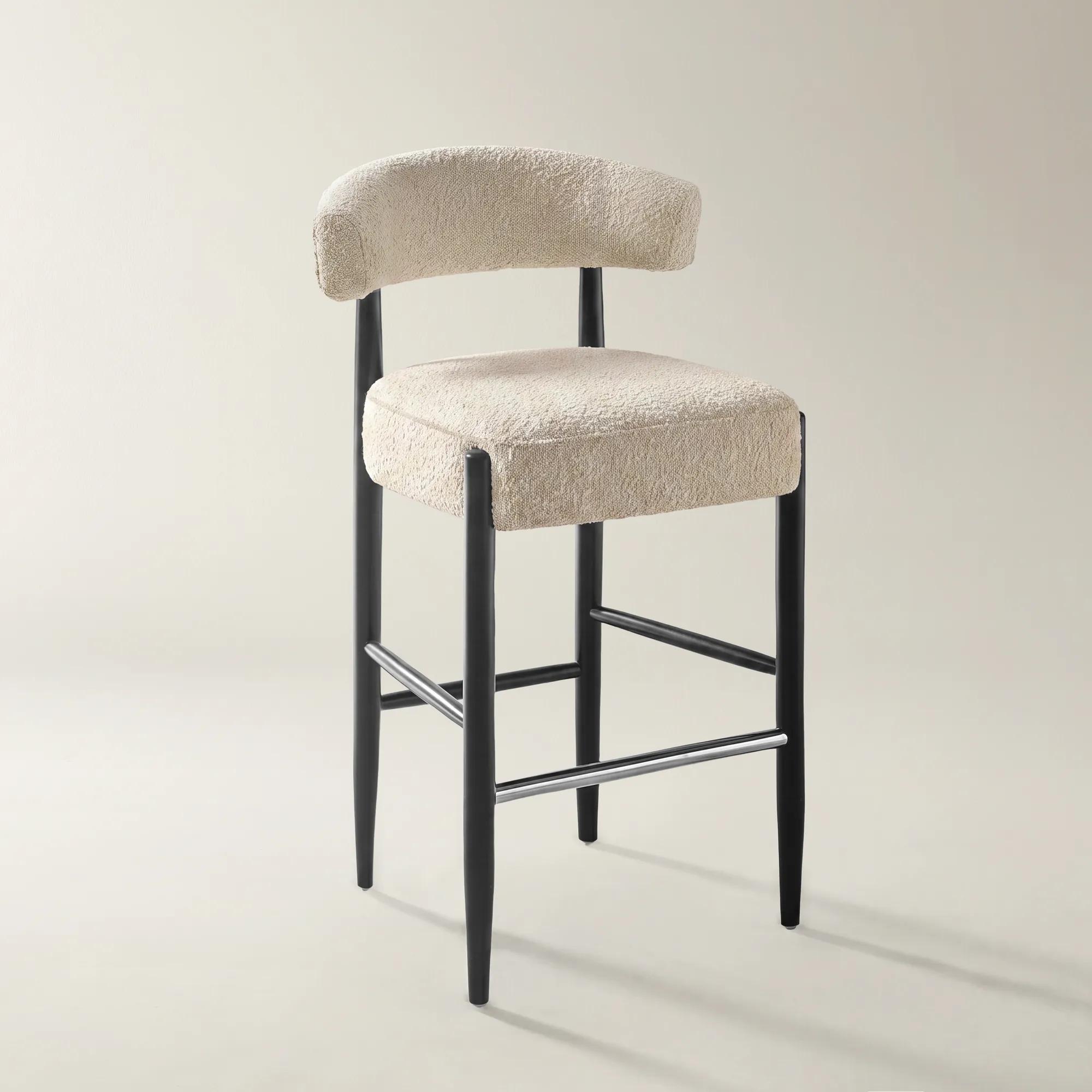 Anna Ivory Performance Boucle Bar/Counter Stool$449
A counter stool with ivory performance boucle upholstery, sculpted support, and tapered solid rubberwood legs.
Add To Cart -
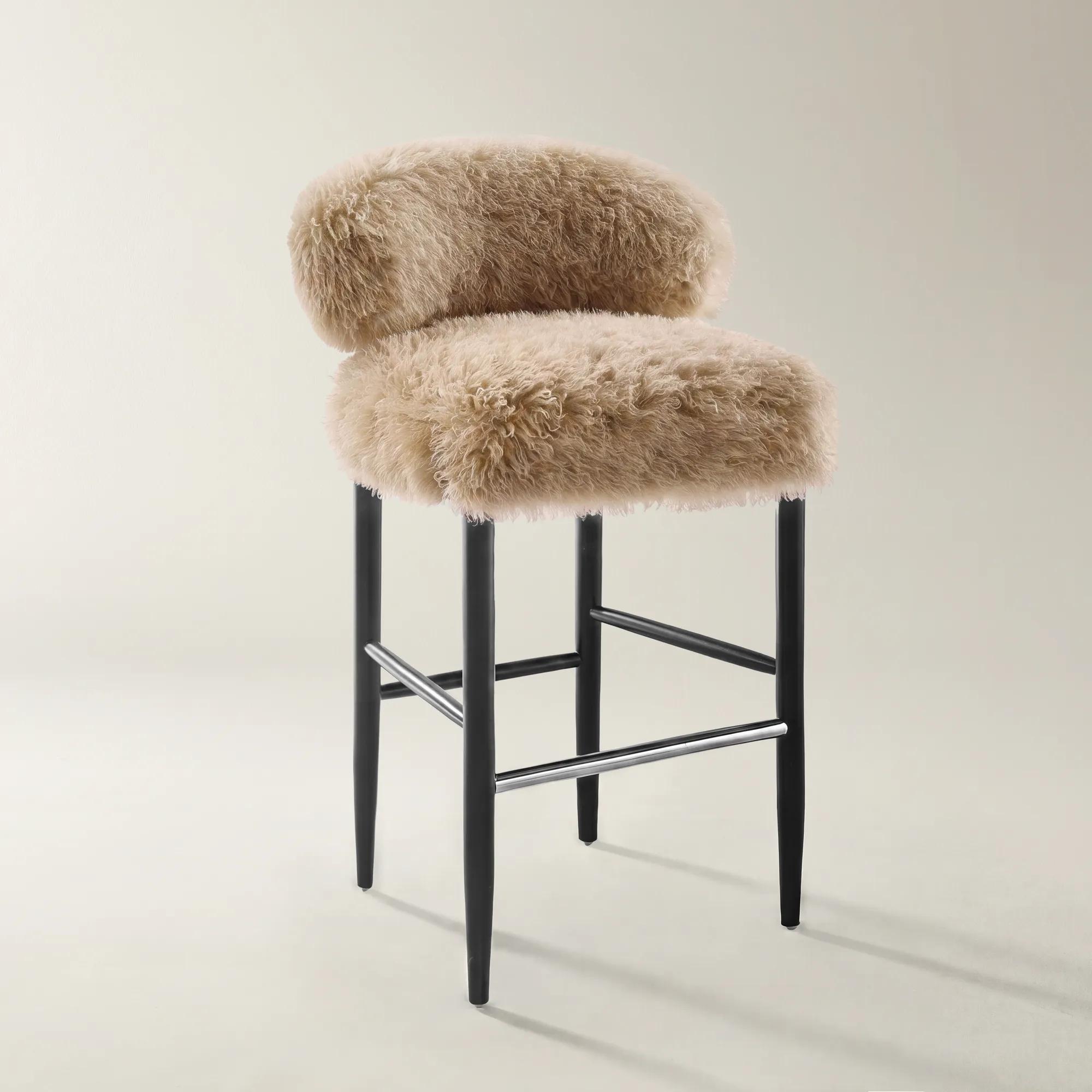 Anna Tan Faux Fur Bar/Counter Stool$549
A tan faux-fur bar stool with a sculpted padded seat and tapered solid-rubberwood legs.
Add To Cart -
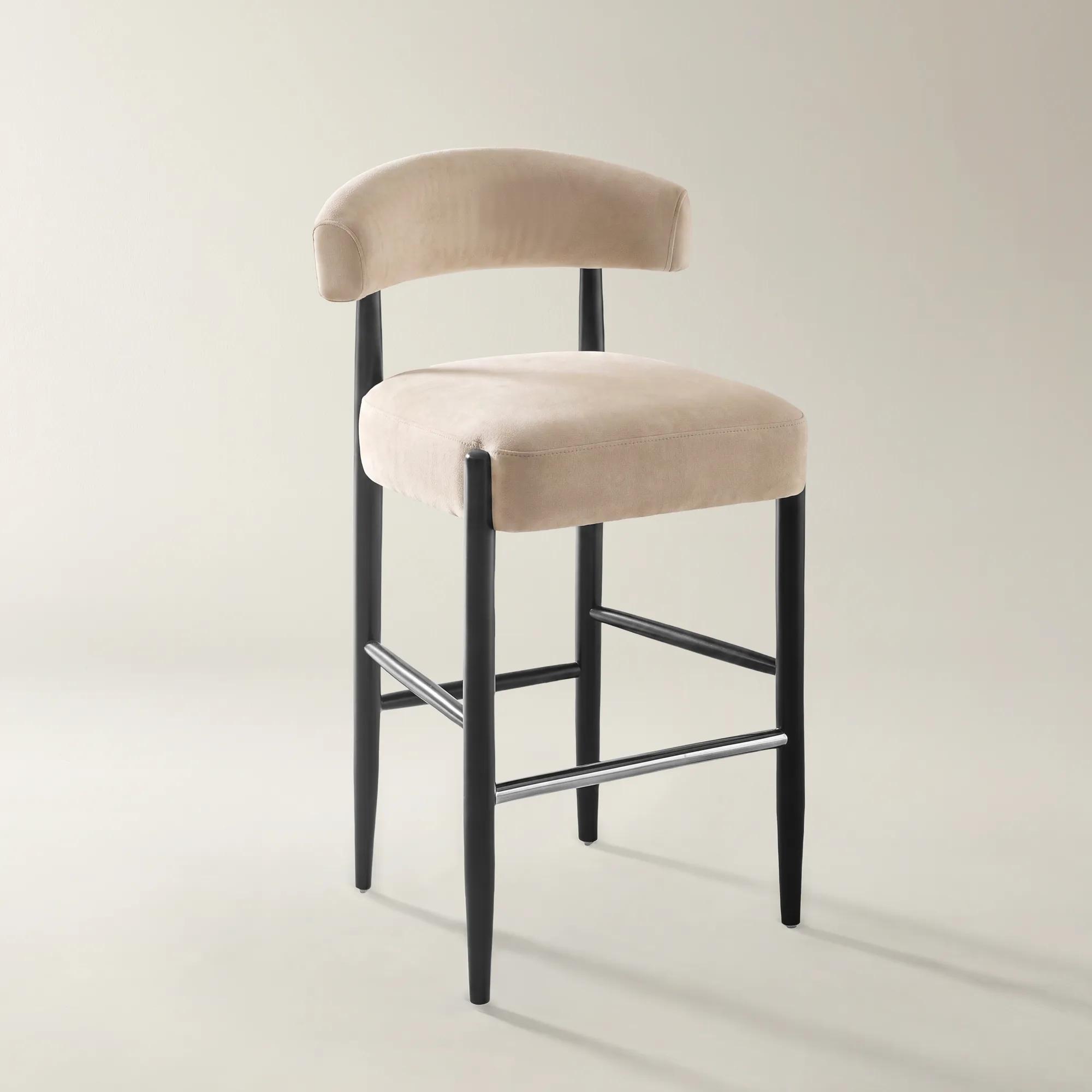 Anna Simply Taupe Velvet Bar/Counter Stool$449
A taupe velvet counter stool with a sculpted back, padded seat, and tapered solid-rubberwood base.
Add To Cart -
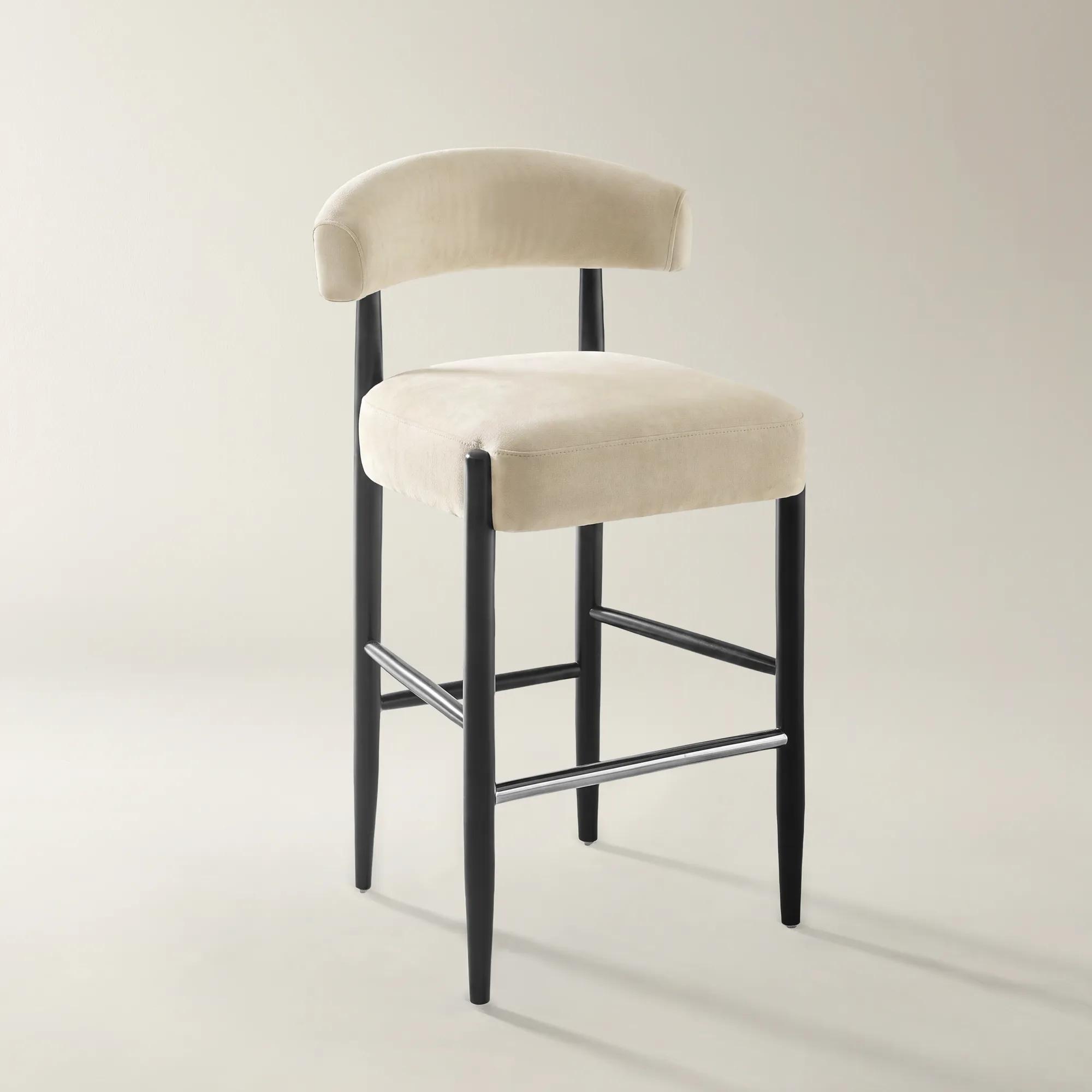 Anna Oatmeal Velvet Bar/Counter Stool$449
A counter stool with oatmeal velvet upholstery, sculpted back, padded seat, and solid rubberwood legs.
Add To Cart -
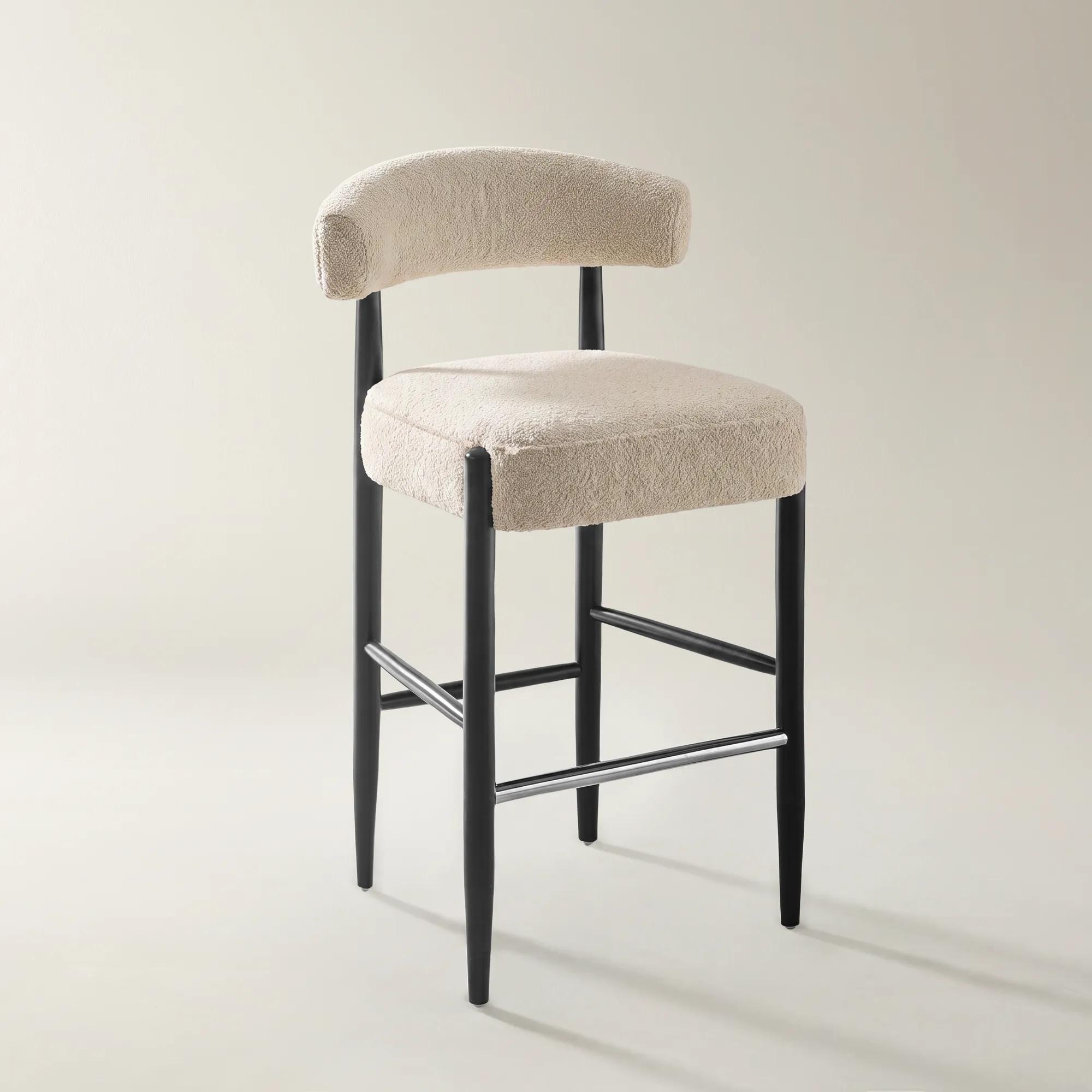 Anna Utopia Sand Chenille Bar/Counter Stool$449
A chenille bar stool with a sculpted padded seat, kiln-dried hardwood frame, and solid rubberwood legs.
Add To Cart -
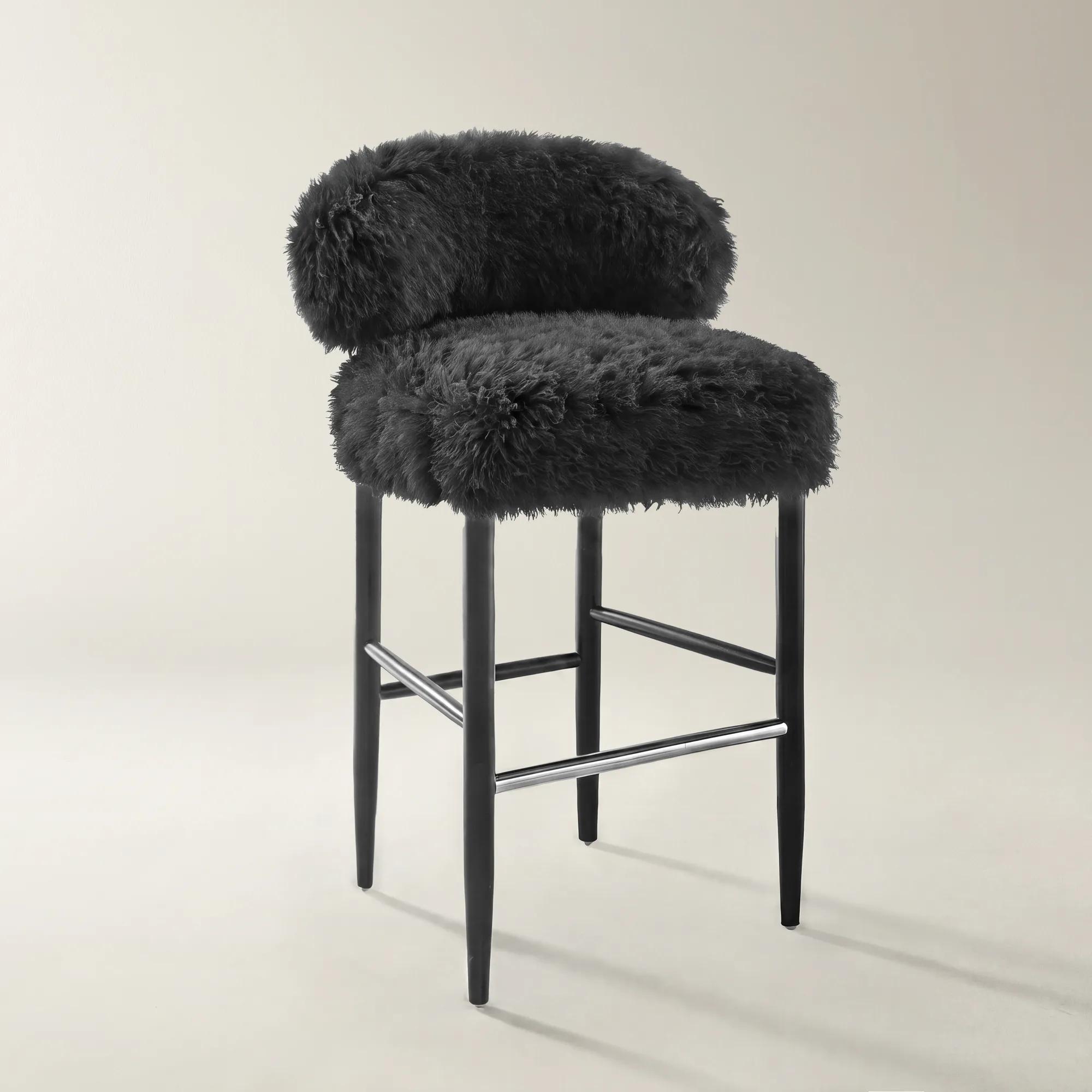 Anna Black Faux Fur Bar/Counter Stool$549
A black faux-fur bar stool with a sculpted back, padded seat, and solid rubberwood legs.
Add To Cart -
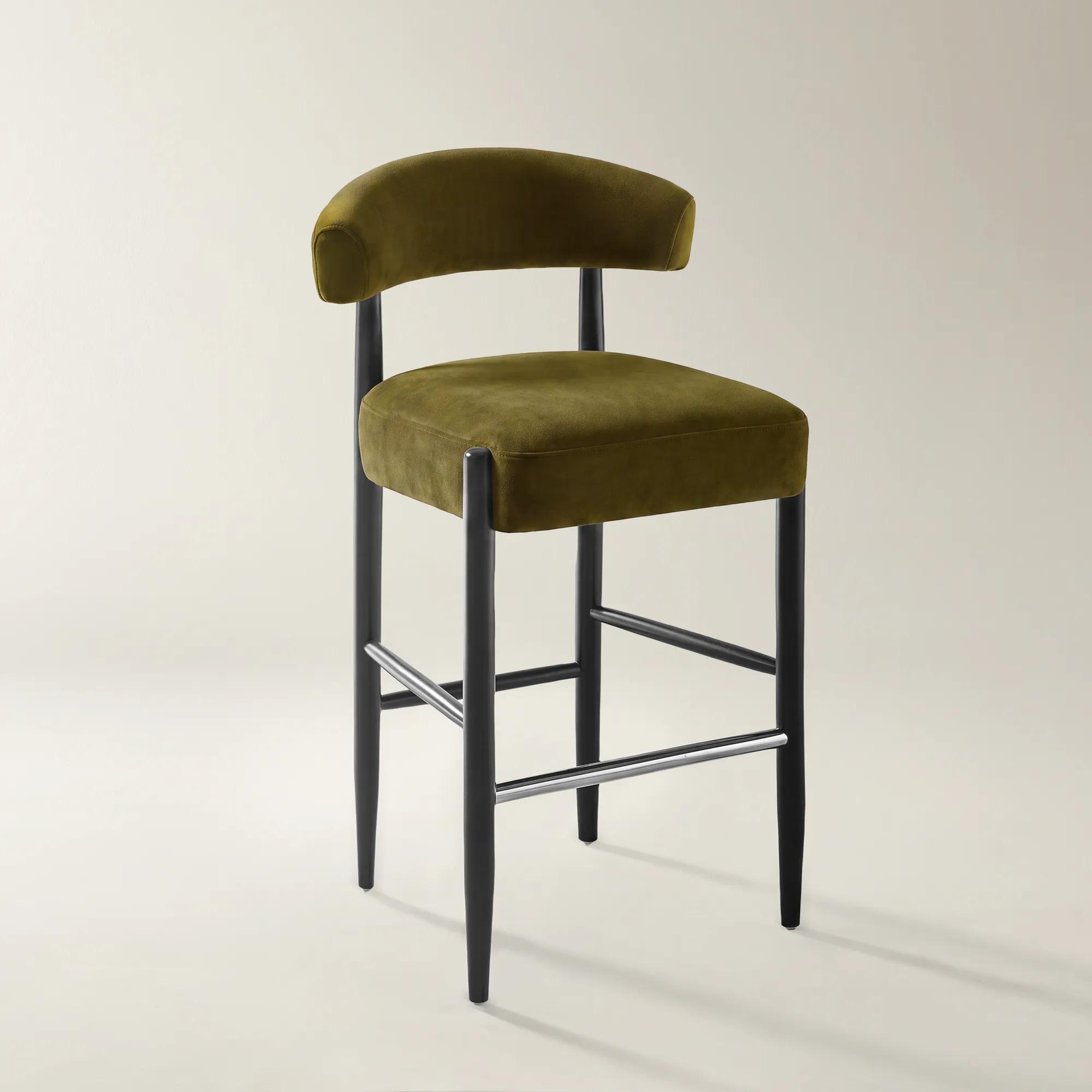 Anna Deep Olive Velvet Bar/Counter Stool$449
A green velvet bar stool with a sculpted padded seat, tailored upholstery, and tapered solid-rubberwood legs.
Add To Cart -
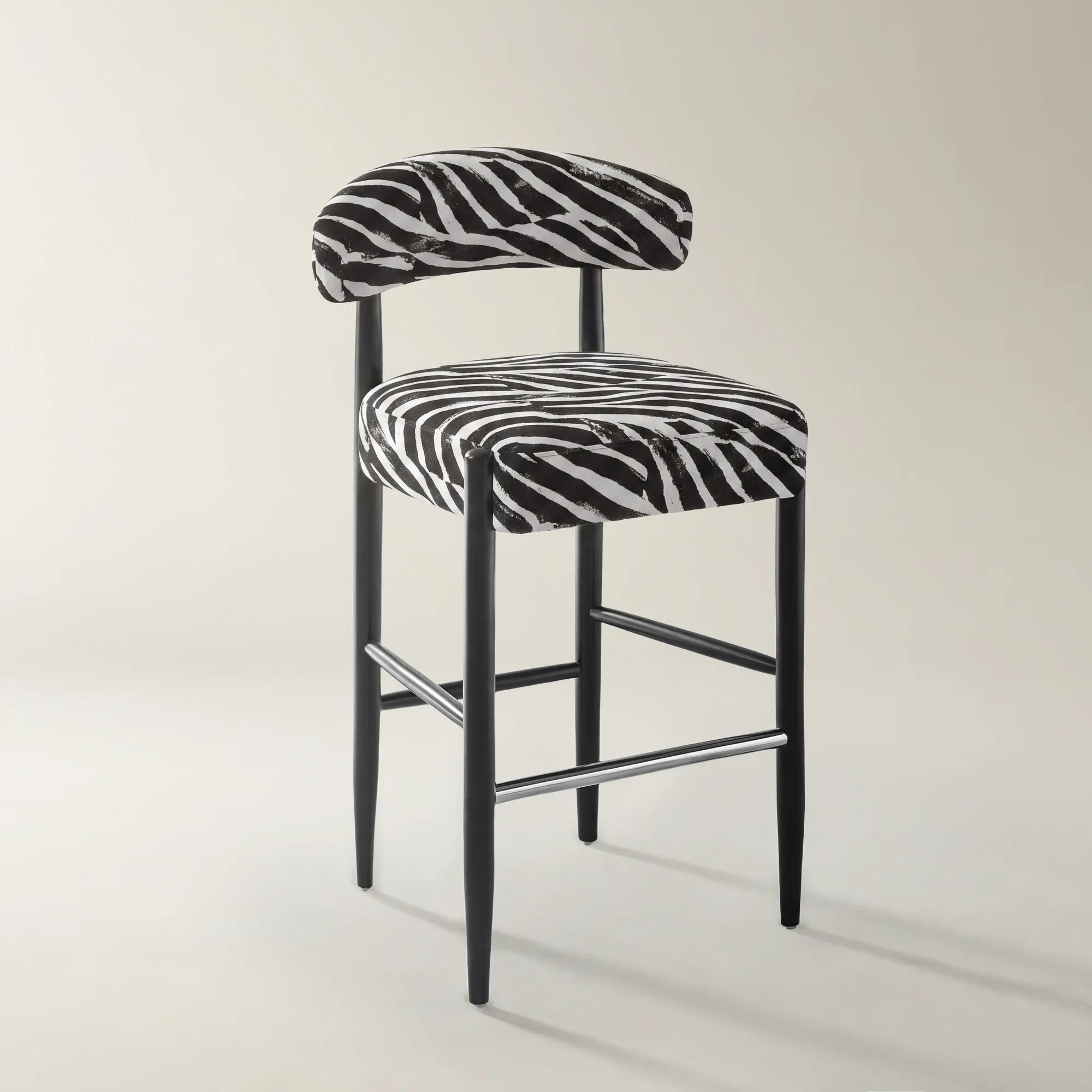 Anna White/Black Performance Chenille Bar/Counter Stool$449
A black-and-white chenille bar stool with a sculpted back, padded seat, and tapered solid rubberwood legs.
Add To Cart -
 Valerie Natural Outdoor Counter Stool$659
A natural-finished outdoor stool offering stylish counter-height seating.
Add To Cart -
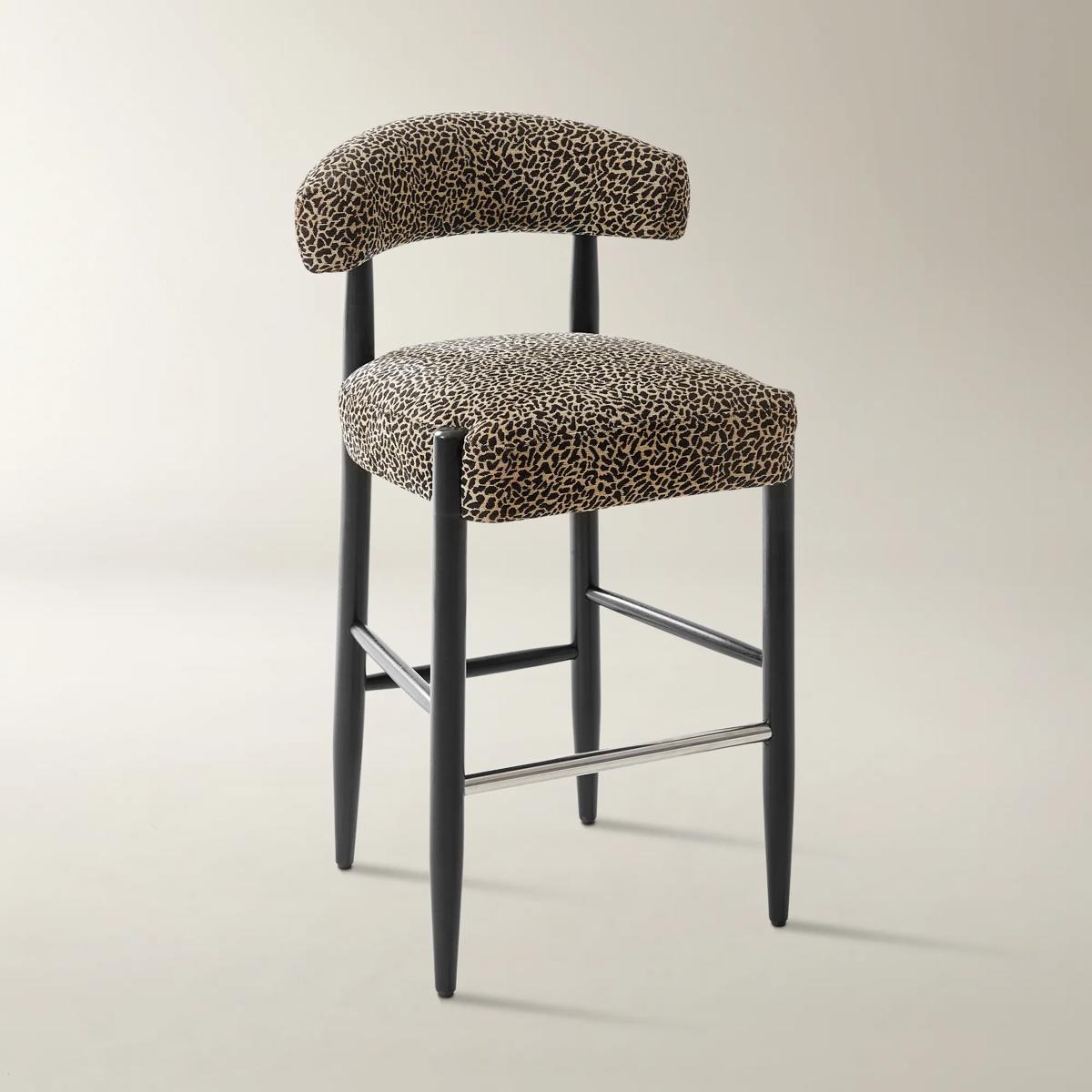
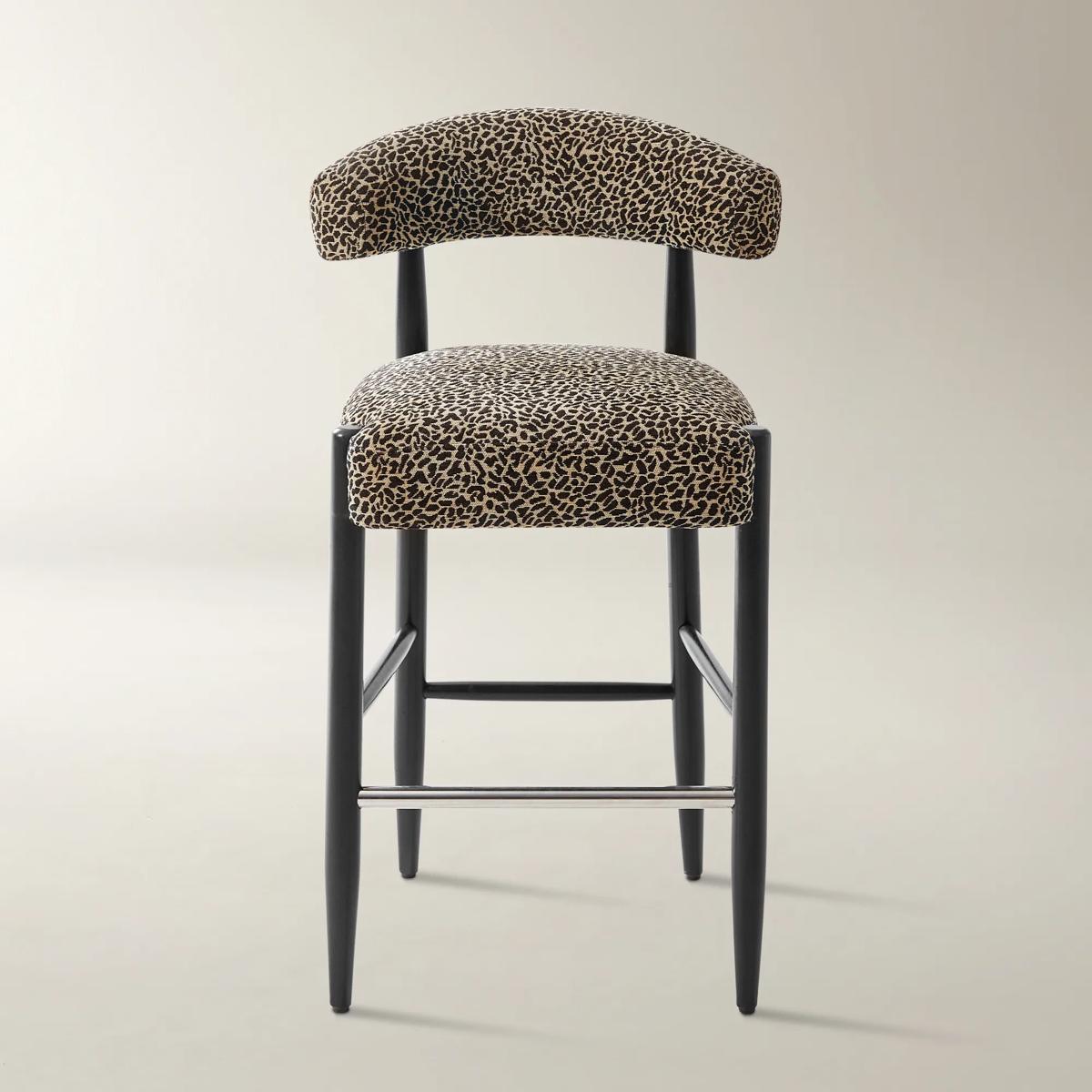 Anna Leopard Chenille Bar/Counter Stool$449
A leopard-patterned chenille bar stool with sculpted padded support and tapered solid rubberwood legs.
Add To Cart -
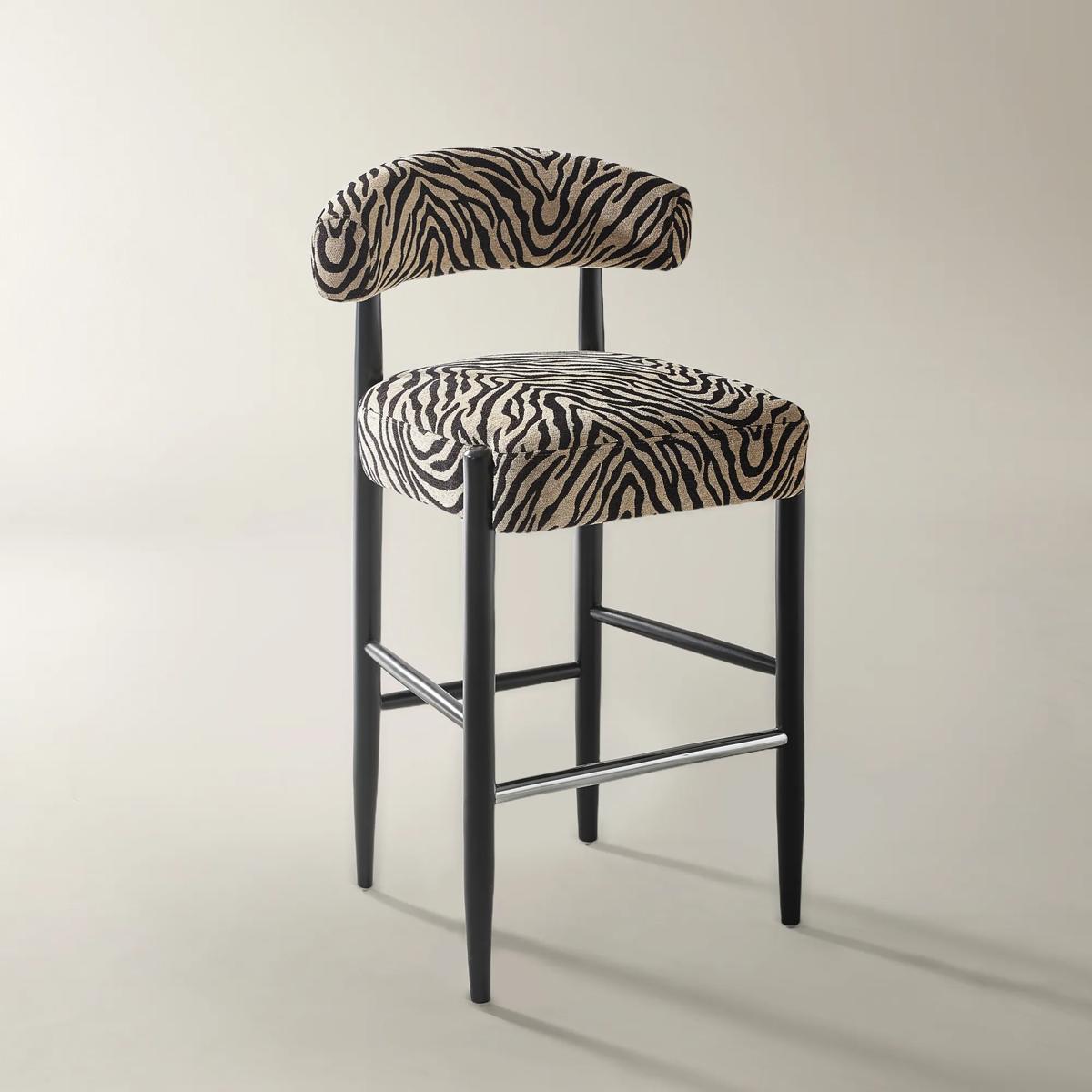
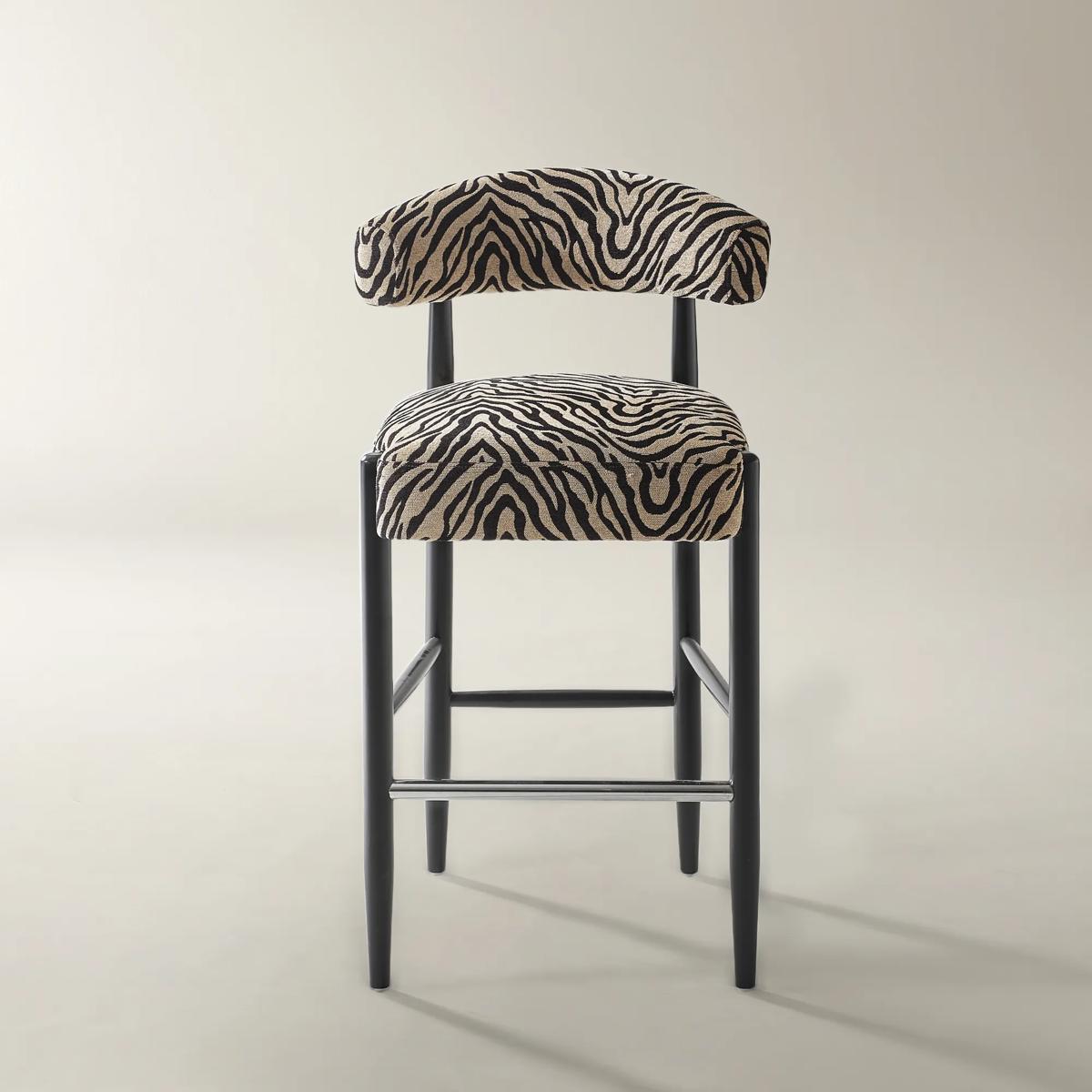 Anna Zebra Chenille Bar/Counter Stool$449
A bar stool with zebra-patterned chenille upholstery, sculpted padding, and tapered solid-rubberwood legs.
Add To Cart

Custom Upholstered Counter Stools
Explore custom upholstered counter stools for a tailored, expressive approach to kitchen island seating and counter-height dining. Consider how upholstery and silhouette complement your room’s palette, then compare seat height with your counter height to ensure the look you love leaves comfortable legroom.
Custom upholstered counter stools bring the richness of tailored furniture to the kitchen island, breakfast counter, or open-plan entertaining space. Defined by counter-height proportions and upholstery selected to suit an individual interior, these stools make everyday seating feel considered rather than incidental. Depending on the design, customization may involve fabric, color, trim, or frame finish, allowing the seating to echo architectural details or introduce a striking contrast. A row of ivory upholstered seats against a dark island creates a crisp, gallery-like composition; saturated jewel tones lend depth to pale cabinetry and veined stone. Fabric does more than establish a palette. Velvet catches the light with a subtle shift in tone, woven textiles introduce dimension, and textured upholstery can soften the visual weight of substantial wood or metal frames. Cotton and linen blends often offer a relaxed, tactile character, while synthetic blends may provide practical benefits depending on their construction and finish. Leather, where offered, brings its own distinctive grain and care requirements. The most compelling combinations balance surface and silhouette: a softly rounded back against angular cabinetry, a slender metal base beneath a generous upholstered seat, or a warm wood frame that draws out the undertones of nearby flooring. Customization is especially expressive in rooms where the counter remains visible from the living or dining area. Rather than treating stools as separate kitchen accessories, a coordinated upholstery choice makes them part of the larger furniture composition. Matching every finish is unnecessary; repeating a color, texture, or curve can establish continuity with greater nuance. For homeowners furnishing a new space, refreshing an established kitchen, or creating a dedicated place for conversation, custom upholstered counter stools offer a way to give a hardworking area a more personal, polished presence. Their appeal lies in that balance: seating with a clear daily purpose, dressed with the same attention given to a beautifully appointed dining room. Even a compact counter can become a distinctive focal point when the upholstery feels intentional and the proportions leave the surrounding architecture room to breathe.
Proportion is what allows that visual statement to feel comfortable in use. Counter stools generally have seats around 24 to 26 inches high for counters approximately 36 inches tall, while bar stools are typically taller and suited to higher surfaces. Actual measurements matter more than category names, particularly with thick cushions, unusual countertop profiles, or substantial aprons beneath the counter. Around 10 to 12 inches between the seat and the underside of the surface is a useful starting point for legroom, with the final fit shaped by the stool’s construction and the person using it. Seat width, depth, and spacing also influence how naturally a counter functions. A generous upholstered seat may feel inviting for a leisurely breakfast, but several broad silhouettes can crowd a shorter island. Allowing space between neighboring stools makes sitting down, turning, and leaving the counter more graceful, especially when the room is full. Arms add a composed, chair-like presence and a place to rest the elbows, though their height needs to clear the counter if the stool is intended to tuck underneath. Backless designs preserve uninterrupted sightlines, while supportive backs create a more enveloping place to linger over coffee or an informal meal. A footrest helps support a comfortable seated position when feet cannot reach the floor; its placement and finish deserve as much attention as the upholstery. Swivel mechanisms, where included, can ease conversation between the kitchen and an adjoining living area, provided there is enough clearance to turn without striking cabinetry. In a busy household, the space behind occupied stools is just as important as the space beneath the counter. Seating should complement the rhythm of preparing food, passing through, and gathering together, not interrupt it. These details distinguish an arrangement that merely photographs beautifully from one that feels equally assured through daily use, from a quiet breakfast for one to an evening when guests naturally gather around the island.
The lasting appeal of upholstered counter seating depends on what sits beneath the fabric as much as what meets the eye. Frame materials, joinery, cushion construction, and upholstery quality all contribute to stability, support, and how well a stool maintains its shape. Wood can bring warmth and visible grain, while metal can create a slender, architectural outline; neither material alone determines durability. A well-constructed frame, secure connections, and cushioning suited to regular use deserve attention alongside decorative details such as piping, seams, and tufting. In kitchens where meals, homework, and conversation share the same counter, upholstery performance becomes particularly relevant. Some performance fabrics are designed to resist certain spills or simplify cleaning, but the term does not mean stain-proof, and care requirements vary. Fabric specifications and the manufacturer’s cleaning instructions provide a more reliable basis for selection than appearance alone. Swatches, when offered, help reveal texture, undertones, and the way a fabric responds to the room’s lighting before a custom choice is finalized. They also make it easier to judge upholstery beside cabinet finishes, stone, flooring, and nearby textiles. Routine care helps preserve that carefully composed effect: gentle vacuuming with an appropriate attachment removes loose debris, and prompt blotting can limit the spread of a spill without rubbing it farther into the fibers. Cleaning products should suit the upholstery’s care code, with professional treatment used when recommended. Frame finishes and footrests need their own approved care, particularly where shoes make frequent contact. The Hand Upholstered Counterstools collection offers a related perspective on seating defined by fabric, form, and finishing details. Whether the desired effect is quietly sumptuous or richly expressive, the strongest arrangement pairs tactile appeal with proportions and materials suited to the household. The result is a counter that feels fully integrated into the home’s design—a place where upholstery, architecture, and daily rituals meet with unmistakable presence.
FAQs
Custom upholstered counter stools bring a personal point of view to the kitchen, turning everyday seating into an expressive design detail. Your upholstery selection can create a tailored accent, introduce a dramatic contrast, or carry a signature color through the room for a beautifully composed look.
Begin with the mood you want to create. Deep, saturated hues lend drama, while luminous neutrals let silhouette and texture take the spotlight. Draw inspiration from your cabinetry, artwork, or backsplash, then decide whether your counter stools should echo the palette or become its boldest accent.
Consider texture, pattern, and care requirements alongside color. A richly textured upholstery can add visual depth, while a striking pattern gives seating an artistic presence. Review fabric details and swatches when available, noting how the upholstery looks against surrounding finishes and under your room’s lighting.
Treat your island and seating as a single composition. Upholstery can soften the visual impact of stone, contrast with sleek cabinetry, or introduce warmth alongside gleaming accents. For a layered look, echo one color or finish from the kitchen rather than matching every element.
Let the upholstery’s care instructions guide your routine, since cleaning methods vary by fabric and construction. Check the care label before addressing spills or choosing a cleaning product. Thoughtful, fabric-appropriate care helps keep your seating looking as considered as the room around it.