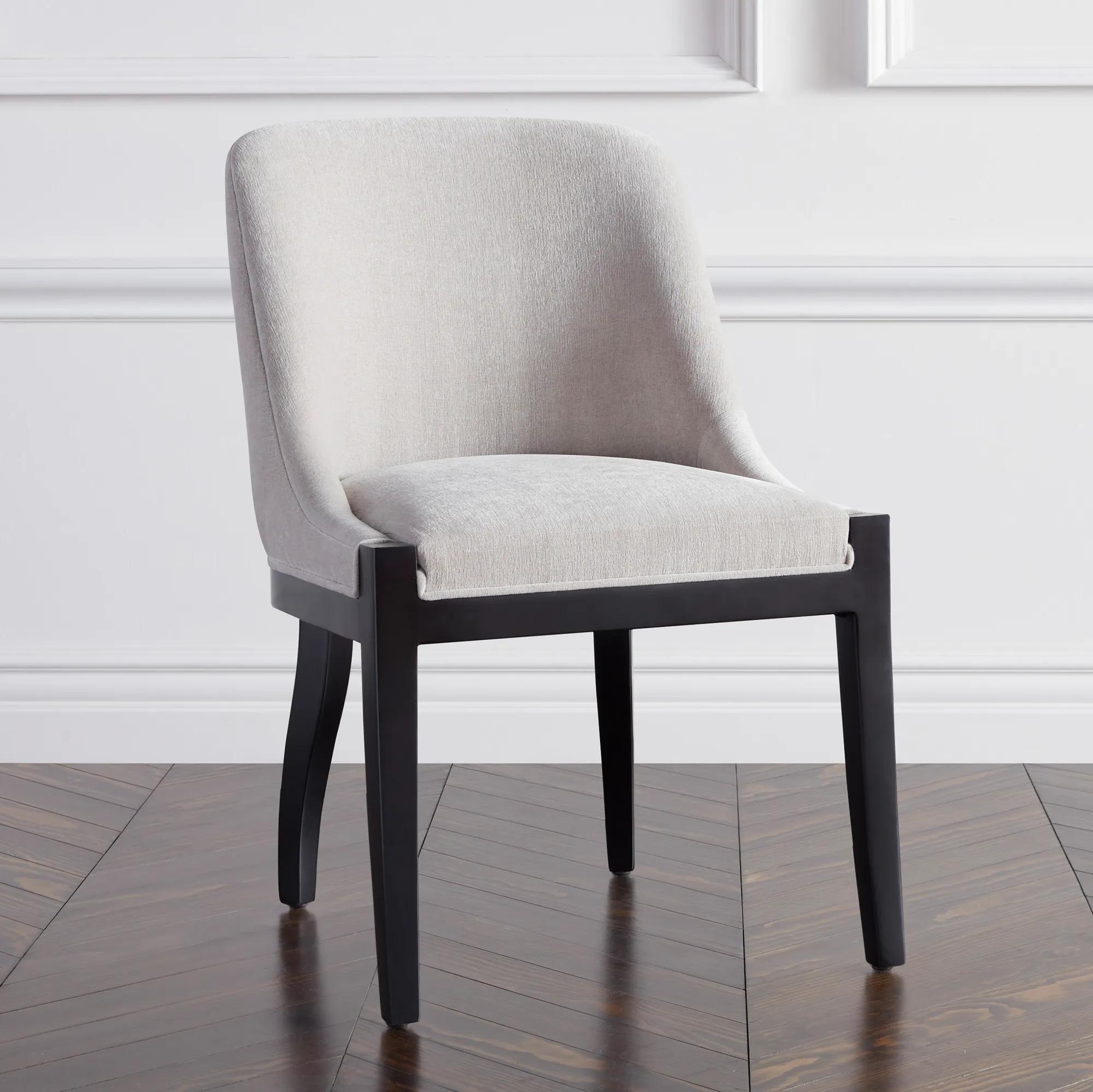
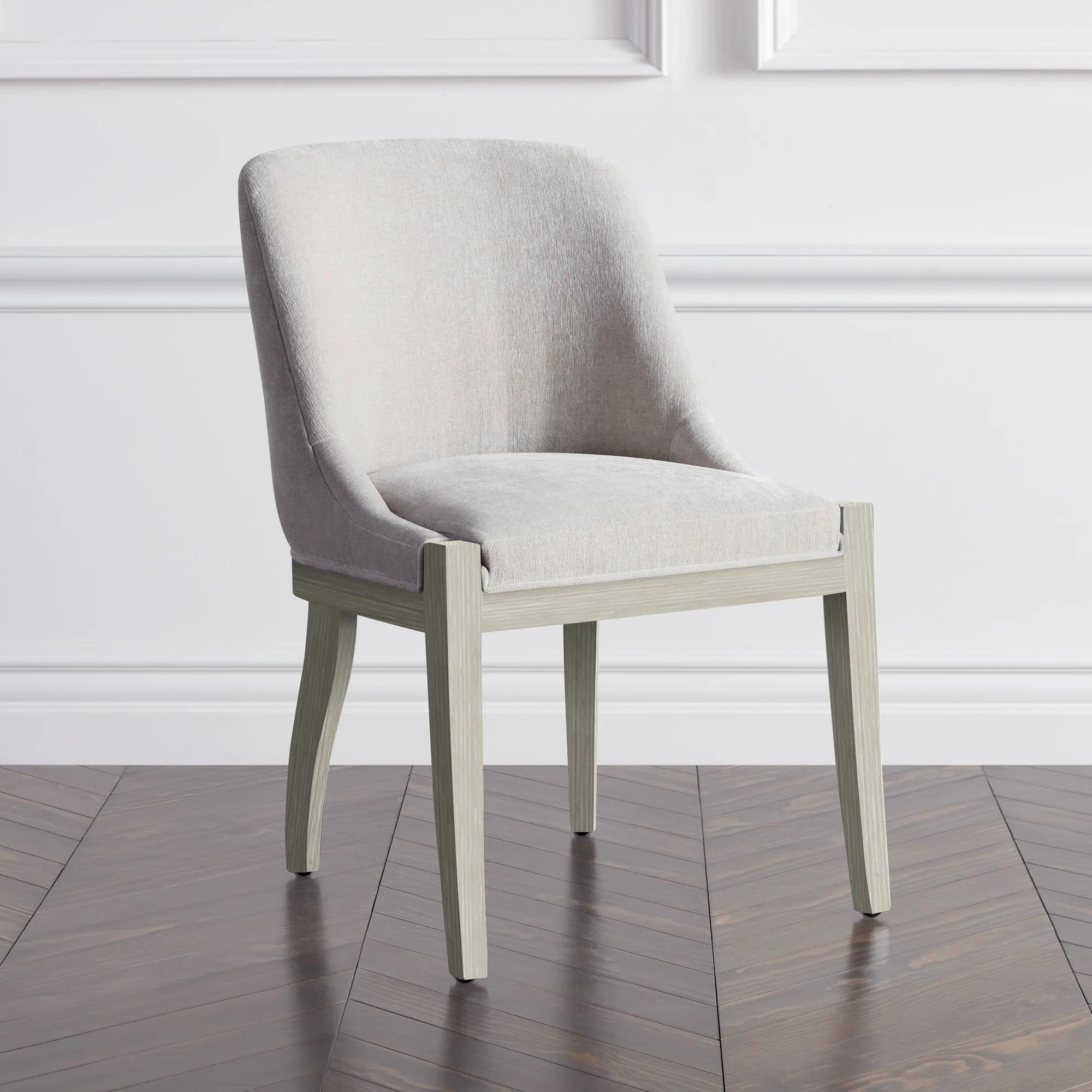
Custom Upholstered Bar Stools
Custom Upholstered Bar Stools
-
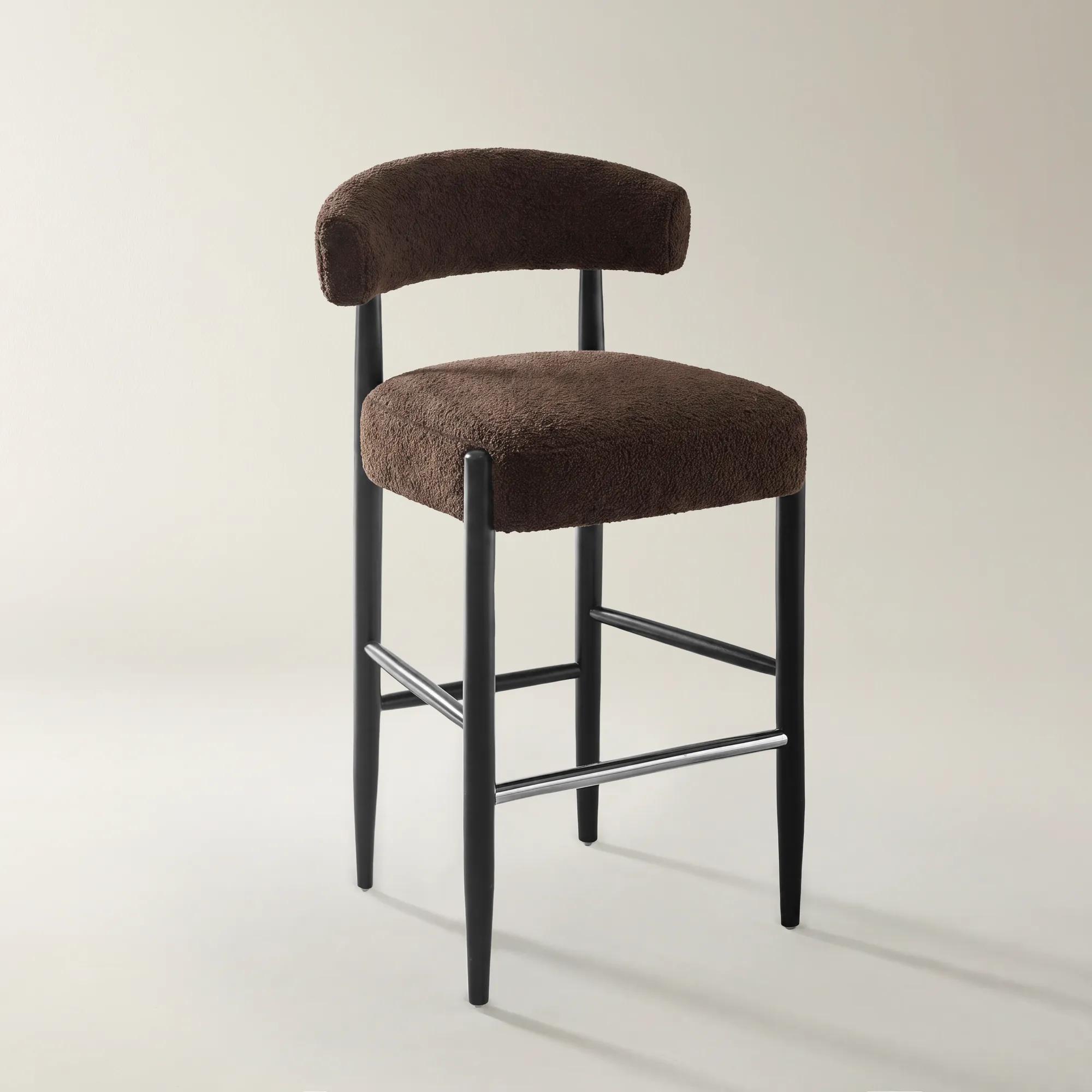 Anna Dark Chocolate Chenille Bar/Counter Stool$449
A dark chocolate chenille counter stool with a sculpted padded seat and solid rubberwood legs.
Add To Cart -
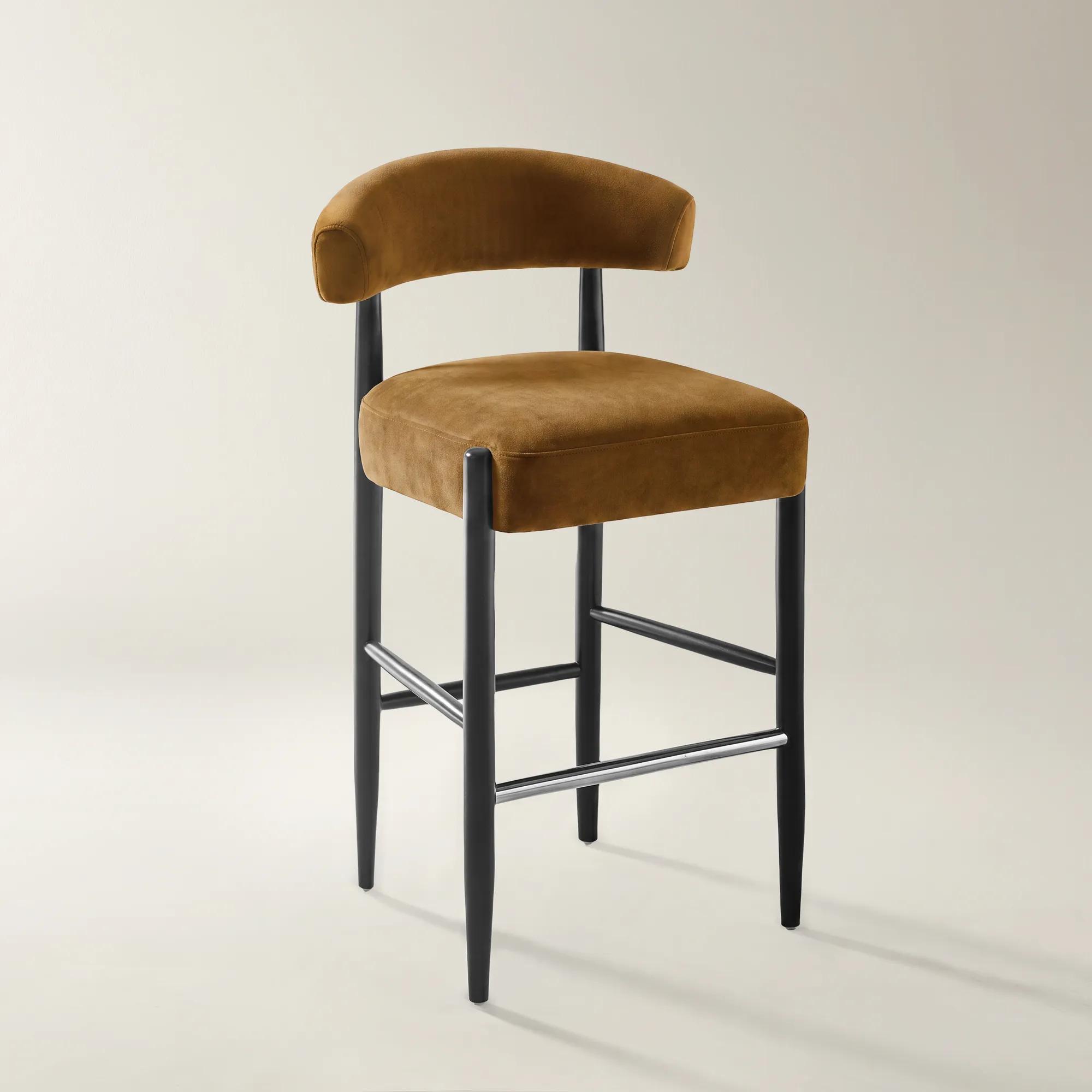 Anna Roasted Pecan Velvet Bar/Counter Stool$449
A roasted pecan velvet bar stool with a sculpted padded back, custom upholstery, and tapered solid-rubberwood legs.
Add To Cart -
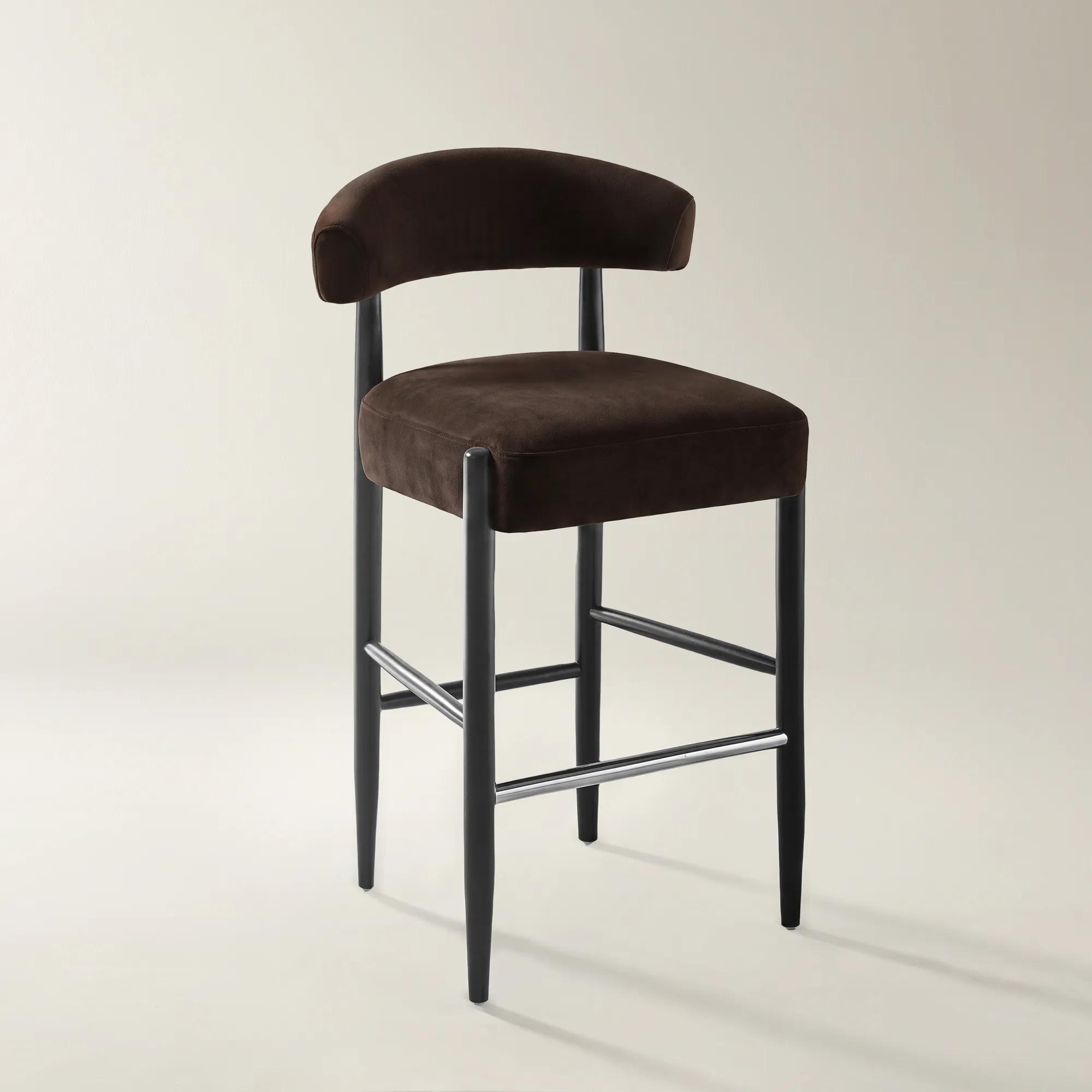 Anna Dark Chocolate Velvet Bar/Counter Stool$449
A dark chocolate velvet counter stool with a sculpted back, padded seat, and tapered solid-rubberwood legs.
Add To Cart -
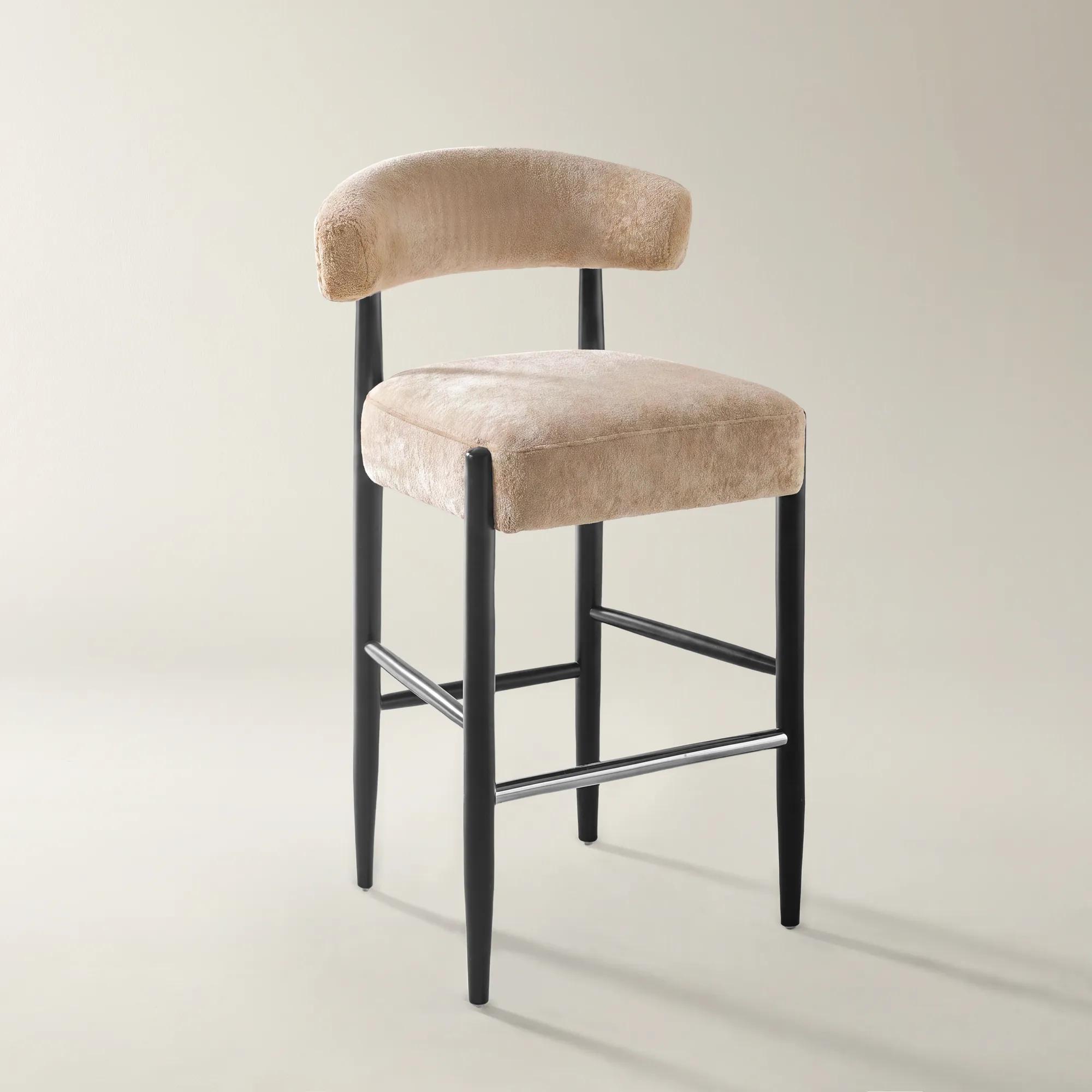 Anna Light Brown Chenille Bar/Counter Stool$449
A brown chenille counter stool with a sculpted back, padded seat, and tapered solid-rubberwood legs.
Add To Cart -
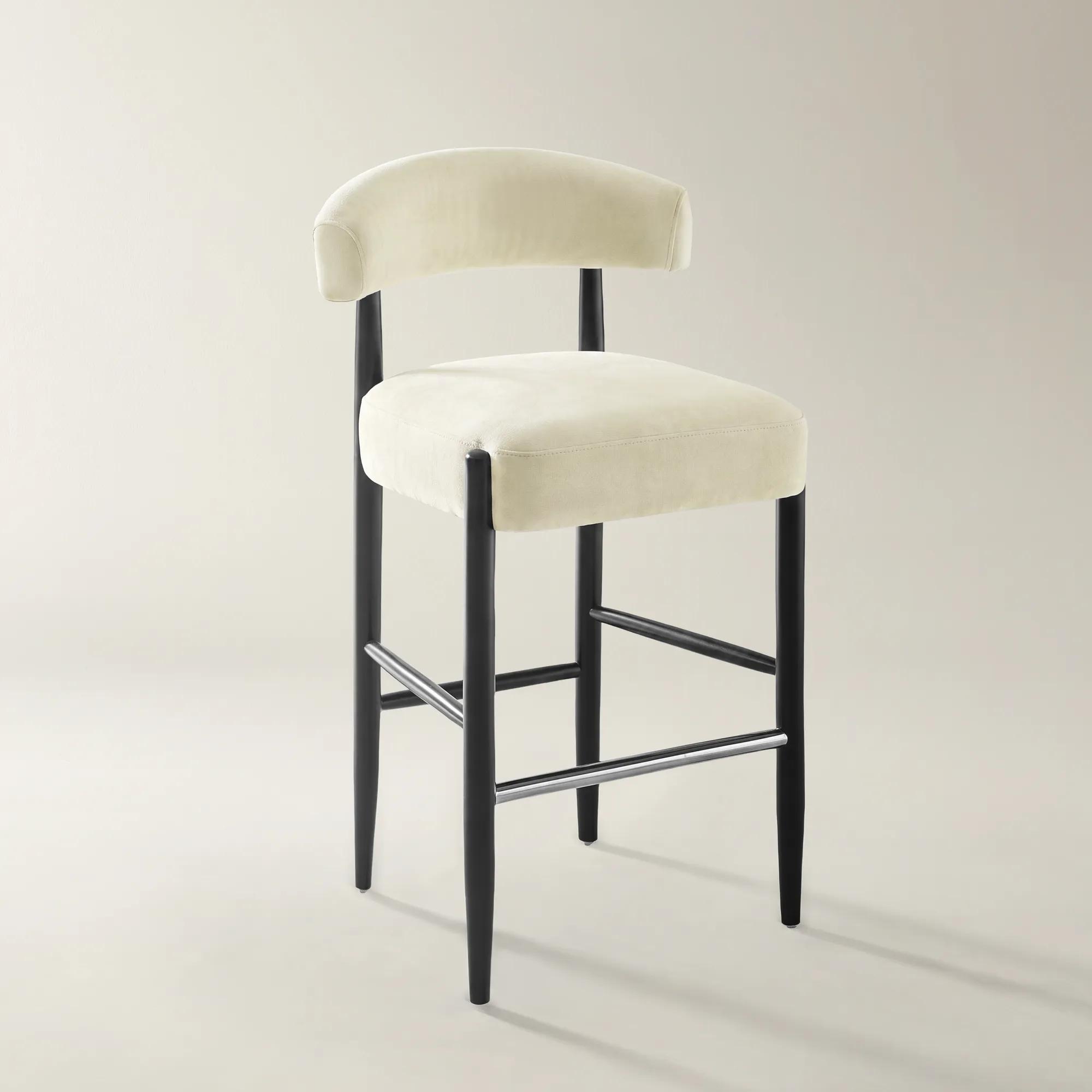 Anna Cloud Velvet Bar/Counter Stool$449
A cloud velvet counter stool with sculpted padded support and tapered solid-rubberwood legs.
Add To Cart -
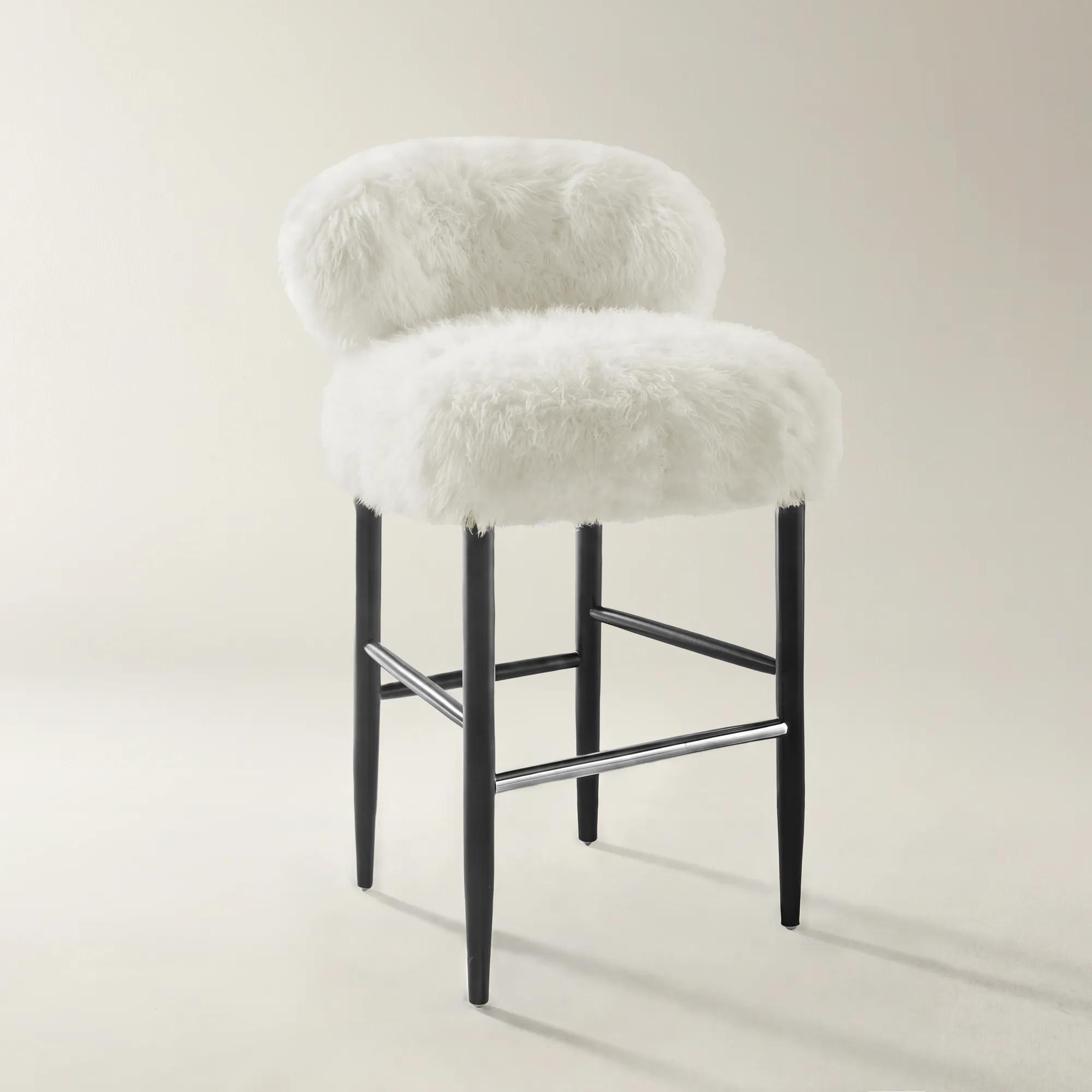 Anna Ivory Faux Fur Bar/Counter Stool$549
An ivory faux-fur counter stool with sculpted support, padded seating, and tapered solid-rubberwood legs.
Add To Cart -
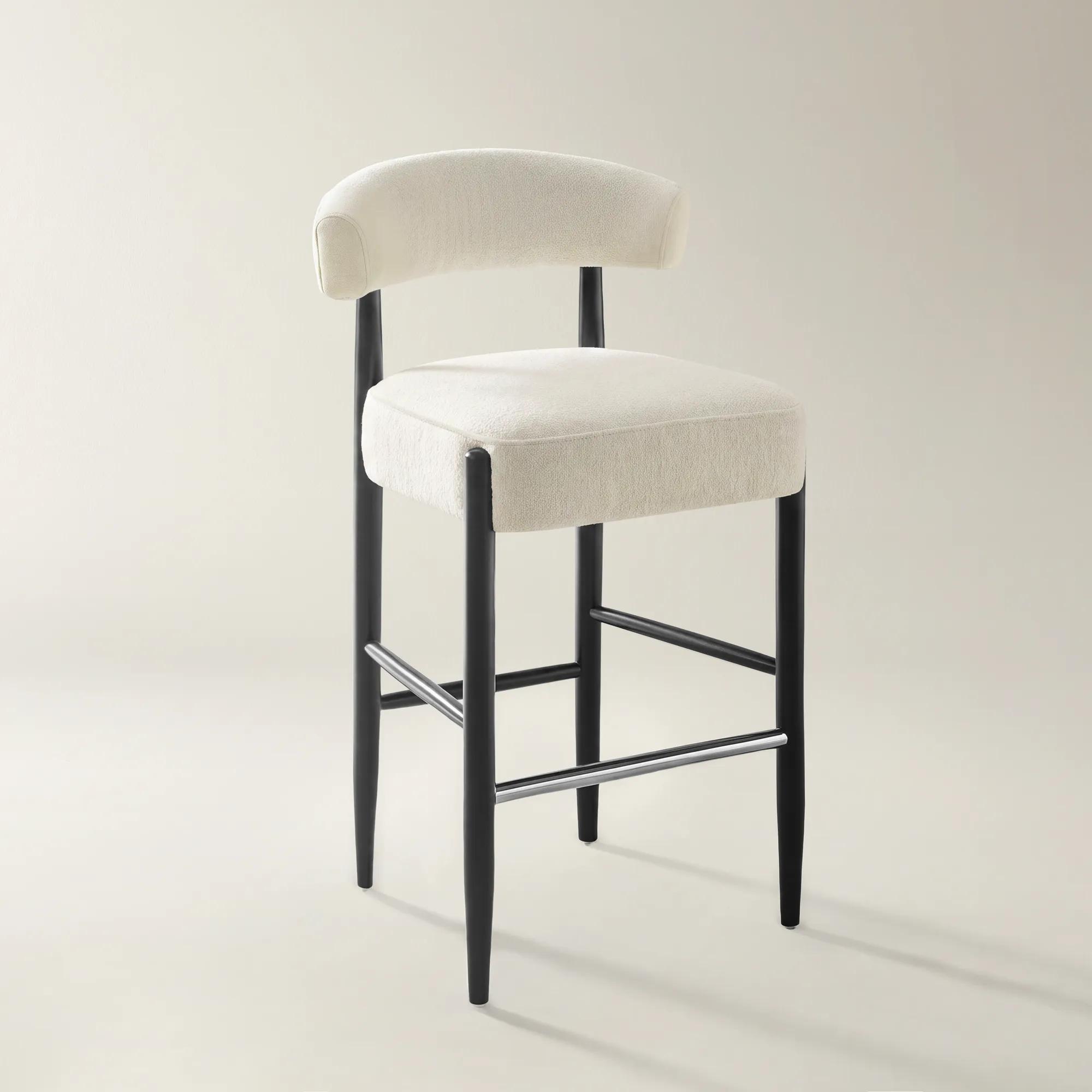 Anna Ivory Performance Chenille Bar/Counter Stool$449
An ivory performance-chenille bar stool with a sculpted back, padded seat, and tapered solid-rubberwood legs.
Add To Cart -
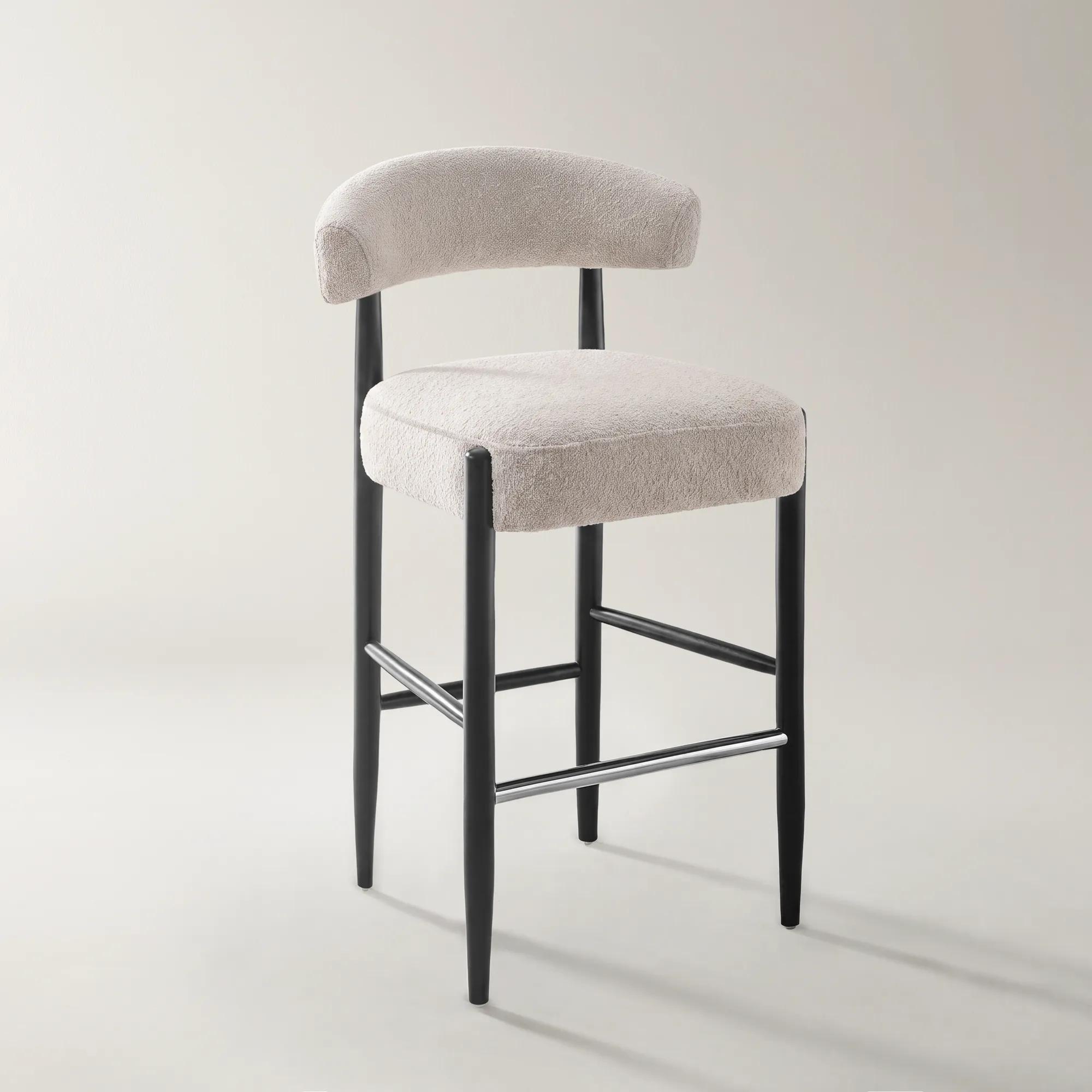 Anna Ivory Performance Boucle Bar/Counter Stool$449
An ivory performance-bouclé bar stool with sculpted padded support and tapered solid-rubberwood legs.
Add To Cart -
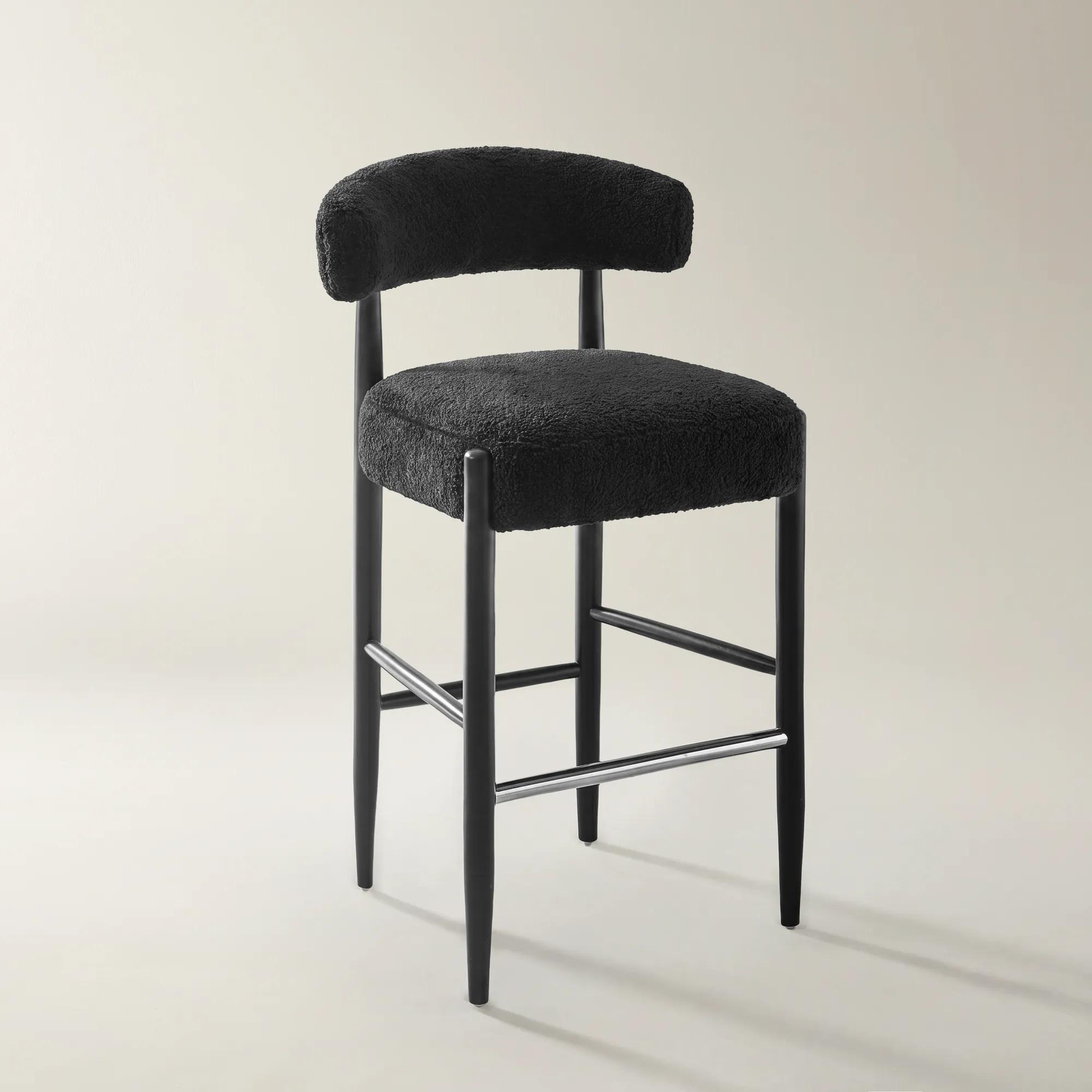 Anna Black Chenille Bar/Counter Stool$449
A black chenille counter stool with a sculpted padded seat and solid rubberwood legs.
Add To Cart -
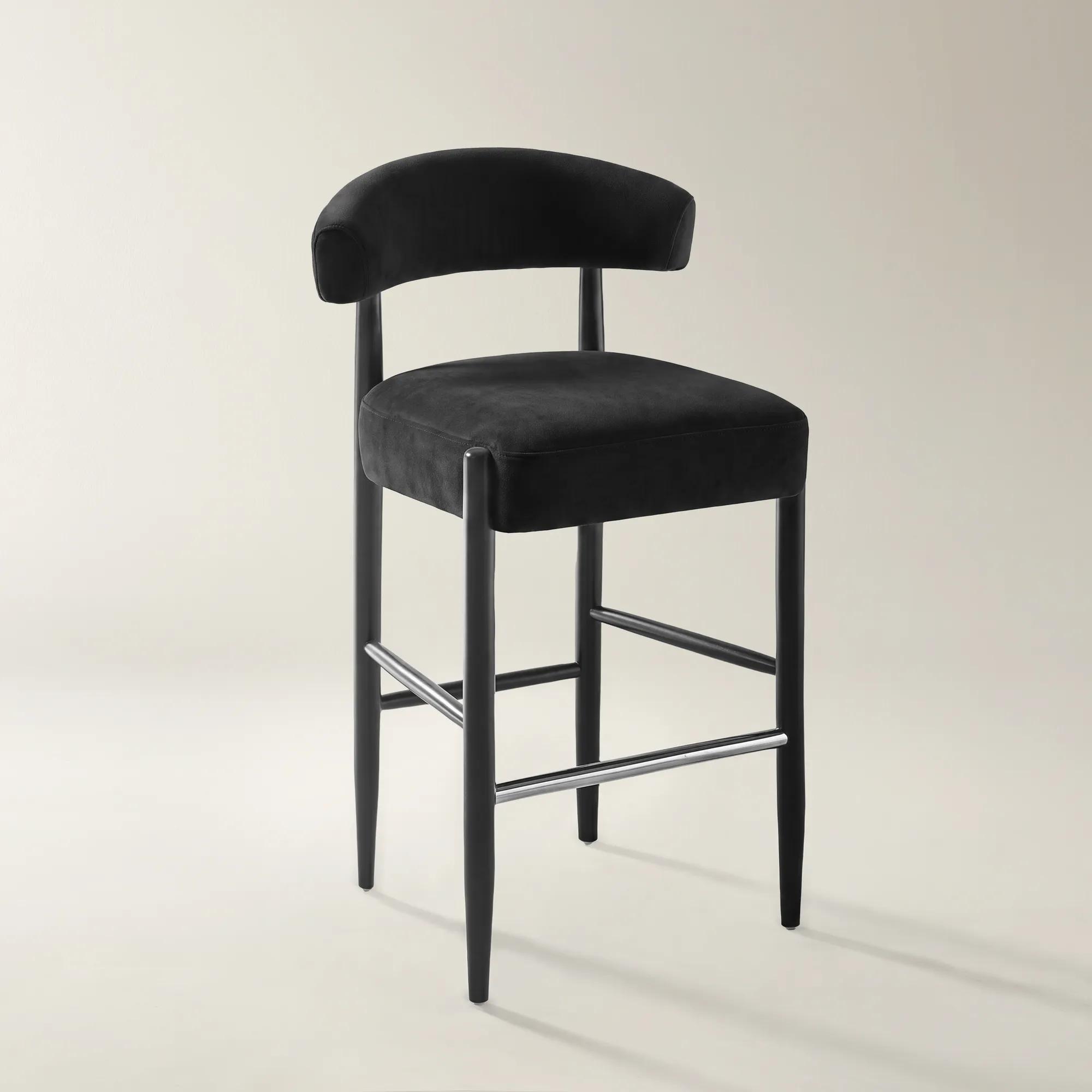 Anna Charcoal Velvet Bar/Counter Stool$449
A charcoal velvet bar stool with a sculpted padded seat and solid rubberwood legs.
Add To Cart -
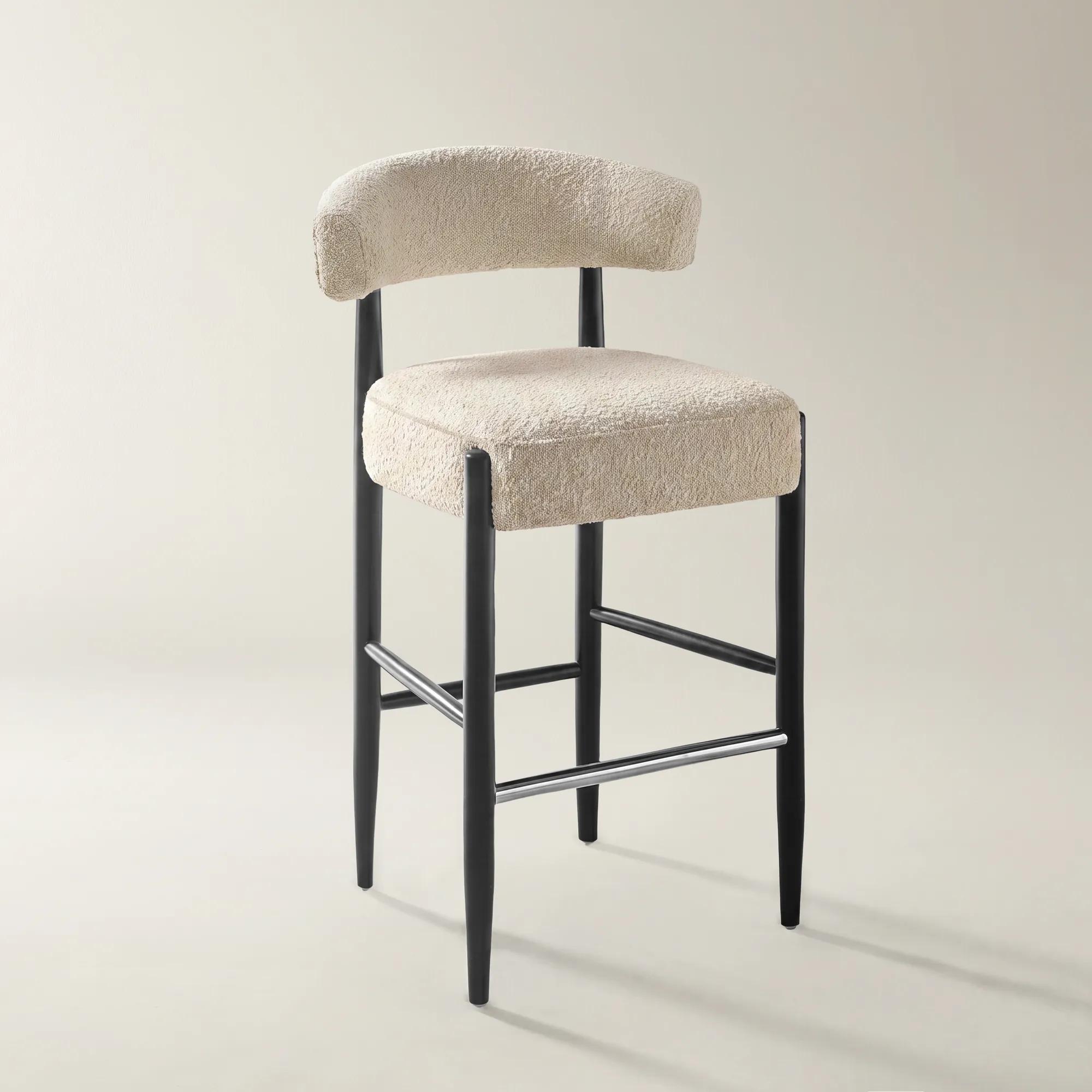 Anna Ivory Performance Boucle Bar/Counter Stool$449
A counter stool with ivory performance boucle upholstery, sculpted support, and tapered solid rubberwood legs.
Add To Cart -
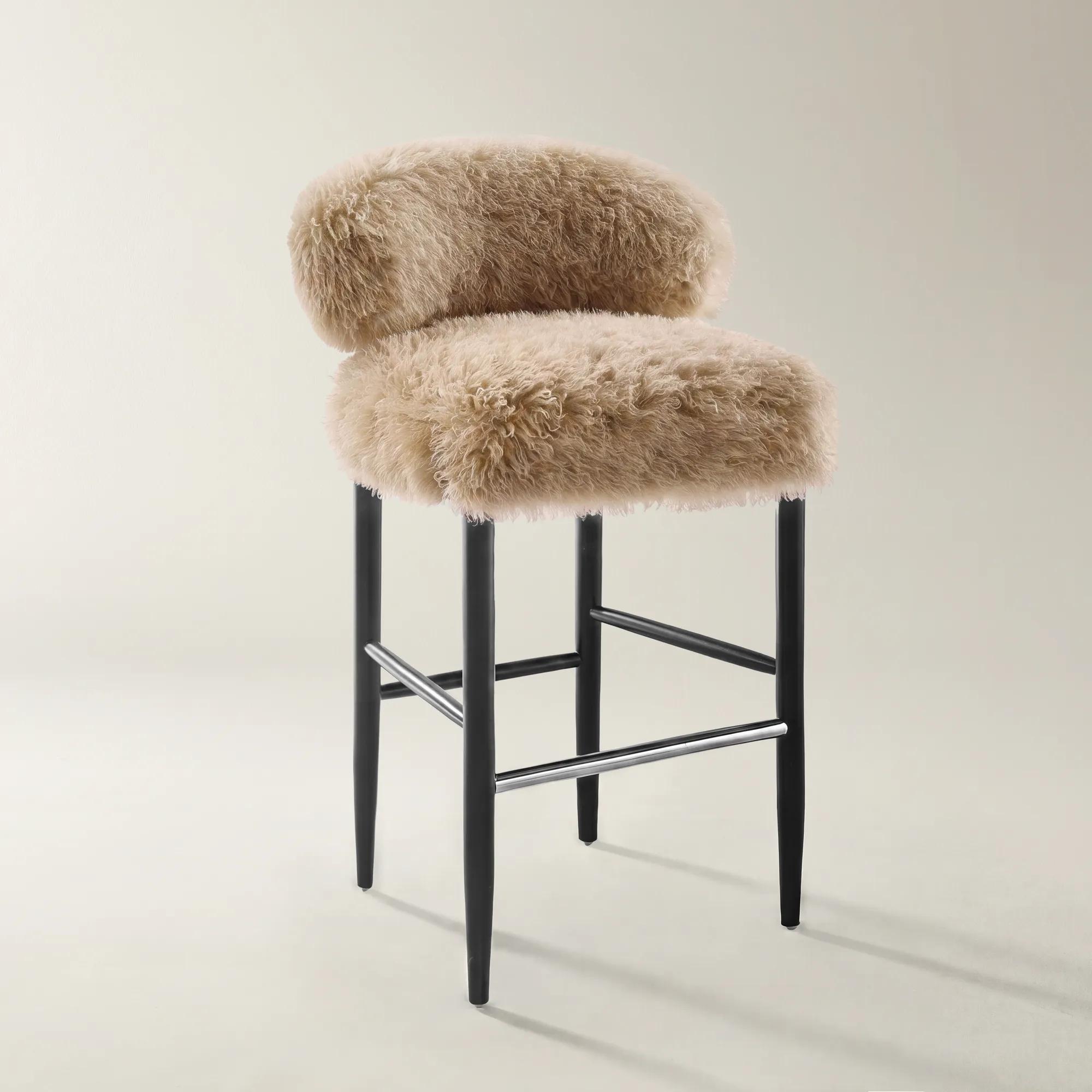 Anna Tan Faux Fur Bar/Counter Stool$549
A tan faux-fur bar stool with a sculpted padded seat and tapered solid-rubberwood legs.
Add To Cart -
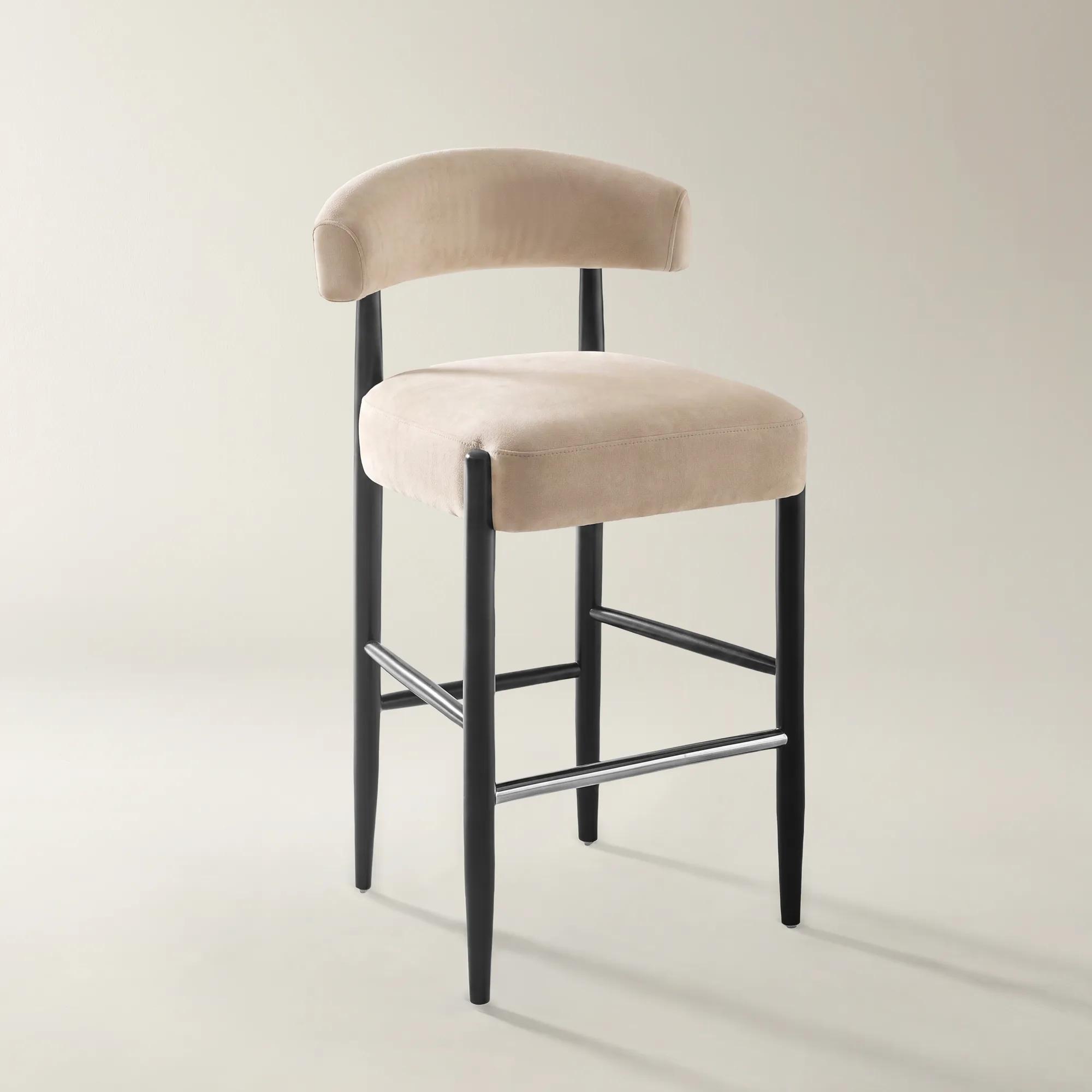 Anna Simply Taupe Velvet Bar/Counter Stool$449
A taupe velvet counter stool with a sculpted back, padded seat, and tapered solid-rubberwood base.
Add To Cart -
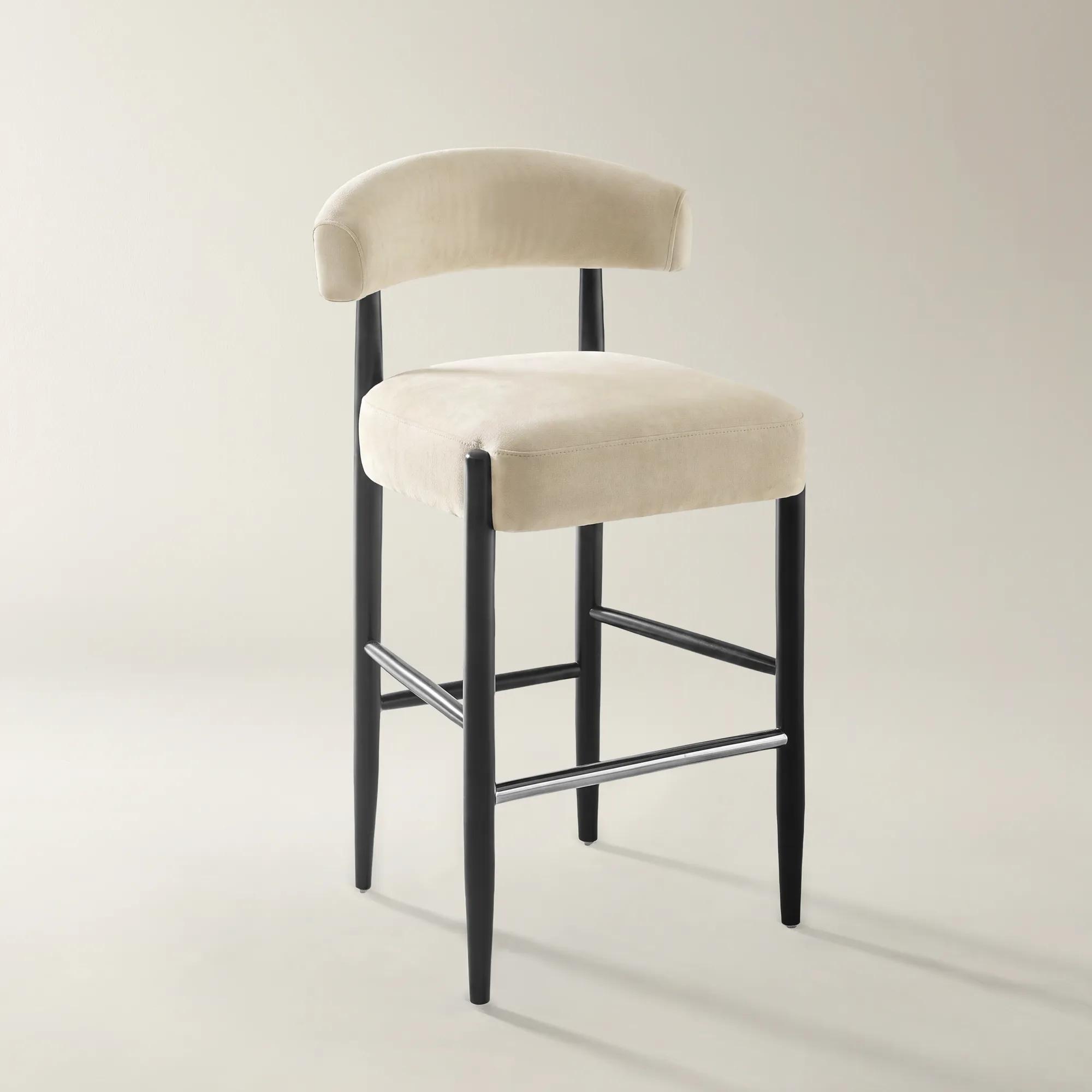 Anna Oatmeal Velvet Bar/Counter Stool$449
A counter stool with oatmeal velvet upholstery, sculpted back, padded seat, and solid rubberwood legs.
Add To Cart -
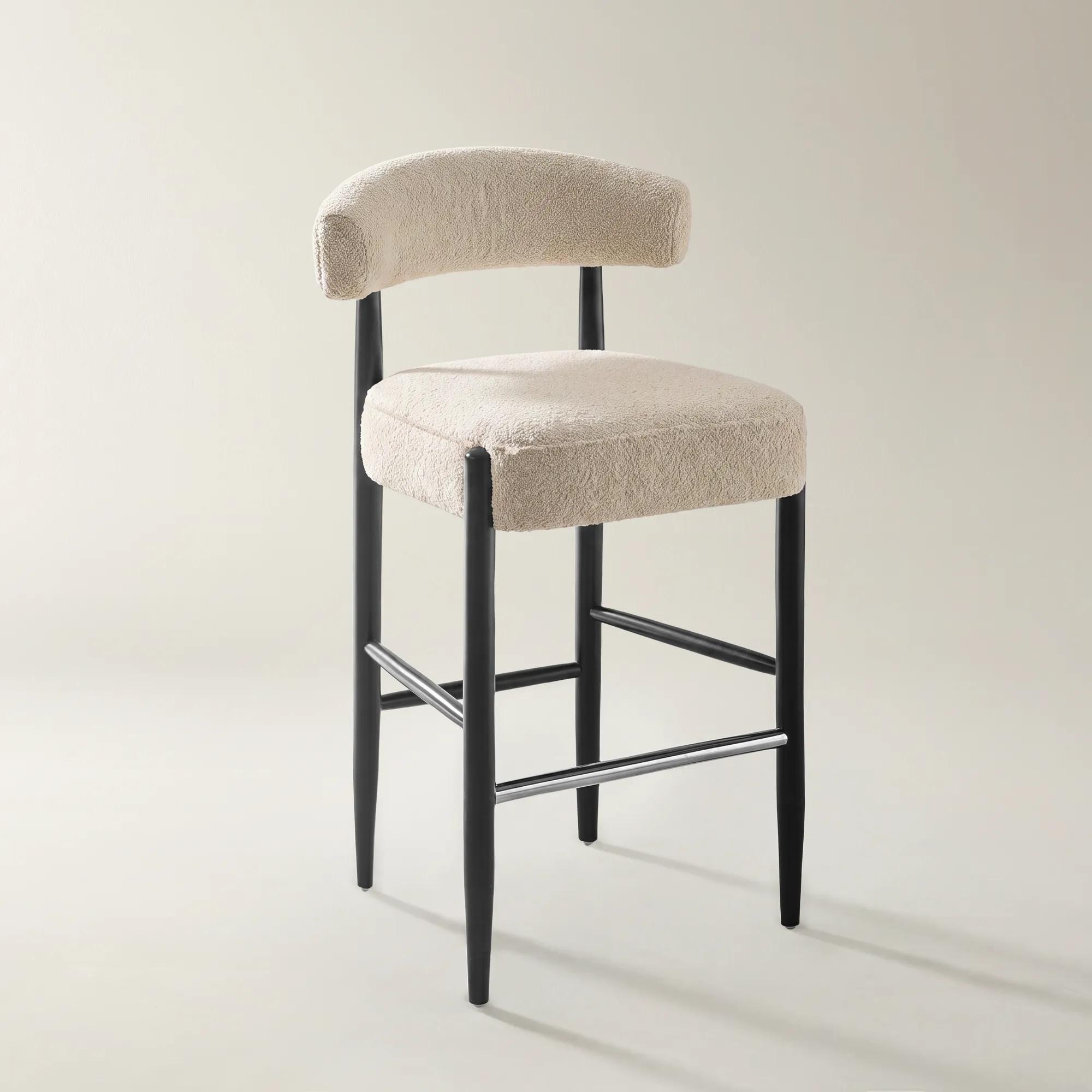 Anna Utopia Sand Chenille Bar/Counter Stool$449
A chenille bar stool with a sculpted padded seat, kiln-dried hardwood frame, and solid rubberwood legs.
Add To Cart -
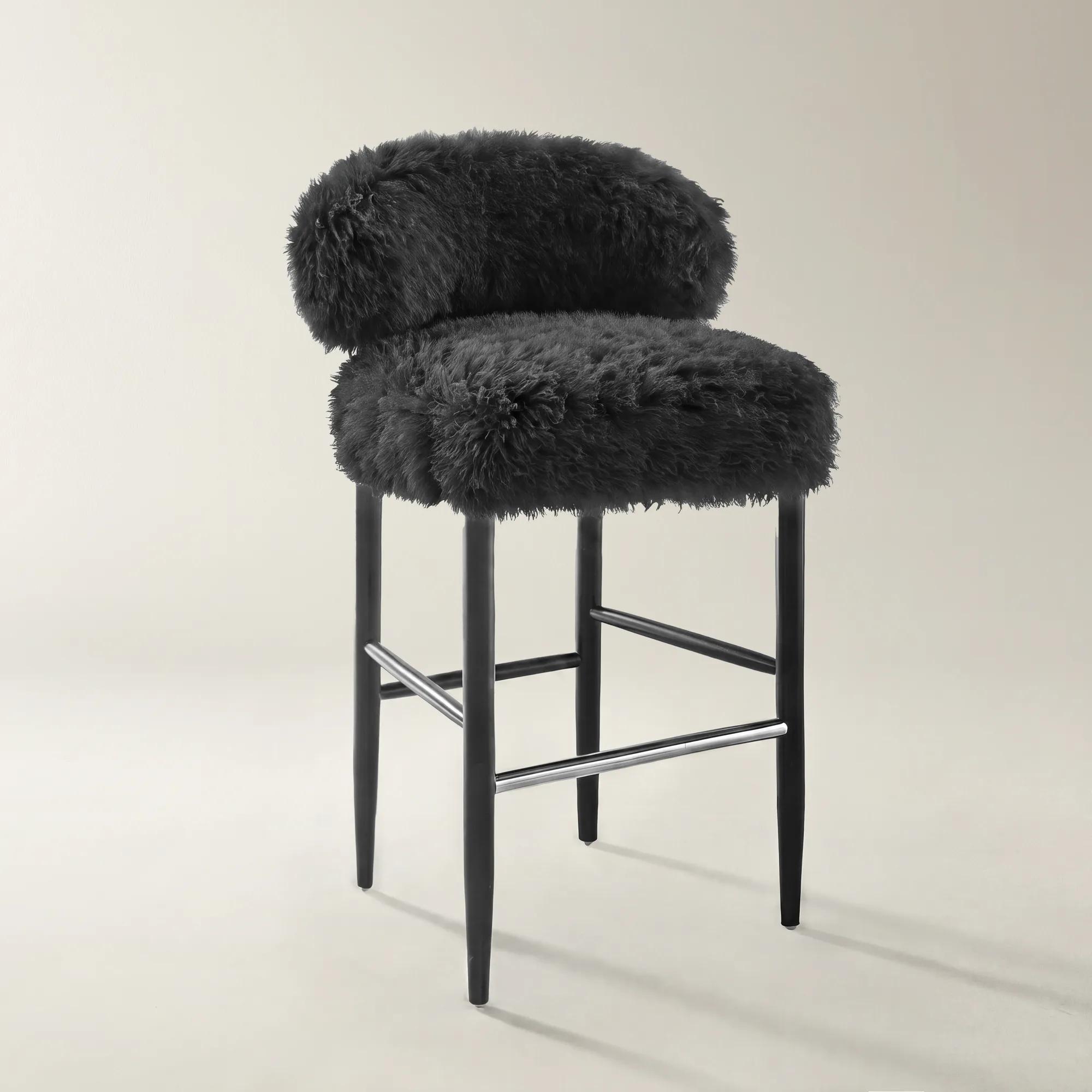 Anna Black Faux Fur Bar/Counter Stool$549
A black faux-fur bar stool with a sculpted back, padded seat, and solid rubberwood legs.
Add To Cart -
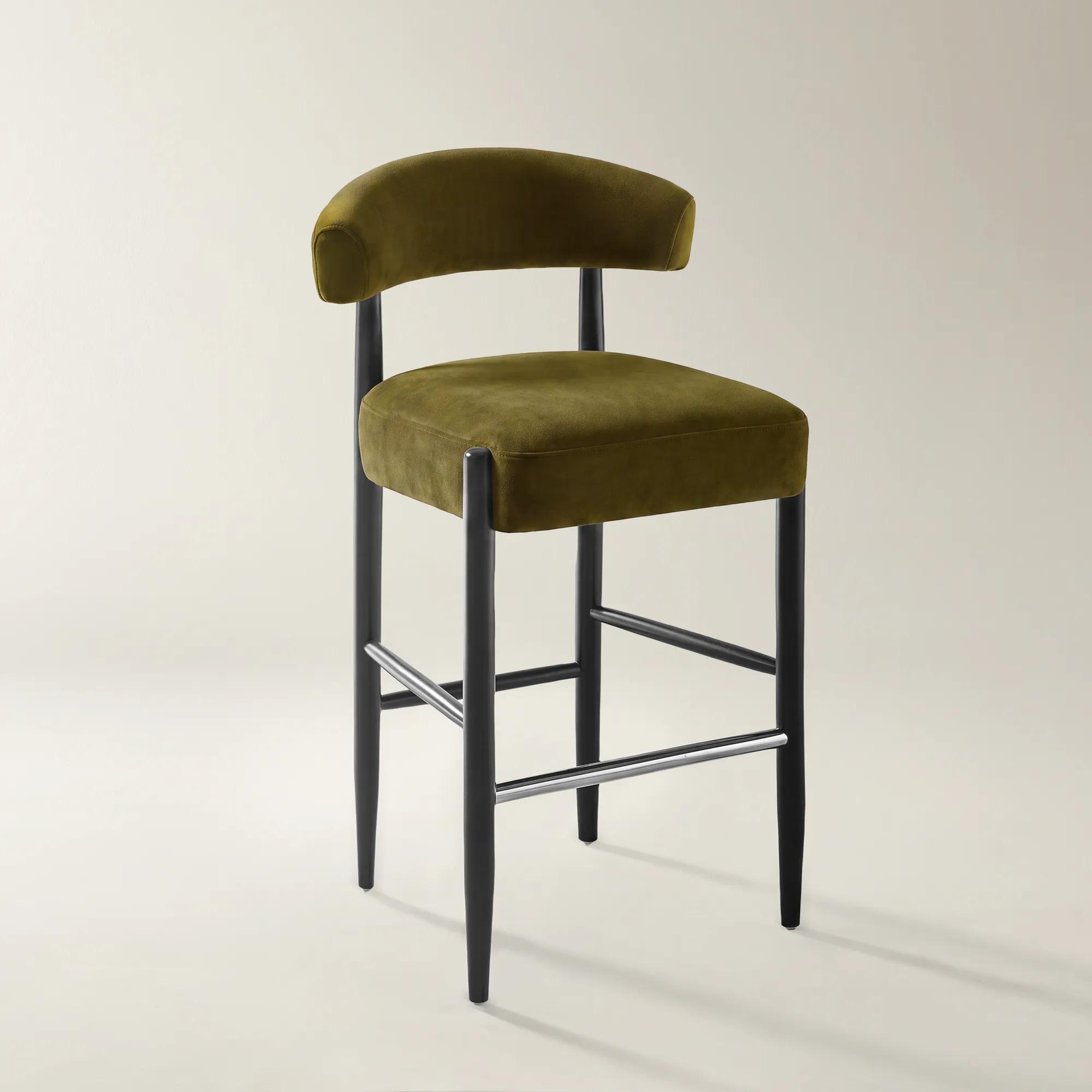 Anna Deep Olive Velvet Bar/Counter Stool$449
A green velvet bar stool with a sculpted padded seat, tailored upholstery, and tapered solid-rubberwood legs.
Add To Cart -
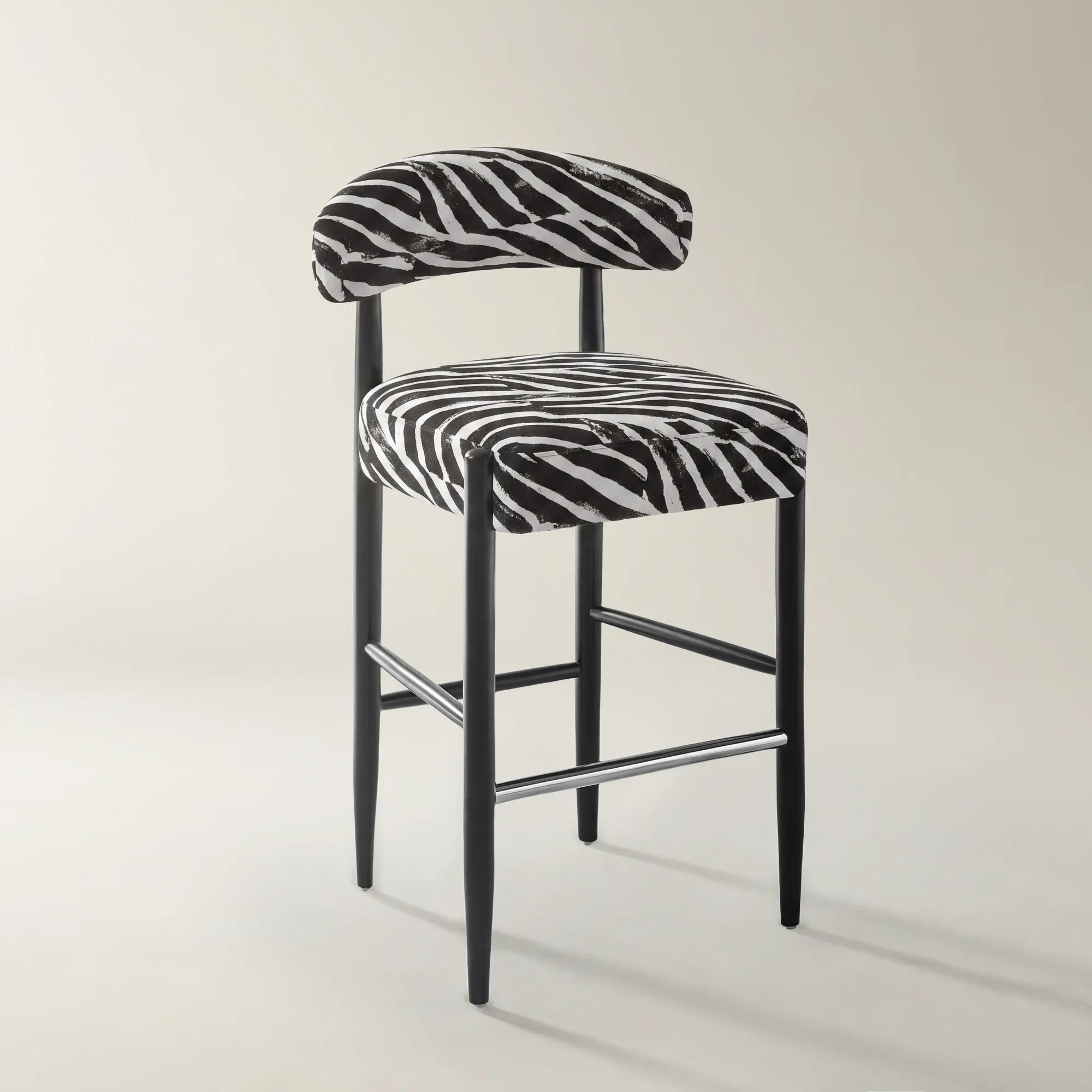 Anna White/Black Performance Chenille Bar/Counter Stool$449
A black-and-white chenille bar stool with a sculpted back, padded seat, and tapered solid rubberwood legs.
Add To Cart -
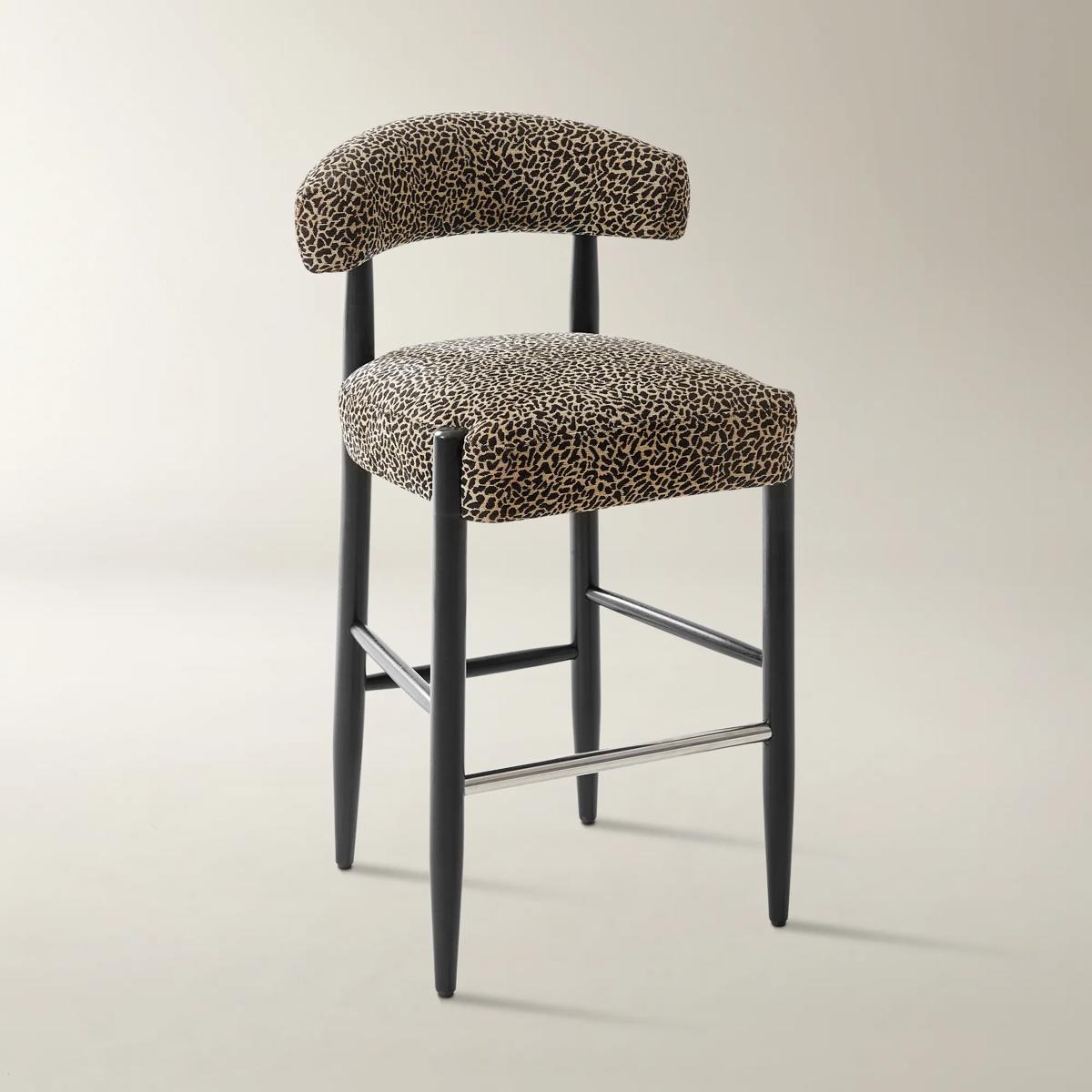
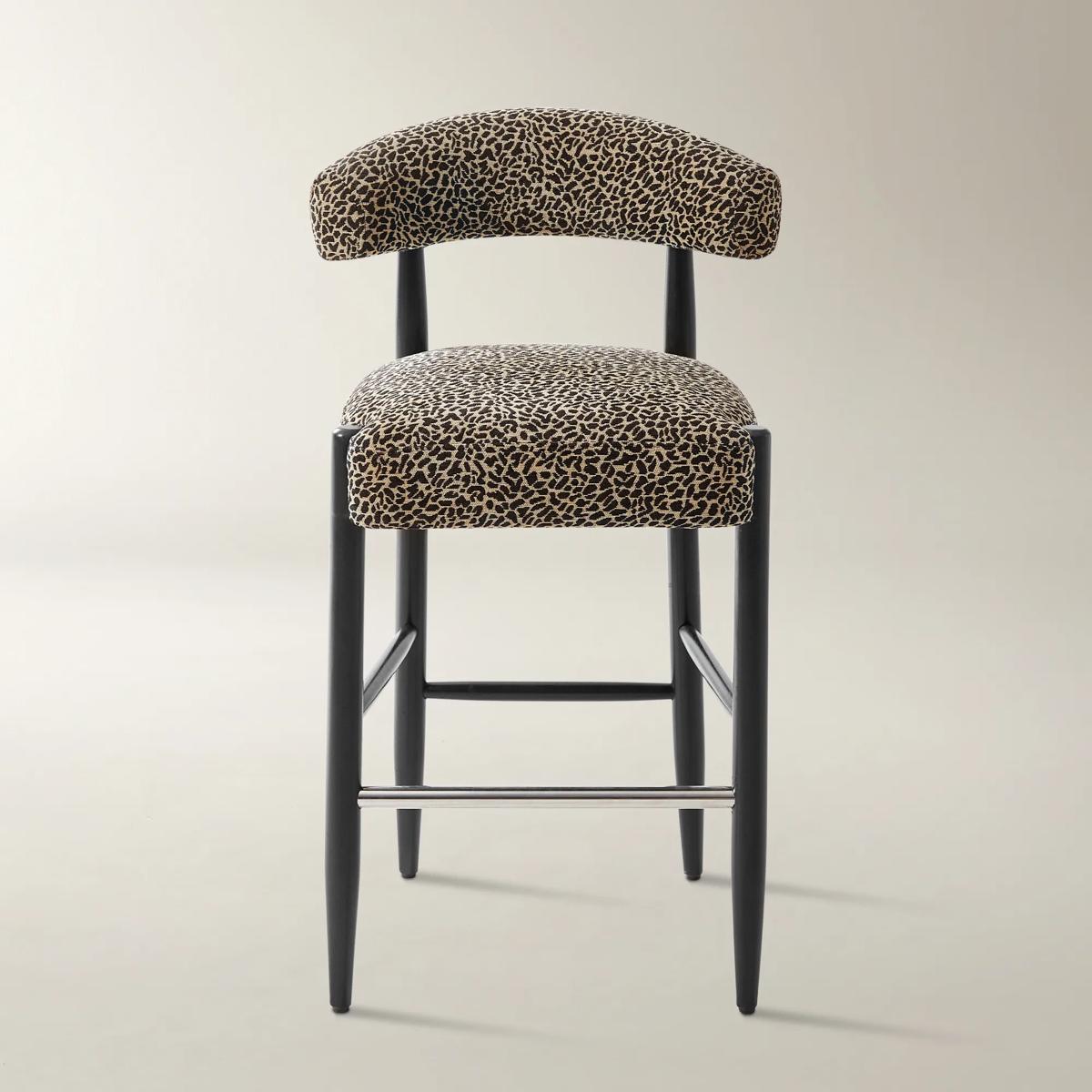 Anna Leopard Chenille Bar/Counter Stool$449
A leopard-patterned chenille bar stool with sculpted padded support and tapered solid rubberwood legs.
Add To Cart -
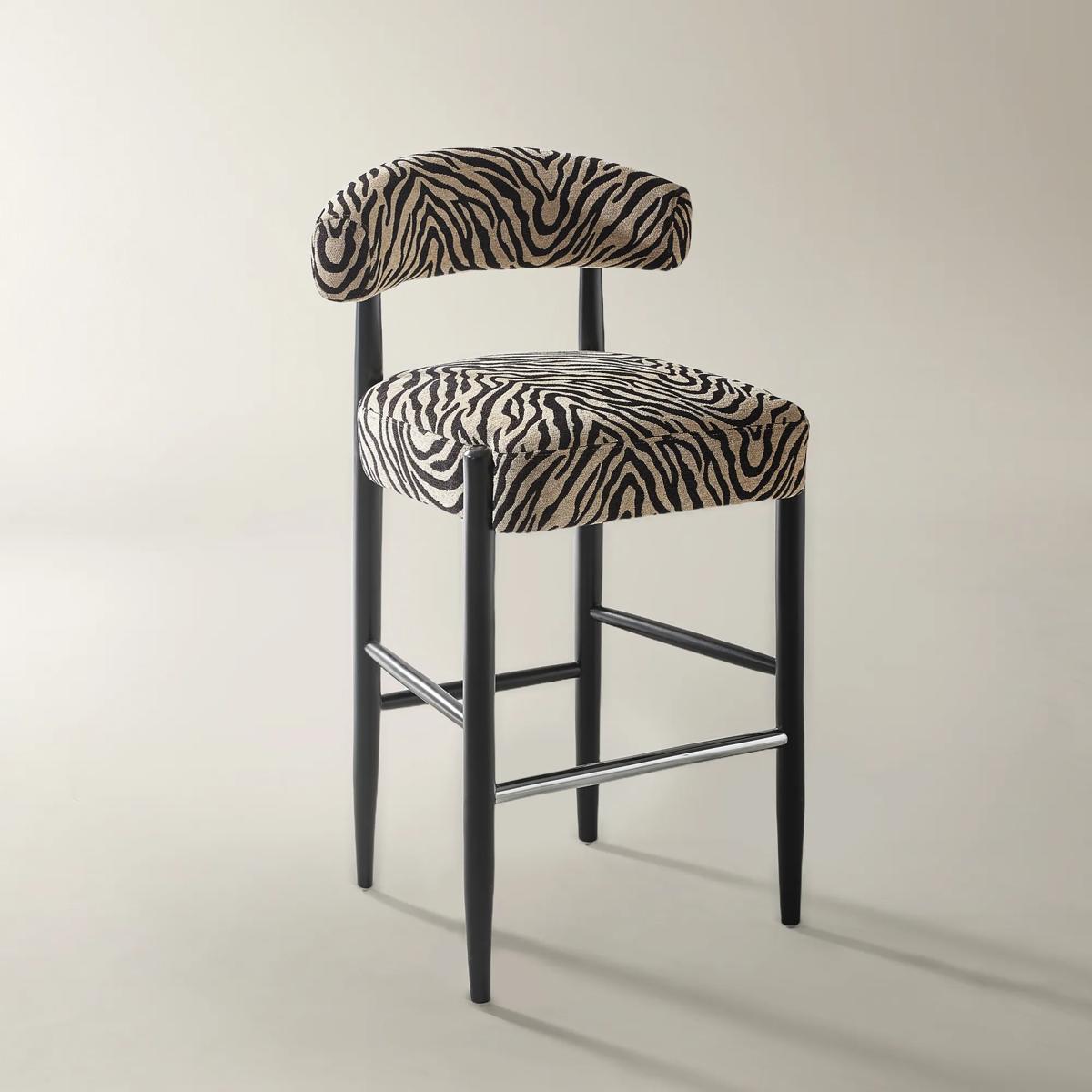
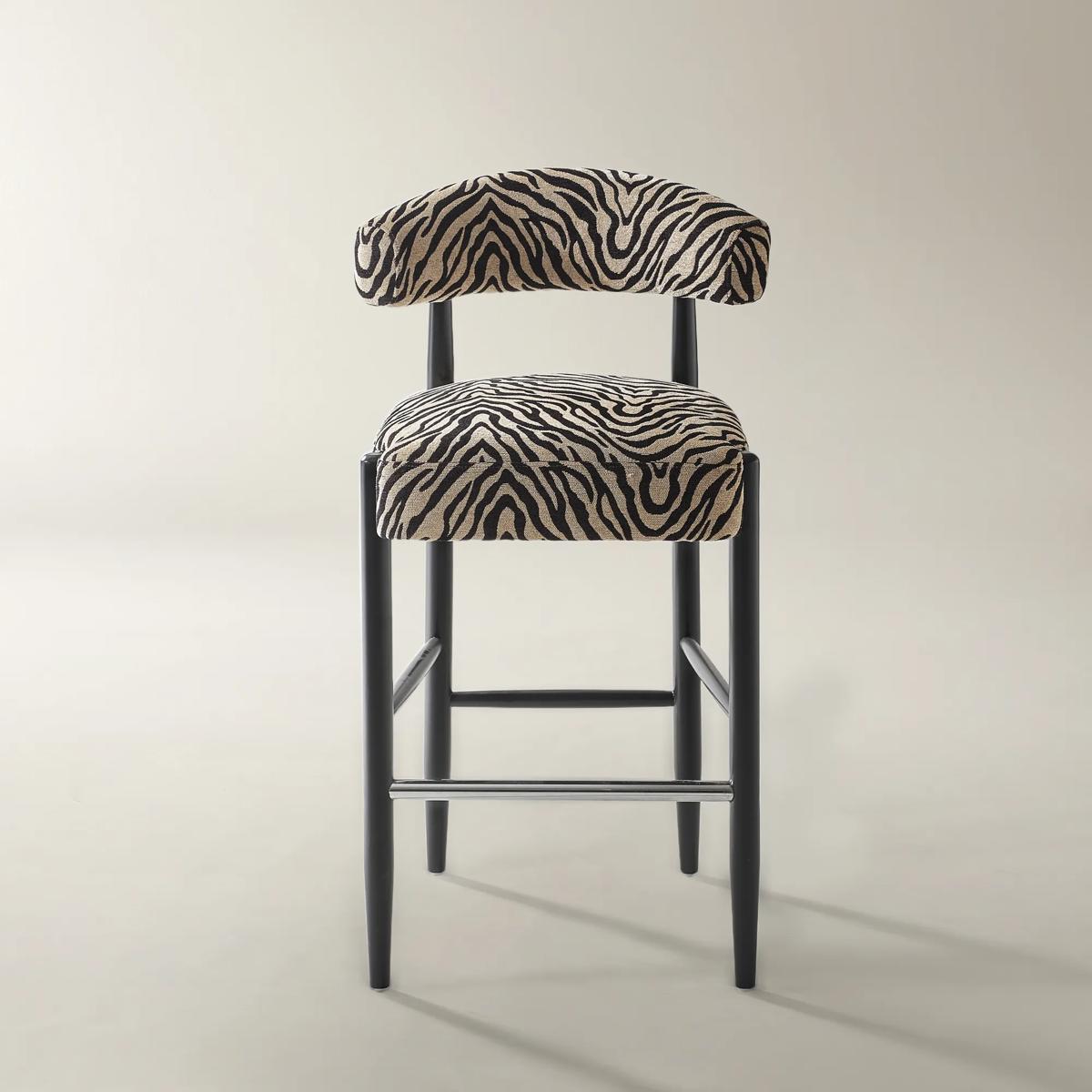 Anna Zebra Chenille Bar/Counter Stool$449
A bar stool with zebra-patterned chenille upholstery, sculpted padding, and tapered solid-rubberwood legs.
Add To Cart -
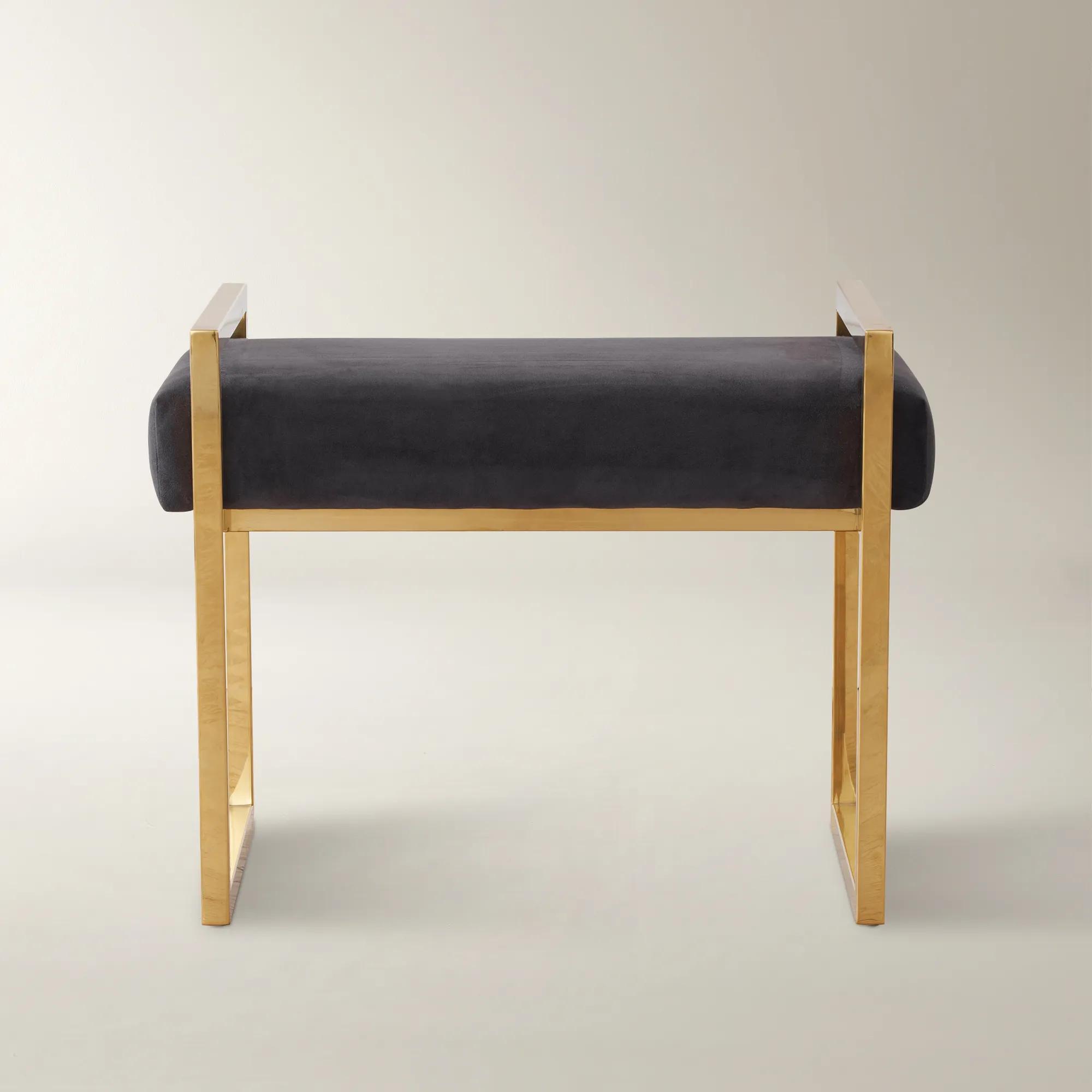
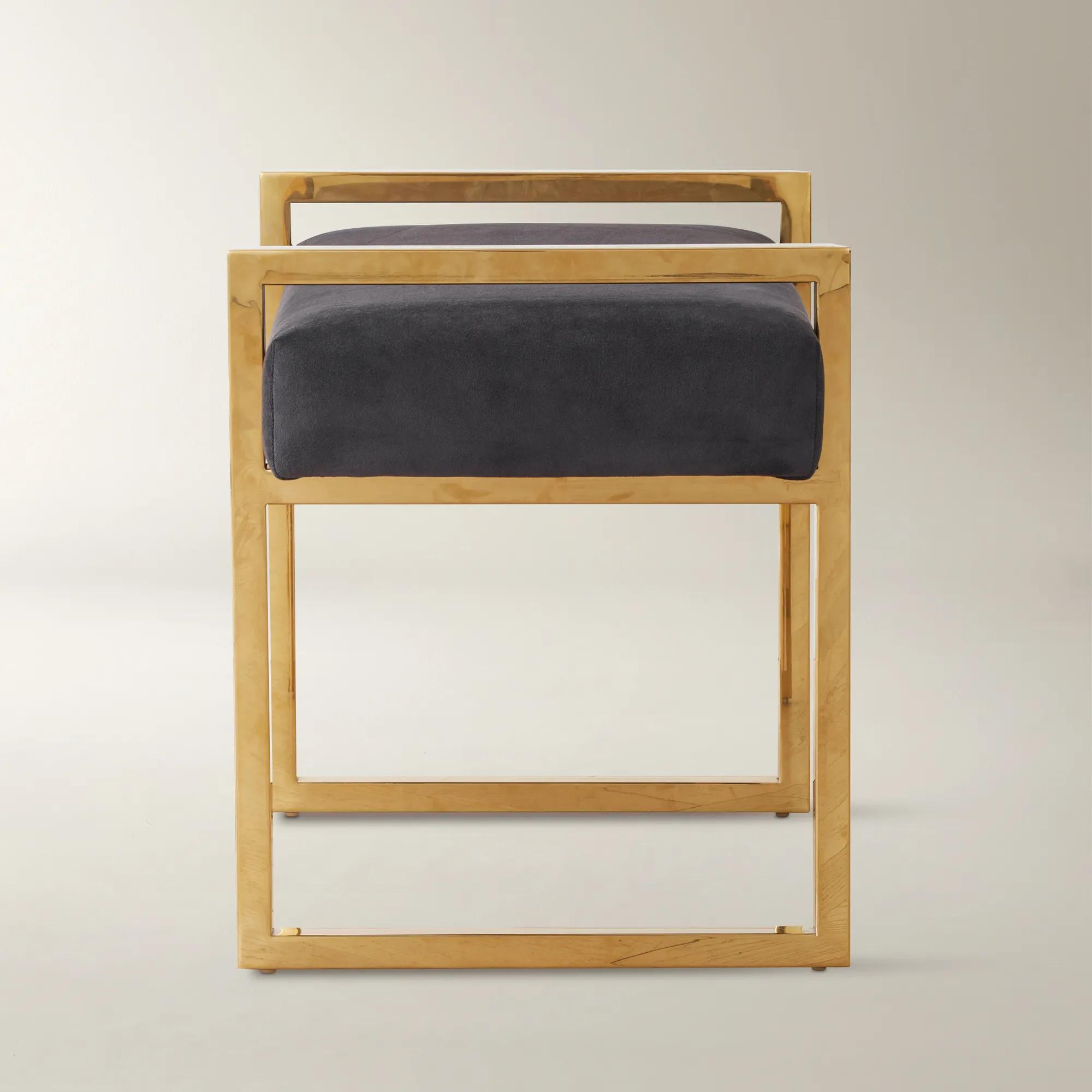 Clara Accent Stool$499
A plush black velvet stool with a high-density foam seat and polished gold metal legs.
Add To Cart -
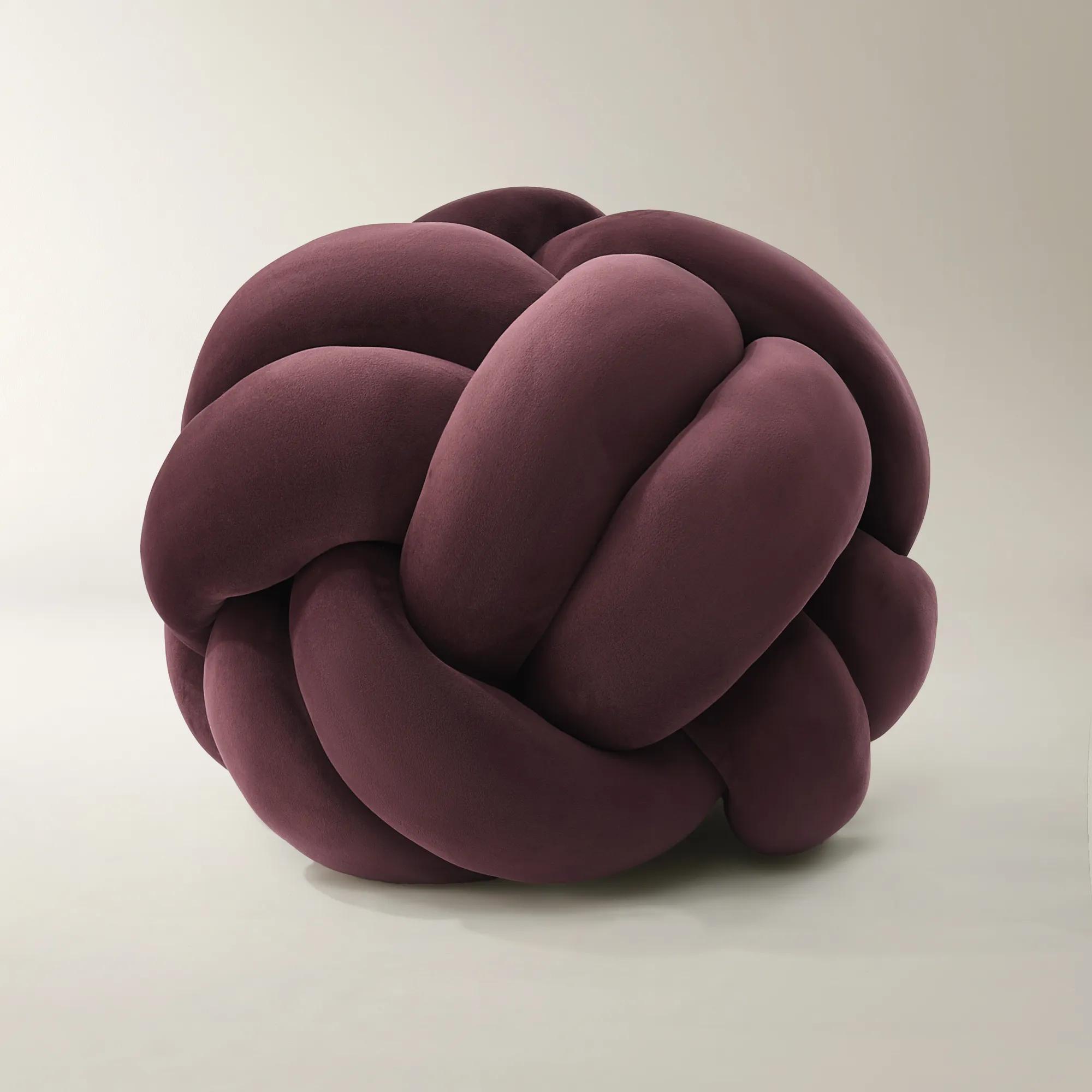
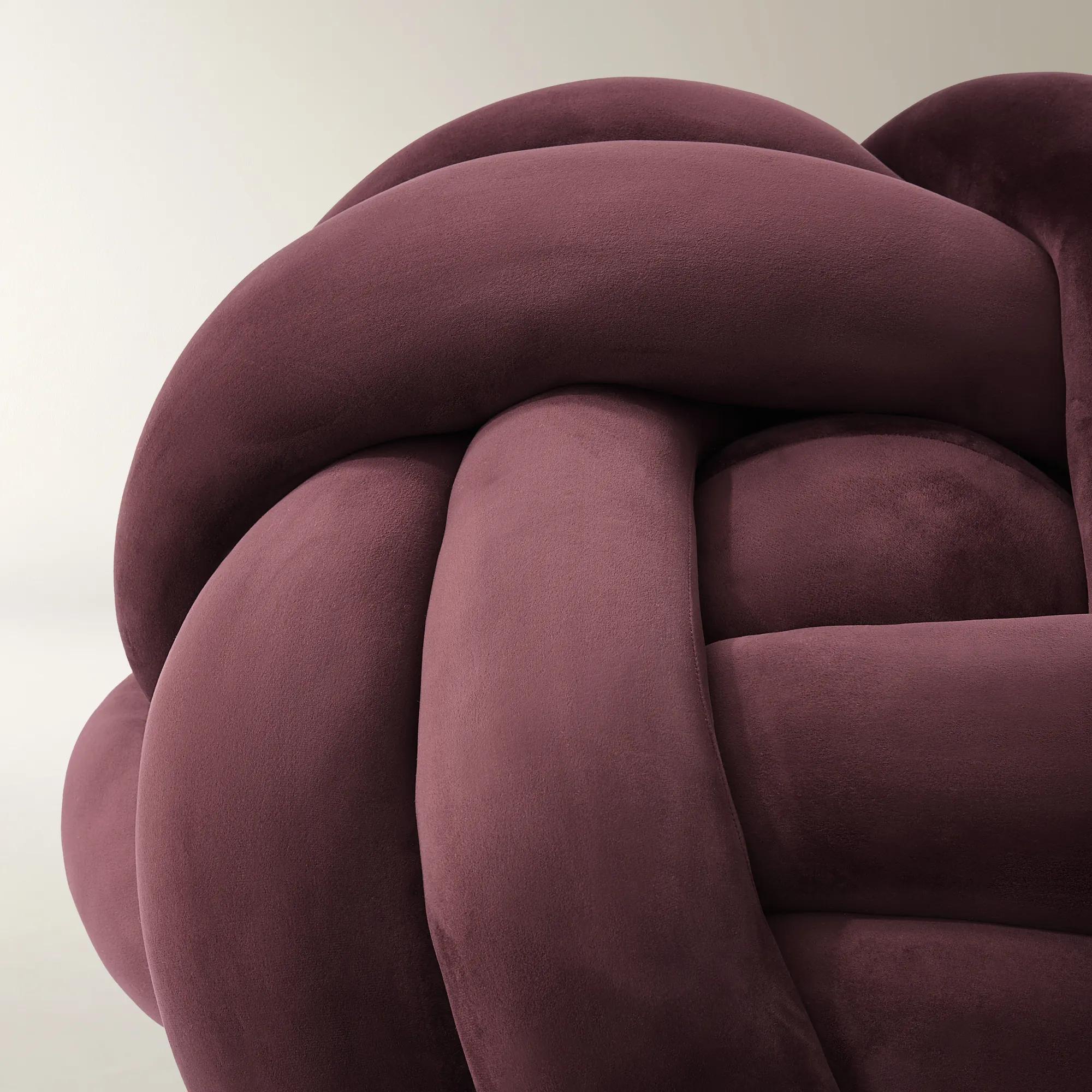 Loopie Fig Velvet Stool (34.5")$399
An oversized, knot-inspired stool hand-upholstered in plush fig velvet for bold sculptural appeal.
Add To Cart -
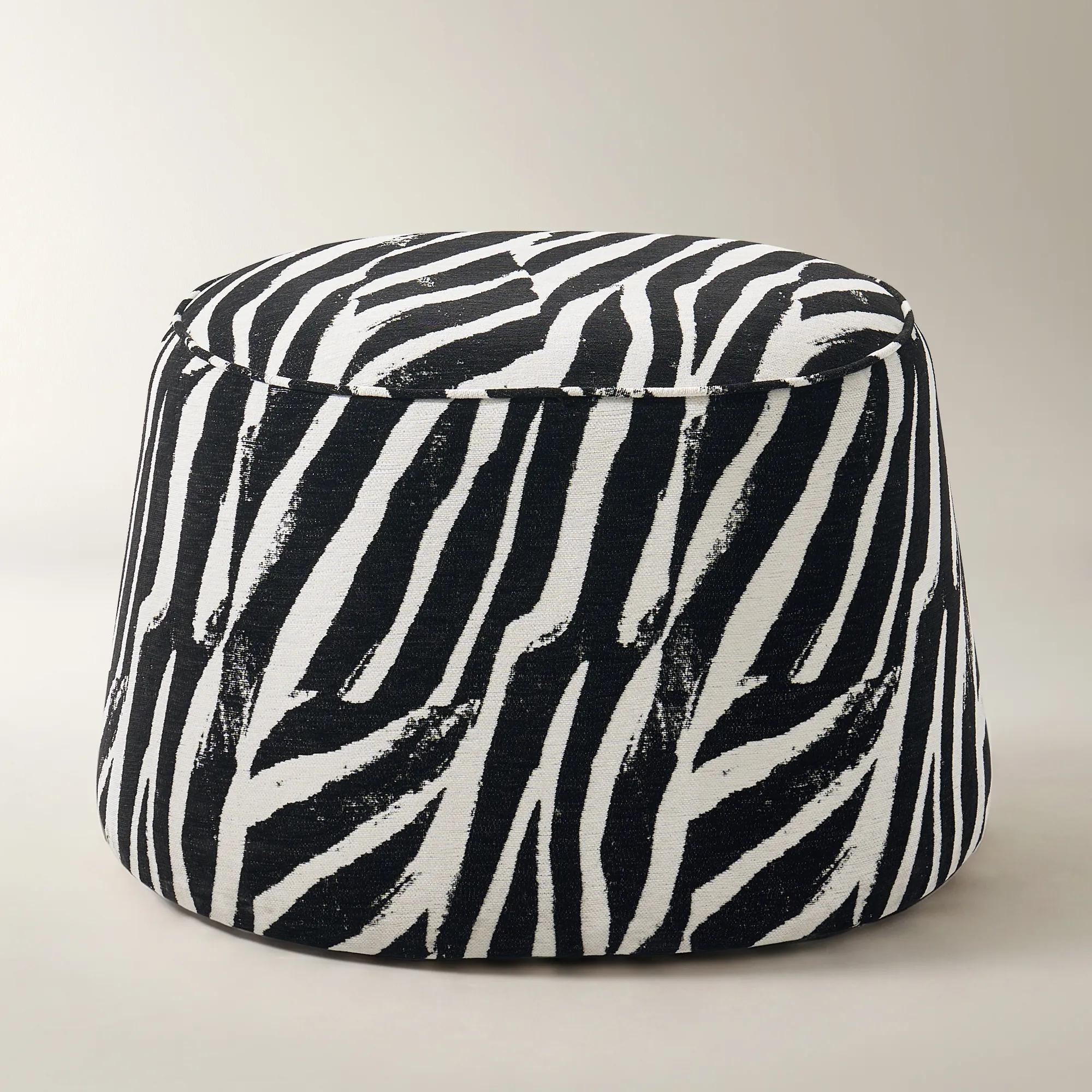 Avery White/Black Performance Chenille Stool$399
A sculpted drum accent stool in black and white performance chenille with an animal-inspired pattern.
Add To Cart -
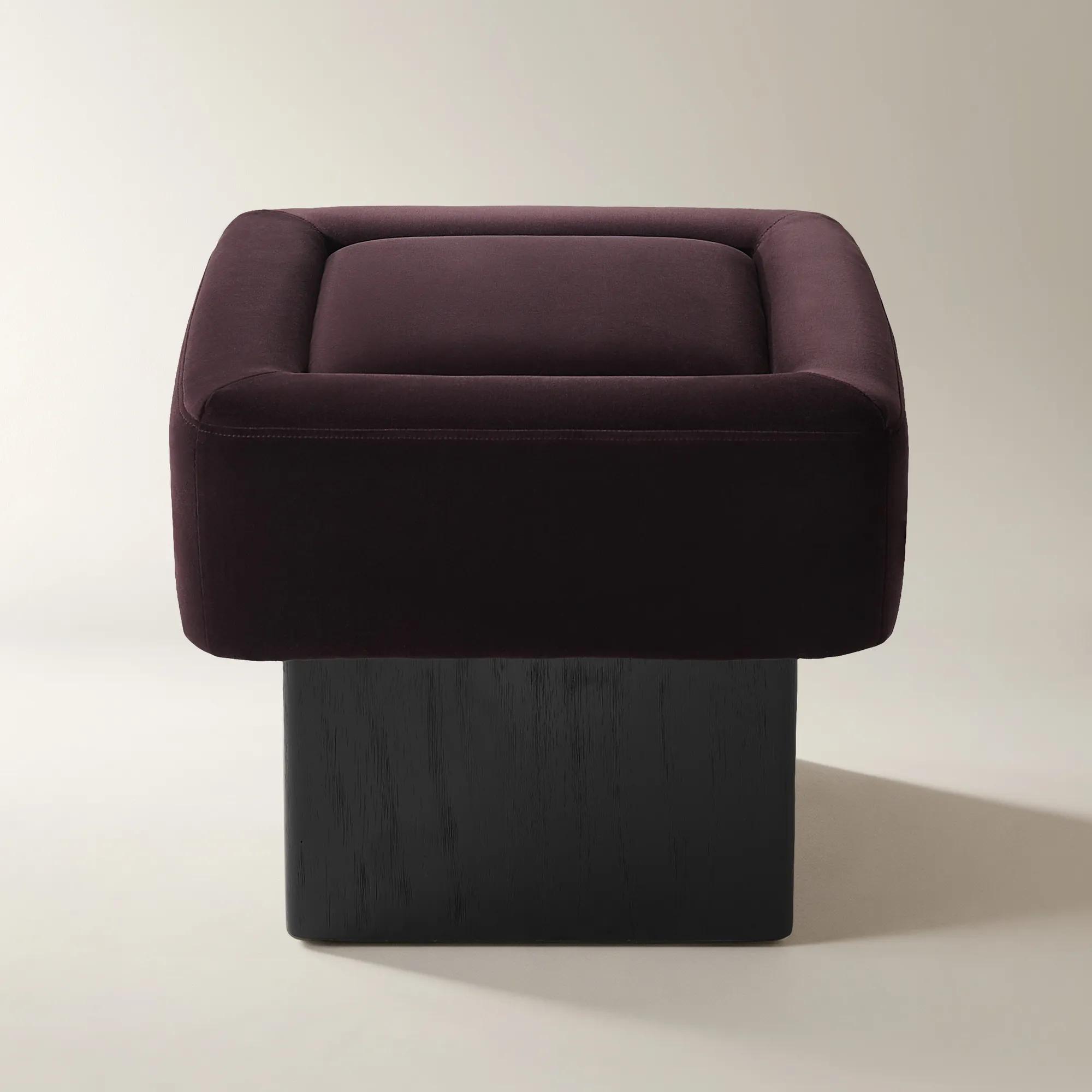 Reims Fig Velvet Stool$399
A plush fig-colored velvet stool featuring a sculpted cushion and a solid rubberwood base for modern contrast.
Add To Cart

Custom Upholstered Bar Stools
Explore custom upholstered bar stools that bring a tailored, expressive touch to your home bar or elevated dining space. Find seating that complements your room’s palette and silhouette, and consider seat height, proportions, and available upholstery options to create a cohesive look with a striking point of view.
Custom upholstered bar stools bring the artistry of a beautifully tailored chair to the most sociable spaces in the home. At a kitchen island, a dramatic peninsula, or a dedicated home bar, they introduce color, texture, and a sense of intention that a bare frame alone cannot provide. Upholstery softens the architecture of stone countertops and gleaming cabinetry, creating a place where guests can settle in while conversation moves between the kitchen and living room. The custom element is especially compelling when the fabric, silhouette, and finish feel connected to the surrounding interior rather than chosen in isolation. Velvet lends depth to jewel tones and catches light across a curved back; a textured woven fabric adds dimension to a quieter palette; leather offers a smooth, tailored presence with distinctive natural character. Each material creates a different mood, even when the overall shape is similar. An ivory seat against a dark wood frame feels crisp and architectural, while a richly colored cushion above a polished metal base makes a more theatrical statement. Details such as channel stitching, welted edges, tufting, and nailhead trim can reinforce that character, depending on the design. Their effect is strongest when there is room for the workmanship to stand out: a sculptural back viewed from an adjoining living area, for example, becomes part of the room’s composition even when nobody is seated. Back height also changes the visual rhythm. Lower profiles keep sightlines open across an island, while taller upholstered backs create a more defined gathering space. For an interior with patterned wallpaper, veined stone, or expressive artwork, a solid upholstery color can provide balance without retreating into anonymity. In a more restrained room, a lustrous fabric or an unexpected hue can become the central flourish. Repeating a finish from nearby lighting or echoing a color in the rug helps the stools feel connected, but an exact match is not essential. A considered contrast often gives the space more personality than a perfectly uniform suite.
Comfort and proportion determine whether that striking arrangement works as beautifully as it looks. Custom upholstered bar stools should suit the surface where they will be used, not simply the name given to the seating area. Standard kitchen counters are generally about 36 inches high and often pair with seats around 24 to 26 inches high; a bar-height surface near 42 inches typically calls for seats around 28 to 30 inches high. Actual measurements matter, particularly when a thick countertop, apron, or decorative support reduces knee clearance. Leaving approximately 10 to 12 inches between the seat and the underside of the surface is a useful starting point, with the final fit depending on the stool’s cushioning and the person using it. Width deserves equal attention. A generously upholstered seat or sweeping arm can require more space than a slender backless design, so the full width of the stool should inform the arrangement. Allow enough room for guests to sit without touching elbows and for each seat to move comfortably; swivel designs need additional clearance to turn without striking neighboring stools or cabinetry. Arms may offer welcome support during an extended conversation, but their height should be checked if the stool needs to tuck beneath the counter. A footrest is particularly important on elevated seating, giving the body a stable point of support rather than leaving feet suspended. Seat depth, back angle, and cushioning all influence comfort, whether the setting is used for a quick breakfast or a leisurely evening with friends. For daily household use, look beyond the upholstery to the construction beneath it. A well-built wood or metal frame, secure joints, and a stable base support repeated use, while resilient cushioning helps the seat maintain its shape. Performance fabrics can be worth considering for spaces where meals, children, or frequent entertaining are part of the routine, though stain resistance and cleaning requirements vary by textile. Tight weaves may be more forgiving around pets than loosely looped textures. Fabric swatches, when part of the selection process, also reveal nuances in color and texture that photographs cannot fully convey, especially beside the countertop and under the room’s lighting.
The lasting appeal of upholstered seating depends on thoughtful care as much as its initial design. A kitchen island is an active setting, and the upholstery should be appropriate for the way the household actually lives. Follow the fabric’s care label before applying any cleaner, since water-based products suit some textiles while others require solvent-based or professional treatment. Blot spills promptly with a clean, absorbent cloth rather than rubbing them into the fibers, and test any approved cleaning method in an inconspicuous area first. Regular gentle vacuuming with a suitable upholstery attachment helps keep crumbs and dust from settling into seams and tufting. Velvet may need fabric-specific attention to its pile, while leather requires care suited to its finish rather than a general-purpose household spray. No upholstery should be assumed to be spillproof simply because it is described as durable or intended for frequent use. Strong direct sunlight can alter some fabrics over time, making placement and window treatments relevant considerations in bright rooms. Frames and footrests deserve attention as well: cleaning methods should respect the wood, metal, or plated finish, and floor protectors appropriate to the flooring can help limit scuffs as seating moves. These practical details preserve the visual pleasure of a thoughtfully composed bar area. A coordinated arrangement of Upholstered Home Bar Stools can establish a graceful transition between spaces, carrying a dining room’s tailored elegance into the kitchen or giving an entertaining corner its own identity. Matching stools create a strong, composed rhythm, while a carefully balanced variation in fabric or finish can feel collected and expressive. In either case, keep the silhouettes and proportions harmonious so the arrangement feels intentional. For someone furnishing a new home, renovating a kitchen, or creating a dedicated place to entertain, custom upholstery offers an opportunity to make a frequently used space feel distinctly personal. The result is more than elevated seating: it is a place to linger over conversation, share an impromptu meal, and enjoy the room from a beautifully considered vantage point.
FAQs
Custom upholstered bar stools bring a more personal point of view to a kitchen island or home bar. Depending on the customization options offered, upholstery colors, textures, and finishing details can echo your room’s palette or introduce a striking contrast. The result is seating that feels thoughtfully composed, with as much visual presence as the surrounding decor.
Begin with the tones in your cabinetry, countertops, and artwork. A closely related upholstery color creates a layered, tonal composition, while a contrasting hue gives your bar stools a more expressive role. Deep, saturated shades lend drama; luminous neutrals let silhouette and texture take center stage.
Texture adds depth to a space defined by sleek counters and polished surfaces. A richly textured upholstery can introduce a sumptuous note, while a smoother surface keeps the composition crisp and tailored. Consider how the available upholstery choices interact with your lighting and surrounding finishes to create the mood you want.
Bar stools and dining chairs can feel connected without being identical. Repeat a color, a finish, or a design detail to establish a visual thread, then introduce variation through upholstery or silhouette. In an open living space, this approach gives each area its own character while preserving a cohesive, artfully layered interior.
Let the stools establish the island’s design direction. Pair expressive upholstery with a restrained arrangement of sculptural objects, or give understated seating a dramatic backdrop through statement lighting and bold artwork. Echo one upholstery tone in nearby decor for a deliberate connection, leaving the seating’s distinctive details in view.