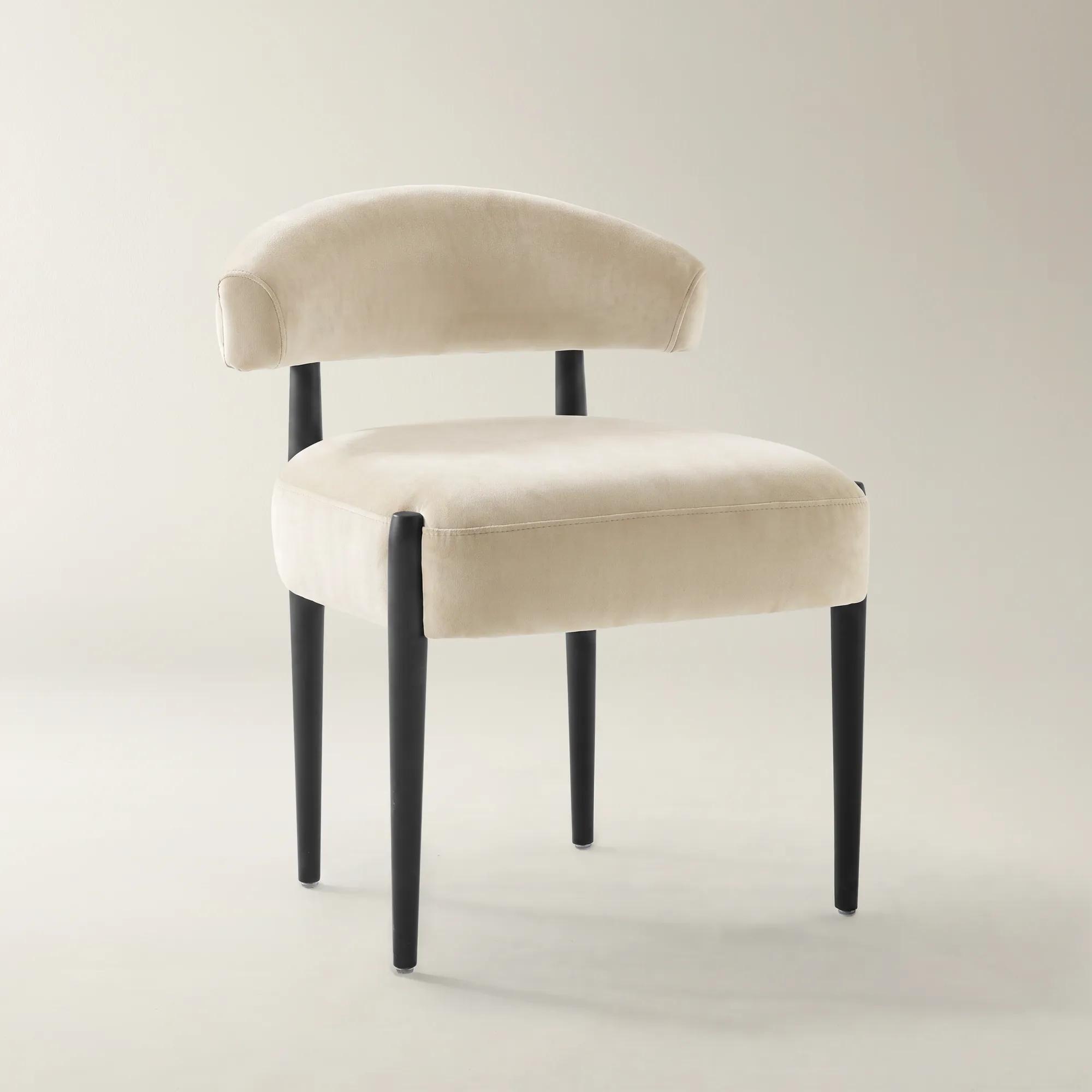
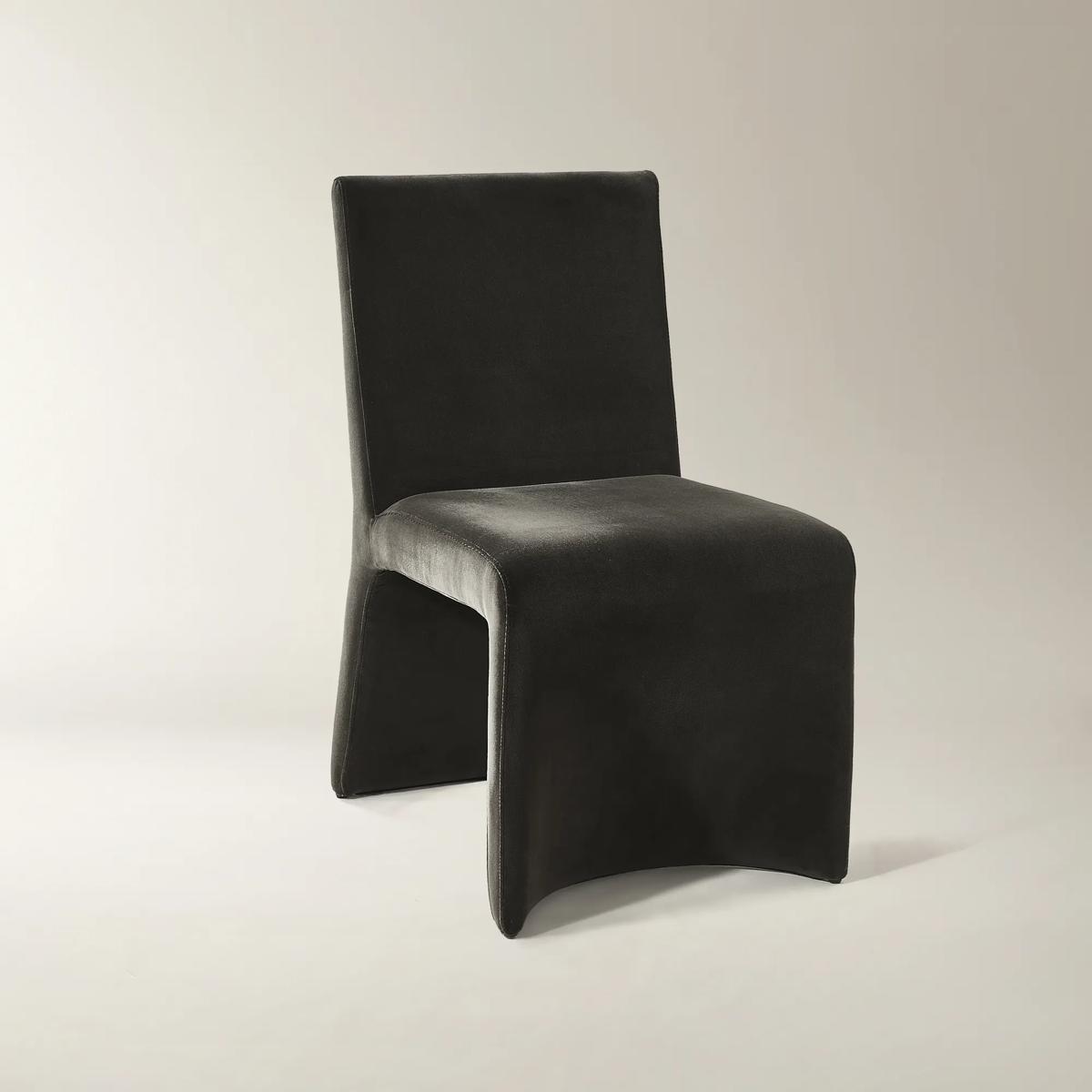
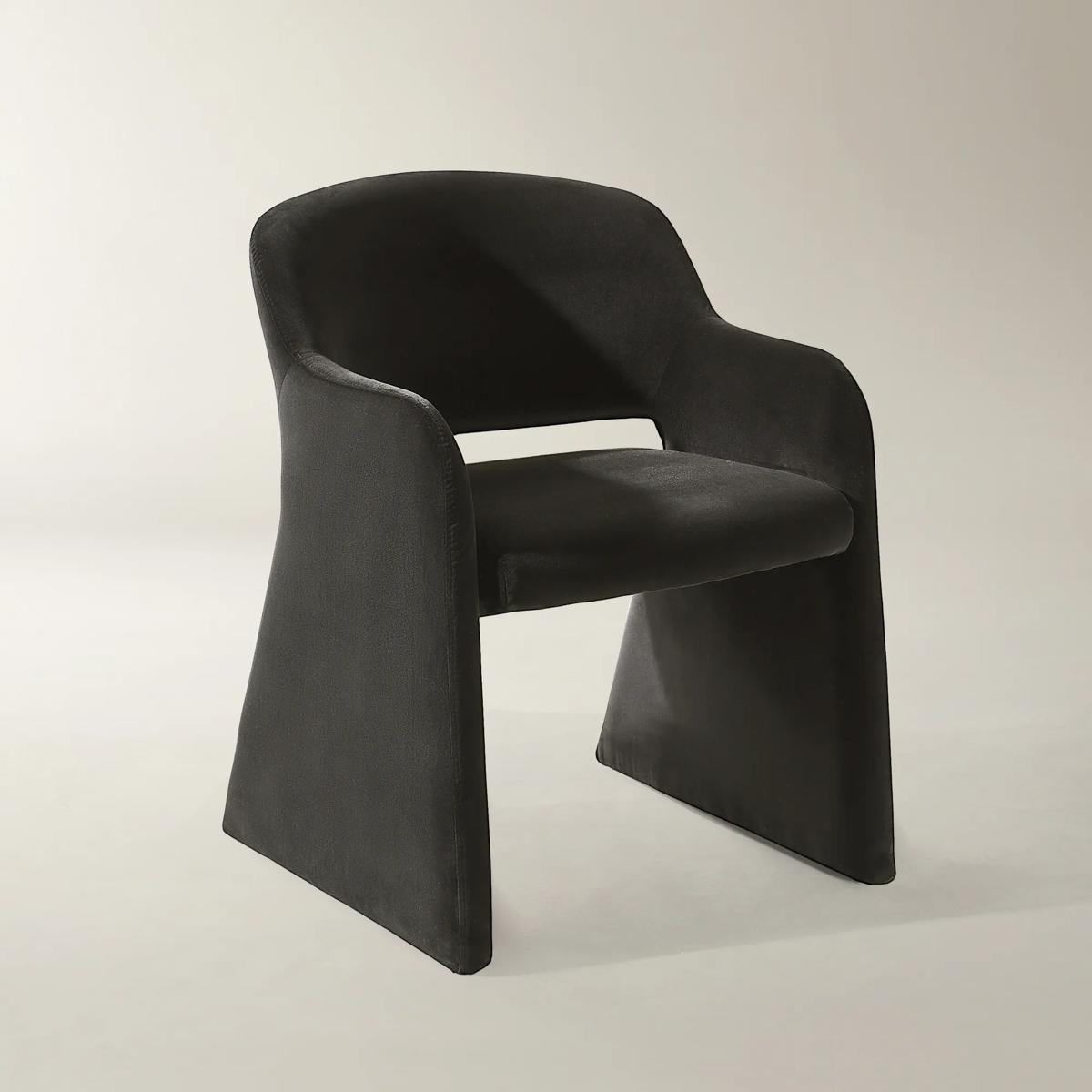
Hand Upholstered Barstools
Hand Upholstered Barstools
-
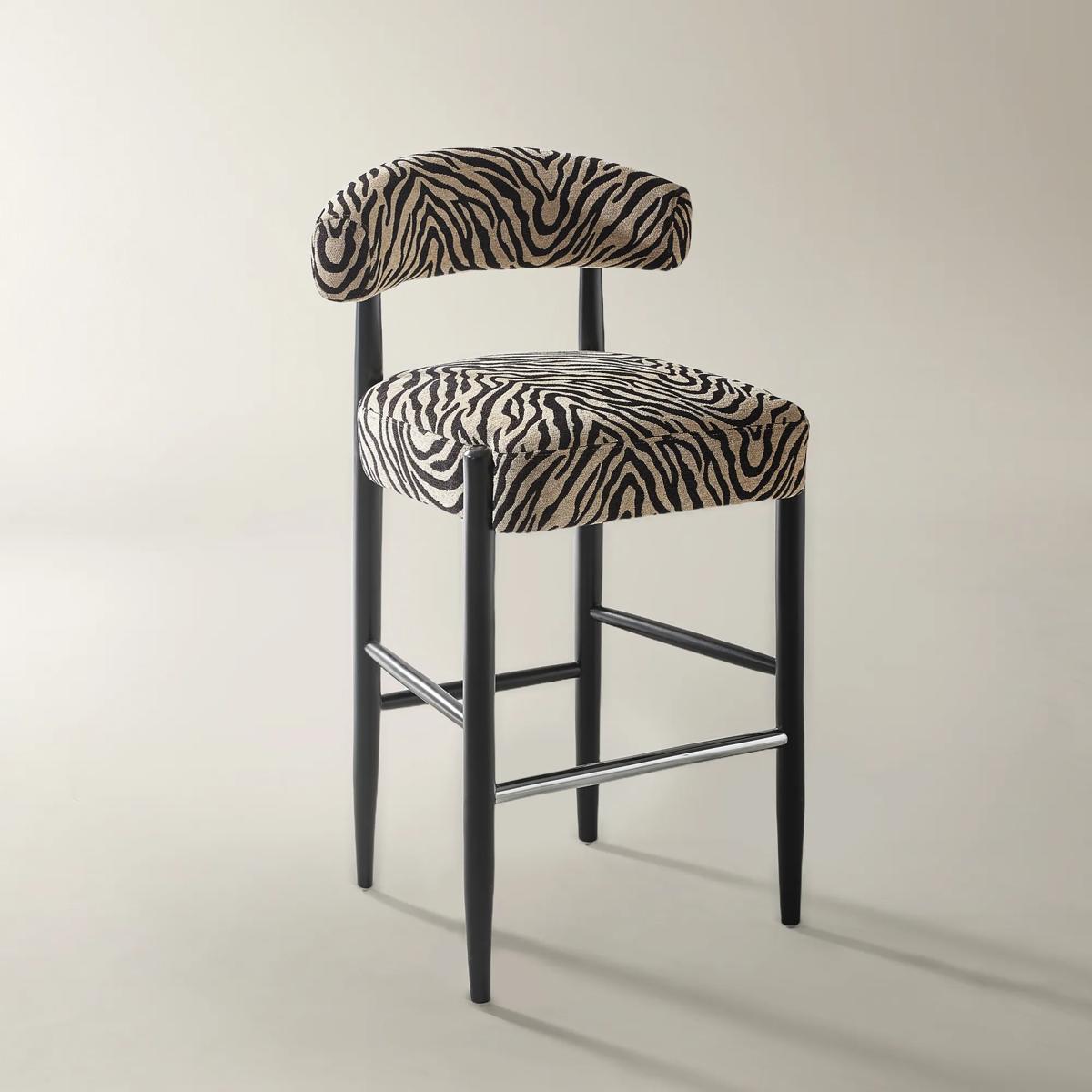
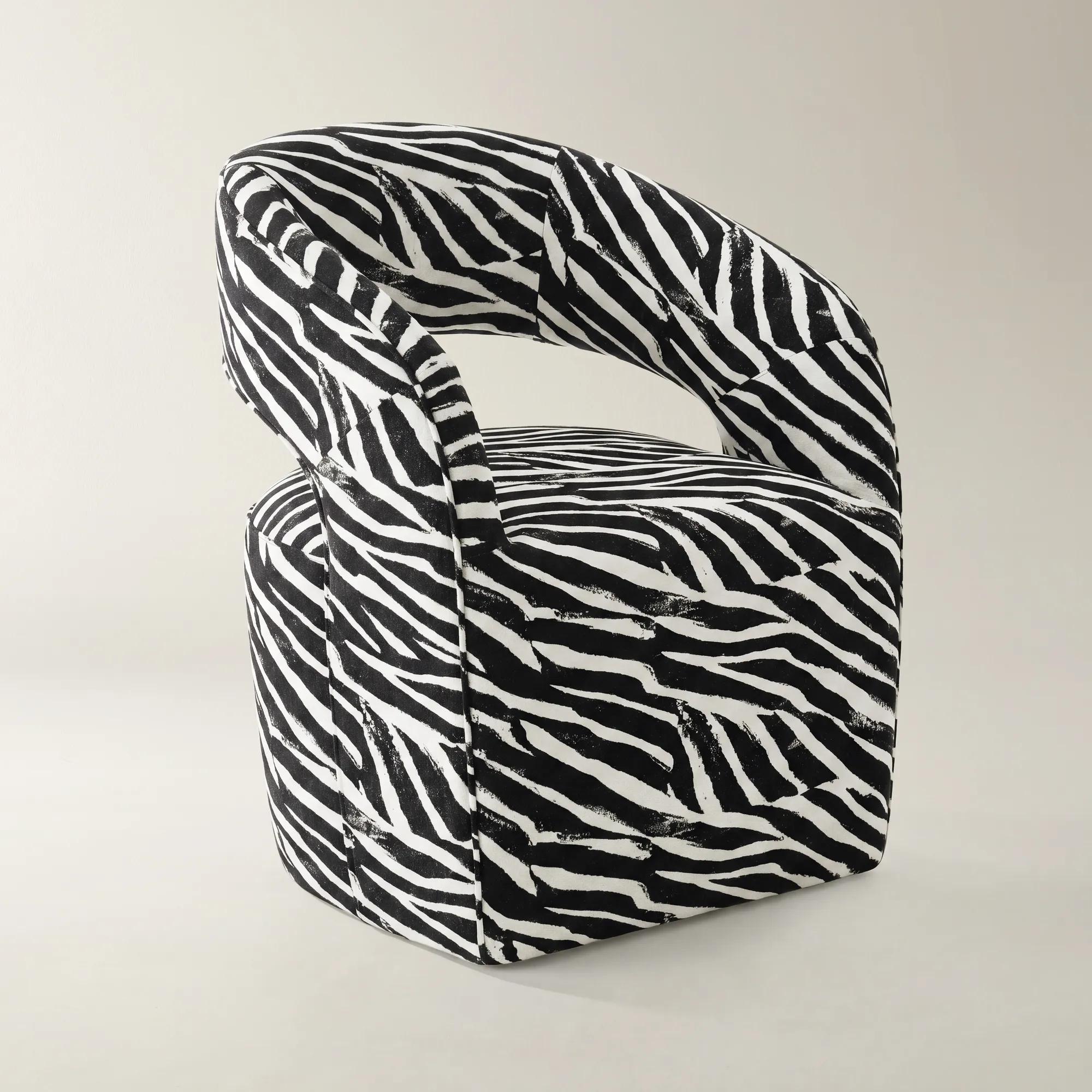
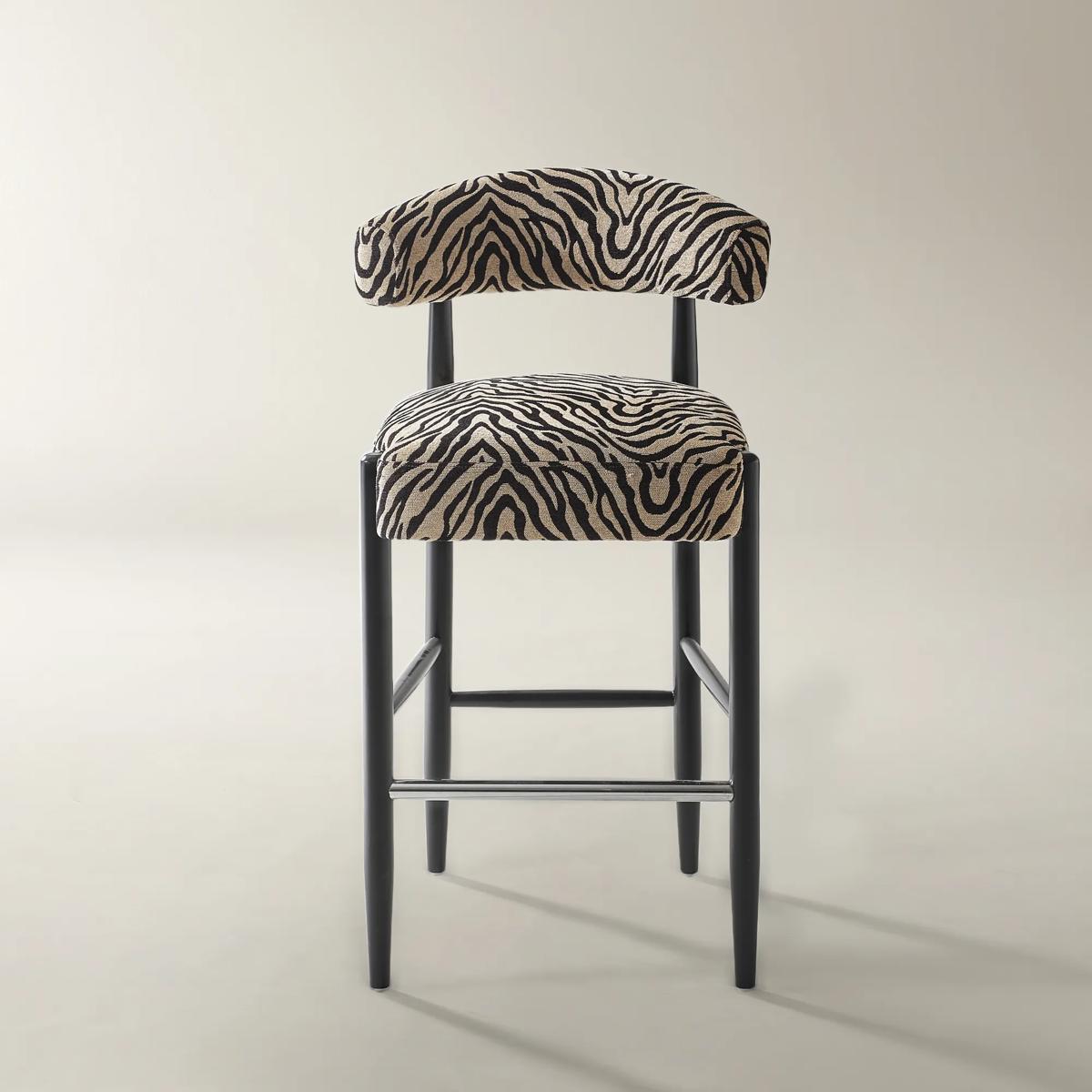 Anna Zebra Chenille Bar/Counter Stool$449
A bar stool with zebra-patterned chenille upholstery, sculpted padding, and tapered solid-rubberwood legs.
Add To Cart -
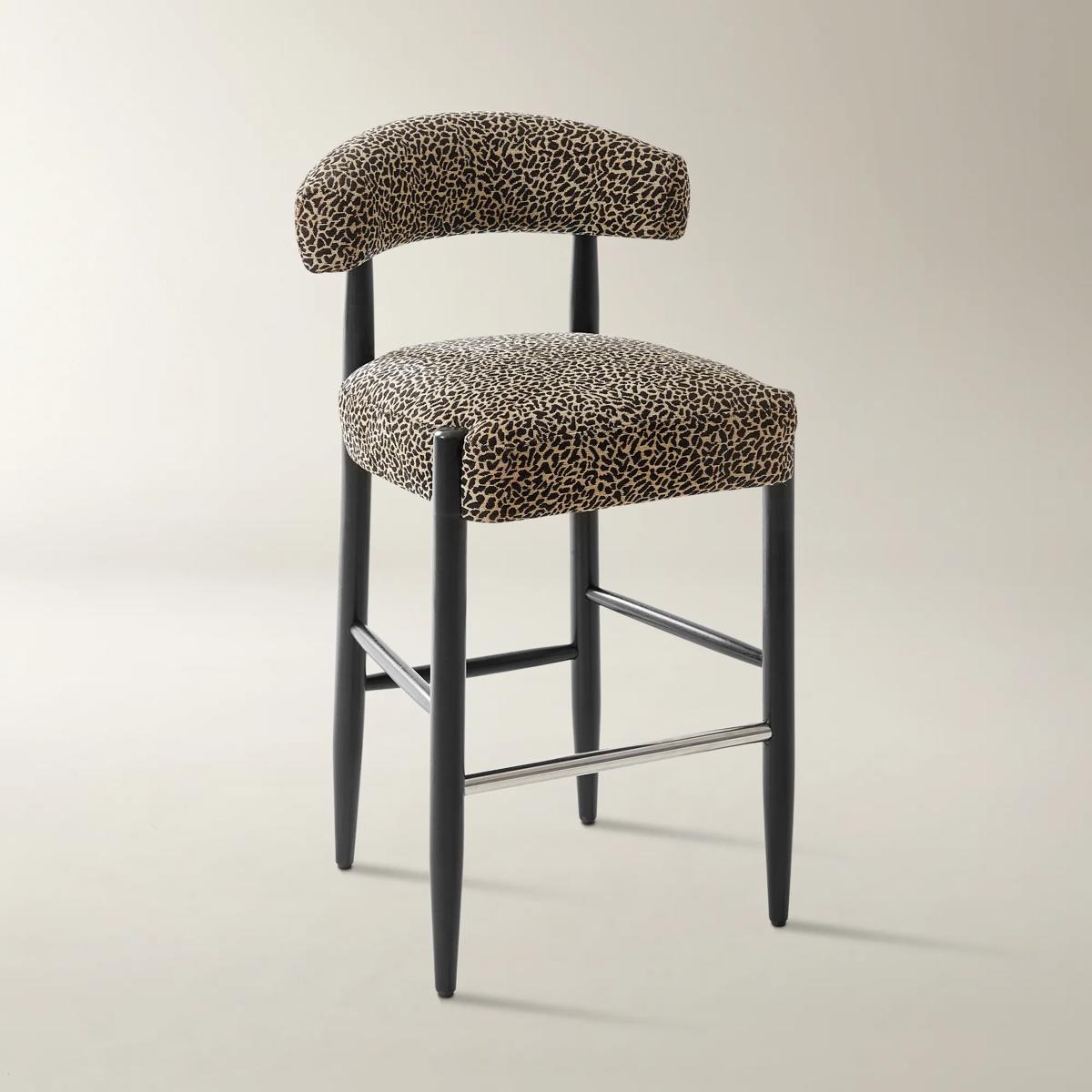
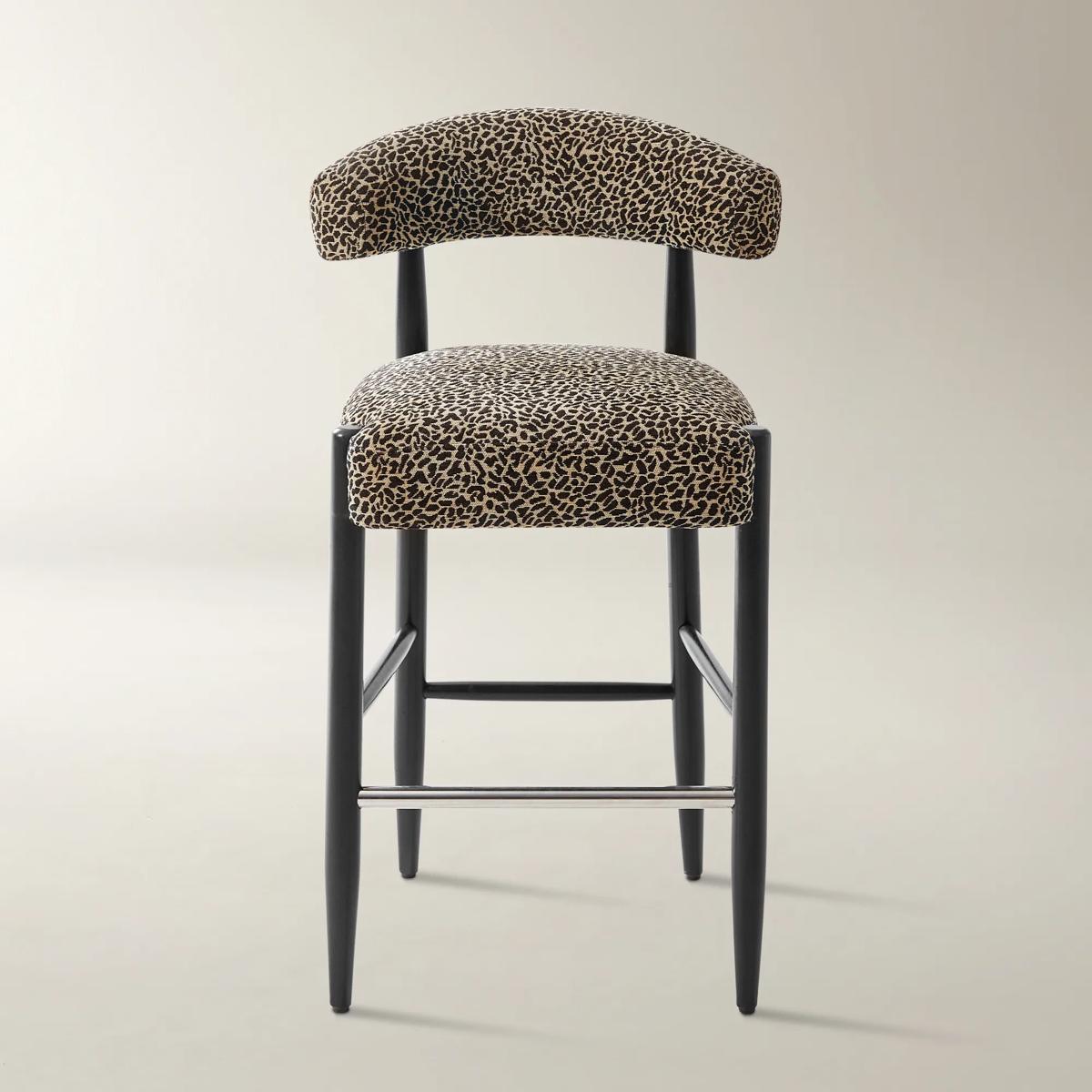 Anna Leopard Chenille Bar/Counter Stool$449
A leopard-patterned chenille bar stool with sculpted padded support and tapered solid rubberwood legs.
Add To Cart -
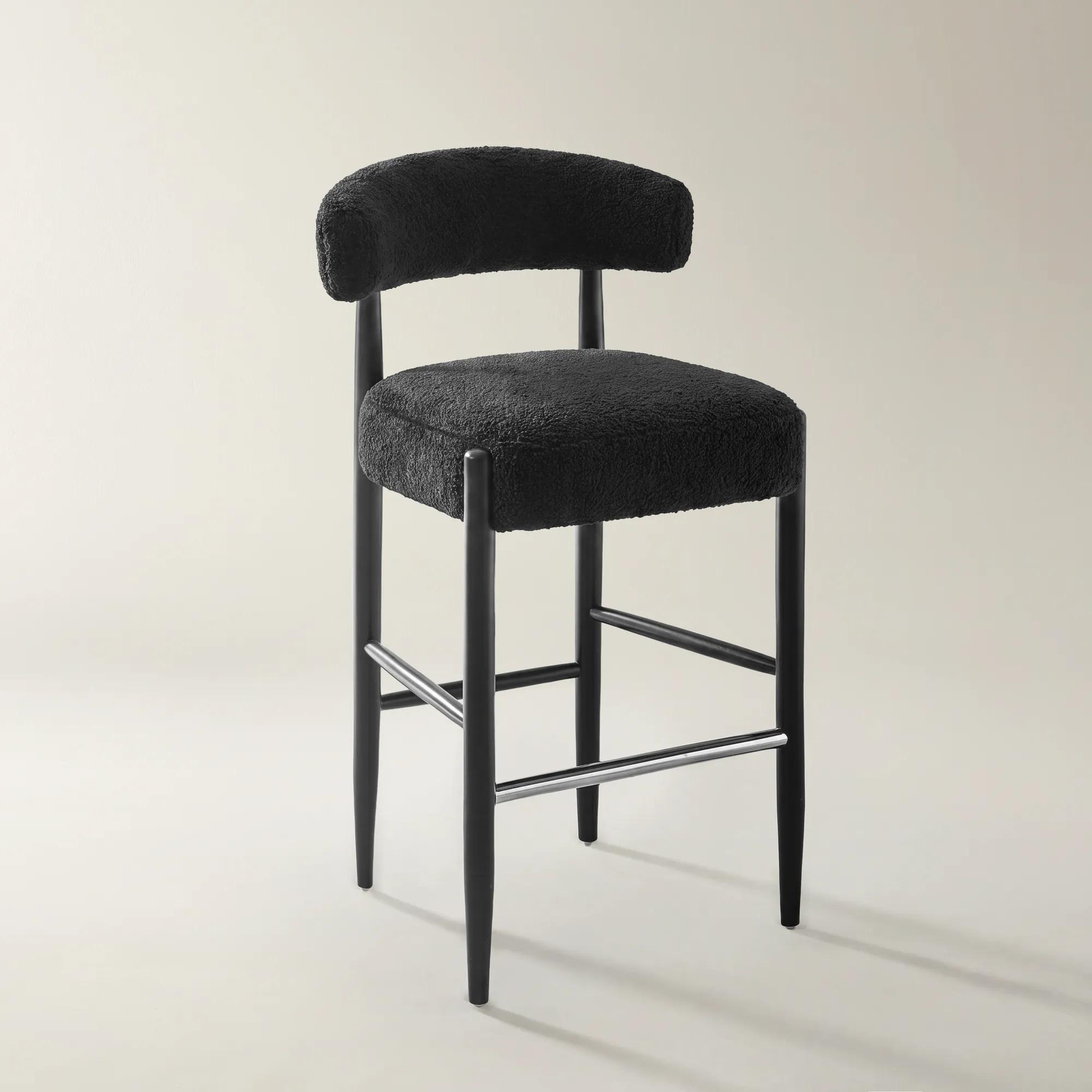 Anna Black Chenille Bar/Counter Stool$449
A black chenille counter stool with a sculpted padded seat and solid rubberwood legs.
Add To Cart -
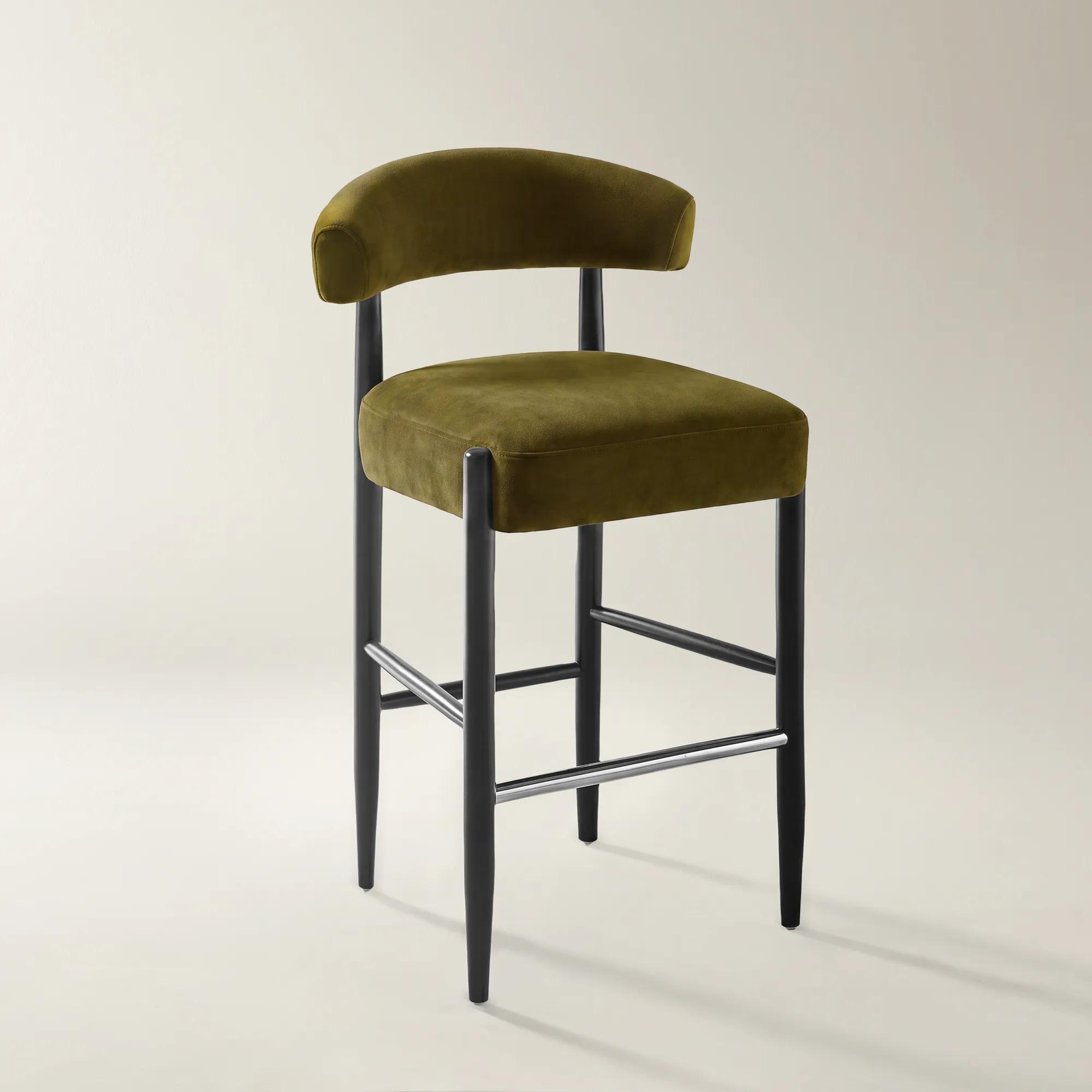 Anna Deep Olive Velvet Bar/Counter Stool$449
A green velvet bar stool with a sculpted padded seat, tailored upholstery, and tapered solid-rubberwood legs.
Add To Cart -
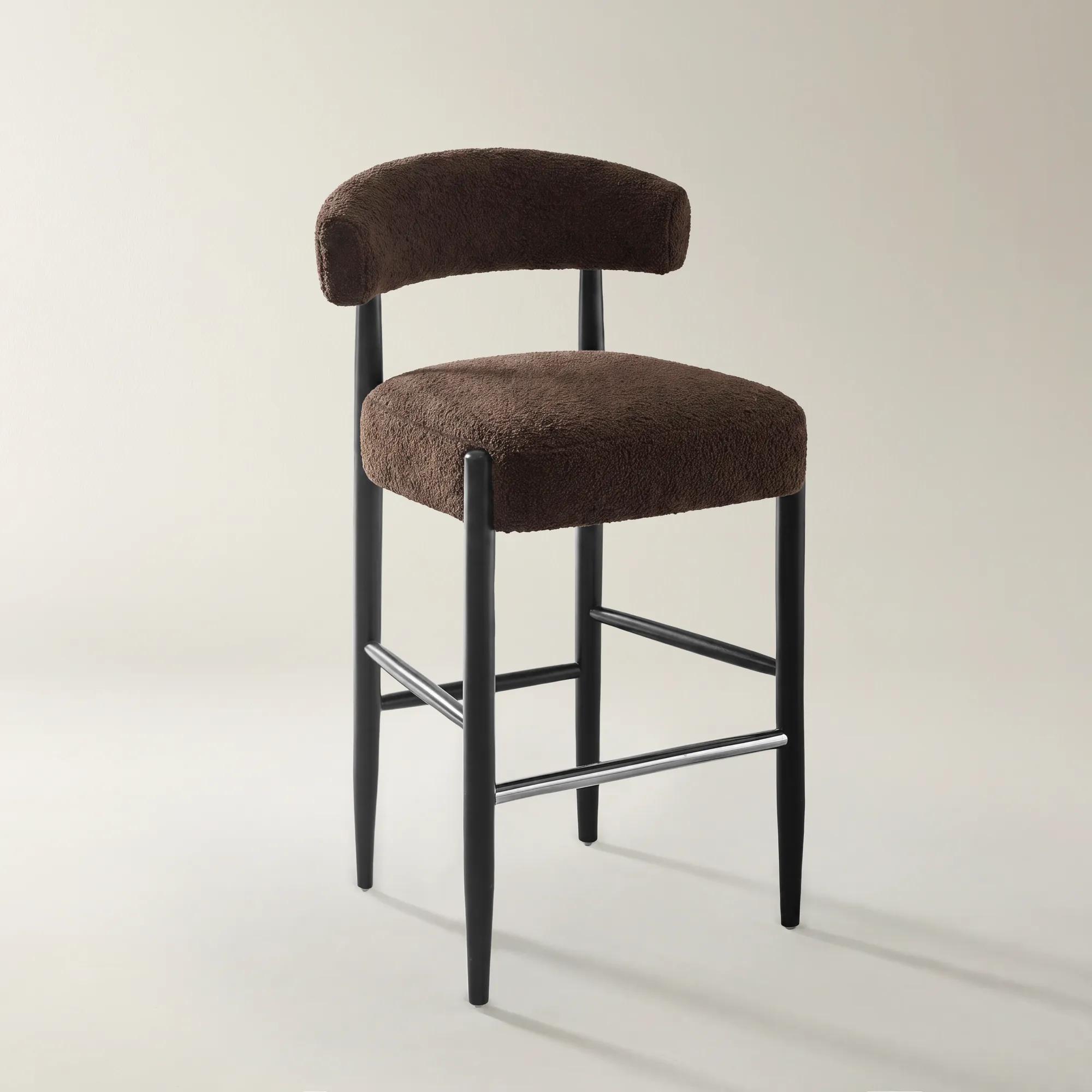 Anna Dark Chocolate Chenille Bar/Counter Stool$449
A dark chocolate chenille counter stool with a sculpted padded seat and solid rubberwood legs.
Add To Cart -
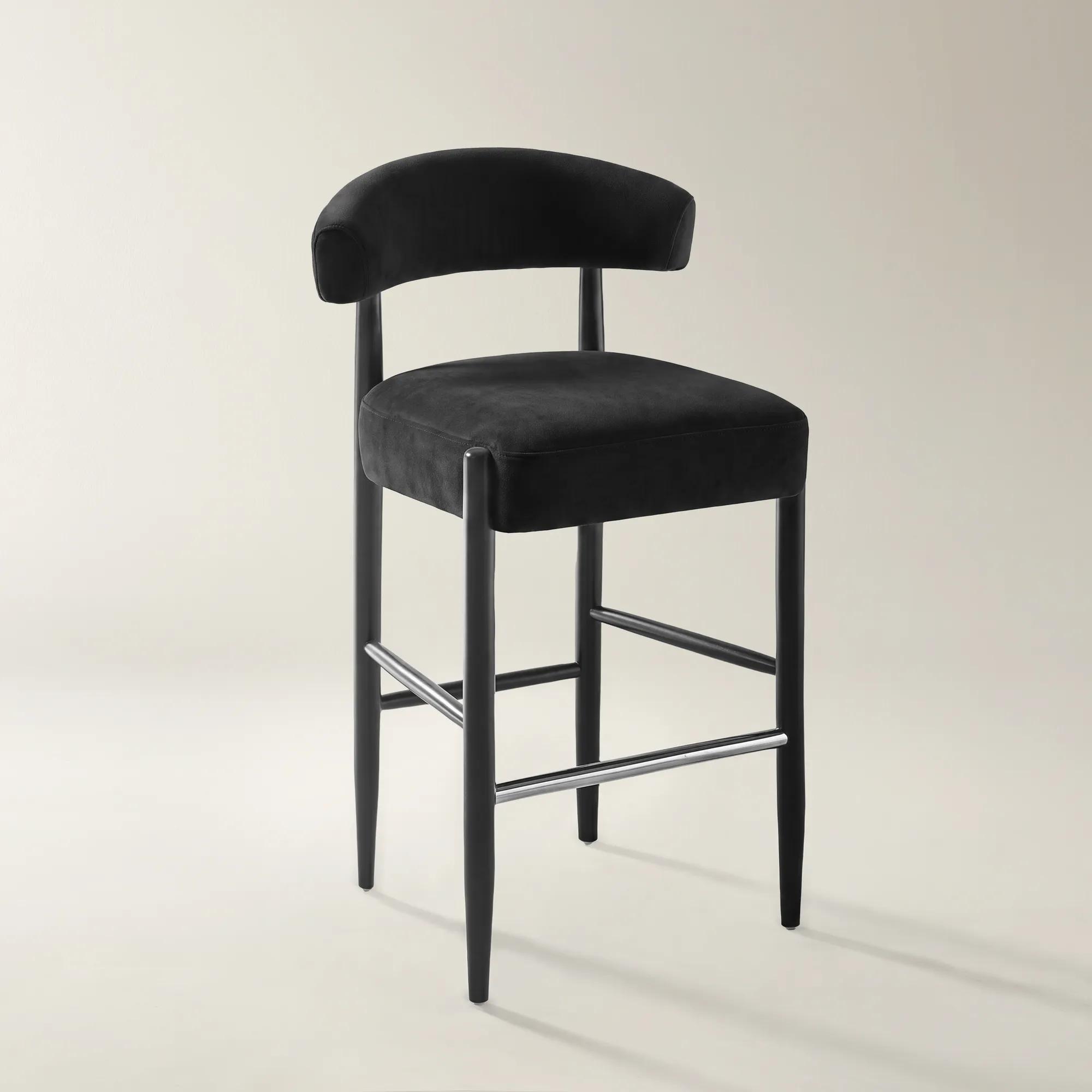 Anna Charcoal Velvet Bar/Counter Stool$449
A charcoal velvet bar stool with a sculpted padded seat and solid rubberwood legs.
Add To Cart -
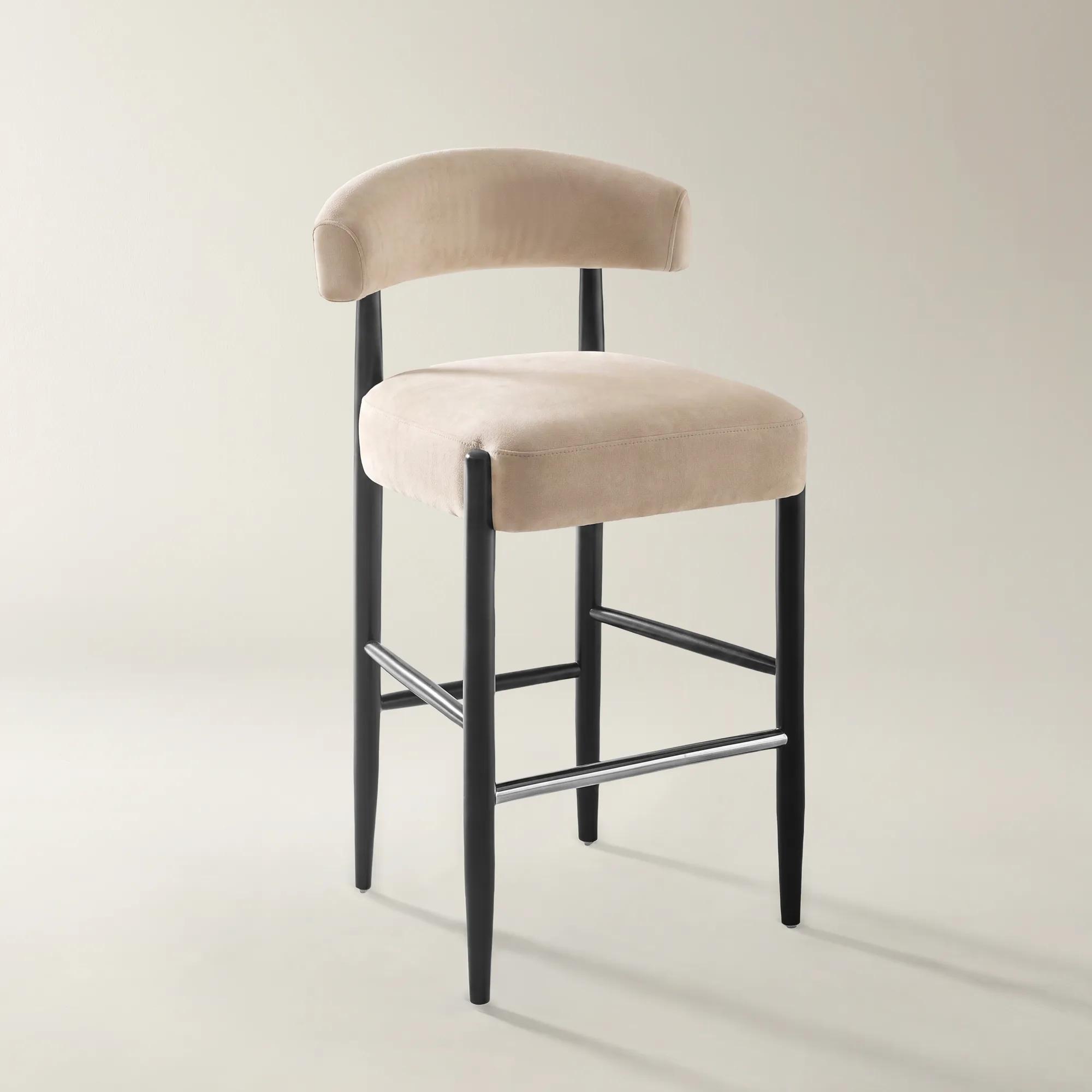 Anna Simply Taupe Velvet Bar/Counter Stool$449
A taupe velvet counter stool with a sculpted back, padded seat, and tapered solid-rubberwood base.
Add To Cart -
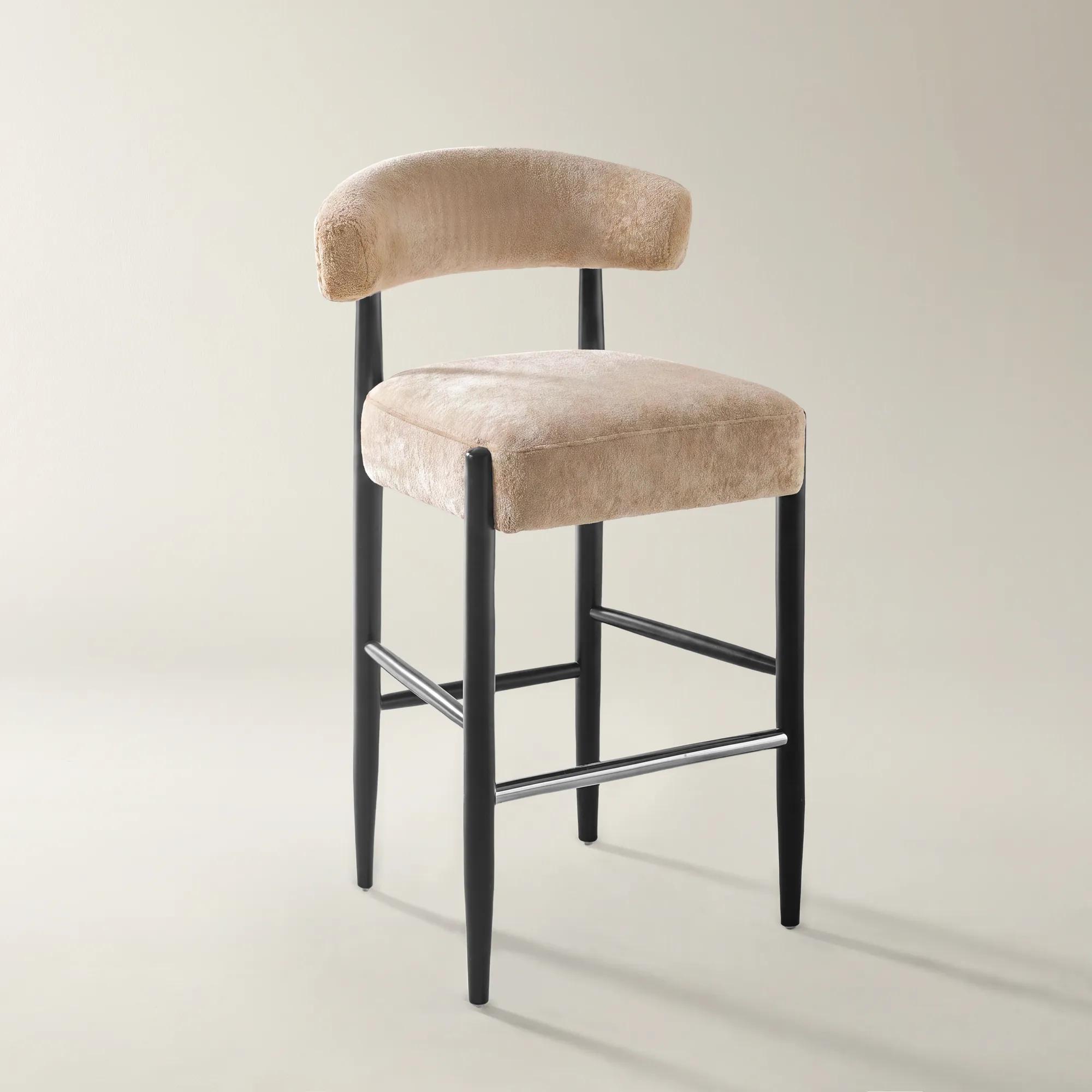 Anna Light Brown Chenille Bar/Counter Stool$449
A brown chenille counter stool with a sculpted back, padded seat, and tapered solid-rubberwood legs.
Add To Cart -
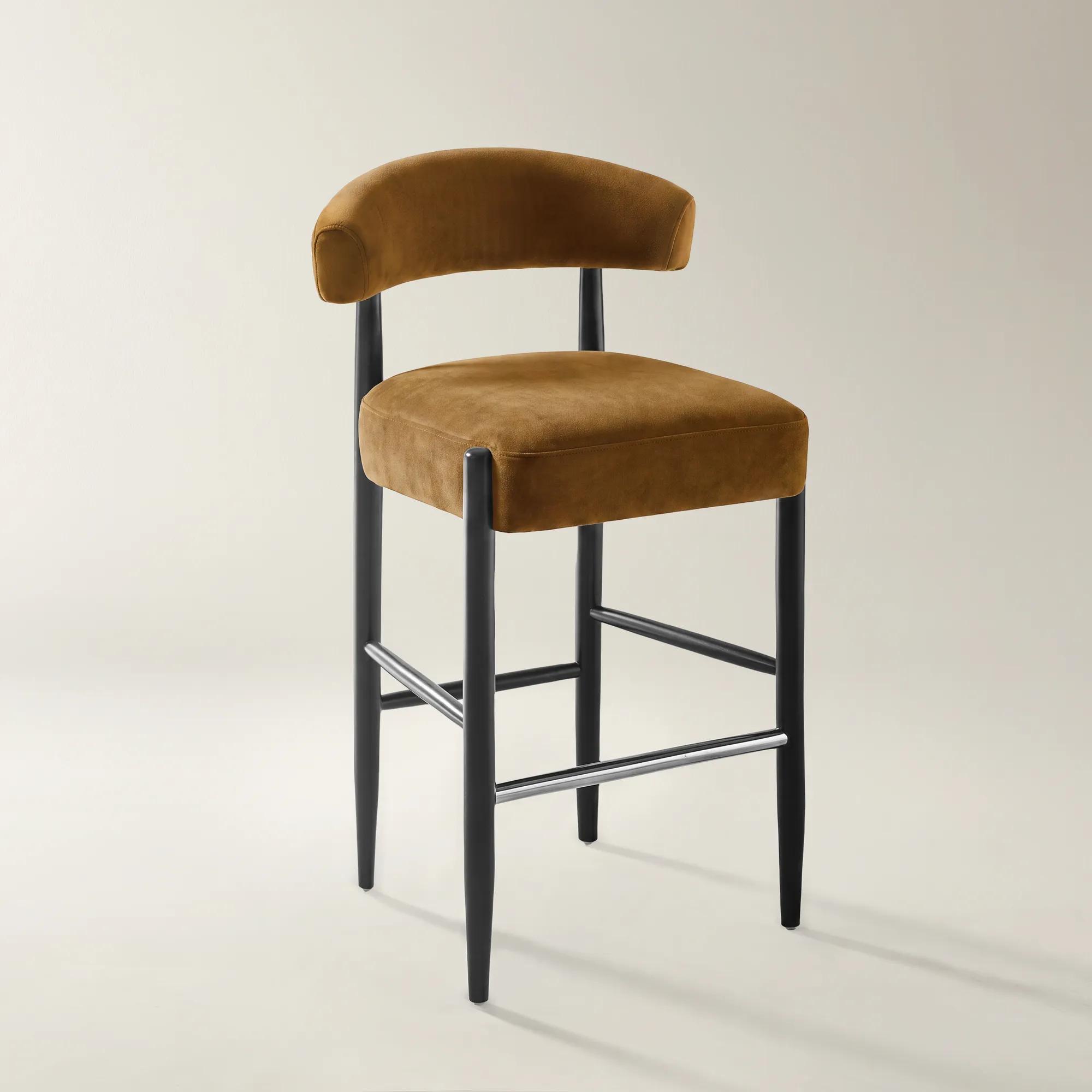 Anna Roasted Pecan Velvet Bar/Counter Stool$449
A roasted pecan velvet bar stool with a sculpted padded back, custom upholstery, and tapered solid-rubberwood legs.
Add To Cart -
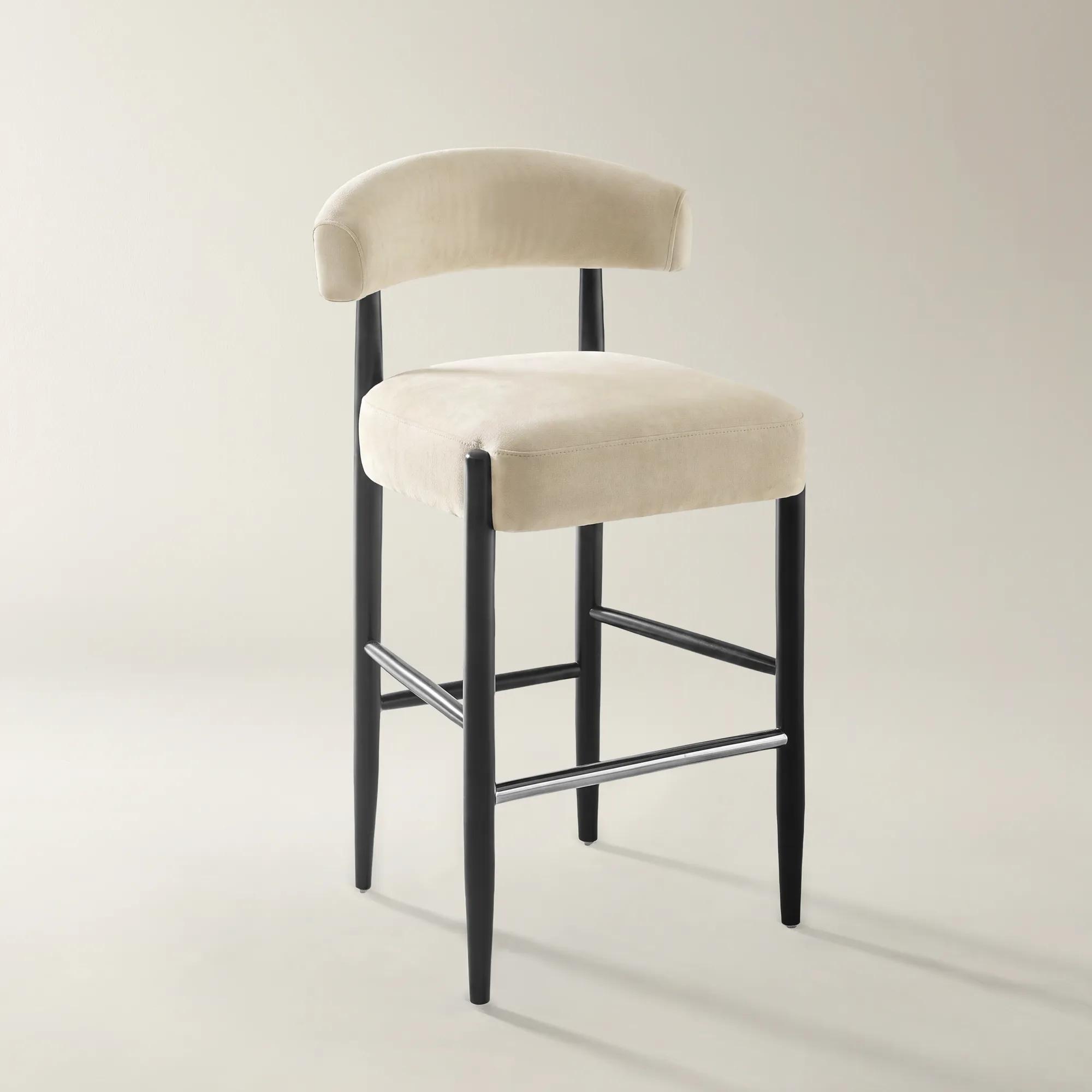 Anna Oatmeal Velvet Bar/Counter Stool$449
A counter stool with oatmeal velvet upholstery, sculpted back, padded seat, and solid rubberwood legs.
Add To Cart -
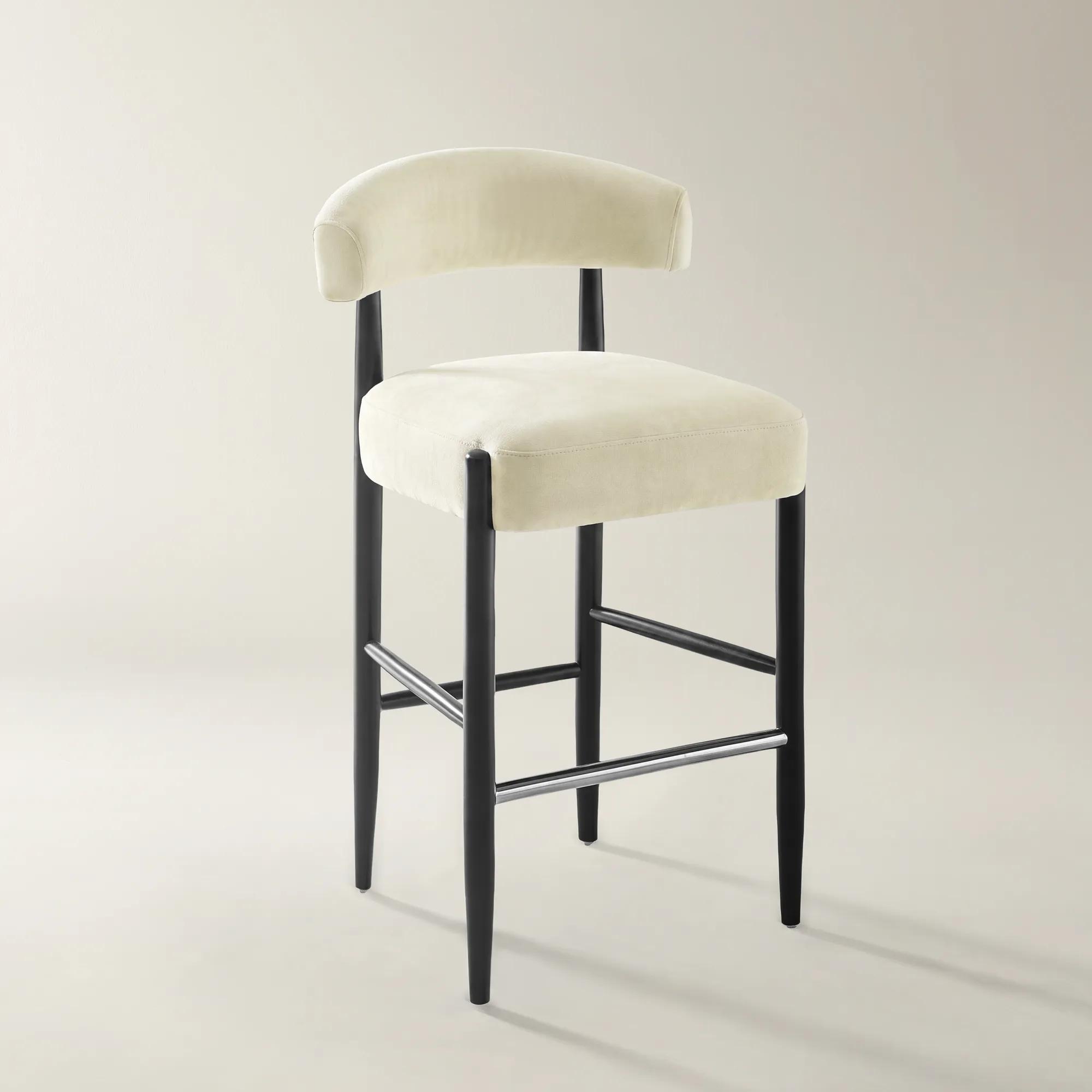 Anna Cloud Velvet Bar/Counter Stool$449
A cloud velvet counter stool with sculpted padded support and tapered solid-rubberwood legs.
Add To Cart -
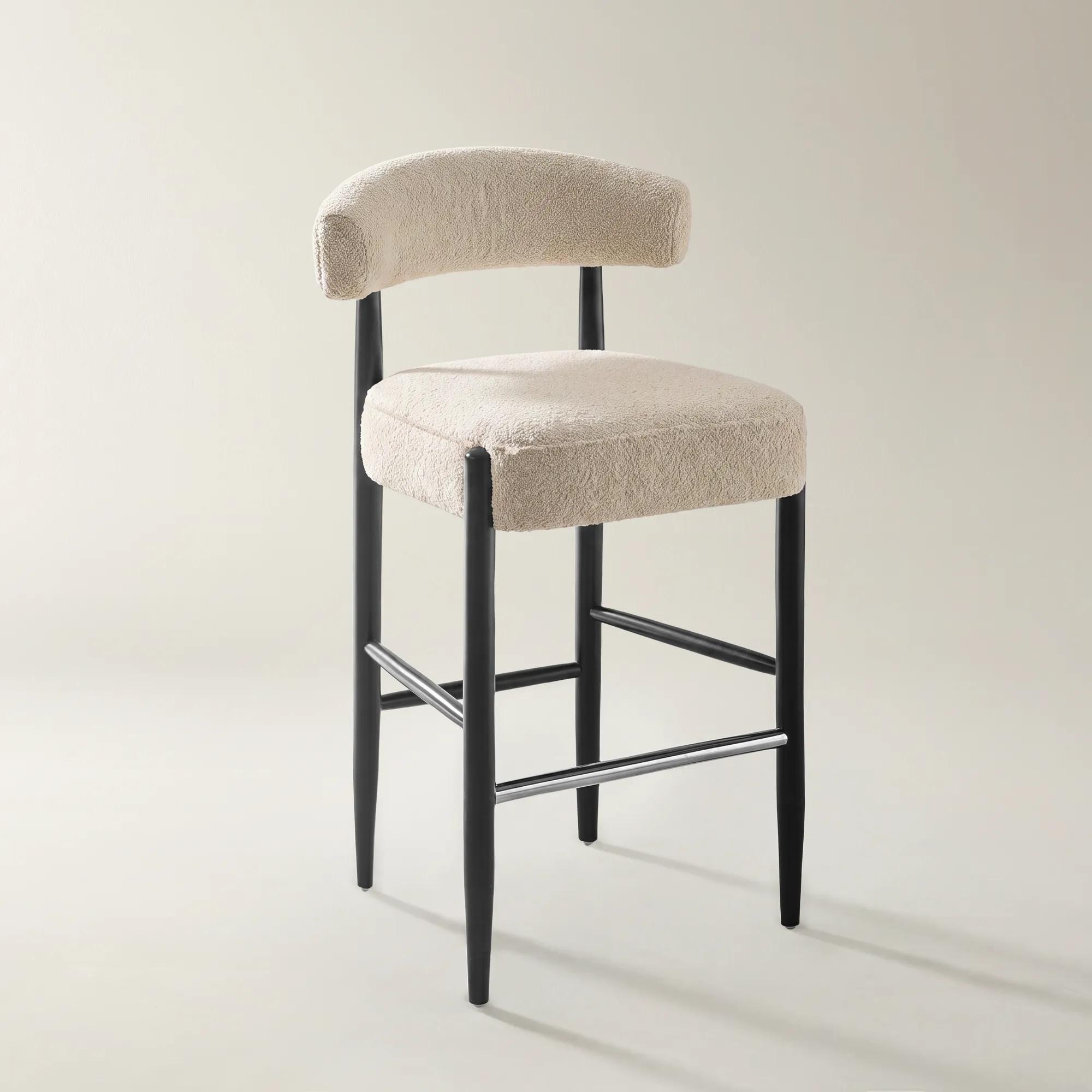 Anna Utopia Sand Chenille Bar/Counter Stool$449
A chenille bar stool with a sculpted padded seat, kiln-dried hardwood frame, and solid rubberwood legs.
Add To Cart -
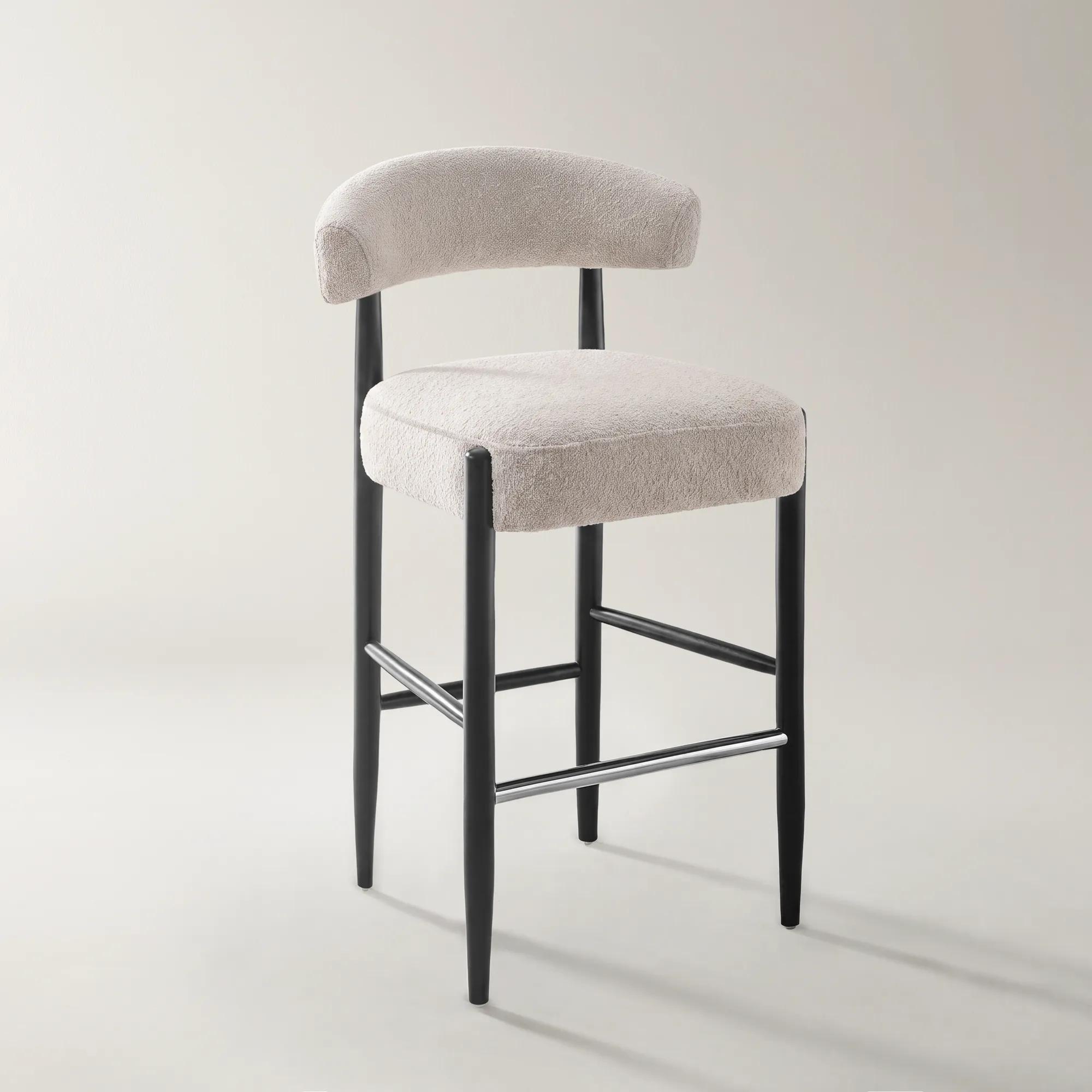 Anna Ivory Performance Boucle Bar/Counter Stool$449
An ivory performance-bouclé bar stool with sculpted padded support and tapered solid-rubberwood legs.
Add To Cart -
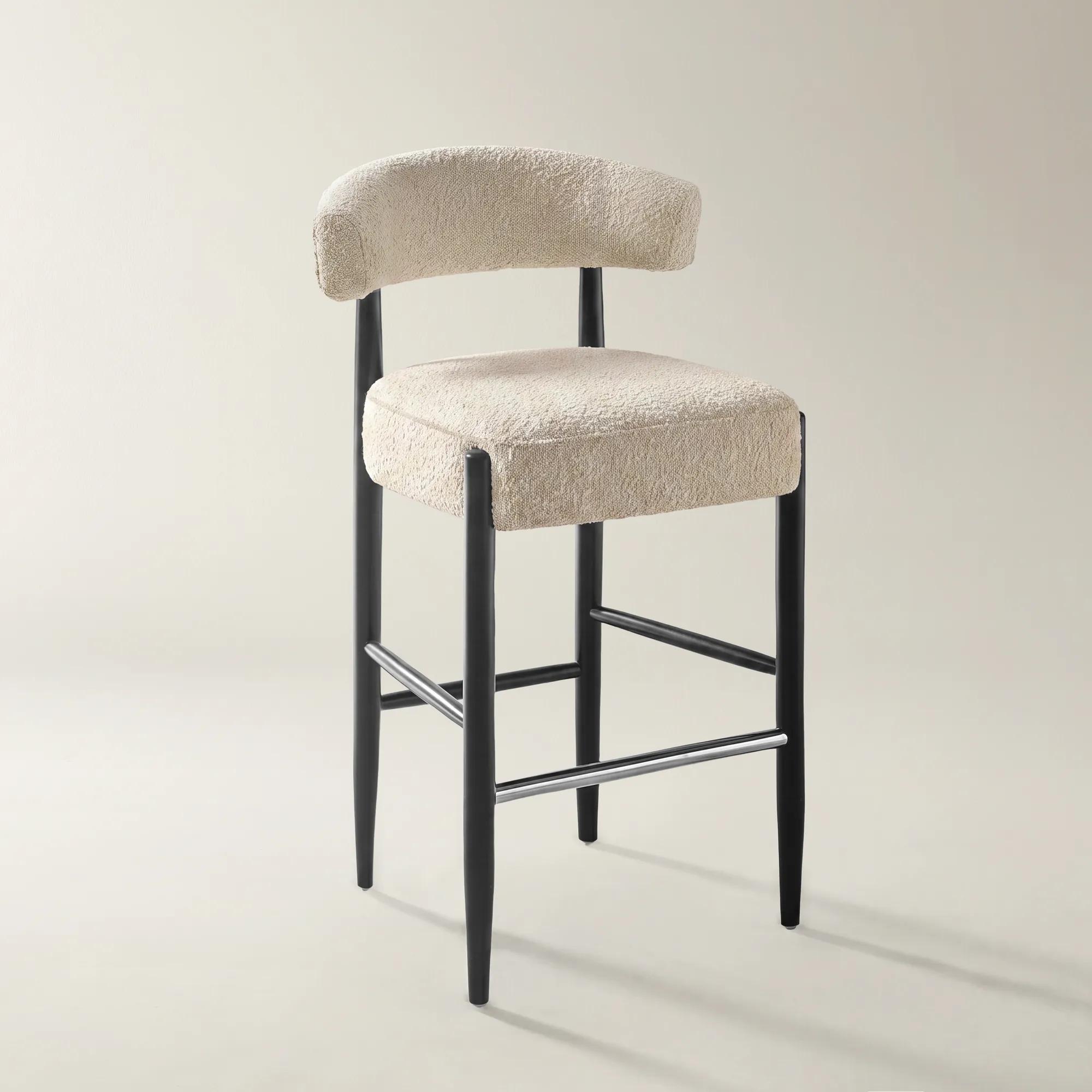 Anna Ivory Performance Boucle Bar/Counter Stool$449
A counter stool with ivory performance boucle upholstery, sculpted support, and tapered solid rubberwood legs.
Add To Cart -
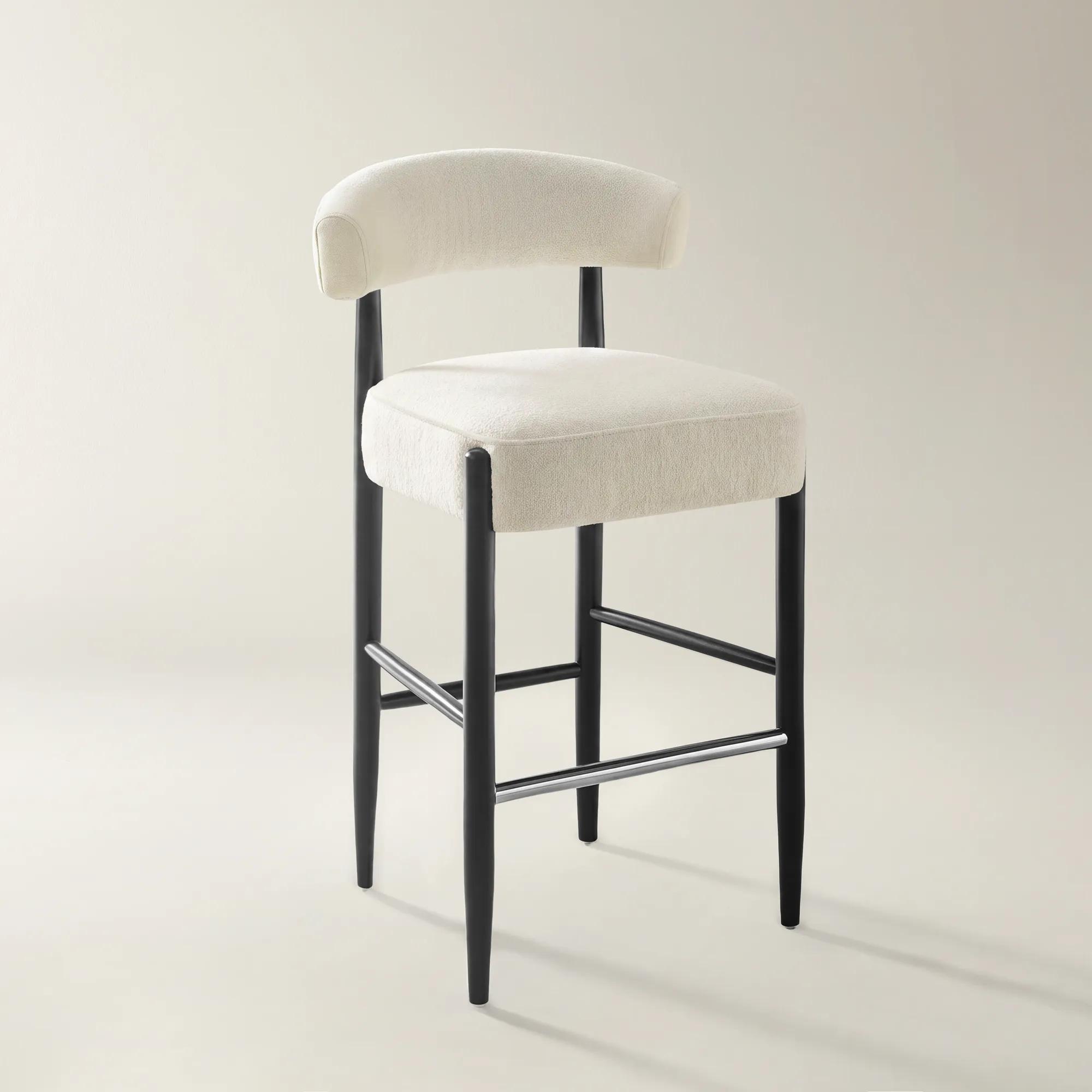 Anna Ivory Performance Chenille Bar/Counter Stool$449
An ivory performance-chenille bar stool with a sculpted back, padded seat, and tapered solid-rubberwood legs.
Add To Cart -
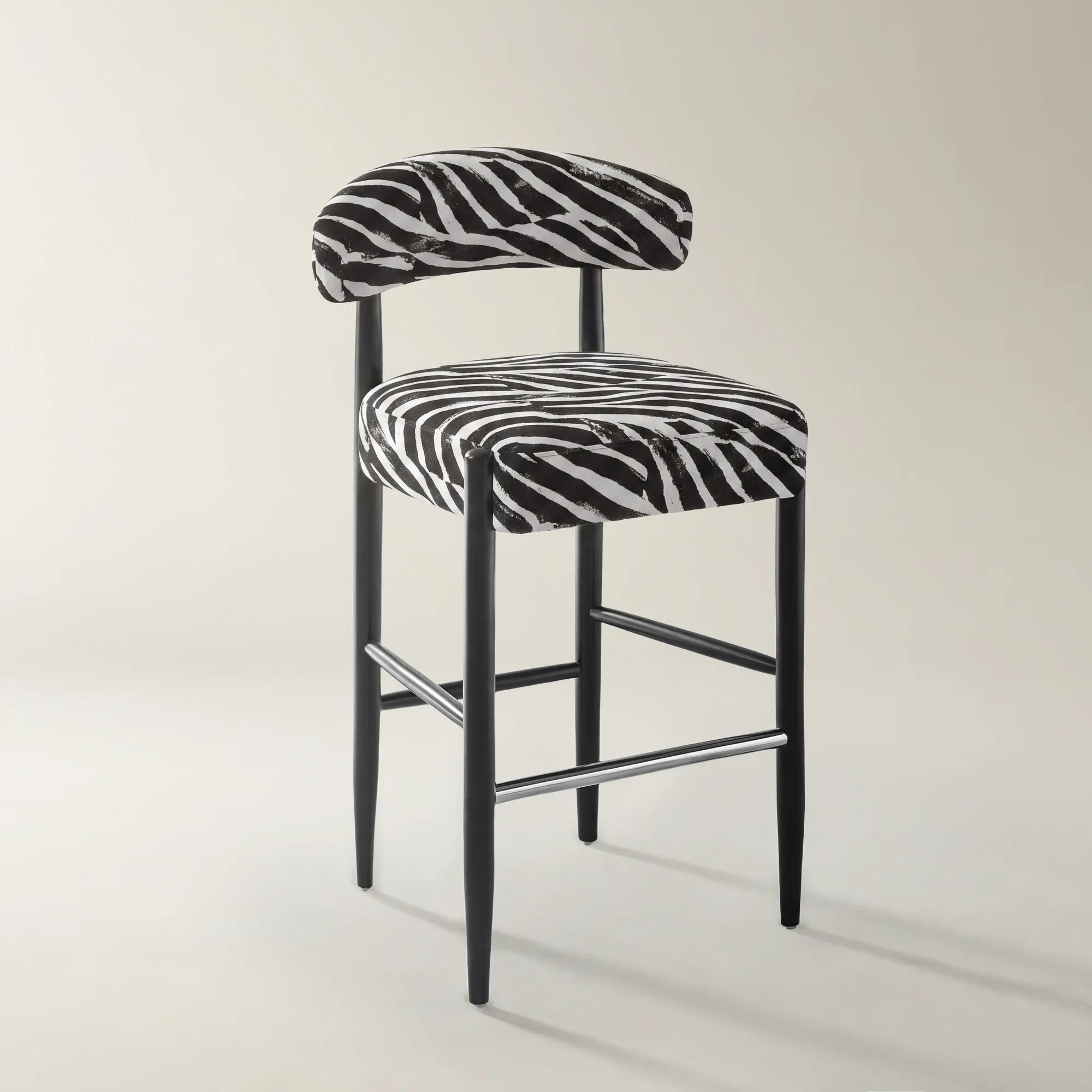 Anna White/Black Performance Chenille Bar/Counter Stool$449
A black-and-white chenille bar stool with a sculpted back, padded seat, and tapered solid rubberwood legs.
Add To Cart -
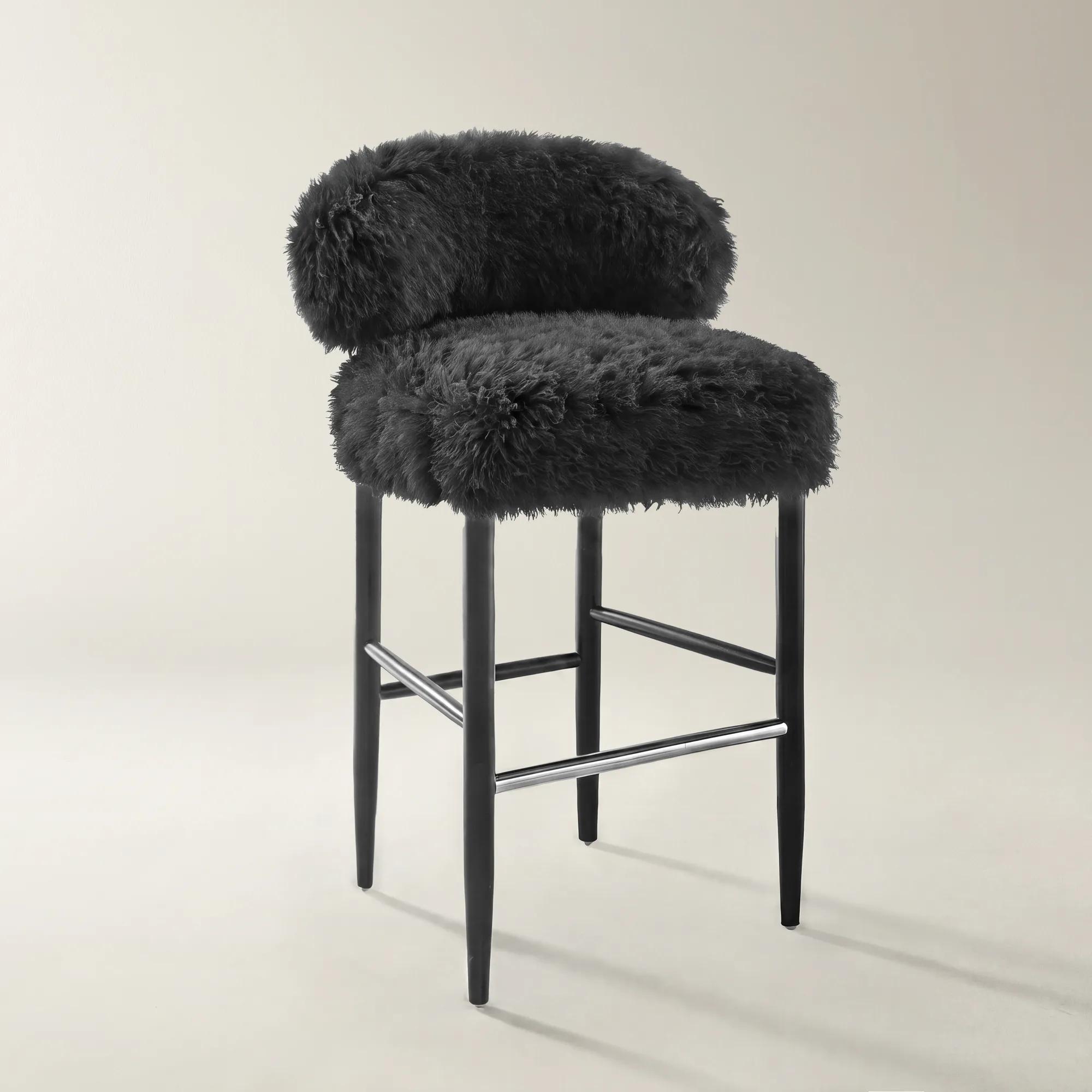 Anna Black Faux Fur Bar/Counter Stool$549
A black faux-fur bar stool with a sculpted back, padded seat, and solid rubberwood legs.
Add To Cart -
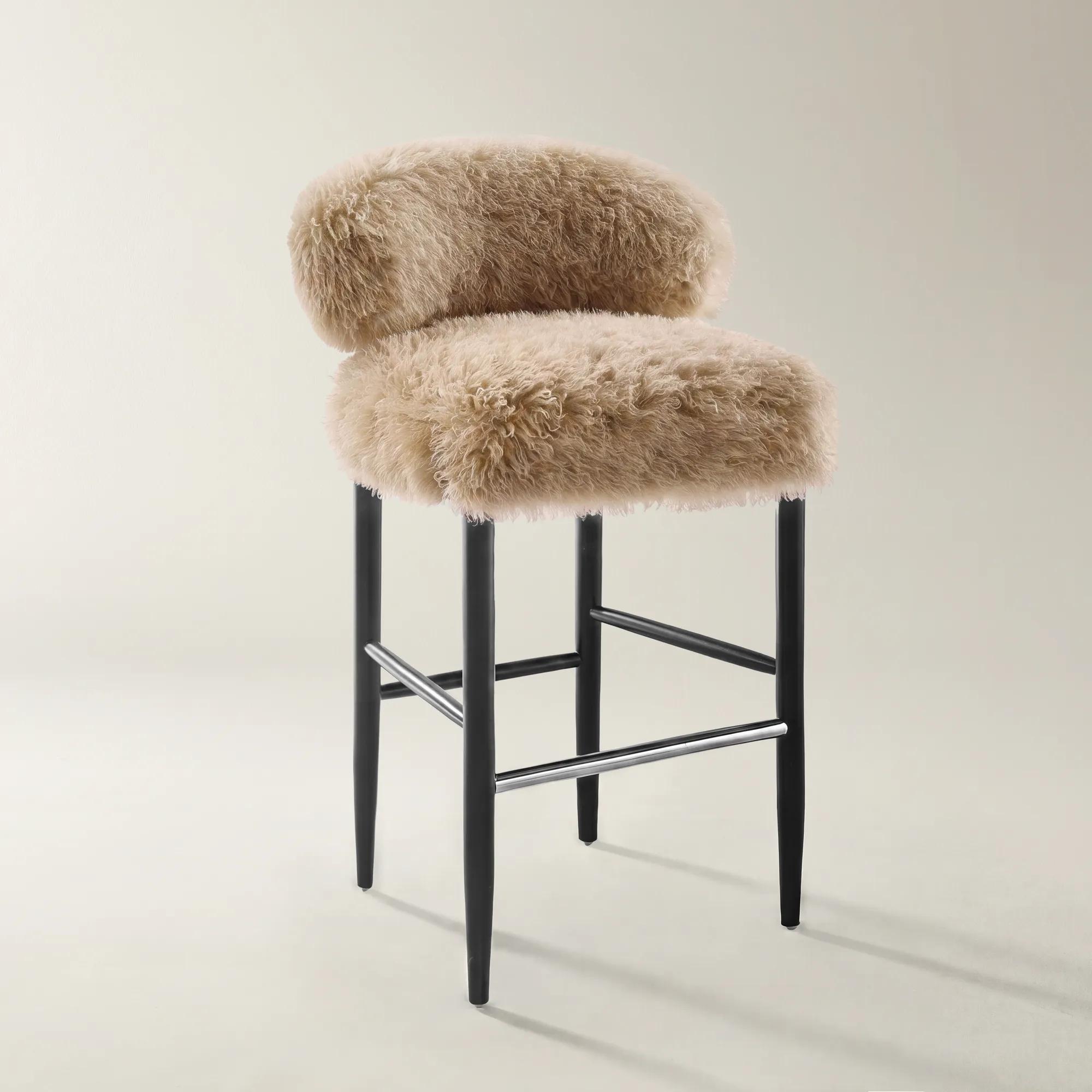 Anna Tan Faux Fur Bar/Counter Stool$549
A tan faux-fur bar stool with a sculpted padded seat and tapered solid-rubberwood legs.
Add To Cart -
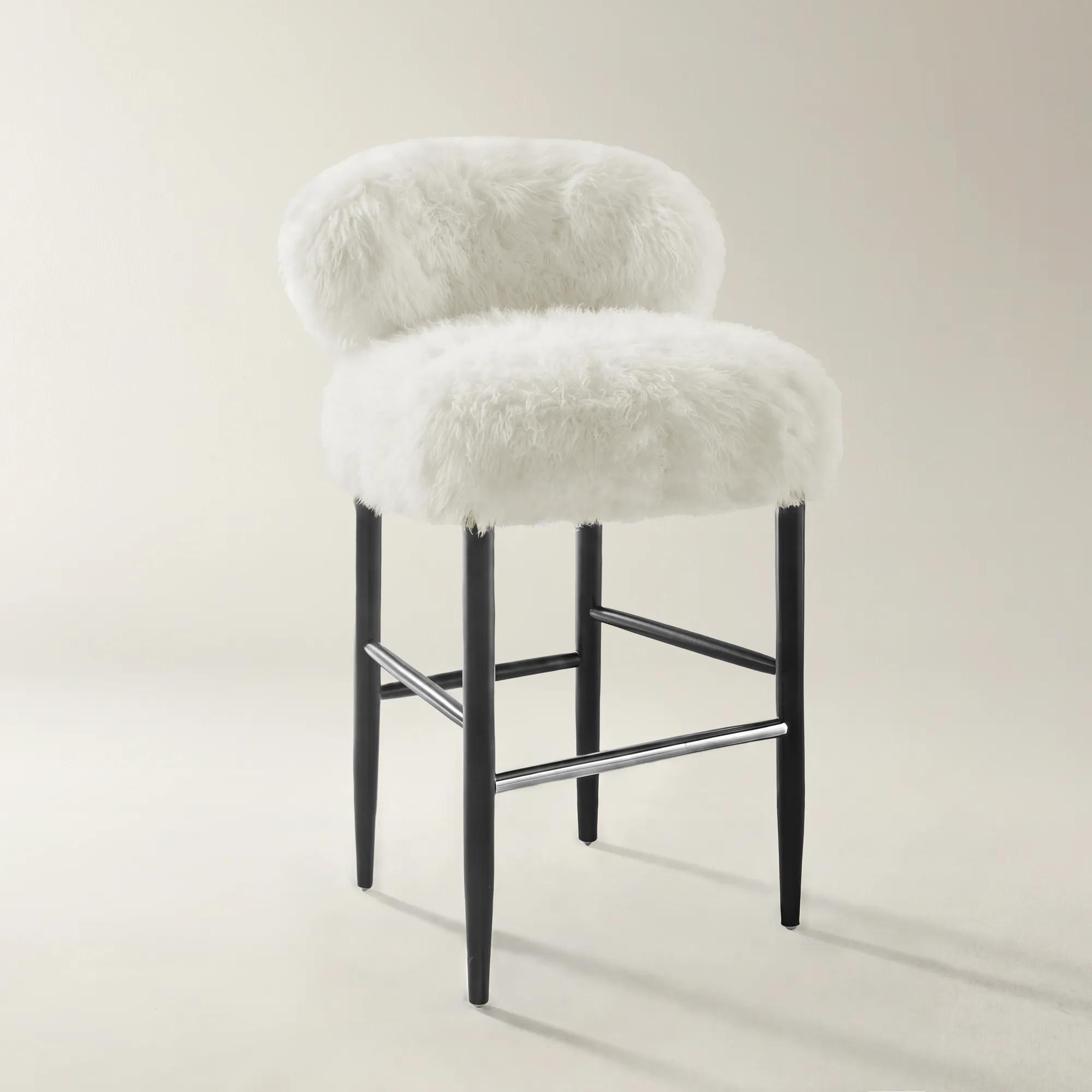 Anna Ivory Faux Fur Bar/Counter Stool$549
An ivory faux-fur counter stool with sculpted support, padded seating, and tapered solid-rubberwood legs.
Add To Cart -
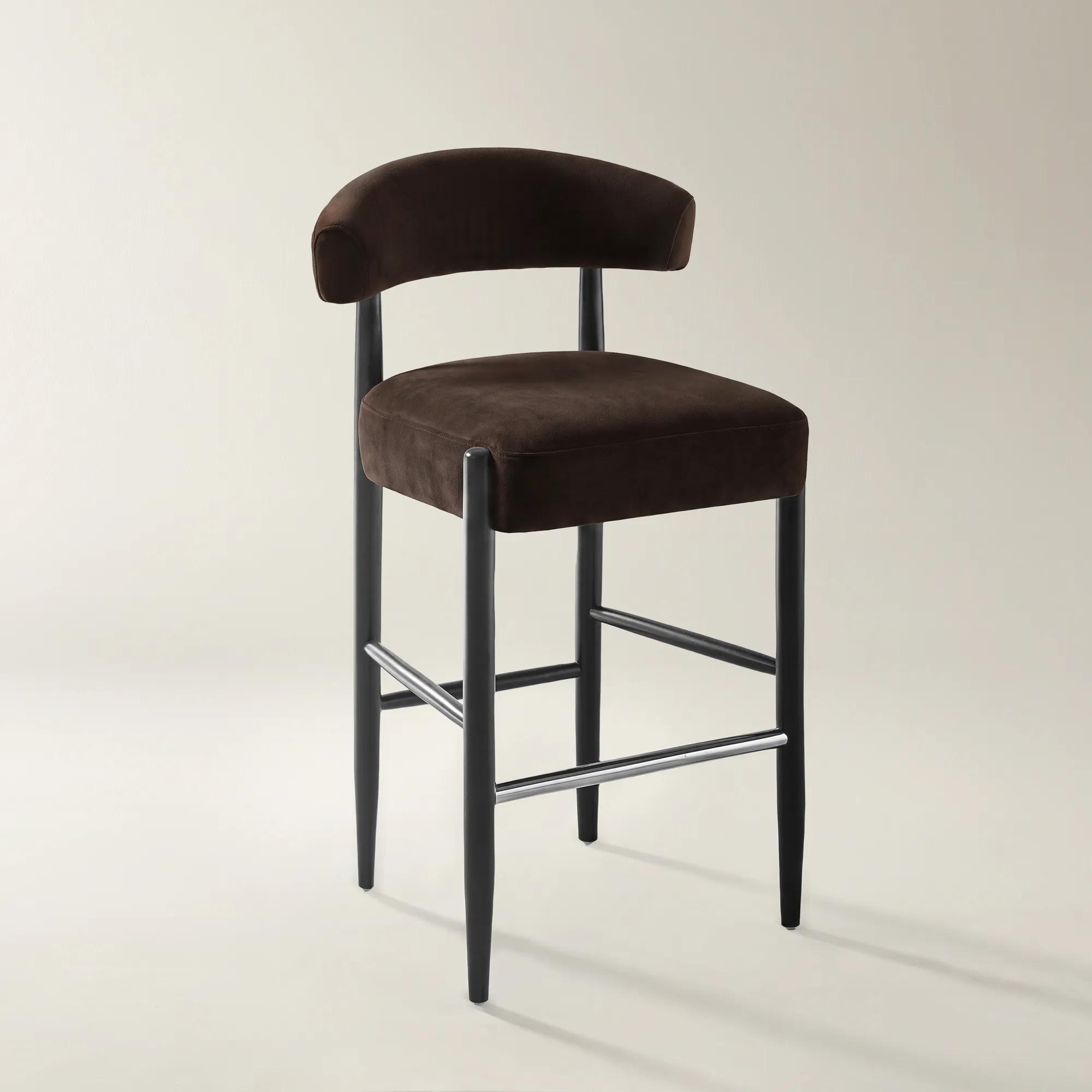 Anna Dark Chocolate Velvet Bar/Counter Stool$449
A dark chocolate velvet counter stool with a sculpted back, padded seat, and tapered solid-rubberwood legs.
Add To Cart -
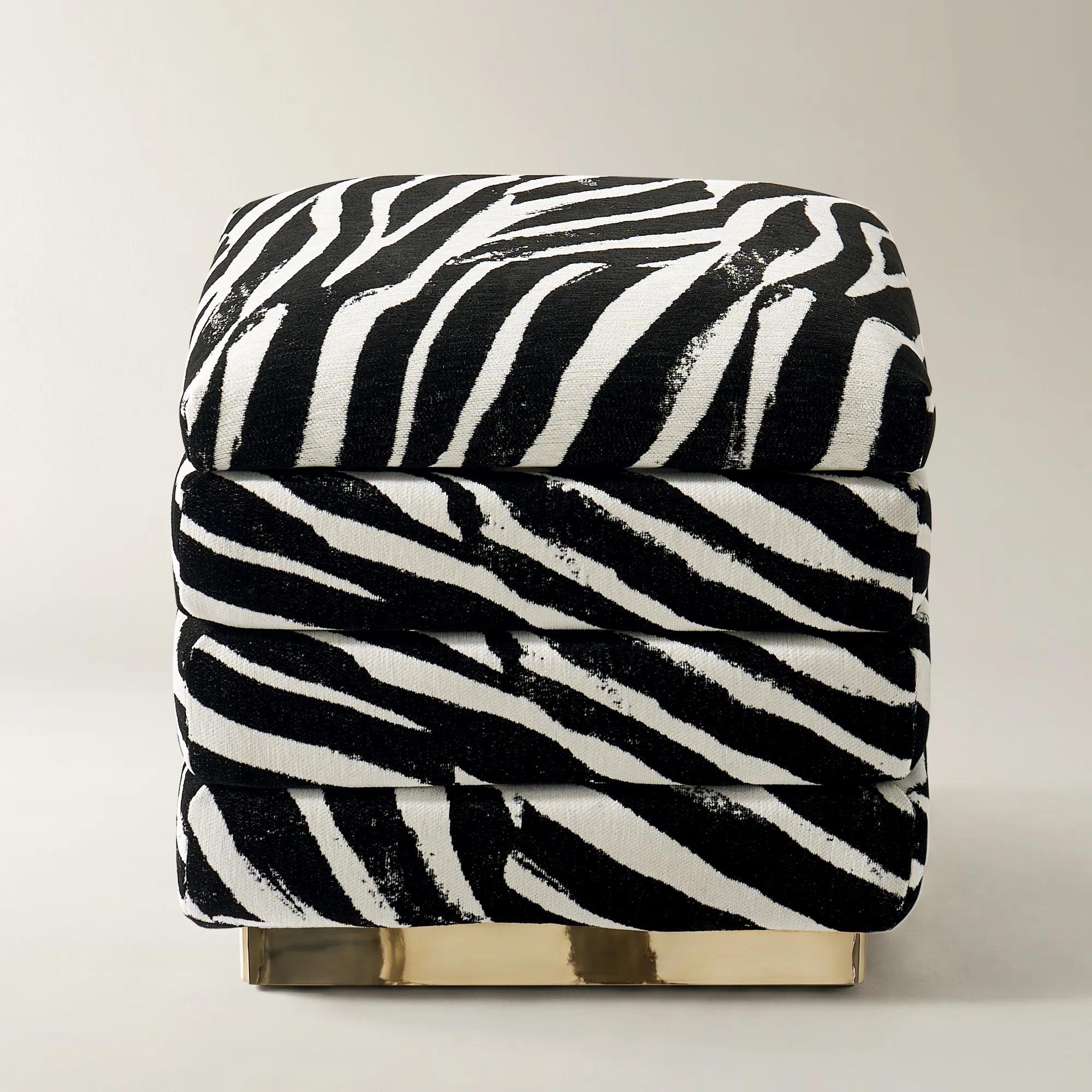
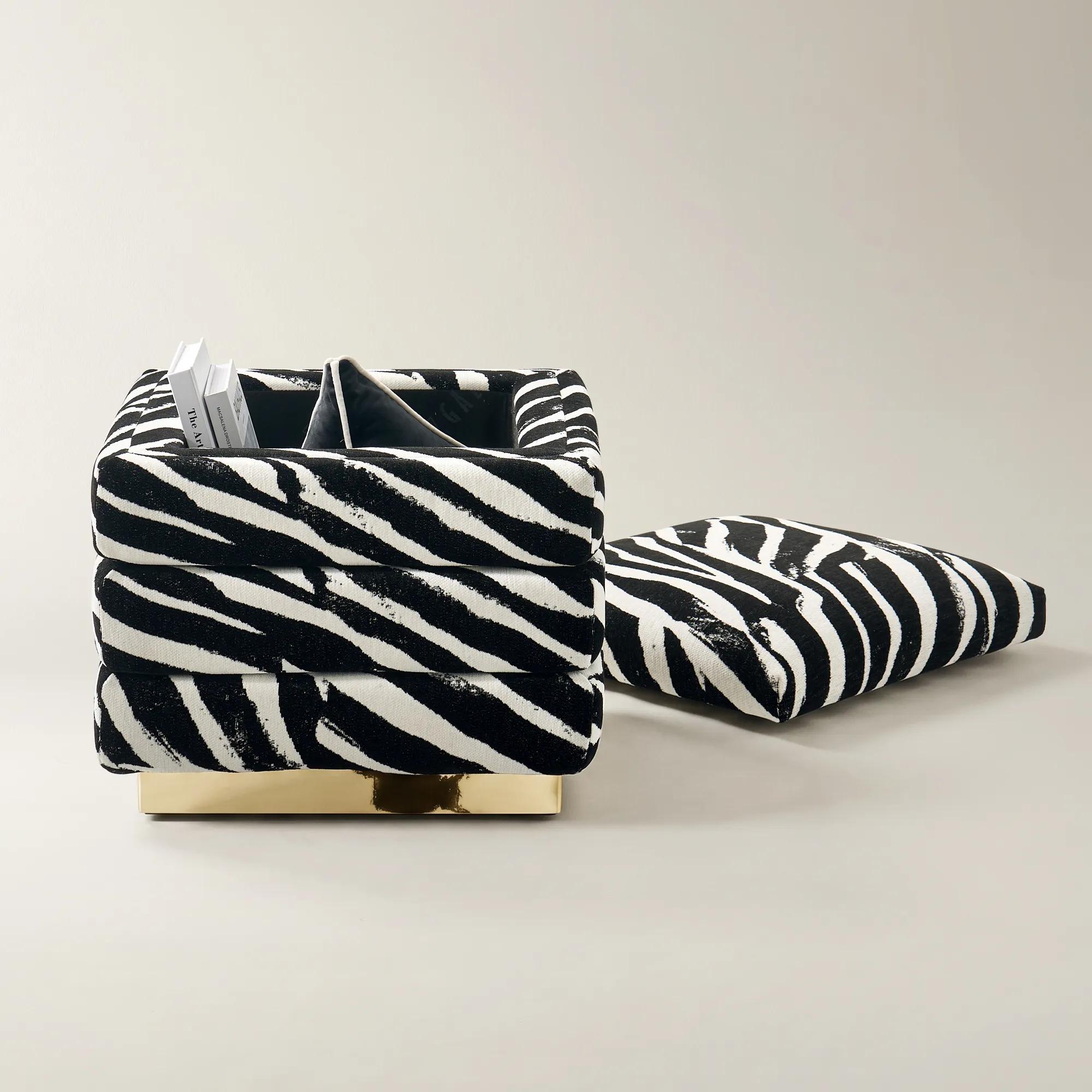 Gable White/Black Performance Chenille Stool$399
A plush white and black chenille stool with hidden storage and a polished gold stainless steel base.
Add To Cart -
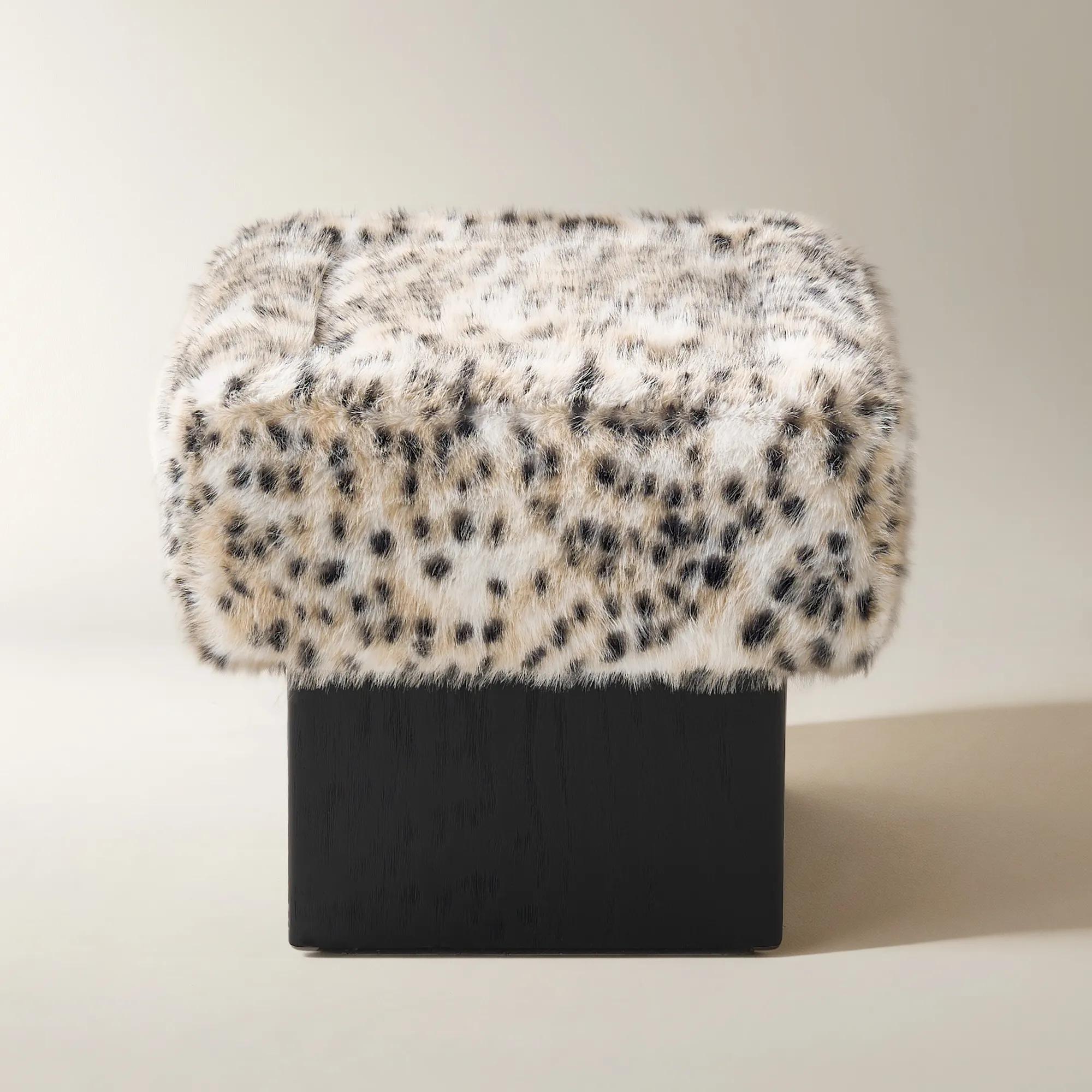 Reims Spotted Faux Fur Stool$399
A plush spotted faux fur stool with a sculpted cushion and solid rubberwood base for modern contrast.
Add To Cart -
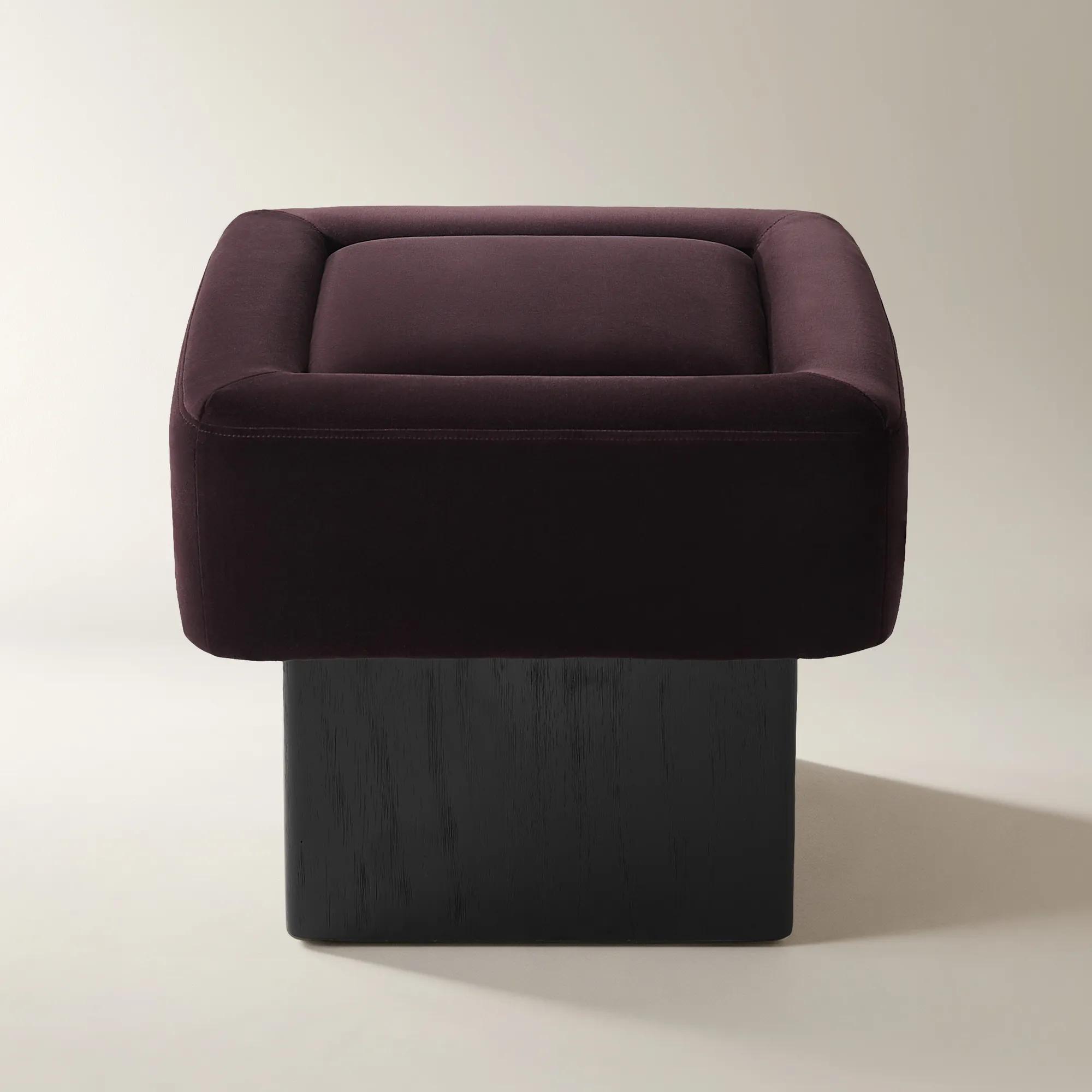 Reims Fig Velvet Stool$399
A plush fig-colored velvet stool featuring a sculpted cushion and a solid rubberwood base for modern contrast.
Add To Cart -
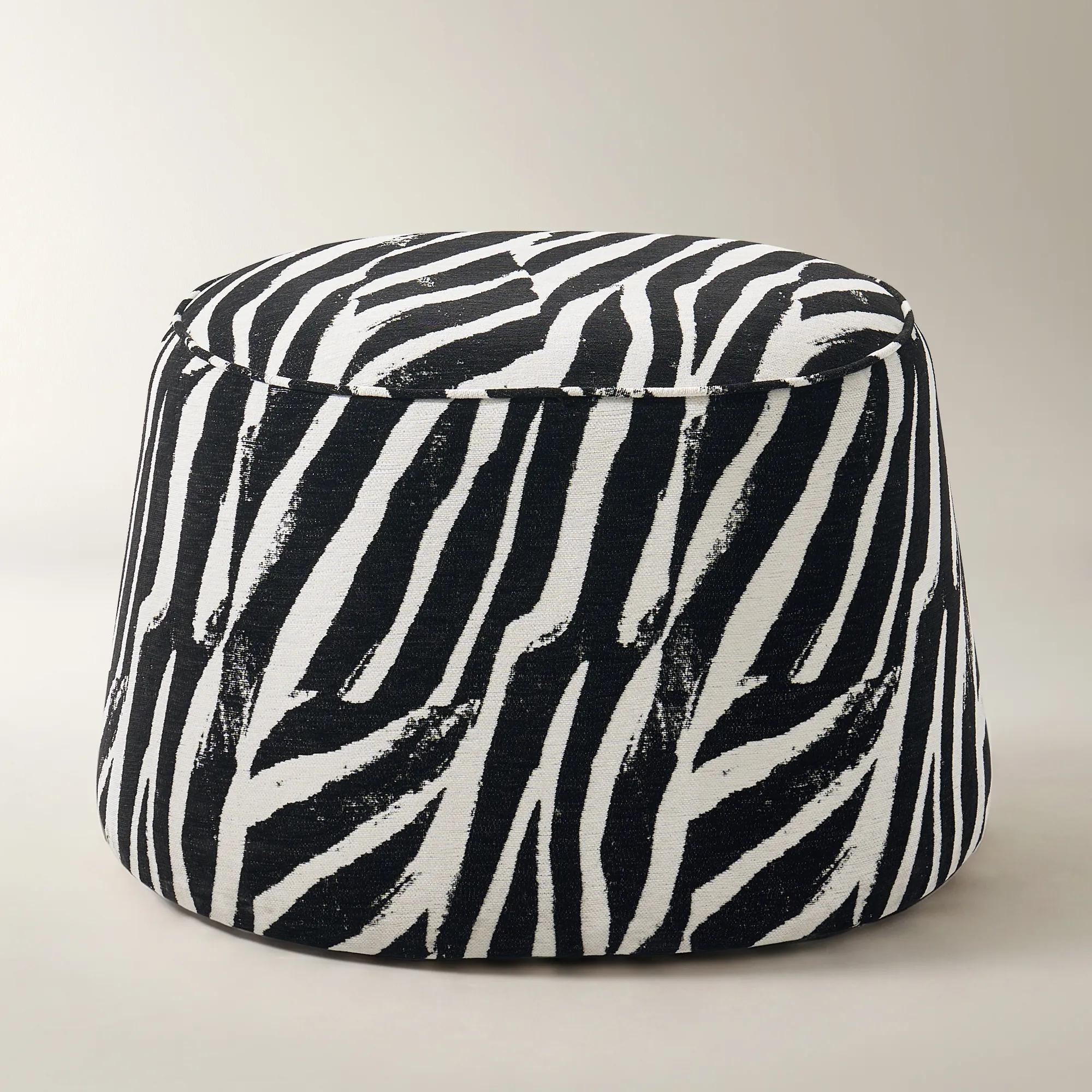 Avery White/Black Performance Chenille Stool$399
A sculpted drum accent stool in black and white performance chenille with an animal-inspired pattern.
Add To Cart

Hand Upholstered Barstools
Hand upholstered barstools are the ultimate invitation to linger, transforming every kitchen island and cocktail corner into an experience of artistry and allure. Each piece is a celebration of tactile luxury, where sumptuous fabrics and meticulous craftsmanship converge in sculptural silhouettes. Whether you’re curating a glamorous entertaining space or elevating everyday moments, these barstools infuse your home with drama and distinction—an irresistible fusion of comfort and couture that turns ordinary seating into an extraordinary statement.
Hand-upholstered barstools bring the softness of upholstered seating to the elevated proportions of a kitchen island, home bar, or entertaining space. The term describes seating whose fabric or leather covering is fitted and secured by hand over cushioning and a supporting structure, allowing careful attention to contours, seams, and finishing details. It does not necessarily mean that the entire frame is handmade or that the stool is made to order. The attraction is both visual and tactile: a cushioned seat softens the architecture of a stone countertop, while a beautifully upholstered back introduces color and texture at eye level. Velvet can create a rich, light-catching surface against polished metal; a woven textile offers a more understated texture; leather lends depth through its grain and finish. Each material has a distinct presence, and the effect changes with the silhouette around it. A curved back can feel enveloping, a tailored rectangular profile brings structure, and a slender open frame lets an expressive upholstery fabric command attention without making the room feel crowded. Details such as welting, tufting, or decorative nailheads, when included, add definition and can echo the lines of nearby cabinetry or lighting. The appeal of Custom Upholstered Bar Stools belongs to this same appreciation for seating that feels considered within its surroundings. Rather than treating the counter as a separate zone, upholstered stools can connect it to a living room’s sumptuous textiles or a dining area’s sculptural furniture. They suit the host who enjoys conversation while preparing dinner, the household that gathers at an island for breakfast, and the design enthusiast who wants even hardworking seating to have an expressive point of view. A row of matching stools creates a composed architectural rhythm; a distinctive fabric or gleaming frame turns that rhythm into a focal point. The result is seating with a clear purpose and enough personality to contribute to the room even when no one is seated.
Proportion gives that visual statement its everyday ease. Hand-upholstered barstools and counter stools may share similar styling, but their seat heights serve different surfaces. Counter-height seats commonly measure approximately 24 to 27 inches from the floor, while bar-height seats often fall around 28 to 32 inches; the correct match depends on the actual counter or bar rather than the name alone. Approximately 10 to 12 inches between the seat and the underside of the surface generally provides comfortable legroom, although thick aprons, brackets, and individual seating needs can change the fit. Overall width matters just as much. Upholstered arms and generously padded backs can make a stool feel inviting, but they also need room beside neighboring seats and beneath the counter overhang. Allowing roughly 24 to 30 inches of counter frontage per stool is a useful starting point, with additional space for wider silhouettes or swivel movement. A compact seat can preserve an open walkway in a smaller kitchen, while a deeper, supportive design may better suit a home bar where conversations linger. Backless profiles tuck away with a discreet footprint; full backs create a stronger decorative presence and provide support for longer meals. Arms offer another point of comfort, provided their height clears the counter when the stool is pushed inward. Footrests are especially important on elevated seating because they give the feet a place to settle rather than leaving the legs unsupported. Swivel mechanisms, where included, can make it easier to turn toward guests without repeatedly moving the base, though surrounding cabinetry and nearby walls still require clearance. Seat padding also deserves attention beyond its initial softness: cushion construction and firmness influence how supported a person feels over time. For a household sharing the island across meals, conversation, and occasional laptop use, comfort is most convincing when seat height, back support, foot placement, and circulation work together.
Lasting beauty comes from pairing expressive upholstery with materials and construction appropriate to the setting. In a frequently used kitchen, fabric composition, cleaning requirements, seam placement, and frame stability deserve as much consideration as color. Performance upholstery may offer stain resistance or easier maintenance, but the term does not mean every spill will disappear or that every cleaner is suitable; the stated care instructions remain essential. Velvet brings exceptional depth, though its pile may show shading, pressure marks, or changes in direction with use. Woven fabrics vary in texture and resistance to abrasion, while leather care depends on the particular finish; protected leather and more absorbent leather should not be treated interchangeably. Secure joints, a stable base, supportive cushioning, and well-fitted upholstery all contribute to durability, but hand upholstery alone is not a guarantee of longevity. Intended use and any stated weight capacity also matter, particularly for seating used throughout the day. Indoor upholstered stools generally belong in dry interior spaces unless expressly designed for another environment. Around food and drinks, prompt attention helps preserve the finish: spills are typically best blotted rather than rubbed, and cleaning products should follow the upholstery’s care code or manufacturer’s directions. Gentle vacuuming with an appropriate attachment can remove crumbs and dust from seams, while suitable floor protectors help reduce scuffs beneath the base. Direct sunlight may fade some textiles and leathers, making placement another part of thoughtful ownership. These practical considerations leave room for a more personal composition. An ivory seat against dark cabinetry creates luminous contrast; a jewel-toned upholstery fabric introduces saturated color without requiring an entire room to change. Repeating a metal finish from pendant lighting can establish continuity, while a contrasting wood frame adds warmth to a highly polished setting. For shared households, upholstered barstools are usually best selected around the users’ proportions and routines rather than given as a surprise gift. Their strongest contribution is an inviting place to pause, framed with the texture, scale, and detail that make the surrounding room feel complete.
FAQs
Hand upholstered barstools stand apart for their meticulous attention to detail and artisanal craftsmanship. Each piece is carefully constructed and finished by skilled artisans, resulting in unique textures, tailored finishes, and a level of artistry that mass-produced stools simply cannot replicate. The result is a truly distinctive piece that brings character and sophistication to your space.
Hand upholstered barstools are remarkably versatile and can be used to introduce color, texture, or a touch of drama to your kitchen, dining area, or home bar. Choose upholstery that complements your palette or opt for a bold contrast to create a focal point. Their sculptural silhouettes and rich fabrics can harmonize with modern, transitional, or eclectic interiors, making them a transformative addition to any room.
Absolutely. The comfort and elegance of hand upholstered barstools make them ideal for gatherings, whether you’re hosting a lively cocktail hour or an intimate dinner party. Their inviting seats encourage guests to relax and linger, turning your kitchen island or bar area into a social hub that’s both stylish and welcoming.
Hand upholstered barstools often feature luxurious materials such as velvet, linen, and high-quality faux leather. Each material offers a different tactile and visual experience—velvet brings opulence and depth, linen offers a crisp, tailored look, and faux leather delivers modern sophistication with easy maintenance. The choice of material allows you to personalize your space with texture and tone.
Yes, hand upholstered barstools make exceptional gifts for milestones such as housewarmings, weddings, or anniversaries. Their blend of artistry and functionality brings lasting beauty to any home, and gifting a set is a memorable gesture that speaks to a love of design and the joy of shared experiences.