
Customizable Bar Stools
Customizable Bar Stools
-
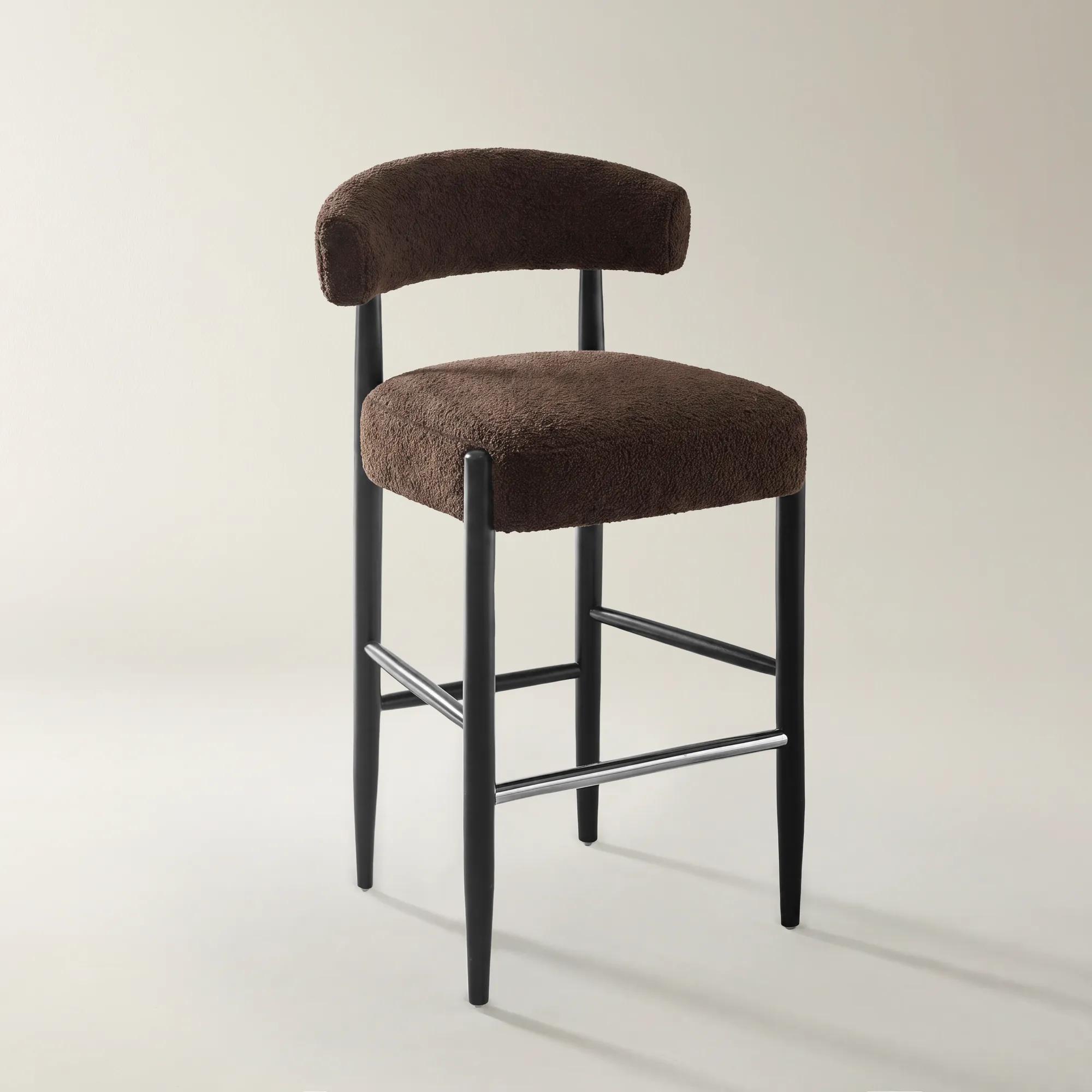 Anna Dark Chocolate Chenille Bar/Counter Stool$449
A dark chocolate chenille counter stool with a sculpted padded seat and solid rubberwood legs.
Add To Cart -
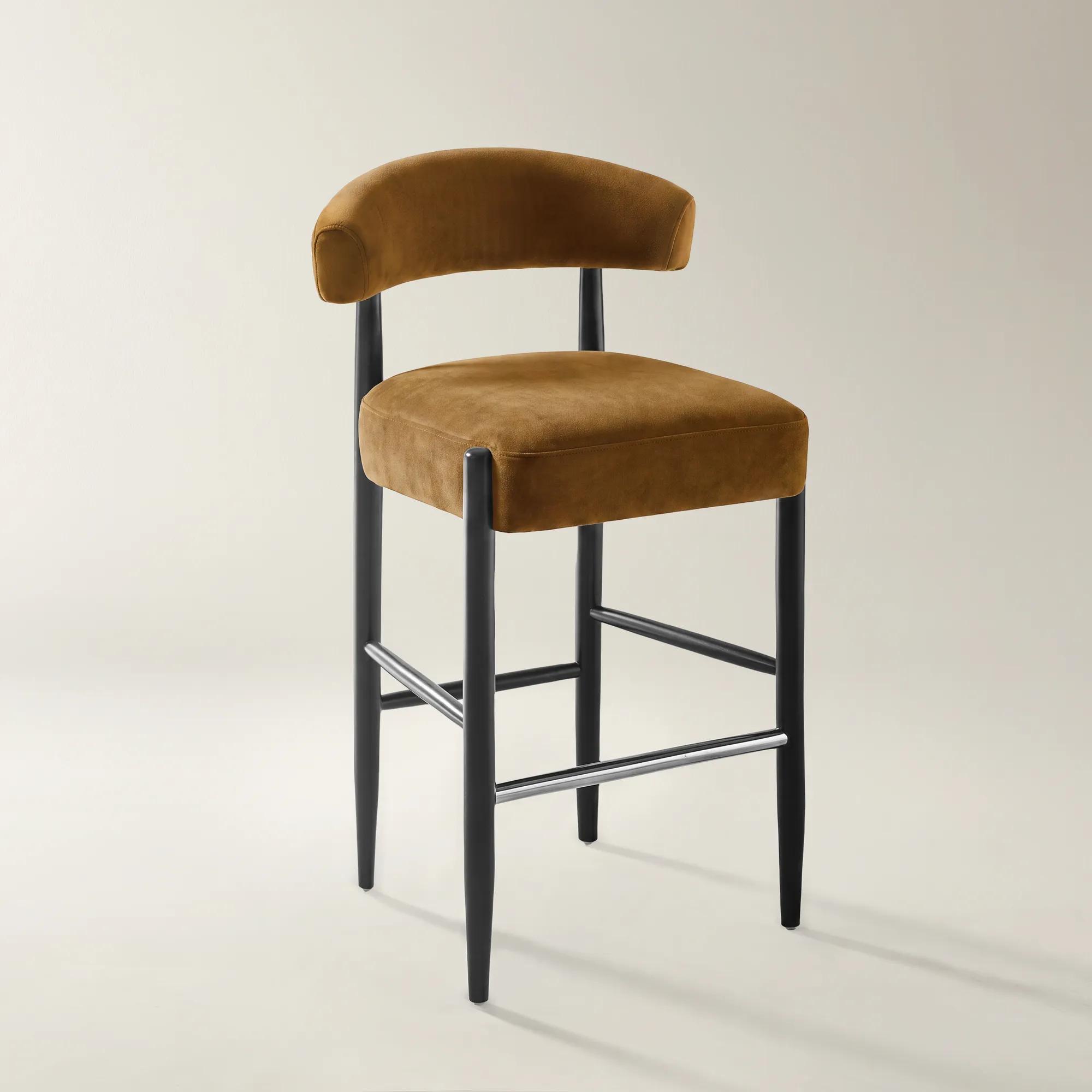 Anna Roasted Pecan Velvet Bar/Counter Stool$449
A roasted pecan velvet bar stool with a sculpted padded back, custom upholstery, and tapered solid-rubberwood legs.
Add To Cart -
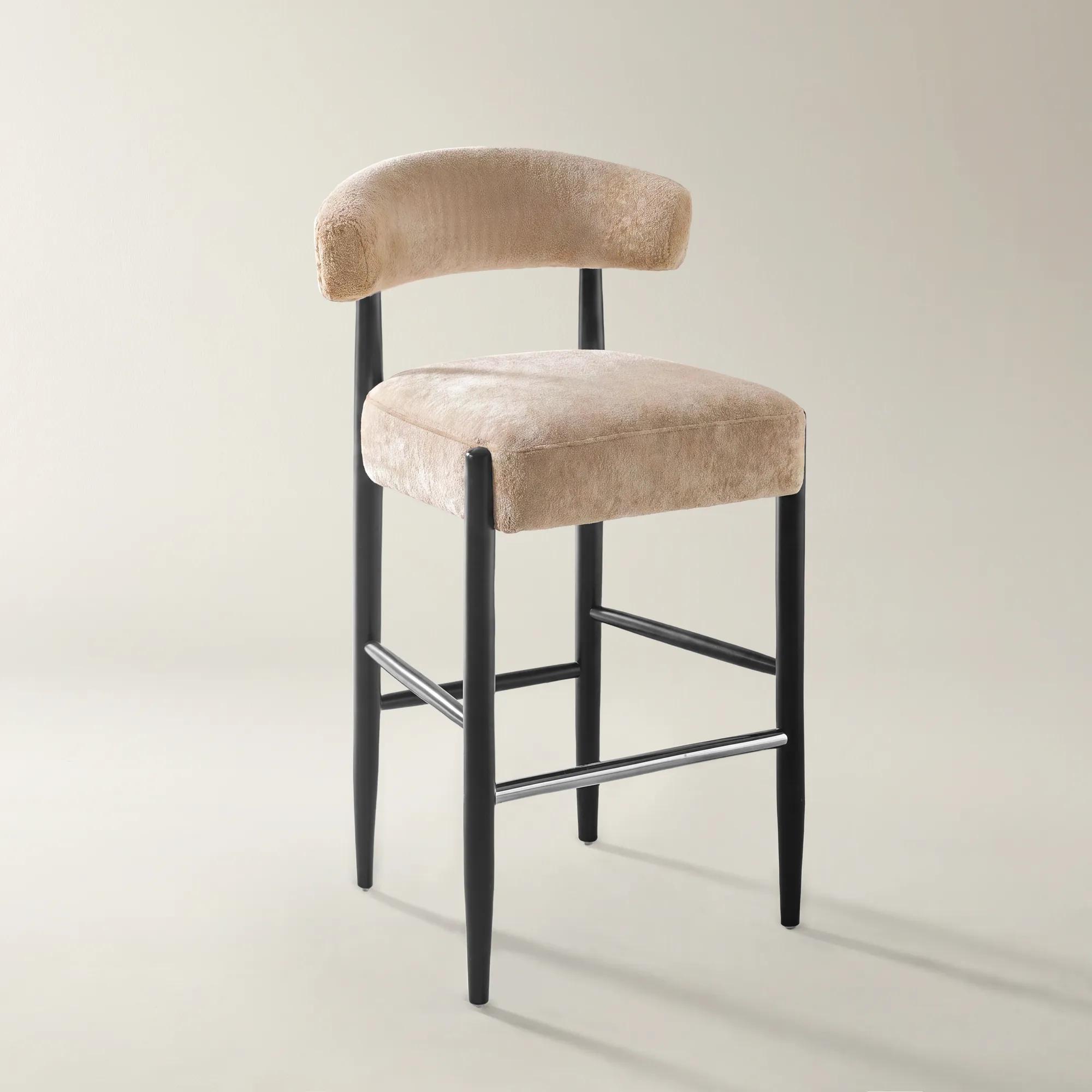 Anna Light Brown Chenille Bar/Counter Stool$449
A brown chenille counter stool with a sculpted back, padded seat, and tapered solid-rubberwood legs.
Add To Cart -
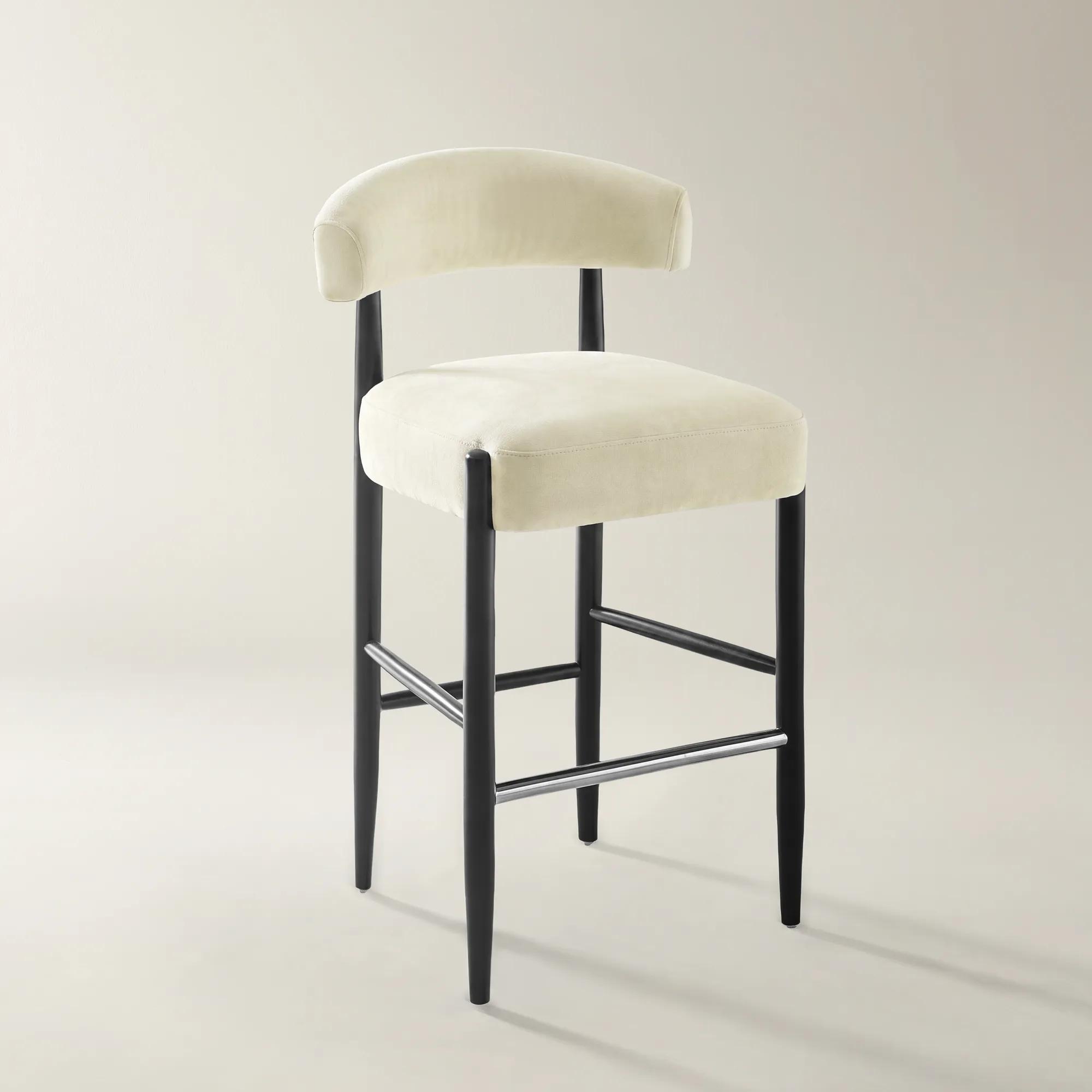 Anna Cloud Velvet Bar/Counter Stool$449
A cloud velvet counter stool with sculpted padded support and tapered solid-rubberwood legs.
Add To Cart -
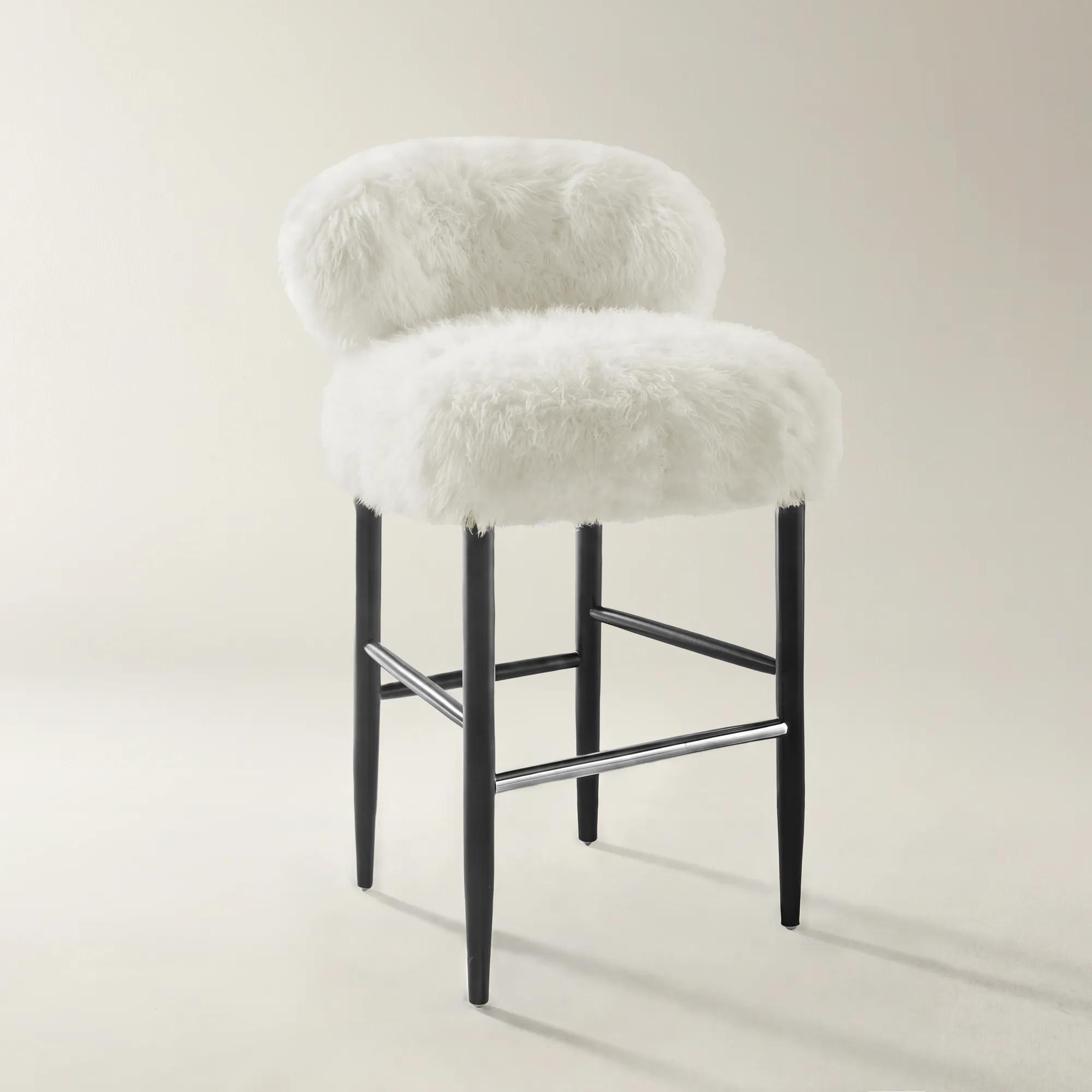 Anna Ivory Faux Fur Bar/Counter Stool$549
An ivory faux-fur counter stool with sculpted support, padded seating, and tapered solid-rubberwood legs.
Add To Cart -
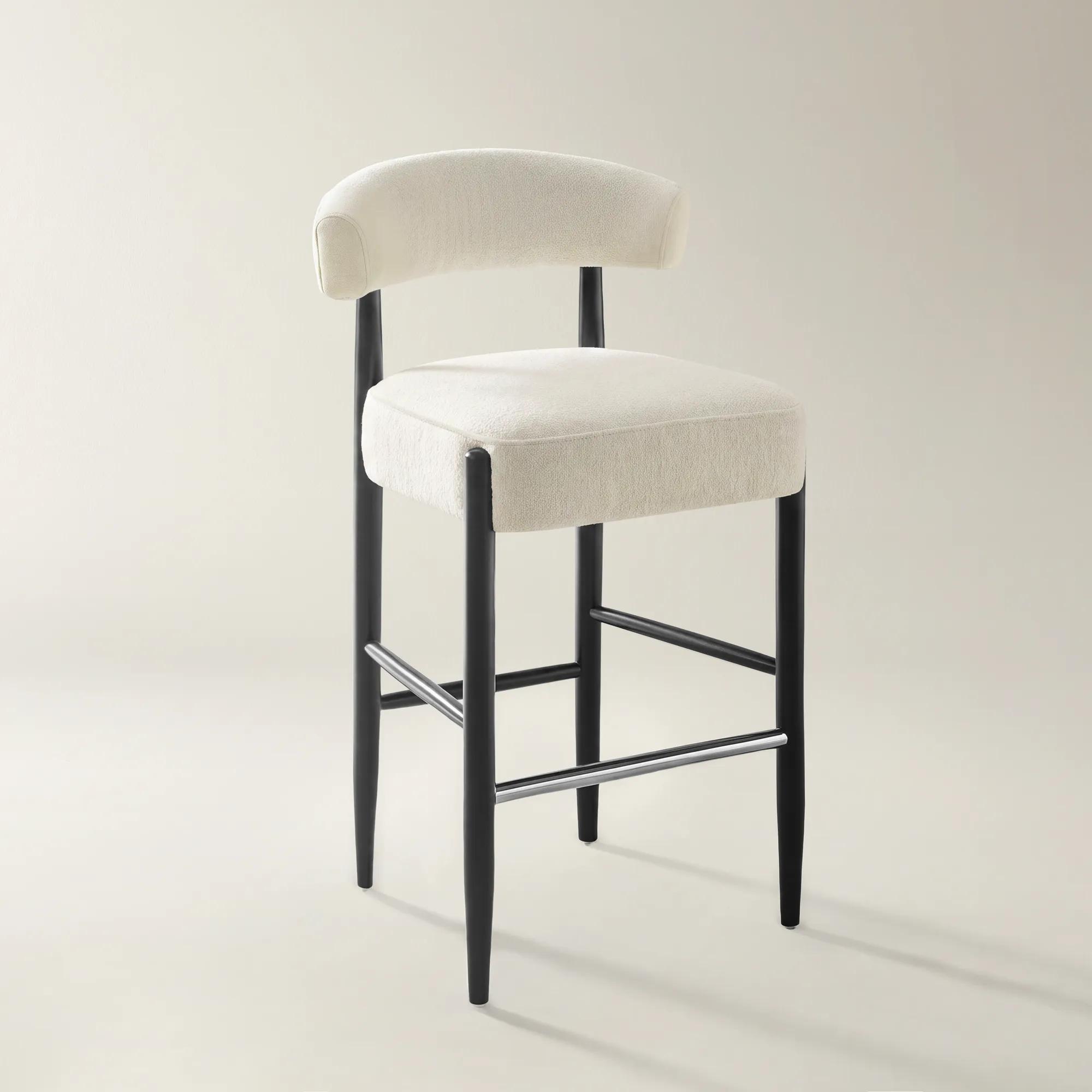 Anna Ivory Performance Chenille Bar/Counter Stool$449
An ivory performance-chenille bar stool with a sculpted back, padded seat, and tapered solid-rubberwood legs.
Add To Cart -
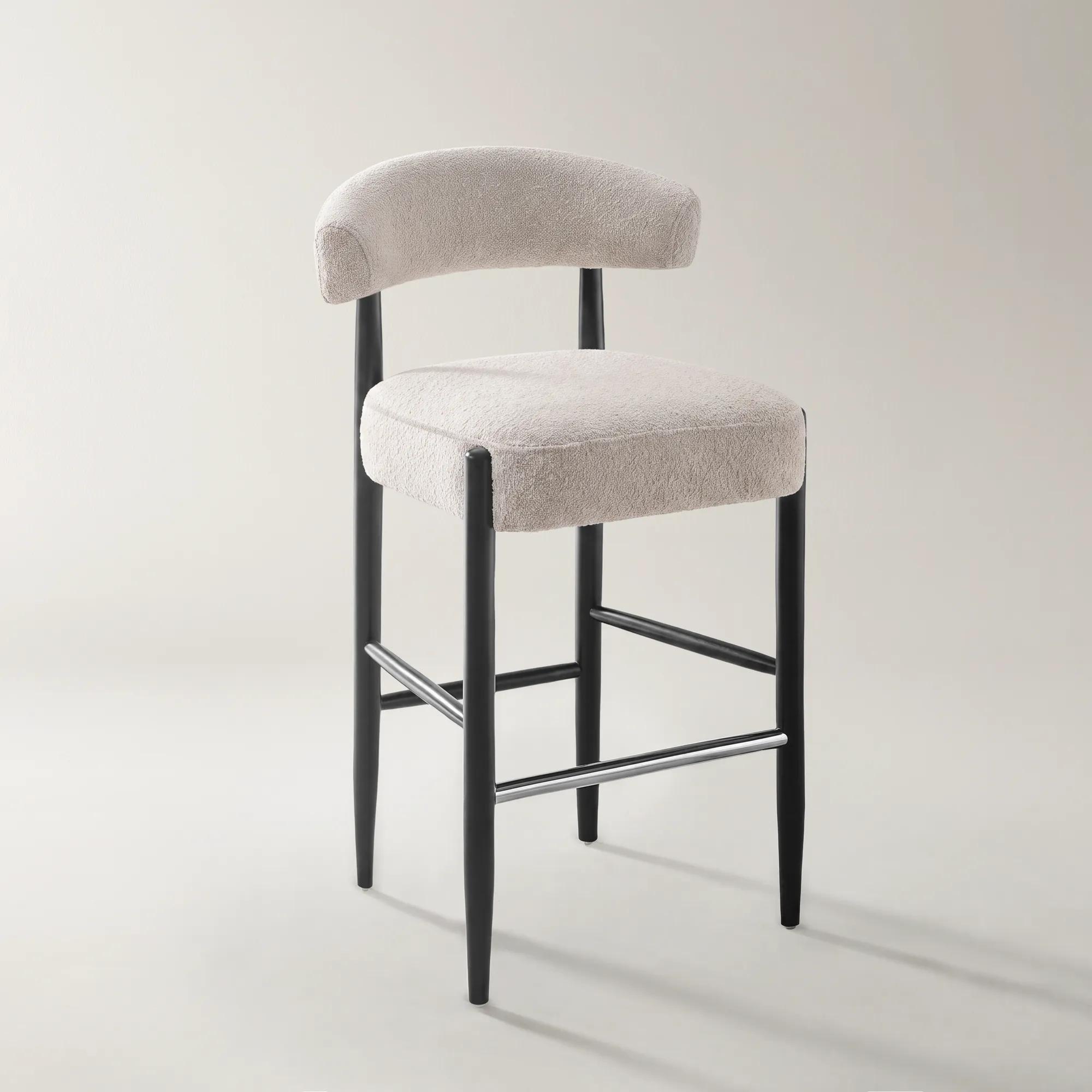 Anna Ivory Performance Boucle Bar/Counter Stool$449
An ivory performance-bouclé bar stool with sculpted padded support and tapered solid-rubberwood legs.
Add To Cart -
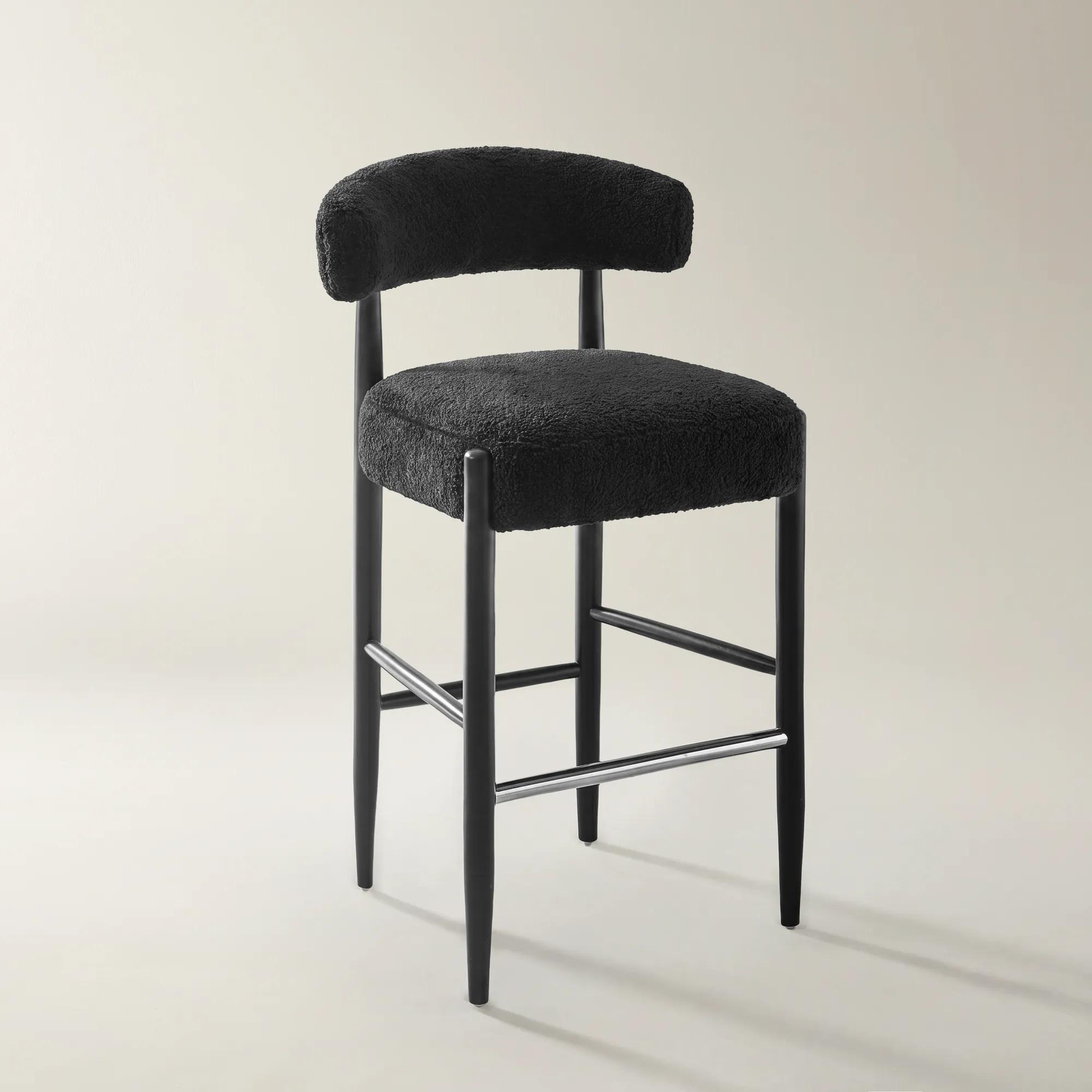 Anna Black Chenille Bar/Counter Stool$449
A black chenille counter stool with a sculpted padded seat and solid rubberwood legs.
Add To Cart -
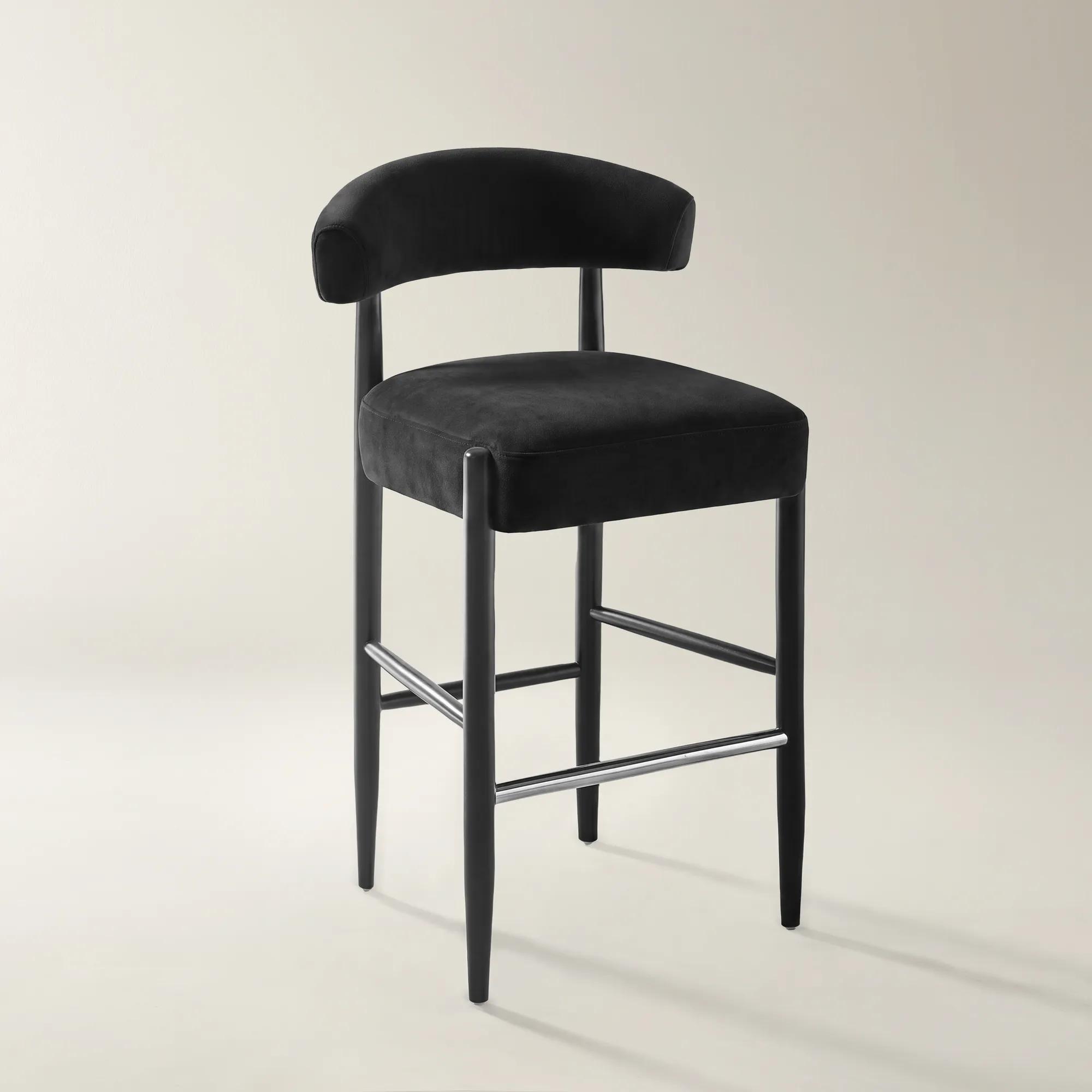 Anna Charcoal Velvet Bar/Counter Stool$449
A charcoal velvet bar stool with a sculpted padded seat and solid rubberwood legs.
Add To Cart -
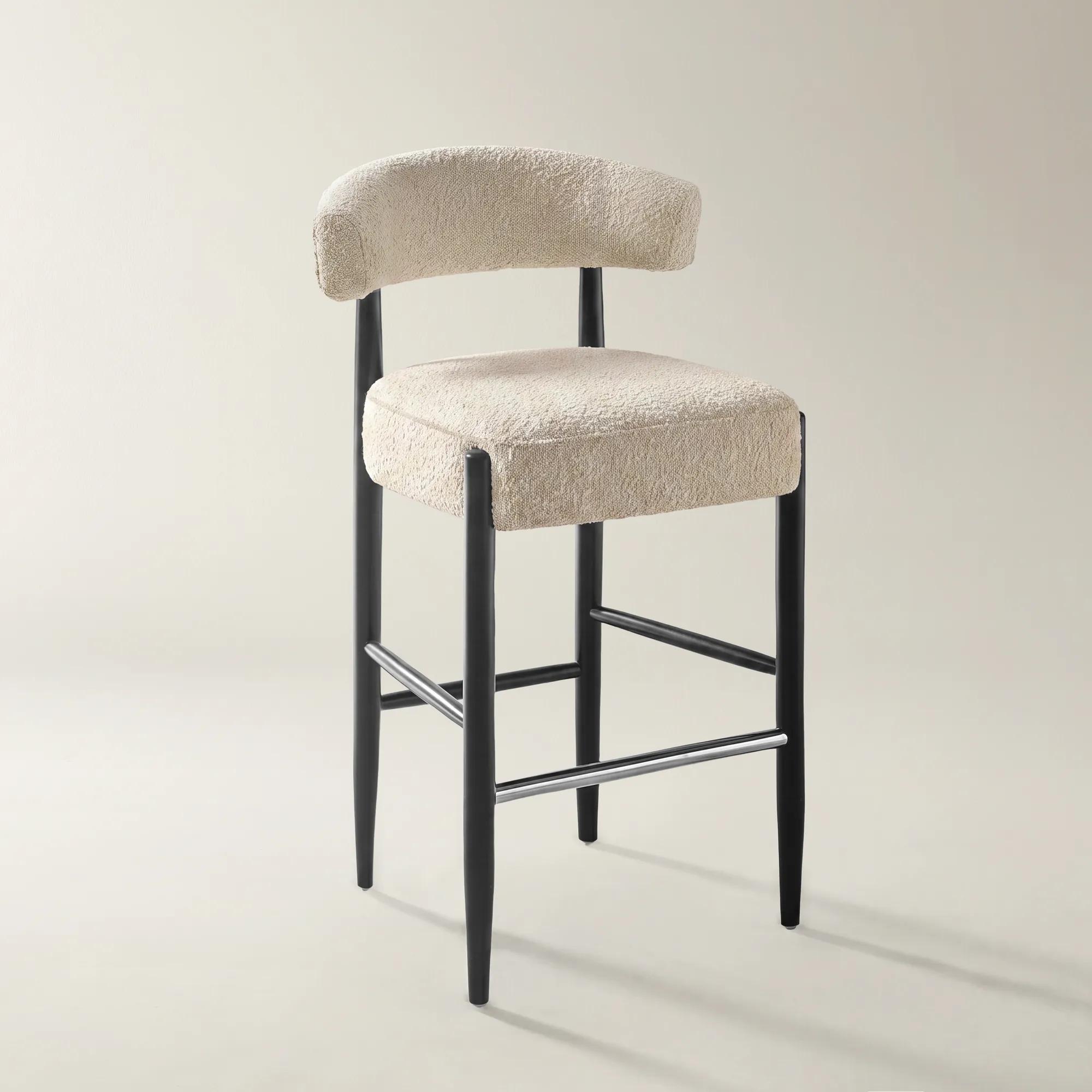 Anna Ivory Performance Boucle Bar/Counter Stool$449
A counter stool with ivory performance boucle upholstery, sculpted support, and tapered solid rubberwood legs.
Add To Cart -
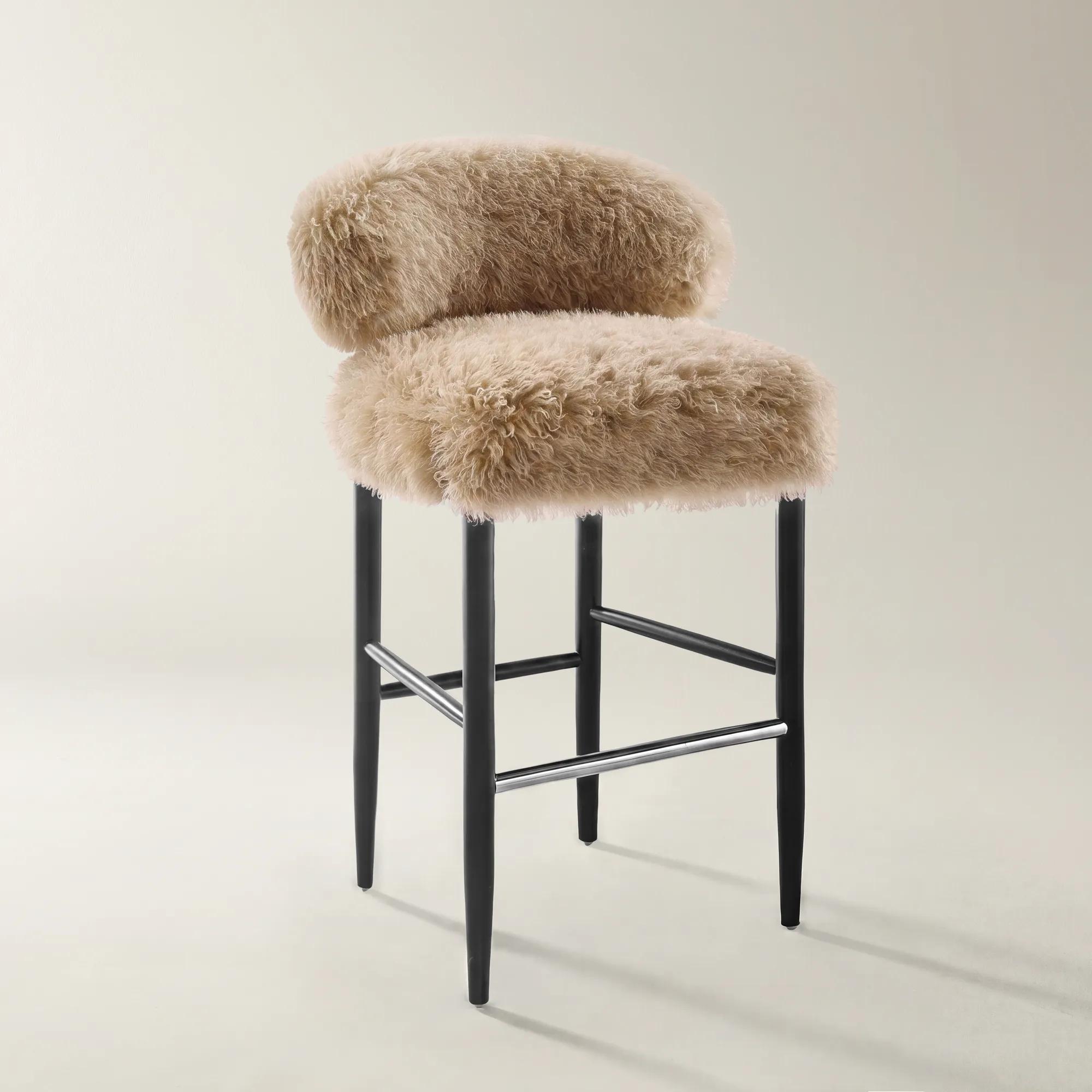 Anna Tan Faux Fur Bar/Counter Stool$549
A tan faux-fur bar stool with a sculpted padded seat and tapered solid-rubberwood legs.
Add To Cart -
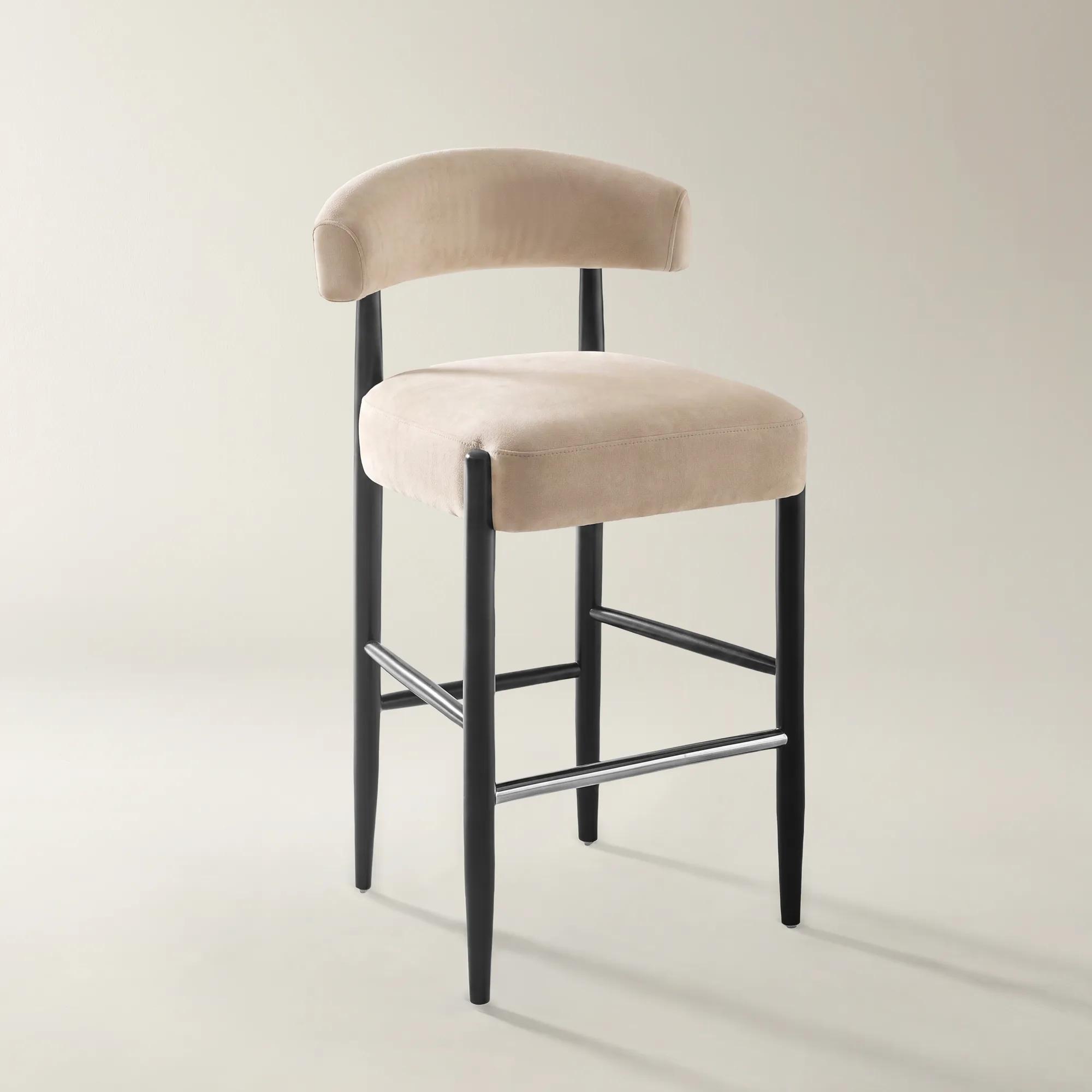 Anna Simply Taupe Velvet Bar/Counter Stool$449
A taupe velvet counter stool with a sculpted back, padded seat, and tapered solid-rubberwood base.
Add To Cart -
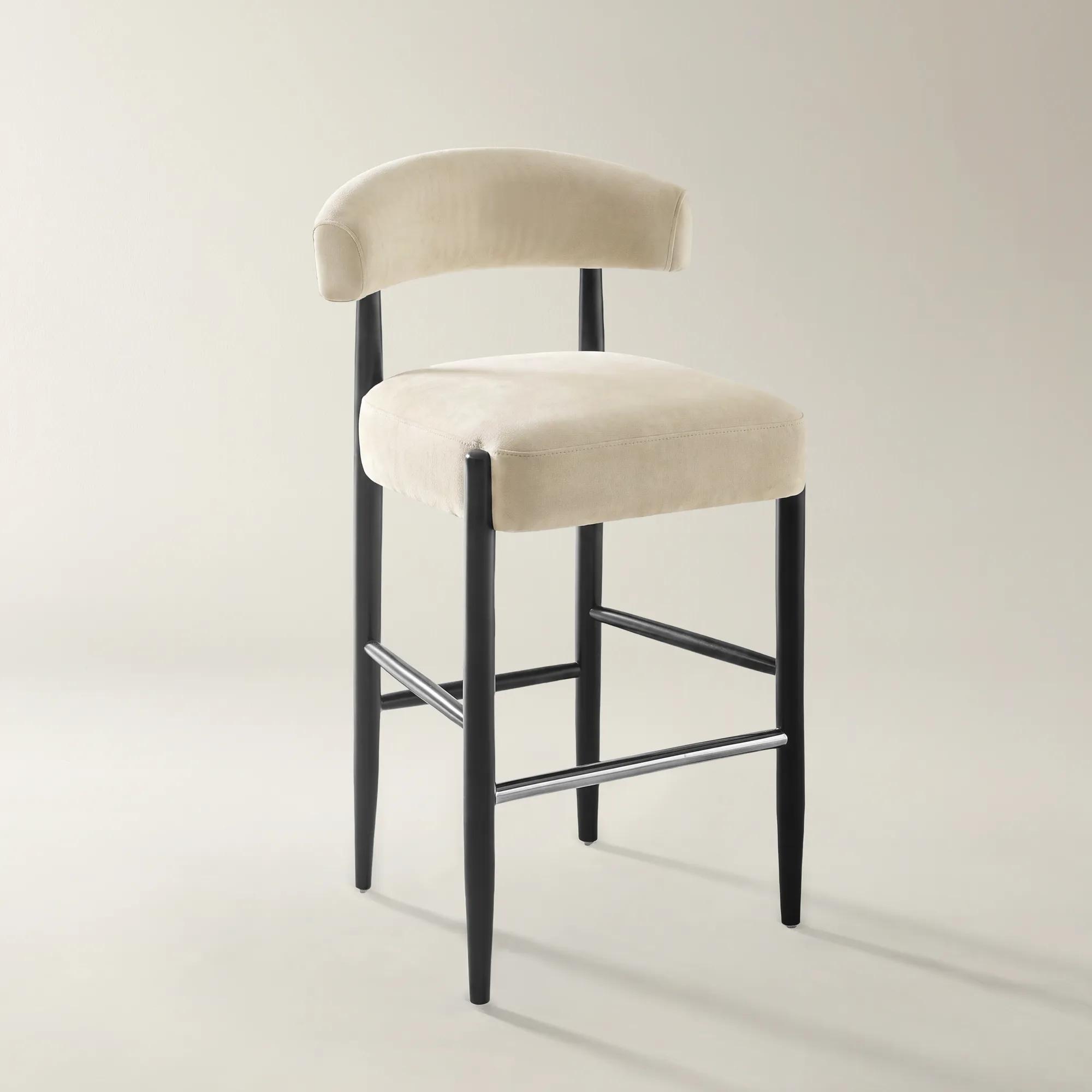 Anna Oatmeal Velvet Bar/Counter Stool$449
A counter stool with oatmeal velvet upholstery, sculpted back, padded seat, and solid rubberwood legs.
Add To Cart -
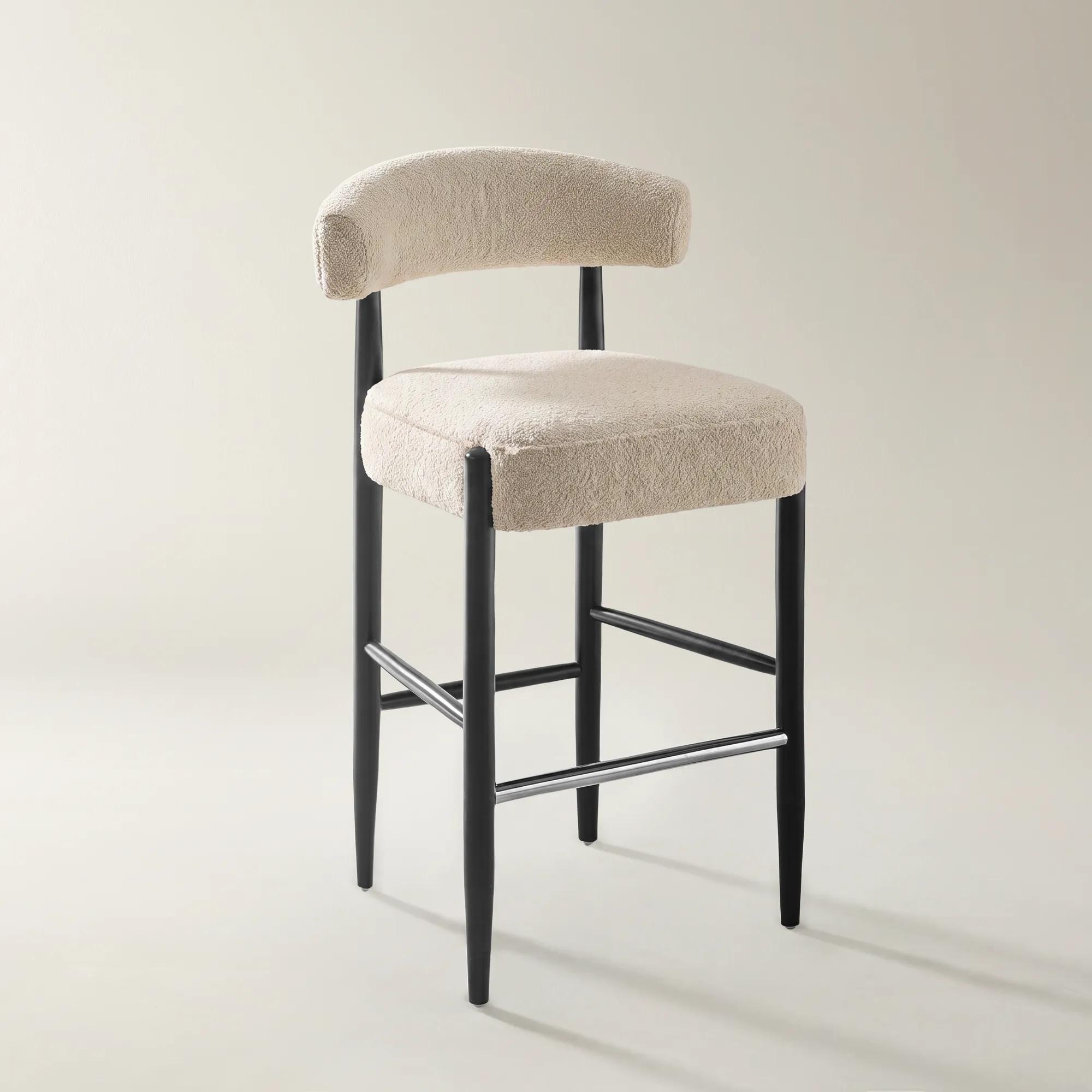 Anna Utopia Sand Chenille Bar/Counter Stool$449
A chenille bar stool with a sculpted padded seat, kiln-dried hardwood frame, and solid rubberwood legs.
Add To Cart -
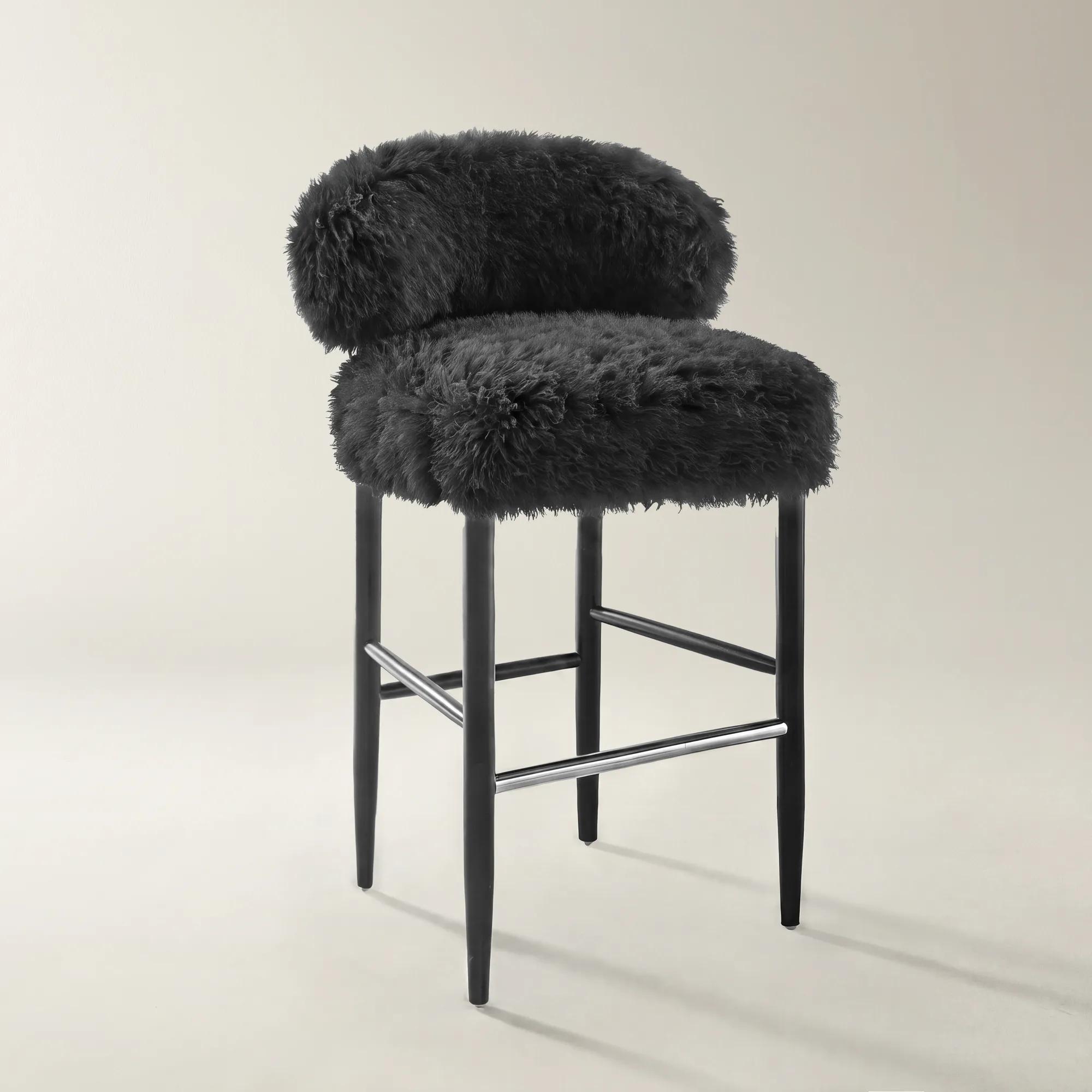 Anna Black Faux Fur Bar/Counter Stool$549
A black faux-fur bar stool with a sculpted back, padded seat, and solid rubberwood legs.
Add To Cart -
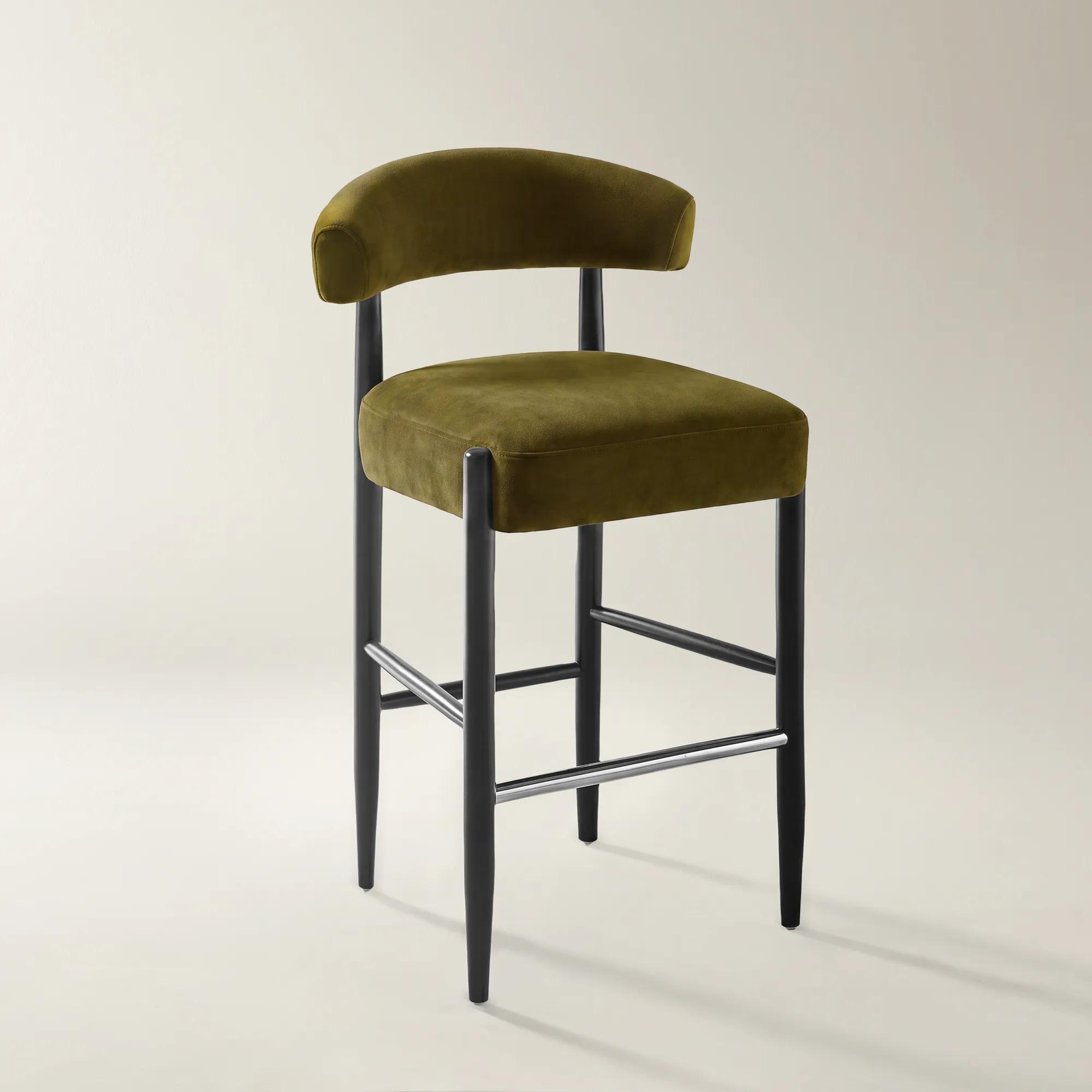 Anna Deep Olive Velvet Bar/Counter Stool$449
A green velvet bar stool with a sculpted padded seat, tailored upholstery, and tapered solid-rubberwood legs.
Add To Cart -
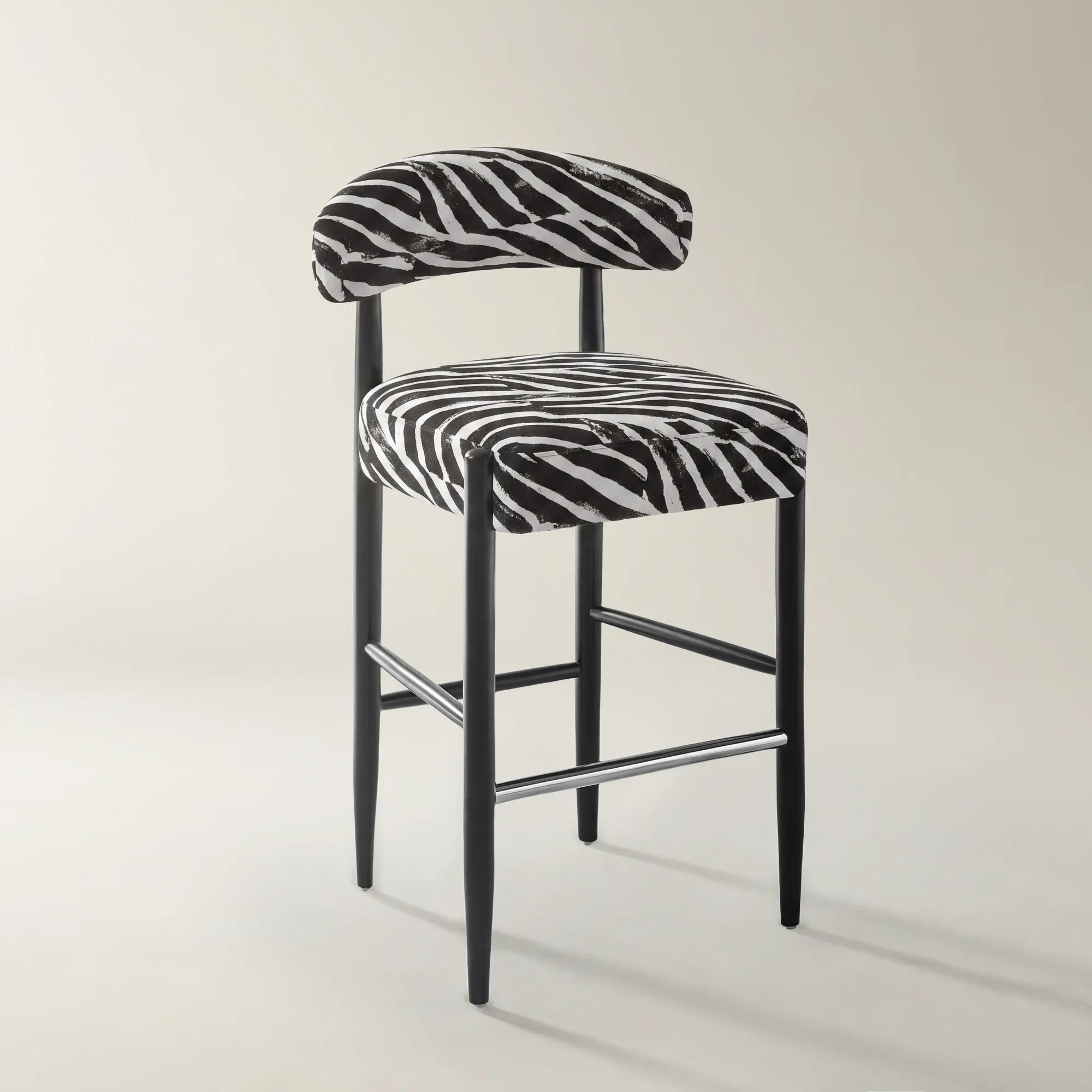 Anna White/Black Performance Chenille Bar/Counter Stool$449
A black-and-white chenille bar stool with a sculpted back, padded seat, and tapered solid rubberwood legs.
Add To Cart -
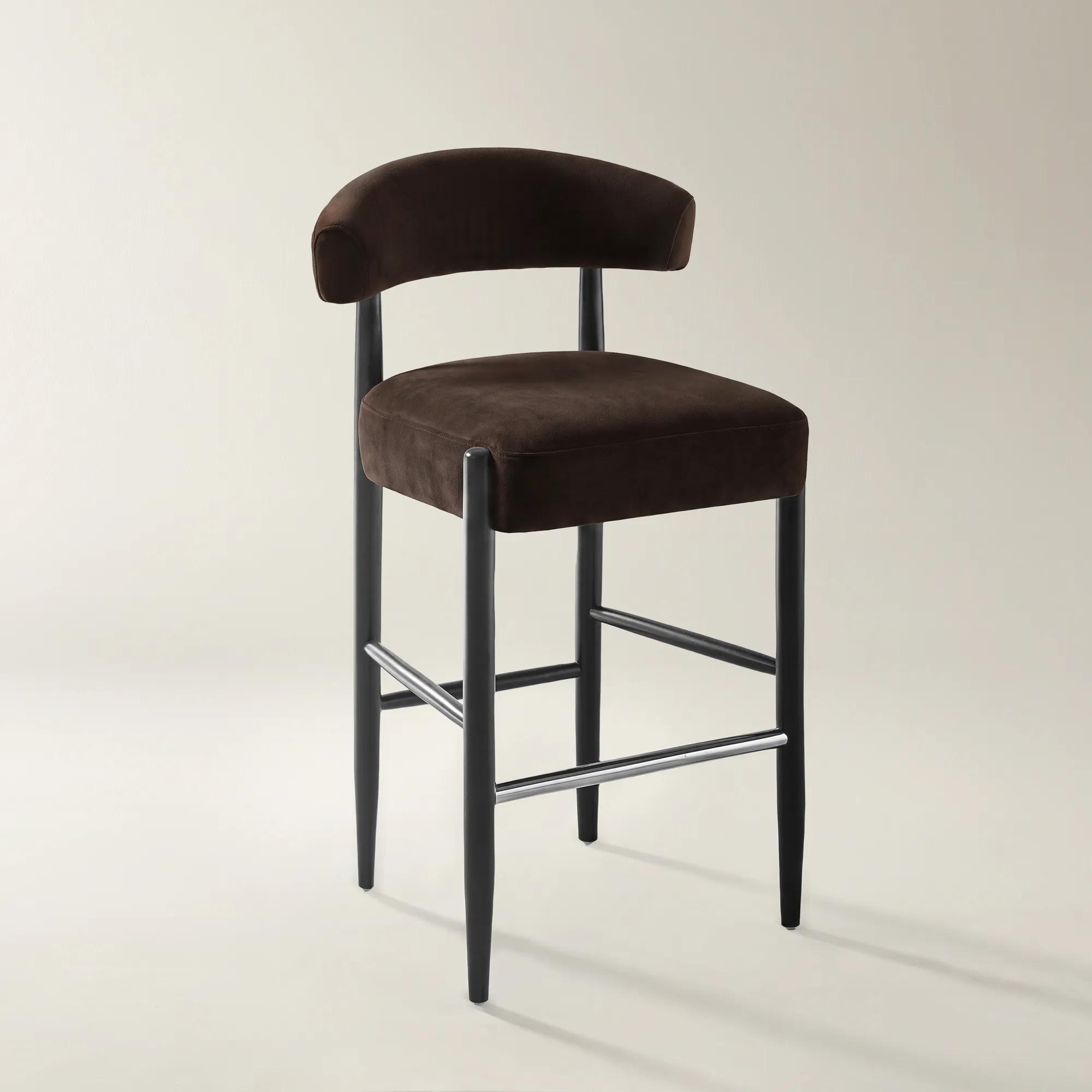 Anna Dark Chocolate Velvet Bar/Counter Stool$449
A dark chocolate velvet counter stool with a sculpted back, padded seat, and tapered solid-rubberwood legs.
Add To Cart

Customizable Bar Stools
Explore customizable bar stools to bring a personal sense of style to your bar seating. Compare the customization options available for each design, and consider seat height, overall dimensions, and spacing to create a comfortable arrangement that complements your room’s scale and makes a confident statement.
Customizable bar stools bring a personal point of view to elevated seating, with design choices that can shape everything from the upholstery and frame finish to the seat height and decorative details. The possibilities depend on the design; some stools offer a selection of fabrics and colors, while others allow changes to finishes, trim, or seating configurations. The result is bar seating that feels connected to the room rather than simply placed beside a counter. At a kitchen island, a row of upholstered silhouettes can soften the crisp geometry of stone and cabinetry. Beside a home bar, sculptural frames and luminous metal accents can give the space the presence of an intimate cocktail lounge. Velvet lends depth to jewel tones and creates subtle movement as light crosses its surface, while a textured woven fabric introduces dimension without relying on a bold pattern. Leather offers a different expression: smooth, tailored, and rich in character, with appearance and maintenance needs that vary by finish. Wood can bring warmth and visible grain; metal can create a slender architectural outline or a gleaming focal point. These material relationships matter as much as color. A warm metallic finish can draw out the veining in a stone countertop, while dark wood can lend definition to pale cabinetry. Upholstery can echo a nearby sofa without matching it exactly, creating continuity across an open living space. For interiors shaped by clean lines and expressive details, Modern Custom Bar Stools offer a related design direction where silhouette, texture, and proportion carry the statement. Customization does not have to mean adding more ornament. A precise combination of fabric, finish, and form can make a restrained stool feel deeply considered, while channeling, contrasting textures, or distinctive stitching can bring a more theatrical personality to the counter. The strongest combinations give each detail a purpose, allowing the seating to converse with the architecture, lighting, and art around it.
Beautiful proportions begin with the relationship between the seat and the surface it serves. Counter-height stools typically have seats about 24 to 26 inches above the floor for a counter around 36 inches high, while bar-height stools commonly measure about 28 to 30 inches at the seat for surfaces around 40 to 42 inches high. These are general ranges, not interchangeable labels; the actual measurements of both pieces determine the fit. Approximately 10 to 12 inches between the seat and the underside of the countertop generally provides comfortable legroom, though a thick apron, support bracket, or unusually deep edge can reduce usable clearance. Overall stool height includes the back, so seat height is the measurement that matters for this relationship. Width deserves equal attention. Leaving roughly 6 to 10 inches between seat edges helps guests settle in without feeling crowded, with additional space useful for broad seats, arms, or swivel movement. A generously upholstered stool may have the visual presence of a petite dining chair, making its full footprint especially important along a compact island. Backless forms can tuck beneath an overhang and preserve an uninterrupted view across the room, while low backs introduce a defined silhouette without dominating the sightline. Taller backs create a more enveloping seat and a stronger decorative rhythm. Arms offer a resting place during extended conversation, provided they clear the counter and leave room for easy entry. Swivel seating can make turning toward guests feel natural, but it needs clearance from adjacent stools, walls, and cabinetry. Footrests contribute to comfort when feet cannot reach the floor, particularly during a leisurely breakfast or an evening spent lingering over conversation. Beyond the seating itself, an open path behind occupied stools helps the room function gracefully. In a busy kitchen, that breathing room keeps a striking arrangement from becoming an obstacle between the refrigerator, preparation area, and gathering space.
The most satisfying custom bar seating balances its decorative ambition with the realities of daily use. A kitchen island that hosts homework, quick lunches, and frequent entertaining calls for different upholstery considerations than a home bar reserved for occasional gatherings. Performance fabrics may offer stain resistance or easier cleaning, but those qualities depend on the textile and its care specifications; they should not be assumed from appearance alone. A tightly woven surface can be a practical consideration in an active household, while a deep pile delivers a sumptuous look with its own maintenance needs. Velvet may show pressure marks or changes in nap, and leather may respond differently to spills, sunlight, and cleaning products depending on its treatment. Upholstery care begins with the specified cleaning method: regular gentle vacuuming, prompt attention to spills, and approved products help protect the intended finish. Excess moisture, harsh chemicals, and vigorous scrubbing can damage materials rather than restore them. Frames deserve the same thoughtful attention. Secure joinery, firmly attached footrests, stable bases, and weight capacities appropriate to the intended users all contribute to dependable everyday seating. Metal finishes benefit from soft cleaning cloths, while wood surfaces generally need protection from standing moisture and abrasive cleaners. Suitable floor protectors can help reduce scuffing and should be checked periodically as they wear. For hospitality or other business settings, residential styling alone does not establish suitability; construction, upholstery specifications, and applicable commercial requirements need to match the intended setting. At home, the reward for these considerations is seating that supports the way the room is actually lived in. A supportive upholstered back invites another conversation, a well-positioned footrest makes a small pause more comfortable, and a carefully selected finish gives even an unoccupied counter a composed presence. Customizable bar stools bring these elements together, turning a necessary seat into an expressive part of the interior.
FAQs
Customizable bar stools let you shape the look of your seating through select design choices, creating a more personal expression of your style. Depending on the design, options may include upholstery color, frame finish, or decorative details. Available choices vary, so let each design’s customization options guide your vision.
Decide whether your bar stools should harmonize with the room or become its focal point. A tonal palette creates a polished backdrop, while a saturated accent brings expressive contrast. Draw inspiration from a favorite artwork, a dramatic backsplash, or your dining upholstery to give the color a deliberate connection to the space.
Texture adds dimension beyond color. A smooth surface creates a sleek, tailored impression, while a richly textured upholstery treatment brings depth and visual warmth. When upholstery customization is offered, consider how the texture will contrast with surrounding cabinetry and countertops to create a layered, artful composition.
Coordination creates a collected look without requiring an exact match. Connect your bar stools to nearby furniture through a shared color, finish, or silhouette, then introduce contrast in another detail. Repeating one distinctive element gives the room a visual rhythm while allowing each piece its own presence.
A deliberate mix can turn bar seating into an expressive design moment. Keep one element consistent, such as the silhouette or upholstery color, while varying another available detail. For a composed result, choose a restrained palette and echo those tones elsewhere through lighting, artwork, or decorative accents.


