Structured Seat Bar Stools
Structured Seat Bar Stools
-
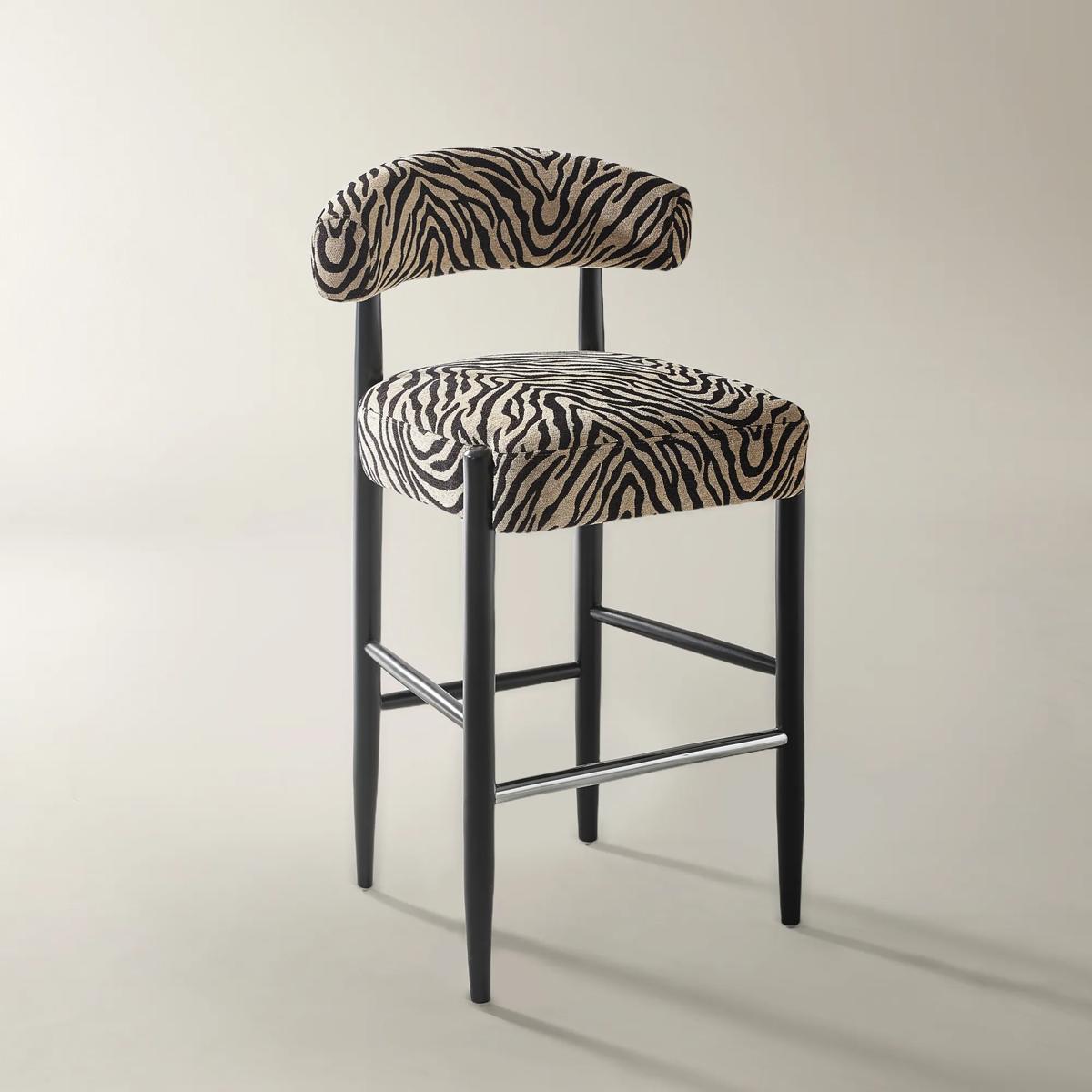
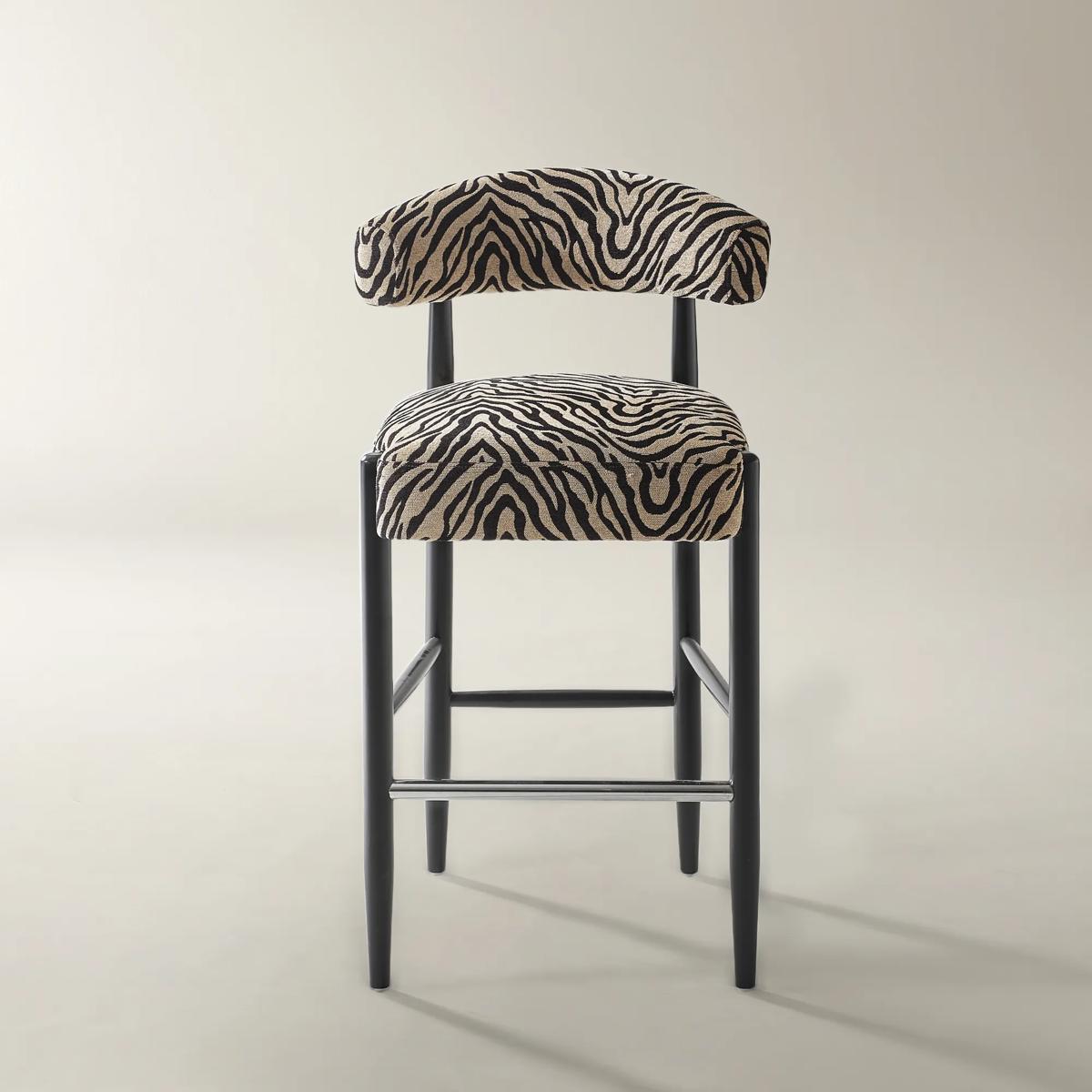 Anna Zebra Chenille Bar/Counter Stool$449
A bar stool with zebra-patterned chenille upholstery, sculpted padding, and tapered solid-rubberwood legs.
Add To Cart -
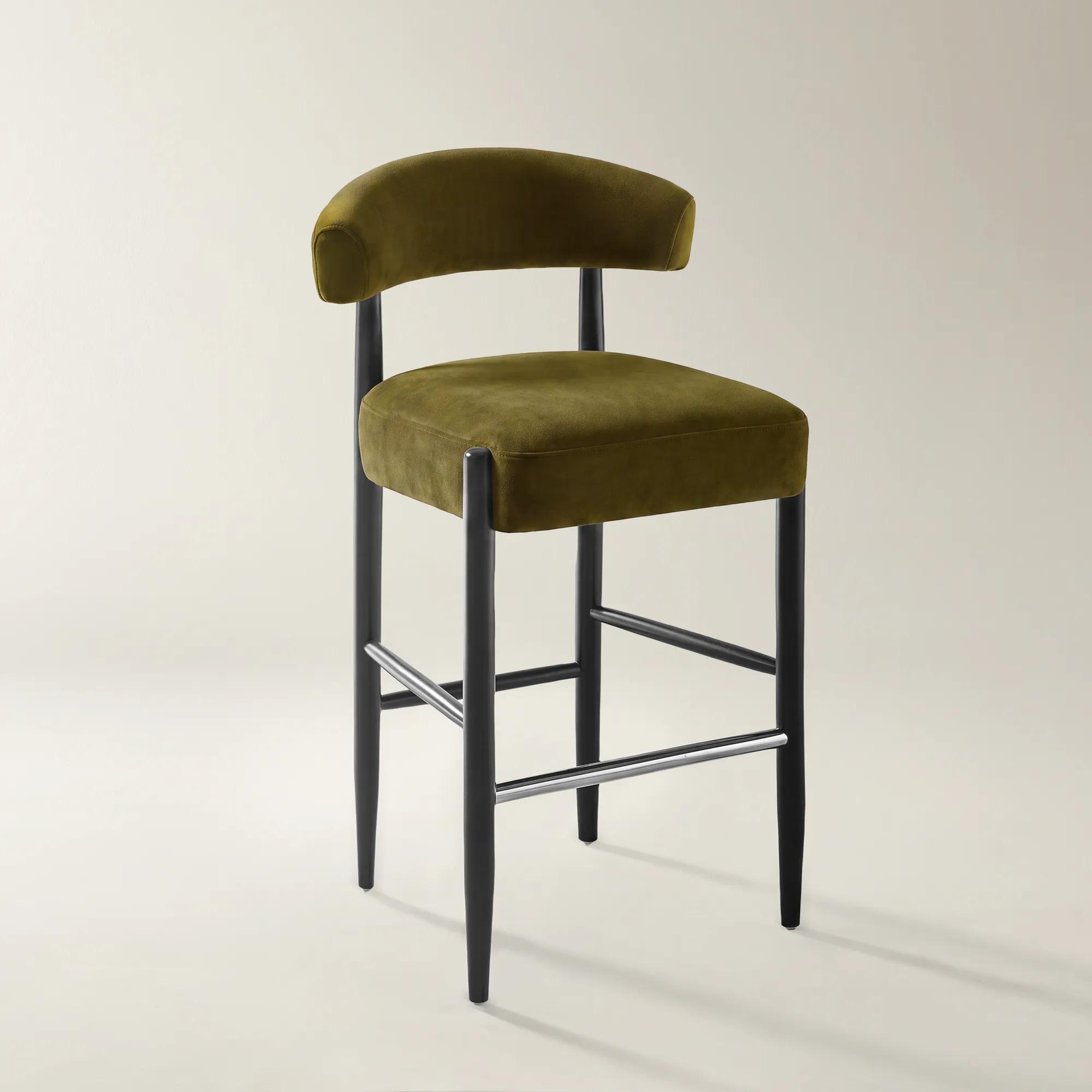 Anna Deep Olive Velvet Bar/Counter Stool$449
A green velvet bar stool with a sculpted padded seat, tailored upholstery, and tapered solid-rubberwood legs.
Add To Cart -
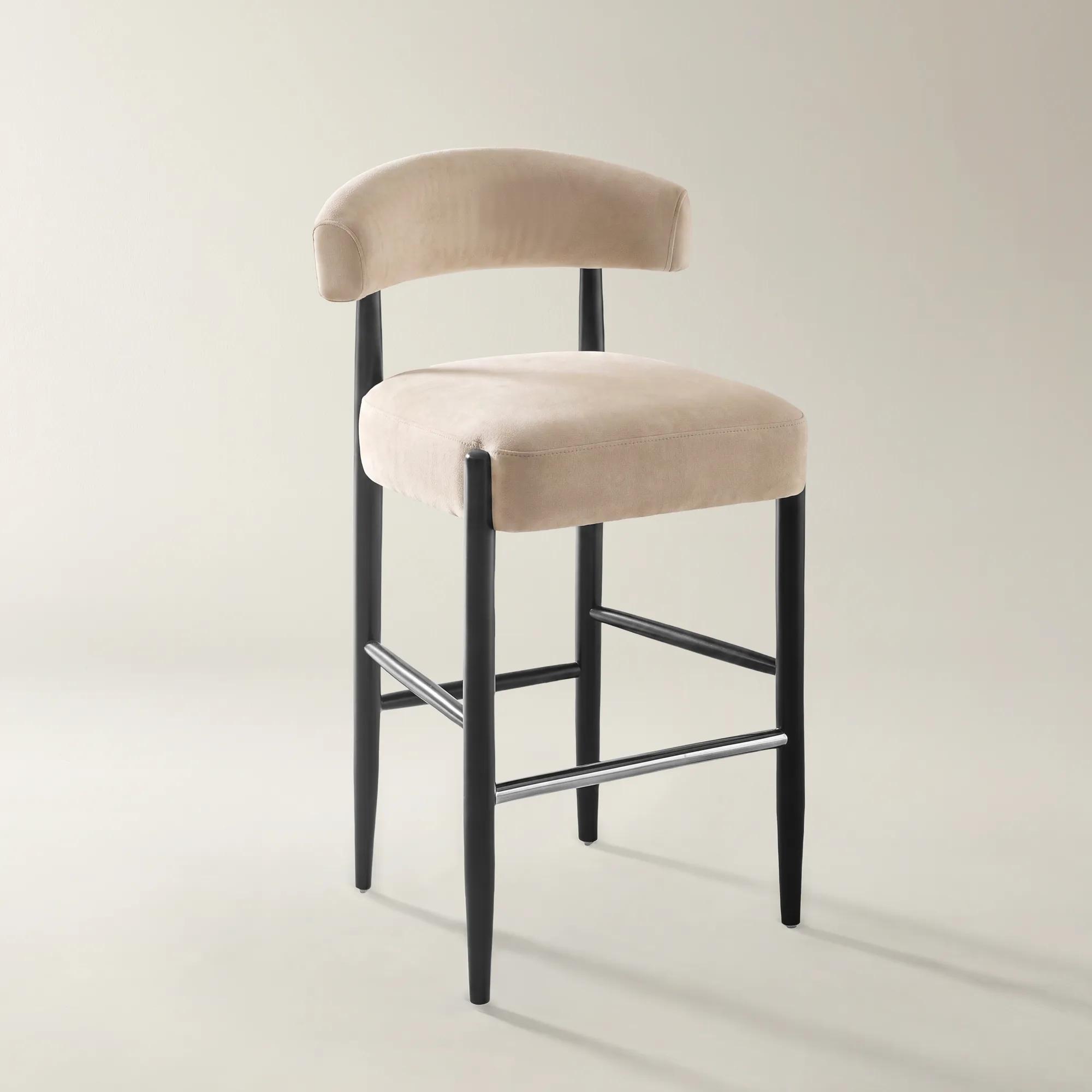 Anna Simply Taupe Velvet Bar/Counter Stool$449
A taupe velvet counter stool with a sculpted back, padded seat, and tapered solid-rubberwood base.
Add To Cart -
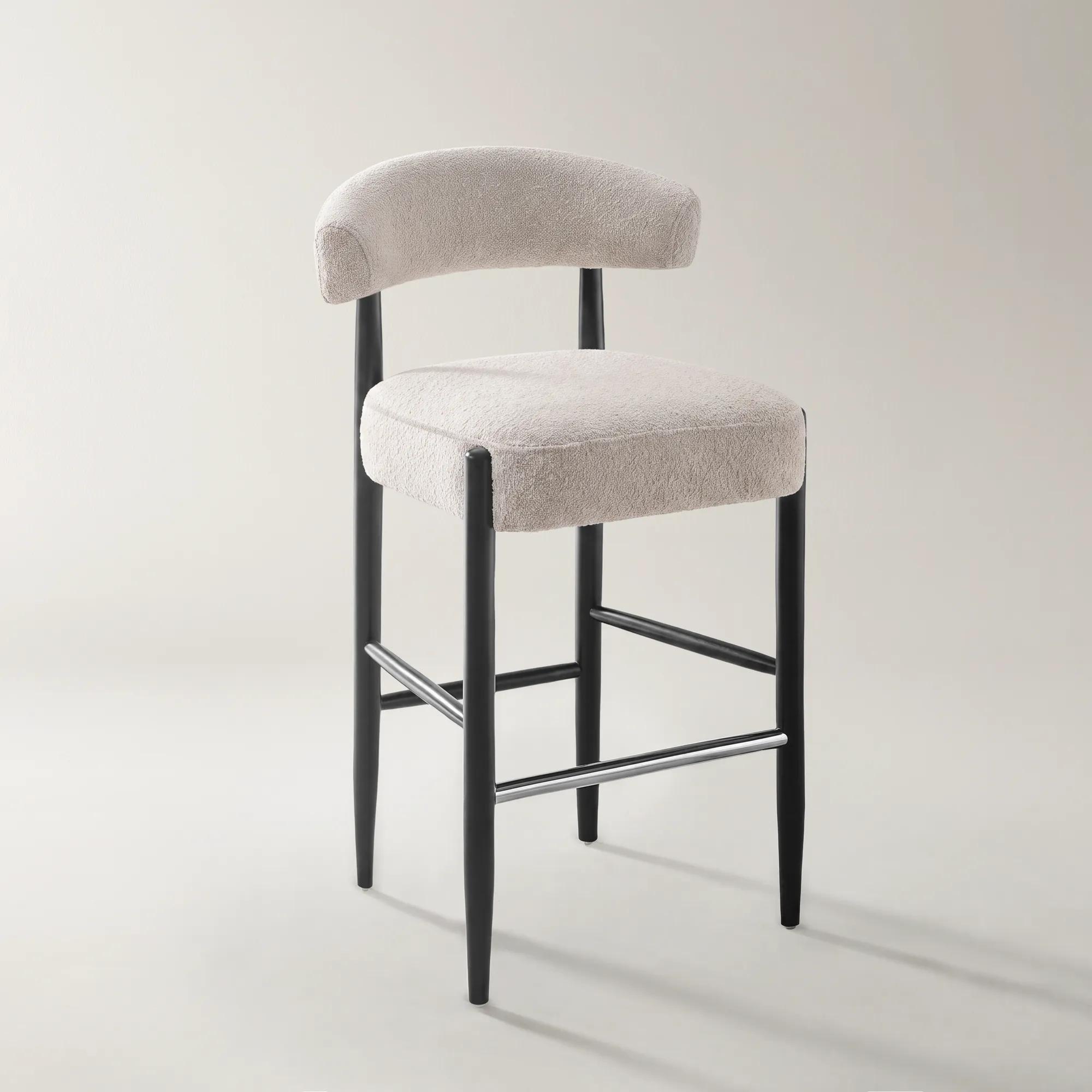 Anna Ivory Performance Boucle Bar/Counter Stool$449
An ivory performance-bouclé bar stool with sculpted padded support and tapered solid-rubberwood legs.
Add To Cart -
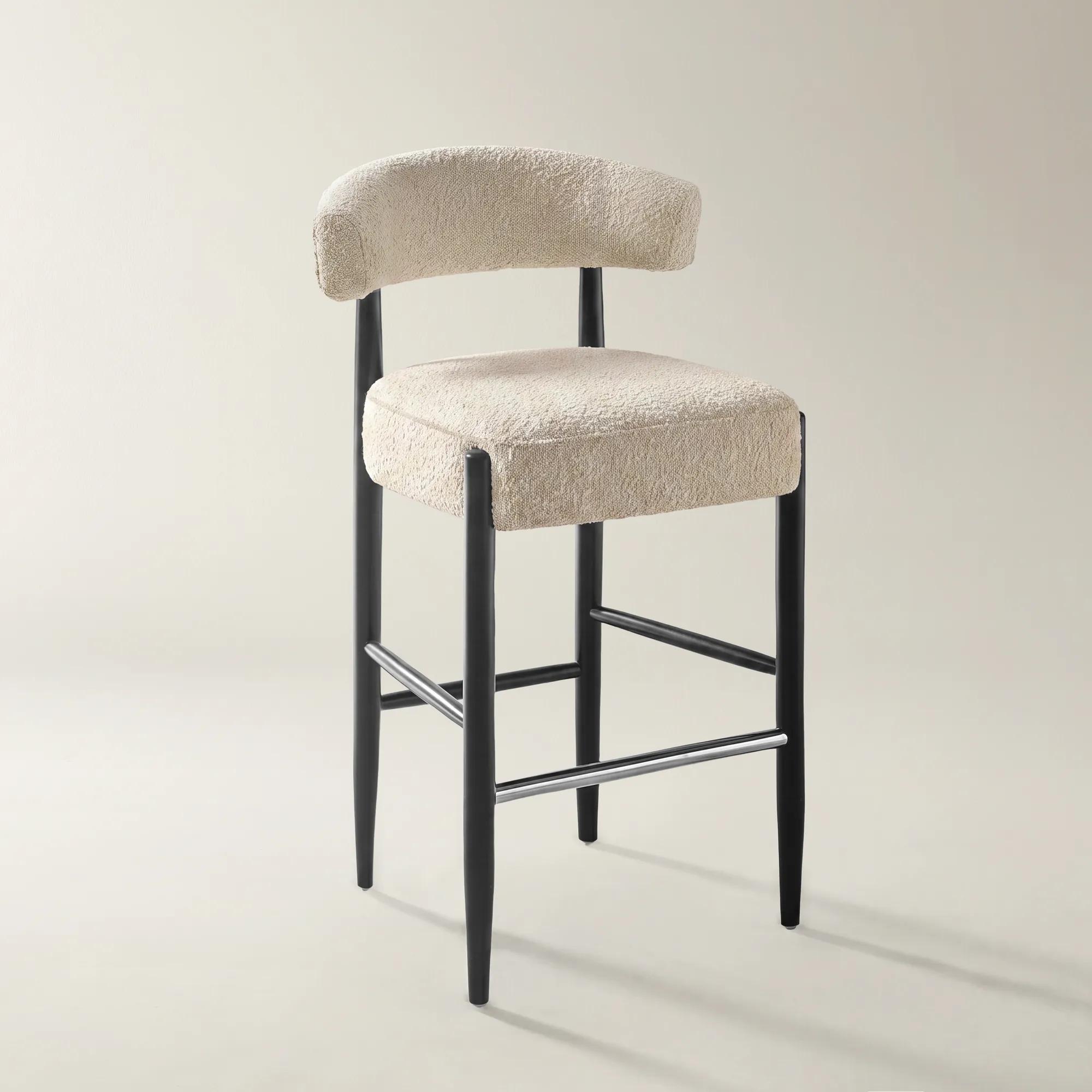 Anna Ivory Performance Boucle Bar/Counter Stool$449
A counter stool with ivory performance boucle upholstery, sculpted support, and tapered solid rubberwood legs.
Add To Cart -
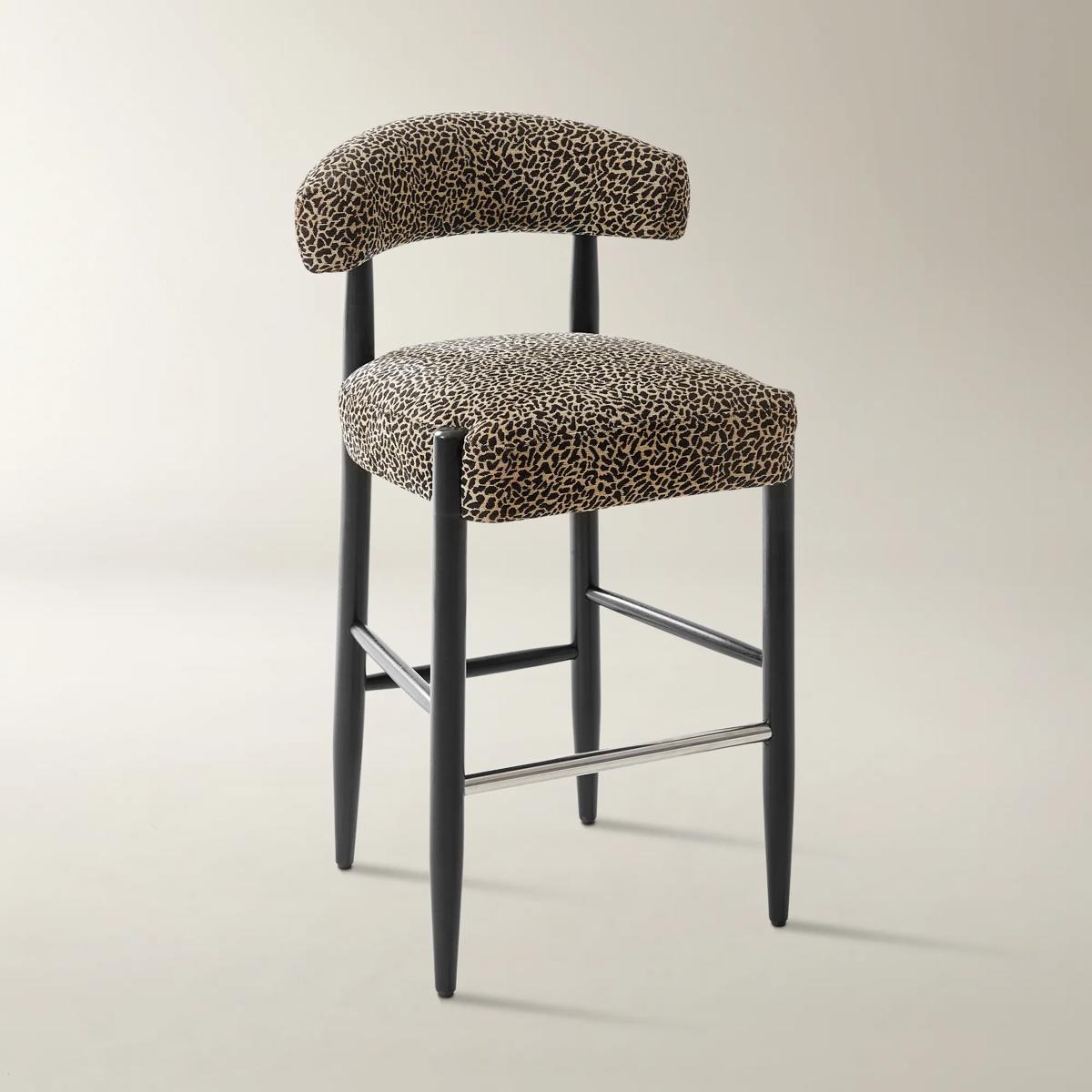
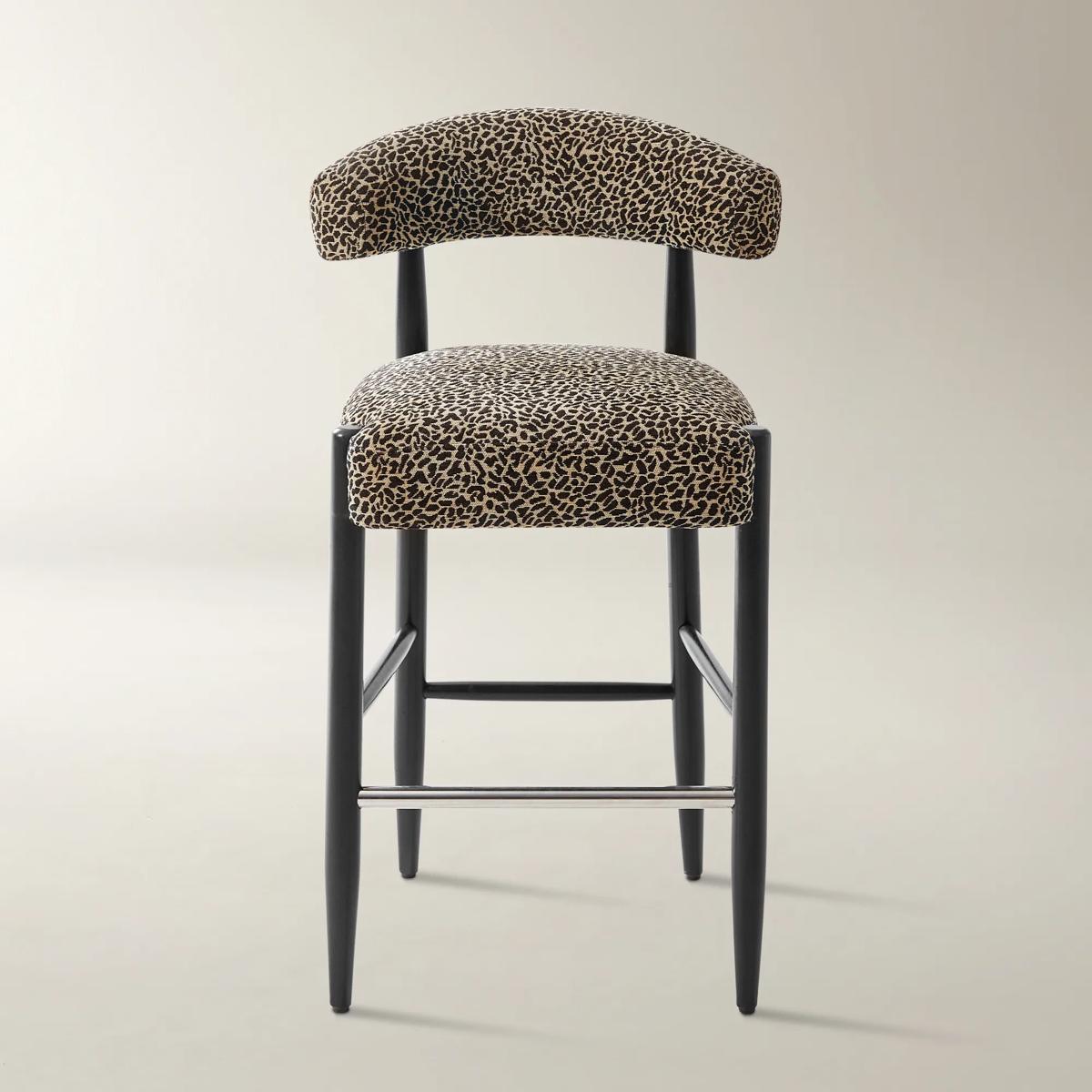 Anna Leopard Chenille Bar/Counter Stool$449
A leopard-patterned chenille bar stool with sculpted padded support and tapered solid rubberwood legs.
Add To Cart -
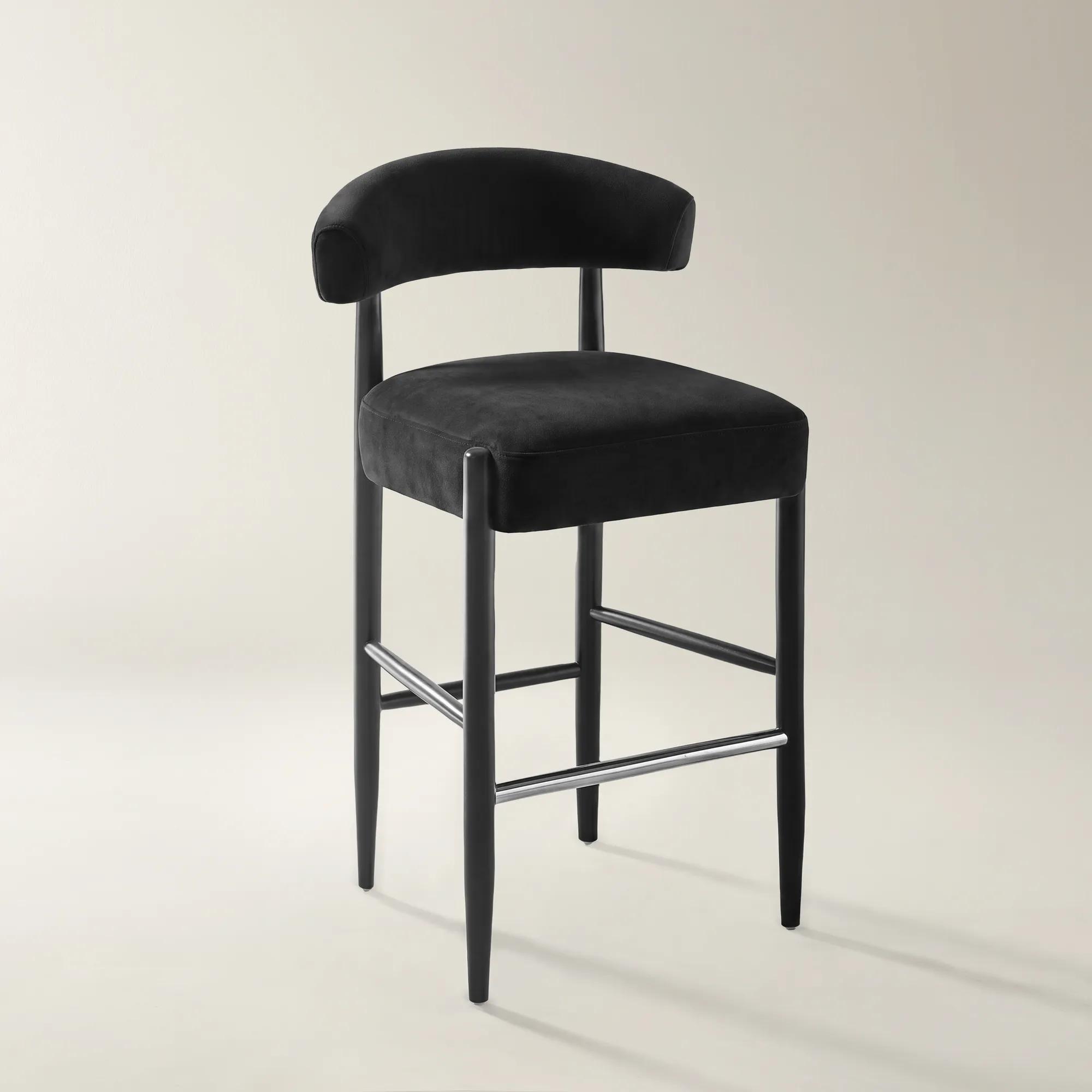 Anna Charcoal Velvet Bar/Counter Stool$449
A charcoal velvet bar stool with a sculpted padded seat and solid rubberwood legs.
Add To Cart -
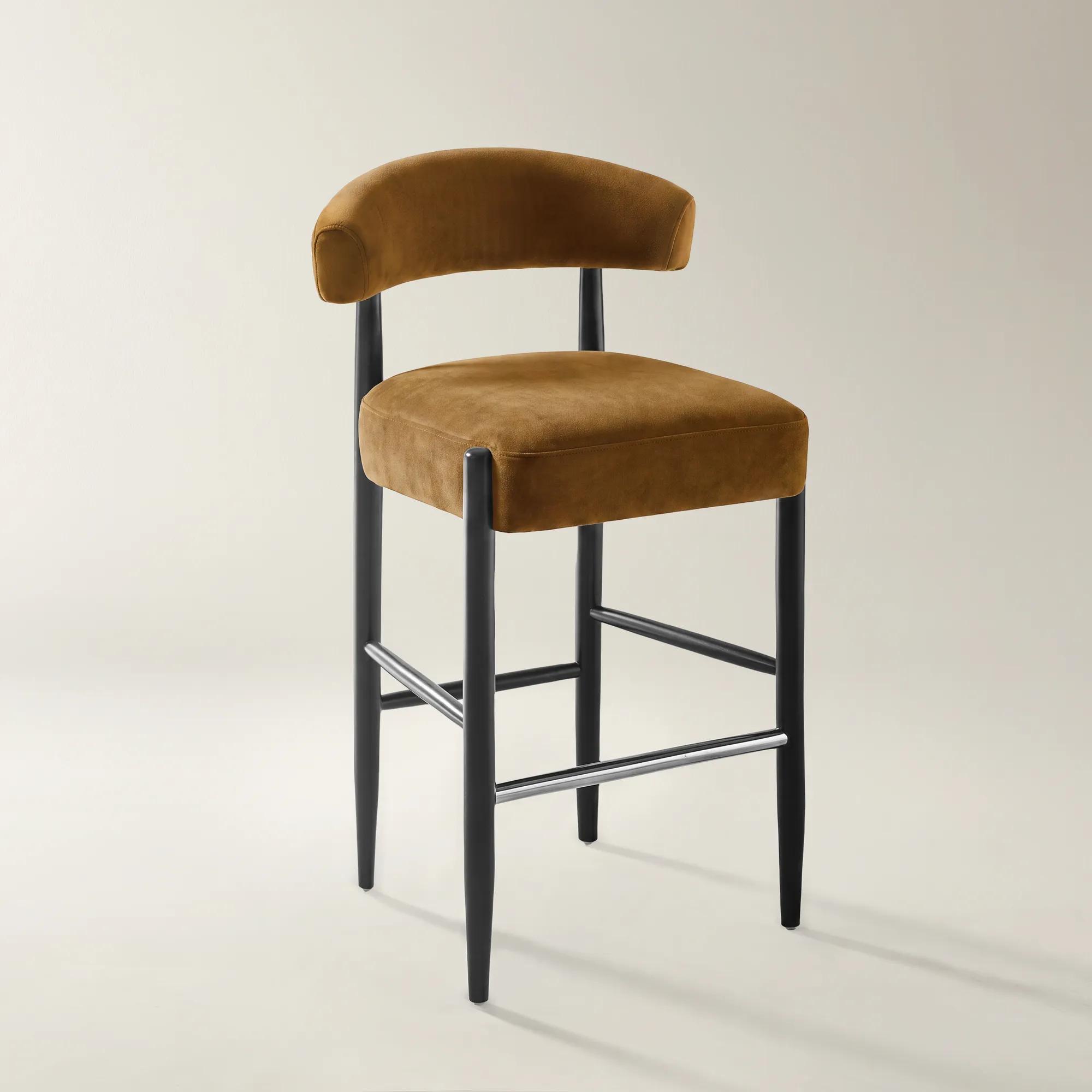 Anna Roasted Pecan Velvet Bar/Counter Stool$449
A roasted pecan velvet bar stool with a sculpted padded back, custom upholstery, and tapered solid-rubberwood legs.
Add To Cart -
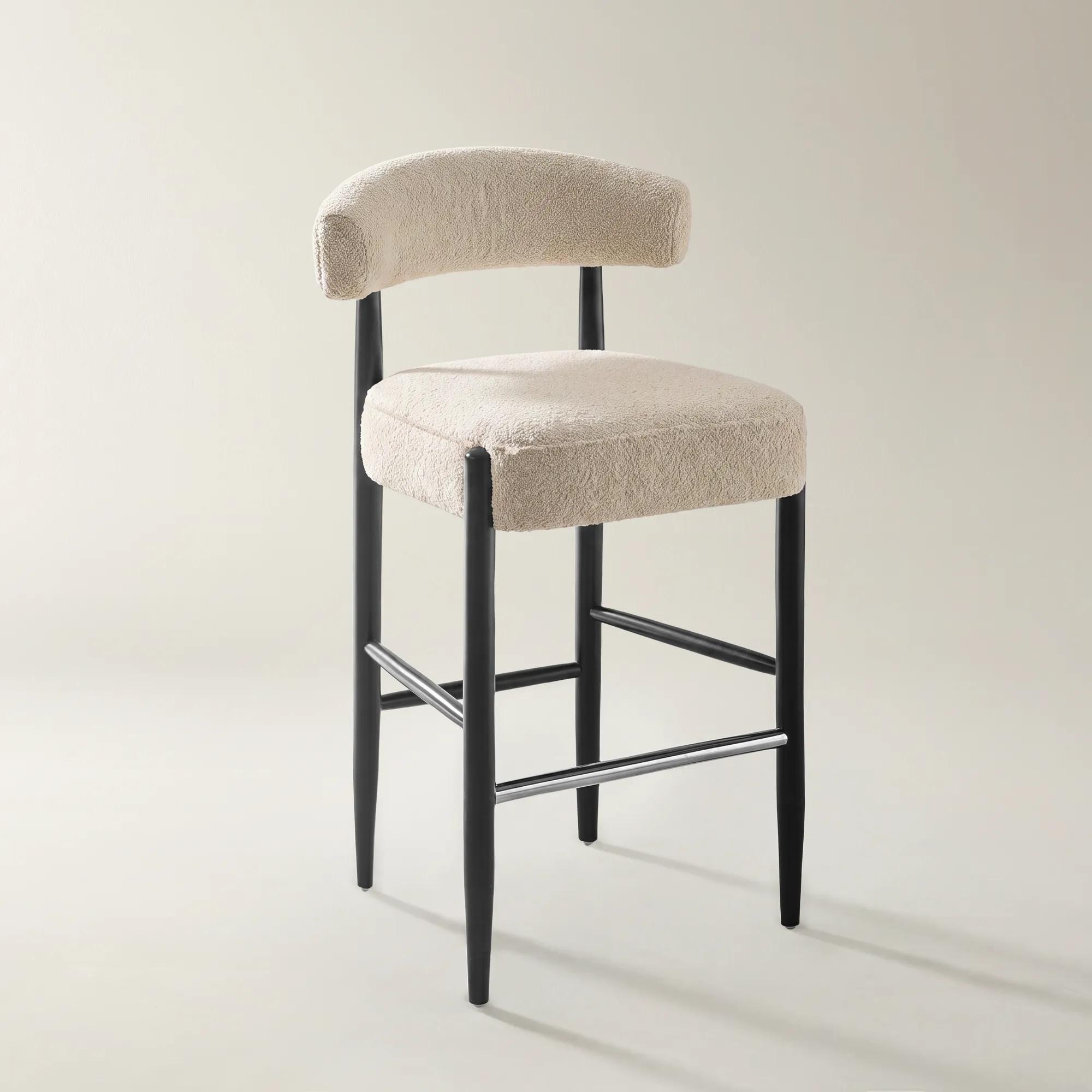 Anna Utopia Sand Chenille Bar/Counter Stool$449
A chenille bar stool with a sculpted padded seat, kiln-dried hardwood frame, and solid rubberwood legs.
Add To Cart -
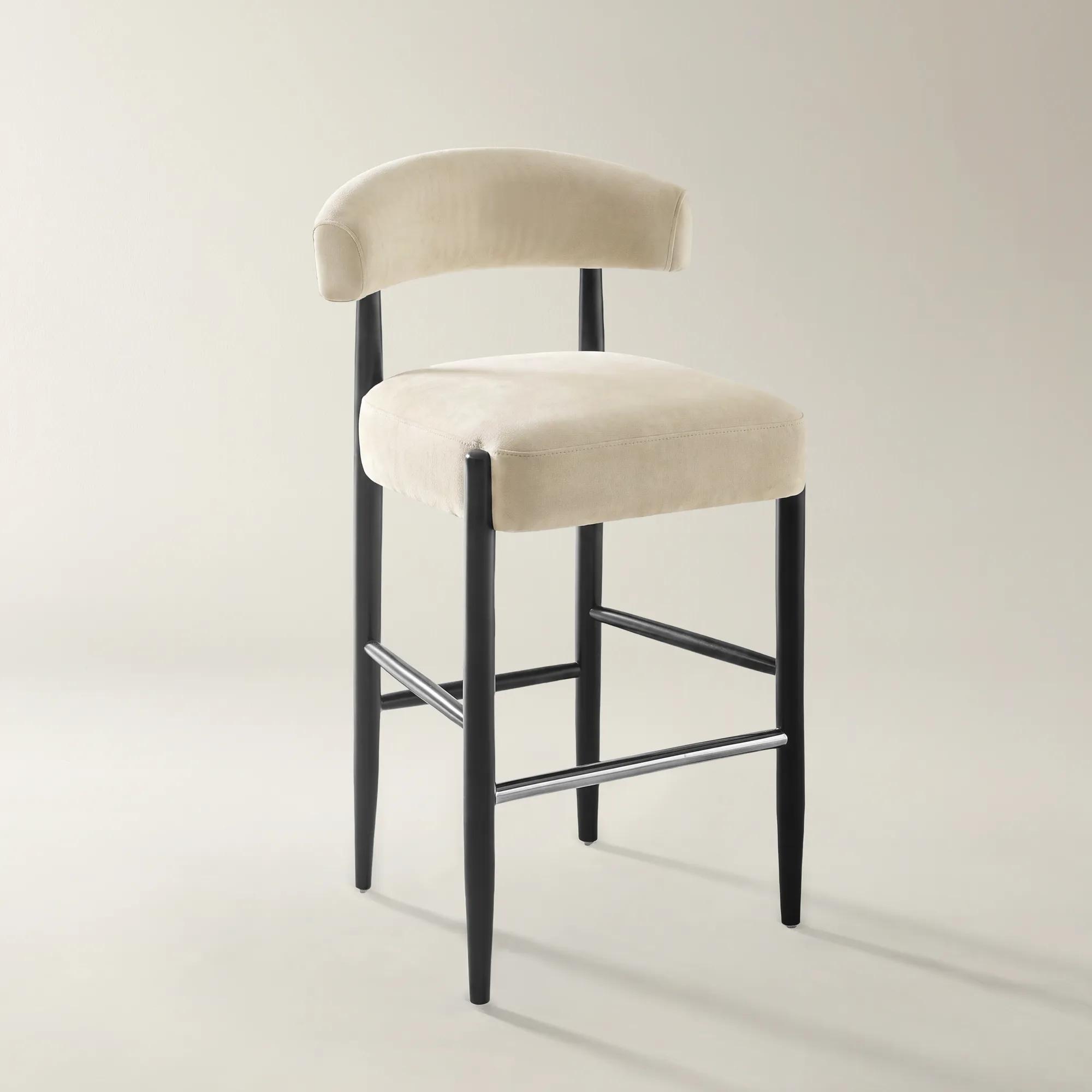 Anna Oatmeal Velvet Bar/Counter Stool$449
A counter stool with oatmeal velvet upholstery, sculpted back, padded seat, and solid rubberwood legs.
Add To Cart -
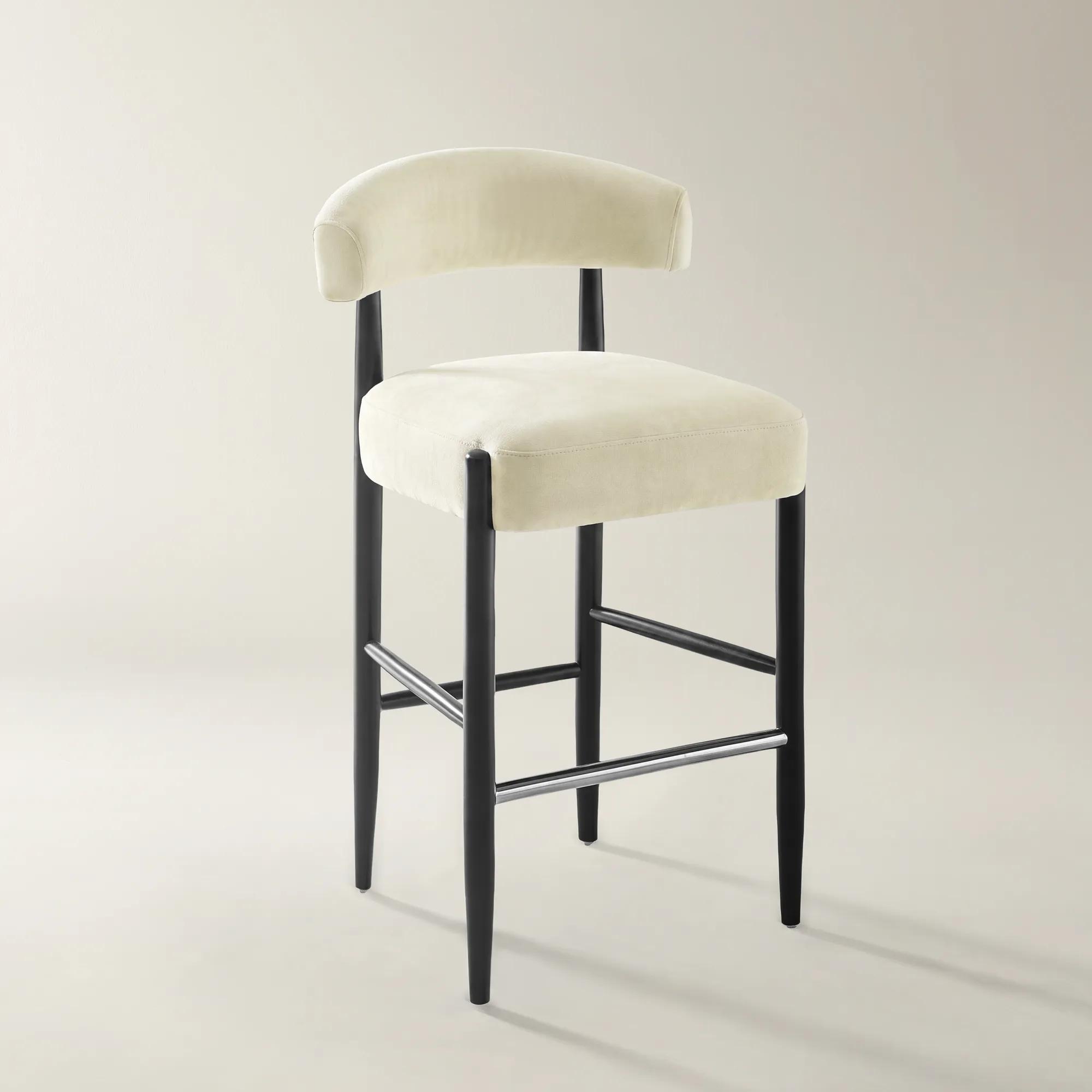 Anna Cloud Velvet Bar/Counter Stool$449
A cloud velvet counter stool with sculpted padded support and tapered solid-rubberwood legs.
Add To Cart -
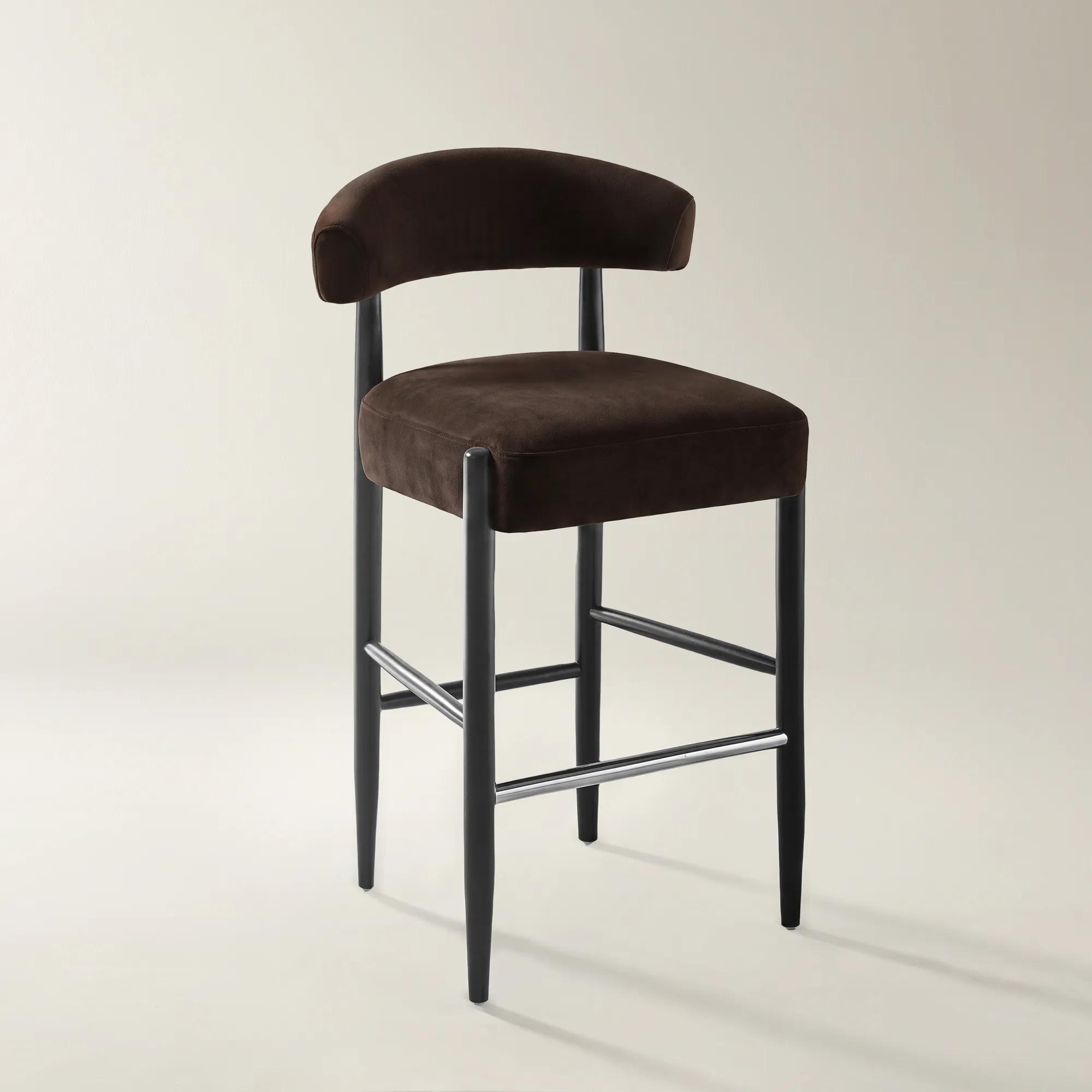 Anna Dark Chocolate Velvet Bar/Counter Stool$449
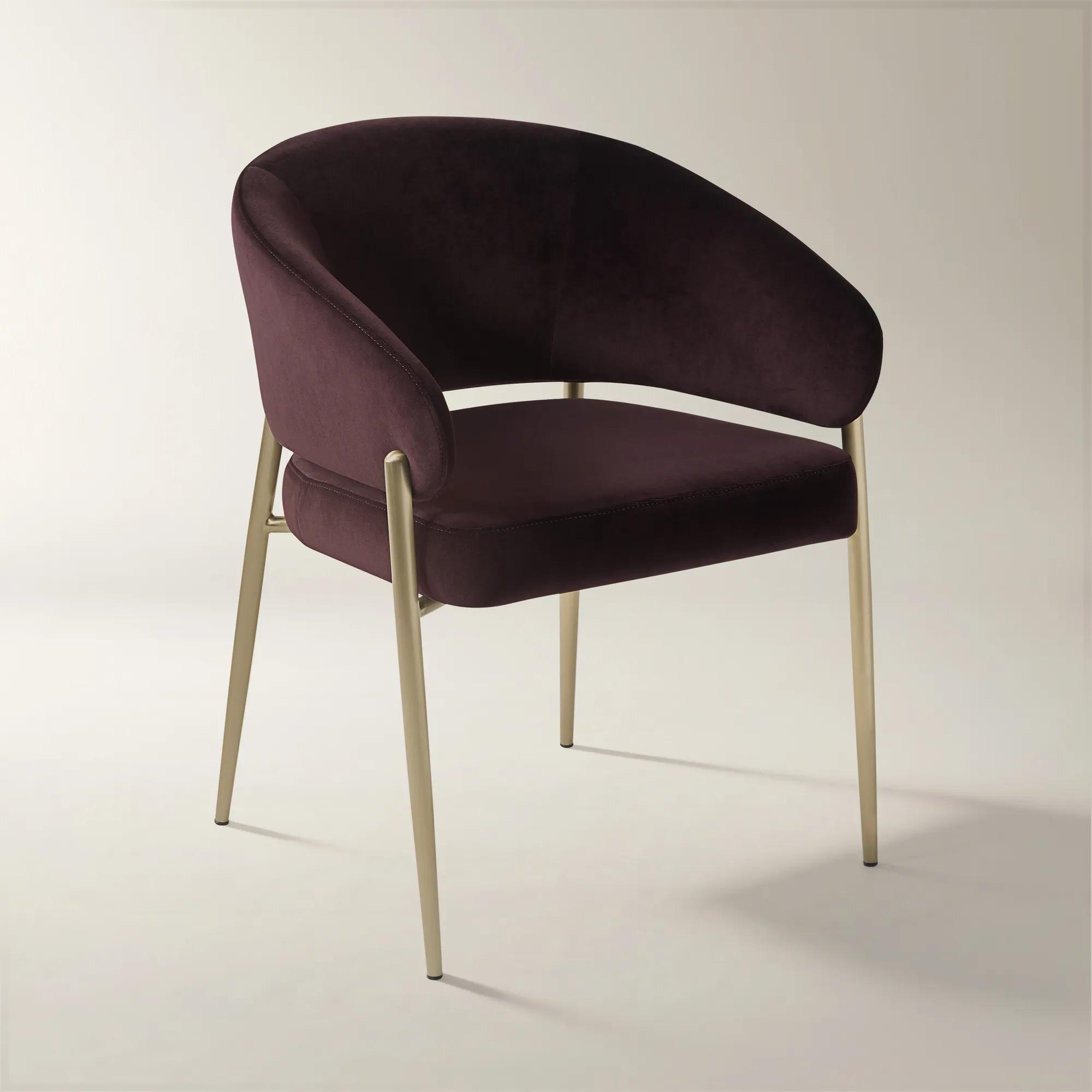
A dark chocolate velvet counter stool with a sculpted back, padded seat, and tapered solid-rubberwood legs.
Add To Cart -
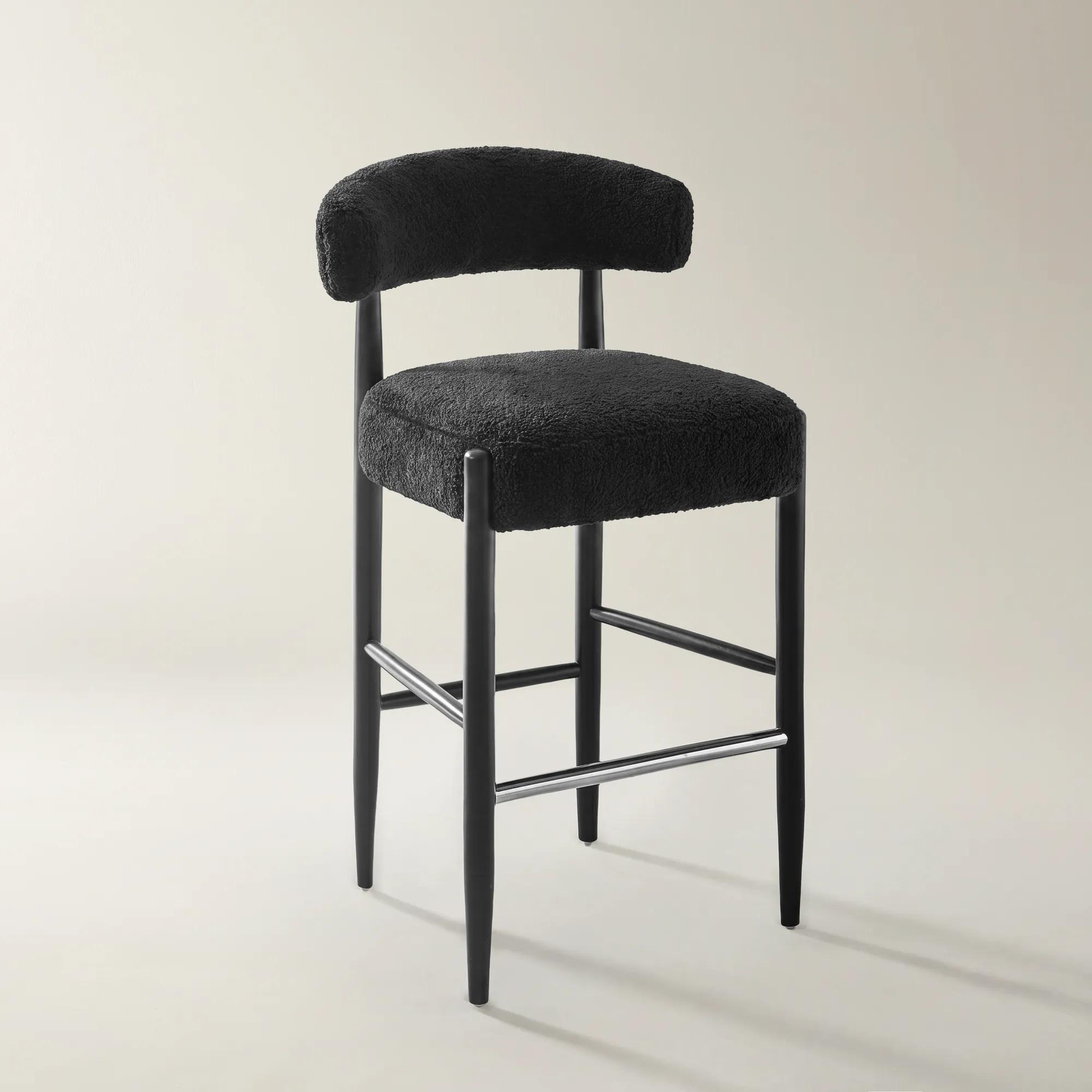 Anna Black Chenille Bar/Counter Stool$449
A black chenille counter stool with a sculpted padded seat and solid rubberwood legs.
Add To Cart -
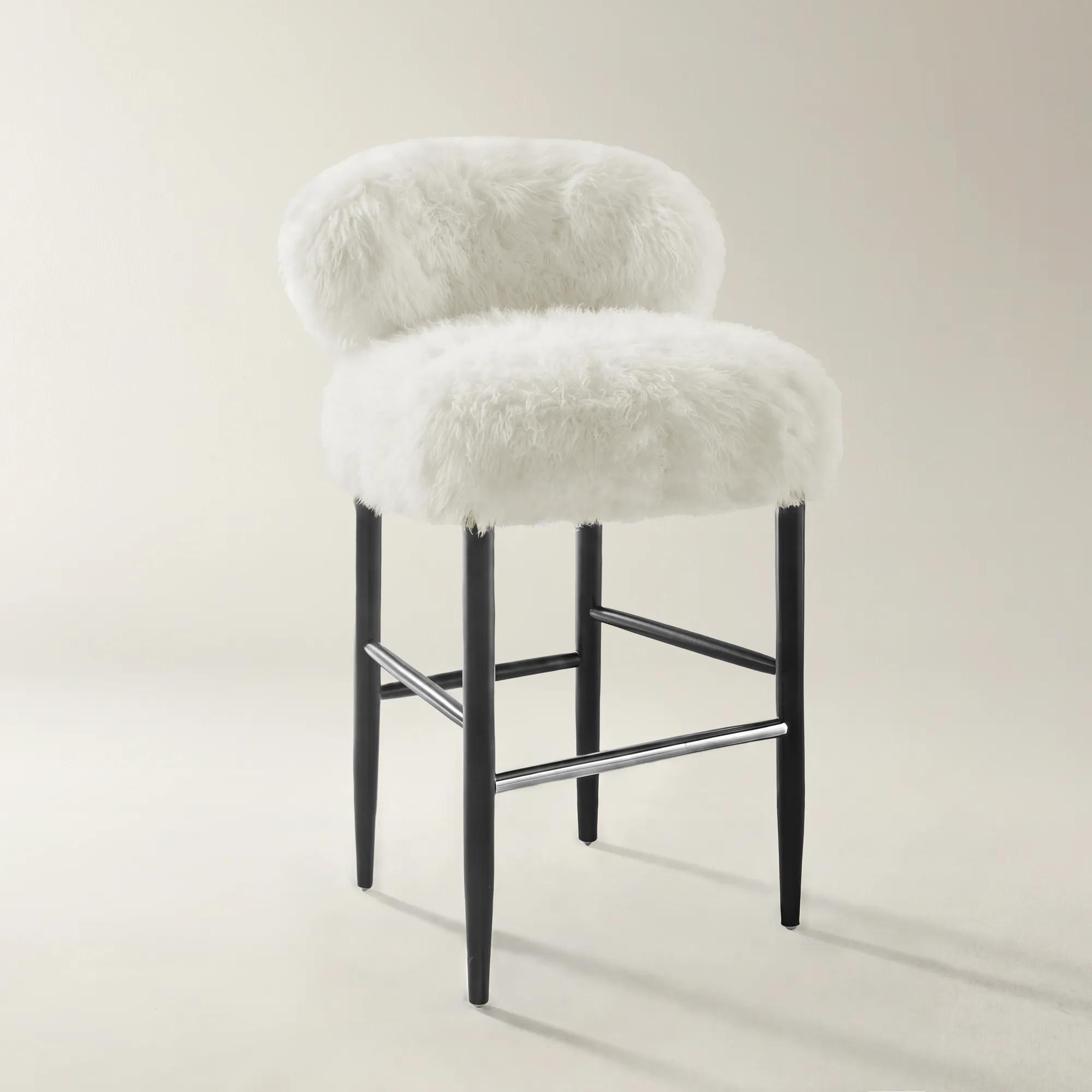 Anna Ivory Faux Fur Bar/Counter Stool$549
An ivory faux-fur counter stool with sculpted support, padded seating, and tapered solid-rubberwood legs.
Add To Cart -
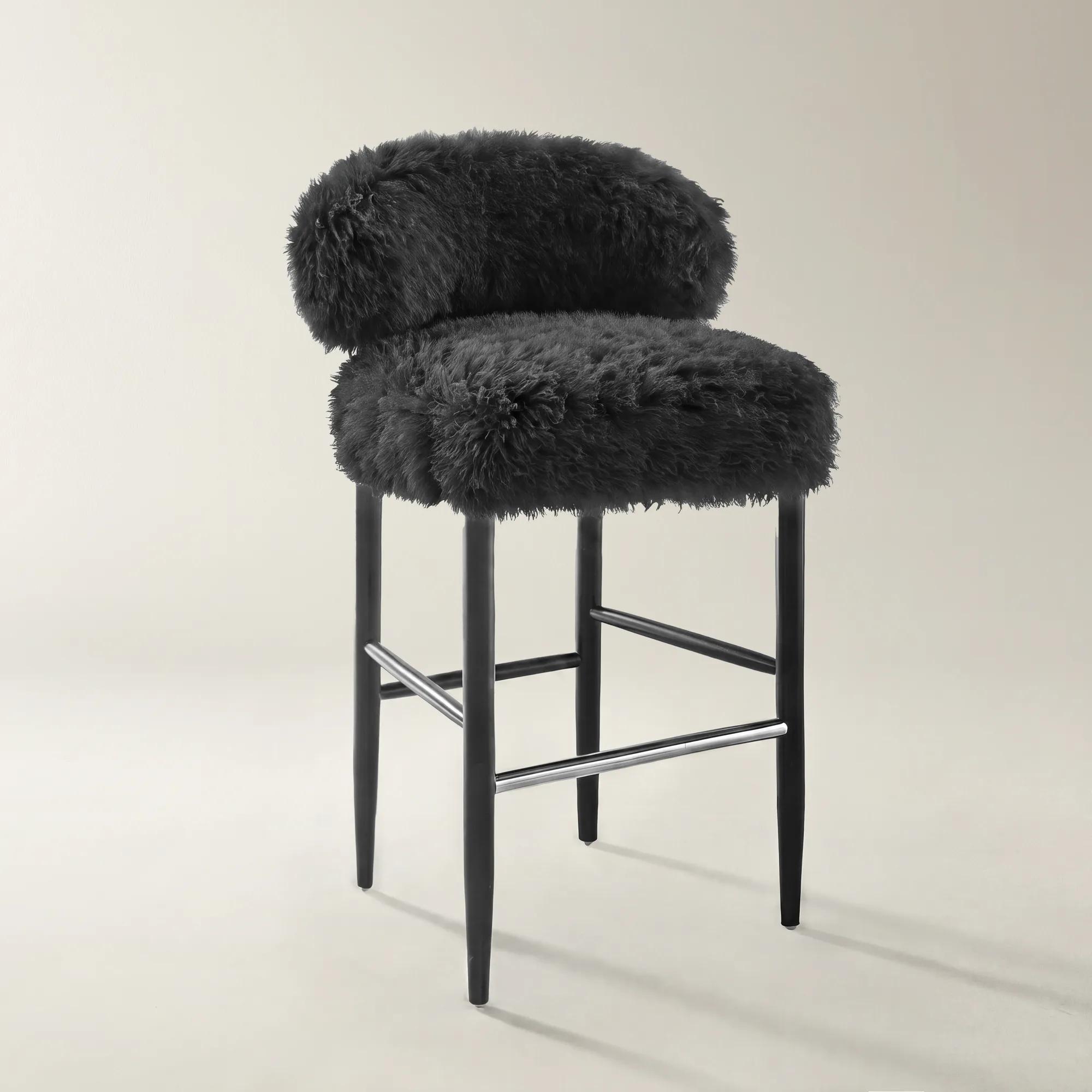 Anna Black Faux Fur Bar/Counter Stool$549
A black faux-fur bar stool with a sculpted back, padded seat, and solid rubberwood legs.
Add To Cart -
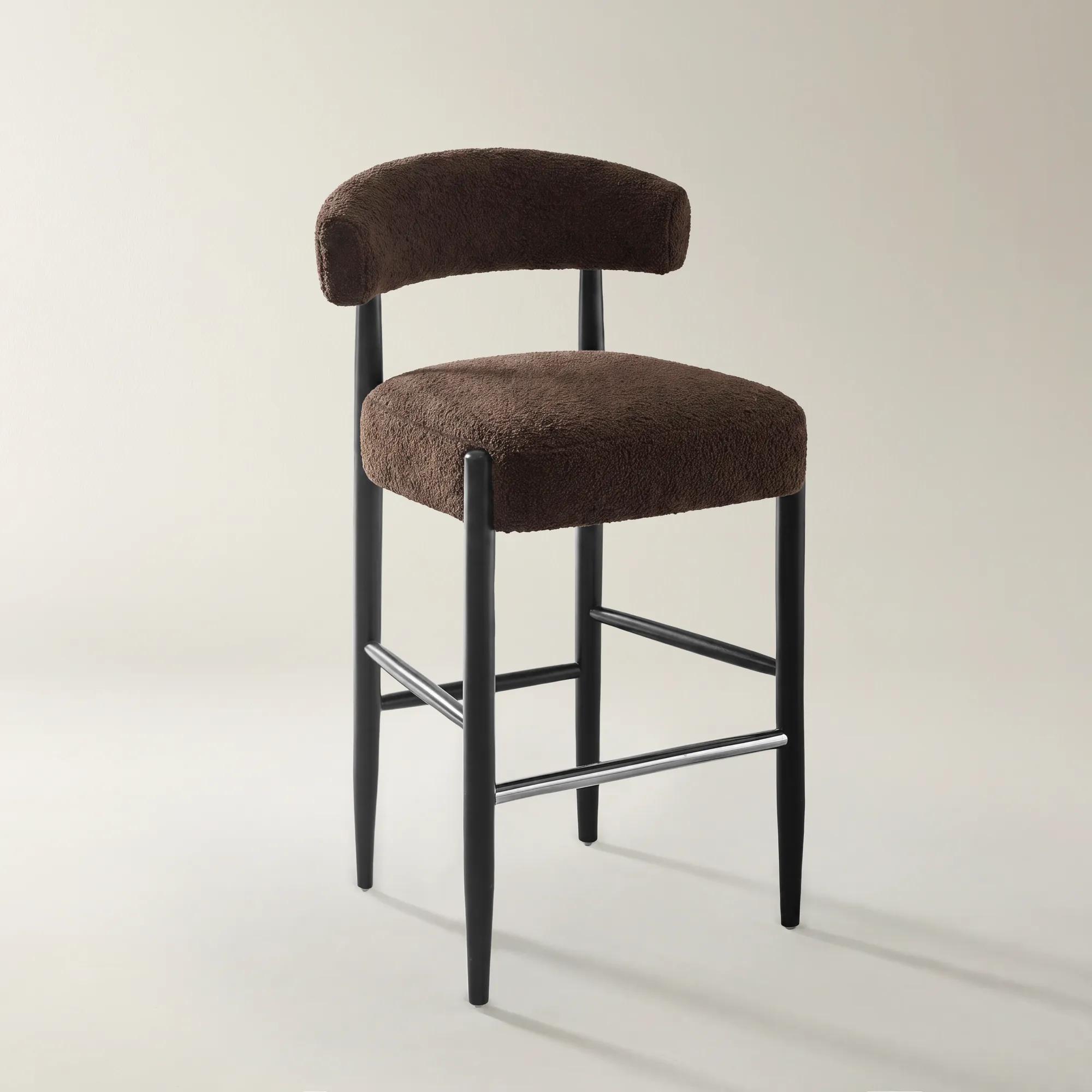 Anna Dark Chocolate Chenille Bar/Counter Stool$449
A dark chocolate chenille counter stool with a sculpted padded seat and solid rubberwood legs.
Add To Cart -
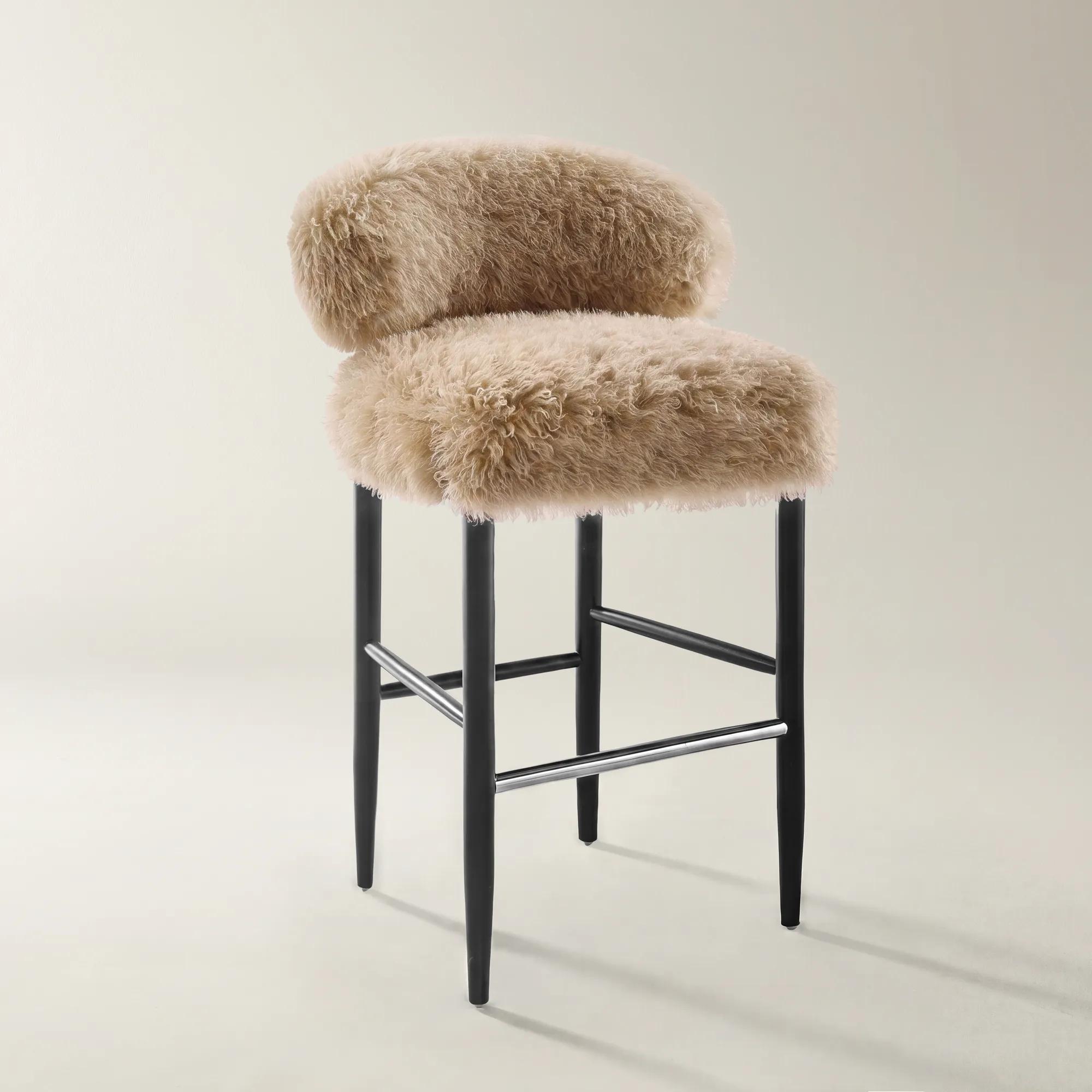 Anna Tan Faux Fur Bar/Counter Stool$549
A tan faux-fur bar stool with a sculpted padded seat and tapered solid-rubberwood legs.
Add To Cart -
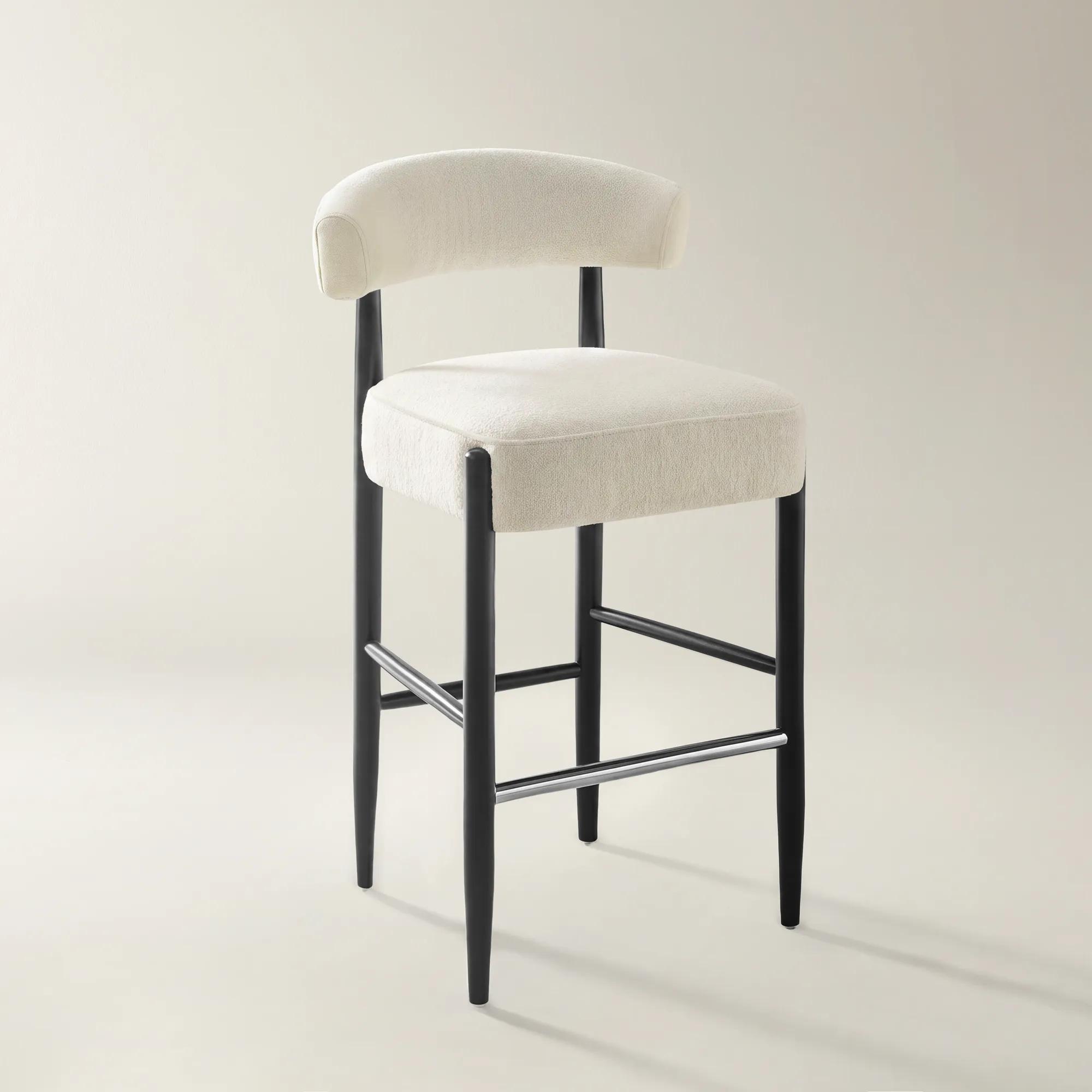 Anna Ivory Performance Chenille Bar/Counter Stool$449
An ivory performance-chenille bar stool with a sculpted back, padded seat, and tapered solid-rubberwood legs.
Add To Cart -
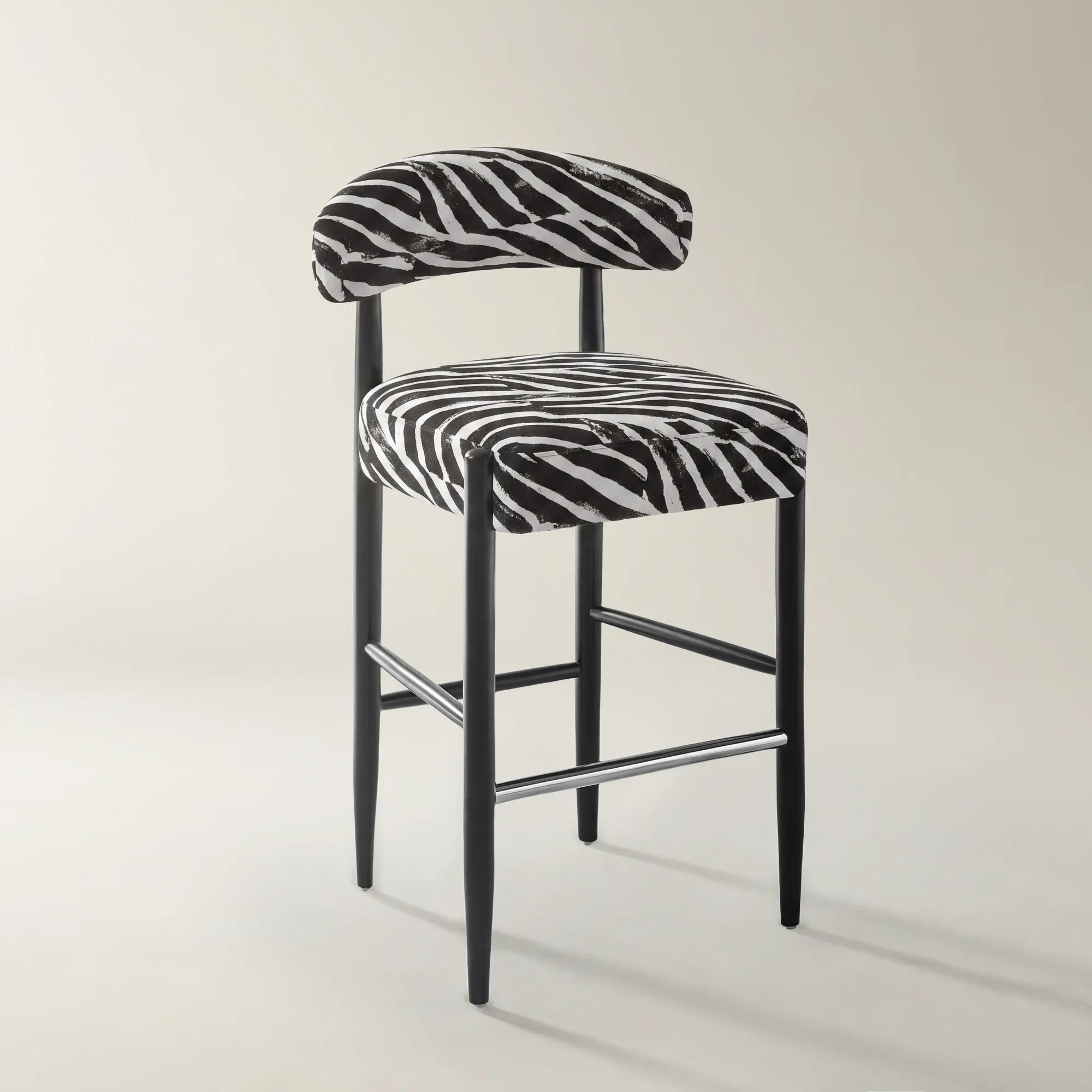 Anna White/Black Performance Chenille Bar/Counter Stool$449
A black-and-white chenille bar stool with a sculpted back, padded seat, and tapered solid rubberwood legs.
Add To Cart -
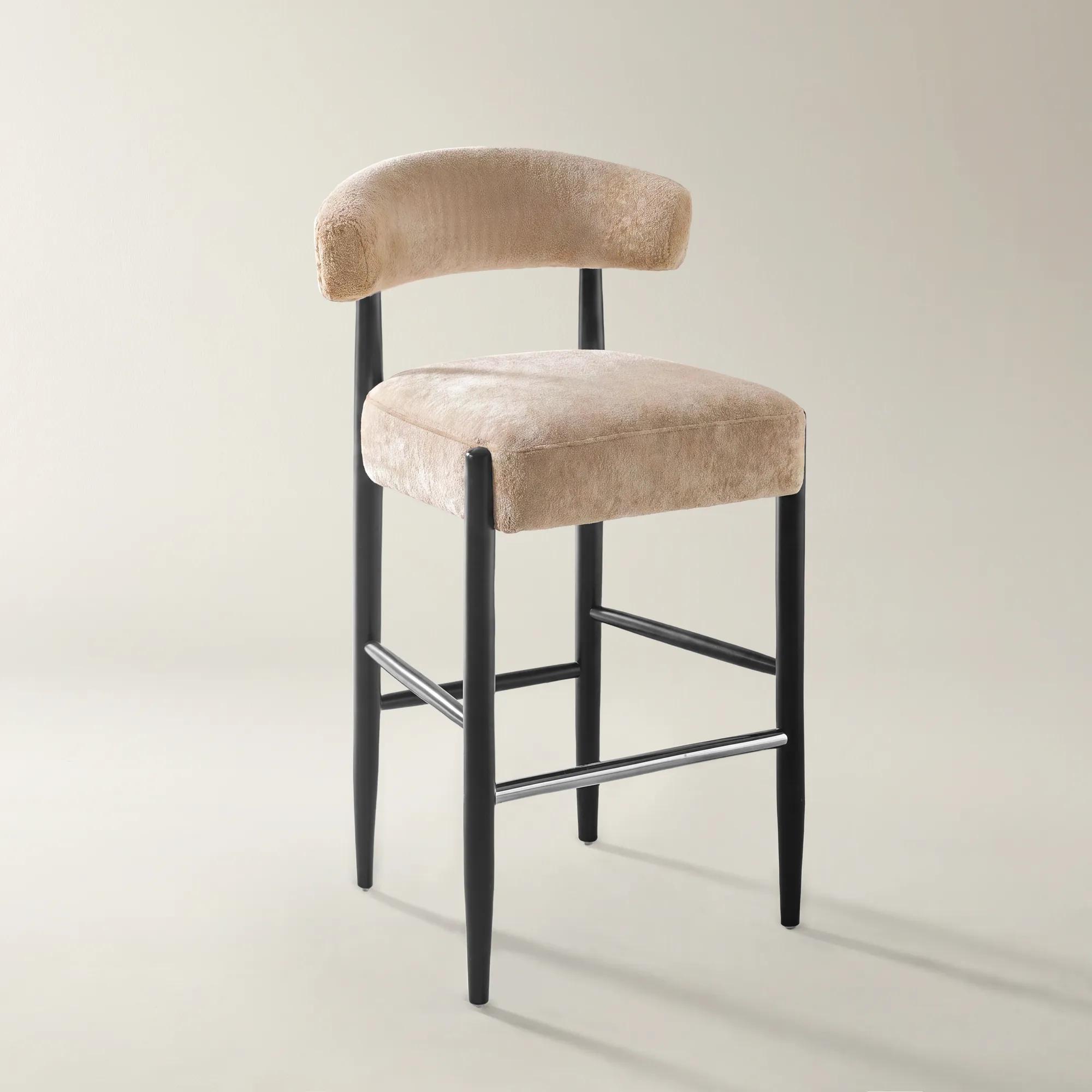 Anna Light Brown Chenille Bar/Counter Stool$449
A brown chenille counter stool with a sculpted back, padded seat, and tapered solid-rubberwood legs.
Add To Cart -
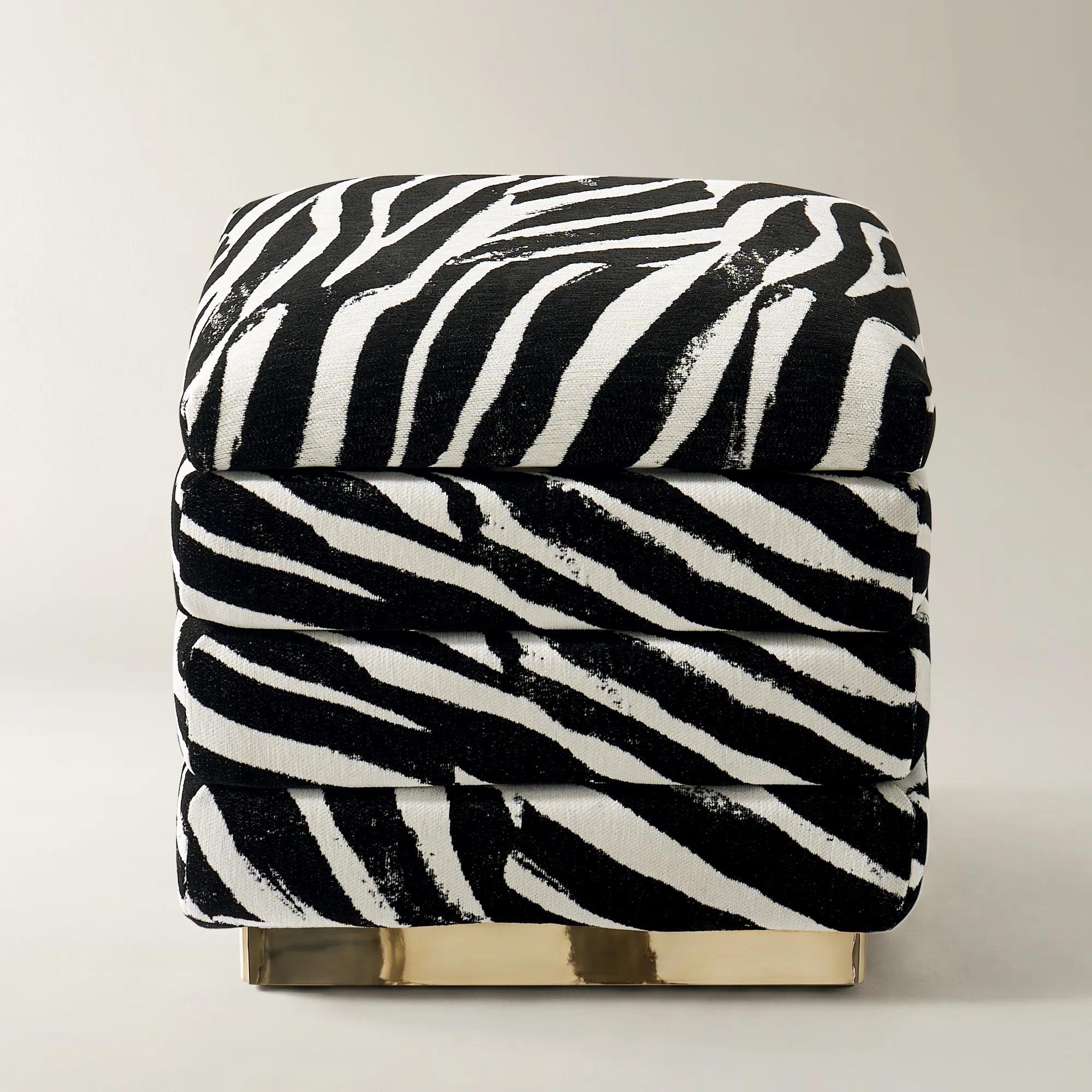
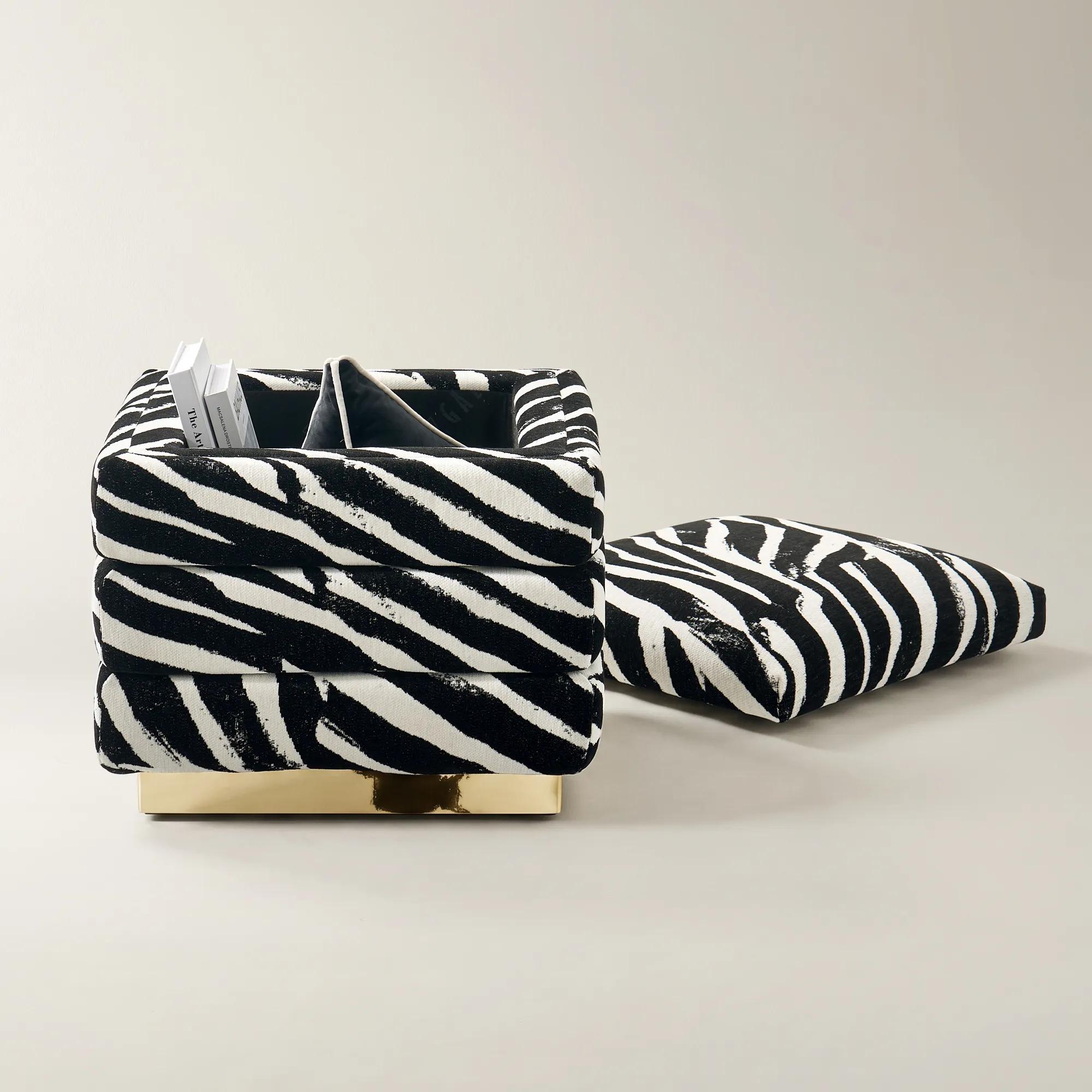 Gable White/Black Performance Chenille Stool$399
A plush white and black chenille stool with hidden storage and a polished gold stainless steel base.
Add To Cart -
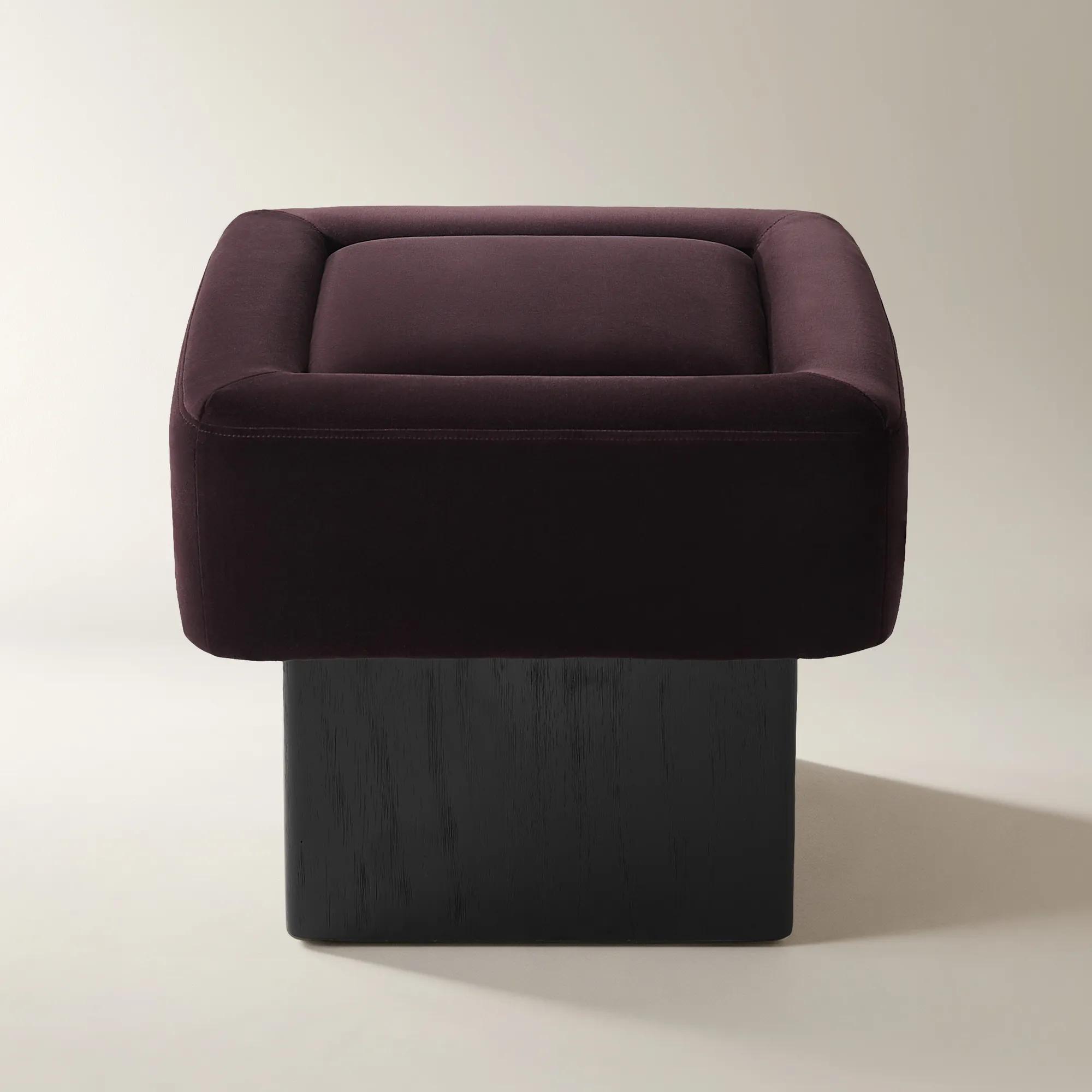 Reims Fig Velvet Stool$399
A plush fig-colored velvet stool featuring a sculpted cushion and a solid rubberwood base for modern contrast.
Add To Cart -
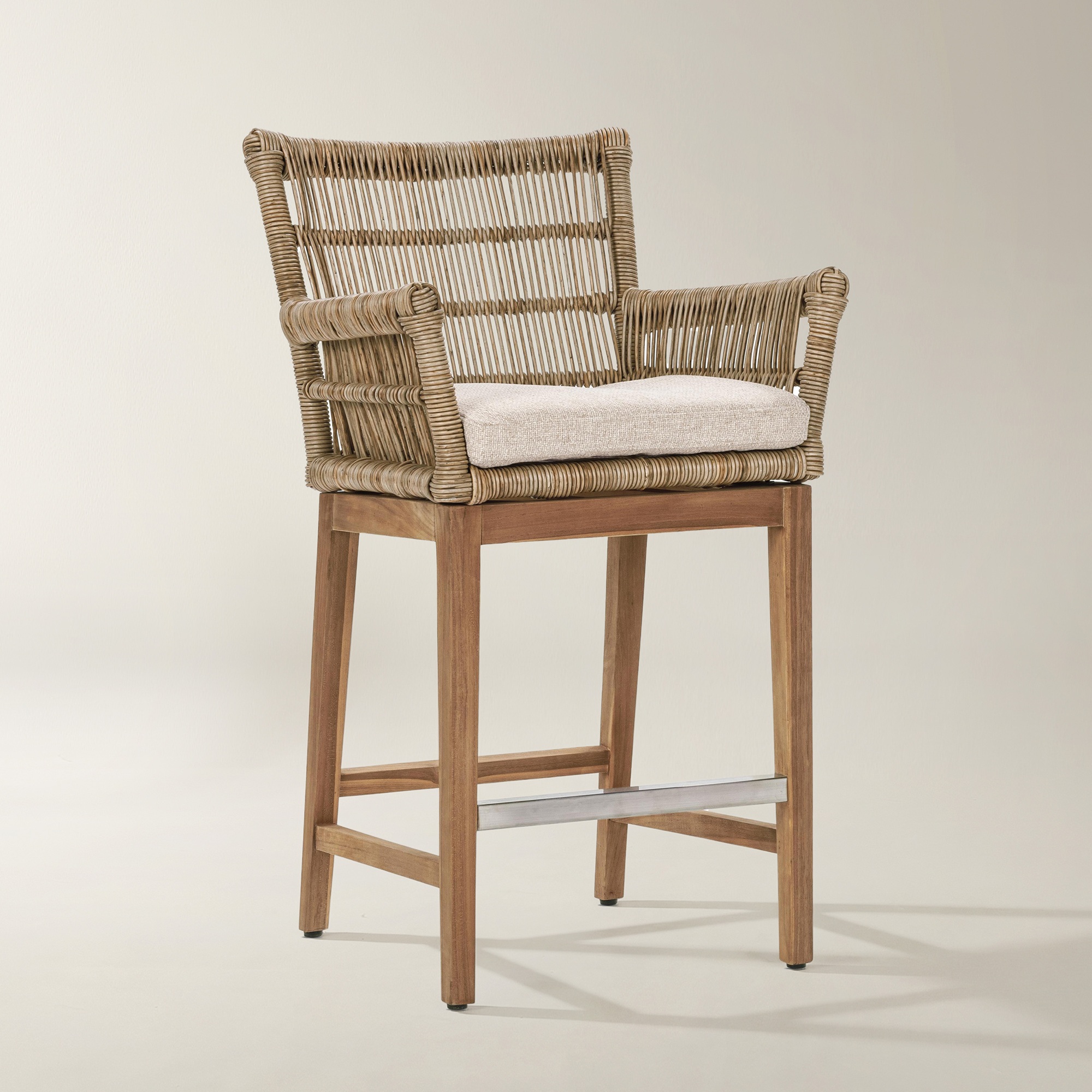 Valerie Natural Outdoor Counter Stool$659
A natural-finished outdoor stool offering stylish counter-height seating.
Add To Cart -
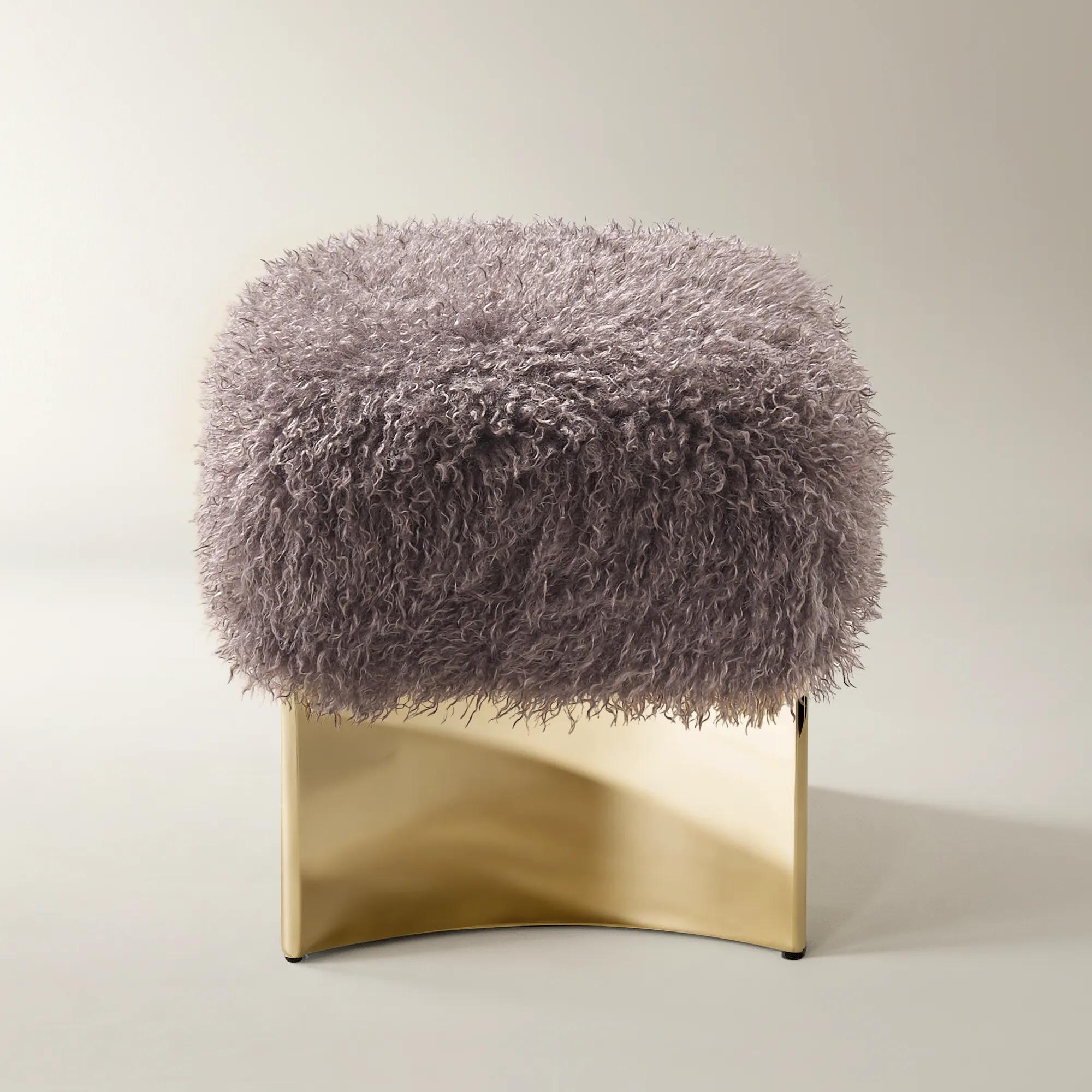 Lush Smoked Plum Faux Fur Stool$499
A sculptural smoked plum faux fur stool with a plush seat and polished gold stainless steel base.
Add To Cart

Structured Seat Bar Stools
Structured Seat Bar Stools transform the everyday perch into a statement of sculptural sophistication. Each silhouette is meticulously designed to command attention—think crisp lines, tailored contours, and an undeniable air of modern artistry. Whether poised beneath a marble-topped island or lining a dramatic home bar, these stools invite you to linger in style. Elevate your entertaining spaces with seating that balances bold presence and refined comfort, setting the stage for evenings that shimmer with possibility.
Structured seat bar stools bring architectural definition to elevated seating, pairing an intentionally shaped seat with a substantial frame and a composed, tailored silhouette. Their appeal lies in the relationship between crisp lines and inviting surfaces: an upholstered seat framed by dark wood, a curved back poised above slender metal legs, or a sculptural base that gives a kitchen island the presence of a beautifully furnished room. Unlike a purely decorative perch, a thoughtfully proportioned stool supports the everyday rituals that happen around a counter, from morning coffee and an open laptop to conversation over cocktails. The structure may come from a defined seat edge, a contoured back, an exposed frame, or upholstery that holds a precise shape. Within that architectural language, different materials create distinctly different moods. Velvet introduces depth and a light-catching surface, particularly in saturated jewel tones or luminous neutrals. Leather offers a smooth, tailored look, while woven upholstery adds texture without demanding a bold pattern. Wood frames bring grain and warmth into polished interiors; metal frames can trace a more graphic outline, with brushed or gleaming finishes adding another layer of contrast. A structured seat need not feel rigid or visually heavy. Padding, gently rounded edges, and a supportive back can soften its geometry while preserving a deliberate outline. Channel detailing and restrained seams emphasize form, while an uninterrupted upholstered surface lets the silhouette speak more quietly. Low-back designs maintain open sightlines across an island, full-back stools create a more enveloping seat, and backless profiles allow the counter itself to remain the dominant architectural feature. For people who see the kitchen as part of the living space rather than a separate workspace, these distinctions matter. Structured seating gives an island or home bar its own design identity, connecting cabinetry, lighting, and surrounding furniture through repeated lines, finishes, and textures. Even a small arrangement can feel richly considered when each stool contributes shape, comfort, and a clear visual rhythm.
The distinction between bar-height and counter-height seating is essential to that sense of ease. Counter-height stools typically have seats about 24 to 27 inches above the floor and are commonly paired with counters around 36 inches high. Bar-height stools generally have seats about 28 to 33 inches high and suit elevated surfaces around 40 to 43 inches high, with the exact pairing determined by the dimensions of both pieces. A useful fit allows approximately 10 to 12 inches between the top of the seat and the underside of the counter or its lowest apron, leaving room for legs without making the surface feel uncomfortably high. Seat height alone does not tell the whole story: thick cushions, projecting arms, a deep counter apron, or a shallow overhang can all affect how naturally a stool fits. Arm height matters when seating needs to slide beneath a surface, while overall depth determines how far a chair-like silhouette extends into the room. Along a busy island, enough space behind occupied stools preserves a comfortable path between the kitchen and adjacent living areas. Side-to-side spacing deserves equal attention, especially with wide seats or substantial arms; roughly 6 inches between the widest points offers a starting point, with additional room useful for swiveling designs. A swivel can make it easier to turn toward conversation without repeatedly moving the entire stool, provided surrounding cabinetry and neighboring seats allow clearance. Footrests offer support when feet cannot reach the floor, and their placement influences comfort during longer gatherings. For a compact apartment, a restrained frame and lower back can keep the room visually open. In a larger entertaining space, generous upholstered seats and taller backs can establish a more pronounced, lounge-like atmosphere. The right proportions make structured seat bar stools feel integrated rather than inserted, whether they frame a narrow breakfast counter or form a dramatic procession beneath pendant lighting. Everyday habits help define that fit, too: a quick espresso calls for a different seating experience than an evening spent lingering over a shared meal.
Materials and construction give that polished first impression its lasting substance. Solid wood, engineered wood, and metal each bring different characteristics to a stool, so the composition of the frame, the stability of its joints, and the quality of its finish are worth considering alongside appearance. A well-assembled frame should feel steady on an even floor, while secure footrests and firmly attached seats matter wherever seating sees frequent use. Upholstery adds another layer of choice. Velvet rewards attention with a shifting sheen, although its pile may show changes in direction and pressure marks. Woven fabrics vary in texture, fiber content, and resistance to everyday wear; performance claims are most useful when supported by the material’s stated specifications and care requirements. Leather and leather-look coverings also require different care, making the upholstery description more meaningful than appearance alone. In a household where the island doubles as a breakfast table, a surface with straightforward, manufacturer-approved cleaning instructions can be especially valuable. Promptly blotting spills rather than rubbing helps limit their spread, while routine vacuuming with an appropriate upholstery attachment removes crumbs and dust from seams. Wood and metal finishes generally benefit from a soft cloth and cleaning methods suited to their protective coating; harsh abrasives and unapproved solvents can compromise an otherwise beautiful surface. Floor-protecting glides, checked periodically for wear, help reduce scraping as stools move across hard flooring. Indoor seating belongs in the setting for which it was designed, rather than on an exposed patio simply because its frame appears substantial. Beyond daily care, a cohesive interior gives these pieces room to express their character. A dark frame can echo nearby shelving, pale upholstery can illuminate a richly toned island, and a curved back can soften a room of strong rectangular forms. In an adjoining sitting area, Structured Seat Barrel Chairs can carry that balance of defined shape and inviting upholstery into a lower, more relaxed seating arrangement. The connection feels most sophisticated when materials converse without matching every detail, allowing each silhouette its own presence within a layered, expressive home.
FAQs
Structured seat bar stools are defined by their intentional, architectural lines and supportive frames, offering both visual structure and ergonomic comfort. Unlike casual or backless designs, these stools often feature tailored upholstery, sculptural bases, and refined detailing that transform them into statement pieces, perfect for those who value both artistry and function in their seating.
Structured seat bar stools bring a sense of sophistication and drama to any space. Their bold silhouettes and luxurious materials create a focal point, inviting guests to gather and linger. Whether your style is modern glam or classic elegance, these stools can elevate the mood, making every gathering feel like a special occasion.
Absolutely. Structured seat bar stools are ideal for open-concept layouts, where visual cohesion and flow are essential. Their defined shapes help delineate zones—such as the kitchen, dining, and living areas—while their artistic design ensures they complement the overall aesthetic, adding polish and personality to the space.
Structured seat bar stools often feature sumptuous materials like velvet, leather, or textured linen for the seat, paired with gleaming metals, lacquered wood, or acrylic for the frame. These materials are chosen not only for their beauty but also for their durability and tactile appeal, contributing to an overall sense of luxury.
Yes, structured seat bar stools make an exceptional gift for housewarmings, weddings, or milestone celebrations. Their timeless design and functional elegance ensure they are cherished additions to any home, offering both comfort and a touch of Z Gallerie’s signature style to daily life and special gatherings alike.