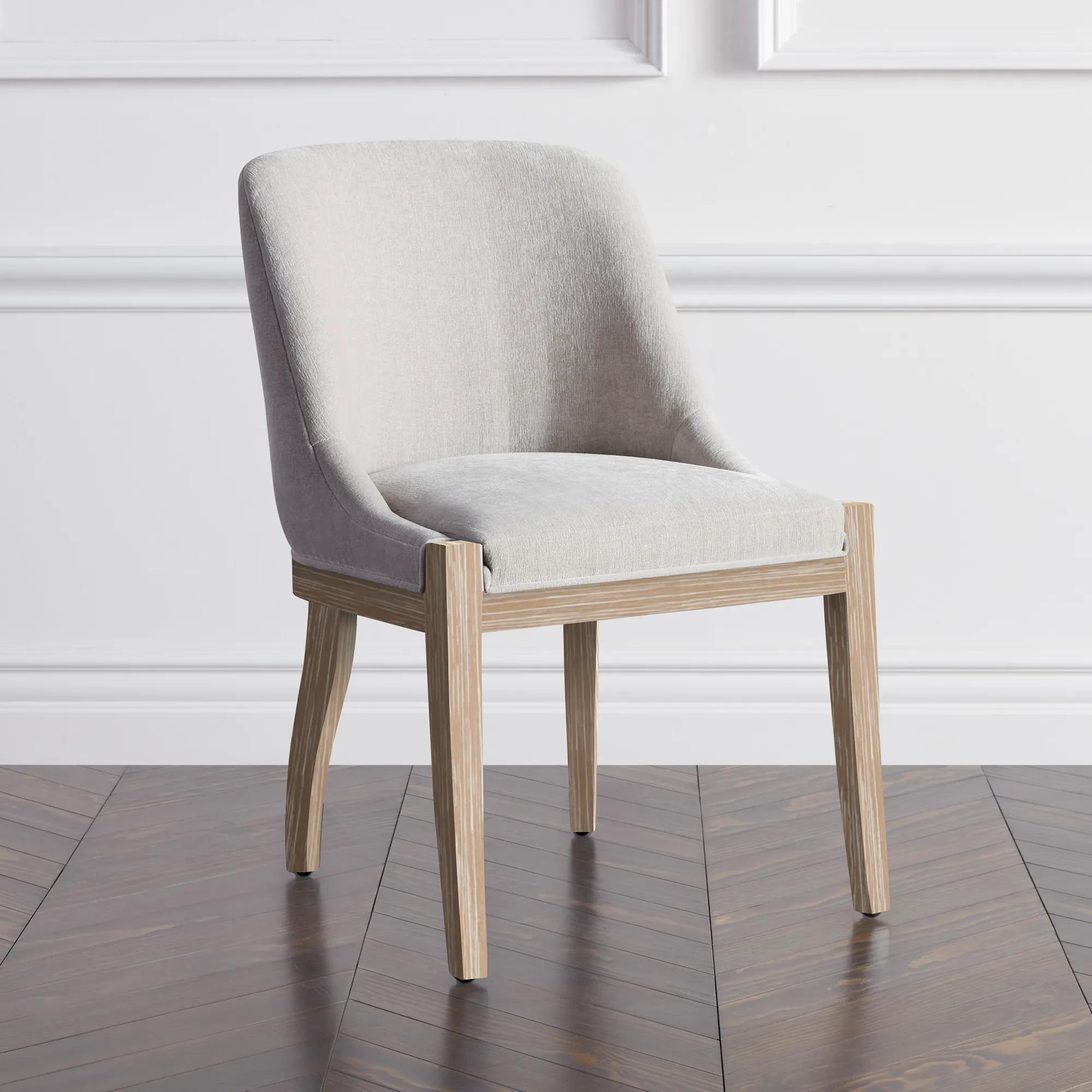
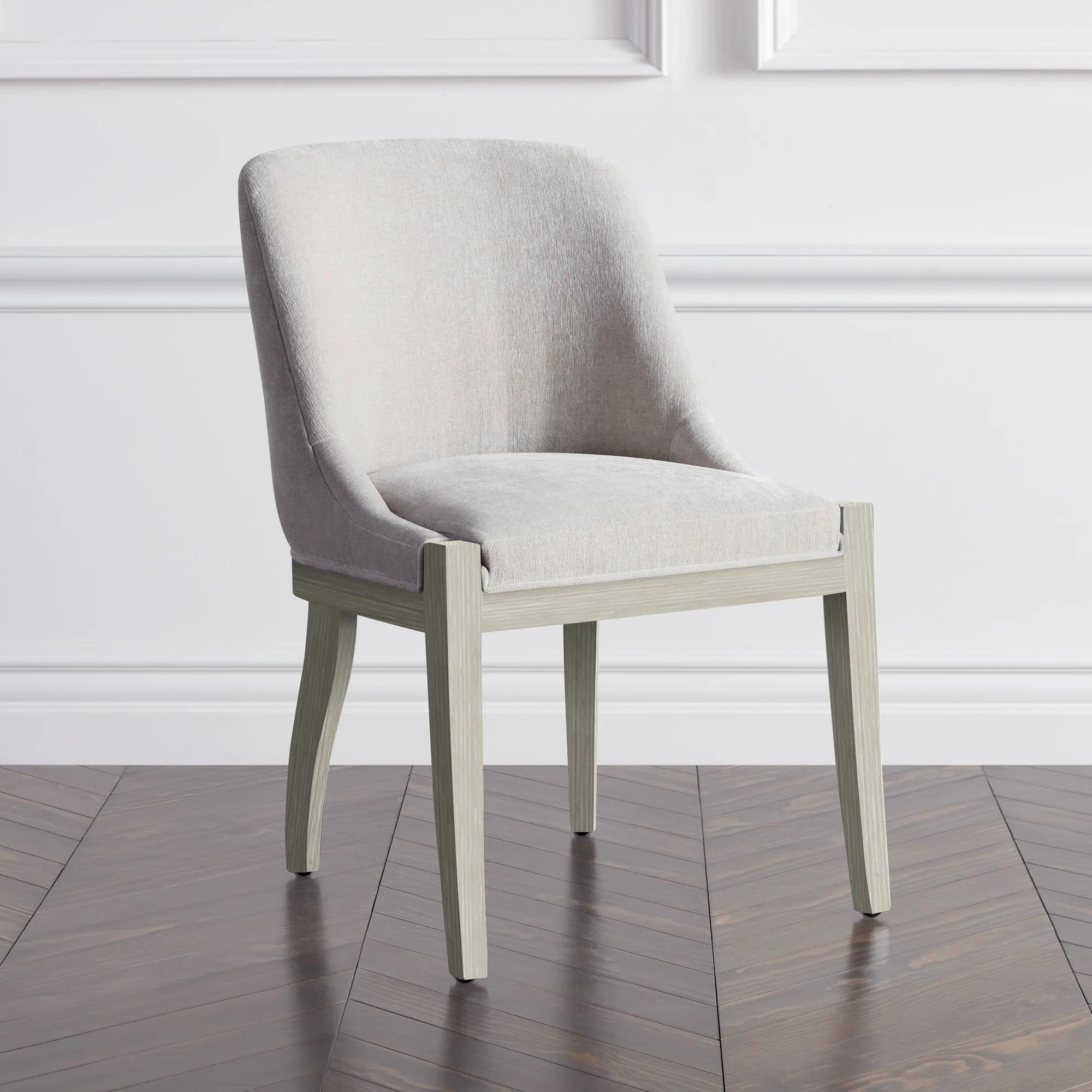
Transitional Style Bar Stools
Transitional Style Bar Stools
-
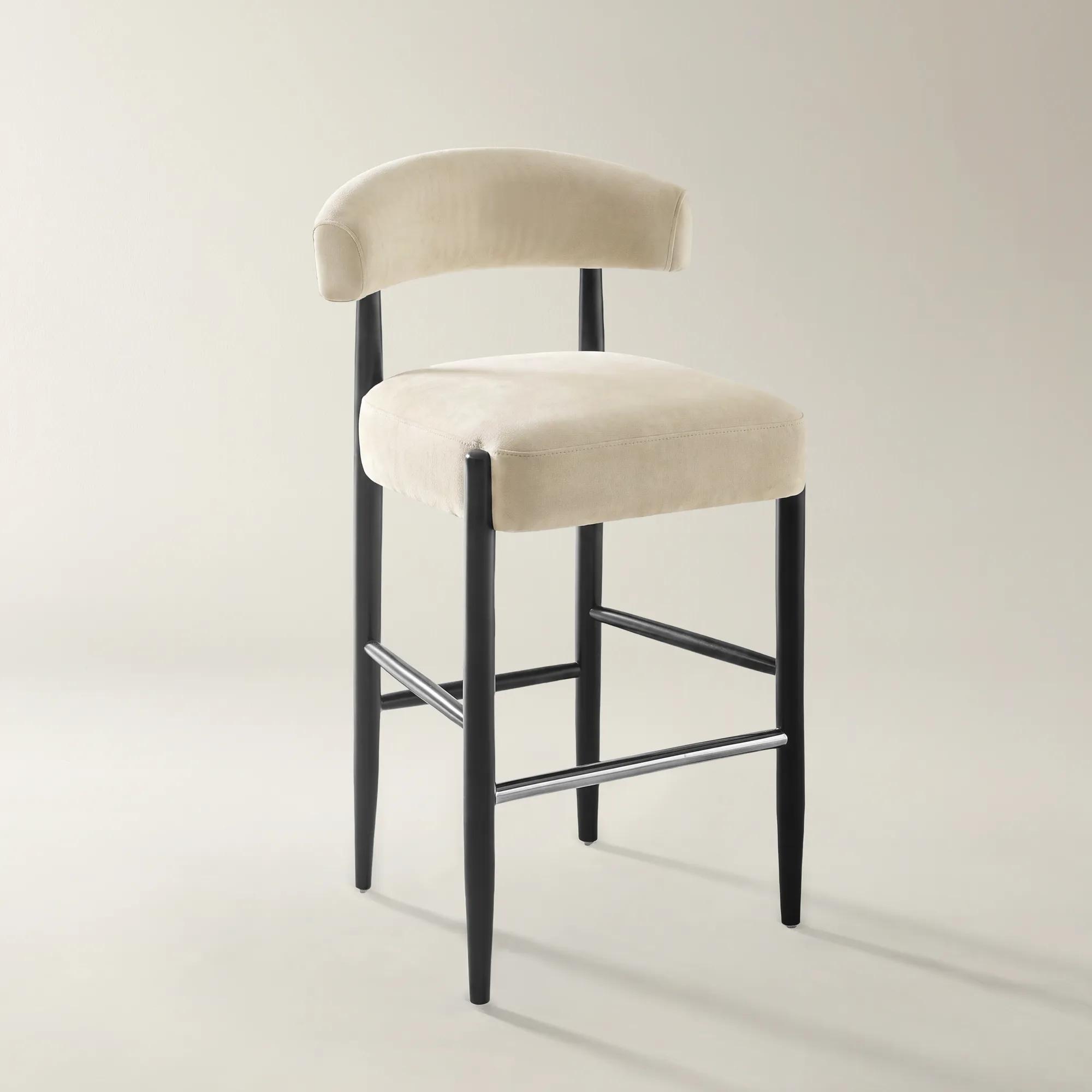 Anna Oatmeal Velvet Bar/Counter Stool$449
A counter stool with oatmeal velvet upholstery, sculpted back, padded seat, and solid rubberwood legs.
Add To Cart -
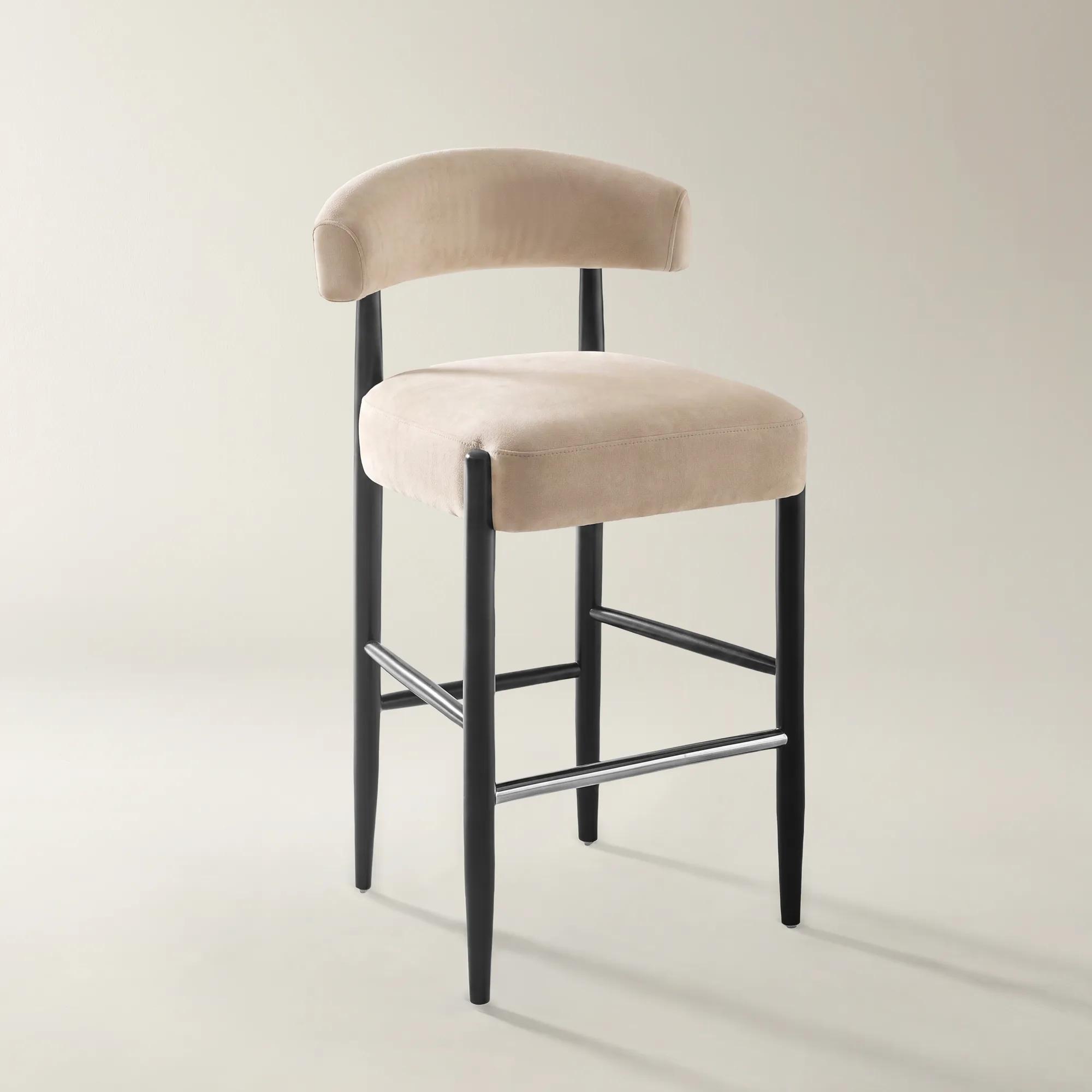 Anna Simply Taupe Velvet Bar/Counter Stool$449
A taupe velvet counter stool with a sculpted back, padded seat, and tapered solid-rubberwood base.
Add To Cart -
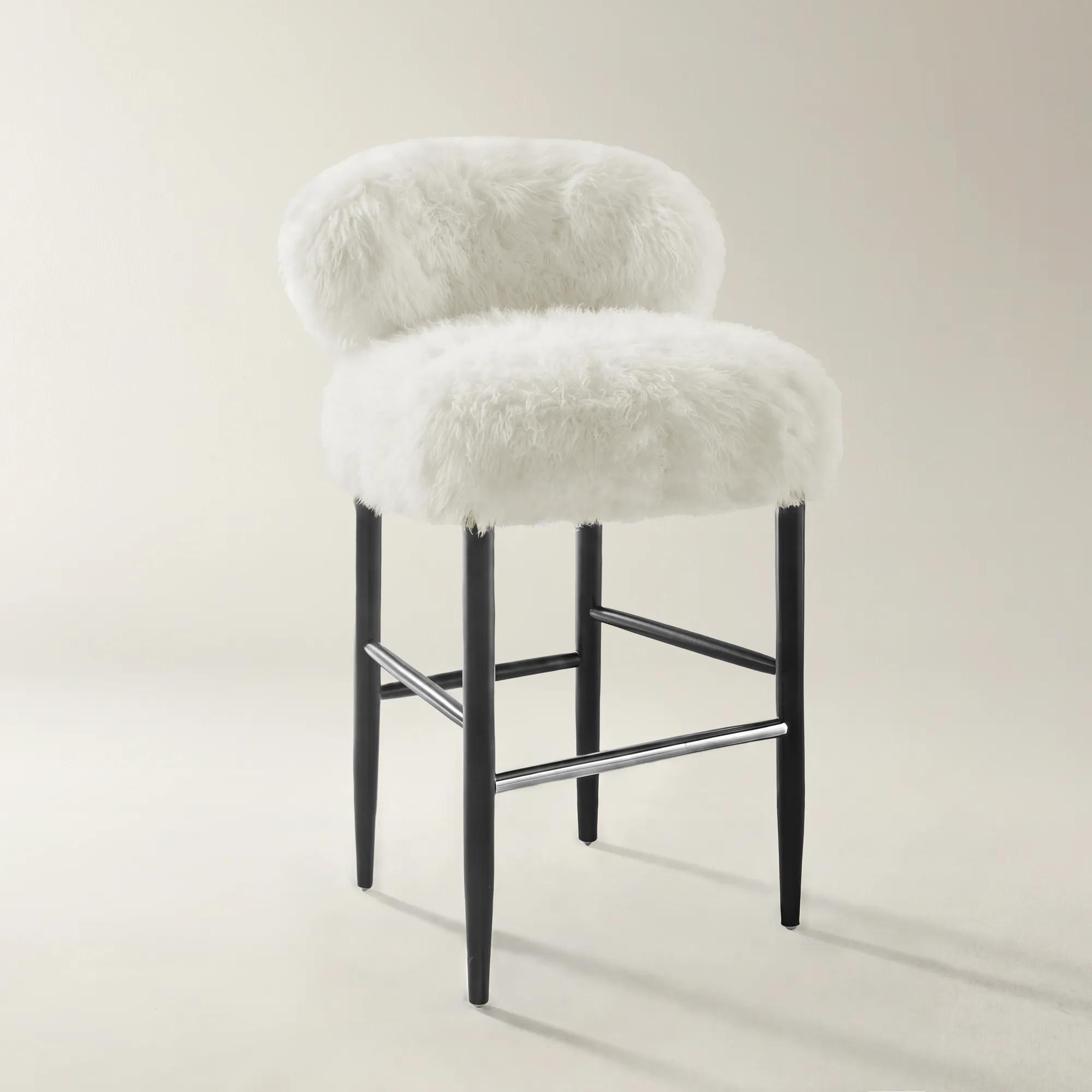 Anna Ivory Faux Fur Bar/Counter Stool$549
An ivory faux-fur counter stool with sculpted support, padded seating, and tapered solid-rubberwood legs.
Add To Cart -
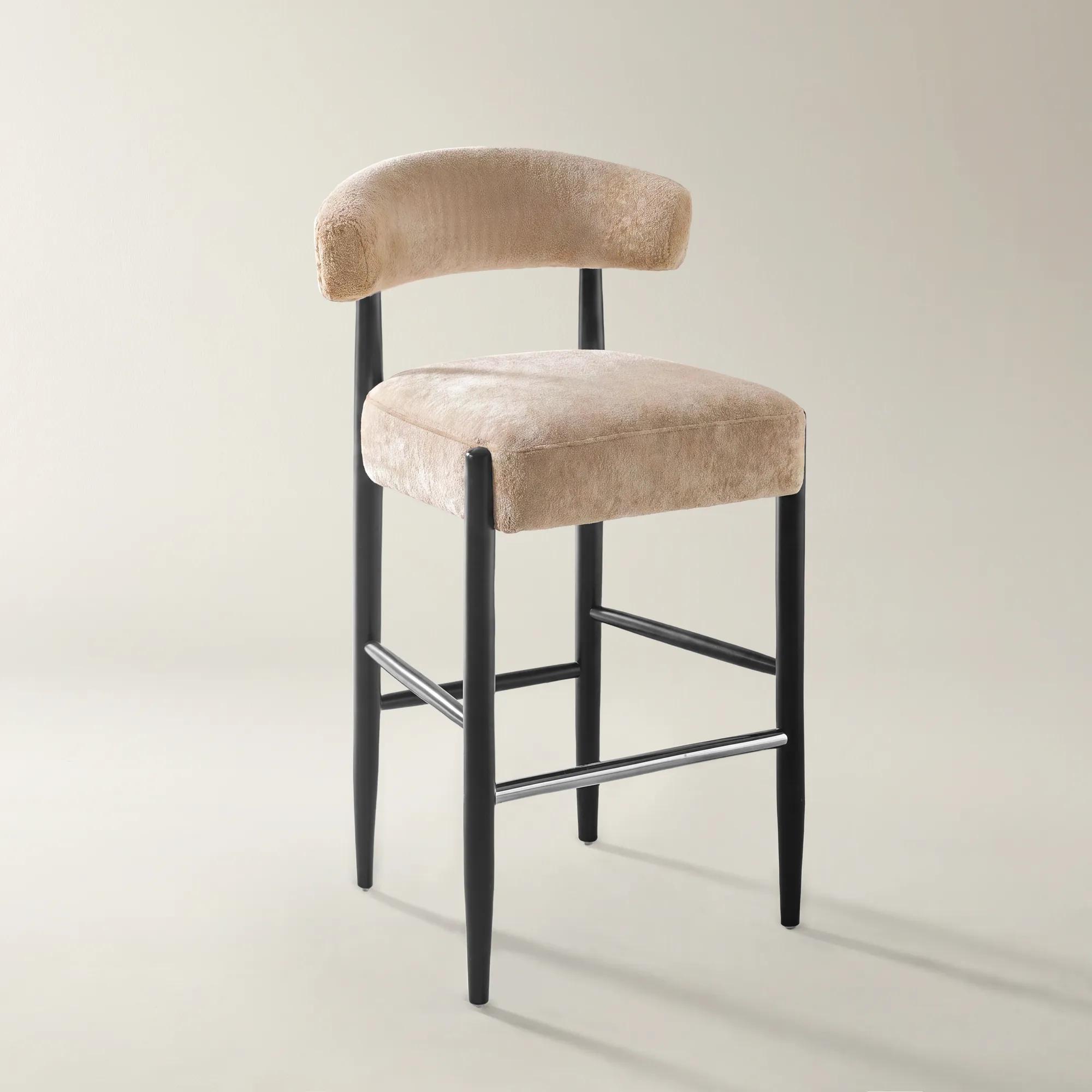 Anna Light Brown Chenille Bar/Counter Stool$449
A brown chenille counter stool with a sculpted back, padded seat, and tapered solid-rubberwood legs.
Add To Cart -
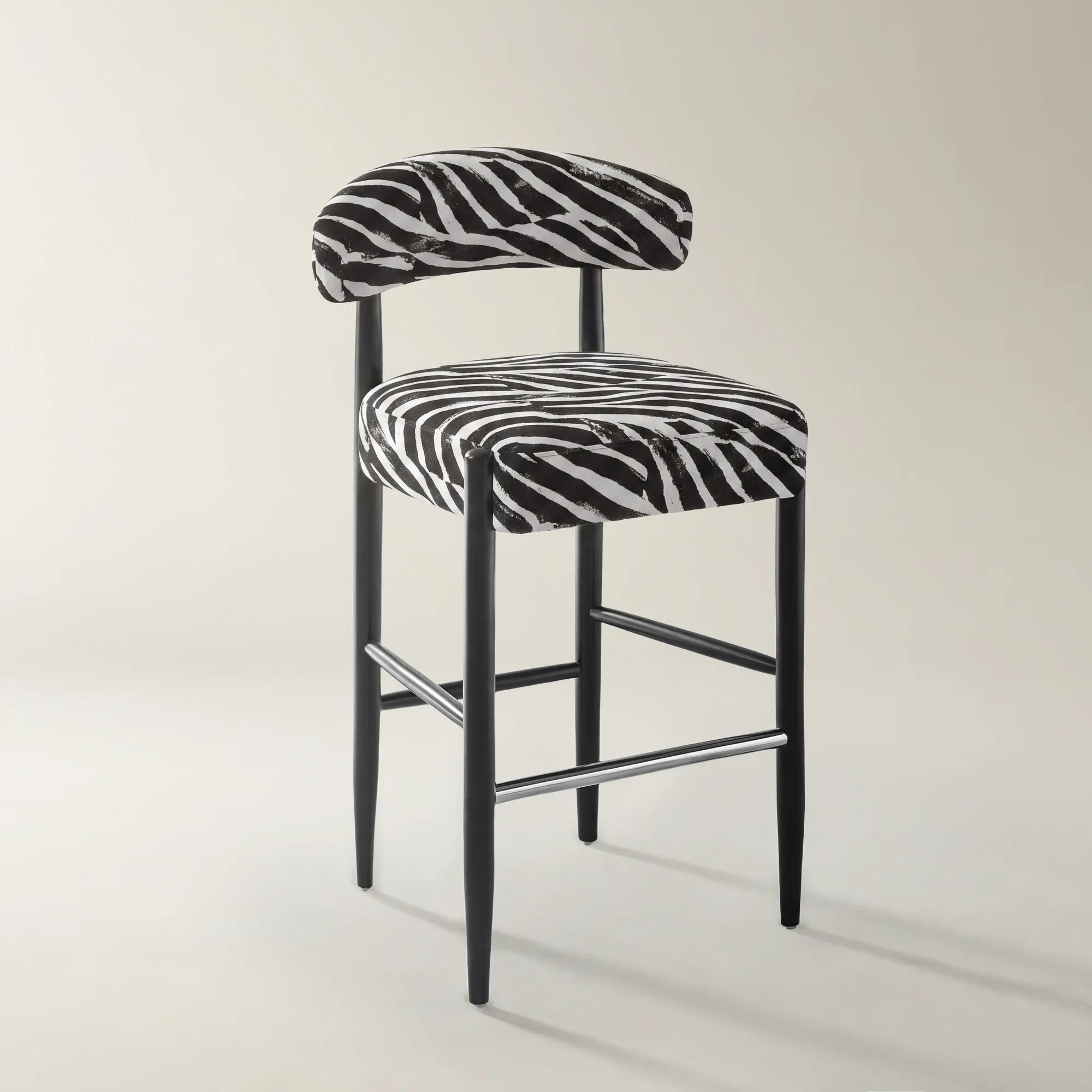 Anna White/Black Performance Chenille Bar/Counter Stool$449
A black-and-white chenille bar stool with a sculpted back, padded seat, and tapered solid rubberwood legs.
Add To Cart -
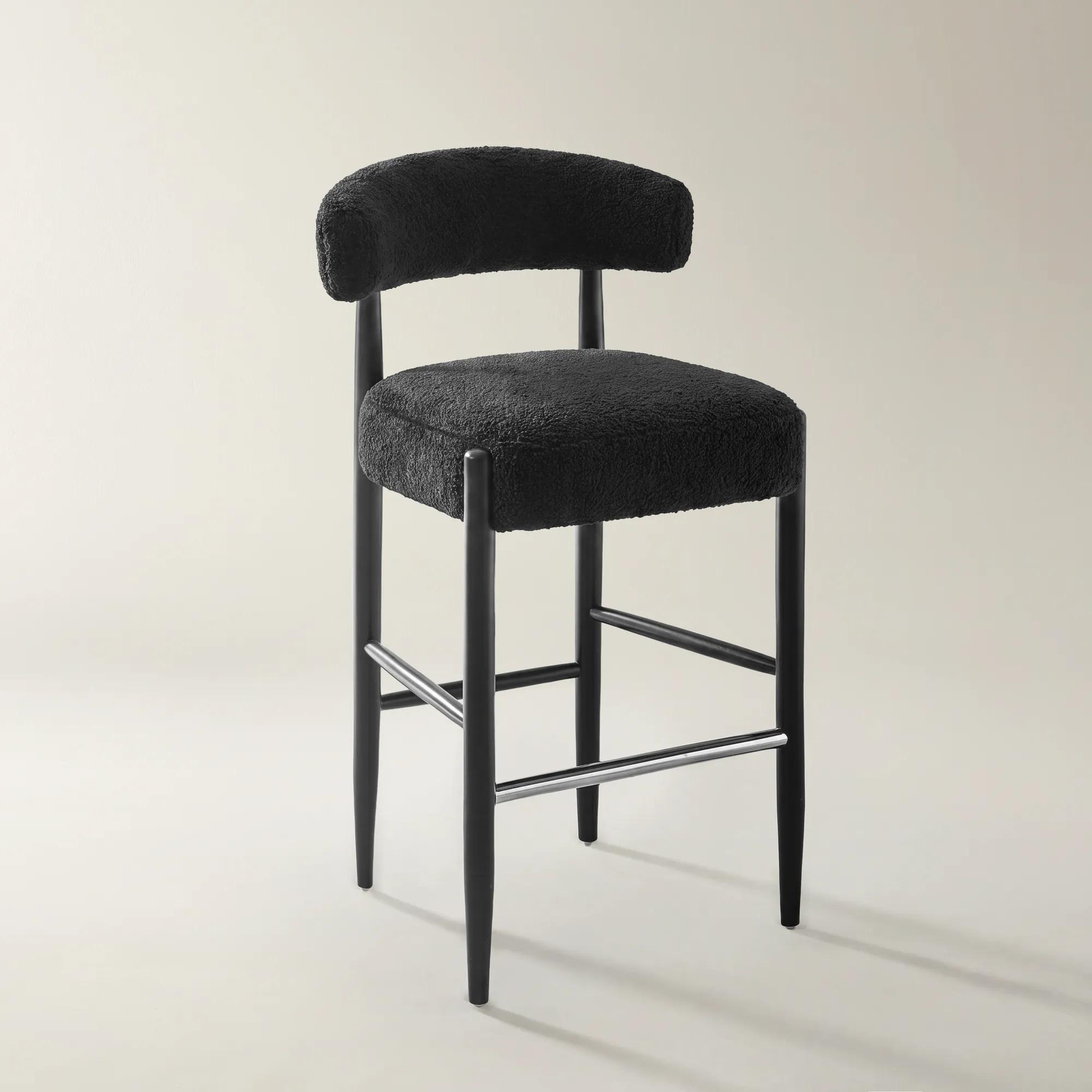 Anna Black Chenille Bar/Counter Stool$449
A black chenille counter stool with a sculpted padded seat and solid rubberwood legs.
Add To Cart -
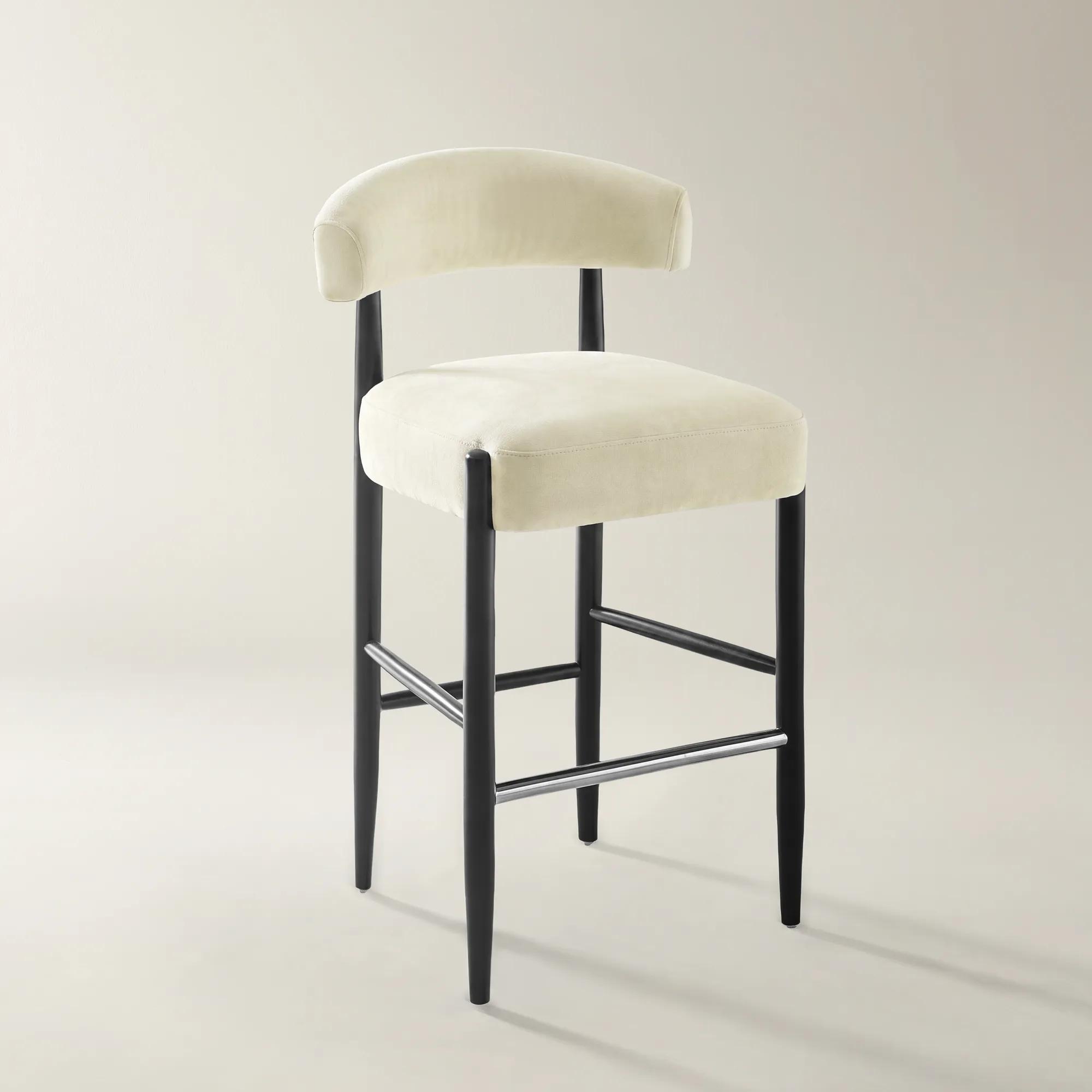 Anna Cloud Velvet Bar/Counter Stool$449
A cloud velvet counter stool with sculpted padded support and tapered solid-rubberwood legs.
Add To Cart -
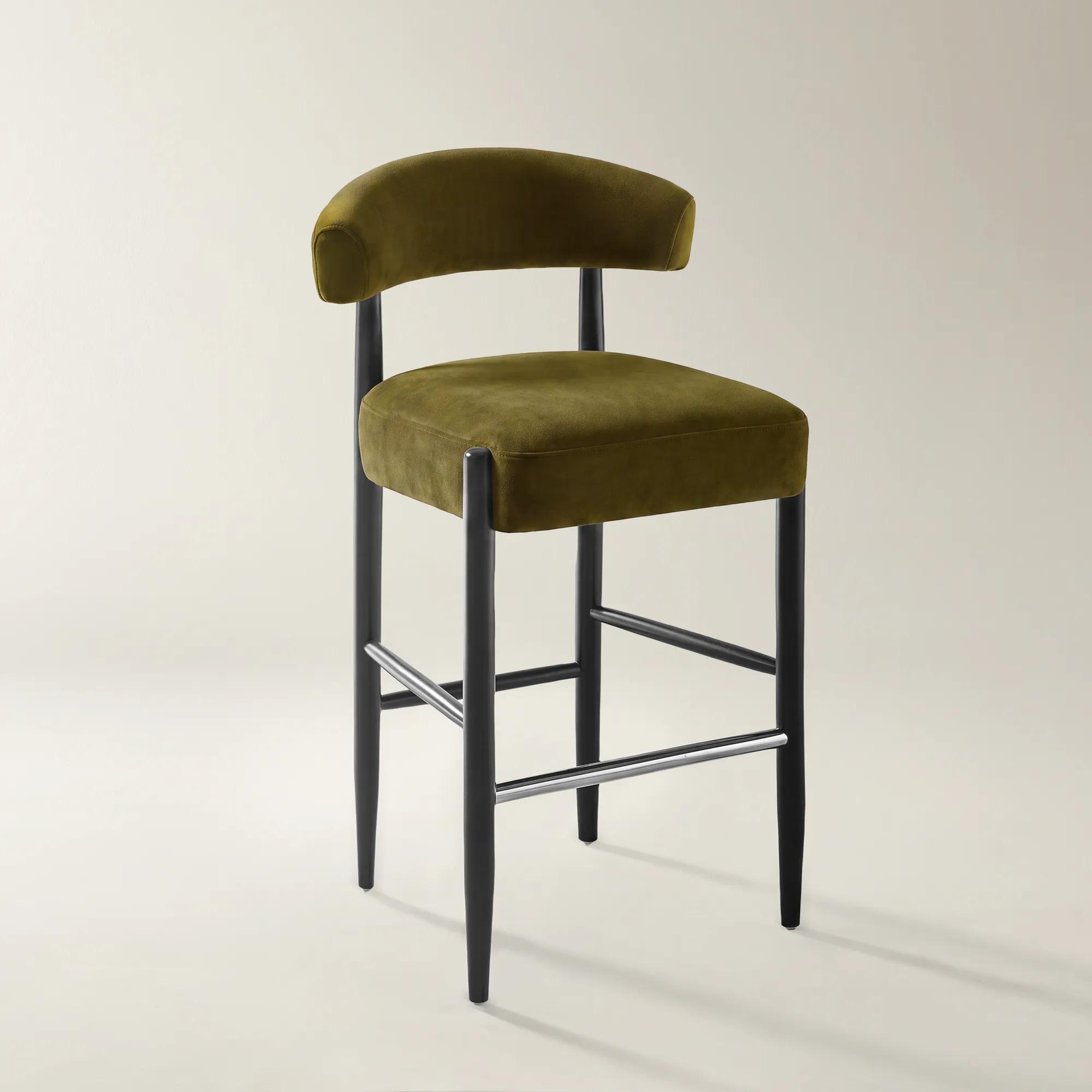 Anna Deep Olive Velvet Bar/Counter Stool$449
A green velvet bar stool with a sculpted padded seat, tailored upholstery, and tapered solid-rubberwood legs.
Add To Cart -
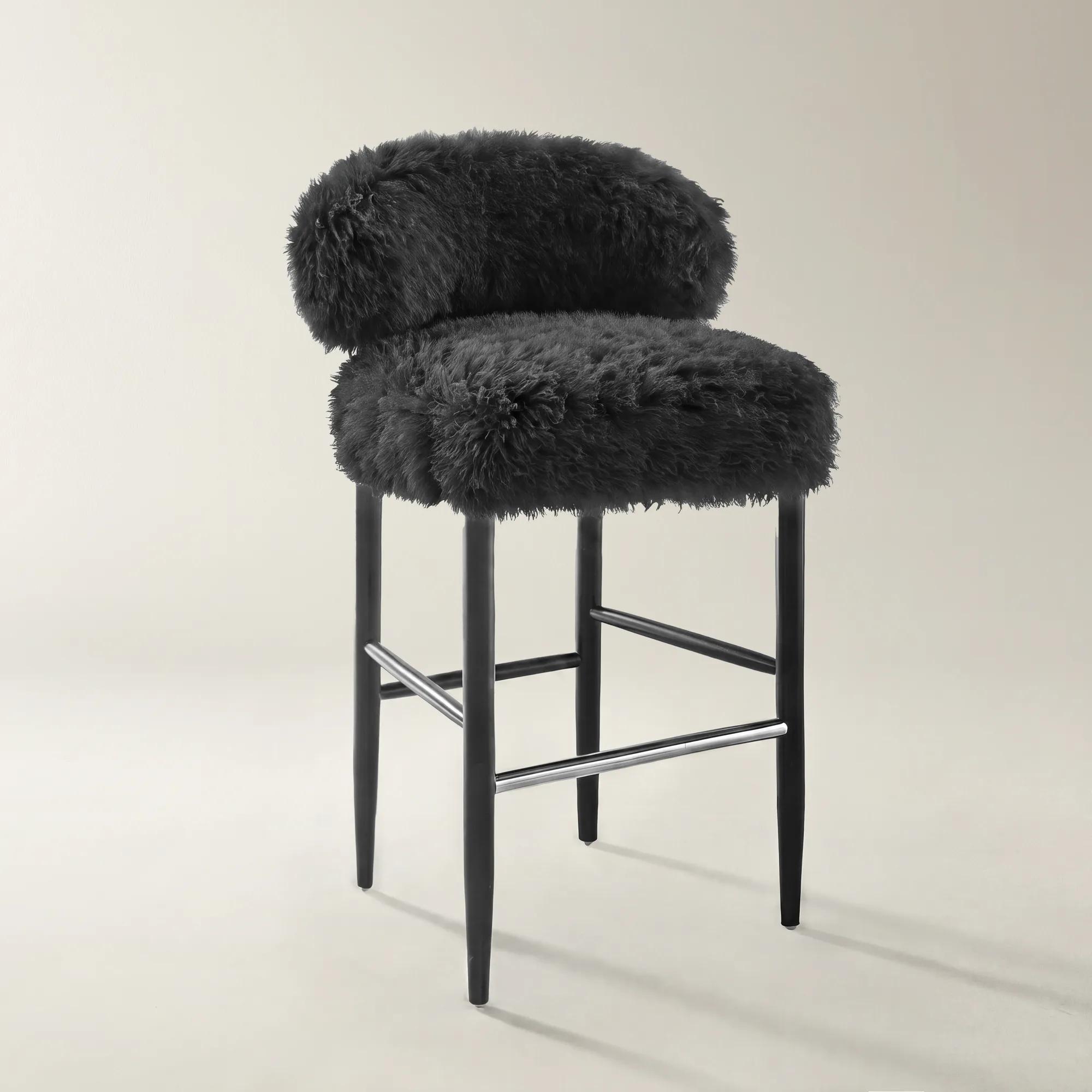 Anna Black Faux Fur Bar/Counter Stool$549
A black faux-fur bar stool with a sculpted back, padded seat, and solid rubberwood legs.
Add To Cart -
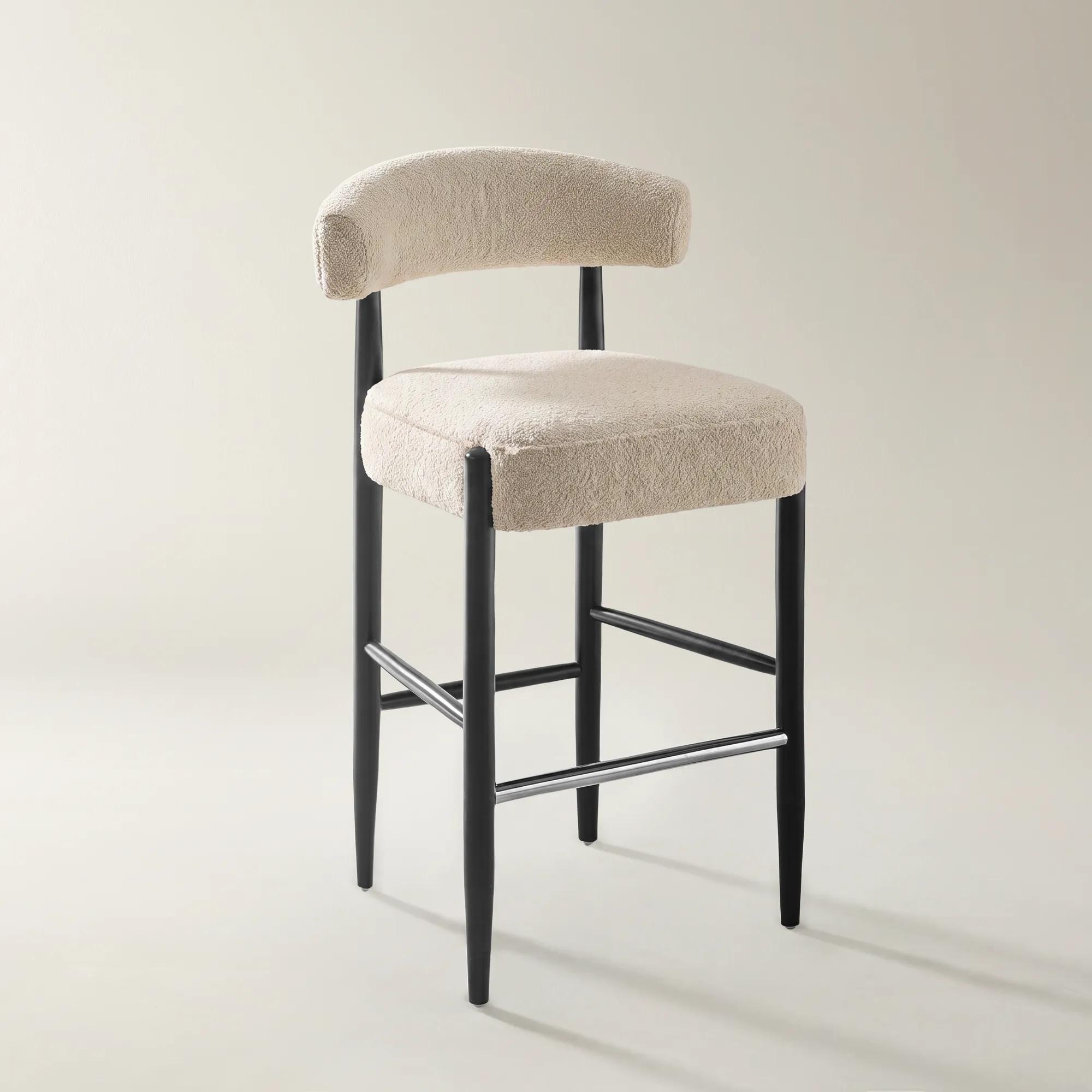 Anna Utopia Sand Chenille Bar/Counter Stool$449
A chenille bar stool with a sculpted padded seat, kiln-dried hardwood frame, and solid rubberwood legs.
Add To Cart -
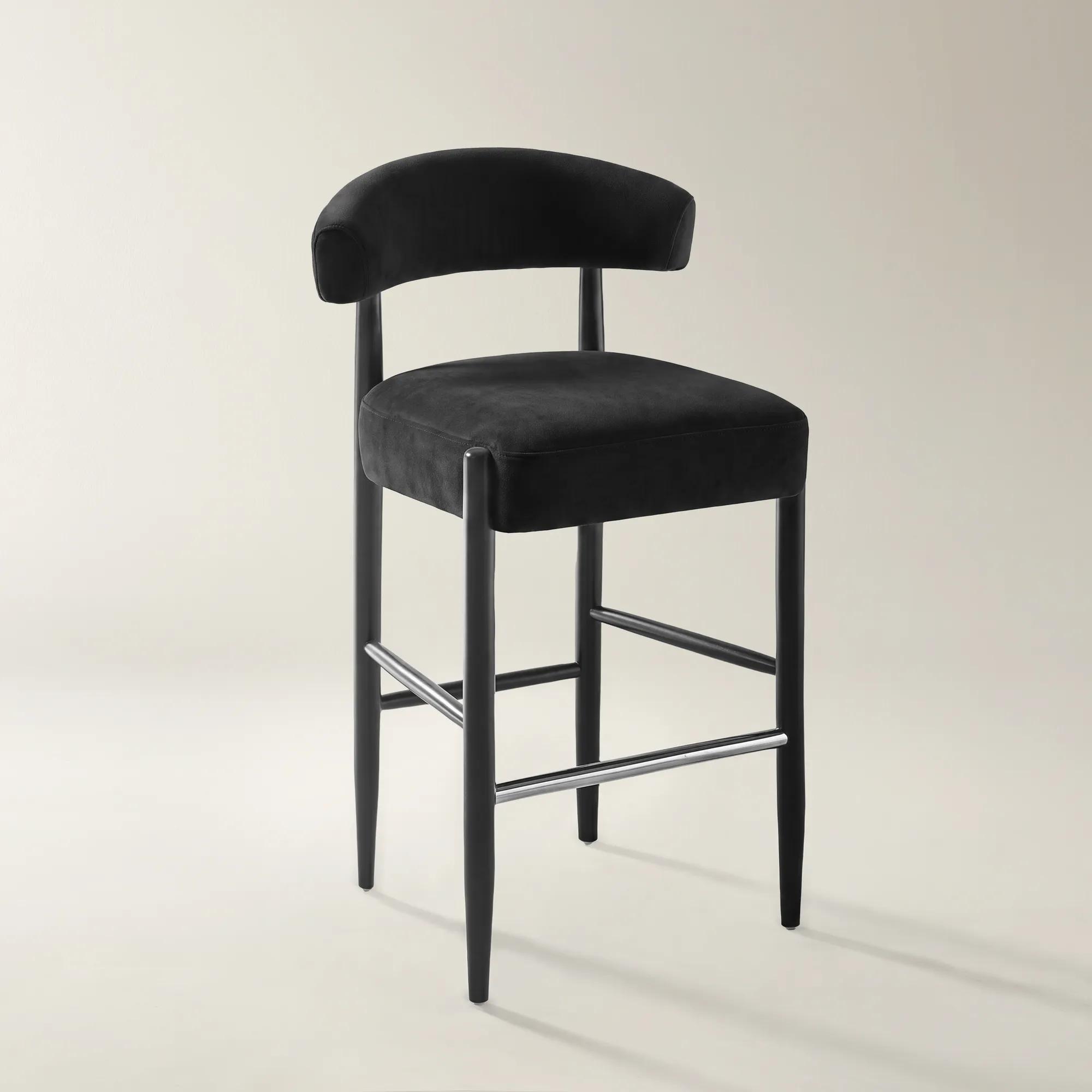 Anna Charcoal Velvet Bar/Counter Stool$449
A charcoal velvet bar stool with a sculpted padded seat and solid rubberwood legs.
Add To Cart -
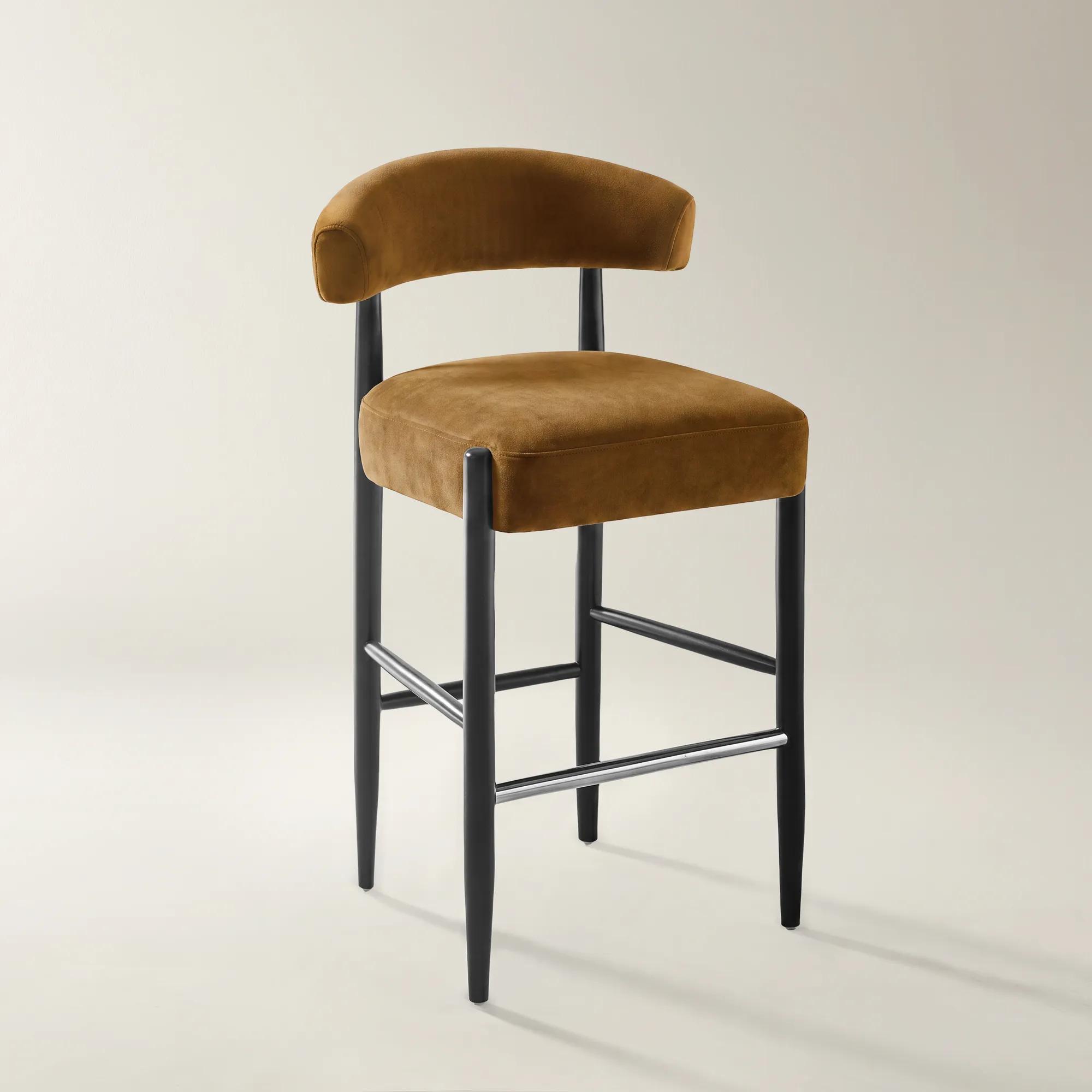 Anna Roasted Pecan Velvet Bar/Counter Stool$449
A roasted pecan velvet bar stool with a sculpted padded back, custom upholstery, and tapered solid-rubberwood legs.
Add To Cart -
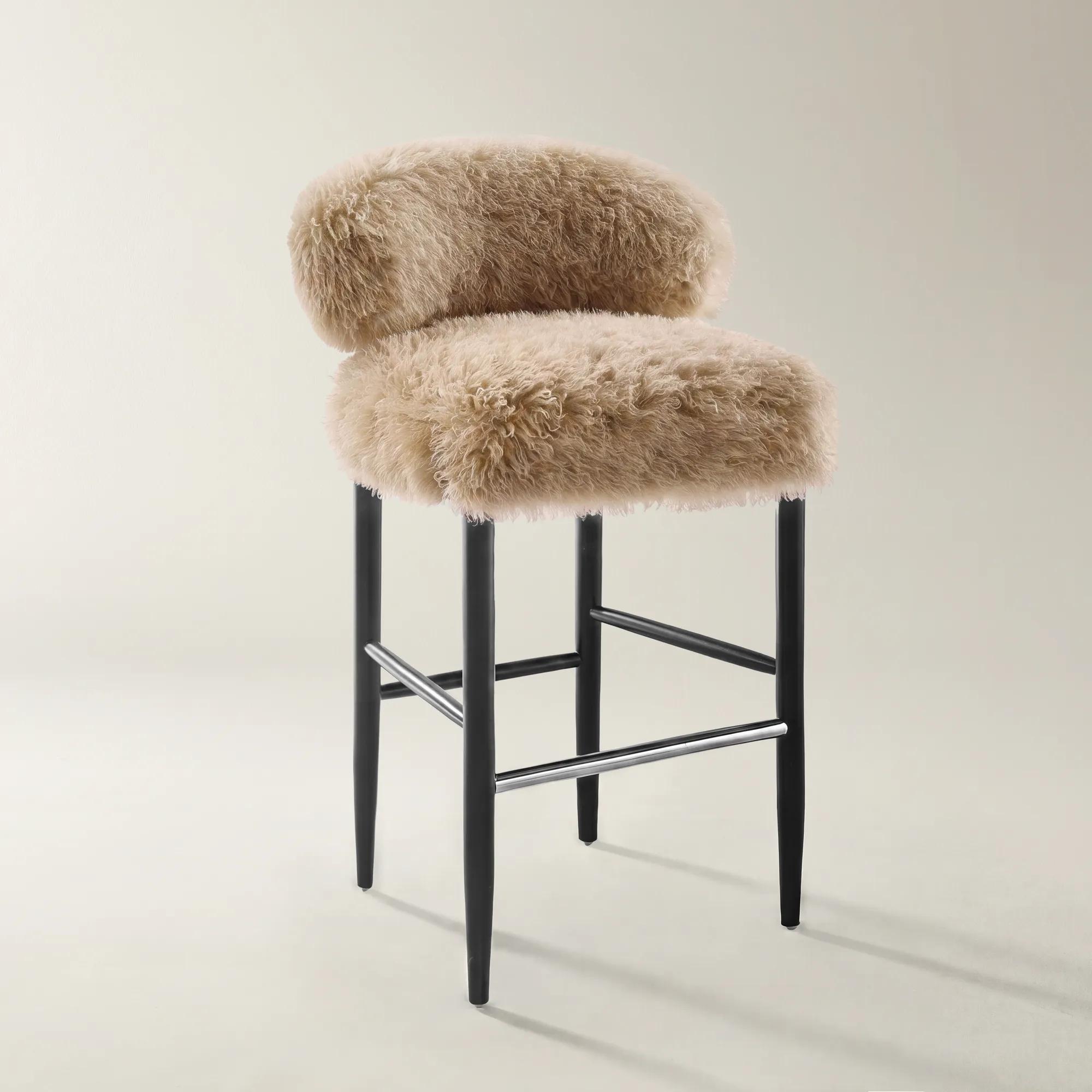 Anna Tan Faux Fur Bar/Counter Stool$549
A tan faux-fur bar stool with a sculpted padded seat and tapered solid-rubberwood legs.
Add To Cart -
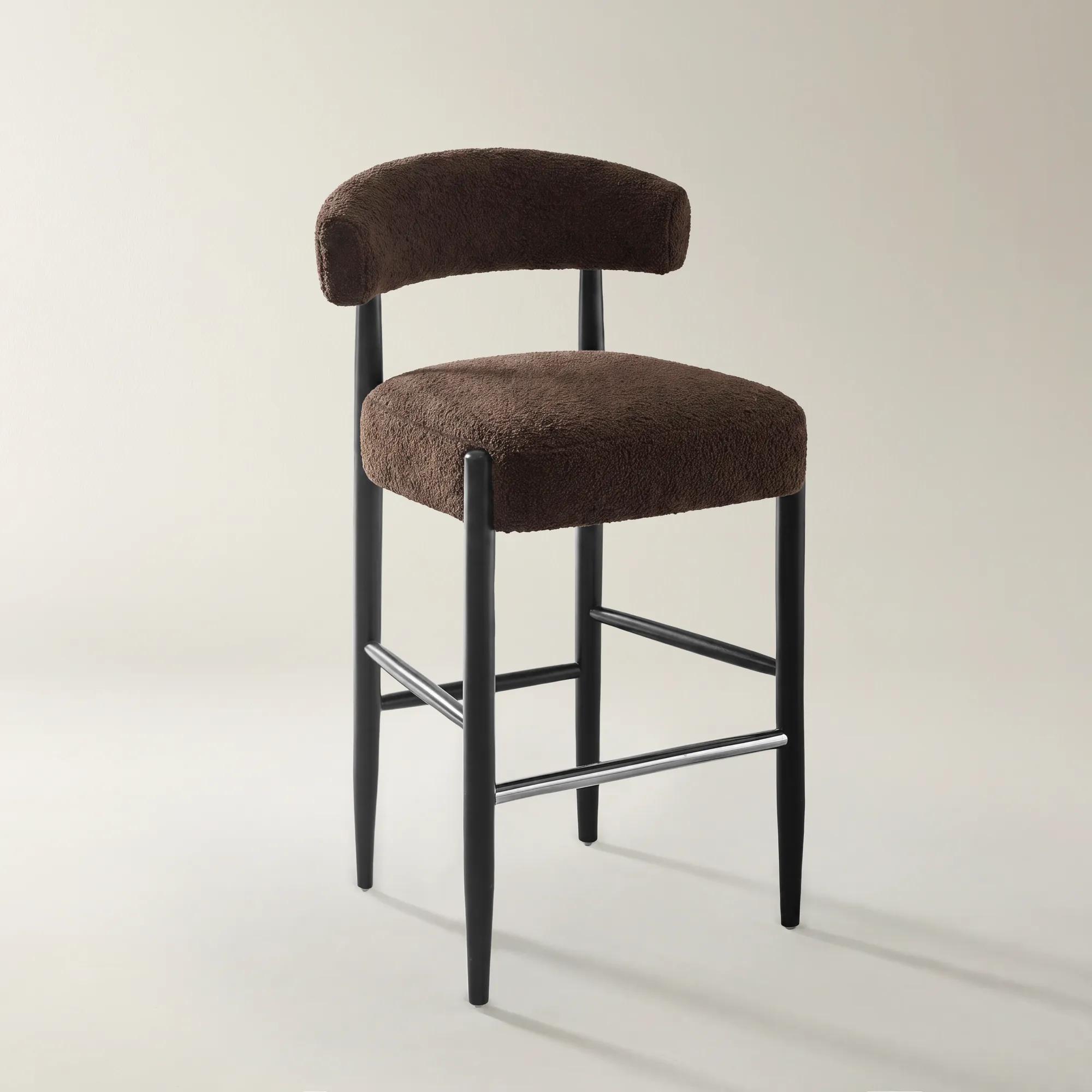 Anna Dark Chocolate Chenille Bar/Counter Stool$449
A dark chocolate chenille counter stool with a sculpted padded seat and solid rubberwood legs.
Add To Cart -
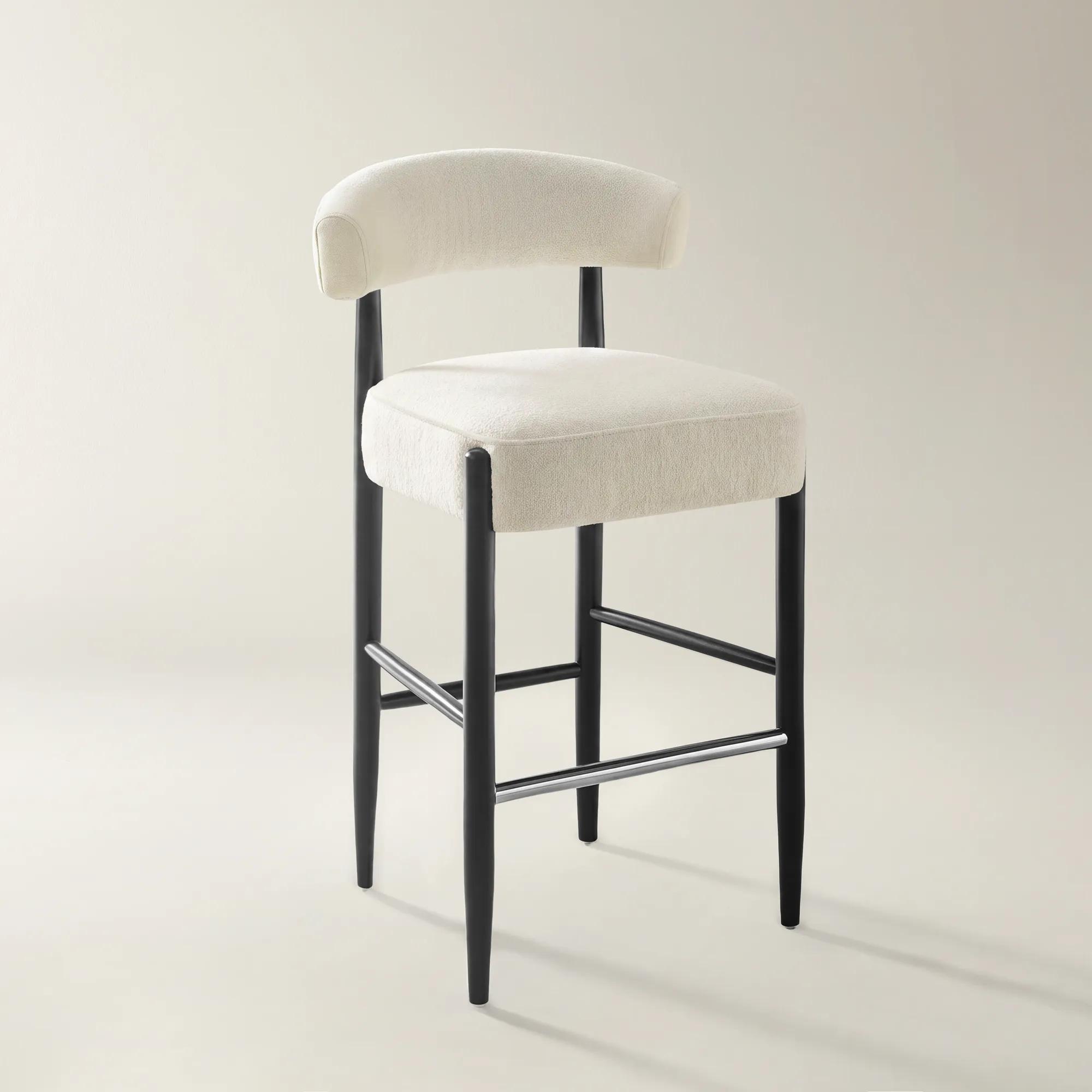 Anna Ivory Performance Chenille Bar/Counter Stool$449
An ivory performance-chenille bar stool with a sculpted back, padded seat, and tapered solid-rubberwood legs.
Add To Cart -
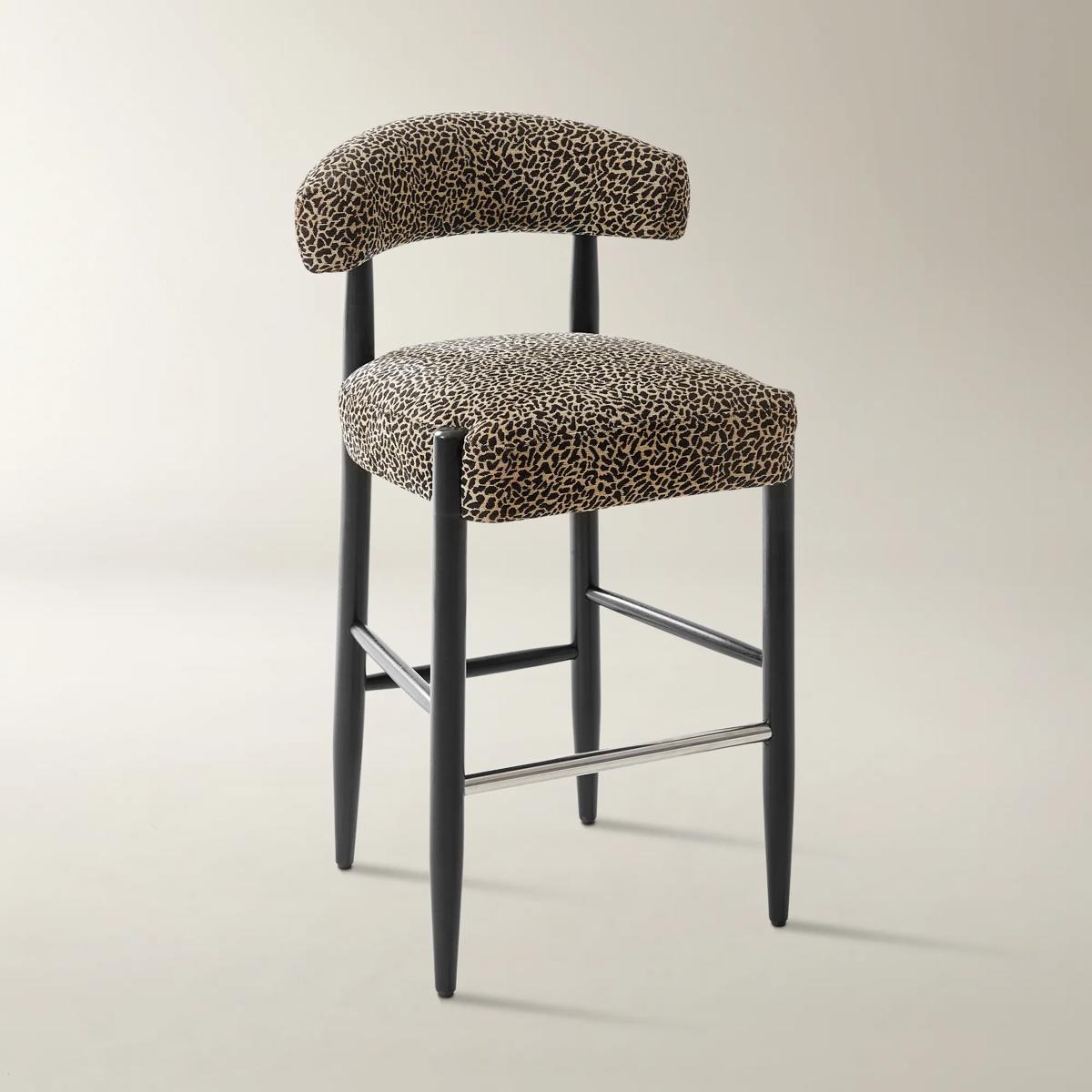
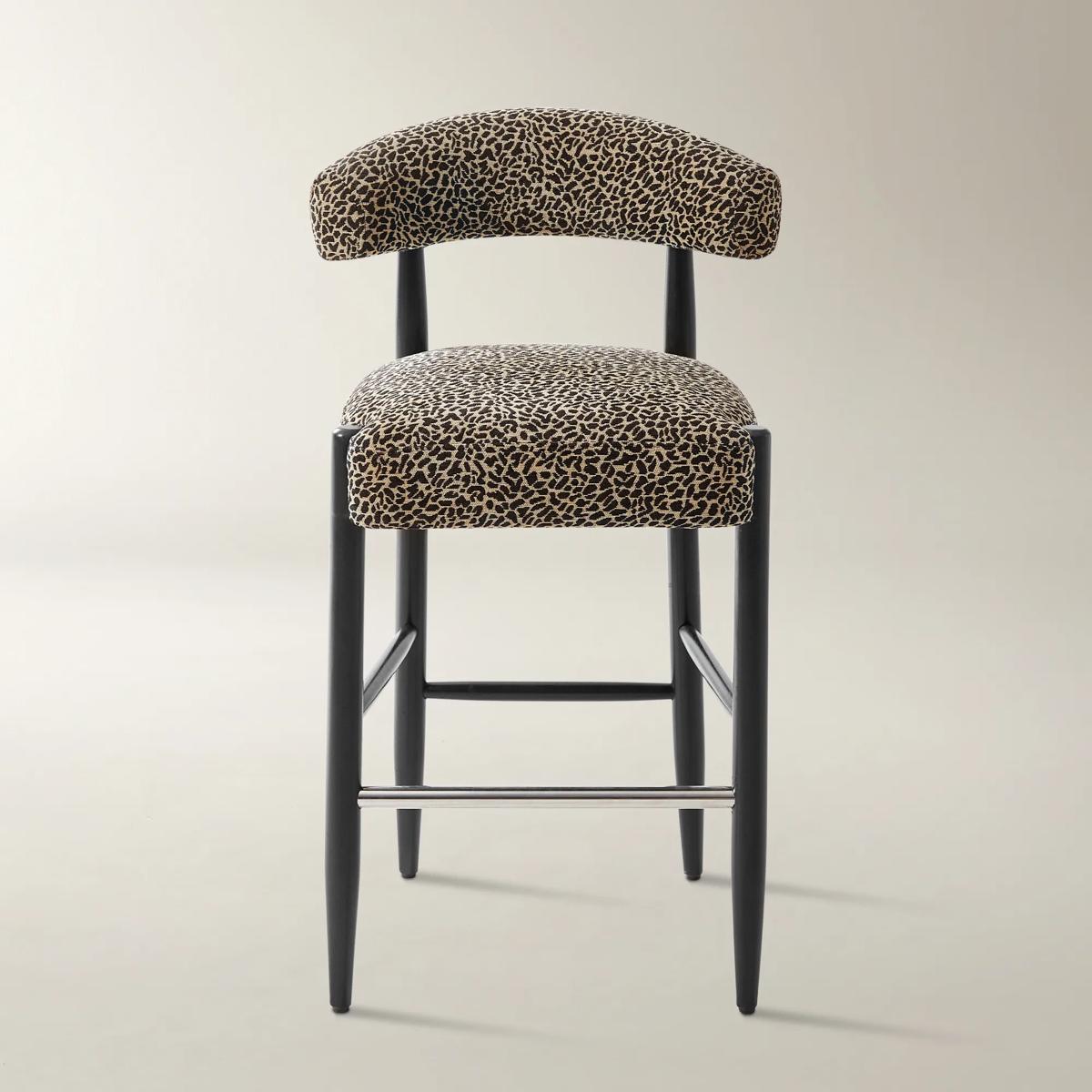 Anna Leopard Chenille Bar/Counter Stool$449
A leopard-patterned chenille bar stool with sculpted padded support and tapered solid rubberwood legs.
Add To Cart -
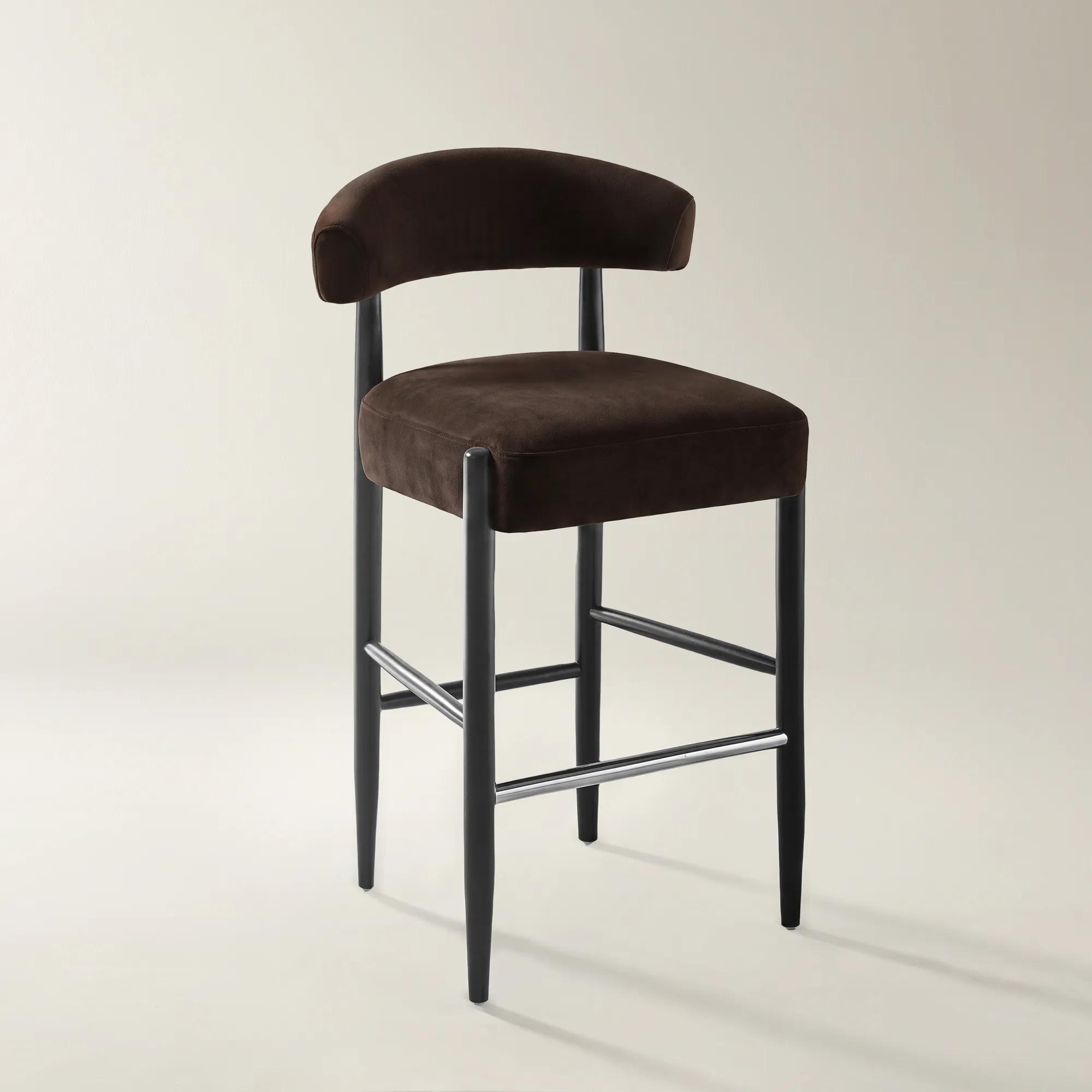 Anna Dark Chocolate Velvet Bar/Counter Stool$449
A dark chocolate velvet counter stool with a sculpted back, padded seat, and tapered solid-rubberwood legs.
Add To Cart -
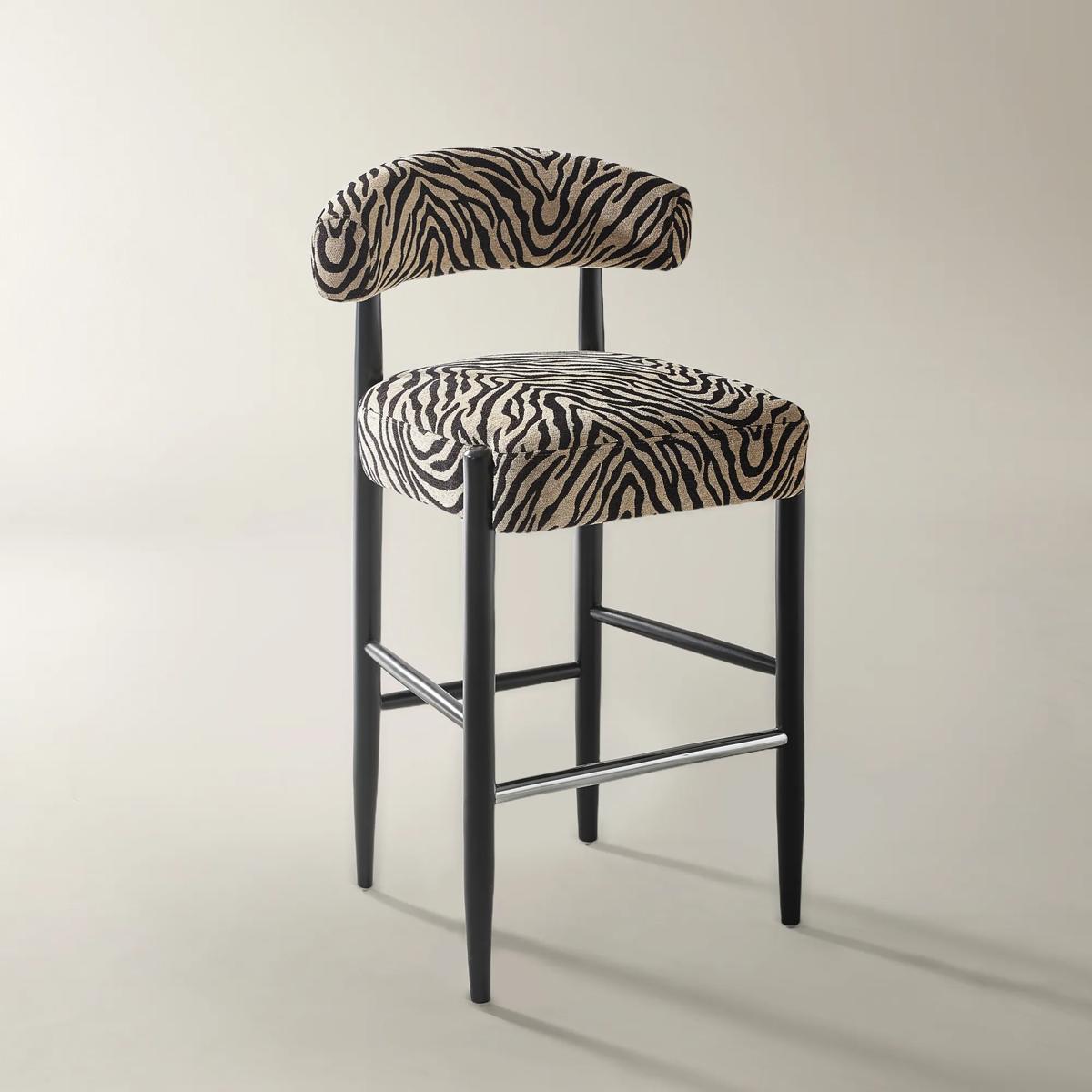
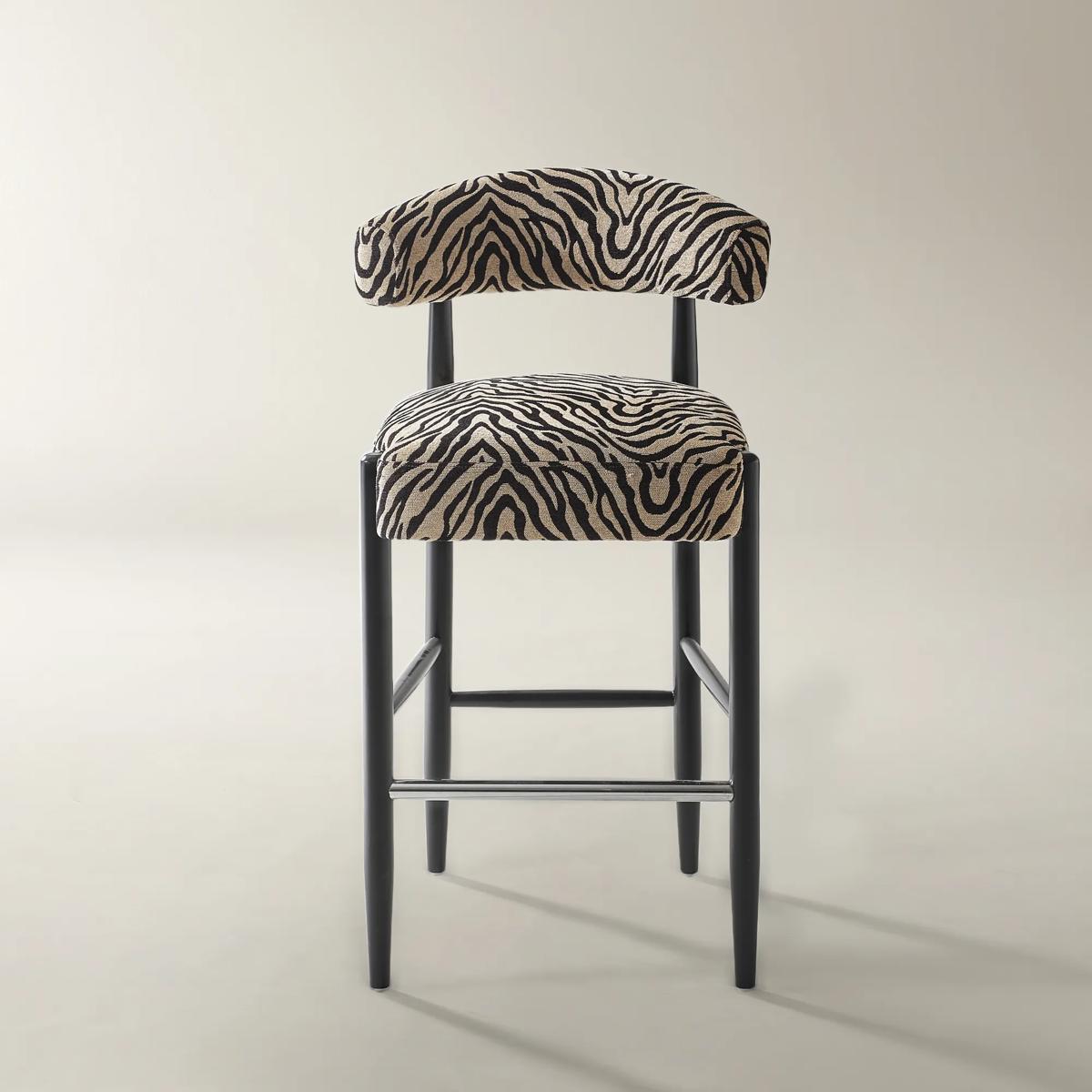 Anna Zebra Chenille Bar/Counter Stool$449
A bar stool with zebra-patterned chenille upholstery, sculpted padding, and tapered solid-rubberwood legs.
Add To Cart -
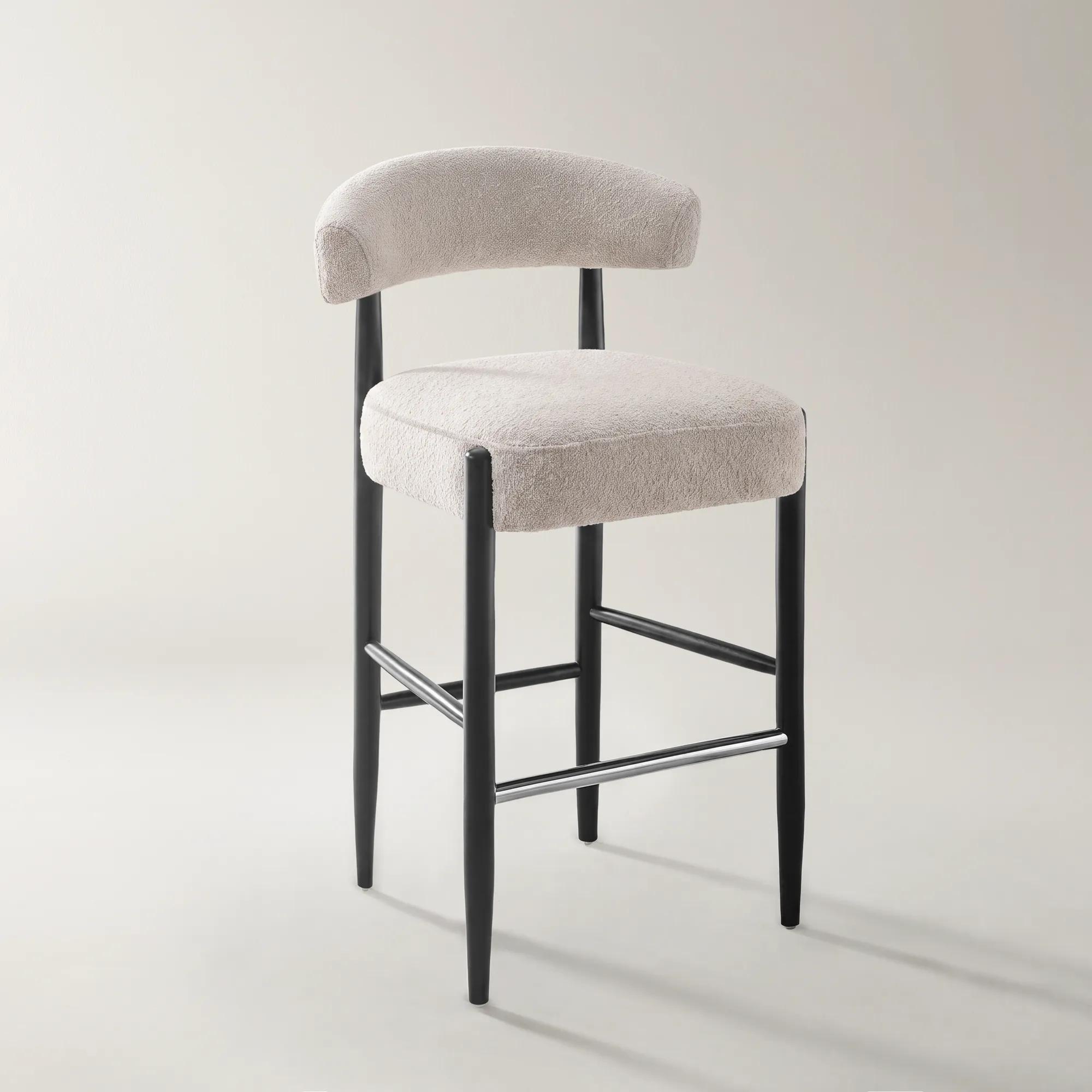 Anna Ivory Performance Boucle Bar/Counter Stool$449
An ivory performance-bouclé bar stool with sculpted padded support and tapered solid-rubberwood legs.
Add To Cart -
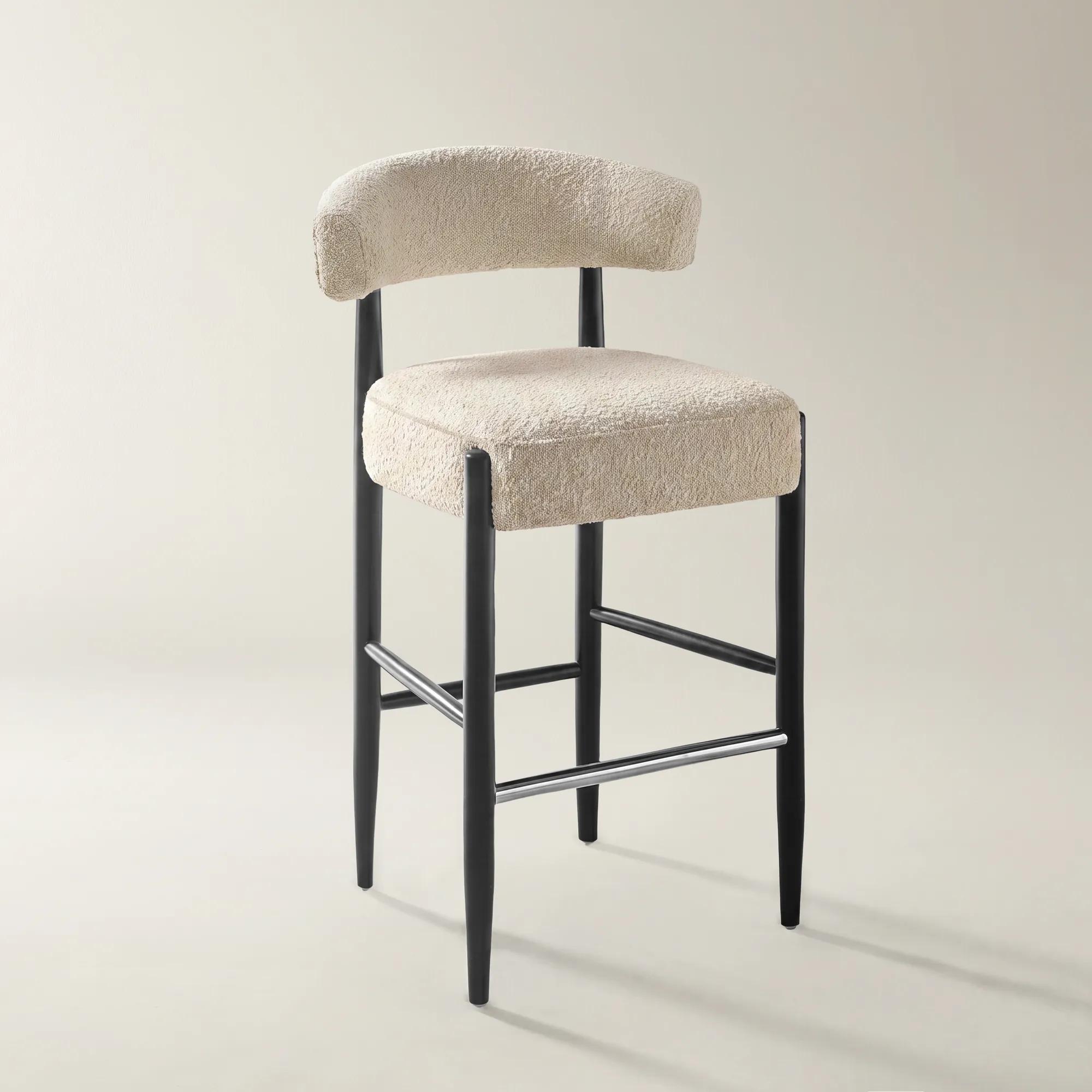 Anna Ivory Performance Boucle Bar/Counter Stool$449
A counter stool with ivory performance boucle upholstery, sculpted support, and tapered solid rubberwood legs.
Add To Cart -
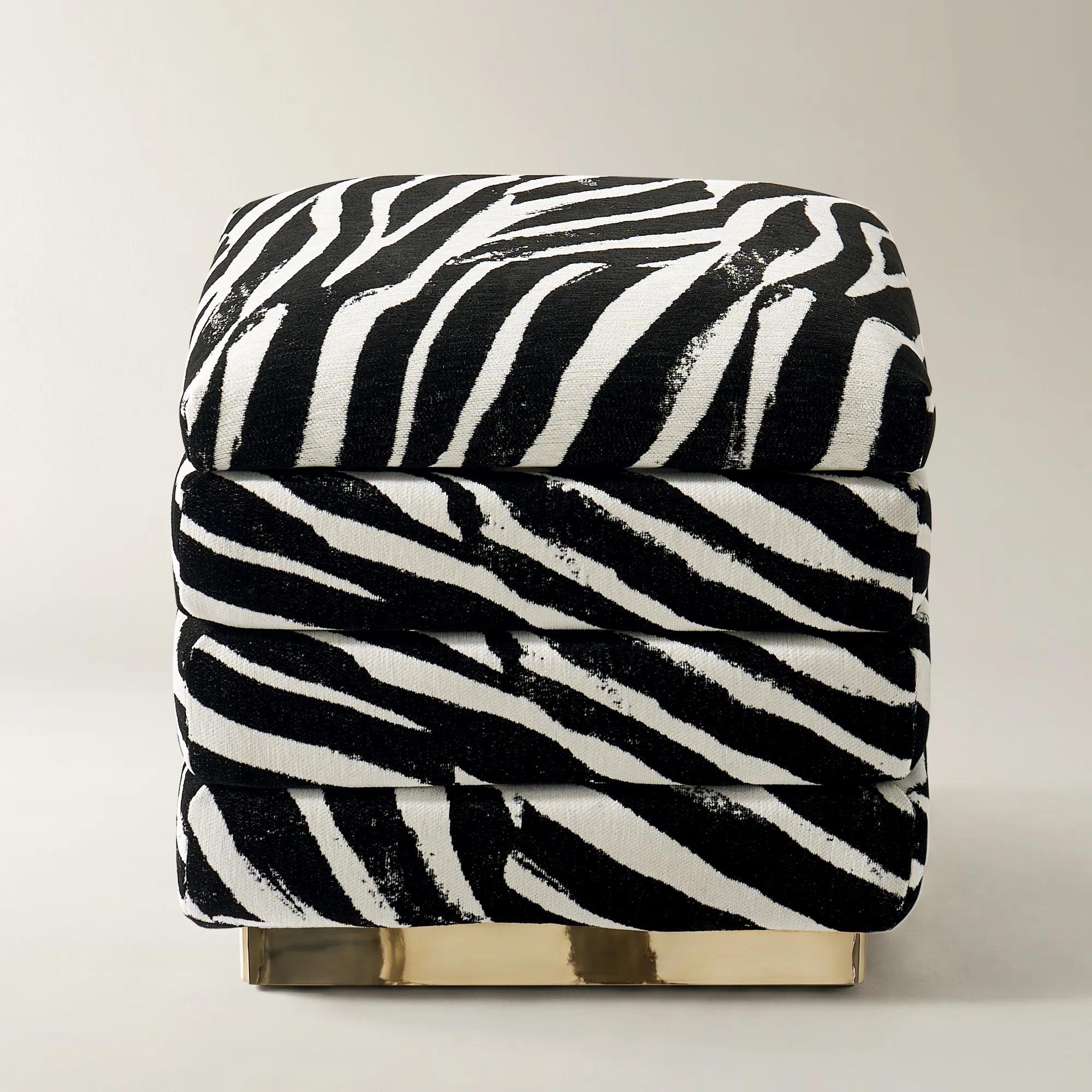
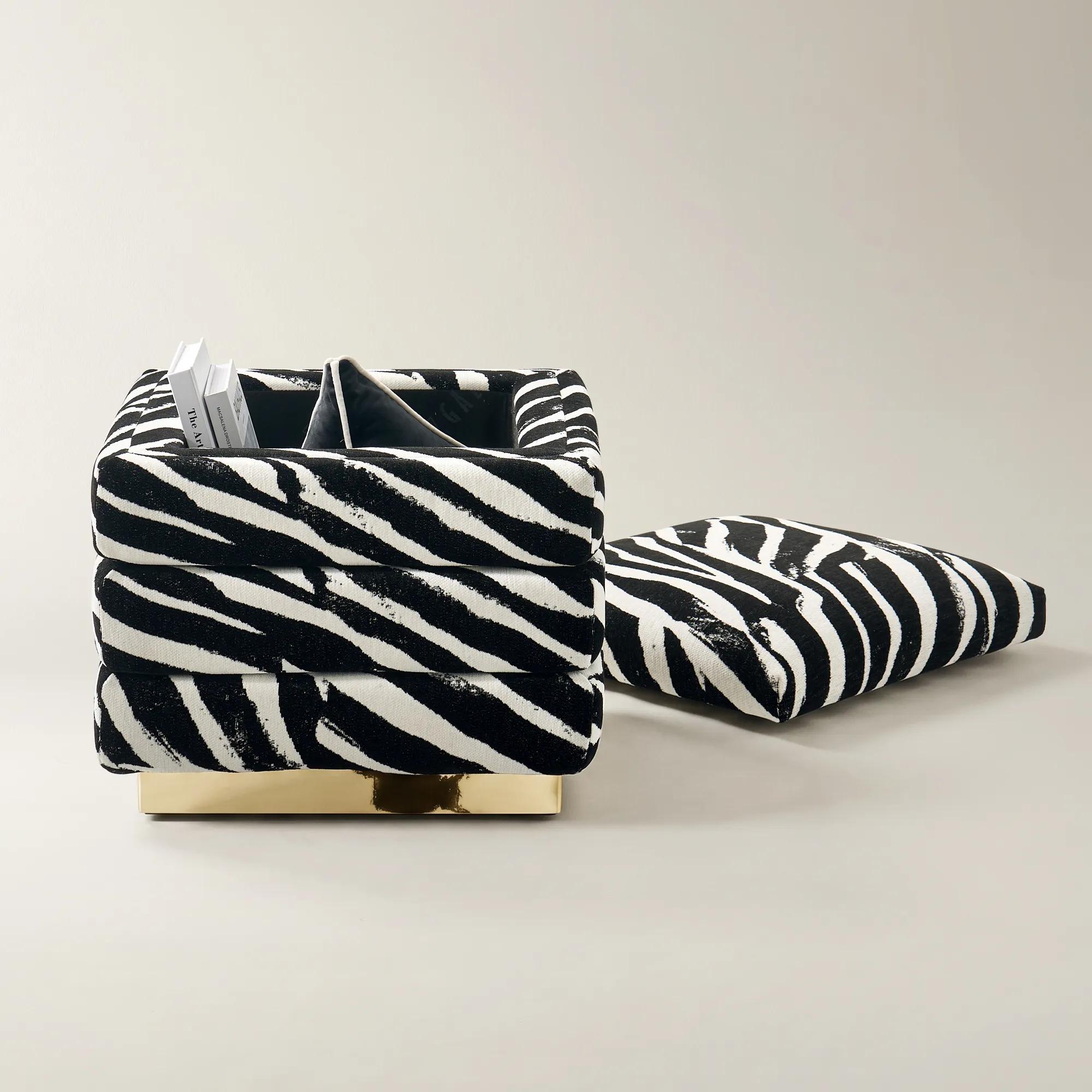 Gable White/Black Performance Chenille Stool$399
A plush white and black chenille stool with hidden storage and a polished gold stainless steel base.
Add To Cart -
 Valerie Natural Outdoor Counter Stool$659
A natural-finished outdoor stool offering stylish counter-height seating.
Add To Cart -
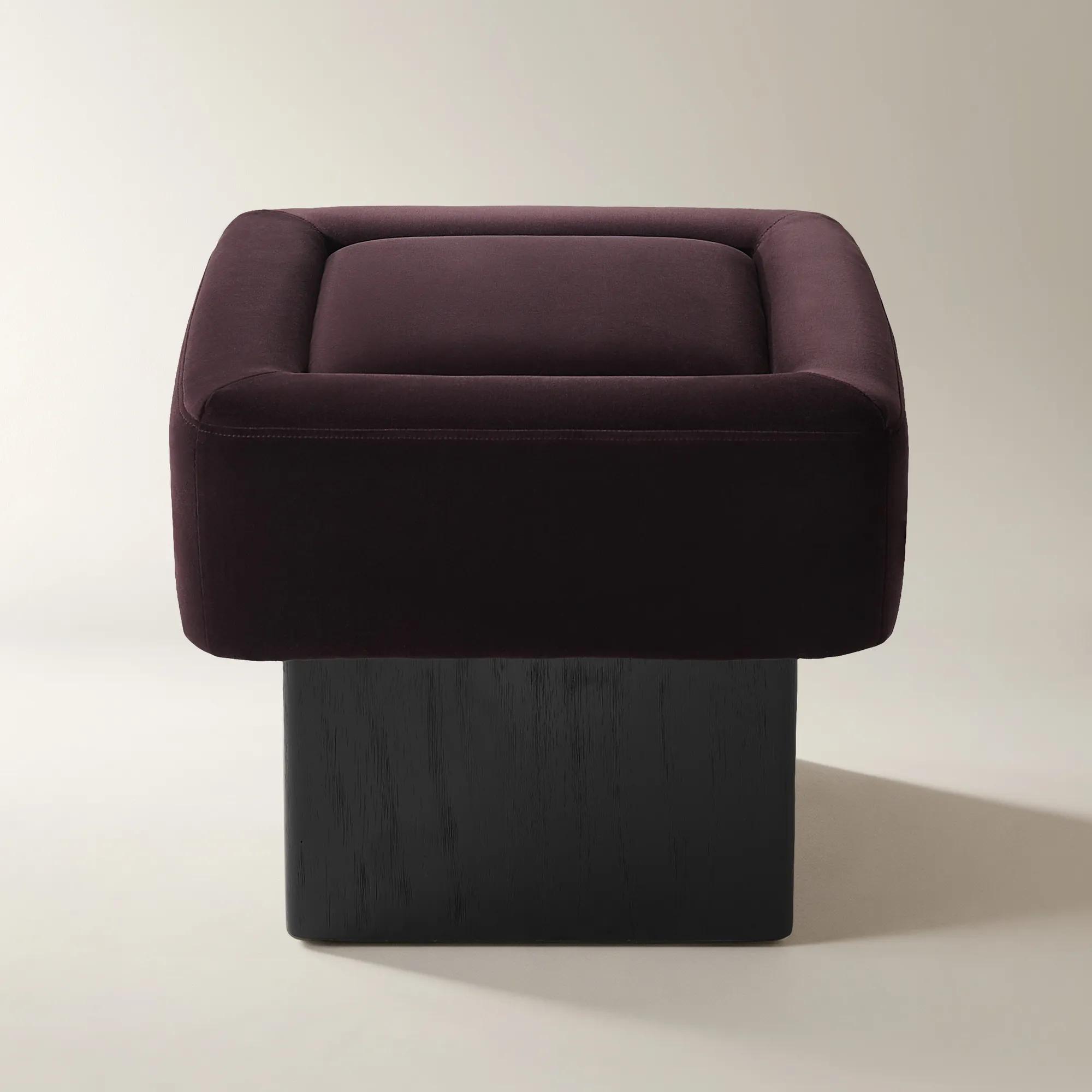 Reims Fig Velvet Stool$399
A plush fig-colored velvet stool featuring a sculpted cushion and a solid rubberwood base for modern contrast.
Add To Cart

Transitional Style Bar Stools
Transitional style bar stools embody the artful balance between timeless sophistication and contemporary flair, inviting you to savor every moment in spaces that flow effortlessly from classic to modern. Their silhouettes exude quiet confidence, offering sculptural lines and sumptuous finishes that elevate your entertaining experience. Whether gathered around a polished kitchen island or poised beside an opulent home bar, transitional style bar stools create an atmosphere of refined ease—where every detail is considered, and every gathering feels like a celebration of personal expression. Let these versatile pieces become the bridge between eras, uniting your space with elegance, comfort, and undeniable allure.
Transitional style bar stools bring a polished sense of balance to the spaces where everyday life meets entertaining. Defined by the interplay of classic proportions and cleaner, contemporary lines, this style gives a kitchen island or home bar presence without overwhelming the room. A gently curved back can soften the geometry of a stone countertop, while slender legs and a tailored seat keep the silhouette light. The appeal lies in that contrast: familiar comfort with a more expressive point of view. Upholstery introduces softness beside cabinetry, tile, and gleaming hardware; wood adds depth and character; metal lends a precise, architectural accent. In a room with ornate lighting or richly veined surfaces, restrained stool silhouettes give those dramatic elements room to shine. In a quieter interior, sculptural backs, luminous finishes, or richly textured fabric can become the defining detail. Color plays an equally important role. Ivory and soft taupe create a composed backdrop, charcoal adds definition, and deeper jewel tones bring a more theatrical note to the seating arrangement. The most compelling combinations share a visual thread rather than matching every finish exactly. A warm metal accent might echo the lighting above the island, or a wood frame might pick up the undertones of nearby flooring. Transitional bar stools are especially suited to open living spaces, where the kitchen is visible from the dining or sitting area and seating needs to feel like part of the larger composition. Their backs become part of the view, making upholstery, frame shape, and finishing details as important from across the room as they are up close. For households that gather around a raised breakfast bar, or hosts who enjoy keeping conversation close while preparing drinks, these stools make a functional perch feel considered and inviting. The result is seating with enough refinement for an evening gathering and enough ease for the rituals that fill the day.
Beautiful proportions begin with the relationship between the stool and the surface it serves. Bar-height seating generally pairs with surfaces around 40 to 42 inches high, while counter-height seating is designed for the lower profile of a typical kitchen counter. Measuring from the floor to the top of the seating surface, then allowing approximately 10 to 12 inches between the seat and the underside of the counter, helps establish comfortable legroom. Aprons, thick slabs, and decorative supports can reduce that clearance, so the usable space beneath the surface matters as much as its overall height. For a standard-height island, transitional upholstered counter stools offer a related look with proportions better suited to that setting. Width deserves the same attention. A row of generously upholstered stools can look sumptuous, but each seat still needs enough breathing room for elbows, easy entry, and relaxed conversation. Allowing roughly 24 to 30 inches of counter length per person is a useful starting point, with wider or armed silhouettes requiring more space. In a narrow kitchen, a compact frame can preserve the walkway behind the seating; at a dedicated home bar, a fuller back and upholstered arms can encourage guests to linger. Arms also need to clear the underside of the counter if the stools will be tucked away. Backless forms maintain an uninterrupted sightline, while low backs offer a subtler outline and taller backs contribute a more pronounced furniture presence. A supportive footrest is particularly valuable at bar height, giving feet a resting place rather than leaving legs suspended. Swivel seating can make joining a conversation easier, although its turning radius should remain clear of cabinetry and neighboring seats. A stool should feel comfortable not only when someone first sits down, but also through a shared meal, a long conversation, or an unhurried drink. Seat depth, cushioning, back angle, and the placement of the footrest all shape that experience, making physical fit just as essential as the visual statement.
Materials determine how transitional bar stools look, feel, and live within a home. Velvet brings a dimensional sheen that changes with the light, giving even a simple silhouette a richly dressed appearance. Woven upholstery offers tactile depth and can soften the contrast between sleek counters and structured cabinetry. Leather and leather-look coverings create a smoother visual surface, though their composition, care requirements, and response to daily wear differ. In a busy breakfast area, tightly woven fabrics and upholstery with documented performance features may be practical considerations; stain resistance should never be assumed from appearance alone. Homes with children or pets may also benefit from considering how readily a fabric catches claws, shows crumbs, or releases everyday spills. Frame construction matters beneath the finish. Secure joints, a stable base, and a firmly attached footrest contribute to dependable seating, while stated weight limits and intended-use information help establish whether a stool suits the household. Wood can introduce beautiful grain variation, and metal can provide a crisp outline, but either material benefits from care suited to its specific finish. Soft, dry dusting helps preserve frames, upholstery should be vacuumed gently as recommended, and spills are best blotted promptly rather than rubbed into the surface. Cleaning products should follow the manufacturer’s directions, since harsh chemicals, excess moisture, and abrasive tools can damage fabric or dull a decorative finish. Felt or other floor-appropriate glides can help protect the surface beneath the legs, and periodic checks of fasteners can address loosening from repeated use. Unless expressly designed otherwise, these stools belong indoors, where their upholstery and finishes can be maintained appropriately. Thoughtful material choices allow the seating to support the room’s actual rhythm, whether that means quick breakfasts, a quiet place to review the day’s plans, or evenings spent entertaining. With proportion, comfort, and finish working together, transitional style bar stools give the gathering space a distinctive sense of polish without sacrificing its welcoming spirit.
FAQs
Transitional style bar stools are characterized by their harmonious blend of traditional and contemporary design elements. They often feature clean lines, neutral palettes, and subtle decorative accents, resulting in a look that is both timeless and fresh. This style is ideal for those who appreciate the comfort and familiarity of classic design, paired with the sleek sophistication of modern aesthetics.
Transitional bar stools bring a sense of curated elegance and versatility to any space. Their balanced design can soften a modern kitchen or add a contemporary edge to a more traditional setting, creating a welcoming environment that adapts to a variety of décor styles. Whether placed at a kitchen island or a home bar, these stools invite connection and elevate everyday moments with their artful presence.
Absolutely. The beauty of transitional barstools lies in their adaptability. Their refined silhouettes and thoughtful details allow them to shine in both relaxed, everyday settings and more formal entertaining areas. They seamlessly bridge the gap between comfort and sophistication, making them a versatile choice for any room in your home.
Transitional style bar stools often feature a mix of high-quality materials such as solid wood, metal, and upholstered fabrics. You’ll find finishes that range from rich, dark stains to brushed metals and neutral textiles, all designed to complement a wide array of interior palettes while adding tactile interest and visual depth.
Yes, transitional bar stools make an exceptional gift for housewarmings, weddings, or milestone celebrations. Their timeless appeal and versatile design ensure they will be cherished and used for years to come, making them a meaningful addition to any home and a reflection of the recipient’s unique style.