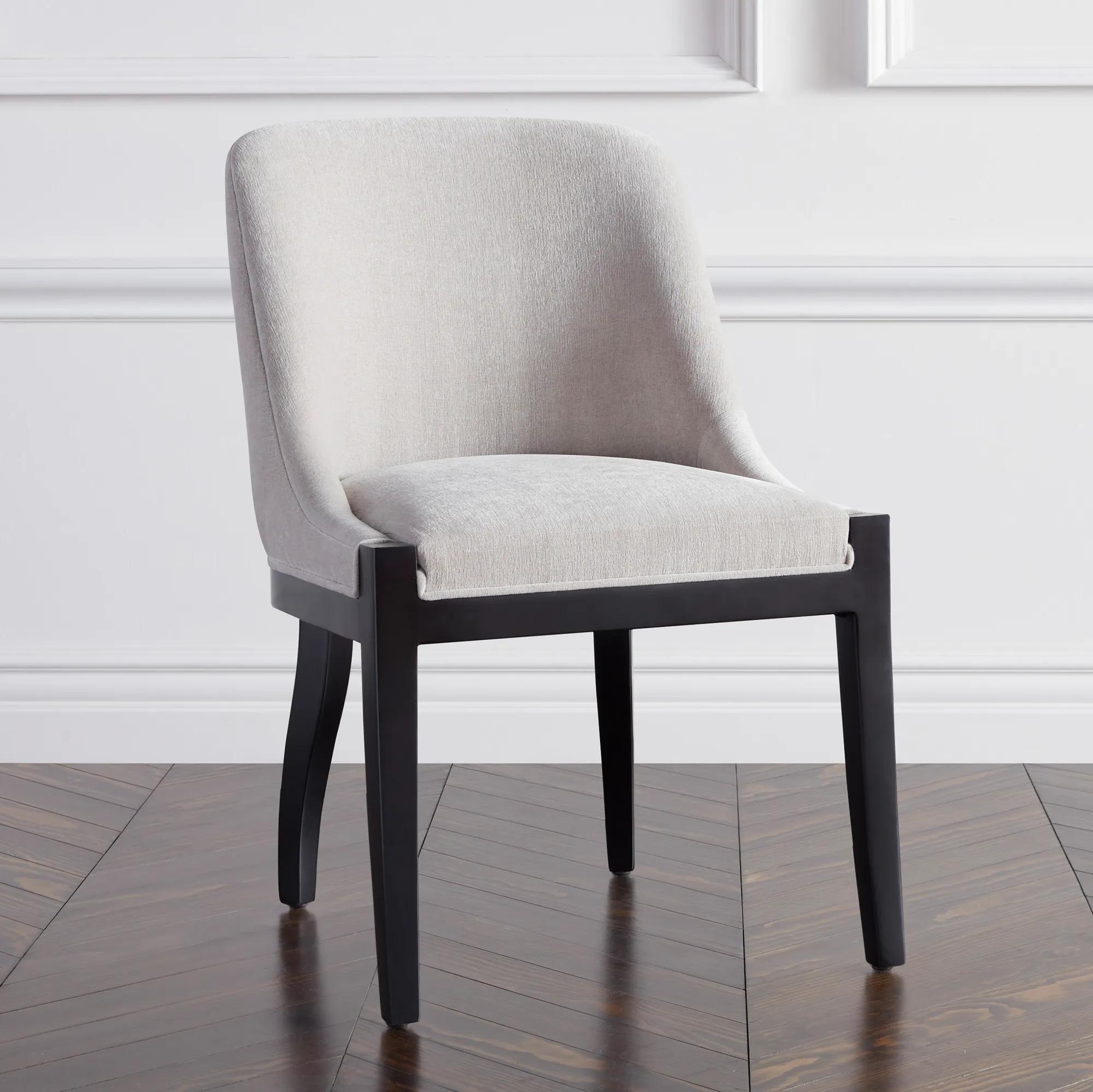
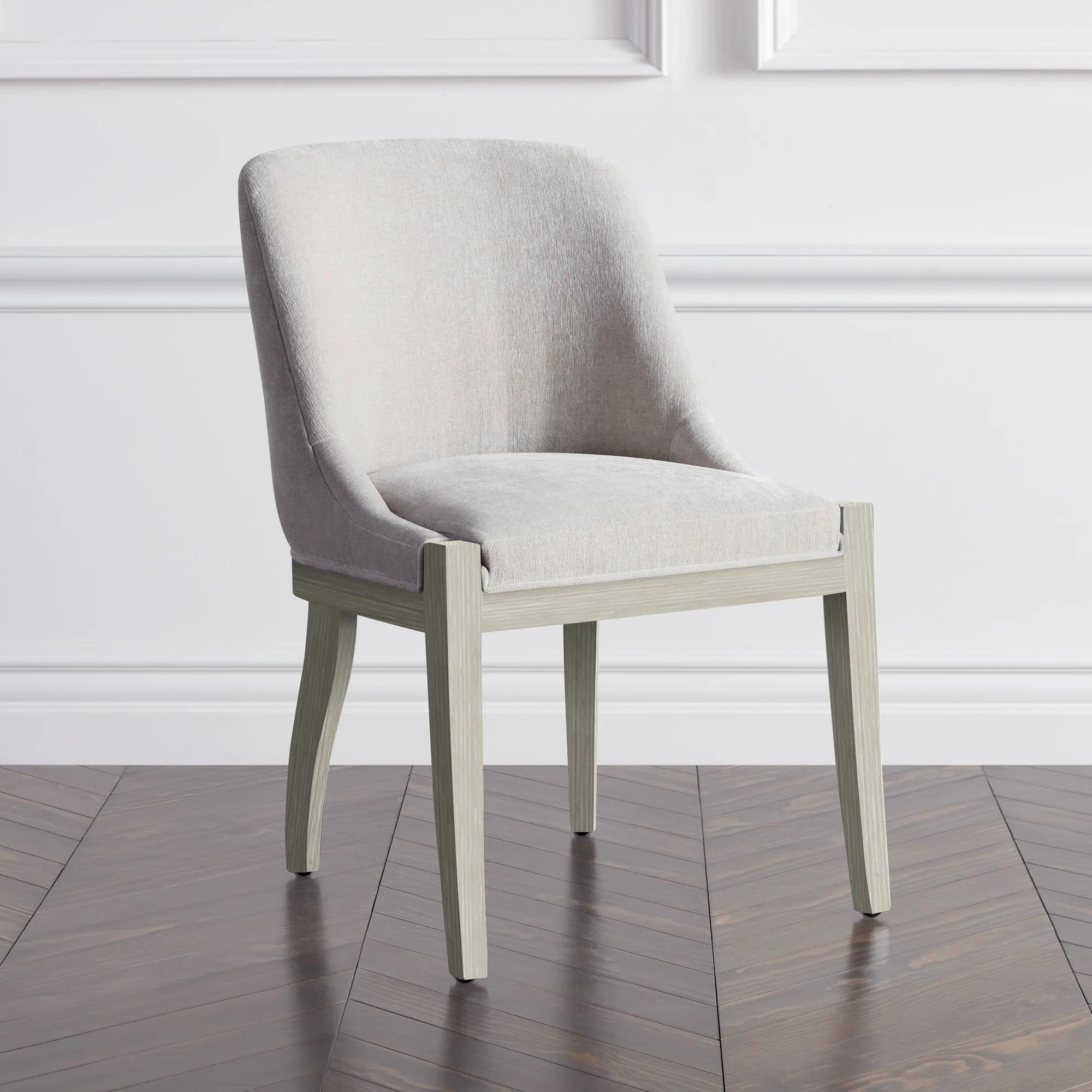
Transitional Upholstered Counter Stools
Transitional Upholstered Counter Stools
-
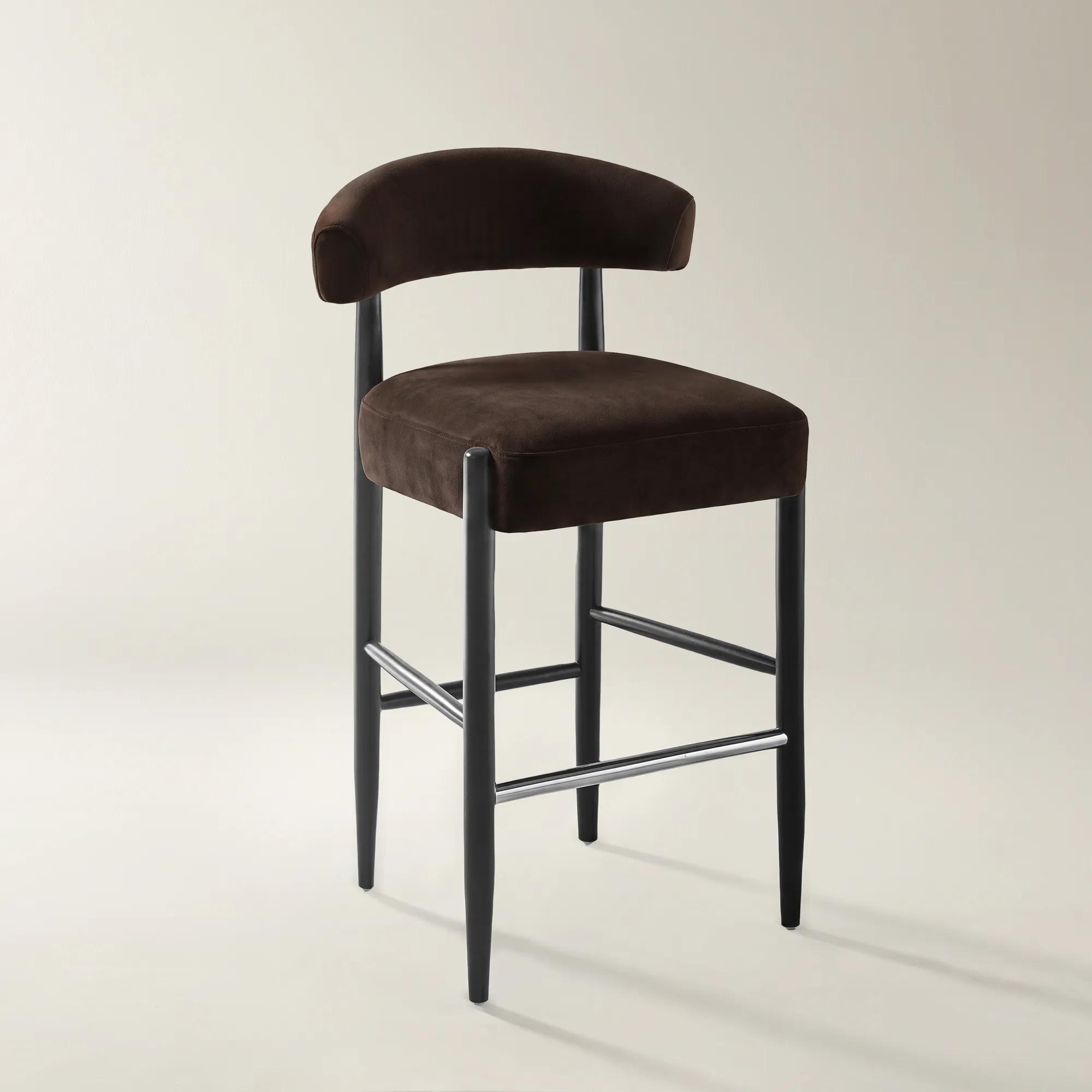 Anna Dark Chocolate Velvet Bar/Counter Stool$449
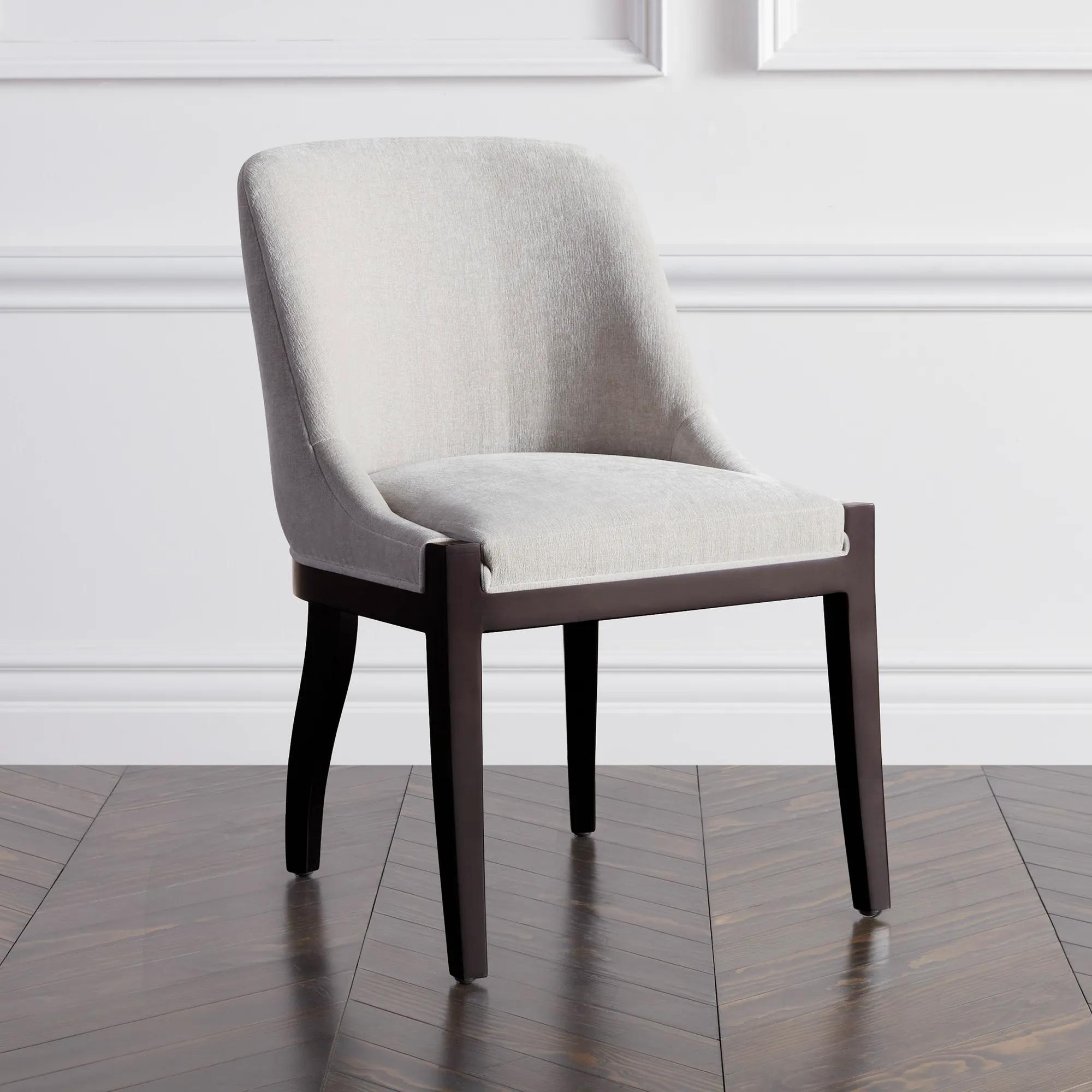
A dark chocolate velvet counter stool with a sculpted back, padded seat, and tapered solid-rubberwood legs.
Add To Cart -
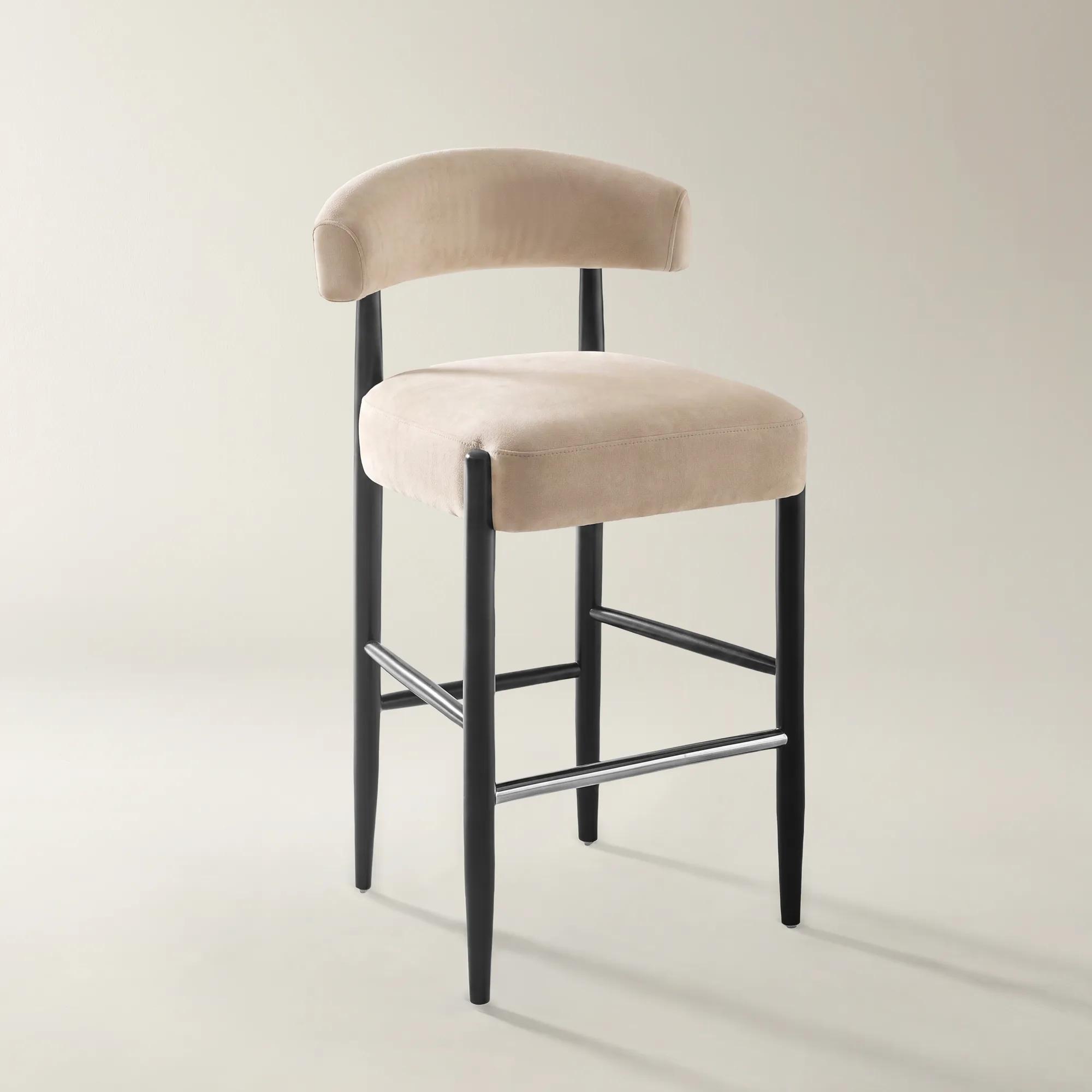 Anna Simply Taupe Velvet Bar/Counter Stool$449
A taupe velvet counter stool with a sculpted back, padded seat, and tapered solid-rubberwood base.
Add To Cart -
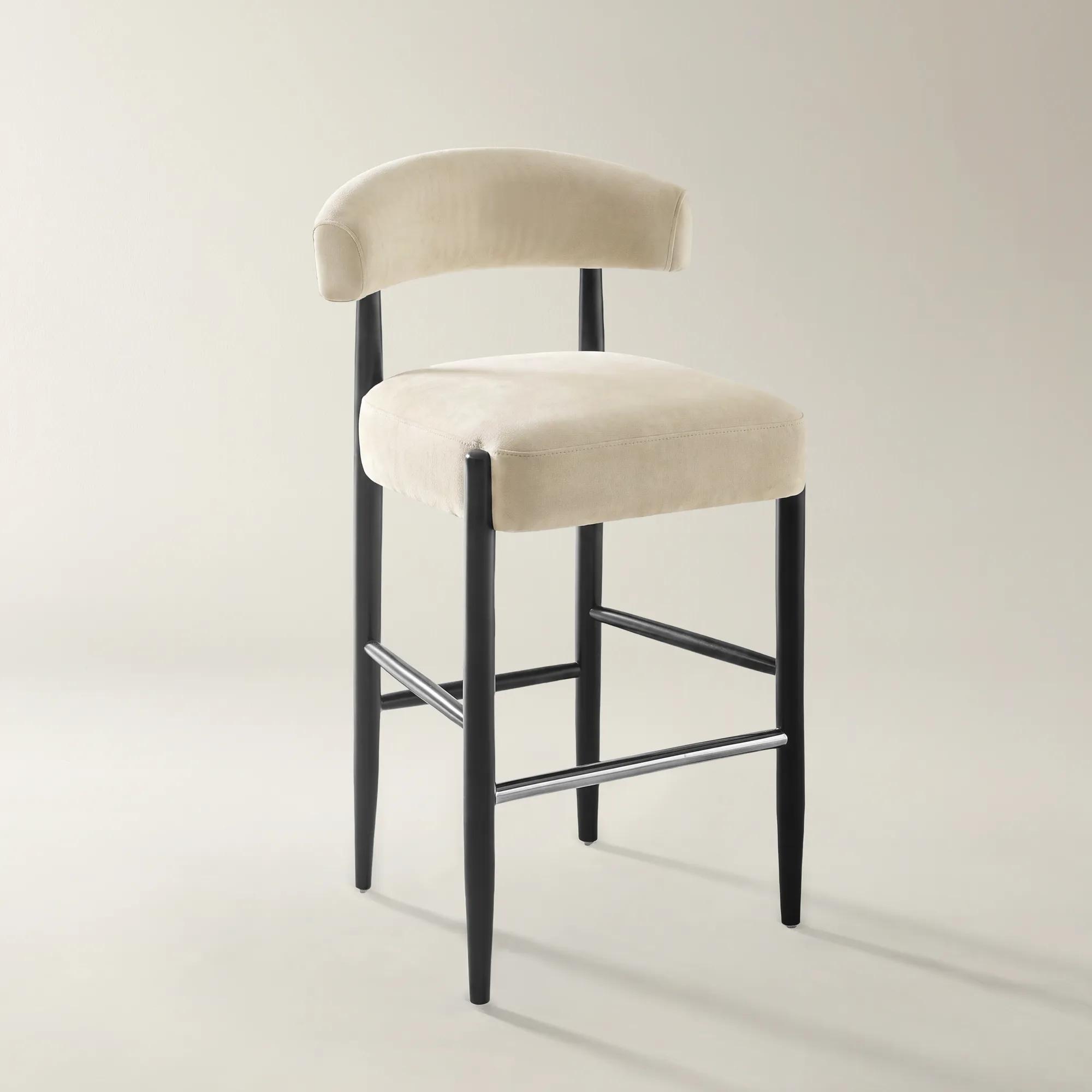 Anna Oatmeal Velvet Bar/Counter Stool$449
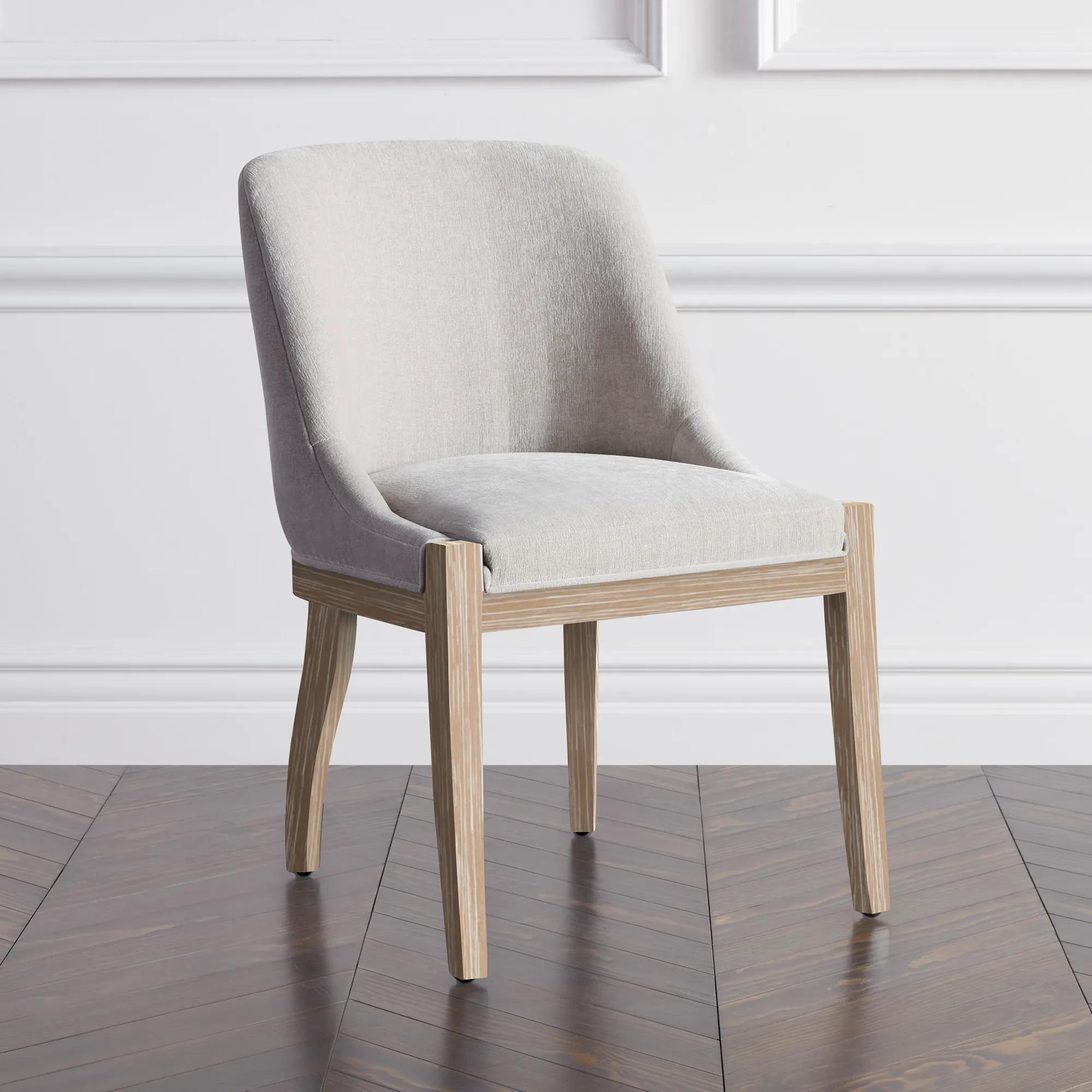
A counter stool with oatmeal velvet upholstery, sculpted back, padded seat, and solid rubberwood legs.
Add To Cart -
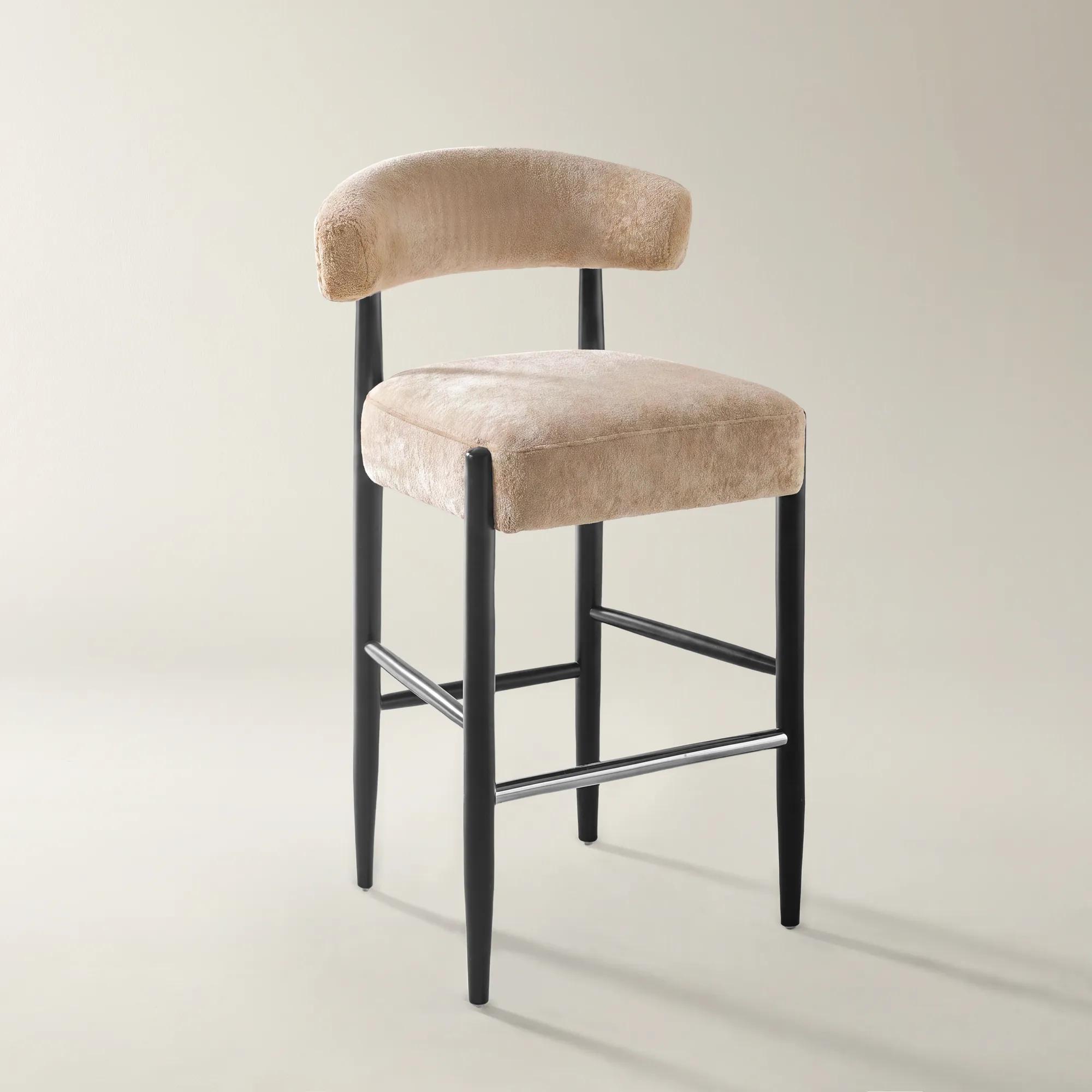 Anna Light Brown Chenille Bar/Counter Stool$449
A brown chenille counter stool with a sculpted back, padded seat, and tapered solid-rubberwood legs.
Add To Cart -
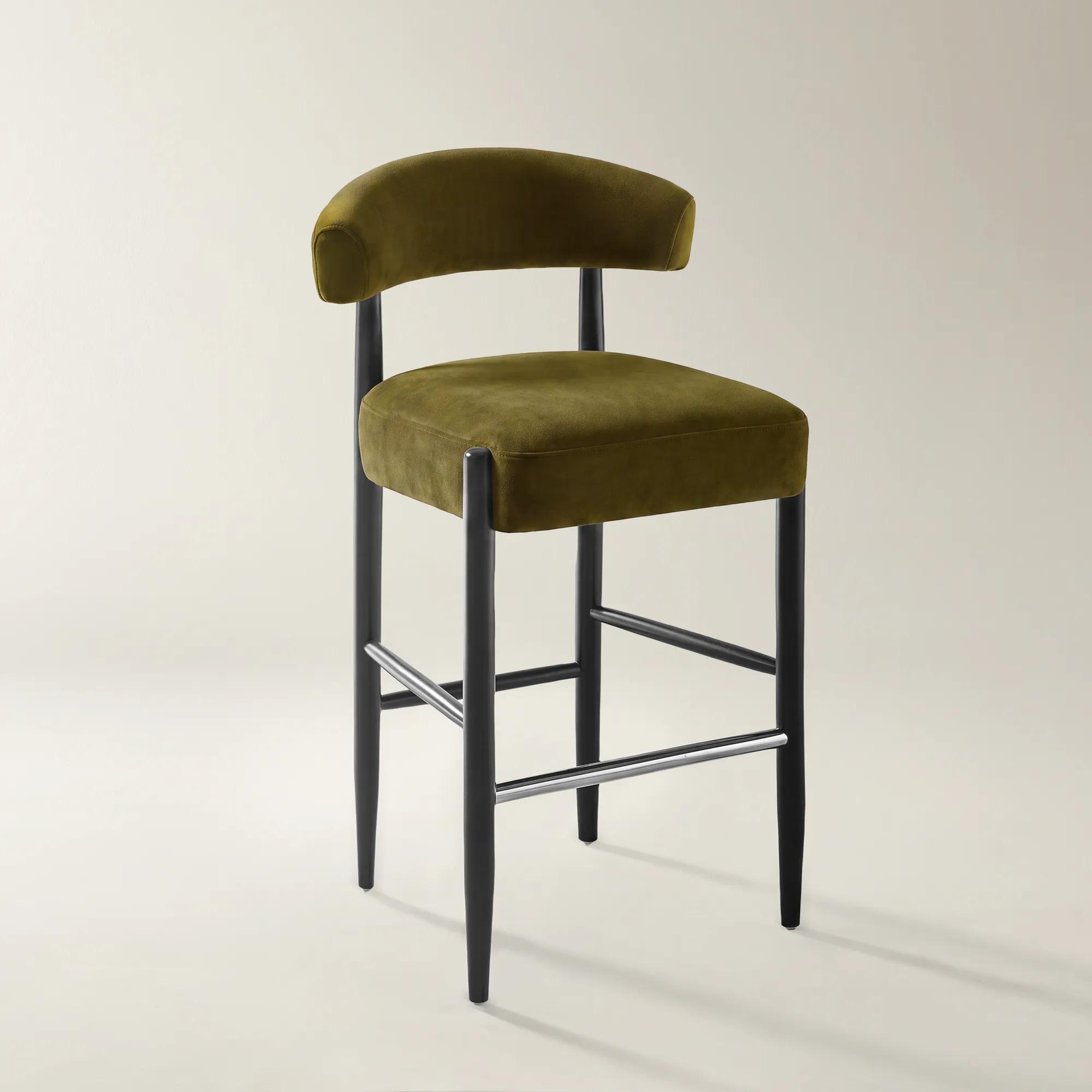 Anna Deep Olive Velvet Bar/Counter Stool$449
A green velvet bar stool with a sculpted padded seat, tailored upholstery, and tapered solid-rubberwood legs.
Add To Cart -
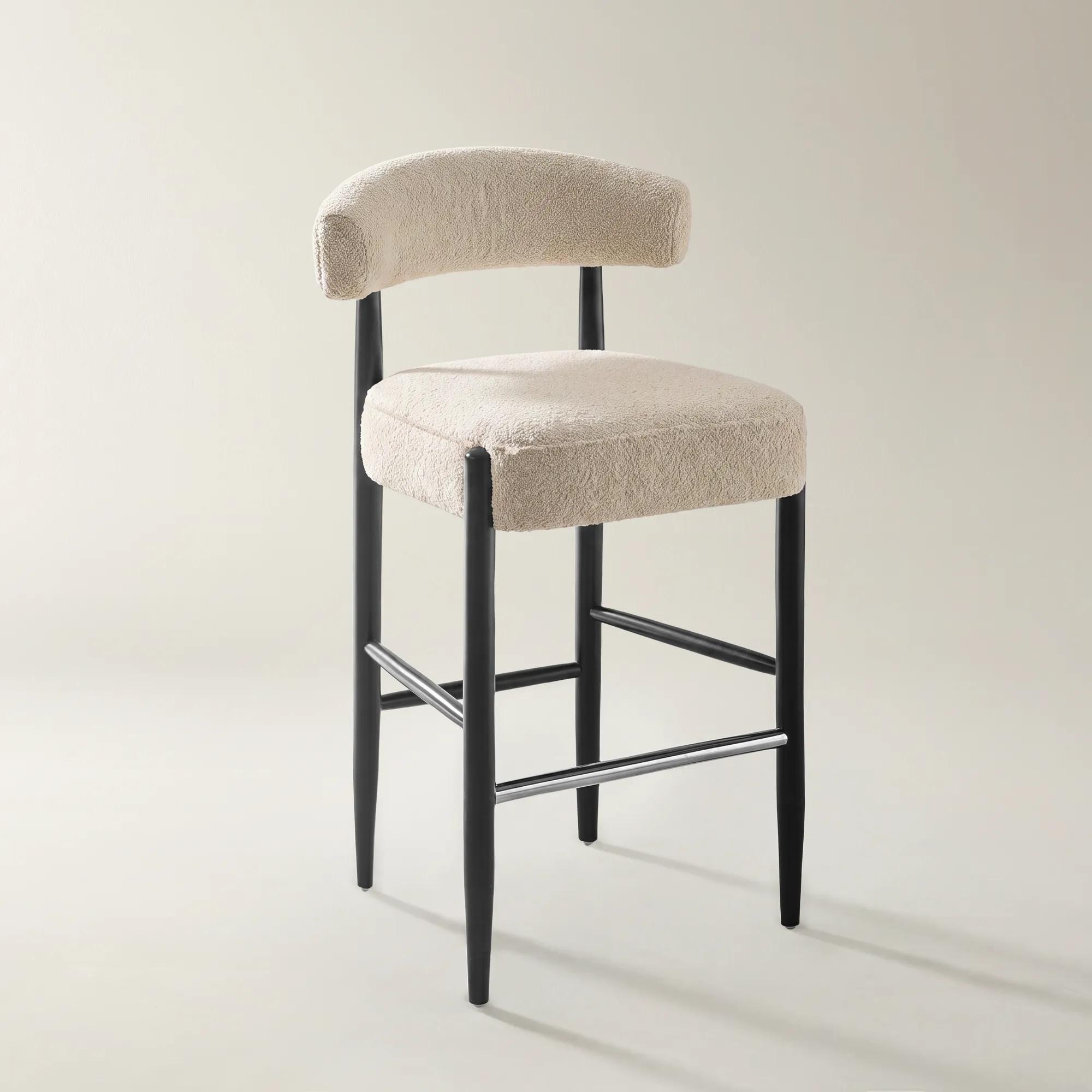 Anna Utopia Sand Chenille Bar/Counter Stool$449
A chenille bar stool with a sculpted padded seat, kiln-dried hardwood frame, and solid rubberwood legs.
Add To Cart -
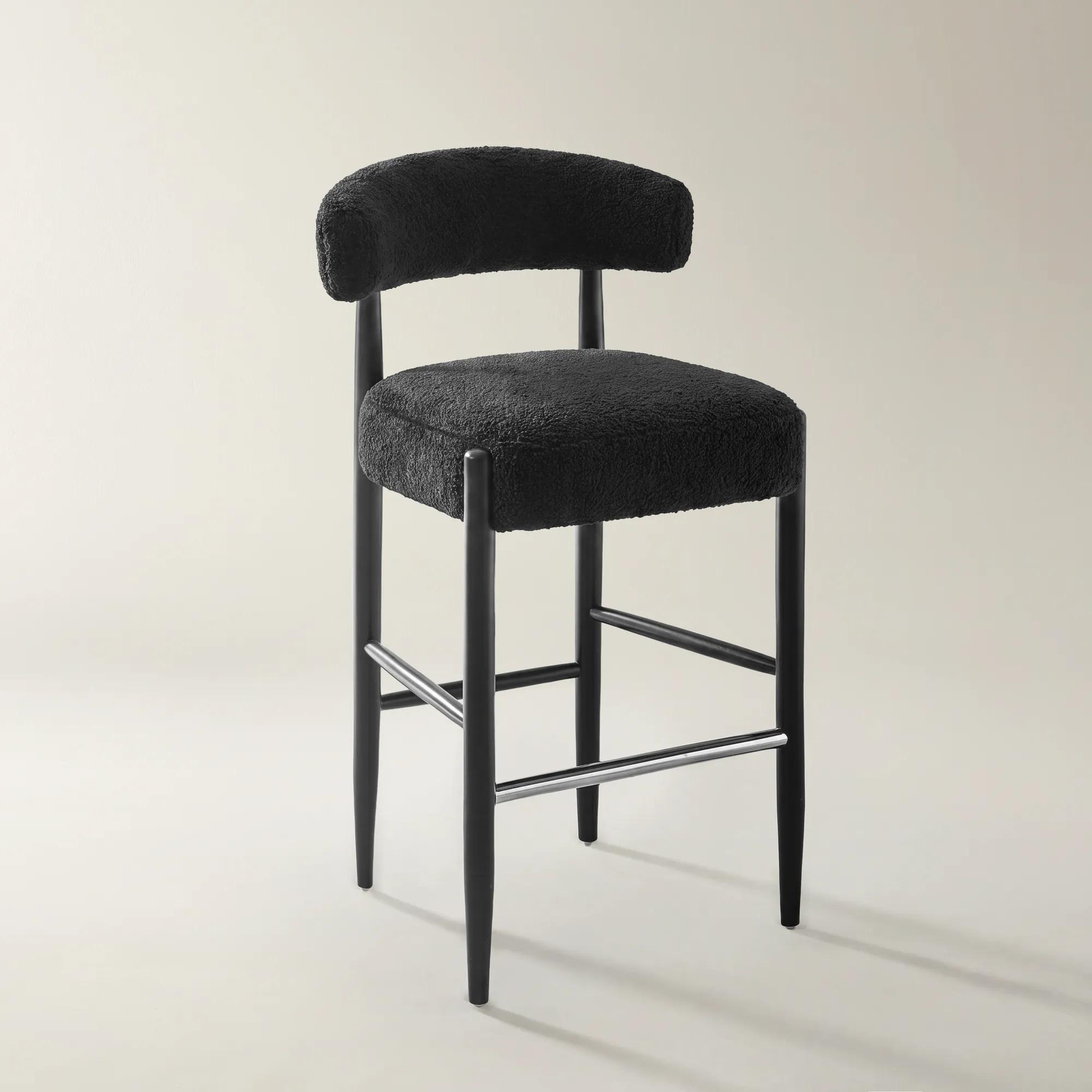 Anna Black Chenille Bar/Counter Stool$449
A black chenille counter stool with a sculpted padded seat and solid rubberwood legs.
Add To Cart -
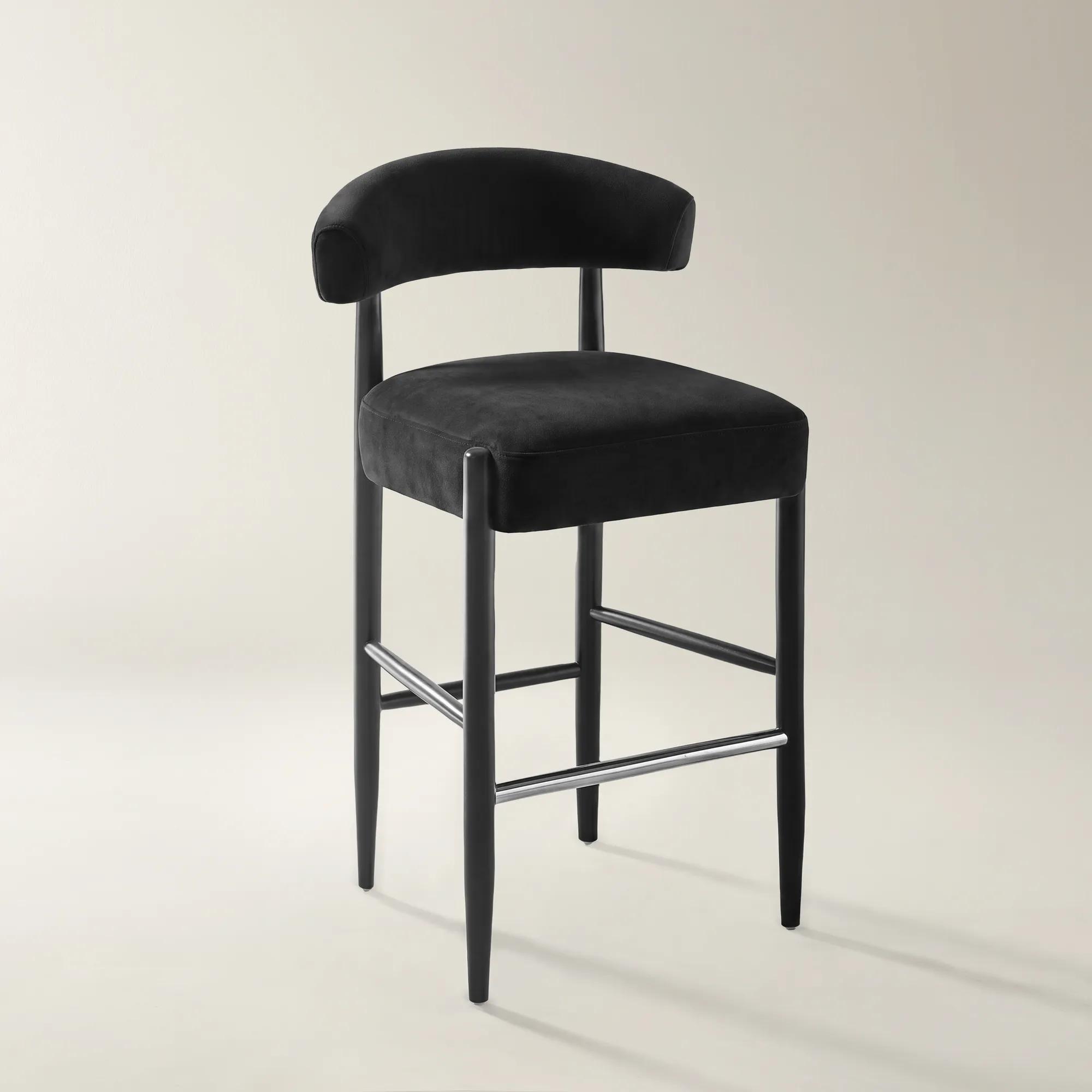 Anna Charcoal Velvet Bar/Counter Stool$449
A charcoal velvet bar stool with a sculpted padded seat and solid rubberwood legs.
Add To Cart -
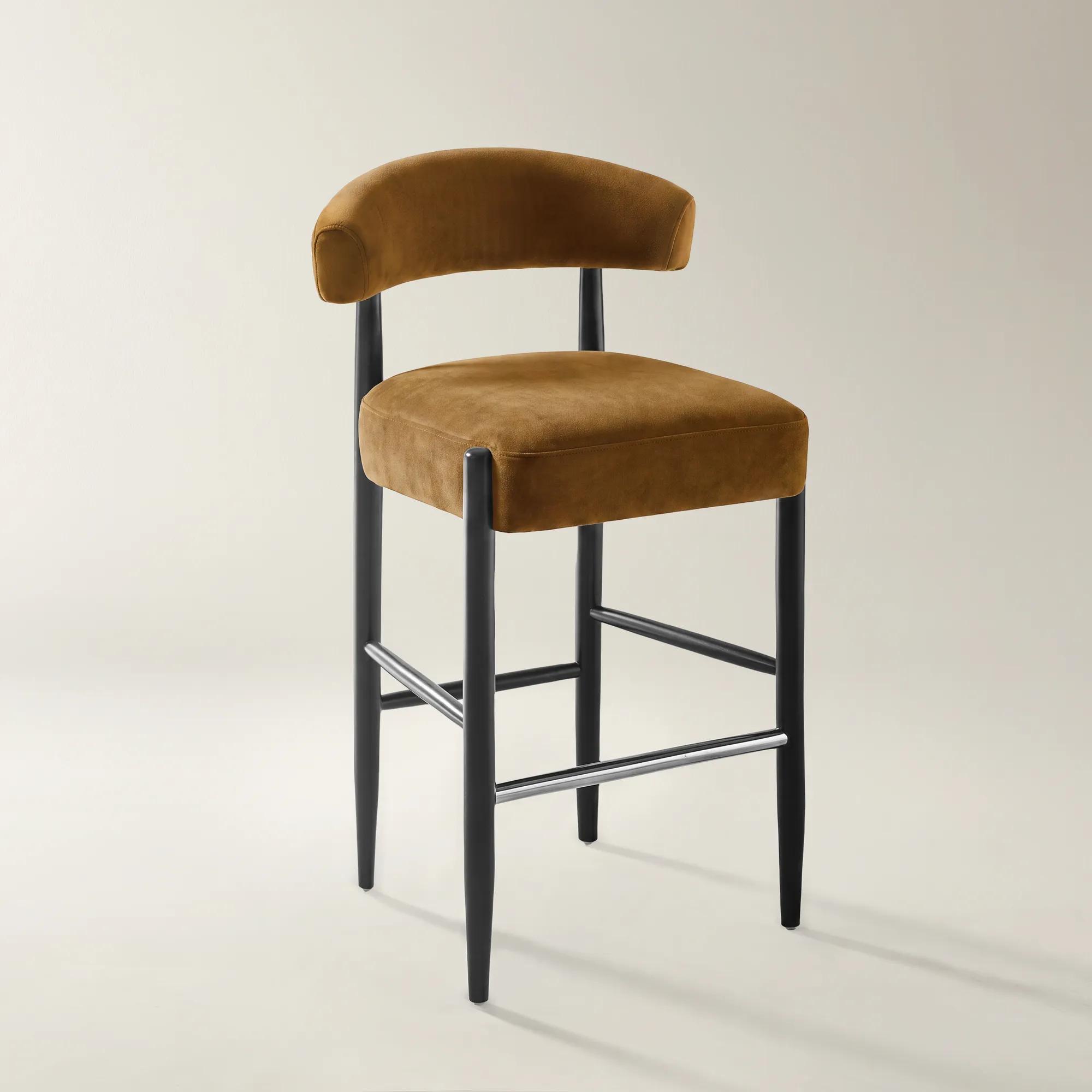 Anna Roasted Pecan Velvet Bar/Counter Stool$449
A roasted pecan velvet bar stool with a sculpted padded back, custom upholstery, and tapered solid-rubberwood legs.
Add To Cart -
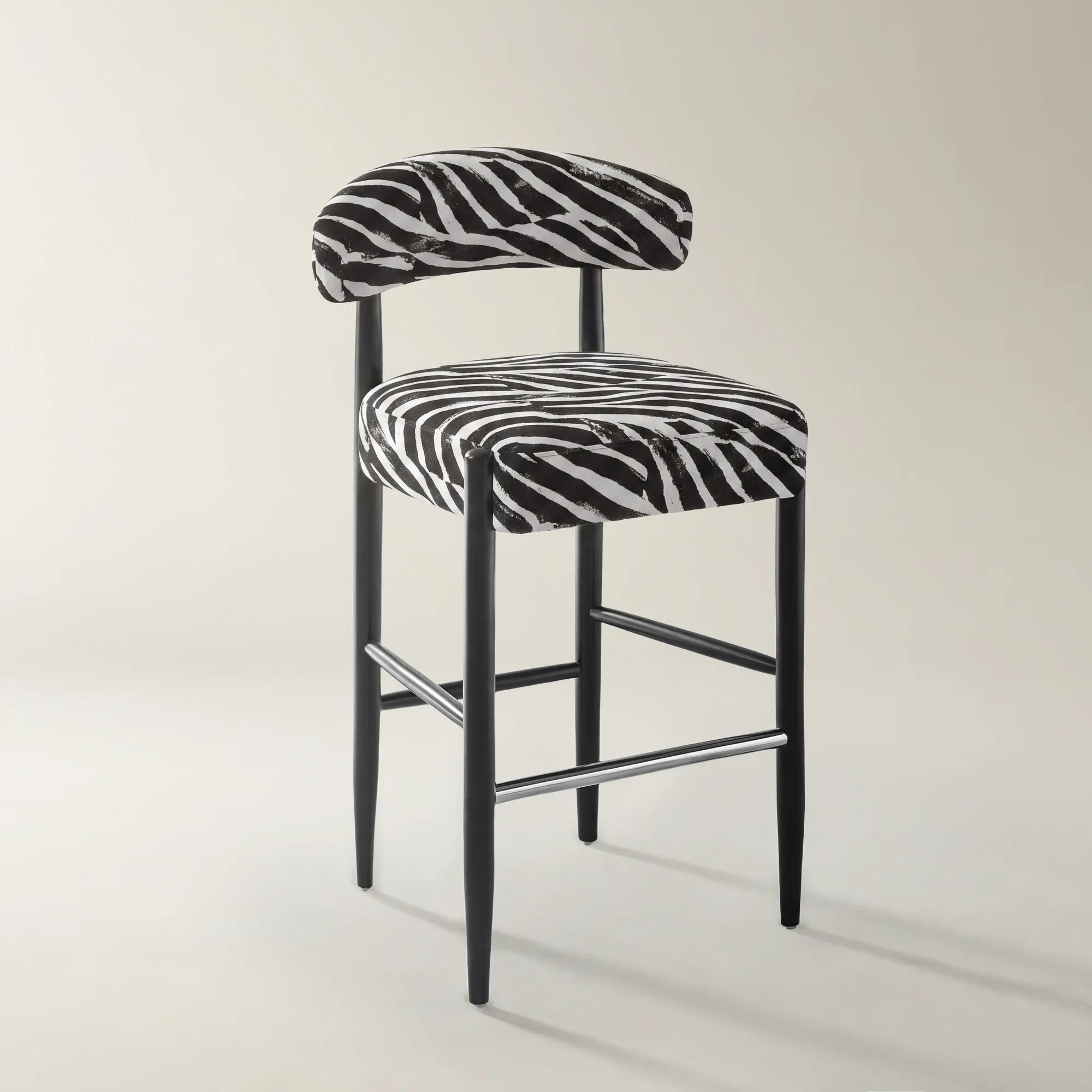 Anna White/Black Performance Chenille Bar/Counter Stool$449
A black-and-white chenille bar stool with a sculpted back, padded seat, and tapered solid rubberwood legs.
Add To Cart -
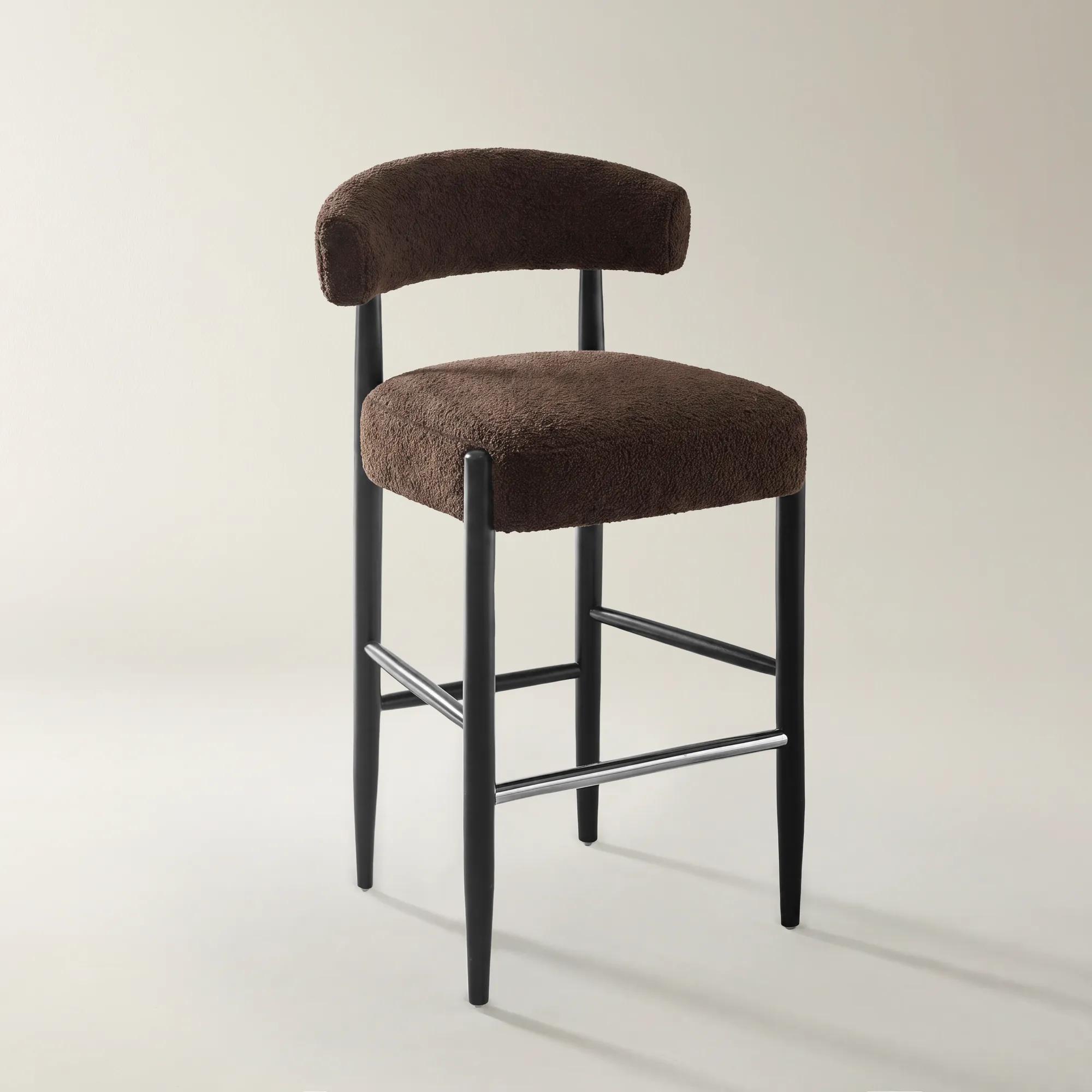 Anna Dark Chocolate Chenille Bar/Counter Stool$449
A dark chocolate chenille counter stool with a sculpted padded seat and solid rubberwood legs.
Add To Cart -
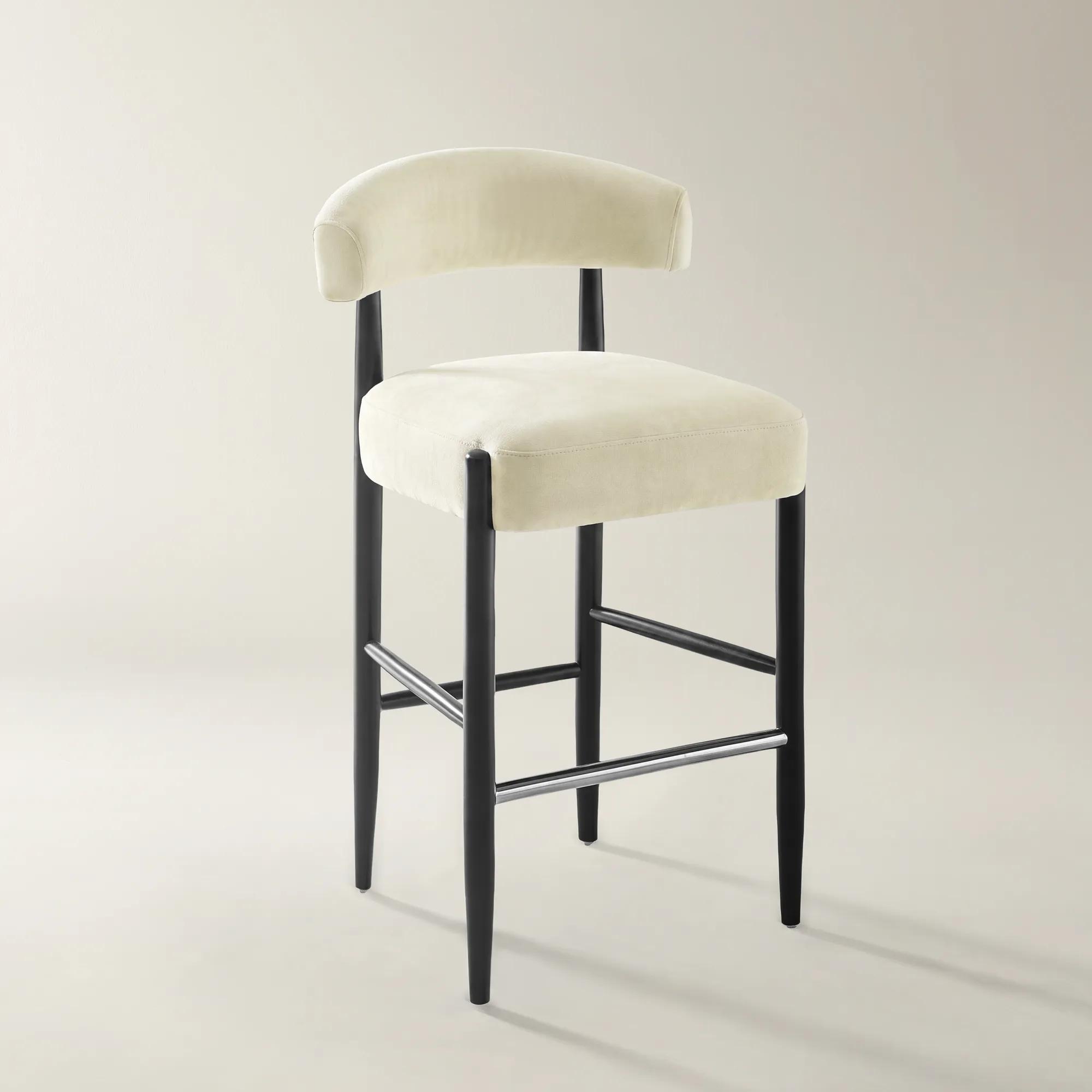 Anna Cloud Velvet Bar/Counter Stool$449
A cloud velvet counter stool with sculpted padded support and tapered solid-rubberwood legs.
Add To Cart -
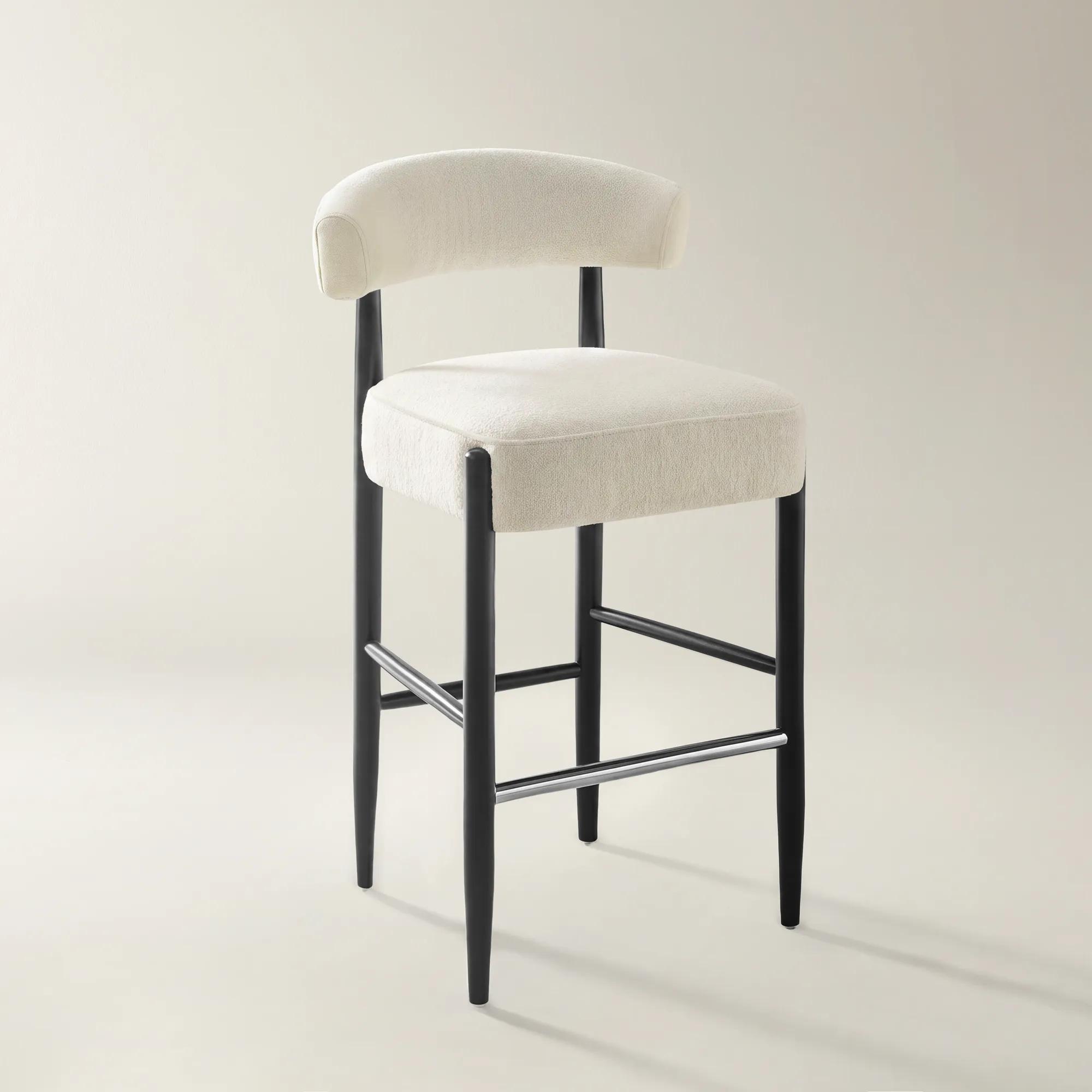 Anna Ivory Performance Chenille Bar/Counter Stool$449
An ivory performance-chenille bar stool with a sculpted back, padded seat, and tapered solid-rubberwood legs.
Add To Cart -
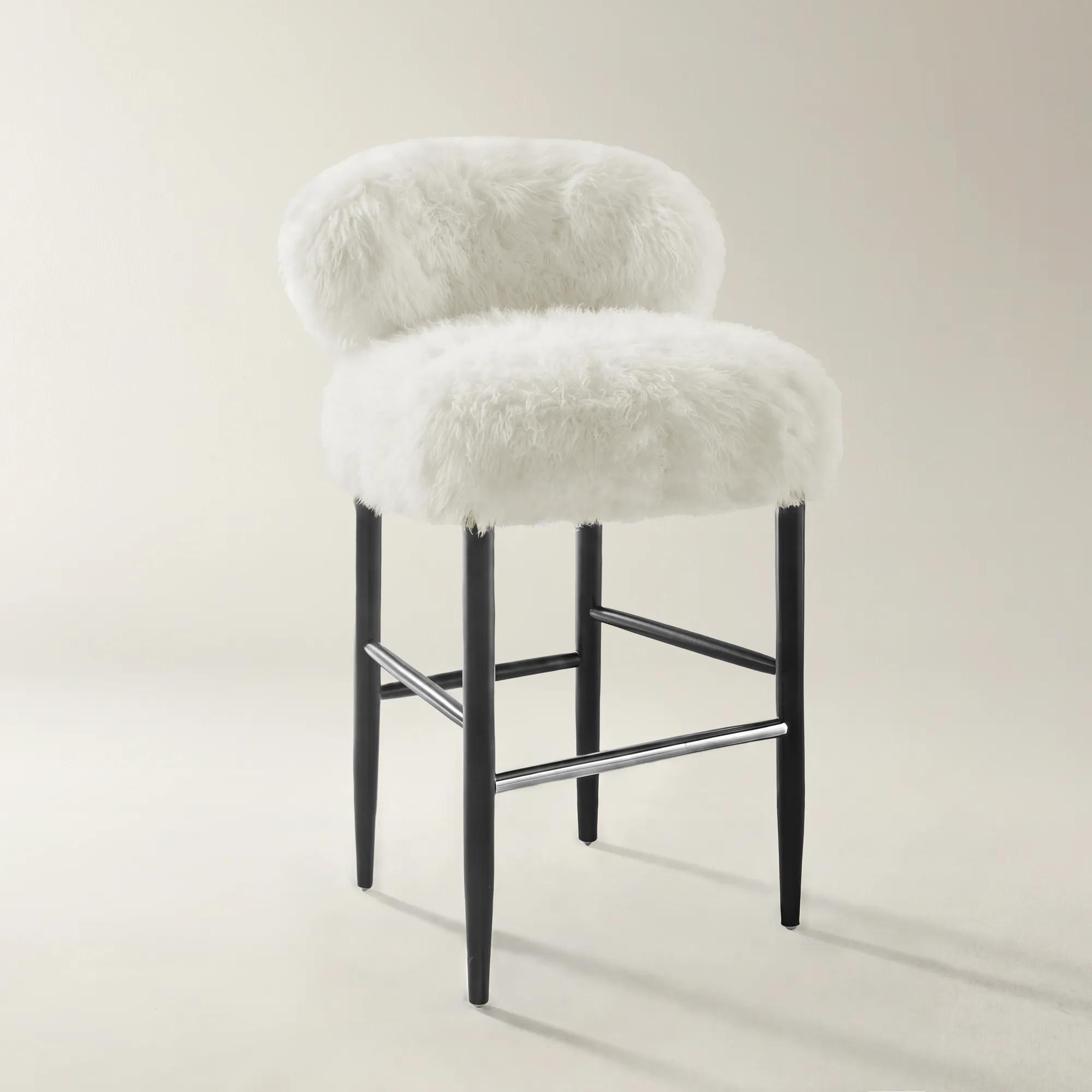 Anna Ivory Faux Fur Bar/Counter Stool$549
An ivory faux-fur counter stool with sculpted support, padded seating, and tapered solid-rubberwood legs.
Add To Cart -
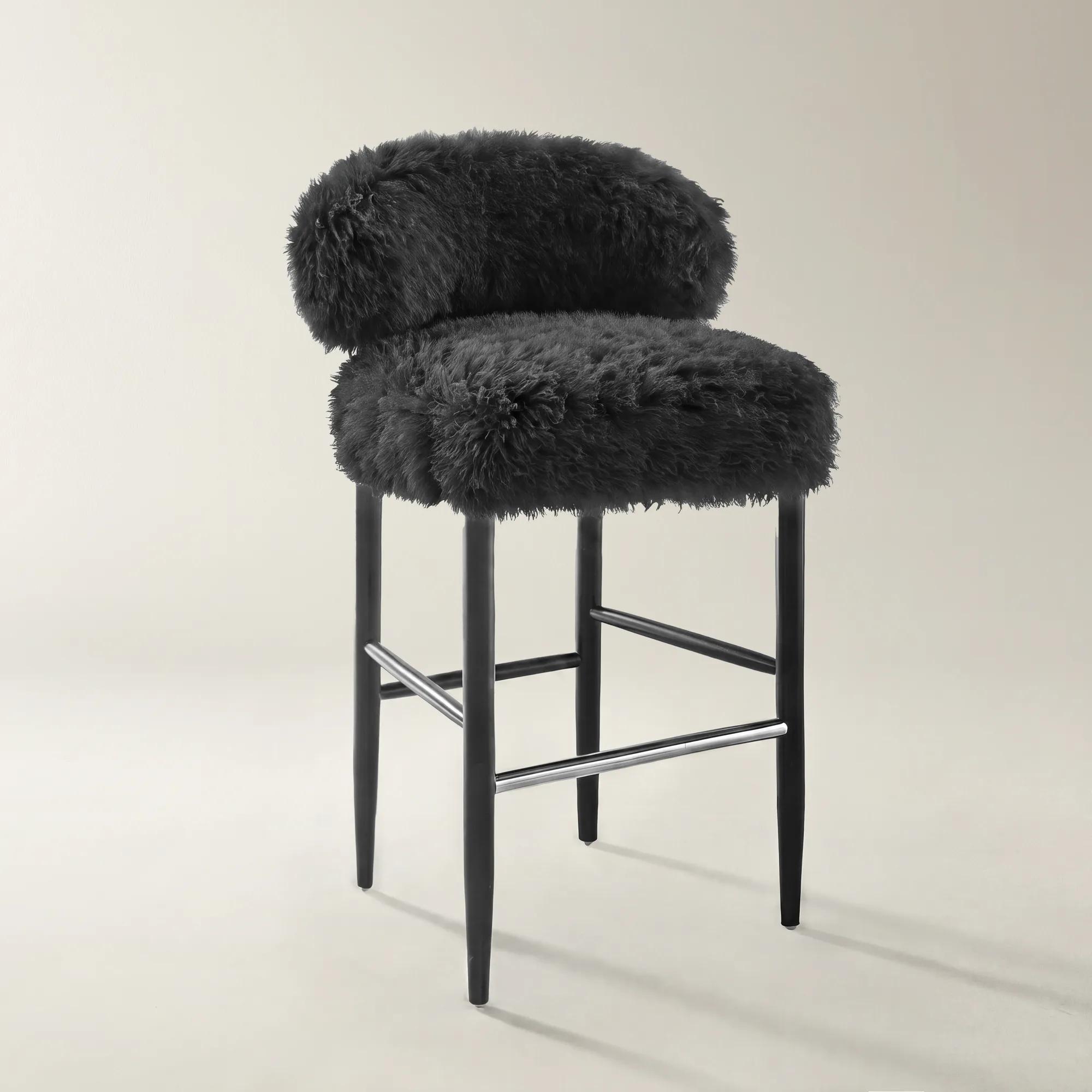 Anna Black Faux Fur Bar/Counter Stool$549
A black faux-fur bar stool with a sculpted back, padded seat, and solid rubberwood legs.
Add To Cart -
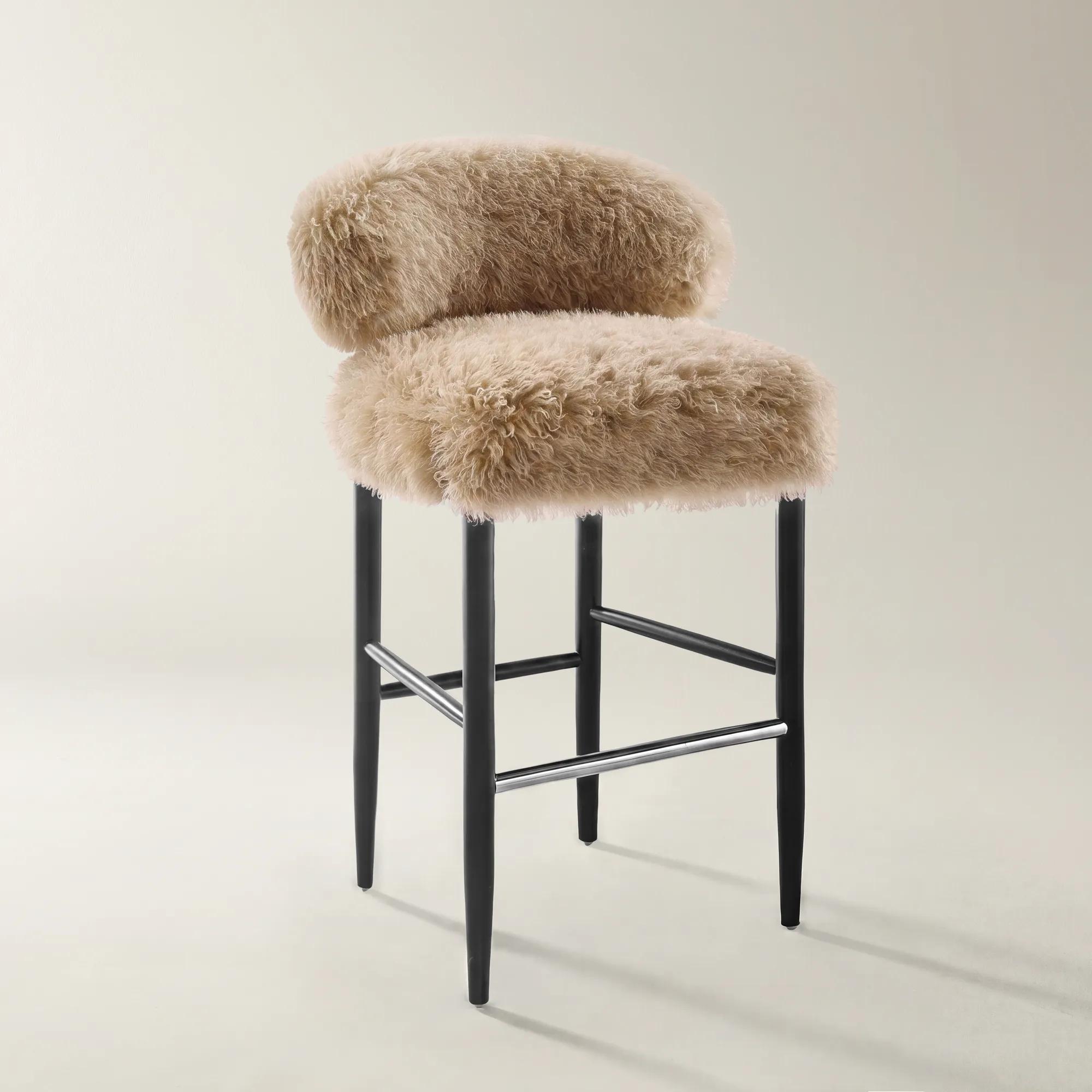 Anna Tan Faux Fur Bar/Counter Stool$549
A tan faux-fur bar stool with a sculpted padded seat and tapered solid-rubberwood legs.
Add To Cart -
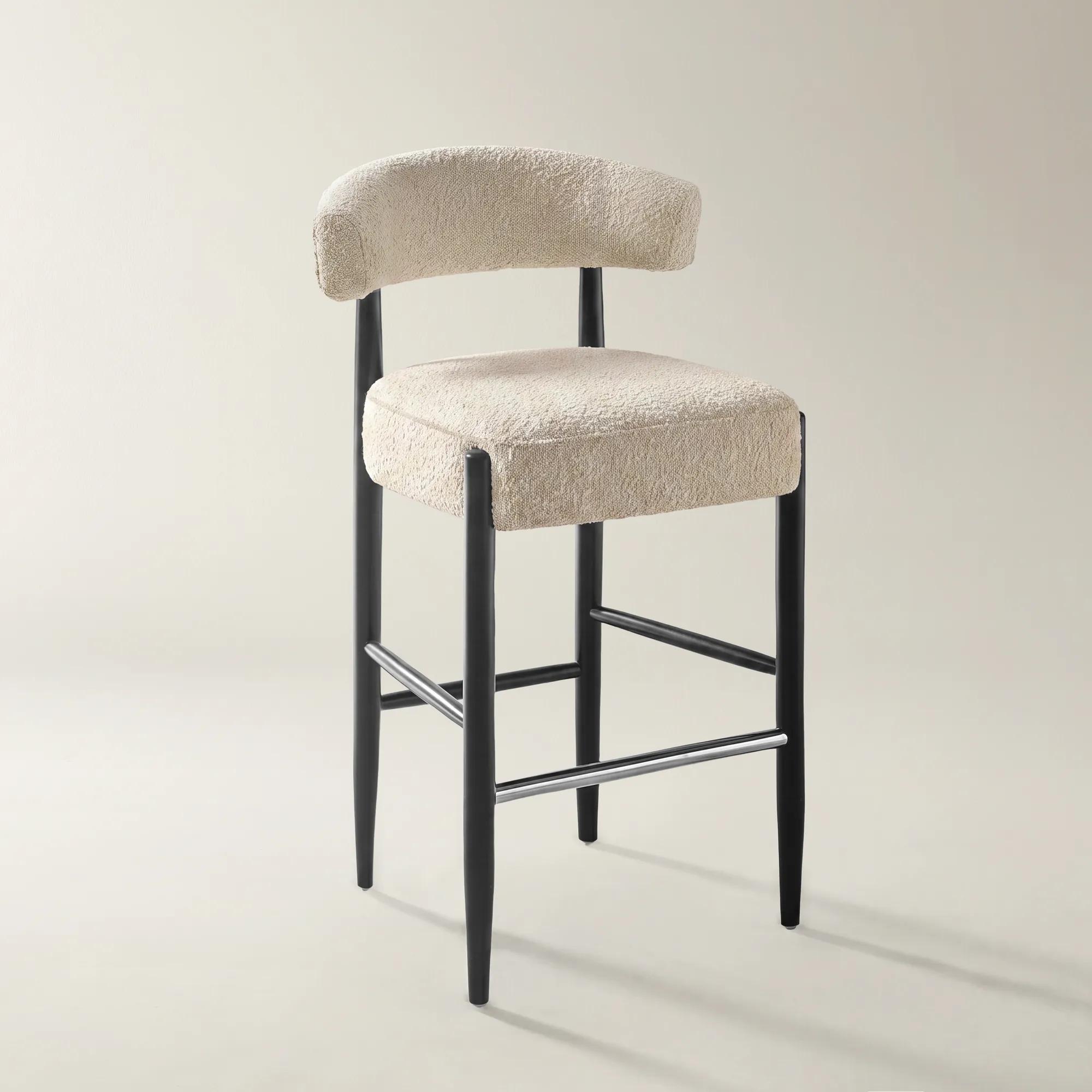 Anna Ivory Performance Boucle Bar/Counter Stool$449
A counter stool with ivory performance boucle upholstery, sculpted support, and tapered solid rubberwood legs.
Add To Cart -
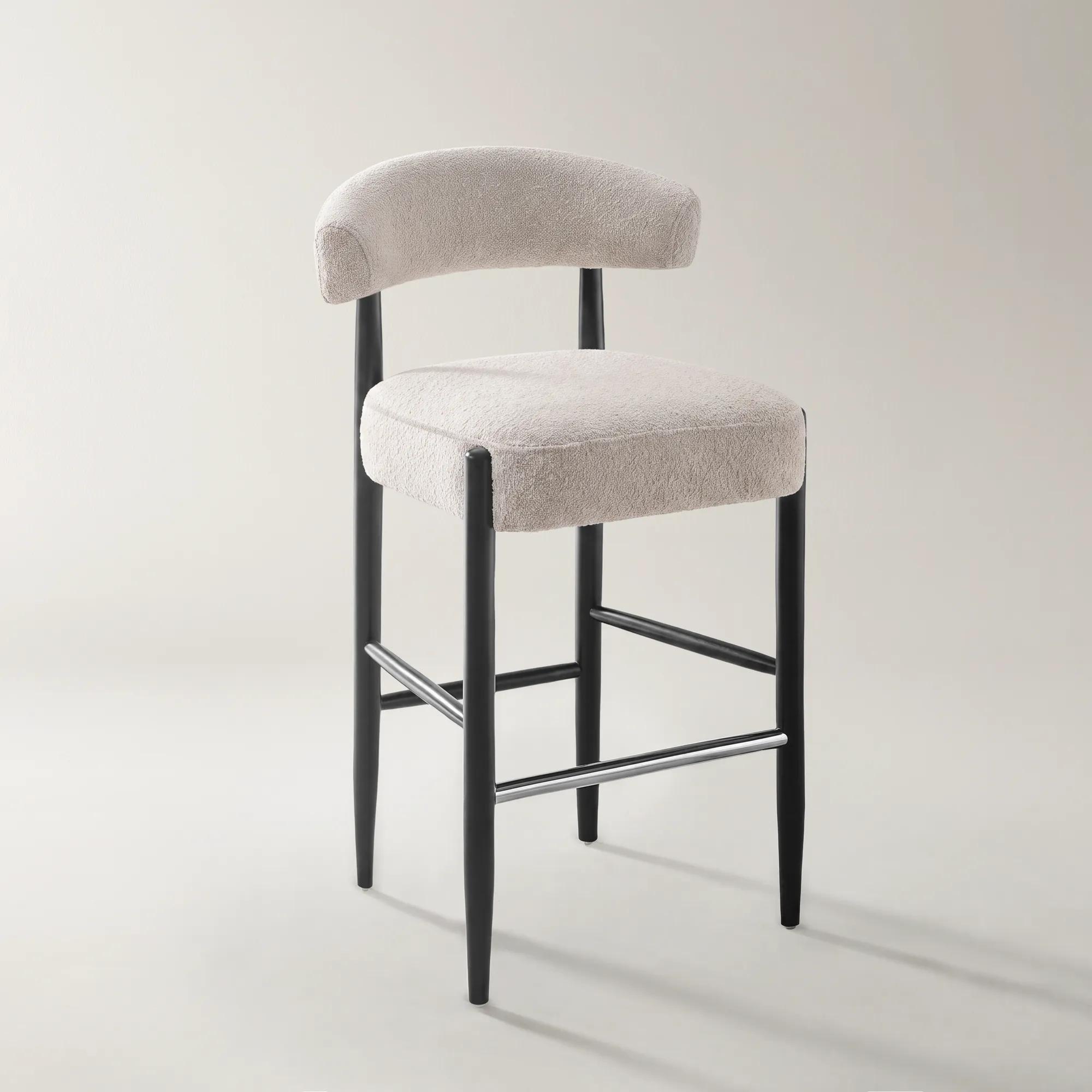 Anna Ivory Performance Boucle Bar/Counter Stool$449
An ivory performance-bouclé bar stool with sculpted padded support and tapered solid-rubberwood legs.
Add To Cart -
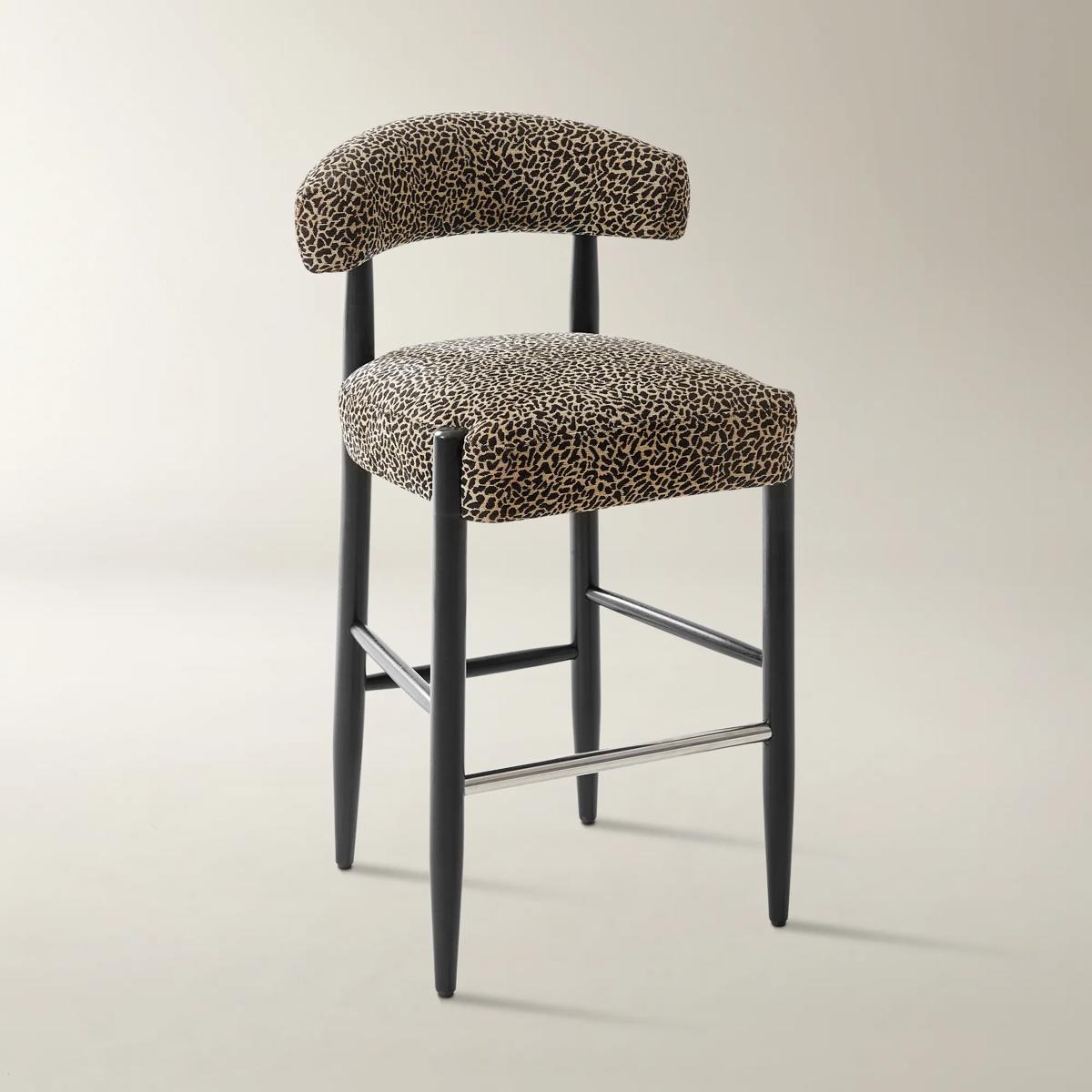
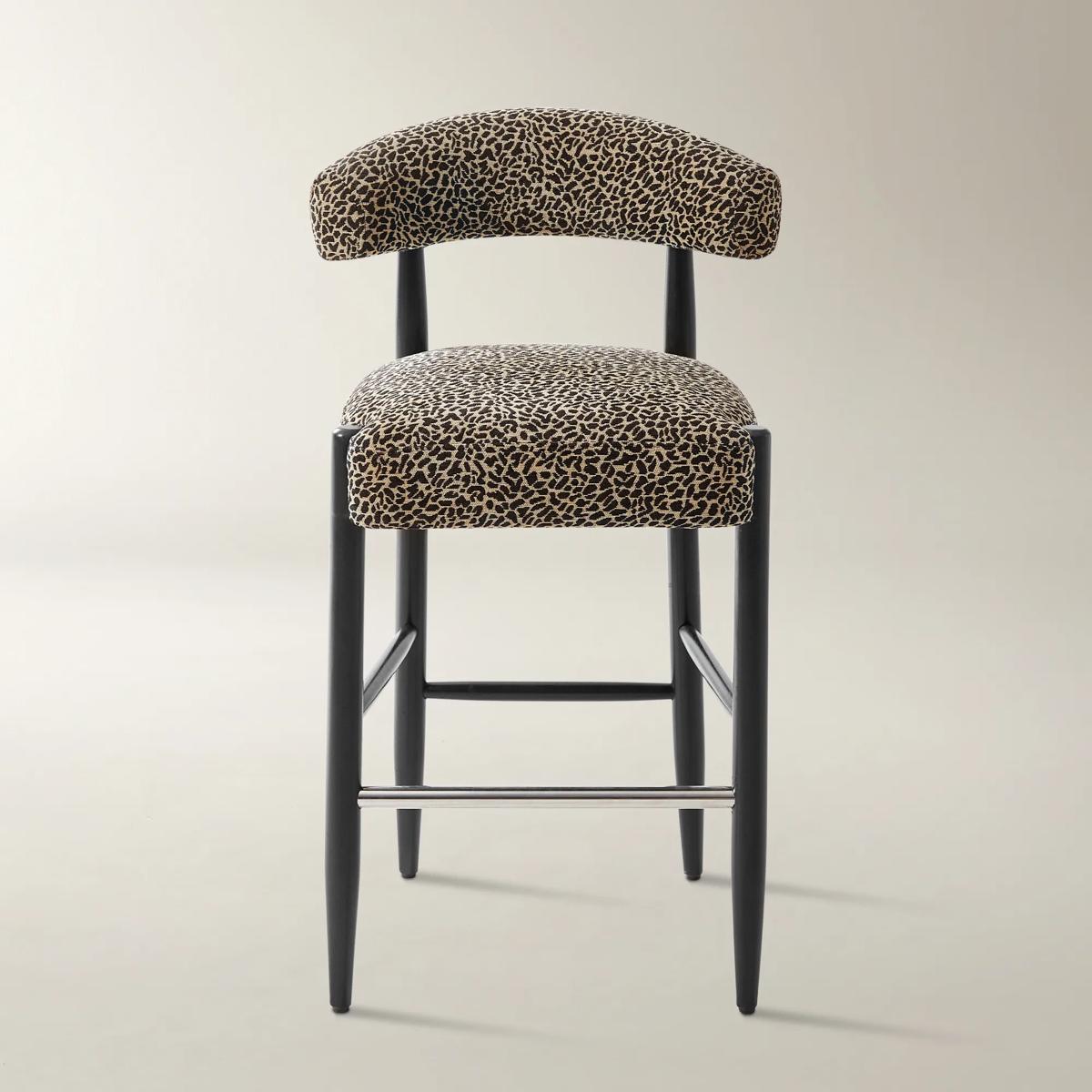 Anna Leopard Chenille Bar/Counter Stool$449
A leopard-patterned chenille bar stool with sculpted padded support and tapered solid rubberwood legs.
Add To Cart -
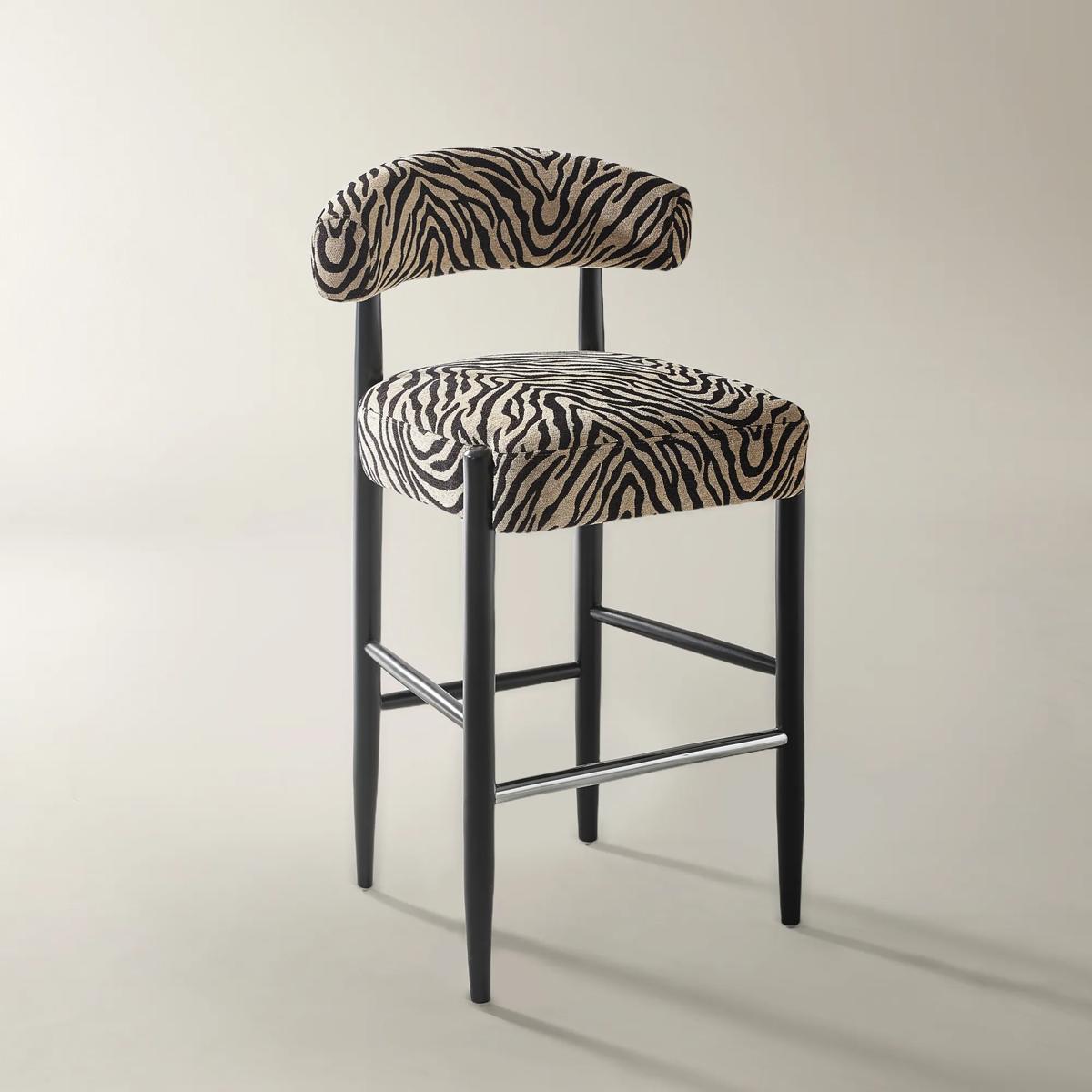
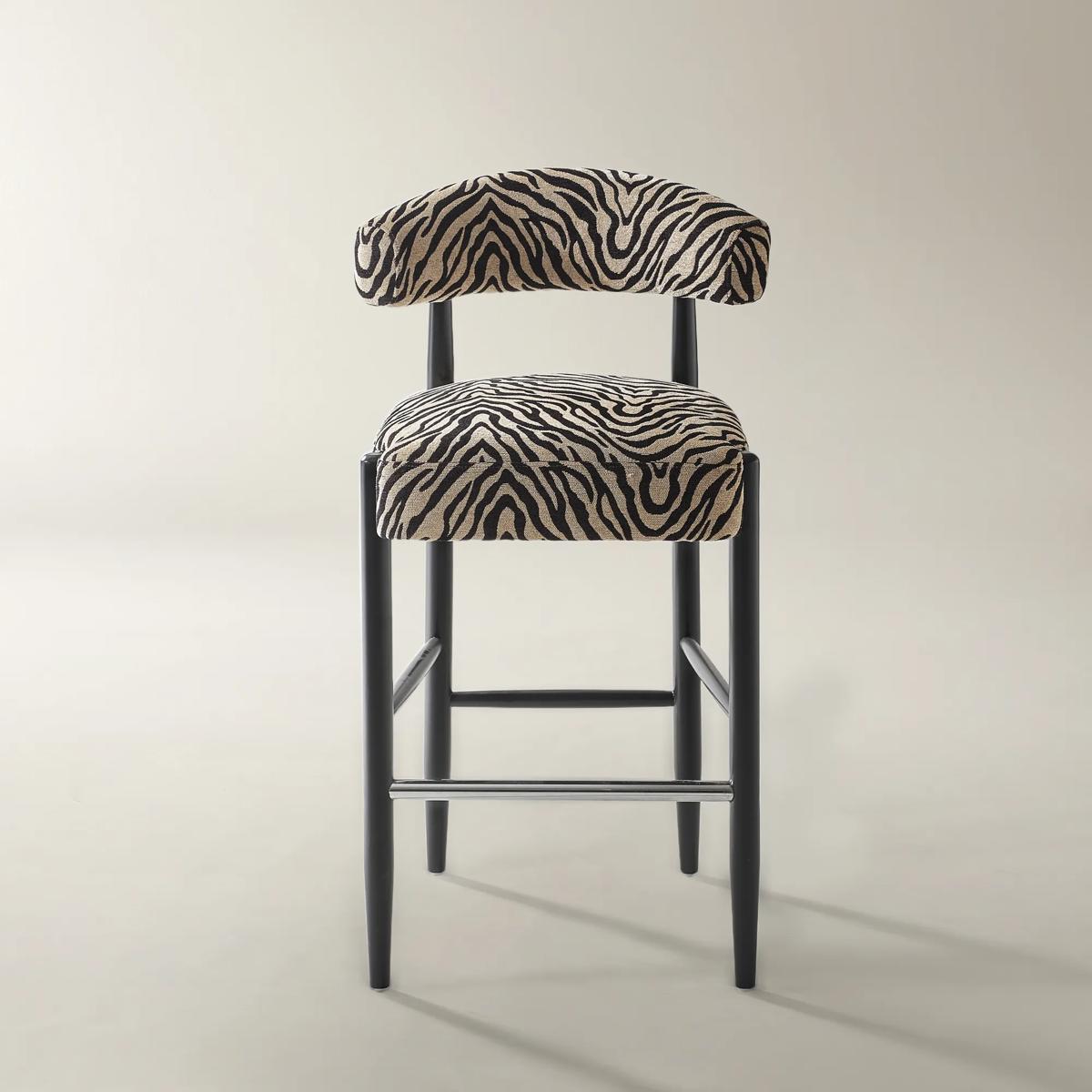 Anna Zebra Chenille Bar/Counter Stool$449
A bar stool with zebra-patterned chenille upholstery, sculpted padding, and tapered solid-rubberwood legs.
Add To Cart -
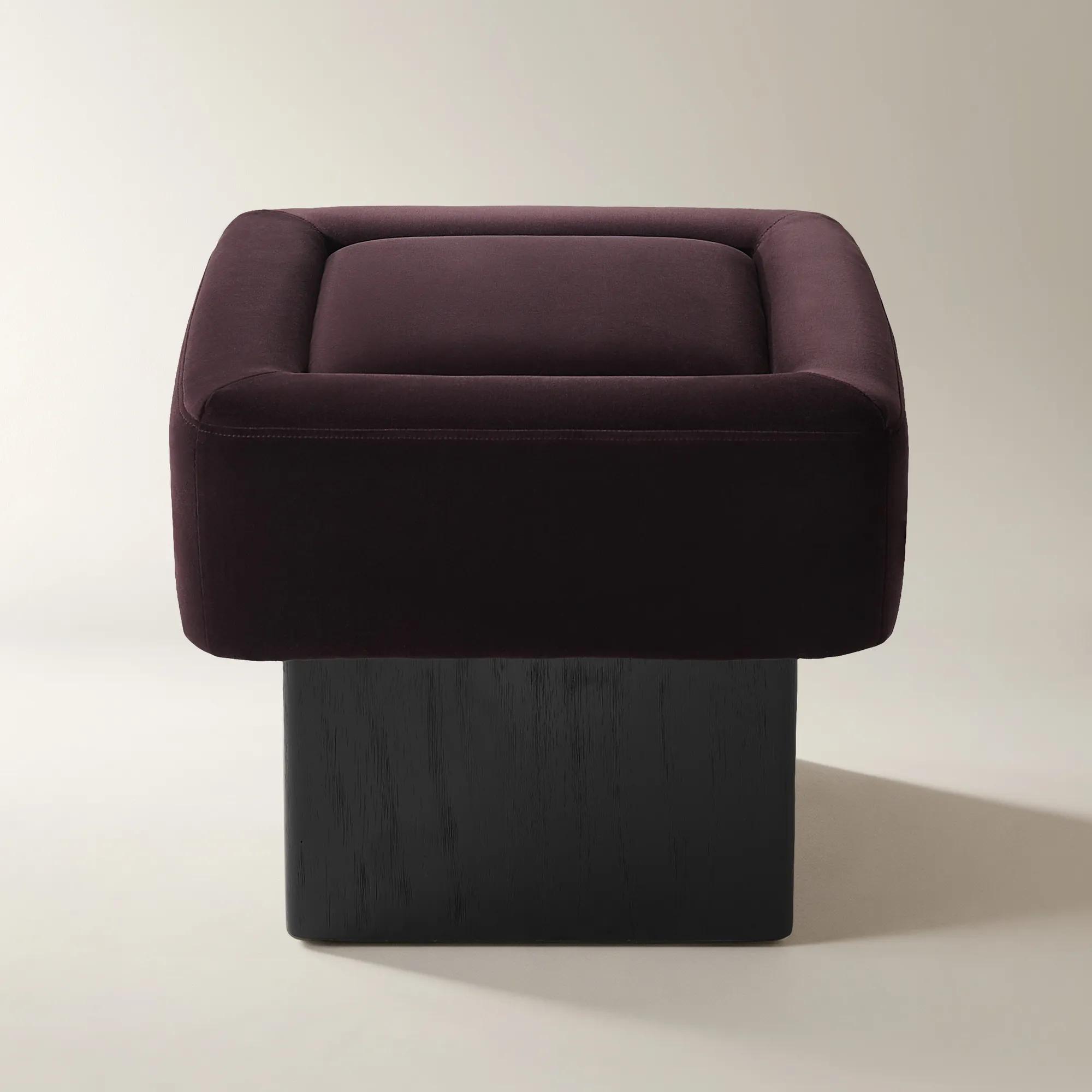 Reims Fig Velvet Stool$399
A plush fig-colored velvet stool featuring a sculpted cushion and a solid rubberwood base for modern contrast.
Add To Cart -
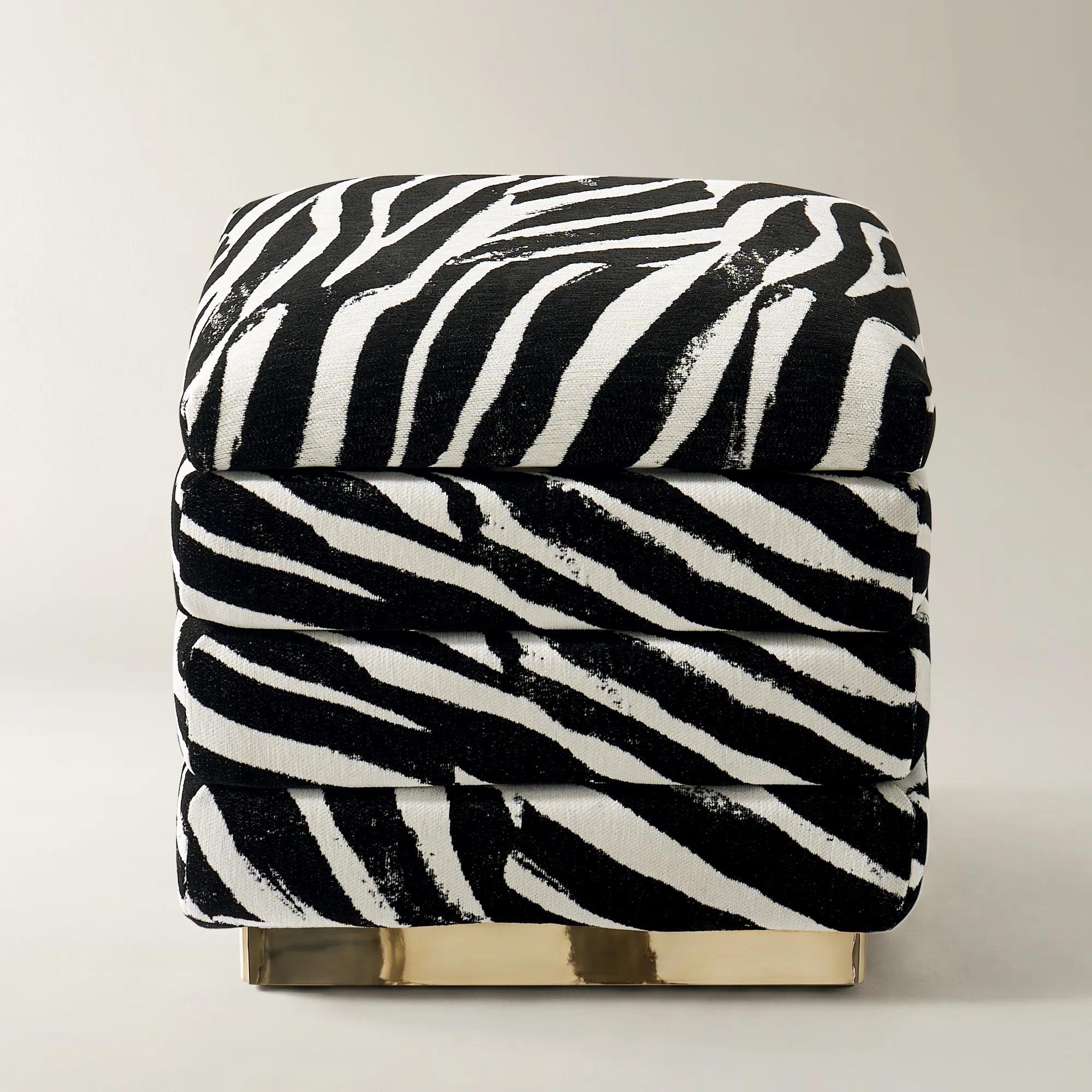
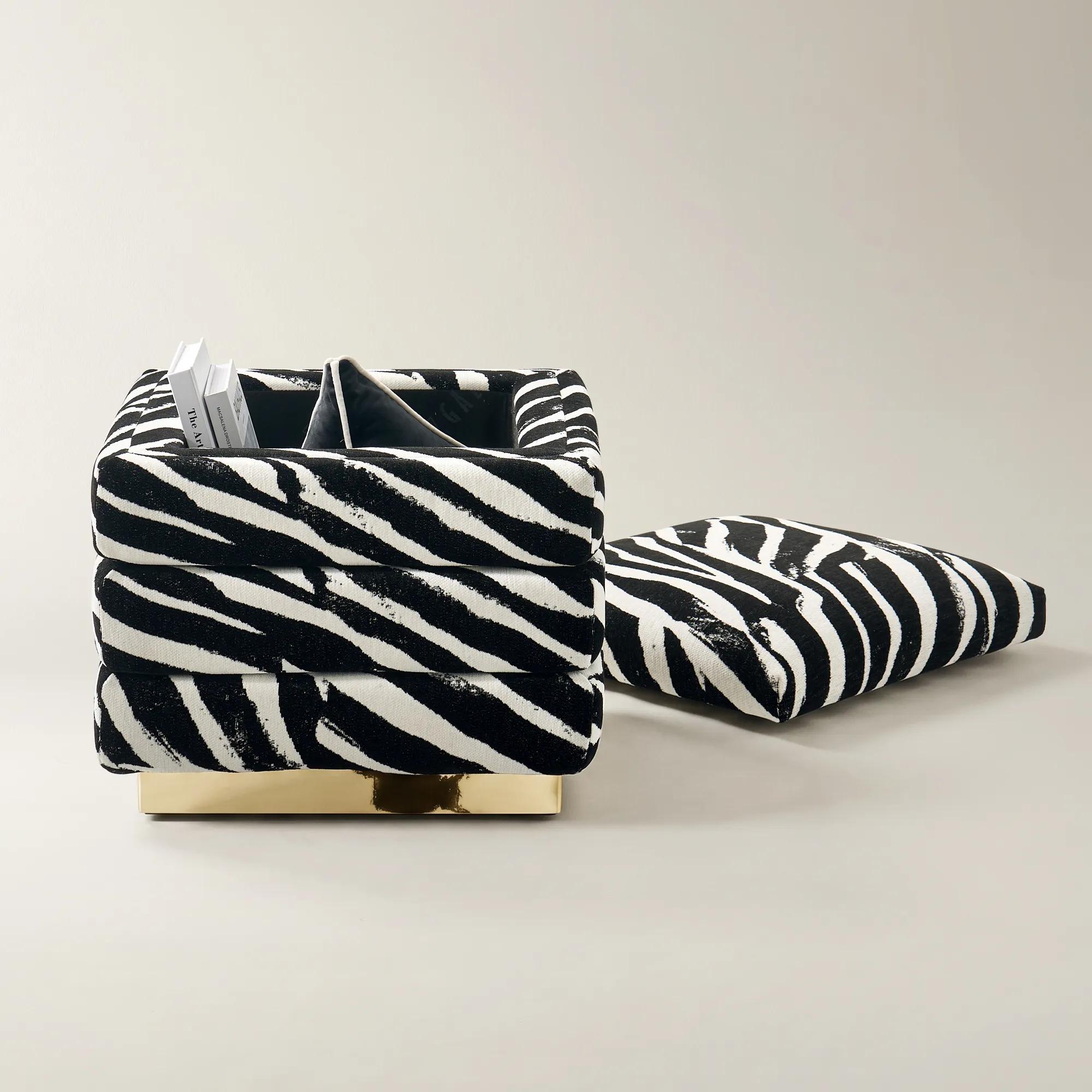 Gable White/Black Performance Chenille Stool$399
A plush white and black chenille stool with hidden storage and a polished gold stainless steel base.
Add To Cart -
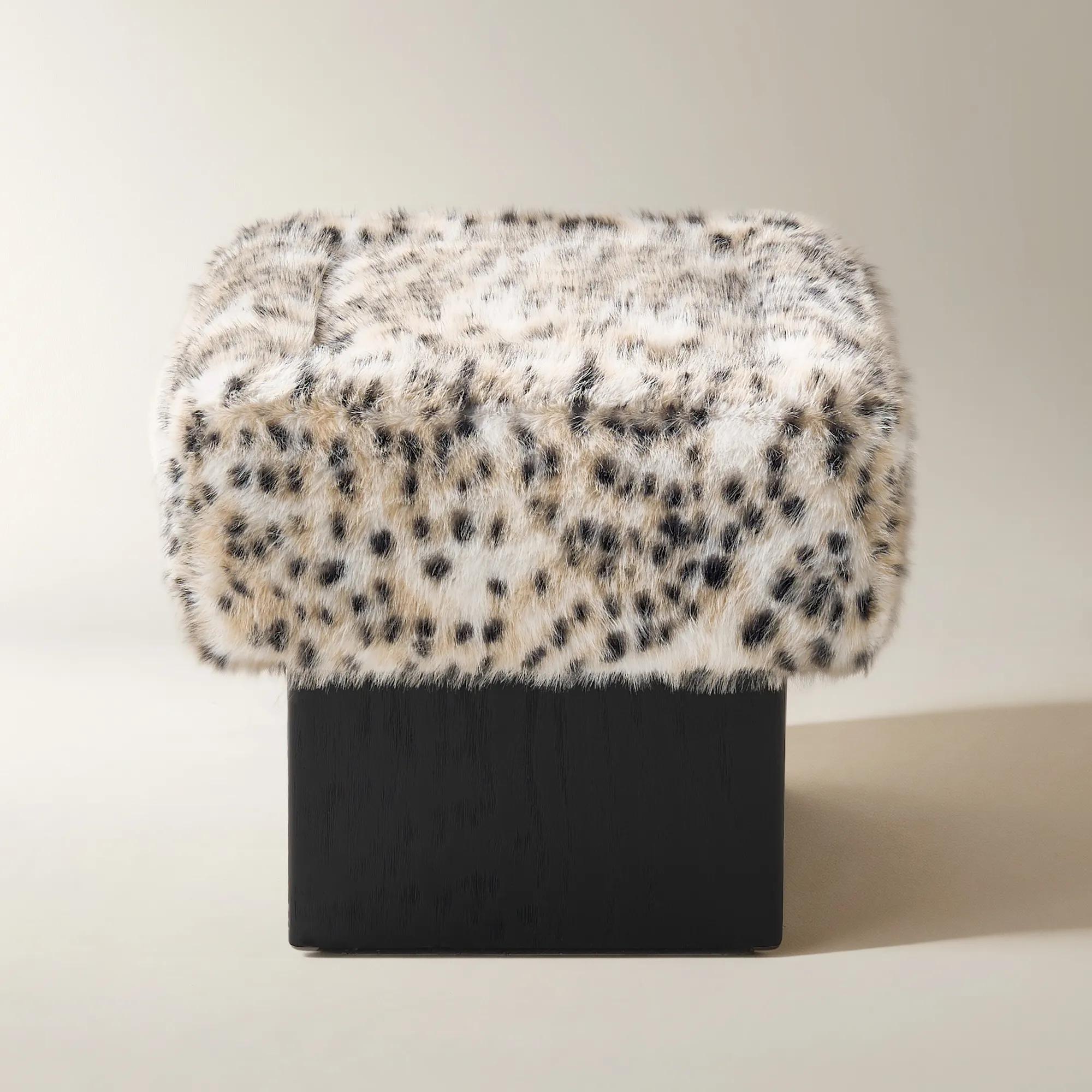 Reims Spotted Faux Fur Stool$399
A plush spotted faux fur stool with a sculpted cushion and solid rubberwood base for modern contrast.
Add To Cart -
 Valerie Natural Outdoor Counter Stool$659
A natural-finished outdoor stool offering stylish counter-height seating.
Add To Cart

Transitional Upholstered Counter Stools
Transitional upholstered counter stools are the secret ingredient for spaces that crave both sophistication and ease—where classic silhouettes meet contemporary flair in a seamless, artful blend. Imagine seating that doesn’t just invite you in, but elevates every gathering with tailored lines and plush comfort, creating a scene that’s equal parts inviting and indulgent. Whether perched at a marble-topped island or framing your open-concept kitchen, these stools transform everyday moments into occasions worth savoring. With transitional upholstered counter stools, your home becomes a masterstroke of balance—timeless, tactile, and endlessly expressive.
Transitional upholstered counter stools blend classic furniture details with clean, contemporary lines, pairing cushioned seats with wood or metal frames. Fabrics such as linen blends, performance twill, and velvet bring texture to these balanced silhouettes, creating seating that feels equally at home beside paneled cabinetry or a sculptural stone island. The appeal lies in that interplay: familiar proportions with a more expressive finish, elegant upholstery without an overly formal mood. A gently curved back can echo the shape of a dining chair, while slender legs and restrained detailing keep the profile visually light. Nailhead trim, subtle tufting, or a softly rolled edge can introduce a traditional note; a streamlined frame prevents those details from overwhelming the room. At a kitchen island, this combination gives everyday seating the presence of thoughtfully chosen furniture rather than treating it as an afterthought. Ivory upholstery against dark wood creates crisp contrast, while warm taupe and natural wood establish a quieter, layered composition. Charcoal velvet with a gleaming metal base brings greater drama, particularly near veined stone or reflective lighting. Texture matters as much as color: a woven fabric adds dimension to smooth cabinetry, and velvet catches light differently across its pile, lending depth to a restrained palette. Matching the stools to every finish in the kitchen is less important than giving them a clear relationship to the space. A warm wood tone might speak to nearby flooring, while a metallic detail can pick up the finish of a pendant or cabinet hardware. For an open-concept home, upholstered counter seating also creates a visual connection between the kitchen and living area, carrying a fabric tone or curved silhouette from one zone into another. The result is a gathering place with its own point of view, polished enough for entertaining and inviting enough for a lingering morning coffee.
Proportion gives transitional counter stools their ease, both visually and in use. Counter-height seats are typically about 24 to 26 inches high and are commonly paired with surfaces approximately 34 to 36 inches high. The actual fit depends on the counter’s underside, any apron or support brackets, and the stool’s seat construction; roughly 9 to 12 inches of space between the seat and the underside of the counter is a useful starting point for comfortable legroom. Overall stool height is a separate measurement, especially with upholstered backs that rise above the countertop. A taller back creates a more substantial furniture statement and offers a place to lean during conversation, while a low back preserves longer sightlines through an open room. Armrests can lend the enveloping feel of a dining chair, but their height determines whether the stool can slide beneath the counter. Width deserves equal attention. Allowing approximately 24 to 30 inches of counter frontage per seat helps prevent a row from feeling crowded, with broader seats, arms, and swivel movement often requiring more space. A generous upholstered silhouette may look magnificent on its own yet feel compressed when several are placed shoulder to shoulder. At an island used for breakfast, homework, and conversation while dinner comes together, that breathing room makes a noticeable difference. Seat depth and back angle also influence the experience: a compact, upright seat suits shorter visits, while a deeper seat with supportive cushioning may better accommodate unhurried meals. A well-positioned footrest gives feet a comfortable resting place rather than leaving them suspended. Swivel designs can ease the turn between the counter and the surrounding room, provided nearby cabinetry and walkways allow clearance. For a taller entertaining surface, Transitional Style Bar Stools offer a related aesthetic at bar-height proportions; counter and bar seating should not be treated as interchangeable simply because their silhouettes look similar.
Upholstery and frame construction shape how these stools settle into daily life. Linen-blend fabrics offer a tactile, softly tailored appearance, though their stain resistance and cleaning needs depend on the full fiber blend and finish. Velvet brings a richer play of light, with pile that can show changes in direction or impressions from use; those characteristics deserve consideration in a kitchen where seats are occupied frequently. Performance twill and other performance textiles may be designed to address concerns such as staining or abrasion, but the specific care instructions and tested properties matter more than the word “performance” alone. For a household with children, frequent guests, or a busy island that doubles as a casual dining area, cleanability can be as important as the initial color choice. A textured midtone may make small everyday marks less conspicuous than a flat, pale fabric, although no upholstery choice eliminates the need for care. Blotting spills promptly rather than rubbing helps limit their spread, and any cleaning method should follow the fabric’s care label. Some upholstery accepts water-based cleaning, while other fabrics require solvent-based or professional treatment. Gentle vacuuming with an appropriate upholstery attachment can remove crumbs and dust from seams and crevices without unnecessary abrasion. Wood and metal frames bring their own character: wood adds grain and warmth, while metal can create a slender outline or a jewel-like accent. Secure joints, stable legs, and a firmly attached footrest are important wherever seating sees repeated use, and stated weight limits should always suit the intended users. Floor protectors appropriate to the flooring help reduce scuffs as stools move in and out. Details like these preserve the pleasure of the design rather than competing with it. The most compelling transitional upholstered counter stools balance expressive texture, considered proportions, and practical construction, giving a hardworking kitchen the same attention to comfort and artistry as a beautifully furnished living room. A measured curve, a lustrous fabric, or a finely finished frame makes the place where people gather feel distinctly composed.
FAQs
Transitional upholstered counter stools blend the best elements of classic and contemporary design, resulting in a look that is both timeless and versatile. They feature clean lines and plush cushioning, often combining solid wood frames with luxurious fabrics like linen or leather. This harmonious mix allows them to complement a wide range of interiors, from modern lofts to more traditional homes, making them a favorite for those who appreciate both comfort and sophistication.
Transitional counter stools serve as both functional seating and elegant design statements. Their balanced aesthetic and refined details help create a welcoming, curated atmosphere—perfect for everything from casual breakfasts to festive gatherings. The upholstered seats and supportive backs invite guests to linger, turning everyday moments into memorable experiences and elevating the overall ambiance of your space.
Absolutely. Transitional style bar stools are particularly well-suited to open-concept homes, as their versatile design seamlessly bridges different areas and décor styles. Their neutral palettes and sophisticated finishes allow them to complement both kitchen and living spaces, creating a cohesive, polished look throughout your home.
Transitional upholstered counter stools often feature a mix of high-quality materials, such as solid wood or metal frames paired with upholstered seats and backs. Fabrics can range from luxurious velvet and supple leather to classic linen, while finishes might include espresso, natural oak, or high-gloss white. This thoughtful blend of materials adds depth and character to each piece.
Transitional stools make a thoughtful and stylish gift for anyone who values artistic expression and comfort in their home. They are especially appreciated by newlyweds, new homeowners, or anyone looking to refresh their space with a touch of elegance. Their timeless appeal ensures they remain a cherished addition to any kitchen, bar, or dining area for years to come.