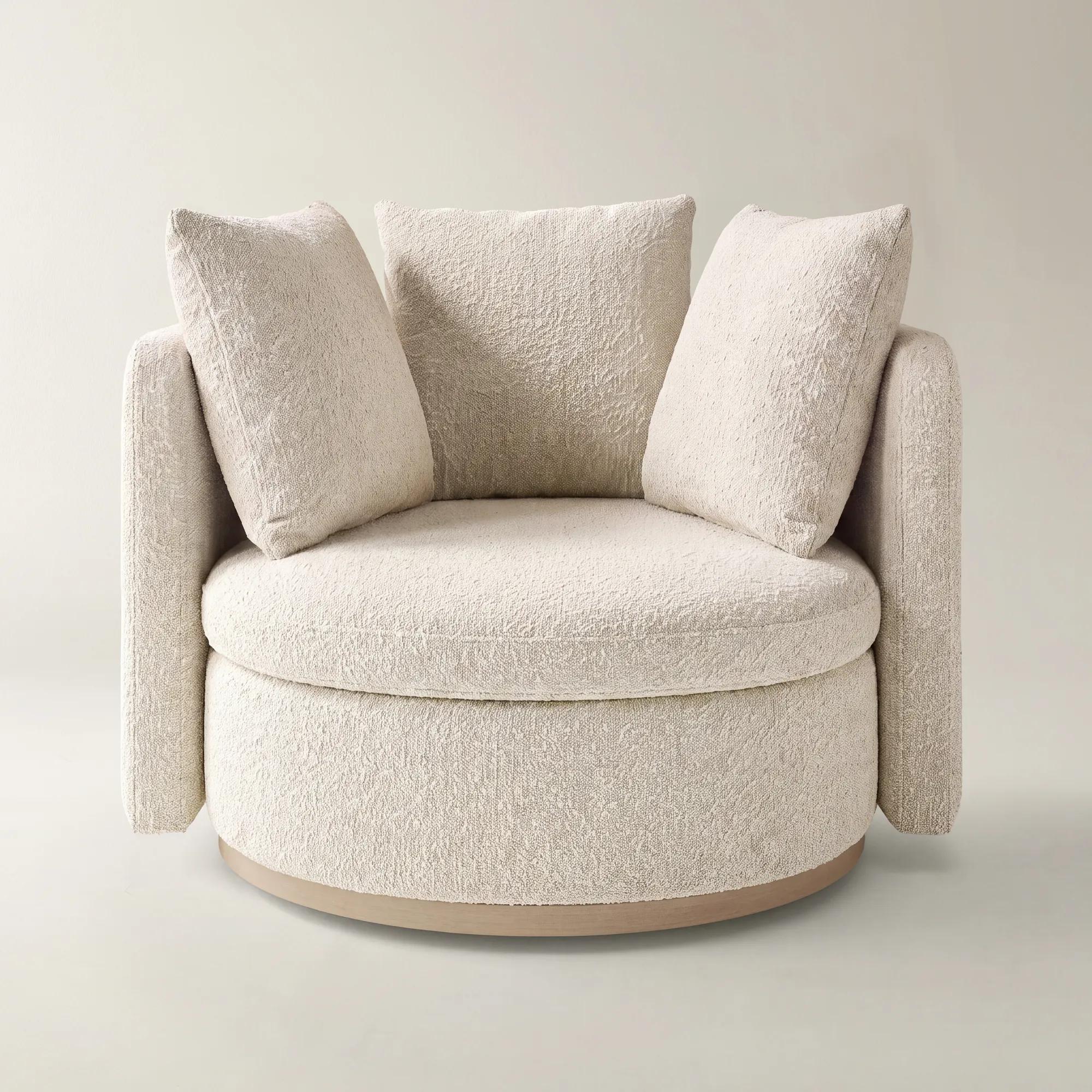
Transitional Style Accent Chairs
Transitional Style Accent Chairs
-
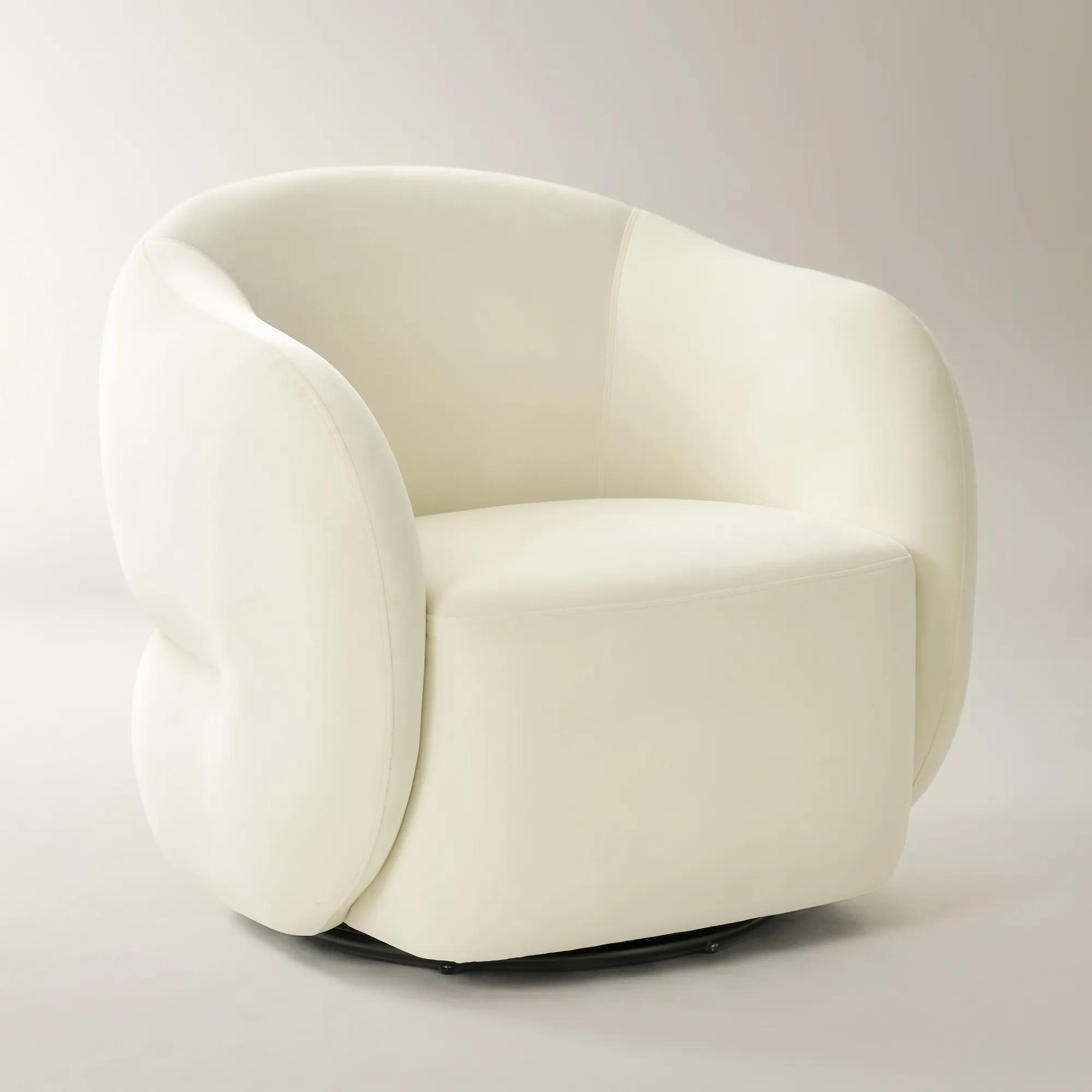
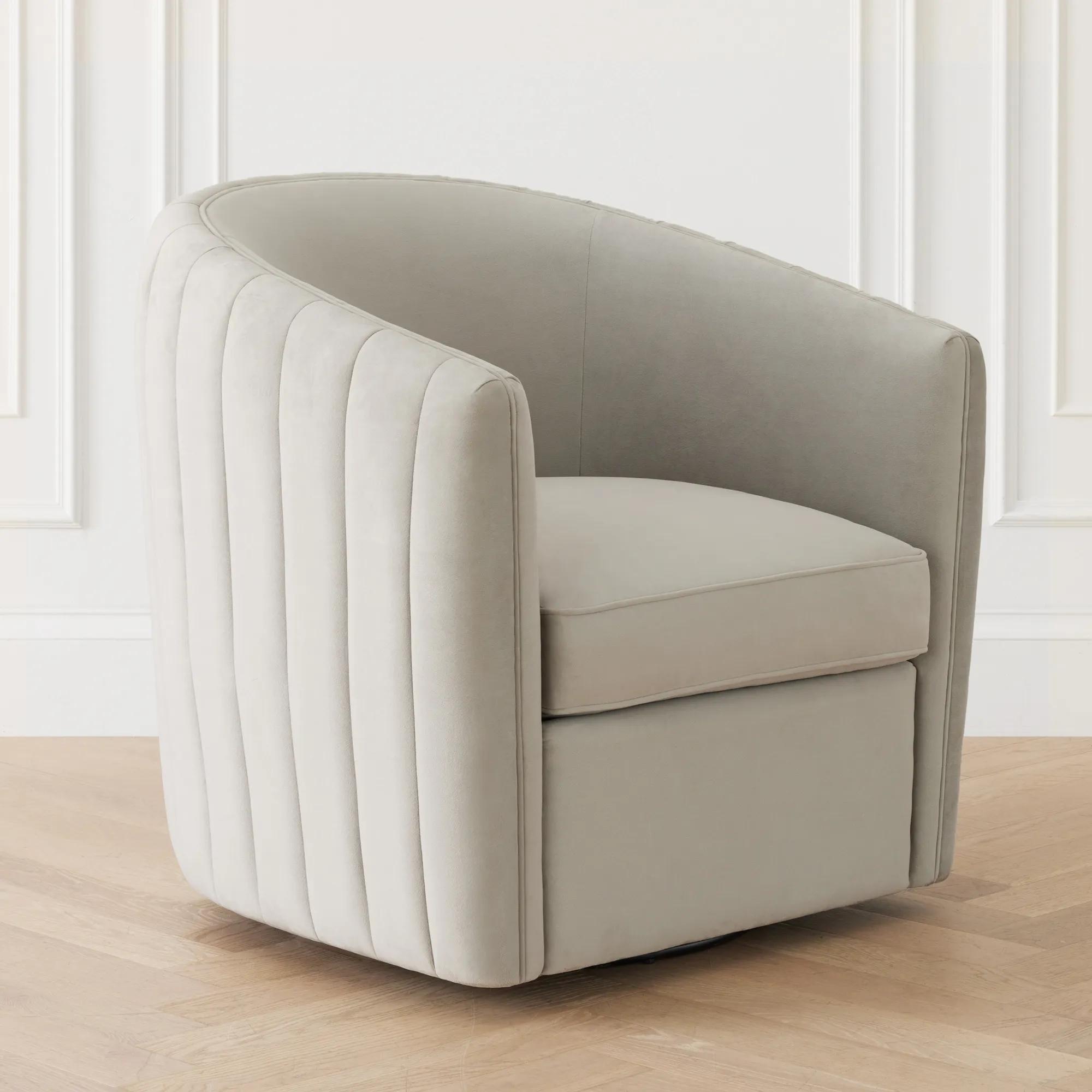
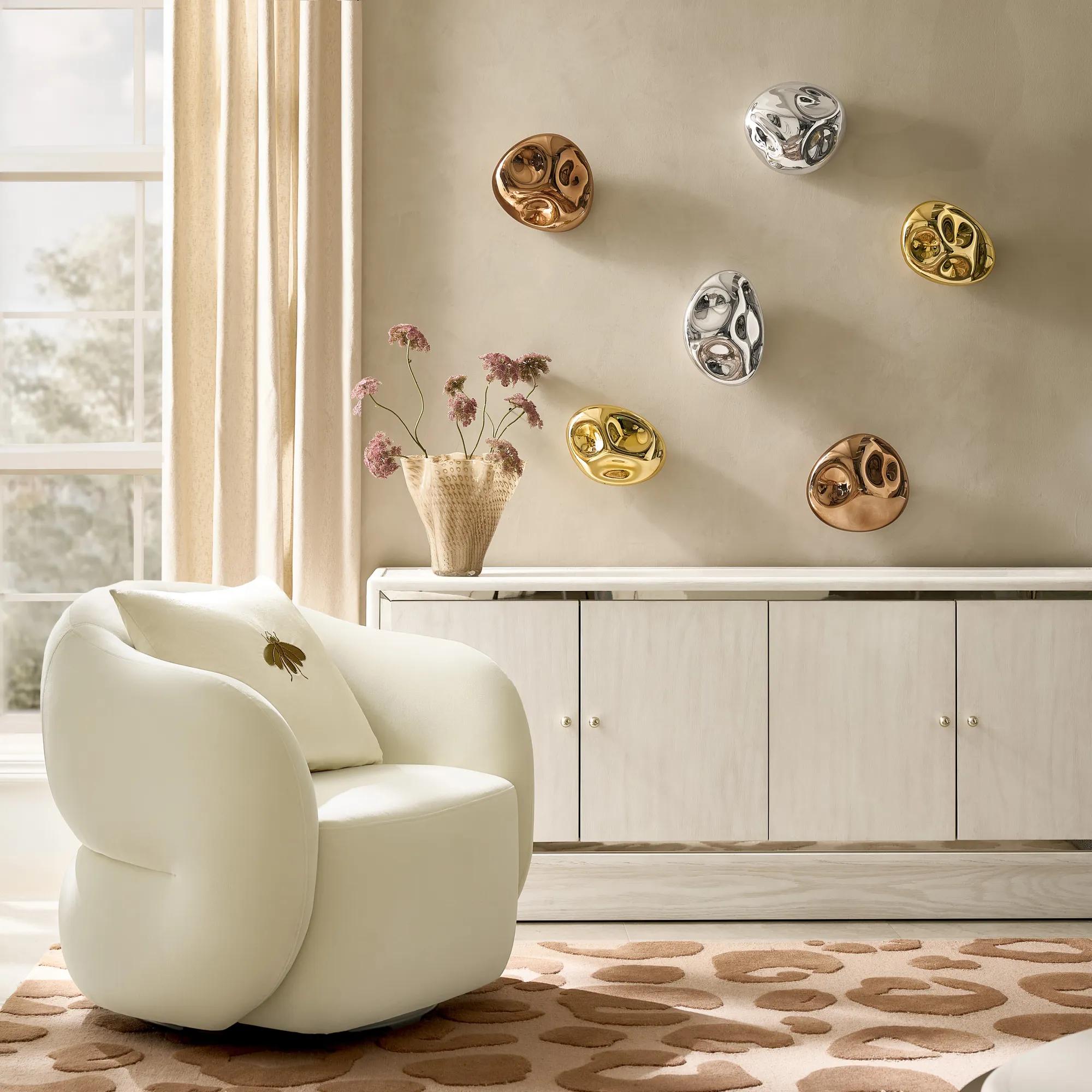 Sierra Cloud Velvet Swivel Accent Chair$899
A plush velvet accent chair featuring a wraparound back, fluid curves, and smooth 360° swivel base.
Add To Cart -
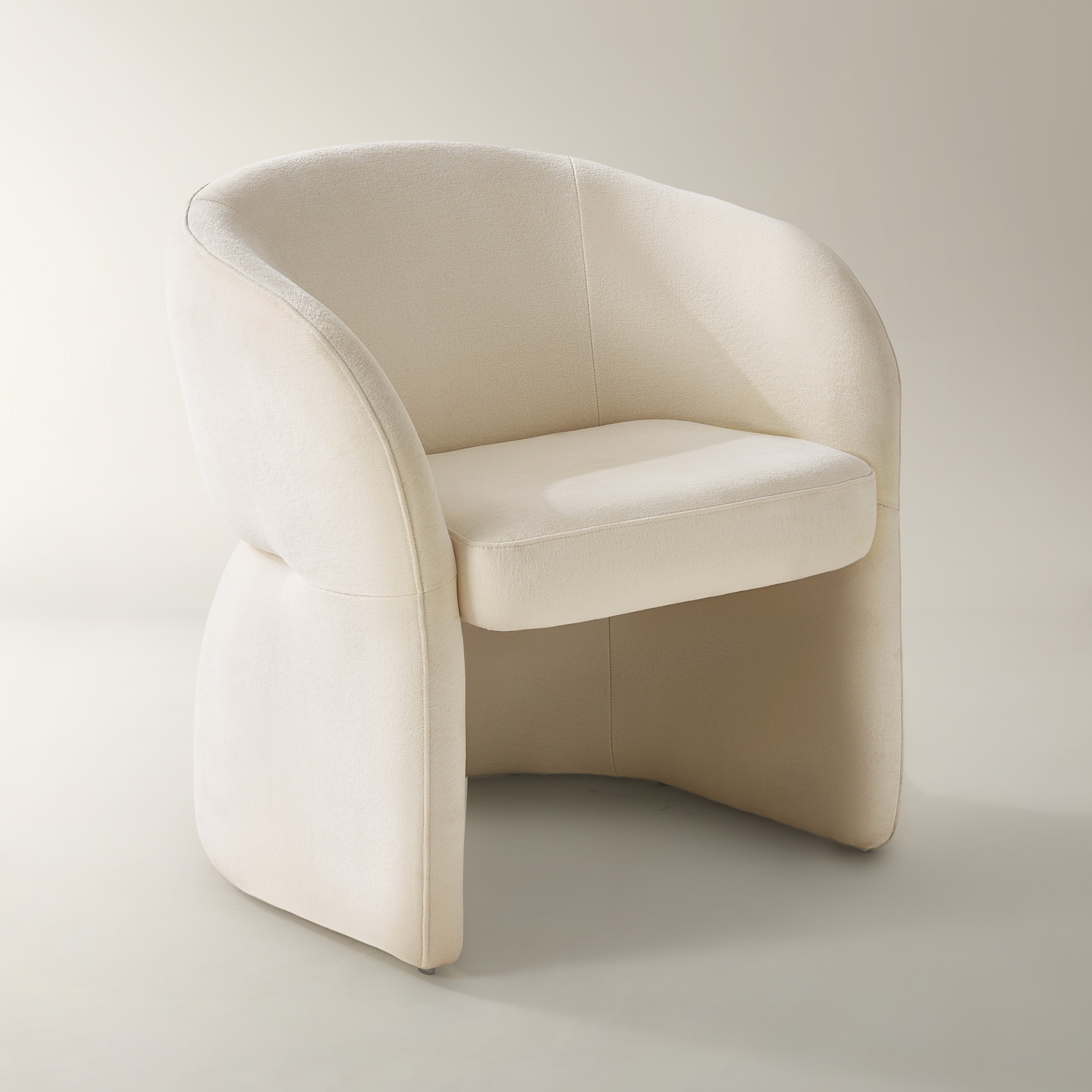
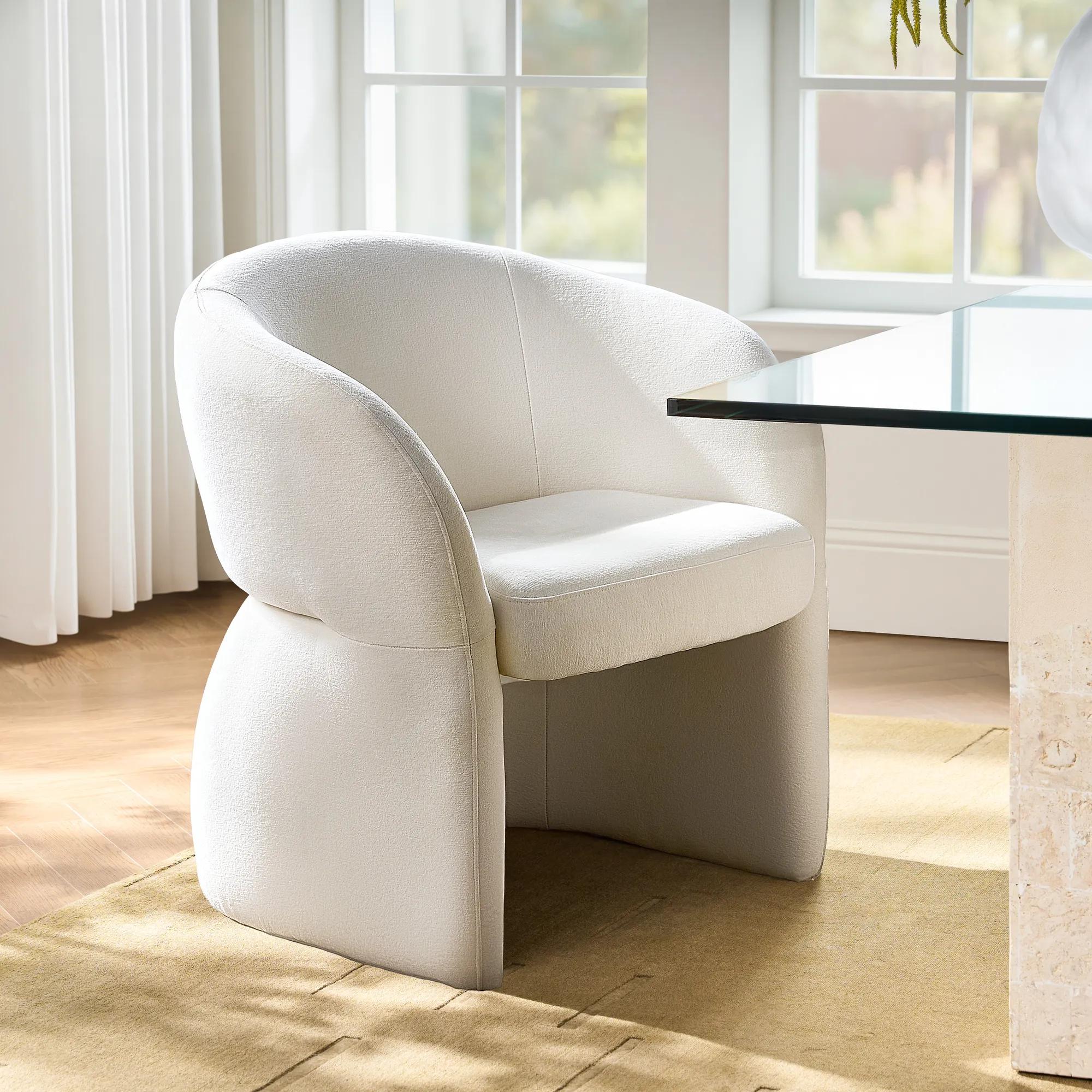 Sierra Oatmeal Velvet Dining Chair$599
An elegant accent chair in oatmeal velvet with gracefully arched arms, curved back, and plush cushioning.
Add To Cart -
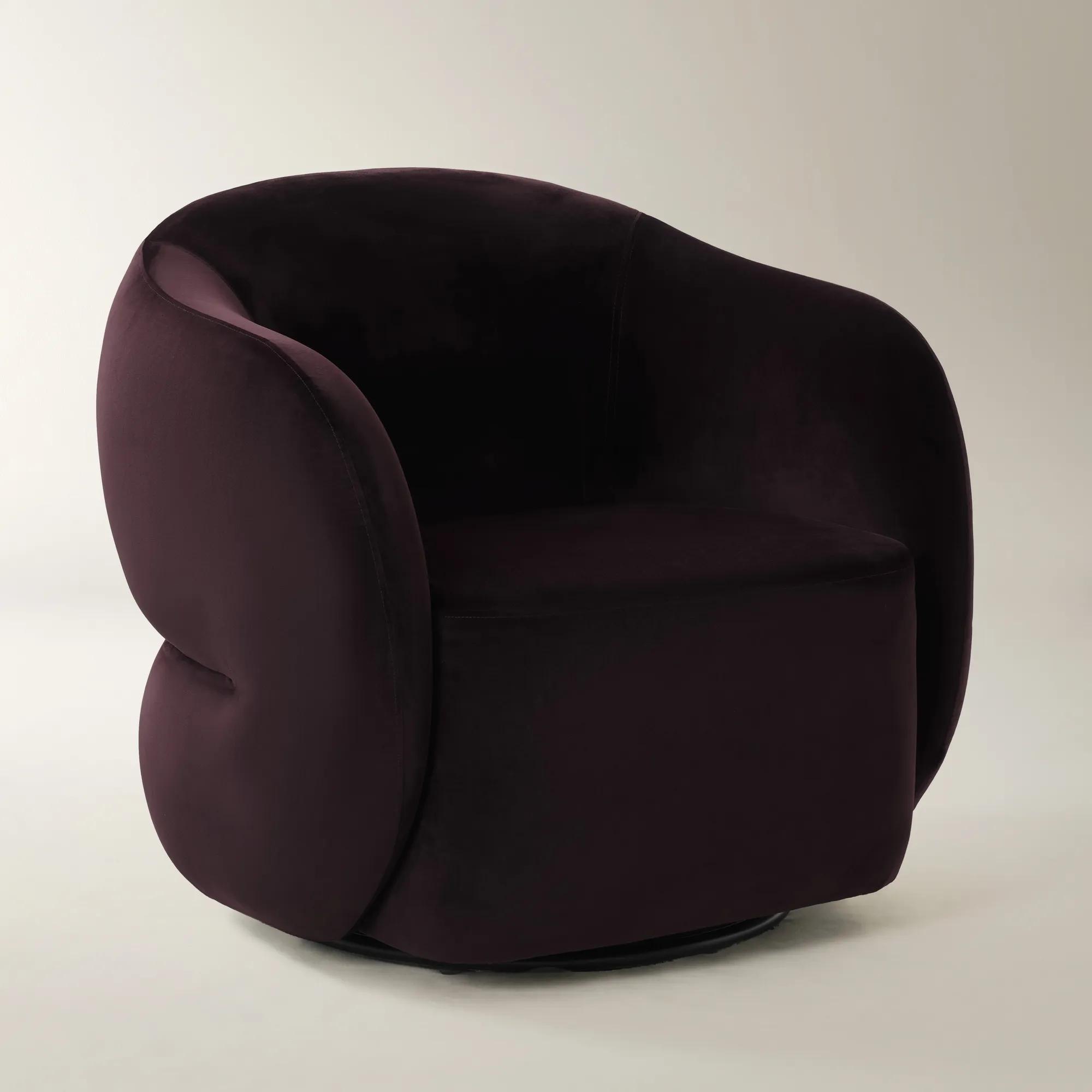 Sierra Fig Velvet Swivel Accent Chair$899
A modern accent chair in plush fig velvet with a wraparound back and smooth 360° swivel base.
Add To Cart -
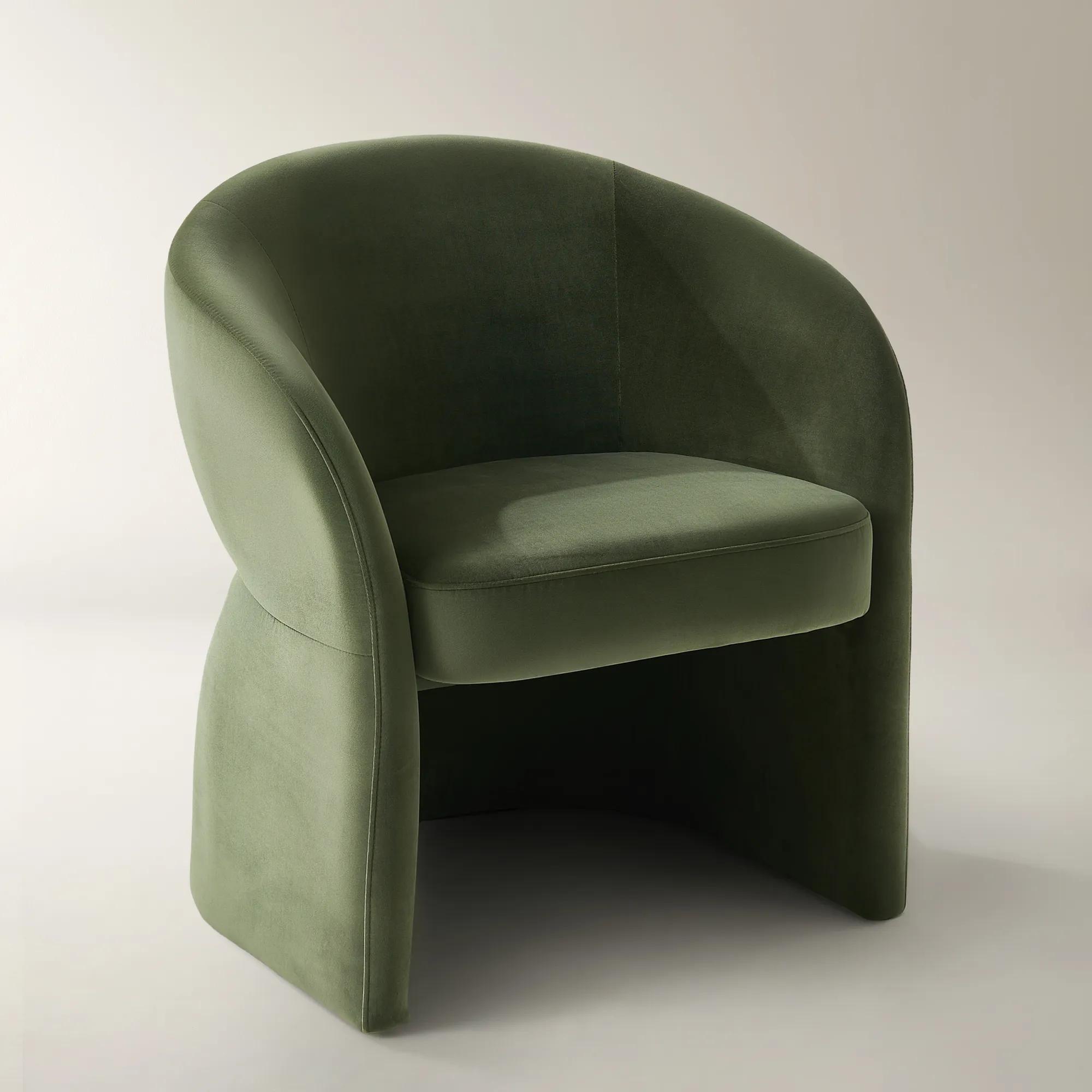
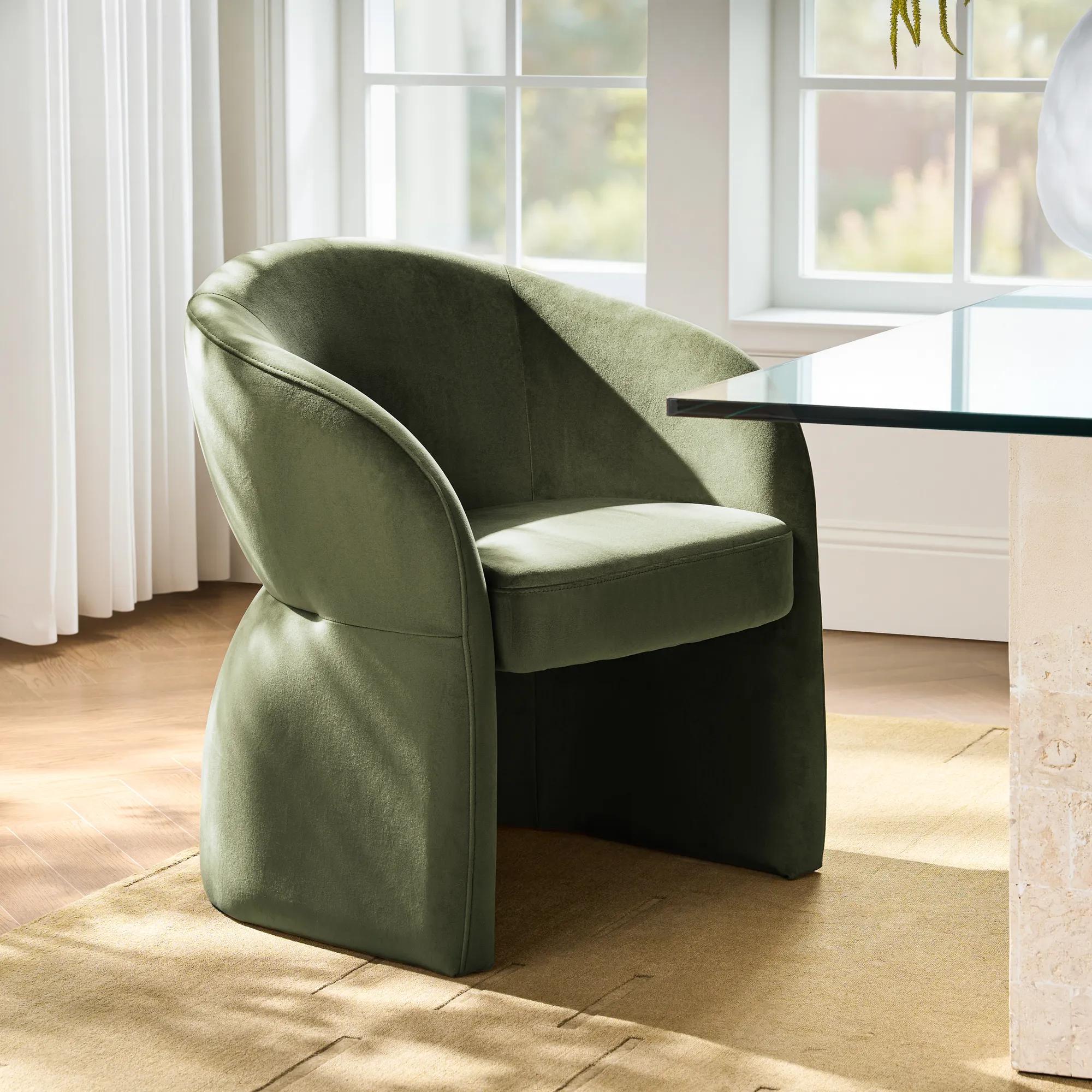 Sierra Jade Green Velvet Dining Chair$599
A sculptural accent chair in jade green velvet with gracefully arched arms and plush, supportive cushioning.
Add To Cart -
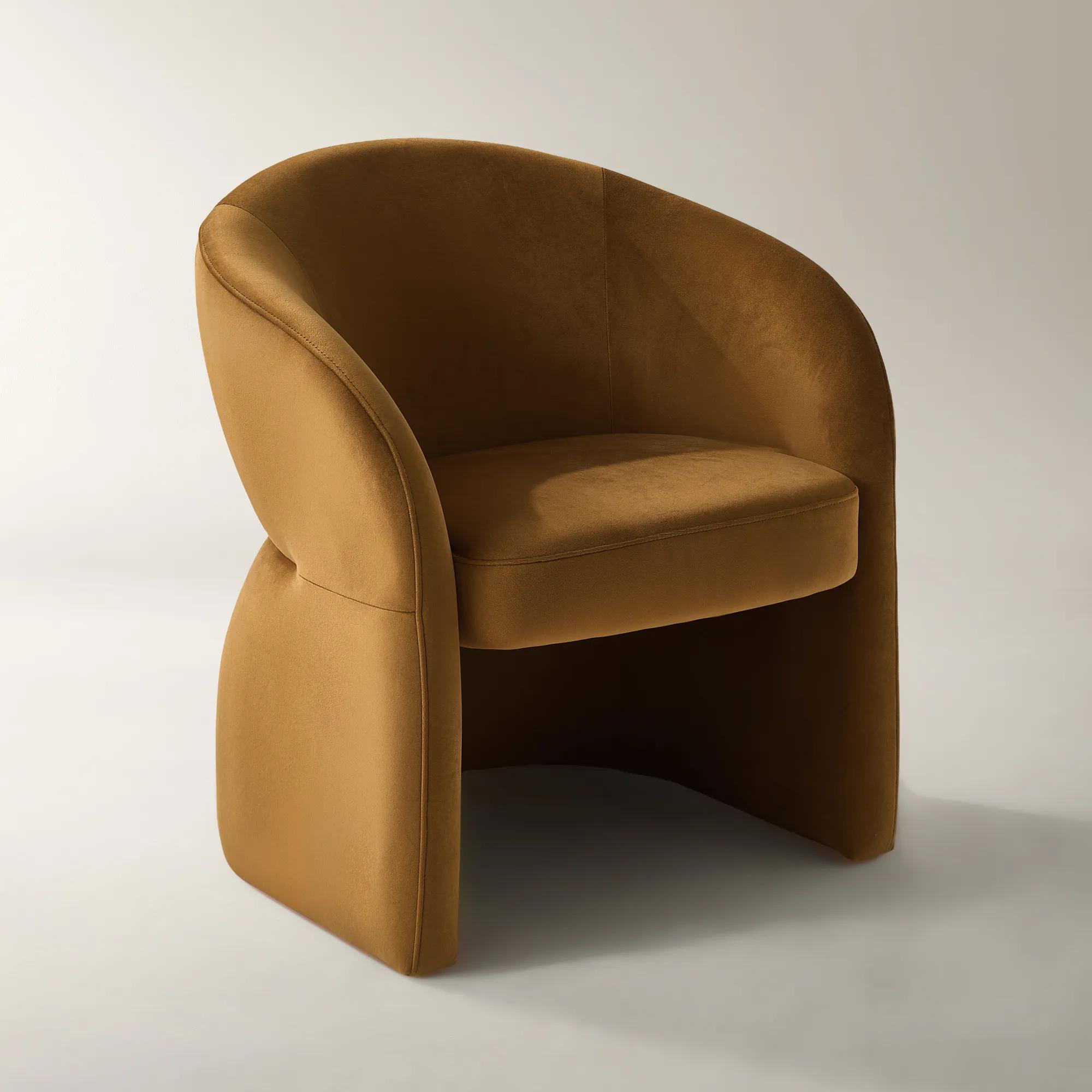
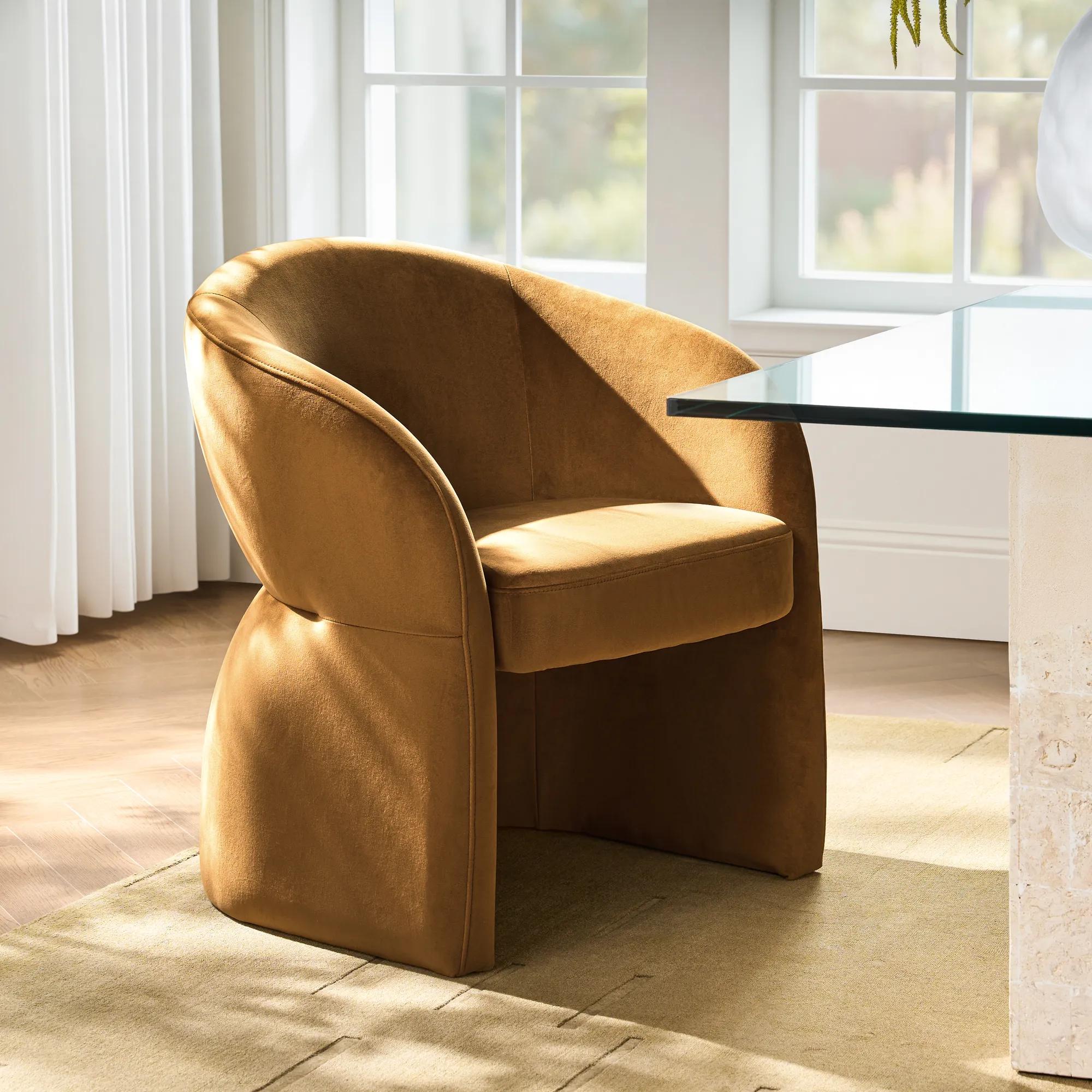 Sierra Roasted Pecan Velvet Dining Chair$599
A sculptural accent chair in roasted pecan velvet with arched arms, curved back, and plush cushioning.
Add To Cart -
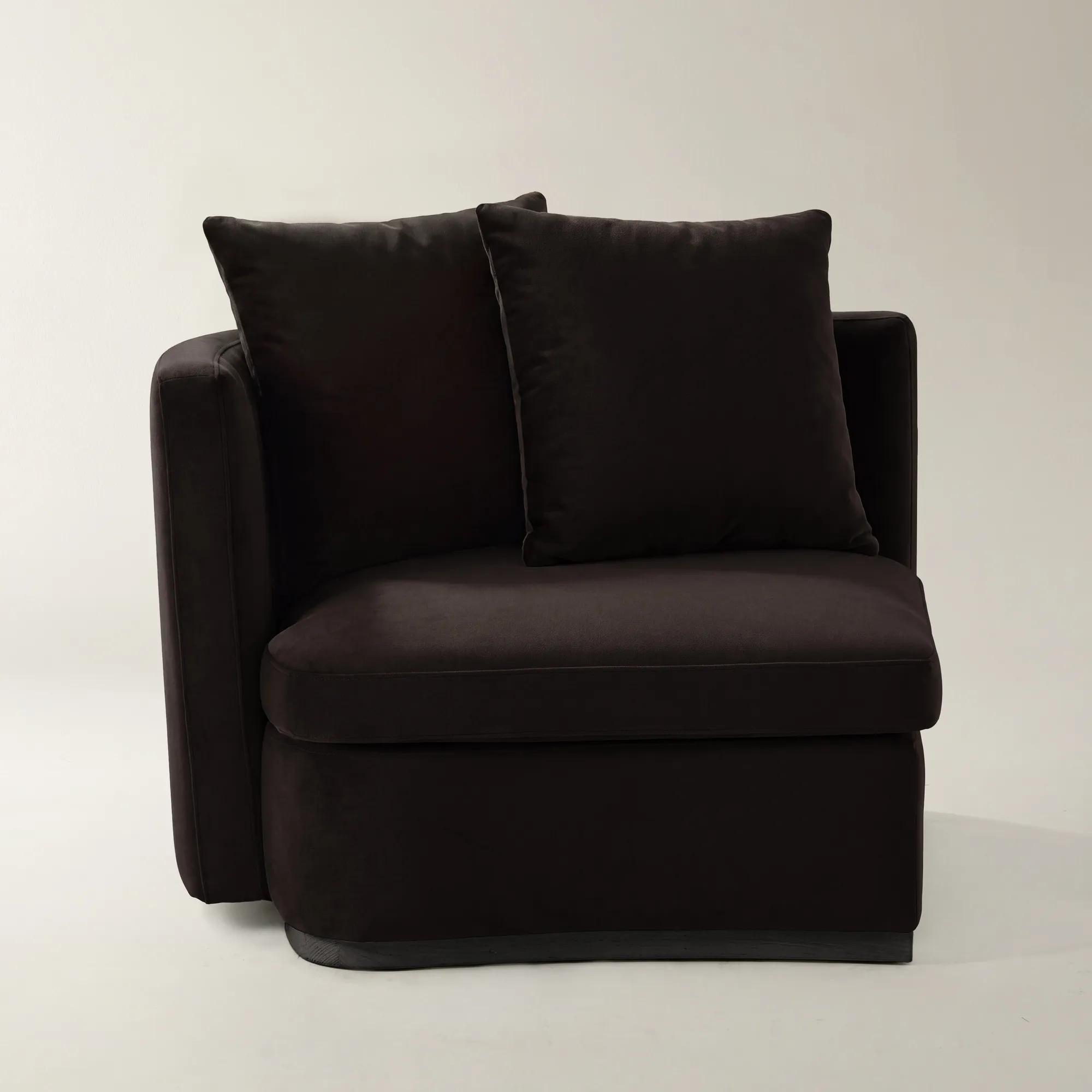 Stria Dark Chocolate Velvet Left-Arm Chair$1199
A sculptural dark chocolate velvet chair with curved silhouette, layered down-blend cushioning, and kiln-dried wood construction.
Add To Cart -
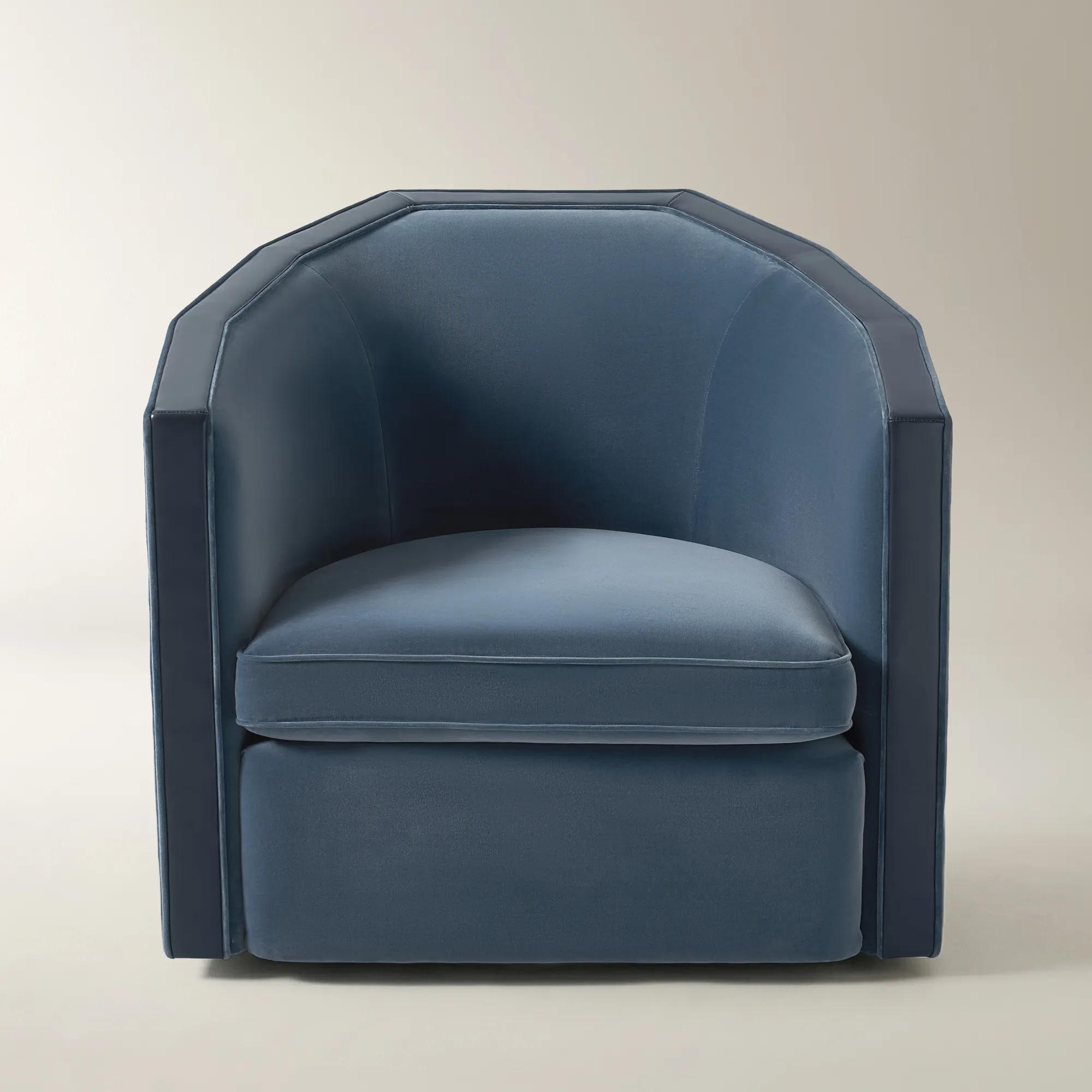 Vesper Dusty Blue Velvet With Leather Swivel Accent Chair$999
A modern accent chair in dusty blue velvet with tonal leather trim and a smooth 360-degree swivel base.
Add To Cart -
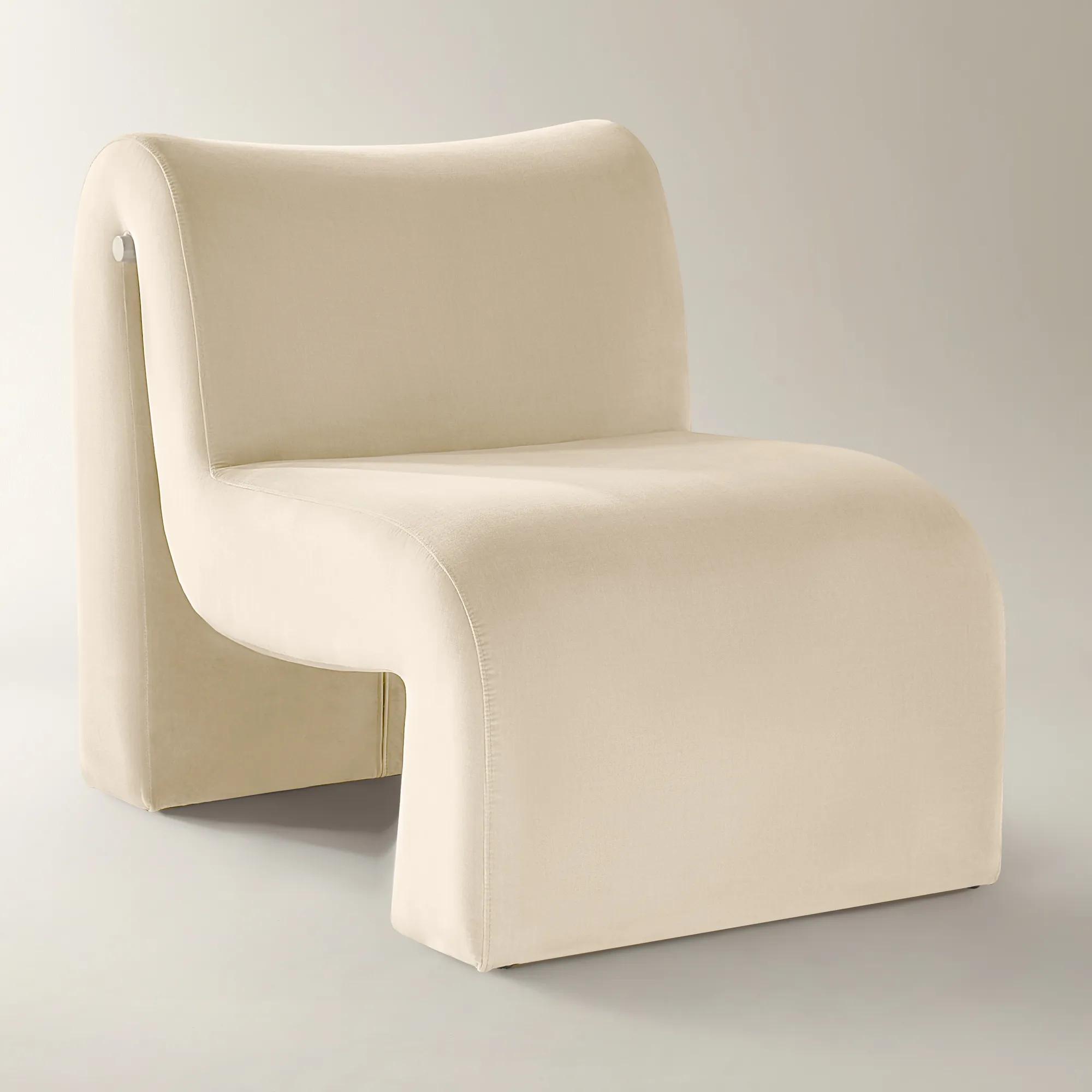 Cora Ivory Velvet Accent Chair$899
A sculpted ivory velvet chair featuring a continuous curved silhouette and a gold stainless-steel accent.
Add To Cart -
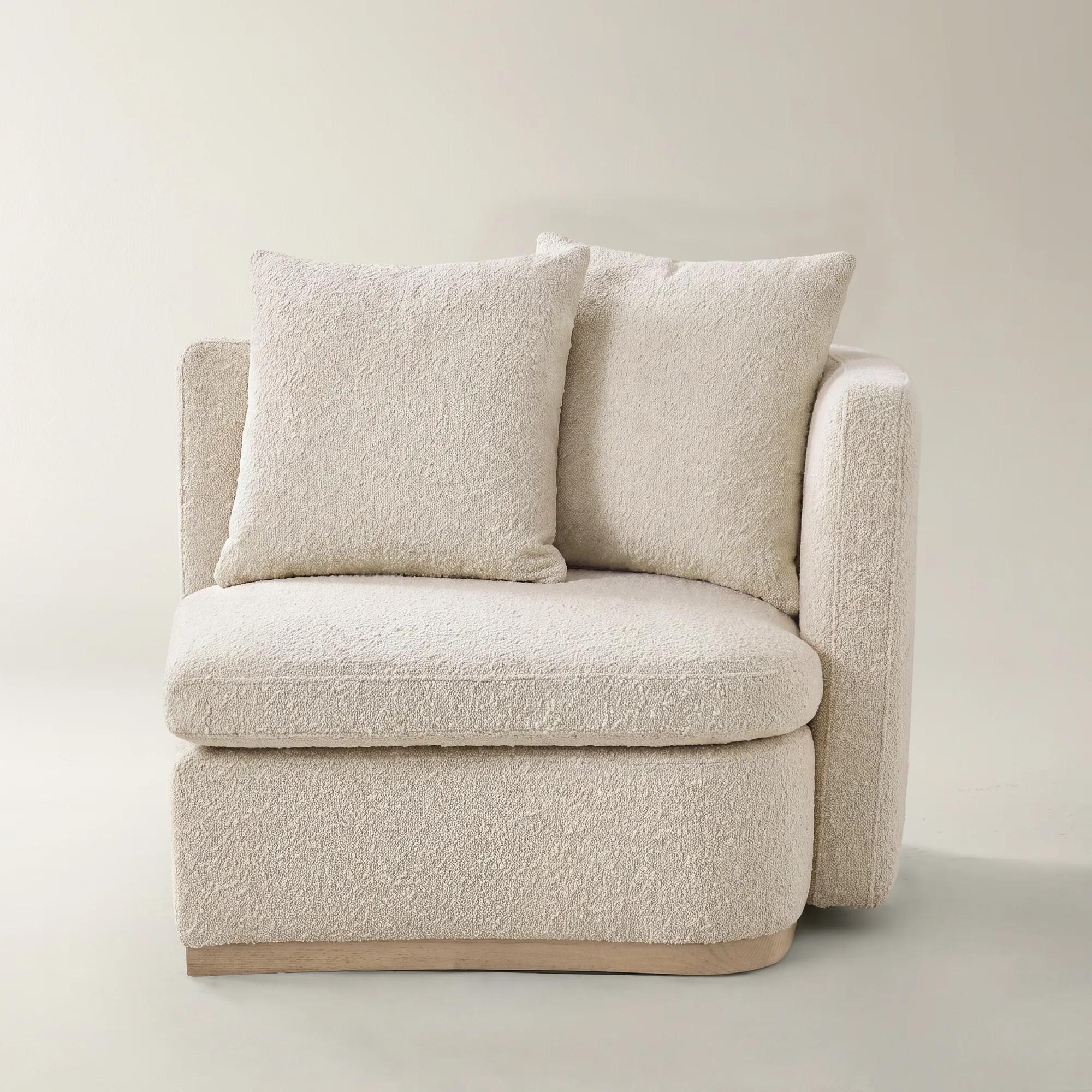 Stria Ivory Performance Boucle Right-Arm Chair$1199
An ivory performance boucle chair featuring sculptural curves, layered cushioning, and a solid oak base.
Add To Cart -
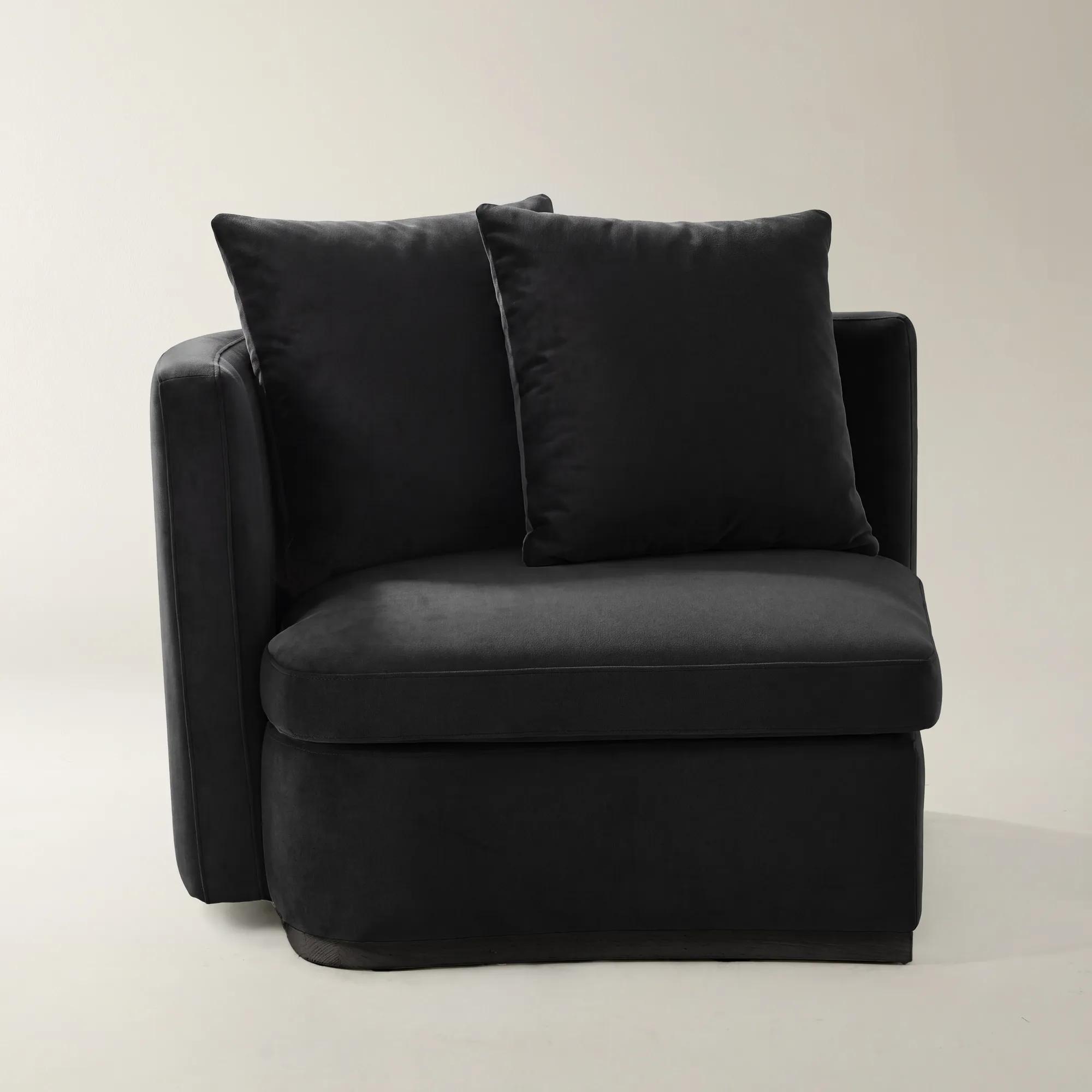 Stria Charcoal Velvet Left-Arm Chair$1199
A sculptural charcoal velvet armchair featuring layered foam-and-down cushioning, curved edges, and a kiln-dried wood frame.
Add To Cart -
 Lyssa Pleated Simply Taupe Velvet Swivel Accent Chair$1099
A taupe velvet accent chair with pleated panels, 360-degree swivel, and a soft gold metal base.
Add To Cart -
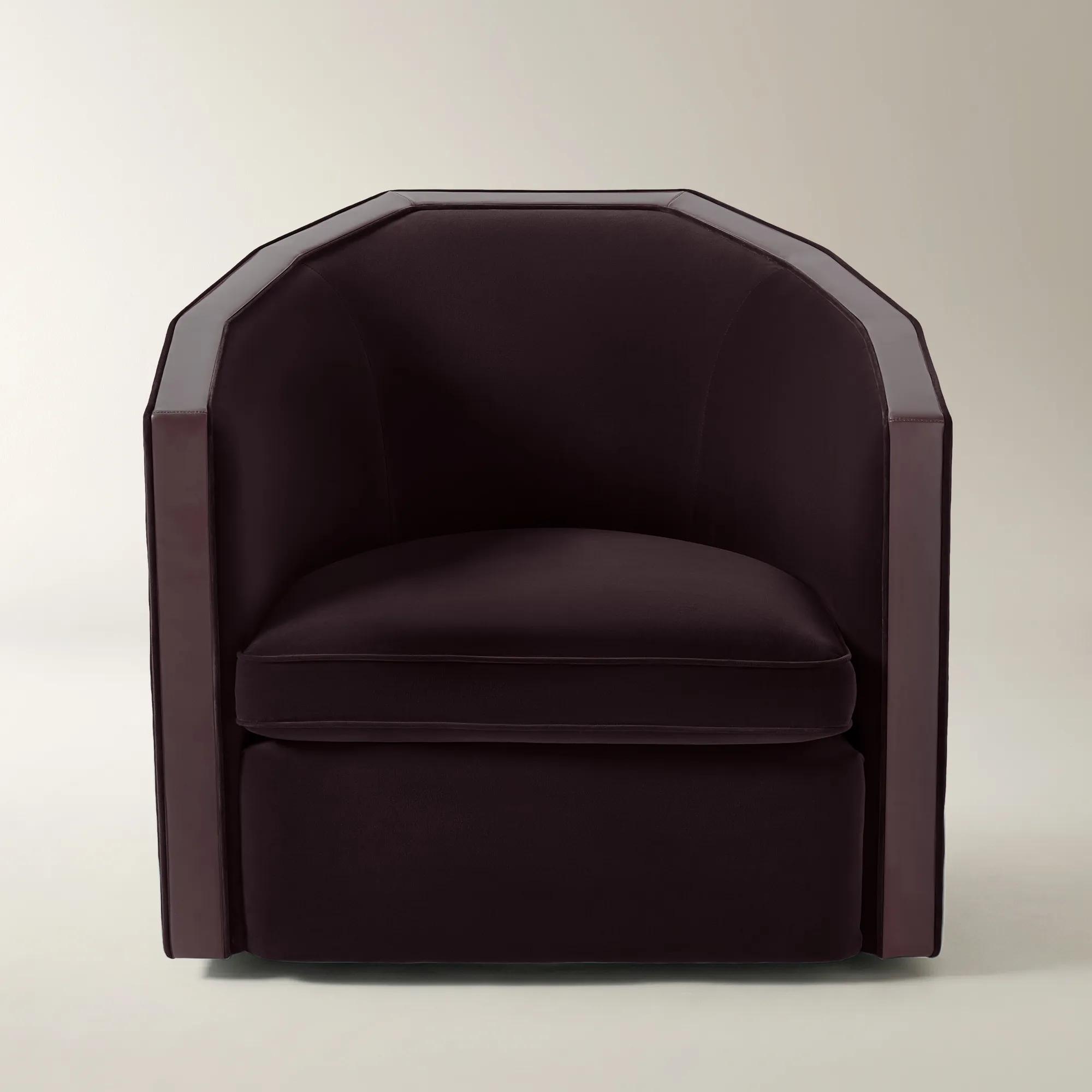
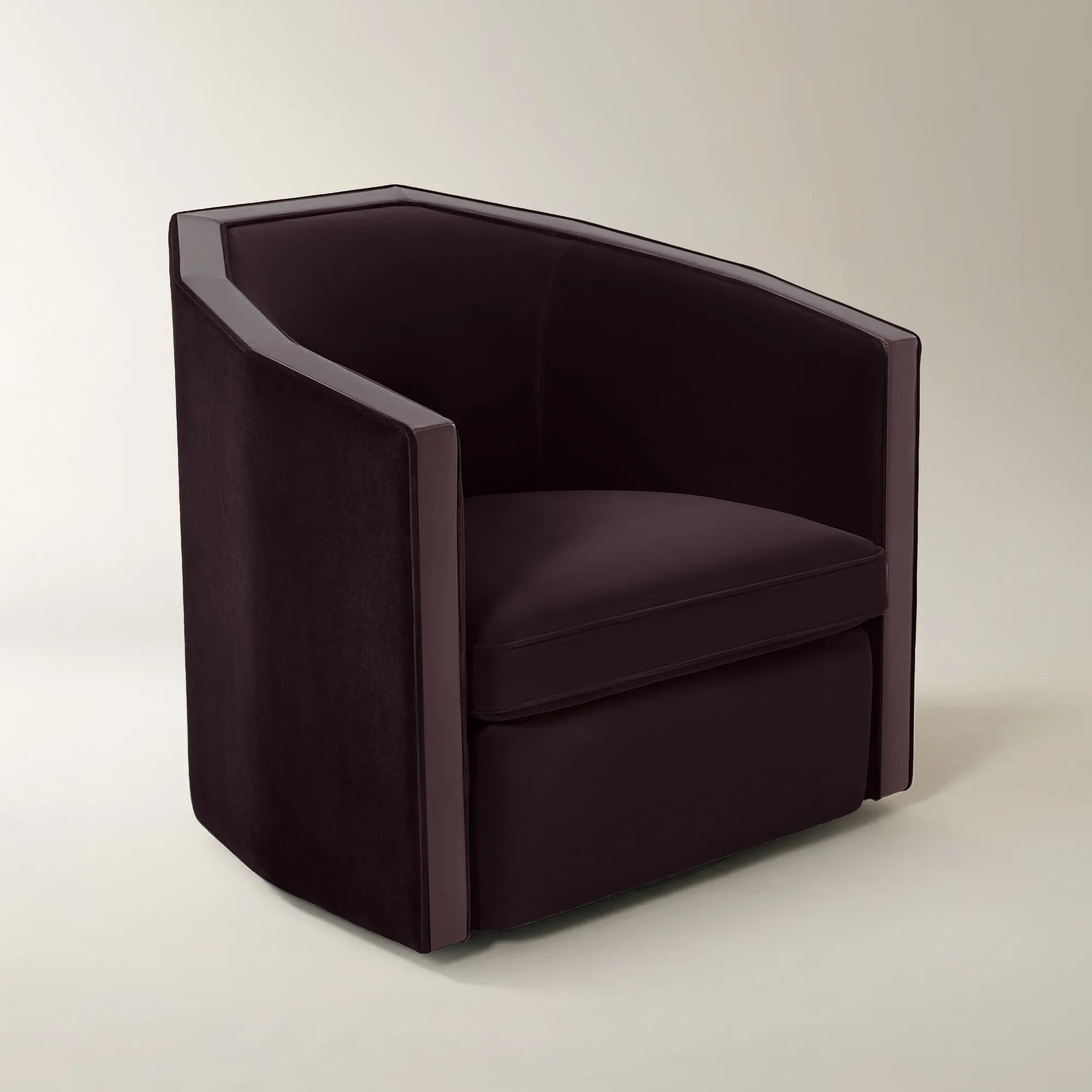 Vesper Fig Velvet With Leather Swivel Accent Chair$999
A modern accent chair featuring fig velvet upholstery, tonal leather trim, and a smooth 360° swivel base.
Add To Cart -
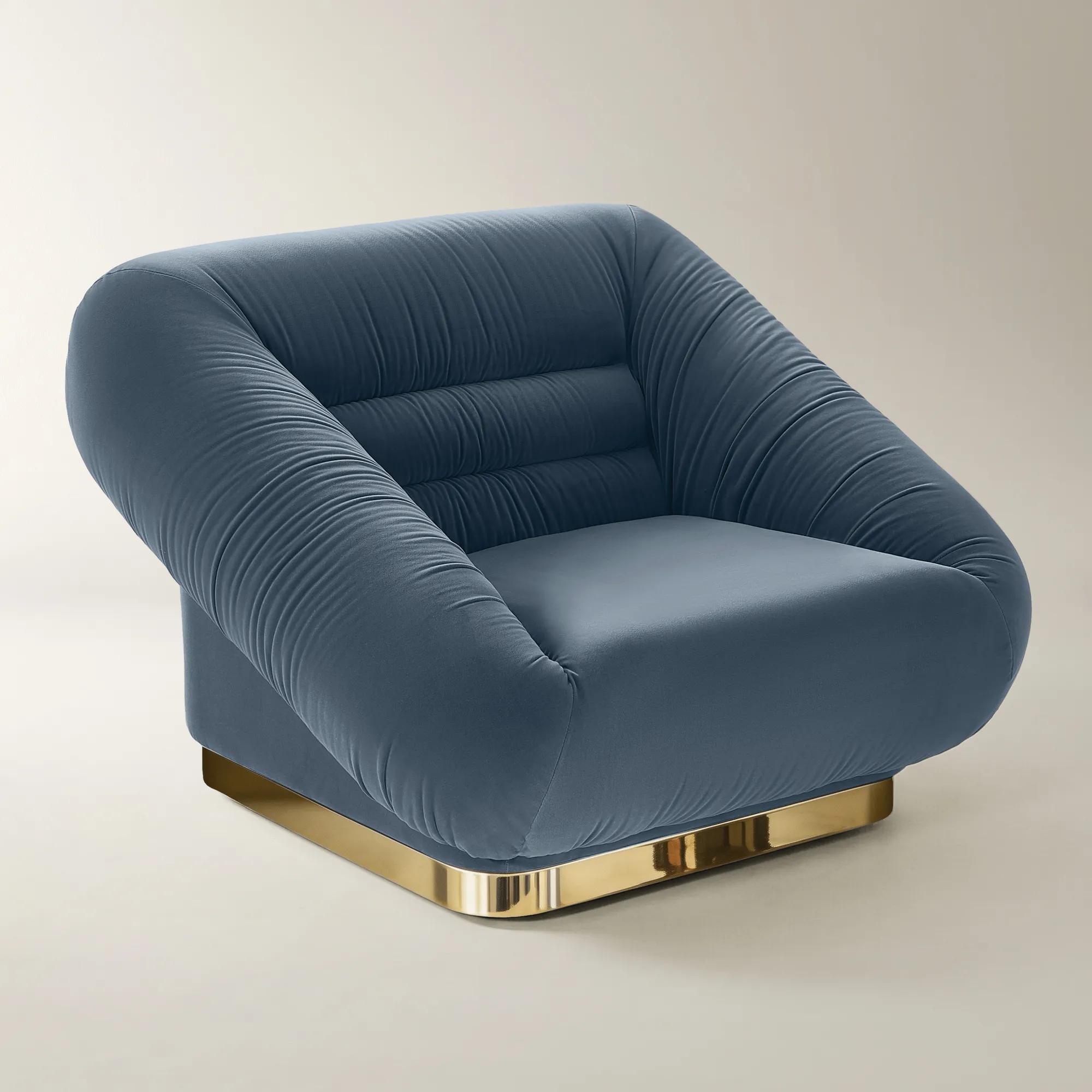 Dover Dusty Blue Velvet Swivel Accent Chair$1299
A sculptural blue velvet accent chair featuring soft gathered upholstery, gold-trimmed base, and smooth 360° swivel.
Add To Cart -
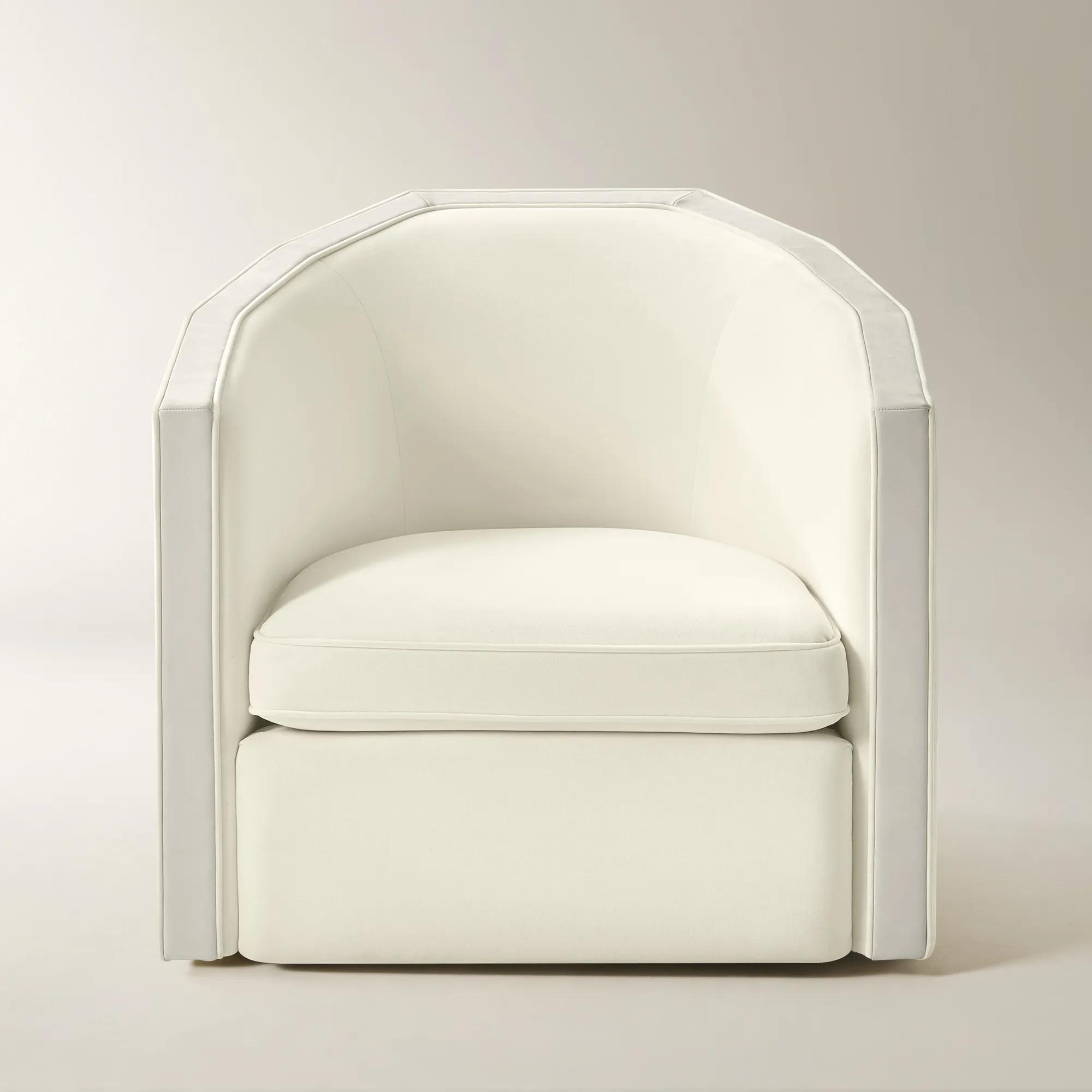 Vesper Cloud Velvet With Leather Swivel Accent Chair$999
A modern accent chair featuring cloud velvet upholstery, tonal leather trim, and a smooth 360° swivel base.
Add To Cart -
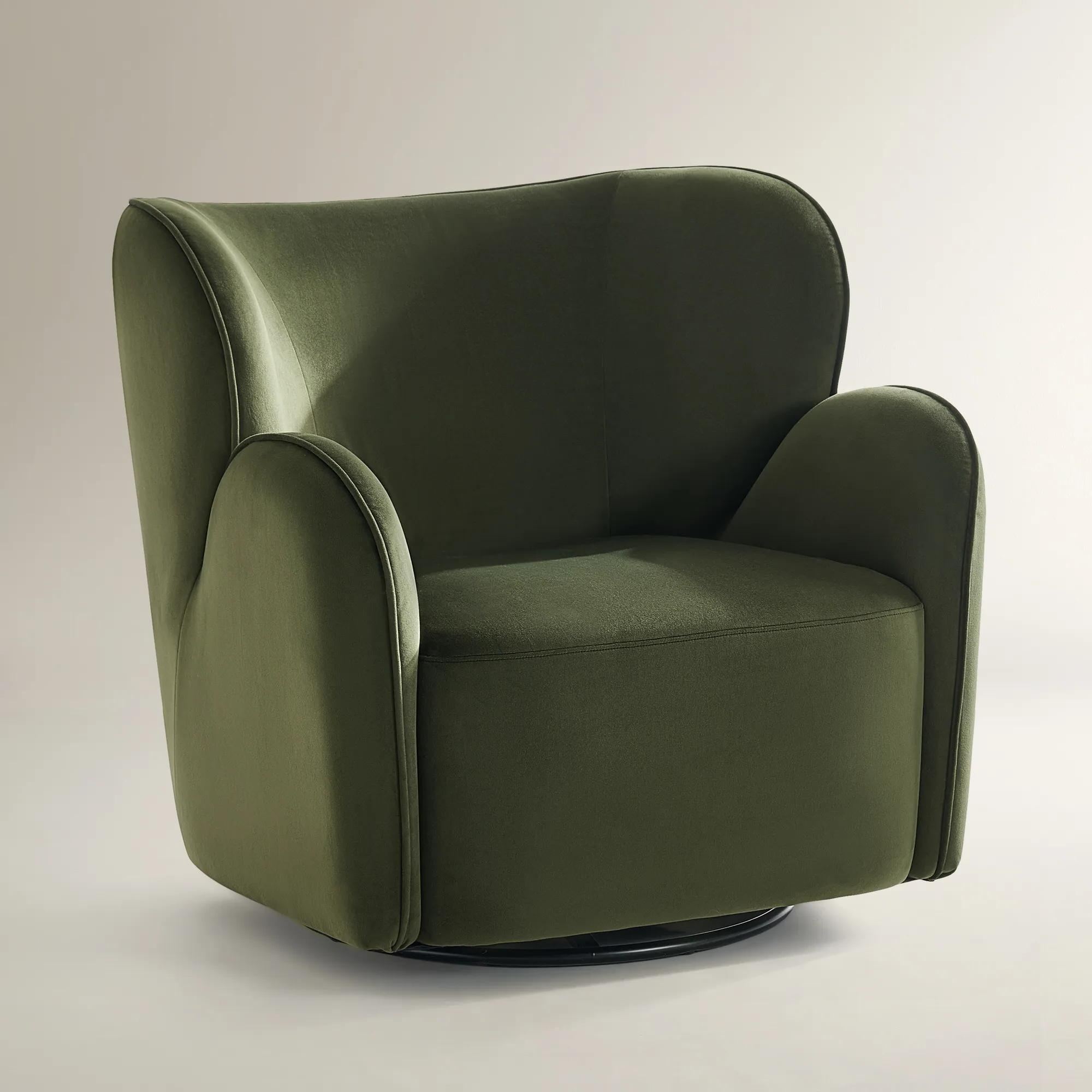
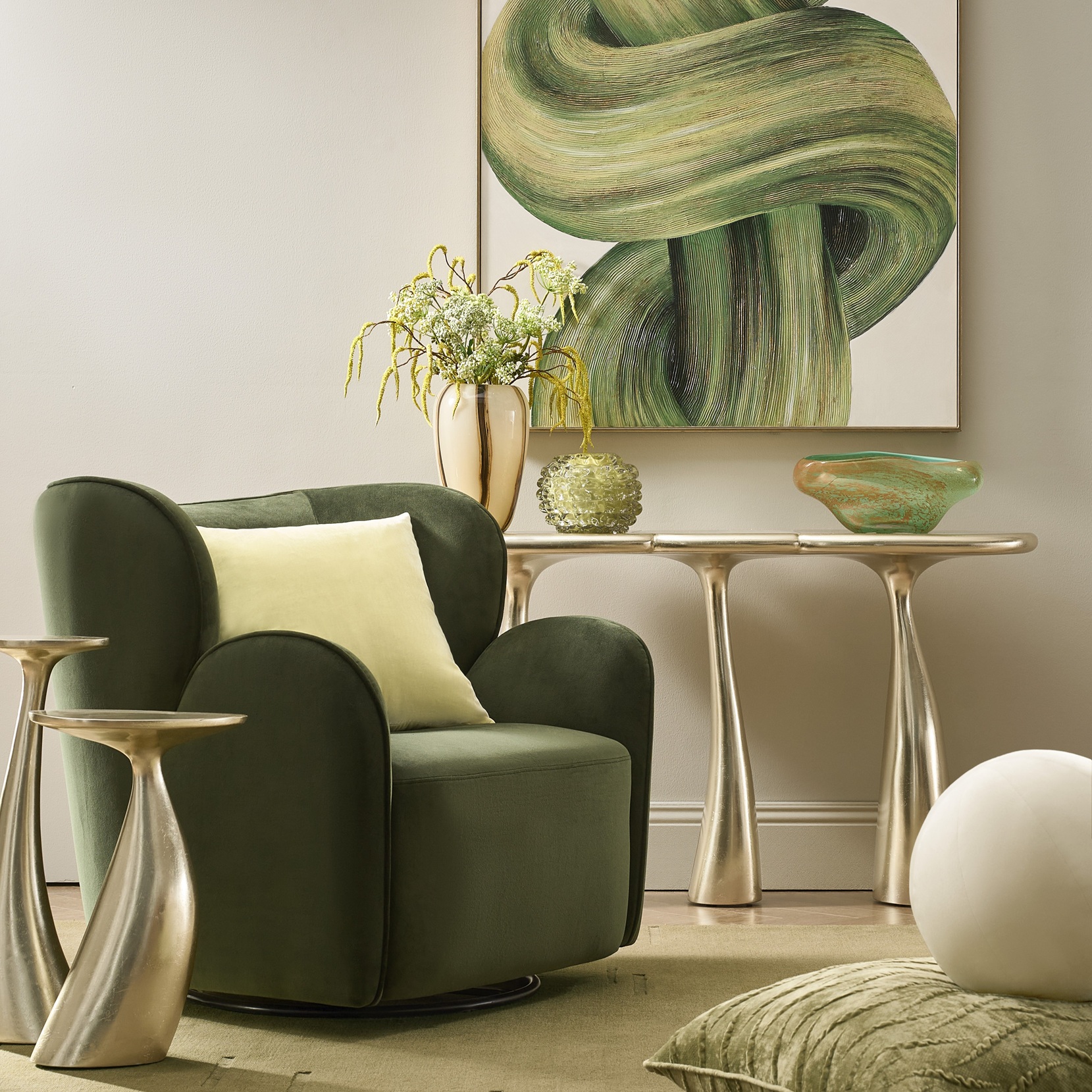 Ceres Jade Green Velvet Swivel Accent Chair$799
A plush jade green velvet chair with a curved silhouette, 360° swivel, and supportive foam cushioning.
Add To Cart -
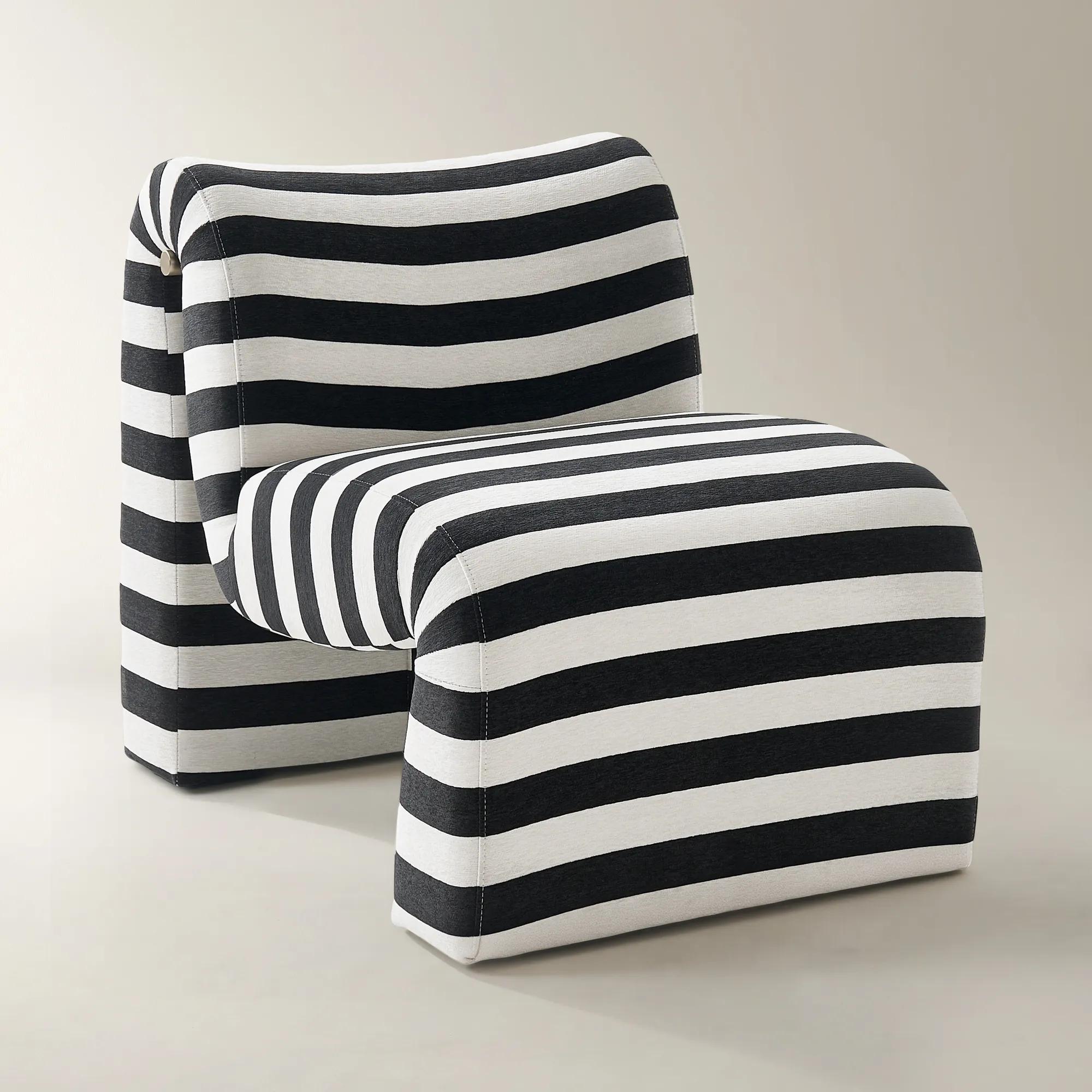 Cora Stripe Chenille Accent Chair$899
A bold black-and-white striped accent chair featuring water-repellent chenille and a gold stainless-steel inlay.
Add To Cart -
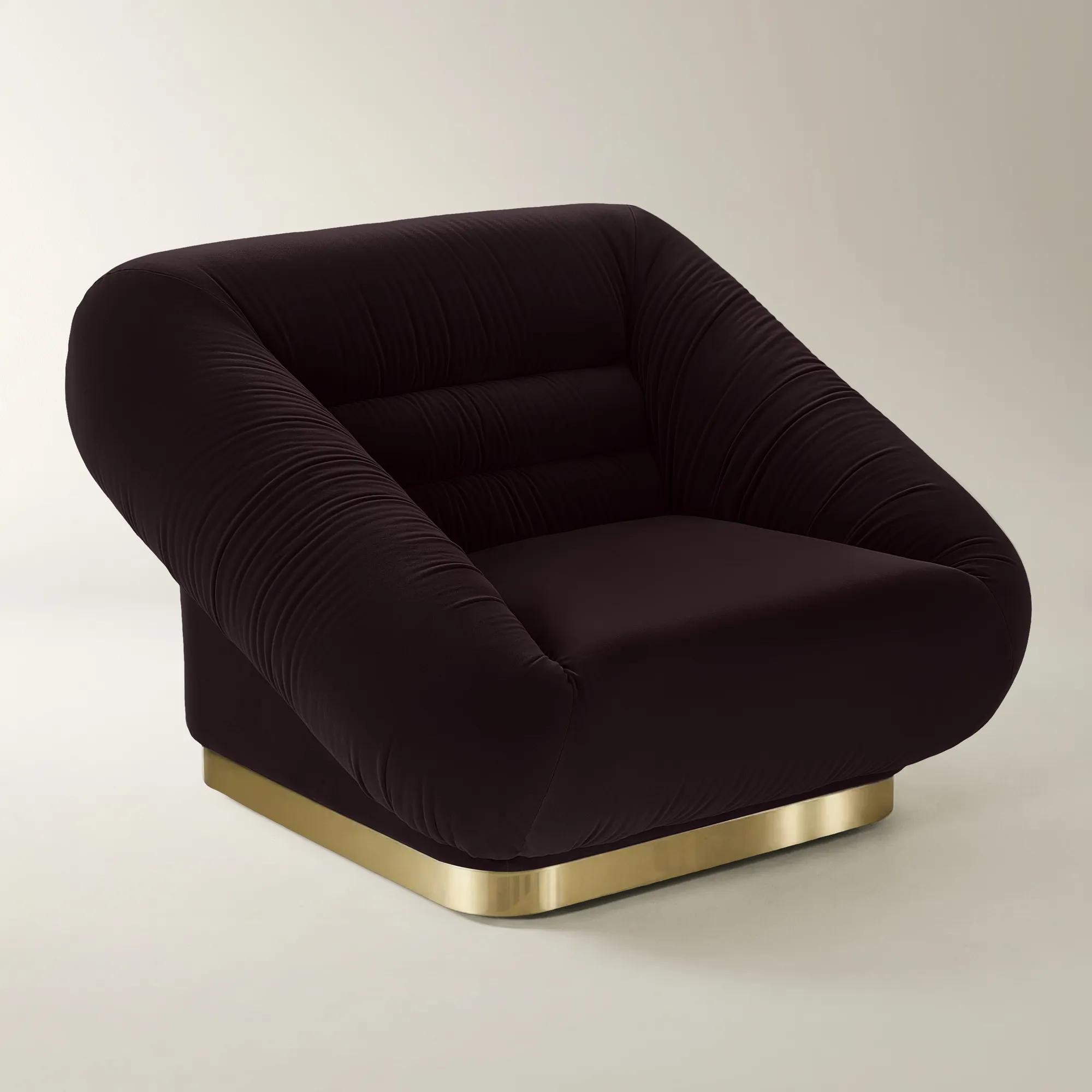 Dover Fig Velvet Swivel Accent Chair$1299
A sculptural fig velvet accent chair featuring soft gathered upholstery, gold-trimmed base, and smooth 360° swivel.
Add To Cart -
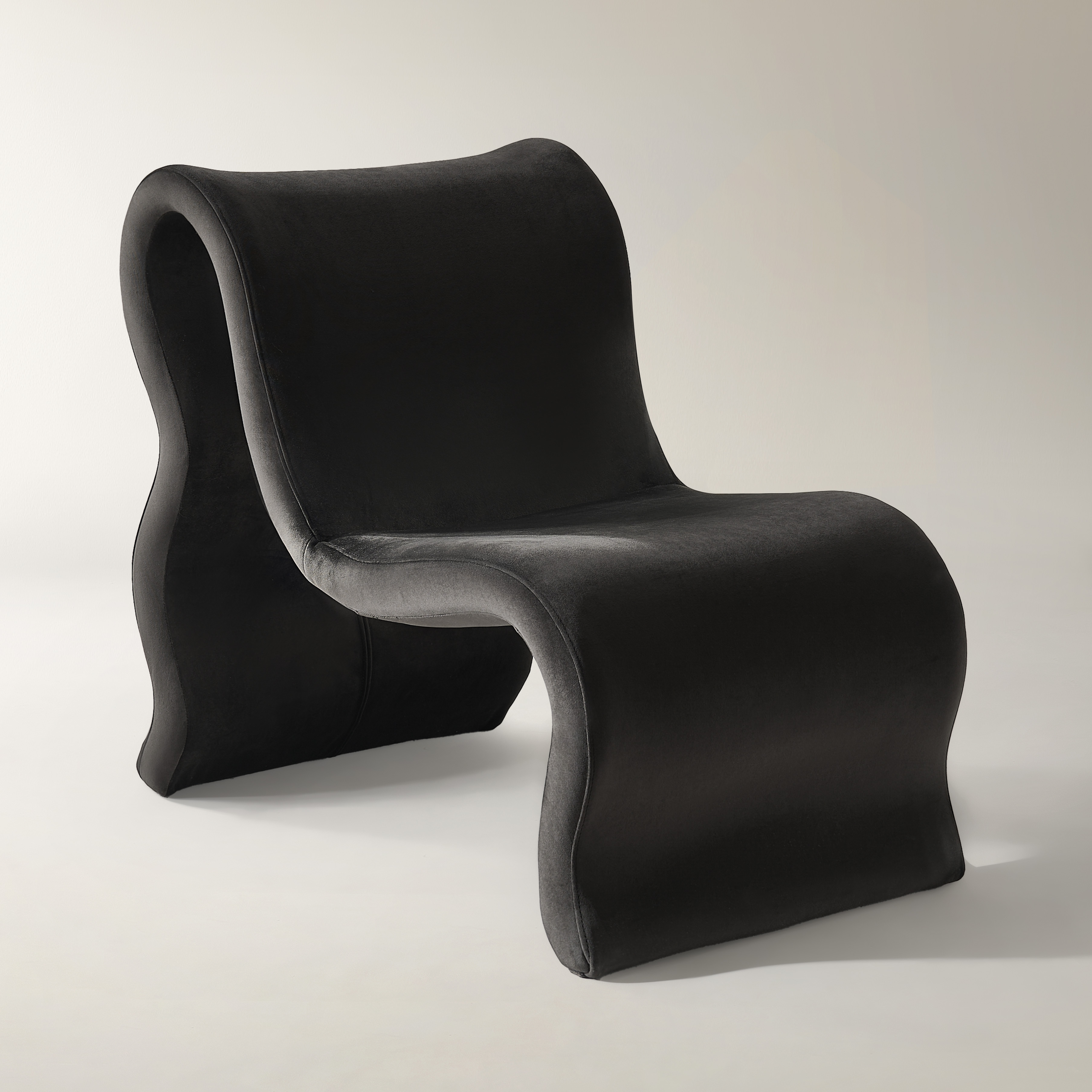 Romy Charcoal Velvet Accent Chair$999
A sculptural accent chair in charcoal velvet with a wave-like silhouette and full foam construction.
Add To Cart -
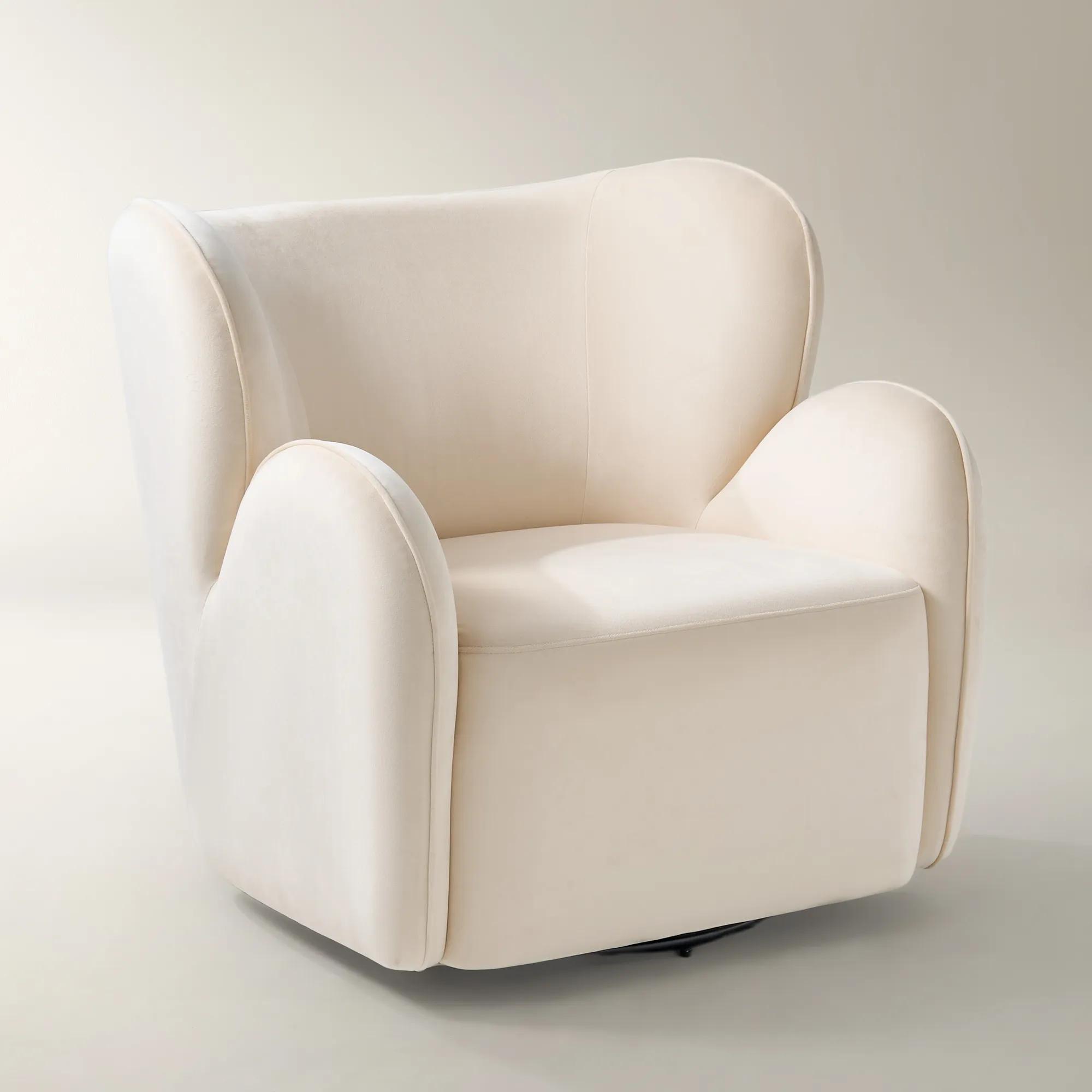
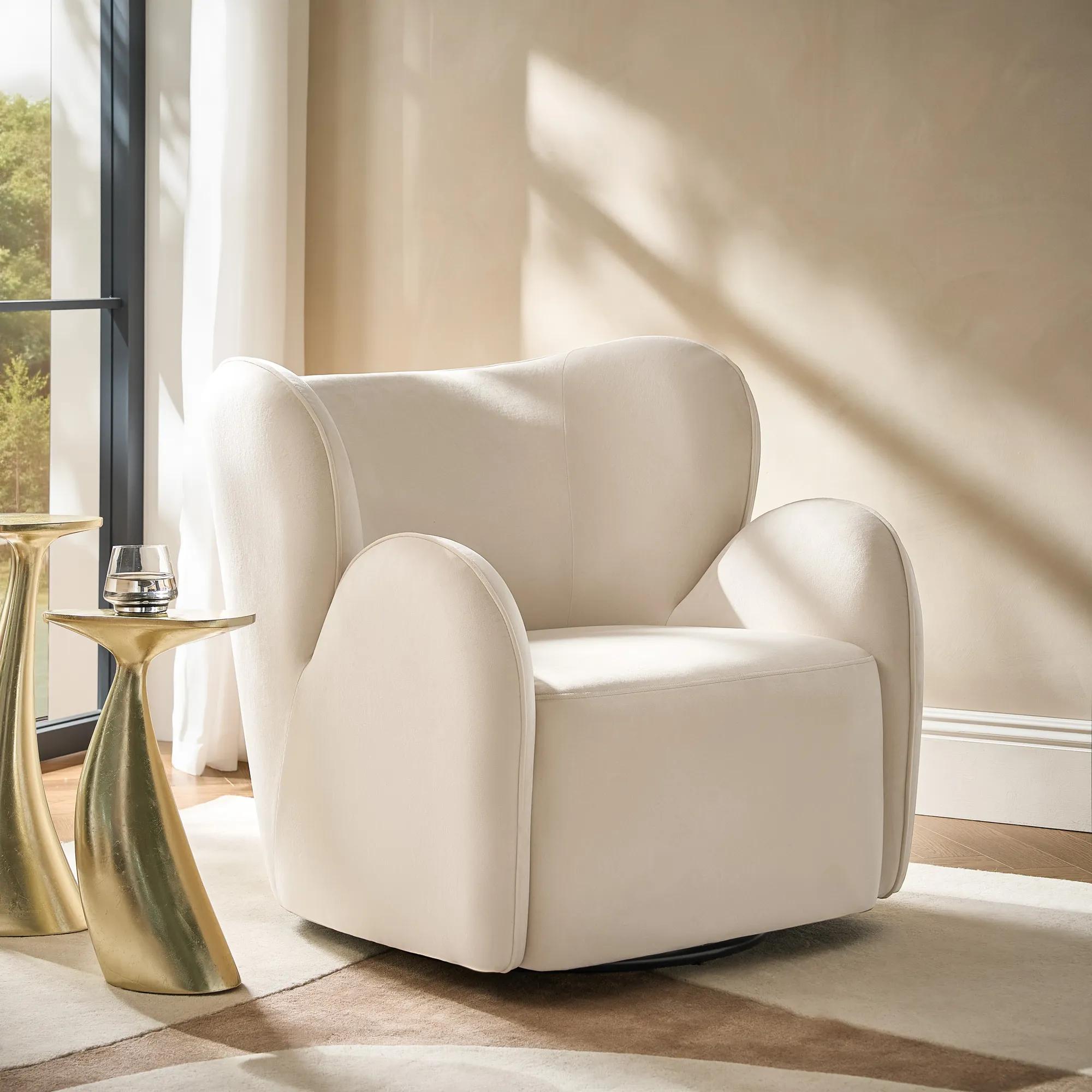 Ceres Ivory Velvet Swivel Accent Chair$799
An ivory velvet accent chair featuring a curved silhouette, 360° swivel, and plush, supportive cushioning.
Add To Cart -
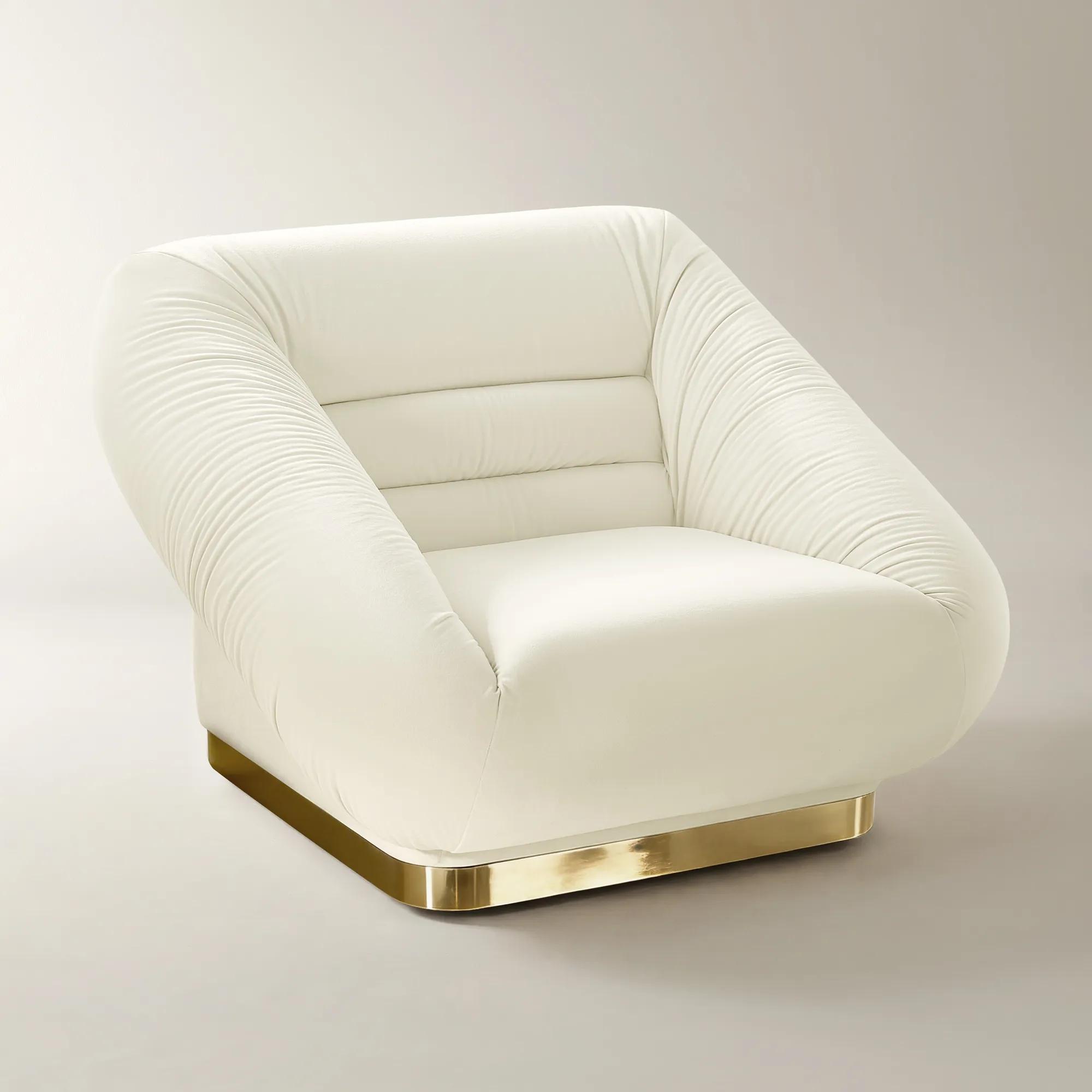 Dover Cloud Velvet Swivel Accent Chair$1299
A sculptural accent chair in cloud velvet with a gold-trimmed base and smooth 360° swivel function.
Add To Cart -
 Jocelyn Channel-Tufted Oatmeal Velvet Armless Chair$1399
An armless chair upholstered in oatmeal velvet with deep channel tufting and a flowing, curved silhouette.
Add To Cart -
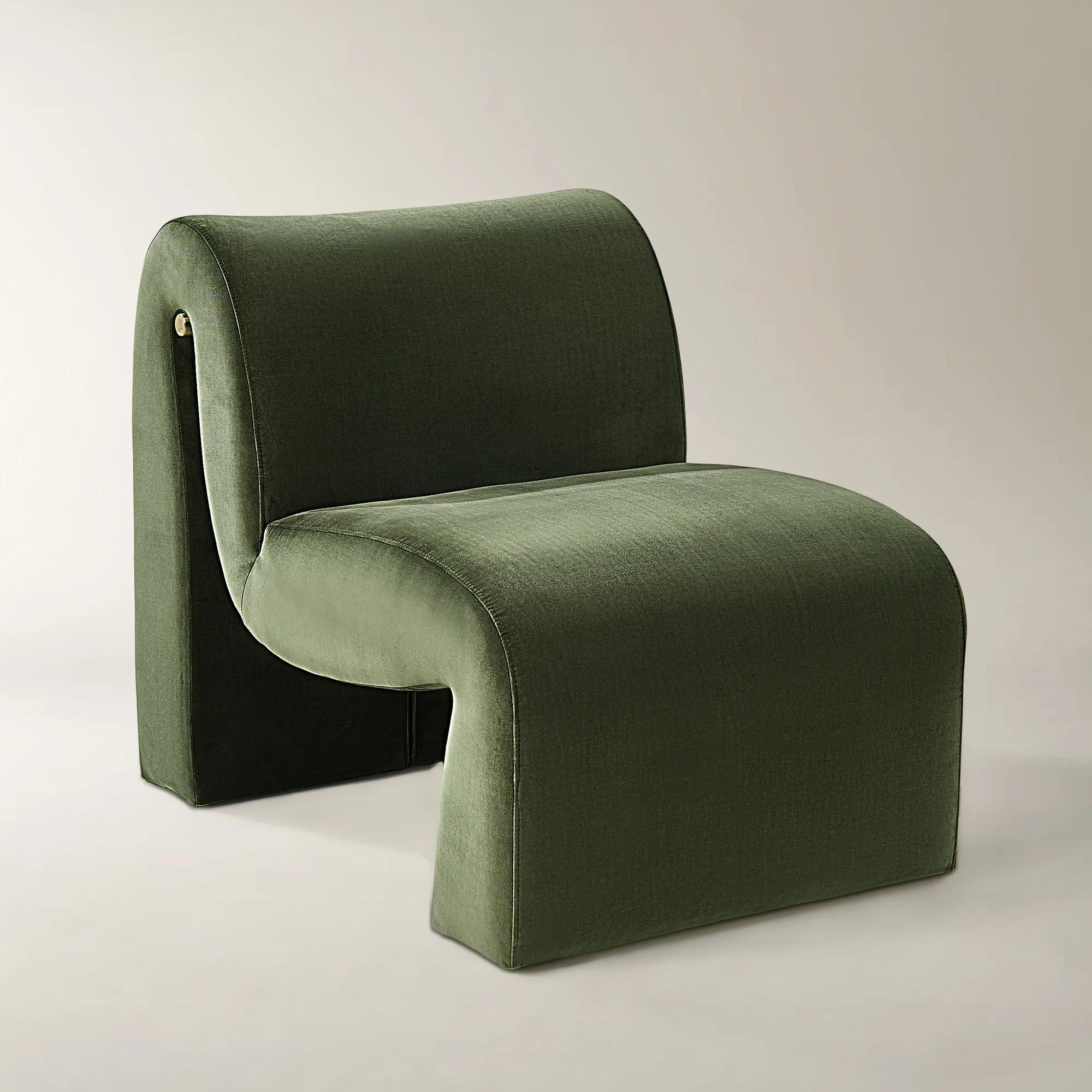
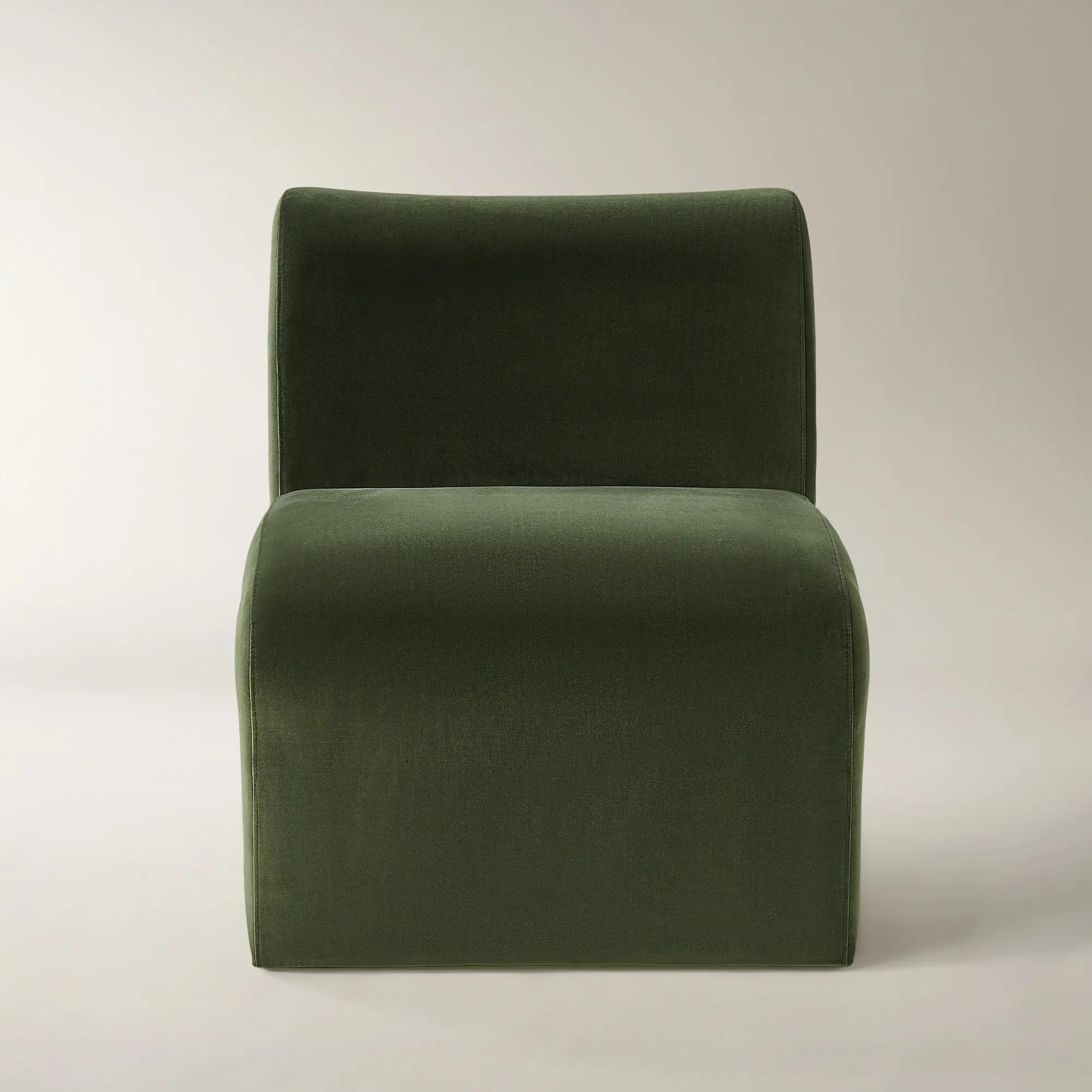 Cora Jade Green Velvet Accent Chair$899
A sculpted accent chair in jade green velvet with a gold stainless-steel inlay for refined glamour.
Add To Cart -
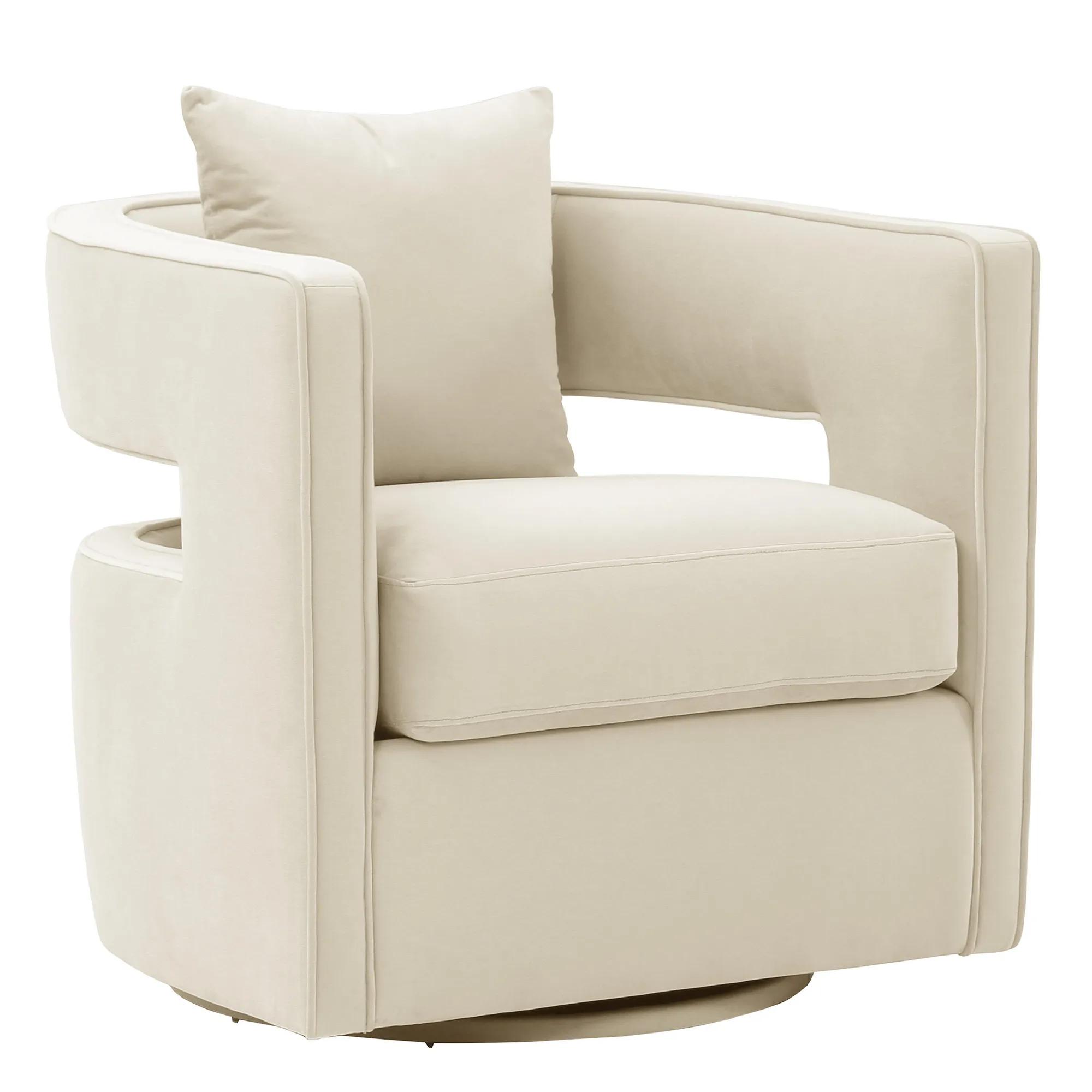
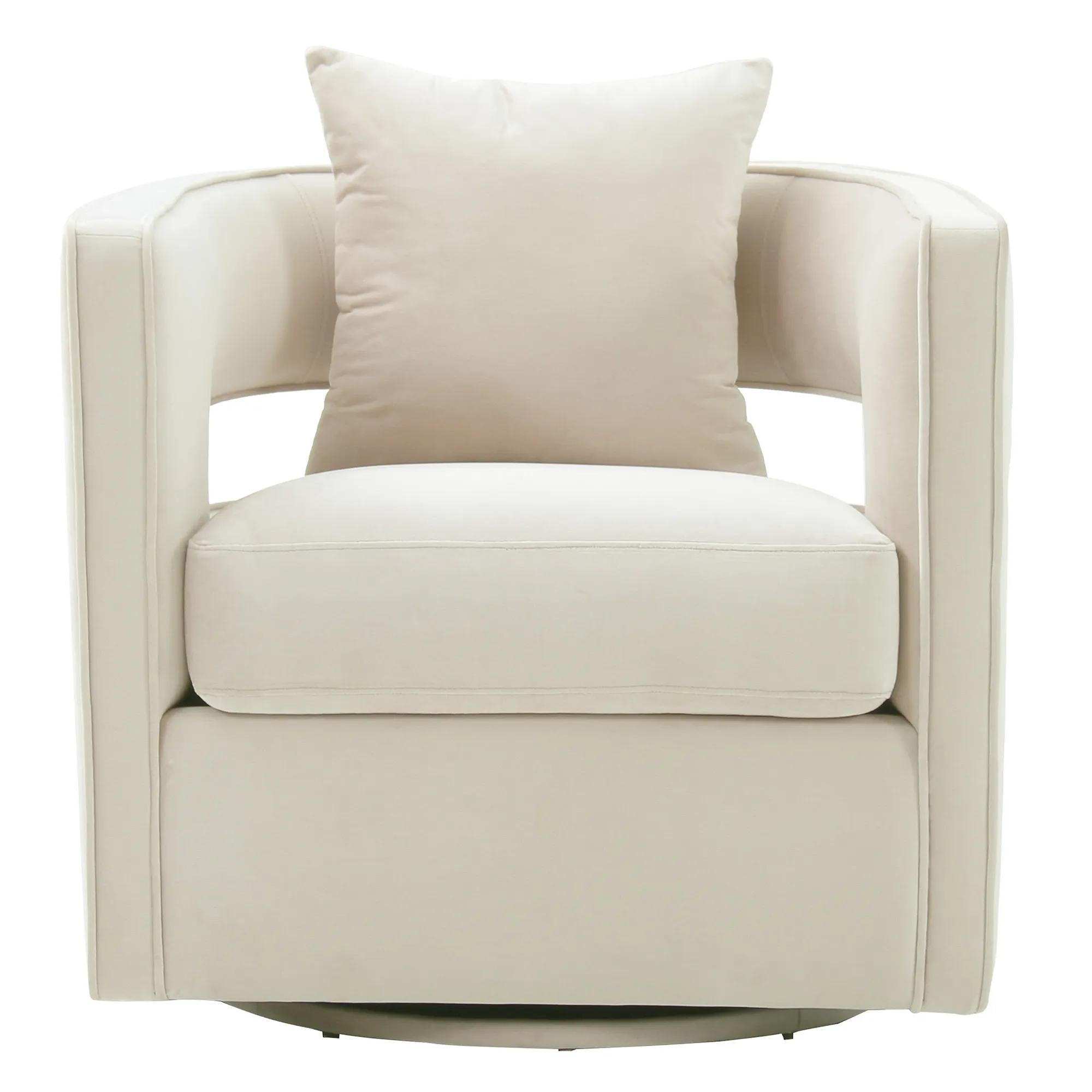 Lottie Cream Velvet Swivel Accent Chair$999
A glamorous cream velvet swivel chair featuring a barrel back, cutout arms, and plush foam cushioning.
Add To Cart -
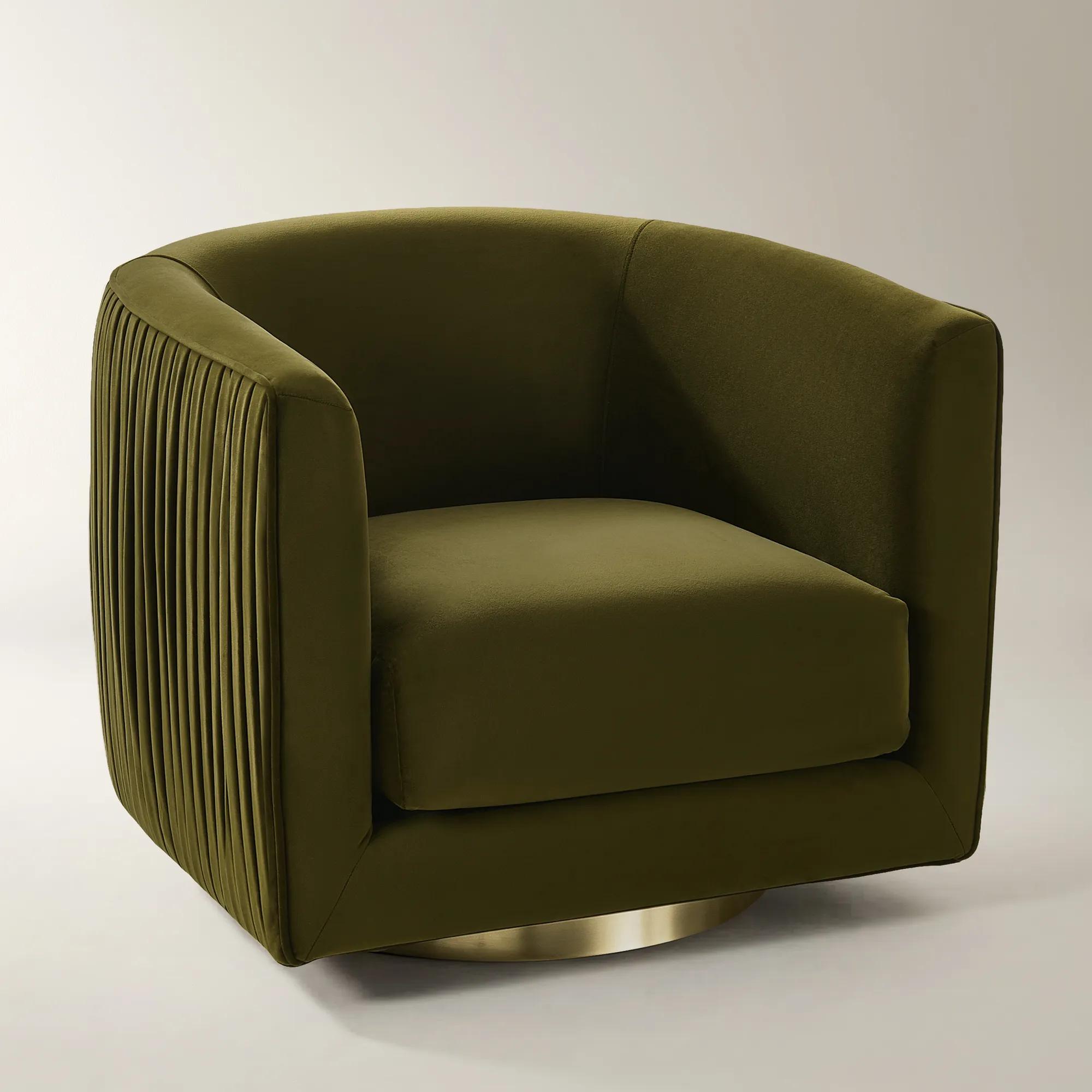
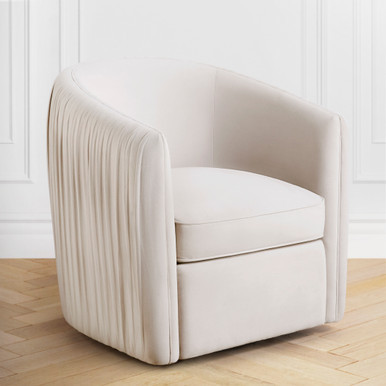
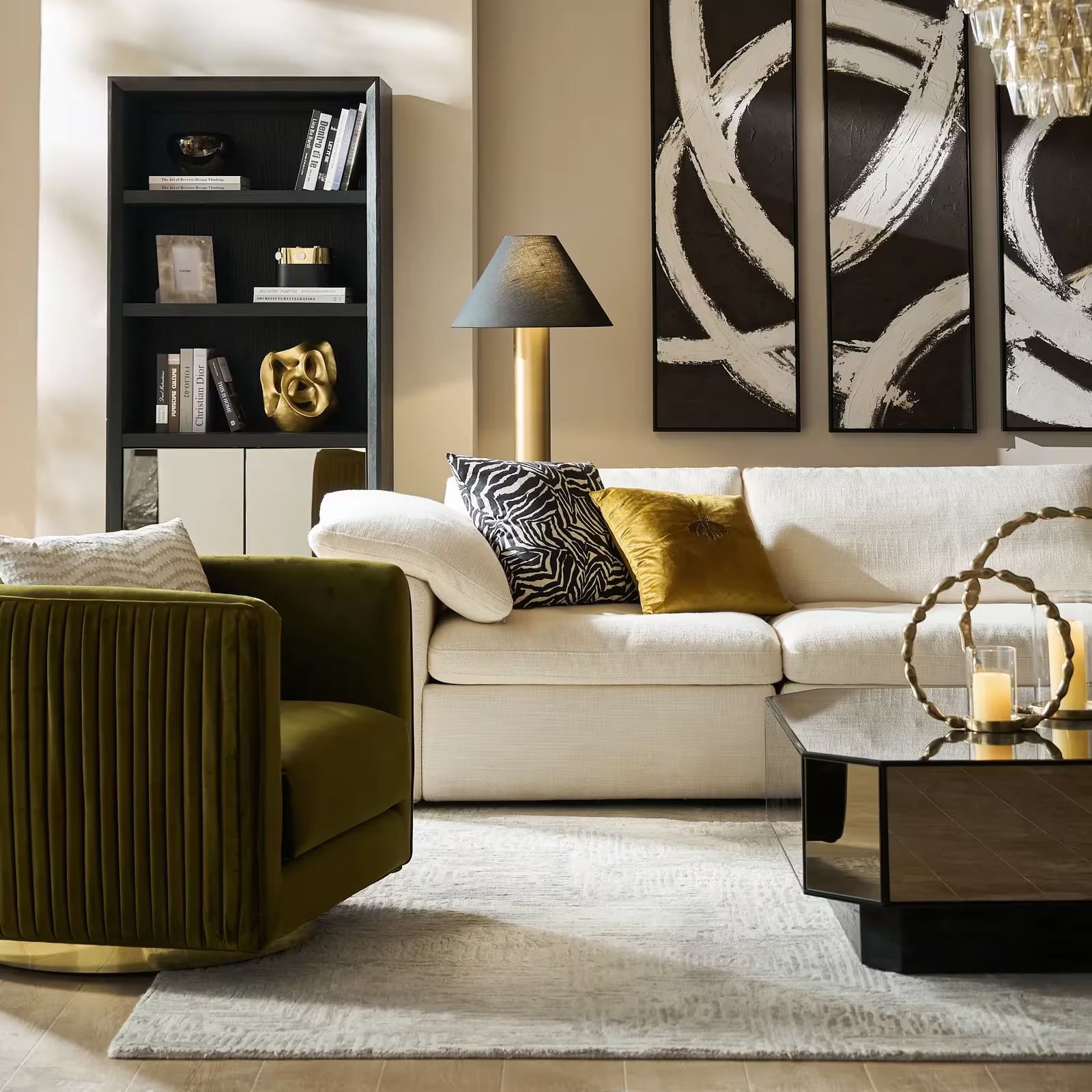 Lyssa Pleated Deep Olive Velvet Swivel Accent Chair$1099
A deep olive velvet accent chair with pleated panels, 360-degree swivel, and gold-finished steel base.
Add To Cart

Transitional Style Accent Chairs
Transitional style accent chairs are the secret ingredient for interiors that crave both timeless elegance and a dash of contemporary flair. Effortlessly blending classic silhouettes with modern touches, these chairs invite you to layer your living space with intrigue and sophistication. Each piece strikes a harmonious balance—refined yet inviting, poised yet plush—transforming any room into a curated haven where tradition meets today. With transitional style accent chairs, your home becomes a gallery of personal expression, every seat an invitation to linger in luxurious comfort.
Transitional style accent chairs bring a distinctive kind of drama to a room: the grace of traditional furniture, edited through a more modern eye. A gently curved back, a tailored arm, or an elegantly tapered leg can suggest classic influences without the visual weight of elaborate ornament. The result is seating with presence and poise, equally comfortable beside a sculptural coffee table or across from a sofa with familiar, generous proportions. Rather than following a rigid decorating formula, transitional design creates a conversation between shapes, textures, and eras. An upholstered chair with a softly rounded silhouette can temper the sharp geometry of a glass table, while an exposed wood frame can introduce warmth among gleaming metal finishes. Neutral upholstery gives those contrasts room to unfold: ivory feels luminous against dark wood, warm taupe draws out the depth of a textured rug, and charcoal creates a striking outline against pale walls. More expressive colors can be just as compelling when the silhouette remains composed. A jewel-toned chair becomes an intentional focal point rather than an isolated flourish when its color returns in artwork, a decorative pillow, or a small accent elsewhere in the room. These pieces appeal to anyone who appreciates traditional comfort but wants a space that feels personal, polished, and open to unexpected combinations. In a living room, a pair can establish a gracious conversation area without requiring every seat to match. In a bedroom, a single chair can give an overlooked corner a sense of purpose and intimacy. Even a quieter interior gains dimension from the sweep of an arm or the subtle sheen of upholstery catching the light. Transitional accent chairs offer that balance of restraint and expression, allowing a room to feel richly layered without becoming visually crowded. Their versatility is especially valuable in homes where collected furnishings carry different histories, bringing an inherited table and a contemporary sofa into a more cohesive composition.
Material and construction give that visual character its substance. Upholstery influences not only the look of an accent chair but also the experience of settling into it. Velvet lends a plush, light-responsive surface that emphasizes curves and creates depth within a single color; its shifting pile can also reveal touch marks and changes in direction as part of its character. A textured woven fabric offers a more matte appearance, with subtle variations that can soften a formal outline. Leather, where used, introduces a different richness, with care needs and aging characteristics that depend on its finish. Color alone does not determine how practical a fabric will be: fiber content, weave, cleaning instructions, and any documented performance properties all deserve attention, particularly in homes with children, pets, or frequently entertained guests. A tightly woven surface may be preferable to an open, looped texture around curious claws, although no upholstery should be assumed to resist every snag or spill. Beneath the fabric, frame construction, joinery, suspension, and cushion materials work together to shape support and long-term comfort. A substantial frame needs sound connections, while a cushion’s fill influences whether the seat feels structured and upright or softer and more enveloping. Dimensions are equally important to the finished room. Overall width determines how comfortably a chair fits beside a sofa or within an alcove, but seat width, depth, height, and arm position determine how it accommodates the person sitting there. A deeper seat may suit someone who likes to curl up with a novel, while a shallower seat and supportive arms may feel more comfortable for upright conversation. Back height changes the visual rhythm, too: a taller profile can anchor an open corner, whereas a lower back preserves a view across the room. Space for knees, side tables, and easy passage keeps a beautiful arrangement inviting rather than cramped. In smaller rooms, visible legs and an open frame can create a lighter impression, while a fully upholstered silhouette can lend a larger seating area a more grounded, sumptuous presence.
The appeal of transitional style accent chairs becomes most apparent in the moments they make possible. Two chairs angled toward a sofa create a natural place for guests to linger, with a shared table close enough for a drink and lighting that illuminates faces without glare. A chair beside a bookcase feels more inviting when a lamp places light over the shoulder and a nearby surface holds a book without requiring an awkward reach. In a primary bedroom, a graceful upholstered seat can offer a composed retreat separate from the bed; in a home office, it can provide a welcoming place for an informal conversation without replacing the task chair needed for extended desk work. The intended use helps define the right balance of softness, support, and scale. A chair admired from across the room has a different role from one occupied for an hour every evening, and upholstery intended for residential use should not automatically be assumed suitable for demanding commercial settings. For connected living and dining spaces, transitional style dining arm chairs can carry related curves, upholstery tones, or wood finishes toward the table without making the entire interior feel matched. Repeating one or two details often creates a more assured connection than duplicating every finish. Thoughtful care helps preserve that layered effect. Regular gentle vacuuming with an appropriate upholstery attachment can keep dust from settling into seams, while prompt blotting rather than rubbing helps limit the spread of an accidental spill. The manufacturer’s care instructions and fabric cleaning code should determine which cleaning methods are appropriate; an unfamiliar treatment can alter color, texture, or finish. Direct sunlight may fade upholstery and affect wood over time, and suitable floor protectors can help prevent chair legs from marking the surface beneath them. With proportion, material, and daily habits considered together, an accent chair becomes more than a decorative addition. It brings sculptural definition to the room and a comfortable place to experience it.
FAQs
A transitional style accent chair artfully blends the timeless elegance of traditional design with the clean, refined lines of contemporary aesthetics. This harmonious balance results in pieces that are versatile, sophisticated, and effortlessly adaptable to a variety of interiors. Expect subtle ornamentation, plush upholstery, and finishes that bridge the gap between classic and modern sensibilities.
Transitional accent chairs are designed to complement a wide array of décor styles. Place one as a statement piece in a living room, pair two for symmetry beside a fireplace, or use a single chair to anchor a reading nook. Their understated glamour and graceful profiles allow them to blend seamlessly with both traditional and contemporary furnishings, creating a curated, layered look.
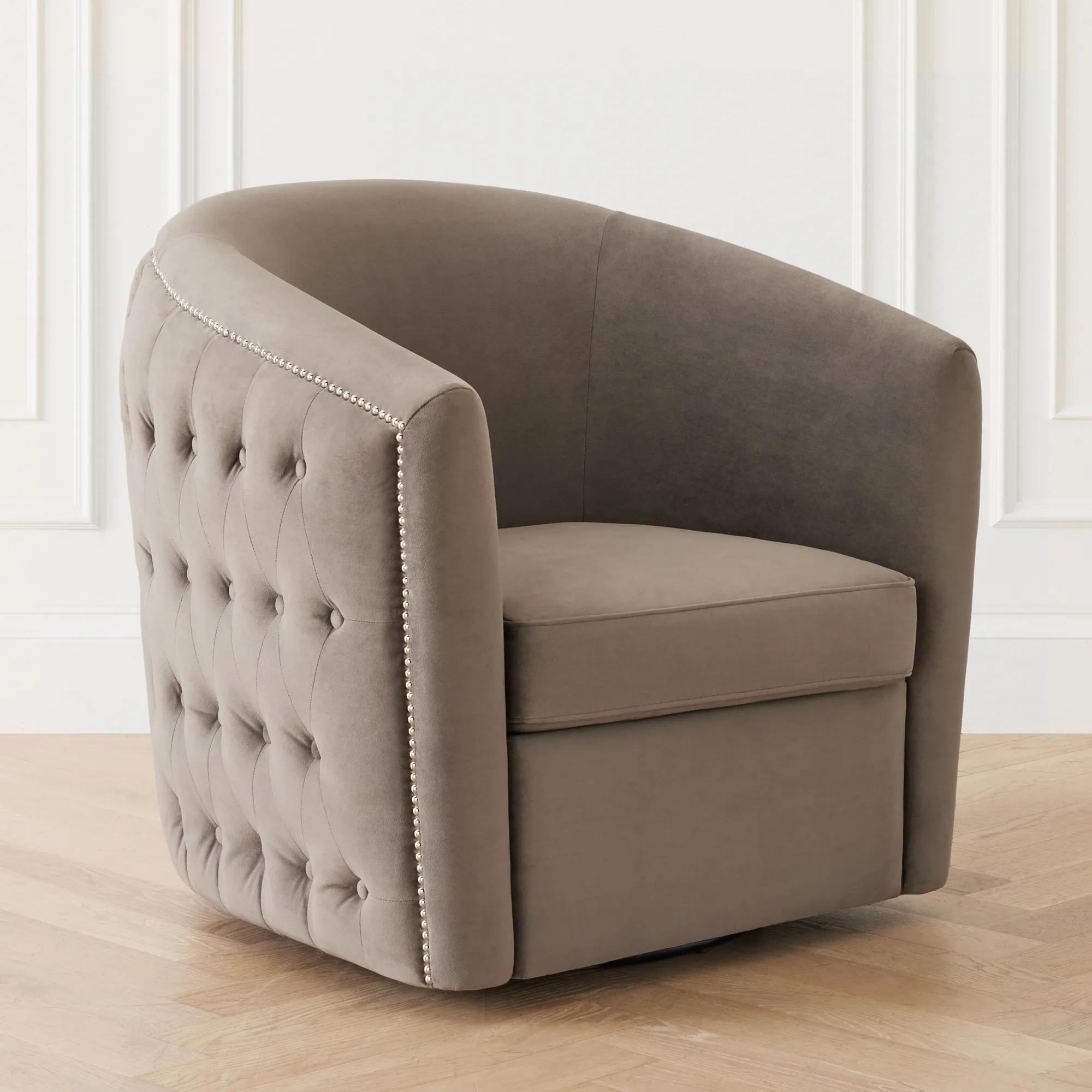
Transitional accent chairs often feature luxurious materials such as velvet, linen, or leather upholstery, paired with wood or metal frames. Finishes tend to be polished but not overly ornate, with details like subtle tufting, piping, or nailhead trim adding dimension without overwhelming the design. The result is a chair that feels rich in texture and inviting to the touch.
Absolutely. Transitional accent chairs make exceptional gifts for newlyweds, new homeowners, or anyone who appreciates sophisticated design. Their versatile style and timeless appeal ensure they will be cherished for years to come, whether gracing a living room, bedroom, or home office.
To preserve the beauty of your transitional accent chair, regularly dust wooden or metal frames and gently vacuum upholstered surfaces using a soft brush attachment. For spills, blot immediately with a clean, dry cloth. Always follow the specific care instructions provided for the chair’s materials to ensure lasting elegance and comfort.