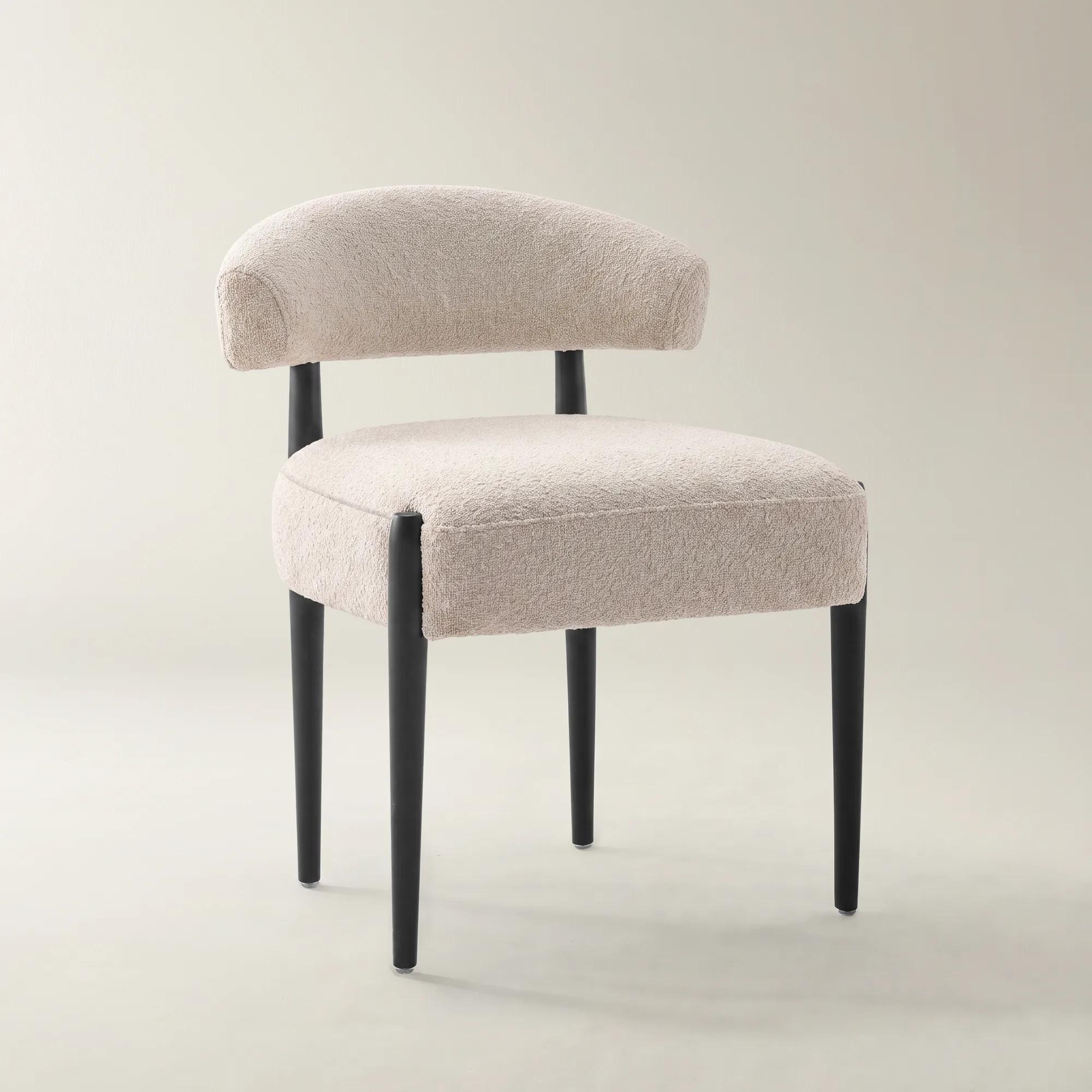
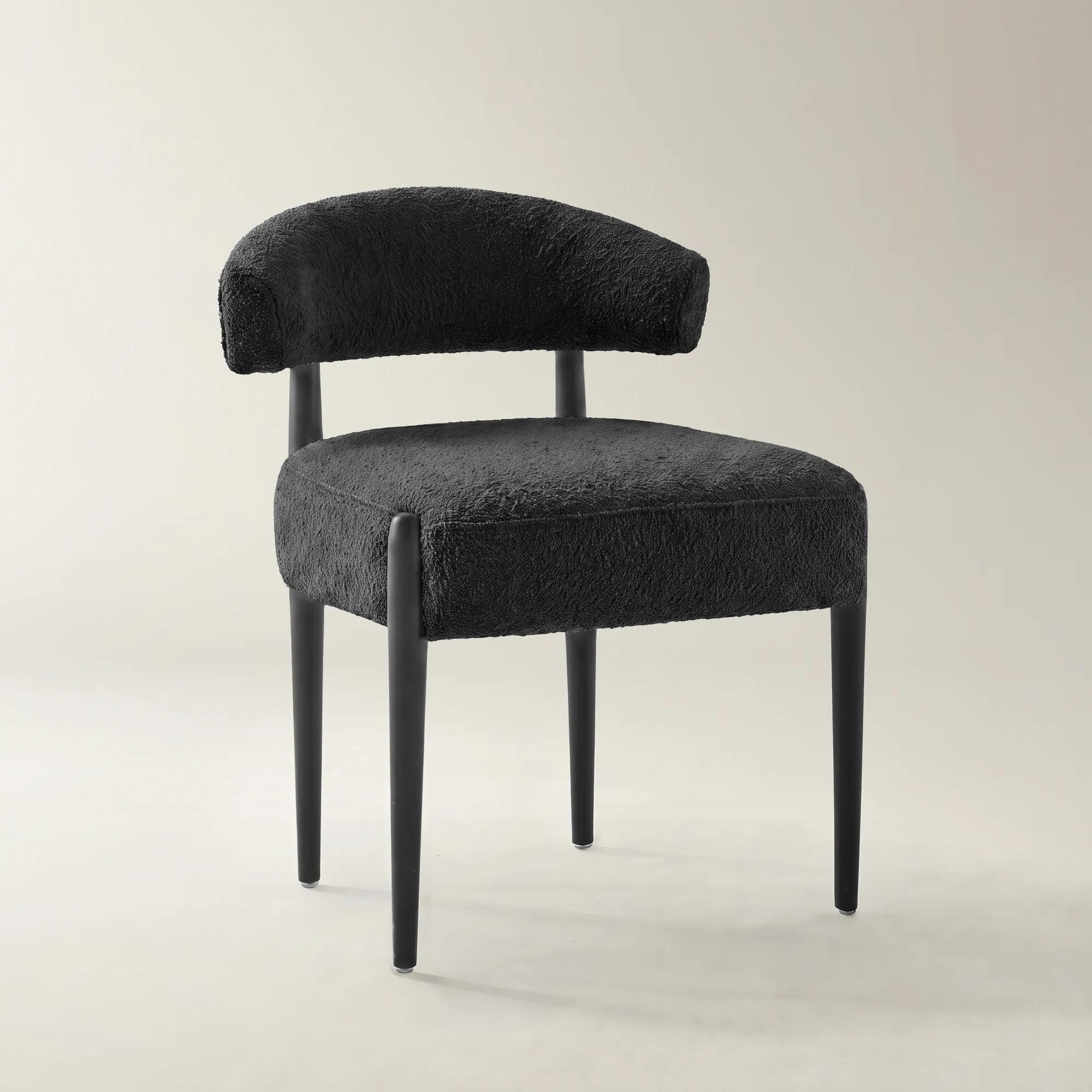
Transitional Dining Room Chairs
Transitional Dining Room Chairs
-
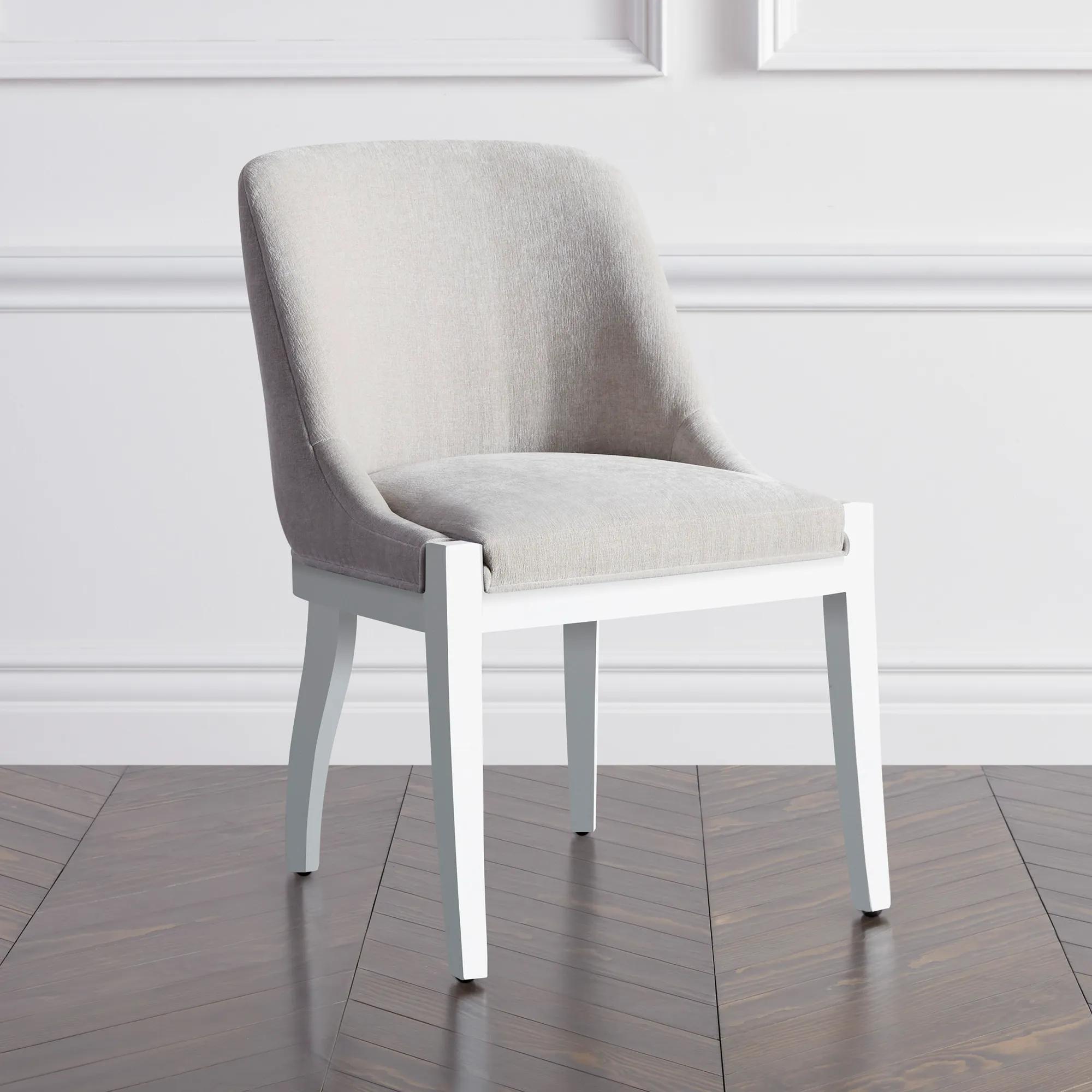
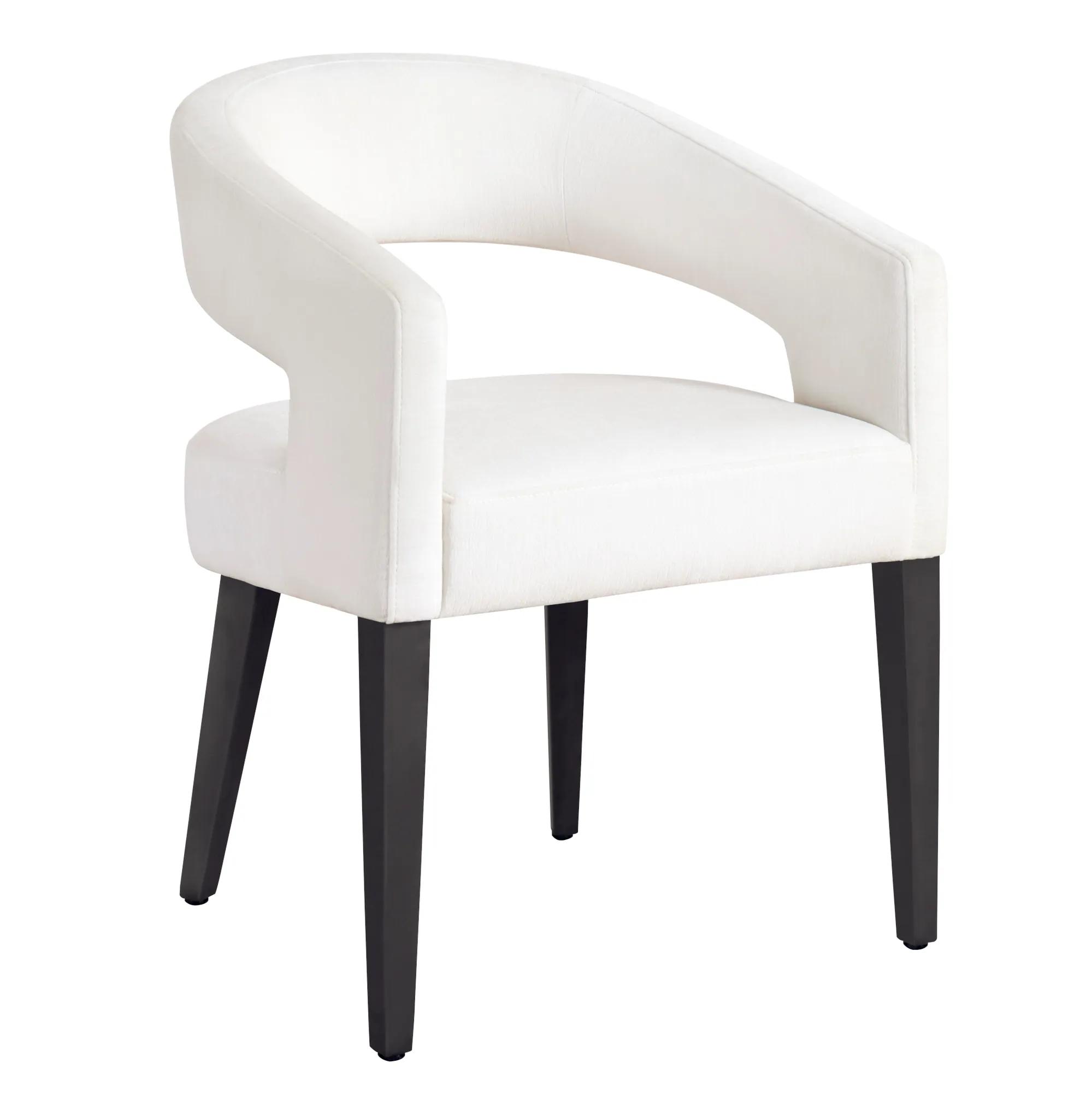
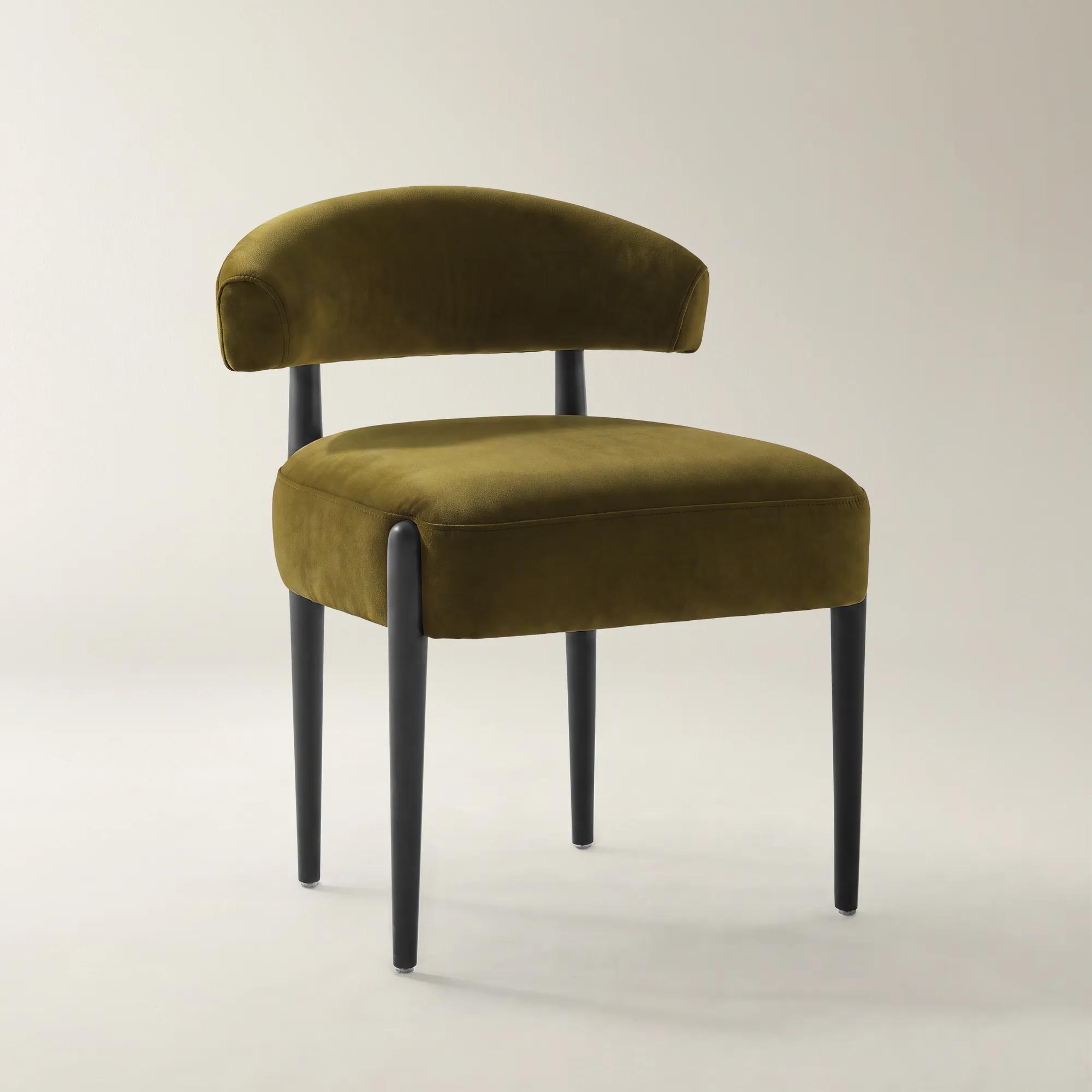
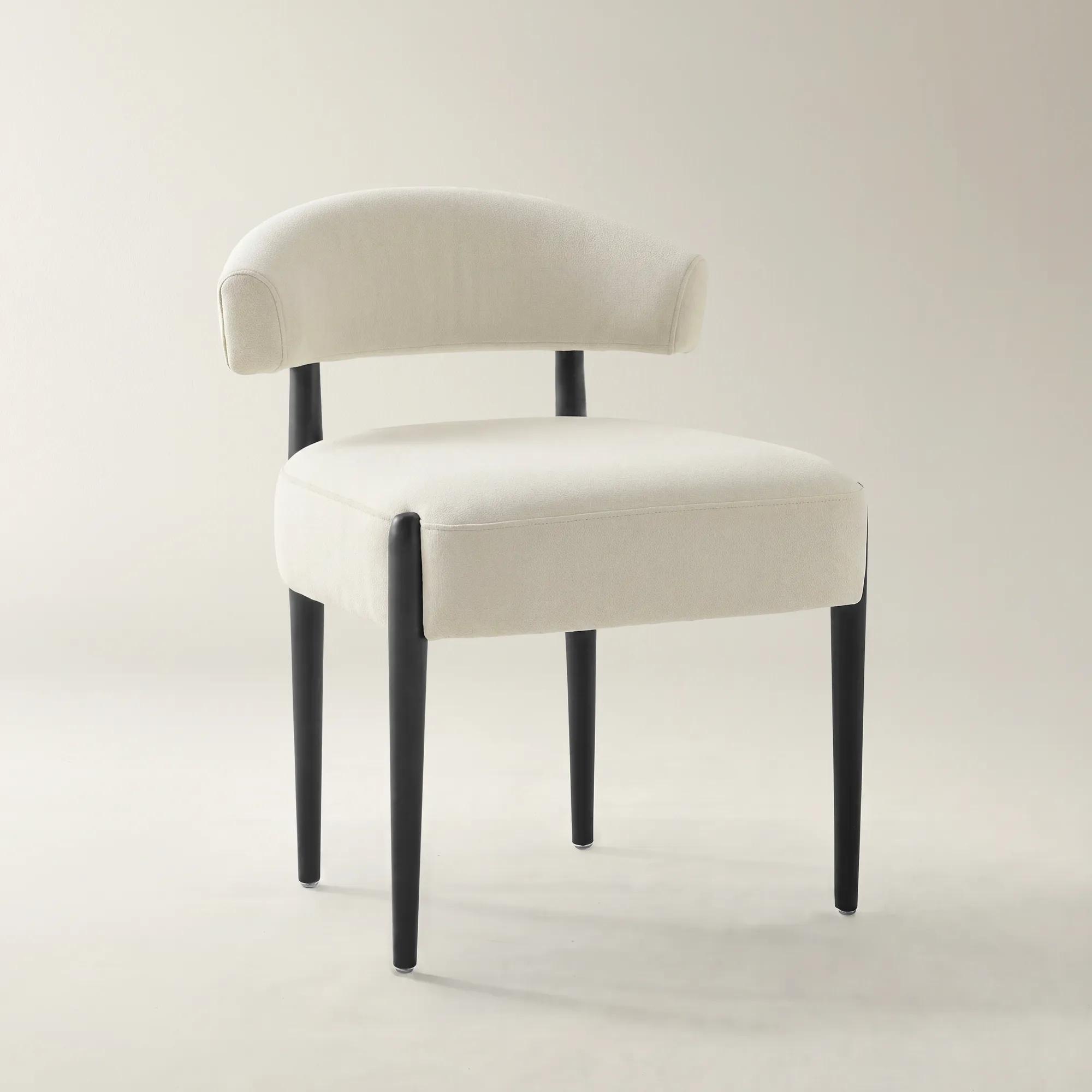
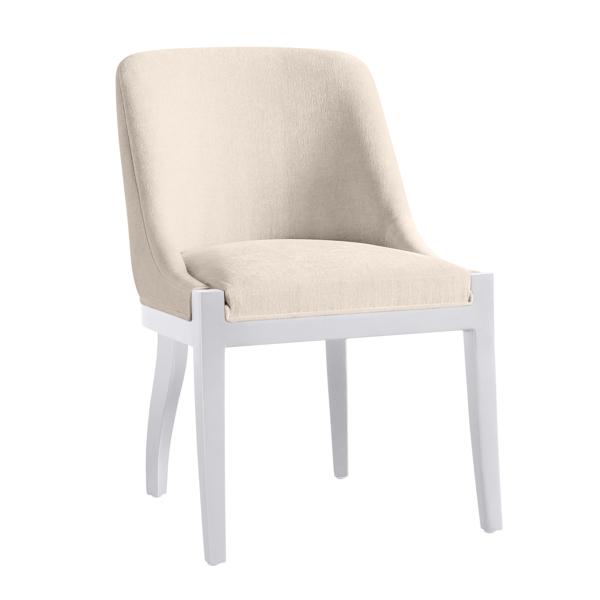 Lily Dining Chair - High Gloss White$649
A modern dining chair featuring kiln-dried hardwood, high-gloss white legs, and neatly tailored upholstery.
Add To Cart -
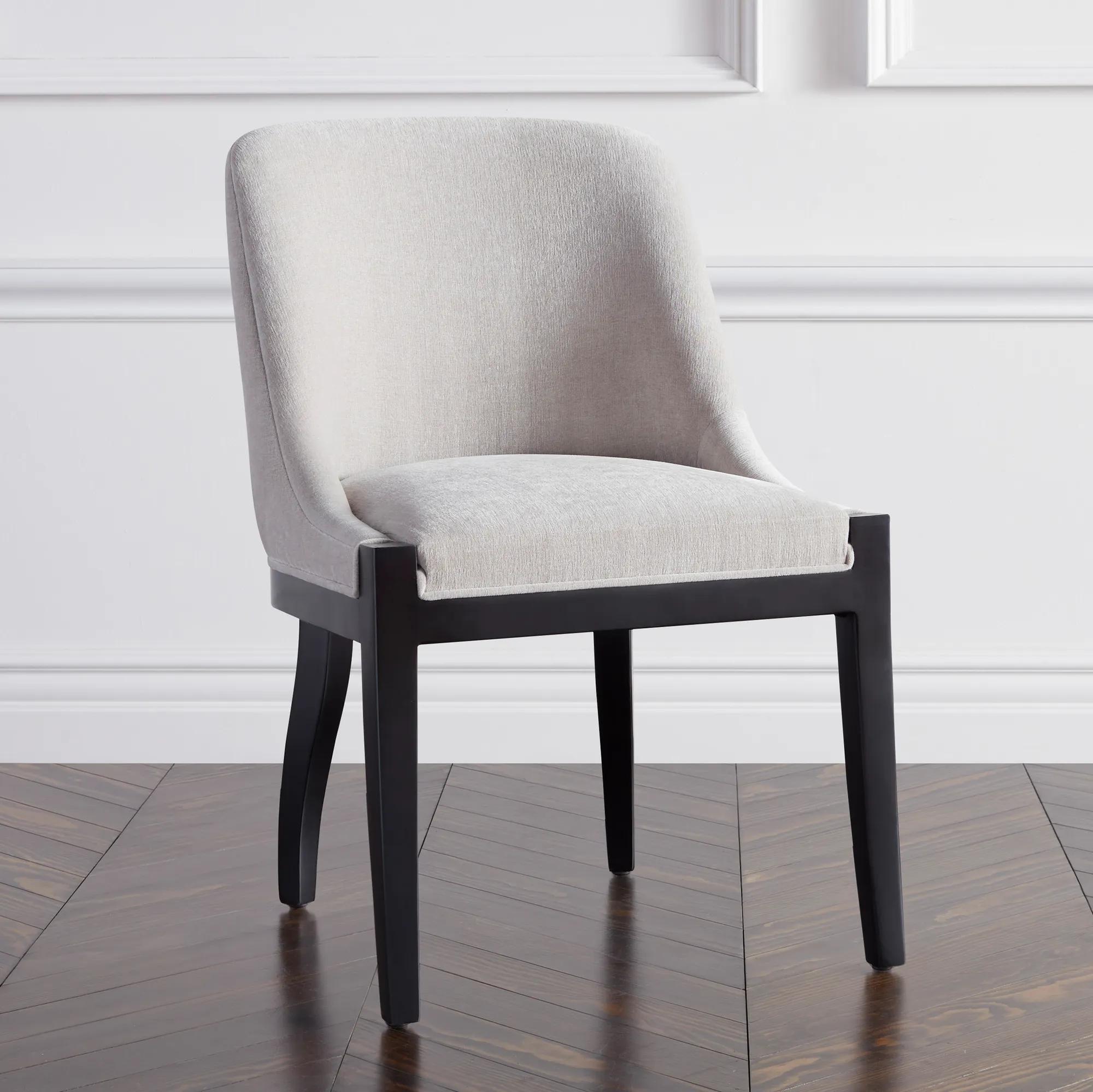 Lily Dining Chair - Matte Black$599
A modern dining chair featuring a kiln-dried hardwood frame and plush, tailored upholstery in matte black.
Add To Cart -
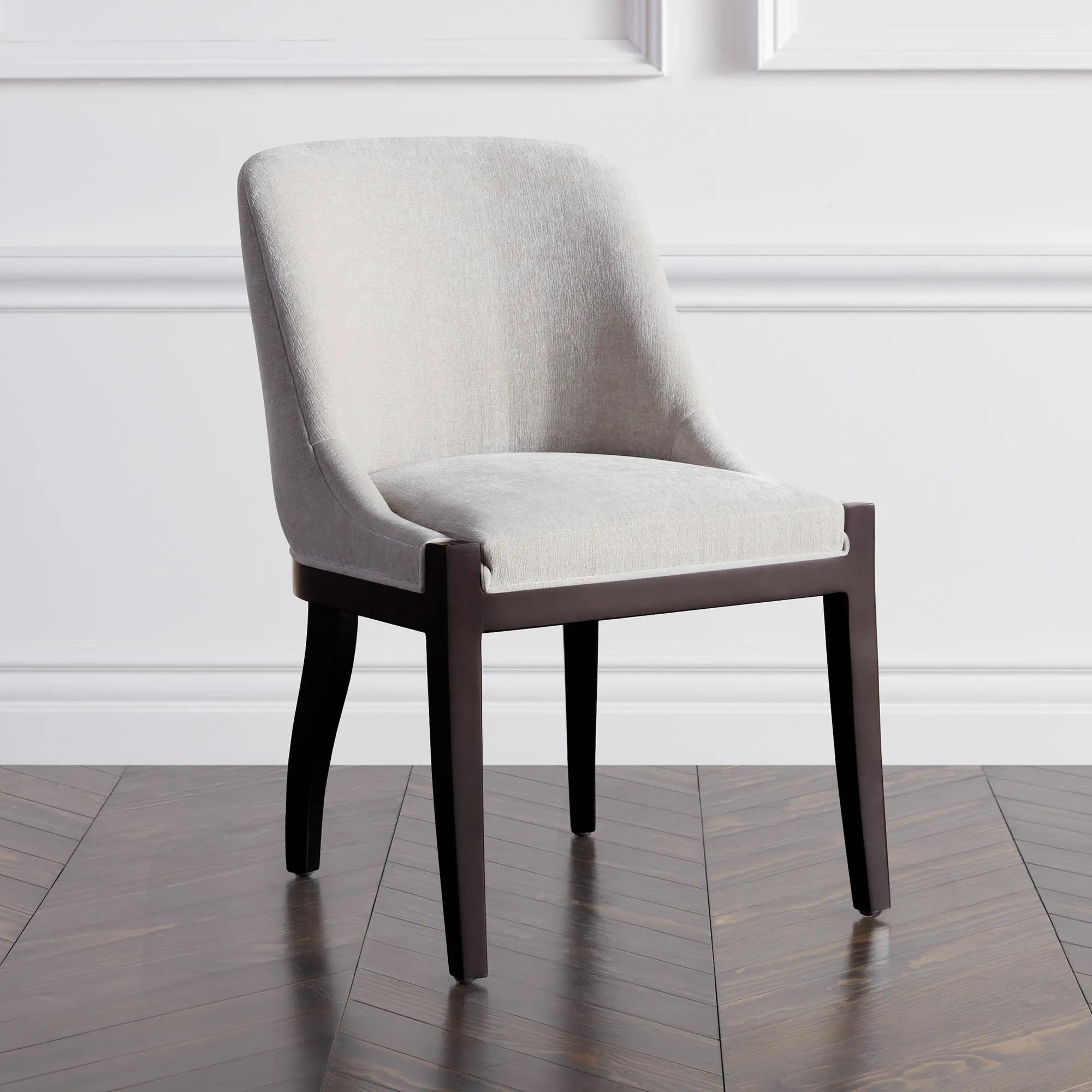
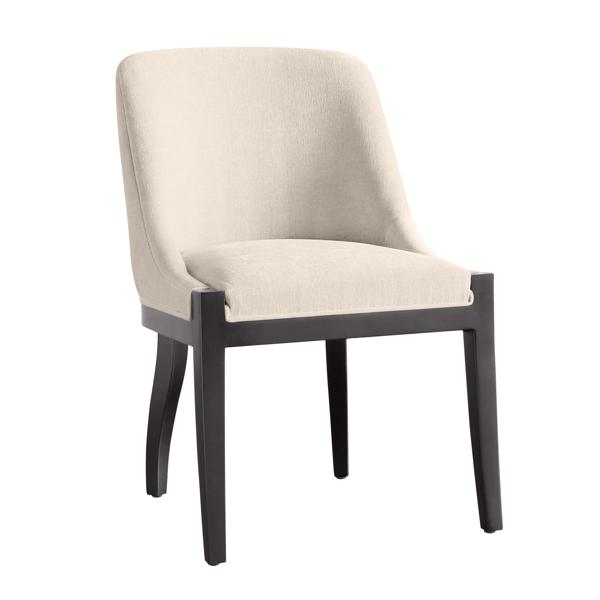 Lily Dining Chair - Espresso$699
A modern dining chair with espresso-finished hardwood frame and tailored upholstery for lasting comfort and support.
Add To Cart -
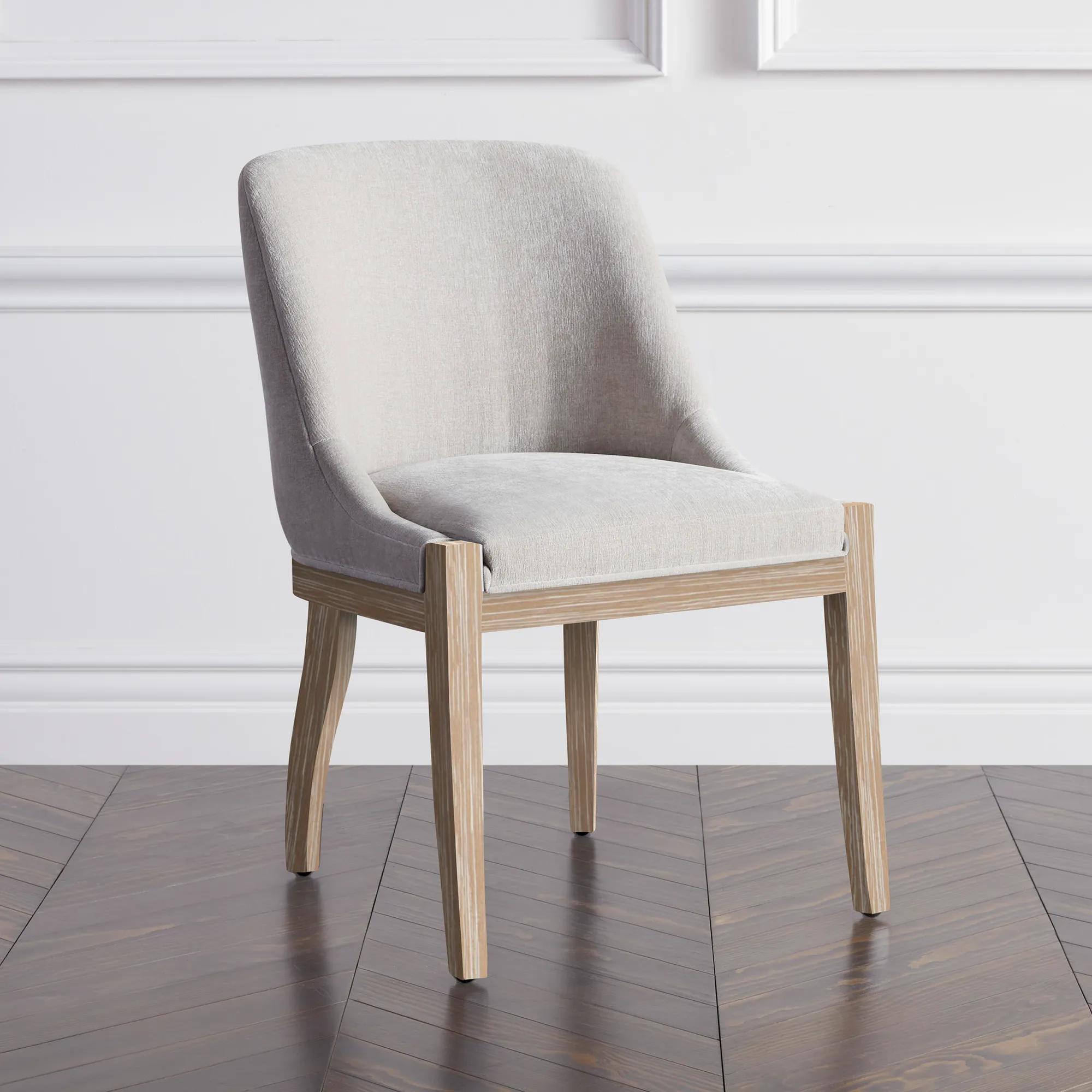
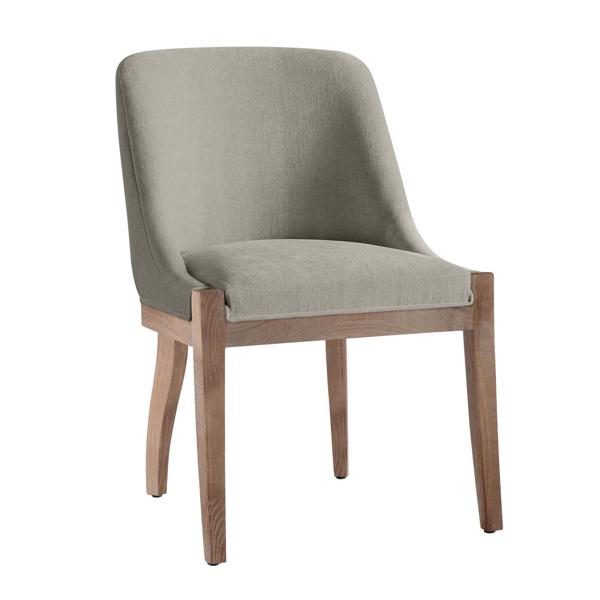 Lily Dining Chair - Wash Oak$699
A modern dining chair featuring a kiln-dried hardwood frame, wash oak legs, and tailored chenille upholstery.
Add To Cart -
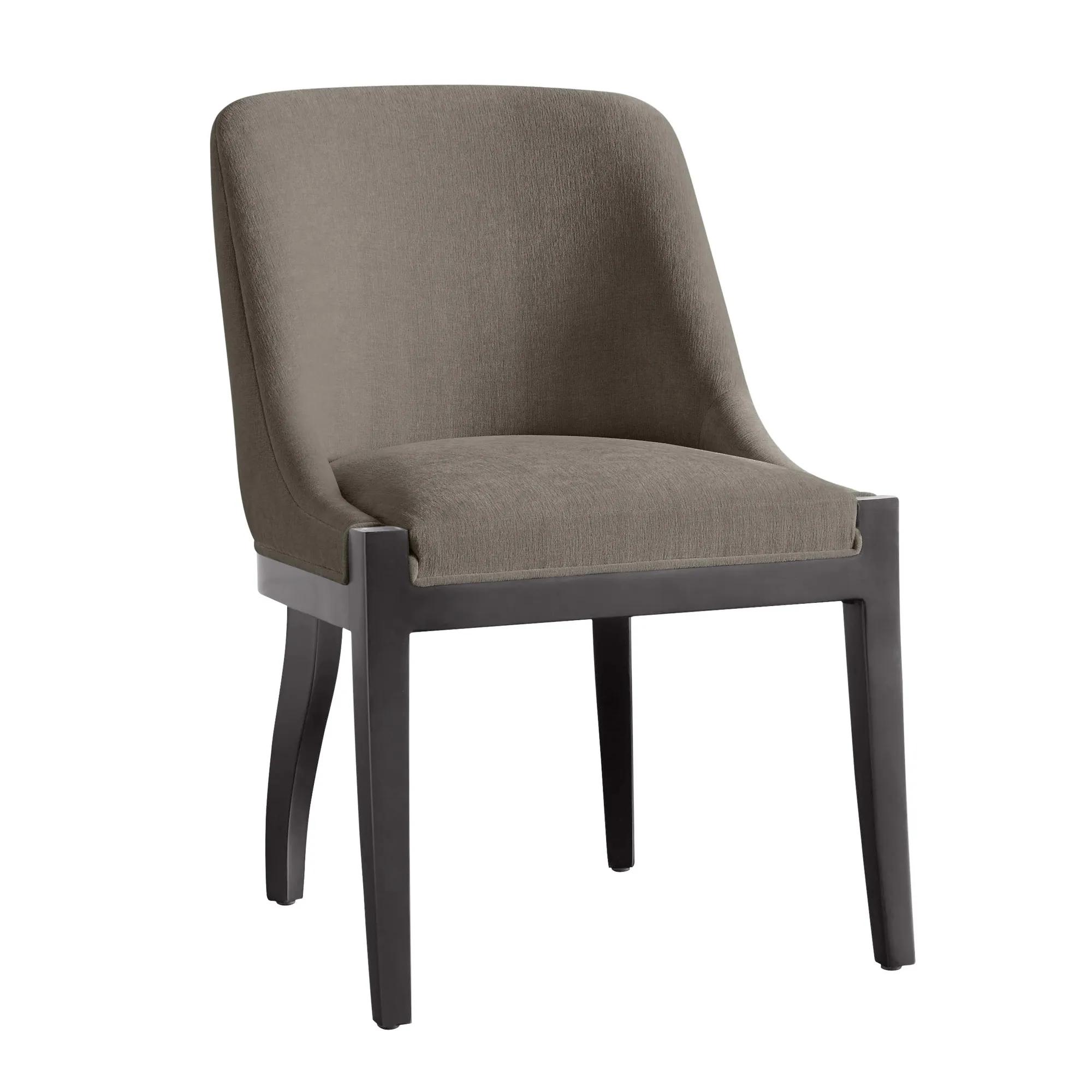 Lily Dining Chair - Espresso$649
A modern dining chair featuring espresso-finished hardwood, curvaceous silhouette, and plush tailored upholstery.
Add To Cart -
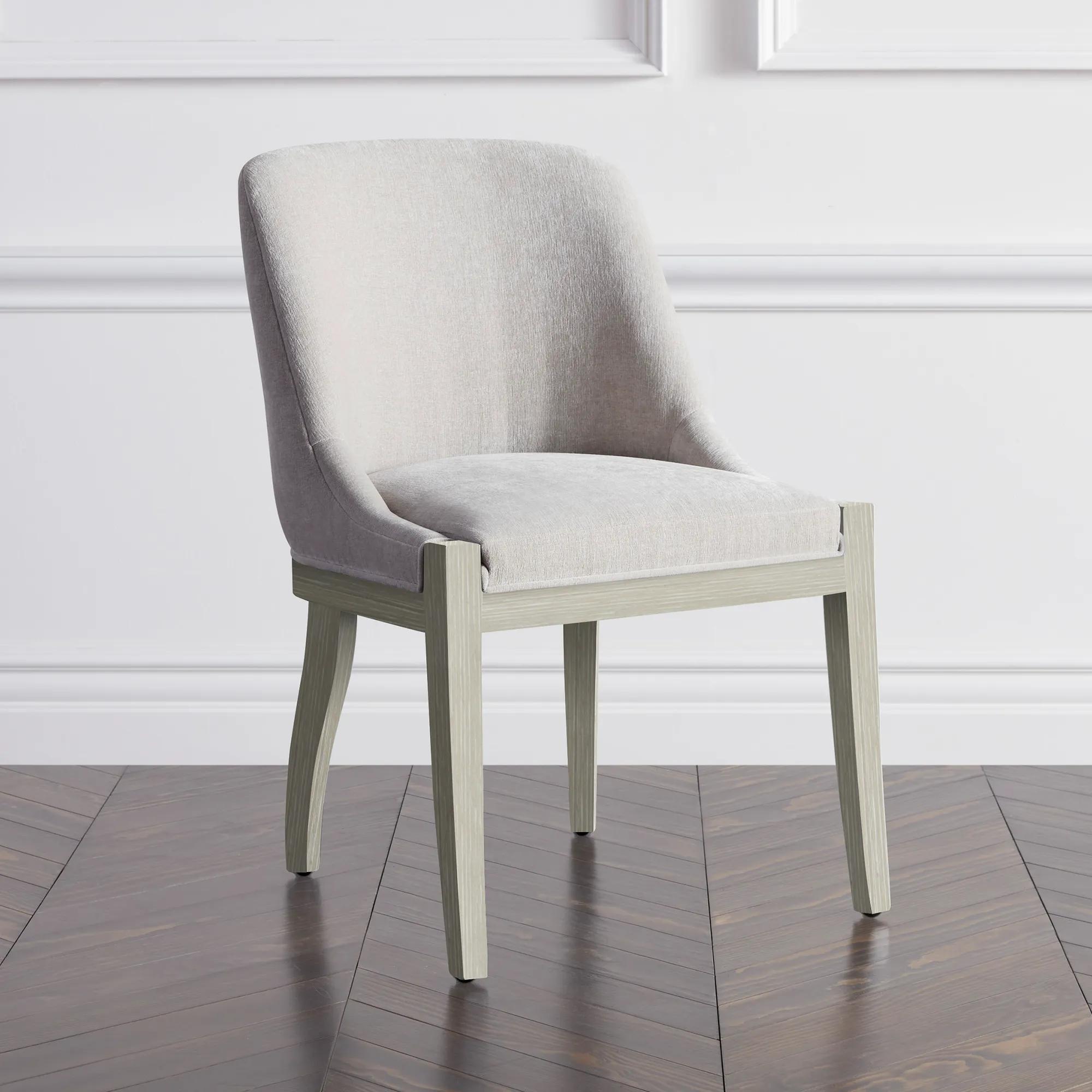 Lily Dining Chair - Natural Grey$699
A modern grey dining chair with kiln-dried hardwood frame and plush, tailored upholstery for lasting comfort.
Add To Cart -
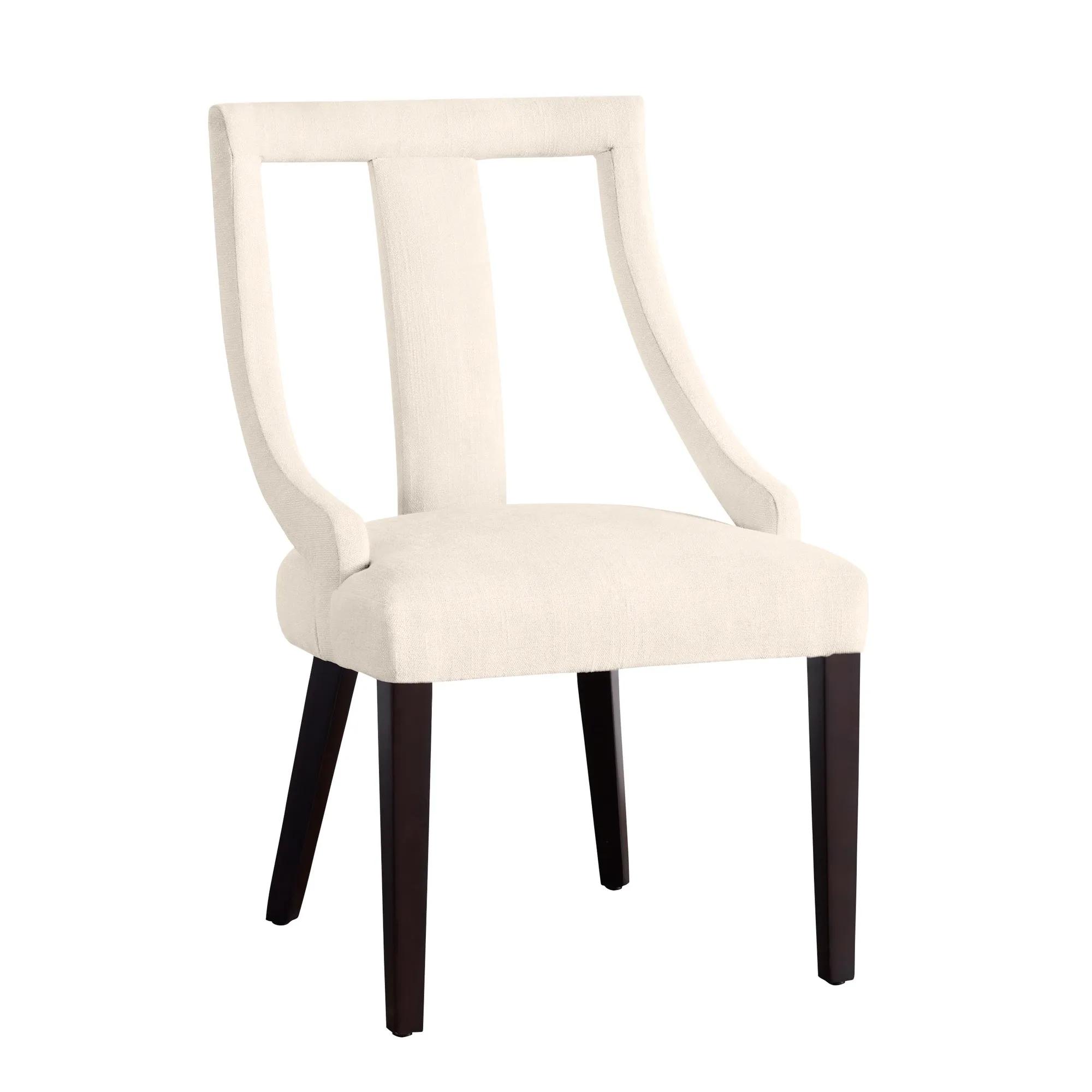
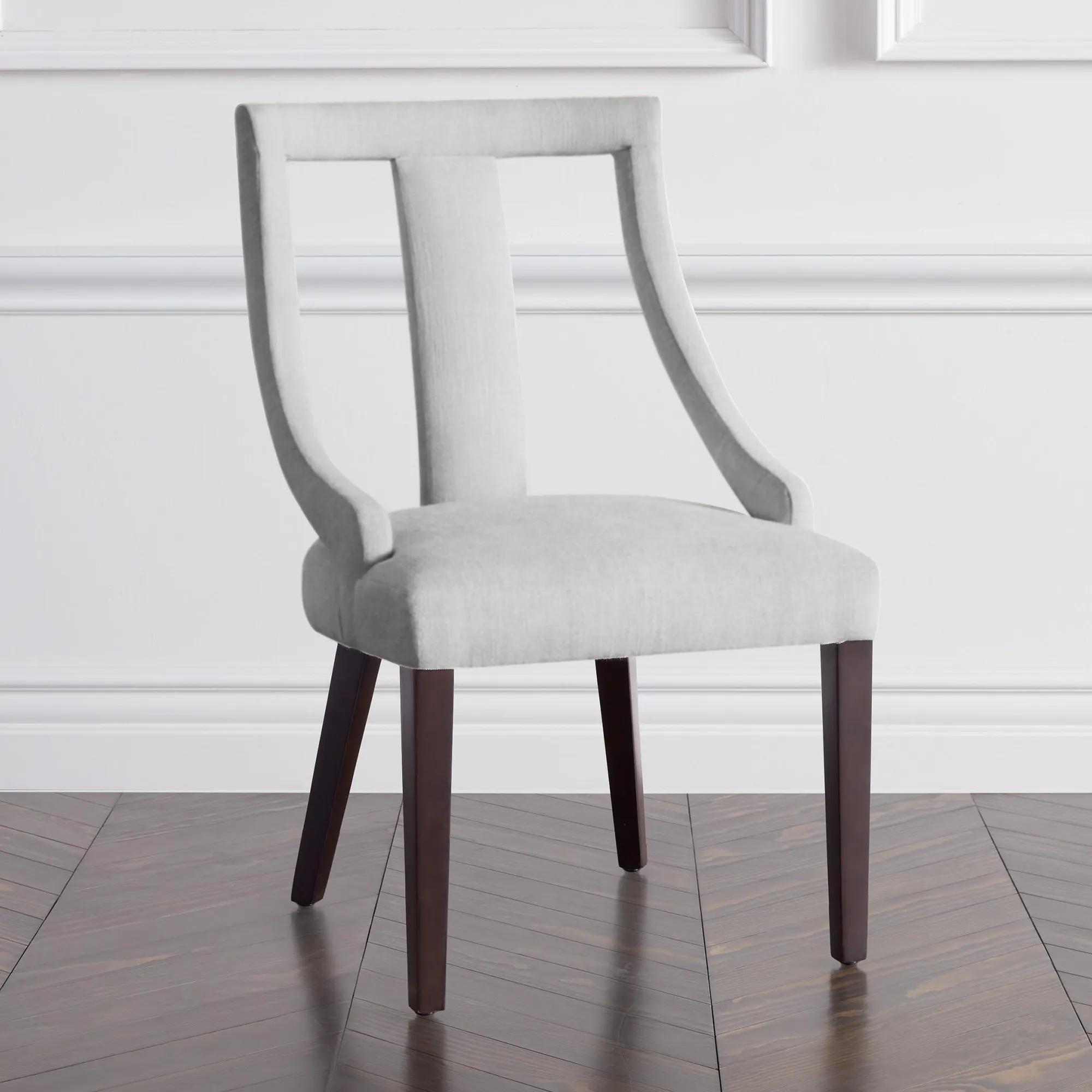 Jade Dining Chair - Espresso$649
A modern dining chair featuring a cutout back, espresso legs, and plush velvet upholstery for lasting comfort.
Add To Cart -
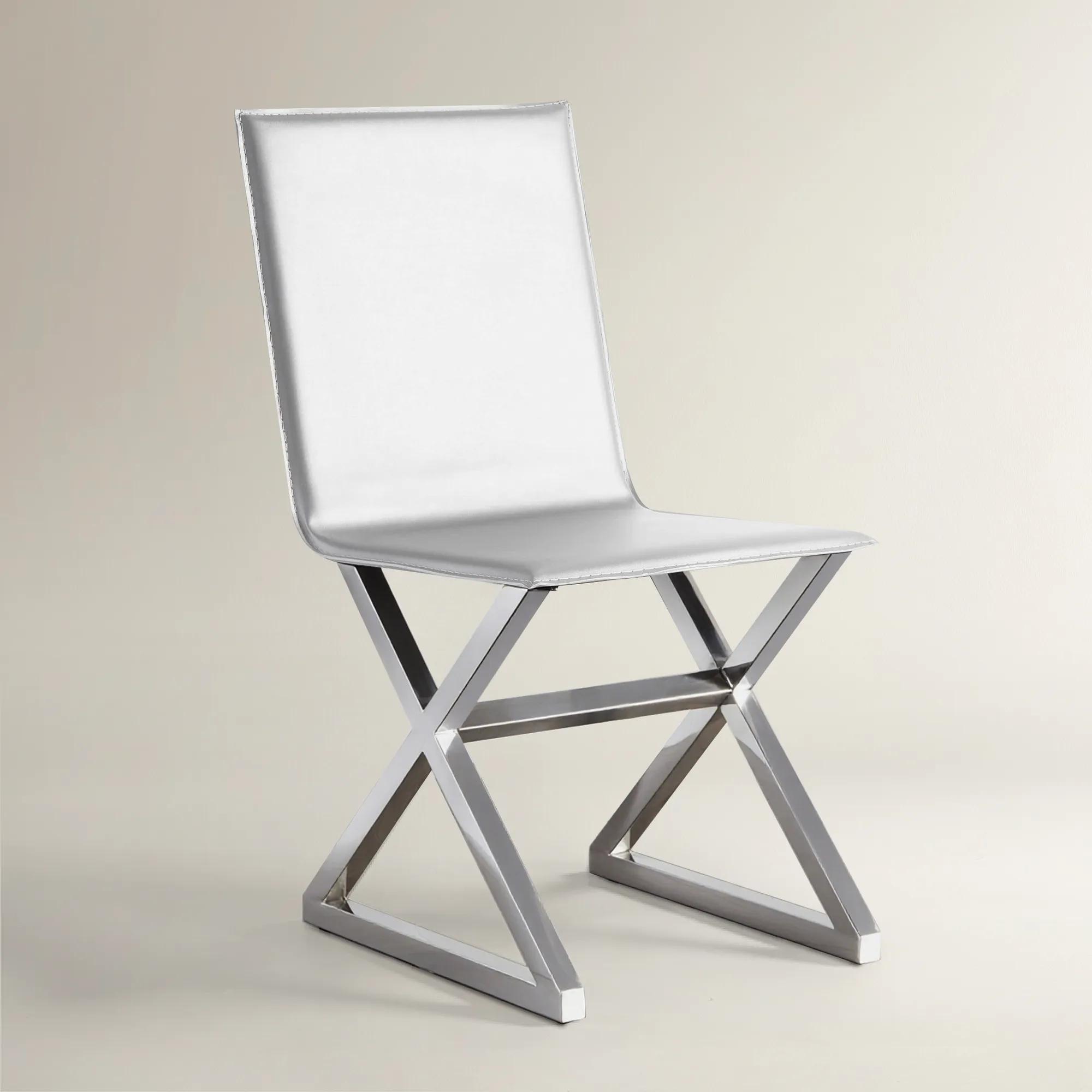
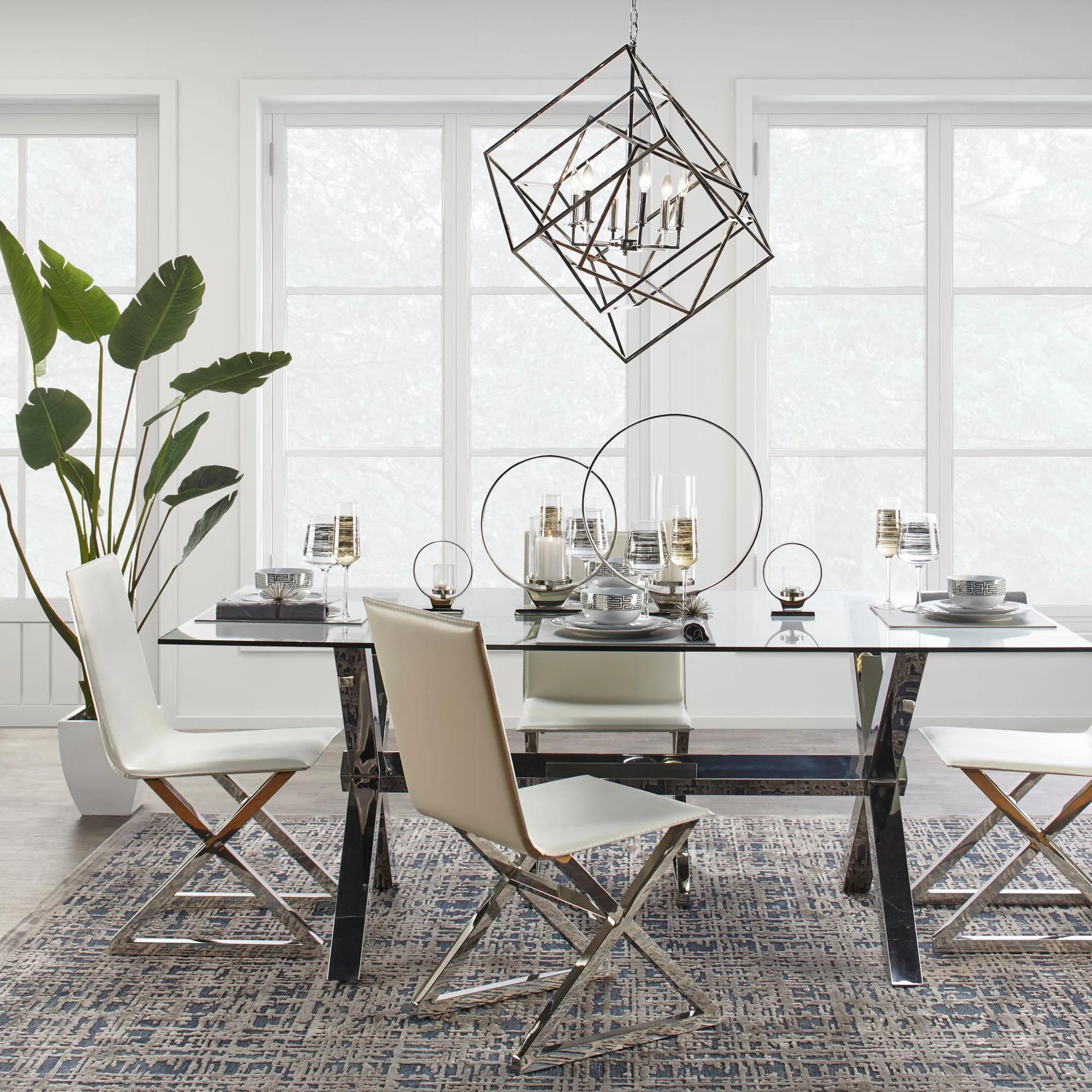 Axis Dining Chair - Set of 2$399
A contemporary chair set featuring white bonded leather upholstery and a polished stainless steel base.
Add To Cart -
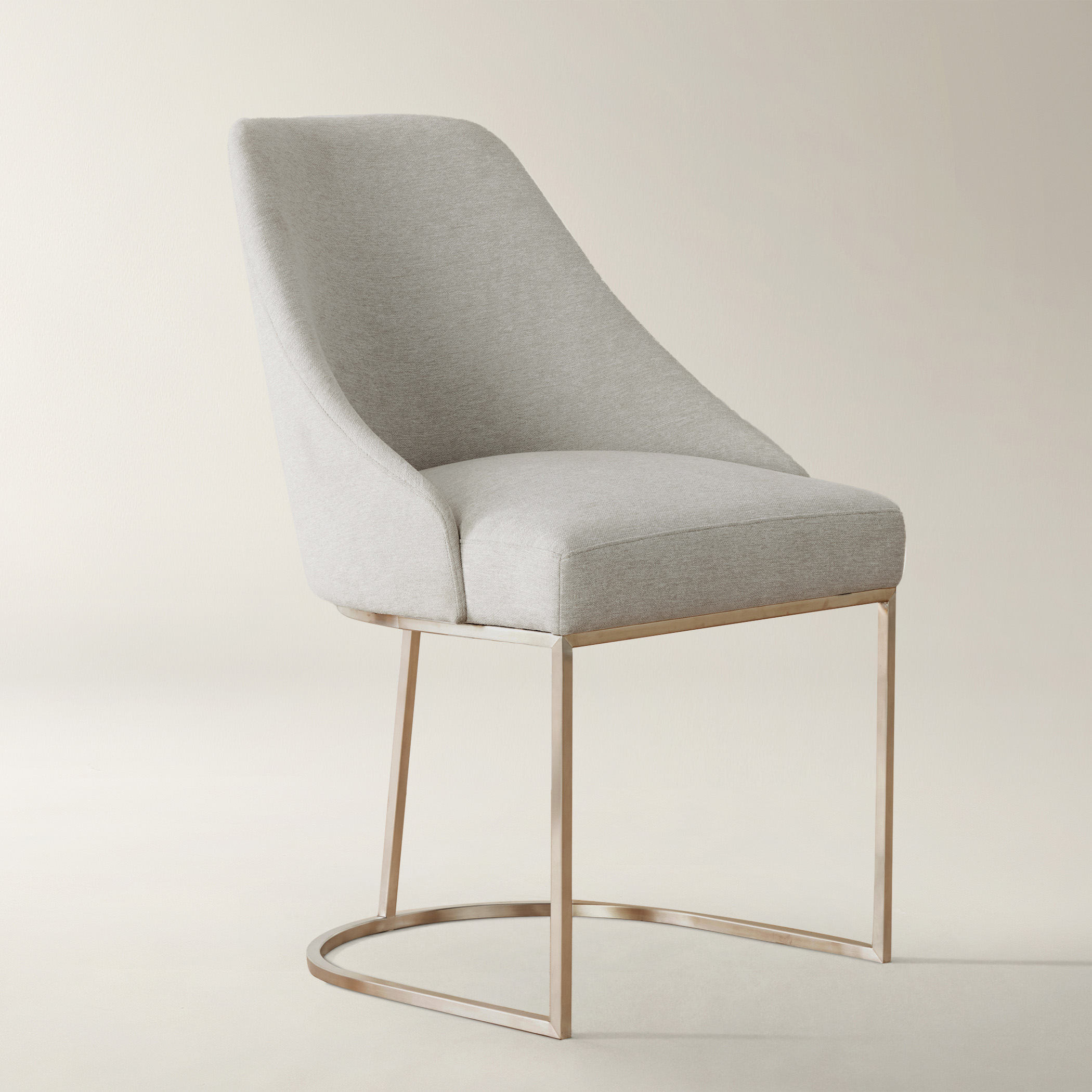
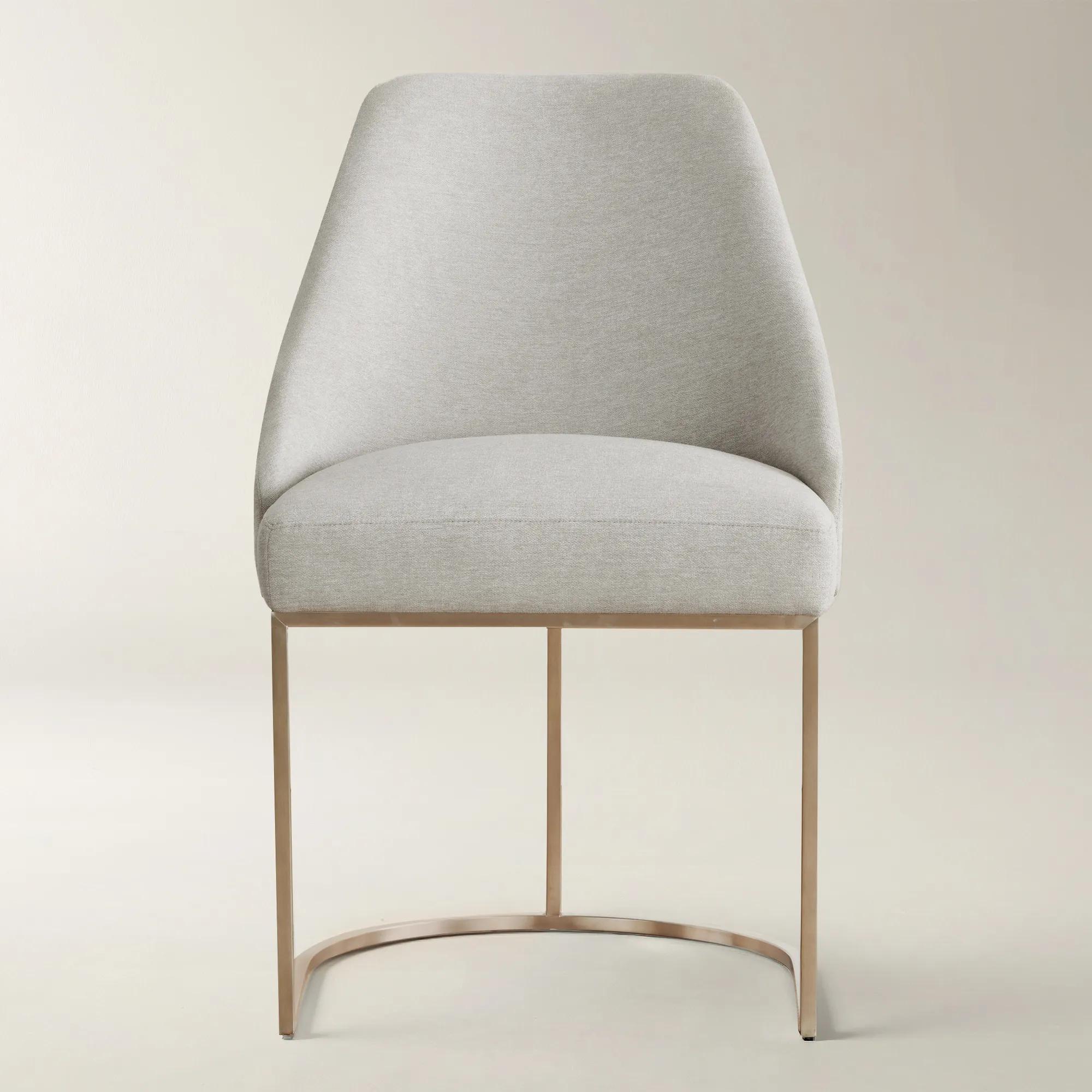 Rowan Ivory Fabric Dining Chair$599
A modern chair featuring brushed stainless steel legs and stain-resistant, water-repellent Roxboro Frost fabric.
Add To Cart -
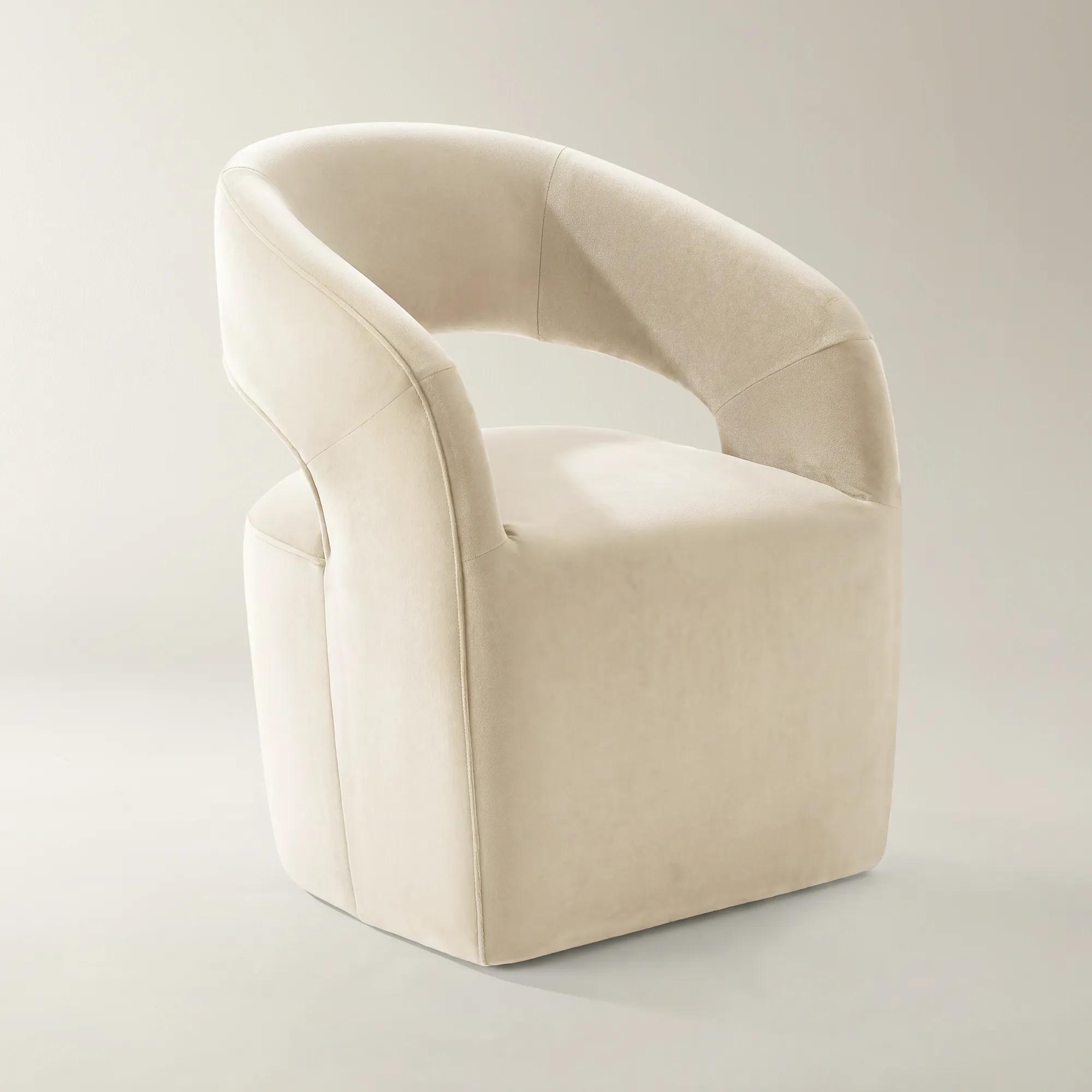
-2.jpg?w=1200&h=1200) Harrison Oatmeal Velvet Dining Chair$449
Harrison Oatmeal Velvet Dining Chair$449A sculptural dining chair upholstered in oatmeal velvet with a curved back, feather-blend seat, and integrated arms.
Add To Cart -
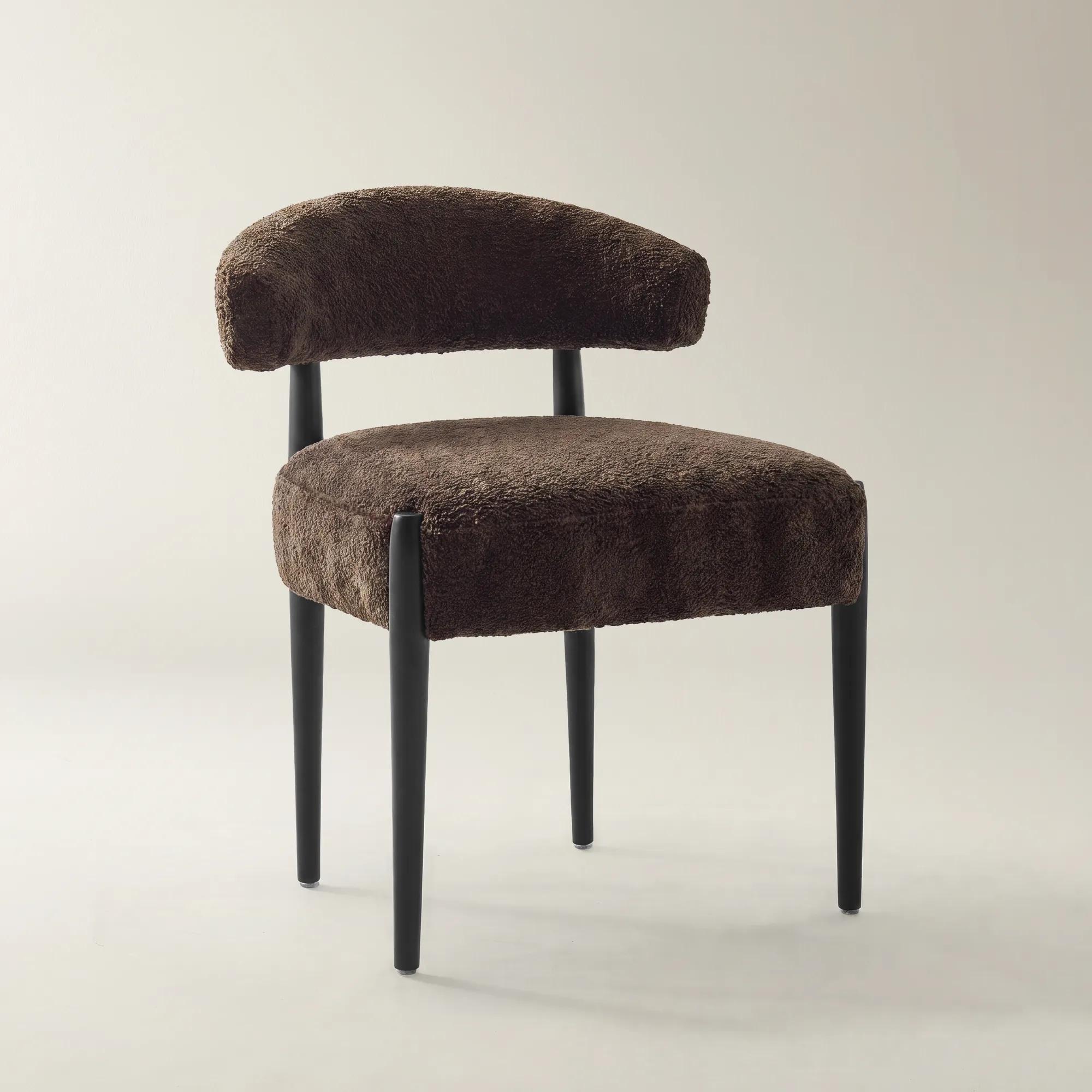
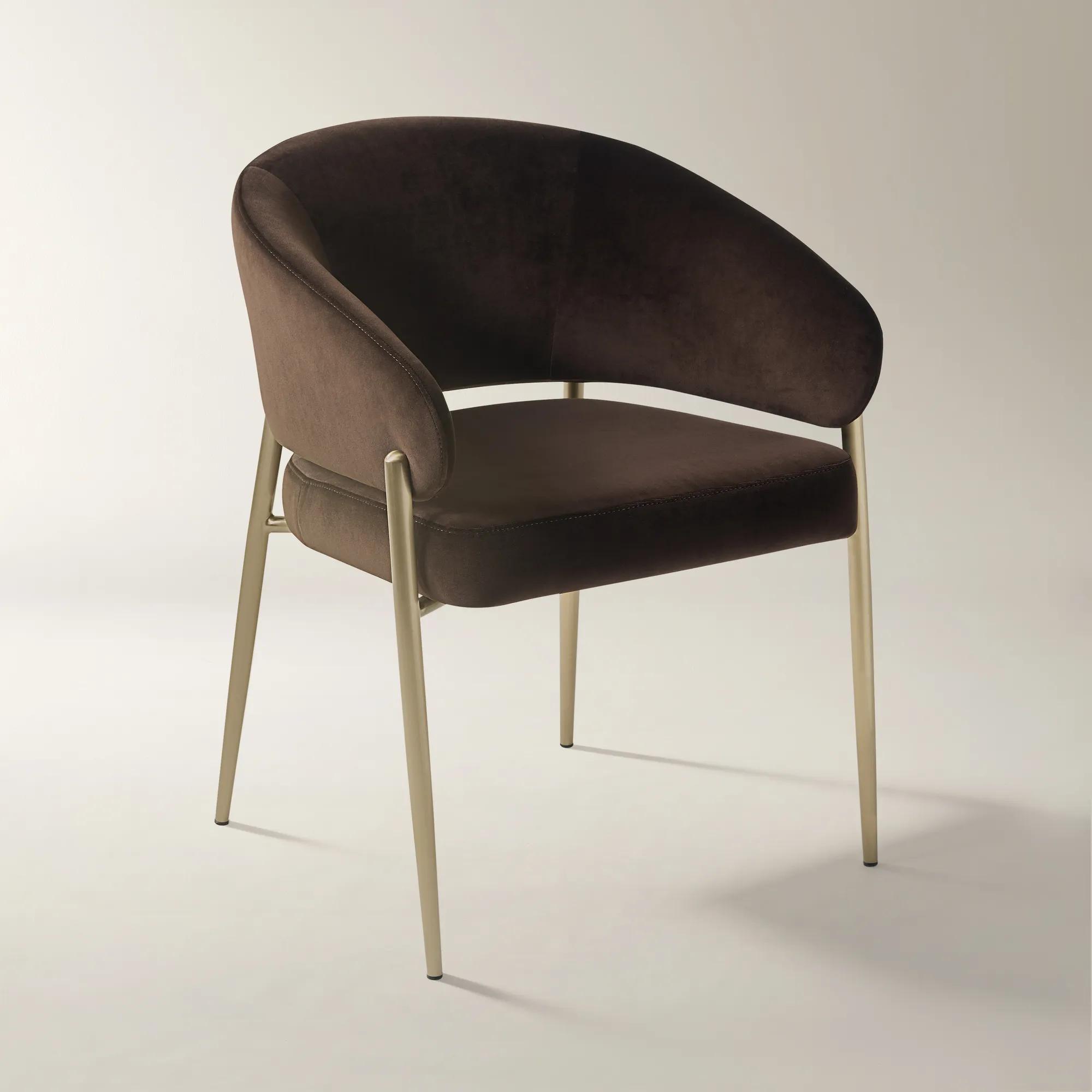 Nara Dark Chocolate Velvet Dining Chair Set Of 2$599
A pair of dark chocolate velvet chairs with curved backs and brushed brass stainless-steel legs for modern elegance.
Add To Cart -
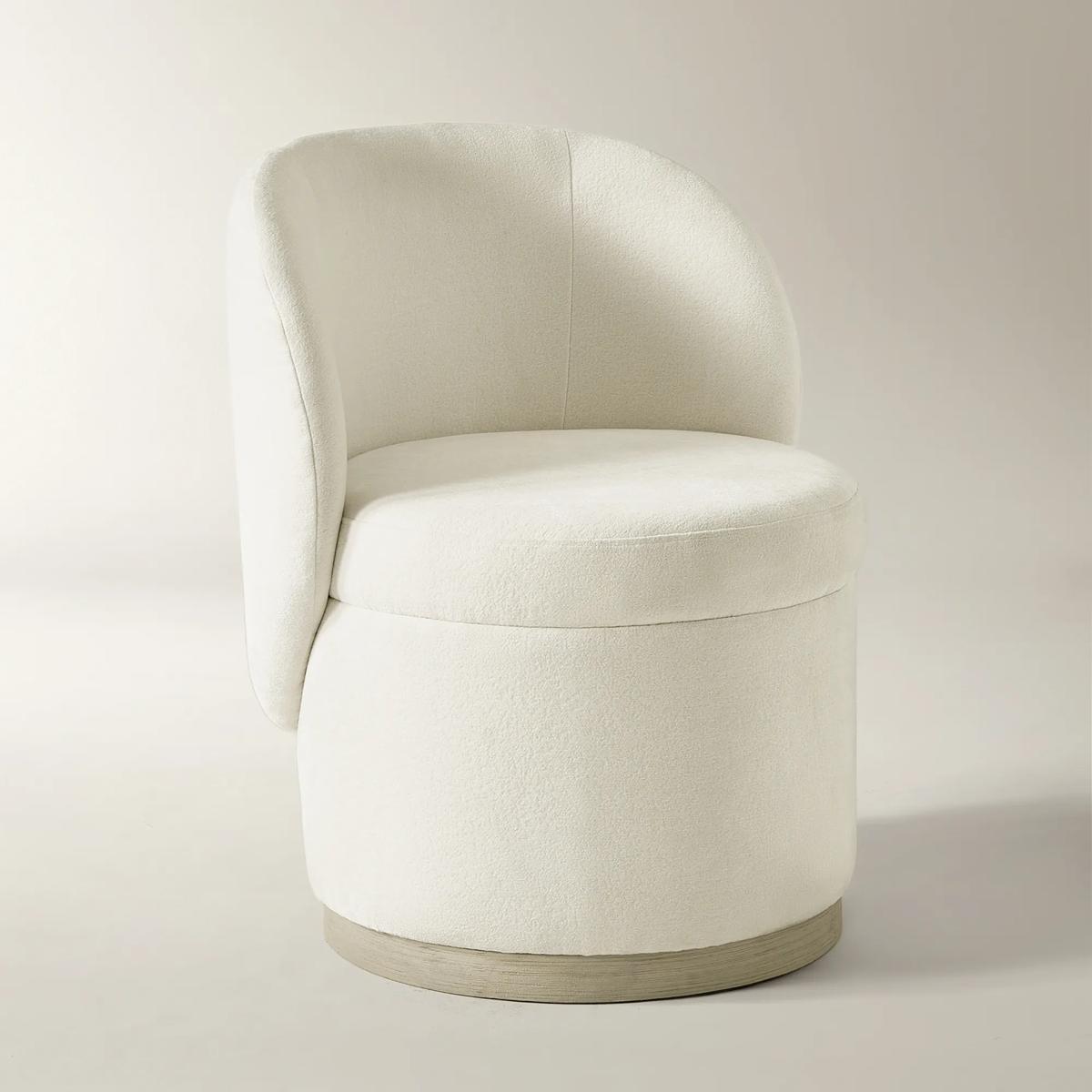 Stria Ivory Chenille Dining Chair With Oak Base$449
An ivory chenille chair featuring a plush, velvet-like finish and a handcrafted solid oak base.
Add To Cart -
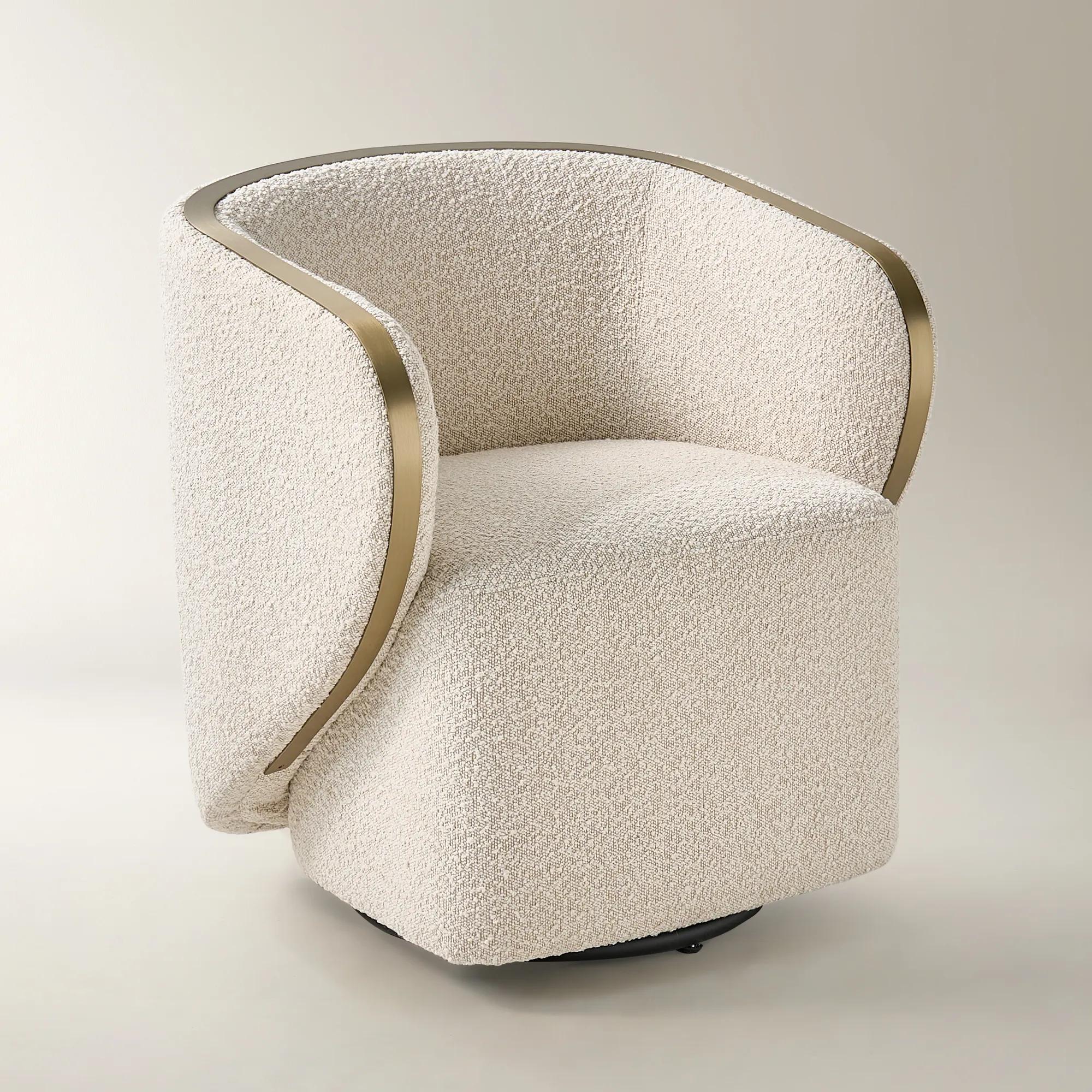 Nova Ivory Performance Boucle Swivel Dining Chair$599
An ivory boucle swivel chair featuring a sculptural wraparound silhouette and elegant metallic trim accents.
Add To Cart -
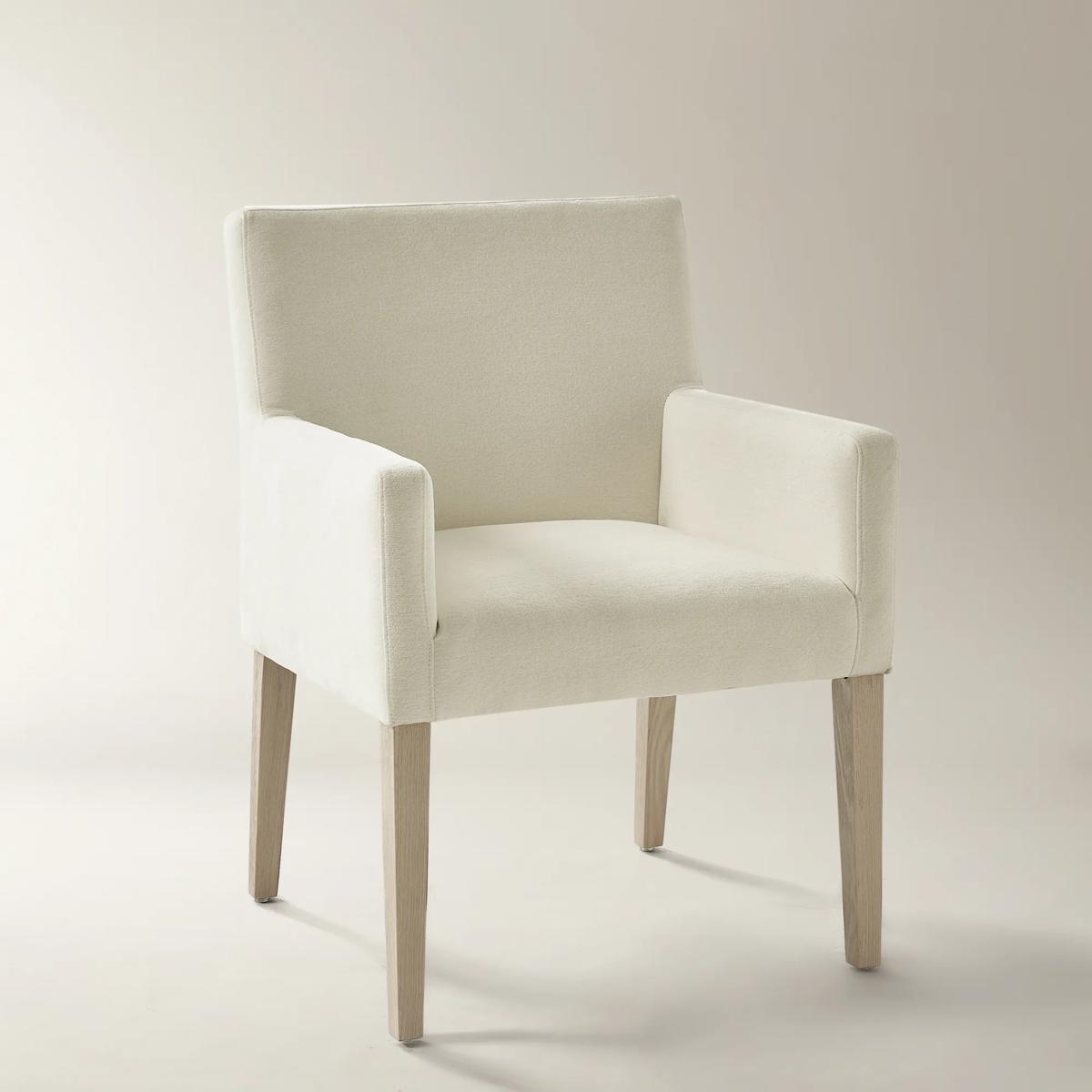
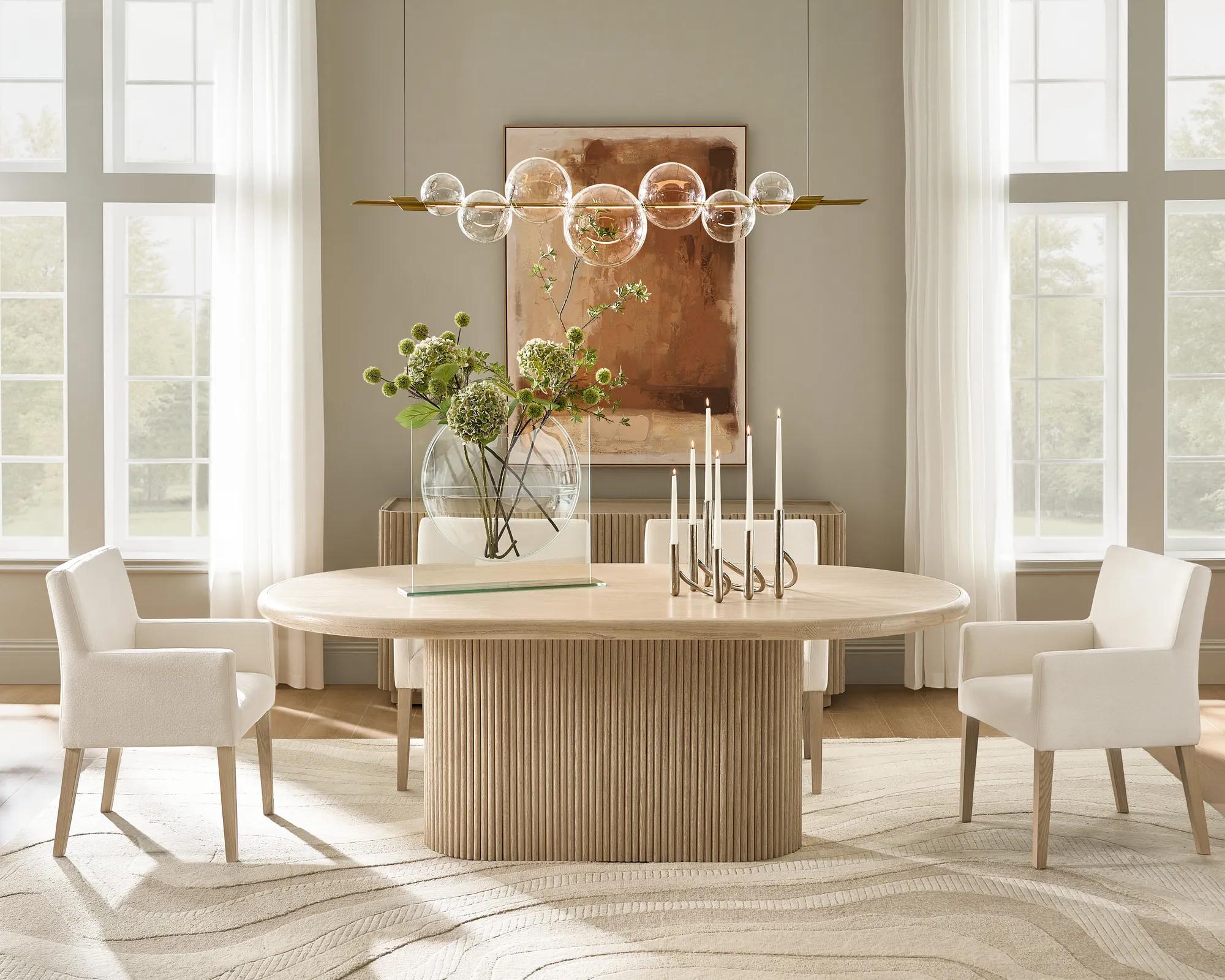 Stria Ivory Chenille Dining Chair Set Of 2$599
A pair of ivory chenille arm chairs with natural oak legs, offering plush comfort and modern elegance.
Add To Cart -
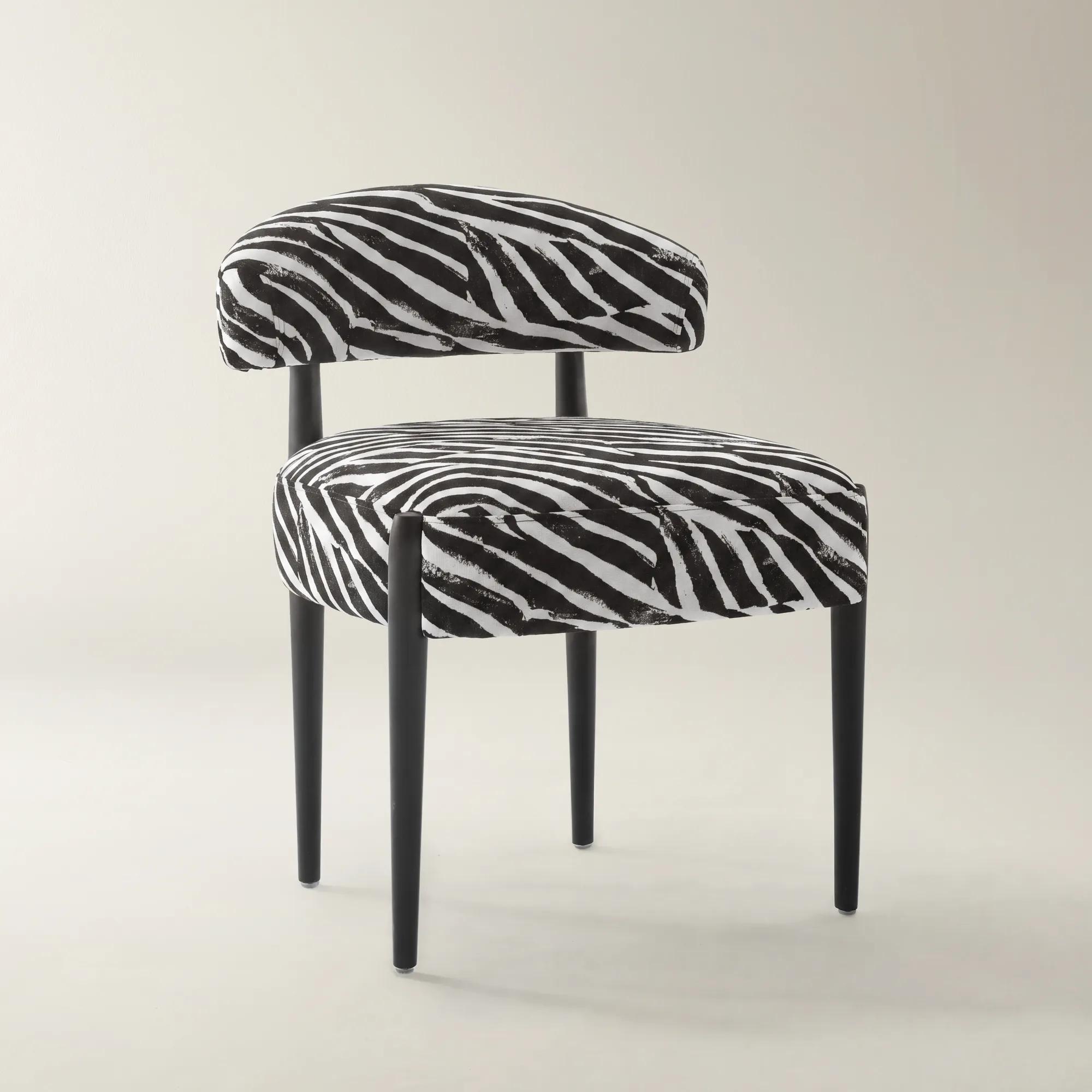
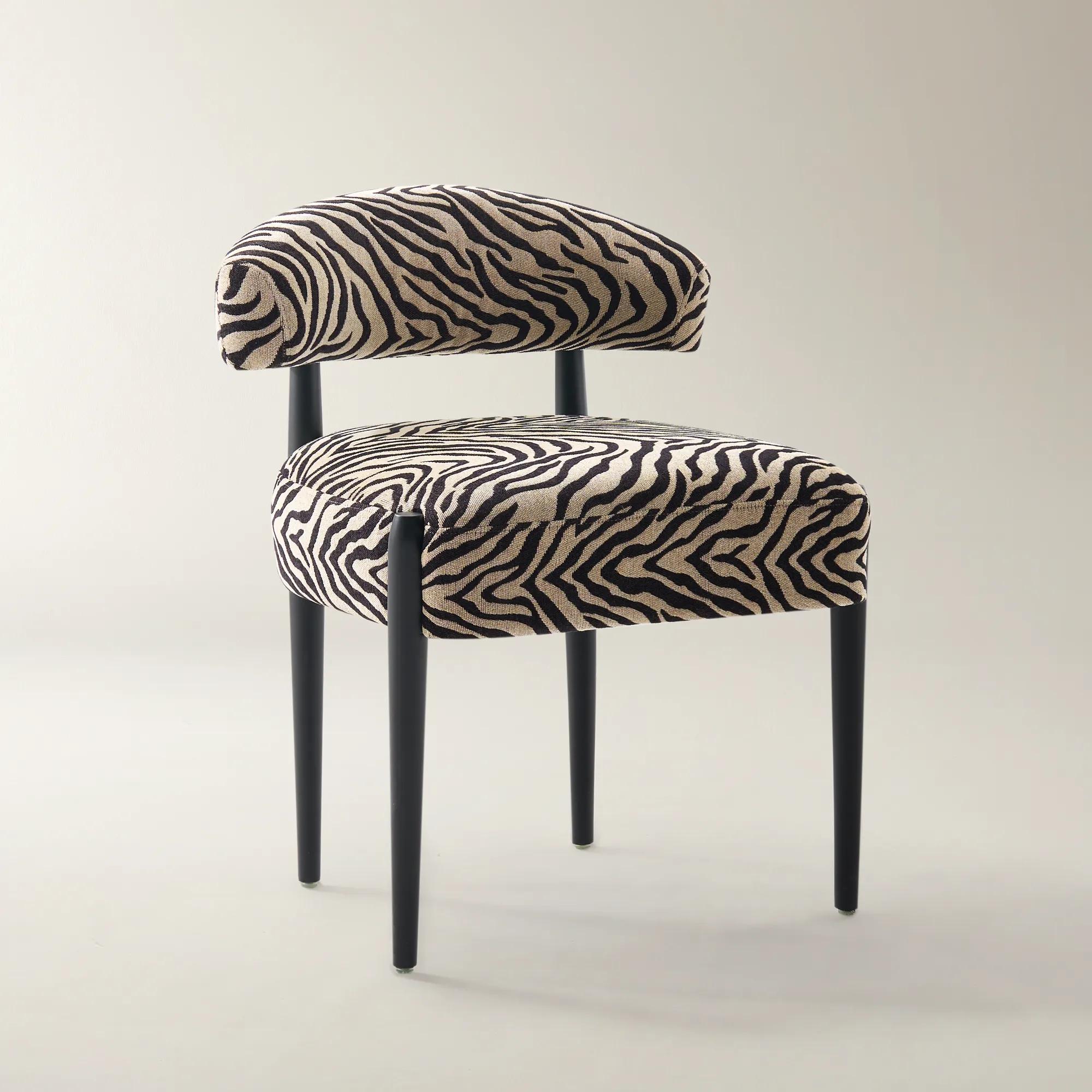 Anna Zebra Chenille Dining Chair Set Of 2$599
A set of zebra-print chenille dining chairs with high-density foam cushions and sturdy rubberwood legs.
Add To Cart -
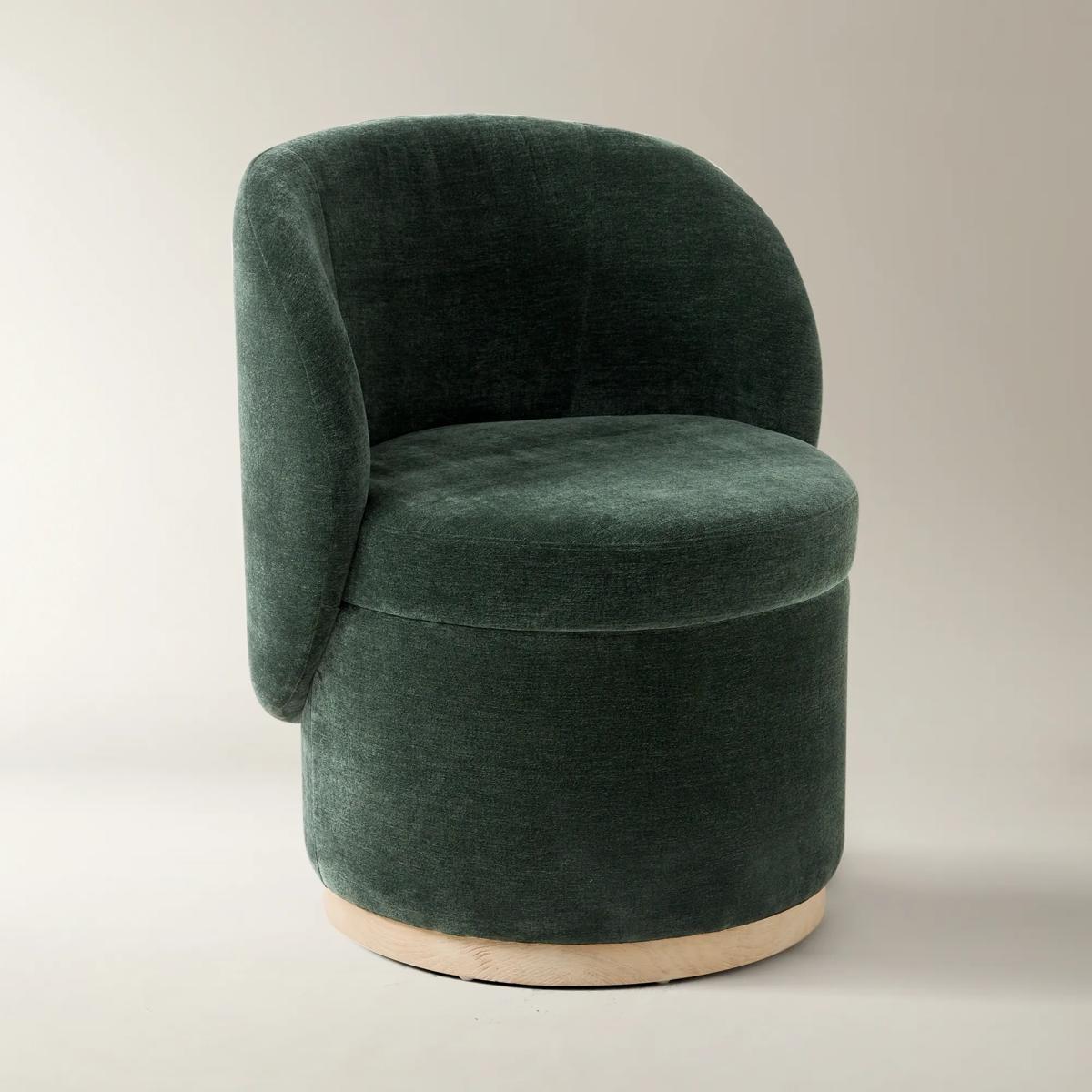
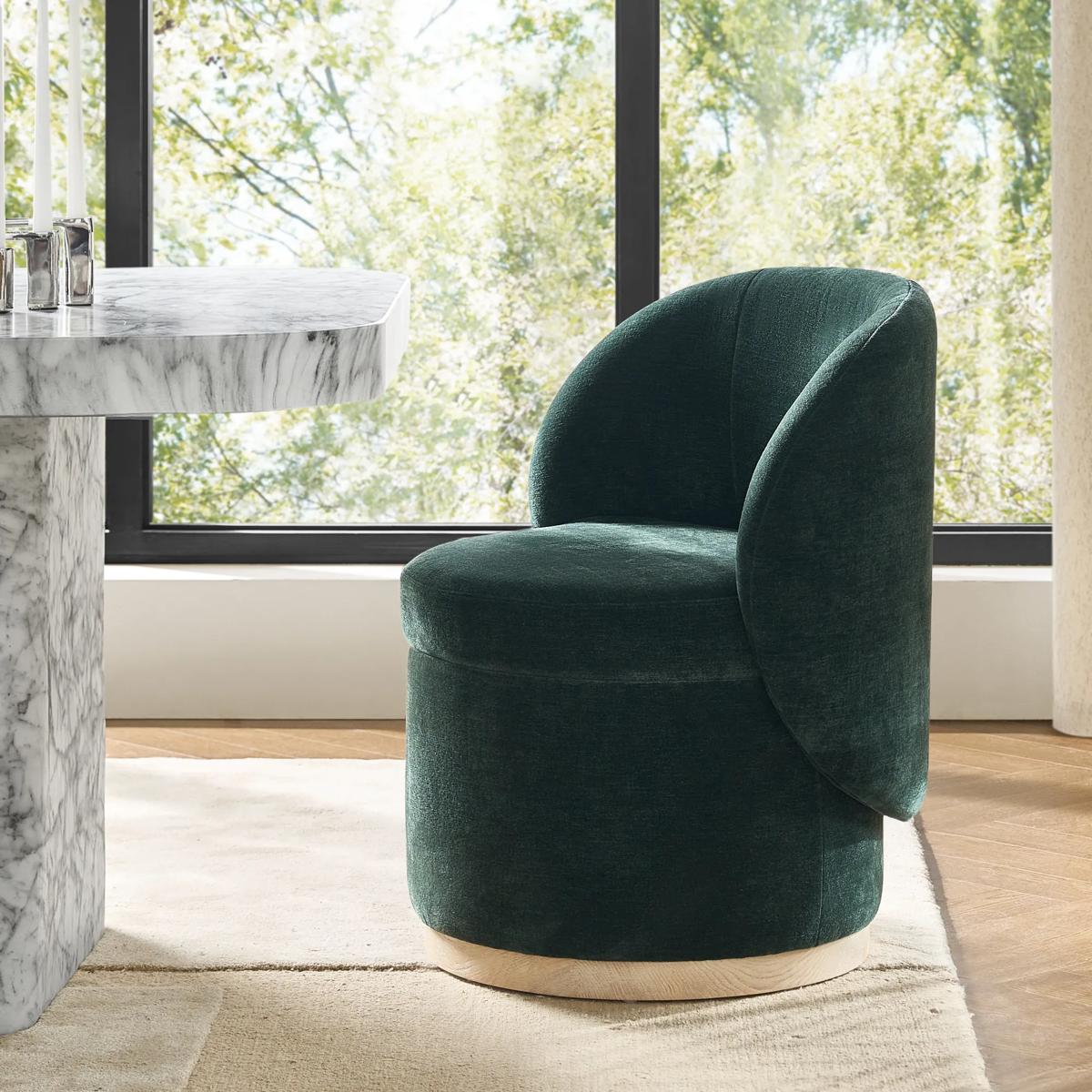 Stria Green Chenille Dining Chair With Oak Base$449
A green chenille dining chair with a handcrafted solid oak base and inviting, softly curved silhouette.
Add To Cart

Transitional Dining Room Chairs
Transitional dining room chairs are the secret ingredient to a dining space that dazzles with versatility and style. Where classic silhouettes meet modern allure, these chairs invite you to curate a room that feels both timeless and entirely of-the-moment. Imagine sculpted lines paired with sumptuous textures, each seat an invitation to linger over candlelit dinners and lively conversations. With transitional dining room chairs, your table becomes a stage for artistry—effortlessly blending sophistication and comfort, and transforming every meal into an occasion worth savoring.
Transitional dining room chairs bring together the tailored appeal of classic furniture and the crisp confidence of contemporary design, making them a graceful choice for dining rooms that evolve with the people who use them. This style is defined by balance: clean silhouettes softened by upholstery, traditional materials refined with modern proportions, and decorative details that feel considered rather than ornate. Upholstered Parsons-style chairs offer a classic foundation with their straight backs, generous seats, and adaptable profiles. A neutral fabric in ivory, taupe, gray, or warm beige can create a serene backdrop for a richly grained wood table, while subtle texture or a restrained pattern adds dimension without overwhelming the room. Solid wood frames introduce warmth and craftsmanship, especially when paired with a table in a complementary finish. For a more polished statement, sleek metal bases lend architectural appeal, creating an elegant contrast against plush upholstery. Cane or rattan accents bring organic texture and a lighter visual rhythm, particularly beautiful in rooms layered with wood, linen, glass, or softly gleaming metal. The result is a dining setting that feels collected rather than overly matched—classic enough to feel welcoming, yet fresh enough to suit a modern home.
Choosing the right transitional dining room chairs begins with comfort and proportion. Start by measuring the dining table, including its height from the floor to the underside of the apron, and look for approximately ten to twelve inches of clearance between the seat and tabletop. This space allows guests to sit comfortably without feeling confined. Standard dining chair seats are often close to eighteen inches high, though the ideal height depends on the table and the stature of the people who gather around it. Consider whether the room calls for side chairs, armchairs, or a thoughtful combination of both. Armchairs can define the heads of the table and offer a more enveloping seat, but their arm height and width should be checked carefully to ensure they slide beneath the table when not in use. Seat depth, back support, and cushioning matter just as much as appearance, particularly when dinner stretches into a lingering evening of conversation. In homes where the dining table also serves as a workspace, homework station, or creative surface, supportive backs and durable upholstery become especially valuable. Performance fabrics and tightly woven textiles are practical for busy households, while removable cushions or easy-care finishes can simplify everyday maintenance. For a room that hosts celebratory meals during the cooler months, consider chairs with a little extra padding and a tactile fabric that makes the entire setting feel warmer. A beautifully proportioned chair should not merely complete the table; it should encourage everyone to stay for dessert.
Transitional dining room chairs are equally at home in formal dining rooms, open-concept kitchens, breakfast areas, and multifunctional spaces where design needs to perform beautifully from morning through evening. Pair upholstered chairs in a quiet neutral with a substantial wood table for a harmonious arrangement, then introduce contrast through a sculptural chandelier, reflective tableware, or a centerpiece of richly toned branches. Chairs with modern lines and metal bases can be softened by a traditional table, a patterned rug, or classic molding, creating a sophisticated dialogue between old and new. For added visual interest, combine cane-backed chairs with upholstered seats or use natural woven textures around a table with a refined finish. Keep the overall palette connected by repeating one or two tones—perhaps the warmth of the wood in the flooring or a dark metal echoed in lighting and hardware—so varied materials feel intentional. Transitional dining chairs can also make a thoughtful housewarming or wedding gift, especially for someone creating a first dining space or refreshing a home for more frequent entertaining. A set of well-made chairs has a quietly generous quality: it supports weekday breakfasts, long family dinners, festive gatherings, and those spontaneous evenings when friends remain at the table well after the plates have been cleared. For neighboring spaces that call for the same blend of polished structure and inviting comfort, explore Transitional Style Accent Chairs to extend the look beyond the dining room. With the right scale, materials, and level of detail, transitional dining room chairs turn an ordinary table into a composed, welcoming scene—one that feels equally fitting beneath bright daylight and a golden evening glow.
FAQs
Transitional dining chairs blend classic and contemporary elements, offering a harmonious mix of traditional silhouettes and modern finishes. Expect clean lines softened by subtle curves, refined upholstery, and a palette that balances timeless neutrals with on-trend textures. These chairs are designed to seamlessly complement both ornate and minimalist dining spaces, making them a versatile choice for any modern transitional dining room.
Transitional dining chairs bring a sense of balance and sophistication to your dining space. Their unique design language bridges the gap between old-world charm and current trends, creating an inviting environment that feels both curated and comfortable. Whether paired with a bold statement table or layered with eclectic décor, these chairs set the tone for memorable gatherings and everyday elegance.
Absolutely. Modern transitional dining chairs are crafted with versatility in mind, often featuring streamlined profiles and airy frames that help visually expand smaller spaces. Their understated elegance allows them to blend effortlessly into a small transitional dining room, offering comfort without overwhelming the area and creating an open, welcoming feel.
Transitional dining chairs often showcase a thoughtful mix of materials such as rich woods, polished metals, and luxurious fabrics like velvet, linen, or leather. Details like nailhead trim, tufted backs, or sleek metal legs add visual interest, while high-quality construction ensures lasting comfort and durability. This blend of materials allows you to create a dining environment that feels both timeless and fresh.
Yes, one of the hallmarks of transitional design is its adaptability. Dining room chairs transitional in style can be beautifully mixed with a variety of tables, from rustic farmhouse to ultra-modern glass. Their balanced aesthetic makes them ideal for creating a curated, eclectic look—layer in bold accents, dramatic lighting, or contrasting finishes to express your unique sense of style.