Dining Chairs For Contemporary Spaces
Dining Chairs For Contemporary Spaces
-
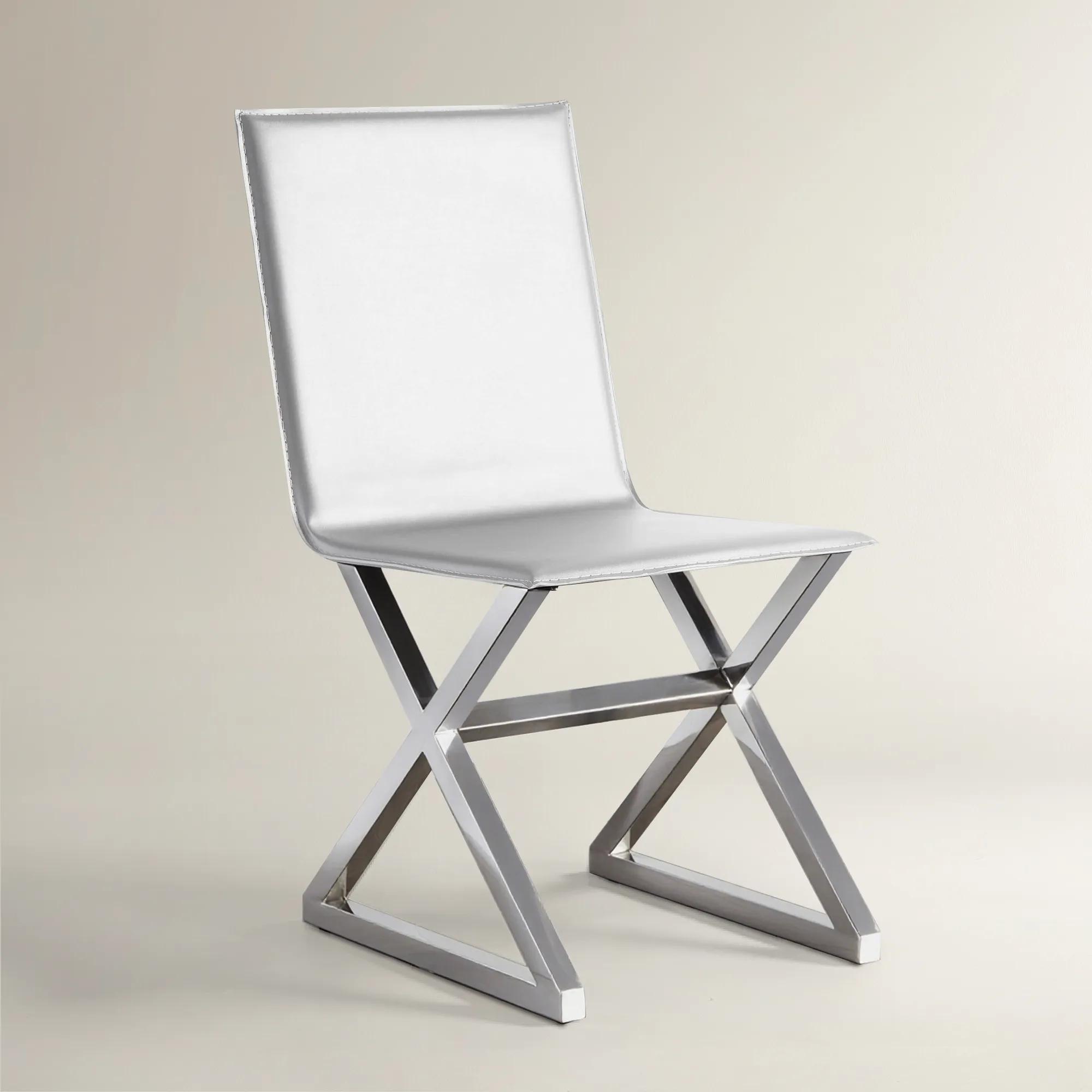
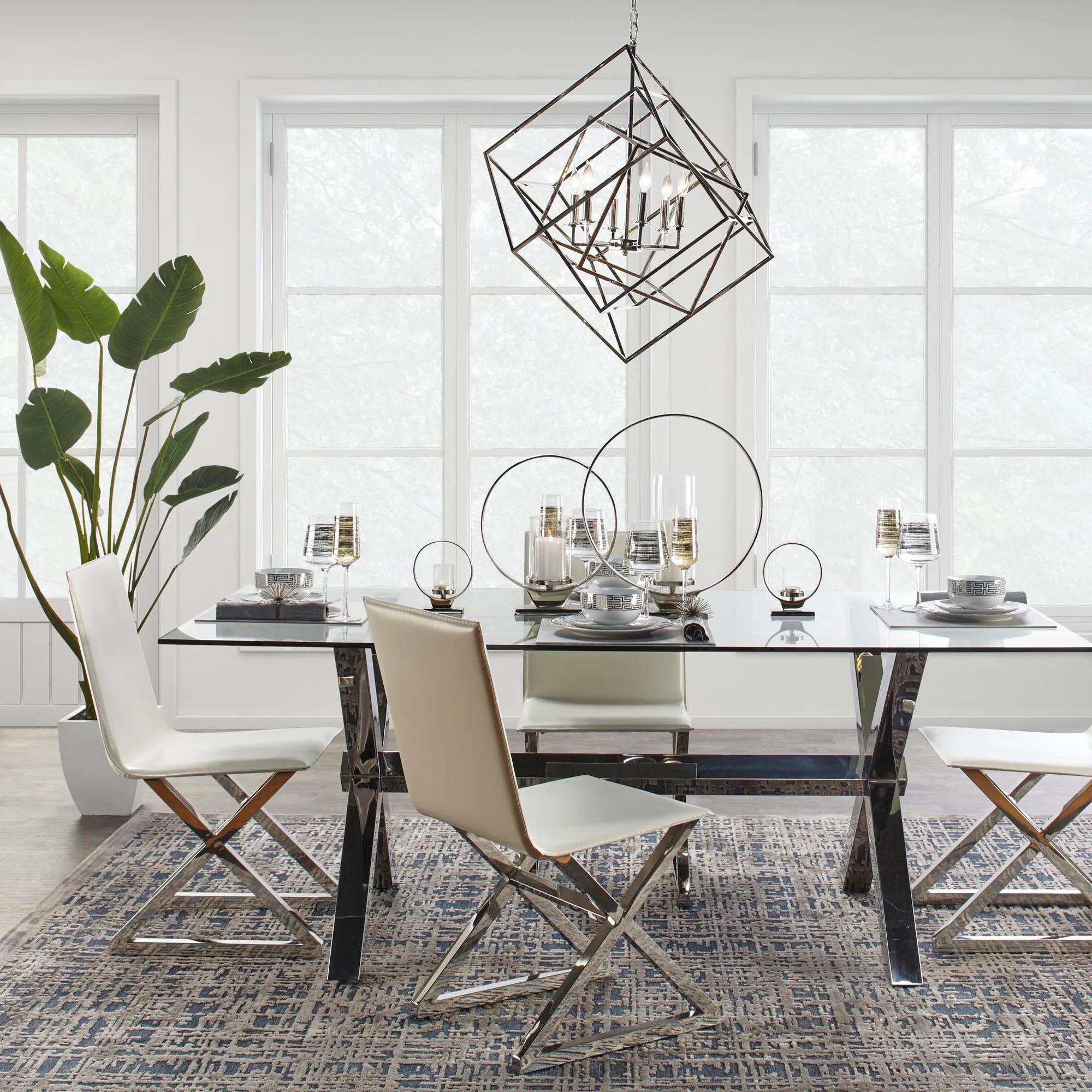 Axis Dining Chair - Set of 2$399
A contemporary dining chair set featuring white bonded leather upholstery and a polished stainless steel base.
Add To Cart -
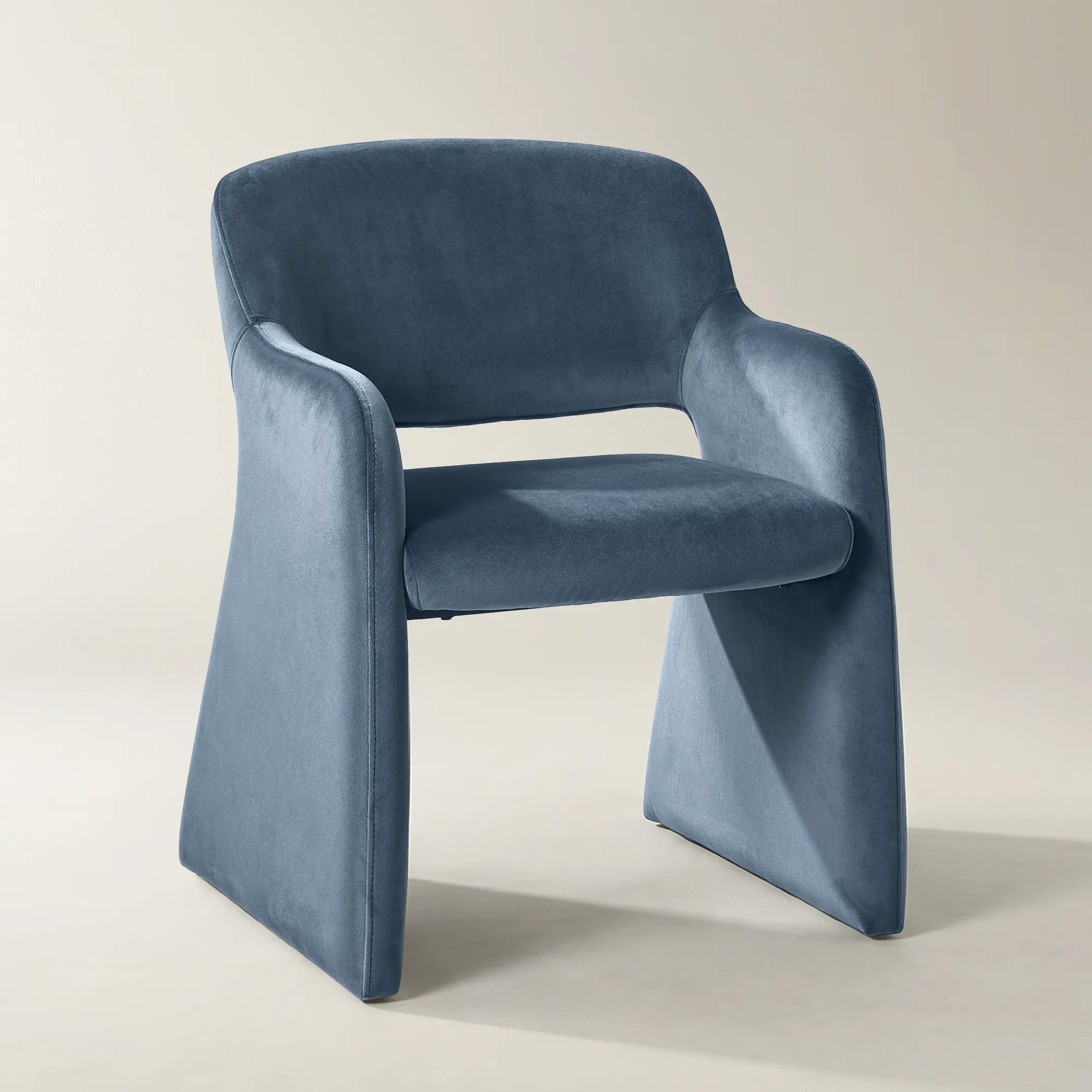 Elara Dusty Blue Velvet Dining Chair$449
A graceful dining chair featuring dusty blue velvet upholstery, integrated arms, and a seamless cantilevered silhouette.
Add To Cart -
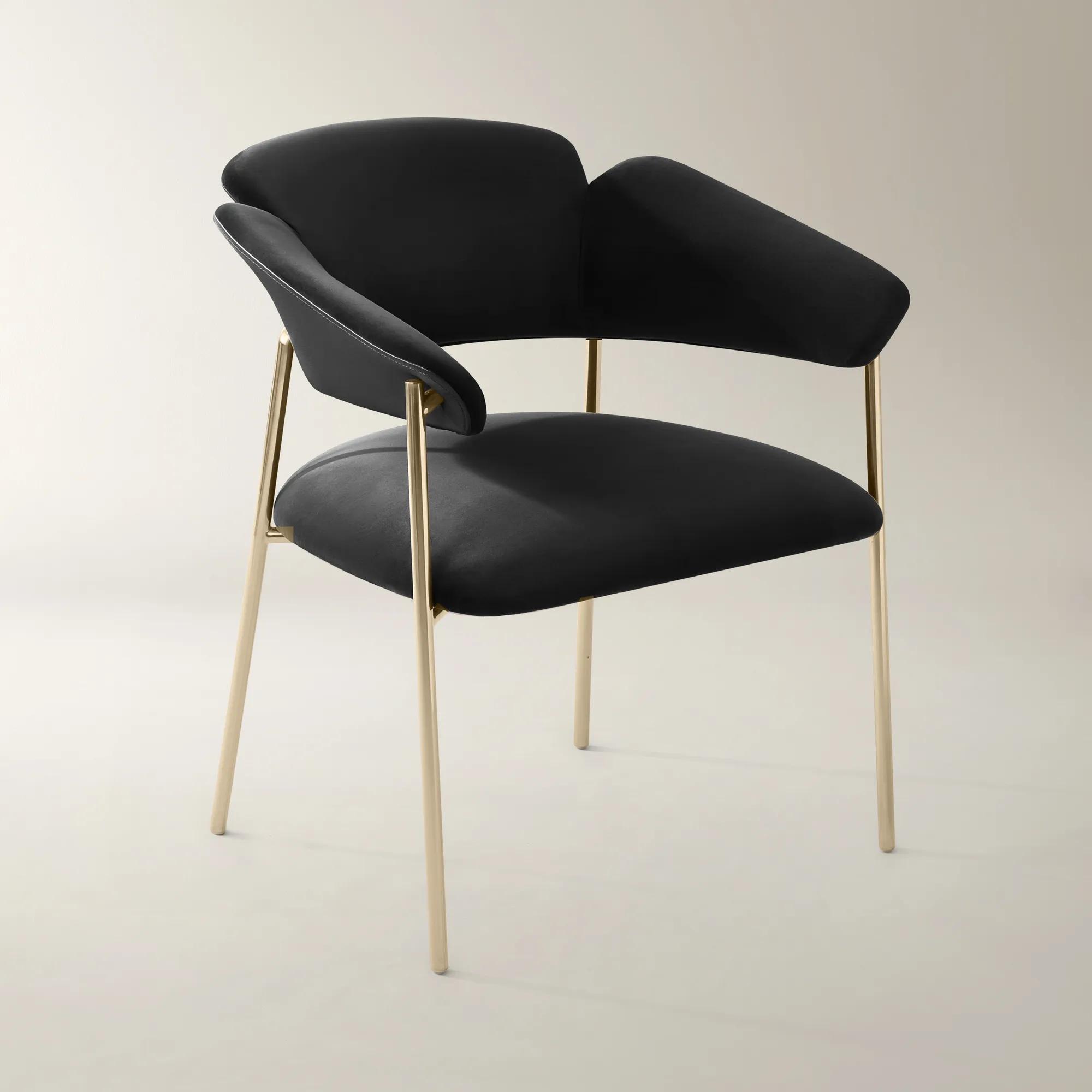 Odette Charcoal Velvet Dining Chair$499
A charcoal velvet chair featuring a wraparound open-back design, tonal faux leather accents, and gold metal legs.
Add To Cart -
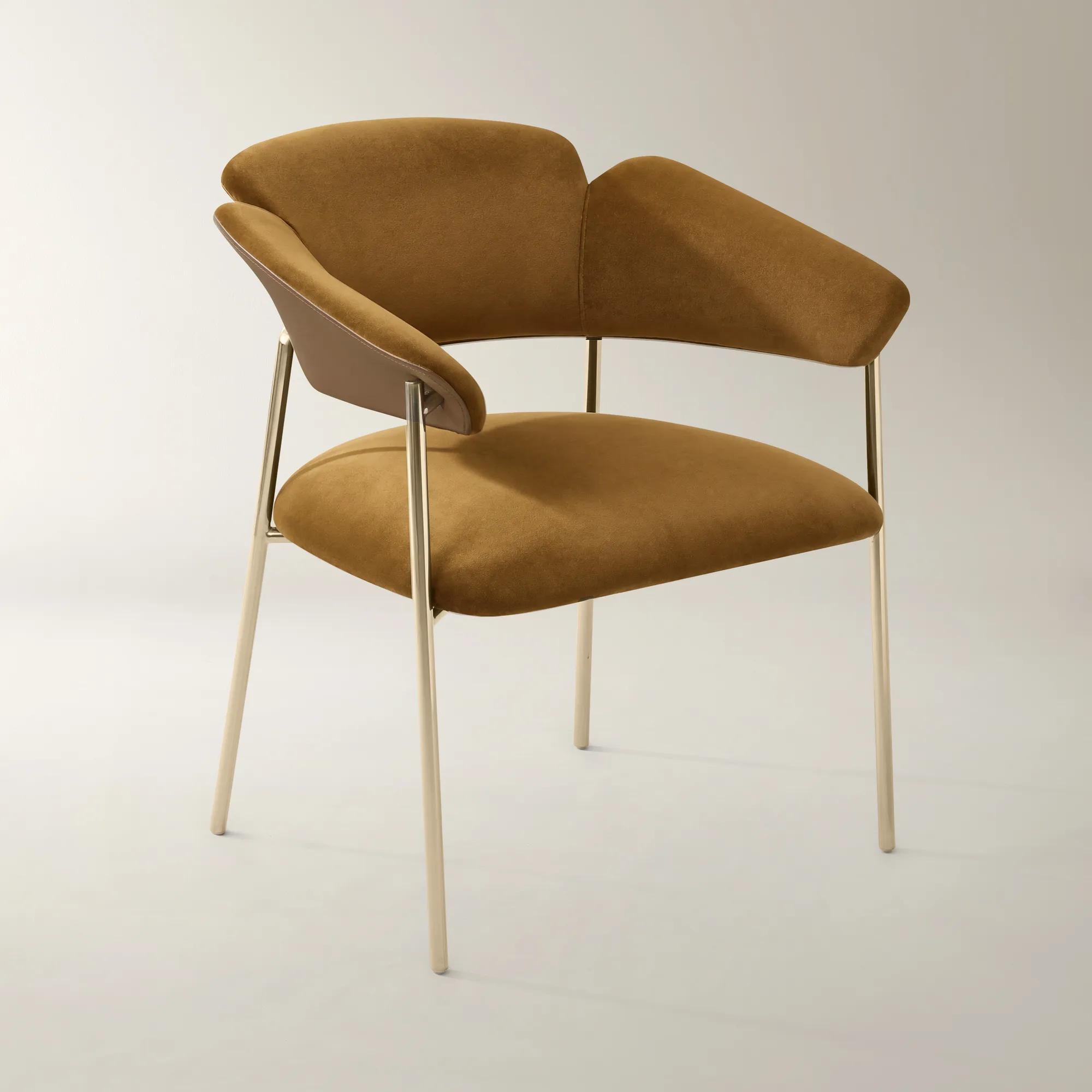 Odette Roasted Pecan Velvet Dining Chair$499
A sculptural dining chair featuring roasted pecan velvet, tonal faux leather accents, and gold stainless steel legs.
Add To Cart -
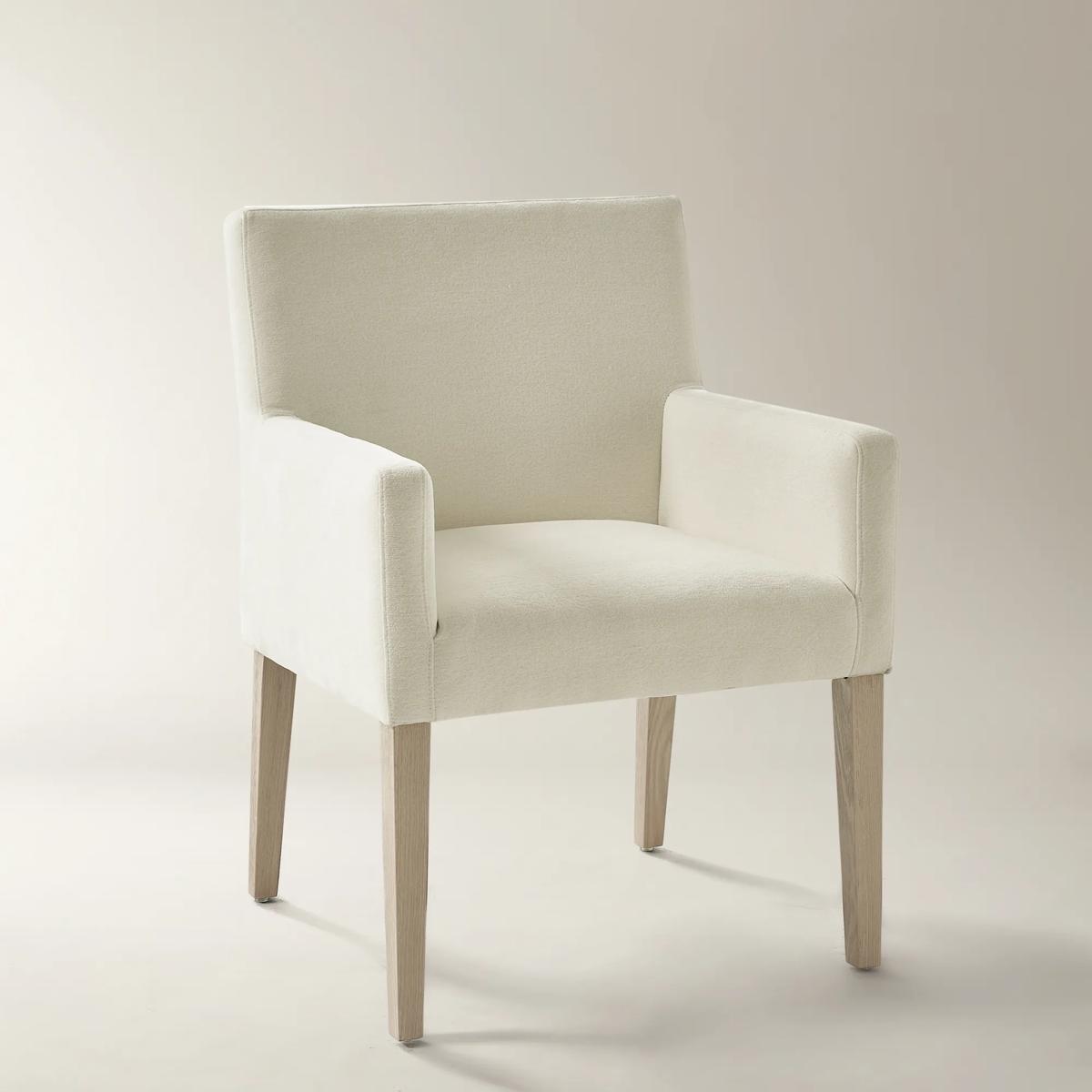
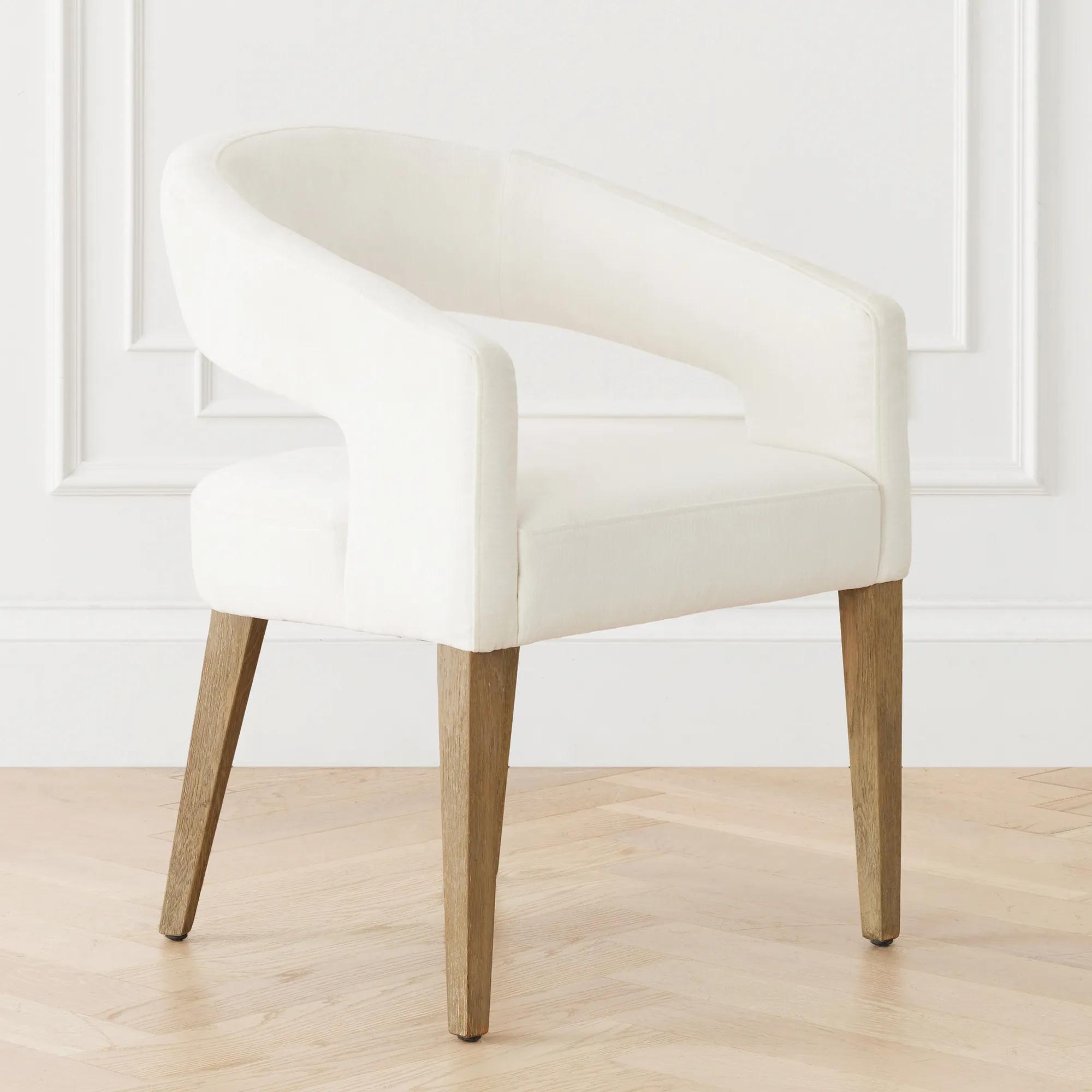
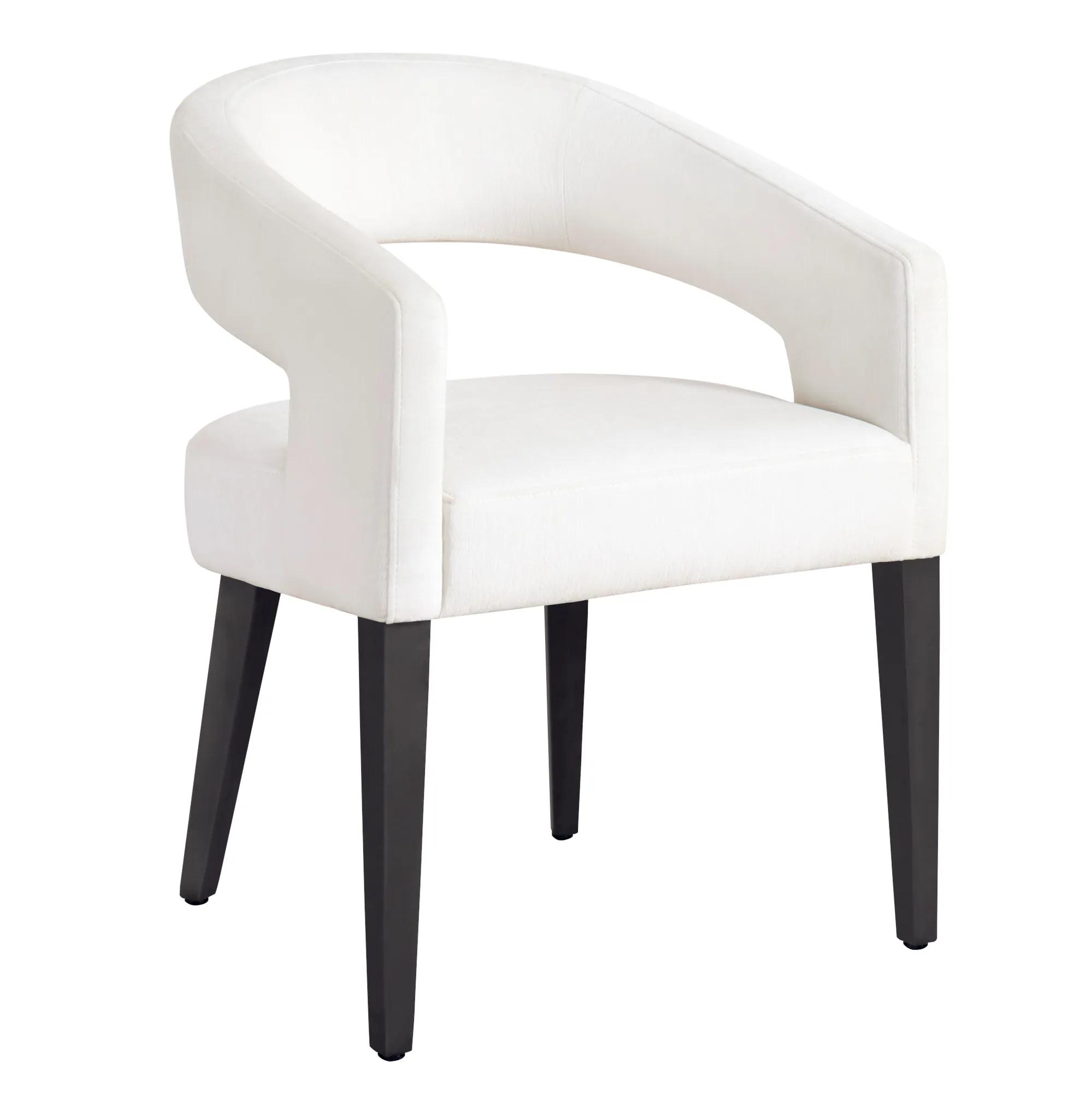
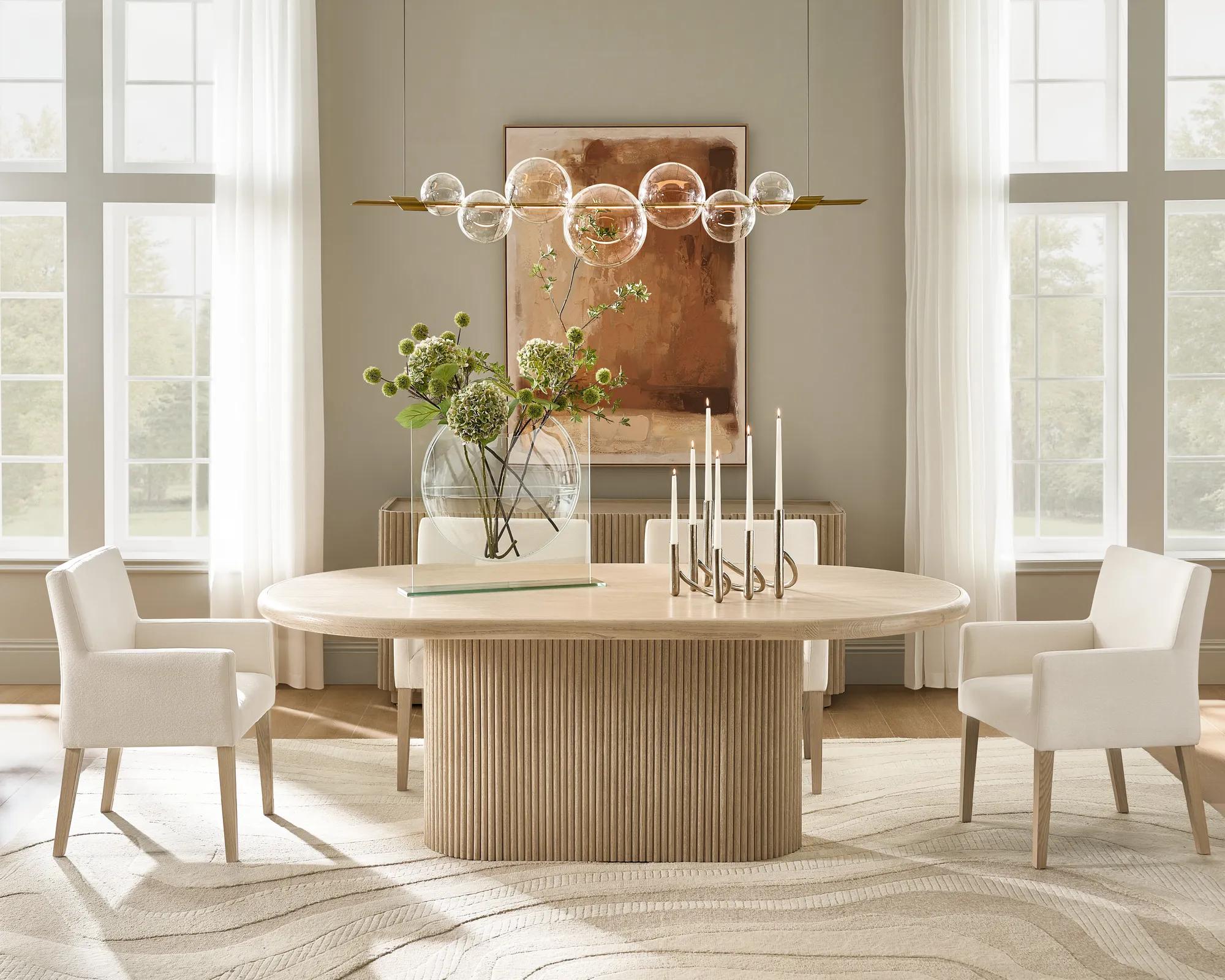 Stria Ivory Chenille Dining Chair Set Of 2$599
A pair of ivory chenille arm chairs with natural oak legs, offering plush comfort and modern elegance.
Add To Cart -
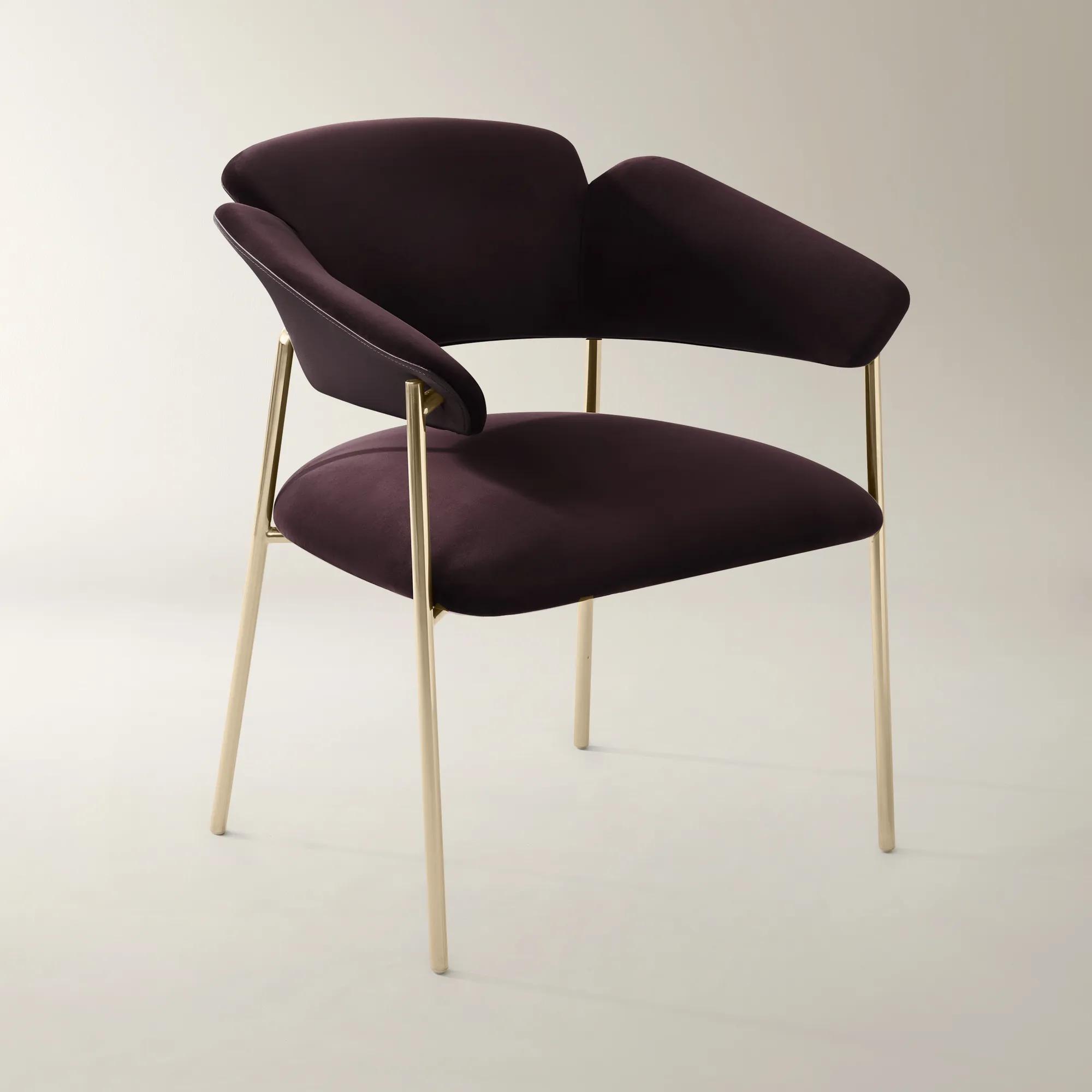 Odette Fig Velvet Dining Chair$499
A sculptural dining chair featuring fig velvet, tonal faux leather accents, and slender gold-finished metal legs.
Add To Cart -
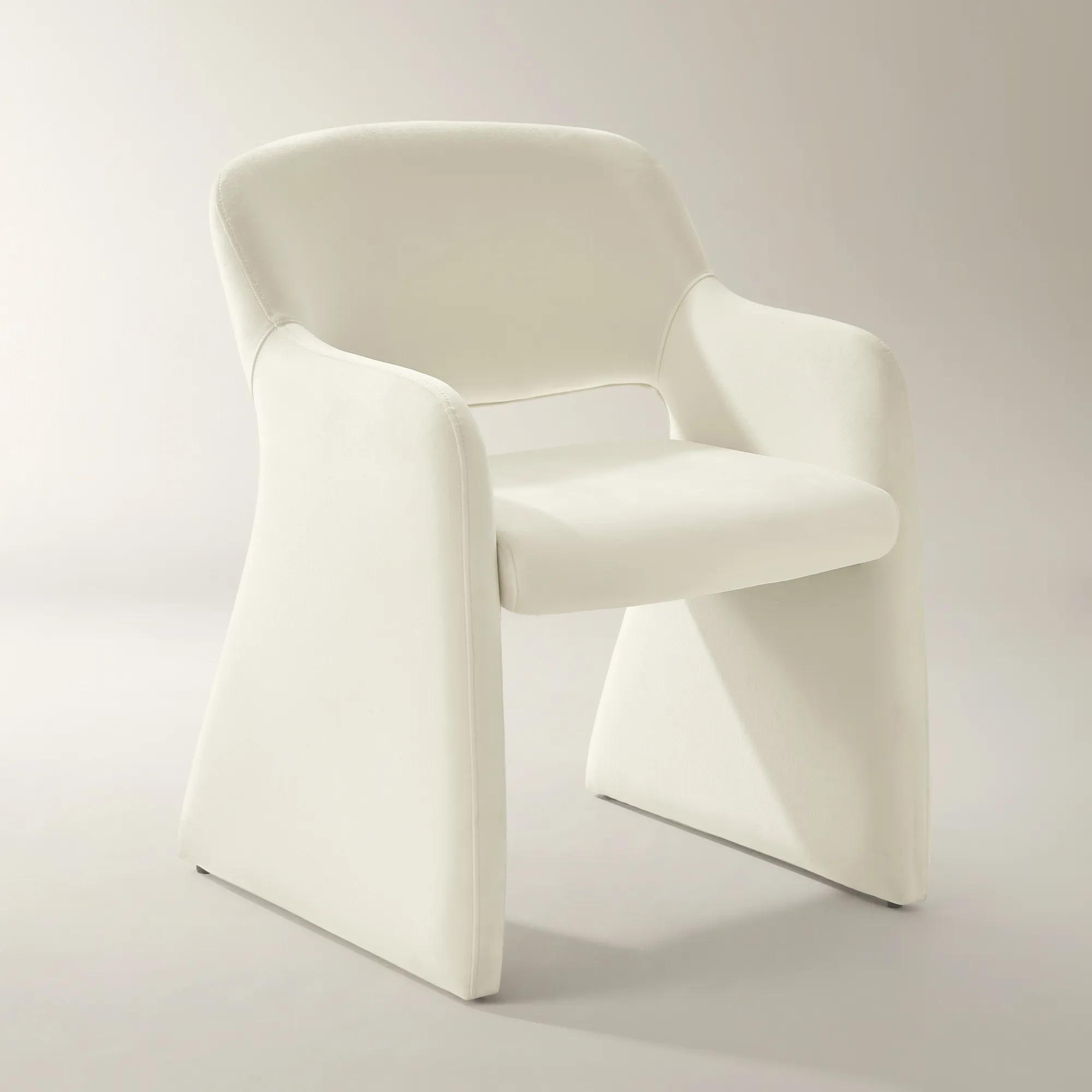 Elara Cloud Velvet Dining Chair$449
A plush velvet dining chair featuring a seamless wraparound silhouette and supportive carbon steel frame.
Add To Cart -
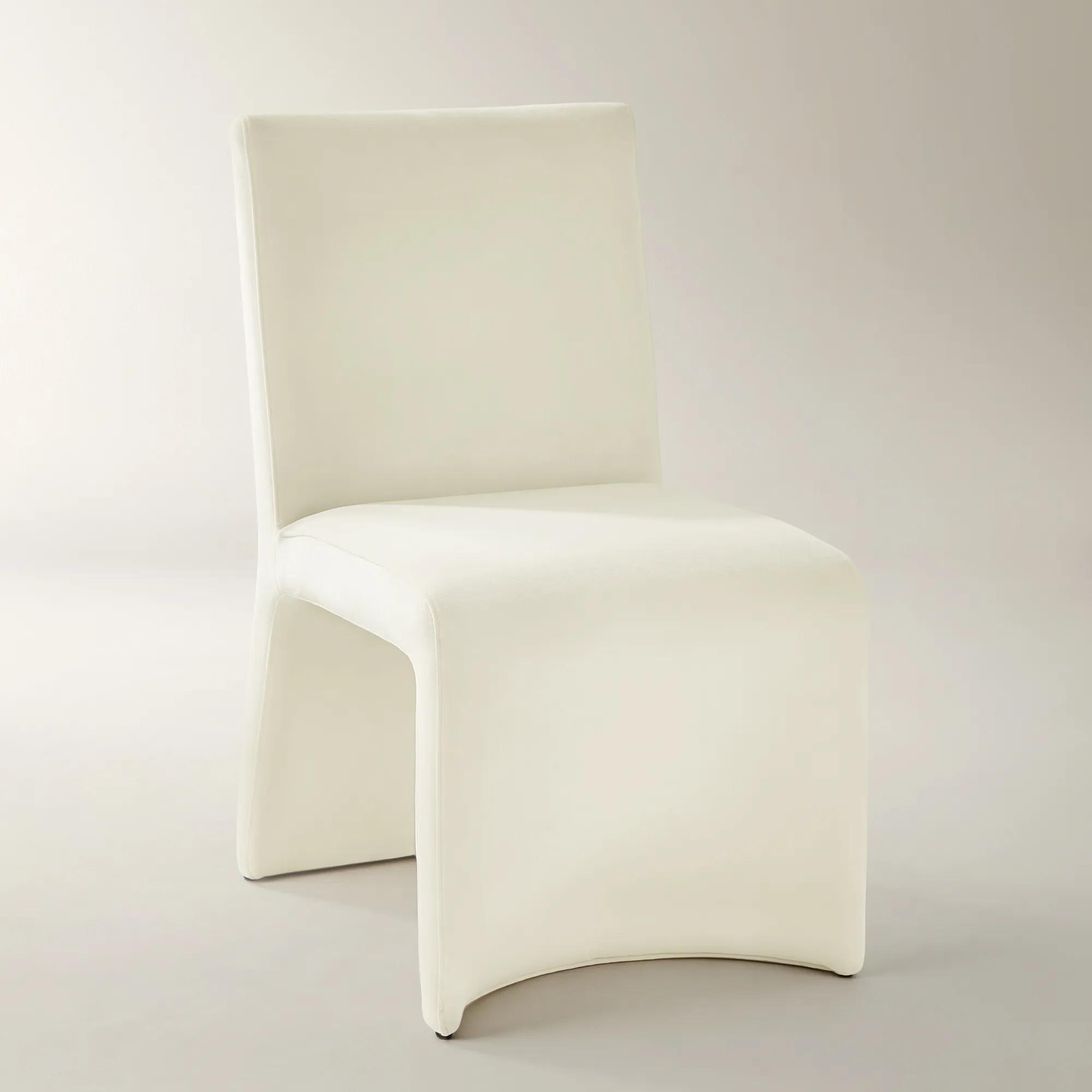 Elara Cloud Velvet Dining Chair Set Of 2$799
A set of two dining chairs featuring plush velvet upholstery, a seamless curved silhouette, and a sturdy steel frame.
Add To Cart -
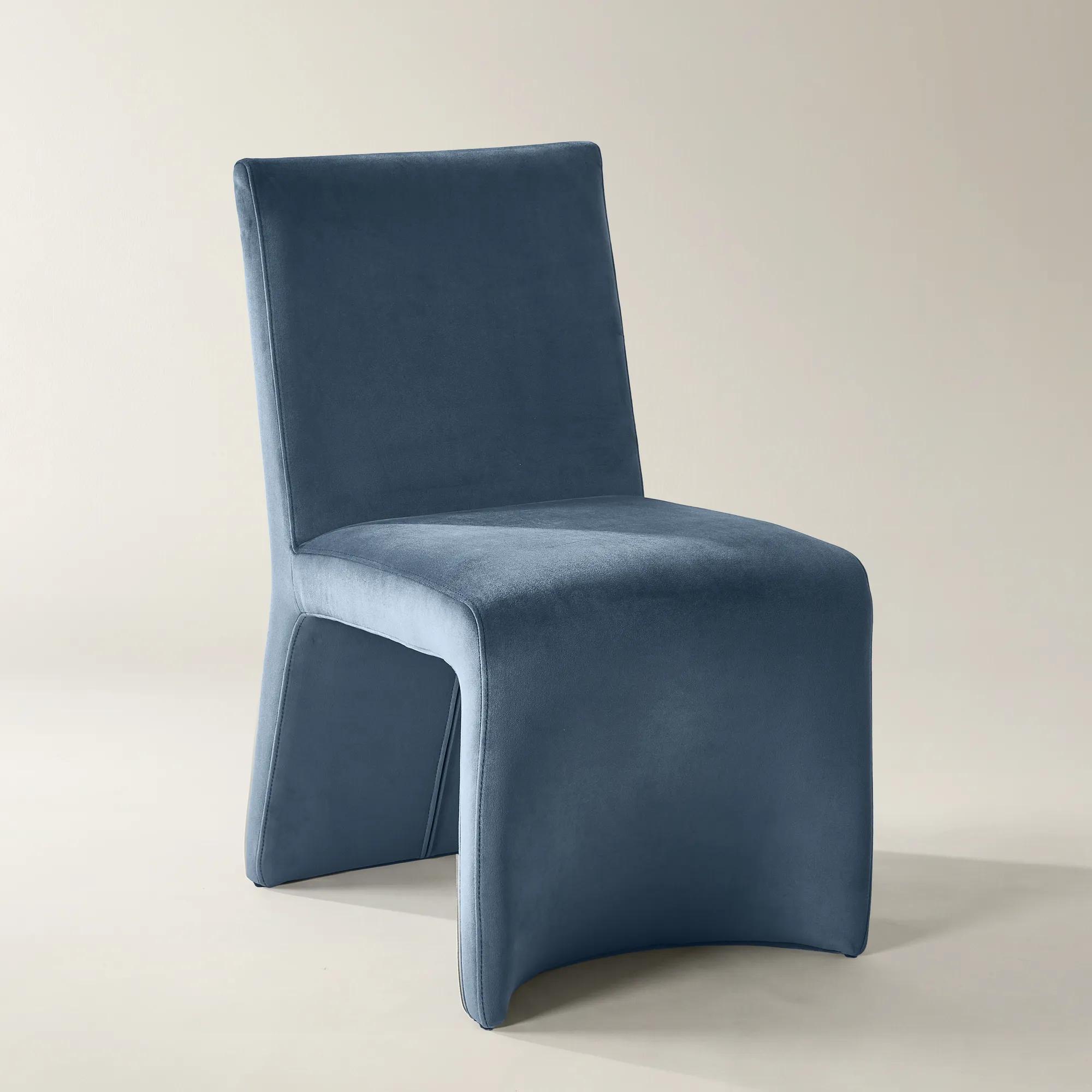 Elara Dusty Blue Velvet Dining Chair Set Of 2$799
A set of two dining chairs featuring plush dusty blue velvet upholstery and a seamless, artful silhouette.
Add To Cart -
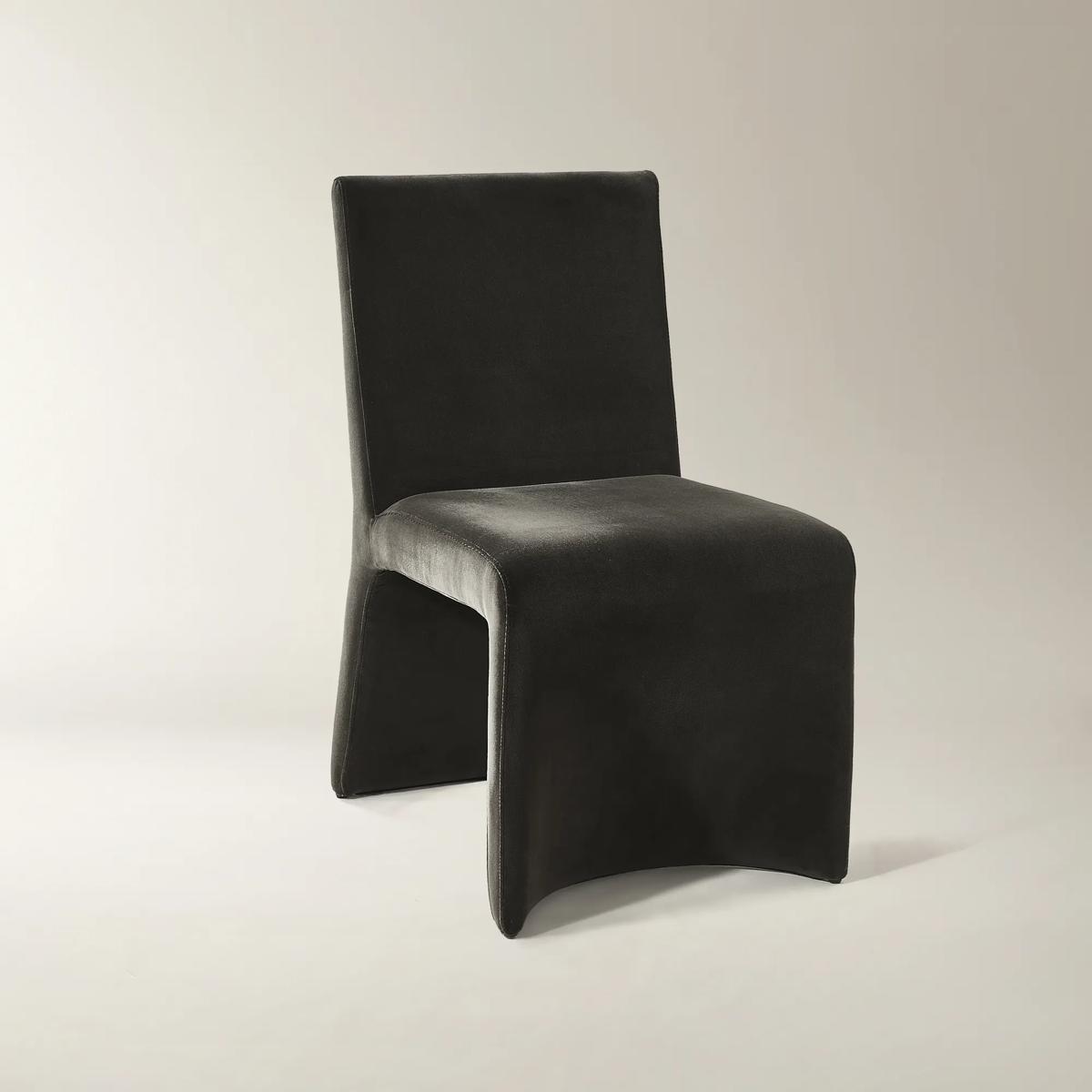
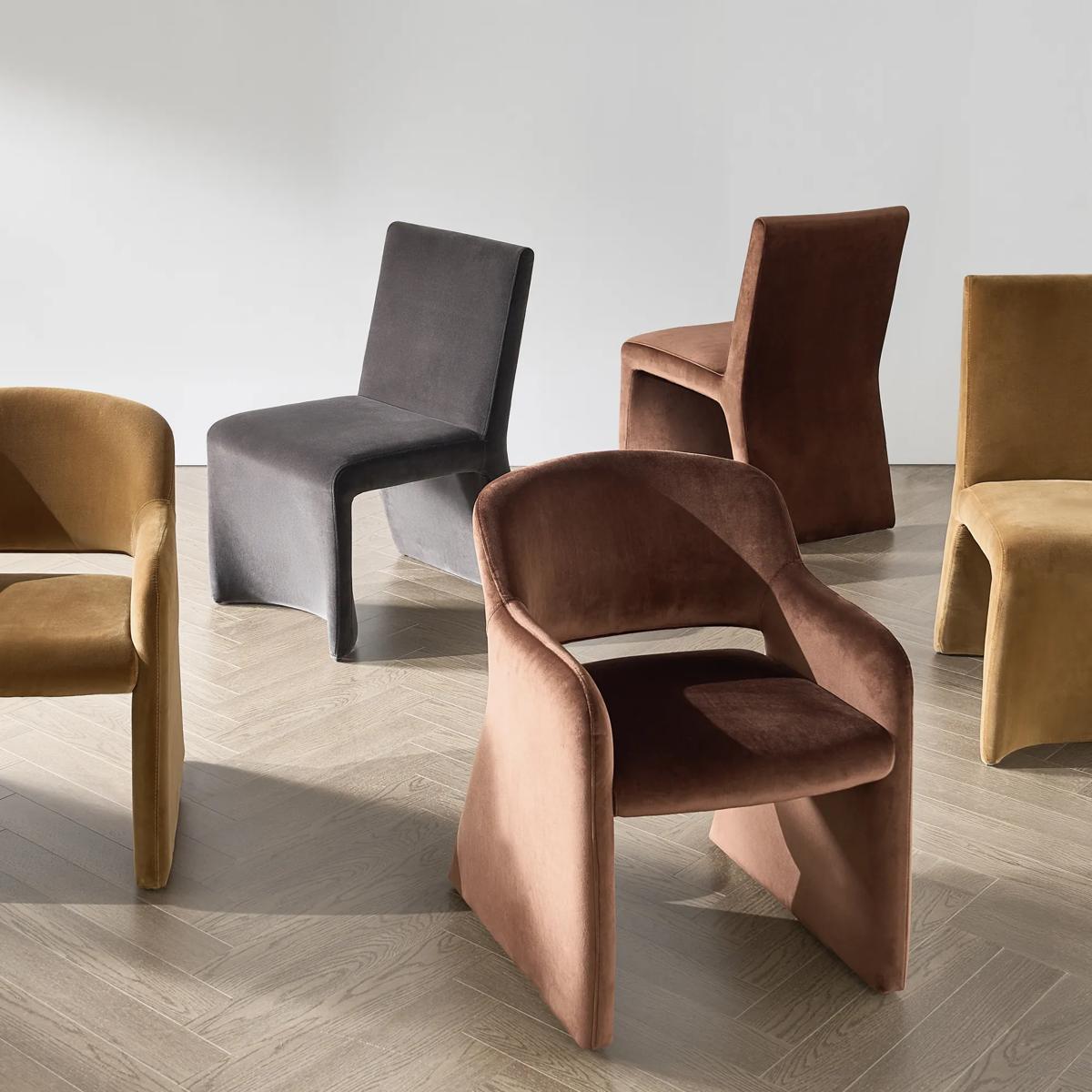 Elara Charcoal Velvet Dining Chair Set Of 2$799
A pair of charcoal velvet dining chairs featuring curved ergonomic silhouettes, plush upholstery, and hand-crafted details.
Add To Cart -
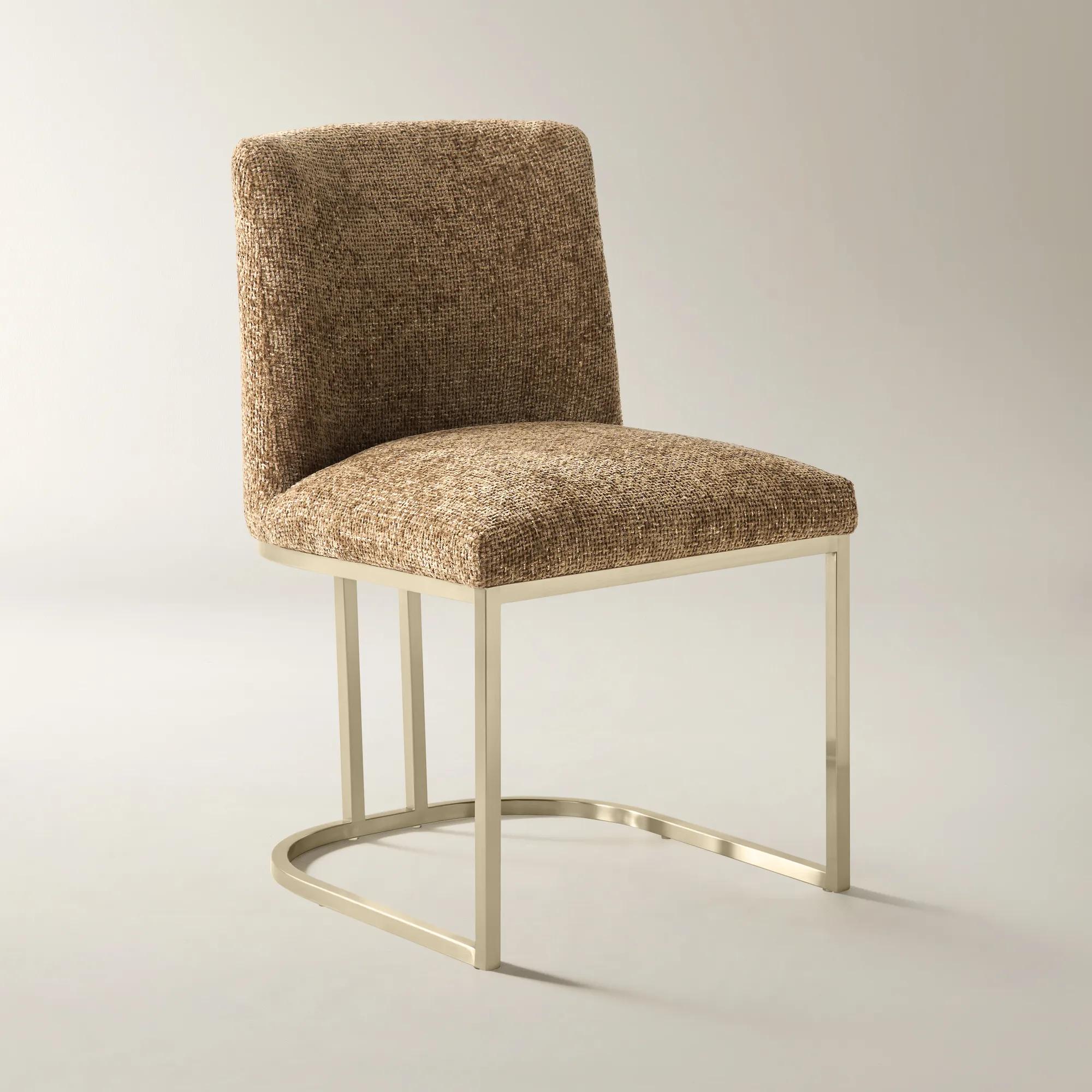 Bergen Bronze Chenille Dining Chair Set Of 2$549
A set of two dining chairs featuring bronze chenille upholstery and a sculptural brushed gold metal base.
Add To Cart -
 Elara Burnt Umber Velvet Dining Chair Set Of 2$799
A pair of brown velvet chairs with sinuous curves, ergonomic support, and hand-crafted, sculptural design.
Add To Cart -
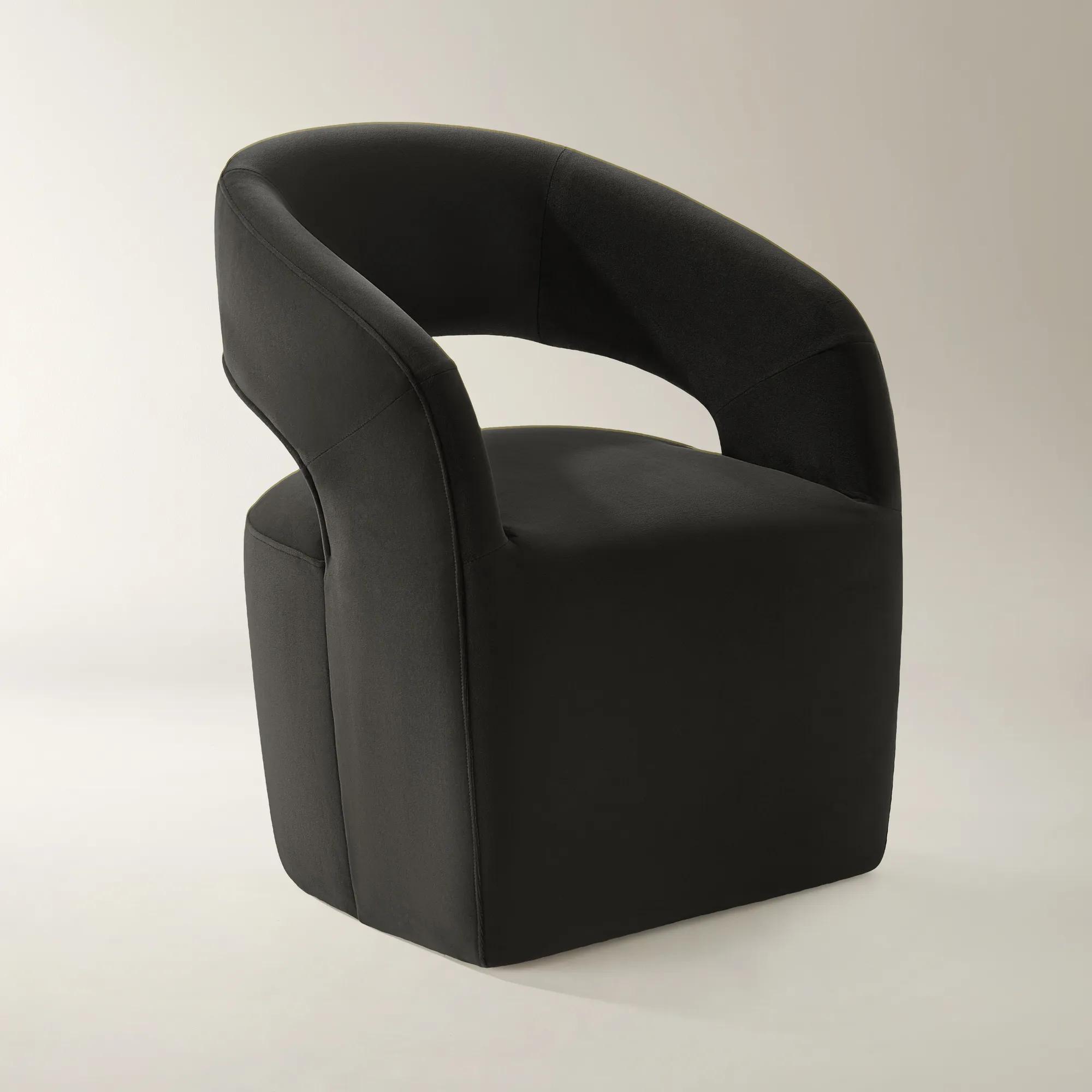 Harrison Charcoal Velvet Dining Chair$499
A sculptural dining chair upholstered in charcoal velvet with a continuous curved back and feather-blend comfort.
Add To Cart -
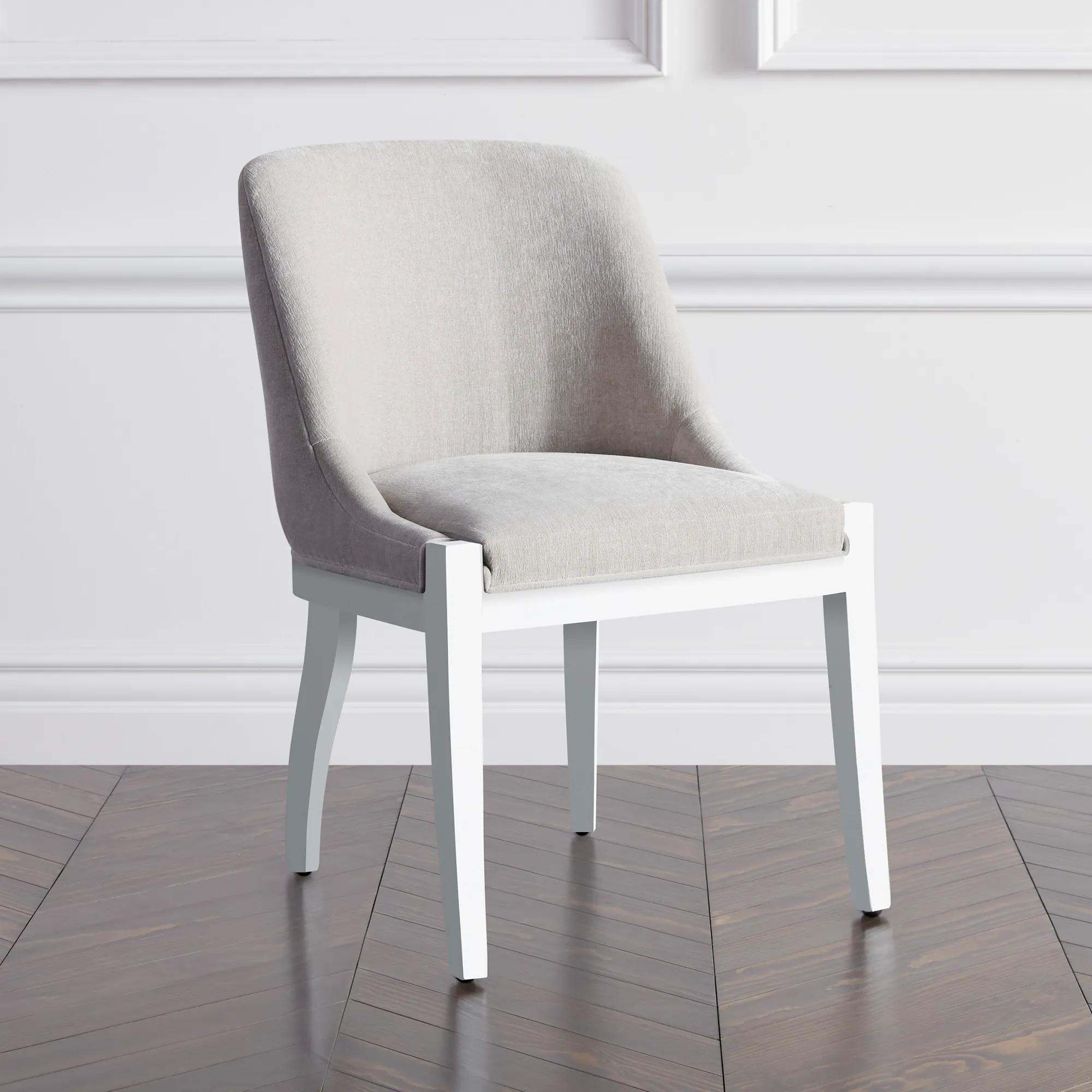
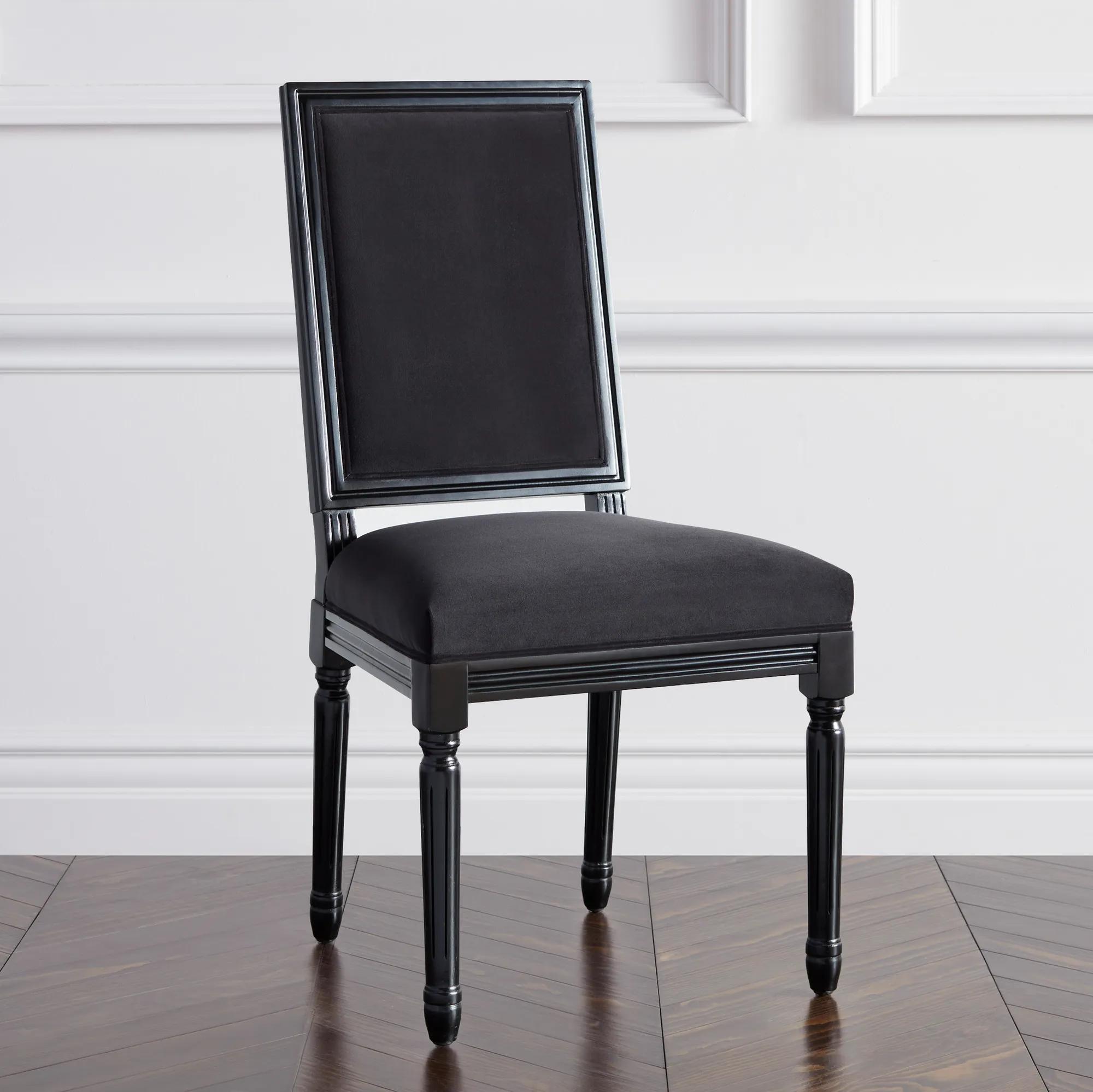
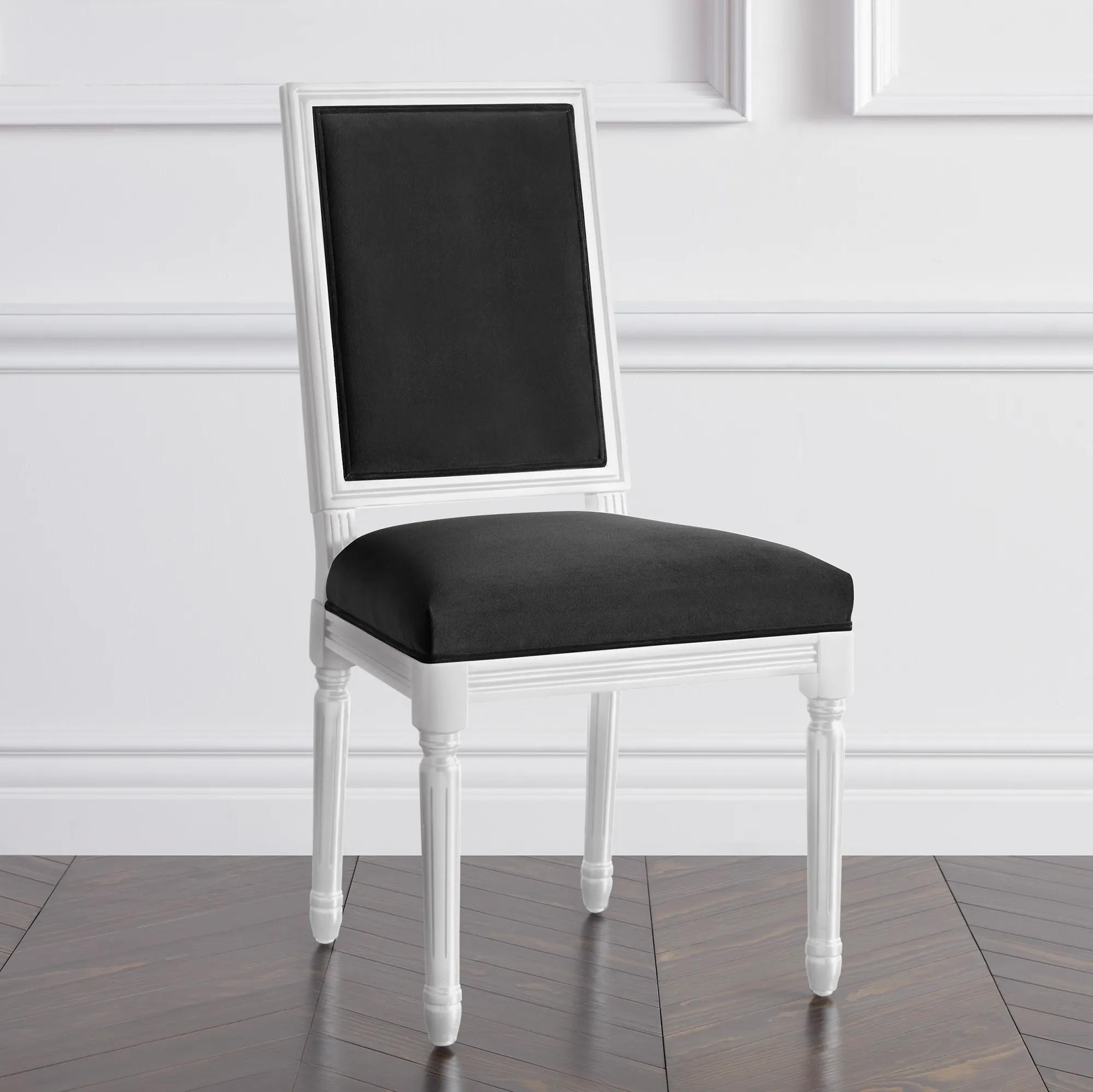
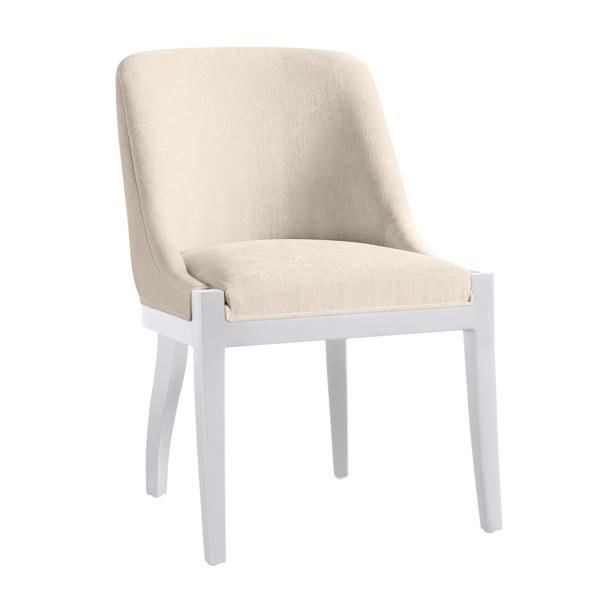 Lily Dining Chair - High Gloss White$649
A modern dining chair featuring kiln-dried hardwood, high-gloss white legs, and neatly tailored upholstery.
Add To Cart -
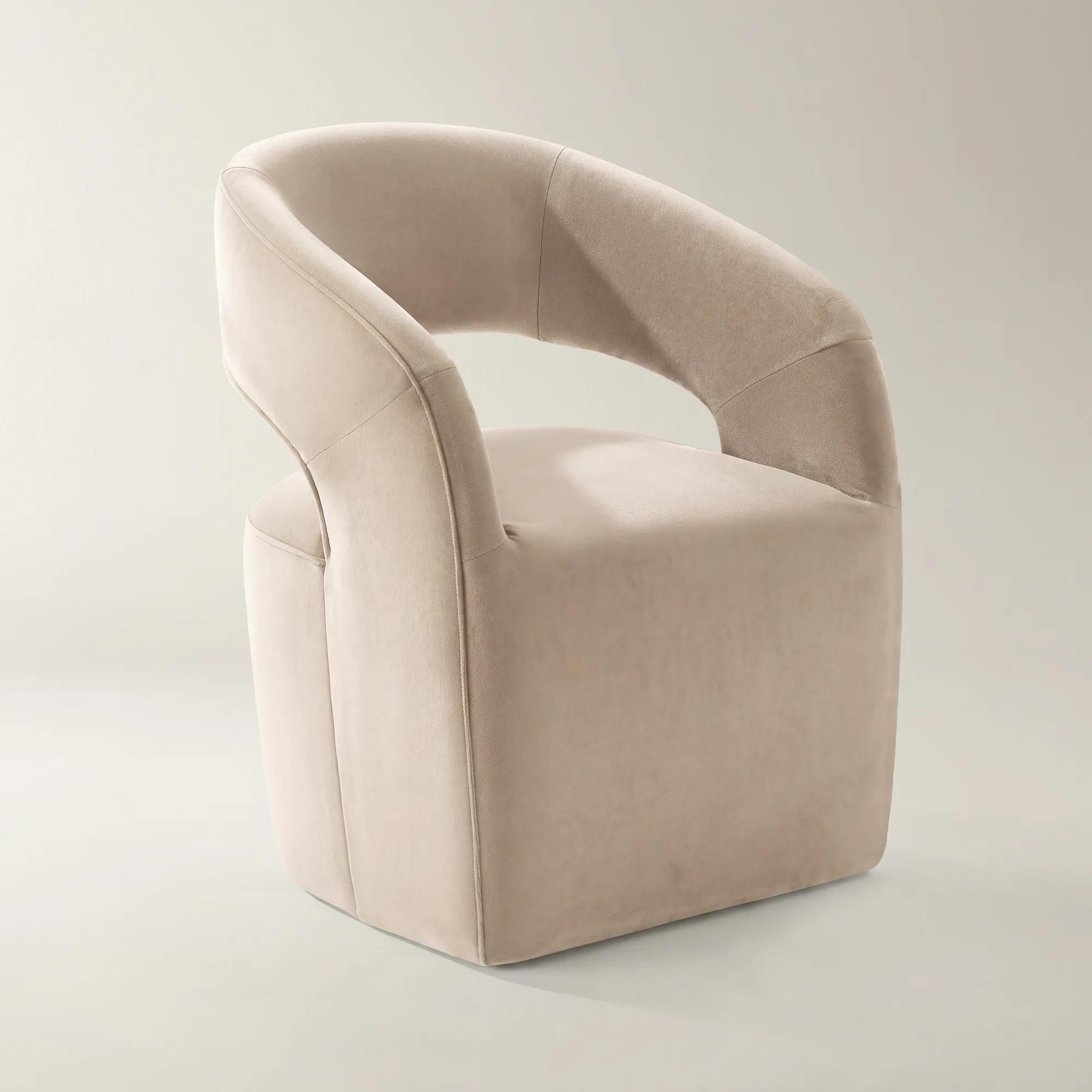
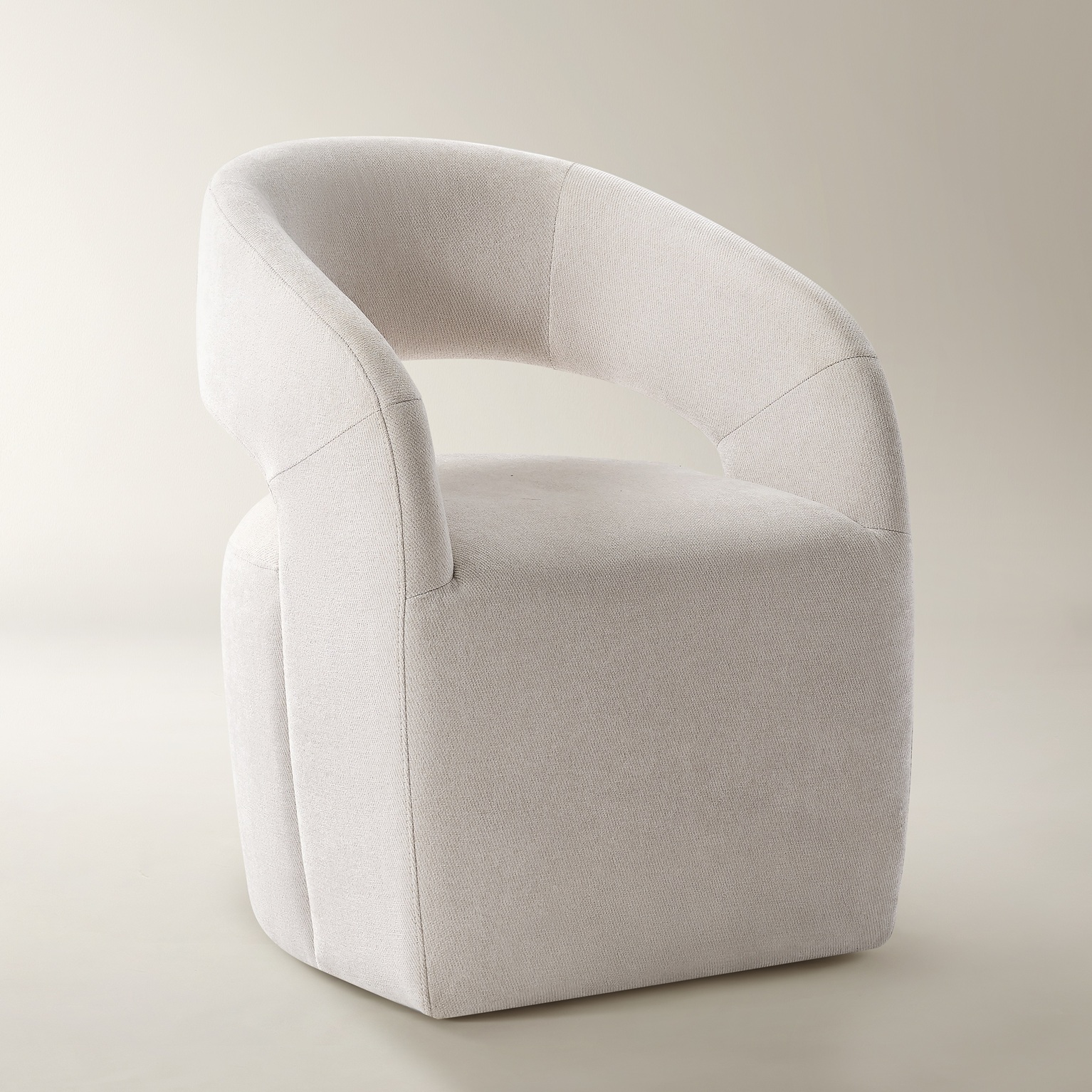 Harrison Simply Taupe Velvet Dining Chair$499
A sculptural dining chair in simply taupe velvet with a curved back, feather-blend seat, and modern elegance.
Add To Cart -
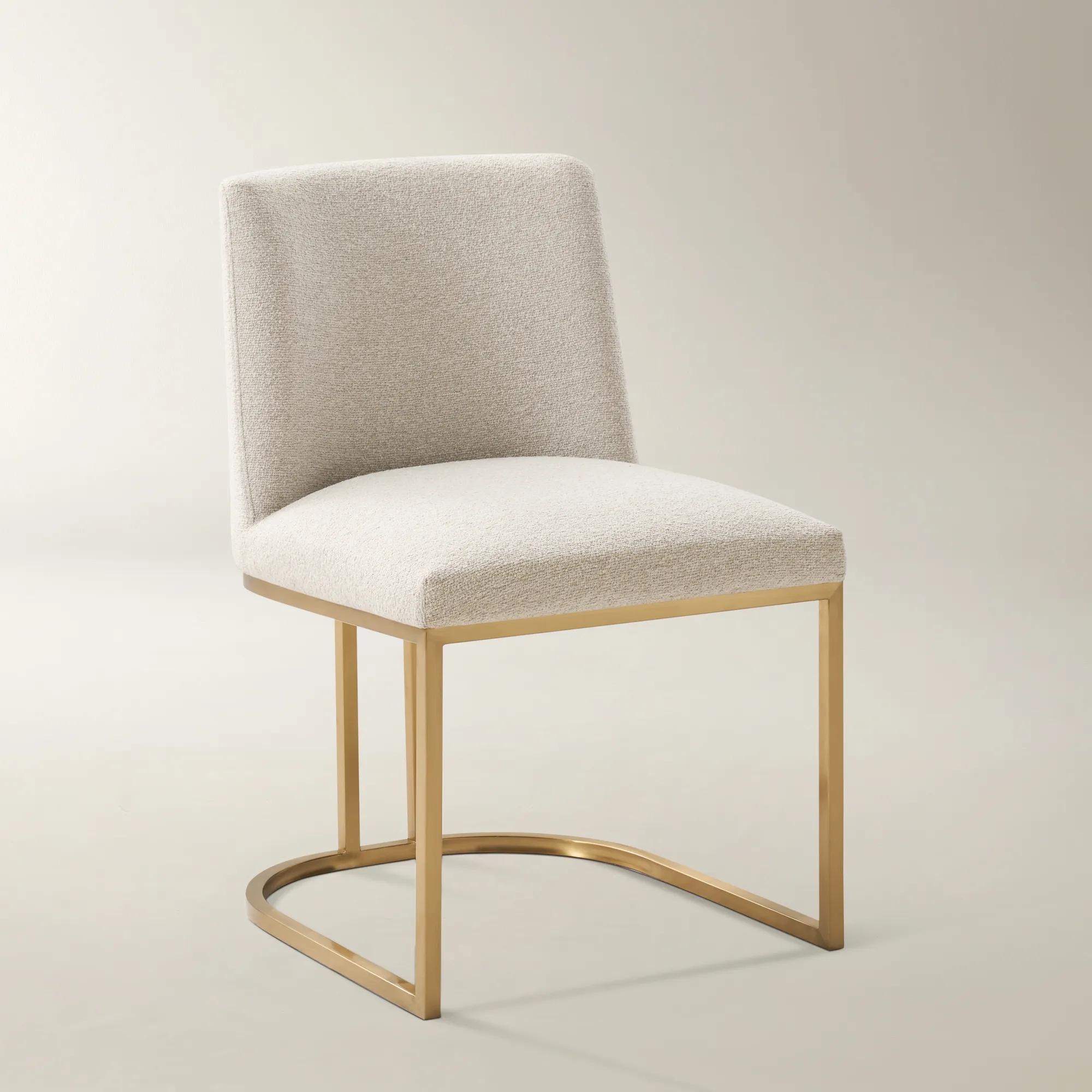 Bergen Ivory Boucle Dining Chair Set Of 2$549
An ivory boucle dining chair set featuring a curved backrest and brushed stainless steel frame for elegance.
Add To Cart -
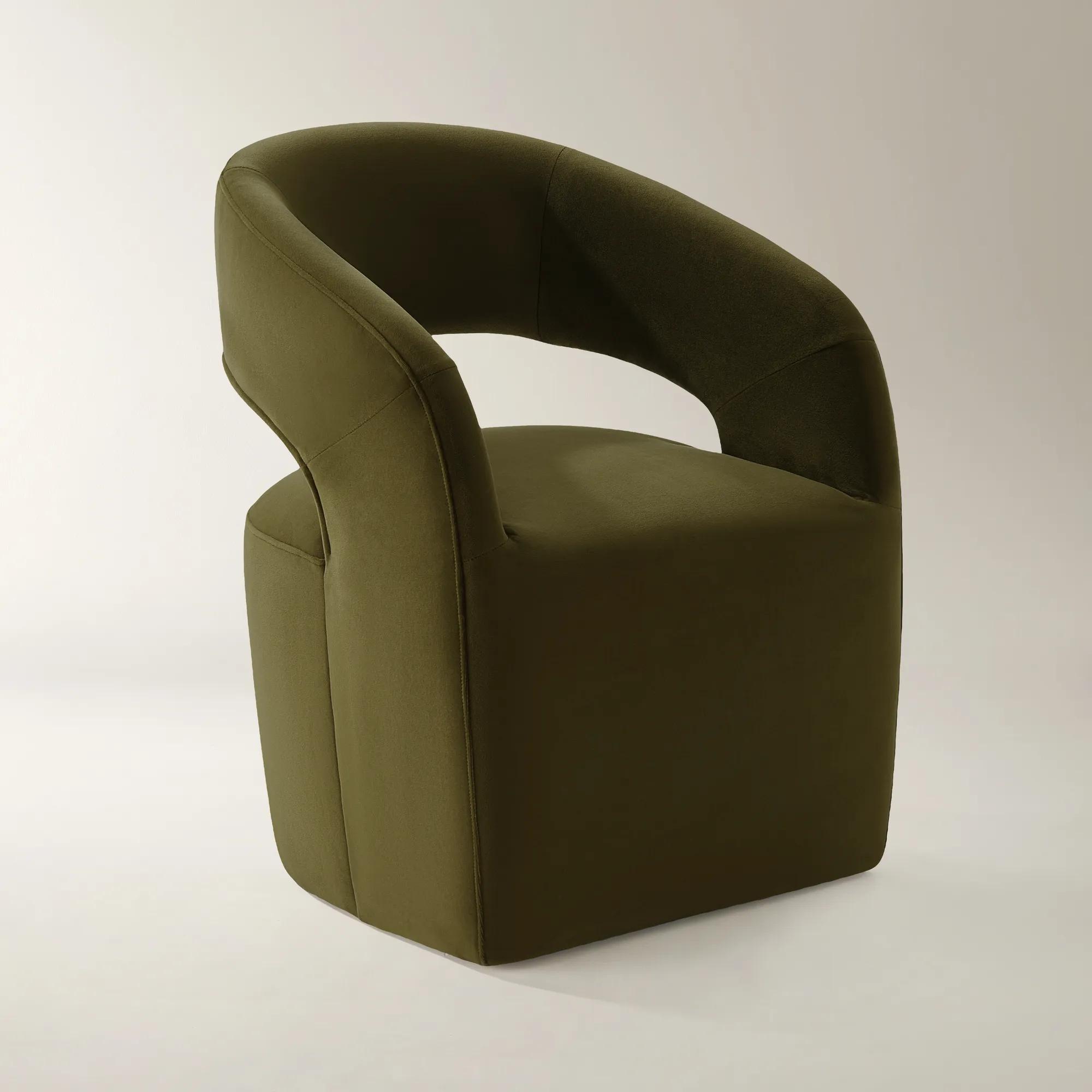 Harrison Deep Olive Velvet Dining Chair$499
A sculptural dining chair in deep olive velvet with a curved back, integrated arms, and plush feather-blend comfort.
Add To Cart -
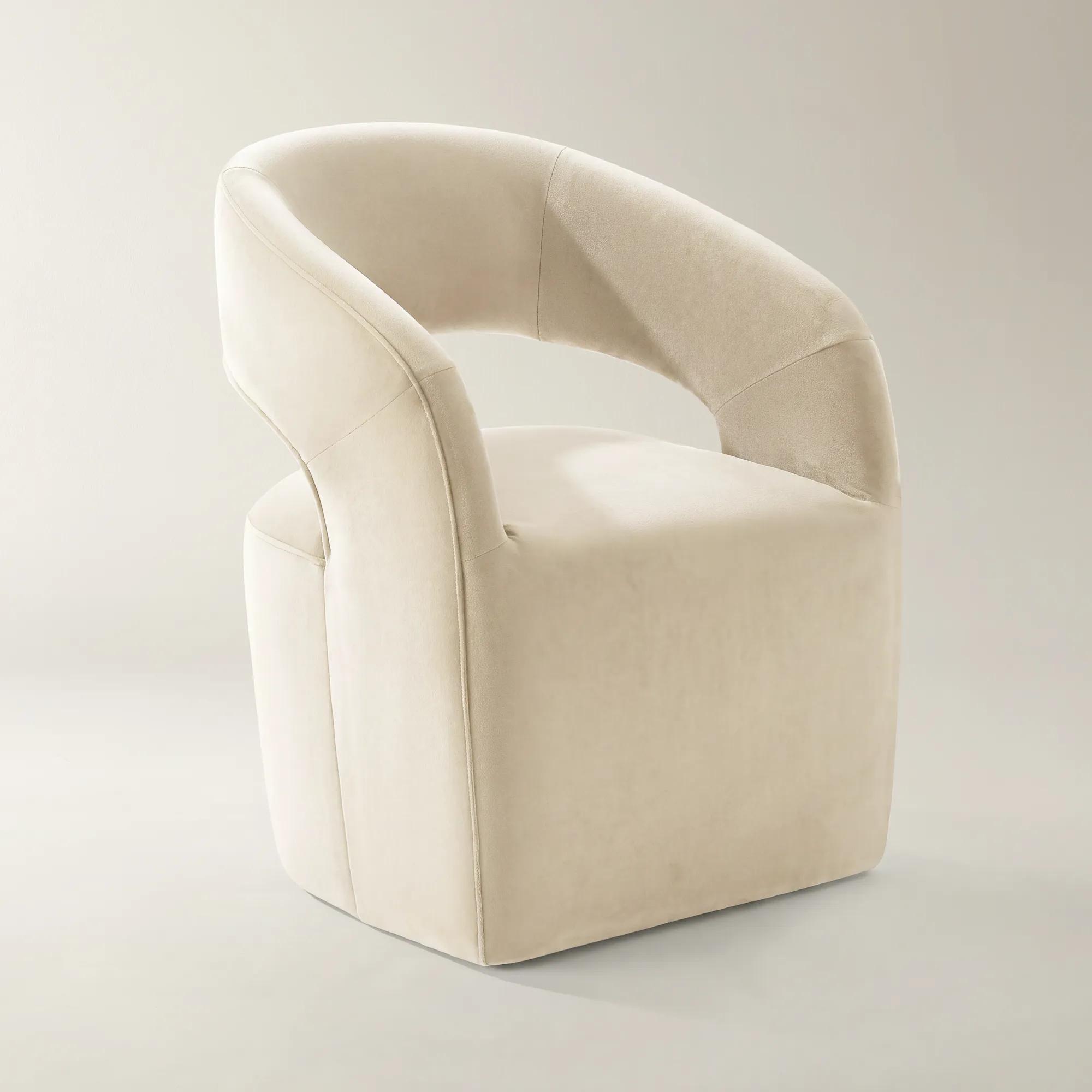 Harrison Oatmeal Velvet Dining Chair$499
A sculptural dining chair upholstered in oatmeal velvet with a curved back, feather-blend seat, and integrated arms.
Add To Cart -
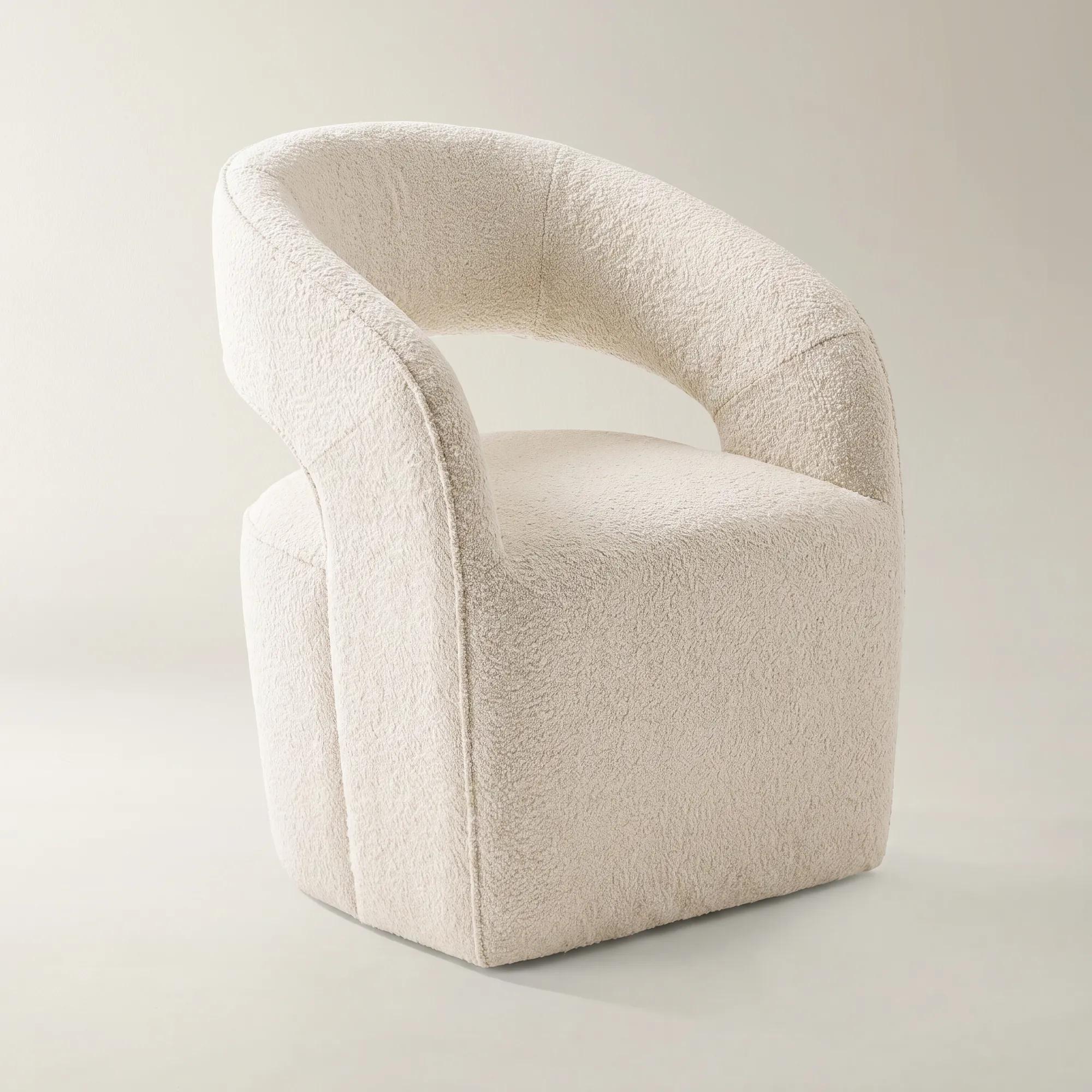 Harrison Utopia Sand Chenille Dining Chair$499
A sculptural dining chair upholstered in sand chenille with a curved back, feather-blend seat, and integrated arms.
Add To Cart -
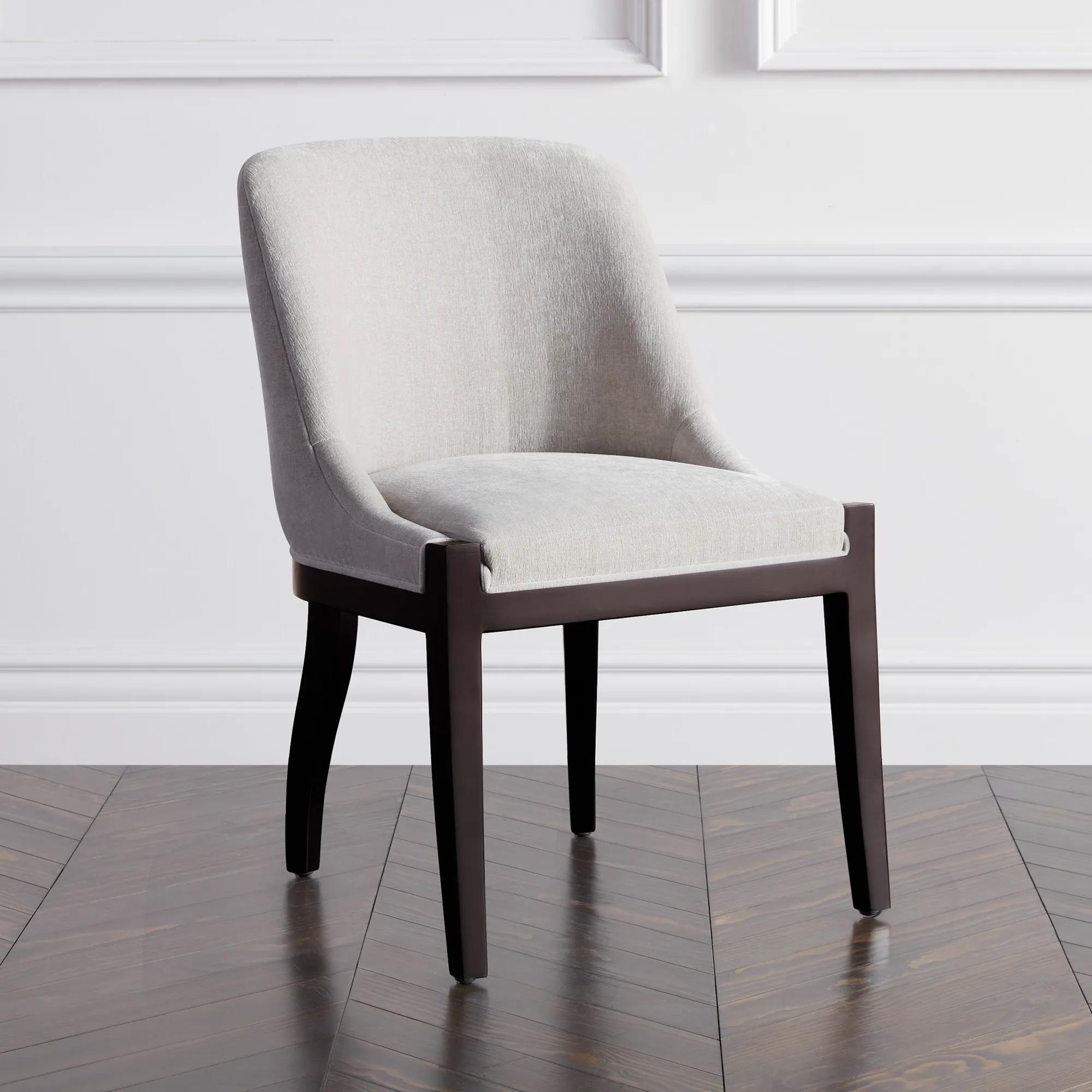
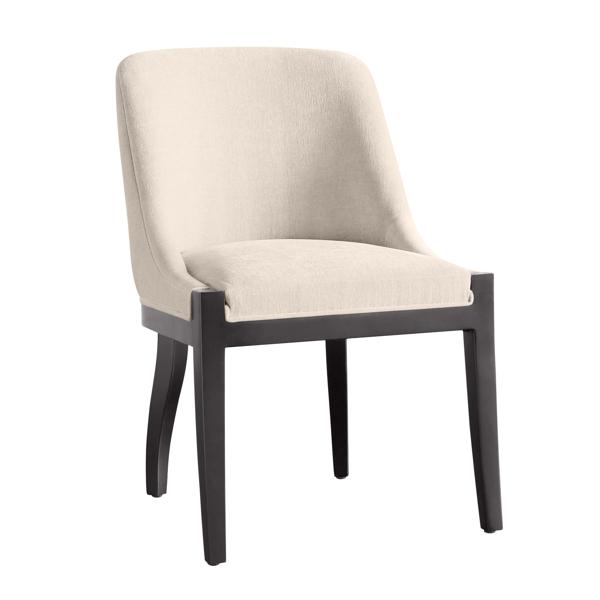 Lily Dining Chair - Espresso$649
A modern dining chair with kiln-dried hardwood frame, espresso legs, and plush tailored upholstery for comfort.
Add To Cart -
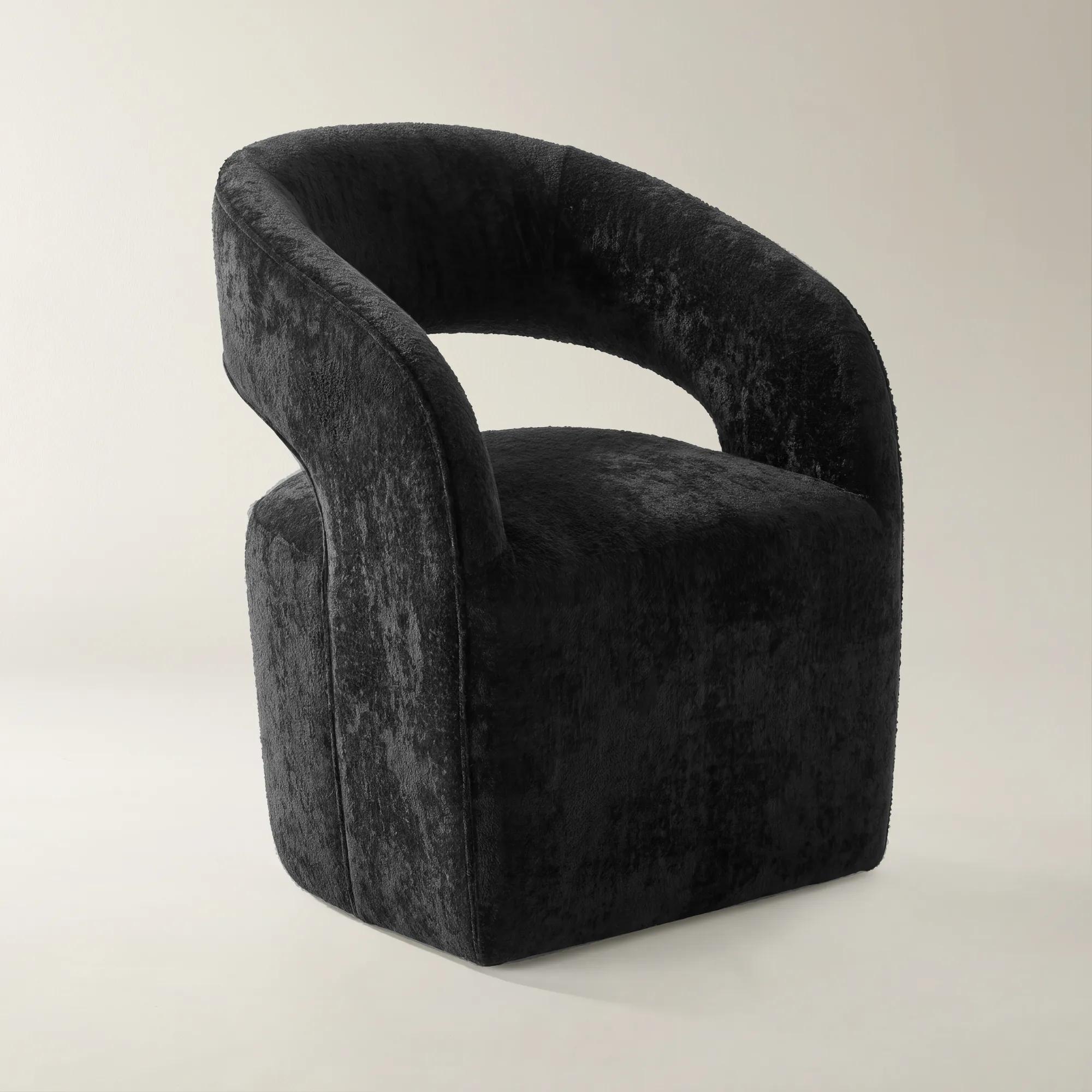 Harrison Black Chenille Dining Chair$499
A sculptural dining chair upholstered in charcoal chenille with a curved back, feather-blend seat, and integrated arms.
Add To Cart -
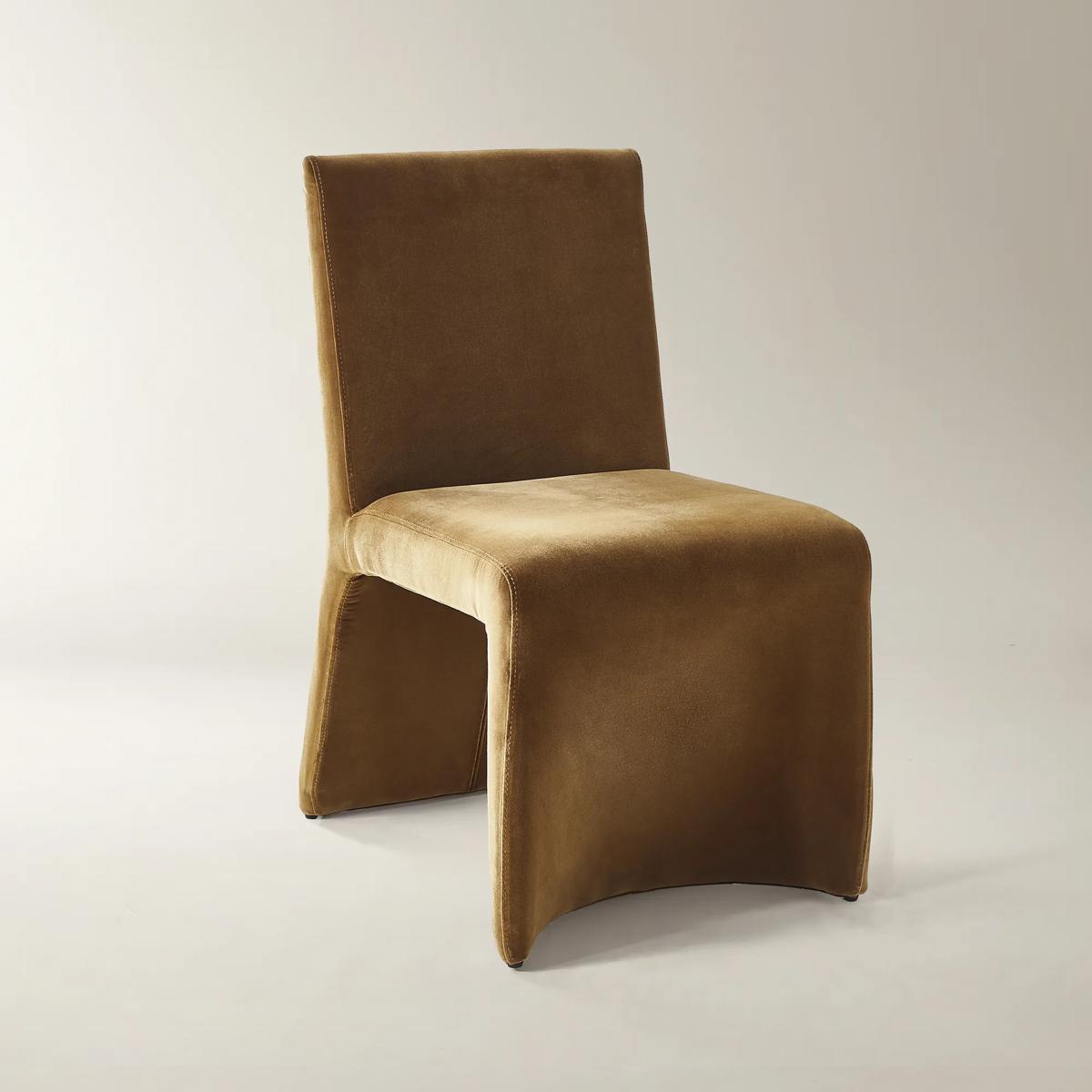 Elara Roasted Pecan Velvet Dining Chair Set Of 2$799
A pair of mustard velvet dining chairs featuring curved ergonomic silhouettes and hand-upholstered, reinforced construction.
Add To Cart -
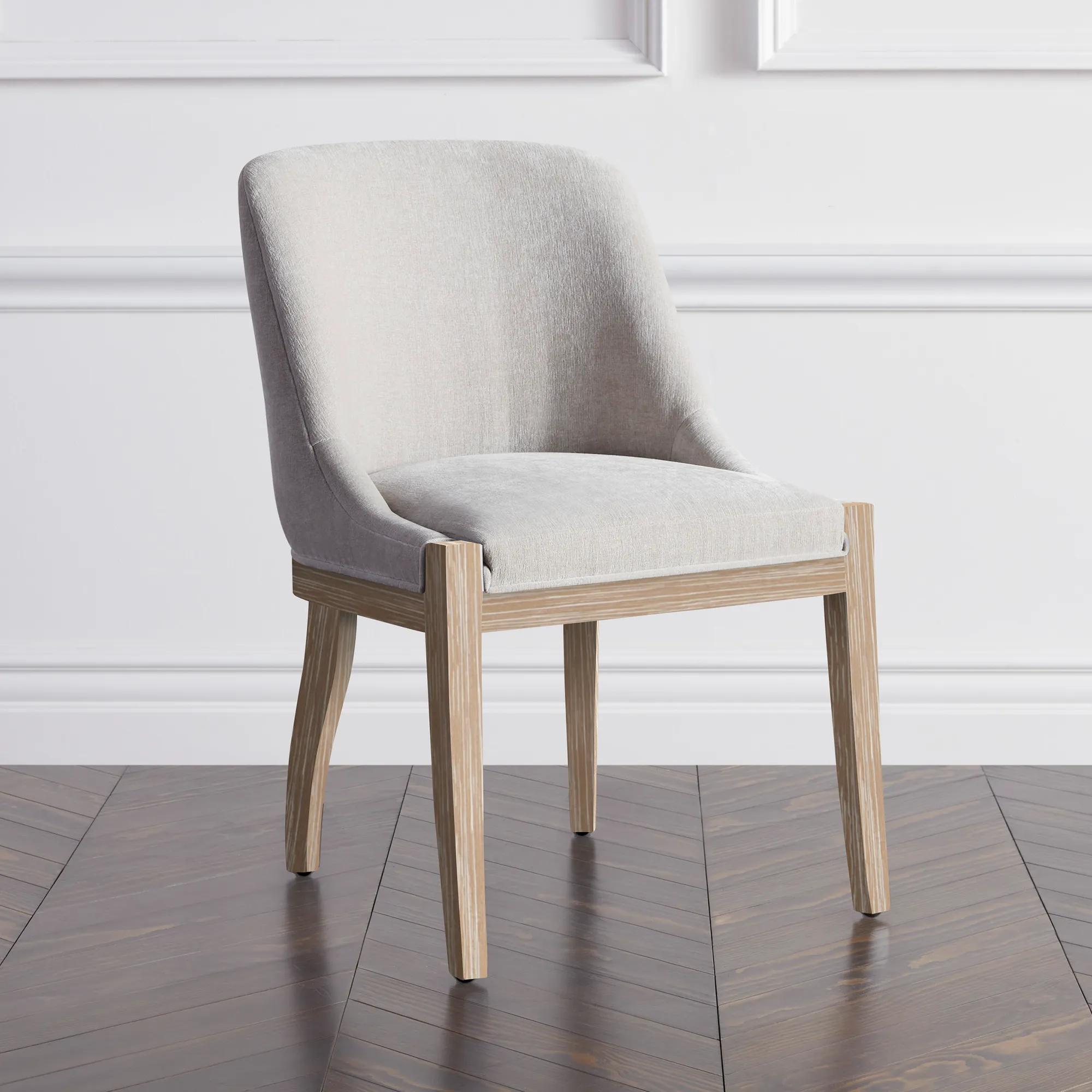
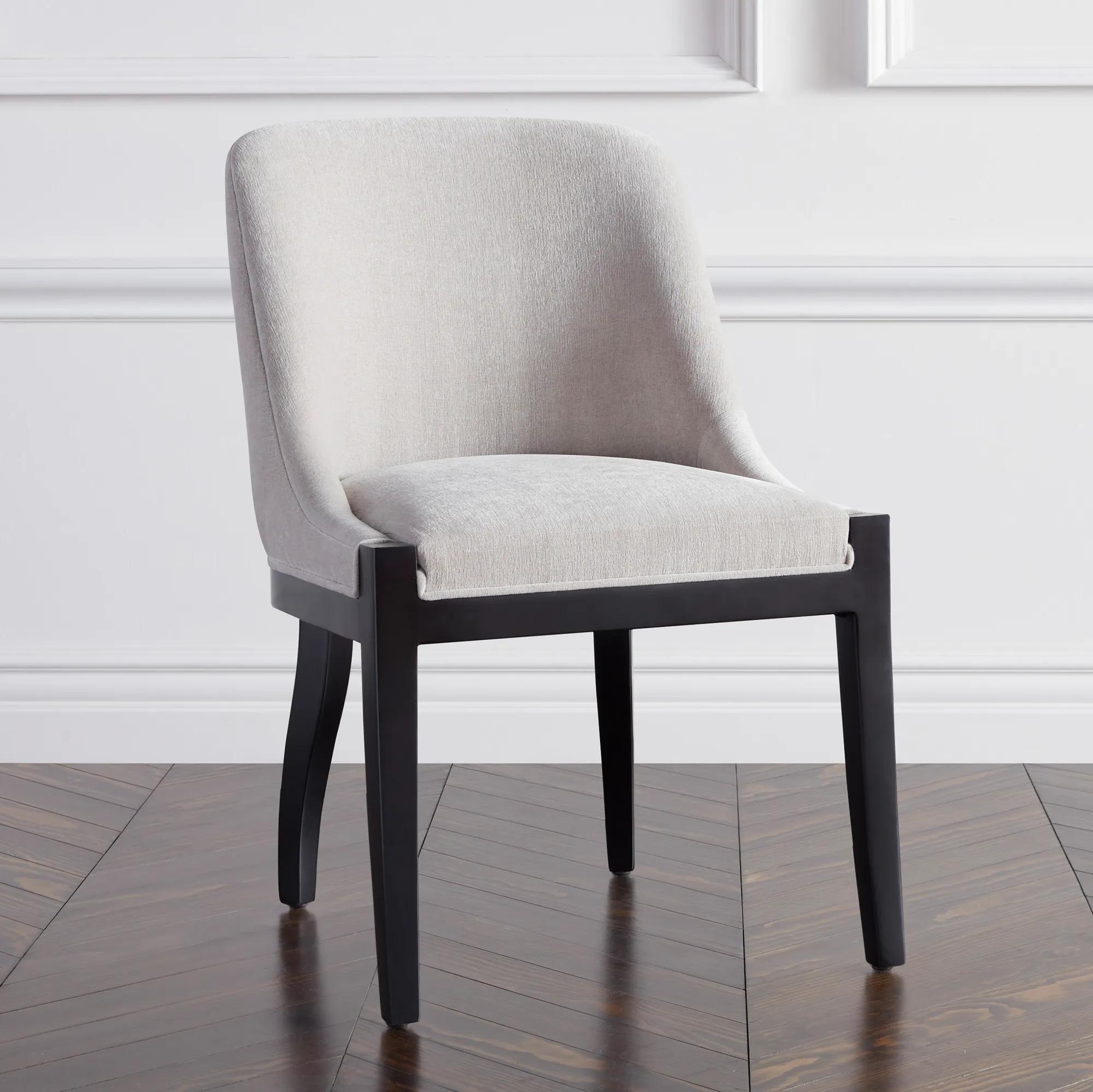
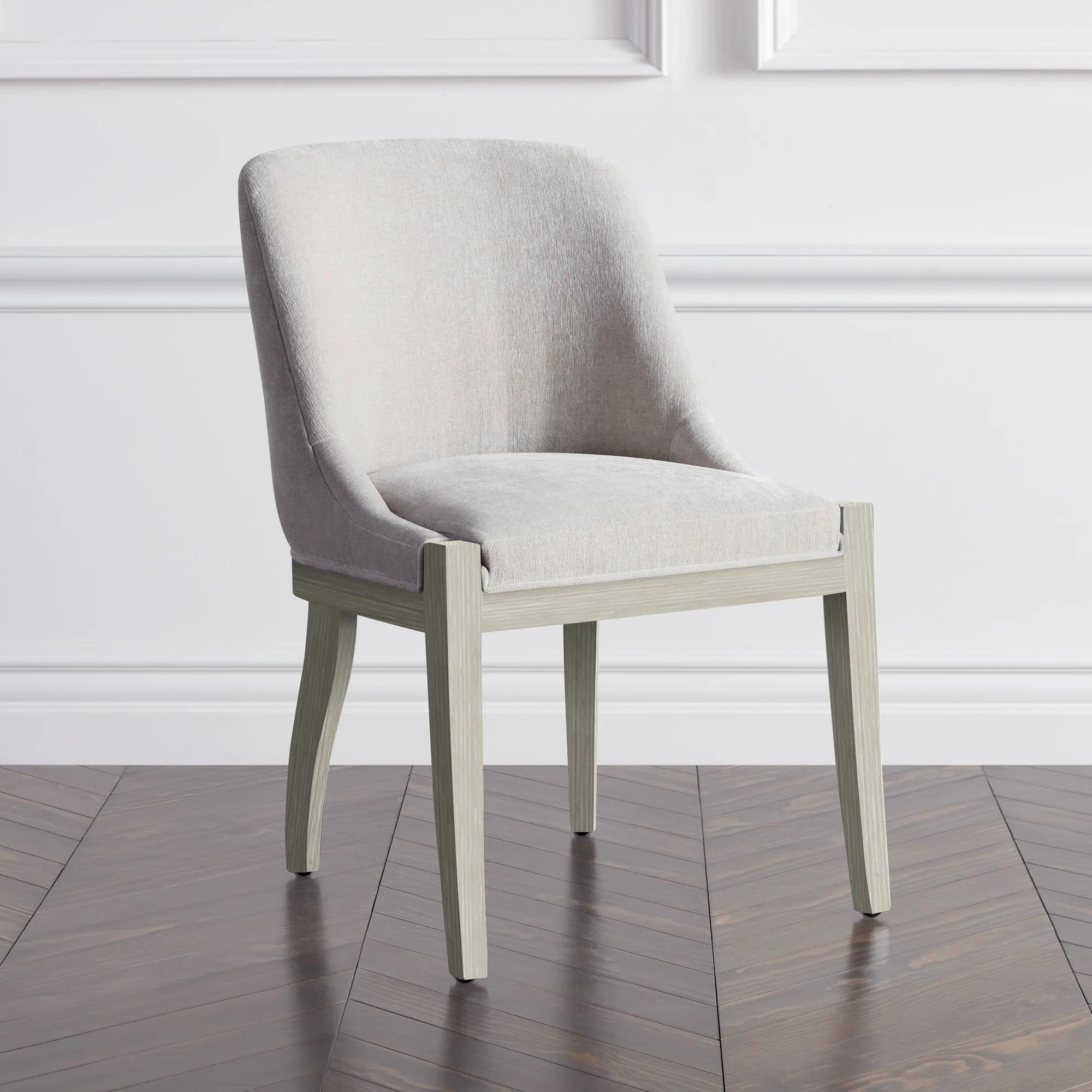
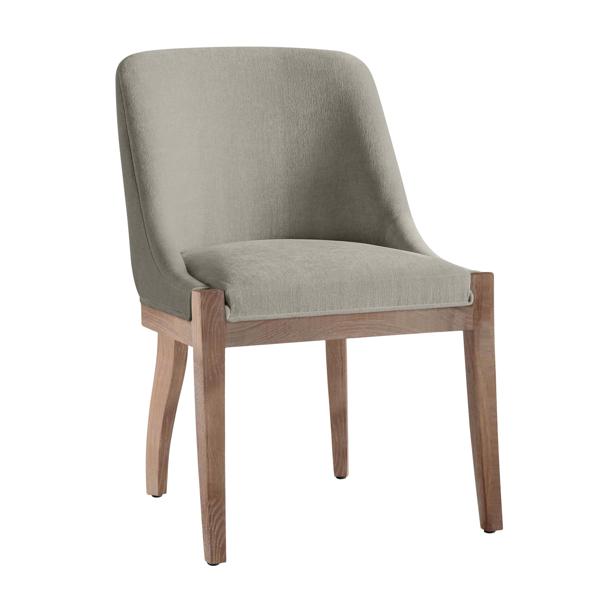 Lily Dining Chair - Wash Oak$749
A modern dining chair featuring a kiln-dried hardwood frame, wash oak legs, and tailored chenille upholstery.
Add To Cart -
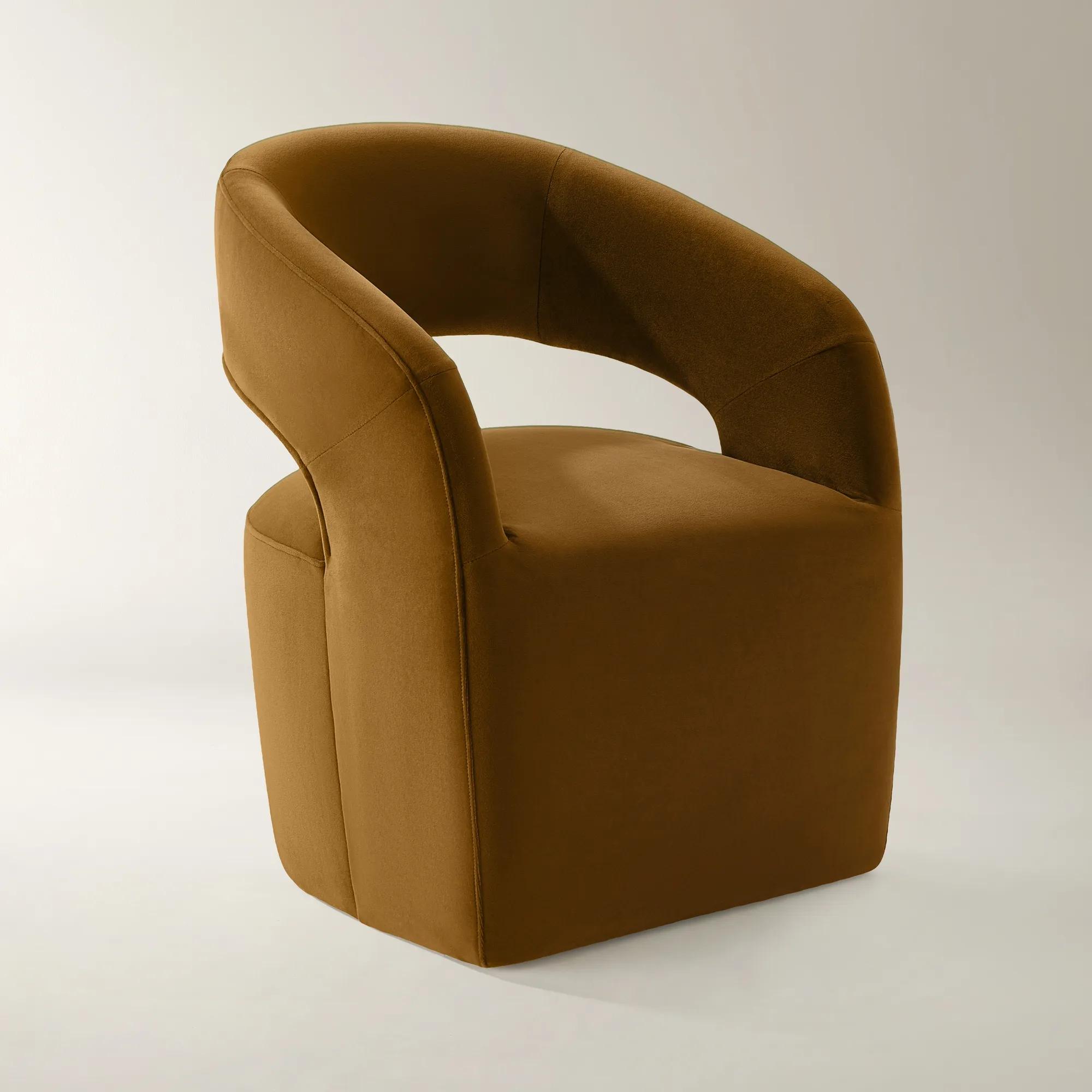 Harrison Roasted Pecan Velvet Dining Chair$499
A sculptural dining chair upholstered in roasted pecan velvet with feather-blend cushioning and integrated arms.
Add To Cart

Dining Chairs For Contemporary Spaces
Dining chairs for contemporary spaces are more than mere seating—they are sculptural statements that command attention and elevate every gathering. Each silhouette is thoughtfully curated to capture the spirit of modern artistry, transforming the dining room into a gallery of light, texture, and bold design. Whether your vision leans toward sleek minimalism or daring drama, discover pieces that invite conversation, celebrate individuality, and infuse every meal with a sense of occasion. Here, dining becomes an experience—where comfort meets couture and every chair is a brushstroke on the canvas of your home.
Contemporary dining chairs bring sculptural shape, inviting comfort, and a distinct design point of view to the dining room. Defined by expressive silhouettes rather than a single rigid style, they can pair softly curved backs with tailored upholstery, warm wood with polished metal, or generous cushioning with a visually slender frame. The result is seating that contributes as much to the room’s atmosphere as the table itself. A rounded chair back introduces softness beside an angular glass table; a gleaming metal base adds a flash of light against richly grained wood. Fully upholstered chairs create a more enveloping presence, while exposed frames let the architecture of the chair become part of the composition. Dining chairs for contemporary spaces work especially well when their proportions, finishes, and textures establish a conversation with surrounding furnishings without repeating every detail. Ivory upholstery can illuminate a dark dining vignette, charcoal can lend definition to a pale interior, and a saturated jewel tone can give a neutral room an unmistakably expressive focal point. Texture makes an equally compelling statement: the shifting sheen of velvet feels different from the dimensional surface of a woven fabric, even when both share a similar color. Beyond their visual impact, these chairs serve households that use the dining table for everything from a quick breakfast to a leisurely evening with guests. Supportive backs, comfortable seat depth, and thoughtfully positioned arms matter when the conversation continues after the plates are cleared. An armless silhouette offers freedom of movement and can slide neatly beneath a compatible table; an armchair gives the head of the table a more substantial, lounge-inspired presence. Neither needs to sacrifice drama for practicality. A coordinated set creates a composed rhythm around the table, while contrasting end chairs can introduce another layer of artistry. Shared seat heights and a recurring finish or fabric tone help mixed silhouettes feel deliberate, allowing each chair to retain its character without disrupting the room’s balance.
Materials determine how contemporary dining seating looks, feels, and lives over time. Upholstery adds softness to the dining room’s hard surfaces, with velvet offering a luminous pile and woven textiles contributing depth through their texture. Velvet may show changes in shading as the pile moves, a characteristic that gives the surface its visual richness rather than a uniformly flat appearance. For a table used every day, fabric care requirements deserve as much attention as color. Performance upholstery may offer enhanced resistance to certain stains or wear, but the term does not mean every fabric is waterproof, stainproof, or suitable for the same cleaning method. Manufacturer specifications provide the clearest indication of what an individual material can withstand. Leather brings a distinctive surface and can develop character with use, while faux leather offers a different construction and care profile; neither should be treated as interchangeable when selecting cleaners. Wood frames introduce natural grain and warmth, creating an appealing counterpoint to polished stone, glass, and metallic accents. Grain patterns and tonal variation can make each piece visually distinct, while finish quality and joinery influence how the chair handles regular use. Metal frames can create an airy outline or a bold architectural gesture, with brushed, polished, and coated finishes reflecting light differently. Durability depends on the complete construction, including joints, upholstery attachment, seat support, and the suitability of the chair for its intended use—not simply on whether the frame is wood or metal. Chairs intended for indoor dining should remain indoors unless the manufacturer specifically identifies them for another setting. In an active household, a dining chair must accommodate repeated movement, frequent seating, and the occasional spill without demanding an unrealistic care routine. Promptly blotting spills rather than rubbing, vacuuming upholstery with an appropriate attachment, and following the specified cleaning instructions help preserve its appearance. Wood and metal finishes generally benefit from gentle cleaning rather than abrasive products, with care tailored to the finish. Direct sunlight can alter some fabrics and wood tones, and protective floor glides can help reduce scratching as chairs move across hard flooring. These quieter details support the lasting elegance of the room.
Fit gives a striking dining chair the freedom to function beautifully. Many standard dining tables are approximately 28 to 30 inches high, and dining chair seats commonly fall around 17 to 19 inches from the floor, though actual dimensions vary. A difference of roughly 10 to 12 inches between the seat and tabletop is a useful starting point, not a guarantee of comfort; an apron beneath the table can reduce usable thigh clearance. Upholstered seats may also compress under weight, changing the seated relationship to the table. Arm height deserves separate attention because arms that look proportionate beside the table may still prevent the chair from sliding underneath it. Width matters just as much. Allowing approximately 24 inches of table edge per diner is a common planning reference, but broad seats, substantial arms, and pedestal or trestle bases may require more room. A rectangular table with legs near its corners presents different seating constraints from a round table with a central base. Measuring between supports helps prevent a beautifully composed arrangement from becoming crowded when everyone sits down. In an open-plan home, the chair backs remain visible from the living area, making their shape and upholstery part of the larger interior. In a compact dining nook, a curved back or slender frame can provide visual distinction without overwhelming the surrounding space. For interiors where every inch carries weight, dining chairs for modern apartments offer a related perspective on seating proportions and expressive design. Space behind the chairs should allow them to pull out comfortably, with additional clearance wherever people need to pass behind a seated diner. If a rug anchors the dining area, it should extend far enough beyond the table for chair legs to remain supported when the seats are pulled back. These considerations matter for intimate meals, larger gatherings, and multifunctional dining areas alike. A well-proportioned arrangement lets guests settle in without maneuvering around crowded corners, while carefully chosen materials make everyday care manageable. With silhouette, comfort, and scale in harmony, contemporary dining chairs give the room both a compelling visual signature and a gracious place to gather.
FAQs
Contemporary dining chairs often showcase a blend of luxurious materials such as performance velvet, boucle, leather, and richly grained woods. Sleek metals and lacquered finishes are also favored for their modern edge and ability to create striking visual contrasts within a dining space.
Mixing and matching dining chairs is a signature move in contemporary design. Pair chairs with similar lines or finishes, but experiment with different textures or colors—such as velvet and metal, or a pop of jewel tone alongside neutrals—to add depth and personality while maintaining a cohesive look.
Absolutely. The sculptural forms and versatile materials of contemporary dining chairs make them ideal as statement pieces in living rooms, home offices, or bedrooms, where they can serve as accent seating or a chic reading perch.
Contemporary dining chairs shine in both neutral and bold palettes. Soft beiges, grays, and taupes offer a timeless foundation, while deep blues, emerald greens, or burgundy hues bring drama and personality to the table. The key is to choose colors that complement your overall design vision.
Contemporary dining chairs make a thoughtful and enduring gift for design enthusiasts, new homeowners, newlyweds, or anyone with a passion for expressive interiors. Their blend of comfort, artistry, and versatility ensures they are cherished for years to come.