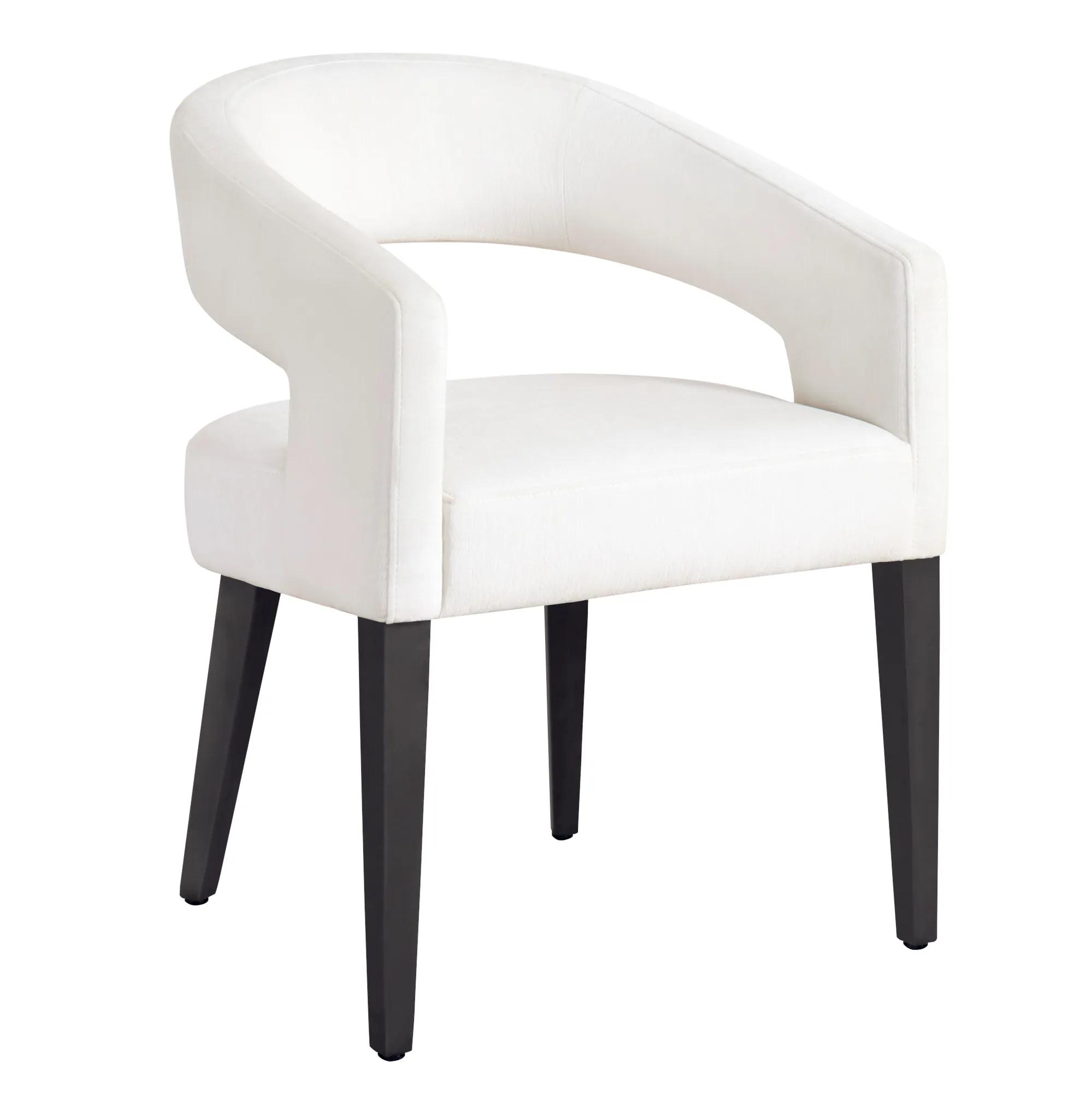
Modern Upholstered Bar Stools
Modern Upholstered Bar Stools
-
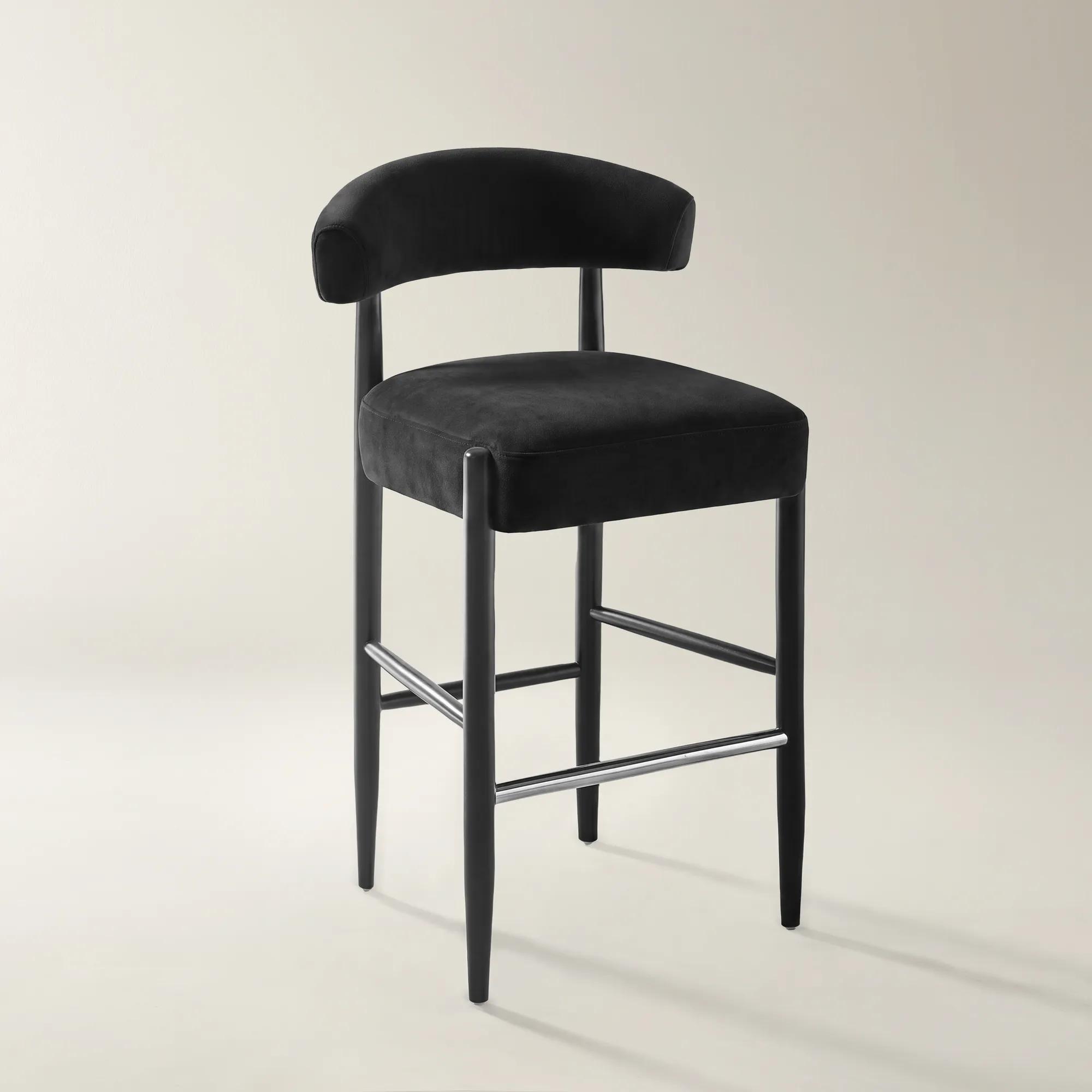 Anna Charcoal Velvet Bar/Counter Stool$449
A charcoal velvet bar stool with a sculpted padded seat and solid rubberwood legs.
Add To Cart -
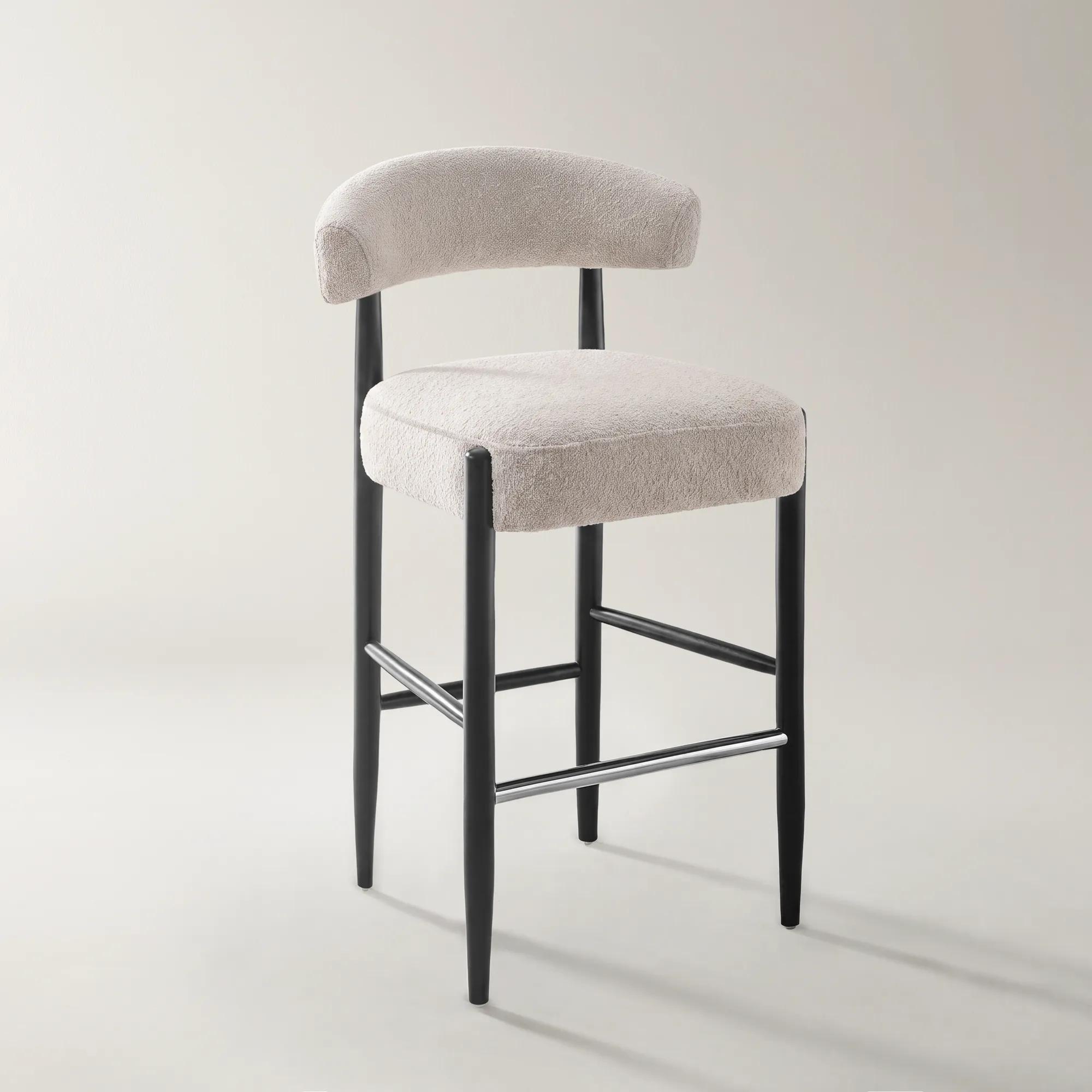 Anna Ivory Performance Boucle Bar/Counter Stool$449
An ivory performance-bouclé bar stool with sculpted padded support and tapered solid-rubberwood legs.
Add To Cart -
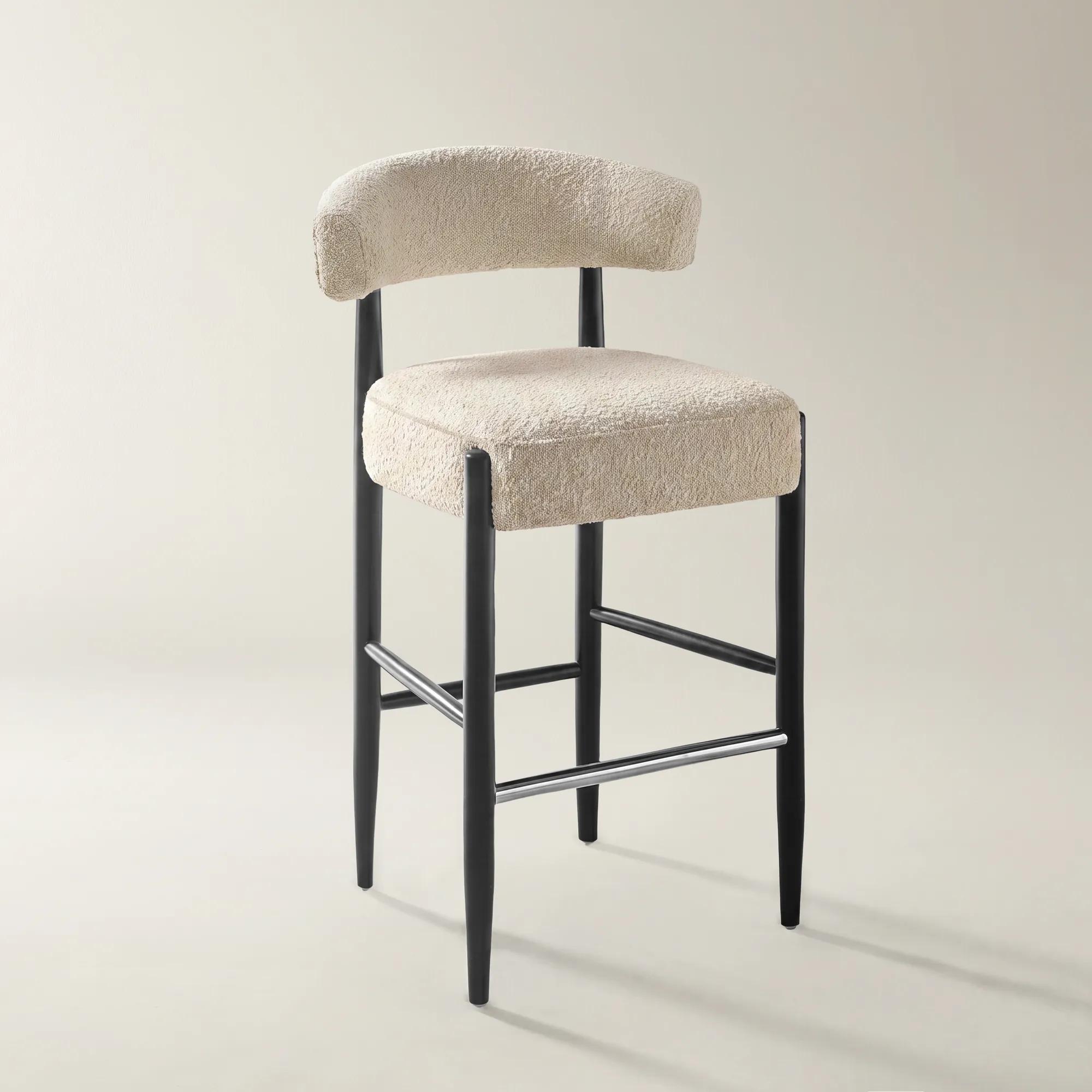 Anna Ivory Performance Boucle Bar/Counter Stool$449
A counter stool with ivory performance boucle upholstery, sculpted support, and tapered solid rubberwood legs.
Add To Cart -
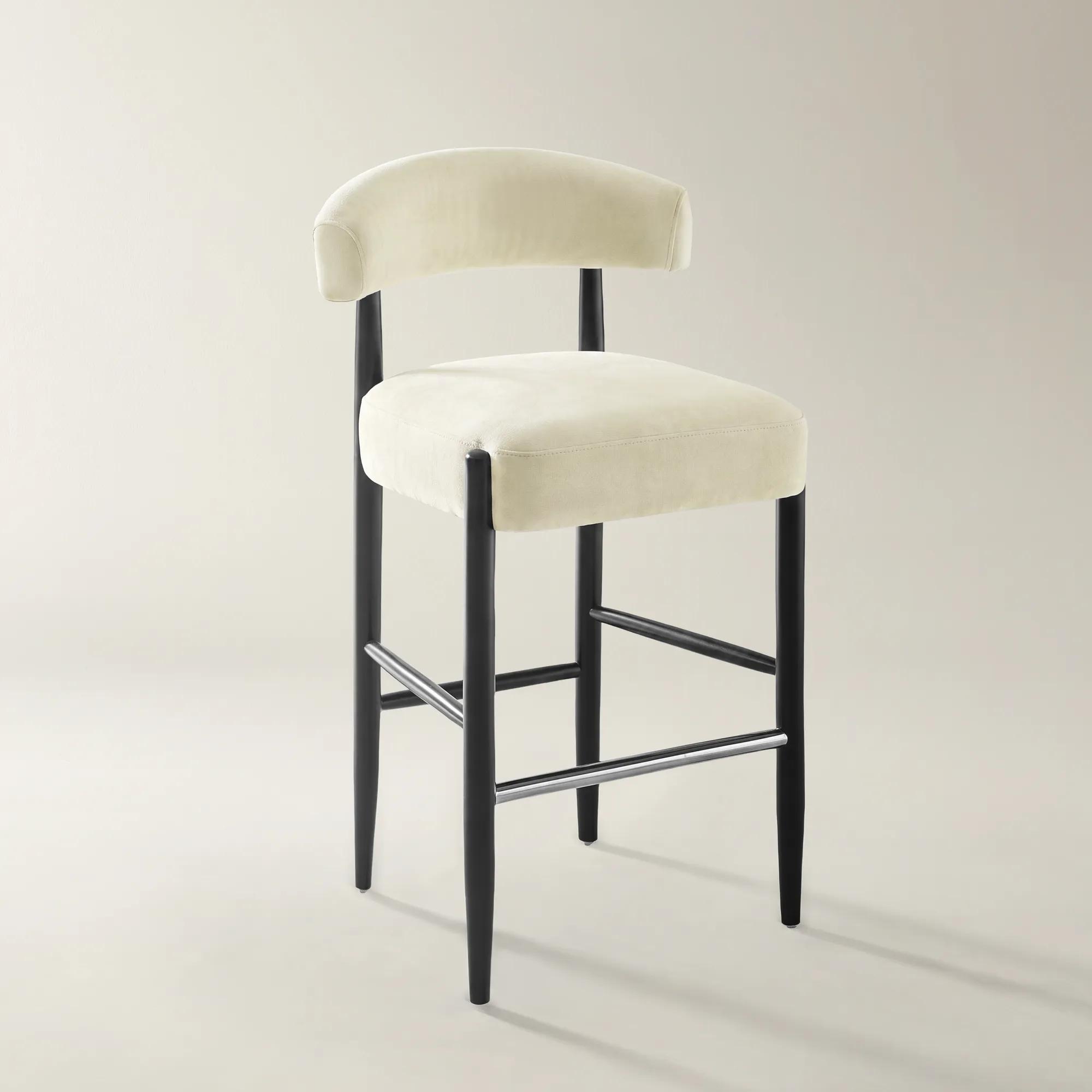 Anna Cloud Velvet Bar/Counter Stool$449
A cloud velvet counter stool with sculpted padded support and tapered solid-rubberwood legs.
Add To Cart -
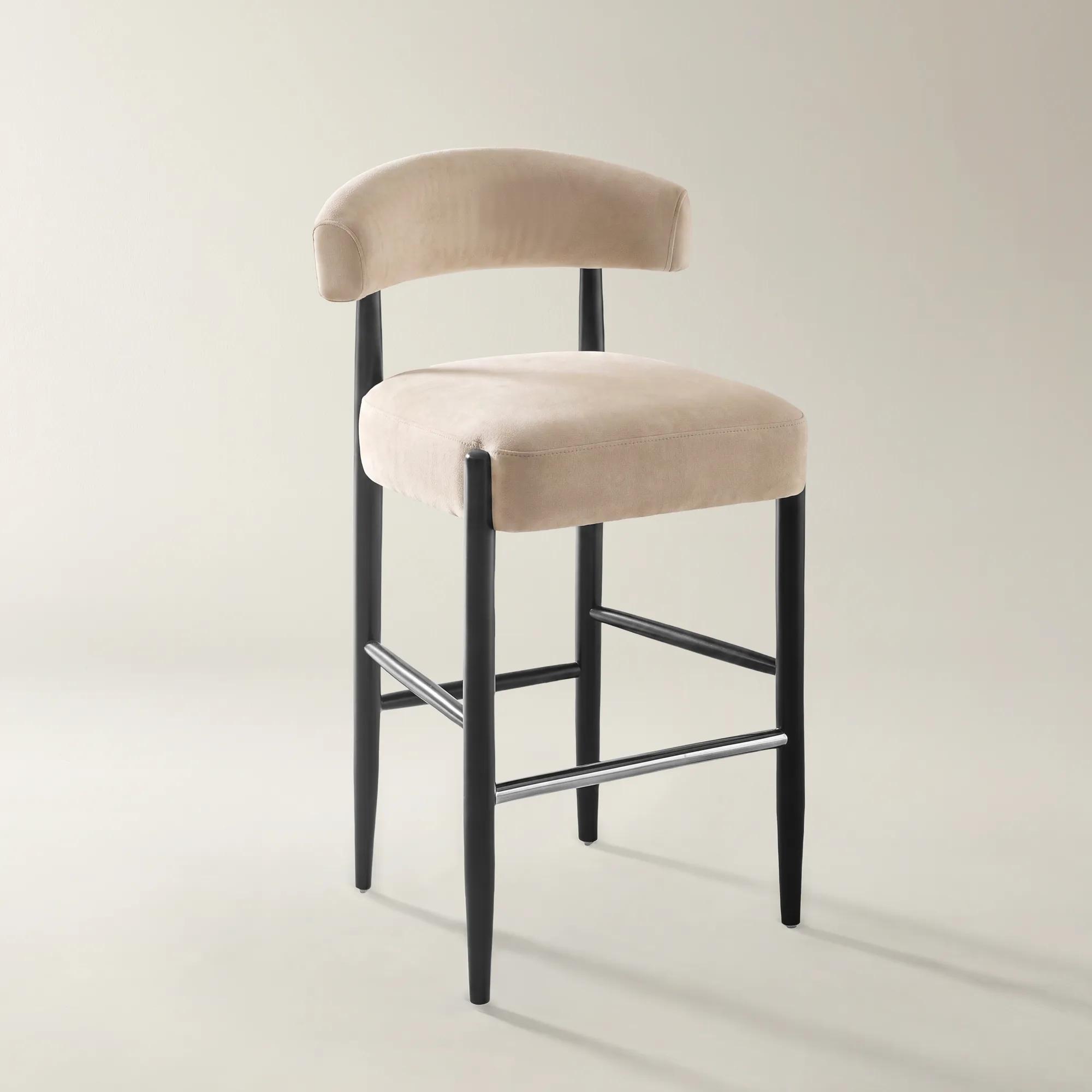 Anna Simply Taupe Velvet Bar/Counter Stool$449
A taupe velvet counter stool with a sculpted back, padded seat, and tapered solid-rubberwood base.
Add To Cart -
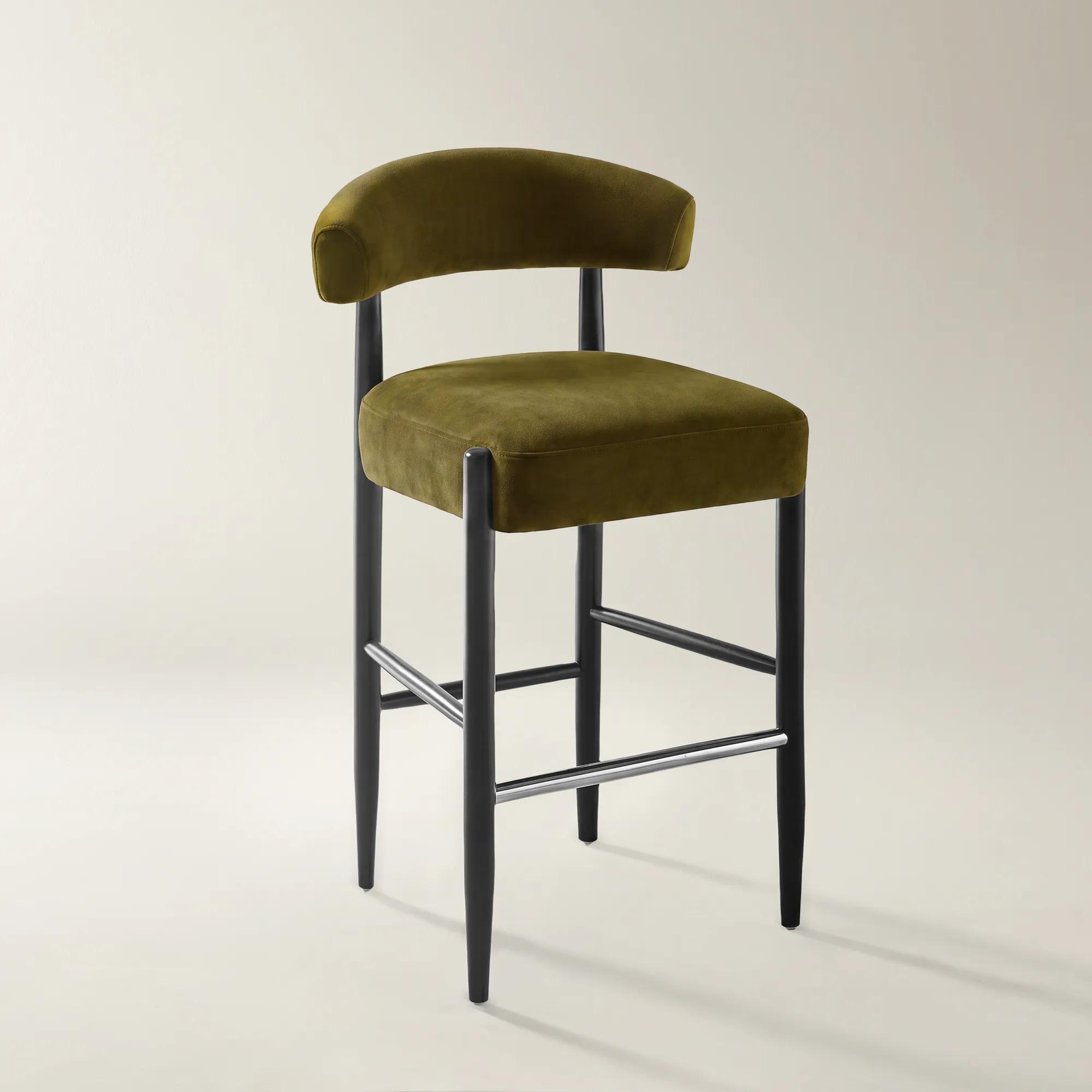 Anna Deep Olive Velvet Bar/Counter Stool$449
A green velvet bar stool with a sculpted padded seat, tailored upholstery, and tapered solid-rubberwood legs.
Add To Cart -
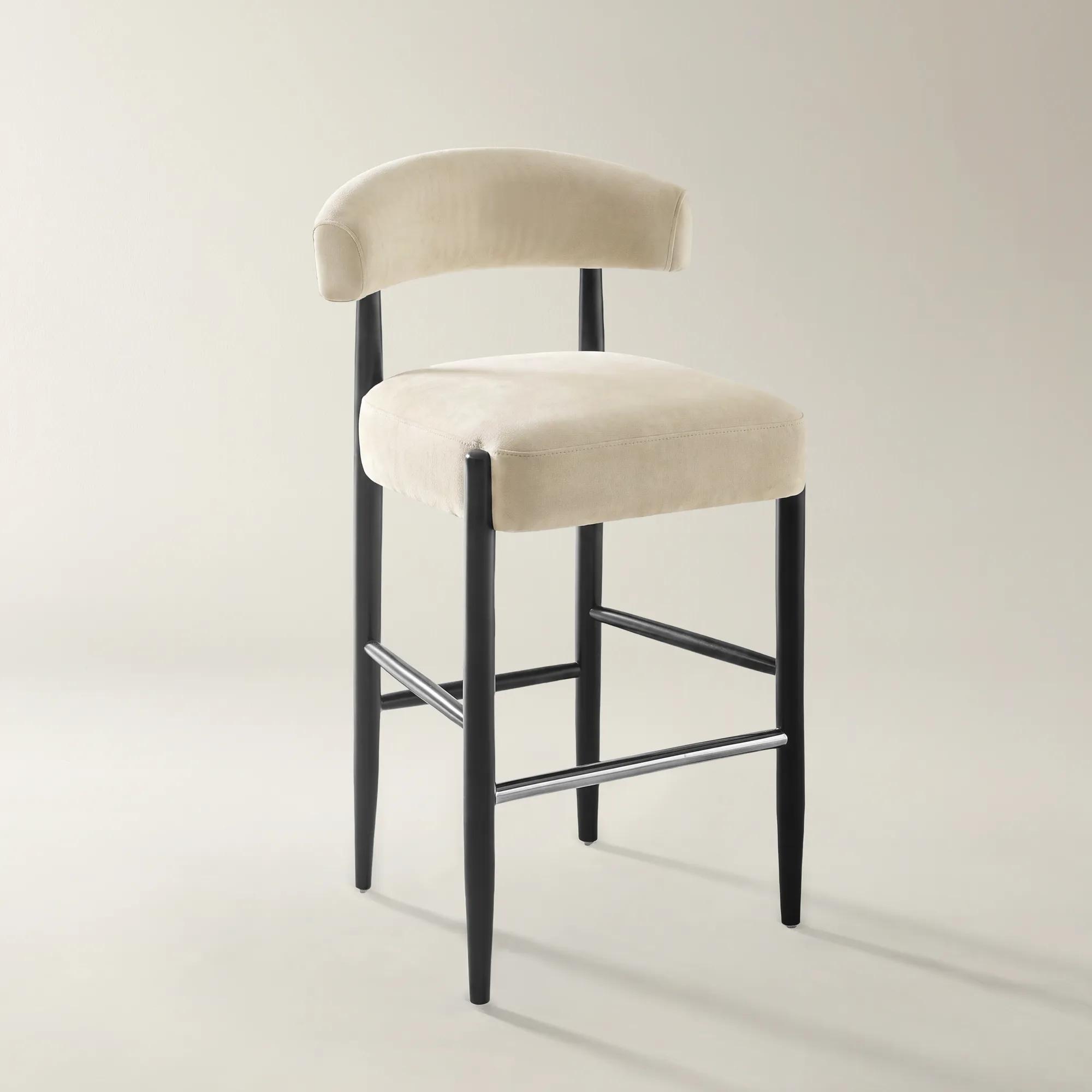 Anna Oatmeal Velvet Bar/Counter Stool$449
A counter stool with oatmeal velvet upholstery, sculpted back, padded seat, and solid rubberwood legs.
Add To Cart -
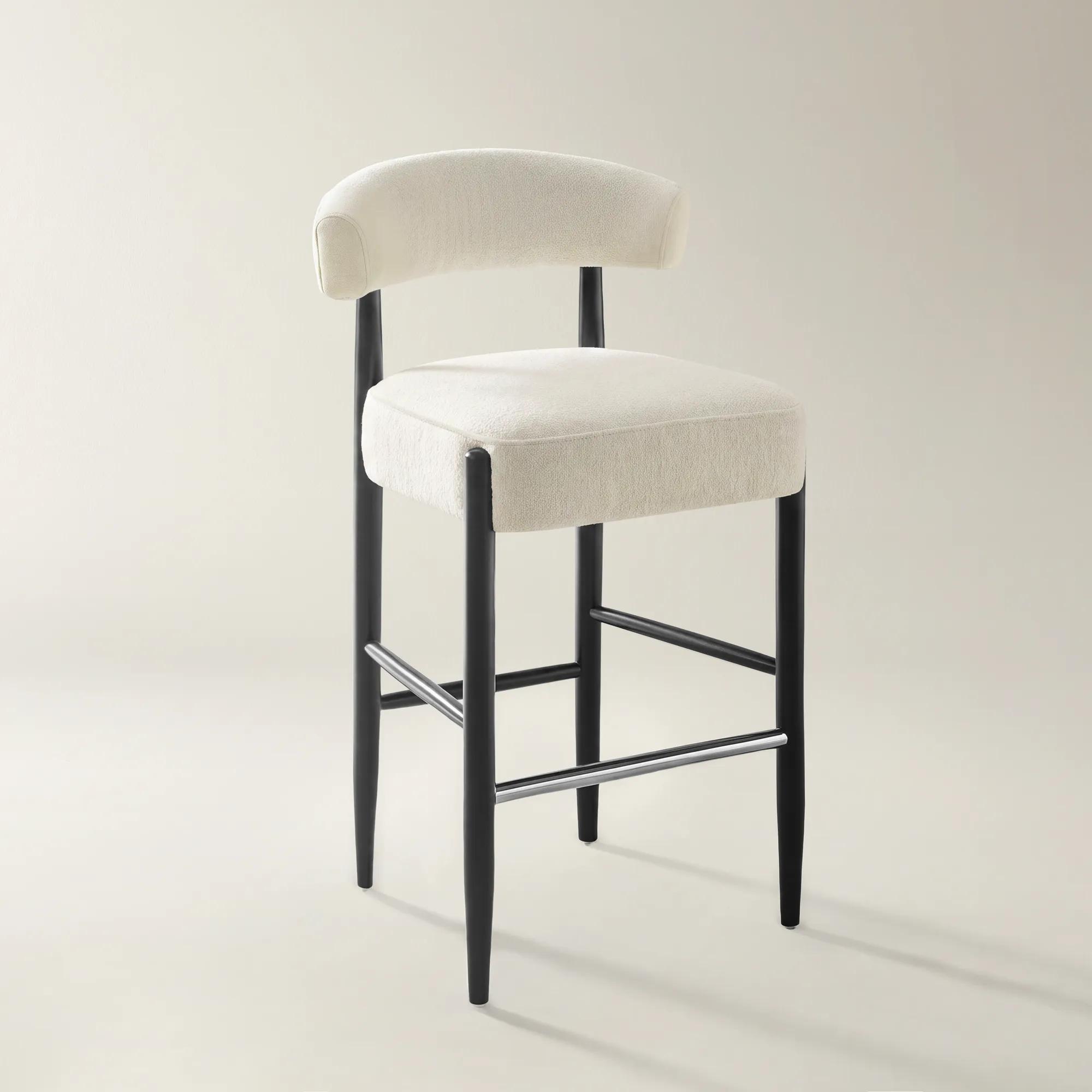 Anna Ivory Performance Chenille Bar/Counter Stool$449
An ivory performance-chenille bar stool with a sculpted back, padded seat, and tapered solid-rubberwood legs.
Add To Cart -
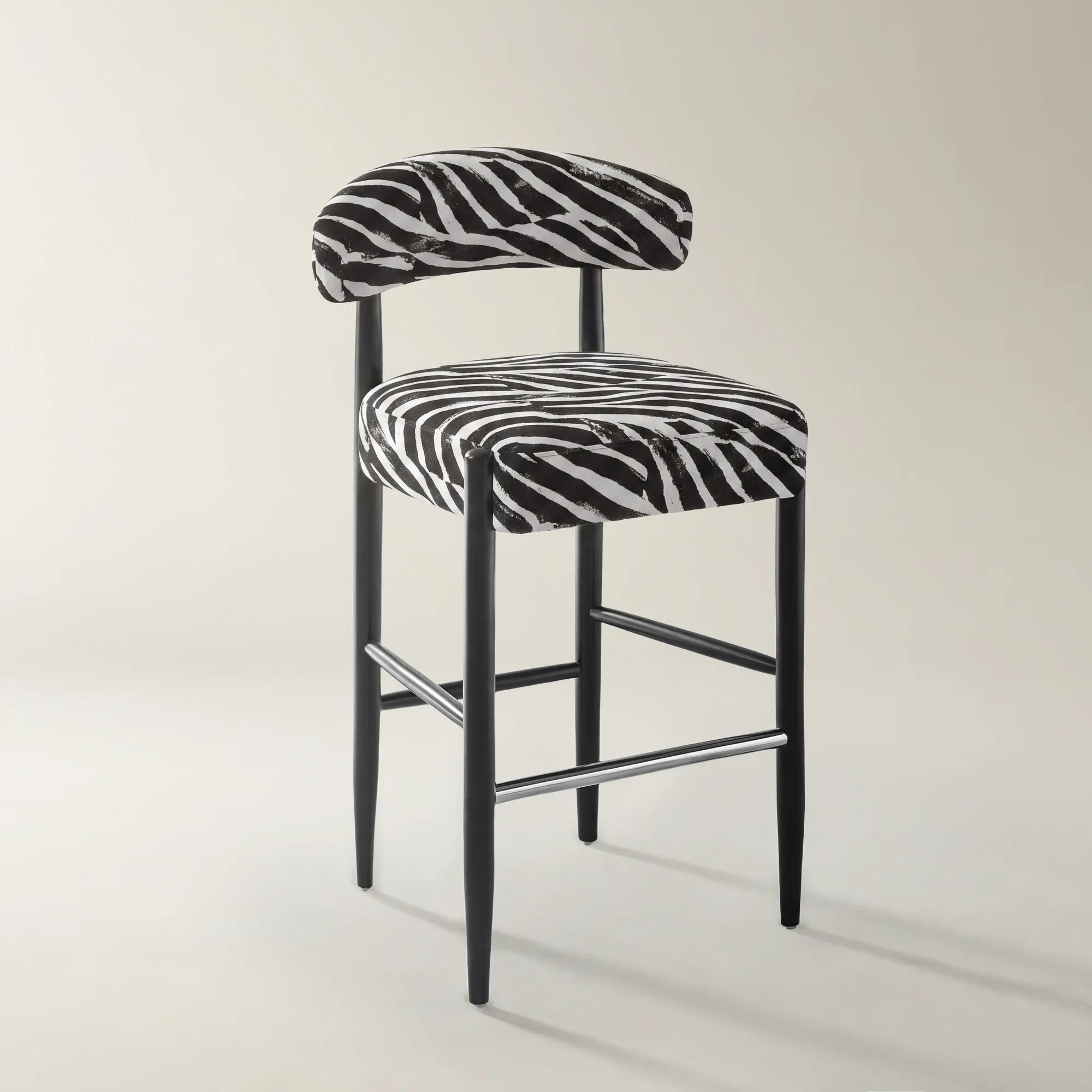 Anna White/Black Performance Chenille Bar/Counter Stool$449
A black-and-white chenille bar stool with a sculpted back, padded seat, and tapered solid rubberwood legs.
Add To Cart -
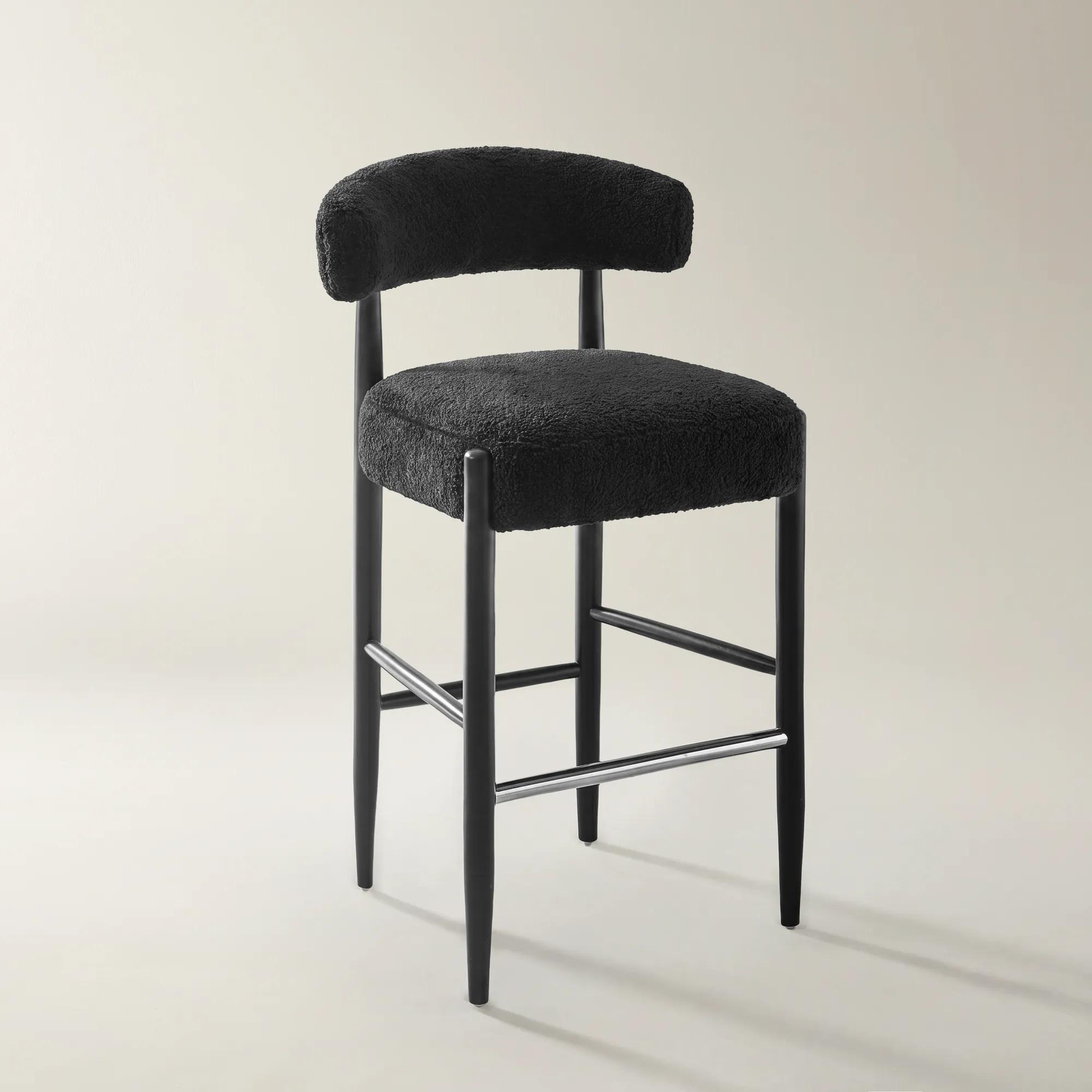 Anna Black Chenille Bar/Counter Stool$449
A black chenille counter stool with a sculpted padded seat and solid rubberwood legs.
Add To Cart -
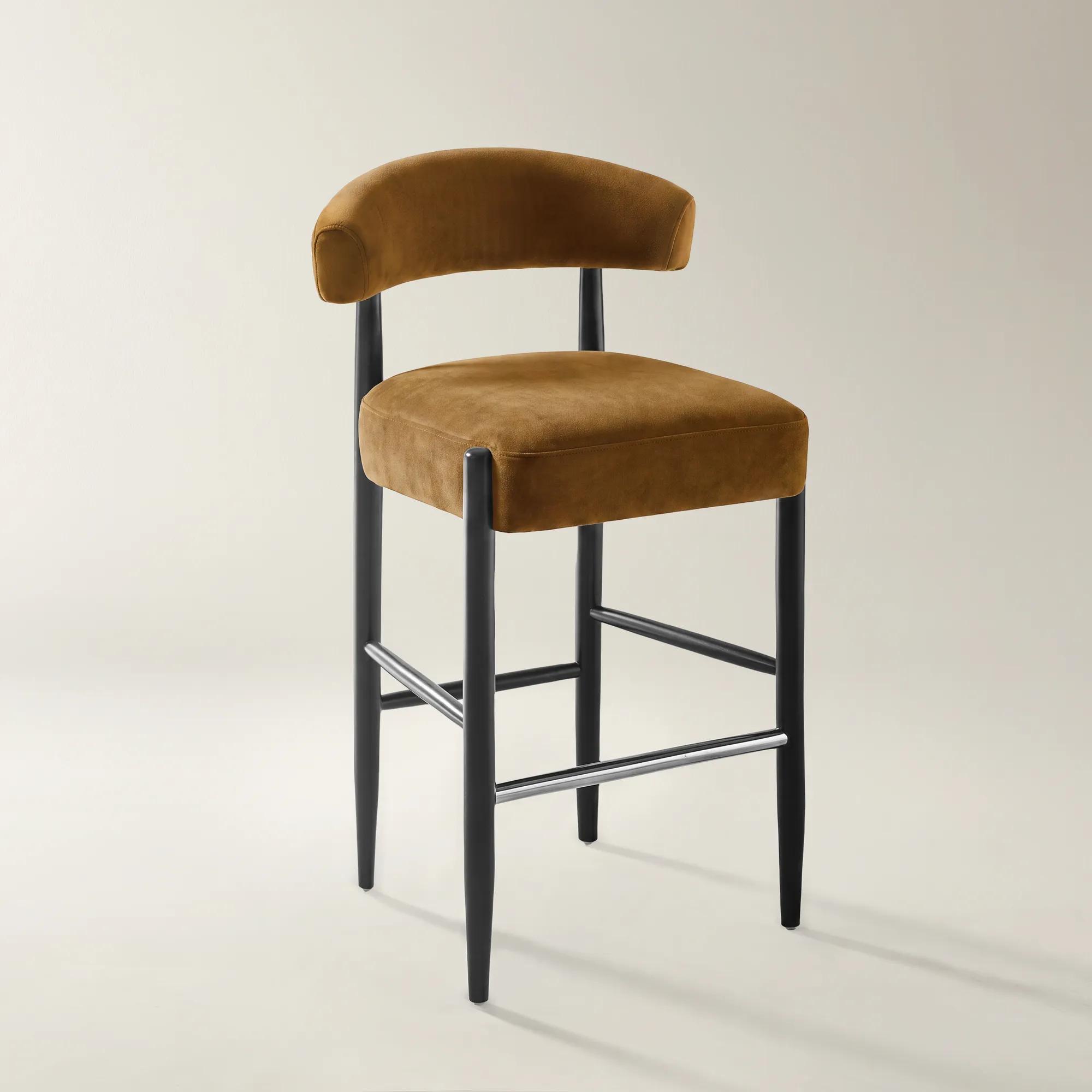 Anna Roasted Pecan Velvet Bar/Counter Stool$449
A roasted pecan velvet bar stool with a sculpted padded back, custom upholstery, and tapered solid-rubberwood legs.
Add To Cart -
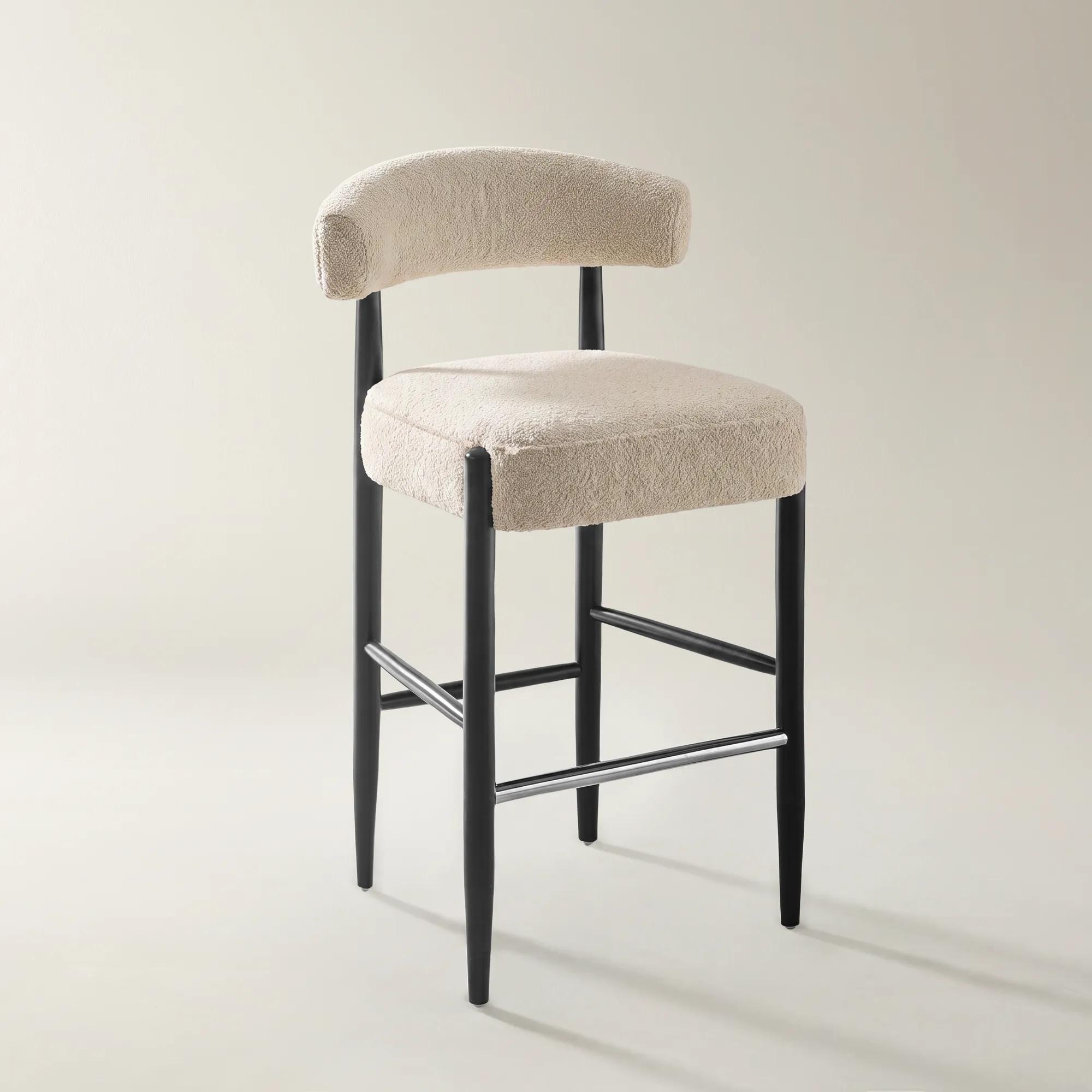 Anna Utopia Sand Chenille Bar/Counter Stool$449
A chenille bar stool with a sculpted padded seat, kiln-dried hardwood frame, and solid rubberwood legs.
Add To Cart -
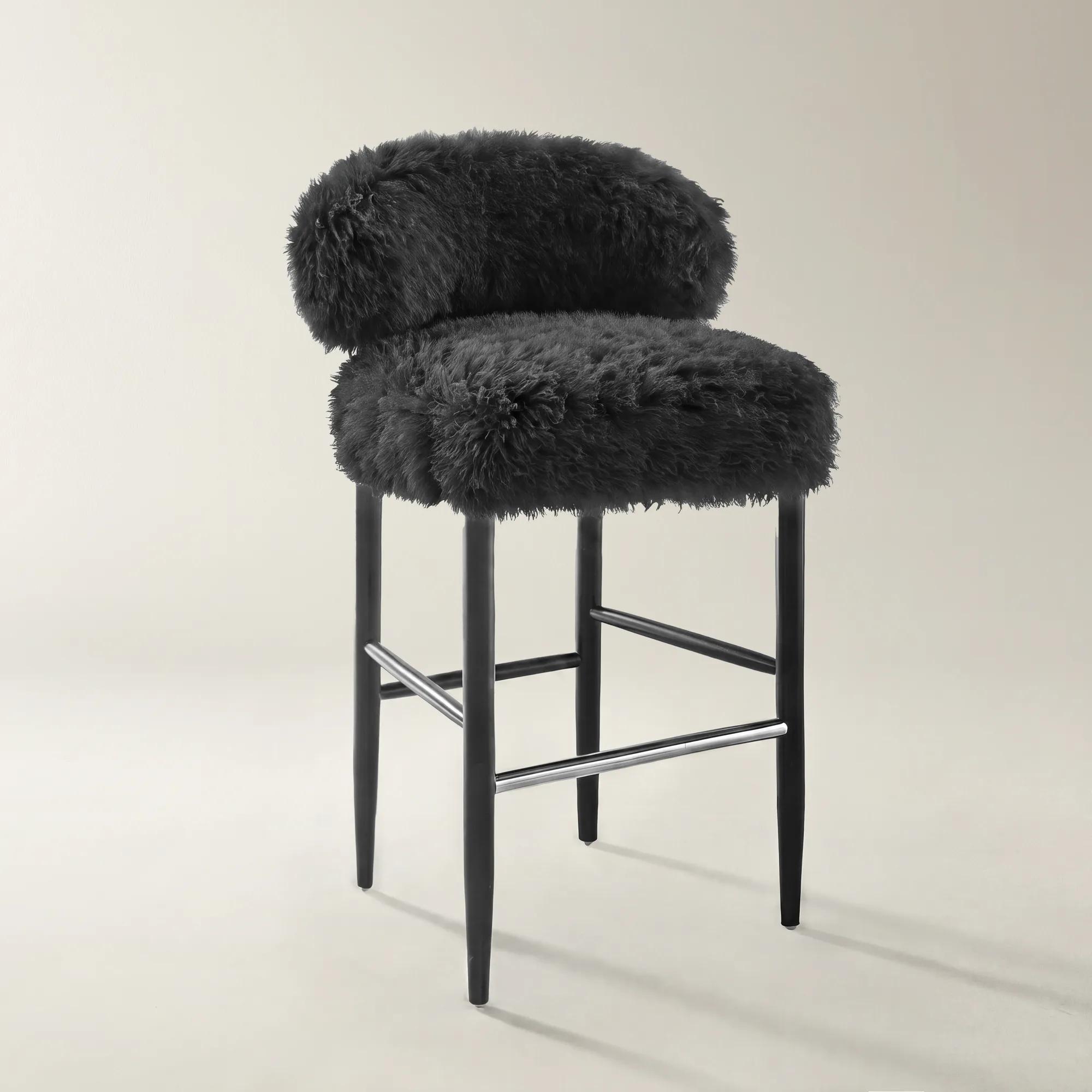 Anna Black Faux Fur Bar/Counter Stool$549
A black faux-fur bar stool with a sculpted back, padded seat, and solid rubberwood legs.
Add To Cart -
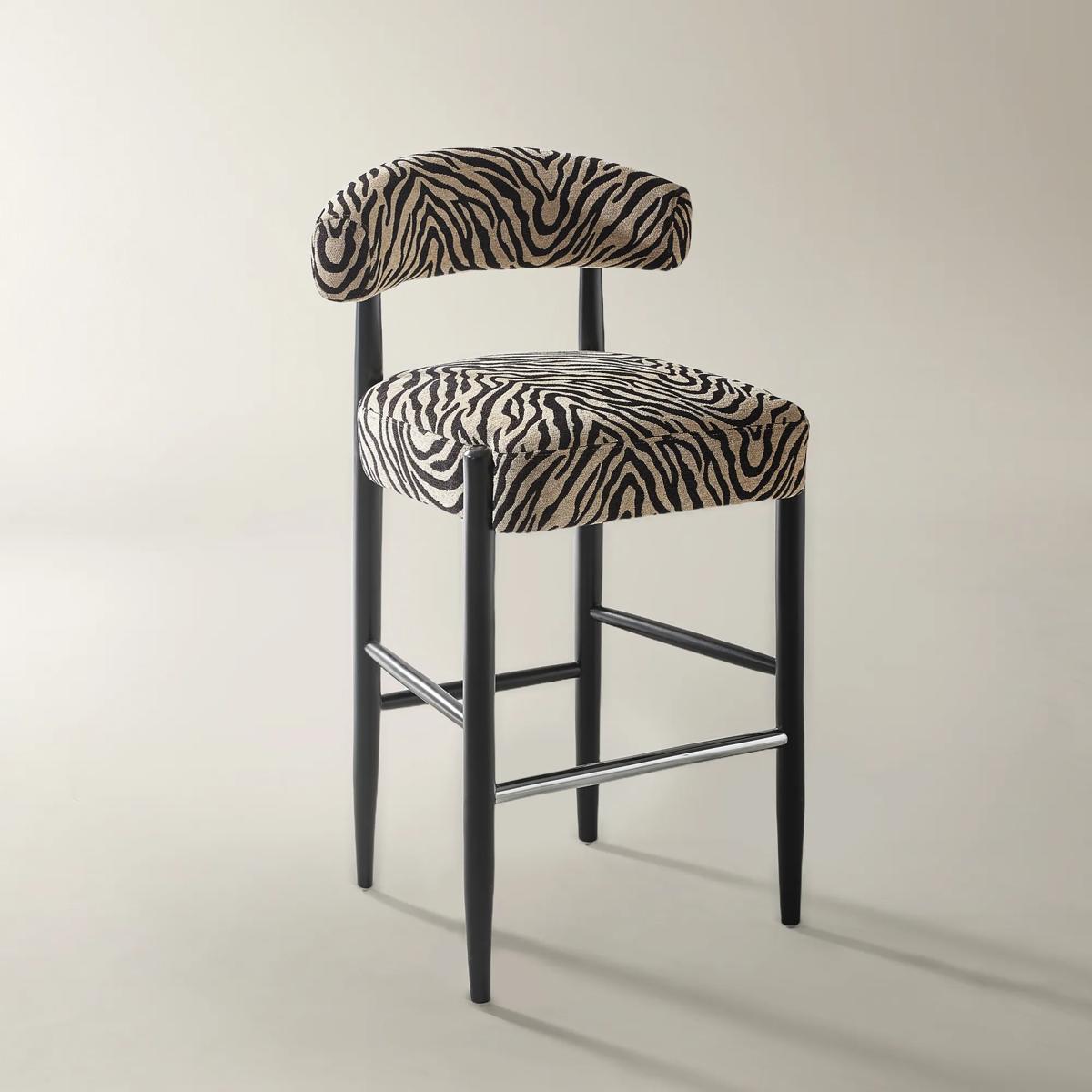
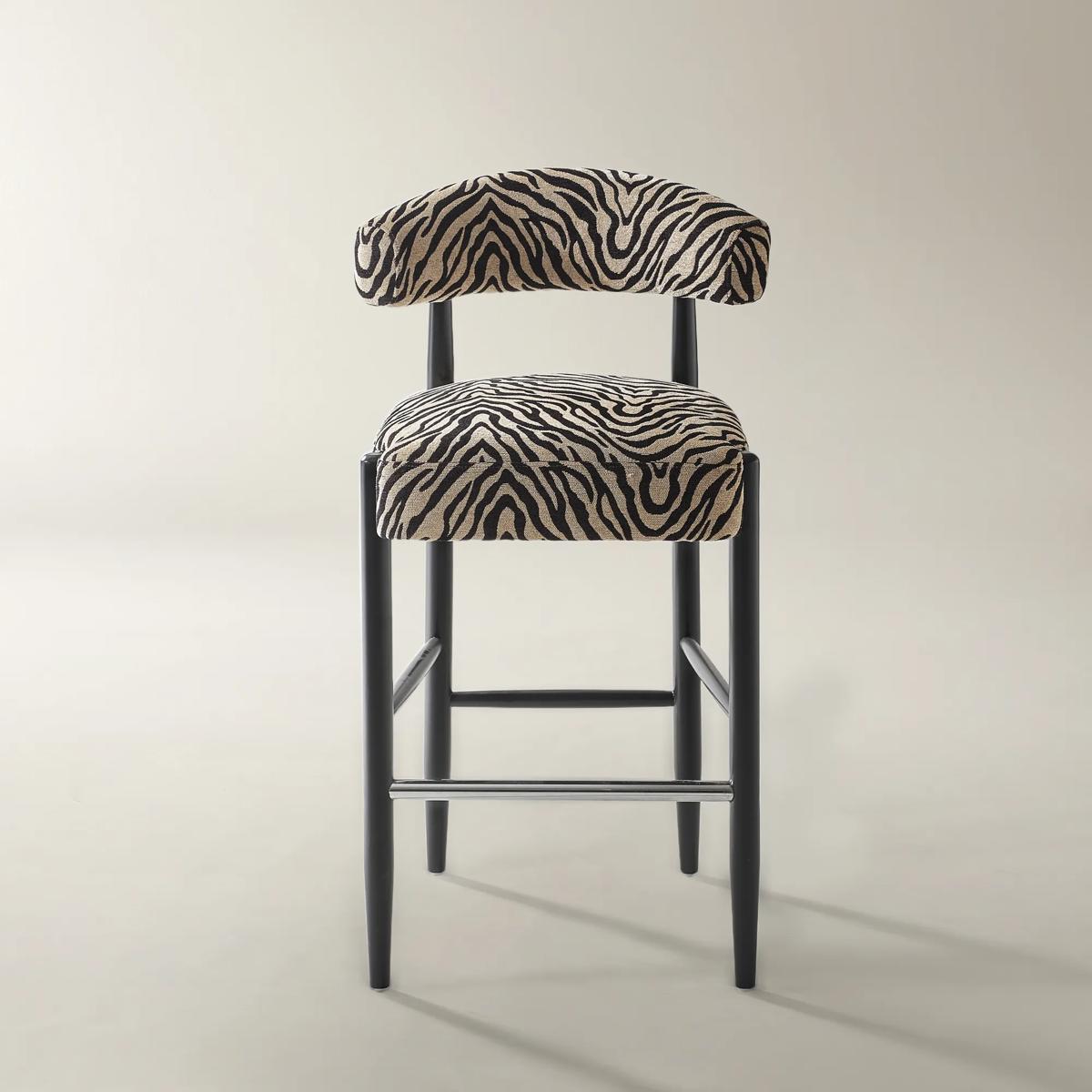 Anna Zebra Chenille Bar/Counter Stool$449
A bar stool with zebra-patterned chenille upholstery, sculpted padding, and tapered solid-rubberwood legs.
Add To Cart -
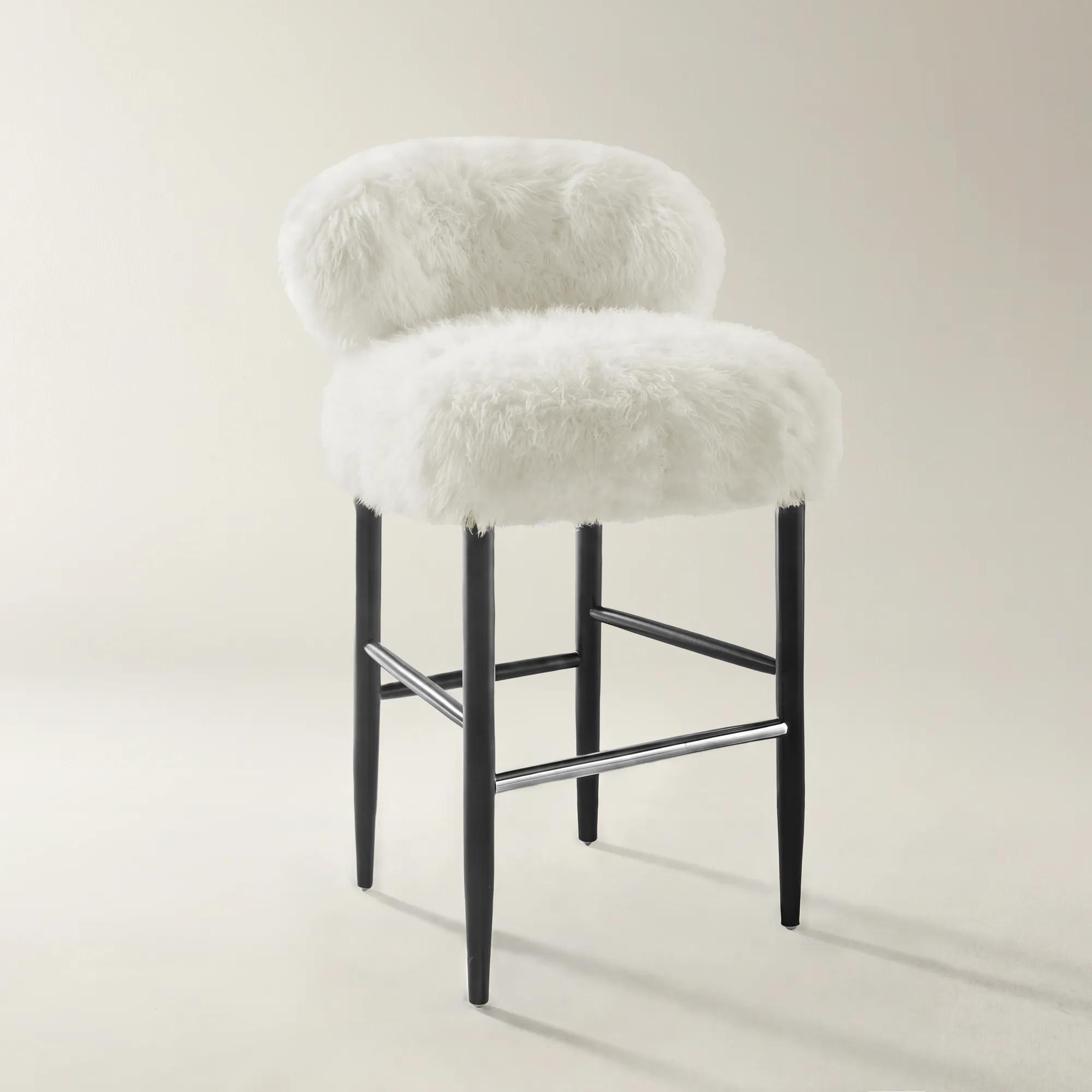 Anna Ivory Faux Fur Bar/Counter Stool$549
An ivory faux-fur counter stool with sculpted support, padded seating, and tapered solid-rubberwood legs.
Add To Cart -
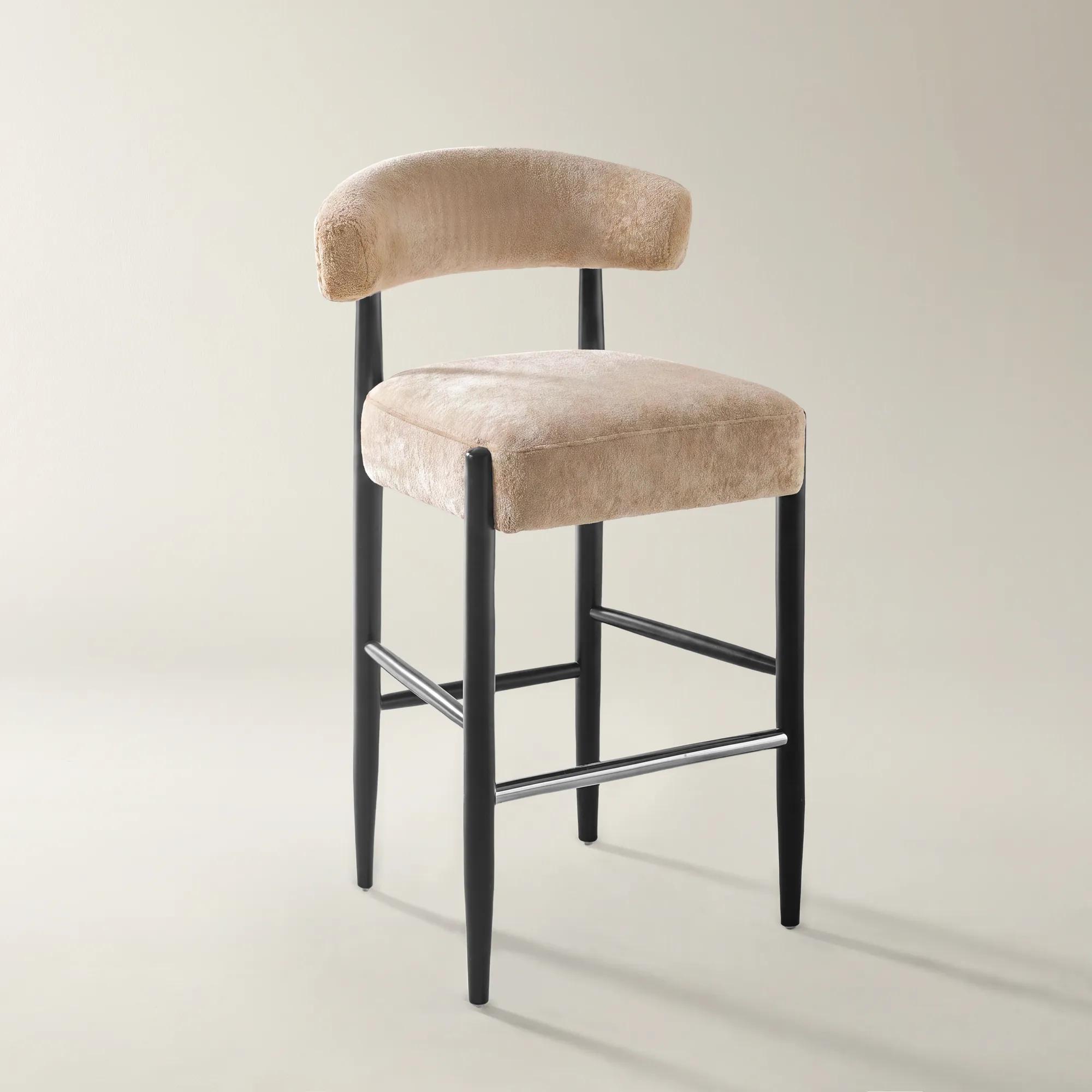 Anna Light Brown Chenille Bar/Counter Stool$449
A brown chenille counter stool with a sculpted back, padded seat, and tapered solid-rubberwood legs.
Add To Cart -
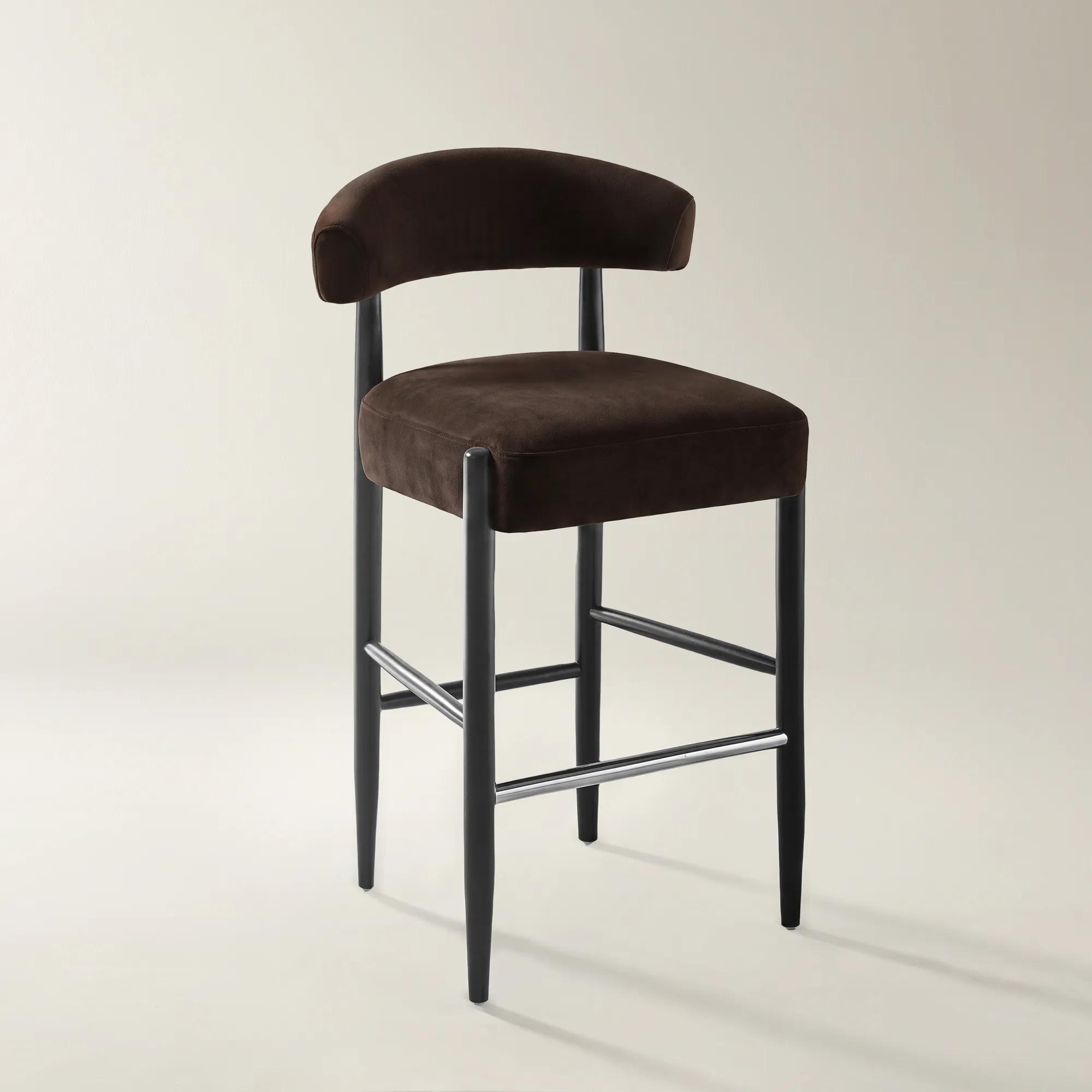 Anna Dark Chocolate Velvet Bar/Counter Stool$449
A dark chocolate velvet counter stool with a sculpted back, padded seat, and tapered solid-rubberwood legs.
Add To Cart -
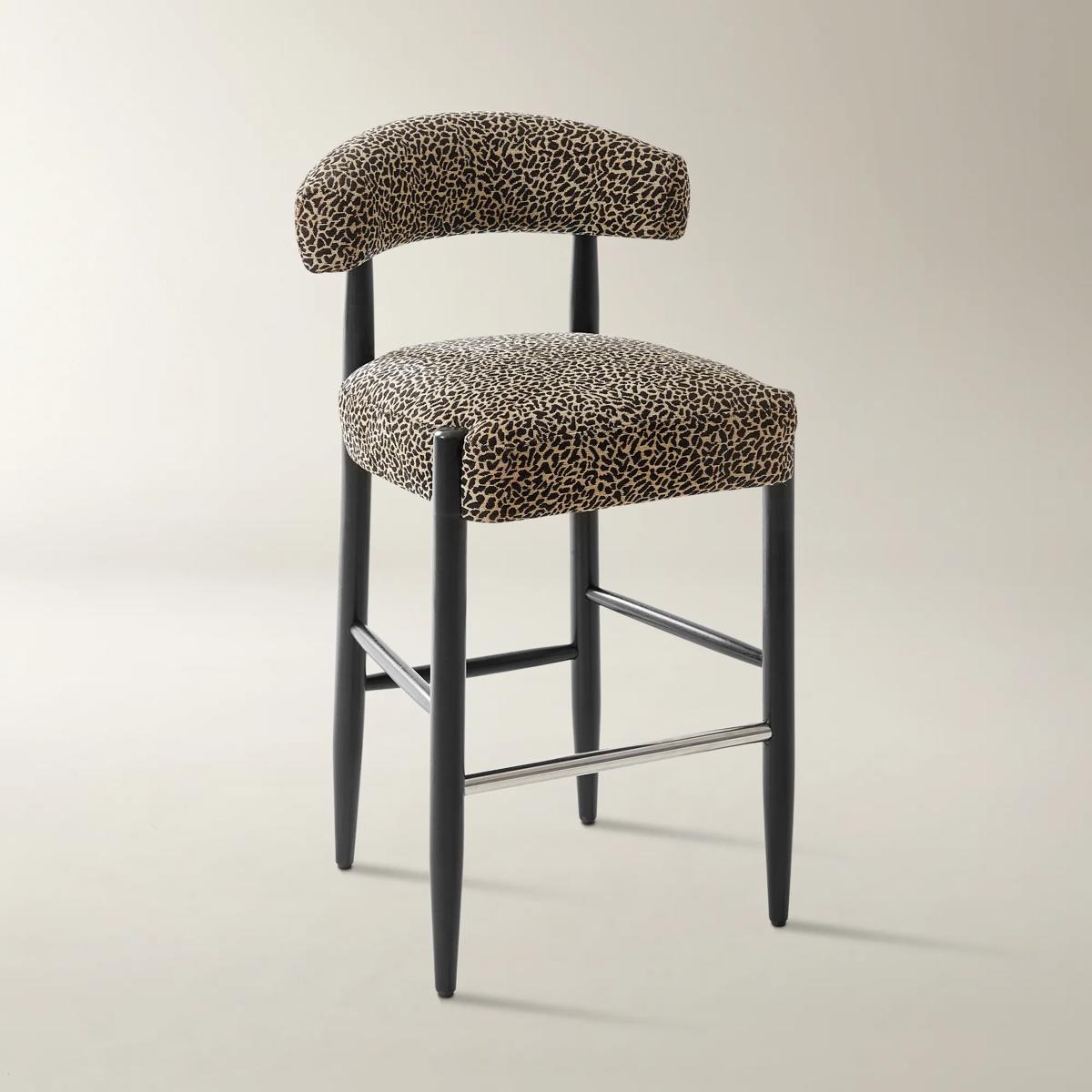
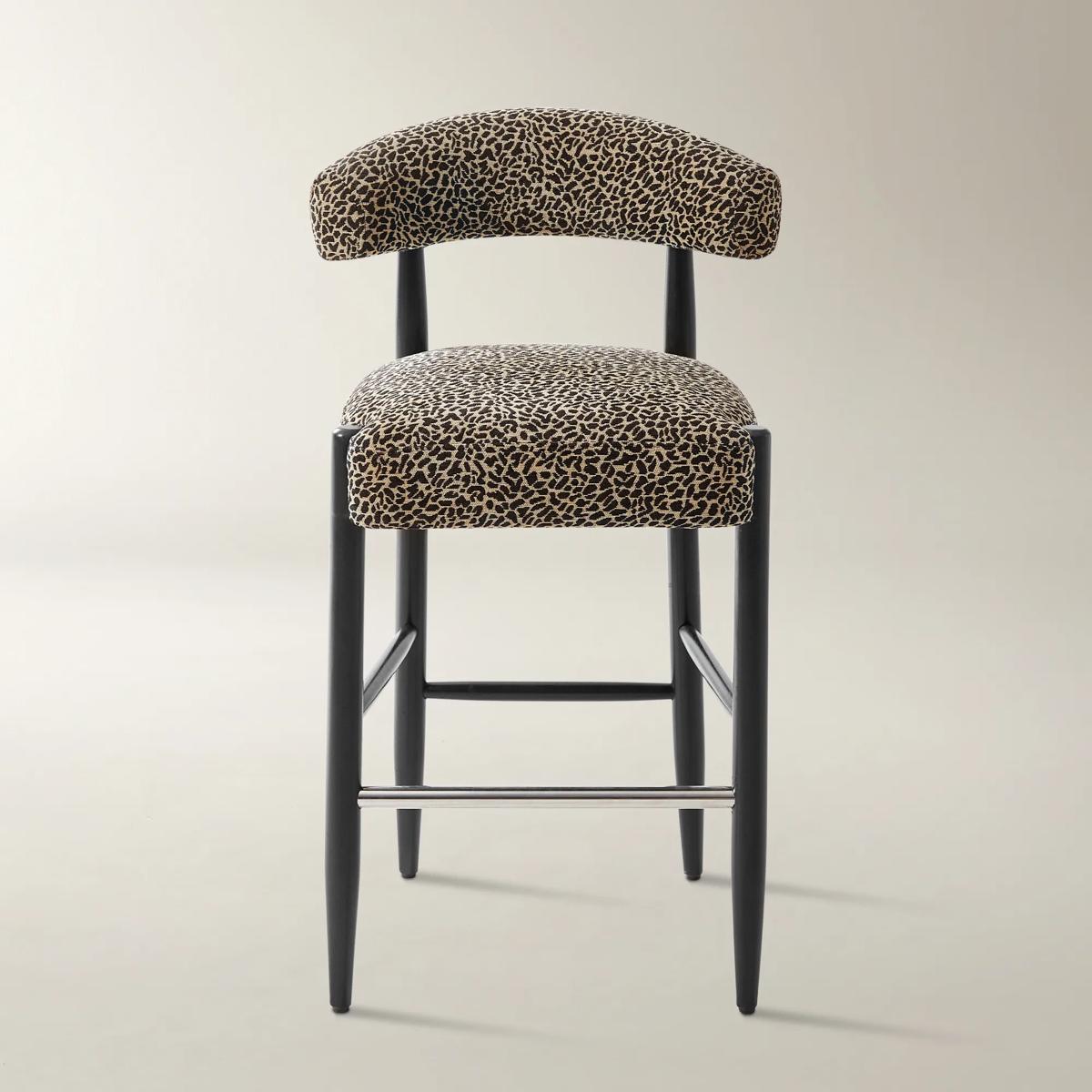 Anna Leopard Chenille Bar/Counter Stool$449
A leopard-patterned chenille bar stool with sculpted padded support and tapered solid rubberwood legs.
Add To Cart -
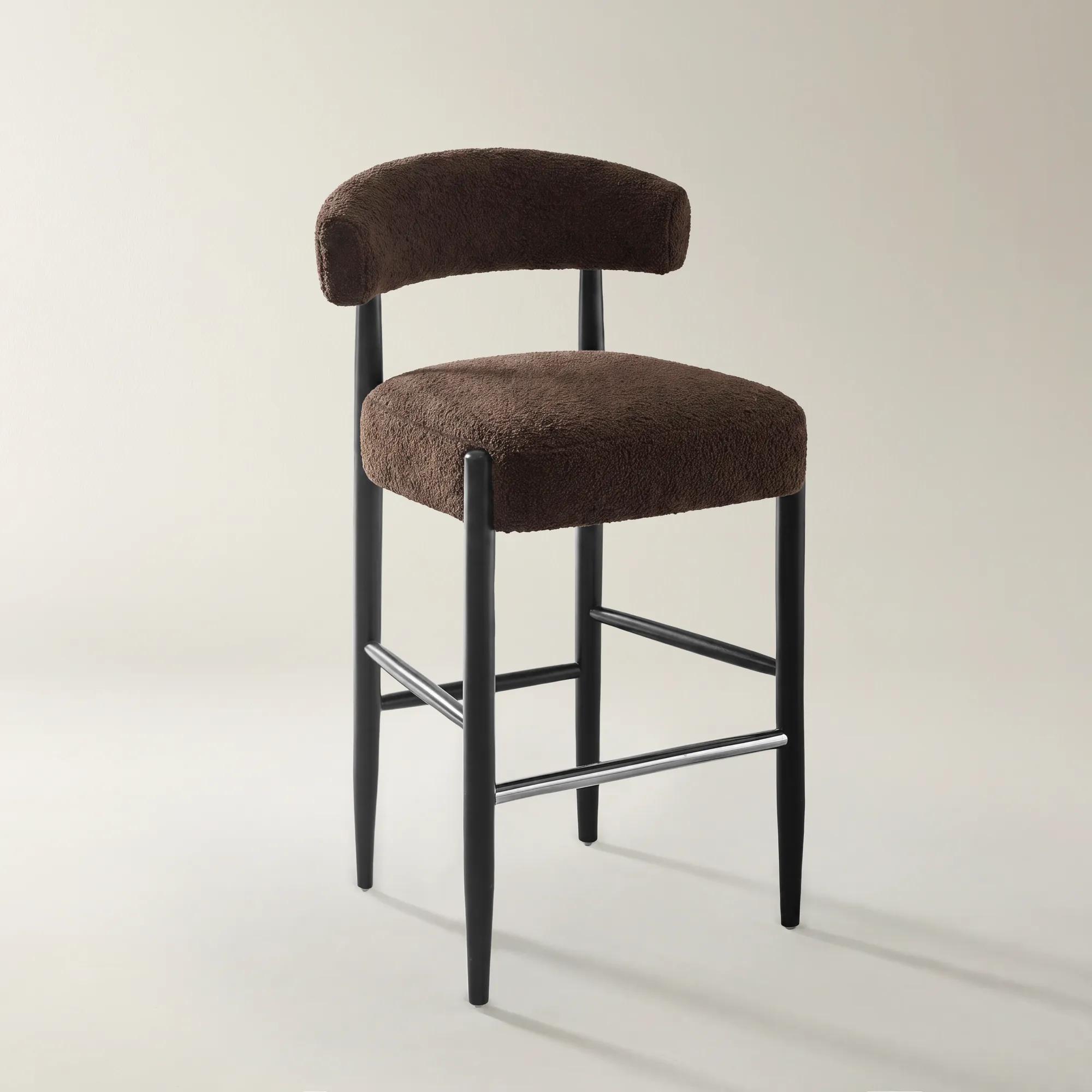 Anna Dark Chocolate Chenille Bar/Counter Stool$449
A dark chocolate chenille counter stool with a sculpted padded seat and solid rubberwood legs.
Add To Cart -
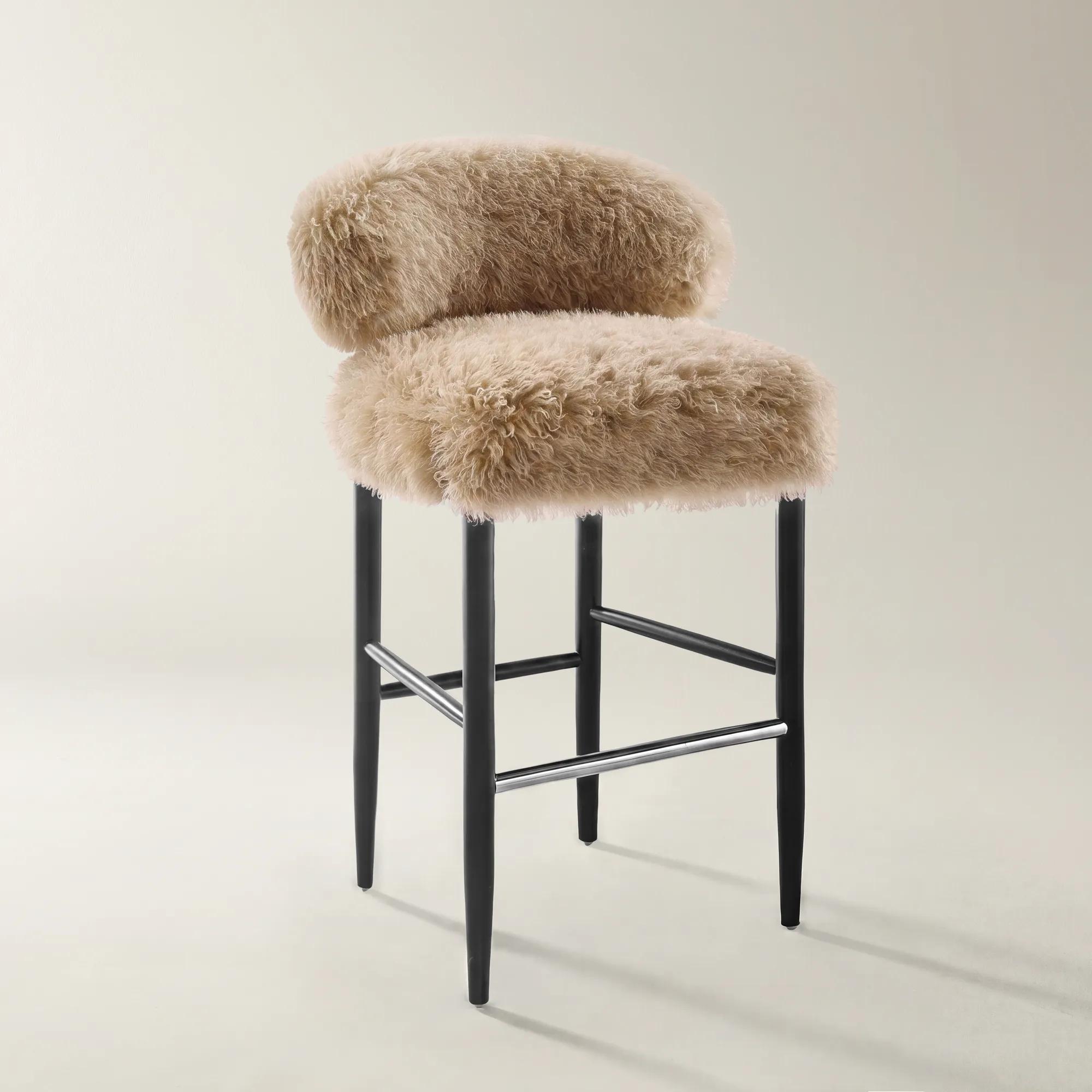 Anna Tan Faux Fur Bar/Counter Stool$549
A tan faux-fur bar stool with a sculpted padded seat and tapered solid-rubberwood legs.
Add To Cart -
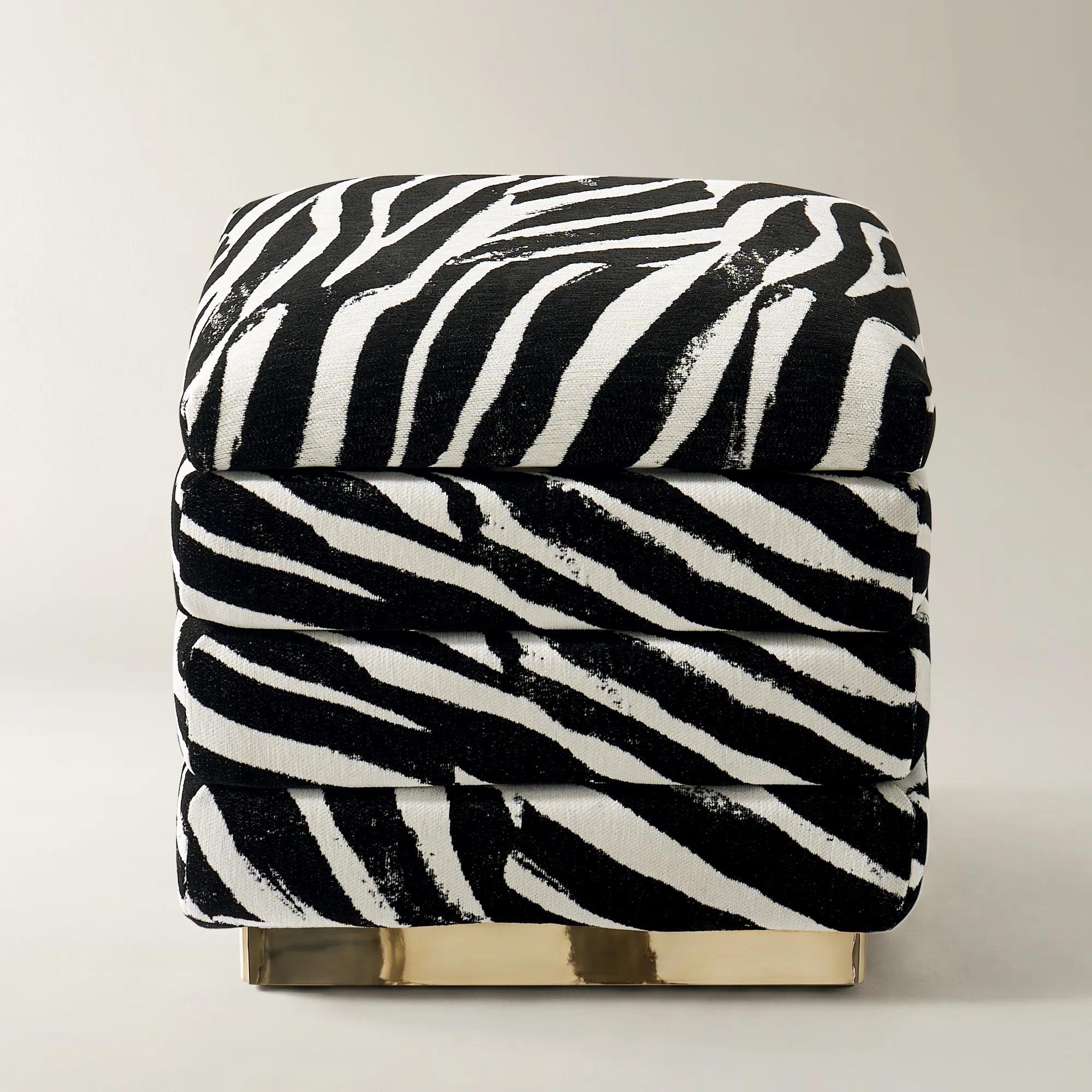
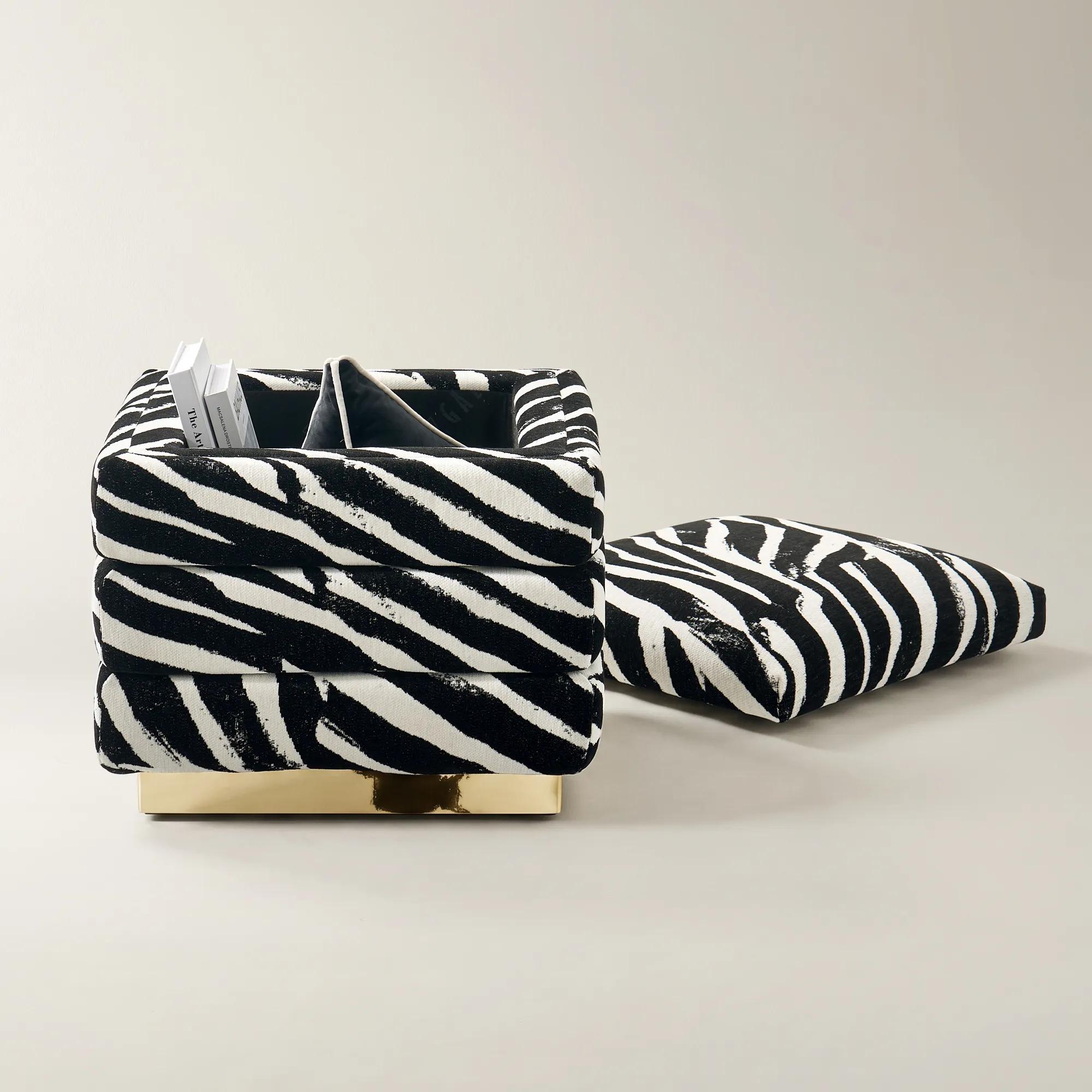 Gable White/Black Performance Chenille Stool$399
A plush white and black chenille stool with hidden storage and a polished gold stainless steel base.
Add To Cart -
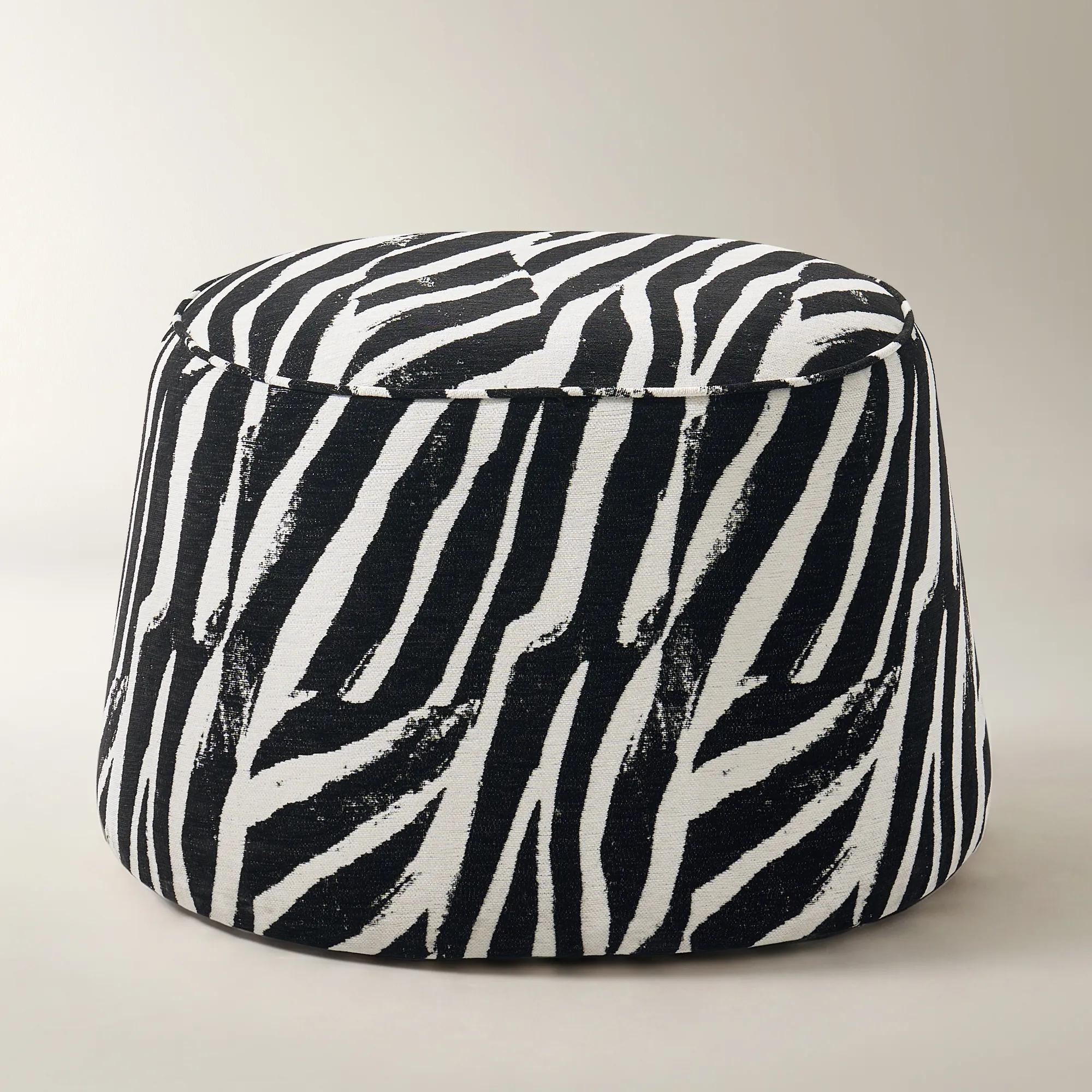 Avery White/Black Performance Chenille Stool$399
A sculpted drum accent stool in black and white performance chenille with an animal-inspired pattern.
Add To Cart -
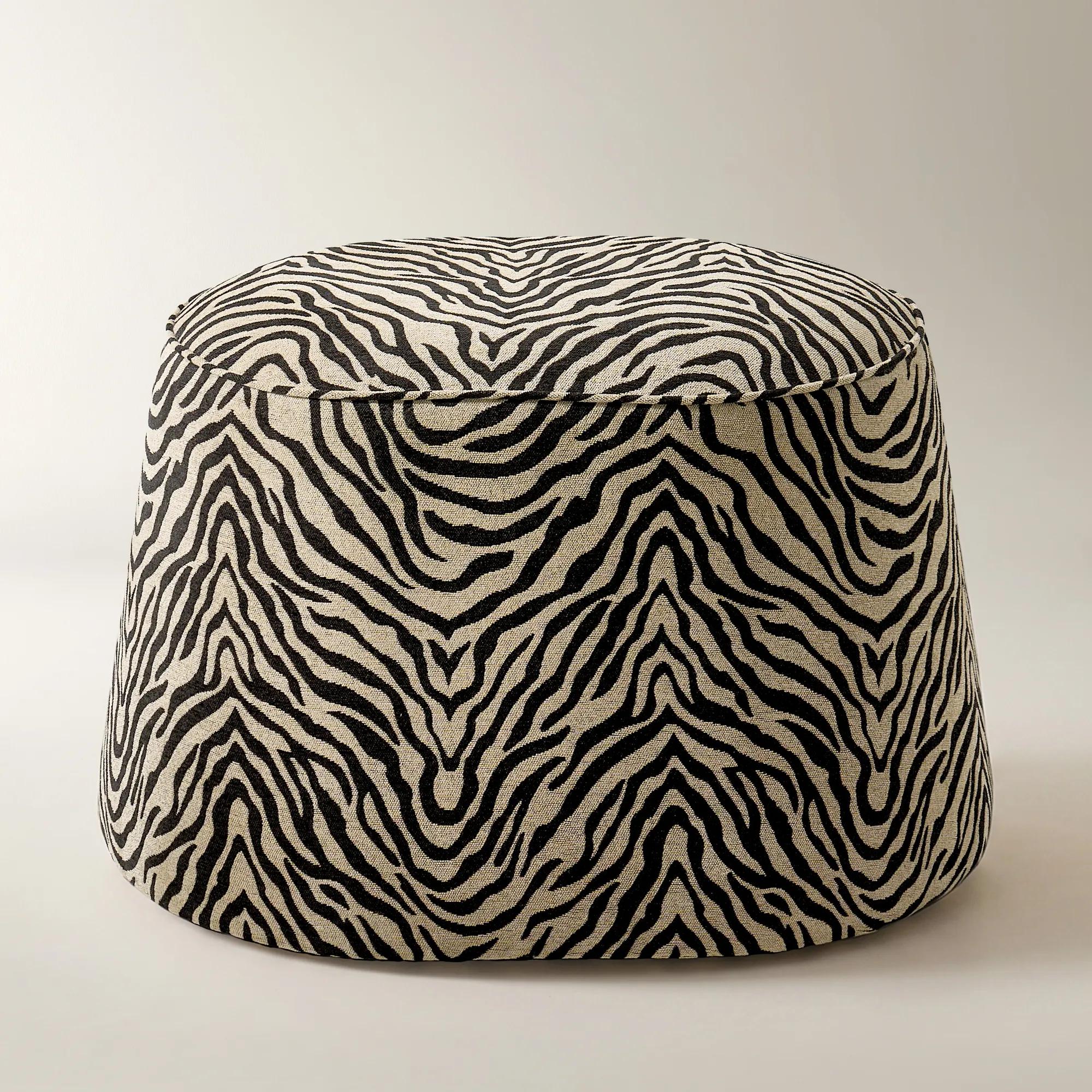 Avery Zebra Performance Chenille Stool$399
A sculpted drum-shaped accent stool upholstered in zebra-patterned performance chenille for bold, modern style.
Add To Cart -
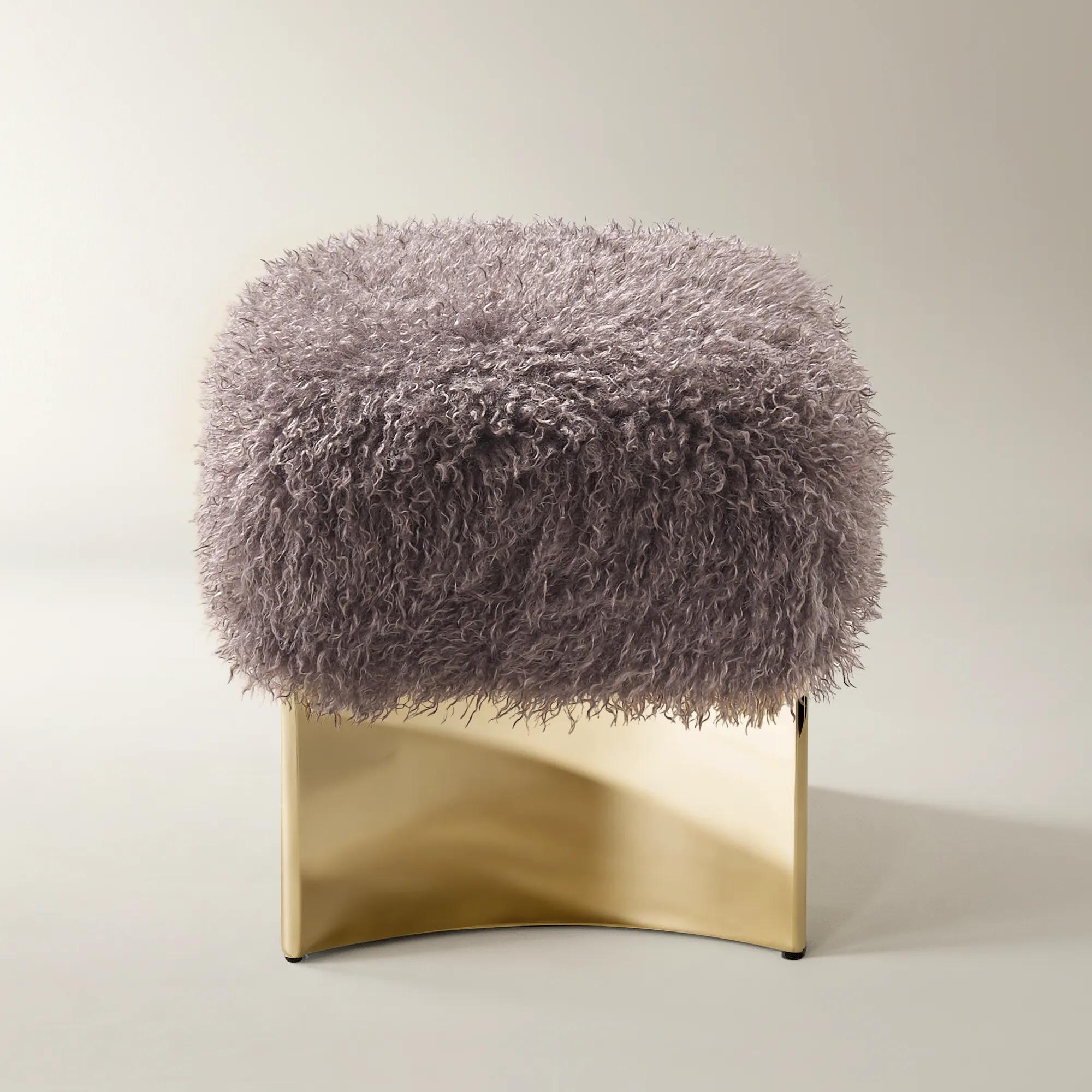 Lush Smoked Plum Faux Fur Stool$499
A sculptural smoked plum faux fur stool with a plush seat and polished gold stainless steel base.
Add To Cart

Modern Upholstered Bar Stools
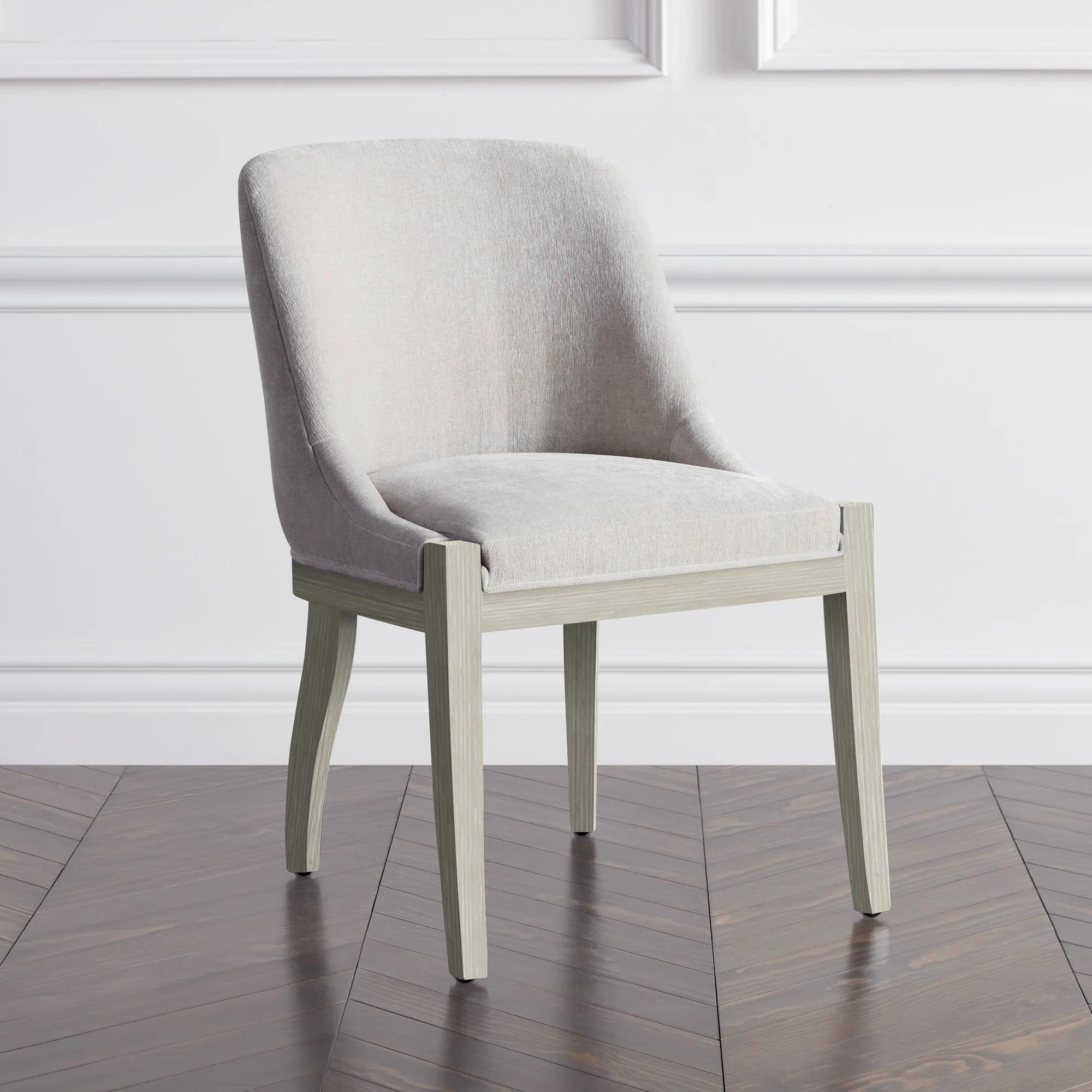
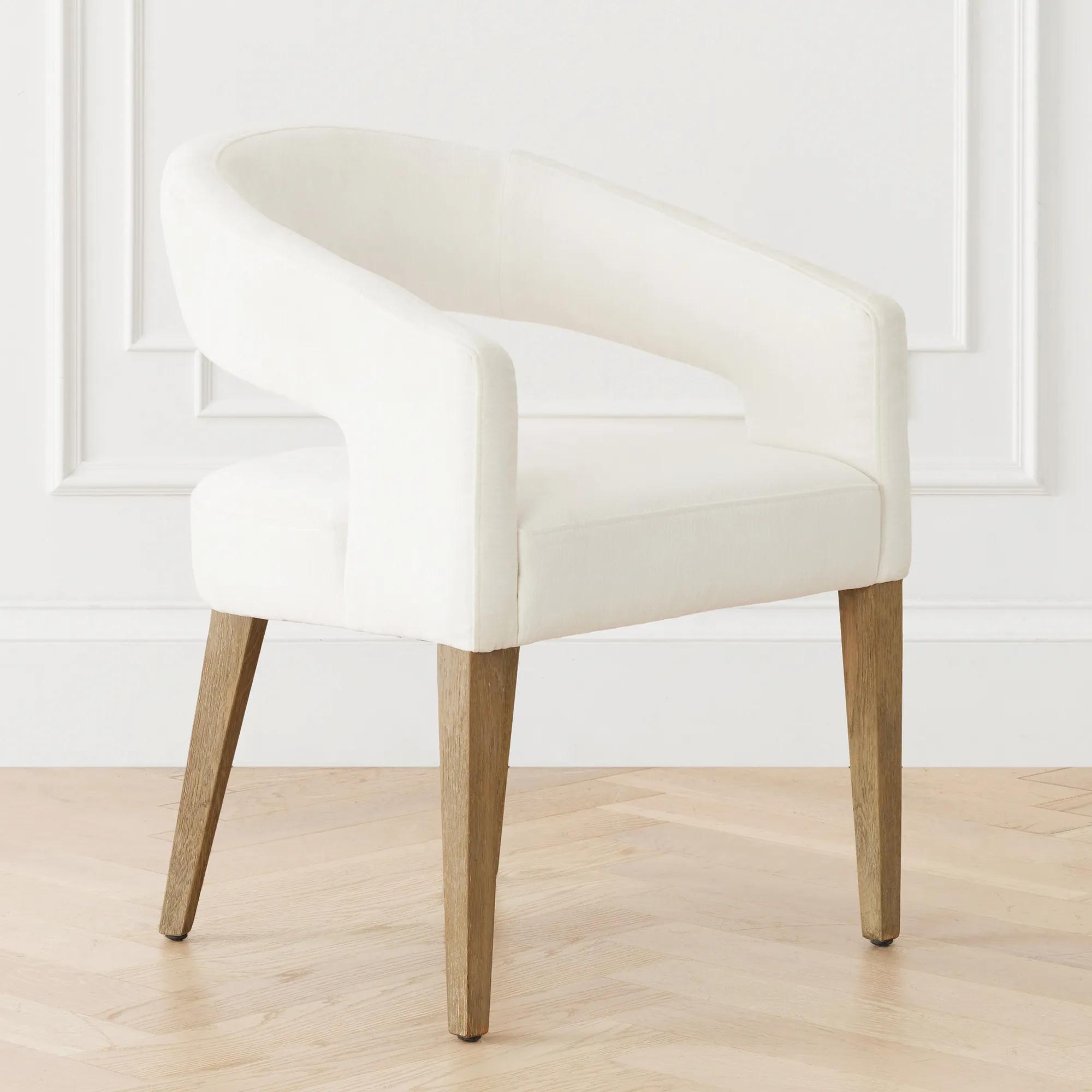
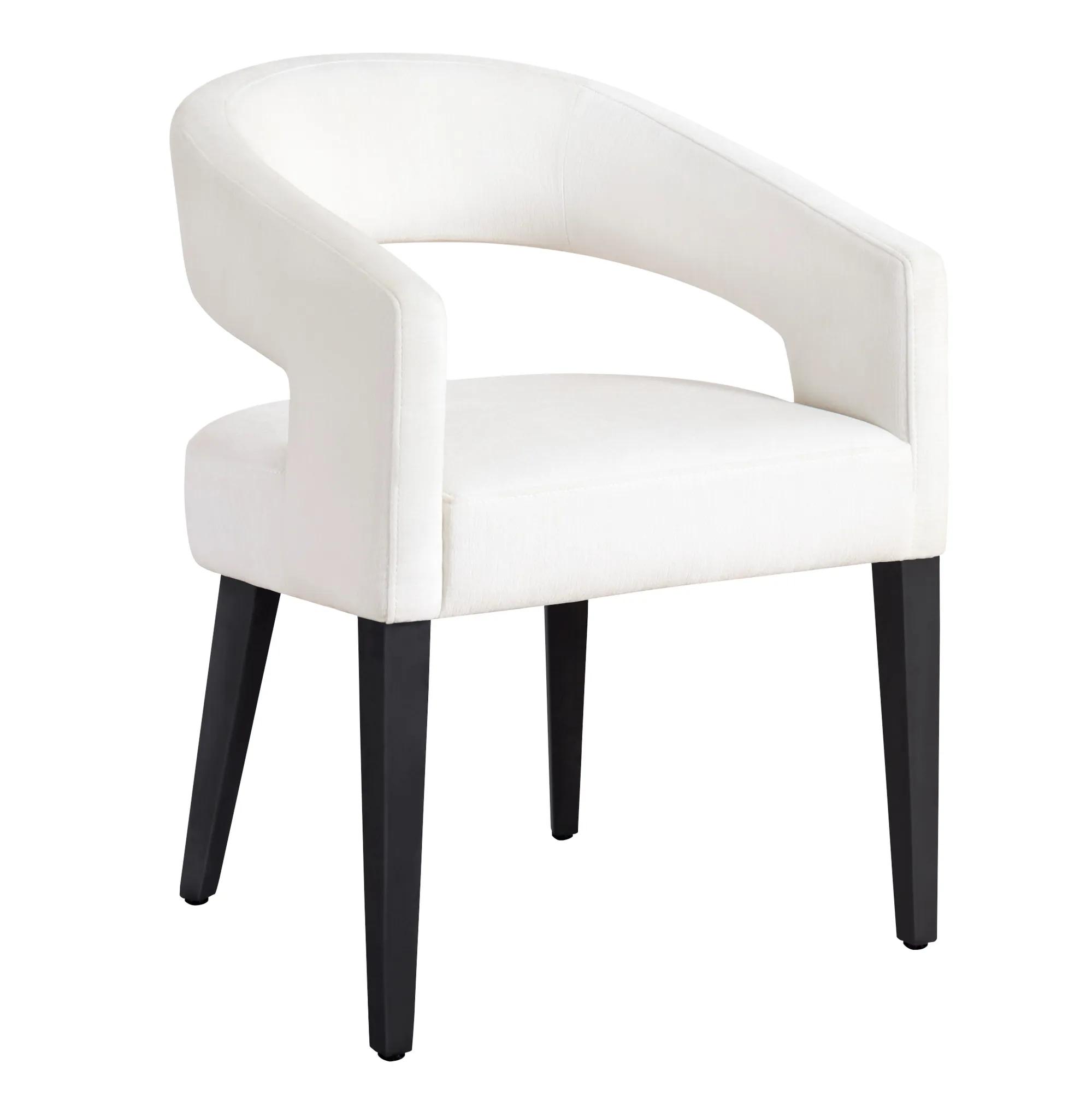
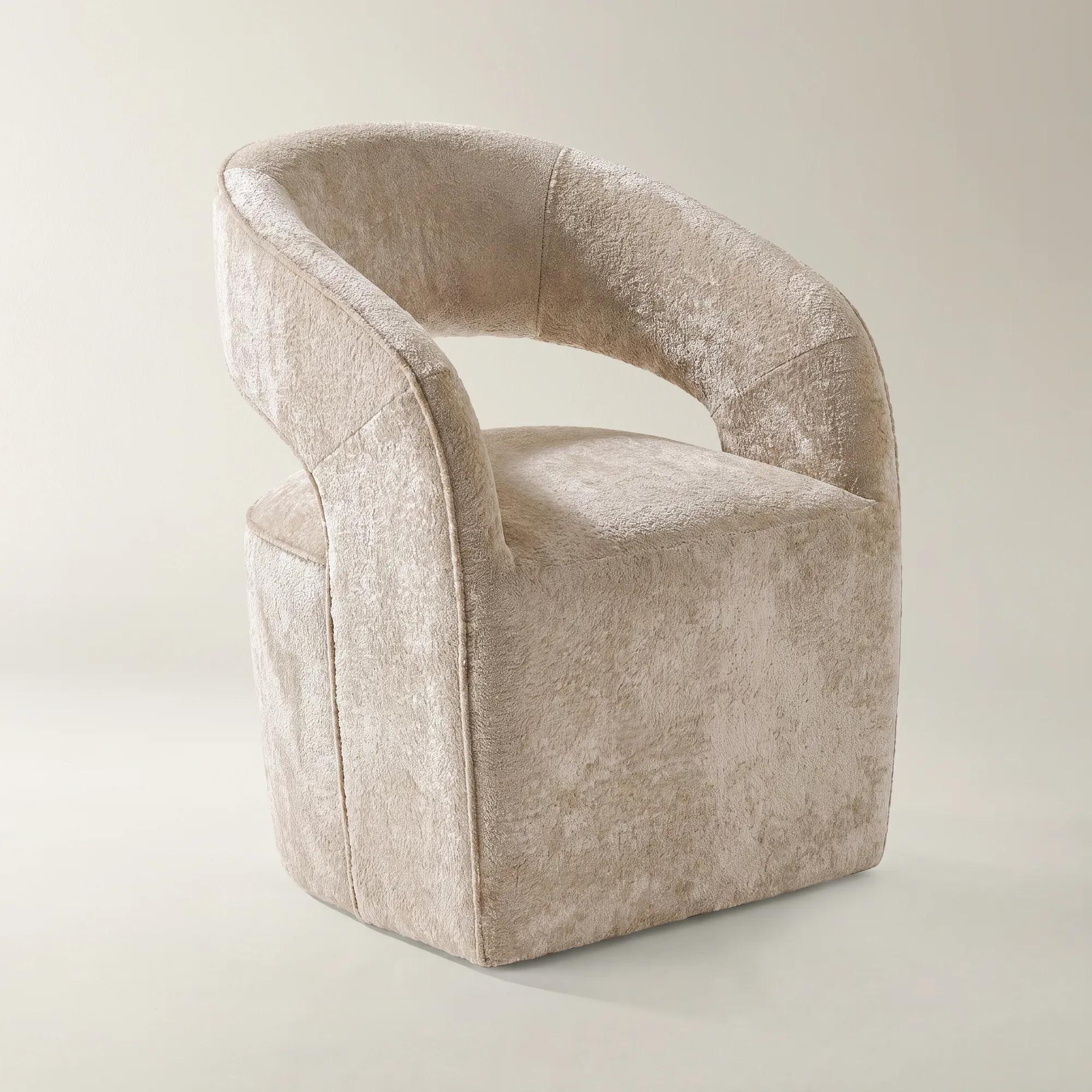
Modern upholstered bar stools transform everyday seating into an experience of elevated artistry. Each silhouette is a statement—inviting you to linger, converse, and celebrate in style. With sumptuous fabrics and sculptural lines, these bar stools become more than functional accents; they are the punctuation marks of a boldly curated space. Whether poised beside a marble island or anchoring a dramatic home bar, modern upholstered bar stools infuse every gathering with an air of sophistication and expressive allure, ensuring your home is always ready for its next grand moment.
Modern upholstered bar stools pair cushioned seats with clean, sculptural lines, bringing the softness of lounge seating to kitchen islands, breakfast counters, and home bars. The contrast is especially striking against hard surfaces: a curved velvet back breaks up the long edge of a stone island, while a neatly tailored leather seat brings warmth to a bar framed in glass and metal. The view from behind matters as much as the view from the seat. In an open floor plan, a row of upholstered backs often faces the living room, where the curve of a shell or the line of a seam can be more visible than the seat itself. A low back keeps the countertop in view while offering a place to lean; a taller padded back gives guests more support when dinner at the island turns into an evening of conversation. Backless stools can slip beneath a generous overhang, keeping a pass-through visually open, while wraparound backs give each seat more presence and definition. The base changes the composition, too. Slender metal legs leave more of the floor visible, while a substantial wood frame lends weight to a room with broad expanses of stone or tile. A brushed brass finish can pick up the glow of a pendant without matching every piece of hardware, and a dark frame can draw a crisp outline around pale upholstery. For a bar that sits alongside a living area, carrying a single color from the sofa or rug into the seating can connect the spaces without making them look like a set. The silhouettes and finishes of Modern Luxury Bar Stools offer a broader point of comparison, from slim profiles that let dramatic cabinetry command the room to generously proportioned forms that make the seating the focal point.
The distinction between counter-height and bar-height stools comes down to the seat, not the overall height of the back. For a standard counter around 36 inches high, an upholstered counter stool typically has a seat 24 to 27 inches from the floor. For a raised home bar around 40 to 42 inches high, a bar stool with a seat around 28 to 30 inches high is a common fit. Those ranges are a starting point: roughly 9 to 13 inches between the top of the seat and the underside of the counter allows room for legs, with the lowest point of an apron or support bracket determining the actual clearance. On a deeply cushioned stool, the seated position may be slightly lower than the unoccupied seat suggests. Arms also need to clear the underside if the stool is meant to tuck in. Along the counter, roughly 6 to 10 inches between the widest points of neighboring stools gives diners room to settle in without brushing elbows; broad arms or swivel seats may warrant more. A swivel is particularly useful at an island that faces both the kitchen and a sitting area, where a guest can turn to join a conversation without dragging the stool across the floor. A fixed base suits a narrow run of counter where the seats stay aligned and guests approach from the same side. Space behind the stools matters as well, especially when someone needs to pass a seated guest or open a dishwasher. A well-positioned footrest lets feet rest rather than dangle, a small detail that becomes noticeable when a quick breakfast gives way to an hour with a laptop. For a dedicated cocktail bar, a deeper seat and fuller back can make sense; along a busy kitchen route, a shallower profile may leave more room to move.
Upholstery determines much of how a stool feels in daily use, as well as how it looks under the lights. Velvet catches the light differently across its pile, giving a jewel tone depth at a softly lit bar; shallow pressure marks and shifts in shading are part of its character. A tight woven fabric has a quieter texture and may be more practical than a loose looped weave in a household with pets prone to snagging fabric. Performance upholstery can be a good fit for a kitchen island used for breakfast, homework, and dinner, though stain resistance and approved cleaning methods vary by fabric. Leather offers a smooth, supple surface, and some finishes develop a patina over time rather than keeping a perfectly uniform appearance. Color has practical consequences, too: pale upholstery can show dye transfer from dark denim, while a subtly varied weave may make ordinary lint less apparent. For fabric seats, gentle vacuuming with a soft upholstery attachment helps lift crumbs from seams; spills are best blotted rather than rubbed, with any cleaner chosen according to the upholstery’s care instructions. A routine suited to a woven seat may not suit velvet or leather. Beneath the upholstery, a rigid frame, secure joints, and a firmly mounted footrest matter on stools that will be used every day. A protective plate on a wood footrest can take the wear from shoe soles, and floor glides can help protect the surface beneath. Cushioning that feels supportive rather than simply plush is worth considering when the counter doubles as a dining table. Upholstered stools can also make a thoughtful housewarming gift for someone furnishing a new island or home bar, provided the counter measurements and the recipient’s preferences are known. At their best, the proportions and materials serve the same purpose: the stools look composed from across the room, leave enough space for people to move comfortably, and give a guest a reason to stay after the plates have been cleared.
FAQs
Modern upholstered bar stools combine luxurious comfort with artful design, transforming everyday seating into a statement piece. Their plush cushioning and thoughtfully selected fabrics invite guests to linger, while their sculptural profiles add a layer of sophistication to any kitchen island, home bar, or entertaining space.
To maintain the beauty of your fabric upholstered bar stools, gently vacuum or brush the upholstery regularly to remove dust and debris. For spills, blot immediately with a clean, dry cloth. Use a mild upholstery cleaner as needed, always testing in an inconspicuous area first. Rotating stools periodically can also help ensure even wear.
Absolutely. The versatility of modern upholstered stools allows them to complement a range of design styles. Opt for classic fabrics and subtle hues to harmonize with traditional décor, or choose bold colors and sleek lines to make a statement in contemporary spaces. Their adaptability makes them a favorite for design enthusiasts seeking a touch of drama.
Upholstered bar stools often feature a curated selection of fabrics such as velvet, linen, boucle, faux leather, and performance textiles. Each material offers its own unique texture and visual appeal, allowing you to tailor your seating to the mood and function of your space.
Yes, modern upholstered bar stools make an exceptional gift for housewarmings, weddings, or milestone celebrations. Their blend of comfort and high-style design brings a sense of luxury to any home, making them a memorable and practical present for anyone who loves to entertain or elevate their everyday living.