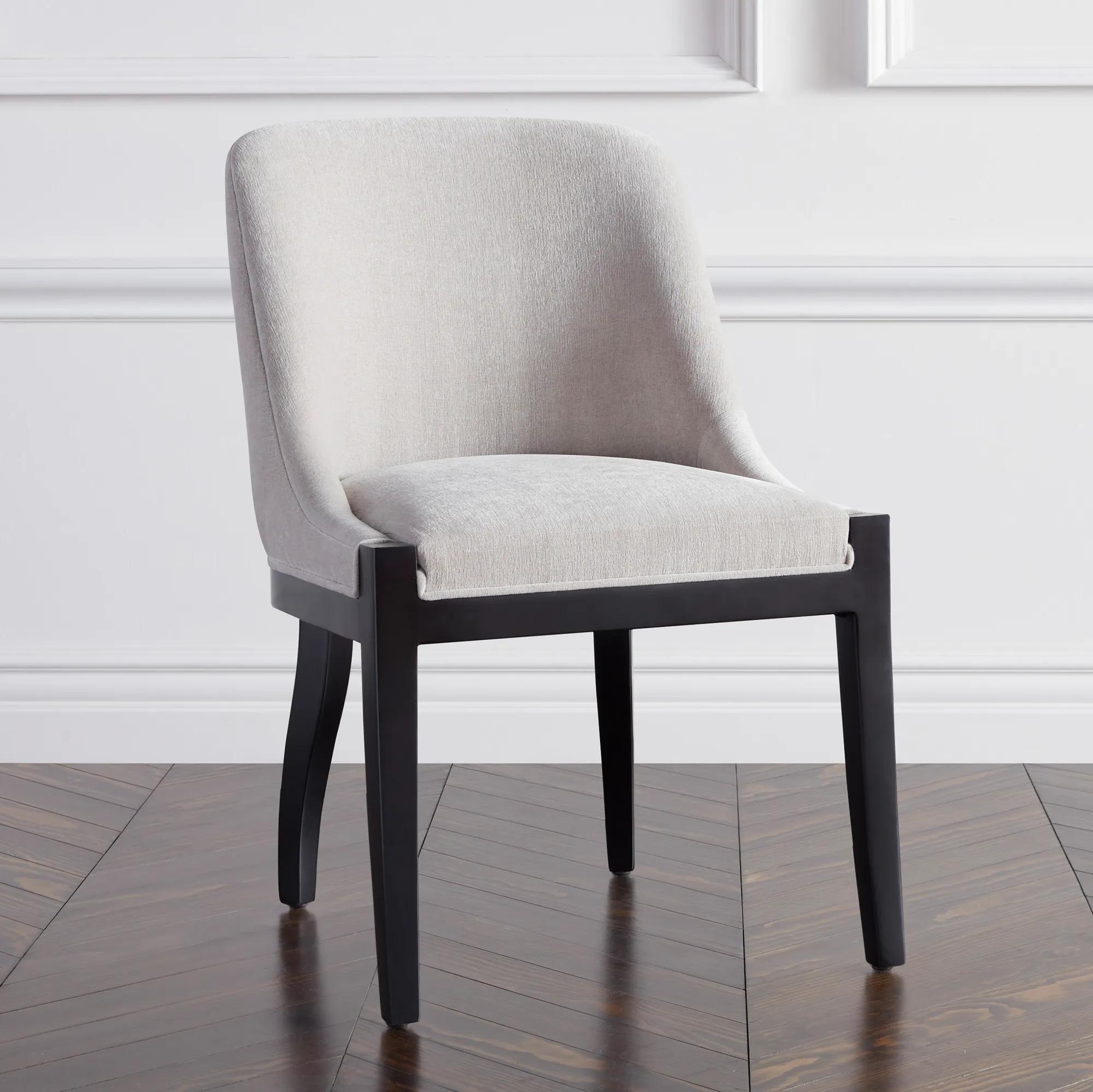
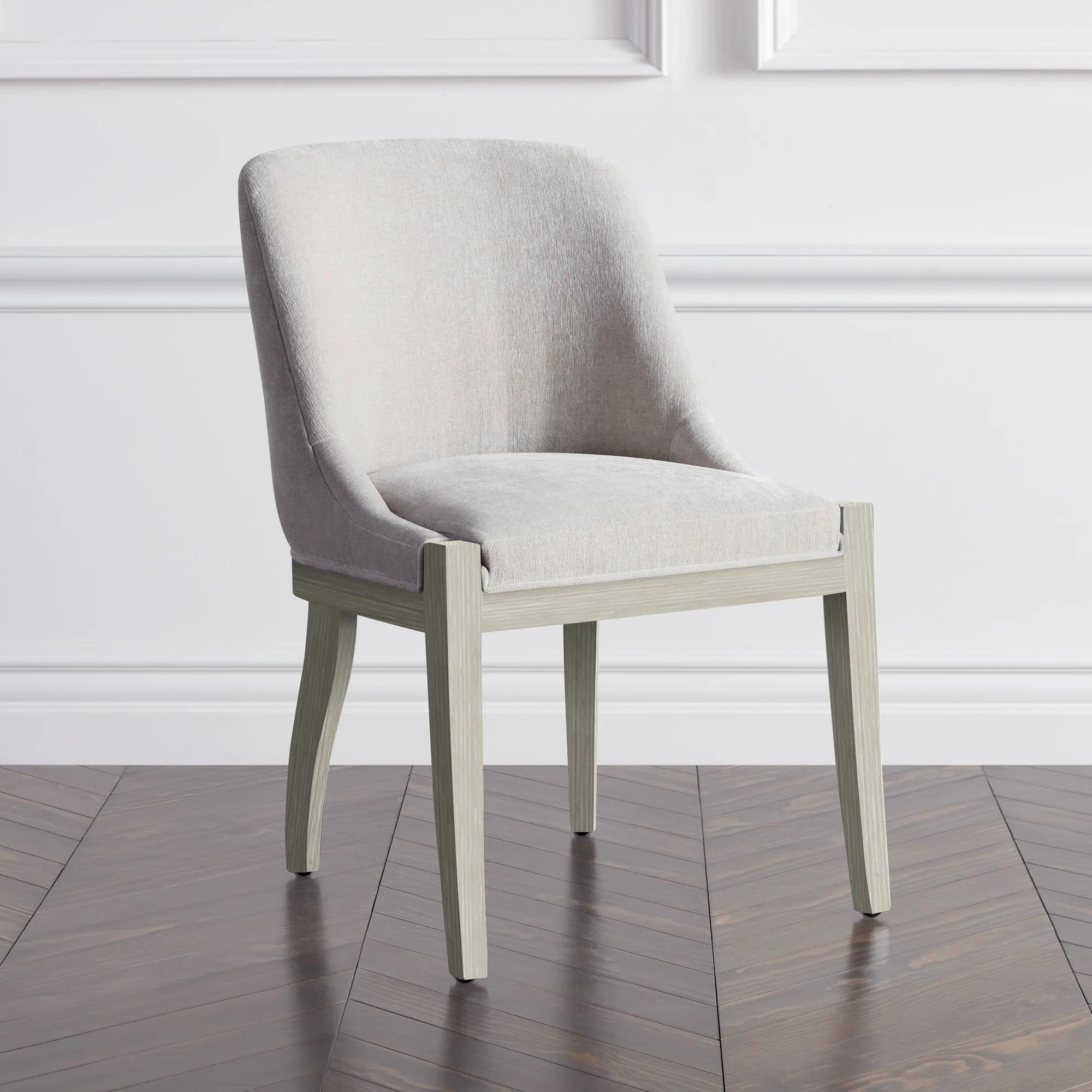
Designer Velvet Kitchen Stools
Designer Velvet Kitchen Stools
-
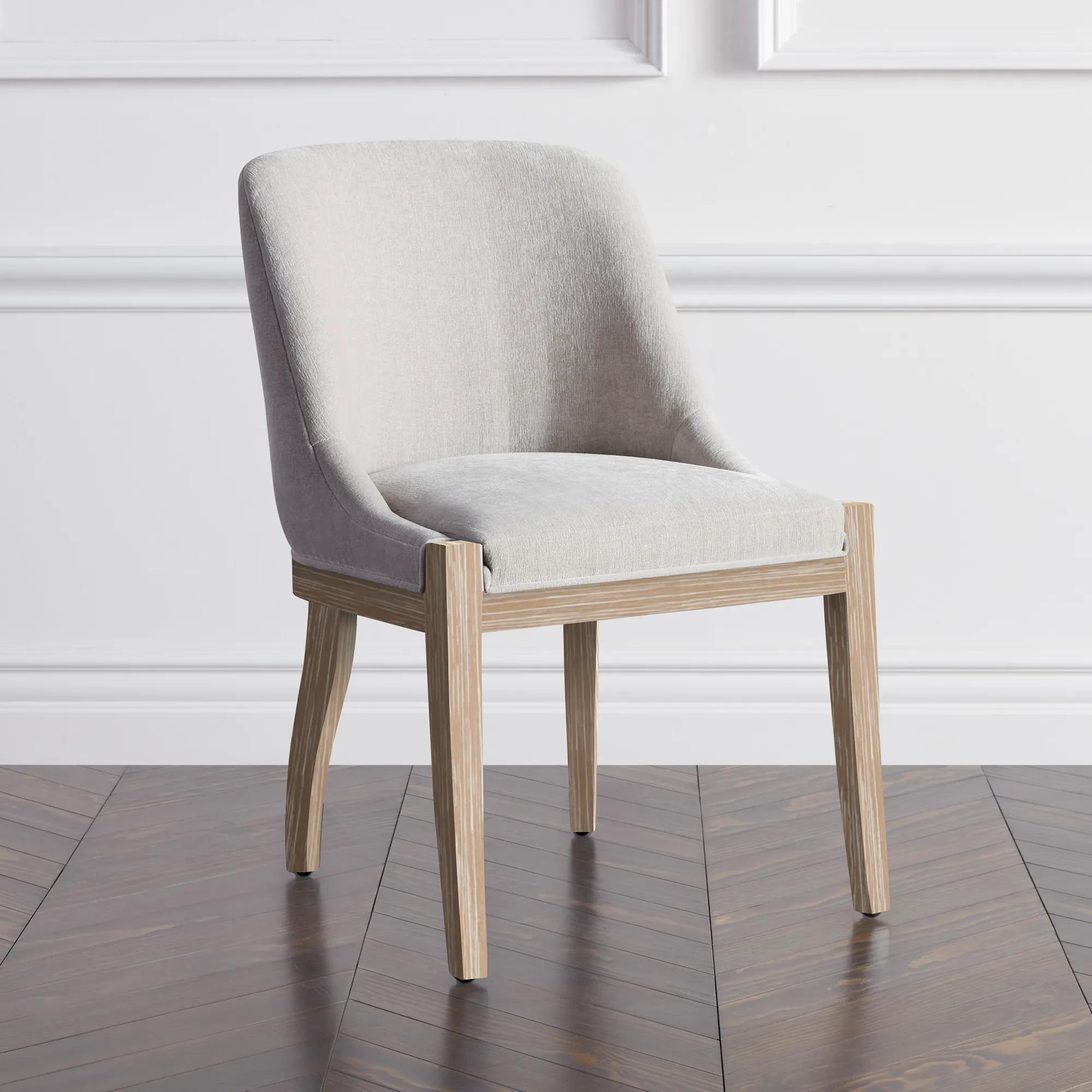
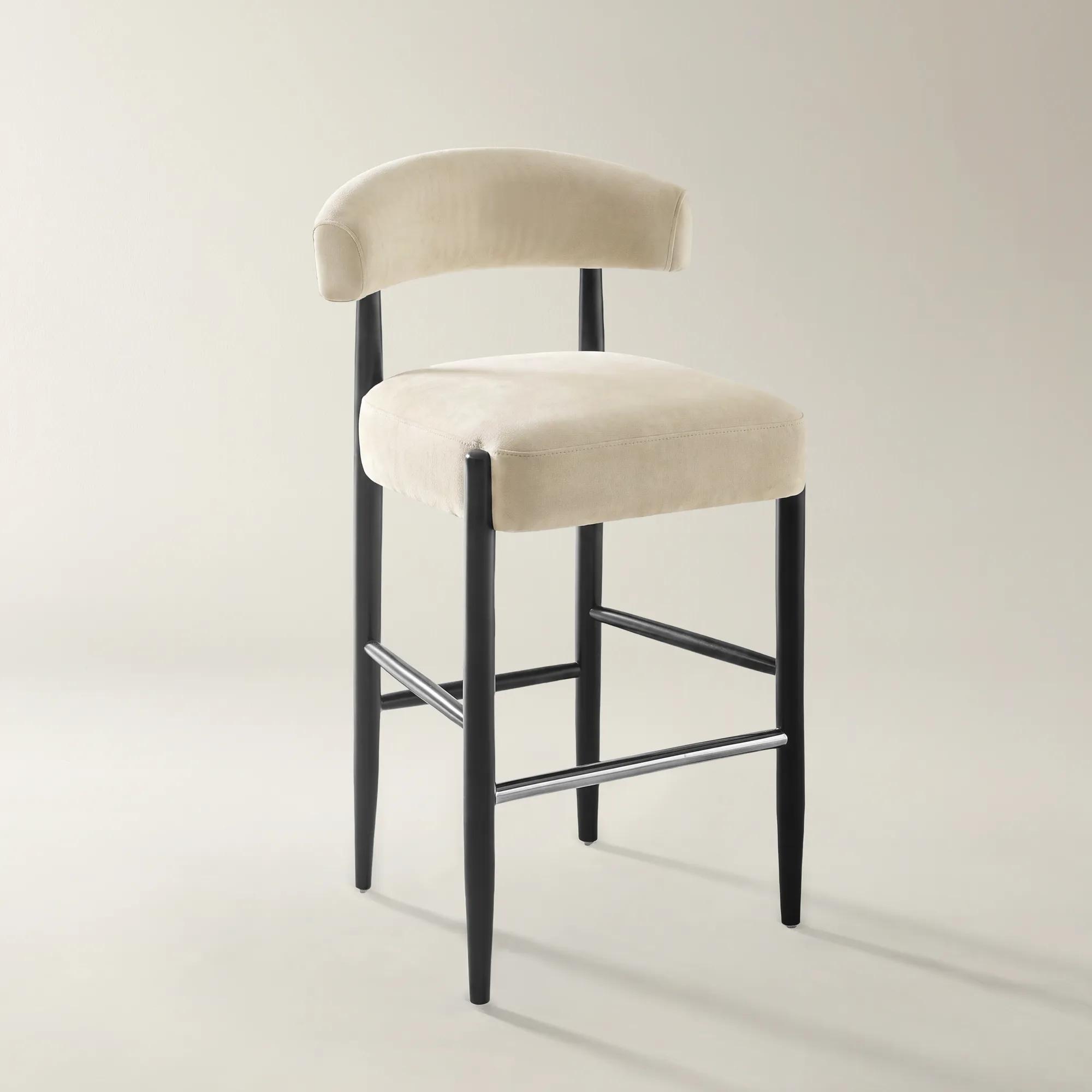 Anna Oatmeal Velvet Bar/Counter Stool$449
A counter stool with oatmeal velvet upholstery, sculpted back, padded seat, and solid rubberwood legs.
Add To Cart -
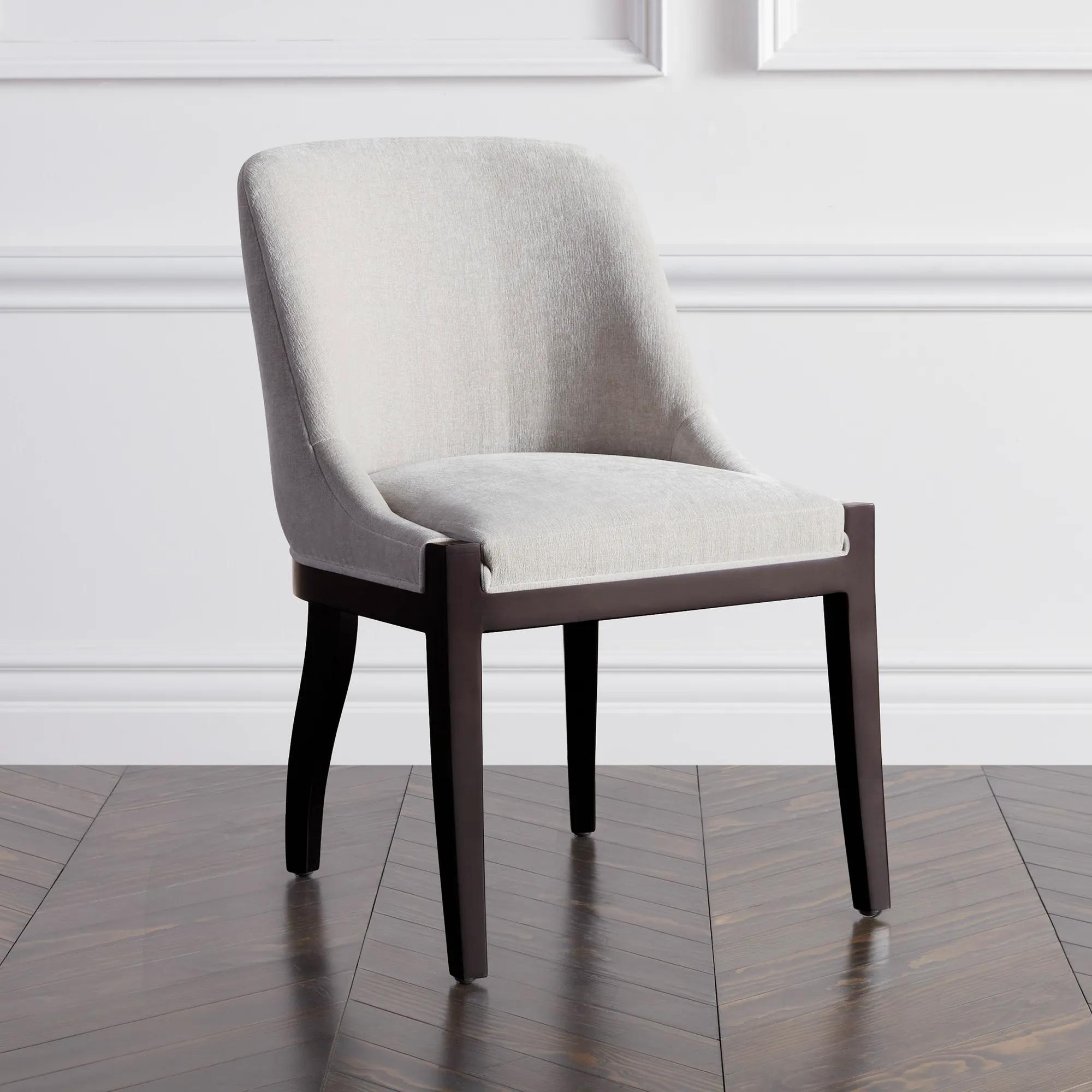
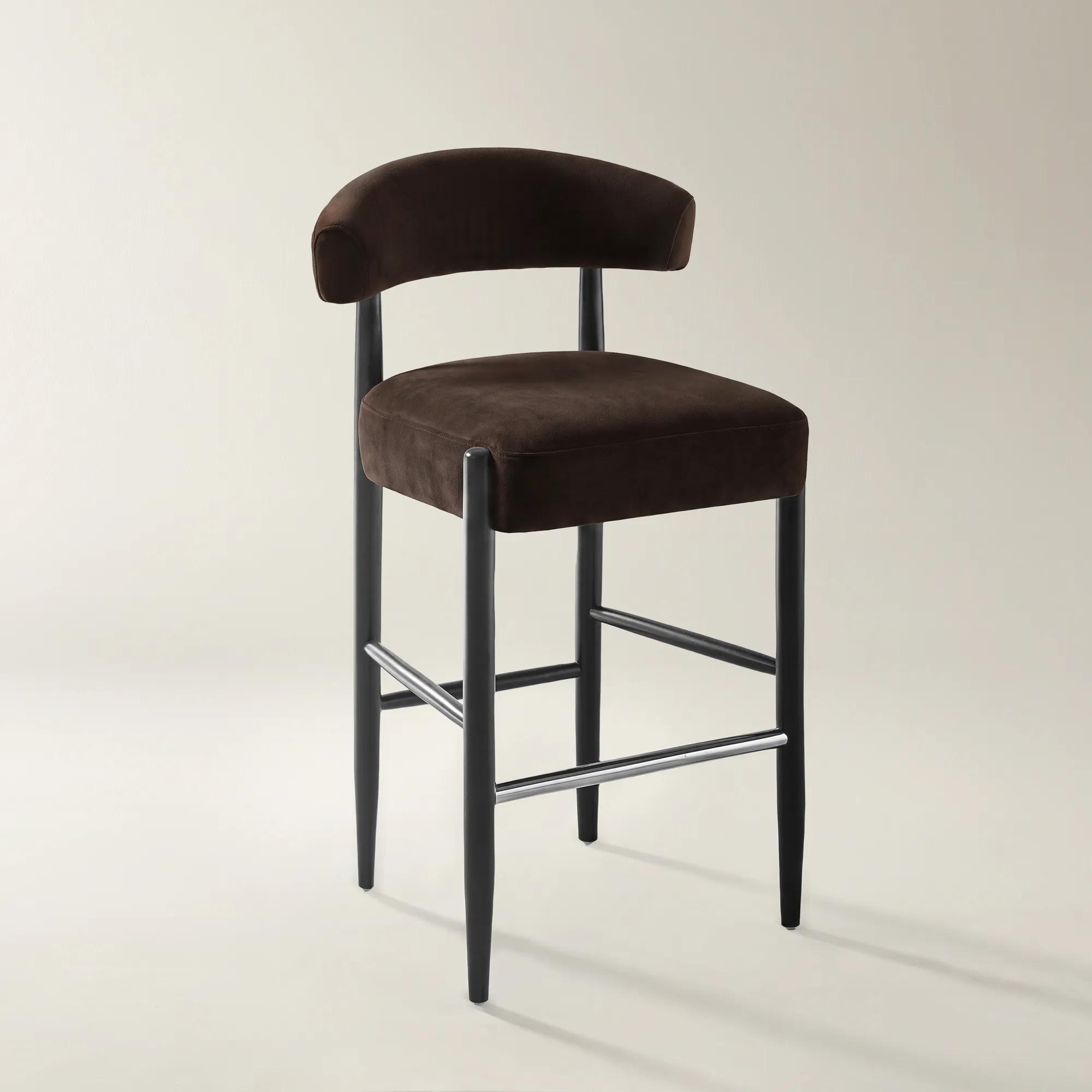 Anna Dark Chocolate Velvet Bar/Counter Stool$449
A dark chocolate velvet counter stool with a sculpted back, padded seat, and tapered solid-rubberwood legs.
Add To Cart -
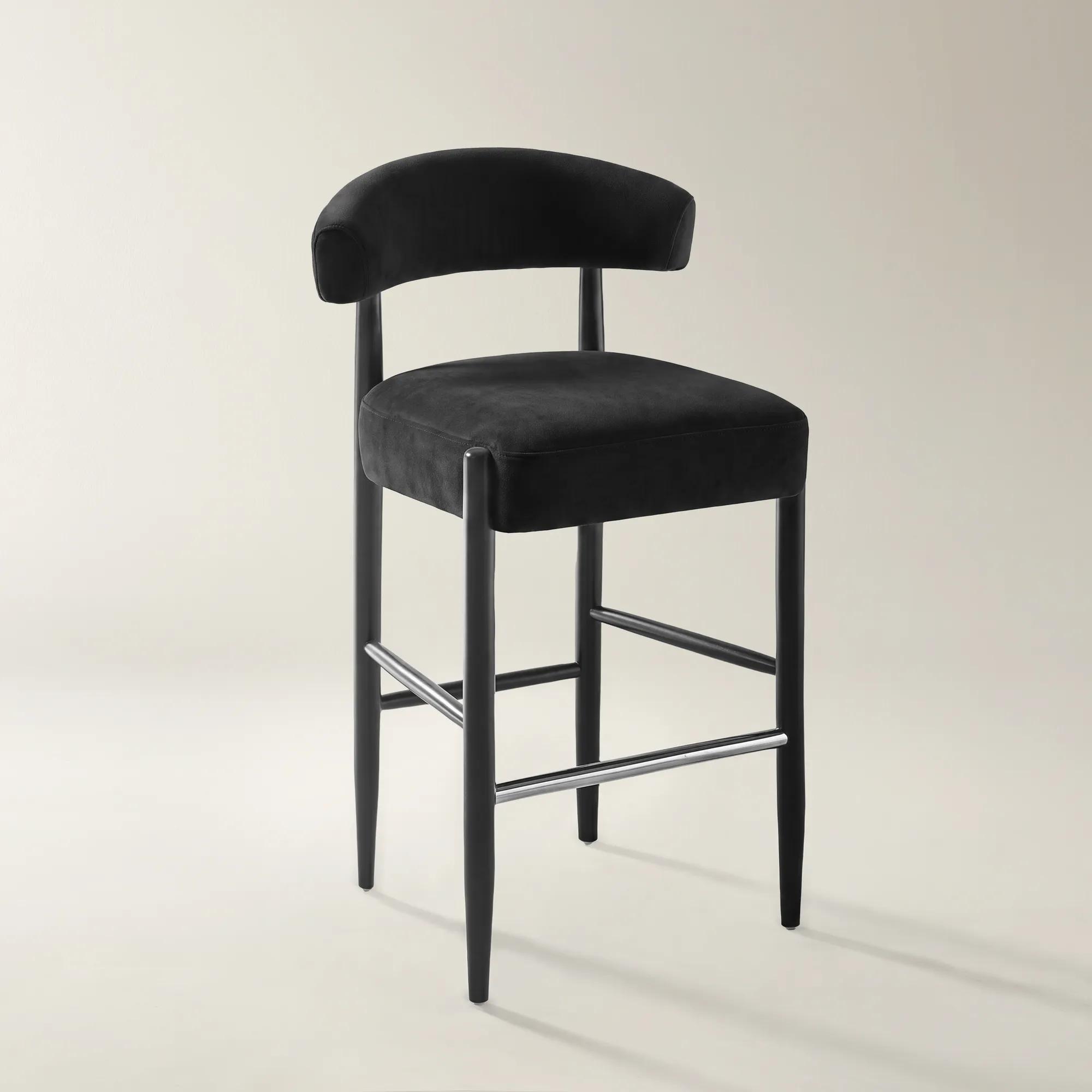 Anna Charcoal Velvet Bar/Counter Stool$449
A charcoal velvet bar stool with a sculpted padded seat and solid rubberwood legs.
Add To Cart -
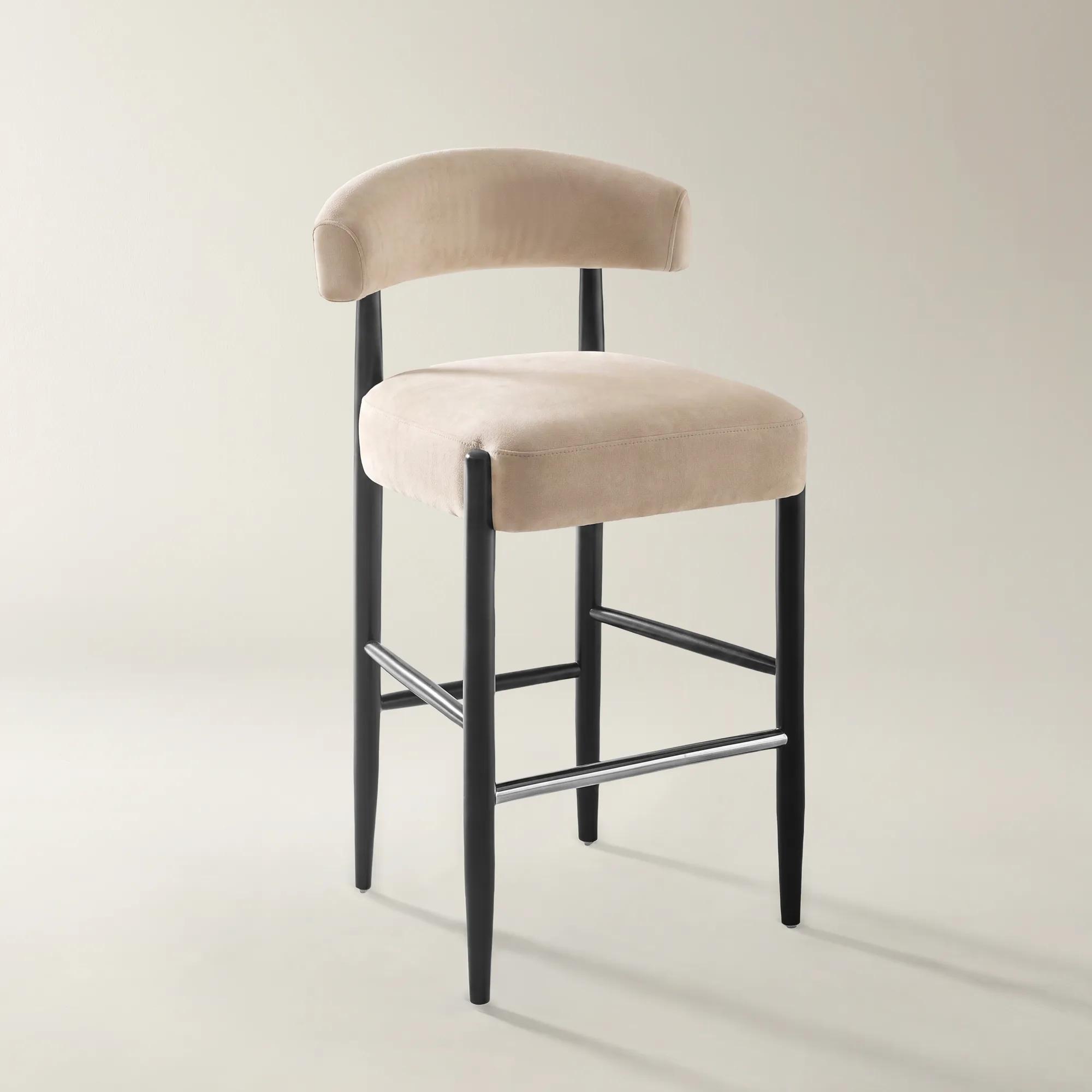 Anna Simply Taupe Velvet Bar/Counter Stool$449
A taupe velvet counter stool with a sculpted back, padded seat, and tapered solid-rubberwood base.
Add To Cart -
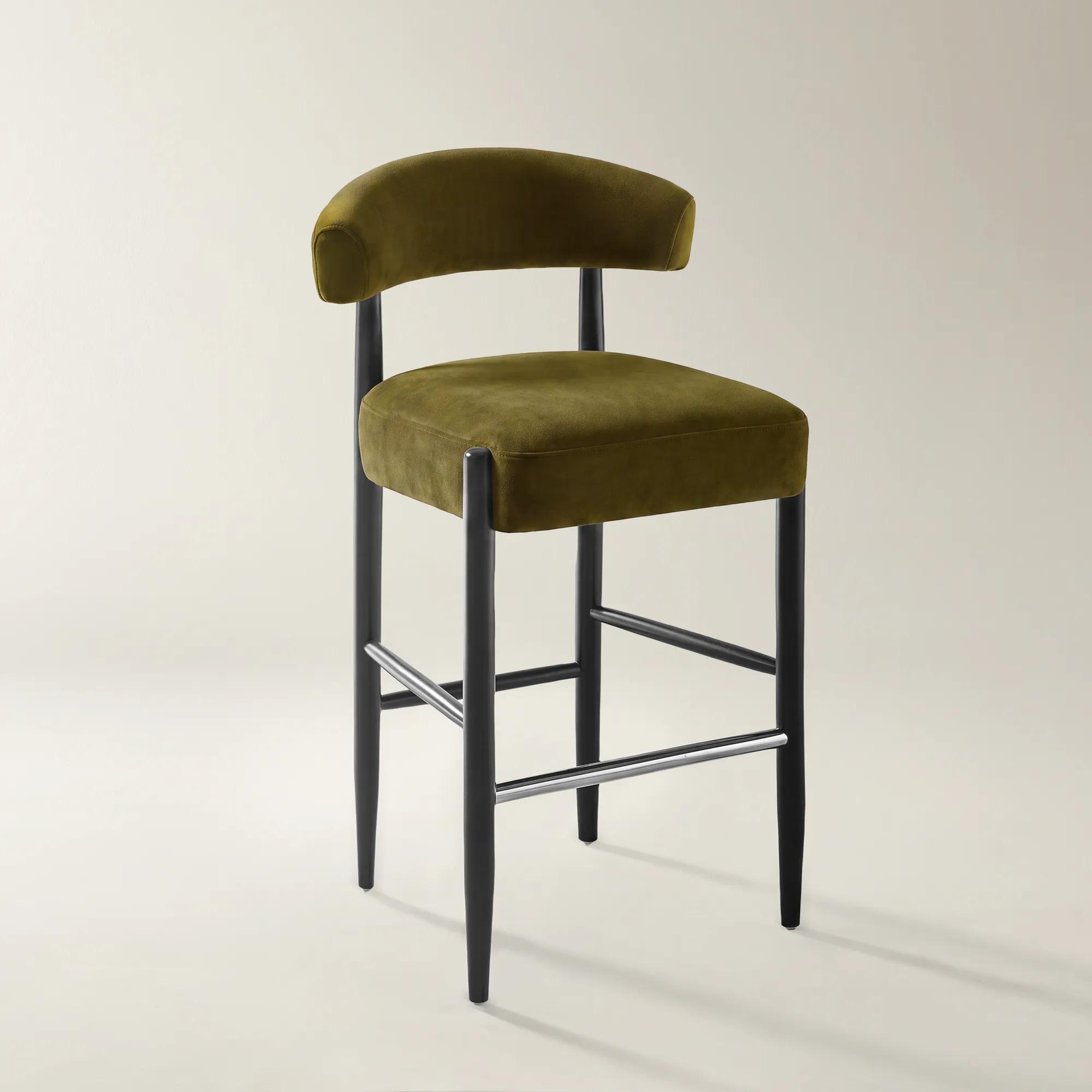 Anna Deep Olive Velvet Bar/Counter Stool$449
A green velvet bar stool with a sculpted padded seat, tailored upholstery, and tapered solid-rubberwood legs.
Add To Cart -
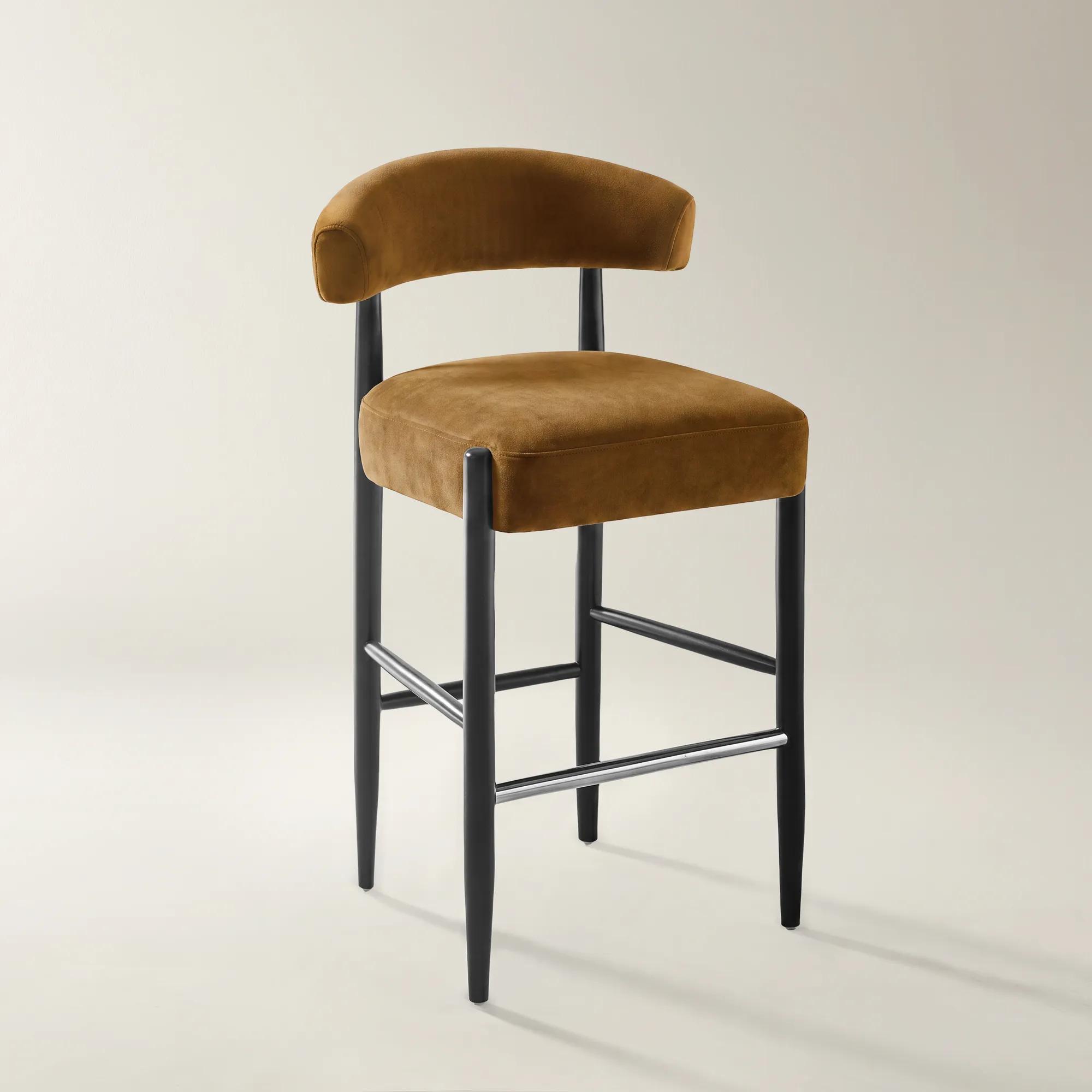 Anna Roasted Pecan Velvet Bar/Counter Stool$449
A roasted pecan velvet bar stool with a sculpted padded back, custom upholstery, and tapered solid-rubberwood legs.
Add To Cart -
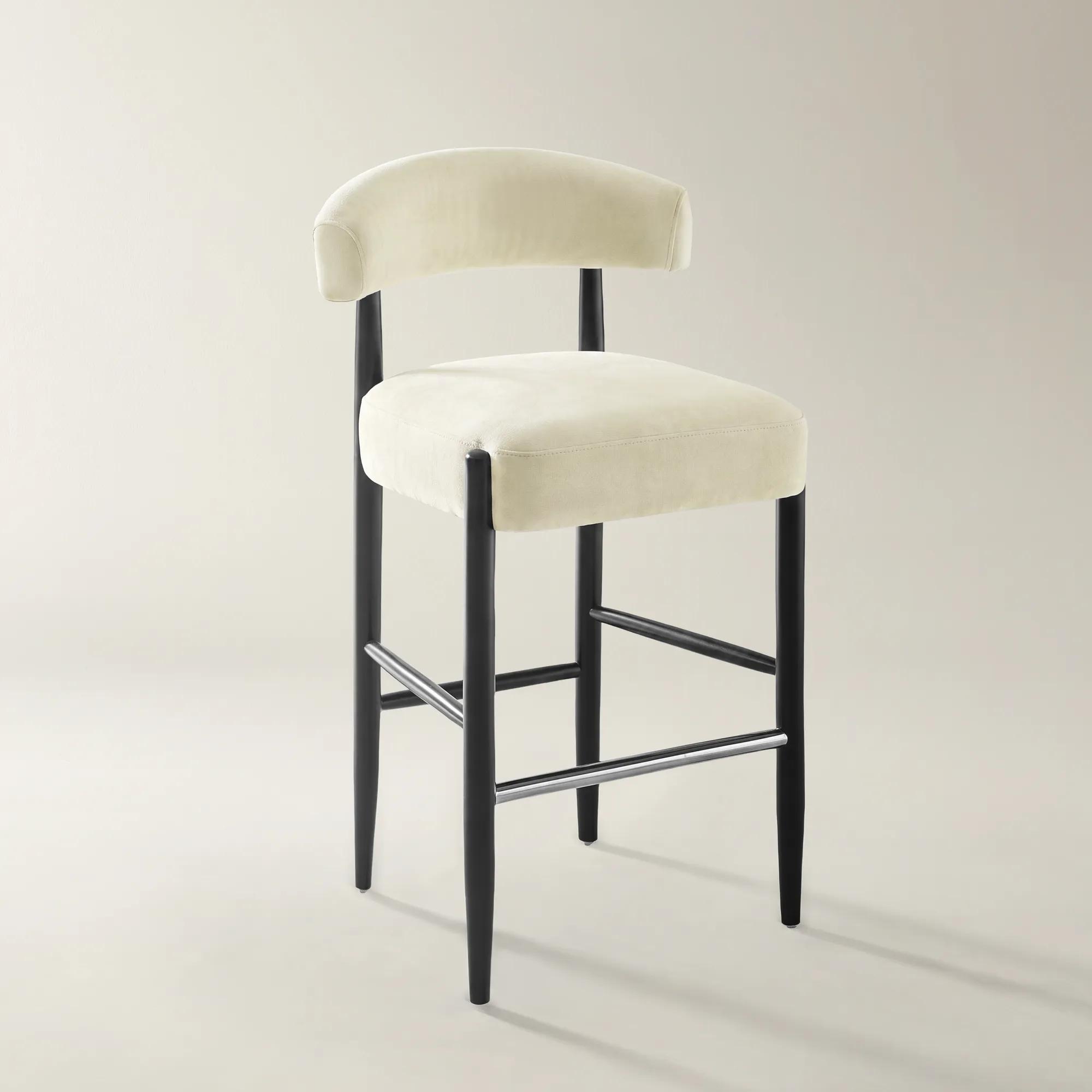 Anna Cloud Velvet Bar/Counter Stool$449
A cloud velvet counter stool with sculpted padded support and tapered solid-rubberwood legs.
Add To Cart -
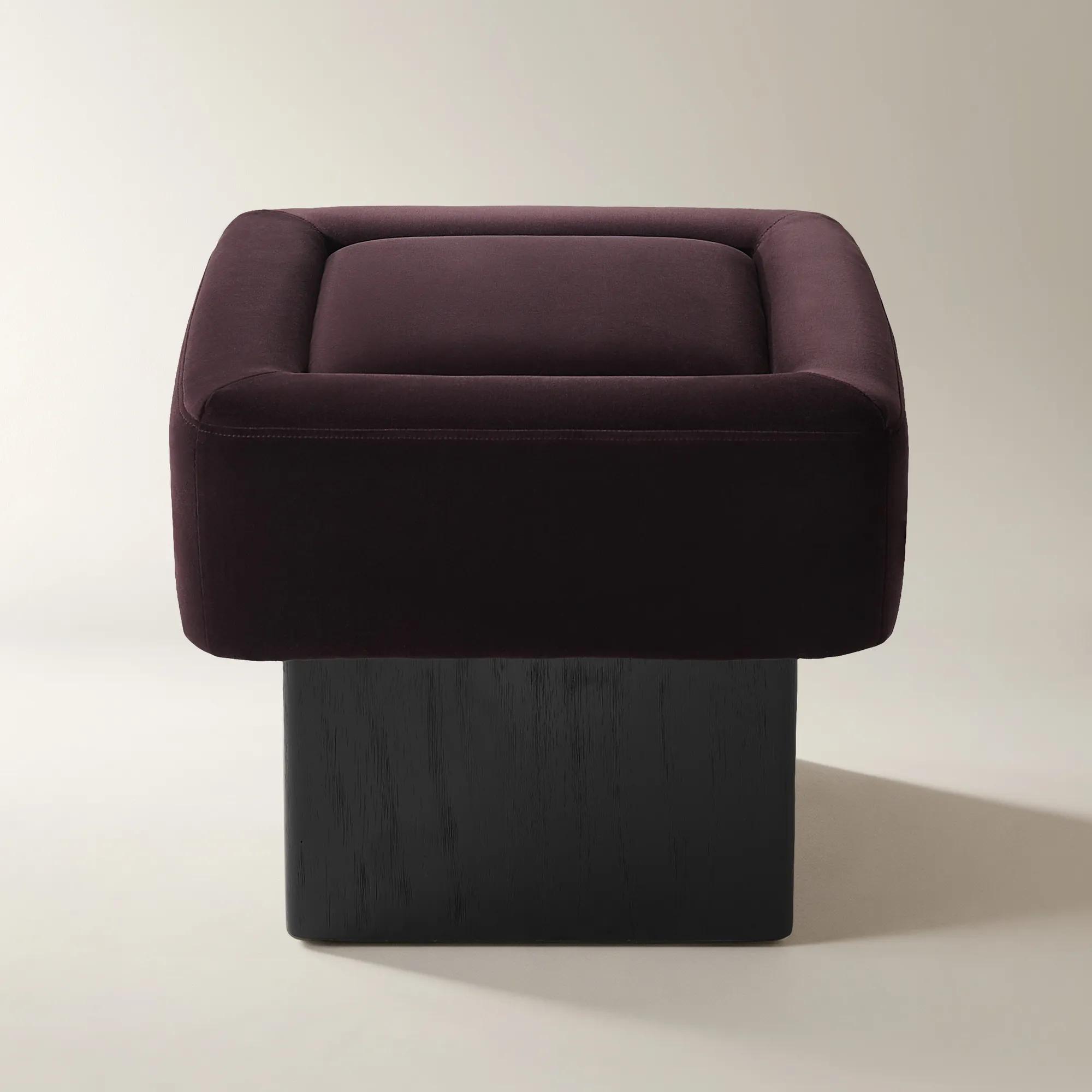 Reims Fig Velvet Stool$399
A plush fig-colored velvet stool featuring a sculpted cushion and a solid rubberwood base for modern contrast.
Add To Cart -
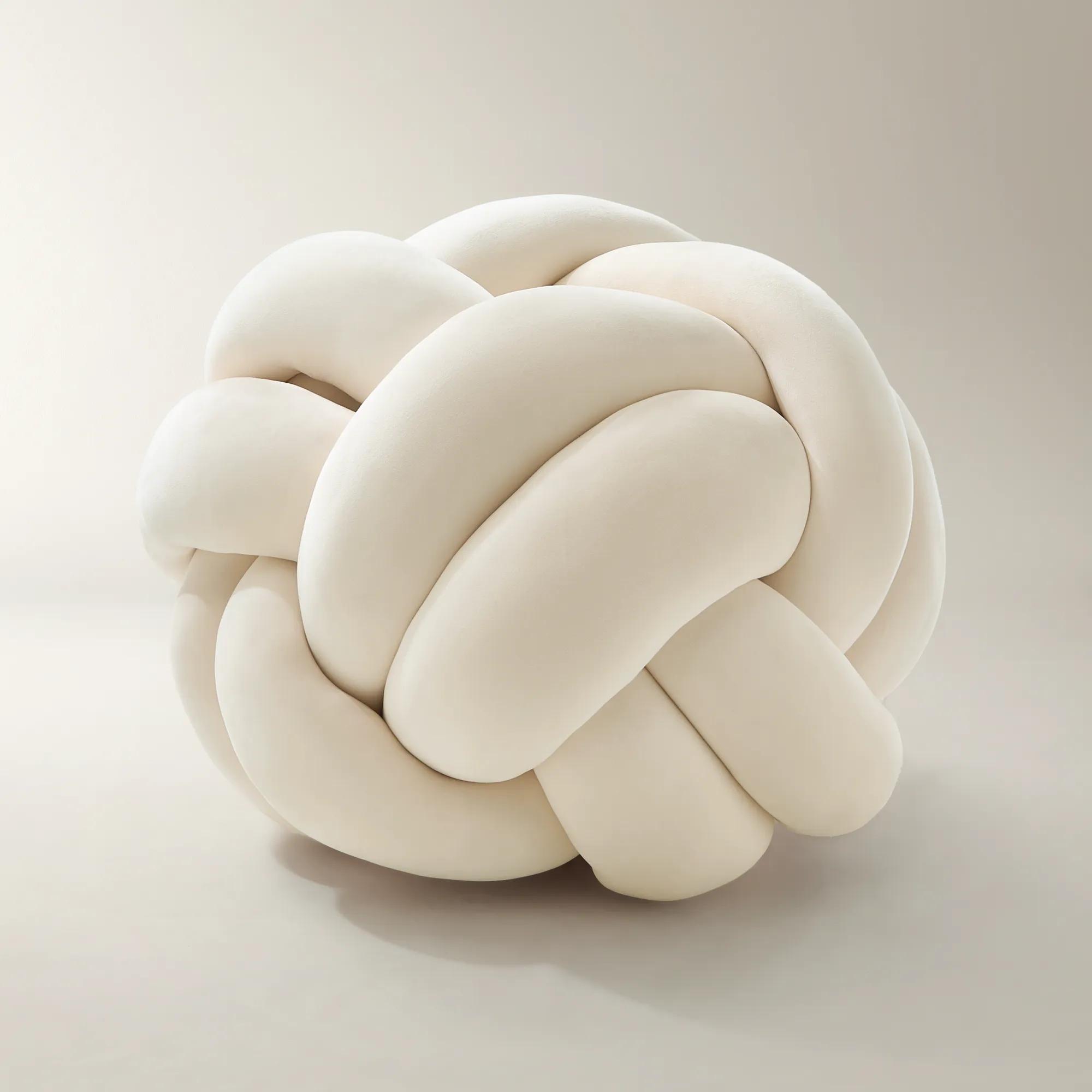 Loopie Oatmeal Velvet Stool (34.5")$399
An oversized oatmeal velvet stool featuring a sculptural knotted silhouette and plush, hand-upholstered finish.
Add To Cart -
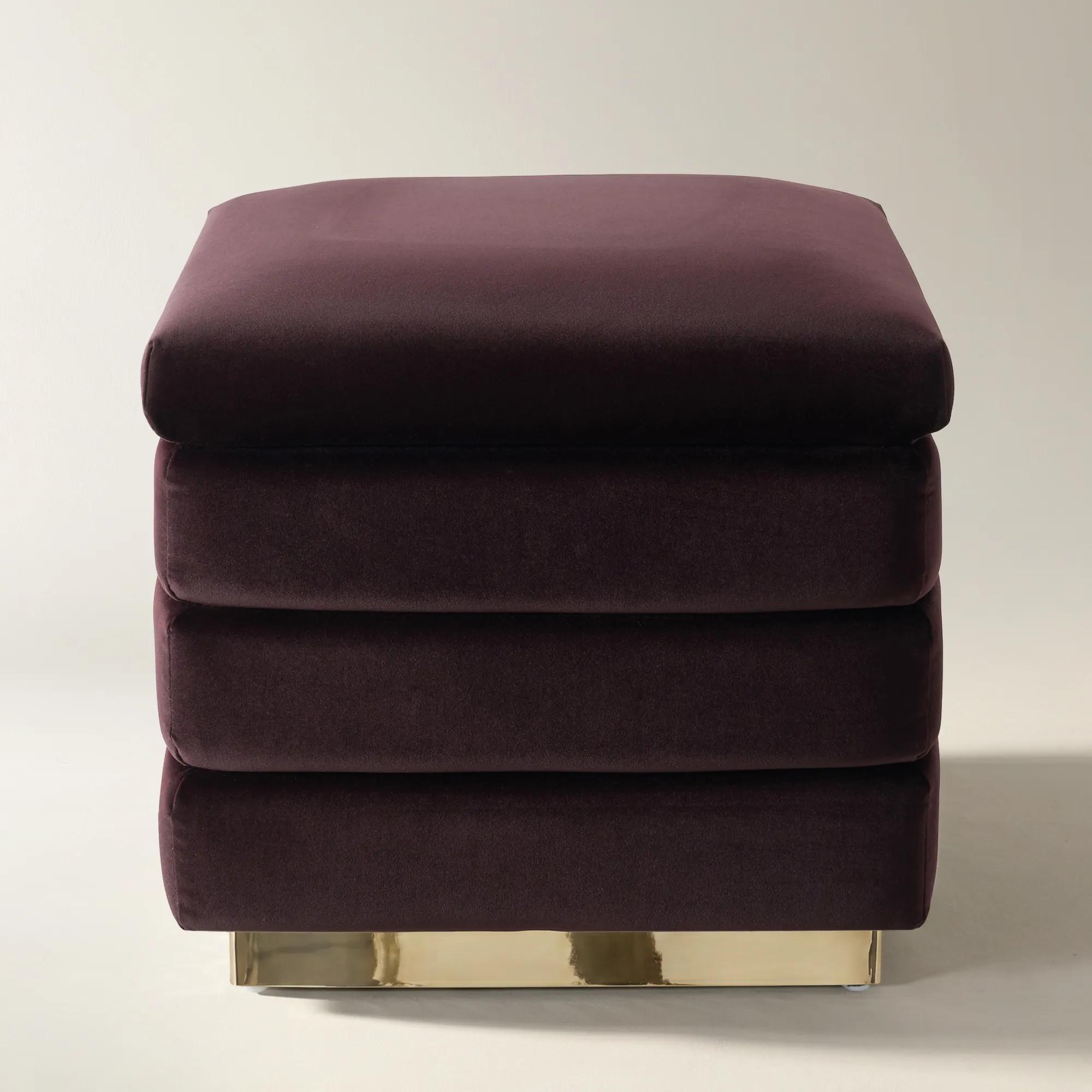
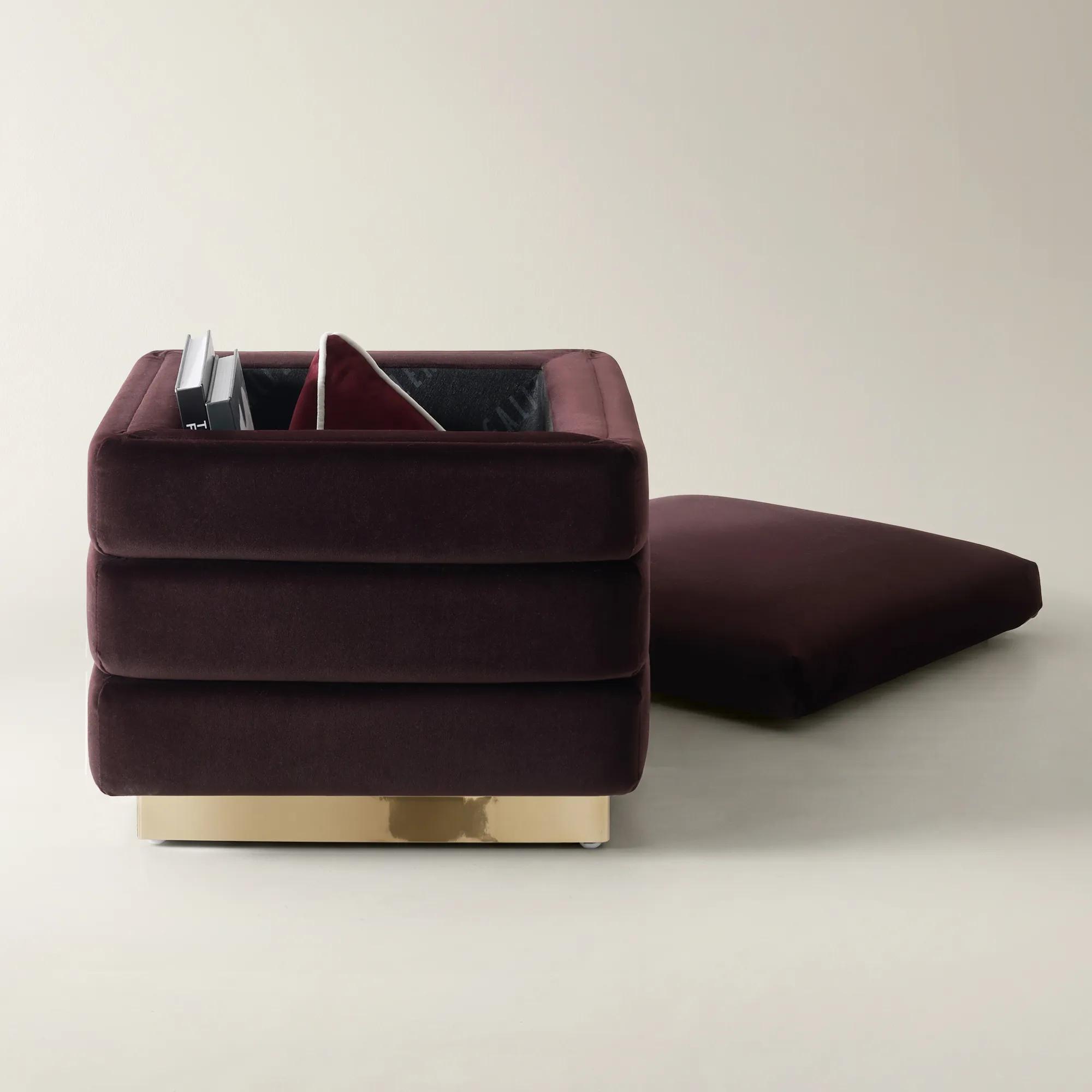 Gable Fig Chenille Storage Stool$399
A plush fig chenille stool with hidden storage, velvet upholstery, and a polished gold stainless steel base.
Add To Cart -
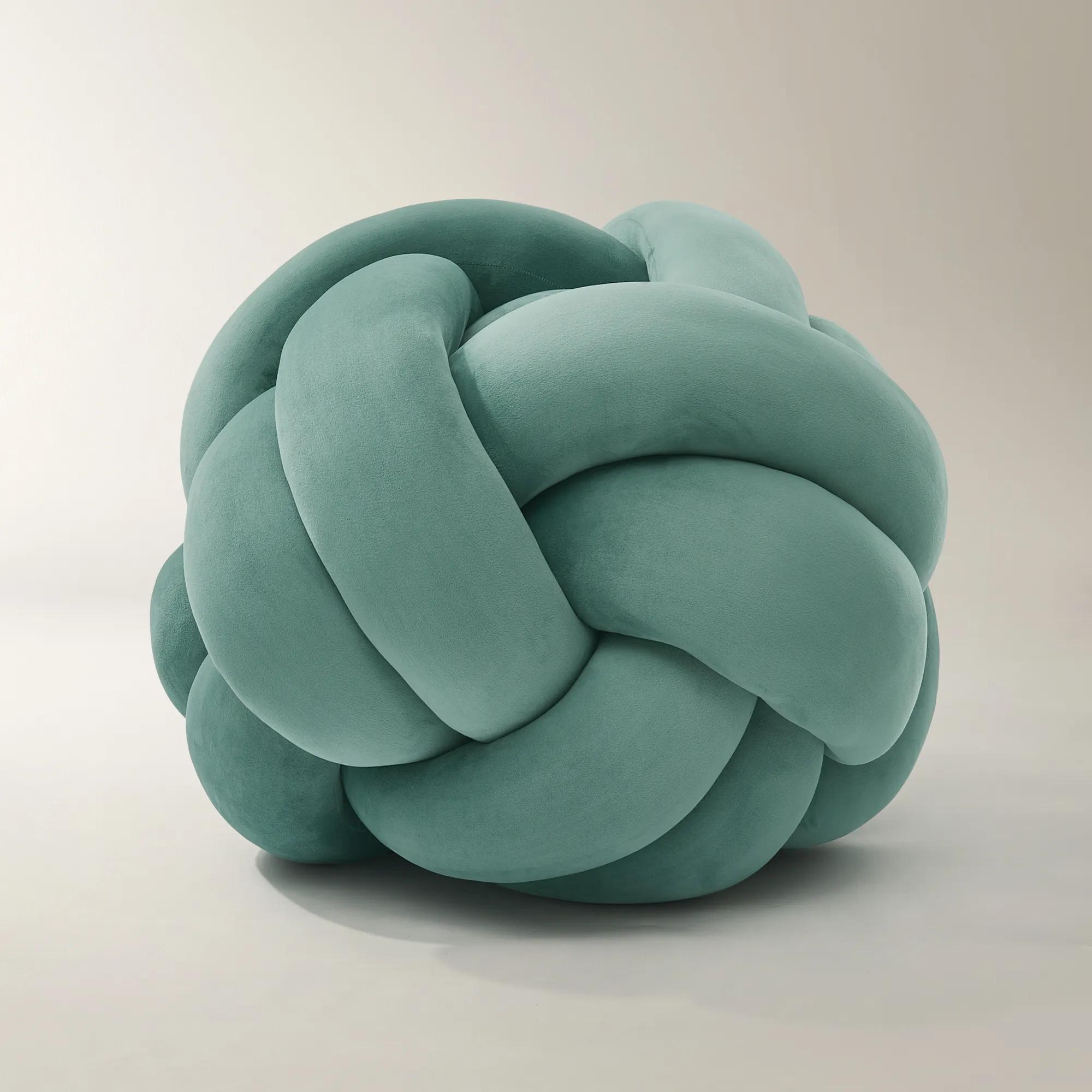 Loopie Ocean Teal Velvet Stool (34.5")$399
A bold sculptural stool featuring plush ocean teal velvet upholstery and an oversized knotted silhouette.
Add To Cart -
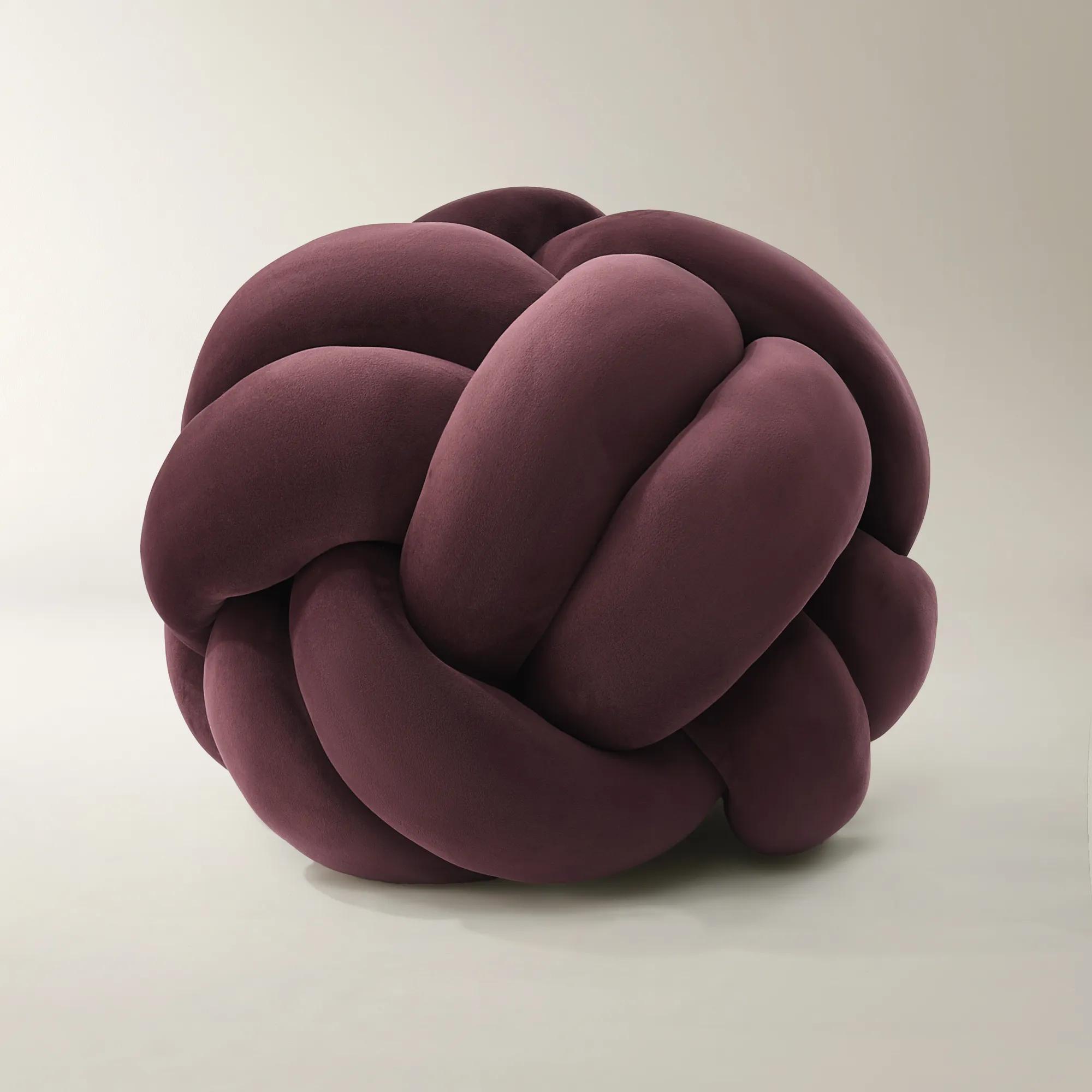
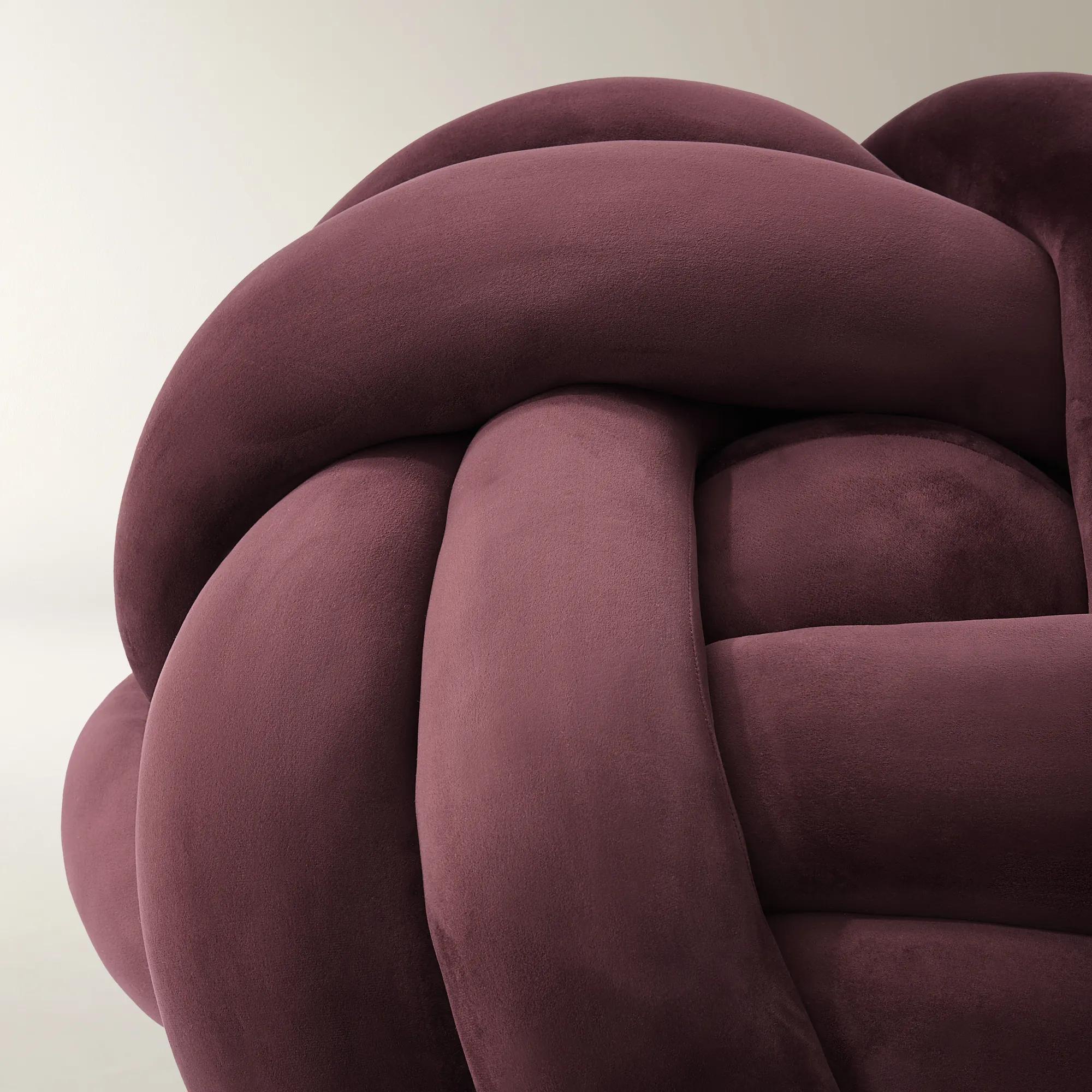 Loopie Fig Velvet Stool (34.5")$399
An oversized, knot-inspired stool hand-upholstered in plush fig velvet for bold sculptural appeal.
Add To Cart -
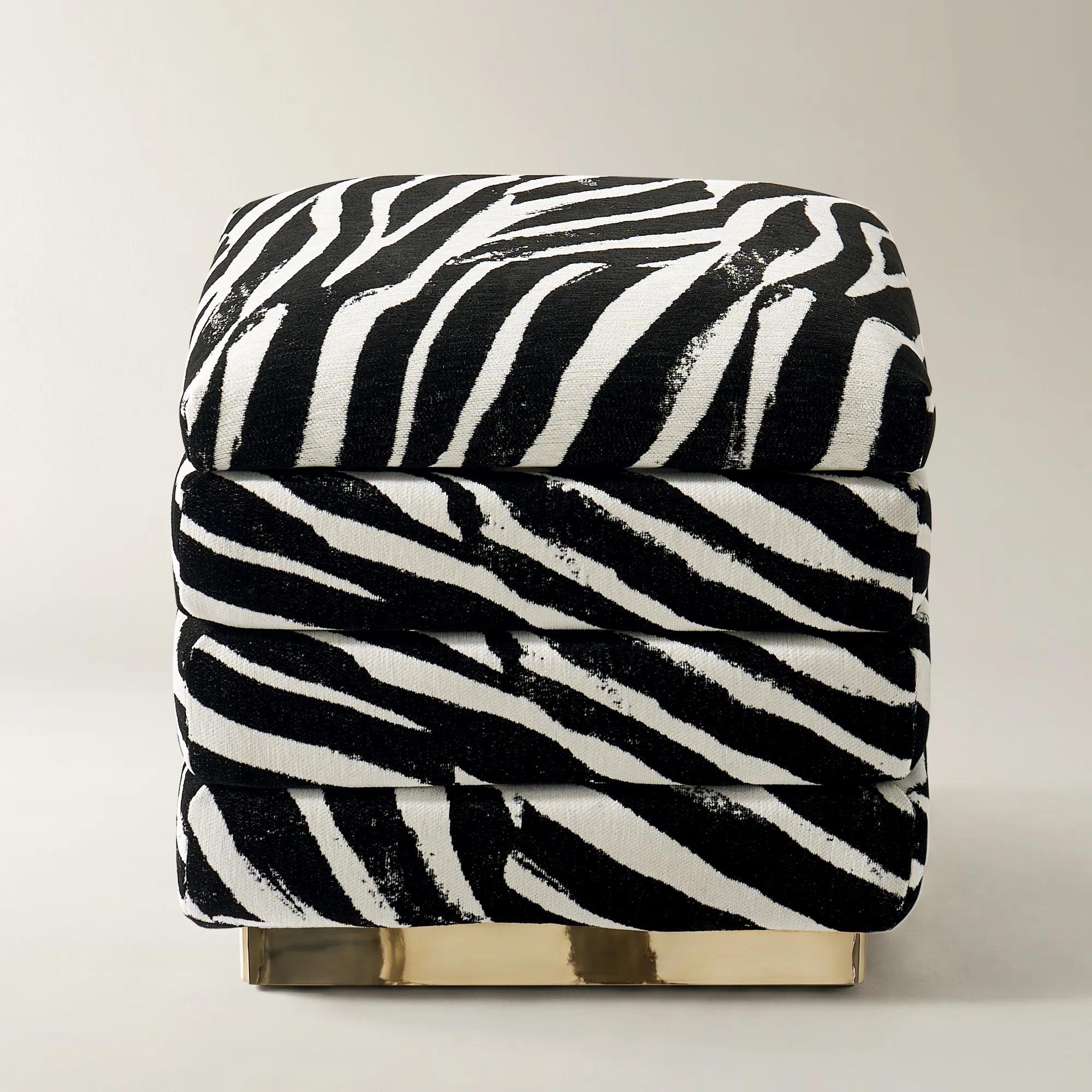
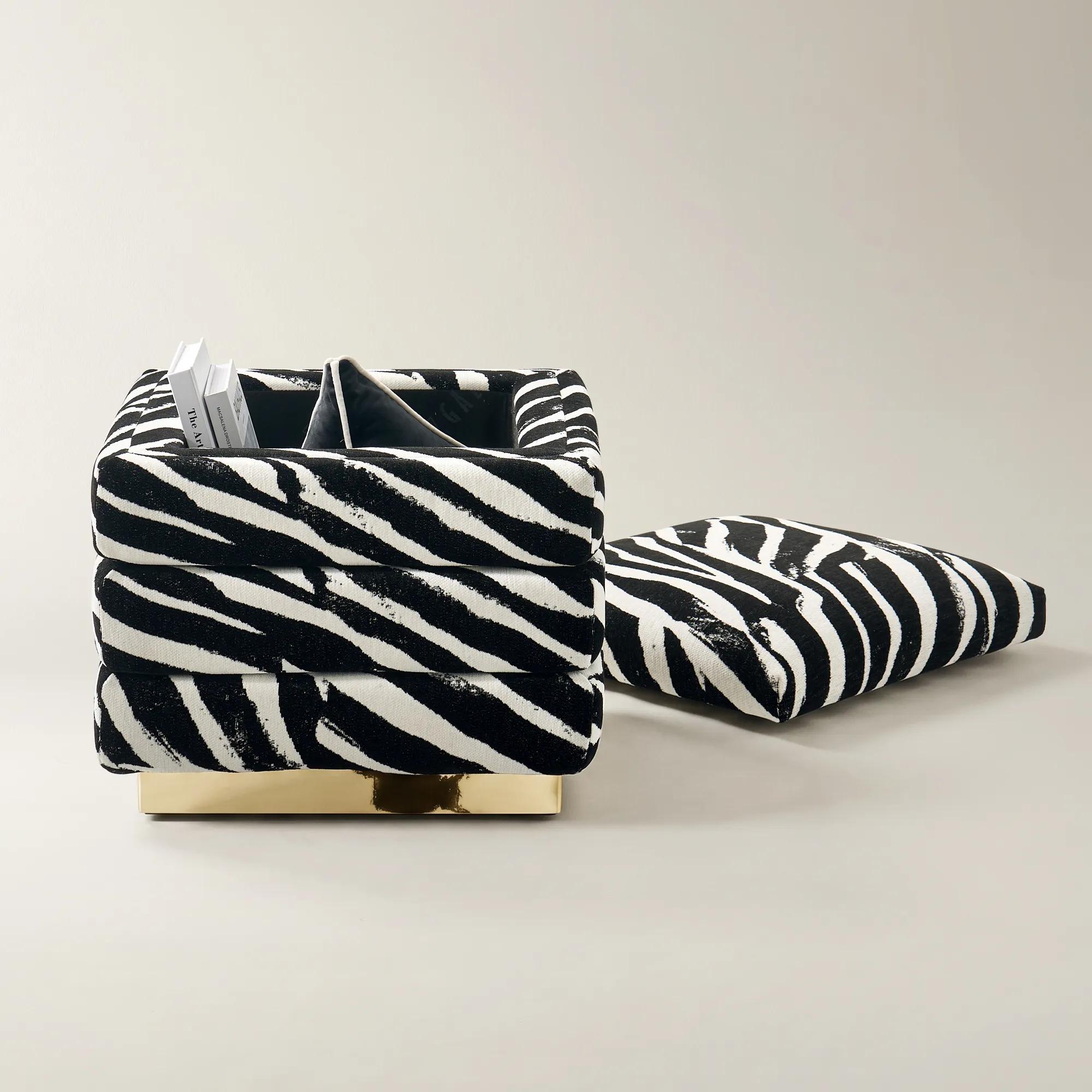 Gable White/Black Performance Chenille Stool$399
A plush white and black chenille stool with hidden storage and a polished gold stainless steel base.
Add To Cart -
 Fleece Fluted Gray Velvet Stool (15.55'')$229
A plush grey velvet stool with a unique ribbed texture, perfect for versatile, cozy seating or decor.
Add To Cart -
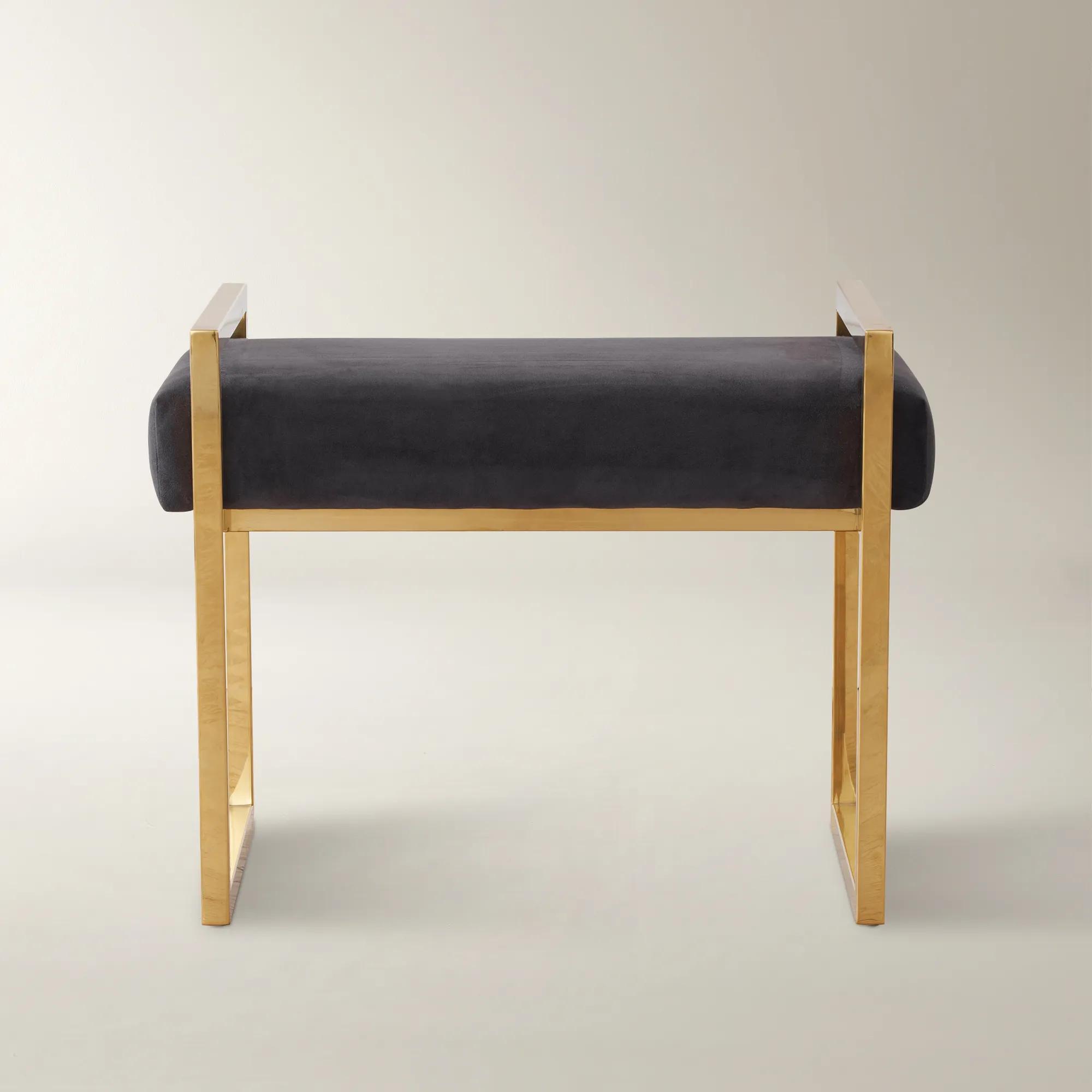
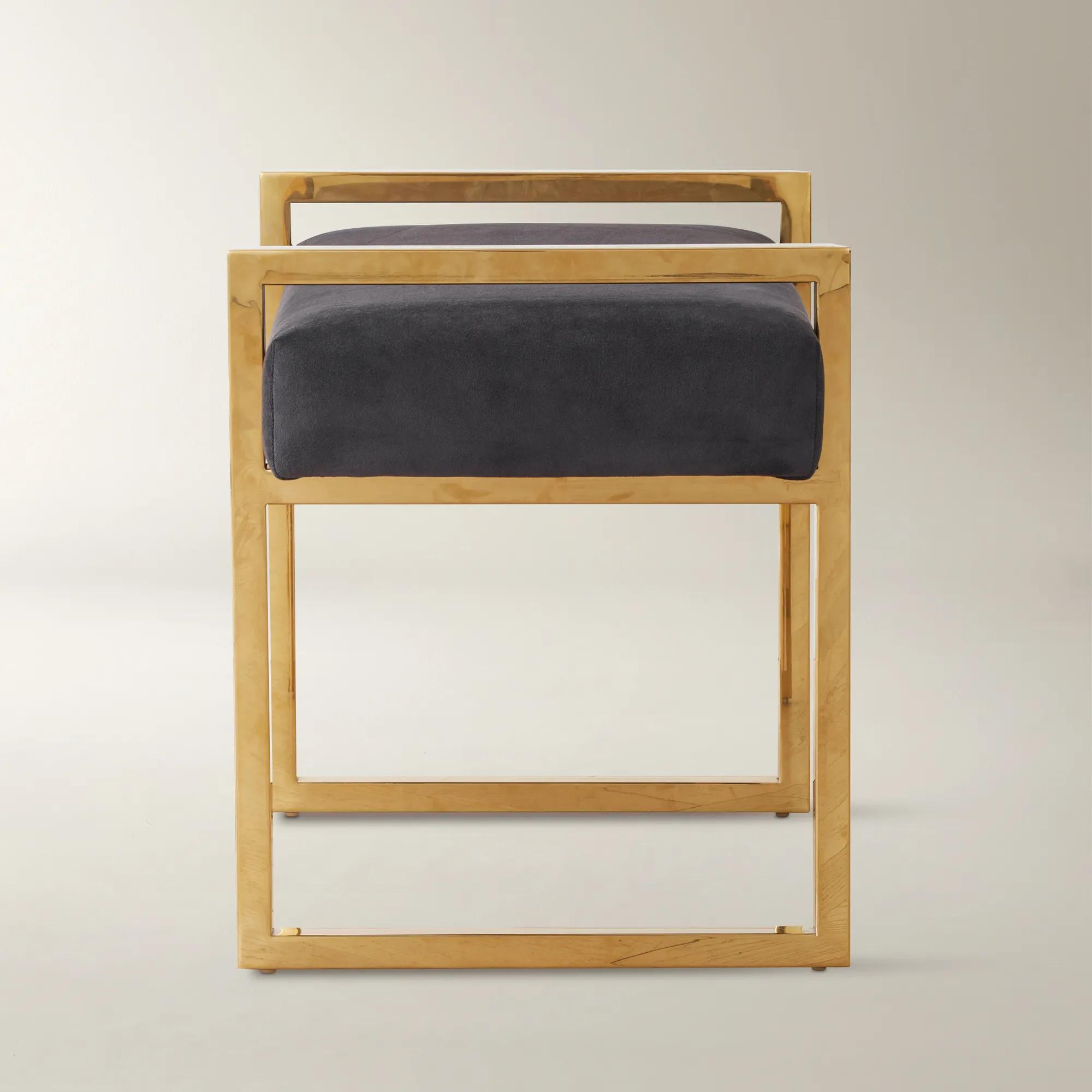 Clara Accent Stool$499
A plush black velvet stool with a high-density foam seat and polished gold metal legs.
Add To Cart -

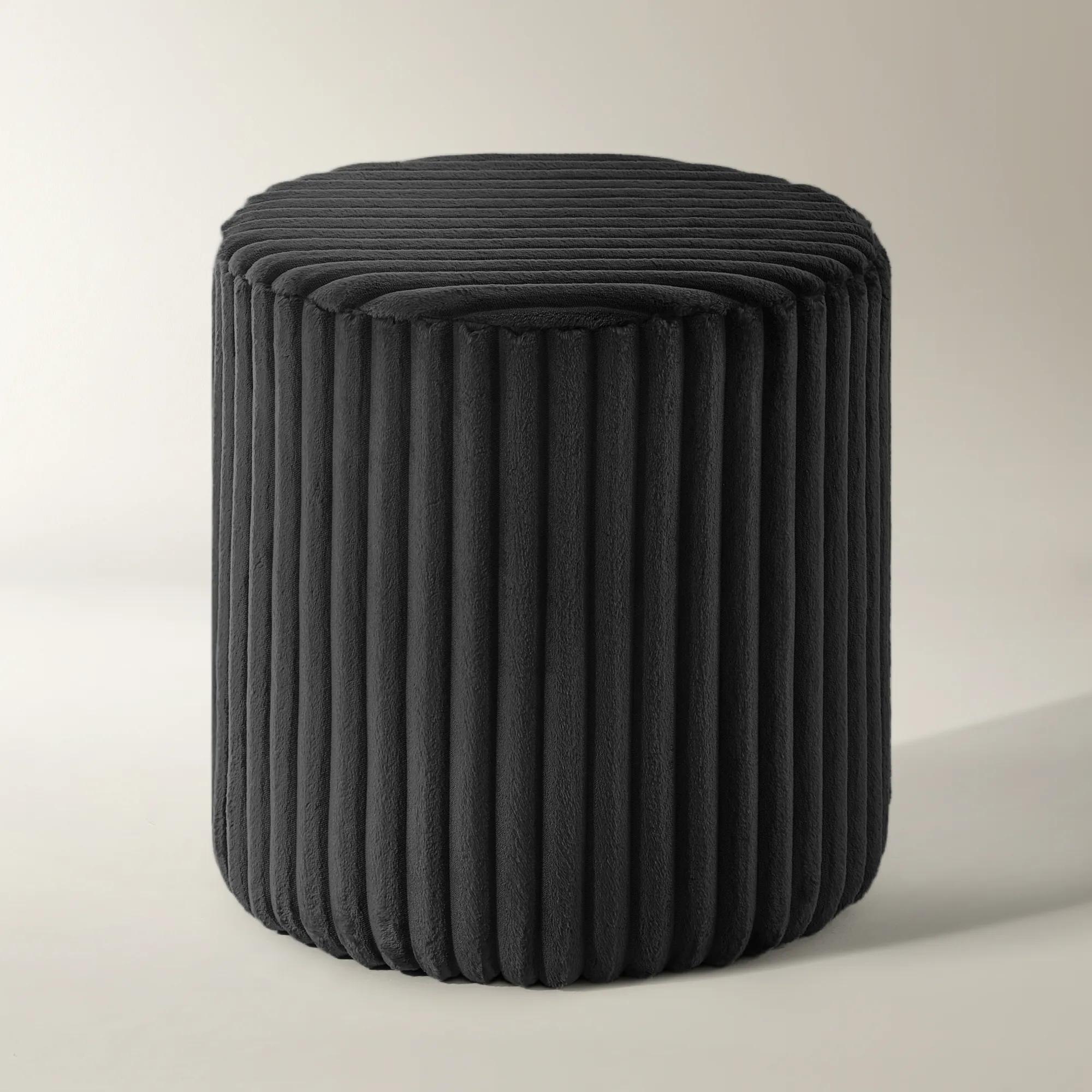 Fleece Fluted Black Velvet Stool (15.55'')$229
A plush black ribbed velvet stool offering versatile seating and cozy texture for any modern space.
Add To Cart -

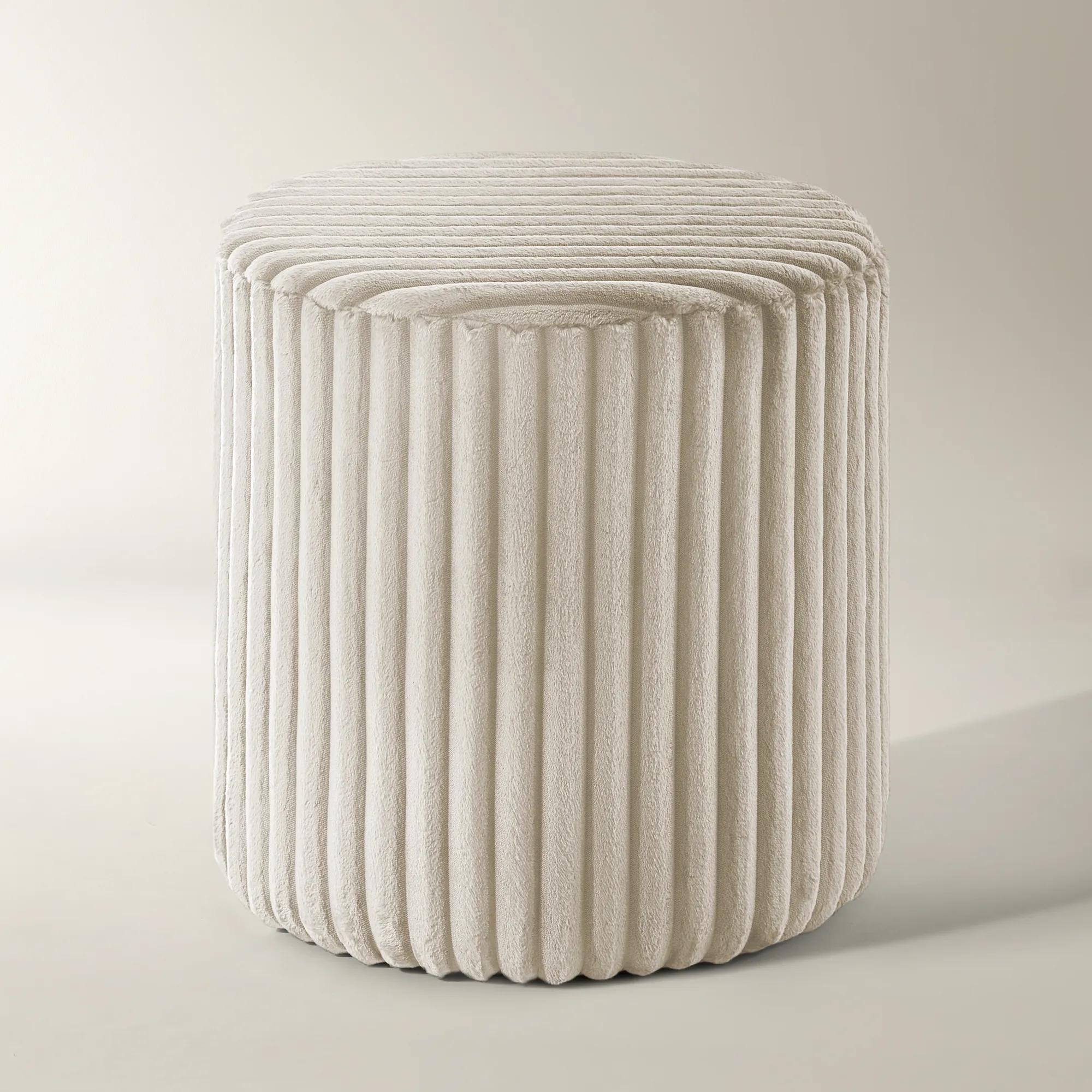 Fleece Fluted Ivory Velvet Stool (15.55'')$229
An ivory ribbed velvet stool offering cozy softness and versatile use as seating, footrest, or accent table.
Add To Cart -
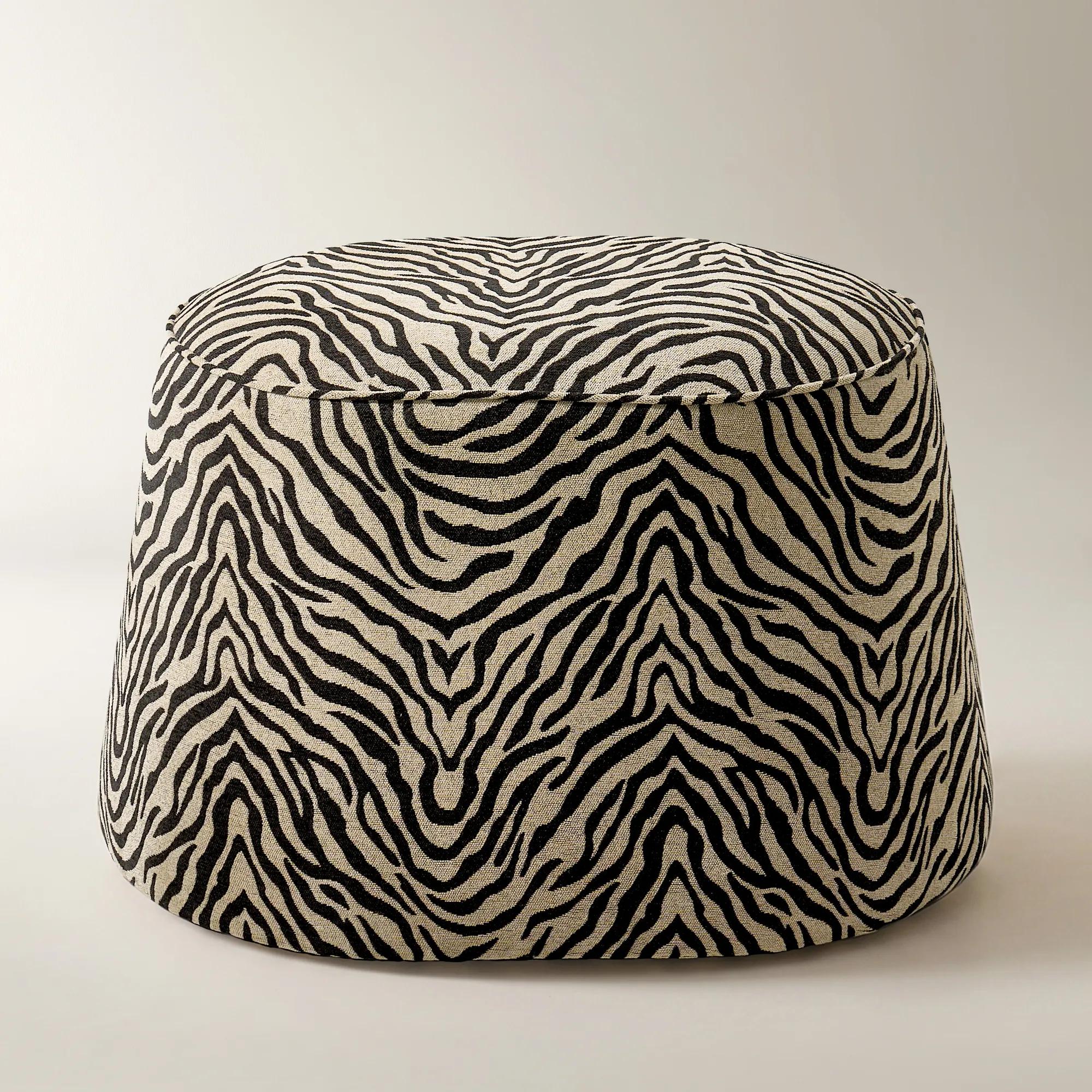 Avery Zebra Performance Chenille Stool$399
A sculpted drum-shaped accent stool upholstered in zebra-patterned performance chenille for bold, modern style.
Add To Cart -
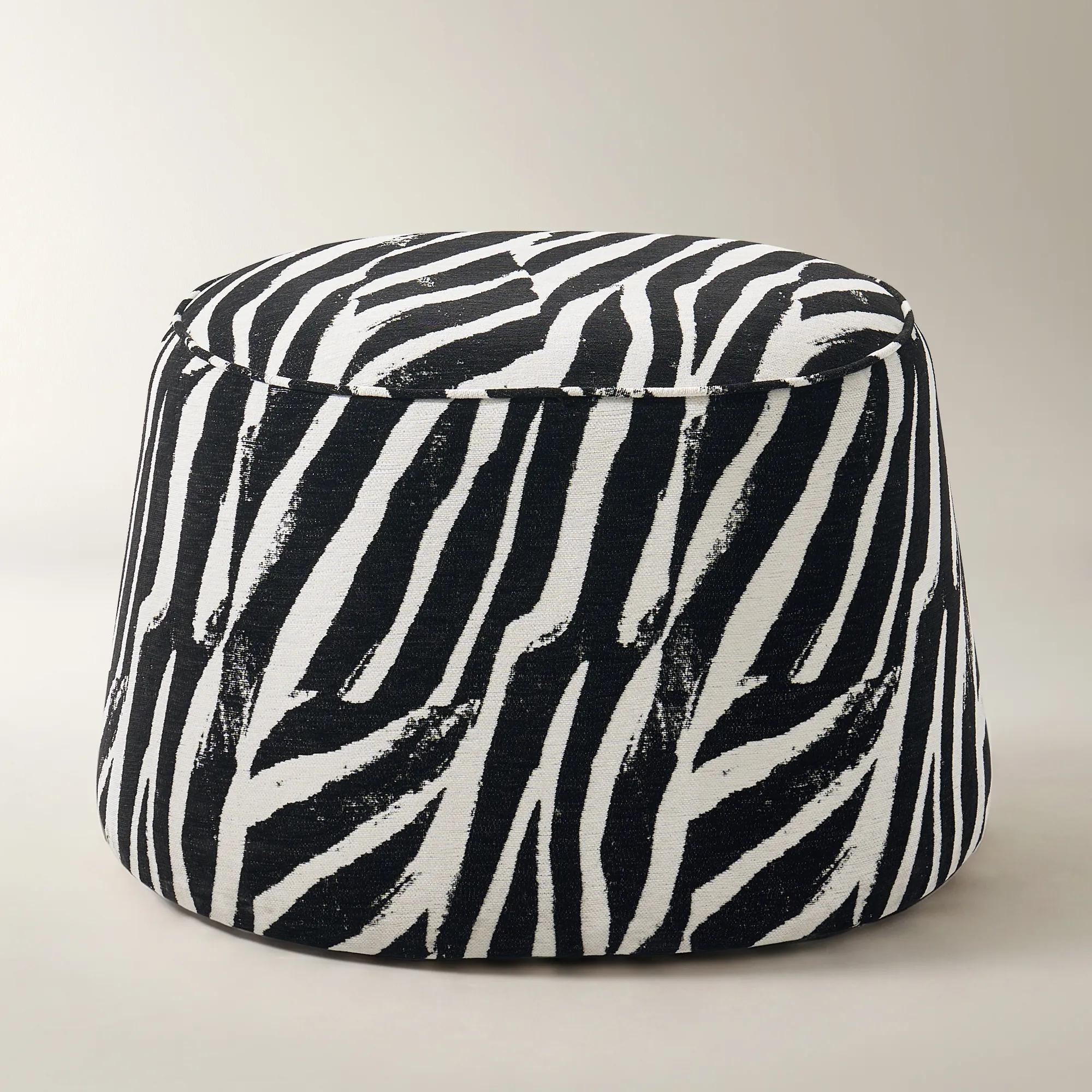 Avery White/Black Performance Chenille Stool$399
A sculpted drum accent stool in black and white performance chenille with an animal-inspired pattern.
Add To Cart -
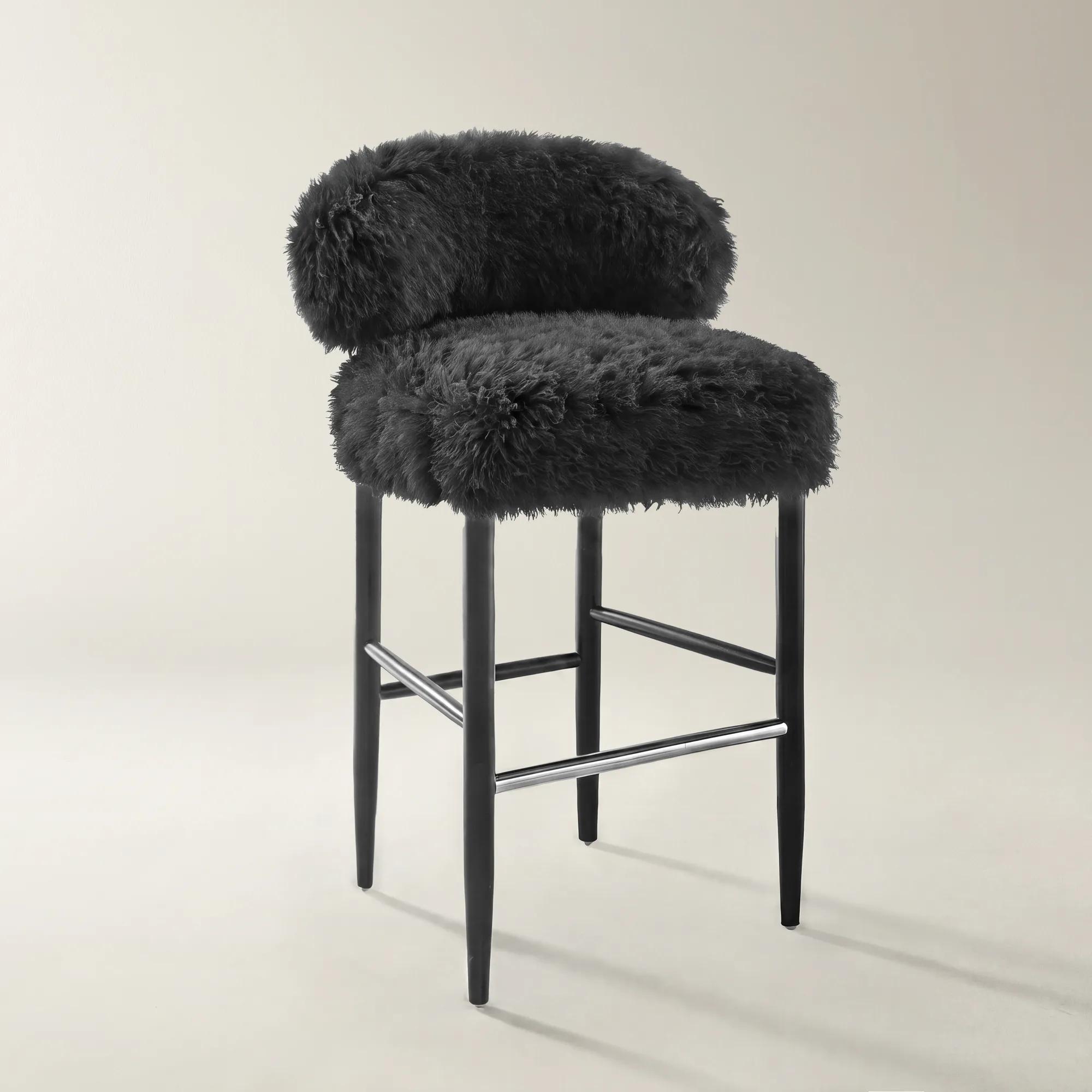 Anna Black Faux Fur Bar/Counter Stool$549
A black faux-fur bar stool with a sculpted back, padded seat, and solid rubberwood legs.
Add To Cart -
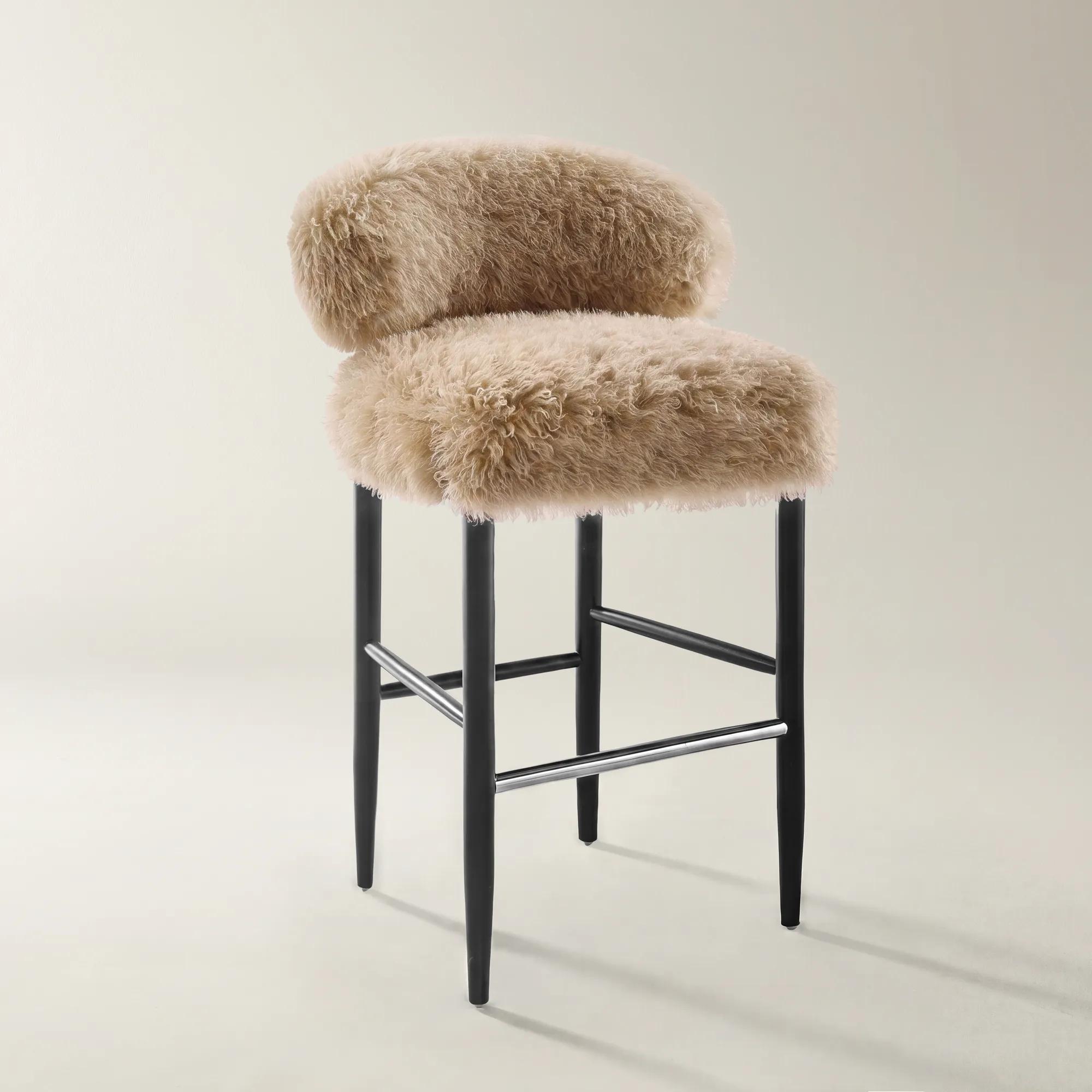 Anna Tan Faux Fur Bar/Counter Stool$549
A tan faux-fur bar stool with a sculpted padded seat and tapered solid-rubberwood legs.
Add To Cart -
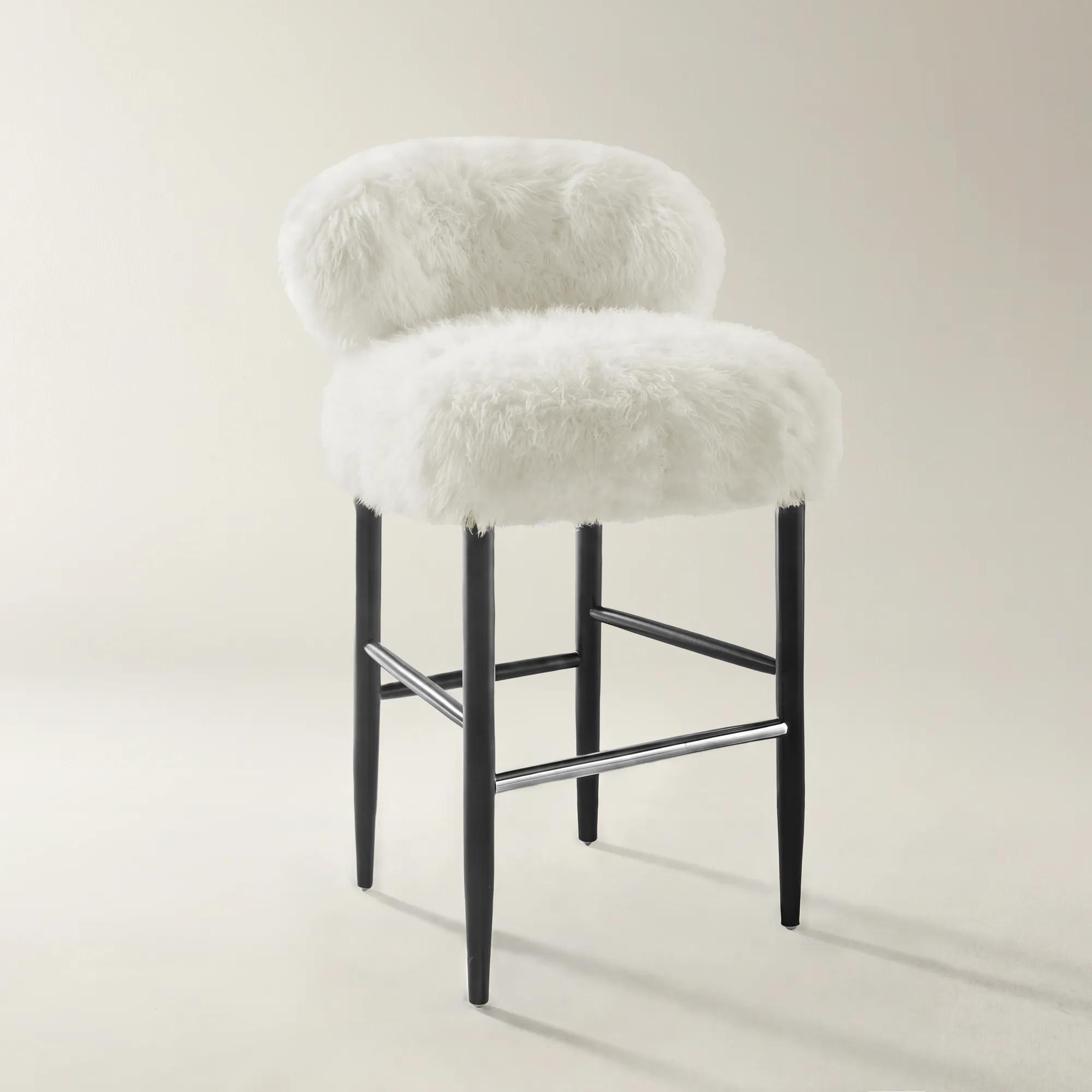 Anna Ivory Faux Fur Bar/Counter Stool$549
An ivory faux-fur counter stool with sculpted support, padded seating, and tapered solid-rubberwood legs.
Add To Cart -
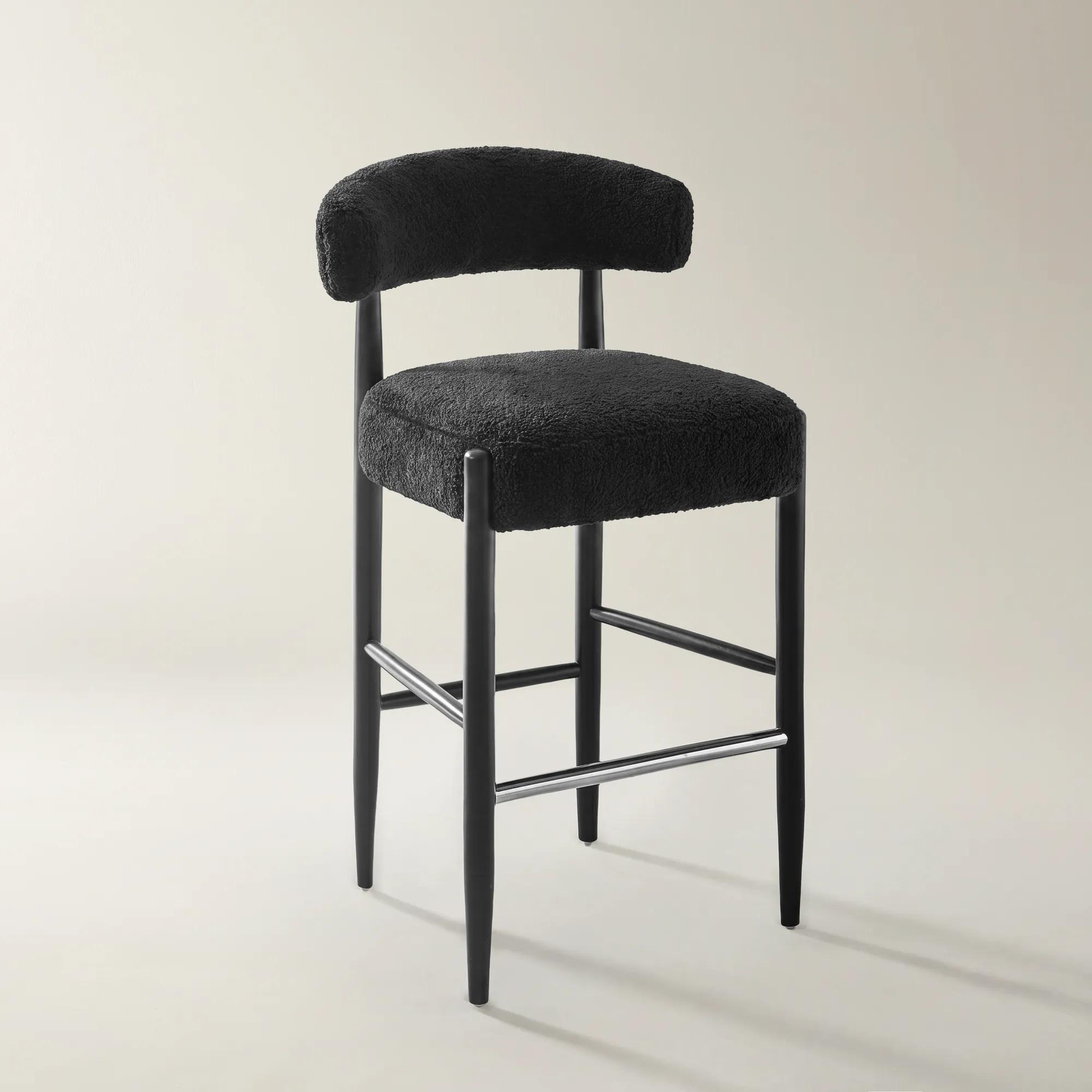 Anna Black Chenille Bar/Counter Stool$449
A black chenille counter stool with a sculpted padded seat and solid rubberwood legs.
Add To Cart -
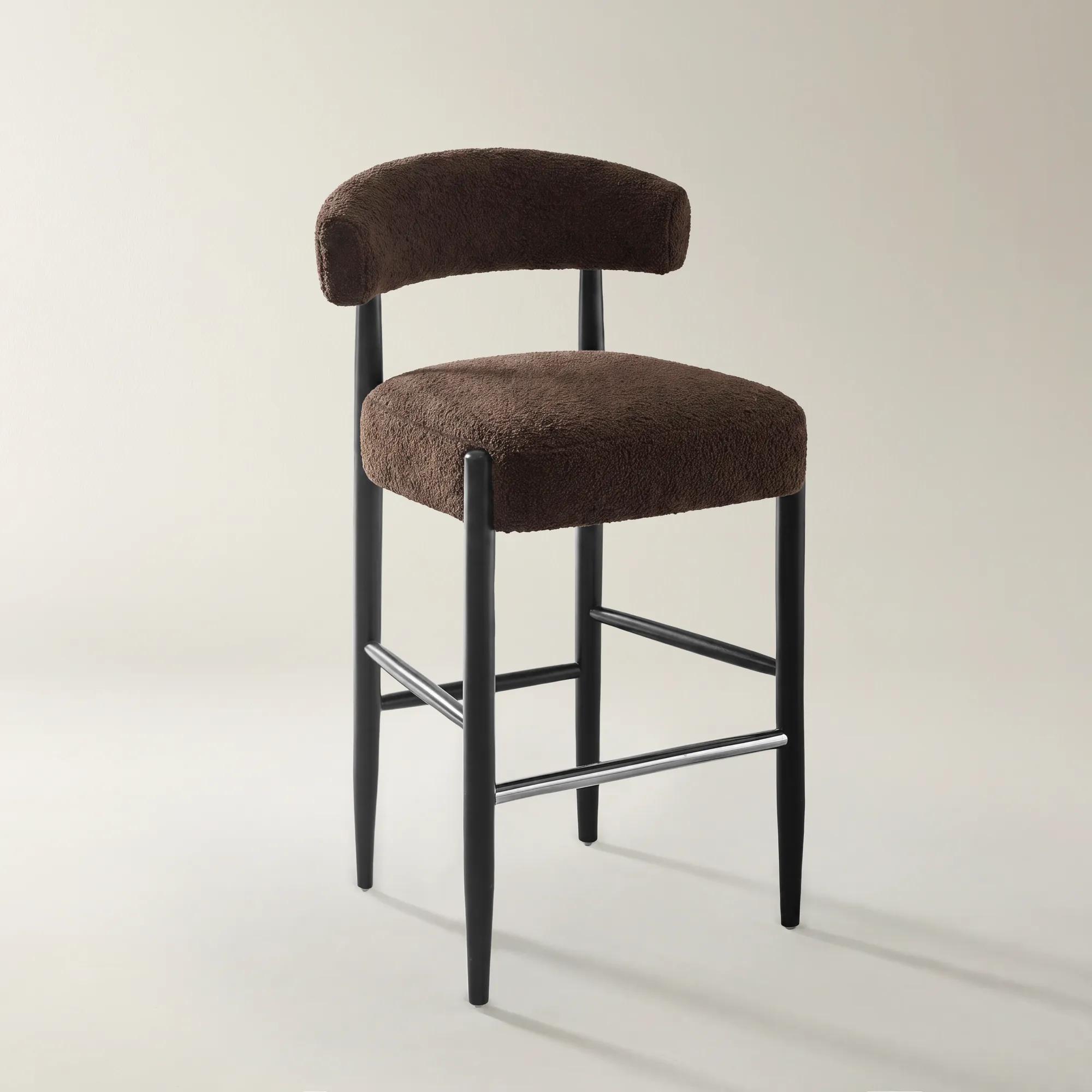 Anna Dark Chocolate Chenille Bar/Counter Stool$449
A dark chocolate chenille counter stool with a sculpted padded seat and solid rubberwood legs.
Add To Cart

Designer Velvet Kitchen Stools
Designer velvet kitchen stools are the invitation to indulge—where sumptuous texture meets sculptural allure, and everyday moments become extraordinary. Imagine mornings draped in elegance, evenings elevated by a touch of glamor, and every gathering transformed by the bold artistry of velvet’s signature sheen. With their irresistible tactility and dramatic presence, these stools turn your kitchen into a stage for self-expression, capturing the essence of modern luxury with every curve and color. Paint your culinary space boldly; let designer velvet kitchen stools be the statement that sets the scene.
Designer velvet kitchen stools are upholstered seats that pair velvet’s soft, light-catching surface with the elevated proportions needed for kitchen counters and islands. Their appeal lies in that contrast: sumptuous fabric against a sculptural metal frame, a deeply colored seat beside pale stone, or a curved back that softens the geometry of cabinetry. More than an additional place to sit, velvet kitchen seating brings the expressive character of a living room into a space often defined by hard surfaces. A row of tailored stools can give an island a composed, architectural presence, while rounded silhouettes introduce a gentler rhythm around a breakfast counter. Cream and ivory velvet create a luminous effect beside dark cabinetry; emerald, sapphire, and burgundy establish a richer focal point without requiring color across the entire room. Charcoal and black offer depth, particularly when balanced with gleaming hardware or boldly veined countertops. Velvet’s pile changes appearance as light moves across it, giving even a single-color seat subtle variation rather than a flat finish. That dimensional quality makes the upholstery especially compelling in an open kitchen, where seating remains visible from adjoining living and dining areas. The frame contributes just as much to the composition. Gold-tone and brass-tone finishes lend warmth, polished silver-tone metal adds a sharper gleam, and wood introduces grain and visual depth. Slender legs preserve open sightlines, while sled-style frames and pedestal bases create more pronounced shapes beneath the seat. Channel tufting, a gently winged back, or a crisply piped edge can add definition without competing with the countertop above. The most convincing arrangement connects these details to the larger room: a warm metal finish that echoes pendant lighting, an upholstery color drawn from nearby artwork, or a curved profile that complements a rounded dining table. For households that gather around the island for breakfast, conversation, and informal meals, designer velvet counter stools make that familiar setting feel deliberately furnished rather than merely equipped.
Proportion determines how comfortably that visual statement works in daily life. Kitchen stools should match the height of the surface they serve, since counter-height and bar-height seating are not interchangeable. A typical 36-inch kitchen counter often pairs with a seat approximately 24 to 26 inches high, while a 40- to 42-inch bar generally calls for a seat approximately 28 to 30 inches high. Exact measurements matter more than the category name; allowing roughly 9 to 12 inches between the seat and the underside of the counter usually provides comfortable legroom. Countertop thickness, support brackets, and shallow overhangs can reduce that space, so the usable clearance deserves attention. Seat width and the widest part of the frame also affect the arrangement. About 6 inches between stools is a useful starting point, with additional room for broad silhouettes, armrests, or swivel movement. A generously padded seat invites lingering over a meal, but its depth should allow the sitter to reach the counter naturally. A supportive back suits conversation and extended seating, whereas a backless silhouette can tuck beneath an island and leave a striking stone surface unobstructed. Low backs offer a middle ground, lending shape without creating a tall visual barrier. Armrests add a lounge-like quality, provided they fit below the counter when the stool is pushed in. A footrest is especially important on elevated seating, giving the feet a stable place to rest rather than leaving the legs unsupported. Swivel seats can make turning toward guests easier, though nearby cabinetry and neighboring stools need enough clearance for that movement. Adjustable-height designs offer flexibility where surface heights vary, with comfort and stability depending on the base and mechanism. Where the kitchen connects to a separate entertaining area, designer velvet bar stools for a home bar can extend the same upholstery language while accommodating a taller surface. Coordinating color, curves, or frame finishes creates continuity without requiring every seat to look identical.
Velvet’s luxurious appearance is only one part of its suitability for kitchen seating; fiber content, construction, and care requirements shape how the upholstery performs. Velvet describes the fabric’s raised pile rather than a single material, and its fibers may include polyester, cotton, or blends. Performance characteristics vary, so stain resistance or suitability for frequent use should come from the upholstery specifications rather than the velvet name alone. For an island that hosts daily meals, dense upholstery, well-finished seams, supportive cushioning, and a stable frame deserve as much attention as color. Foam padding can create a plush first impression, while the underlying seat support helps determine whether that comfort remains consistent with use. Metal and wood frames each bring a distinct presence, but secure joints, balanced proportions, an appropriate weight capacity, and the absence of unwanted movement are practical signs of a well-suited seat. Floor-friendly glides can help protect the surface beneath the legs; they should remain clean so trapped grit does not scratch the finish. In an active kitchen, upholstery also benefits from some distance from cooking splatter and frequent handling with greasy hands. Crumbs can settle where the seat meets the back, making accessible seams and uncomplicated contours useful for everyday upkeep. Gentle vacuuming with an upholstery attachment, when permitted by the care instructions, helps lift dust without aggressively disturbing the pile. Spills are best blotted promptly with a clean, absorbent cloth rather than rubbed into the fabric, and any cleaning method should follow the manufacturer’s upholstery guidance. Saturating velvet or applying an unsuitable cleaner can leave marks or affect its texture. The pile may also show shading or pressure impressions where people sit; these changes are not necessarily stains or fabric damage. With thoughtful placement and appropriate care, velvet stools can serve the routines of a design-conscious household as beautifully as its gatherings. They suit the host who prefers guests close to the kitchen, the couple who shares breakfast at the counter, and the homeowner who wants expressive furniture visible throughout an open-plan space. Against stone, lacquer, or richly grained wood, velvet supplies a tactile counterpoint—a seat with presence, ready to become part of the room’s daily life.
FAQs
Velvet kitchen stools introduce a sense of drama and sophistication, transforming the kitchen into a space that feels curated and luxurious. The rich texture and luminous finish of velvet catch the light beautifully, creating visual interest and inviting guests to linger. These stools become focal points, infusing the room with warmth, color, and an unmistakable air of artistry.
Designer velvet kitchen stools complement a wide range of interior styles, from glamorous Hollywood Regency and modern eclectic to contemporary and Art Deco-inspired spaces. Their versatility allows them to shine in both bold, maximalist settings and more restrained, elegant environments, where they can add a pop of color or a touch of tactile luxury.
Yes, many modern velvet kitchen stools are crafted with performance-treated fabrics that resist stains and spills, making them a practical yet stylish choice for busy households with children or pets. The dense pile of velvet can also be surprisingly resilient, maintaining its plush appearance with minimal maintenance.
Velvet kitchen stools set the stage for memorable gatherings, offering plush comfort for guests during cocktail hours, casual brunches, or family celebrations. Their inviting texture and striking appearance encourage guests to relax and mingle, turning your kitchen island or counter into a lively social hub.
For winter, pair deep jewel-toned velvet stools with metallic accents and cozy throws for a sense of warmth and opulence. In spring, lighten the mood with pastel or soft-hued velvet, complemented by fresh florals and airy decor. Velvet’s rich texture adapts beautifully to seasonal changes, allowing you to refresh your space with accessories and color palettes throughout the year.