Versatile Banquettes For Living Rooms
Versatile Banquettes For Living Rooms
-
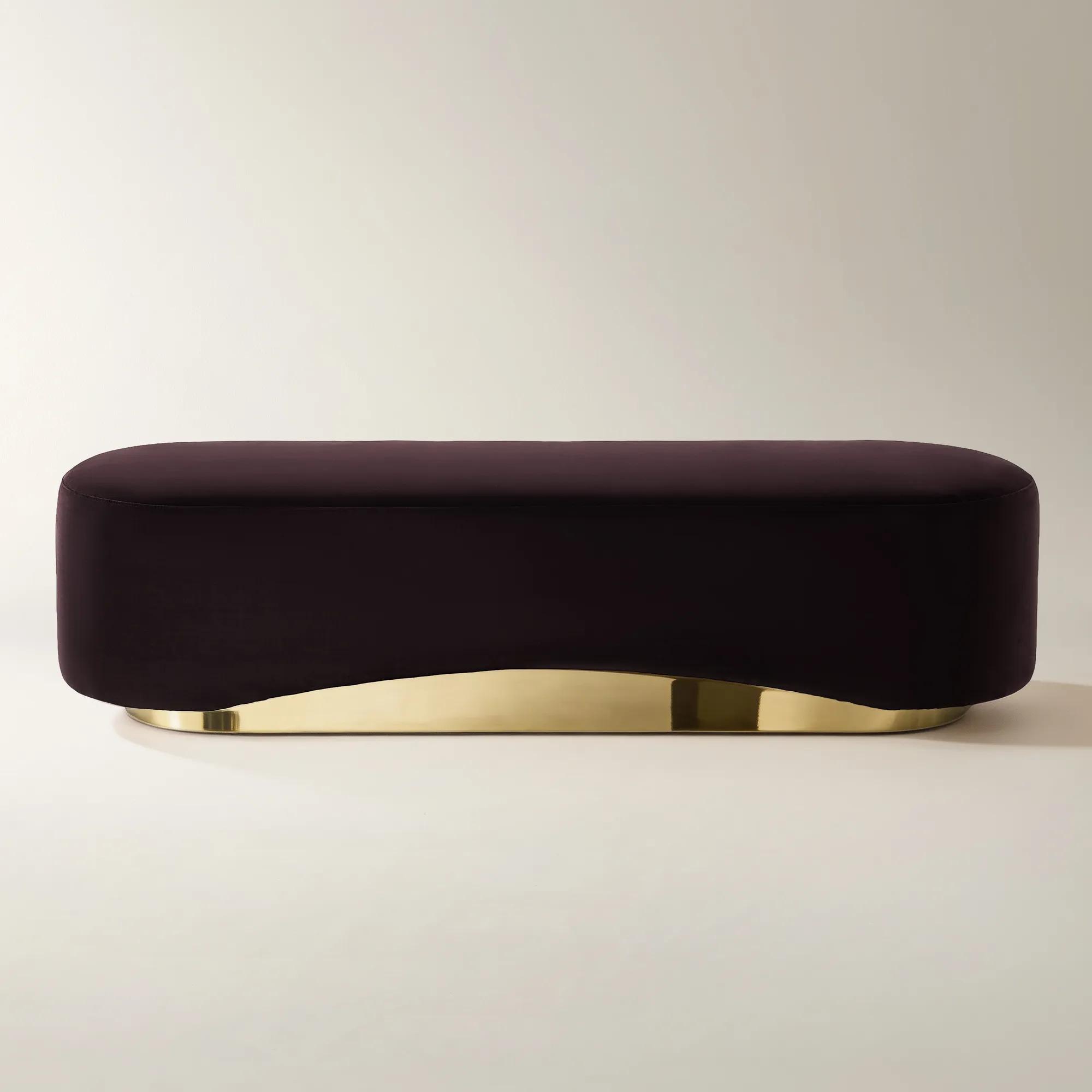 Kendra Fig Velvet Bench (70.47")$799
A plush fig velvet bench with an elongated oval silhouette and a polished gold stainless steel base.
Add To Cart -
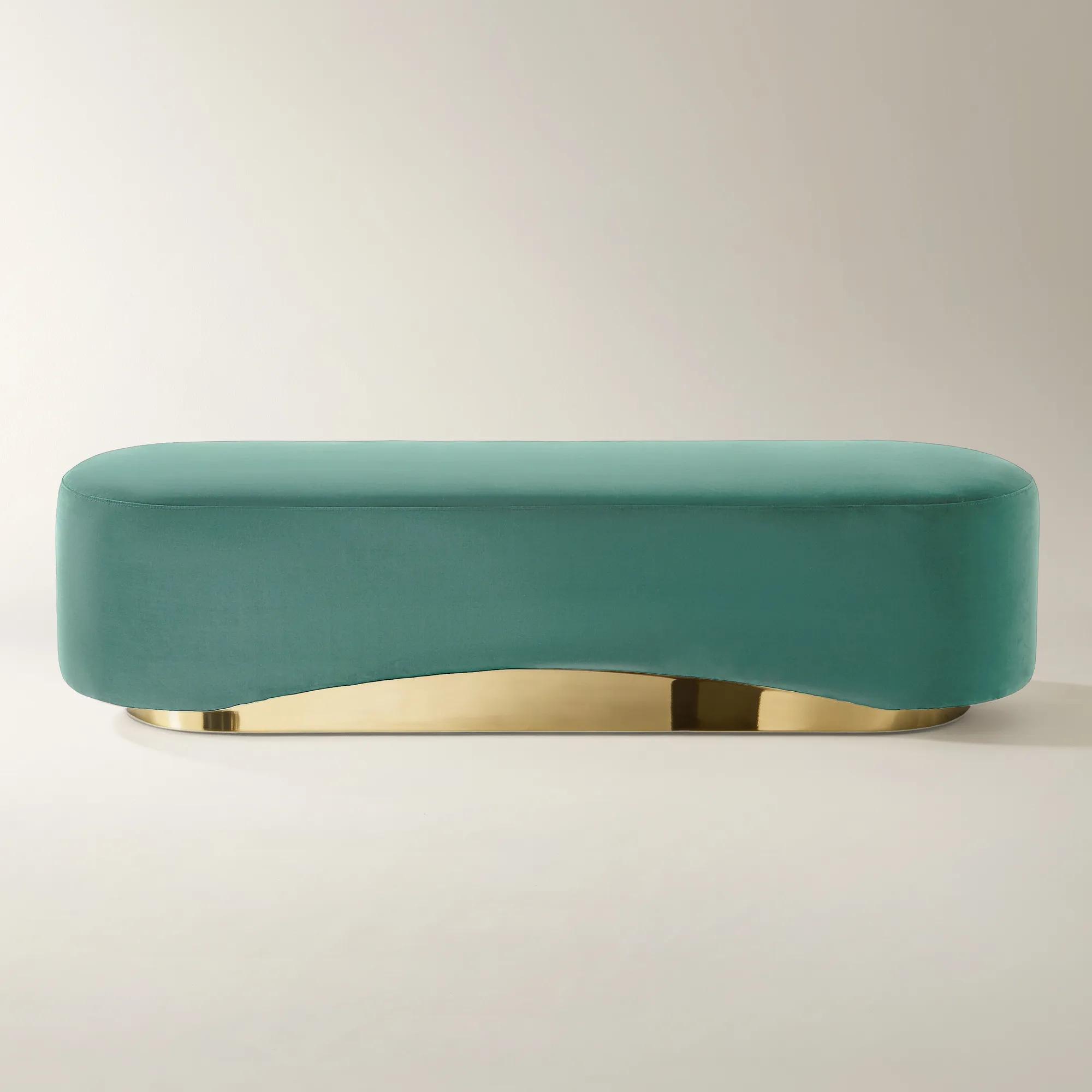 Kendra Ocean Teal Velvet Bench (70.47")$799
An elongated oval bench in ocean teal velvet with a plush seat and polished gold stainless steel base.
Add To Cart -
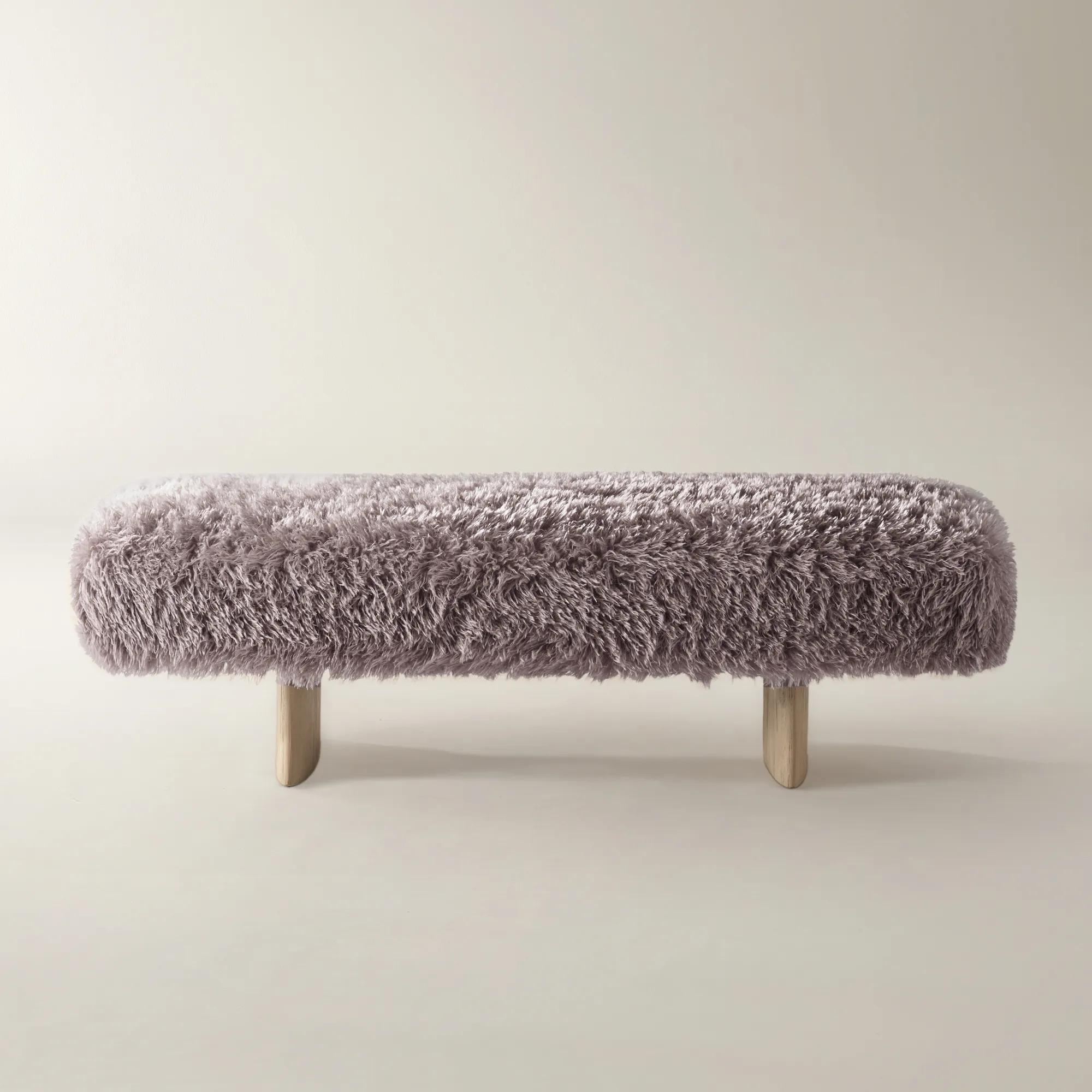
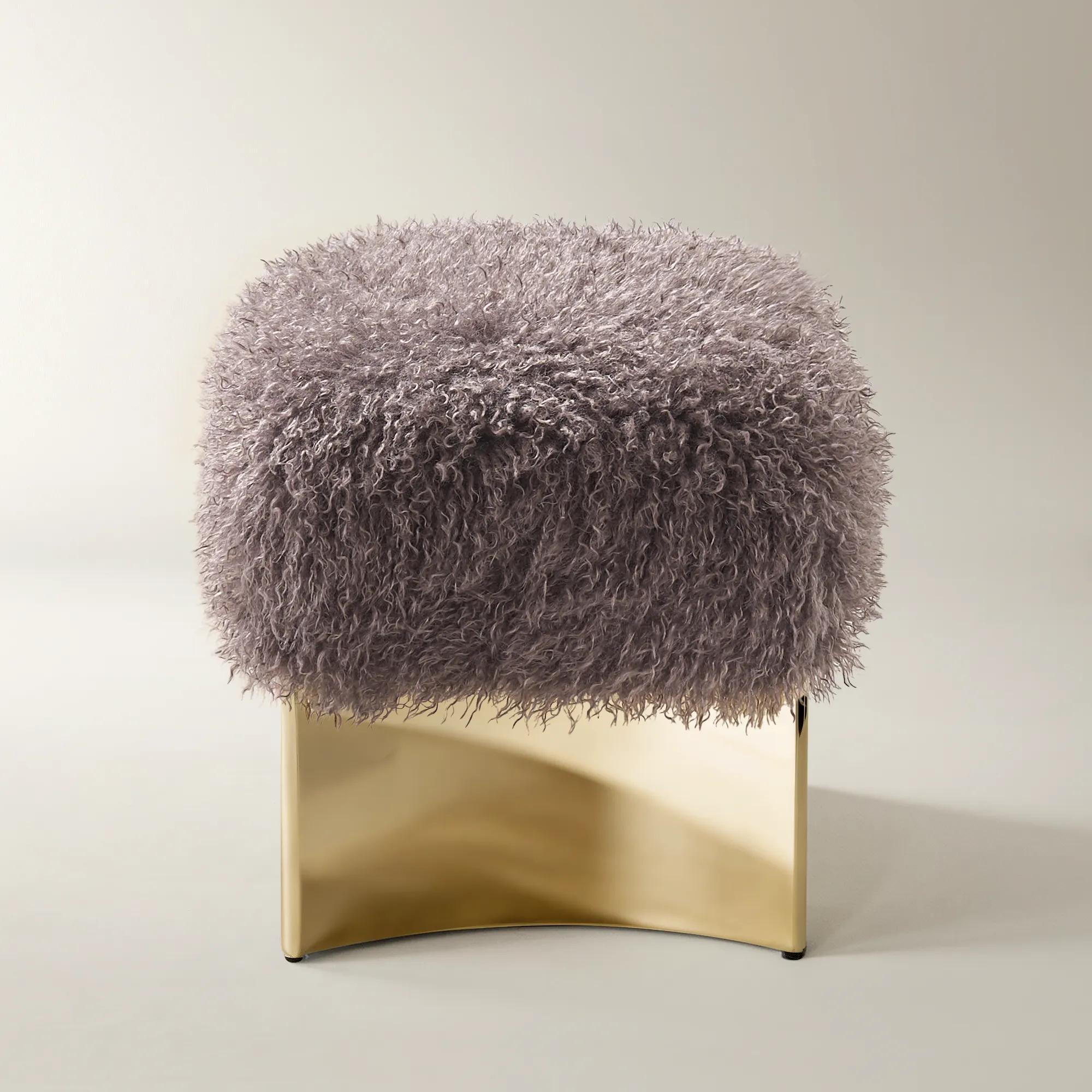
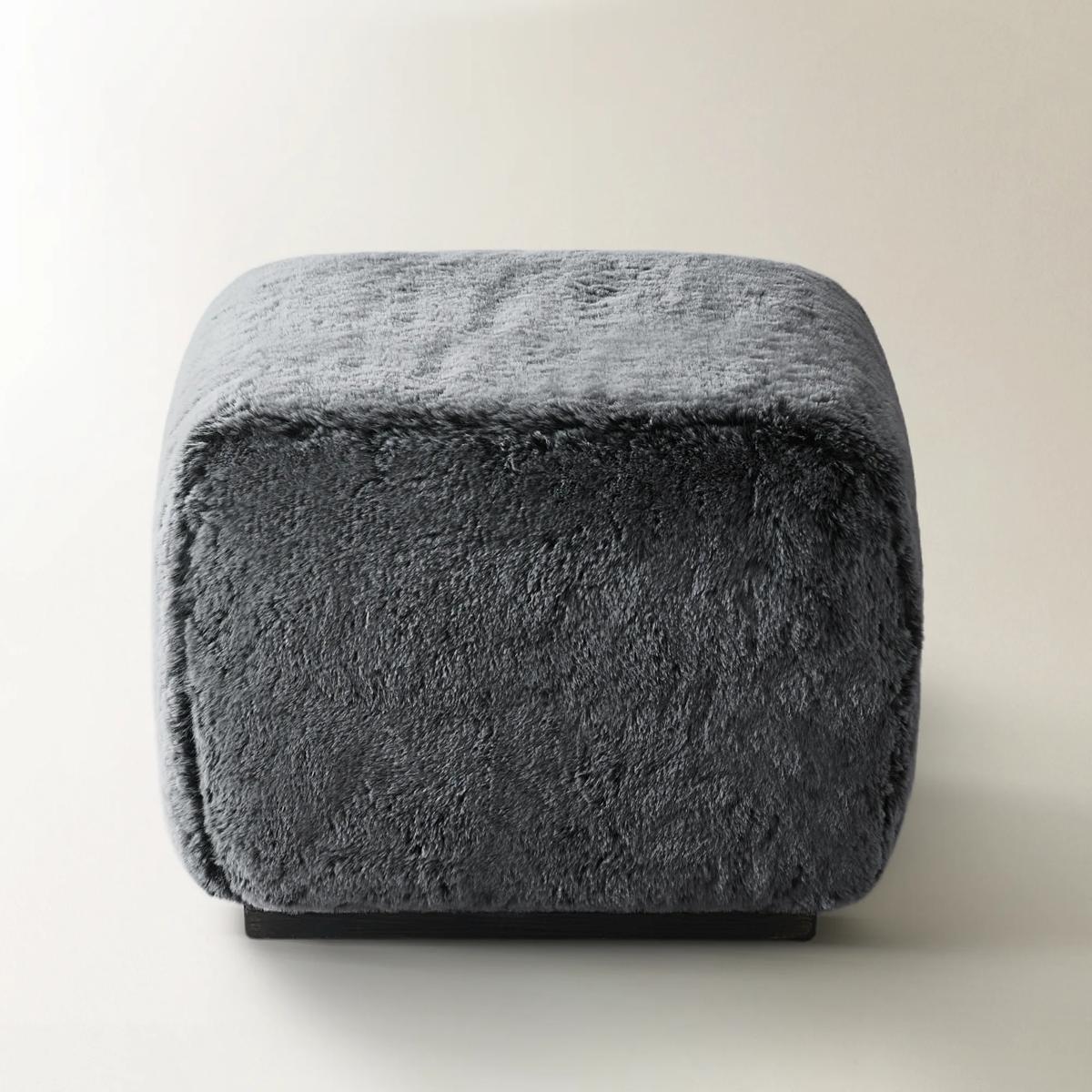
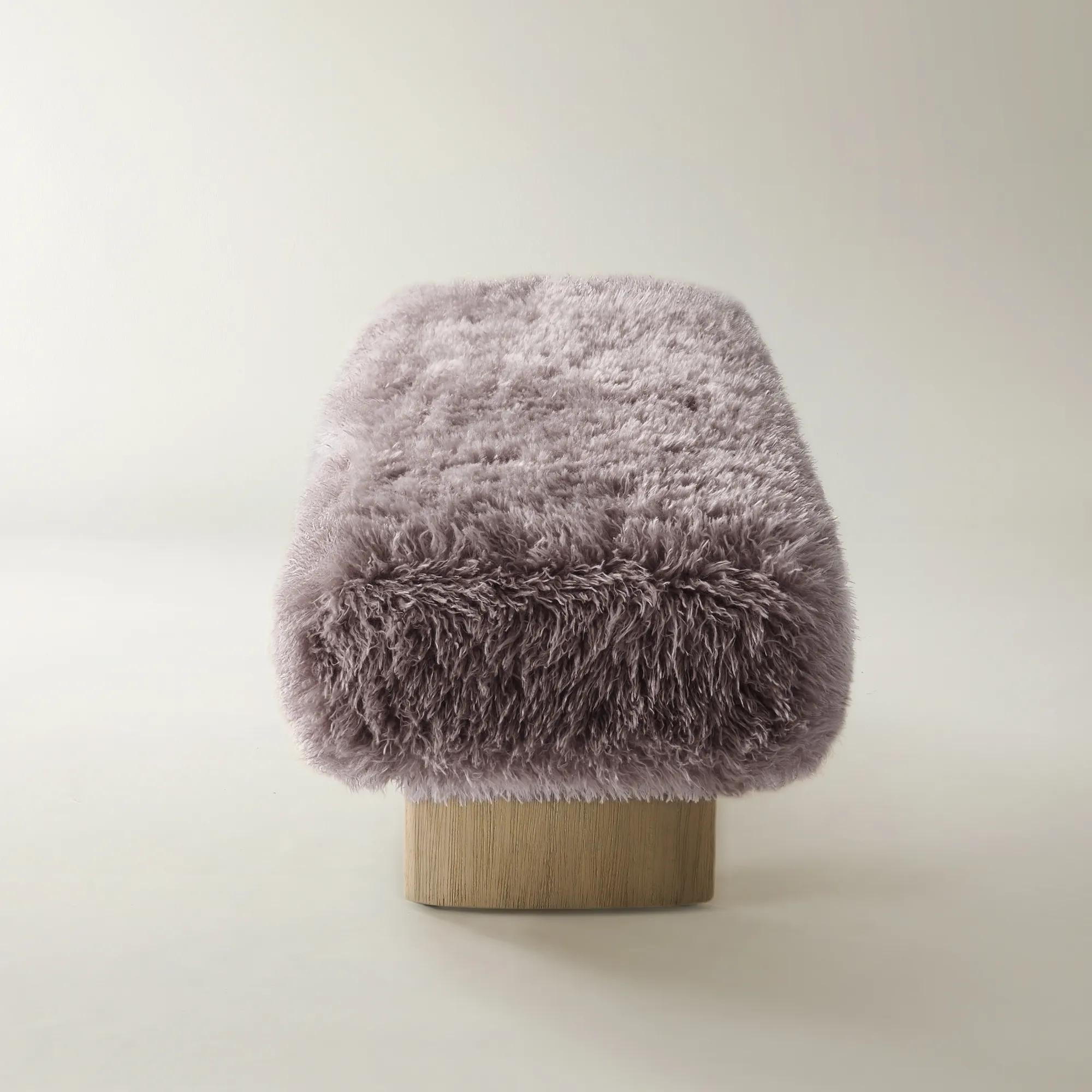 Micah Plum Truffle Mongolian Faux Fur Bench With Rubberwood Legs(62.6")$699
A sculptural bench featuring smoked plum Mongolian faux fur upholstery and warm solid rubberwood legs.
Add To Cart -
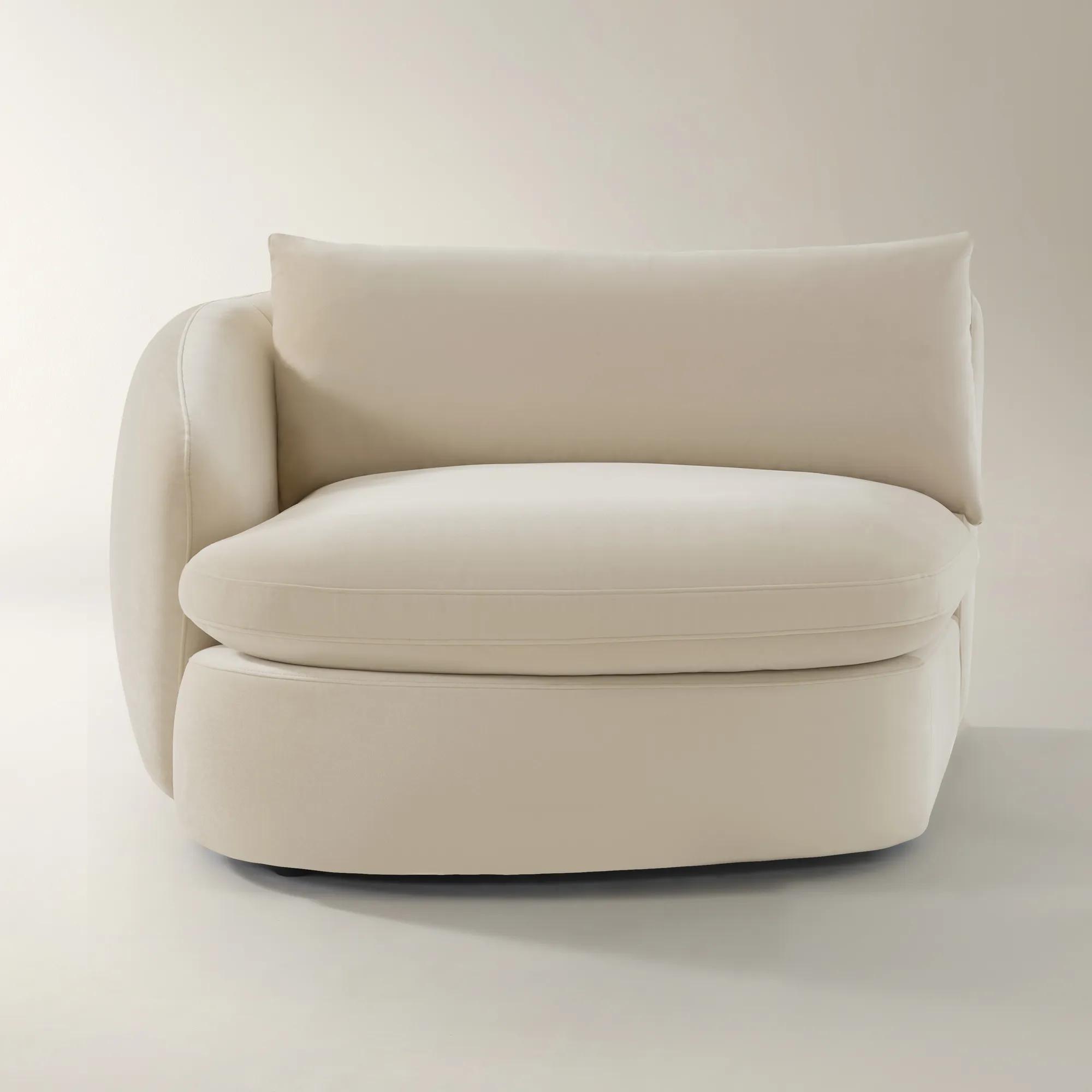
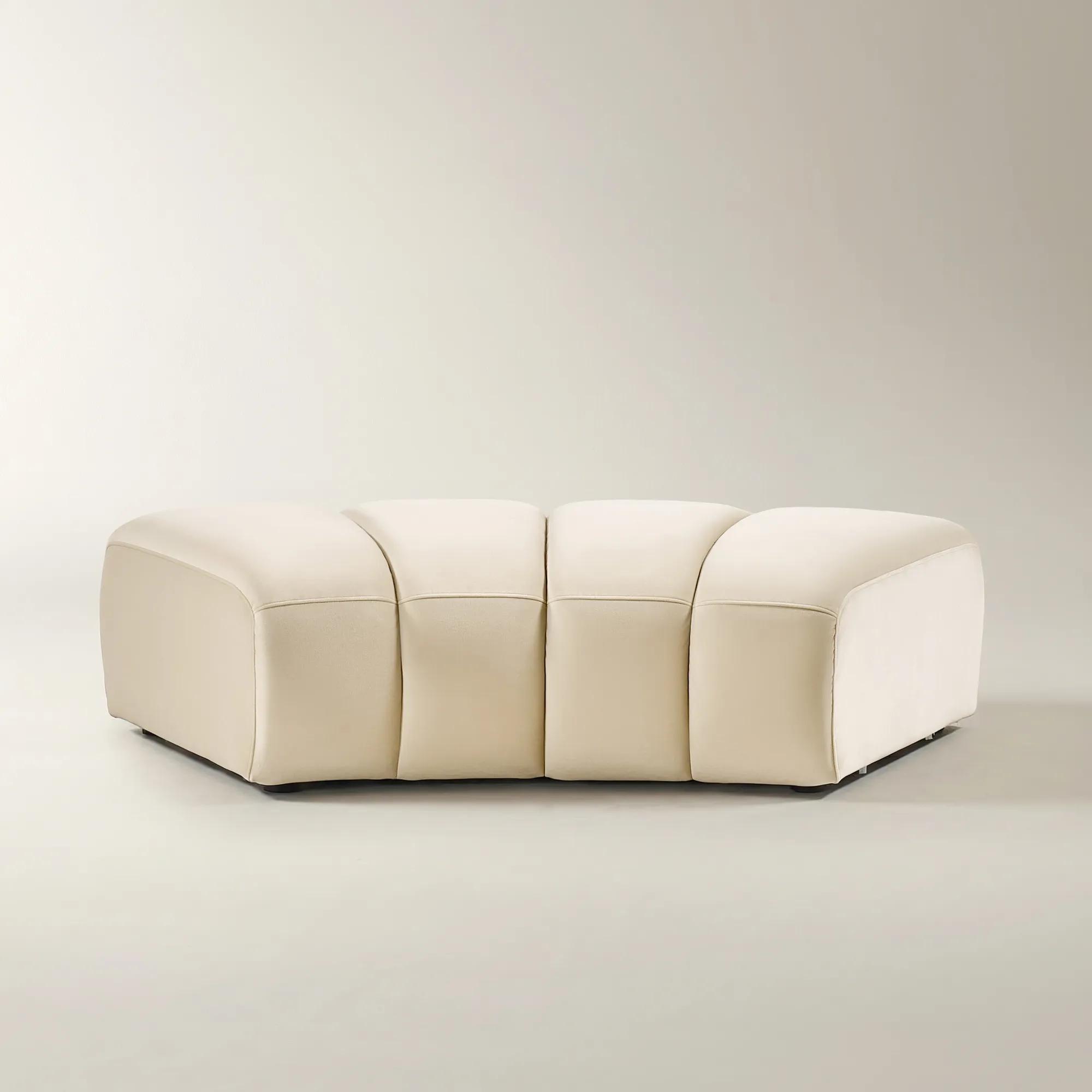
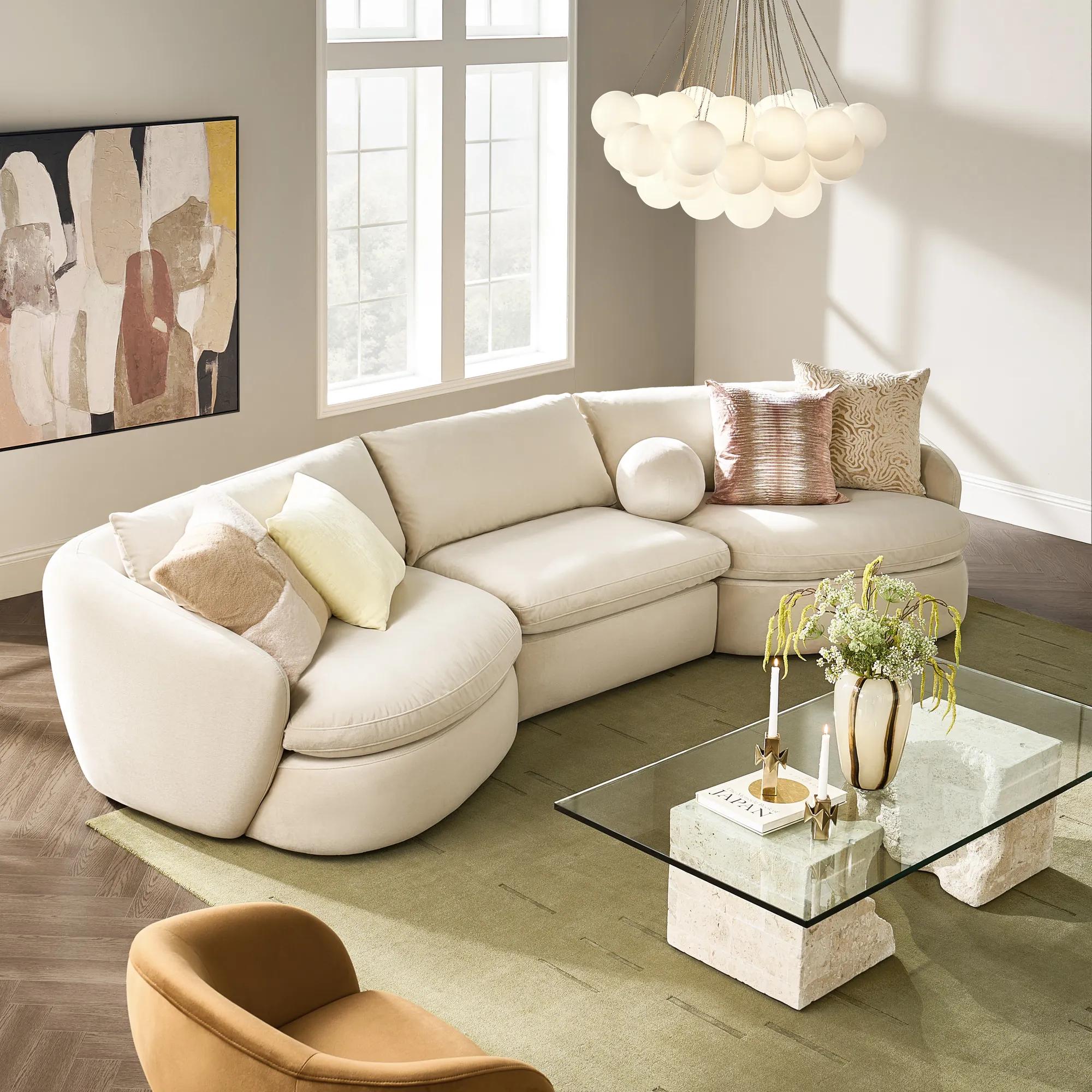 Sabrina Oatmeal Velvet Left-Arm Chair$1399
A modular, curved seating piece in soft oatmeal velvet with plush feather-blend cushions and hand-built craftsmanship.
Add To Cart -
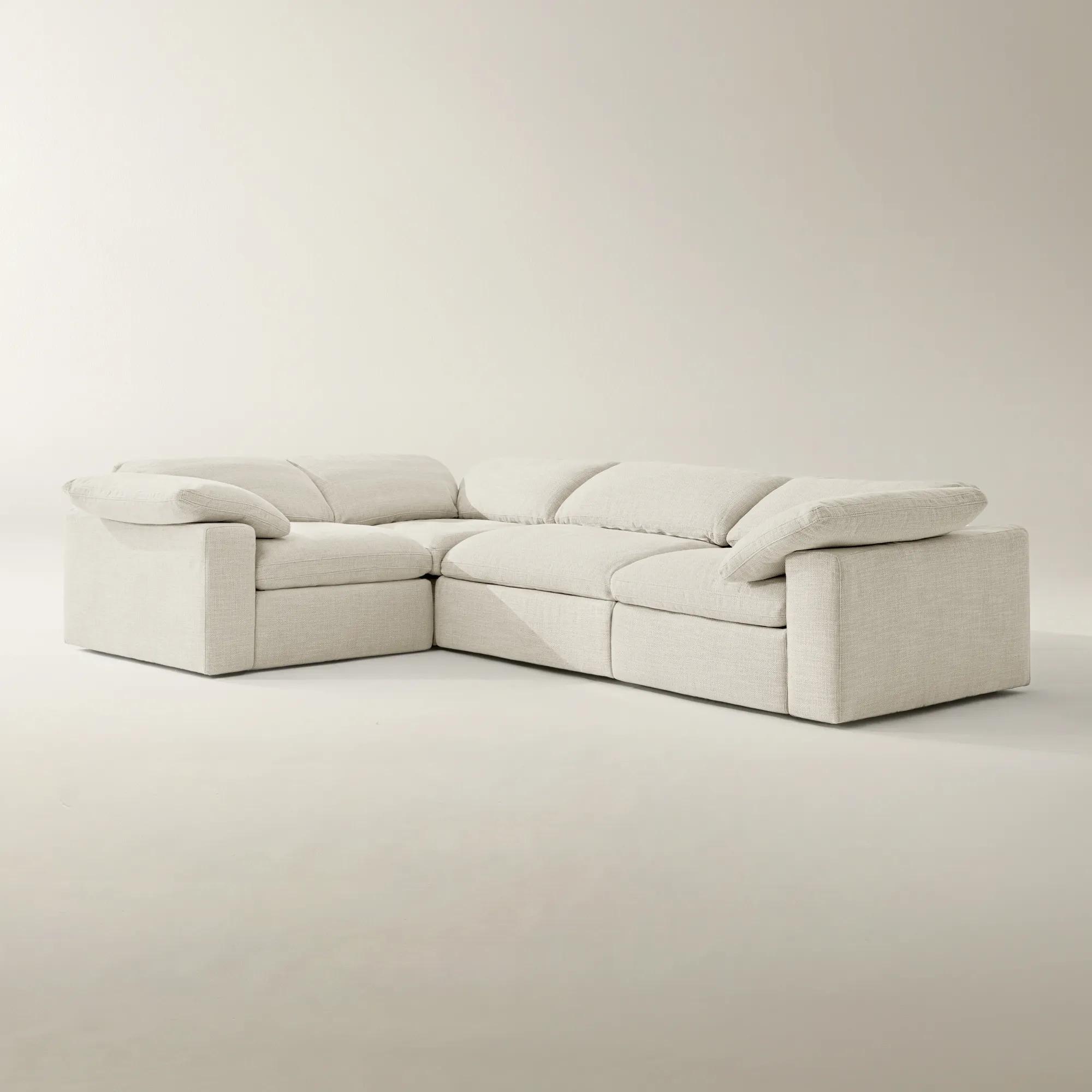
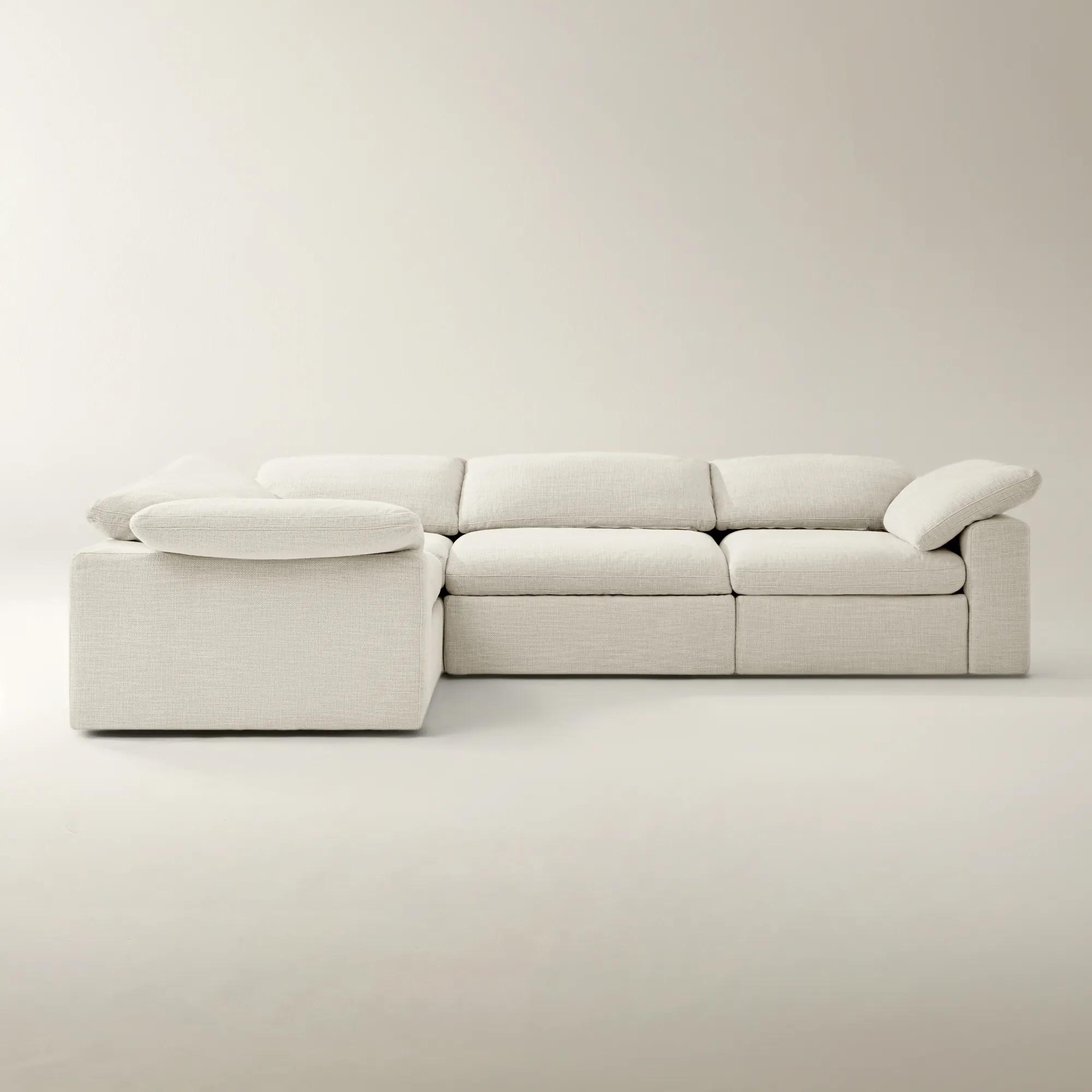 Milo 4-Piece L-Shaped Reclining Ivory Performance Fabric Sectional Sofa With Left-Arm Chair$4399
A modular L-shaped sectional sofa in ivory performance fabric with plush cushioning and independent power reclining.
Add To Cart -
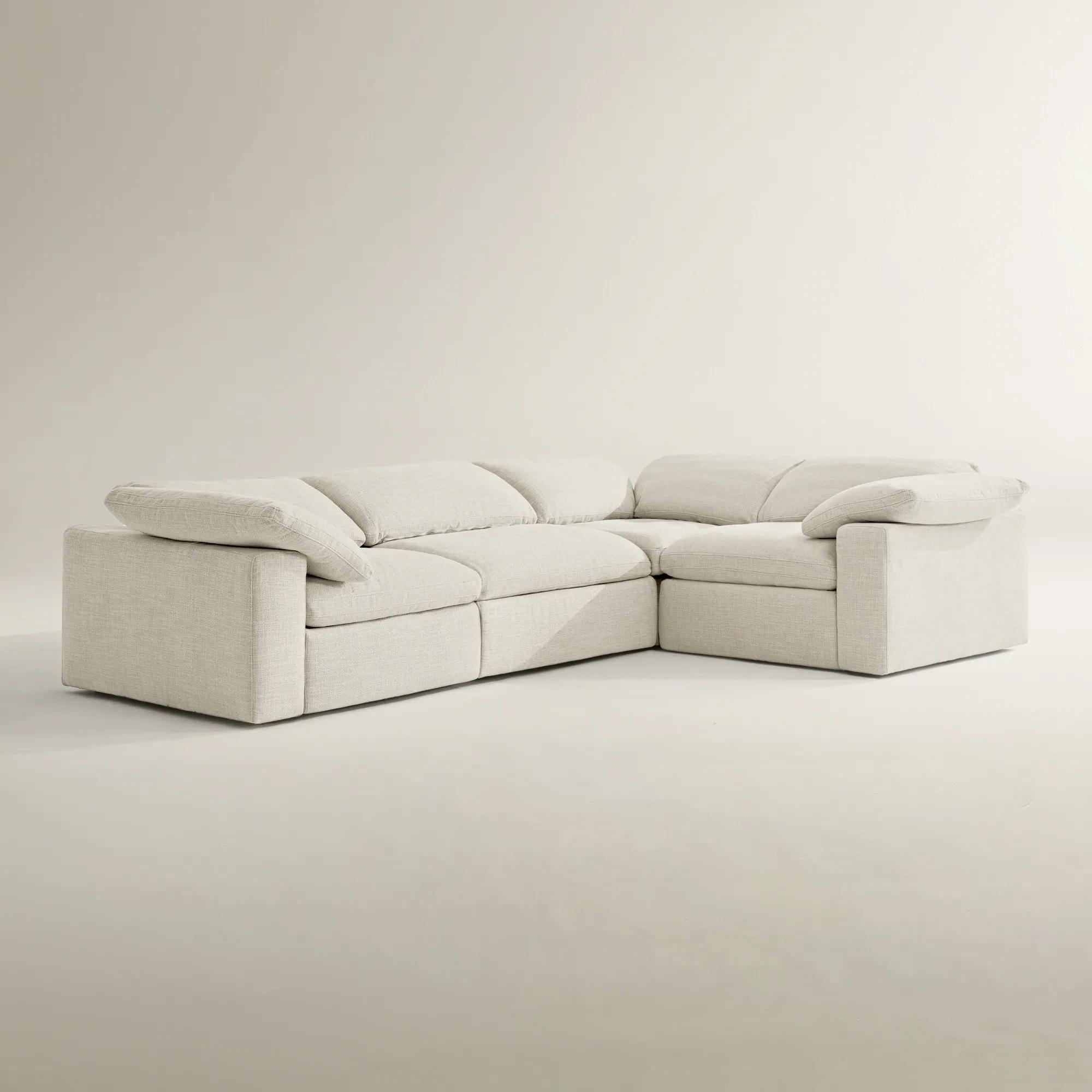
 Milo 4-Piece L-Shaped Reclining Ivory Performance Fabric Sectional Sofa With Right-Arm Chair$4399
A four-piece L-shaped sectional sofa in ivory performance fabric with power reclining and plush feather-blend cushions.
Add To Cart -
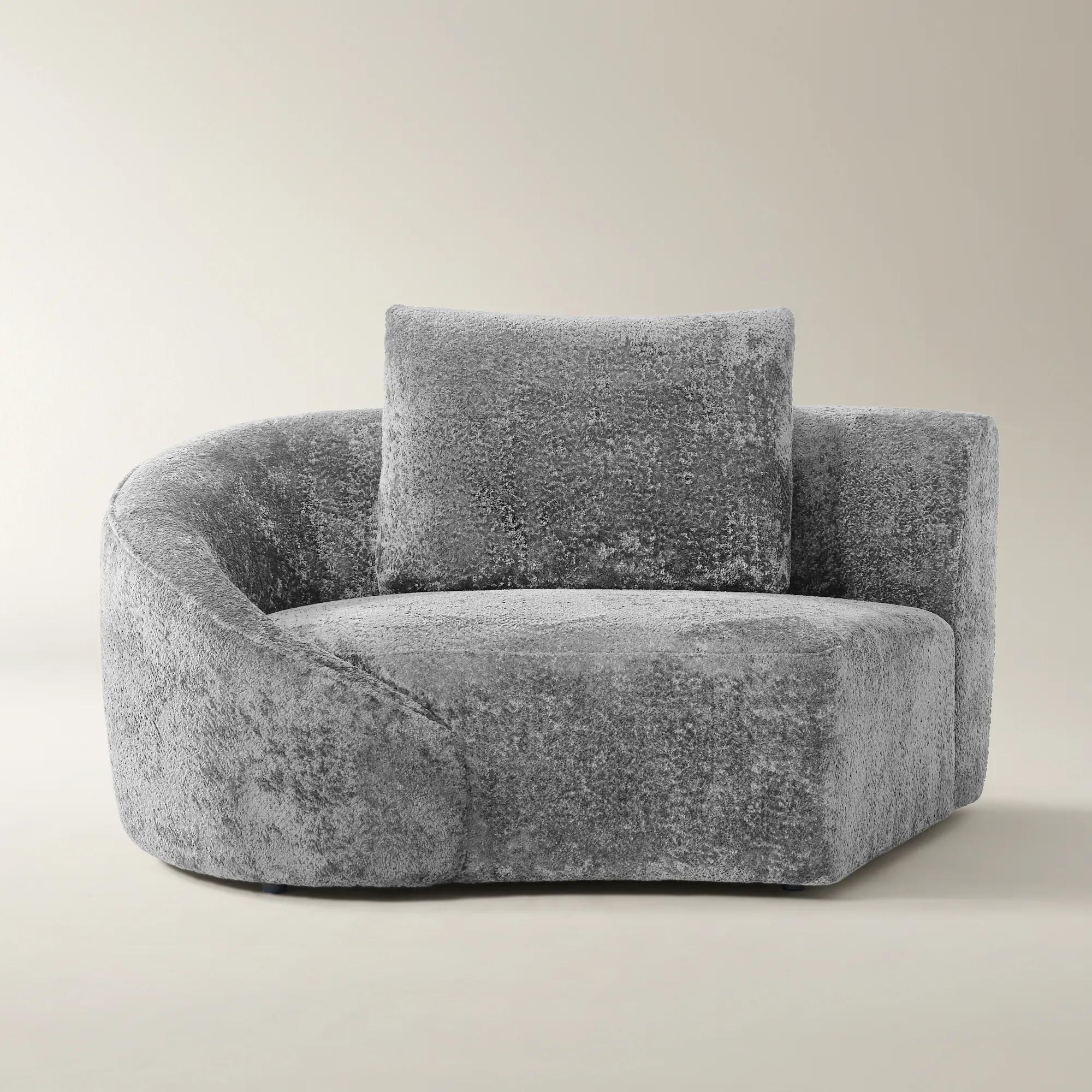 Irene Grey Chenille Left-Arm Chair$1399
A customizable seating collection featuring left arm, right arm, and armless chair components for versatile arrangements.
Add To Cart -
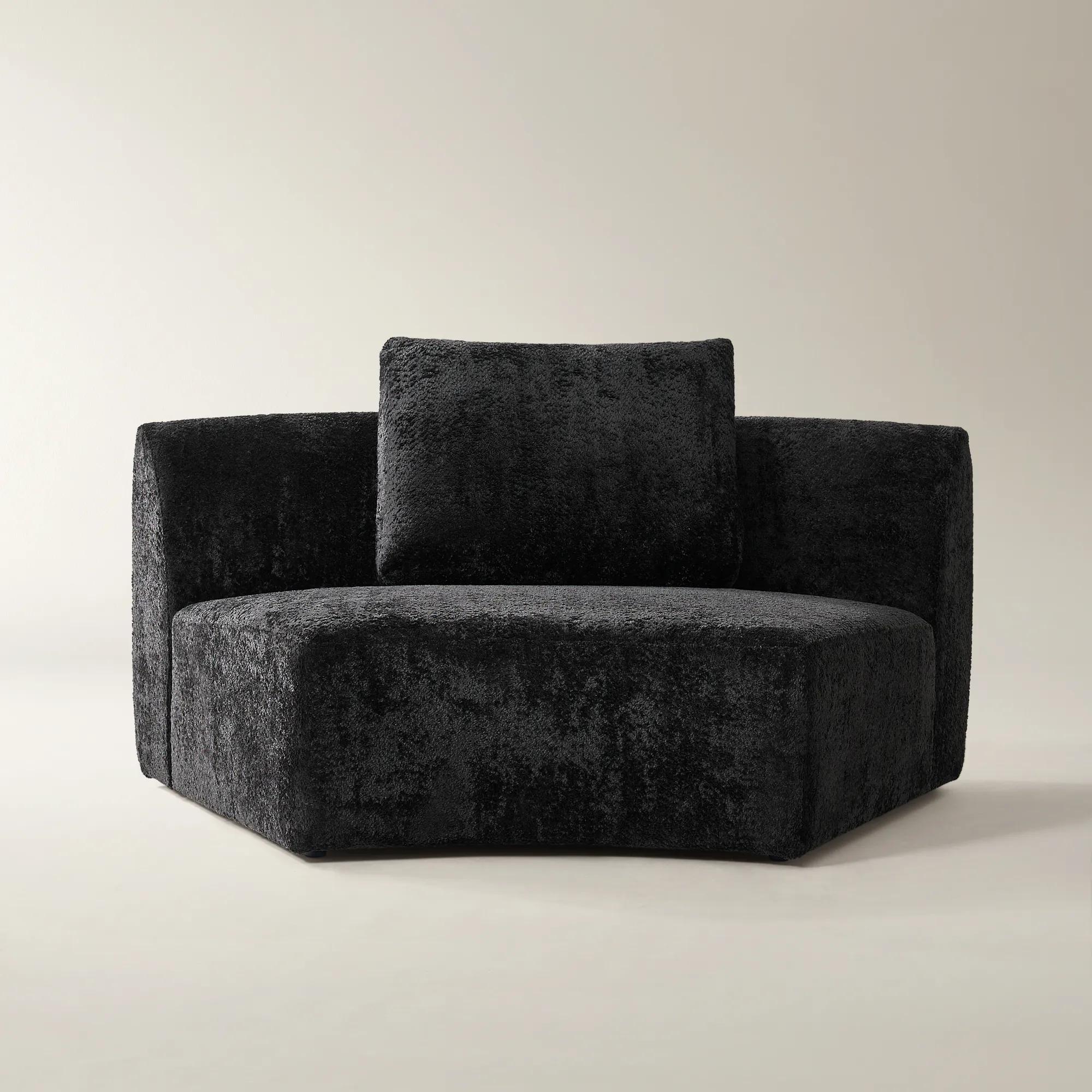
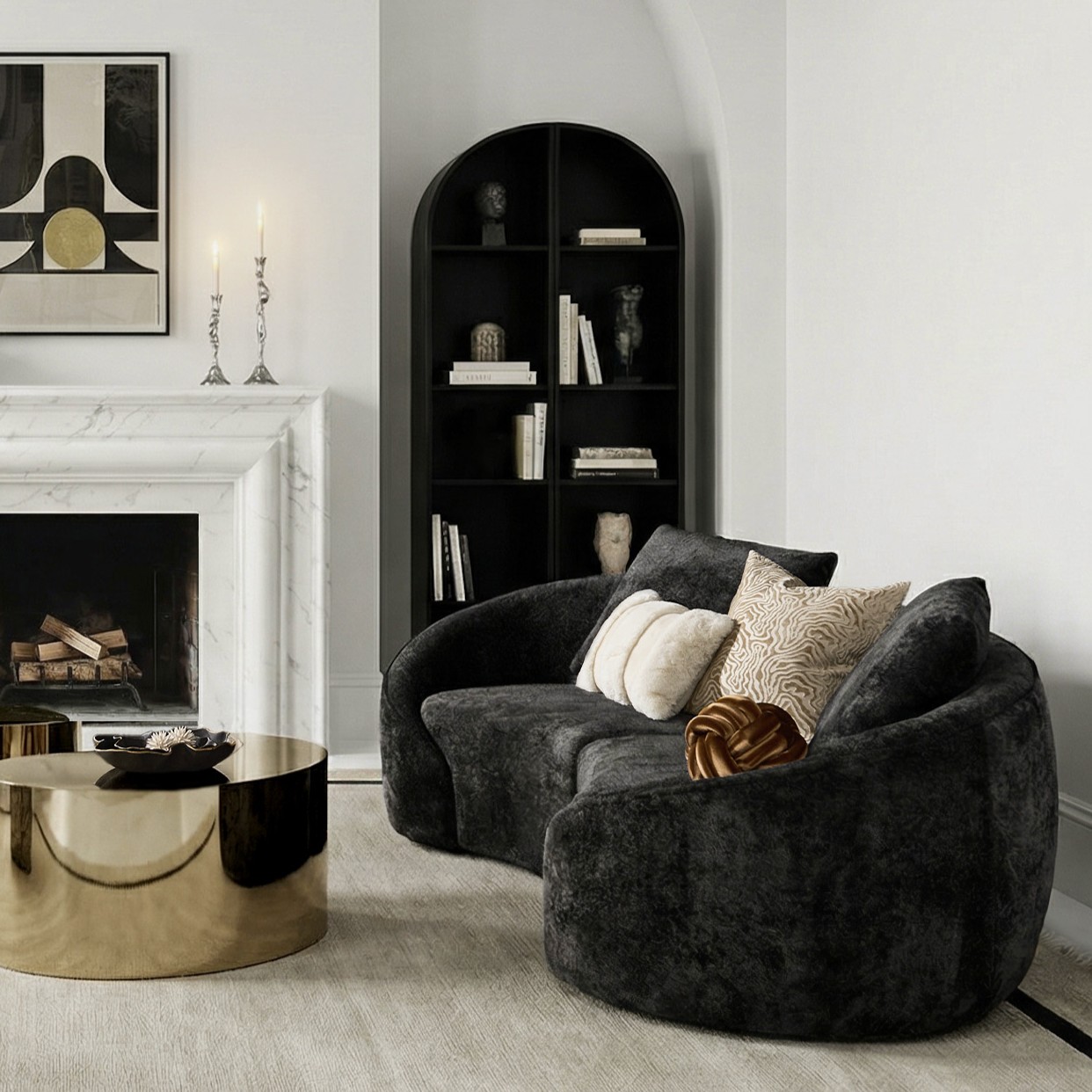 Irene Black Chenille Armless Chair$1199
A customizable seating collection featuring left arm, right arm, and armless chair components for versatile arrangements.
Add To Cart -
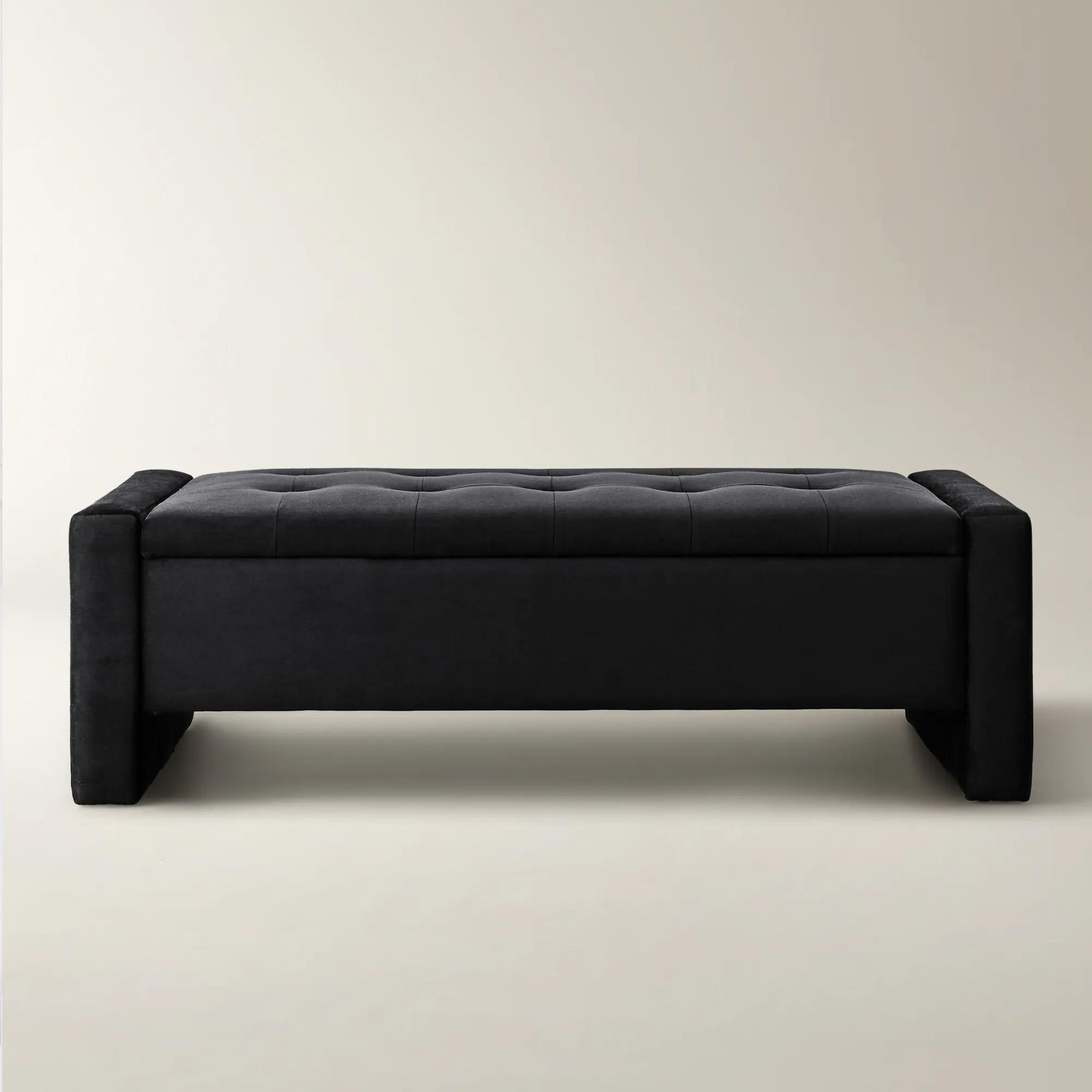
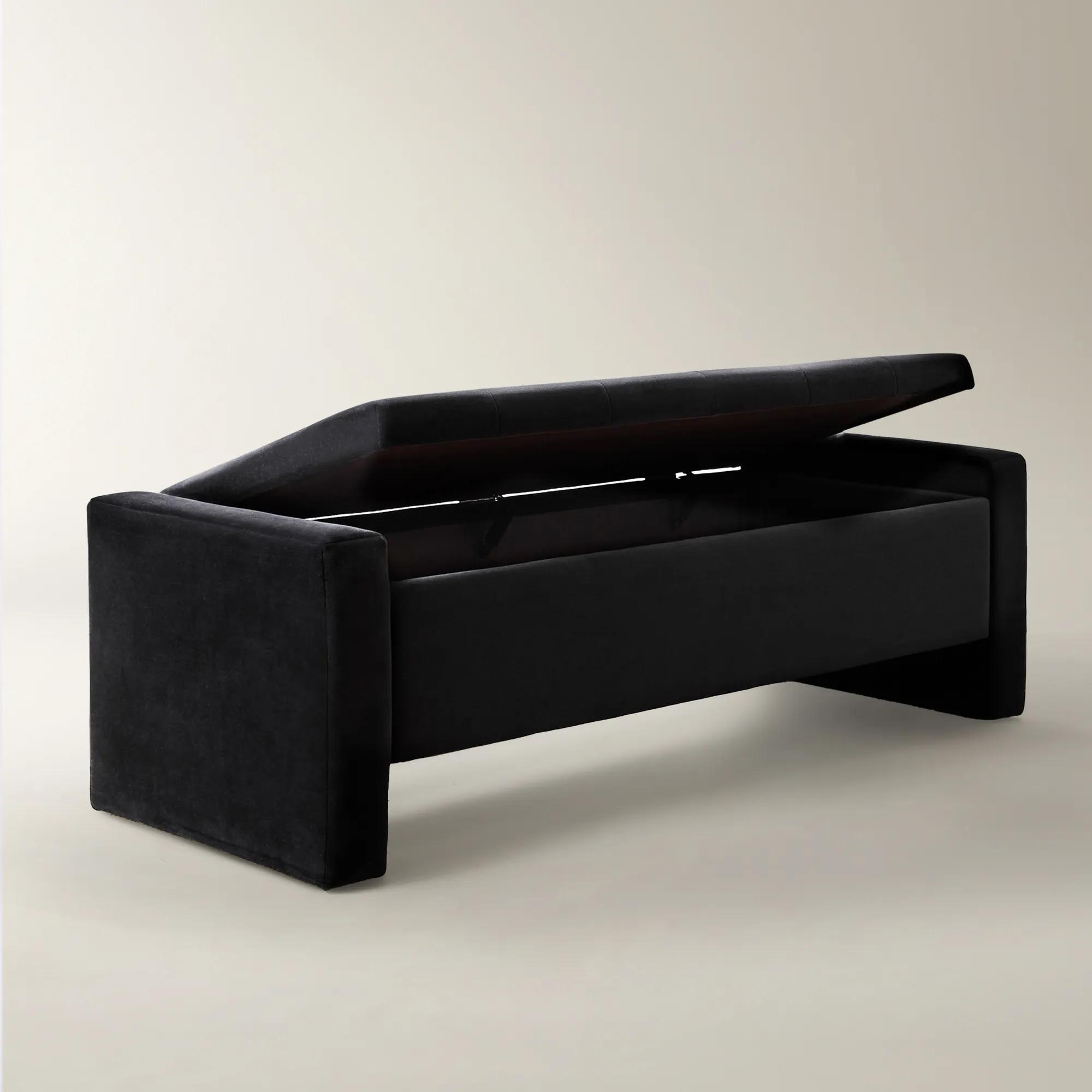 Maeve Storage Bench$849
A modern velvet-upholstered bench with hidden storage, kiln-dried hardwood frame, and soft-closing glides.
Add To Cart -
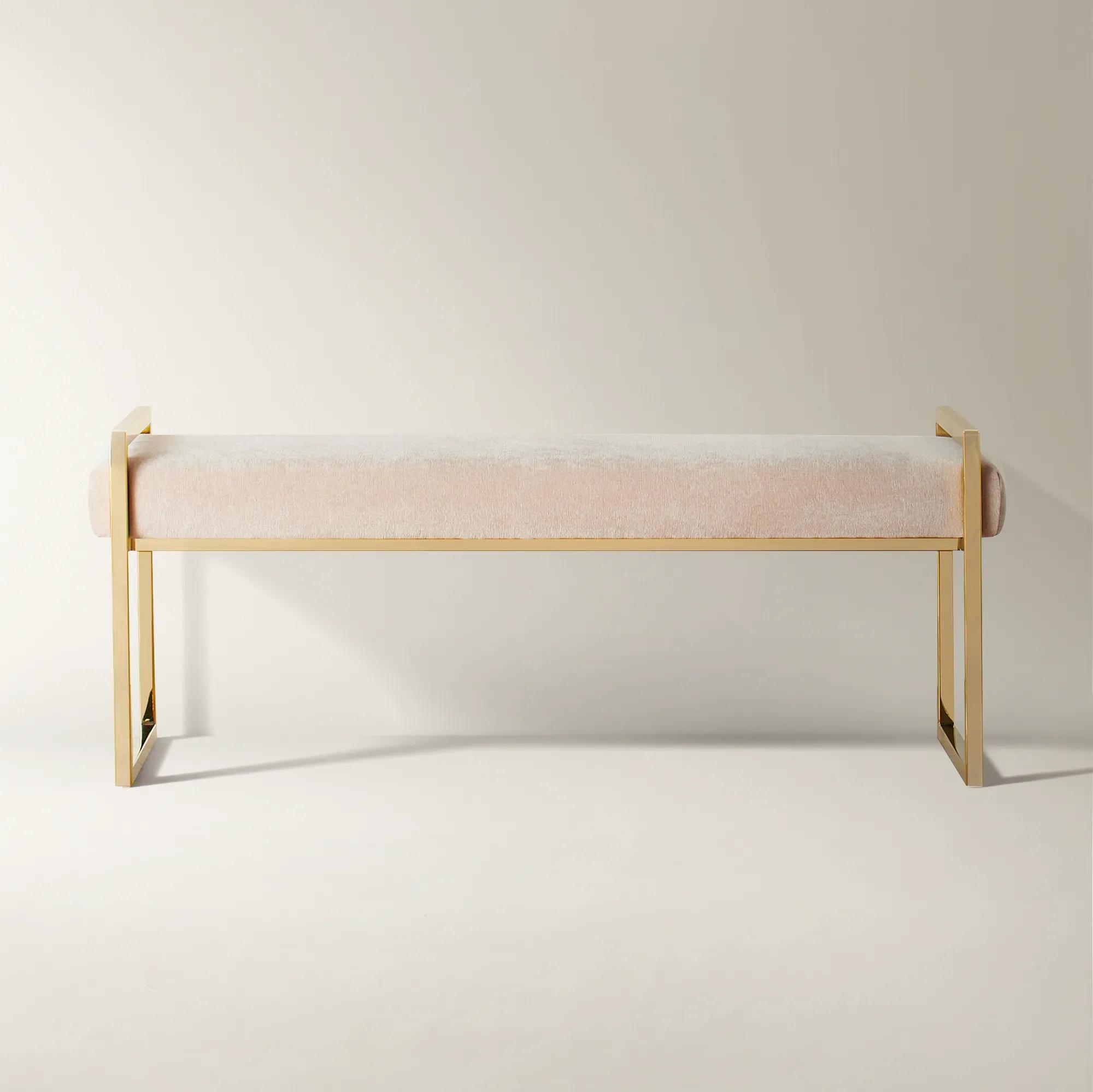 Clara Bench$699
A chic bench featuring a plush chenille seat and polished gold metal legs for modern elegance.
Add To Cart -
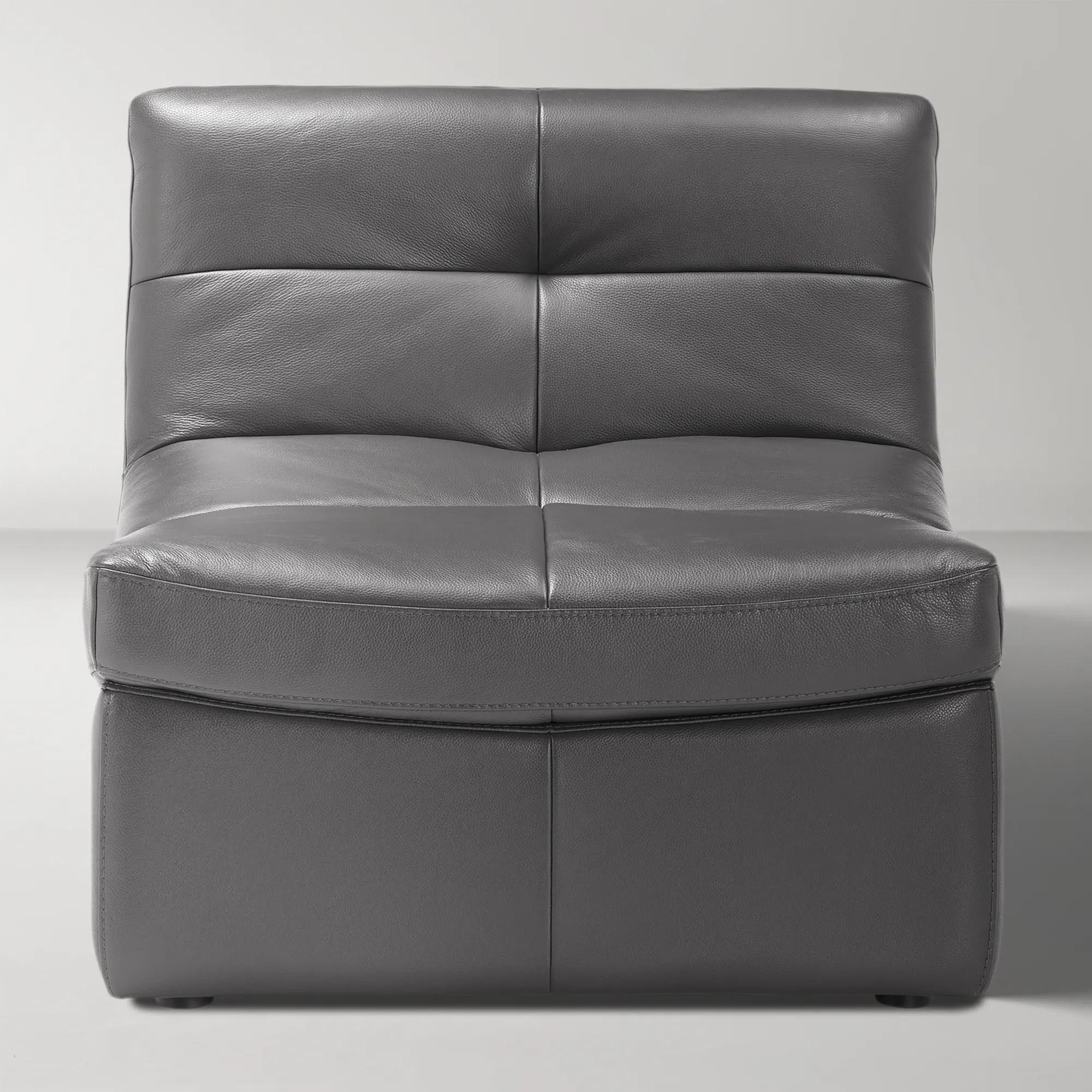
 Convo Charcoal Leather Armless Chair$1199
A modular sectional with kiln-dried hardwood frame and charcoal semi-aniline leather upholstery for modern versatility.
Add To Cart -
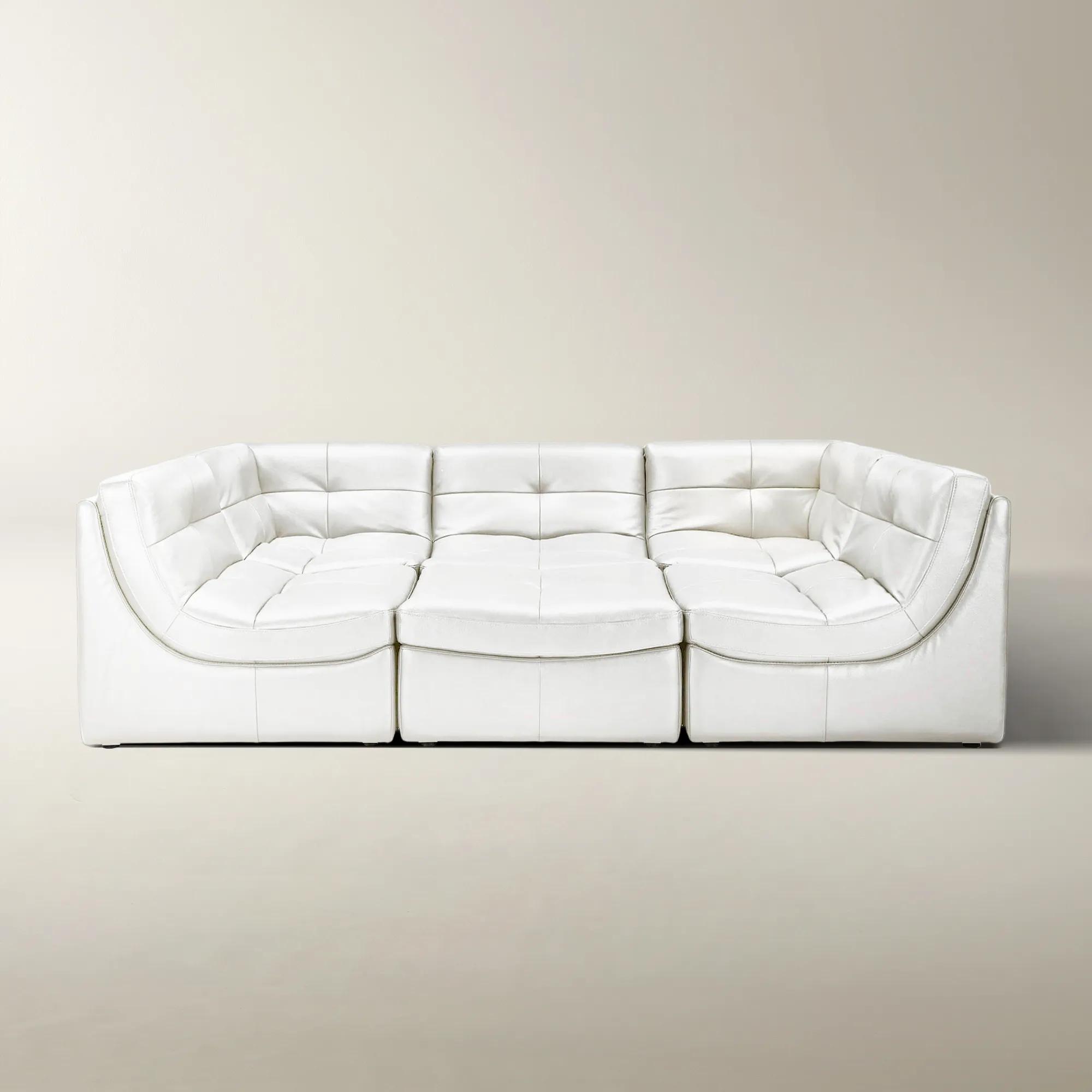 Convo 6-Piece White Leather Sectional Sofa$7249
A modular charcoal leather sectional with kiln-dried hardwood frame and gently curved, blind-tufted seats.
Add To Cart -
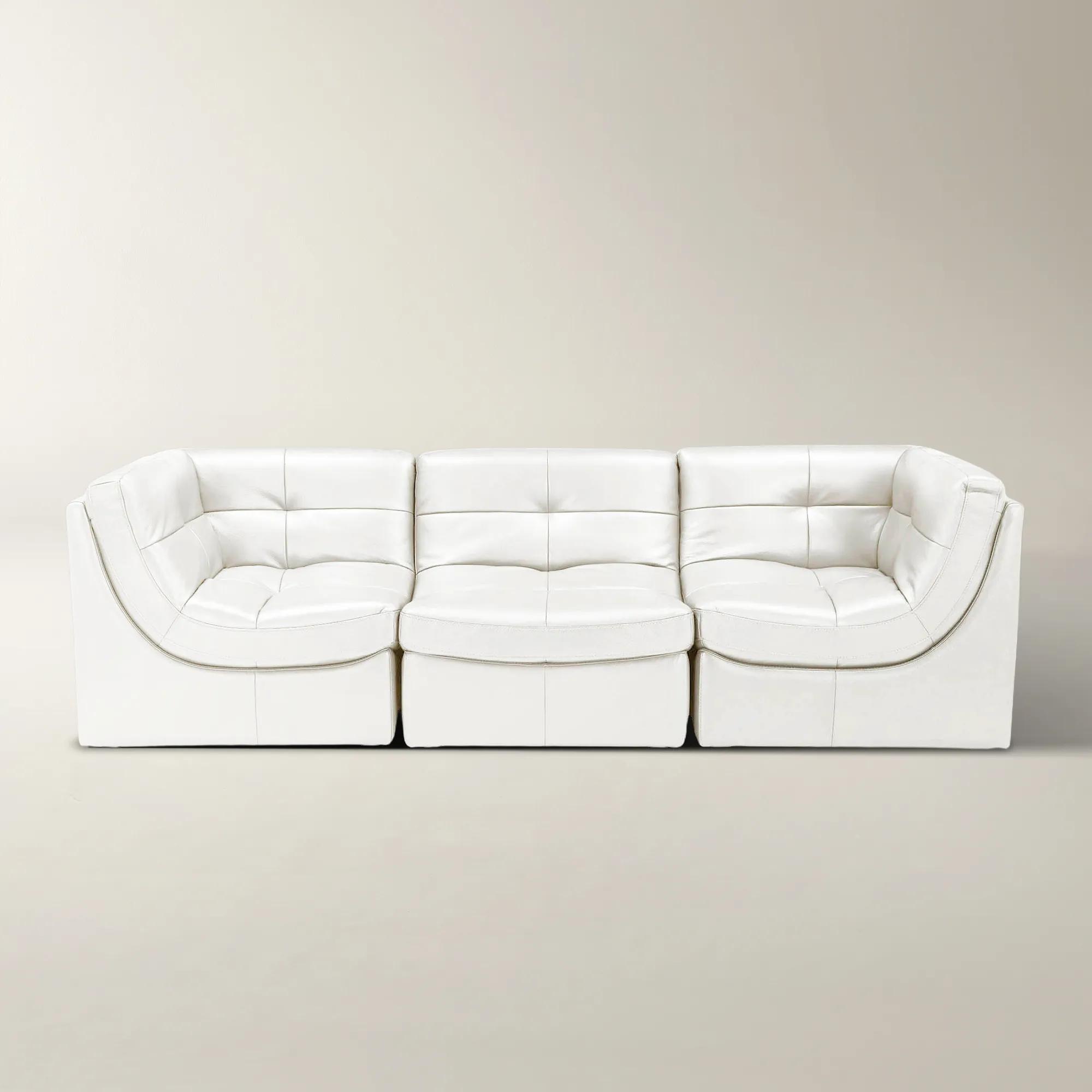 Convo 3-Piece White Leather Sectional Sofa$3999
A modular charcoal leather sofa with kiln-dried hardwood frame and blind-tufted, semi-aniline upholstery.
Add To Cart -
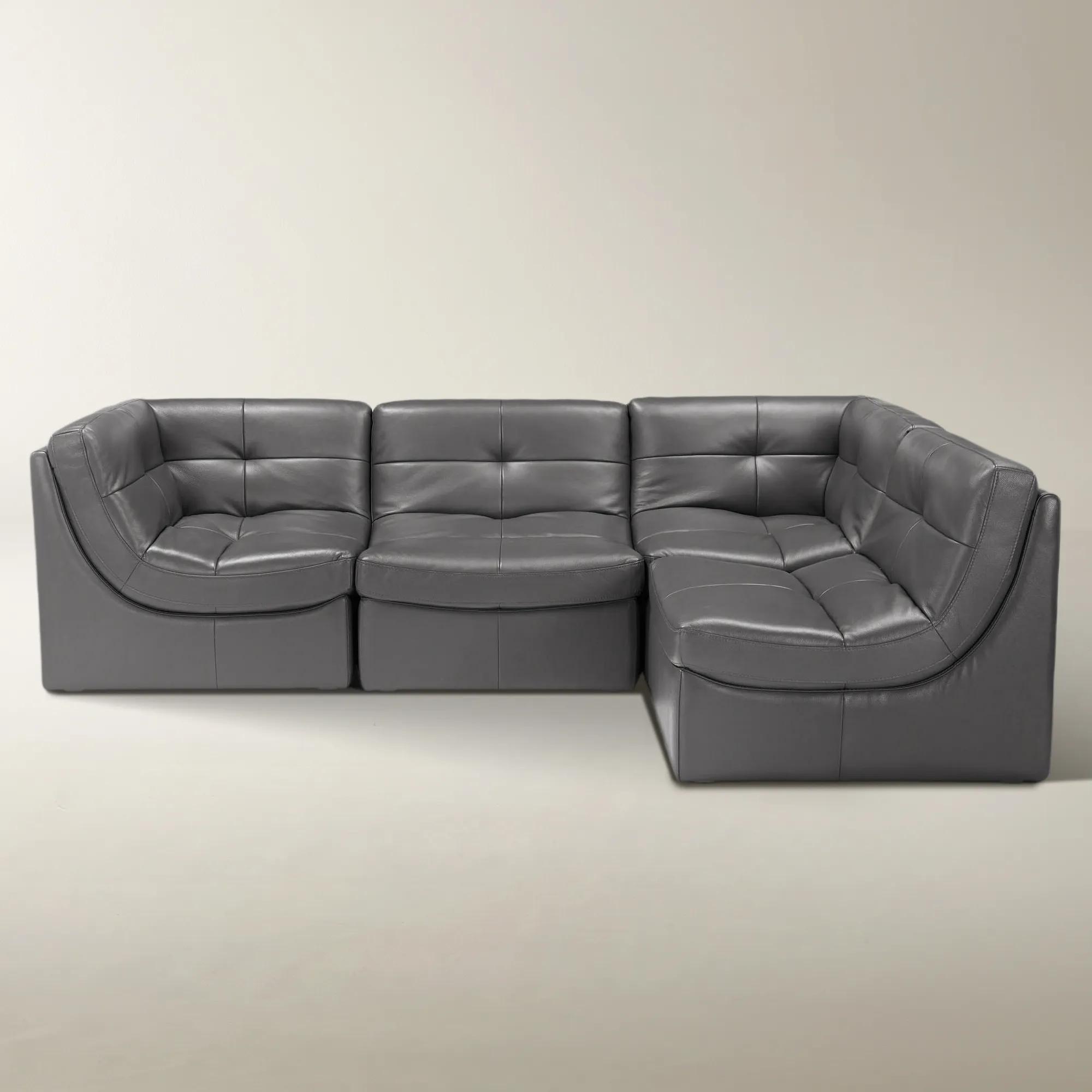 Convo 4-Piece L-Shaped Charcoal Leather Sectional Sofa With Armless Chair$5199
A modular charcoal leather sectional with kiln-dried hardwood frame and gently curved, blind-tufted seats.
Add To Cart -
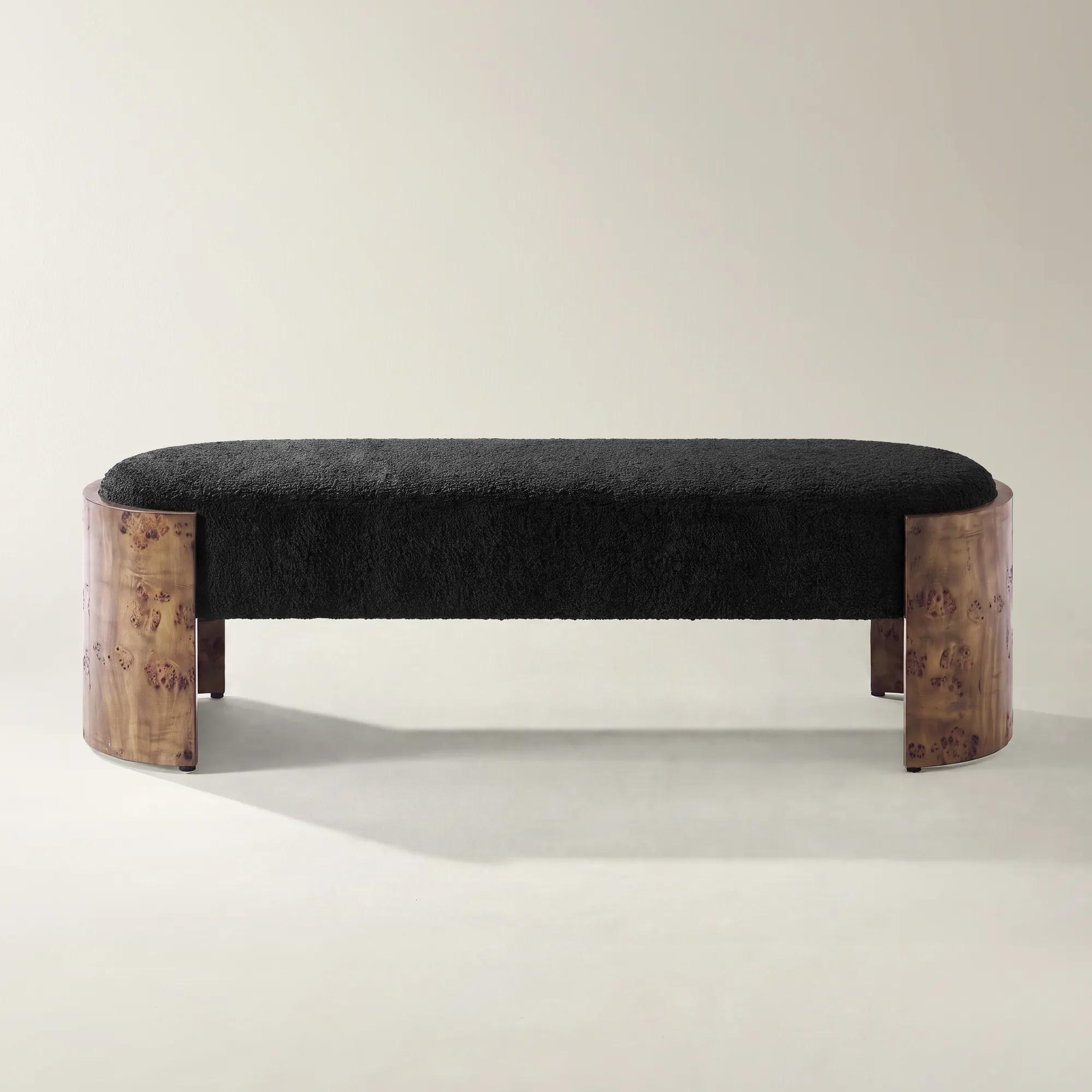 Cora Black Chenille With Ash Wood Bench (60.6")$999
A sculpted charcoal chenille bench featuring curved bookmatched ash burl panels and supportive foam cushioning.
Add To Cart -
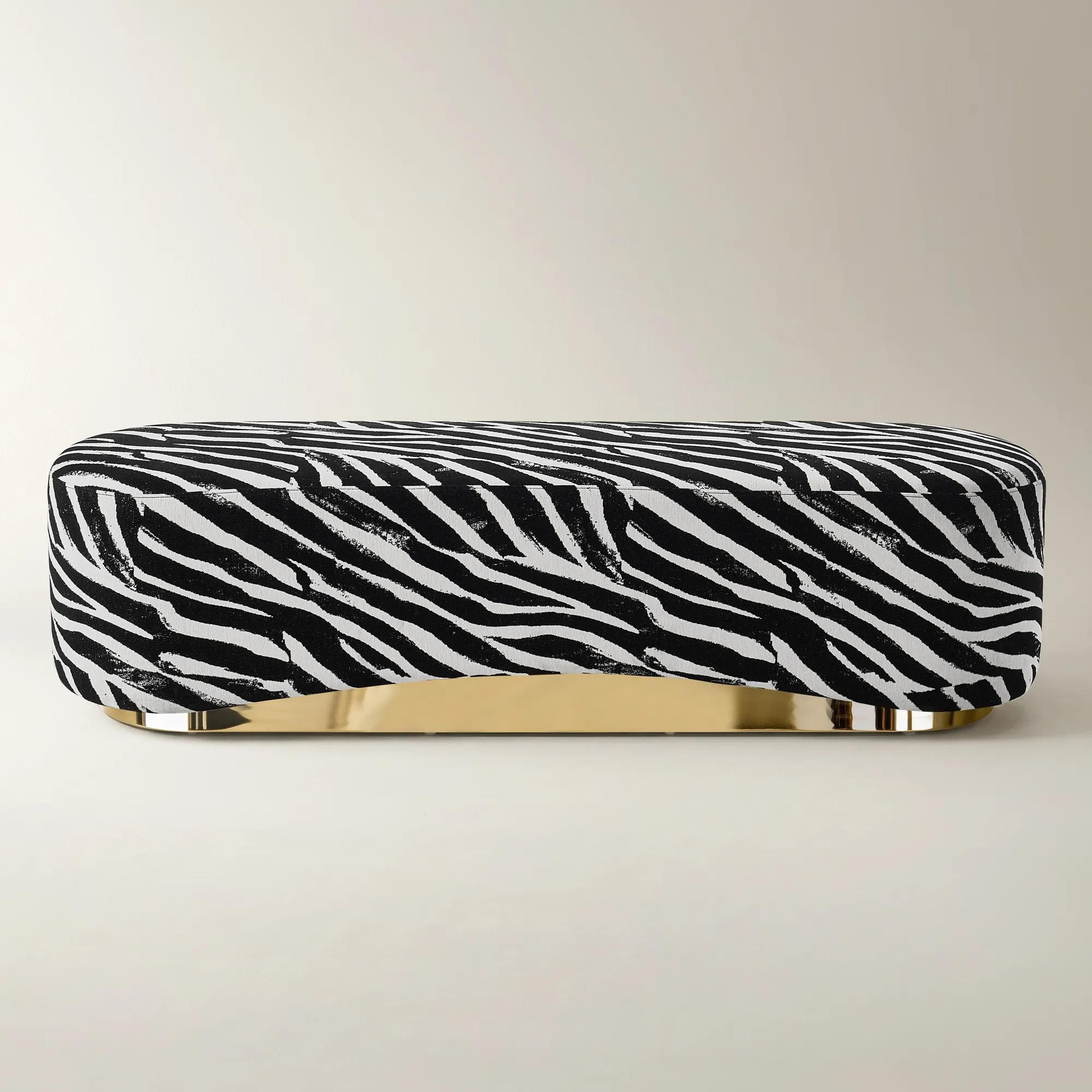
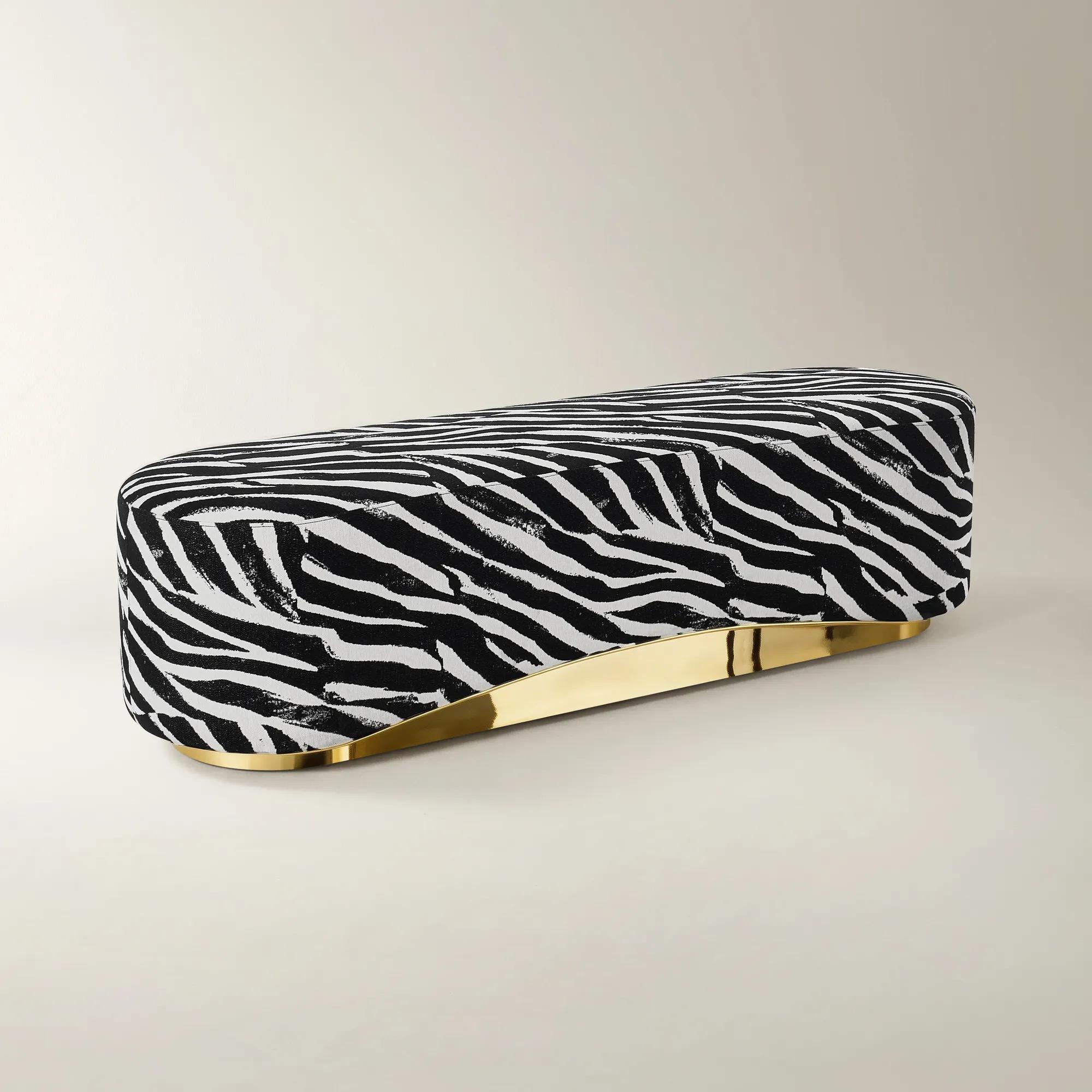 Kendra White/Black Performance Chenille Bench (70.47")$799
An elongated oval bench upholstered in white and black performance chenille with a polished gold stainless steel base.
Add To Cart -
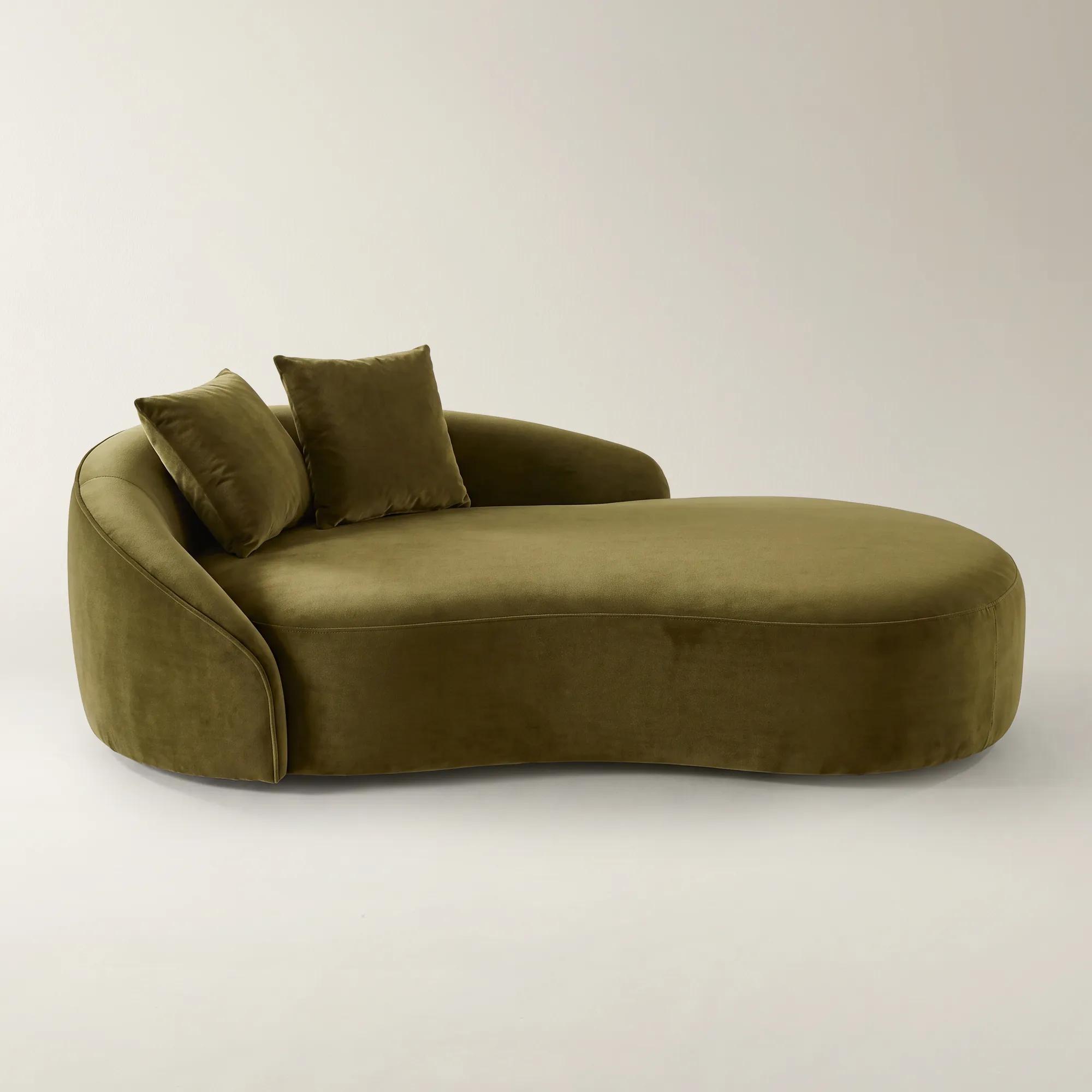
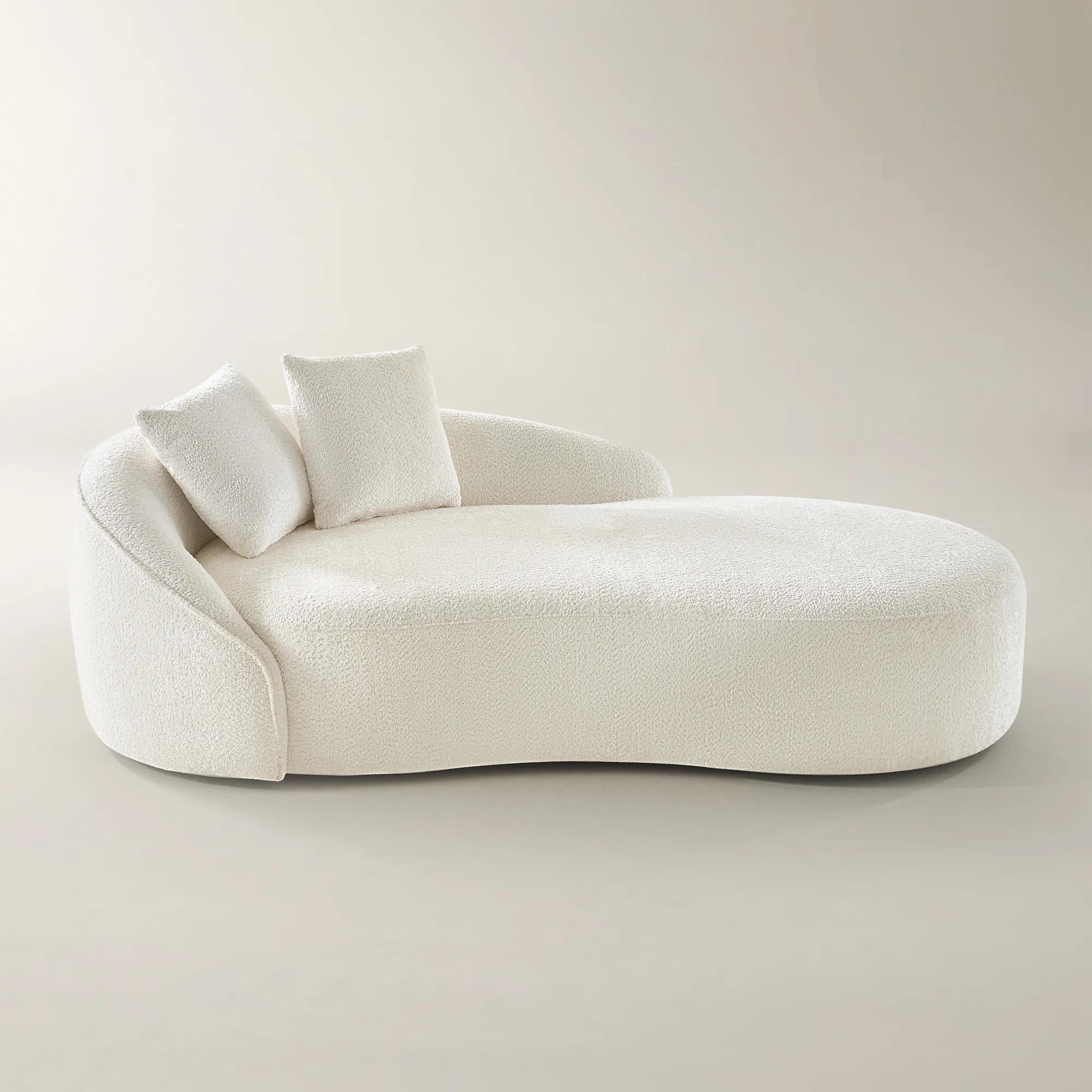 Irene Deep Olive Velvet Chaise$1899
A sculptural deep olive velvet chaise featuring high-resiliency foam cushions and artisan hand-finished upholstery.
Add To Cart -
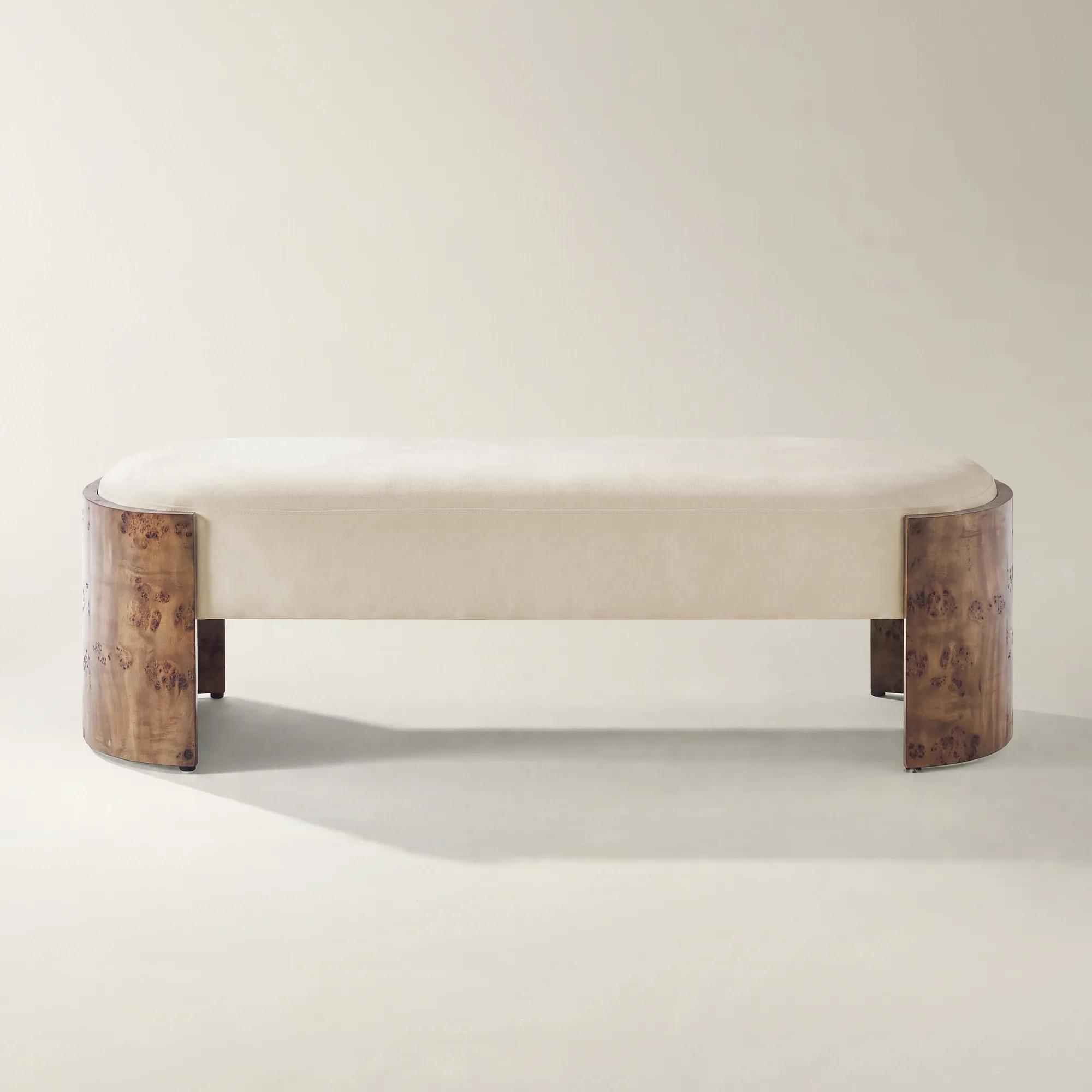
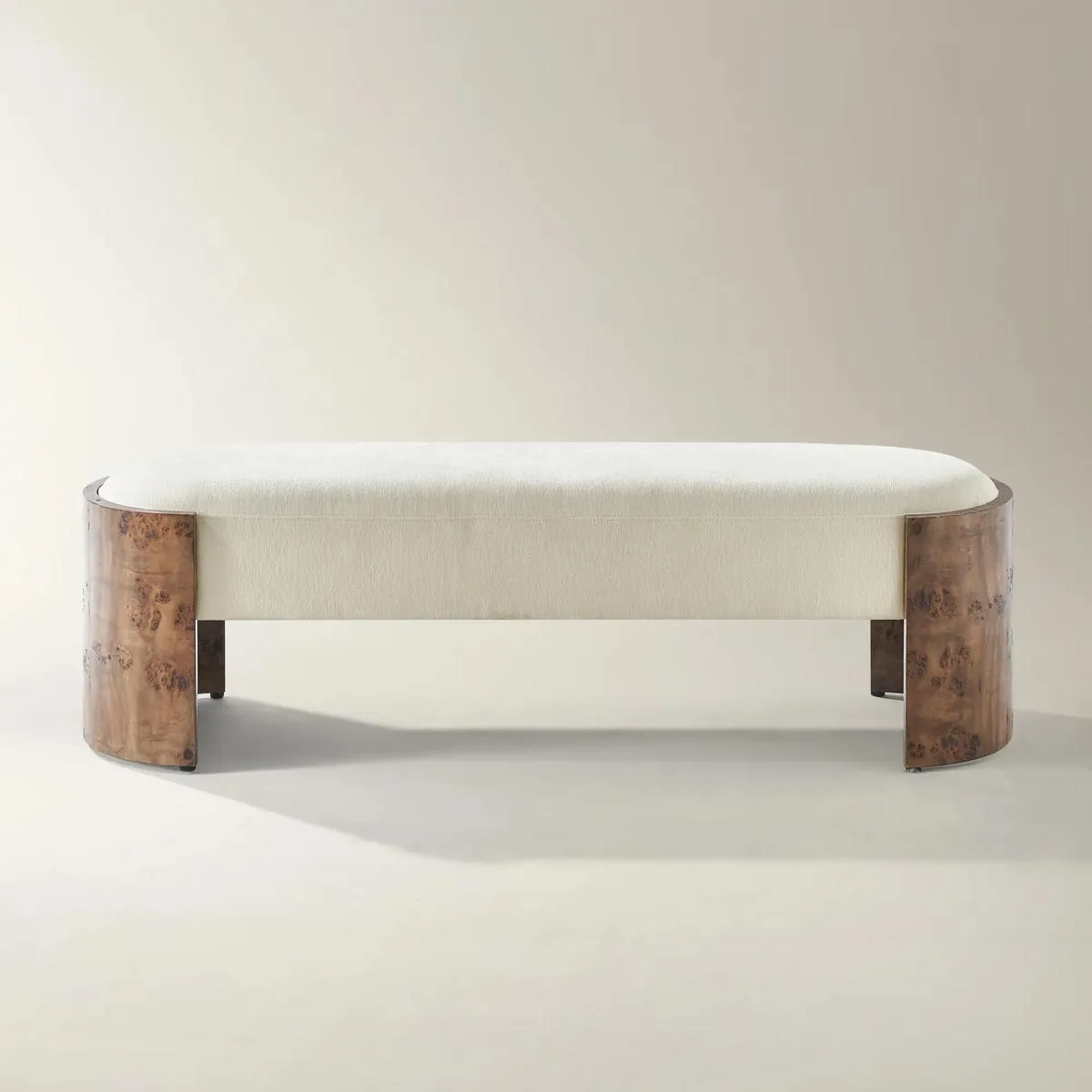 Cora Oatmeal Velvet With Ash Wood Bench (60.6")$999
A sculptural oatmeal velvet bench with curved ash burl wood panels and supportive foam cushioning.
Add To Cart -
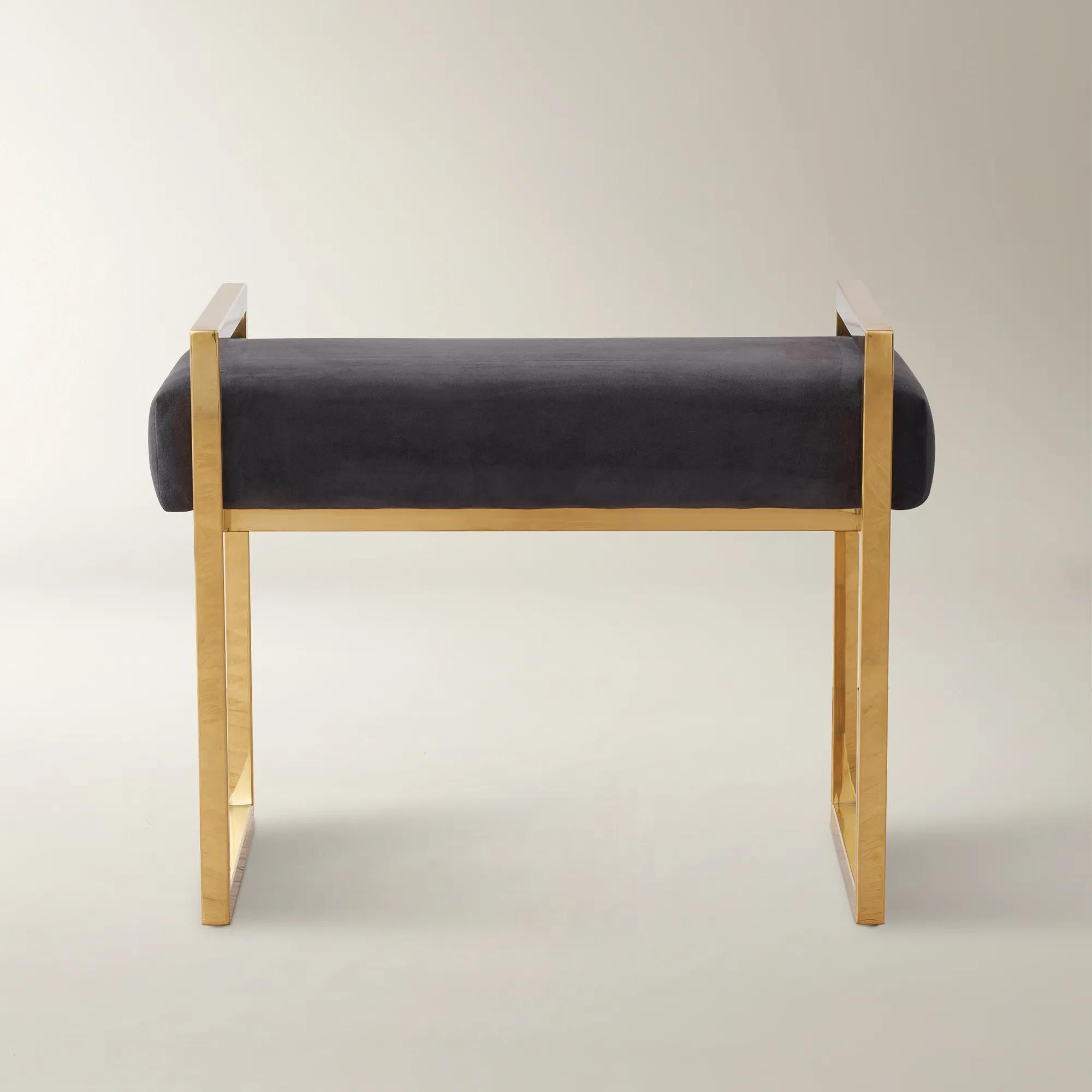
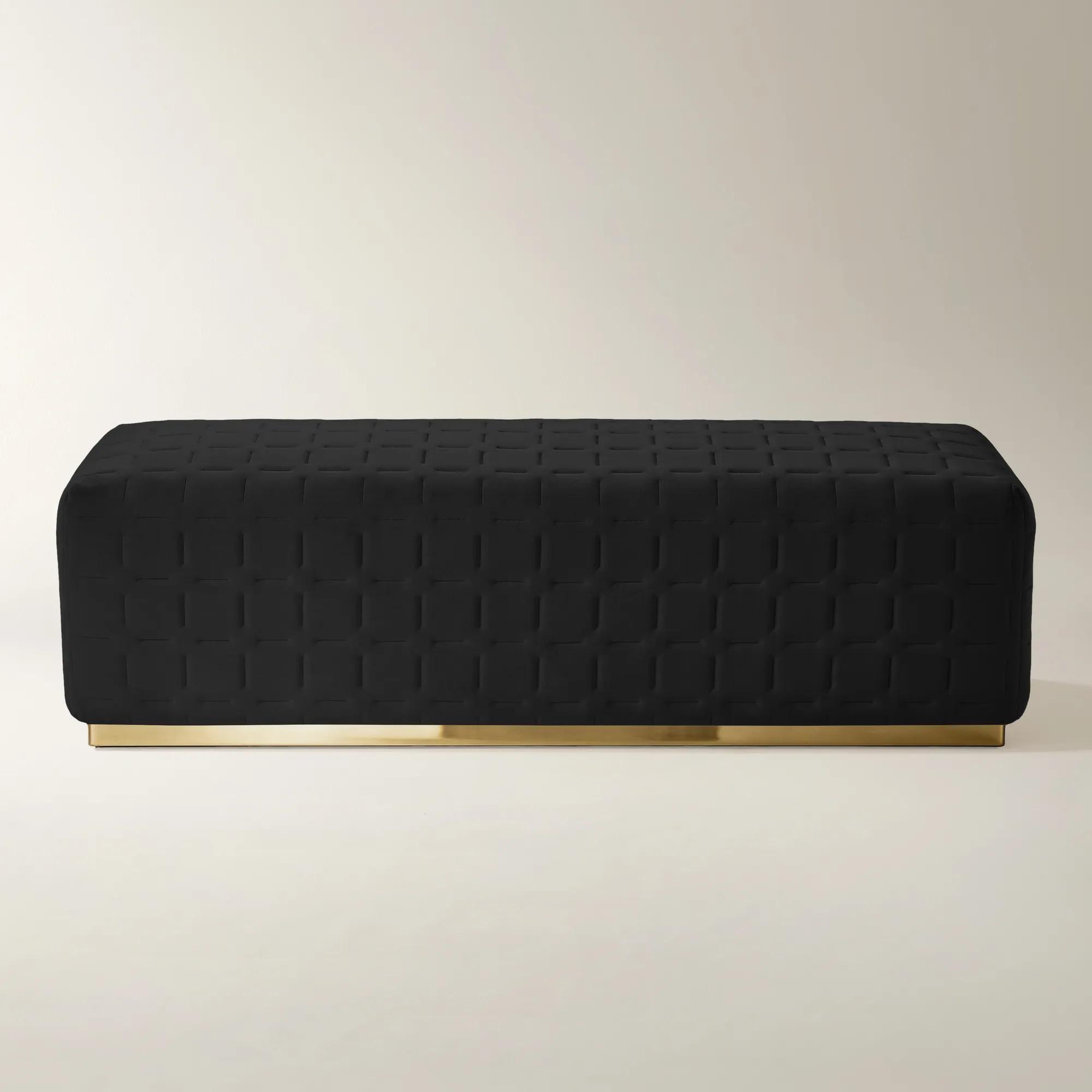 Vanta Quilted Charcoal Velvet Bench (64.6")$899
A charcoal velvet bench featuring checker quilted tufting and a gold stainless steel base for modern elegance.
Add To Cart -
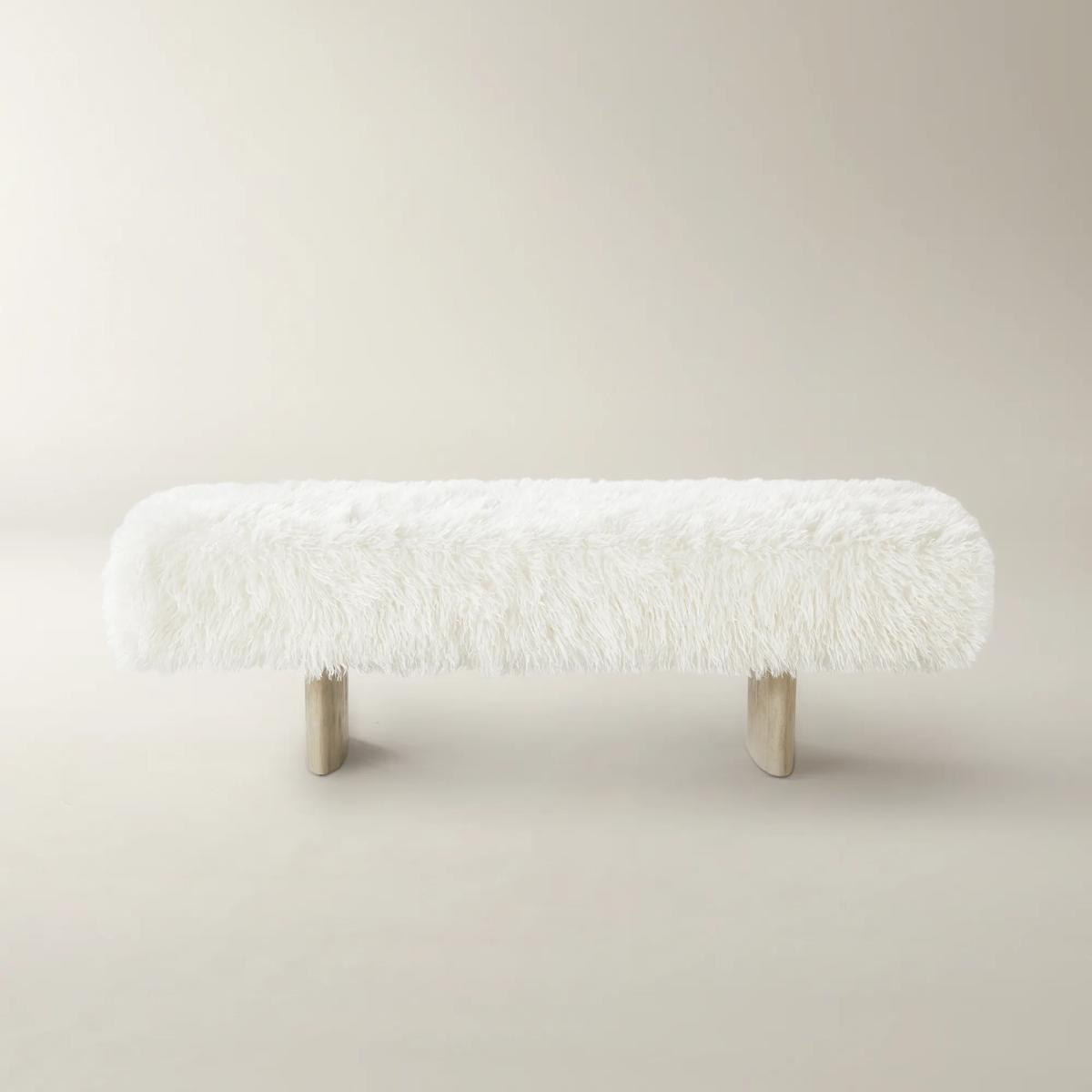 Micah Ivory Mongolian Faux Fur Bench With Rubberwood Legs (62.6")$699
An ivory faux Mongolian fur bench with high-density foam and sculptural solid rubberwood base for modern coziness.
Add To Cart -
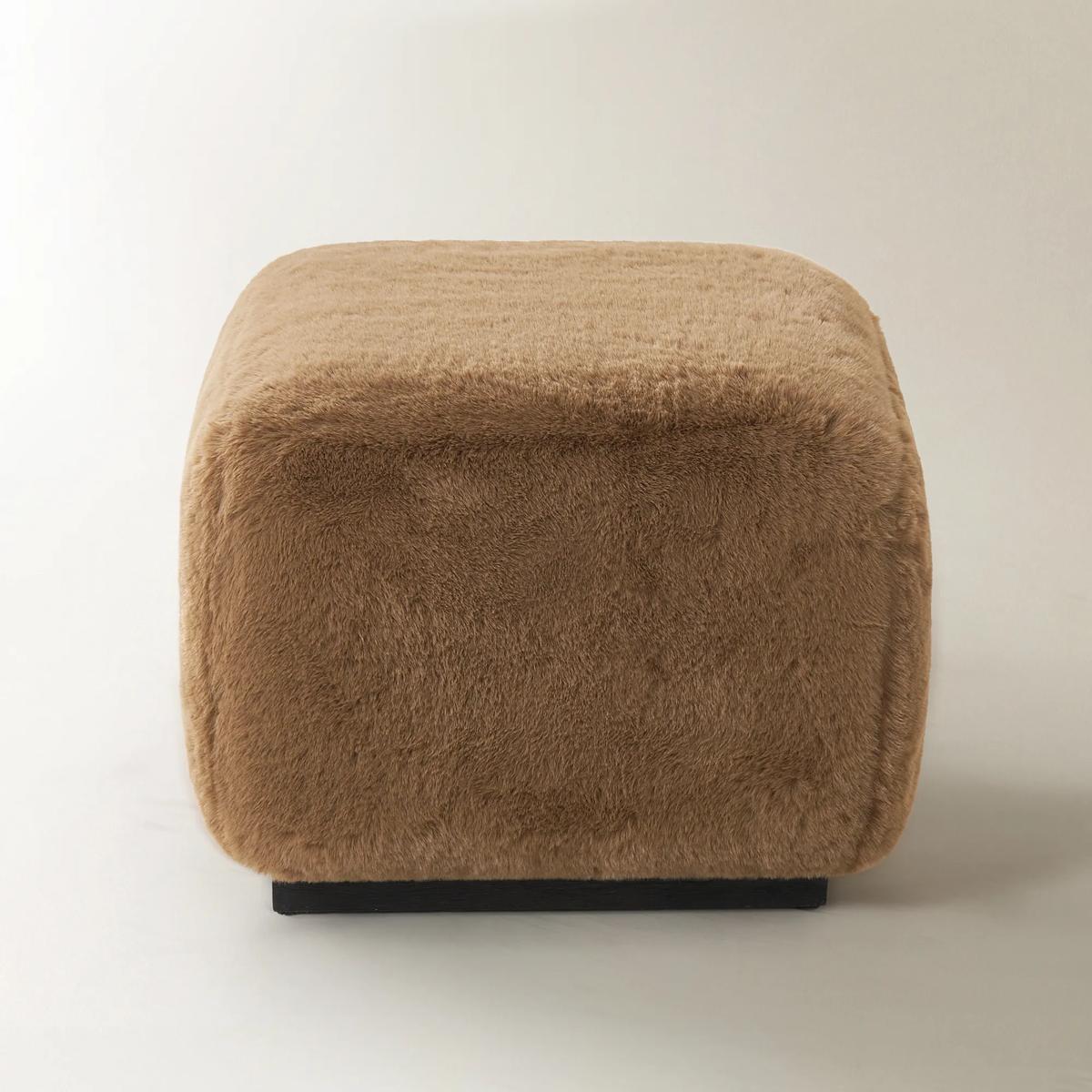
 Micah Tan Mongolian Faux Fur Bench With Rubberwood Legs (62.6")$699
A light brown faux fur bench with a curved rubberwood base and plush high-density foam cushion.
Add To Cart -
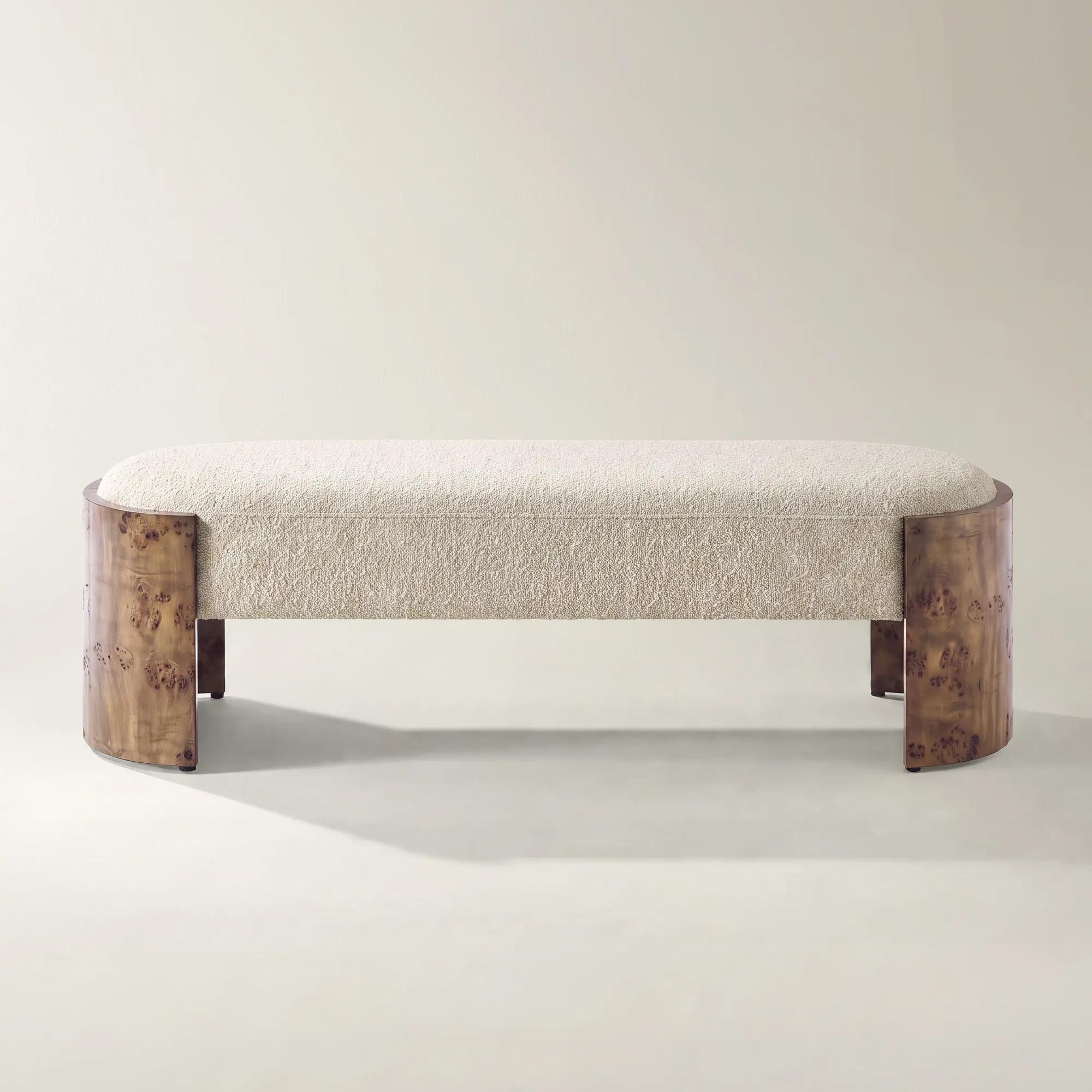 Cora Ivory Performance Boucle With Ash Wood Bench (60.6")$999
An ivory performance boucle bench with curved bookmatched ash burl panels and supportive foam cushioning.
Add To Cart -
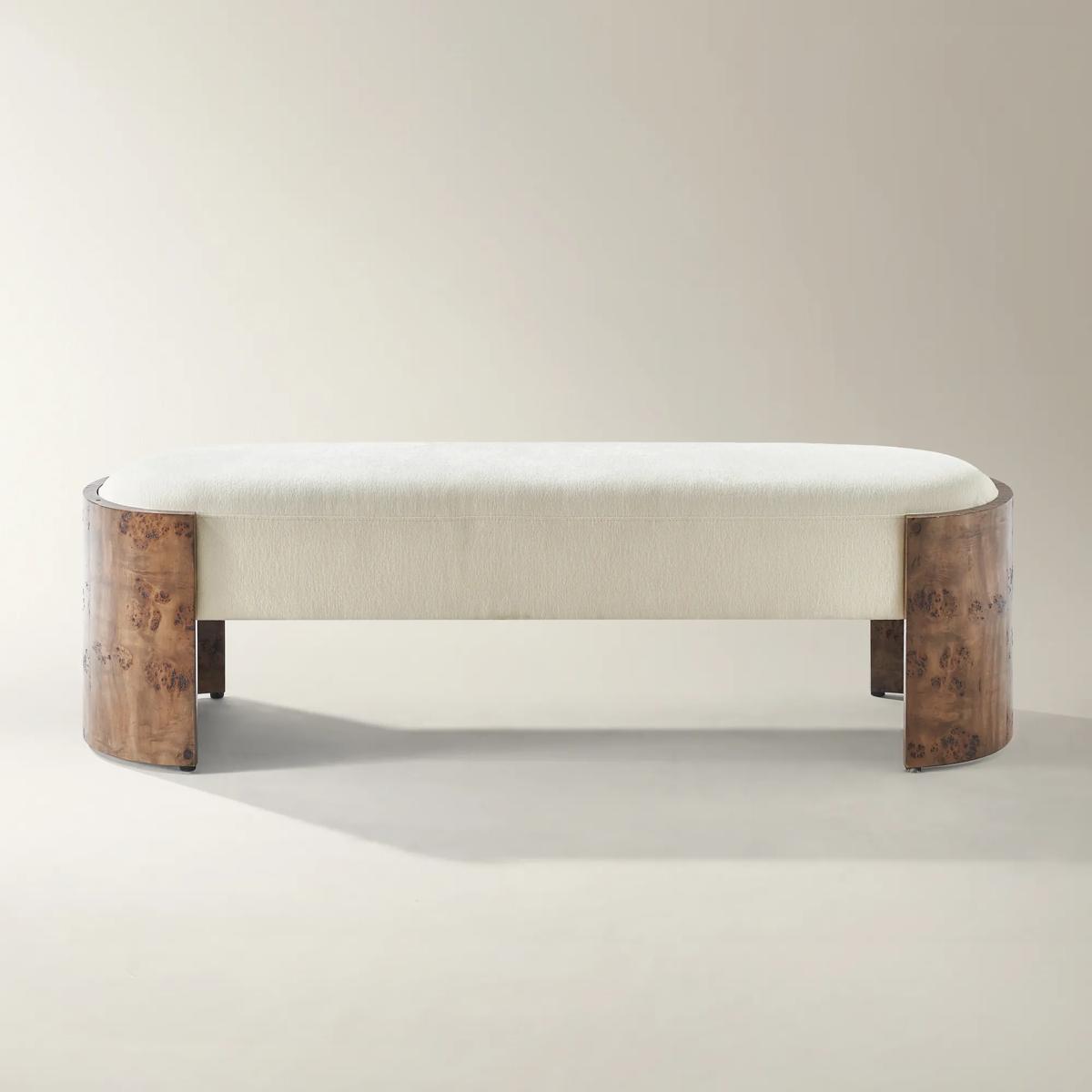 Cora Ivory Chenille With Ash Wood Bench (60.6")$999
An ivory chenille bench with curved ash burl veneer panels, blending plush comfort with striking wood artistry.
Add To Cart -
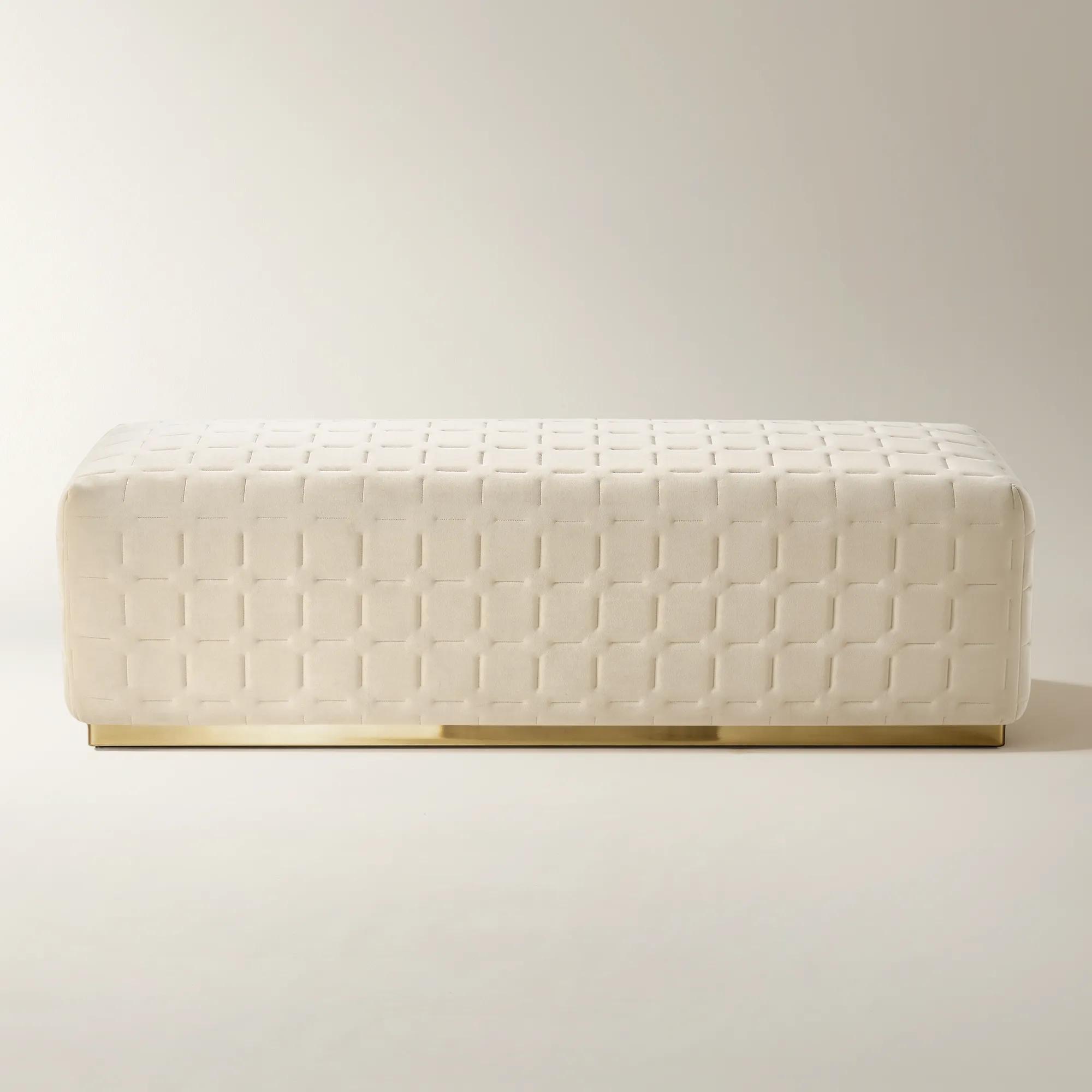
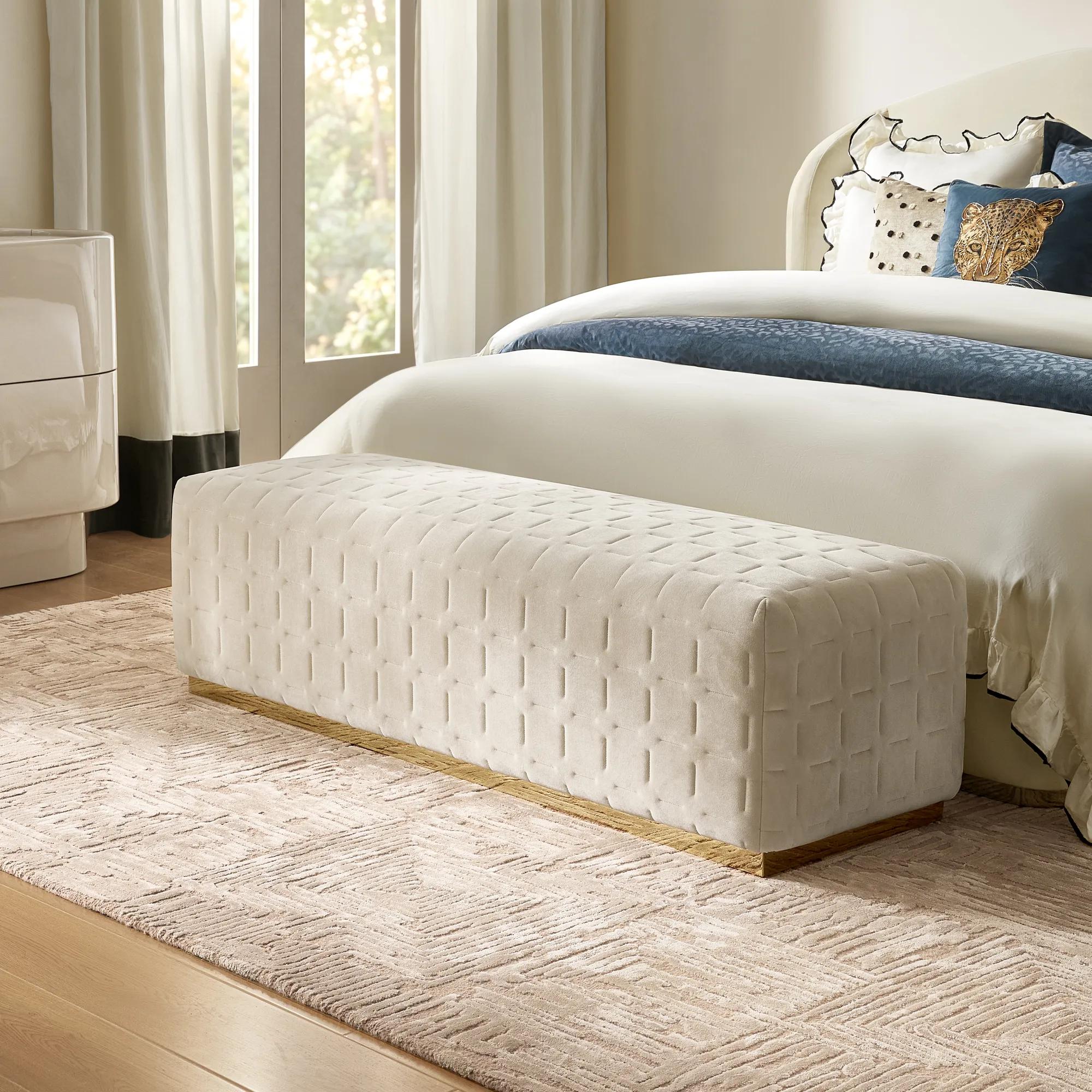 Vanta Quilted Oatmeal Velvet Bench (64.6")$899
A plush oatmeal velvet bench featuring checker quilted tufting and a sleek gold stainless steel base.
Add To Cart

Versatile Banquettes For Living Rooms
Versatile banquettes for living rooms redefine the art of gathering, inviting both intimacy and intrigue into your space. These sculptural seating statements blur the line between sophistication and functionality, transforming every corner into a destination for conversation, relaxation, or quiet reflection. Whether set beneath a cascade of natural light or nestled beside a dramatic accent wall, each banquette becomes an anchor—infusing your living room with tailored elegance and endless possibilities for creative expression. Let your home become the stage where comfort meets couture, and every moment lingers just a little longer.
Versatile banquettes for living rooms bring generous seating, a tailored footprint, and a distinctive sense of occasion to spaces made for conversation. A banquette is an elongated, bench-style seat, often upholstered and fitted with a back, that can sit along a wall, anchor a corner, or create a graceful boundary within an open-plan room. Unlike a collection of individual chairs, its continuous silhouette gives a seating arrangement visual rhythm without filling every available inch with separate furniture. A backed banquette can frame an intimate conversation area opposite a sofa, while a backless upholstered bench preserves sightlines between adjoining spaces. In a compact living room, wall placement can keep the center of the room open for a coffee table and comfortable circulation. In a larger room, a banquette beneath a substantial piece of art creates a deliberate destination rather than leaving the perimeter disconnected from the main seating group. Picture a richly upholstered seat against a deep-toned wall, with a sculptural side table at one end and a gleaming floor lamp casting light across the fabric. The effect is polished, but the purpose is personal: a place for guests to settle into conversation, pause over a book, or gather near the room’s central activity. Corner configurations, where the design allows, can turn an underused recess into a sociable lounge area. Designs with integrated storage offer another layer of function, providing a discreet home for throws or occasional-use accessories; storage is a feature to confirm rather than an assumption about every banquette. For households that entertain, this style of seating can welcome several people along one continuous surface, though usable capacity depends on the seat’s dimensions and stated limits. For smaller households, the same piece can serve as a sculptural accent with everyday purpose. Its versatility comes from the relationship between proportion, placement, and comfort—not simply from how many roles a single seat can perform.
Upholstery sets the emotional register of a living room banquette, giving a simple architectural form its richness and character. Velvet catches light differently across its pile, creating a dimensional surface that feels especially expressive beside lacquered tables, metallic accents, or dramatic artwork. A textured woven fabric introduces a softer visual counterpoint to polished finishes, while smooth leather offers a defined surface whose character depends on its particular finish and care requirements. Pale upholstery can make a substantial seat feel luminous; saturated color gives it the presence of a focal point. Tufting, channeling, welted edges, and a sculpted back each shape the silhouette differently, so the strongest choice is not necessarily the most embellished, but the one that complements the room’s existing lines. Deep channels can echo architectural paneling, for example, while a clean upholstered back can give ornate accessories room to command attention. Comfort deserves equal consideration. An upright back and a relatively shallow seat tend to support conversation, whereas a deeper seat may feel more lounge-oriented, particularly with supportive cushions. Firmness is a matter of construction and preference: resilient padding can help a seat retain its tailored appearance, while a softer cushion may invite a more relaxed posture. Frame construction, joinery, suspension, and upholstery quality all contribute to durability, especially when the banquette will serve as everyday seating rather than an occasional accent. Solid wood and engineered wood components can serve different structural purposes, making the overall build more meaningful than a single material label. In homes with children, pets, or frequent company, tightly woven upholstery or performance fabric, when specified, may be worth considering alongside the manufacturer’s cleaning instructions. Performance claims vary, and no upholstery should be assumed to resist every stain, scratch, or spill. Removable covers, reversible cushions, and replaceable components can also influence long-term practicality when those features are part of the design. The ideal balance allows expressive materials to remain part of daily life rather than feeling reserved for rooms that are rarely used.
Scale determines whether a banquette feels elegantly integrated or simply placed in a room. Its overall width matters, but so do seat depth, back height, arm shape, and the space needed around it. A long, low silhouette can complement expansive artwork without competing with it, while a taller back creates a more enveloping presence and may conceal part of a window or architectural detail. In a narrow room, a shallower profile can preserve a comfortable route between seating and nearby furniture. Along a wall, baseboards, outlets, floor vents, and projecting trim can affect how closely the piece sits and how the surrounding space functions. For an arrangement centered on a coffee table, the distance between the seat and table should allow guests to move naturally without making refreshments awkward to reach. Seat height also influences how comfortably a banquette pairs with adjacent chairs and sofas; similar heights can make a mixed seating group feel more cohesive. Measuring delivery routes, doorways, stair turns, and elevator interiors is just as important as checking the final placement, particularly for a long upholstered frame. Across Versatile Banquette Seating Solutions, the appeal lies in seating that can connect spaces visually while giving each arrangement a defined purpose. That purpose should remain consistent with the design: a living room banquette is intended for seated use, not automatically for sleeping, standing, or supporting the weight of objects placed on an open storage lid. Ongoing care protects both appearance and comfort. Regular vacuuming with an appropriate upholstery attachment helps remove dust from seams and creases, while prompt blotting and care-label guidance are safer starting points for spills than an improvised cleaning treatment. Direct sunlight can affect some fabrics and leather finishes, and dragging a substantial frame can strain joints or damage flooring. With thoughtful placement and material-appropriate care, a banquette becomes more than additional seating: it gives the living room a composed, expressive place to gather.
FAQs
A banquette brings an elevated sense of artistry and versatility to living rooms, offering both visual drama and functional comfort. Unlike standard seating, banquettes can define a space, create intimate nooks, and serve as a sculptural focal point, all while providing ample seating for gatherings or quiet moments of relaxation.
Banquettes shine as a canvas for creative styling. Dress them up with plush velvet throws and metallic accent pillows for glamorous evenings, or layer on tactile linens and soft neutrals for a more relaxed, inviting atmosphere. The adaptable nature of a banquette makes it easy to refresh your look with the changing seasons or your evolving tastes.
A banquette is a thoughtful, show-stopping gift for anyone who loves to entertain, cherishes comfort, or delights in expressive home design. It’s especially meaningful for new homeowners, newlyweds, or those looking to transform their living space into a haven of style and warmth.
Absolutely. While they make a stunning statement in living rooms, banquettes are equally at home in dining areas, entryways, bedrooms, or even home offices. Their versatility allows them to adapt to a variety of settings, bringing elegance and function wherever they’re placed.
Modern banquettes often feature luxurious materials such as velvet, linen, or leather upholstery, paired with details like deep tufting, gleaming metallic legs, or sculptural wood bases. These finishes not only add tactile richness and visual intrigue but also allow you to personalize your space with a touch of glamour or understated sophistication.