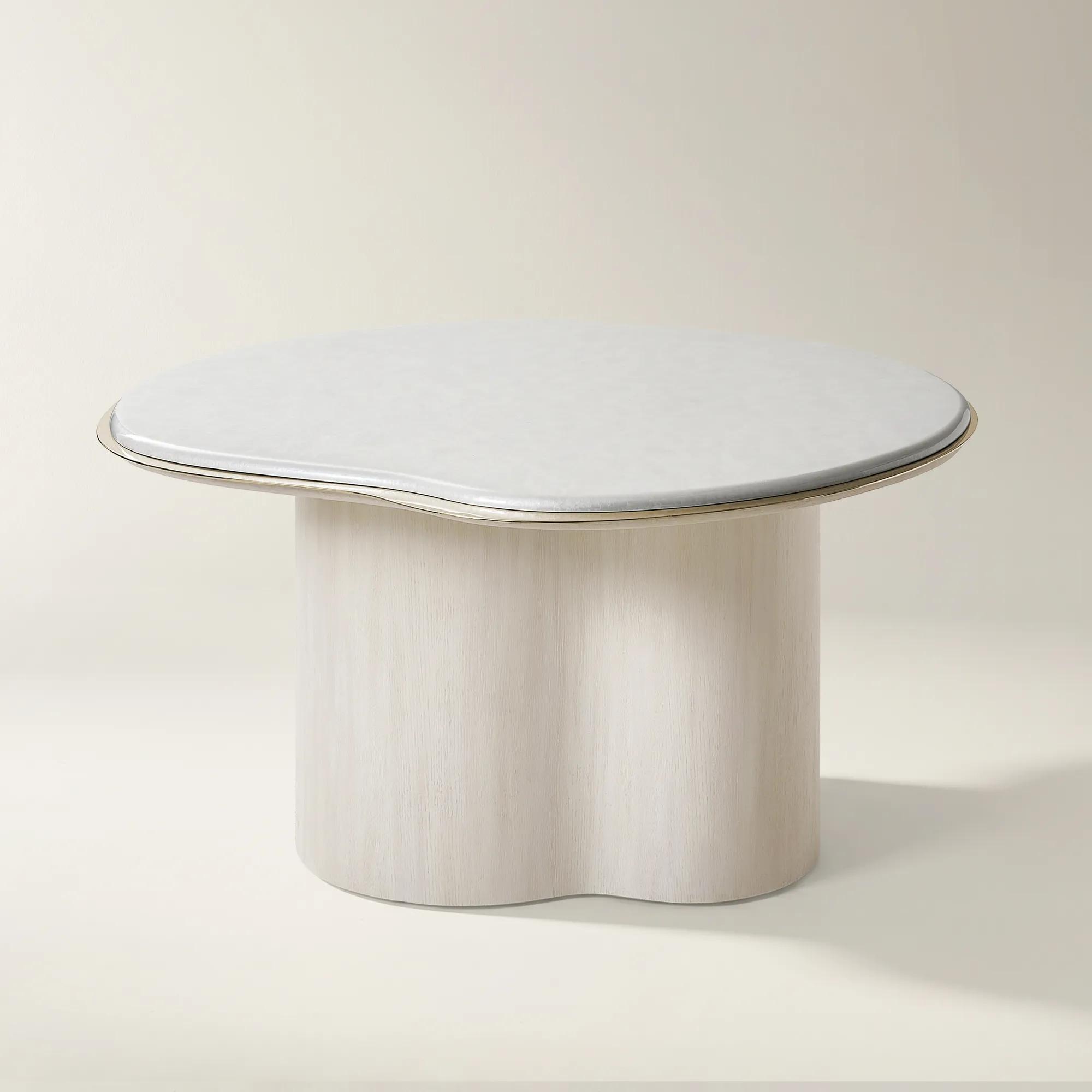
Ideas For Open Concept Dining Areas
Ideas For Open Concept Dining Areas
-
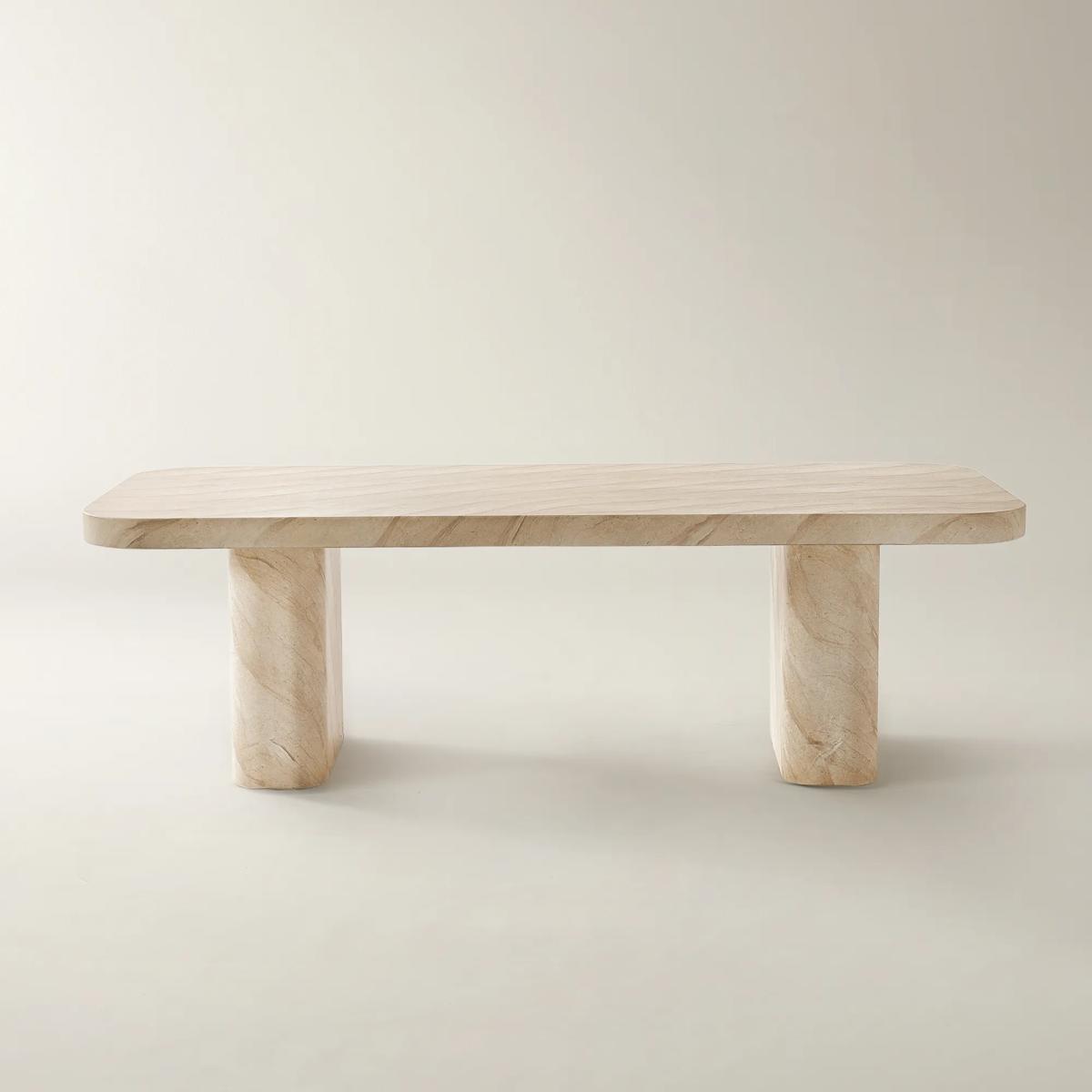
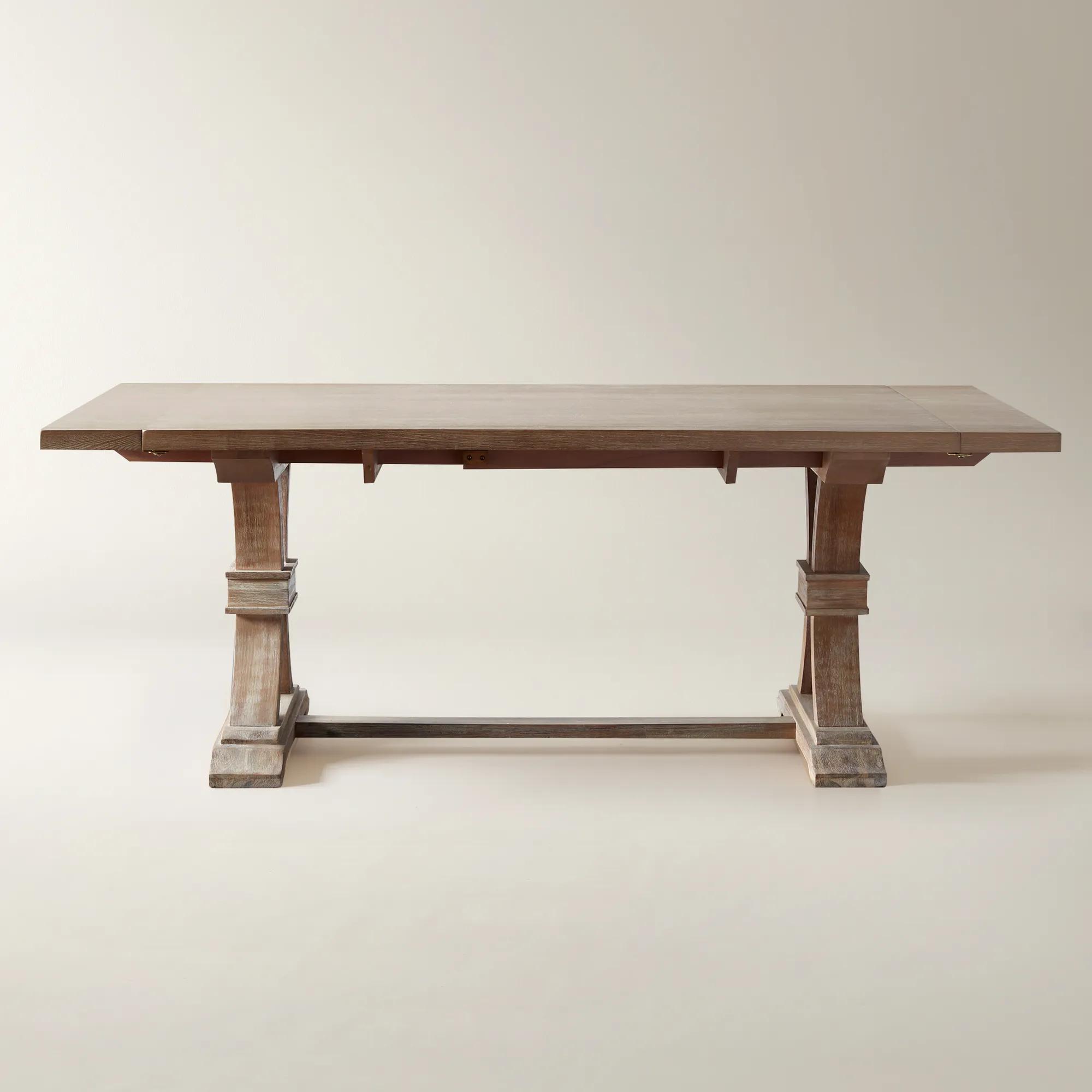 Archer Rectangular Whitewashed Acacia Wood Extending Dining Table (78" - 110")$2499
An extending dining table crafted from kiln-dried hardwood with a whitewashed oak finish and acacia veneer.
Add To Cart -
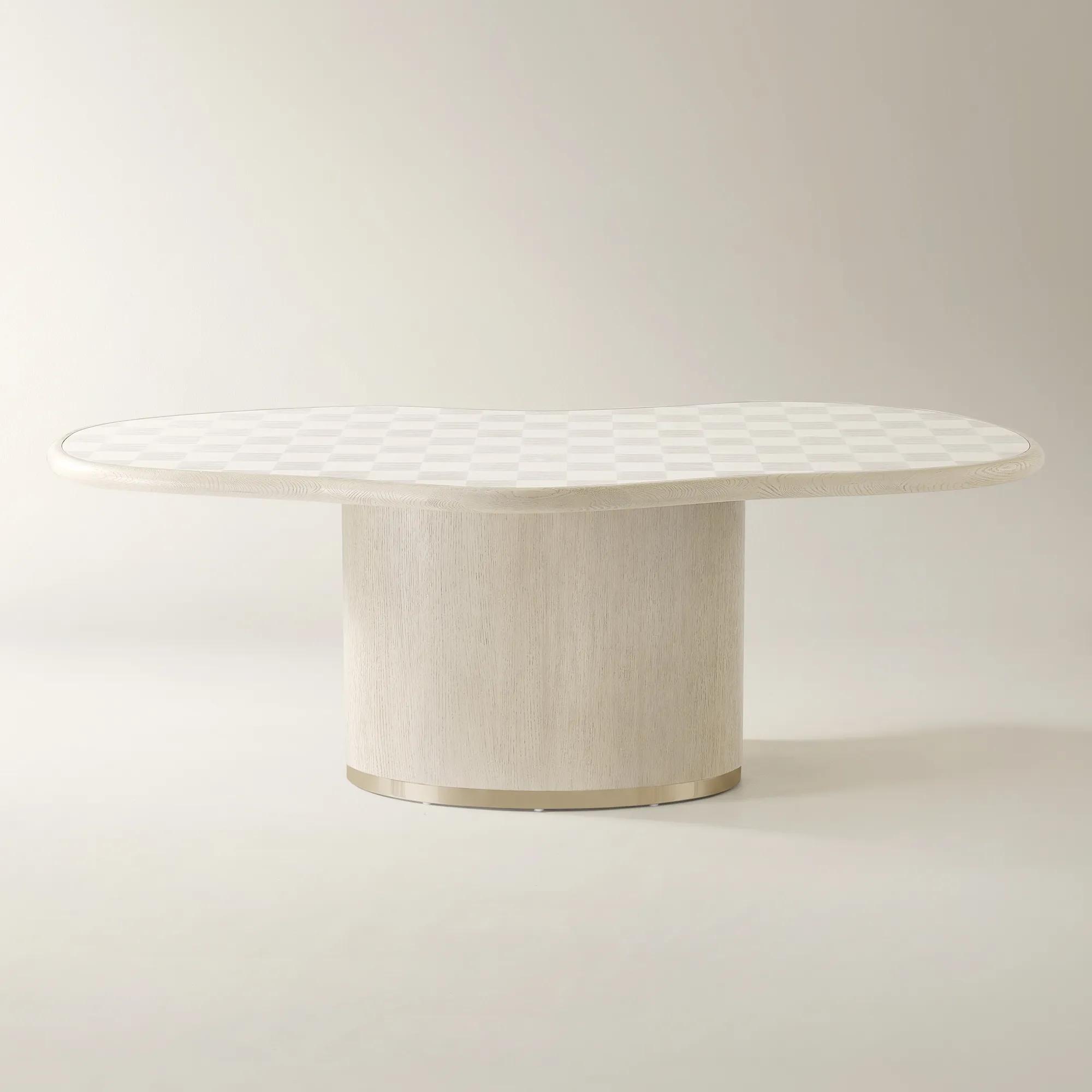
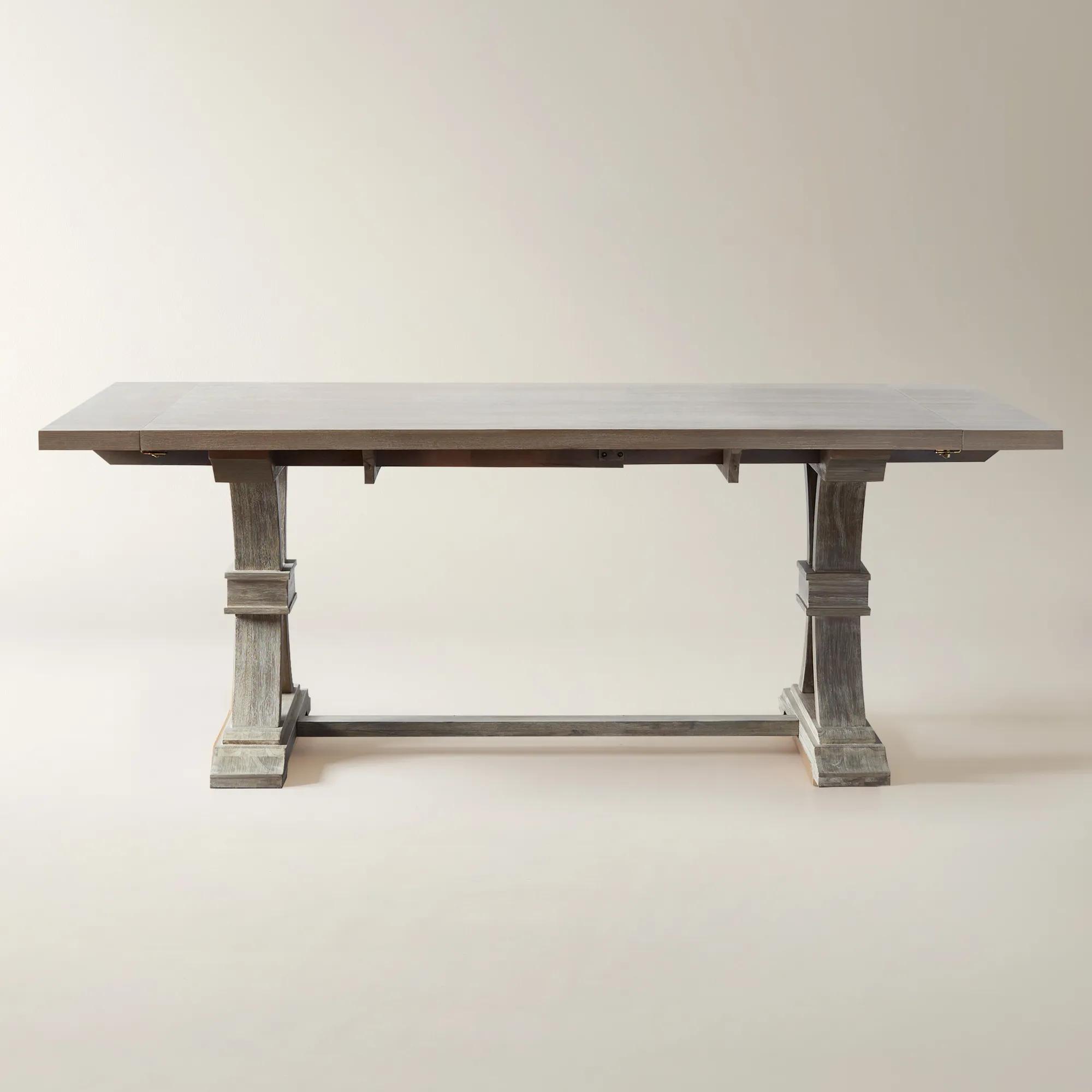 Archer Rectangular Grey Acacia Wood Extending Dining Table (78" - 110")$2499
A weathered grey acacia wood dining table with removable leaves and a kiln-dried hardwood frame.
Add To Cart -
.jpeg?w=1200&h=1200)
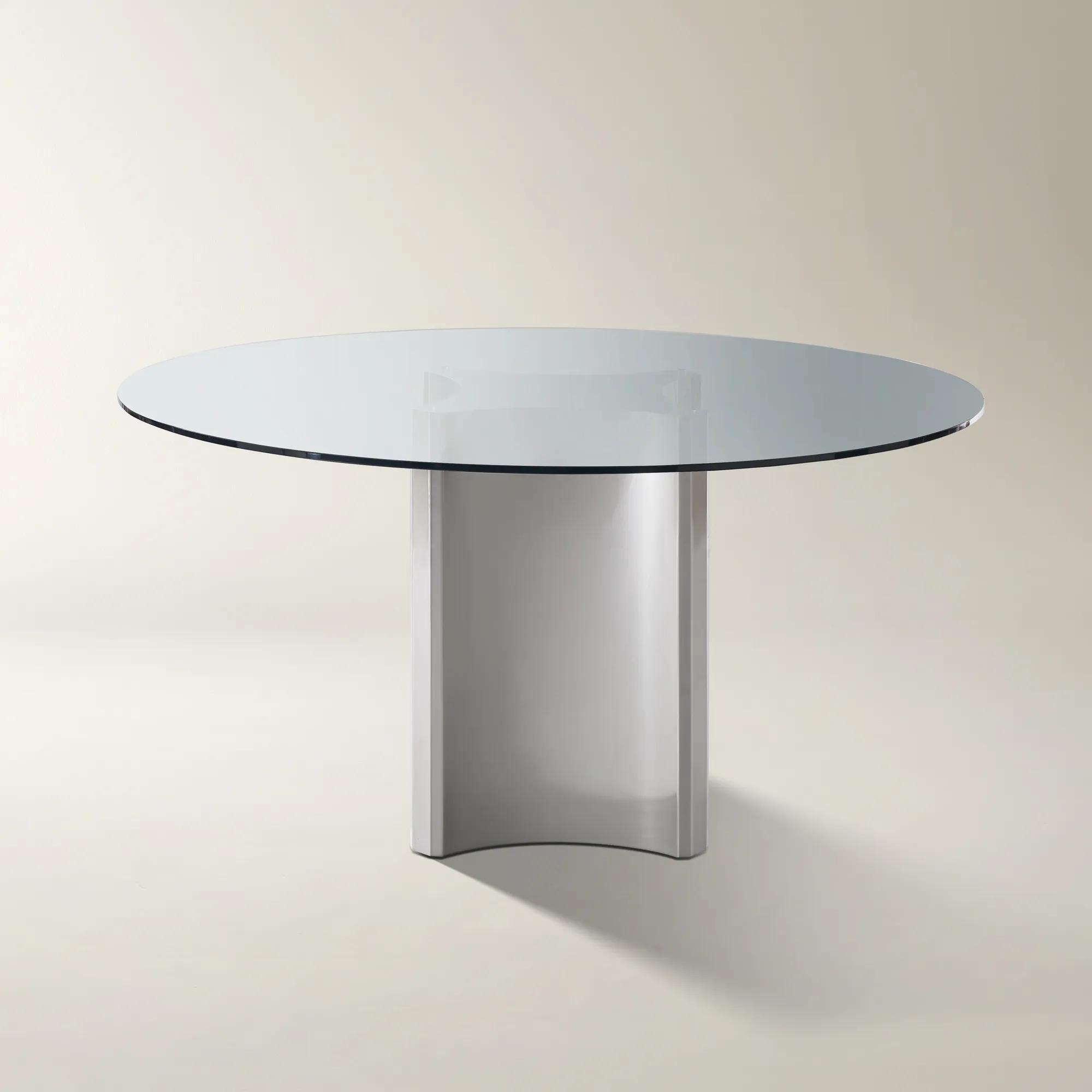
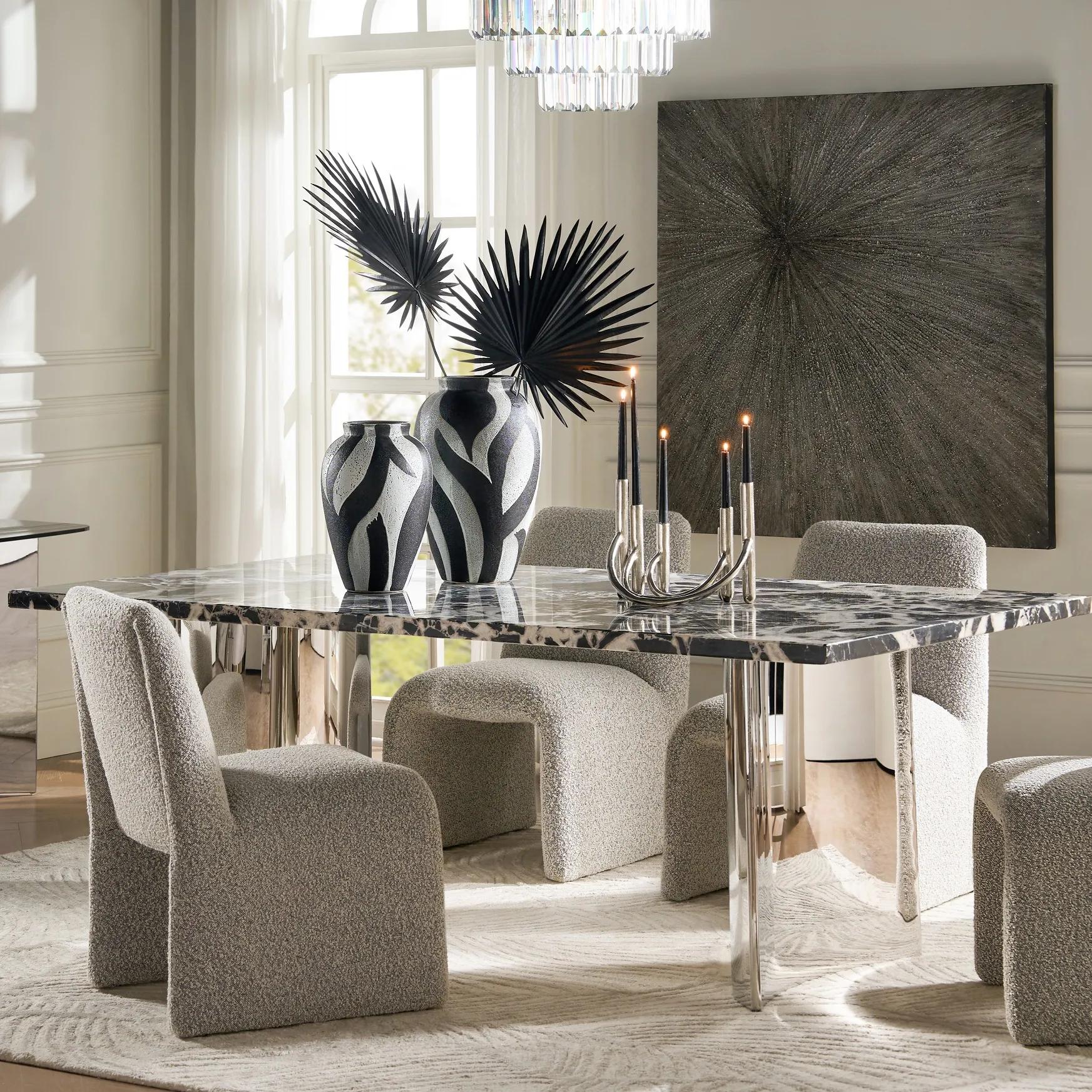 Muscat Rectangular Black Marble Dining Table With Stainless Steel Base (84")$3099
A dramatic black marble dining table with unique veining and a polished stainless steel base.
Add To Cart -
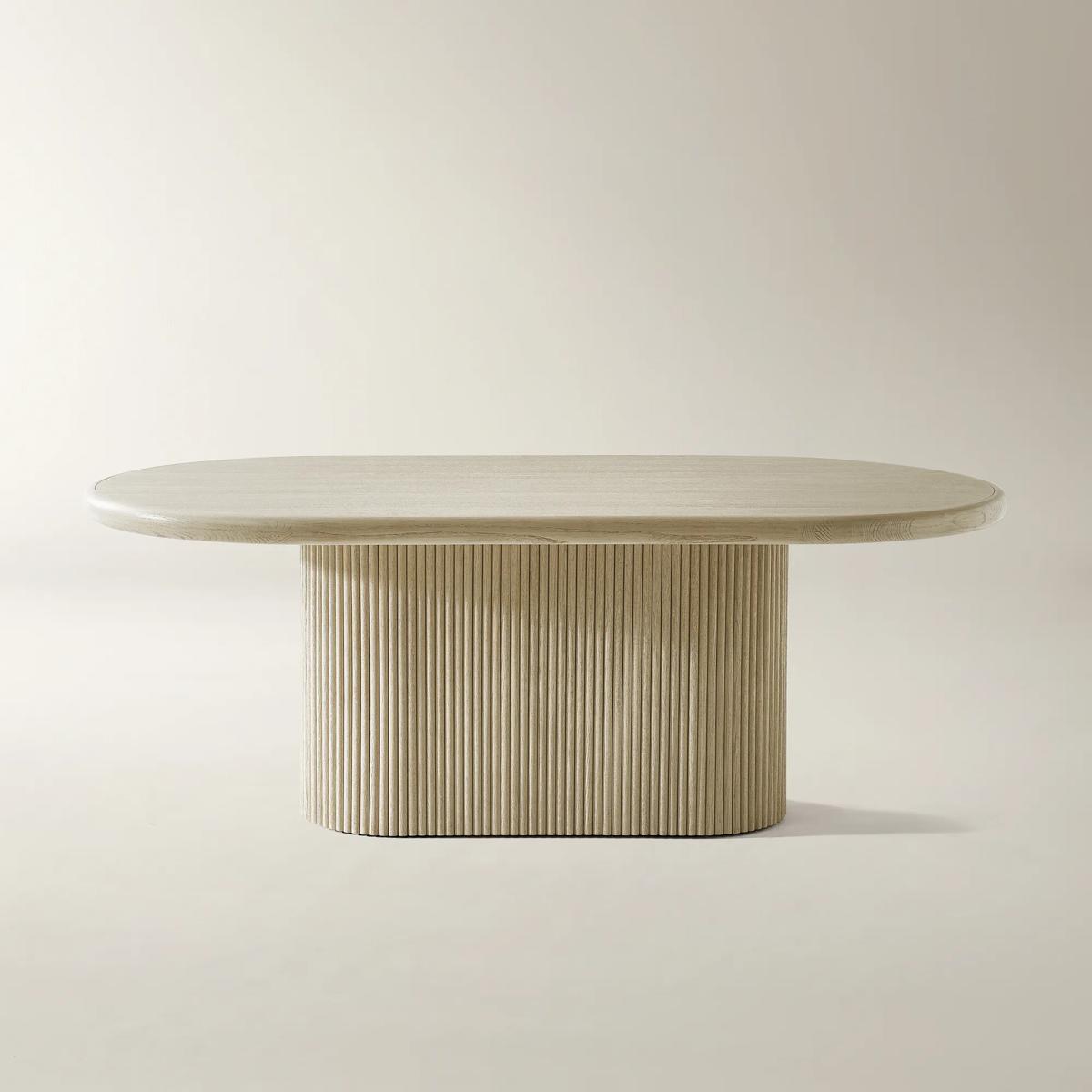
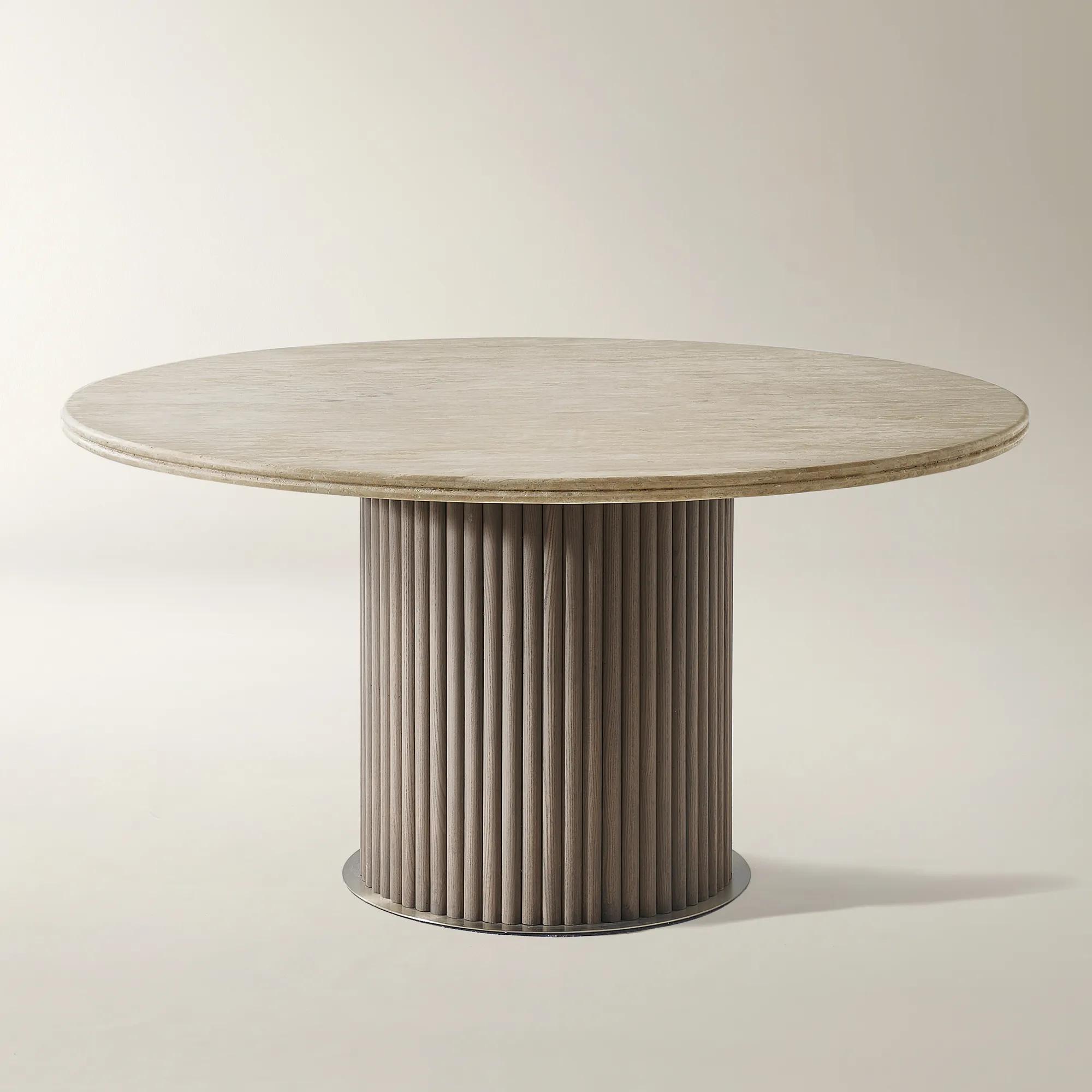 Bond Round Reeded Travertine and Wood Dining Table (59")$3499
A round dining table featuring a genuine natural travertine stone top and a fluted solid ash base.
Add To Cart

Ideas For Open Concept Dining Areas
Ideas For Open Concept Dining Areas invite you to reimagine the heart of your home as a stage for grand gatherings and intimate soirées alike. Here, boundaries dissolve and every detail—each sculptural chair, gleaming table, and luminous accent—works in harmony to create a seamless flow of style and conversation. Elevate your space with daring design choices that celebrate openness, embrace artistry, and transform everyday dining into an experience dripping with drama. Let your dining area become a canvas where bold statements and effortless elegance coexist, setting the scene for unforgettable moments.
Open concept dining areas bring together the pleasures of cooking, gathering, and relaxing in one fluid setting, but their openness calls for thoughtful definition. The most successful arrangements feel connected rather than crowded, with each zone offering a distinct purpose while sharing a cohesive visual language. Begin by considering the proportions of the room and the natural flow between the kitchen, dining area, and living space. A round or oval table can soften a compact layout, make conversation feel more intimate, and help guests move comfortably around the perimeter without navigating sharp corners. In a longer room, a rectangular table may create a graceful sense of direction and echo the architecture. Allow generous clearance around the table so chairs can be pulled out with ease, particularly along primary walkways, and measure doorways, stair turns, and elevator access before making a purchase. When the dining area sits behind a sofa, the back of the seating can act as an understated room divider, giving the table a sense of place without interrupting sightlines. A console, open shelving unit, or sculptural accent placed nearby can reinforce that separation while preserving the airy character that makes an open plan so inviting. For homes with limited square footage, banquette-style seating or a cushioned bench tucked along a wall can turn an overlooked edge into an elegant dining nook, offering a comfortable perch for everyday meals, coffee, homework, and lingering conversation.
Lighting is one of the most compelling ways to establish a dining area as its own moment. A pendant or chandelier suspended directly above the table creates a visual destination and bathes the setting in a warm, flattering glow, especially as the days become shorter and gatherings move indoors. Consider the scale carefully: the fixture should feel substantial enough to hold its own within the larger room, yet remain proportionate to the table and high enough to preserve comfortable sightlines across the space. Layered illumination adds flexibility, allowing brighter light for serving and tidying, then a softer atmosphere for dinner and conversation. An area rug beneath the table and chairs provides another graceful boundary, grounding the dining zone with texture, pattern, and tone. Choose a size that allows the chairs to remain on the rug even when pulled back from the table; a rug that is too small can make the arrangement feel fragmented. In a connected living area, repeat one or two materials or finishes across zones to create harmony. A warm wood tone echoed in nearby furnishings, a gleaming metal detail that appears again in lighting or accessories, or a restrained palette of complementary neutrals can make separate pieces feel intentionally composed. At the same time, balance visual weight. A substantial sectional may call for a dining table with equal presence, while lighter seating and an open-base table can keep a smaller space feeling bright. The goal is not perfect matching, but a thoughtful rhythm of texture, silhouette, and finish that allows the entire room to read as one sophisticated composition.
When selecting furnishings for an open concept dining area, think about how the space truly lives. A household that hosts extended family may value a generous table, durable surfaces, and seating that remains comfortable through a long meal. For frequent entertainers, flexible pieces that accommodate additional guests or create an effortless serving station can make the room feel ready for everything from a relaxed weekend brunch to a candlelit dinner during the cooler months. Those who work from home or share meals with children may prefer easy-clean materials, supportive seating, and storage that keeps linens, tableware, and serving pieces close at hand without adding visual clutter. Upholstered chairs introduce softness and color, while sculptural silhouettes can bring an artistic note to a more understated room; explore Custom Dining Chairs For Open Concept Spaces when tailoring the seating to your layout, comfort preferences, and overall design direction. For a welcoming finish, add pieces that make everyday rituals feel considered: a low centerpiece that does not obstruct conversation, a mirror that amplifies light, or decorative accents that lend the room a touch of gleam and personality. Dining furnishings can also be meaningful gifts for new homeowners, couples settling into a shared space, or hosts who love gathering friends and family. Choose with their entertaining style, available room, and existing palette in mind so the gesture feels personal rather than expected. With the right balance of scale, circulation, illumination, and texture, an open concept dining area becomes more than a place to eat. It becomes the luminous center of the home—an inviting stage for morning coffee, celebratory toasts, impromptu conversation, and the beautifully ordinary moments that deserve a setting of their own.
FAQs
Define your dining zone with a luxurious area rug that grounds the table and chairs, or use a statement chandelier to cast a spotlight on the space. Strategic furniture placement, such as a banquette or a row of dining chairs, can also help delineate the dining area while maintaining a seamless flow throughout the room.
Incorporate bold lighting, such as a sculptural chandelier or pendant lights, to create a focal point. Layer in rich textures with velvet upholstery, gleaming metallic accents, and artisanal serveware. Decorative storage pieces like mirrored cabinets or artful bar carts can add both function and a touch of glamour.
Select a cohesive palette that flows naturally between the dining, living, and kitchen areas. Repeat key tones or accent colors in your textiles, wall art, and decorative accessories. Mixing complementary hues and textures helps create a harmonious yet visually interesting environment.
Consider gifting elegant candleholders, a dramatic centerpiece, or artisan-crafted serveware that elevates everyday dining. Plush cushions, decorative trays, or a set of chic coasters also make memorable presents for those who love to entertain in style.
Mix materials such as wood, glass, metal, and plush fabrics to add tactile interest. Woven baskets, metallic hardware, and textured rugs introduce warmth and dimension, while reflective surfaces and bold accents keep the look dynamic and inviting.
.jpg?w=1928&h=1928)