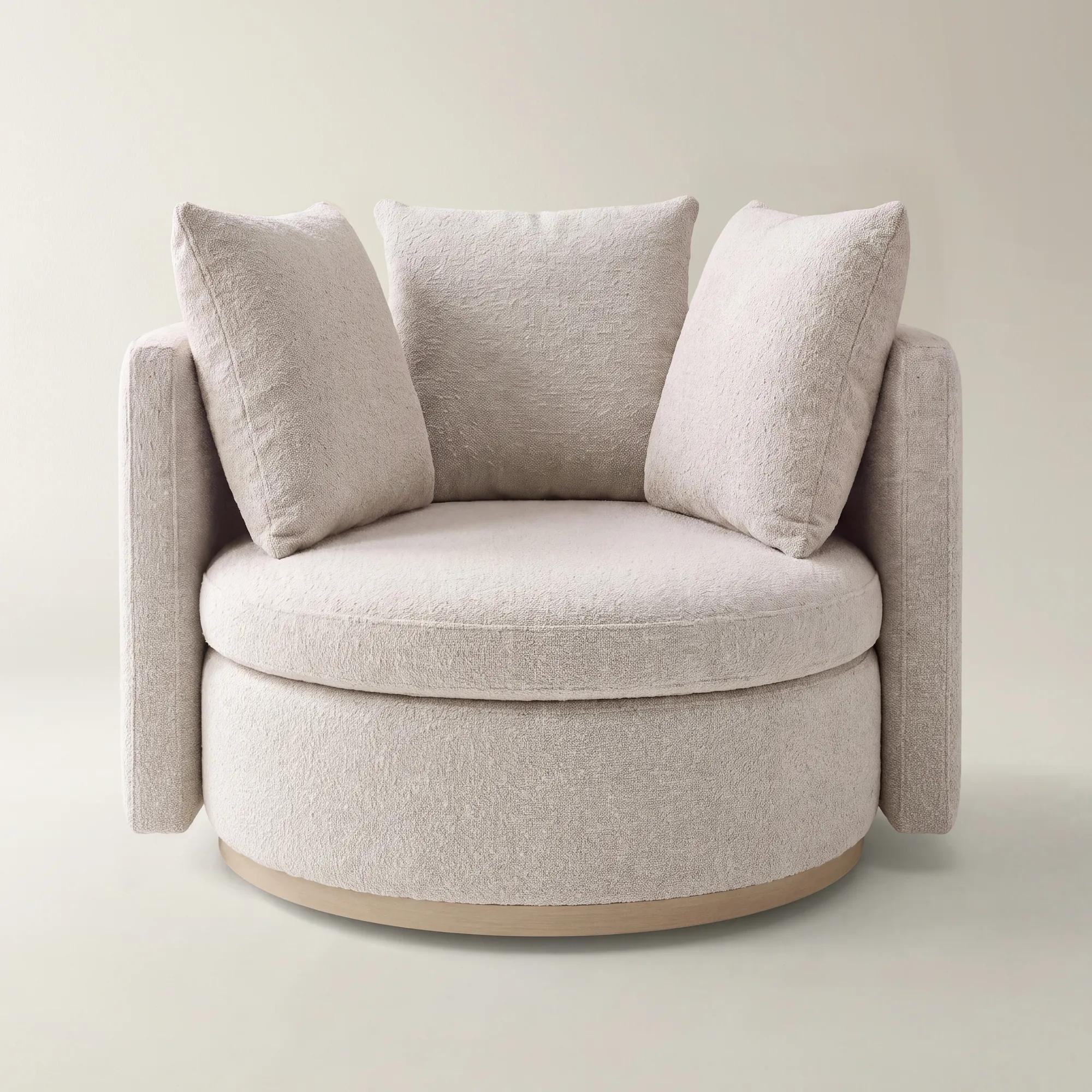
Accent Chairs For Creating Conversation Areas
Accent Chairs For Creating Conversation Areas
-
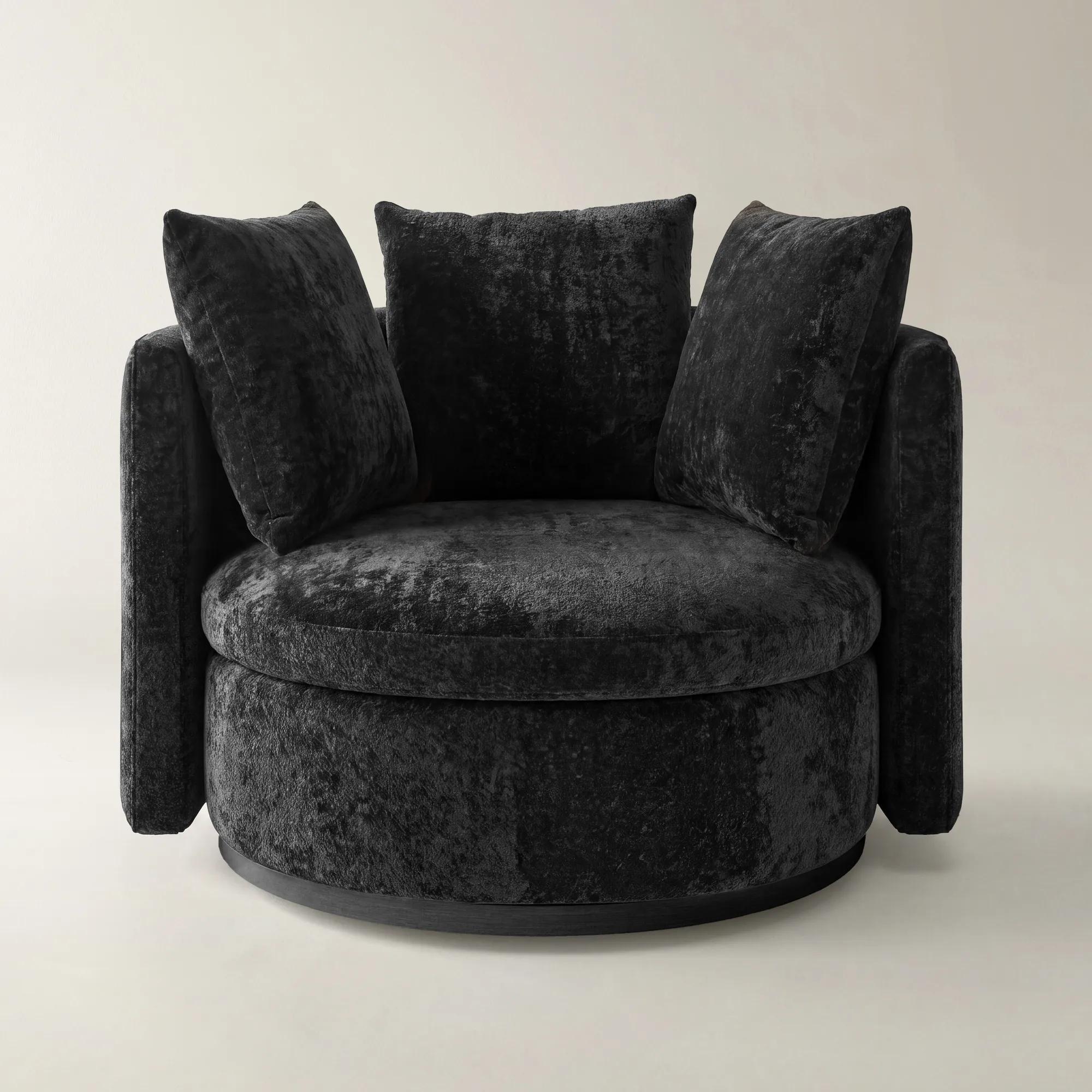
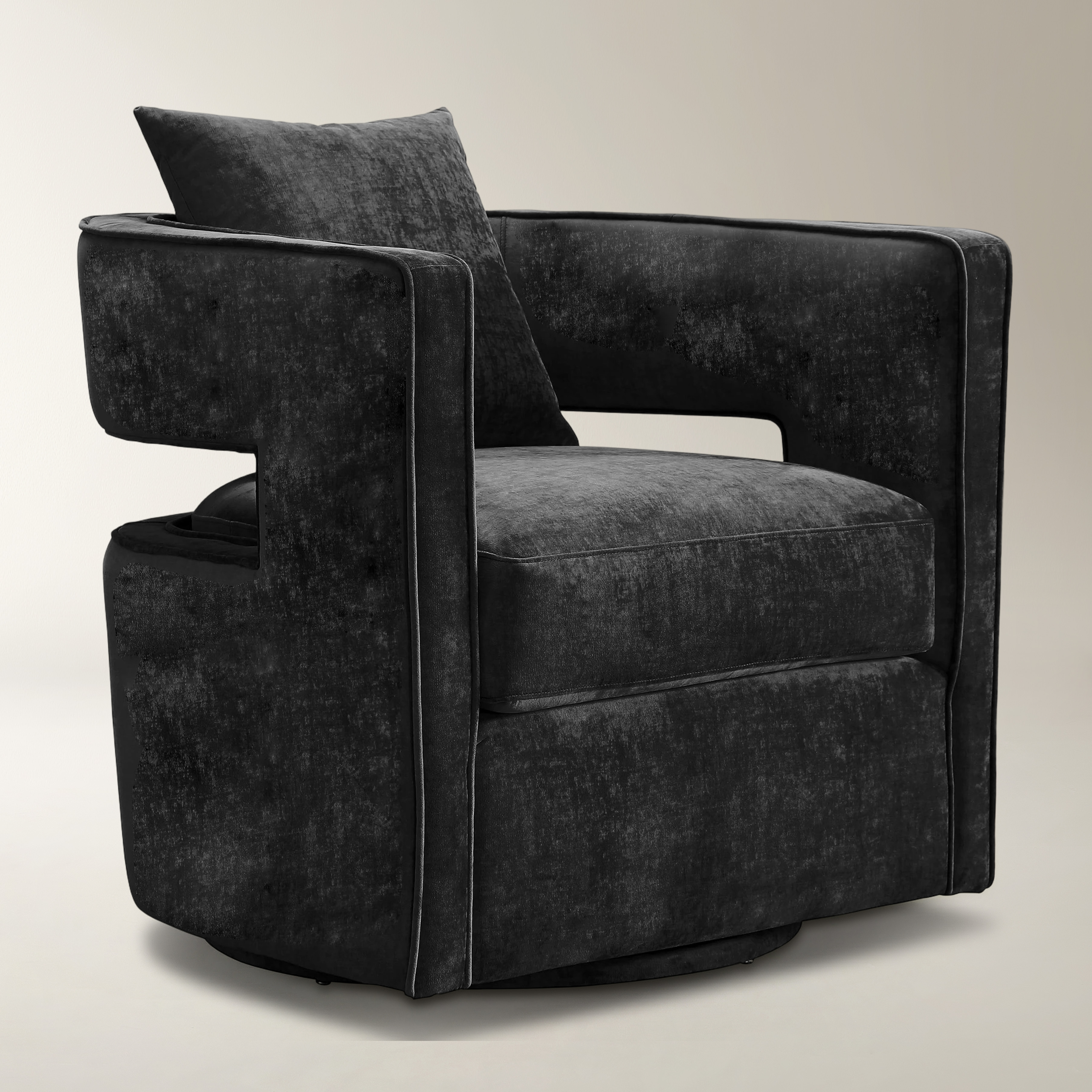 Lottie Black Velvet Swivel Accent Chair$999
A black velvet swivel accent chair with a sculpted barrel silhouette, open arms, and supportive cushioning.
Add To Cart -
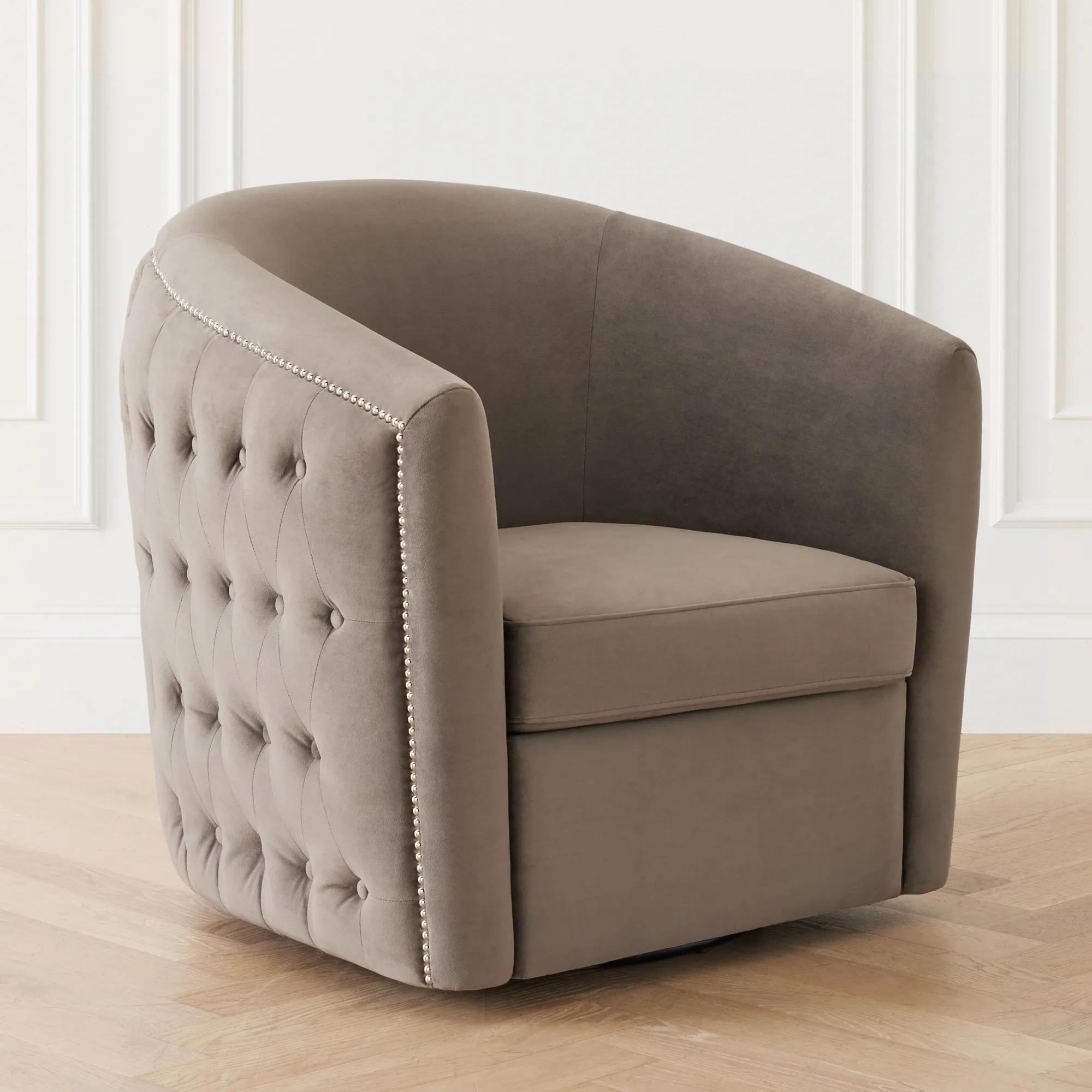
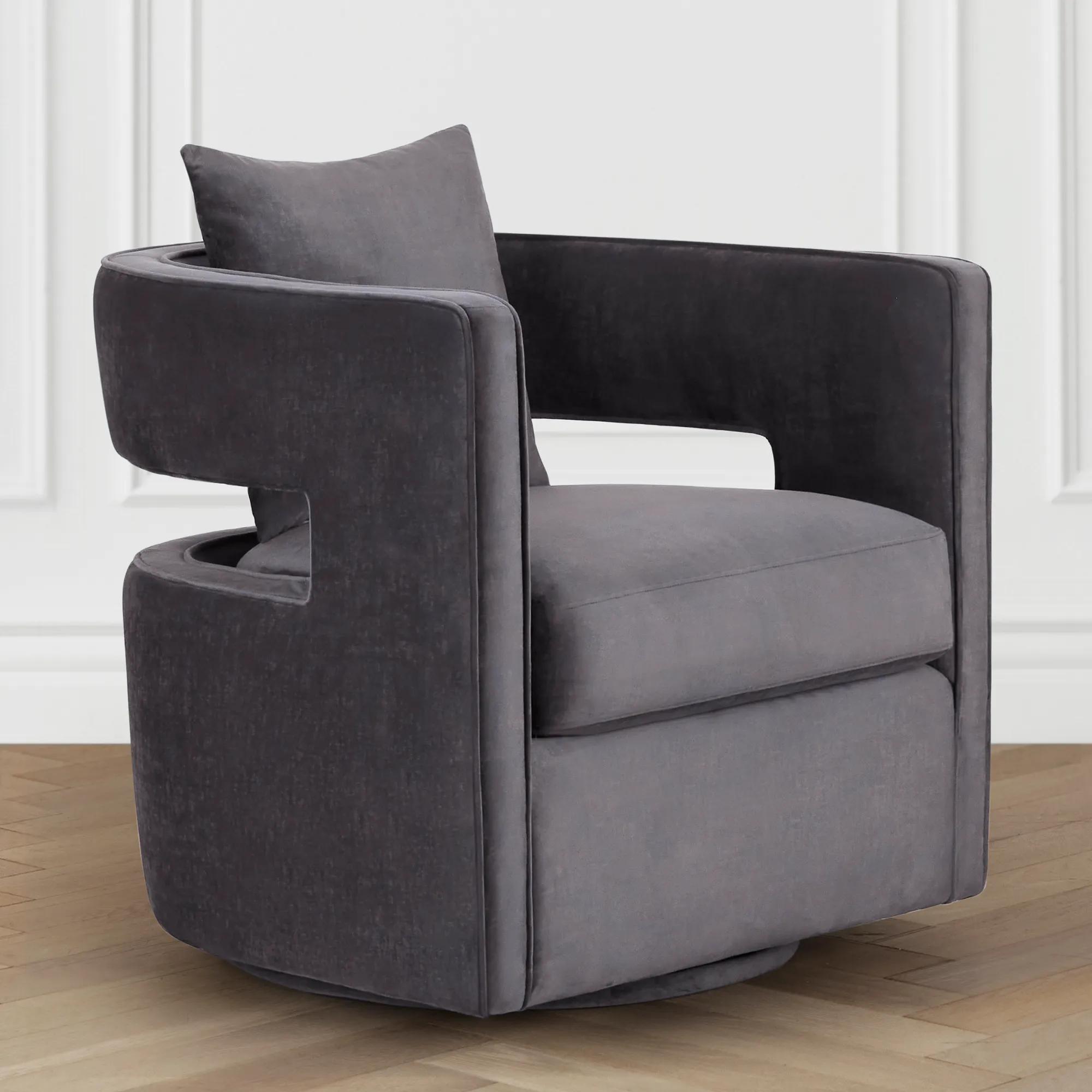 Lottie Grey Velvet Swivel Accent Chair$999
A glamorous grey velvet swivel chair featuring a barrel back, cutout arms, and plush foam cushioning.
Add To Cart -
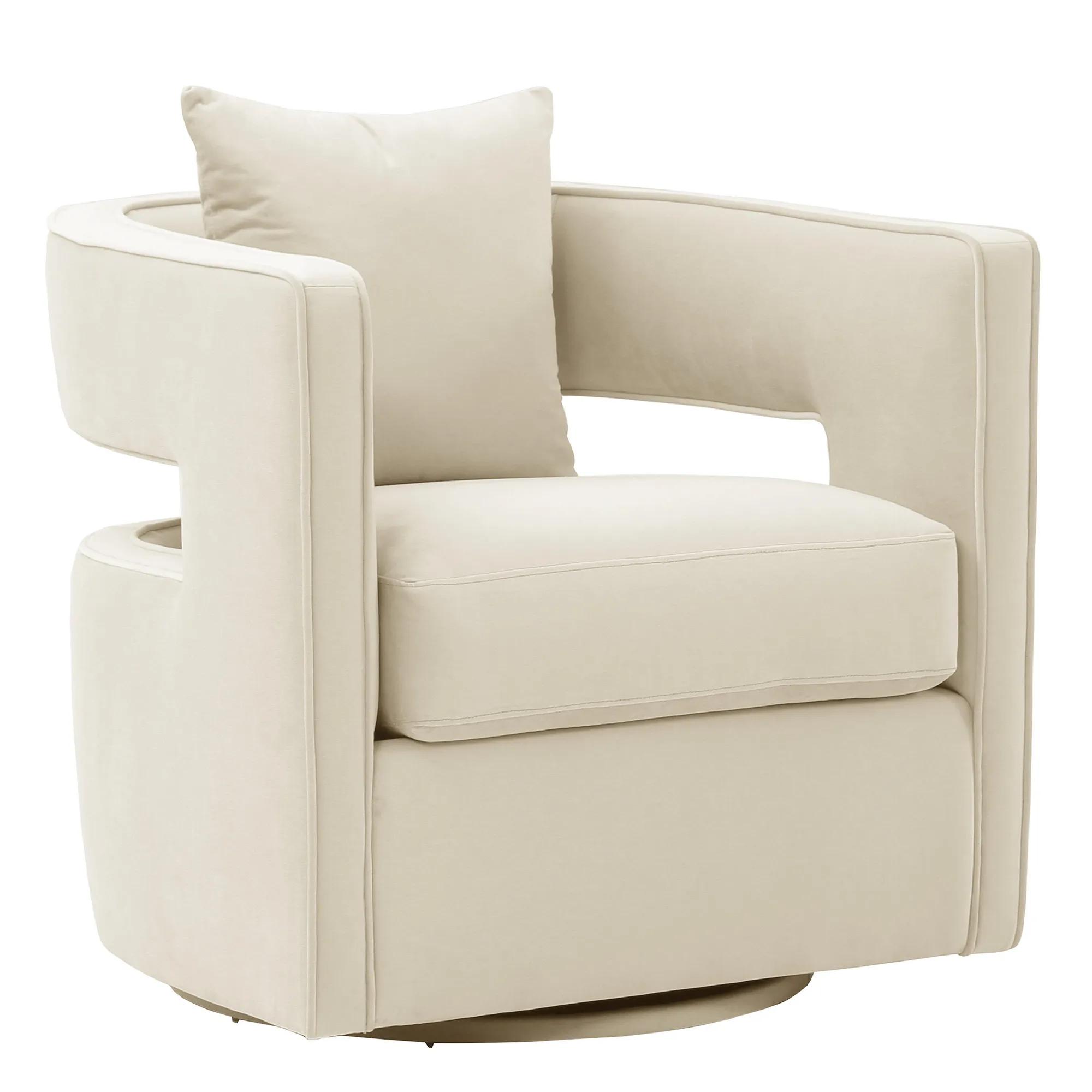
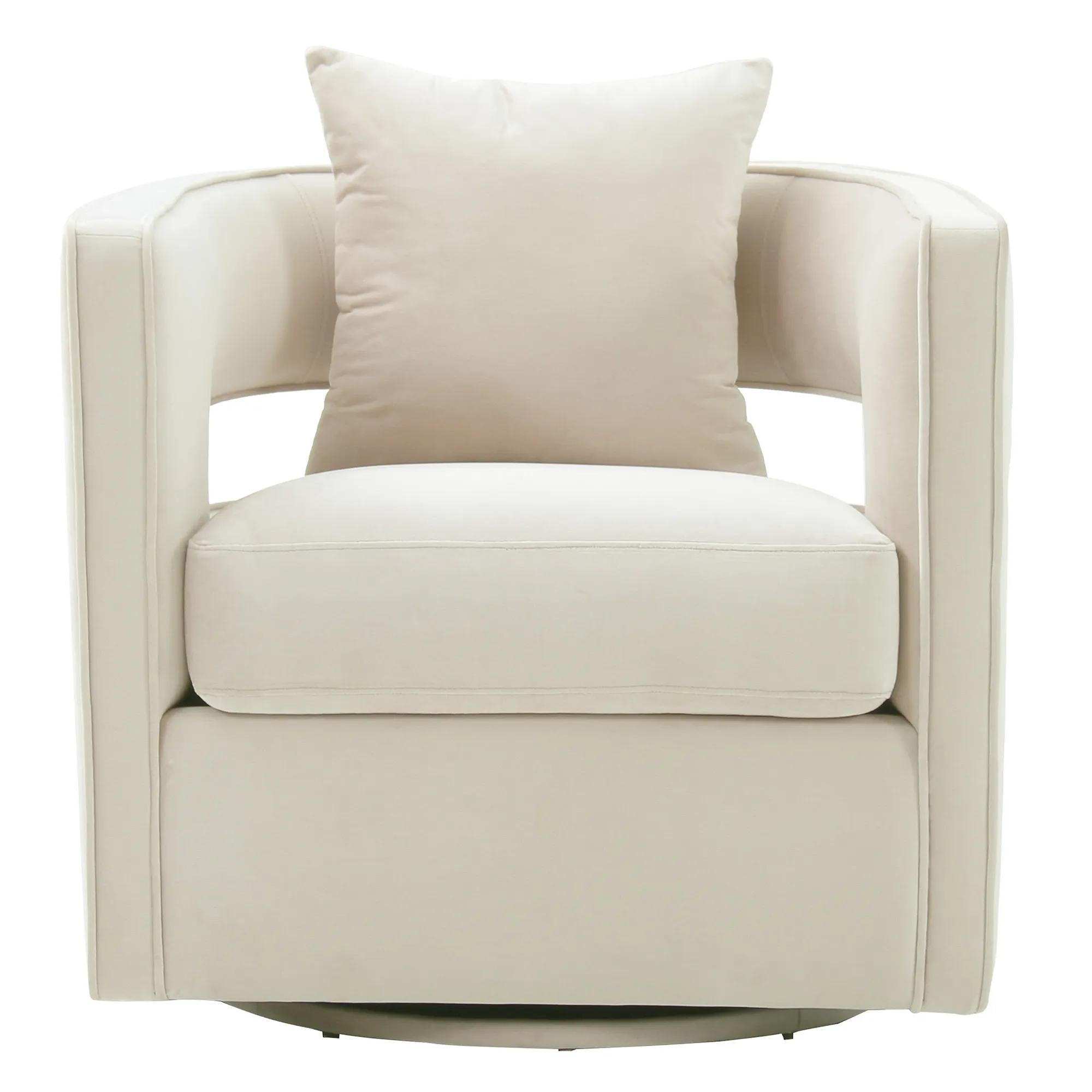 Lottie Cream Velvet Swivel Accent Chair$999
A glamorous cream velvet swivel chair featuring a barrel back, cutout arms, and plush foam cushioning.
Add To Cart -
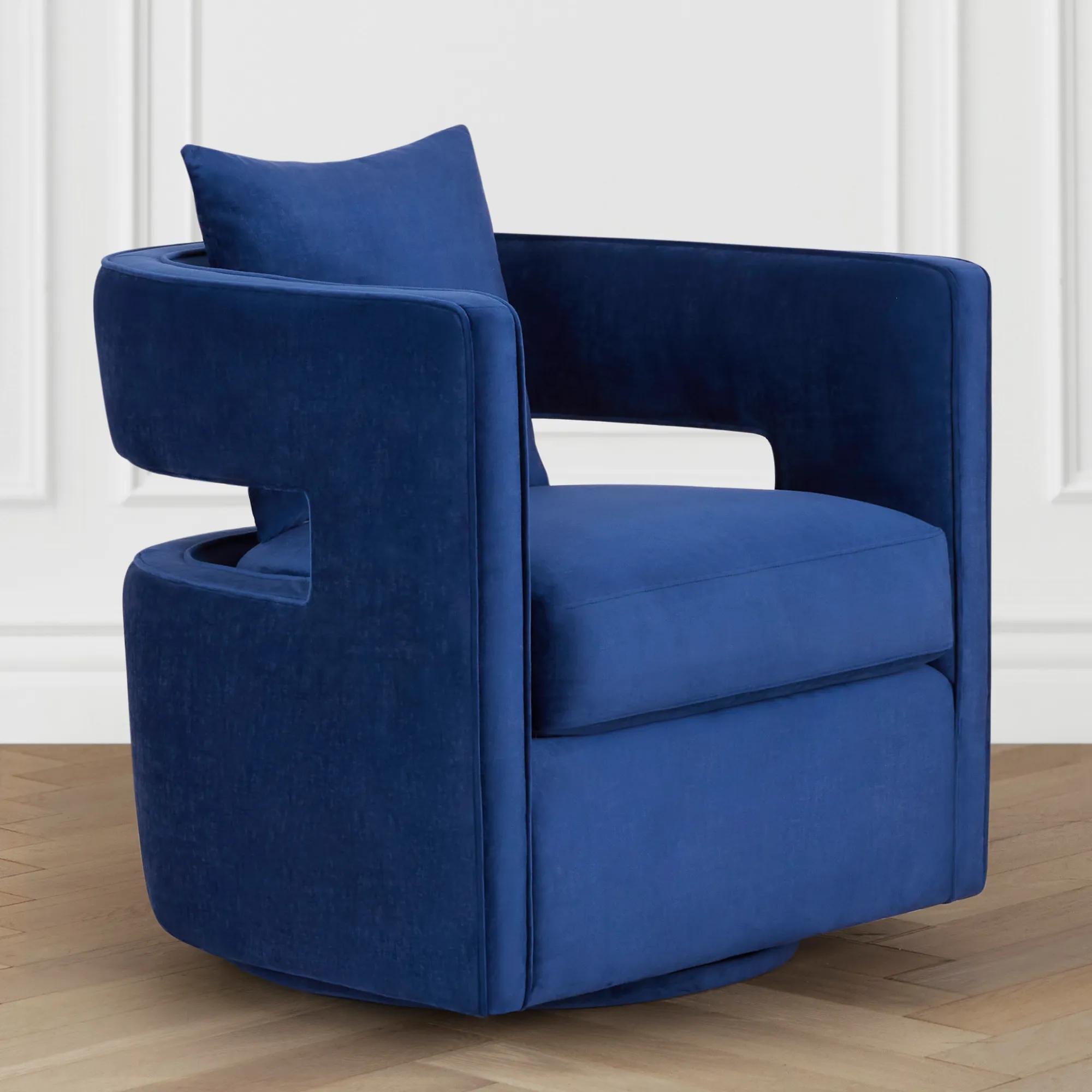
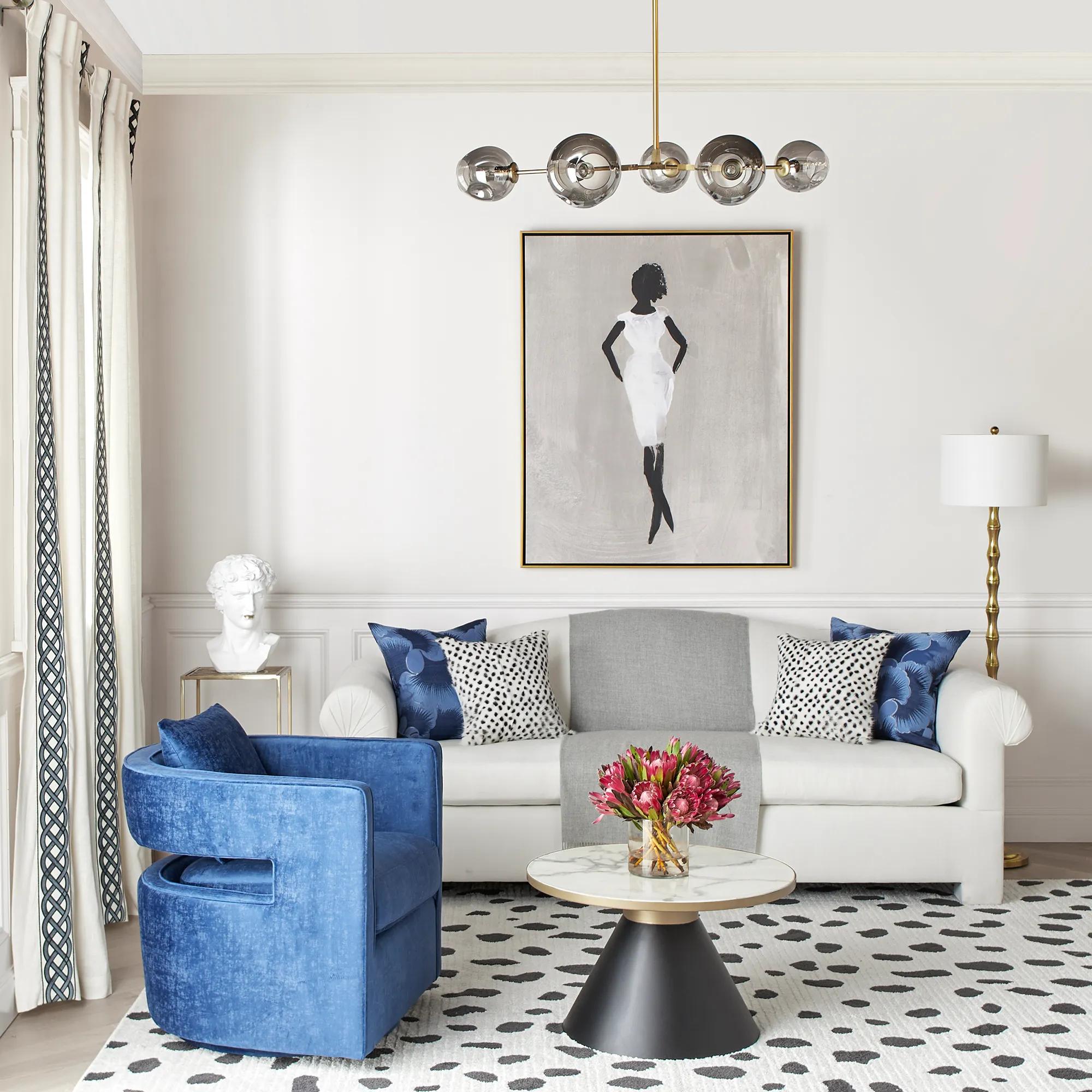 Lottie Navy Velvet Swivel Accent Chair$999
A navy velvet swivel accent chair featuring a sculpted barrel silhouette, open arms, and supportive cushioning.
Add To Cart -
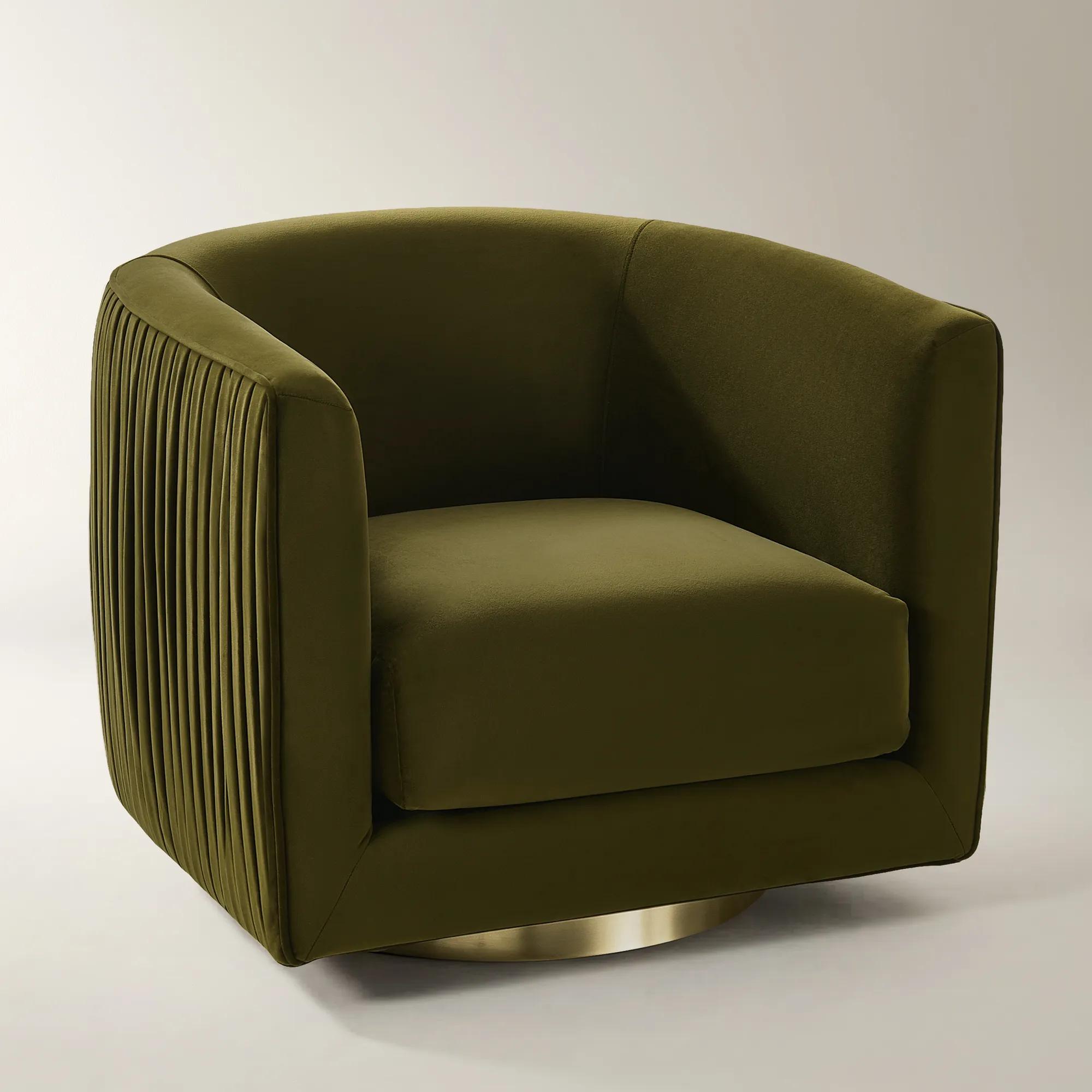
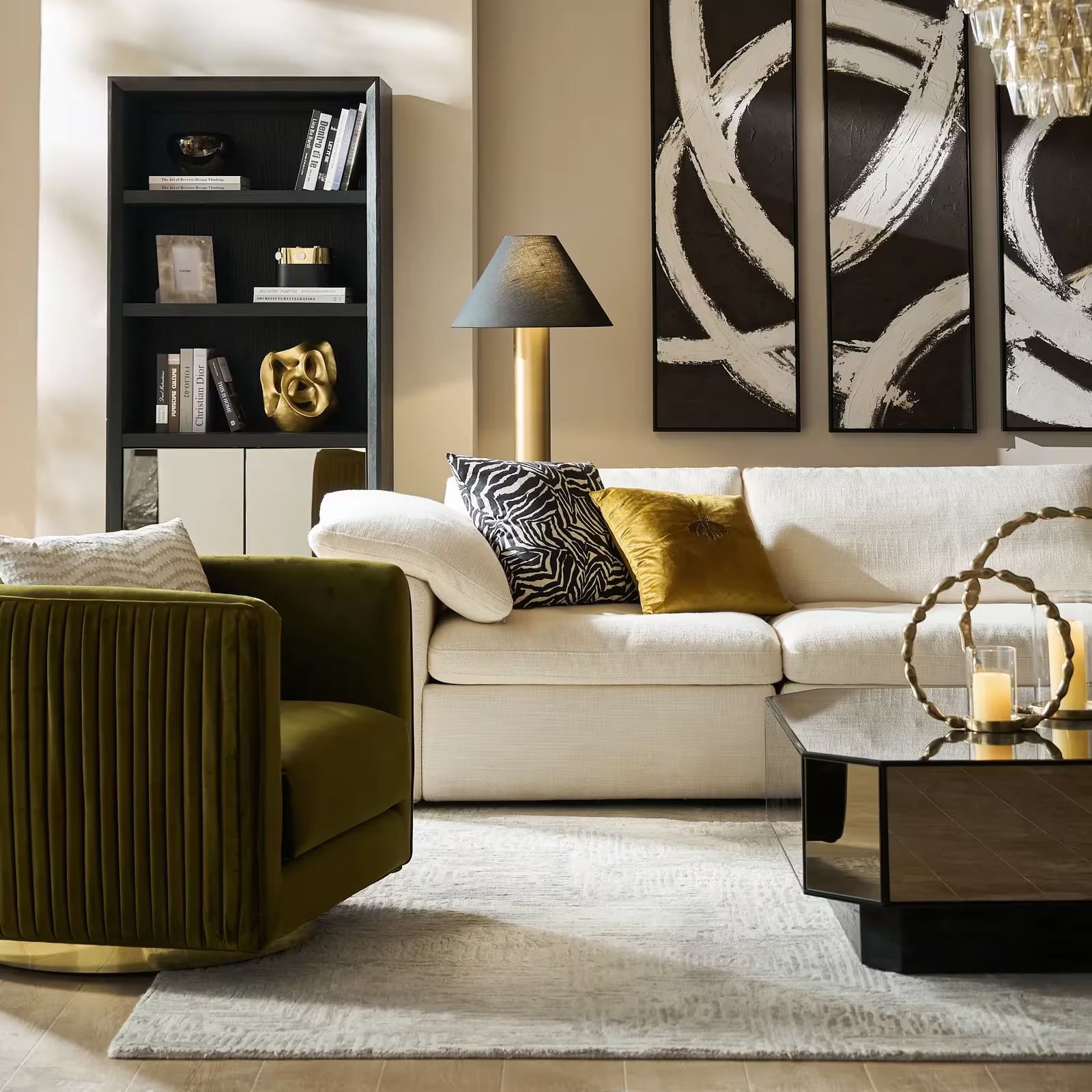 Lyssa Pleated Deep Olive Velvet Swivel Accent Chair$1099
A deep olive green velvet accent chair featuring pleated panels, smooth curves, and a 360-degree swivel base.
Add To Cart -
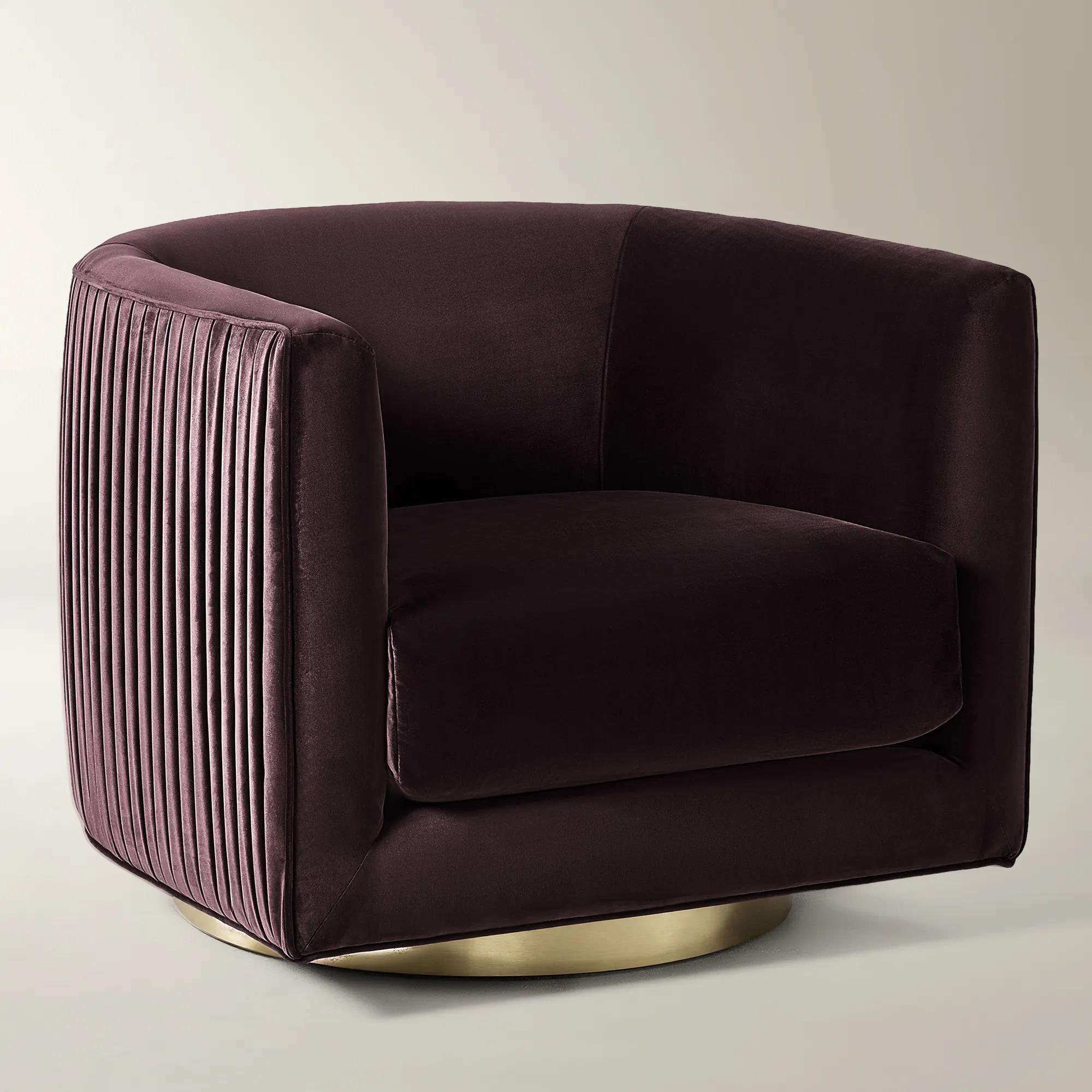 Lyssa Pleated Fig Velvet Swivel Accent Chair$1099
A fig-colored velvet accent chair featuring pleated detailing, a curved silhouette, and a smooth 360° swivel base.
Add To Cart -
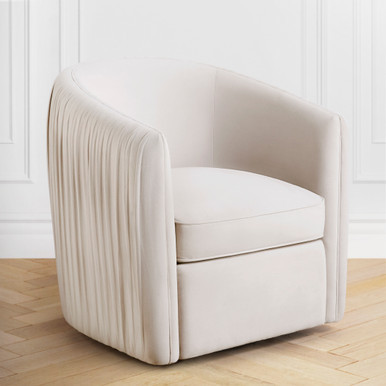
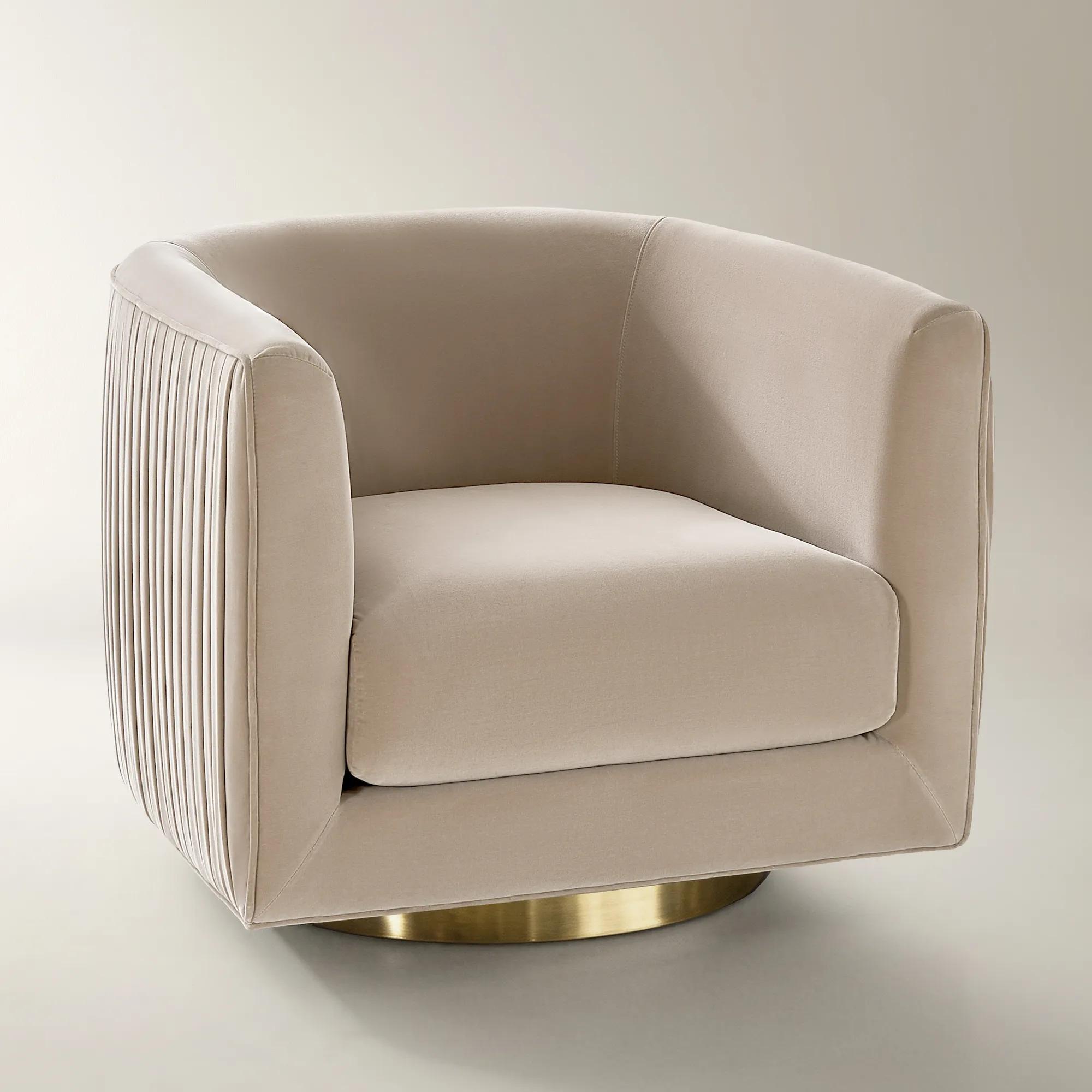 Lyssa Pleated Simply Taupe Velvet Swivel Accent Chair$1099
A softly curved taupe velvet accent chair featuring pleated detailing, 360° swivel, and a gold stainless steel base.
Add To Cart -
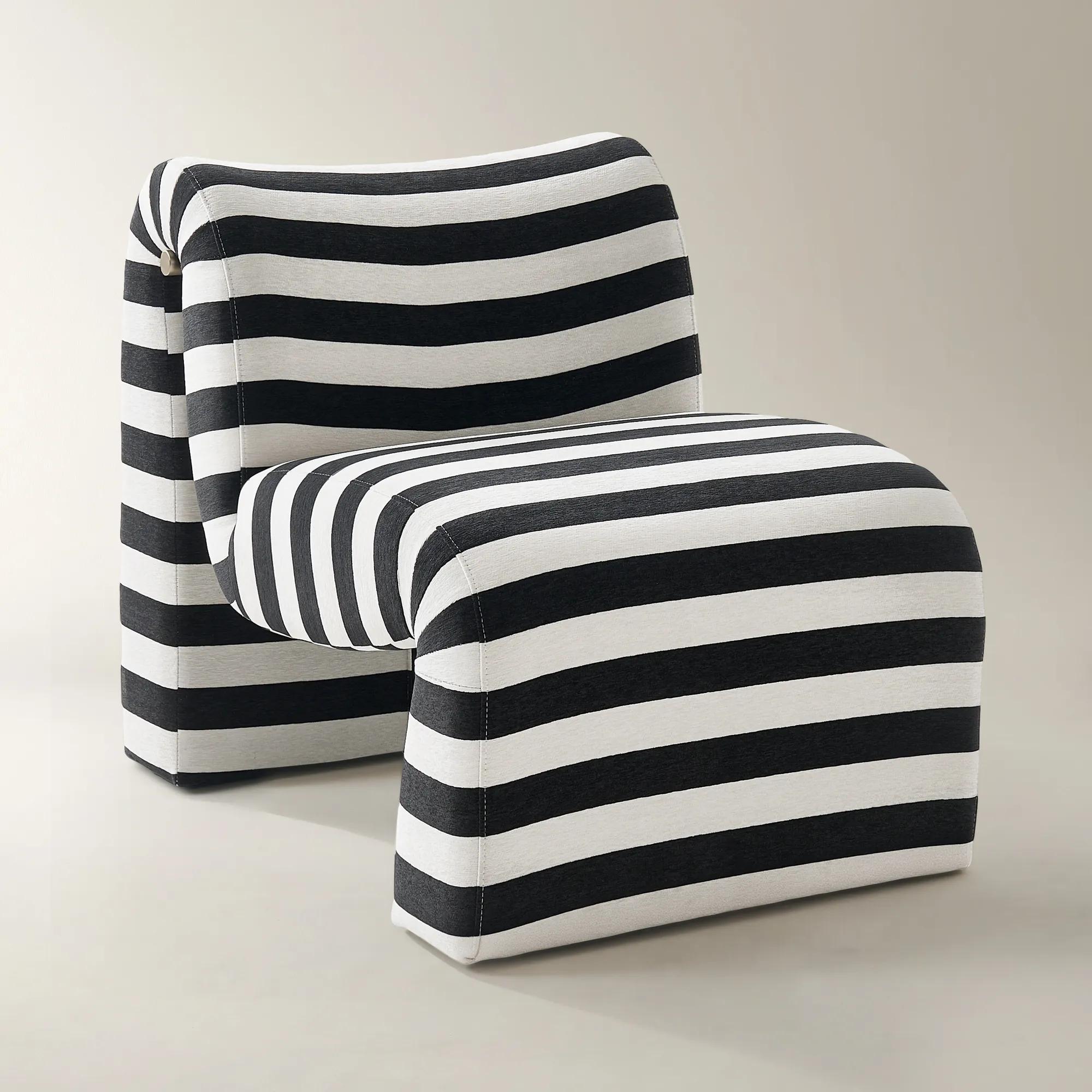 Cora Stripe Chenille Accent Chair$899
A bold black-and-white striped accent chair featuring water-repellent chenille and a gold stainless-steel inlay.
Add To Cart -
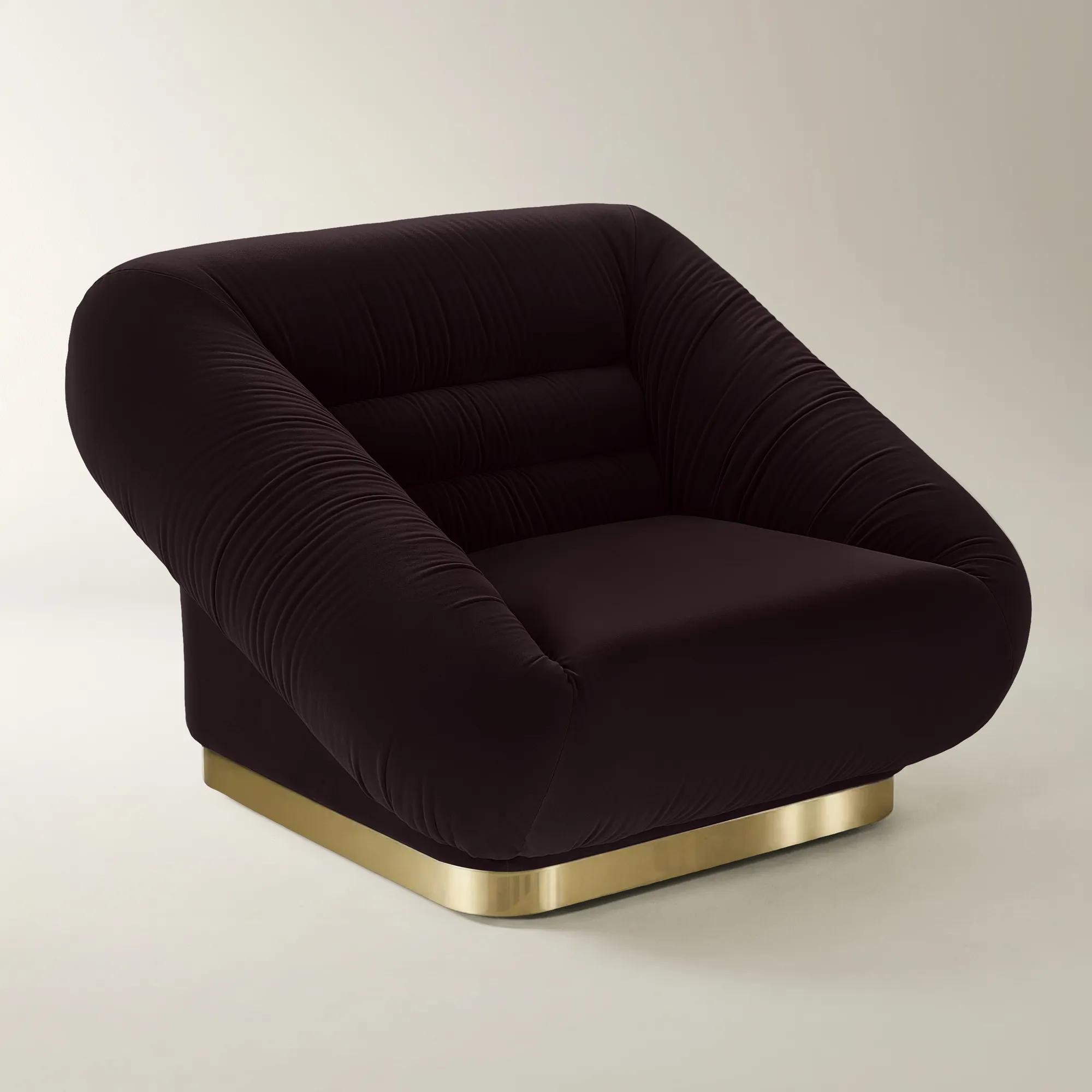 Dover Fig Velvet Swivel Accent Chair$1299
A sculptural fig velvet accent chair featuring soft gathered upholstery, gold-trimmed base, and smooth 360° swivel.
Add To Cart -
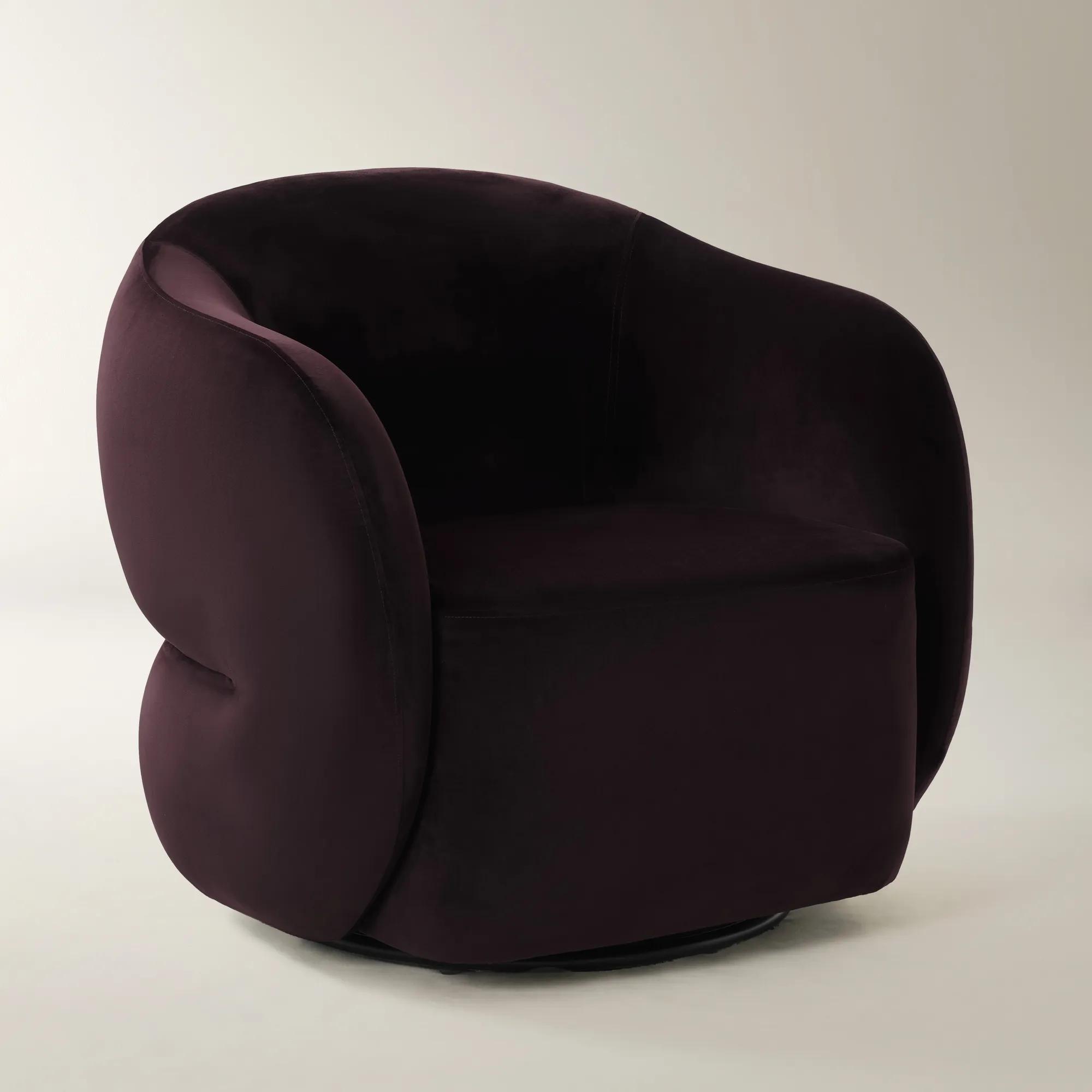 Sierra Fig Velvet Swivel Accent Chair$899
A modern accent chair in plush fig velvet with a wraparound back and smooth 360° swivel base.
Add To Cart -
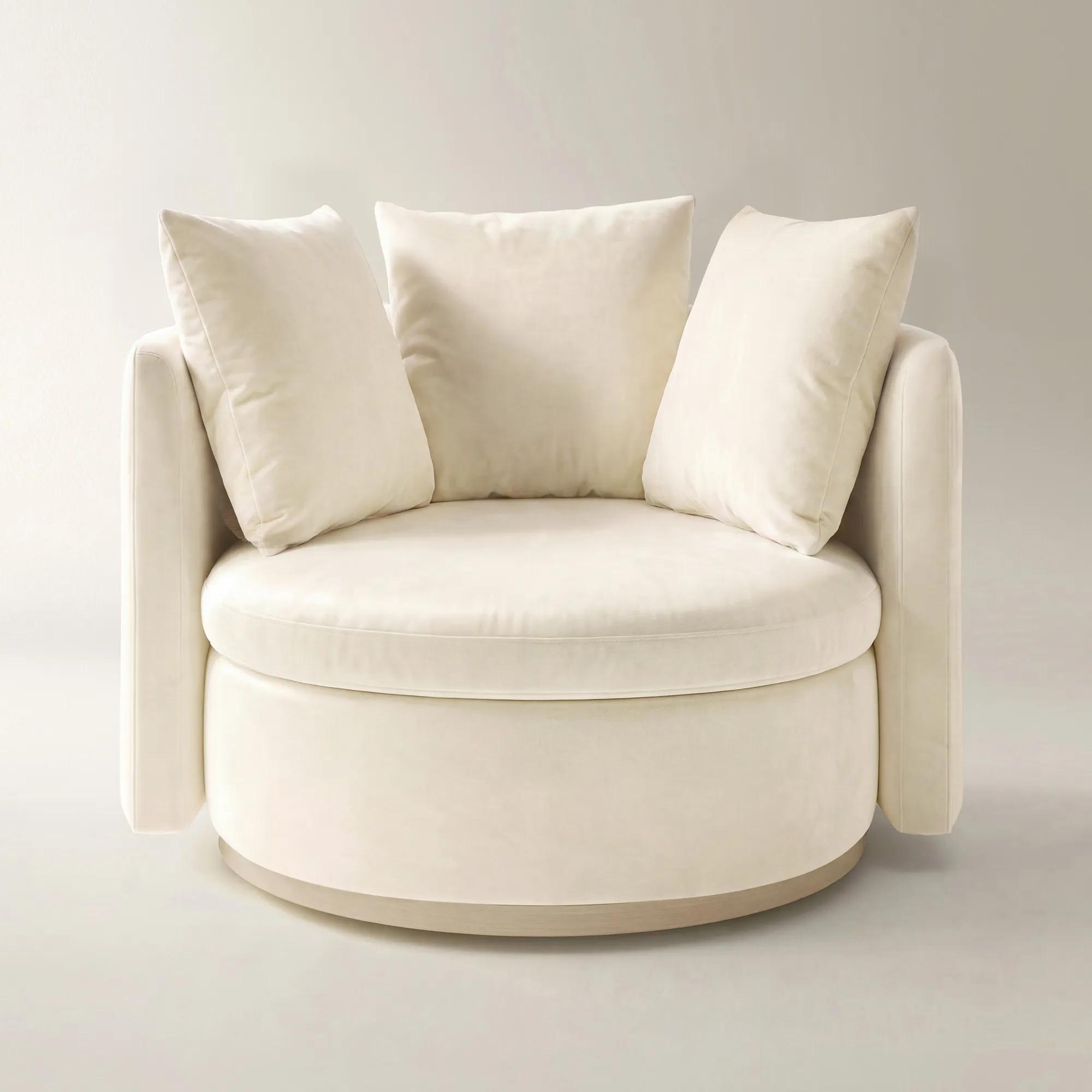
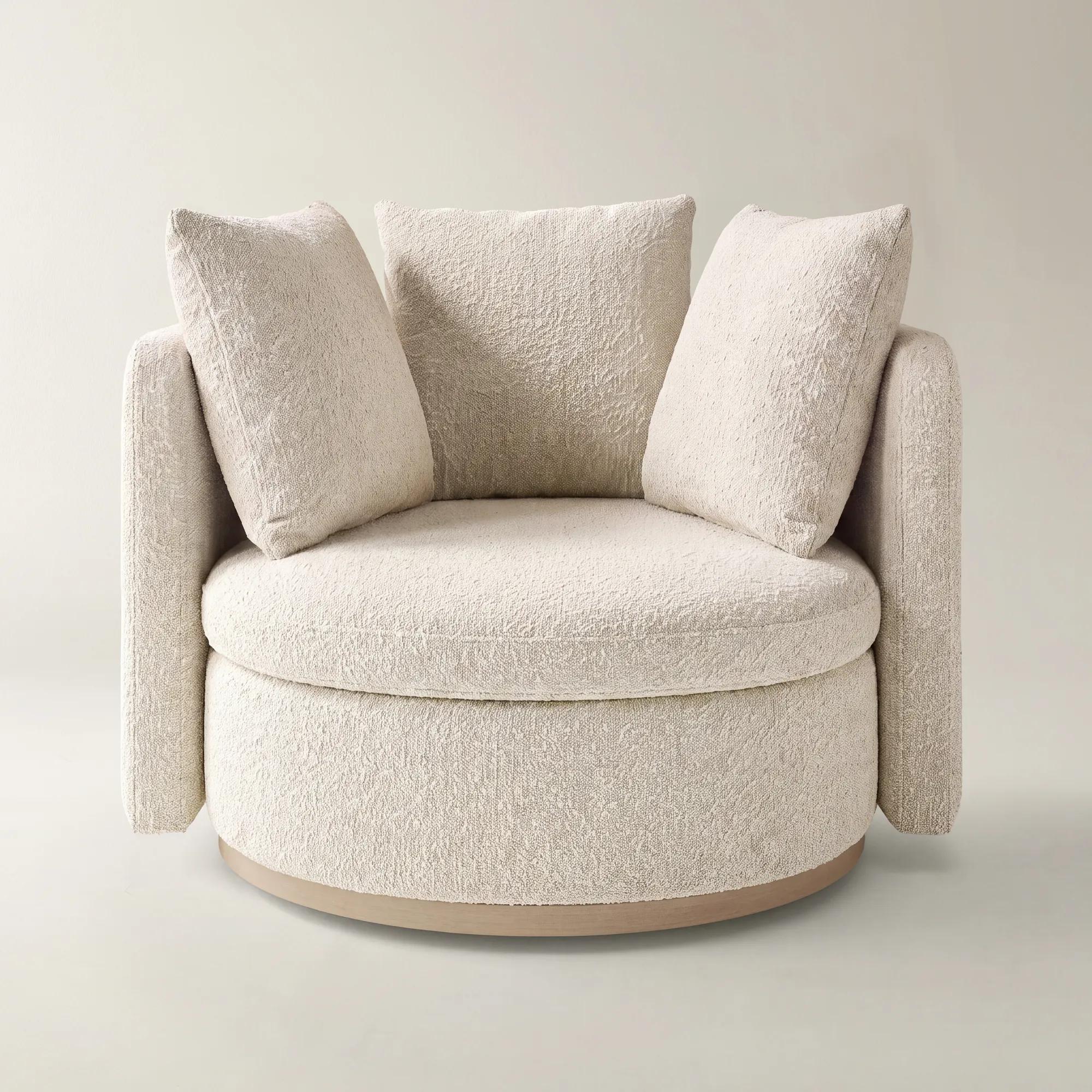
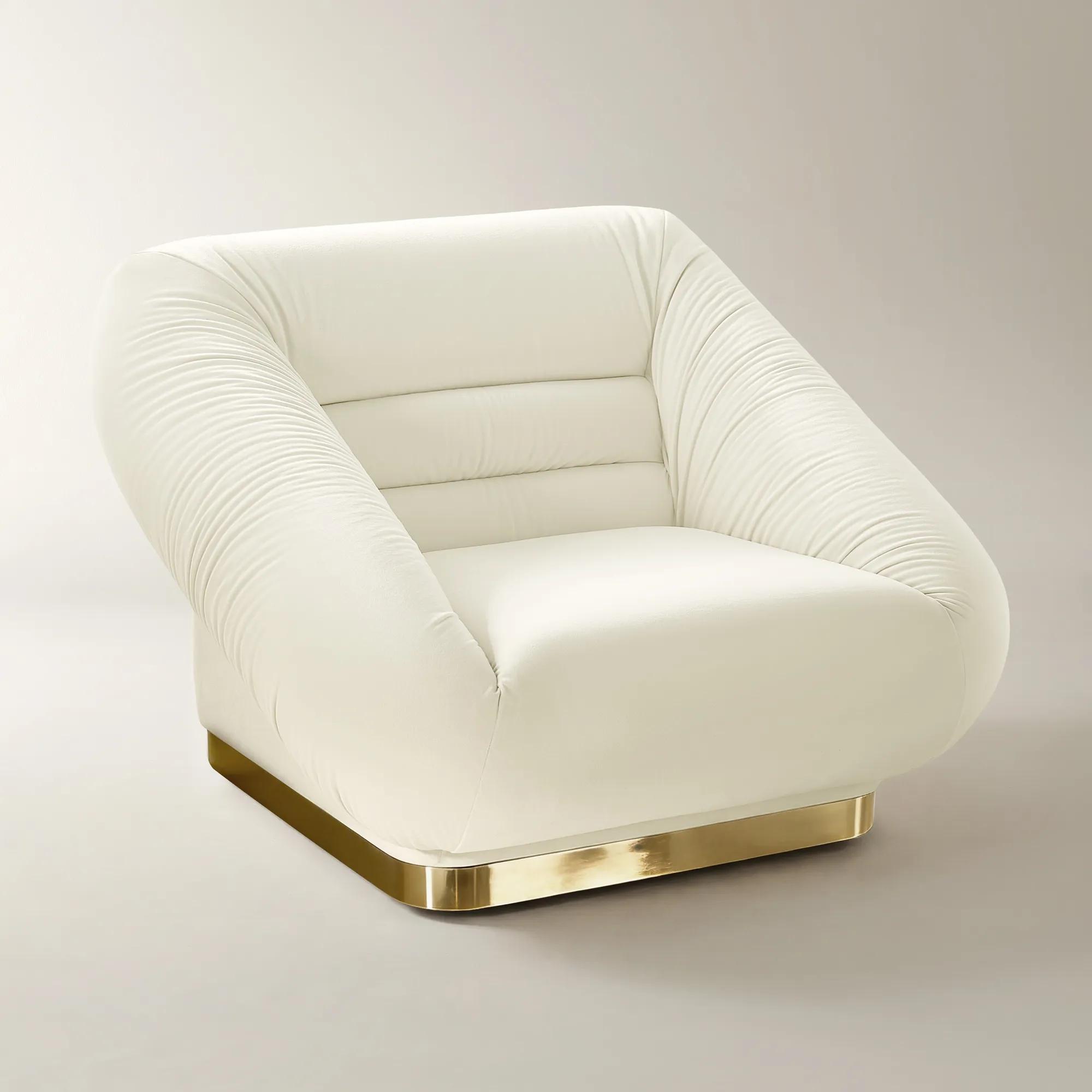 Dover Cloud Velvet Swivel Accent Chair$1299
A sculptural accent chair in cloud velvet with a gold-trimmed base and smooth 360° swivel function.
Add To Cart -
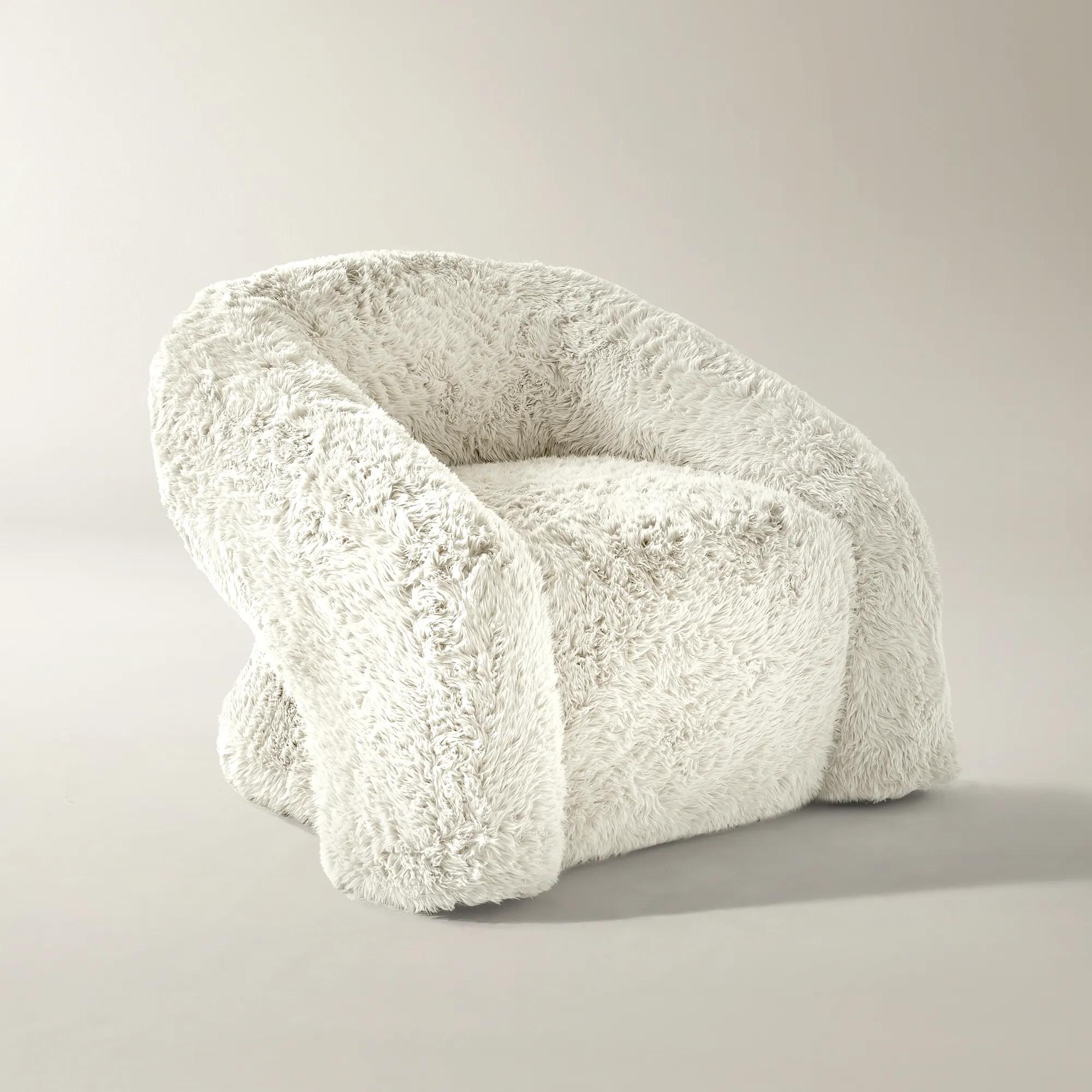 Misha White Faux Fur Accent Chair$799
A modern white faux fur chair offering plush comfort, sculptural lines, and pet-friendly, easy-care upholstery.
Add To Cart -
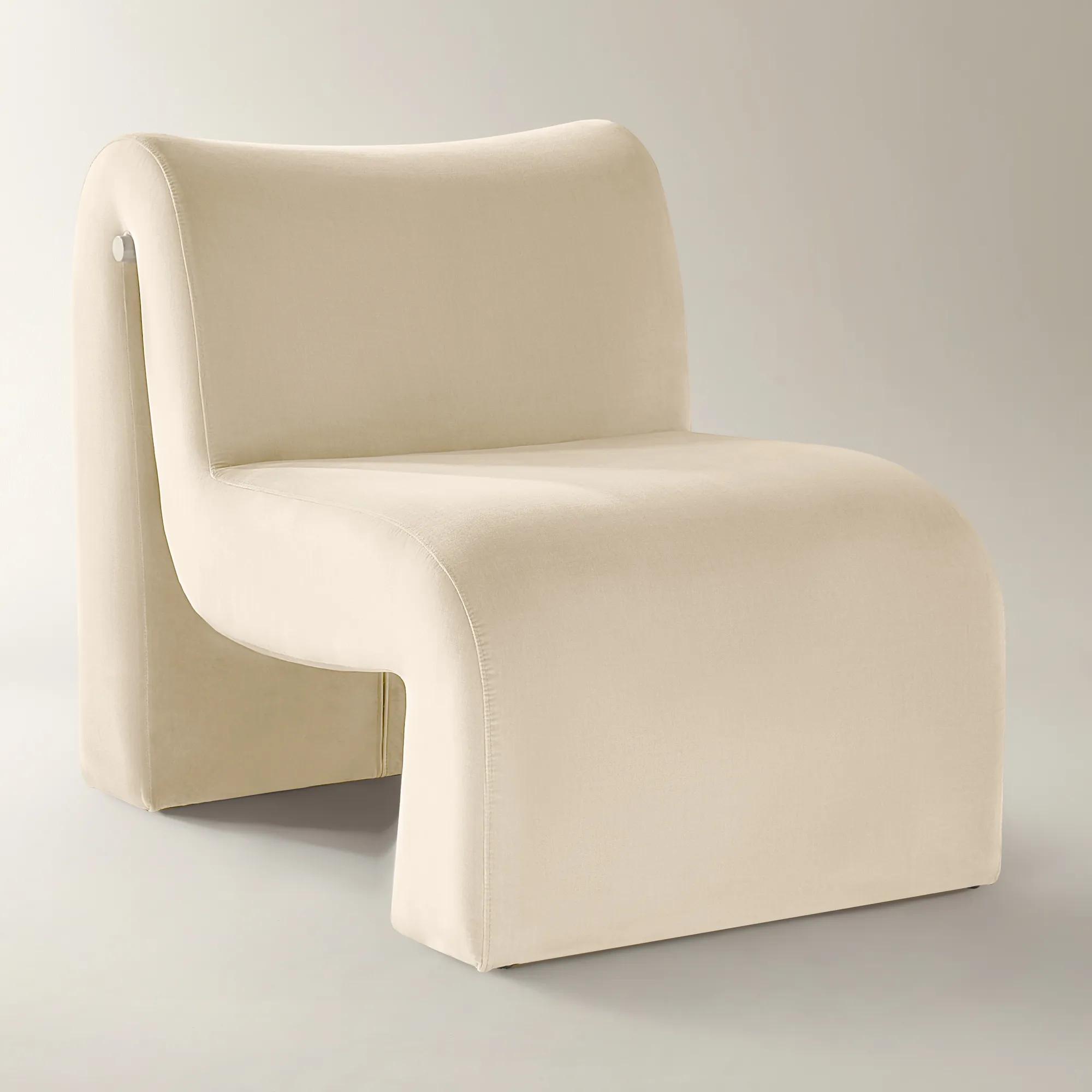 Cora Ivory Velvet Accent Chair$899
A sculpted ivory velvet chair featuring a continuous curved silhouette and a gold stainless-steel accent.
Add To Cart -
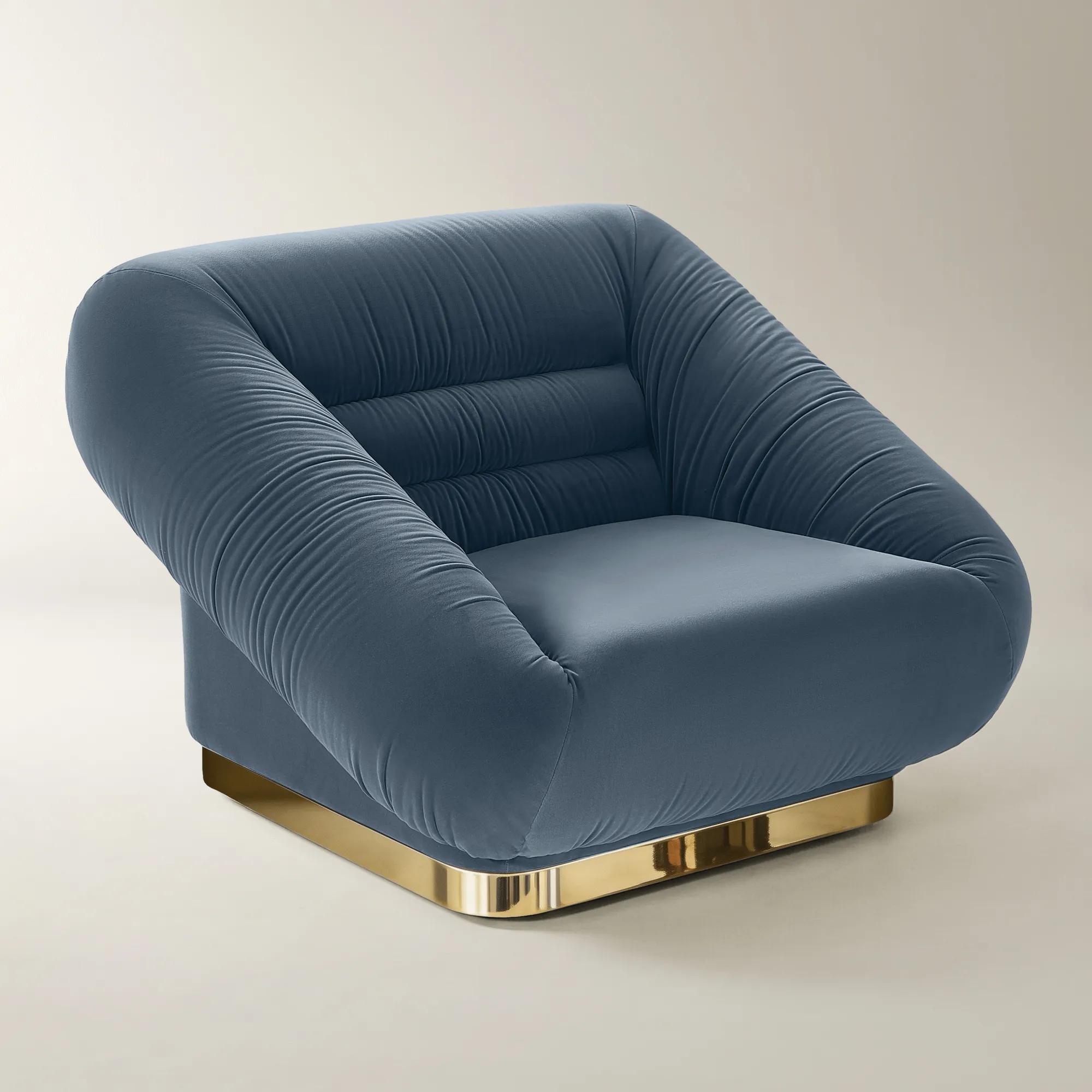 Dover Dusty Blue Velvet Swivel Accent Chair$1299
A sculptural blue velvet accent chair featuring soft gathered upholstery, gold-trimmed base, and smooth 360° swivel.
Add To Cart -
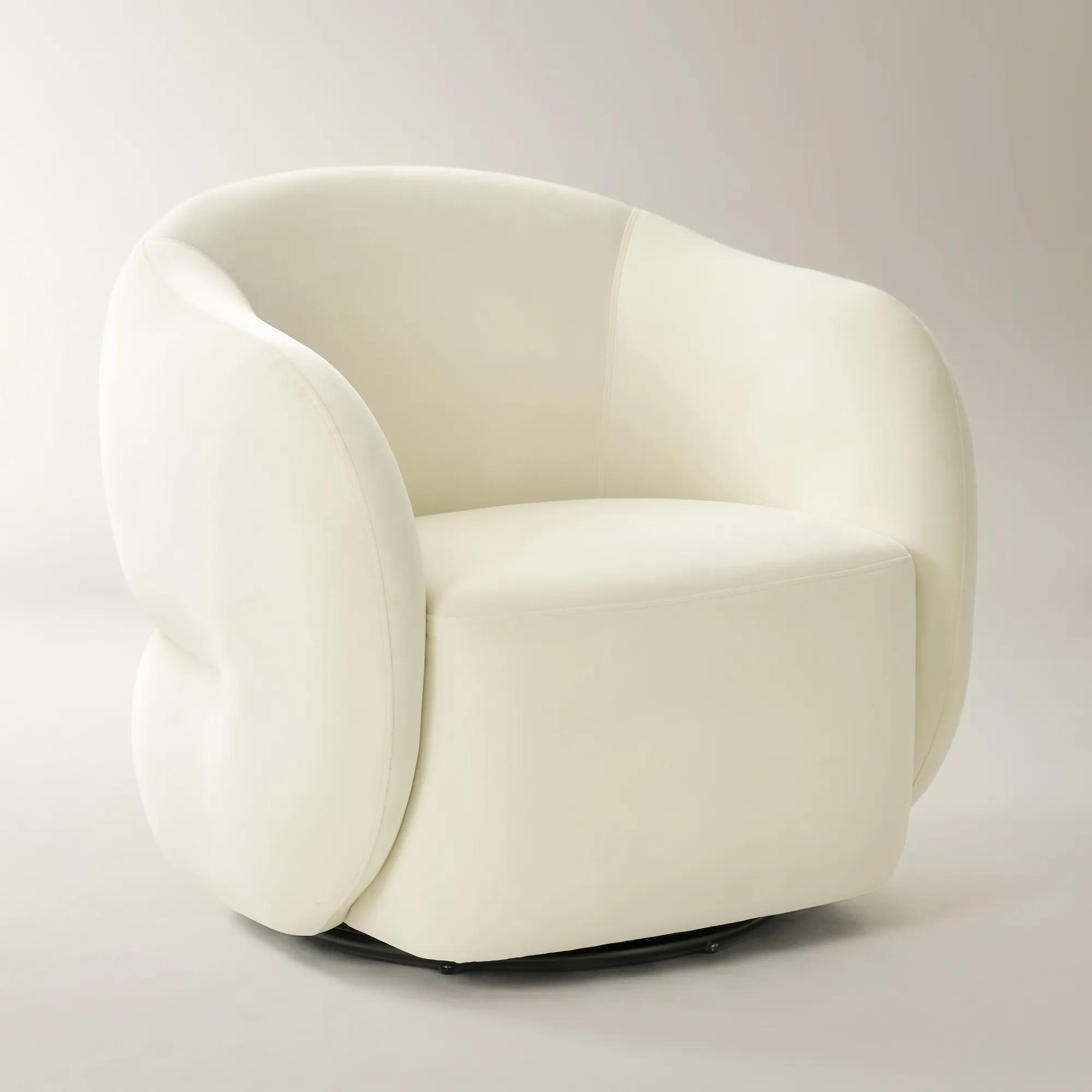
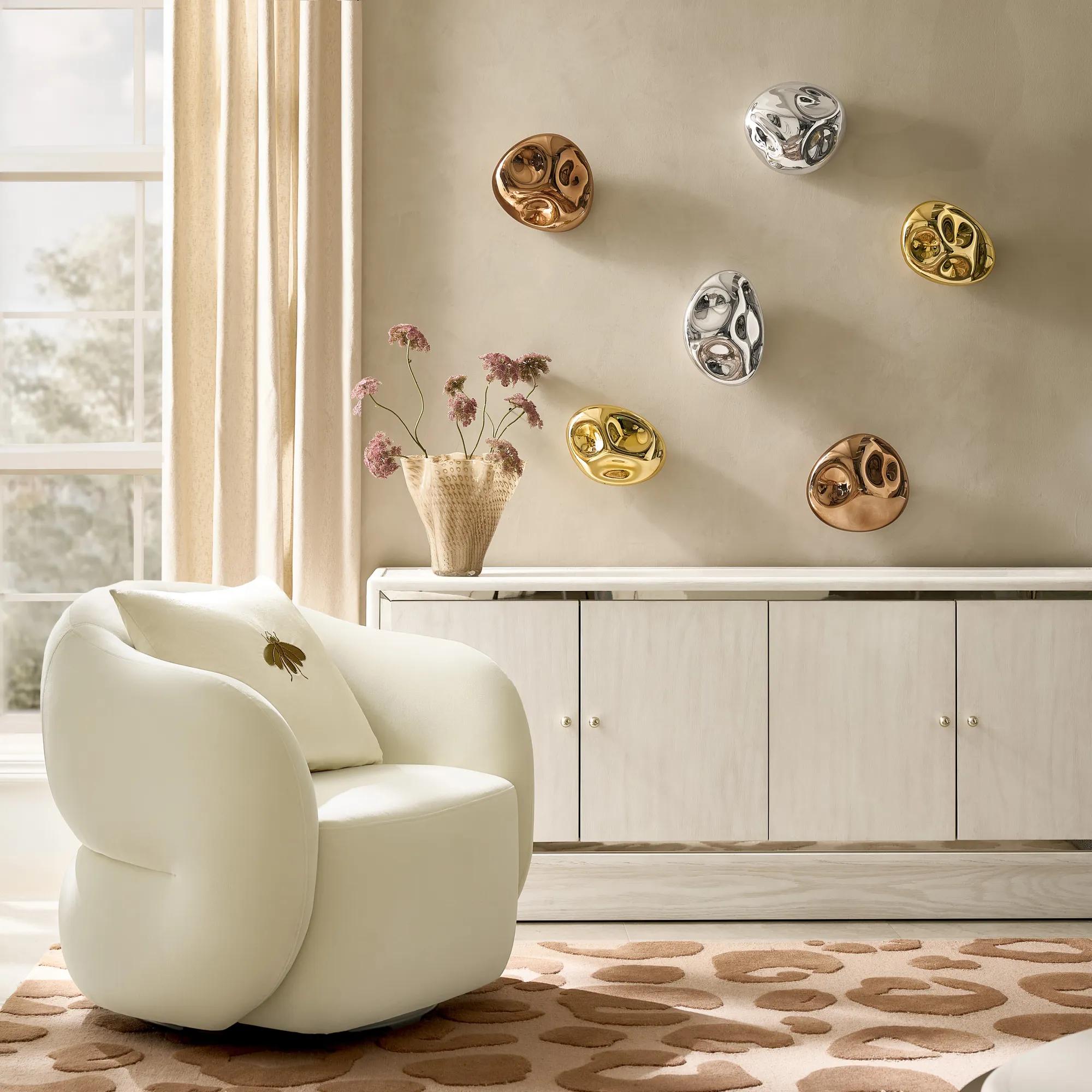 Sierra Cloud Velvet Swivel Accent Chair$899
A plush velvet accent chair featuring a wraparound back, fluid curves, and smooth 360° swivel base.
Add To Cart -
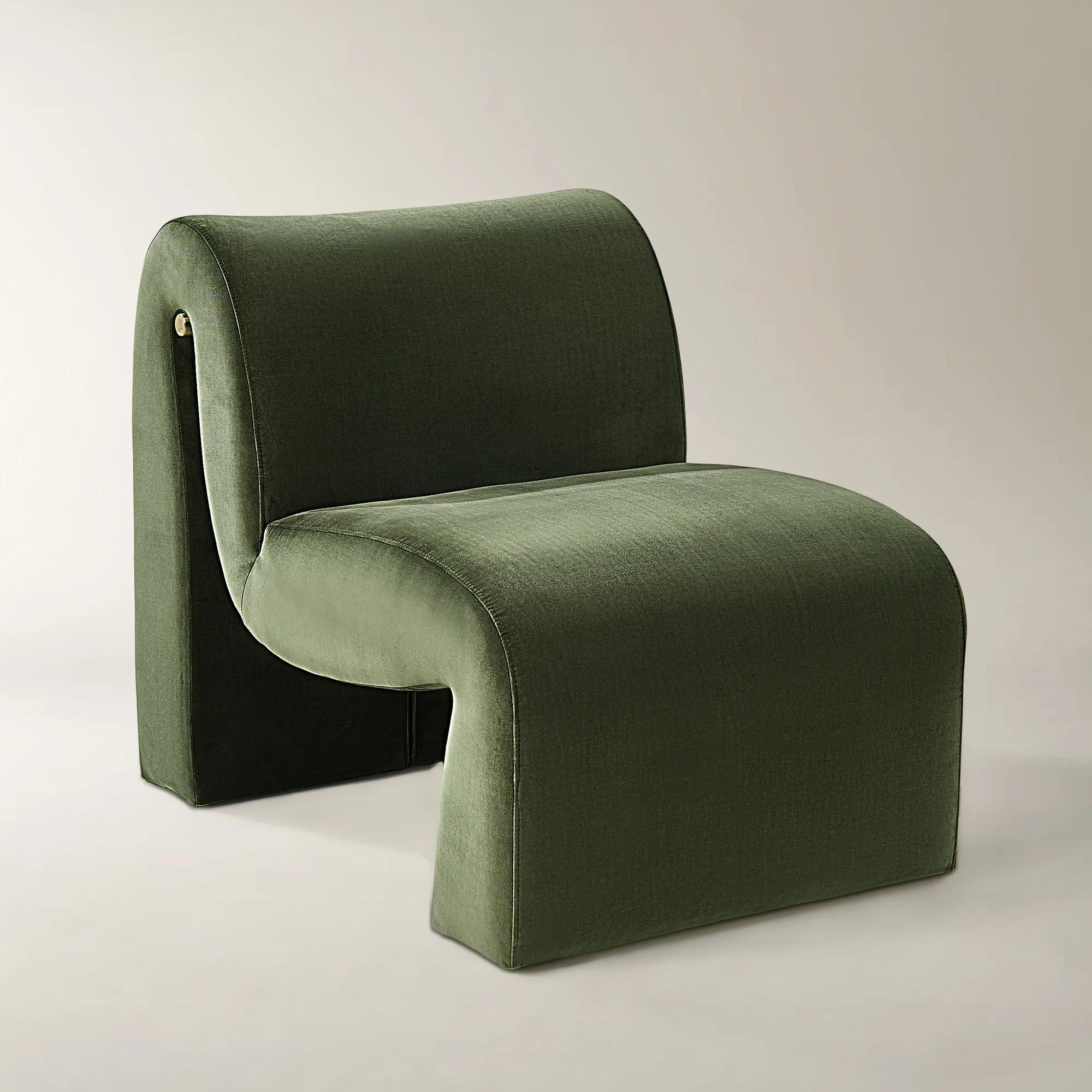
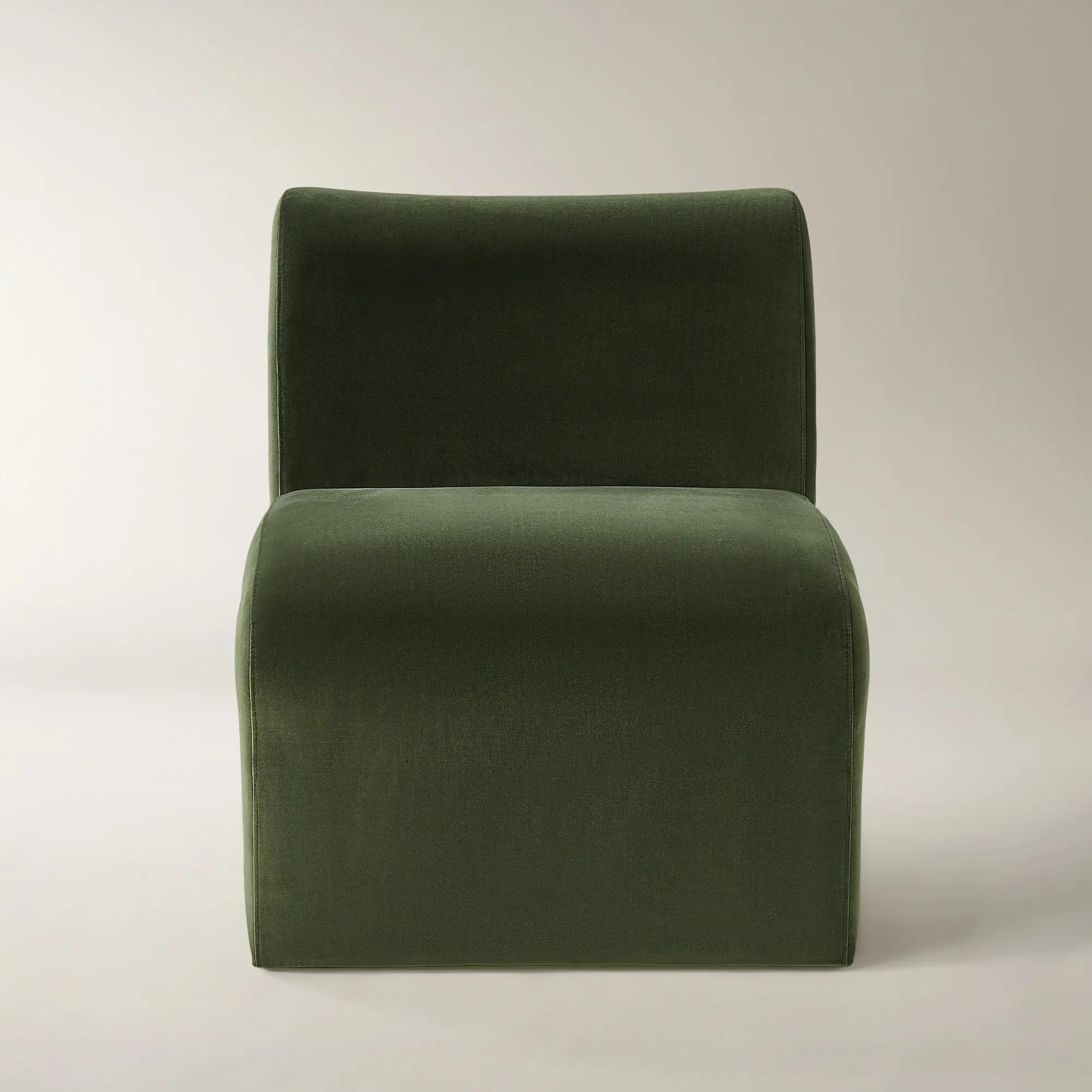 Cora Jade Green Velvet Accent Chair$899
A sculpted accent chair in jade green velvet with a gold stainless-steel inlay for refined glamour.
Add To Cart -
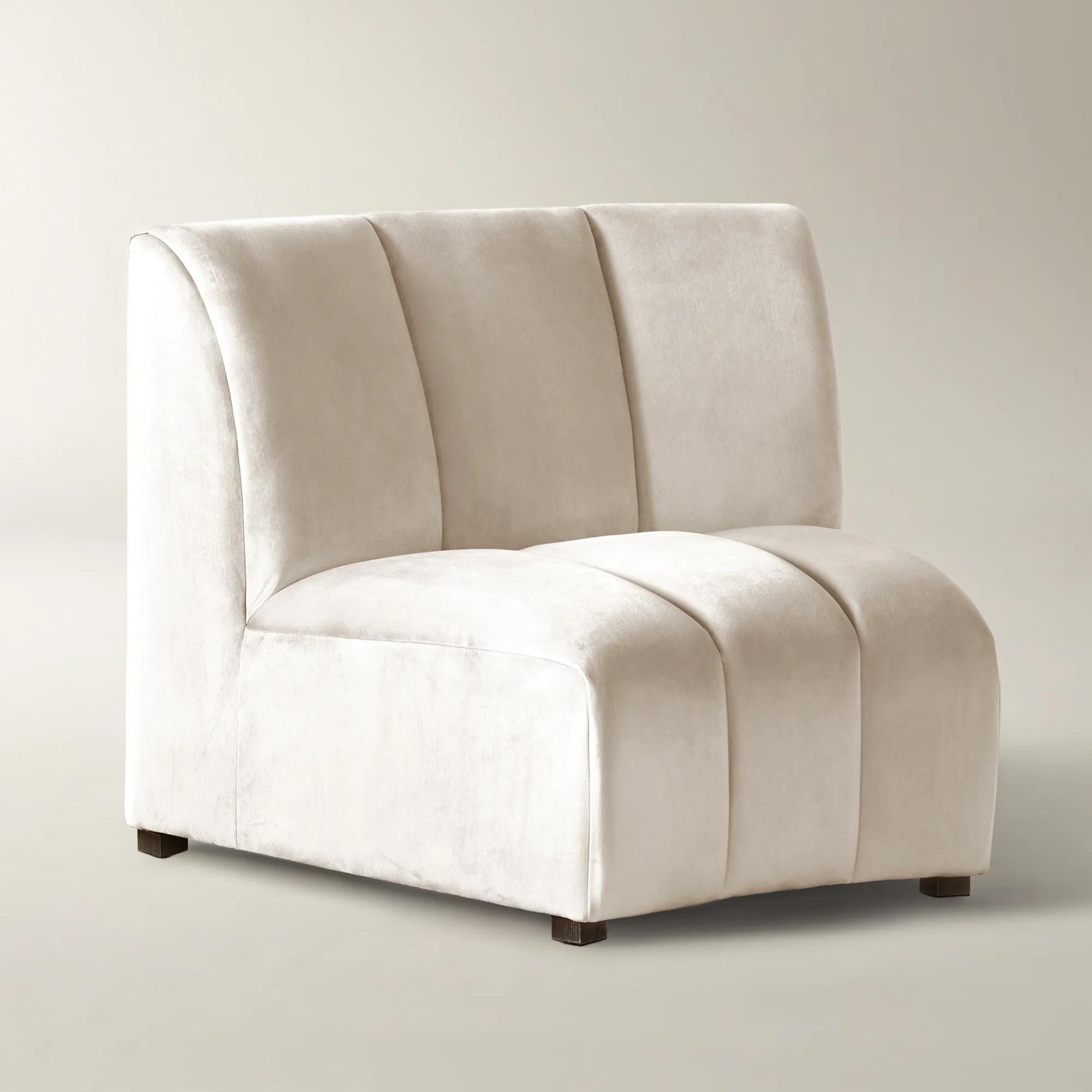
 Jocelyn Channel-Tufted Oatmeal Velvet Armless Chair$1399
An armless chair upholstered in oatmeal velvet with deep channel tufting and a flowing, curved silhouette.
Add To Cart -
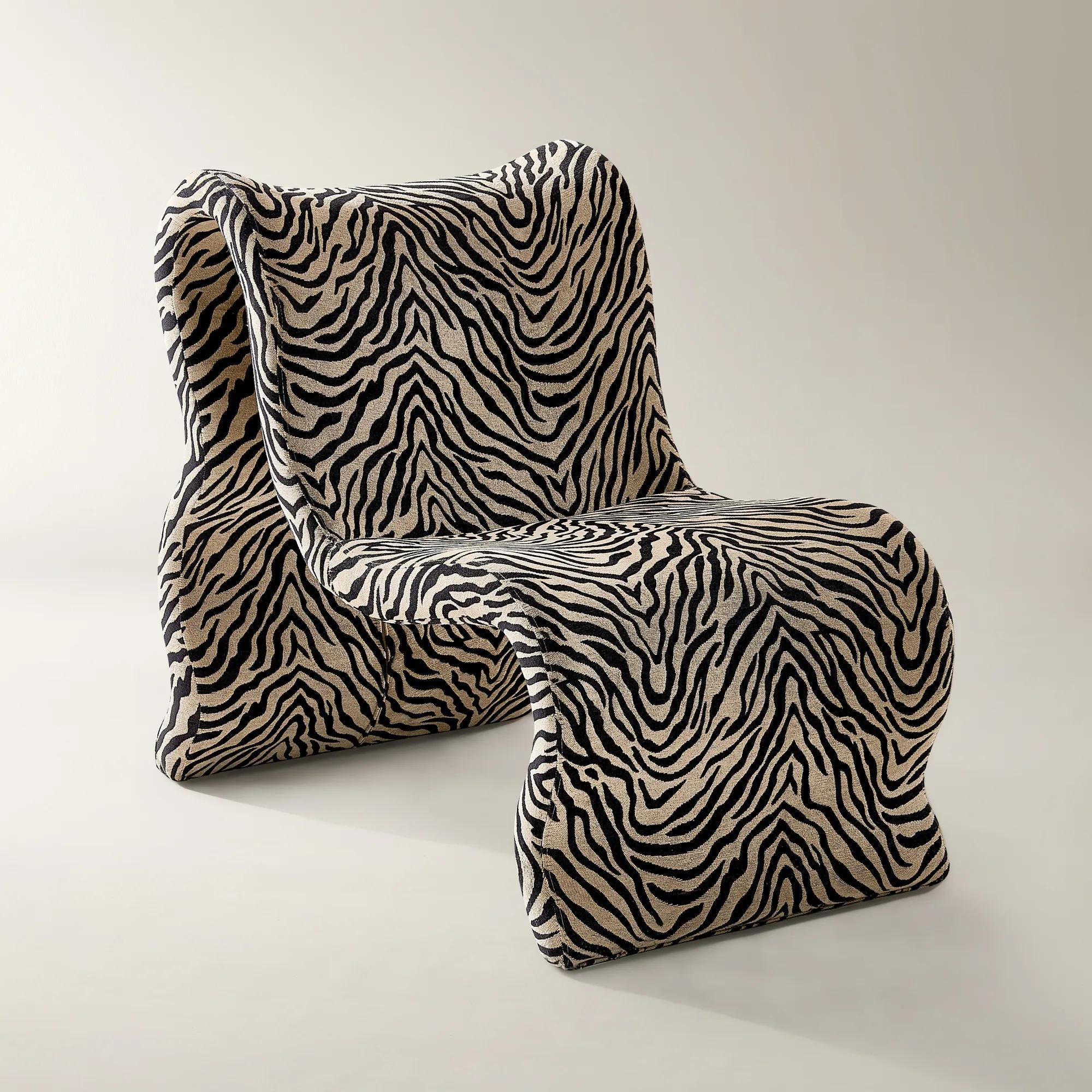
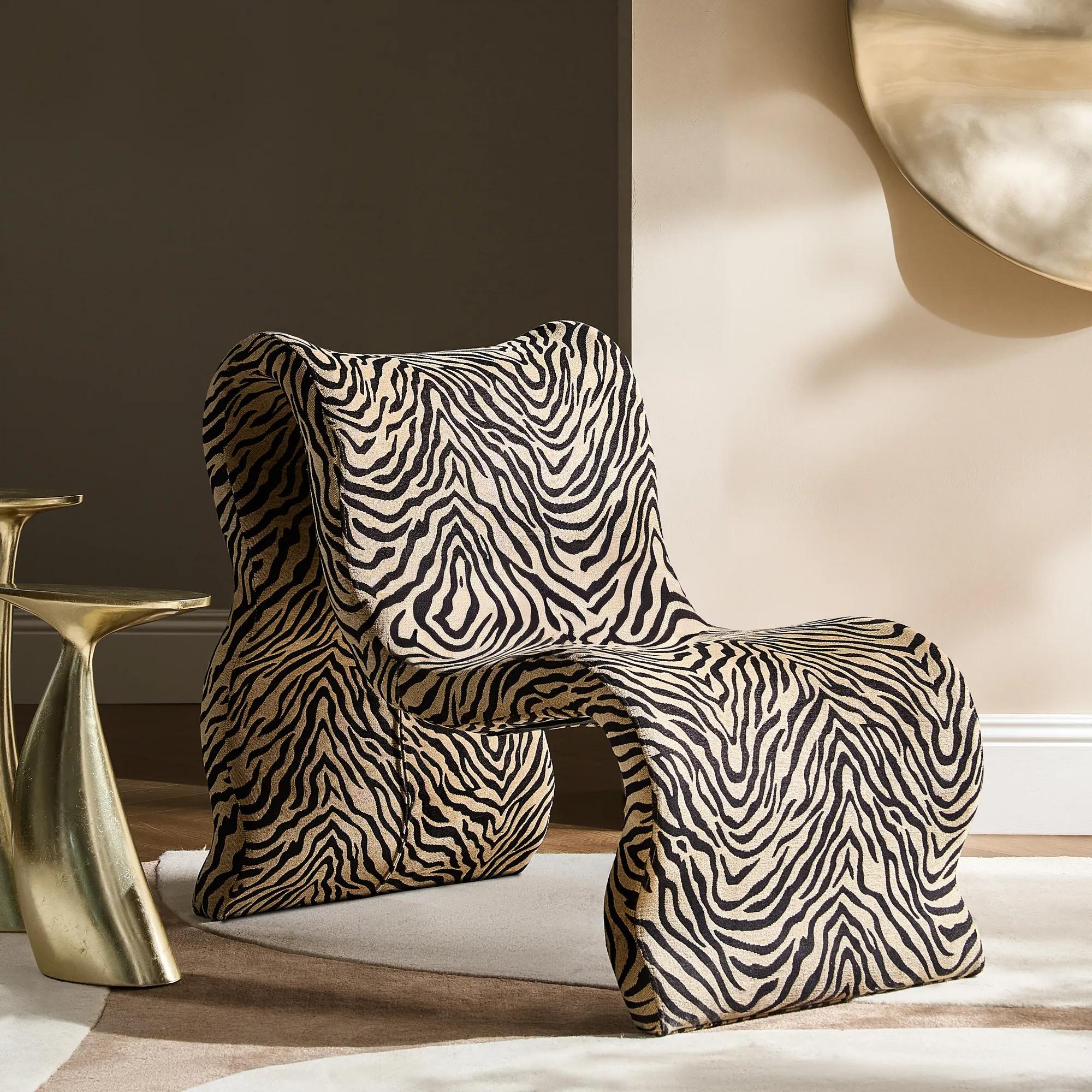 Romy Zebra Chenille Accent Chair$999
A sculptural accent chair featuring bold zebra-print chenille upholstery and a continuous wave-like silhouette.
Add To Cart -
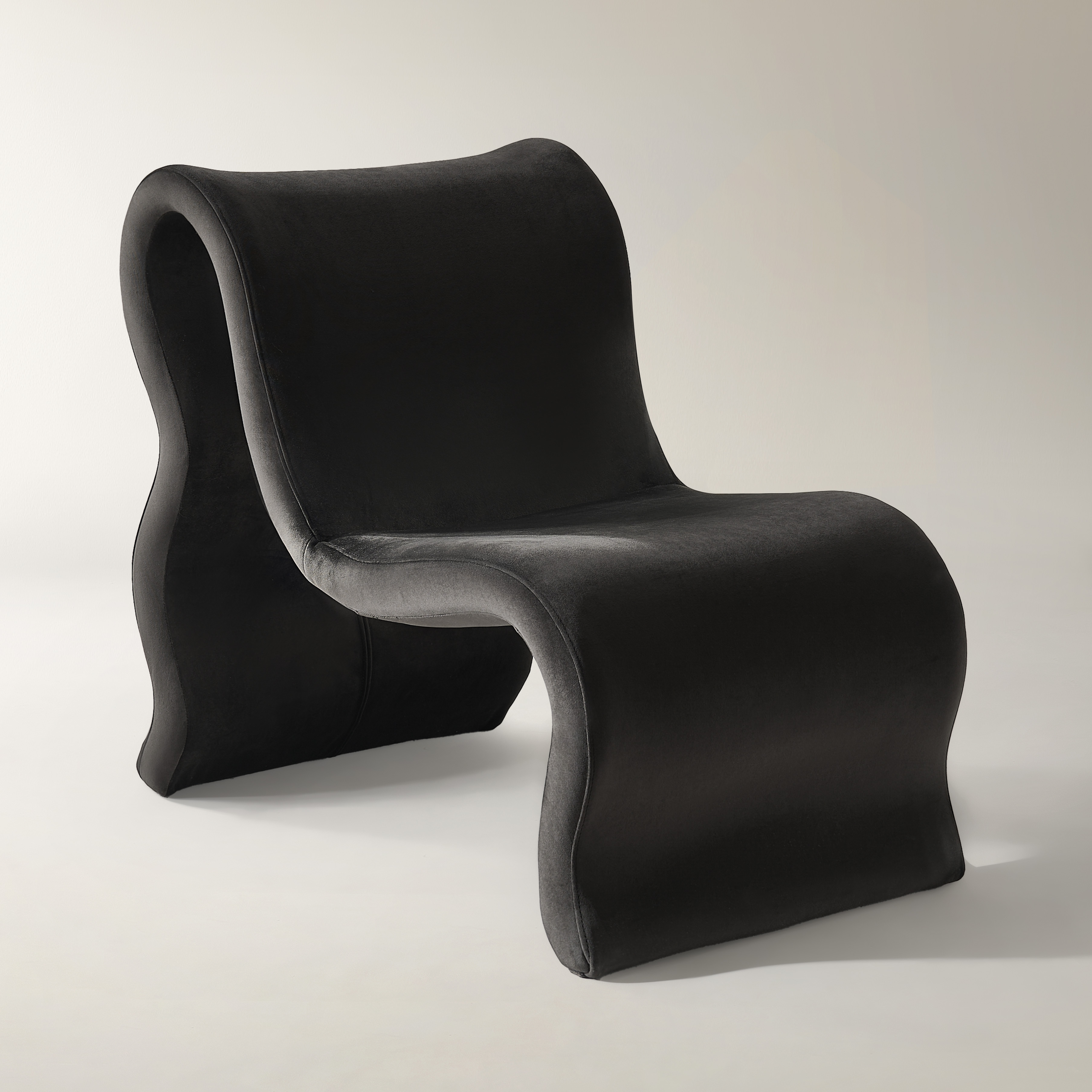 Romy Charcoal Velvet Accent Chair$999
A sculptural accent chair in charcoal velvet with a wave-like silhouette and full foam construction.
Add To Cart -
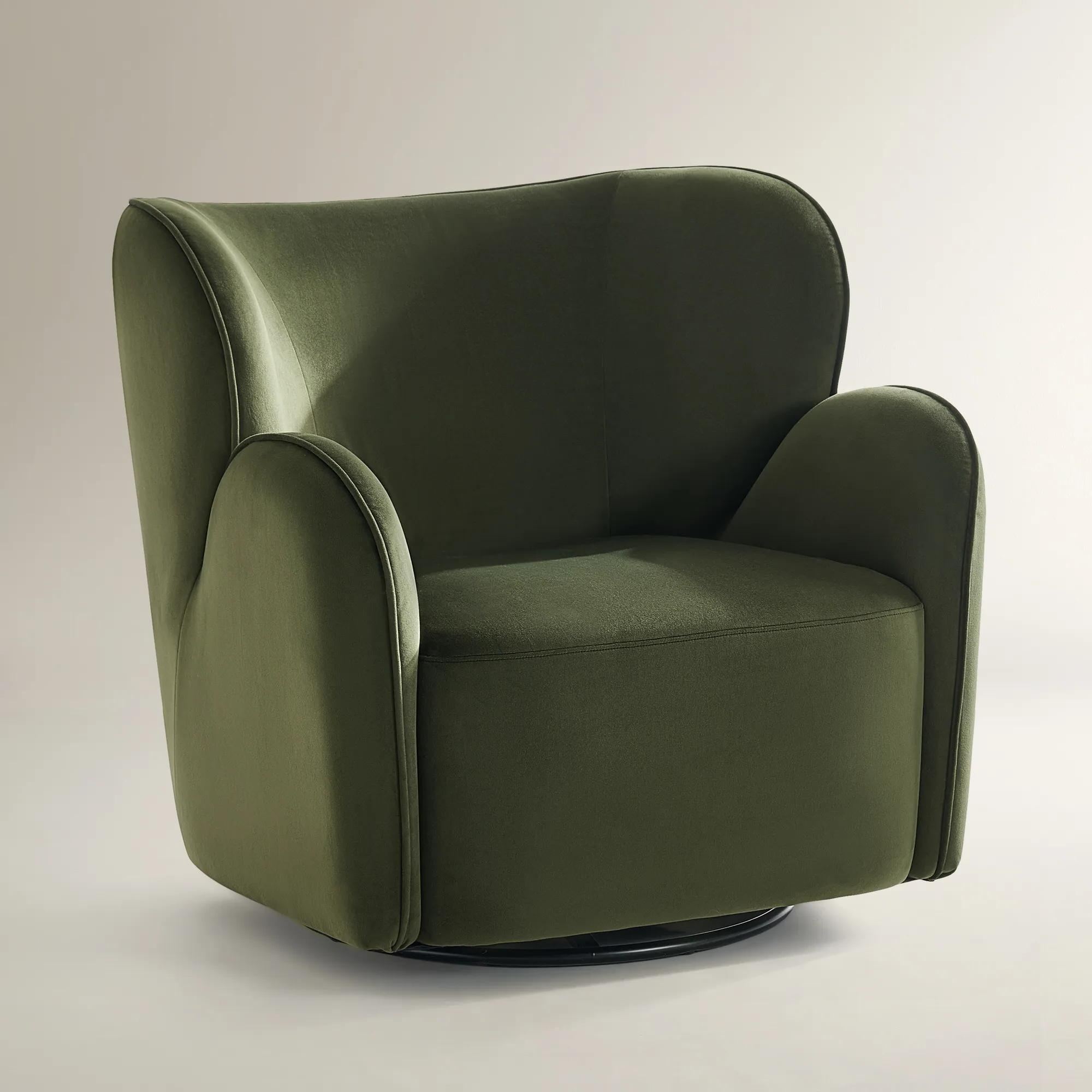
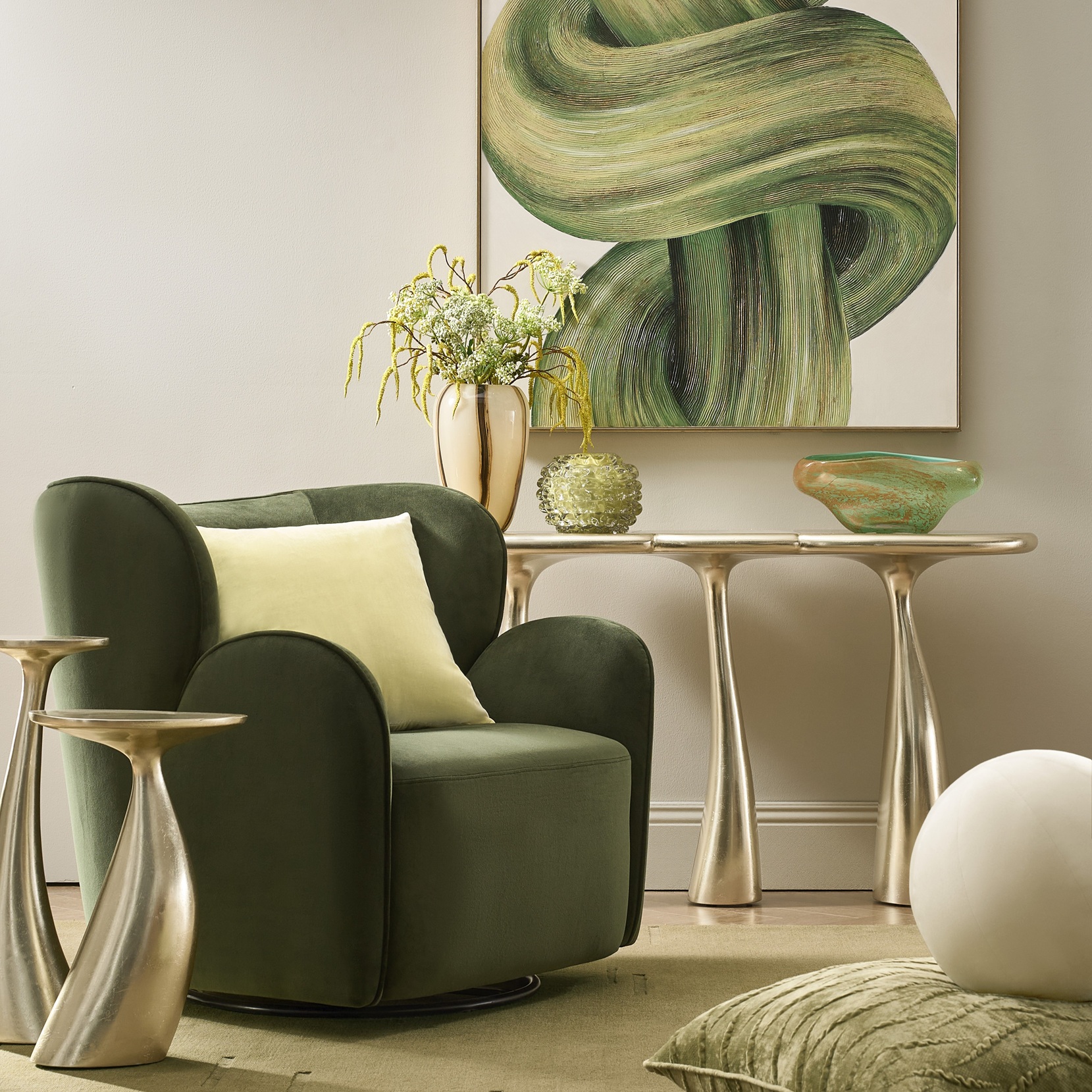 Ceres Jade Green Velvet Swivel Accent Chair$799
A plush jade green velvet chair with a curved silhouette, 360° swivel, and supportive foam cushioning.
Add To Cart -
 Collins Sand Outdoor Accent Chair$1299
A sand-hued outdoor accent chair with a sleek, modern silhouette.
Add To Cart -
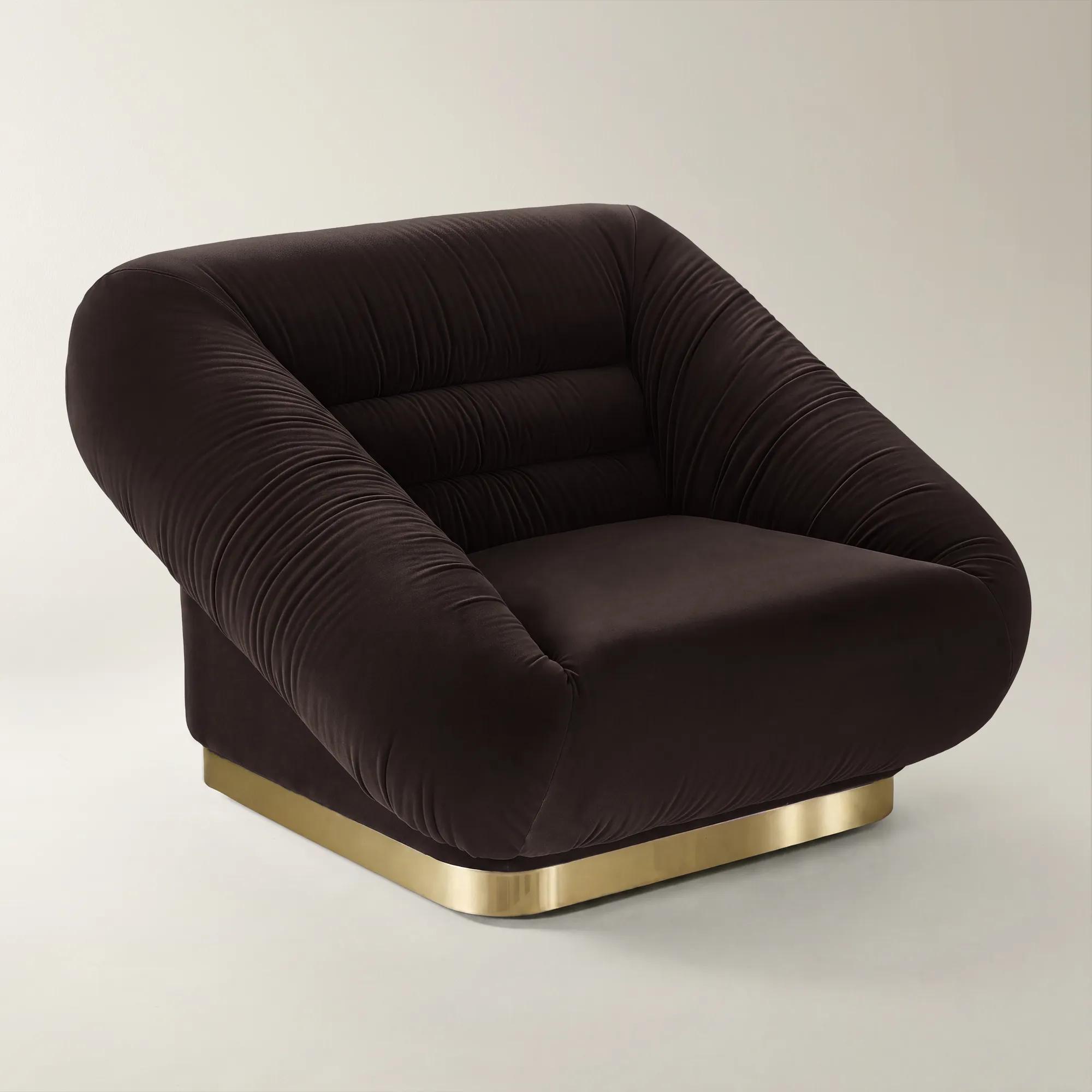
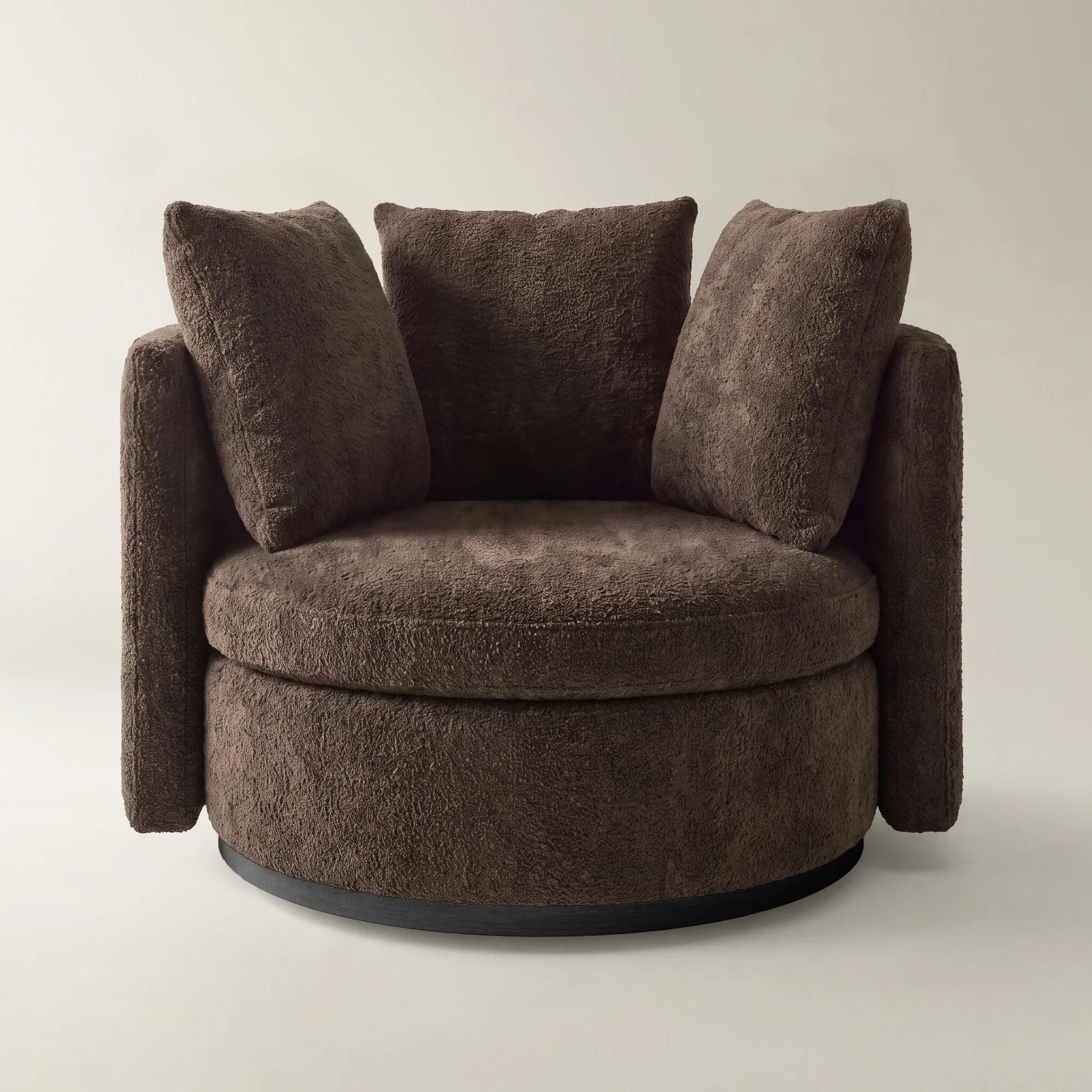
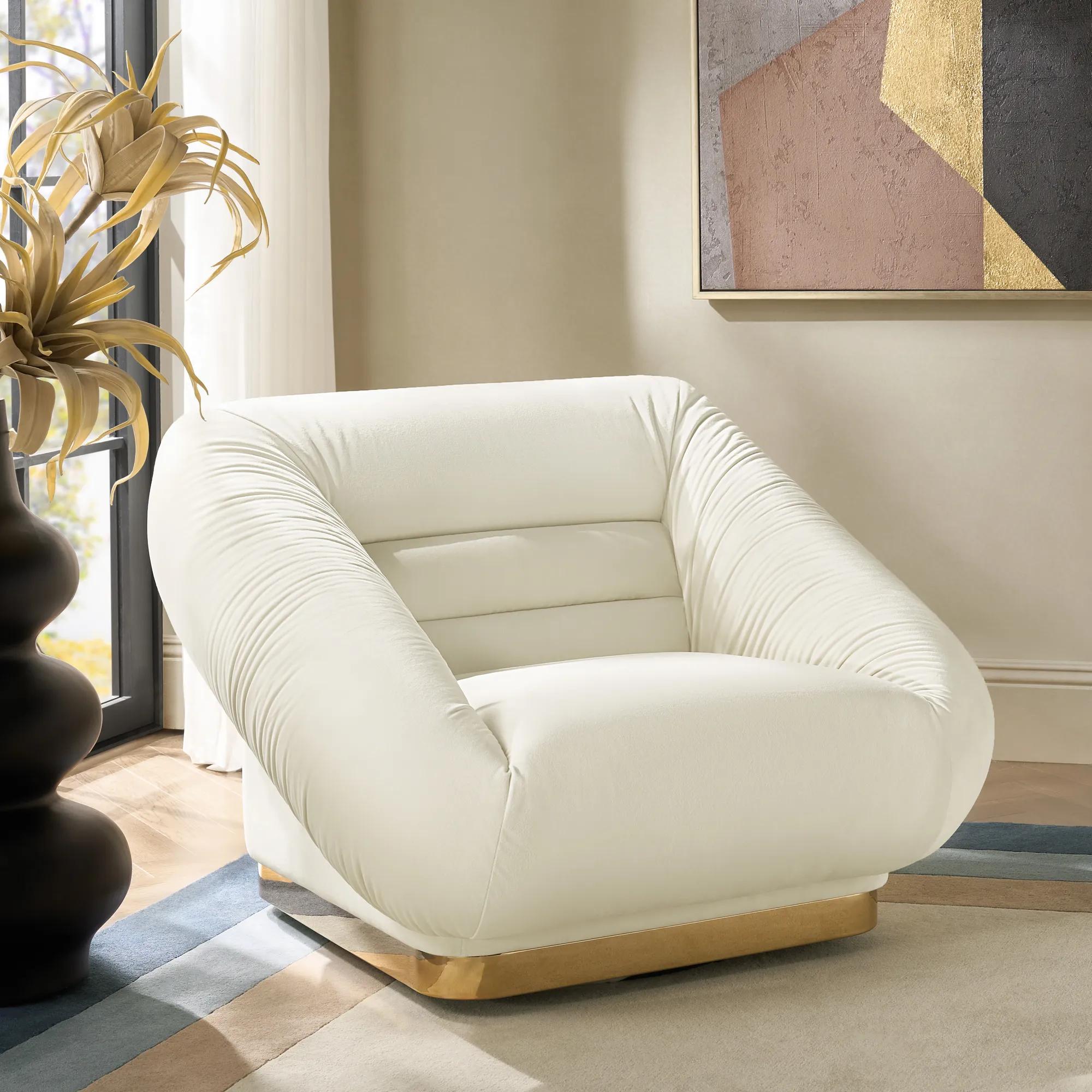 Dover Dark Chocolate Velvet Swivel Accent Chair$1299
A dark chocolate velvet accent chair with a sculptural silhouette, 360° swivel, and soft gold-finished trim.
Add To Cart -
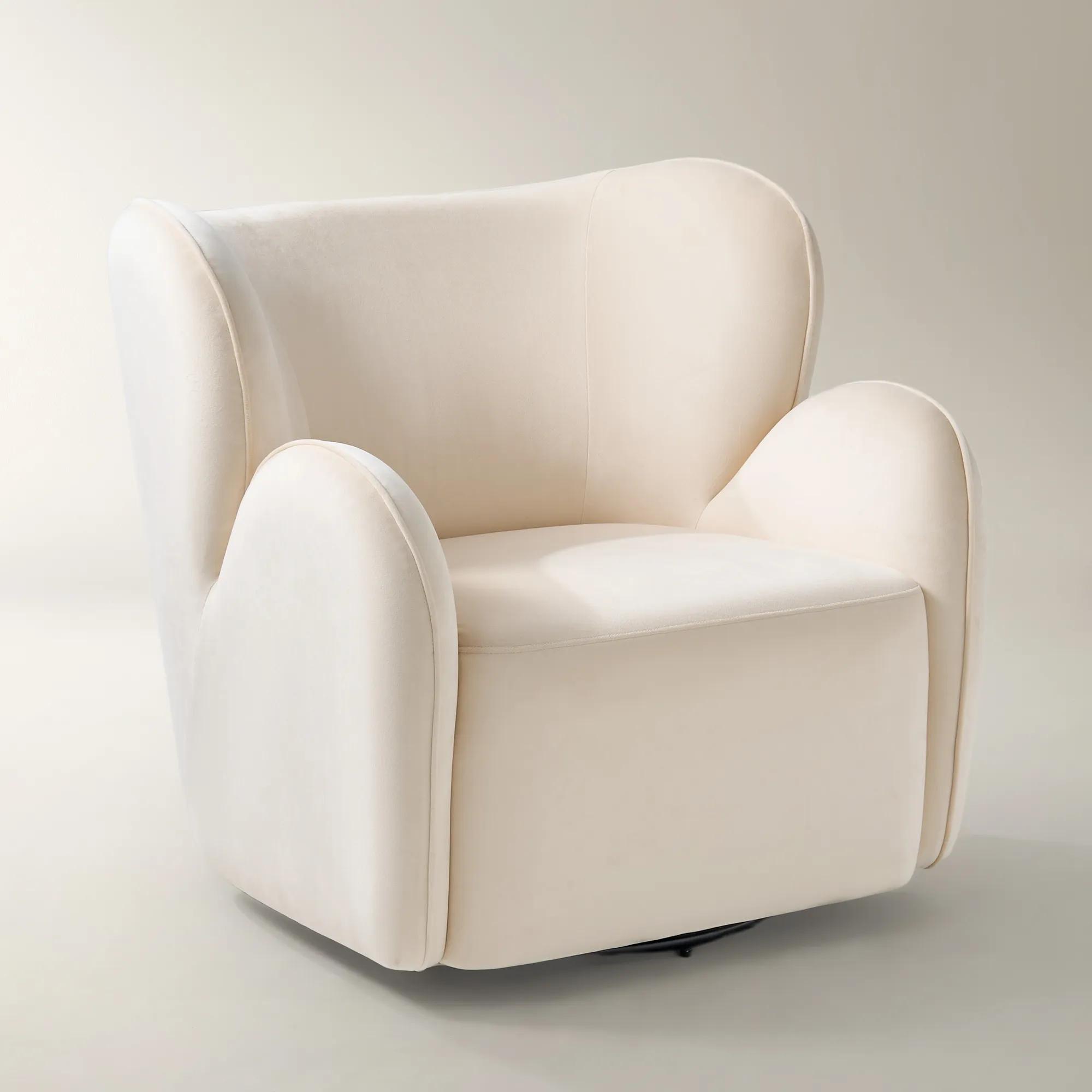
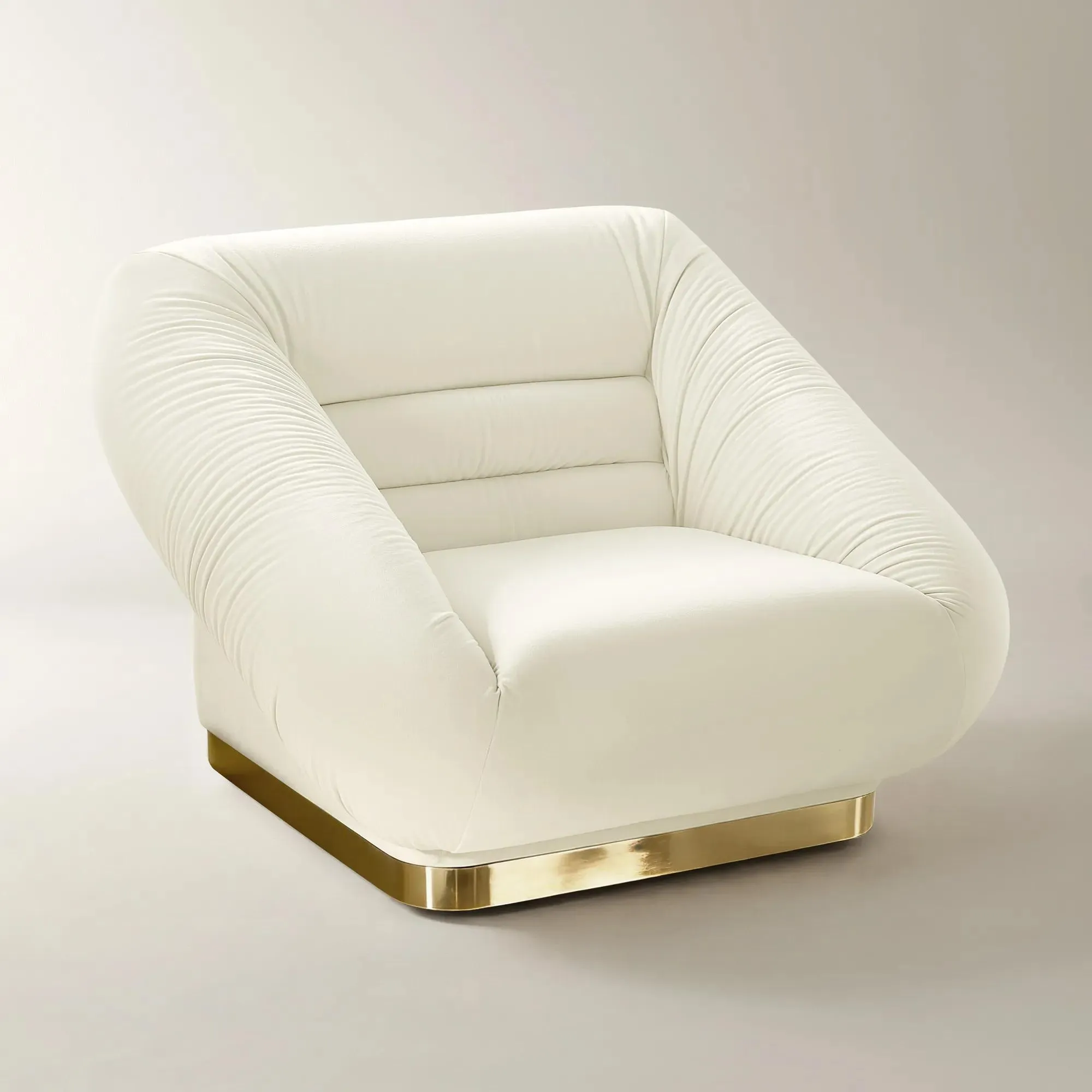
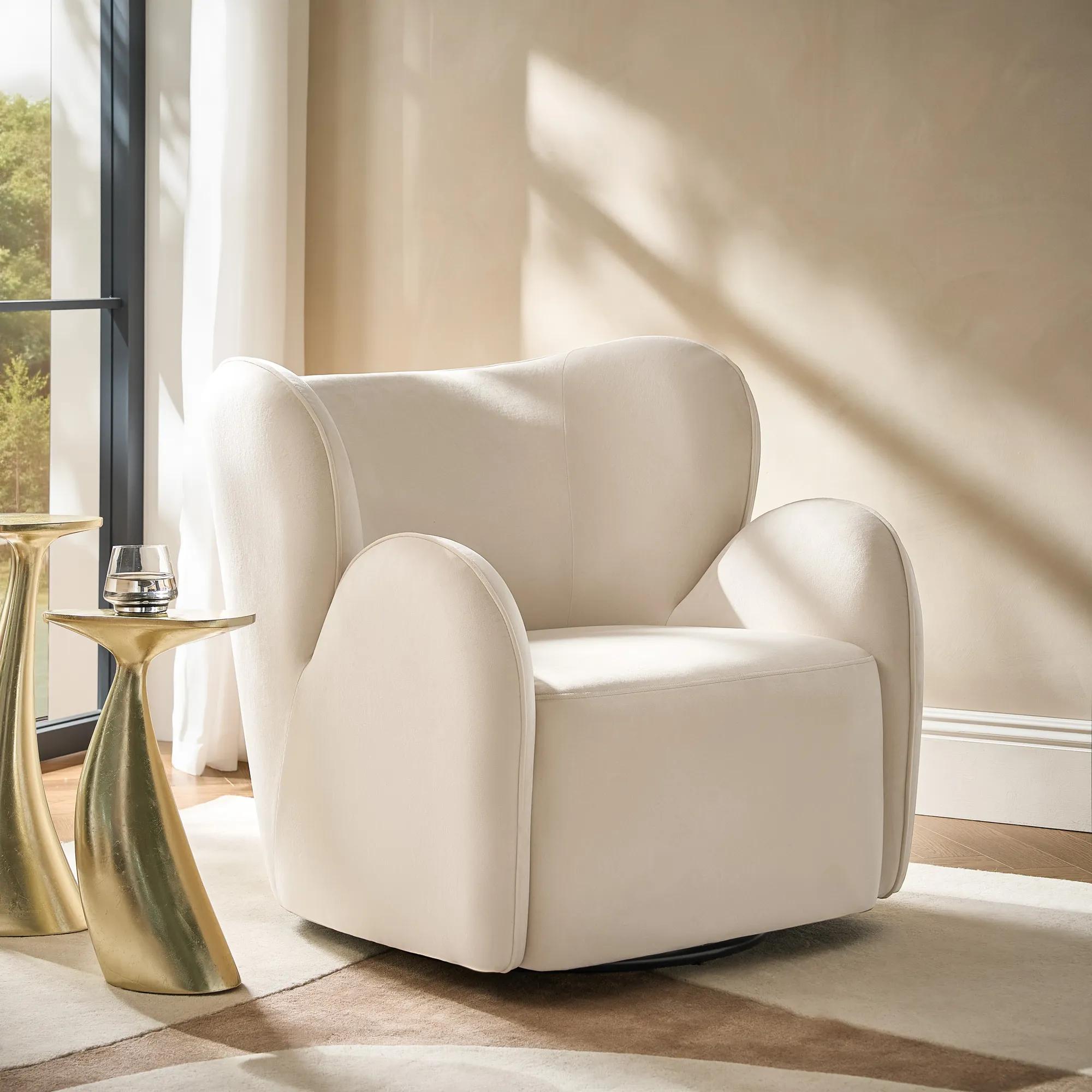 Ceres Ivory Velvet Swivel Accent Chair$799
An ivory velvet accent chair featuring a curved silhouette, 360° swivel, and plush, supportive cushioning.
Add To Cart -
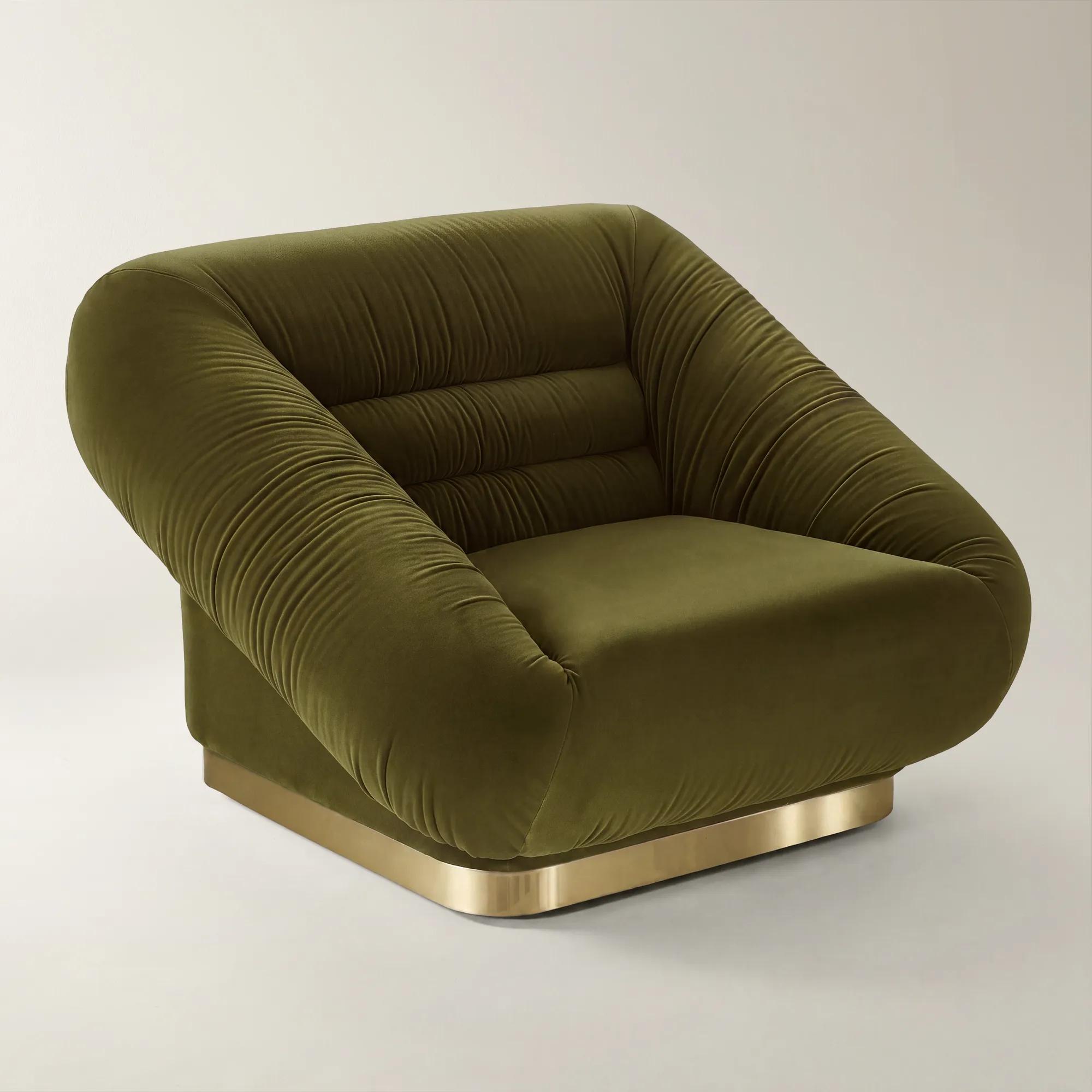
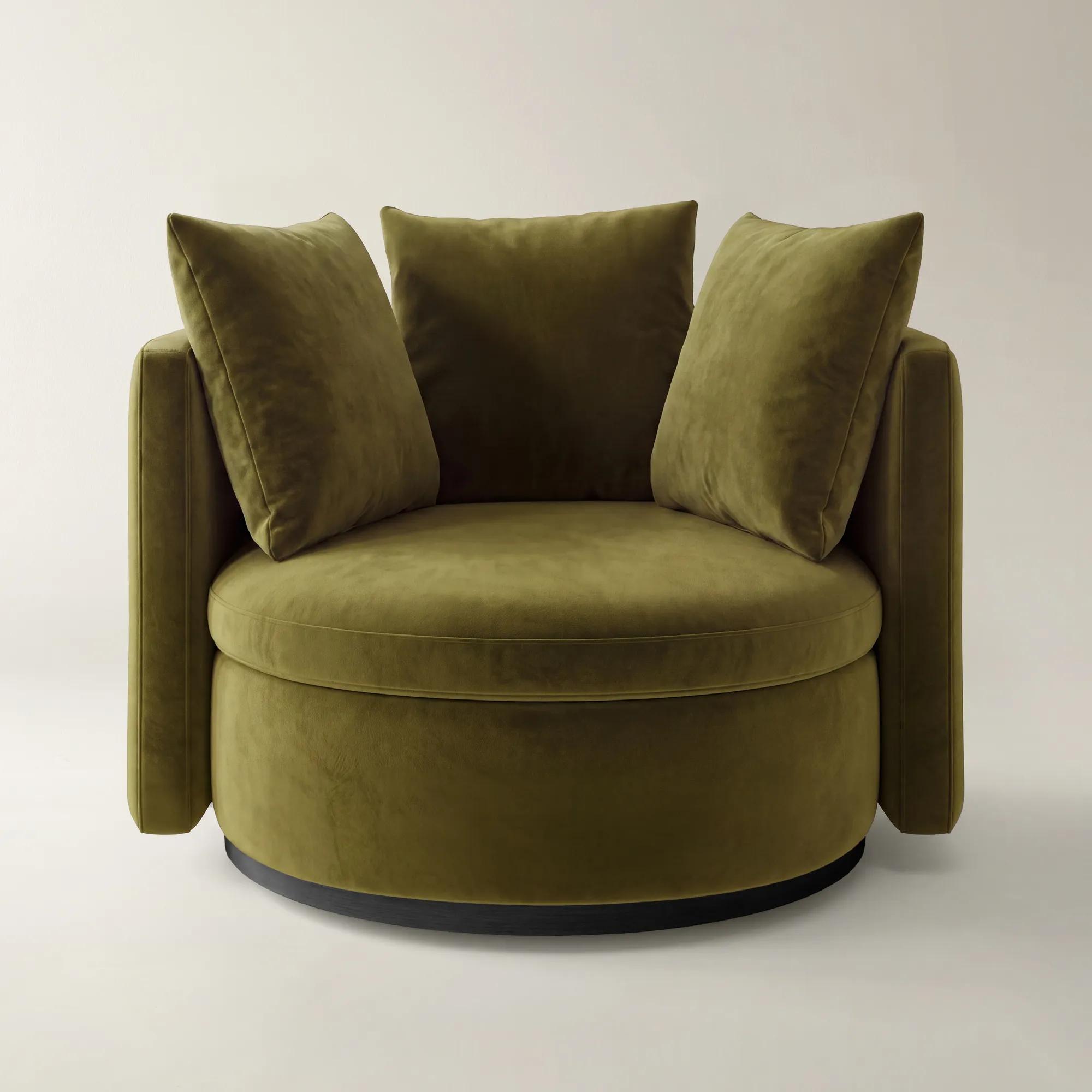
 Dover Deep Olive Velvet Swivel Accent Chair$1299
A sculptural deep olive velvet chair with gathered upholstery, soft gold trim, and smooth 360-degree swivel functionality.
Add To Cart

Accent Chairs For Creating Conversation Areas
Accent chairs for creating conversation areas are the secret to transforming any room into a stage for connection and style. Each piece is an invitation—beckoning guests to linger, converse, and revel in the art of gathering. With silhouettes that spark intrigue and upholstery that delights the senses, these chairs don’t just offer a seat—they compose a mood, frame a moment, and elevate your living space into an experience. Let your home become a gallery of conversation, where every accent chair sets the scene for stories yet to unfold.
Accent chairs for creating conversation areas bring people into a comfortable, face-to-face arrangement while giving a room a distinct point of view. The most effective choices combine supportive seating, proportions suited to the space, and a silhouette that encourages guests to settle in rather than perch at the edge. Two upholstered armchairs opposite a sofa create a balanced gathering place; a pair angled toward each other with a small table between them turns an unused corner into an intimate setting for coffee and conversation. In an open living room, swivel accent chairs offer particular flexibility, allowing someone to turn toward the sofa, a nearby dining area, or another guest without repositioning the entire chair. Curved barrel chairs introduce an enveloping shape, while exposed-frame designs can preserve sightlines where a room needs visual breathing space. These differences matter as much as color: a high back creates a more sheltered seat, and a lower profile keeps the arrangement connected to the room beyond it. Scale makes the distinction between a beautifully composed conversation area and one that feels crowded. A generous chair needs room not only for its footprint but also for someone to approach, sit, and stand comfortably. For a chair beside a coffee table, approximately 14 to 18 inches of clearance often keeps refreshments within reach while leaving space for knees; major walkways generally benefit from about 36 inches, adjusted for the household’s mobility needs. A swivel base requires additional clearance through its full rotation. In a smaller apartment, two compact chairs may support conversation more gracefully than one oversized seat that interrupts circulation. In an expansive living room, substantial upholstery and a larger rug can give a grouping the presence it needs. The result is an arrangement with purpose: seats close enough for easy exchange, tables positioned for real use, and an open approach that makes joining the conversation feel natural.
Upholstery establishes the mood before anyone takes a seat. Velvet lends accent chairs a rich, light-responsive surface, with color appearing deeper or brighter as its pile changes direction. Against a restrained sofa, jewel-toned velvet can make a pair of chairs feel like deliberate works of color; in a room already filled with expressive art, ivory or taupe upholstery offers a quieter counterpoint without surrendering texture. Bouclé introduces a tactile, dimensional surface that emphasizes rounded forms, while tightly woven fabrics give tailored silhouettes a crisp finish. Leather brings another kind of character, ranging from sleek and polished to softly grained, with wear and care requirements that vary by finish. Material selection is most successful when the desired atmosphere meets the realities of daily life. A conversation area used for frequent entertaining may benefit from upholstery with clearly documented cleaning instructions and durability information. Performance fabrics can offer useful resistance to certain spills or stains, but the designation does not mean every fabric is waterproof, stainproof, or suitable for every cleaning method. Households with pets may find that loosely looped textures catch claws, while velvet and other directional fabrics can show pressure marks or shading as part of their appearance. Swatches, when possible, reveal how a fabric looks beside existing upholstery and how its texture feels against bare arms. Construction deserves equal attention beneath the decorative surface. Frame materials, joinery, seat suspension, cushion composition, and stated weight limits all help clarify whether a chair suits occasional company or everyday use. Firm, resilient cushioning often supports upright conversation, while a deeper, softer seat creates a more relaxed posture. Sculpted wood arms add definition, upholstered arms offer a cushioned resting place, and metal bases introduce a gleaming architectural note. A polished finish can echo nearby lighting or table details, but a room rarely needs every finish repeated exactly. The most compelling pairings share an intentional thread—color, curve, texture, or proportion—while leaving room for contrast.
Comfort is personal, and the right accent chair should suit the people most likely to use it. Seat height, usable seat depth, back angle, and arm placement influence whether a guest can rest both feet comfortably on the floor and rise without unnecessary effort. A deep lounge chair may be inviting for someone who likes to curl up with a book, yet less suitable as the principal seat for a guest who prefers upright support. Chairs with supportive arms can provide a useful place to push from when standing, although the chair’s stability and individual mobility needs remain essential considerations. For a couple who entertains regularly, matching chairs create a confident visual rhythm across from a sofa; for a household with different comfort preferences, two complementary silhouettes can feel equally considered. Pairing accent chairs with complementary Seating For Conversation Areas allows the arrangement to accommodate different ways of sitting without requiring every piece to look identical. A shared upholstery tone or related frame finish can connect those individual choices. Before bringing a chair into the room, measurements should account for doorways, hall turns, elevators, and any assembly requirements, not simply the space beside the sofa. Once in place, thoughtful care helps preserve the finish and upholstery that give the chair its character. Regular gentle vacuuming with an appropriate upholstery attachment removes surface dust; prompt blotting with a clean, absorbent cloth can help contain a spill without working it deeper into the fabric. Cleaning codes and manufacturer instructions should determine whether water-based products, solvents, or professional treatment are appropriate. Removable cushion covers are not necessarily machine washable, and leather generally requires care suited to its particular finish. Direct sunlight can alter some upholstery colors, while repeated contact with rough hardware or abrasive objects can damage delicate surfaces. Where cushions are designed to be rotated, doing so can distribute wear more evenly. With these practical details considered, accent chairs become more than decorative punctuation. They give a living room a welcoming rhythm, transform a spacious bedroom corner into a place for unhurried conversation, and bring sculptural beauty to the moments shared at home.
FAQs
Accent chairs with enveloping silhouettes, such as barrel or club chairs, are ideal for fostering intimacy and comfort in conversation areas. Swivel chairs add versatility, while armless slipper chairs or open-frame designs keep smaller spaces feeling light and airy. Mixing textures and shapes can add visual intrigue and encourage guests to settle in and connect.
Arrange accent chairs in pairs facing each other or angled toward a central focal point, such as a sofa or coffee table, to promote eye contact and easy dialogue. Positioning chairs near a fireplace or window can create a secondary seating zone, while keeping pathways clear ensures the area feels open and welcoming.
Luxurious materials like velvet, boucle, and leather bring tactile richness and visual depth to accent chairs, elevating the overall mood of your space. These fabrics not only feel sumptuous but also add warmth and sophistication, making them perfect for cozying up during gatherings or quiet evenings.
Absolutely. Accent chairs make a memorable and stylish gift for housewarmings, weddings, or milestone celebrations. They offer both beauty and function, serving as a lasting reminder of the occasion and providing the recipient with a chic, comfortable spot for relaxation or entertaining.
To create a cohesive yet dynamic look, combine accent chairs that share a common design element—such as color, texture, or finish—while varying their shapes or profiles. This approach allows for individual expression while maintaining harmony, resulting in a space that feels curated and inviting.