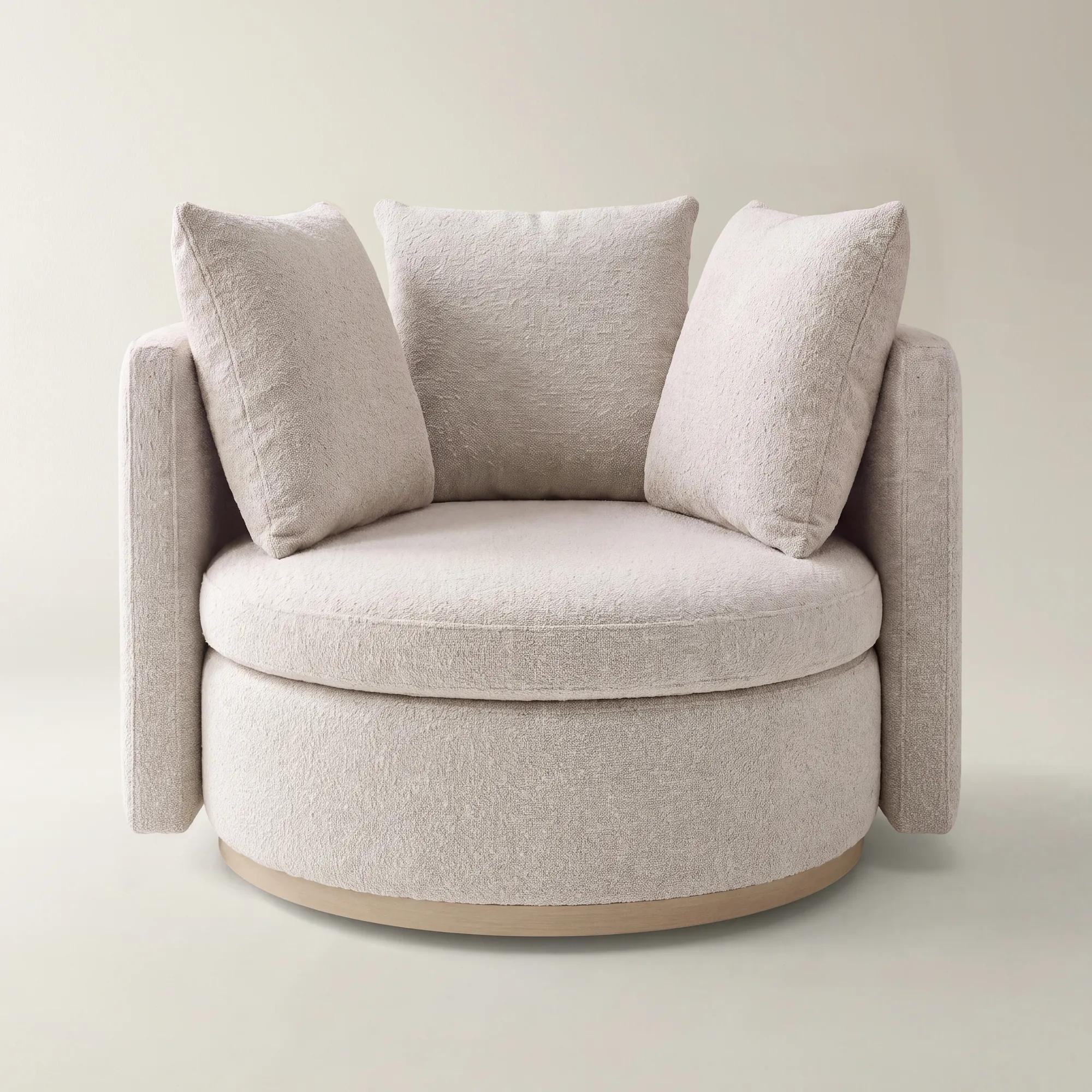
Accent Chairs For Elegant Sitting Areas
Accent Chairs For Elegant Sitting Areas
-
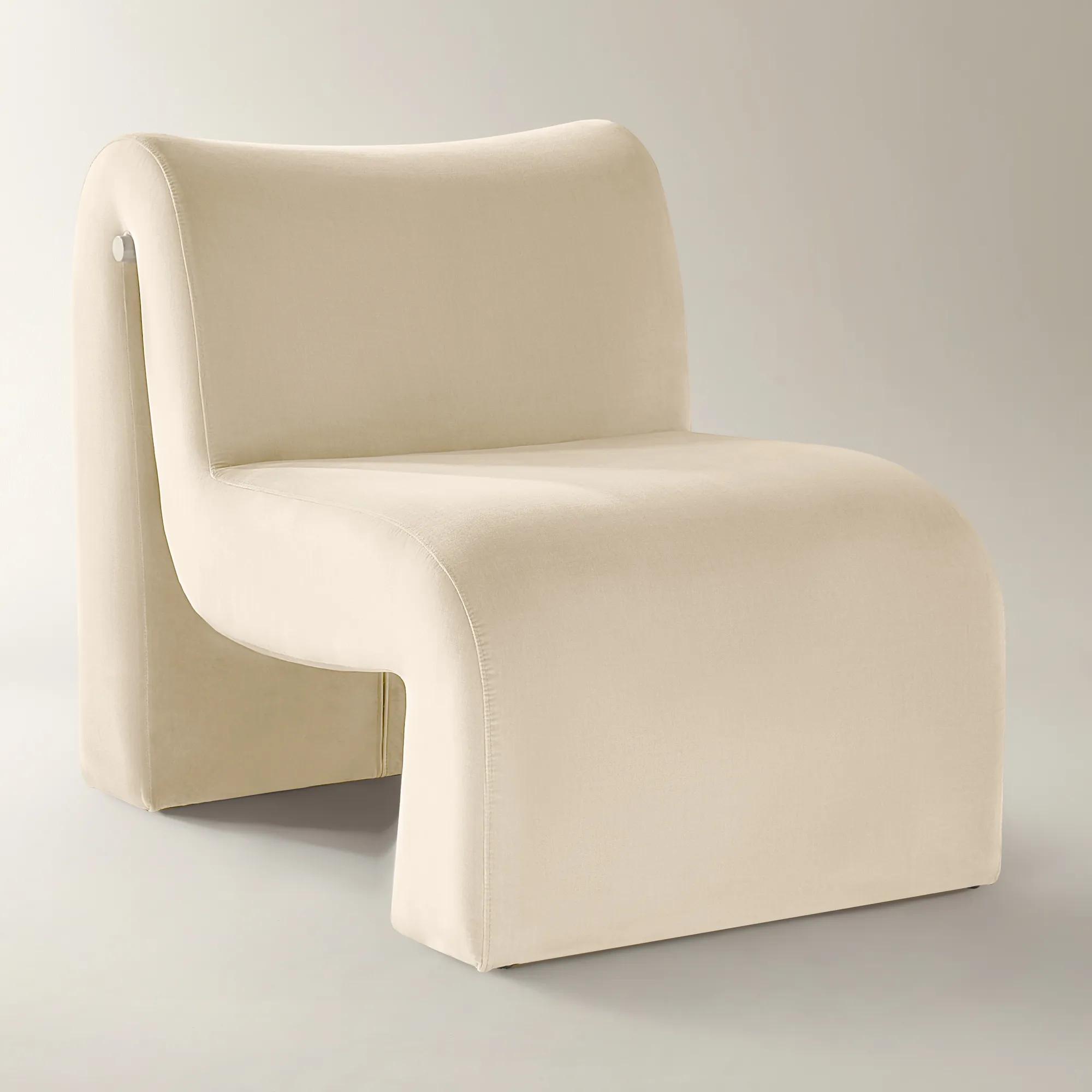 Cora Ivory Velvet Accent Chair$899
A sculpted ivory velvet chair featuring a continuous curved silhouette and a gold stainless-steel accent.
Add To Cart -
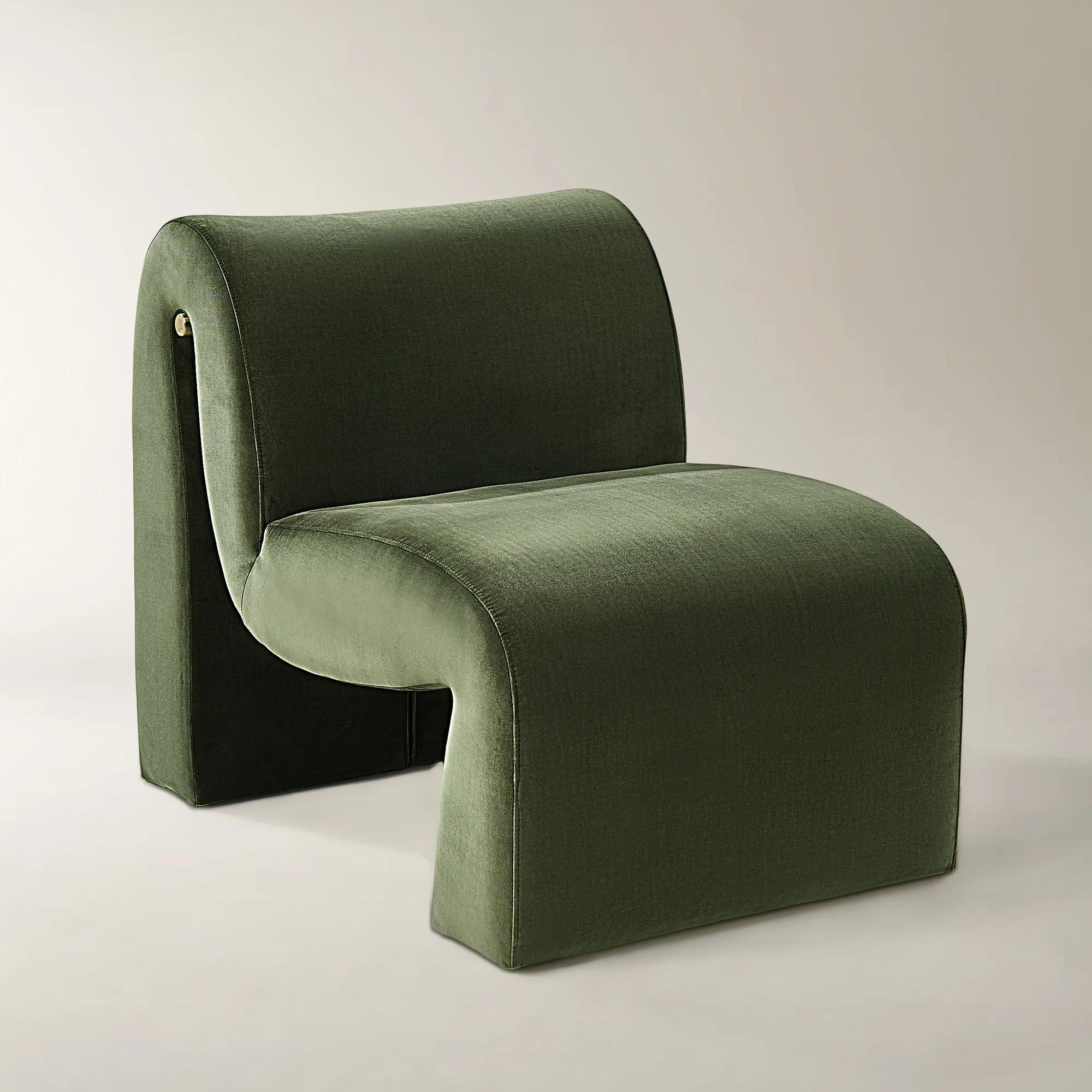
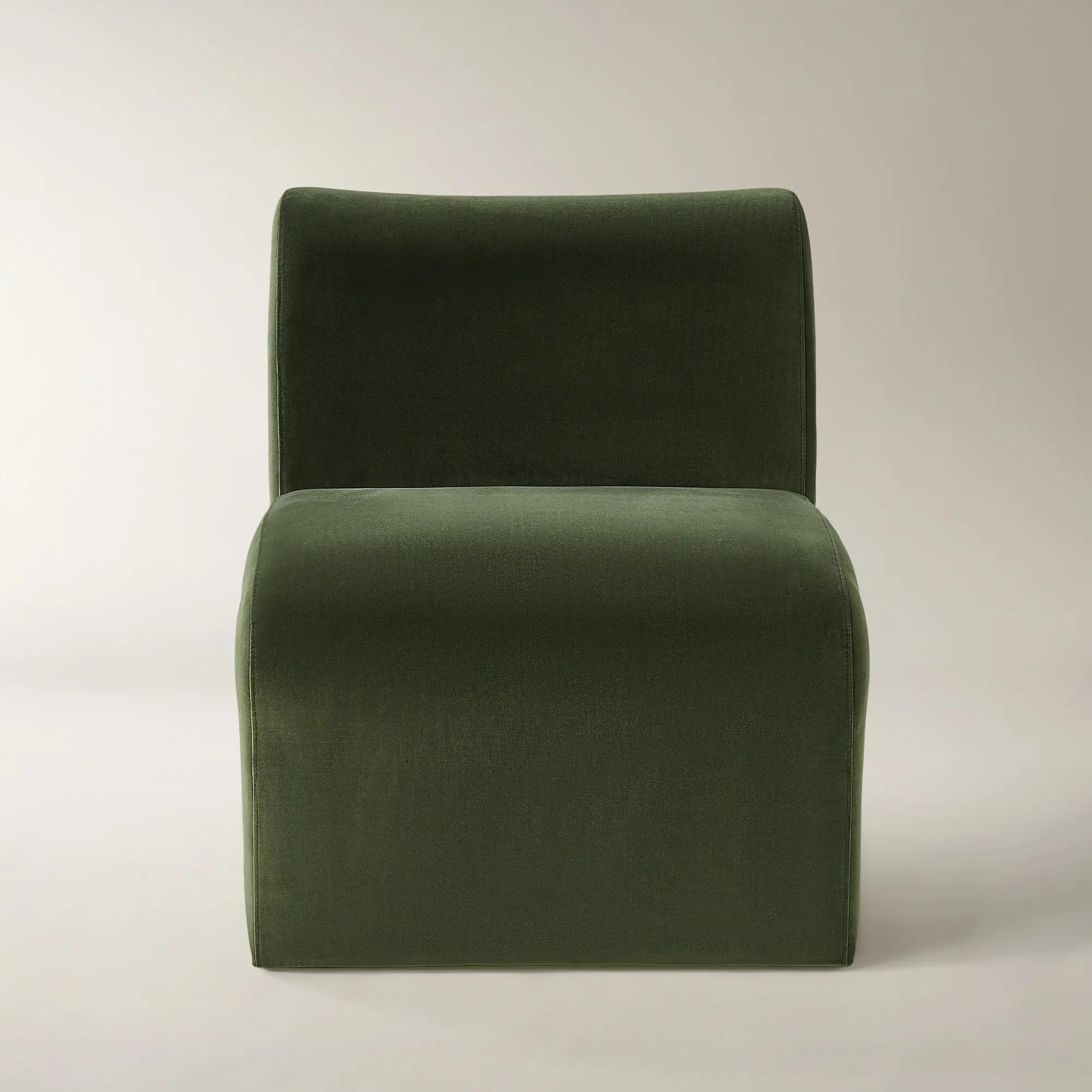 Cora Jade Green Velvet Accent Chair$899
A sculpted accent chair in jade green velvet with a gold stainless-steel inlay for refined glamour.
Add To Cart -
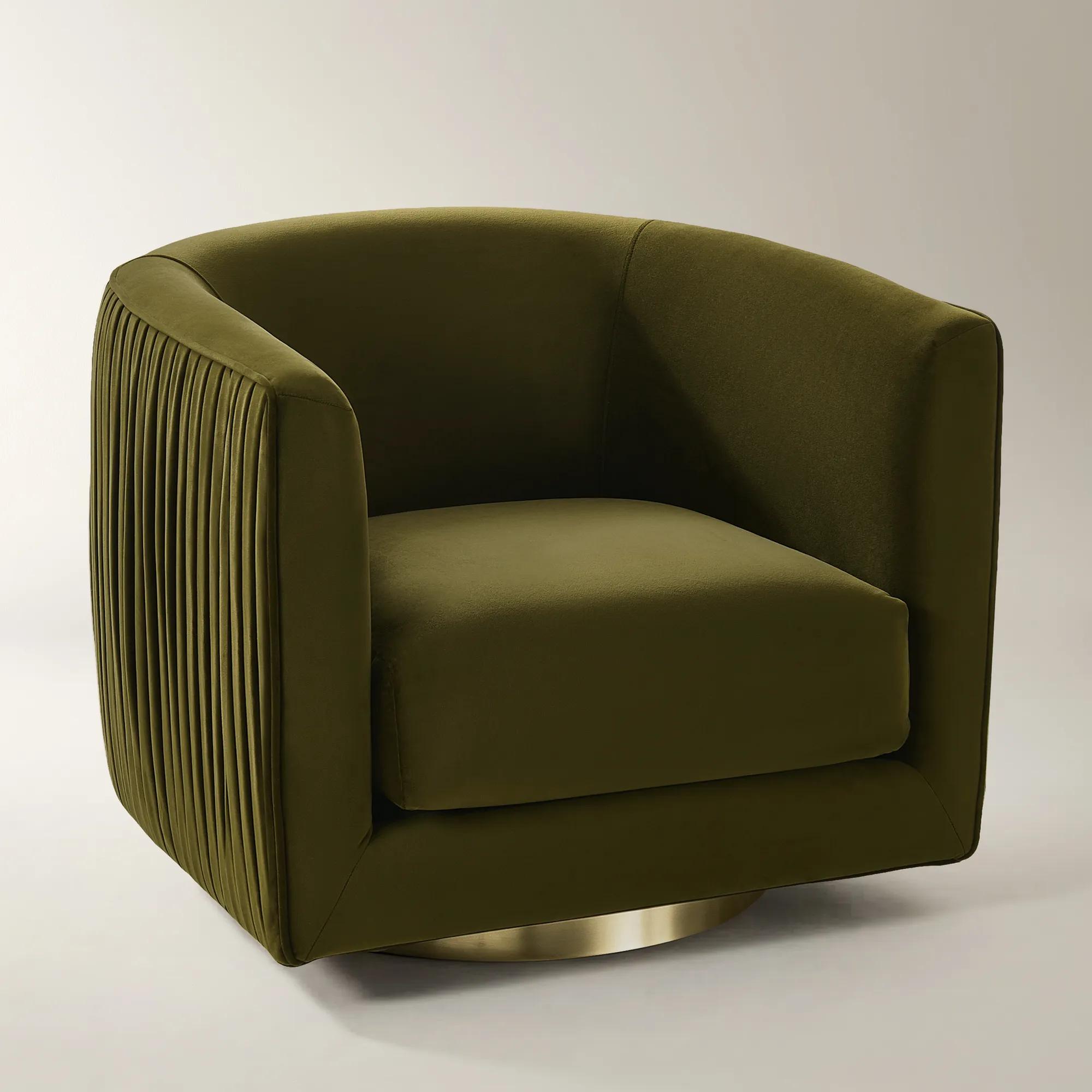
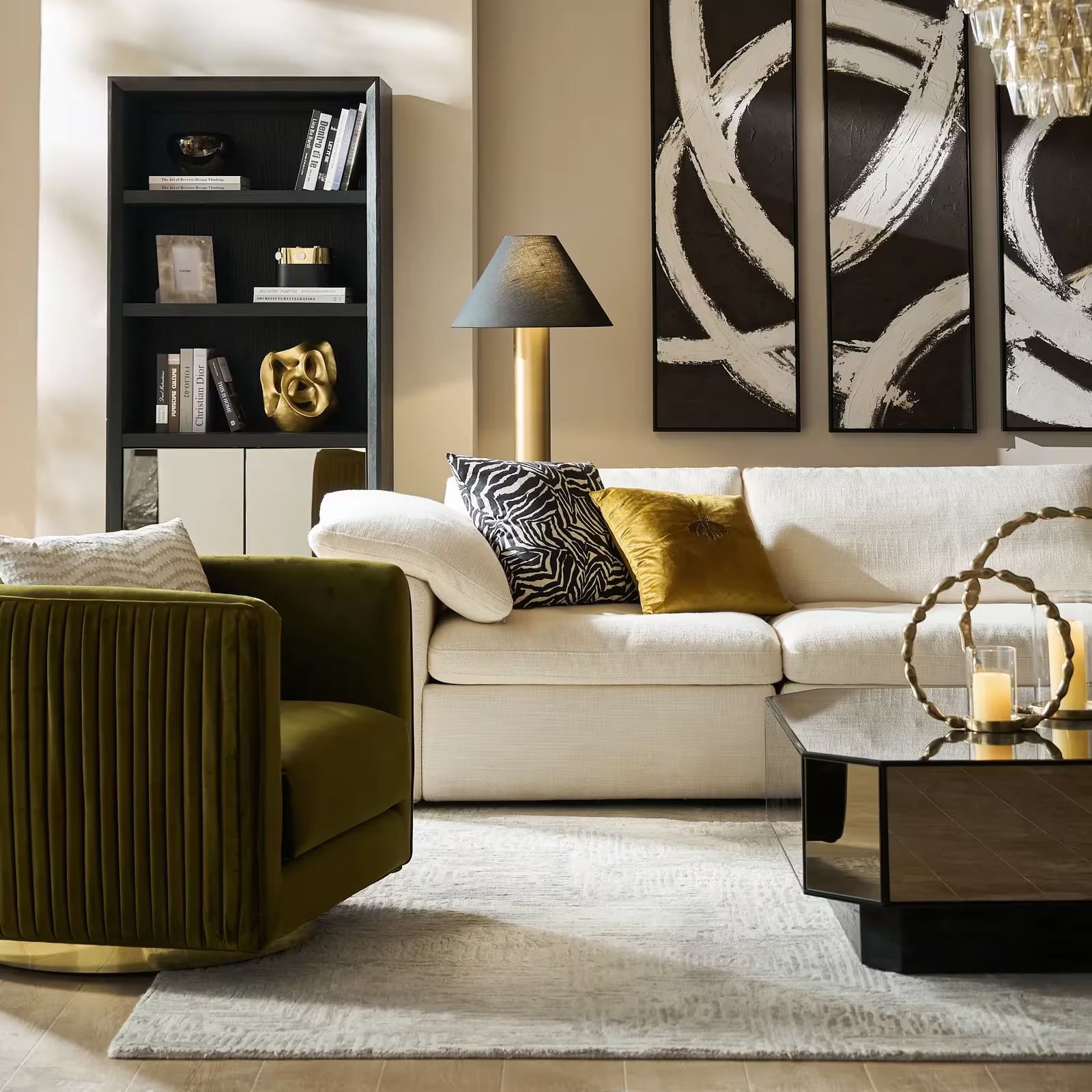 Lyssa Pleated Deep Olive Velvet Swivel Accent Chair$1099
A deep olive green velvet accent chair featuring pleated panels, smooth curves, and a 360-degree swivel base.
Add To Cart -
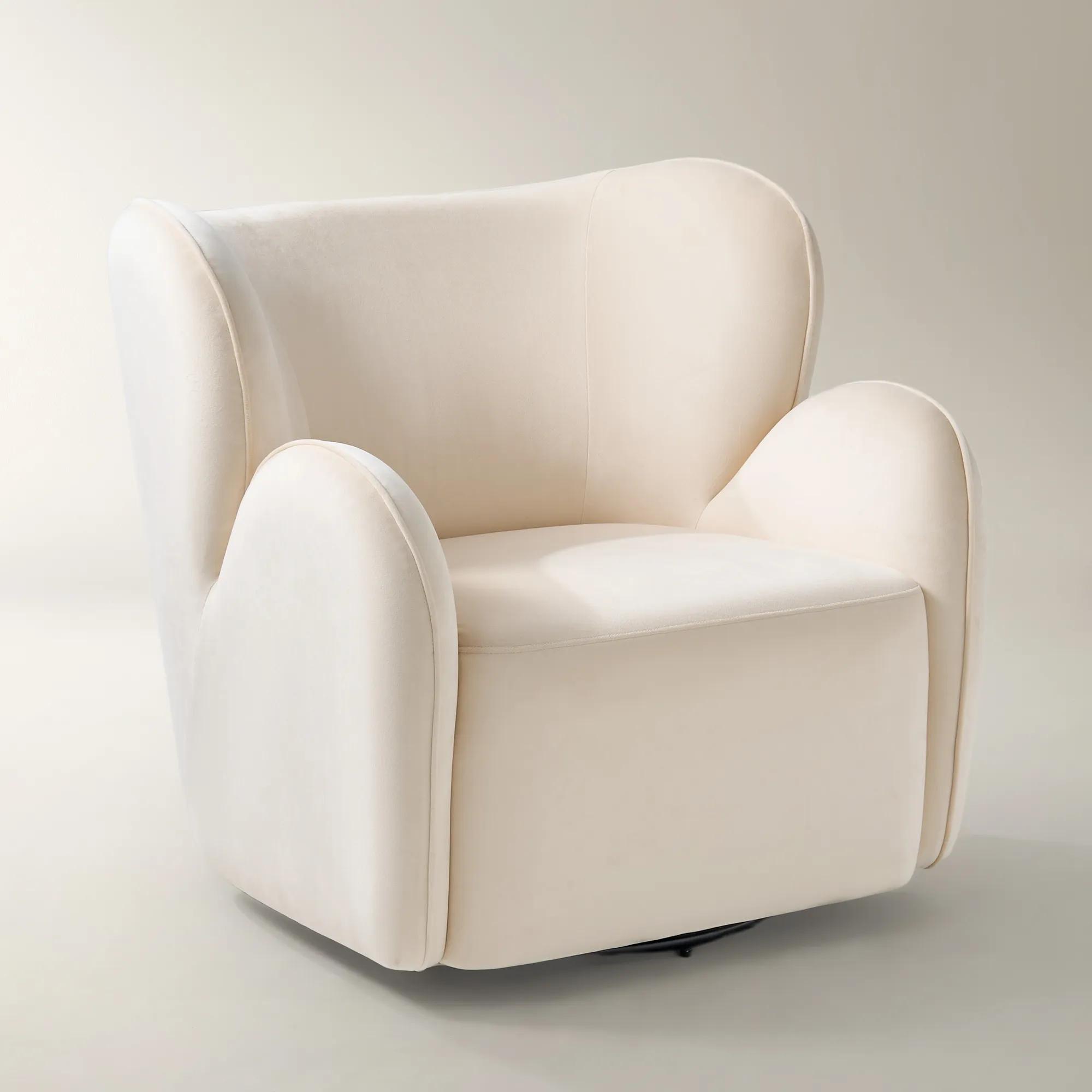
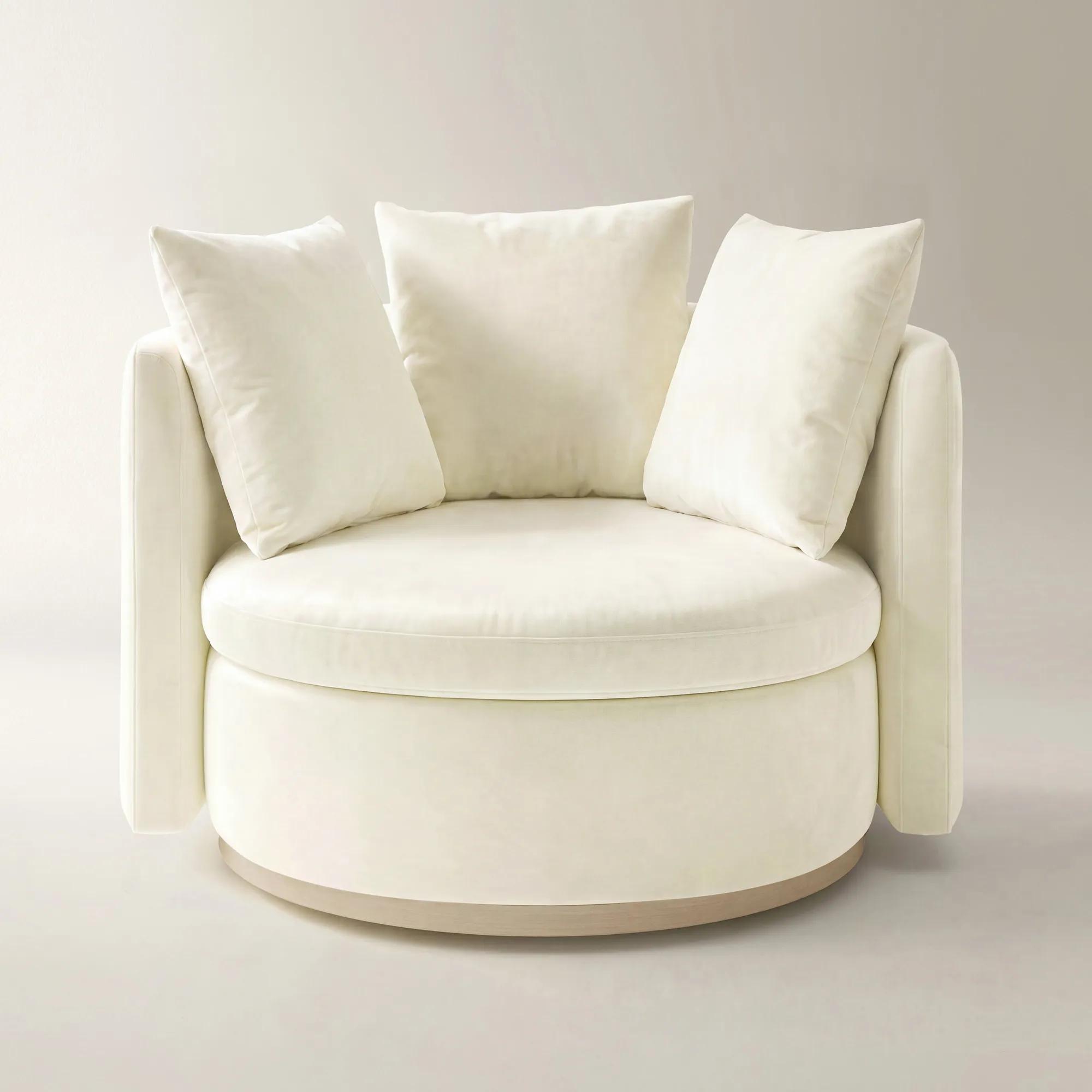
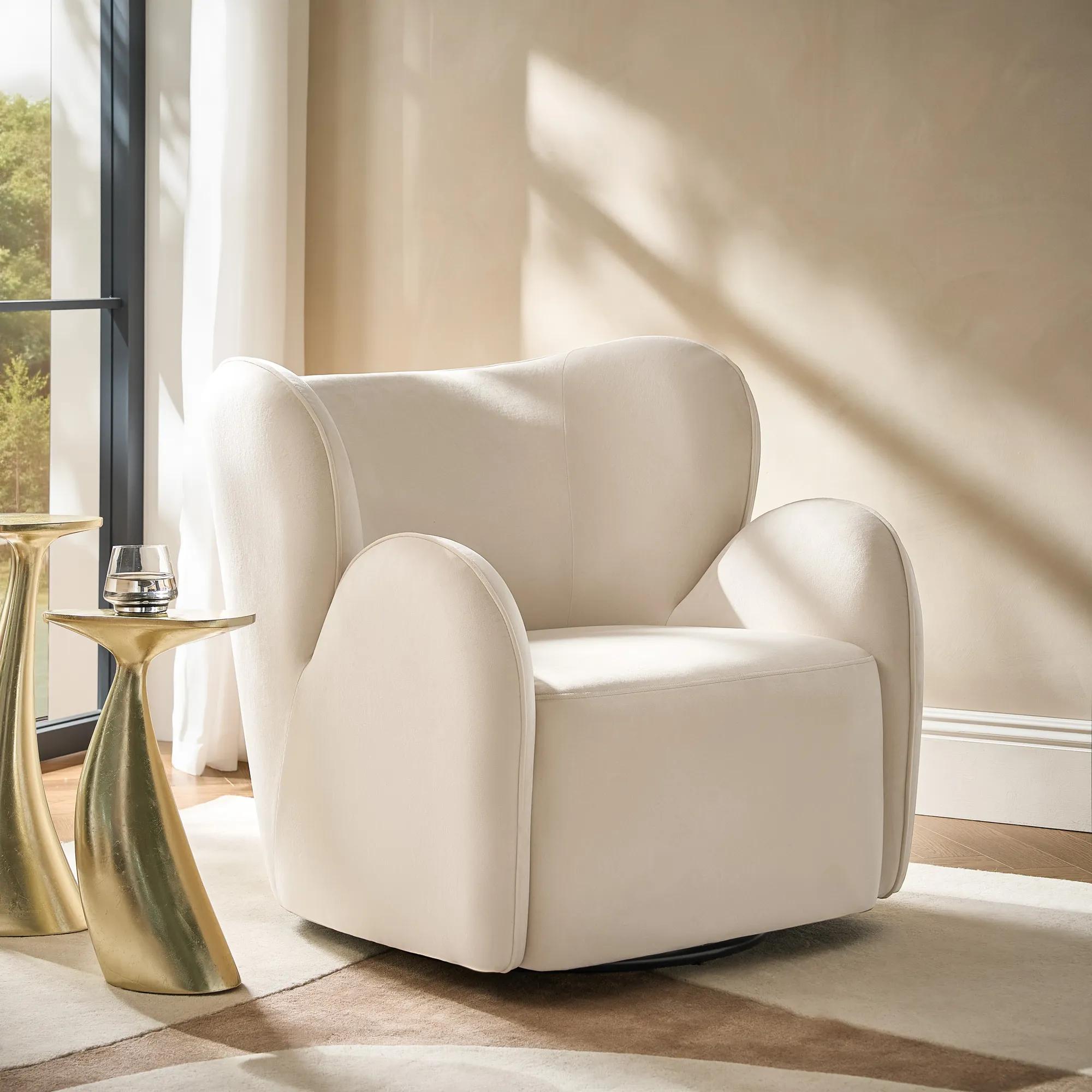 Ceres Ivory Velvet Swivel Accent Chair$799
An ivory velvet accent chair featuring a curved silhouette, 360° swivel, and plush, supportive cushioning.
Add To Cart -
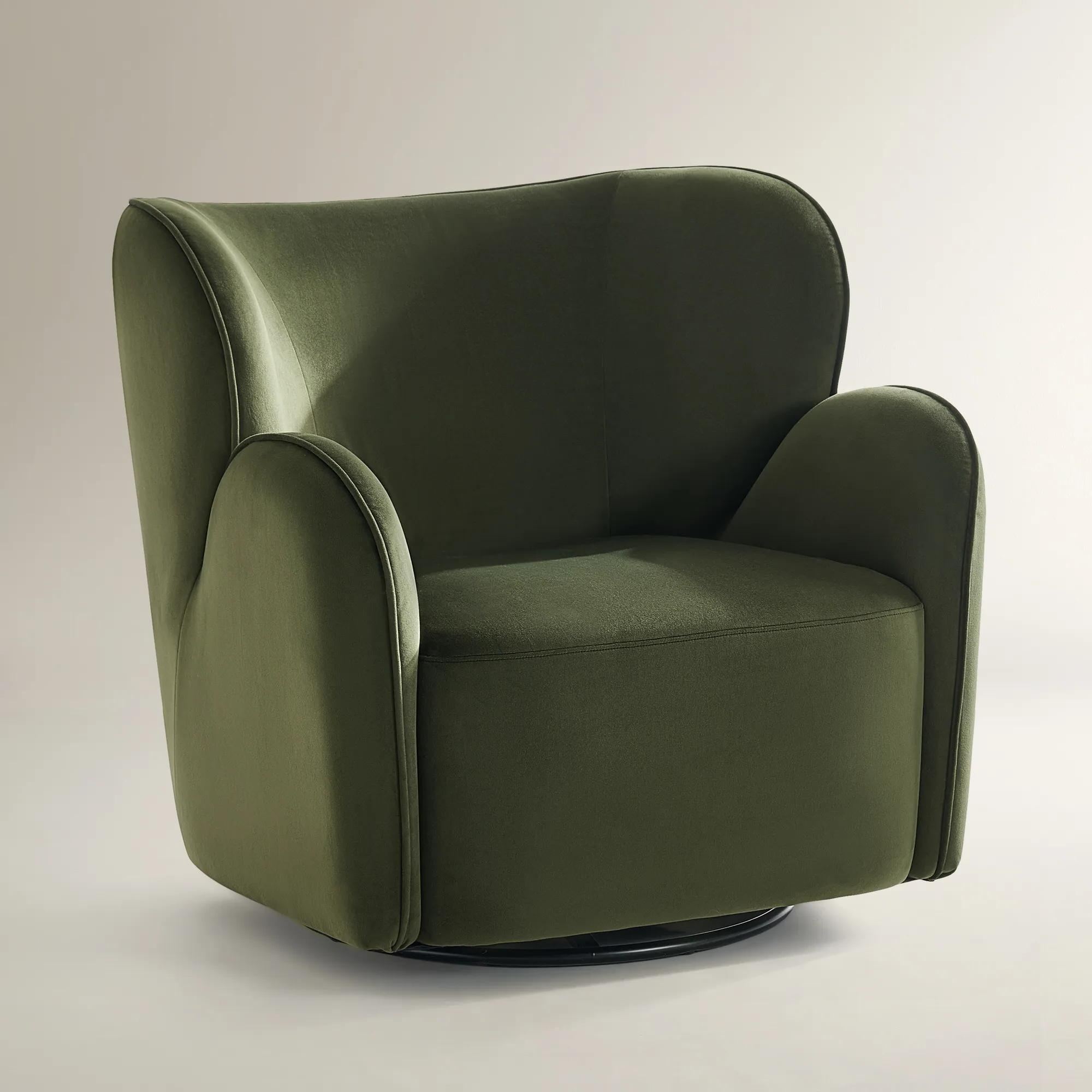
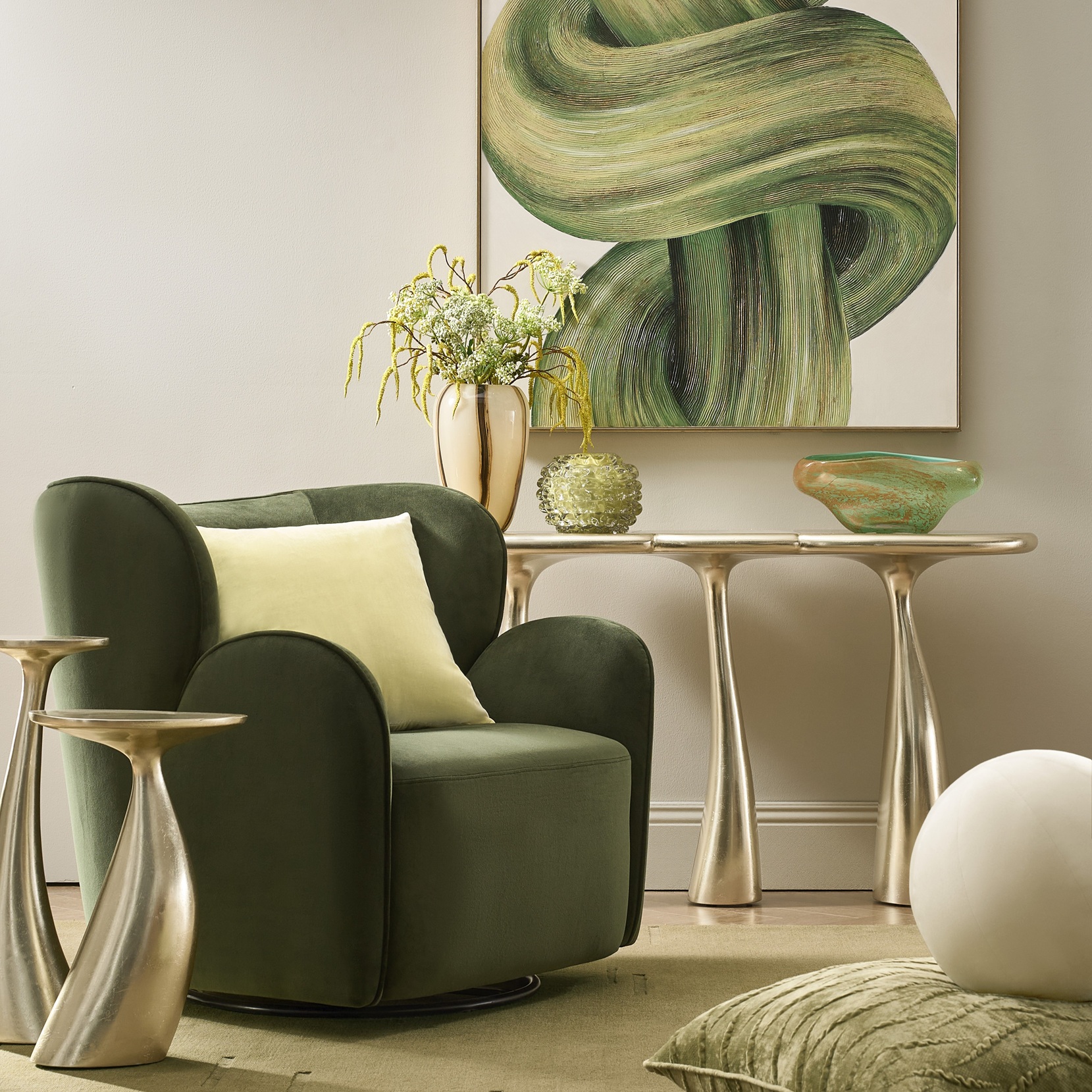 Ceres Jade Green Velvet Swivel Accent Chair$799
A plush jade green velvet chair with a curved silhouette, 360° swivel, and supportive foam cushioning.
Add To Cart -
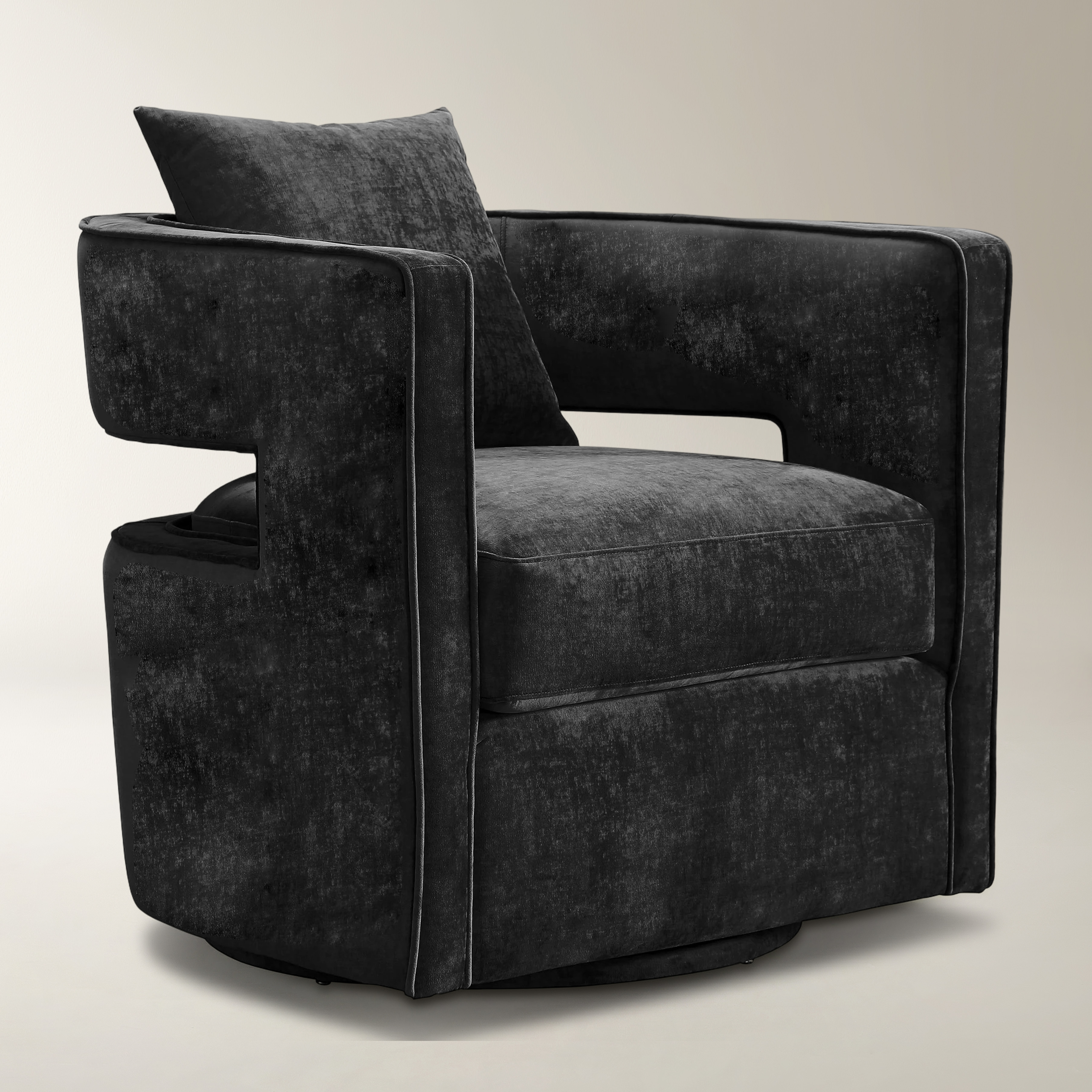 Lottie Black Velvet Swivel Accent Chair$999
A sculpted black velvet swivel chair with rounded barrel styling, supportive cushioning, and smooth movement.
Add To Cart -
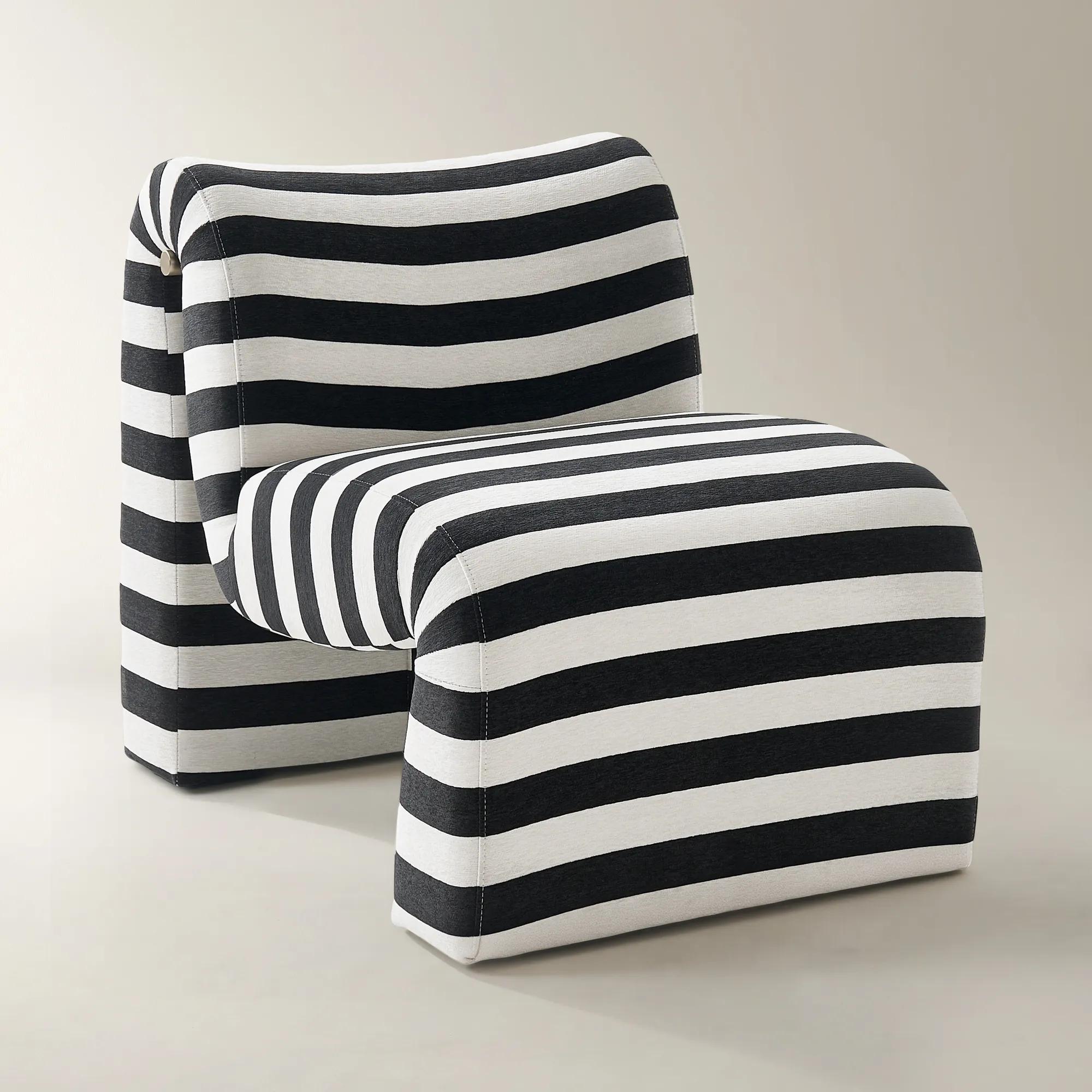 Cora Stripe Chenille Accent Chair$899
A bold black-and-white striped accent chair featuring water-repellent chenille and a gold stainless-steel inlay.
Add To Cart -
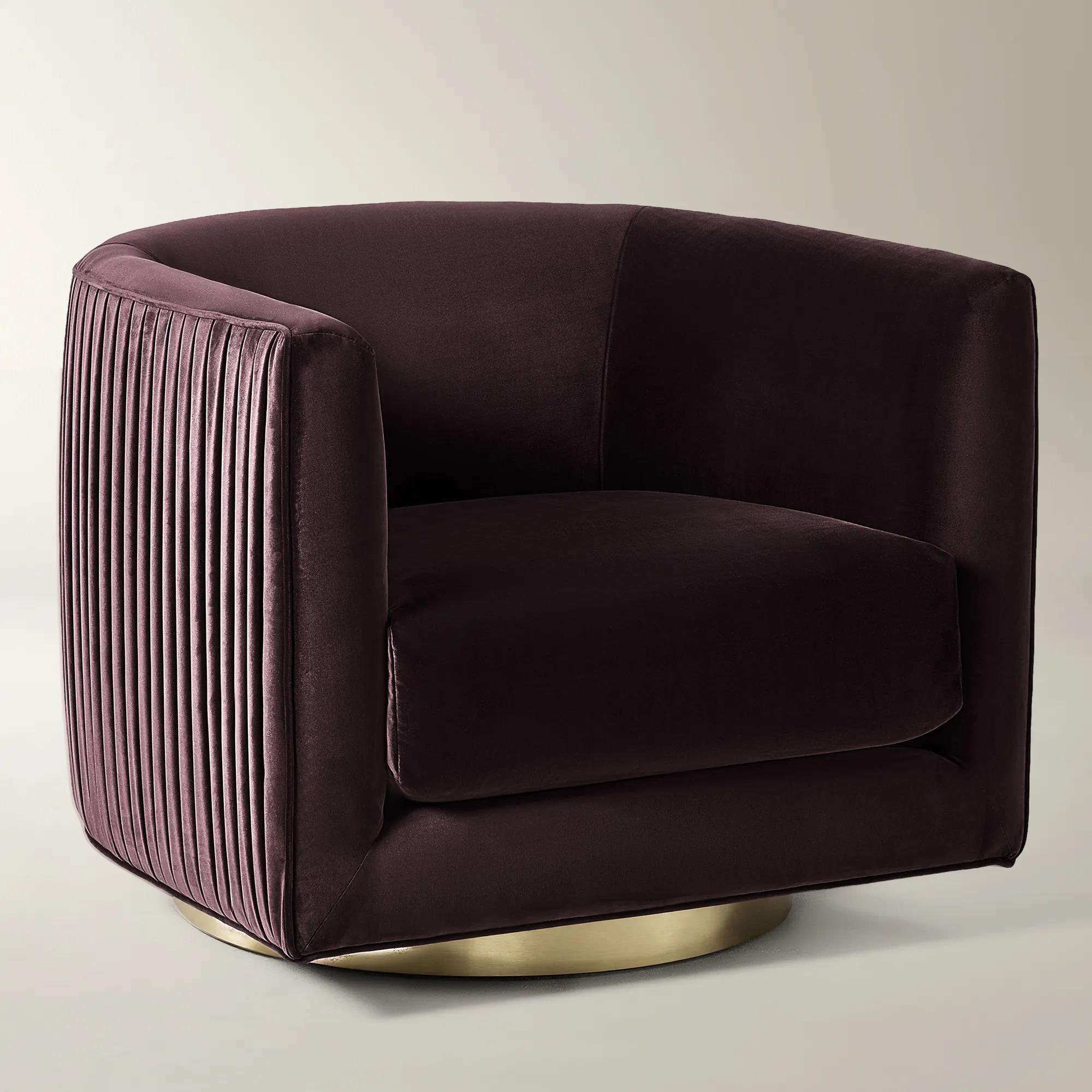 Lyssa Pleated Fig Velvet Swivel Accent Chair$1099
A fig-colored velvet accent chair featuring pleated detailing, a curved silhouette, and a smooth 360° swivel base.
Add To Cart -
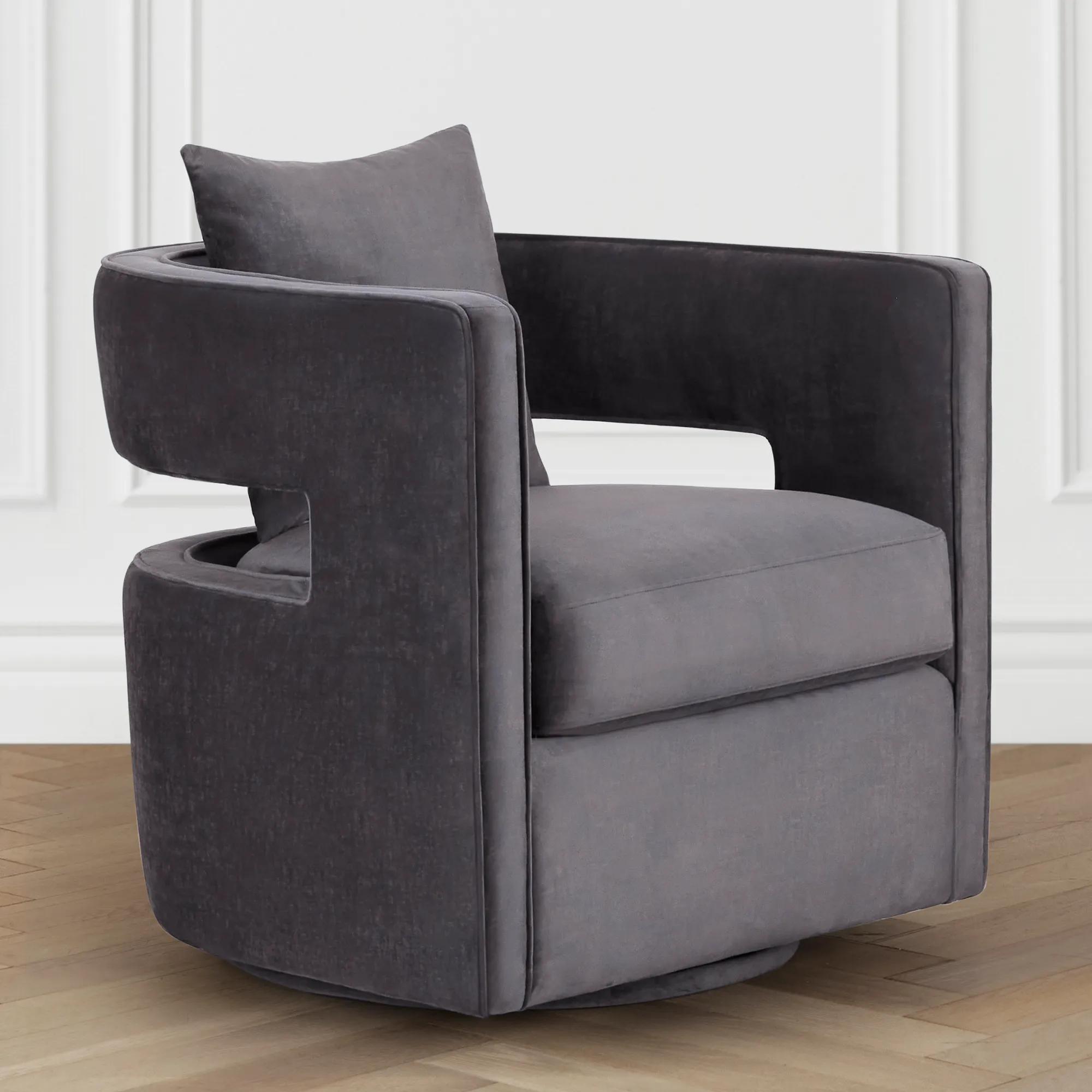 Lottie Grey Velvet Swivel Accent Chair$999
A glamorous grey velvet swivel chair featuring a barrel back, cutout arms, and plush foam cushioning.
Add To Cart -
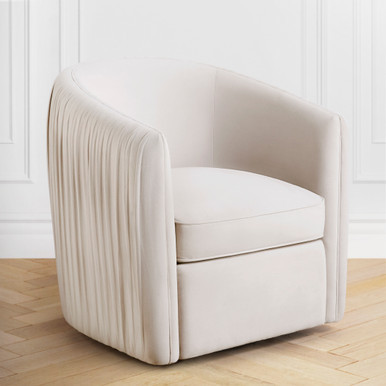
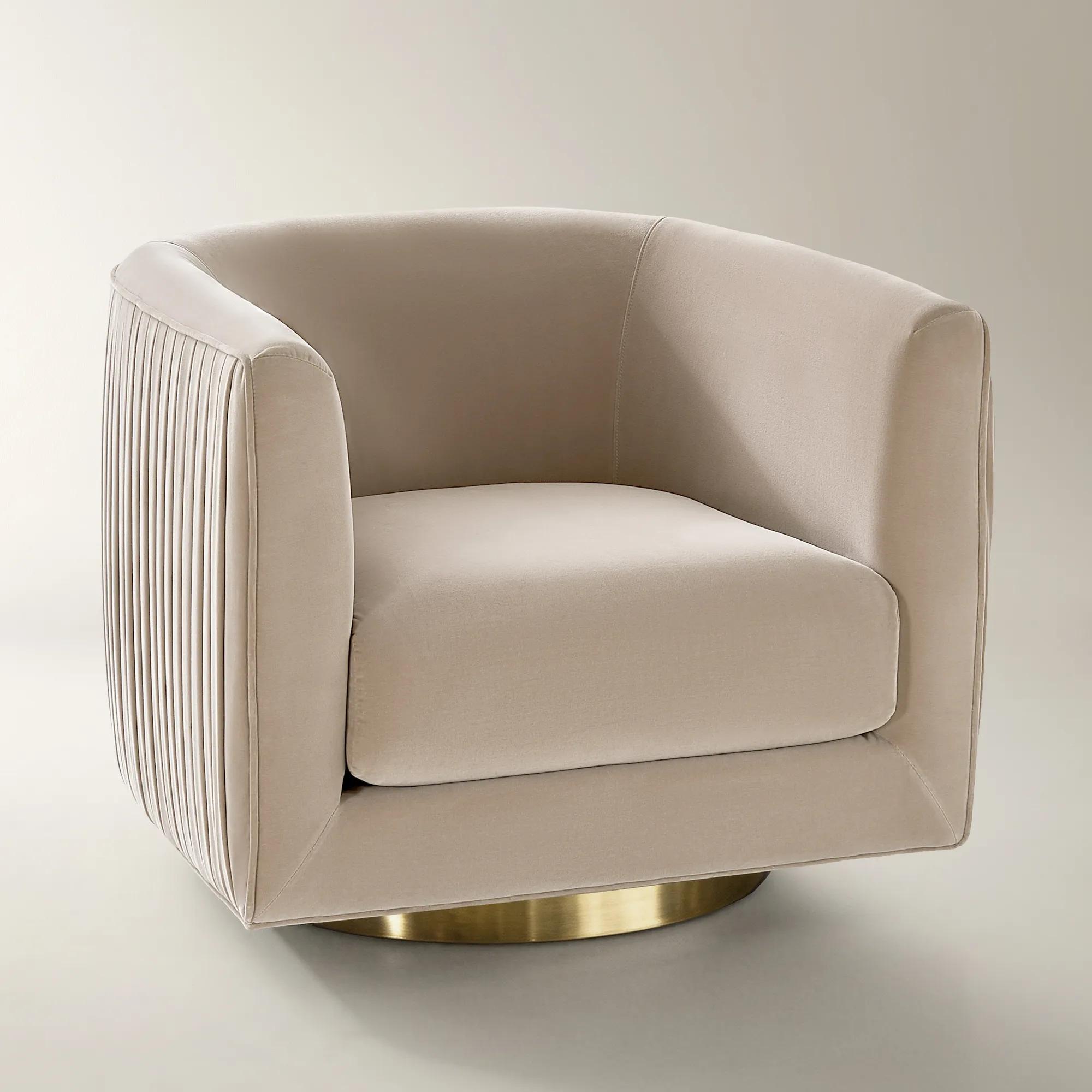 Lyssa Pleated Simply Taupe Velvet Swivel Accent Chair$1099
A softly curved taupe velvet accent chair featuring pleated detailing, 360° swivel, and a gold stainless steel base.
Add To Cart -
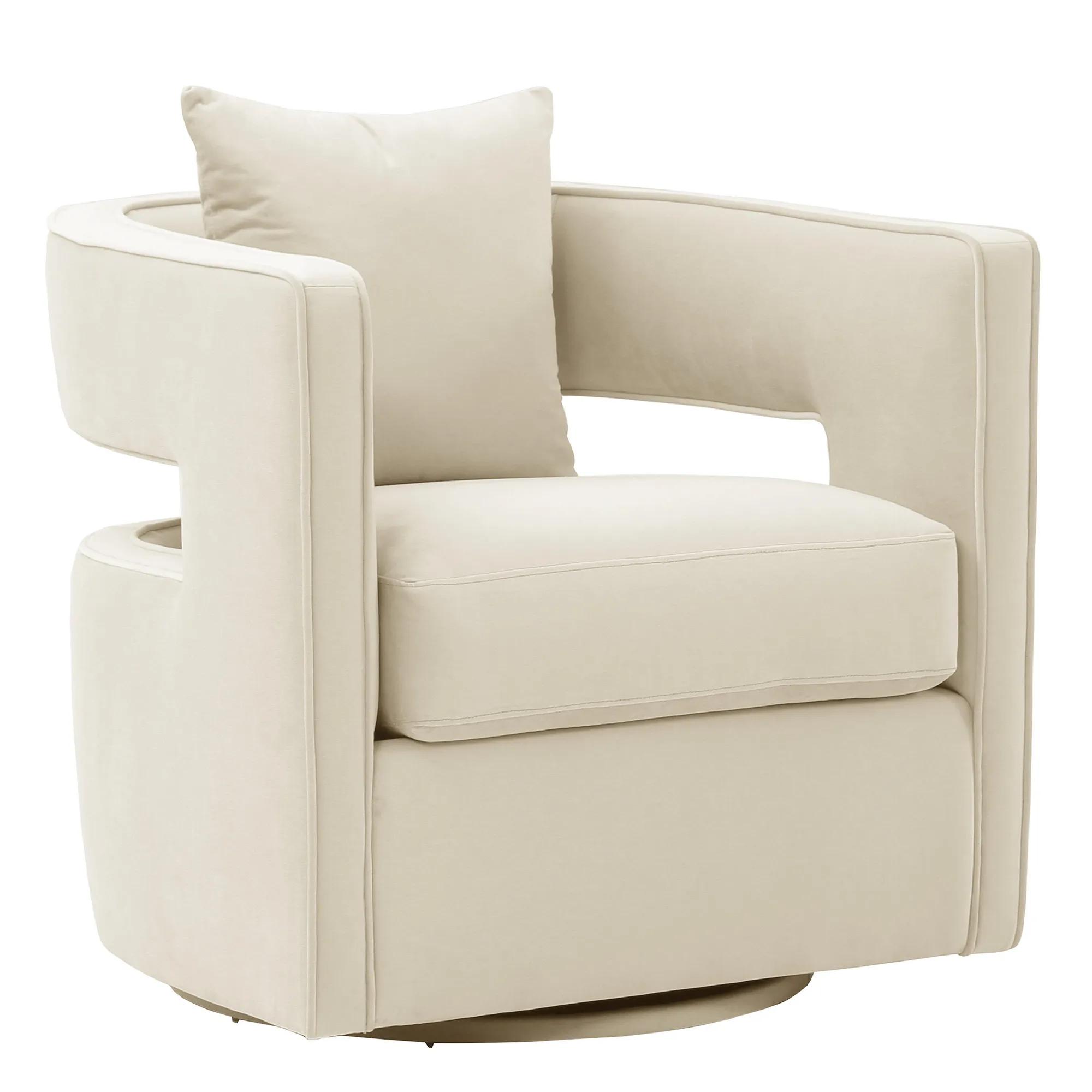
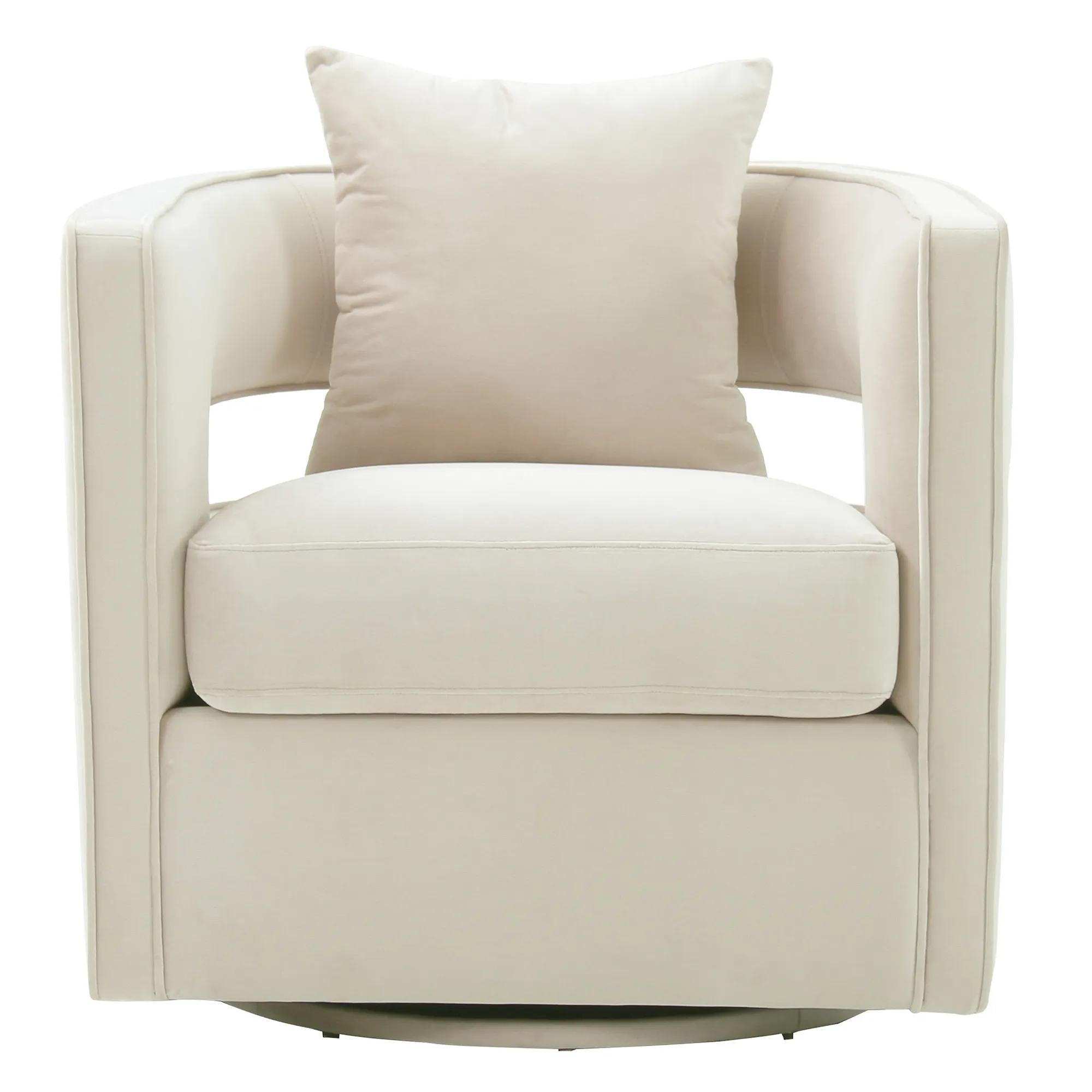 Lottie Cream Velvet Swivel Accent Chair$999
A glamorous cream velvet swivel chair featuring a barrel back, cutout arms, and plush foam cushioning.
Add To Cart -
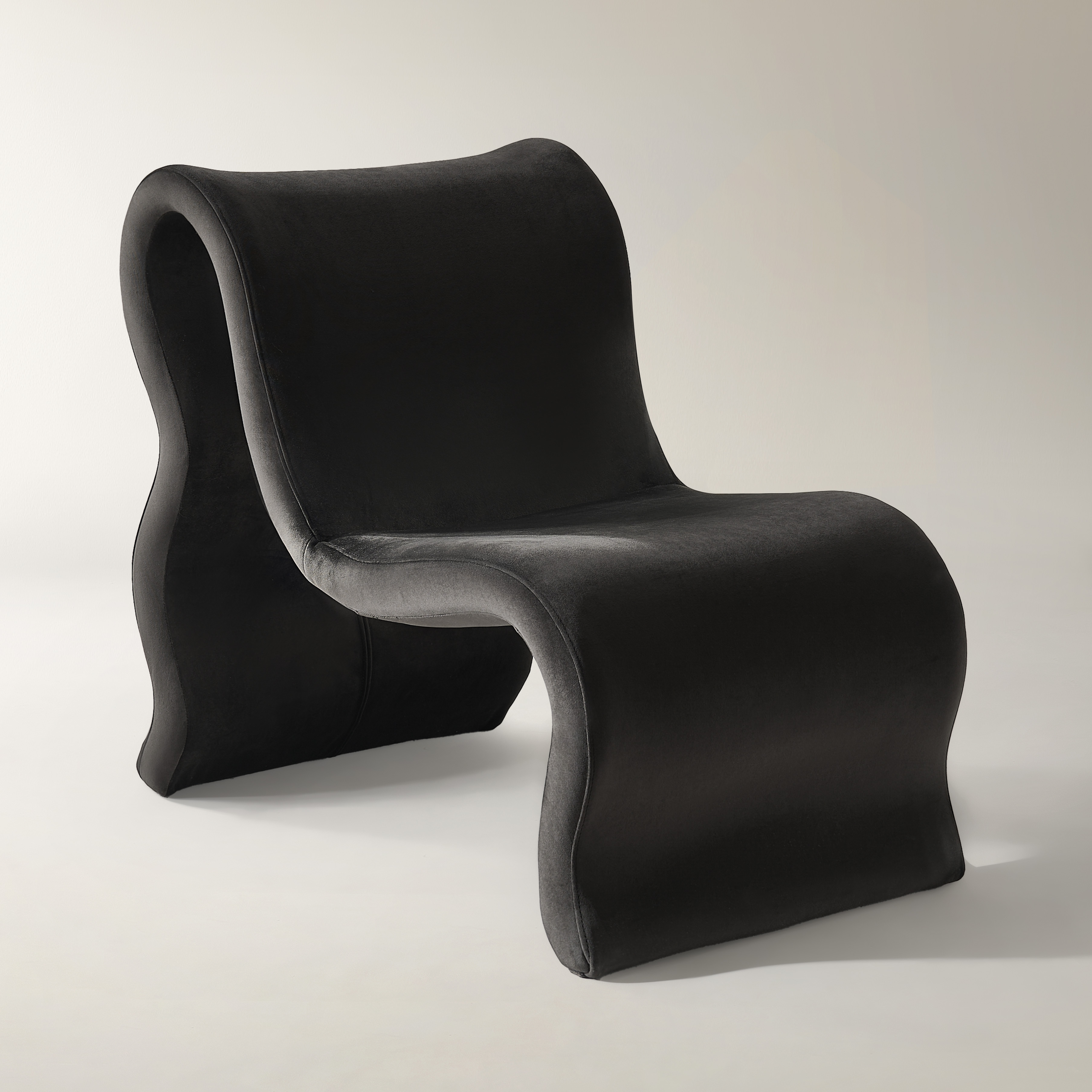 Romy Charcoal Velvet Accent Chair$999
A sculptural accent chair in charcoal velvet with a wave-like silhouette and full foam construction.
Add To Cart -
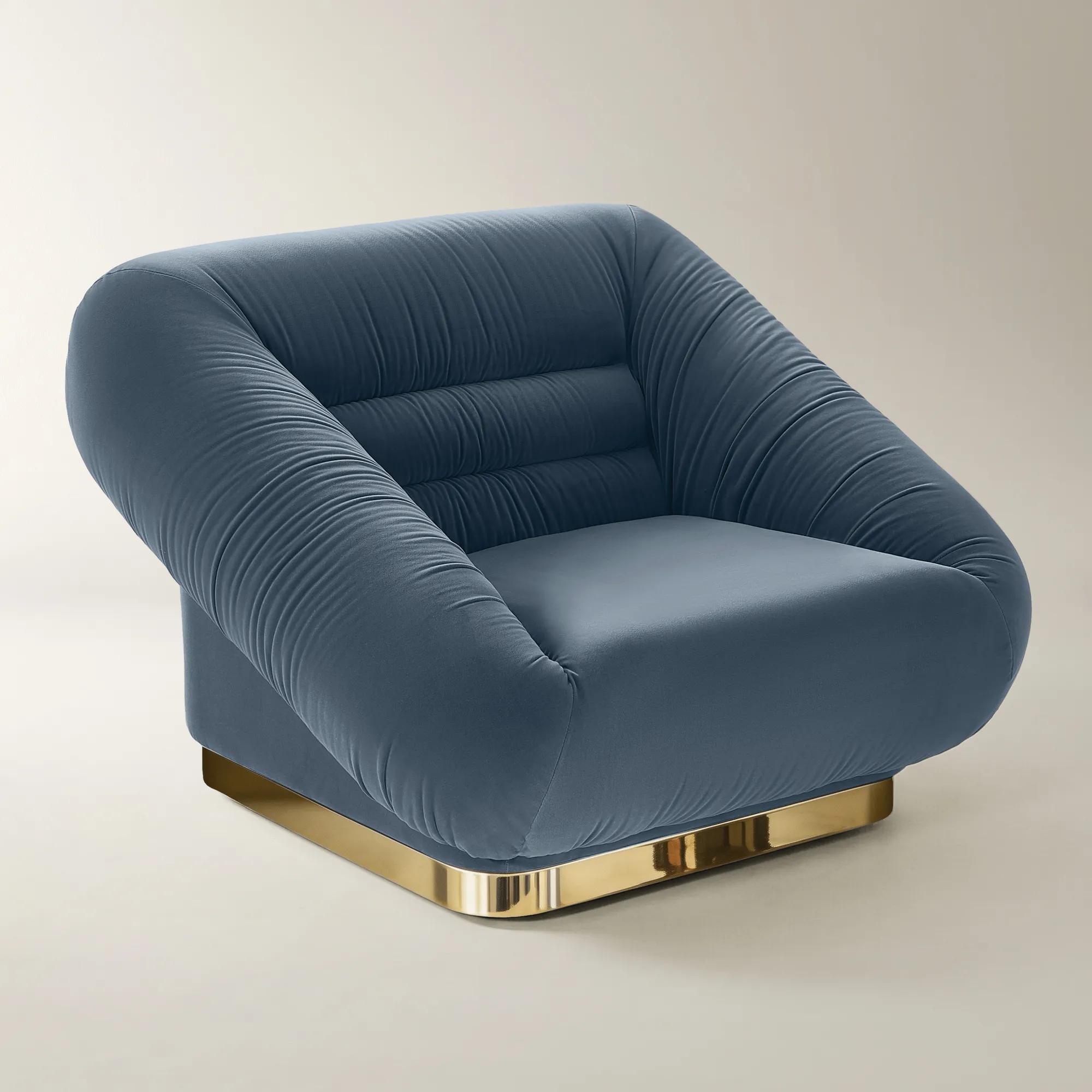 Dover Dusty Blue Velvet Swivel Accent Chair$1299
A sculptural blue velvet accent chair featuring soft gathered upholstery, gold-trimmed base, and smooth 360° swivel.
Add To Cart -
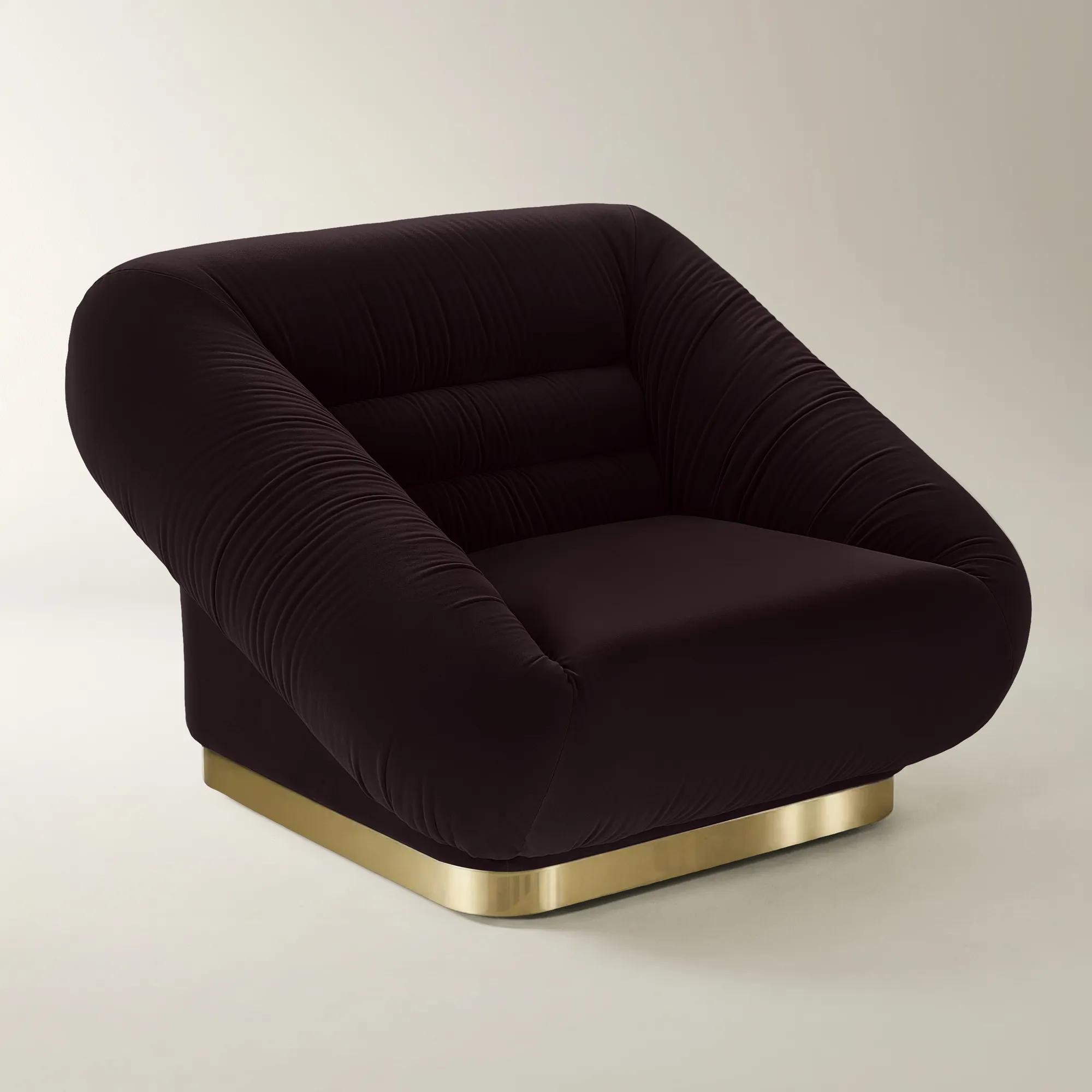 Dover Fig Velvet Swivel Accent Chair$1299
A sculptural fig velvet accent chair featuring soft gathered upholstery, gold-trimmed base, and smooth 360° swivel.
Add To Cart -
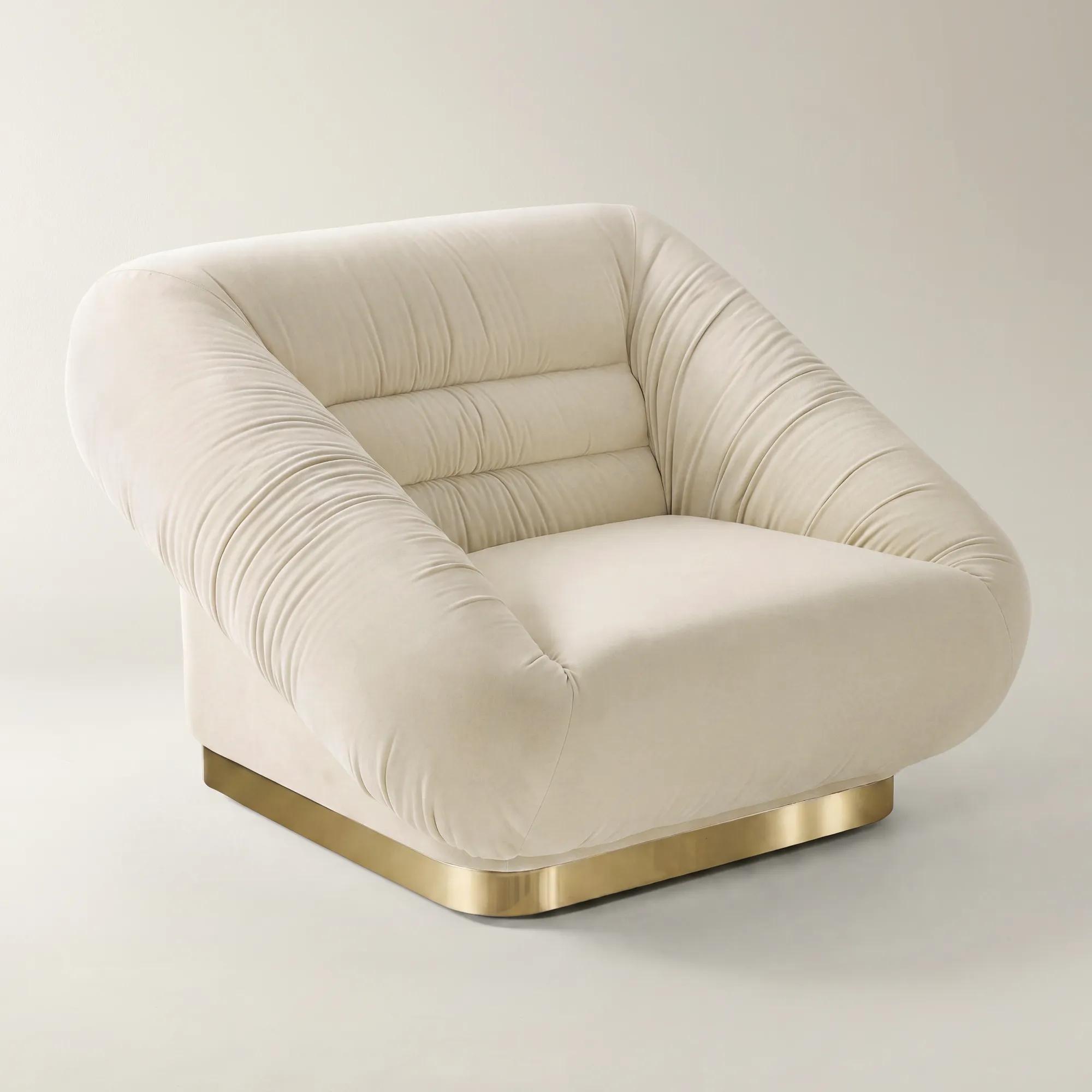
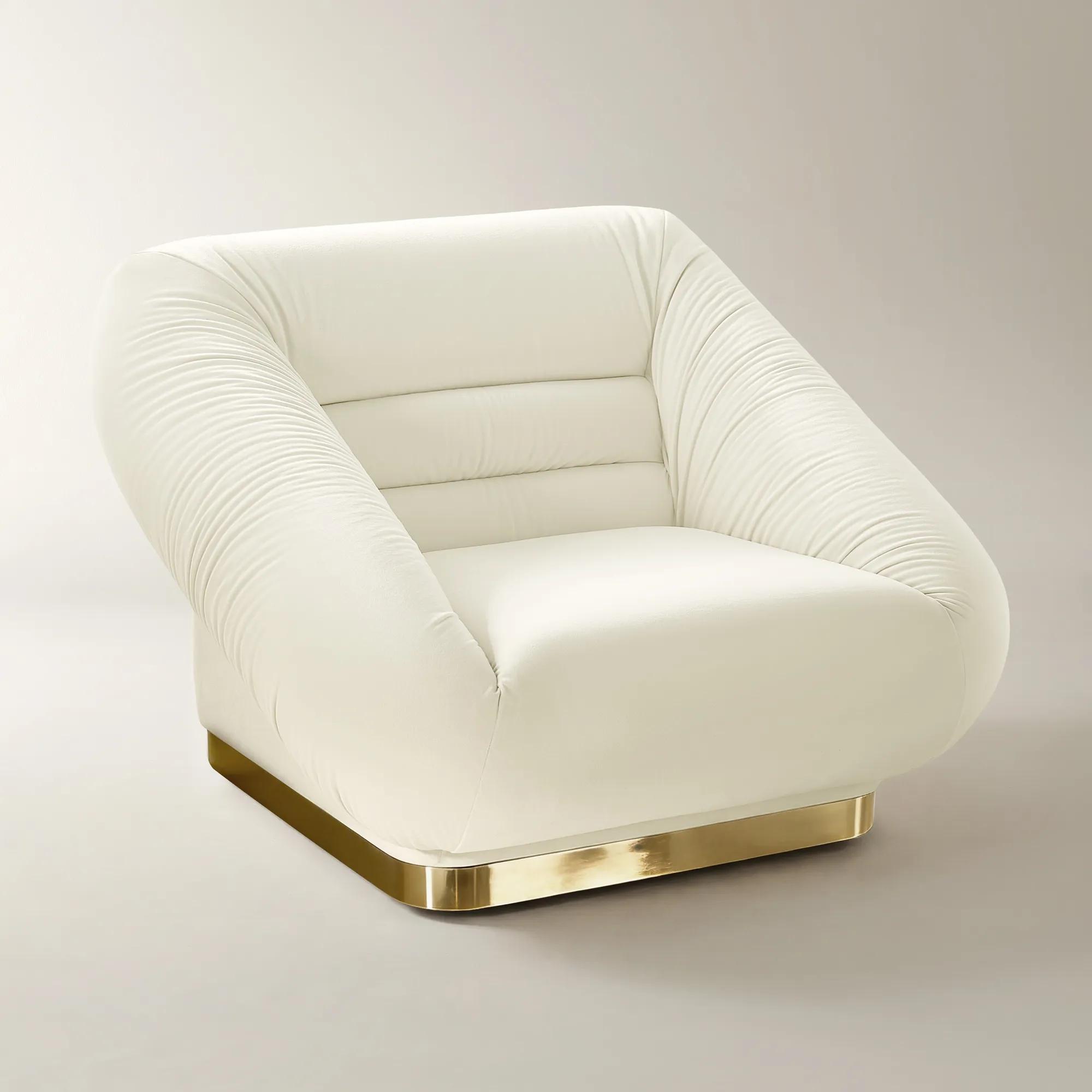 Dover Cloud Velvet Swivel Accent Chair$1299
A sculptural accent chair in cloud velvet with a gold-trimmed base and smooth 360° swivel function.
Add To Cart -
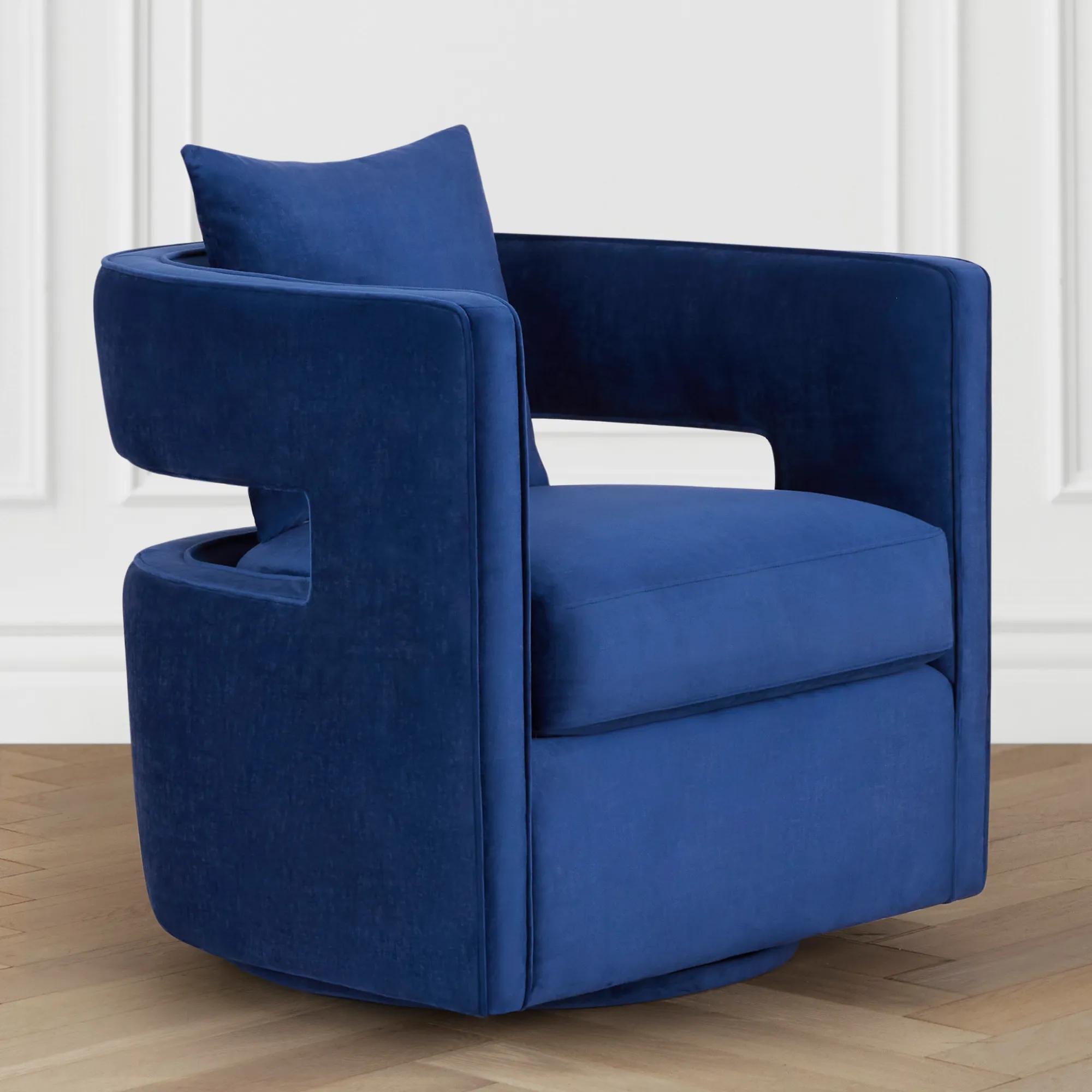
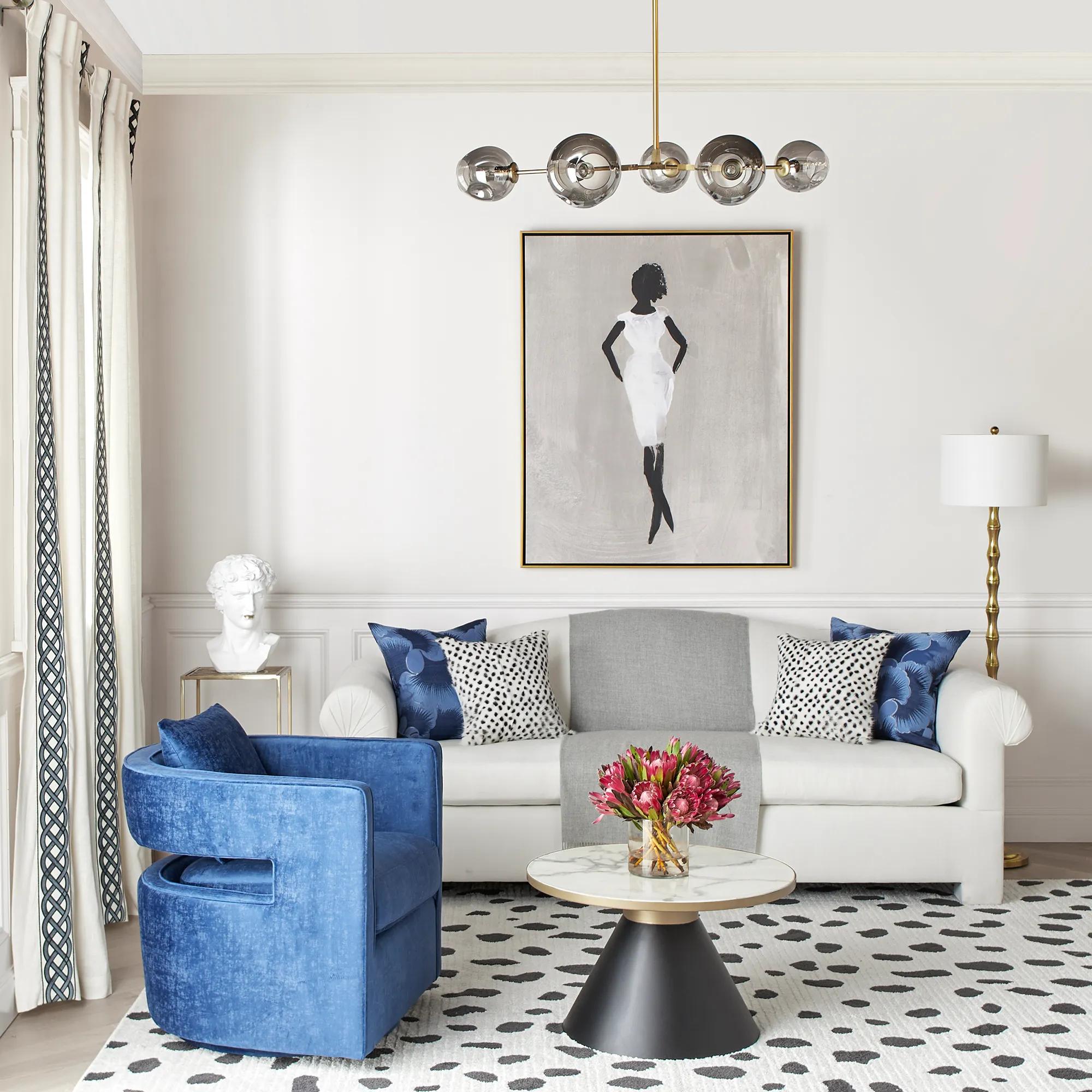 Lottie Navy Velvet Swivel Accent Chair$999
A sculpted navy velvet swivel chair featuring supportive cushioning, open arms, and a kiln-dried hardwood frame.
Add To Cart -
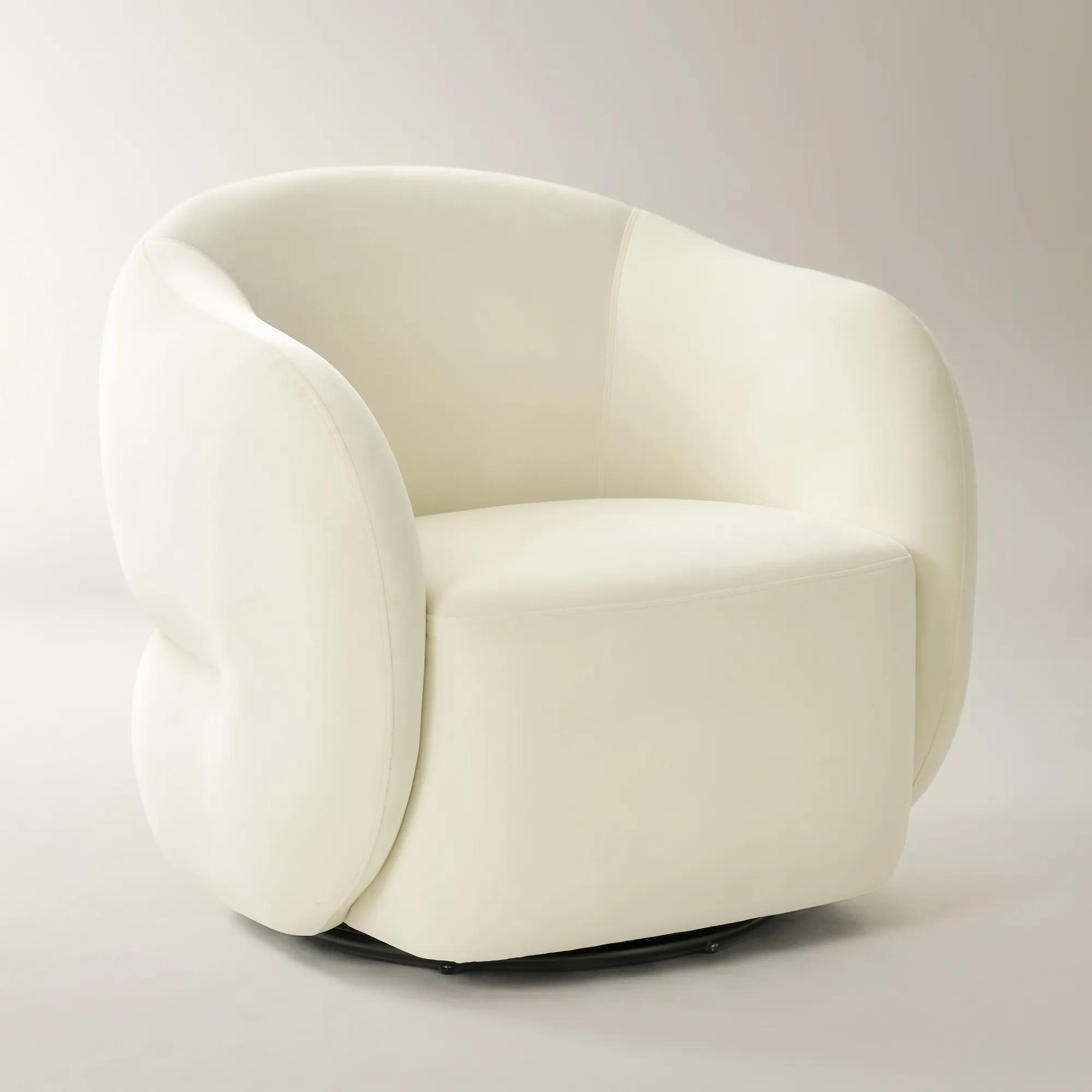
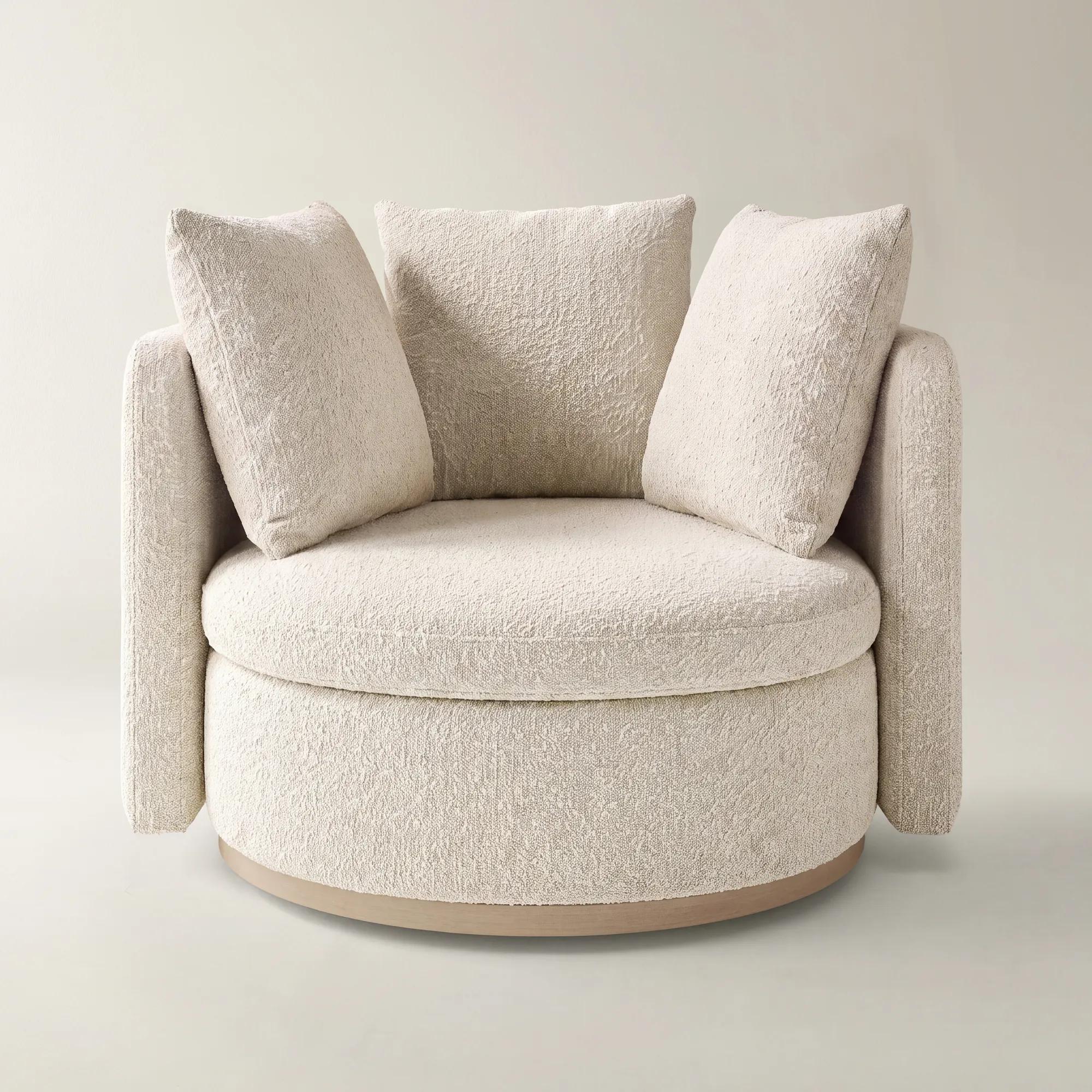
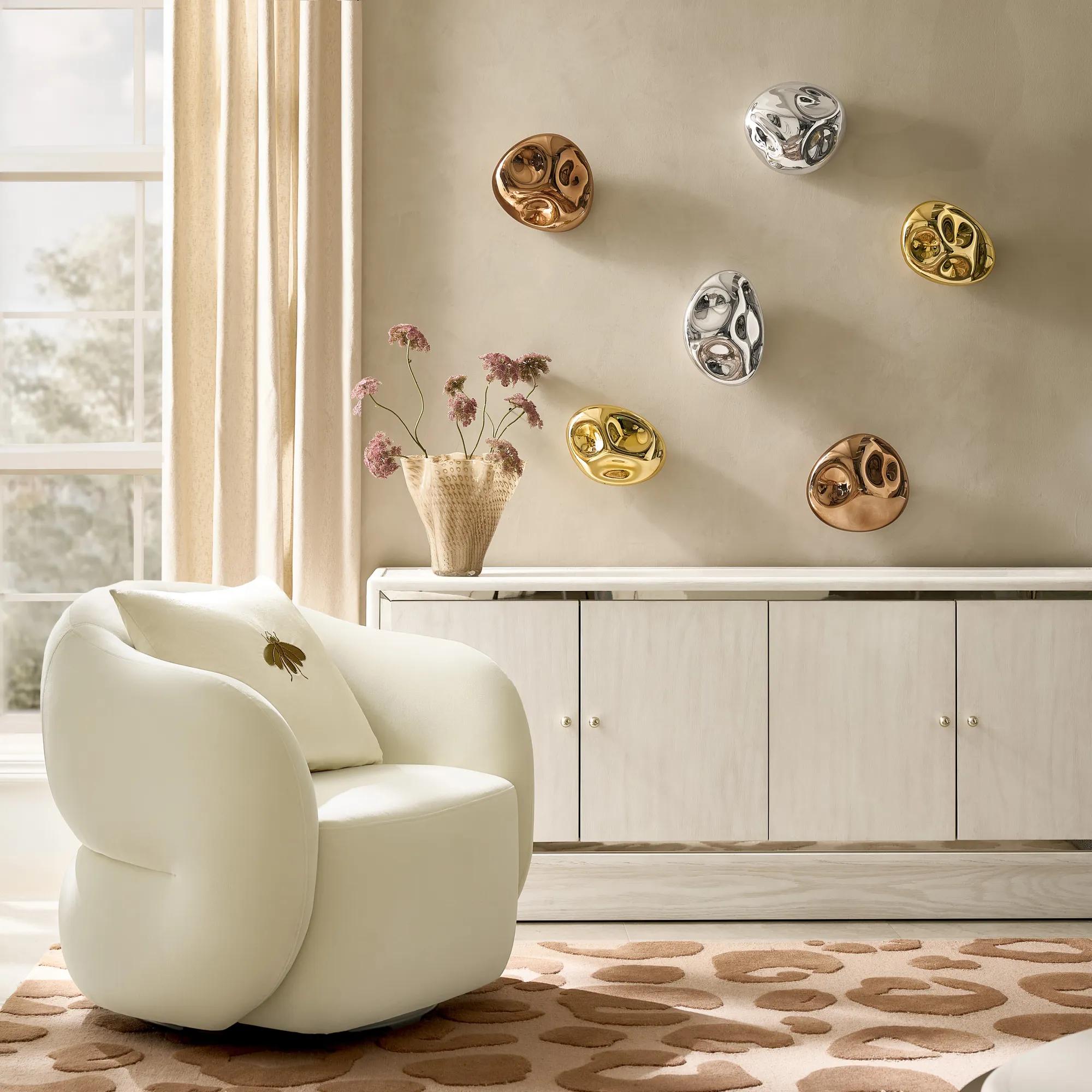 Sierra Cloud Velvet Swivel Accent Chair$899
A plush velvet accent chair featuring a wraparound back, fluid curves, and smooth 360° swivel base.
Add To Cart -
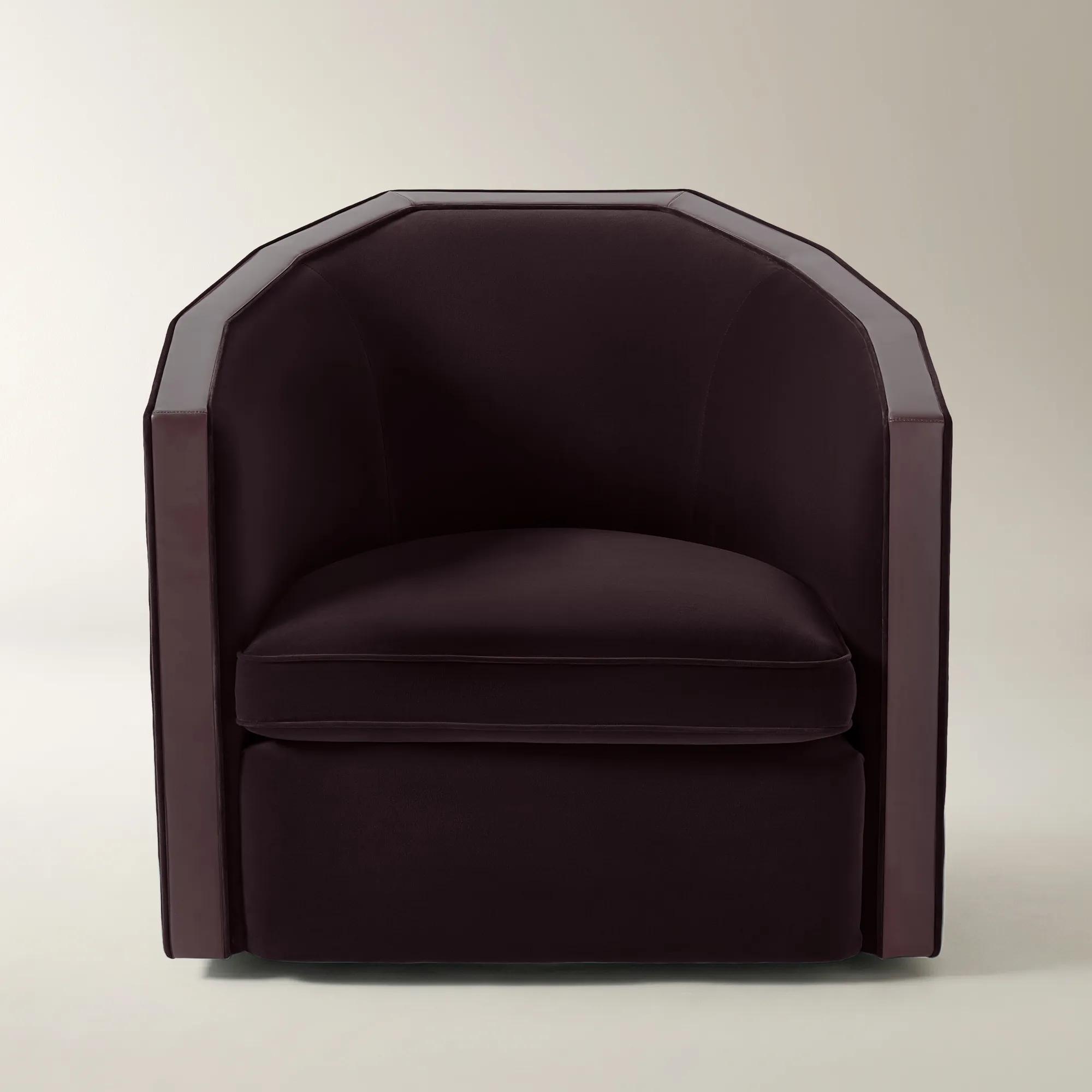
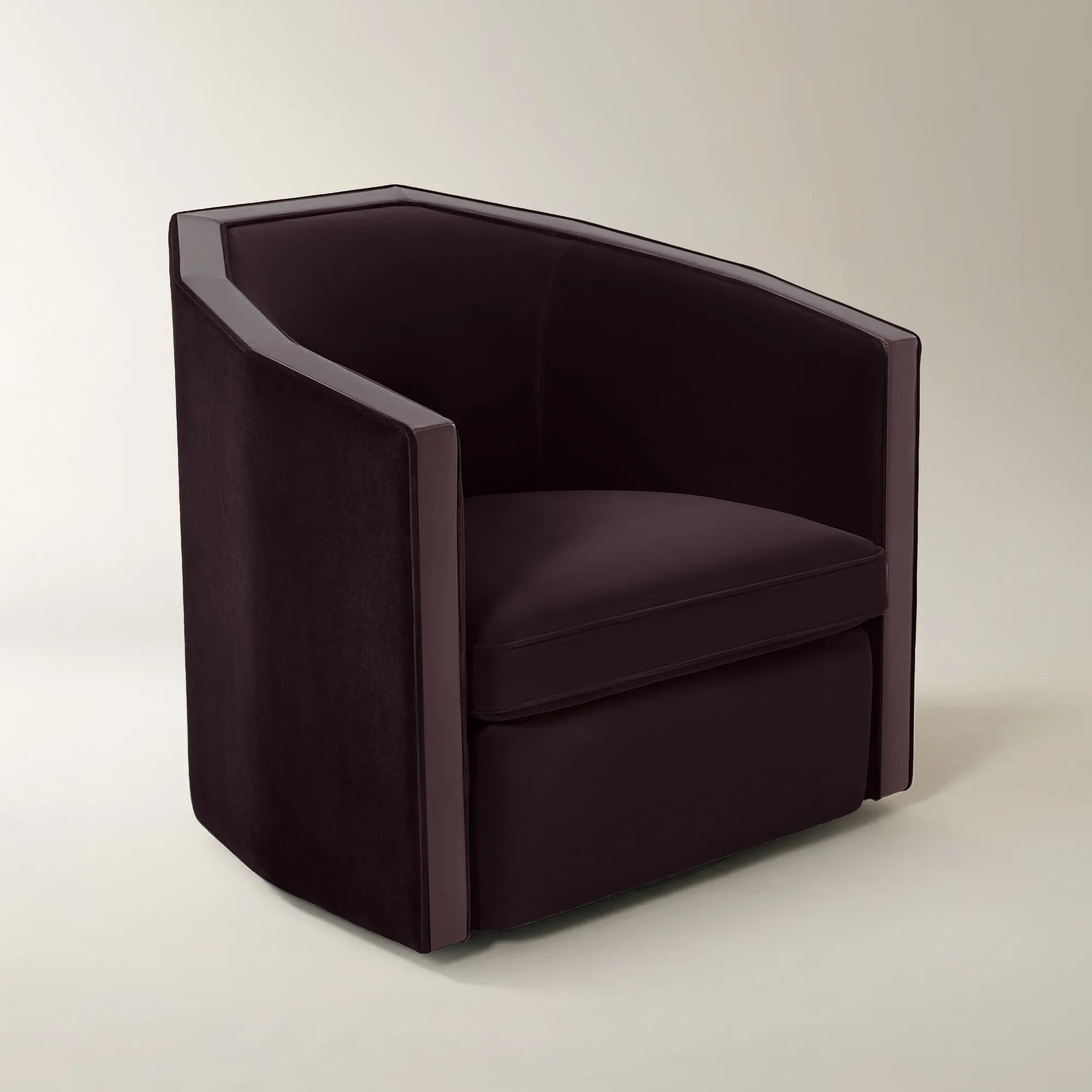 Vesper Fig Velvet With Leather Swivel Accent Chair$999
A modern accent chair featuring fig velvet upholstery, tonal leather trim, and a smooth 360° swivel base.
Add To Cart -

 Nia Lacquered Turtle Dove Faux Fur Accent Chair$899
A sculptural accent chair featuring a high-gloss sand-toned fiberglass frame and plush turtle dove faux fur upholstery.
Add To Cart -
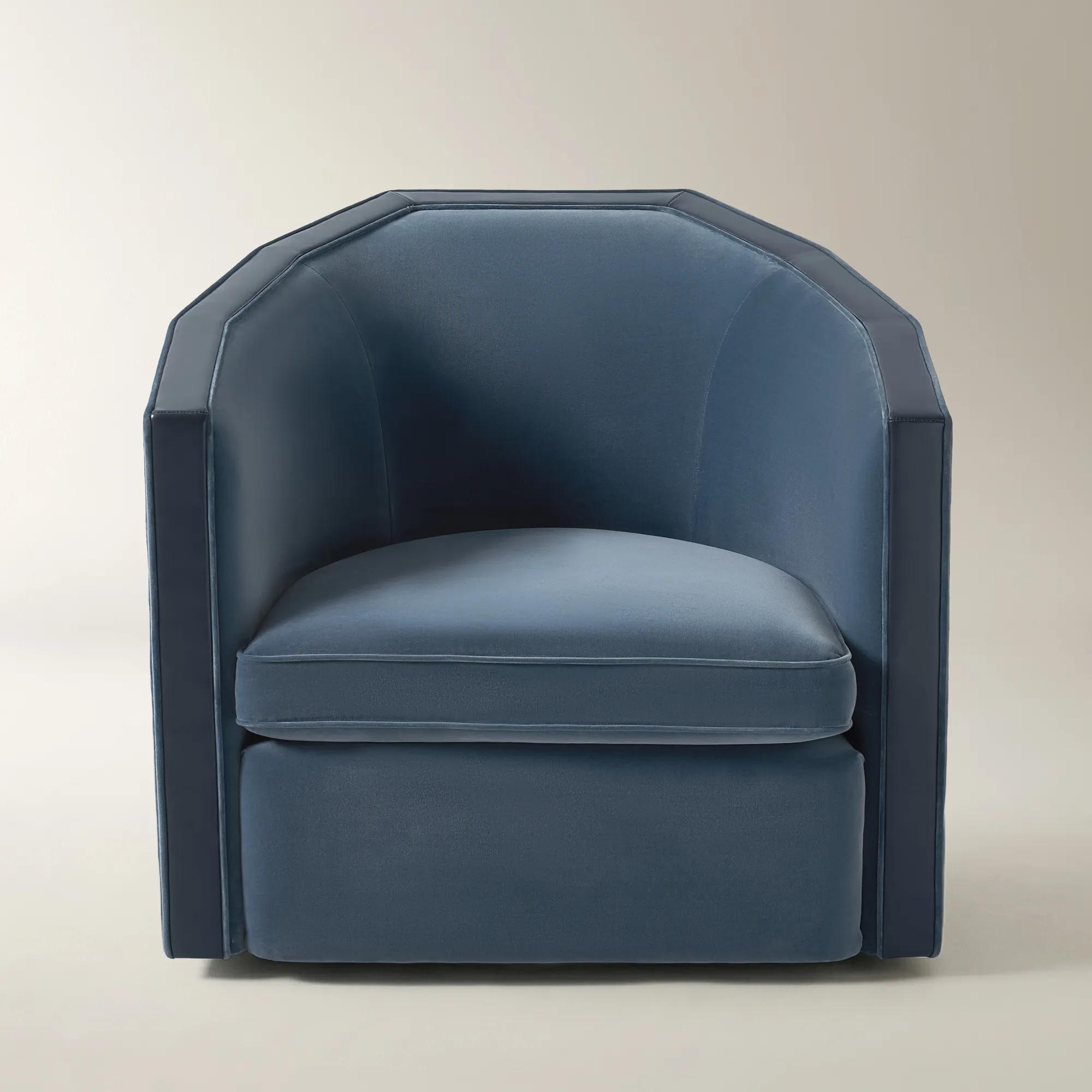 Vesper Dusty Blue Velvet With Leather Swivel Accent Chair$999
A modern accent chair in dusty blue velvet with tonal leather trim and a smooth 360-degree swivel base.
Add To Cart -
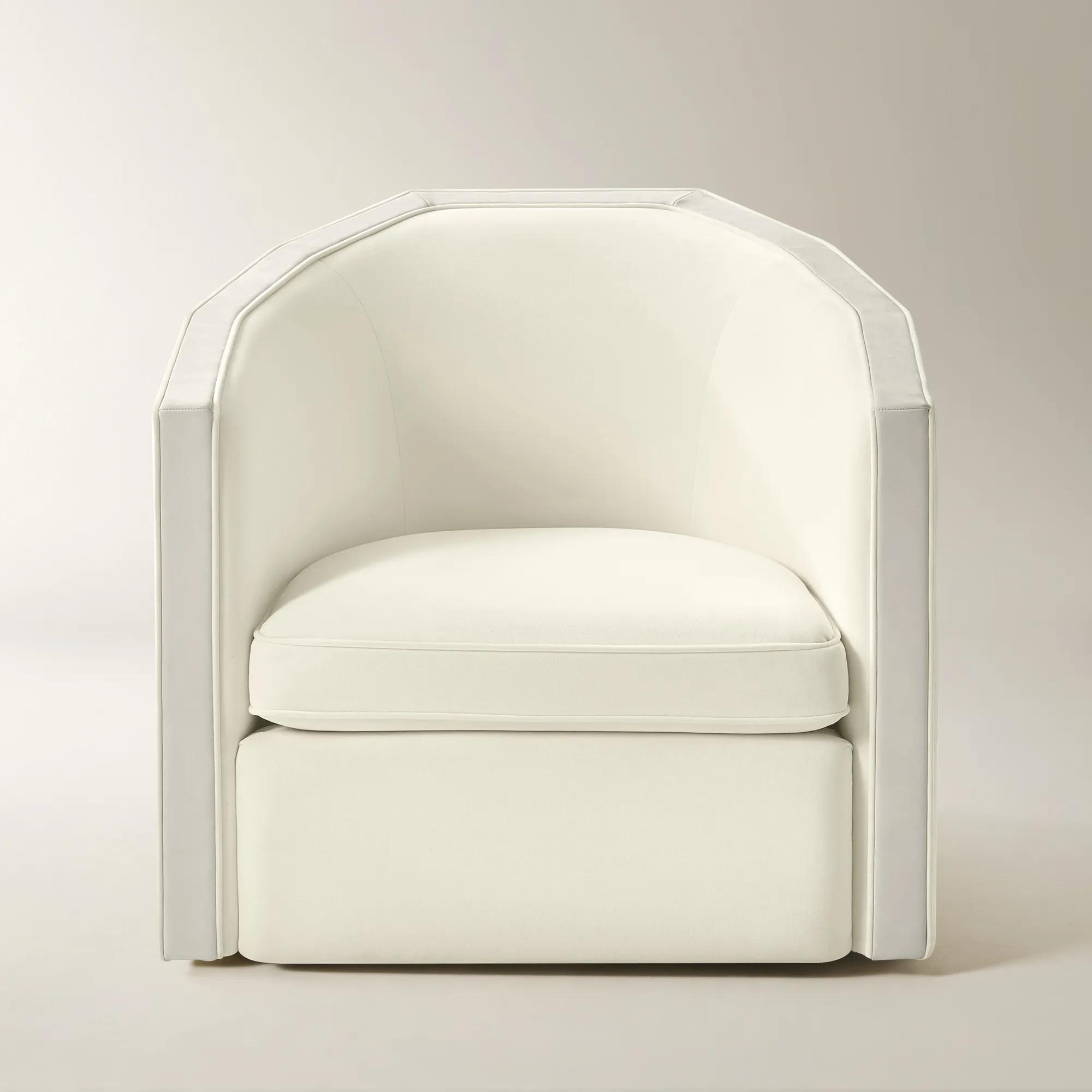 Vesper Cloud Velvet With Leather Swivel Accent Chair$999
A modern accent chair featuring cloud velvet upholstery, tonal leather trim, and a smooth 360° swivel base.
Add To Cart -
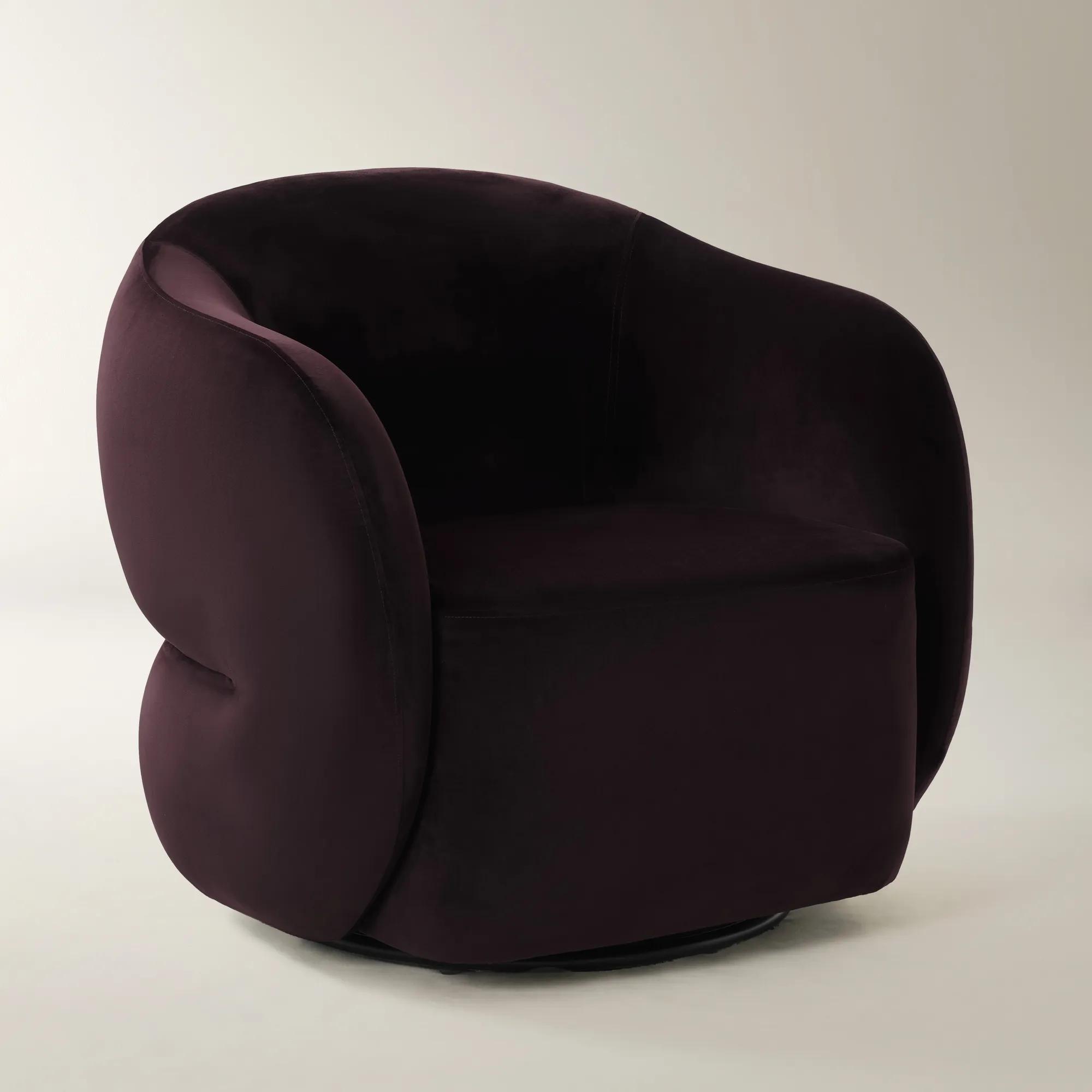 Sierra Fig Velvet Swivel Accent Chair$899
A modern accent chair in plush fig velvet with a wraparound back and smooth 360° swivel base.
Add To Cart -
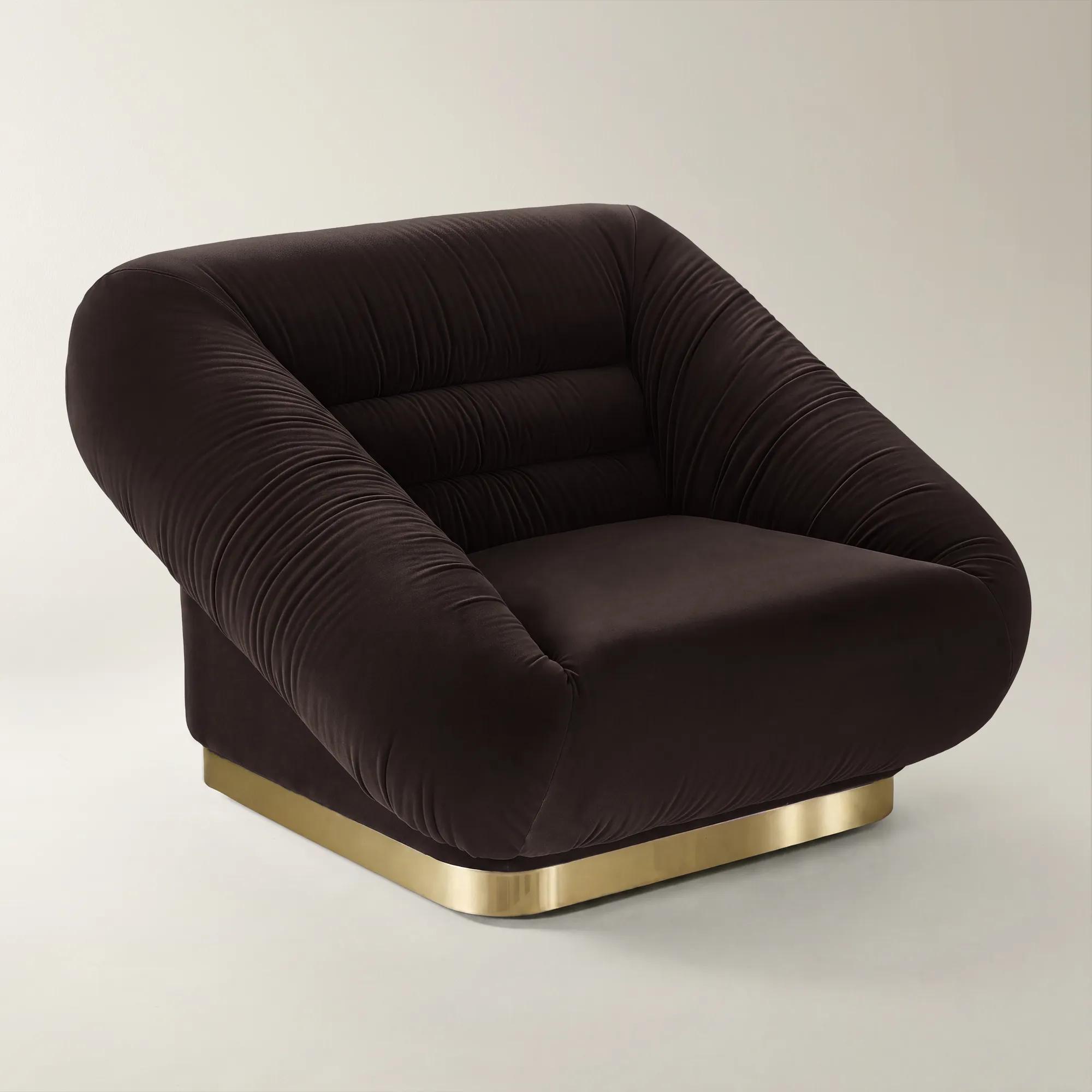
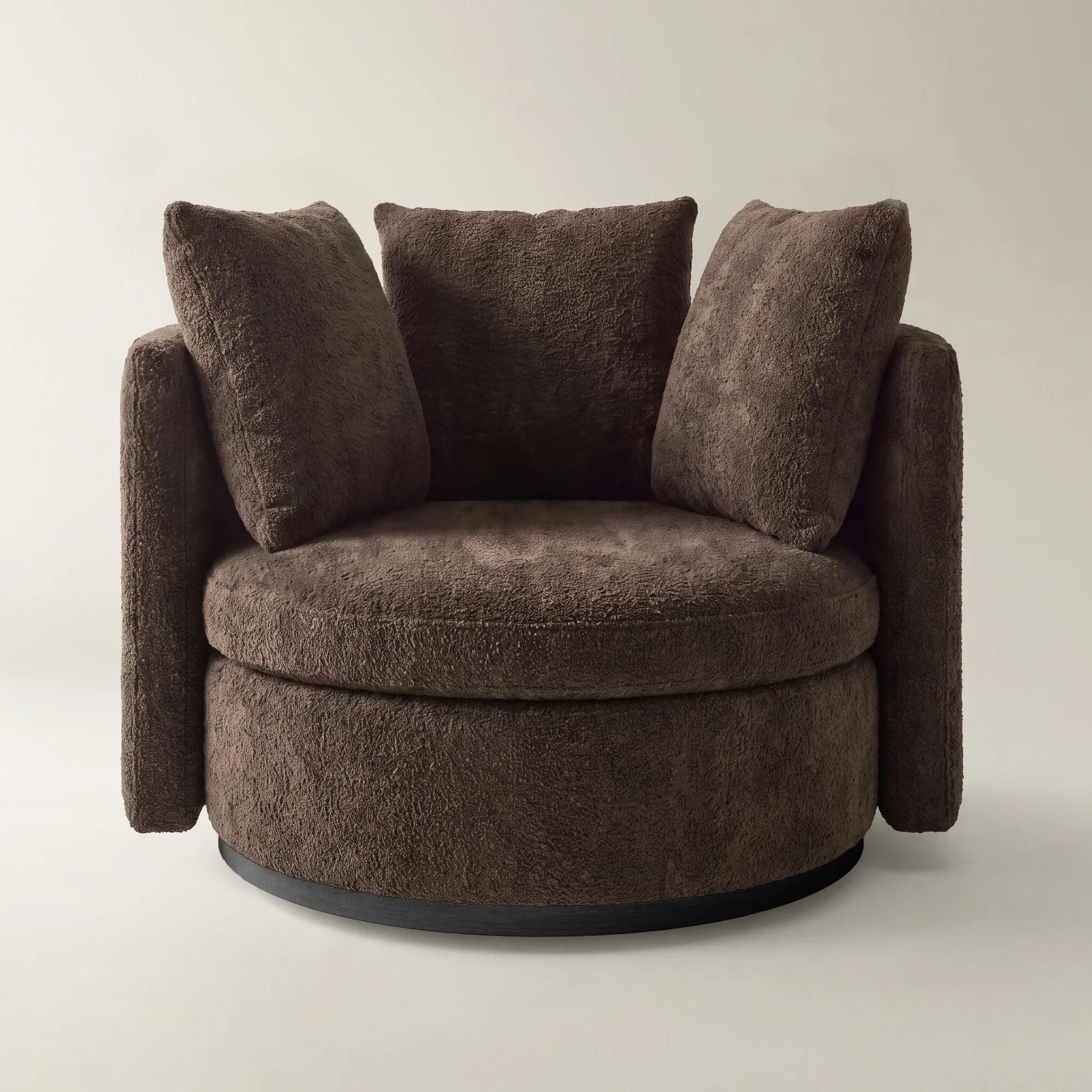
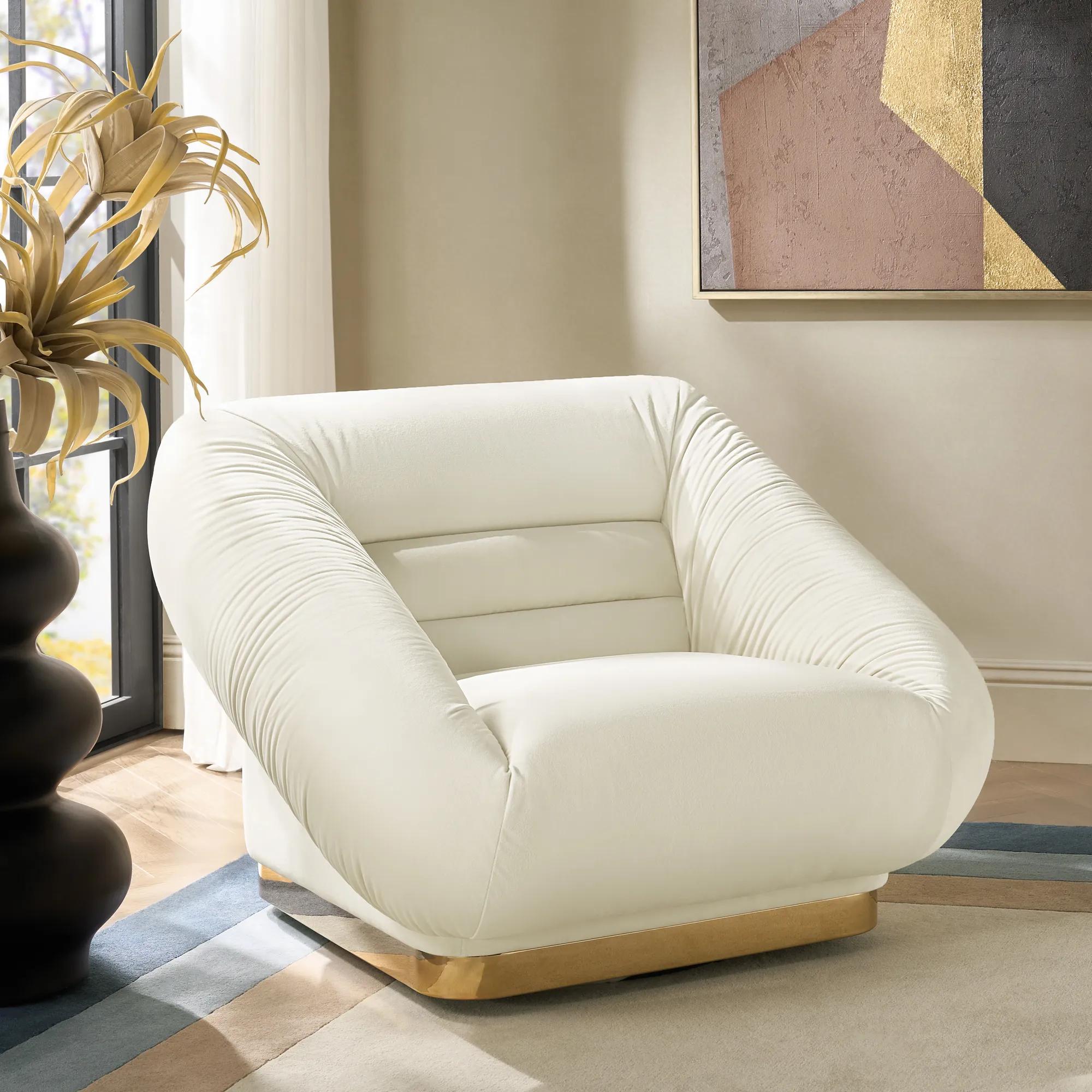 Dover Dark Chocolate Velvet Swivel Accent Chair$1299
A dark chocolate velvet accent chair with a sculptural silhouette, 360° swivel, and soft gold-finished trim.
Add To Cart -
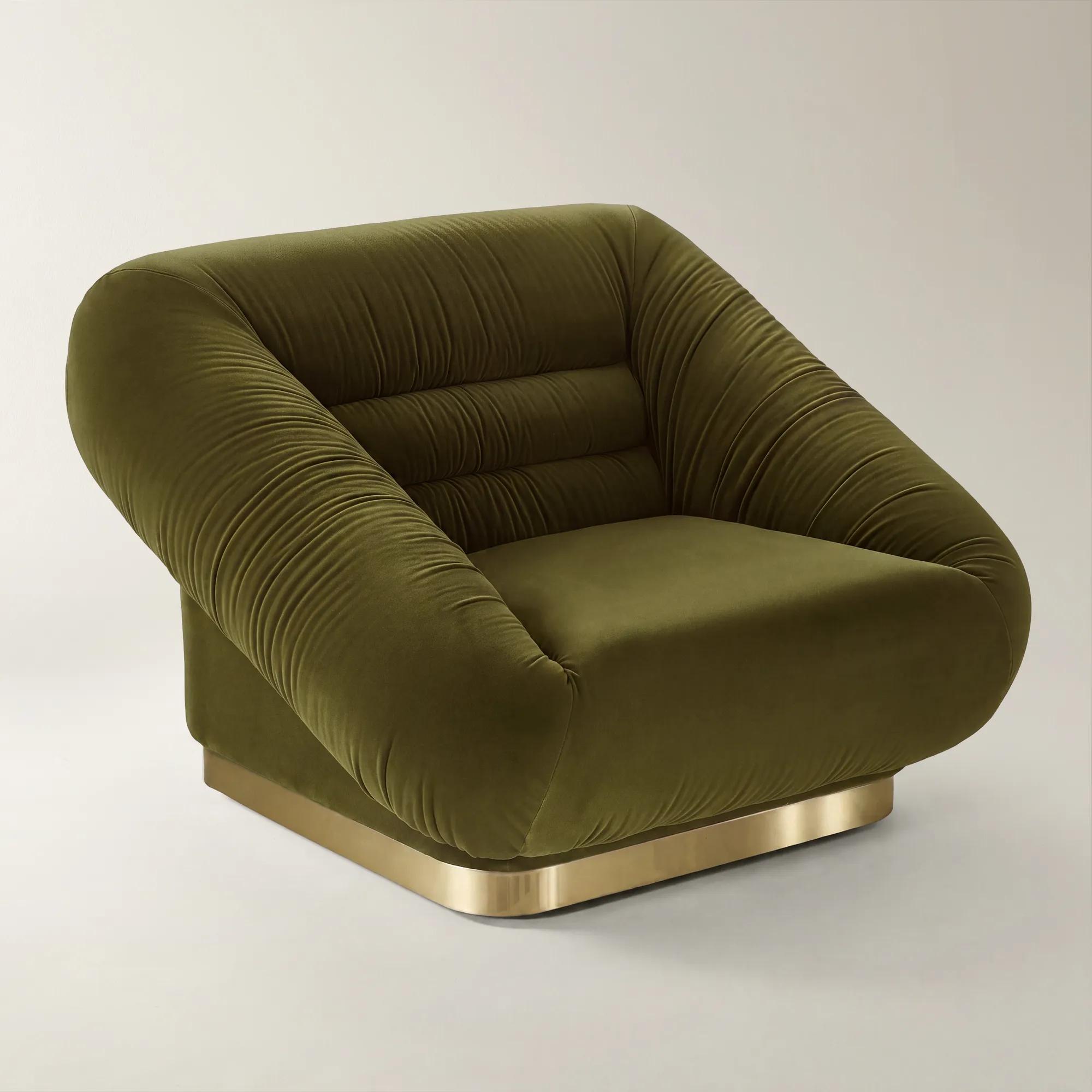
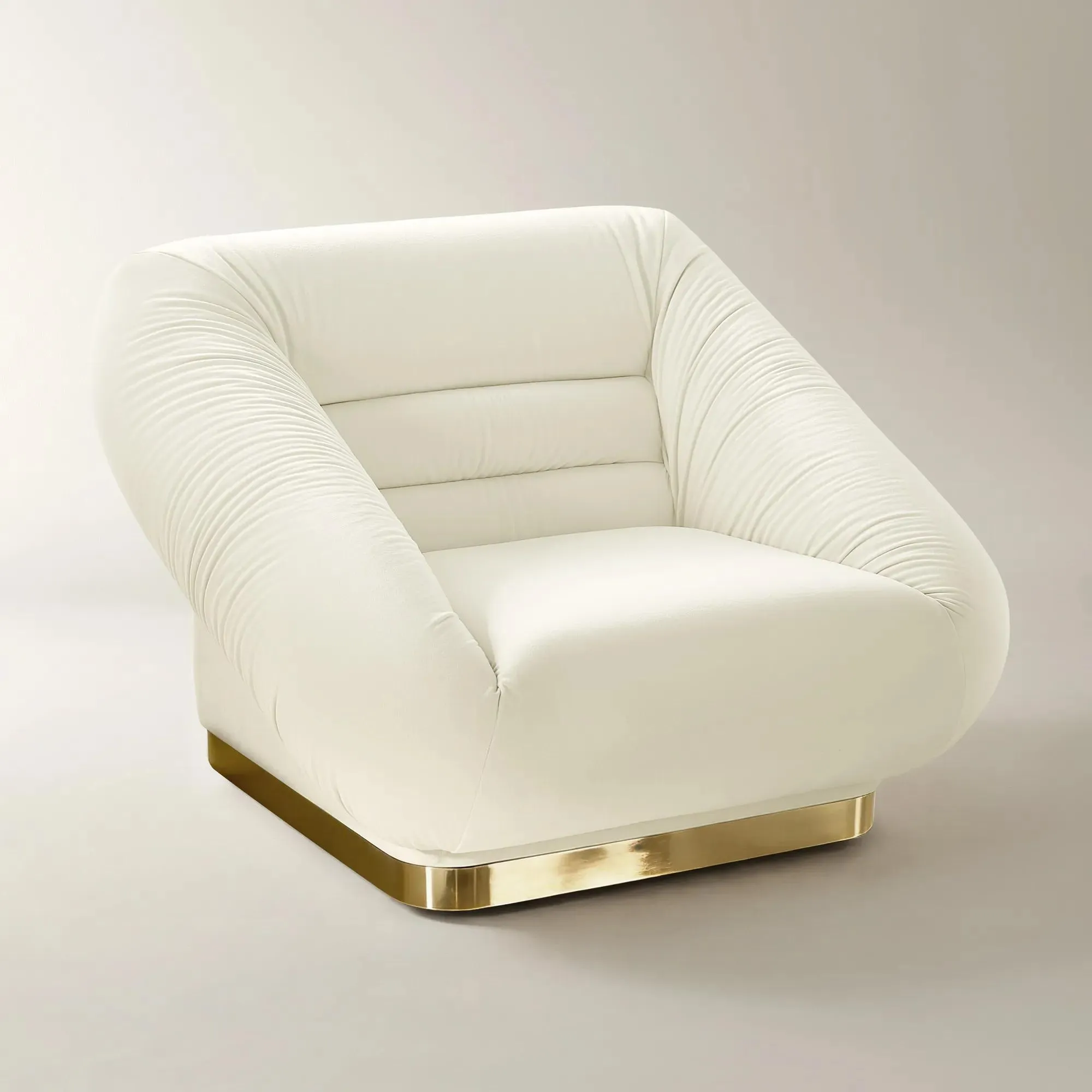 Dover Deep Olive Velvet Swivel Accent Chair$1299
A sculptural deep olive velvet chair with gathered upholstery, soft gold trim, and smooth 360-degree swivel functionality.
Add To Cart

Accent Chairs For Elegant Sitting Areas
Accent chairs for elegant sitting areas are the secret to transforming any corner into a stage for sophistication. Each piece is an invitation to indulge in artistry—where sculptural forms, sumptuous fabrics, and striking silhouettes converge to create moments of pure visual poetry. Whether you seek drama with bold profiles or subtle allure with refined textures, these accent chairs promise to elevate your space from the everyday to the extraordinary. Let your sitting area become a gallery of style, where every seat is a statement and every detail whispers of curated luxury.
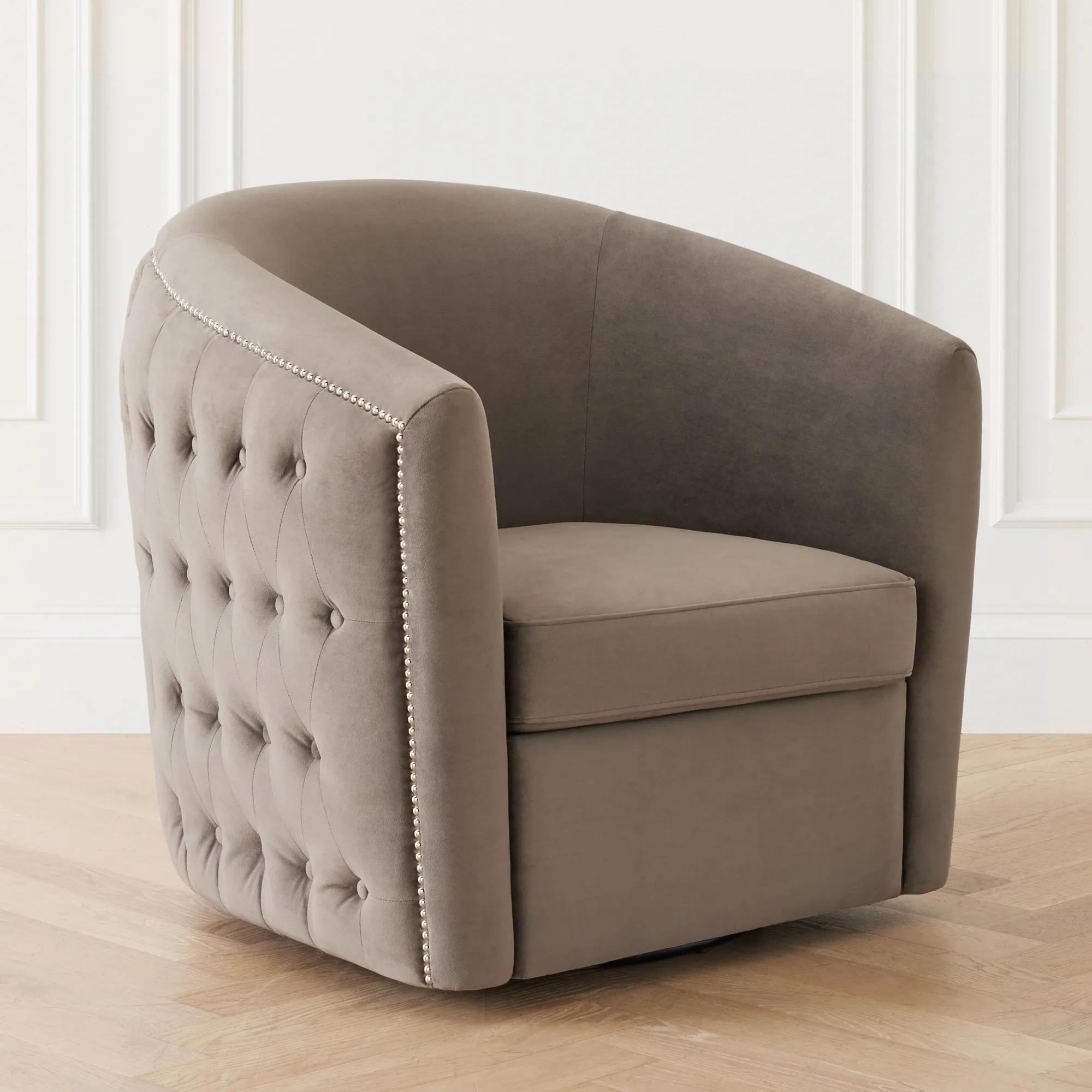
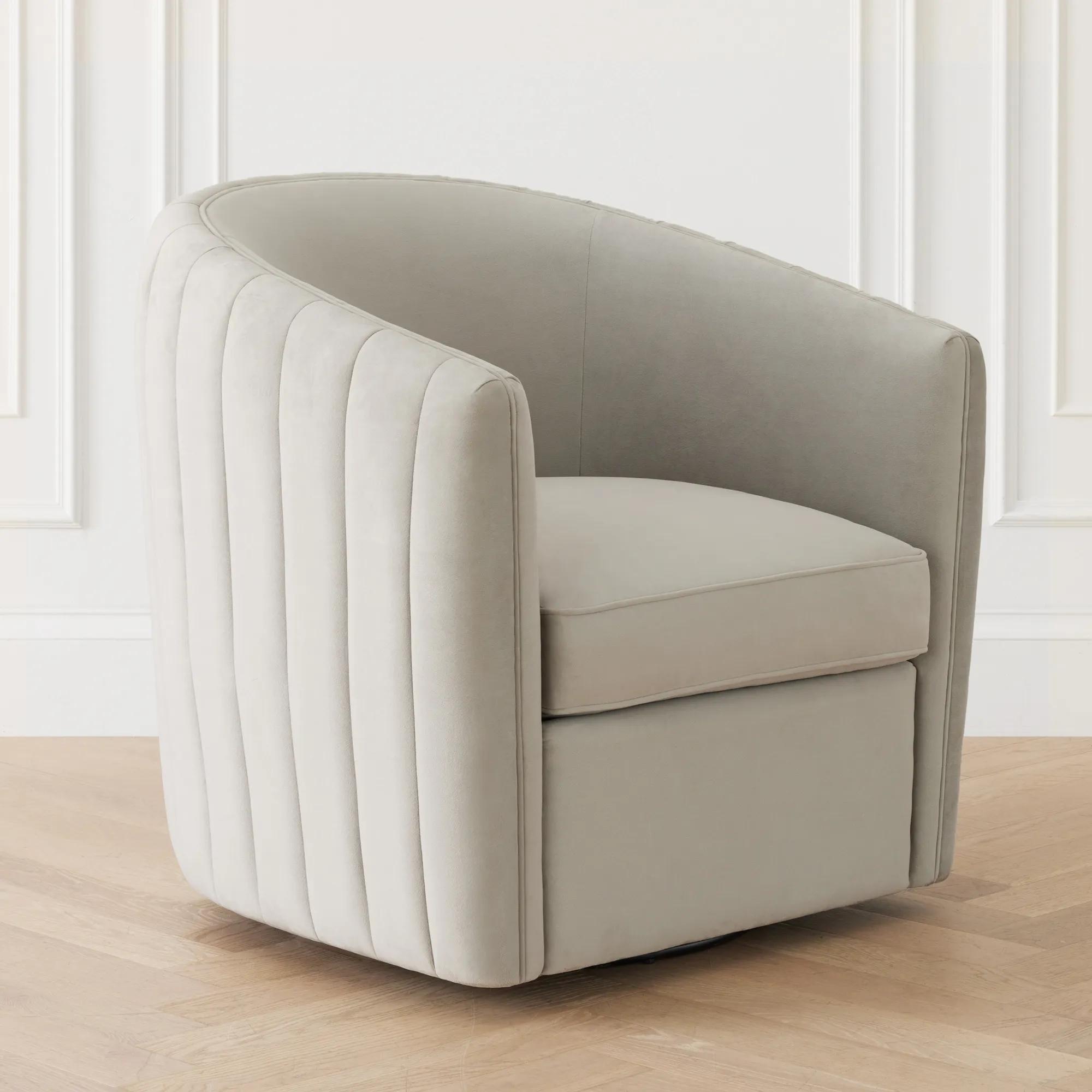
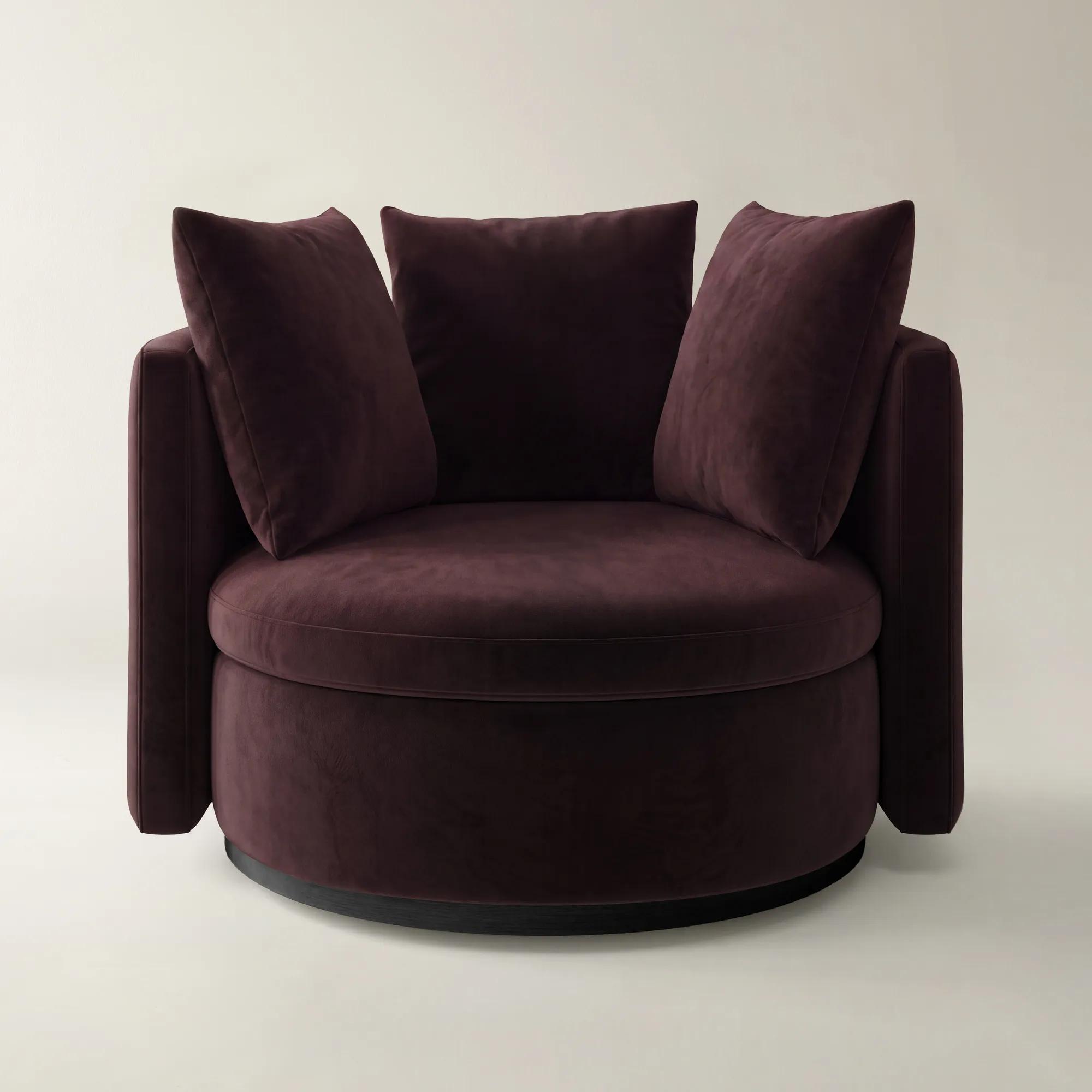
Accent chairs for elegant sitting areas bring sculptural presence and purposeful comfort to the spaces where conversation unfolds. The most compelling choices balance silhouette, scale, and upholstery with the furniture around them, creating a composition that feels expressive rather than overly matched. A curved barrel chair can soften the disciplined lines of a rectangular sofa, while a high-backed silhouette lends stature to a quiet corner. Exposed wood frames and slender legs introduce breathing room beside substantial seating; fully upholstered forms create a more enveloping, intimate mood. In a formal living room, two chairs angled toward a sofa establish a gracious place for guests to gather without making the arrangement feel rigid. In a bedroom or dressing area, a single accent chair offers a beautiful pause between daily rituals, with enough presence to make an otherwise overlooked corner feel intentional. Color shapes that experience as much as form. Ivory, taupe, and warm gray upholstery allow texture and contour to take the lead, particularly against richly patterned rugs or dramatic artwork. Emerald, sapphire, and aubergine make a bolder impression, lending depth to a neutral room without requiring every furnishing to compete for attention. Repeating a chair’s color subtly in a painting or decorative pillow gives the arrangement continuity while preserving its individuality. Metal accents can sharpen the effect: a gleaming base beside matte upholstery creates contrast, while a brushed finish offers a quieter expression of glamour. The relationship between pieces matters more than exact repetition. Chairs can share the rounded lines of a nearby table, echo the warmth of a wood console, or introduce a contrasting texture that makes the entire sitting area more dimensional. For spaces that serve both entertaining and everyday retreat, an accent chair should feel as inviting during an unhurried conversation as it looks from the doorway. Elegance becomes convincing when the furniture invites people to settle in, not simply admire it from a distance.
Upholstery gives an accent chair much of its character, influencing both its visual richness and its suitability for daily use. Velvet catches light across its pile, giving even a single-color chair subtle variation and a sumptuous surface. Its directional shading is part of the appeal, though pressure marks and changes in the nap may be more noticeable in frequently used seats. Textured woven fabrics offer a tailored alternative, with dimension that can complement polished tables, glass surfaces, and lacquered finishes. Bouclé introduces a more pronounced texture that beautifully offsets sleek surroundings, although looped yarns deserve consideration in homes where pet claws may catch the surface. Leather brings a distinctive combination of structure and suppleness, with care needs and the potential for patina varying by finish. Where chairs will host frequent visitors, children, or everyday lounging, fabric composition, cleaning instructions, and documented performance characteristics deserve as much attention as color. A performance designation should be evaluated against the stated properties of the particular upholstery; it does not make every fabric stainproof or suitable for every cleaning method. Durability also depends on what sits beneath the surface. Frame construction, secure joinery, cushion materials, and seat support all contribute to how a chair feels over time. A plush cushion may offer an inviting initial softness, while a firmer seat can suit someone who prefers a more upright posture. Neither feel alone establishes quality, and intended use should shape the choice. For a chair used mainly during conversation, supportive back contact and comfortable arm placement may matter more than an extra-deep seat. For extended reading, a generous seat paired with an appropriately scaled ottoman can create a more relaxed arrangement. Care should follow the manufacturer’s directions: gentle vacuuming with an appropriate upholstery attachment can help remove surface dust, spills generally call for prompt blotting rather than vigorous rubbing, and cleaning products should be used only when compatible with the material. Protecting upholstery from prolonged direct sunlight and keeping hardware secure can help preserve both appearance and function.
Proportion makes the difference between a sitting area that feels lavish and one that feels crowded. Overall chair width determines how much floor space a piece occupies, but seat width, seat depth, arm height, and back angle determine how comfortably a person can use it. A broad silhouette may contain a relatively compact seat because of thick arms, while a visually slender frame may provide surprisingly generous seating. Checking those measurements against an existing chair that feels comfortable offers a useful point of reference. Seat height also deserves attention, especially when a chair will sit beside a sofa: reasonably compatible heights help a conversation grouping feel cohesive, even when the shapes differ. Taller users may appreciate additional seat depth, while shorter users may prefer a shallower seat that allows their feet to rest comfortably on the floor. People who find low seating difficult may benefit from a firmer, higher seat and supportive arms, depending on their individual needs. Beyond the chair itself, allow clear walking paths and enough room to approach the seat without turning sideways around a table. Swivel designs require clearance for movement, and any reclining mechanism needs the space specified for its full range of use. Measuring doorways, hallways, and tight turns is equally important before bringing a substantial chair into an upstairs sitting room or compact apartment. A small table within comfortable reach gives a book or drinking glass a proper place, while a reading lamp can bring focused illumination without overwhelming the composition. Accessories work best when they reveal the chair’s shape rather than conceal it; one thoughtfully proportioned pillow may provide more polish than several competing layers. The related selection of Accent Chairs For Chic Interiors offers another expression of statement seating for a considered room. Whether the setting is a spacious conversation area or an intimate alcove, a well-proportioned accent chair creates a distinct place to linger, bringing personal style into the room through tangible choices in shape, texture, and comfort.
FAQs
Accent chairs designed for elegant spaces frequently showcase luxurious materials such as plush velvet, textured boucle, rich leather, and high-performance chenille. These fabrics not only provide sumptuous comfort but also add visual depth and tactile intrigue, making each chair a statement piece in your sitting area.
To achieve a cohesive look, consider pairing accent chairs with complementary colors, textures, or silhouettes found in your existing decor. Echoing details like metallic accents, wood finishes, or piping can tie the room together, while using a matching accent chairs pair can frame a focal point such as a fireplace or coffee table with effortless sophistication.
Absolutely. Accent chairs make memorable gifts for milestones such as weddings, housewarmings, or anniversaries. Their blend of artistry and function transforms everyday living, offering the recipient a beautiful piece that elevates their home and serves as a lasting reminder of a special moment.
A small sitting chair for bedroom retreats can be styled beside a window for a serene reading nook, paired with a plush throw and decorative pillow for added comfort and flair. Positioning it near a vanity or at the foot of the bed can also create a luxurious, boutique-inspired atmosphere.
Start by considering the mood you want to create—whether it’s bold and dramatic or serene and sophisticated. Look for design elements that resonate with you, such as sculptural lines, unique upholstery, or handcrafted detailing. Ultimately, the best accent chair is one that feels like a work of art and a natural extension of your own aesthetic sensibility.