Casual Elegant Accent Chairs
Casual Elegant Accent Chairs
-
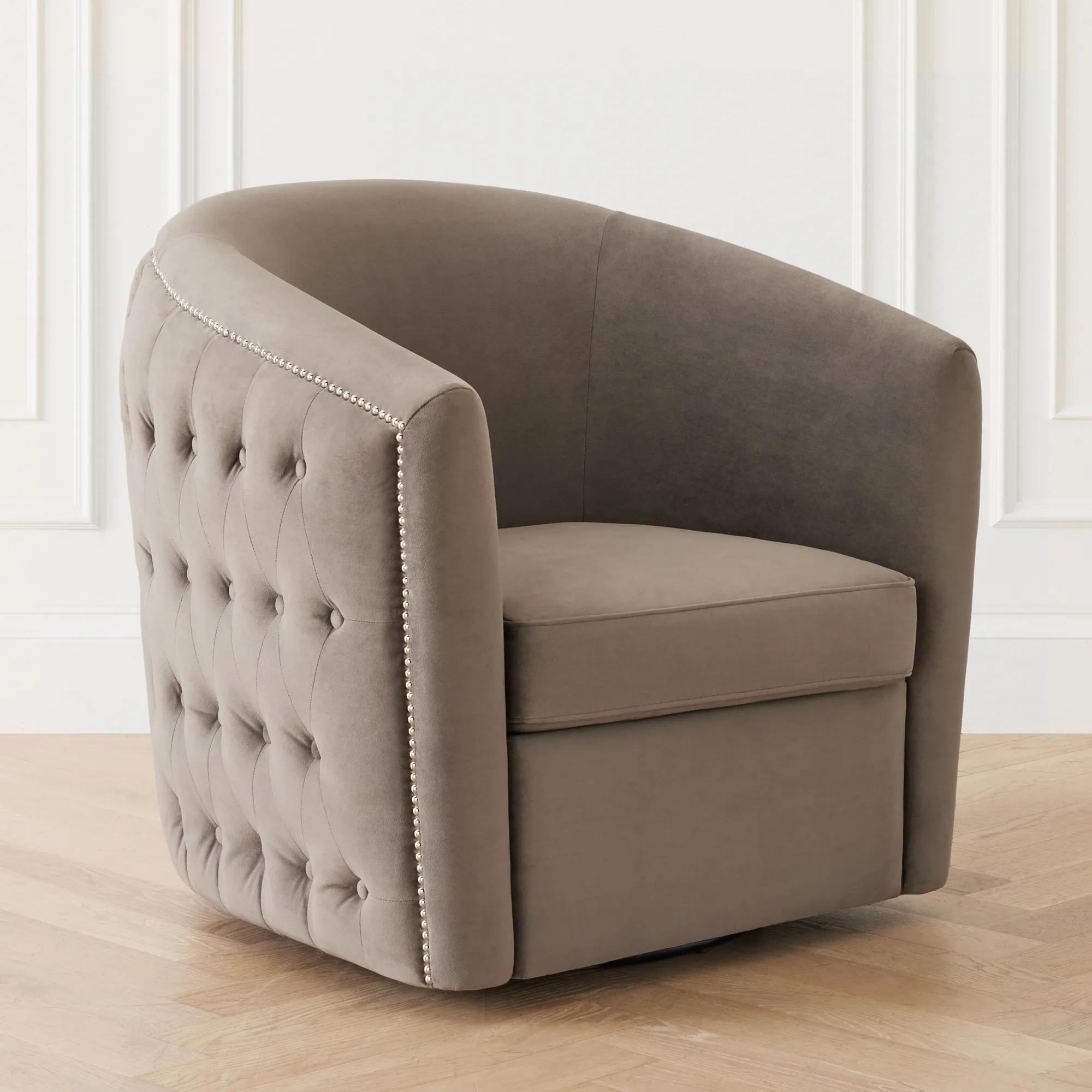
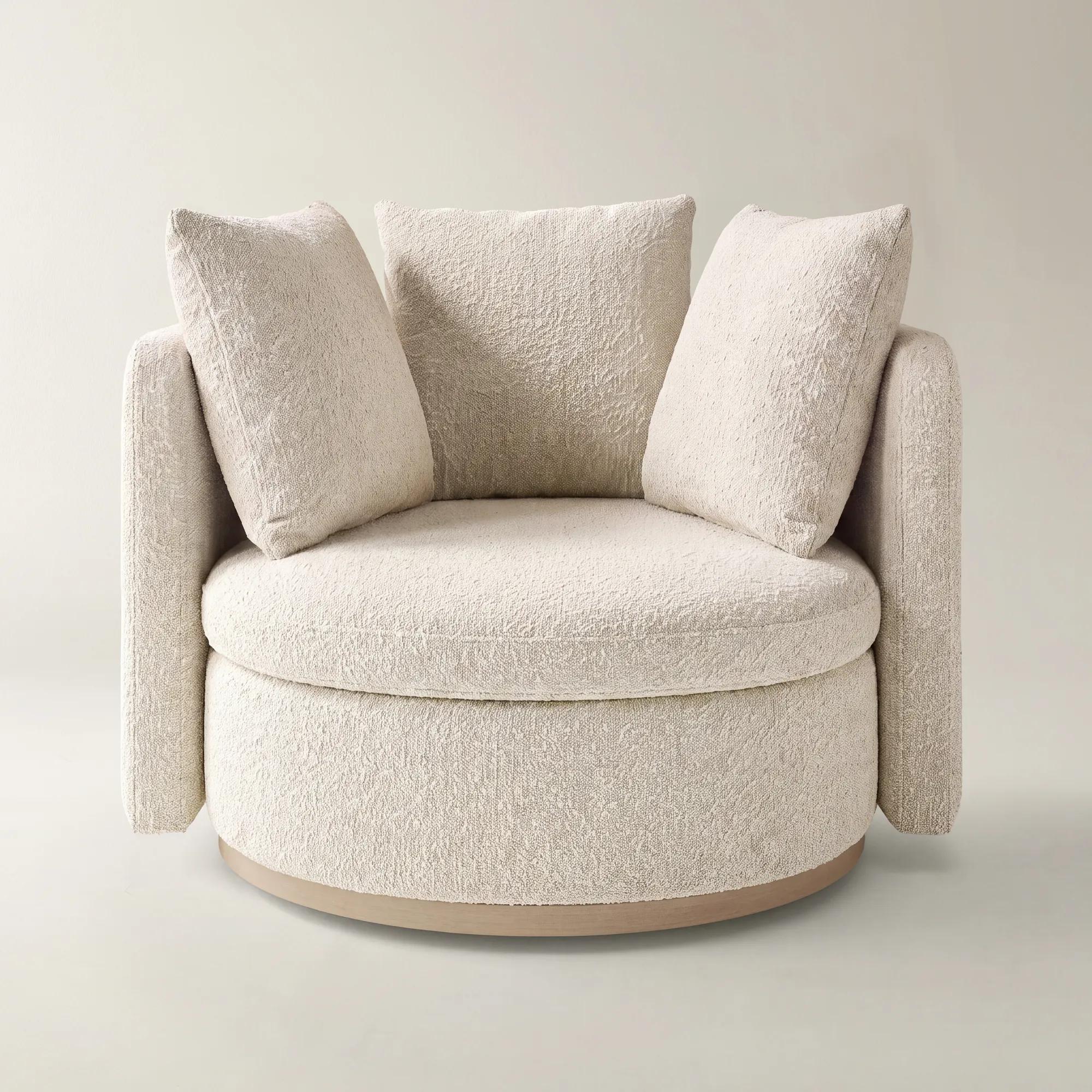
 Lyssa Pleated Simply Taupe Velvet Swivel Accent Chair$1099
A taupe velvet accent chair with pleated panels, curved styling, swivel motion, and gold metal base.
Add To Cart -
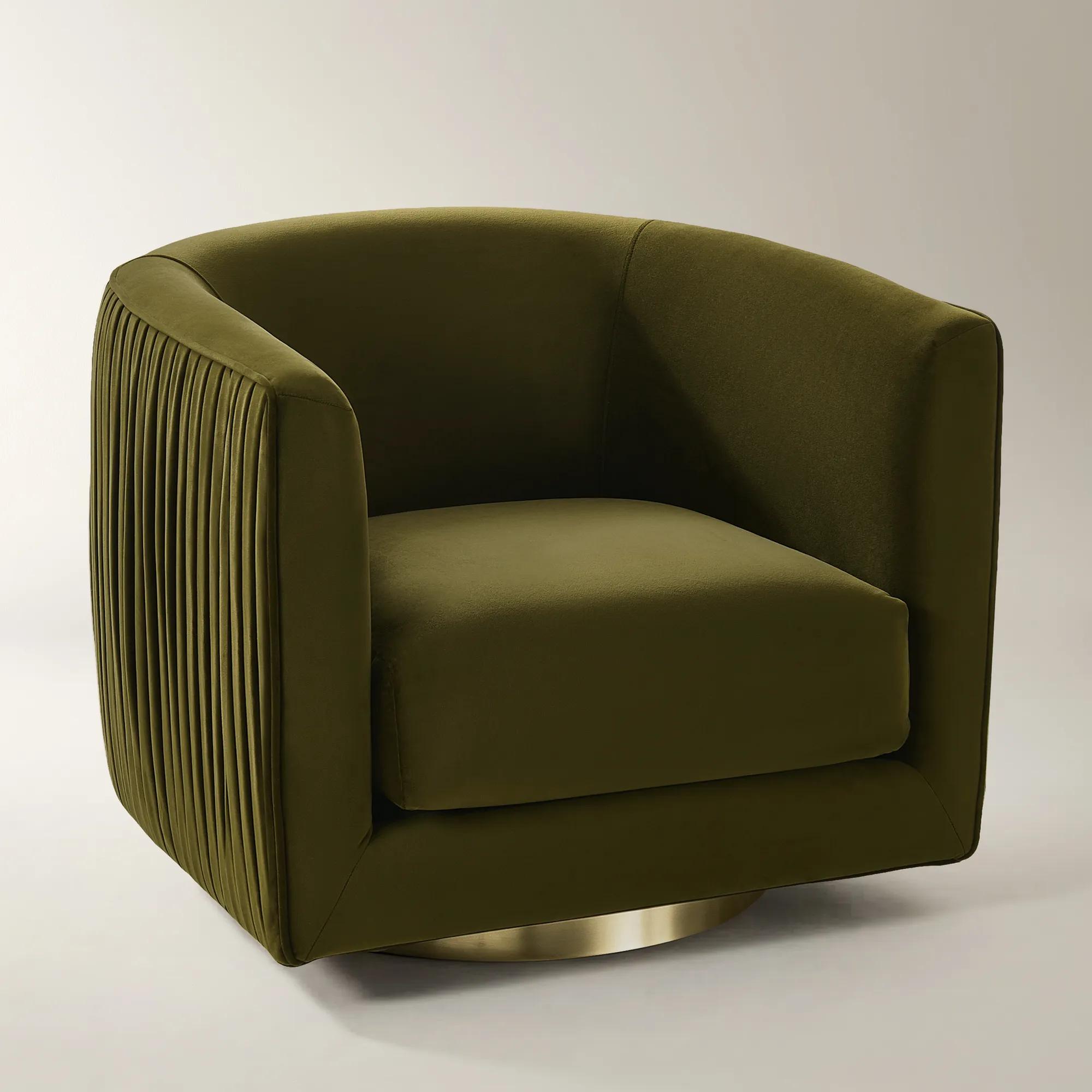
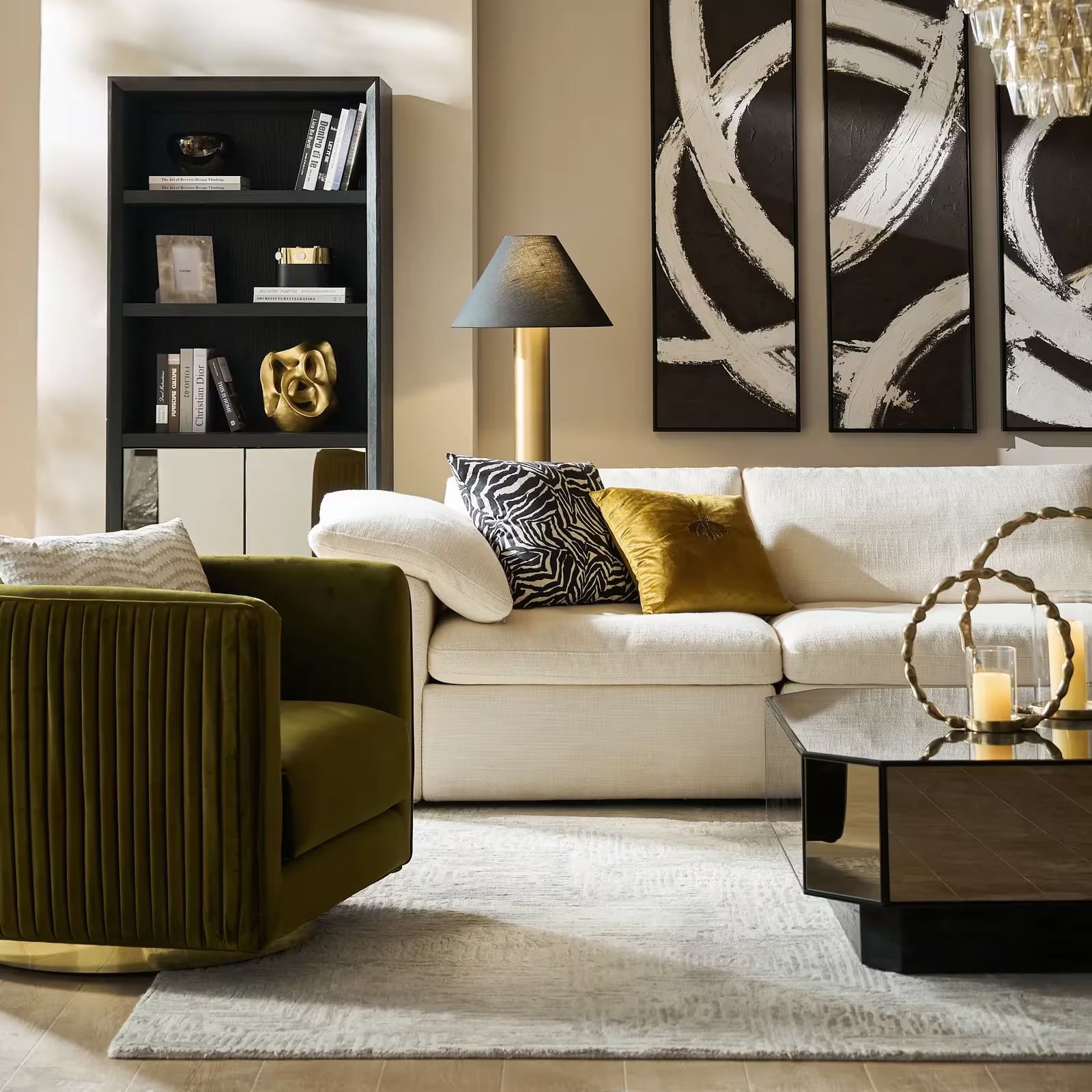 Lyssa Pleated Deep Olive Velvet Swivel Accent Chair$1099
A deep olive velvet accent chair with pleated panels, 360-degree swivel, and gold metal base.
Add To Cart -
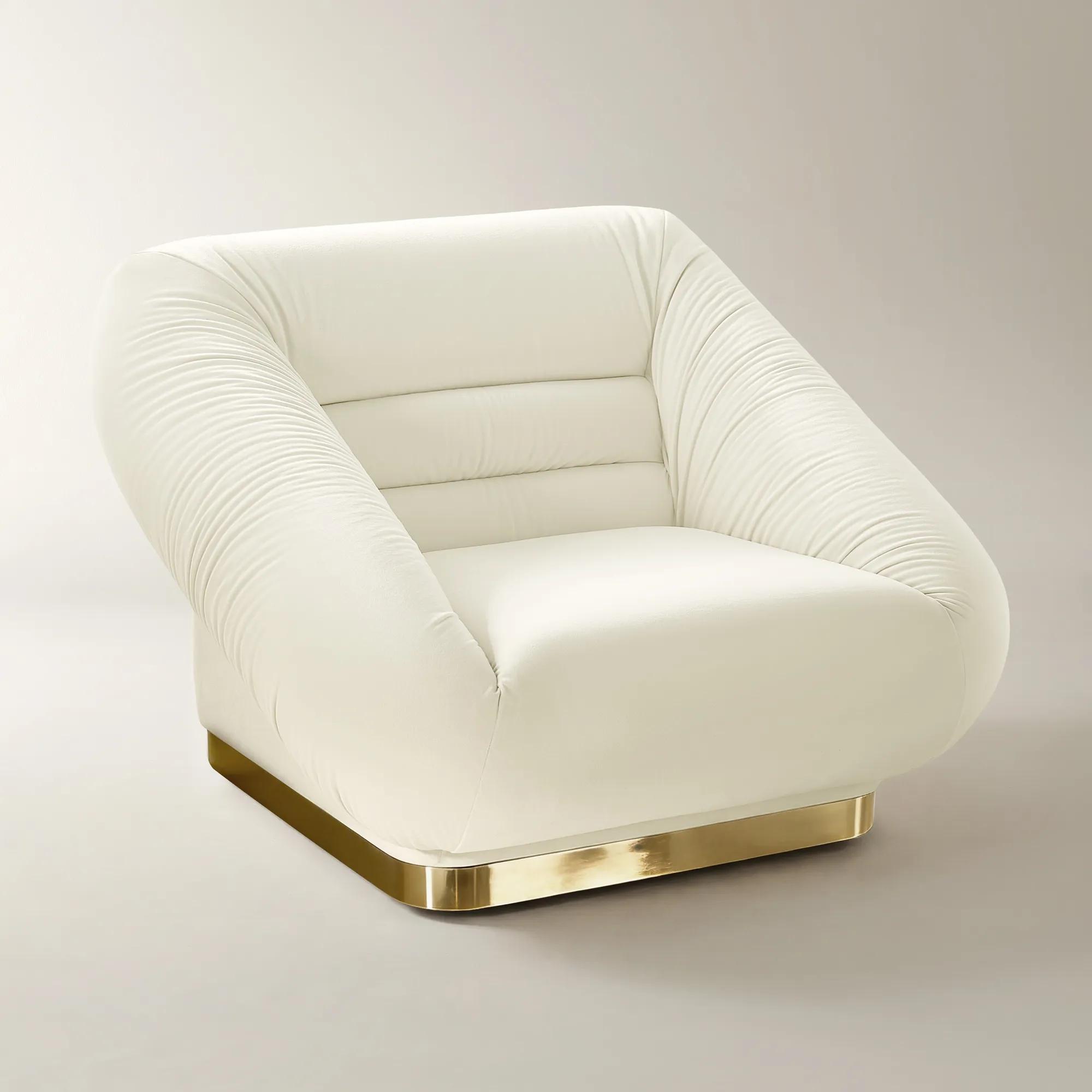 Dover Cloud Velvet Swivel Accent Chair$1299
A sculptural accent chair in cloud velvet with a gold-trimmed base and smooth 360° swivel function.
Add To Cart -
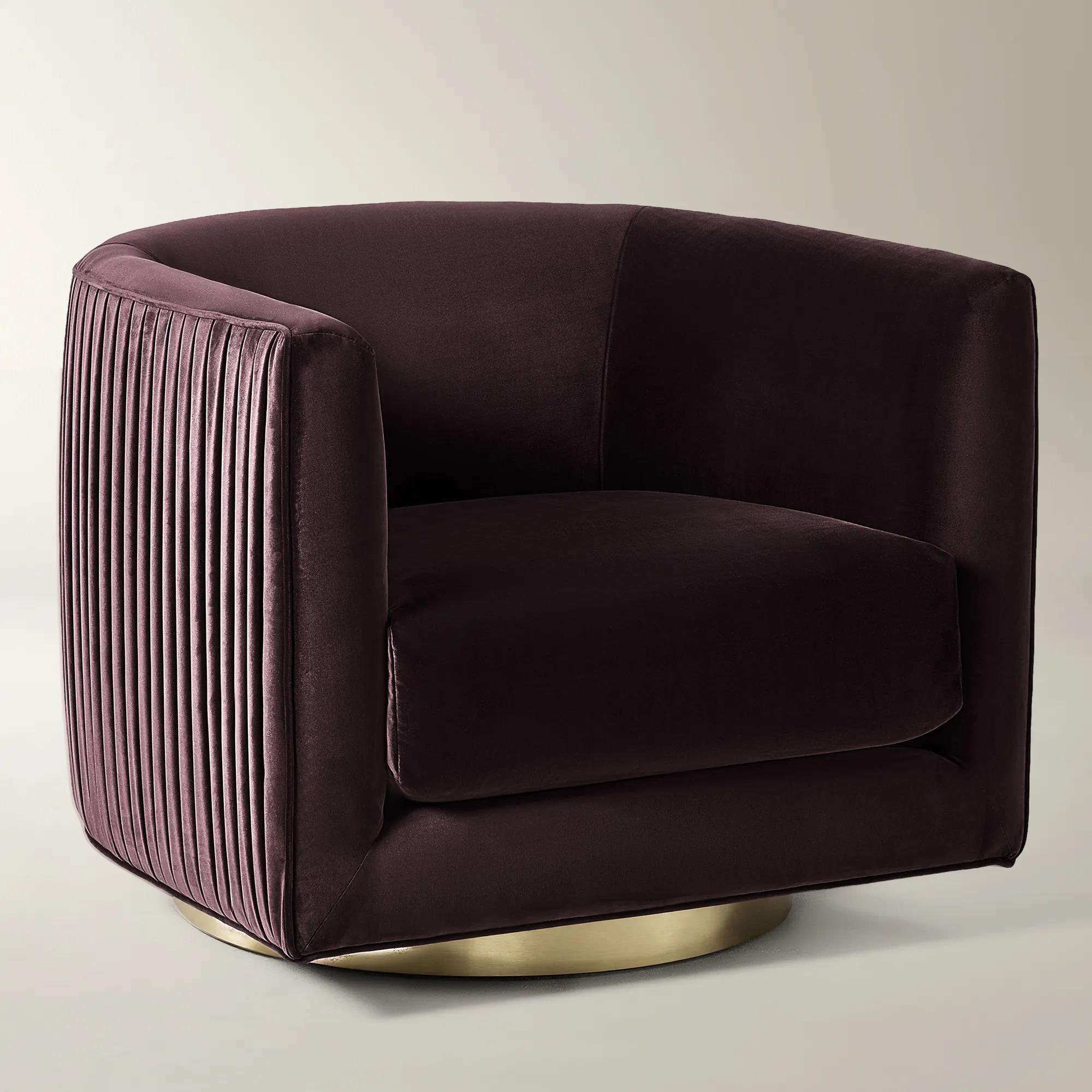 Lyssa Pleated Fig Velvet Swivel Accent Chair$1099
A red velvet swivel chair with pleated panels, curved styling, and a soft-gold stainless steel base.
Add To Cart -
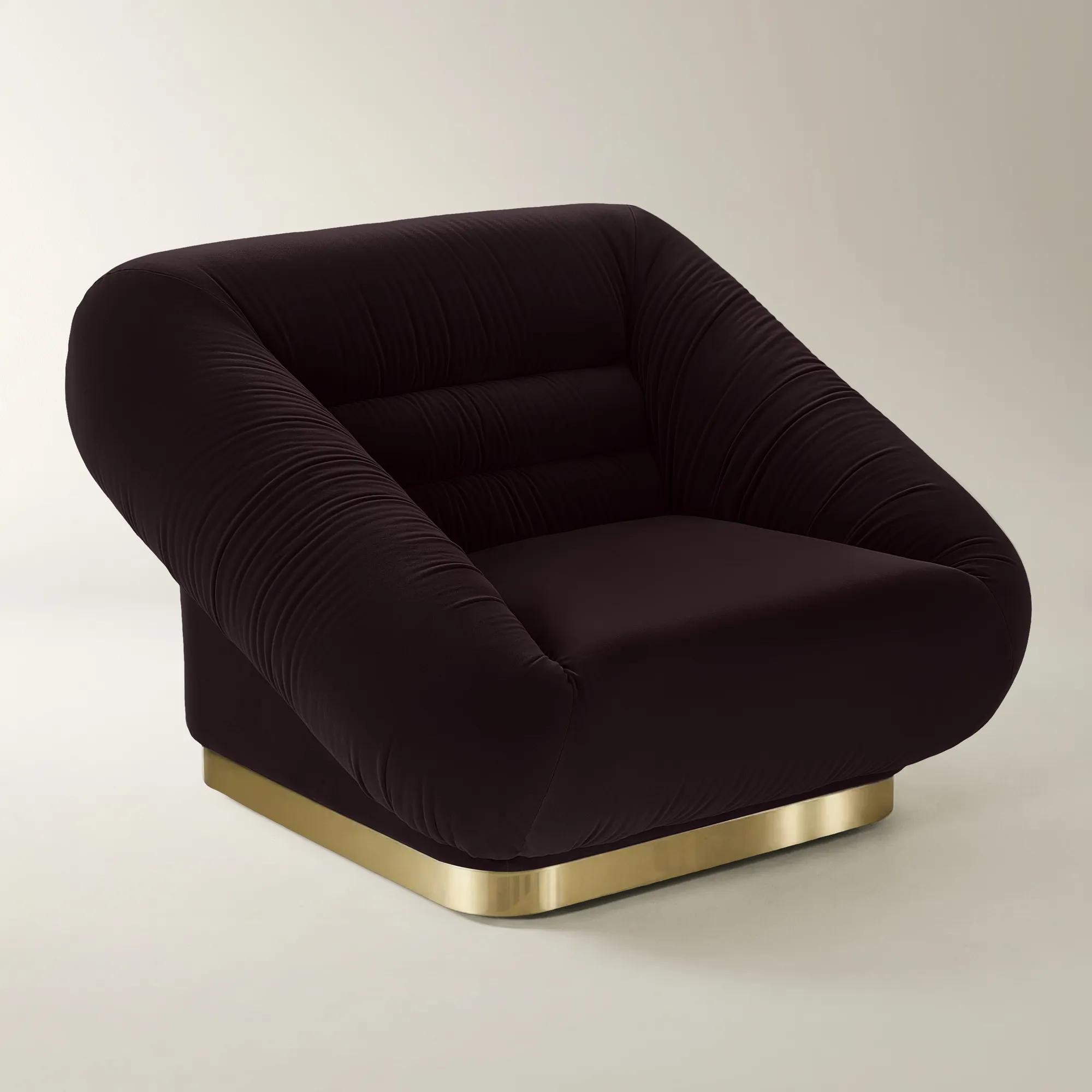 Dover Fig Velvet Swivel Accent Chair$1299
A sculptural fig velvet accent chair featuring soft gathered upholstery, gold-trimmed base, and smooth 360° swivel.
Add To Cart -
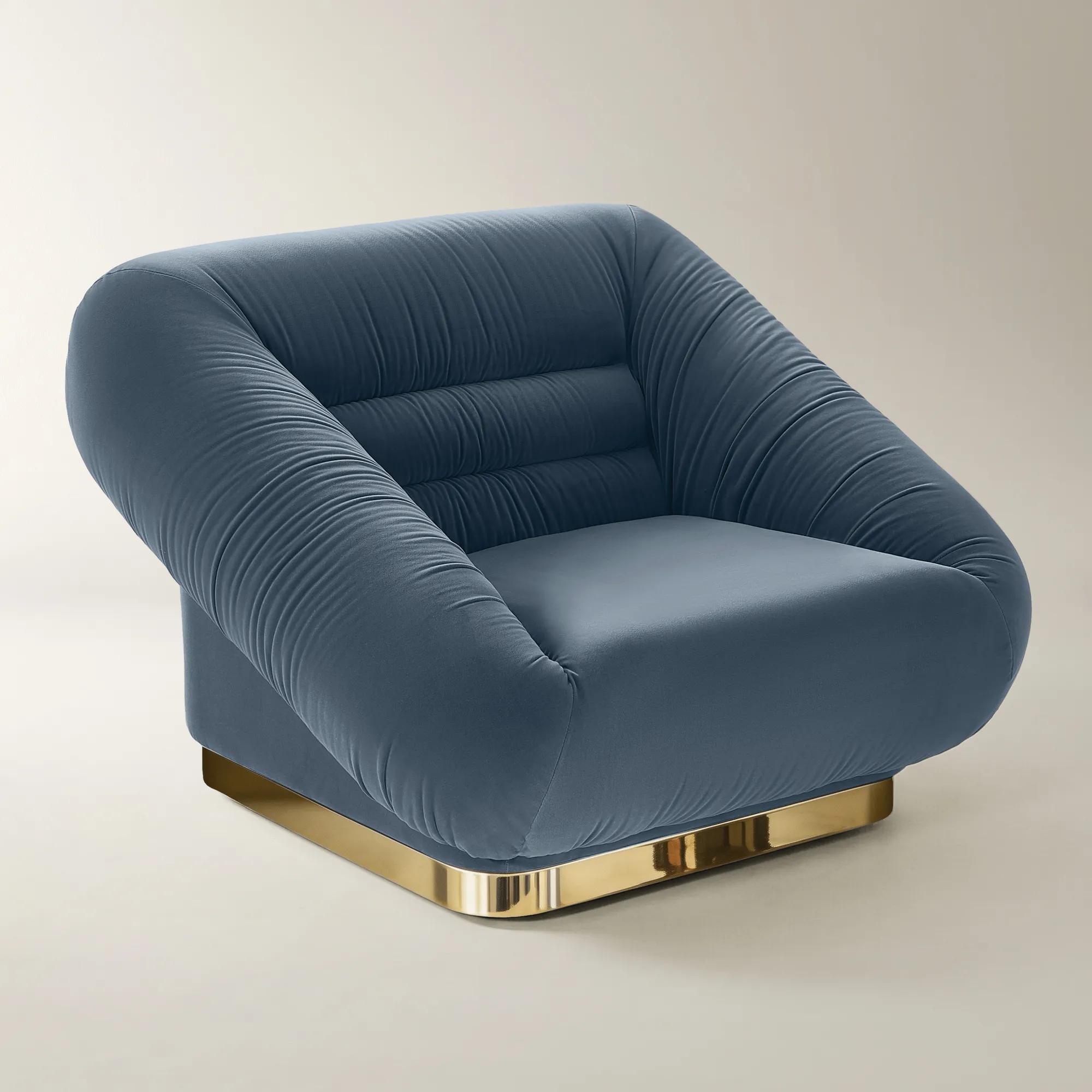 Dover Dusty Blue Velvet Swivel Accent Chair$1299
A sculptural blue velvet accent chair featuring soft gathered upholstery, gold-trimmed base, and smooth 360° swivel.
Add To Cart -
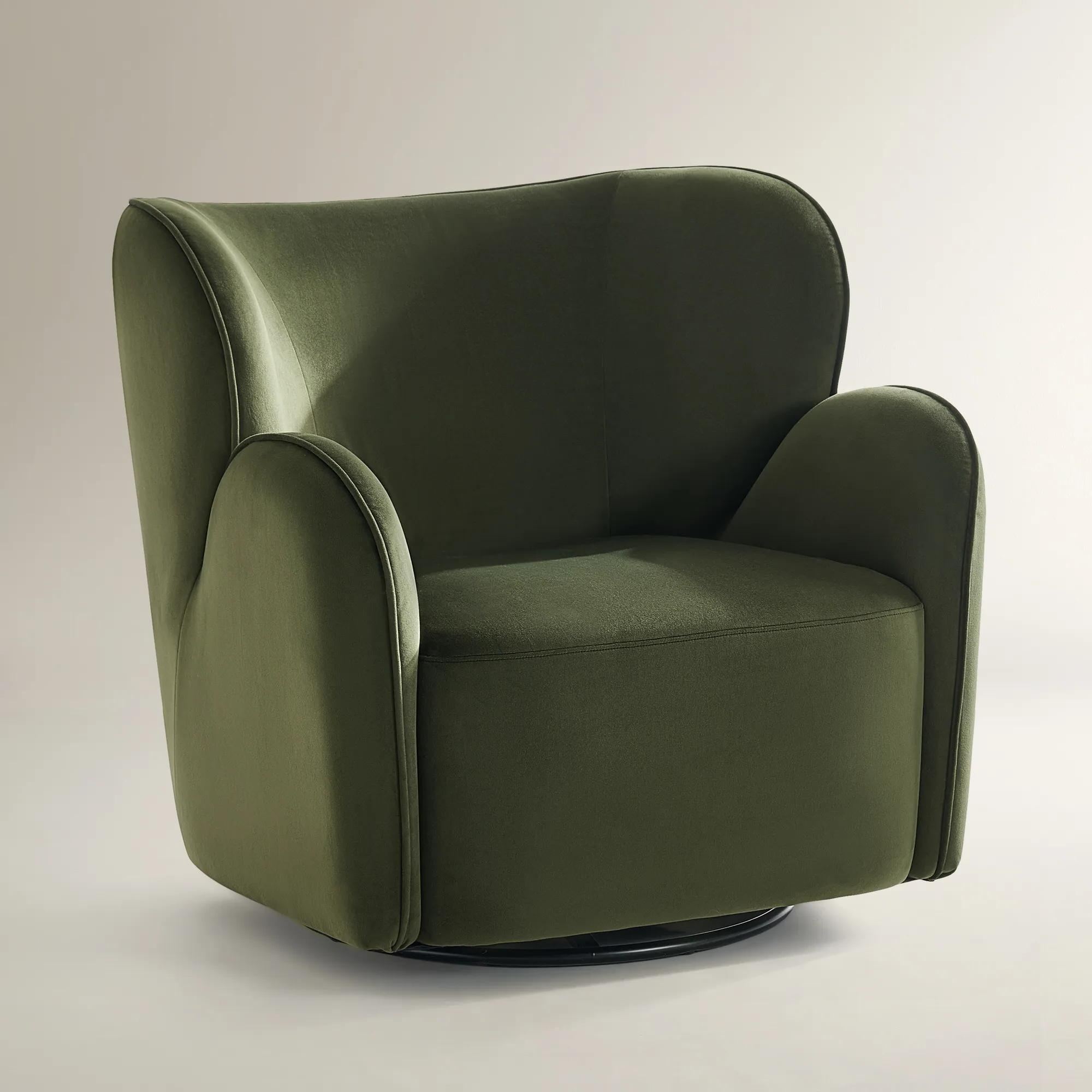
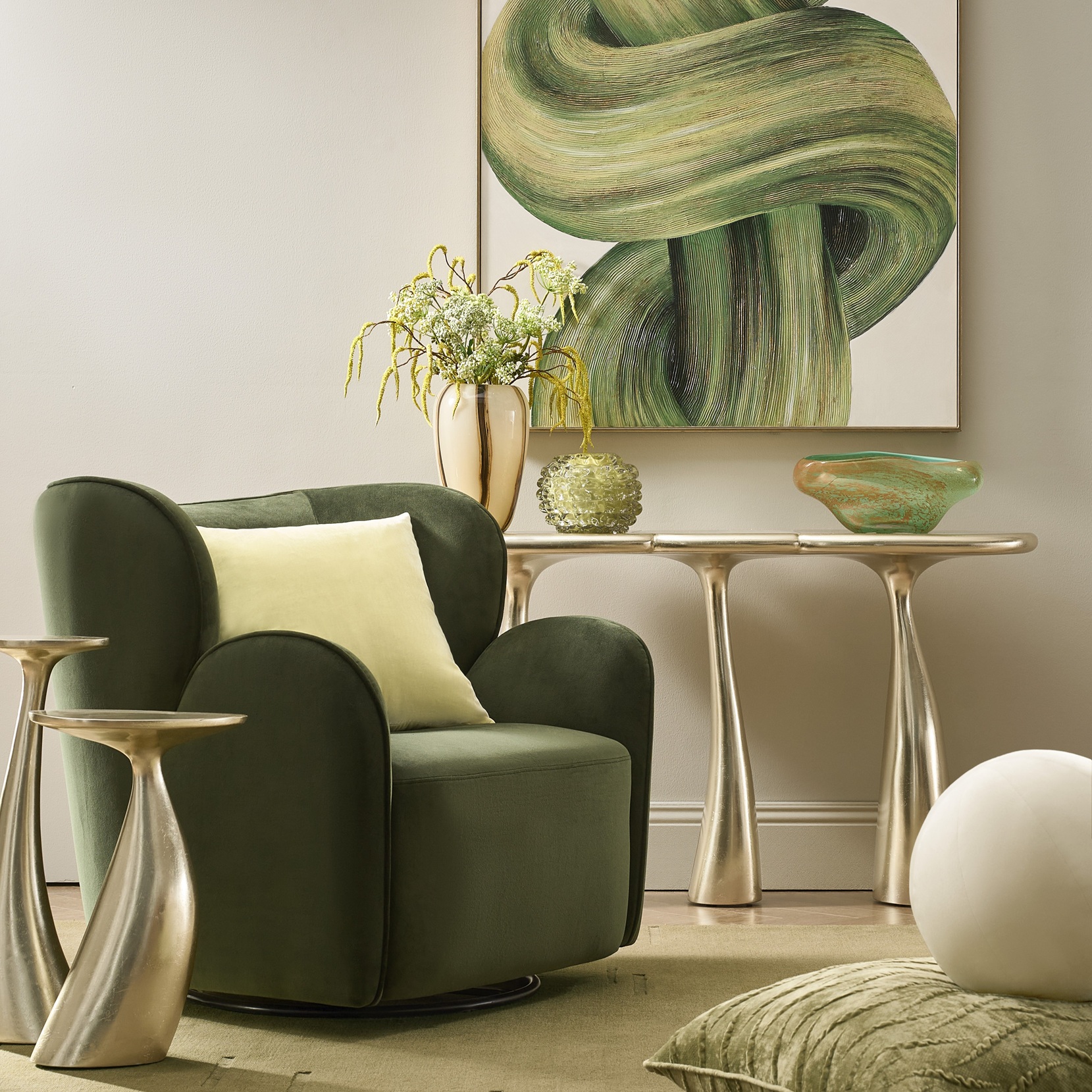 Ceres Jade Green Velvet Swivel Accent Chair$799
A plush jade green velvet chair with a curved silhouette, 360° swivel, and supportive foam cushioning.
Add To Cart -
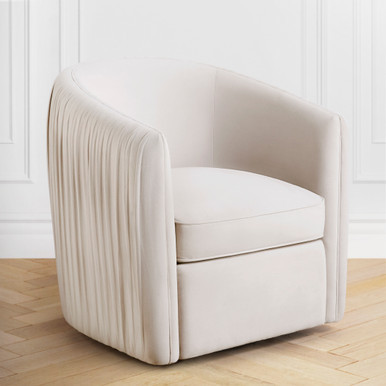
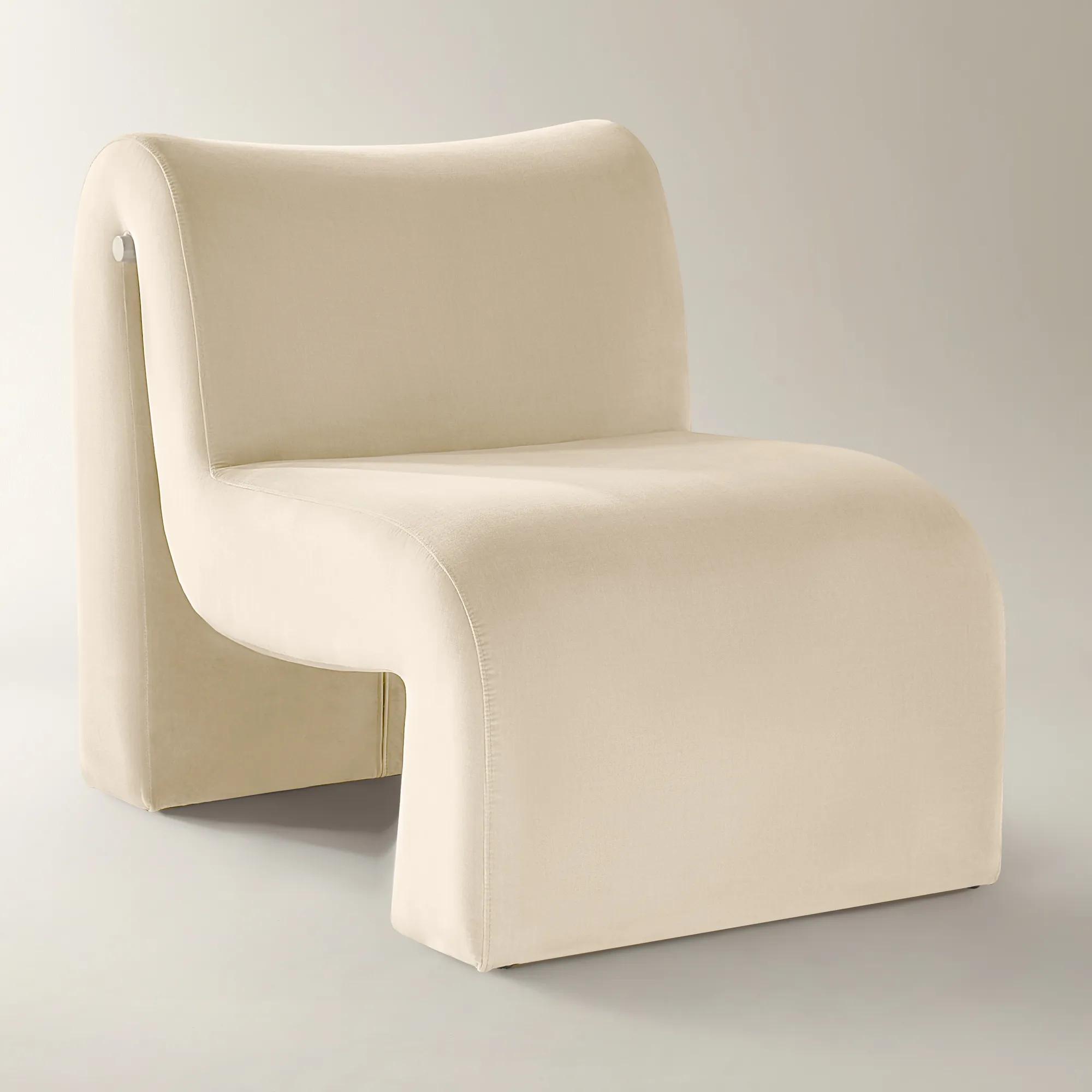 Cora Ivory Velvet Accent Chair$899
A sculpted ivory velvet chair featuring a continuous curved silhouette and a gold stainless-steel accent.
Add To Cart -
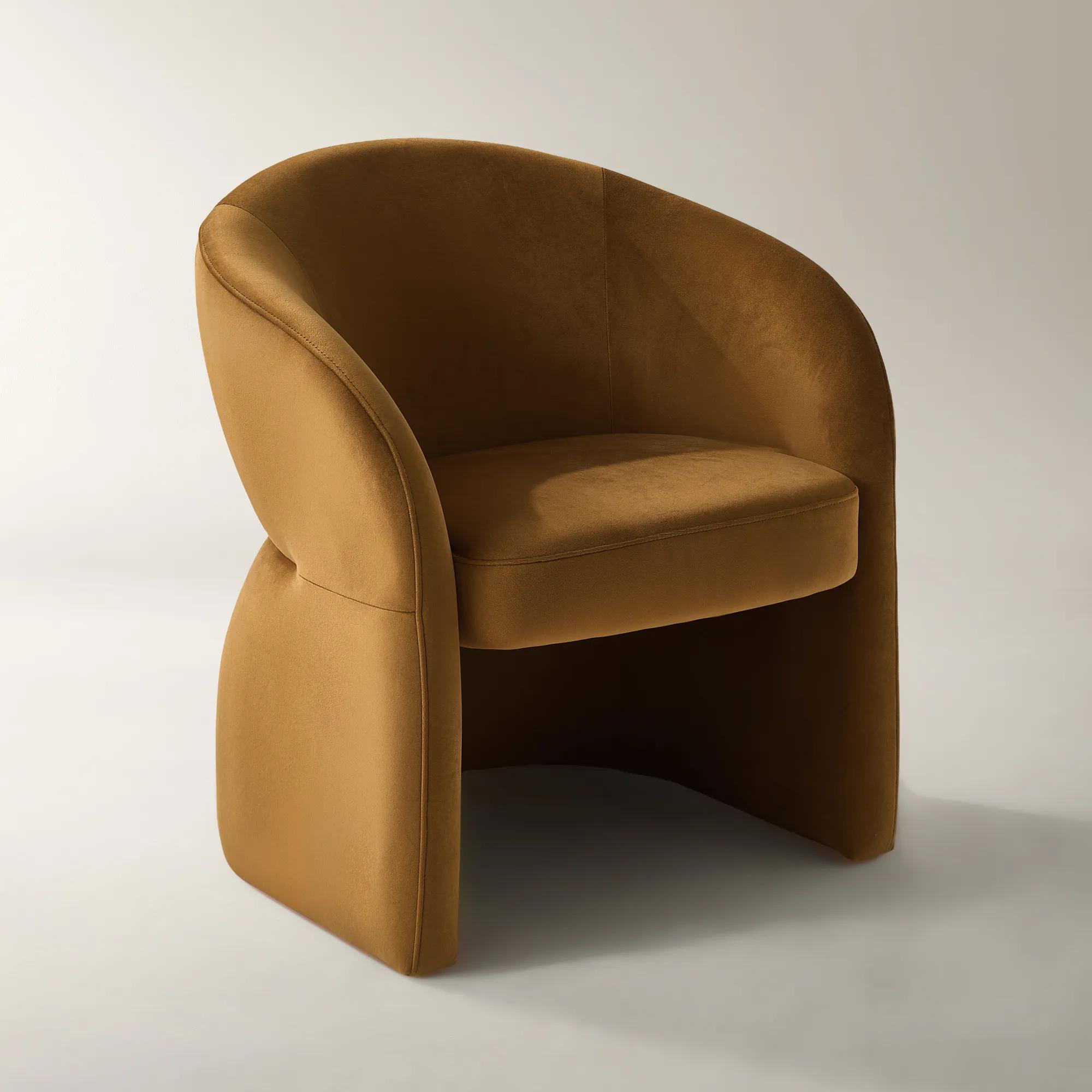
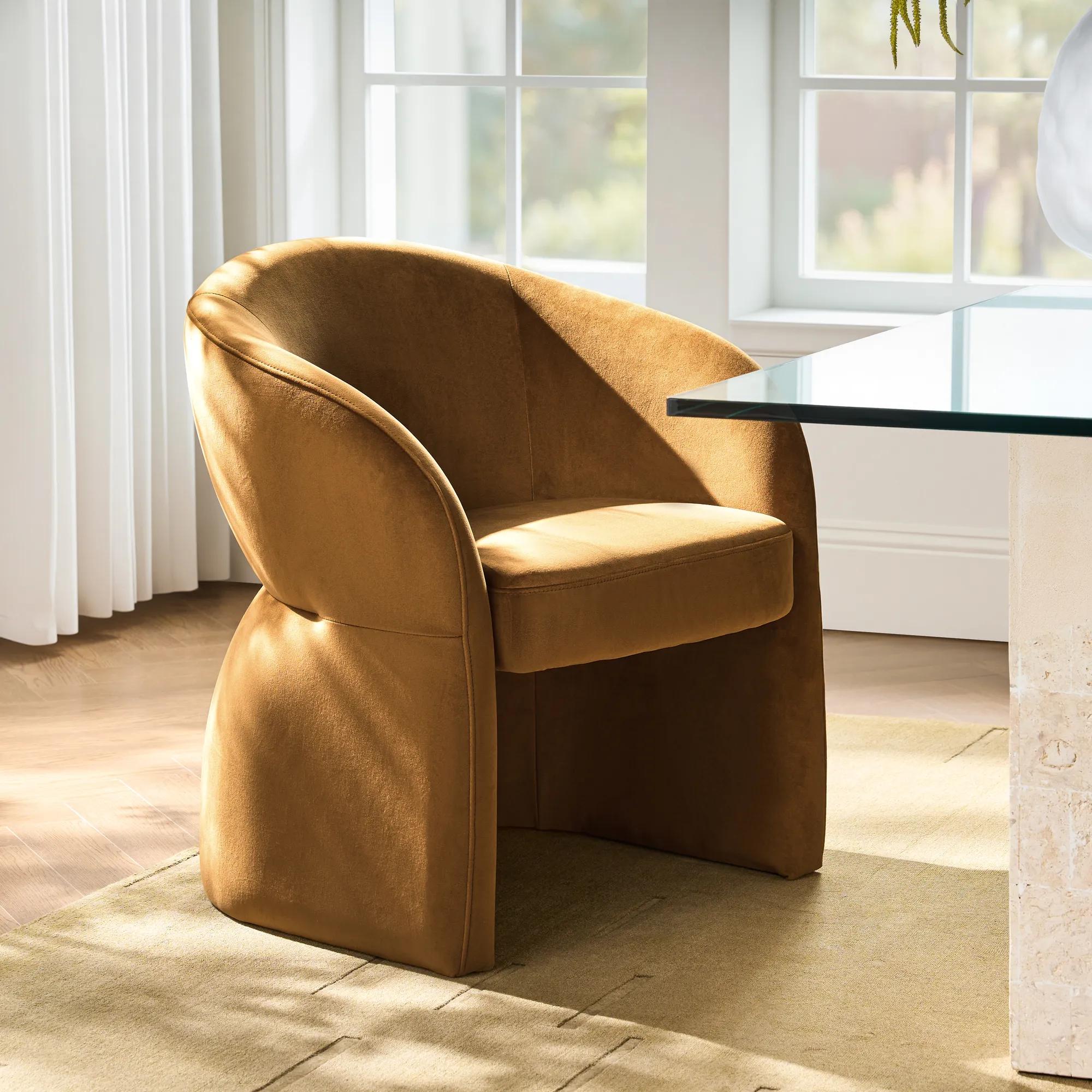 Sierra Roasted Pecan Velvet Dining Chair$599
A sculptural accent chair in roasted pecan velvet with arched arms, curved back, and plush cushioning.
Add To Cart -
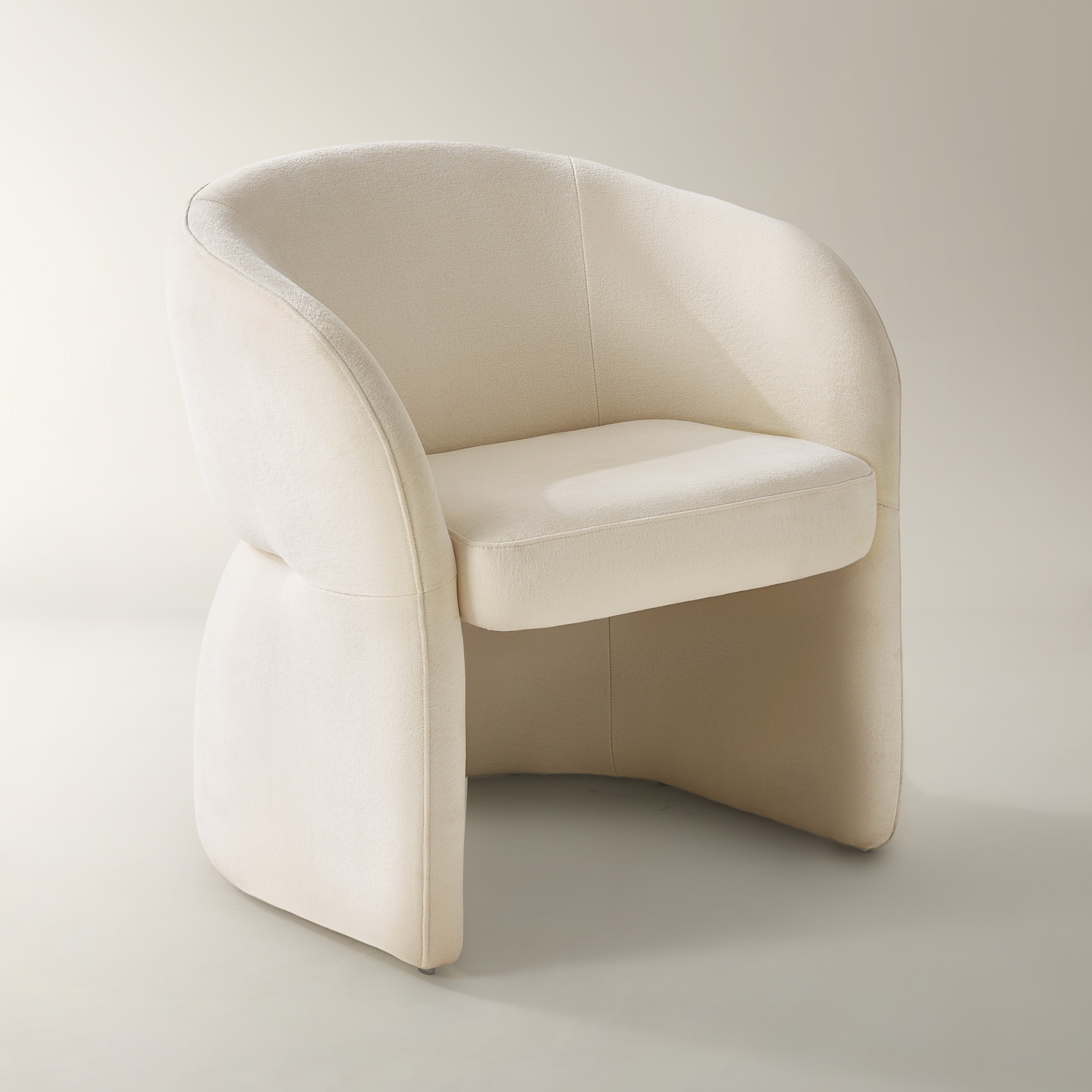
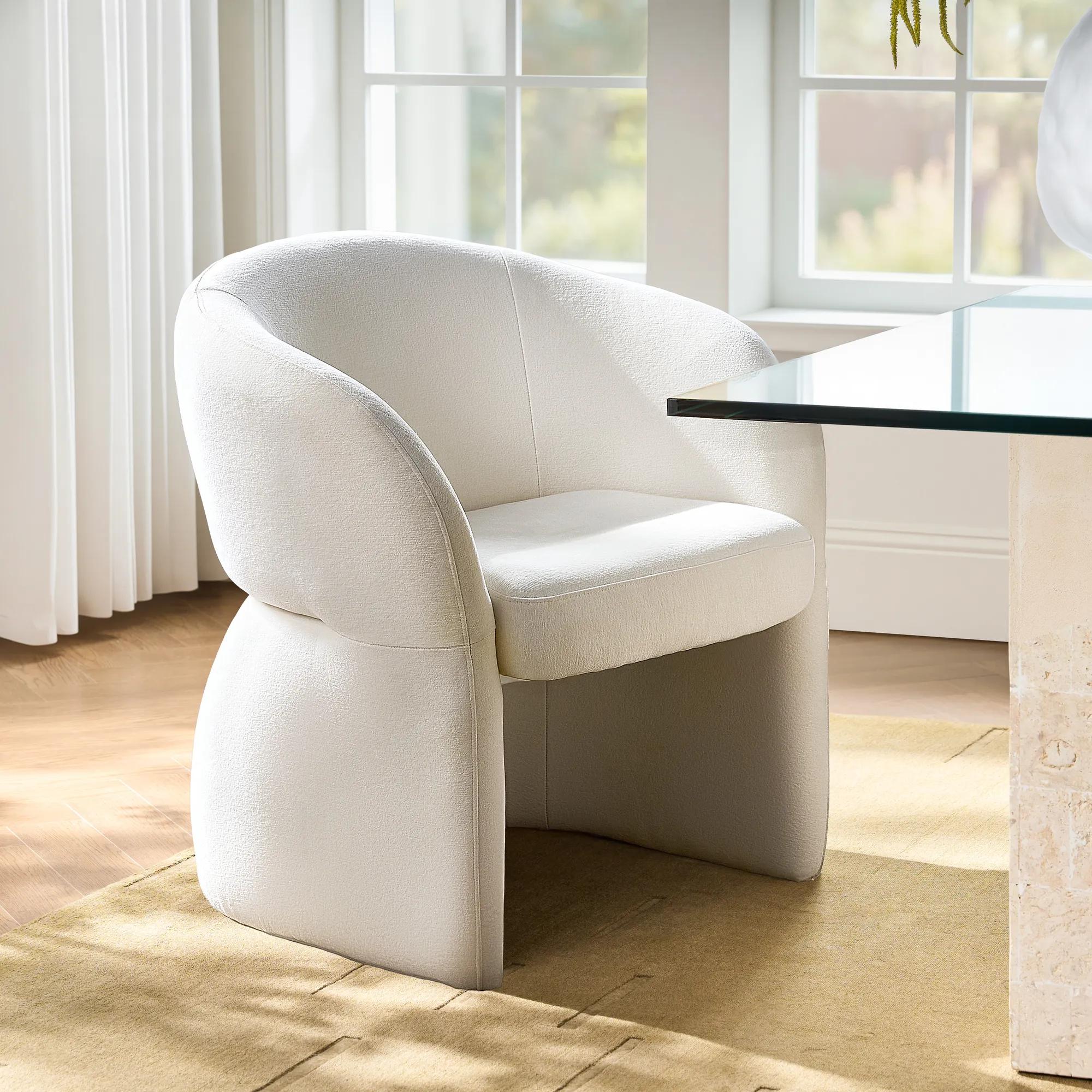 Sierra Oatmeal Velvet Dining Chair$599
An elegant accent chair in oatmeal velvet with gracefully arched arms, curved back, and plush cushioning.
Add To Cart -
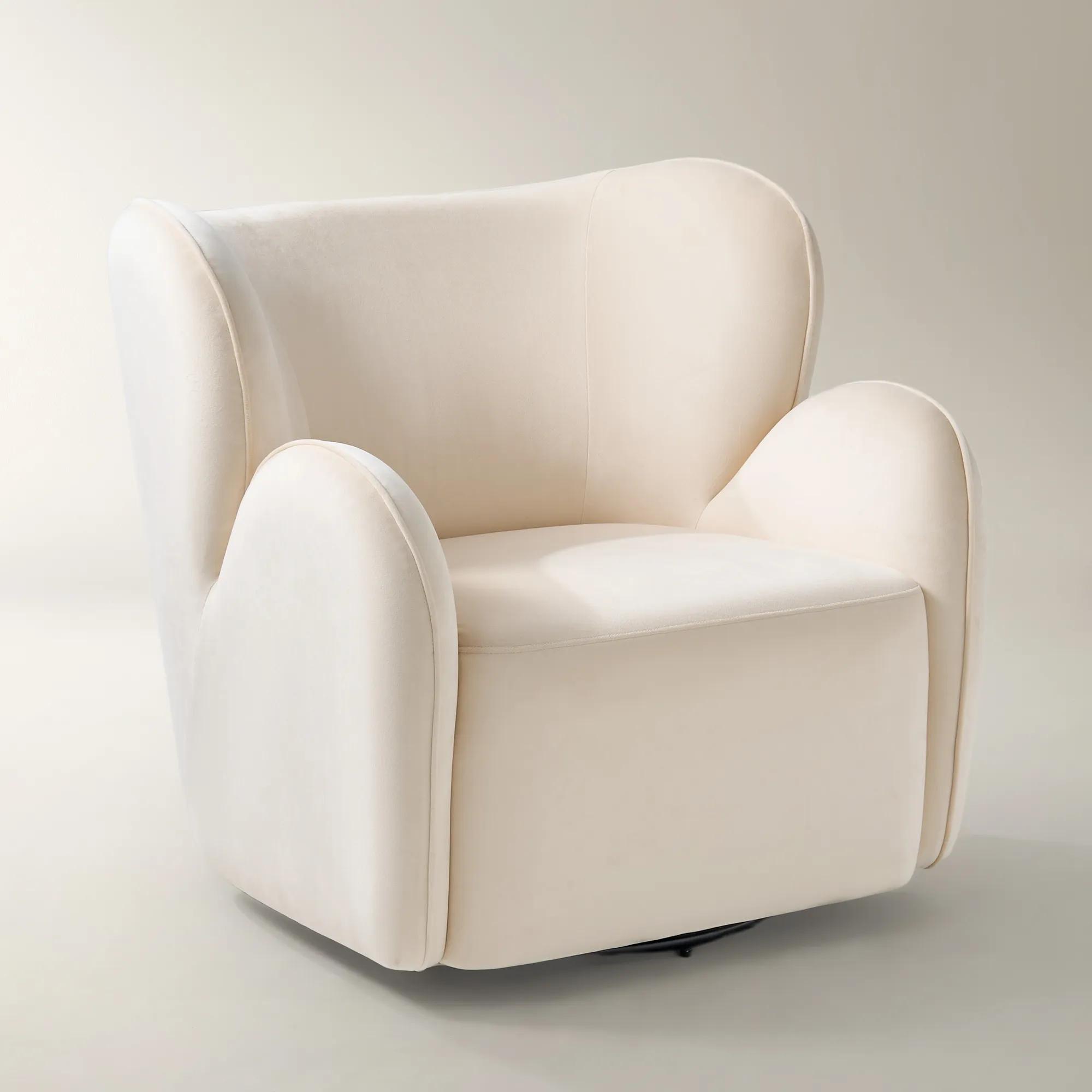
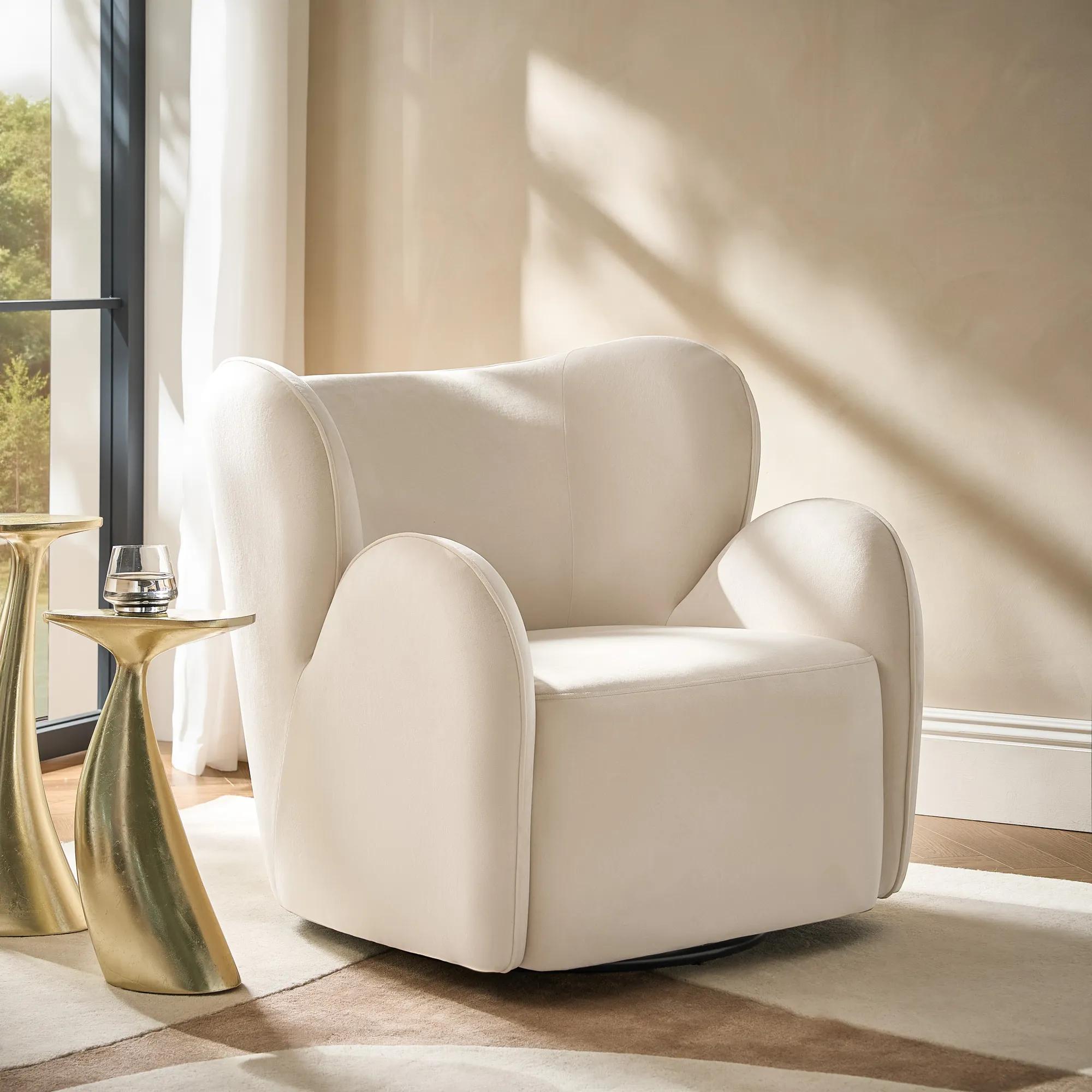 Ceres Ivory Velvet Swivel Accent Chair$799
An ivory velvet accent chair featuring a curved silhouette, 360° swivel, and plush, supportive cushioning.
Add To Cart -
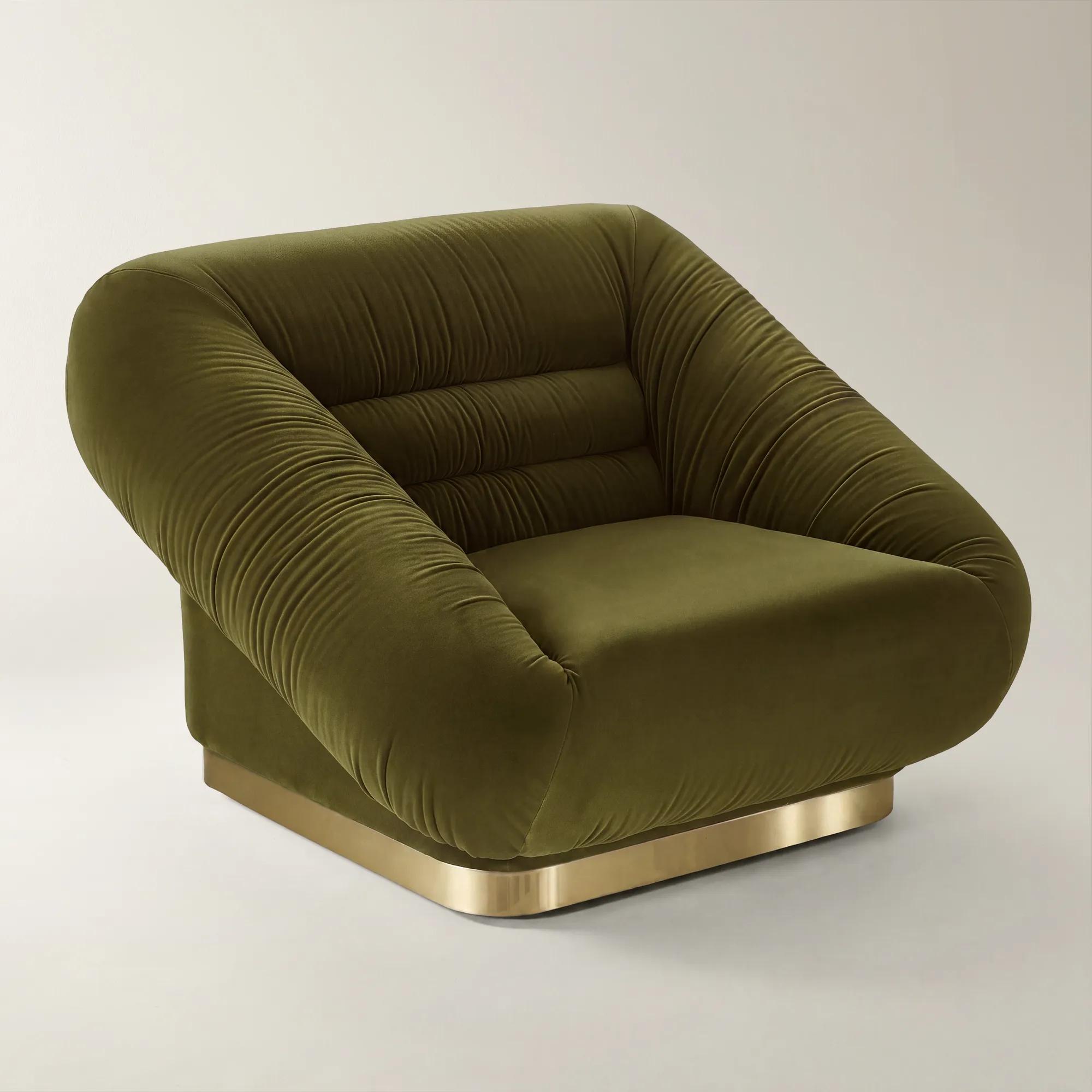
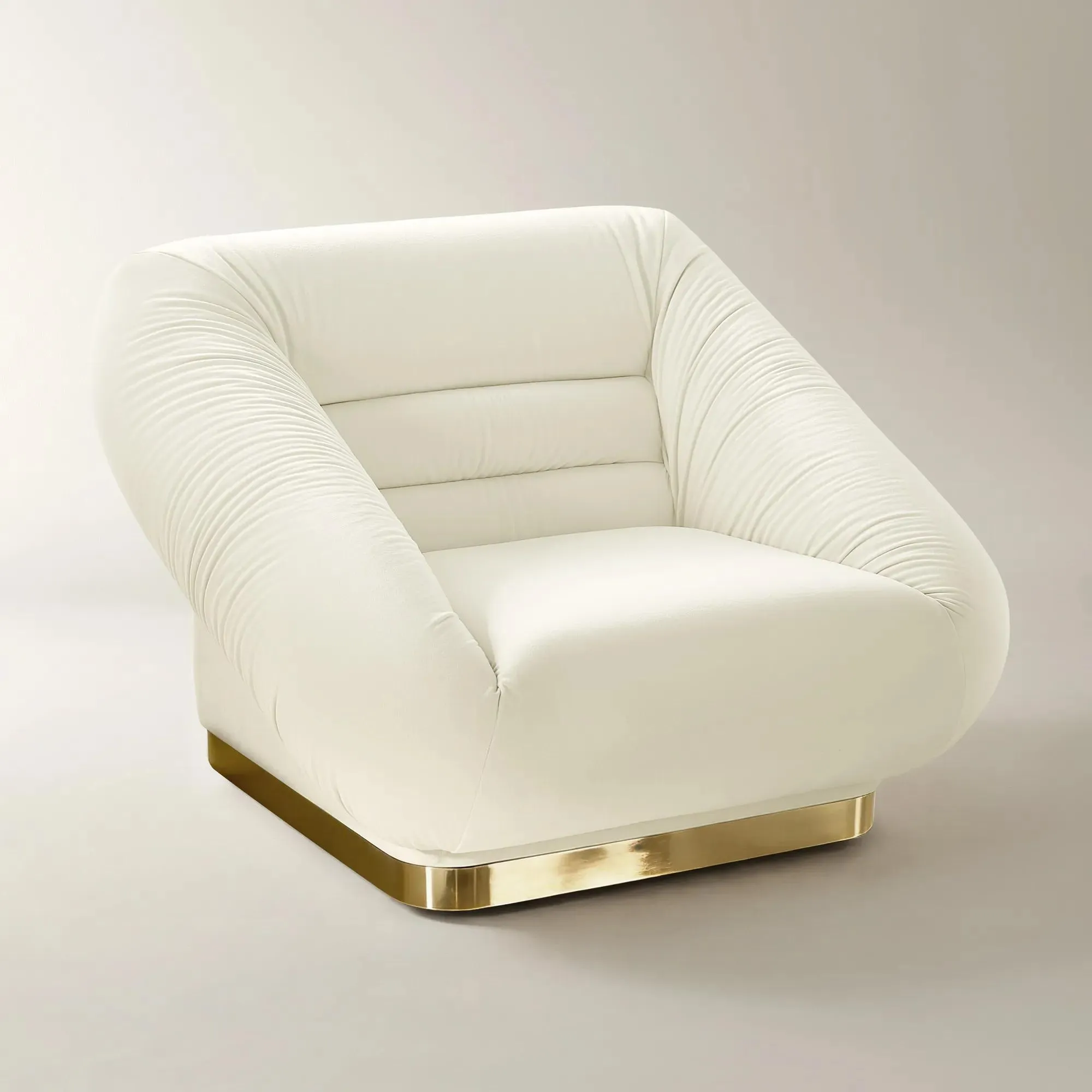 Dover Deep Olive Velvet Swivel Accent Chair$1299
A sculptural deep olive velvet chair with gathered upholstery, soft gold trim, and smooth 360-degree swivel functionality.
Add To Cart -
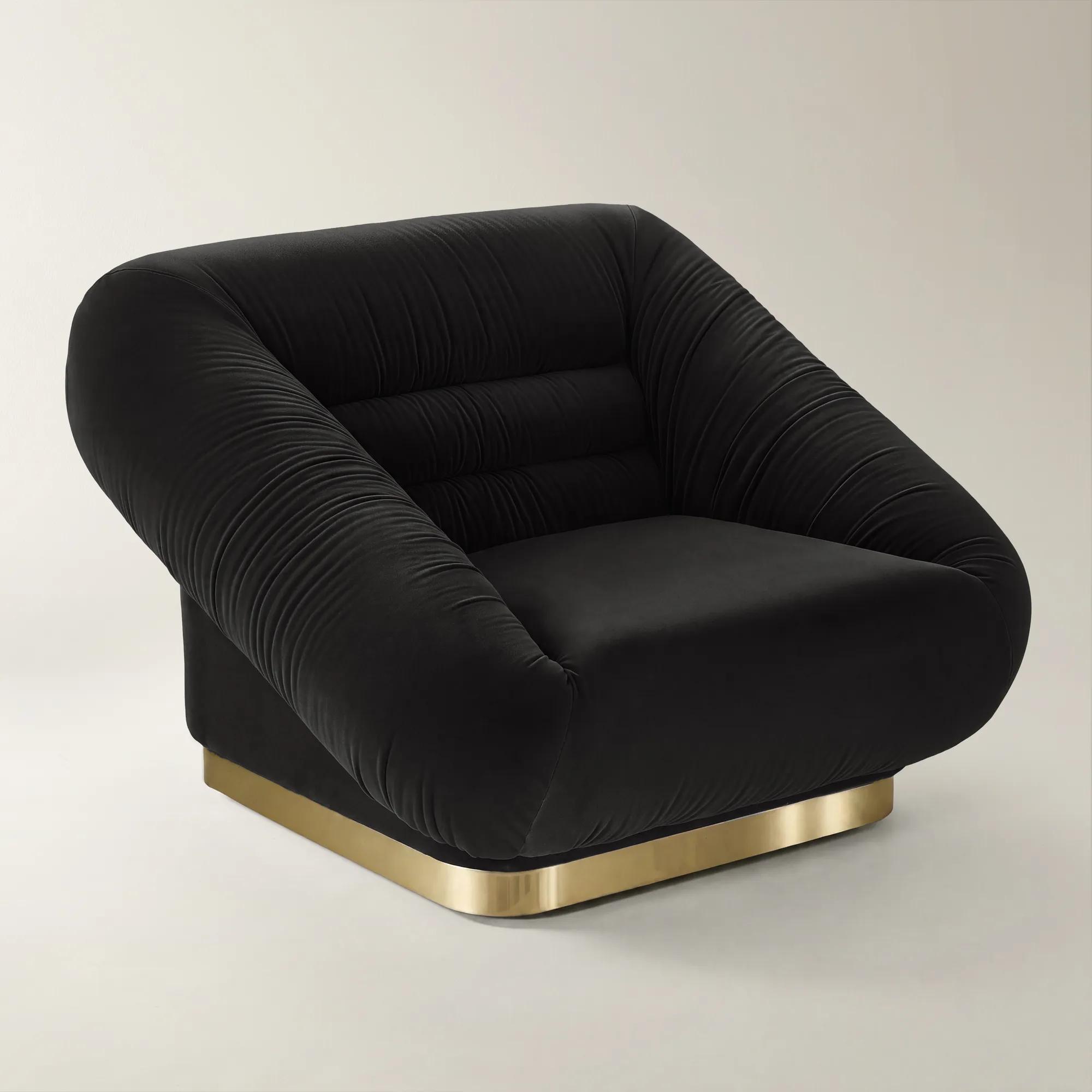
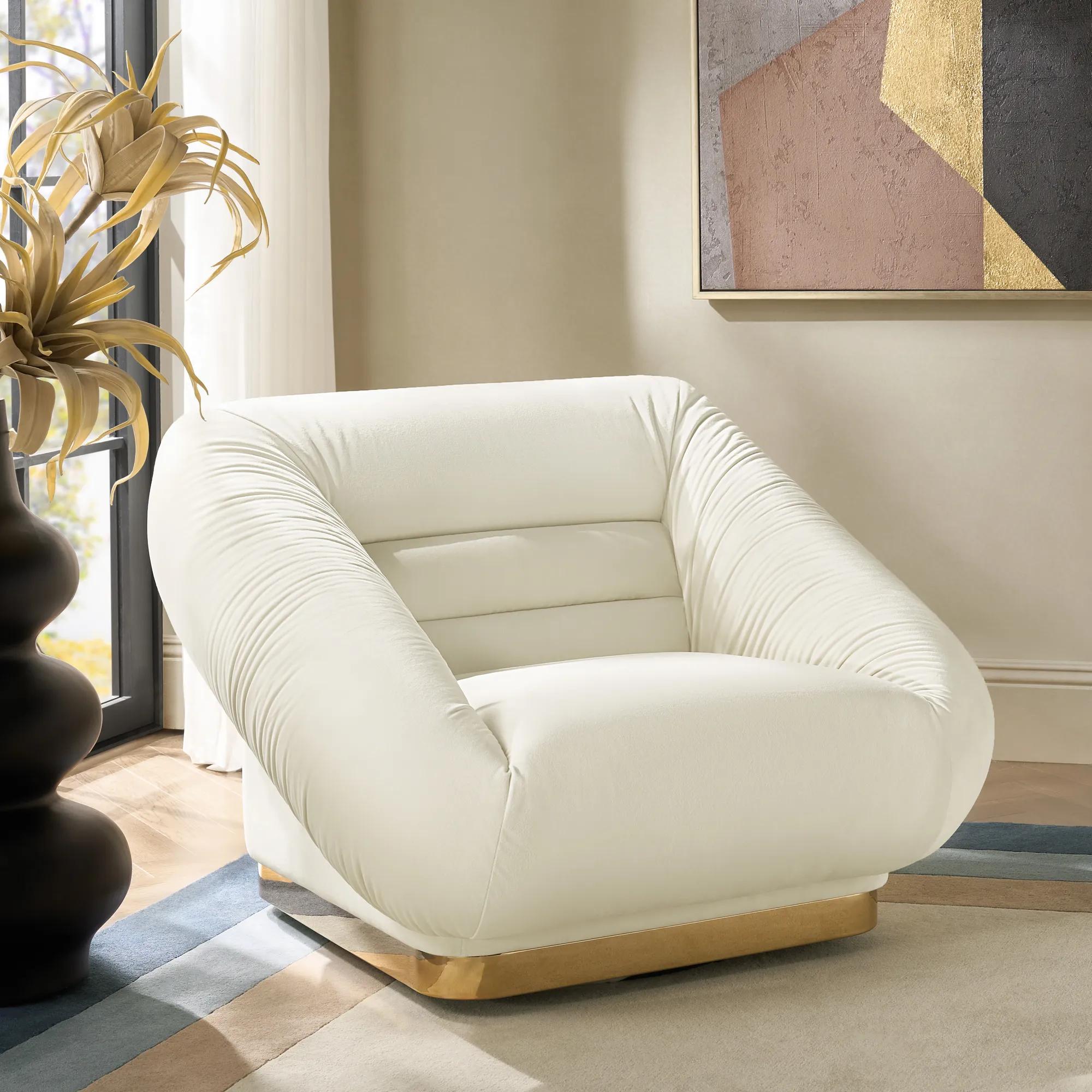 Dover Charcoal Velvet Swivel Accent Chair$1299
A sculptural charcoal velvet accent chair with gathered upholstery, a soft gold–finished stainless steel base, and smooth 360° swivel.
Add To Cart -
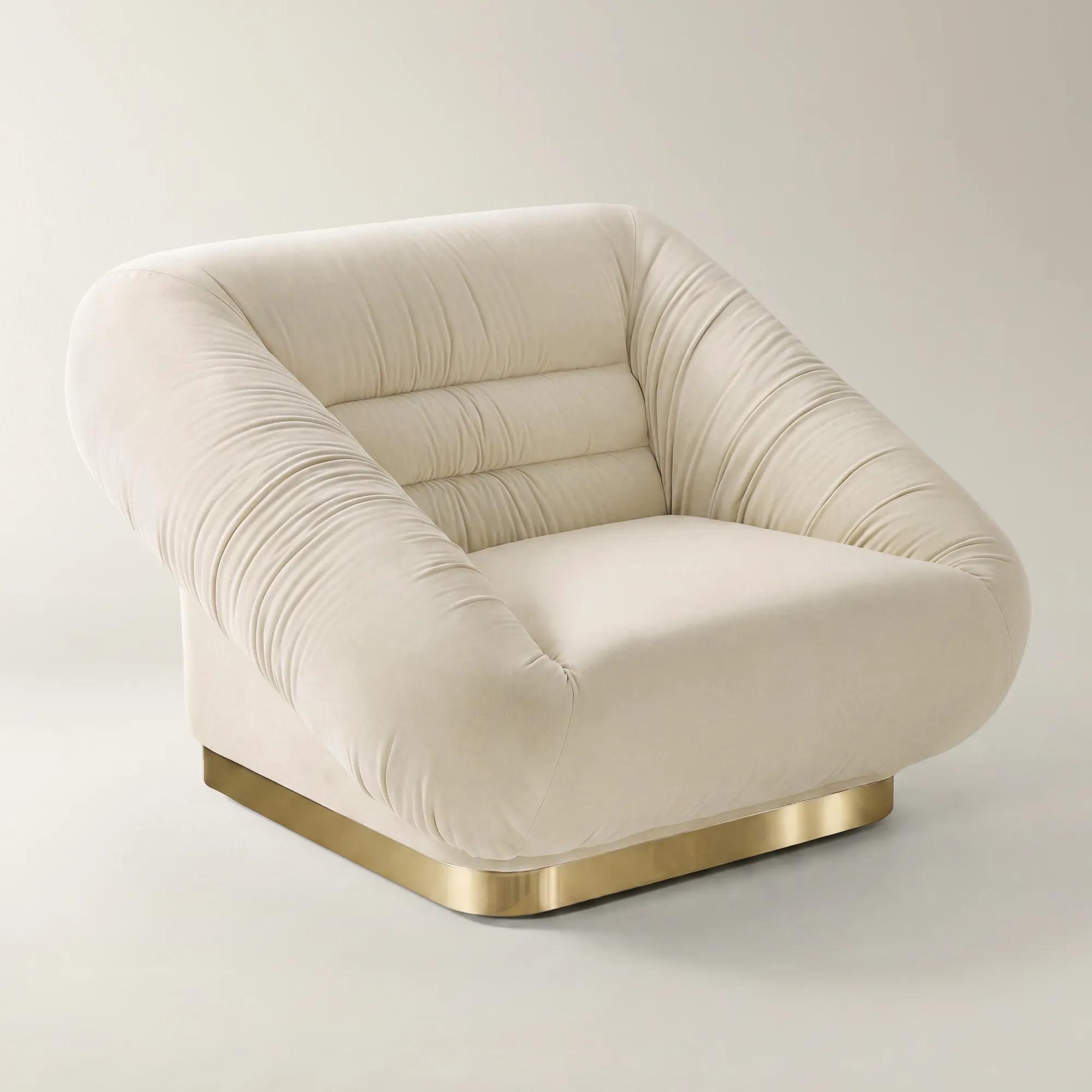 Dover Oatmeal Velvet Swivel Accent Chair$1299
A sculptural oatmeal velvet accent chair with gathered upholstery, a soft gold stainless steel base, and smooth 360-degree swivel functionality.
Add To Cart -
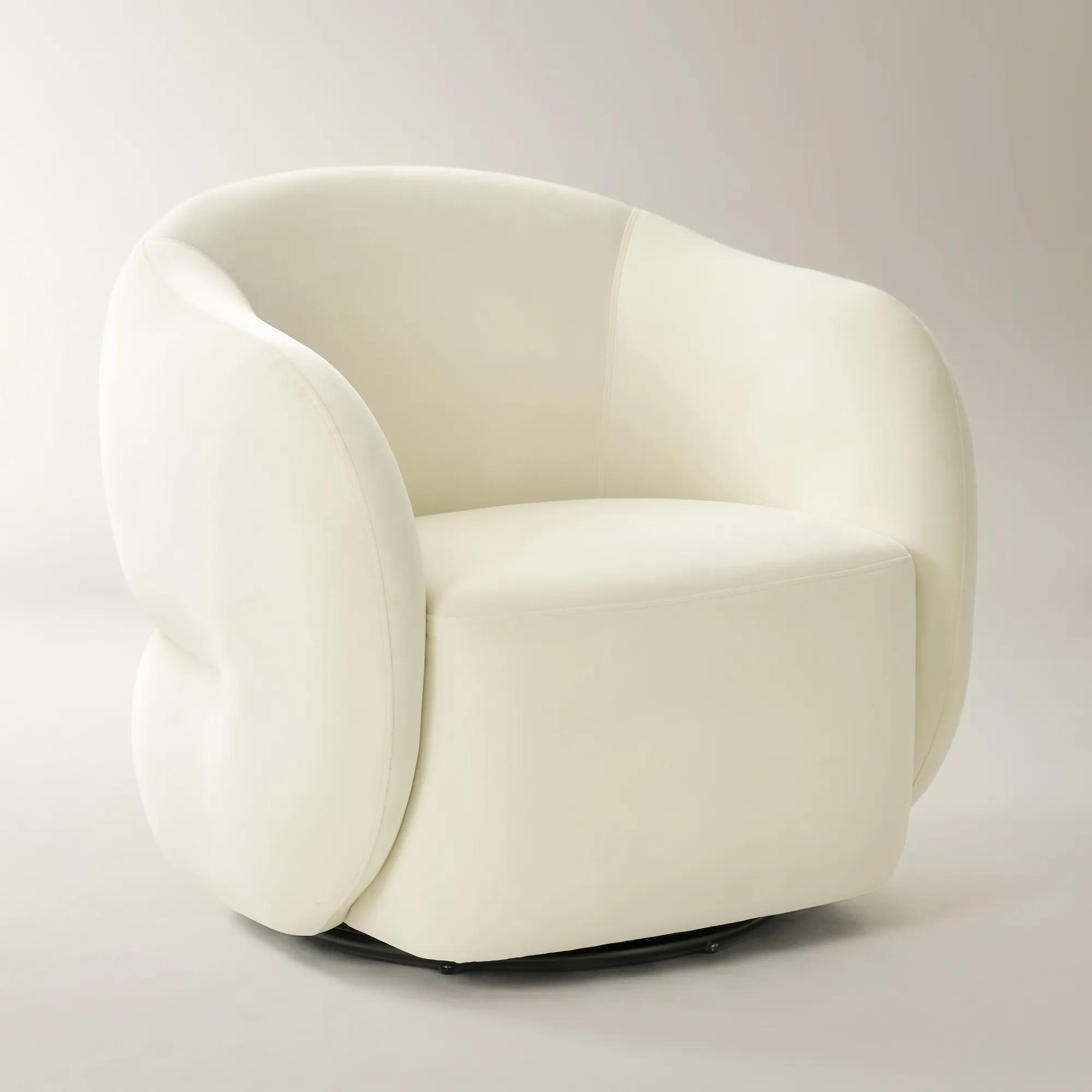
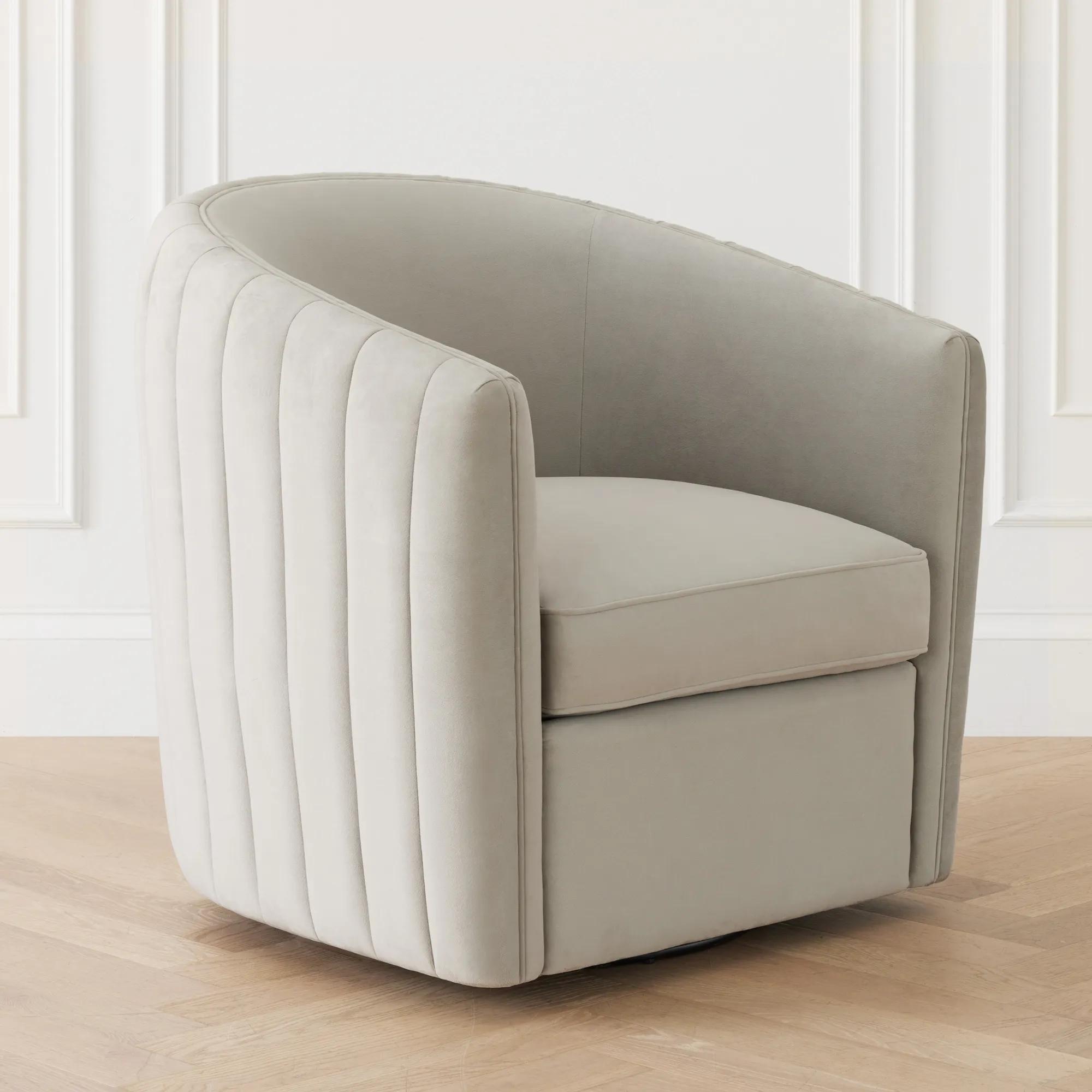
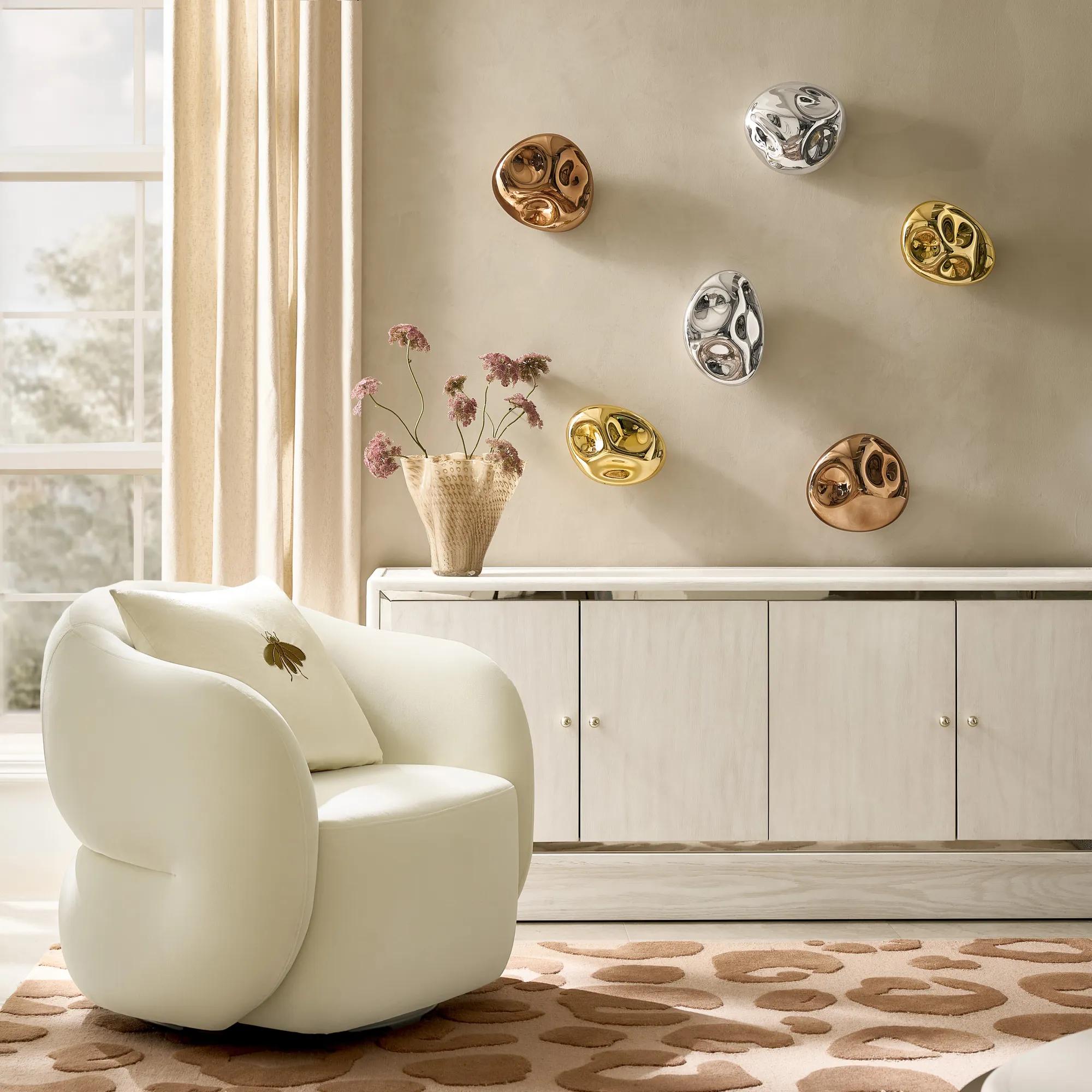 Sierra Cloud Velvet Swivel Accent Chair$899
A plush velvet accent chair featuring a wraparound back, fluid curves, and smooth 360° swivel base.
Add To Cart -
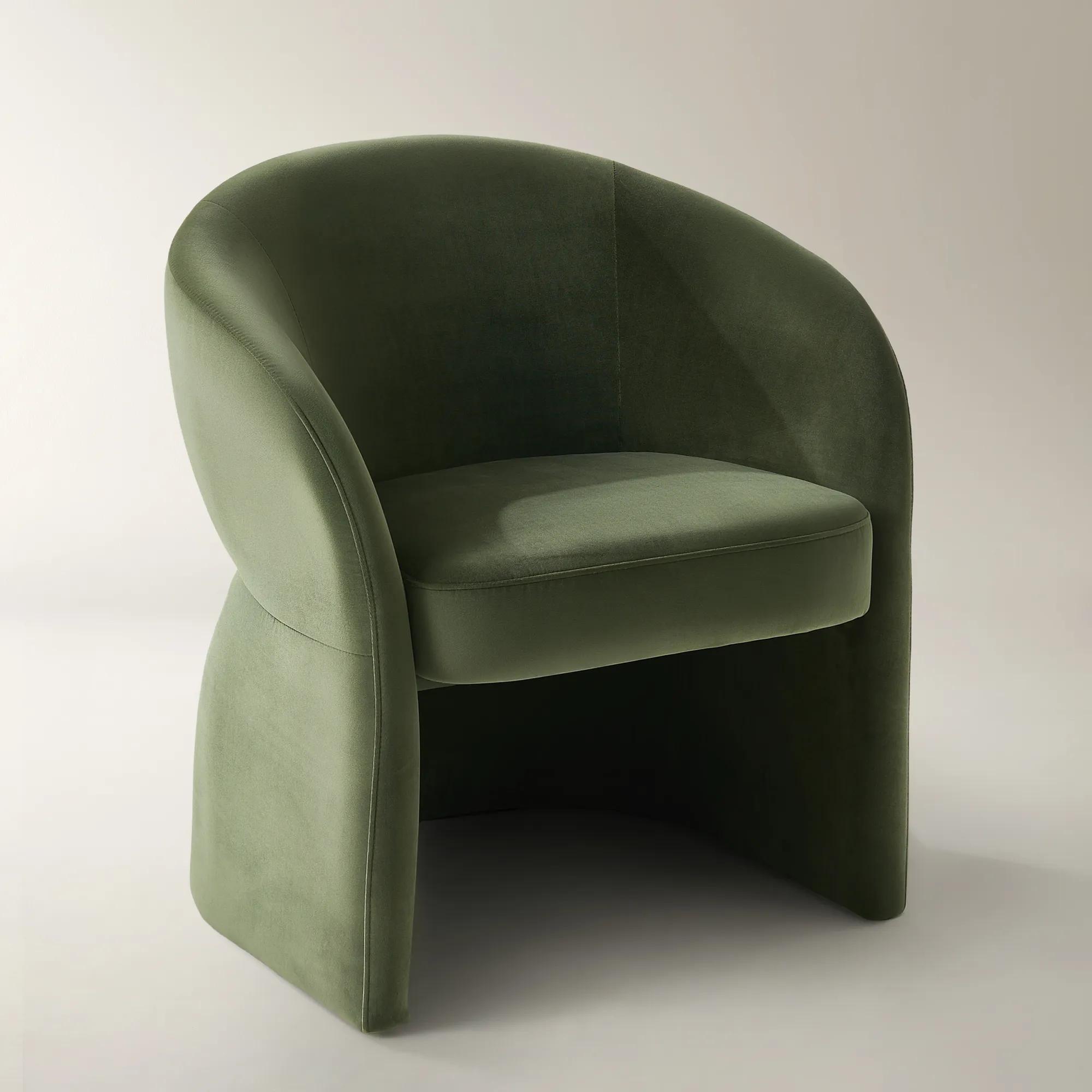
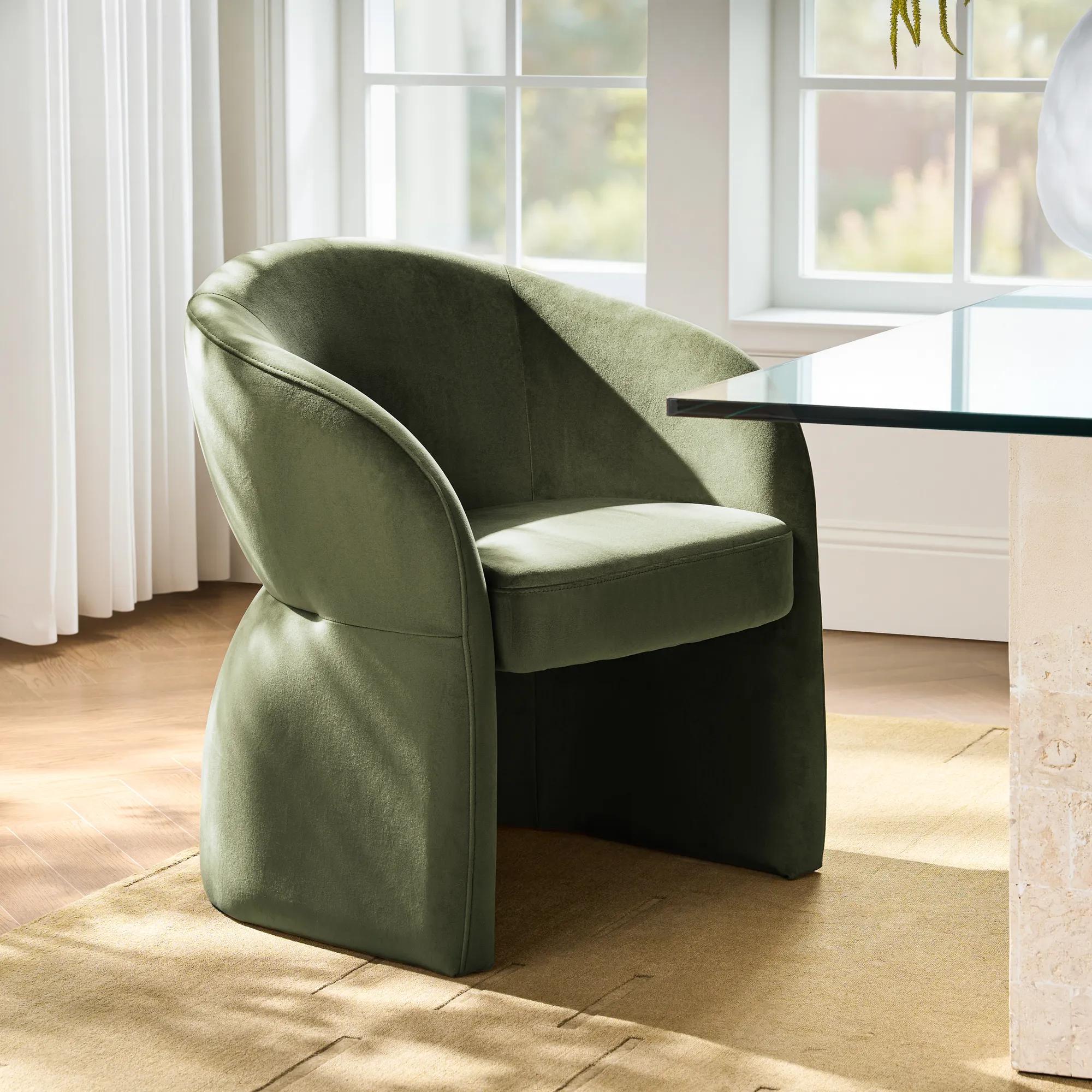 Sierra Jade Green Velvet Dining Chair$599
A sculptural accent chair in jade green velvet with gracefully arched arms and plush, supportive cushioning.
Add To Cart -
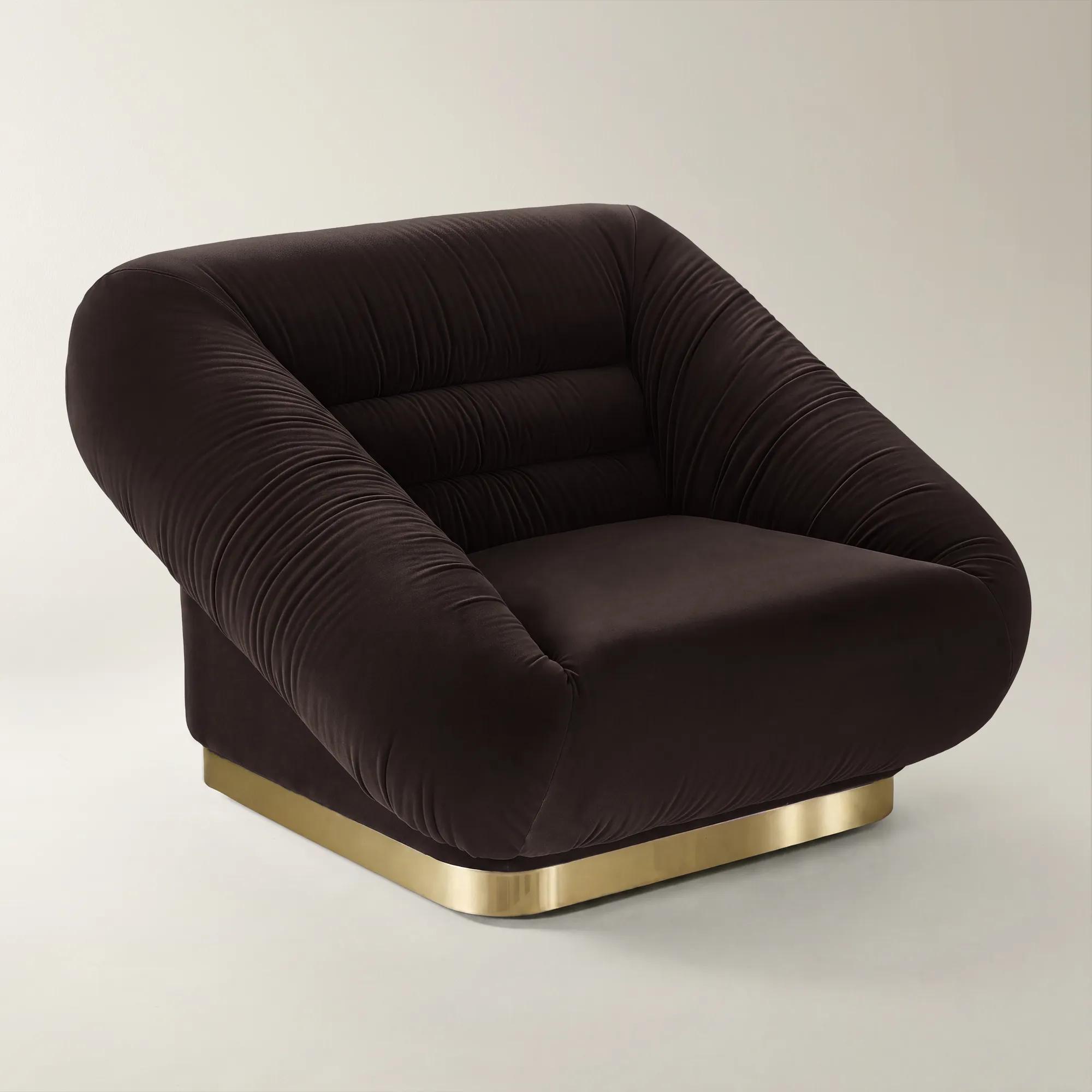 Dover Dark Chocolate Velvet Swivel Accent Chair$1299
A dark chocolate velvet accent chair with a sculptural silhouette, 360° swivel, and soft gold-finished trim.
Add To Cart -
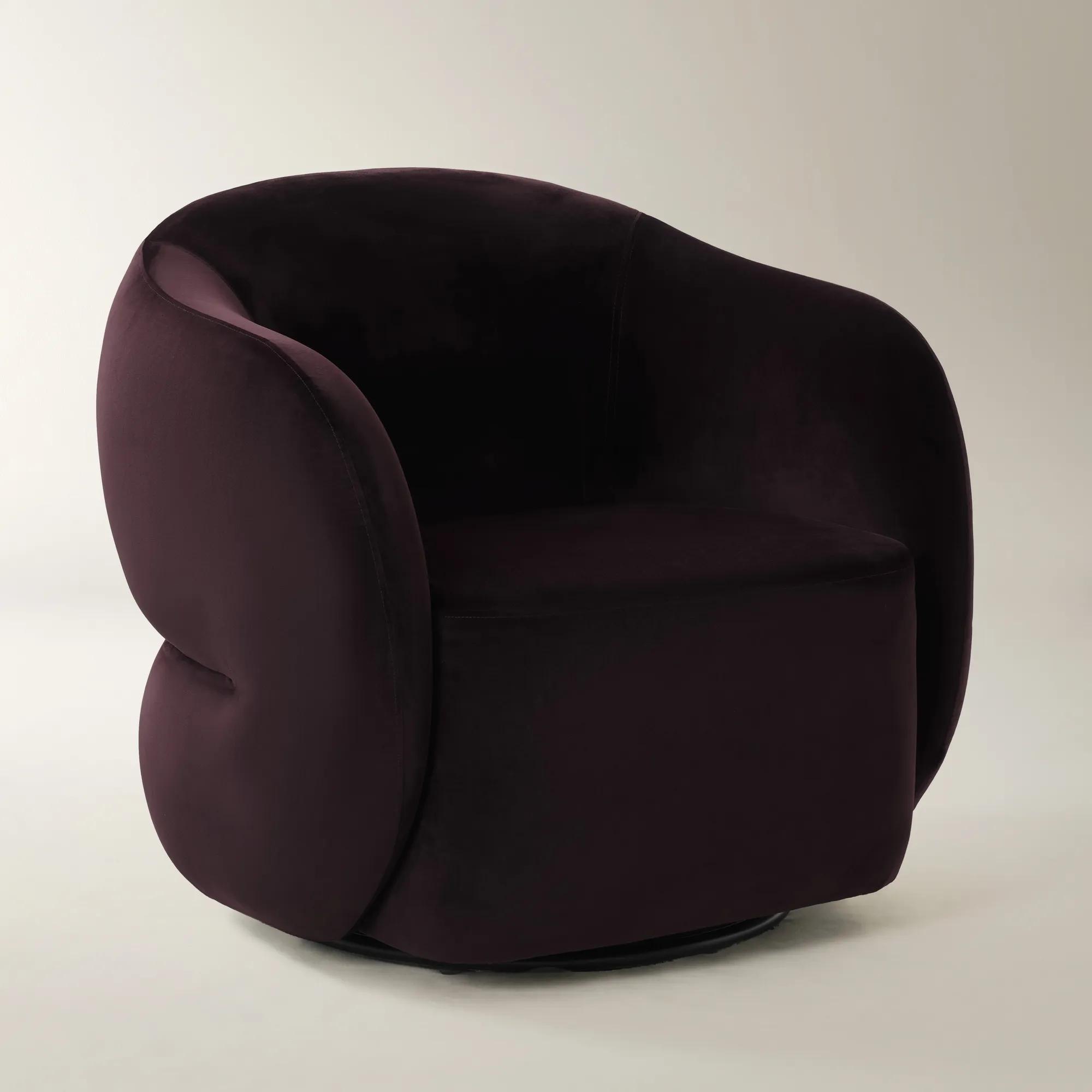 Sierra Fig Velvet Swivel Accent Chair$899
A modern accent chair in plush fig velvet with a wraparound back and smooth 360° swivel base.
Add To Cart -
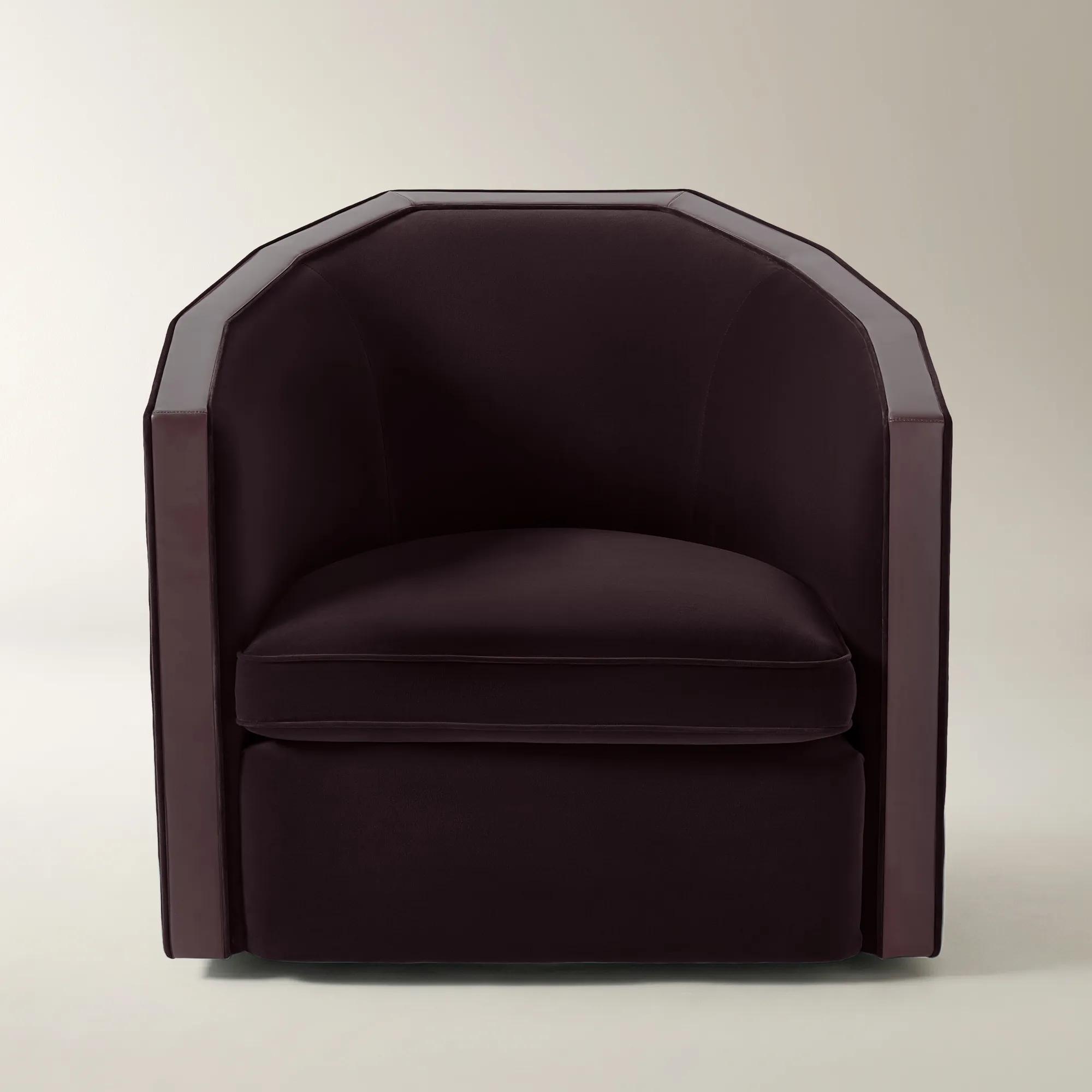
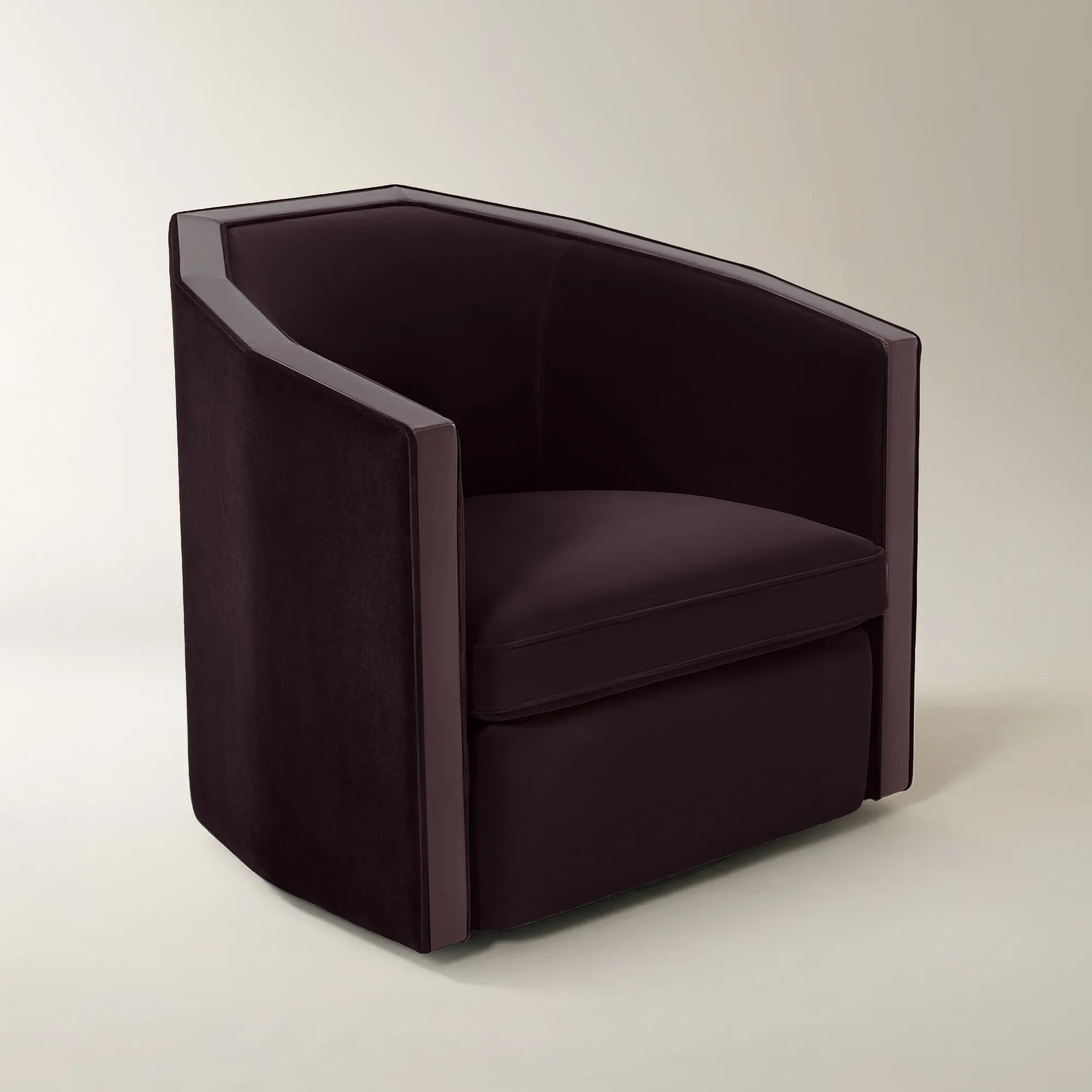 Vesper Fig Velvet With Leather Swivel Accent Chair$999
A modern accent chair featuring fig velvet upholstery, tonal leather trim, and a smooth 360° swivel base.
Add To Cart -
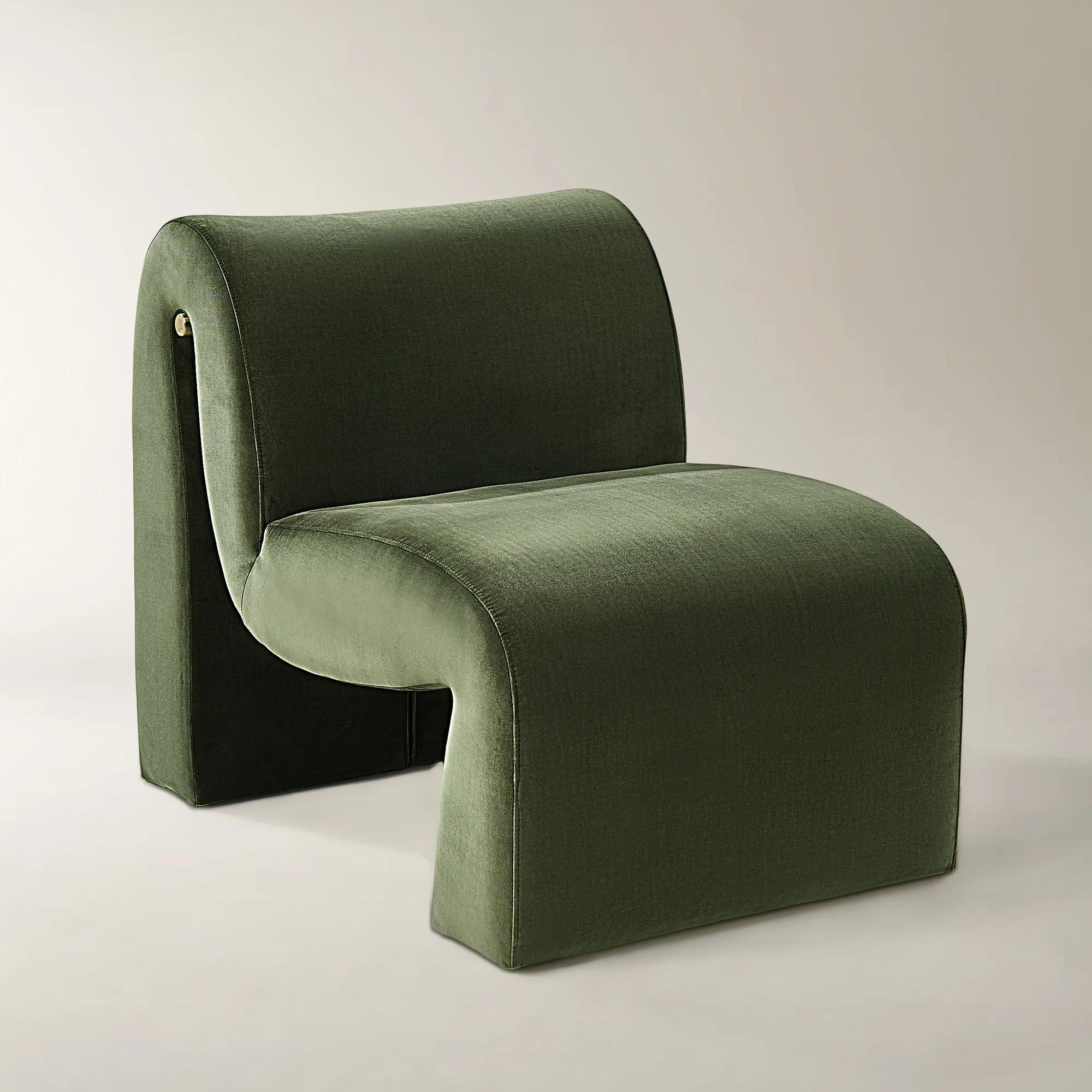
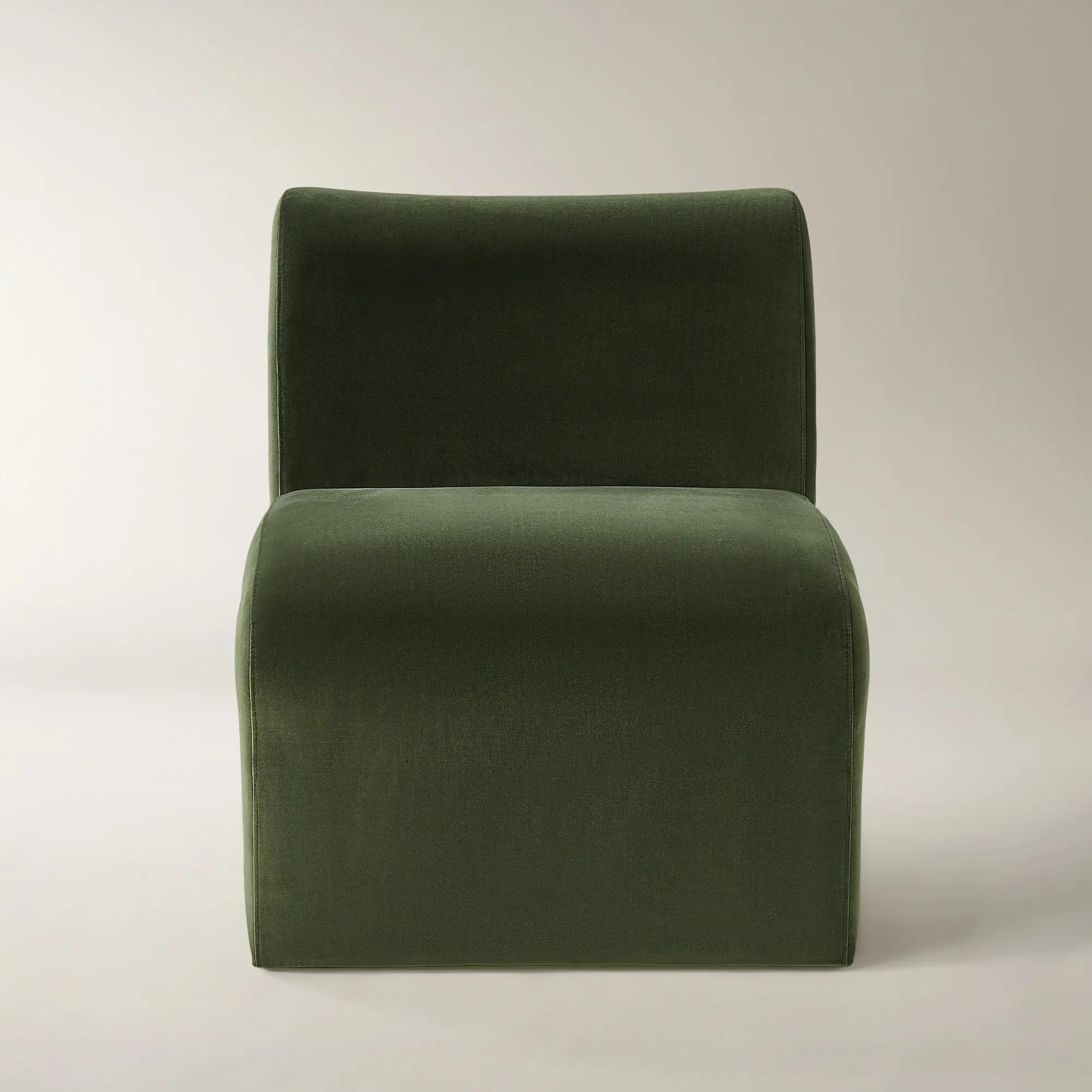 Cora Jade Green Velvet Accent Chair$899
A sculpted accent chair in jade green velvet with a gold stainless-steel inlay for refined glamour.
Add To Cart -
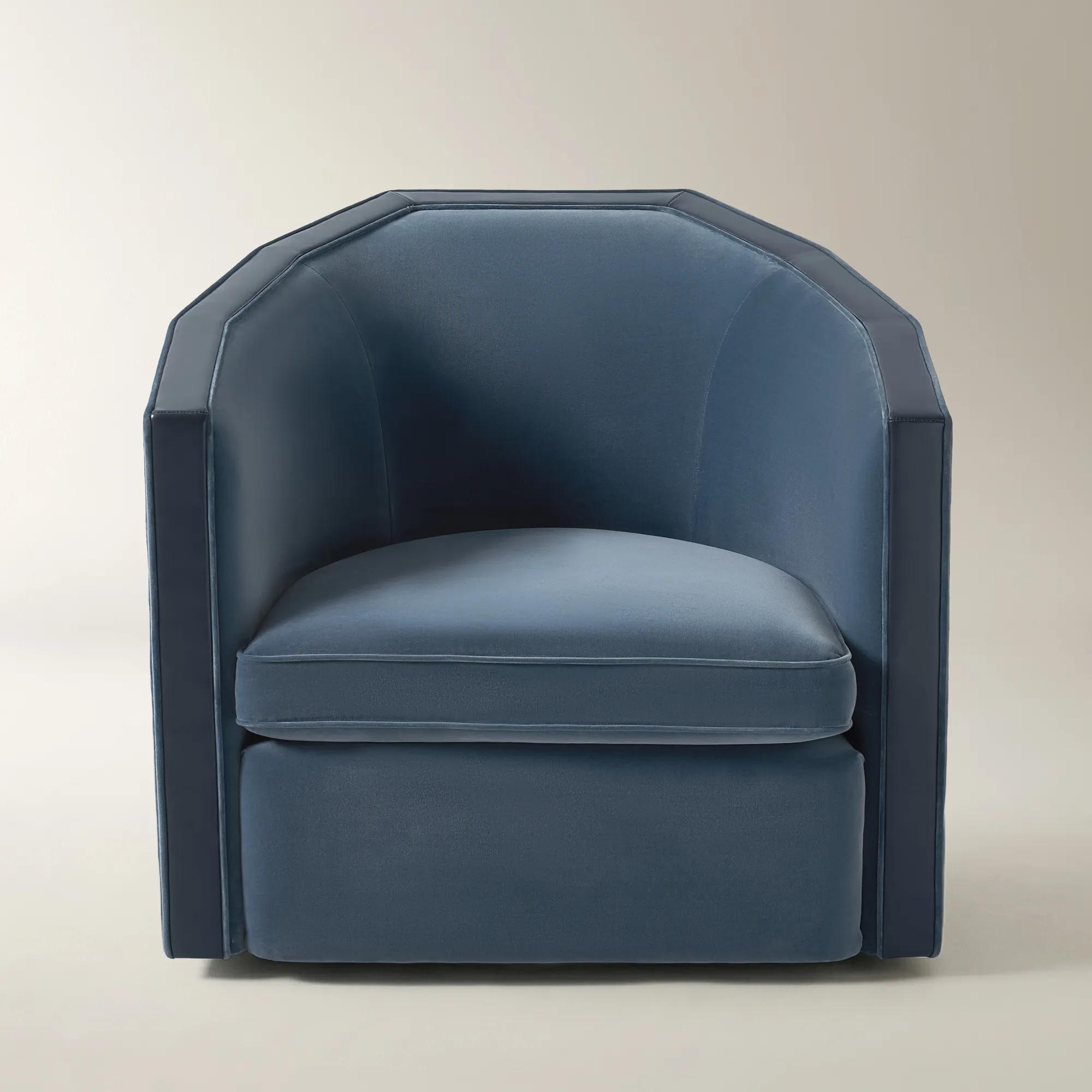 Vesper Dusty Blue Velvet With Leather Swivel Accent Chair$999
A modern accent chair in dusty blue velvet with tonal leather trim and a smooth 360-degree swivel base.
Add To Cart -
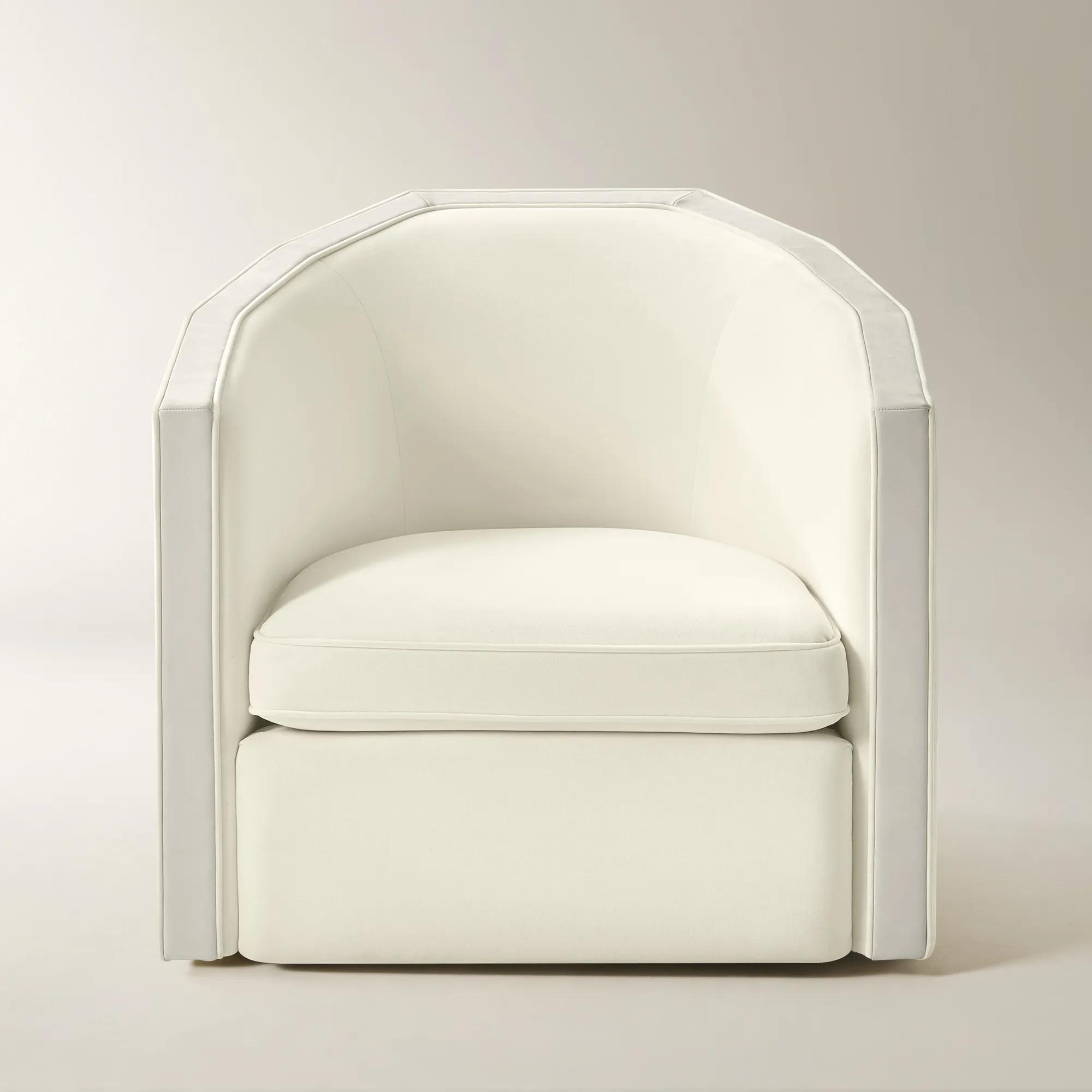 Vesper Cloud Velvet With Leather Swivel Accent Chair$999
A modern accent chair featuring cloud velvet upholstery, tonal leather trim, and a smooth 360° swivel base.
Add To Cart -
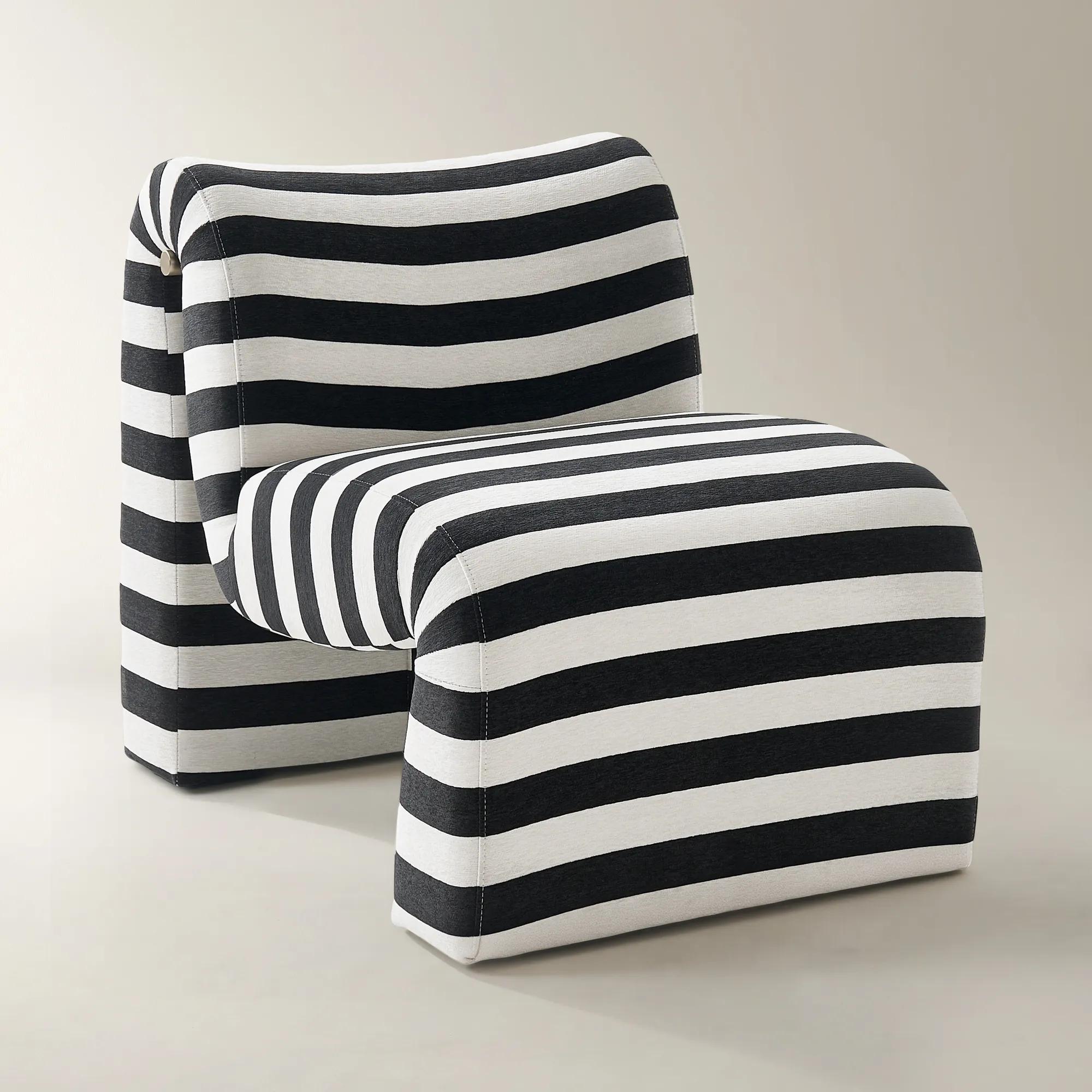 Cora Stripe Chenille Accent Chair$899
A bold black-and-white striped accent chair featuring water-repellent chenille and a gold stainless-steel inlay.
Add To Cart -
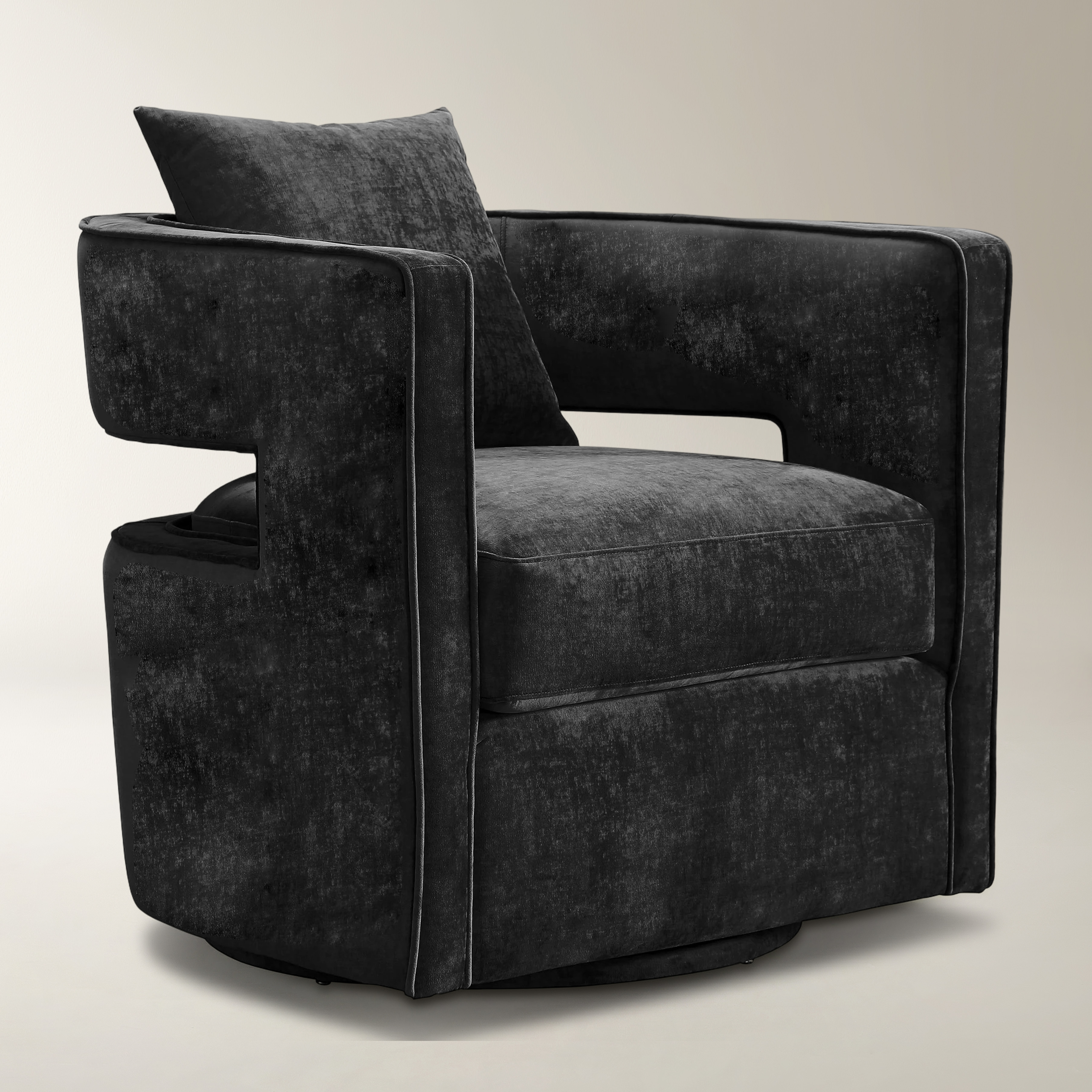 Lottie Black Velvet Swivel Accent Chair$999
A black velvet swivel accent chair with a sculpted barrel silhouette, open arms, and supportive cushioning.
Add To Cart

Casual Elegant Accent Chairs
Casual elegant accent chairs are the secret ingredient for rooms that whisper sophistication while inviting you to linger. Each piece blends relaxed poise with an unmistakable air of refinement, transforming any corner into a curated escape. Imagine plush silhouettes and artful lines elevating your space—effortlessly chic, yet undeniably comfortable. With casual elegant accent chairs, your home becomes a canvas where ease meets allure, and every seat is an invitation to experience luxury without pretense.
Casual elegant accent chairs blend relaxed comfort with refined design, bringing sculptural shape, inviting upholstery, and considered details to everyday living spaces. Their appeal lies in the balance: a graceful wood frame can feel warm rather than formal, a curved back can soften an architectural room, and a richly textured seat can lend depth without overwhelming the surrounding decor. Natural wood, cane detailing, soft neutral fabrics, and restrained metallic accents are all expressions of this aesthetic, with each creating a different kind of presence. An upholstered chair with gently sloping arms makes a living room feel welcoming; an open-frame silhouette introduces lightness beside a substantial sofa. Neither needs to disappear into the background. A distinctive profile or beautifully grained arm can give a room its signature detail while remaining comfortable enough for an extended conversation. These chairs suit spaces where polished design and daily life share equal importance, from a living room arranged for entertaining to a bedroom corner reserved for reading. In an open-plan interior, a pair can establish a conversation area without the visual weight of another sofa. In a smaller apartment, one expressive chair can provide additional seating and a sense of intention beside a window or bookcase. Color shapes that atmosphere as much as form. Ivory, oatmeal, and warm gray create a composed foundation, while muted olive, smoky blue, or deep chocolate add richness with a quieter edge. For a more dramatic composition, a jewel-toned chair can become the focal point against pale walls and a softly patterned rug. The effect feels most assured when the chair relates to something already in the room—a wood tone, a curve, a thread of color—without matching every surrounding piece. That subtle connection allows an accent chair to feel collected and personal, giving the space character rather than the uniformity of a perfectly matched suite.
Materials determine how casual elegant seating looks, feels, and lives over time. Linen and linen-blend upholstery offer an airy, tactile appearance, with natural variation that works beautifully alongside polished stone or dark wood. Velvet brings a more luminous dimension, catching light across a curved back or generous seat; its changing nap can create shading that adds to the fabric’s depth. Bouclé and other textured weaves introduce a sculptural softness, especially on rounded silhouettes, although their loops and surface texture deserve consideration in homes with pets that scratch or snag fabric. Smooth, tightly woven upholstery may be a more practical choice for frequent use, while fabrics labeled for performance should be evaluated according to their specific cleaning instructions and tested properties. No upholstery is entirely immune to wear, and a fabric’s appearance alone does not establish its durability. Frame construction, supportive joinery, cushioning, and the intended use of the chair all matter. A chair used daily for reading benefits from dependable support and cushions that recover their shape; an occasional chair in an entry or dressing area may serve a lighter seating role. Exposed wood adds warmth and definition, while cane can create an airy, finely detailed surface that still requires protection from concentrated pressure and rough handling. Metal accents introduce a gleaming contrast, particularly when their finish echoes a nearby lamp or table base. Thoughtful care preserves these distinctions. Gentle vacuuming with an upholstery attachment helps keep dust from settling into seams, and prompt blotting can limit the spread of a spill. Cleaning methods should always follow the manufacturer’s care label, since water, solvents, and steam are not suitable for every fabric. Direct sunlight may fade upholstery and alter wood finishes over time. Where cushions are designed to be rotated or fluffed, regular attention can help distribute wear and maintain an inviting shape. The result is seating that retains its appeal through ordinary use, not just on the day a room is arranged.
Proportion turns an appealing accent chair into a successful part of the room. Overall width and depth establish its footprint, but seat height, usable seat depth, arm height, and back angle determine how comfortably it supports the person sitting in it. A deep seat can feel sumptuous for curling up with a novel, while a shallower seat and more upright back may better suit conversation or someone who prefers an easier transition from sitting to standing. Supportive arms can also be valuable, provided their height and placement feel natural. Before choosing a silhouette, the available space should account for more than the chair itself: nearby doors need clearance, pathways should remain comfortable, and a swivel chair needs room to turn without meeting a table or wall. Measuring the delivery route, including doorways and tight turns, is equally important. Visually, a low-backed chair can preserve sight lines across an open room, while a taller back creates a more enveloping nook. Slender legs reveal more floor and lend an airy quality; a grounded, fully upholstered base gives the arrangement a stronger sculptural presence. Beside a sofa, the most harmonious chairs often share a similar seat height while offering a contrasting shape or material. Across from one another, two chairs can frame a small table for drinks and conversation, with enough space to move comfortably between them. A reading corner feels complete when a chair is paired with a lamp that directs light toward the page and a surface within easy reach. For interiors that favor crisp outlines and composed symmetry, Elegant Tailored Accent Chairs offer a complementary design direction. Casual elegance leaves room for that structure while welcoming a softer gesture: a rounded arm against a linear console, textured upholstery beside glass, or a luminous fabric against richly finished wood. Each contrast gives the room dimension. The right accent chair brings comfort into the composition without sacrificing expression, making an everyday seat feel like a deliberate part of a beautifully realized home.
FAQs
A casual accent chair blends relaxed comfort with refined style, offering an approachable sophistication that feels inviting in any space. Unlike traditional accent chairs, which often feature ornate details and formal silhouettes, casual accent chairs tend to showcase streamlined lines, plush upholstery, and versatile designs that can complement both contemporary and transitional interiors.
An elegant arm chair can serve as a striking focal point or a harmonious addition to your current arrangement. Place it beside a fireplace for a cozy reading nook, pair it with a side table in the entryway, or use it to anchor a conversation area in your living room. Choose a fabric and finish that either complements or tastefully contrasts your existing palette for a curated, designer-inspired look.
Absolutely. Casual occasional chairs make thoughtful, lasting gifts for housewarmings, weddings, anniversaries, or milestone celebrations. Their timeless appeal and versatile function ensure they’ll be cherished and used for years to come, adding a touch of luxury and comfort to any home.
Yes, casual accent chairs are wonderfully versatile and can enhance bedrooms, home offices, dressing areas, or even spacious hallways. Their adaptable style and comfort make them ideal for creating intimate corners or adding extra seating wherever you desire a touch of elegance.
Casual elegant accent chairs often feature sumptuous materials like velvet, bouclé, linen, or soft chenille. Frames may be crafted from kiln-dried wood, metal, or a combination of both, while details such as tufting, piping, and metallic accents add a layer of artistry and sophistication to each piece.