Elegant Living Room Accent Chairs
Elegant Living Room Accent Chairs
-
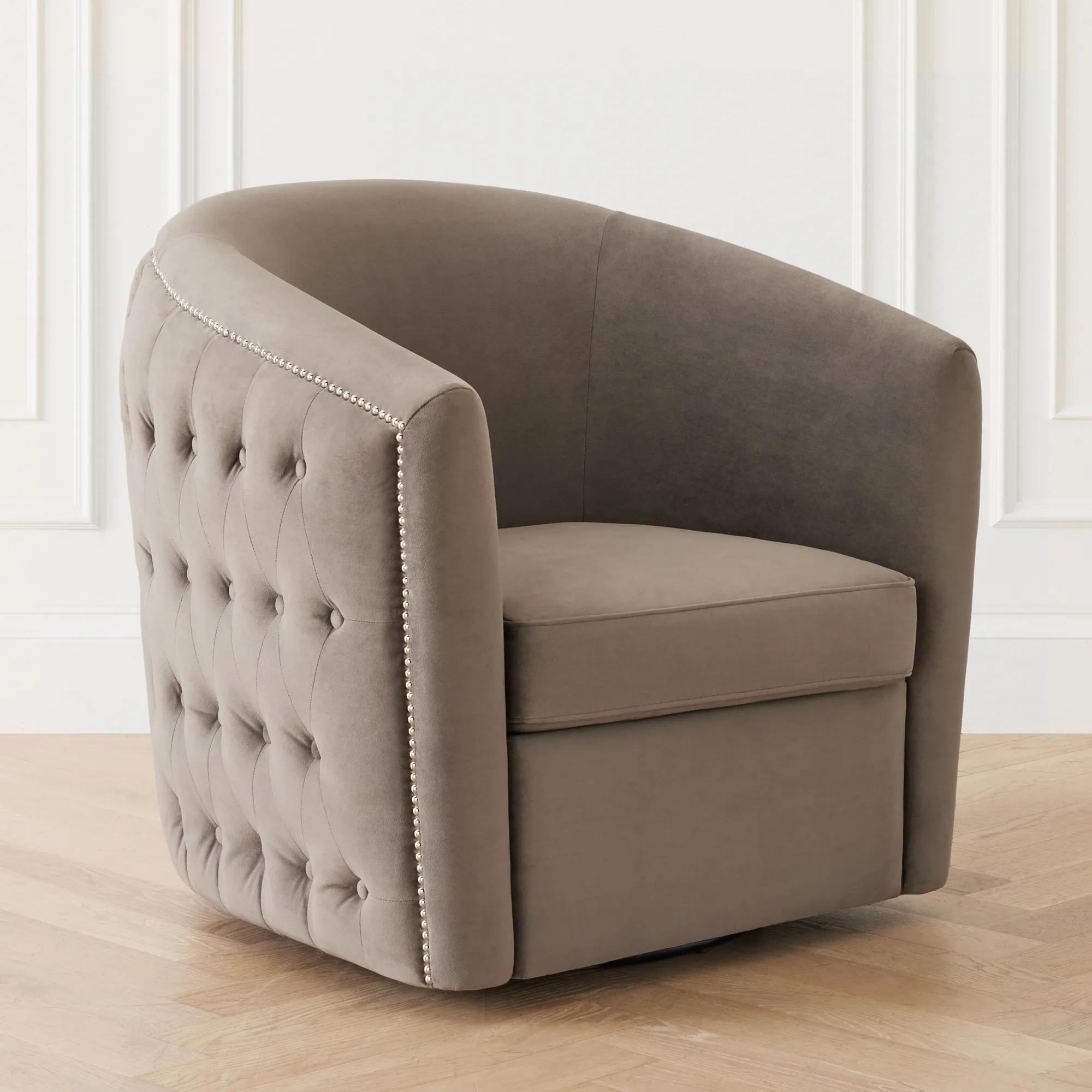
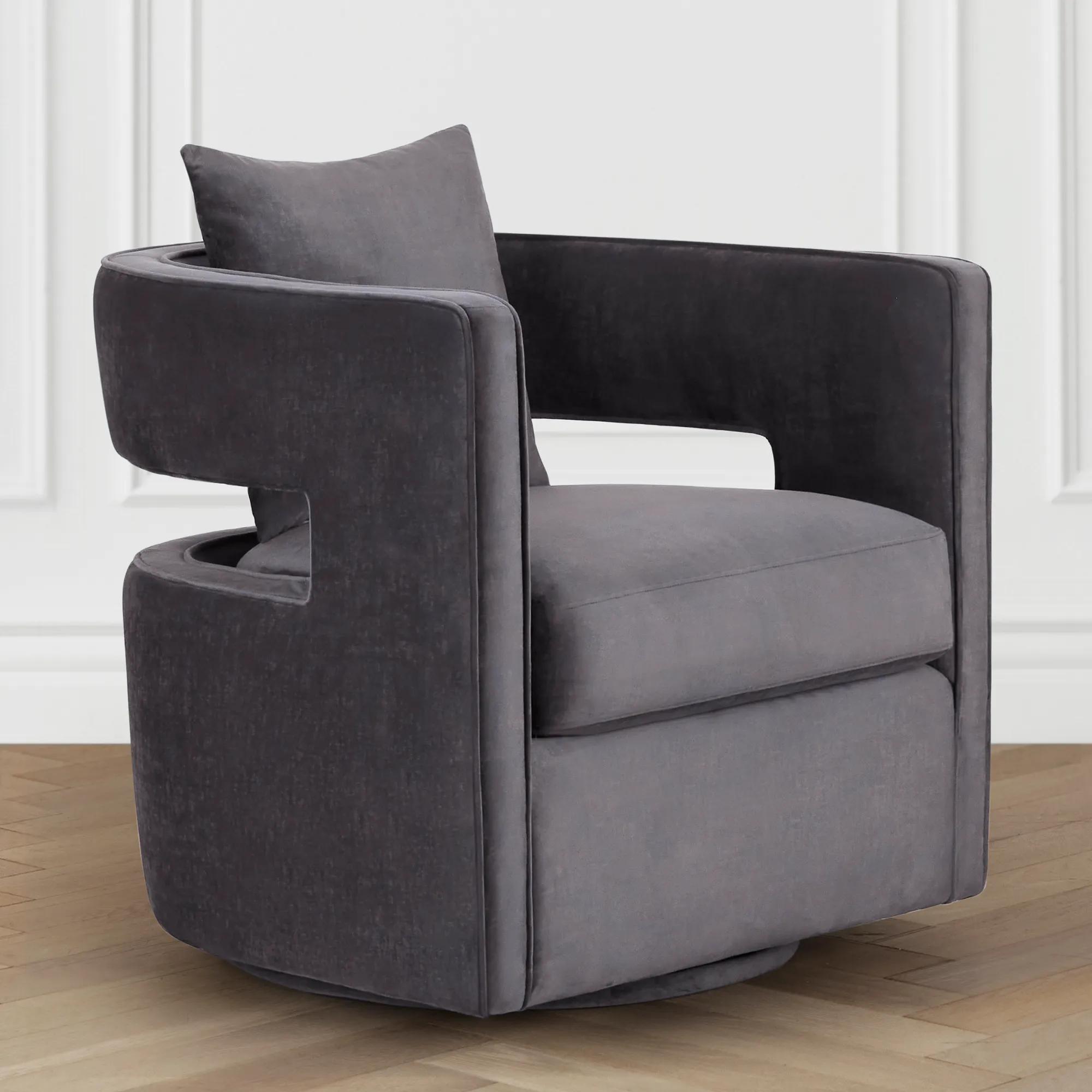 Lottie Grey Velvet Swivel Accent Chair$999
A glamorous grey velvet swivel chair featuring a barrel back, cutout arms, and plush foam cushioning.
Add To Cart -
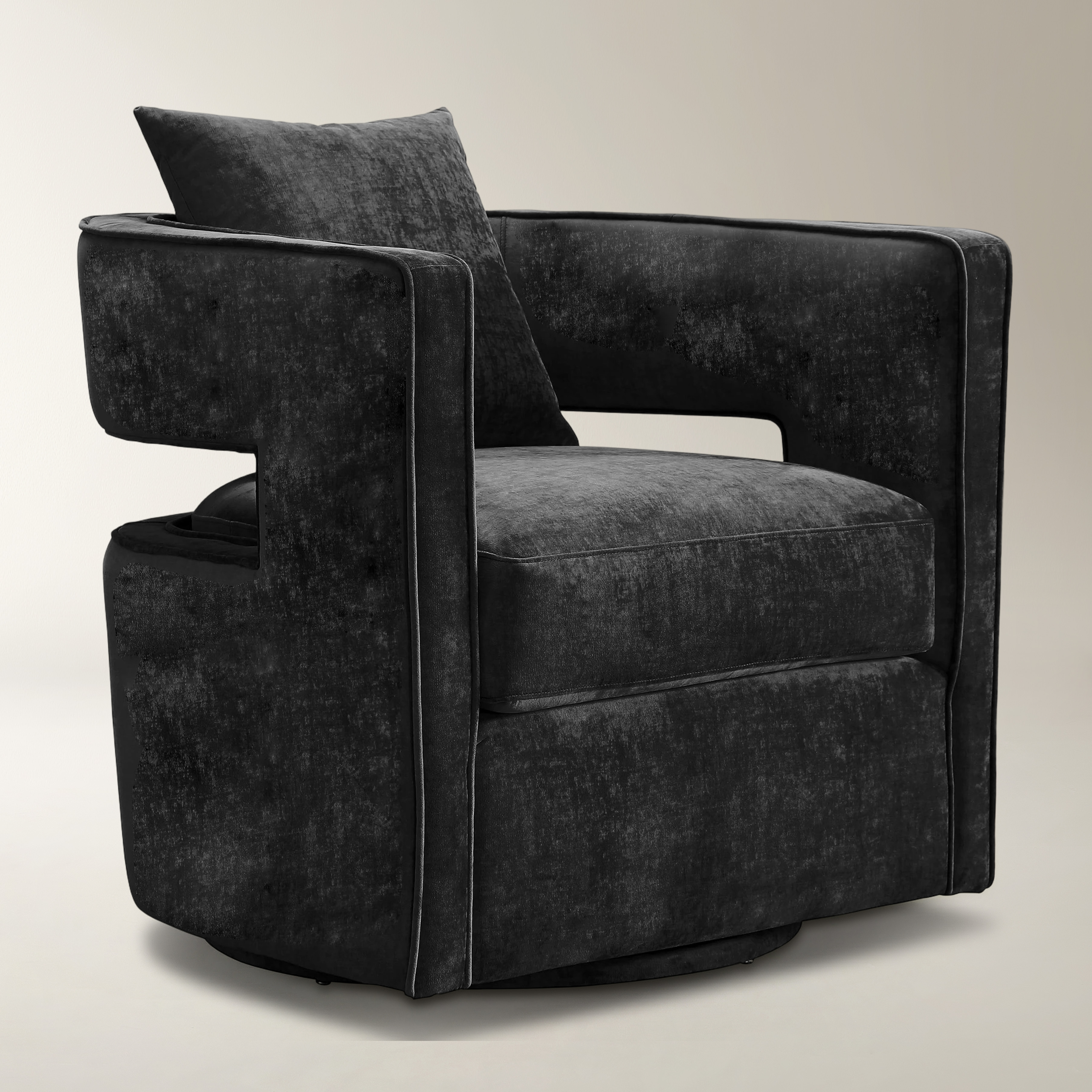 Lottie Black Velvet Swivel Accent Chair$999
A black velvet swivel accent chair with a sculpted barrel silhouette, open arms, and supportive cushioning.
Add To Cart -
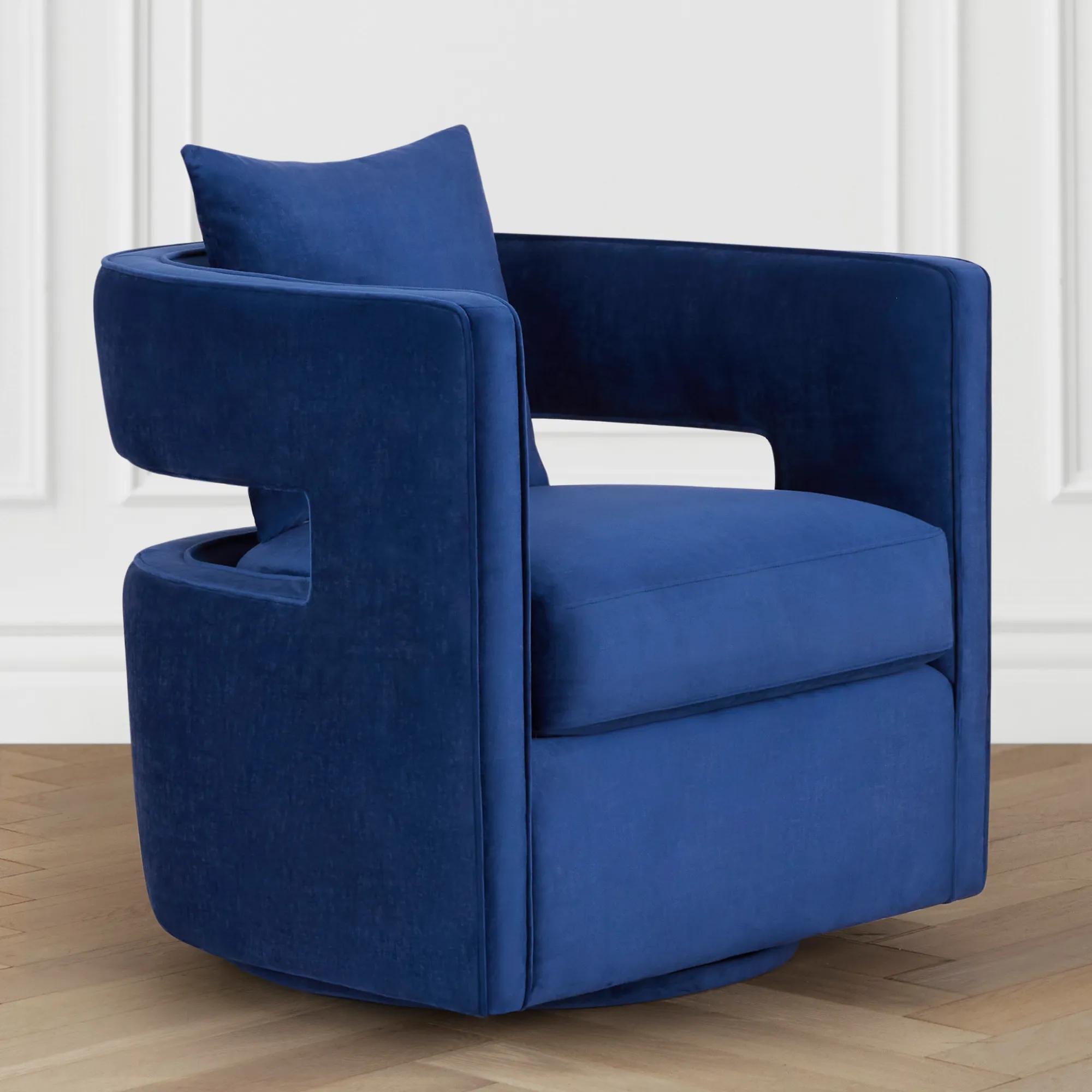
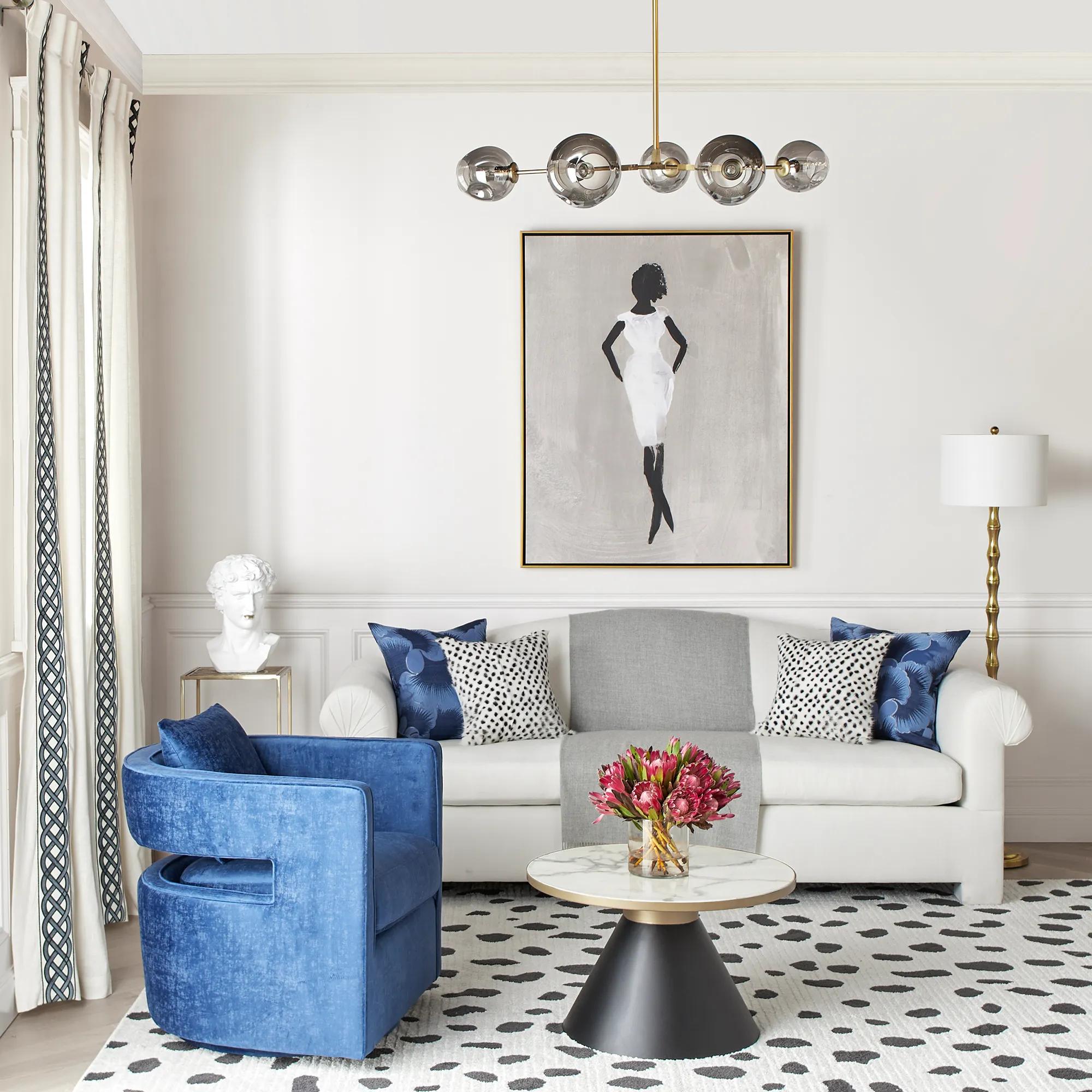 Lottie Navy Velvet Swivel Accent Chair$999
A navy velvet swivel accent chair featuring a sculpted barrel silhouette, open arms, and supportive cushioning.
Add To Cart -
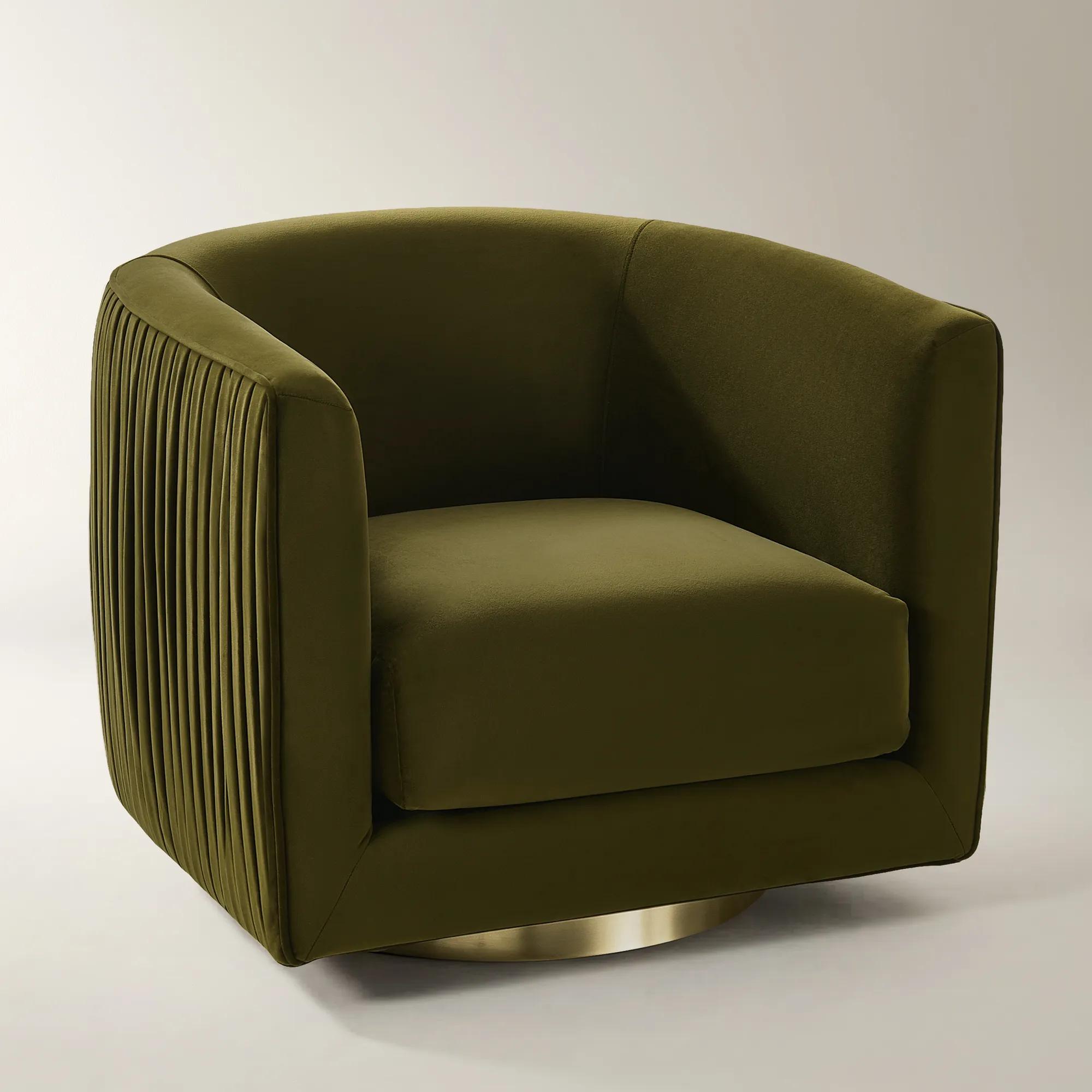
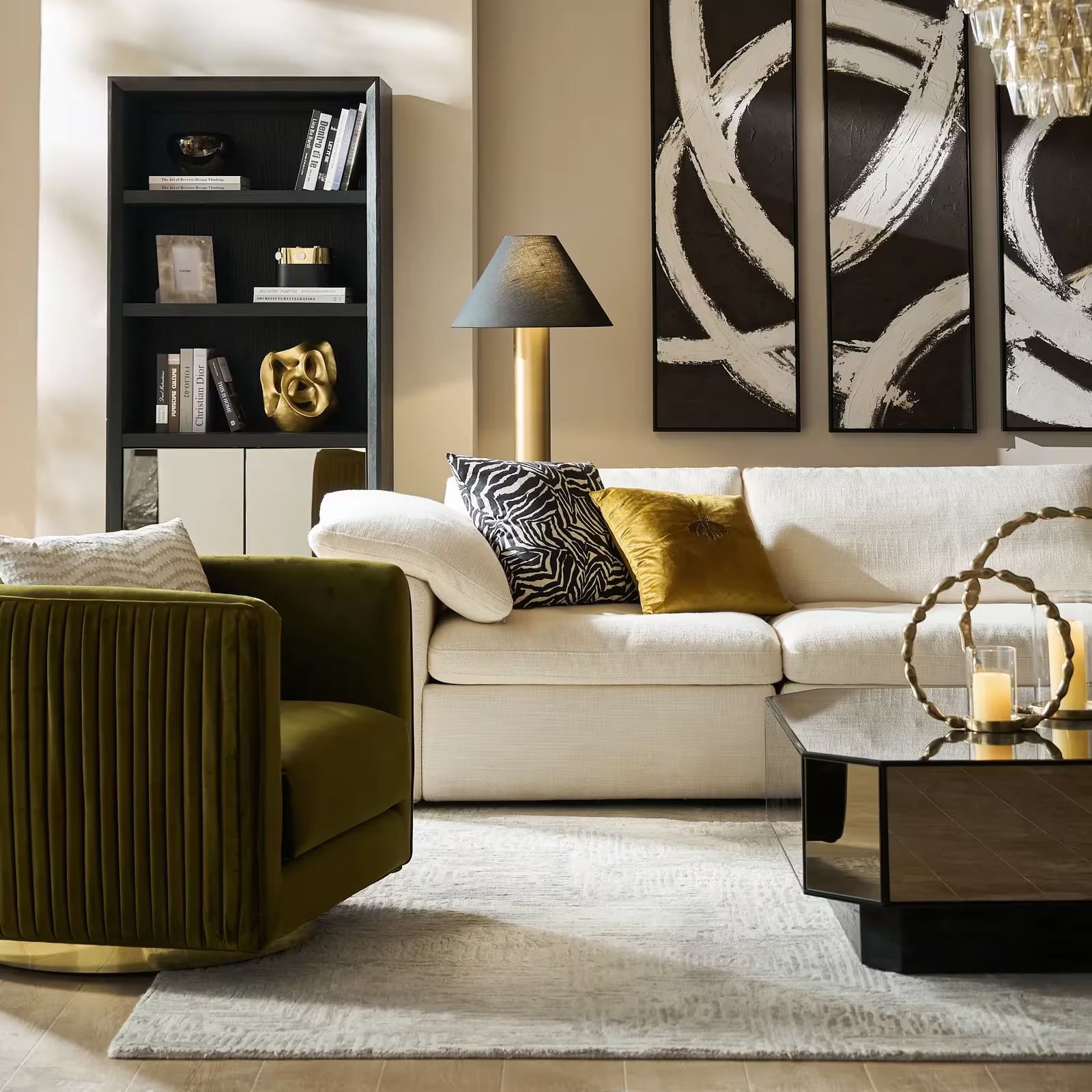 Lyssa Pleated Deep Olive Velvet Swivel Accent Chair$1099
A deep olive velvet accent chair with pleated panels, 360-degree swivel, and gold metal base.
Add To Cart -
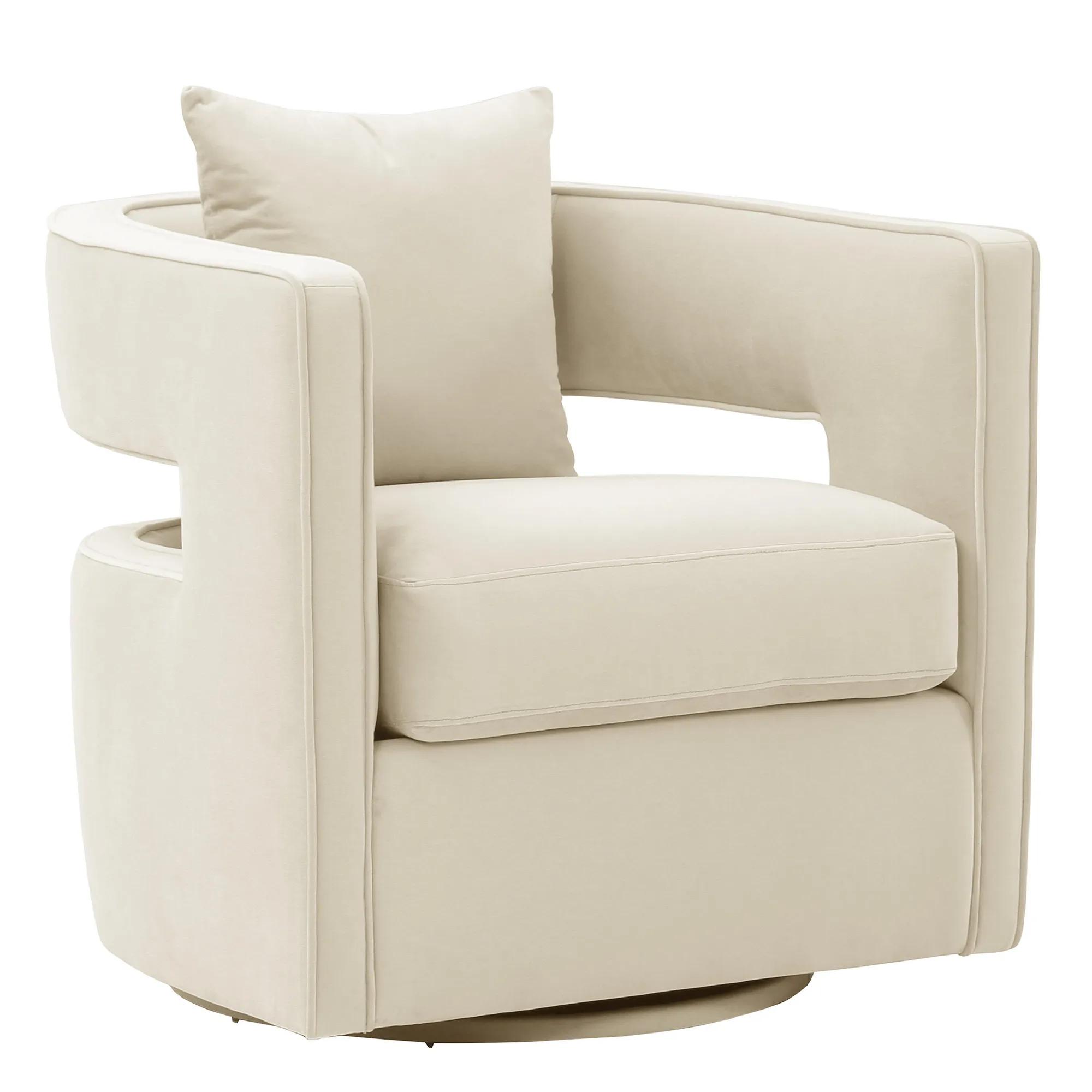
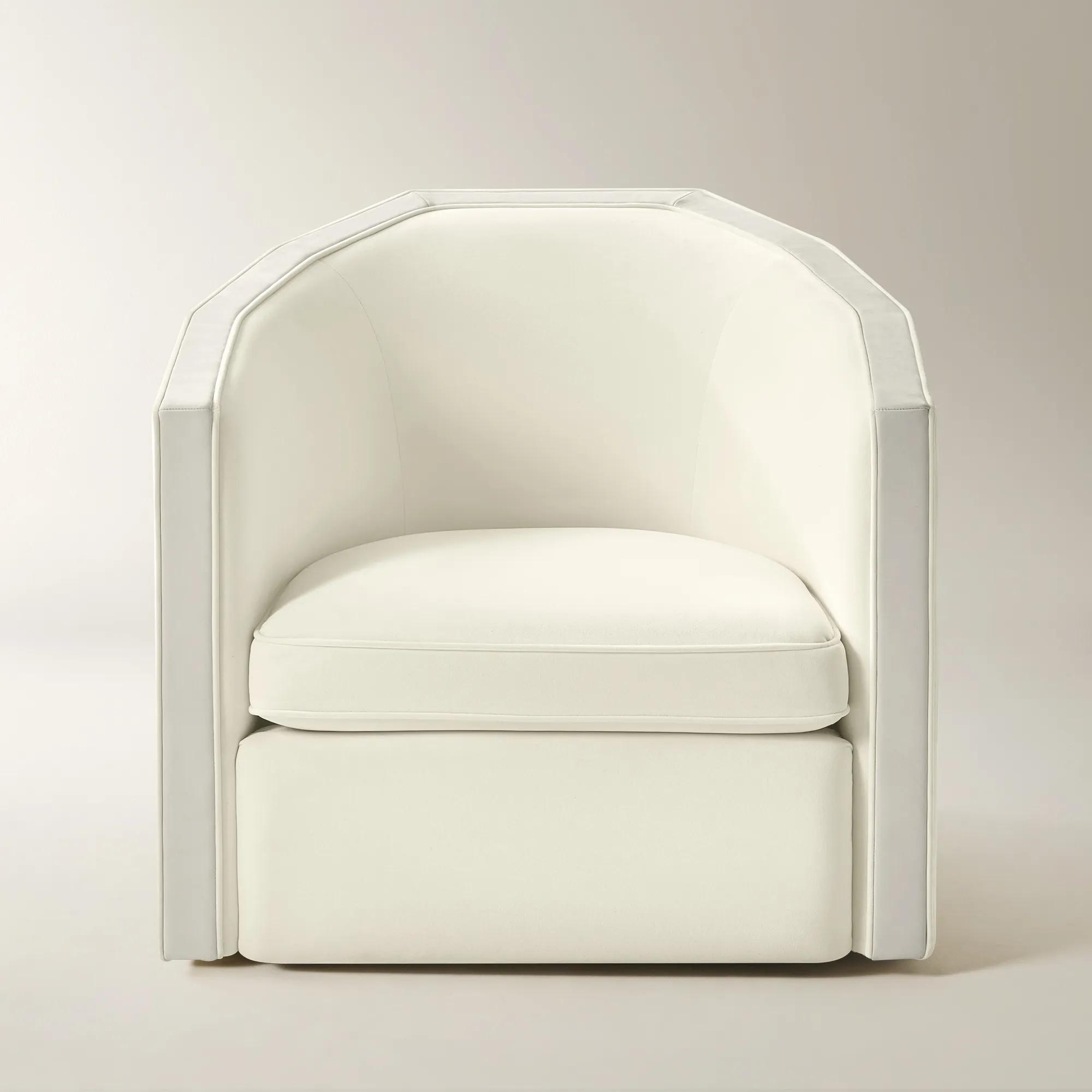
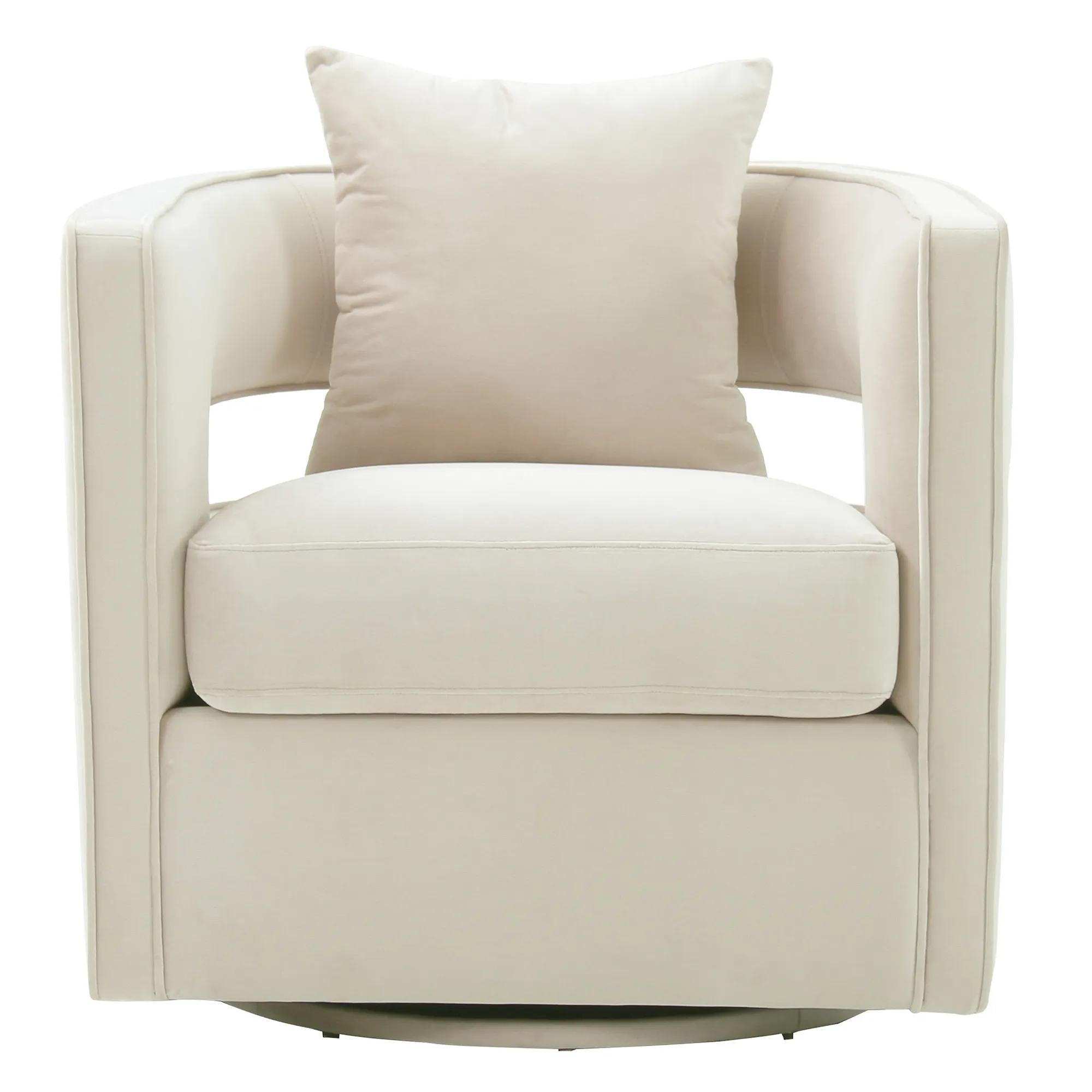 Lottie Cream Velvet Swivel Accent Chair$999
A glamorous cream velvet swivel chair featuring a barrel back, cutout arms, and plush foam cushioning.
Add To Cart -
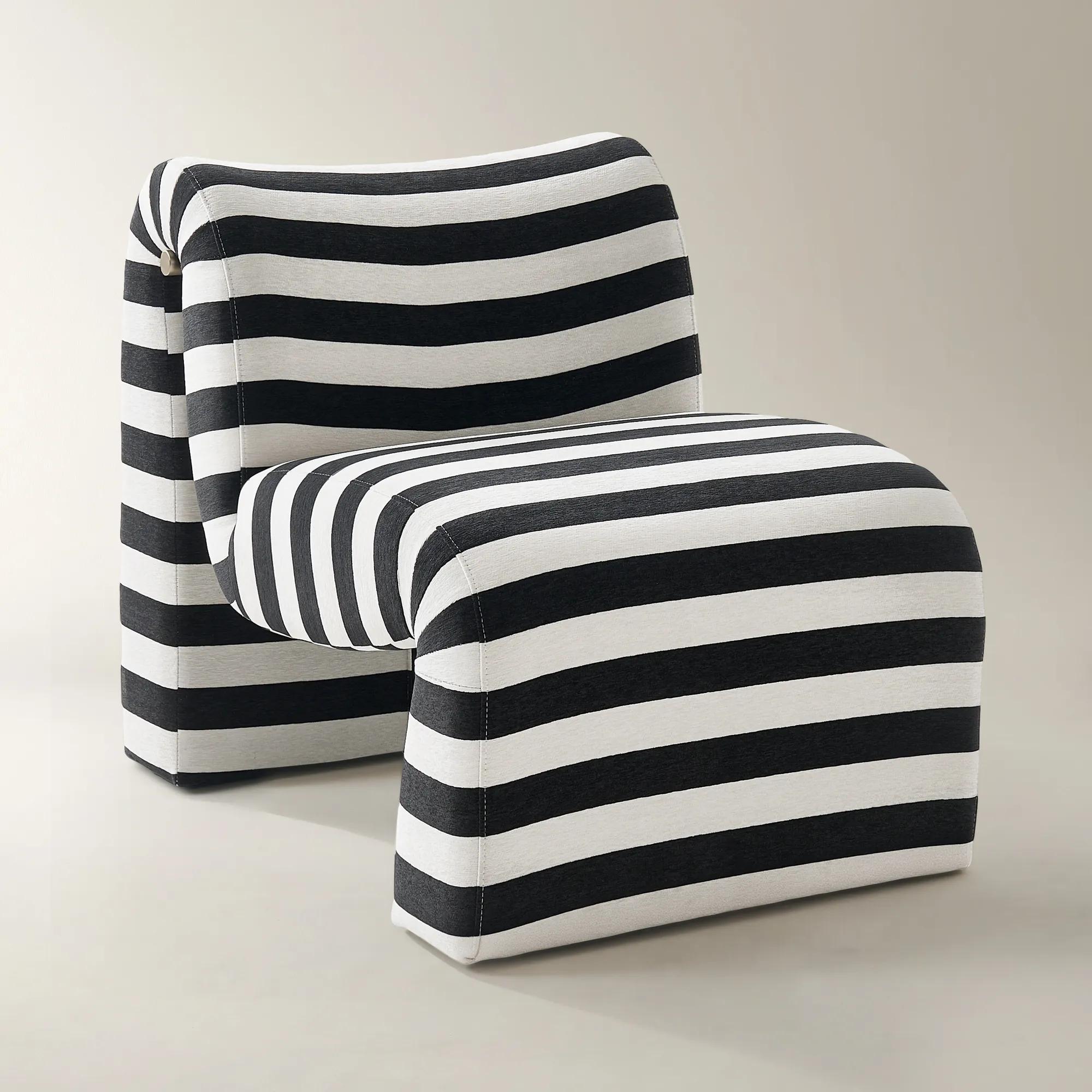 Cora Stripe Chenille Accent Chair$899
A bold black-and-white striped accent chair featuring water-repellent chenille and a gold stainless-steel inlay.
Add To Cart -

 Stria Light Brown Chenille Swivel Accent Chair$1499
A light brown chenille accent chair featuring triple-layer cushioning, a 360° swivel, and a solid oak base.
Add To Cart -
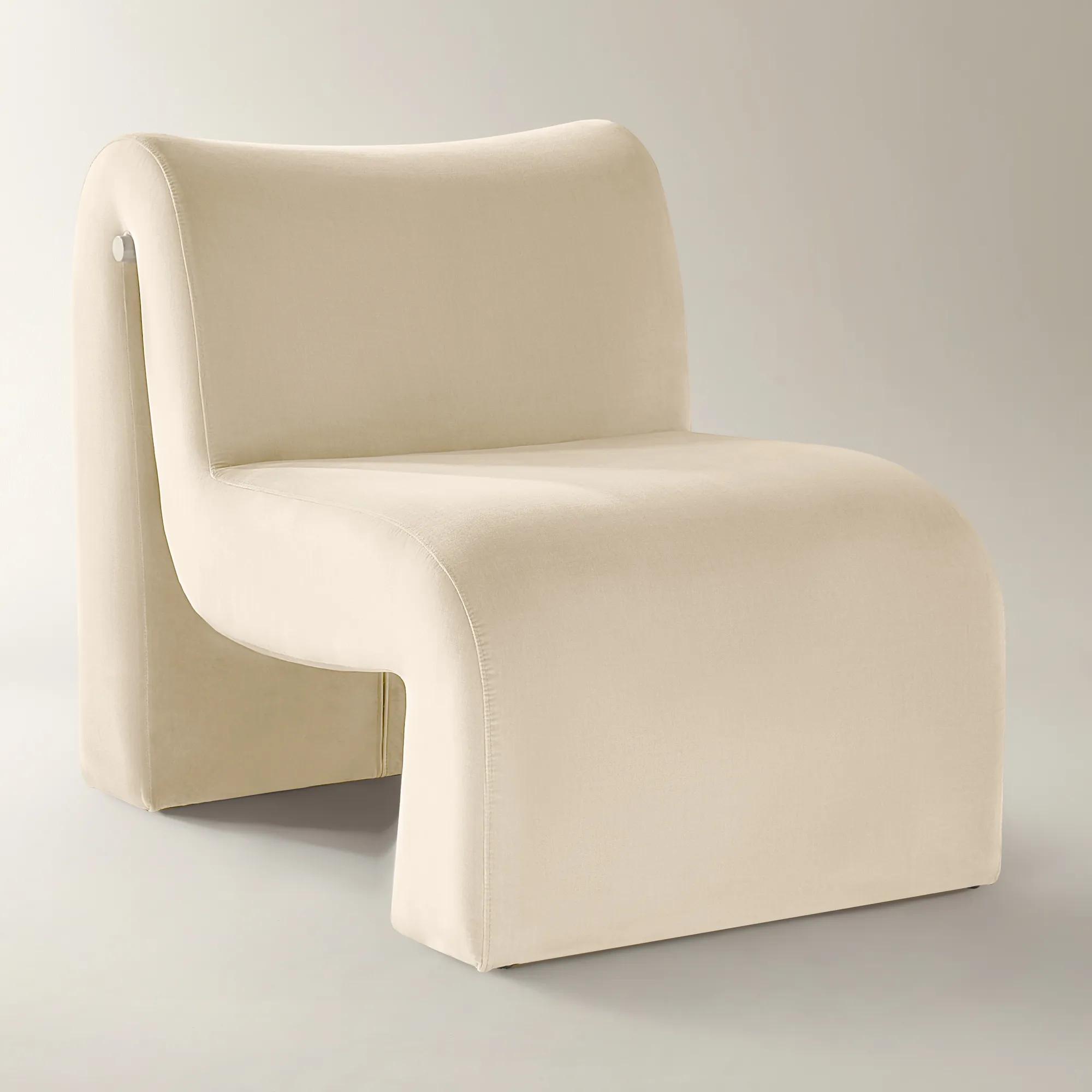 Cora Ivory Velvet Accent Chair$899
A sculpted ivory velvet chair featuring a continuous curved silhouette and a gold stainless-steel accent.
Add To Cart -

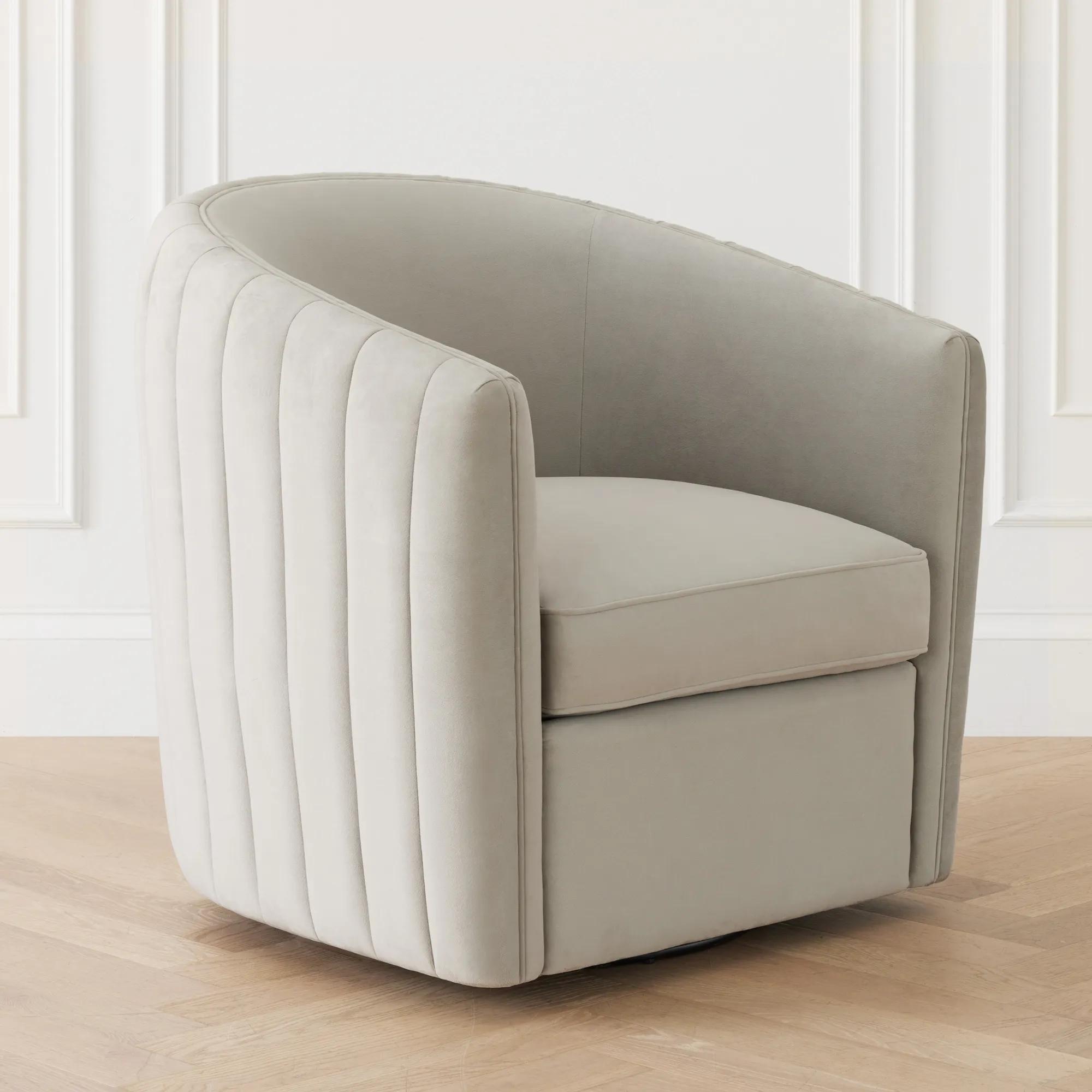
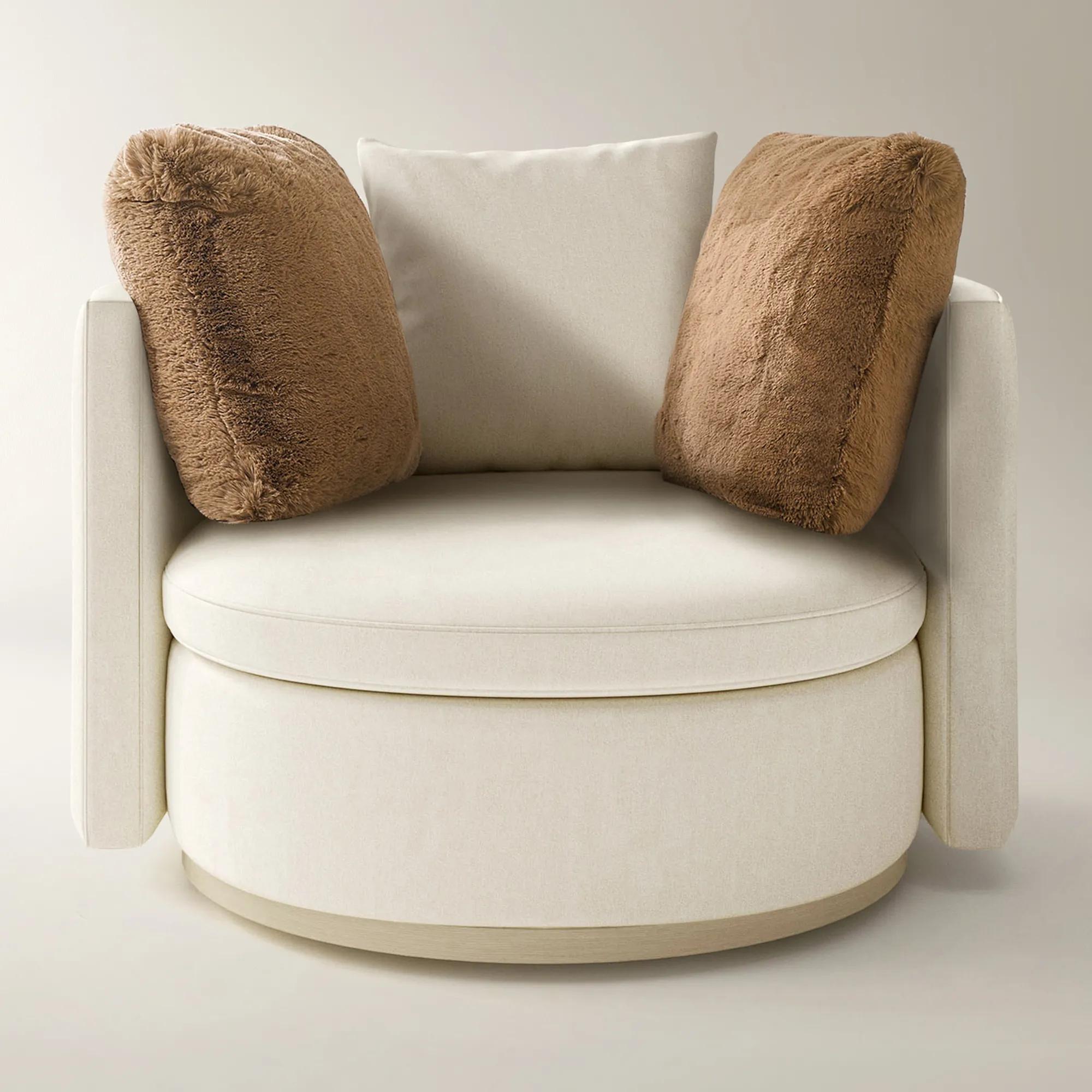 Stria Ivory Chenille Swivel Accent Chair$1499
An ivory chenille accent chair with triple-layer cushioning, ergonomic curves, and a smooth 360-degree swivel.
Add To Cart -
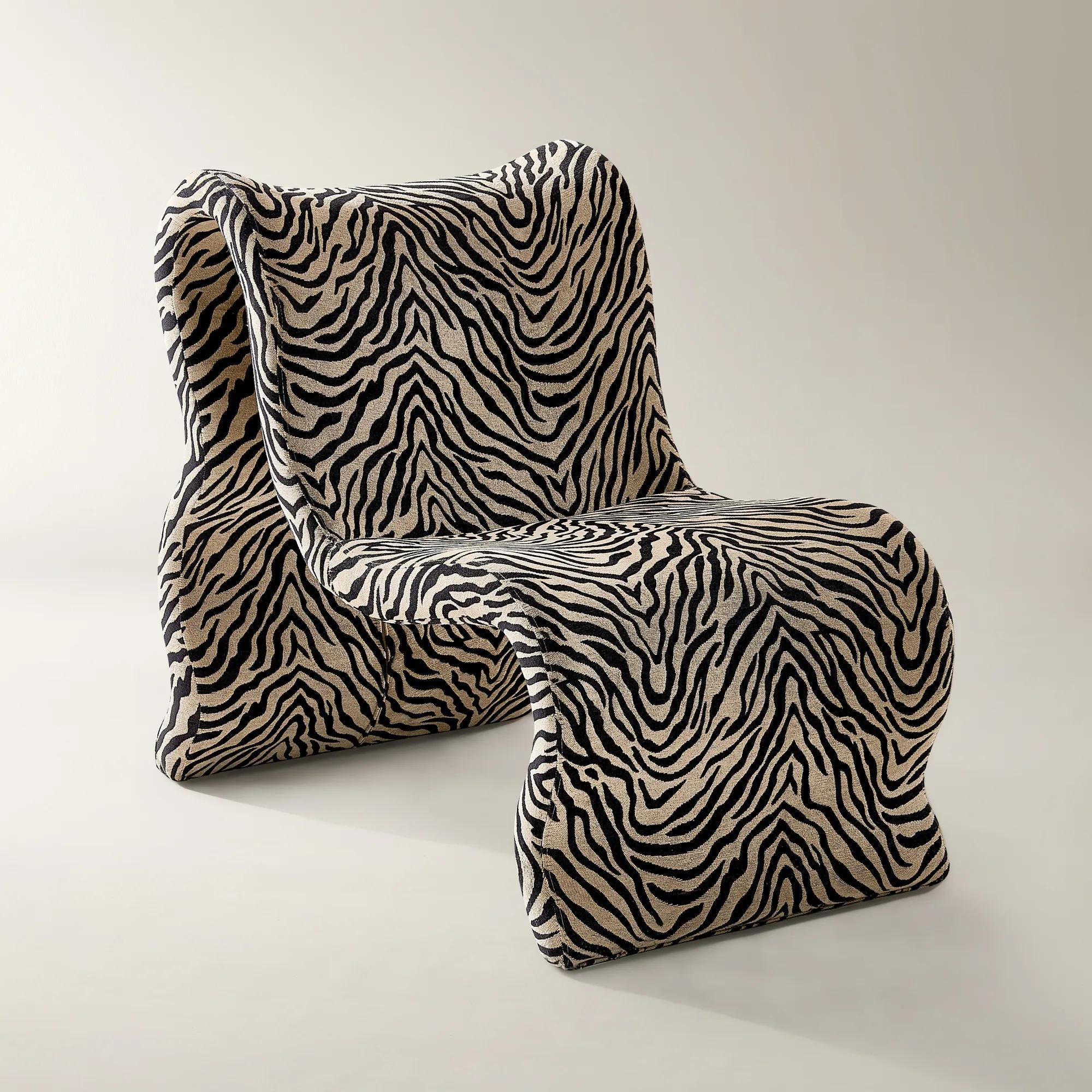
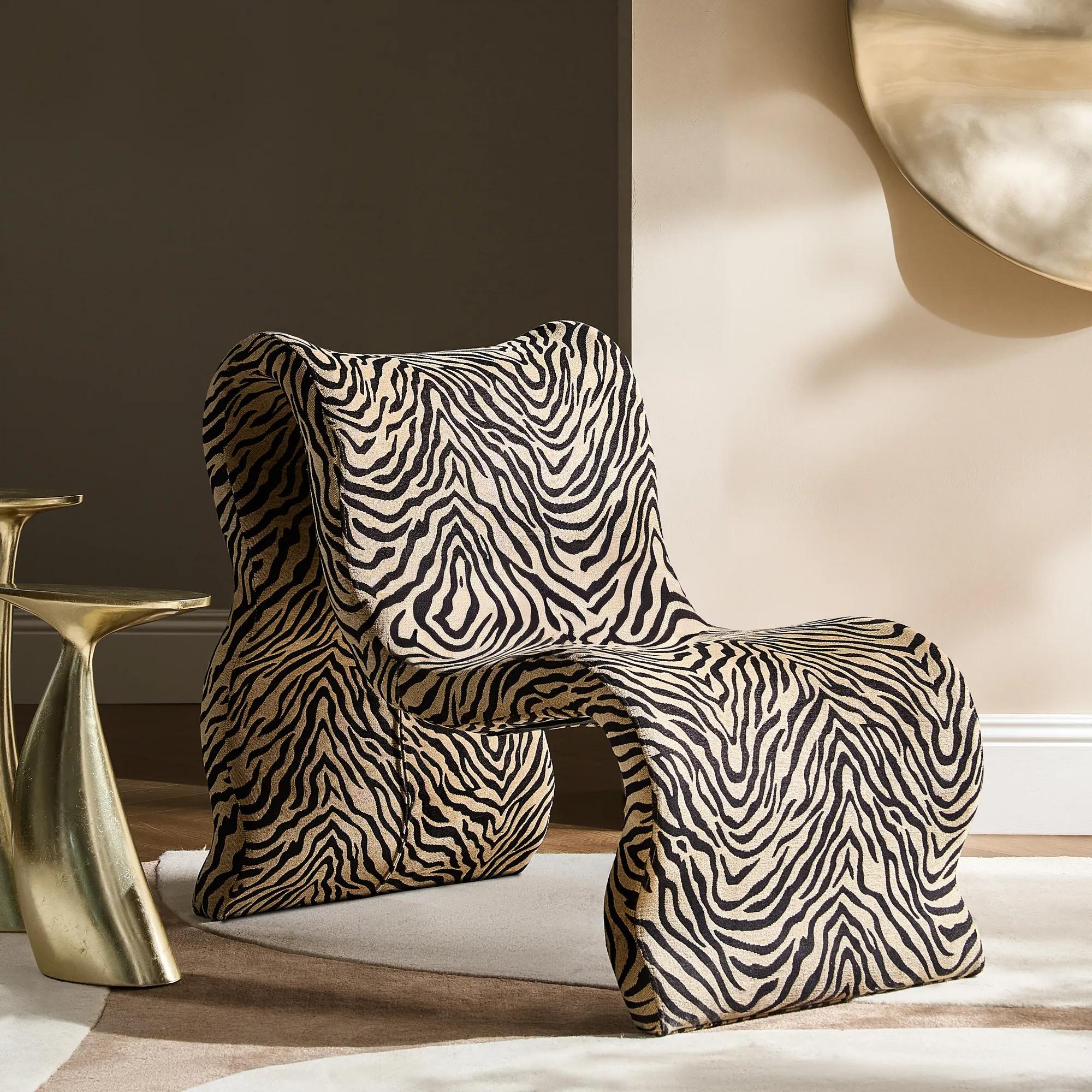 Romy Zebra Chenille Accent Chair$999
A sculptural accent chair featuring bold zebra-print chenille upholstery and a continuous wave-like silhouette.
Add To Cart -
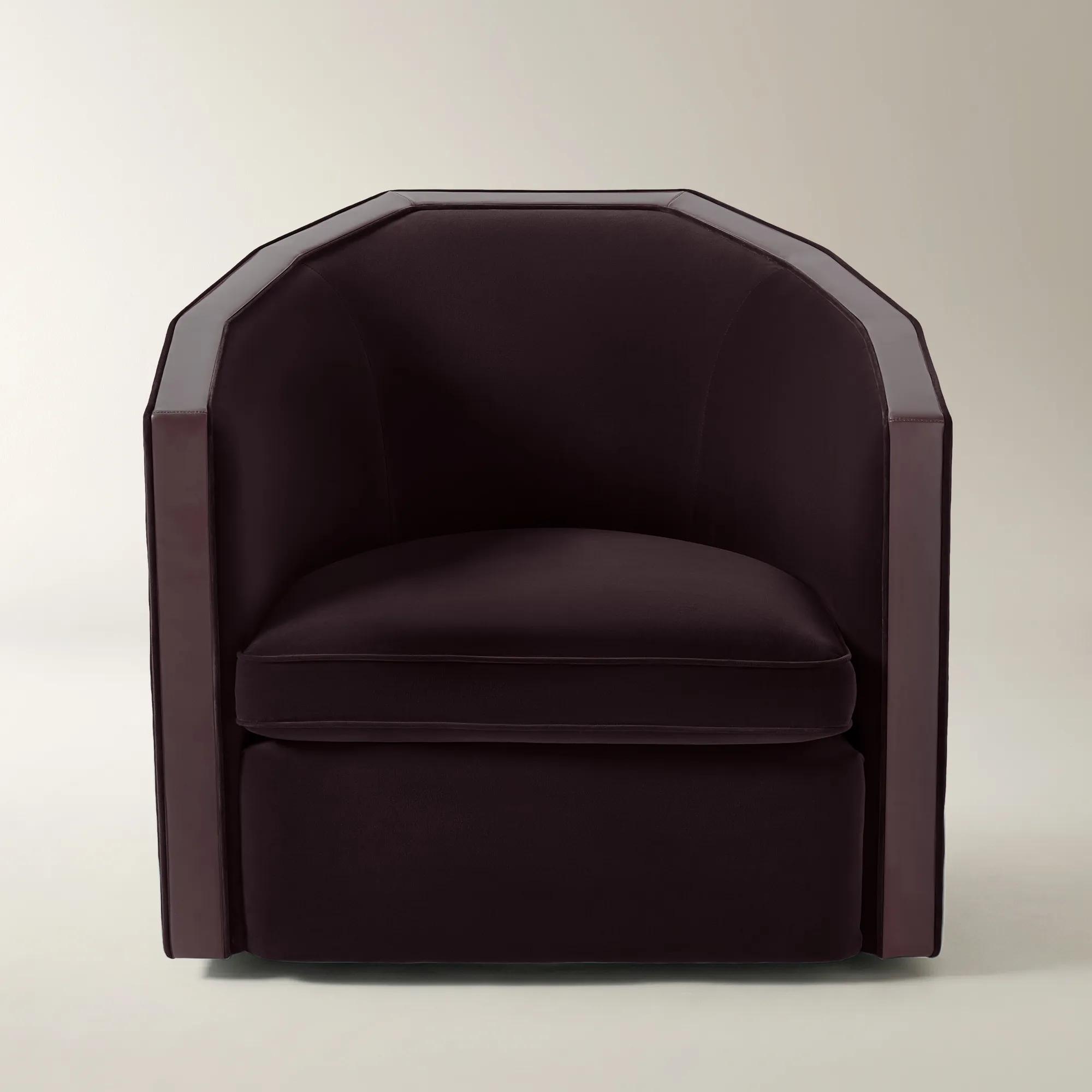
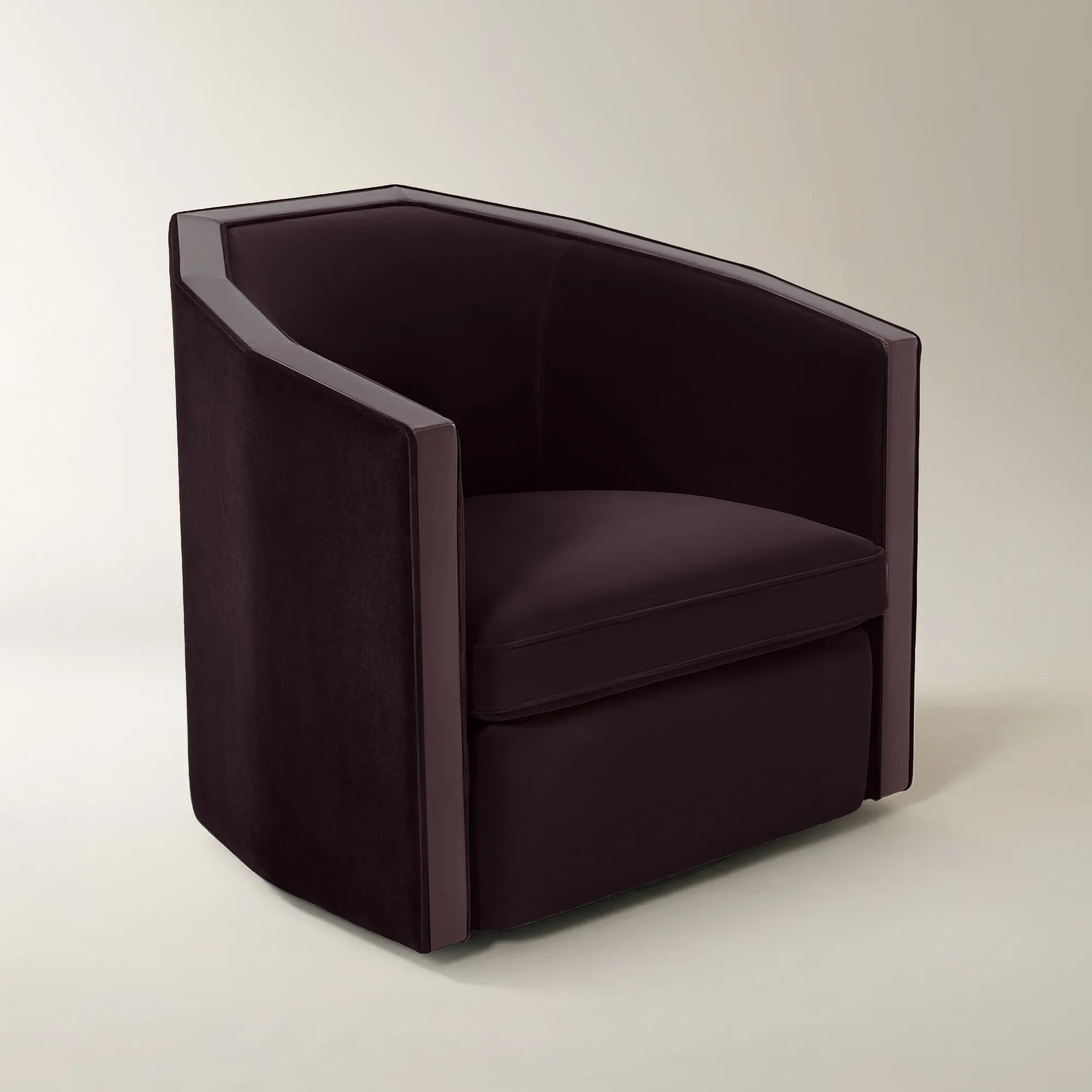 Vesper Fig Velvet With Leather Swivel Accent Chair$999
A modern accent chair featuring fig velvet upholstery, tonal leather trim, and a smooth 360° swivel base.
Add To Cart -
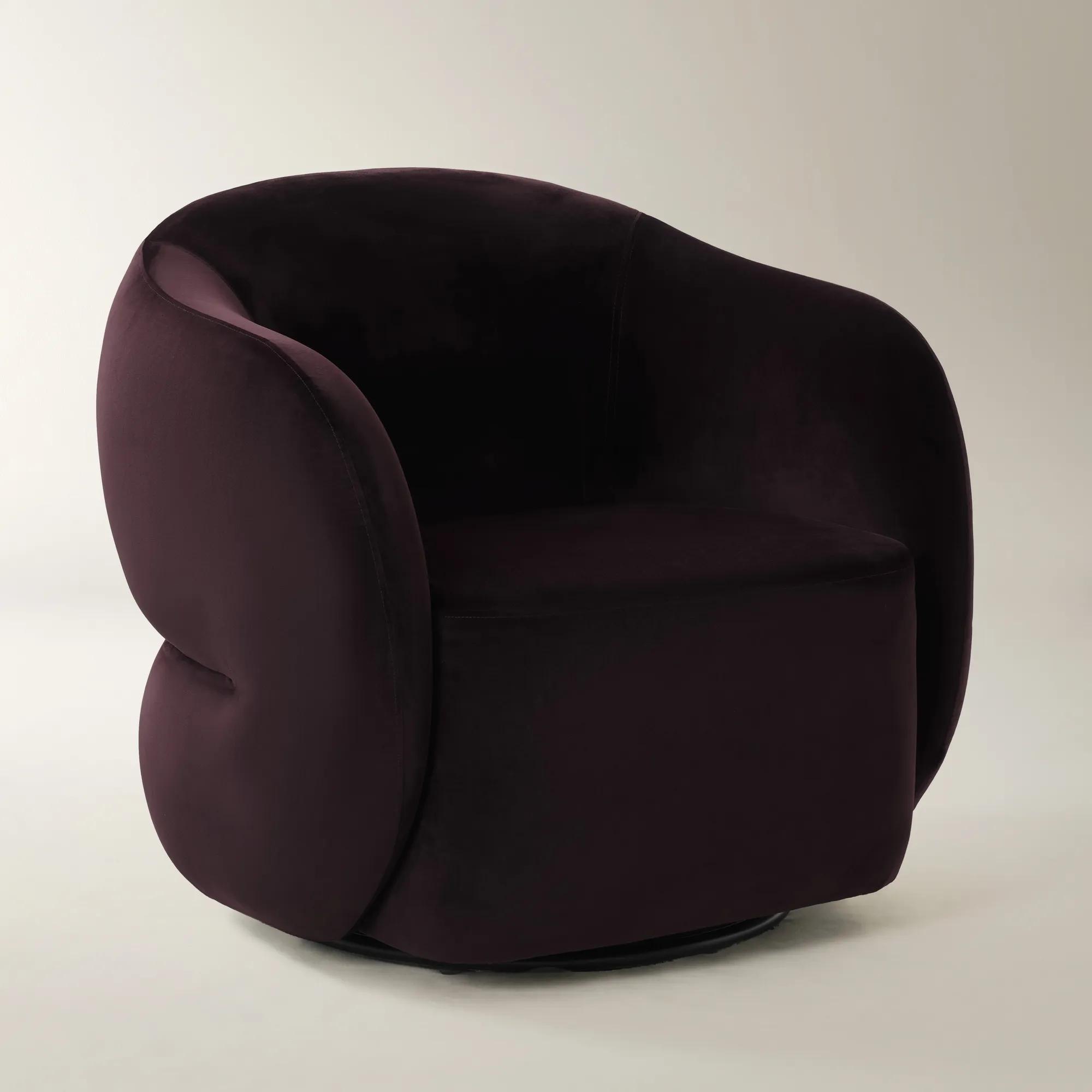 Sierra Fig Velvet Swivel Accent Chair$899
A modern accent chair in plush fig velvet with a wraparound back and smooth 360° swivel base.
Add To Cart -
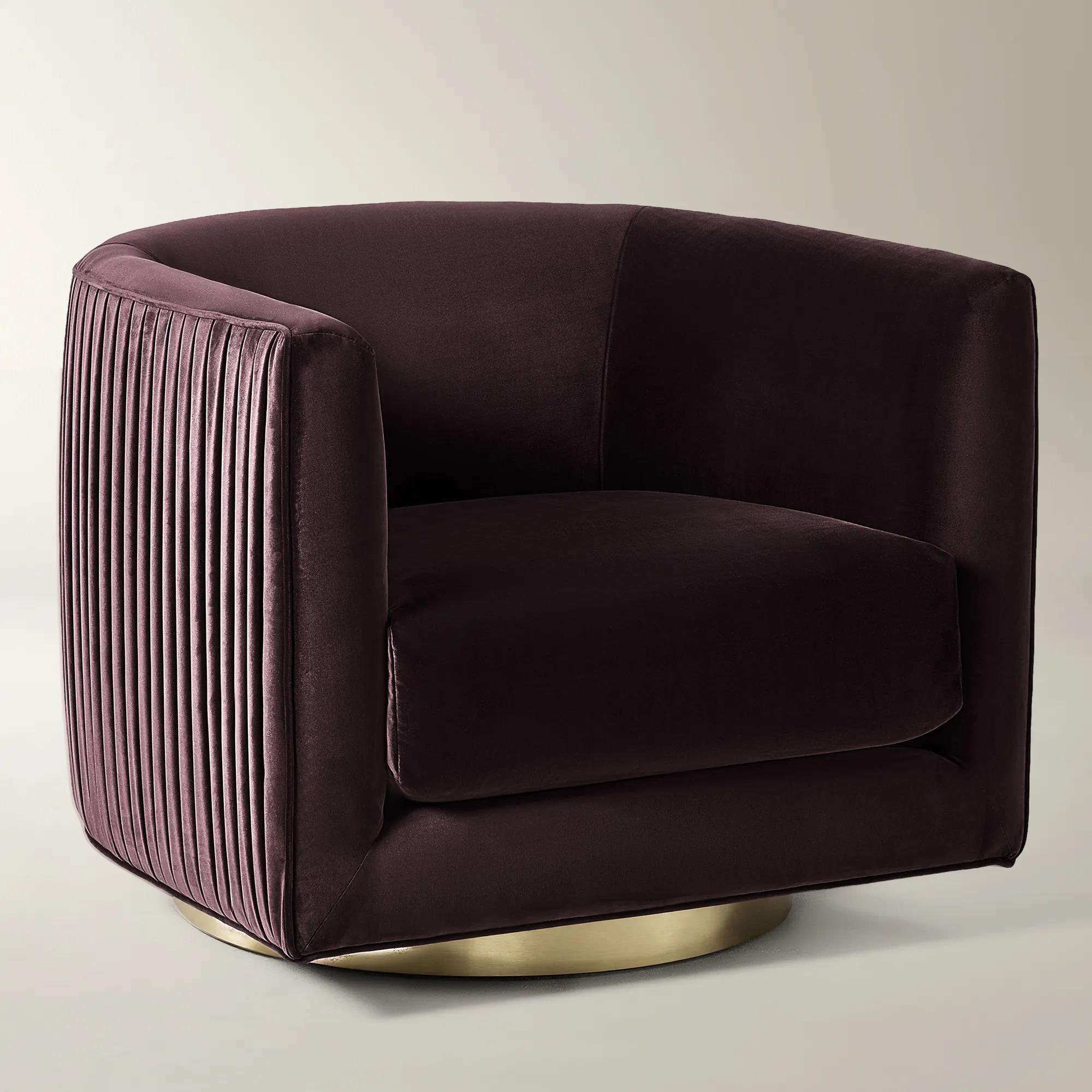 Lyssa Pleated Fig Velvet Swivel Accent Chair$1099
A red velvet swivel chair with pleated panels, curved styling, and a soft-gold stainless steel base.
Add To Cart -
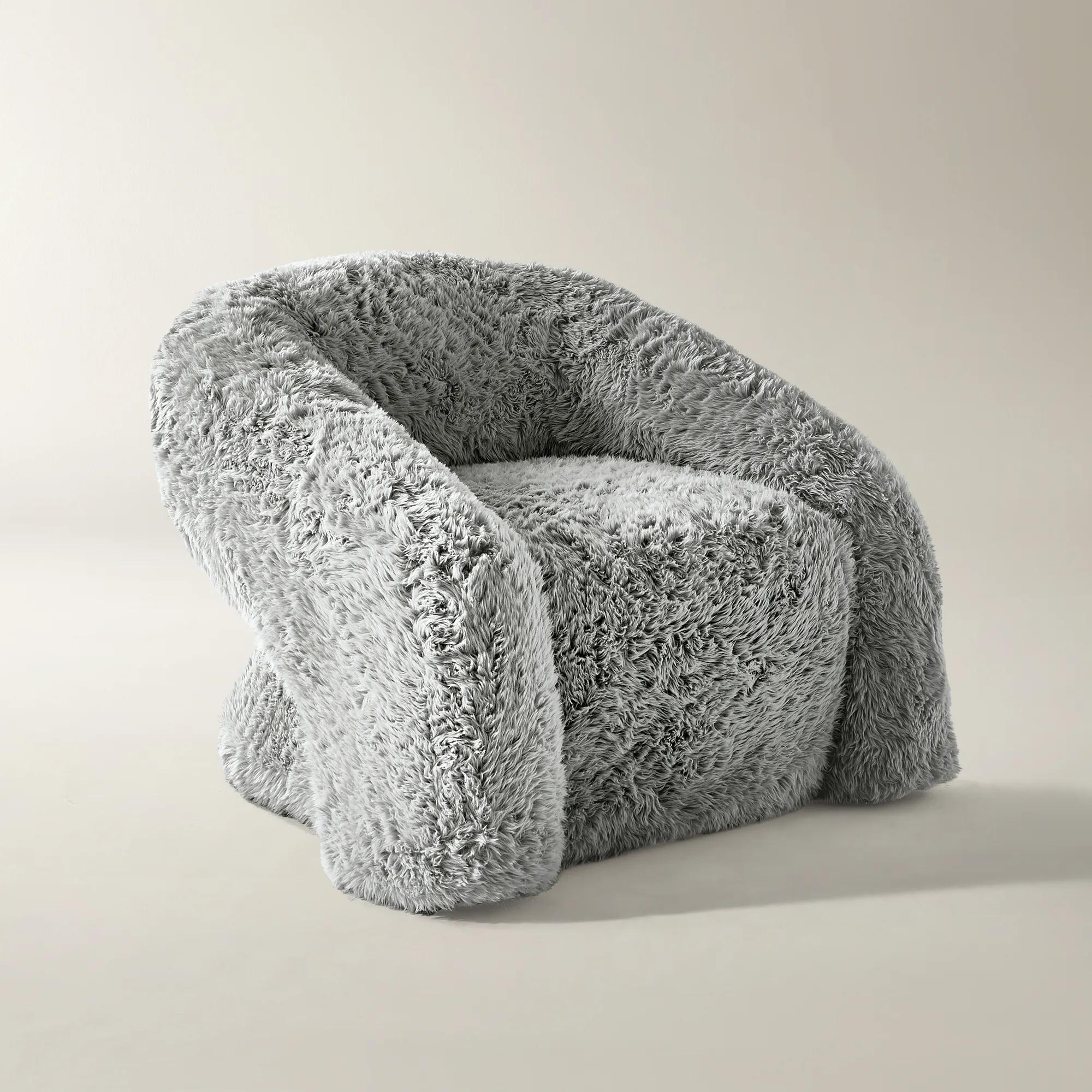
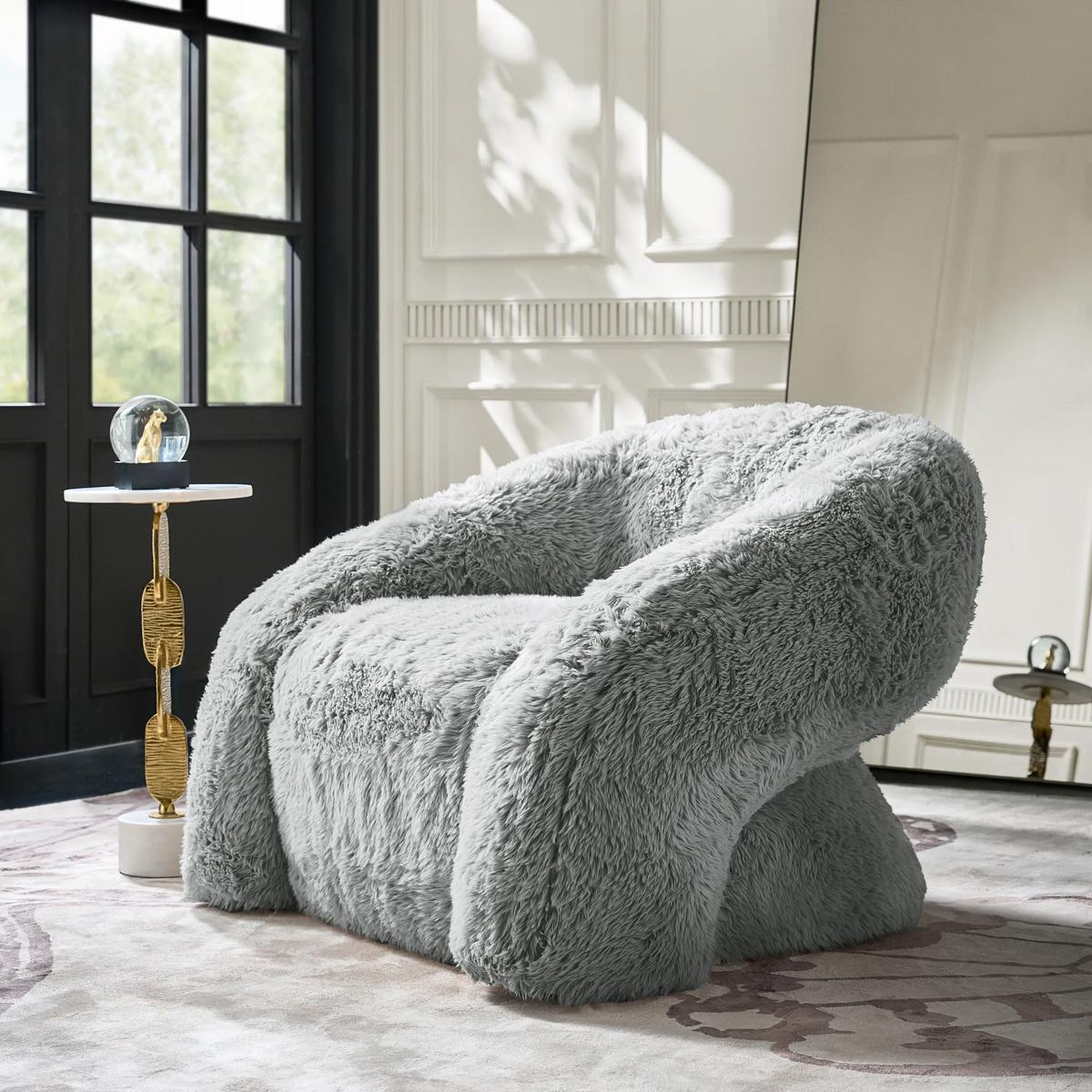 Misha Shadow Faux Fur Accent Chair$799
A cozy gray faux fur chair featuring high-resiliency foam and a sculptural, low-profile silhouette.
Add To Cart -
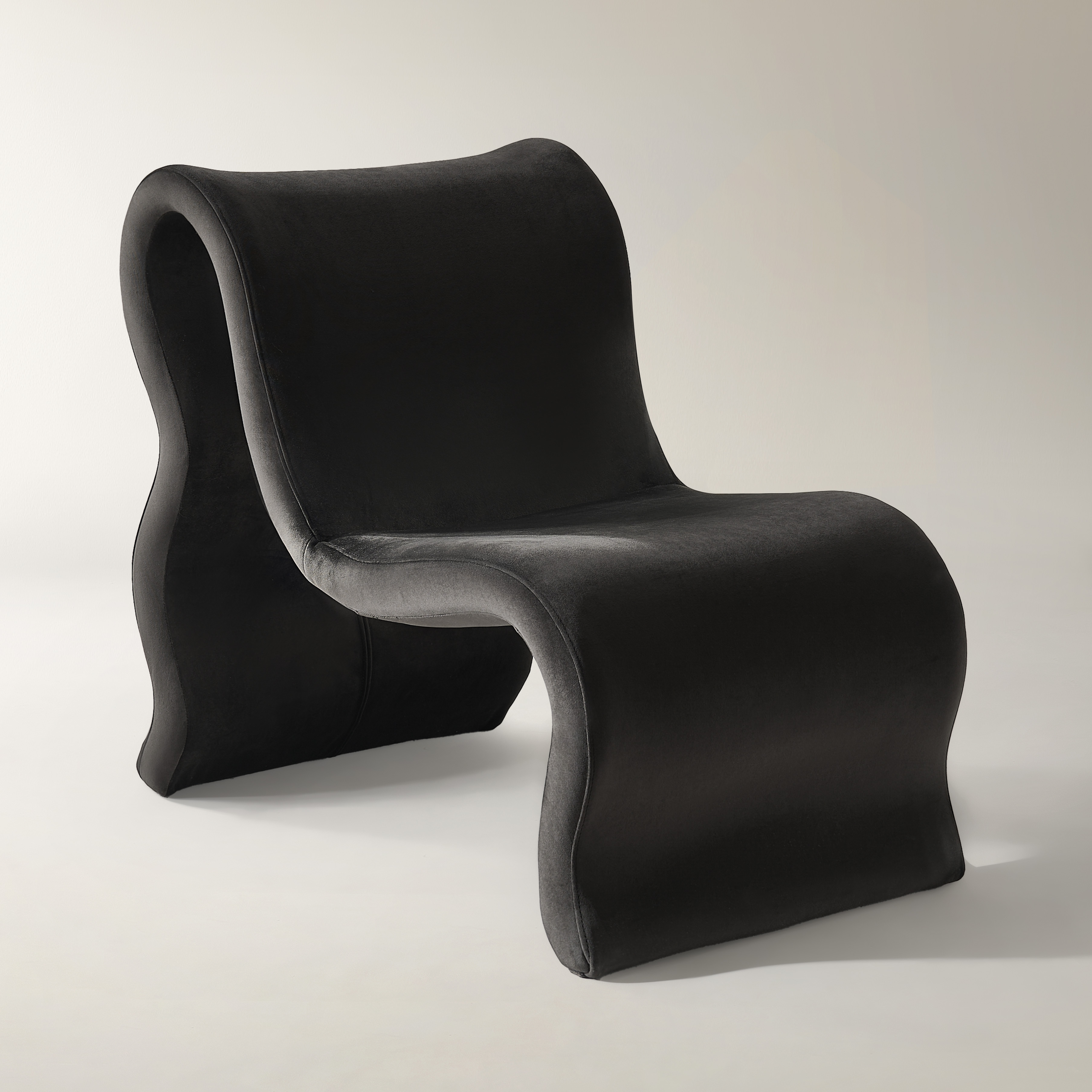 Romy Charcoal Velvet Accent Chair$999
A sculptural accent chair in charcoal velvet with a wave-like silhouette and full foam construction.
Add To Cart -
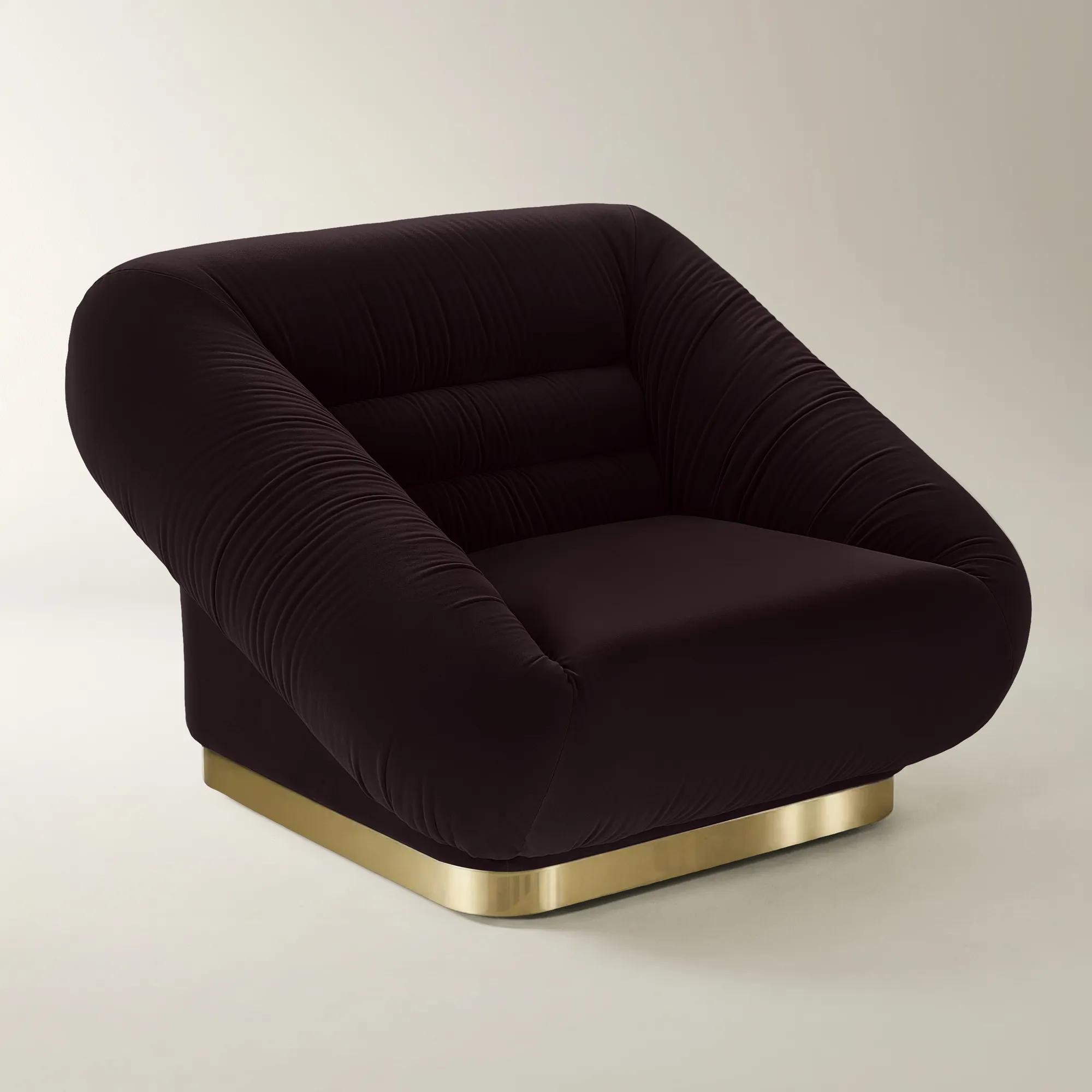 Dover Fig Velvet Swivel Accent Chair$1299
A sculptural fig velvet accent chair featuring soft gathered upholstery, gold-trimmed base, and smooth 360° swivel.
Add To Cart -
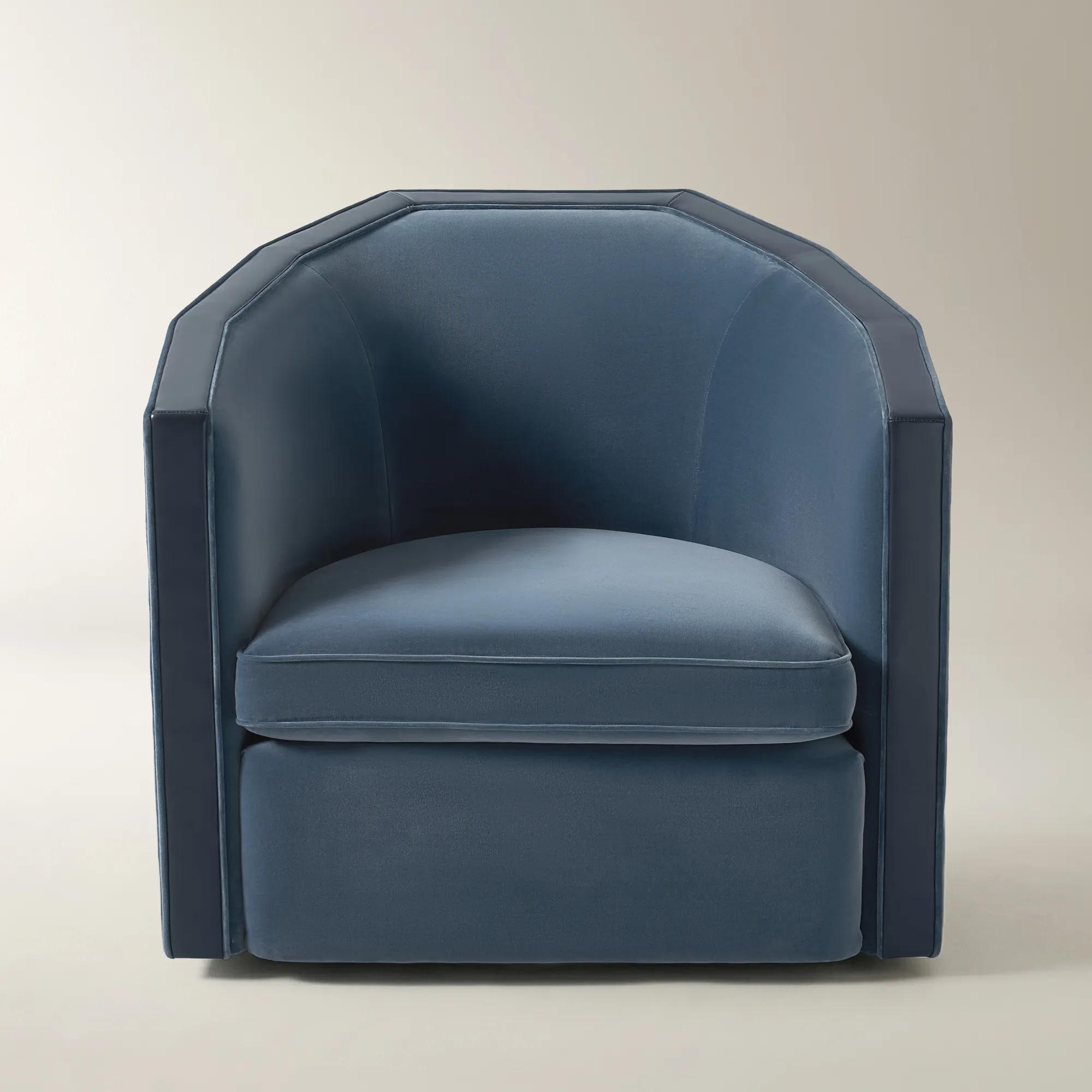 Vesper Dusty Blue Velvet With Leather Swivel Accent Chair$999
A modern accent chair in dusty blue velvet with tonal leather trim and a smooth 360-degree swivel base.
Add To Cart -
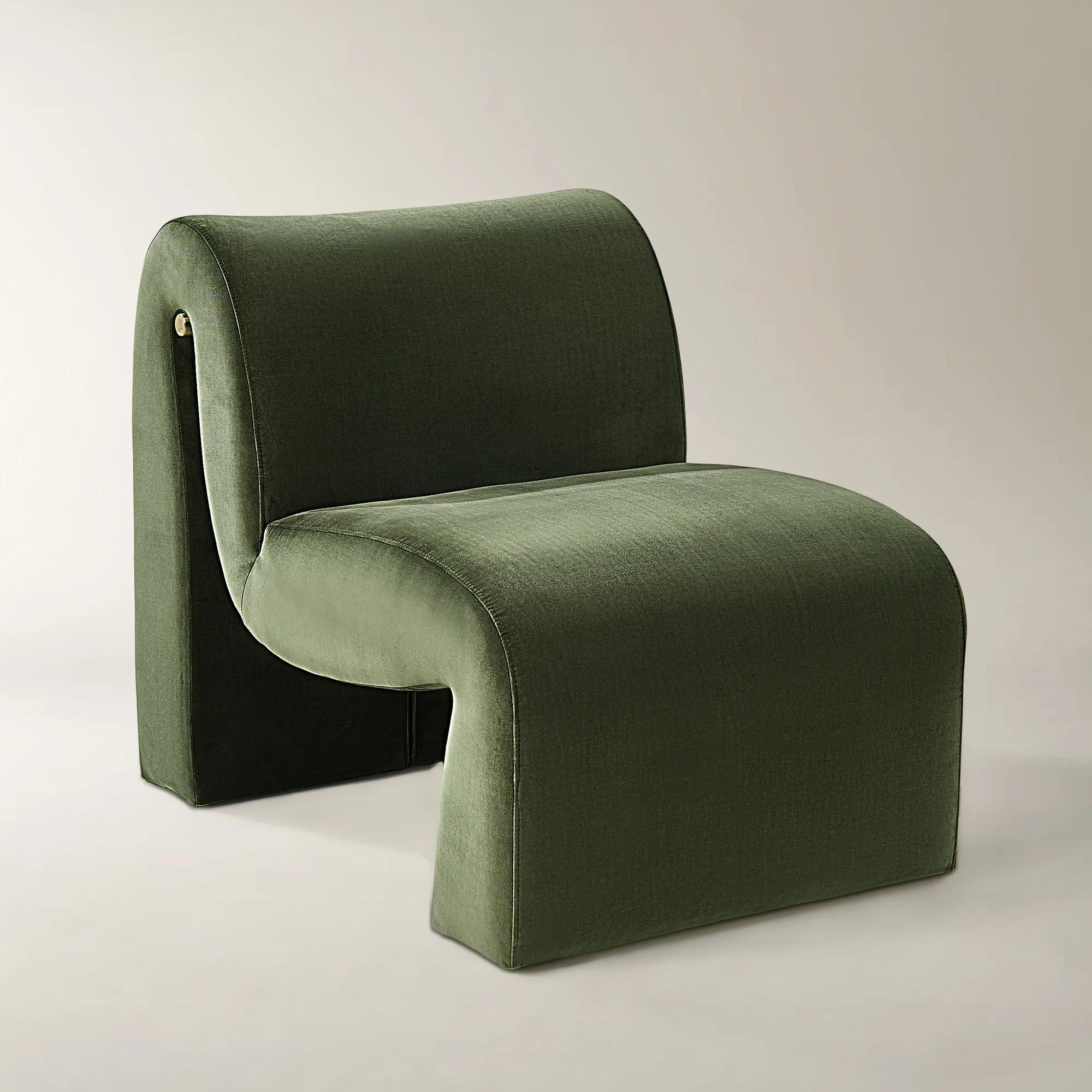
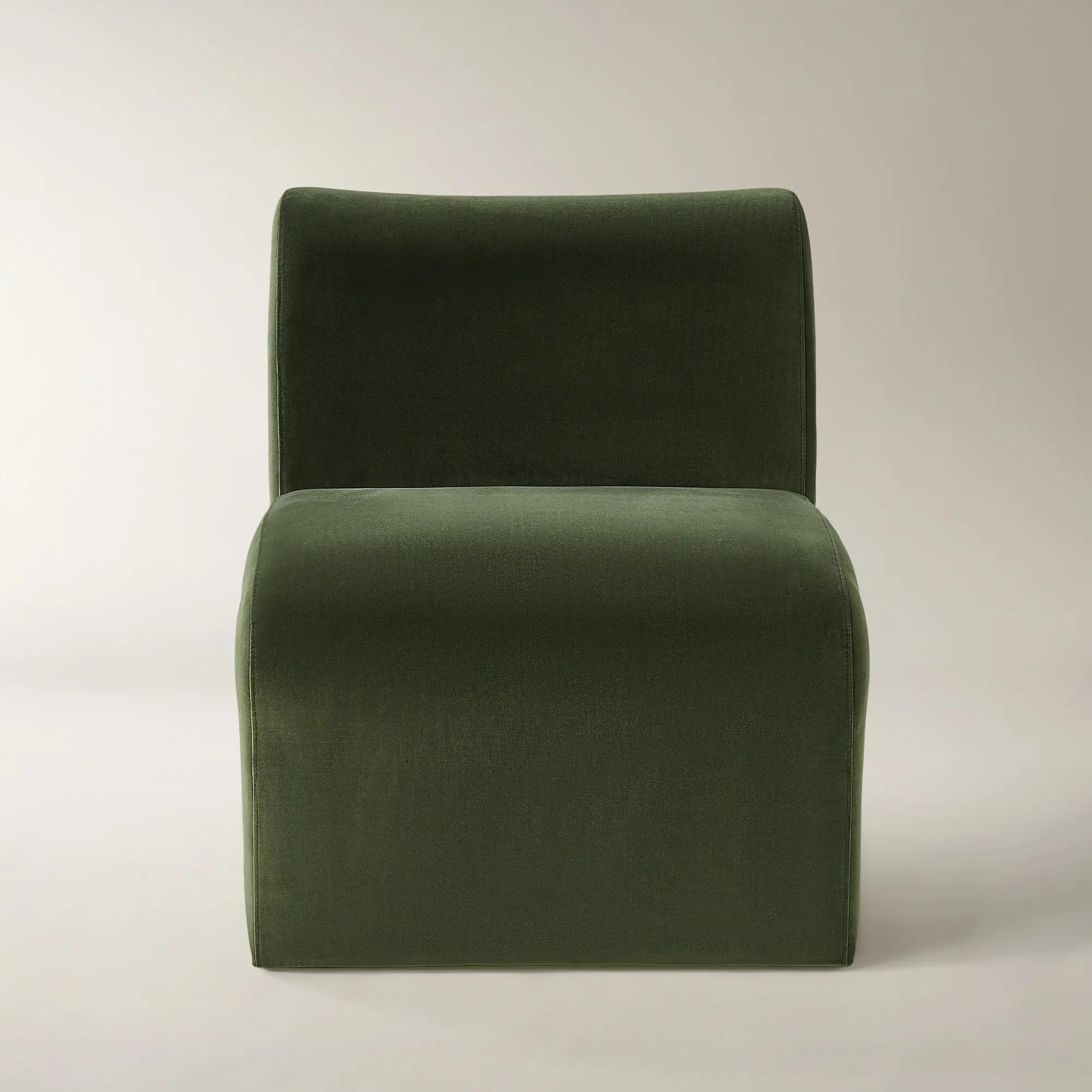 Cora Jade Green Velvet Accent Chair$899
A sculpted accent chair in jade green velvet with a gold stainless-steel inlay for refined glamour.
Add To Cart -
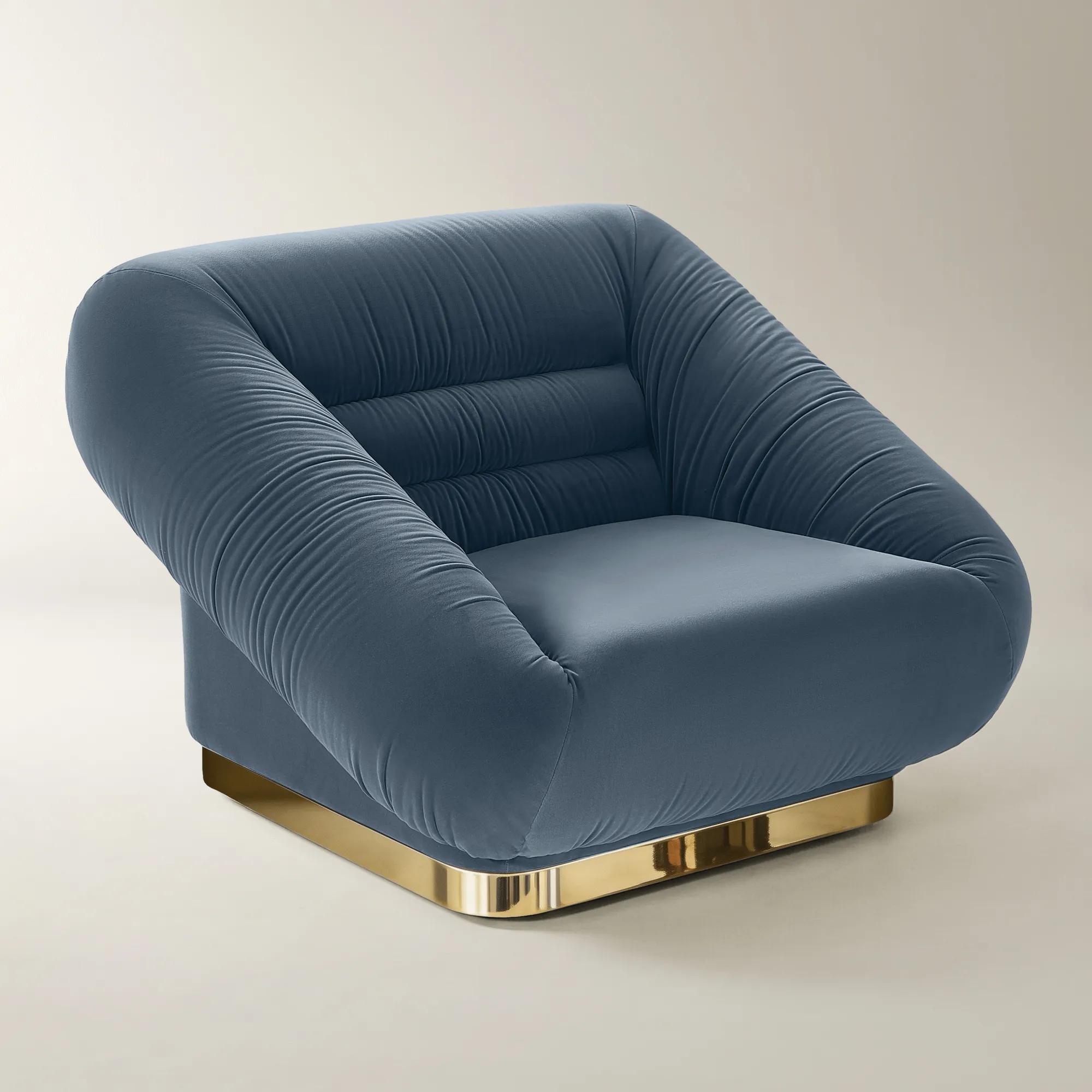 Dover Dusty Blue Velvet Swivel Accent Chair$1299
A sculptural blue velvet accent chair featuring soft gathered upholstery, gold-trimmed base, and smooth 360° swivel.
Add To Cart -
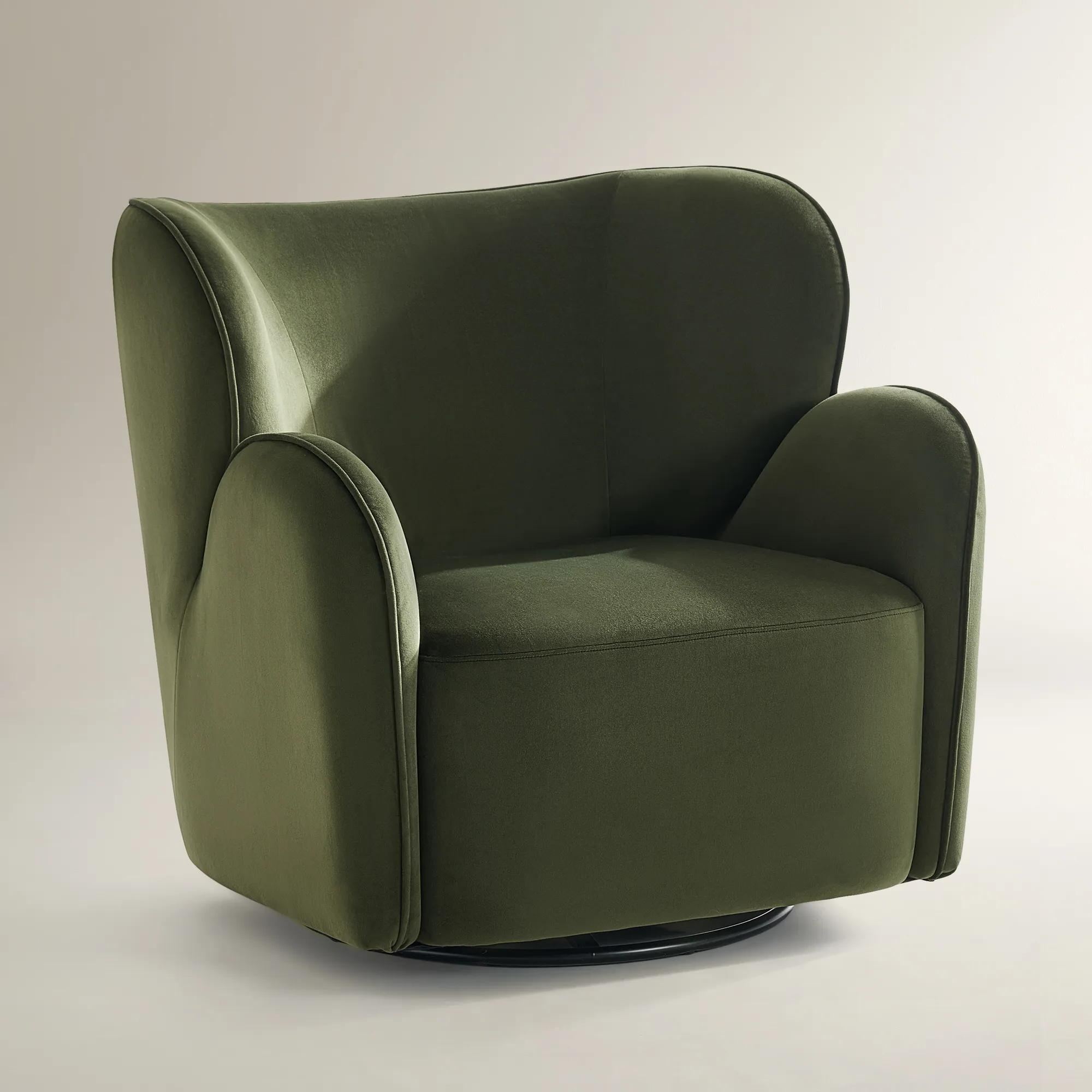
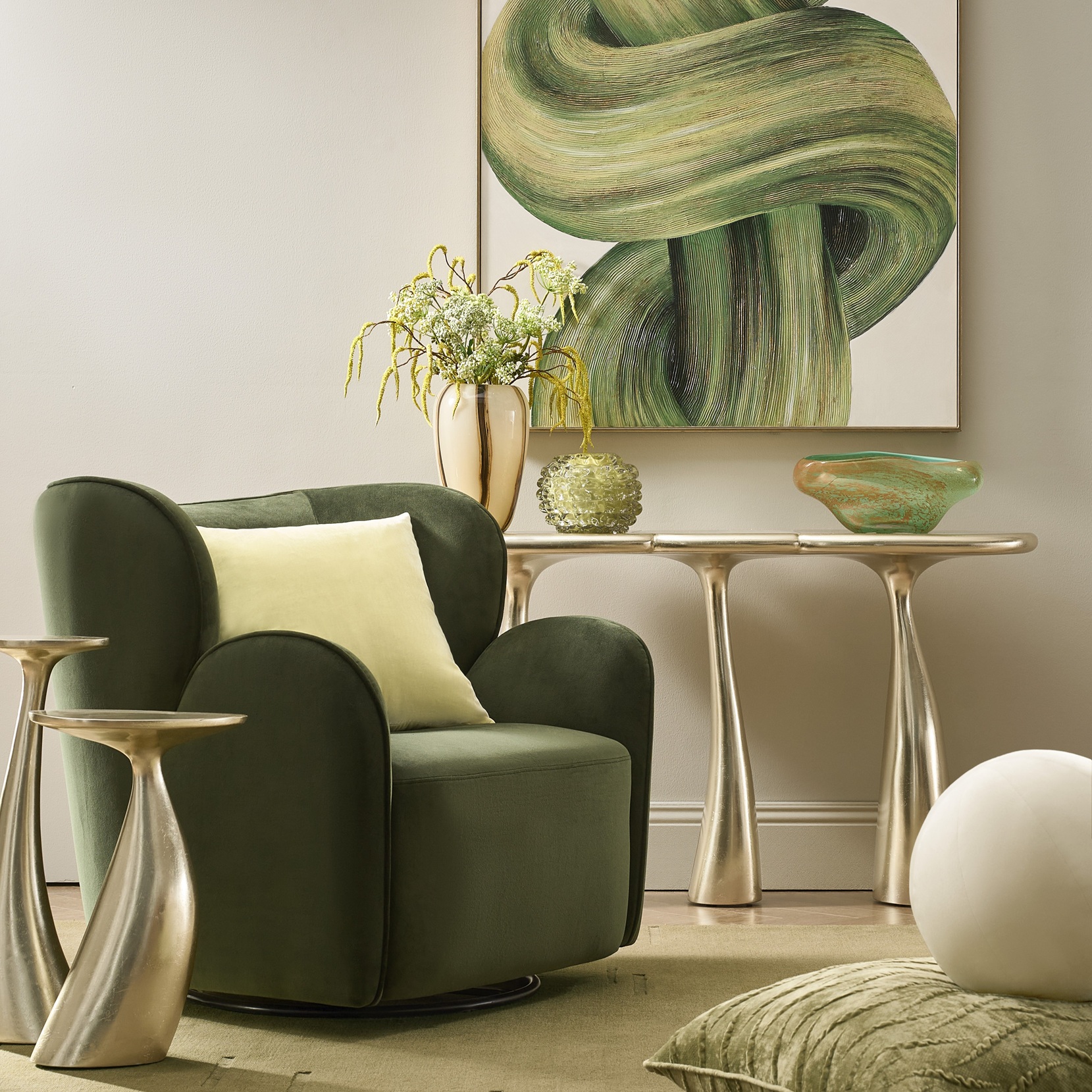 Ceres Jade Green Velvet Swivel Accent Chair$799
A plush jade green velvet chair with a curved silhouette, 360° swivel, and supportive foam cushioning.
Add To Cart -
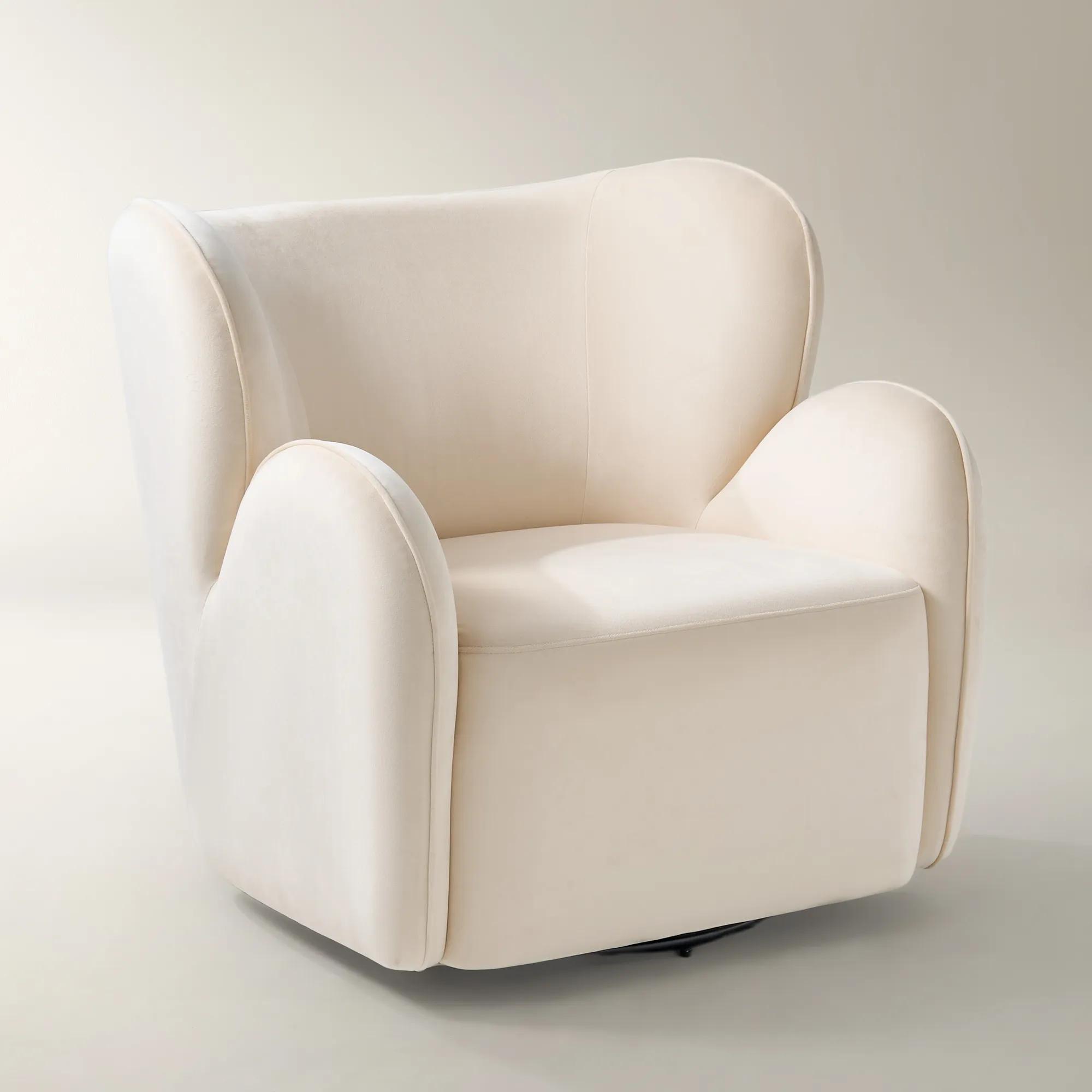
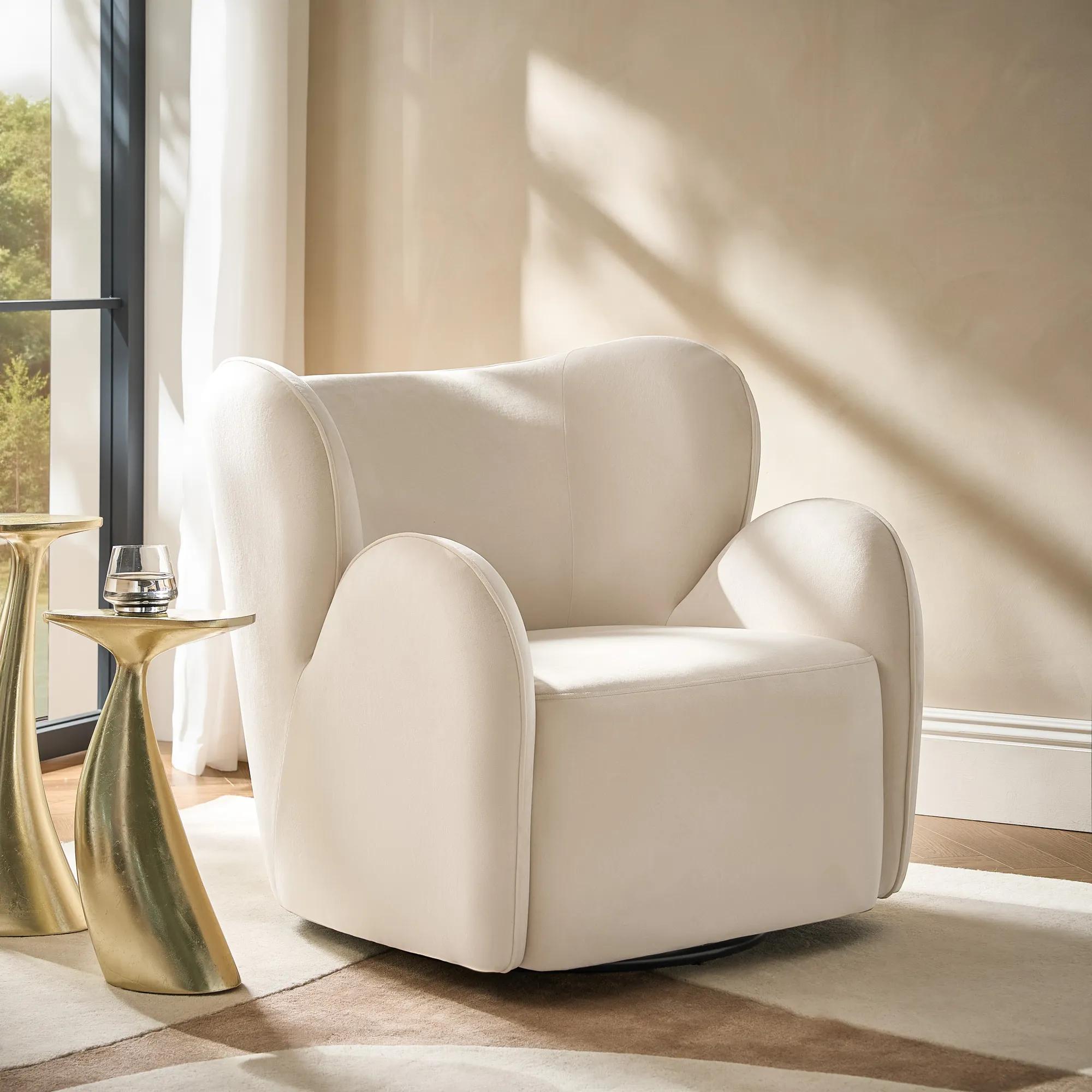 Ceres Ivory Velvet Swivel Accent Chair$799
An ivory velvet accent chair featuring a curved silhouette, 360° swivel, and plush, supportive cushioning.
Add To Cart -
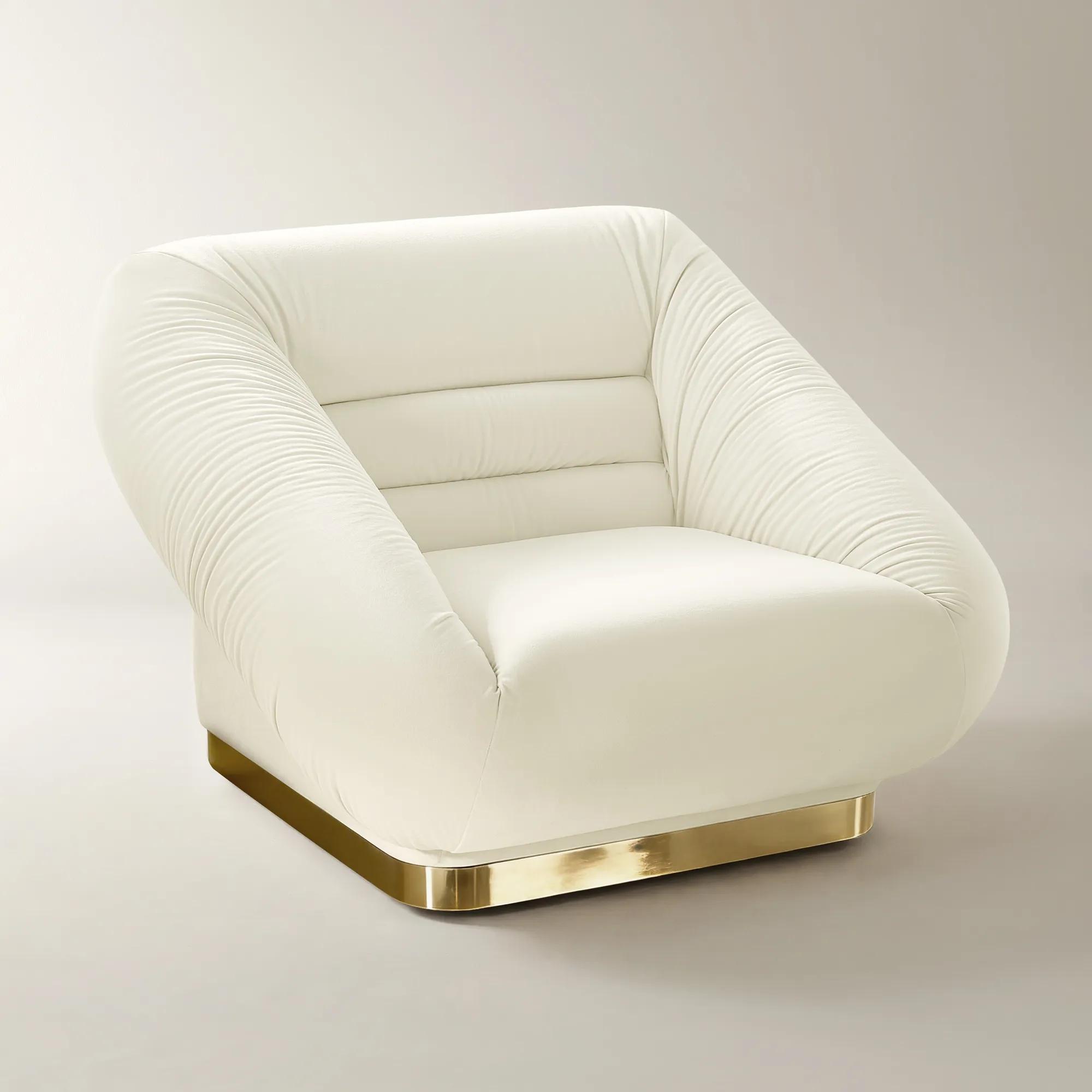 Dover Cloud Velvet Swivel Accent Chair$1299
A sculptural accent chair in cloud velvet with a gold-trimmed base and smooth 360° swivel function.
Add To Cart -
 Lyssa Pleated Simply Taupe Velvet Swivel Accent Chair$1099
A taupe velvet accent chair with pleated panels, curved styling, swivel motion, and gold metal base.
Add To Cart -

 Nia Lacquered Turtle Dove Faux Fur Accent Chair$899
A sculptural accent chair featuring a high-gloss sand-toned fiberglass frame and plush turtle dove faux fur upholstery.
Add To Cart

Elegant Living Room Accent Chairs
Find elegant living room accent chairs that bring a distinctive focal point to your seating arrangement. Whether you’re completing a conversation area or defining a reading nook, consider each chair’s proportions, silhouette, and relationship to your sofa. Choose accent seating that adds expressive style while preserving comfortable space to move around the room.
Elegant living room accent chairs bring expressive design and additional seating to a space without needing to match the sofa. Their distinction lies in the contrast they introduce: a curved silhouette against clean architectural lines, luminous upholstery beside a matte woven sofa, or a slender metal frame within a room layered with substantial furnishings. More than a finishing touch, an accent chair can establish the character of an entire seating arrangement. A pair facing a sofa creates a composed setting for conversation, while a single chair beside an artful side table gives an overlooked corner a clear purpose. The most compelling combinations share a visual connection rather than an identical design. A chair might echo the warm undertone of a rug, repeat the curve of a coffee table, or carry a metallic finish already present in the lighting. Upholstery adds another dimension to that relationship. Velvet catches light across its pile, lending saturated colors depth and softer neutrals a subtle glow. Textured woven fabrics create a quieter richness, while bouclé brings a rounded, tactile quality that contrasts beautifully with glass and polished stone. Leather offers a more tailored expression, with a surface character that varies by finish and can develop with use. Color determines how boldly the chair enters the composition. Ivory, warm taupe, and charcoal can make an unusual shape feel assured rather than overpowering; jewel tones turn a graceful profile into an unmistakable focal point. A patterned chair can also hold its own beside a solid sofa, particularly when one color connects the upholstery to the surrounding room. For those drawn to expressive interiors, elegant accent chairs offer a contained opportunity to introduce something daring—a sweeping back, a richly colored seat, or a gleaming frame—while preserving the cohesion of the larger space. The result feels collected and personal, with enough contrast to give the room depth.
Proportion gives that visual drama its poise. An accent chair should have a comfortable relationship with the sofa, nearby tables, and the people who will use it, not simply occupy an open patch of floor. Overall width and depth describe its footprint, but seat height, usable seat depth, arm placement, and back angle reveal more about the experience of sitting. A deep, low seat can feel inviting for someone who likes to curl up with a book, while a shallower seat and a more upright back may better suit conversation or guests who prefer easier transitions between sitting and standing. Supportive arms can be useful, though their height and shape affect both comfort and the chair’s visual weight. A broad barrel silhouette creates an enveloping impression; an open frame allows more of the rug and surrounding floor to remain visible. In a compact living room, that openness can keep the arrangement from feeling crowded without sacrificing presence. Larger rooms can accommodate more substantial forms, but generous dimensions still need a purpose: two chairs angled toward one another make a wide seating area feel more connected than isolated pieces set along the walls. Clear circulation matters just as much as composition. There should be room to approach the seat, move past it, and reach a nearby table without awkward stretching. A swivel design needs clearance through its intended rotation, particularly beside a wall, hearth, or delicate tabletop. Measuring doorways and the delivery path is as important as checking the final placement. For a setting centered on extended relaxation, Elegant Living Room Lounge Chairs offer a related seating direction; accent chairs and lounge chairs can overlap, with the best fit determined by the individual design’s dimensions and support. Whether the room hosts lively conversation or a quiet hour with a novel, comfort gives an elegant chair a lasting role beyond its appearance.
Materials and construction determine how gracefully that role continues through everyday use. Stable frames, sound joinery, secure legs, and cushioning suited to the intended level of use deserve attention alongside upholstery and finish. A chair used daily for reading asks something different of its seat than occasional seating reserved for visitors. Cushion firmness is a preference rather than a simple measure of quality: a firmer seat offers a more structured feel, while softer cushioning allows greater sink, and either should provide appropriate support. Fabric durability also depends on more than appearance. Fiber content, weave, backing, and the manufacturer’s performance information help clarify how upholstery may respond to friction, spills, and regular cleaning. In homes shared with children or pets, clearly stated cleaning requirements and fabric performance details are especially valuable; a richly textured surface or pale color should be chosen with actual household habits in mind. Velvet may show changes in pile direction where it is touched, and looped upholstery can be vulnerable to snagging. Leather care varies by finish, so a treatment intended for one surface may not suit another. The manufacturer’s care instructions should always govern cleaning, with spills addressed promptly using the recommended method rather than an improvised household solution. Regular gentle vacuuming with an appropriate upholstery attachment can help remove dust, while protection from prolonged direct sunlight can help limit uneven fading. Finished wood and metal also benefit from suitable care and protection against abrasive contact. These practical considerations leave room for the pleasures of styling: a small table within reach of the arm, a reading light positioned beside the shoulder, and a pillow that adds contrast without crowding the seat. A sculptural chair rarely needs elaborate decoration to feel complete. When its material, scale, and placement work together, it becomes a natural destination in the room—a seat guests gravitate toward and a distinctive expression of the home’s character.
FAQs
An elegant living room accent chair brings a distinctive silhouette, thoughtful detailing, and visual presence to your space. Look for a design that adds something expressive—a sweeping curve, a tailored profile, or a striking contrast in texture. The most compelling choice feels intentional, giving your living room a focal point with personality.
Create a connection without repeating every detail. An accent chair can echo your sofa’s curves, pick up a color from its pillows, or introduce a contrasting texture. Pair a streamlined sofa with a sculptural chair for added drama, or balance an expressive sofa with a more tailored chair silhouette.
Ivory, charcoal, and warm neutral tones create a refined foundation, while emerald, sapphire, and burgundy introduce a more dramatic mood. Let your artwork, rug, or decorative accents guide the choice. Repeating the chair’s color in a small detail elsewhere helps a daring hue feel beautifully connected to the room.
Yes—an accent chair can create an artful connection between design styles. A curved silhouette can soften a modern living room, while a clean-lined chair brings fresh contrast to traditional surroundings. Unify the mix through a shared color or recurring shape, allowing the contrast to feel curated rather than accidental.
Give the chair a supporting cast: a distinctive side table, expressive artwork, and lighting that adds atmosphere. A decorative pillow or gracefully draped throw can introduce another layer of texture. Choose accents with a clear relationship in color or form, letting the chair remain the defining gesture.