Living Room Accent Chairs
Living Room Accent Chairs
-
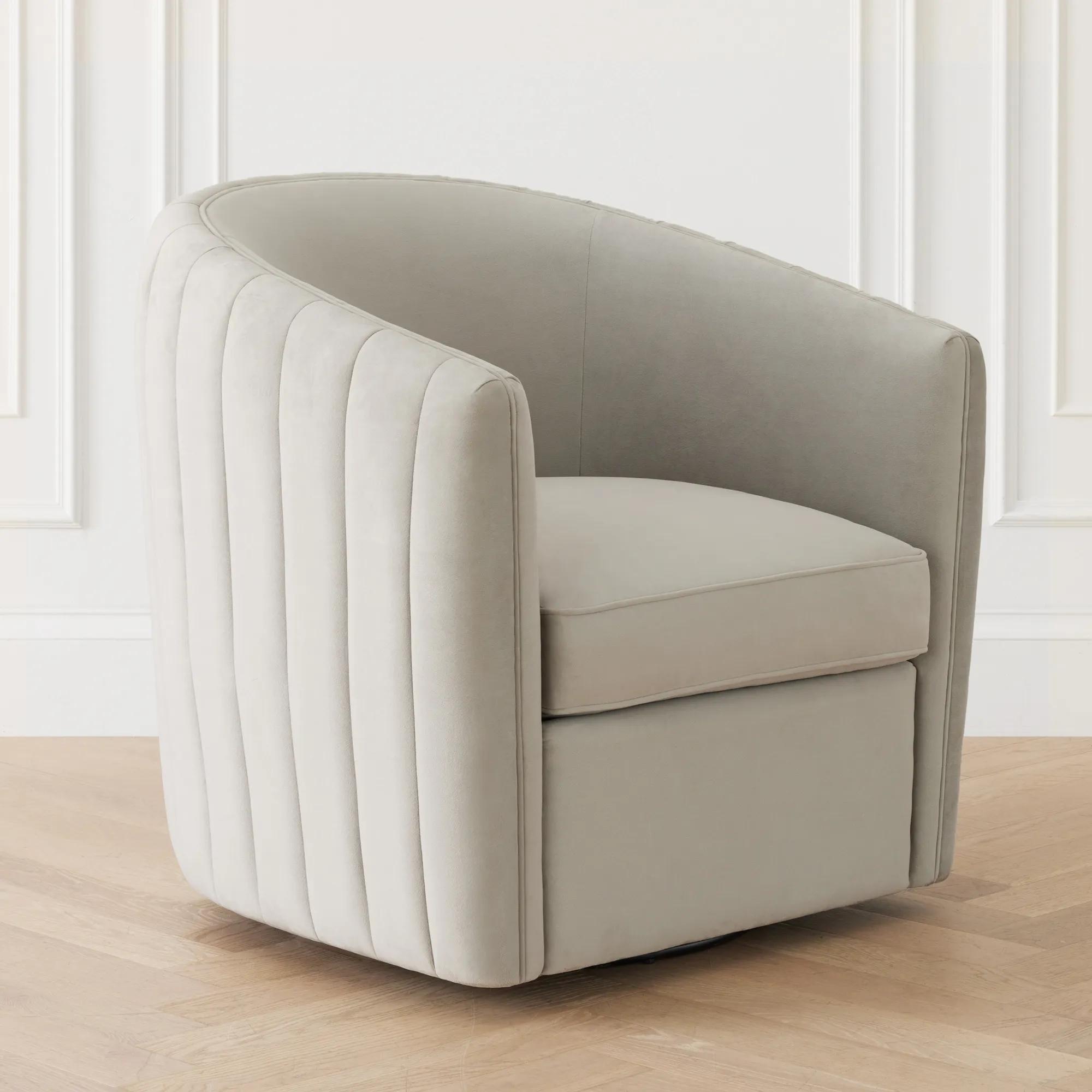
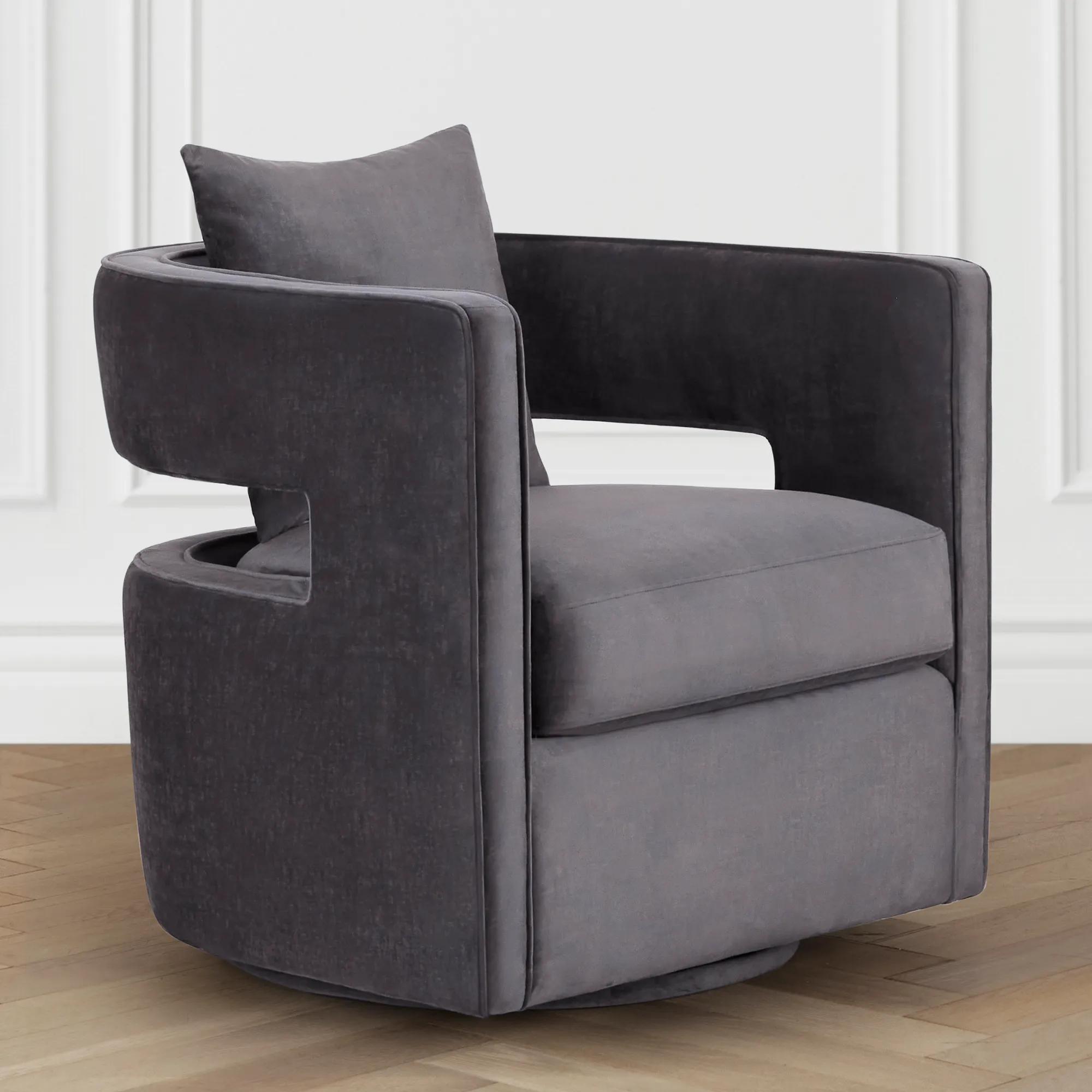 Lottie Grey Velvet Swivel Accent Chair$999
A glamorous grey velvet swivel chair featuring a barrel back, cutout arms, and plush foam cushioning.
Add To Cart -
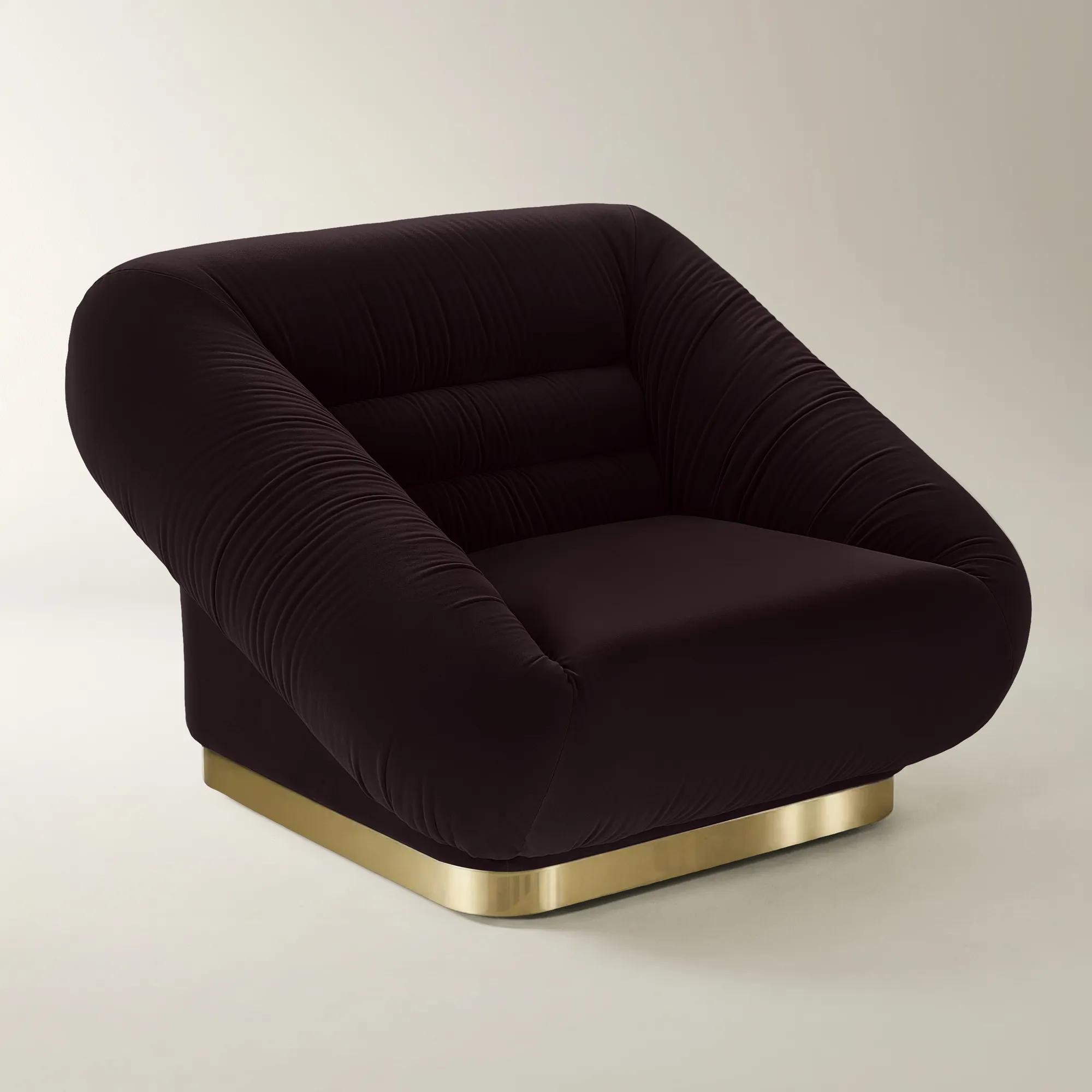 Dover Fig Velvet Swivel Accent Chair$1299
A sculptural fig velvet accent chair featuring soft gathered upholstery, gold-trimmed base, and smooth 360° swivel.
Add To Cart -
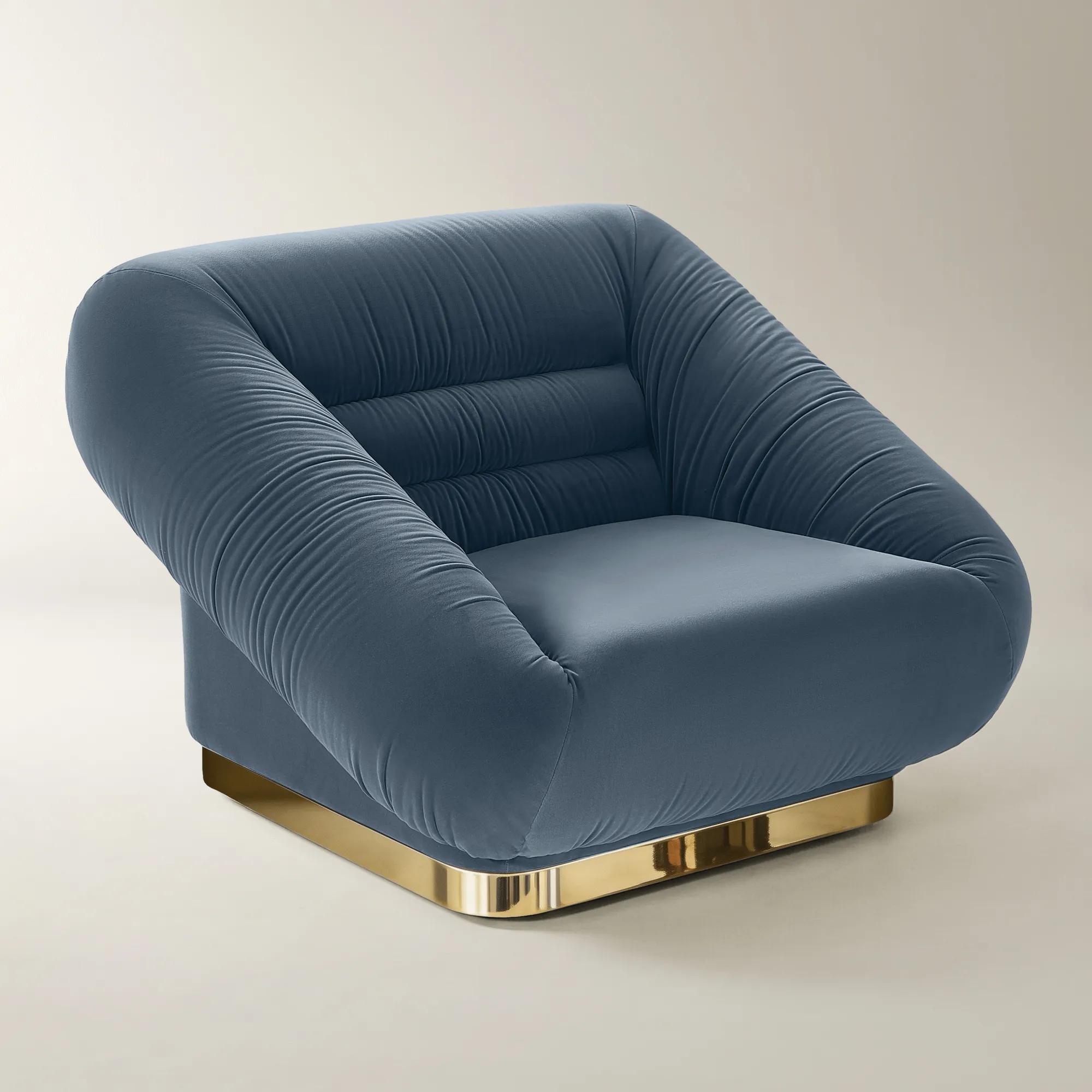 Dover Dusty Blue Velvet Swivel Accent Chair$1299
A sculptural blue velvet accent chair featuring soft gathered upholstery, gold-trimmed base, and smooth 360° swivel.
Add To Cart -
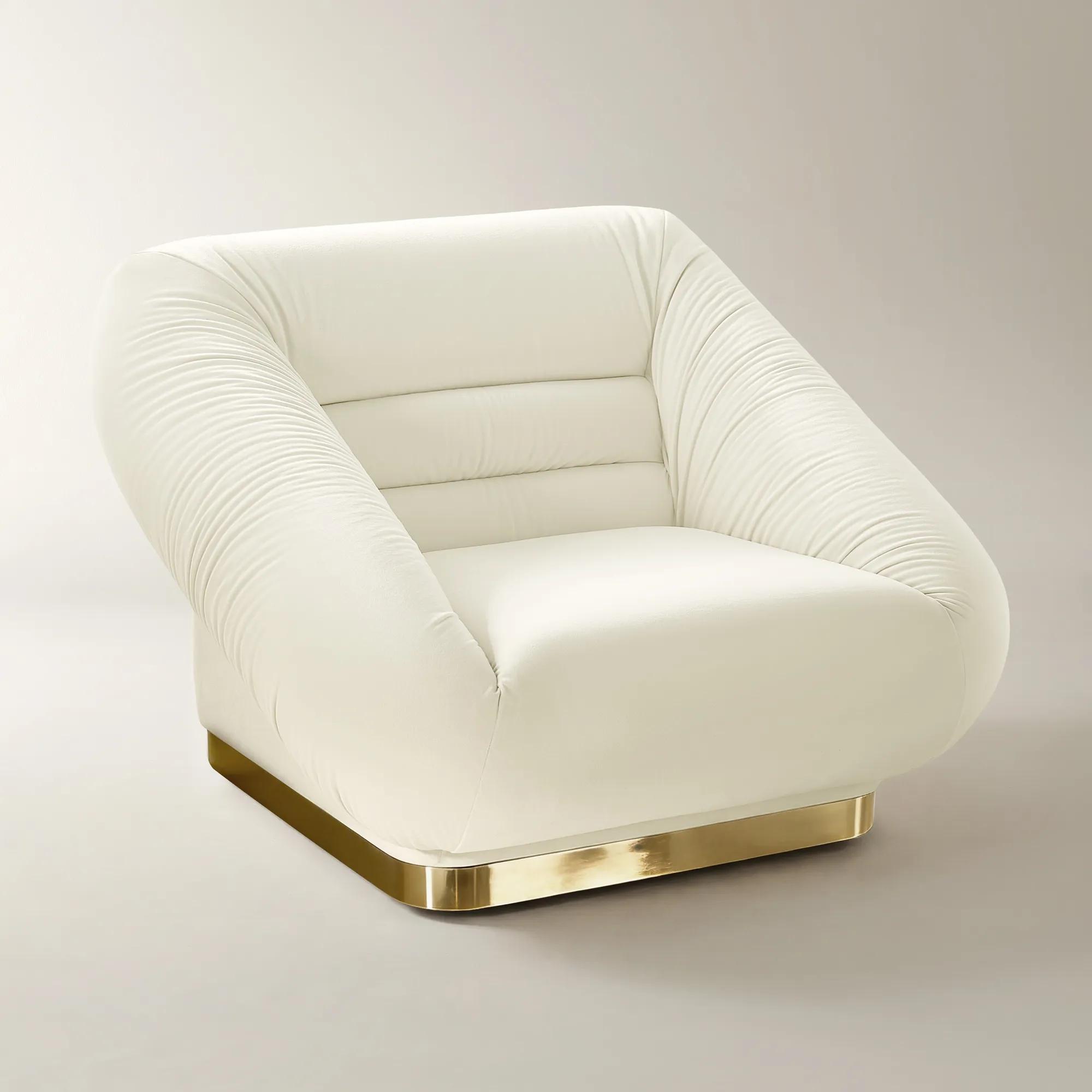 Dover Cloud Velvet Swivel Accent Chair$1299
A sculptural accent chair in cloud velvet with a gold-trimmed base and smooth 360° swivel function.
Add To Cart -
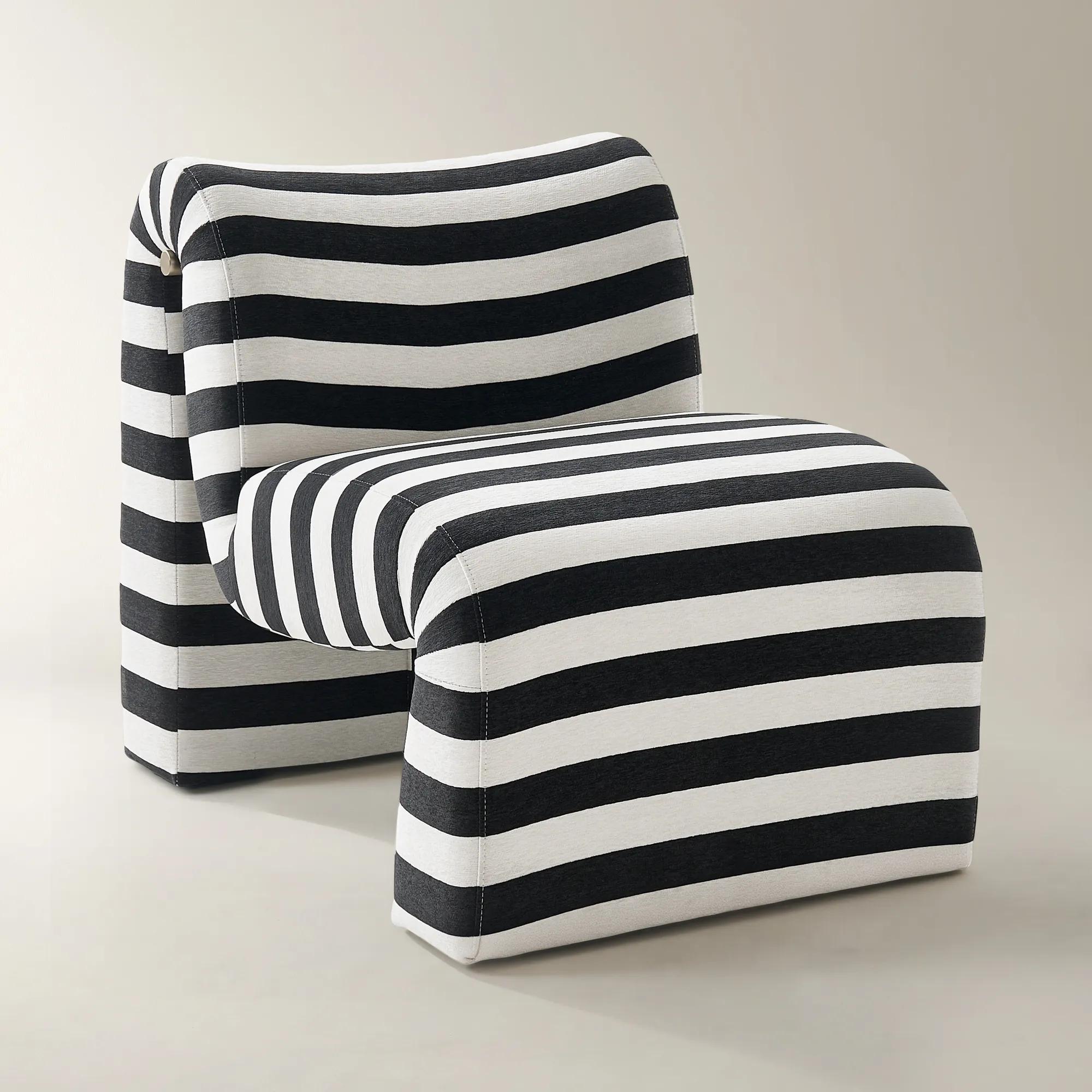 Cora Stripe Chenille Accent Chair$899
A bold black-and-white striped accent chair featuring water-repellent chenille and a gold stainless-steel inlay.
Add To Cart -
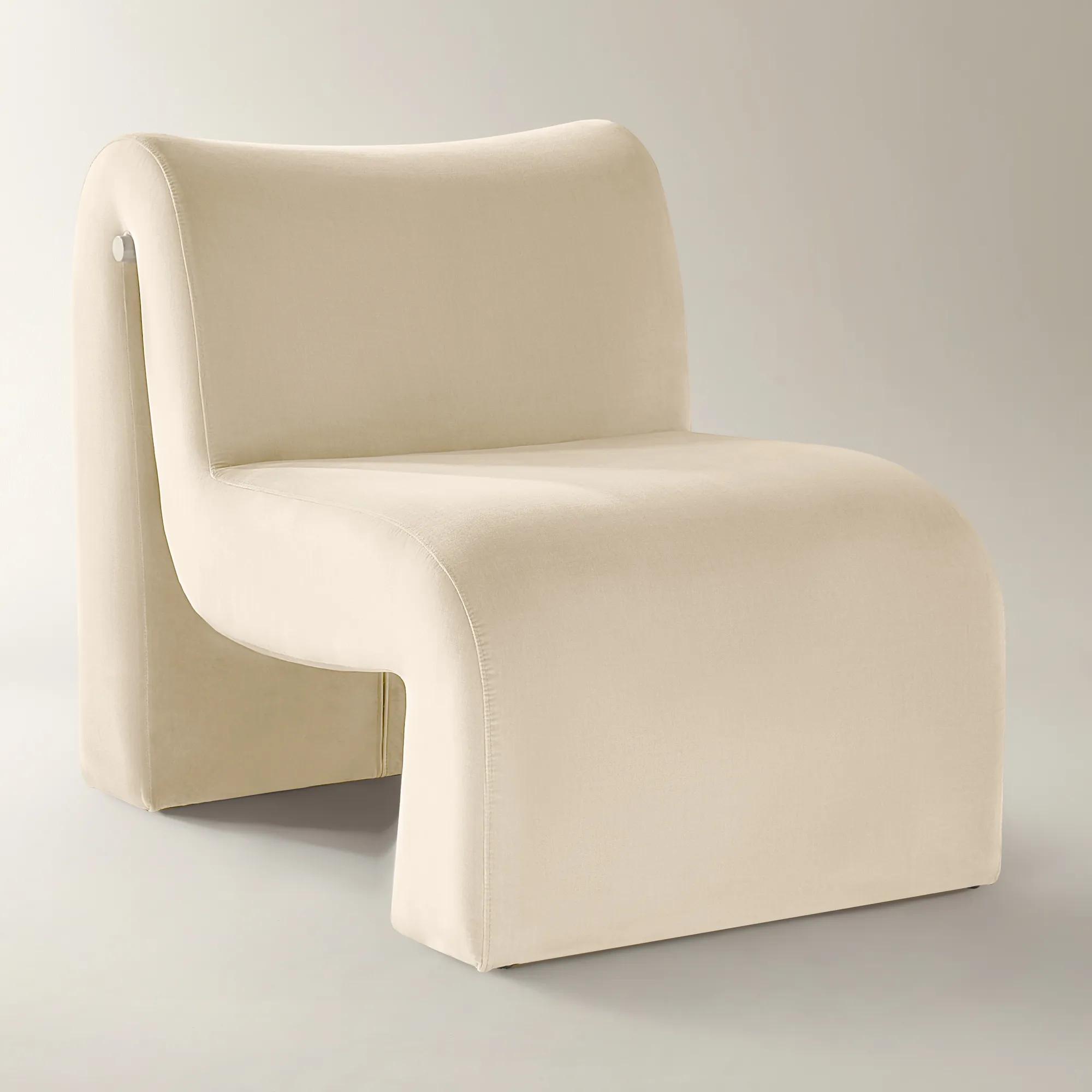 Cora Ivory Velvet Accent Chair$899
A sculpted ivory velvet chair featuring a continuous curved silhouette and a gold stainless-steel accent.
Add To Cart -
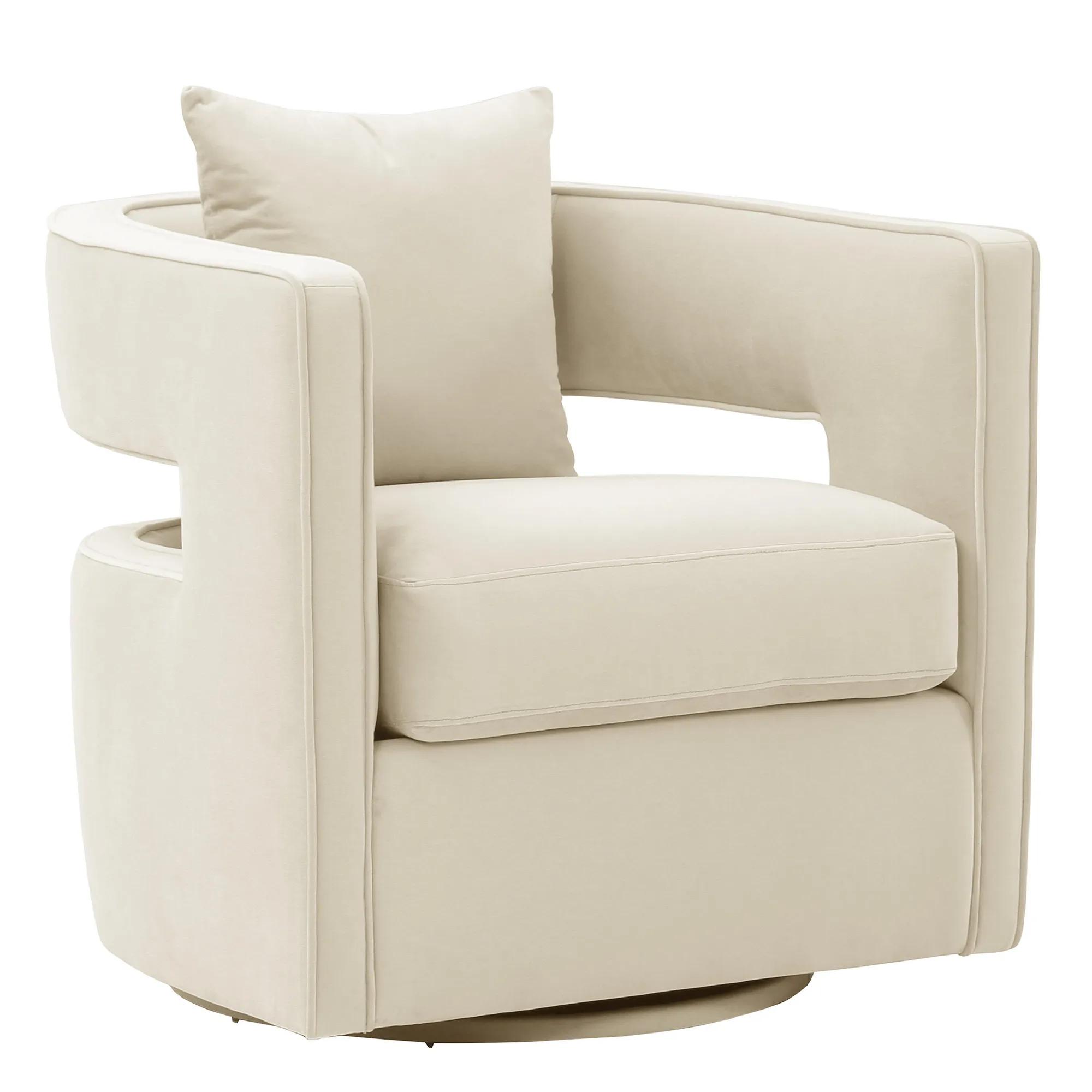
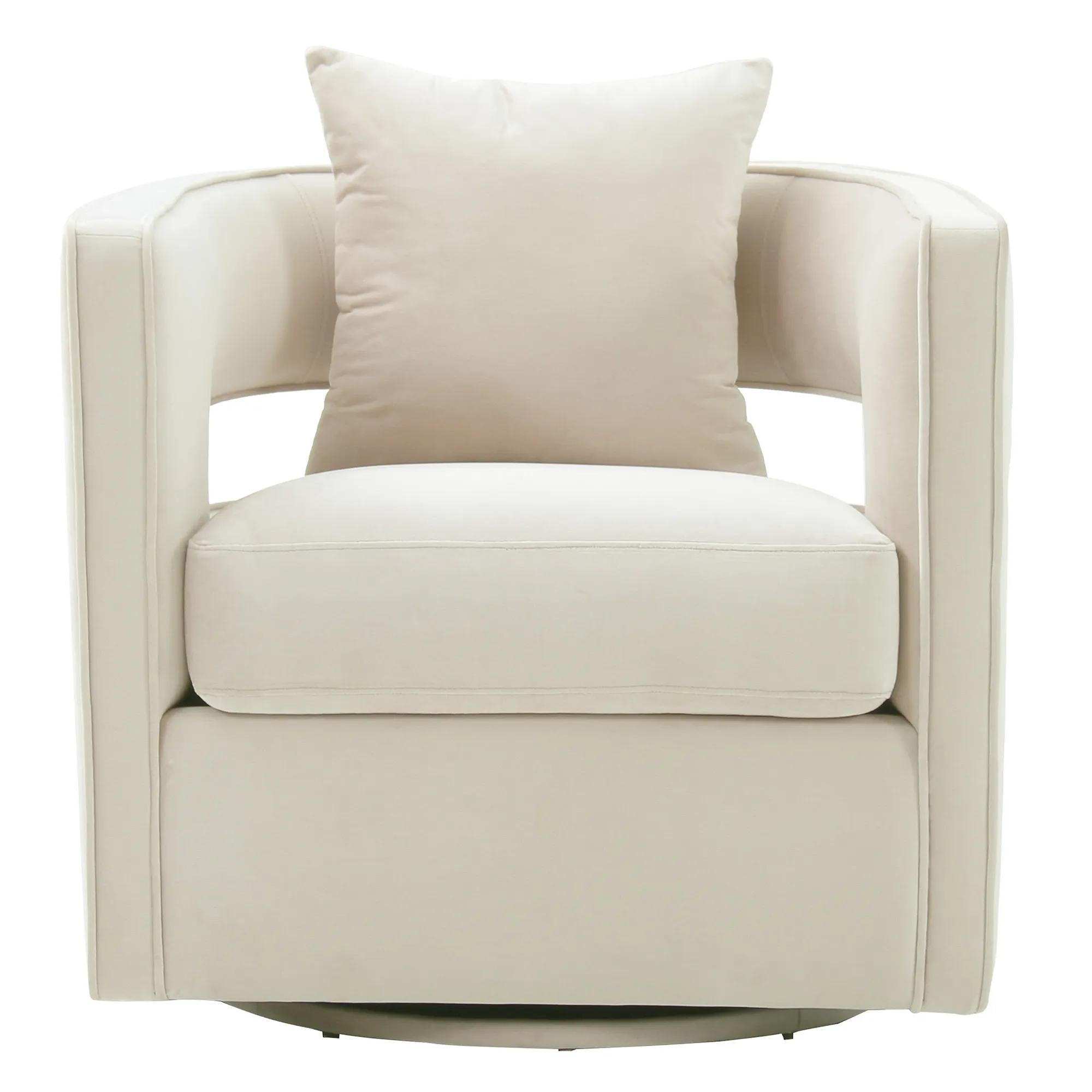 Lottie Cream Velvet Swivel Accent Chair$999
A glamorous cream velvet swivel chair featuring a barrel back, cutout arms, and plush foam cushioning.
Add To Cart -
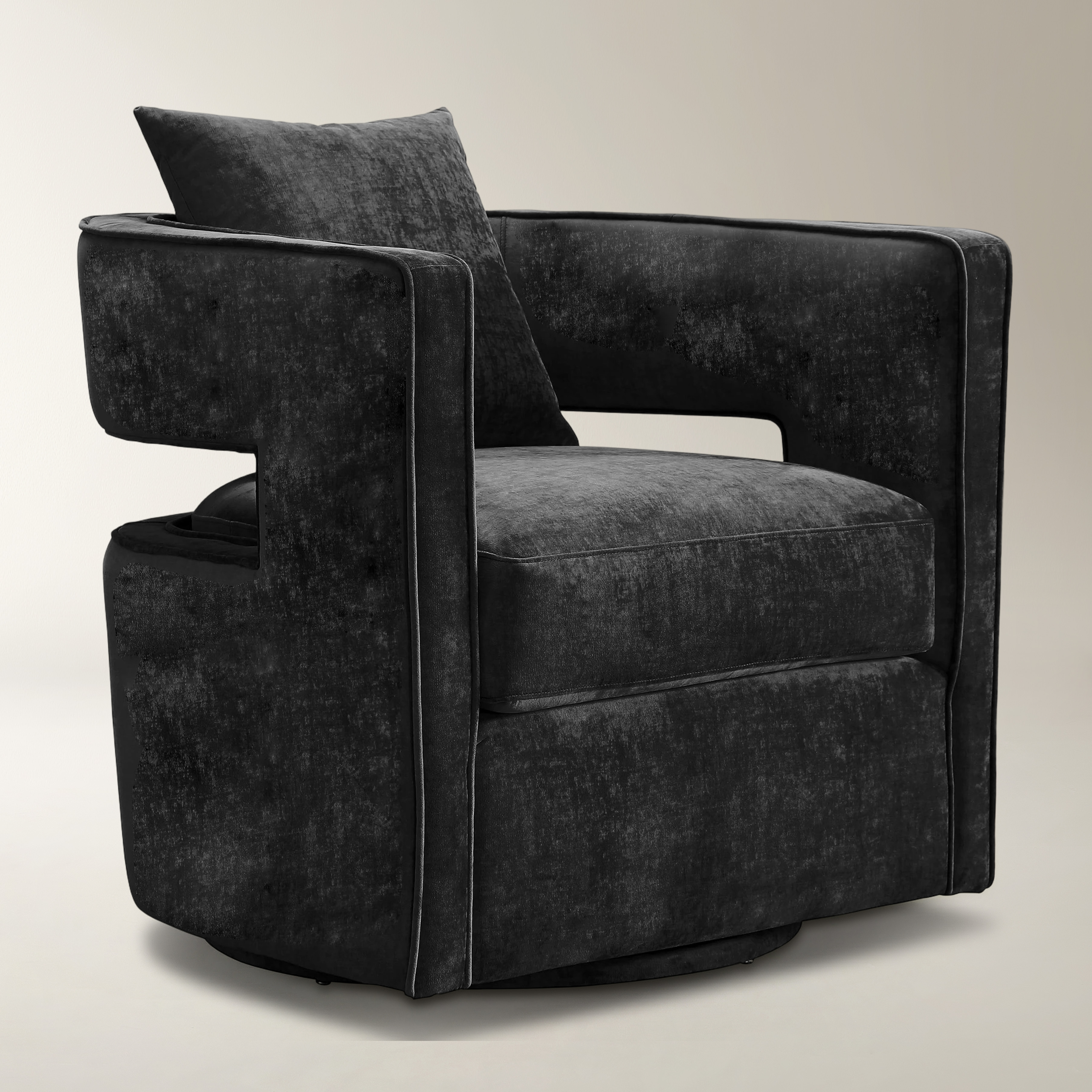 Lottie Black Velvet Swivel Accent Chair$999
A black velvet swivel accent chair with a sculpted barrel silhouette, open arms, and supportive cushioning.
Add To Cart -
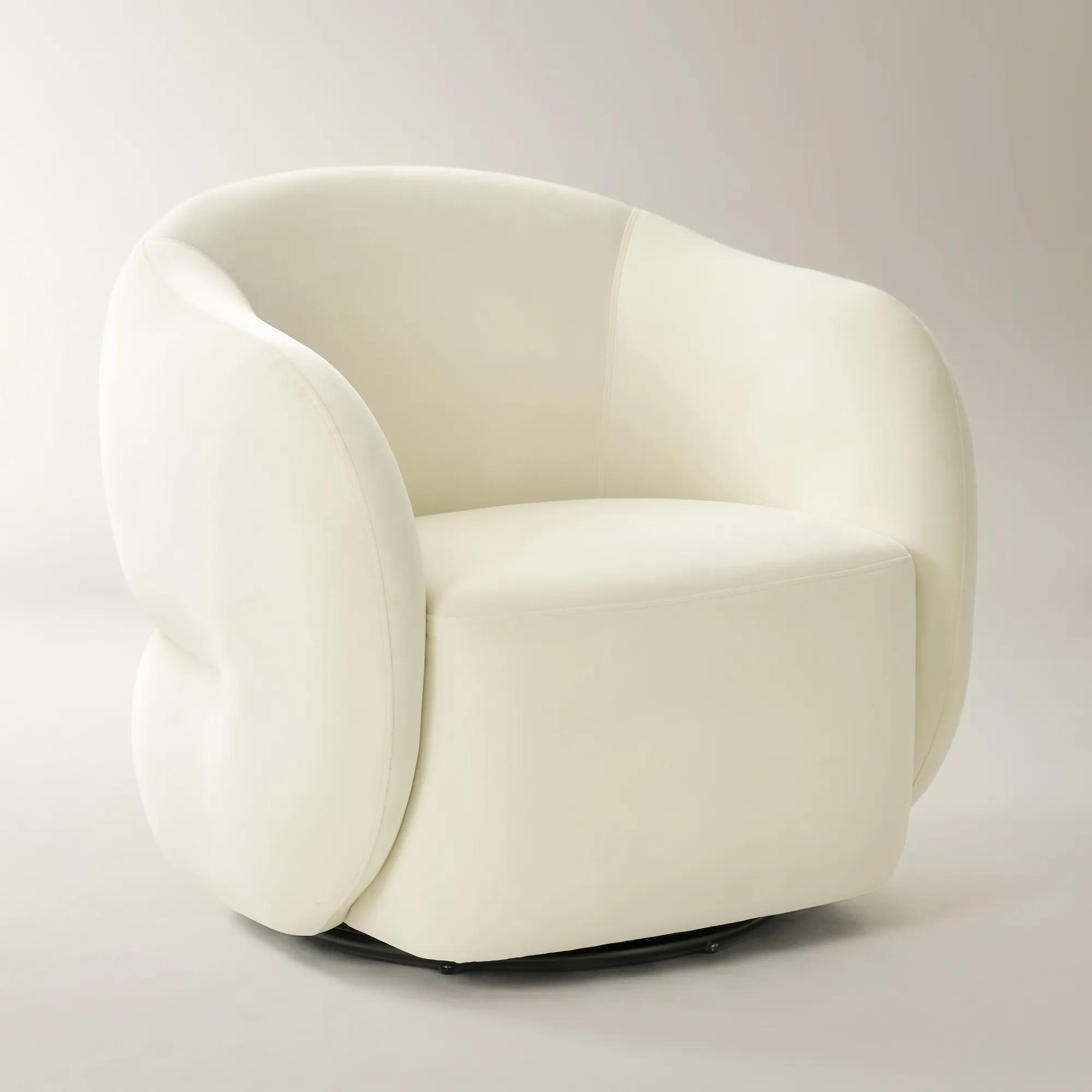
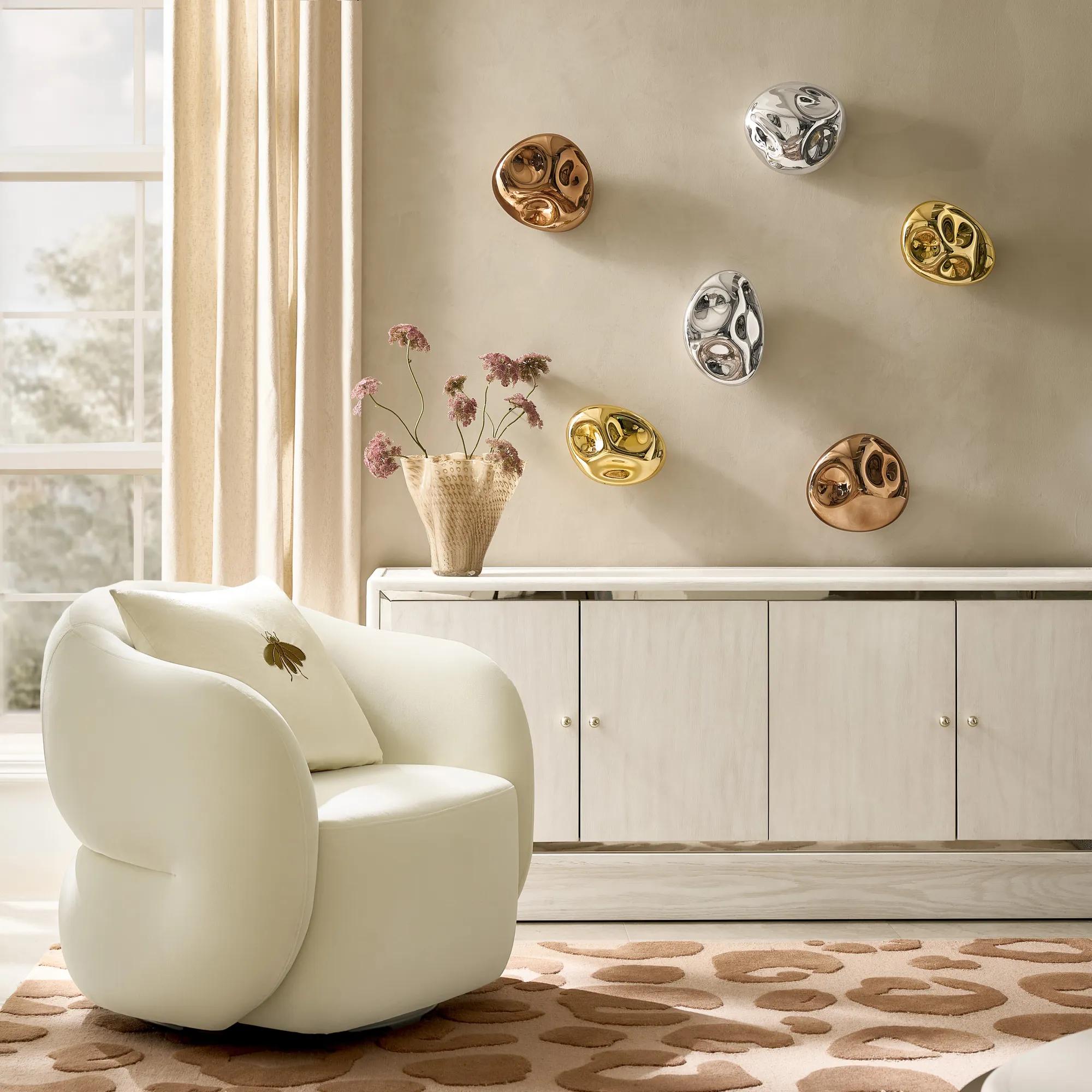 Sierra Cloud Velvet Swivel Accent Chair$899
A plush velvet accent chair featuring a wraparound back, fluid curves, and smooth 360° swivel base.
Add To Cart -
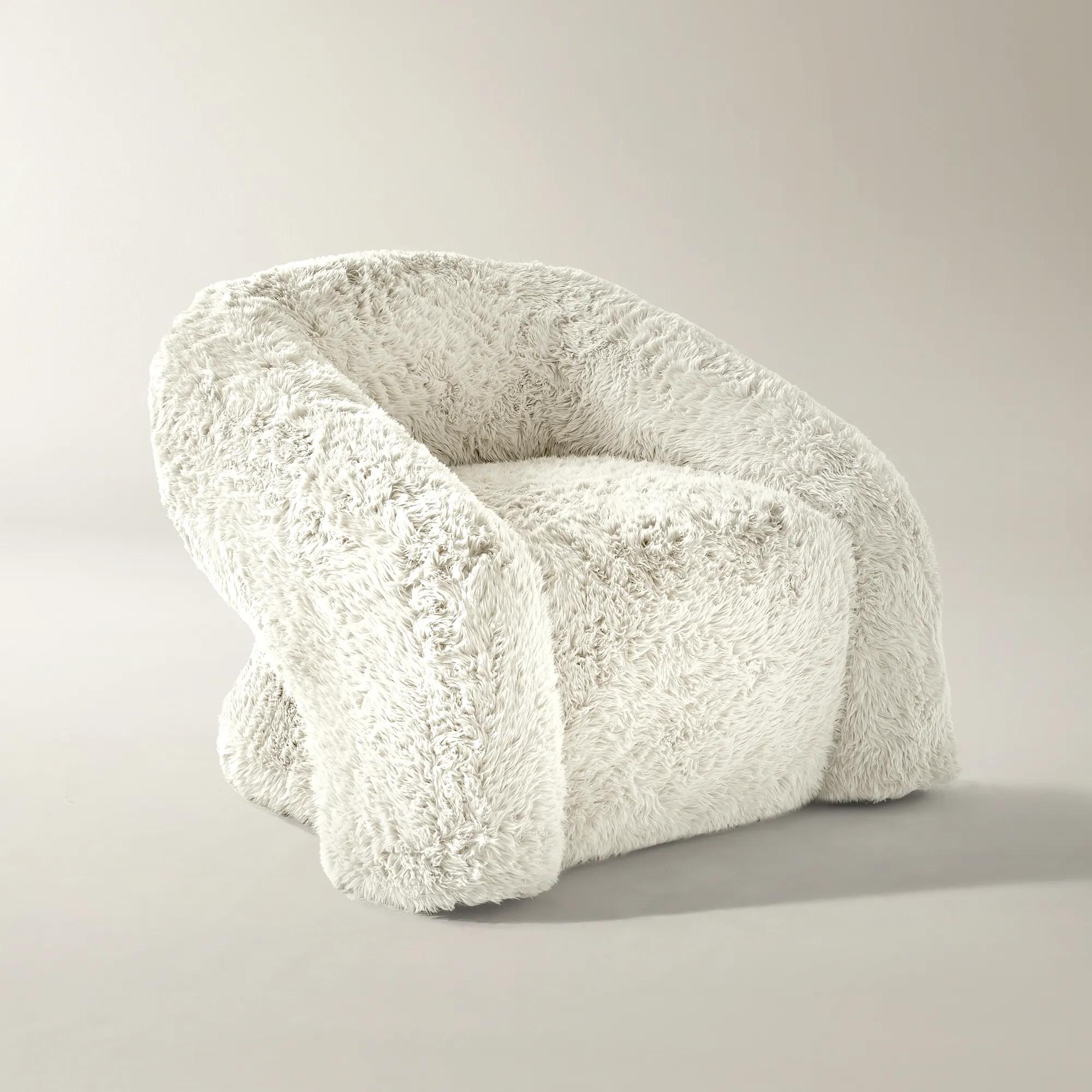 Misha White Faux Fur Accent Chair$799
A modern white faux fur chair offering plush comfort, sculptural lines, and pet-friendly, easy-care upholstery.
Add To Cart -

 Stria Light Brown Chenille Swivel Accent Chair$1499
A light brown chenille accent chair featuring triple-layer cushioning, a 360° swivel, and a solid oak base.
Add To Cart -

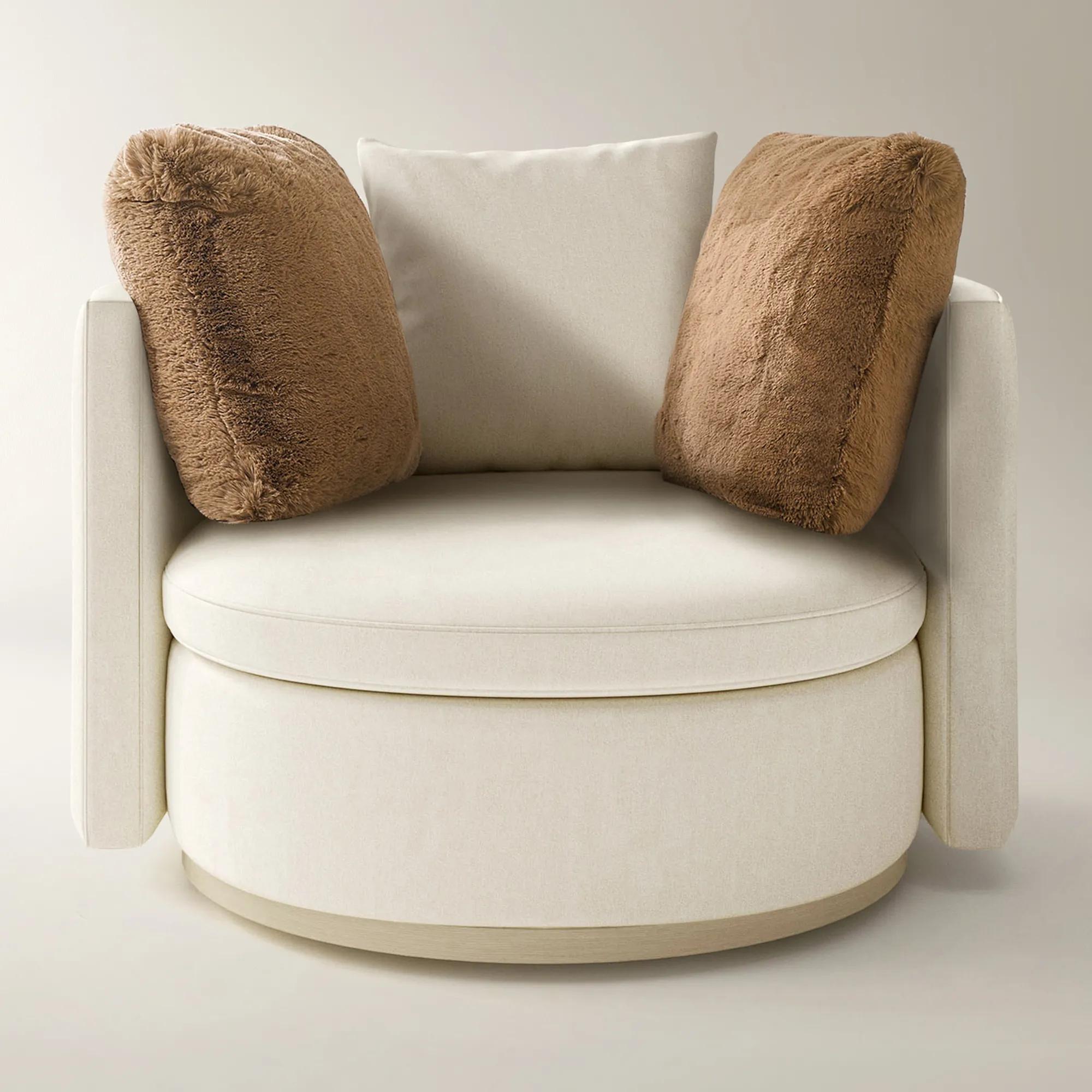 Stria Ivory Chenille Swivel Accent Chair$1499
An ivory chenille accent chair with triple-layer cushioning, ergonomic curves, and a smooth 360-degree swivel.
Add To Cart -
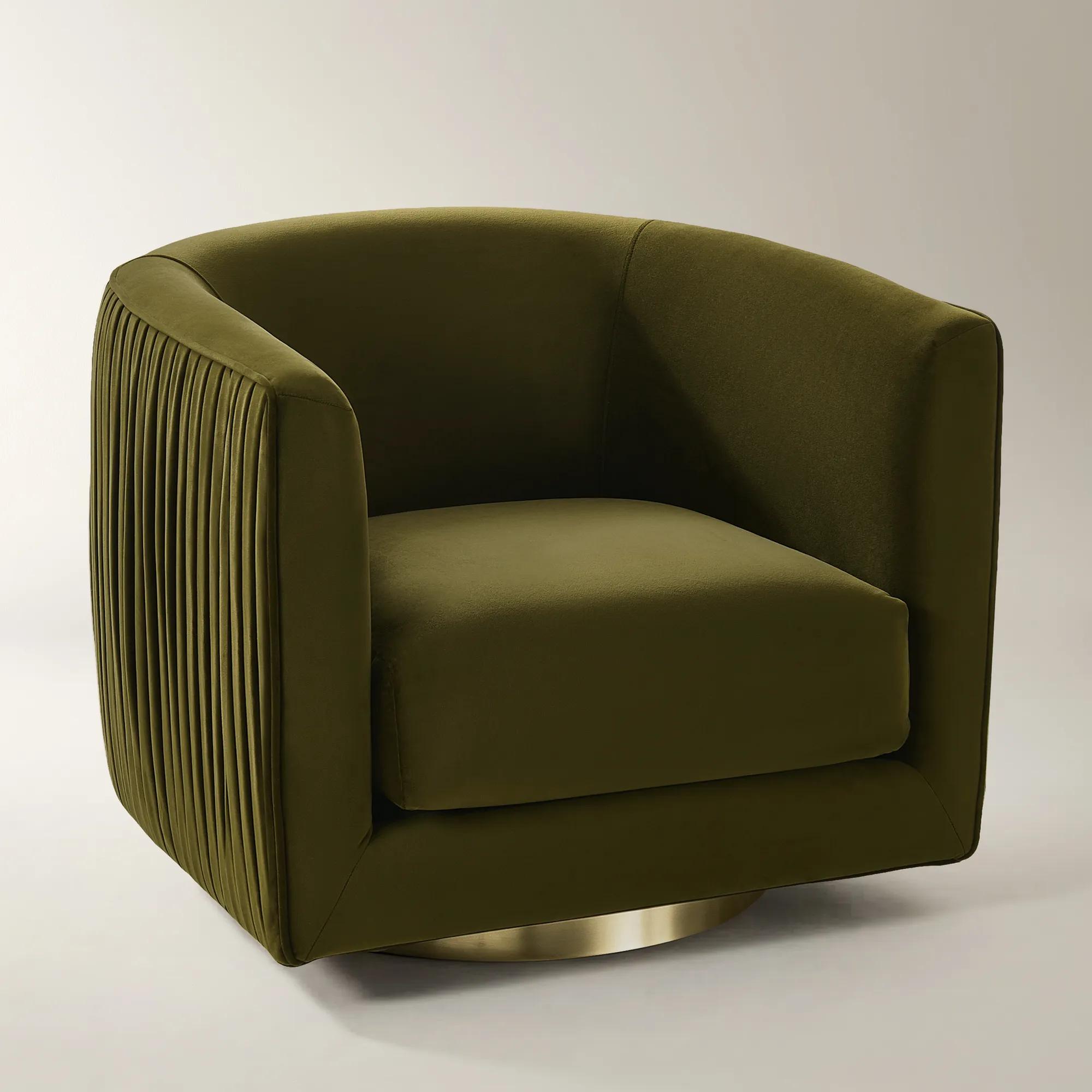
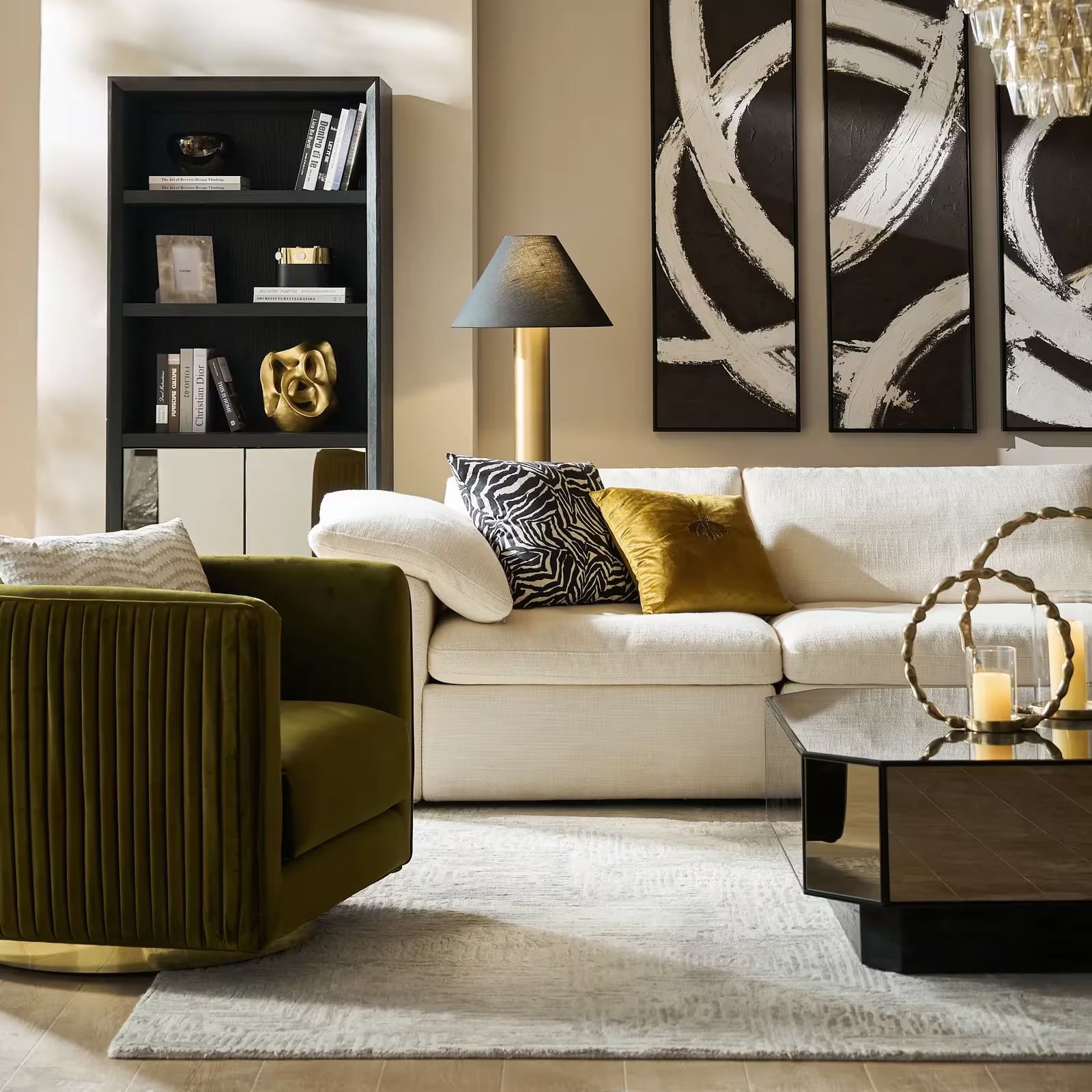 Lyssa Pleated Deep Olive Velvet Swivel Accent Chair$1099
A deep olive velvet accent chair with pleated panels, 360-degree swivel, and gold metal base.
Add To Cart -
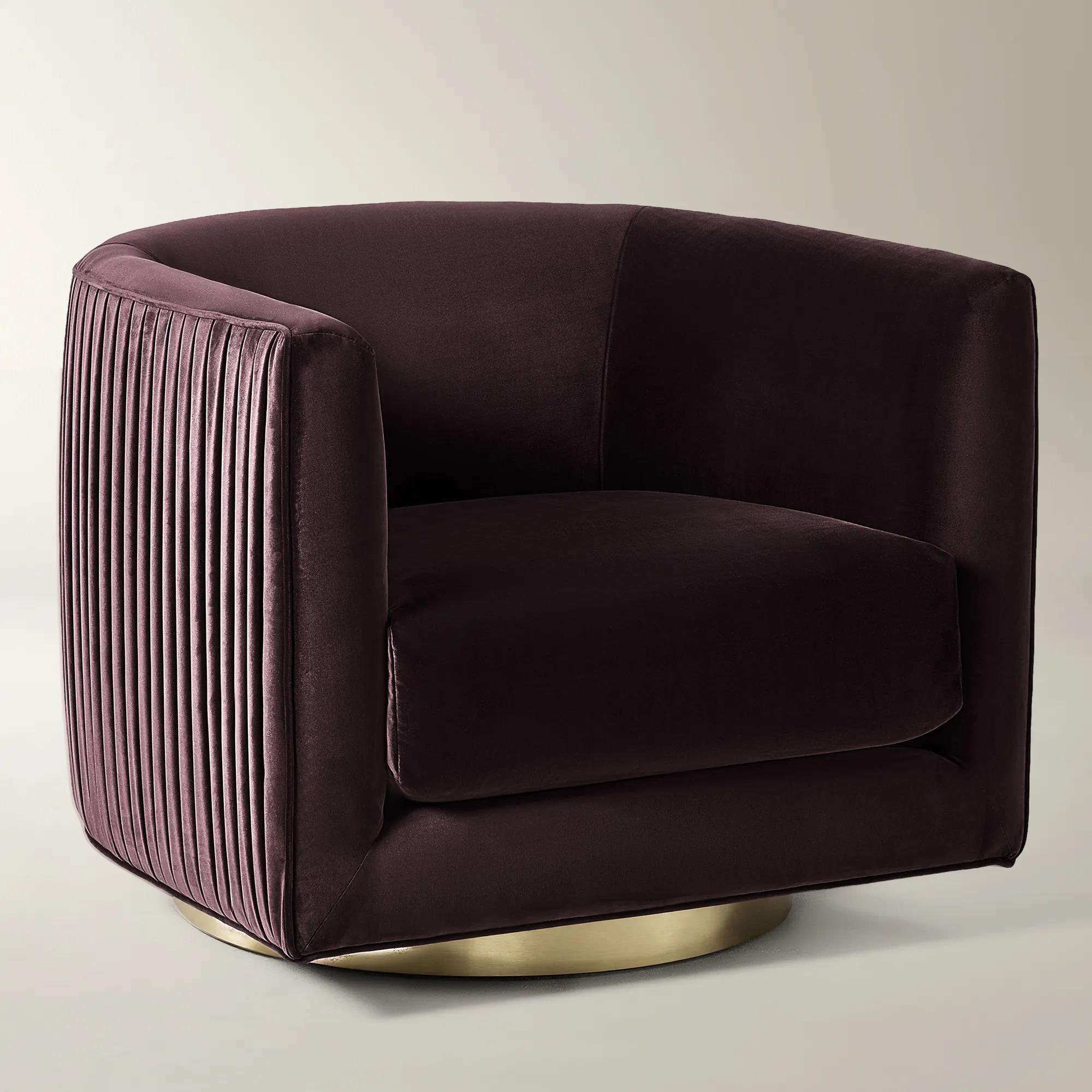 Lyssa Pleated Fig Velvet Swivel Accent Chair$1099
A red velvet swivel chair with pleated panels, curved styling, and a soft-gold stainless steel base.
Add To Cart -
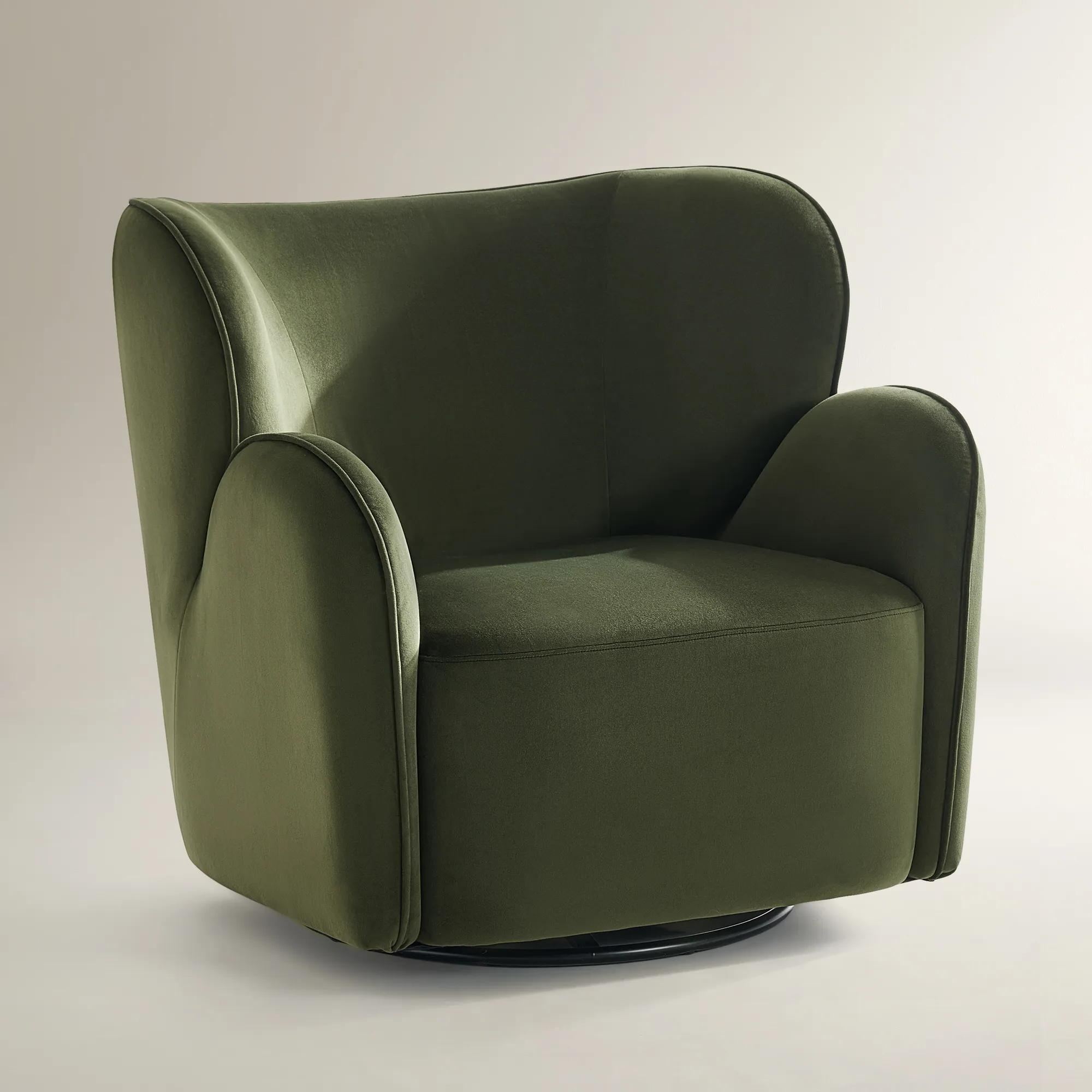
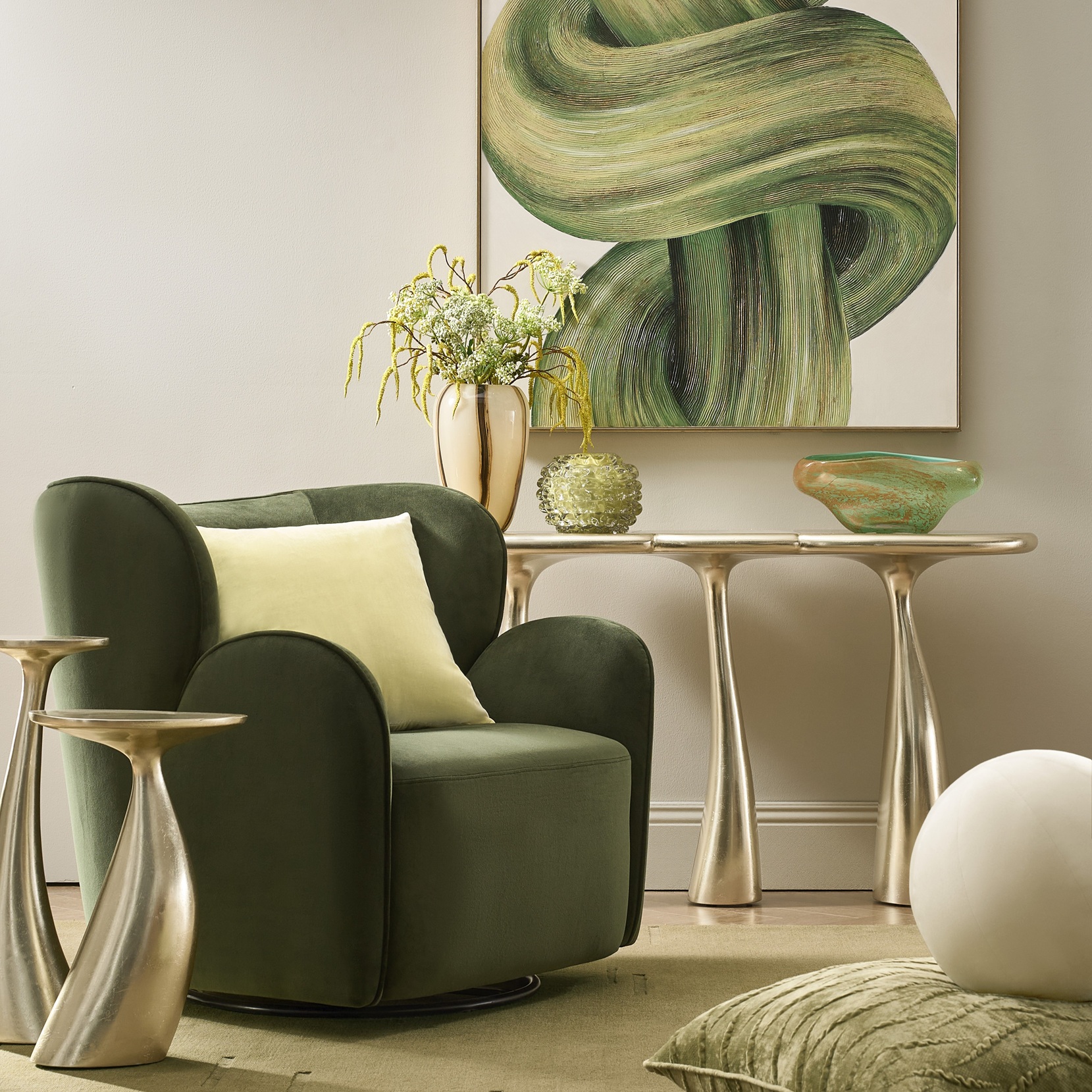 Ceres Jade Green Velvet Swivel Accent Chair$799
A plush jade green velvet chair with a curved silhouette, 360° swivel, and supportive foam cushioning.
Add To Cart -
 Lyssa Pleated Simply Taupe Velvet Swivel Accent Chair$1099
A taupe velvet accent chair with pleated panels, curved styling, swivel motion, and gold metal base.
Add To Cart -
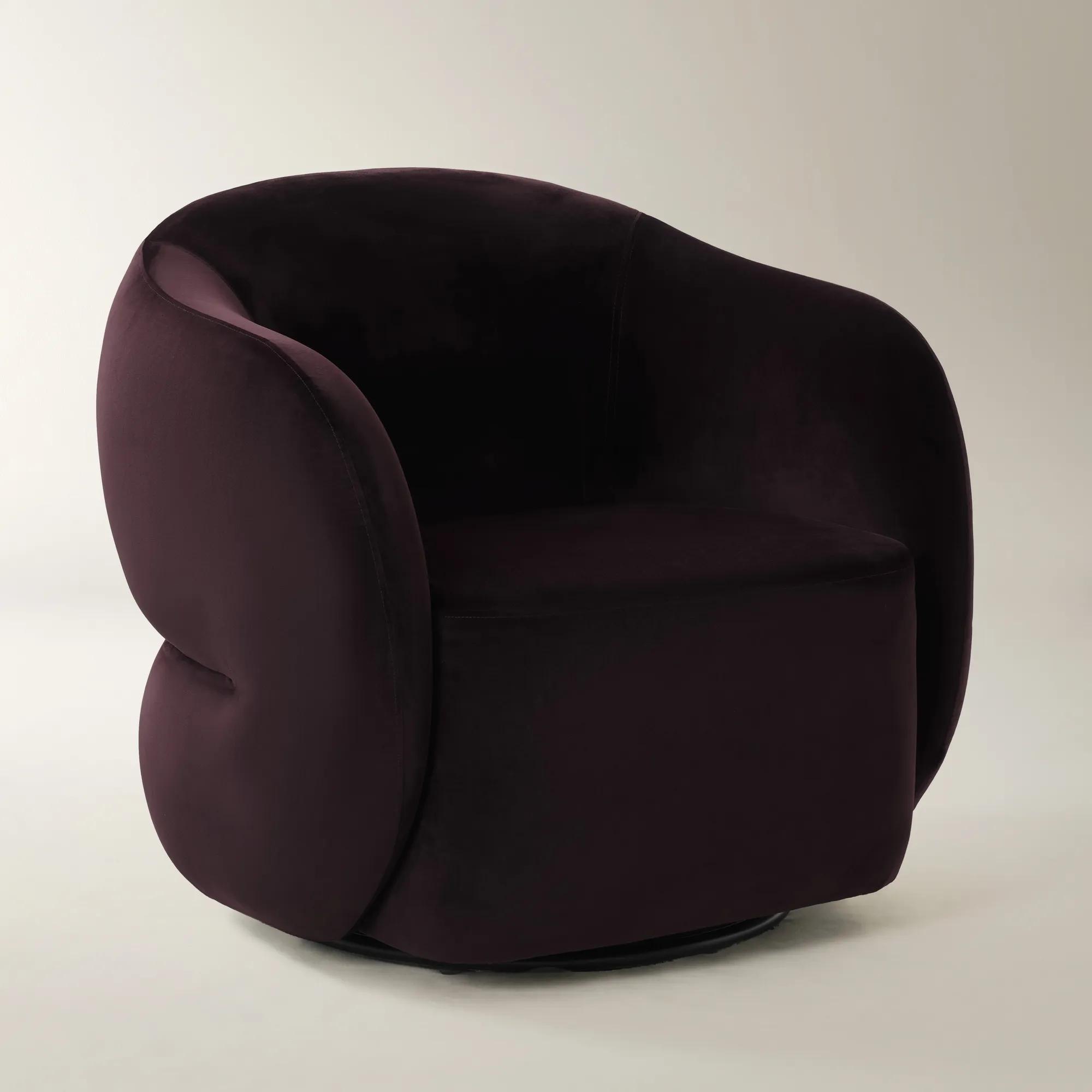 Sierra Fig Velvet Swivel Accent Chair$899
A modern accent chair in plush fig velvet with a wraparound back and smooth 360° swivel base.
Add To Cart -
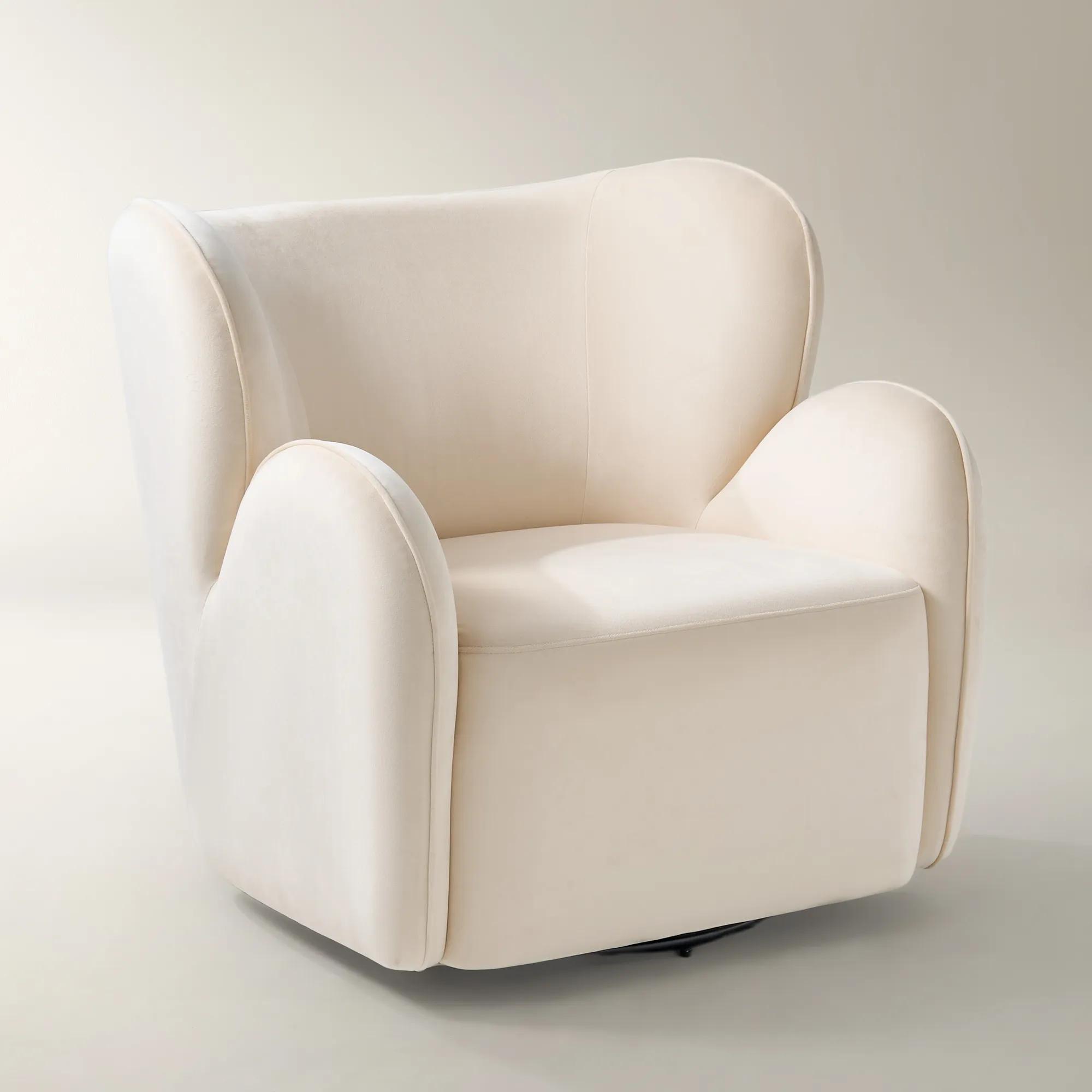
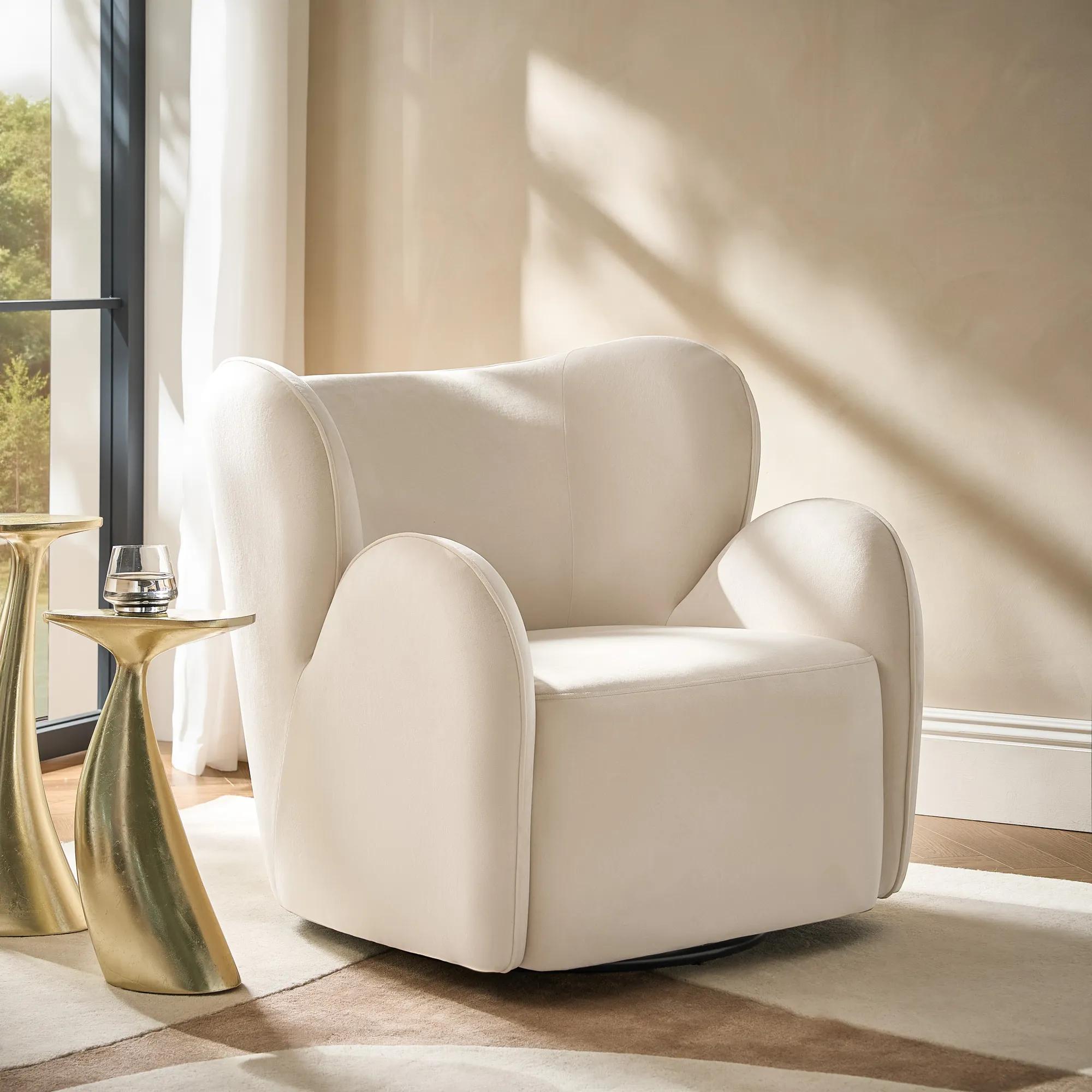 Ceres Ivory Velvet Swivel Accent Chair$799
An ivory velvet accent chair featuring a curved silhouette, 360° swivel, and plush, supportive cushioning.
Add To Cart -
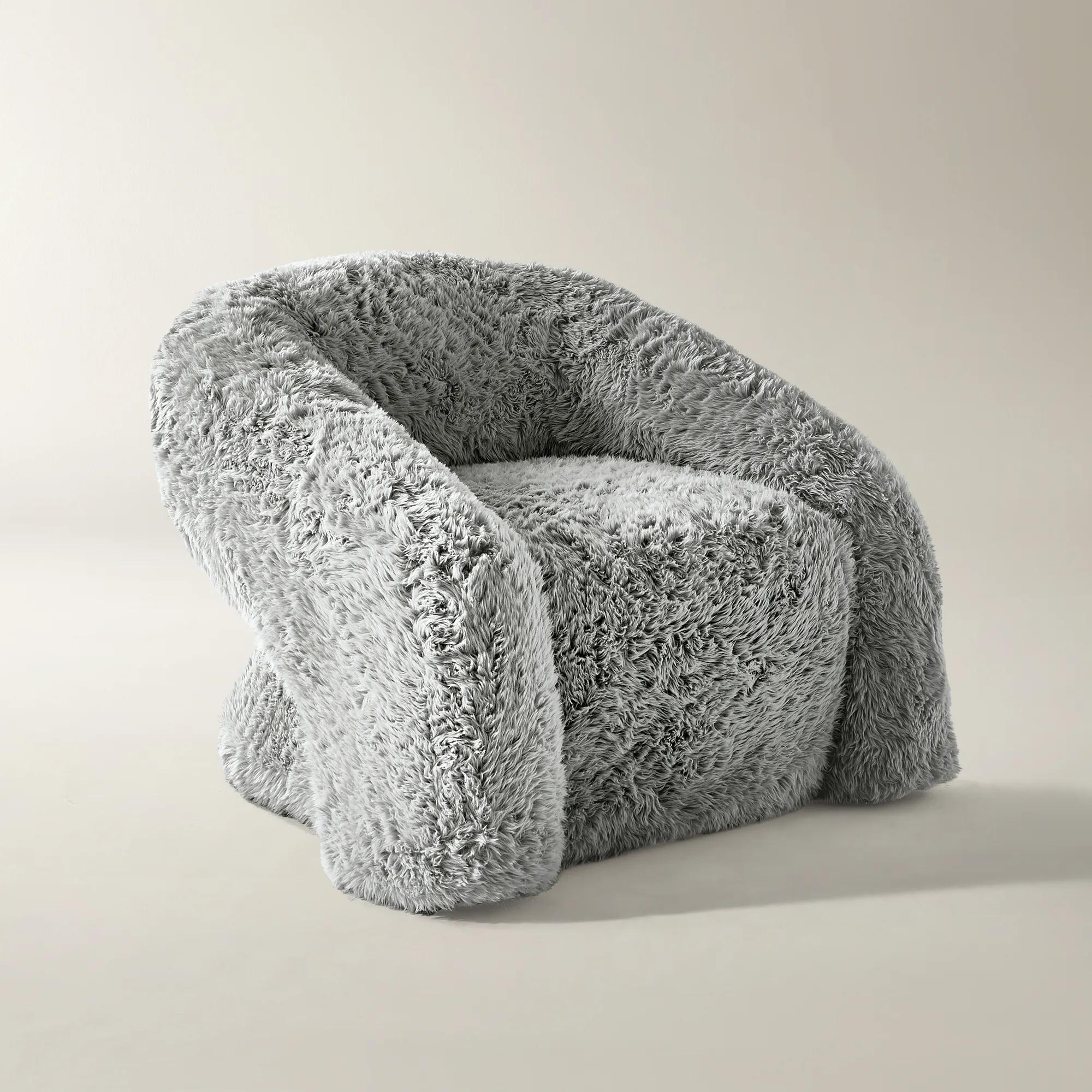
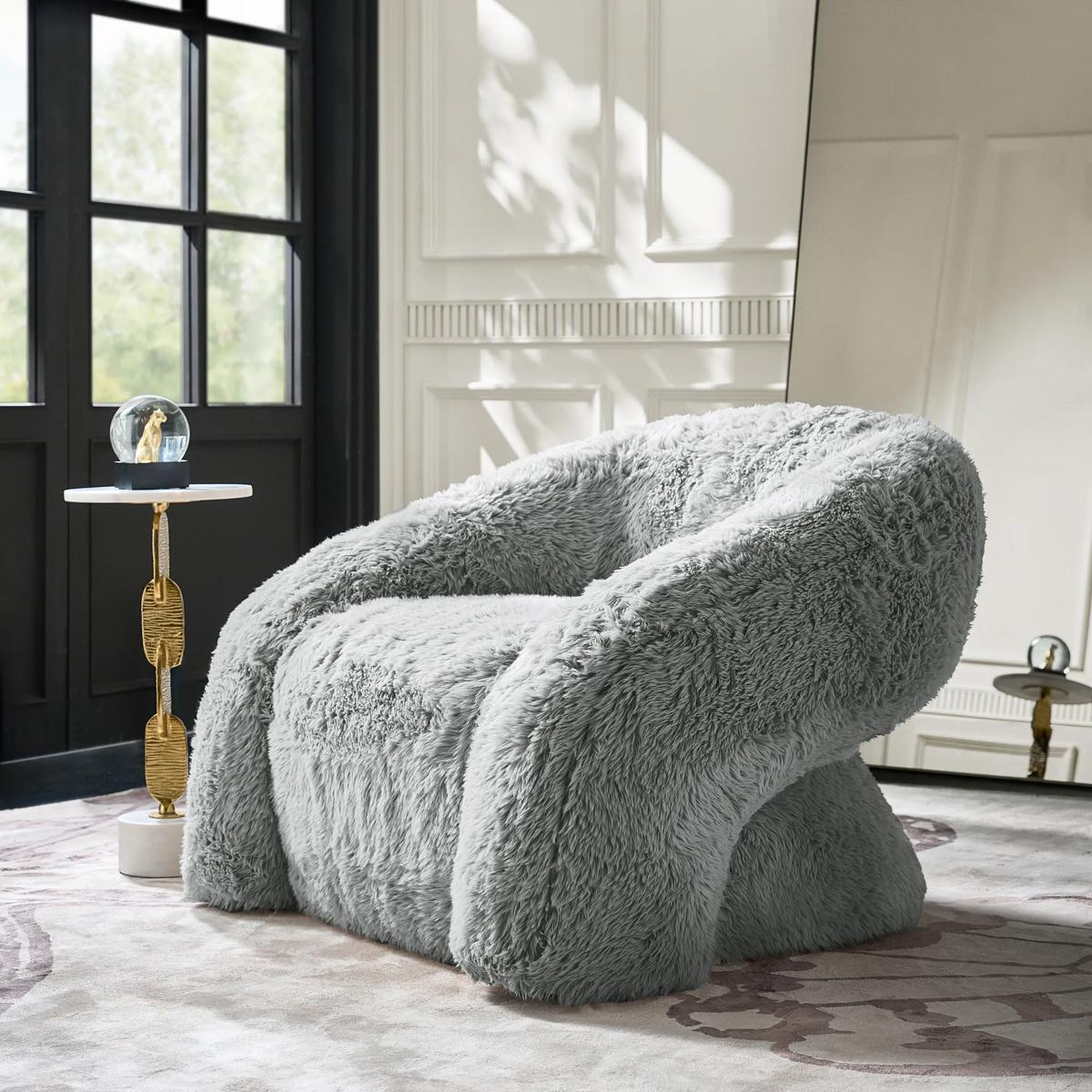 Misha Shadow Faux Fur Accent Chair$799
A cozy gray faux fur chair featuring high-resiliency foam and a sculptural, low-profile silhouette.
Add To Cart -
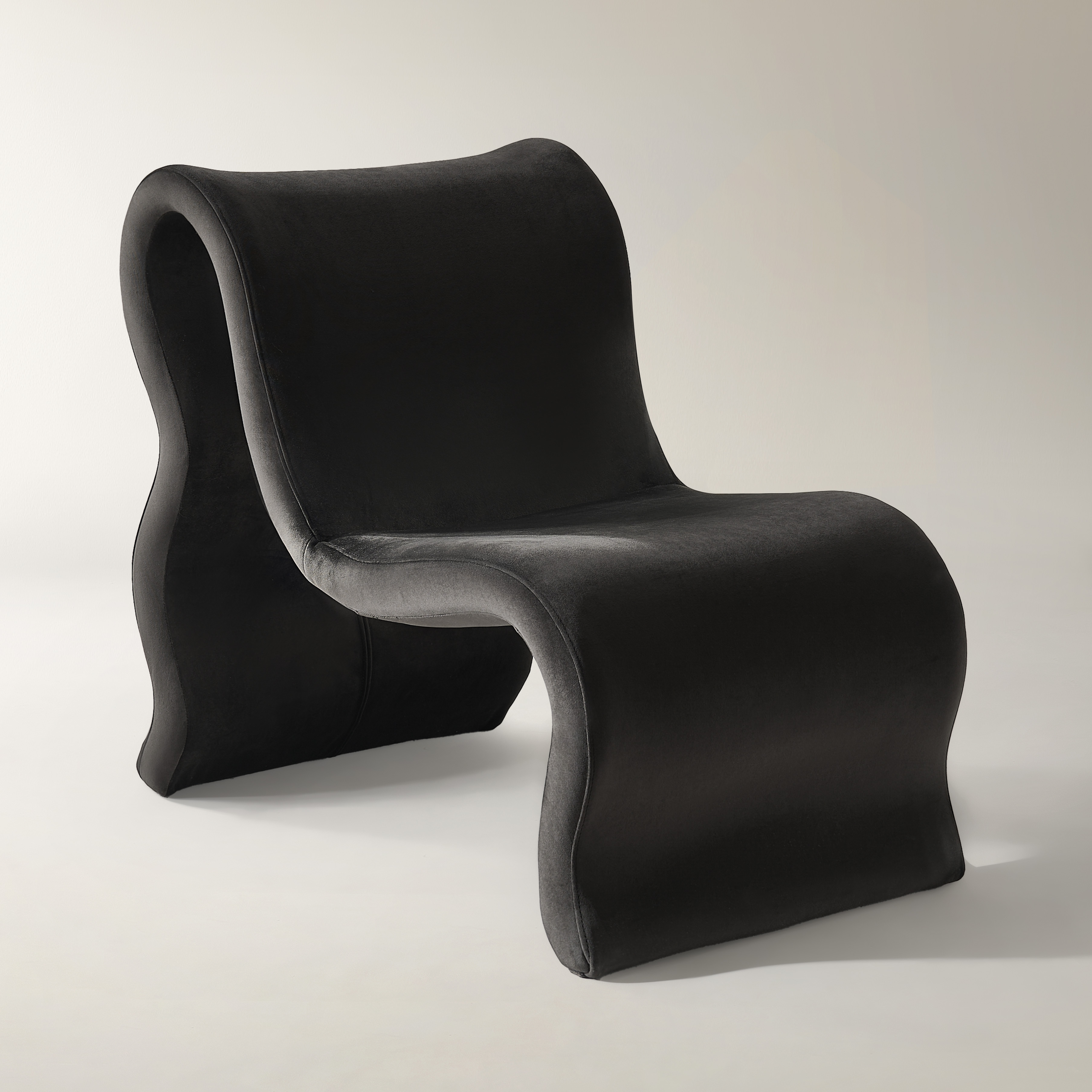 Romy Charcoal Velvet Accent Chair$999
A sculptural accent chair in charcoal velvet with a wave-like silhouette and full foam construction.
Add To Cart -
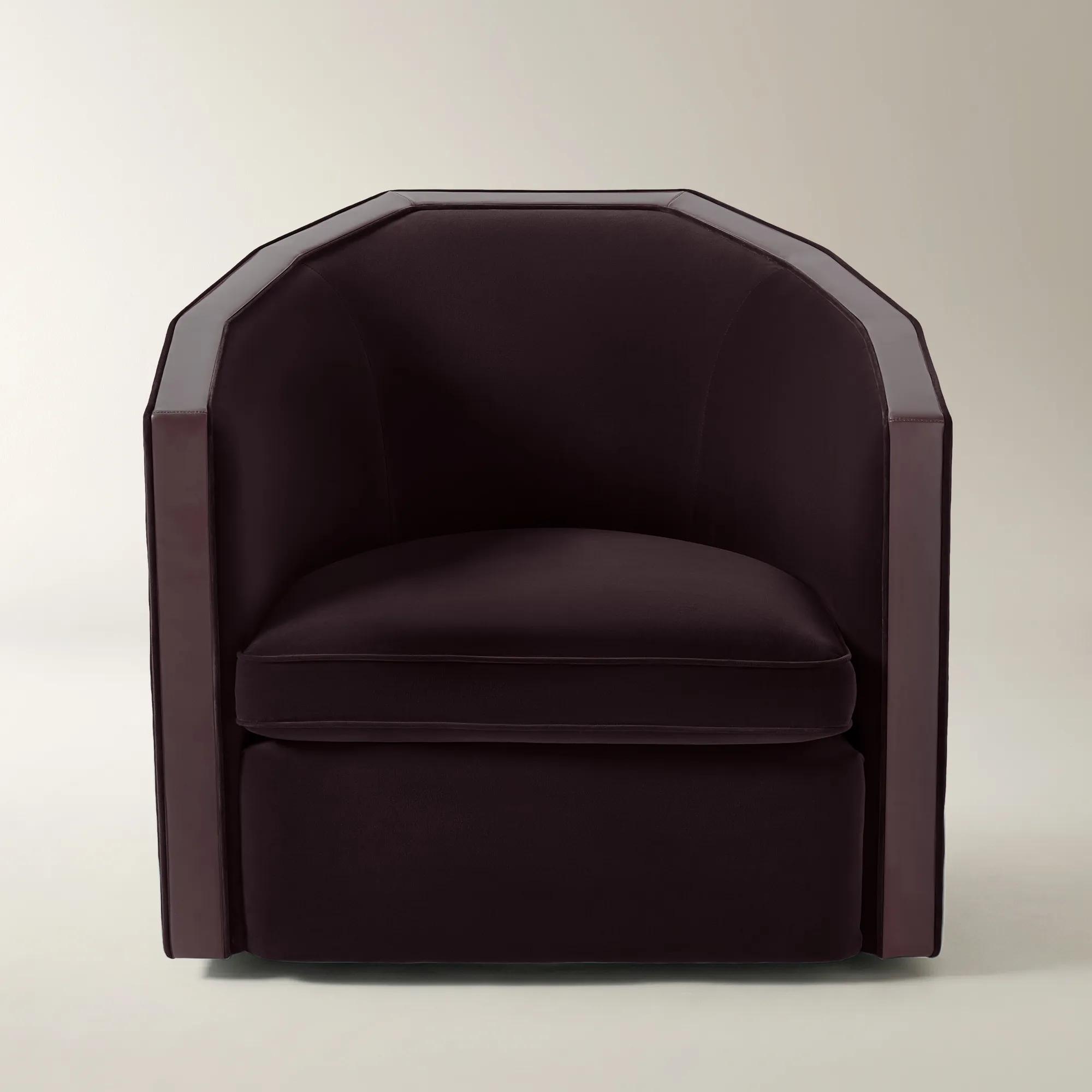
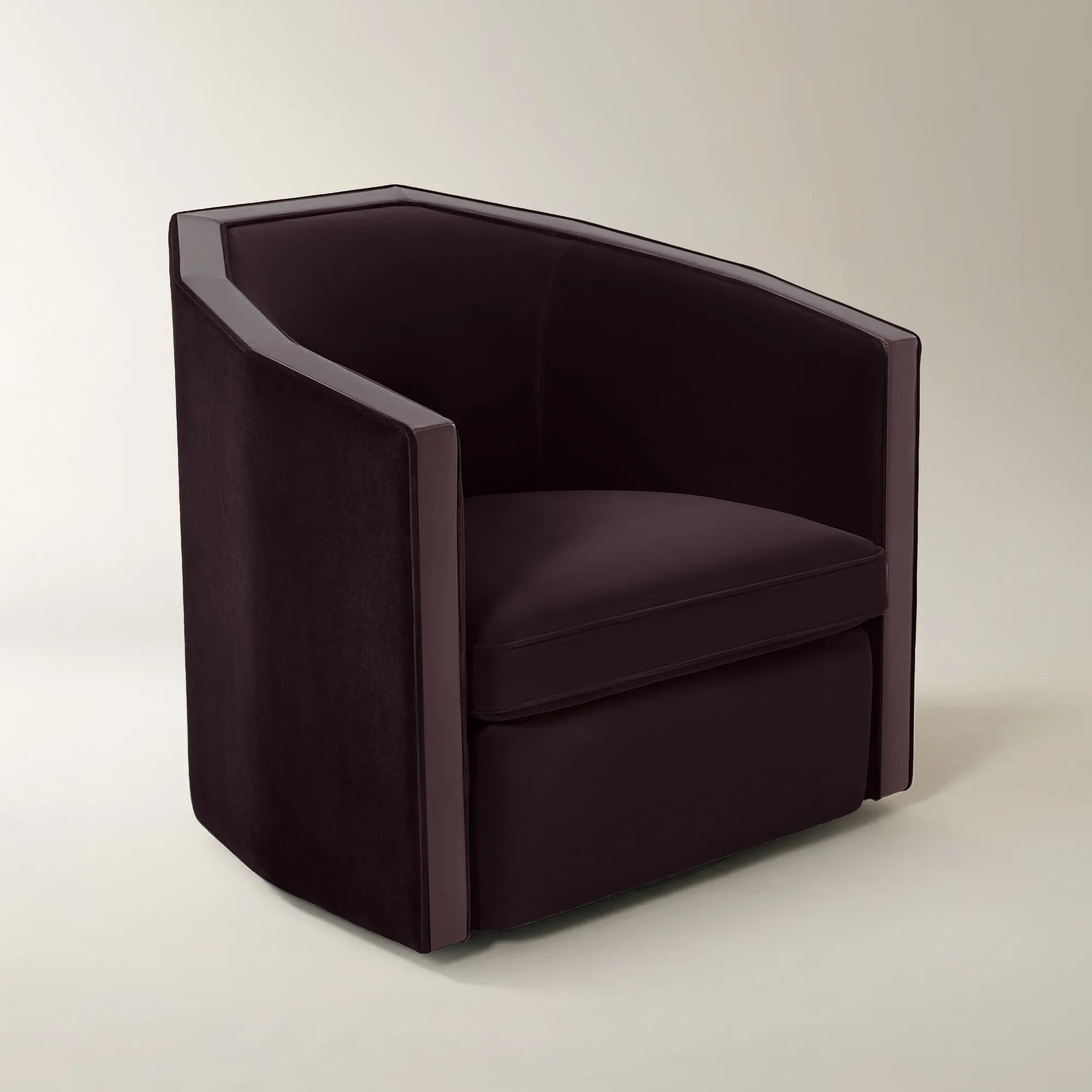 Vesper Fig Velvet With Leather Swivel Accent Chair$999
A modern accent chair featuring fig velvet upholstery, tonal leather trim, and a smooth 360° swivel base.
Add To Cart -
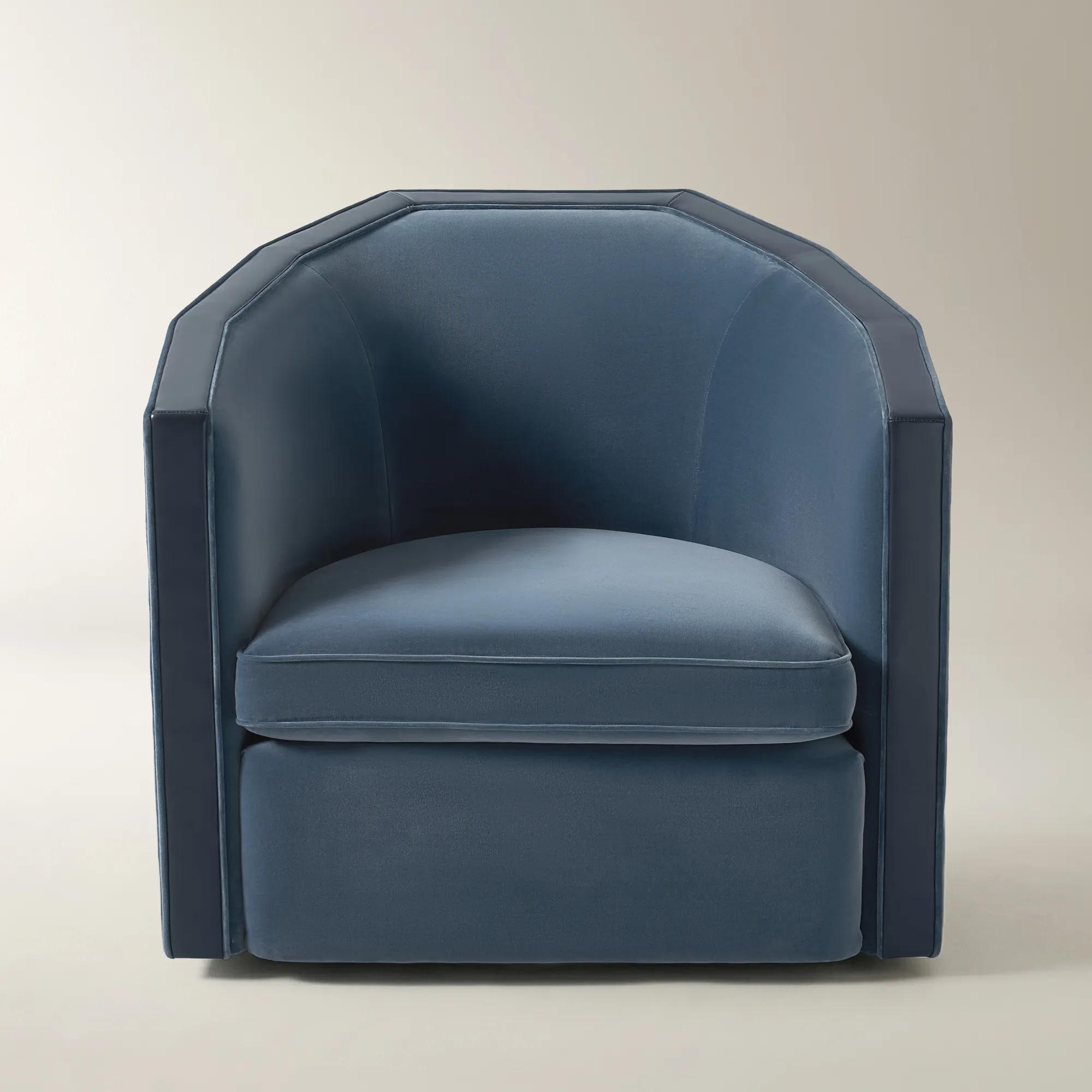 Vesper Dusty Blue Velvet With Leather Swivel Accent Chair$999
A modern accent chair in dusty blue velvet with tonal leather trim and a smooth 360-degree swivel base.
Add To Cart -
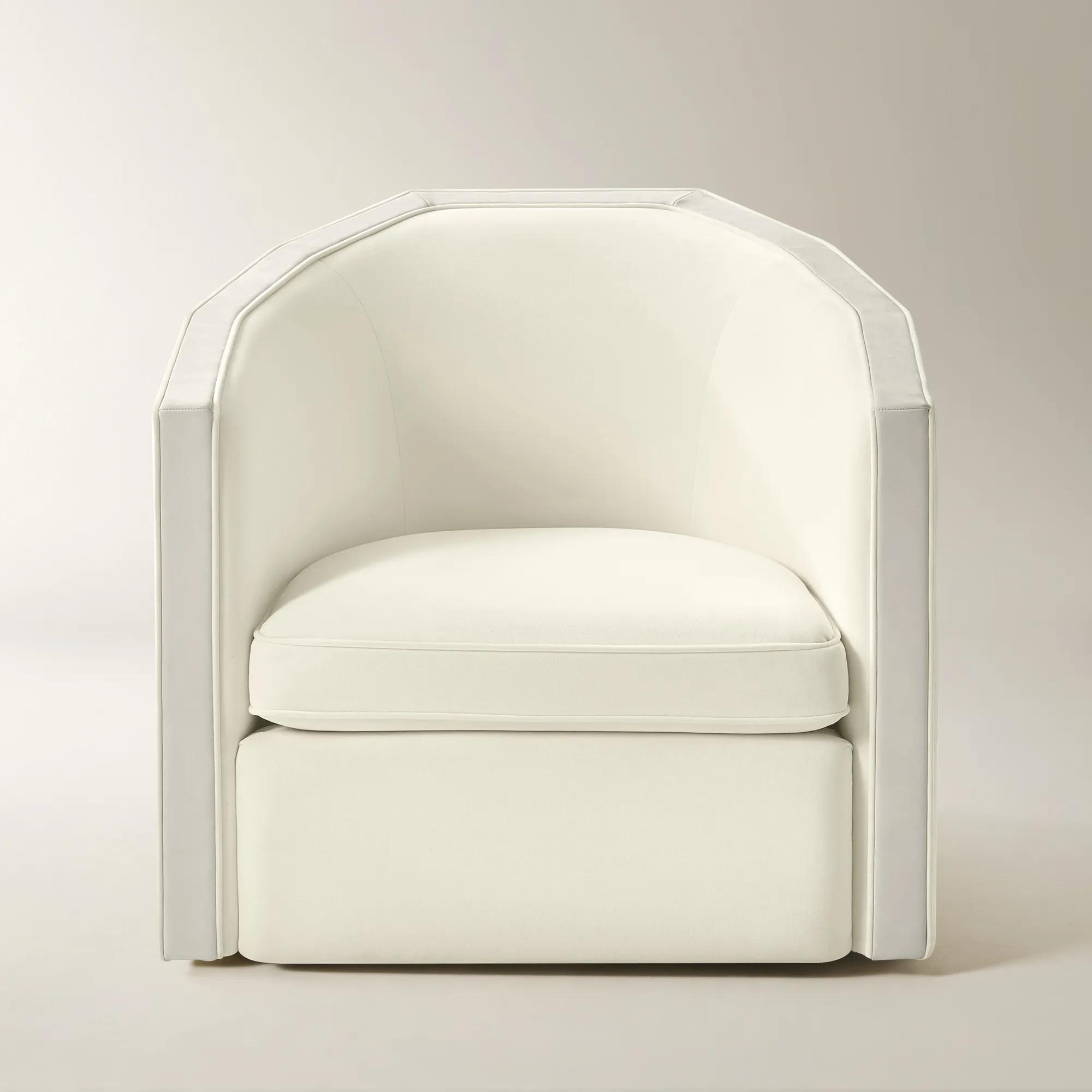 Vesper Cloud Velvet With Leather Swivel Accent Chair$999
A modern accent chair featuring cloud velvet upholstery, tonal leather trim, and a smooth 360° swivel base.
Add To Cart -
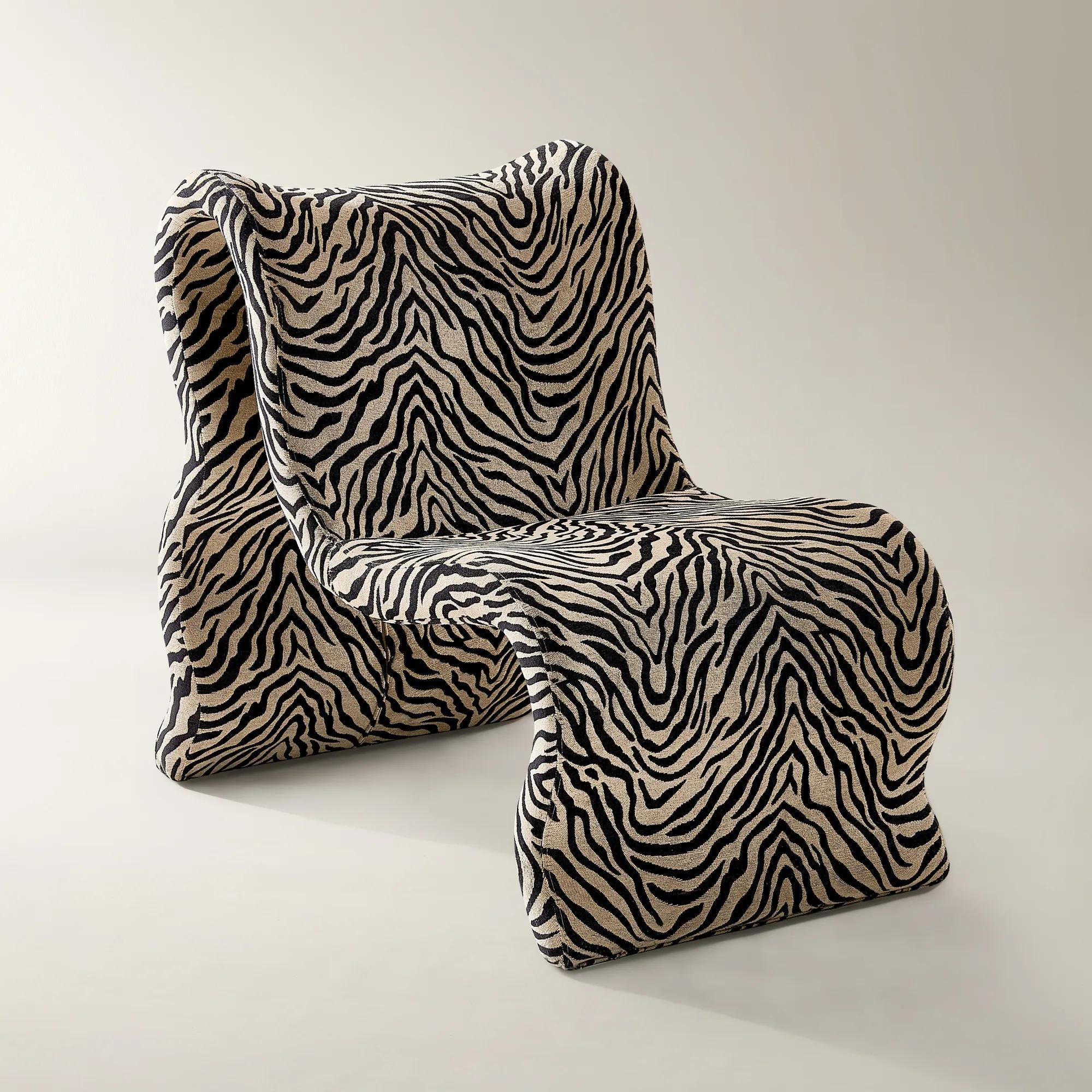
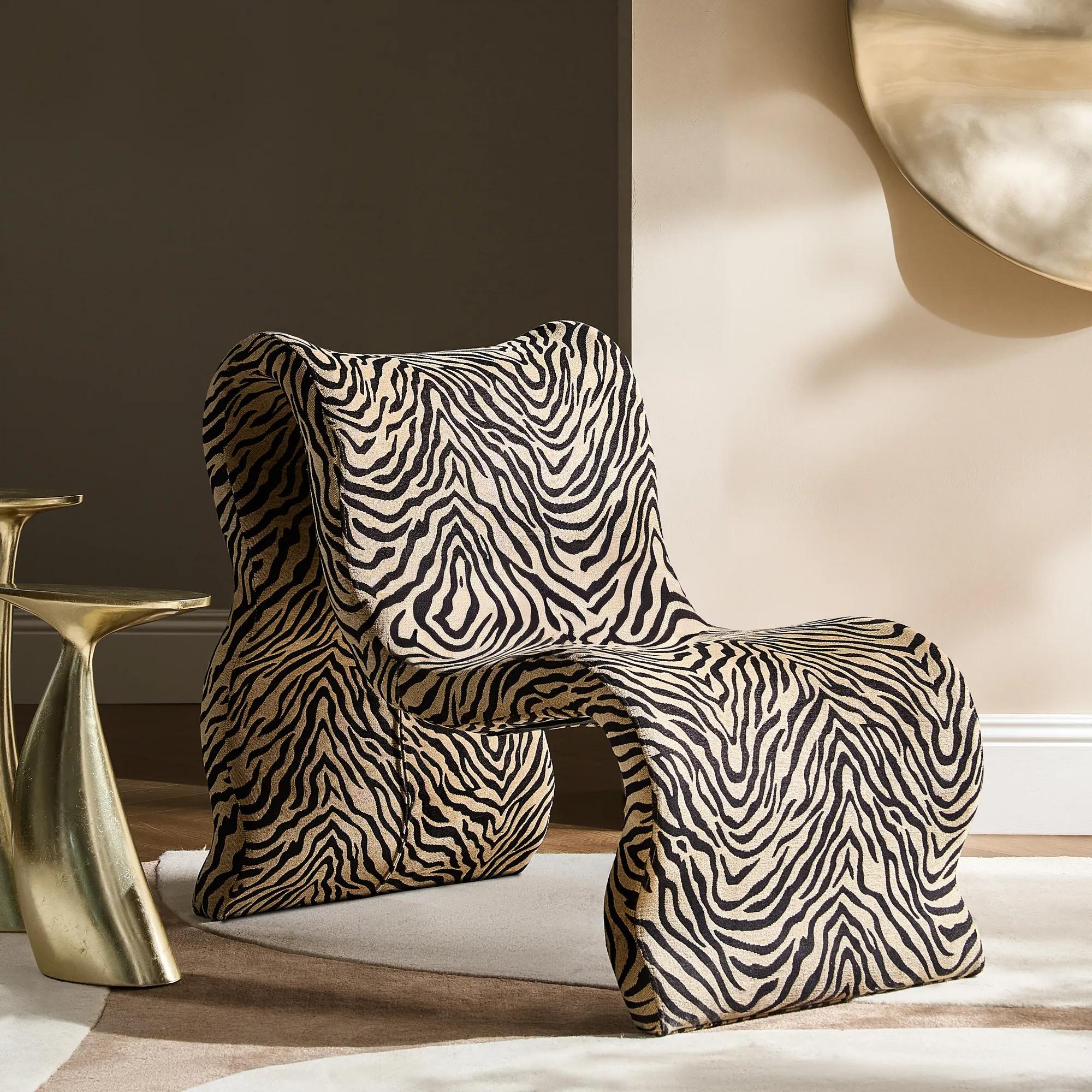 Romy Zebra Chenille Accent Chair$999
A sculptural accent chair featuring bold zebra-print chenille upholstery and a continuous wave-like silhouette.
Add To Cart

Living Room Accent Chairs
Living room accent chairs are the ultimate invitation to indulge in artistry and comfort, transforming any space into a stage for self-expression. Each silhouette is a statement—sculptural, sumptuous, and unapologetically bold—designed to spark conversation and elevate your everyday surroundings. Whether you crave a touch of velvet drama or crave a sleek, modern edge, these accent chairs become the jewelry of your living room, catching the light and commanding attention. Let your seating tell your story: daring, confident, and utterly unforgettable.
Living room accent chairs add seating, color, texture, and sculptural interest while helping define the style and arrangement of a space. More expressive than a supporting piece and more flexible than a sofa, an accent chair can introduce a dramatic silhouette, frame a conversation area, or turn an overlooked corner into a destination. A curved back brings softness to a room filled with angular furniture; an exposed wood frame adds definition beside a generously upholstered sofa. In a living room with a restrained palette, a jewel-toned chair creates a concentrated moment of color without requiring every furnishing to compete. In a more expressive interior, patterned upholstery or a gleaming metal base can extend the room’s artistry through another layer of detail. The strongest combinations share a visual connection rather than matching every finish: a chair’s slender legs might echo a coffee table’s frame, while its upholstery picks up a quieter shade from the rug. A pair of accent chairs lends balance opposite a sofa, creating an inviting setting for conversation that feels composed without becoming rigid. A single statement chair offers a different kind of presence, especially when its shape remains visible from the doorway. Barrel chairs create an enveloping outline, wingback silhouettes bring height and architectural distinction, and open-arm designs allow more of the surrounding room to remain in view. These differences affect more than appearance. A sheltered seat can make a reading corner feel intimate, while a more open profile suits a living area where conversation moves easily between seating arrangements. For households that entertain, accent seating gives guests a place within the conversation rather than at its edges. For someone who spends quiet hours reading or listening to music, the same chair becomes a personal retreat. Its role is both practical and expressive: additional seating with enough character to make the room feel distinctly considered.
Upholstery gives living room accent chairs much of their personality, shaping both the visual effect and the everyday experience of sitting. Velvet catches light across its pile, revealing subtle shifts in tone that make even a solid color feel dimensional. The tactile richness of living room velvet accent chairs can bring depth to a tonal interior or create a sumptuous contrast against glass, polished metal, and smooth stone. A tightly woven fabric offers a more tailored surface, while bouclé and other textured upholstery introduce pronounced dimension that can soften a sleek arrangement. Leather brings a different expression, with a surface that may develop character over time depending on its finish and treatment. Exposed wood can contribute warmth and visible grain; metal frames can outline a chair with crisp precision or a reflective flourish. Beyond the surface, comfort depends on the relationship between seat depth, seat height, cushion support, and back angle. A deep, lounge-oriented chair invites an unhurried posture, particularly beside an ottoman, but may feel less supportive for someone whose feet do not comfortably reach the floor. A shallower seat and more upright back often work well for conversation or reading, while supportive arms provide a natural resting place and can help with sitting down and standing up. Plush cushions offer an inviting first impression, though firmer support may better suit someone who prefers a more structured seat. Swivel accent chairs allow the sitter to turn between a conversation area and another focal point without repositioning the entire chair. For frequently used spaces, durability deserves equal attention to appearance. Frame construction, joinery, suspension, upholstery composition, and cushion materials all contribute to how a chair performs over time. Performance fabrics may offer useful stain-resistant or easy-clean properties, but those features vary by textile and should be confirmed in the material specifications rather than assumed from the look or feel of the upholstery.
Scale gives an accent chair its relationship to the rest of the living room. Overall width and depth determine the footprint, while back height, arm shape, and base design influence how substantial the piece appears. A chair with a tall back and arms that extend outward can command attention even when its seat is relatively compact; a low-profile chair with visible legs may feel lighter within the same arrangement. Measurements are most useful when considered alongside the surrounding furniture, doorways, and everyday pathways. A chair should leave room to move comfortably through the seating area, open nearby cabinets, and reach a side table without an awkward stretch. Swivel designs need clearance around their turning radius, and reclining styles require room for their full range of motion. Delivery access matters, too, particularly in homes with narrow hallways, tight stair turns, or elevators. Within the arrangement itself, a slight inward angle can connect an accent chair to the sofa and keep conversation comfortable. A side table provides a landing place for a drink or book, while a nearby lamp gives the seat a purpose beyond its silhouette. A rug that visually connects the seating helps the composition feel intentional rather than scattered. Daily care protects that effect. Regular vacuuming with an appropriate upholstery attachment helps remove dust and debris before they settle into seams and textured surfaces. Spills call for prompt attention according to the manufacturer’s care instructions; rubbing, excessive moisture, or an unsuitable cleaner can leave marks or alter a fabric’s texture. Velvet may show changes in pile direction or pressure marks, which are not necessarily signs of damage. Leather requires care suited to its particular finish, and wood or metal details benefit from gentle cleaning that preserves their surfaces. Direct sunlight can affect upholstery color over time, so placement deserves consideration alongside the view. With proportion, comfort, and material care working together, living room accent chairs become lasting participants in daily life: places to settle, gather, and give the room a confident point of view.
FAQs
Accent chairs are the exclamation points of interior design, infusing your living room with personality, texture, and color. By introducing sculptural silhouettes, luxe fabrics, or bold patterns, they create visual interest and serve as conversation starters, elevating your space from ordinary to unforgettable.
Formal accent chairs can be used to frame a fireplace, anchor a reading nook, or define a cozy conversation area. Pair accent chairs for a sense of symmetry and balance, or let a single, dramatic chair stand alone as a statement piece. Experiment with contrasting fabrics or finishes to add depth and intrigue to your living room.
Absolutely. Z Gallerie accent chairs are designed to offer both style and comfort, making them ideal for hosting guests as well as enjoying a quiet evening at home. Their plush upholstery and thoughtful craftsmanship create a welcoming perch for any occasion, from lively gatherings to tranquil moments of solitude.
Accent chairs make exceptional gifts for housewarmings, weddings, or milestone celebrations. Their enduring style and luxurious presence transform any living room, offering recipients a daily reminder of your thoughtful gesture and a timeless addition to their home décor.
When selecting an accent chair, consider the color palette, materials, and overall mood of your living room. Opt for a chair that echoes or contrasts with your existing décor to create harmony or drama. Details like metallic accents, tufted backs, or velvet upholstery can tie the look together while adding a touch of signature flair.