Living Room Accent Chairs With Arms
Living Room Accent Chairs With Arms
-
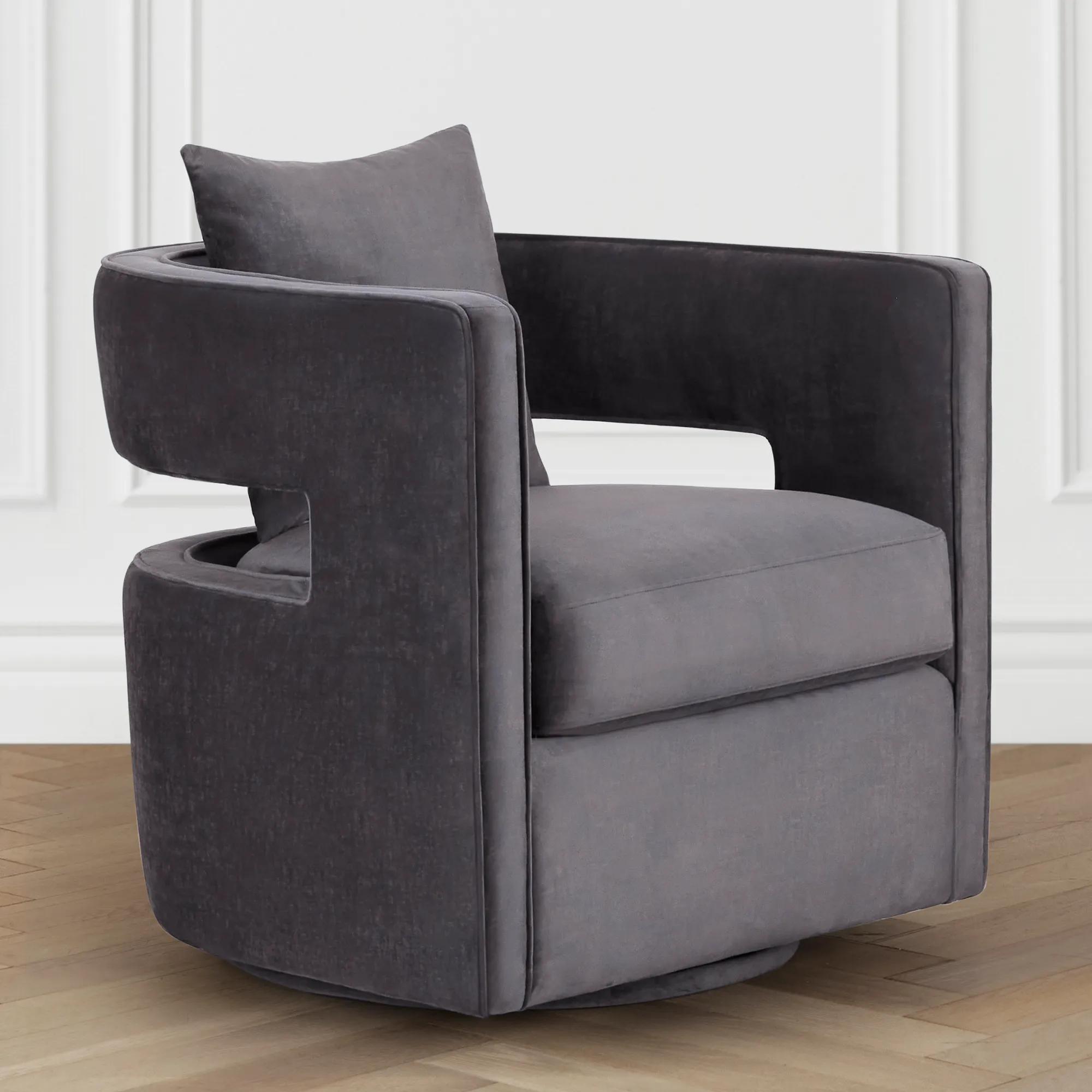 Lottie Grey Velvet Swivel Accent Chair$999
A glamorous grey velvet swivel chair featuring a barrel back, cutout arms, and plush foam cushioning.
Add To Cart -
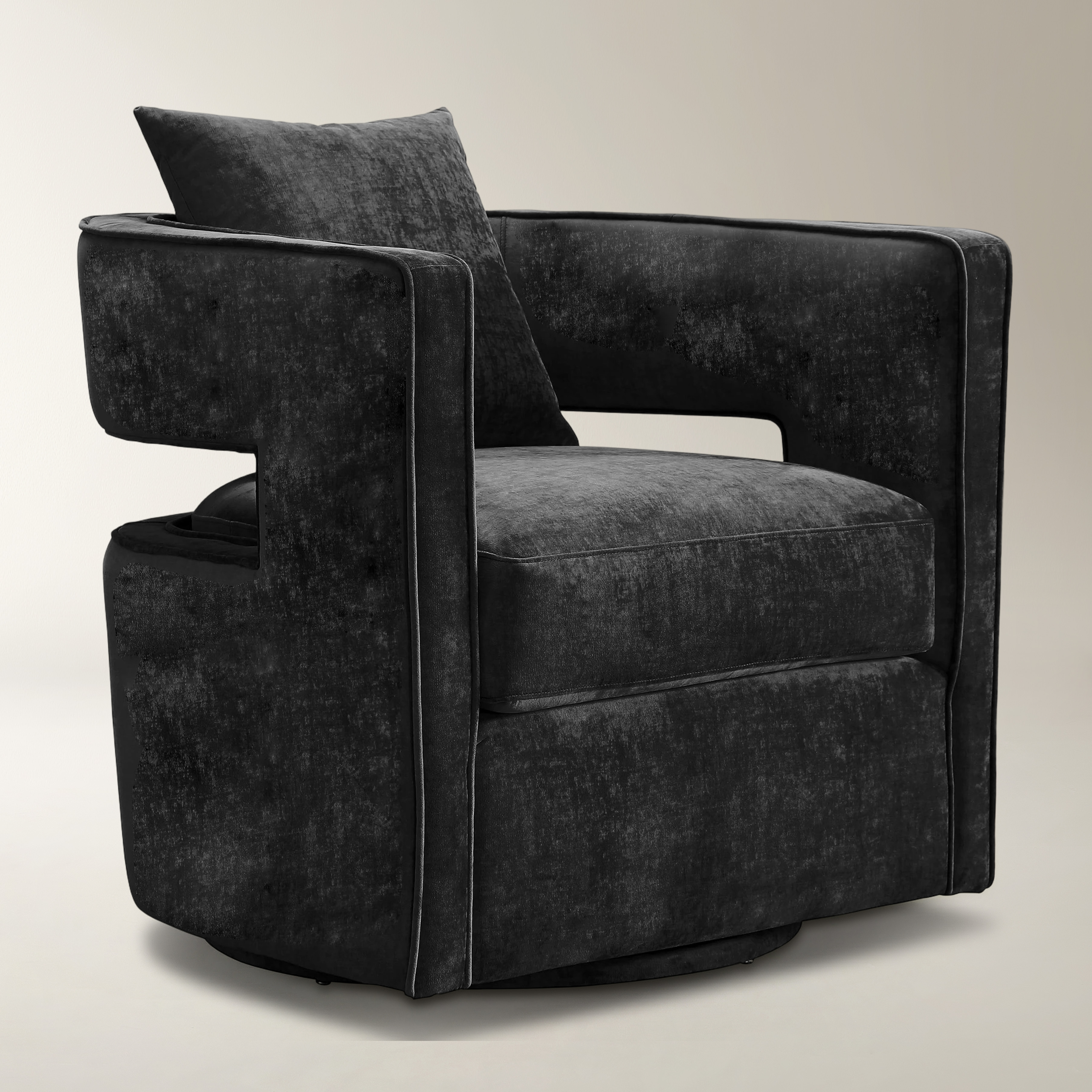 Lottie Black Velvet Swivel Accent Chair$999
A black velvet swivel accent chair with a sculpted barrel silhouette, open arms, and supportive cushioning.
Add To Cart -
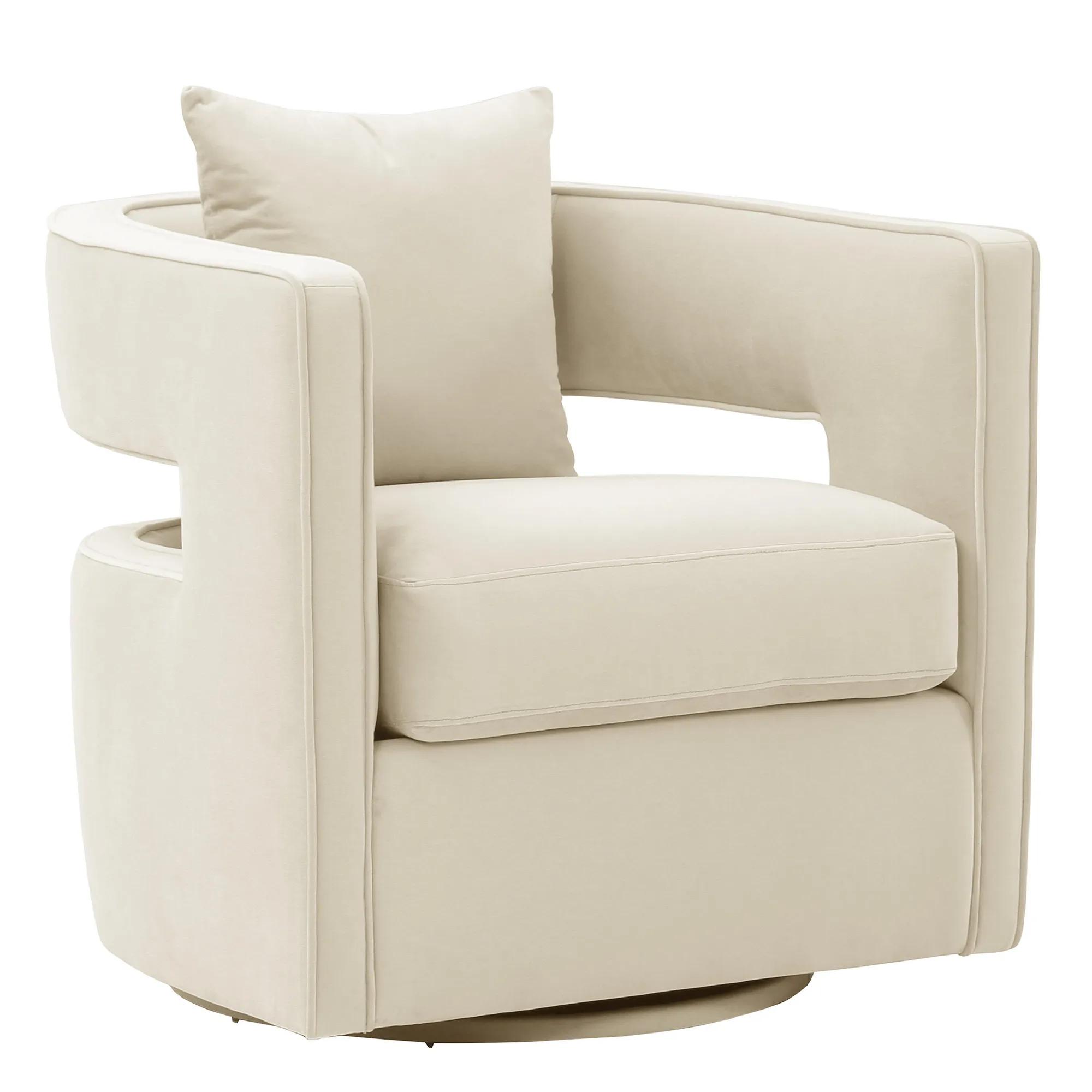
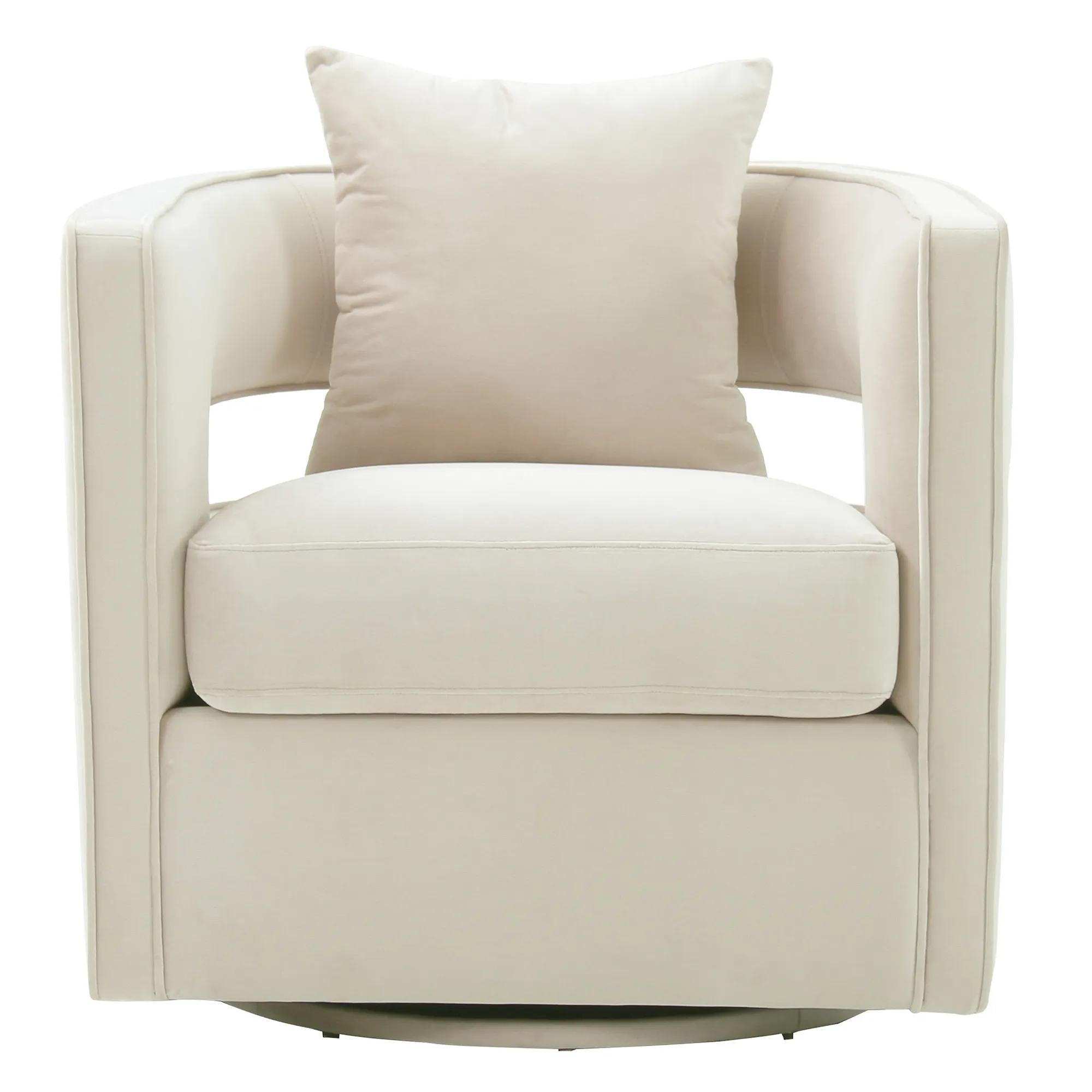 Lottie Cream Velvet Swivel Accent Chair$999
A glamorous cream velvet swivel chair featuring a barrel back, cutout arms, and plush foam cushioning.
Add To Cart -
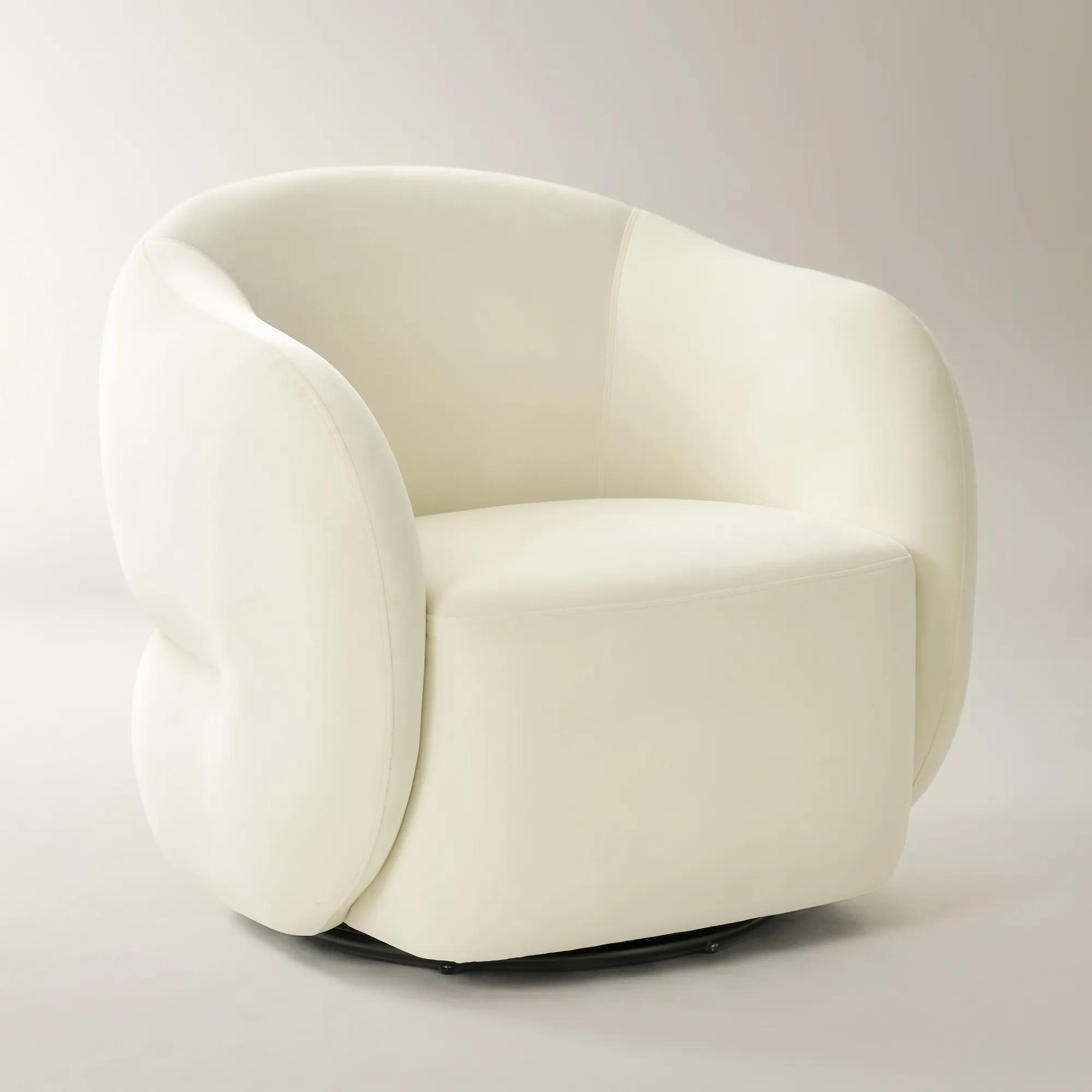
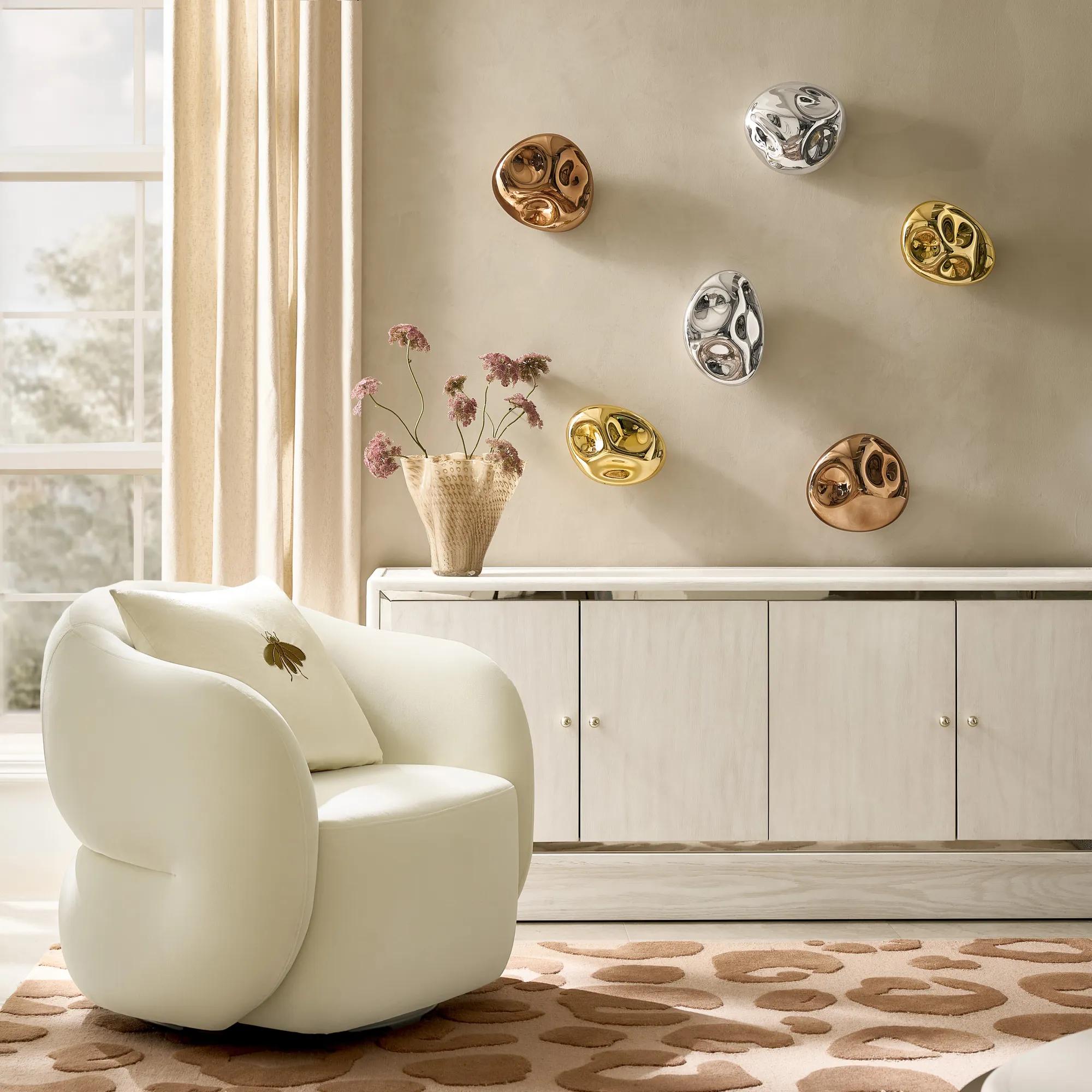 Sierra Cloud Velvet Swivel Accent Chair$899
A plush velvet accent chair featuring a wraparound back, fluid curves, and smooth 360° swivel base.
Add To Cart -
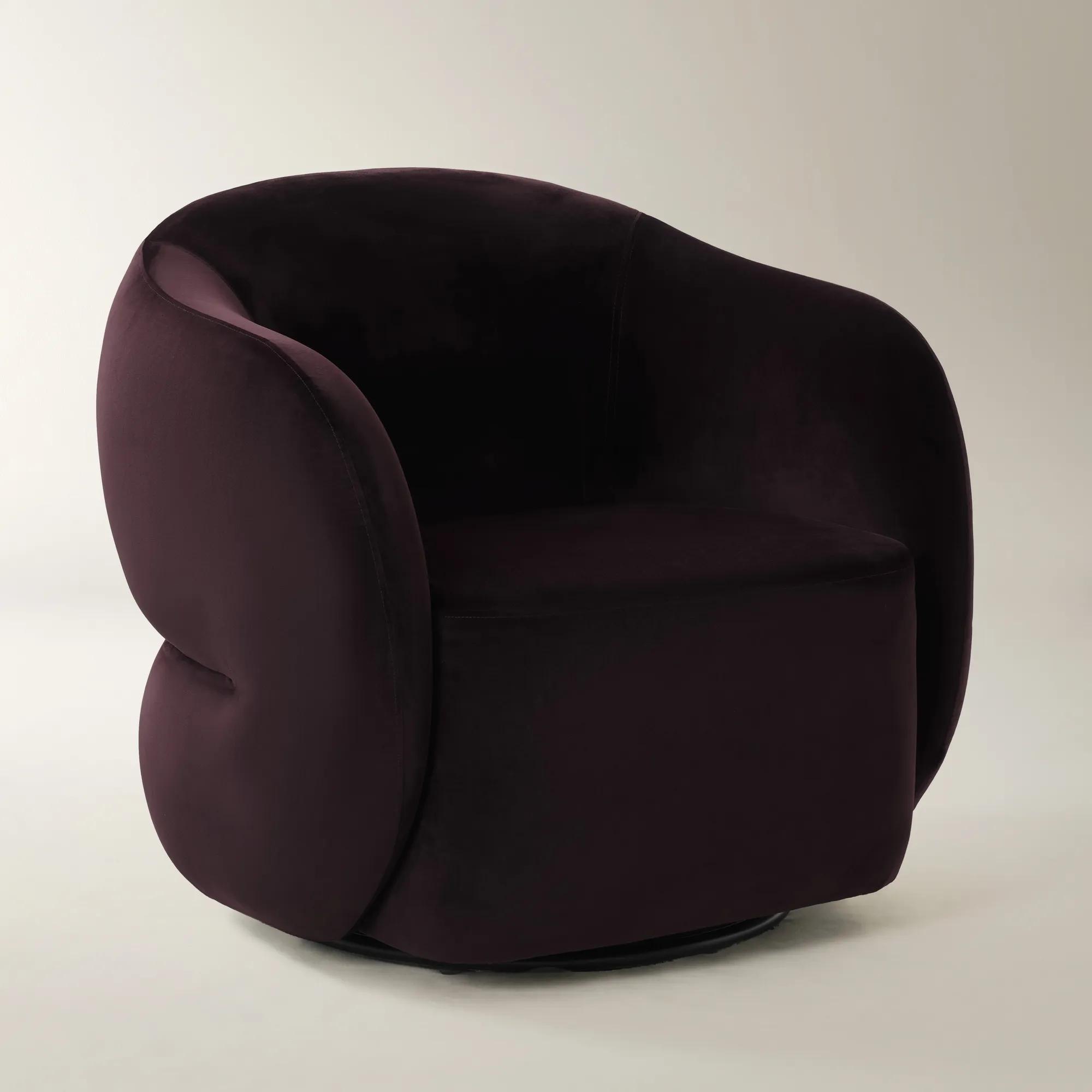 Sierra Fig Velvet Swivel Accent Chair$899
A modern accent chair in plush fig velvet with a wraparound back and smooth 360° swivel base.
Add To Cart -
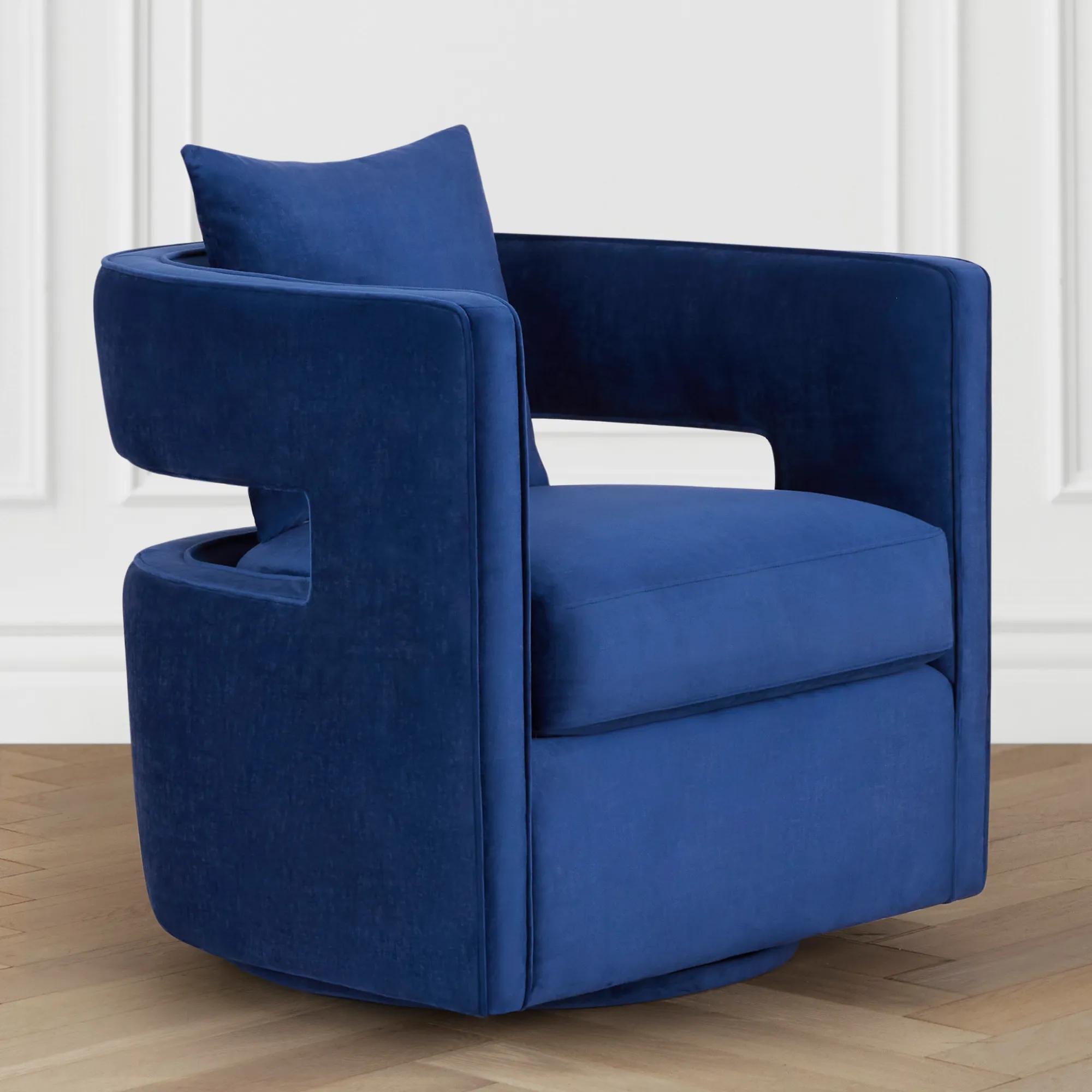
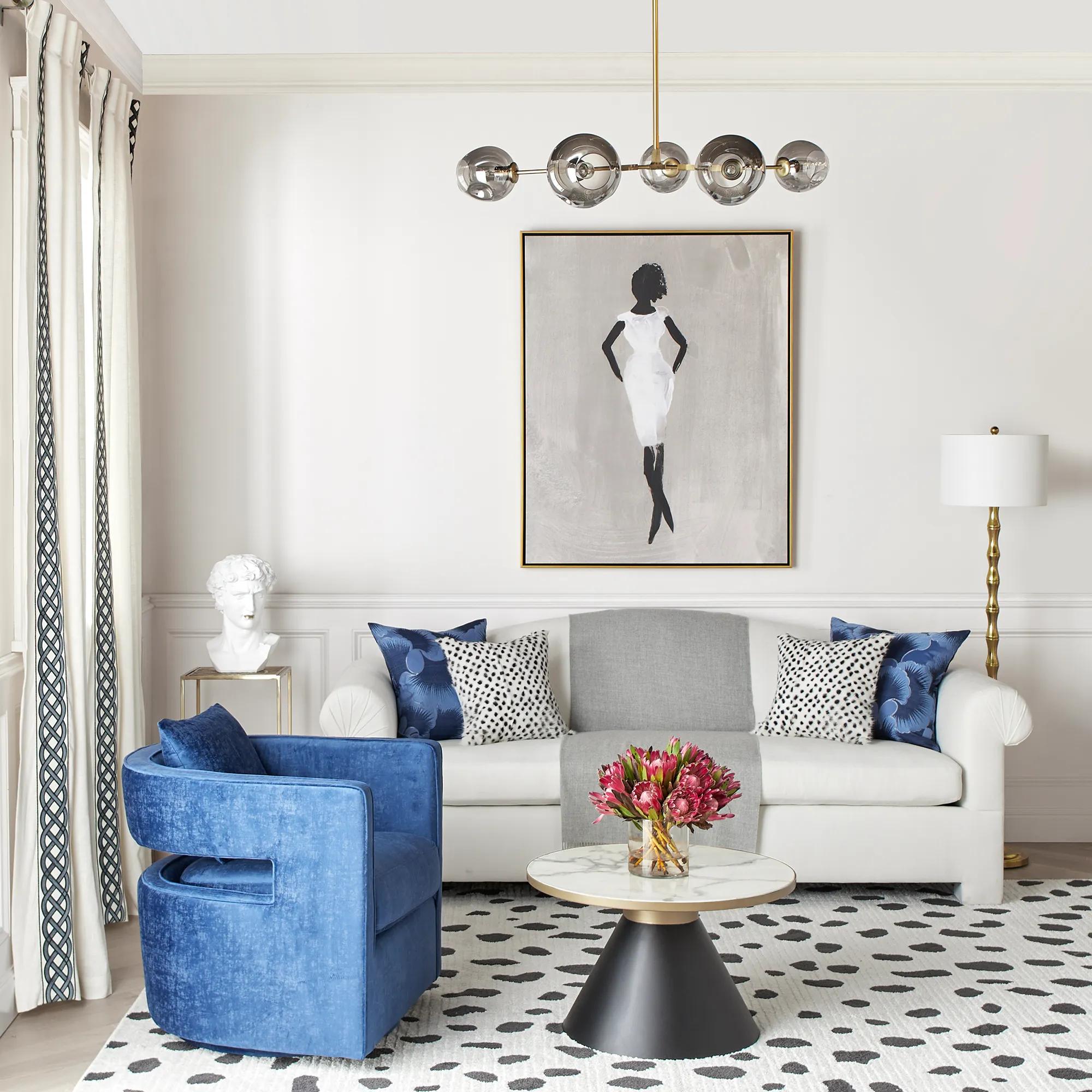 Lottie Navy Velvet Swivel Accent Chair$999
A navy velvet swivel accent chair featuring a sculpted barrel silhouette, open arms, and supportive cushioning.
Add To Cart -
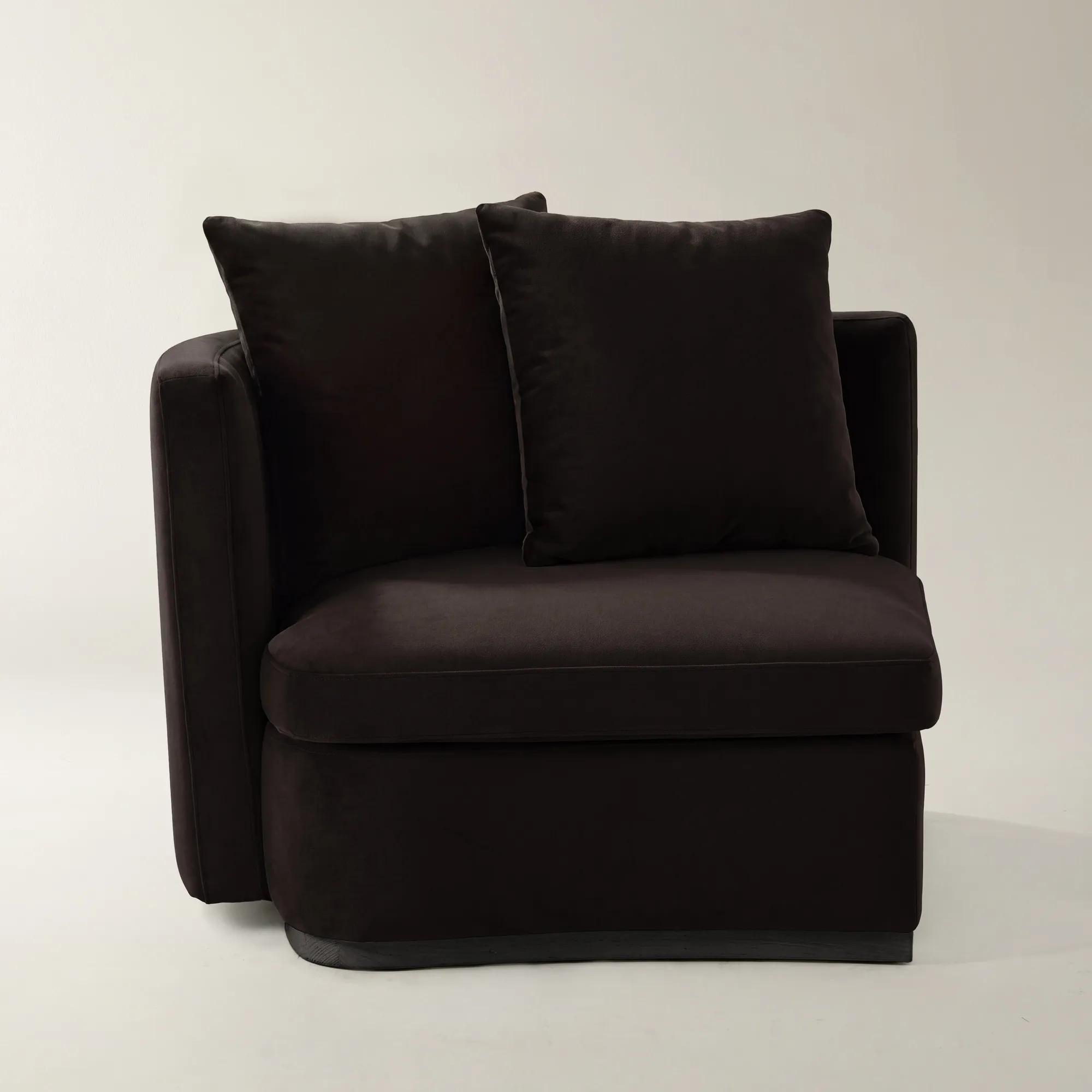 Stria Dark Chocolate Velvet Left-Arm Chair$1199
A sculptural dark chocolate velvet chair with curved silhouette, layered down-blend cushioning, and kiln-dried wood construction.
Add To Cart -
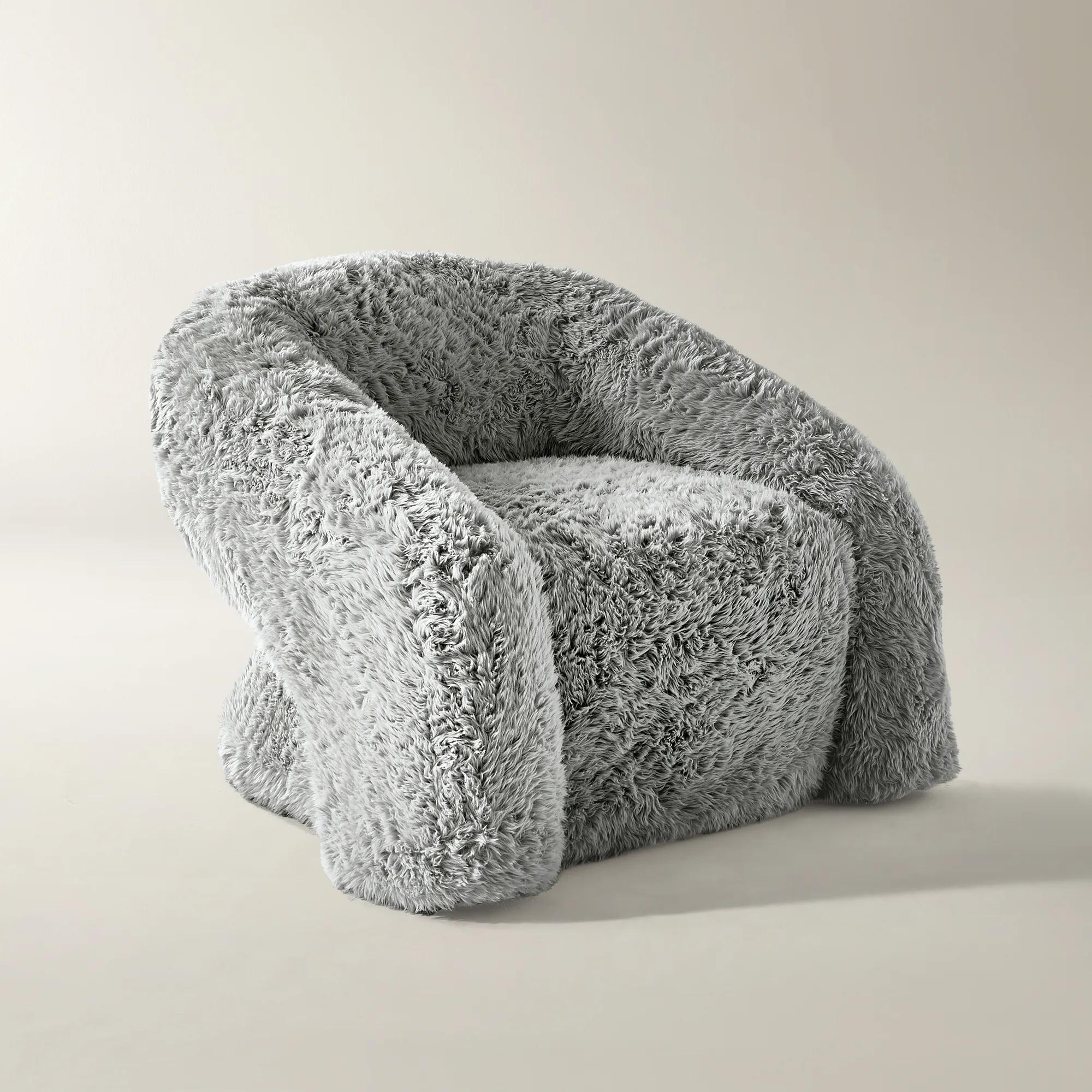
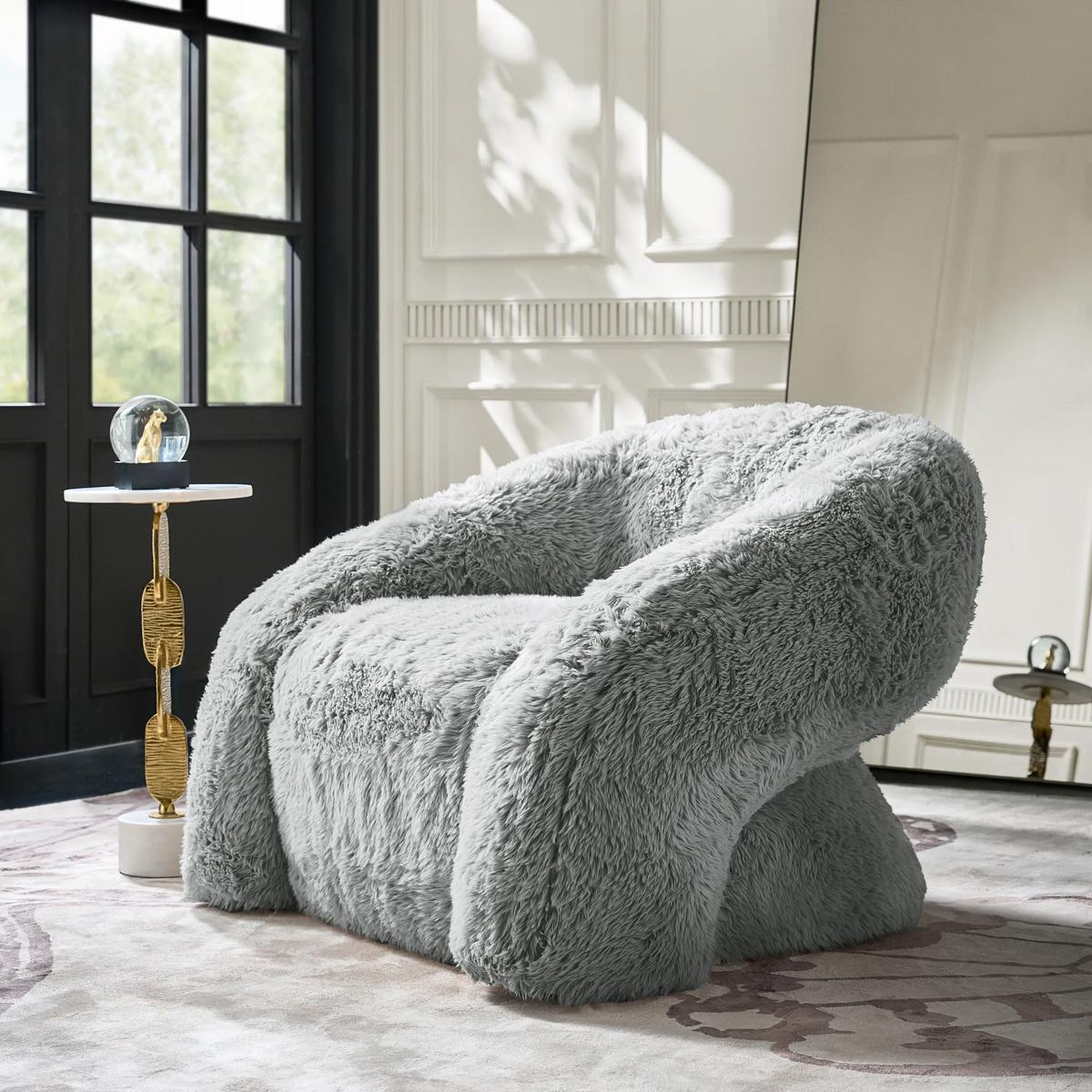 Misha Shadow Faux Fur Accent Chair$799
A cozy gray faux fur chair featuring high-resiliency foam and a sculptural, low-profile silhouette.
Add To Cart -
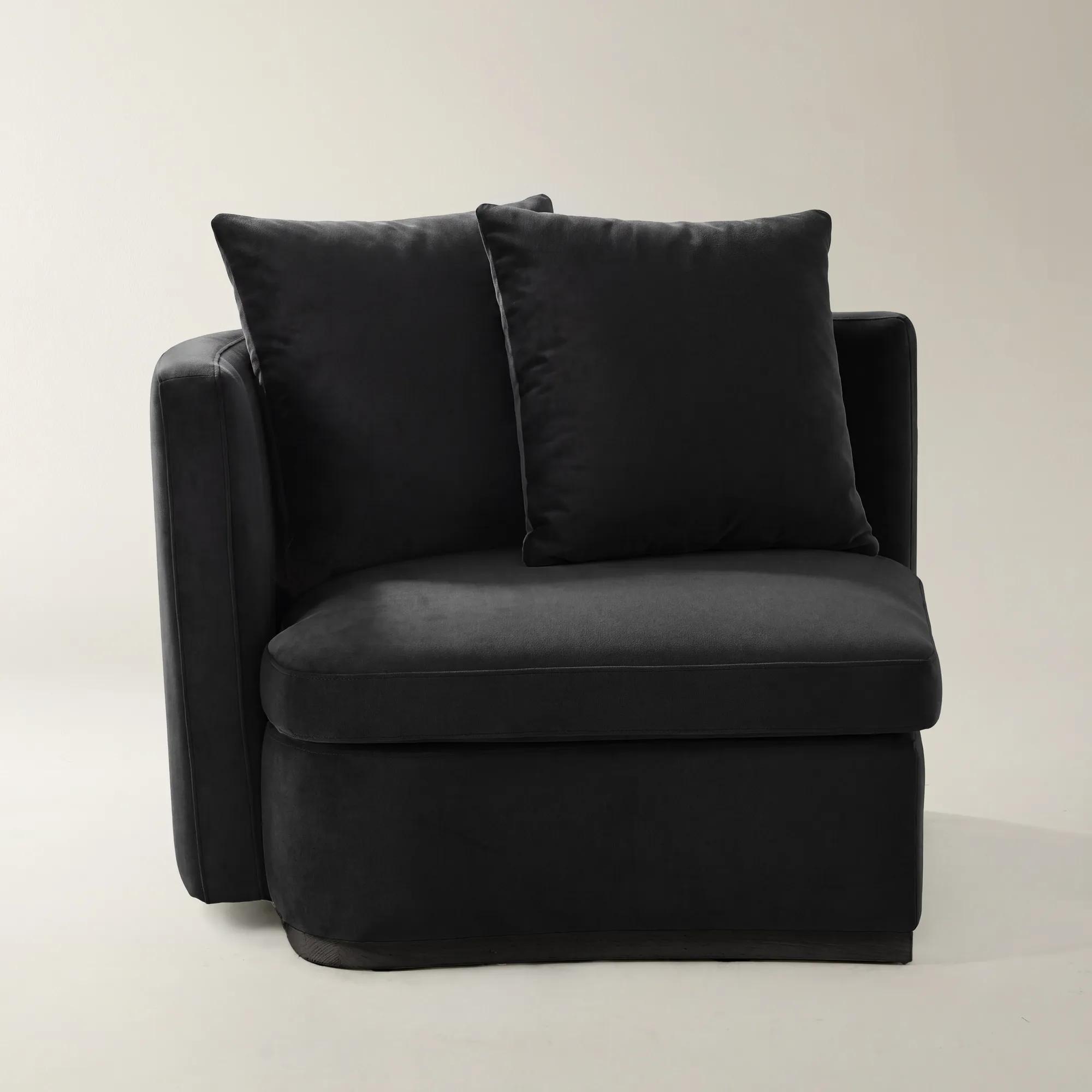 Stria Charcoal Velvet Left-Arm Chair$1199
A sculptural charcoal velvet armchair featuring layered foam-and-down cushioning, curved edges, and a kiln-dried wood frame.
Add To Cart -
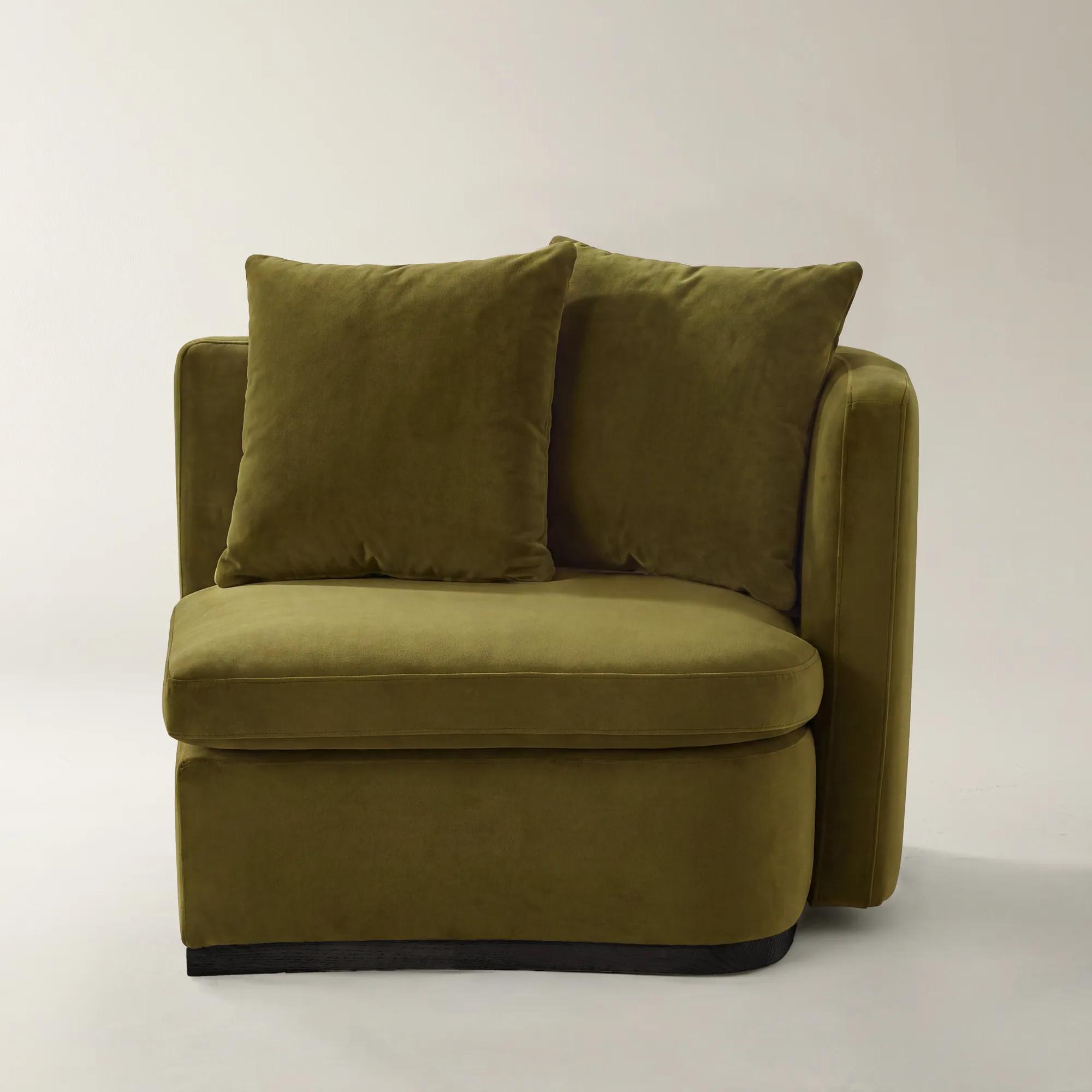 Stria Deep Olive Velvet Right-Arm Chair$1199
A sculptural deep olive velvet chair with curved styling, layered cushioning, and a kiln-dried wood frame.
Add To Cart -
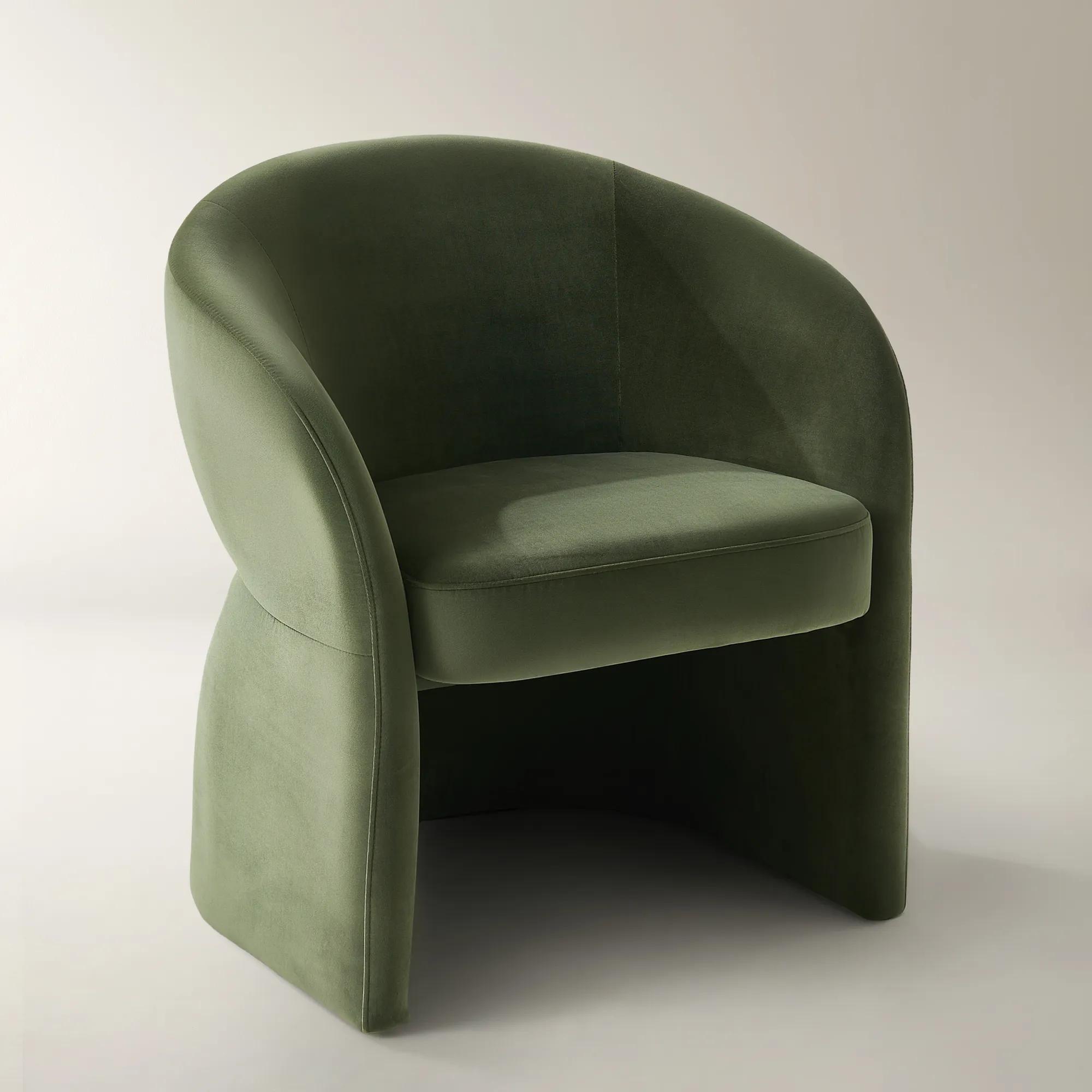
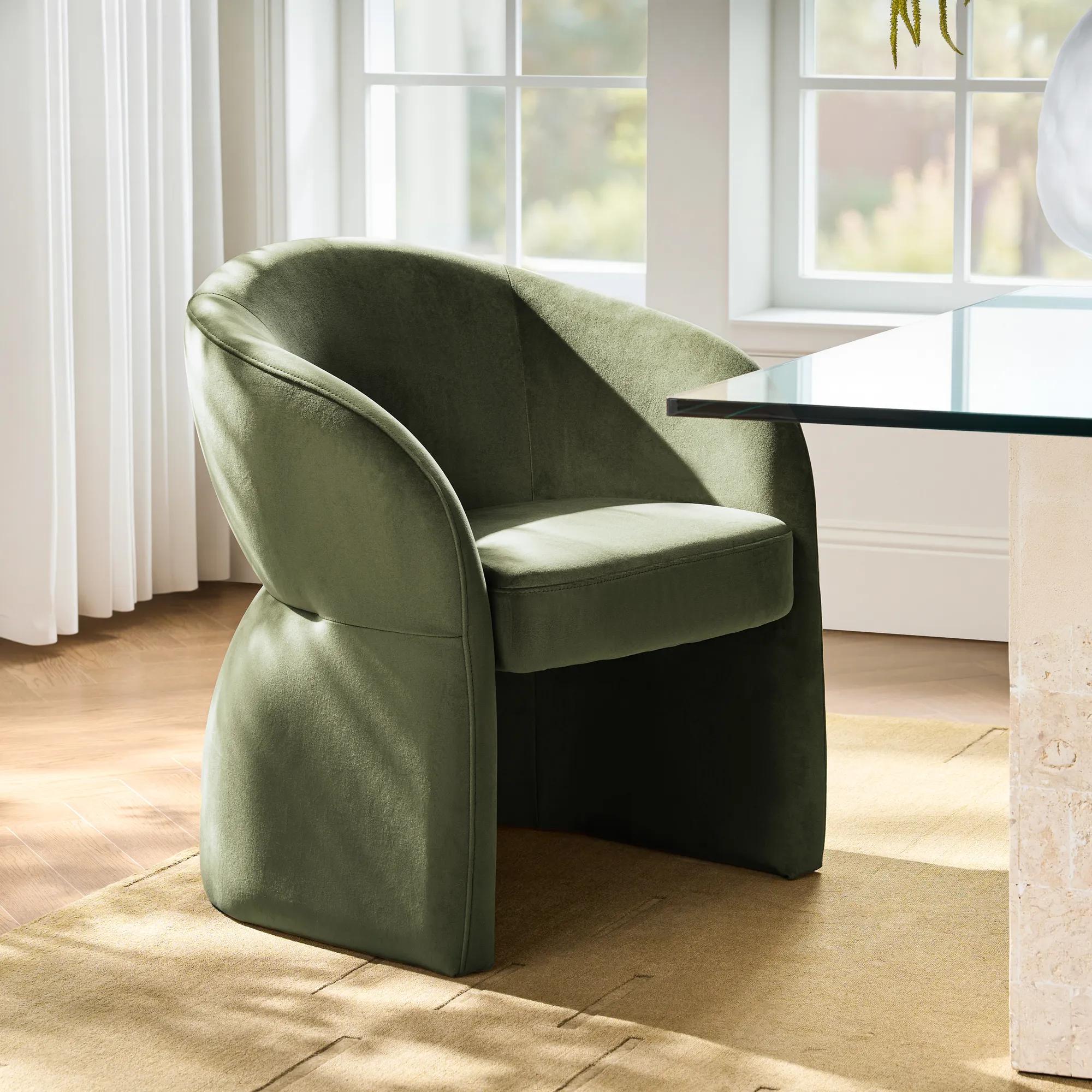 Sierra Jade Green Velvet Dining Chair$599
A sculptural accent chair in jade green velvet with gracefully arched arms and plush, supportive cushioning.
Add To Cart -
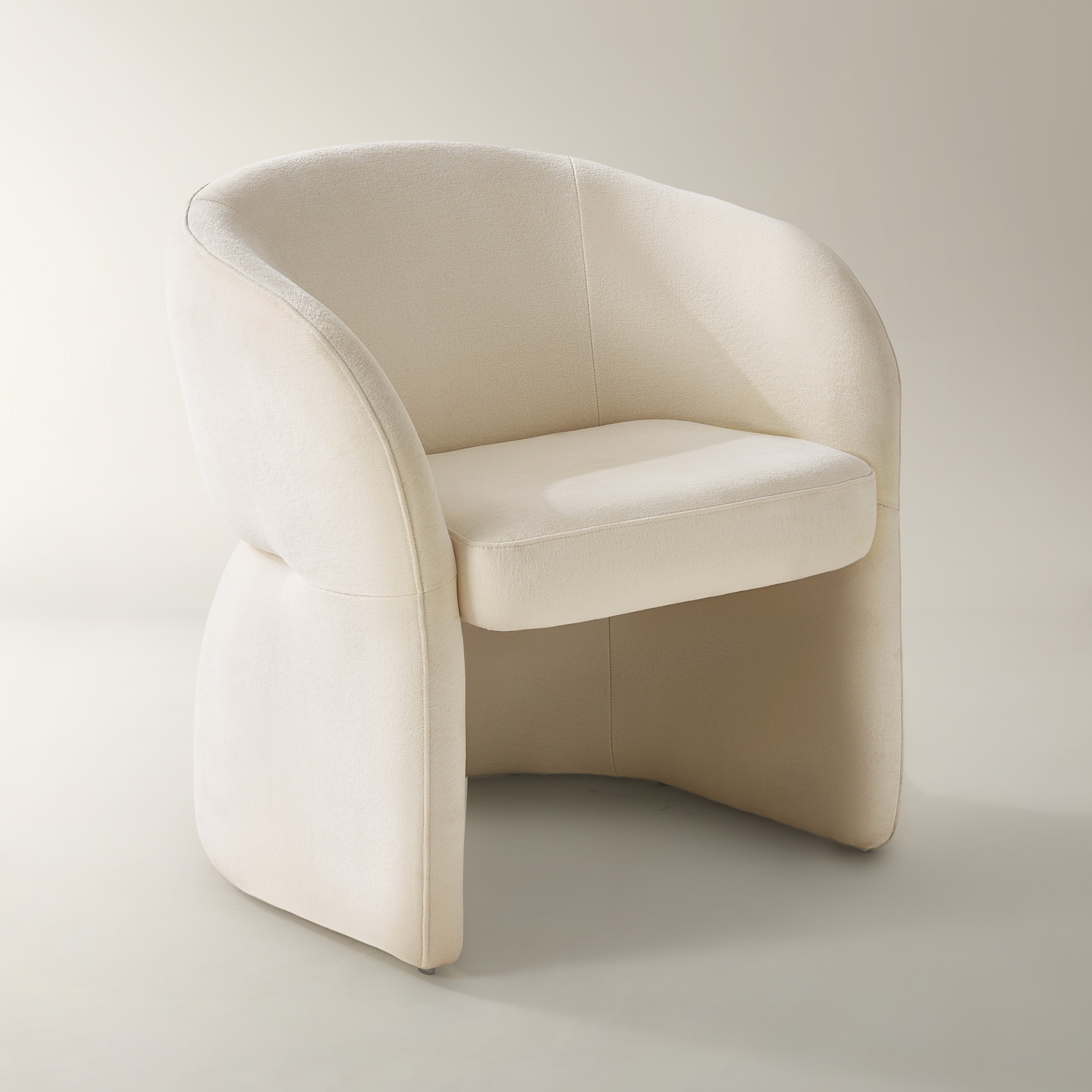
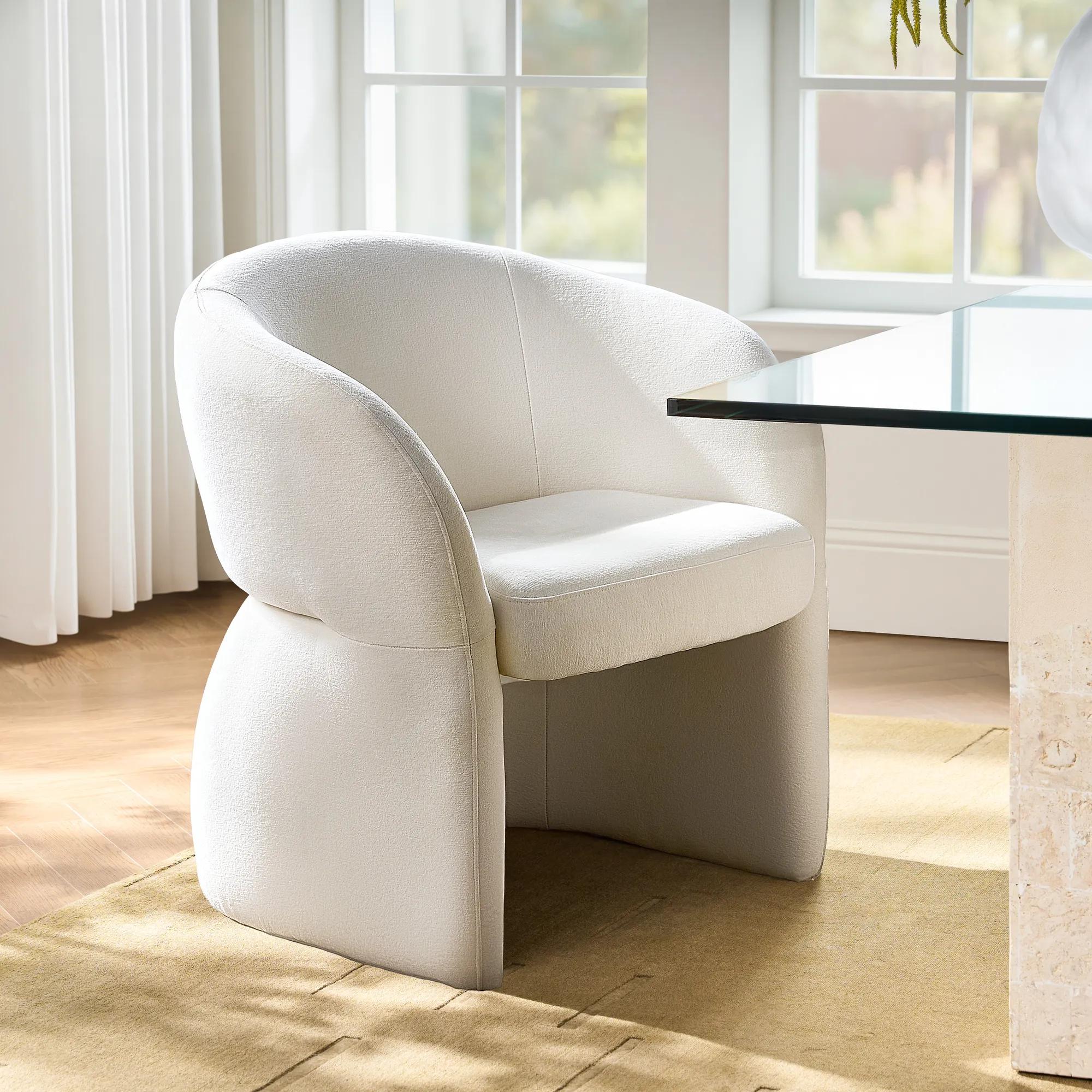 Sierra Oatmeal Velvet Dining Chair$599
An elegant accent chair in oatmeal velvet with gracefully arched arms, curved back, and plush cushioning.
Add To Cart -
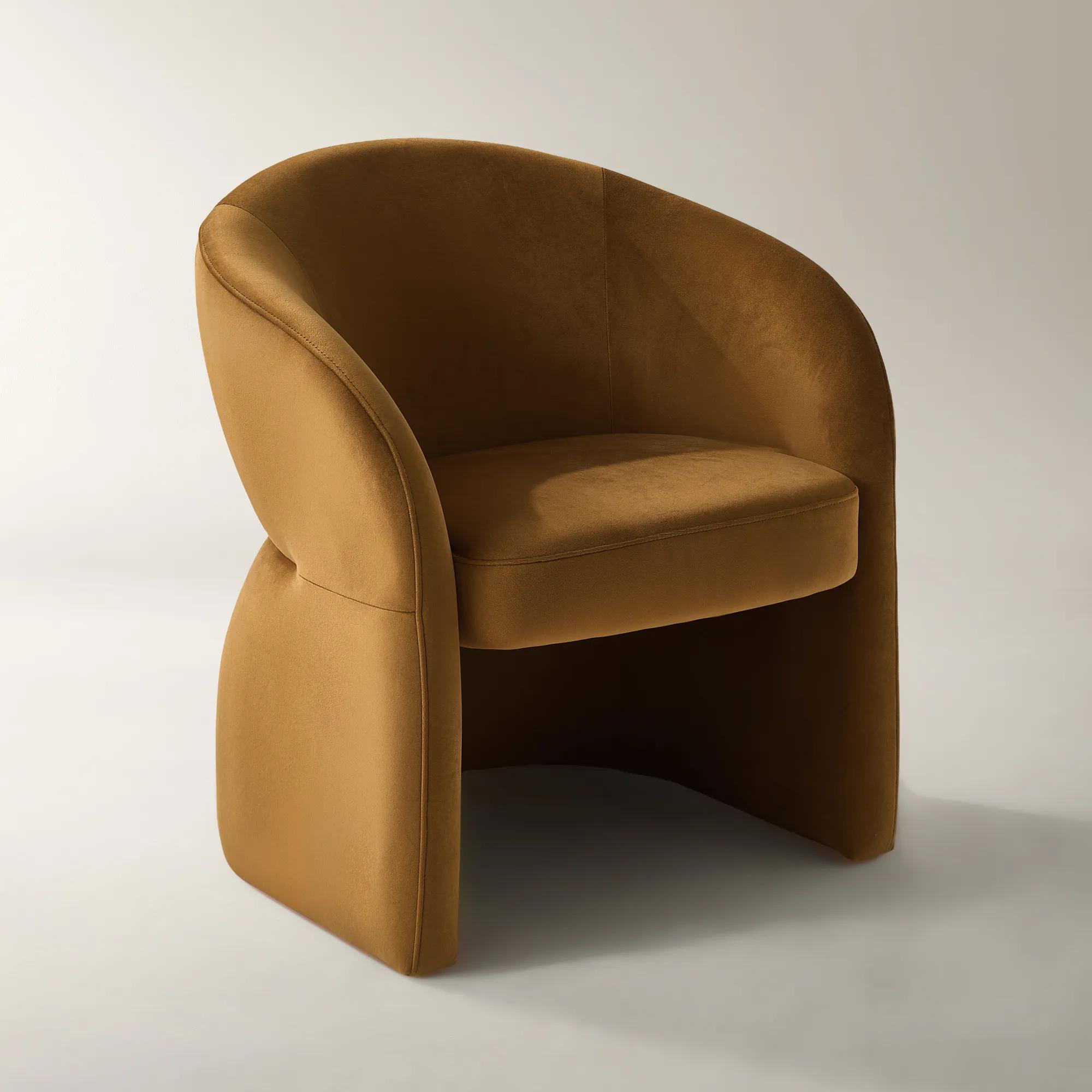
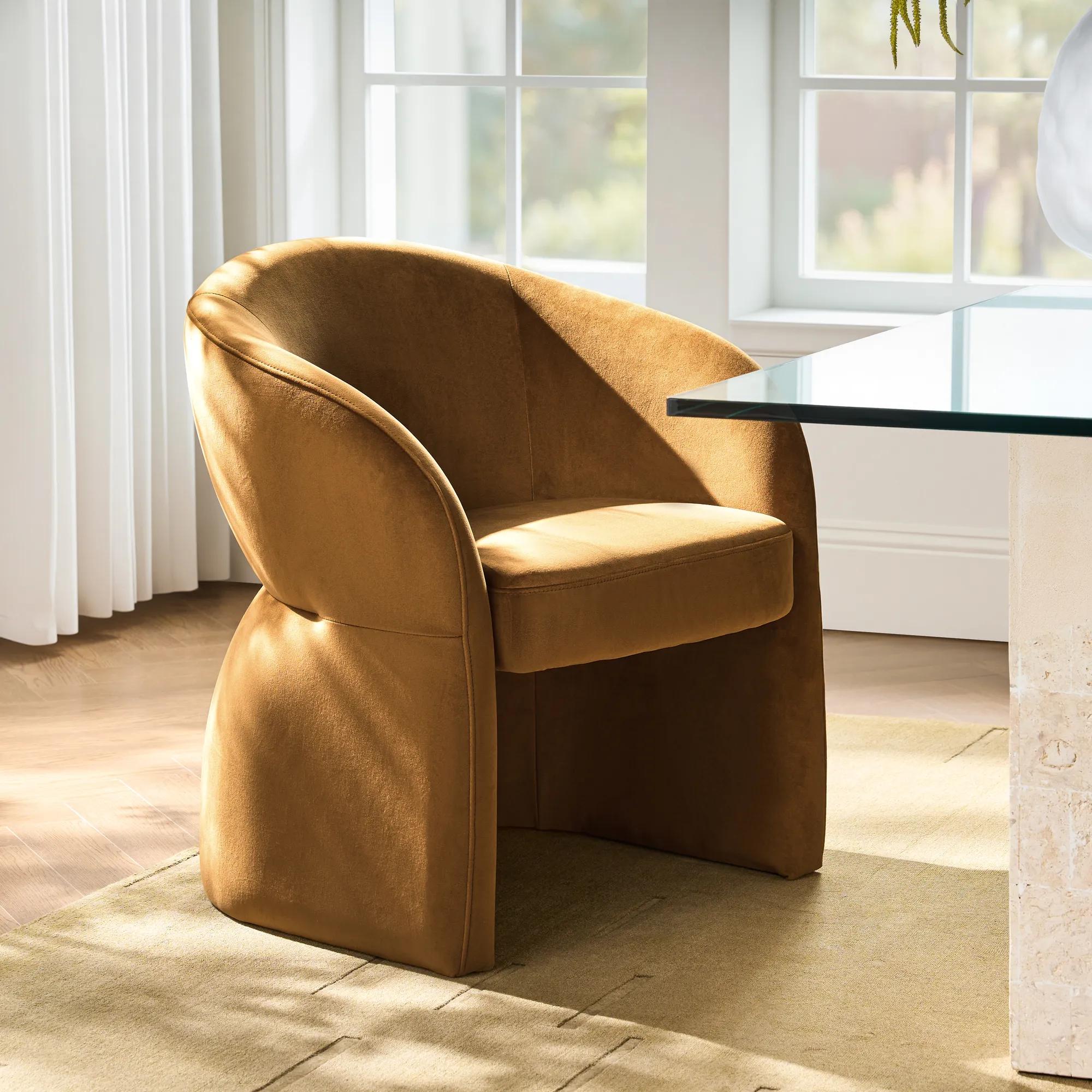 Sierra Roasted Pecan Velvet Dining Chair$599
A sculptural accent chair in roasted pecan velvet with arched arms, curved back, and plush cushioning.
Add To Cart -
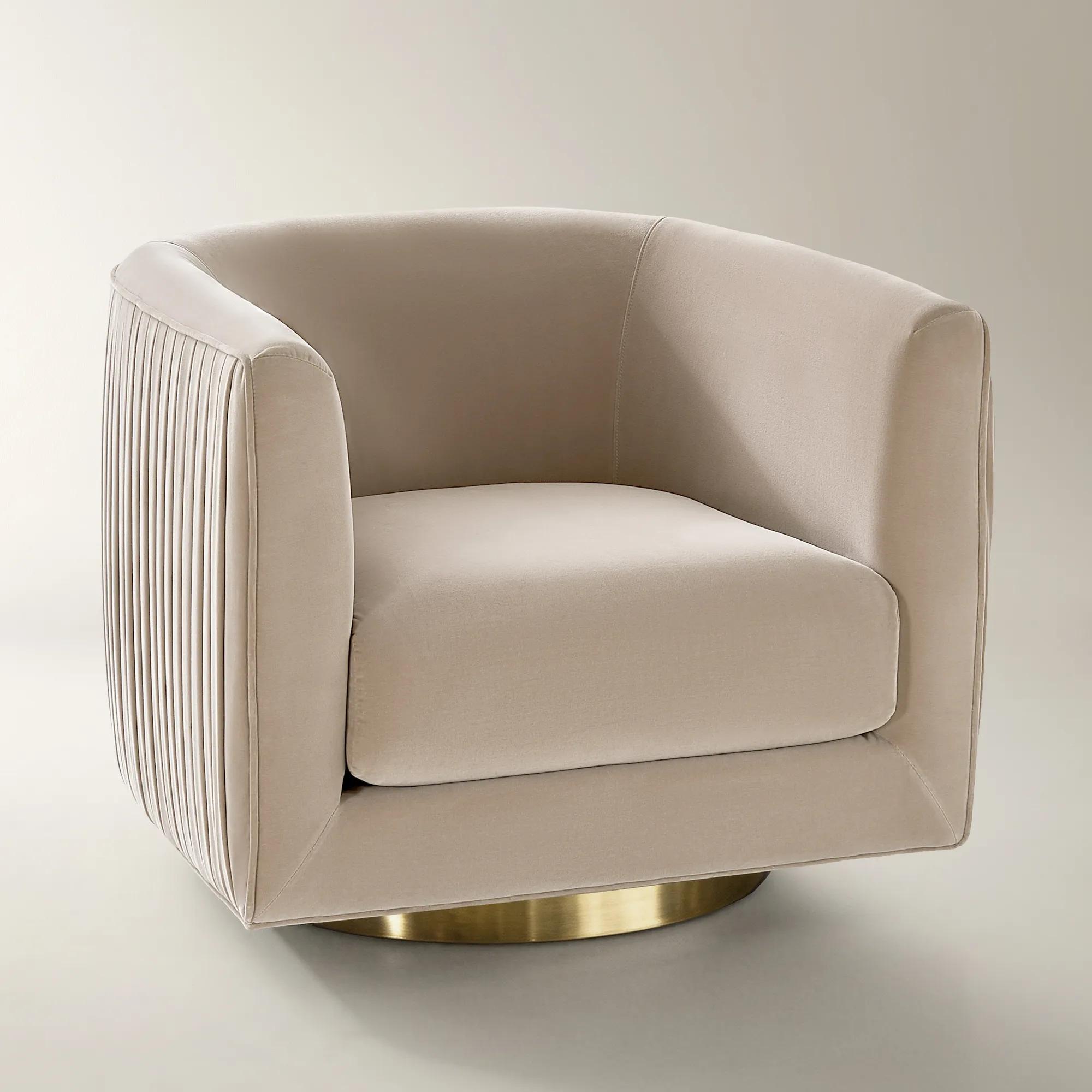 Lyssa Pleated Simply Taupe Velvet Swivel Accent Chair$1099
A softly curved taupe velvet accent chair featuring pleated detailing, 360° swivel, and a gold stainless steel base.
Add To Cart -
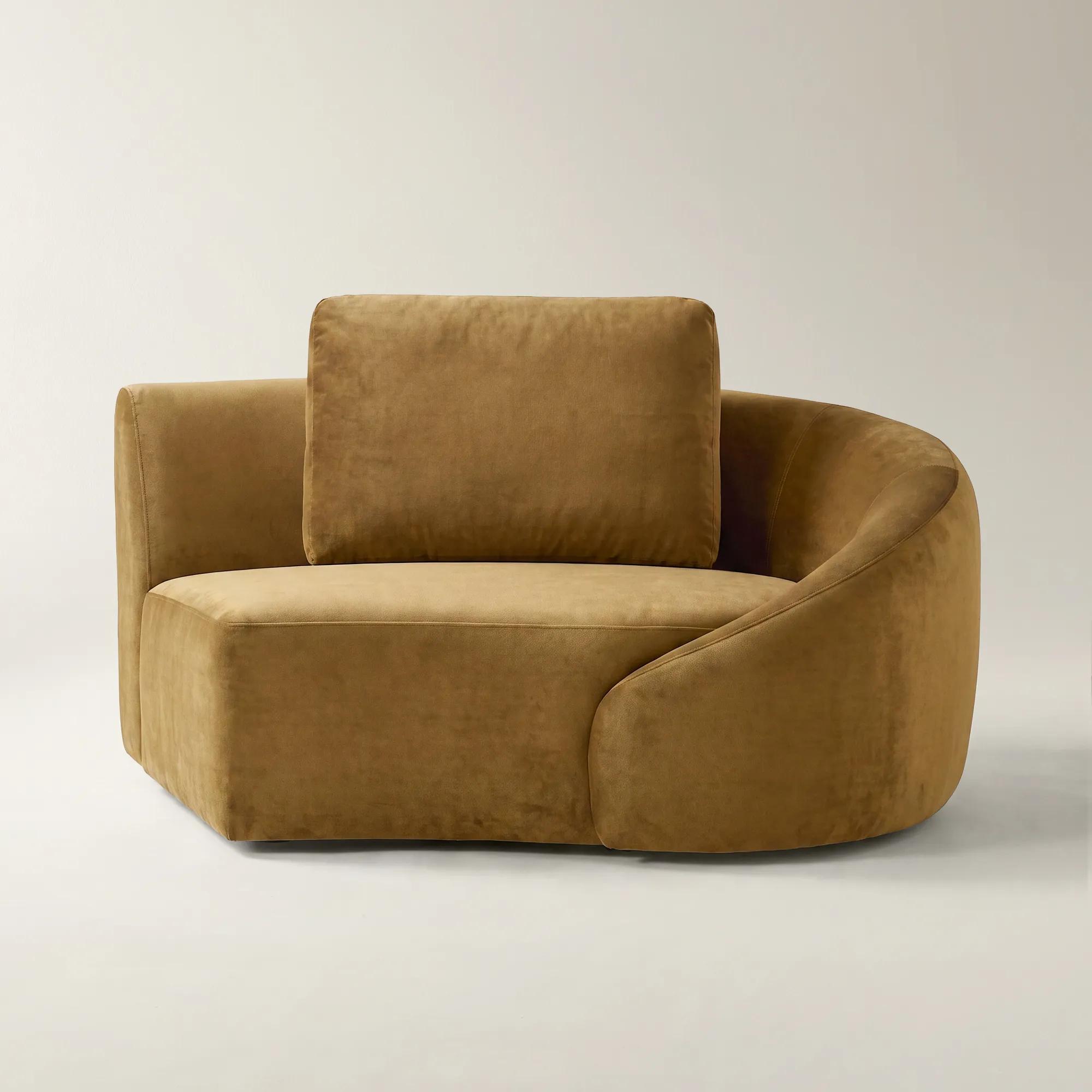
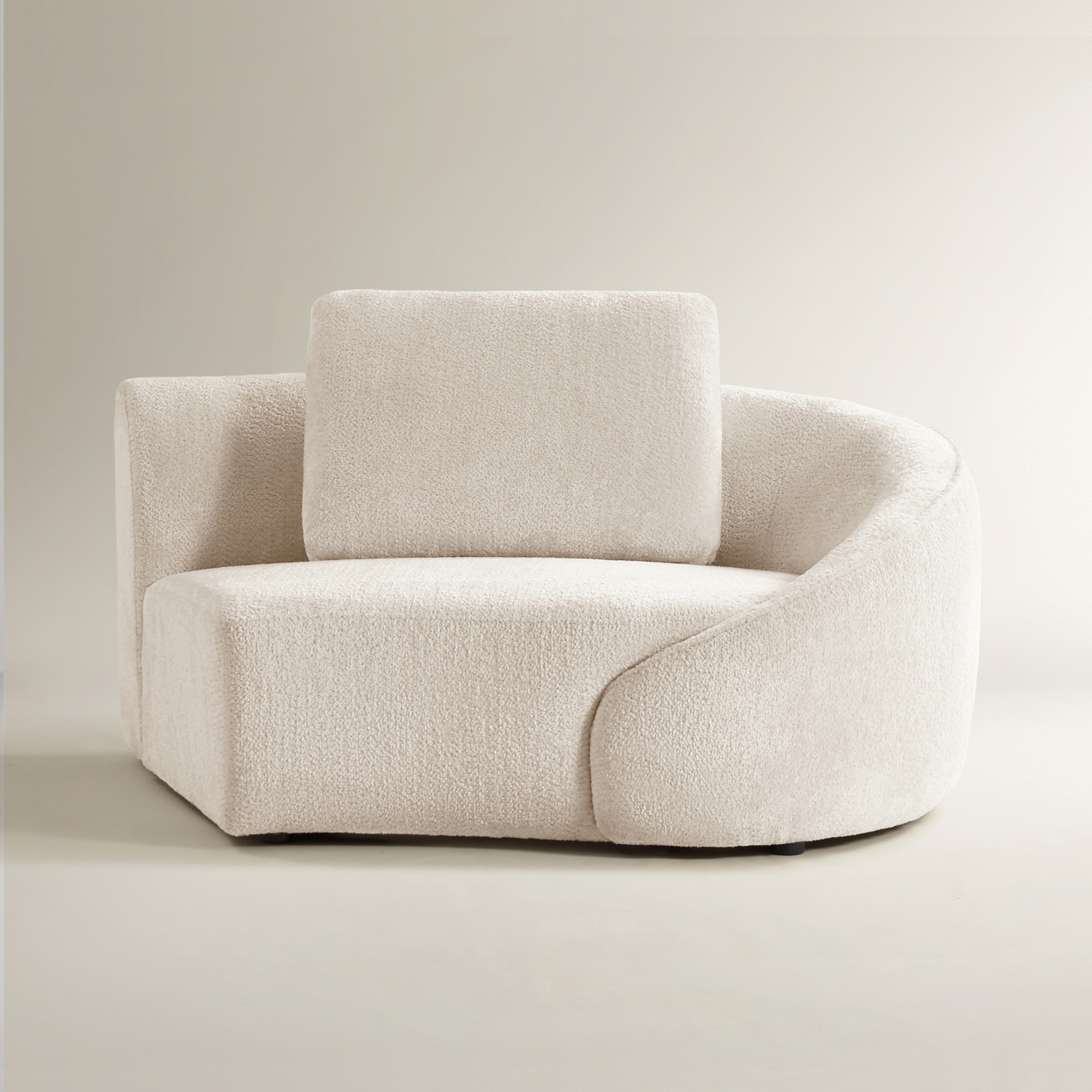 Irene Roasted Pecan Velvet Right-Arm Chair$1399
A sculptural right-arm chair in roasted pecan velvet with high-resiliency foam cushions and artisan detailing.
Add To Cart -
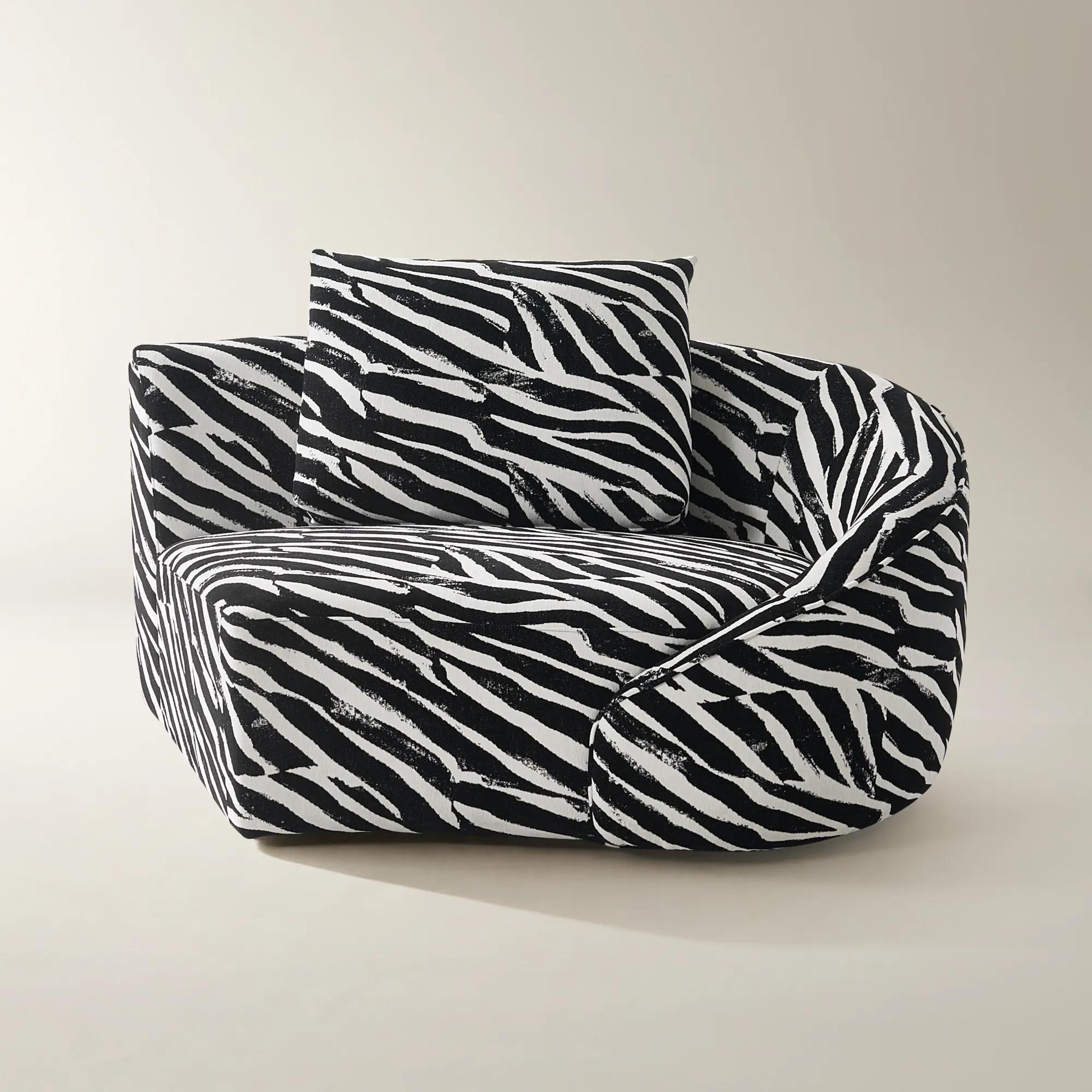
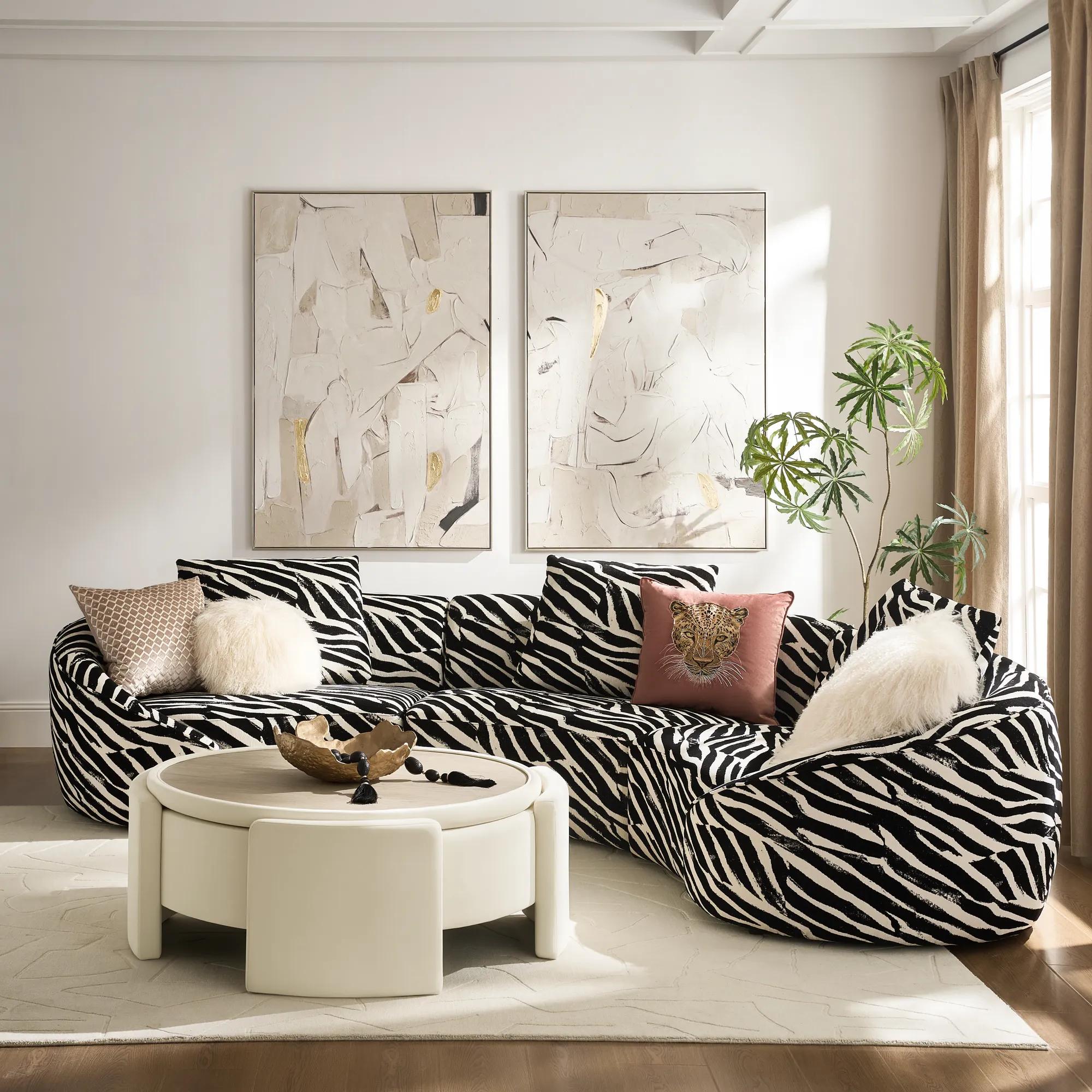 Irene White/Black Performance Chenille Right-Arm Chair$1399
A sculptural right-arm chair in black and white performance chenille with plush foam cushions and artisan detailing.
Add To Cart -
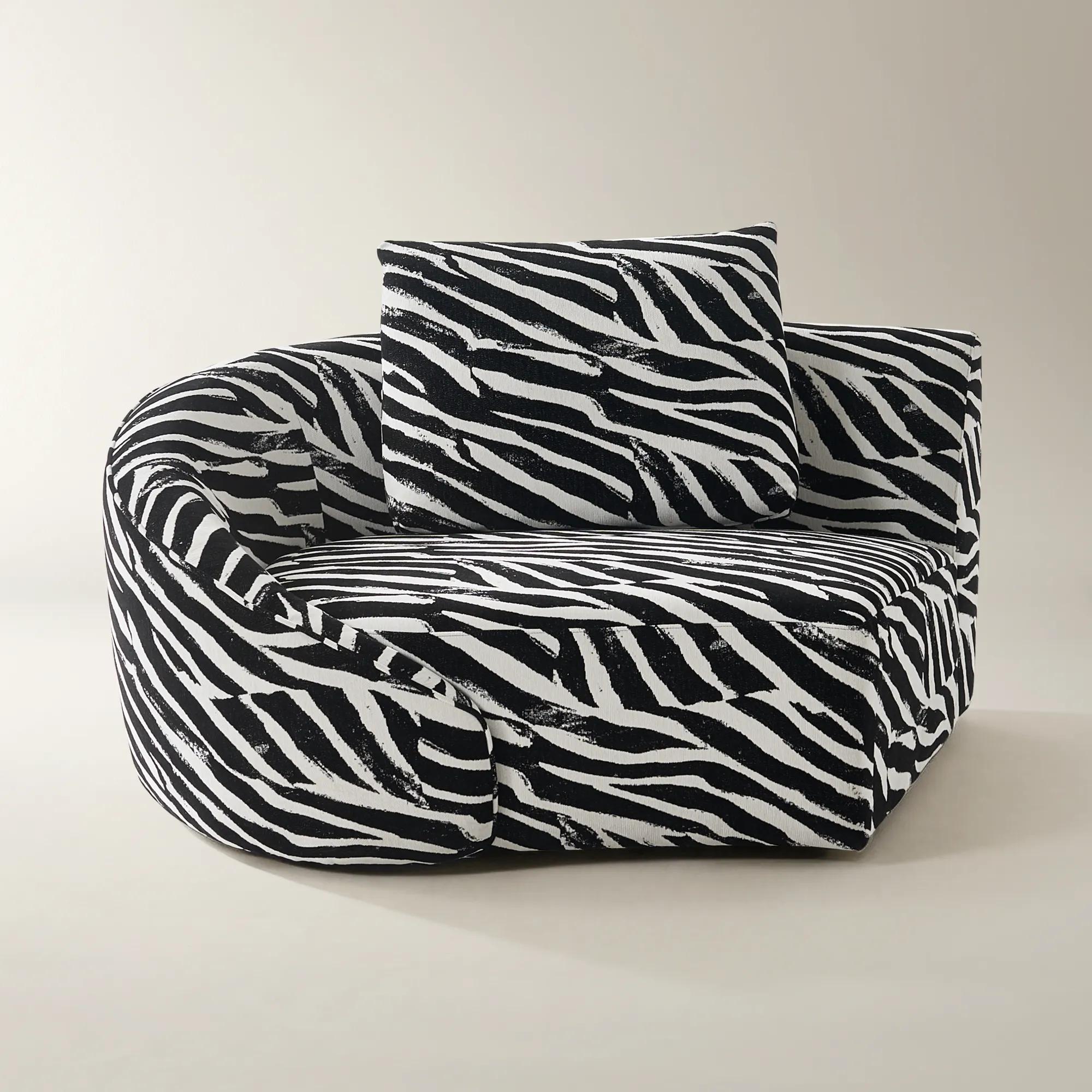
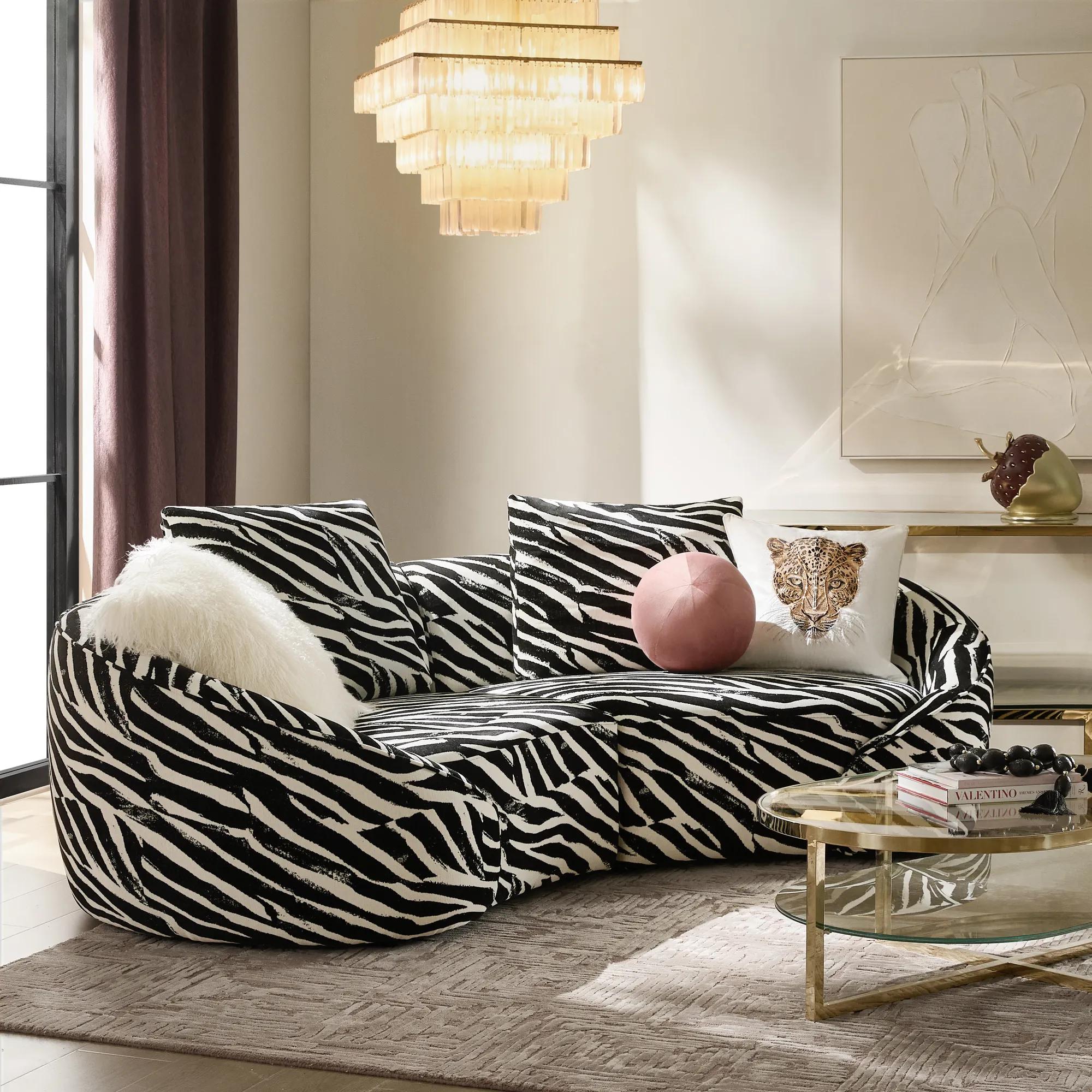 Irene White/Black Performance Chenille Left-Arm Chair$1399
A sculptural left-arm chair in black and white performance chenille with artisan hand-finished upholstery.
Add To Cart -
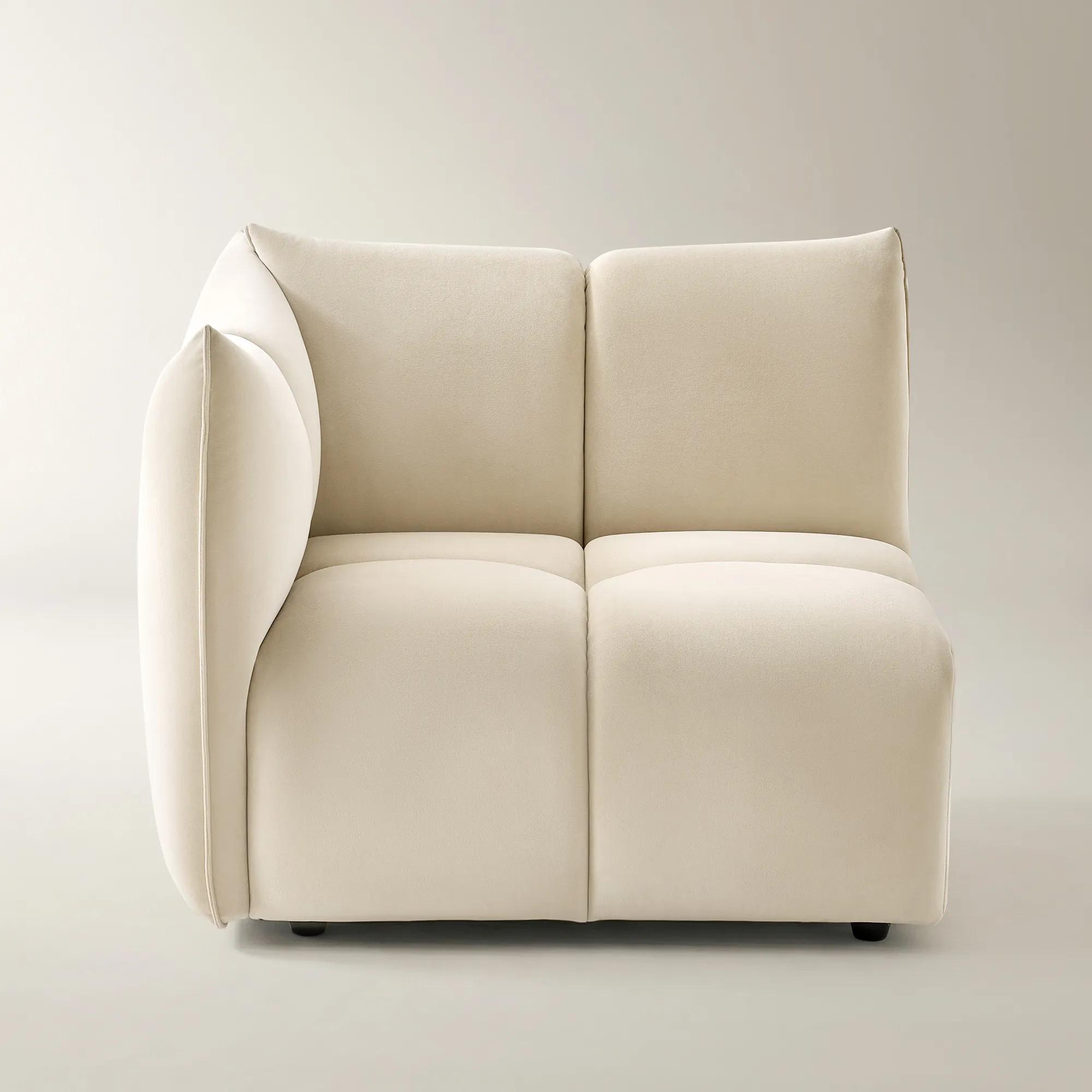 Reina Tufted Oatmeal Velvet Left-Arm Chair$899
A left-arm chair in oatmeal velvet featuring channel tufting, deep seating, and an architectural winged profile.
Add To Cart -
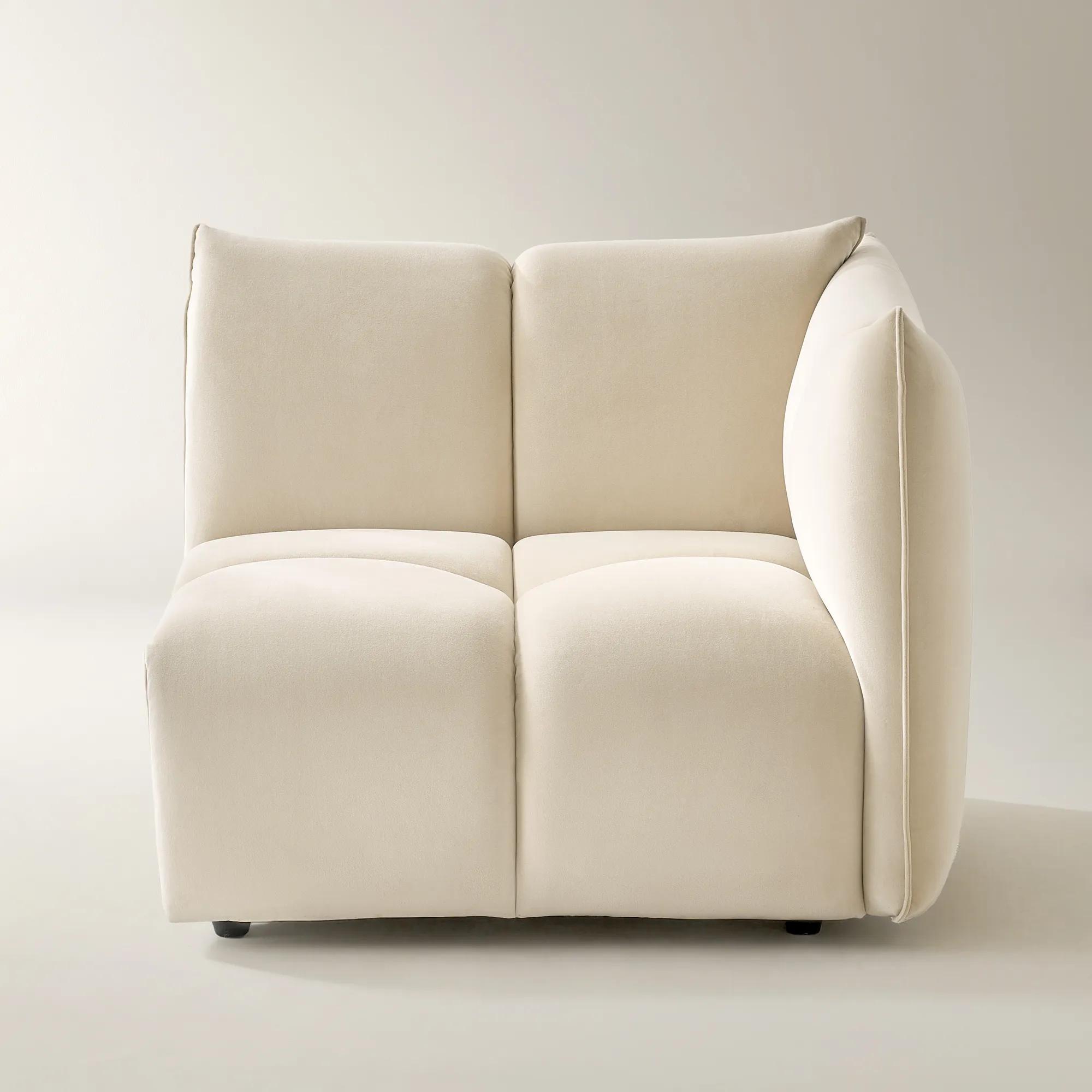
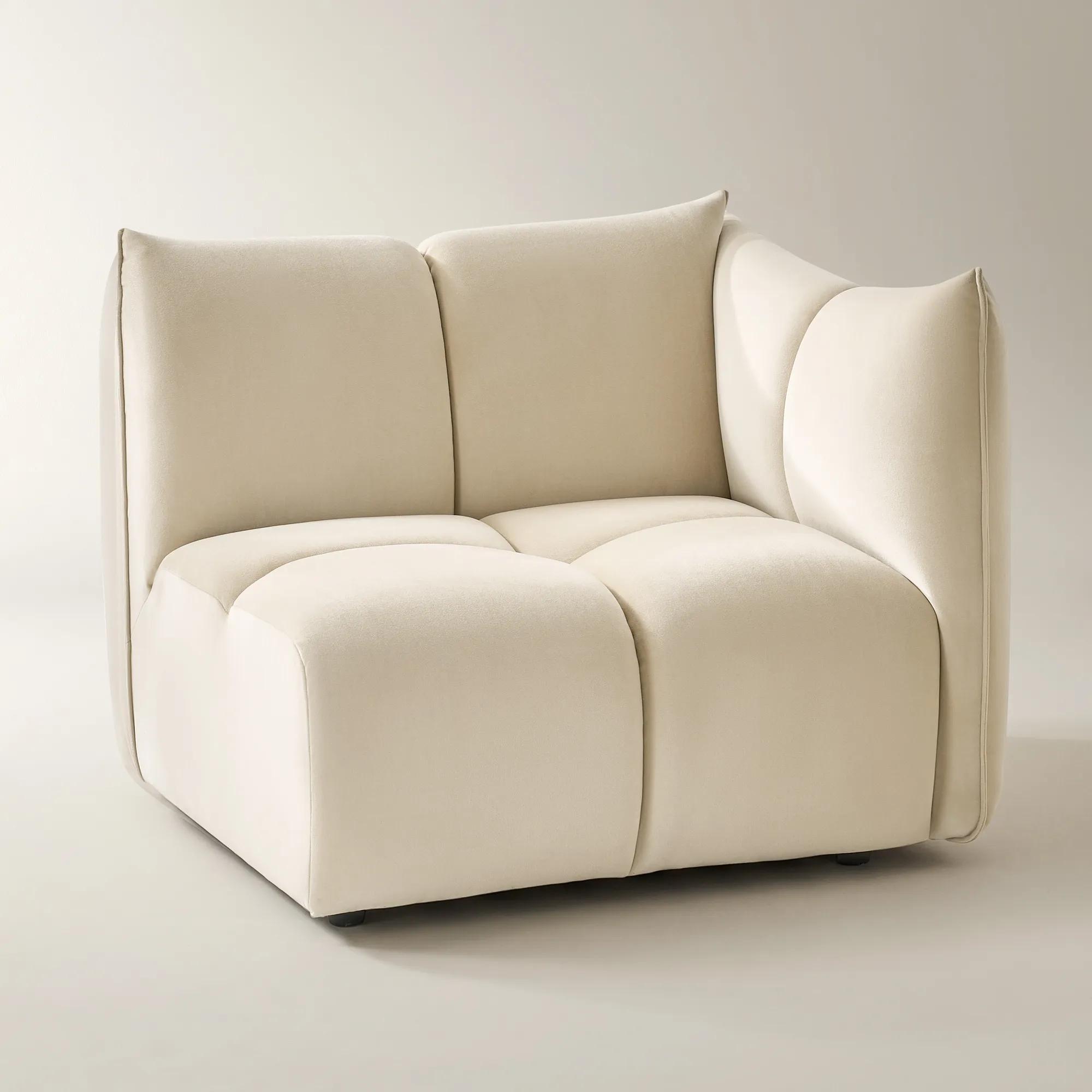 Reina Tufted Oatmeal Velvet Right-Arm Chair$899
A right-arm chair in oatmeal velvet featuring channel tufting, winged sides, and deep, plush seating.
Add To Cart -
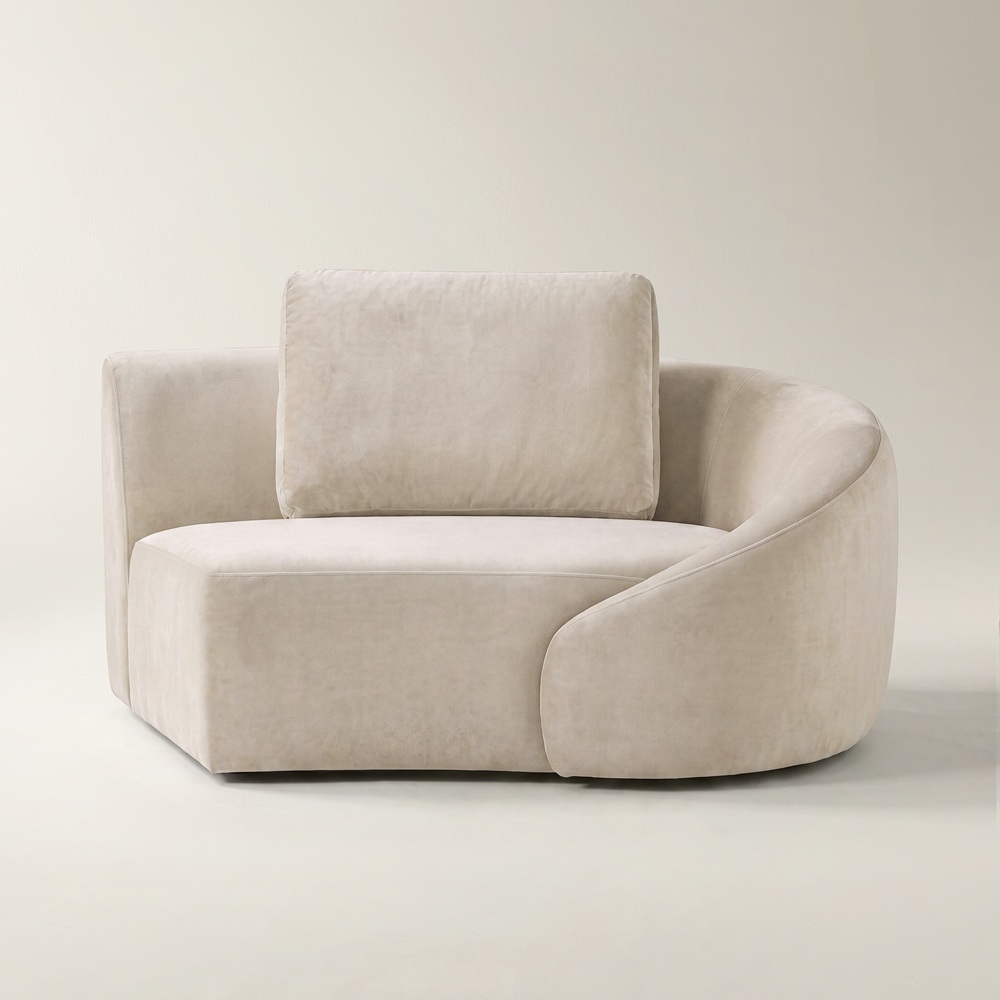 Irene Oatmeal Velvet Right-Arm Chair$1399
An oatmeal velvet right-arm chair featuring sculptural curves, high-resiliency foam, and artisan hand-finished upholstery.
Add To Cart -
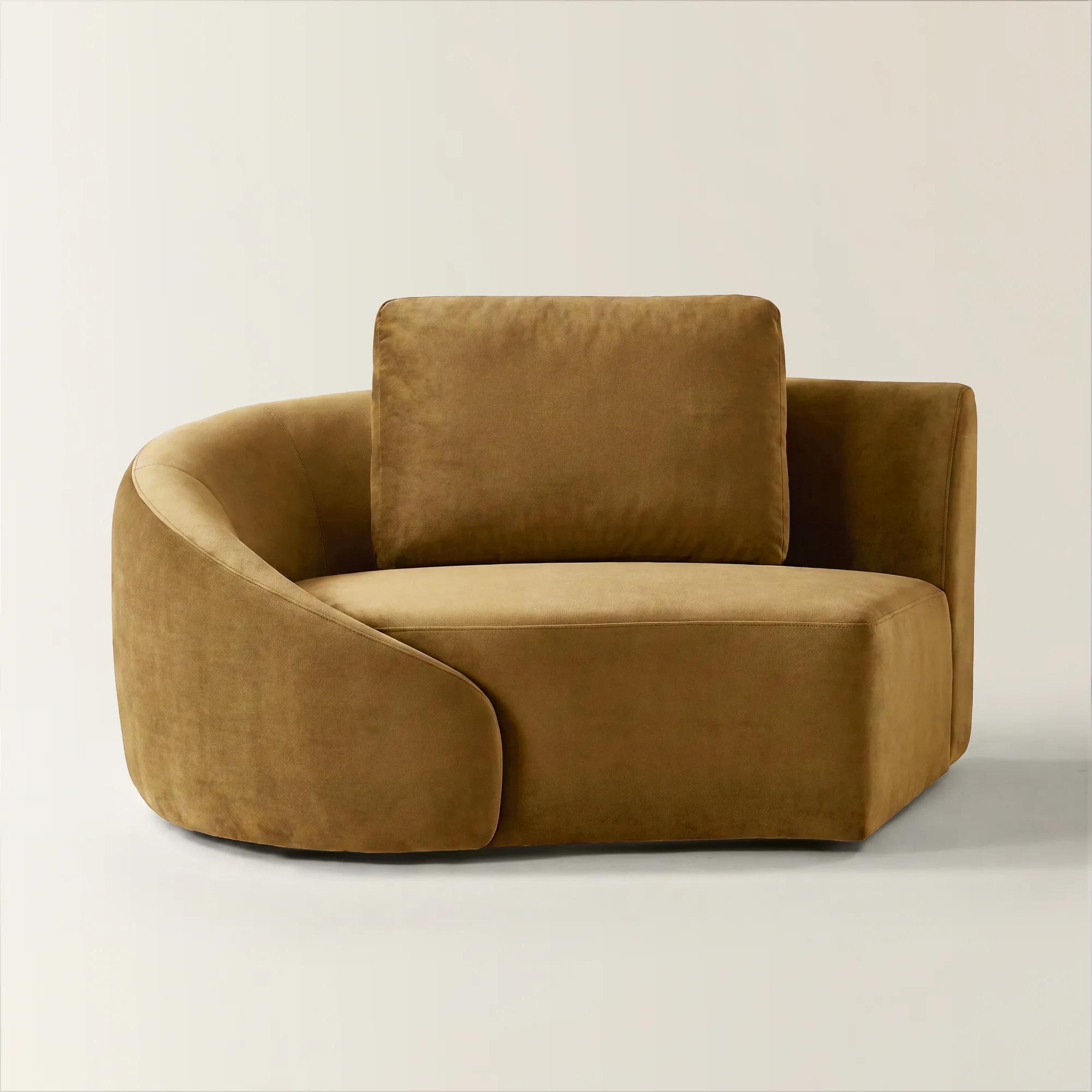
 Irene Roasted Pecan Velvet Left-Arm Chair$1399
A sculptural left-arm chair in roasted pecan velvet with high-resiliency foam cushions and artisan detailing.
Add To Cart -
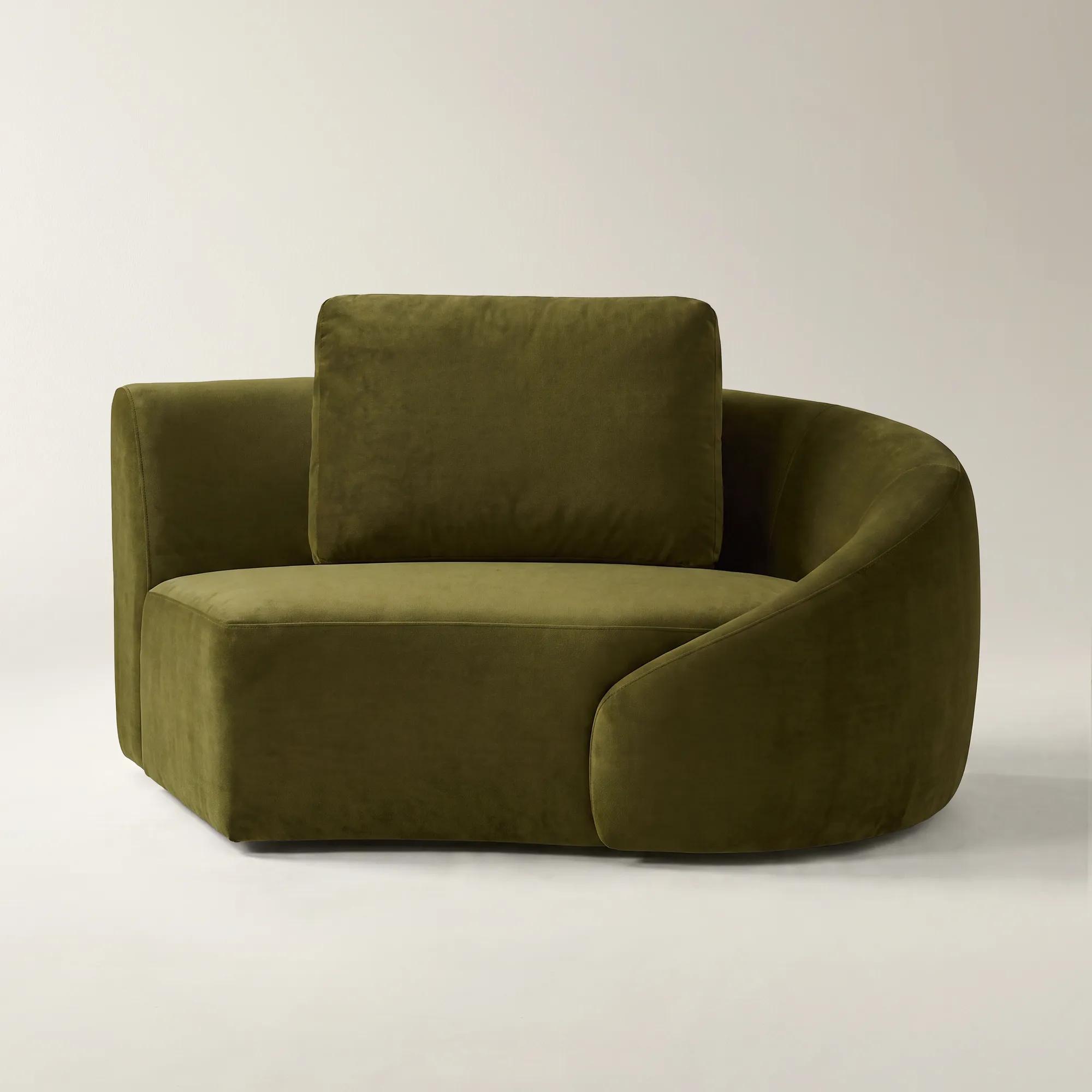 Irene Deep Olive Velvet Right-Arm Chair$1399
A sculptural right-arm chair in deep olive velvet with high-resiliency foam cushions and artisan detailing.
Add To Cart -
 Teddy Beige Faux Fur Accent Chair$949
A sculptural modern accent chair in beige faux fur with plush foam cushioning for ultimate comfort.
Add To Cart -
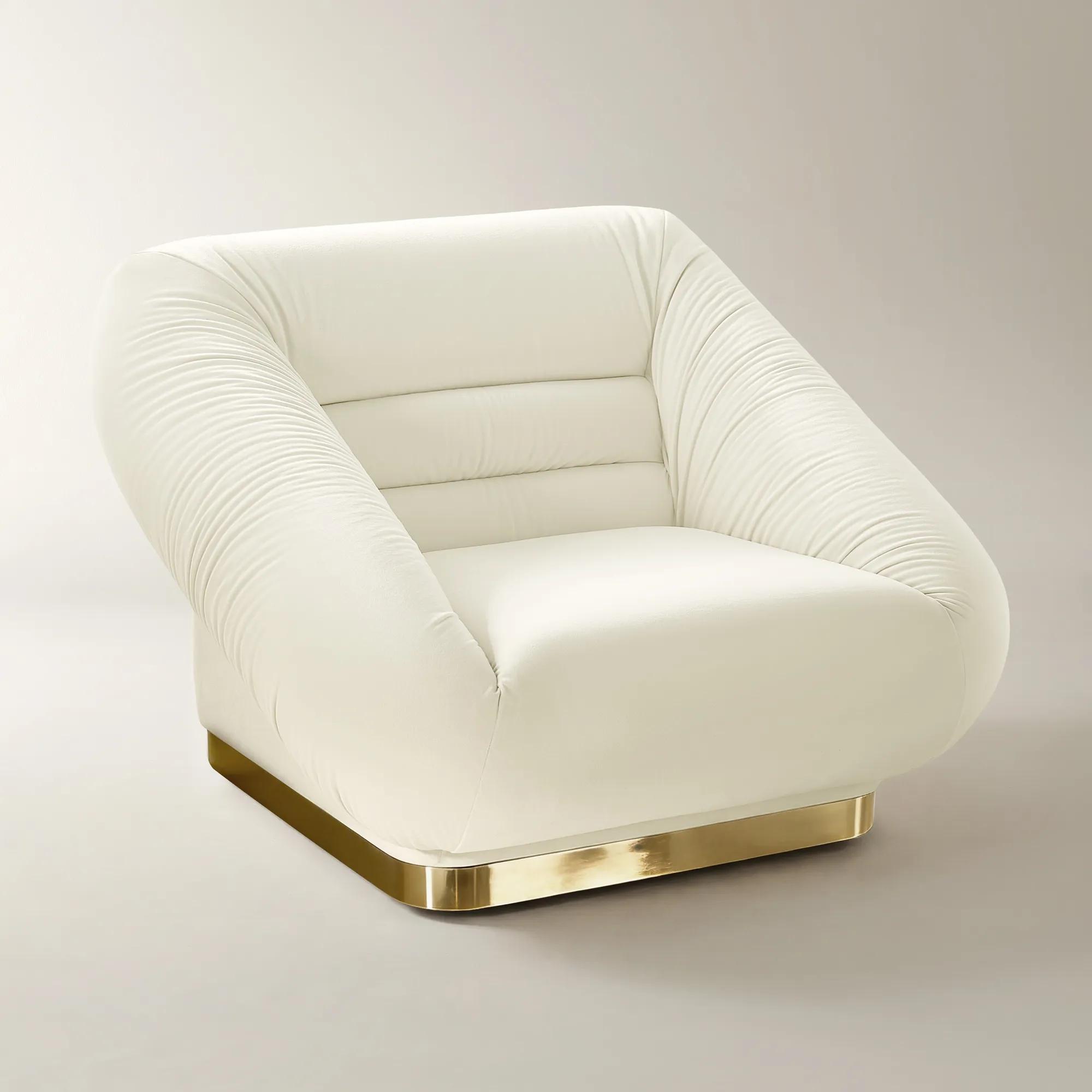 Dover Cloud Velvet Swivel Accent Chair$1299
A sculptural accent chair in cloud velvet with a gold-trimmed base and smooth 360° swivel function.
Add To Cart

Living Room Accent Chairs With Arms
Living room accent chairs with arms invite you to indulge in the art of statement seating—where comfort meets couture and every silhouette sparks conversation. More than mere furniture, these sculptural pieces command attention, transforming your space into a gallery of self-expression. Whether you crave the drama of sweeping lines or the allure of sumptuous upholstery, each chair is designed to cradle you in luxury while elevating the ambiance of your living room. Discover how living room accent chairs with arms become both muse and masterpiece, infusing your home with bold personality and undeniable allure.
Living room accent chairs with arms bring a distinct silhouette to a seating arrangement while offering a comfortable place to read, converse, or linger over a favorite album. Unlike armless occasional seating, an armchair provides a defined resting place for the forearms and a more enveloping sense of comfort. Its character comes from the relationship between the back, seat, arms, and base: a sweeping barrel shape feels intimate and sculptural, a wingback introduces height and architectural presence, and a streamlined frame lends definition without overwhelming the room. Upholstered arms create a continuous, cushioned outline, while exposed wood or metal arms draw attention to craftsmanship and negative space. Slender track arms suit a tailored composition; rounded or gently flared arms soften the geometry of a rectangular sofa and angular tables. These distinctions make accent chairs as expressive as they are useful. A single chair beside a sofa can give an otherwise symmetrical room a more collected quality, while a facing pair creates a conversation area with deliberate rhythm. For people who entertain, armchairs offer guests individual seats that feel considered rather than improvised. For readers, a supportive back and well-positioned arms can make a quiet corner feel like a destination. In an open-plan home, the back of a beautifully shaped chair can help define the living area without the visual weight of another sofa. Color adds another layer of expression: ivory and warm neutrals let contour and texture command attention, charcoal creates a grounded outline, and saturated jewel tones bring depth to a restrained palette. A chair does not need to match the sofa to belong beside it. Repeating one element, such as a curved profile, warm wood tone, or gleaming metal finish, creates cohesion while leaving room for contrast. The most compelling arrangements give each piece a distinct role, allowing an accent chair to punctuate the room rather than disappear into it. That individuality is especially striking when the chair remains visible from an entryway or an adjacent dining space.
Material gives that silhouette its atmosphere, and the appeal of Upholstered Accent Chairs With Arms lies in the way fabric can turn a functional seat into a richly tactile focal point. Velvet catches light across its pile, giving curved arms and sculpted backs a sense of movement; its appearance can shift with the direction of the nap, adding dimension even in a single color. Bouclé introduces a more pronounced, looped texture, while a tightly woven fabric can emphasize clean tailoring and crisp seams. Leather offers a different expression, with a surface that may develop creases and patina depending on its finish and use. Neither softness nor durability can be judged by a material name alone. Fiber content, weave, finish, cushion construction, and the demands of the household all influence how a chair feels and wears. A frequently used family-room seat has different requirements from an occasional chair reserved for conversation. In homes with pets, textured loops may be vulnerable to claws, while any upholstery benefits from care suited to its particular construction. Performance fabrics may offer resistance to certain spills or stains, but the designation does not make every fabric stainproof or suitable for every cleaning method. Comfort is equally individual. A deeper seat invites a relaxed posture, especially with an appropriately sized lumbar pillow, while a shallower seat may make it easier to sit upright with feet supported. Higher arms can feel reassuringly enclosed; lower arms allow a more open posture and may tuck more comfortably beside a table. Cushion fill and suspension affect whether the seat feels buoyant, yielding, or firm, and substantial padding alone does not establish lasting support. Frame materials, secure joinery, and a stable base matter beneath the upholstery. For a chair used every day, construction details and stated weight limits deserve as much attention as the fabric’s sheen. A beautiful chair earns its place through both visual presence and comfort that suits the person settling into it.
Scale determines whether a living room armchair feels gracefully placed or imposes on the room. Overall width includes the arms, so two chairs with similar exterior dimensions can offer noticeably different amounts of usable seat space. Broad, padded arms create a generous outline but may leave a narrower sitting area than expected; slimmer arms can preserve seat width within a more compact footprint. Back height also changes the composition. A tall back draws the eye upward and can hold its own beside substantial furniture, while a lower profile preserves sightlines across an open room. Seat height relative to the sofa helps a conversation group feel connected, and arm height matters when positioning a side table for a drink or reading glasses. Measuring the intended location, along with doorways, hallways, and turns along the delivery path, protects the proportions of the finished arrangement. Space around the chair should allow people to pass comfortably without stepping between someone’s feet and a table. Swivel designs need room for their turning radius, and reclining styles require the clearance specified for their movement. Once those practical relationships are resolved, styling can remain beautifully restrained: a luminous table, a well-placed reading lamp, and a pillow that echoes a color elsewhere in the room may be all the chair needs. Daily care helps preserve that composition. Gentle vacuuming with an appropriate upholstery attachment removes dust from seams and crevices, while rotating loose cushions, when permitted, can distribute wear. Spills are best addressed promptly by blotting rather than rubbing and following the upholstery care label; cleaning codes and manufacturer instructions should determine whether water-based products, solvents, or professional treatment are appropriate. Leather requires care matched to its finish, and prolonged direct sunlight can alter the color of both leather and fabric. With thoughtful placement and material-specific maintenance, an accent chair with arms becomes more than an additional seat: it gives the room a place for pause, a stronger silhouette, and a lasting expression of personal taste.
FAQs
Living room accent chairs with arms are remarkably versatile, complementing a range of aesthetics from contemporary glam to timeless classic. For a modern look, choose sleek lines and bold fabrics. If your space leans traditional, opt for tufted upholstery or sculptural wood accents. These chairs also work beautifully in eclectic, transitional, or art-inspired interiors, where their dramatic silhouettes and luxe materials can either harmonize with or stand out from surrounding décor.
Accent chairs with arms serve as both functional seating and artistic statements, instantly elevating the mood of a room. Their presence can anchor a vignette, frame a fireplace, or create an inviting reading nook. With sumptuous fabrics, gleaming finishes, and bold shapes, they introduce texture, color, and personality—transforming the living room into a space that feels curated and expressive.
Absolutely. A luxury armchair with arms makes a thoughtful and lasting gift for housewarmings, weddings, anniversaries, or milestone celebrations. It’s a gesture that speaks to comfort, style, and the art of living well—perfect for those who appreciate interiors as a form of self-expression.
Popular materials for contemporary accent chairs with arms include plush velvets, soft chenilles, textured boucles, and buttery leathers. Frames may be crafted from polished metals, rich woods, or a combination of both, offering a spectrum of looks from sleek and modern to warm and inviting. The choice of material not only affects the chair’s appearance but also its tactile appeal and overall ambiance.
To achieve a cohesive look, consider the chair’s color, material, and silhouette in relation to your existing furniture and décor. Echo elements such as metallic finishes, fabric textures, or accent colors found elsewhere in the room. Placing a statement chair near a complementary rug, art piece, or lighting fixture can tie the space together, making the accent chair feel like an intentional and harmonious part of your living room’s story.