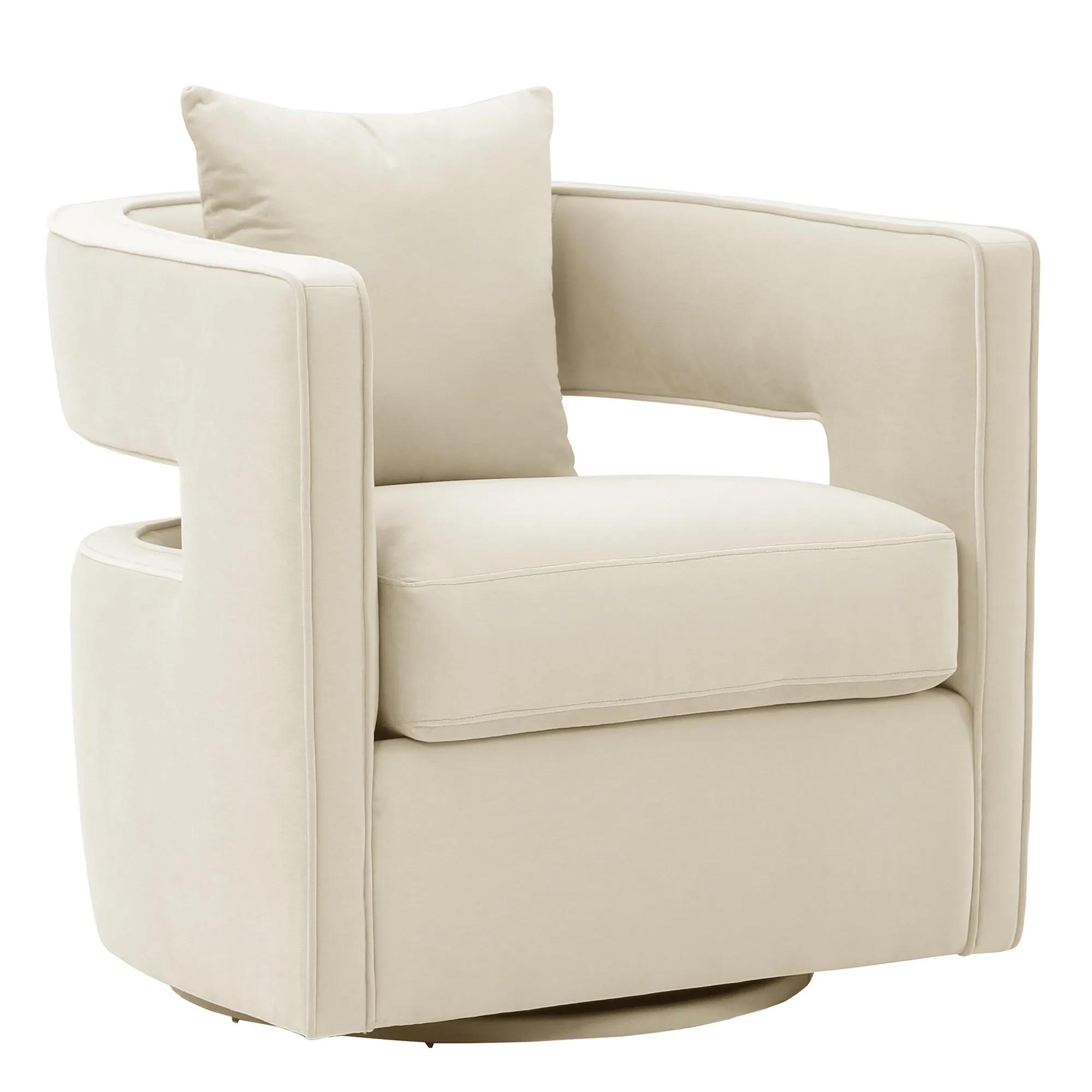
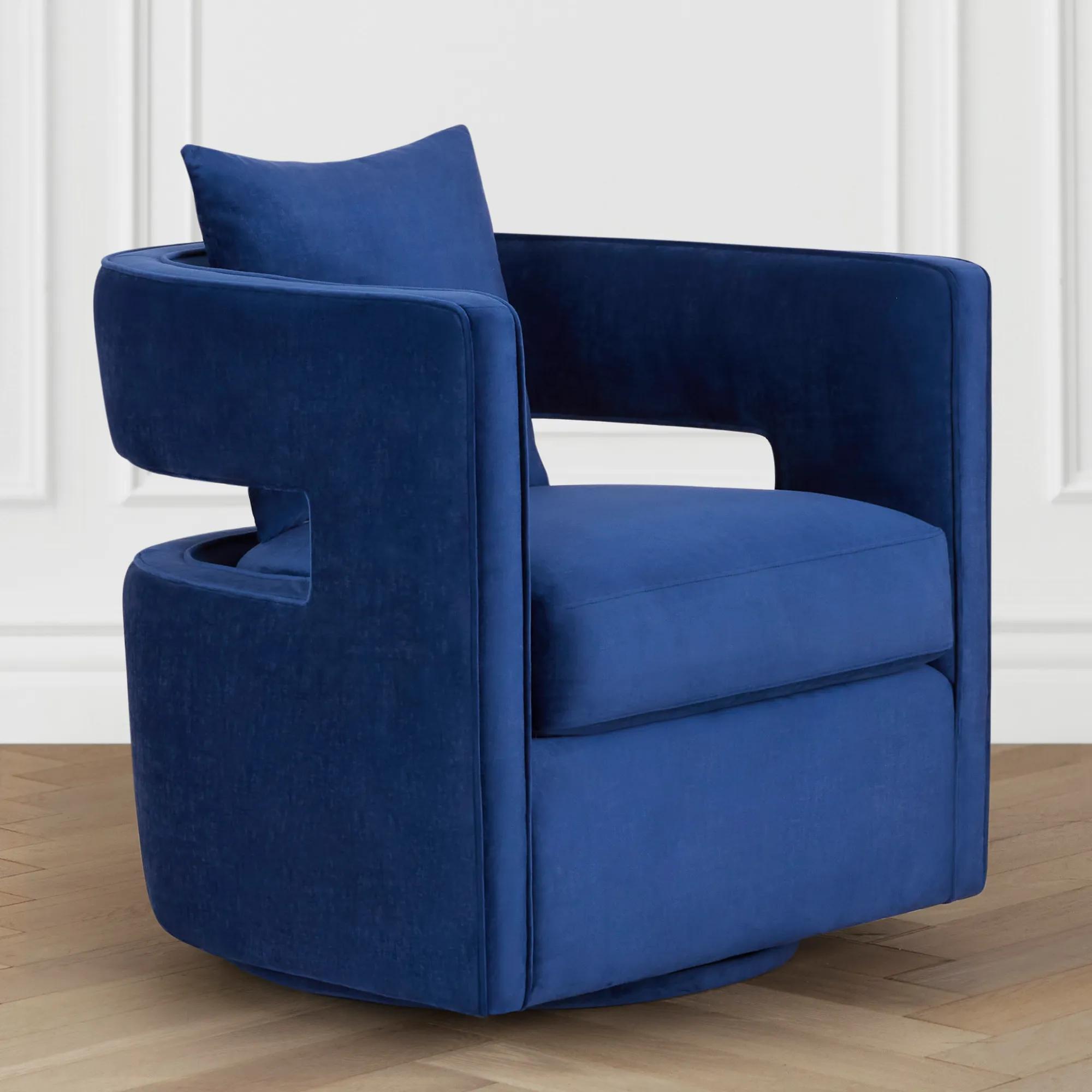
Accent Chairs For Eclectic Decor
Accent Chairs For Eclectic Decor
-
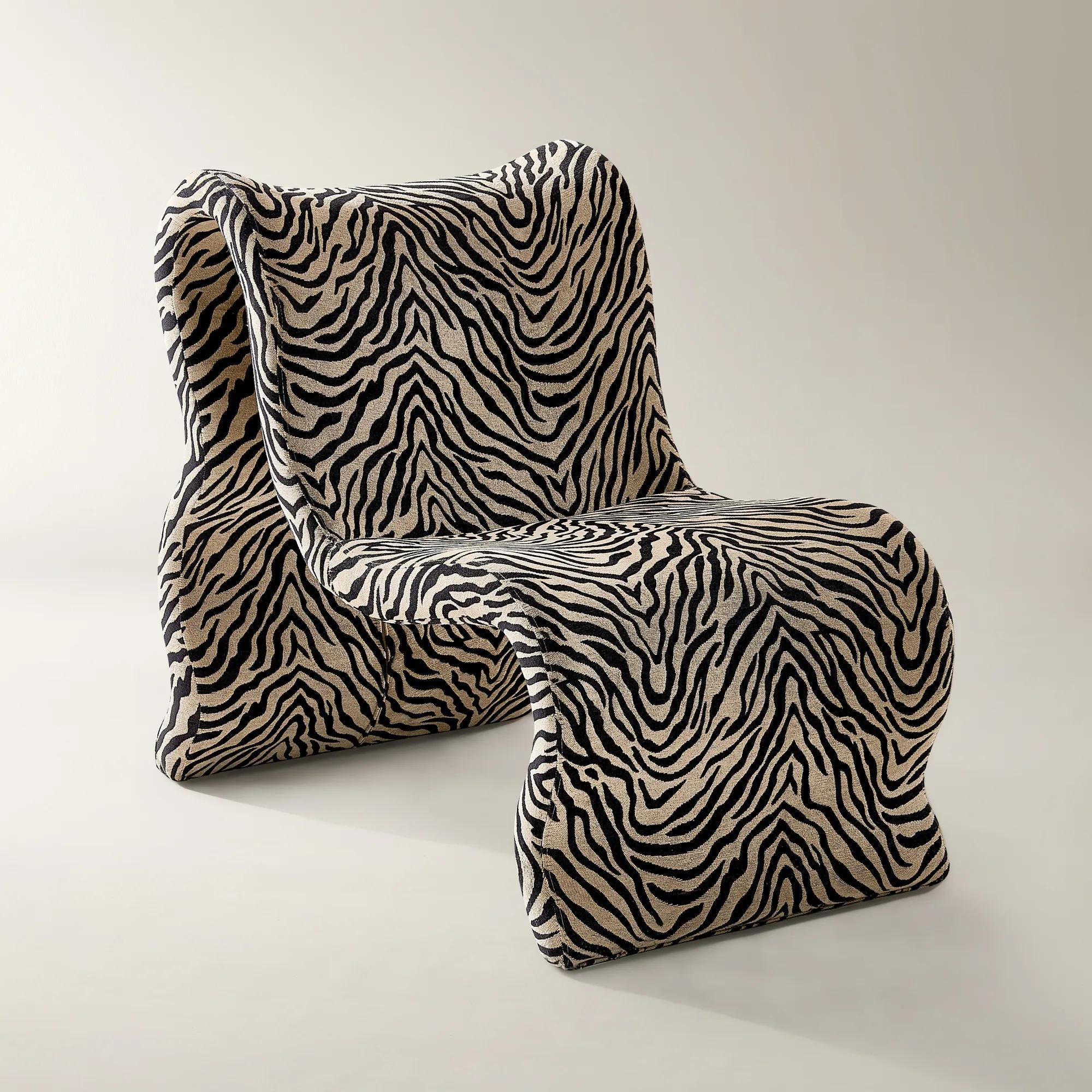
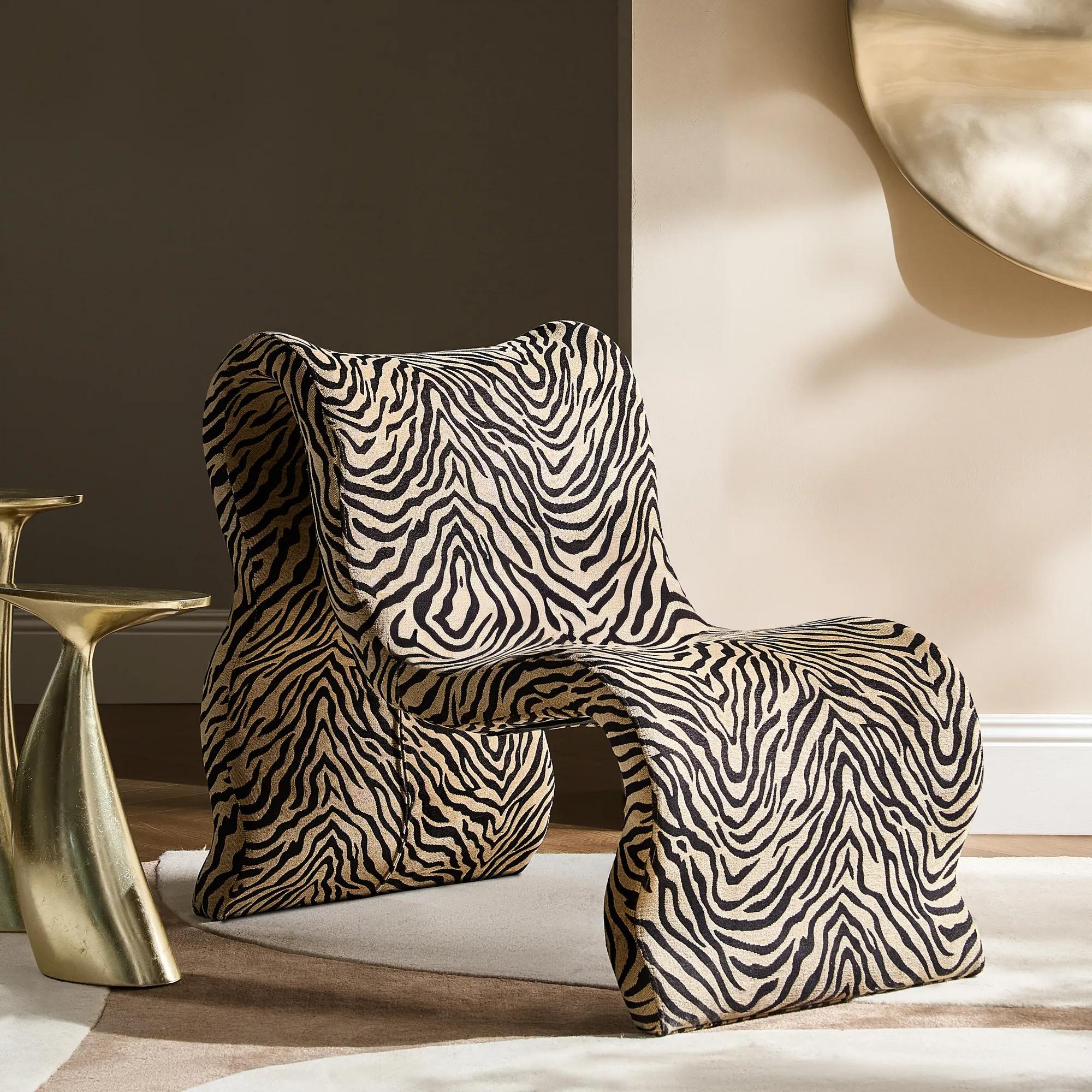 Romy Zebra Chenille Accent Chair$999
A sculptural accent chair featuring bold zebra-print chenille upholstery and a continuous wave-like silhouette.
Add To Cart -
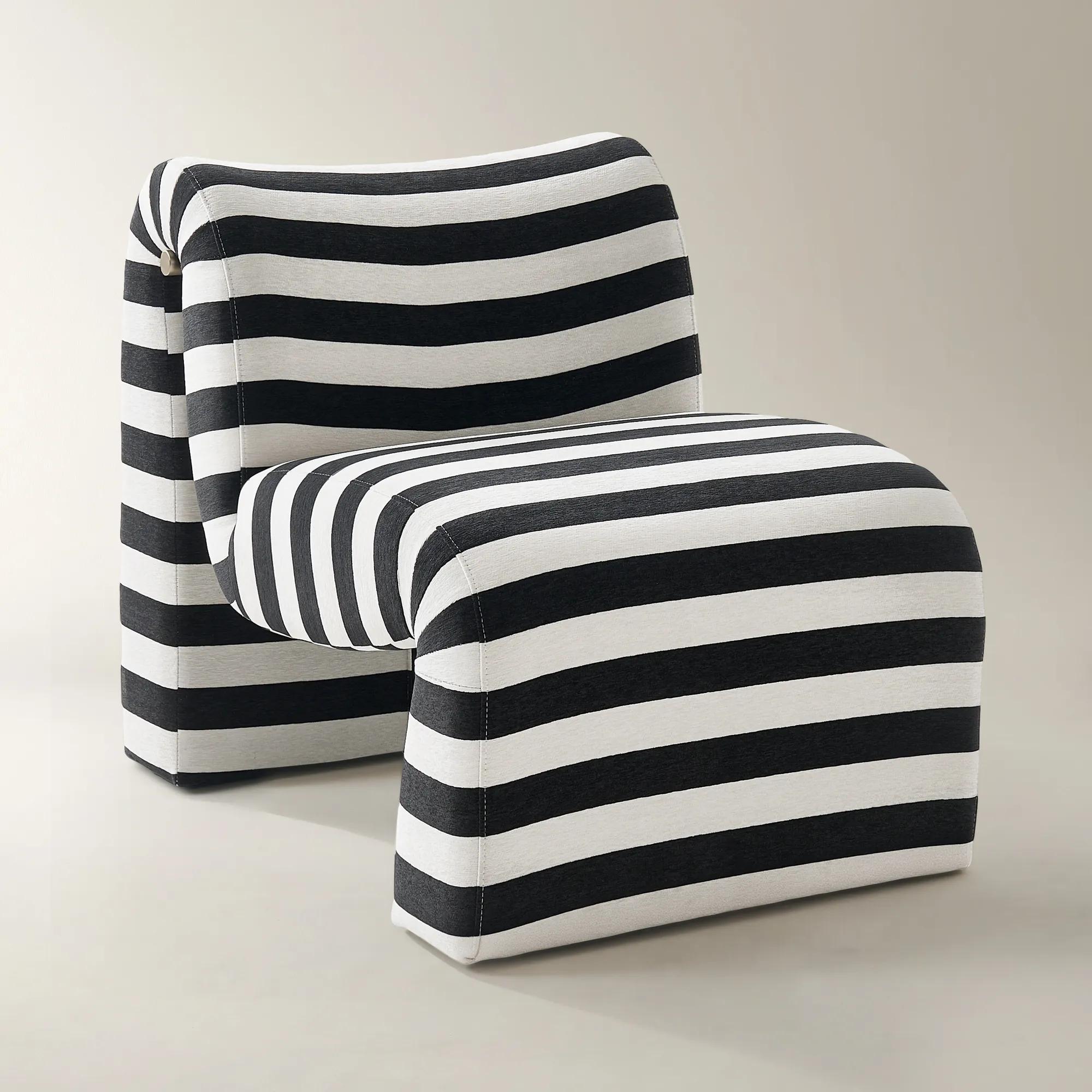 Cora Stripe Chenille Accent Chair$899
A bold black-and-white striped accent chair featuring water-repellent chenille and a gold stainless-steel inlay.
Add To Cart -
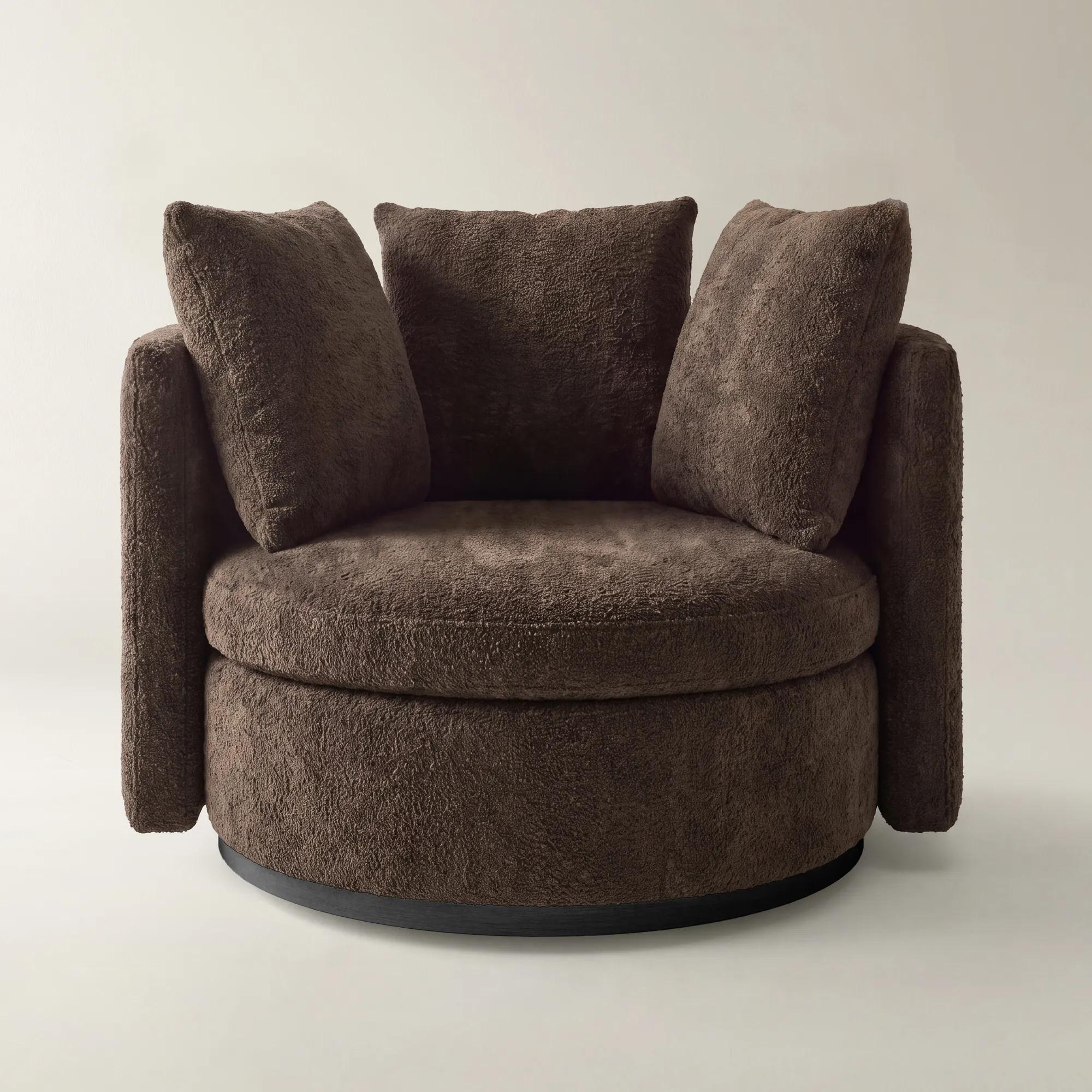
 Stria Dark Chocolate Chenille Swivel Accent Chair$1599
A dark chocolate chenille accent chair featuring enveloping curves, layered cushioning, and a concealed 360-degree swivel.
Add To Cart -
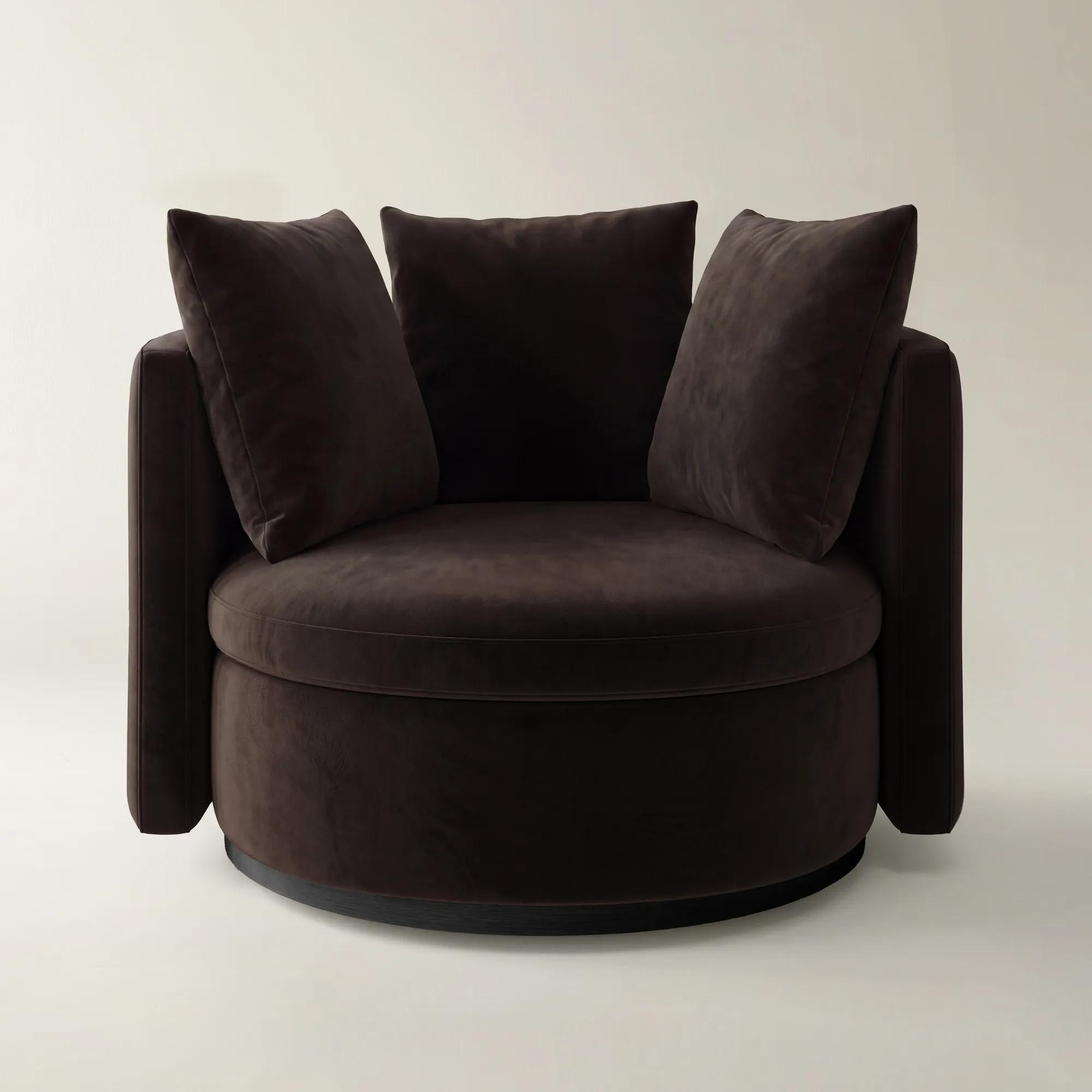 Stria Dark Chocolate Velvet Swivel Accent Chair$1499
A dark chocolate velvet accent chair with enveloping curves, plush cushioning, and a concealed 360-degree swivel.
Add To Cart -
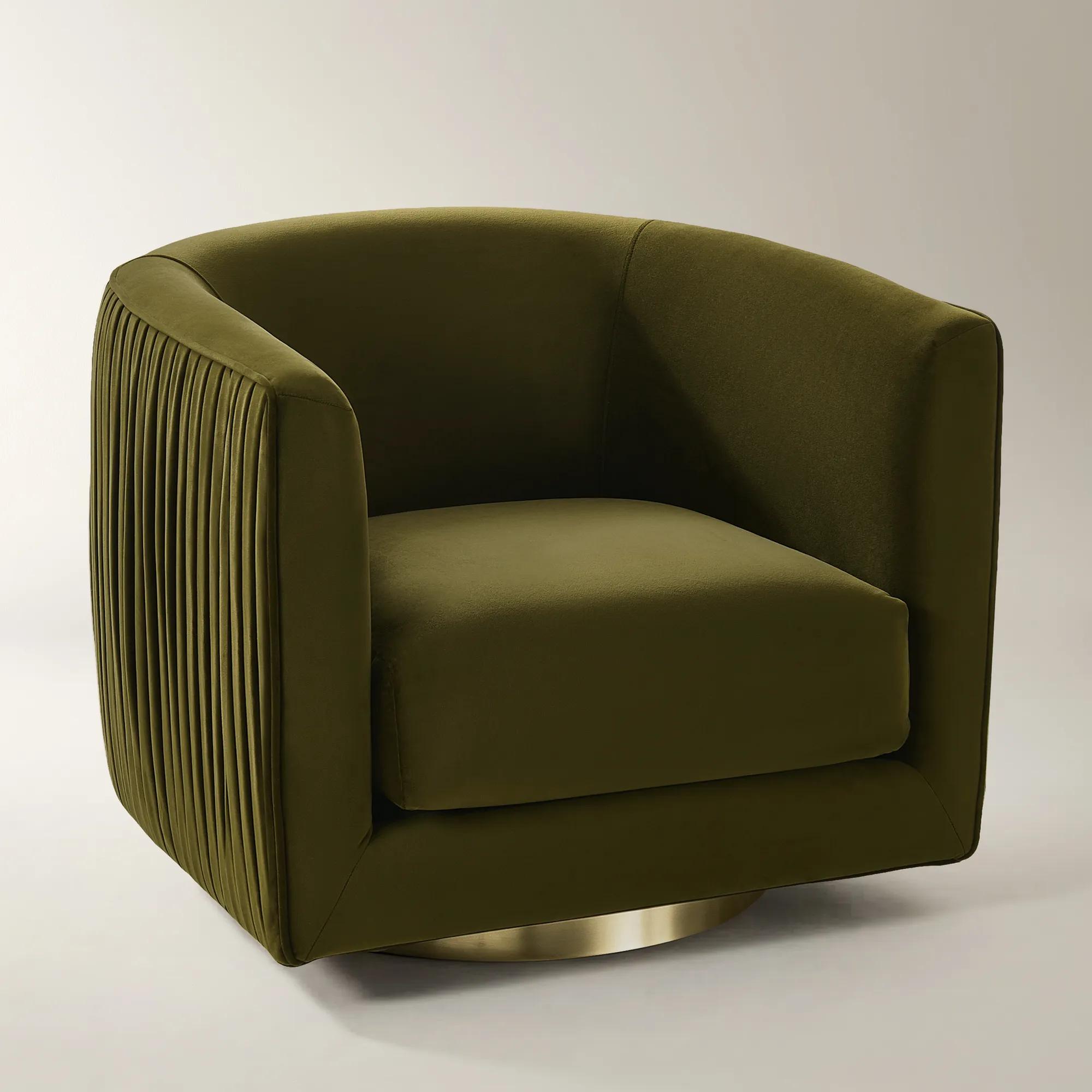
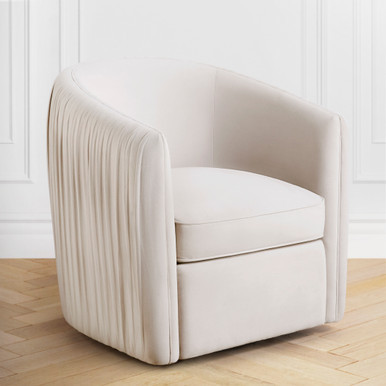
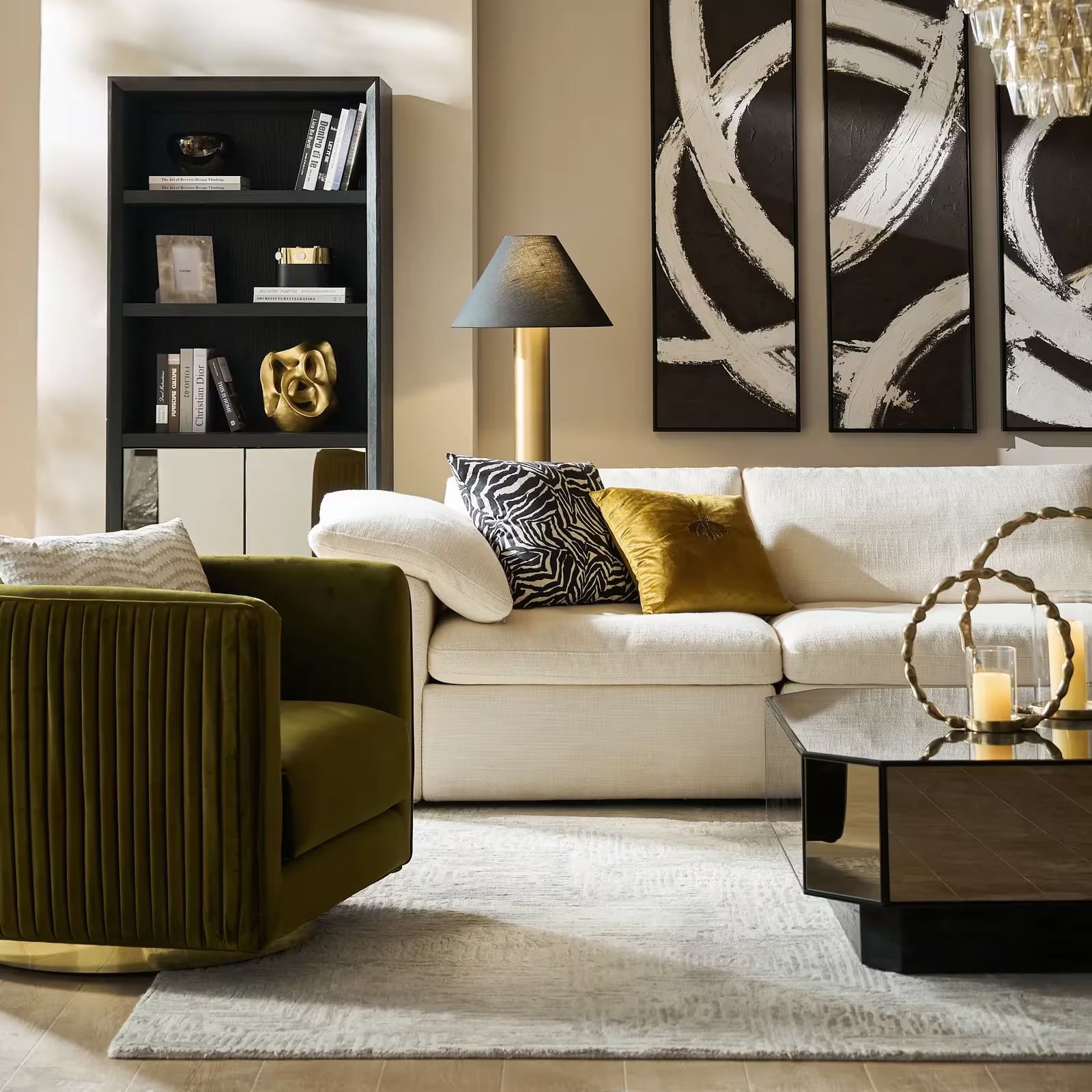 Lyssa Pleated Deep Olive Velvet Swivel Accent Chair$1099
A deep olive green velvet accent chair featuring pleated panels, smooth curves, and a 360-degree swivel base.
Add To Cart -
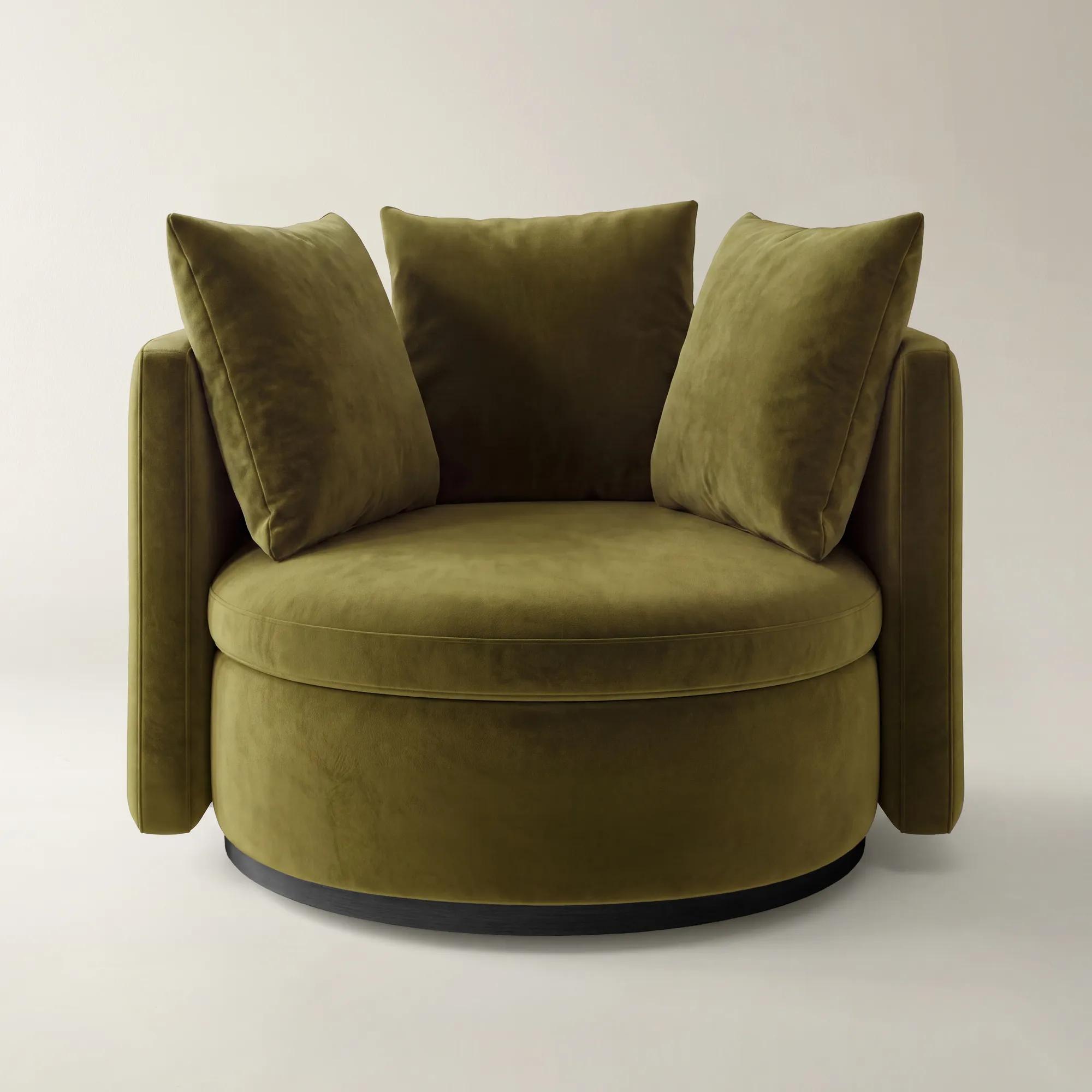 Stria Deep Olive Velvet Swivel Accent Chair$1499
A deep olive velvet accent chair with enveloping curves, layered cushioning, and a concealed 360-degree swivel base.
Add To Cart -
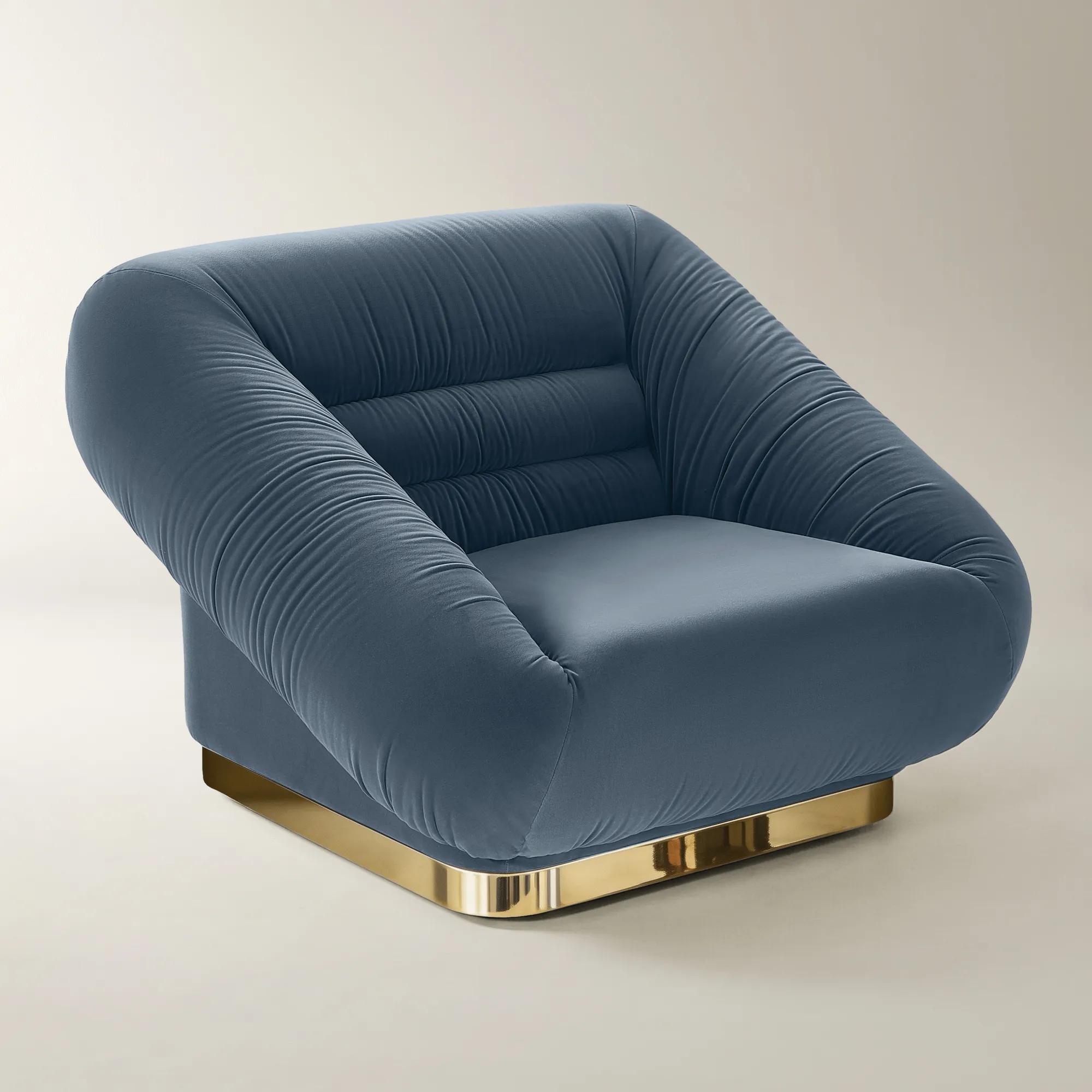 Dover Dusty Blue Velvet Swivel Accent Chair$1299
A sculptural blue velvet accent chair featuring soft gathered upholstery, gold-trimmed base, and smooth 360° swivel.
Add To Cart -
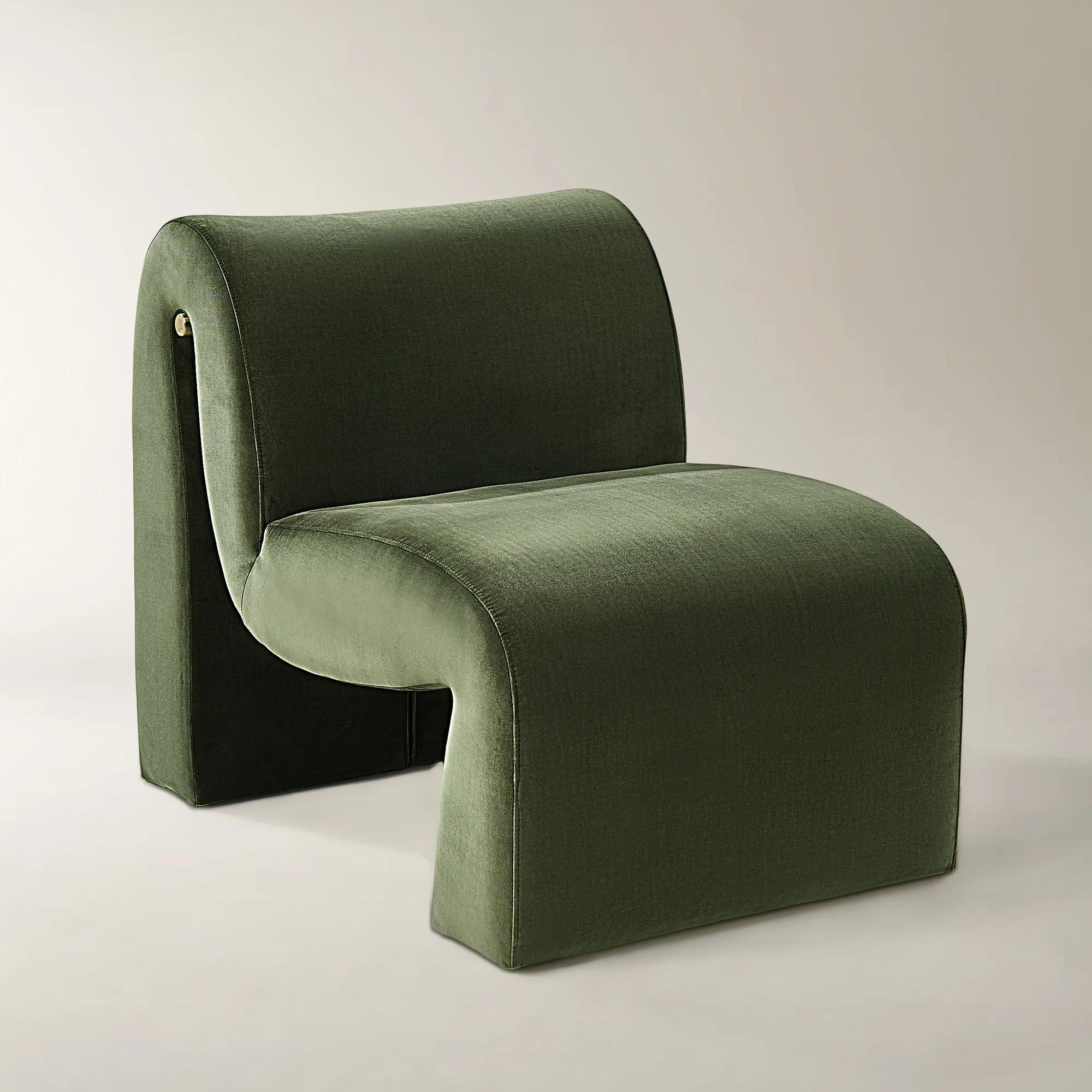
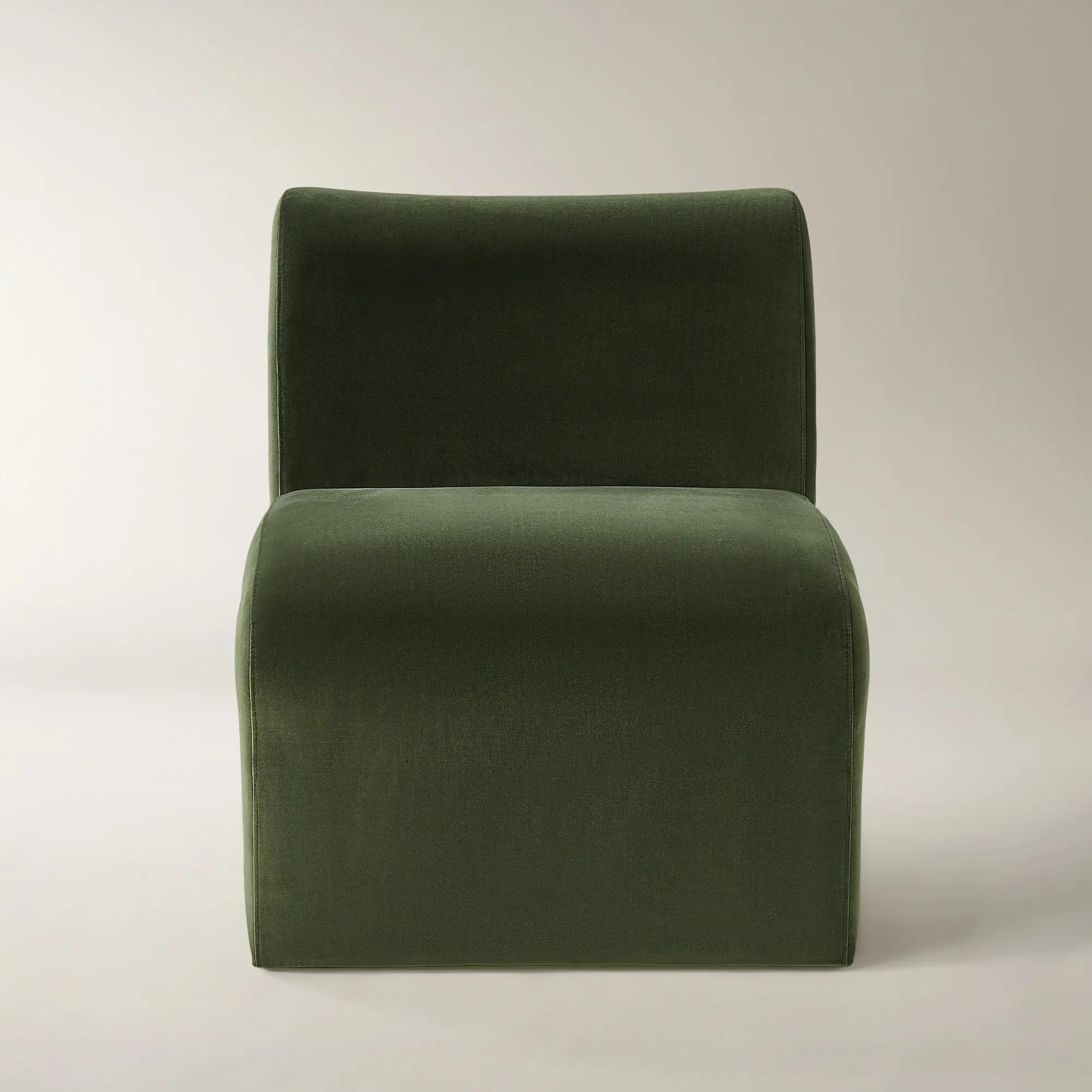 Cora Jade Green Velvet Accent Chair$899
A sculpted accent chair in jade green velvet with a gold stainless-steel inlay for refined glamour.
Add To Cart -
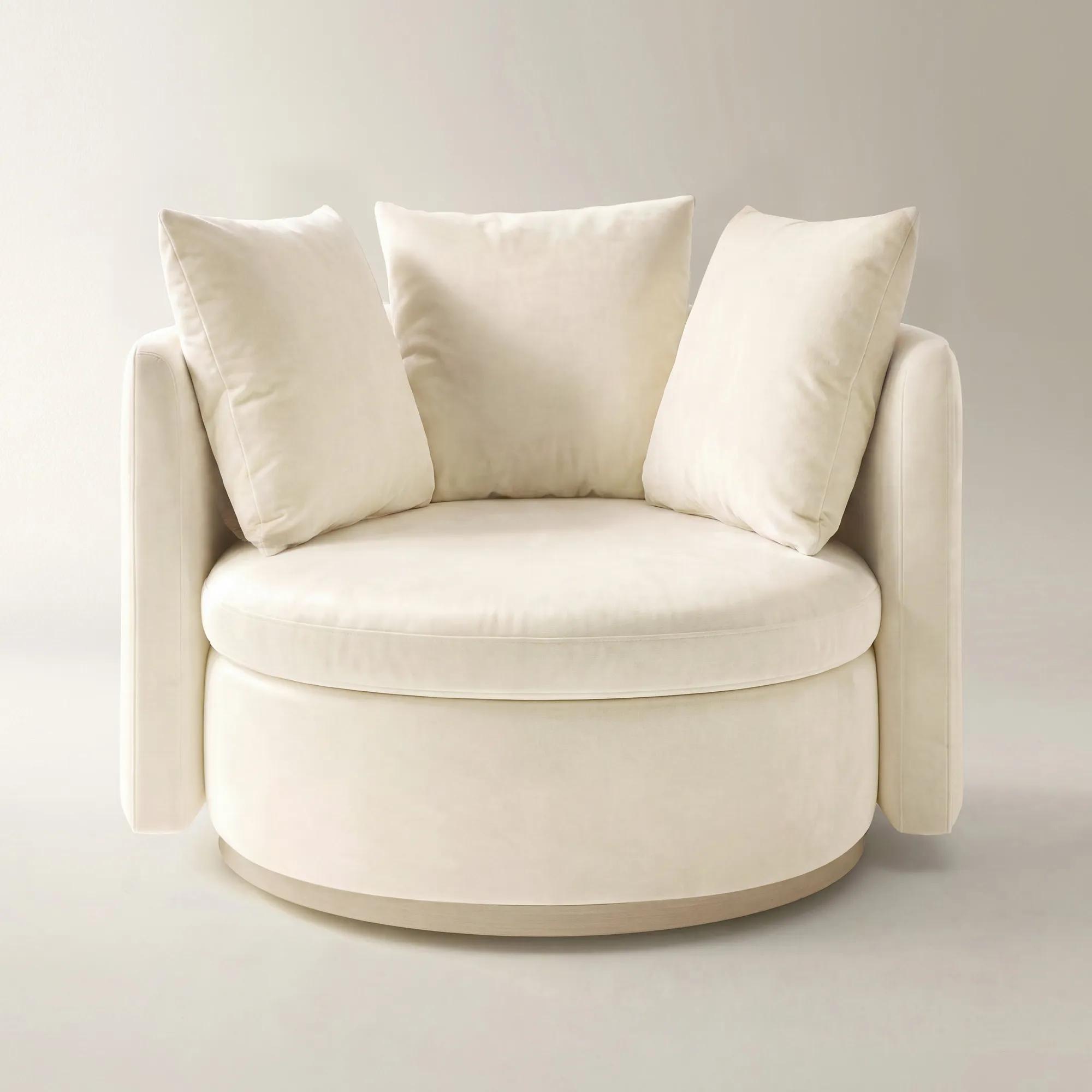 Stria Oatmeal Velvet Swivel Accent Chair$1499
An oatmeal velvet accent chair featuring enveloping curves, layered cushioning, and a concealed 360-degree swivel base.
Add To Cart -
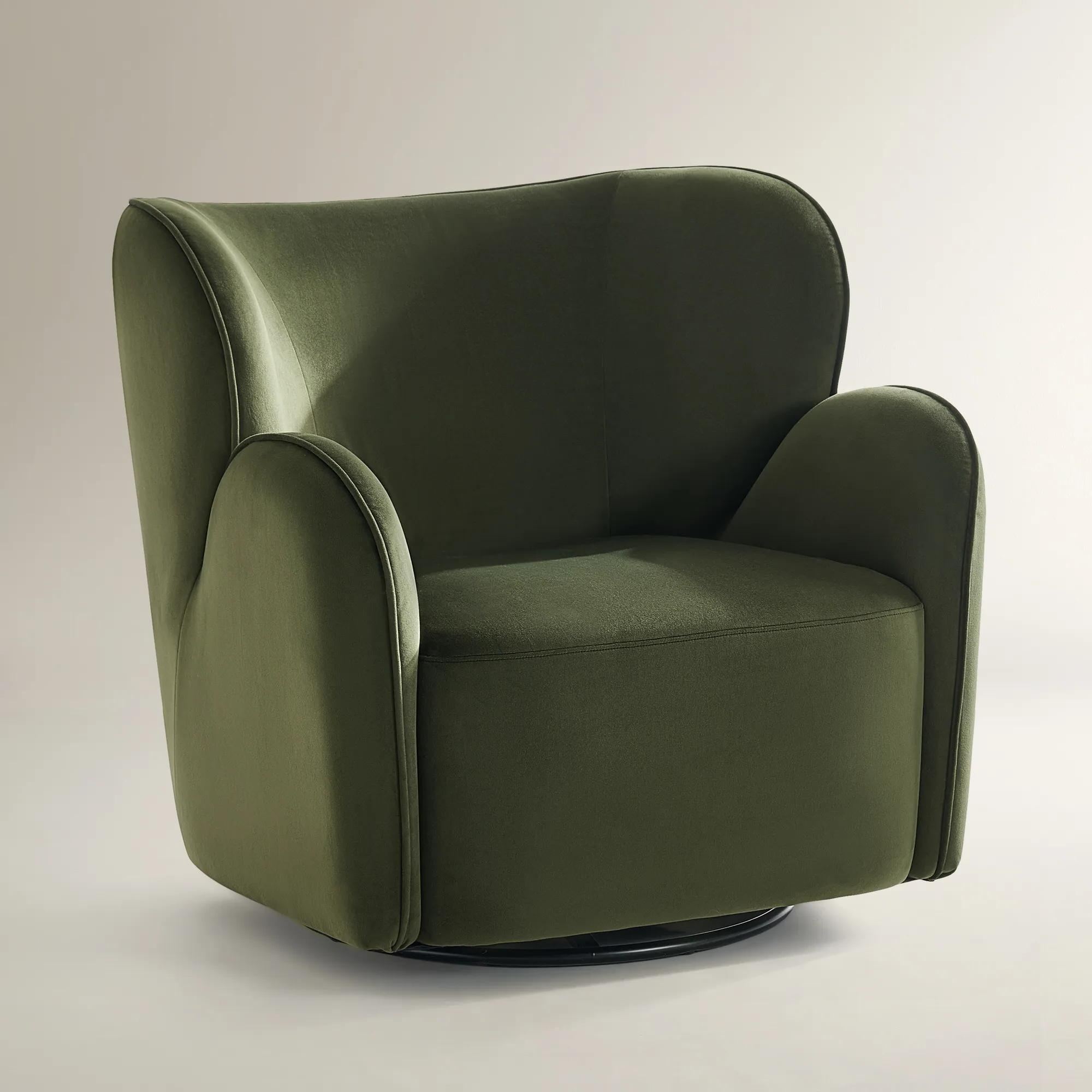
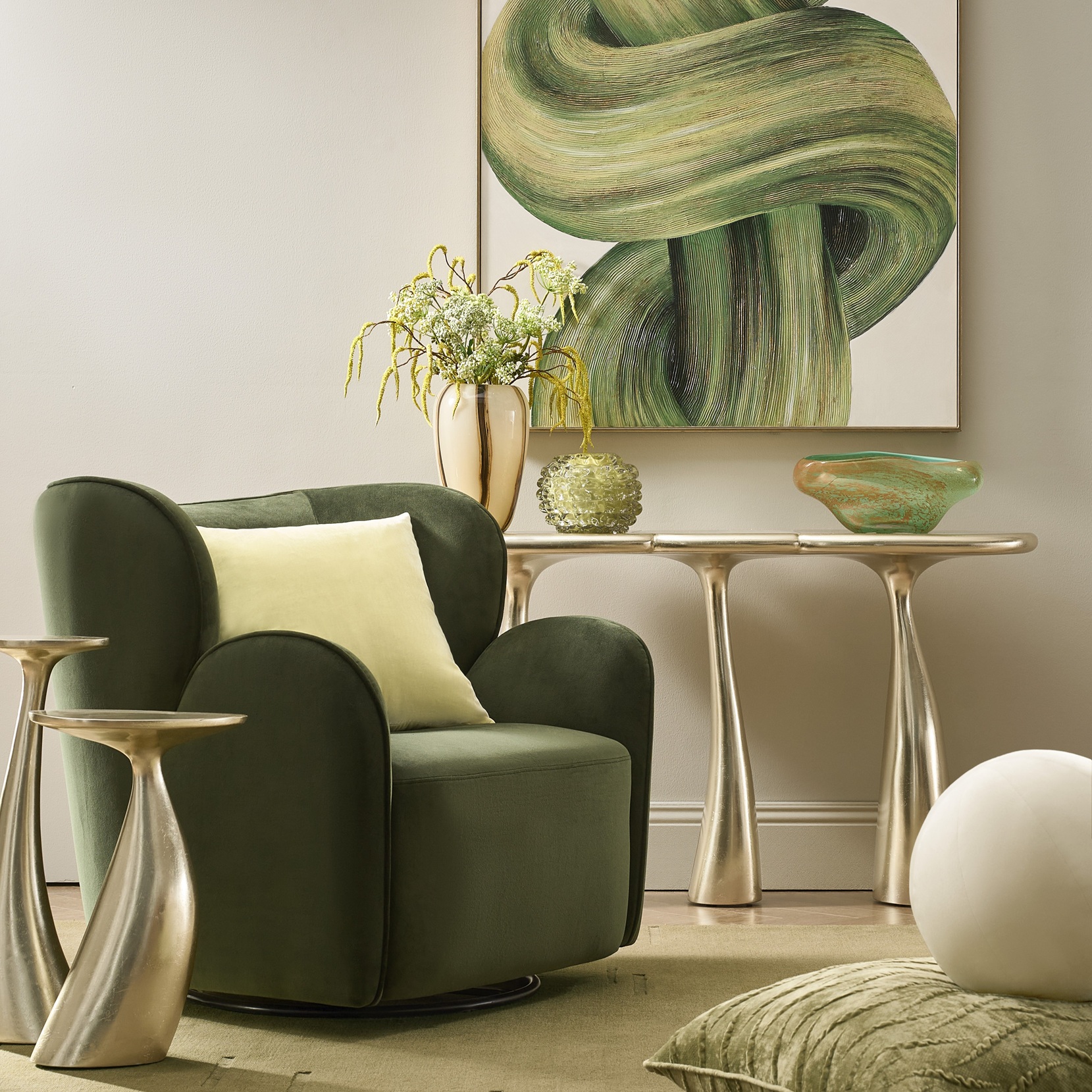 Ceres Jade Green Velvet Swivel Accent Chair$799
A plush jade green velvet chair with a curved silhouette, 360° swivel, and supportive foam cushioning.
Add To Cart -
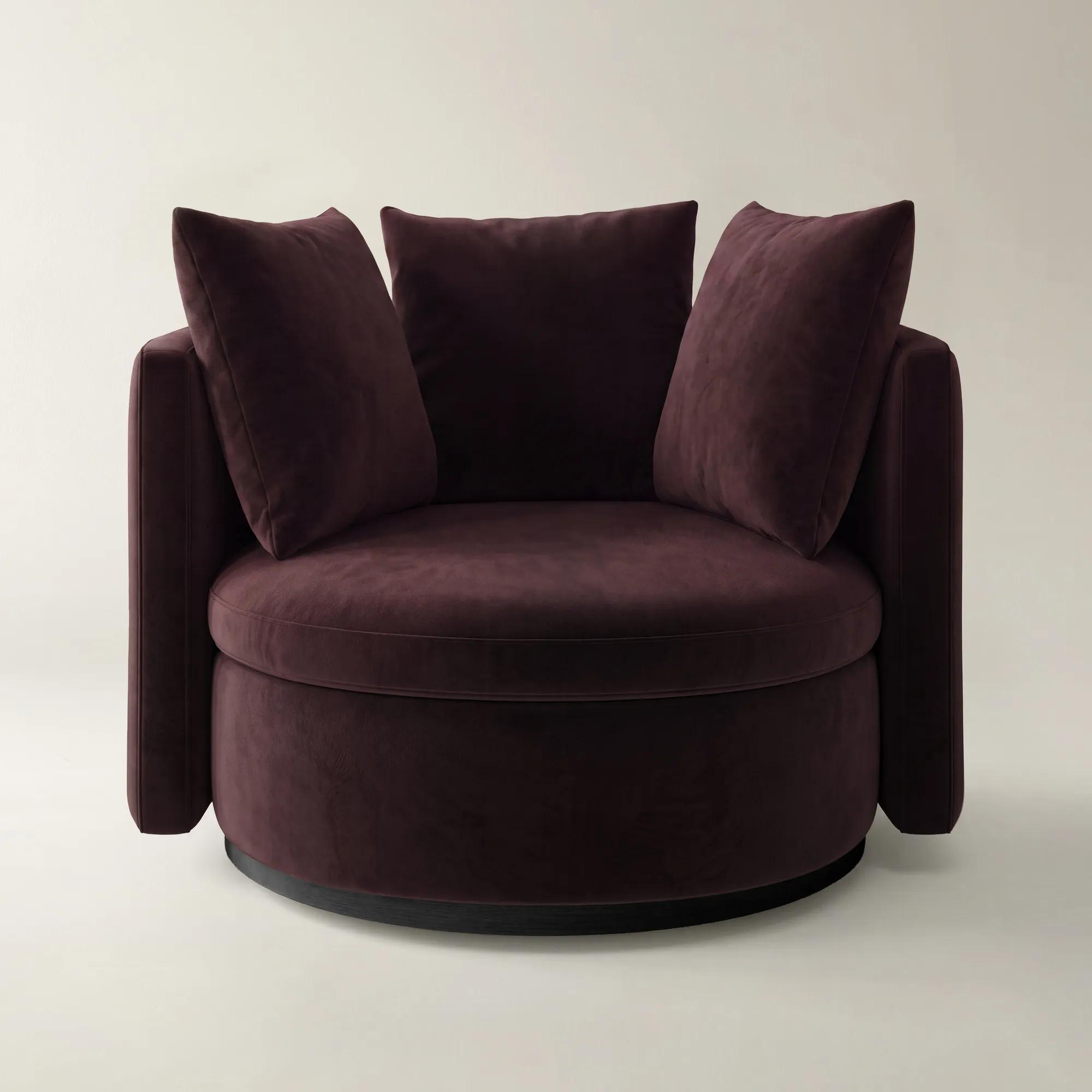 Stria Fig Velvet Swivel Accent Chair$1499
A fig velvet chair with a sculptural wraparound silhouette, layered foam comfort, and concealed 360-degree swivel.
Add To Cart -
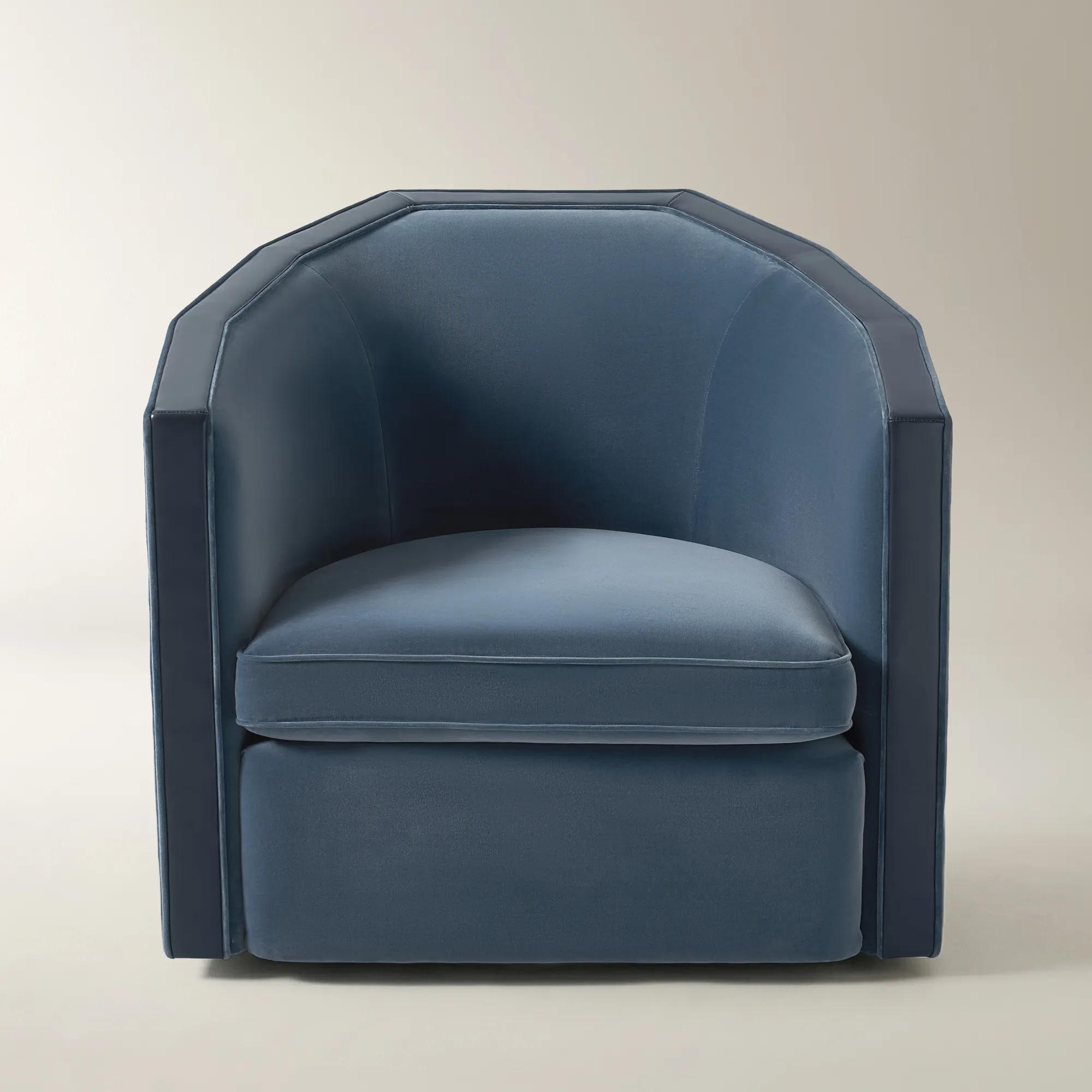 Vesper Dusty Blue Velvet With Leather Swivel Accent Chair$999
A modern accent chair in dusty blue velvet with tonal leather trim and a smooth 360-degree swivel base.
Add To Cart -
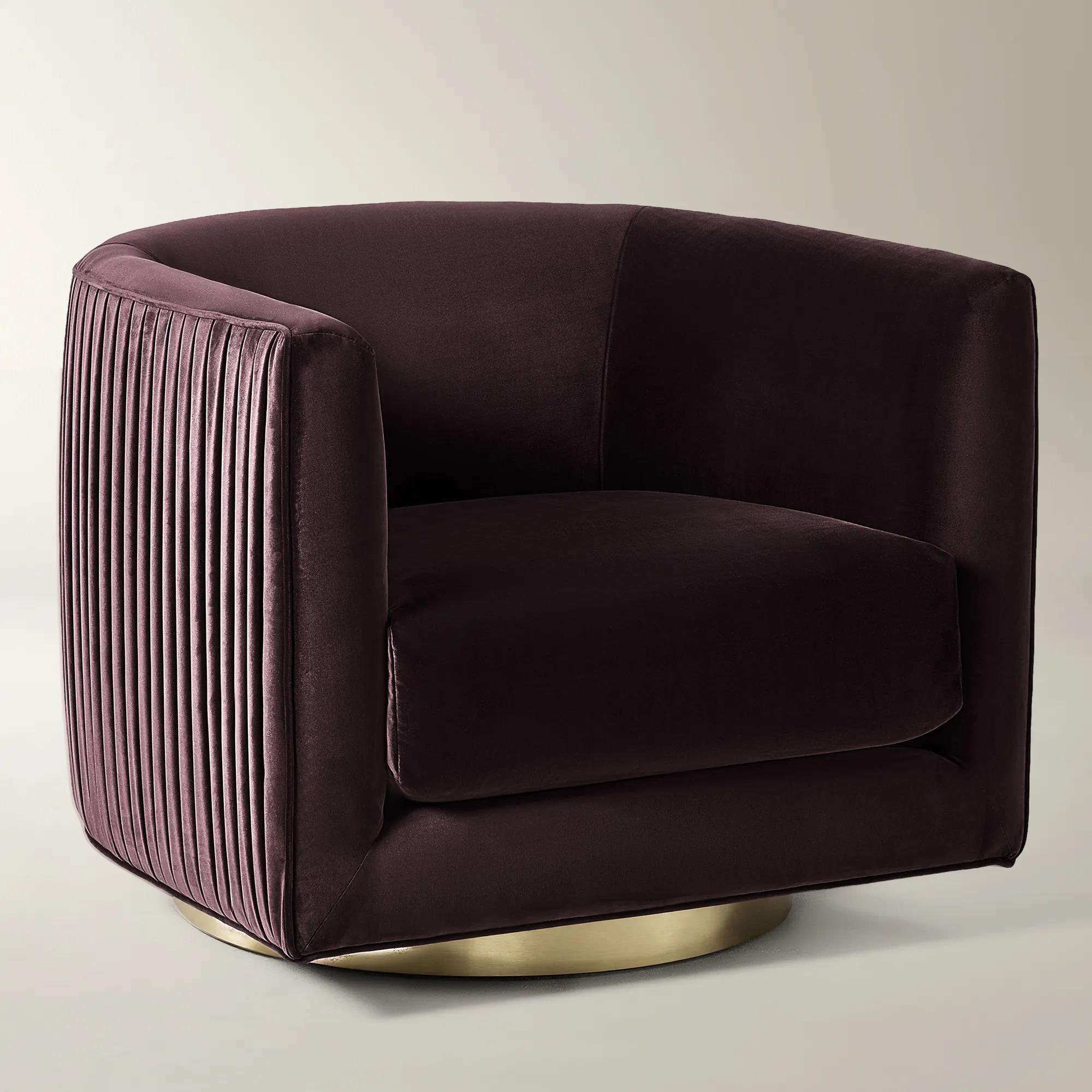 Lyssa Pleated Fig Velvet Swivel Accent Chair$1099
A fig-colored velvet accent chair featuring pleated detailing, a curved silhouette, and a smooth 360° swivel base.
Add To Cart -
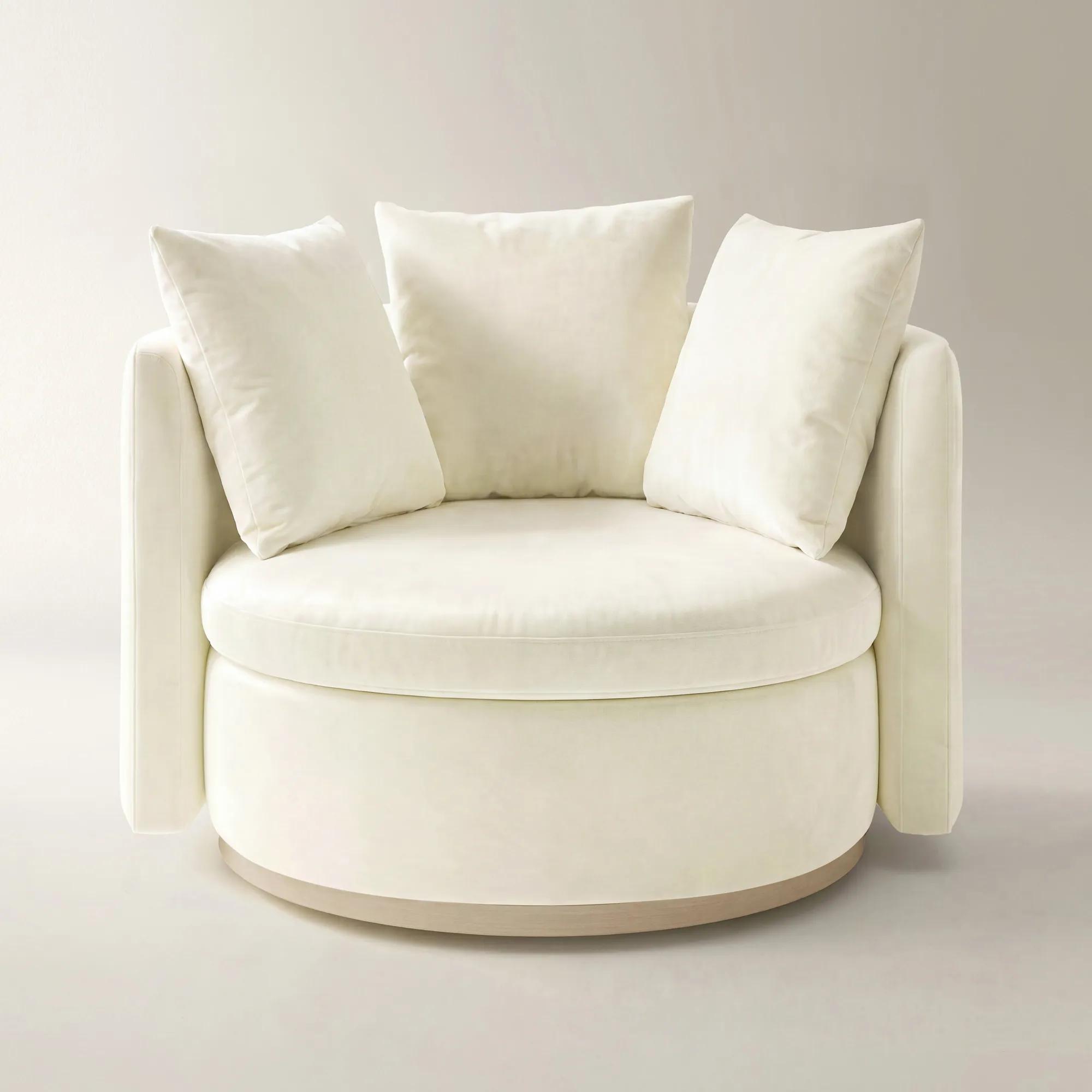 Stria Cloud Velvet Swivel Accent Chair$1499
A sculptural cloud-velvet accent chair with enveloping curves, layered cushioning, and a concealed 360-degree swivel base.
Add To Cart -
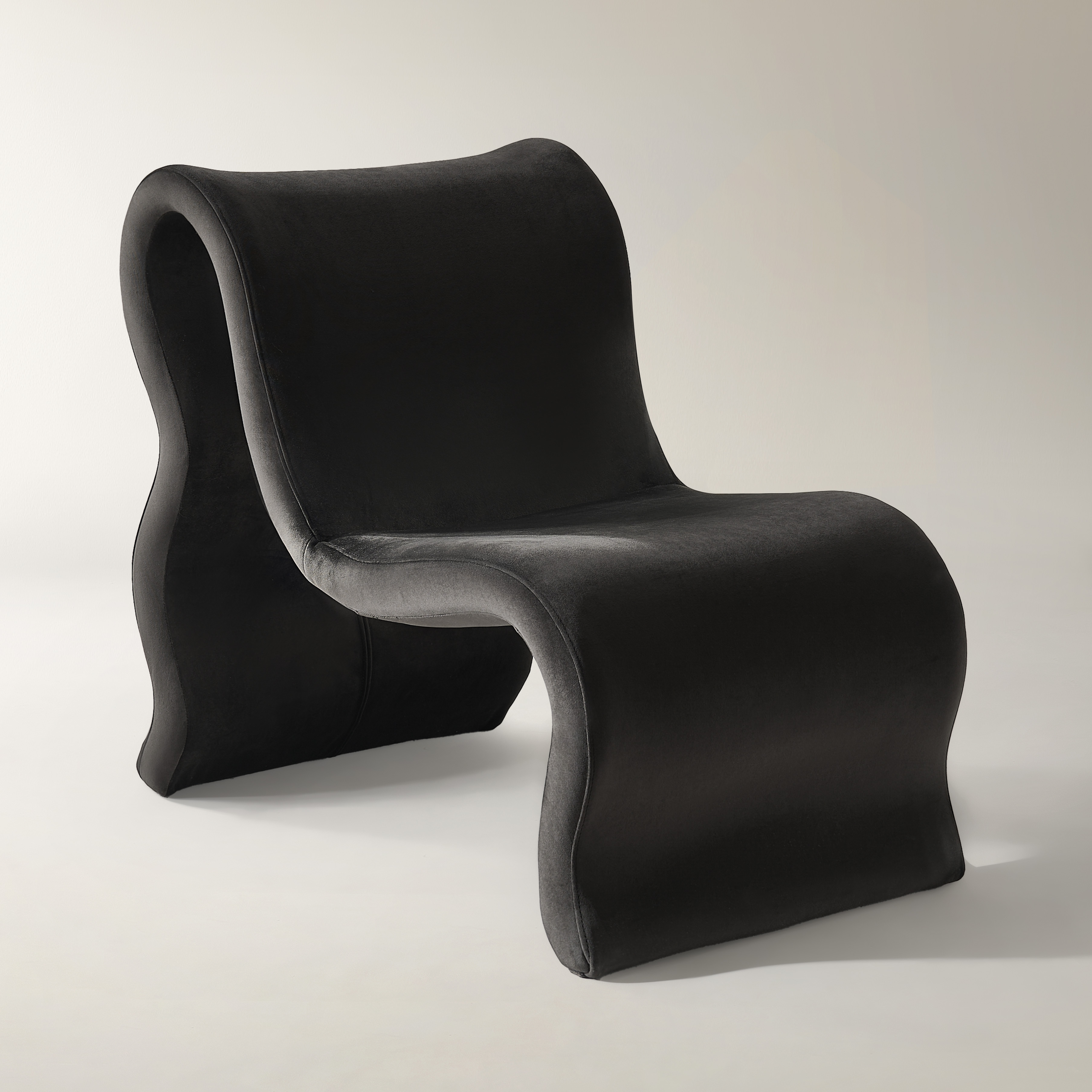 Romy Charcoal Velvet Accent Chair$999
A sculptural accent chair in charcoal velvet with a wave-like silhouette and full foam construction.
Add To Cart -
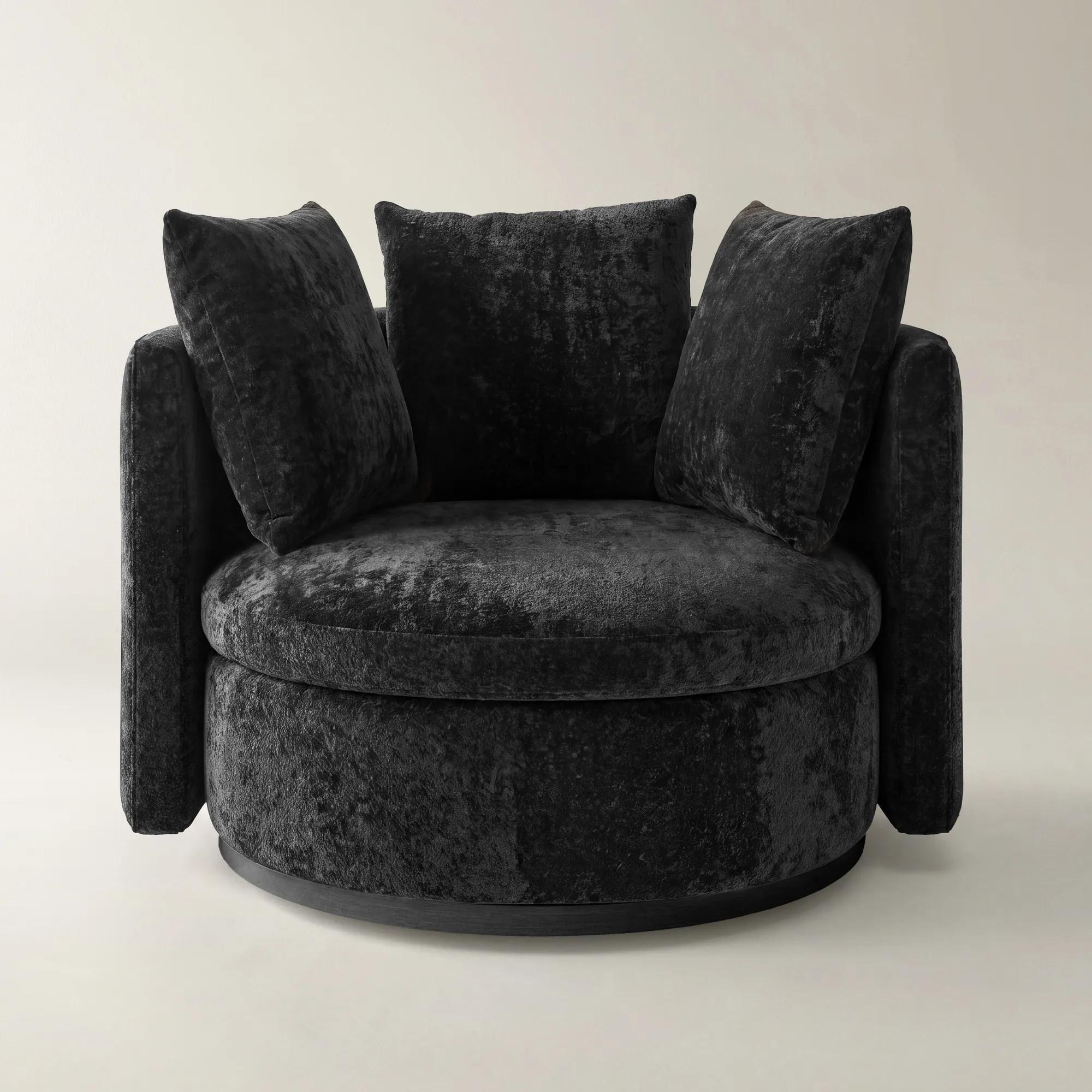 Stria Black Chenille Swivel Accent Chair$1599
A black chenille accent chair with enveloping curves, foam-and-down comfort, and a concealed 360-degree swivel.
Add To Cart -
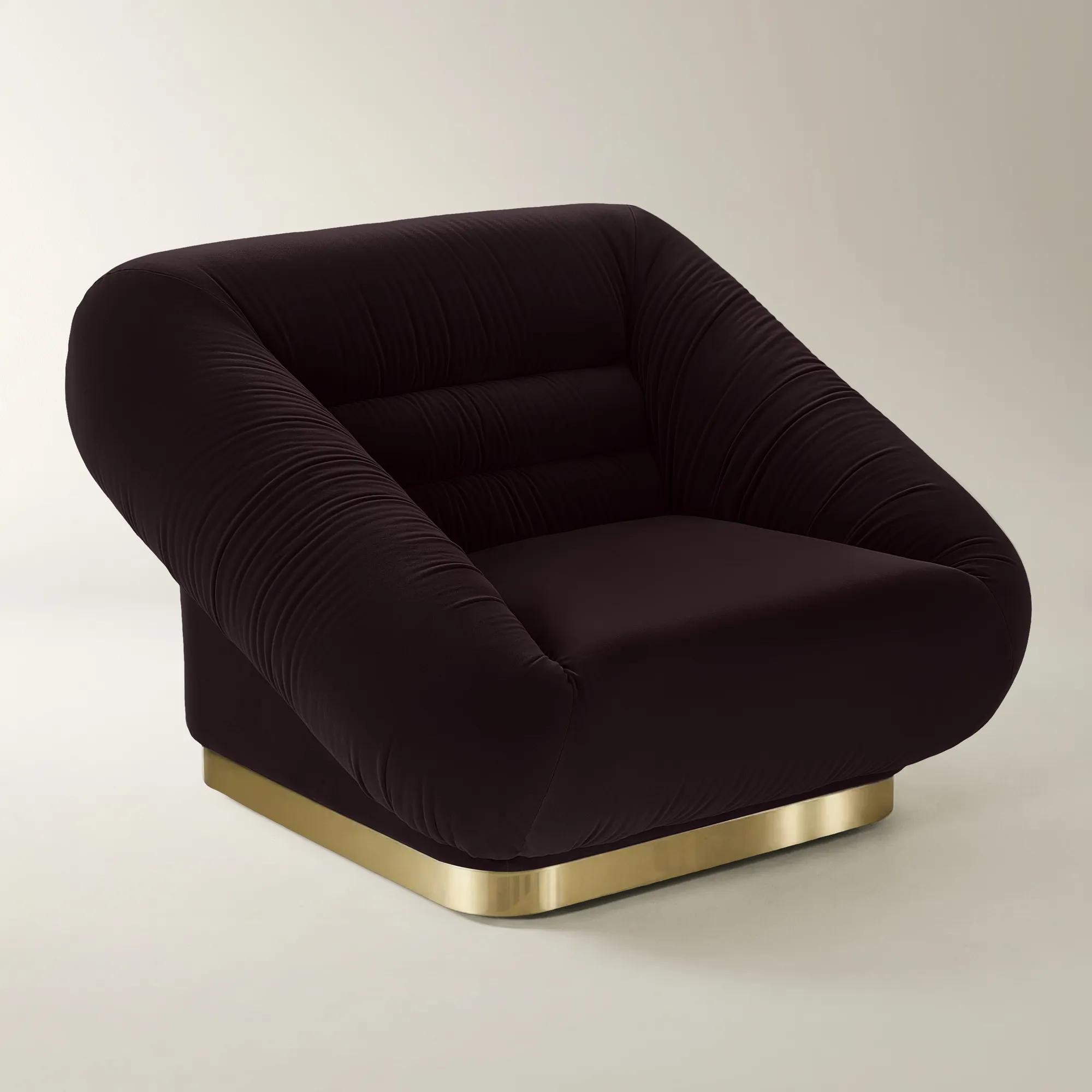 Dover Fig Velvet Swivel Accent Chair$1299
A sculptural fig velvet accent chair featuring soft gathered upholstery, gold-trimmed base, and smooth 360° swivel.
Add To Cart -
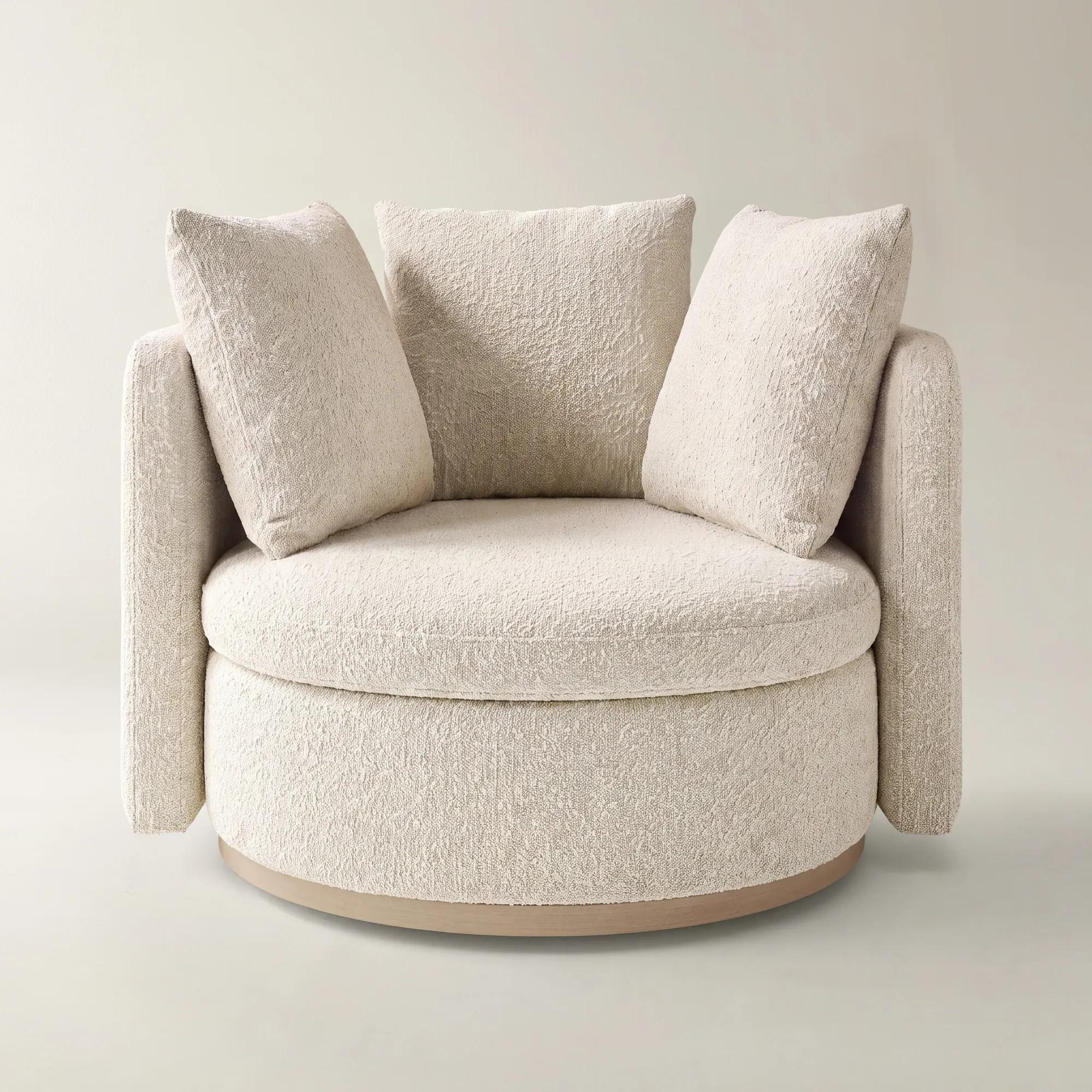
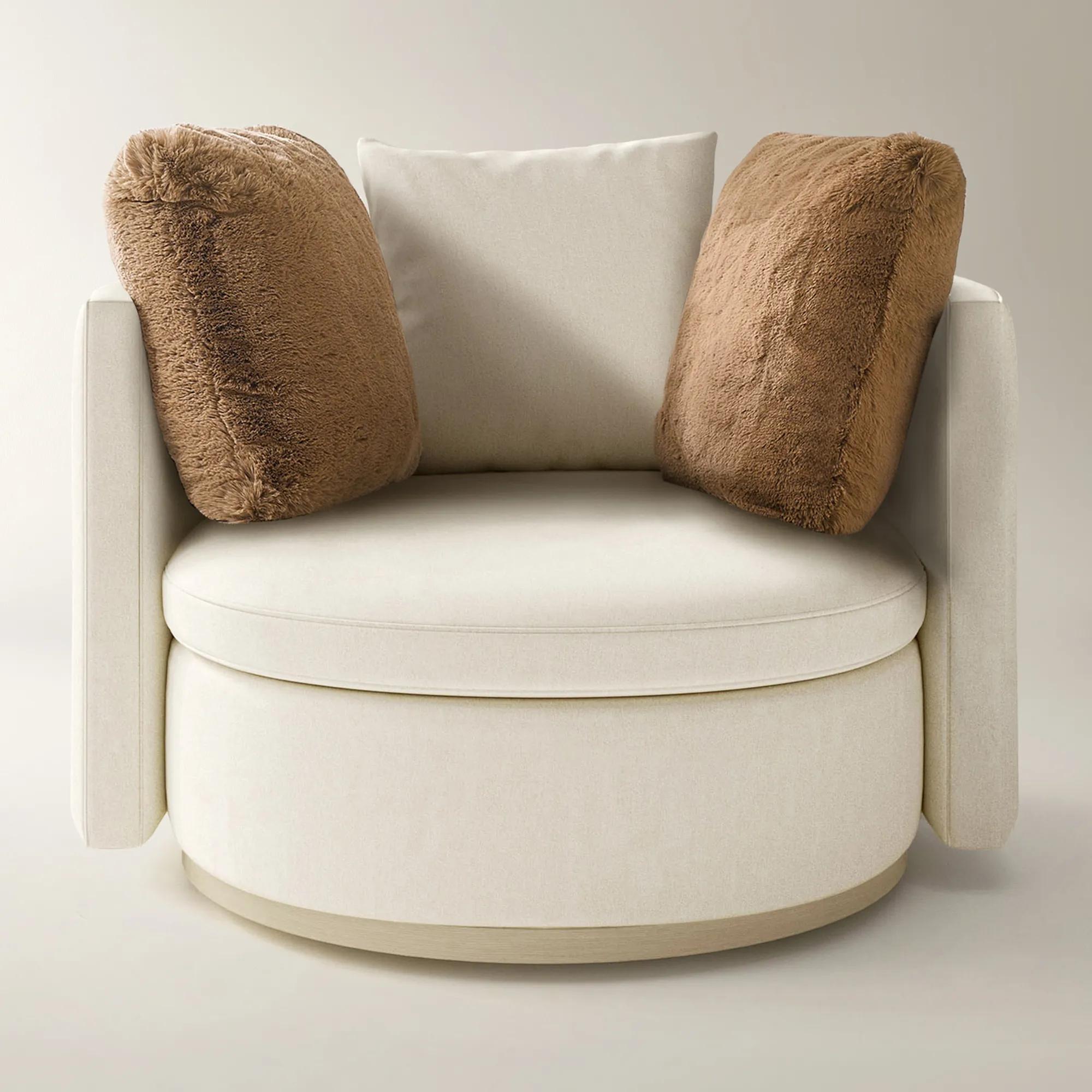 Stria Ivory Performance Boucle Swivel Accent Chair$1599
An ivory performance bouclé accent chair with enveloping curves, layered comfort, and a concealed 360-degree swivel.
Add To Cart -
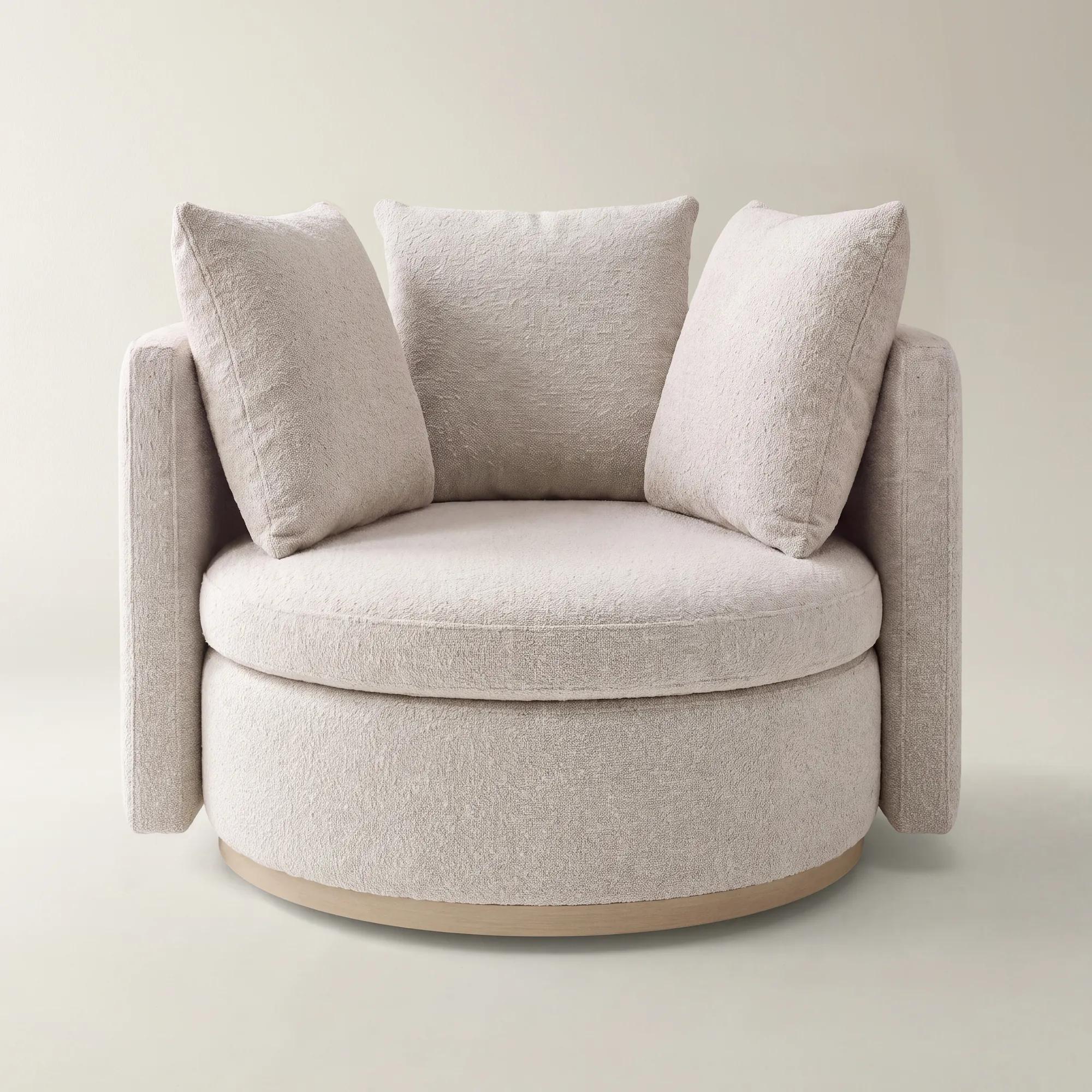 Stria Ivory Performance Boucle Swivel Accent Chair$1599
An ivory performance bouclé accent chair with enveloping curves, layered comfort, and a concealed 360-degree swivel.
Add To Cart -

 Nia Lacquered Turtle Dove Faux Fur Accent Chair$899
A sculptural accent chair featuring a high-gloss sand-toned fiberglass frame and plush turtle dove faux fur upholstery.
Add To Cart -
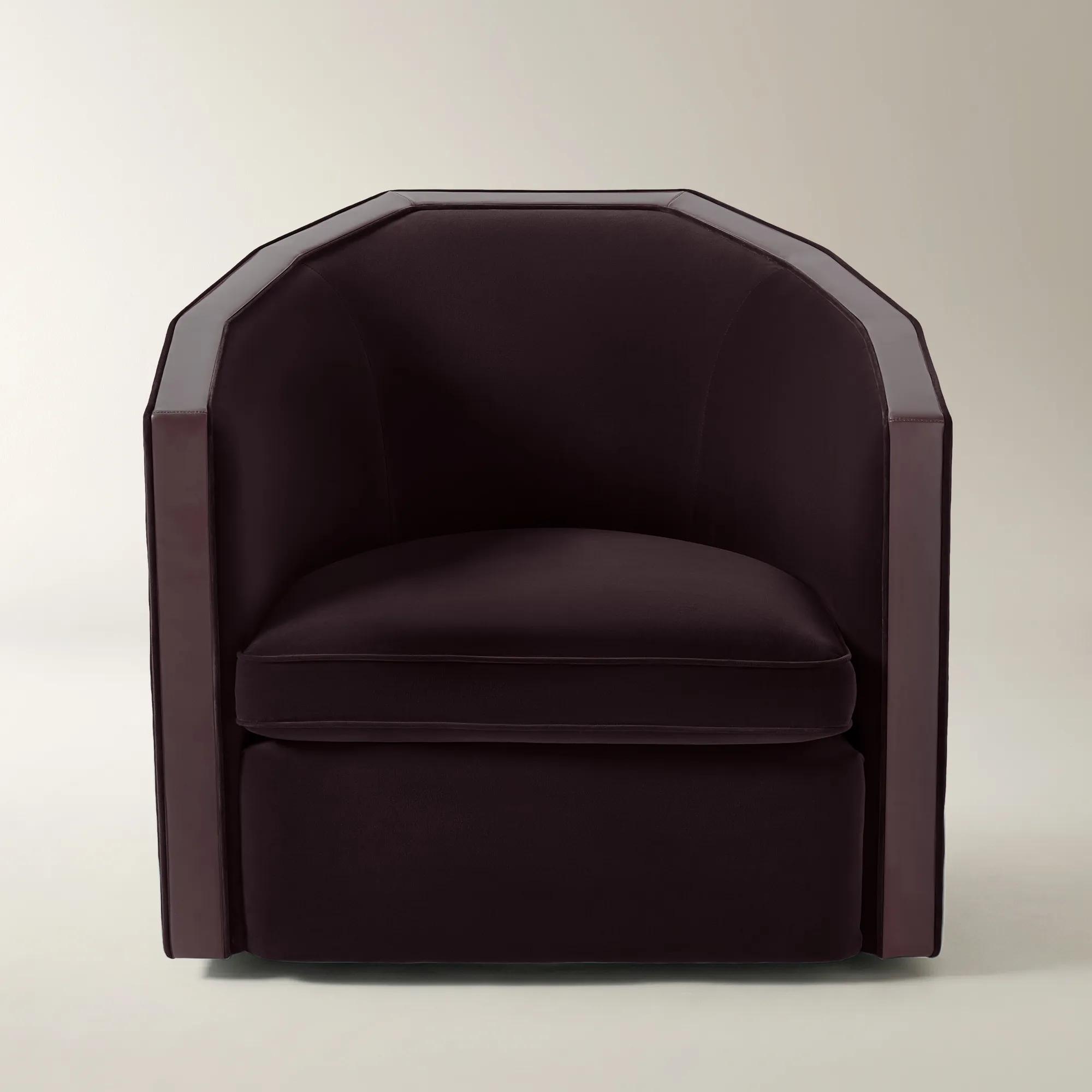
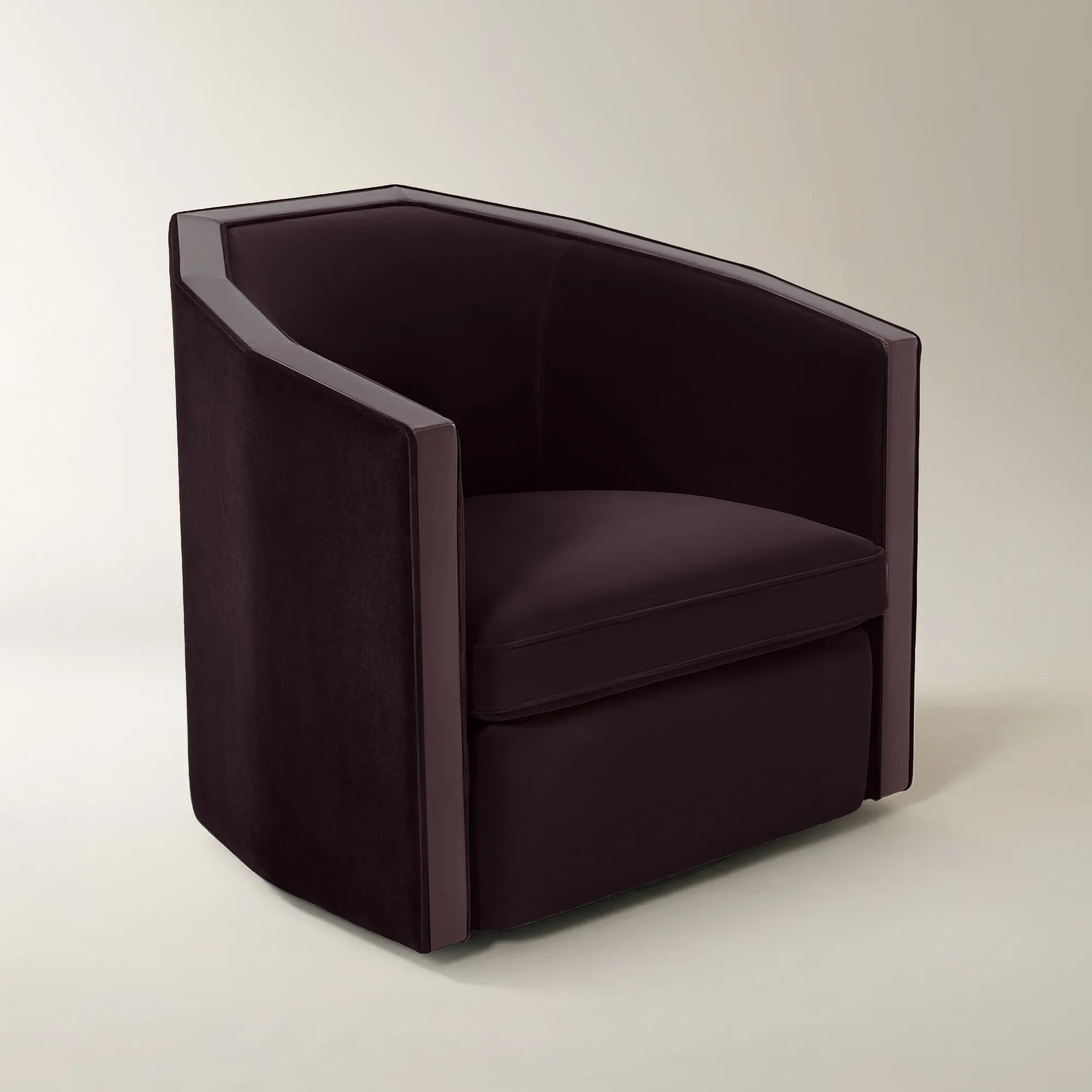 Vesper Fig Velvet With Leather Swivel Accent Chair$999
A modern accent chair featuring fig velvet upholstery, tonal leather trim, and a smooth 360° swivel base.
Add To Cart -
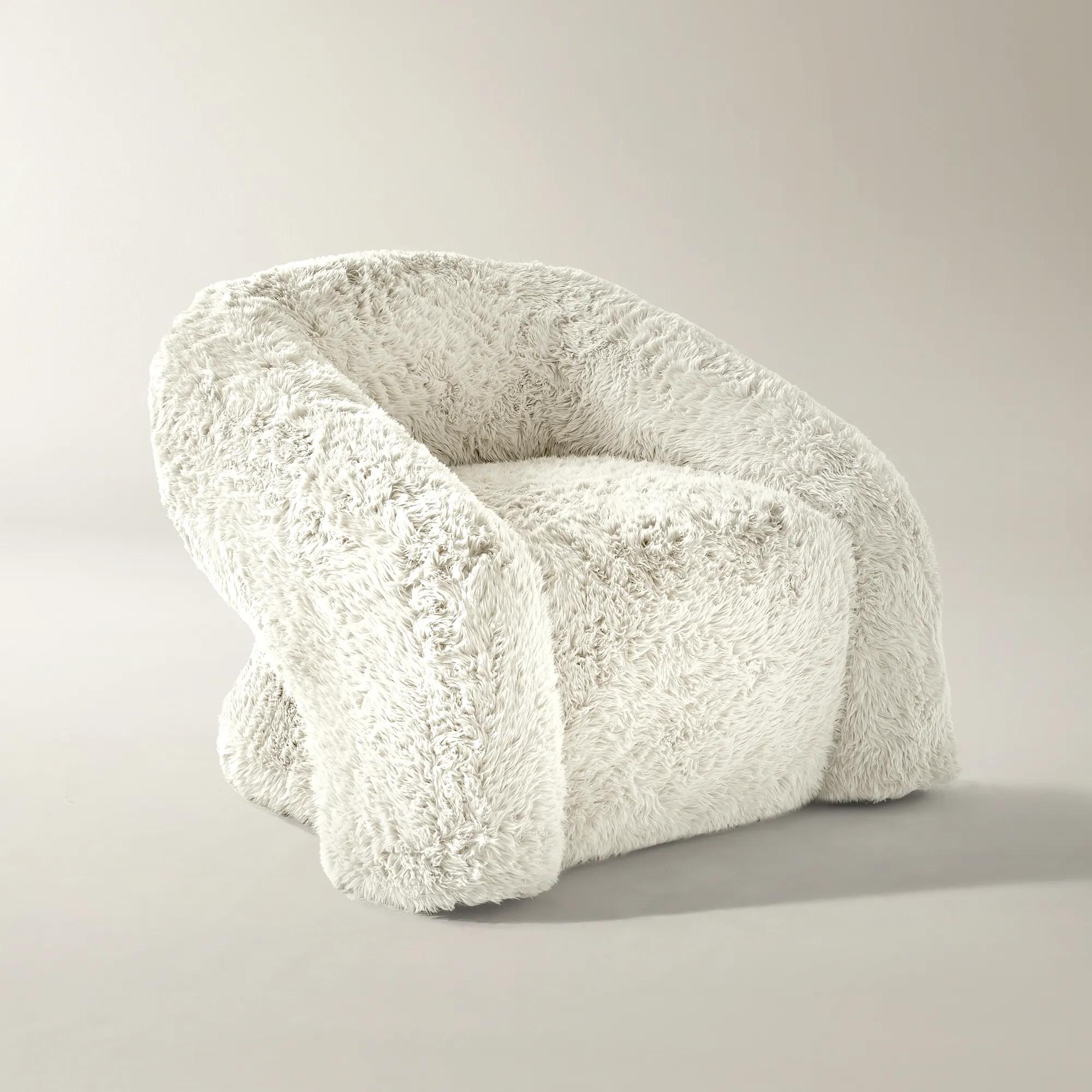 Misha White Faux Fur Accent Chair$799
A modern white faux fur chair offering plush comfort, sculptural lines, and pet-friendly, easy-care upholstery.
Add To Cart -
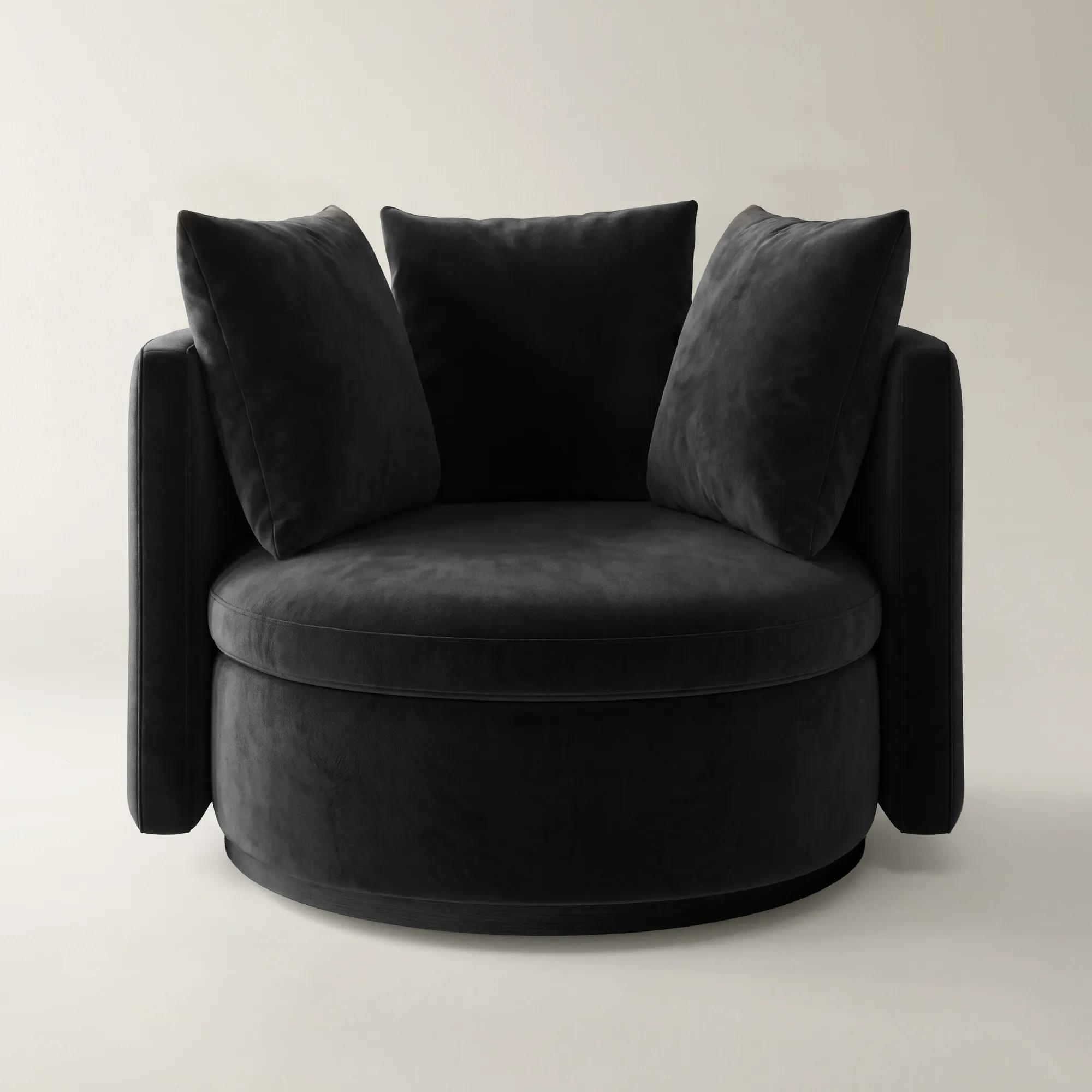 Stria Charcoal Velvet Swivel Accent Chair$1499
A sculptural charcoal velvet accent chair with enveloping curves, layered cushioning, and a concealed 360-degree swivel.
Add To Cart -
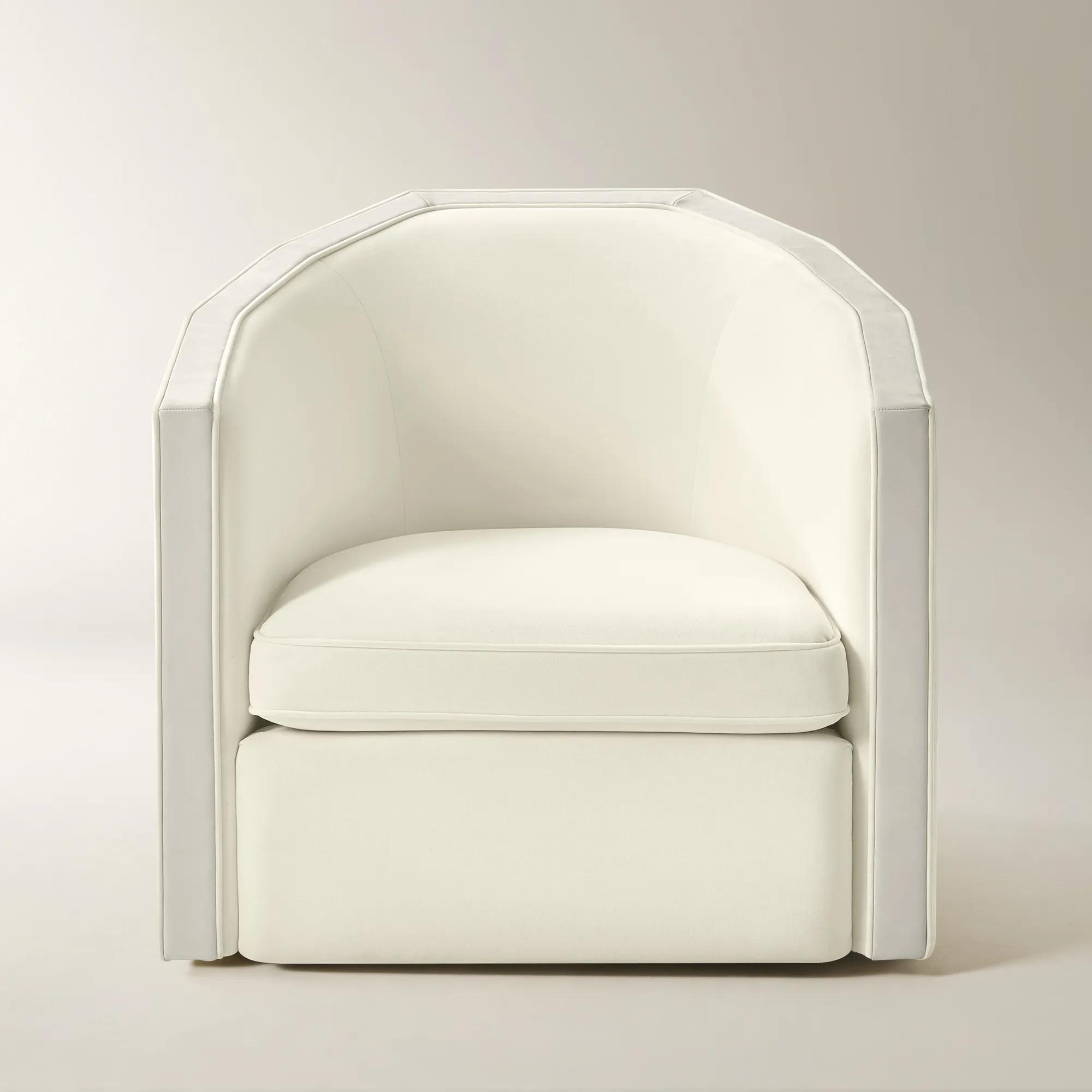 Vesper Cloud Velvet With Leather Swivel Accent Chair$999
A modern accent chair featuring cloud velvet upholstery, tonal leather trim, and a smooth 360° swivel base.
Add To Cart

Accent Chairs For Eclectic Decor
Accent Chairs For Eclectic Decor are the ultimate invitation to express your individuality—each piece a striking punctuation mark in your living narrative. Imagine sculptural silhouettes, opulent fabrics, and unexpected details converging to create a visual symphony that’s anything but ordinary. These accent chairs aren’t just seating; they’re conversation starters, mood setters, and works of art that command attention from every angle. Whether you crave a pop of color or a bold interplay of textures, discover how daring design can transform your space into a curated masterpiece where every chair tells its own vibrant story.
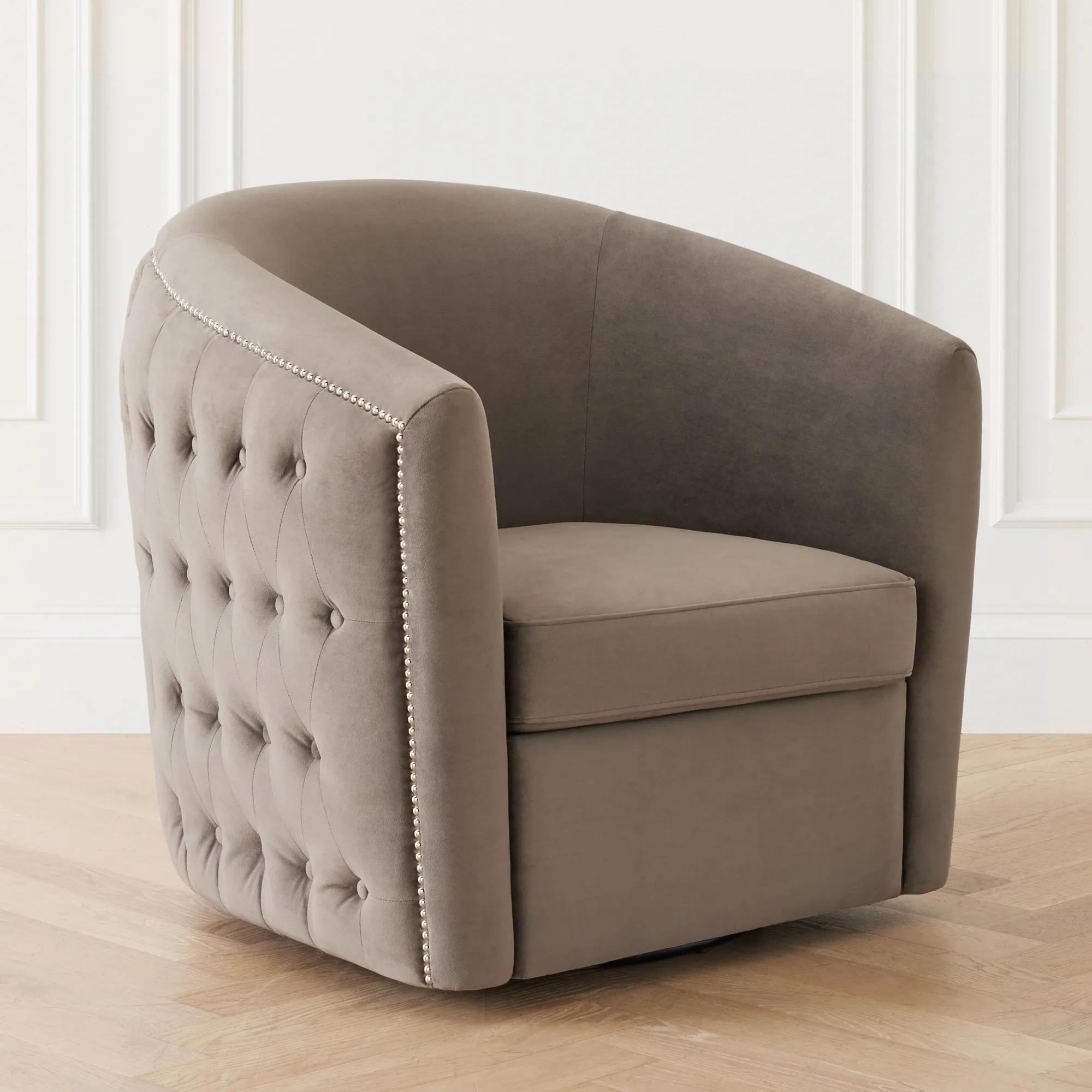
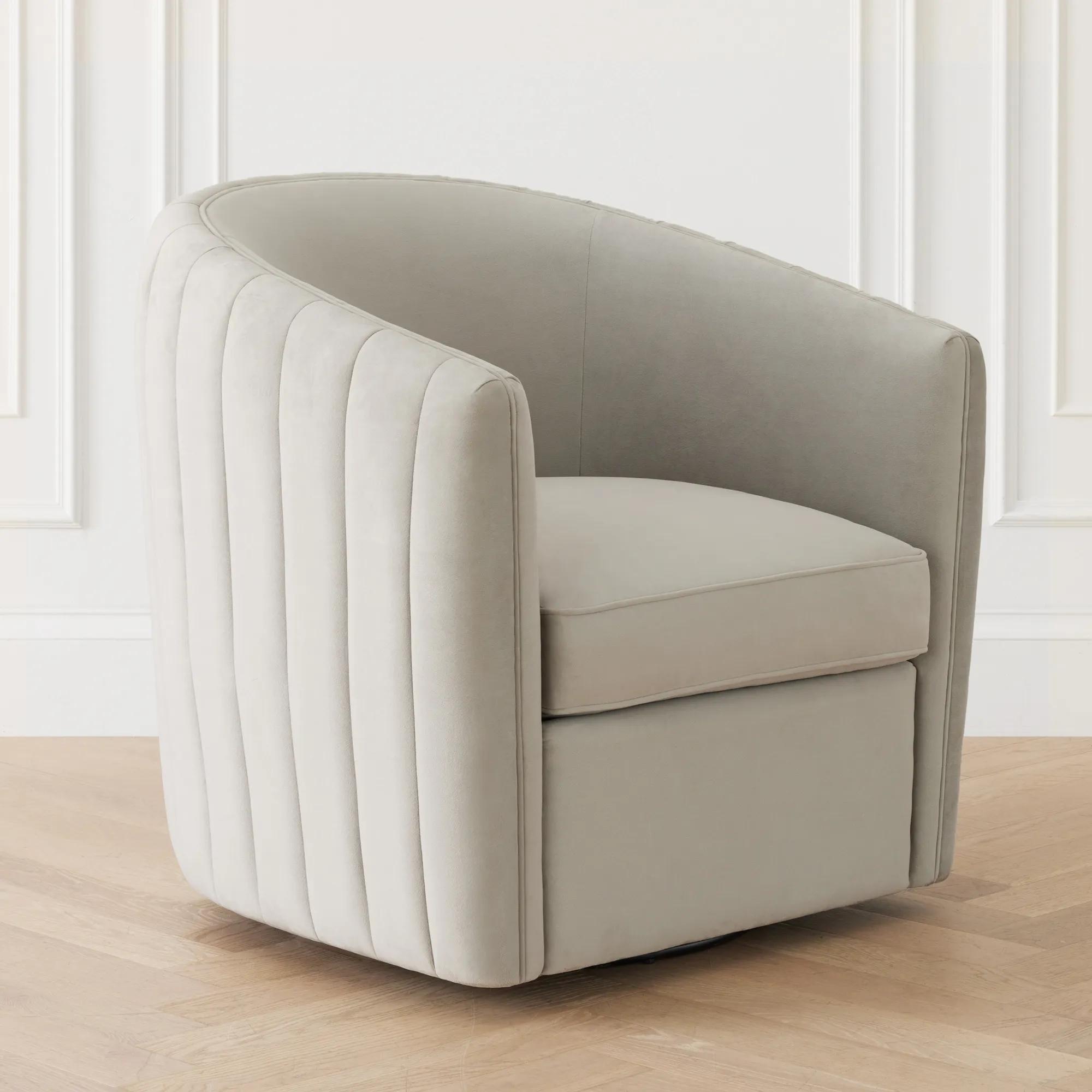
Accent chairs for eclectic decor bring distinctive silhouettes, expressive upholstery, and contrasting materials into rooms that mix styles, colors, and eras. Their role is both visual and practical: a chair can introduce a striking focal point, connect seemingly unrelated furnishings, and create a comfortable place to settle into the room. Eclectic interiors feel intentional when at least one detail carries across the composition, whether that connection is a warm metallic finish, a curved profile, or a color repeated in artwork. A jewel-toned chair beside a restrained sofa can draw a deep blue or garnet accent out of a painting, giving that color presence beyond the wall. A sculptural upholstered seat can soften the angular lines of a glass coffee table, while an exposed wood frame adds warmth among mirrored surfaces and polished metal. The contrast creates interest; the shared detail gives it coherence. This makes accent seating especially expressive in homes shaped by collected art, inherited furniture, and objects discovered over time. Rather than asking every piece to match, an eclectic arrangement allows individual forms to hold their own. Rounded backs, flared arms, tailored upholstery, and slender legs each establish a different rhythm, from enveloping and intimate to poised and architectural. Pattern introduces another layer: a graphic fabric can echo the geometry of a rug, while a richly textured solid offers a quieter interval beside an elaborate textile. Even a neutral chair can feel dramatic through exaggerated curves, dimensional weaving, or a gleaming base. Alongside bolder forms, Accent Chairs for Classic Home Decor offer a tailored counterpoint, bringing familiar proportions into a more adventurous setting. A pair of chairs can frame a fireplace with symmetry, while a single unexpected silhouette gives a reading corner its own identity. The effect is less about decorating to a formula and more about making room for character, with seating that belongs to the composition without disappearing into it.
Material and construction give that visual character substance. Velvet upholstery catches light across its pile, lending a saturated color depth and a soft sheen that changes with the viewing angle. Its surface may also show shading, pressure marks, or the direction of a hand brushed across the fabric, qualities worth considering in a chair used every day. Textured woven upholstery brings a different expression, with visible yarns that can balance lacquer, glass, and other reflective finishes. Looser weaves may be more vulnerable to snagging, particularly in households with pets, while tightly woven fabrics can offer a more even surface; suitability still depends on the specific textile and its care requirements. Bouclé adds a sculptural, looped texture that emphasizes curved forms, though its dimensional surface benefits from thoughtful placement and gentle maintenance. Leather can provide a smooth, substantial contrast to layered textiles, with appearance and care varying by finish. Frame materials contribute just as much to the room’s mood: visible wood introduces grain and warmth, and metal legs or bases can sharpen the outline of an upholstered seat. For frequently used seating, frame construction, joint quality, suspension, cushion resilience, and any stated weight capacity deserve attention alongside the fabric. Comfort is equally individual. A deeper seat may suit someone who likes to curl up with a book, while a more upright back and shallower seat can feel better for conversation or shorter periods of sitting. Arm height affects how naturally the shoulders rest, and seat height matters when standing up or sitting beside a sofa of a different scale. A swivel base can help a chair serve both a conversation area and a view, provided there is enough clearance for its full movement. Care should follow the upholstery label and manufacturer’s directions rather than a universal cleaning routine. Regular dust removal with an appropriate vacuum attachment, prompt attention to spills, and protection from prolonged direct sunlight can help preserve the finish and fabric. Specialty cleaning products should be compatible with the material, with any permitted spot treatment tested discreetly first.
Scale determines whether an expressive chair feels inviting or overwhelms its surroundings. Overall width and depth reveal how much floor space it occupies, but arm shape, back height, and the openness beneath the seat influence its visual weight. An airy frame can leave more of a patterned rug visible, while a fully upholstered form creates a stronger block of color and texture. In an apartment living room, a chair with a narrower footprint may provide a generous design statement without interrupting the route between the sofa and doorway. In a larger room, a substantial silhouette can give a seating group the presence needed beside a broad sectional or expansive artwork. Measurements are most useful when they account for daily movement, not just an empty patch of floor: doors need room to open, drawers need clearance, and people need a comfortable path through the space. Delivery access matters, too, including doorway width, stair turns, elevator dimensions, and whether any components are designed to be removed. Within the arrangement, an accent chair angled toward the sofa encourages conversation, while a nearby side table gives a drink, glasses, or a book a natural resting place. A floor lamp can turn the same chair into a dedicated reading seat without separating it from the larger room. For a bedroom corner, a softer silhouette may create a private retreat; in a home office, a distinctive guest chair can bring personality beyond the desk. Decorative pillows and throws can repeat a color or add contrast, but their proportions should leave the seat comfortable and usable. The strongest eclectic spaces allow some breathing room around expressive pieces, so that a dramatic curve or beautifully textured fabric remains visible. An accent chair earns its place through that combination of presence and purpose: it brings another perspective to the room, welcomes everyday use, and makes the surrounding mix feel deliberately, unmistakably personal.
FAQs
An accent chair fits eclectic decor when it features bold design elements, unique shapes, or striking materials that stand out while still harmonizing with other pieces in the room. Eclectic accent chairs often mix textures, patterns, and colors, creating a curated yet playful atmosphere that reflects your personal style.
To style an eclectic accent chair, place it where it naturally draws the eye—such as beside a window, at the end of a sofa, or in a cozy reading corner. Layer it with patterned throws or vibrant pillows, and surround it with complementary eclectic accents like bold art or sculptural lighting to create a cohesive and expressive vignette.
An eclectic accent chair makes a memorable gift for anyone who loves interior design, enjoys entertaining, or appreciates unique, expressive pieces. It’s an inspired choice for housewarmings, weddings, or milestone celebrations, especially for those who view their home as a canvas for creativity.
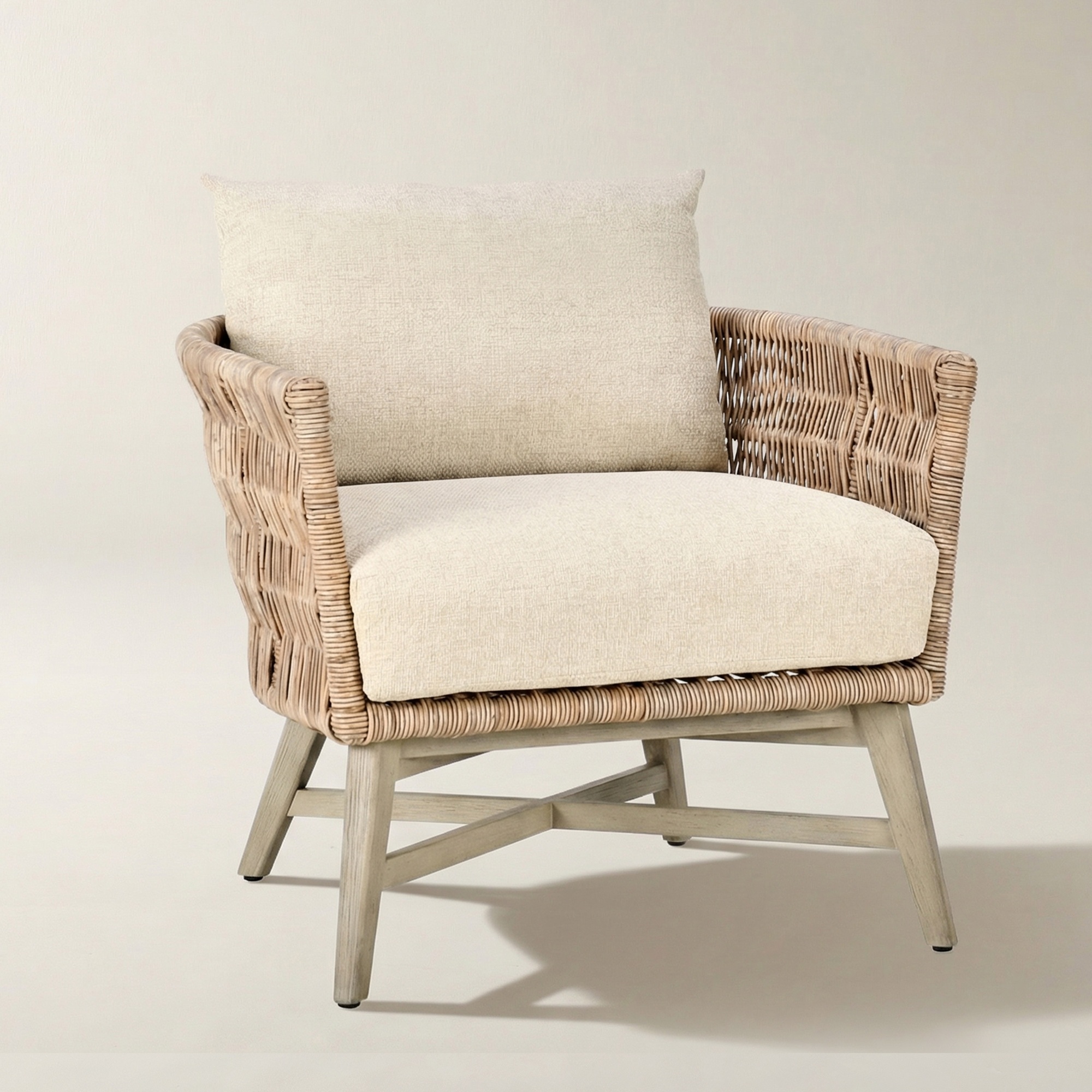
Eclectic accent chairs often feature luxurious materials such as velvet, leather, or woven fabrics, paired with metallic or wooden frames. Unexpected combinations—like acrylic with plush upholstery or mixed metals—add to the chair’s character and make it a standout piece in any room.
Yes, eclectic accent chairs are designed to mix seamlessly with a variety of decor styles. Their versatile, artistic nature allows them to complement everything from modern and boho to traditional and glam interiors, making them a dynamic addition to any space.