Accent Chairs For Classic Home Decor
Accent Chairs For Classic Home Decor
-
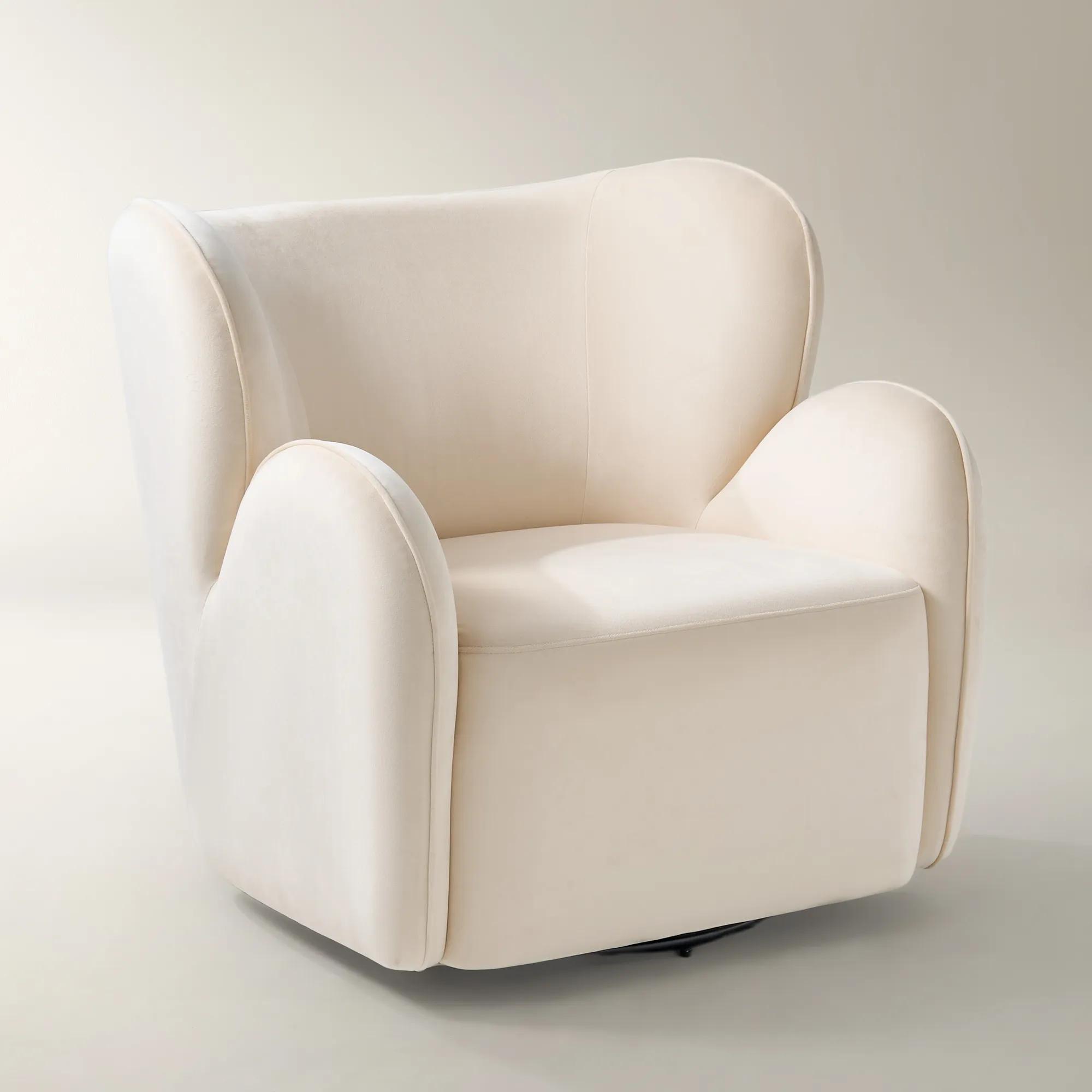
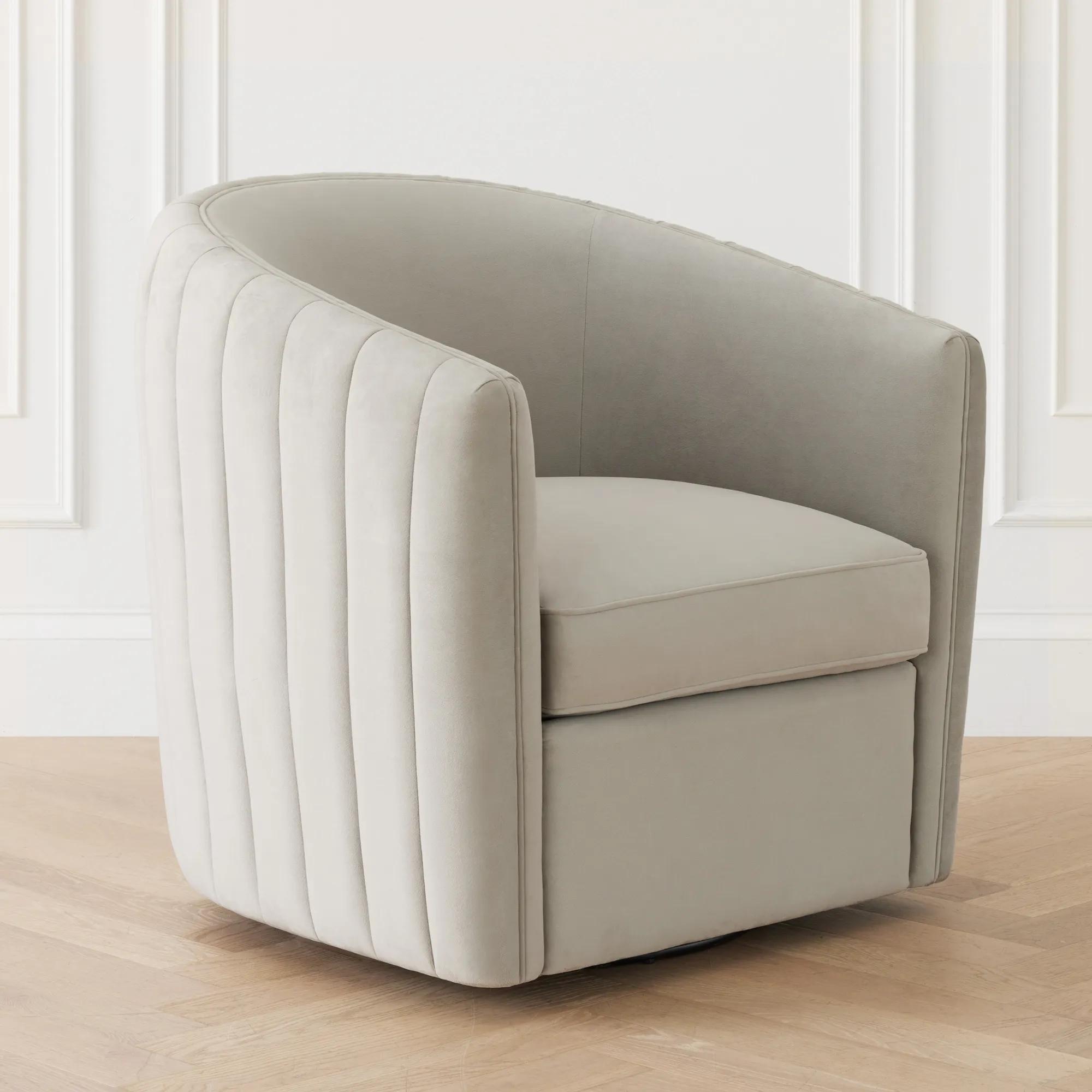
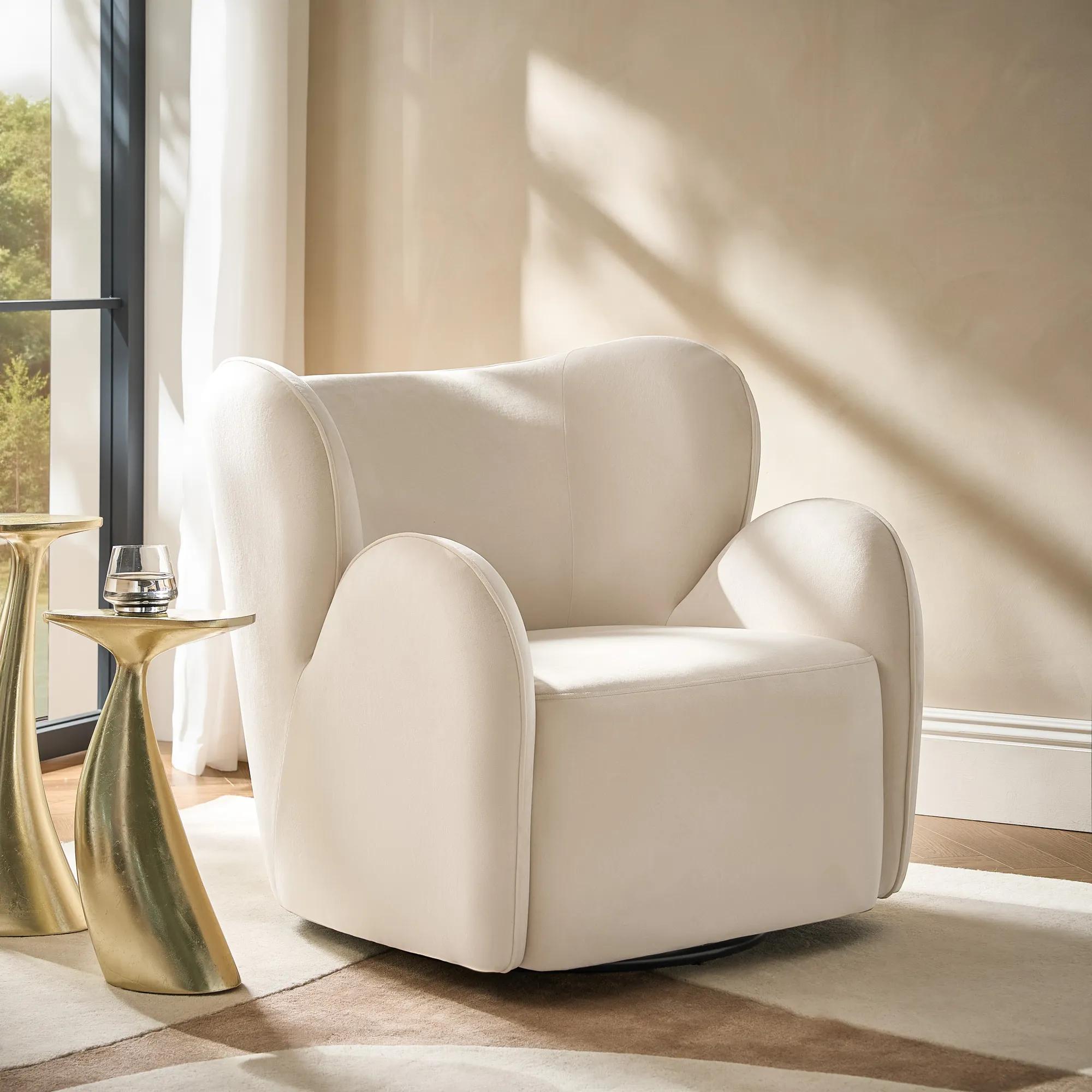 Ceres Ivory Velvet Swivel Accent Chair$799
An ivory velvet accent chair featuring a curved silhouette, 360° swivel, and plush, supportive cushioning.
Add To Cart -
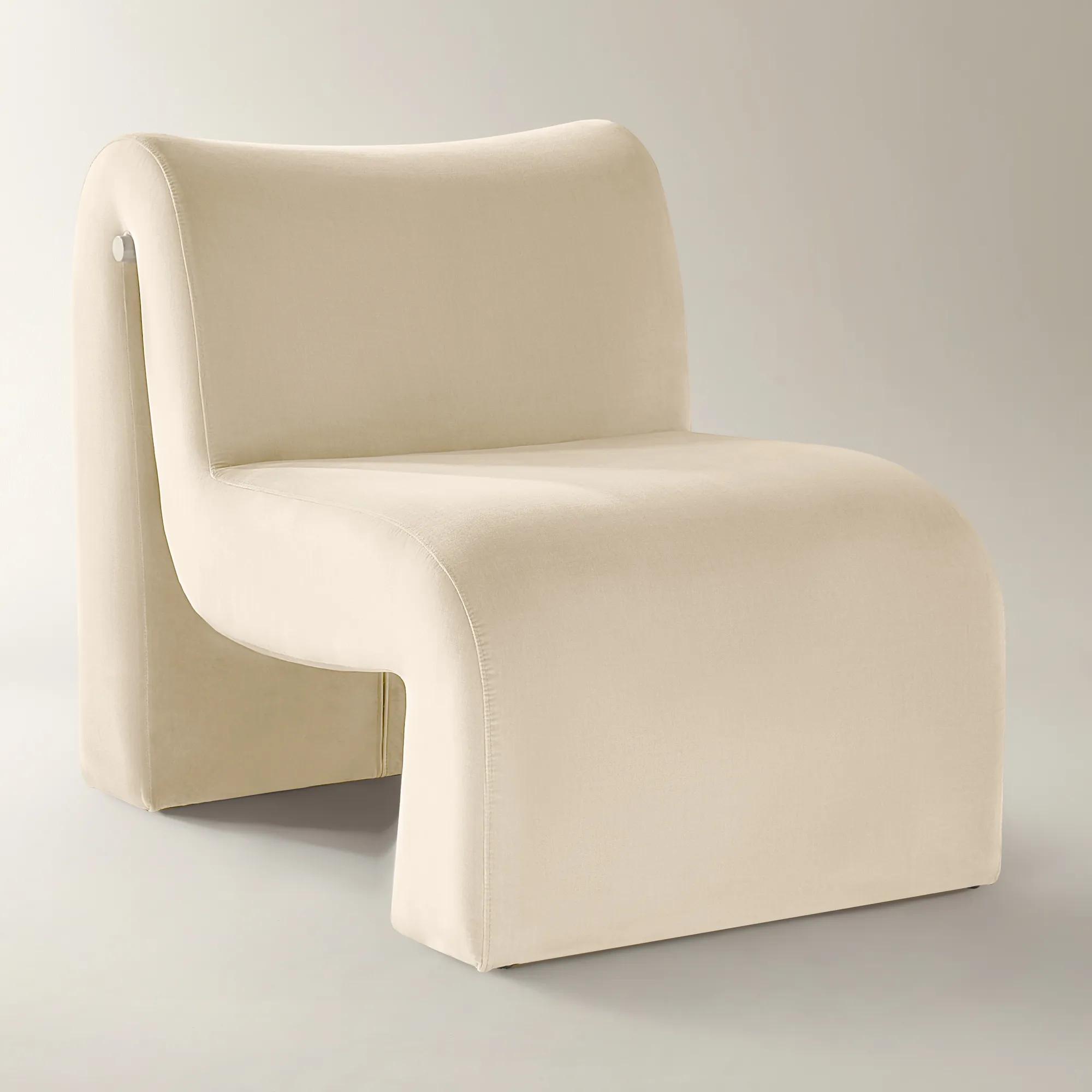 Cora Ivory Velvet Accent Chair$899
A sculpted ivory velvet chair featuring a continuous curved silhouette and a gold stainless-steel accent.
Add To Cart -
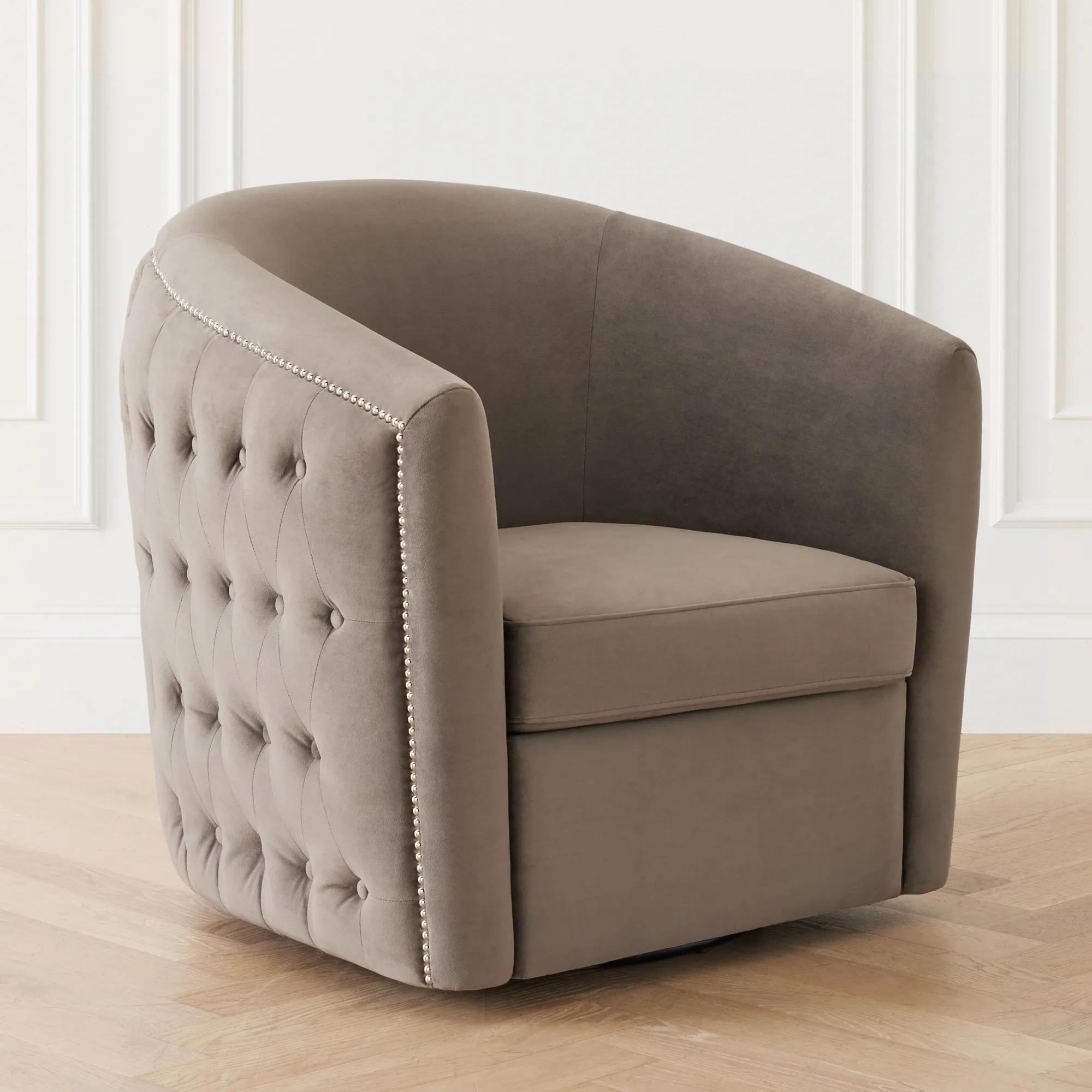
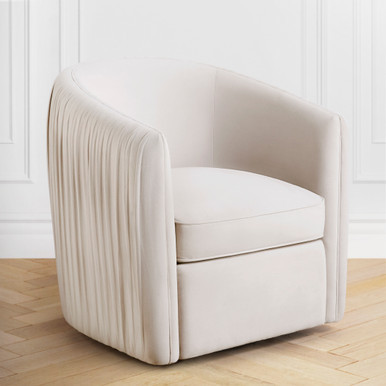
 Lyssa Pleated Simply Taupe Velvet Swivel Accent Chair$1099
A taupe velvet accent chair with pleated panels, 360-degree swivel, and a soft gold metal base.
Add To Cart -
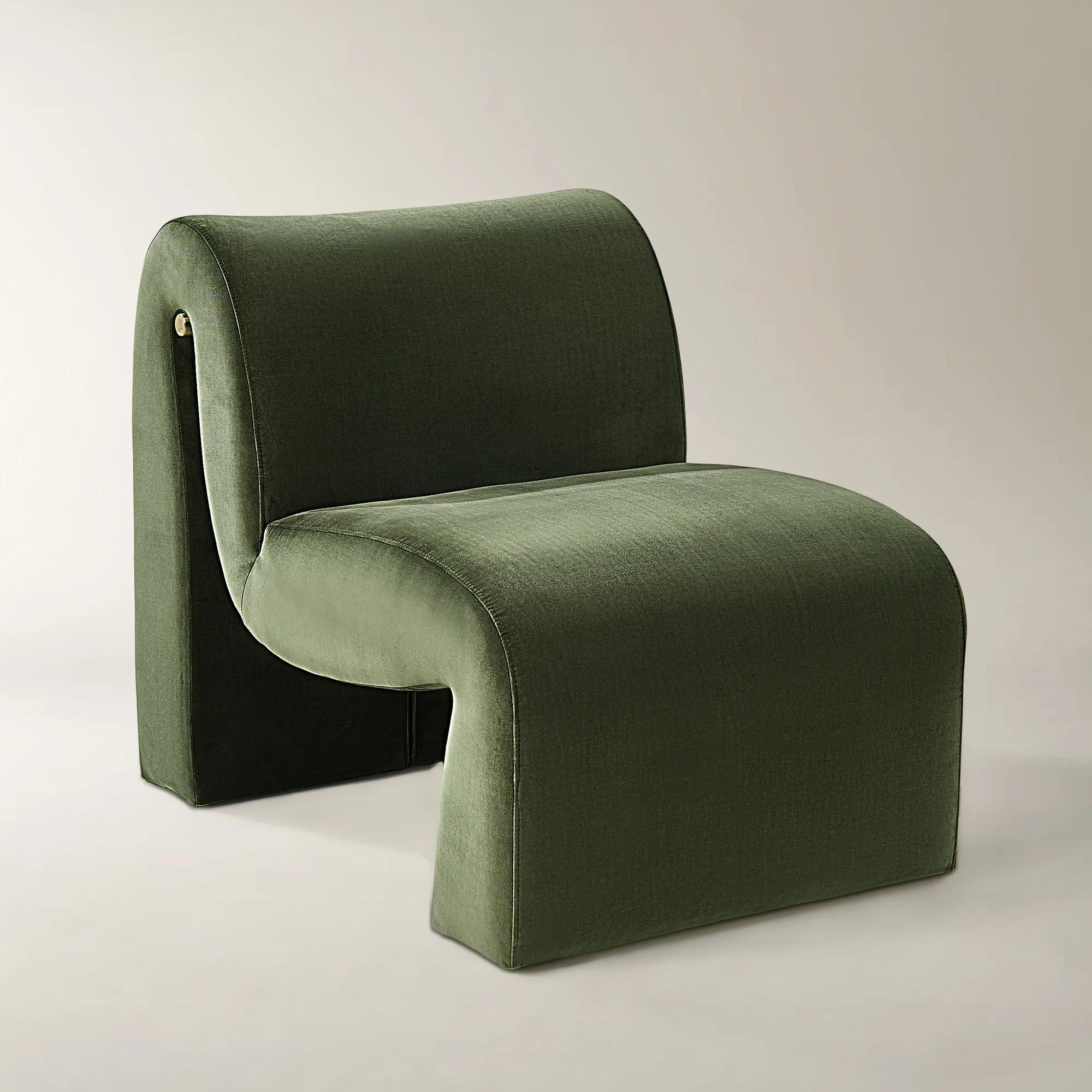
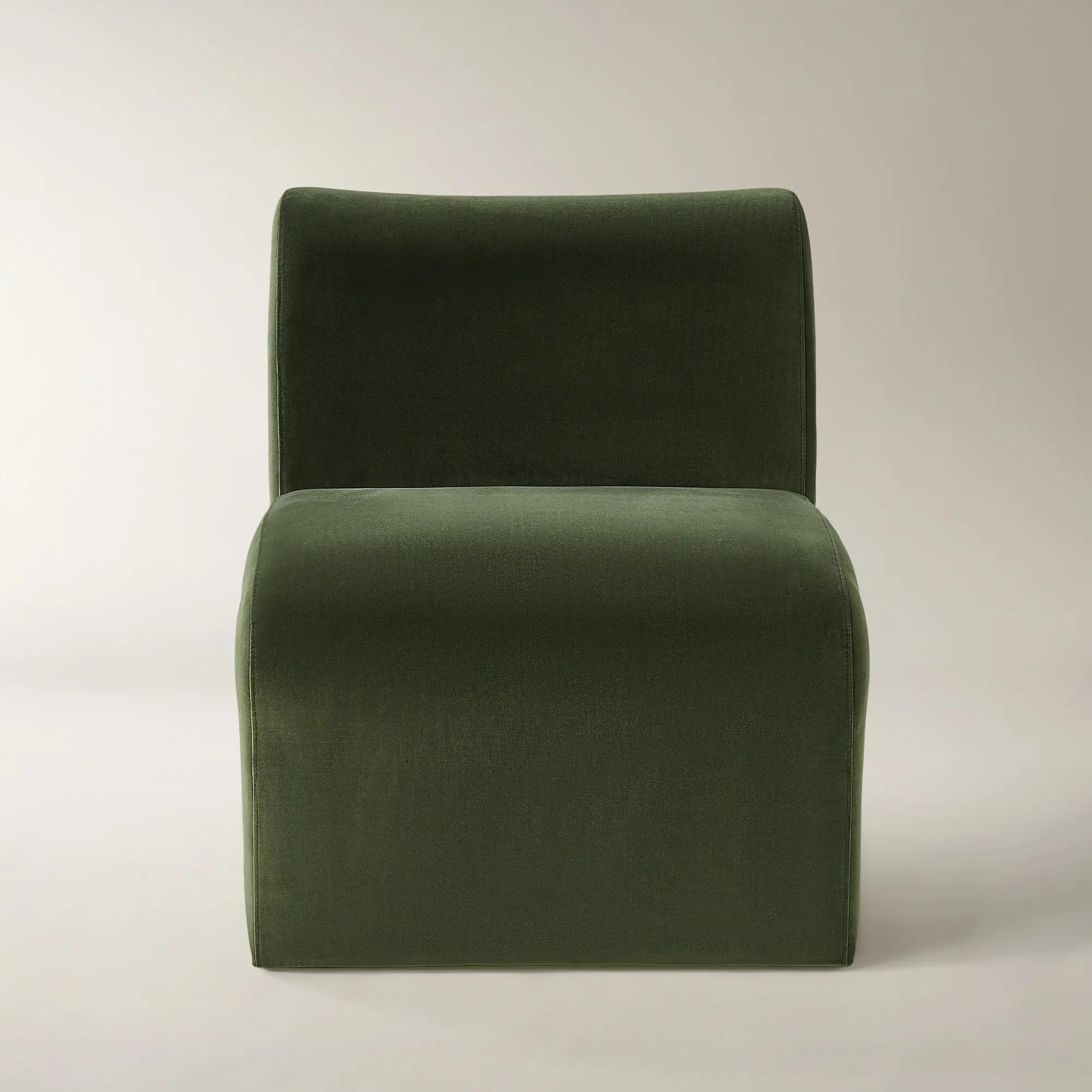 Cora Jade Green Velvet Accent Chair$899
A sculpted accent chair in jade green velvet with a gold stainless-steel inlay for refined glamour.
Add To Cart -
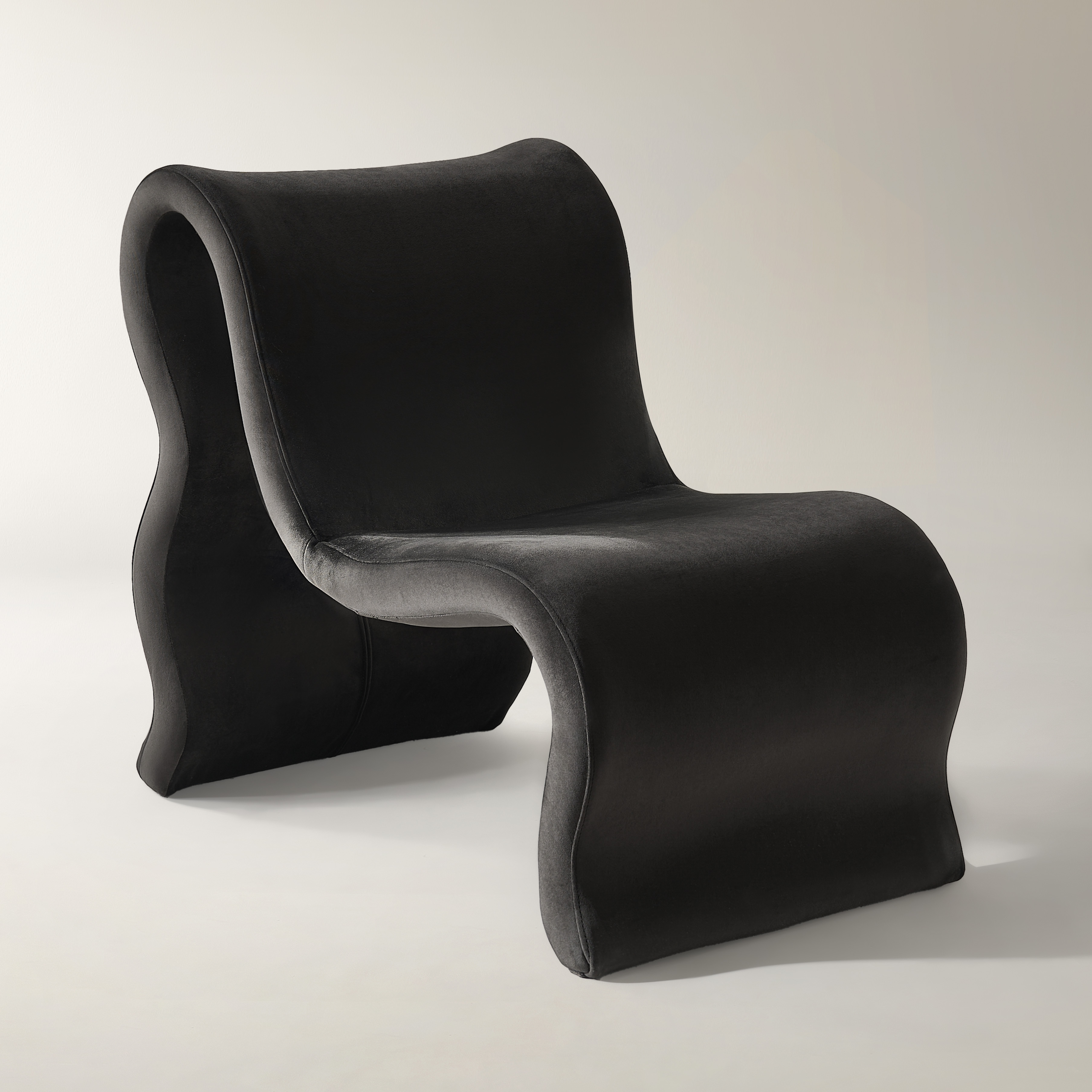 Romy Charcoal Velvet Accent Chair$999
A sculptural accent chair in charcoal velvet with a wave-like silhouette and full foam construction.
Add To Cart -
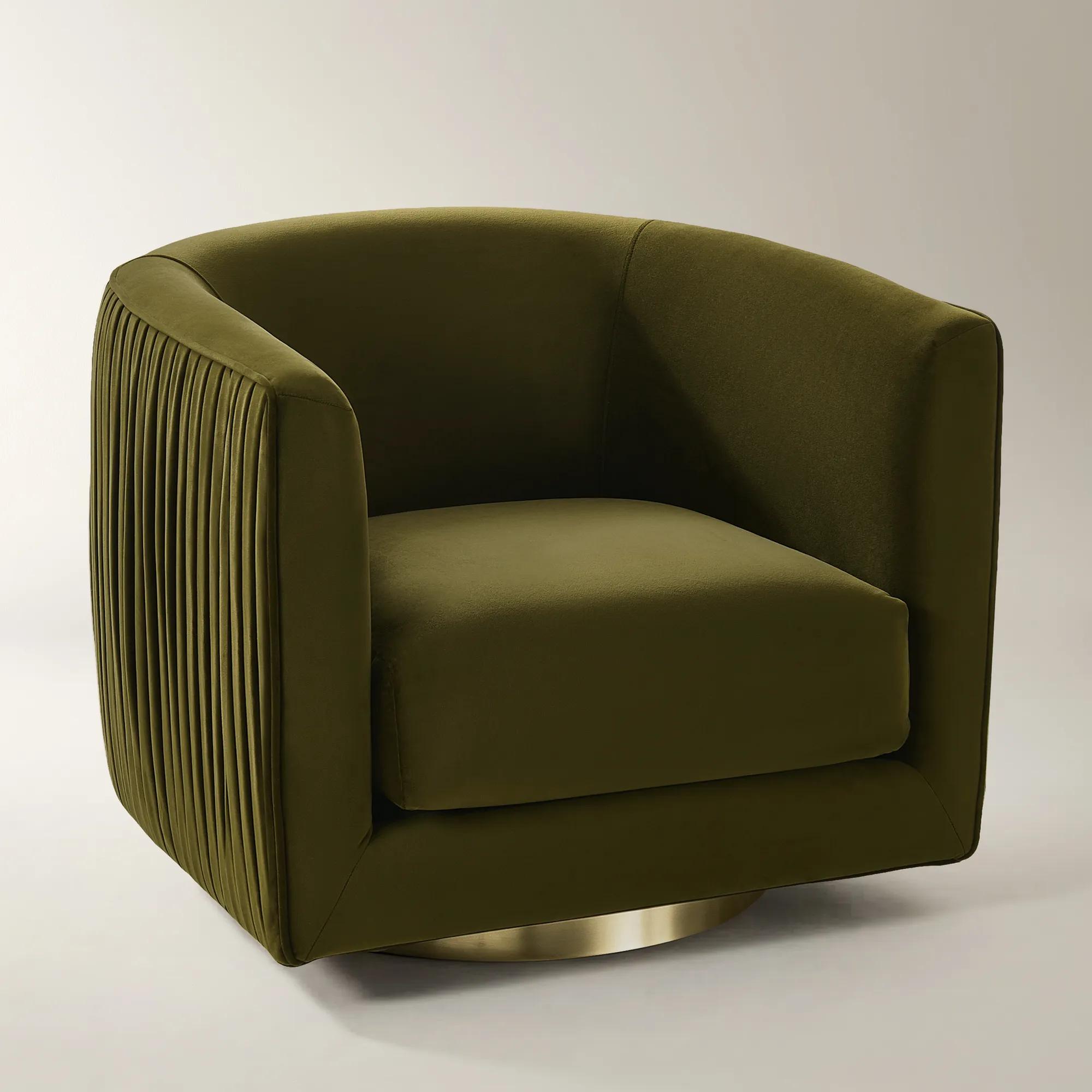
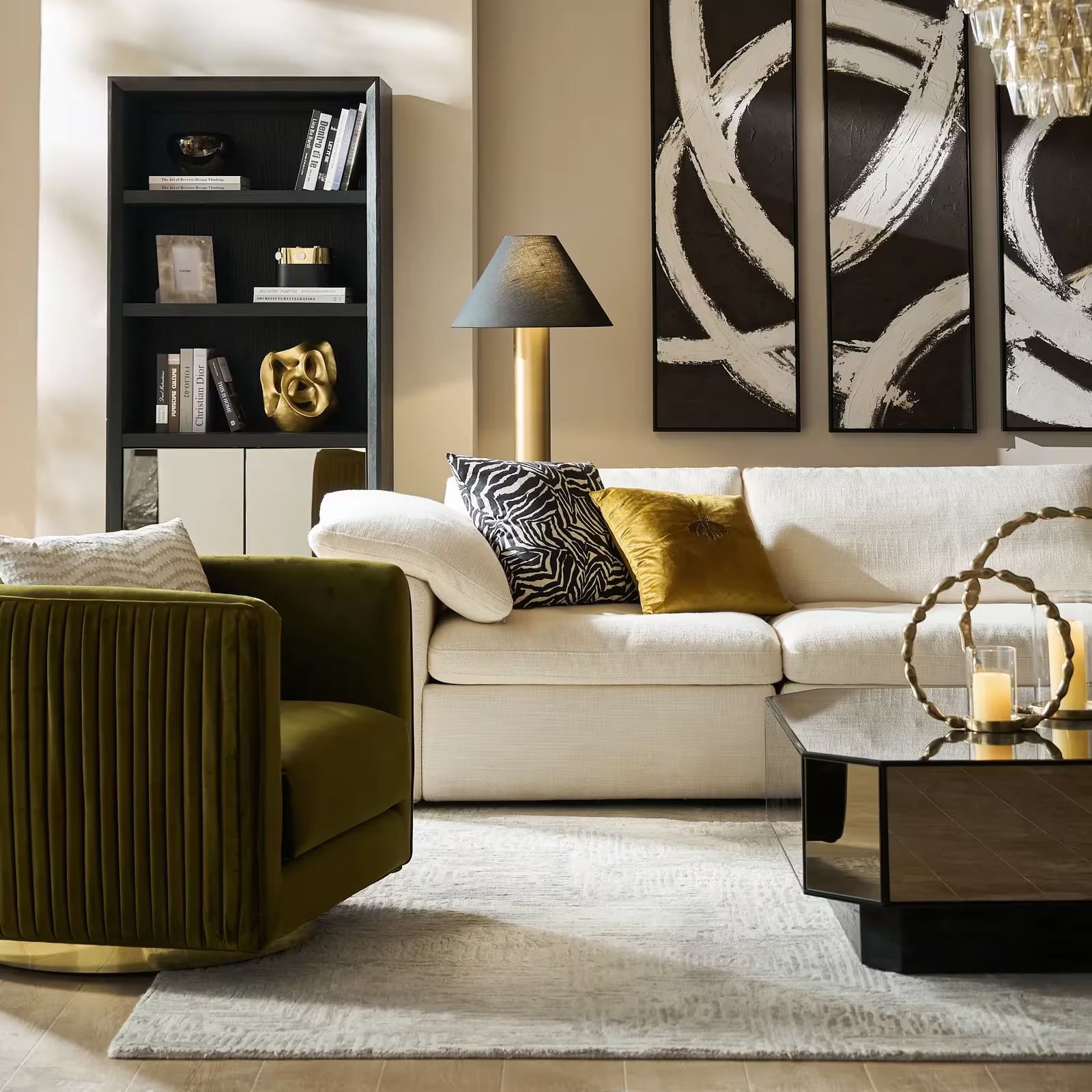 Lyssa Pleated Deep Olive Velvet Swivel Accent Chair$1099
A deep olive velvet accent chair with pleated panels, 360-degree swivel, and gold-finished steel base.
Add To Cart -
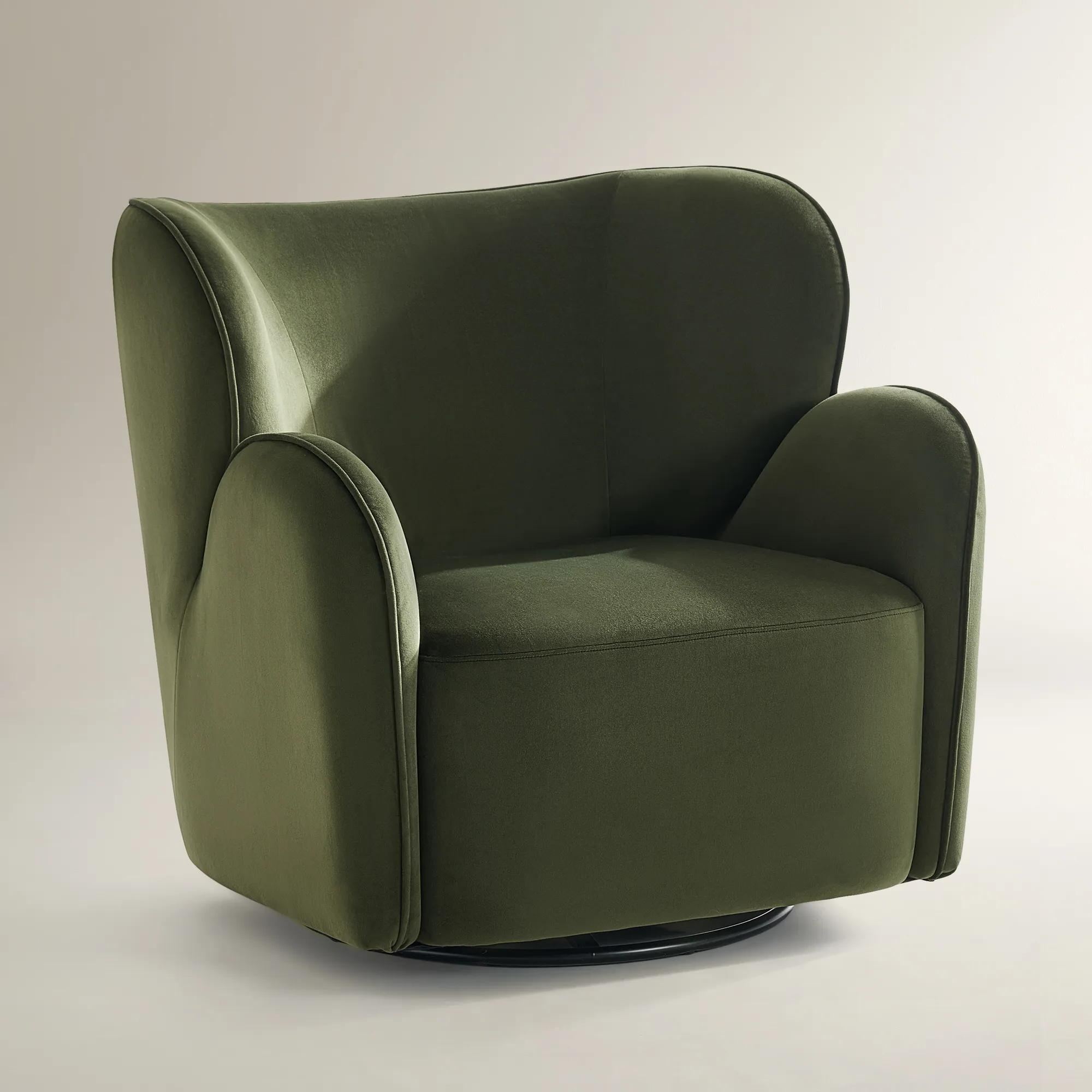
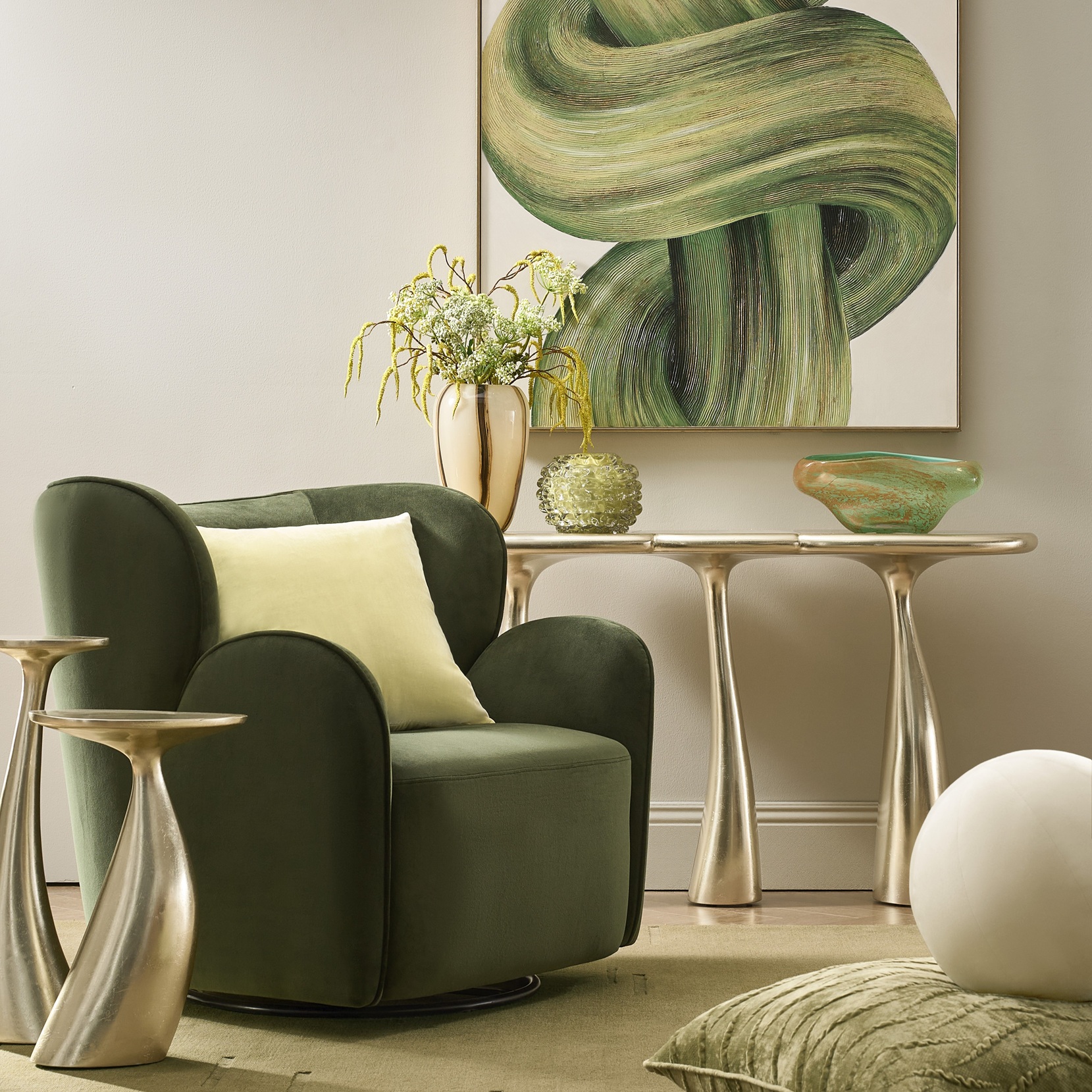 Ceres Jade Green Velvet Swivel Accent Chair$799
A plush jade green velvet chair with a curved silhouette, 360° swivel, and supportive foam cushioning.
Add To Cart -
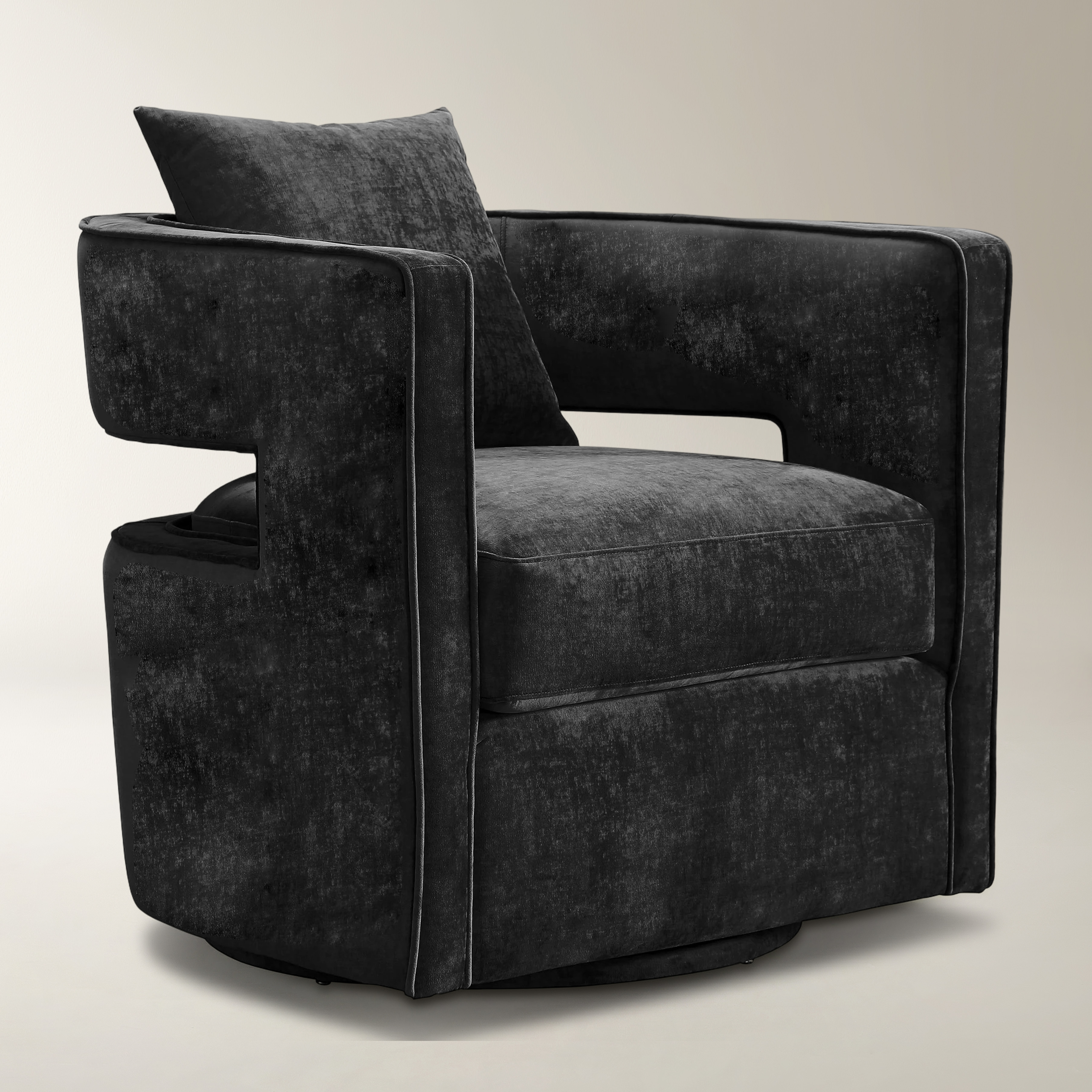 Lottie Black Velvet Swivel Accent Chair$999
A black velvet swivel accent chair with a sculpted barrel silhouette, open arms, and supportive cushioning.
Add To Cart -
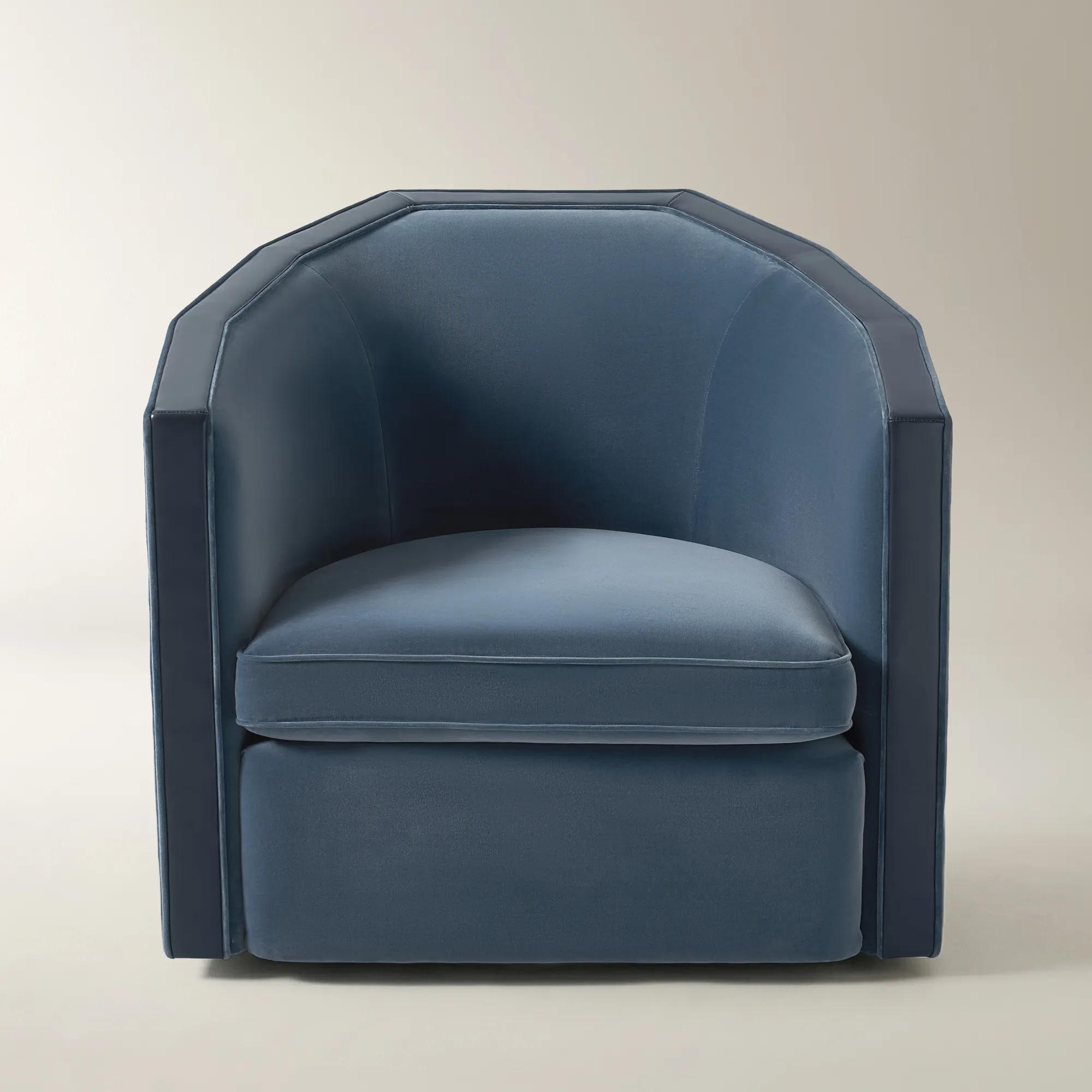 Vesper Dusty Blue Velvet With Leather Swivel Accent Chair$999
A modern accent chair in dusty blue velvet with tonal leather trim and a smooth 360-degree swivel base.
Add To Cart -
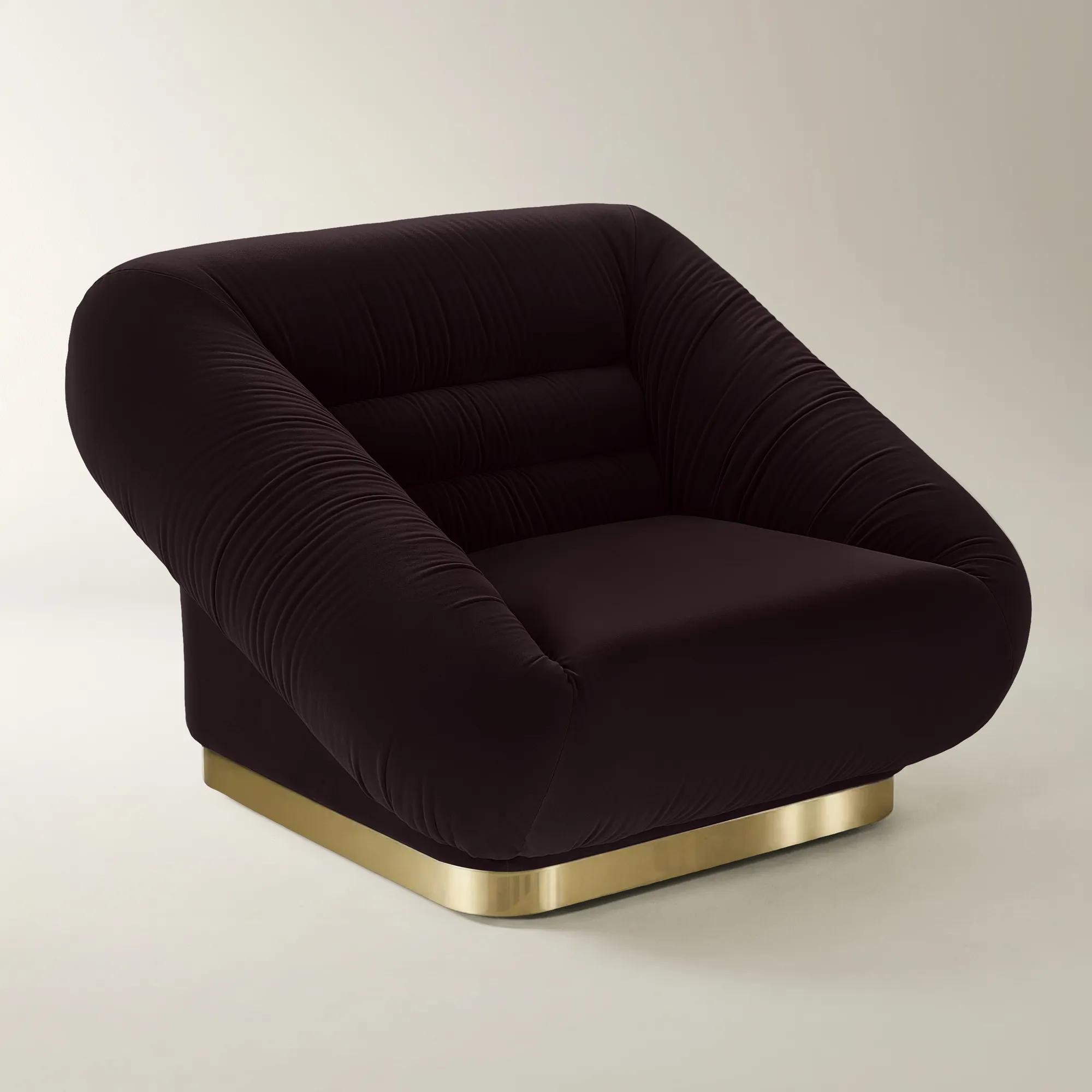 Dover Fig Velvet Swivel Accent Chair$1299
A sculptural fig velvet accent chair featuring soft gathered upholstery, gold-trimmed base, and smooth 360° swivel.
Add To Cart -
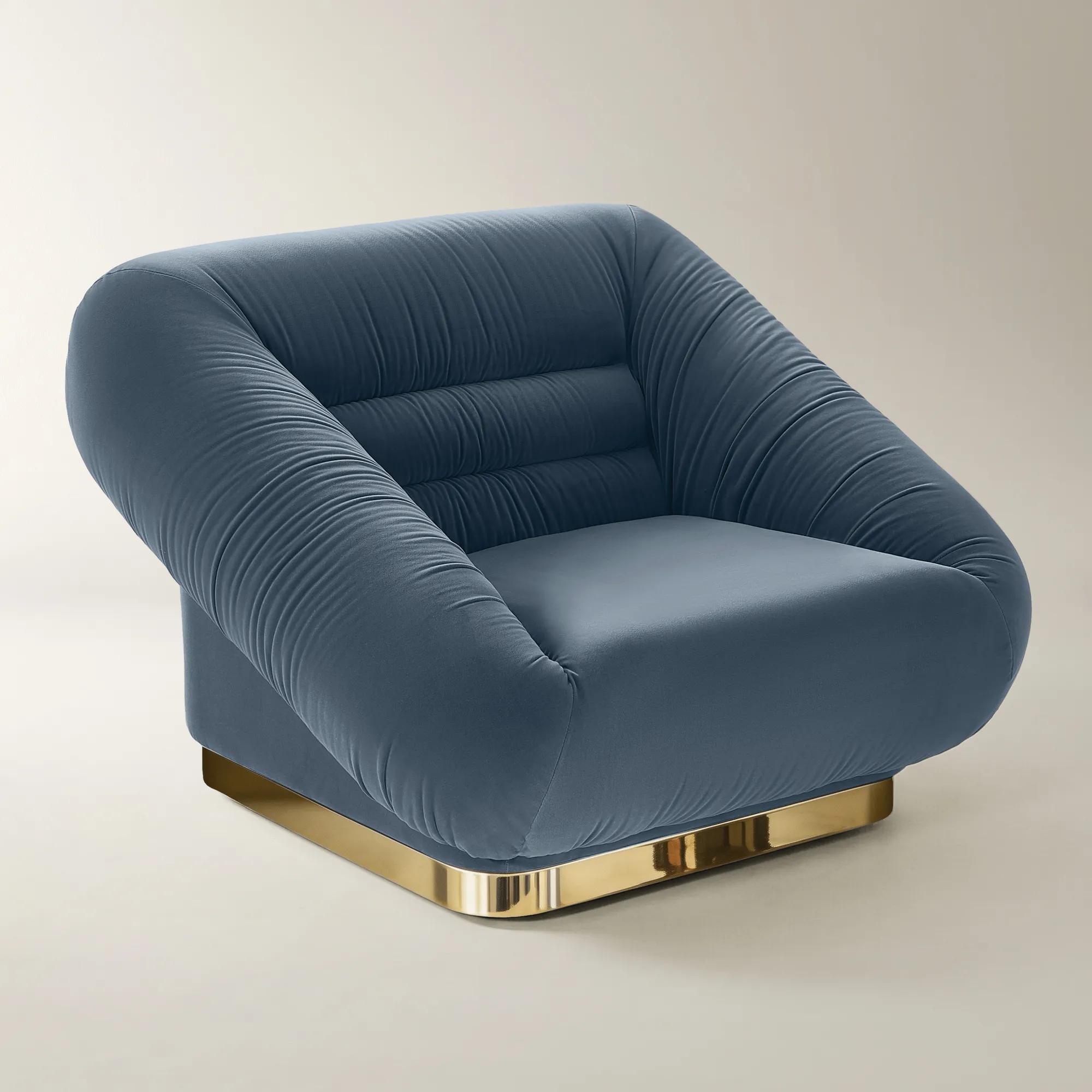 Dover Dusty Blue Velvet Swivel Accent Chair$1299
A sculptural blue velvet accent chair featuring soft gathered upholstery, gold-trimmed base, and smooth 360° swivel.
Add To Cart -
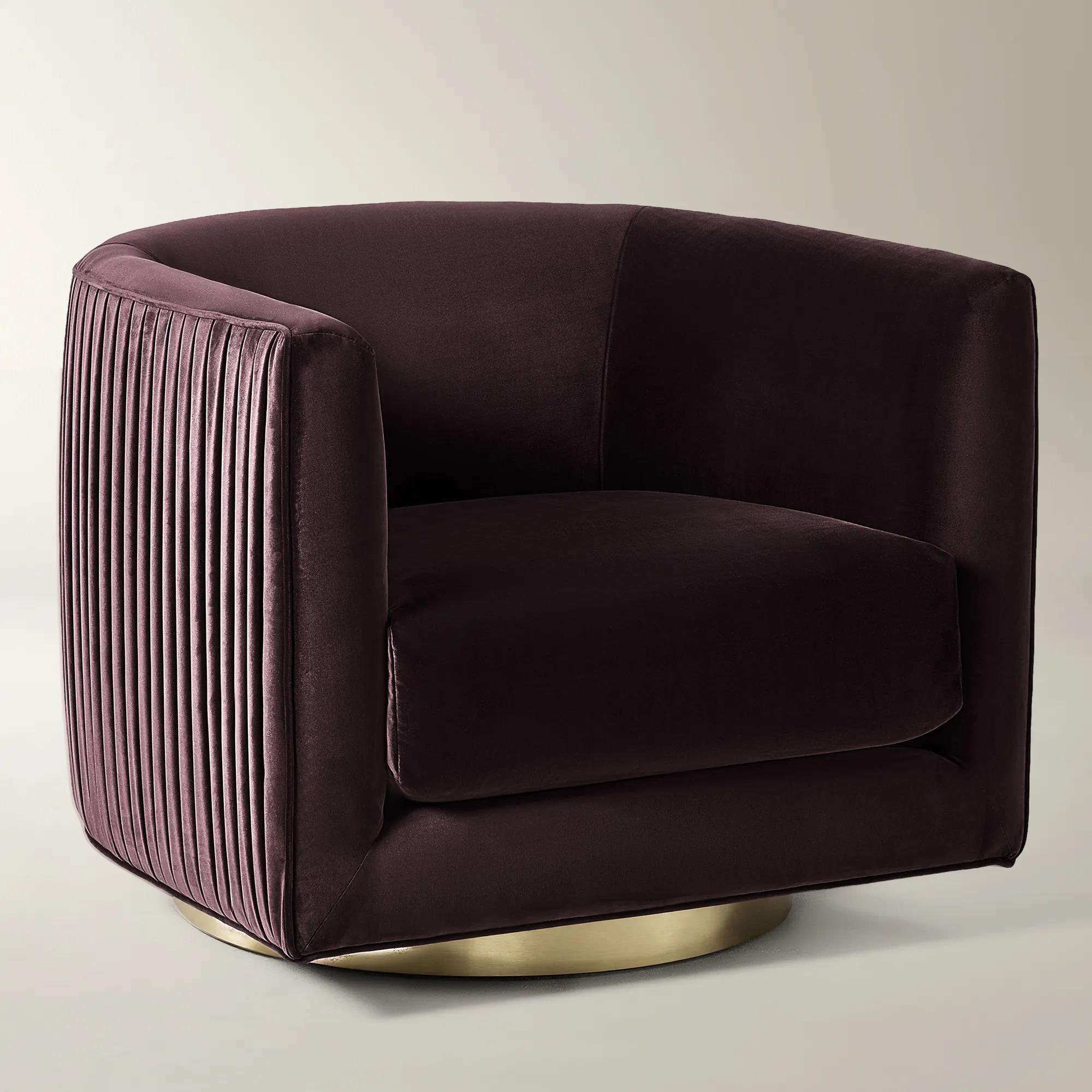 Lyssa Pleated Fig Velvet Swivel Accent Chair$1099
A red velvet accent chair with pleated panels, curved silhouette, 360-degree swivel, and soft-gold metal base.
Add To Cart -
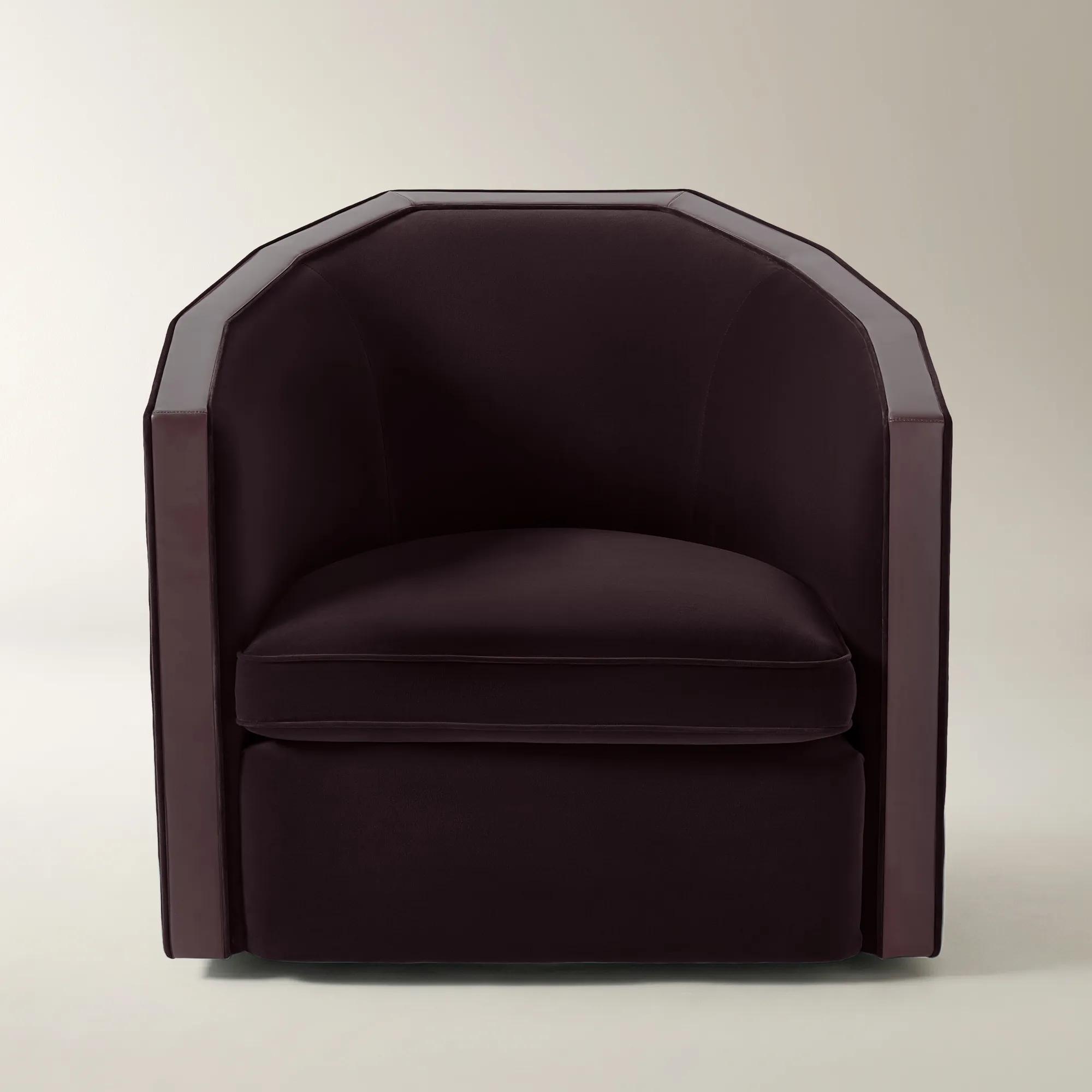
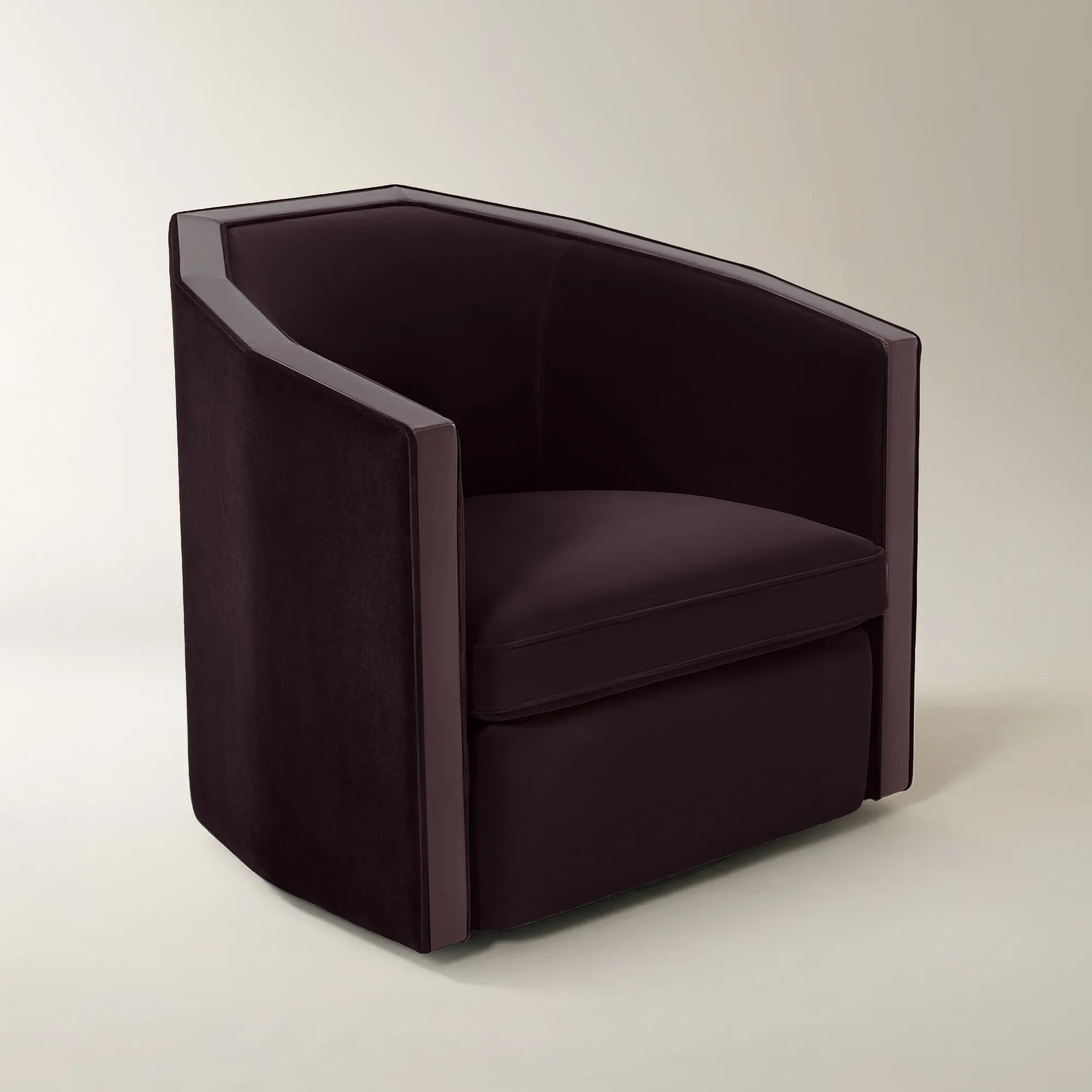 Vesper Fig Velvet With Leather Swivel Accent Chair$999
A modern accent chair featuring fig velvet upholstery, tonal leather trim, and a smooth 360° swivel base.
Add To Cart -
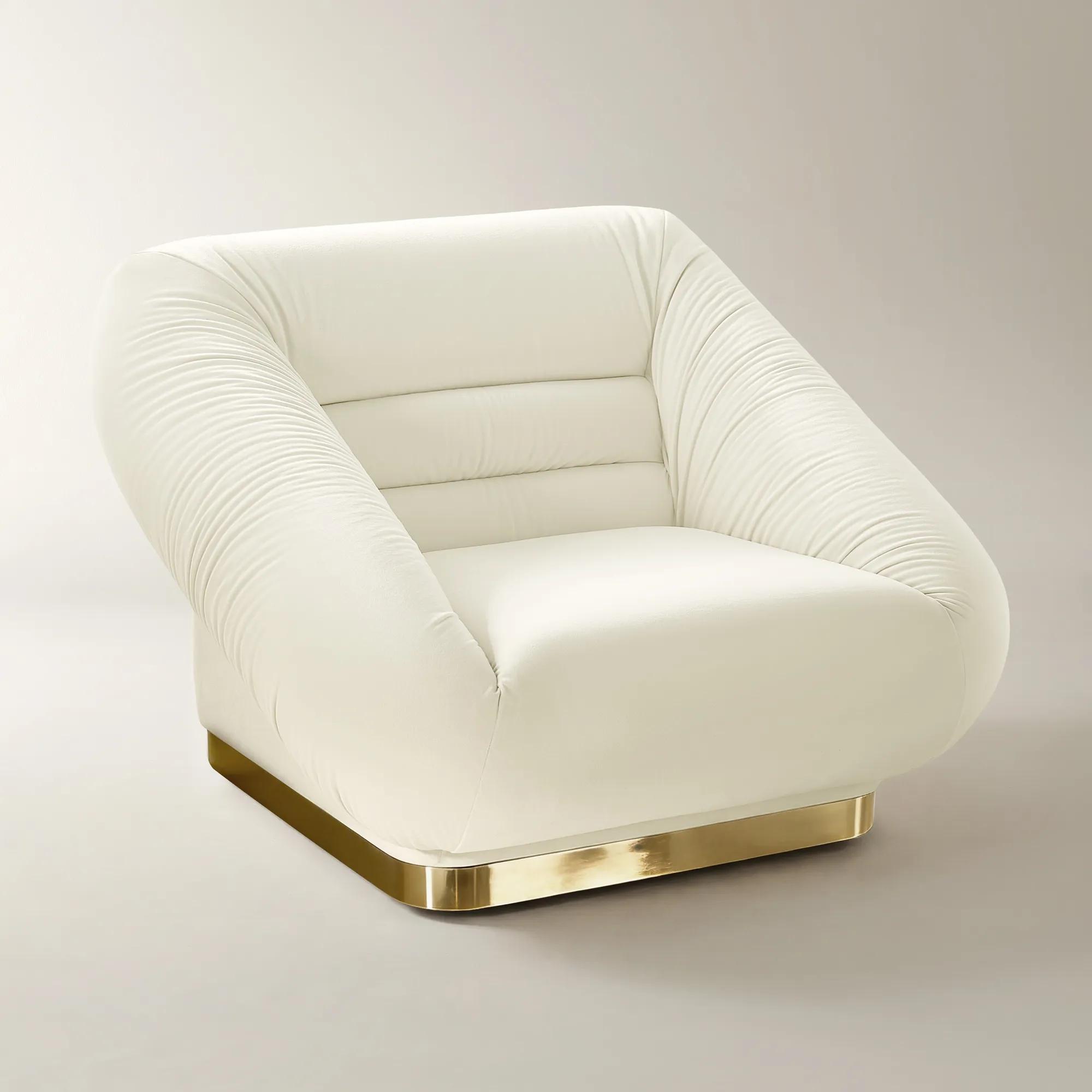 Dover Cloud Velvet Swivel Accent Chair$1299
A sculptural accent chair in cloud velvet with a gold-trimmed base and smooth 360° swivel function.
Add To Cart -
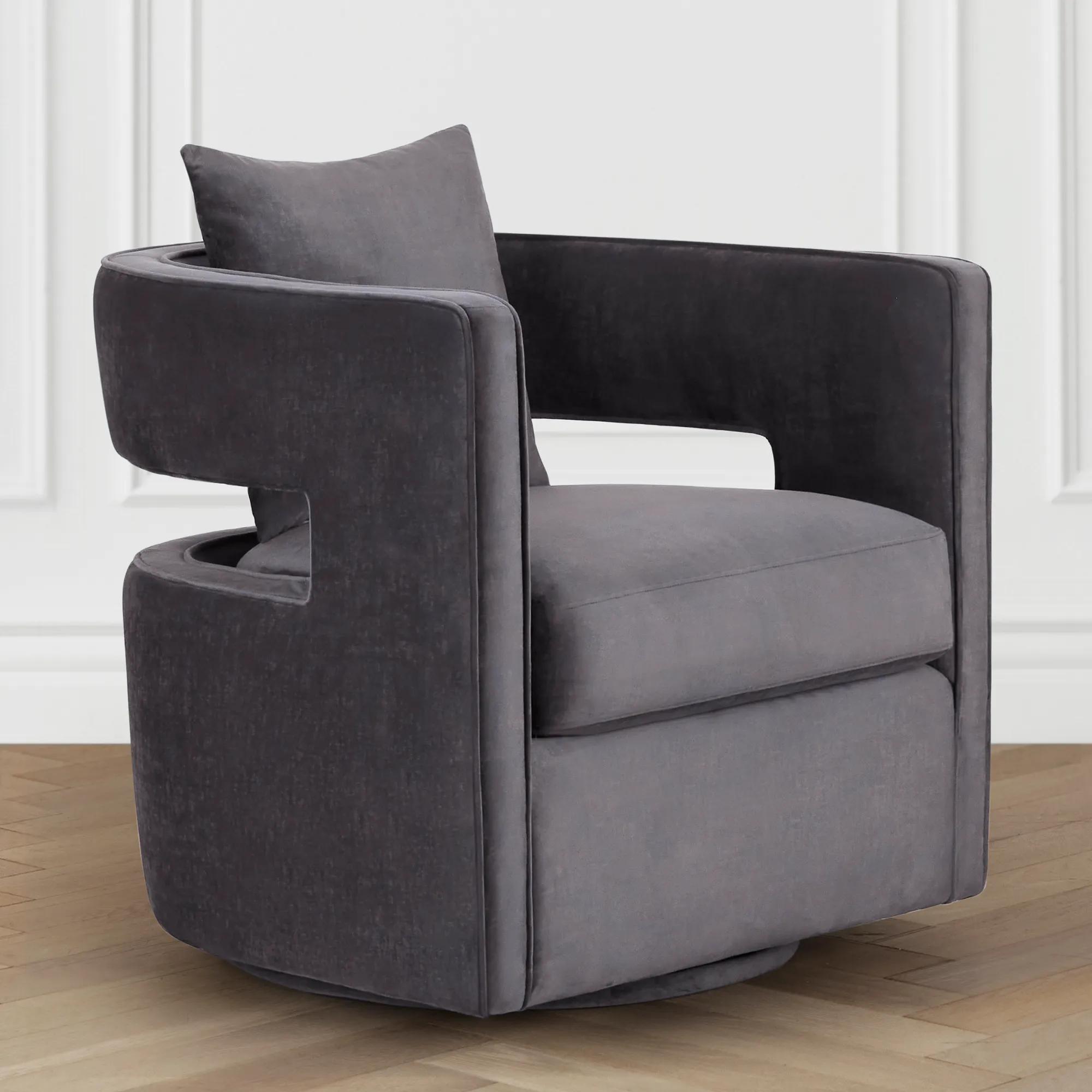 Lottie Grey Velvet Swivel Accent Chair$999
A glamorous grey velvet swivel chair featuring a barrel back, cutout arms, and plush foam cushioning.
Add To Cart -
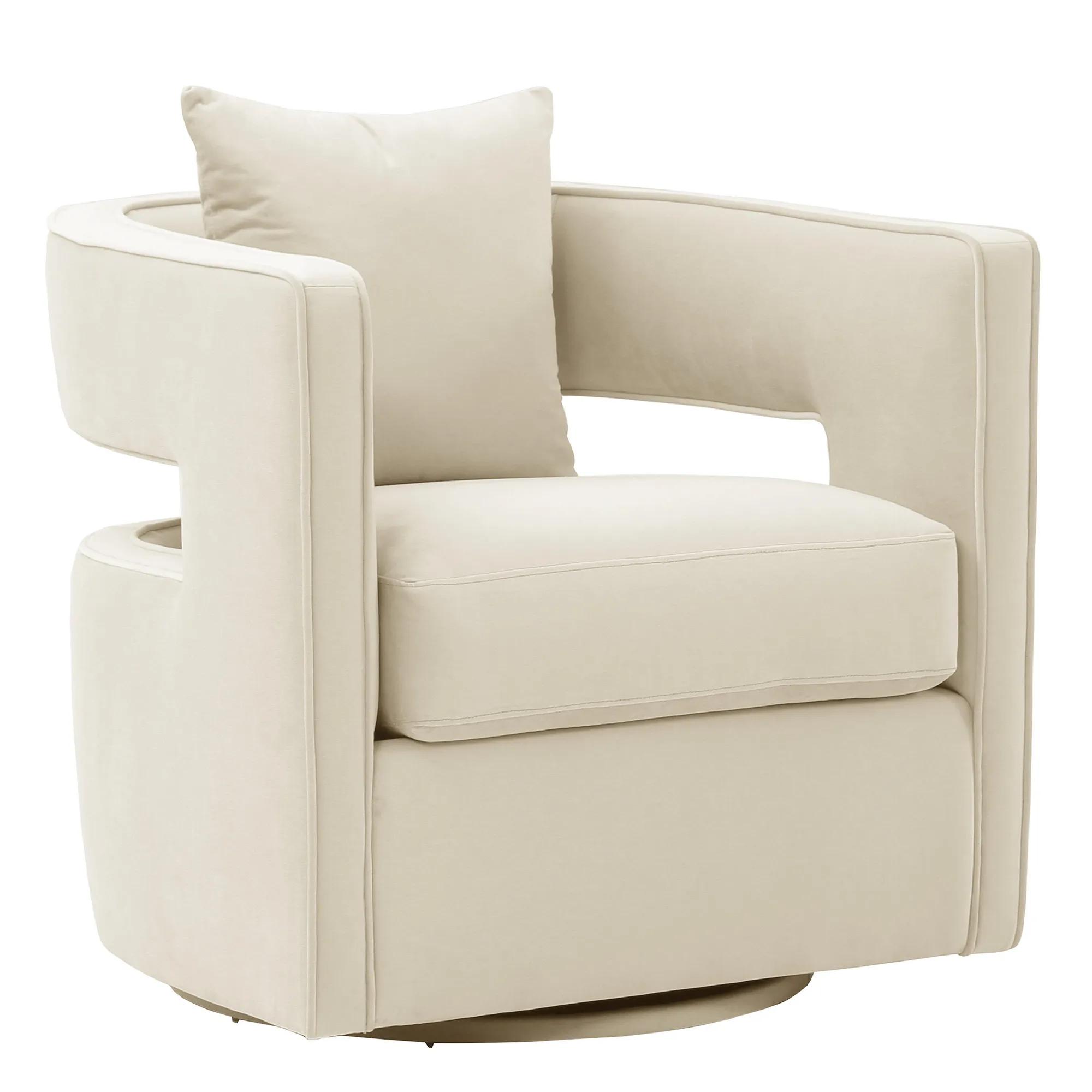
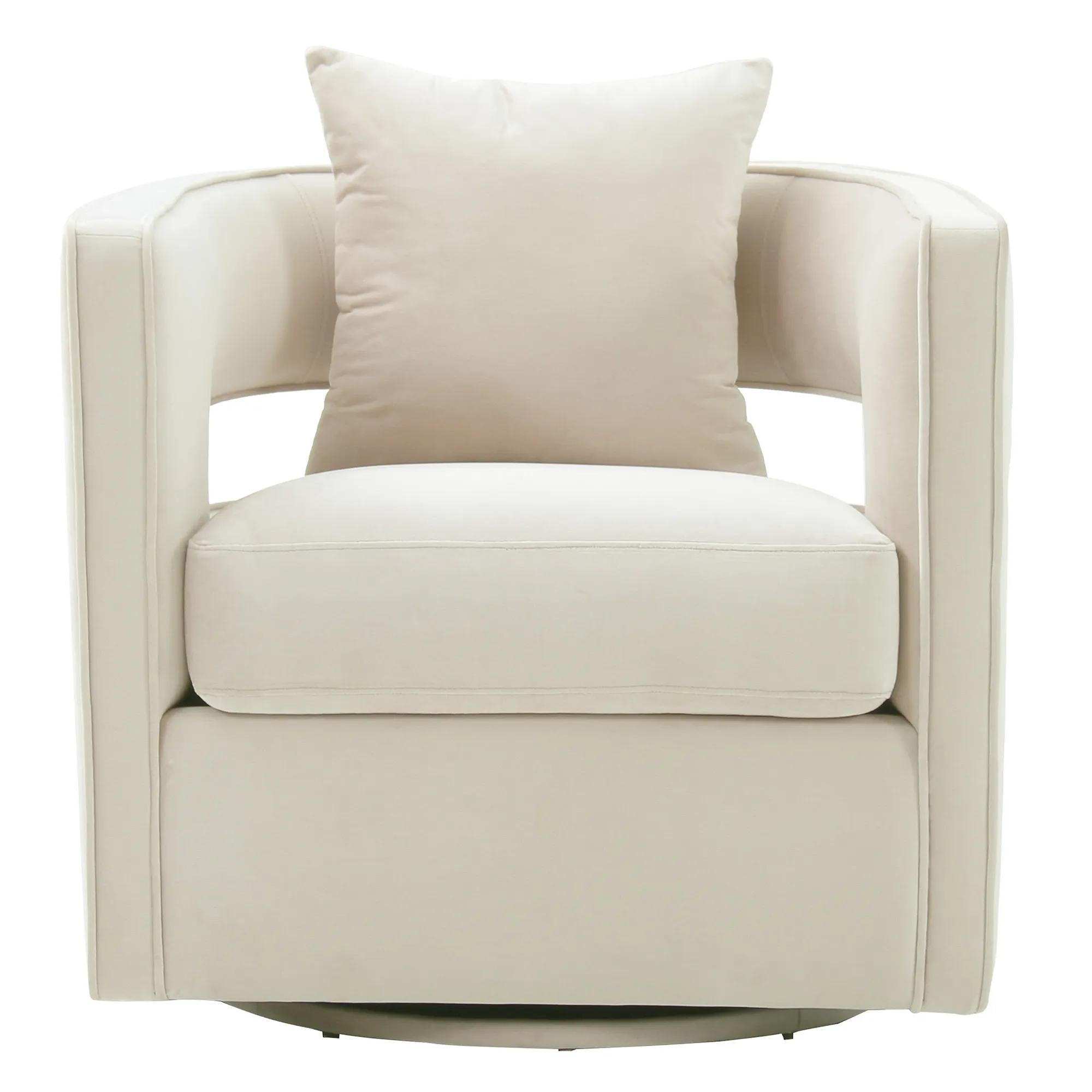 Lottie Cream Velvet Swivel Accent Chair$999
A glamorous cream velvet swivel chair featuring a barrel back, cutout arms, and plush foam cushioning.
Add To Cart -
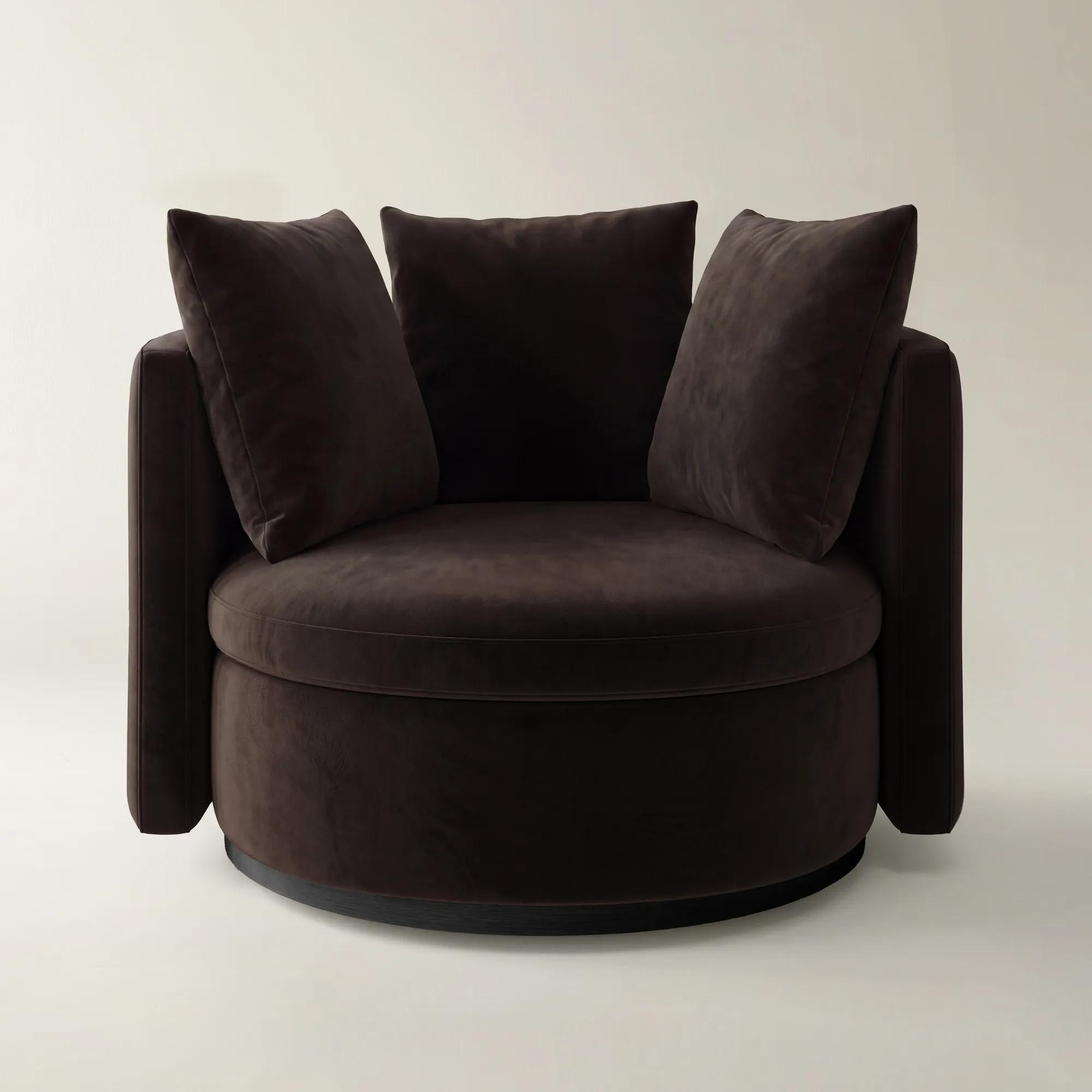
 Stria Dark Chocolate Velvet Swivel Accent Chair$1499
A dark chocolate velvet accent chair with enveloping curves, plush cushioning, and a concealed 360-degree swivel.
Add To Cart -
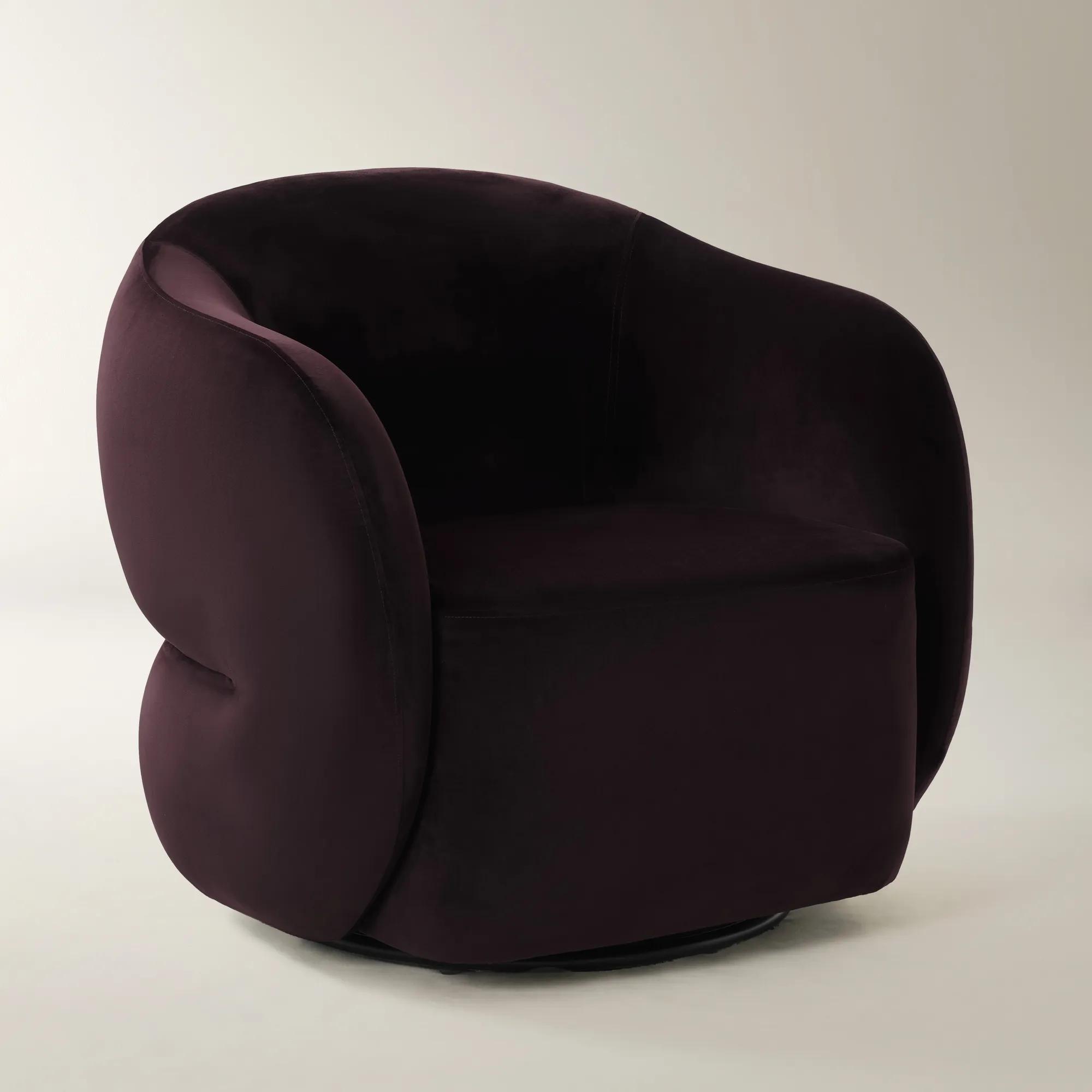 Sierra Fig Velvet Swivel Accent Chair$899
A modern accent chair in plush fig velvet with a wraparound back and smooth 360° swivel base.
Add To Cart -
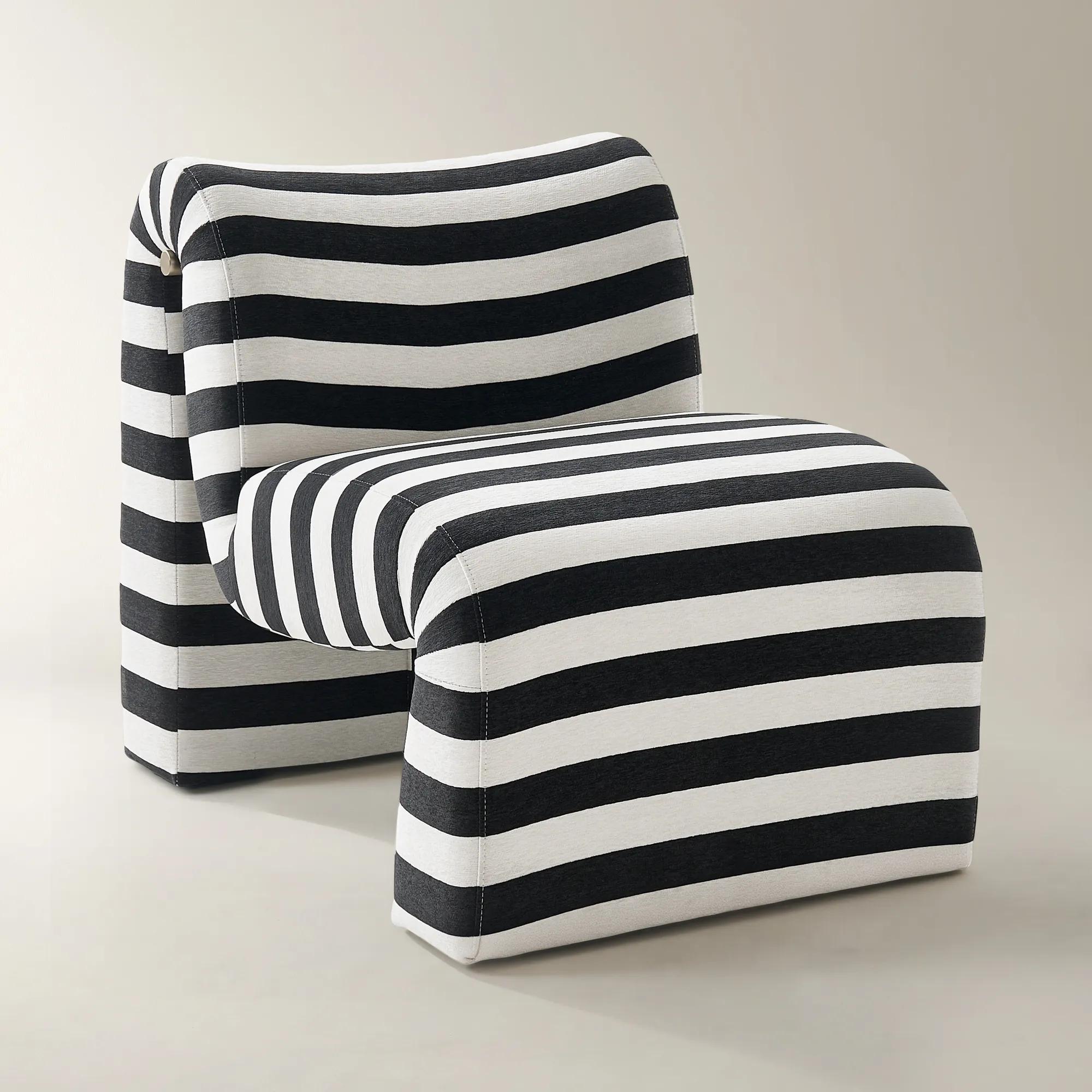 Cora Stripe Chenille Accent Chair$899
A bold black-and-white striped accent chair featuring water-repellent chenille and a gold stainless-steel inlay.
Add To Cart -
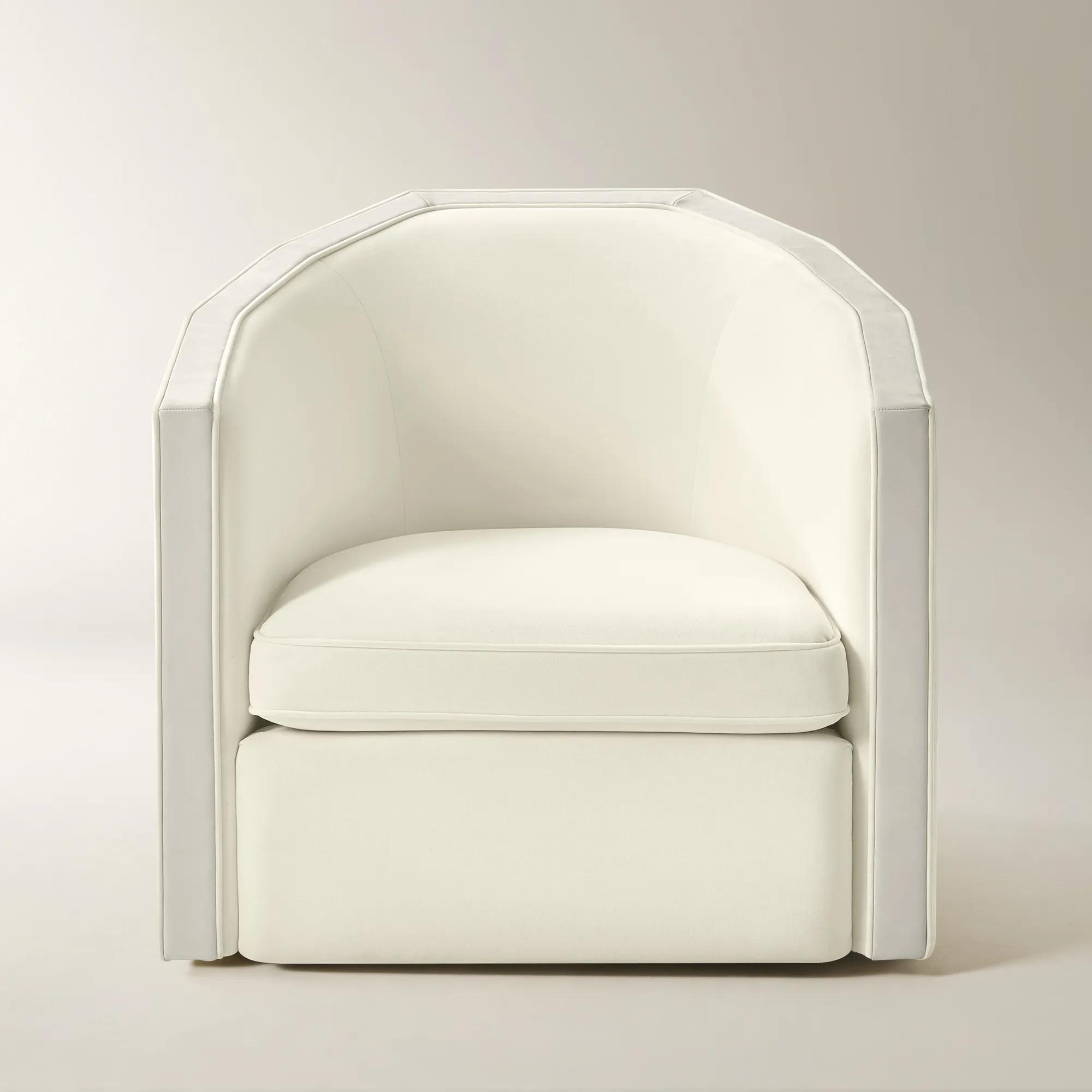 Vesper Cloud Velvet With Leather Swivel Accent Chair$999
A modern accent chair featuring cloud velvet upholstery, tonal leather trim, and a smooth 360° swivel base.
Add To Cart -
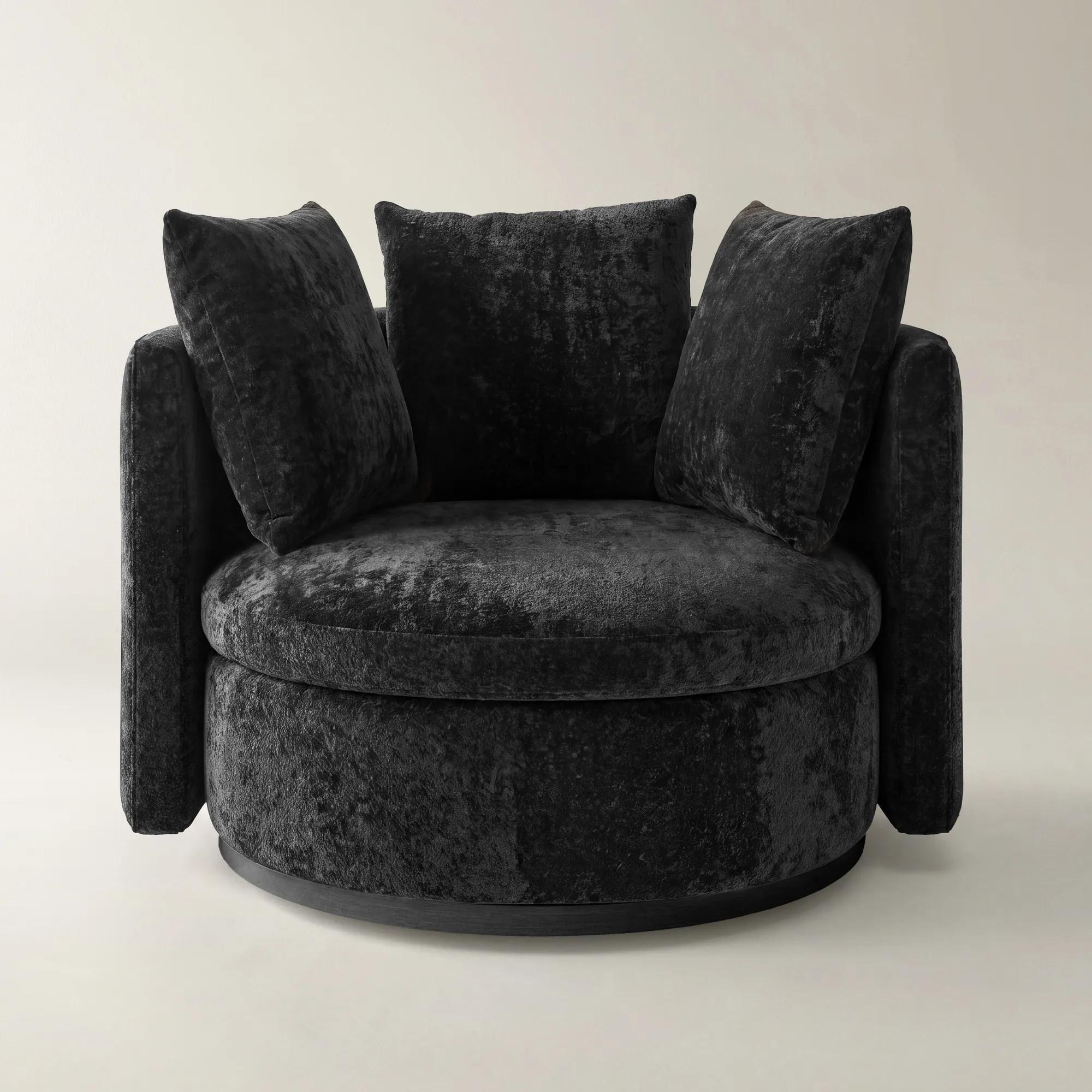 Stria Black Chenille Swivel Accent Chair$1599
A black chenille accent chair with enveloping curves, foam-and-down comfort, and a concealed 360-degree swivel.
Add To Cart -
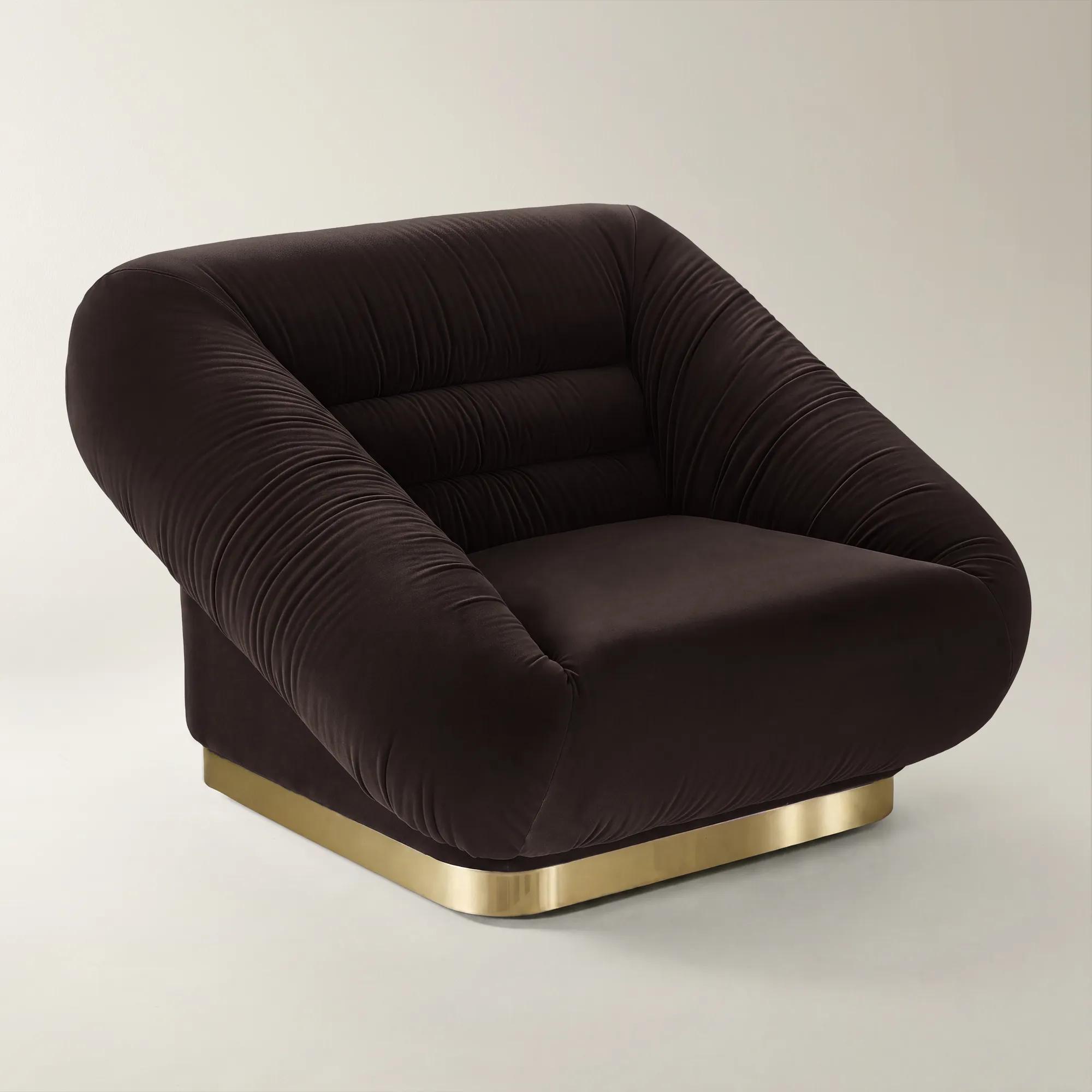
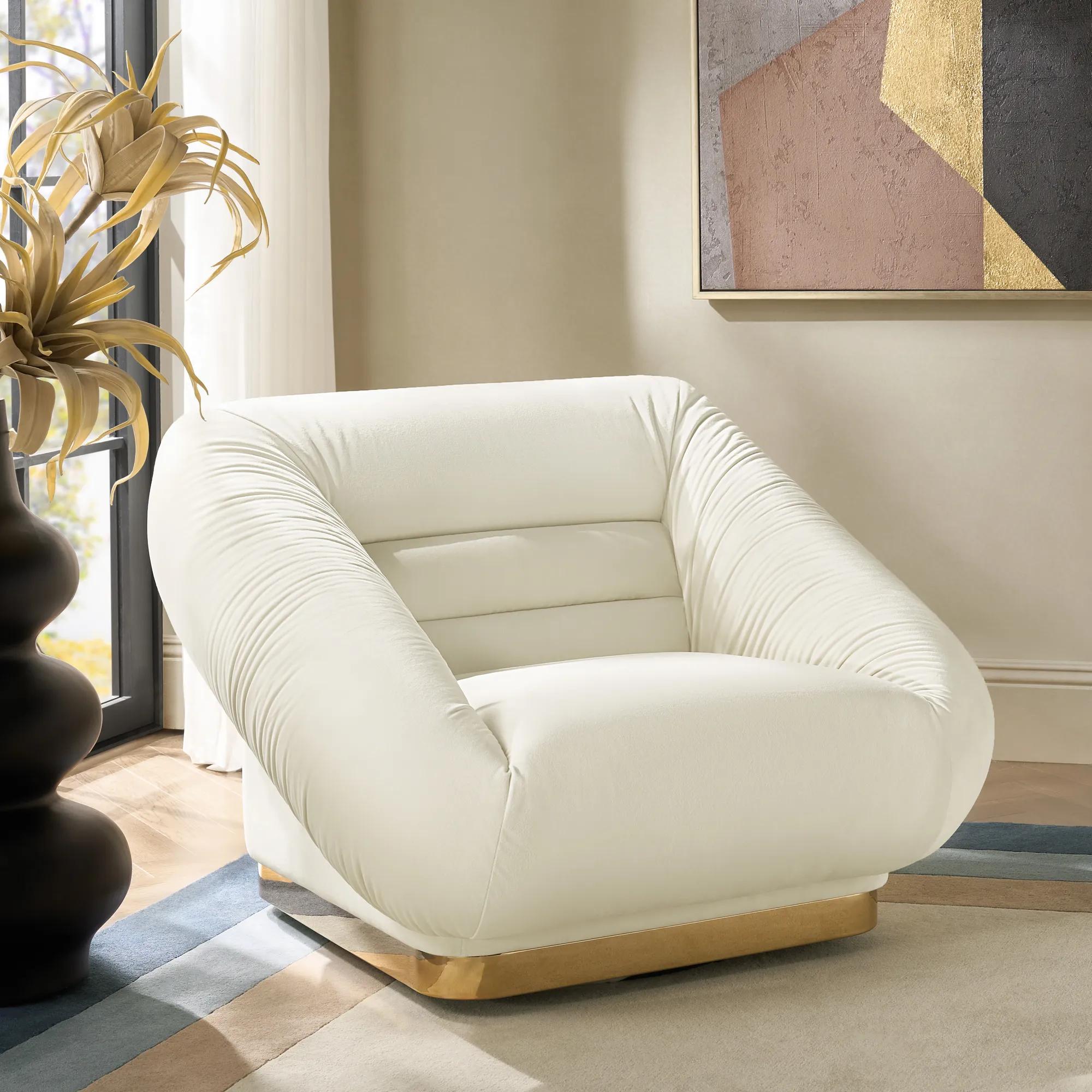 Dover Dark Chocolate Velvet Swivel Accent Chair$1299
A dark chocolate velvet accent chair with a sculptural silhouette, 360° swivel, and soft gold-finished trim.
Add To Cart -
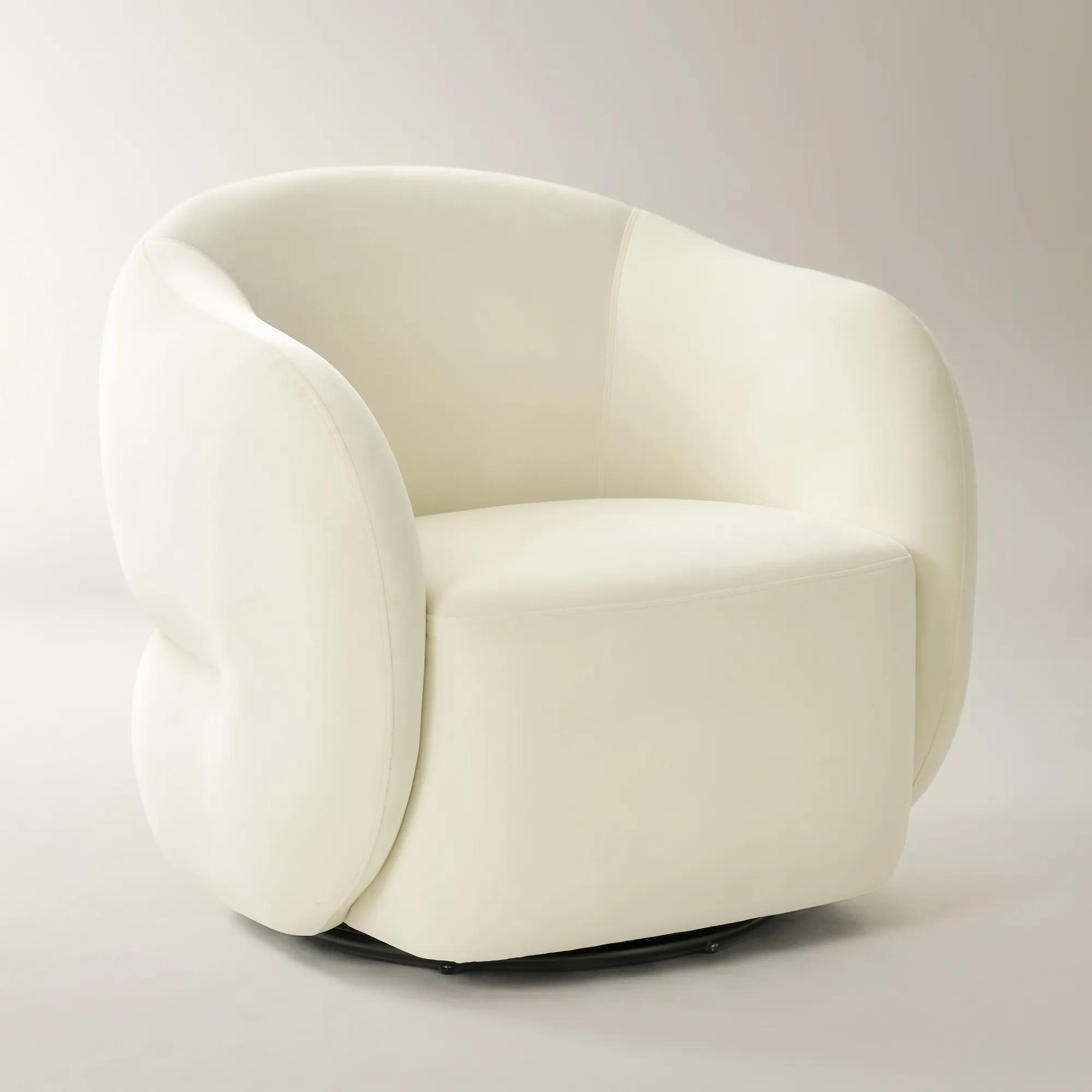
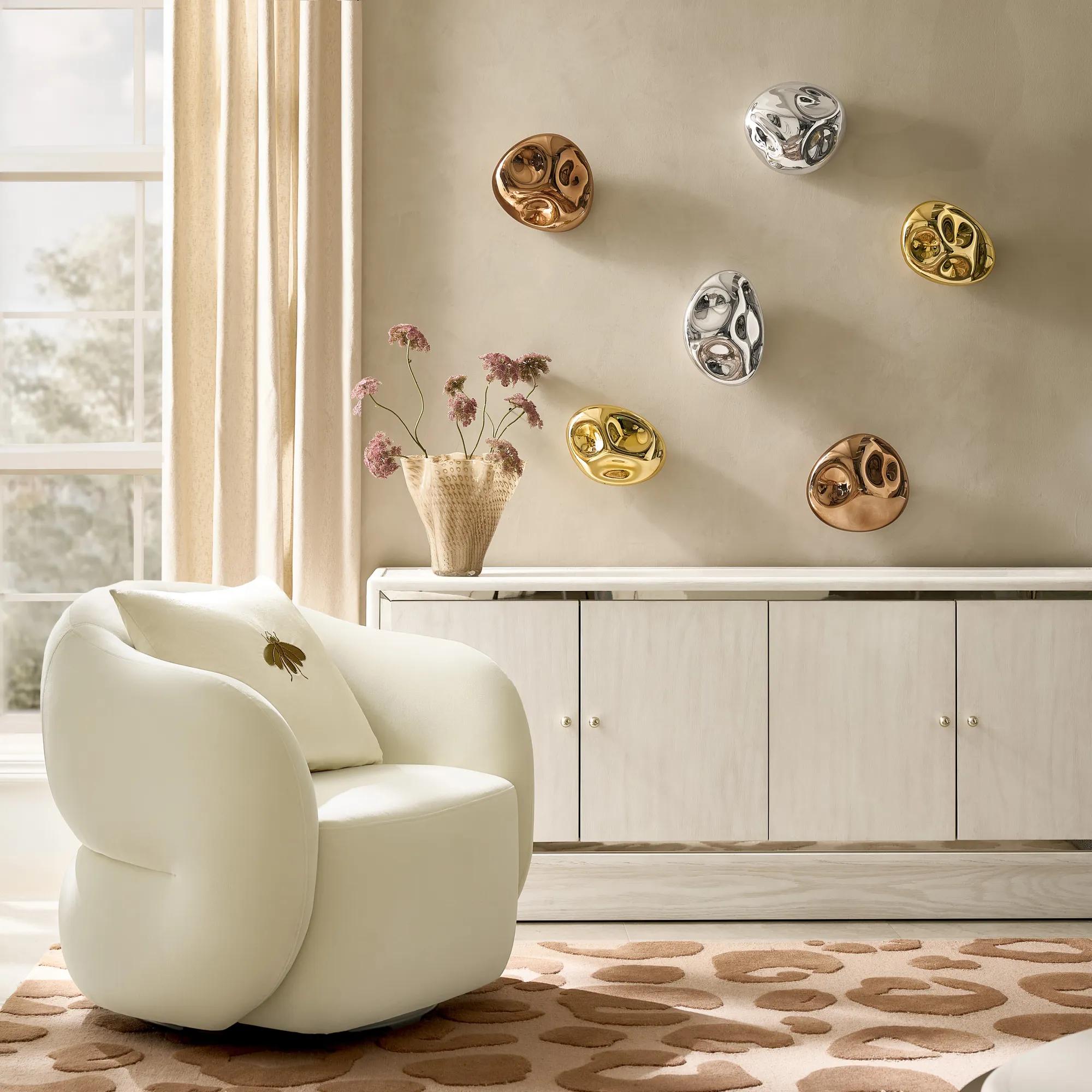 Sierra Cloud Velvet Swivel Accent Chair$899
A plush velvet accent chair featuring a wraparound back, fluid curves, and smooth 360° swivel base.
Add To Cart -
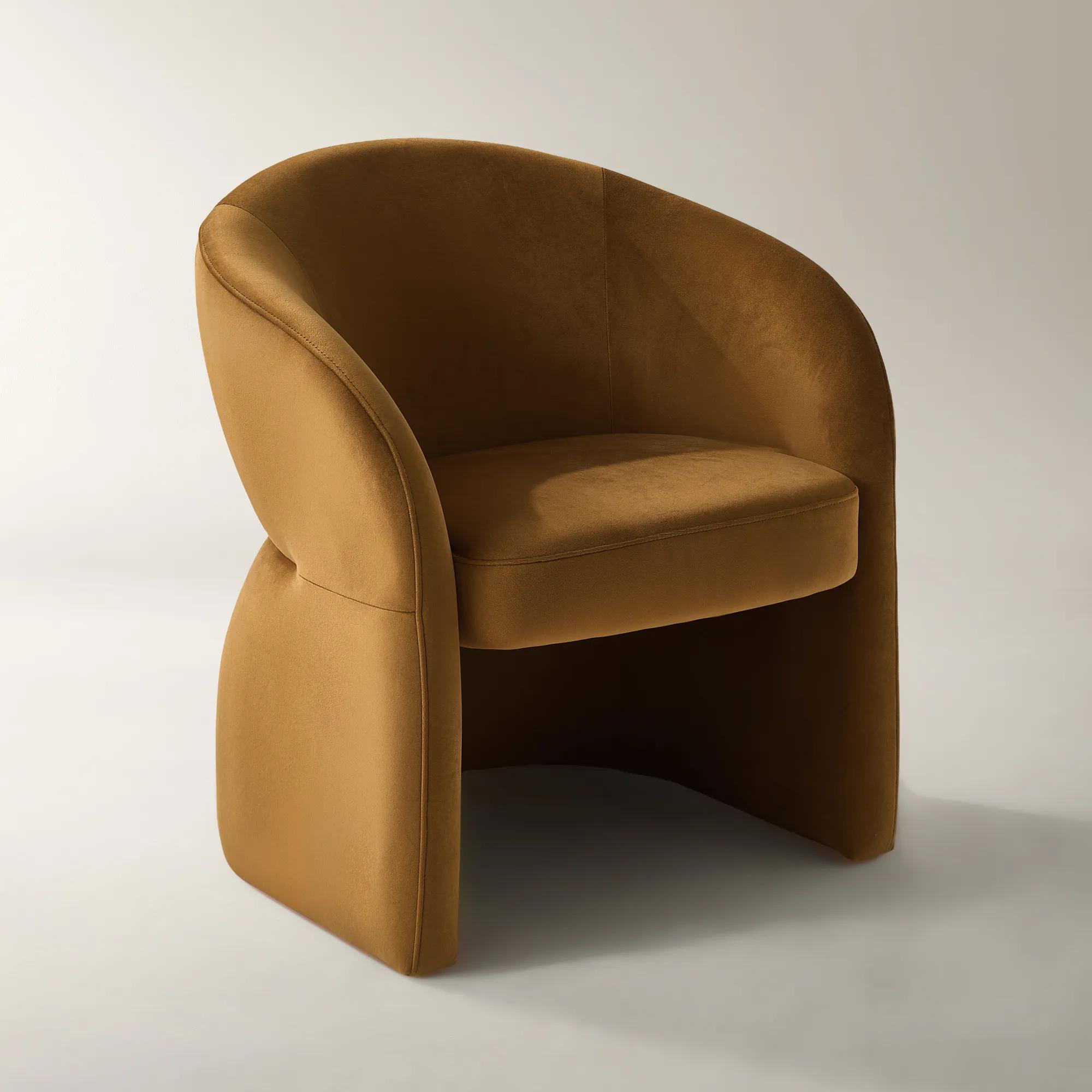
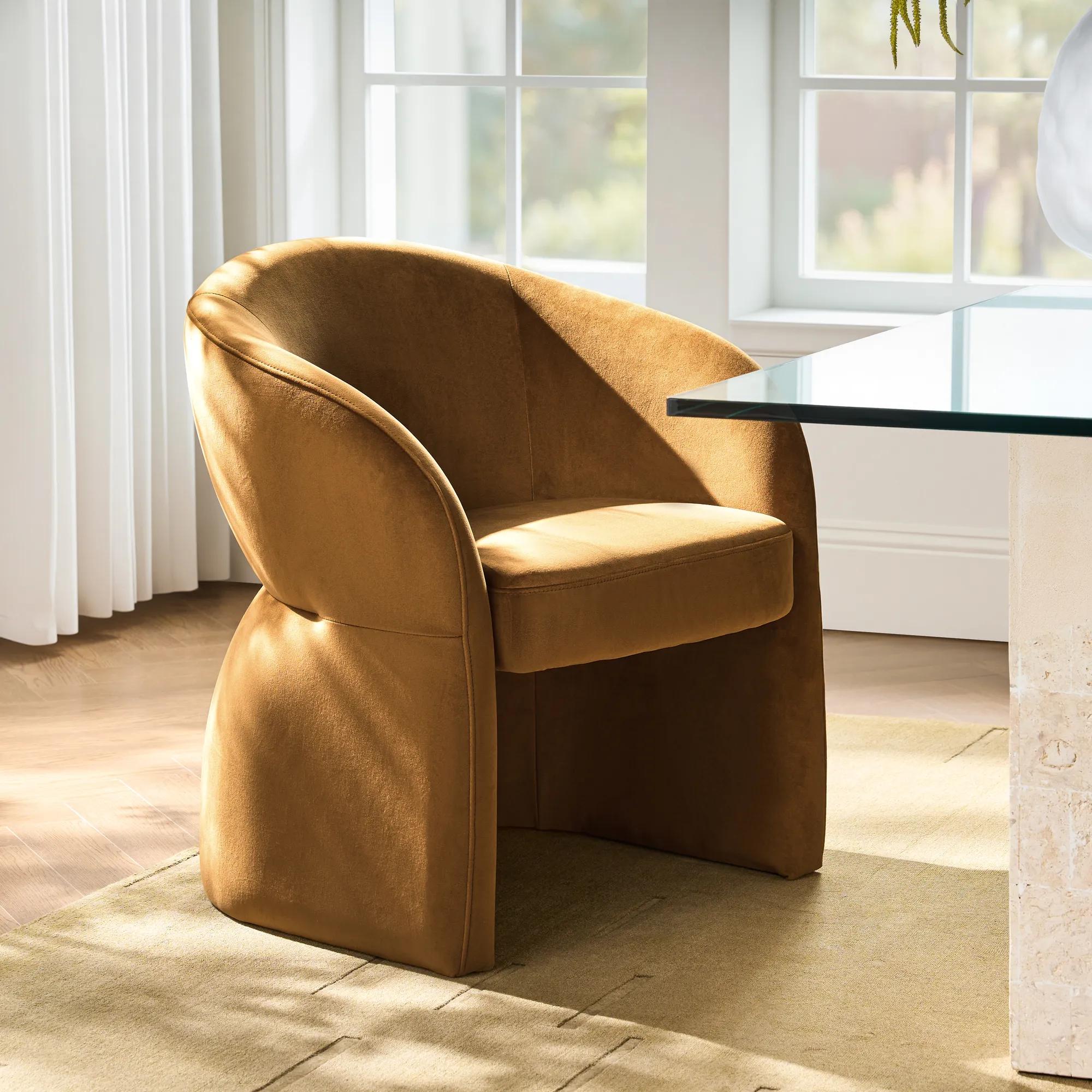 Sierra Roasted Pecan Velvet Dining Chair$599
A sculptural accent chair in roasted pecan velvet with arched arms, curved back, and plush cushioning.
Add To Cart

Accent Chairs For Classic Home Decor
Accent Chairs for Classic Home Decor are the ultimate flourish for interiors that celebrate tradition with a twist of grandeur. Imagine sculptural silhouettes draped in sumptuous fabrics, poised to elevate every conversation and invite lingering moments of repose. These pieces are more than mere seating—they are curated statements, infusing your living room, study, or bedroom with an air of timeless sophistication. Let each chair command attention, anchoring the room in elegance while whispering stories of artistry and refinement. With Accent Chairs for Classic Home Decor, every corner becomes an opportunity to revel in detail, drama, and enduring charm.
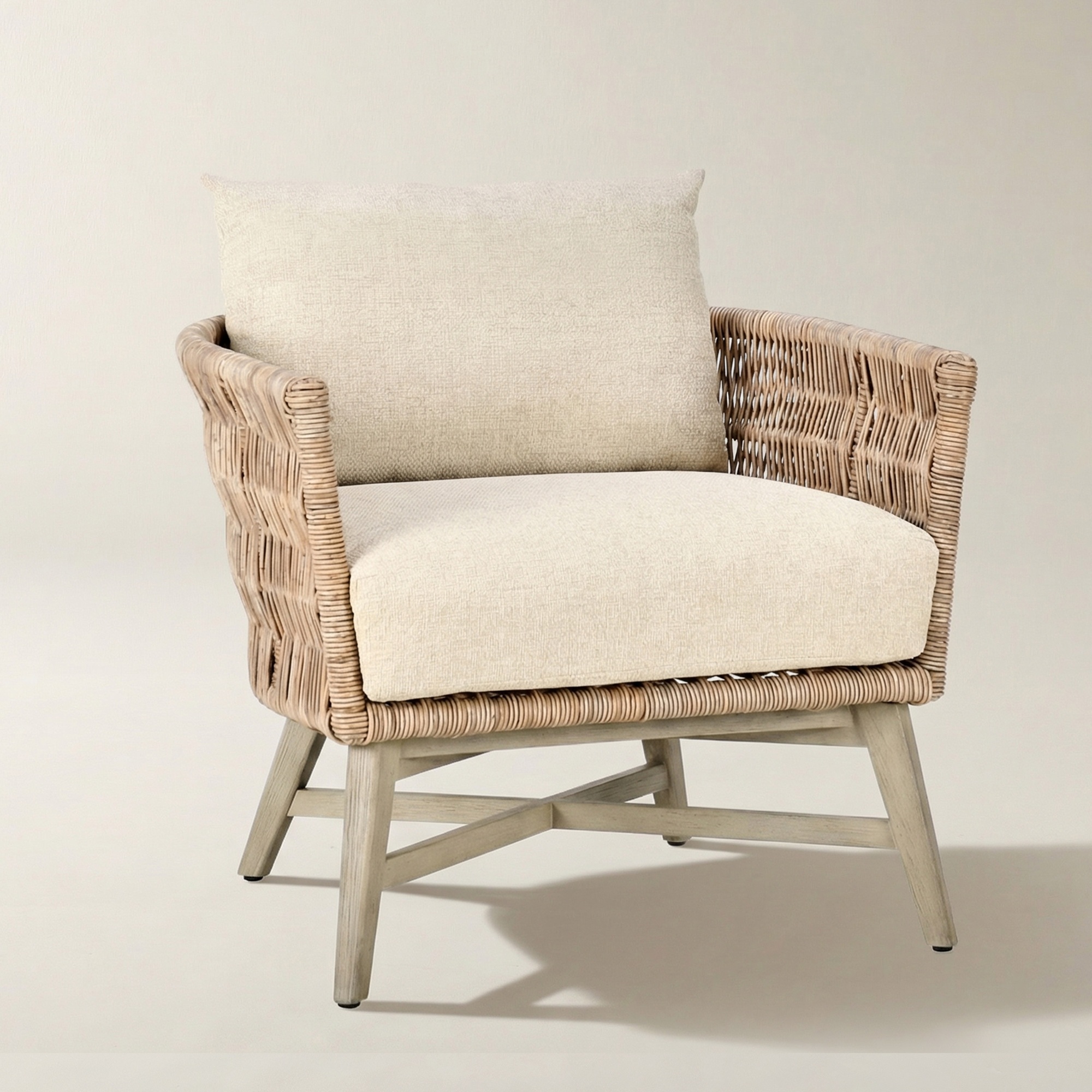
Accent chairs for classic home decor bring sculpted shape, inviting comfort, and a sense of heritage to living rooms, bedrooms, and studies. Their defining qualities often include balanced proportions, tailored upholstery, curved arms, and details such as button tufting, welted seams, or gracefully shaped legs. These elements give a chair presence without requiring an entire room of traditional furniture. A wingback silhouette introduces height and architectural definition beside a fireplace, while a rounded club chair creates a more intimate place for conversation. An exposed wood frame can echo the lines of a cherished console or writing desk, connecting individual furnishings through shape rather than an exact finish match. Classic does not have to mean restrained: sumptuous velvet, a richly grained frame, or a sweeping back can bring unmistakable drama to an otherwise composed interior. Ivory and taupe upholstery allow sculptural lines to take the lead, while sapphire, emerald, and deep charcoal create depth against pale walls and softly patterned rugs. A subtle stripe or woven botanical motif can add another layer of character, especially when the surrounding furnishings have quieter surfaces. The effect is most compelling when the chair shares a visual thread with the room, such as the curve of a mirror, the warmth of wood flooring, or the sheen of a metal table base. A pair of upholstered accent chairs opposite a sofa gives a seating arrangement pleasing symmetry, while a single statement chair beside a bookcase feels more collected and personal. For homes that blend traditional architecture with contemporary art, these chairs offer a bridge between ornamental detail and expressive design. Their appeal lies in that flexibility: they can reinforce a formal room’s elegance, lend distinction to a modest sitting area, or give an overlooked corner a clear purpose. The result is seating that feels integral to the room’s story, not simply placed along its edges.
Upholstery and construction shape how a classic accent chair looks, feels, and lives over time. Velvet lends color a dimensional richness, catching light differently across the seat, back, and arms; its pile may also show shading or pressure marks that become part of its appearance. Linen and linen-blend fabrics offer visible texture and a more relaxed interpretation of traditional style, while tightly woven performance fabrics may suit frequently used family spaces when their stated properties match the household’s needs. Leather introduces another kind of character, with care requirements and changes in appearance that depend on its finish. Protected leather and lightly finished leather do not respond to spills or wear in the same way, making the material description important. In homes with children or pets, fabric weave, cleanability, and resistance to abrasion deserve as much attention as color. No upholstery is entirely immune to claws, spills, or repeated friction, and a performance designation should not be treated as a promise against every stain. Beneath the surface, frame construction, joinery, suspension, and cushion composition all contribute to support and durability. Wood species alone does not establish quality; the way the frame is assembled matters, too. A firmer cushion can make conversation seating feel poised and supportive, while a softer fill offers a more enveloping place to linger and may require regular reshaping. Chair comfort also depends on how the back supports the body and where the arms meet the elbows. Thoughtful care preserves both that comfort and the visual finish: gentle vacuuming with an appropriate upholstery attachment helps remove dust, prompt blotting limits the spread of a spill, and manufacturer instructions determine which cleaning methods are suitable. Removable cushion covers are not necessarily machine washable. Direct sunlight can alter some fabrics and finishes, while repeated contact with sharp accessories can damage delicate upholstery. These practical distinctions allow a chair’s expressive surface and carefully drawn silhouette to remain part of everyday life rather than something reserved only for company.
Scale gives accent seating its sense of belonging. A chair’s overall width and depth determine its footprint, but seat height, usable seat depth, arm height, and back angle determine how comfortably someone can settle in and rise again. A deep, low seat may feel luxurious for reclining with a novel yet be less suitable for a person who prefers upright support or has difficulty standing from low furniture. Shallower seats and supportive arms can better accommodate some users, though comfort remains individual and measurements deserve close attention. In a living room, accent chairs with seat heights reasonably aligned with the sofa help conversation feel natural rather than visually uneven. The full footprint matters beside a hearth or window, where a generous back or flared arms can occupy more space than expected. Clear walking routes and enough room to reach a side table keep an elegant arrangement comfortable in practice. A pair of chairs angled toward one another creates an inviting setting for guests; a single chair with a reading lamp and a stable table becomes a personal retreat without overwhelming the room. In a bedroom, a tailored chair can offer a composed place to read or prepare for the day, provided it does not crowd access to drawers, closets, or the bed. A study benefits from accent seating that welcomes a visitor without being mistaken for an ergonomic desk chair intended for extended computer work. Exposed legs reveal more flooring and can make substantial upholstery feel visually lighter, while a skirted base creates a softer, more grounded outline. Exploring Stylish Accent Chairs for Home offers another way to consider how silhouette, texture, and proportion contribute to a distinctive interior. With a considered balance of comfort, craftsmanship, and decorative presence, classic accent seating supports the rituals that make a home personal: an unhurried conversation, a favorite chapter, or a quiet moment surrounded by objects chosen with intention.
FAQs
Accent chairs for classic home decor are distinguished by their timeless silhouettes, elegant upholstery, and refined details. Features such as button tufting, carved wood frames, and luxurious fabrics like velvet or linen evoke a sense of tradition and sophistication, making these chairs perfect for adding a touch of enduring style to any room.
An accent chair can become a captivating focal point when placed thoughtfully within a room. Position it near a fireplace, beneath a statement chandelier, or in a sun-drenched reading nook. Choose a chair with distinctive design elements or sumptuous fabric to draw the eye and anchor your space with personality and charm.
Absolutely. An accent chair is a sophisticated and memorable gift for milestones such as weddings, anniversaries, housewarmings, or birthdays. Its enduring craftsmanship and elegant design make it a cherished addition to any home, symbolizing both comfort and style for years to come.
Classic accent chairs often feature fabrics like plush velvet, crisp linen, or rich leather, each offering a unique tactile and visual experience. Patterned damasks, jacquards, and subtle florals also lend an air of timeless elegance, enhancing the chair's role as both a functional seat and a decorative masterpiece.
To seamlessly integrate an accent chair into a classic decor scheme, consider the chair’s color palette, materials, and design details in relation to your existing furnishings. Look for complementary tones and textures, and echo architectural or decorative motifs found elsewhere in the room to create a harmonious and curated look.