Accent Chairs For Small Living Rooms
Accent Chairs For Small Living Rooms
-
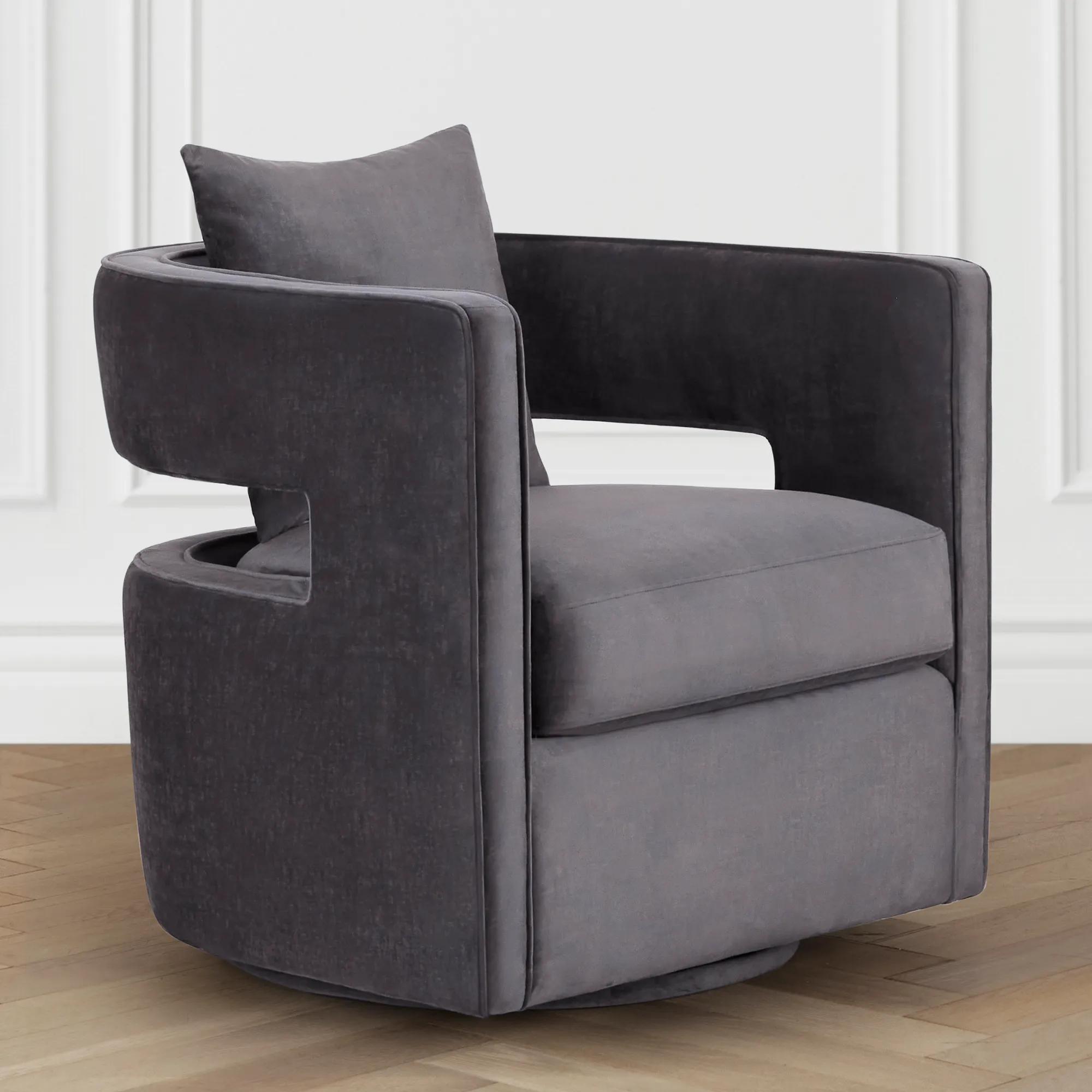 Lottie Grey Velvet Swivel Accent Chair$999
A glamorous grey velvet swivel chair featuring a barrel back, cutout arms, and plush foam cushioning.
Add To Cart -
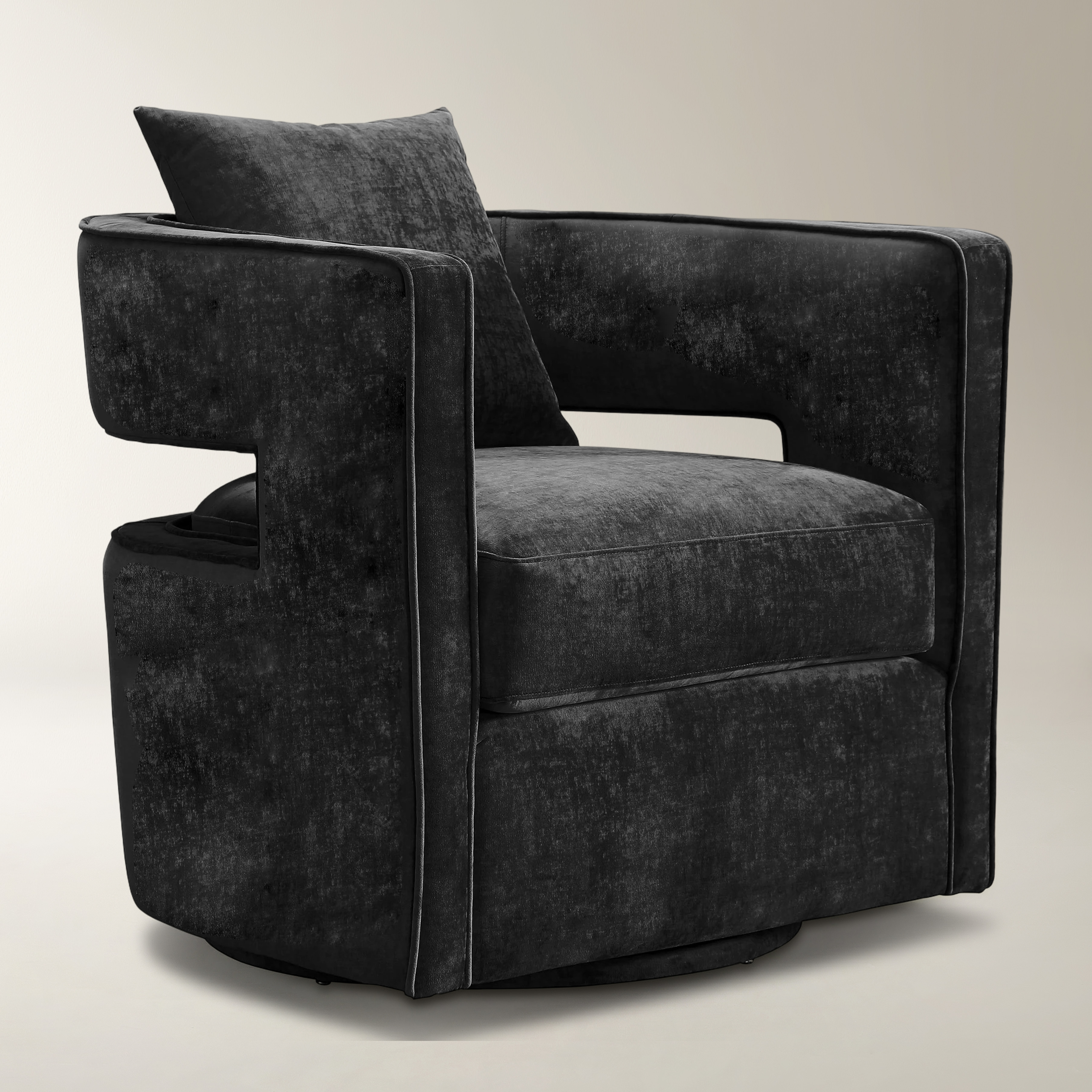 Lottie Black Velvet Swivel Accent Chair$999
A black velvet swivel accent chair with a sculpted barrel silhouette, open arms, and supportive cushioning.
Add To Cart -
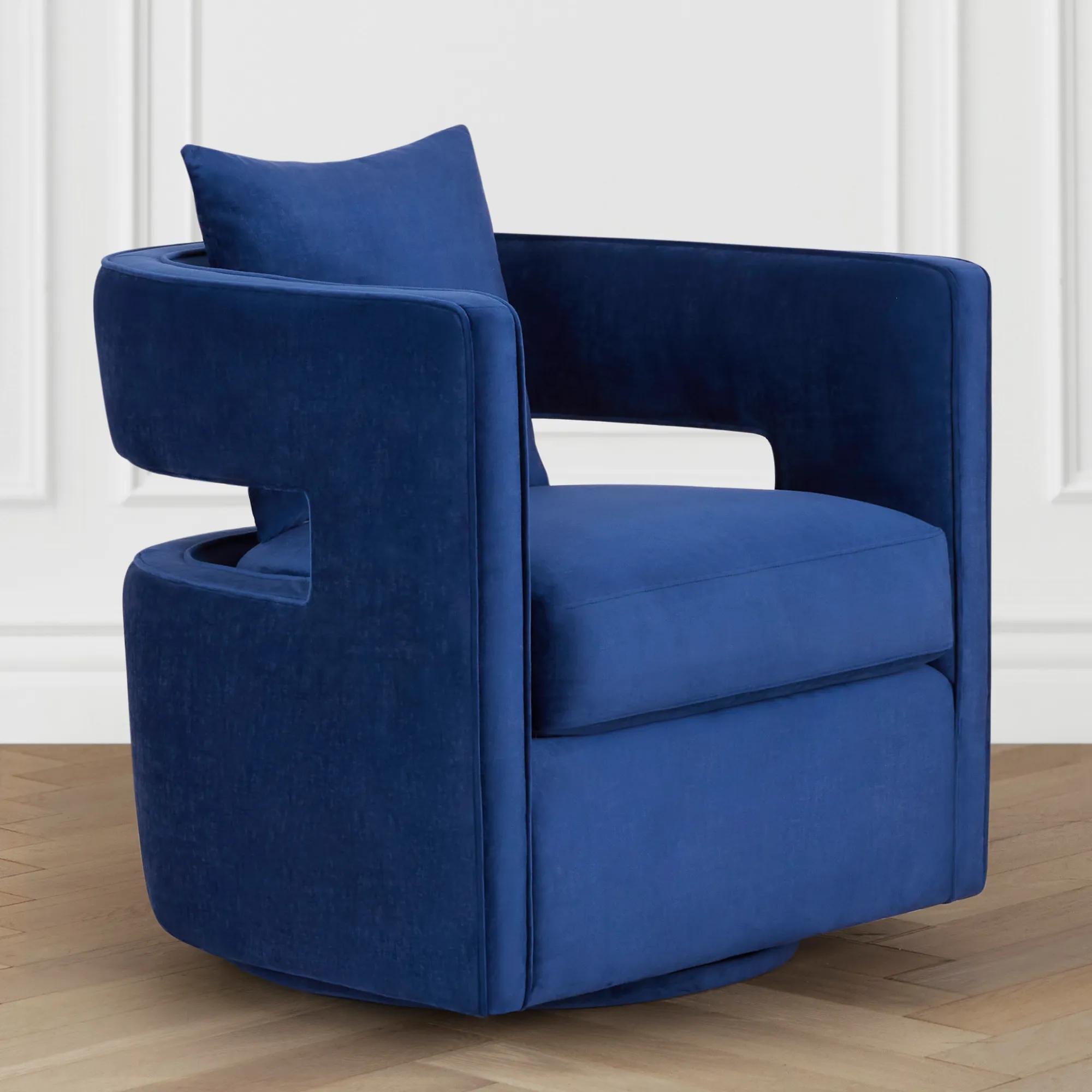
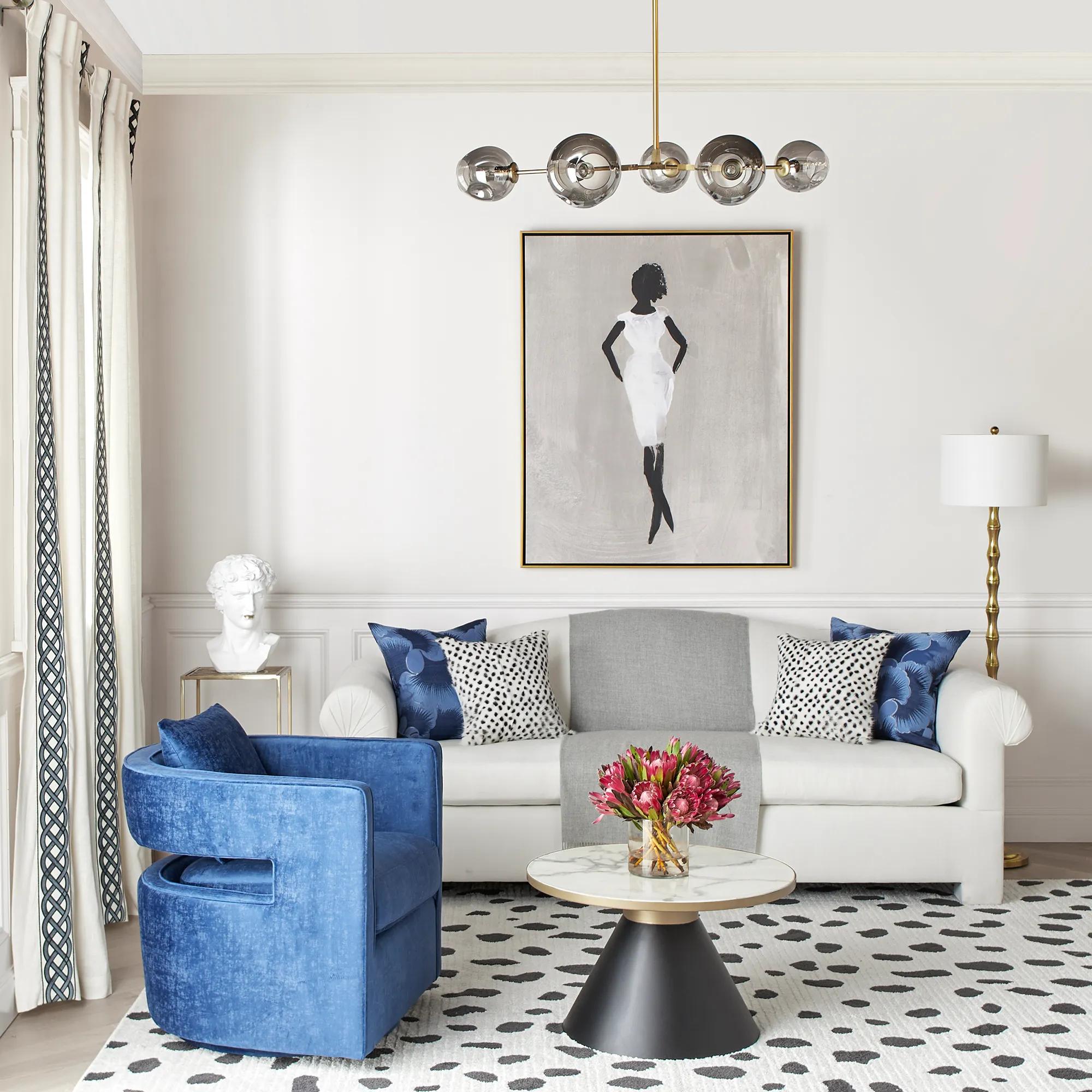 Lottie Navy Velvet Swivel Accent Chair$999
A navy velvet swivel accent chair featuring a sculpted barrel silhouette, open arms, and supportive cushioning.
Add To Cart -
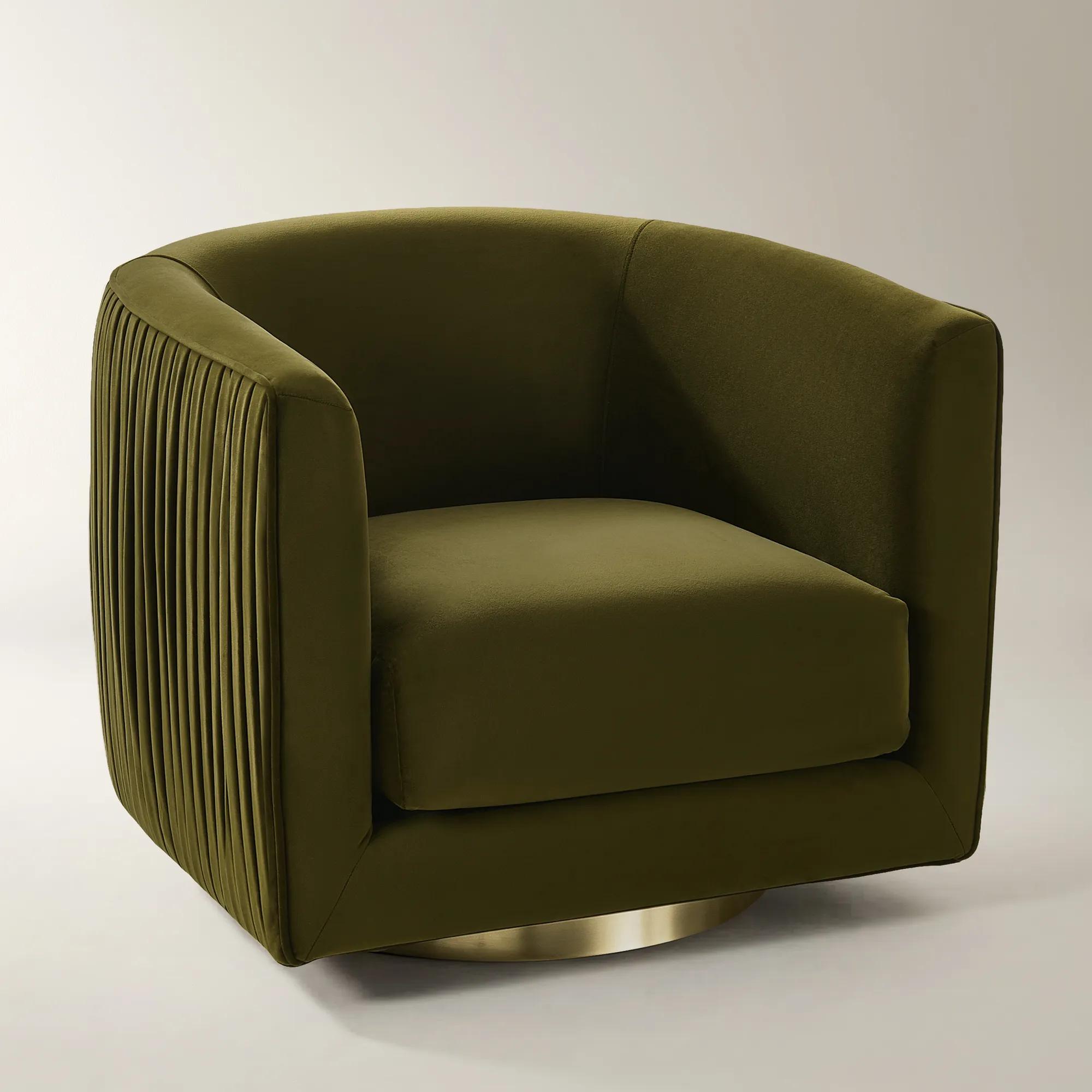
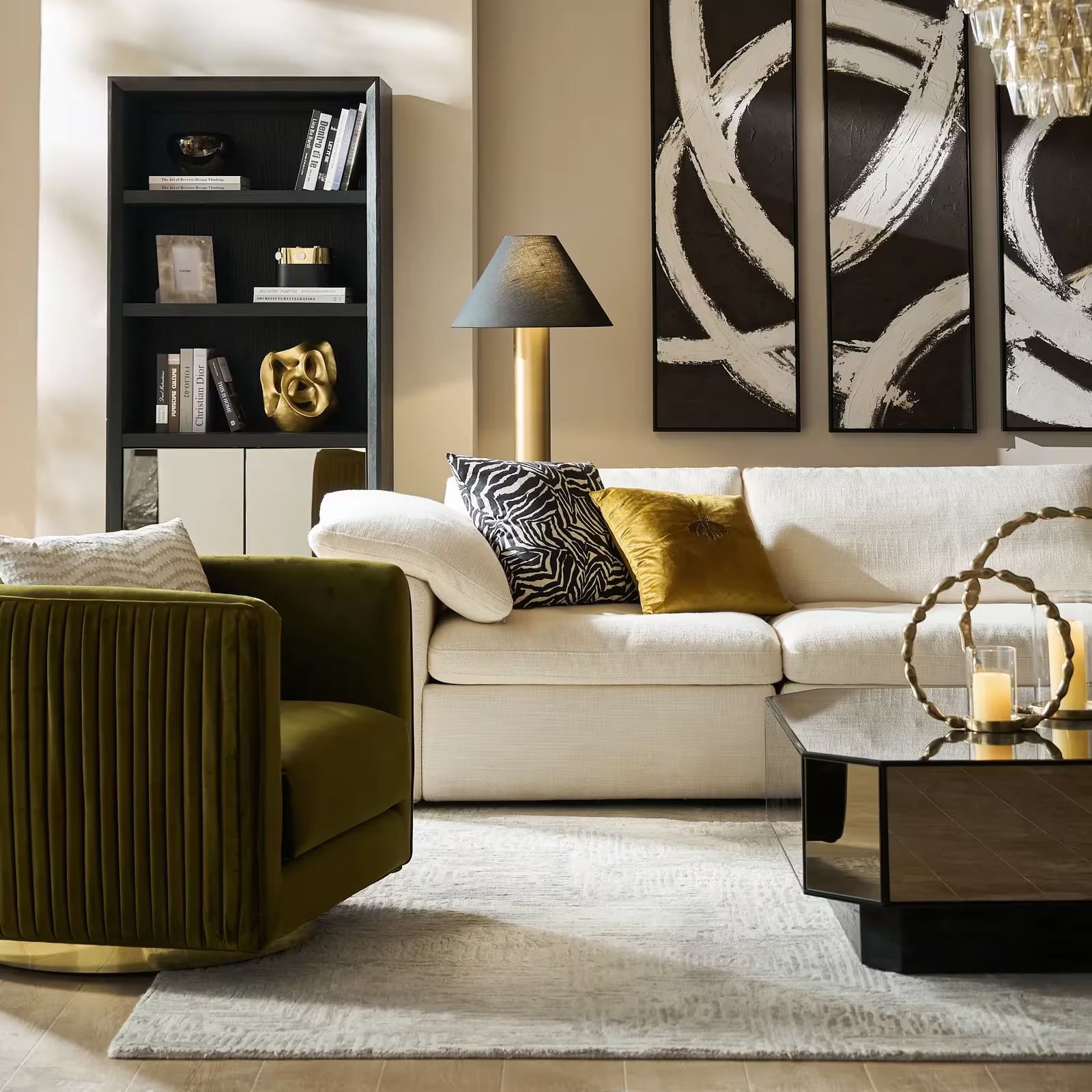 Lyssa Pleated Deep Olive Velvet Swivel Accent Chair$1099
A deep olive velvet accent chair with pleated panels, 360-degree swivel, and gold-finished steel base.
Add To Cart -
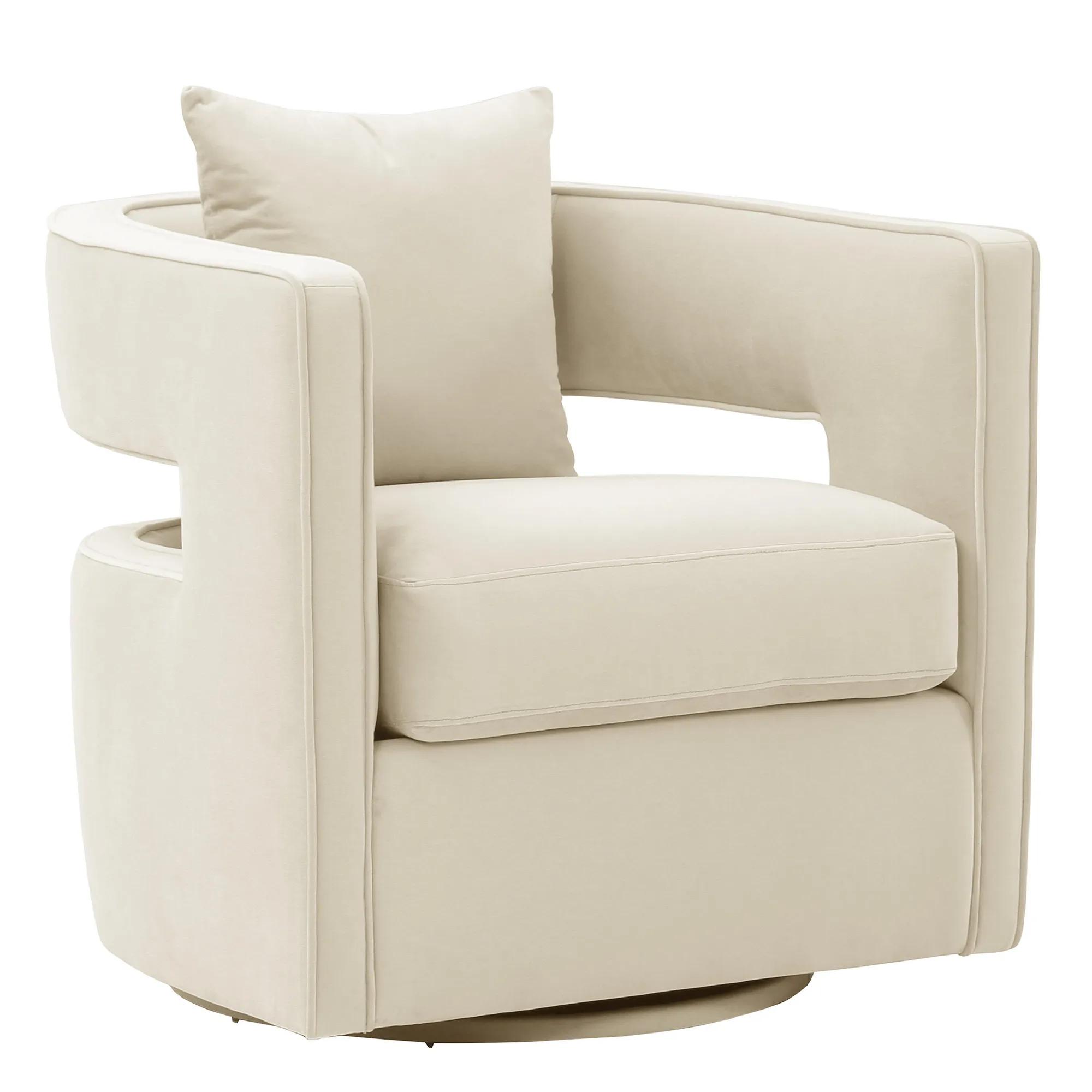
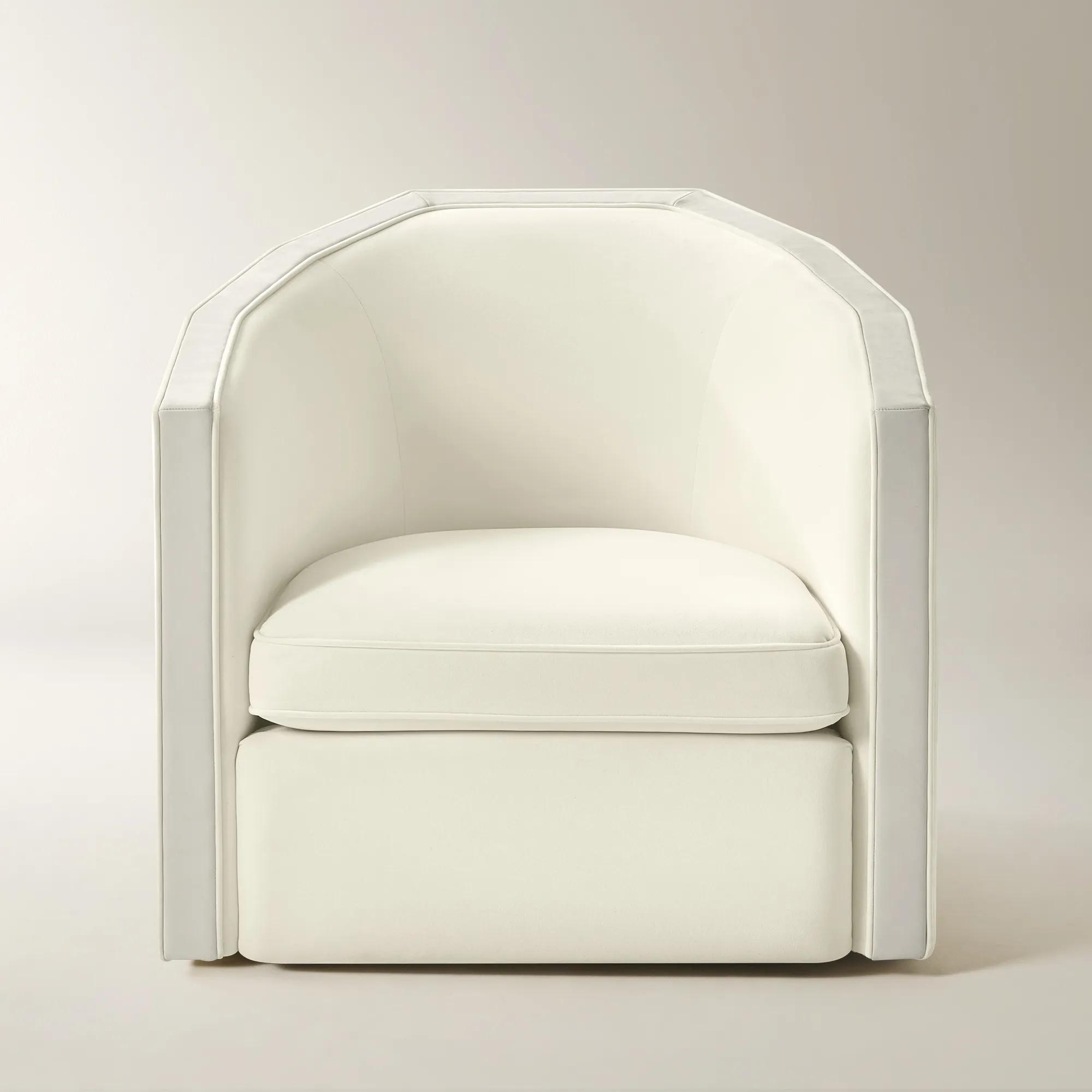
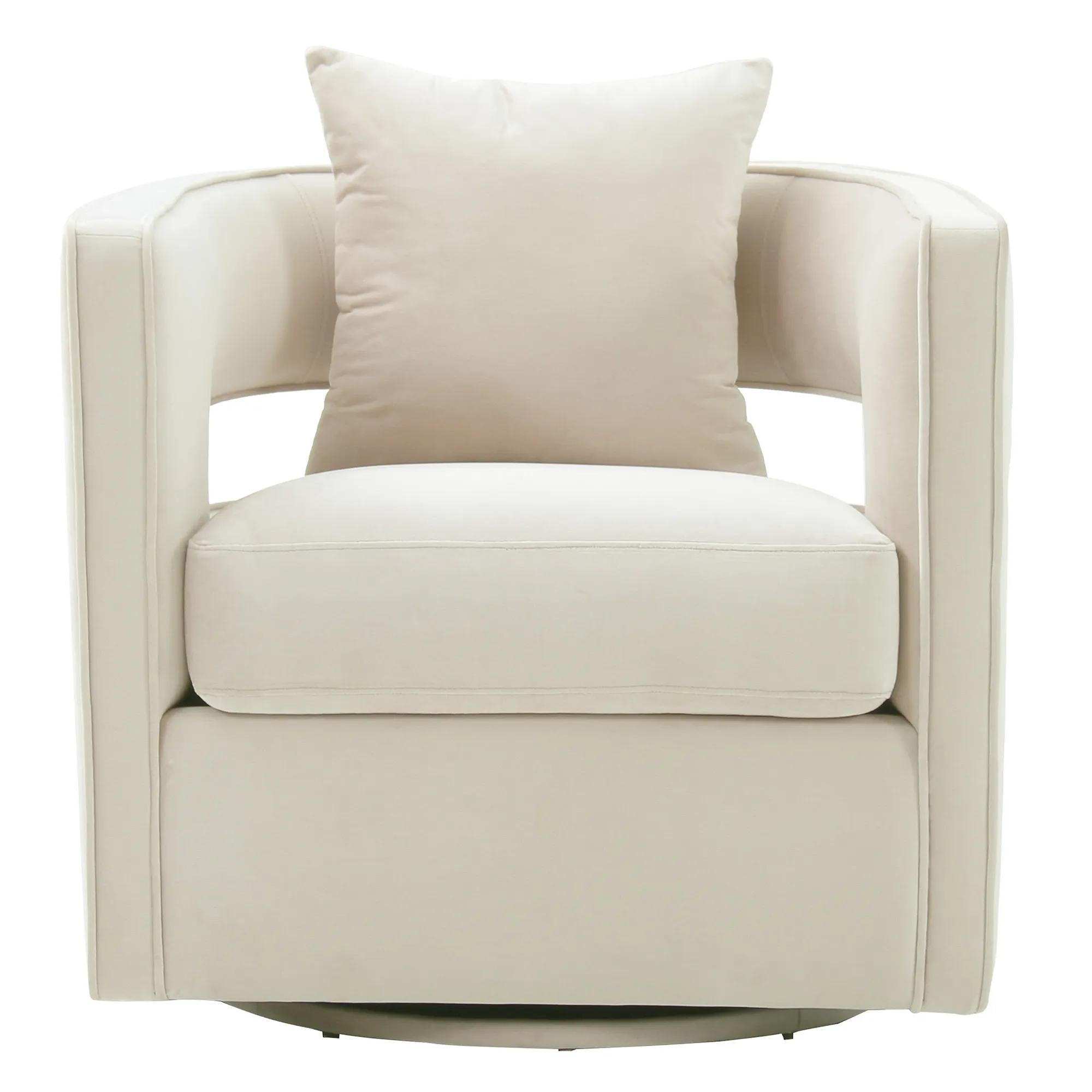 Lottie Cream Velvet Swivel Accent Chair$999
A glamorous cream velvet swivel chair featuring a barrel back, cutout arms, and plush foam cushioning.
Add To Cart -
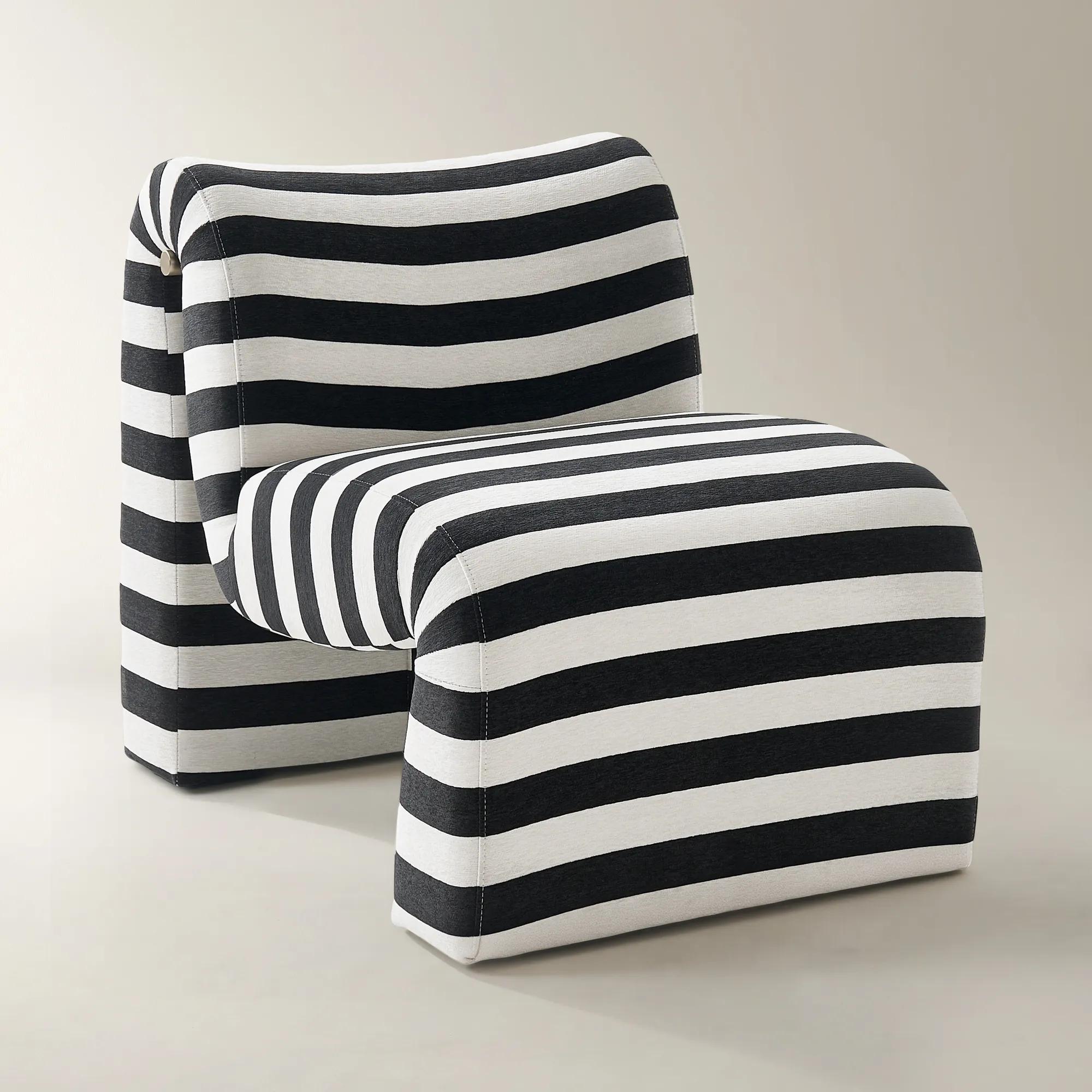 Cora Stripe Chenille Accent Chair$899
A bold black-and-white striped accent chair featuring water-repellent chenille and a gold stainless-steel inlay.
Add To Cart -
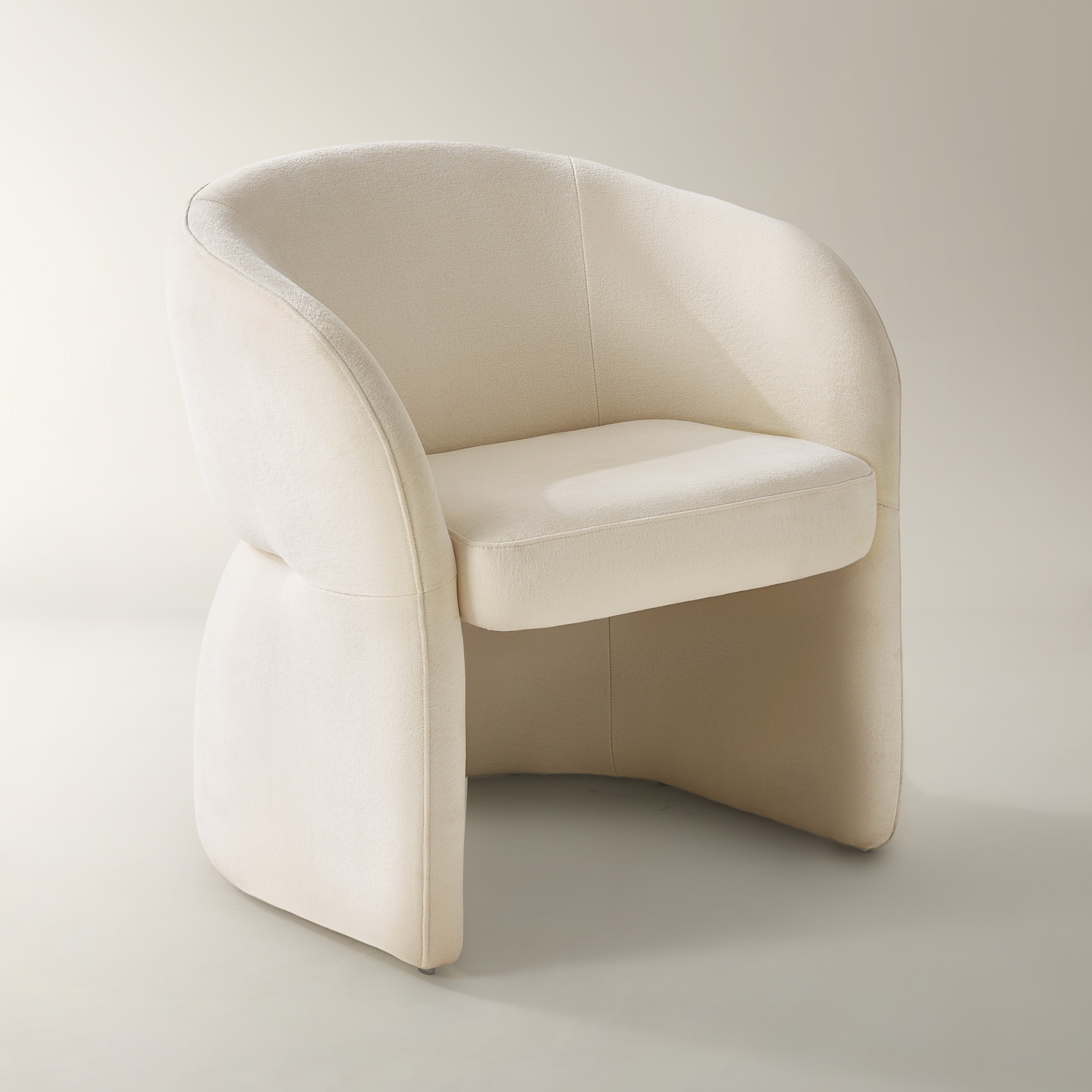
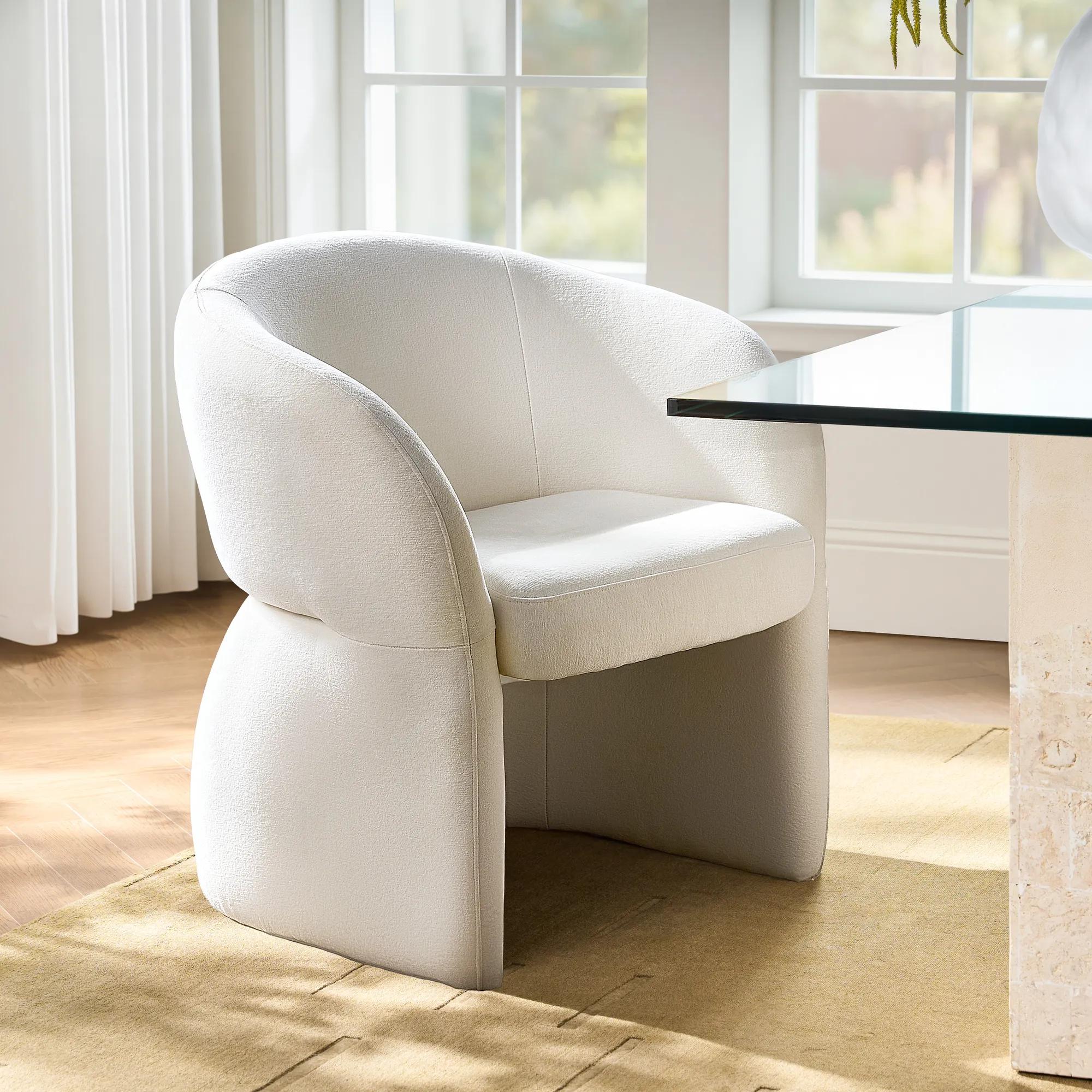 Sierra Oatmeal Velvet Dining Chair$599
An elegant accent chair in oatmeal velvet with gracefully arched arms, curved back, and plush cushioning.
Add To Cart -
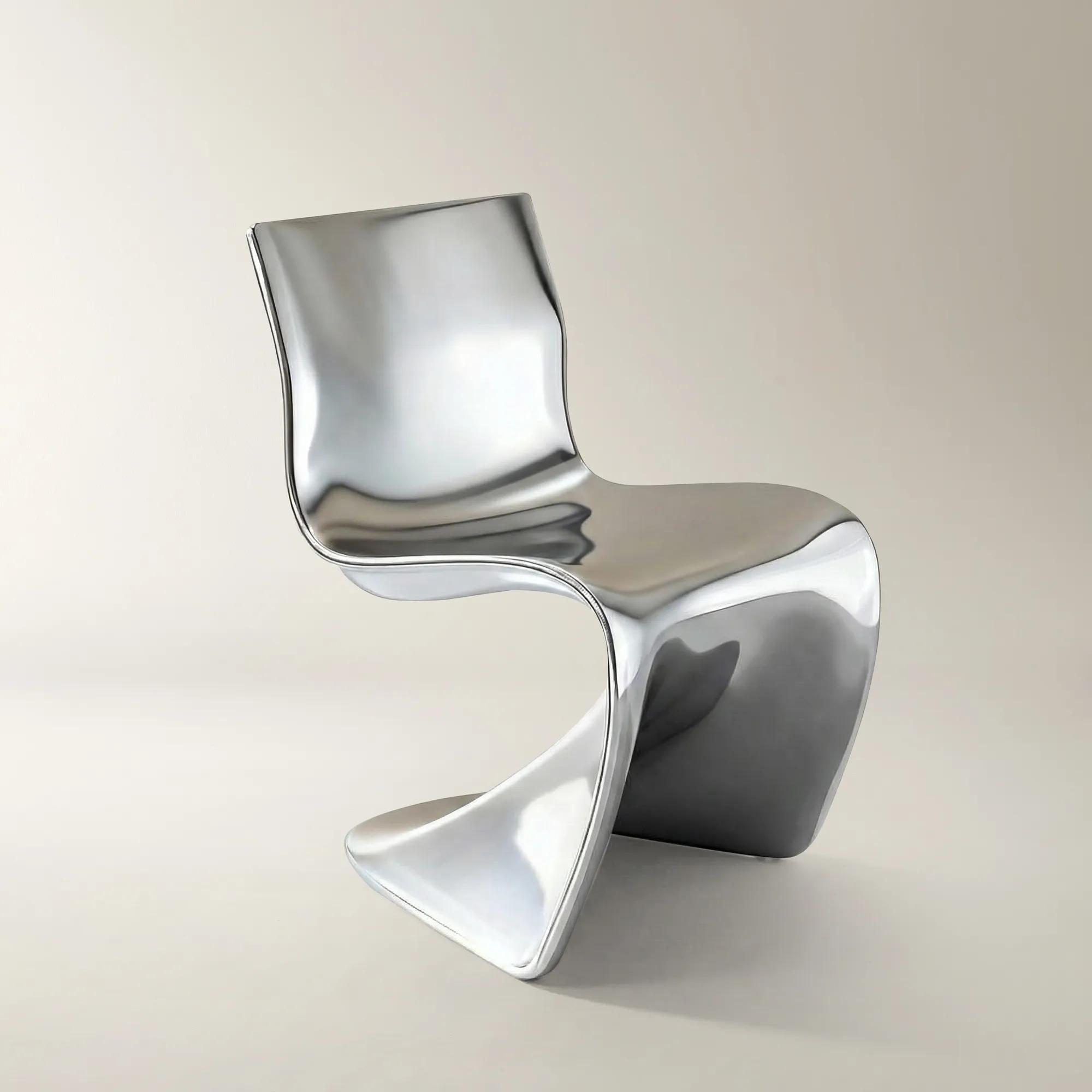
 Sasha Chrome Dining Chair$899
A sculptural accent chair crafted from polished chrome-finished fiberglass for a sleek, modern statement.
Add To Cart -
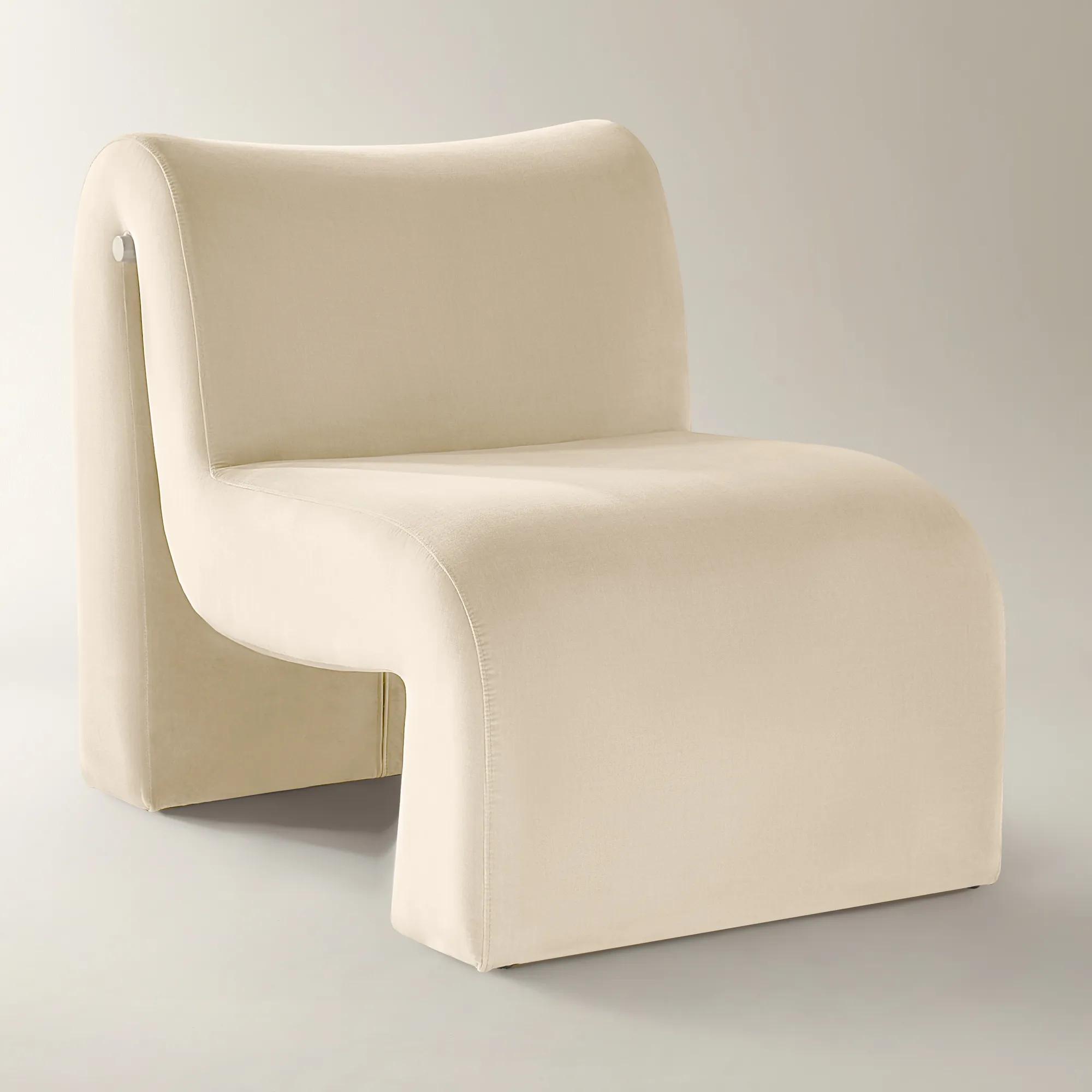 Cora Ivory Velvet Accent Chair$899
A sculpted ivory velvet chair featuring a continuous curved silhouette and a gold stainless-steel accent.
Add To Cart -
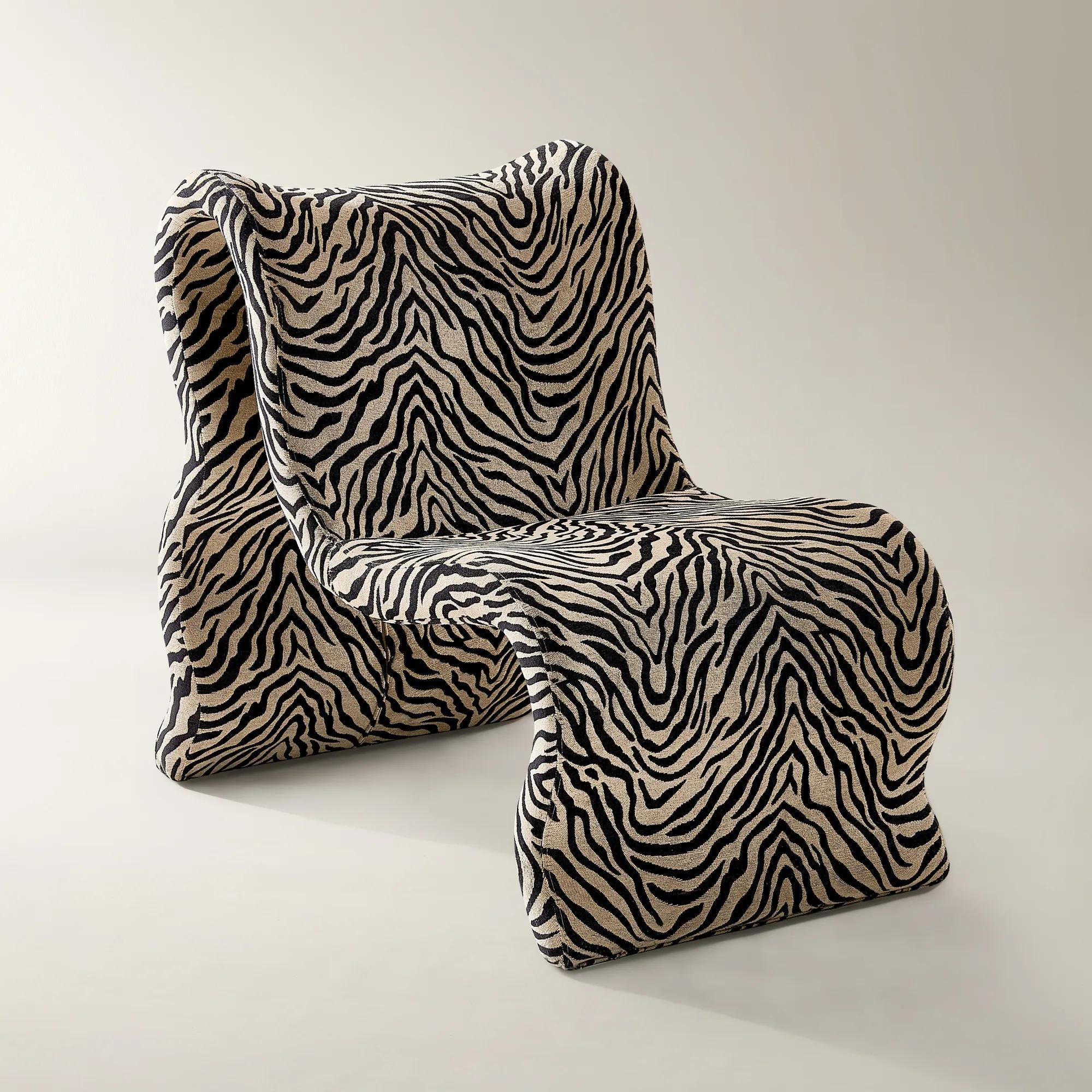
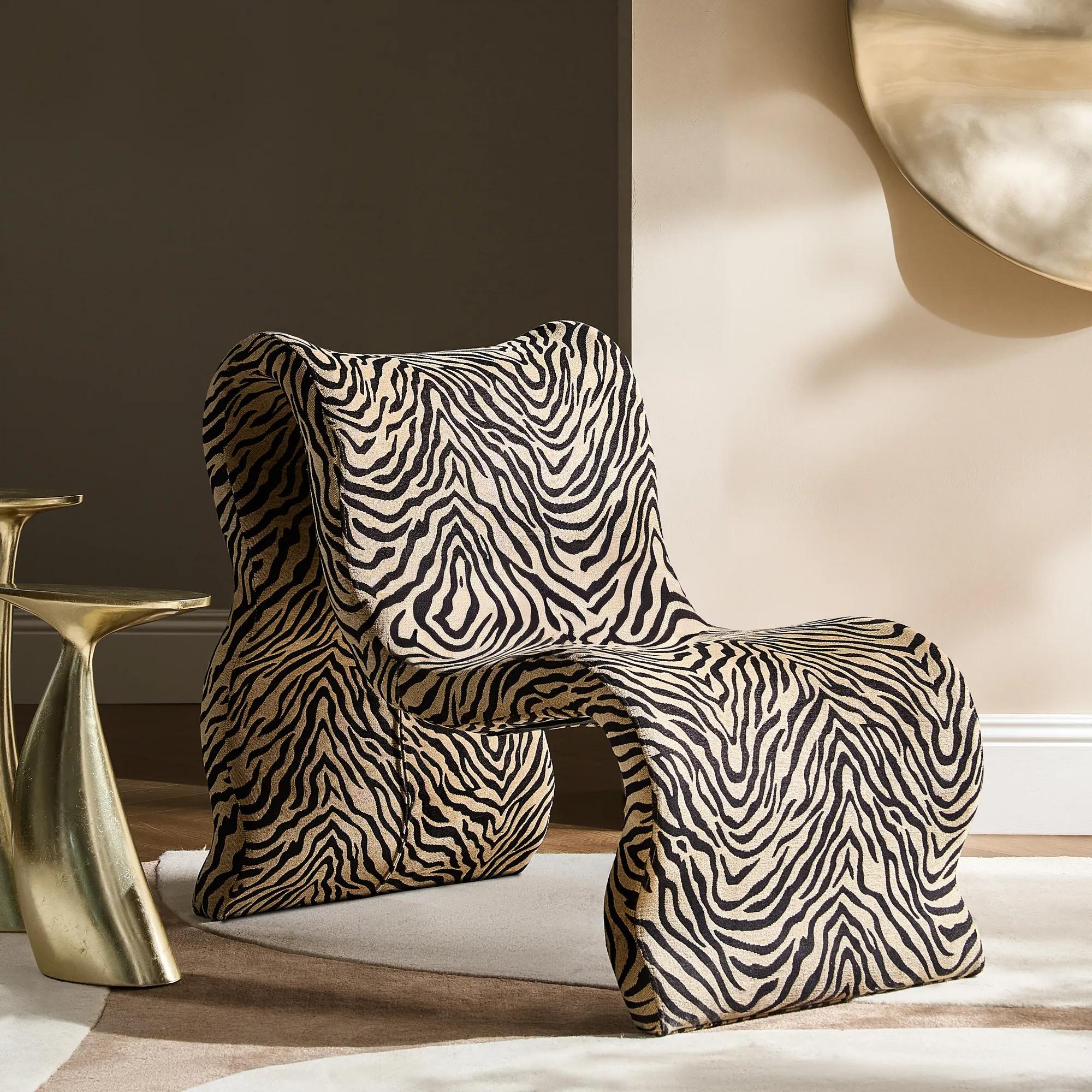 Romy Zebra Chenille Accent Chair$999
A sculptural accent chair featuring bold zebra-print chenille upholstery and a continuous wave-like silhouette.
Add To Cart -
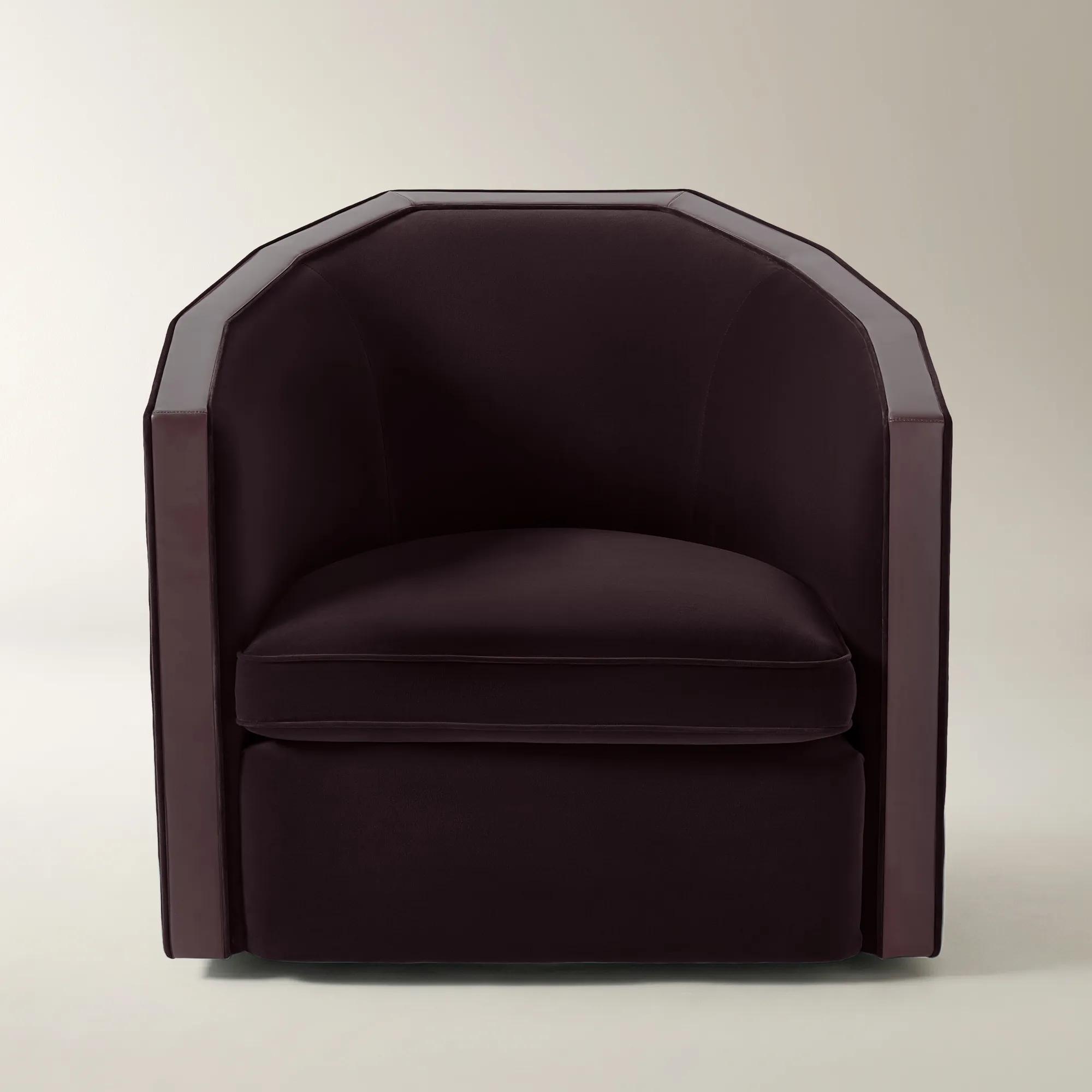
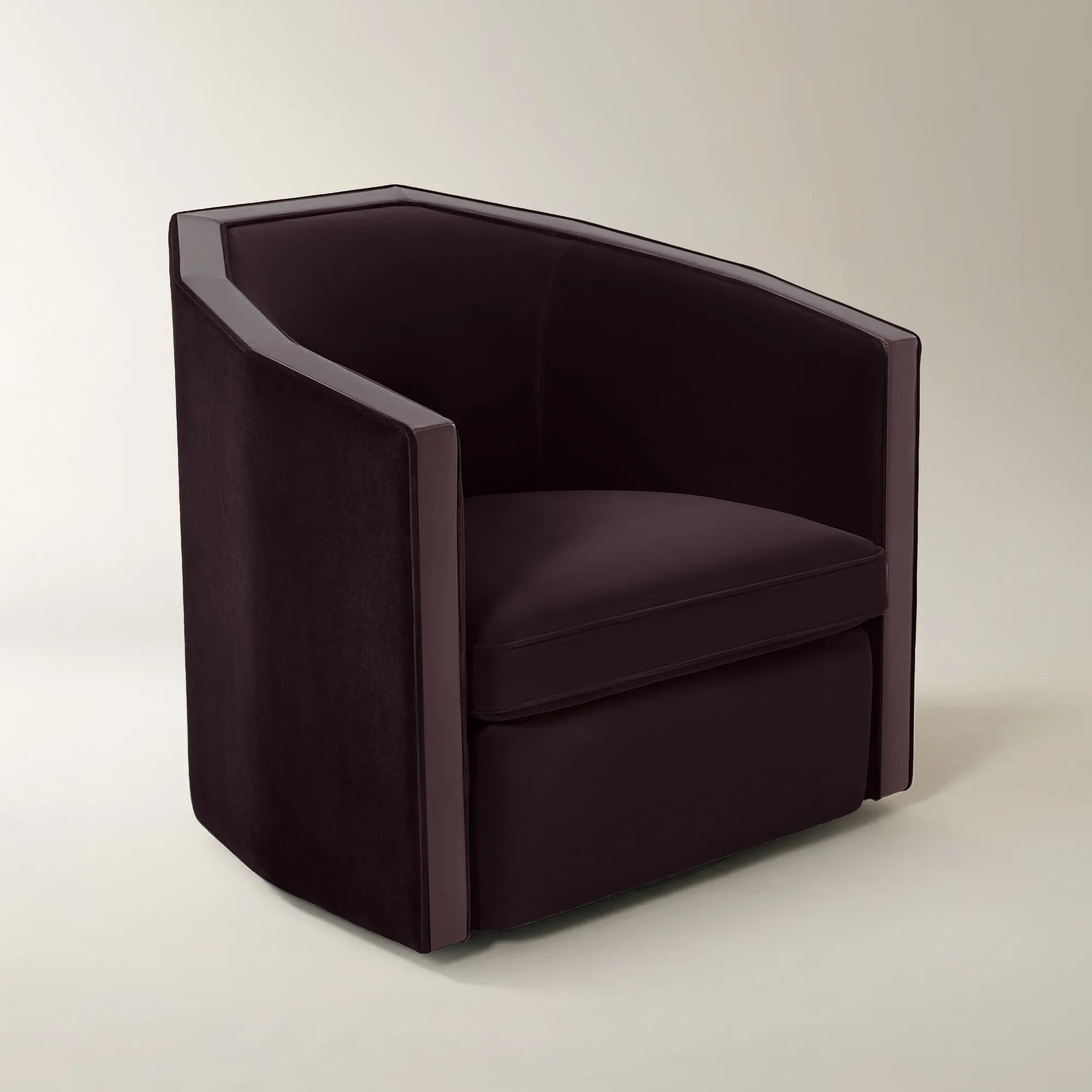 Vesper Fig Velvet With Leather Swivel Accent Chair$999
A modern accent chair featuring fig velvet upholstery, tonal leather trim, and a smooth 360° swivel base.
Add To Cart -
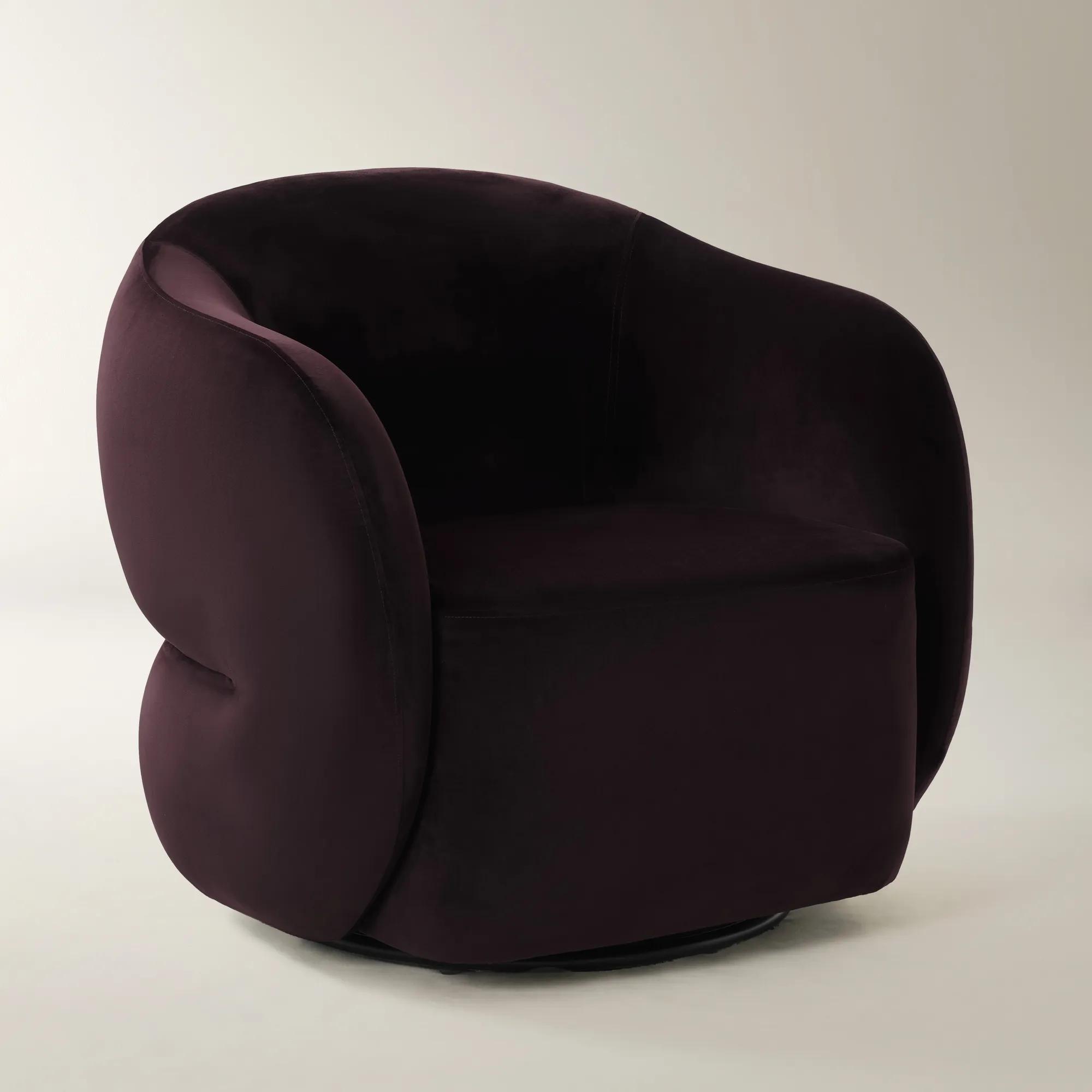 Sierra Fig Velvet Swivel Accent Chair$899
A modern accent chair in plush fig velvet with a wraparound back and smooth 360° swivel base.
Add To Cart -
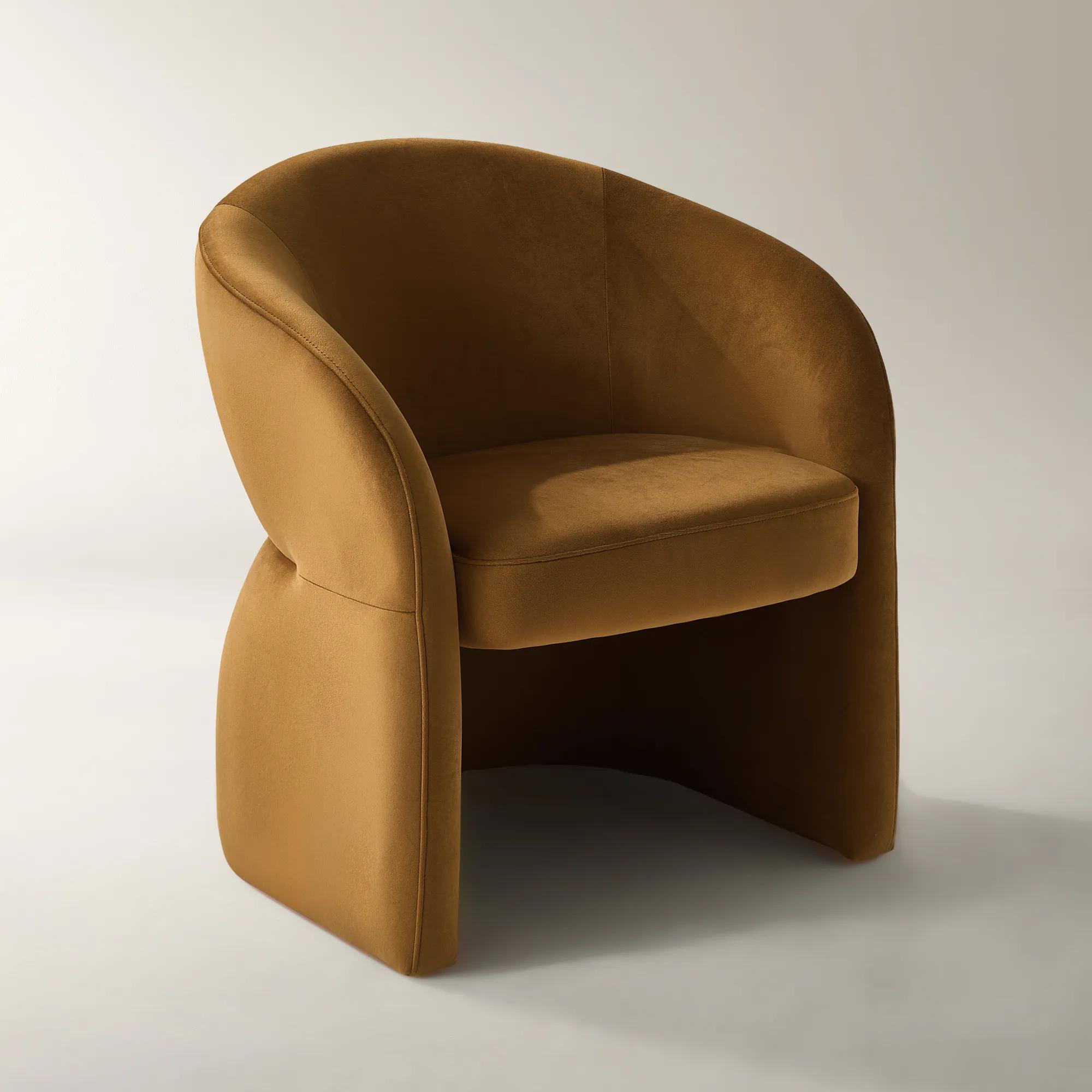
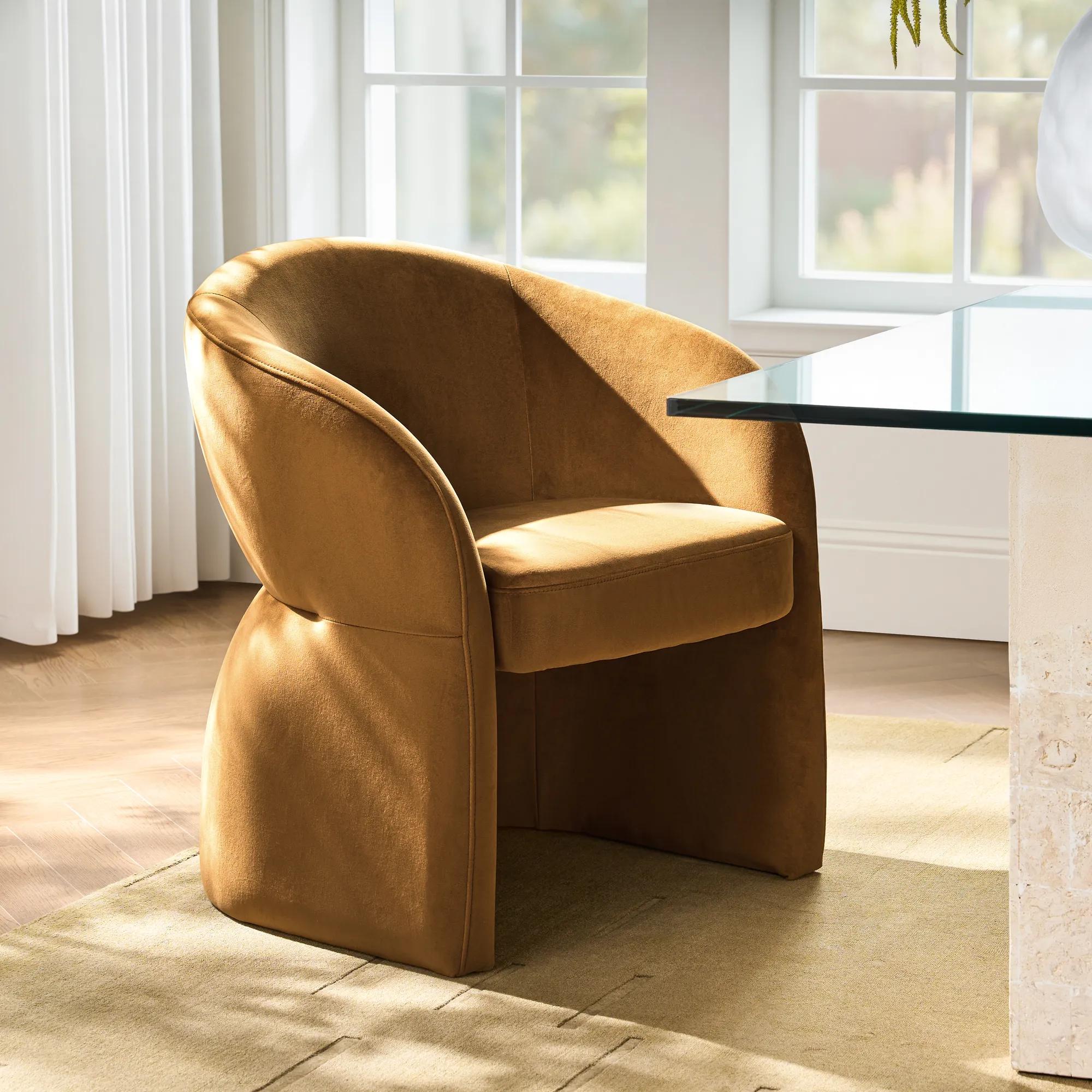 Sierra Roasted Pecan Velvet Dining Chair$599
A sculptural accent chair in roasted pecan velvet with arched arms, curved back, and plush cushioning.
Add To Cart -
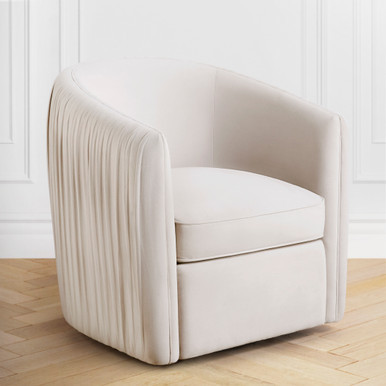
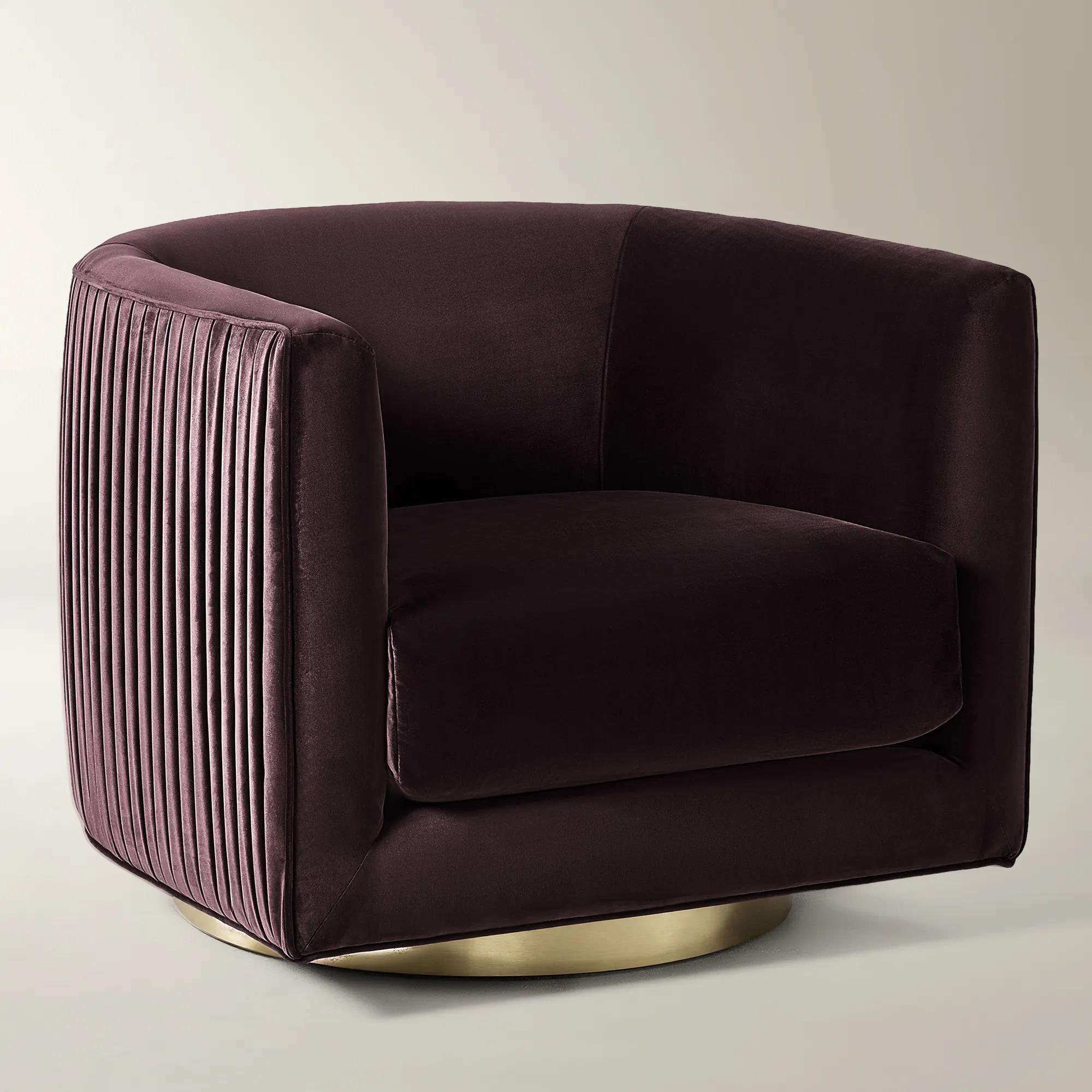 Lyssa Pleated Fig Velvet Swivel Accent Chair$1099
A red velvet accent chair with pleated panels, curved silhouette, 360-degree swivel, and soft-gold metal base.
Add To Cart -
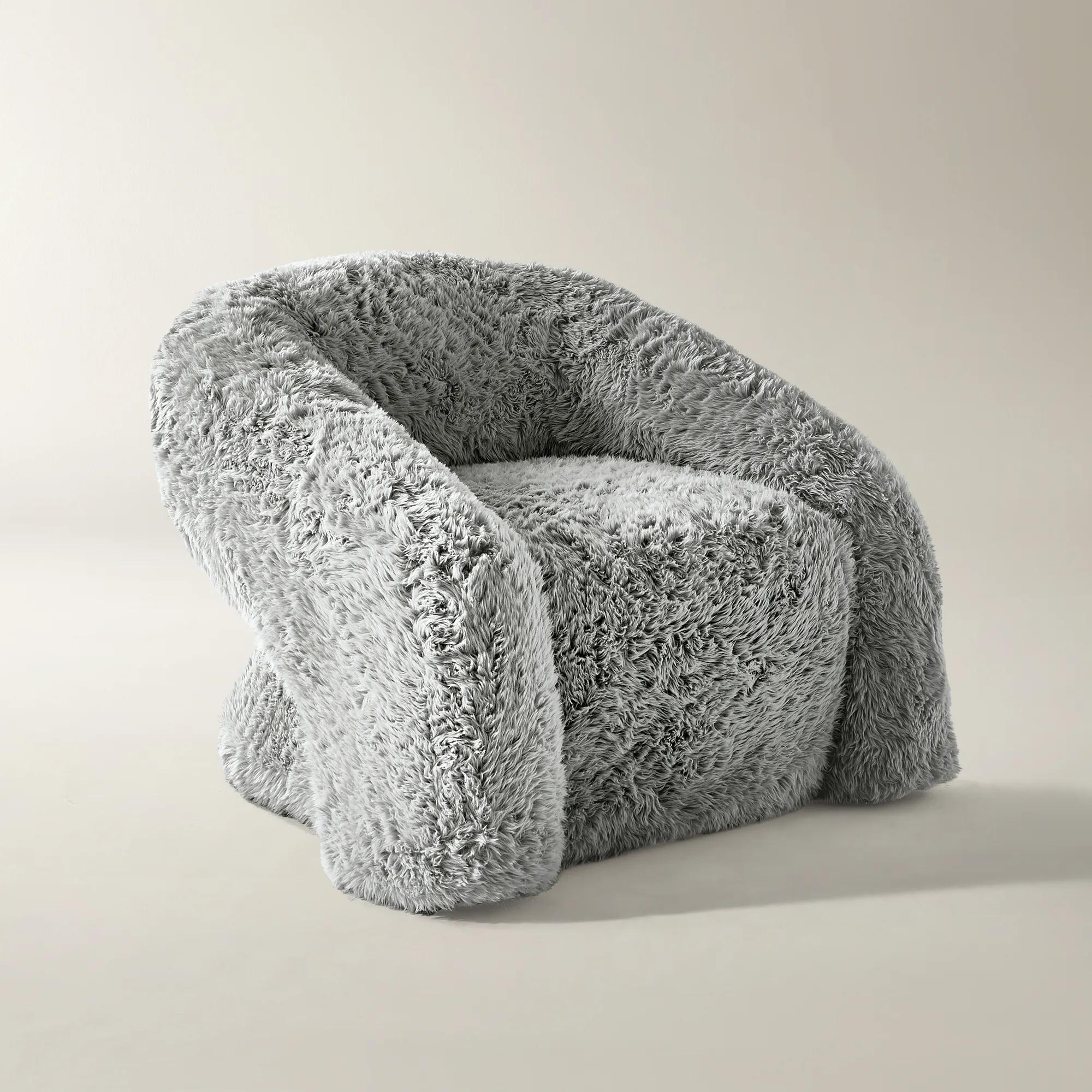
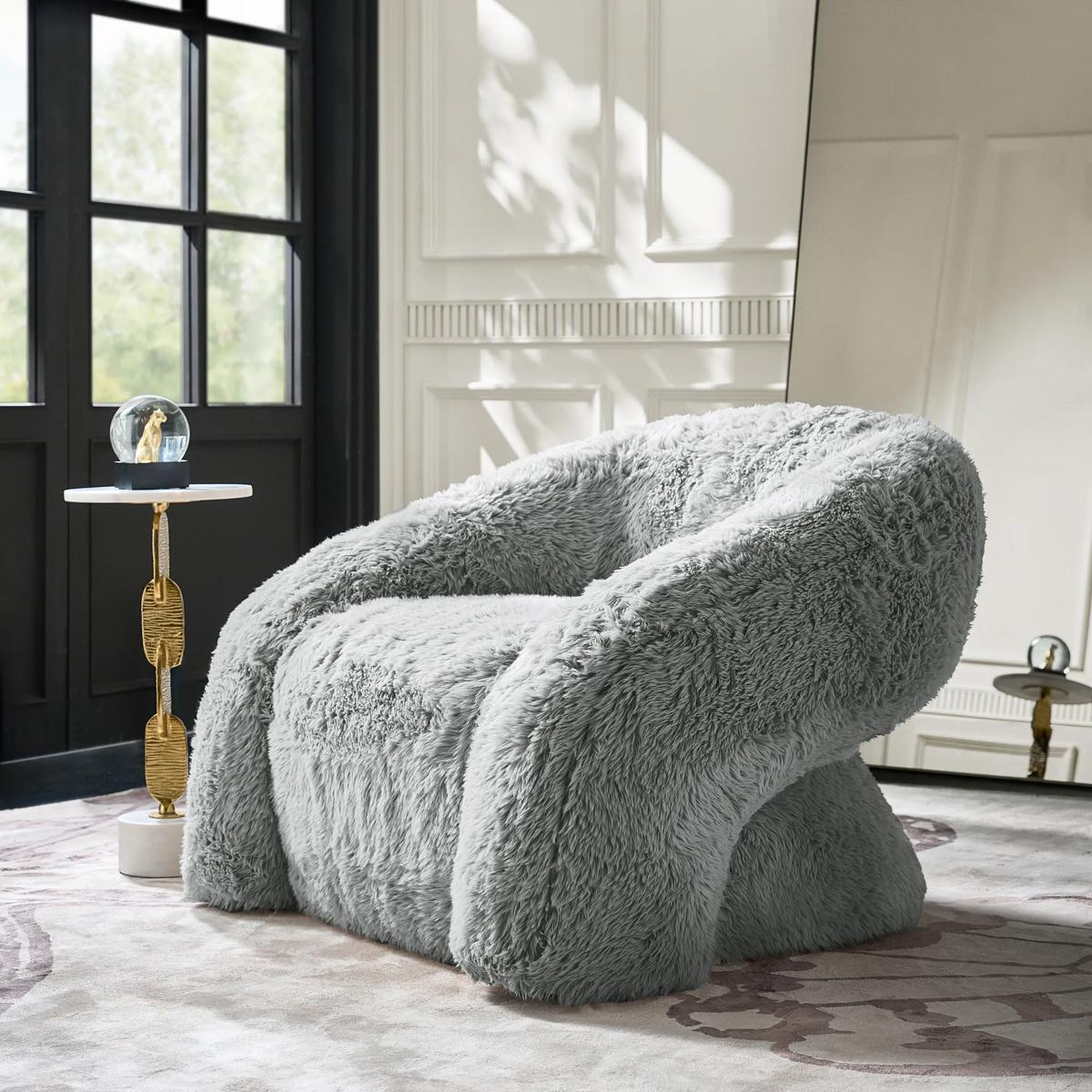 Misha Shadow Faux Fur Accent Chair$799
A cozy gray faux fur chair featuring high-resiliency foam and a sculptural, low-profile silhouette.
Add To Cart -
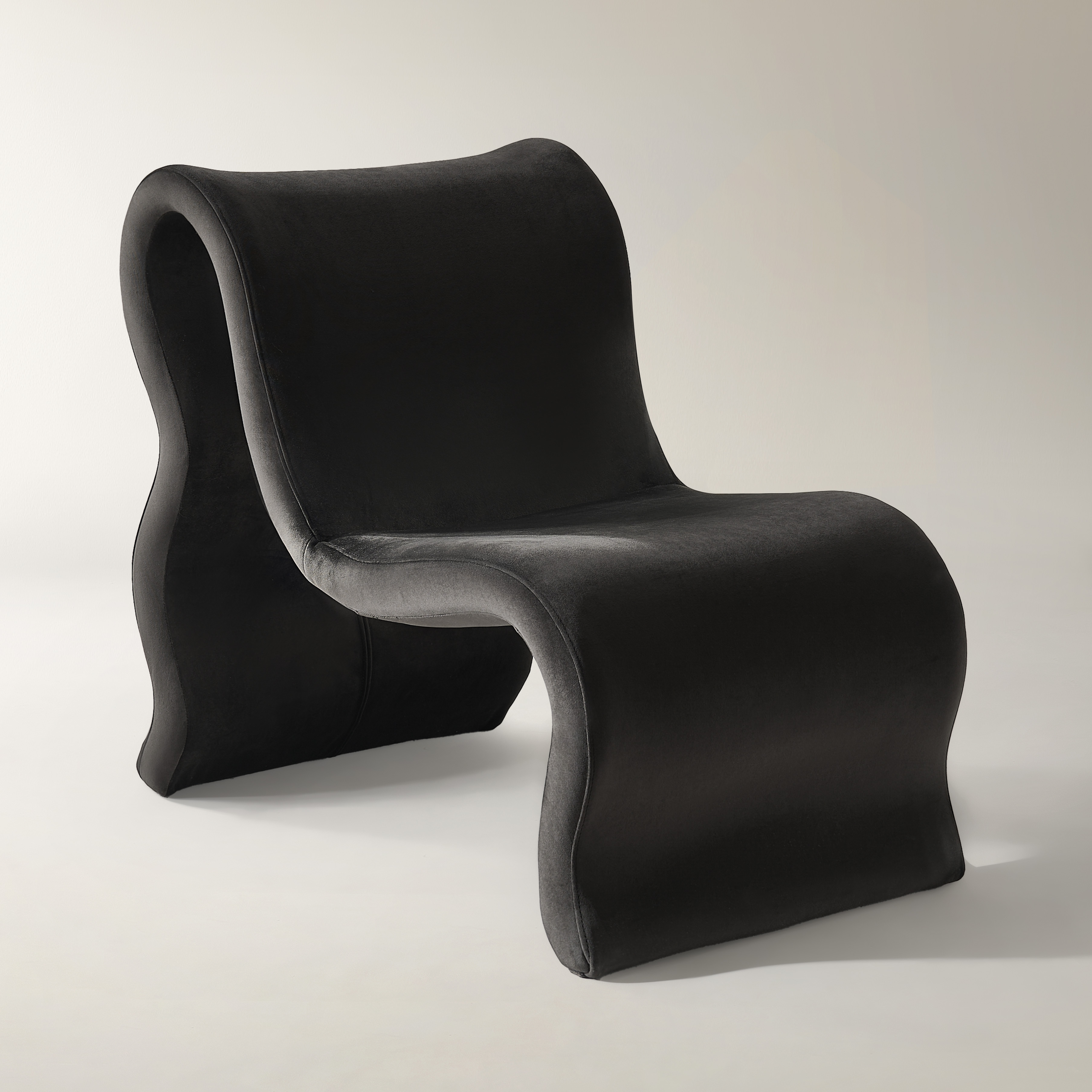 Romy Charcoal Velvet Accent Chair$999
A sculptural accent chair in charcoal velvet with a wave-like silhouette and full foam construction.
Add To Cart -
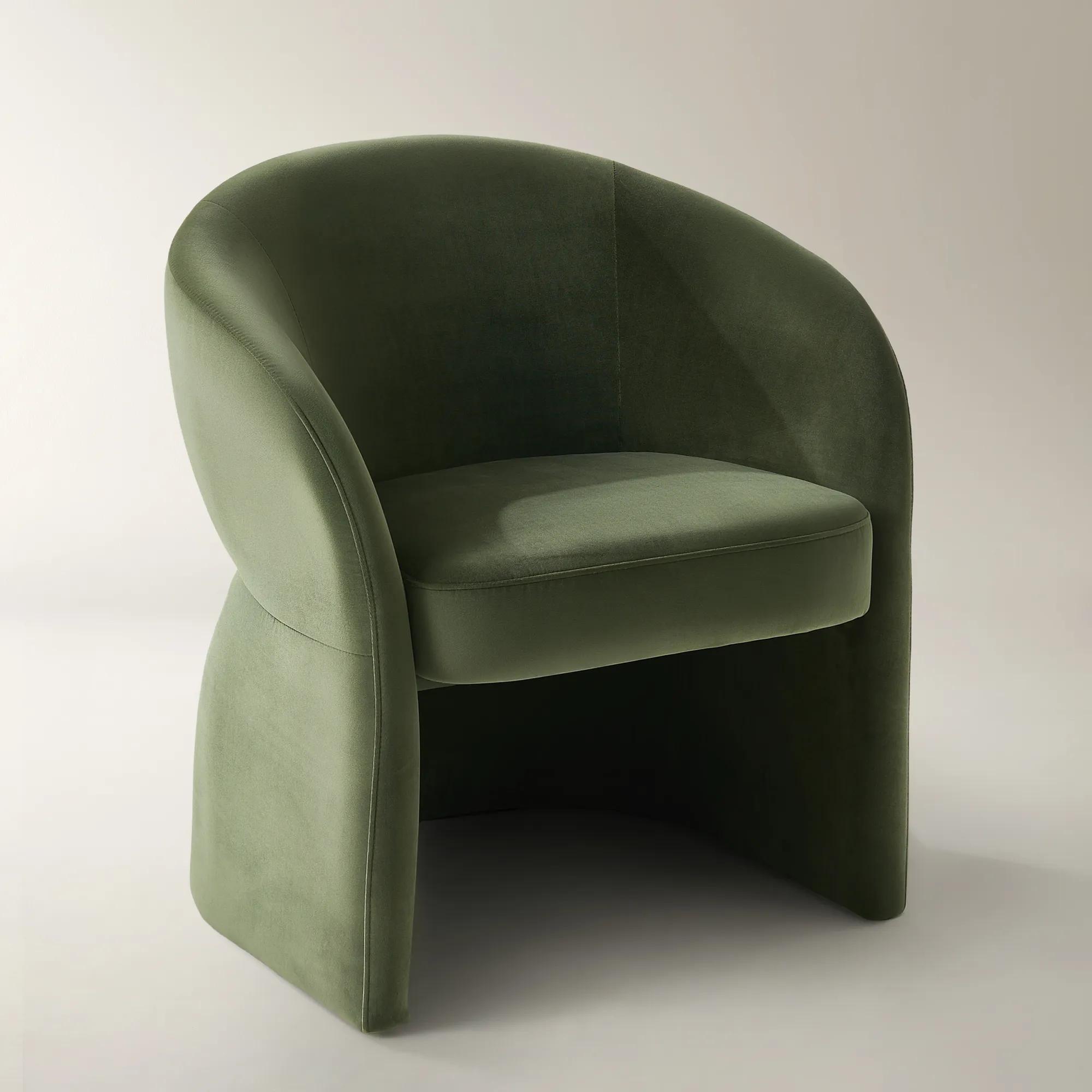
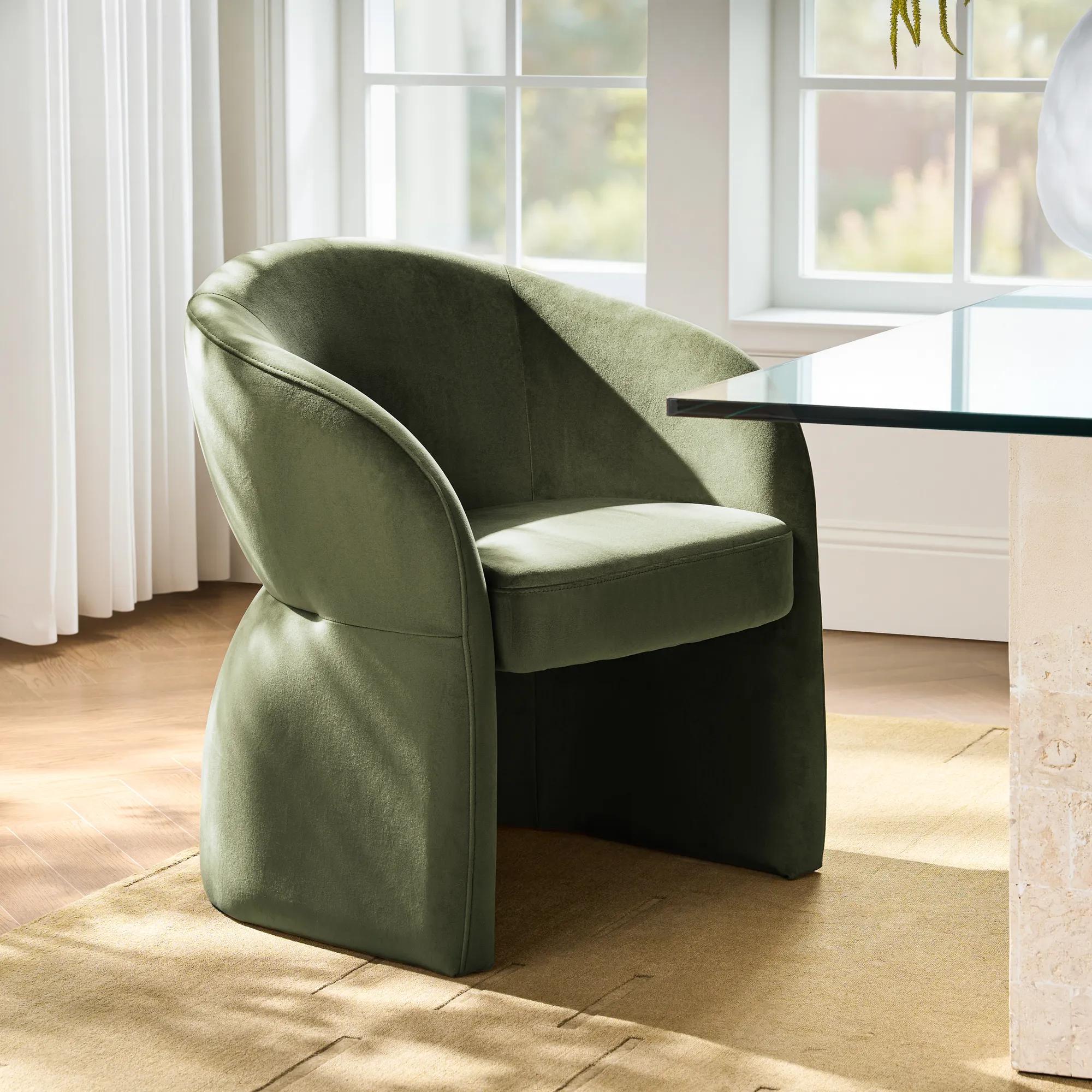 Sierra Jade Green Velvet Dining Chair$599
A sculptural accent chair in jade green velvet with gracefully arched arms and plush, supportive cushioning.
Add To Cart -
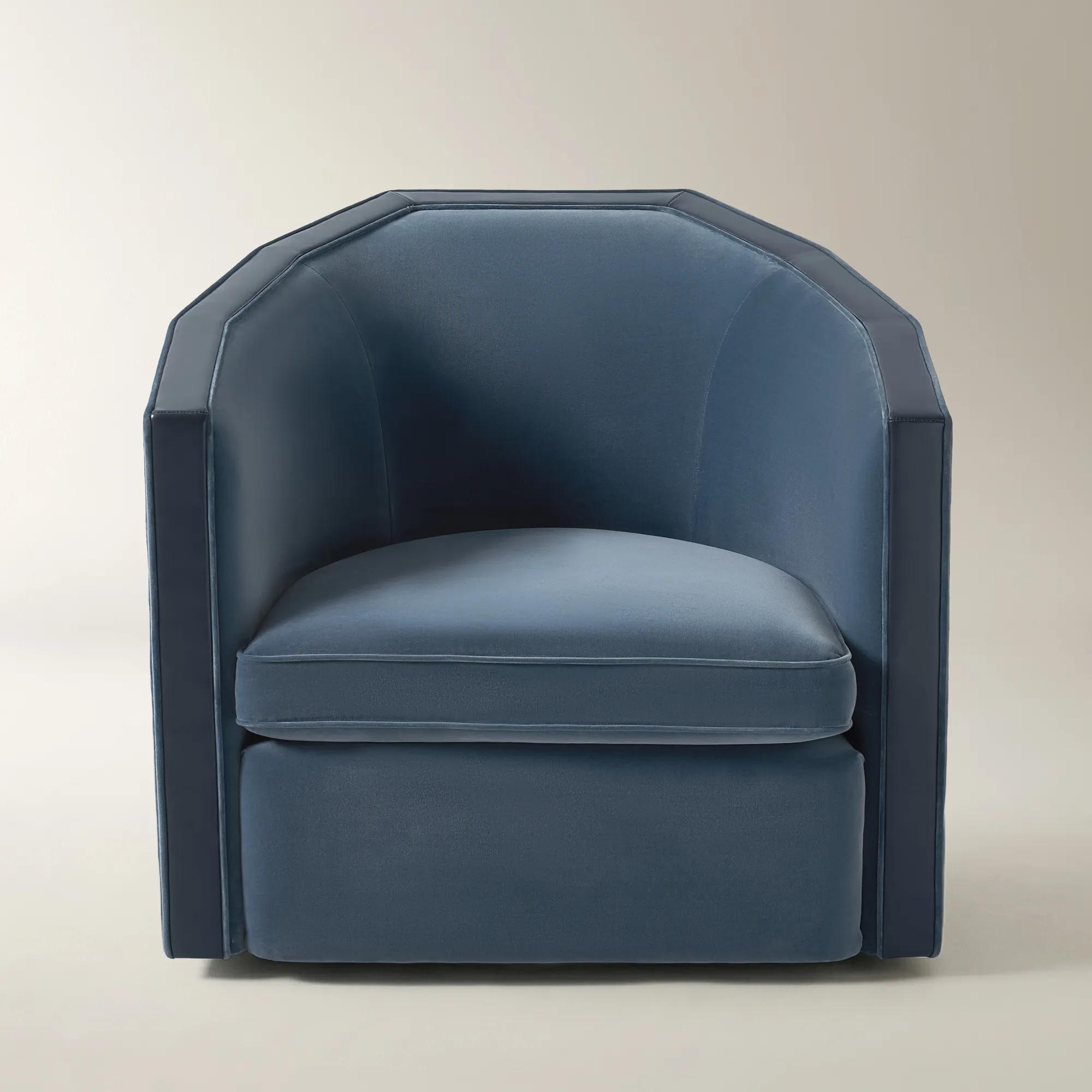 Vesper Dusty Blue Velvet With Leather Swivel Accent Chair$999
A modern accent chair in dusty blue velvet with tonal leather trim and a smooth 360-degree swivel base.
Add To Cart -
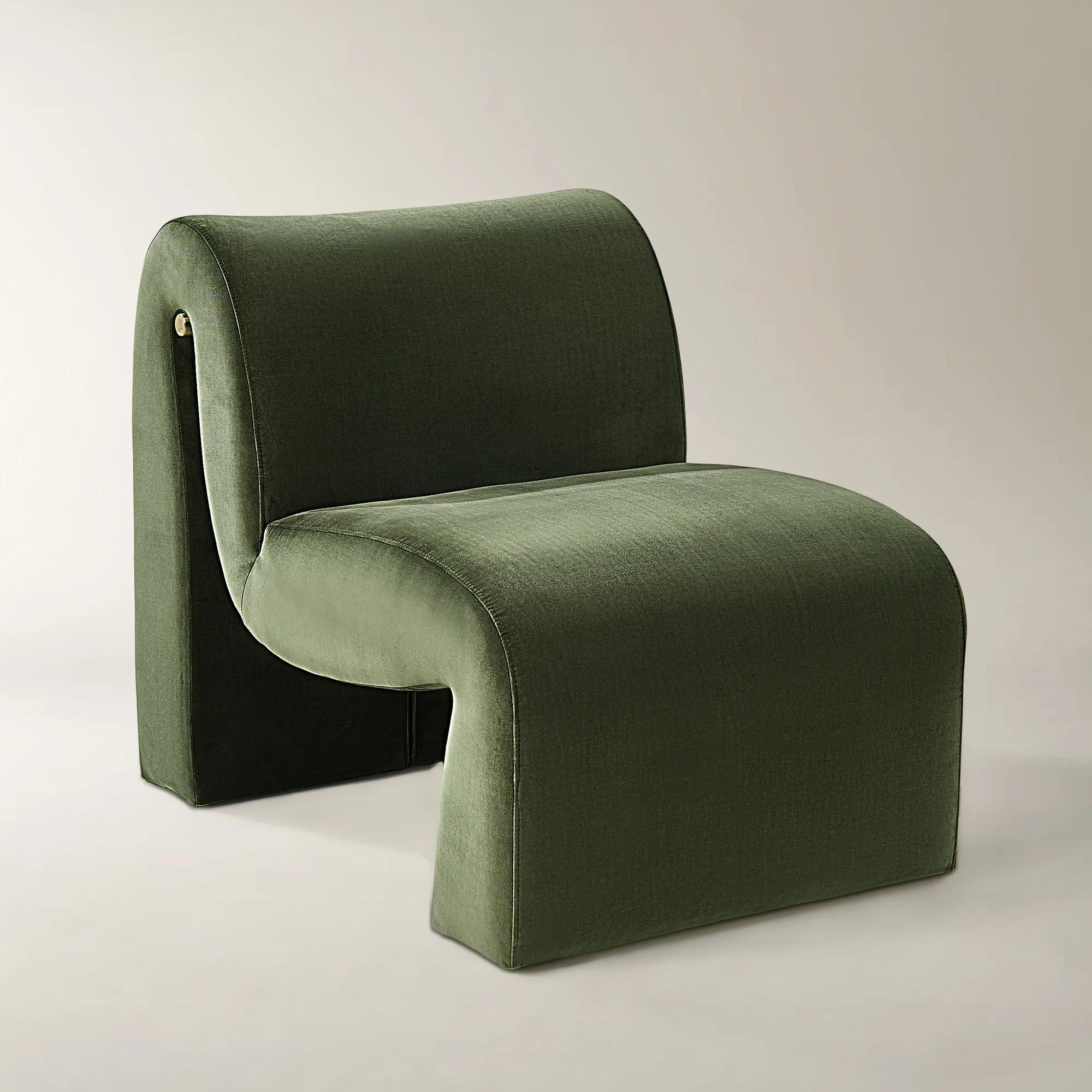
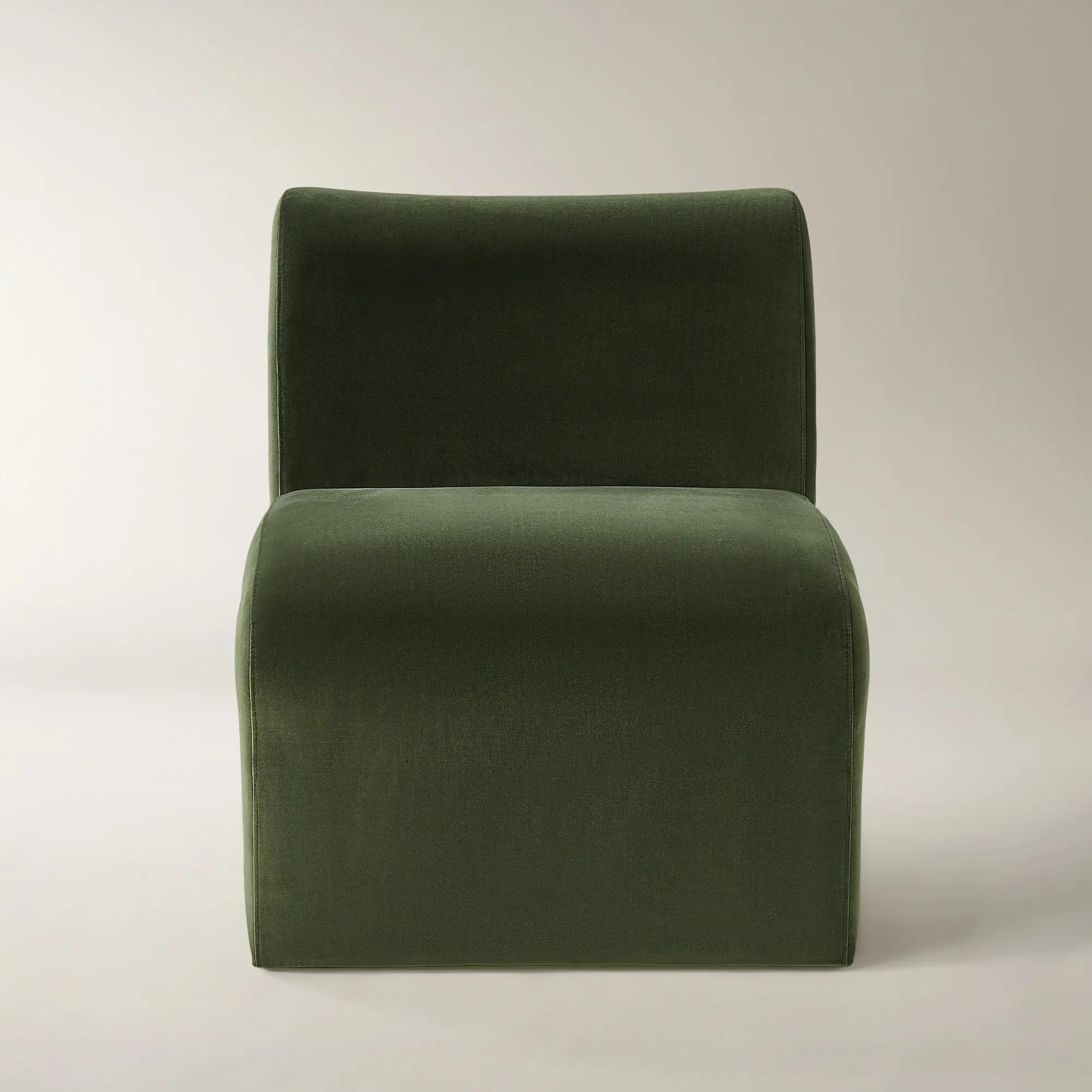 Cora Jade Green Velvet Accent Chair$899
A sculpted accent chair in jade green velvet with a gold stainless-steel inlay for refined glamour.
Add To Cart -
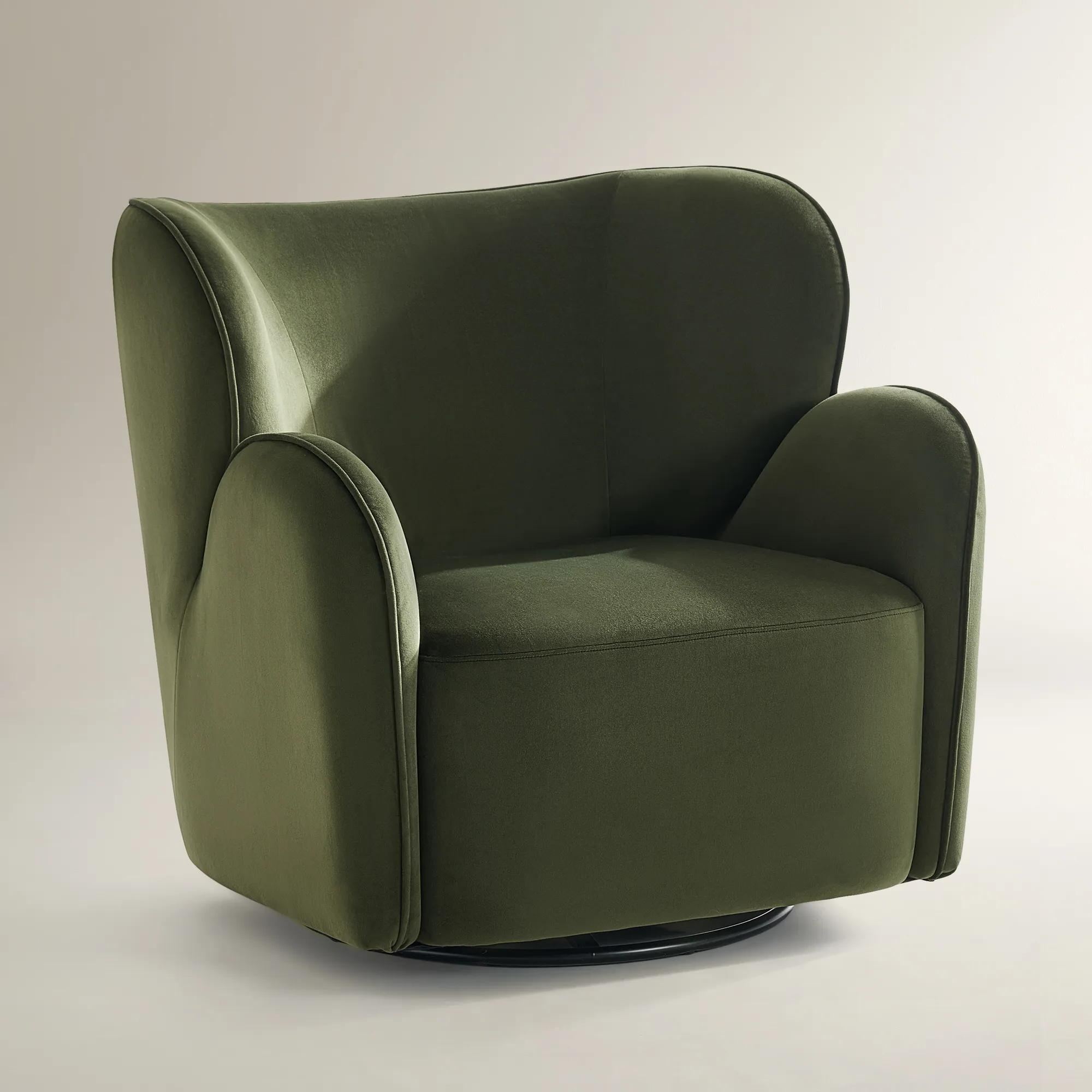
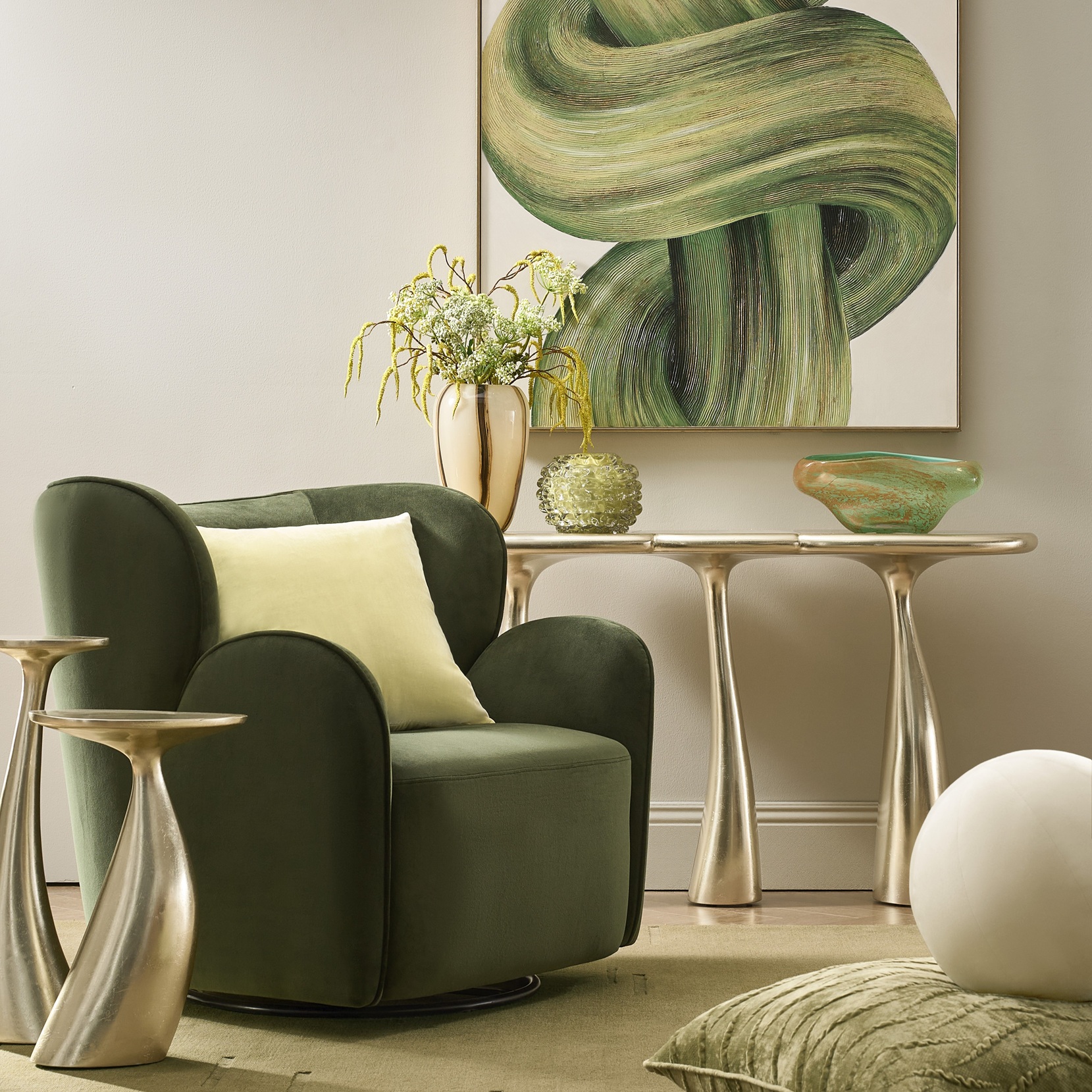 Ceres Jade Green Velvet Swivel Accent Chair$799
A plush jade green velvet chair with a curved silhouette, 360° swivel, and supportive foam cushioning.
Add To Cart -
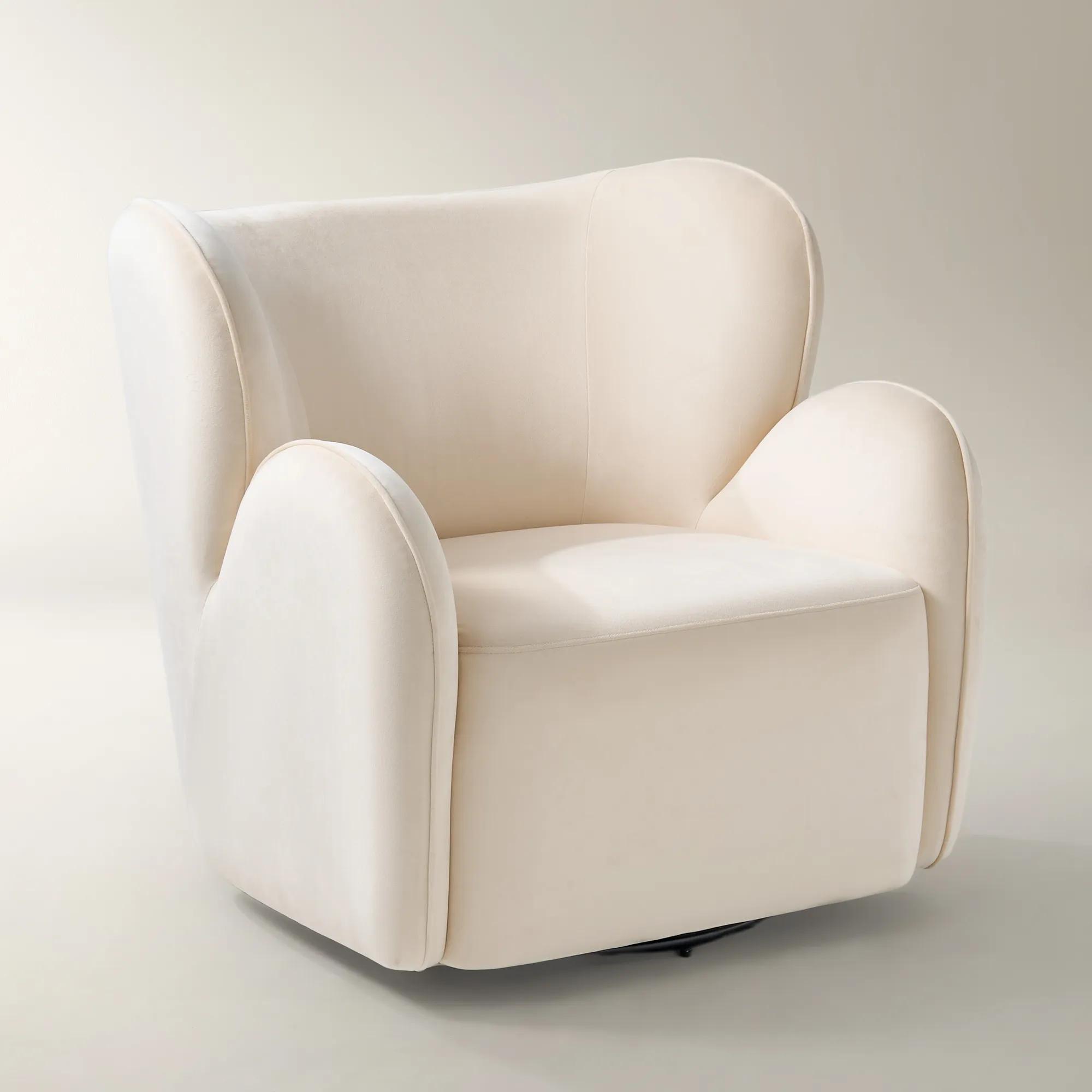
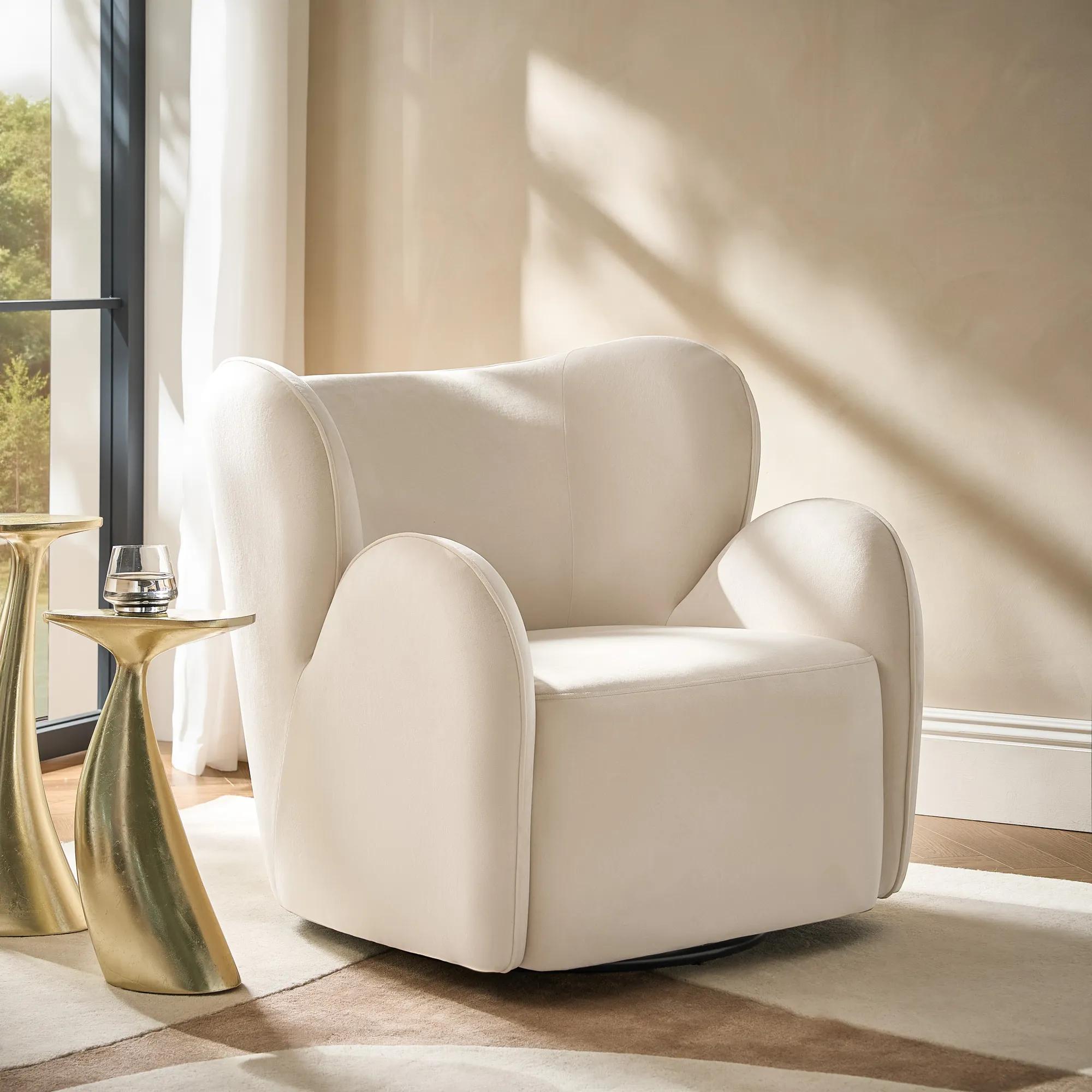 Ceres Ivory Velvet Swivel Accent Chair$799
An ivory velvet accent chair featuring a curved silhouette, 360° swivel, and plush, supportive cushioning.
Add To Cart -
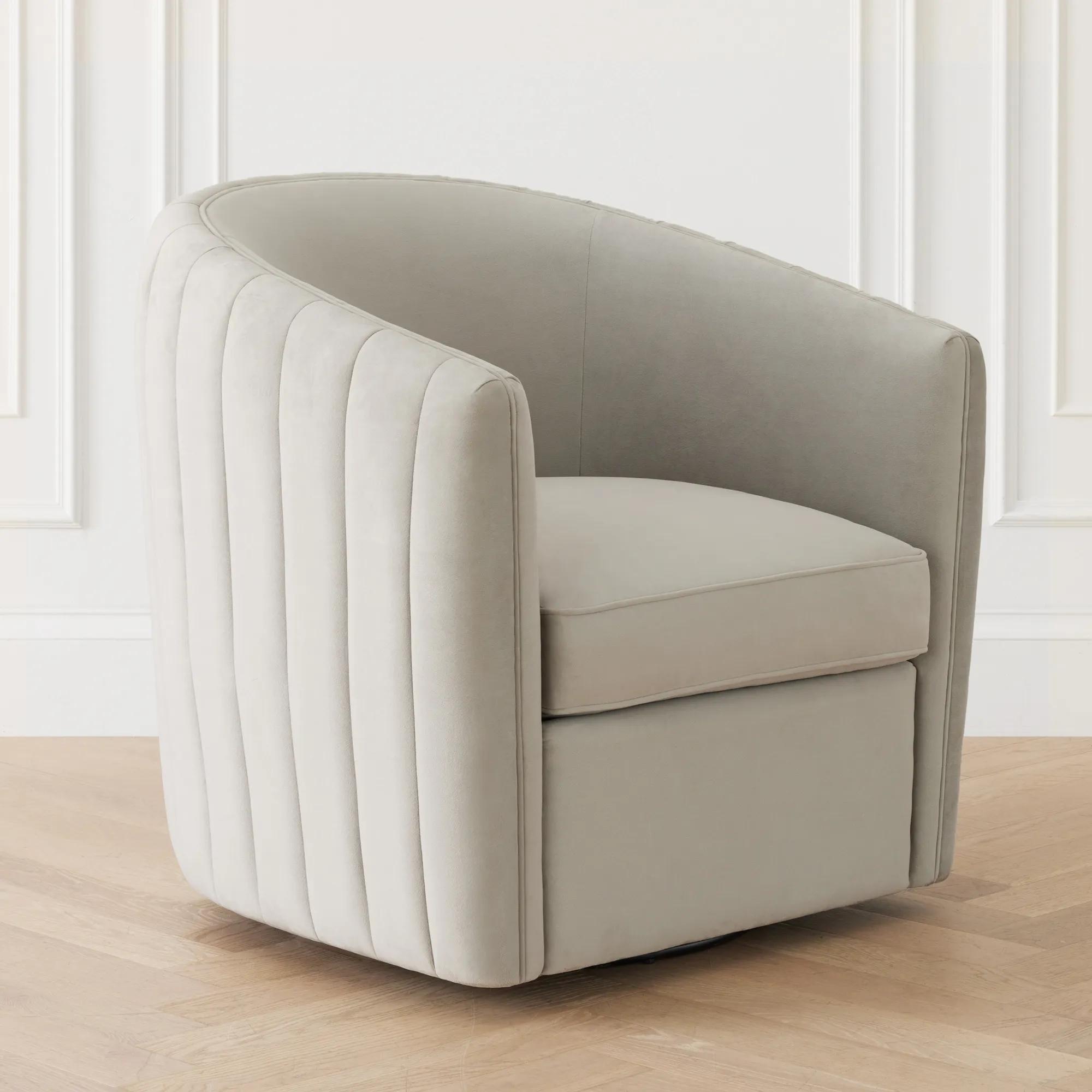
 Lyssa Pleated Simply Taupe Velvet Swivel Accent Chair$1099
A taupe velvet accent chair with pleated panels, 360-degree swivel, and a soft gold metal base.
Add To Cart -
 Teddy Beige Faux Fur Accent Chair$949
A sculptural modern accent chair in beige faux fur with plush foam cushioning for ultimate comfort.
Add To Cart -

 Nia Lacquered Turtle Dove Faux Fur Accent Chair$899
A sculptural accent chair featuring a high-gloss sand-toned fiberglass frame and plush turtle dove faux fur upholstery.
Add To Cart

Accent Chairs For Small Living Rooms
Explore accent chairs for small living rooms in sumptuous velvet and textured chenille, including swivel styles, pleated detailing, and shades from cream and oatmeal to navy and deep olive. Compare each chair’s width and depth with your available floor space, leaving clearance for walkways and swivel movement, to bring a bold focal point to your room without crowding the layout.
Accent chairs for small living rooms bring expressive design into a compact footprint, adding a place to settle in without overwhelming the space around it. The most successful designs balance overall width, usable seat depth, and visual openness: a chair should feel inviting to sit in and leave enough room to move comfortably past it. Many compact accent chairs fall roughly between 26 and 32 inches wide, although dimensions vary, and a narrow profile alone does not guarantee a comfortable fit. Slim arms, exposed legs, and an open base can give a small room a more expansive appearance, while a curved back introduces sculptural softness beside a tailored sofa. Armless accent chairs reduce bulk at the sides, making them especially useful beside a window or in an apartment living room where every inch has a purpose. A compact armchair offers a more enclosed, supportive perch for reading or conversation. Overall depth matters just as much as width; an exceptionally deep seat can project farther into a walkway than expected, even when the chair looks petite from the front. Measure the intended placement, nearby furniture, and delivery route, then mark the chair’s footprint on the floor to understand its relationship to the room. Where the layout permits, leaving approximately 30 to 36 inches along a main walking path helps preserve comfortable circulation rather than forcing guests to turn sideways between furnishings. A chair angled toward the sofa can create an intimate conversation area, but its corners may occupy more floor space than a straight placement. In a narrow living room, a streamlined silhouette positioned beside a compact side table can feel more composed than a broad chair paired with an oversized ottoman. Scale is not about making every furnishing disappear. One beautifully proportioned accent chair with a distinctive curve, luminous upholstery, or a striking frame can supply the room’s defining gesture while allowing the surrounding space to breathe.
Upholstery gives a small accent chair much of its presence, turning a practical seat into a deliberate expression of texture and color. Velvet catches light across its pile, lending jewel tones remarkable depth and giving softer neutrals a lustrous finish. Bouclé introduces a tactile, dimensional surface that can soften the geometry of a compact room, while tightly woven fabrics offer a more tailored appearance. Linen and linen-blend upholstery bring subtle variations in texture, although their tendency to wrinkle and their cleaning requirements depend on the particular fabric. Leather offers a distinct character of its own, with surface variation, patina, and maintenance needs determined by the leather type and finish. For a living room shared with children or pets, upholstery specifications deserve as much attention as color: a performance designation may indicate particular stain-resistance or cleaning benefits, but it does not mean every spill, scratch, or source of wear is covered. Construction matters beneath the fabric, too. A well-built frame, secure joints, supportive suspension, and cushions suited to frequent sitting contribute more to lasting comfort than decorative detail alone. Wood frames can bring warmth and architectural definition; slender metal bases can create a lighter outline and introduce a gleaming contrast against plush upholstery. Neither material guarantees durability without sound construction. Seat height and cushion feel should also suit the person using the chair. A lower, deeper seat may feel indulgent for lounging, while a moderately upright back and supportive arms can make everyday sitting and standing more comfortable. For someone who reads for long stretches, back support and room to change position are more important than a dramatic silhouette viewed only from across the room. In a home where the accent chair serves as regular seating rather than an occasional extra, resilient cushioning and a fabric appropriate for repeated use become essential. The result should feel as considered from the seated position as it looks from the doorway: luxurious, balanced, and genuinely welcoming.
Color and placement allow small living room accent chairs to shape the entire composition without demanding additional furniture. An ivory chair against a similarly toned wall can create a quiet outline with rich textural detail, while sapphire, emerald, or charcoal upholstery gives a neutral room a concentrated point of drama. Repeating a chair’s tone in a pillow, artwork, or decorative object helps the arrangement feel connected rather than isolated. A sculptural chair with an exposed frame can complement a substantial sofa; a softly upholstered silhouette can temper the sharper edges of glass tables and angular cabinetry. In a studio apartment, a chair turned toward the main seating area can help distinguish the living space without introducing a physical divider. For a couple who entertain, two compact chairs may offer flexible seating, provided their combined footprints and the passage between them genuinely fit. A single swivel accent chair can shift attention between conversation and a nearby view, but the base needs sufficient clearance for the chair to rotate without striking a wall, table, or adjacent seat. Reclining designs require additional operating space, so their fully extended dimensions matter more than their closed profile. These details preserve the ease that makes a room feel generous, regardless of square footage. Long-term care protects that sense of refinement. Follow the upholstery label and manufacturer’s instructions, vacuum with an appropriate attachment, and blot spills promptly rather than rubbing them into the fabric. Test any approved cleaner in an inconspicuous area, and avoid assuming that water-based products are suitable for every textile. Positioning upholstery away from prolonged direct sunlight can help reduce uneven fading; checking hardware and rotating reversible cushions, where permitted, can support more even wear. For another expression of richly layered seating, explore Accent Chairs For Fall Living Rooms. In a small living room, the most compelling accent chair earns its place through both character and comfort, bringing a distinctive silhouette, a satisfying seat, and a beautifully resolved finishing touch to the space.
FAQs
Sculptural barrel chairs, tailored midcentury silhouettes, and pleated designs bring distinct personality to a small living room. Choose curves for a softer, gallery-inspired mood or crisp lines for polished definition. Let the chair’s shape provide the drama, then echo its details in nearby art or accessories.
Deep olive, navy, and black offer rich contrast against neutral surroundings, while cream and oatmeal lend a luminous, tonal elegance. For an intentional composition, draw your accent chair color from a painting, rug, or decorative pillow. Repeating that hue creates a visual connection throughout the room.
Velvet lends accent chairs a sumptuous sheen, with shifting highlights that emphasize sculptural curves and tailored details. Chenille offers a plush, textured look with a softer visual finish. Choose velvet for expressive glamour or chenille for a richly layered setting with understated depth.
An accent chair does not need to match the sofa. A contrasting fabric or color can give the room a more expressive, collected character. Create cohesion through a shared undertone, curved silhouette, or repeating finish—for example, a navy velvet chair alongside a cream sofa and artwork featuring blue.
Compose a distinctive vignette with a sculptural side table, an artful lamp, and a decorative pillow that complements the chair’s upholstery. Pair plush fabric with gleaming metal or glass for contrast. Keep the accents deliberate so the chair’s silhouette and texture remain the visual focus.