Wall Art For Corporate Offices
Wall Art For Corporate Offices
-
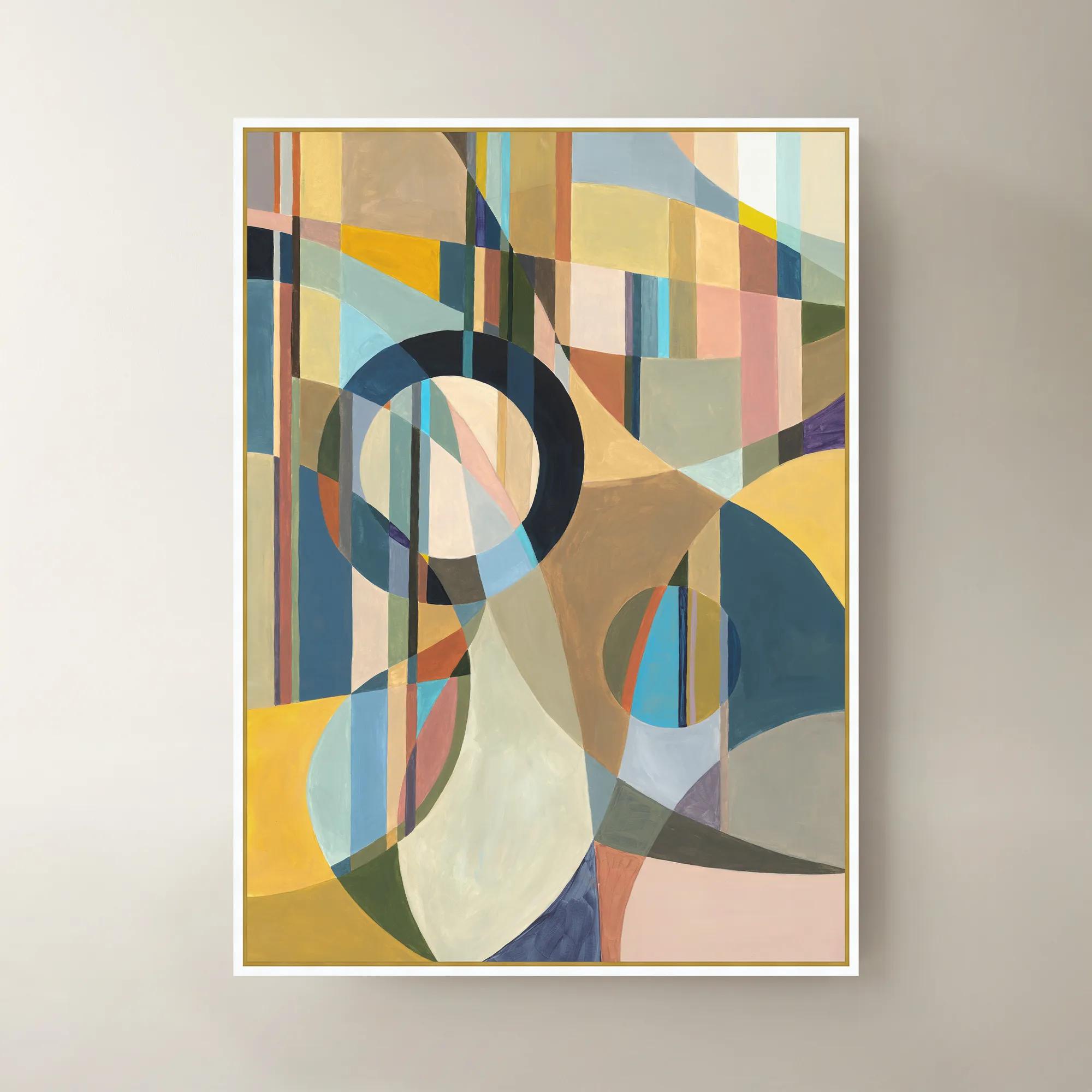
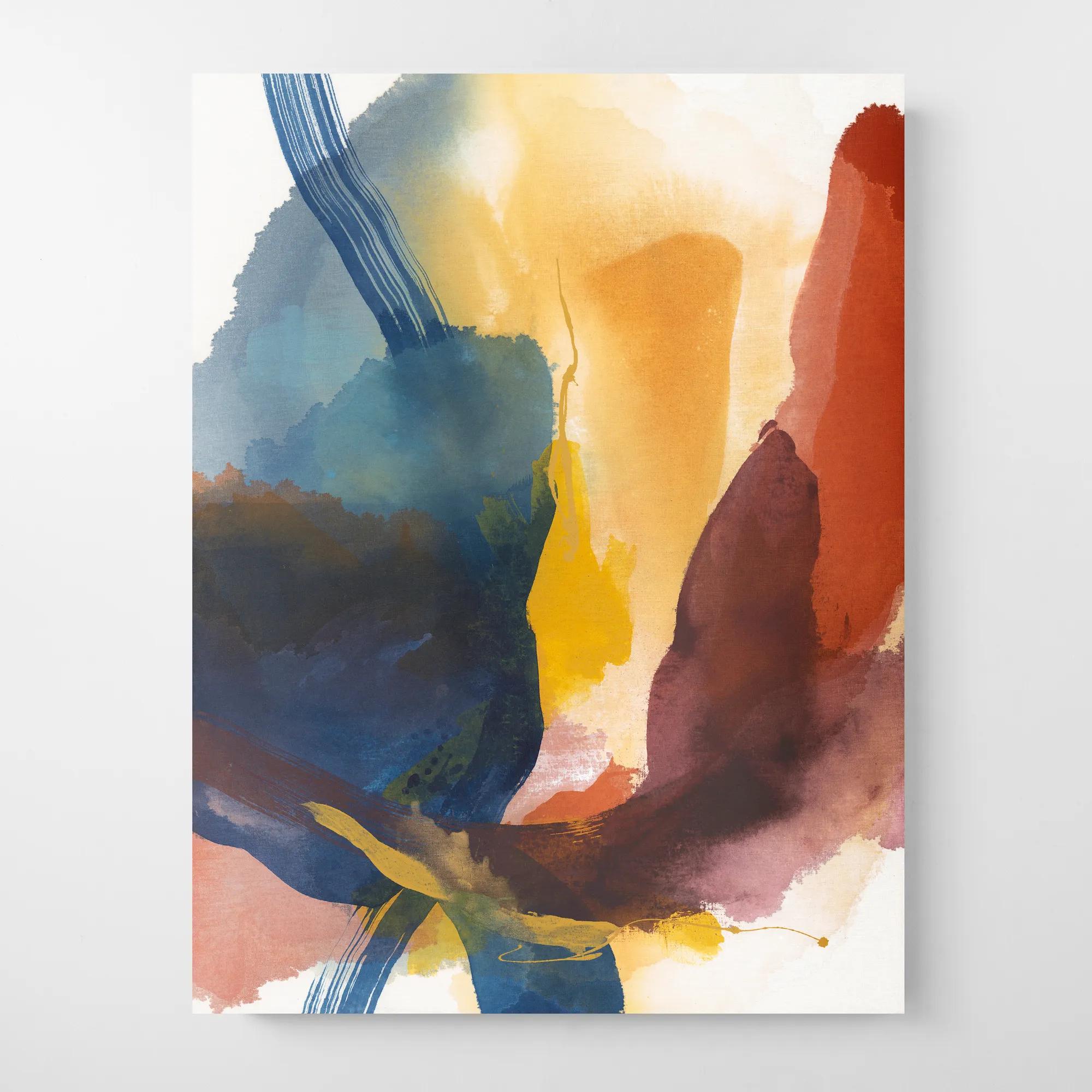
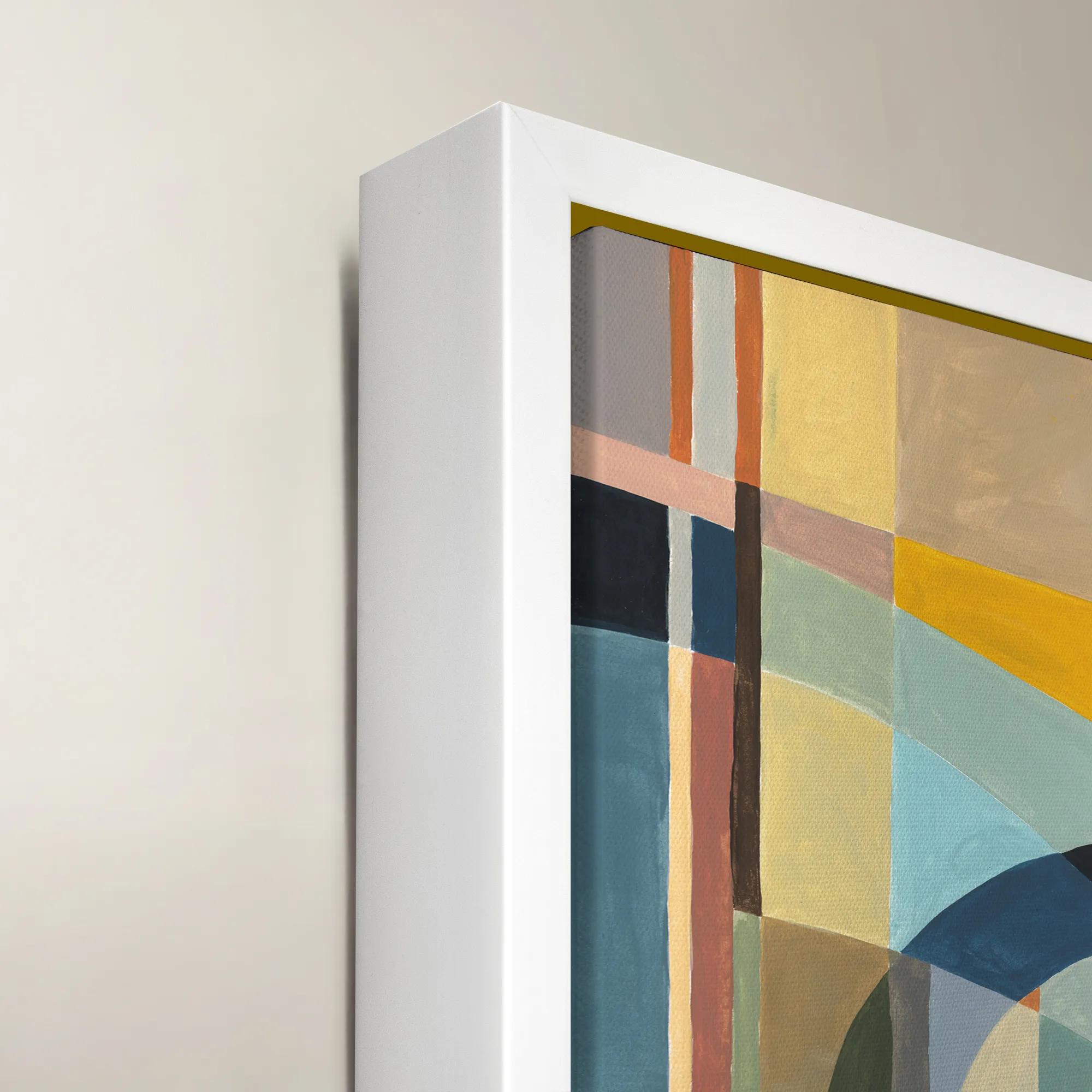 Happy Mistake Framed Wall Art 40" x 54"$1099
A vibrant multicolored framed canvas artwork adding expressive style to modern interiors.
Add To Cart -
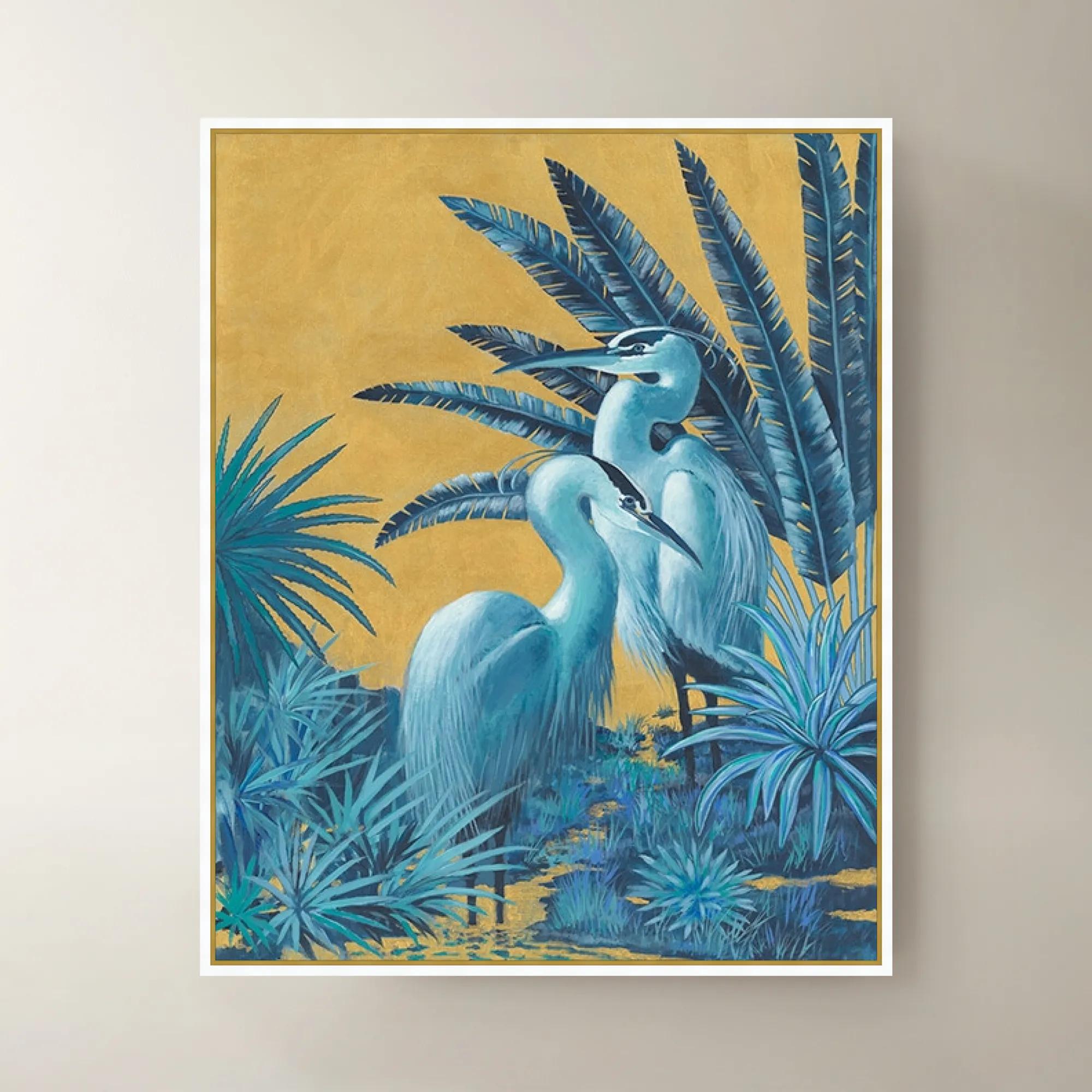
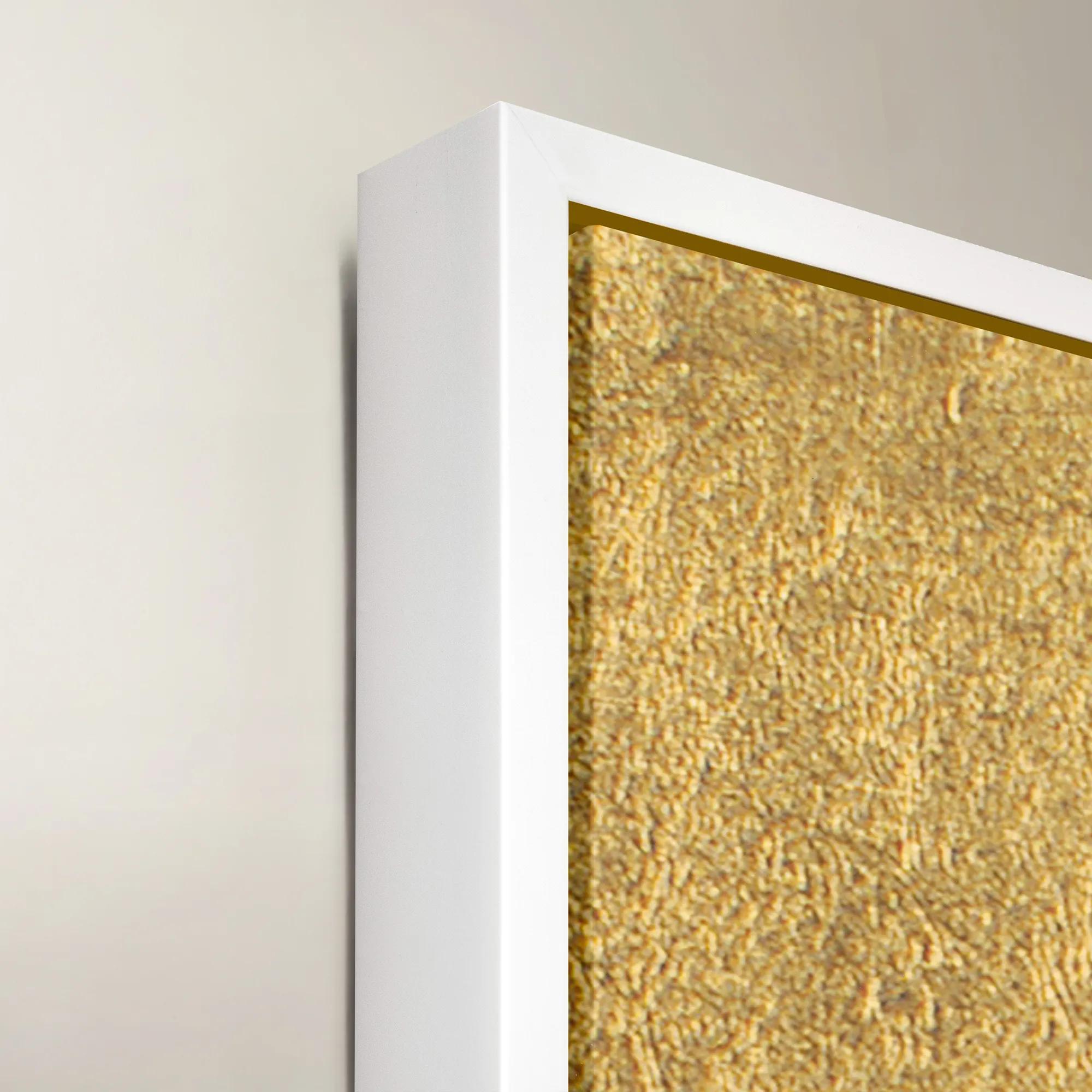 Blue Gold Herons Framed Wall Art 40" x 50"$1199
A striking blue and gold framed canvas artwork featuring elegant herons for sophisticated wall display.
Add To Cart -
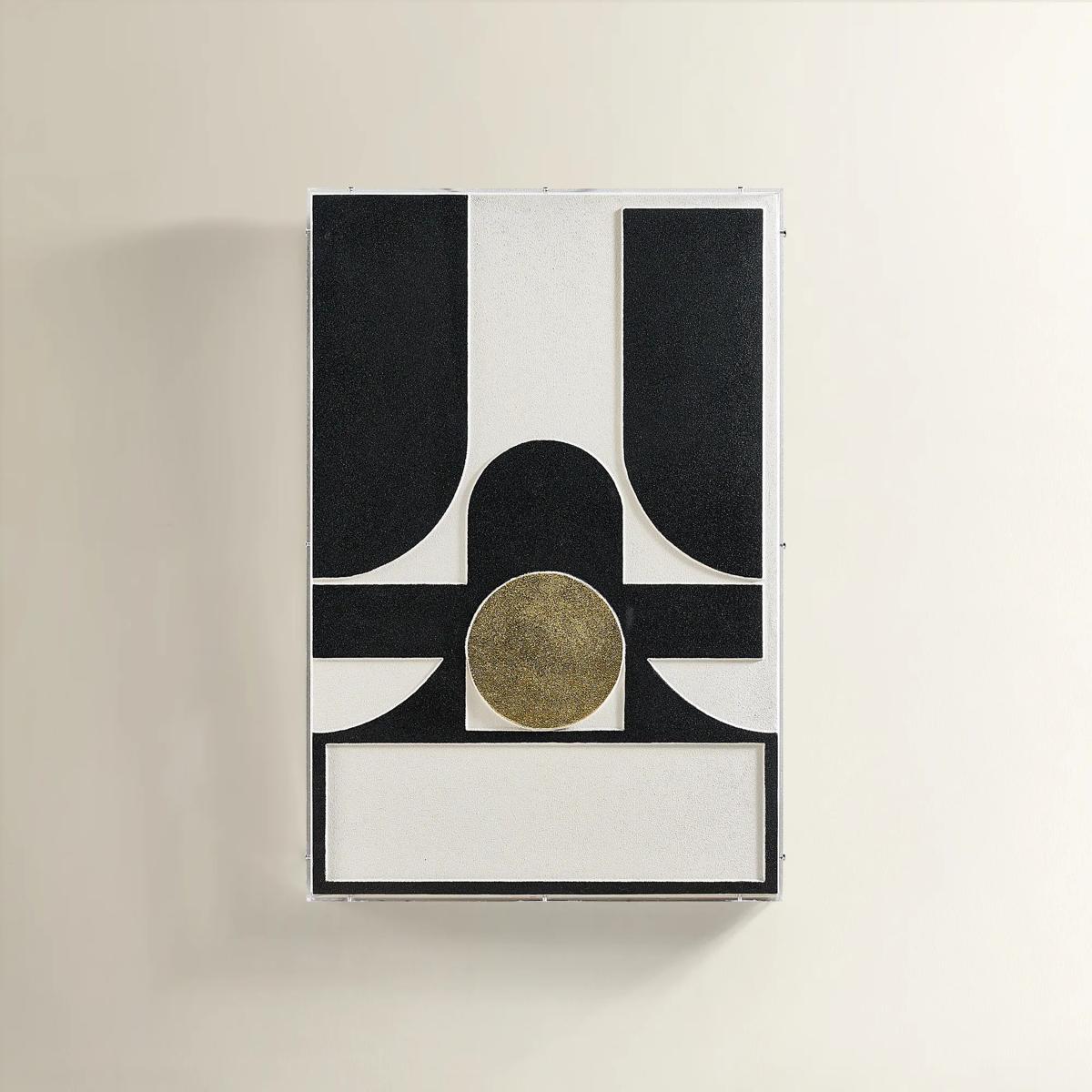
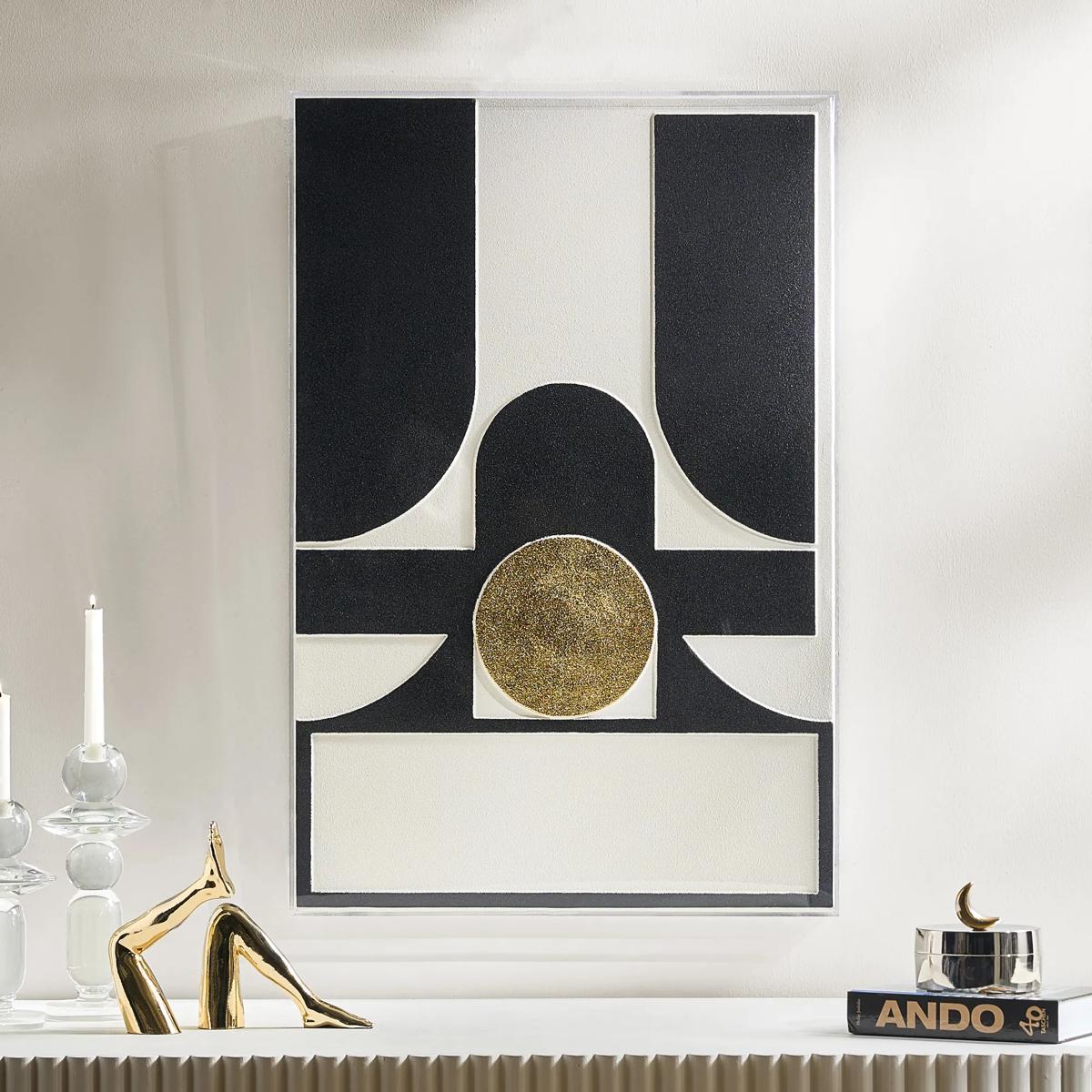 Siren Black And Gold Wall Decor in Acrylic 23.5" x 35.5"$299
A layered composition of black, ivory, and gold geometric forms set in a sleek acrylic shadow box.
Add To Cart -
 Jagged Black Leather Wall Decor in Acrylic 23.5" x 35.5"$329
A sculptural wall art piece featuring folded black leather strips encased in a clear acrylic shadow box.
Add To Cart -
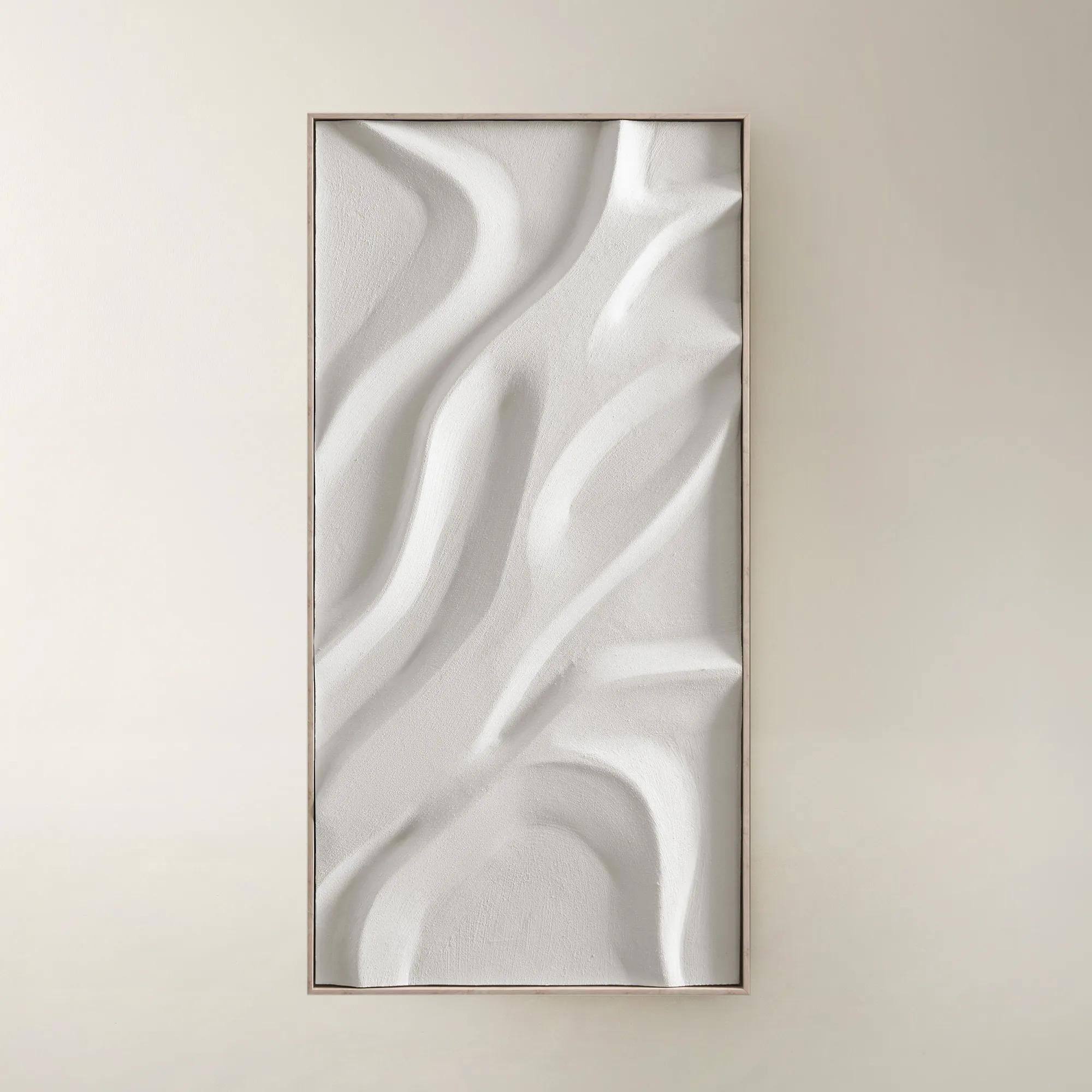
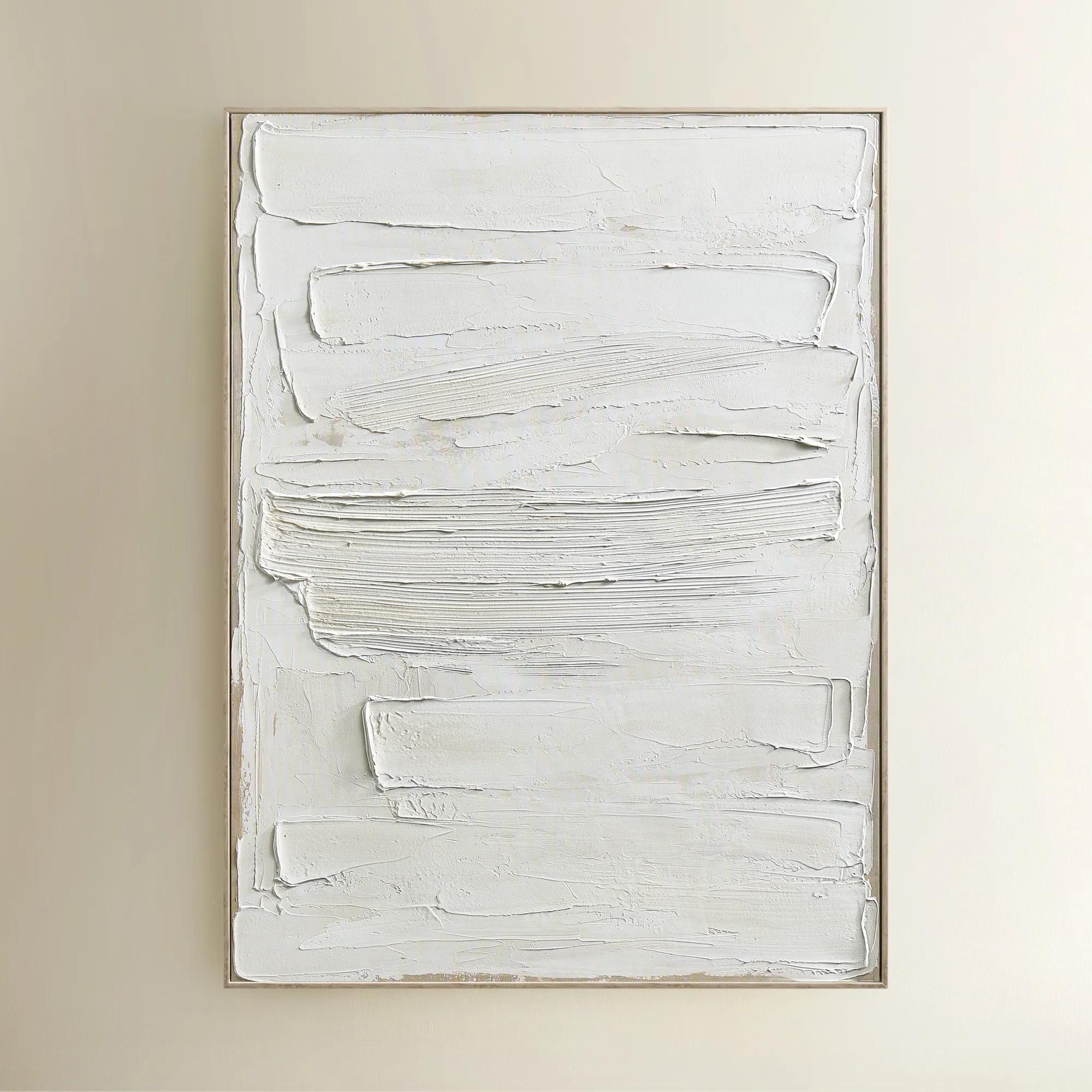
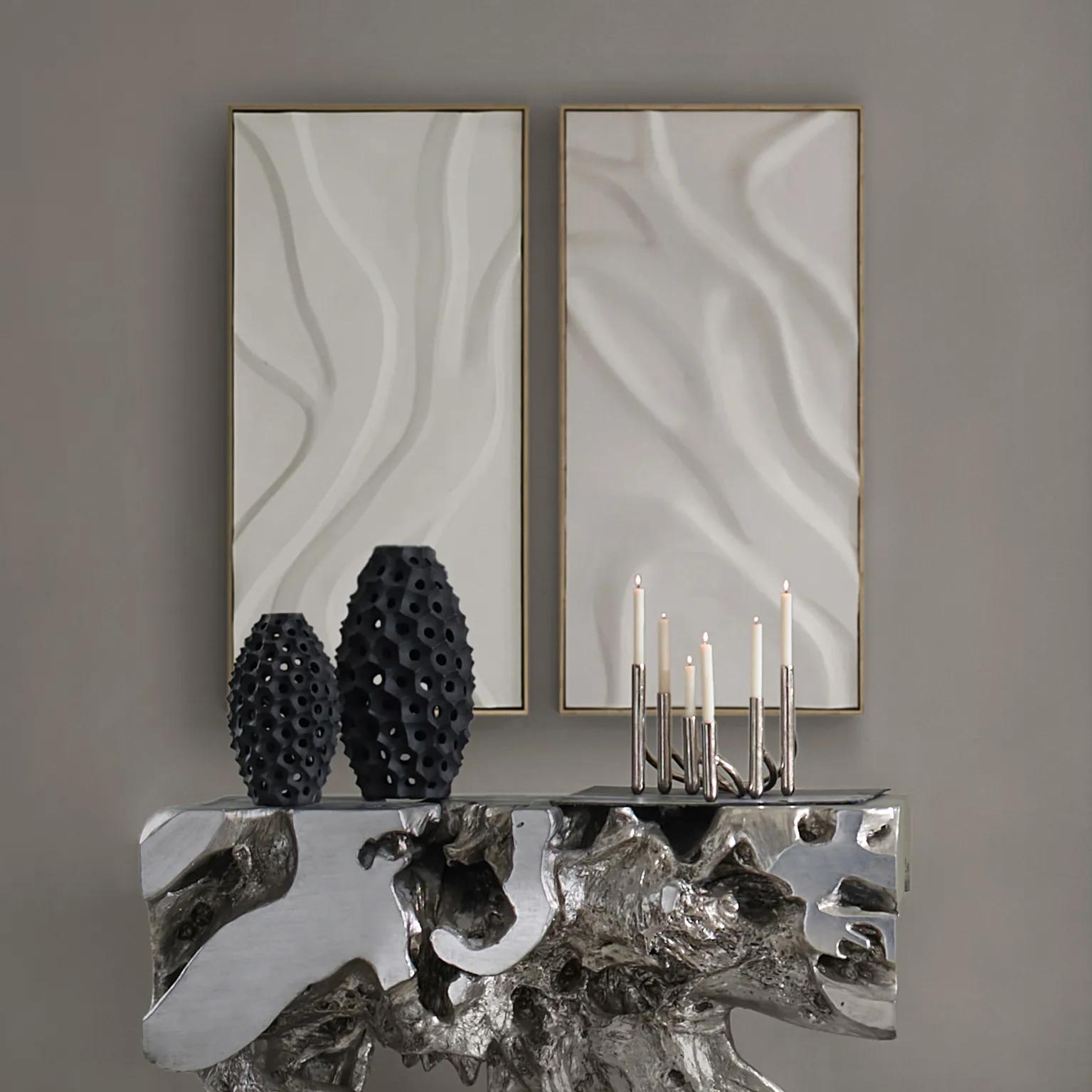 Au Lait Framed Painted Wall Art II 47.2" x 23.6"$199
A serene hand-painted canvas in beige, set in a warm whitewash floater frame for modern interiors.
Add To Cart -

 Temptress II Framed Wall Art 40" x 60"$1299
A vibrant multicolored canvas artwork in a sophisticated frame, bringing dramatic contemporary style to your walls.
Add To Cart -
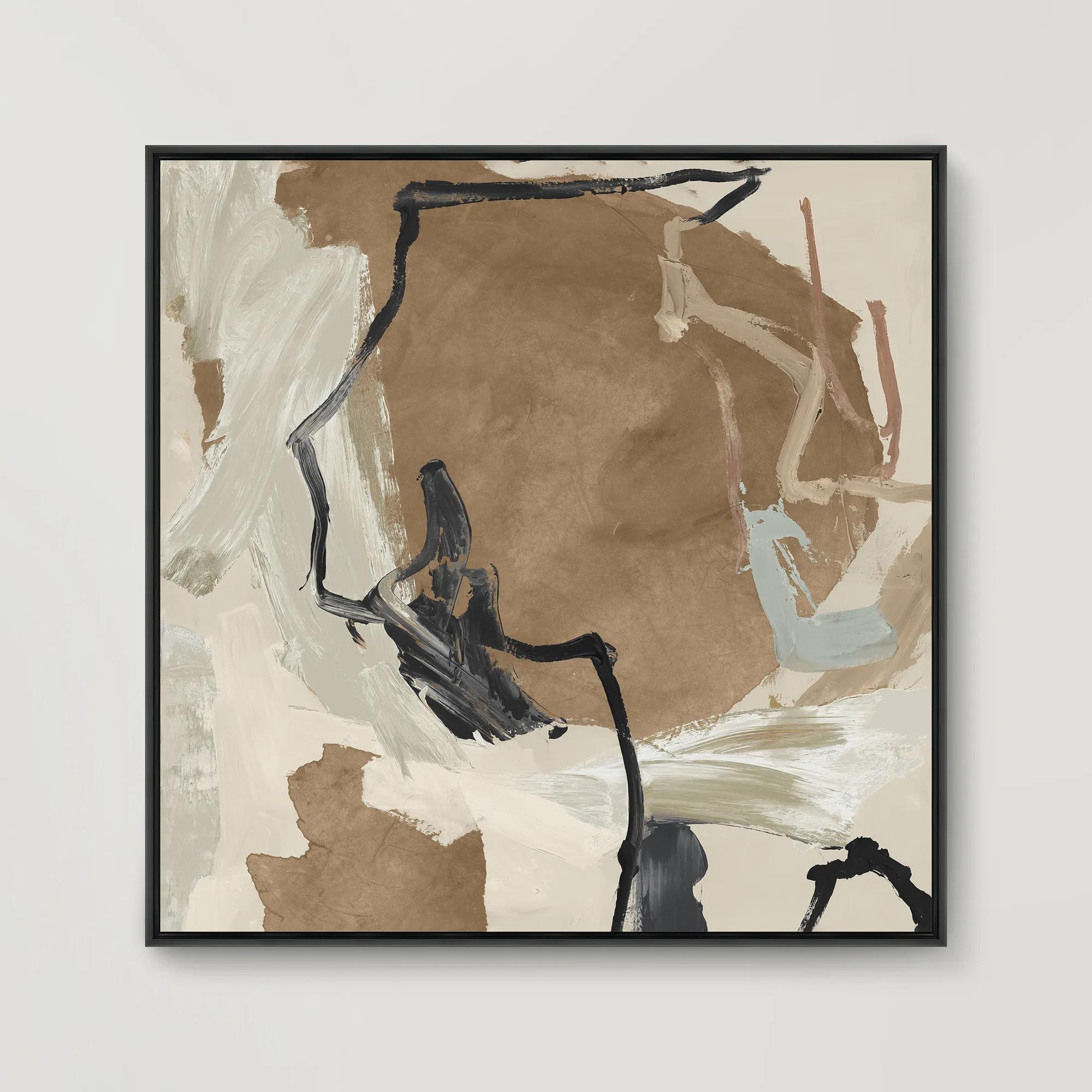
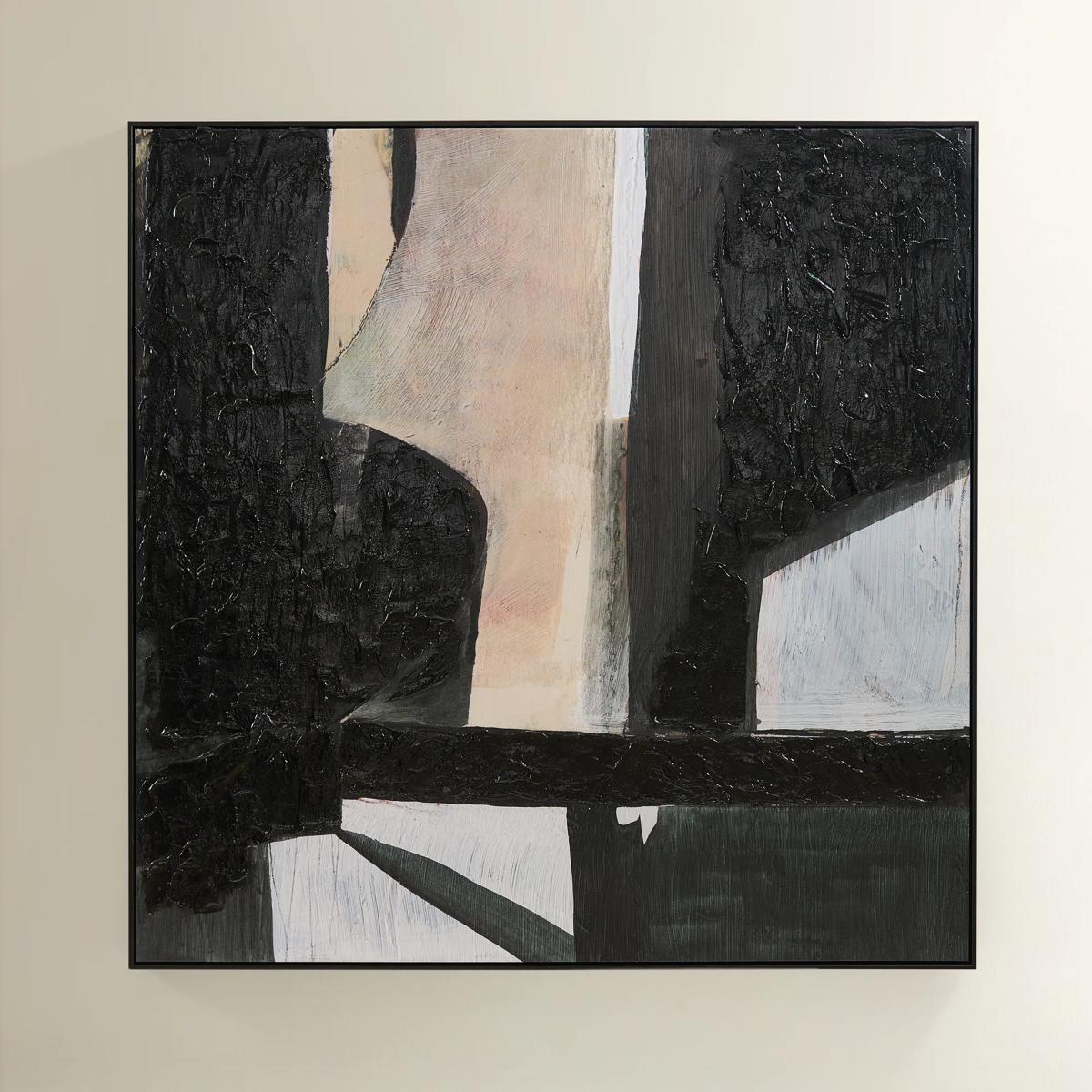
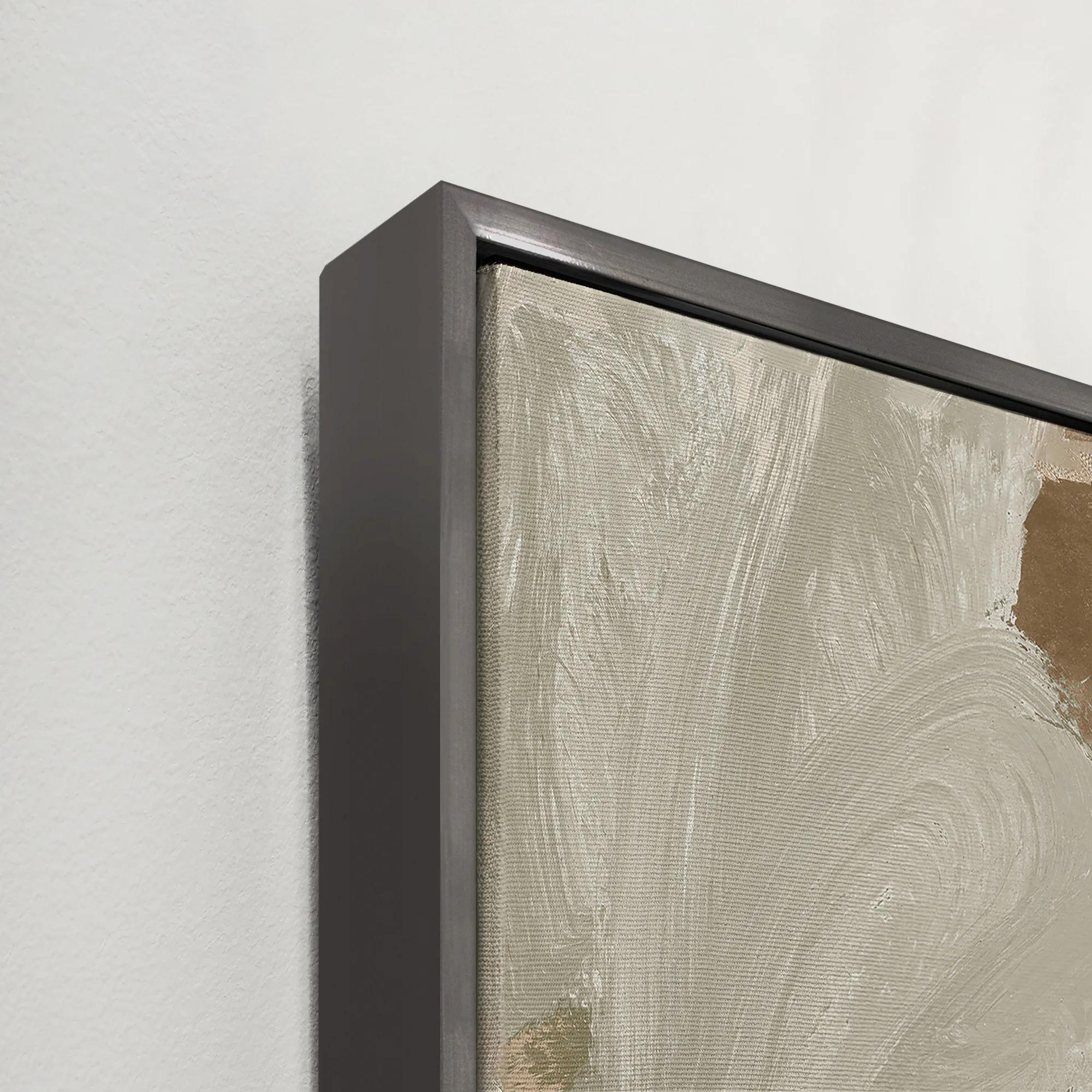 Borderlands IV Framed Wall Art 31.5" x 31.5"$499
A gallery-wrapped canvas artwork with a hand-applied brush gel finish in a sleek gray floater frame.
Add To Cart -
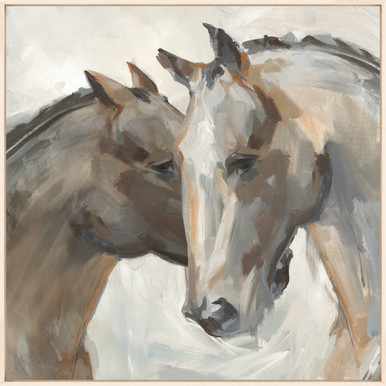
 Equine Duo Framed Wall Art 40" x 40"$699
A gallery-wrapped canvas featuring hand-applied brush gel and set in a natural floater frame.
Add To Cart -
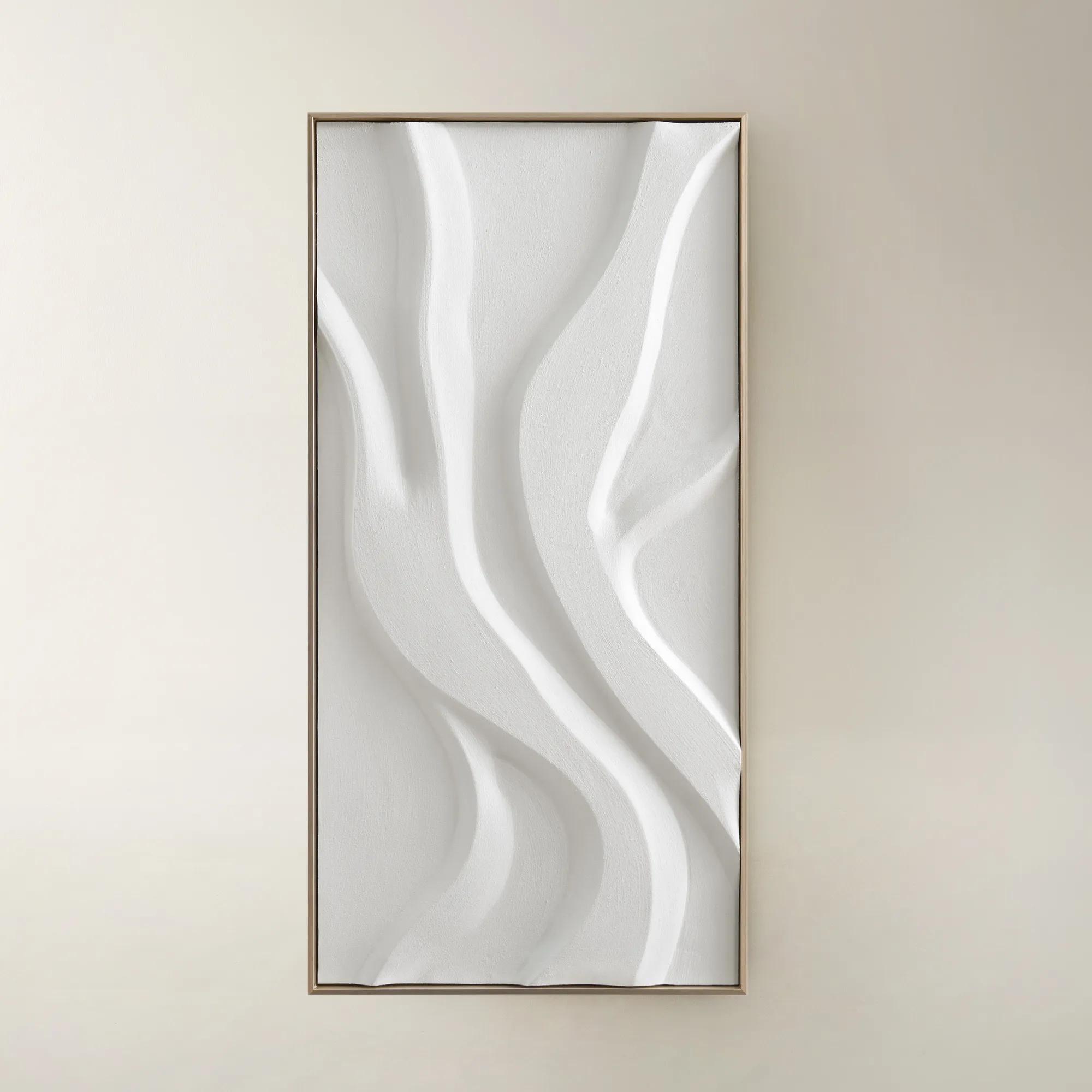
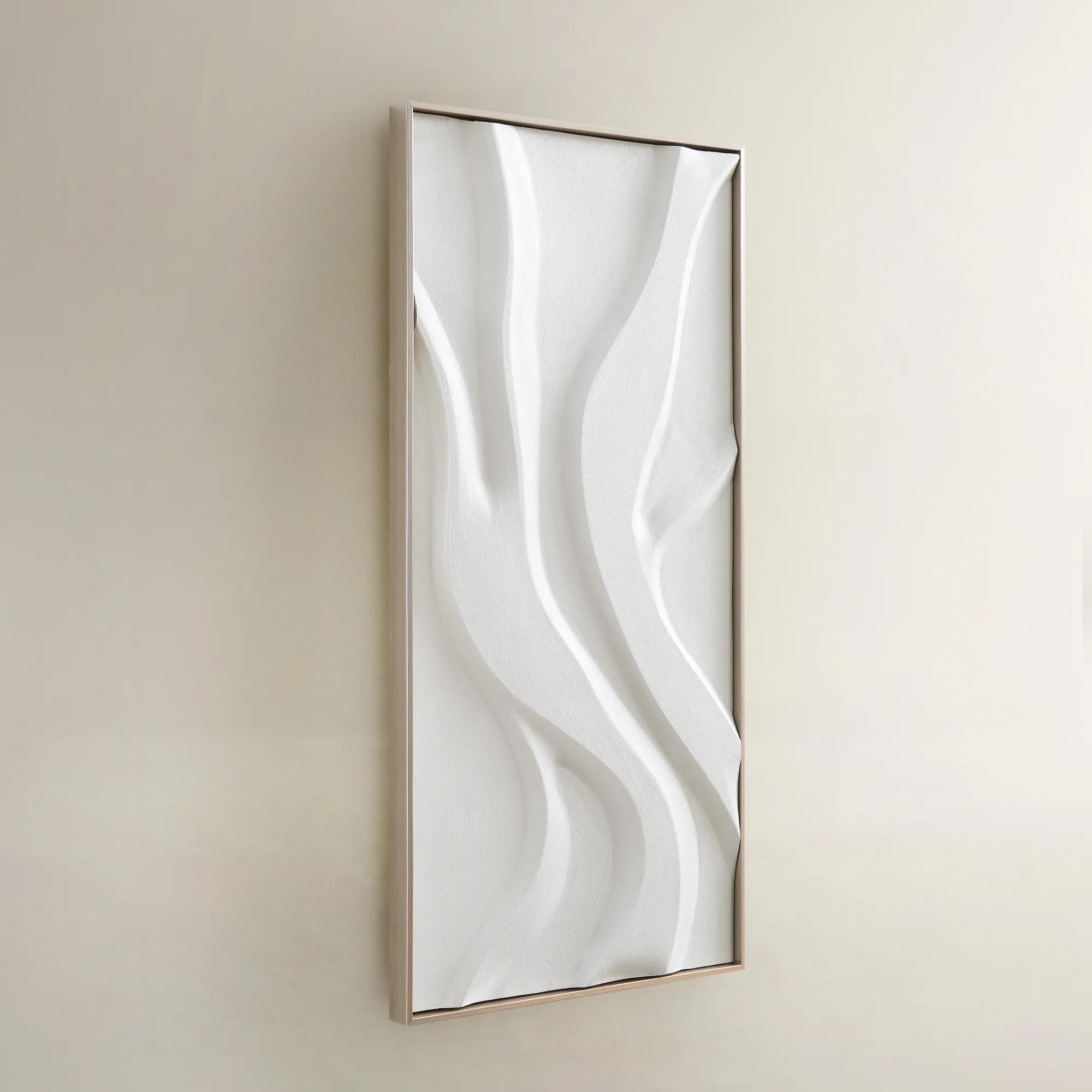 Au Lait Framed Painted Wall Art I 47.2" x 23.6"$199
An organic hand-painted canvas featuring flowing white forms in a warm champagne finish floater frame.
Add To Cart -
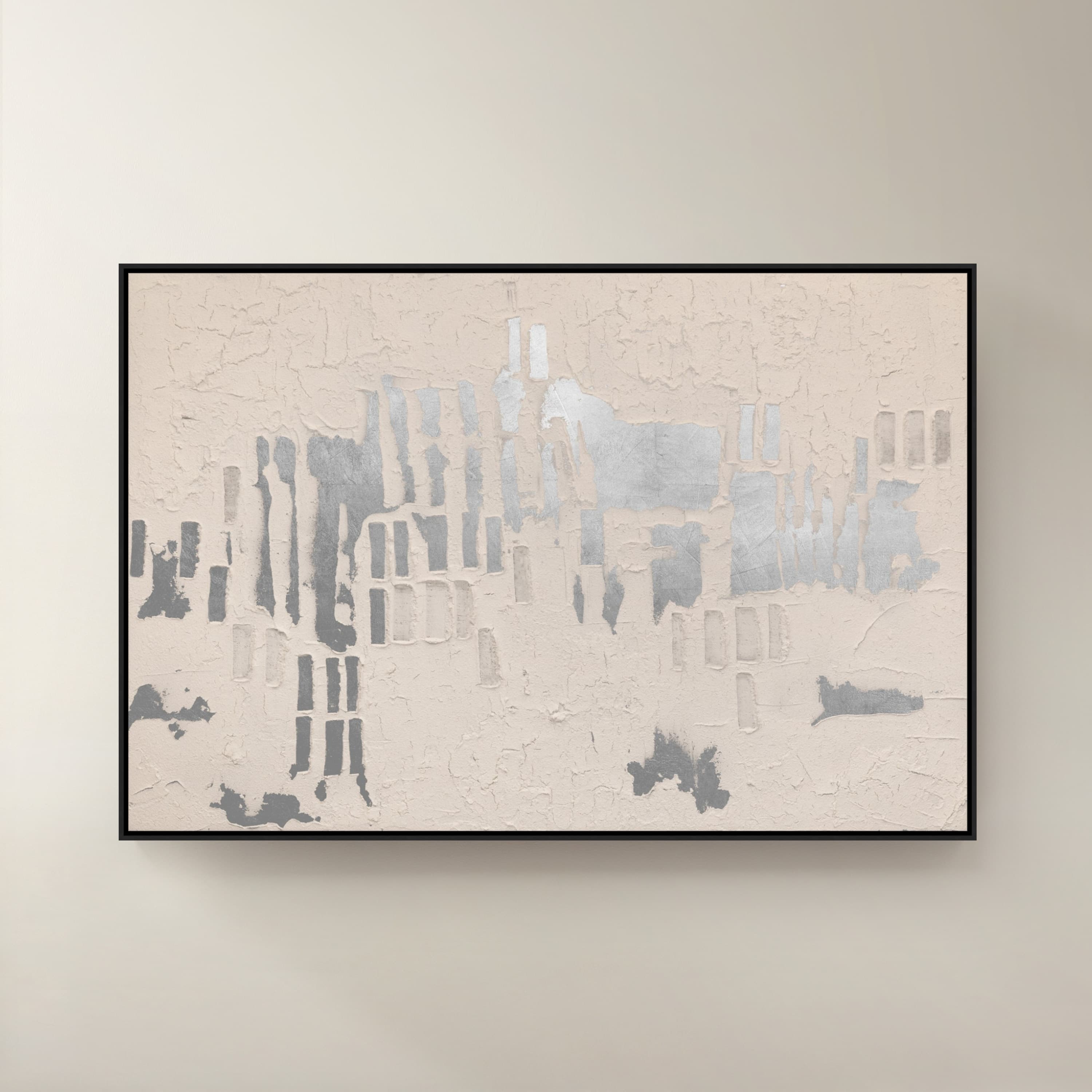
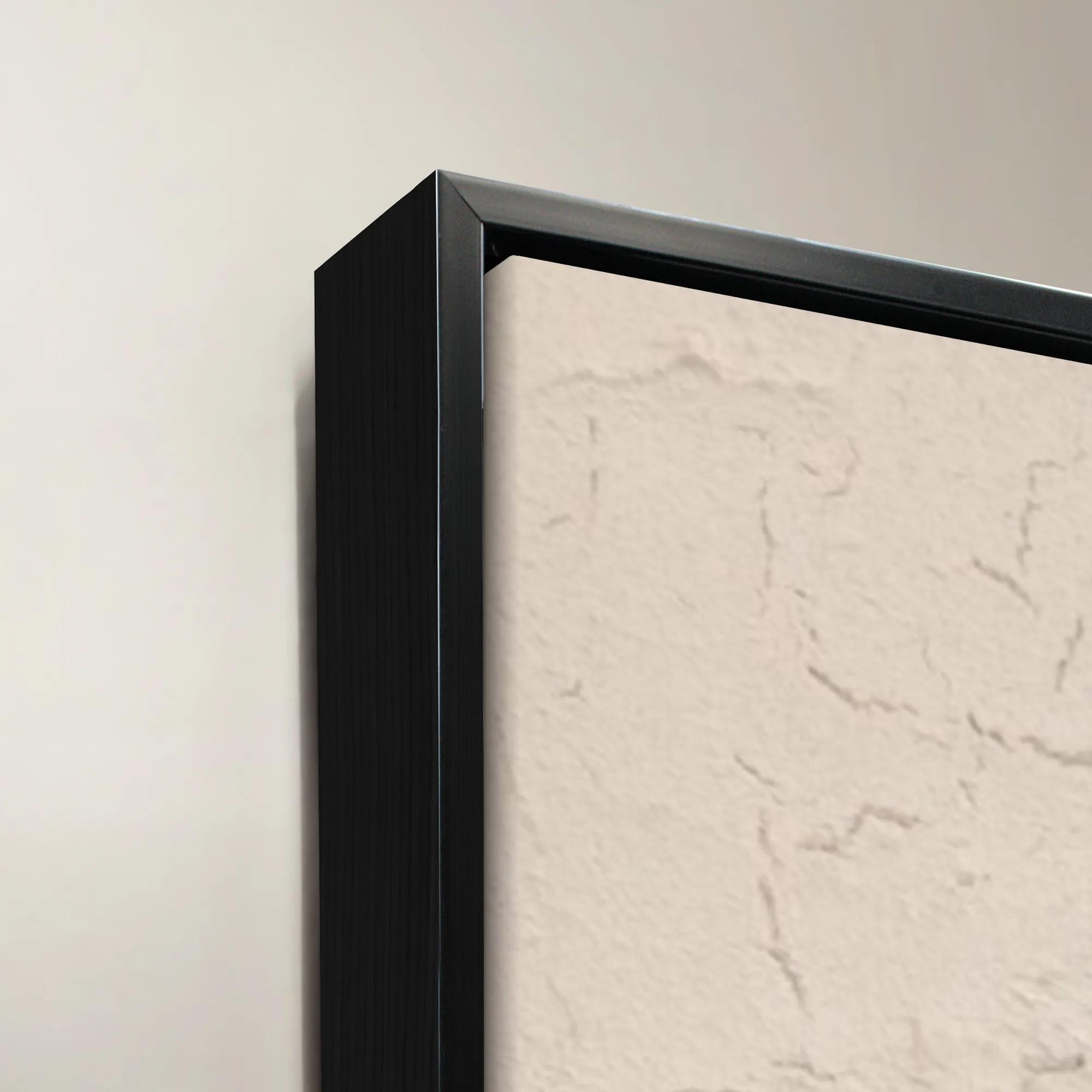 Silver Reverie Framed Painted Wall Art 60" x 40"$1699
A silver-toned painted canvas artwork framed for a sophisticated, contemporary wall display.
Add To Cart -
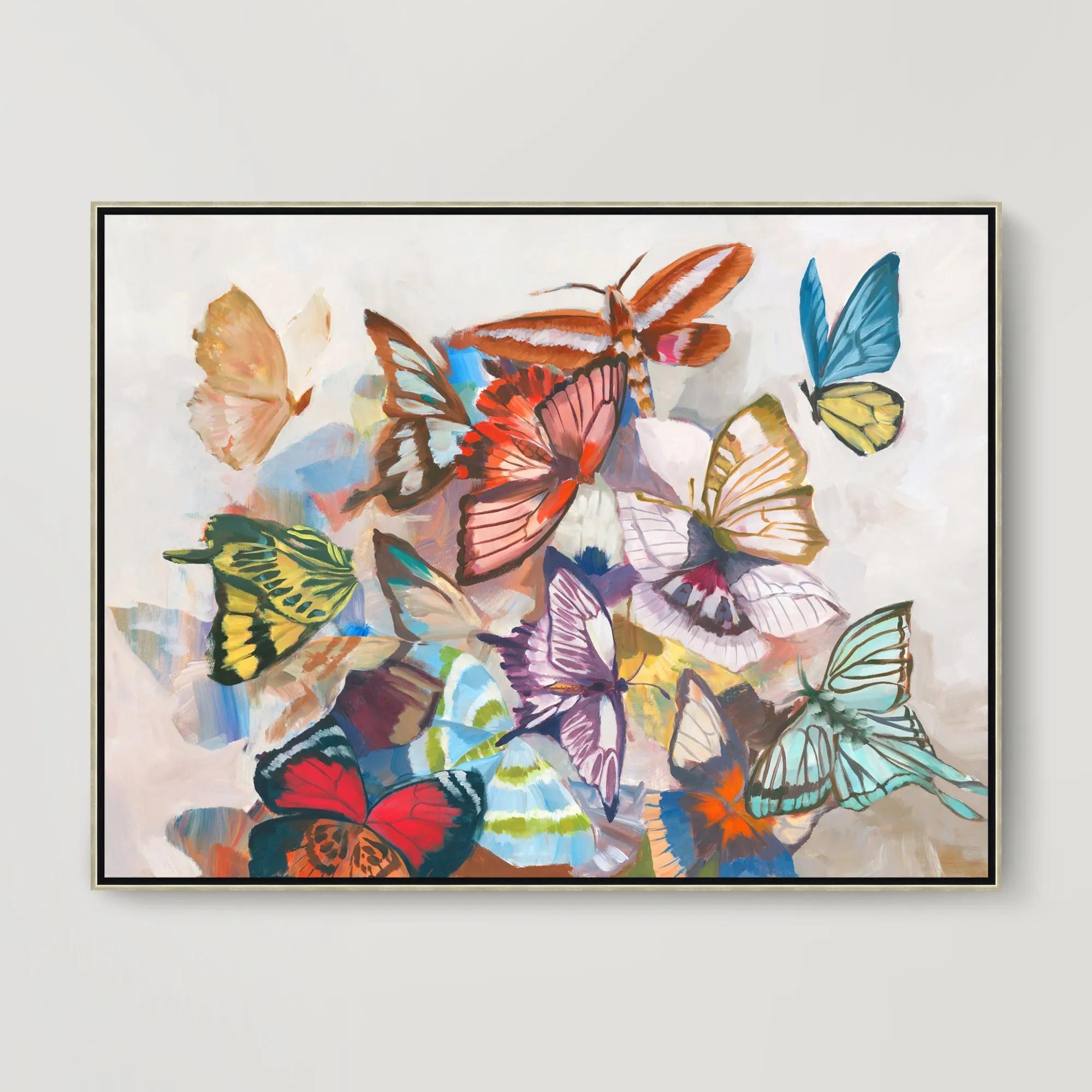 Sugar Wings Framed Wall Art 49.5" x 37.5"$799
A vibrant gallery-wrapped canvas artwork with hand-applied brush gel finish in a sleek silver floater frame.
Add To Cart -
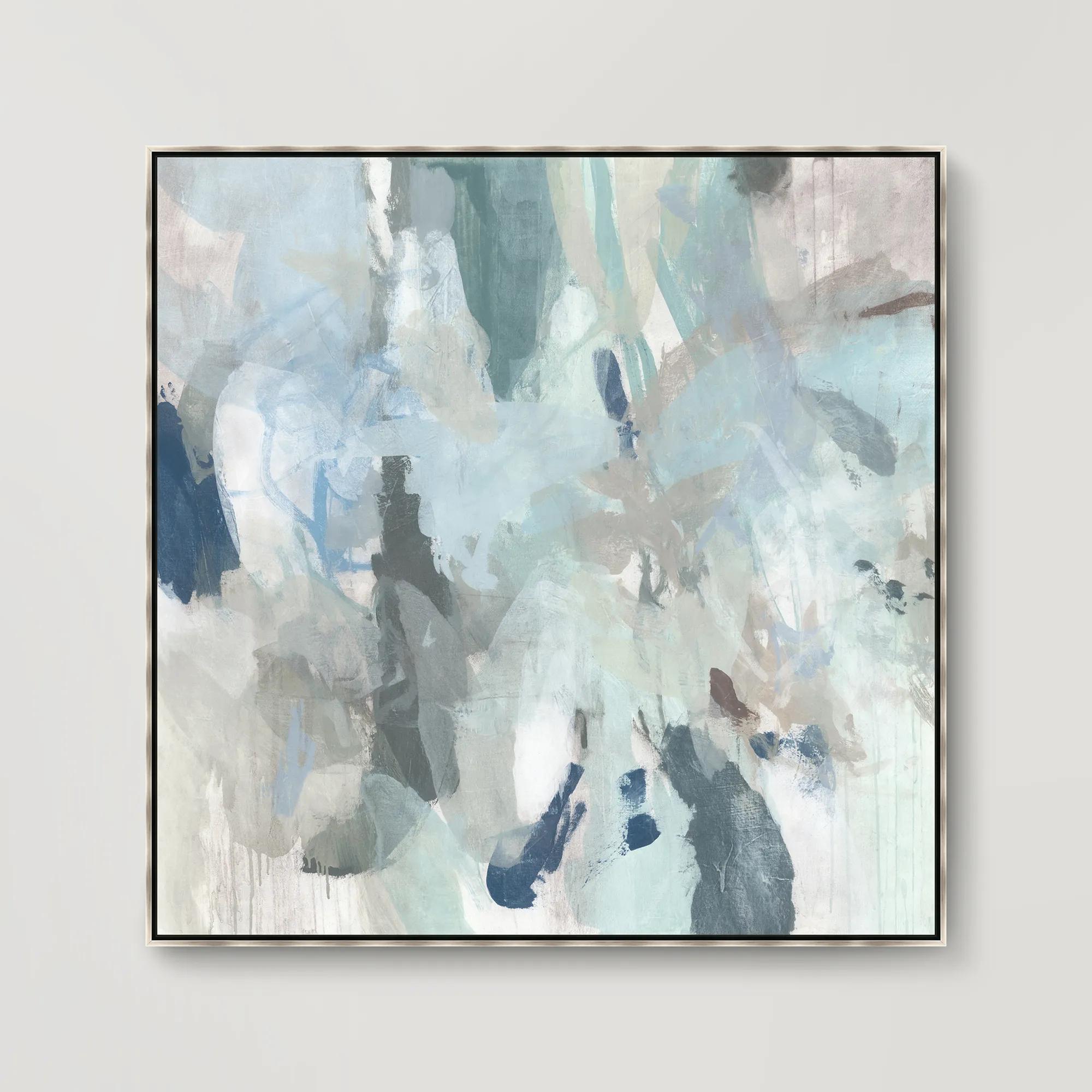
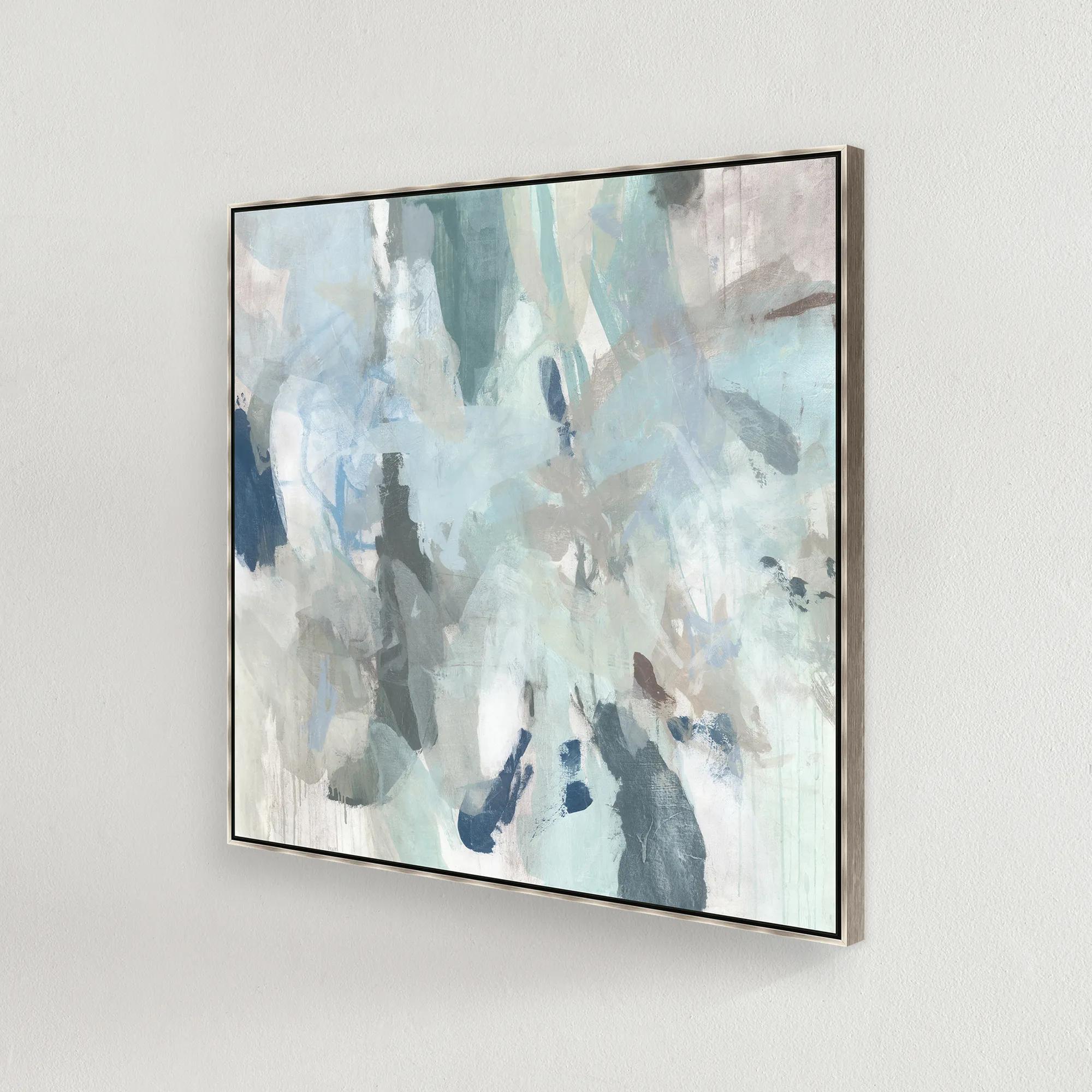 Sage Honey Dew I Framed Wall Art 41.5" x 41.5"$749
A gallery-wrapped abstract canvas featuring hand-applied gel finish in a silver floater frame.
Add To Cart -
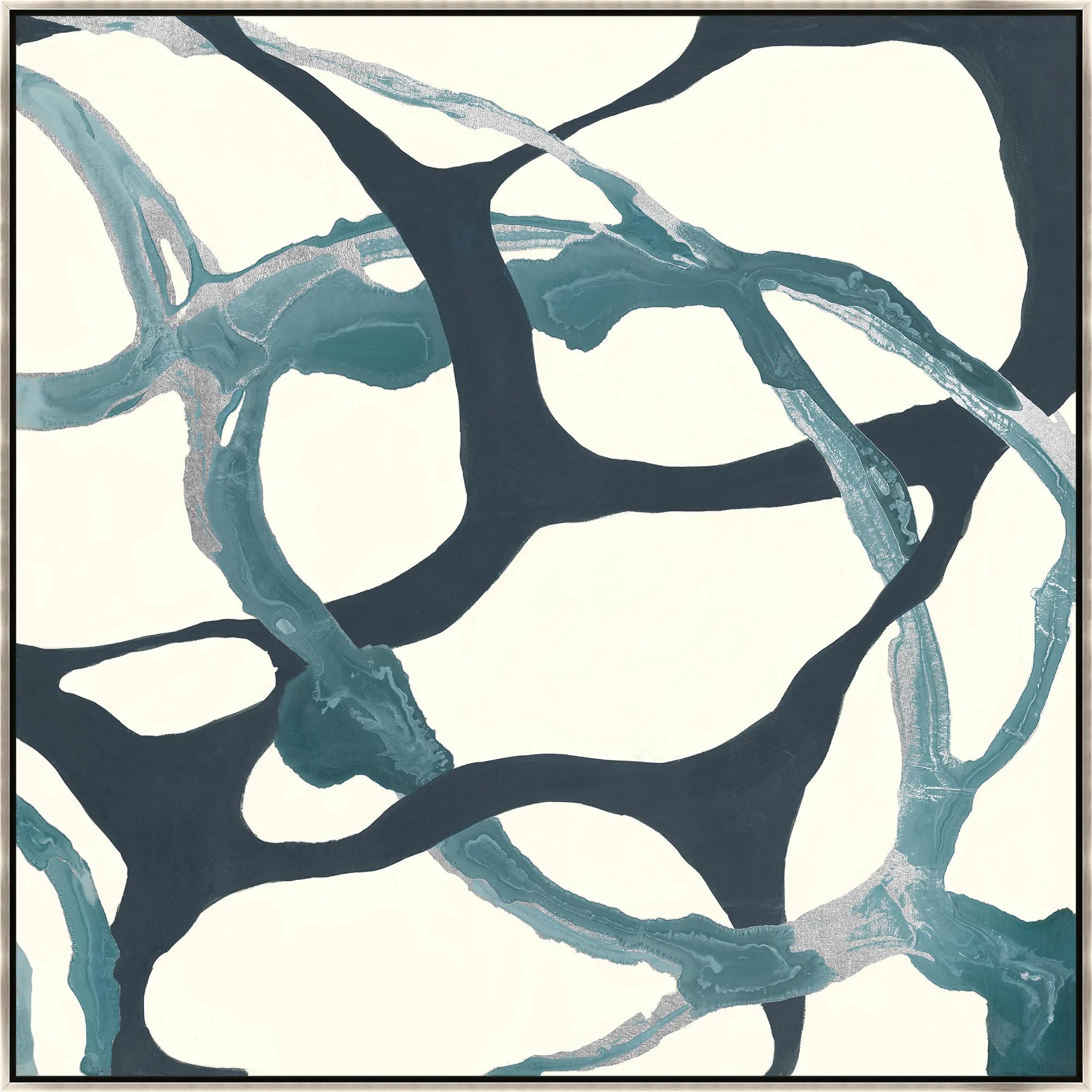
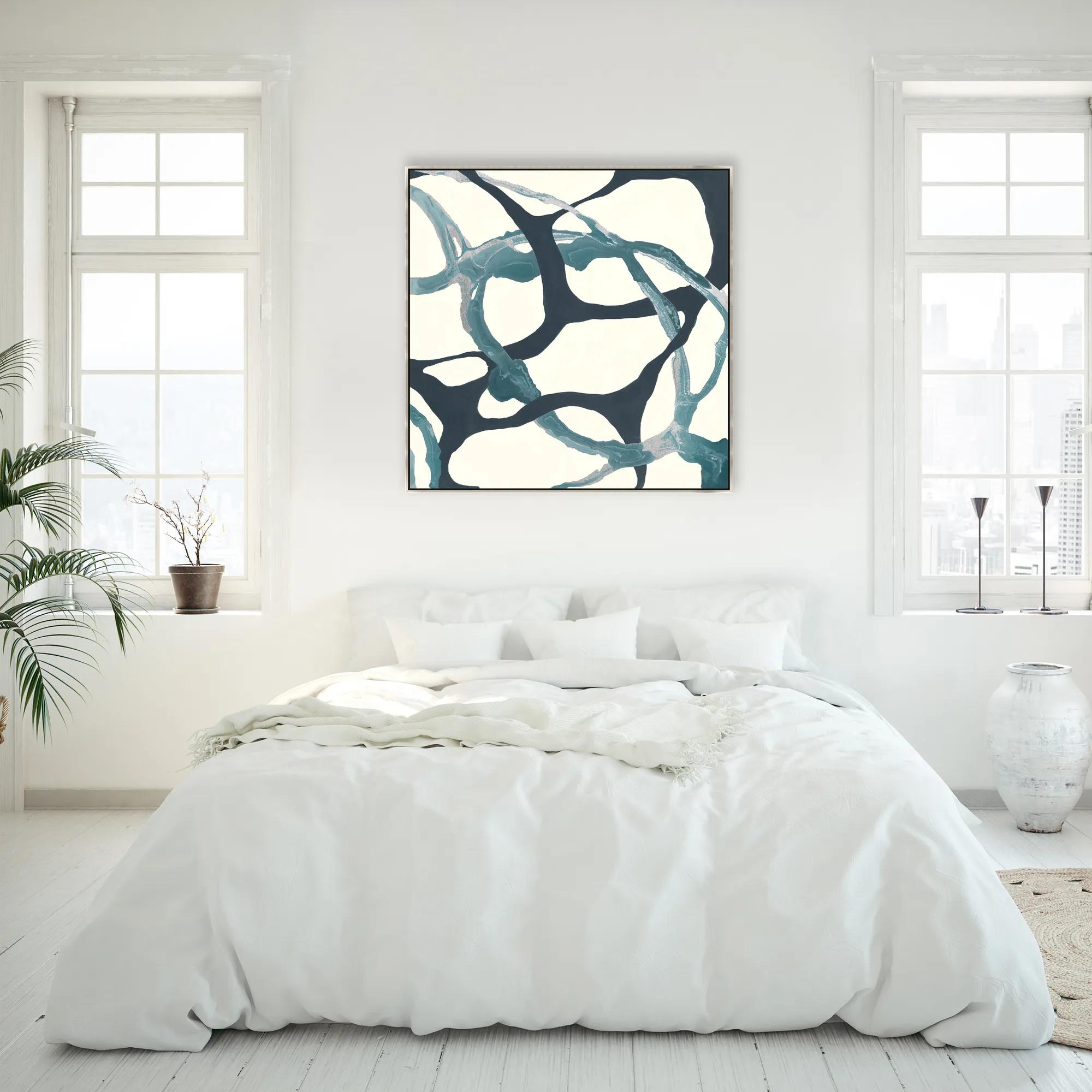 Alignments II Framed Wall Art 40" x 40"$899
A gallery-wrapped canvas featuring gilded silver accents and hand-applied brush gel in a silver floater frame.
Add To Cart -
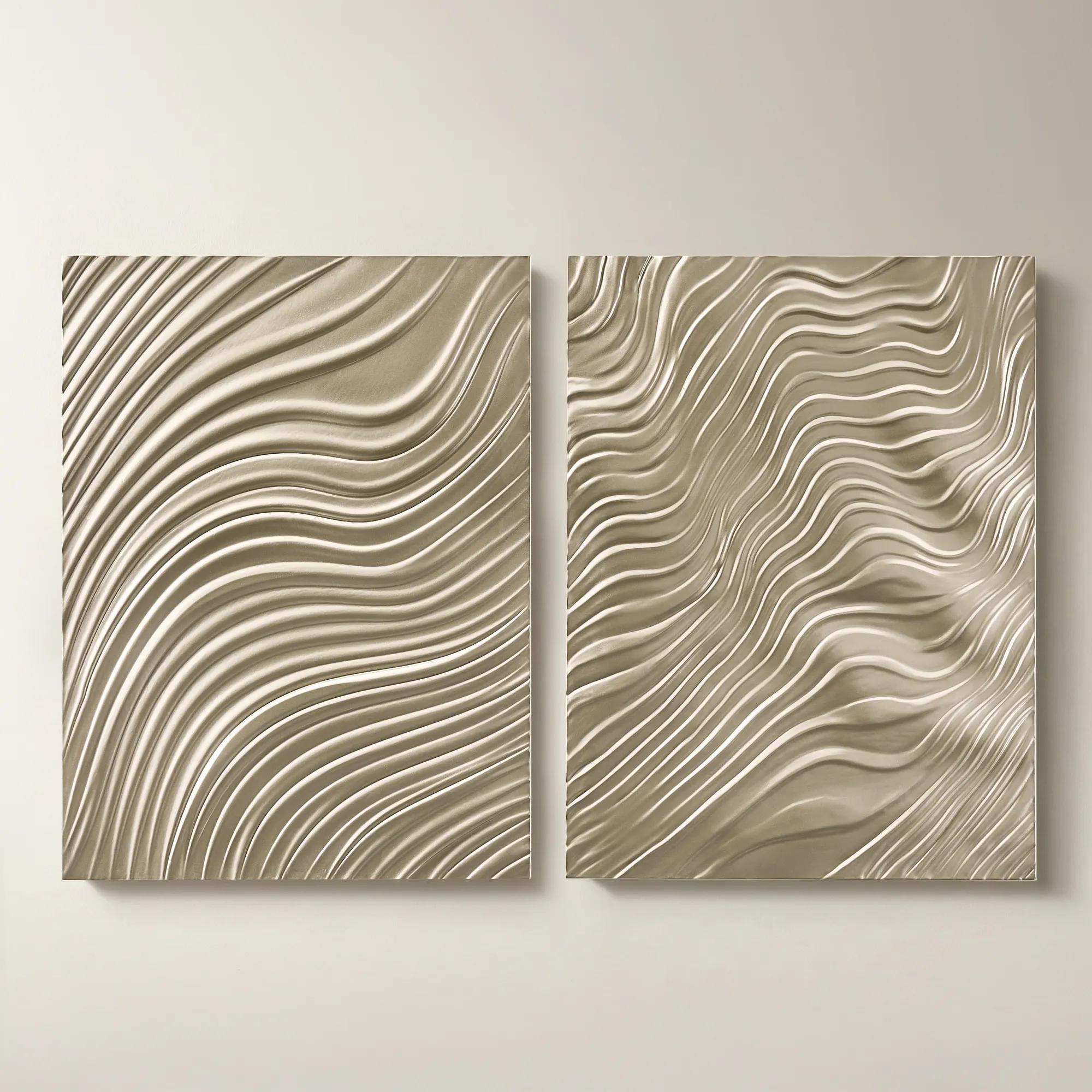
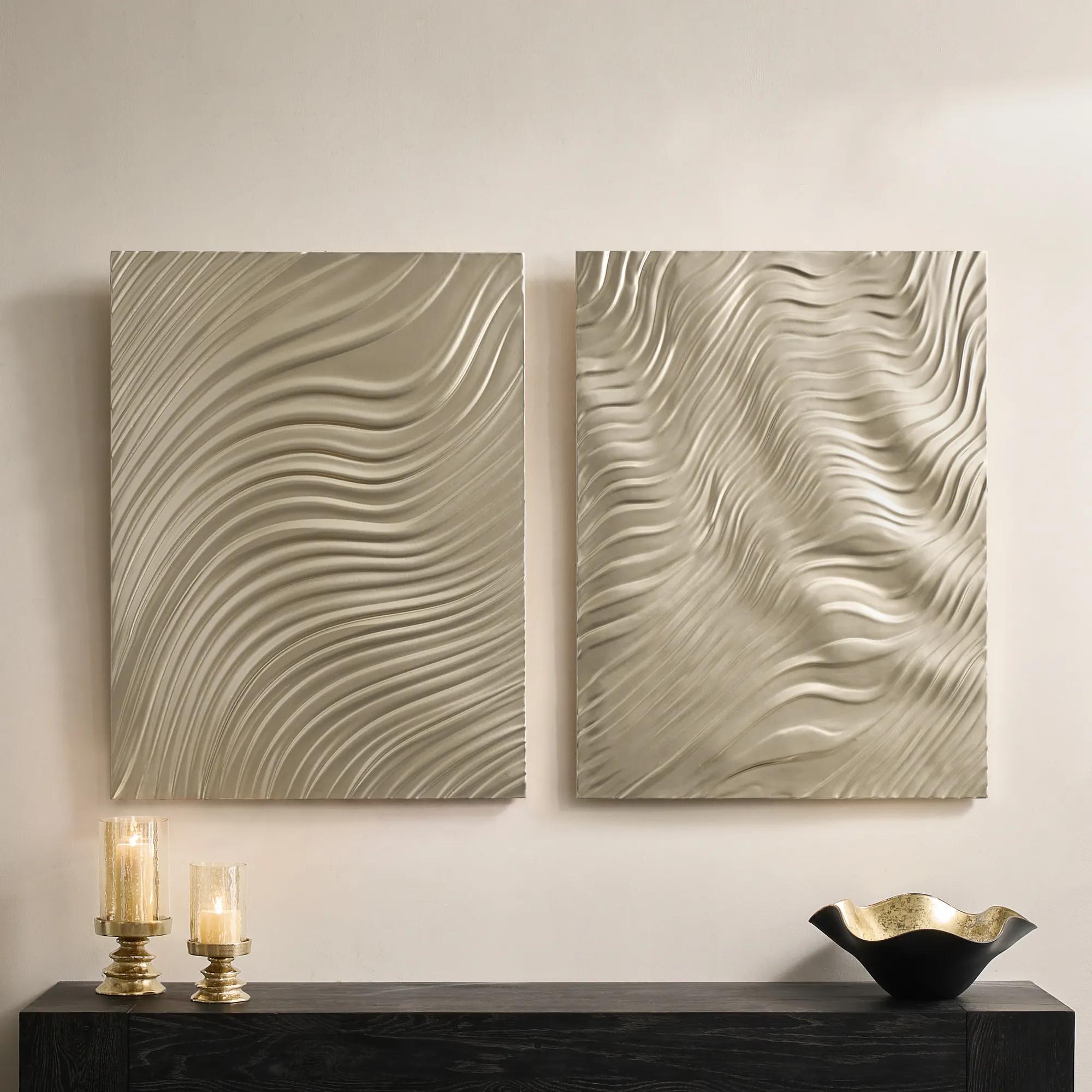 Mirage Champagne Carved Wood Wall Panels 30" x 40" Set of 2$799
A set of two intricately carved wood composite panels in a champagne finish with flowing 3D patterns.
Add To Cart -

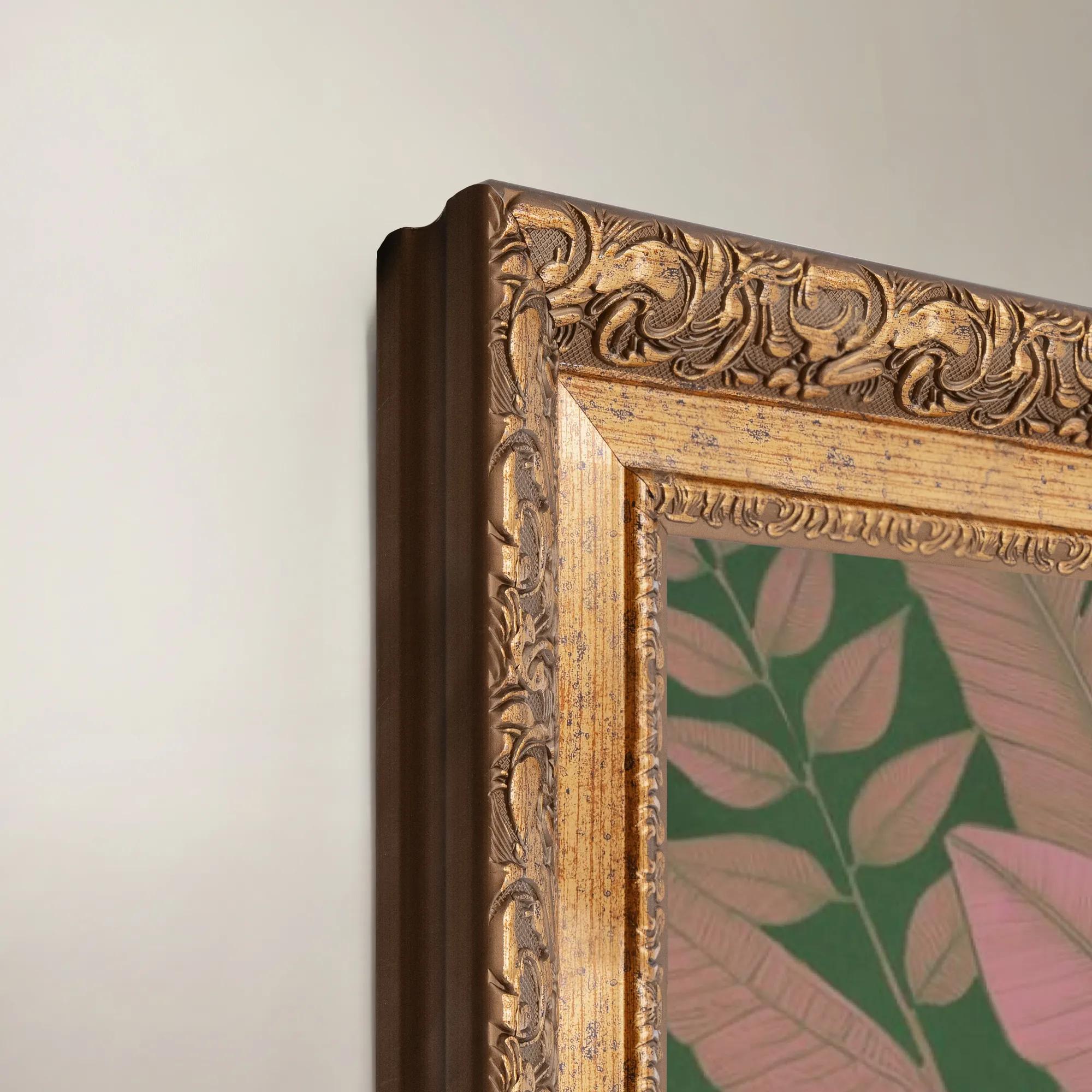 Floral Jungle I Framed Wall Art 30" x 40"$799
A gold-framed linen canvas artwork featuring vibrant pink and gold tones for a striking modern accent.
Add To Cart -
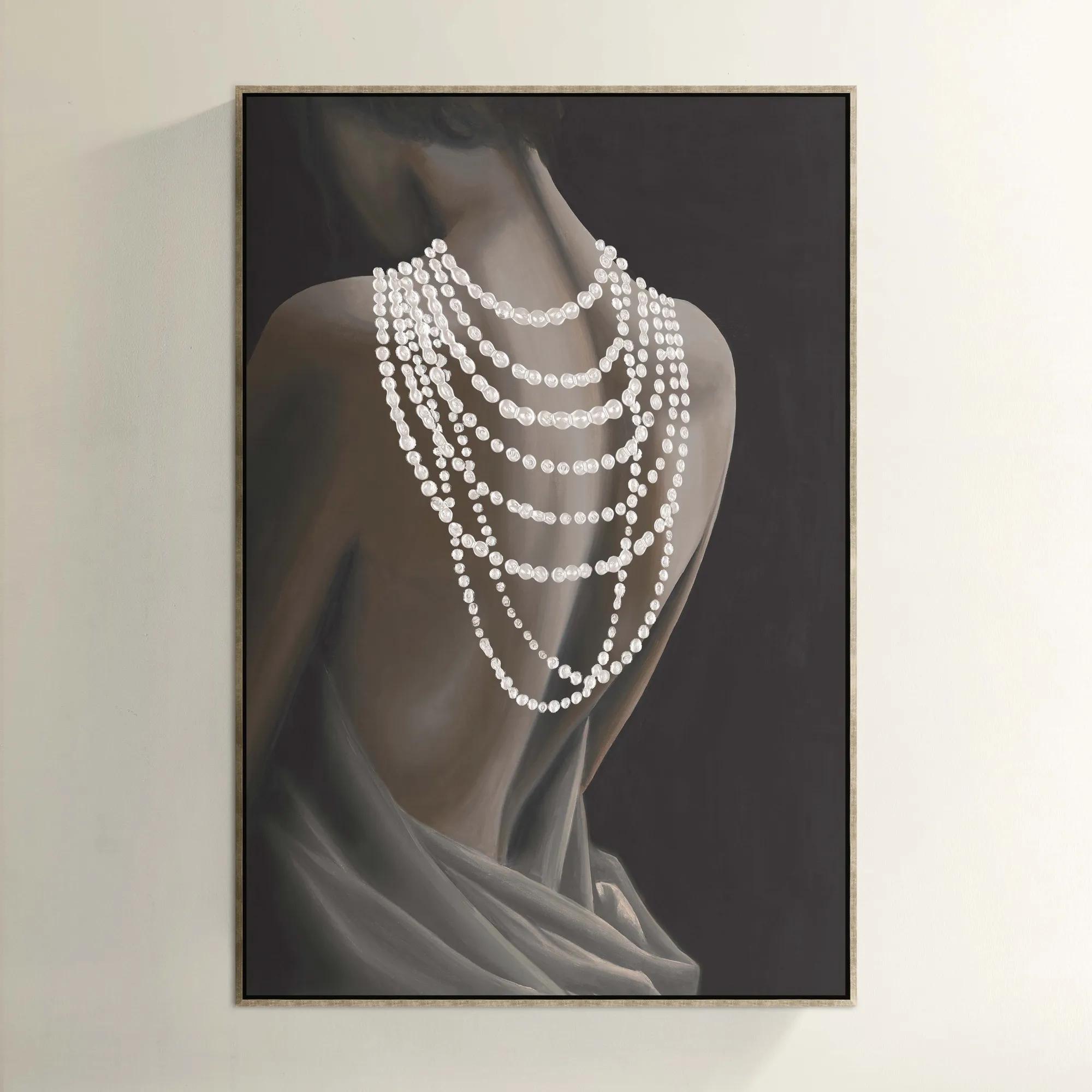 Luminescent Pearls Framed Wall Art 40" x 60"$1119
A hand-embellished canvas artwork featuring textured brush gel, set in a sleek silver floater frame.
Add To Cart -
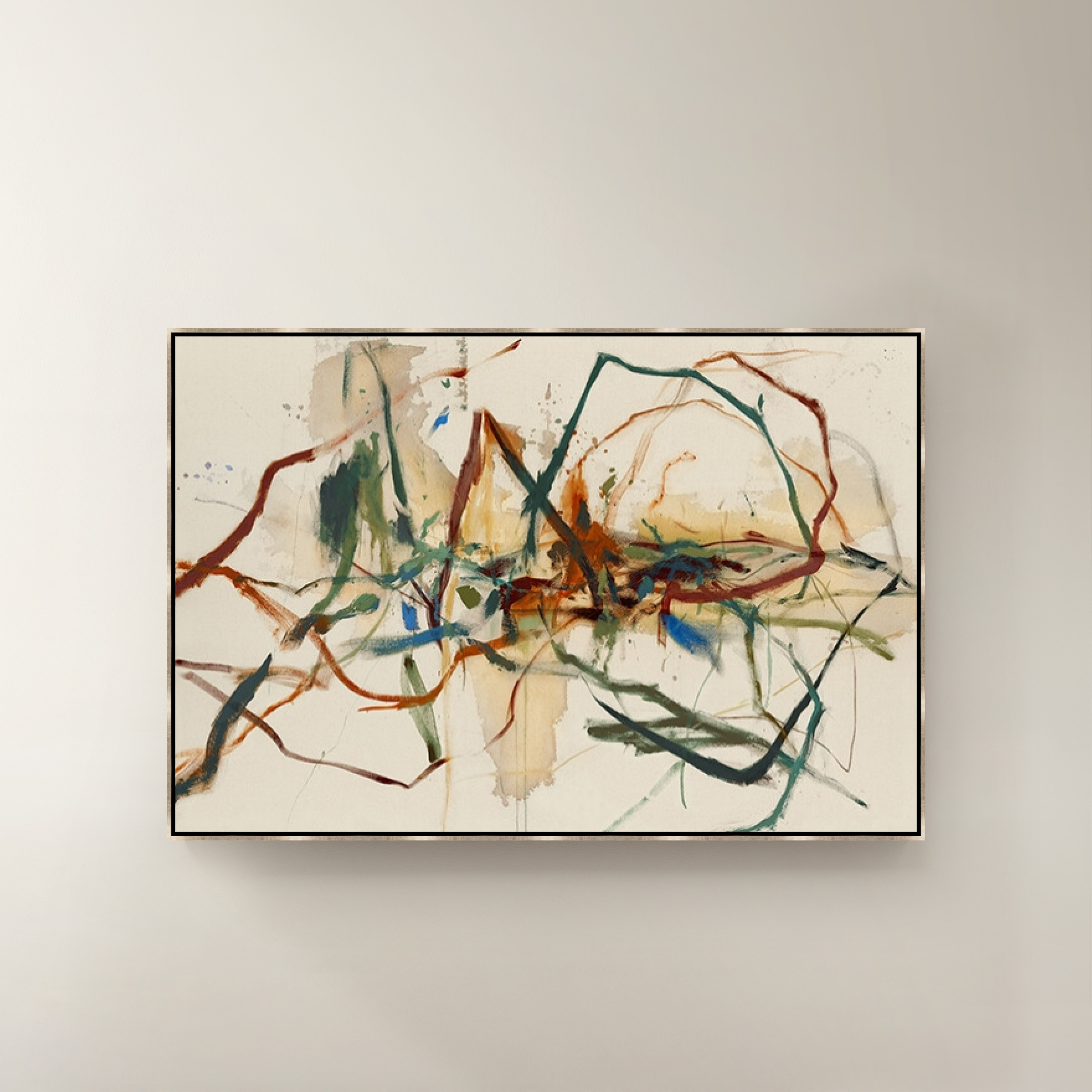
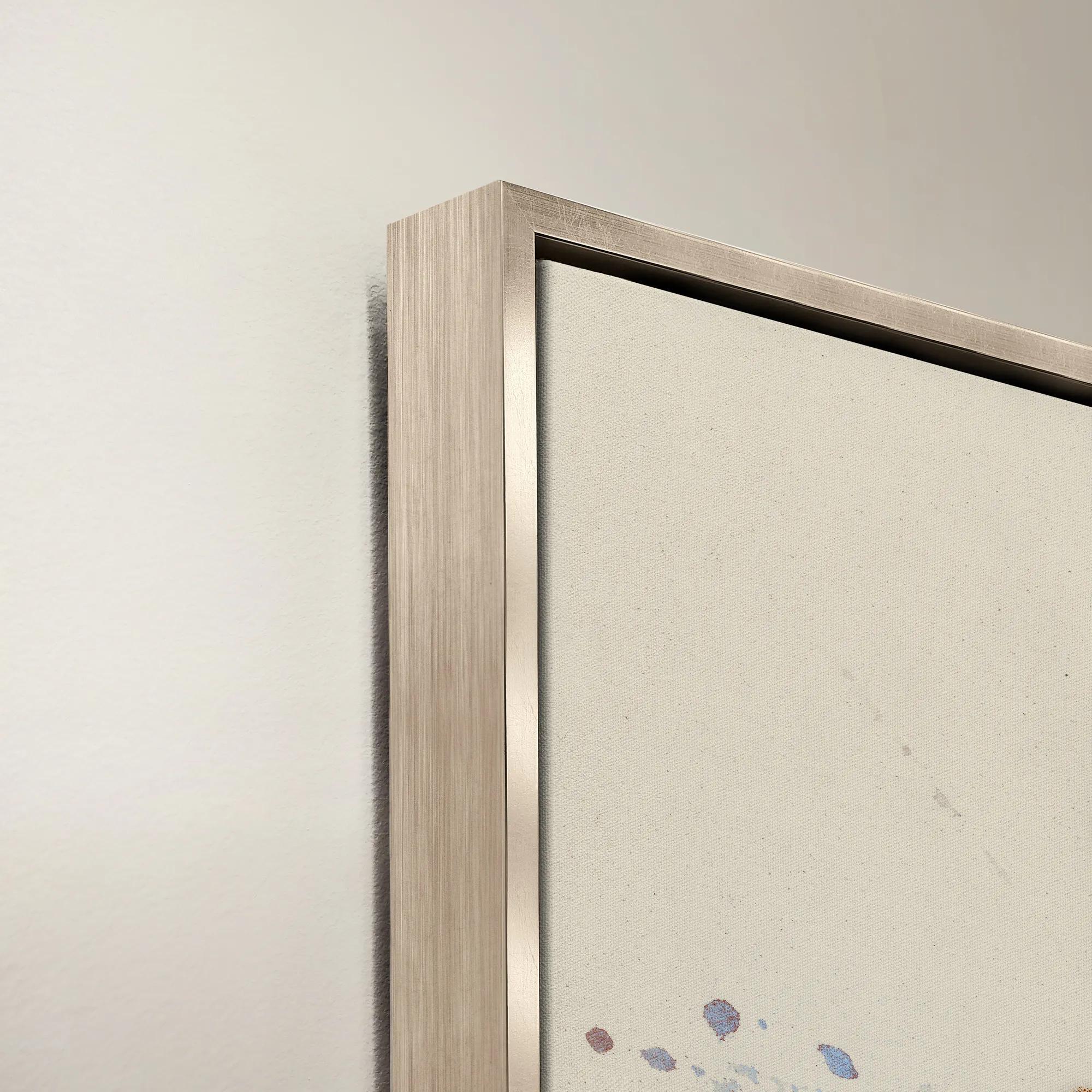 Chrono Crisis Framed Wall Art 60" x 40"$1099
A vibrant multicolored canvas wall artwork presented in a striking frame for contemporary interiors.
Add To Cart -
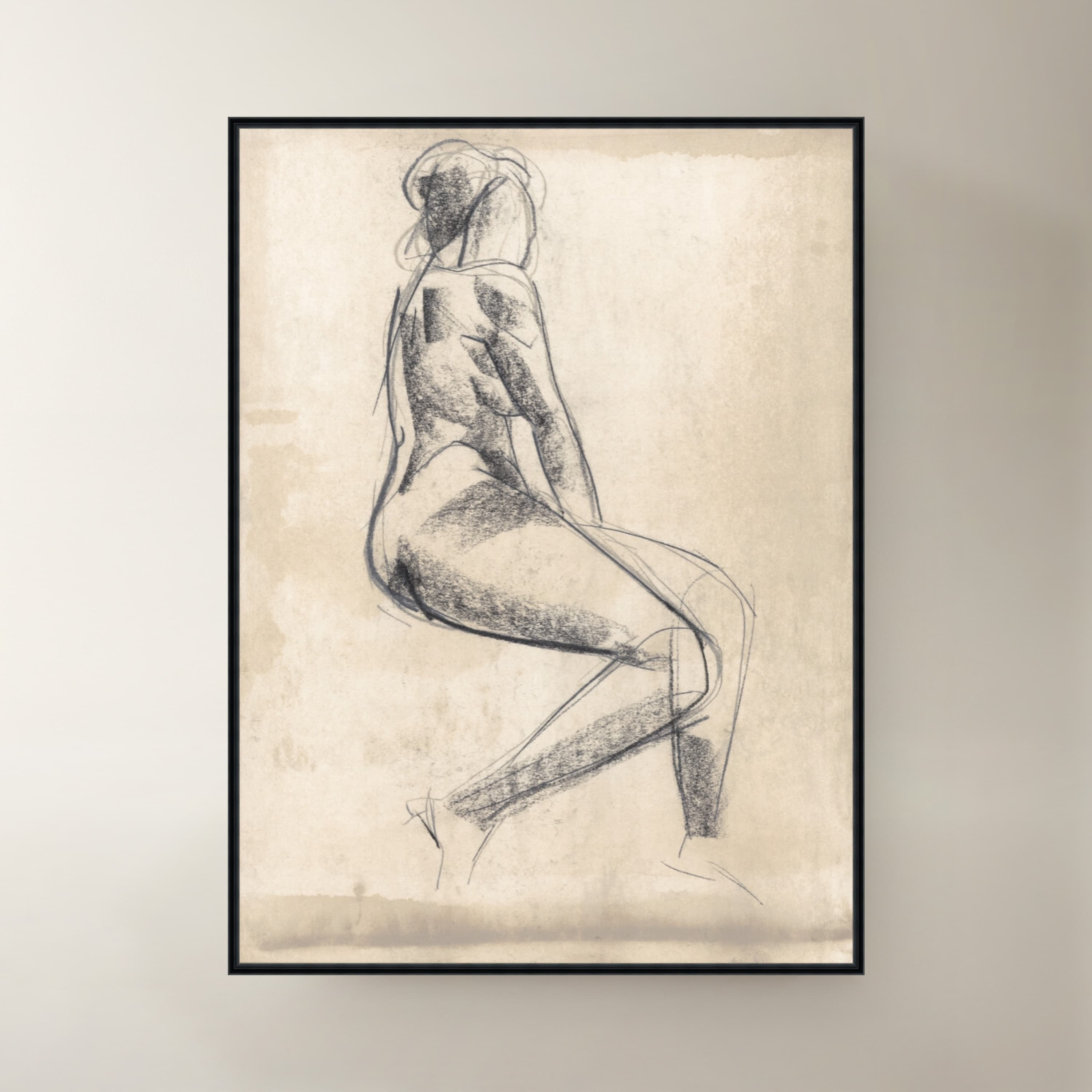
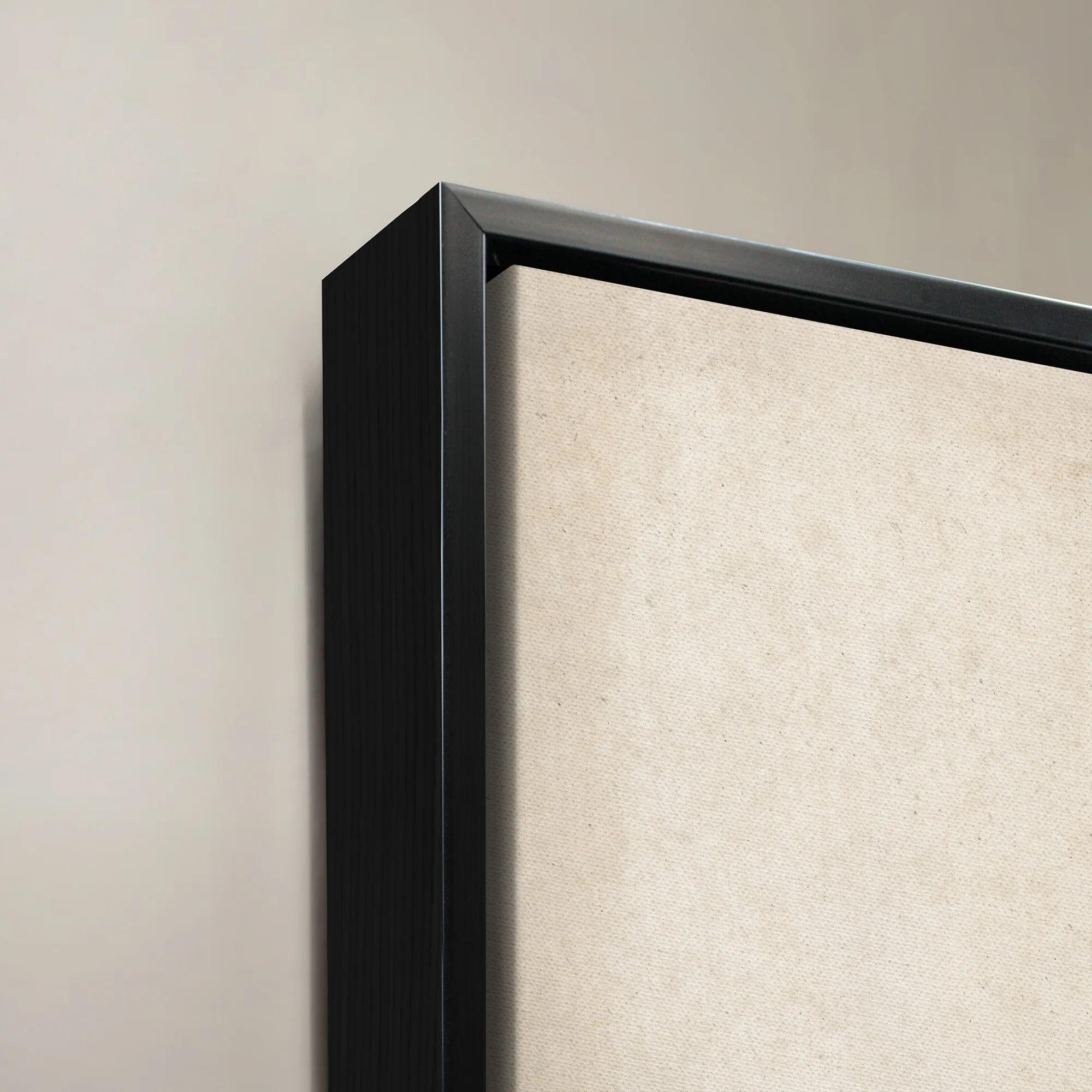 Restful Figure I Framed Wall Art 20" x 27"$449
A serene figurative canvas artwork in warm brown tones, elegantly framed for sophisticated wall display.
Add To Cart -
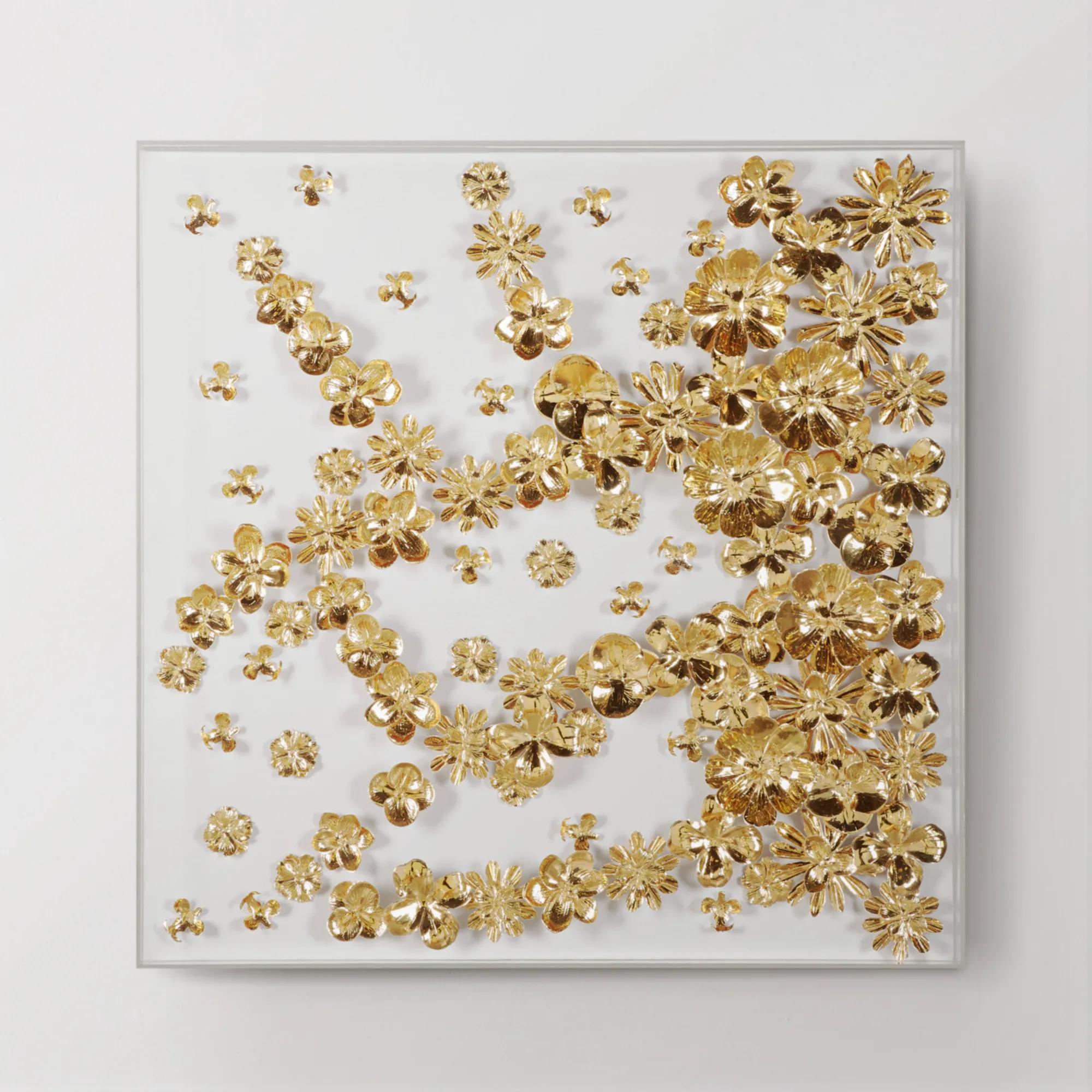
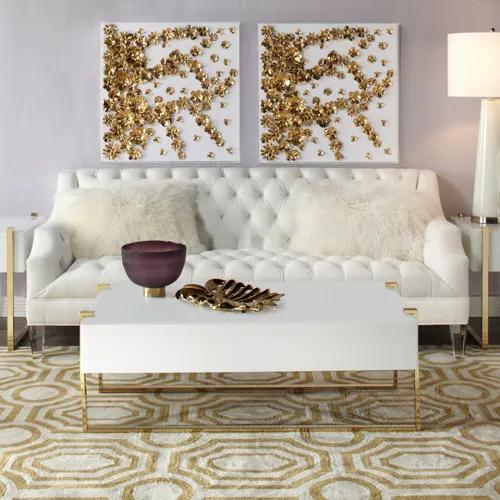 Gold Flora Handmade Foil Wall Decor in Acrylic 31" x 31"$499
A glam botanical wall art featuring handmade gold foil paper flowers on a white linen background.
Add To Cart -
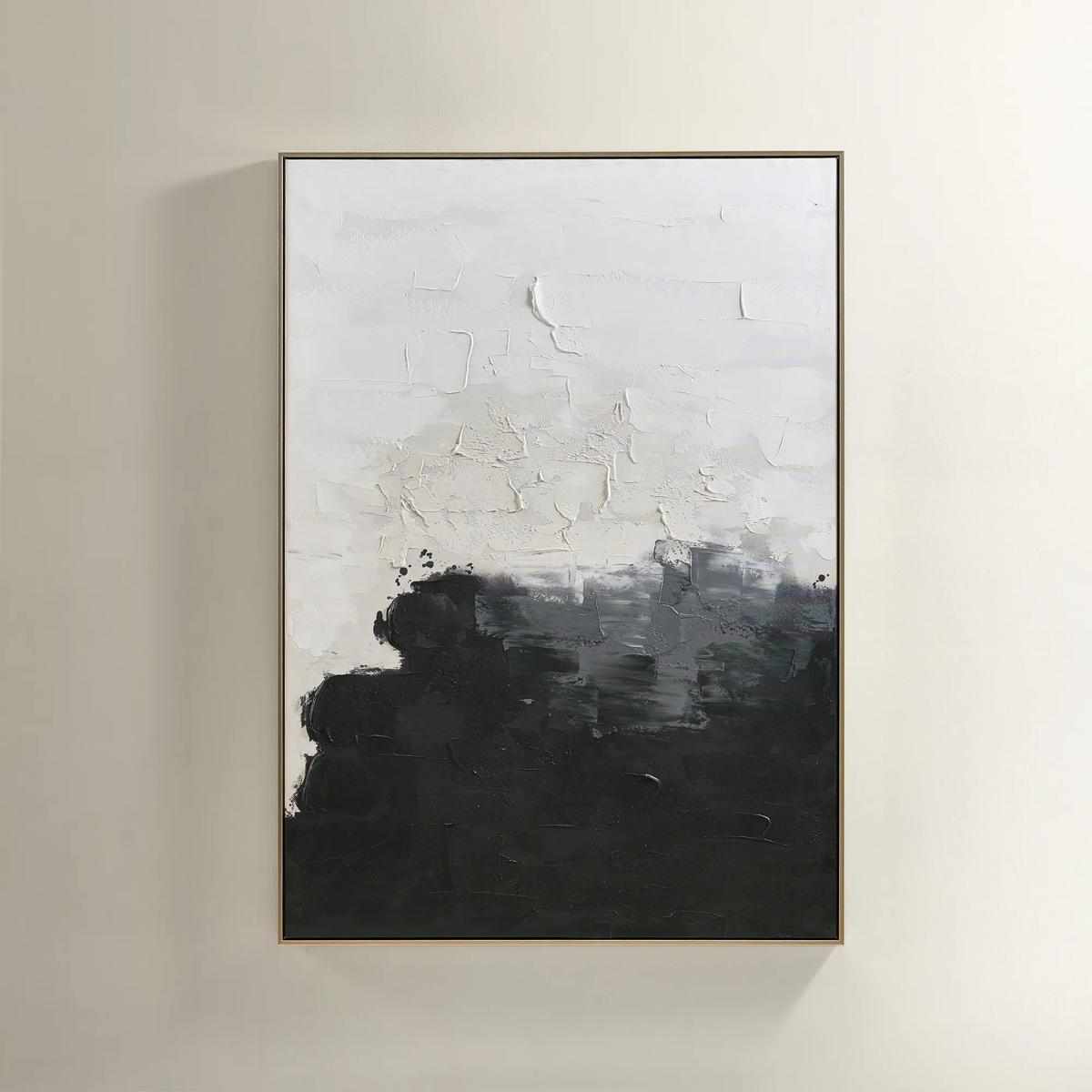
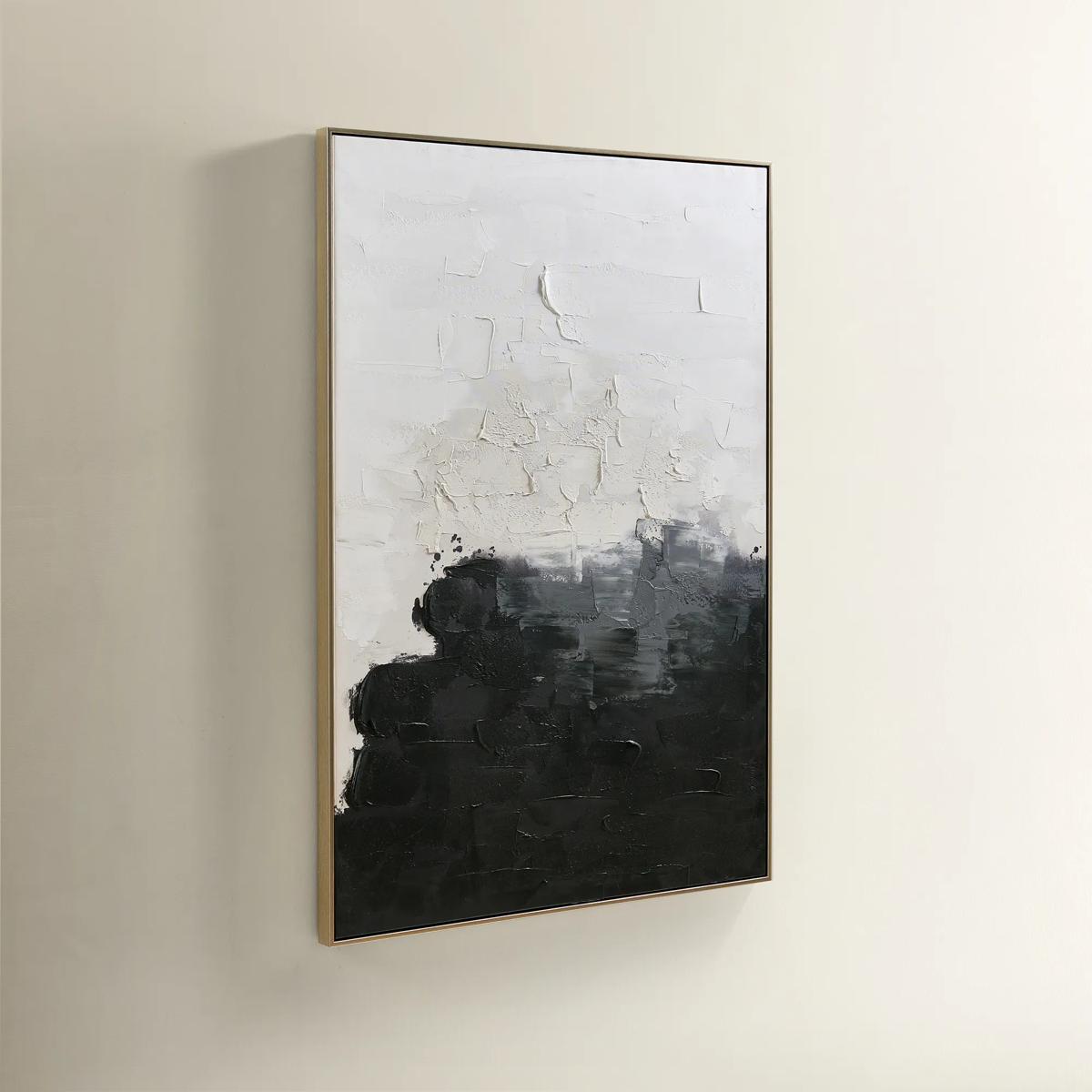 No Rush Painted Wall Art 39.25" x 55"$499
A hand-painted canvas featuring textured strokes of white, ivory, and charcoal in a natural wood frame.
Add To Cart -
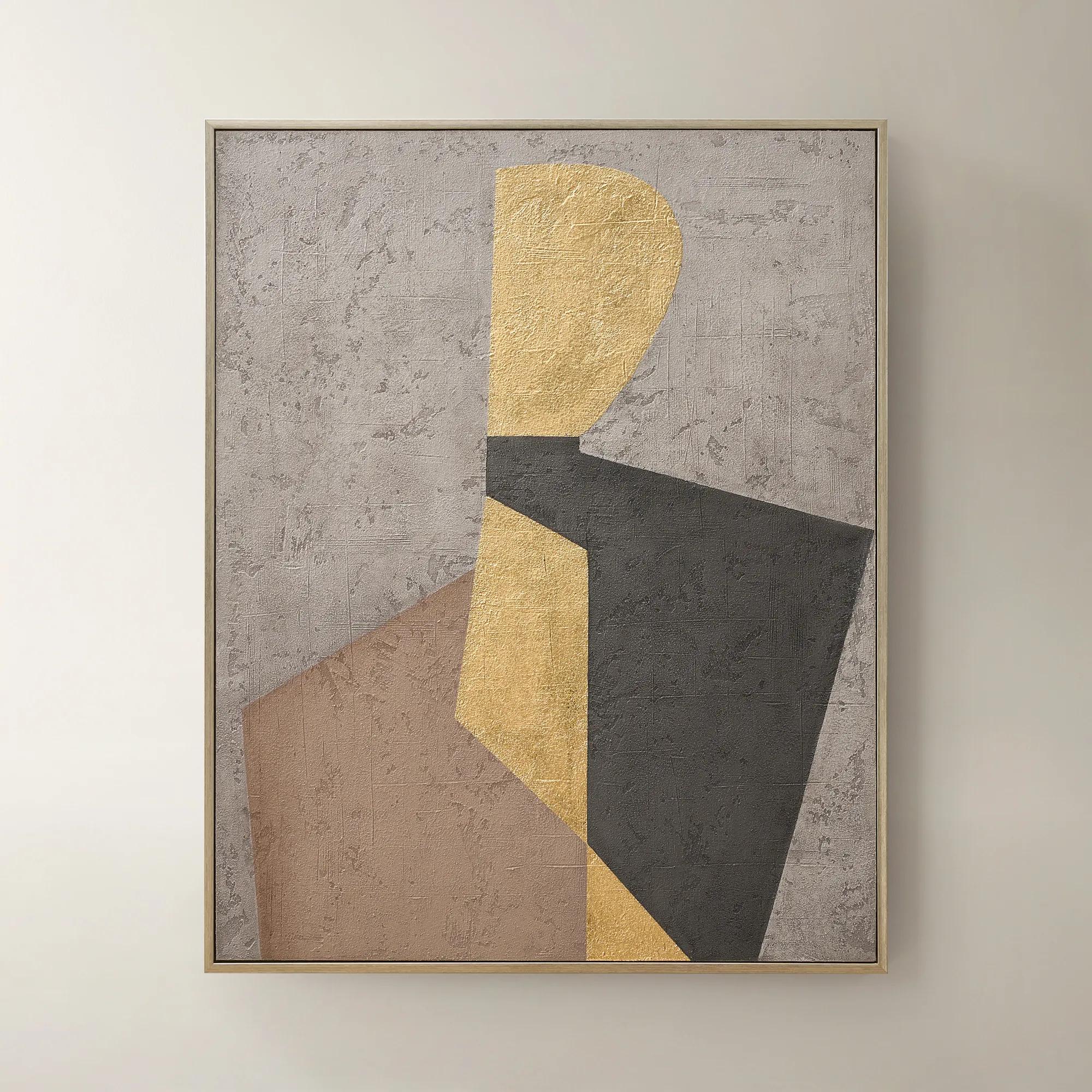 Aura of Gold Framed Painted Wall Art 40" x 50"$399
A hand-painted canvas with champagne leafing and a brushed champagne frame in mocha, grey, black, and gold.
Add To Cart -
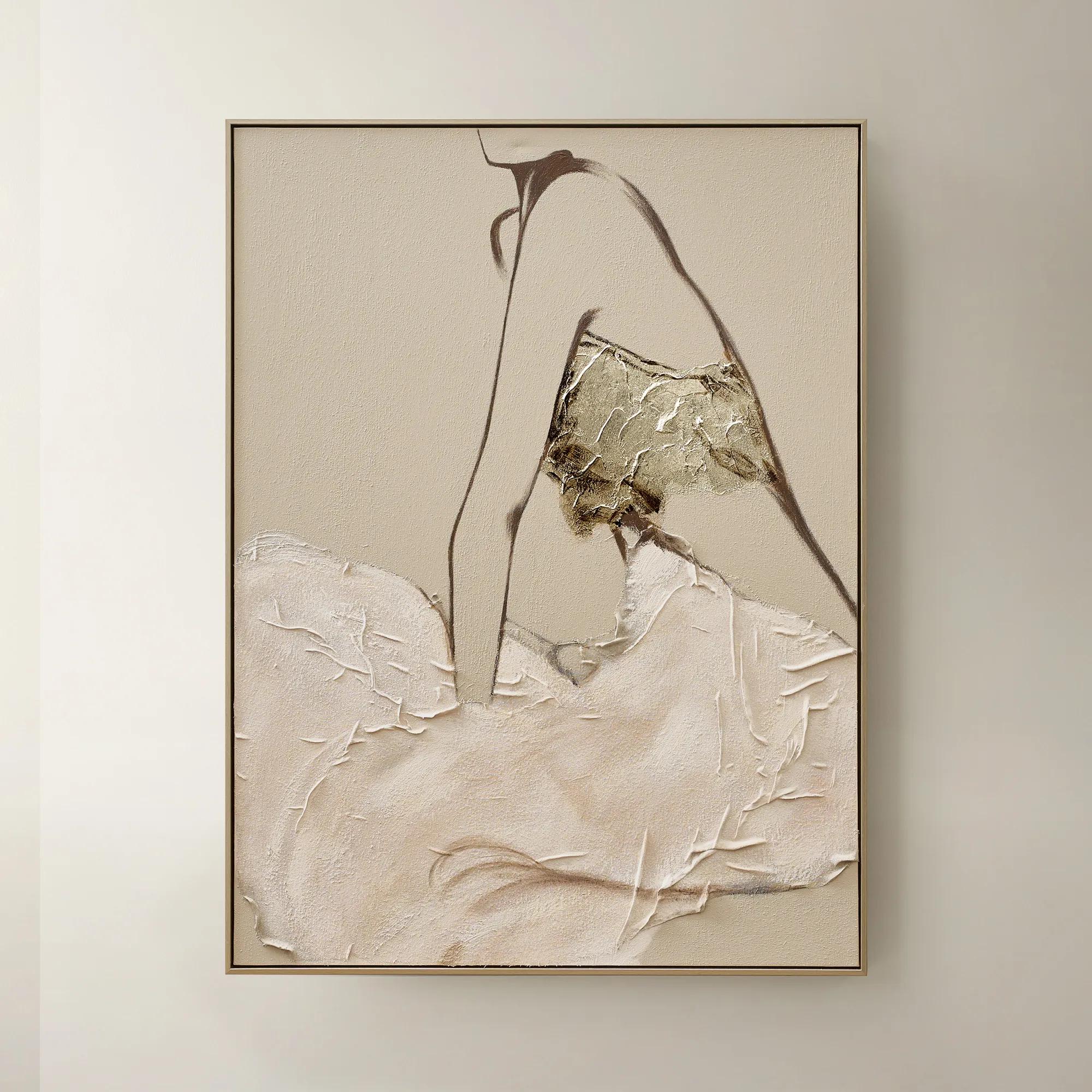 Quiet Pose Framed Painted Wall Art 36" x 48"$499
A hand-painted canvas in taupe and champagne tones features textural details and shimmering champagne leafing.
Add To Cart -
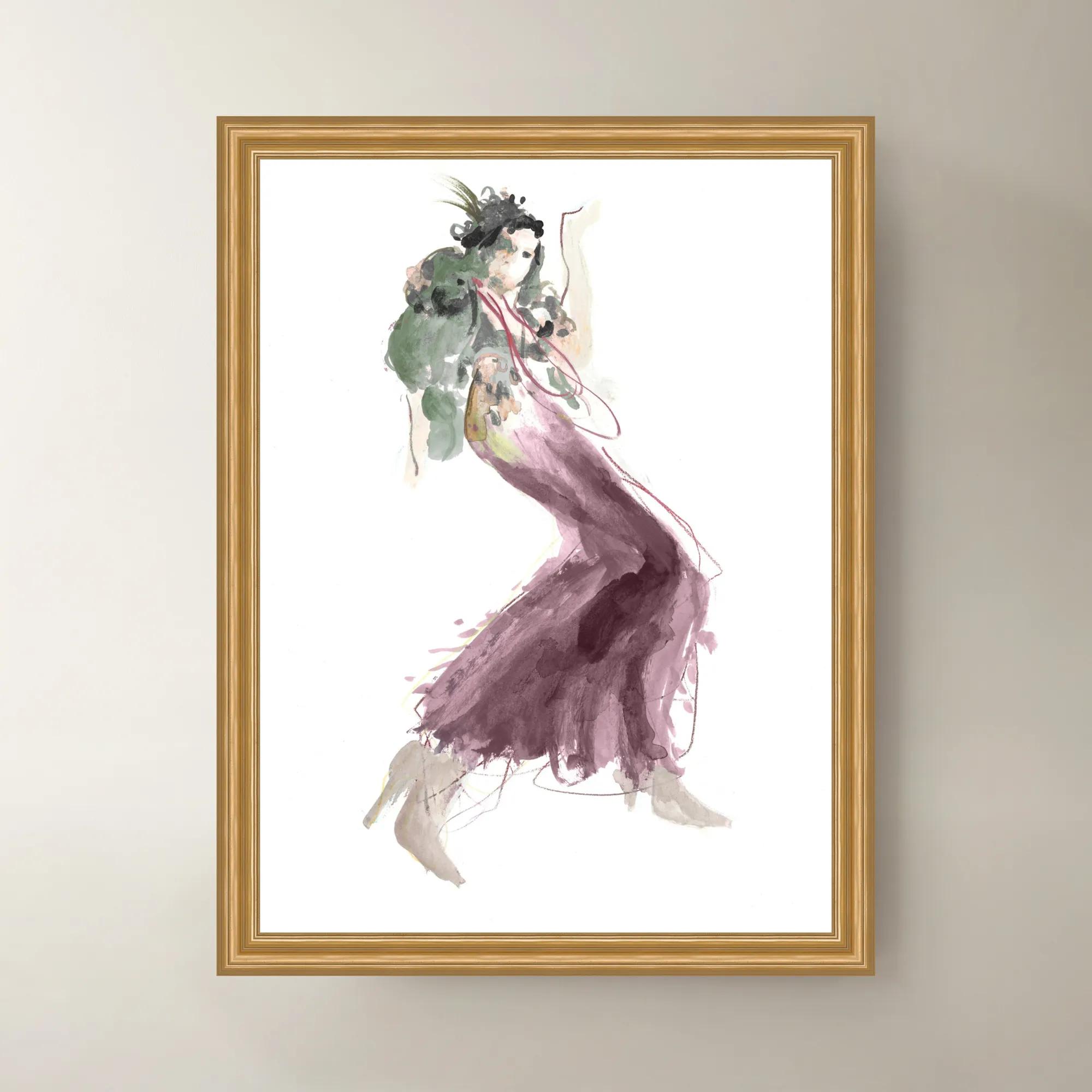
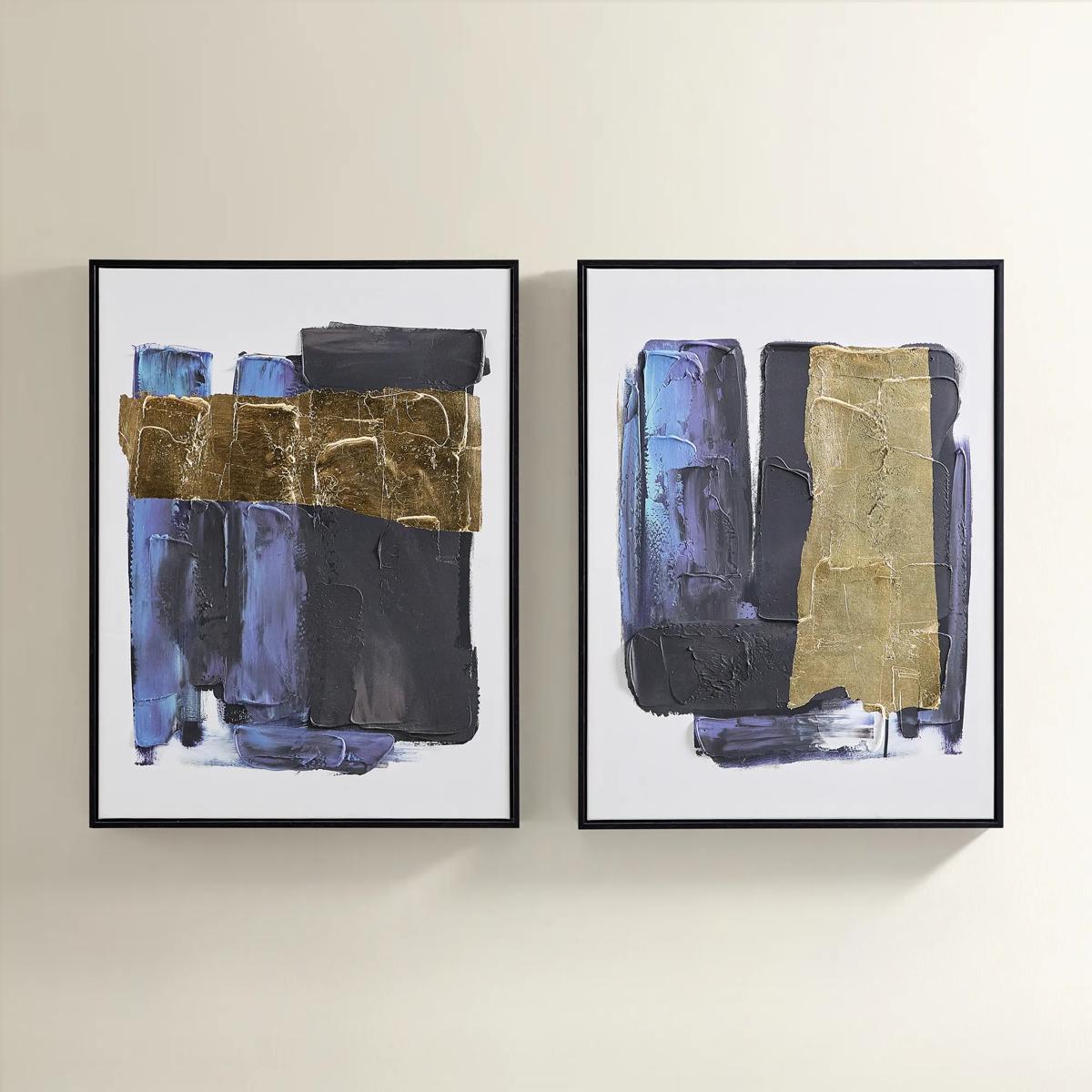
 A Le Mode I Framed Wall Art 30" x 40"$799
A blue and purple framed canvas wall artwork bringing contemporary color and dimension to interior spaces.
Add To Cart -

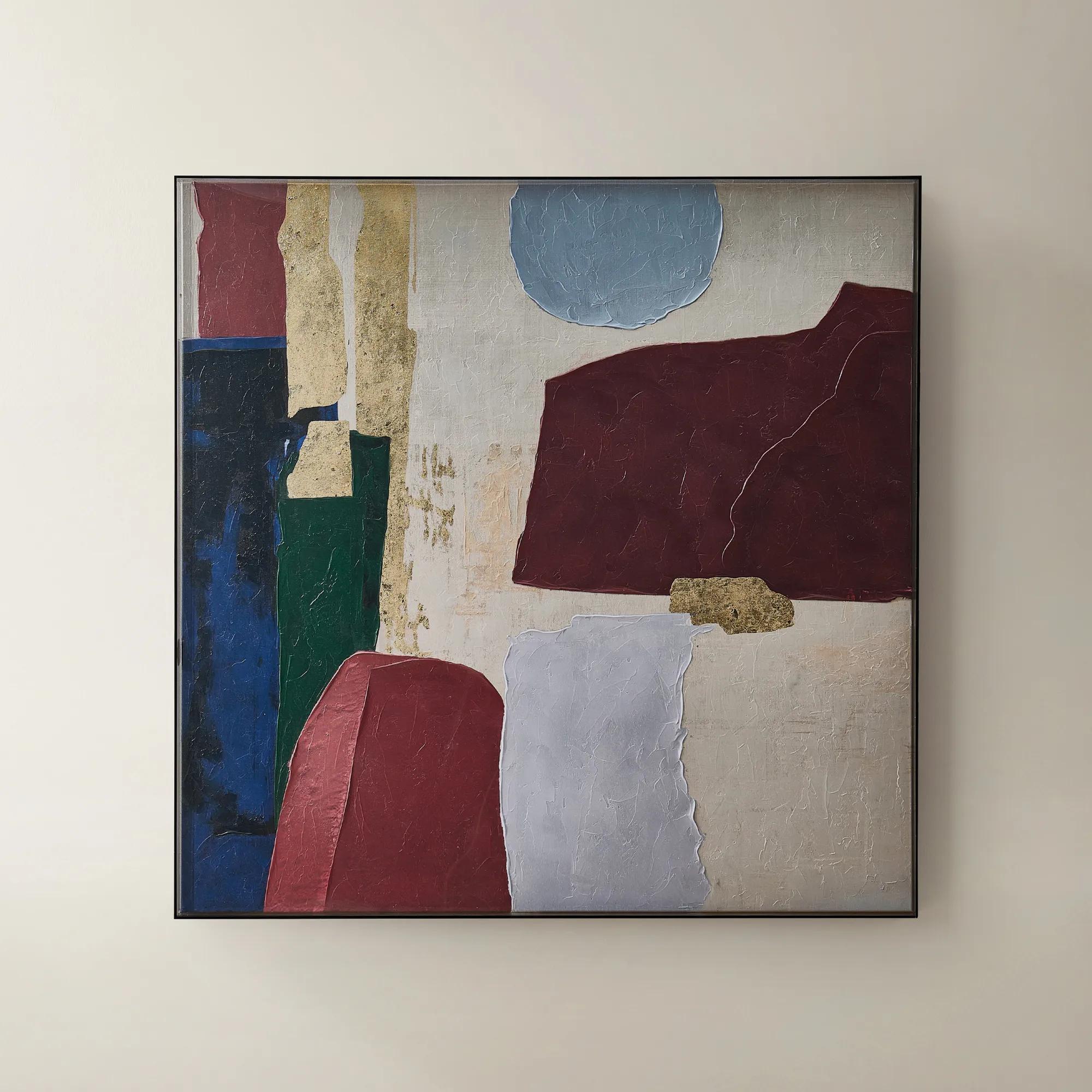
 Patina Horizon III Framed Painted Wall Art 40" x 40"$1199
A framed, multicolored painted canvas artwork featuring a captivating horizon-inspired composition.
Add To Cart

Wall Art For Corporate Offices
Explore wall art for corporate offices that brings a confident, polished presence to reception areas, conference rooms, and executive spaces. Consider color, composition, and scale as you select artwork that reflects your company’s identity, whether you’re creating a commanding focal point in a lobby or a cohesive visual story across shared spaces.
Wall art for corporate offices includes framed prints, canvas artwork, photography, and dimensional compositions selected to give reception areas, conference rooms, executive suites, and shared workspaces a distinct visual identity. More than a finishing touch, office artwork establishes an atmosphere before a meeting begins or a conversation unfolds. A sweeping abstract behind a reception desk can lend a headquarters the presence of a private gallery, while architectural photography brings crisp perspective to a corridor lined with glass. Expressive brushwork, luminous metallic accents, and sculptural forms introduce personality without sacrificing the polish of a professional setting. For businesses welcoming clients, partners, and prospective employees, the strongest selections reflect the character of the organization rather than simply echoing its logo. An established firm might favor restrained compositions with dramatic contrasts; a creative studio might embrace saturated color, unexpected shapes, or an arrangement that invites a second look. The palette can draw from upholstery, stone, wood, and metal already present in the room, giving artwork a connection to its surroundings without making every surface match. Black-and-white imagery feels especially assured alongside richly grained wood or gleaming hardware, while tonal abstracts can soften a room dominated by angular desks and glass partitions. Color can also distinguish different areas of an office: a composed reception area, a more expressive collaboration space, or a quietly elegant executive suite. These visual shifts help each room feel considered while preserving a shared design language. Corporate office wall decor serves business owners furnishing a new address, office managers refreshing client-facing rooms, and designers shaping an entire workplace. In each case, art offers an opportunity to move beyond anonymous interiors. A broad wash of blue, a finely detailed monochrome image, or a composition animated by gold-toned marks can give a familiar workplace a memorable signature. The effect is most compelling when the art feels connected to the people, architecture, and purpose of the space.
Materials and presentation determine how that visual statement takes shape. Canvas wall art brings a tactile surface and a less reflective presentation, making it an appealing option where broad windows or overhead fixtures complicate the placement of glazed artwork. A stretched canvas can feel expansive and painterly, while a framed canvas adds definition between the composition and the wall. Prints and photography presented behind glass or acrylic offer another kind of finish: crisp edges, a clearly defined border, and an opportunity to use matting as part of the overall composition. Glazing varies by piece, so details such as reflection, weight, and protection should be evaluated in the individual specifications rather than assumed. Dimensional metal artwork introduces shadow and changing highlights, giving a flat wall depth even within a limited color palette. Its finish can converse with lighting, table bases, and architectural hardware, creating continuity without repeating the same motif throughout the office. Scale is just as important as material. Artwork above a reception console generally feels more connected when its width relates to the furniture beneath it rather than appearing isolated on an oversized wall. A generous single composition can hold its own in a lobby viewed from a distance, while a coordinated grouping rewards closer attention along a passageway. In conference rooms, the relationship between artwork, presentation screens, and seated sightlines matters more than filling every open surface. Pieces with clear forms and measured contrast can provide presence without competing with shared displays. In executive offices, art positioned within the camera’s view may also become part of the setting for video meetings. A balanced arrangement provides a polished backdrop, with enough breathing room to keep the composition legible on screen. Across these spaces, viewing distance, ceiling height, furniture placement, and available wall area all influence whether a piece feels intimate, commanding, or deliberately architectural.
Durability and care deserve the same attention as color and composition, particularly in offices where artwork remains on display through frequent cleaning, furniture changes, and daily foot traffic. Wall art intended for a workplace should suit the conditions of its specific location; decorative appeal alone does not establish a commercial performance rating. Product dimensions, overall weight, frame construction, hanging hardware, and any stated use limitations help clarify whether a piece belongs in a busy reception area or a more protected private office. Substantial frames and dimensional designs need hardware appropriate to both their weight and the wall construction, with installation coordinated through building management or a qualified professional when necessary. Placement should respect circulation paths, door swings, and applicable building requirements, especially where artwork projects from the wall. Direct sunlight can affect pigments, paper, and other materials over time, so a dramatic position opposite a window deserves consideration beyond its initial visual impact. Routine care is usually most effective when it is gentle and specific to the surface. A soft, dry cloth may be appropriate for some frames, while canvas, glazing, metallic finishes, and textured embellishments can require different methods. Manufacturer care instructions should guide cleaning, and sprays should not be applied directly to artwork, where moisture could reach edges or backing materials. Coordinating artwork with Decor for Corporate Offices gives the surrounding furnishings and accents a shared visual direction. A sculptural object on a console might repeat a curve from the art above it, or a reflective accent might draw out a subtle metallic detail in the composition. Repetition works best with variation: related finishes, balanced proportions, and a consistent mood rather than an office filled with identical arrangements. When material, scale, placement, and maintenance align, corporate wall art becomes an enduring part of the interior’s character. It gives everyday business settings dimension and distinction, creating rooms that feel professional, expressive, and thoughtfully complete.
FAQs
Abstract wall art, architectural photography, and geometric compositions bring a polished, expressive sensibility to corporate interiors. Choose fluid forms for an artful, inviting mood or crisp lines for a more tailored aesthetic. The most compelling office wall decor feels intentional—a visual signature rather than an afterthought.
Translate your company’s character into color, subject matter, and composition. A creative firm might embrace daring abstracts, while a heritage-minded business may favor architectural imagery or refined monochromatic artwork. Look for pieces that express your brand’s personality without turning every wall into a literal brand display.
Black, ivory, and charcoal create a sophisticated foundation, while jewel tones introduce richness and expressive contrast. For a cohesive composition, echo an accent from your furnishings or finishes within the artwork. A deliberate departure from the room’s palette can also give the art a striking, independent presence.
Aim for a shared visual language rather than identical artwork. Carry a recurring palette, framing style, or artistic theme from reception into conference rooms and private offices, then vary the compositions. This approach gives each space its own character while maintaining a beautifully considered narrative throughout the workplace.
Begin with a clear curatorial thread, such as monochromatic photography, expressive linework, or abstract color studies. Choose artwork with a meaningful visual relationship, and use consistent framing or a deliberate mix of complementary finishes. Plan the arrangement before hanging so the collection reads as one composed artistic statement.