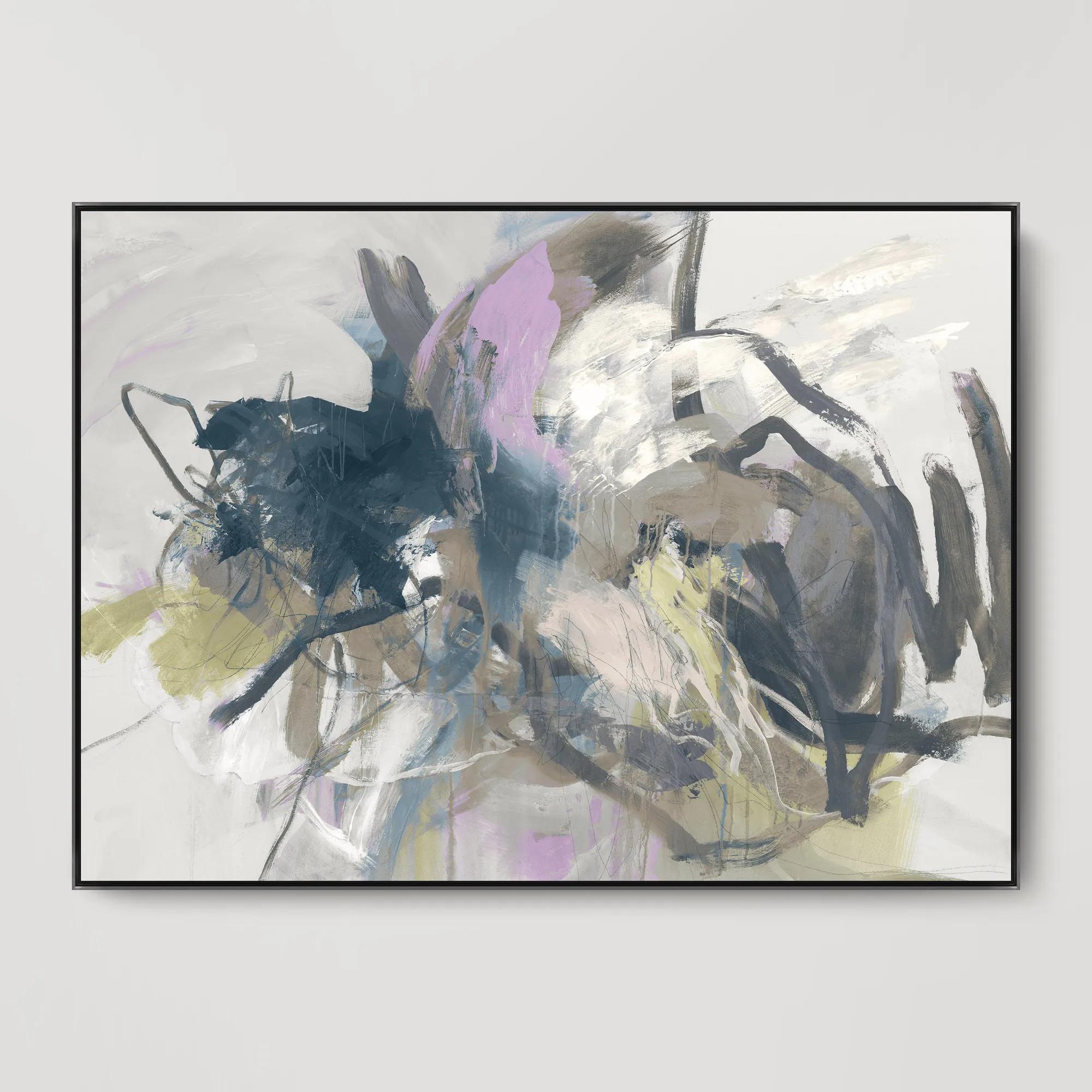
Gallery Wrapped Wall Art For Offices
Gallery Wrapped Wall Art For Offices
-
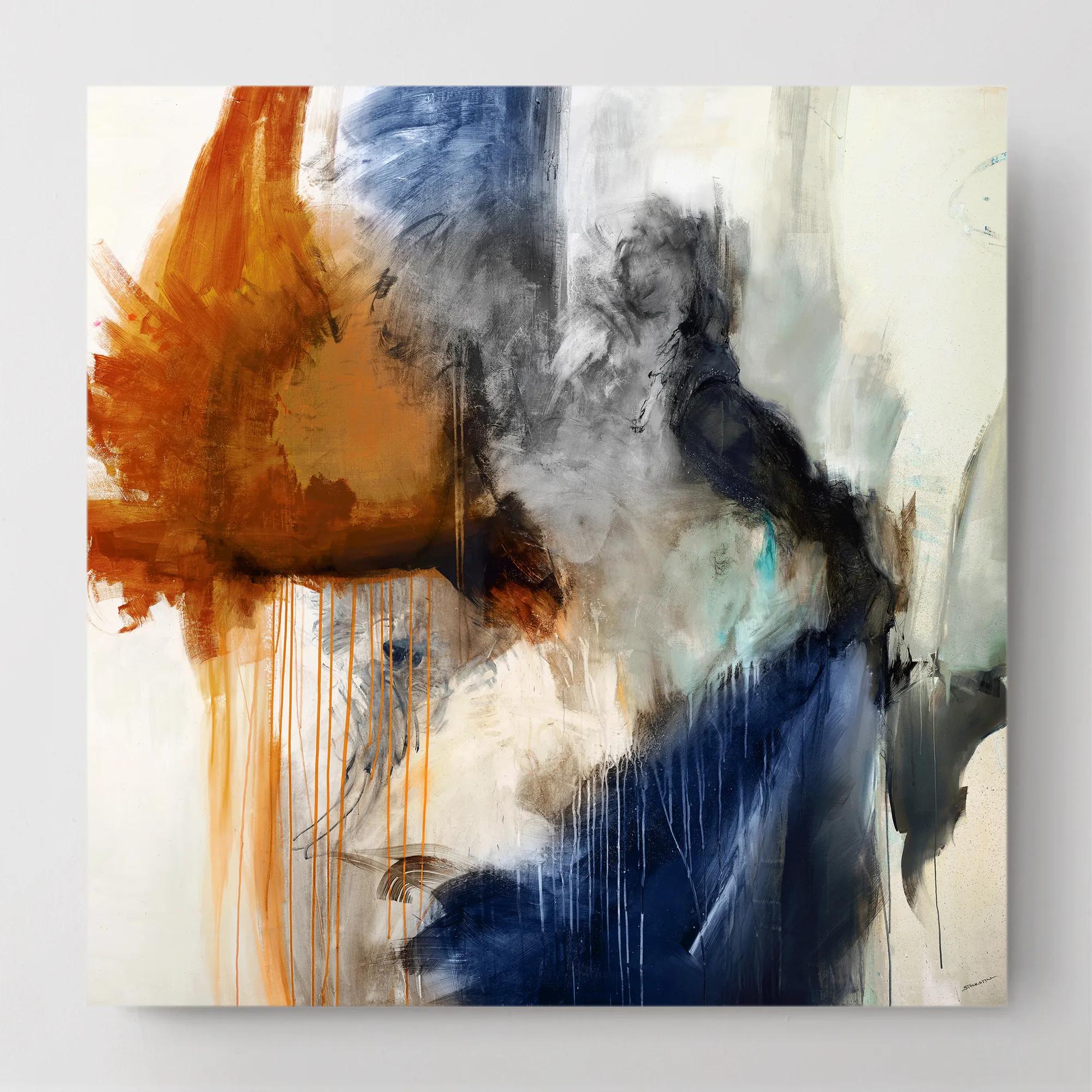
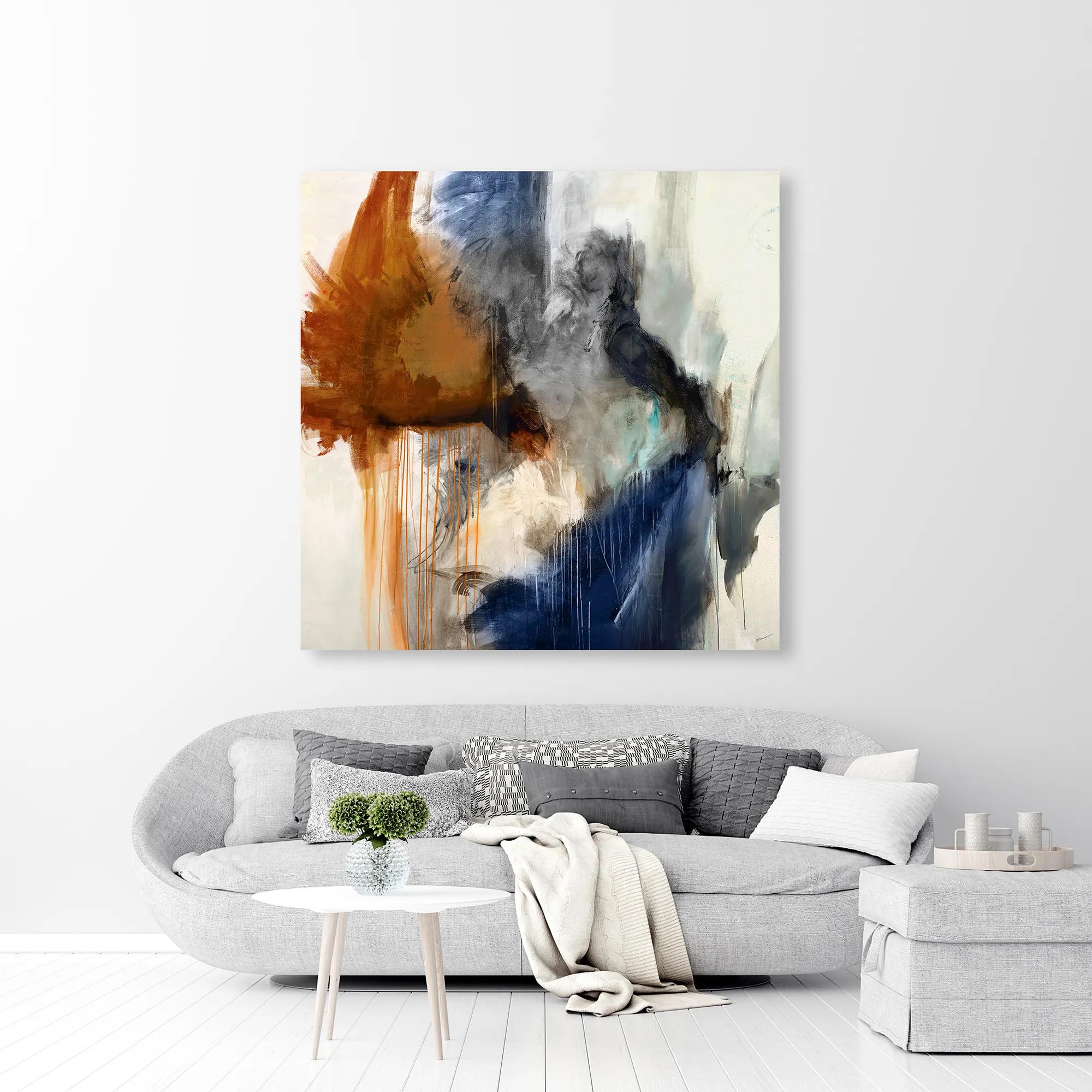 Swoon 6 Wall Art 54" x 54"$899
A gallery-wrapped canvas featuring a hand-applied image brush gel finish for a textured, artistic look.
Add To Cart -
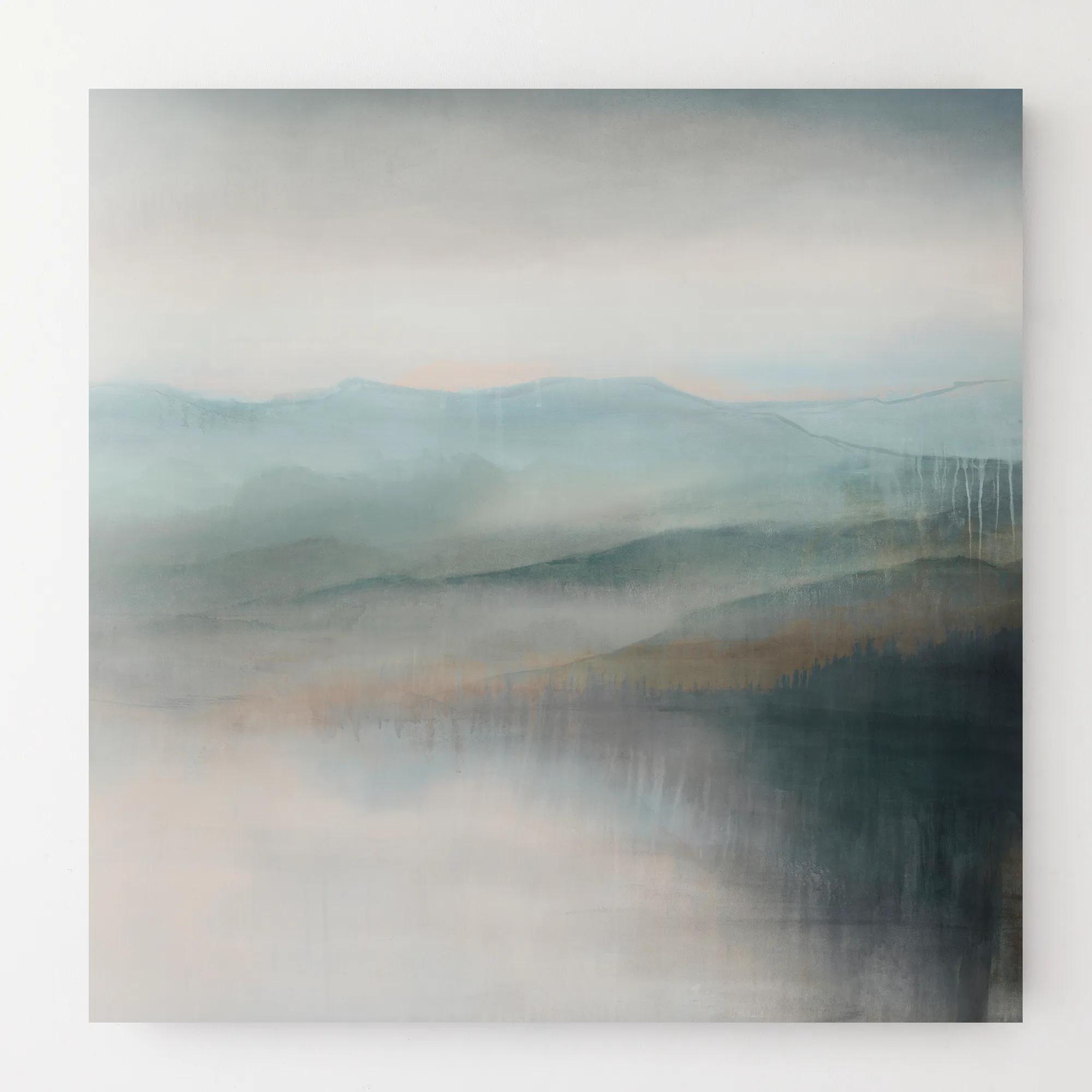
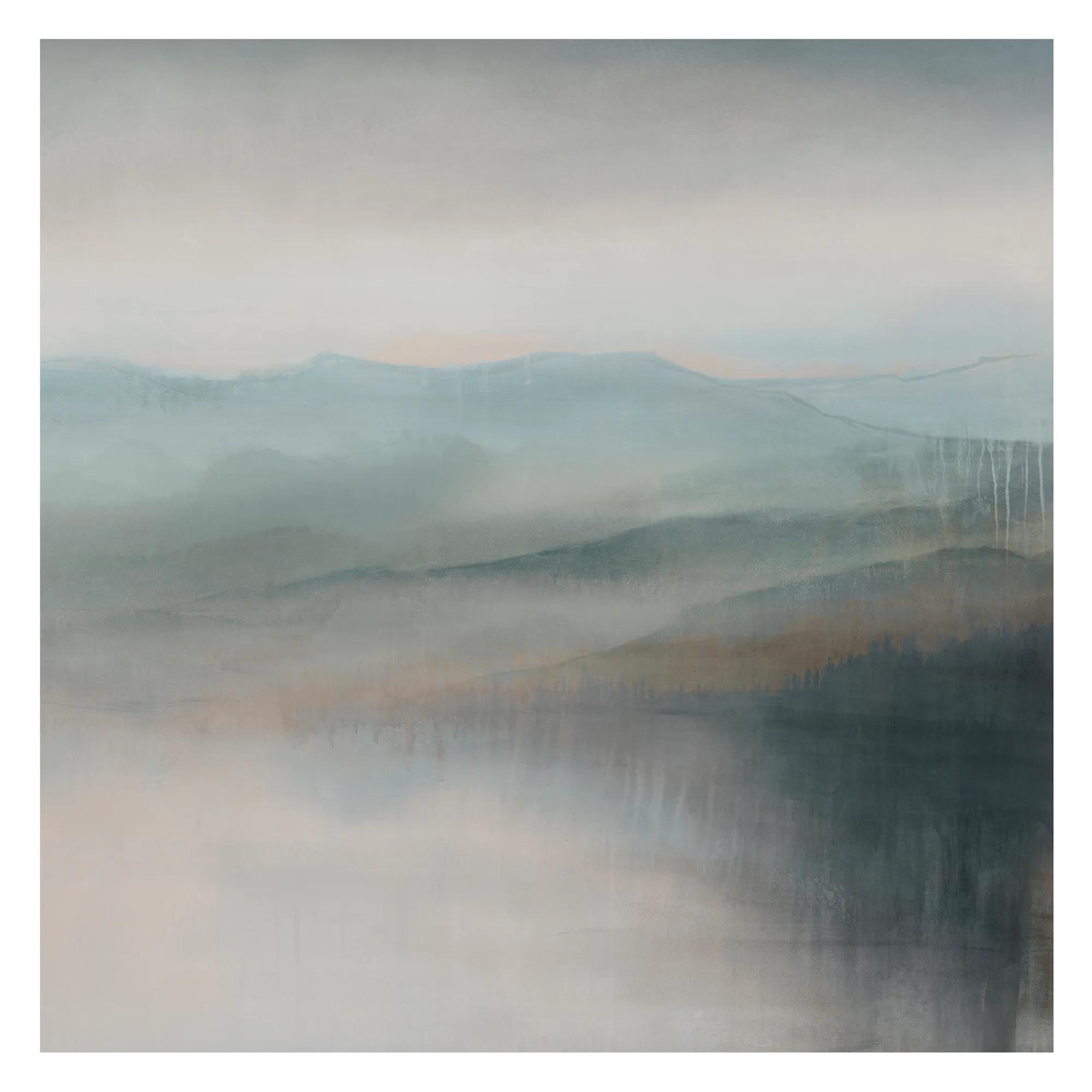 Morning Lift Wall Art 30" x 30"$399
A gallery-wrapped canvas artwork featuring a hand-applied image brush gel finish for added texture and depth.
Add To Cart -
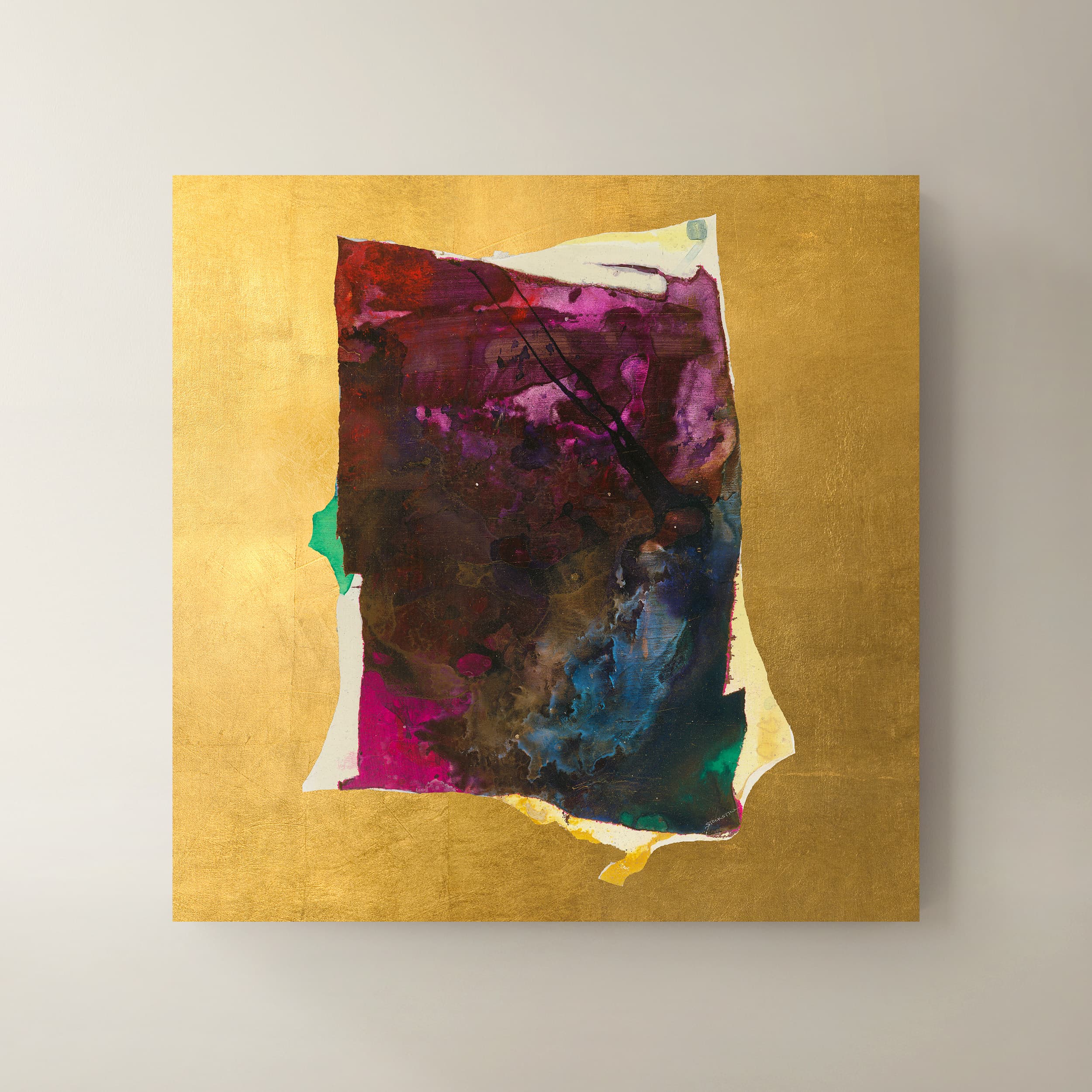 Supremo I Wall Art 40" x 40"$999
A multicolored canvas wall art piece adding contemporary visual interest to your interior.
Add To Cart -
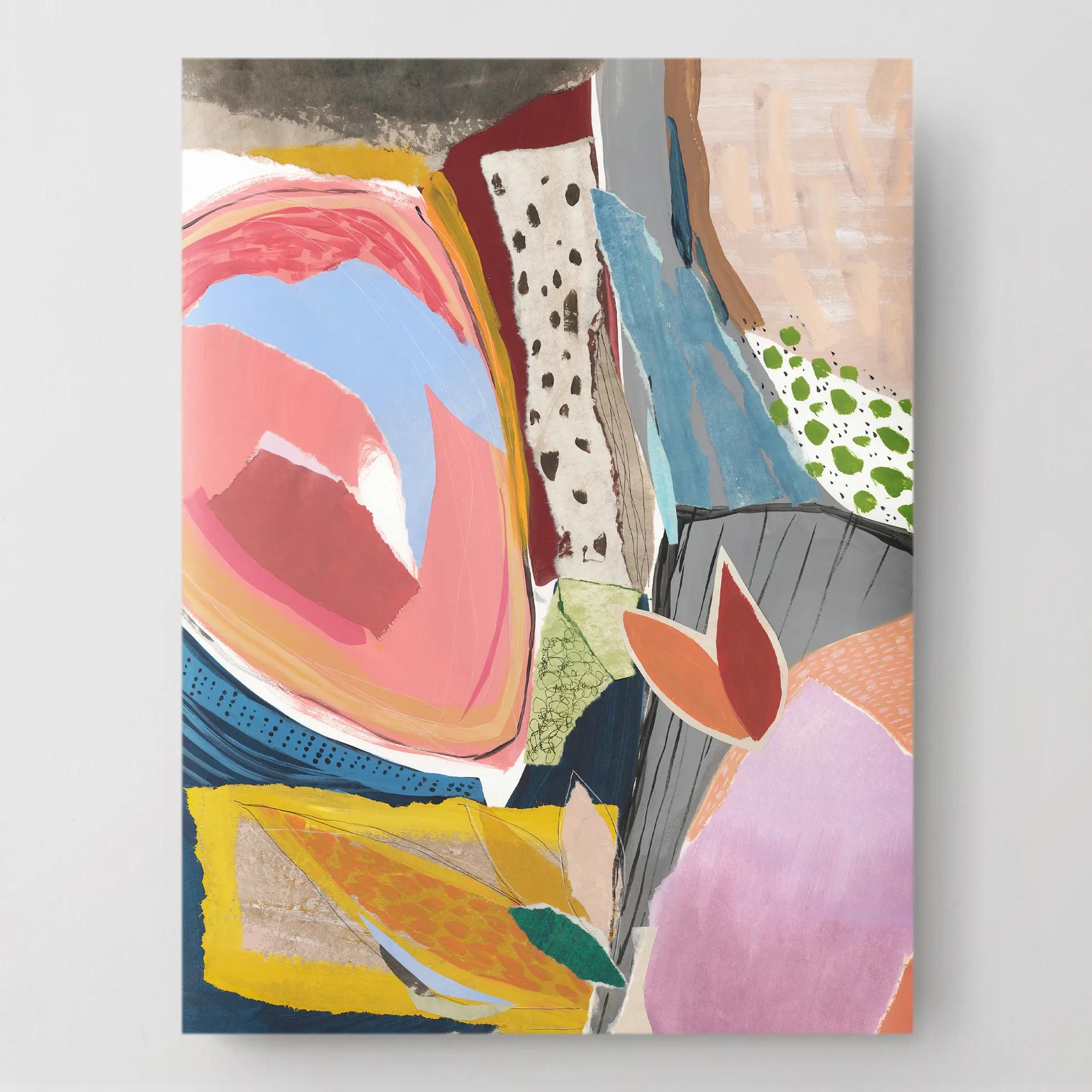
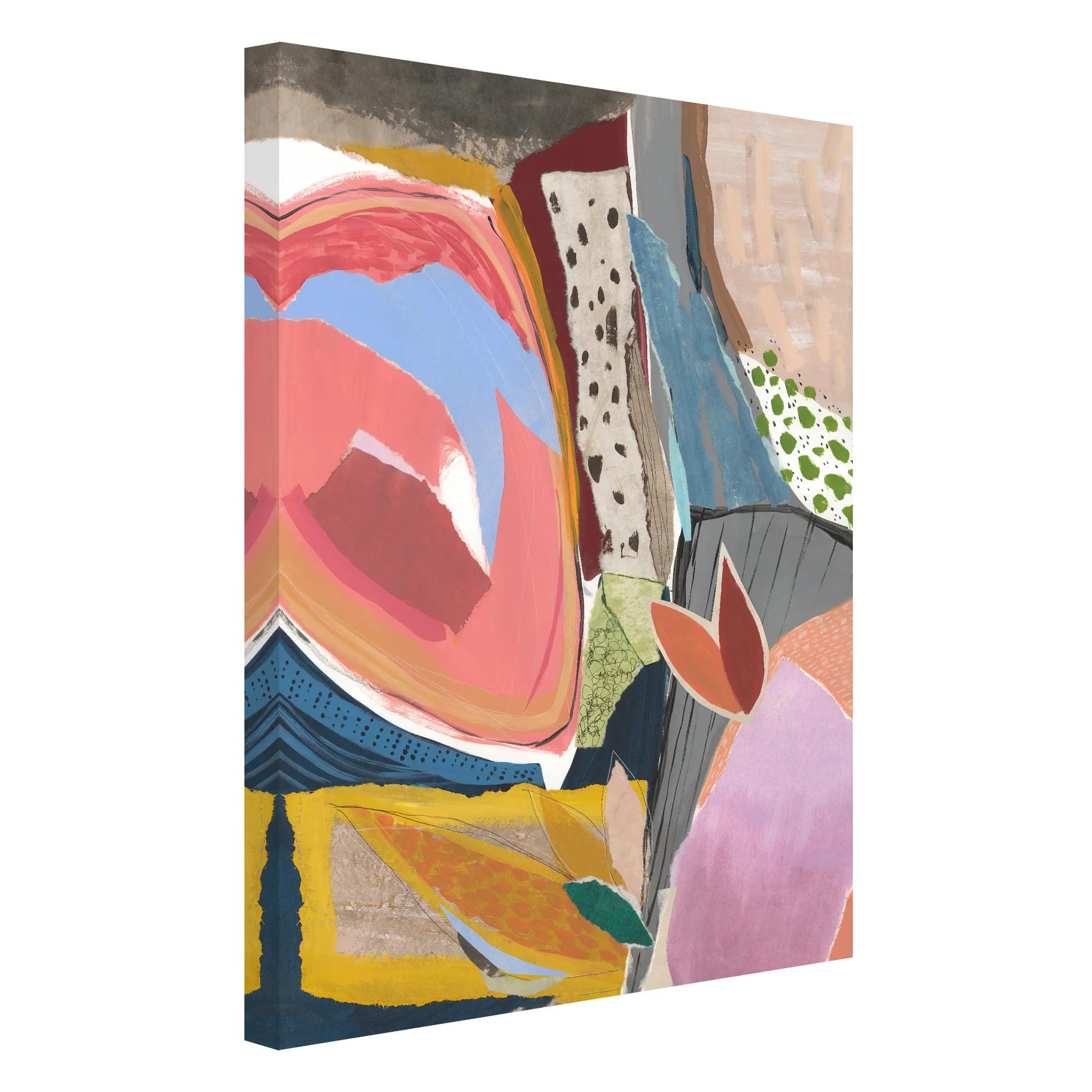 Sunday Vibes 1 Wall Art 30" x 40"$449
A gallery-wrapped canvas artwork featuring a hand-applied image brush gel finish for a textured look.
Add To Cart -
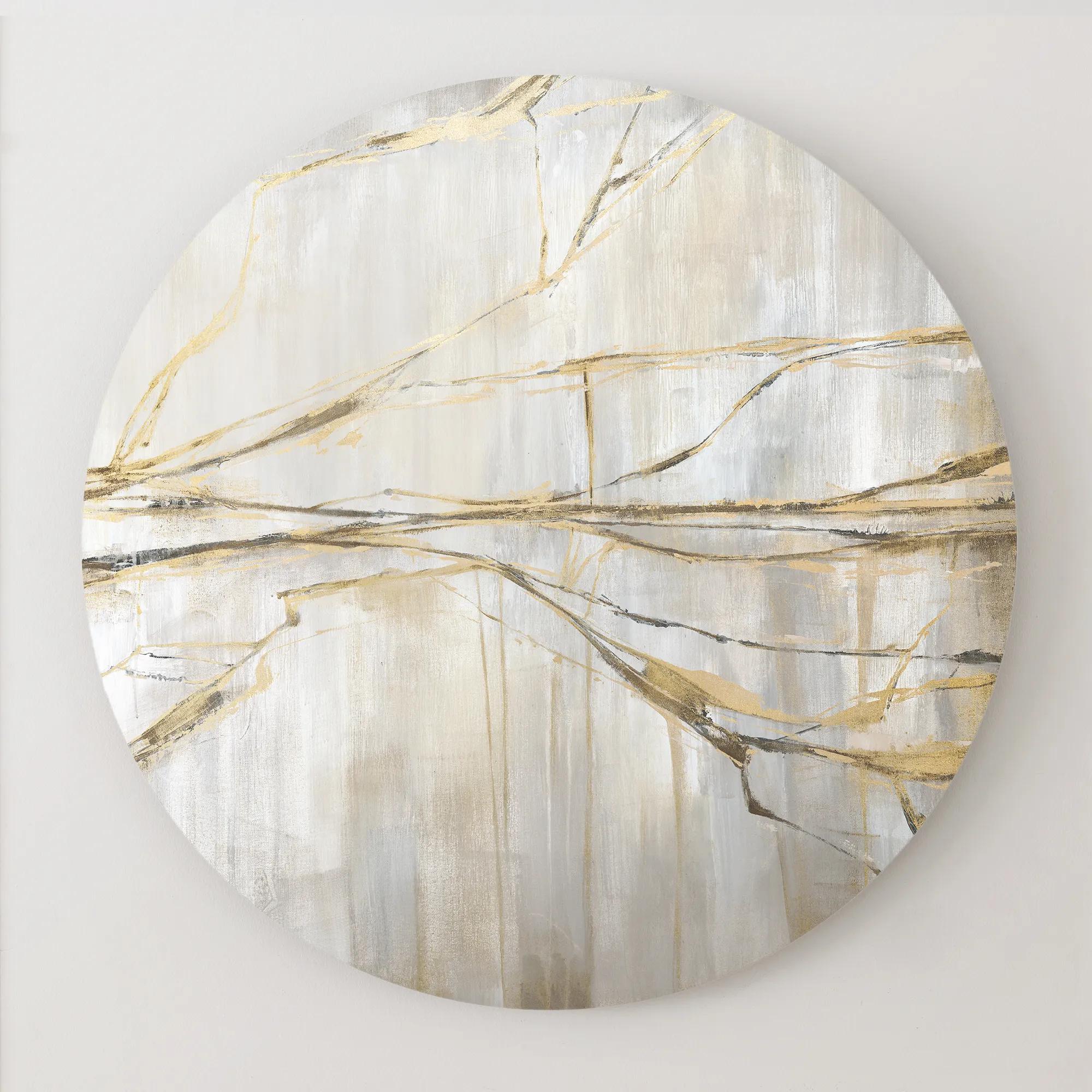
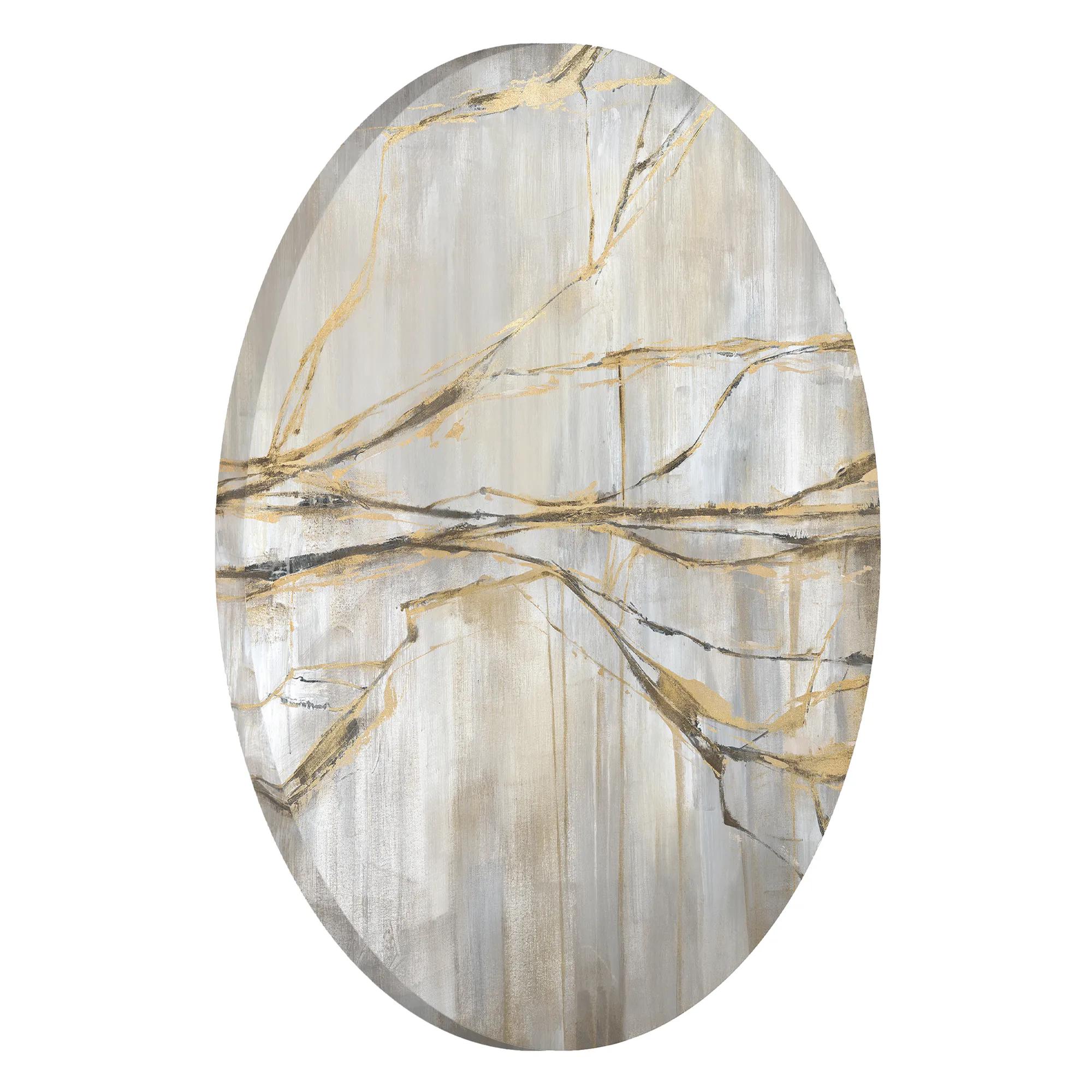 Lightening Crashes Round Wall Art 30"$899
A hand-textured circular linen canvas featuring a gallery-wrapped design for versatile wall display.
Add To Cart -
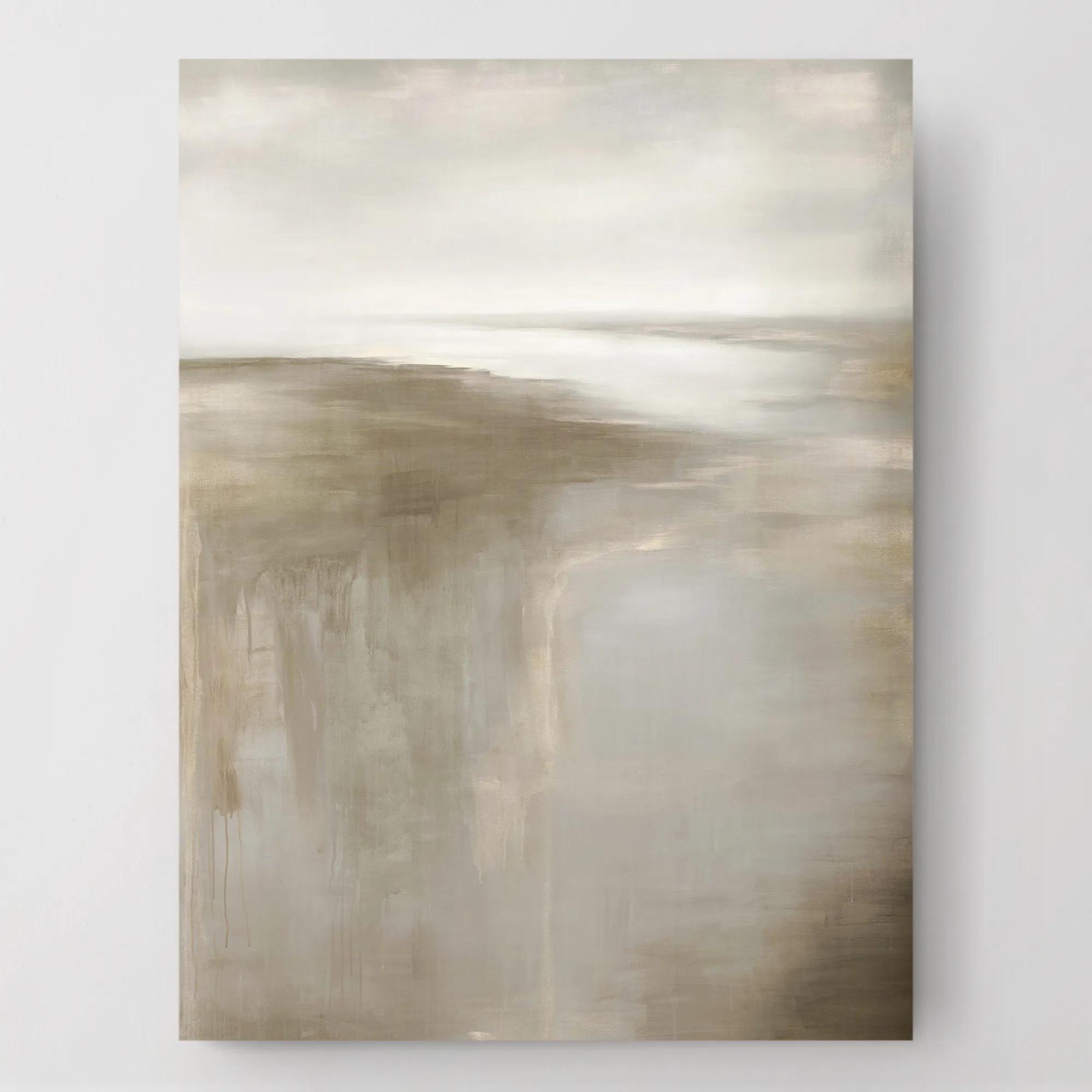
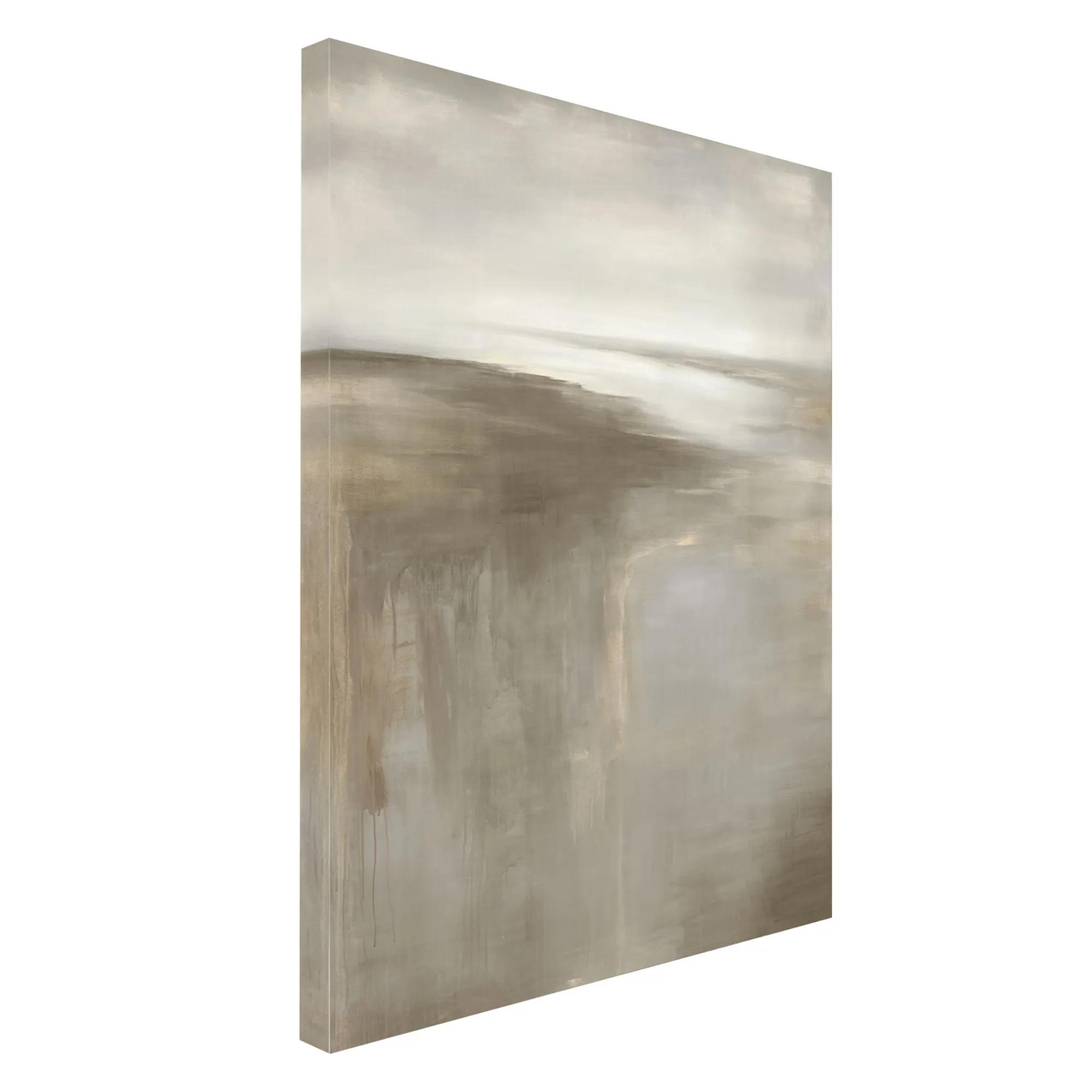 Silver Morning Wall Art 30" x 40"$449
A gallery-wrapped silver canvas artwork featuring a hand-applied image brush gel finish.
Add To Cart -
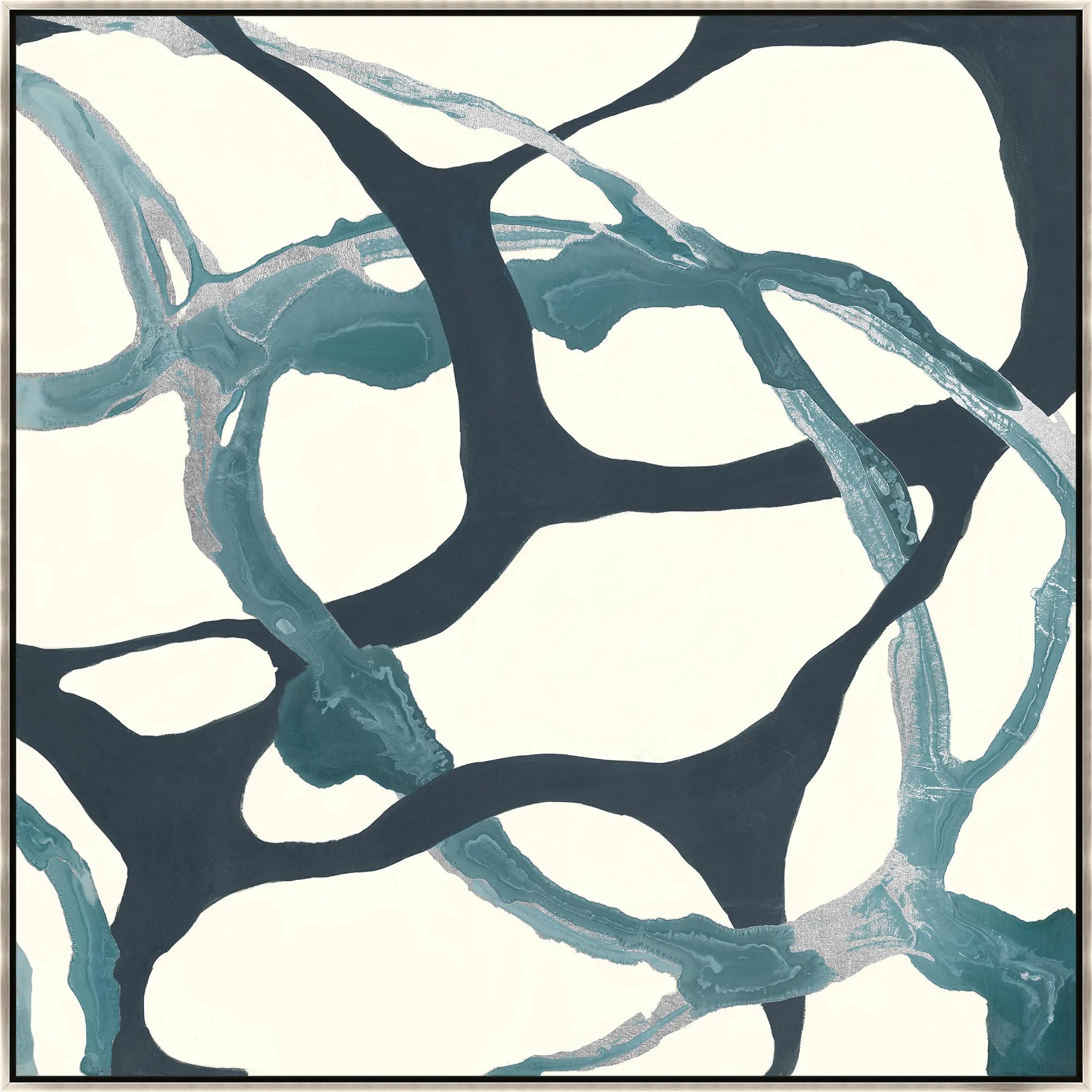
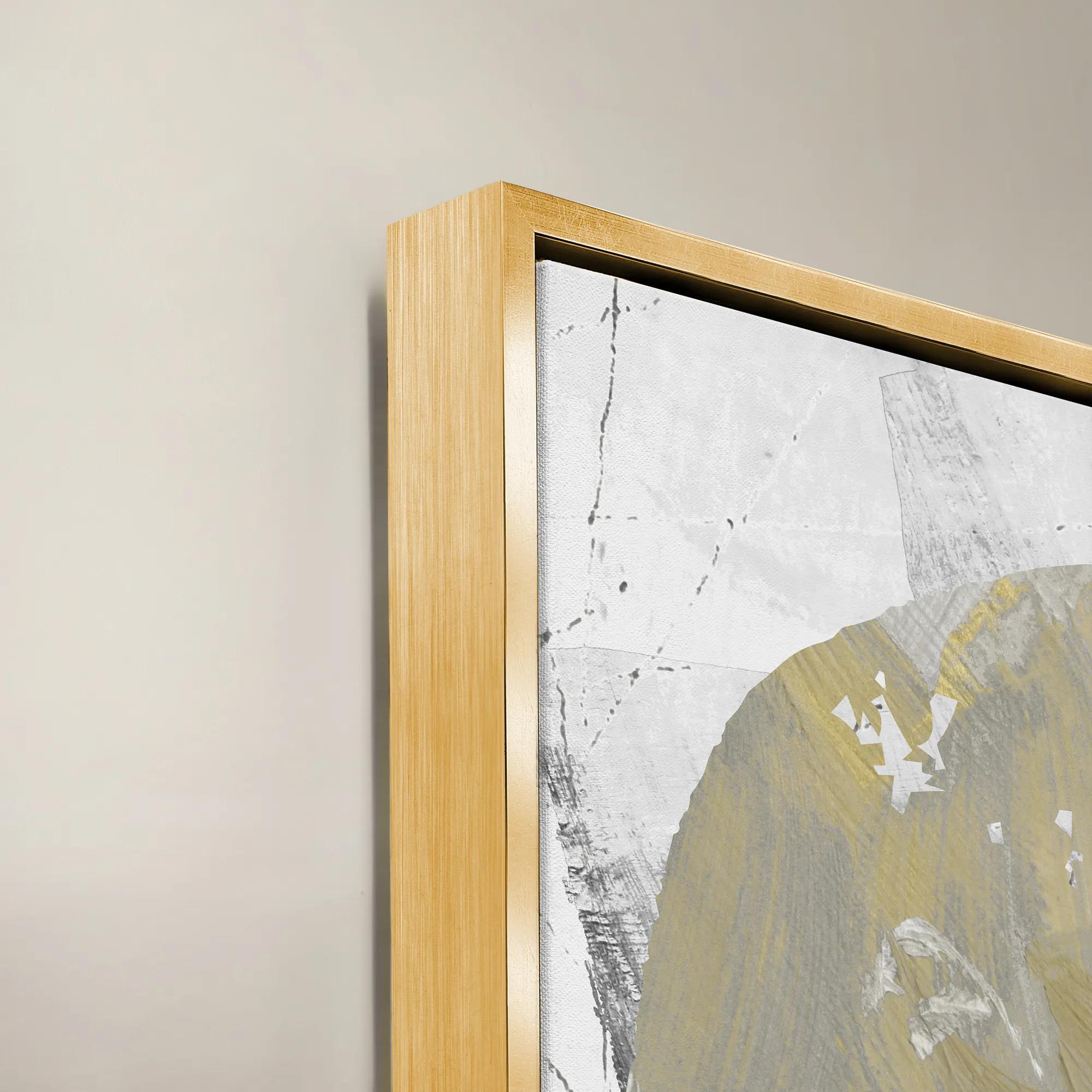
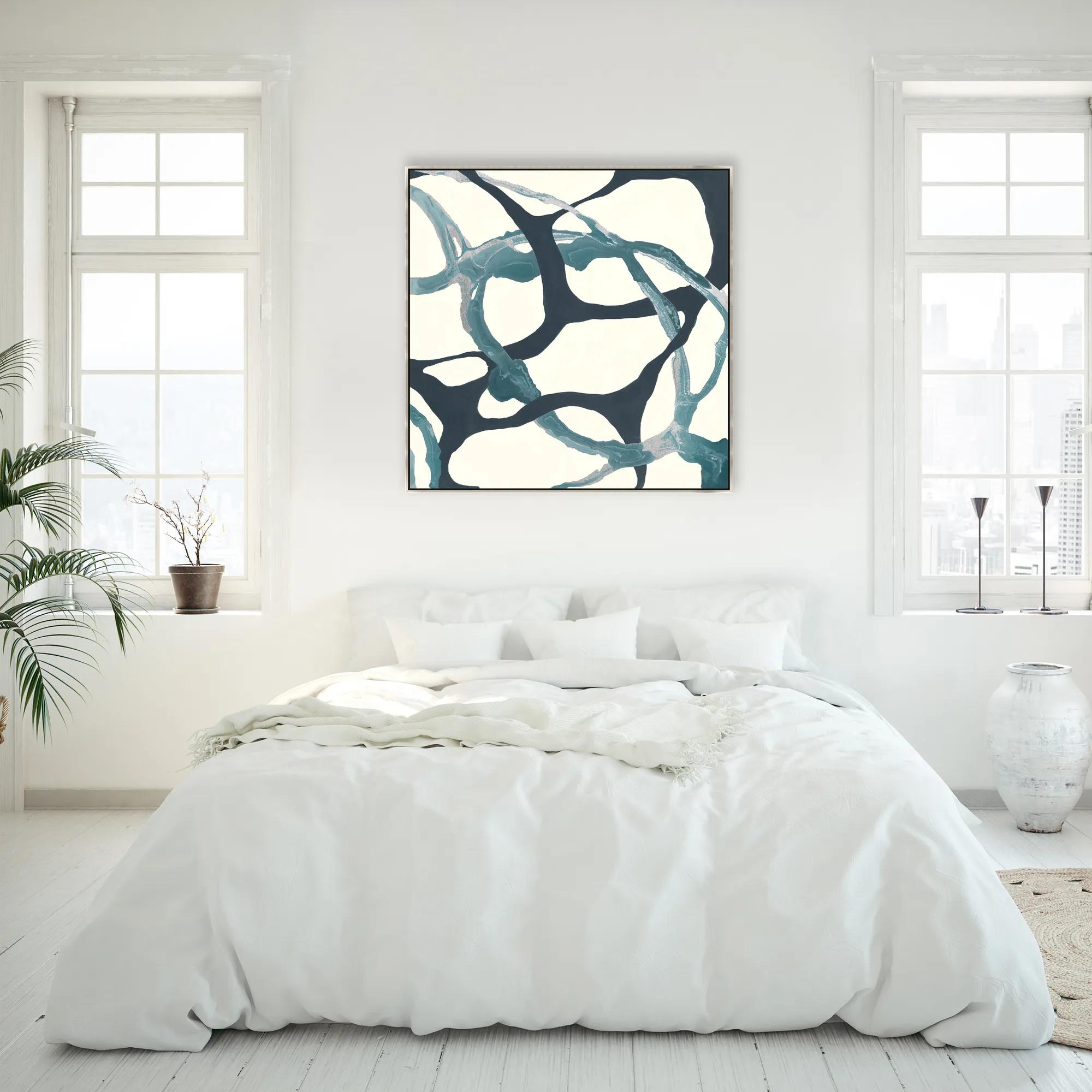 Alignments II Framed Wall Art 40" x 40"$899
A gallery-wrapped canvas featuring gilded silver accents and hand-applied brush gel in a silver floater frame.
Add To Cart -
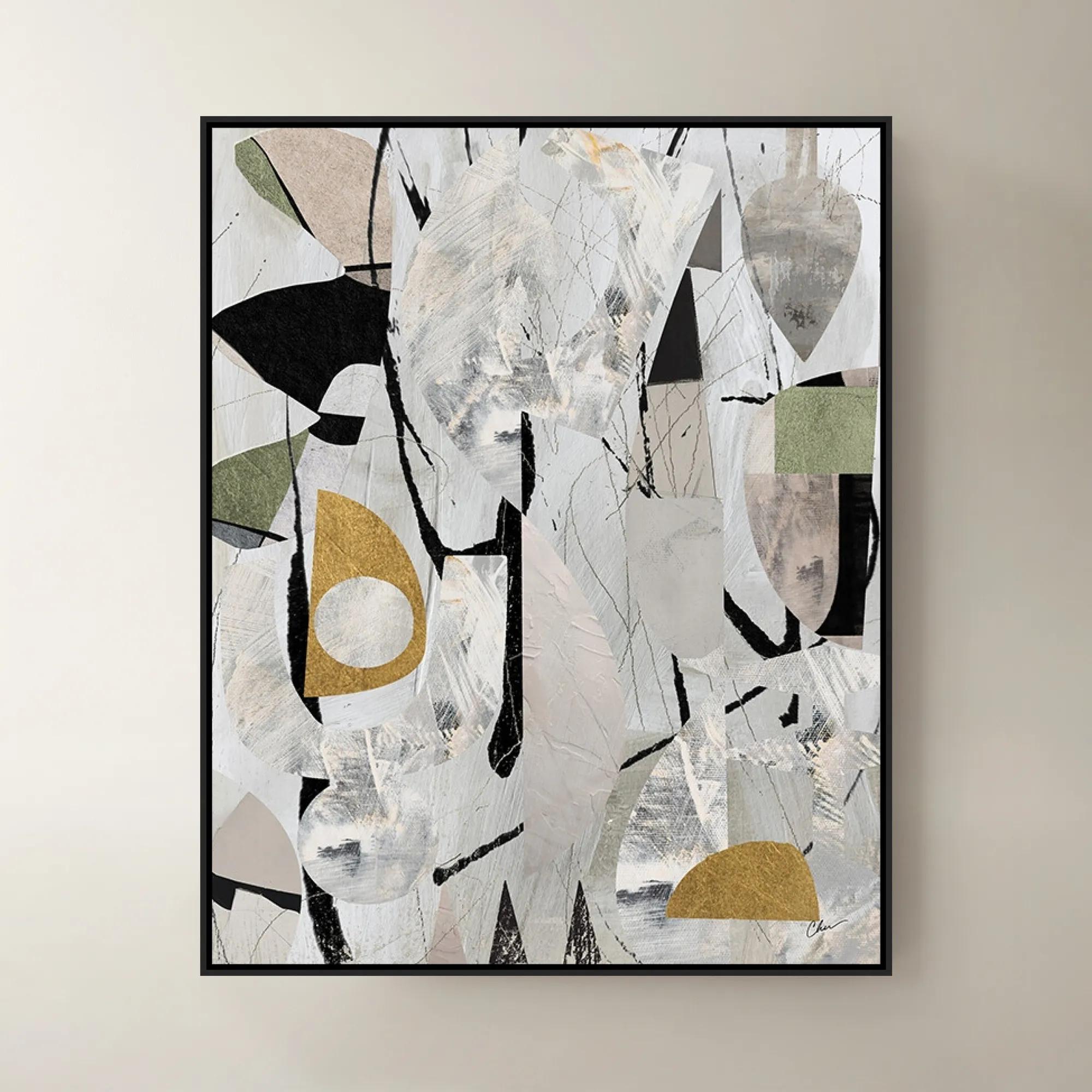
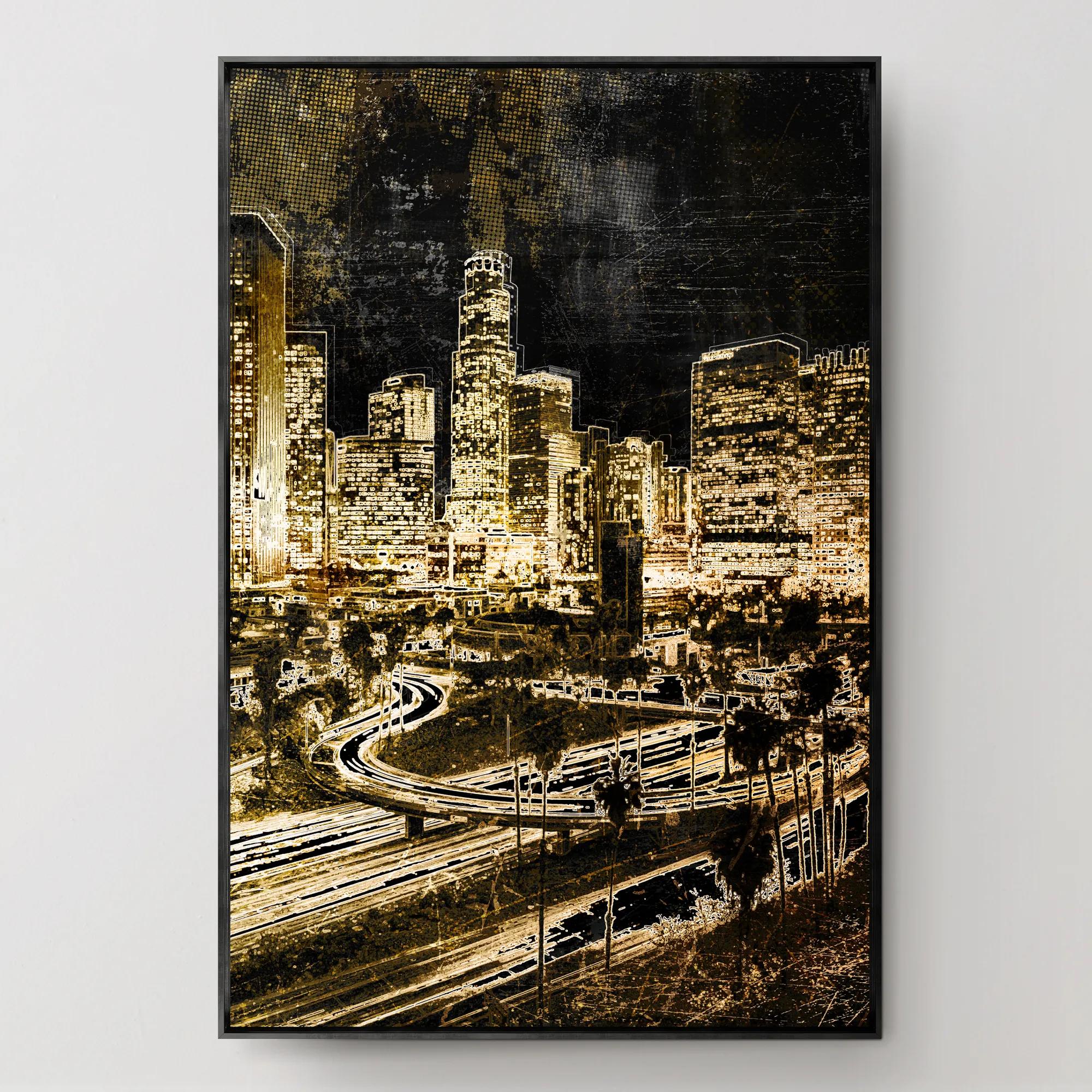 LA Lights Framed Wall Art 30" x 45"$649
A gallery-wrapped canvas artwork featuring a hand-applied brush gel finish in a sleek black floater frame.
Add To Cart -
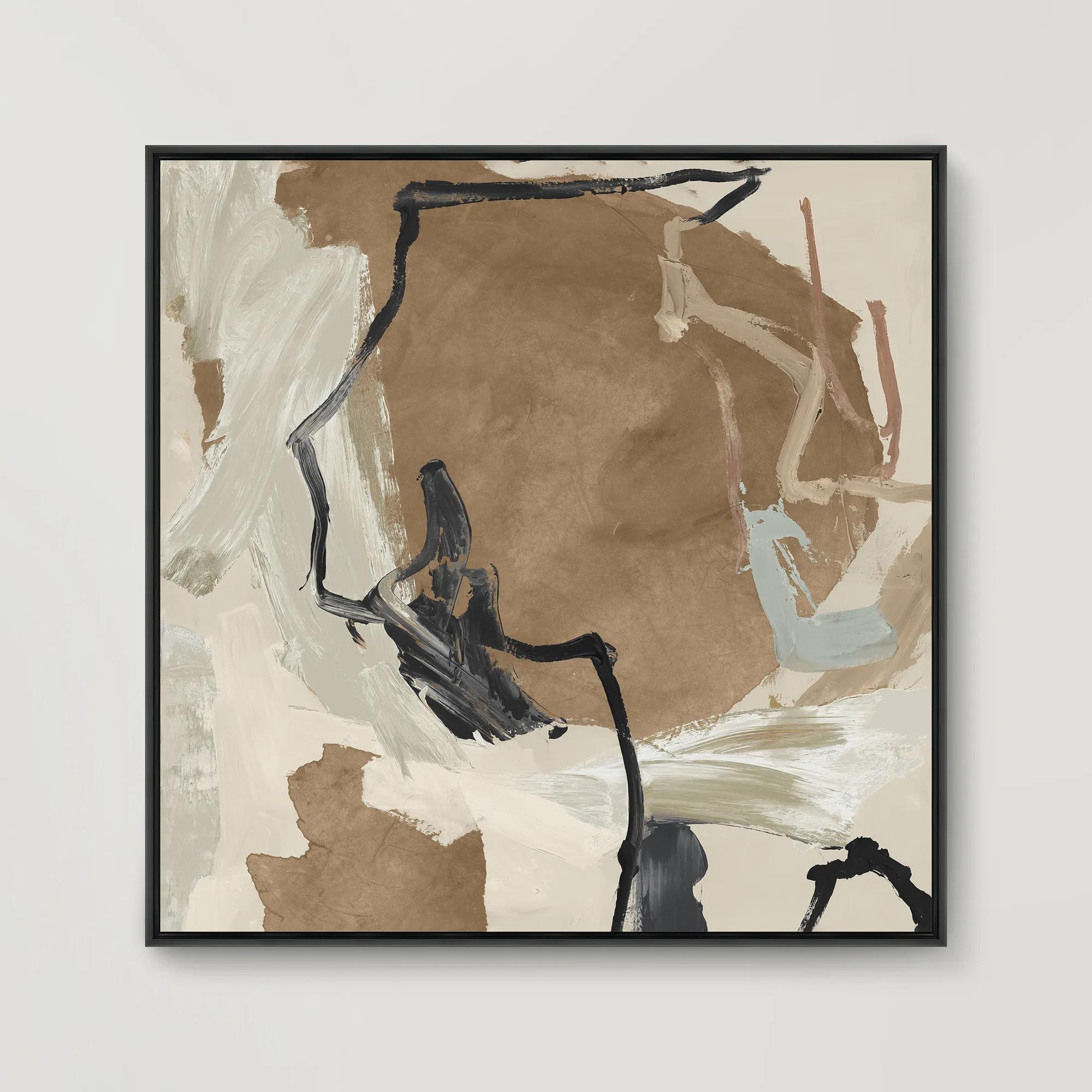
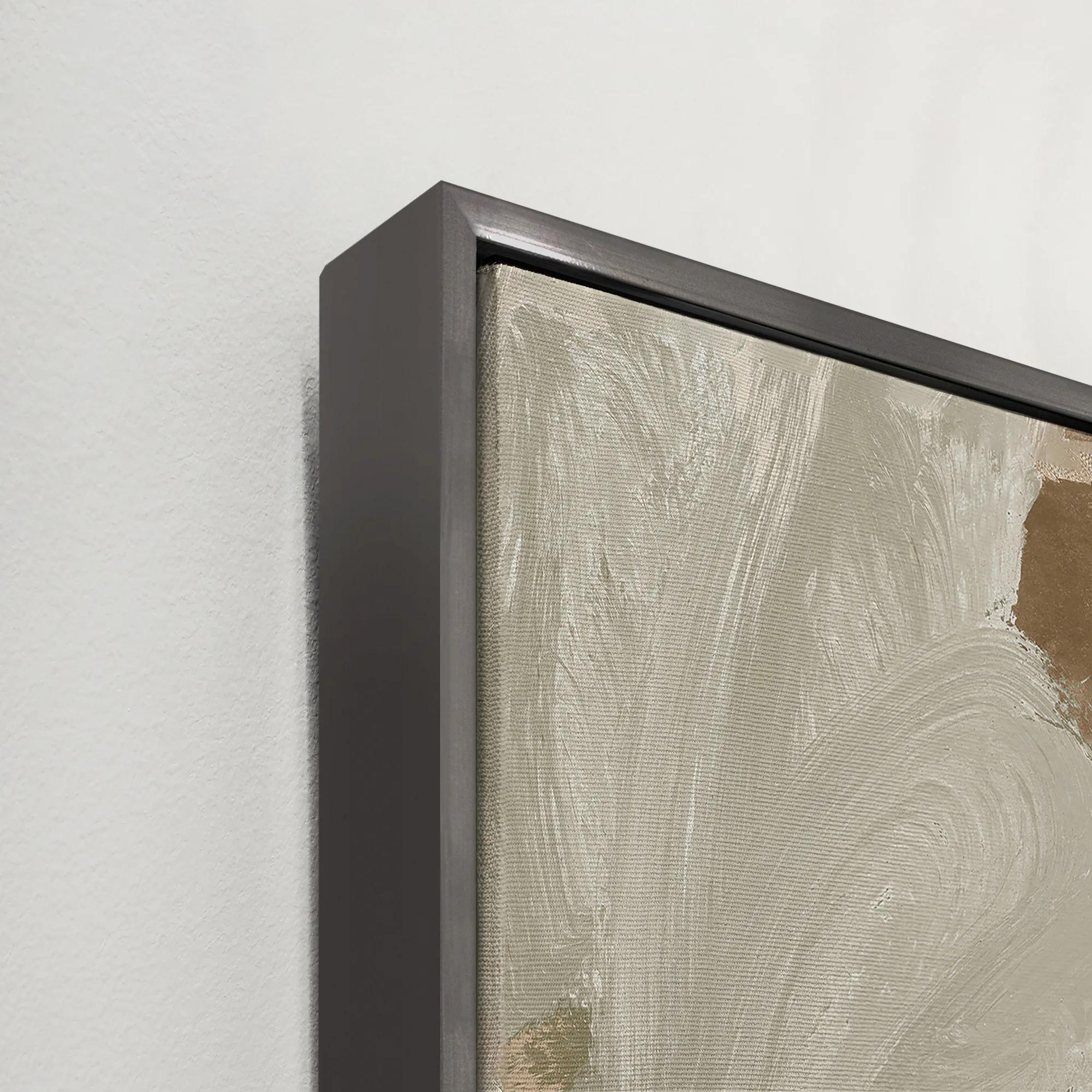 Borderlands IV Framed Wall Art 31.5" x 31.5"$499
A gallery-wrapped canvas artwork with a hand-applied brush gel finish in a sleek gray floater frame.
Add To Cart -
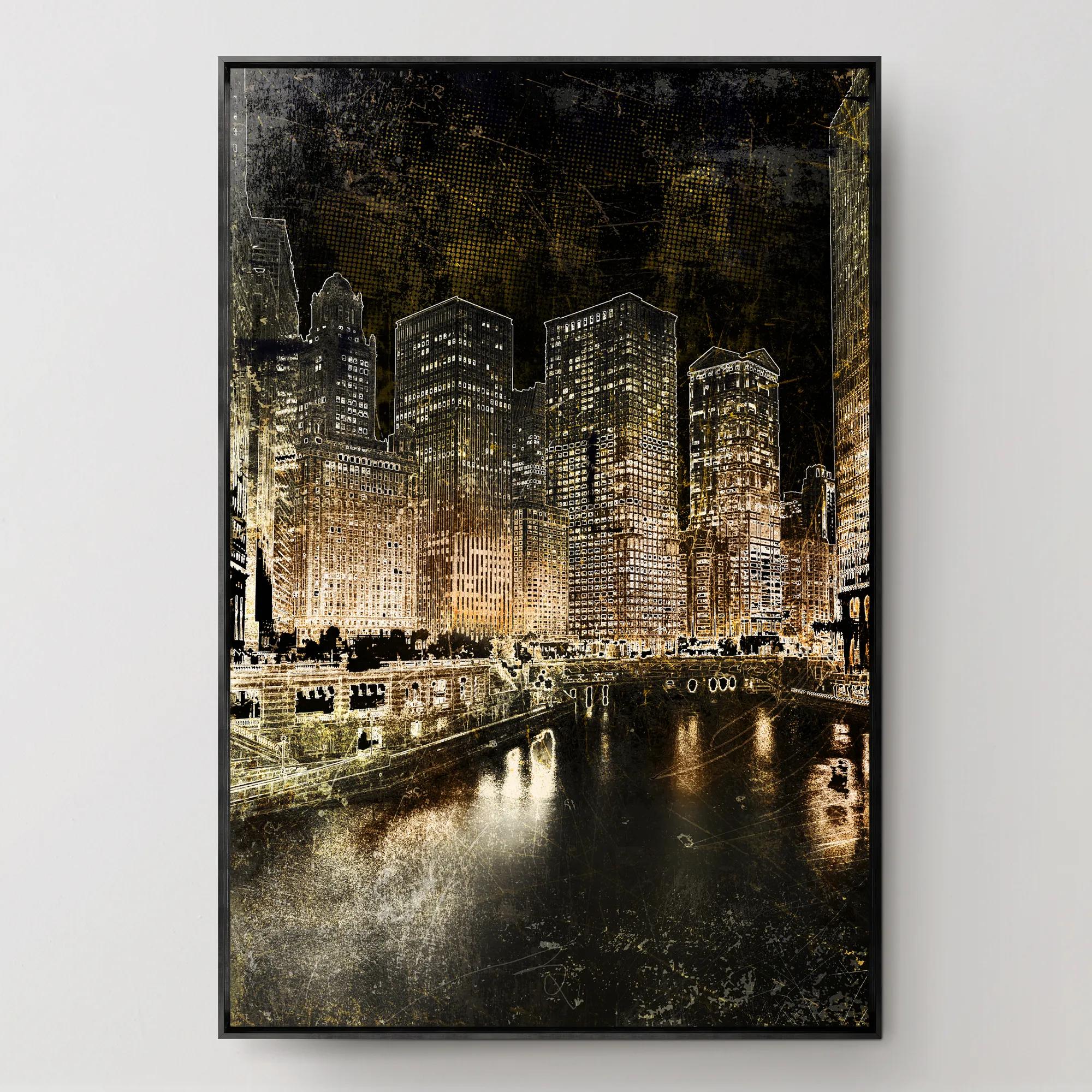
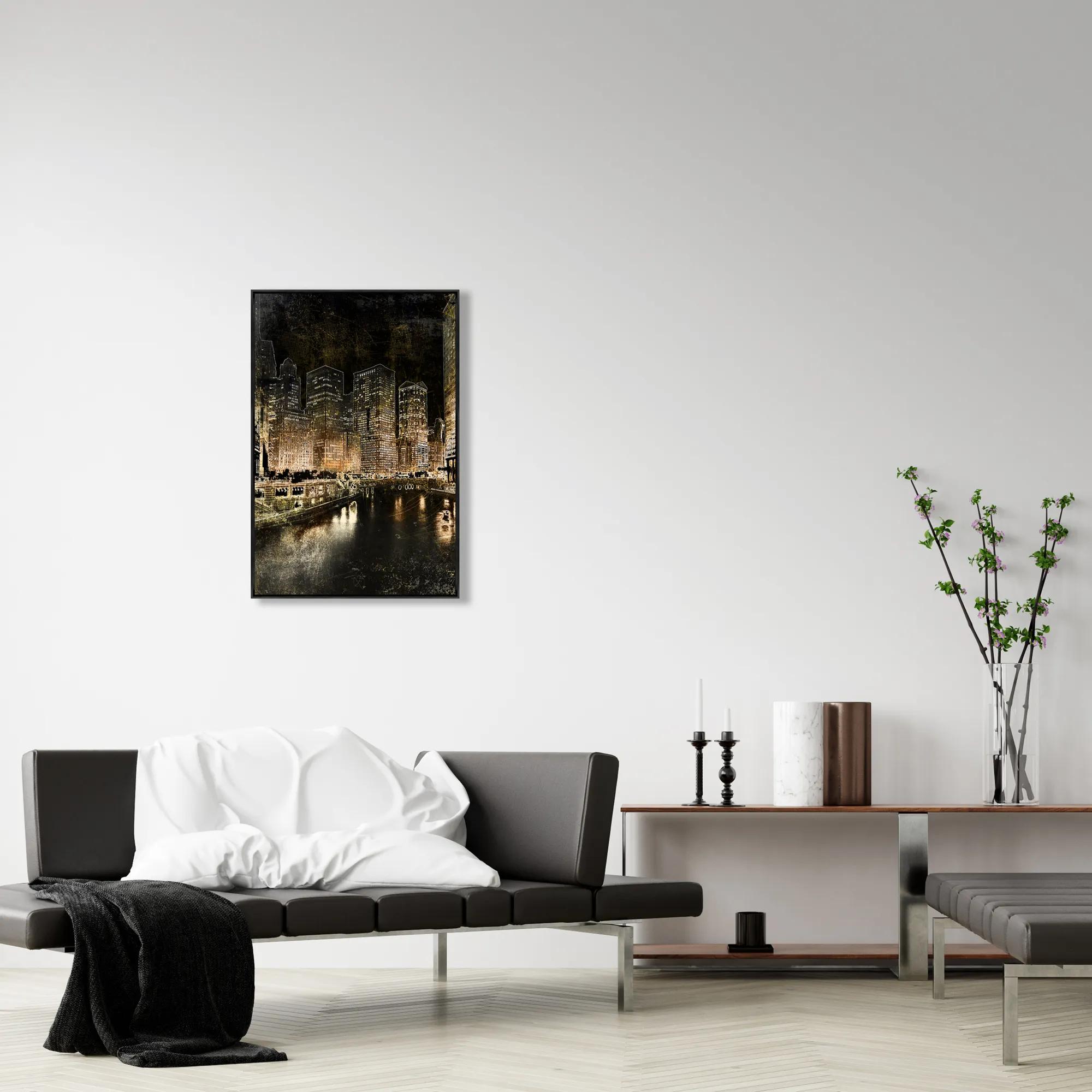 Chicago Lights Framed Wall Art 30" x 45"$649
A gallery-wrapped canvas artwork featuring a hand-applied gel finish in a sleek black floater frame.
Add To Cart -
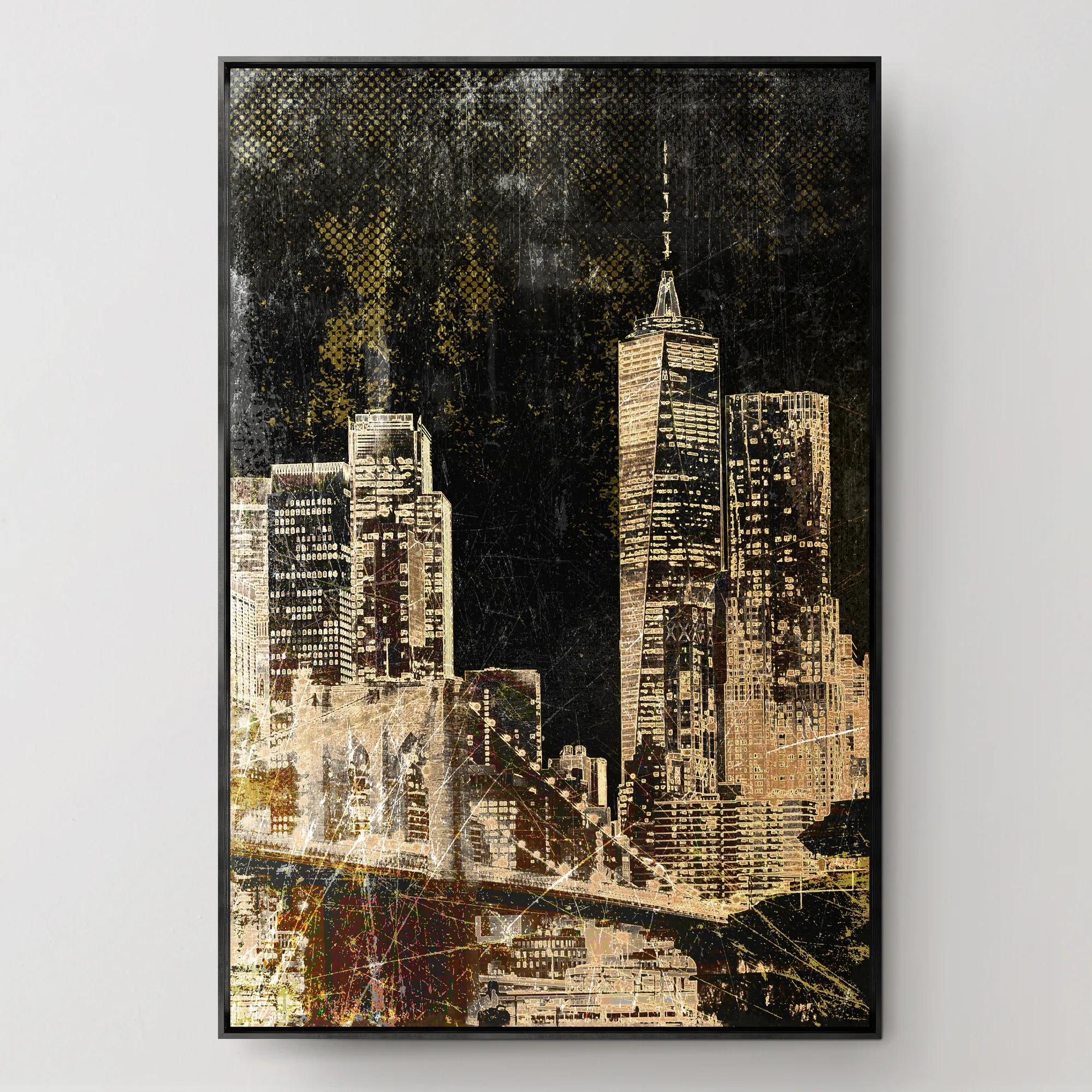
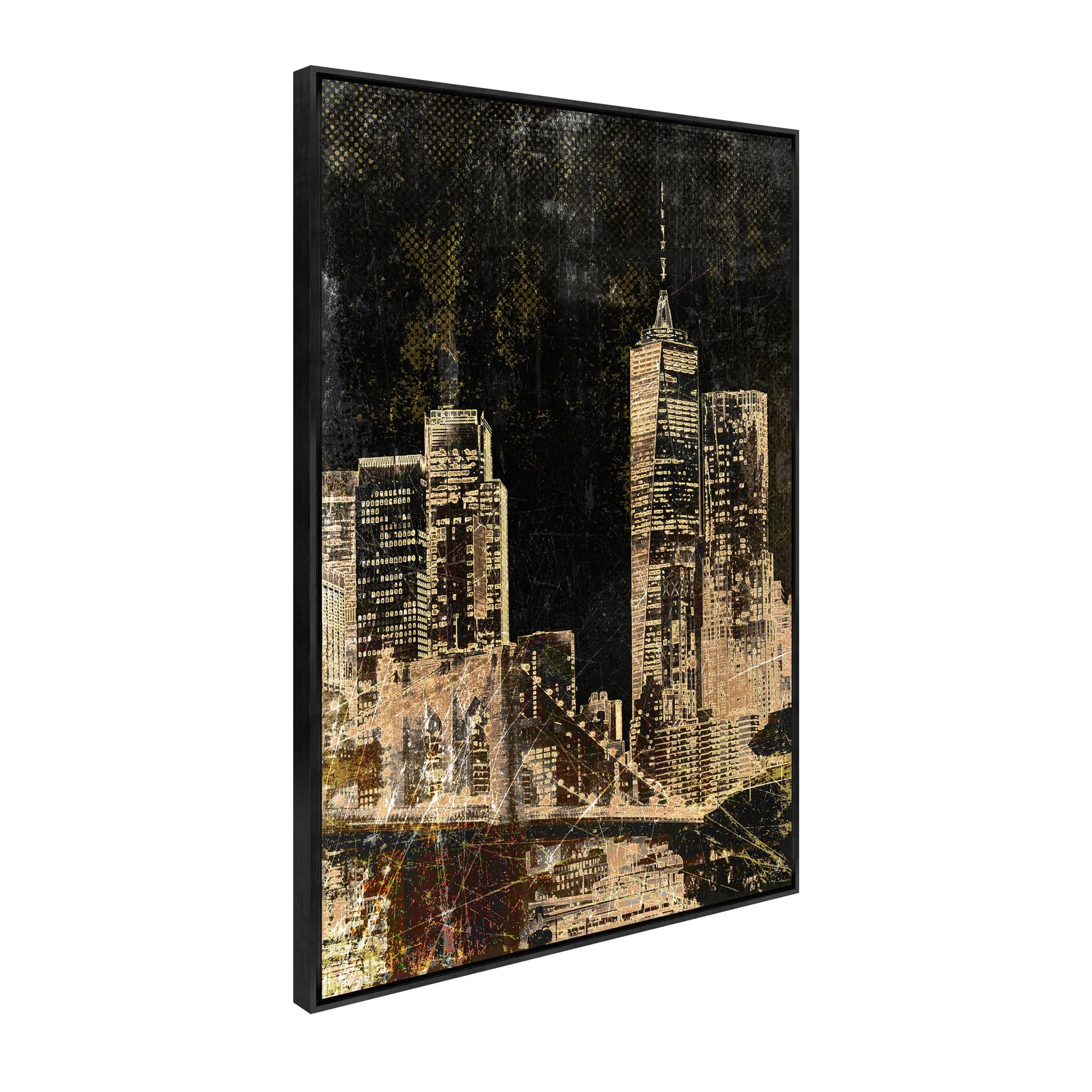 New York Lights Framed Wall Art 30" x 45"$649
A gallery-wrapped canvas artwork featuring a hand-applied gel finish and sleek black floater frame.
Add To Cart -
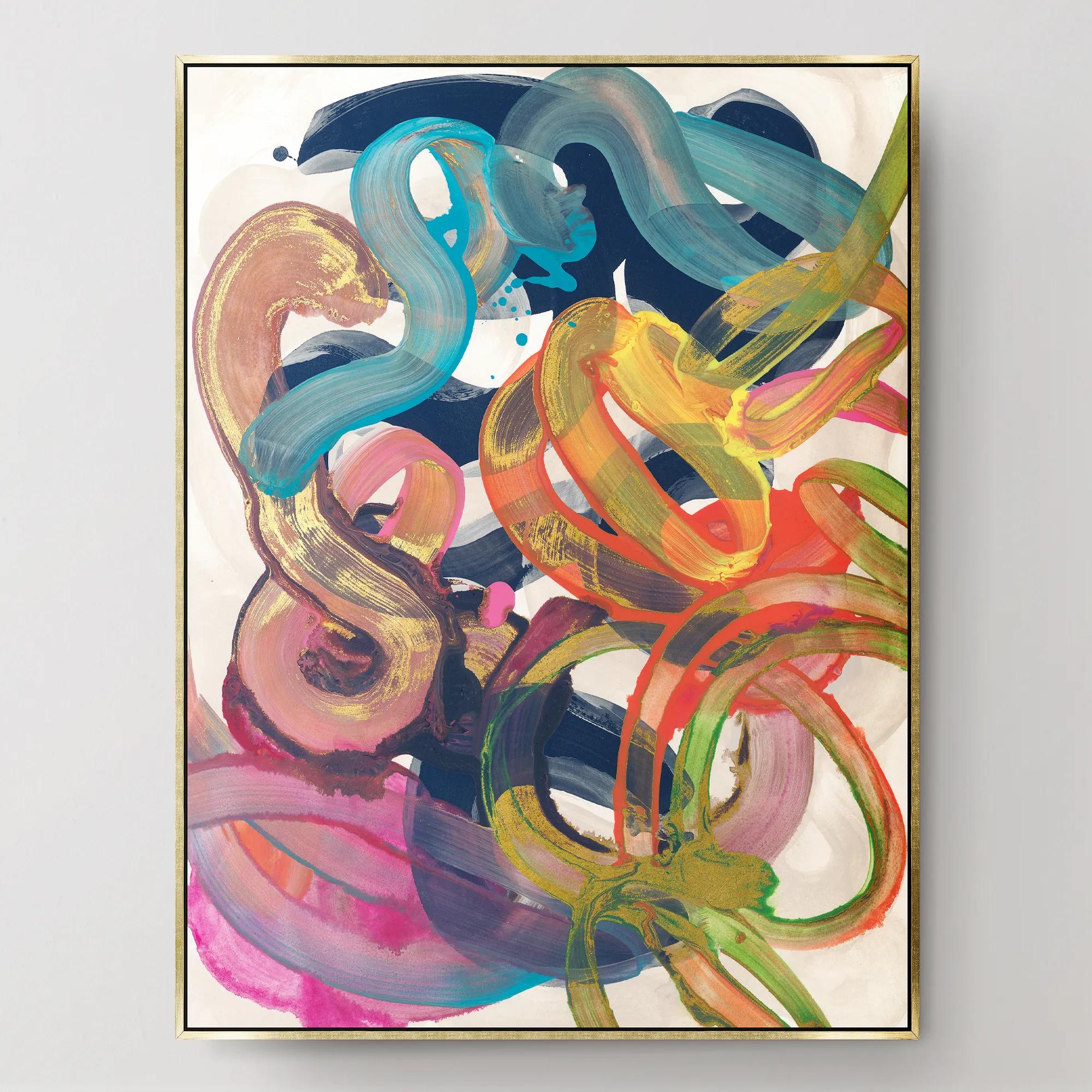
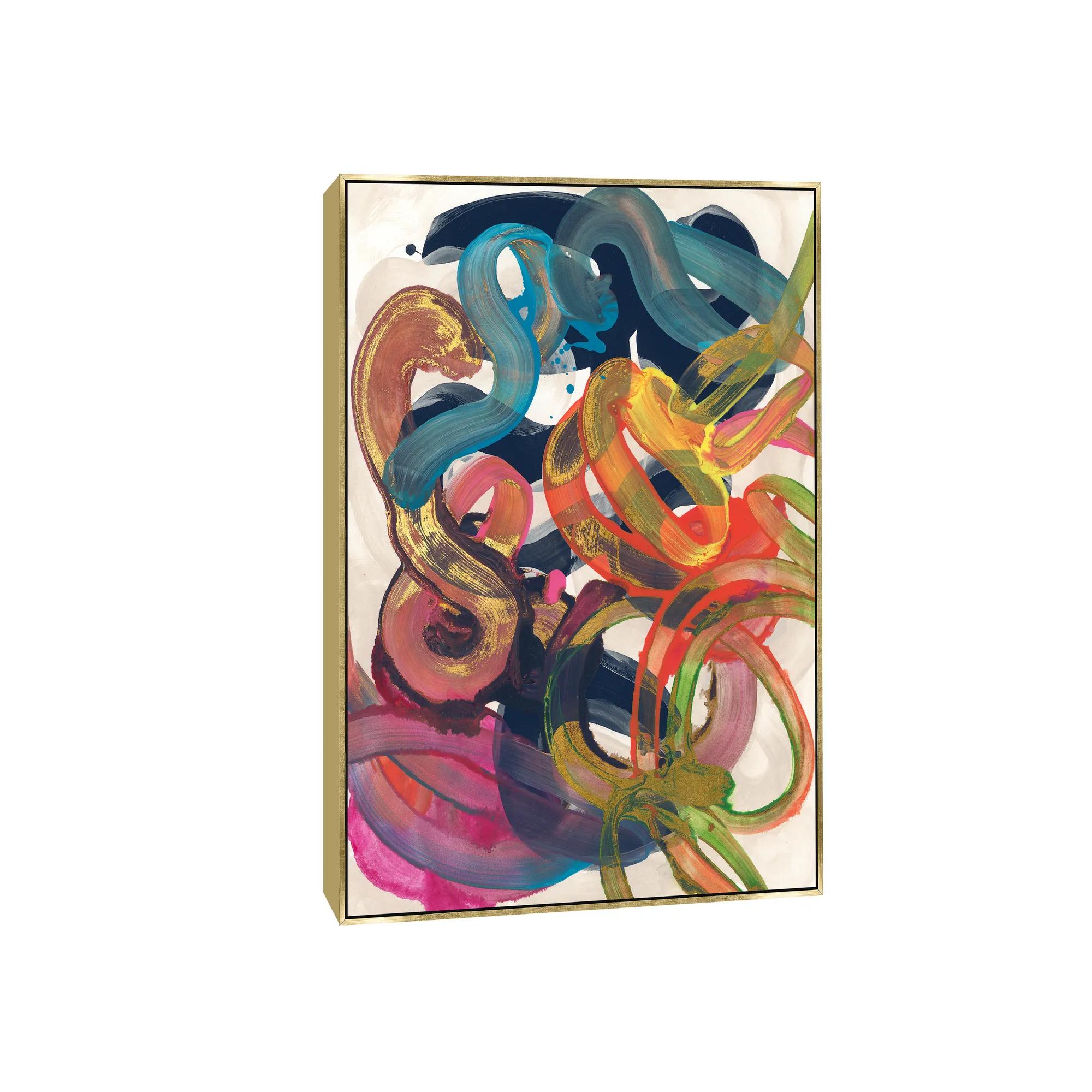 Illogical Conclusions Framed Wall Art 26" x 35"$499
A gallery-wrapped canvas artwork with a hand-applied gel finish, set in a gold float frame.
Add To Cart -
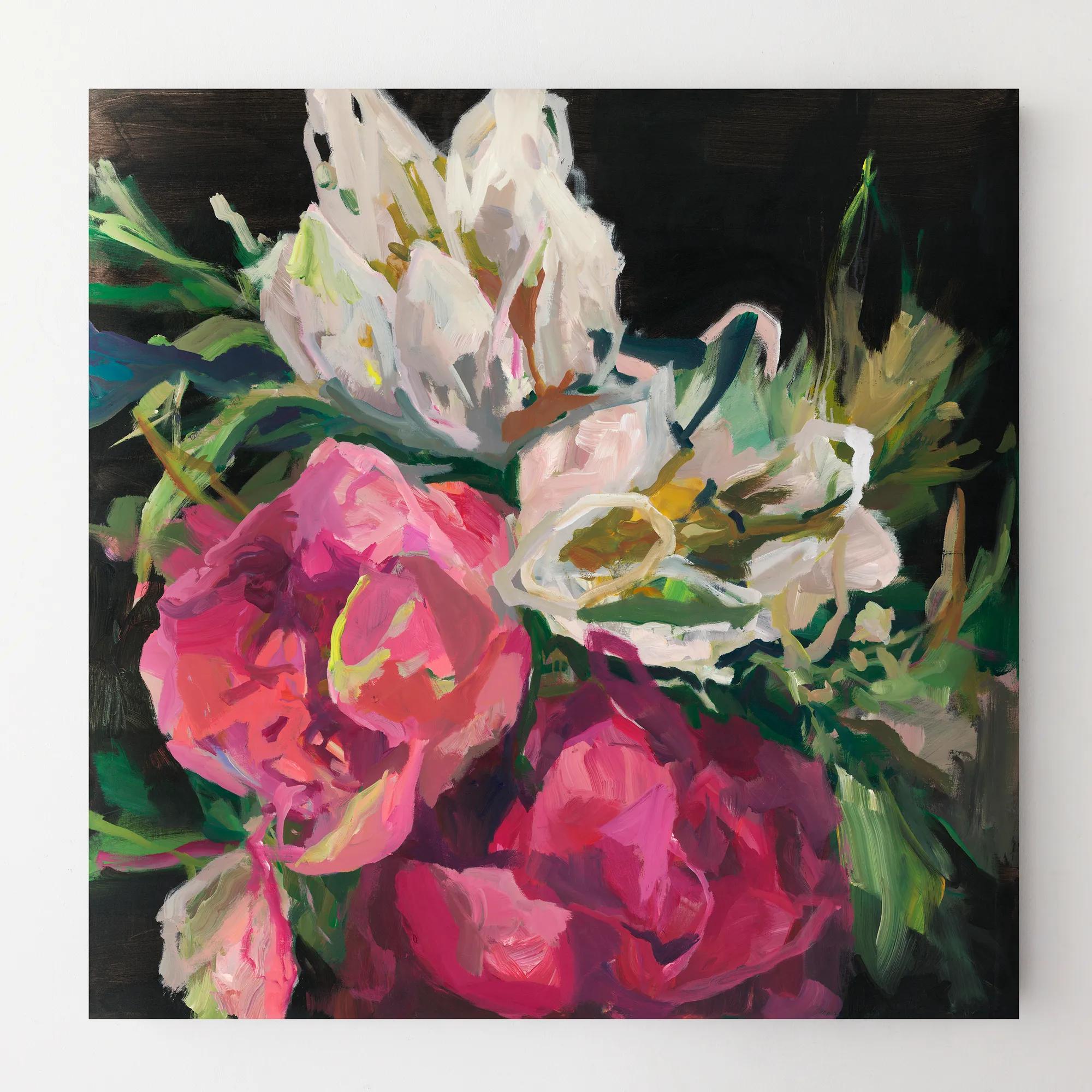
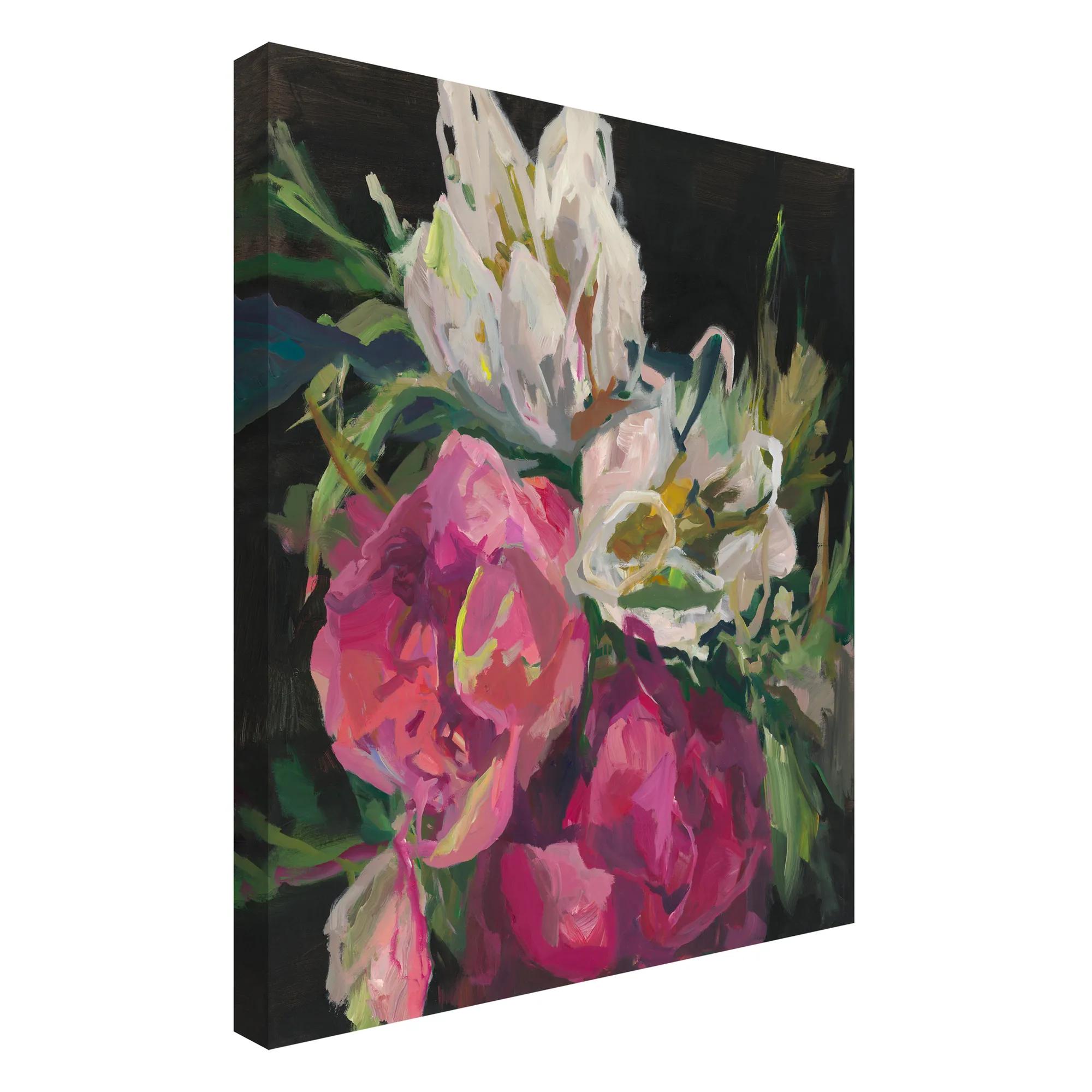 Wild At Heart Wall Art 30" x 30"$399
A gallery-wrapped canvas artwork featuring a hand-applied image brush gel finish for striking visual texture.
Add To Cart -
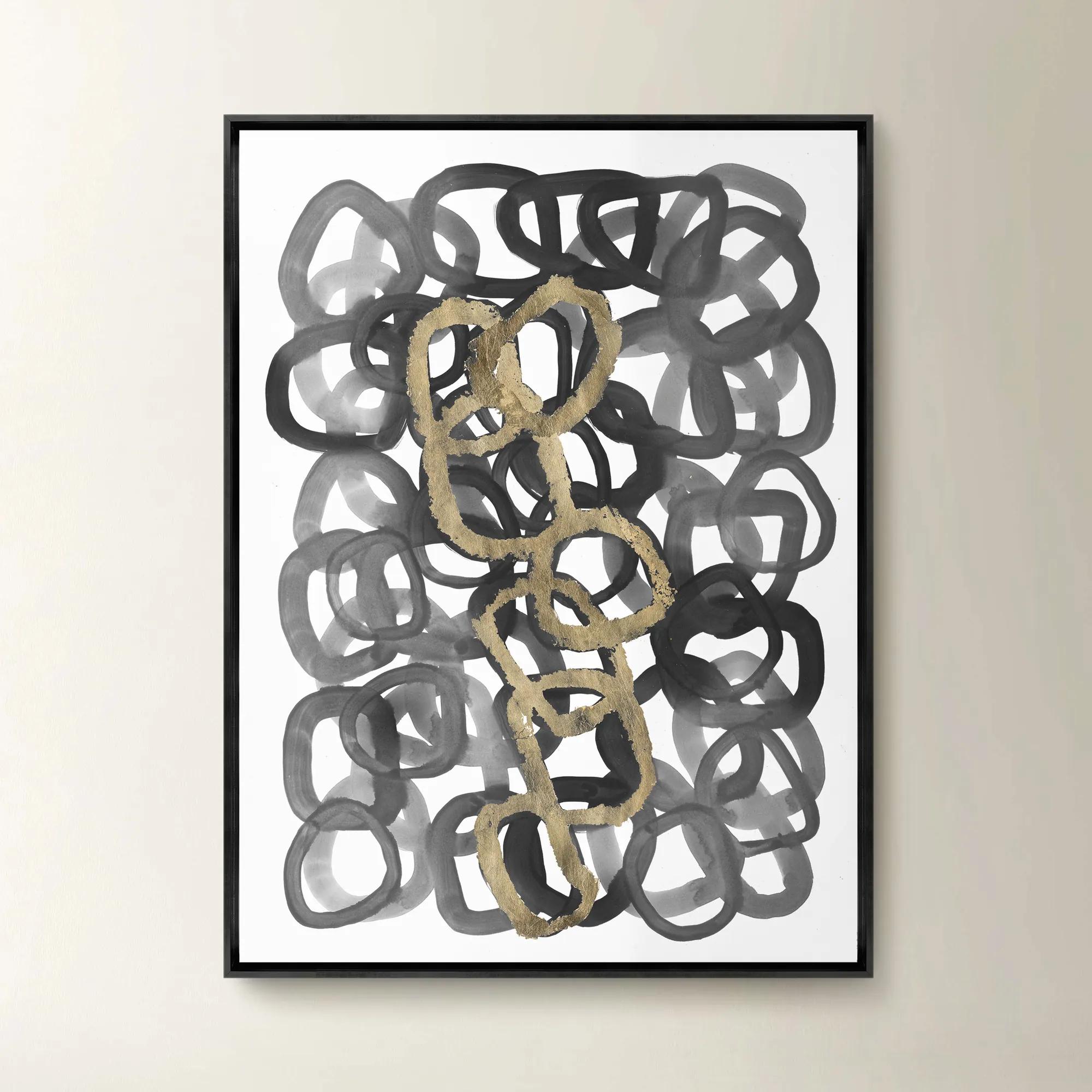
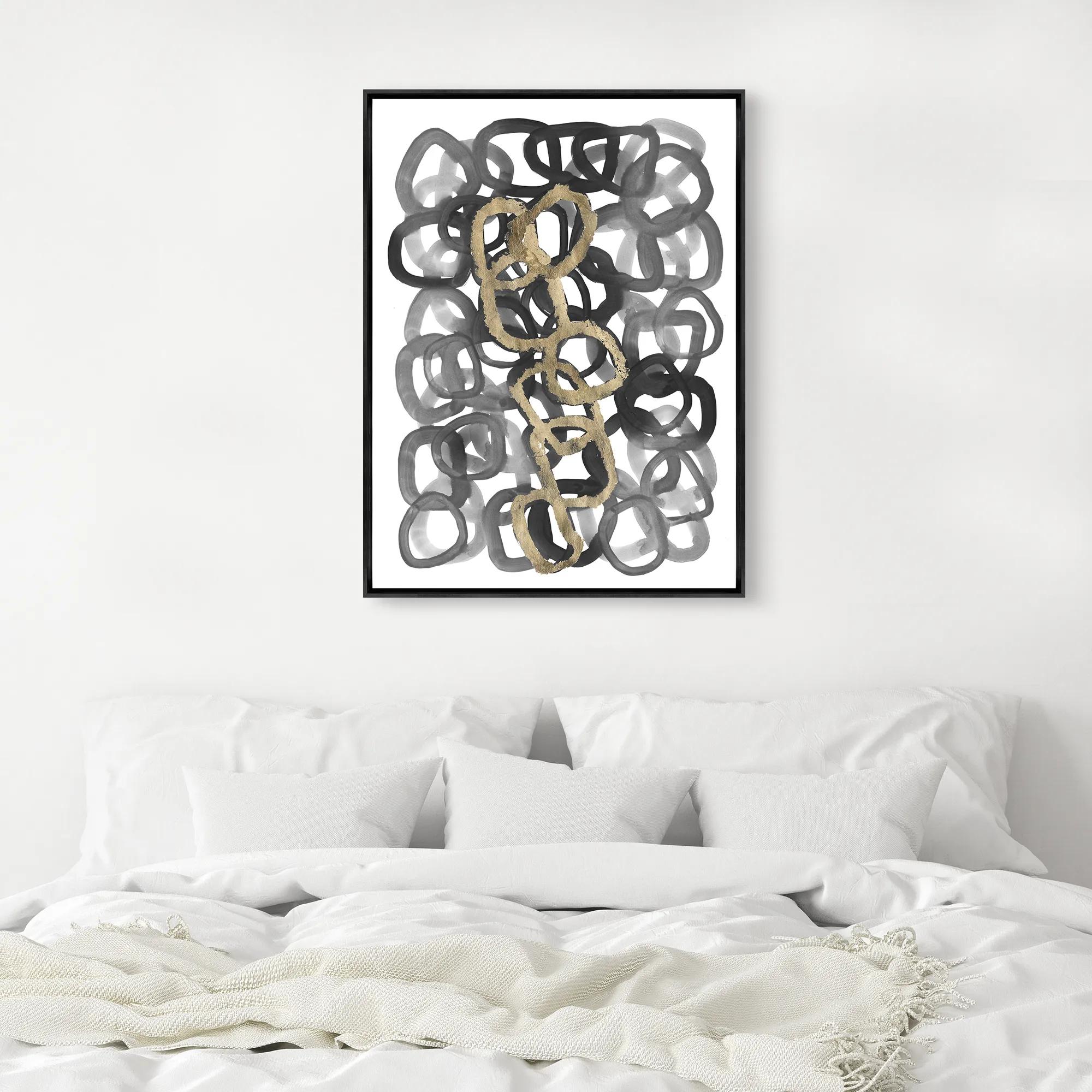 Unbroken Framed Wall Art 26" x 35"$499
A gallery-wrapped canvas artwork with a hand-applied gel finish, set in a sleek black floater frame.
Add To Cart -
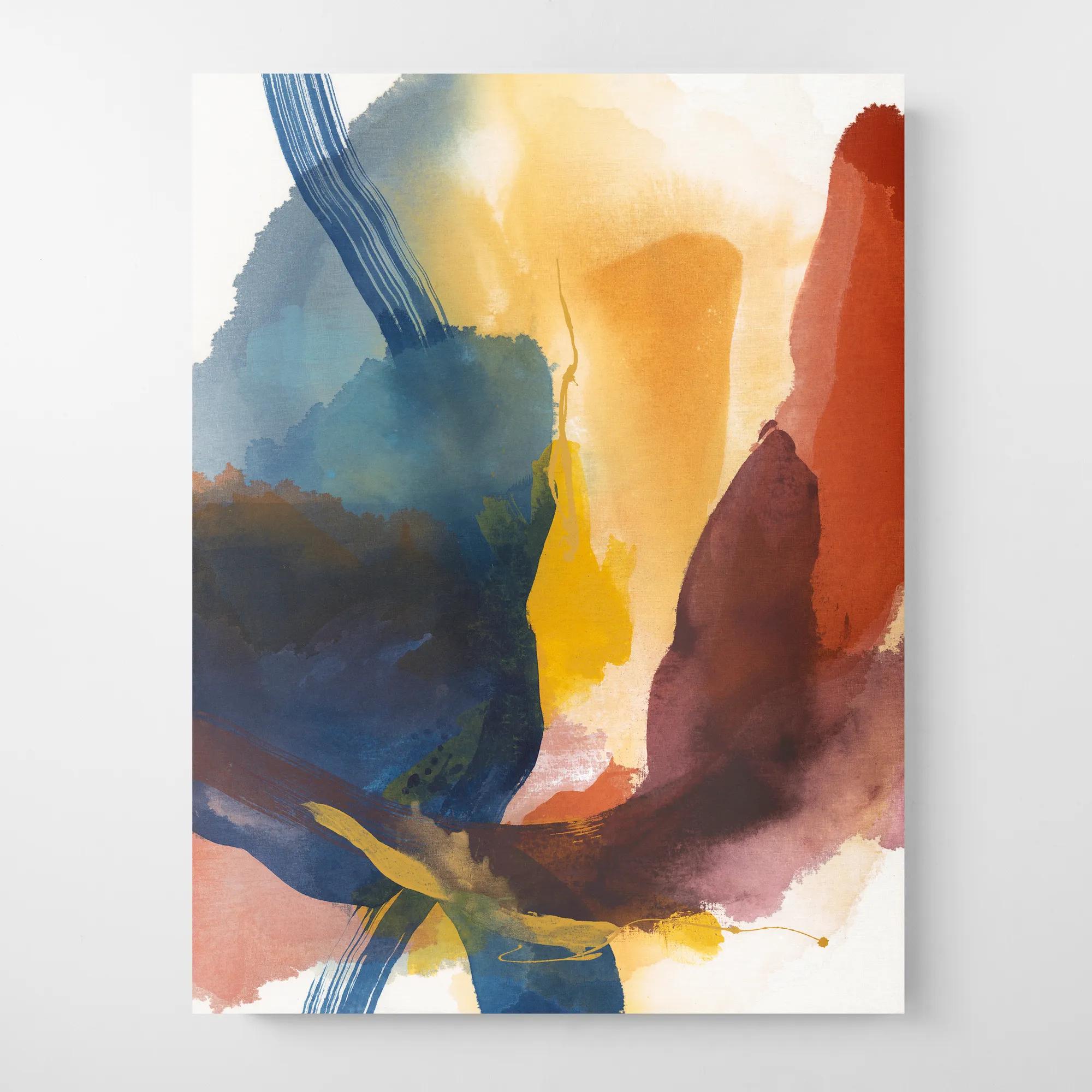
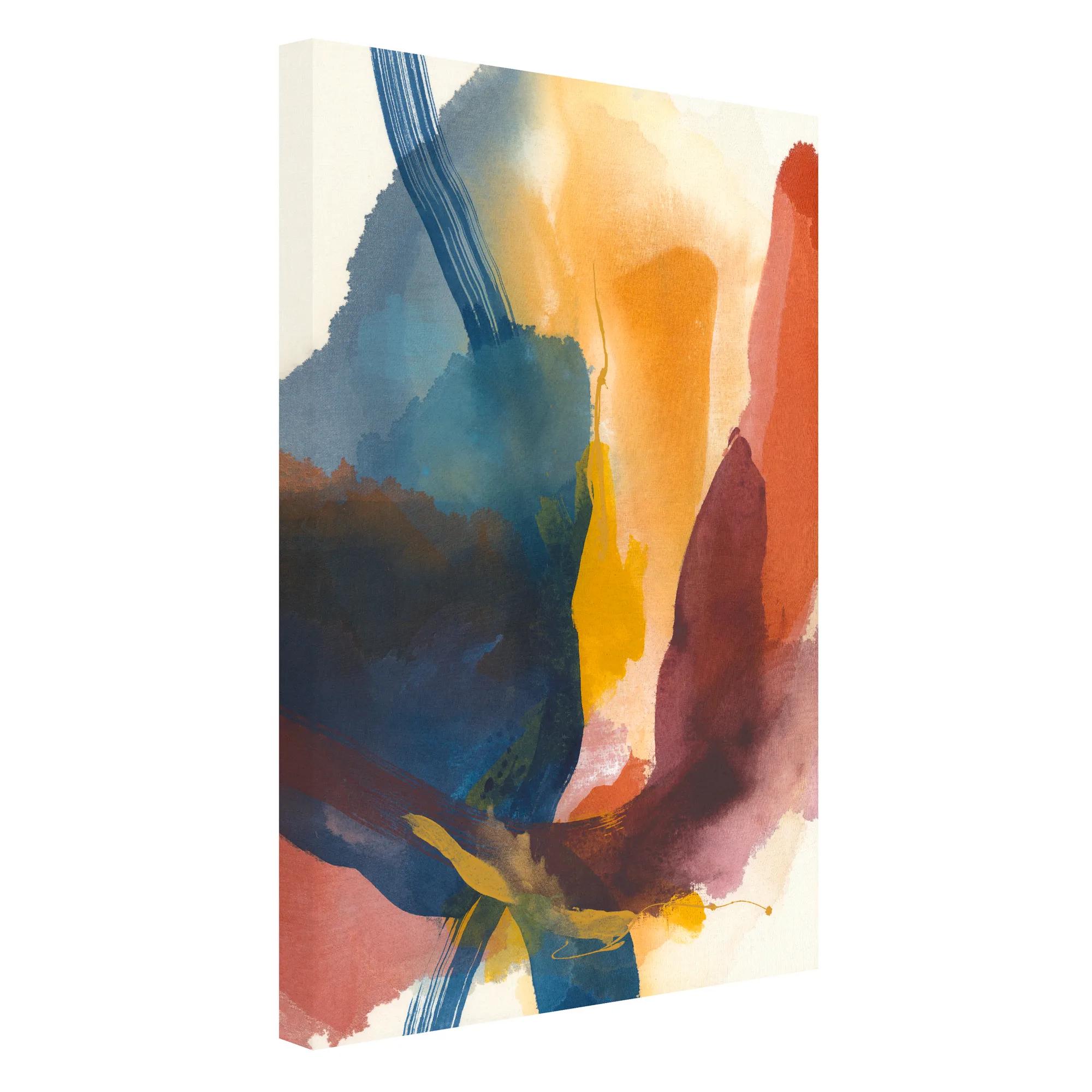 Moon Shower 1 Wall Art 30" x 40"$449
A gallery-wrapped canvas artwork featuring a hand-applied image brush gel finish for versatile display.
Add To Cart -
 World At Night Framed Wall Art 40" x 50"$899
A gallery-wrapped canvas artwork featuring a hand-applied gel finish and set in a sleek black frame.
Add To Cart -
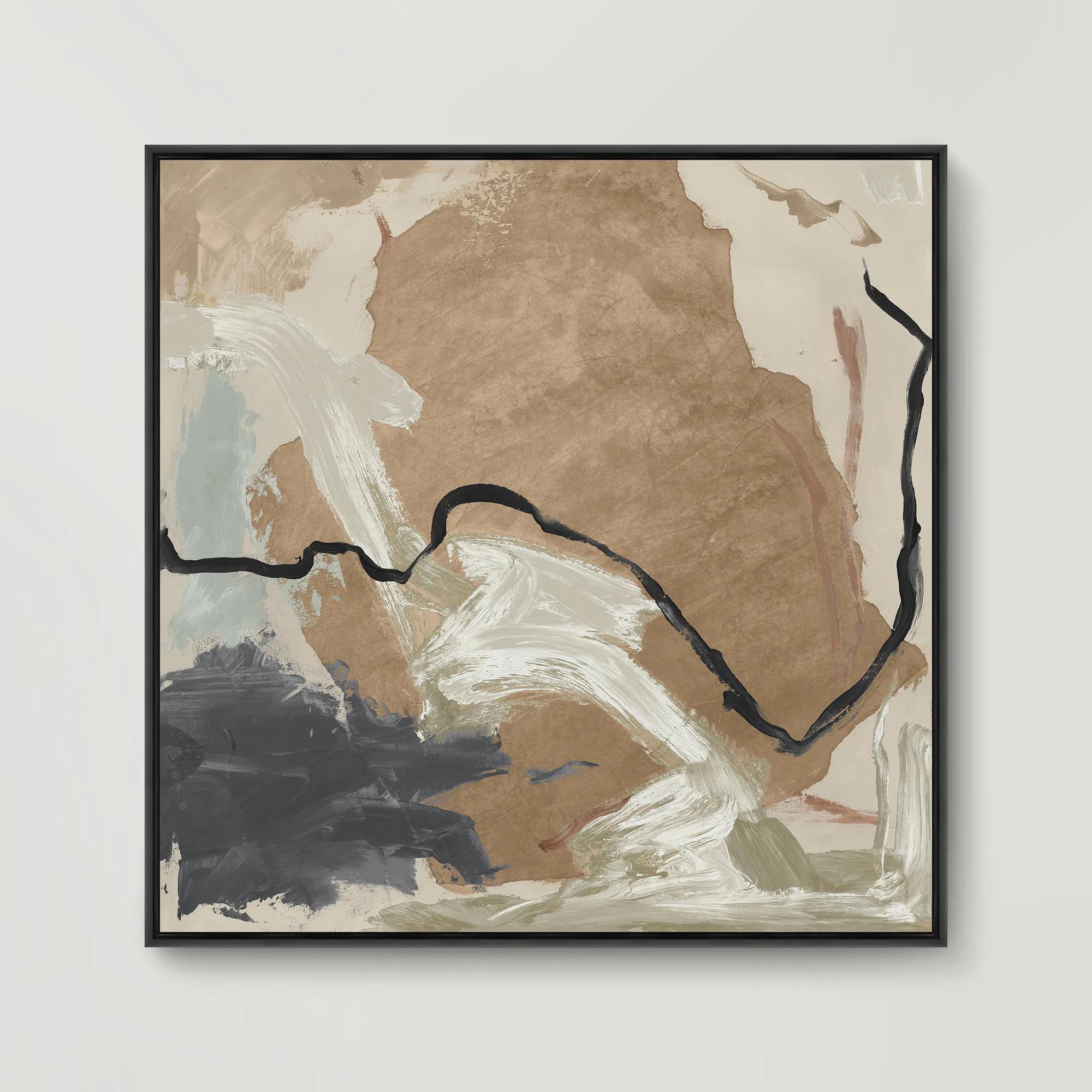 Borderlands III Framed Wall Art 31.5" x 31.5"$499
A gallery-wrapped canvas artwork with hand-applied brush gel finish, set in a sleek gray floater frame.
Add To Cart -
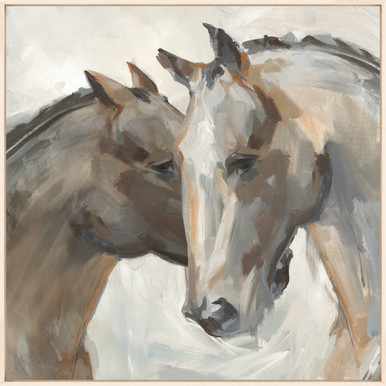
 Equine Duo Framed Wall Art 40" x 40"$699
A gallery-wrapped canvas featuring hand-applied brush gel and set in a natural floater frame.
Add To Cart -
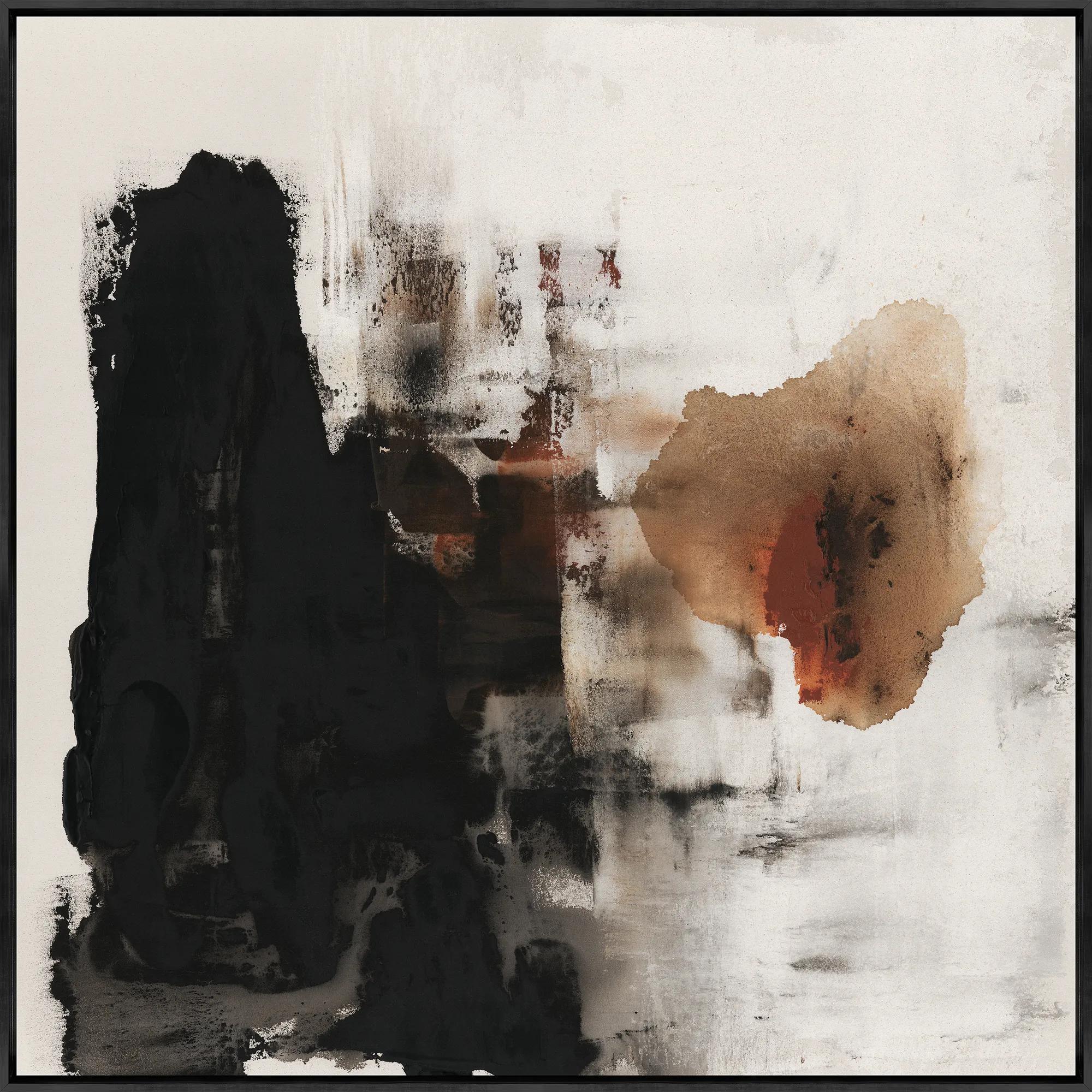 Burning for You I Framed Wall Art 40" x 40"$799
A gallery-wrapped canvas artwork with hand-applied brush gel, set in a sleek black floater frame.
Add To Cart -
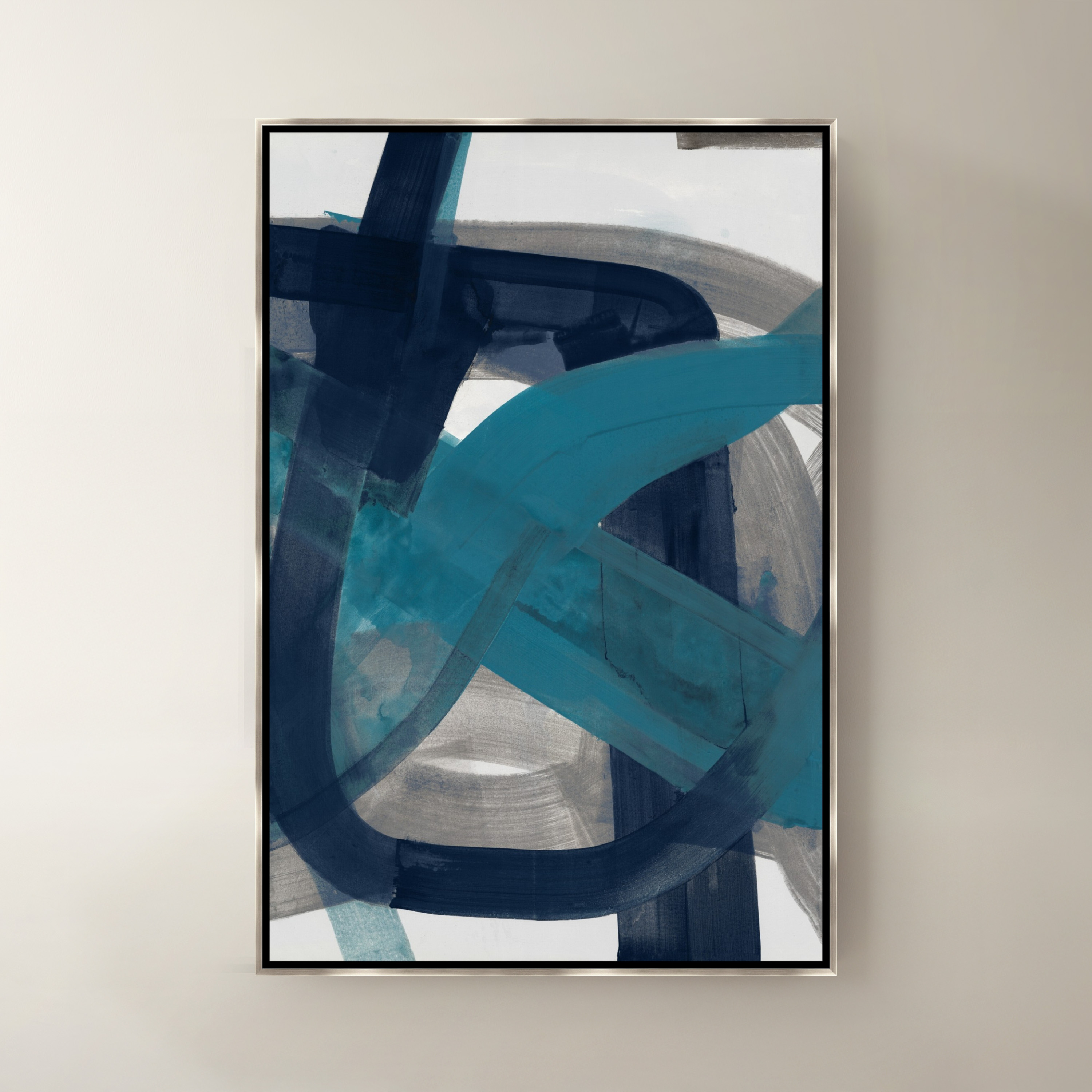
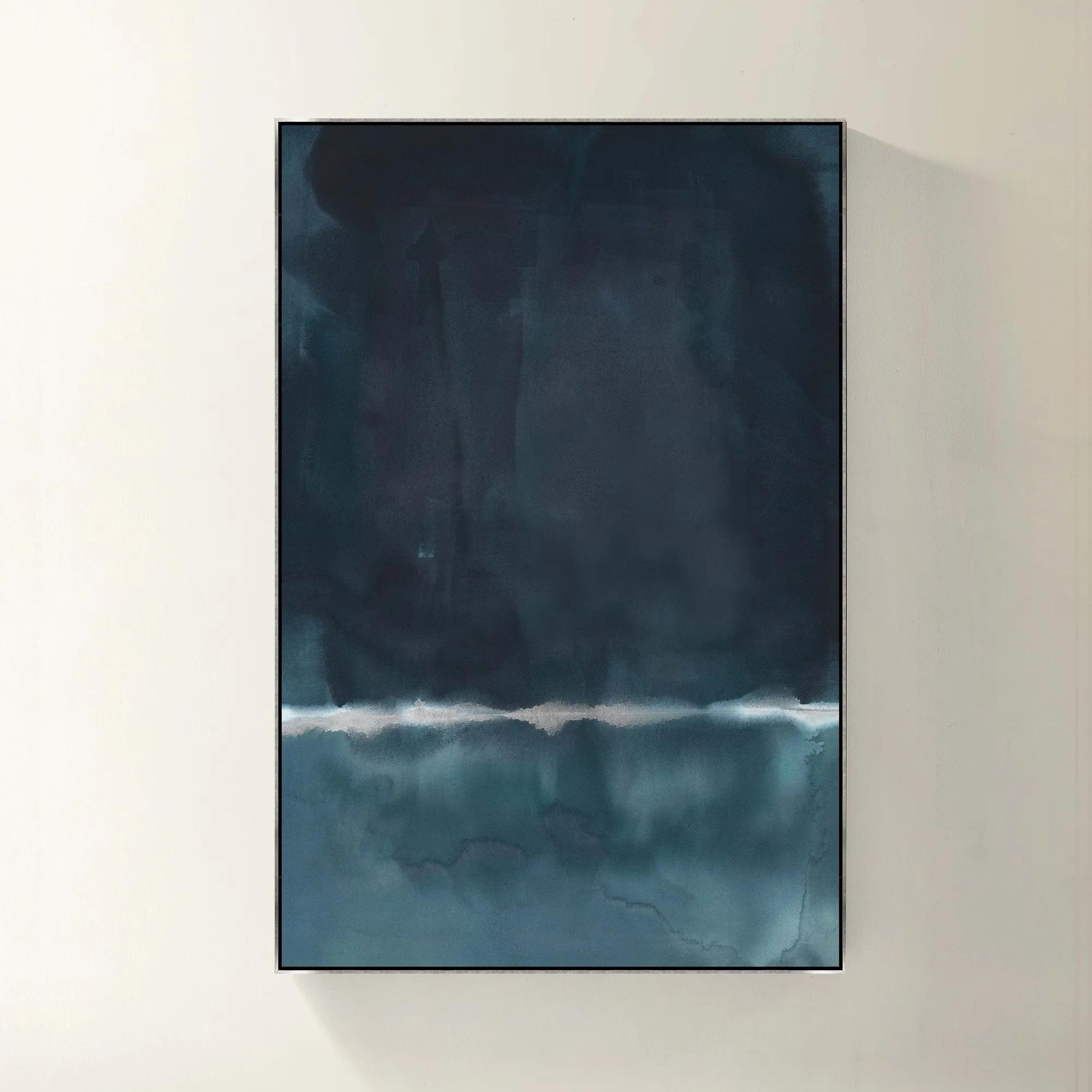 Blue Monday Framed Wall Art 40" x 60"$1119
A gallery-wrapped blue canvas with hand-embellished silver accents in a sleek silver floater frame.
Add To Cart -
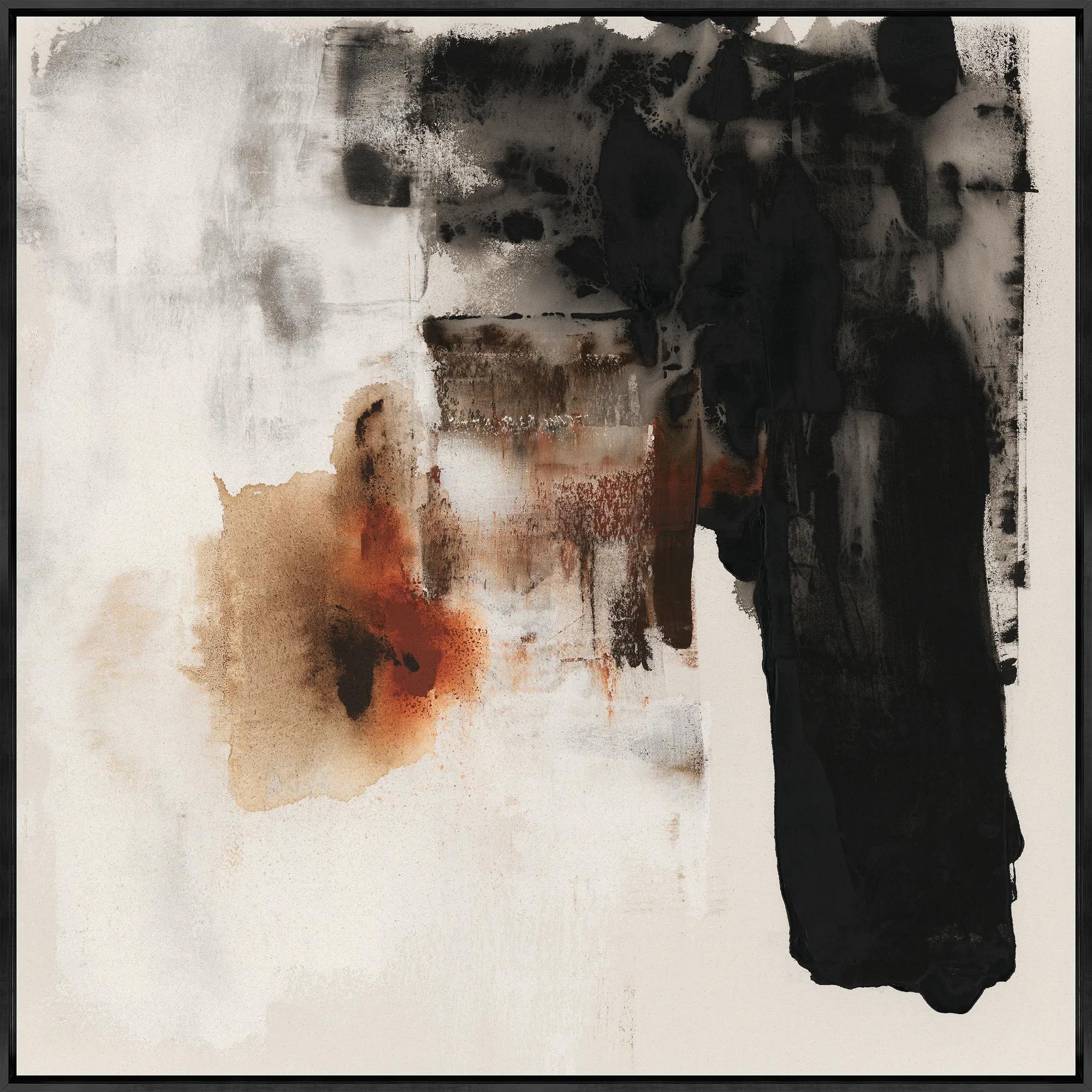
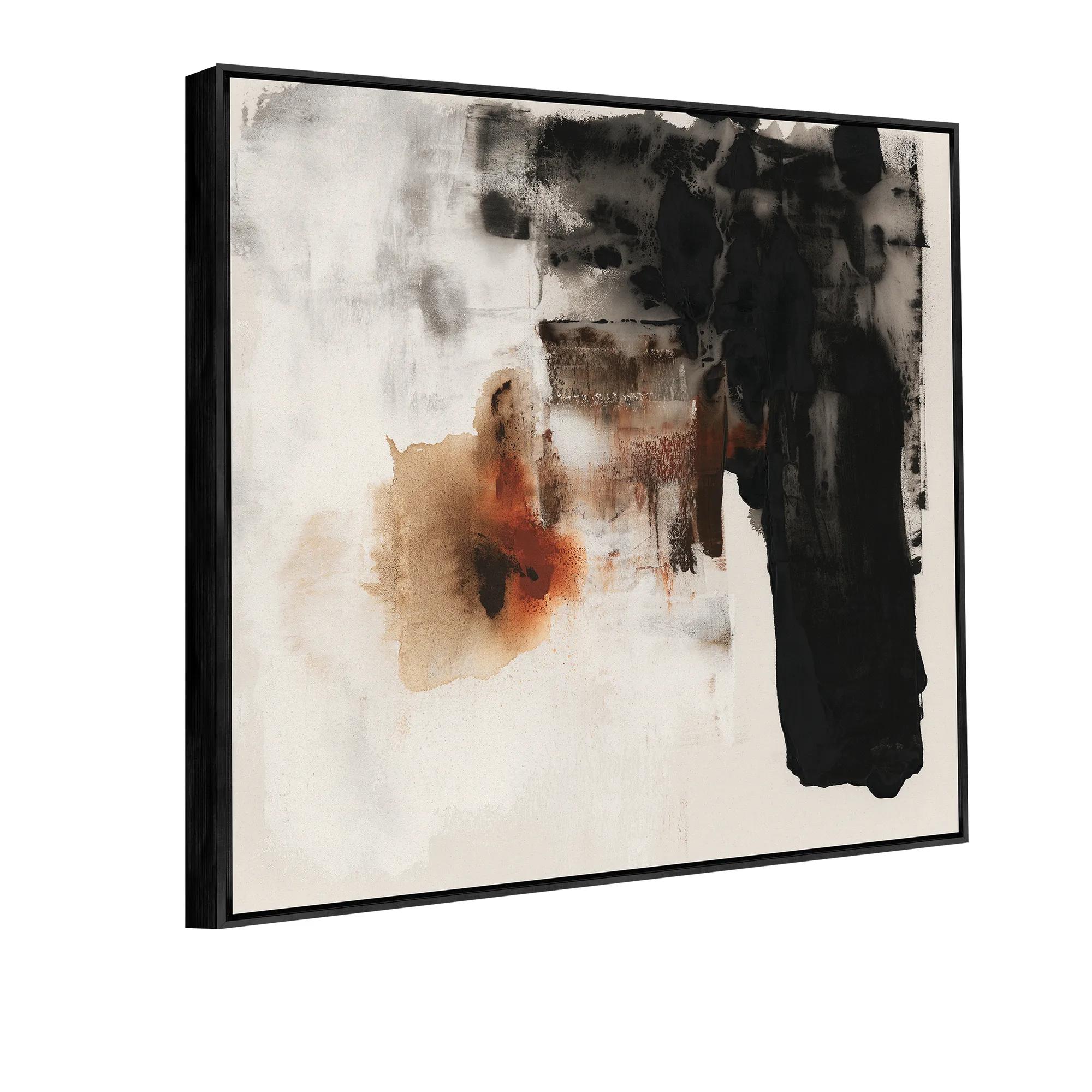 Burning for You II Framed Wall Art 40" x 40"$799
A gallery-wrapped canvas artwork with hand-applied brush gel, set in a sleek black floater frame.
Add To Cart -
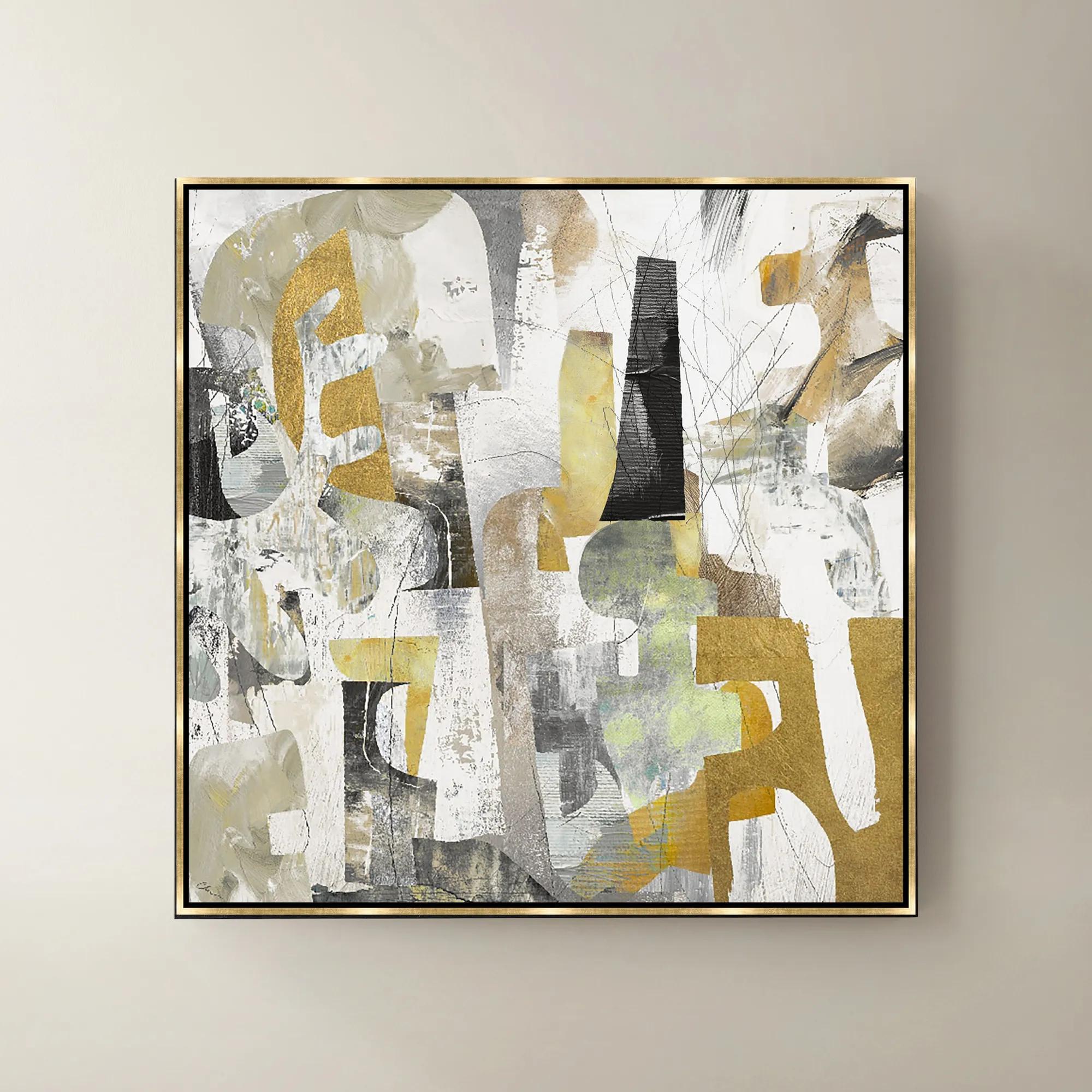
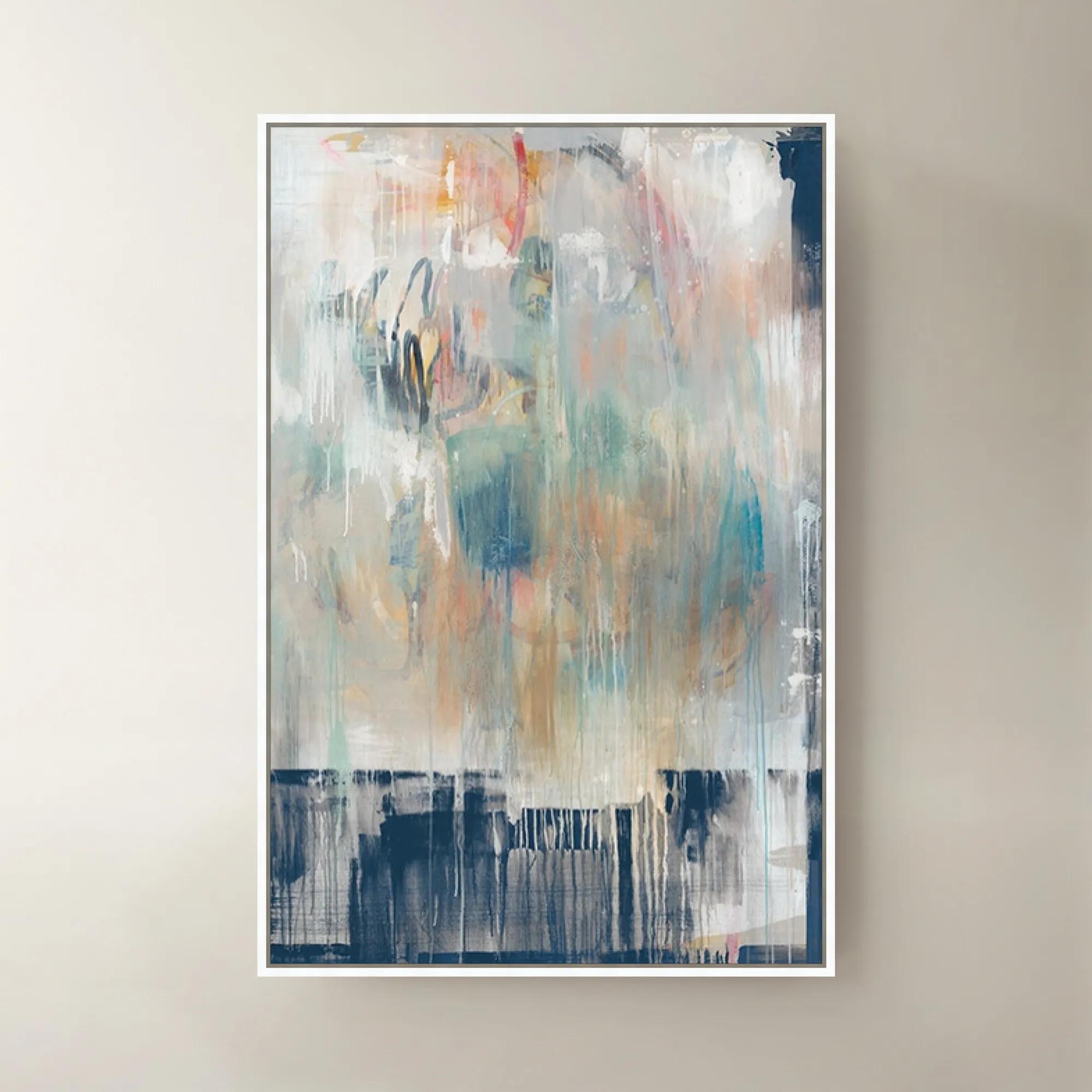
 Abby II Framed Wall Art 40" x 40"$849
An abstract art piece inspired by Nikki Chu’s modern design aesthetic and creative expertise.
Add To Cart -
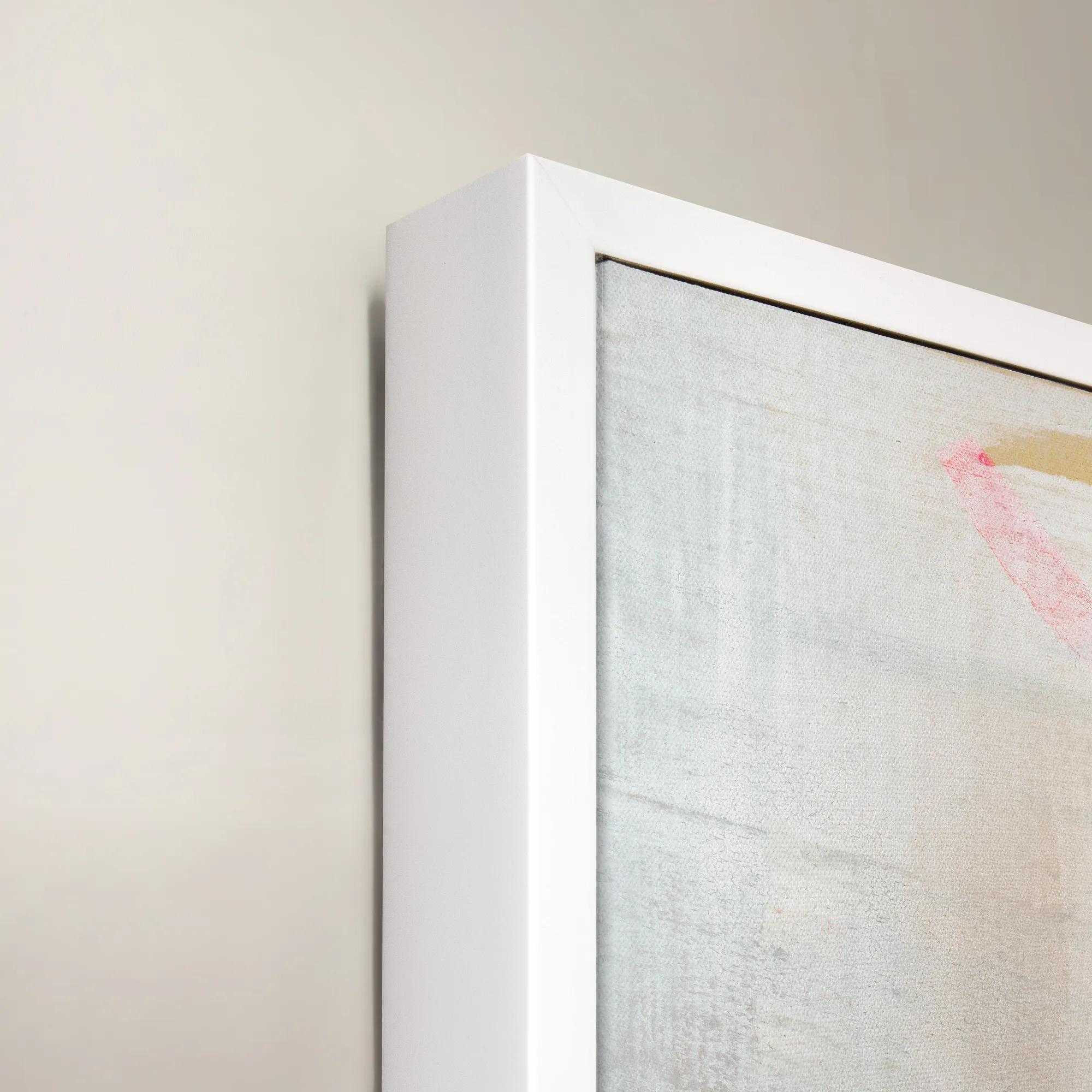 Disrepair III Framed Wall Art 40" x 60"$1099
A multicolored canvas wall artwork in a framed presentation, bringing expressive contemporary character to interiors.
Add To Cart -
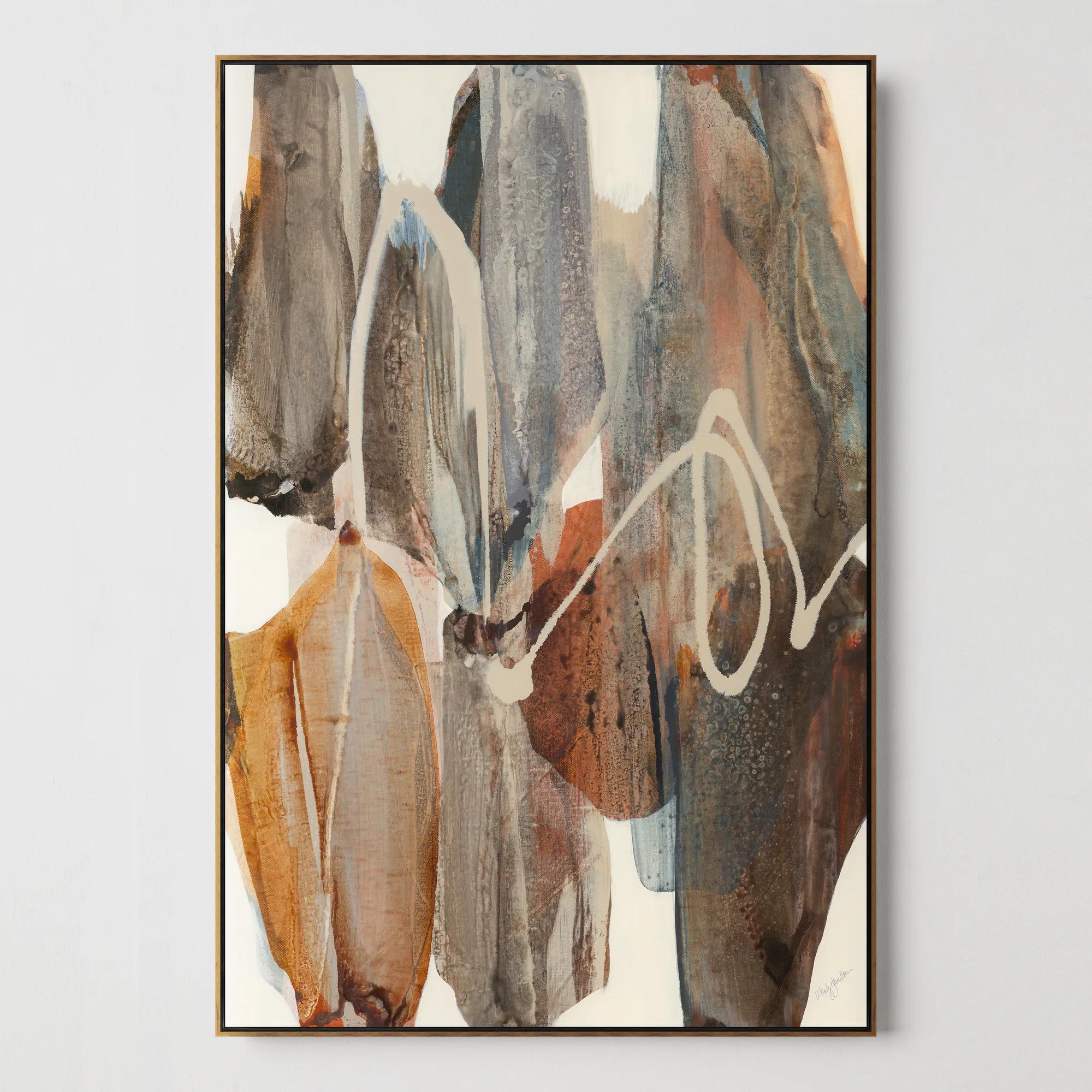
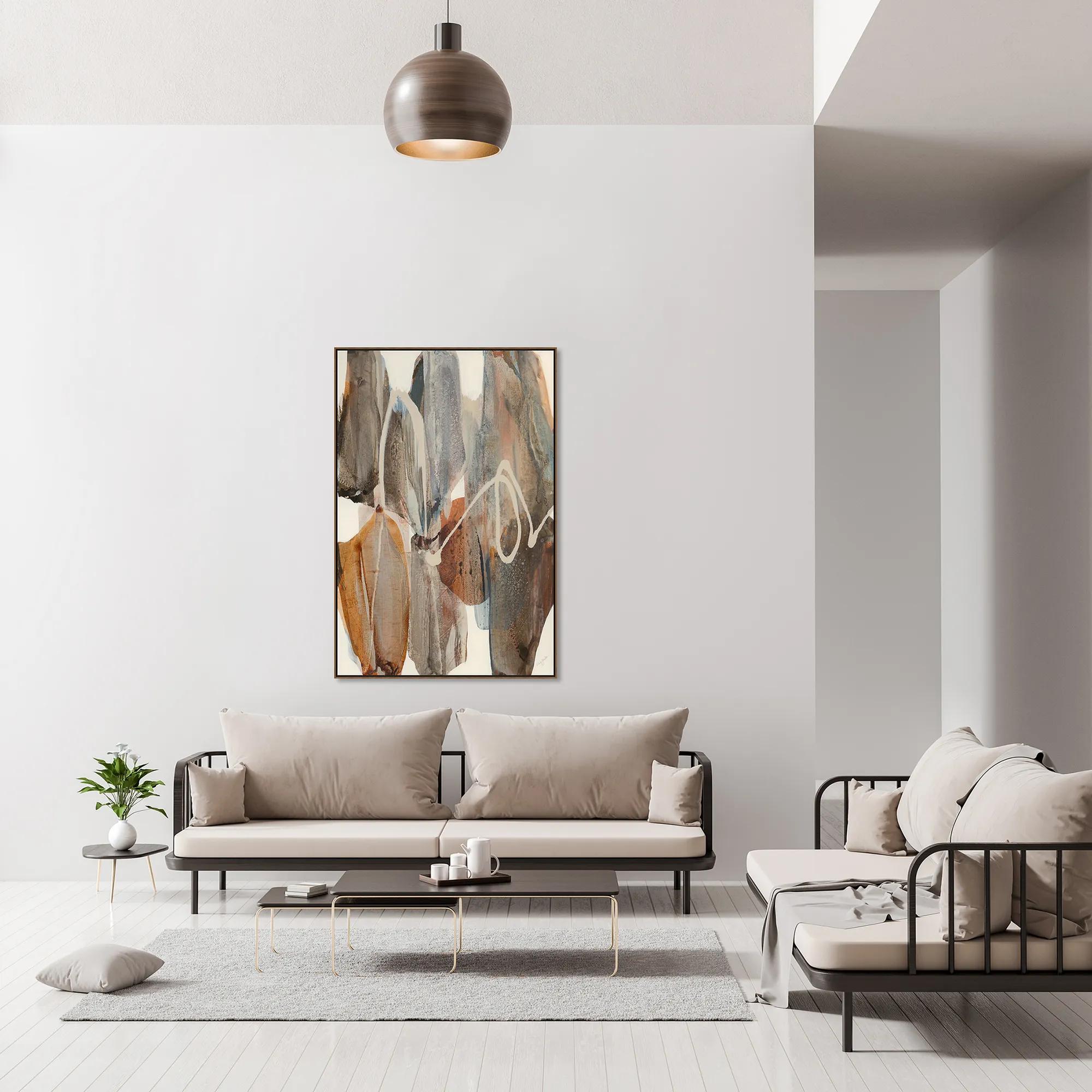 Boundless Framed Wall Art 40" x 60"$999
A gallery-wrapped canvas artwork with hand-applied brush gel finish in an oak floater frame.
Add To Cart

Gallery Wrapped Wall Art For Offices
Gallery wrapped wall art for offices transforms the everyday workspace into a showcase of inspiration and artistry. Each piece is meticulously crafted to command attention, turning blank walls into bold statements that reflect ambition, creativity, and refined taste. Whether you crave an atmosphere of serene sophistication or dramatic flair, these striking canvases infuse your office with energy and elegance—inviting conversation, igniting imagination, and elevating every moment spent within your professional sanctuary. Paint your workday with style; let your office walls speak volumes.
Gallery-wrapped wall art for offices gives a workspace a finished, expressive presence, with artwork that carries its visual impact beyond the front surface. A gallery wrap is a canvas stretched over an internal support, typically a wooden stretcher frame, and secured at the back. The canvas covers the sides, which may continue the image, mirror part of the composition, or carry a complementary solid color. This construction allows the artwork to be displayed without a traditional decorative frame, creating a sculptural profile that looks considered from across the room and along an adjoining wall. A floating frame can add another layer of definition, leaving a narrow visual gap around the canvas for a more architectural presentation. In an office, these details matter: a piece seen from the doorway, a conference table, or a desk should feel intentional from every angle. Abstract compositions are particularly versatile because color, movement, and proportion can establish a mood without relying on a literal subject. Sweeping charcoal gestures against ivory bring drama to a restrained executive suite; layered blue and gray tones lend visual depth to a home office with polished metal accents. For a reception area, an expansive composition with a strong central gesture can create a memorable first impression without competing with signage or furniture. Landscapes and architectural imagery offer a different expression, introducing a sense of distance or structure to rooms dominated by screens and storage. The most compelling choice connects with the people who use the space. A designer’s studio may welcome daring color and expressive brushwork, while a client-facing consultation room may call for quieter contrasts and generous areas of open space within the image. Neither approach needs to feel anonymous. Repeating one accent from a chair, rug, or bookcase allows the art to belong to the room while retaining its own point of view. The goal is a workspace with character: professional enough to welcome a meeting, personal enough to make the hours spent there feel less impersonal.
Scale determines whether office wall art feels commanding or merely incidental. Before selecting a canvas, measure the usable wall area and the furniture beneath it, allowing for outlets, thermostats, doors, and shelving rather than treating the entire wall as uninterrupted display space. Above a desk or credenza, artwork spanning roughly two-thirds to three-quarters of the furniture’s width can provide a balanced starting point, although the composition and surrounding architecture may suggest a different proportion. A wide horizontal canvas can echo a long work surface, while a vertical piece gives a narrow wall beside a bookcase a more deliberate presence. Oversized gallery-wrapped canvas art is especially effective where a single substantial gesture suits the room better than several smaller accents. In a compact home office, that might mean one expansive abstract above a low cabinet rather than a collection of small pictures scattered around a monitor. In a conference room, a coordinated pair or multipanel composition can extend the visual rhythm across a broad wall; consistent spacing helps separate panels read as one arrangement. Consider viewing distance, too. Fine marks and subtle tonal shifts reward a closer look, while broad shapes remain legible from a reception desk or the far end of a meeting table. Hanging height should relate to the setting rather than follow a rigid formula. Check the view while seated as well as standing, and leave enough clearance above furniture so the artwork does not appear crowded. For video calls, a composition placed behind the chair can create a polished backdrop, provided its strongest lines do not intersect awkwardly with the seated figure. Lighting completes the effect. Canvas displayed without glass avoids reflections from glazing, but surface coatings and painted accents may still catch light. Position the piece away from harsh glare and direct sunlight, and use balanced illumination to reveal its color and surface. Always choose hanging hardware appropriate to the artwork’s weight and the wall’s construction, particularly in shared offices where secure installation deserves special attention.
Materials and finishing details help distinguish a canvas that simply fills a wall from one that brings lasting visual richness to the room. Gallery-wrapped artwork may use cotton, polyester, or blended canvas, with each offering different surface characteristics depending on its weave, preparation, and finish. Printed canvas can reproduce delicate transitions and intricate imagery, while painted or embellished surfaces may introduce visible brushwork, raised passages, or reflective accents. A printed image that depicts texture is not necessarily physically textured, so descriptions and close-up photography are useful when the surface itself is central to the desired effect. For a more tactile direction, Textured Wall Art For Offices offers a related way to consider dimension alongside color and composition. Canvas depth also deserves attention: a deeper profile casts a more pronounced shadow against the wall, while a shallower wrap sits closer to the surface and may suit a tighter passage. Look for a taut appearance, neatly finished corners, and construction details suited to the intended placement. Canvas is not immune to wear; accidental pressure can dent or stretch it, and exposed edges benefit from thoughtful positioning away from busy circulation paths. Maintain a stable indoor environment, avoid damp walls and direct exposure to heating or cooling vents, and follow the artwork’s individual care instructions. Gentle dusting with a clean, soft, dry cloth or brush may be appropriate, but water, cleaning sprays, and abrasive materials can damage inks, pigments, coatings, or embellishments. Handle the piece by its support rather than pressing against the image. For someone establishing a home office, opening a professional practice, or celebrating a career milestone, thoughtfully chosen artwork can be a meaningful gift when their aesthetic and available wall space are known. Whether the setting is a private study or a shared workplace, the strongest selection combines practical fit with a distinct visual sensibility. Rich color, assured scale, and beautifully resolved edges turn a working room into a space with presence.
FAQs
Gallery wrapped wall art offers a seamless, contemporary look, as the artwork extends around the edges of the canvas, creating a three-dimensional effect. This style eliminates the need for traditional framing, resulting in a clean, modern presentation that enhances the sophistication and visual impact of any office environment.
Gallery wrapped art can set the tone of a workspace, infusing it with energy, tranquility, or creativity depending on the style and color palette chosen. Abstract pieces can ignite inspiration and conversation, while serene landscapes bring a sense of calm and focus, making art a powerful tool for shaping the mood and productivity of an office.
Absolutely. Gallery wrapped wall art makes a thoughtful and lasting gift for colleagues, clients, or business partners. Its timeless appeal and versatility ensure it complements a variety of office aesthetics, making it a meaningful gesture for promotions, new roles, or corporate milestones.
Yes, gallery wrapped art is ideal for establishing a cohesive visual narrative. Multiple pieces can be curated into a gallery wall, unifying the space through color, style, or subject matter. This approach adds depth and sophistication, transforming the office into a curated showcase of artistry.
Popular styles for office settings include abstract compositions, modern geometric designs, tranquil landscapes, and monochromatic pieces. Each style brings its own character—whether you seek to energize a collaborative area with bold color or cultivate serenity in a private office with soothing imagery.