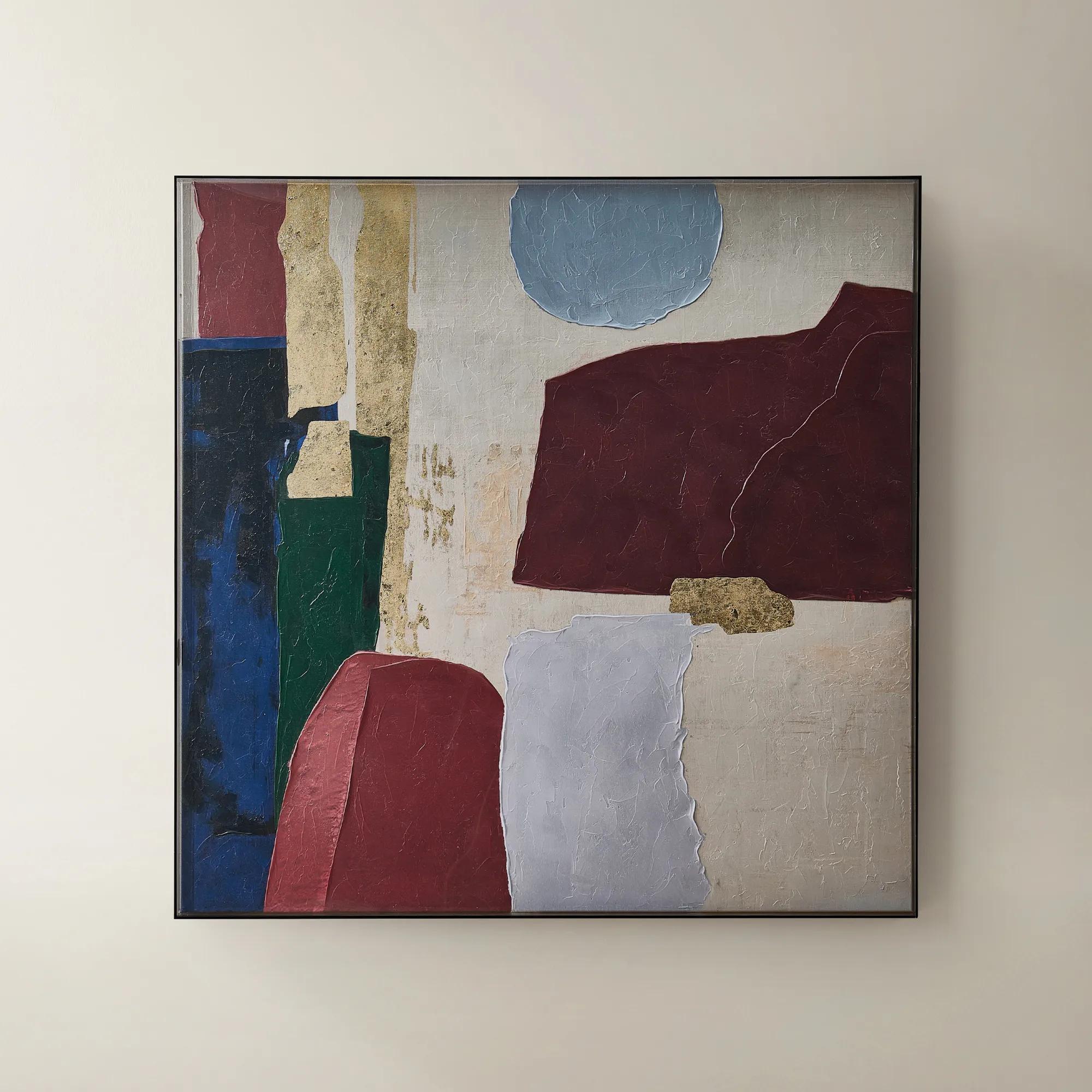
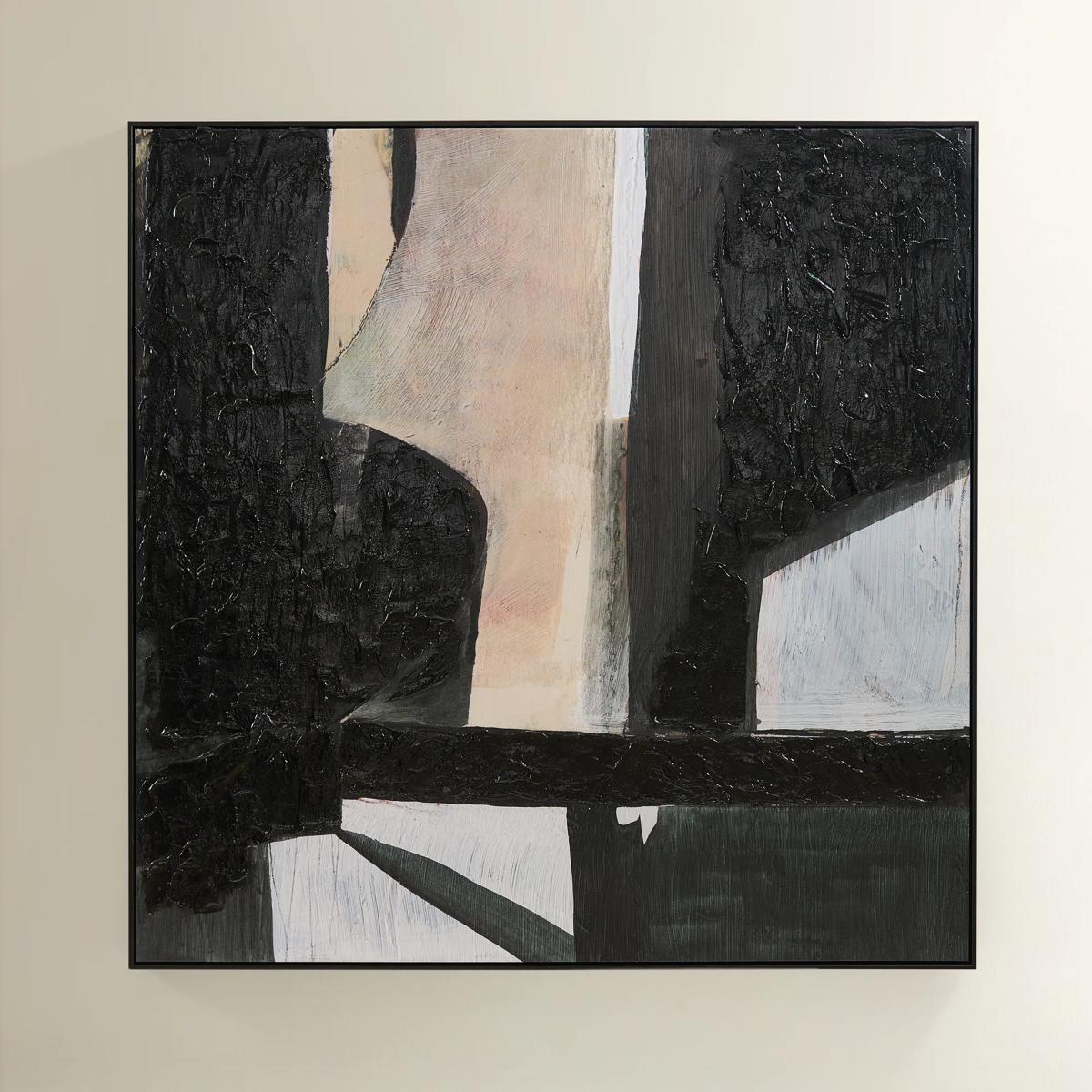
Textured Wall Art For Offices
Textured Wall Art For Offices
-
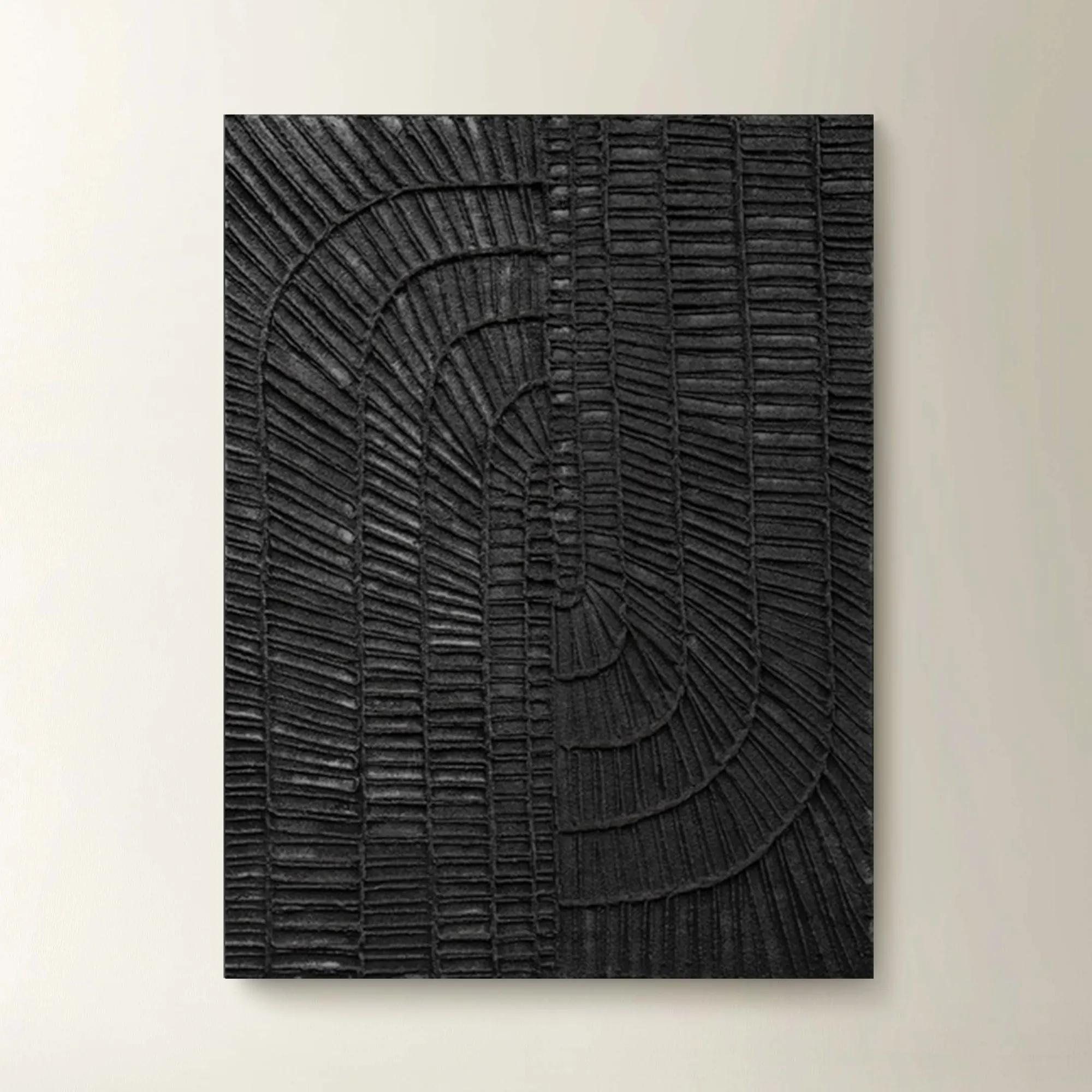 Textured Haze Black II Painted Wall Art 26" x 35"$499
A striking hand-painted black artwork featuring textured details for versatile vertical or horizontal display.
Add To Cart -
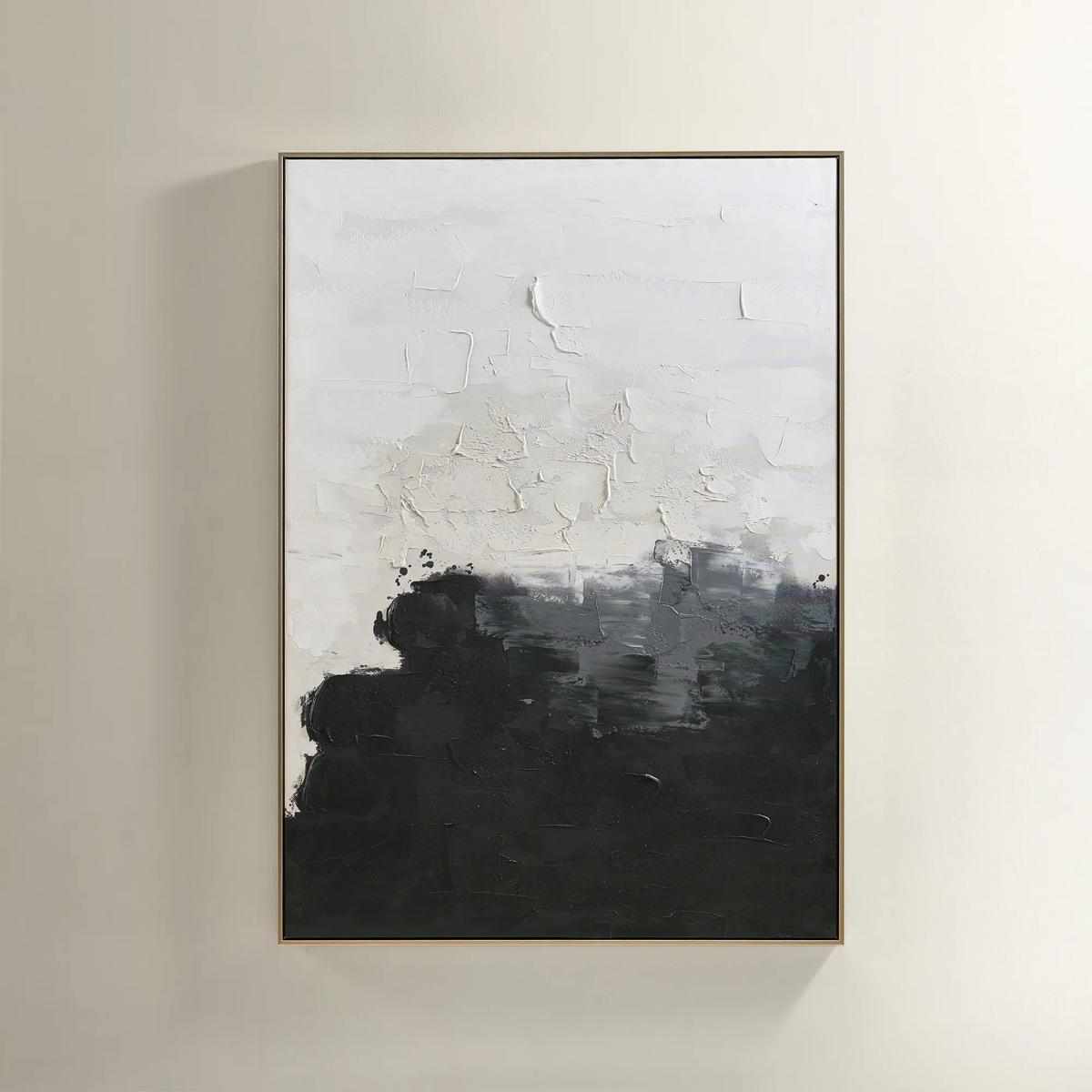
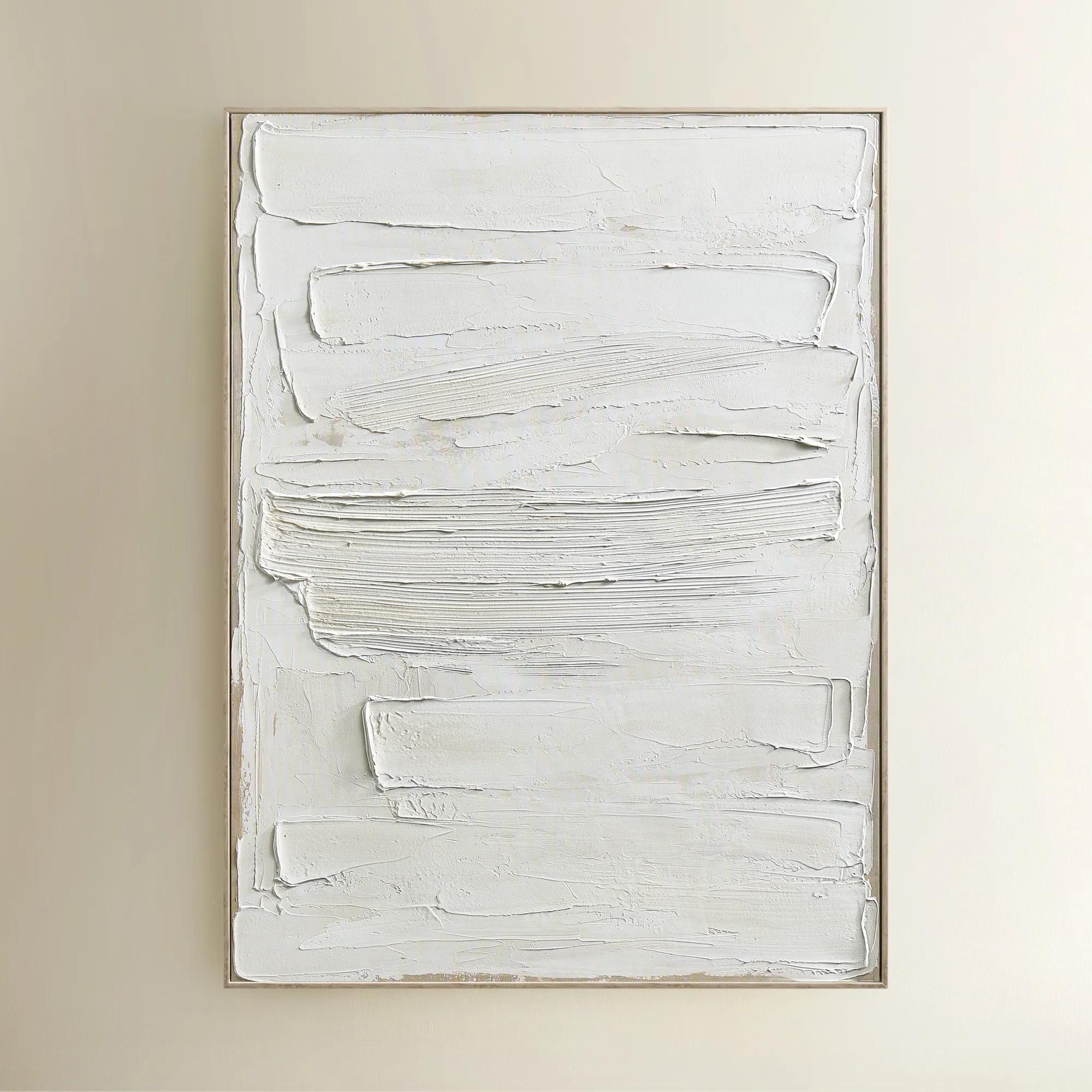
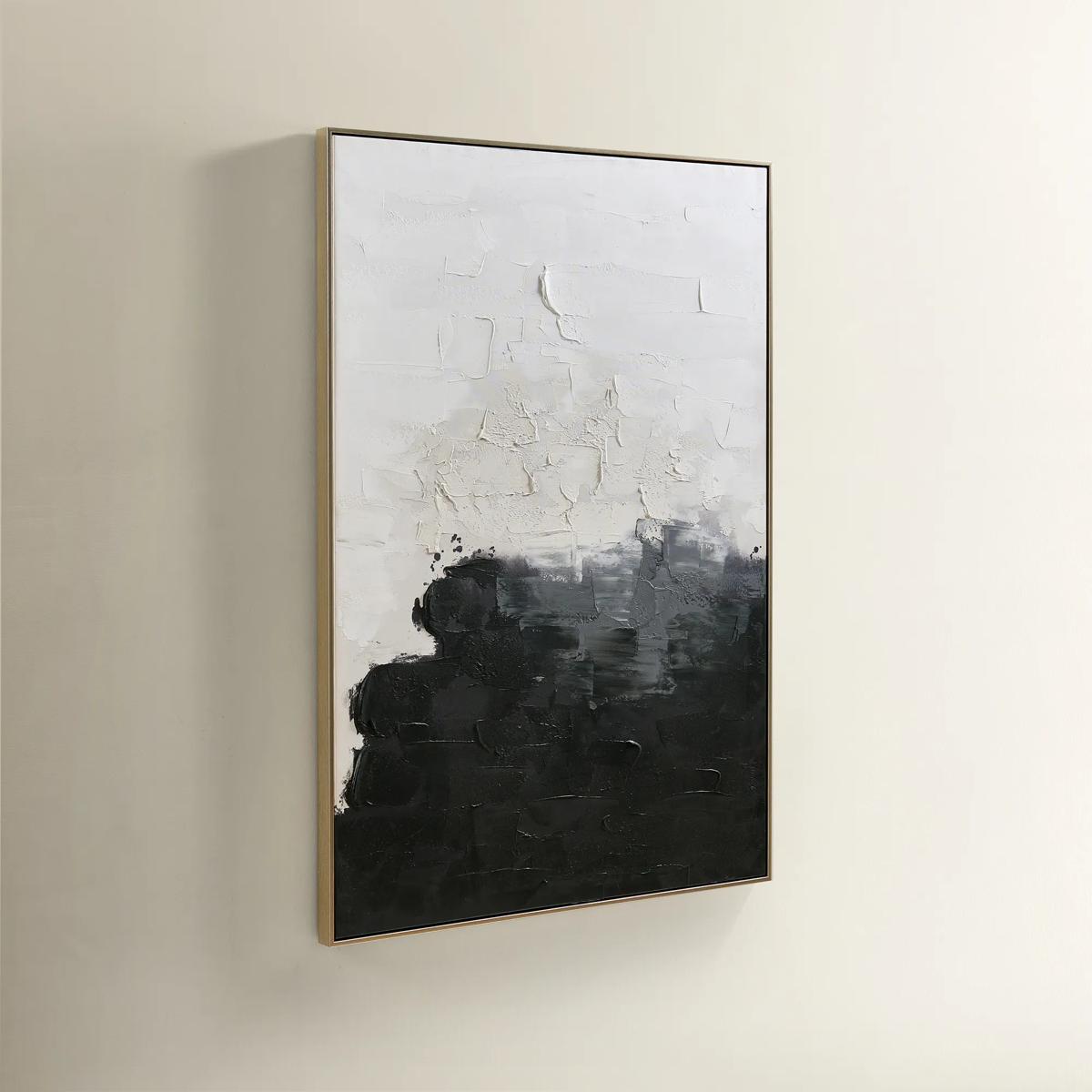 No Rush Painted Wall Art 39.25" x 55"$499
A hand-painted canvas featuring textured strokes of white, ivory, and charcoal in a natural wood frame.
Add To Cart -
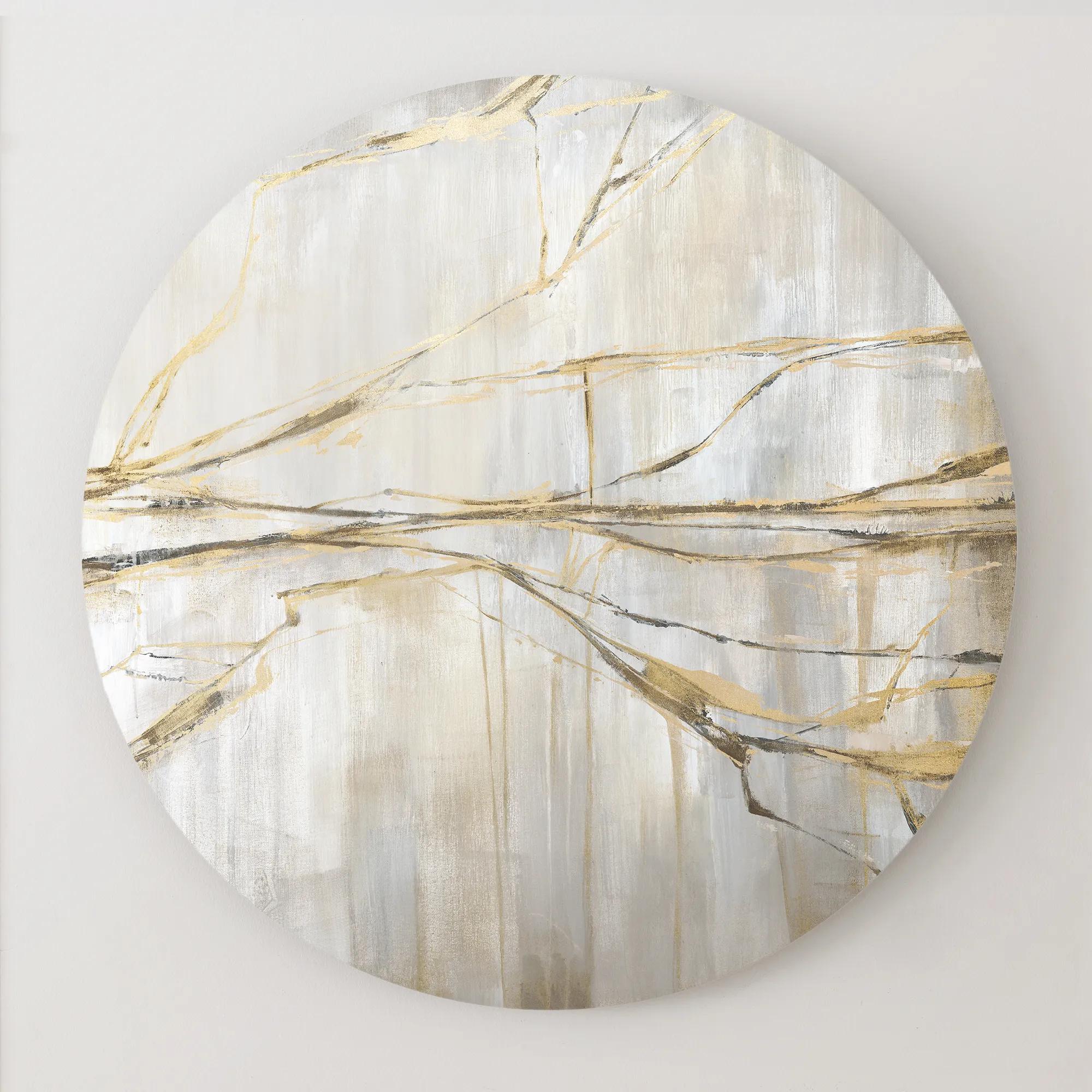
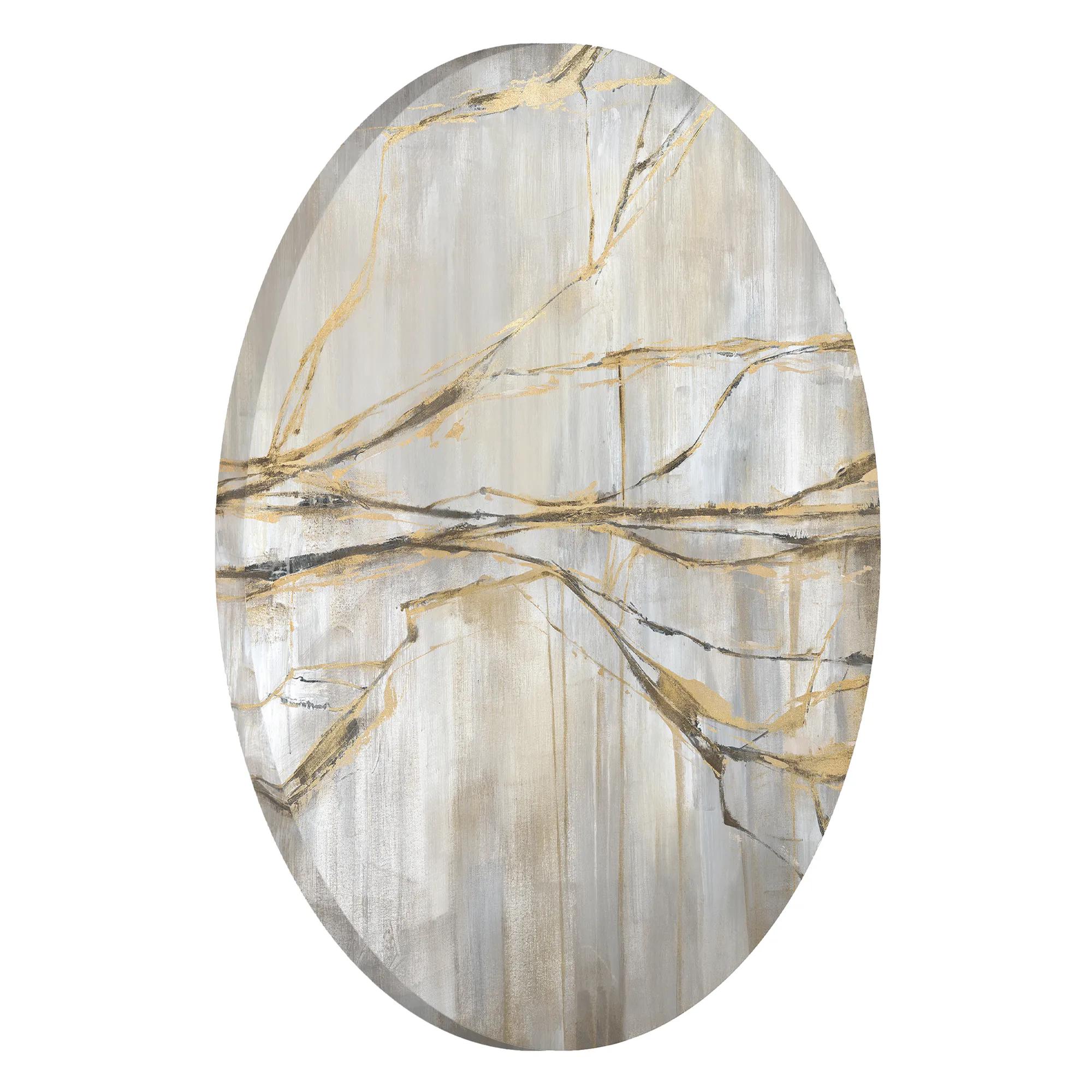 Lightening Crashes Round Wall Art 30"$899
A hand-textured circular linen canvas featuring a gallery-wrapped design for versatile wall display.
Add To Cart -
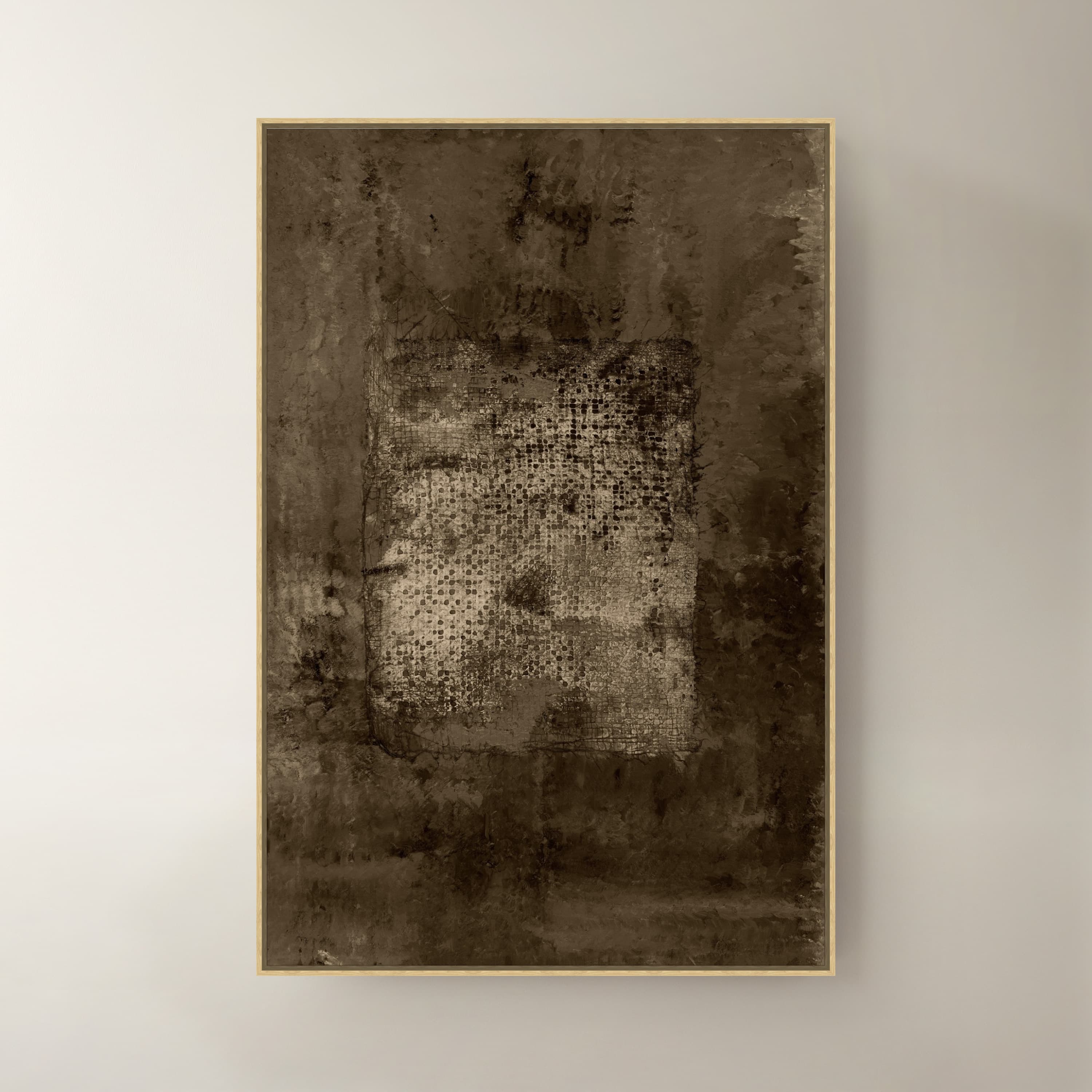
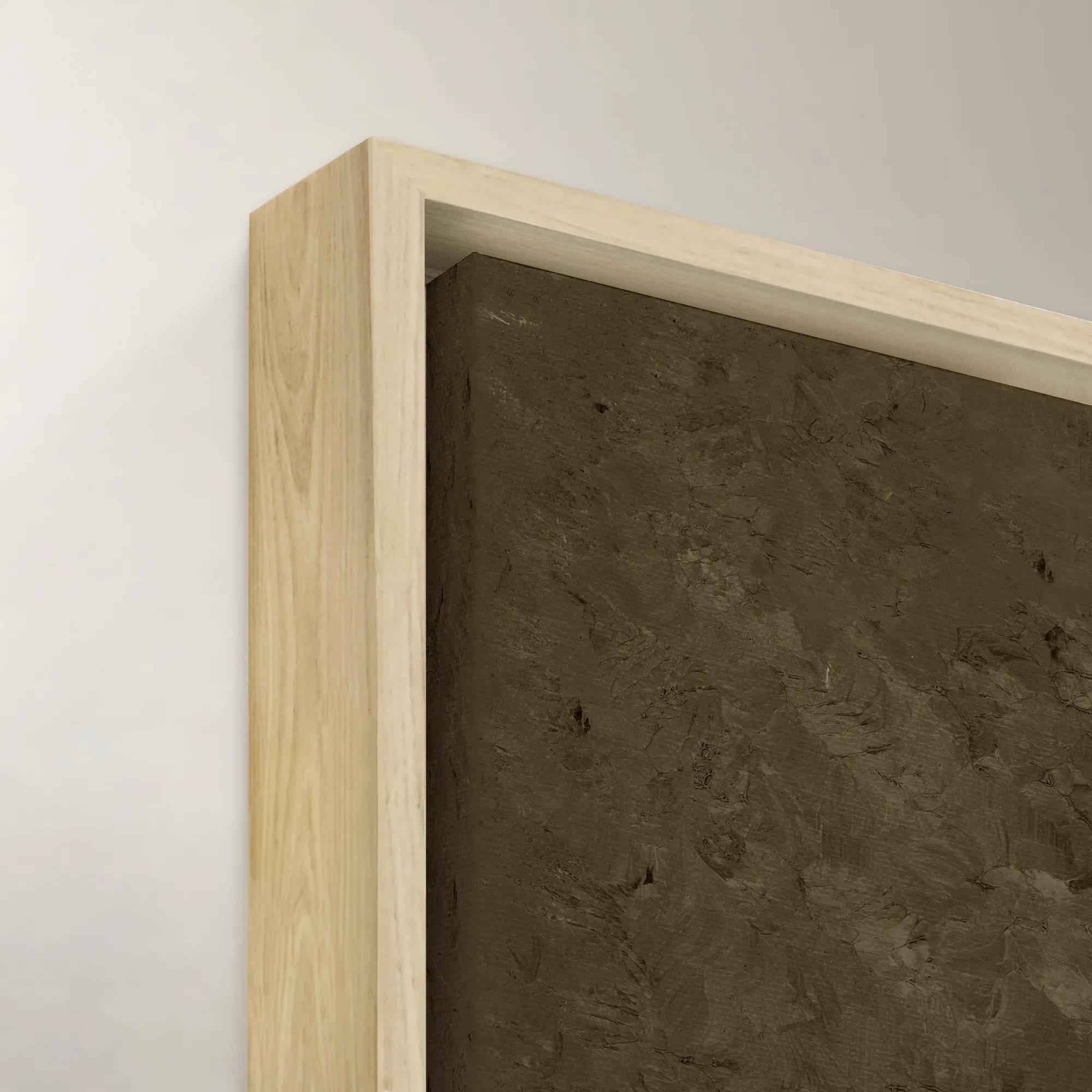 Ash IV Wall Art 40" x 60"$1399
A striking brown canvas artwork adding modern artistic depth to sophisticated interiors.
Add To Cart -
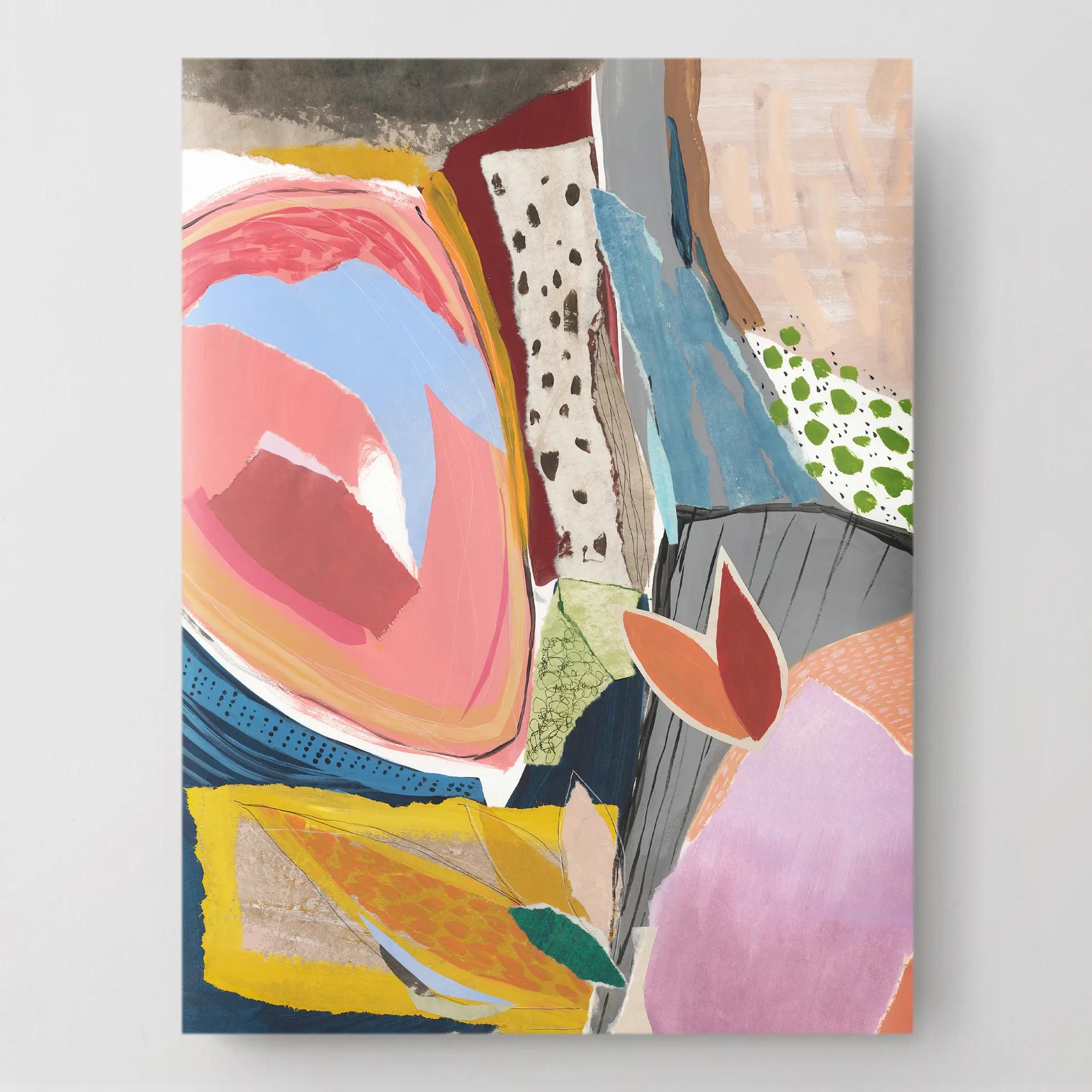
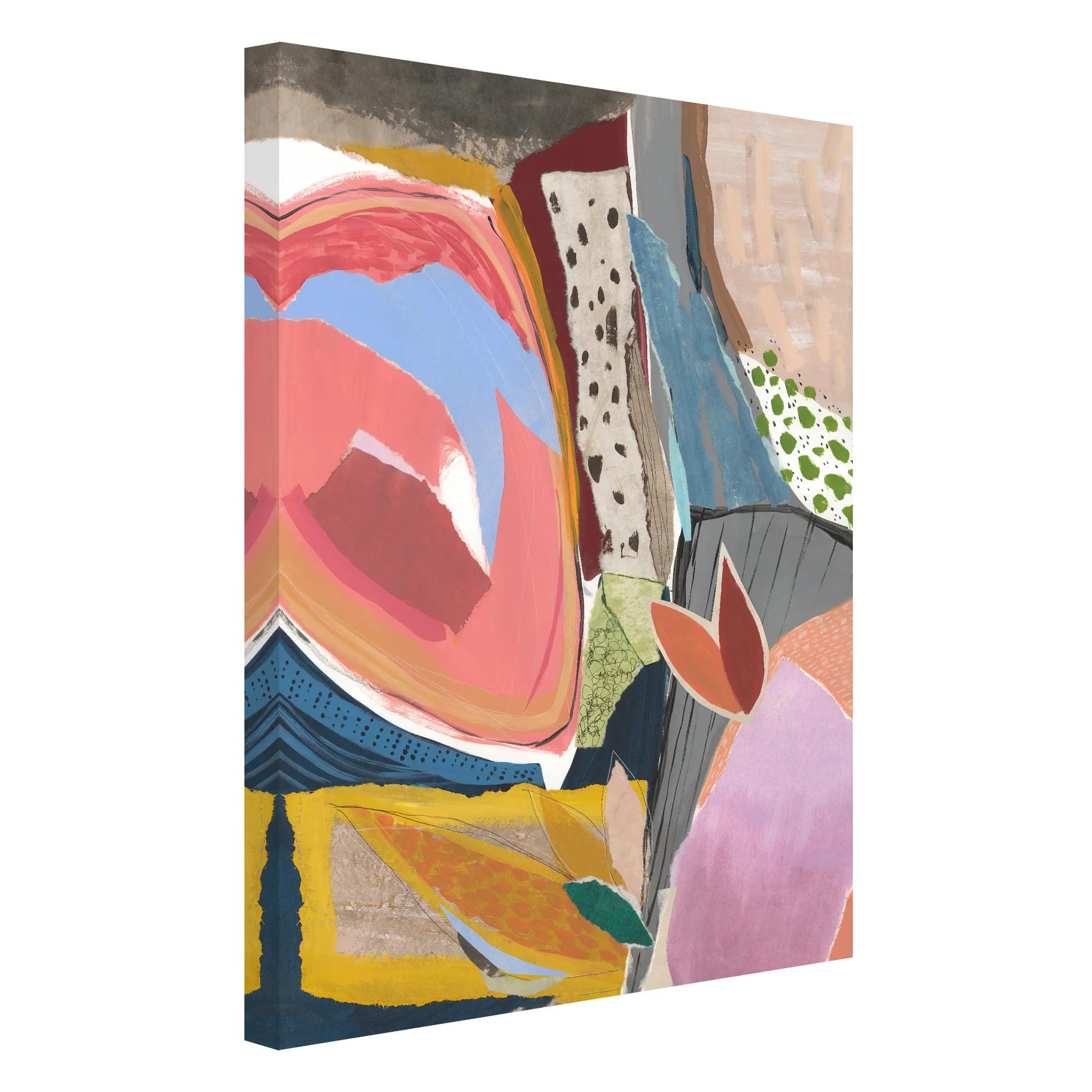 Sunday Vibes 1 Wall Art 30" x 40"$449
A gallery-wrapped canvas artwork featuring a hand-applied image brush gel finish for a textured look.
Add To Cart -

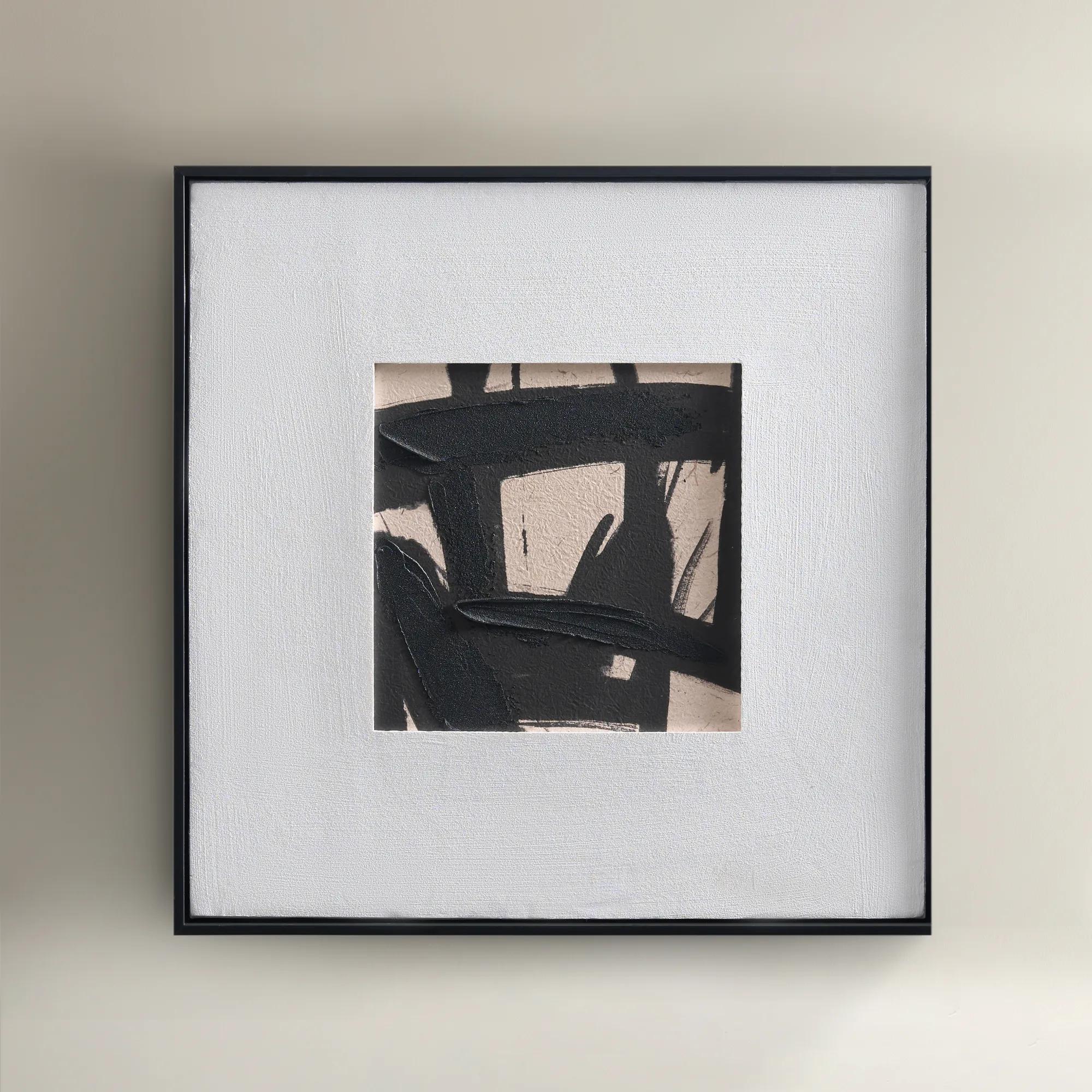
 Shift Framed Painted Wall Art 39.4" x 59"$499
A hand-painted canvas featuring bold black and beige contrasts with textured layers in a sleek black frame.
Add To Cart -
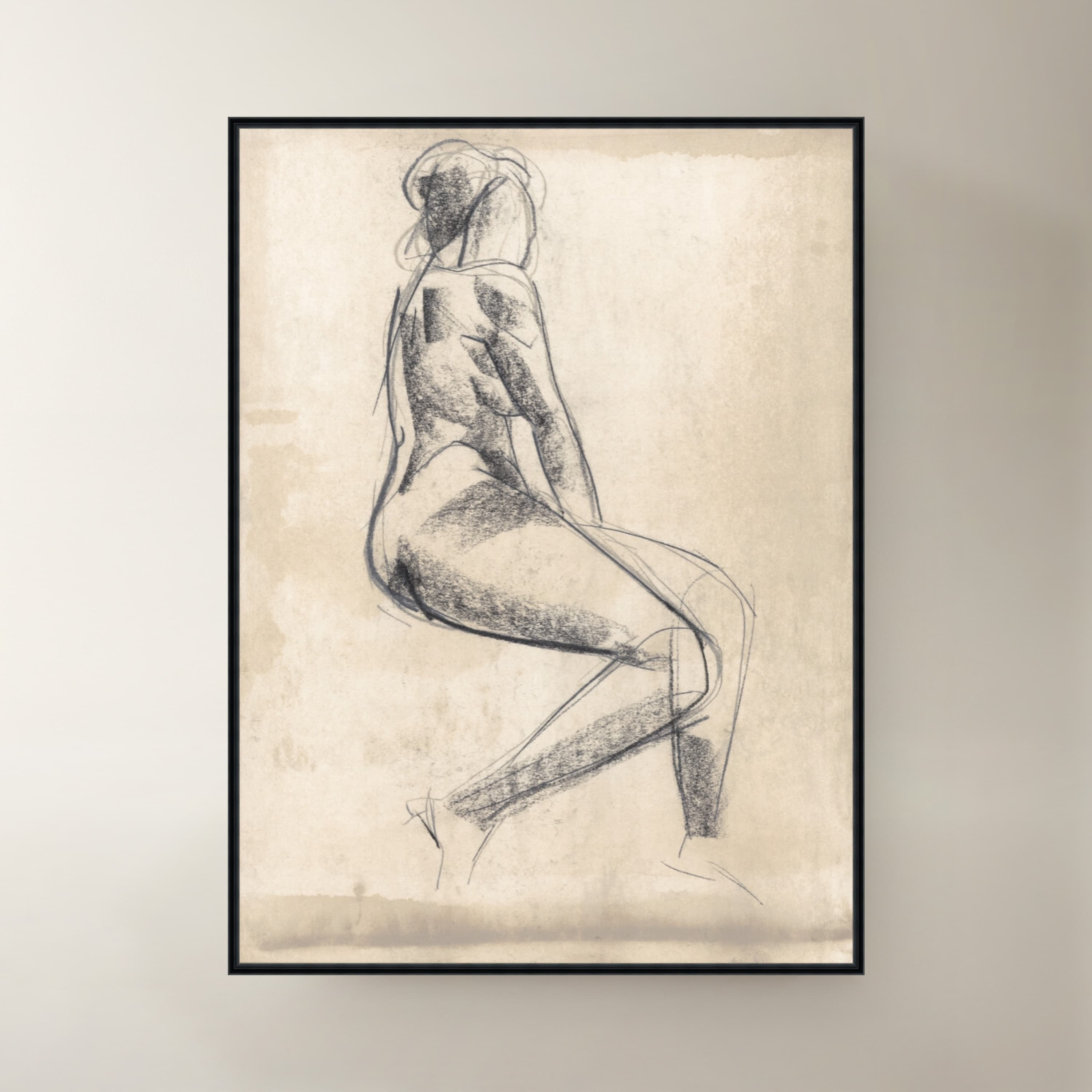
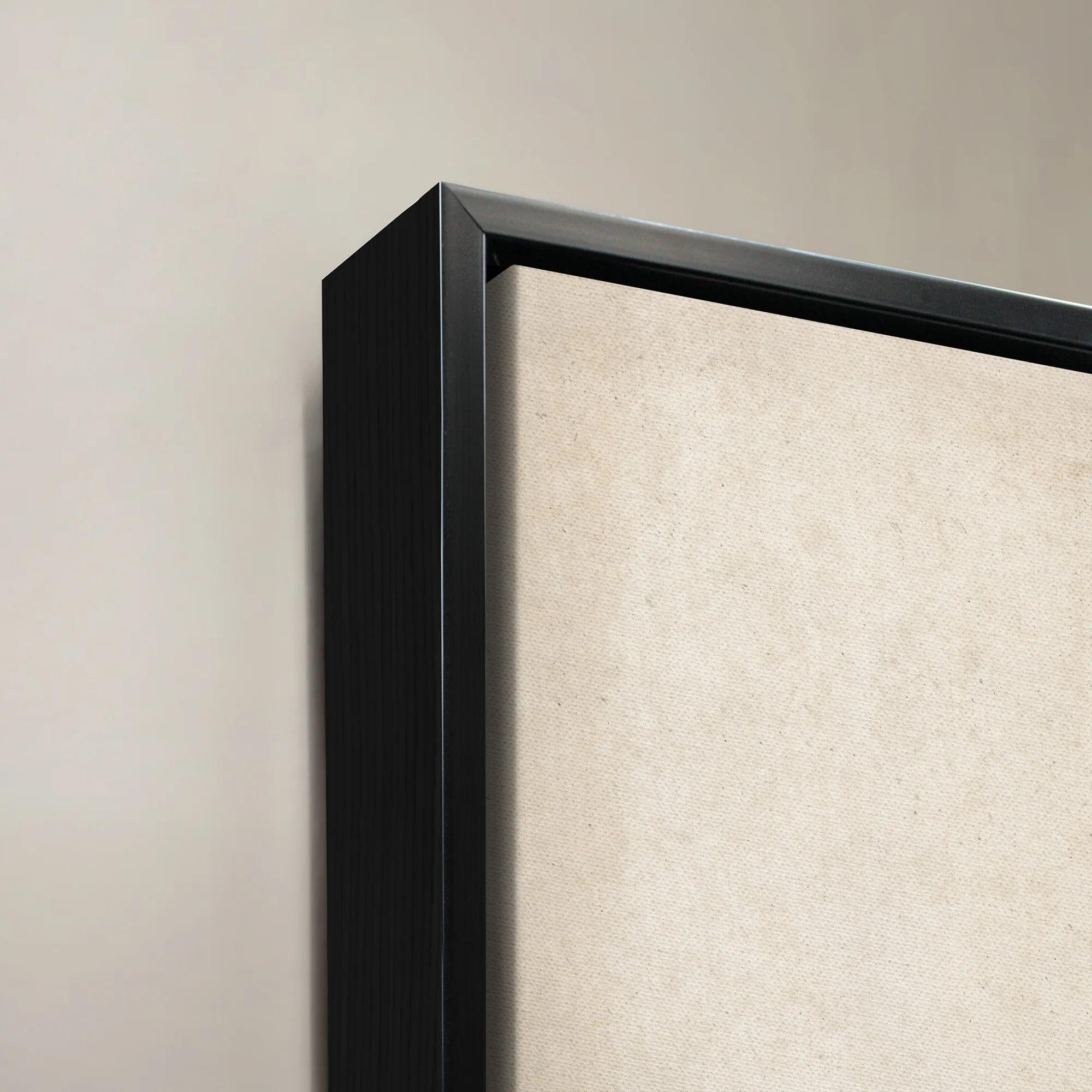 Restful Figure I Framed Wall Art 20" x 27"$449
A serene figurative canvas artwork in warm brown tones, elegantly framed for sophisticated wall display.
Add To Cart -
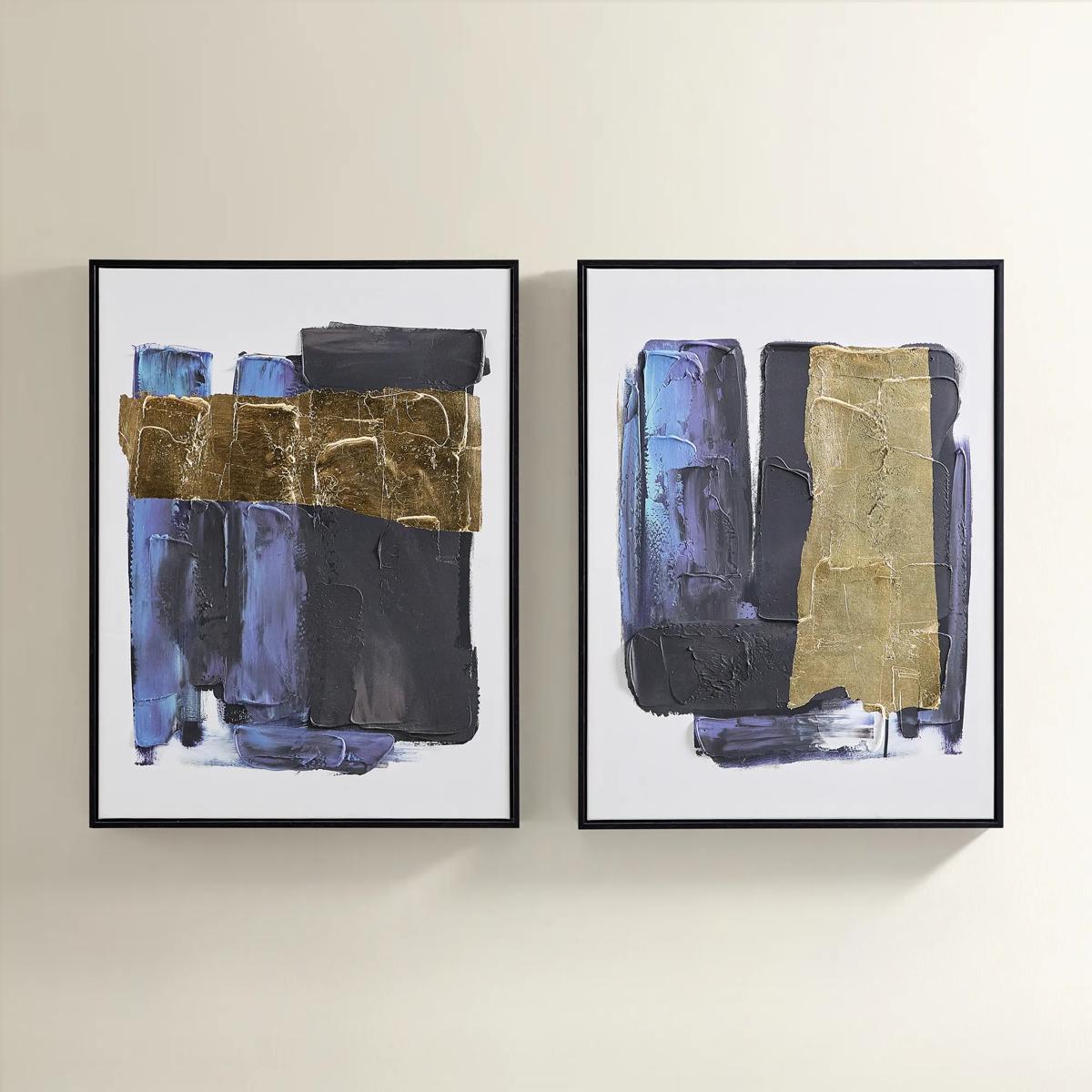
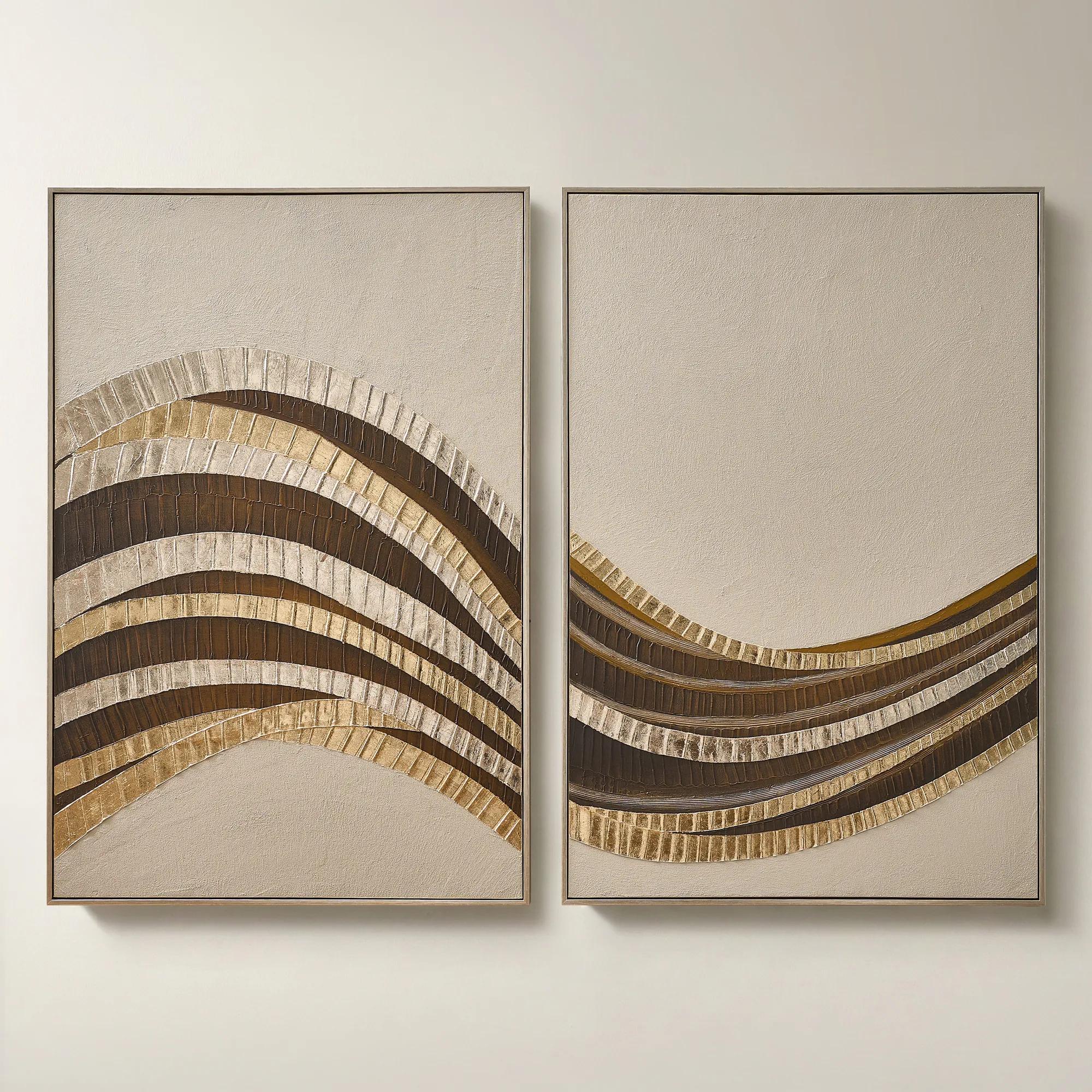 Stillness in Motion Framed Gold Leaf Painted Wall Art 40" x 60" Set of 2$899
A hand-painted abstract diptych with gold leaf accents, textured surface, and brushed champagne frames.
Add To Cart -
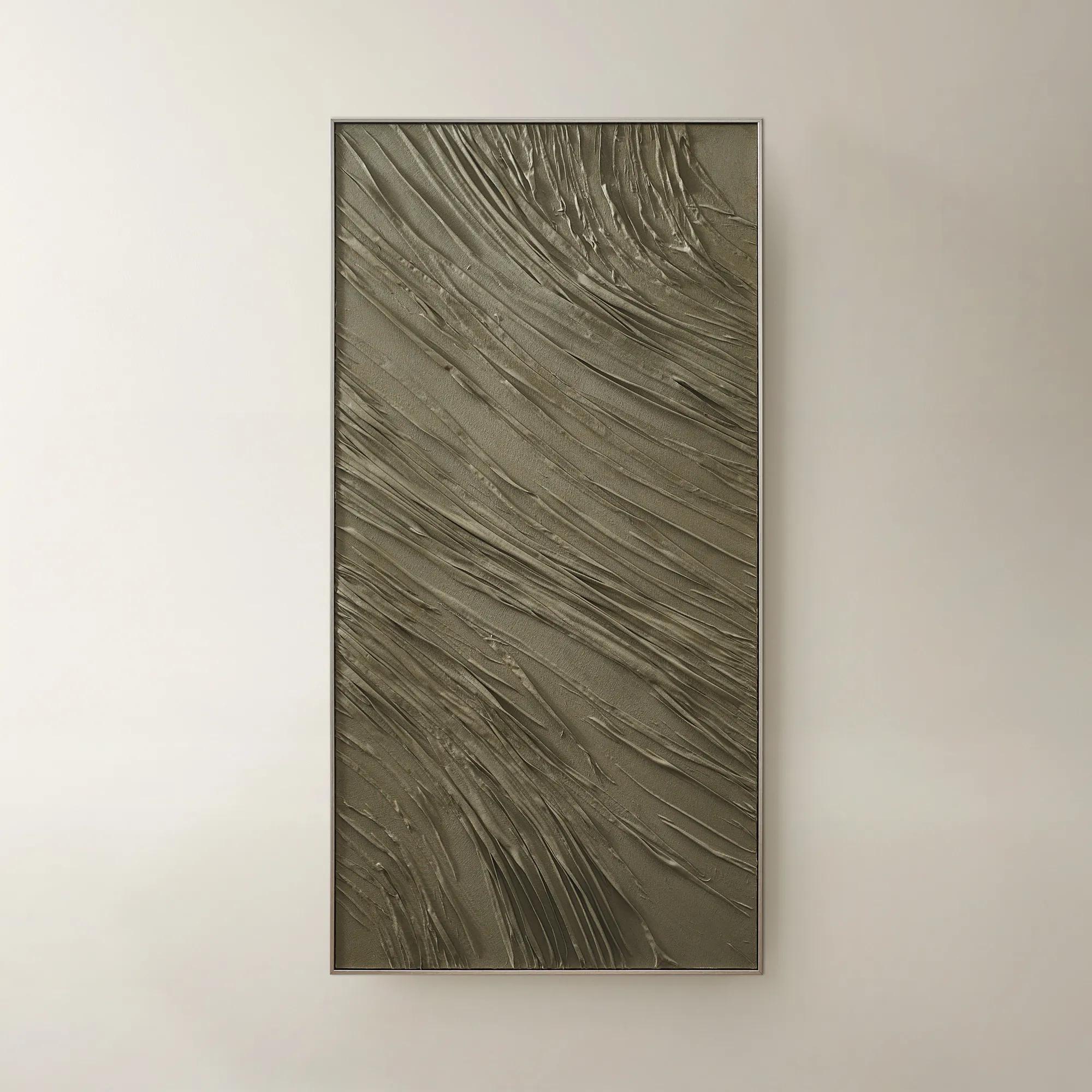
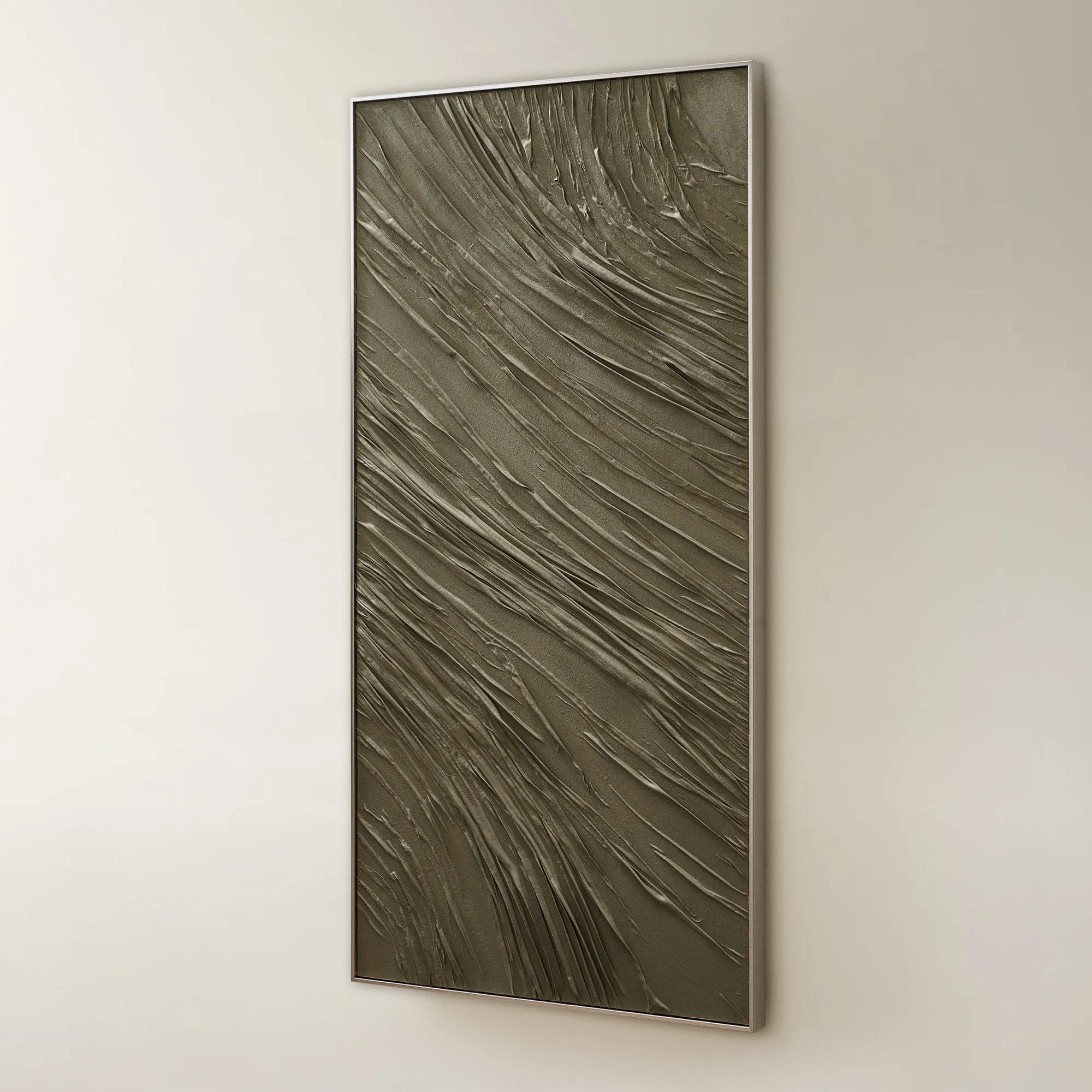 Grove Framed Hand-crafted Folded Fabric Wall Art 60" x 30"$349
A hand-crafted folded canvas in deep olive with a champagne frame for sculptural, modern wall art.
Add To Cart -
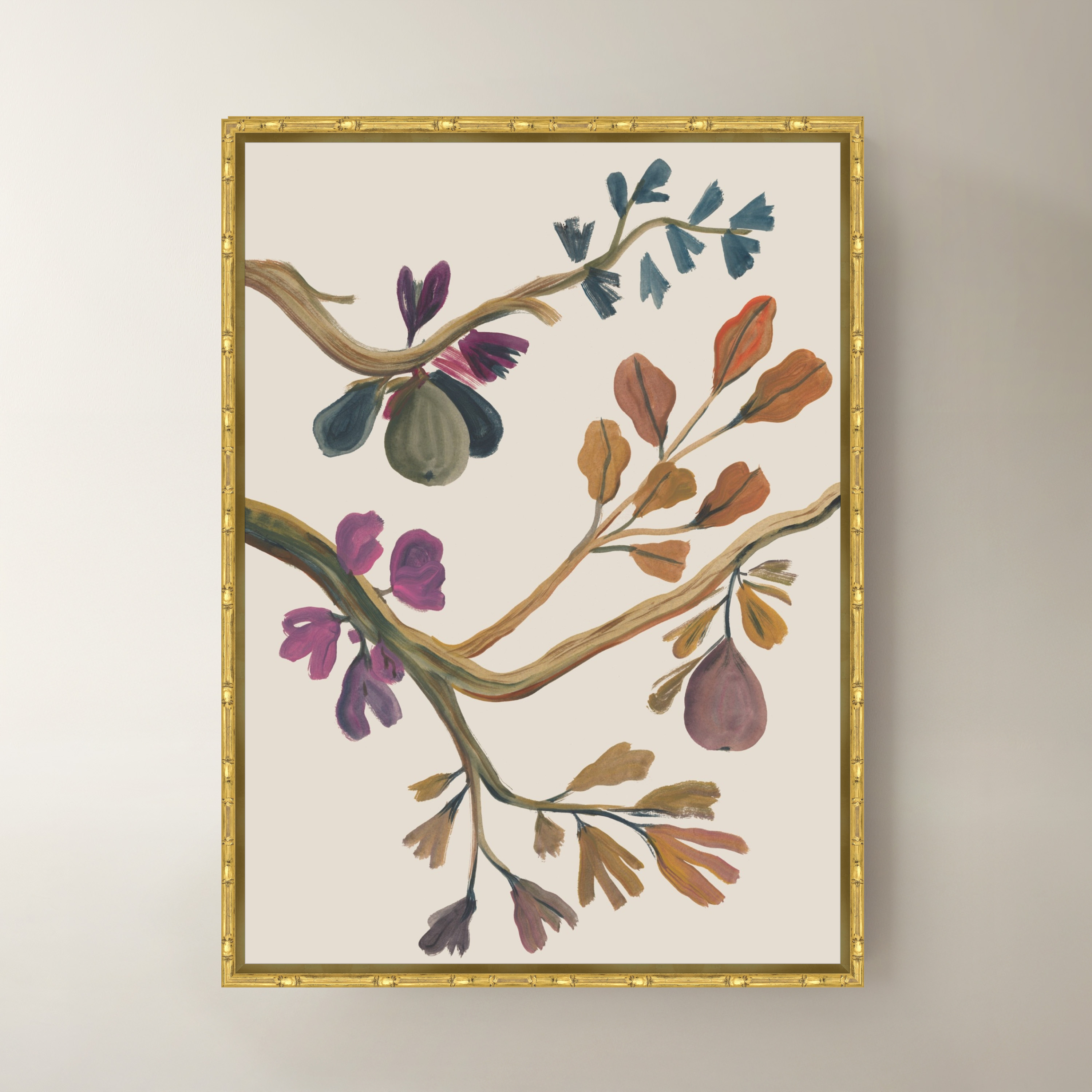
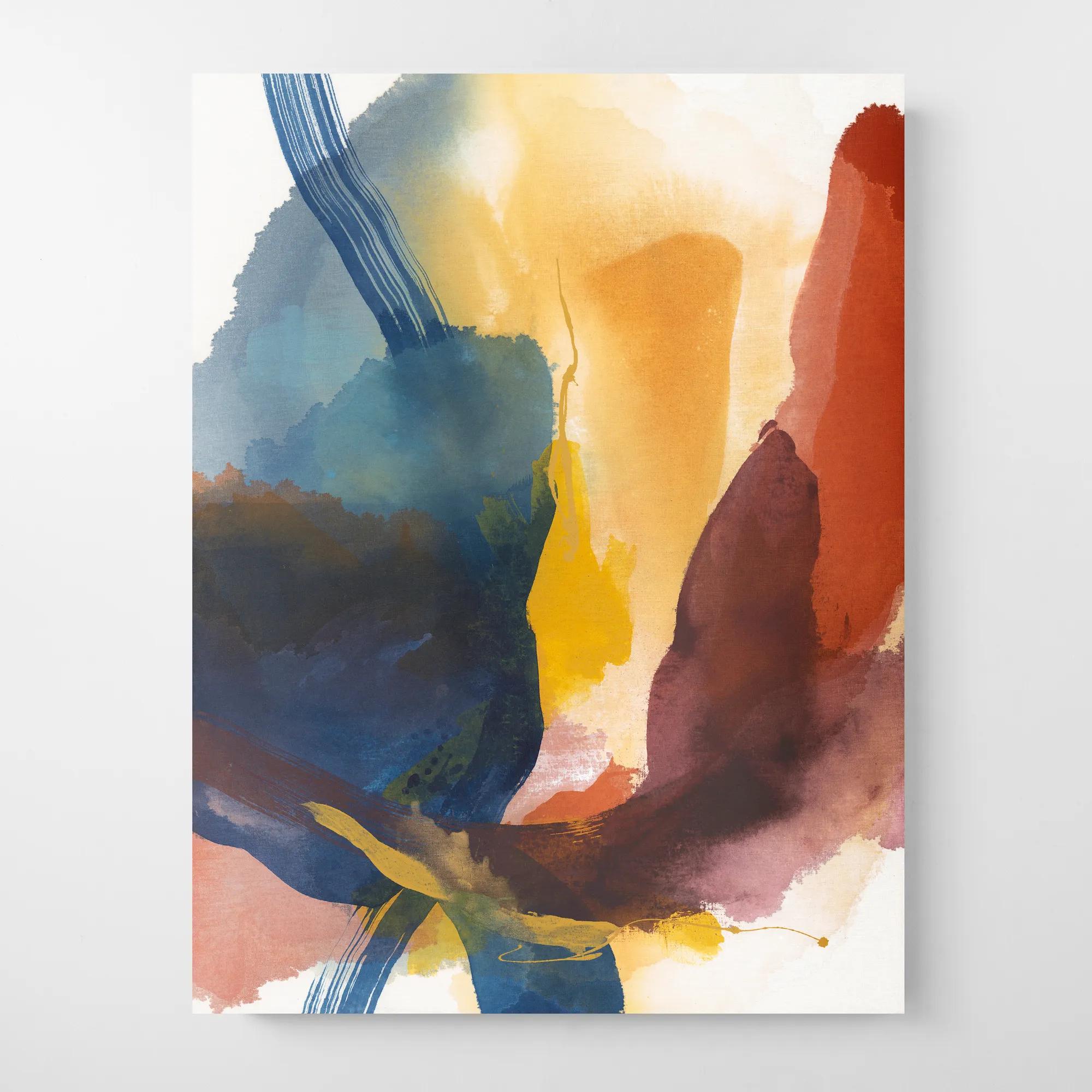
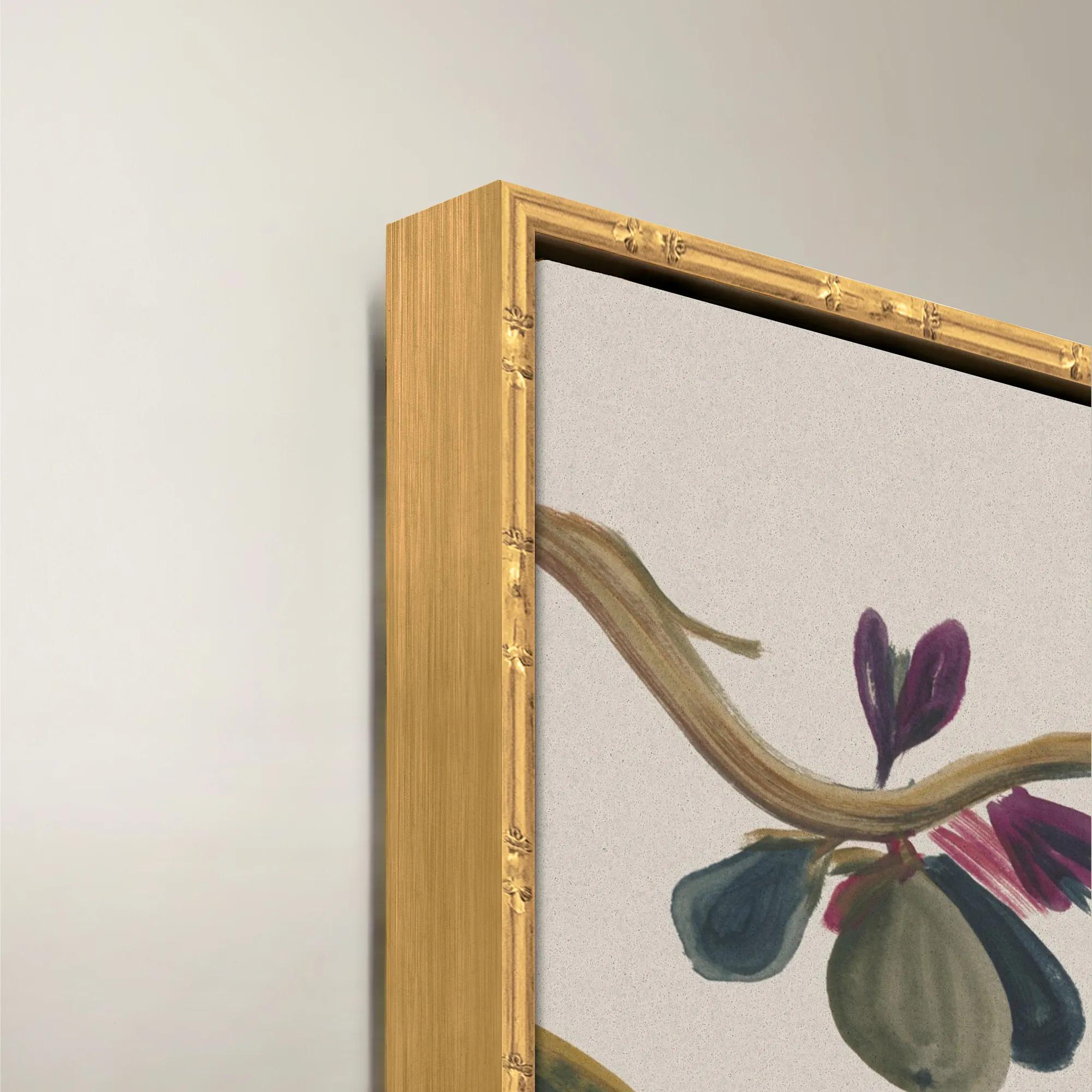 Whispering Orchard II Framed Wall Art 24" x 33"$749
A multicolored canvas wall art piece presented in an elegant frame for contemporary interiors.
Add To Cart -
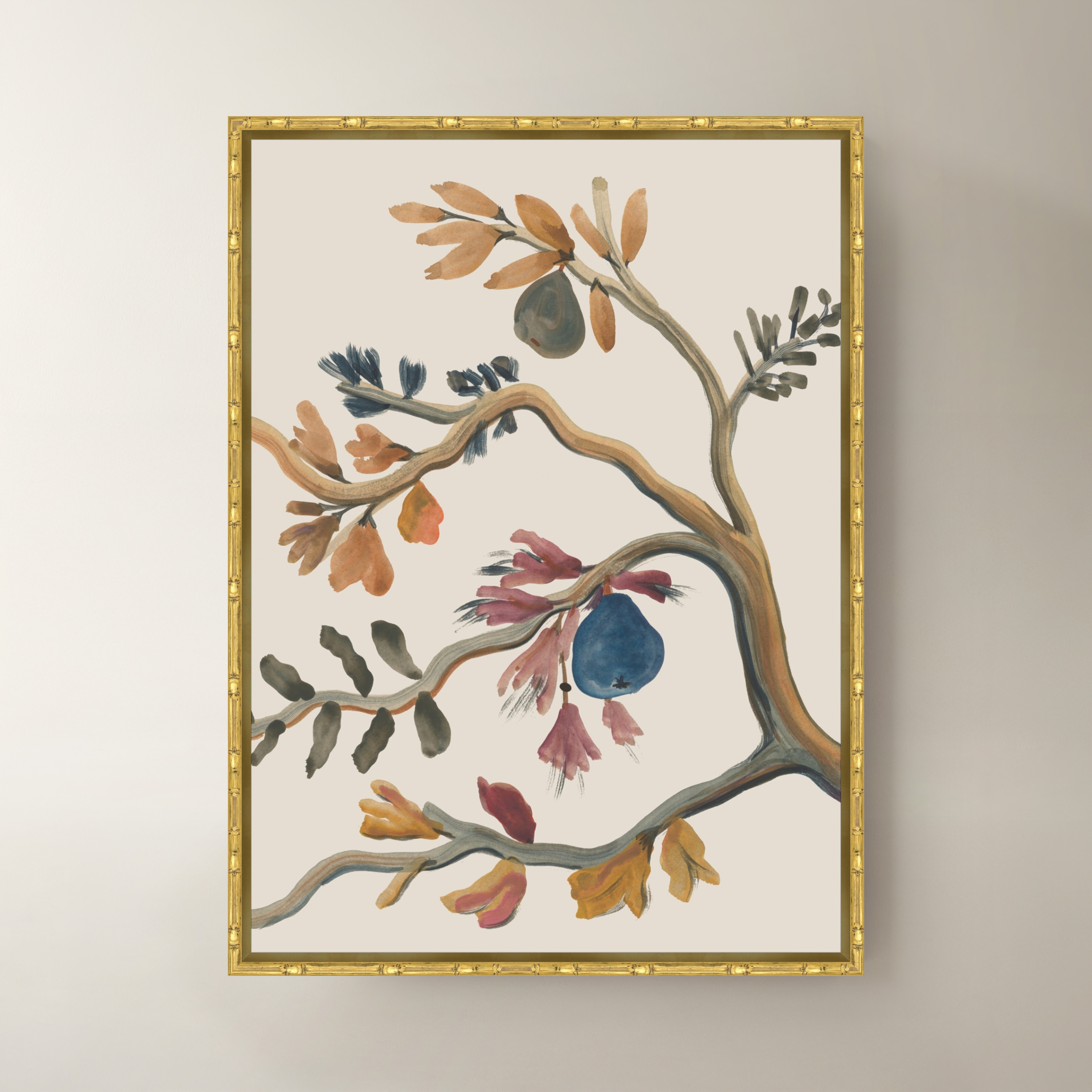
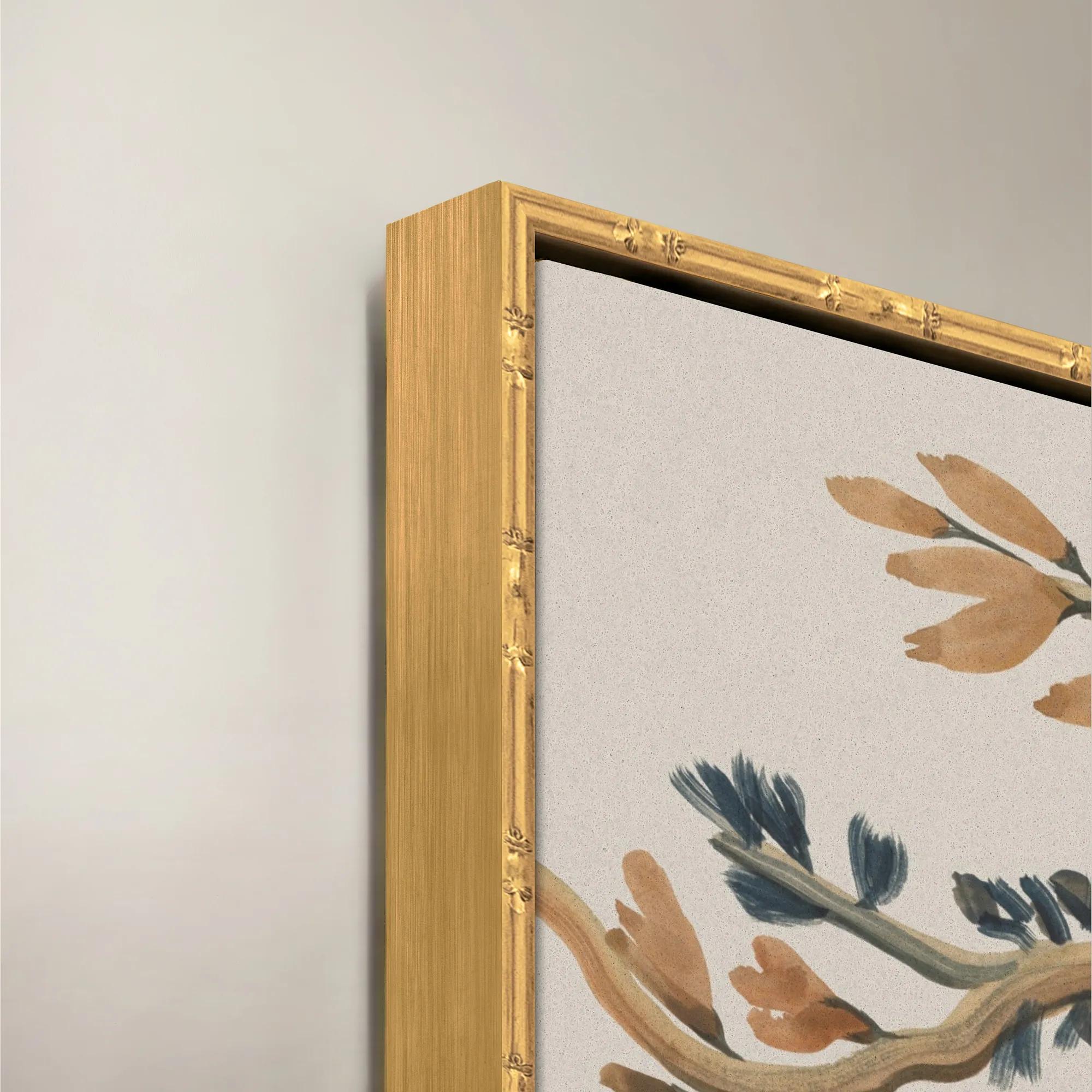 Whispering Orchard I Framed Wall Art 24" x 33"$749
A multicolored canvas wall artwork presented in a refined frame for vibrant, gallery-inspired styling.
Add To Cart -
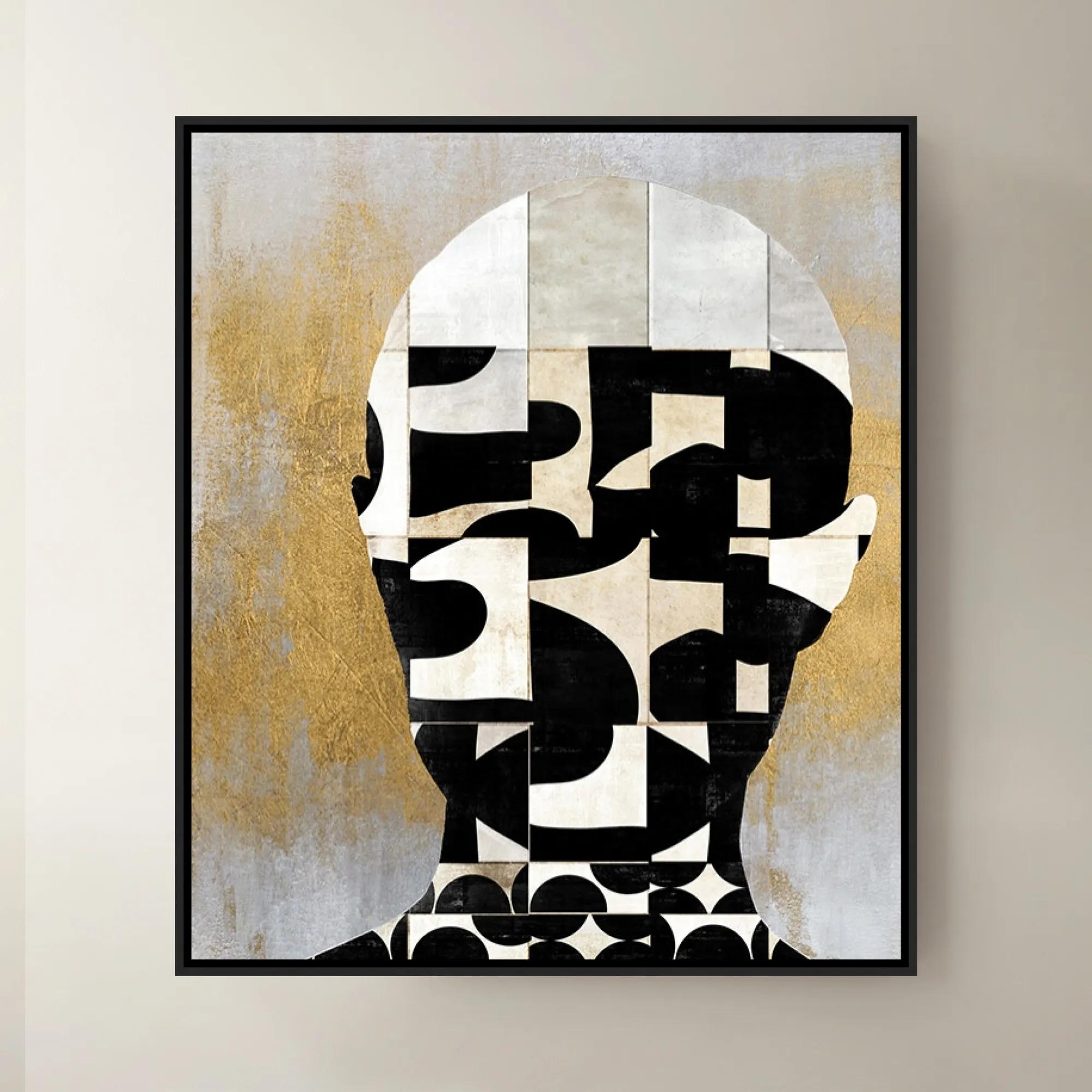
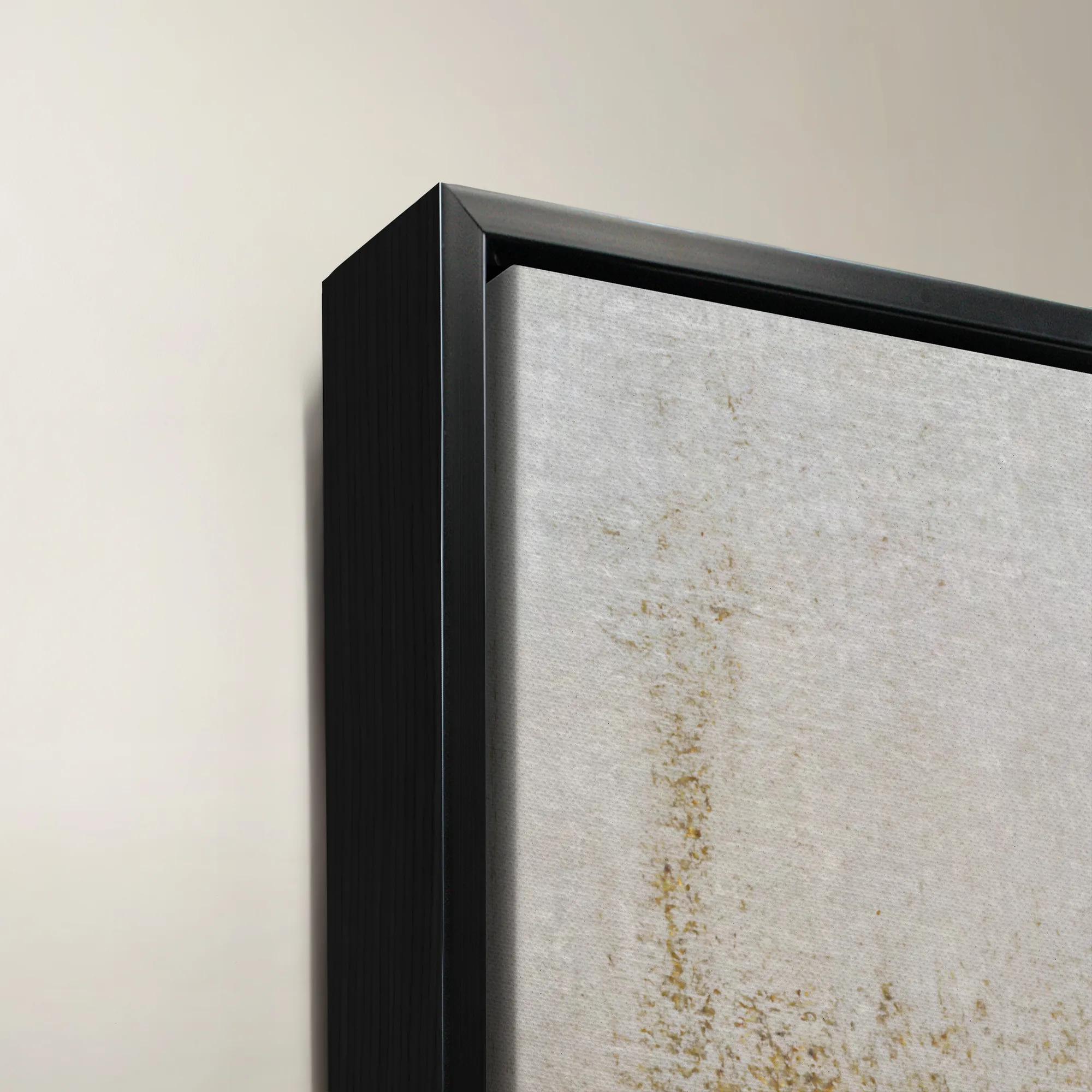 Lets Face It II Framed Wall Art 30" x 35"$699
A striking contemporary art piece showcasing bold design and creative flair by a renowned interior designer.
Add To Cart -
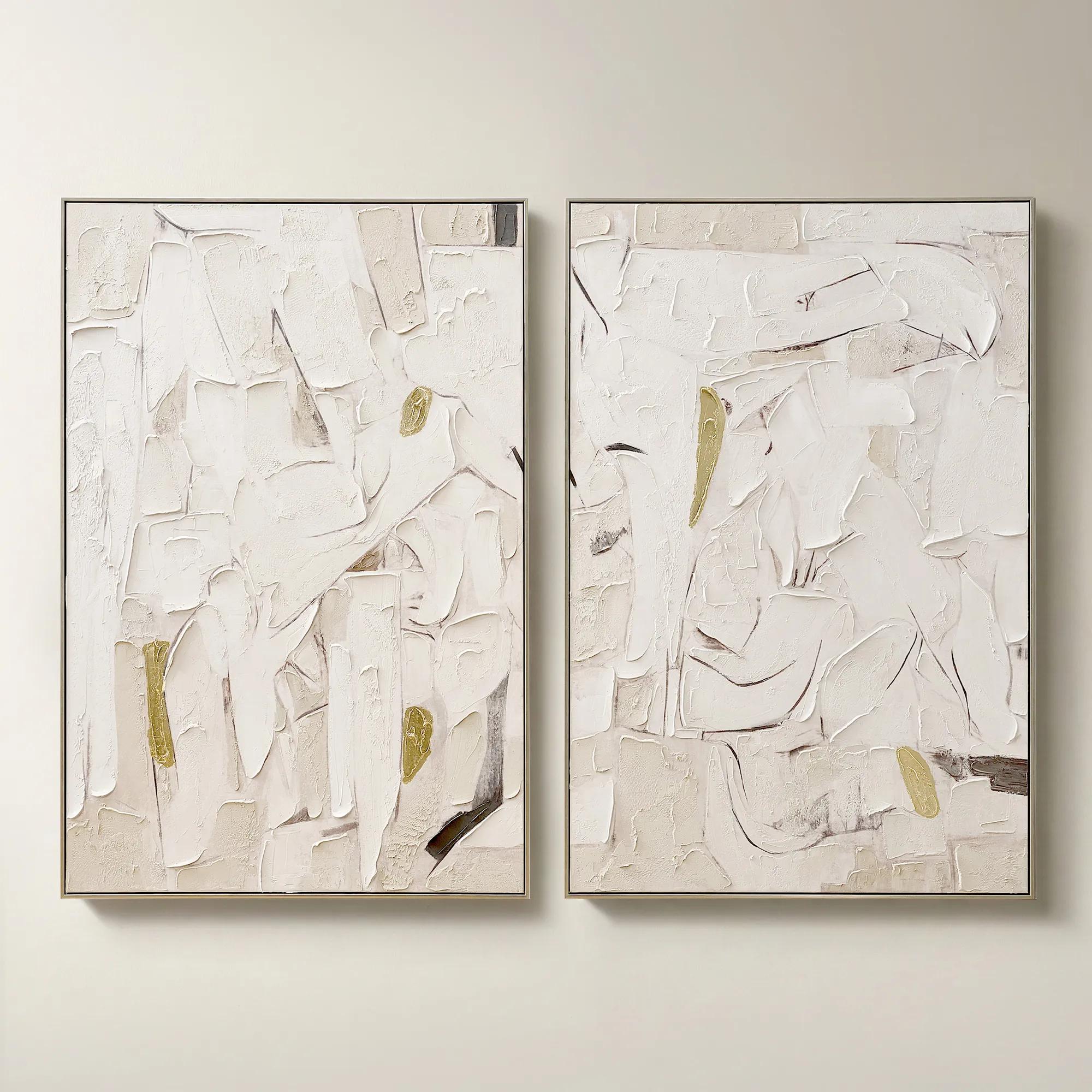 Beneath the Surface Framed Gold Leaf Painted Wall Art 40" x 60" Set of 2$799
A hand-painted abstract diptych featuring gold detailing and layered texture in alabaster and tawny hues.
Add To Cart -
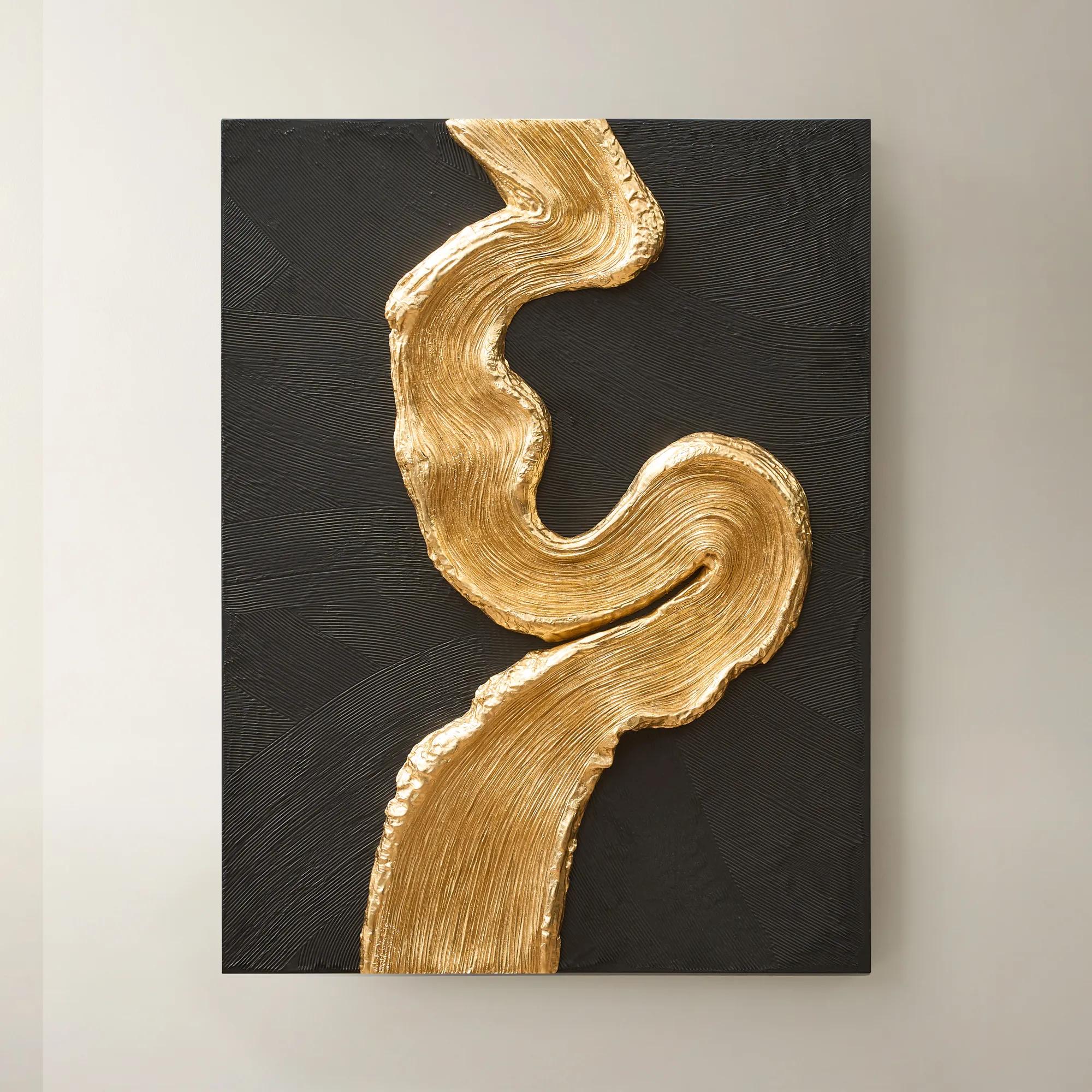
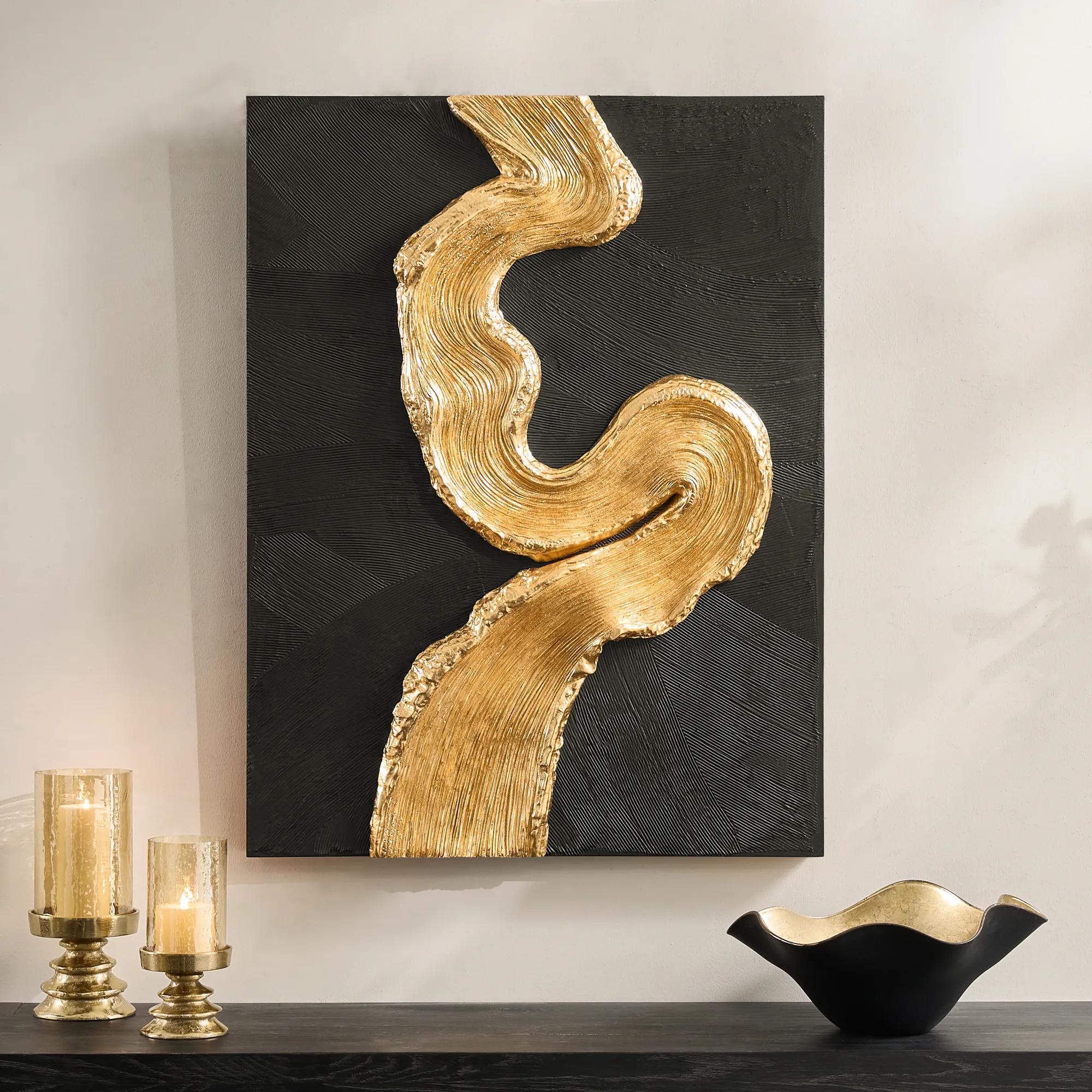 Gold Impasto Sculpted Resin Wall Panel 30" x 40"$499
A sculpted fiberglass resin wall panel featuring gold leaf detail and bold impasto texture on a black backdrop.
Add To Cart -
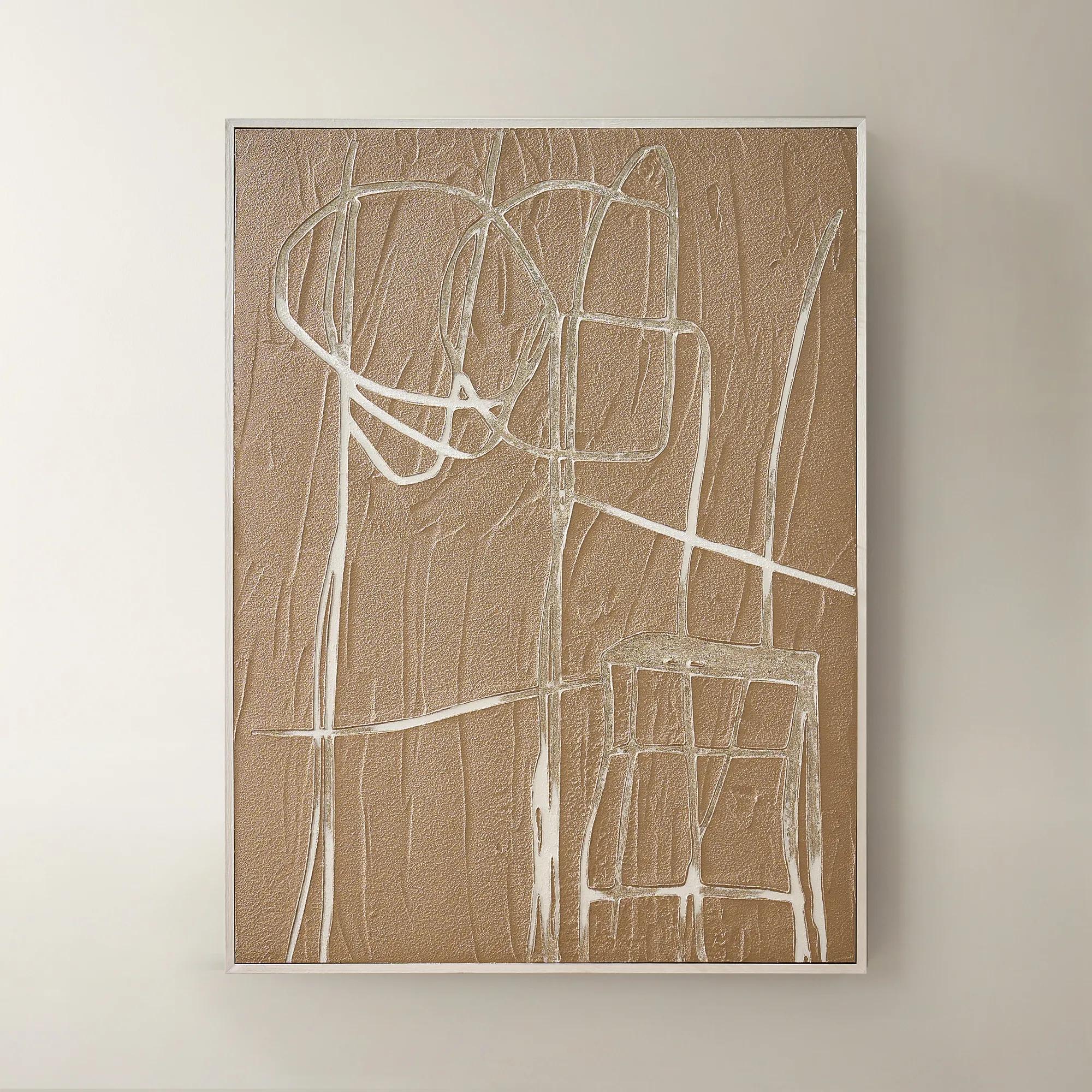
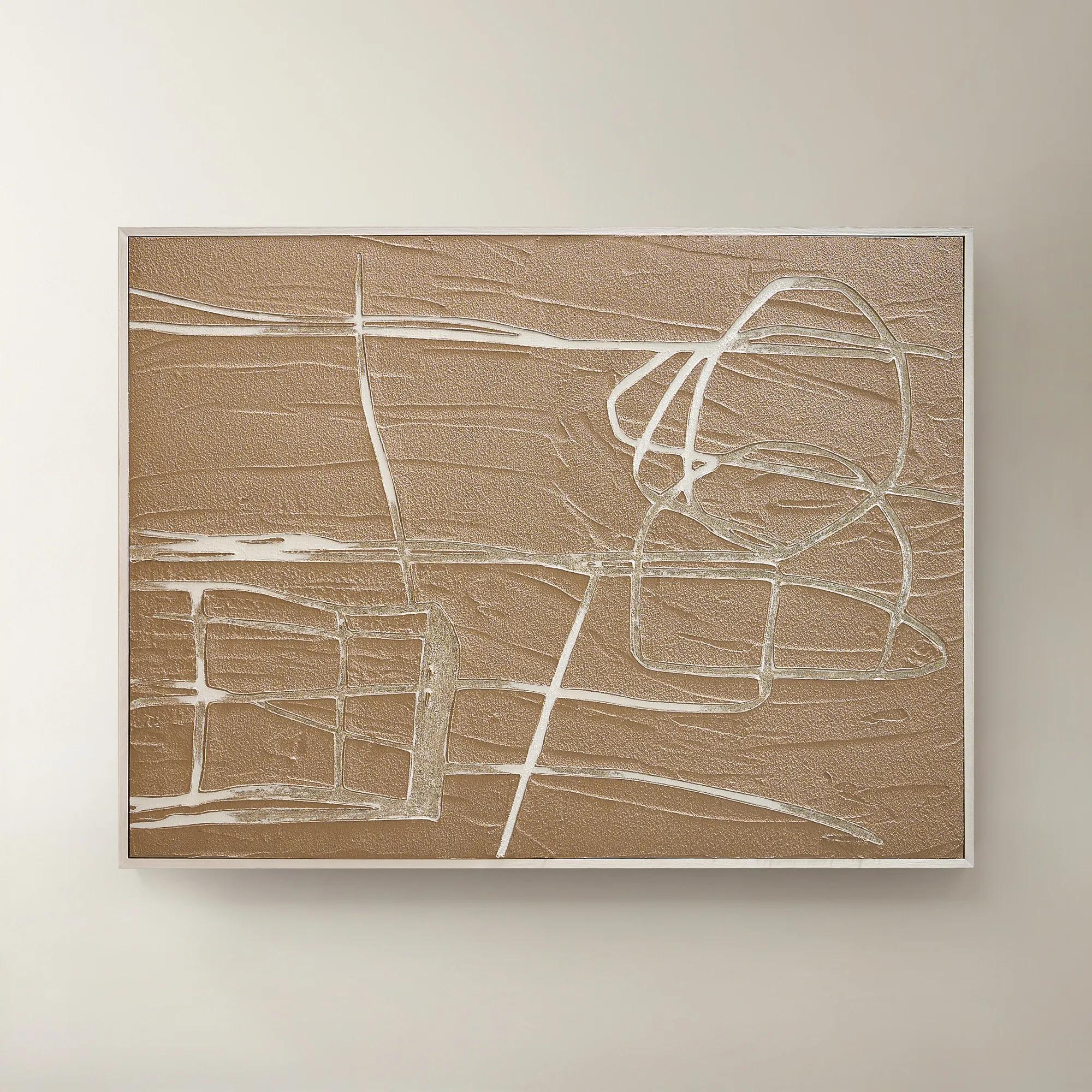 Linear Sand Framed Painted Wall Art 35" x 47"$369
A contemporary sand-toned painted canvas artwork framed for sophisticated modern interiors.
Add To Cart -
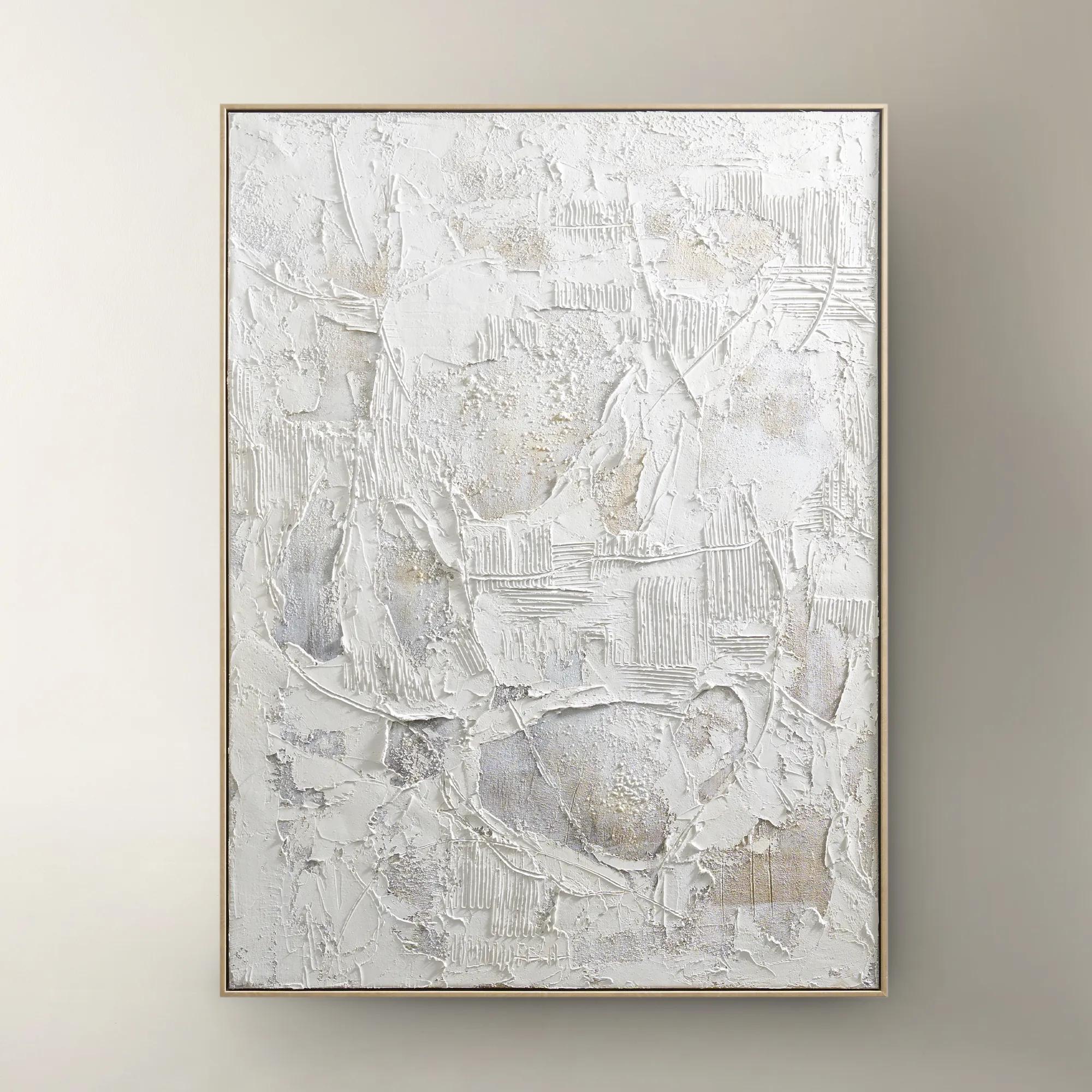 Stone Heritage Painting$399
A hand-painted canvas featuring textured white tones, elegantly framed in warm beech wood for refined appeal.
Add To Cart -
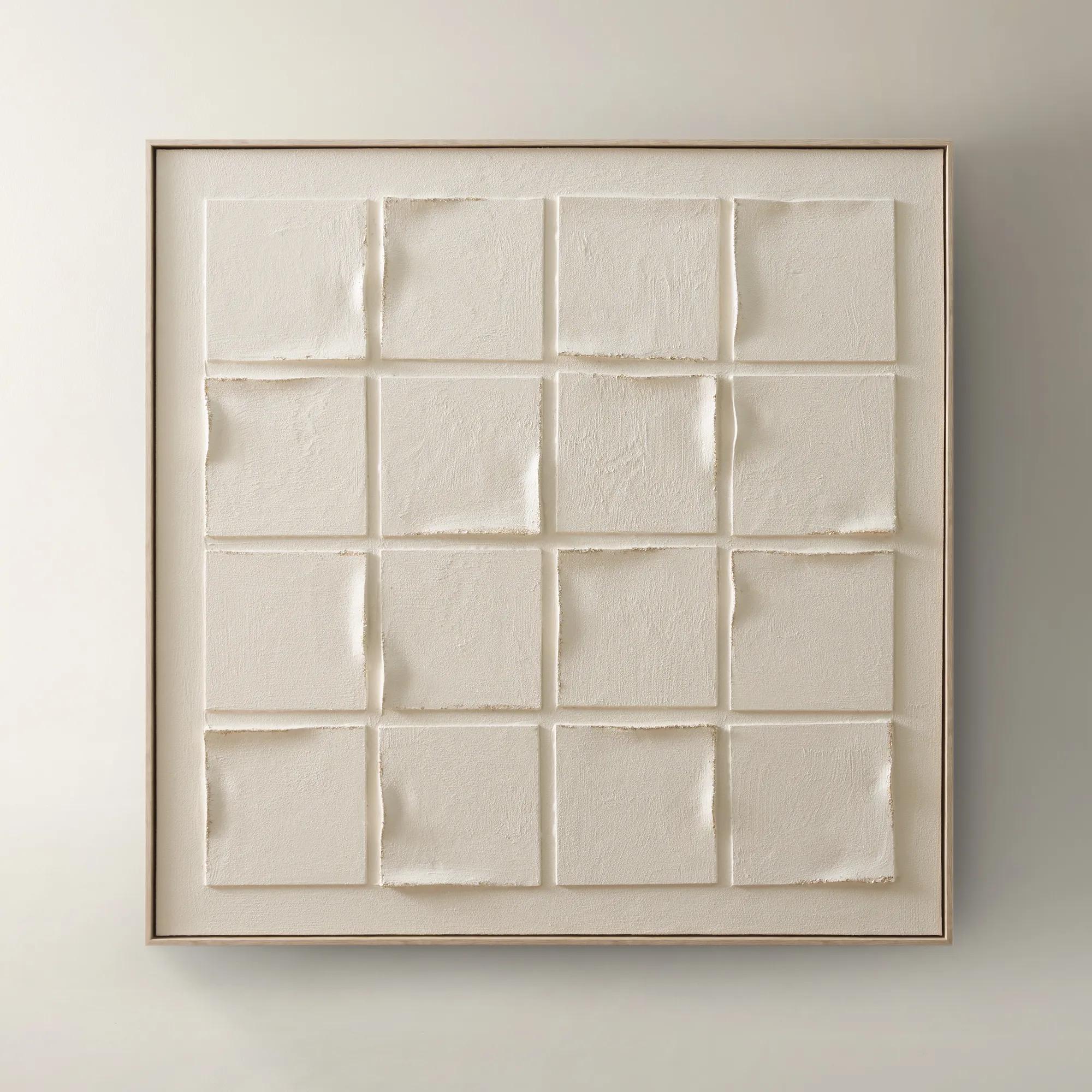 Gaze Framed Painted Wall Art 39.4" x 40"$329
A hand-painted canvas featuring subtle beige tones and textured depth in a warm whitewash floater frame.
Add To Cart -
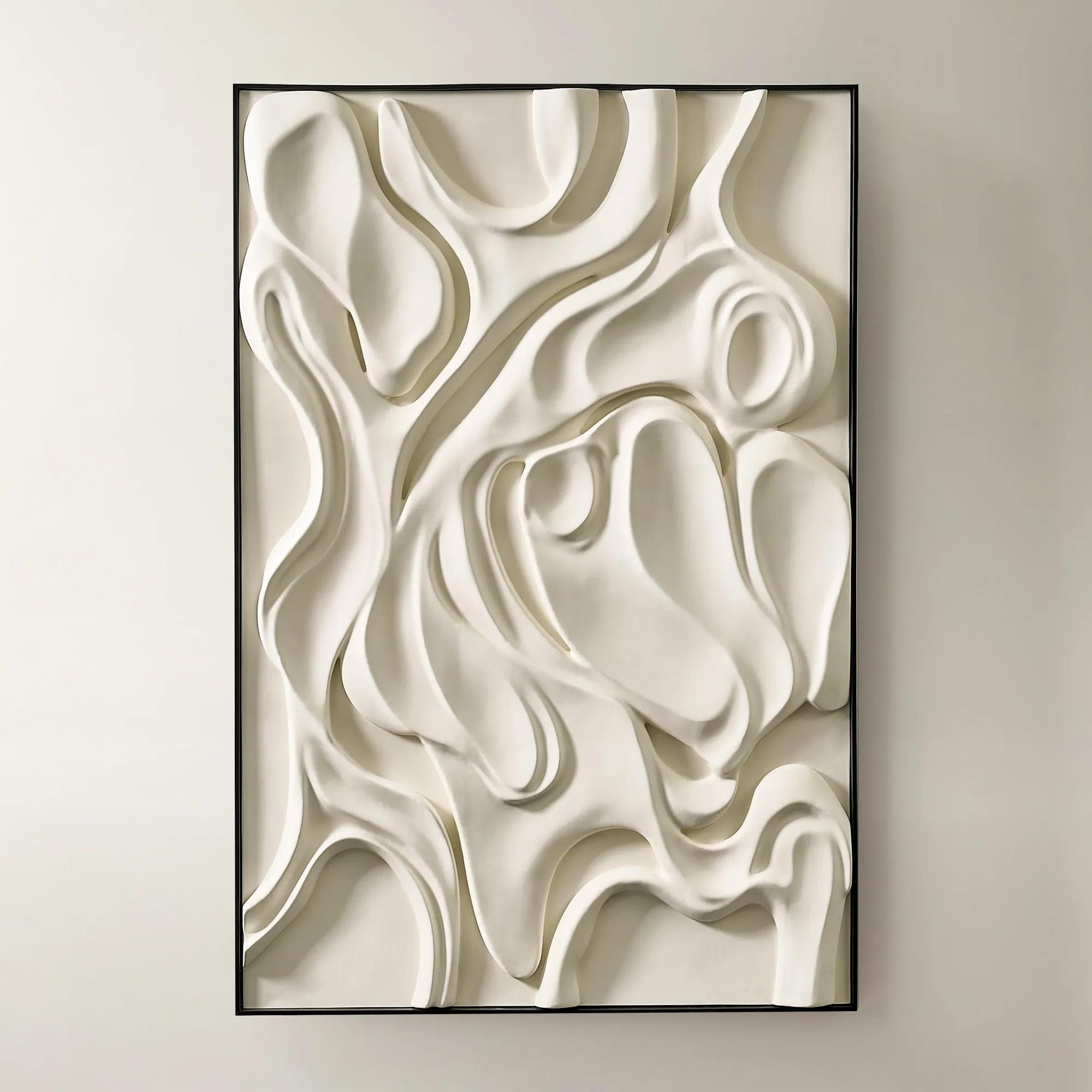 Overflow Alabaster Sculpted Resin Wall Panel 40" x 60"$699
An alabaster fiberglass resin wall panel with sculptural texture and a versatile black frame for modern spaces.
Add To Cart -
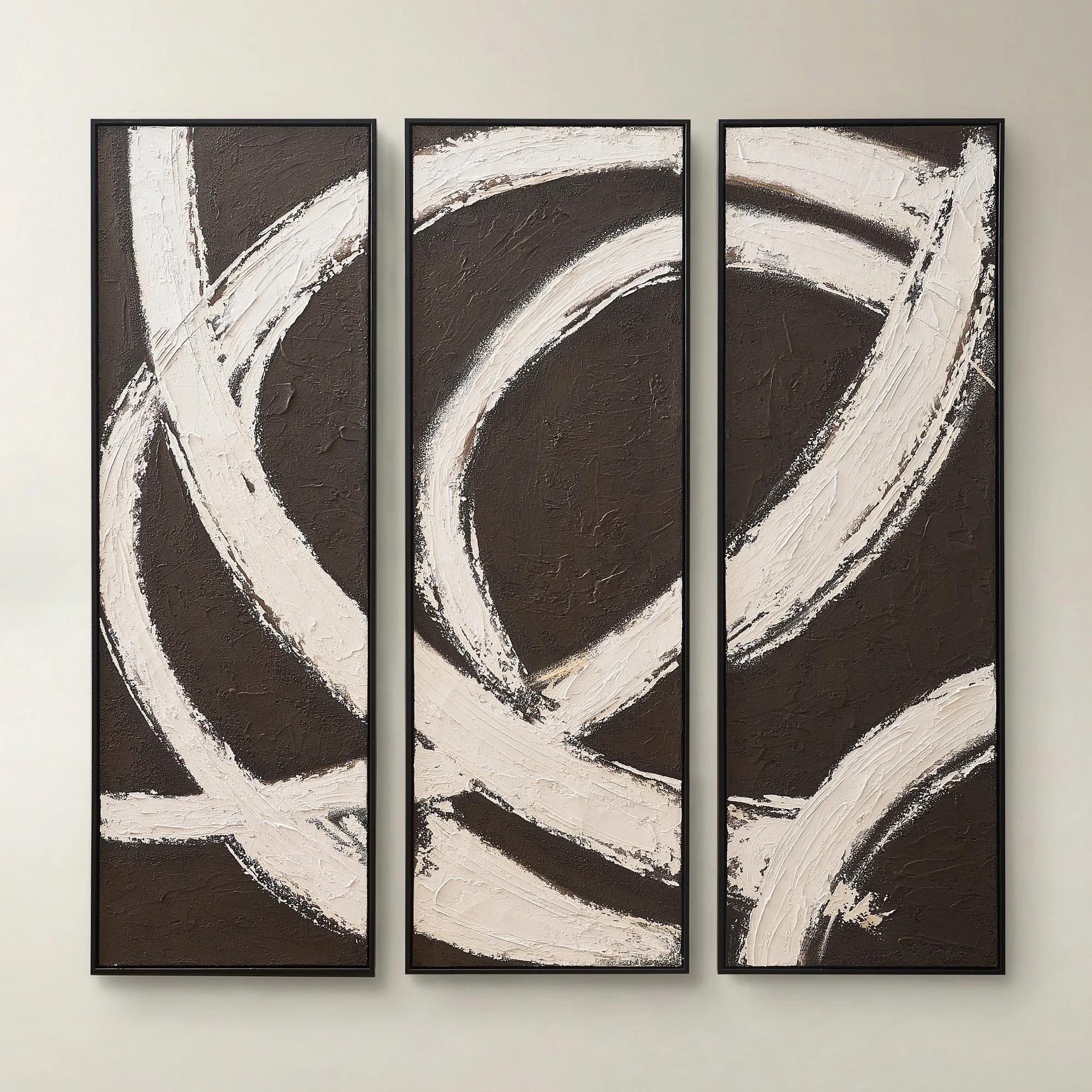
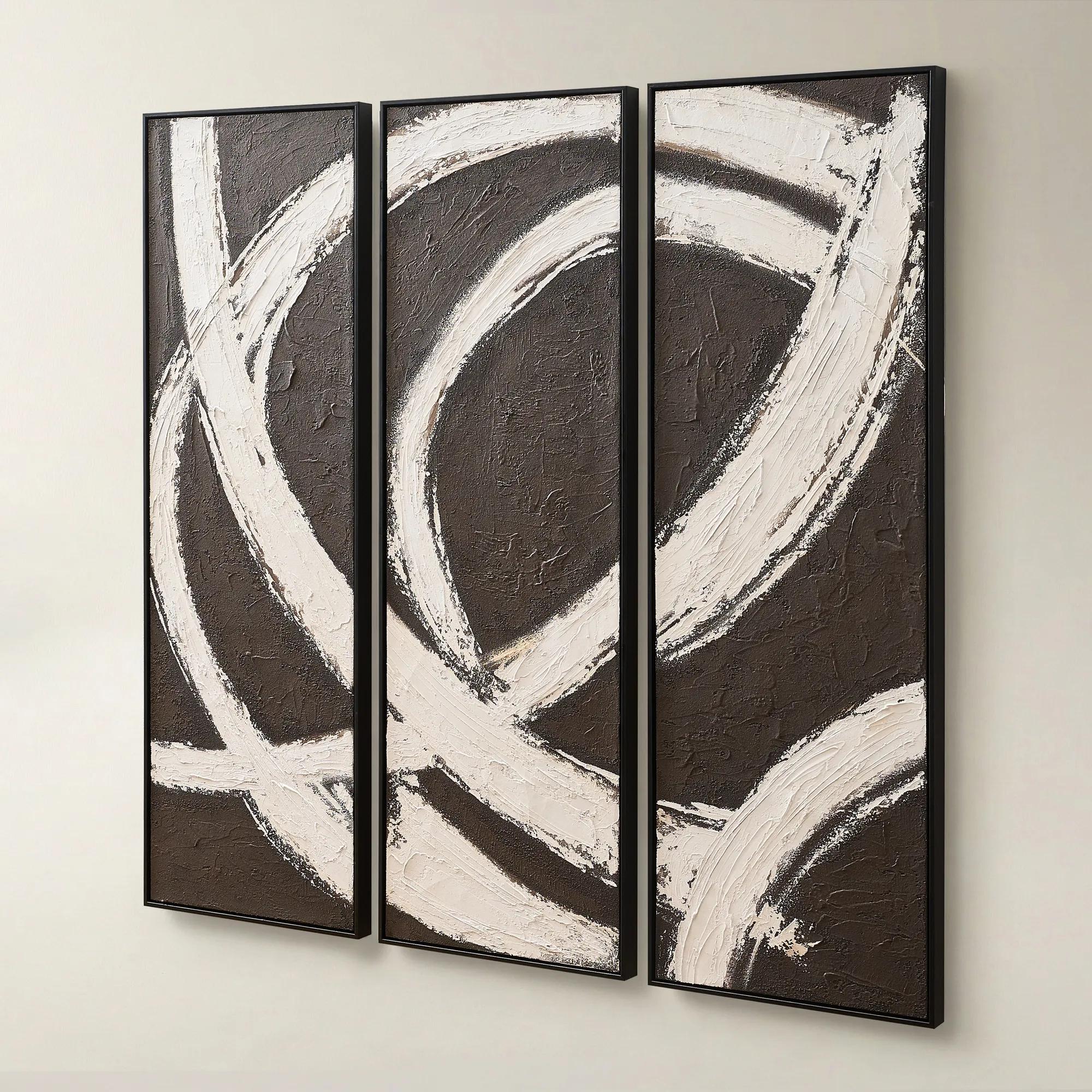 Spun in Coco Framed Painted Wall Art 20" x 60" Set of 3$499
A hand-painted triptych featuring dark chocolate and alabaster tones with rich texture and modern contrast.
Add To Cart -
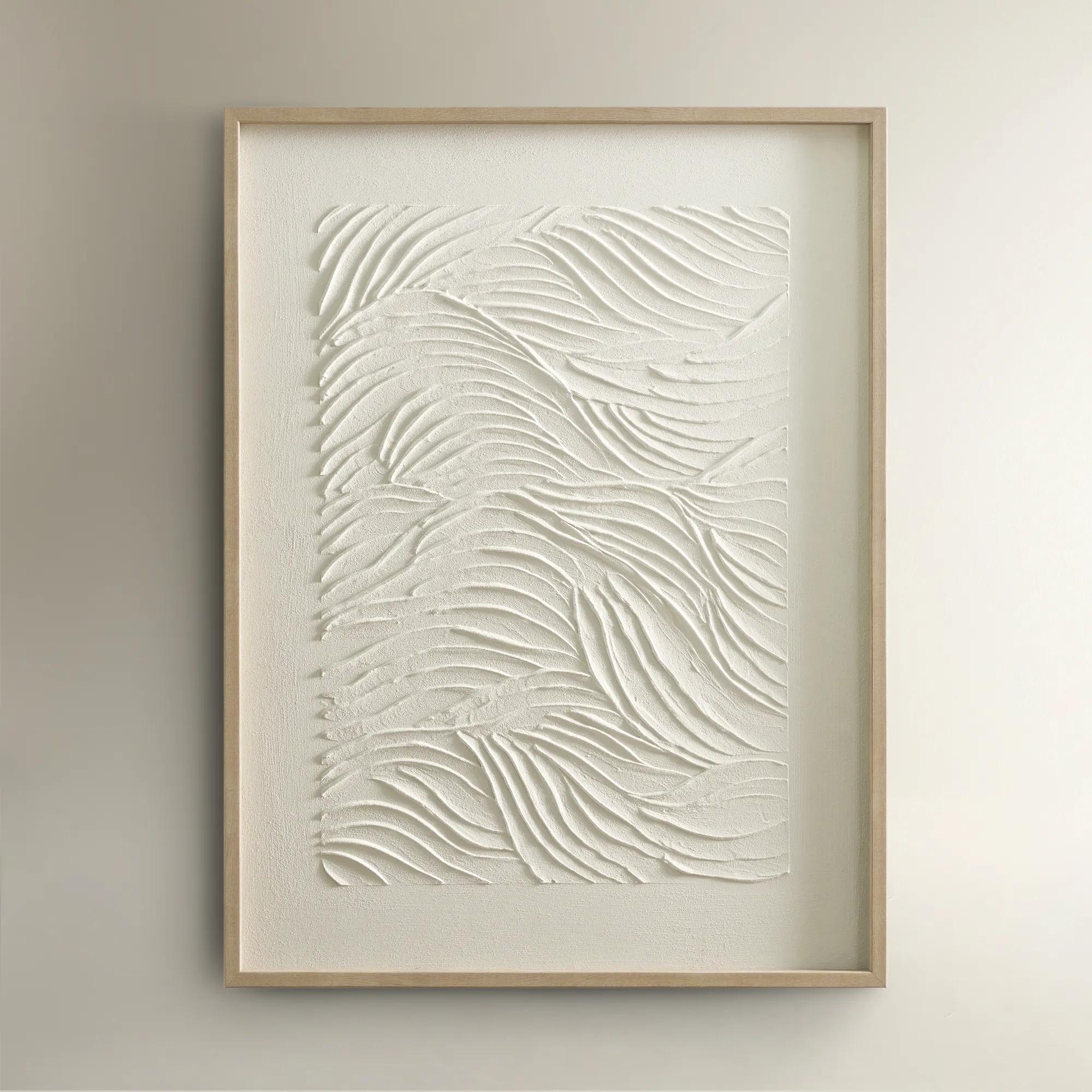
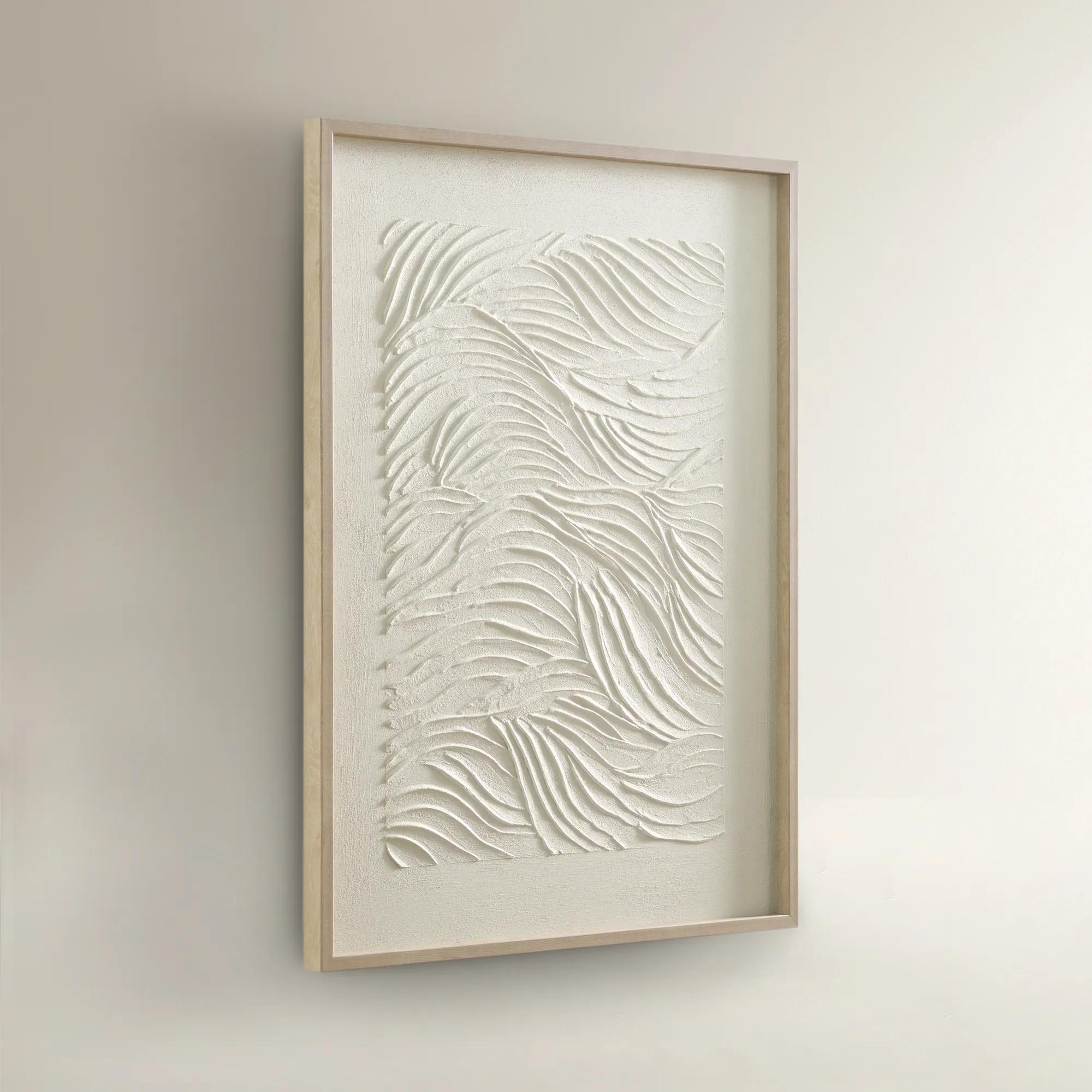 Sonnet Framed Painted Wall Art 23.5" x 31.5"$99
A hand-painted canvas featuring textured white shades and a warm blonde wood frame for elegant depth.
Add To Cart -
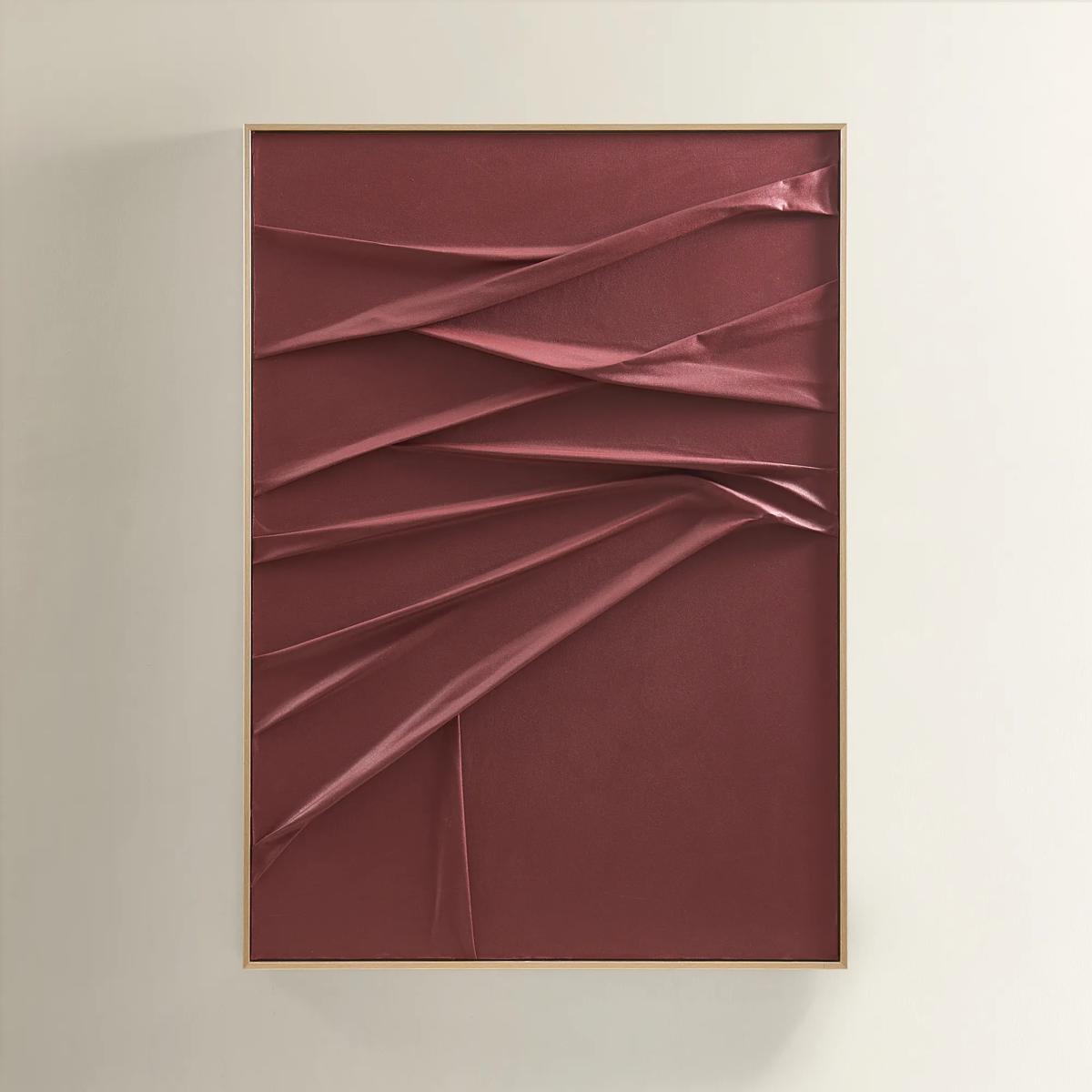
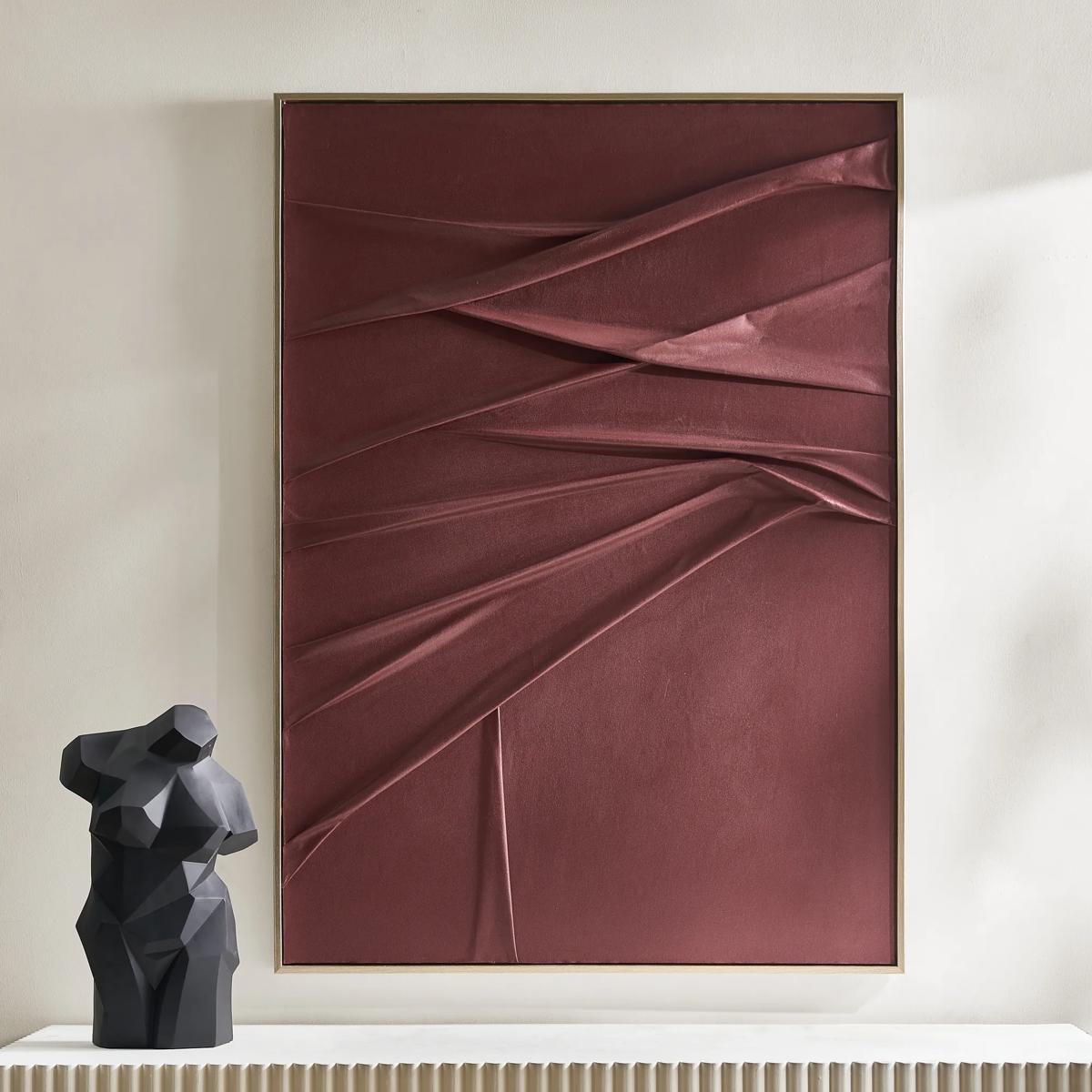 Crimson Painting$599
A handcrafted burgundy canvas artwork with sculptural folds, framed in champagne for a dramatic, textured effect.
Add To Cart -
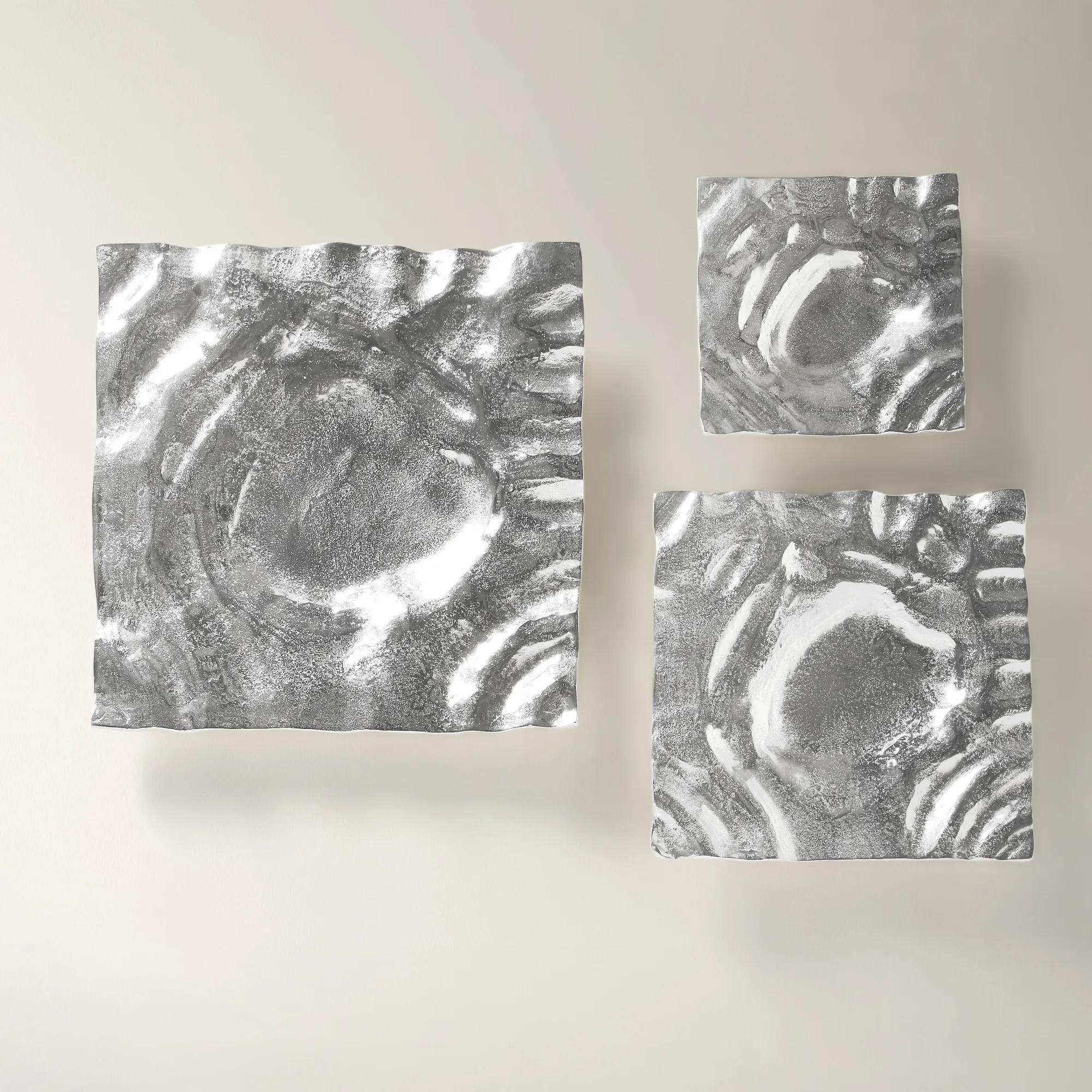
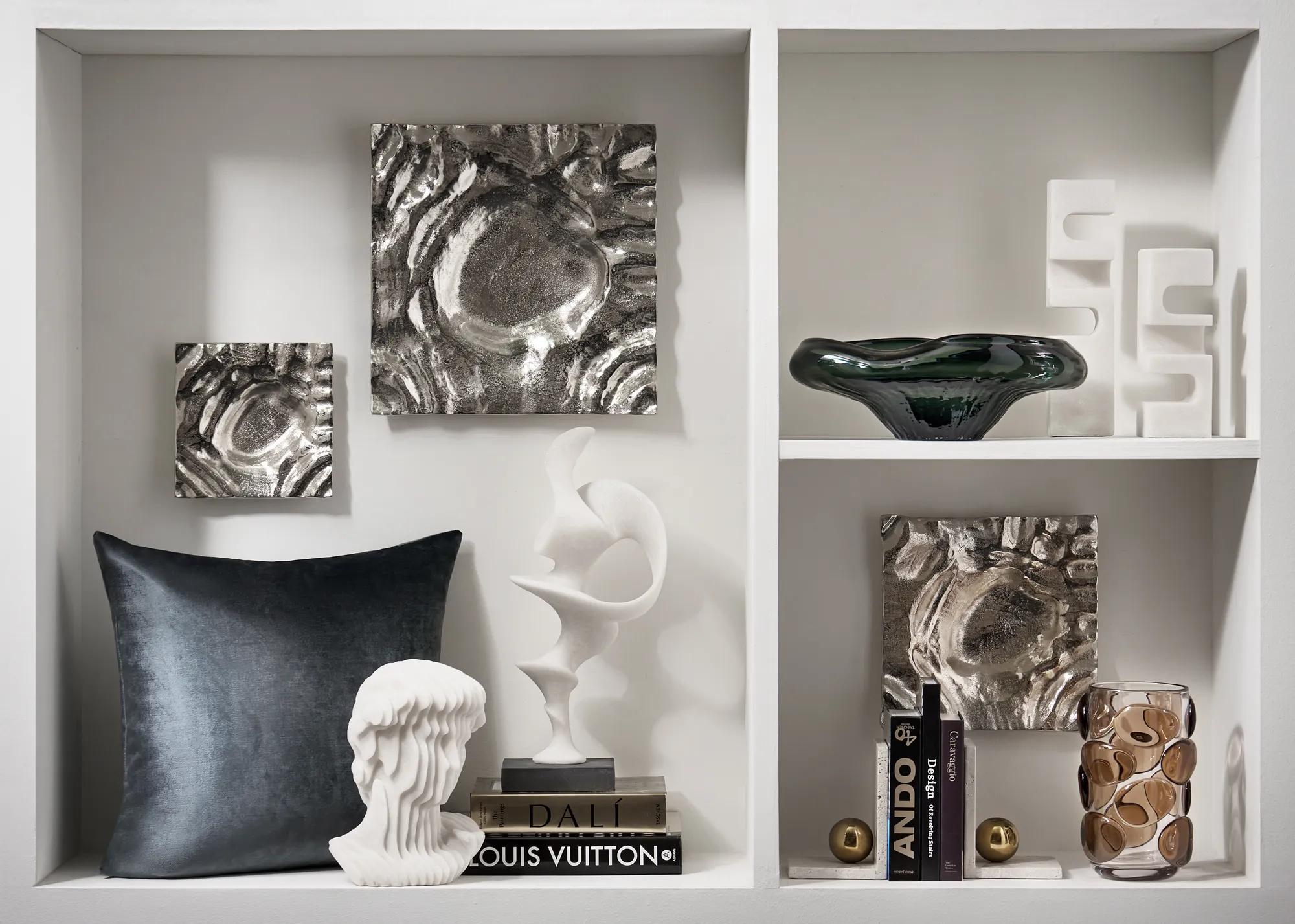 Cascade Wall Art - Set of 3$119
A set of three silver aluminum wall art pieces featuring textured surfaces that reflect and play with light.
Add To Cart -
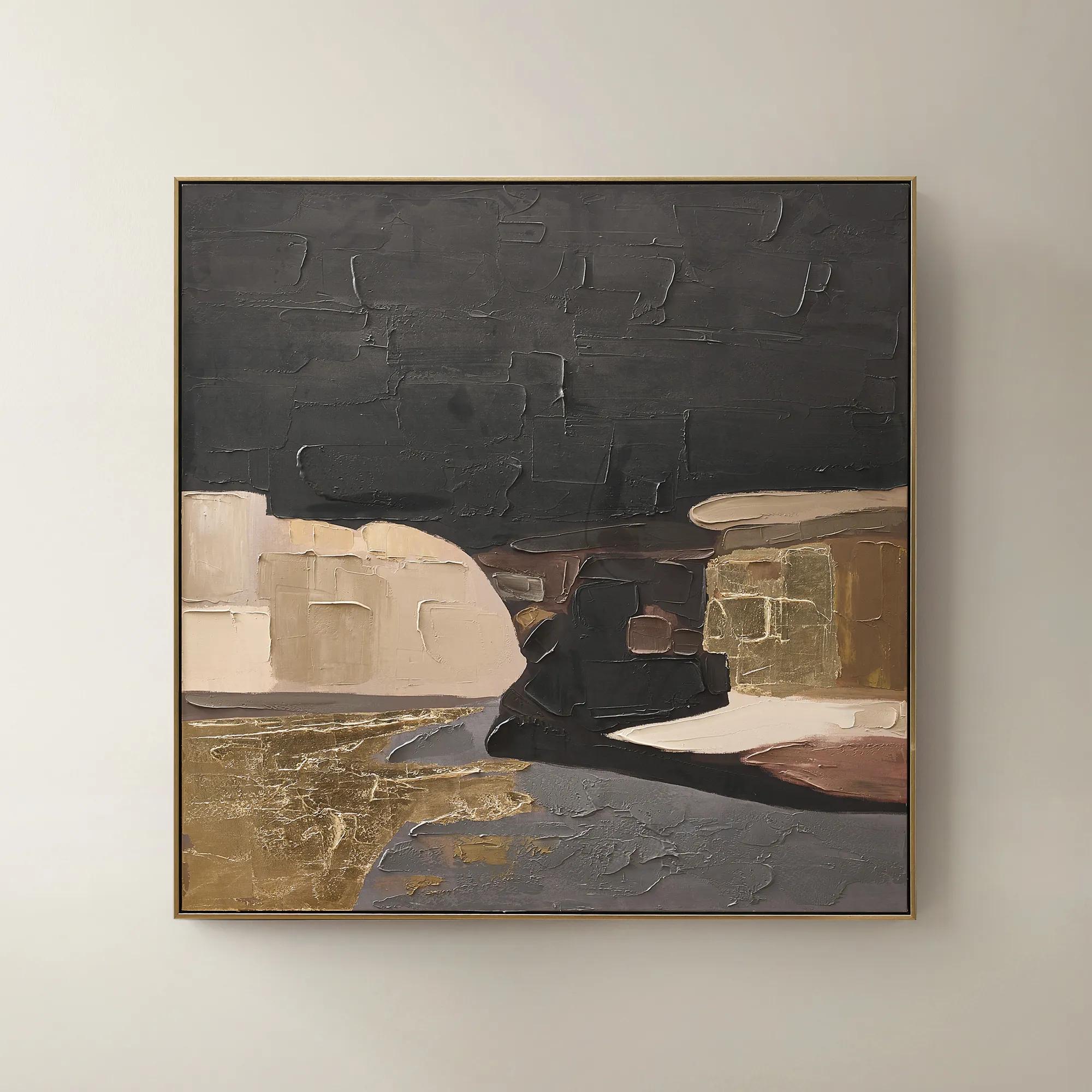 Obscured Light Framed Gold Leaf Painted Wall Art 48" x 48"$499
A hand-painted canvas with gold leaf accents and a black-gold frame in dramatic neutral tones.
Add To Cart -
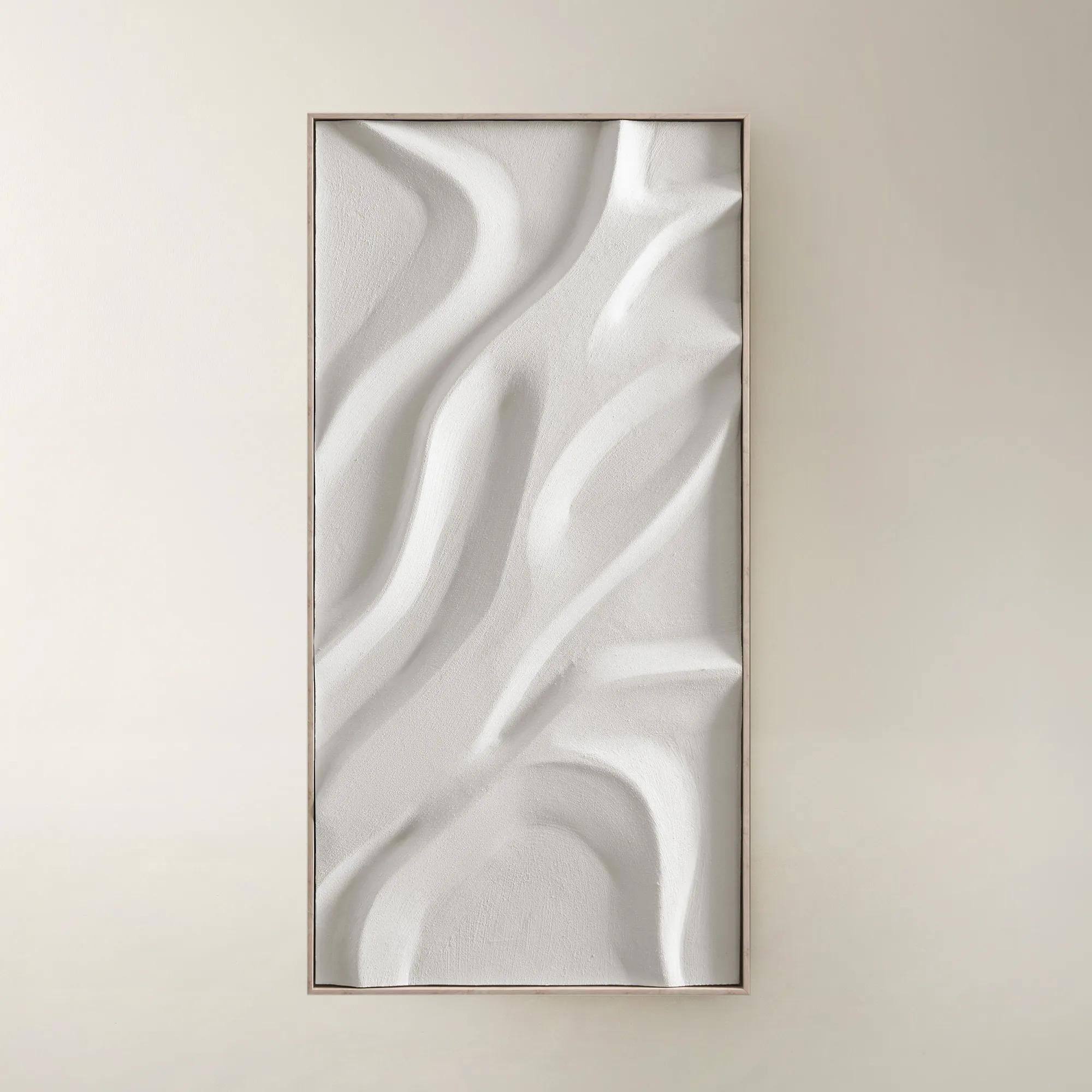
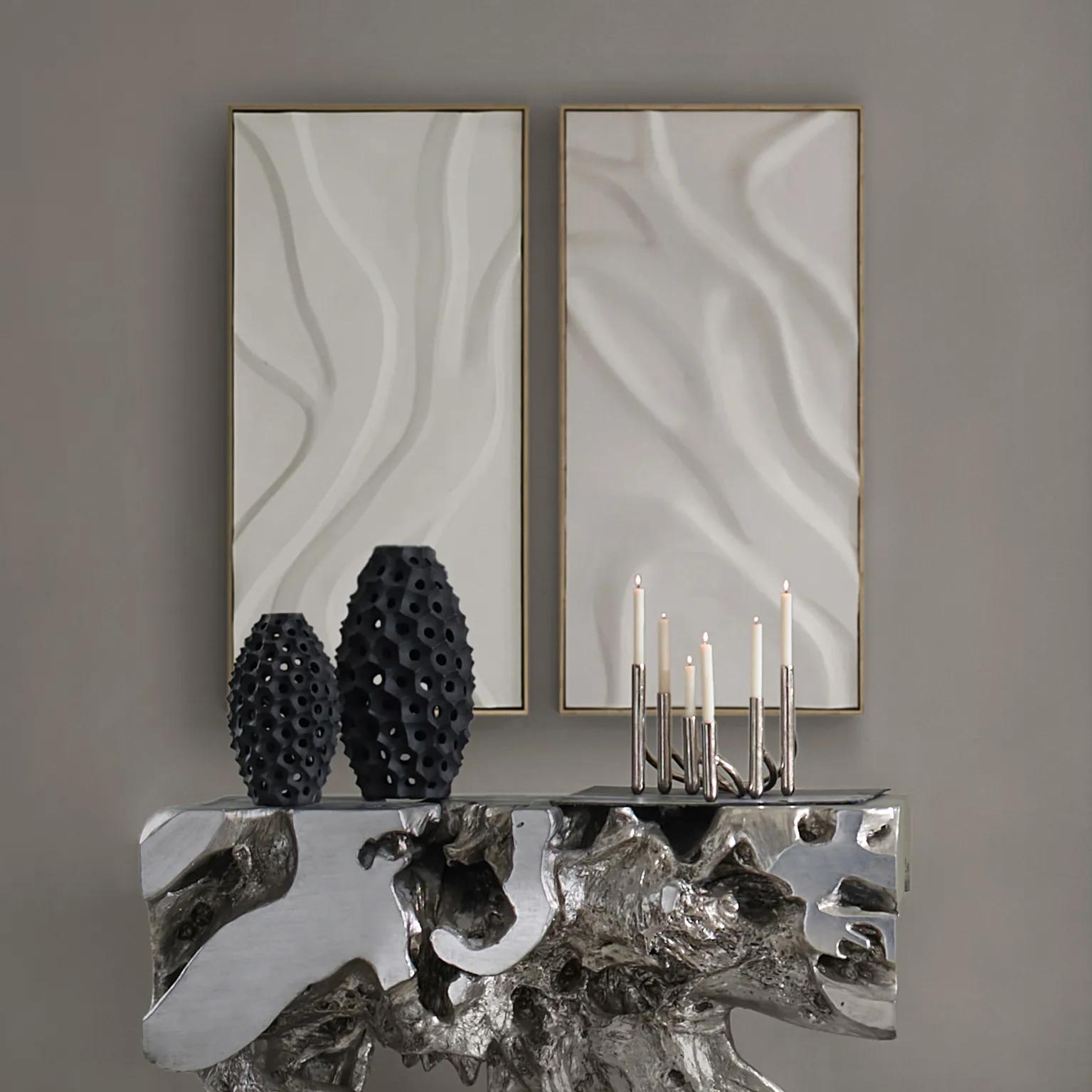 Au Lait Framed Painted Wall Art II 47.2" x 23.6"$199
A serene hand-painted canvas in beige, set in a warm whitewash floater frame for modern interiors.
Add To Cart

Textured Wall Art For Offices
Textured Wall Art For Offices transforms the everyday workspace into a gallery of inspiration, inviting creativity and confidence with every brushstroke and sculpted contour. Each piece is a tactile celebration—layered, dimensional, and designed to captivate—infusing your office with an air of curated sophistication. Whether you crave bold drama or subtle intrigue, textured wall art elevates your professional environment from utilitarian to unforgettable, making every meeting, brainstorm, and breakthrough moment feel artfully framed. Let your workspace become a reflection of vision and ambition—where walls don’t just support the room, they set the stage for greatness.
Textured wall art for offices brings physical depth to a workspace through raised paint, sculpted surfaces, layered fibers, or mixed-media elements. Unlike a flat image that only suggests texture, dimensional artwork creates highlights and shadows across its surface, giving an office wall a more architectural presence. The effect can be restrained or dramatic: fine ridges across an ivory canvas offer quiet definition, while deep relief and sweeping palette-knife marks introduce a bolder, more expressive rhythm. In a private office, that depth adds character behind a desk without requiring more furniture or decorative objects. In a reception area, it creates an immediate impression of care and artistic confidence. Materials shape both the visual effect and the character of the piece. Canvas can provide a woven foundation for layered acrylic paint or textured mediums; wood panels can support more rigid compositions; and plaster-style relief introduces sculptural contours with a distinctly architectural feel. Mixed-media artwork may combine several materials, so the surface, backing, frame, and overall weight deserve equal consideration. A photograph of a heavily textured surface is not the same as actual relief, making material descriptions and close-up views especially useful when evaluating dimensional art. Color gives those materials their atmosphere. Warm white, stone, taupe, and charcoal allow the relief itself to become the focal point, creating depth without a busy palette. Ochre, muted green, and earthy brown lend warmth to offices furnished with wood and leather, while black-and-white contrasts feel graphic beside glass or polished metal. Metallic accents can catch the light with a jewel-like gleam, particularly when used sparingly against matte surfaces. Abstract compositions are especially versatile in professional settings because their shapes and gestures can complement the room without prescribing a literal subject. Whether the mood is serene, authoritative, or richly expressive, the most compelling textured office wall art feels connected to the people and work within the space.
Scale and placement determine how comfortably that expression belongs in the room. A broad composition above a credenza can give a long wall a deliberate center, while a vertical piece can bring presence to a narrow section beside a bookcase. Above a desk or console, artwork generally feels balanced when it is narrower than the furniture beneath it, leaving visible wall space on either side. Measuring the full framed dimensions, rather than the image alone, helps prevent a substantial surround from overwhelming the arrangement. Depth matters, too: a projecting relief may look magnificent on an open wall but feel intrusive beside a frequently used doorway or in a tight passage. In shared offices, circulation paths, chair movement, and nearby storage should remain unobstructed. A grouping of related pieces can extend across a conference room wall, provided the spacing and visual weight feel intentional rather than crowded. For a home office that opens onto a living area, repeating one material or color from the adjoining room creates continuity without making the workspace feel indistinct. Texture also responds to its surroundings in ways that flat color cannot. Light falling from the side reveals ridges and recesses, while direct frontal light can soften their appearance. Strong spotlights may exaggerate shadows or create glare on glossy finishes, so the relationship between artwork, windows, and existing fixtures deserves attention. Behind a video-call desk, a dimensional composition with a controlled palette can provide a polished backdrop without competing with the person on screen. Across from a visitor’s chair, more expressive relief can offer a memorable focal point at a comfortable viewing distance. The refined sensibility of Elegant Wall Art For Offices complements this attention to proportion, finish, and atmosphere. Texture need not mean visual excess; a single substantial composition can give the wall all the definition it needs. Equally, a room with sleek cabinetry and smooth upholstery may welcome a more assertive surface that introduces contrast and a sense of artistry.
Lasting appeal depends as much on construction and care as on the initial impression. Raised surfaces can be more vulnerable to abrasion, chips, or snagging than flat prints, especially where delicate projections or loose fibers are involved. Artwork intended for a busy office benefits from placement beyond the reach of passing bags, rolling chairs, and routine contact. A frame may help protect the edges and visually contain the composition, but it does not necessarily shield the textured face. Glazing, when included, should provide adequate clearance so that the glass or acrylic does not press against the relief. Weight is another practical distinction: a substantial wood-backed or sculptural piece may require different support from a lightweight stretched canvas. Appropriate hanging hardware should match both the artwork’s weight and the wall construction, with professional installation worth considering for heavy pieces or complex arrangements. Rental offices and shared commercial spaces may also have installation requirements that affect placement. For cleaning, the artwork’s own care instructions take priority, since paint, plaster-style mediums, fabric, and metallic finishes can respond differently to moisture and friction. Gentle dusting may be suitable for some surfaces, but vigorous brushing, household sprays, and damp wiping can damage delicate details. Avoid positioning artwork where splashes, persistent humidity, or prolonged direct sunlight could compromise its materials or finish. These considerations make textured art particularly well suited to dry interior workspaces where it can be appreciated without frequent handling. It can also be a thoughtful gift for someone establishing a home office, opening a professional practice, or marking a career milestone, especially when the scale and palette reflect the recipient’s taste. A compact composition suits a personal workspace, while a larger relief calls for confidence about the room and available wall area. Chosen with that sensitivity, textured wall art gives an office more than decoration: it introduces a tangible artistic presence, bringing sculptural detail and a distinctive point of view to the setting where ideas take shape.
FAQs
Textured wall art in professional offices often features abstract designs, geometric patterns, or organic motifs crafted from materials like canvas, wood, or mixed media. These styles offer a sophisticated and contemporary feel, enhancing the workspace with visual depth while maintaining a polished, professional atmosphere.
Textured wall art introduces tactile and visual intrigue, stimulating the senses and encouraging fresh perspectives. The interplay of light, shadow, and material can foster a more dynamic environment, helping to spark new ideas and boost motivation throughout the workday.
Yes, textured wall art makes a memorable and thoughtful gift, especially for colleagues, managers, or business partners who appreciate expressive design and elegant decor. It’s a meaningful way to celebrate achievements, milestones, or a new office space while leaving a lasting impression.
High-quality textured wall art often incorporates materials such as hand-painted canvas, sculpted wood, layered metal, or natural fibers like jute and linen. These materials are chosen for their durability, artistry, and ability to create dimensional effects that enhance any professional space.
To select textured wall art that harmonizes with your office, consider the existing color palette, furniture finishes, and overall design aesthetic. Opt for pieces that echo or accentuate these elements—whether through complementary tones, similar materials, or contrasting textures—to create a cohesive and elevated look.