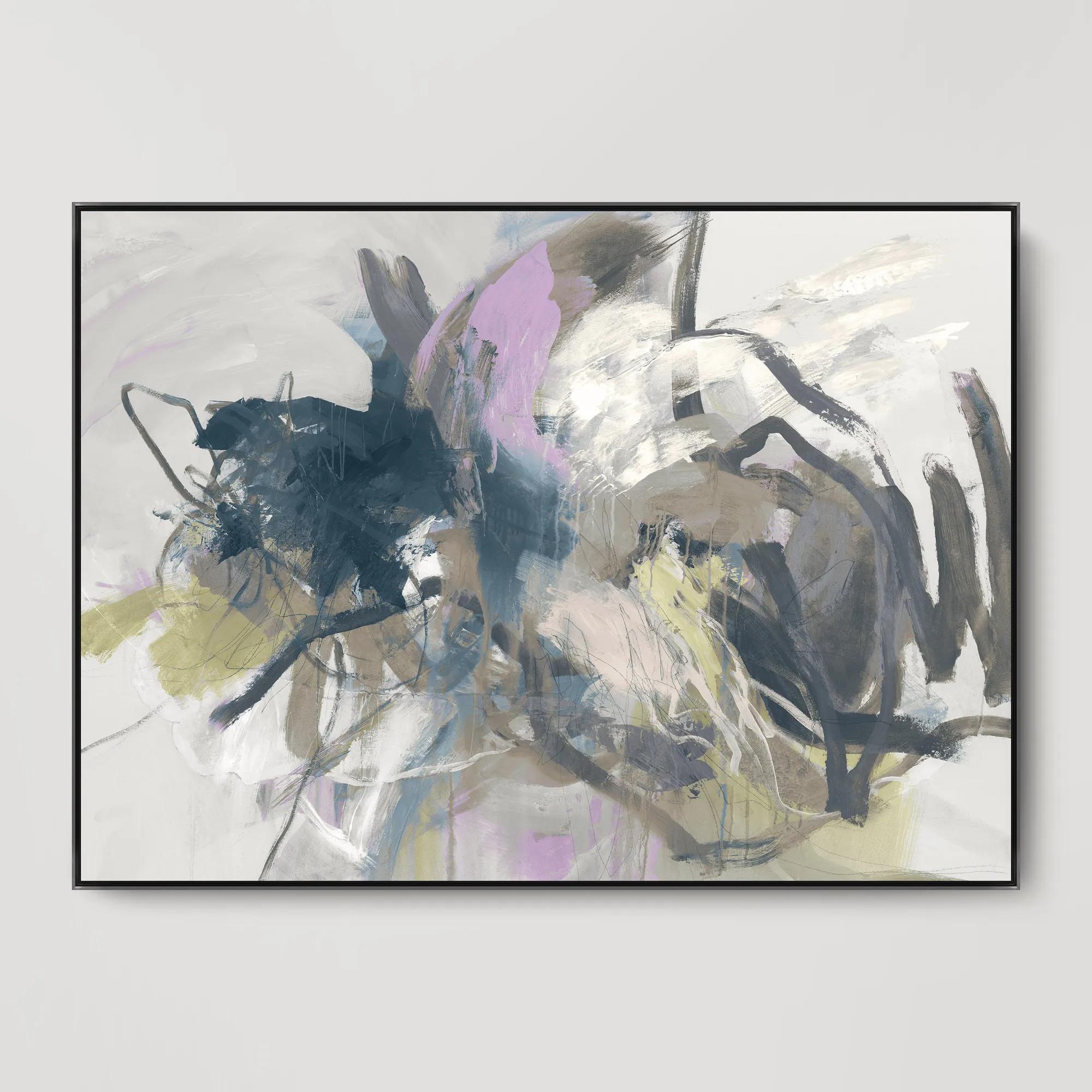
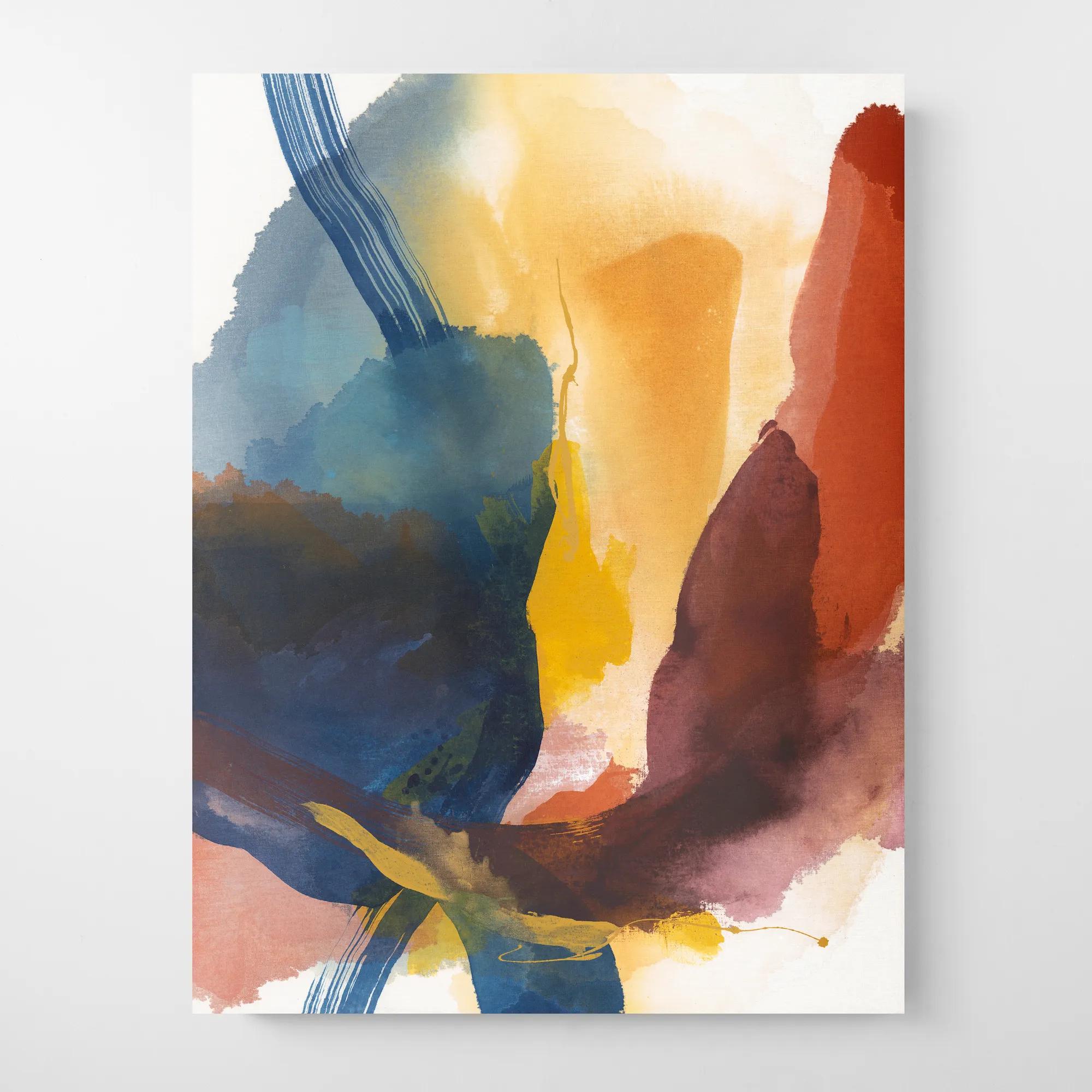
Textured Abstract Wall Art For Bedrooms
Textured Abstract Wall Art For Bedrooms
-
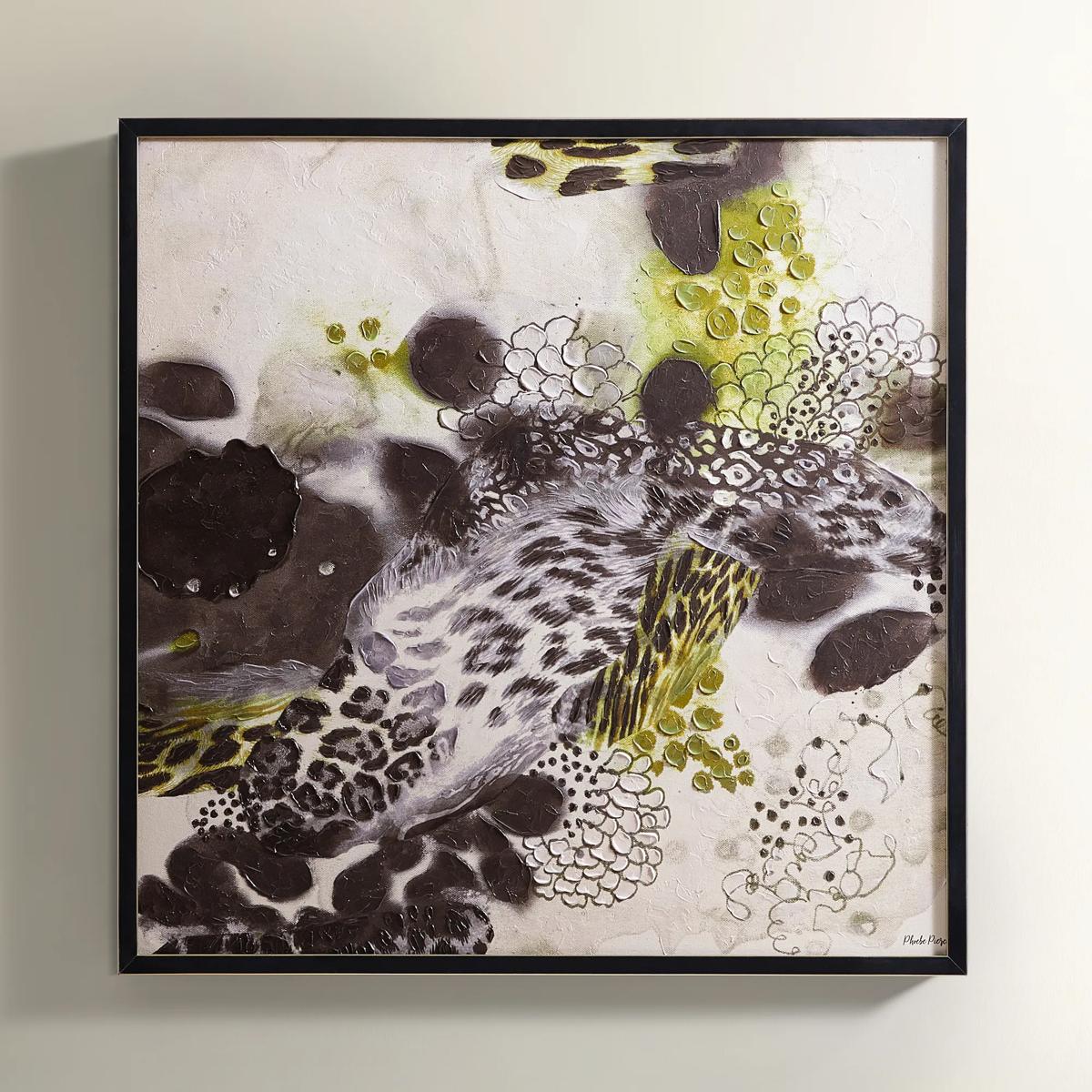
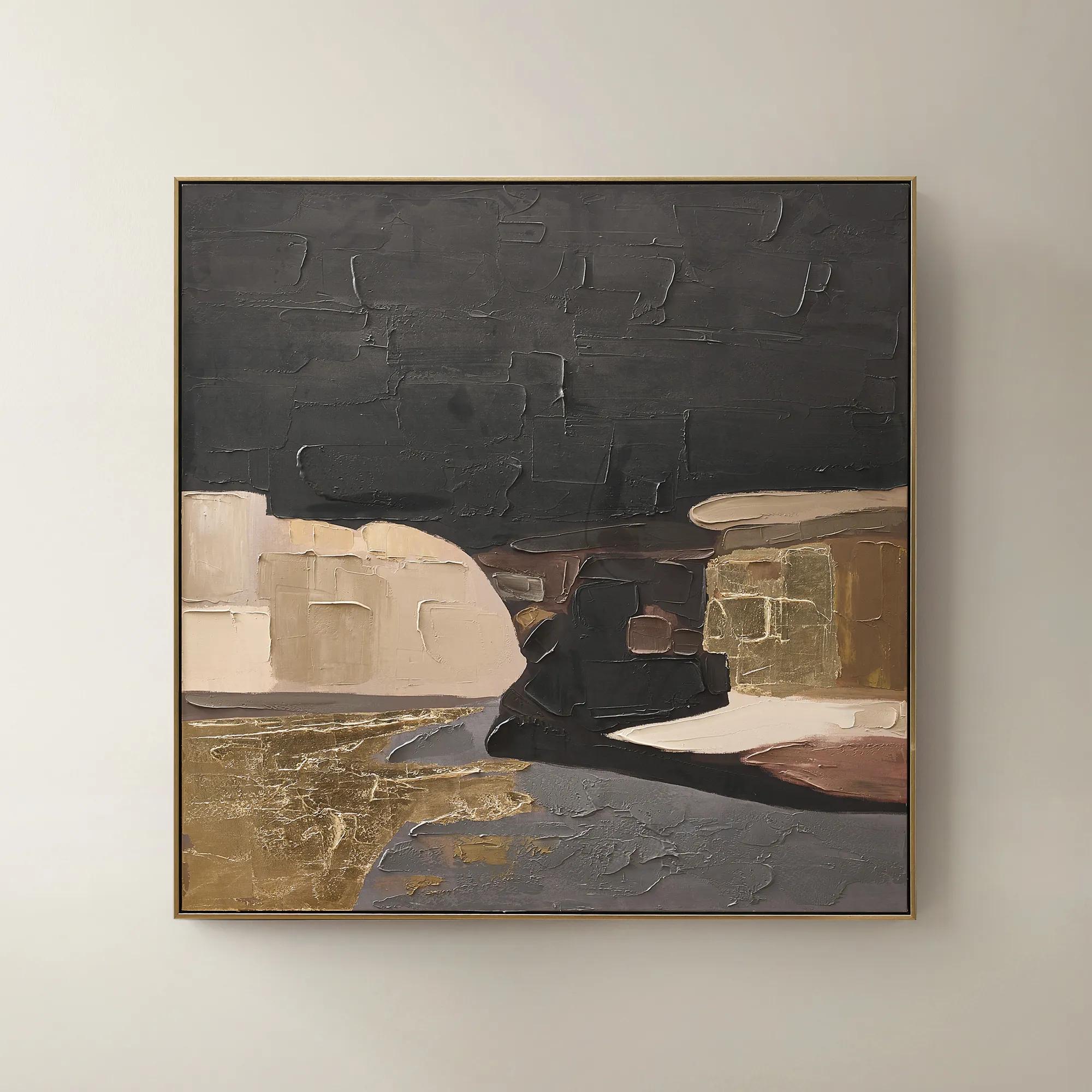 Obscured Light Framed Gold Leaf Painted Wall Art 48" x 48"$499
A hand-painted canvas with gold leaf accents and a black-gold frame in dramatic neutral tones.
Add To Cart -
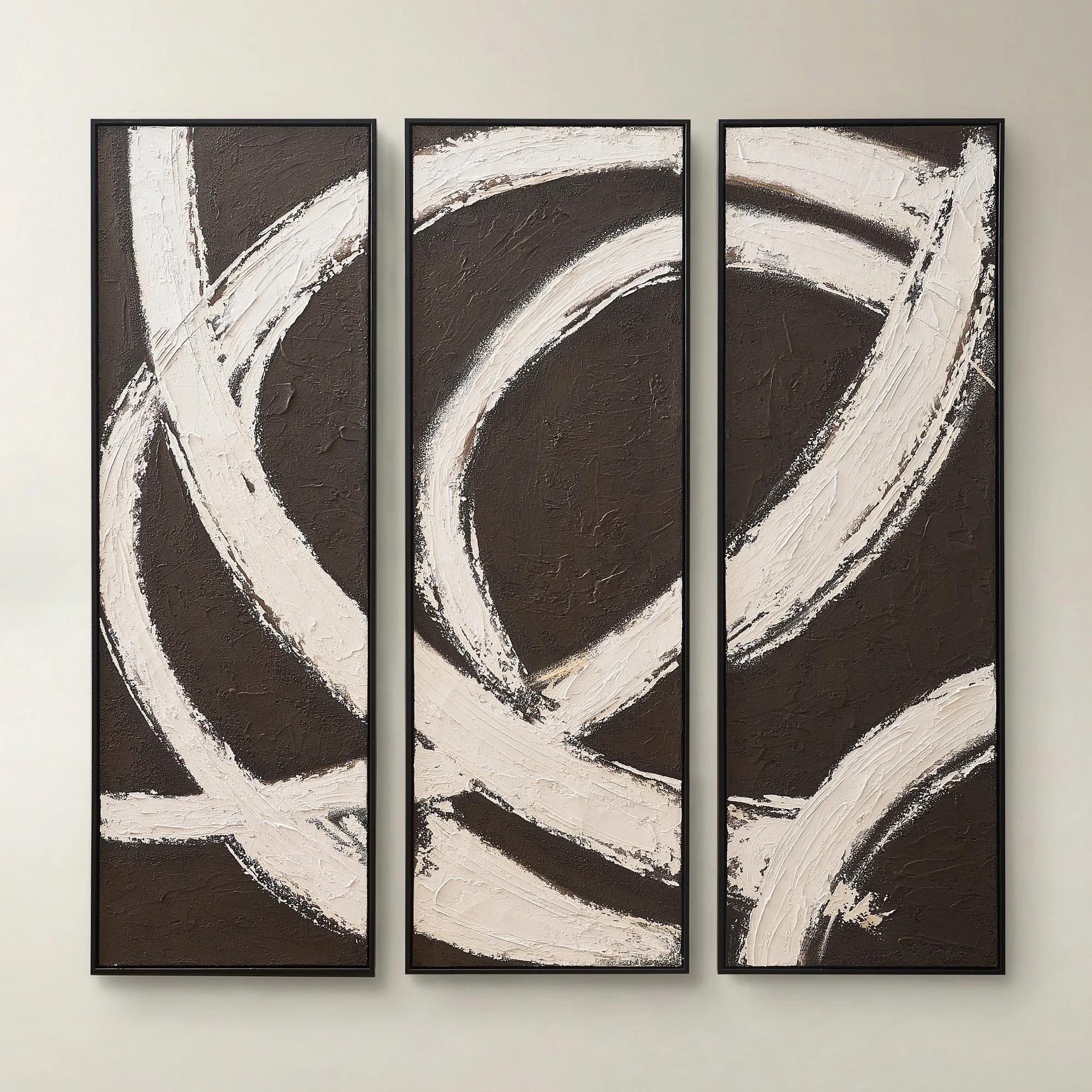
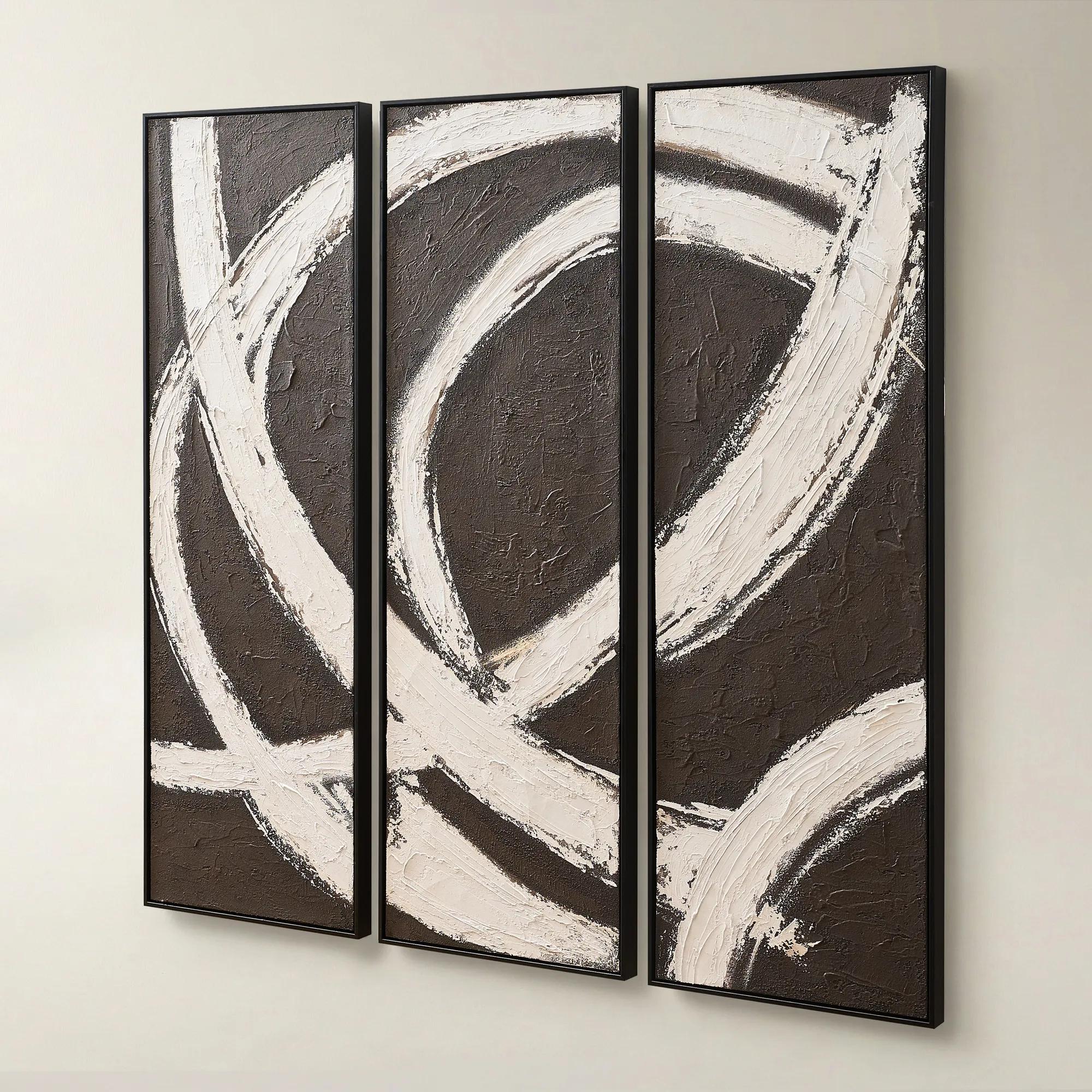 Spun in Coco Framed Painted Wall Art 20" x 60" Set of 3$499
A hand-painted triptych featuring dark chocolate and alabaster tones with rich texture and modern contrast.
Add To Cart -
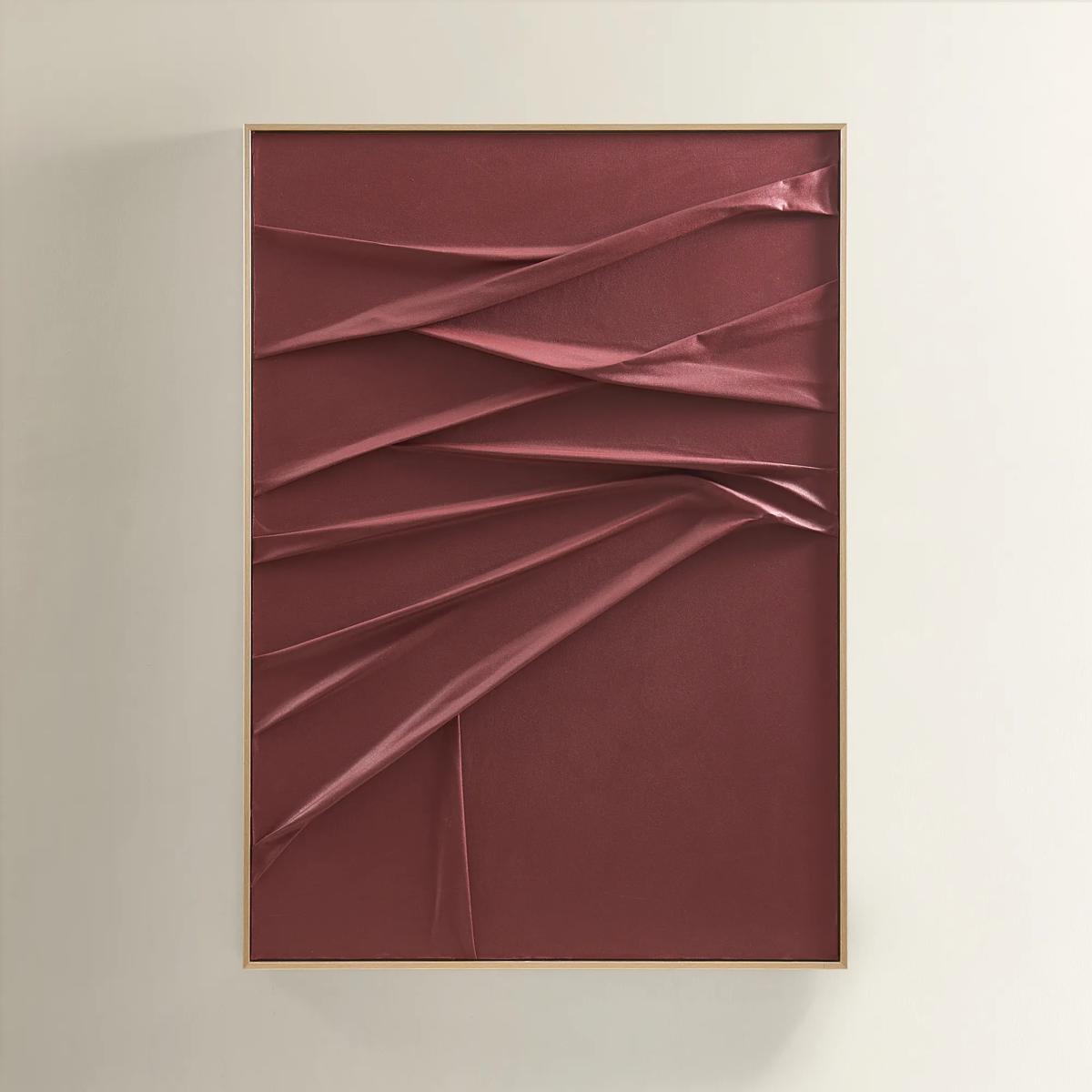
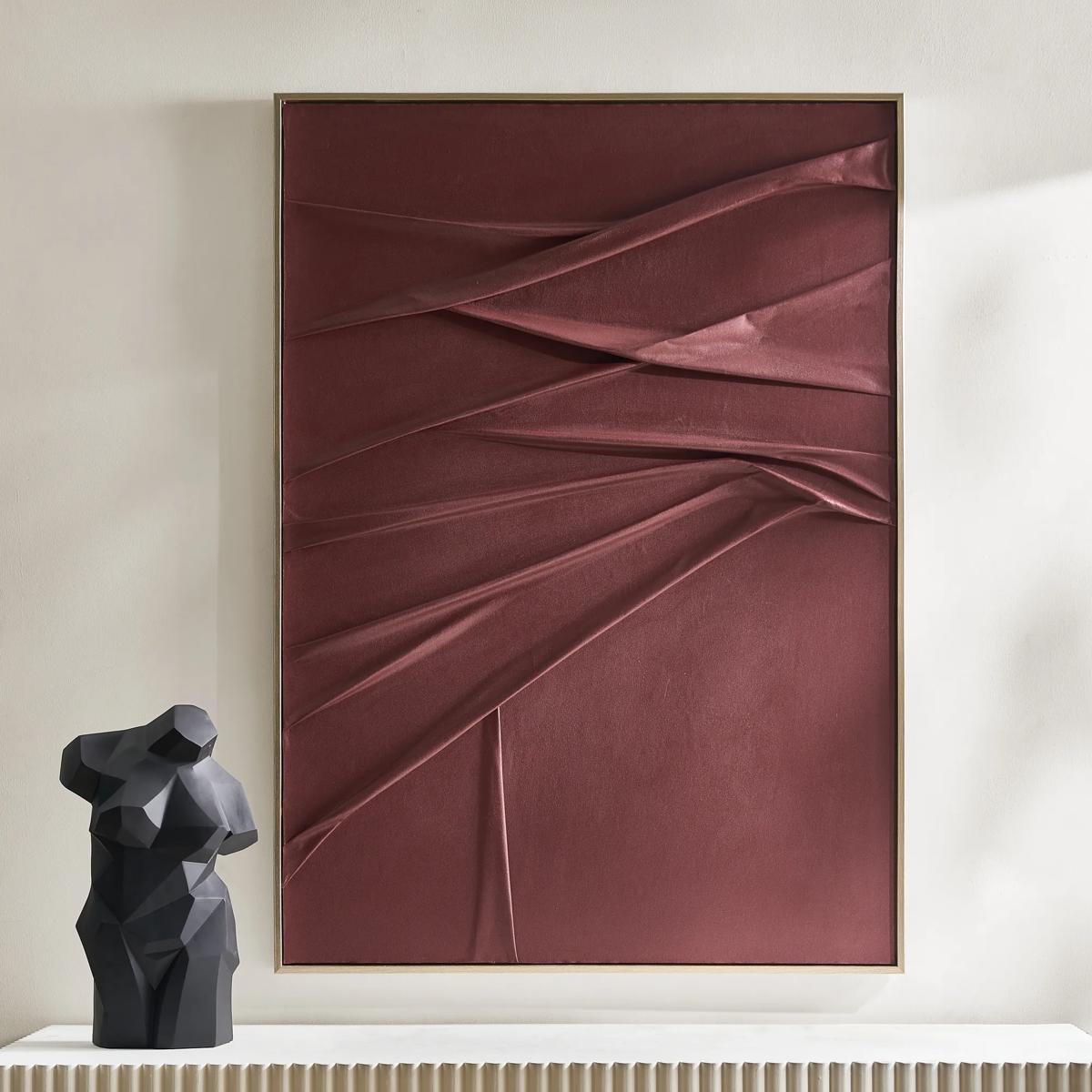 Crimson Painting$599
A handcrafted burgundy canvas artwork with sculptural folds, framed in champagne for a dramatic, textured effect.
Add To Cart -
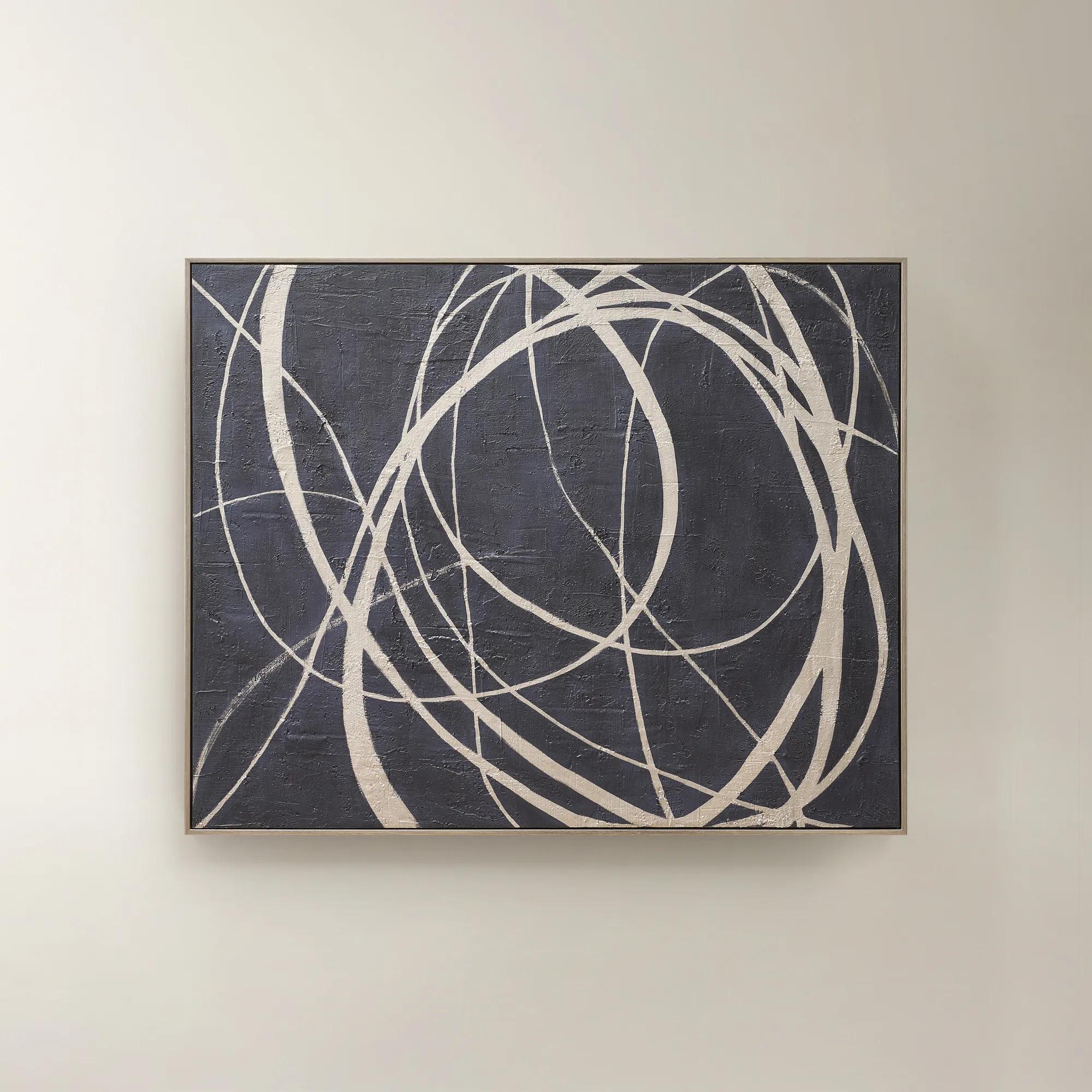 Wandering Framed Painted Wall Art 48" x 60"$699
An expressive hand-painted canvas in deep ink blue with champagne accents for a bold, sophisticated statement.
Add To Cart -
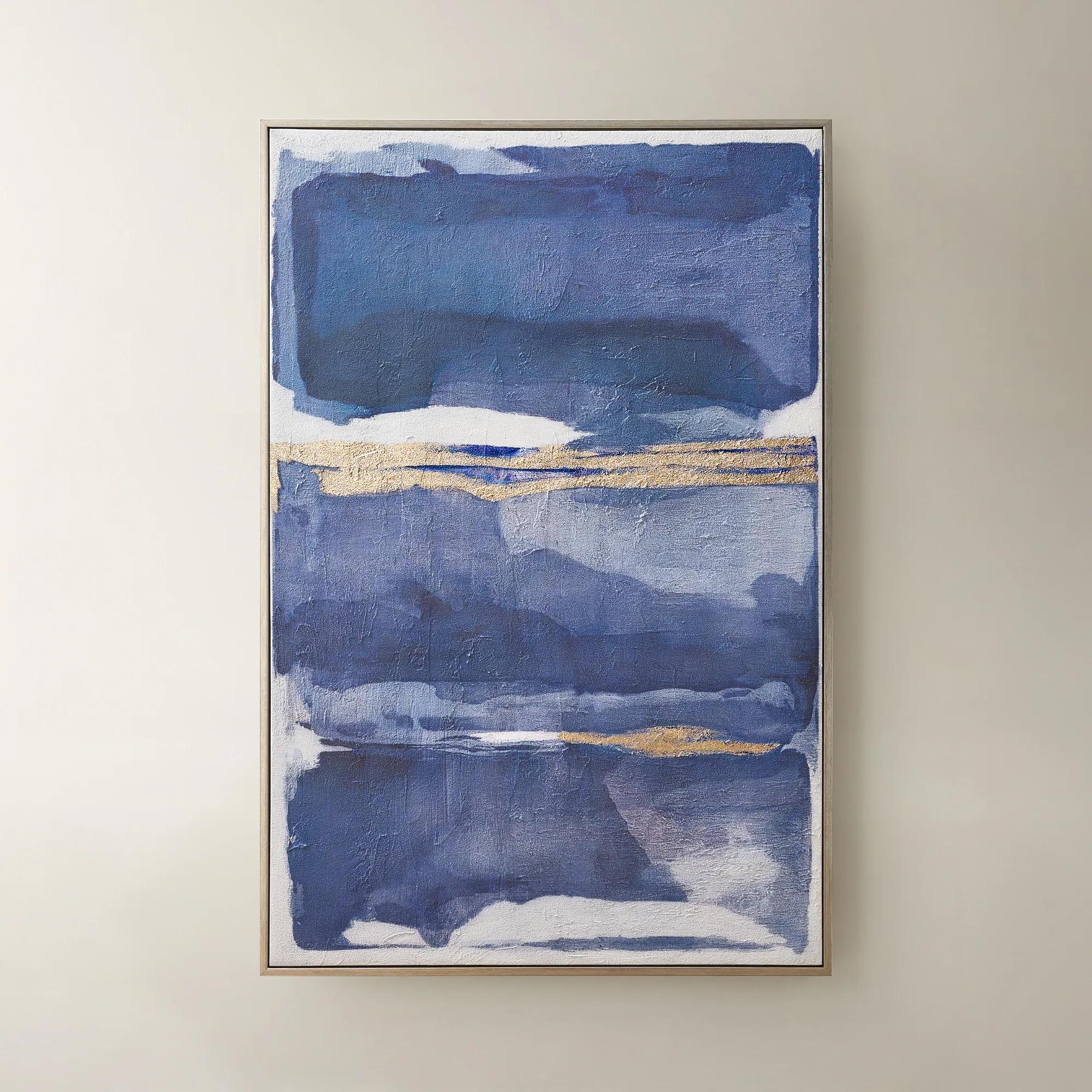
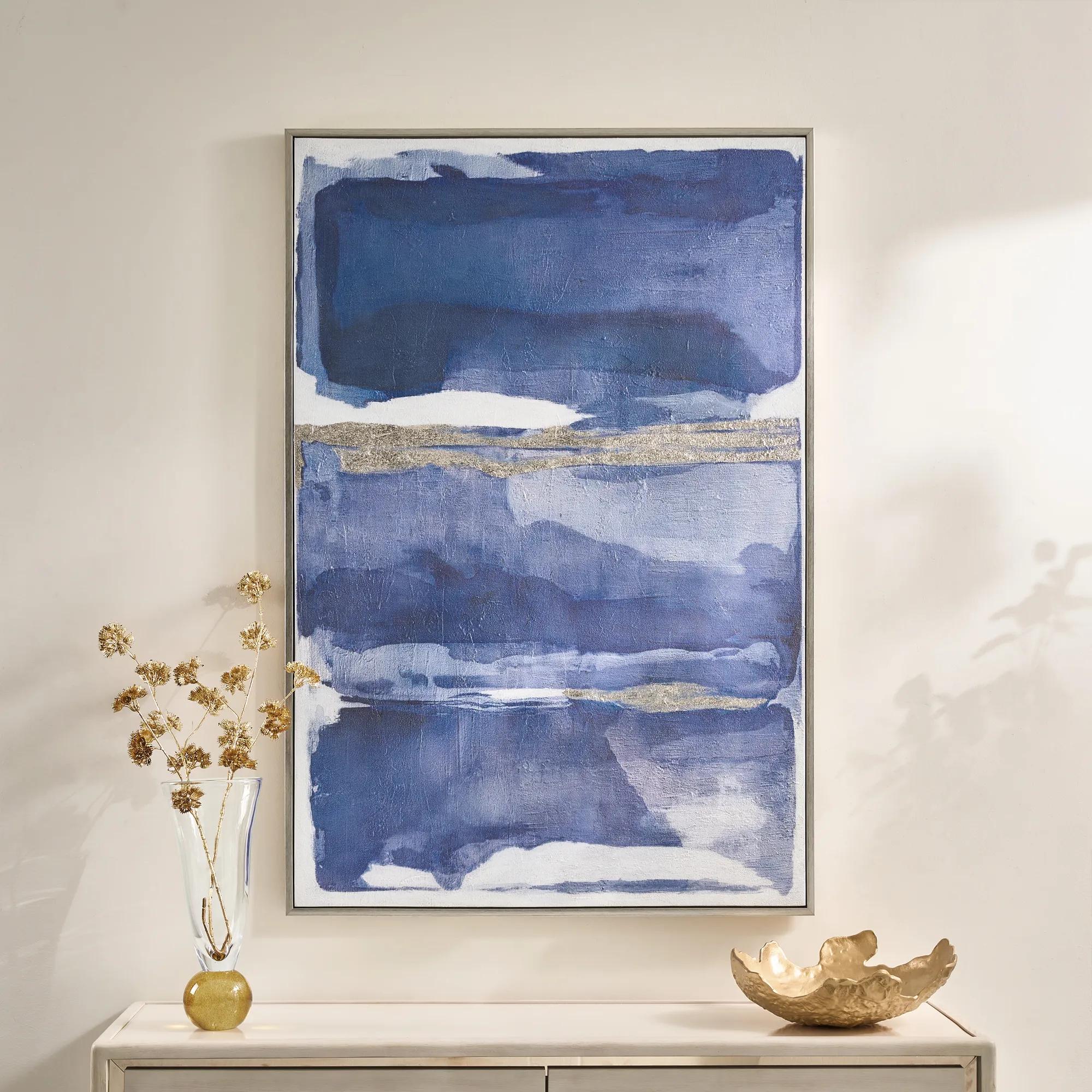 Memories in Blue Framed Painted Wall Art 40" x 60"$499
A hand-painted canvas in deep ink blue with champagne leafing for a sophisticated, gallery-inspired look.
Add To Cart -
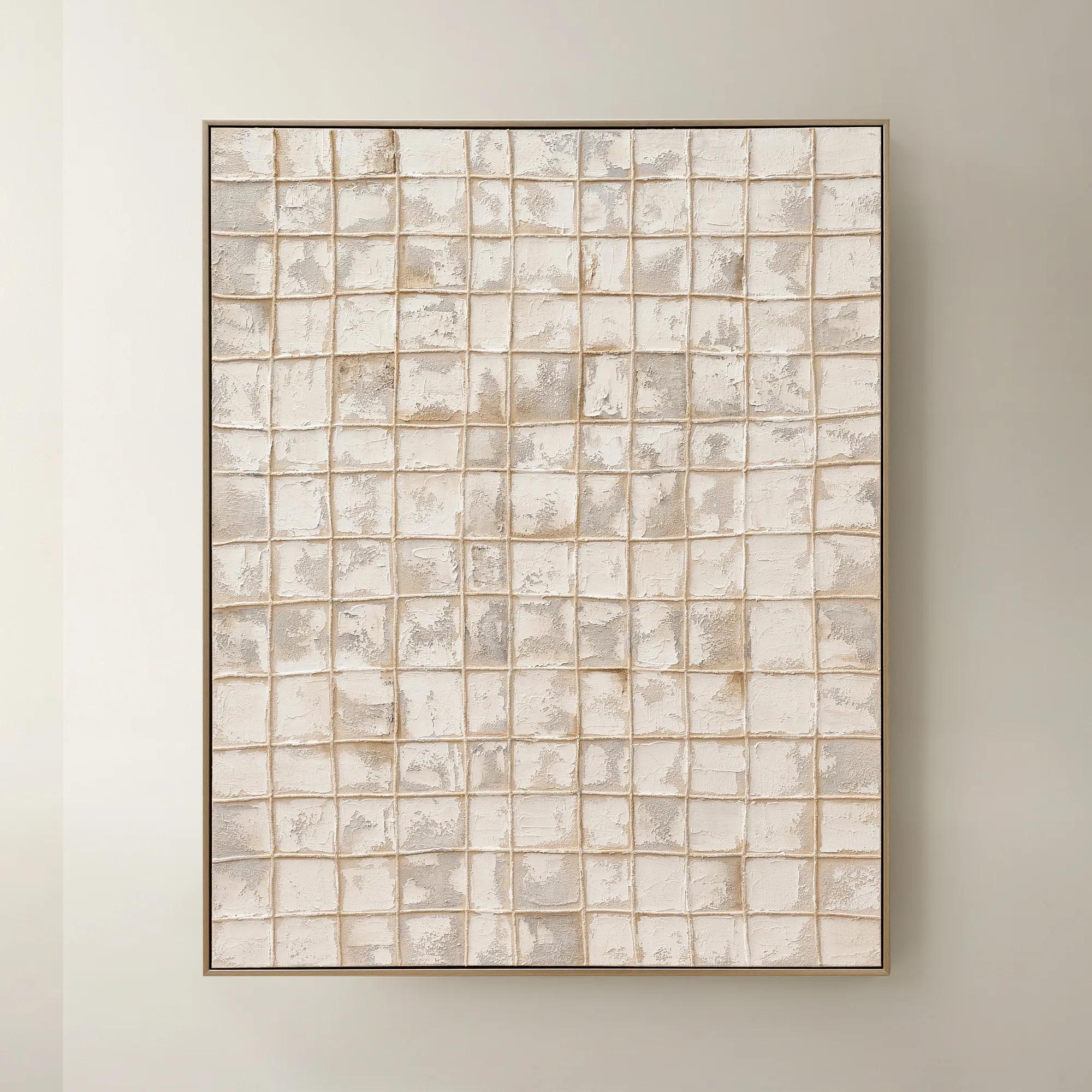
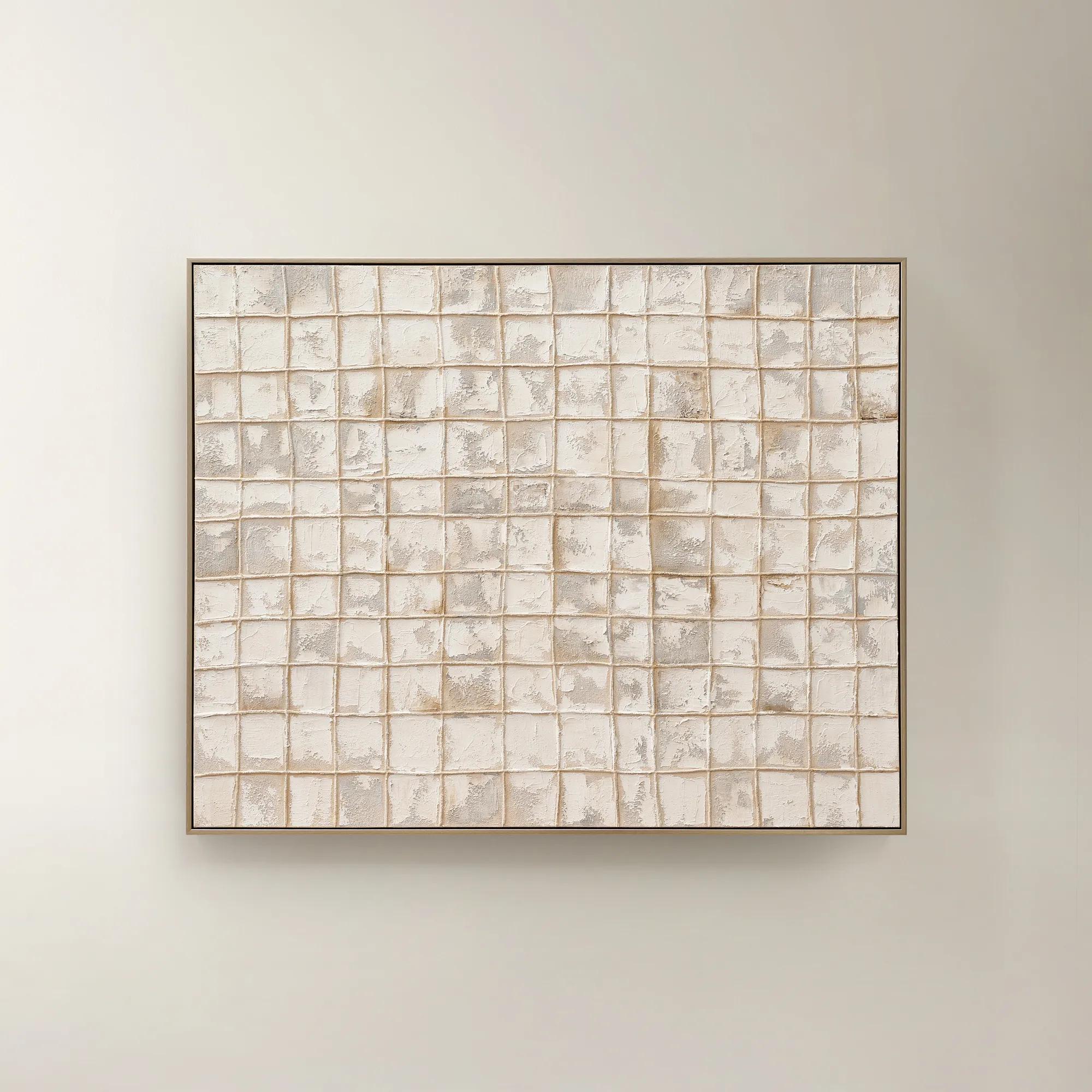 Painted Echos Framed Gold Leaf Wall Art 60" x 48"$699
A hand-painted abstract canvas with gold leaf accents and a champagne frame for modern, versatile display.
Add To Cart -
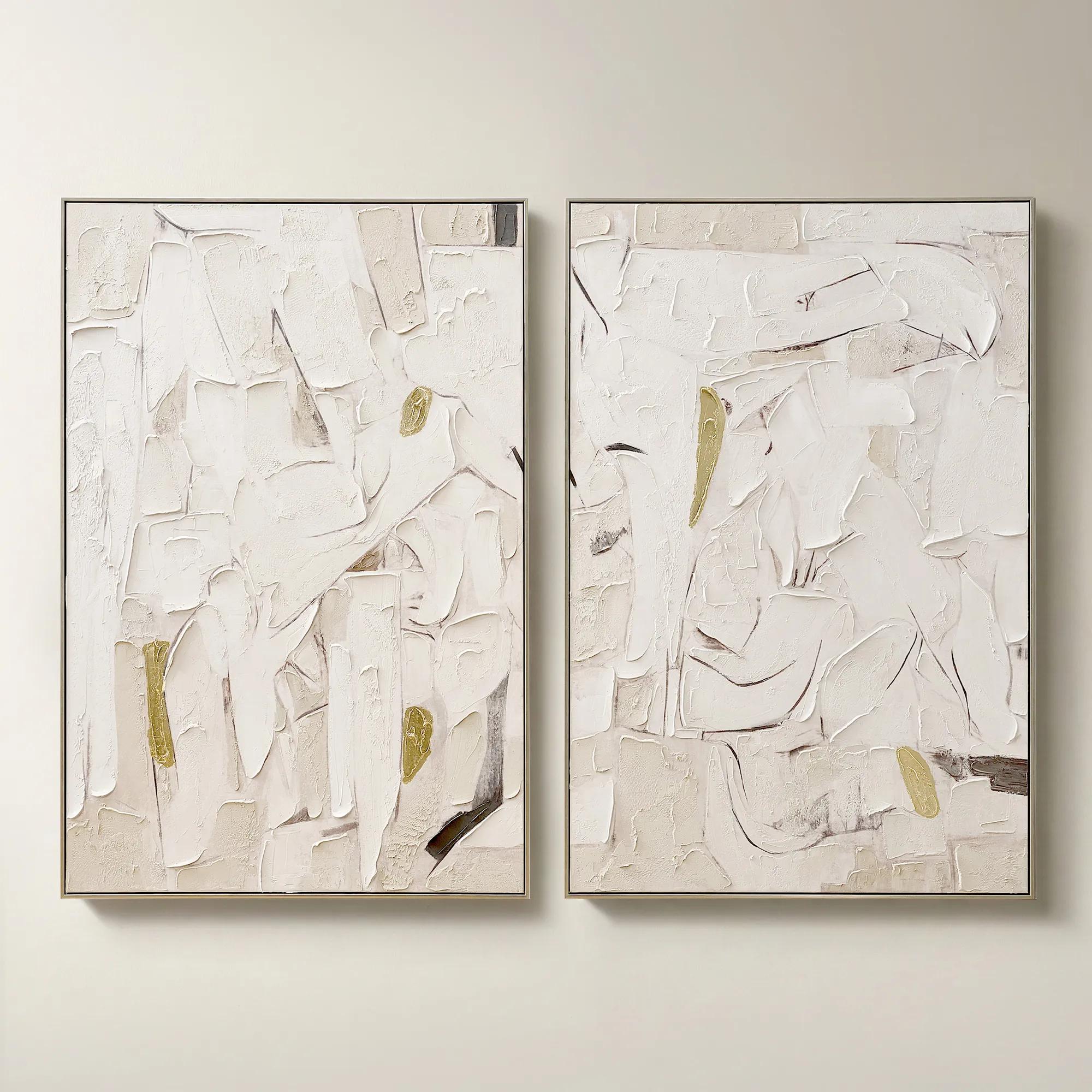 Beneath the Surface Framed Gold Leaf Painted Wall Art 40" x 60" Set of 2$799
A hand-painted abstract diptych featuring gold detailing and layered texture in alabaster and tawny hues.
Add To Cart -
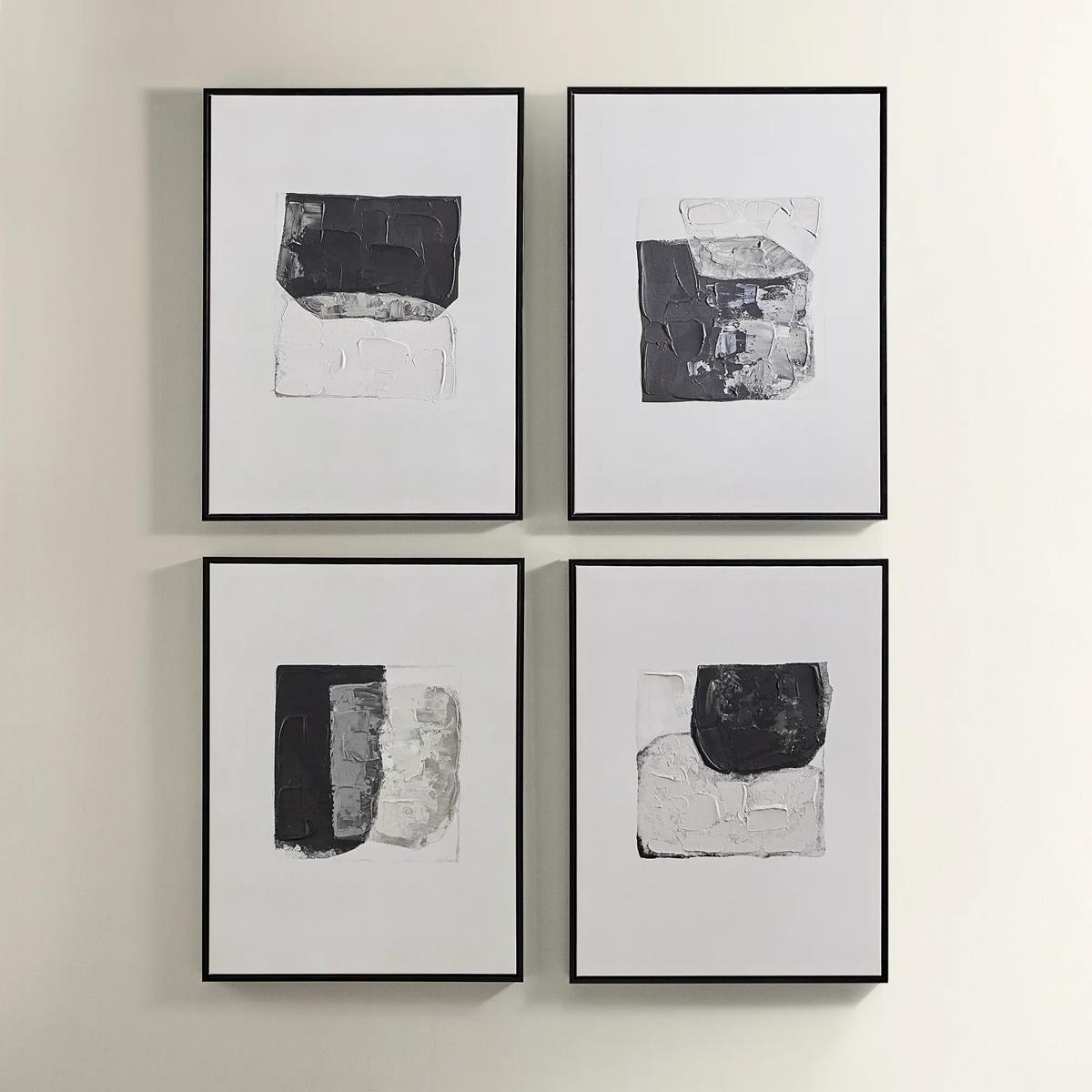
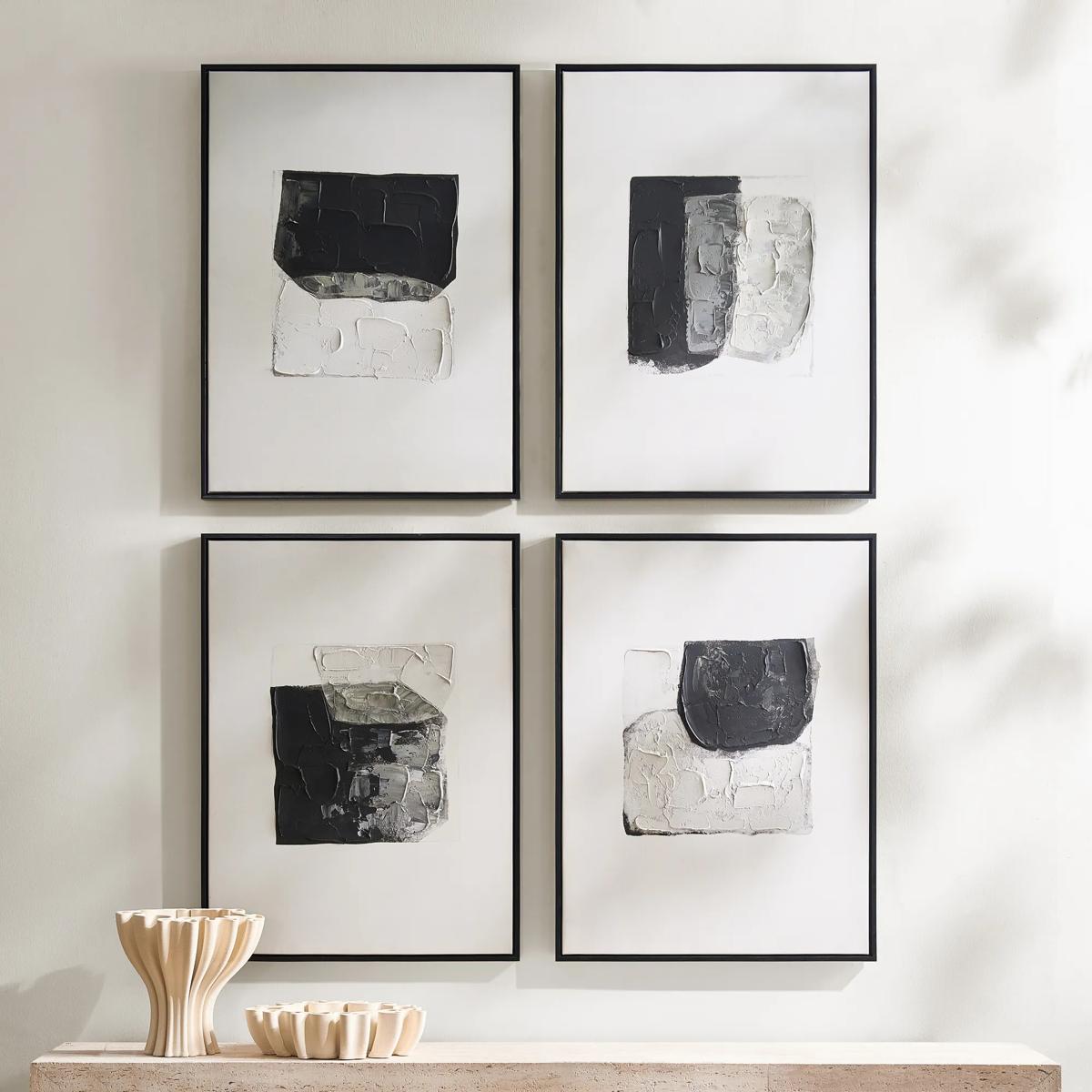 Shadows Framed Painted Wall Art Set of 4$299
A set of four hand-painted abstract canvases featuring black, white, and gold accents in black frames.
Add To Cart -
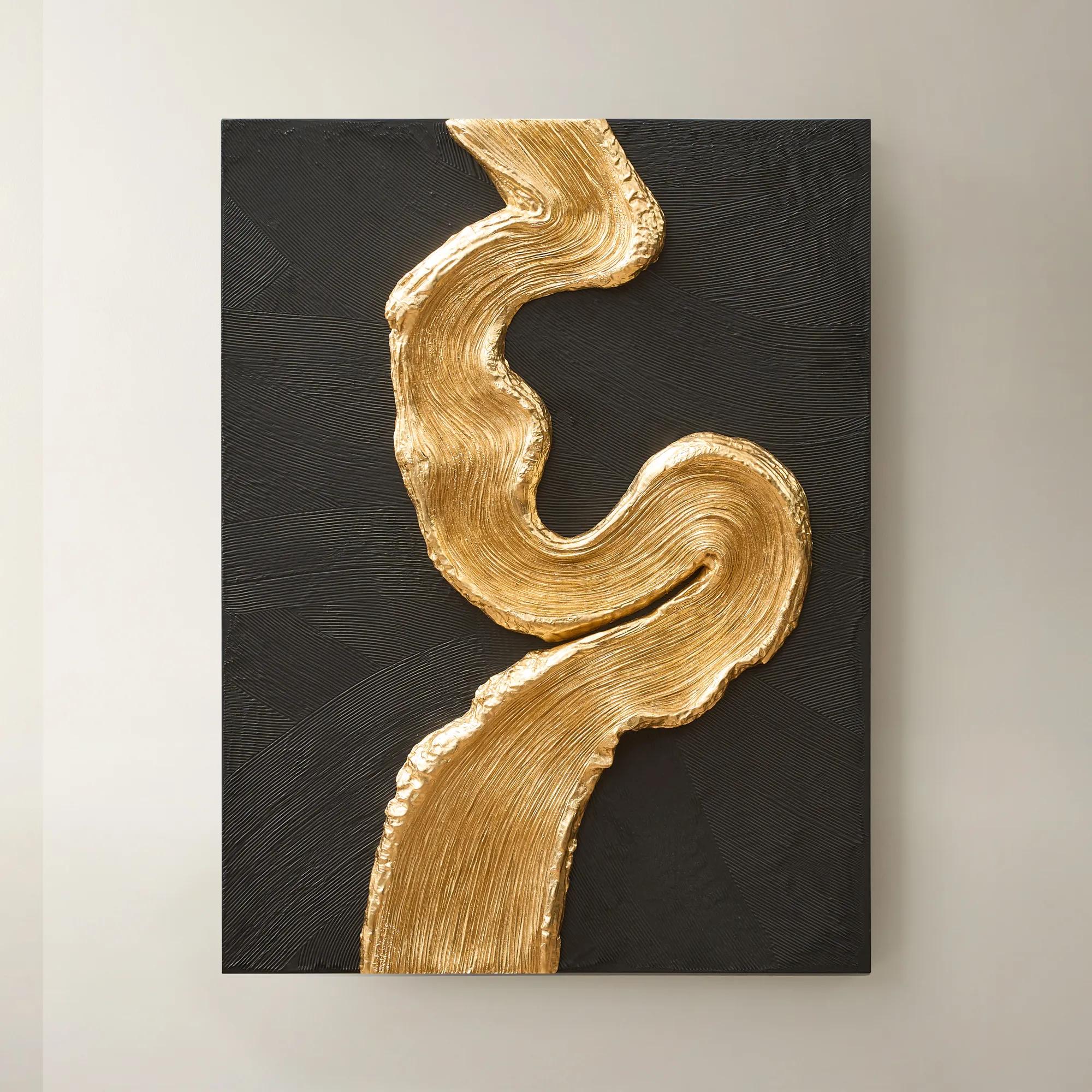
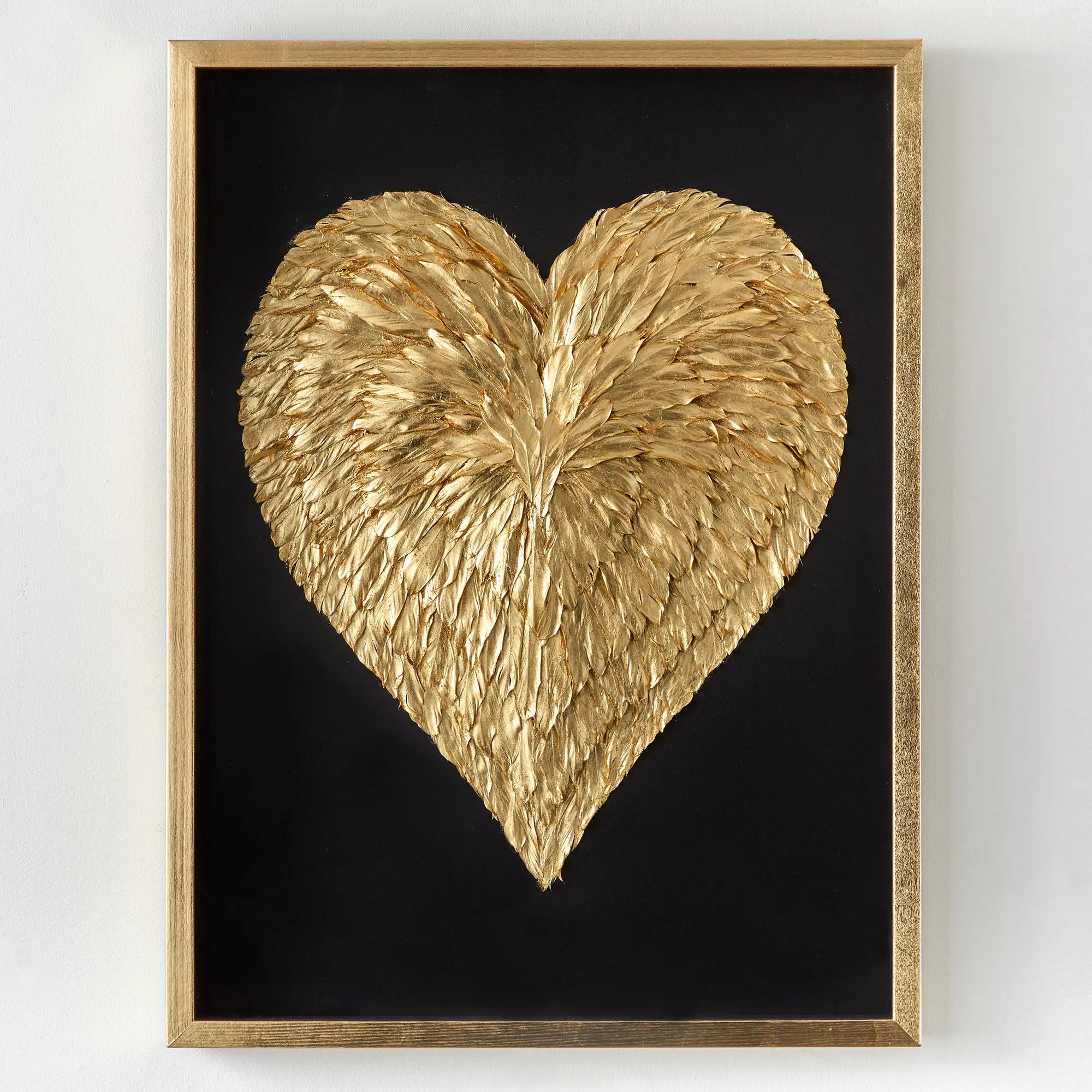
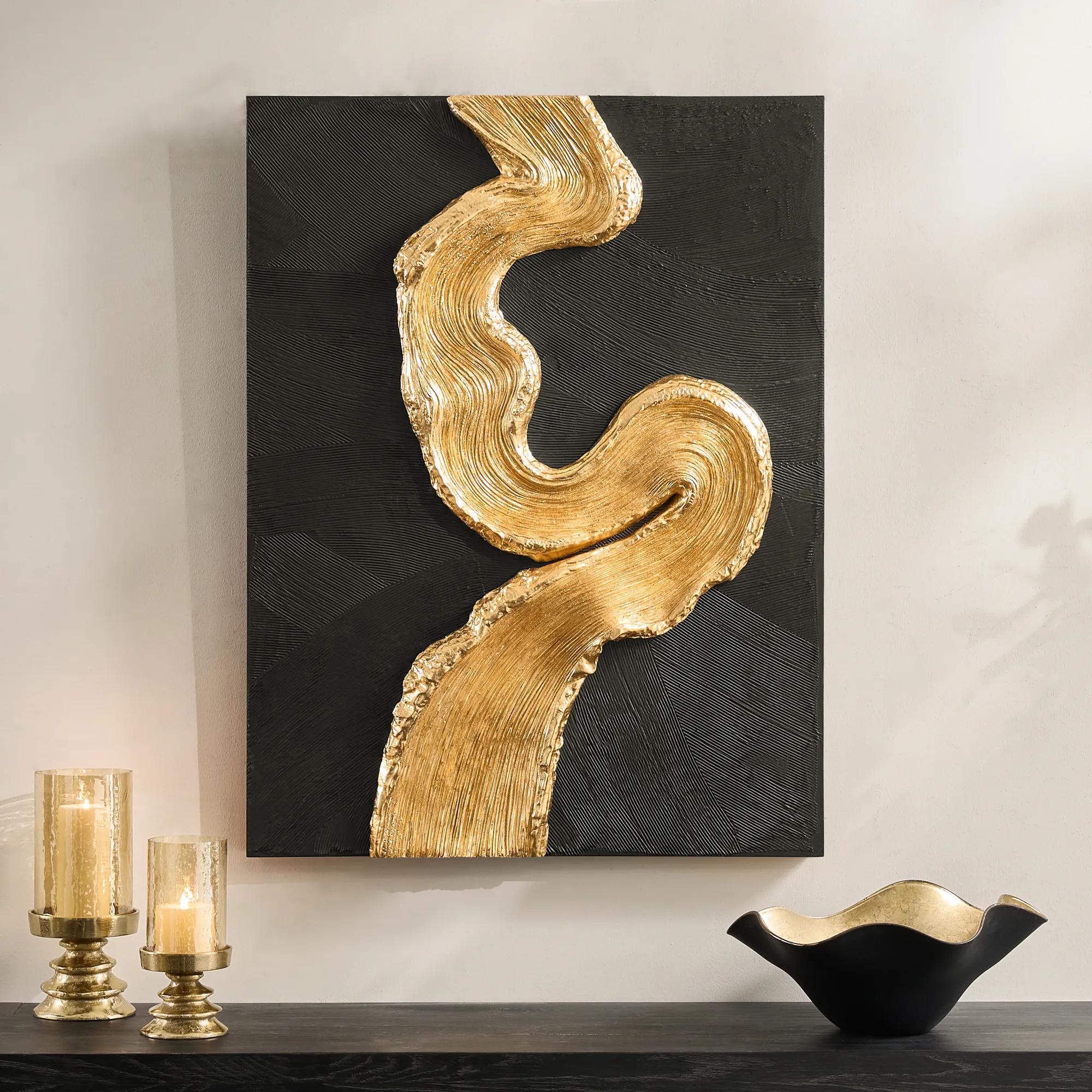 Gold Impasto Sculpted Resin Wall Panel 30" x 40"$499
A sculpted fiberglass resin wall panel featuring gold leaf detail and bold impasto texture on a black backdrop.
Add To Cart -
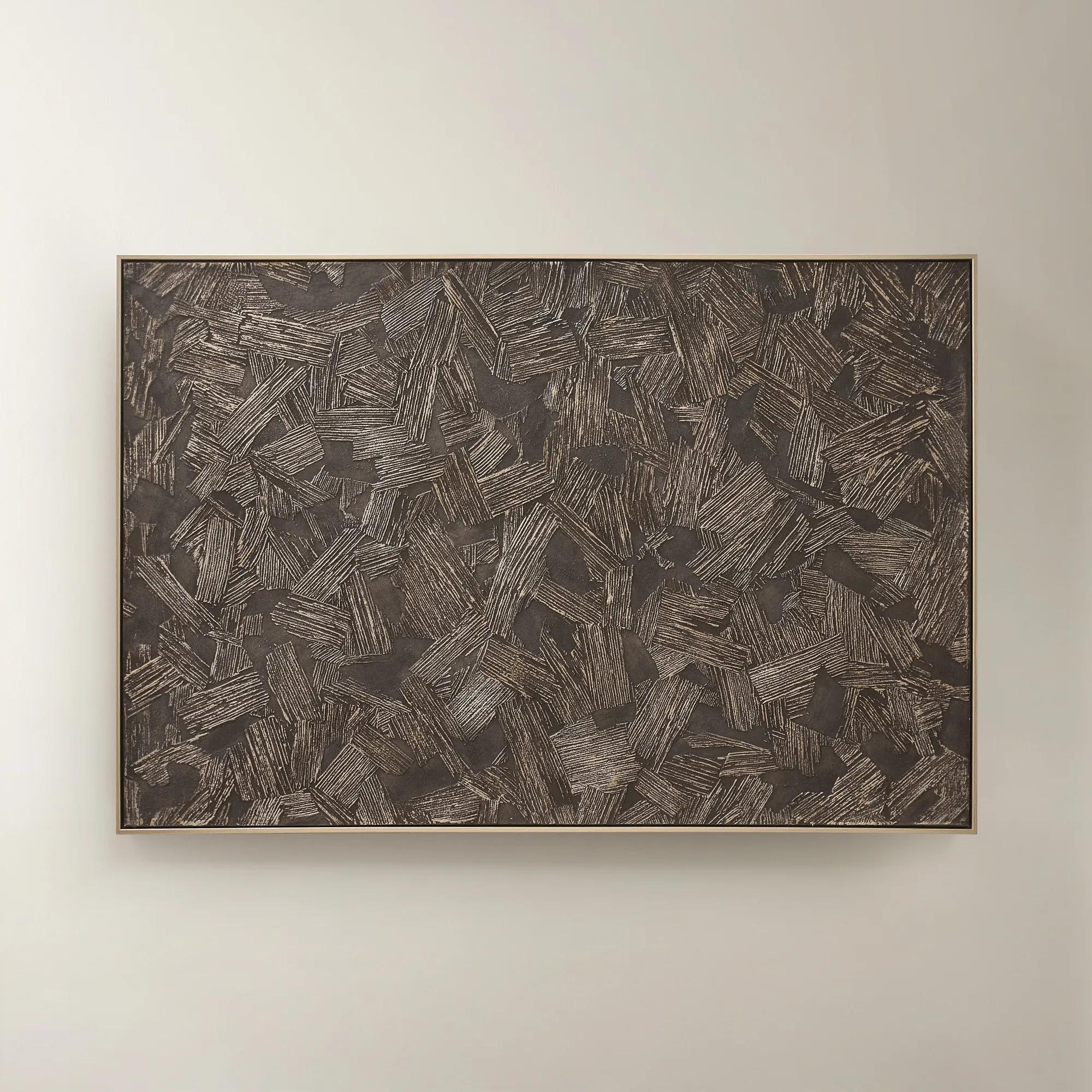
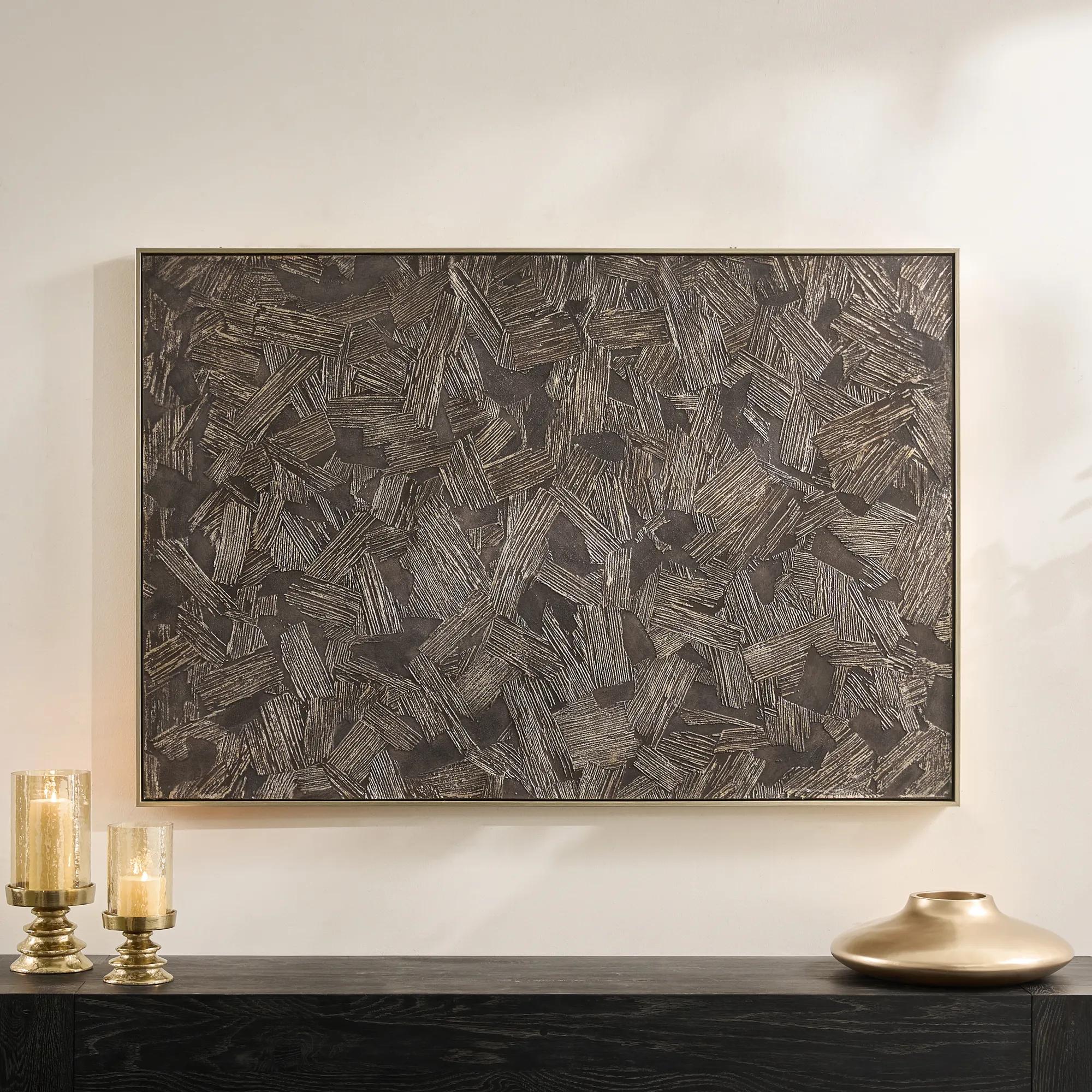 Etched in Darkness Dark Chocolate Wall Panel 53.5" x 36"$329
A hand-painted wrapped canvas features moody dark chocolate hues with champagne accents and a layered, textural finish.
Add To Cart -
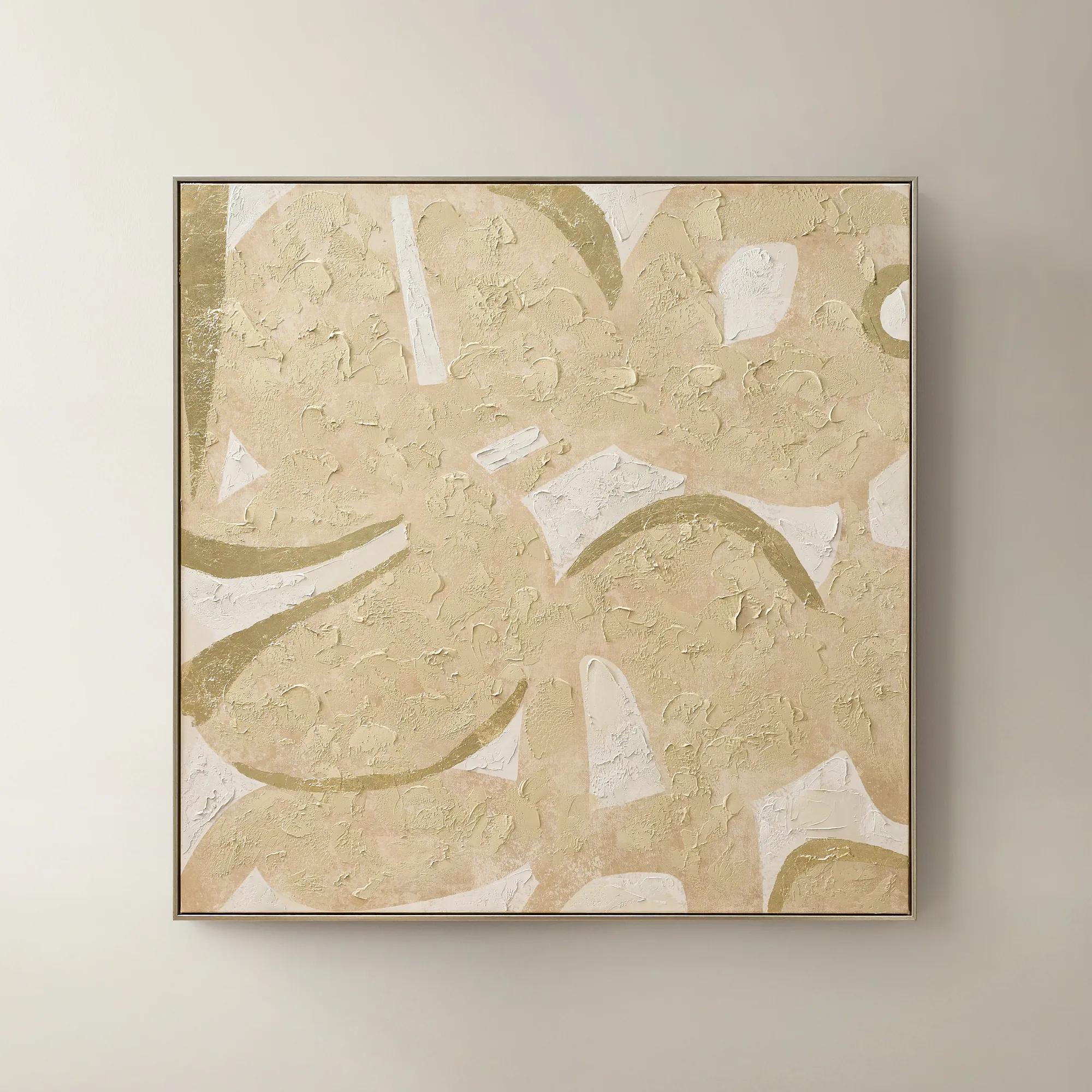
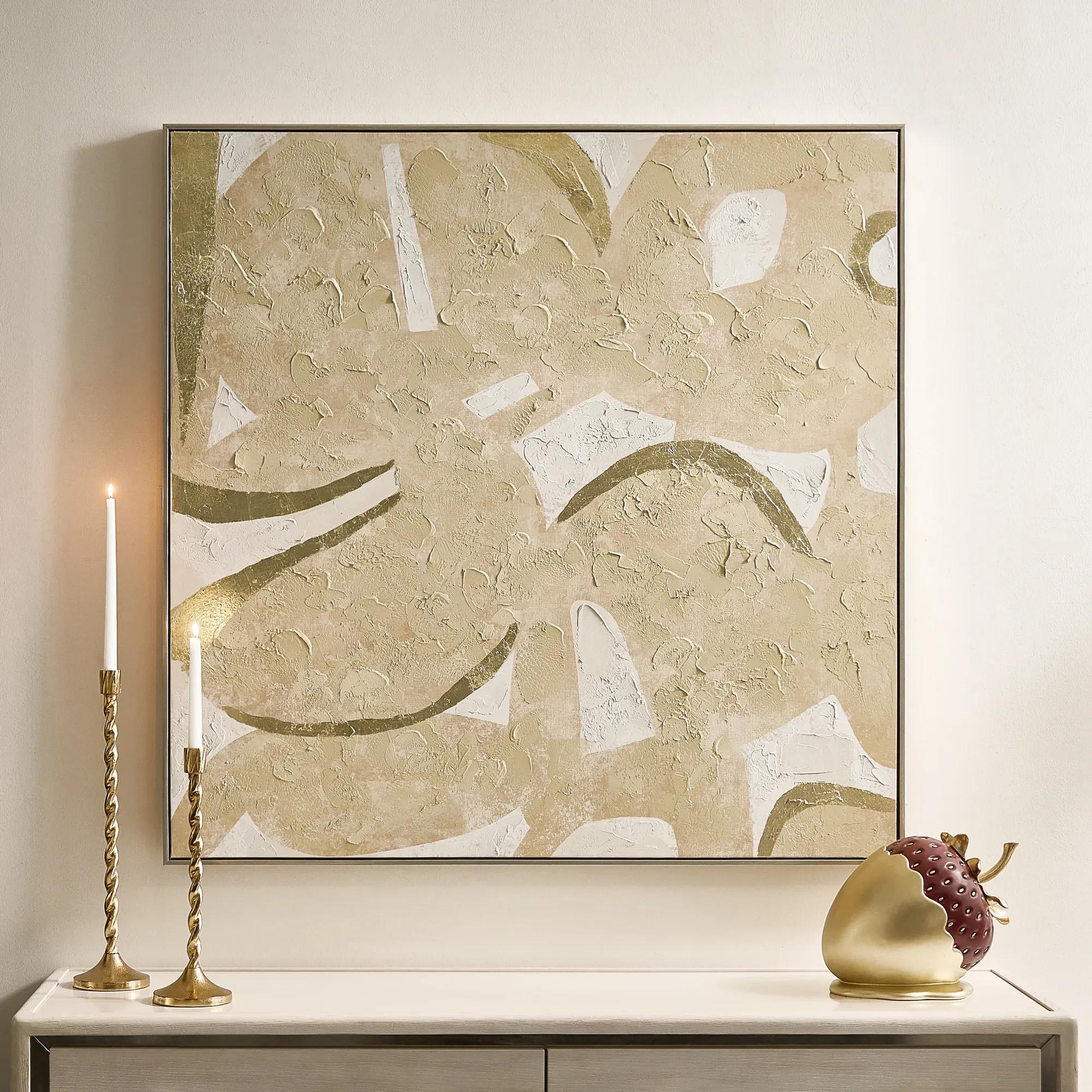 Golden Maize Framed Painted Wall Art 48" x 48"$399
A hand-painted canvas with champagne leafing and butter cream tones adds warmth and modern sophistication.
Add To Cart -
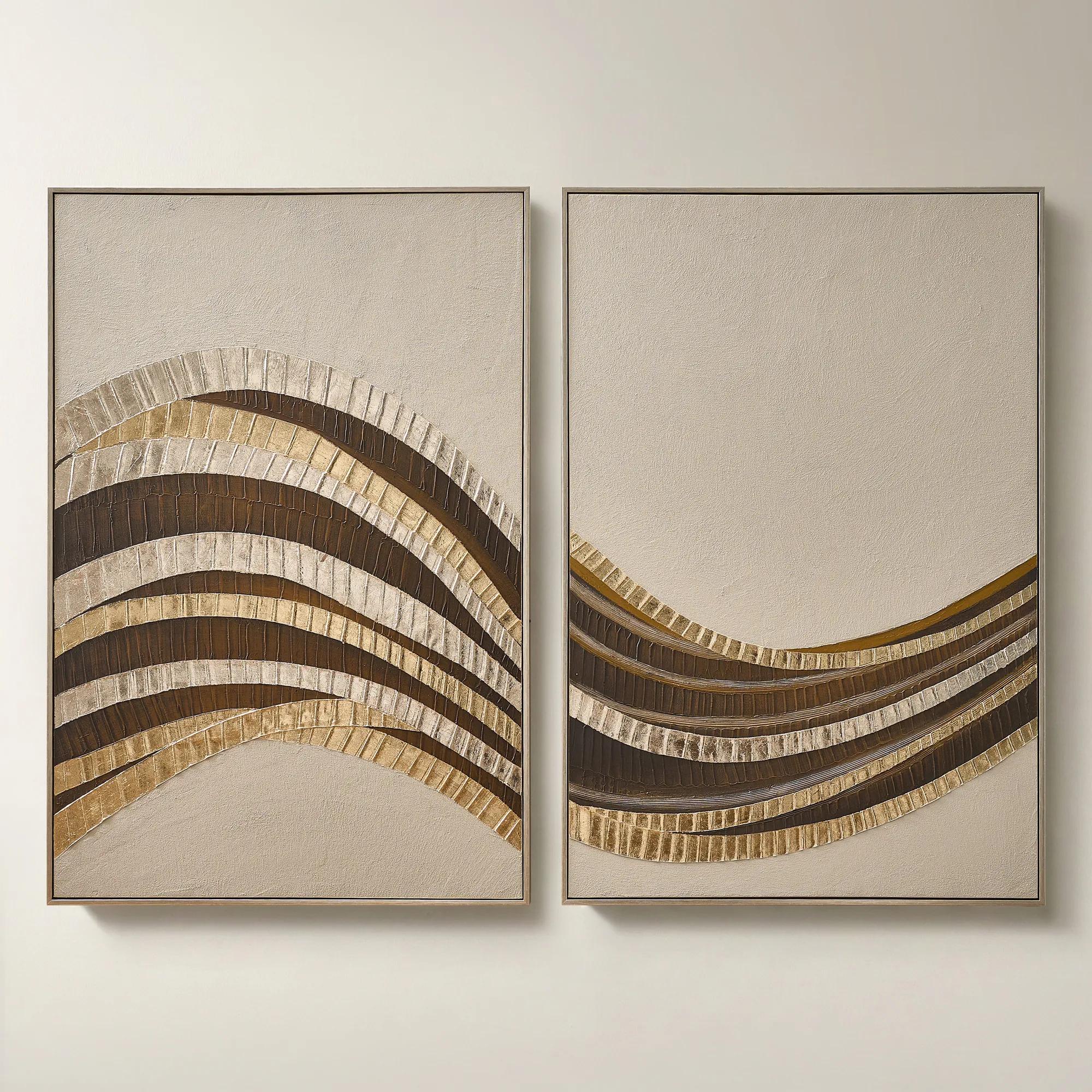 Stillness in Motion Framed Gold Leaf Painted Wall Art 40" x 60" Set of 2$899
A hand-painted abstract diptych with gold leaf accents, textured surface, and brushed champagne frames.
Add To Cart -
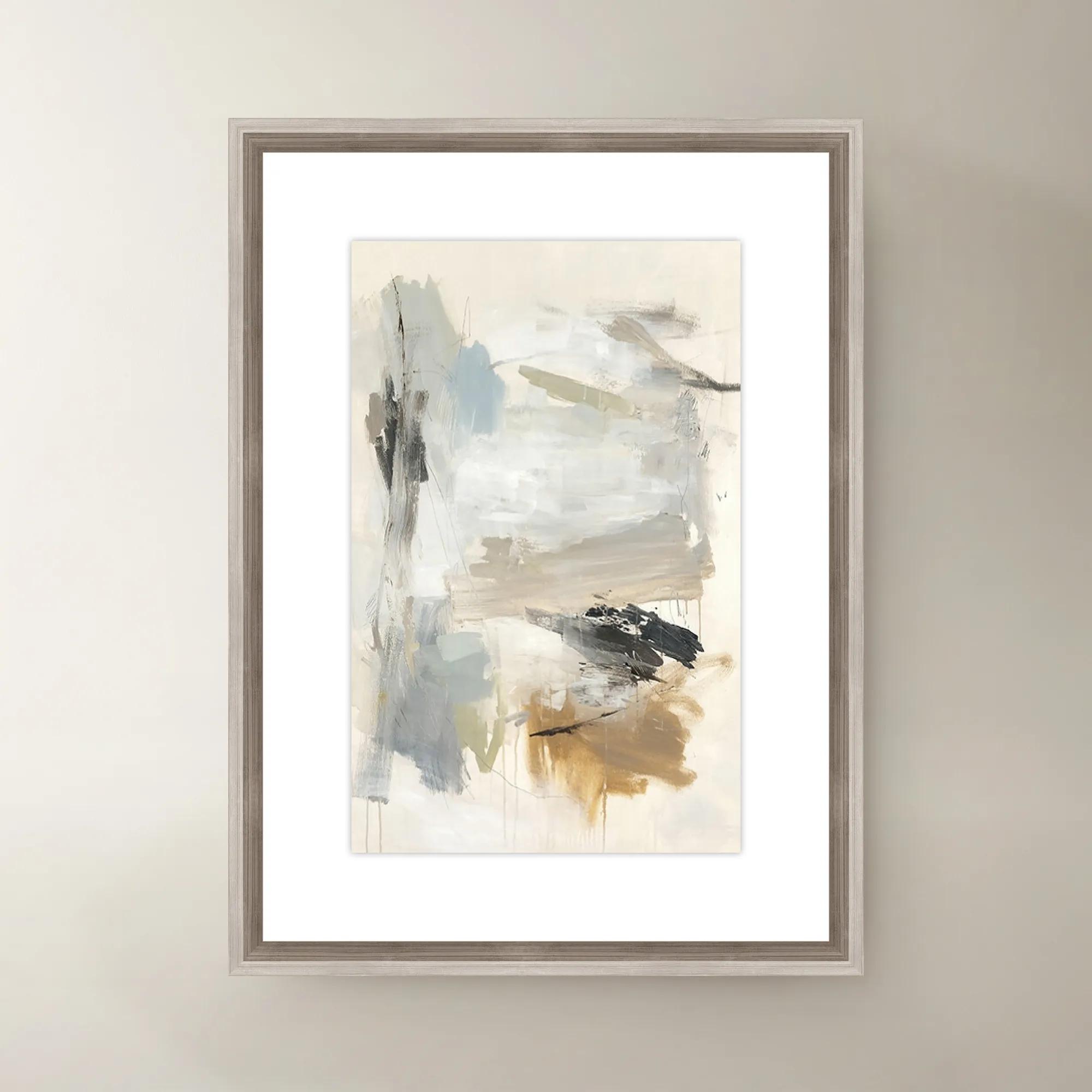
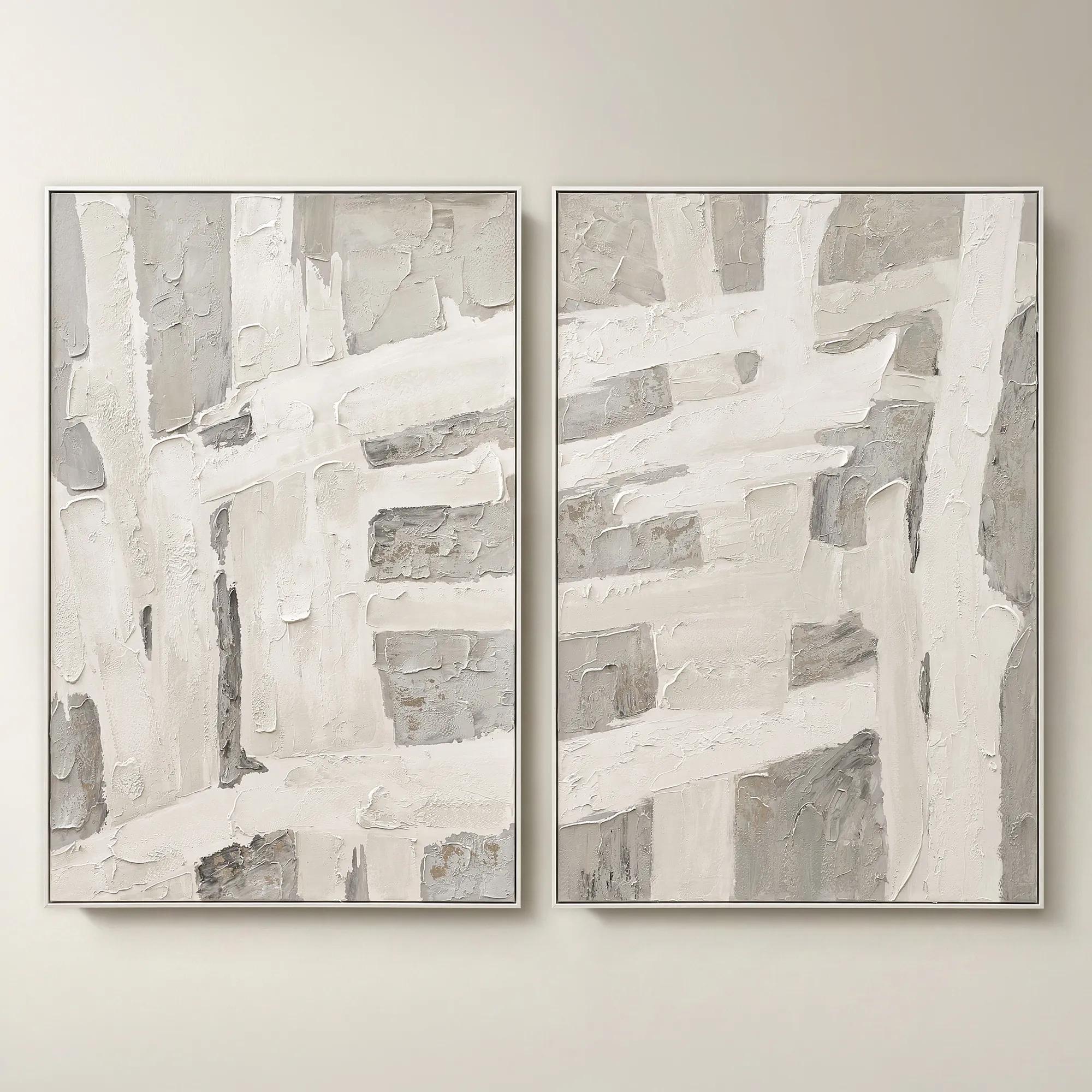 Traverse Framed Painted Wall Art 40" x 60" Set of 2$799
A hand-painted abstract diptych features champagne accents and soft grey, pearl, and alabaster tones in white frames.
Add To Cart -
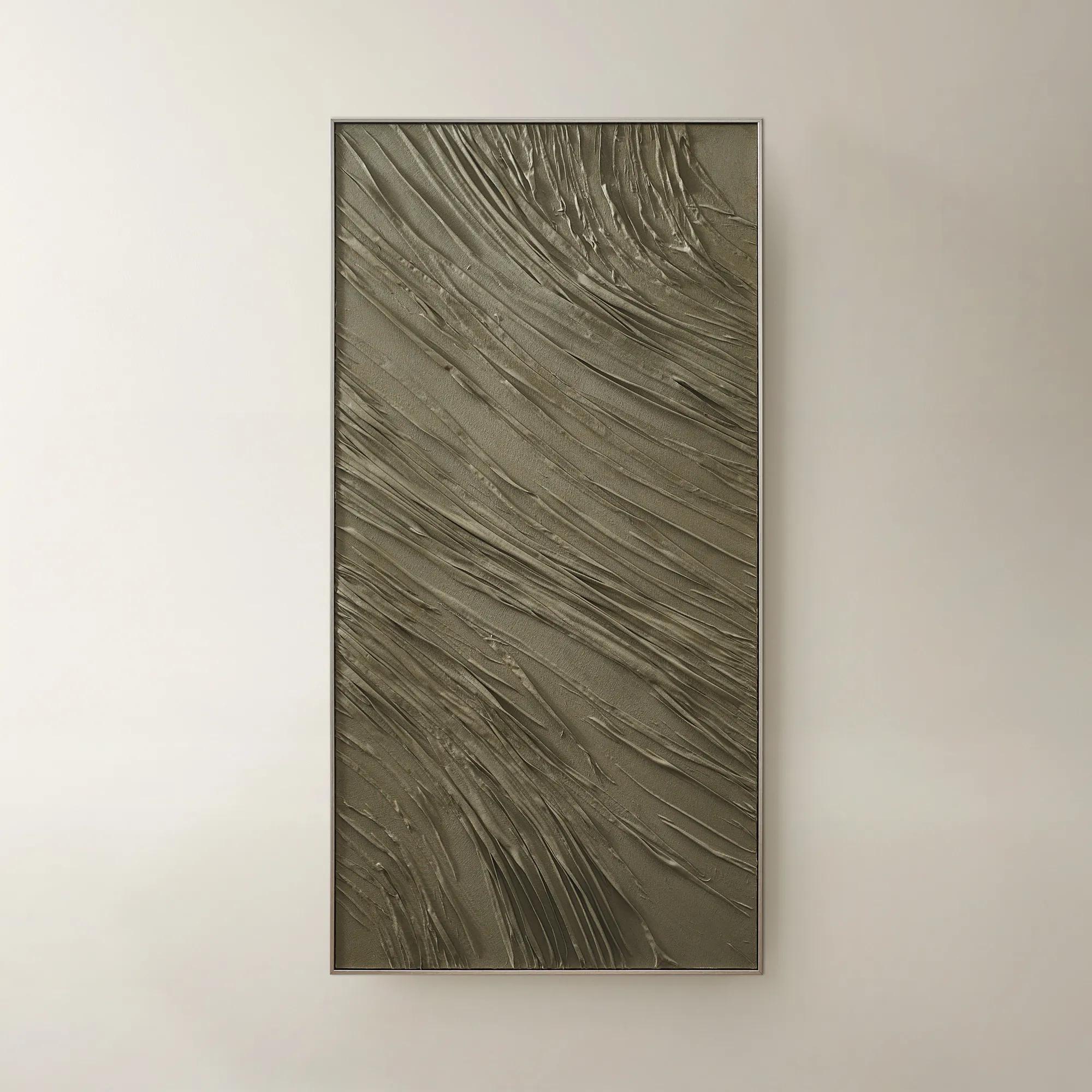
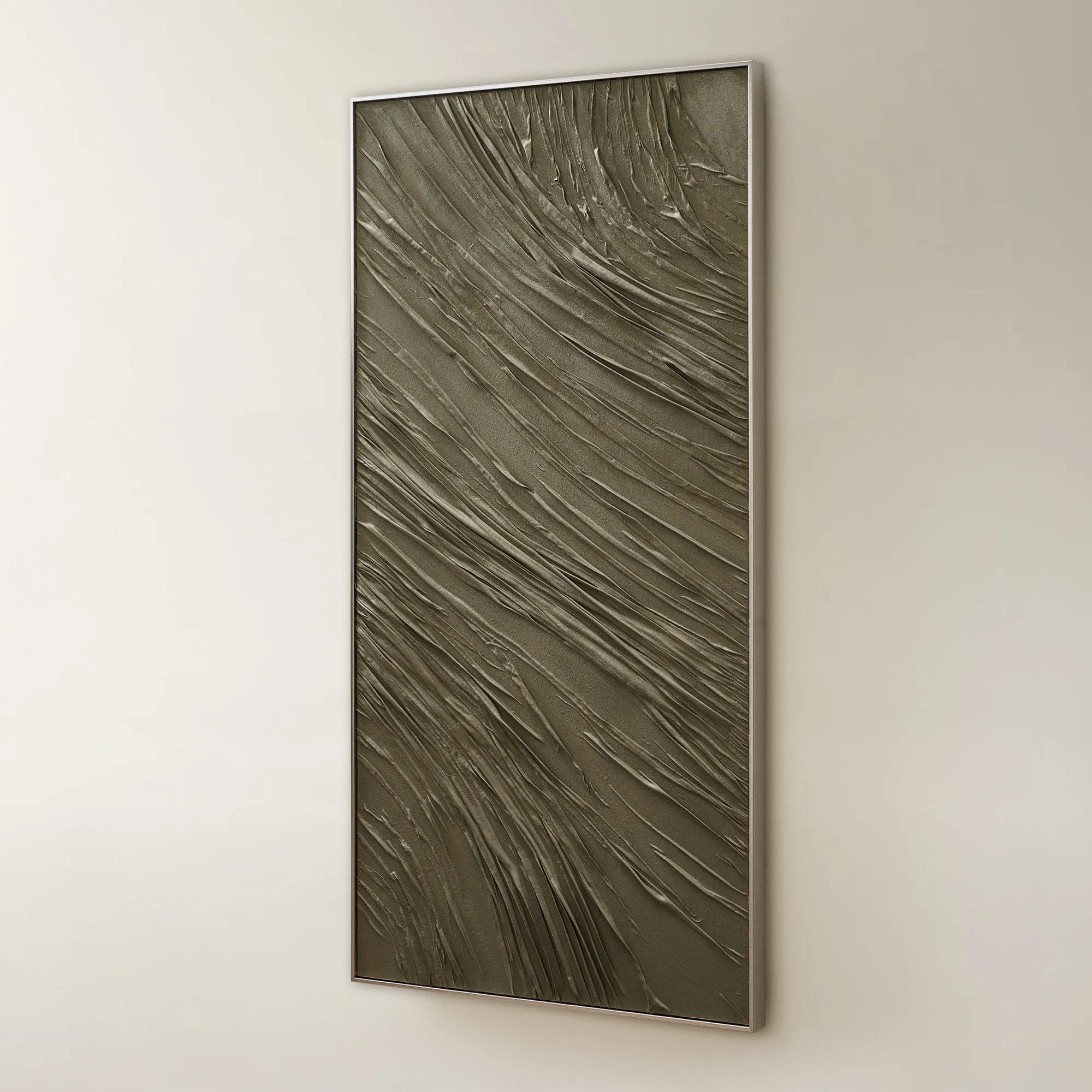 Grove Framed Hand-crafted Folded Fabric Wall Art 60" x 30"$349
A hand-crafted folded canvas in deep olive with a champagne frame for sculptural, modern wall art.
Add To Cart -
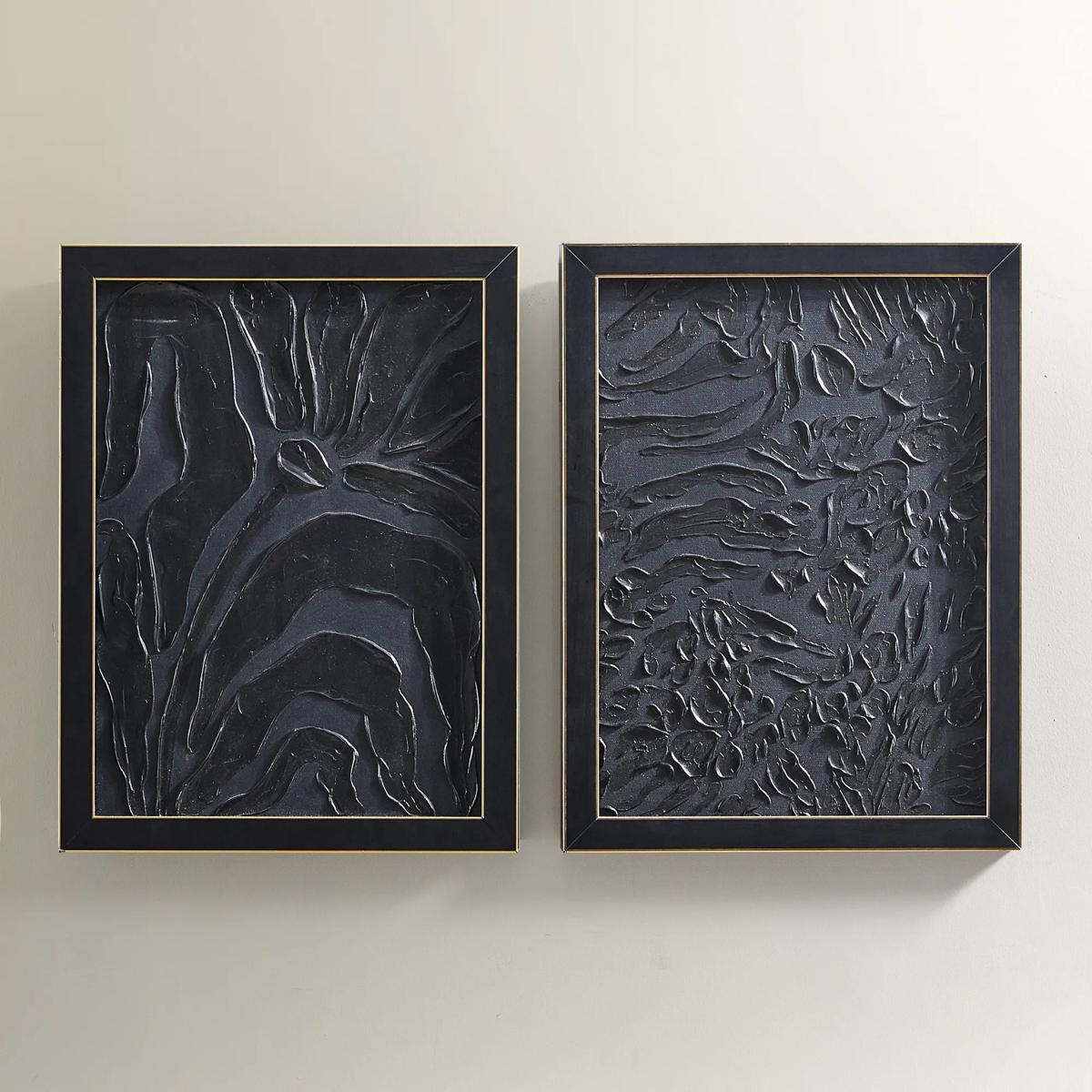
 Fossil Painting$299
A bold hand-painted abstract artwork featuring textured black shades in a sleek black floater frame.
Add To Cart -
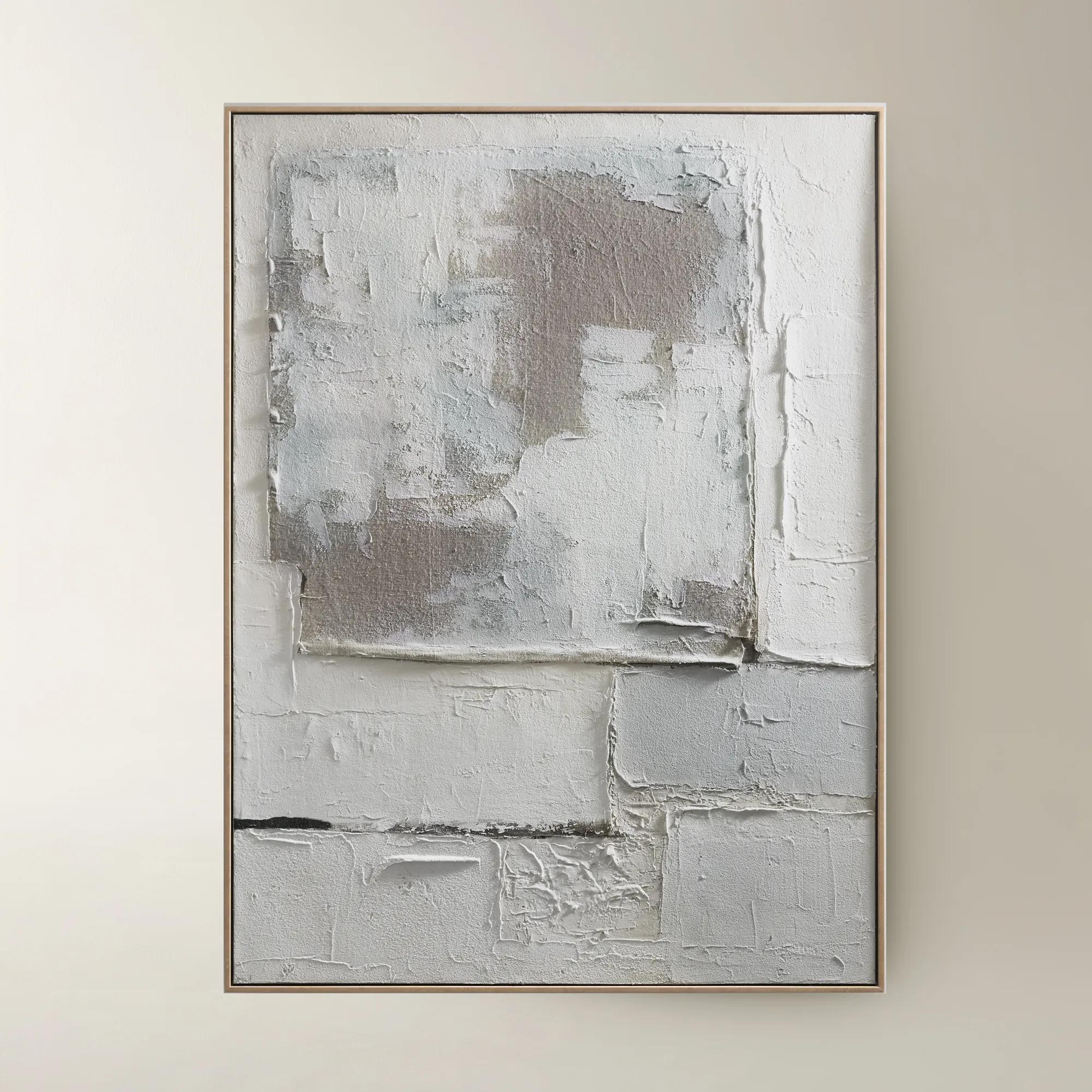
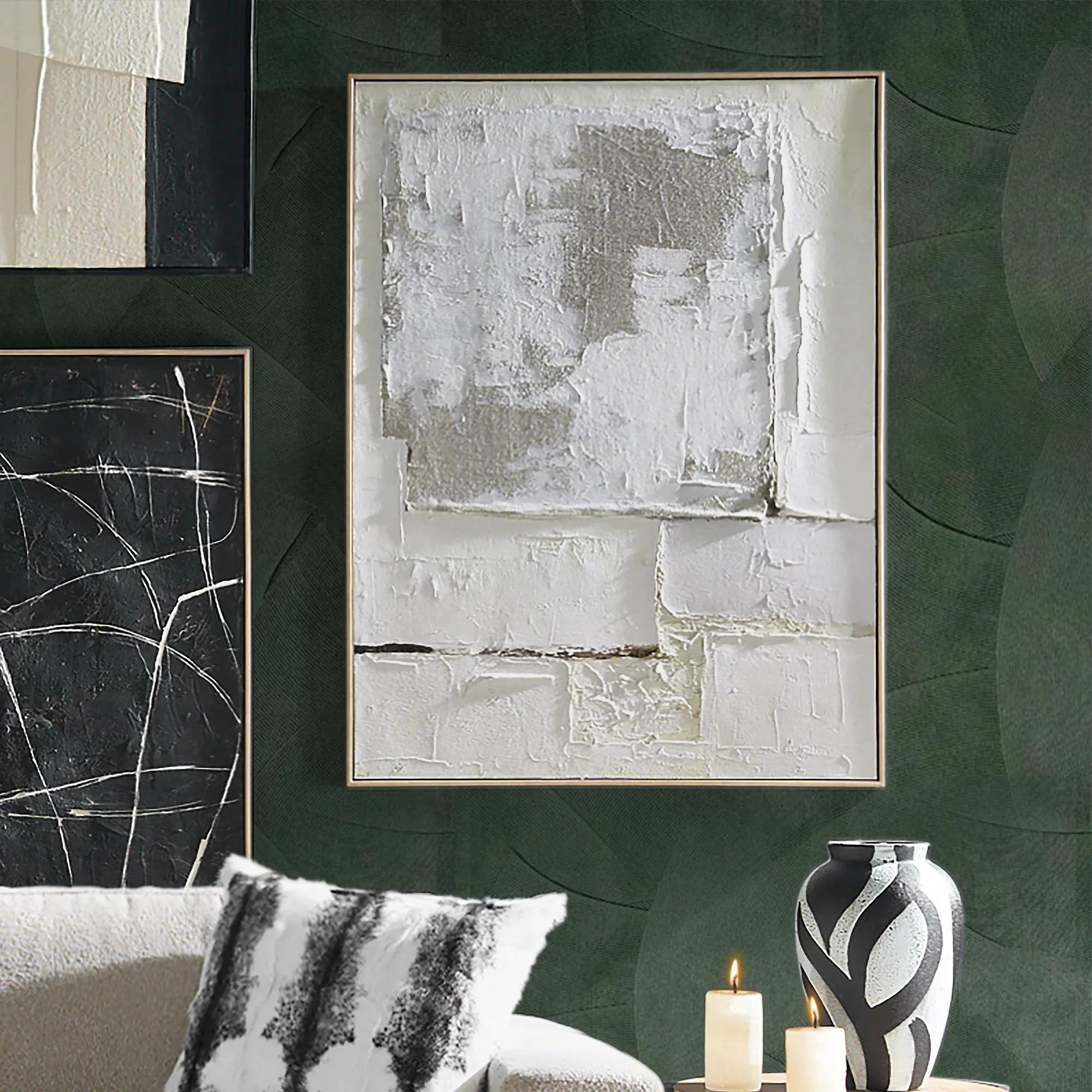 Marrow Painting$399
A hand-painted abstract canvas in subtle beige hues, elegantly framed in a warm beech wood floater.
Add To Cart -
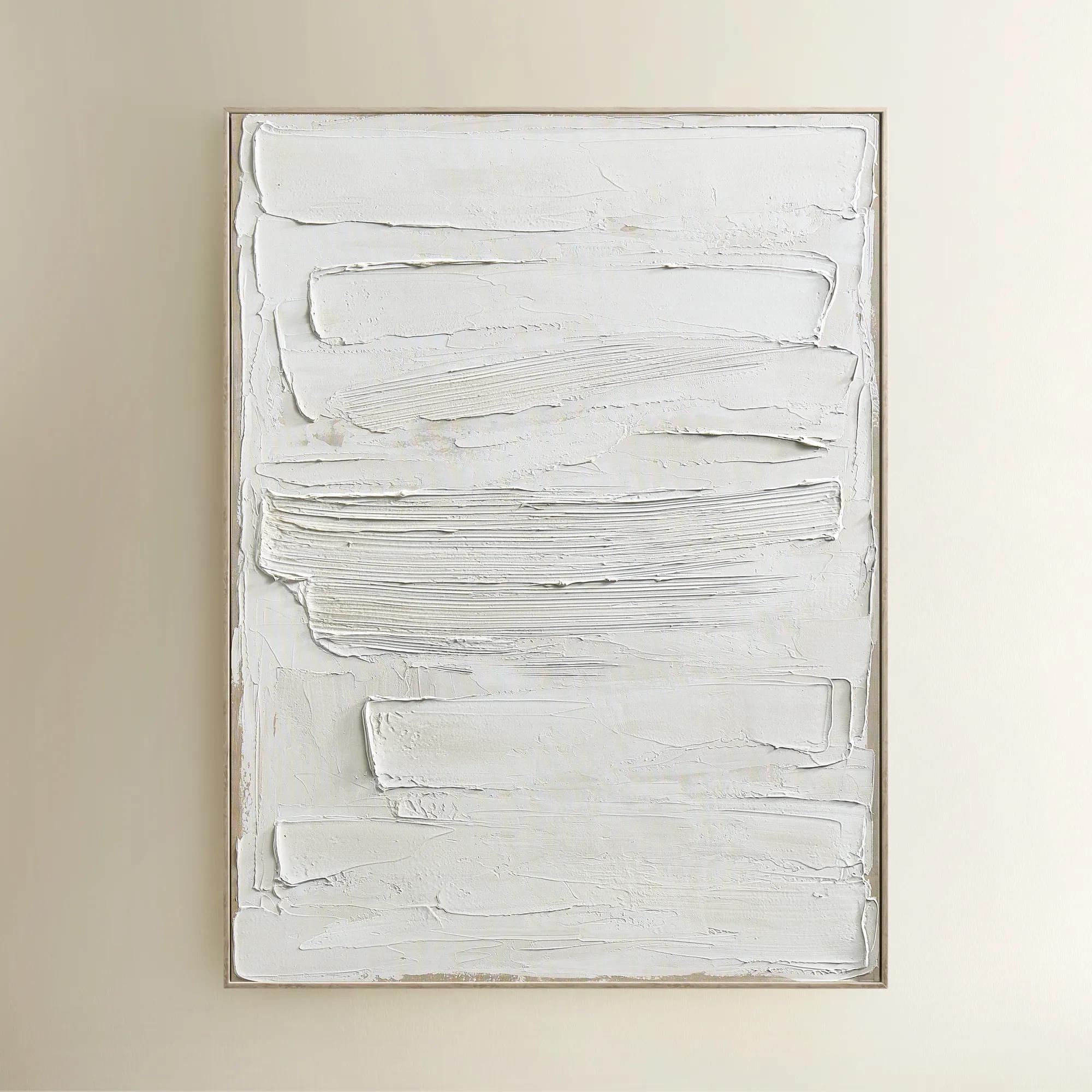
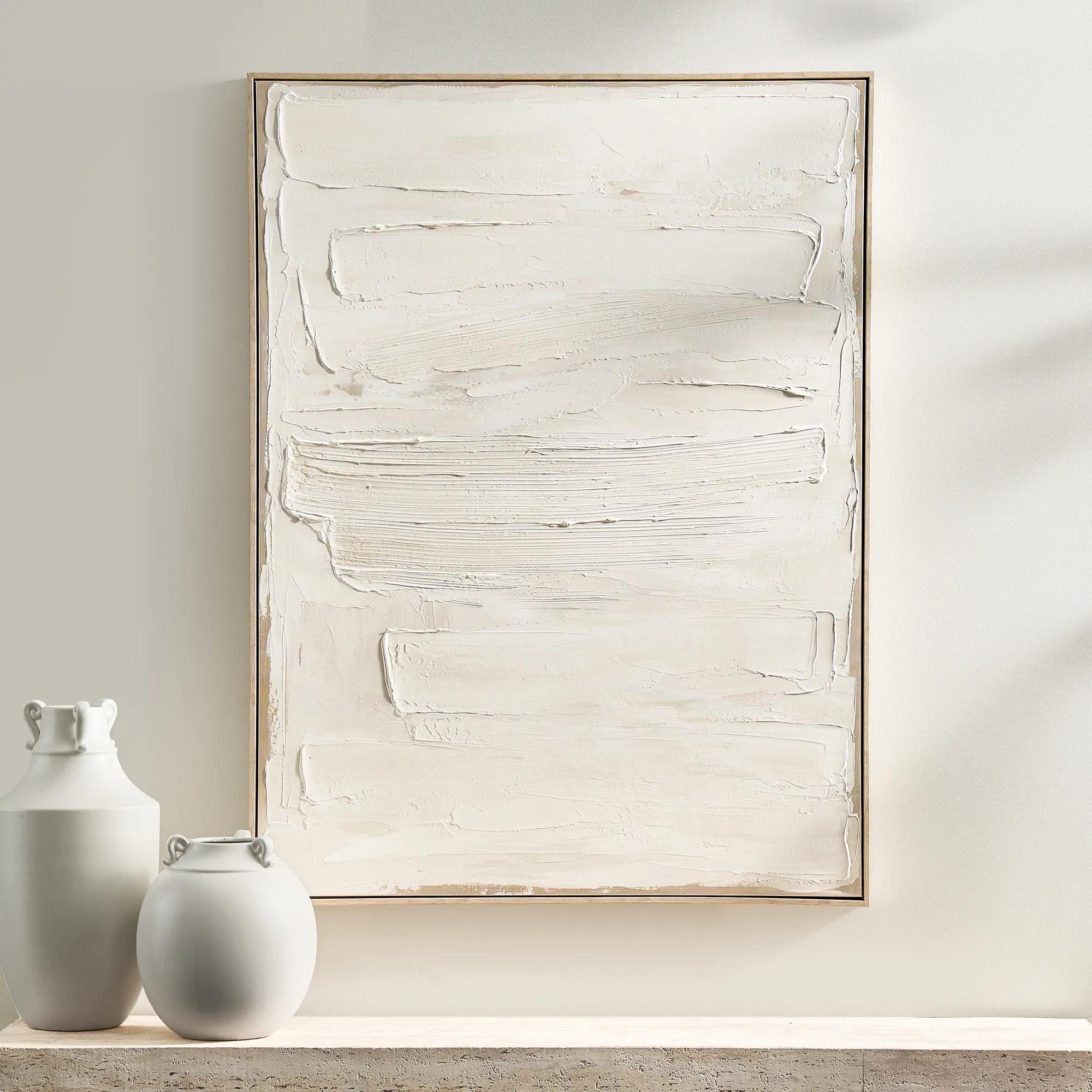 Monotype Canvas 1$399
A hand-painted abstract canvas featuring layered white tones and textured paint in a whitewashed wood frame.
Add To Cart -
 Espresso Framed Painted Wall Art 31.5" x 31.5"$149
A bold abstract artwork featuring rich brown hues on hand-painted canvas in a light wood floater frame.
Add To Cart -
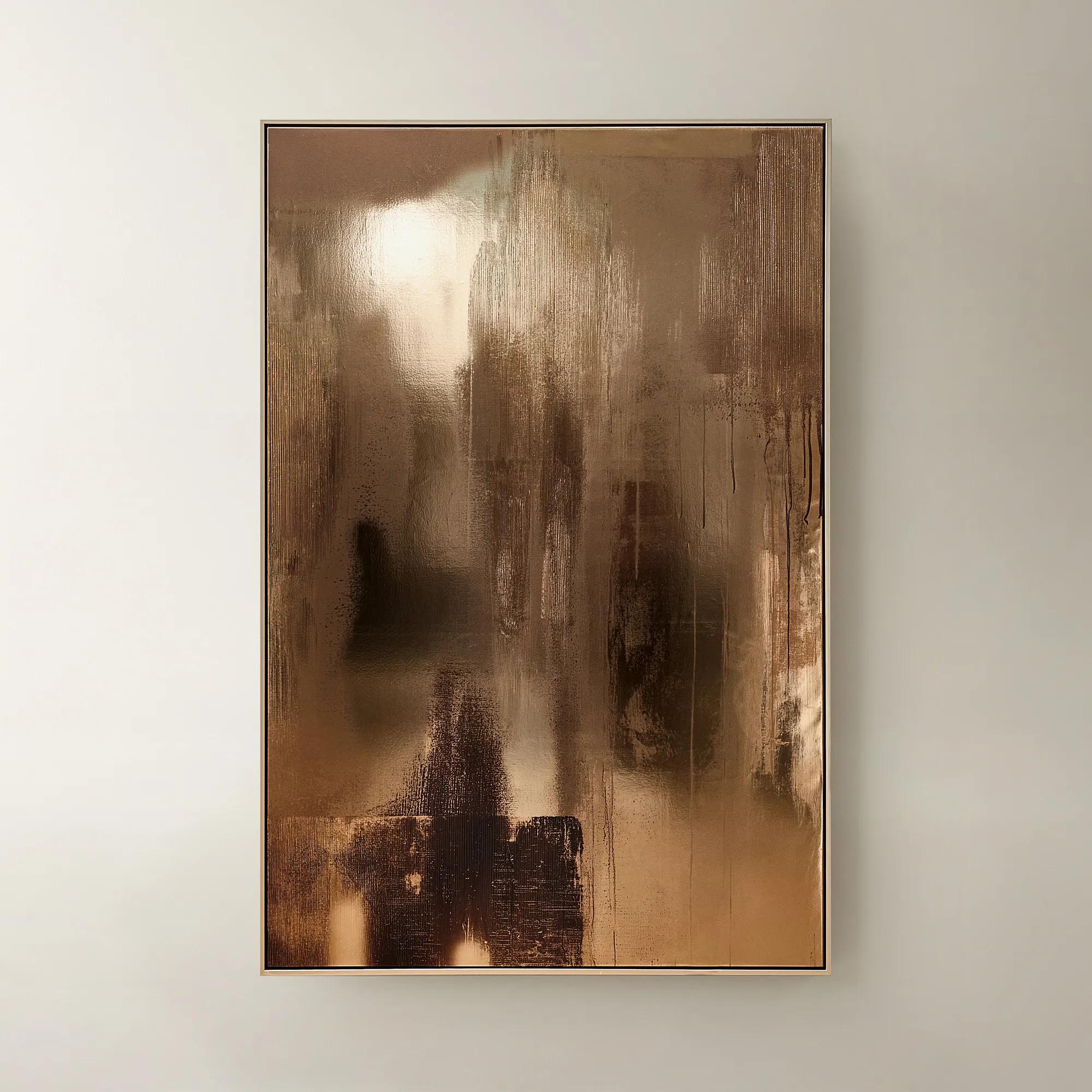
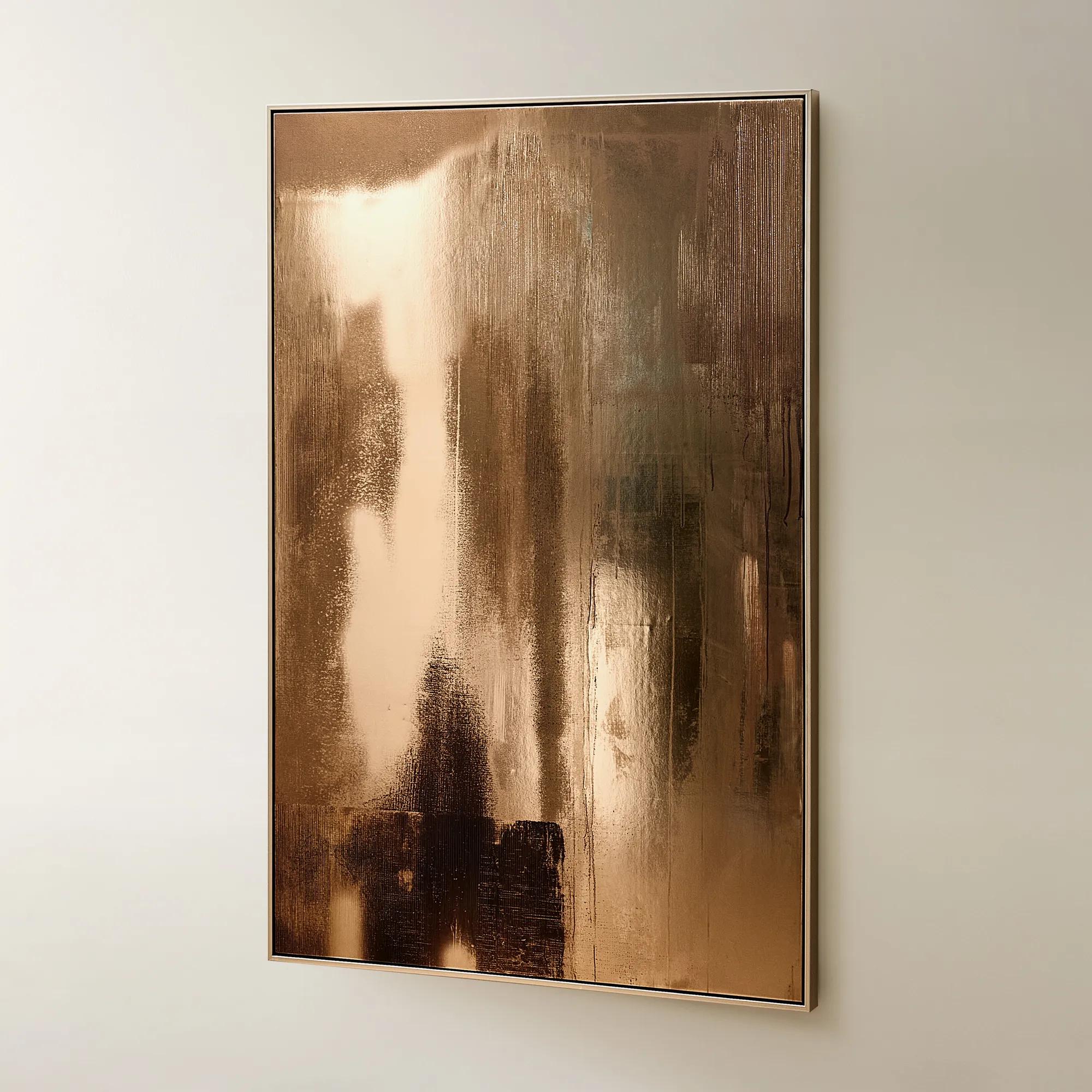 Bronze Reflective Framed Leather Painted Wall Art 40" x 60"$799
A hand-painted abstract wall art featuring reflective bronze faux leather and a warm champagne metallic frame.
Add To Cart -
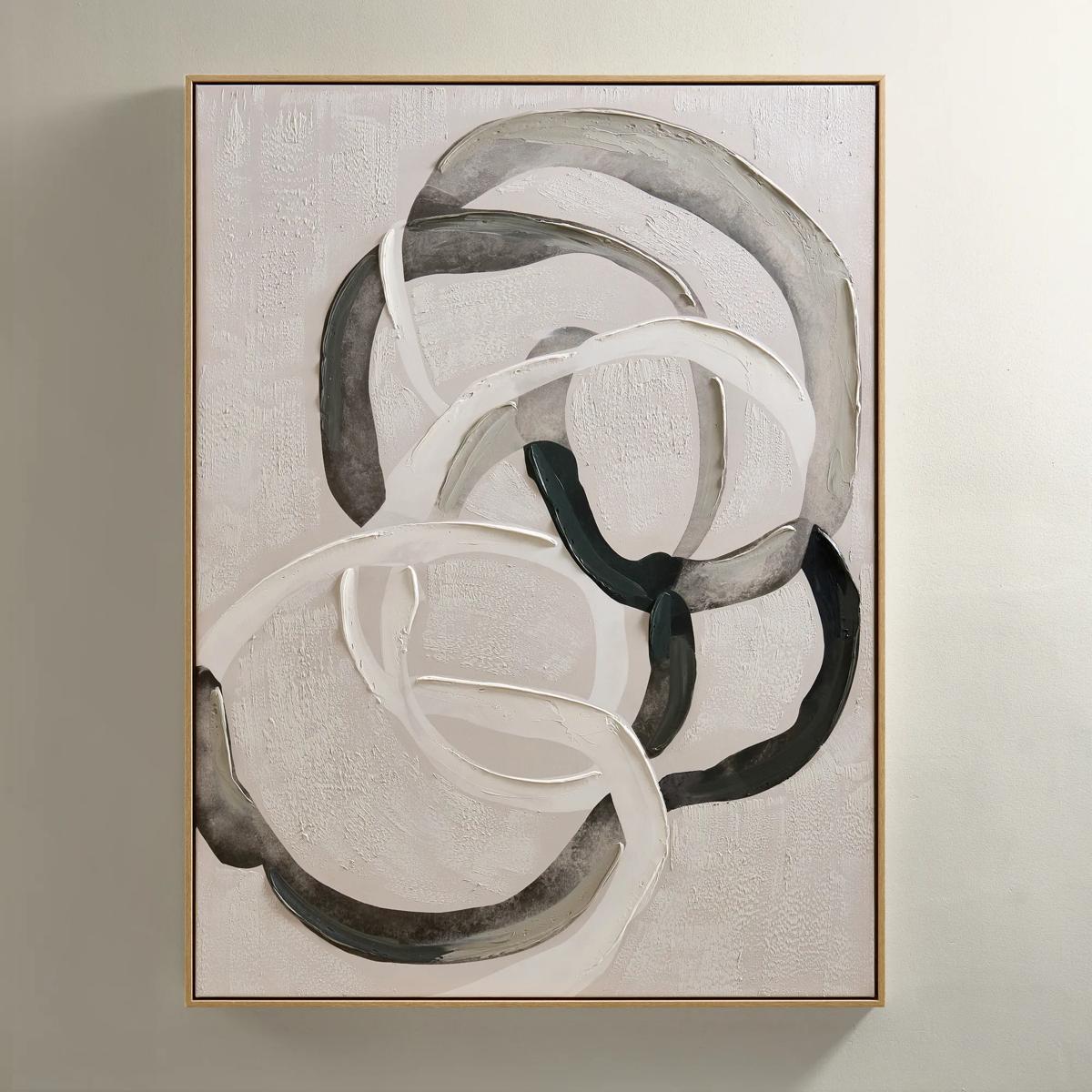
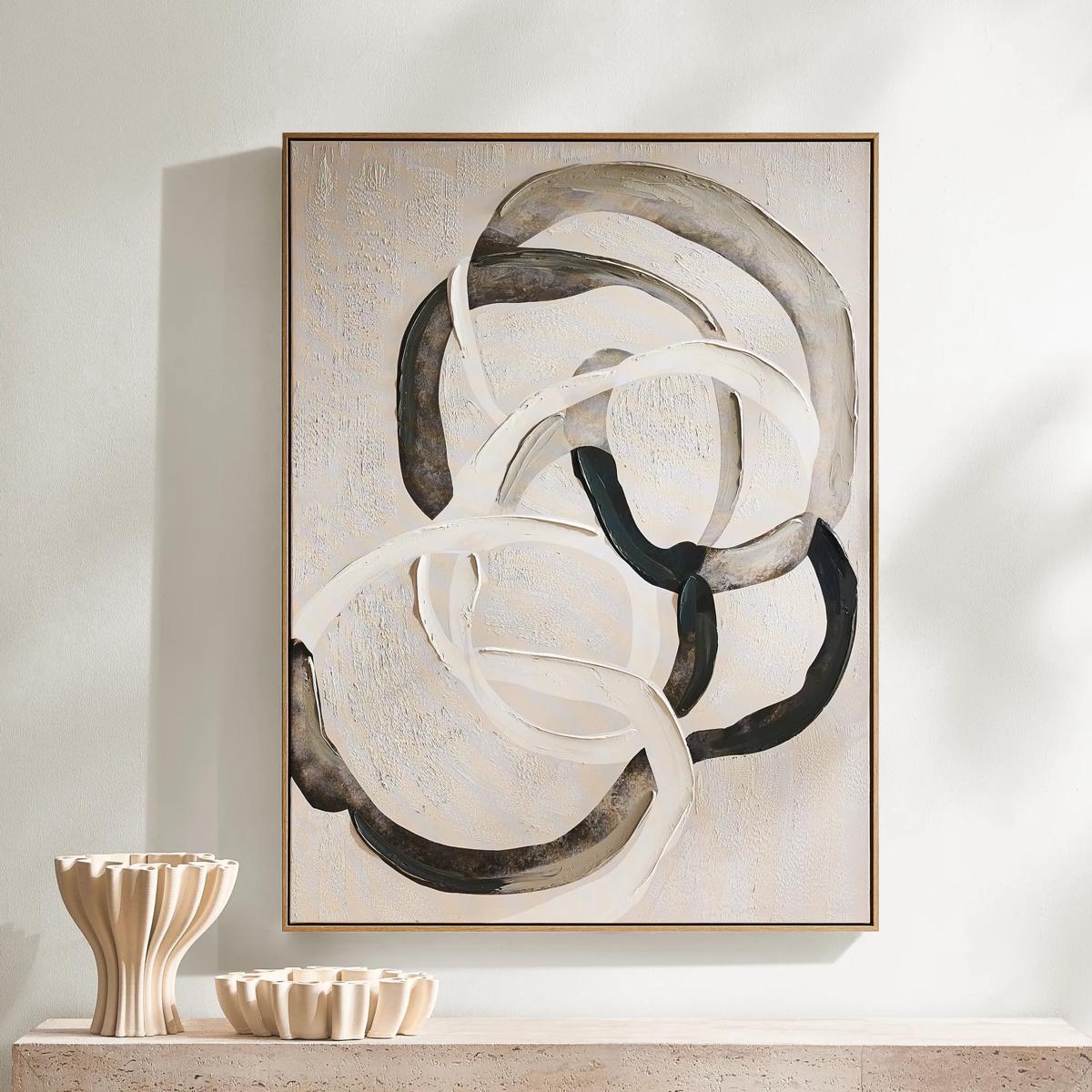 Round About Framed Painted Wall Art 35.25" x 47.25"$349
An abstract hand-painted canvas with tonal whites, charcoals, and taupes in a light wood floater frame.
Add To Cart -

 Shift Framed Painted Wall Art 39.4" x 59"$499
A hand-painted canvas featuring bold black and beige contrasts with textured layers in a sleek black frame.
Add To Cart -
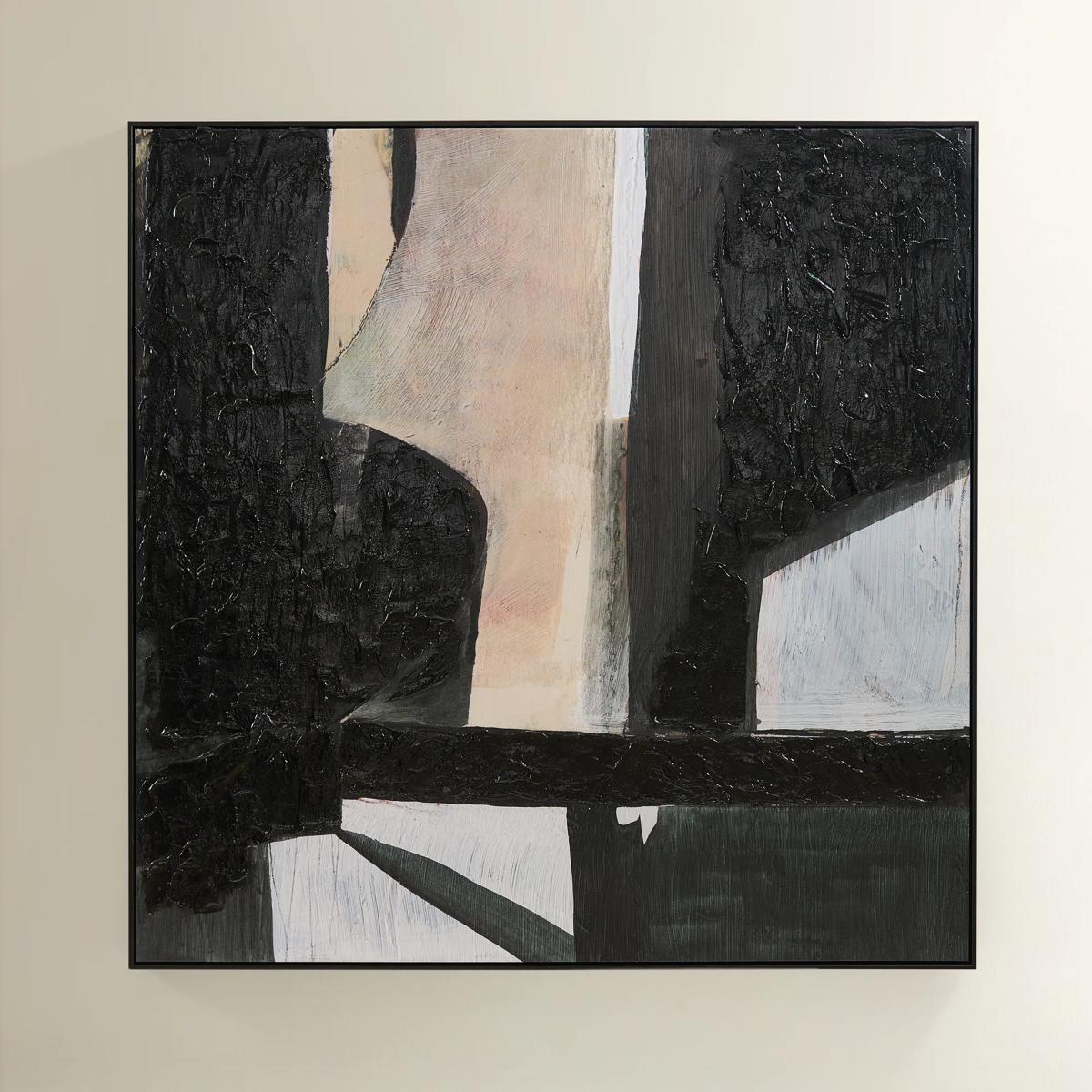 Grounded Painting$699
A hand-painted abstract canvas featuring black, cream, and earth tones in a sleek black floater frame.
Add To Cart -
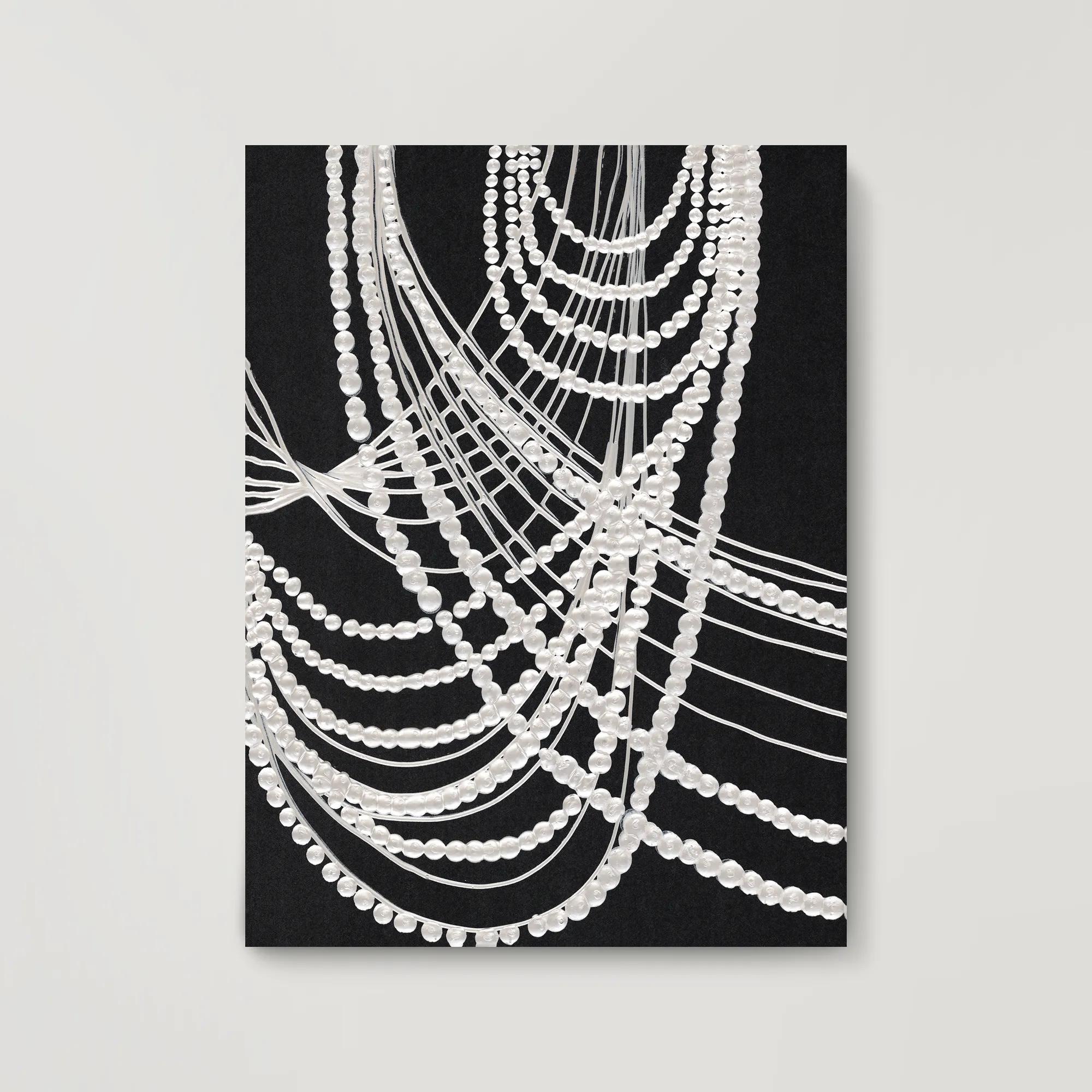 Dripping Pearls Painted Wall Art 36" x 48"$949
A striking hand-painted abstract artwork featuring layered acrylic and watercolor textures in a modern design.
Add To Cart -
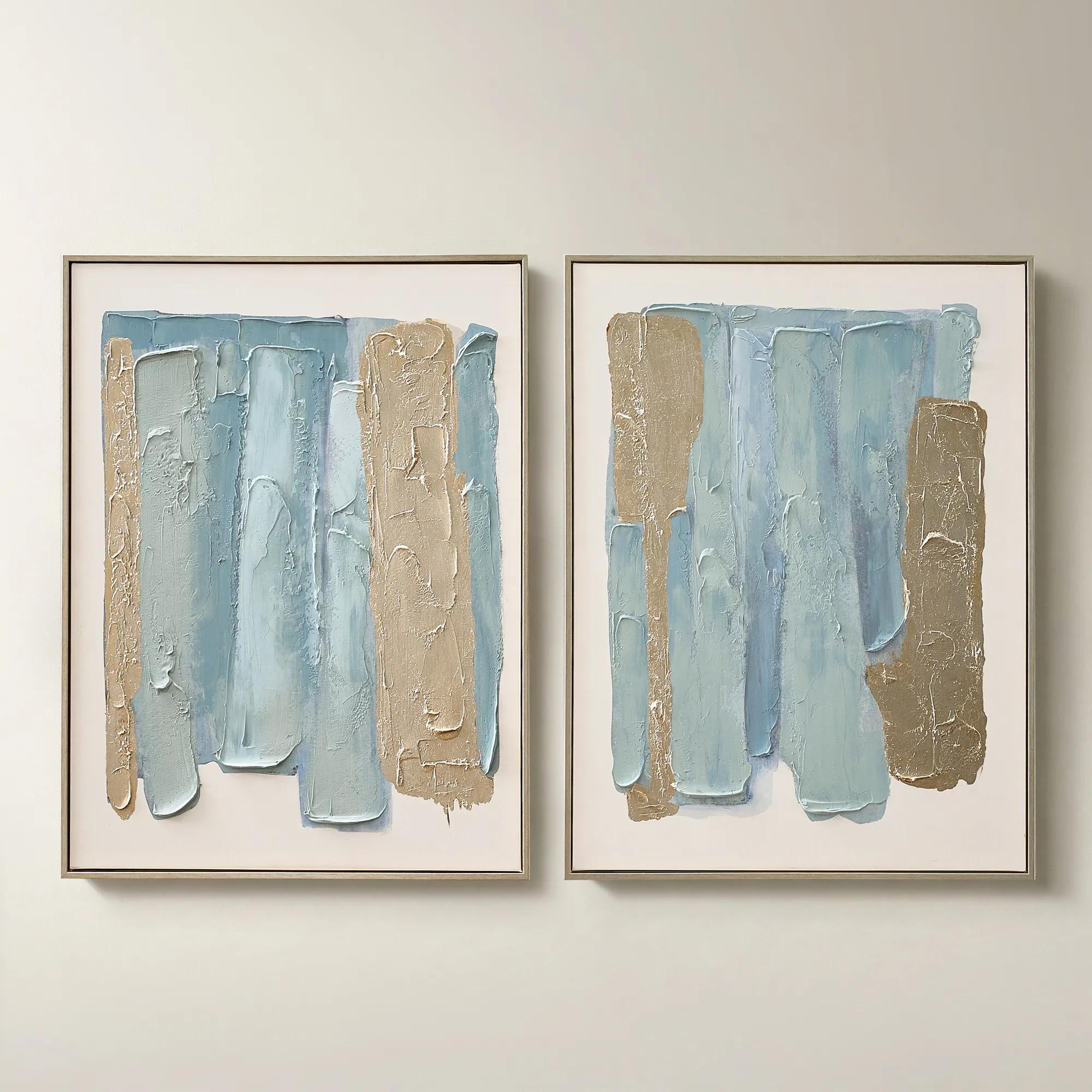
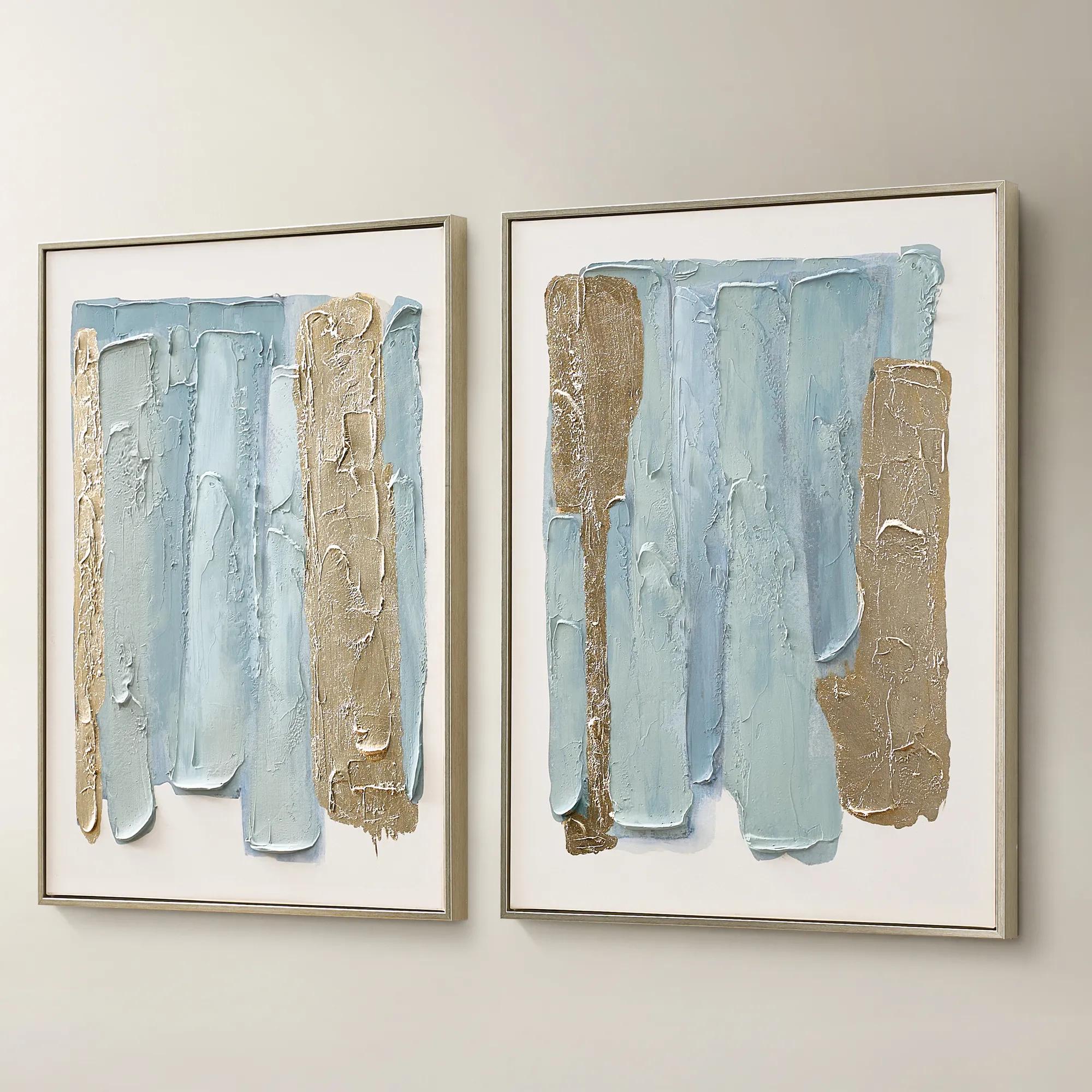 Blue Drift Framed Champagne Painted Wall Art 24" x 32" Set of 2$199
A set of two hand-painted canvases in dusty blue with champagne leafing and modern abstract movement.
Add To Cart

Textured Abstract Wall Art For Bedrooms
Transform your bedroom into a sanctuary of sophistication with textured abstract wall art for bedrooms—a curated collection designed to awaken the senses and ignite the imagination. Each piece is a masterstroke of artistry, inviting light and shadow to dance across sculptural surfaces and infusing your retreat with layers of depth, intrigue, and emotion. Whether you crave serene elegance or dramatic flair, textured abstract wall art becomes the focal point that anchors your personal haven in bold expression and modern allure. Let every glance become an experience as your walls tell a story as unique as you are.
Textured abstract wall art for bedrooms brings dimension to the most personal room in the home, pairing expressive composition with surfaces that invite a closer look. Unlike a flat image defined primarily by color, textured artwork creates depth through raised brushwork, layered materials, sculptural relief, or the visual suggestion of those details in a printed image. The effect can be quiet and atmospheric or richly dramatic: sweeping ivory ridges above an upholstered headboard, charcoal gestures against a pale wall, or metallic accents that catch the glow of a bedside lamp. Abstract forms leave room for interpretation, giving a bedroom character without introducing a literal scene that competes with its furnishings. A restrained palette of cream, taupe, stone gray, or muted blue lets texture become the central expression, while deeper tones bring weight and intimacy to a spacious primary suite. Tonal artwork is especially compelling where bedding, drapery, and upholstery already carry distinct textures; a raised surface can echo the softness of boucle or the movement of gathered fabric without repeating a pattern. For bedrooms with sleek furniture and smooth finishes, dimensional art provides a welcome contrast, softening precise lines with organic movement. A guest bedroom can feel more considered with a single substantial abstract composition, while a personal retreat may call for artwork with more pronounced gestures and a palette drawn from cherished textiles. The appeal lies in how the piece inhabits the room throughout the day: shallow relief casts delicate shadows, layered pigment reveals subtle variations, and a gleaming detail becomes more noticeable as nearby lighting changes. Natural texture does not have to mean a rustic aesthetic, either. Matte, stone-like surfaces can look exceptionally polished beside lacquered furniture, mirrored accents, or a tailored velvet headboard. The relationship between the artwork and its surroundings gives even a nearly monochromatic composition presence, turning an open stretch of wall into an intentional part of the bedroom.
Materials shape both the appearance and the practical character of textured abstract bedroom art. Impasto painting uses thick applications of paint to create visible peaks, grooves, and expressive strokes, while plaster-style relief and modeling compounds can produce broader architectural curves or a softly sculpted, stone-like finish. Mixed-media compositions may combine painted surfaces with additional materials or metallic detailing, creating contrasts between matte and reflective areas. Canvas provides a woven foundation that may remain visible beneath the composition; rigid panels can support a different sense of structure, particularly in dimensional work. A canvas print can reproduce the appearance of layered paint without having a deeply raised surface, so descriptions of the medium, finish, and construction matter when physical texture is part of the desired effect. Framing adds another layer of definition. A slim floating frame leaves a narrow reveal around a canvas, giving the edges breathing room and emphasizing the artwork as an object rather than simply an image. Black framing creates a crisp outline against pale walls, warm wood tones introduce a natural counterpoint, and metallic finishes can connect the composition to bedside lighting or decorative hardware. Scale deserves equal attention. Above a bed, a composition or grouped arrangement spanning approximately two-thirds to three-quarters of the headboard’s width is a useful starting proportion, rather than a fixed requirement. A 60-inch headboard, for example, can accommodate an arrangement roughly 40 to 45 inches wide when the surrounding wall and furnishings support that balance. For multiple panels, the overall measurement includes the spaces between them. Tall headboards, wall molding, sconces, and ceiling height can all change what feels harmonious. A broad horizontal composition emphasizes the bed’s generous lines, while a vertical piece can give a narrow wall beside a dresser a sculptural presence. In a compact bedroom, one confidently scaled work often feels more composed than several unrelated accents, provided there is enough open wall around it for the silhouette and texture to remain distinct.
Lighting, placement, and care help preserve the character of textured wall art while allowing its details to remain visible. Gentle light from the side can reveal shallow ridges and layered strokes, whereas strong frontal illumination may make the same surface appear flatter. Metallic accents respond particularly well to soft ambient light, bringing a measured gleam to the bedroom without requiring a highly reflective composition. Direct sunlight can fade pigments or affect some finishes over time, so a wall outside prolonged sun exposure is generally a more protective setting. Durability depends on the materials, construction, and finish: exposed relief, delicate peaks of paint, and applied decorative elements can be vulnerable to impact or abrasion even when the supporting canvas or panel is sturdy. For routine care, follow the artist’s or manufacturer’s instructions; where permitted, gentle dusting with a clean, soft brush can lift loose particles without pressing into the surface. Water, household cleaners, and vigorous wiping can damage unprotected paint, plaster, or applied details. Framed pieces with glazing need care appropriate to both the glazing and the frame, keeping cleaning products away from exposed artwork. Secure installation is especially important above a bed. The artwork’s weight, hanging hardware, and wall construction should determine the mounting method, with professional installation worth considering for heavy or deeply dimensional pieces. Intended for indoor display, these works are best positioned away from damp conditions and places where passing shoulders or an opening door could strike them. For a housewarming or wedding gift, the recipient’s wall dimensions, preferred palette, and comfort with expressive scale are more useful starting points than a passing design trend. Texture offers a personal gesture while leaving room for the recipient’s interpretation. For compositions that place greater emphasis on vivid contrast and assertive gestures, Bold Abstract Wall Art For Bedrooms offers a related direction. Whether the bedroom favors luminous neutrals or richer visual drama, dimensional artwork gives color a physical presence and makes the wall feel thoughtfully connected to the room.
FAQs
Textured abstract wall art introduces depth, dimension, and a sense of artistry to bedroom spaces, transforming ordinary walls into captivating focal points. The tactile quality of textured art creates visual intrigue and a soothing ambiance, making it ideal for cultivating a restful, expressive retreat.
Consider your bedroom’s color palette, existing materials, and overall mood. For a tranquil, minimalist look, select pieces in soft neutrals with subtle texture. If your style is more eclectic or dramatic, opt for bolder textures, layered finishes, or pieces with sculptural elements that echo your unique design sensibility.
Absolutely. Textured abstract wall art makes an elegant and thoughtful gift for housewarmings, weddings, anniversaries, or milestone birthdays. Its timeless appeal and ability to personalize a space ensure it will be cherished by art lovers and design enthusiasts alike.
Textured abstract wall art can be crafted from a range of materials, including canvas, wood, plaster, and woven fibers. Artists often combine techniques such as impasto, layering, and mixed media to achieve a multidimensional effect that enhances both visual and tactile interest.
The interplay of light and shadow across textured surfaces adds warmth and movement, creating a dynamic yet calming environment. Whether you seek a serene sanctuary or a bold statement, textured abstract art infuses the bedroom with personality, making it a true reflection of your style.