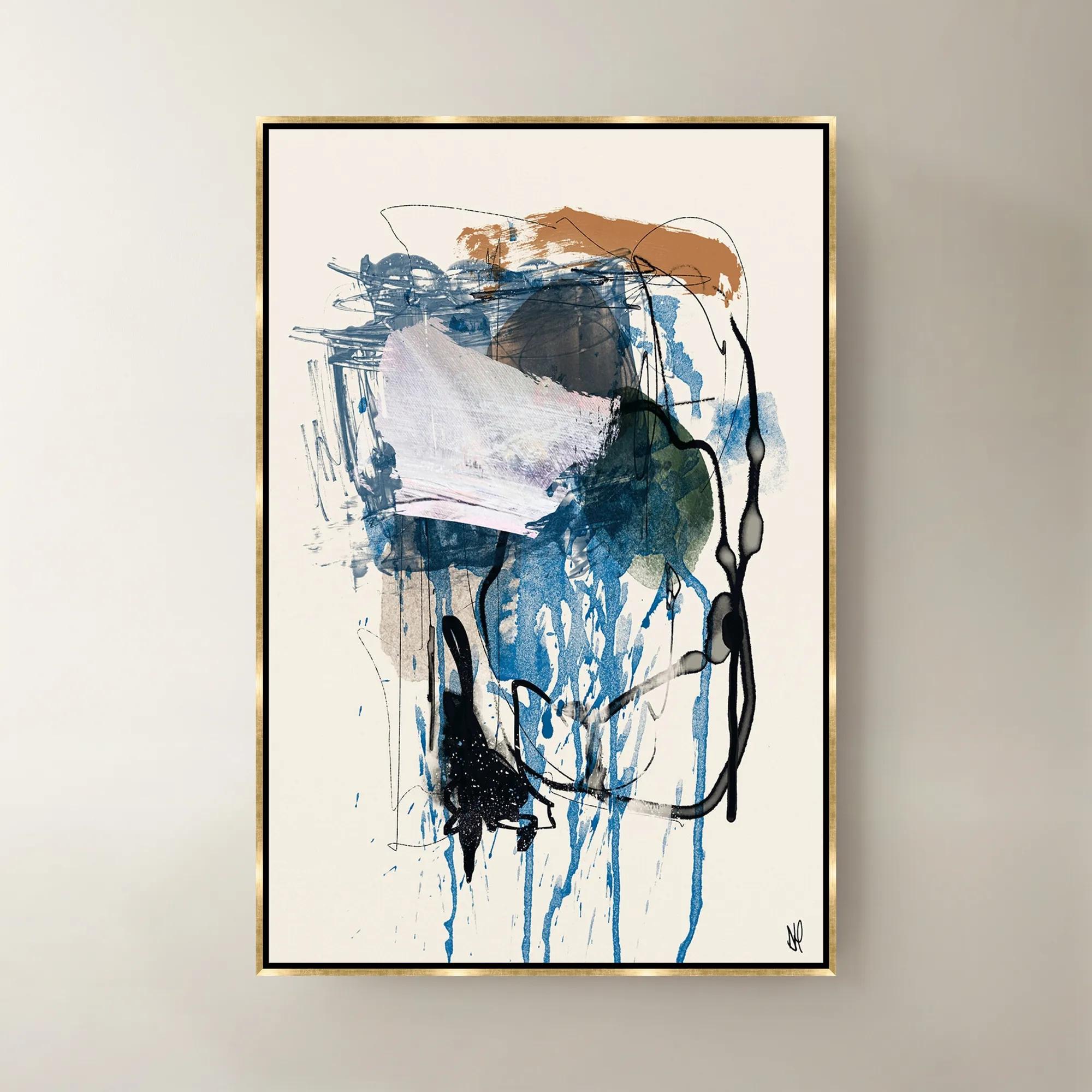
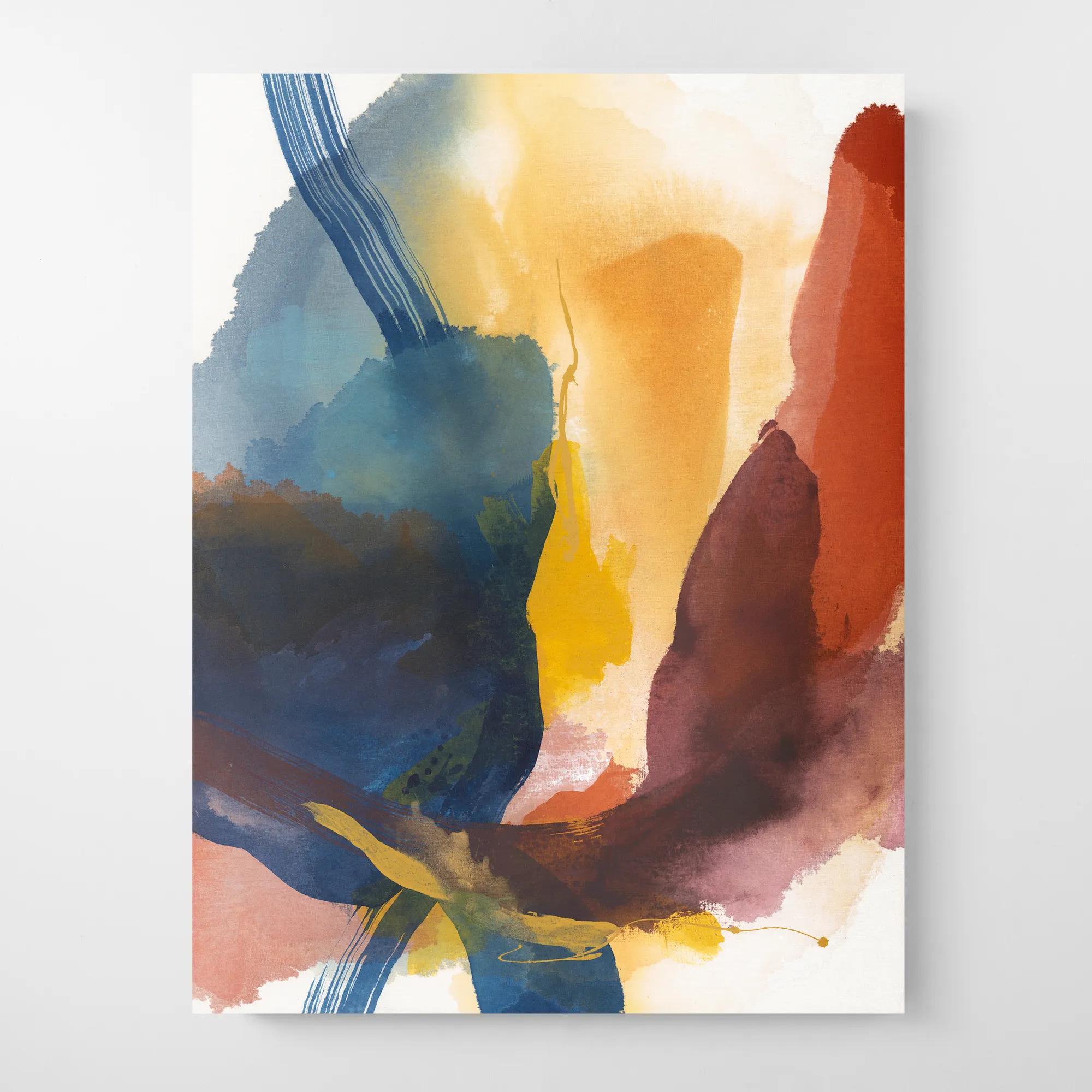
Hand Textured Abstract Wall Arts
Hand Textured Abstract Wall Arts
-
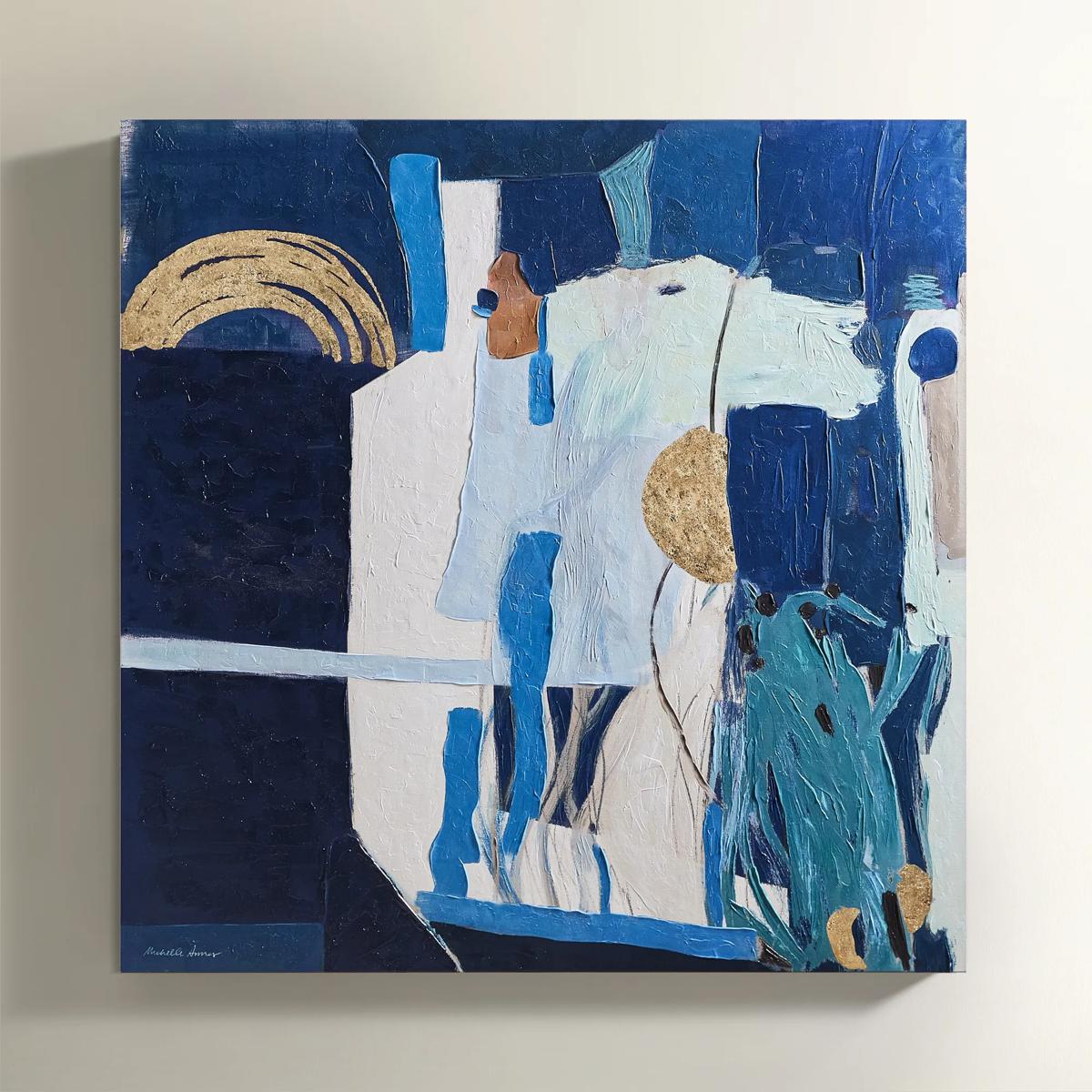
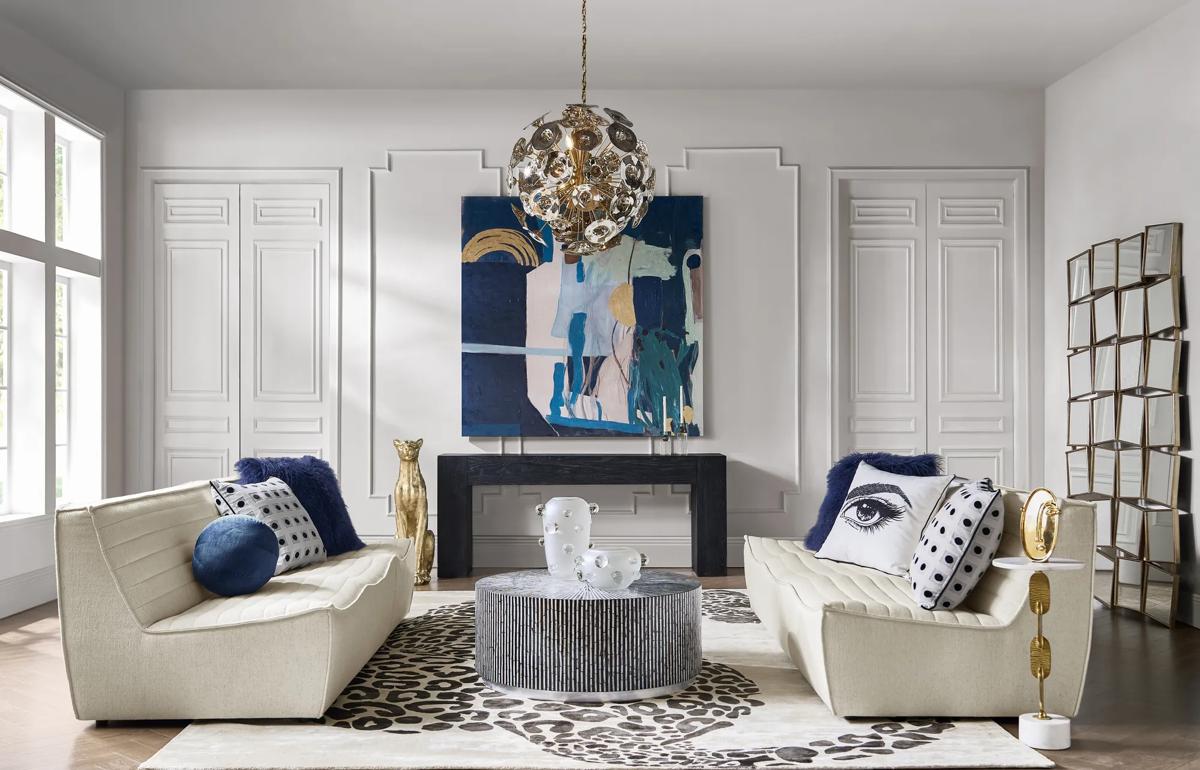 In Flux Painting$699
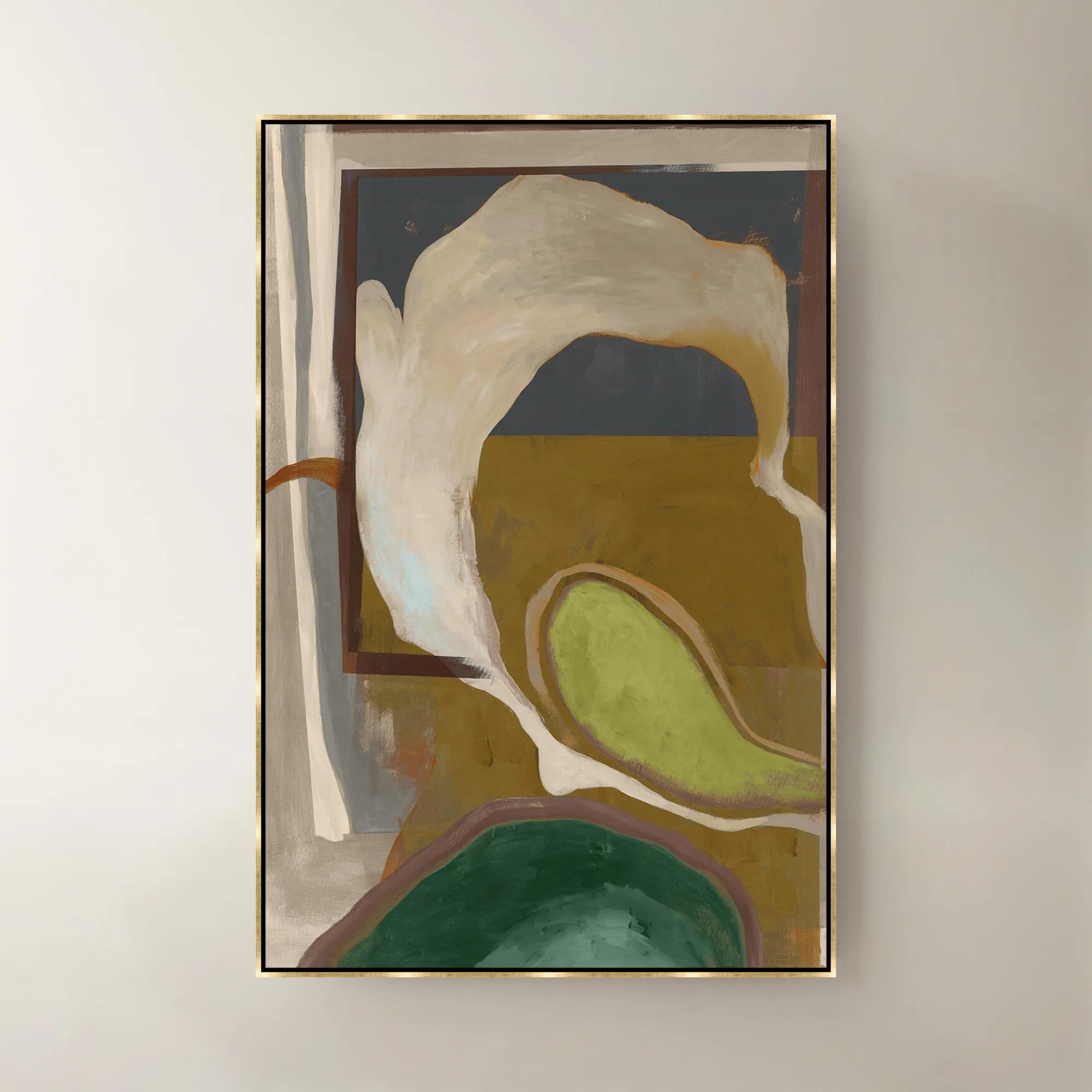
A hand-embellished canvas artwork featuring deep teal, green, ivory, and gold in a black Art Deco frame.
Add To Cart -
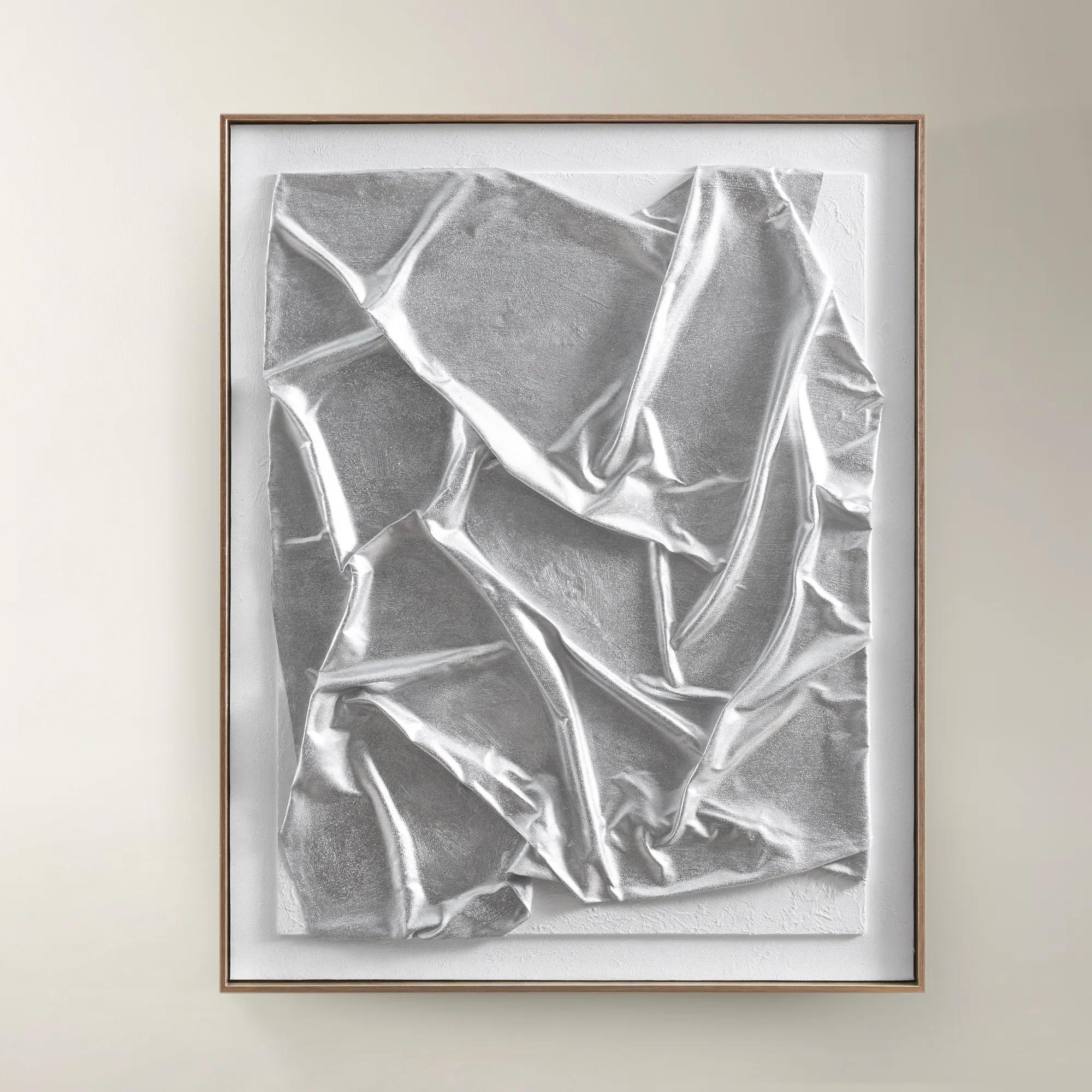 In the Mood Framed Painted Wall Art 31.5" x 39.5"$199
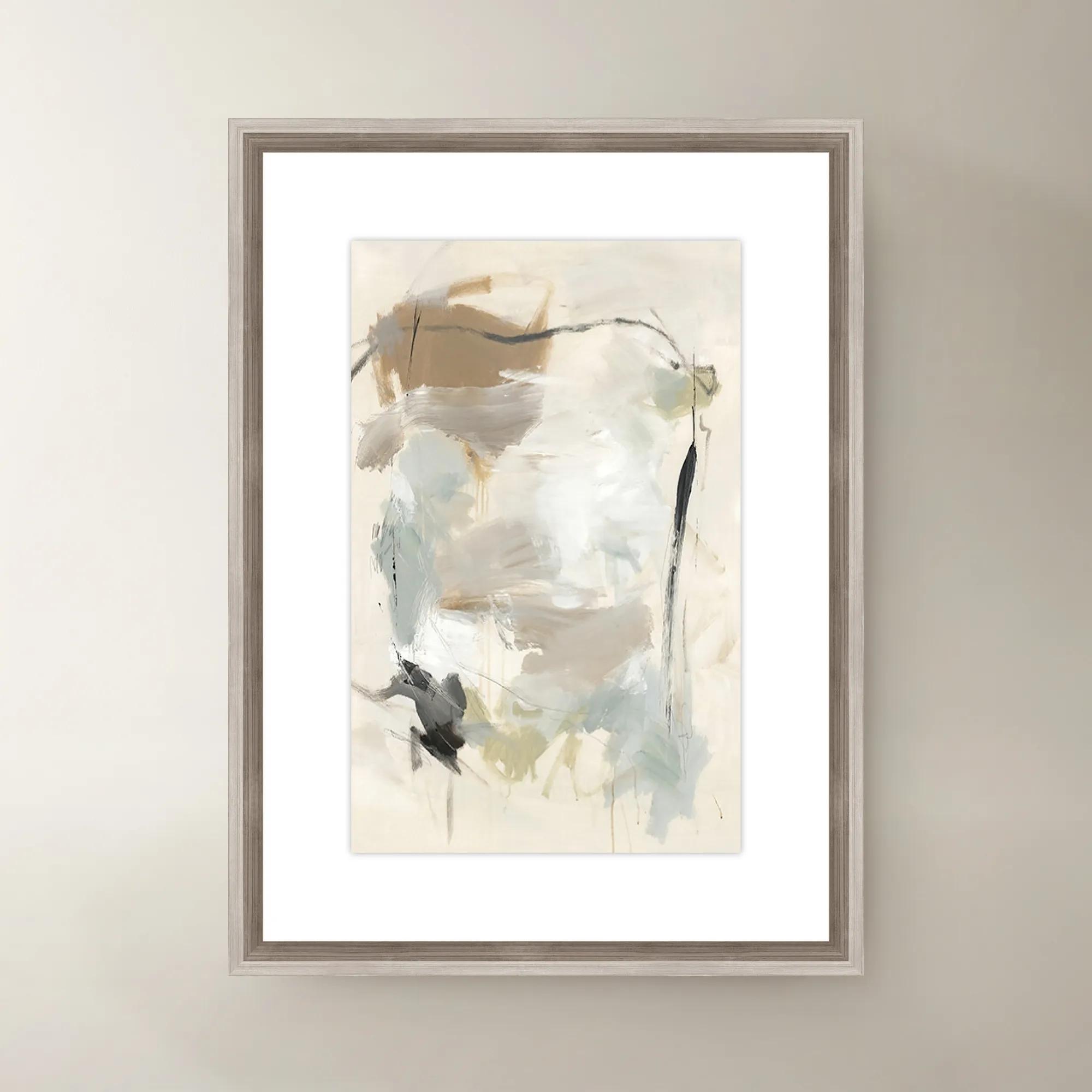
A hand-painted abstract canvas in shimmering silver tones, set in a warm champagne floater frame.
Add To Cart -
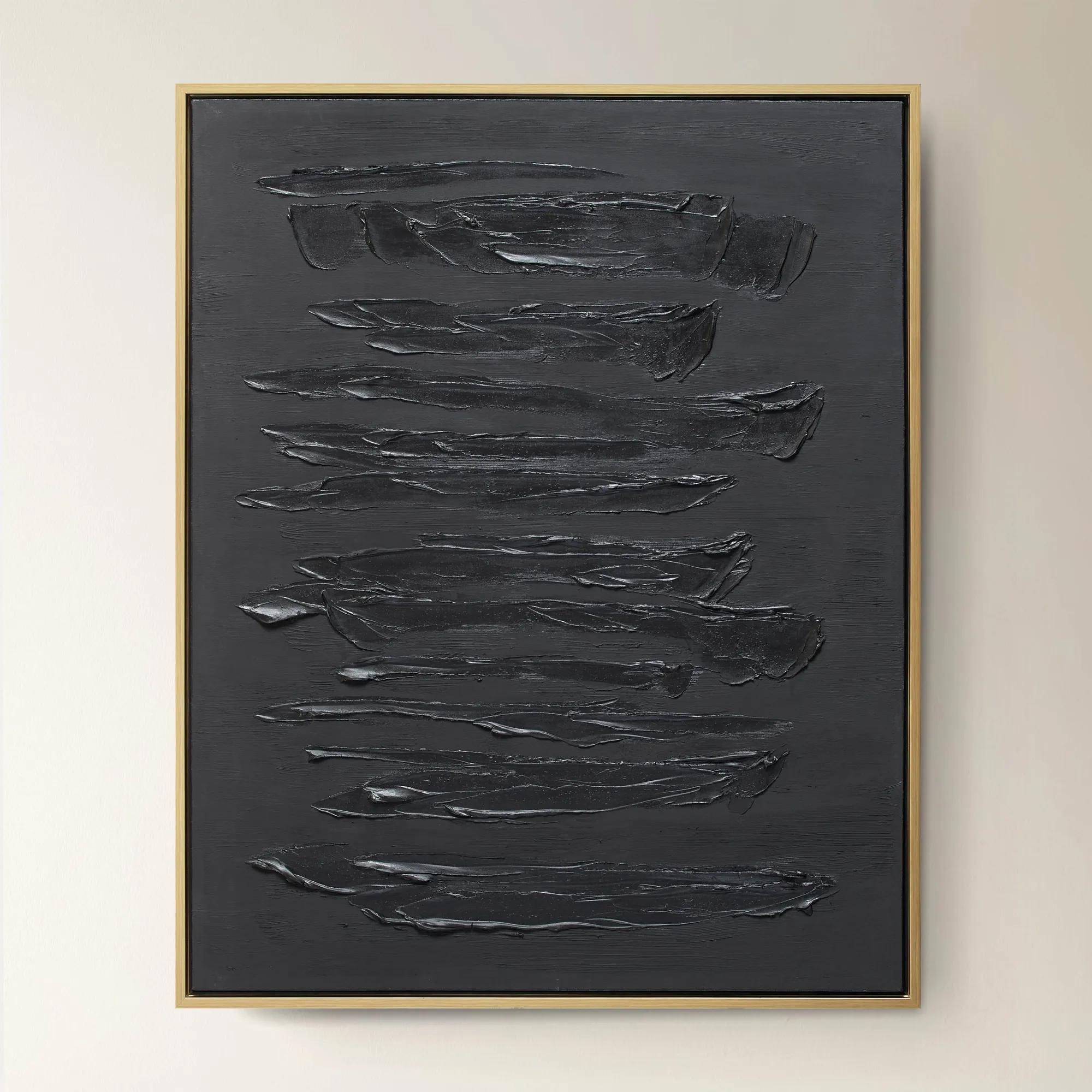
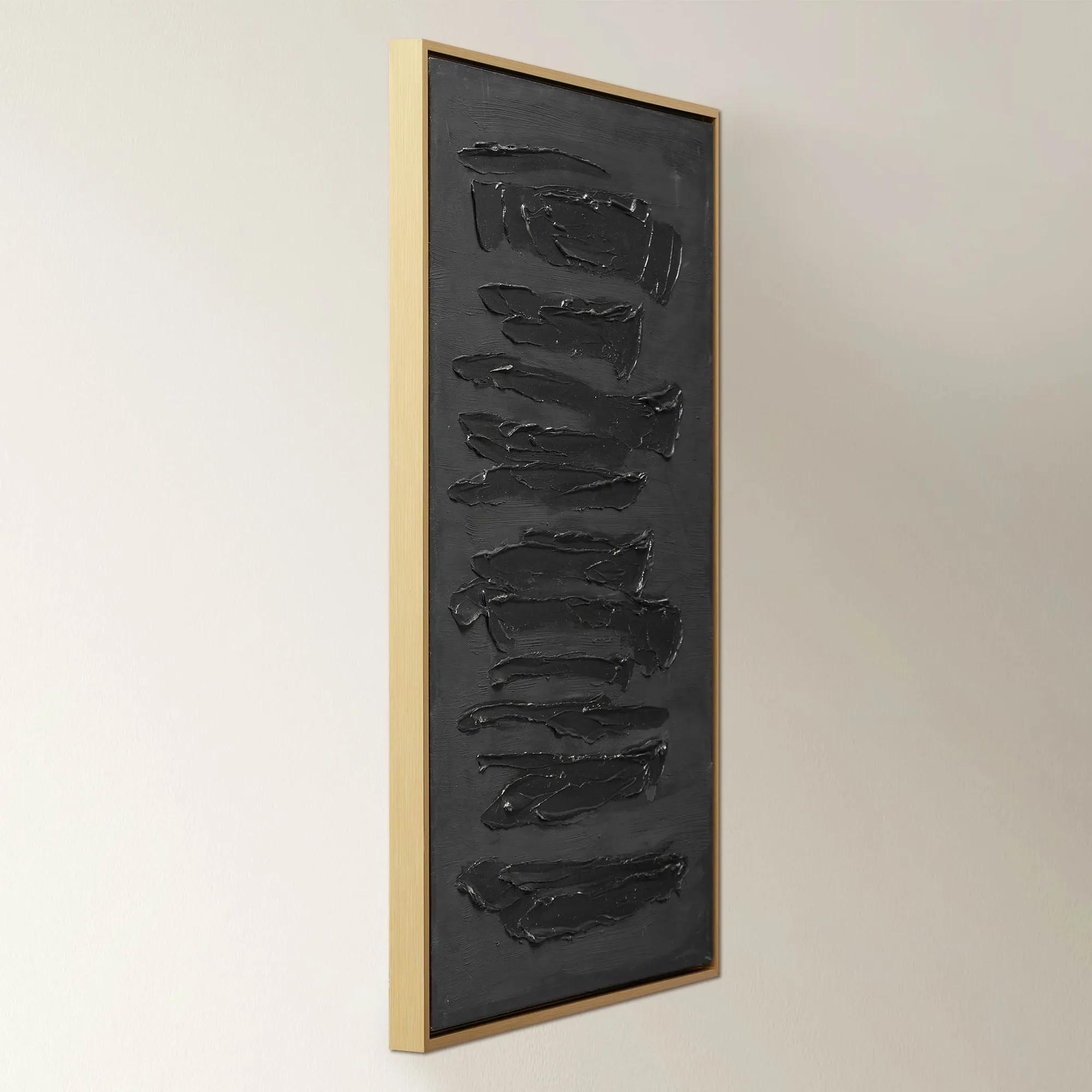 Nocturne$599.95
A dramatic abstract artwork featuring bold, dark brushstrokes on hand-painted canvas in a gold floater frame.
Add To Cart -
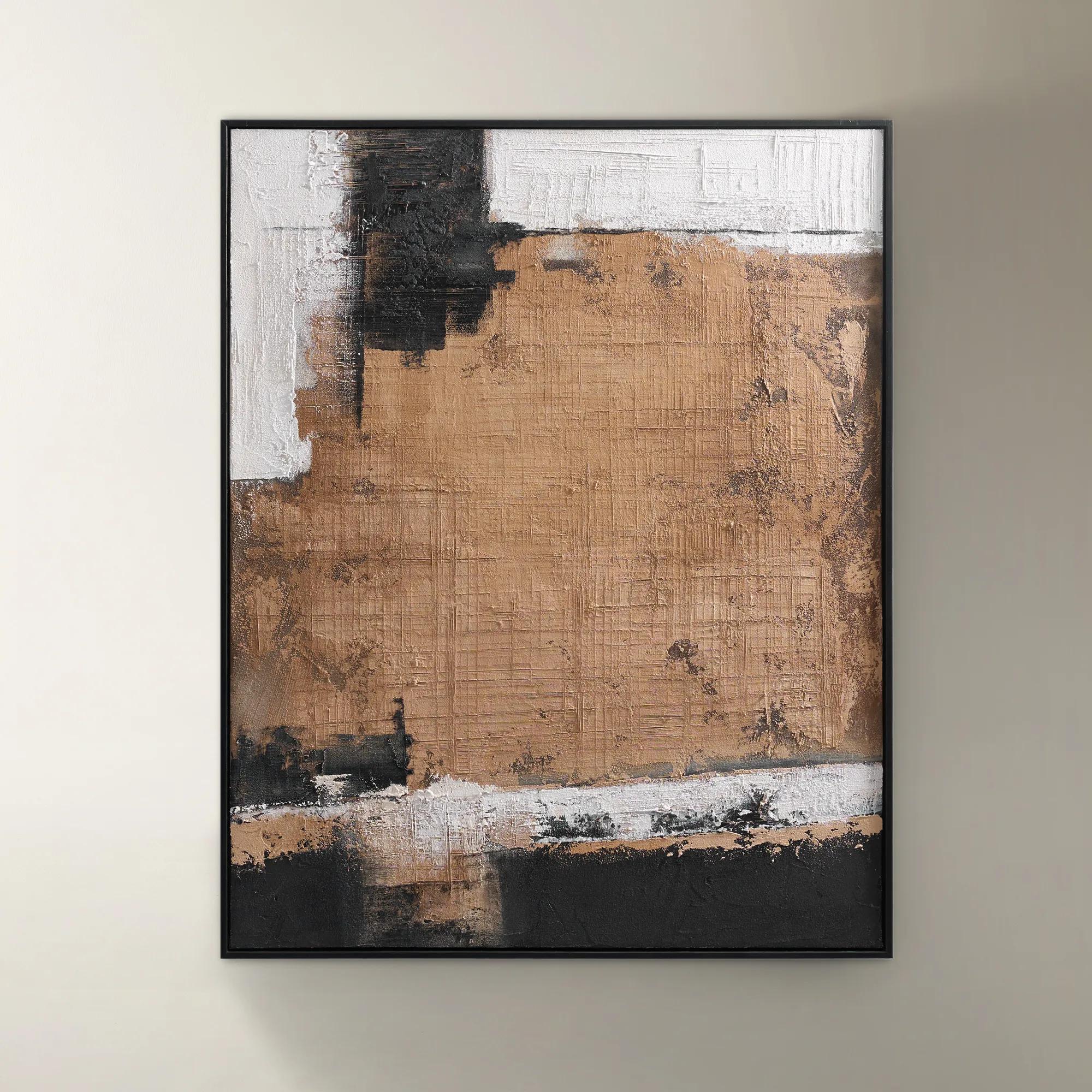
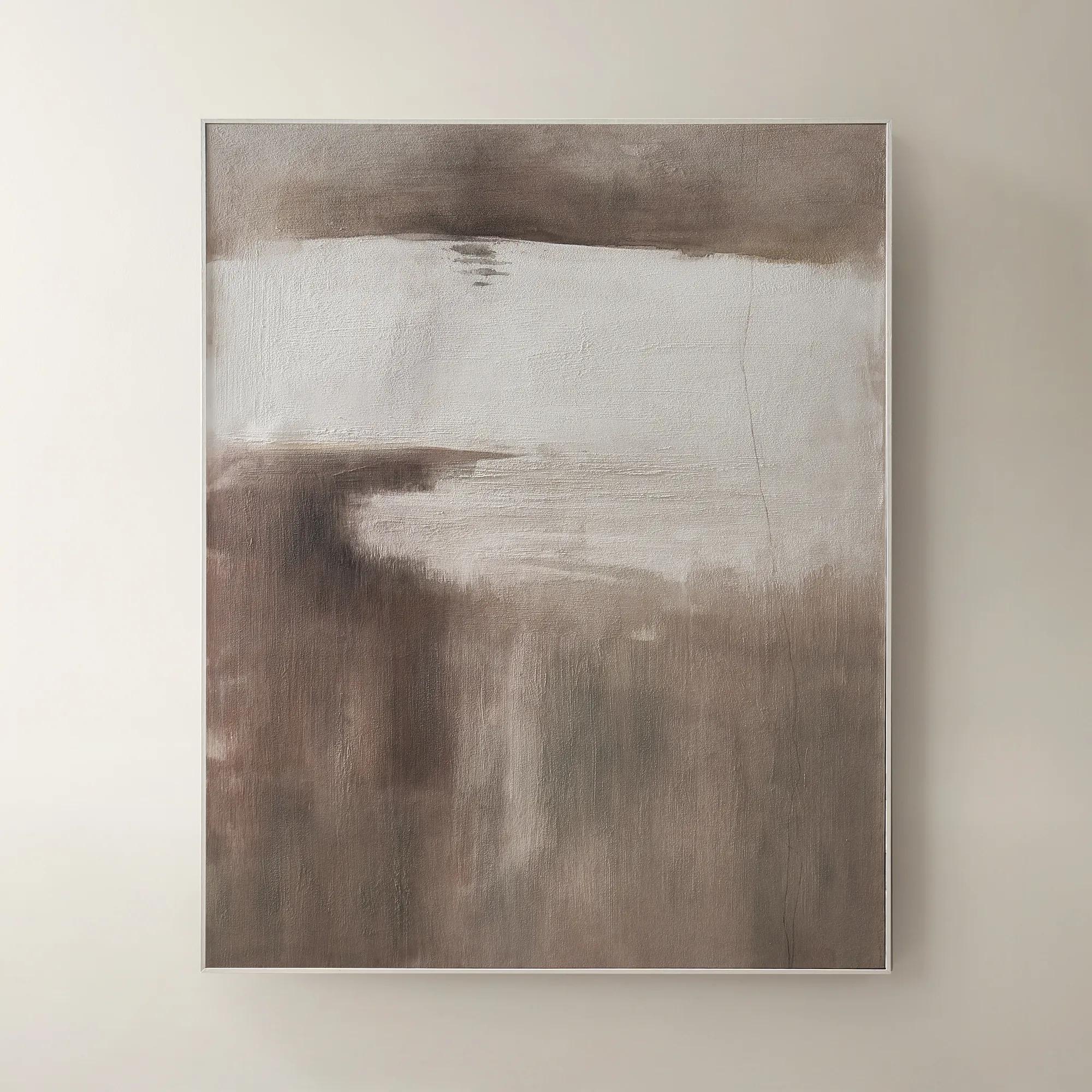
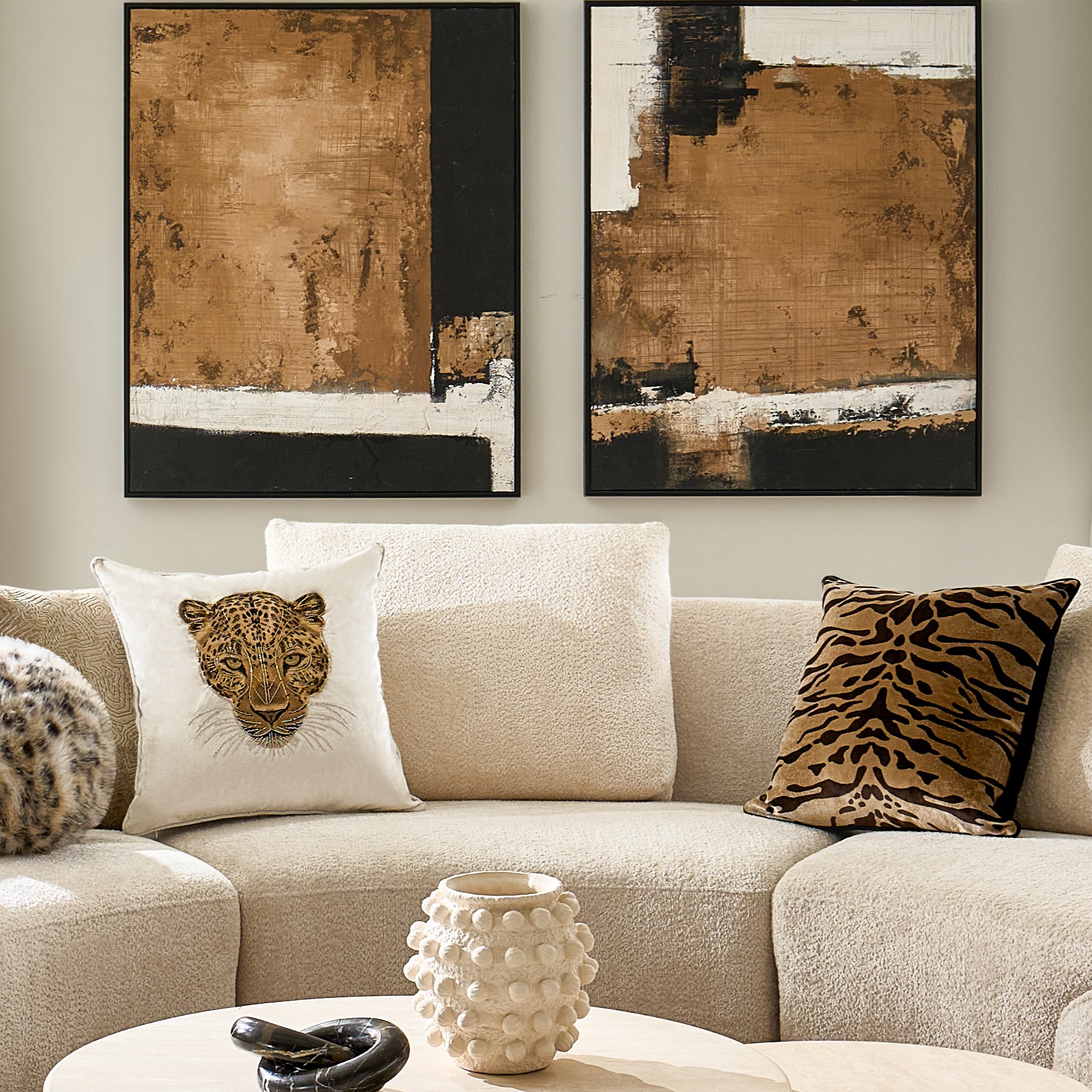 Drift Framed Painted Wall Art II 39.4" x 31.5"$299
A hand-painted canvas in brown, featuring bold texture and color interplay within a sleek black floater frame.
Add To Cart -
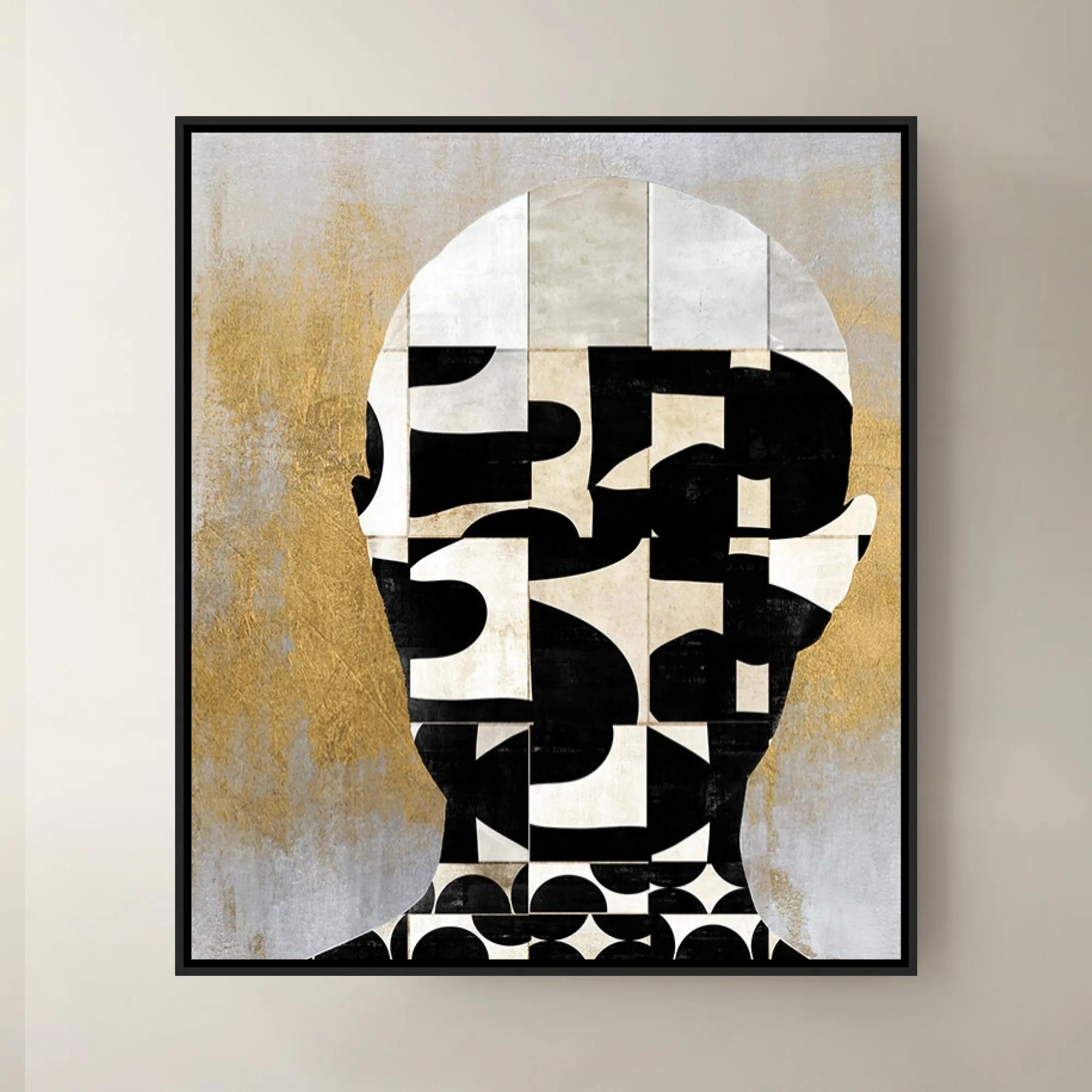
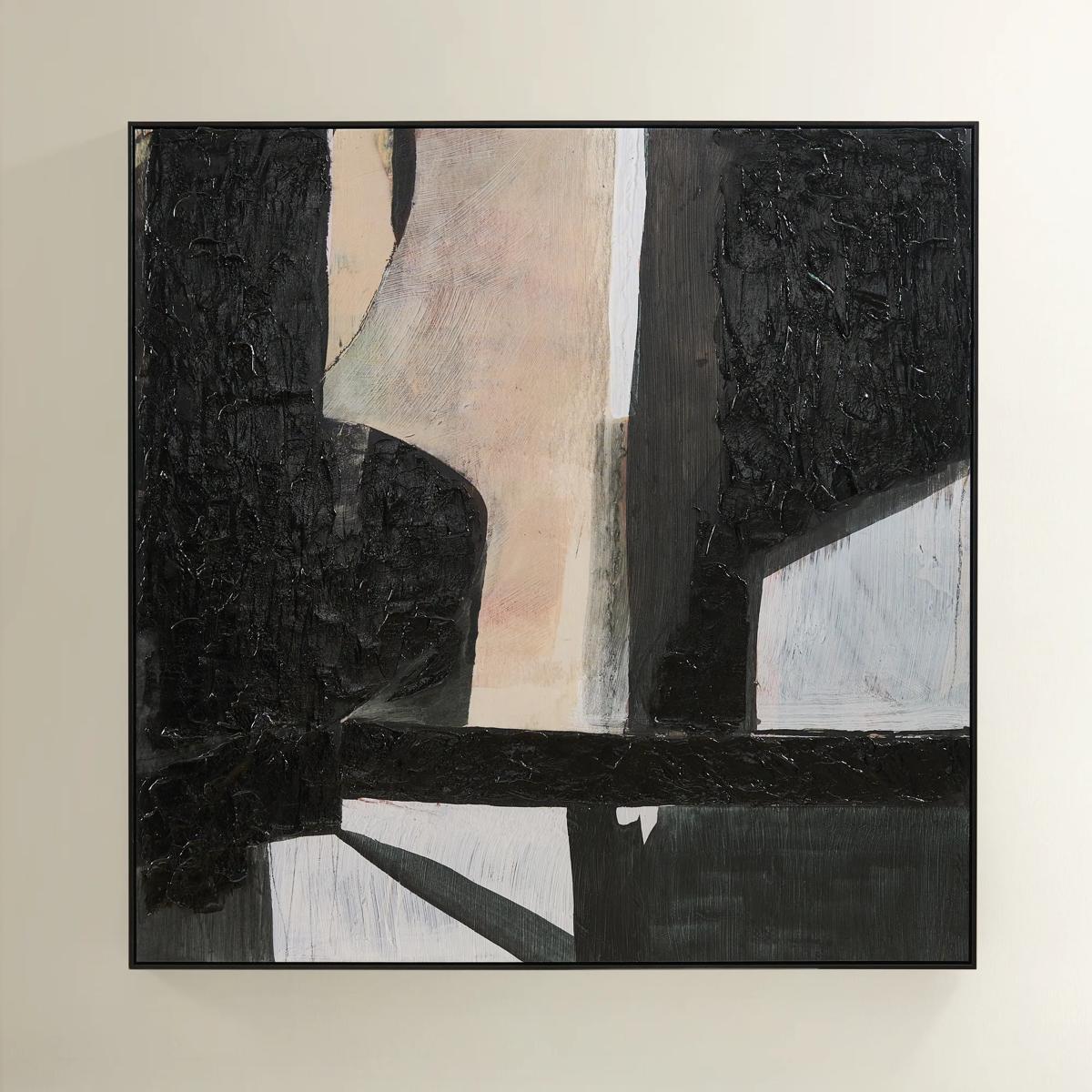 Grounded Painting$699
A hand-painted abstract canvas featuring black, cream, and earth tones in a sleek black floater frame.
Add To Cart -
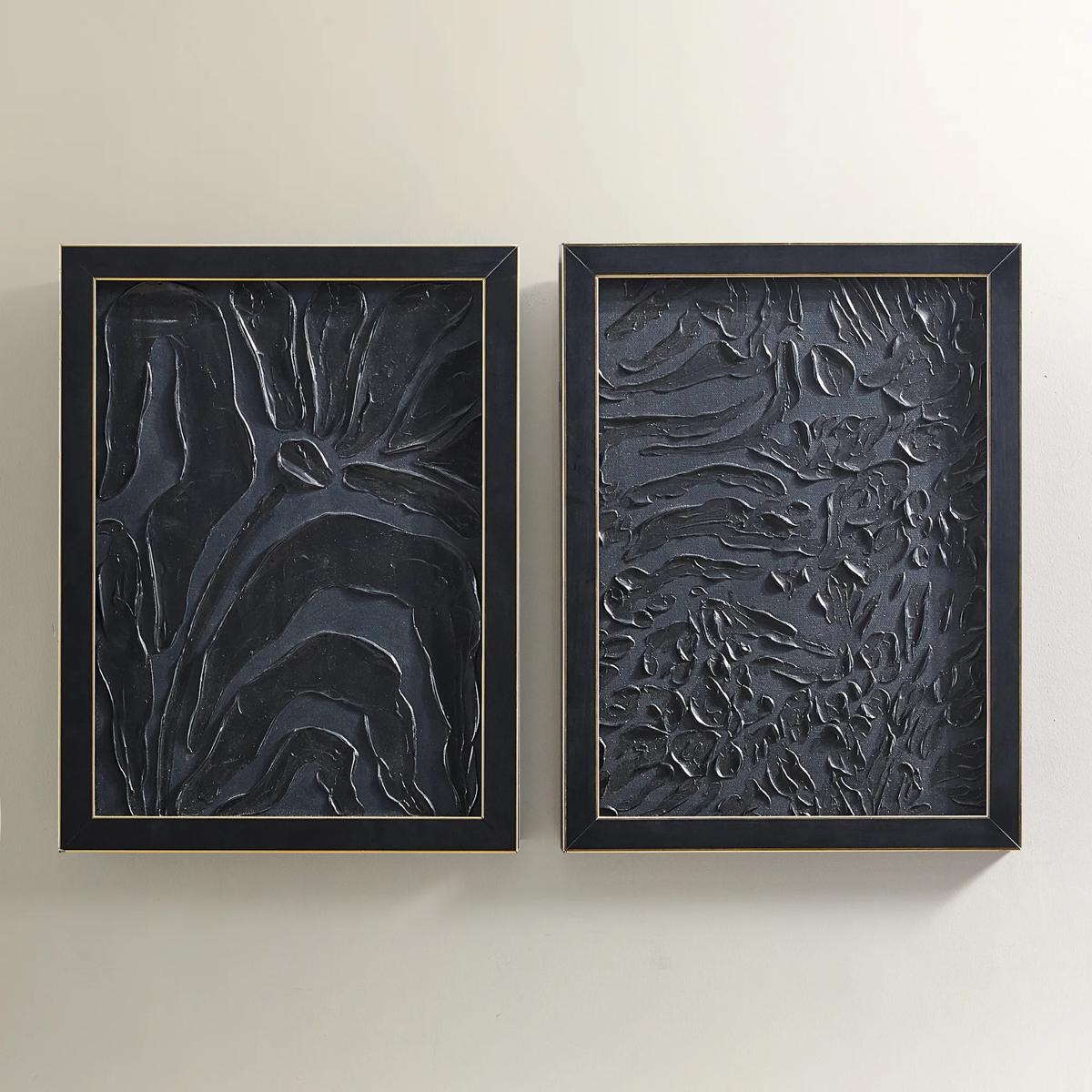
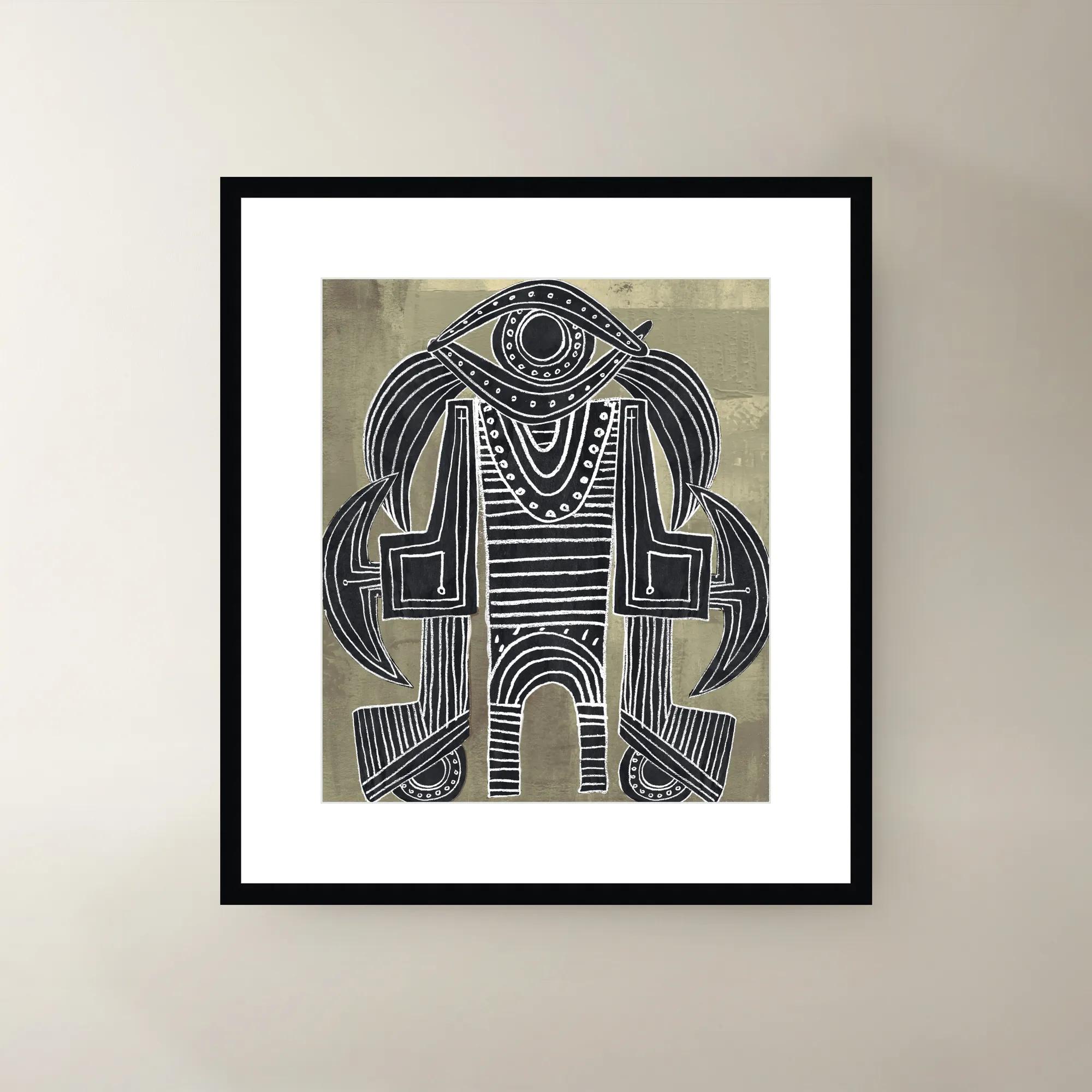
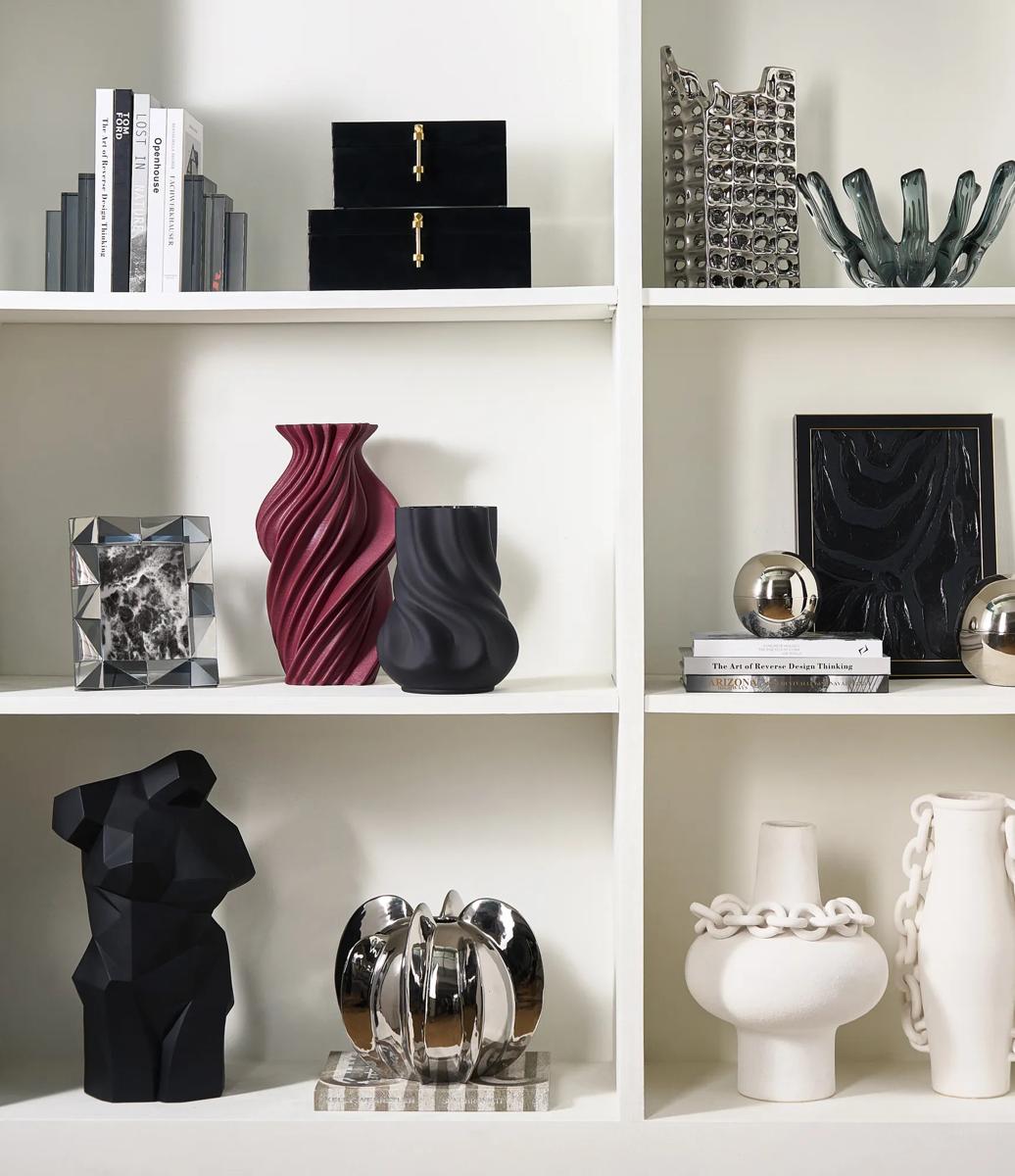 Midnight Animal Painting - Set of 2$119
A set of hand-embellished canvas artworks in black and gold frames, adding depth and warmth to interiors.
Add To Cart -
-0.jpeg?w=1200&h=1200)
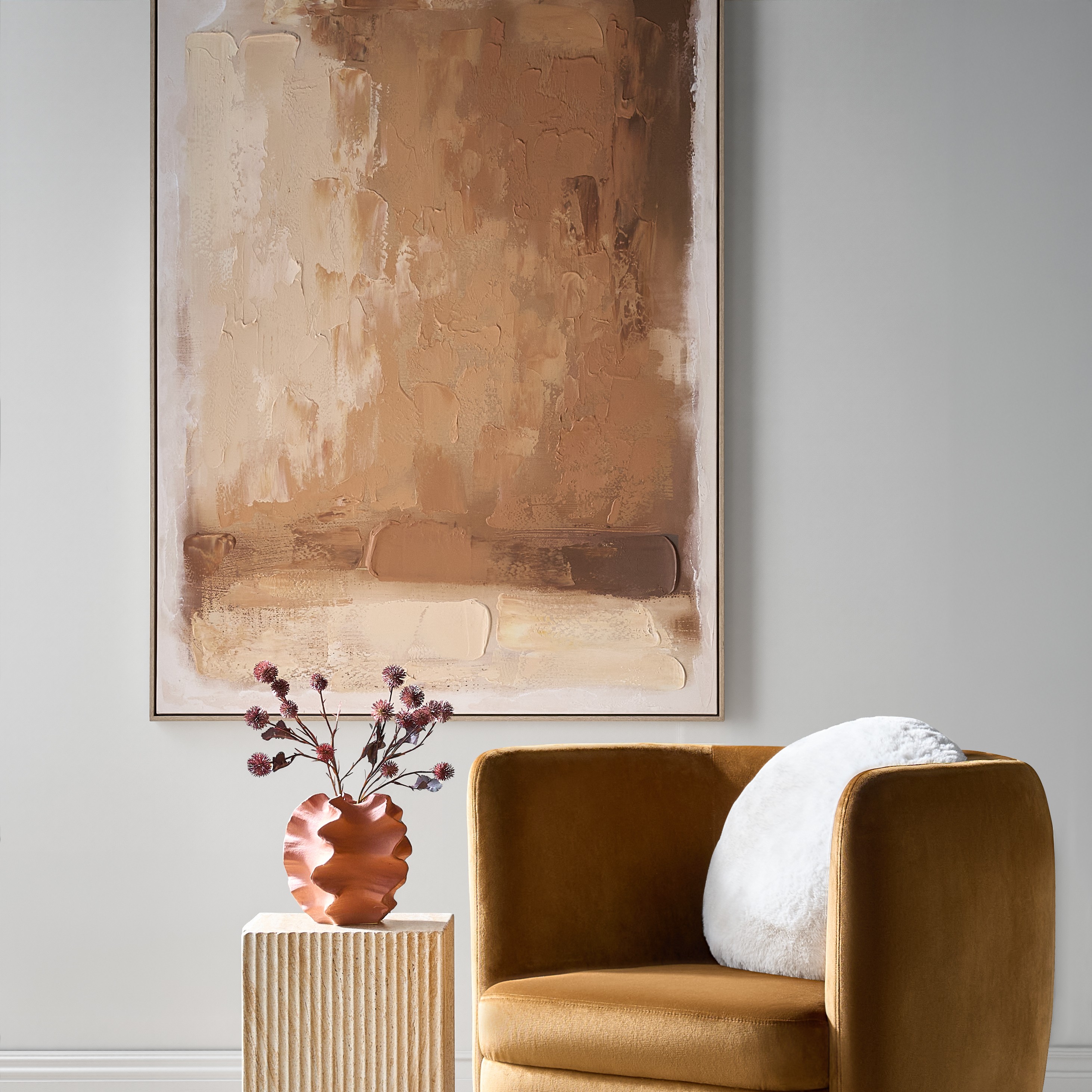 Ember Glow Framed Painted Wall Art 39.25" x 55"$499
A hand-painted abstract canvas blending ochre, terracotta, and golden clay hues in a light natural frame.
Add To Cart -
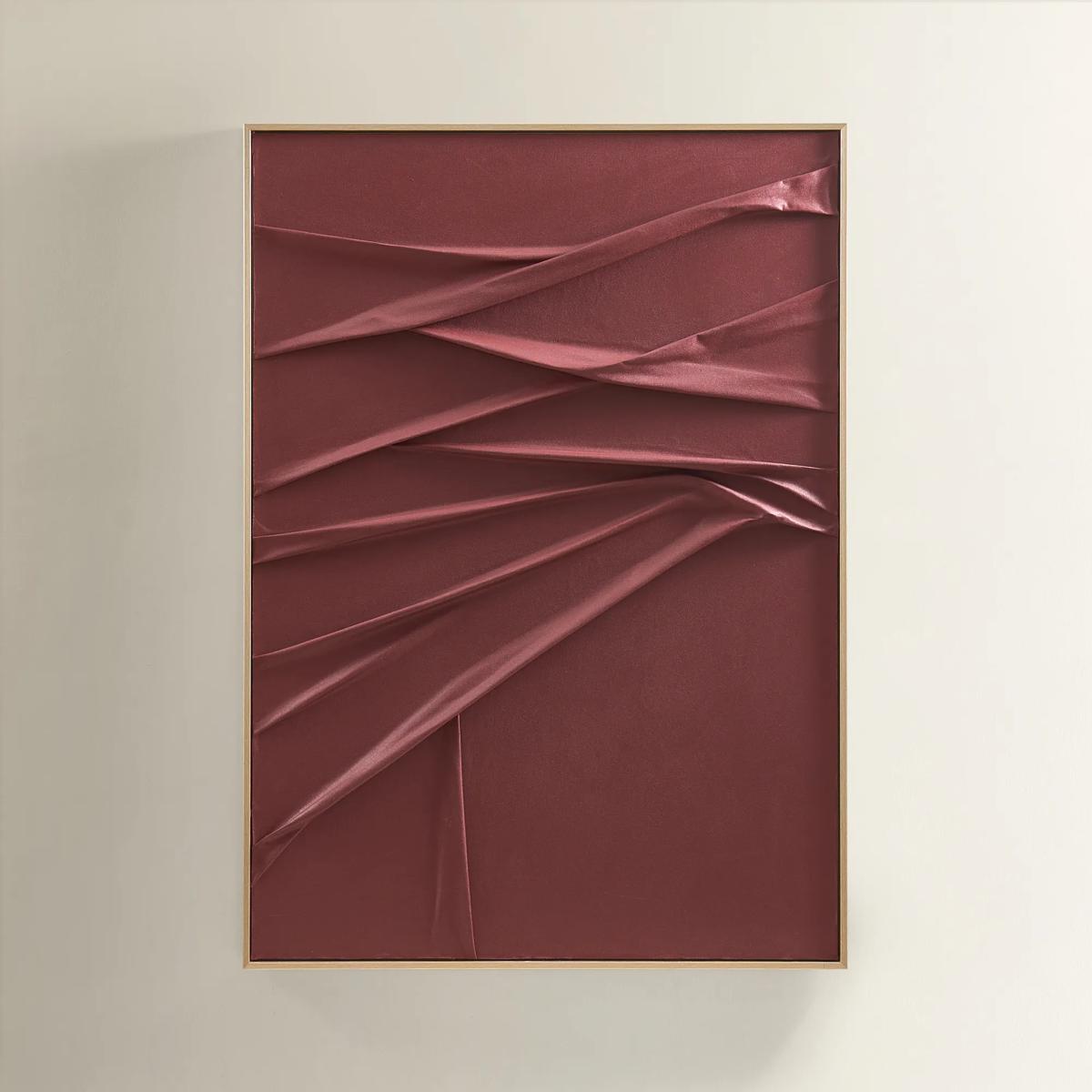
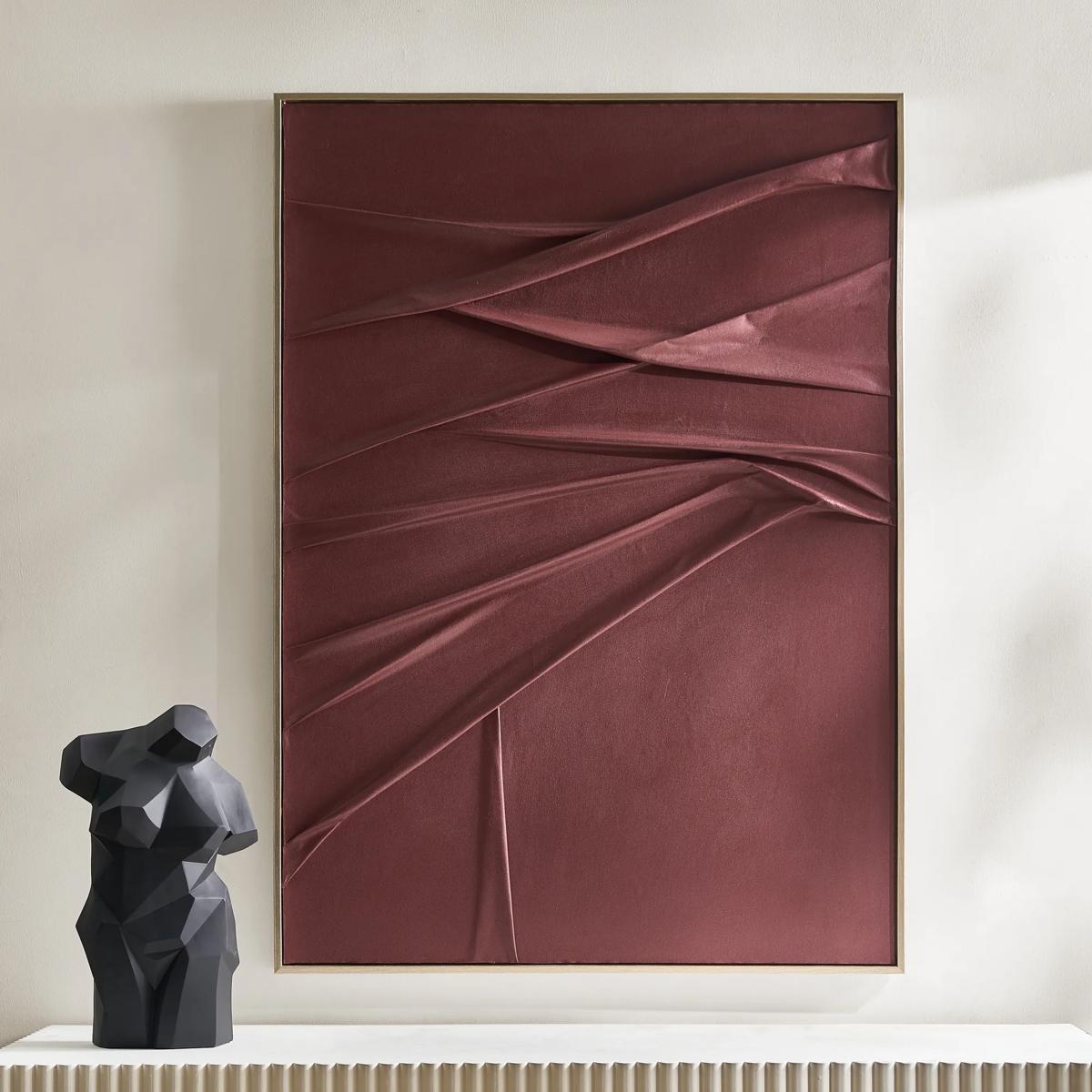 Crimson Painting$599
A handcrafted burgundy canvas artwork with sculptural folds, framed in champagne for a dramatic, textured effect.
Add To Cart -
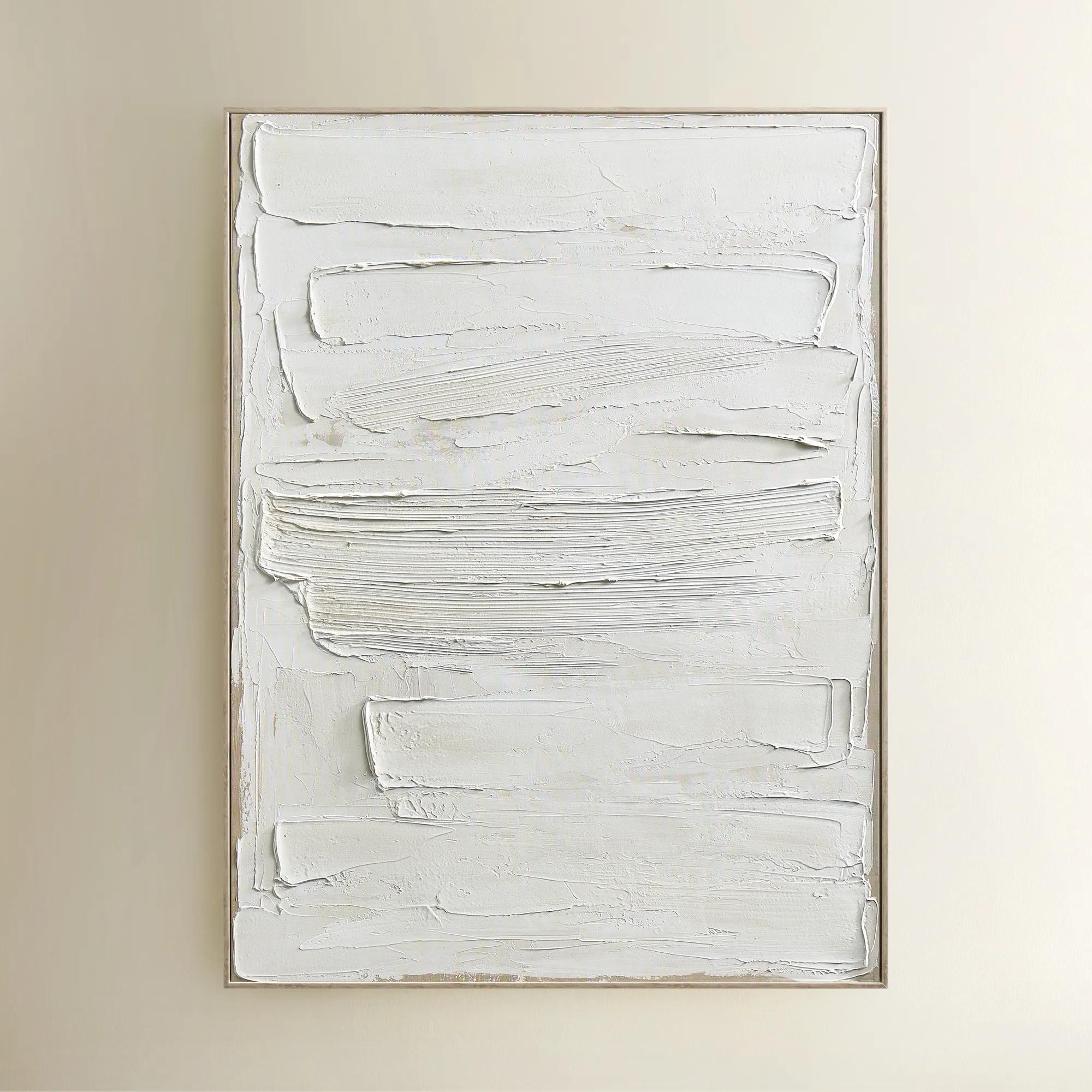
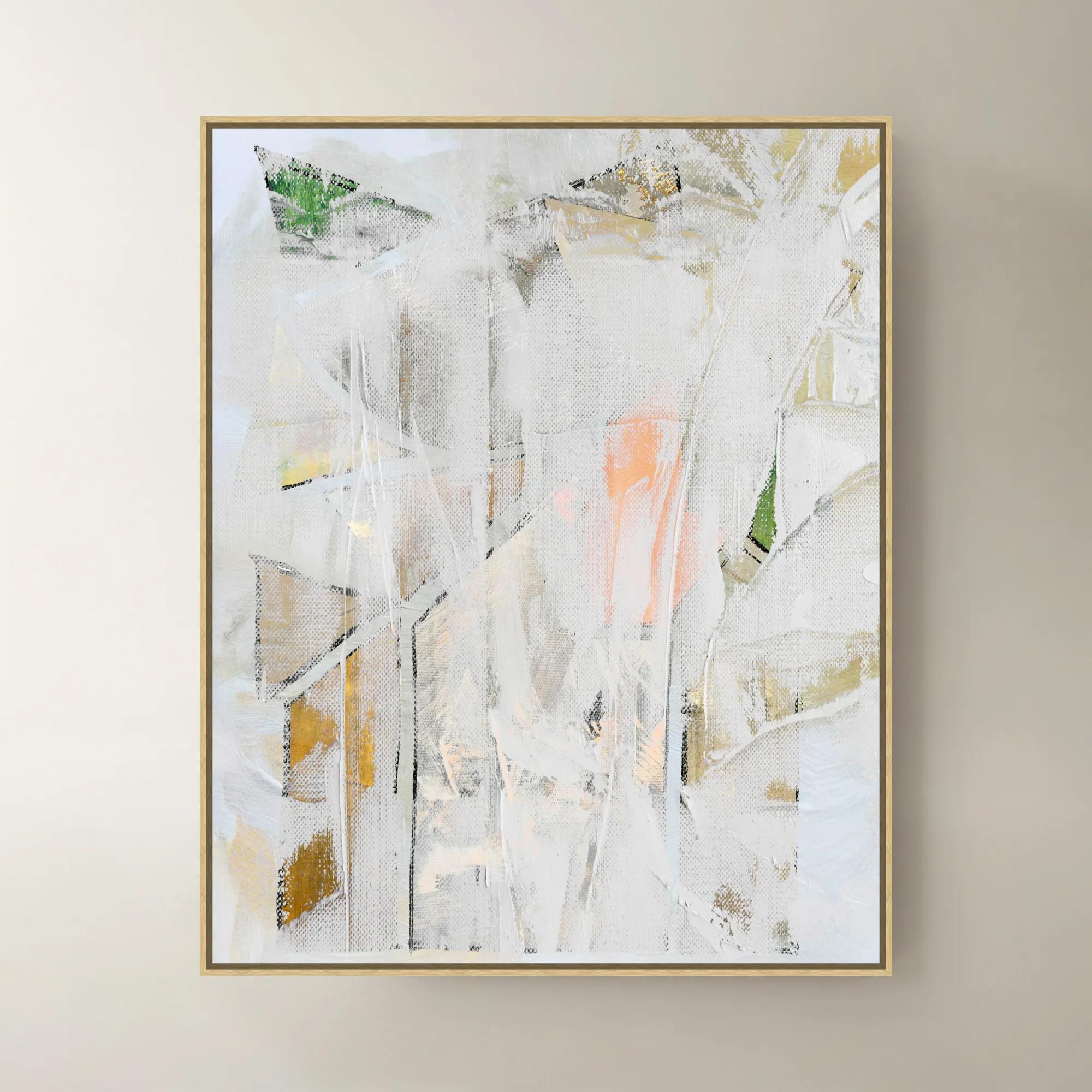
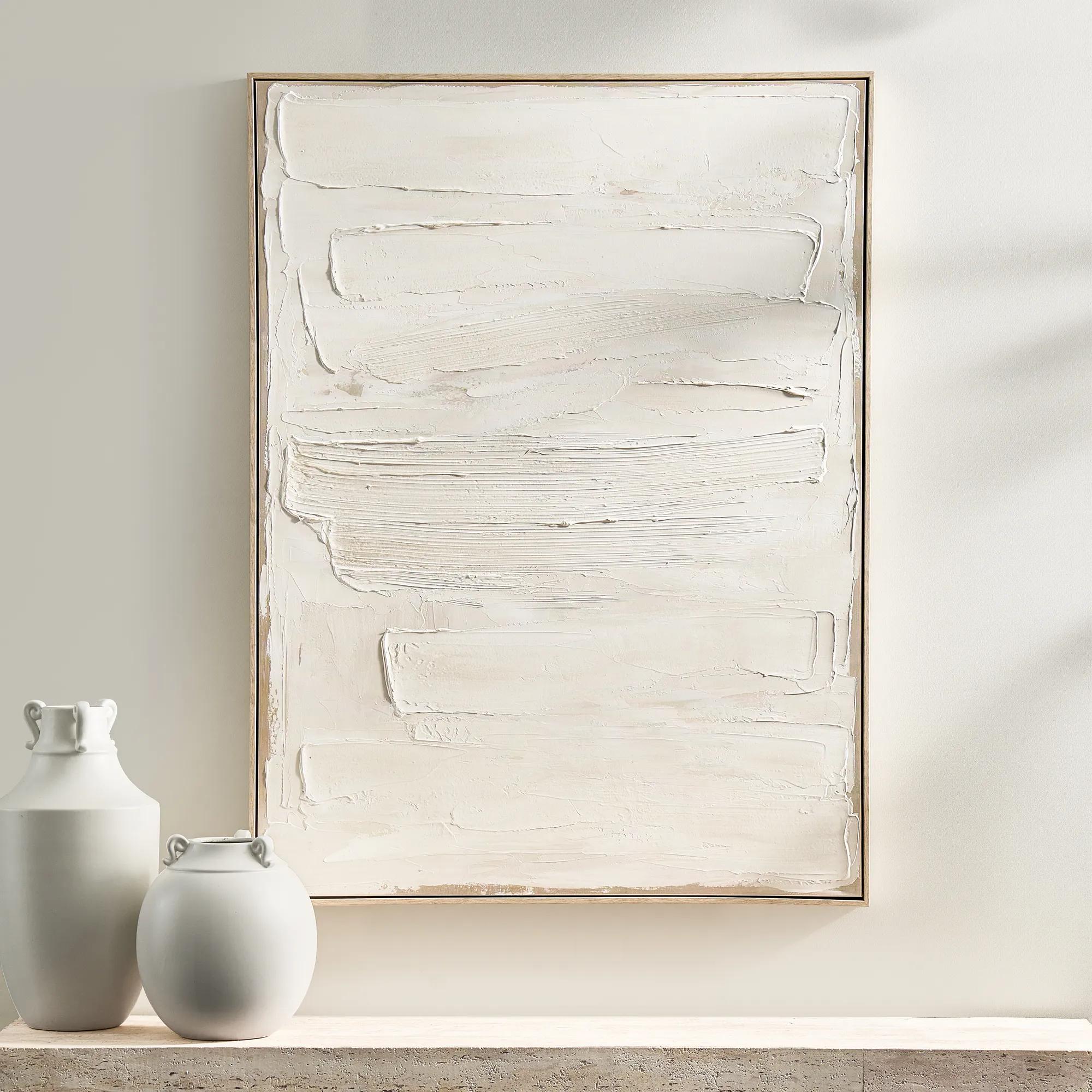 Monotype Canvas 1$399
A hand-painted abstract canvas featuring layered white tones and textured paint in a whitewashed wood frame.
Add To Cart -
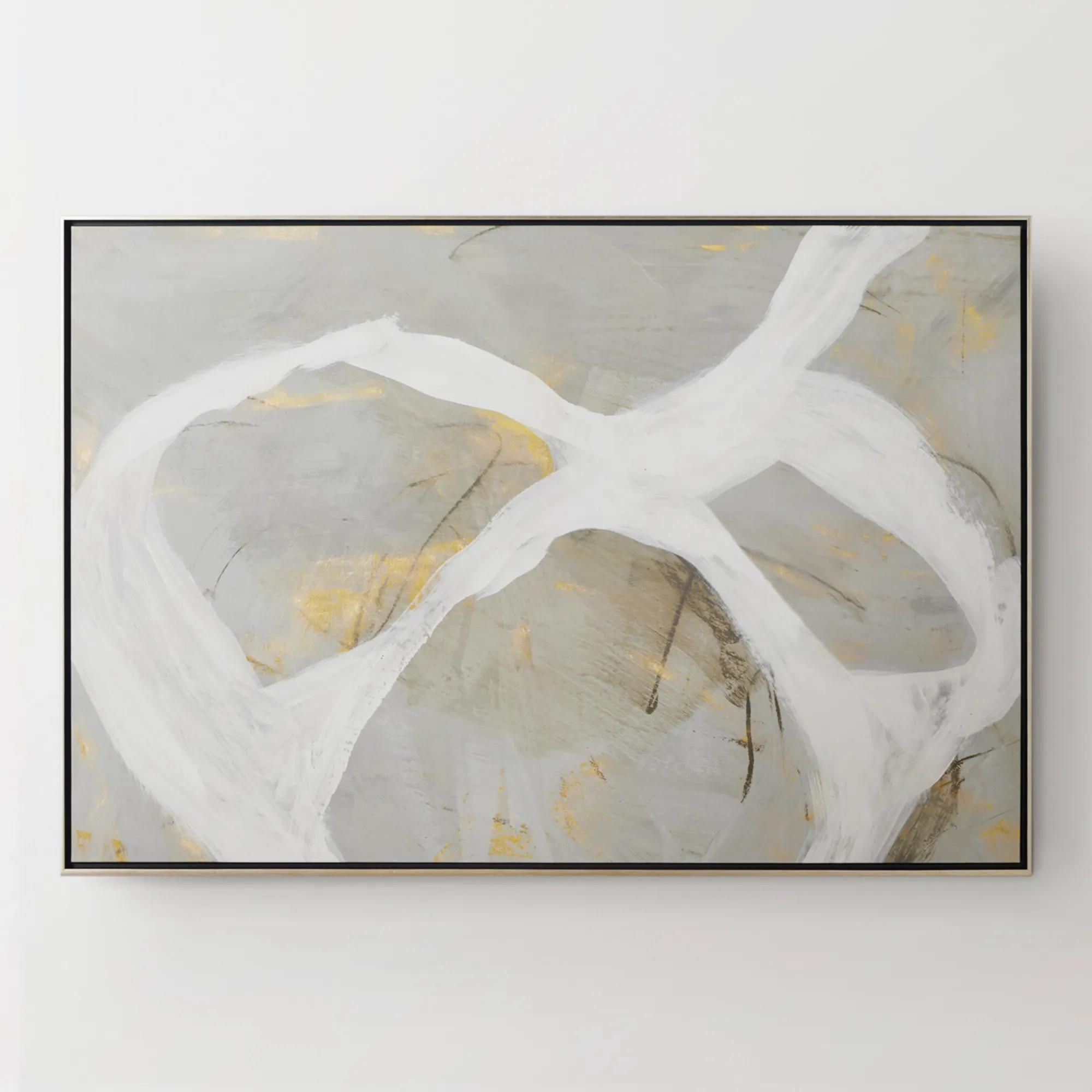
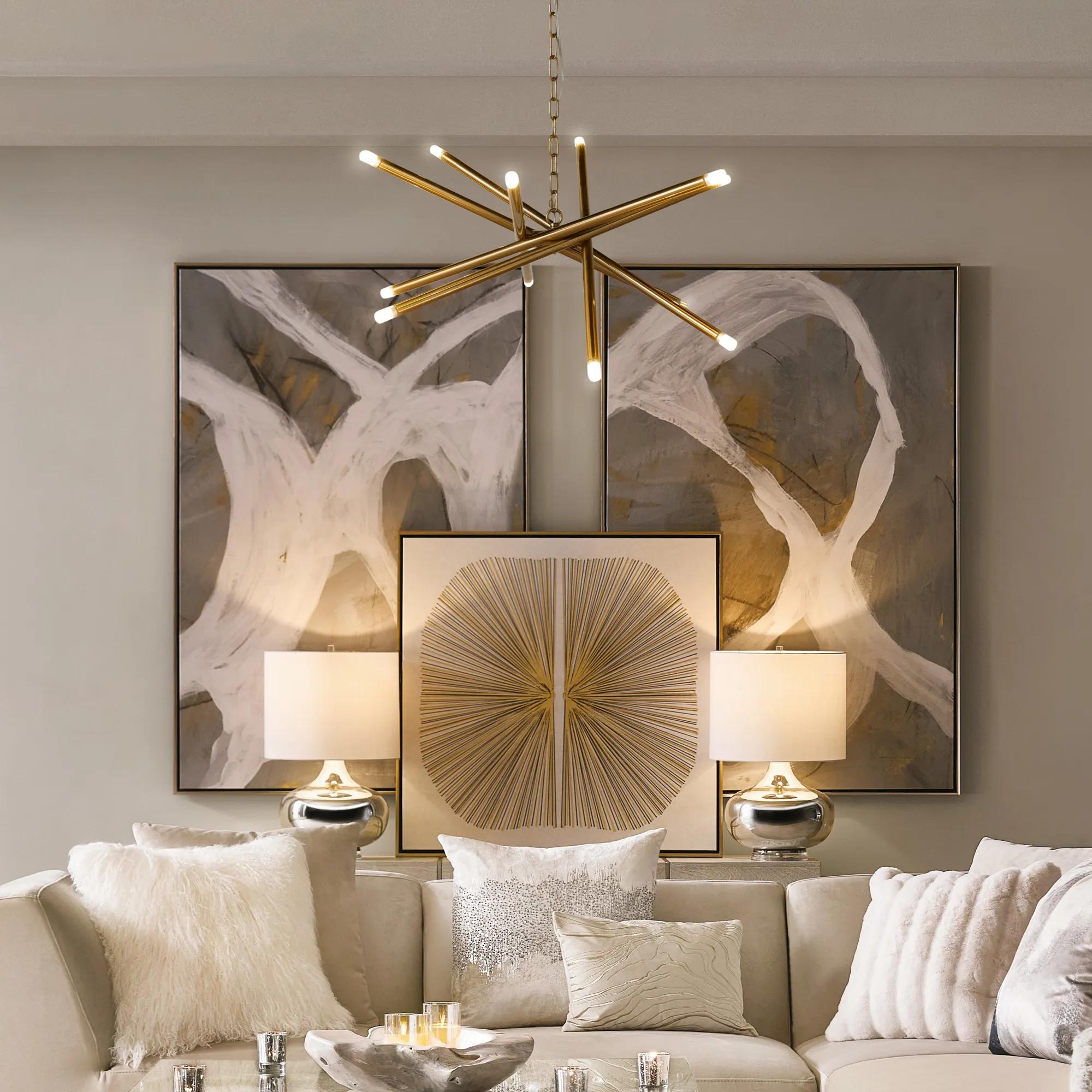 Les Series Framed Painted Wall Art I 61" x 41"$1099
An abstract canvas artwork featuring bold brushstrokes, hand-applied gold accents, and a silver floater frame.
Add To Cart -
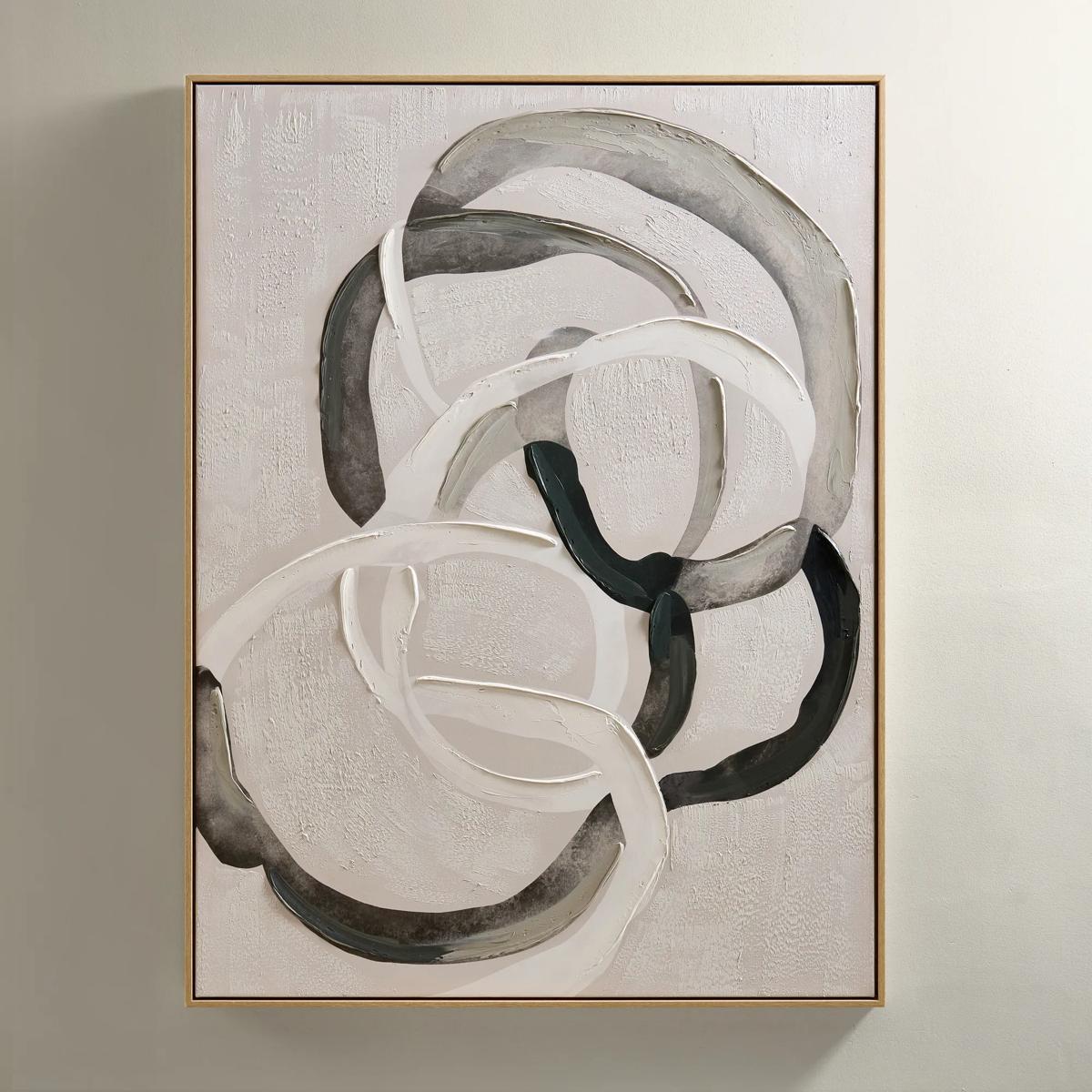
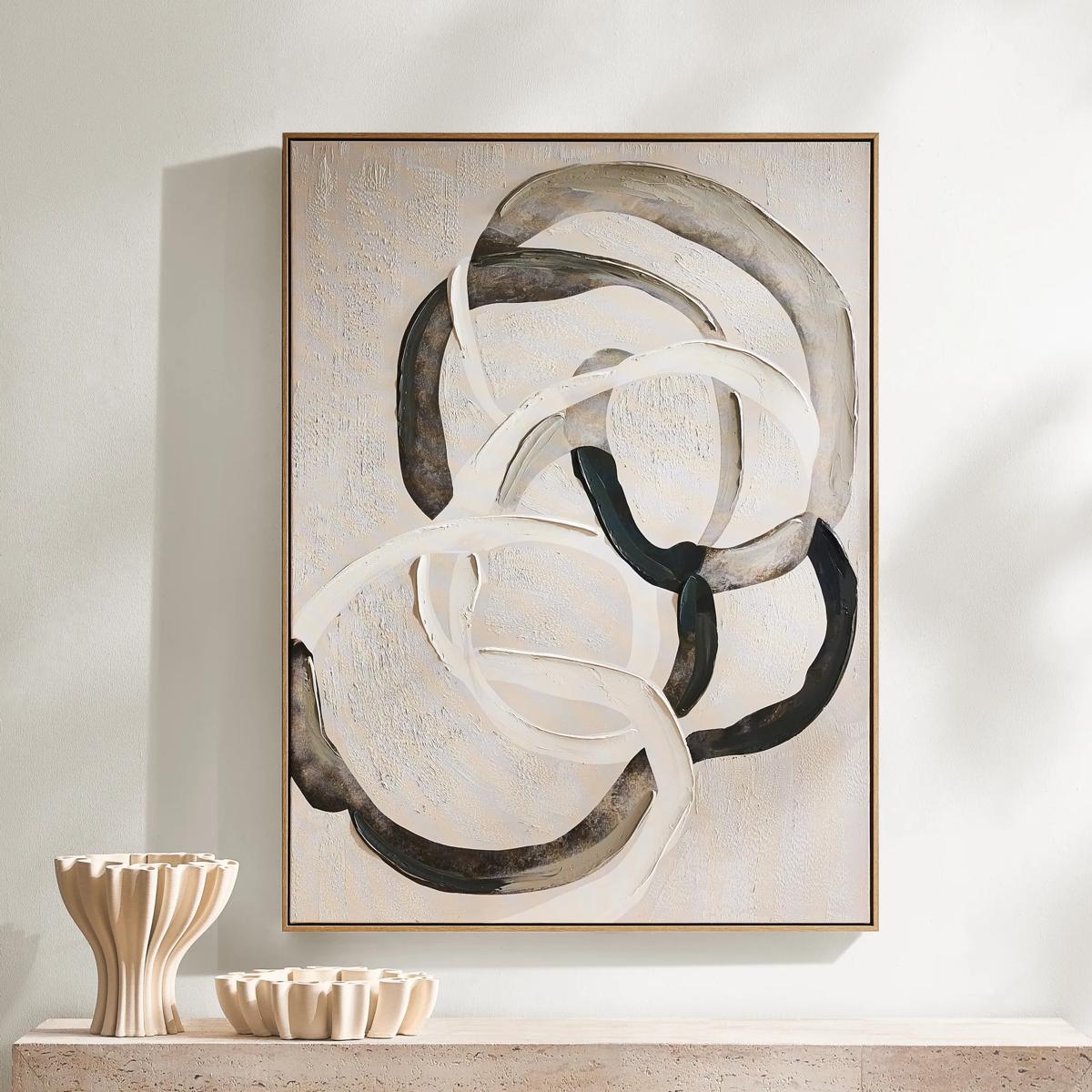 Round About Framed Painted Wall Art 35.25" x 47.25"$349
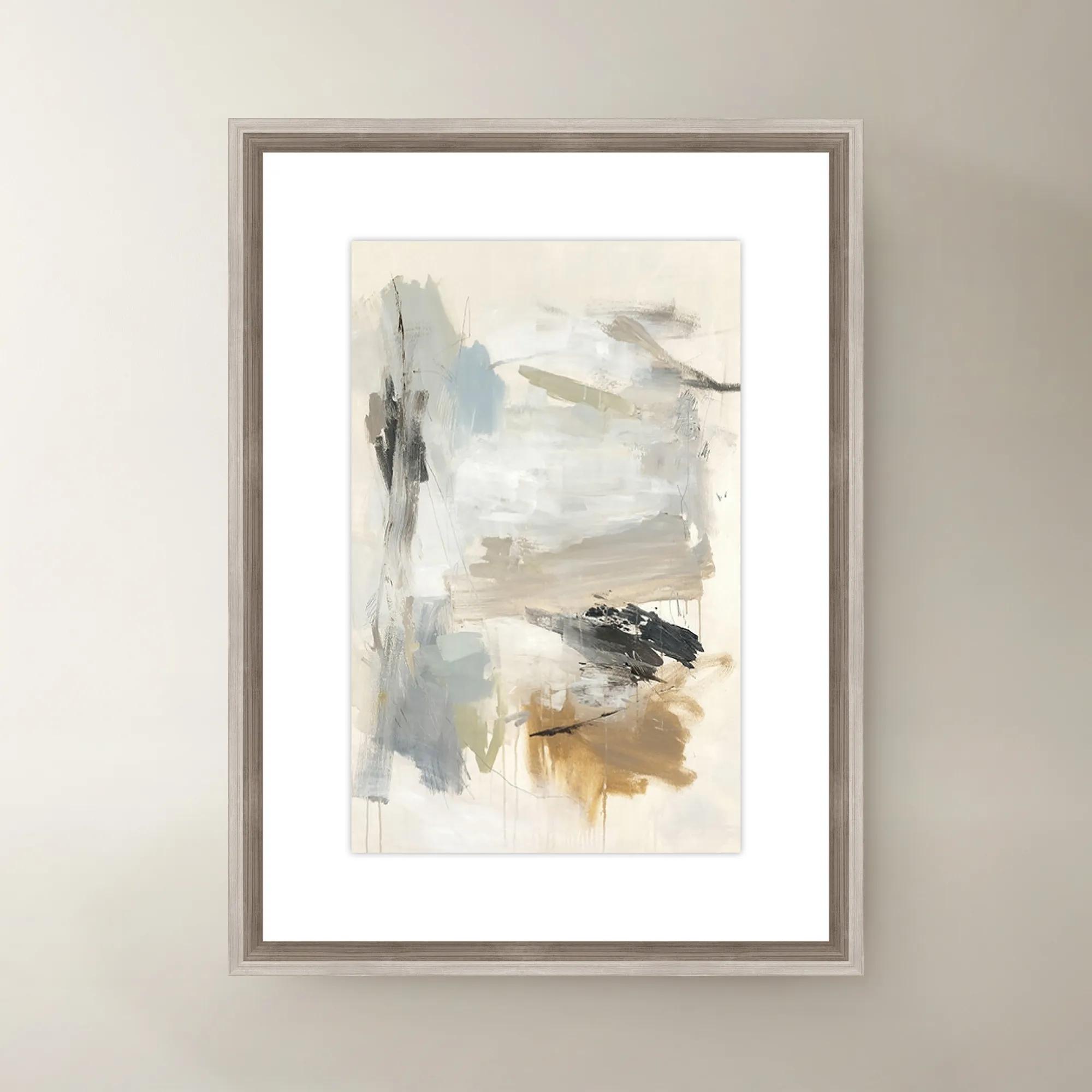
An abstract hand-painted canvas with tonal whites, charcoals, and taupes in a light wood floater frame.
Add To Cart -
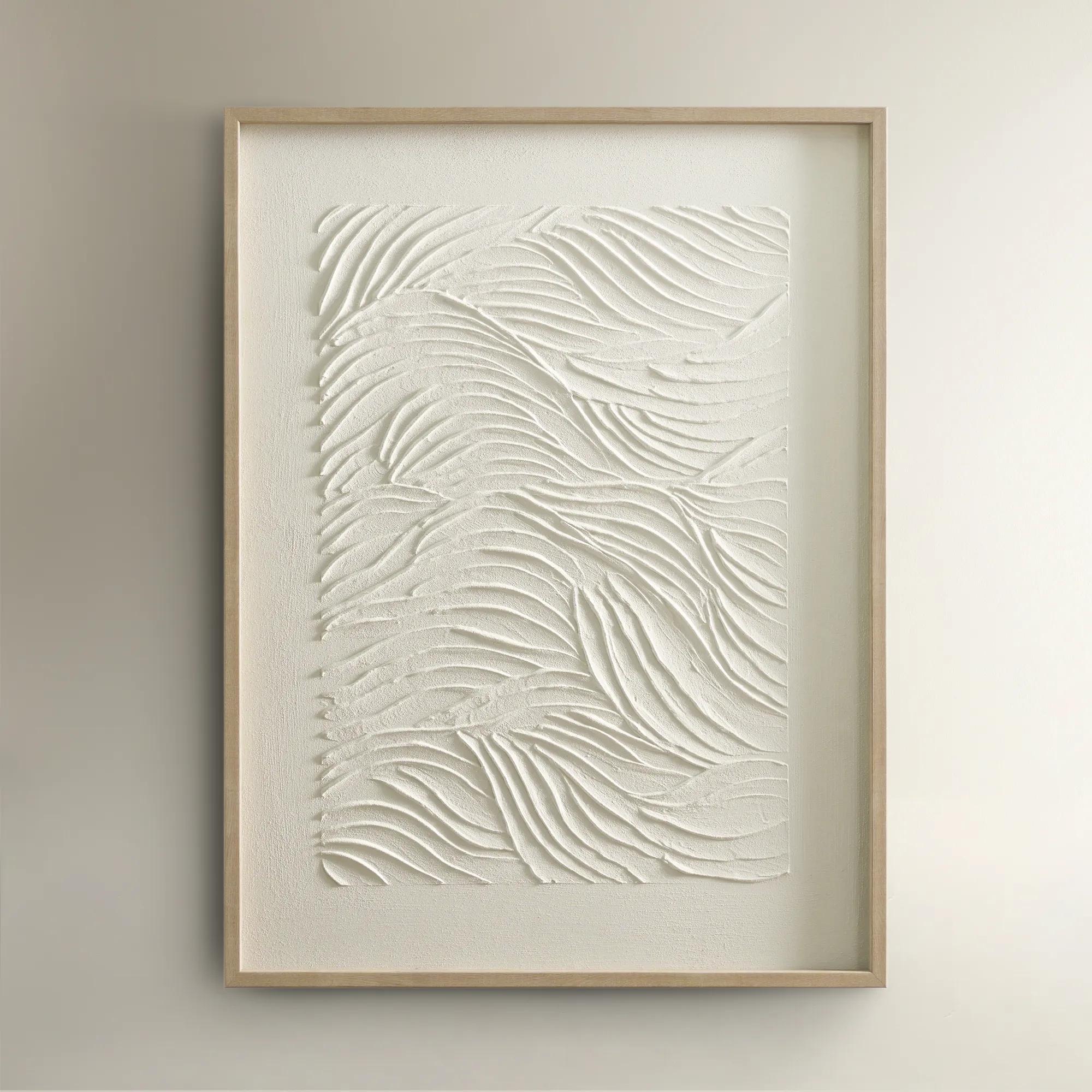
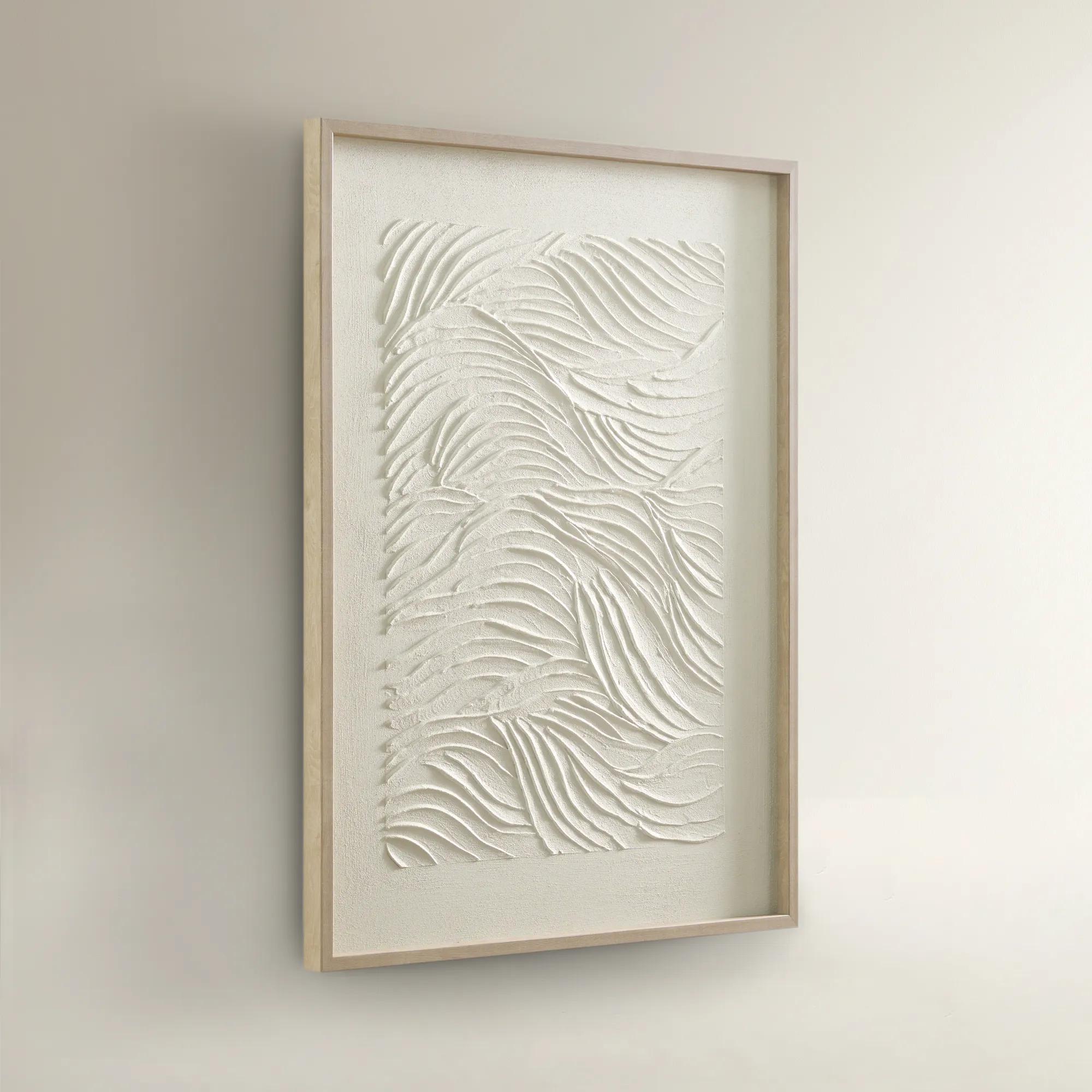 Sonnet Framed Painted Wall Art 23.5" x 31.5"$99
A hand-painted canvas featuring textured white shades and a warm blonde wood frame for elegant depth.
Add To Cart -
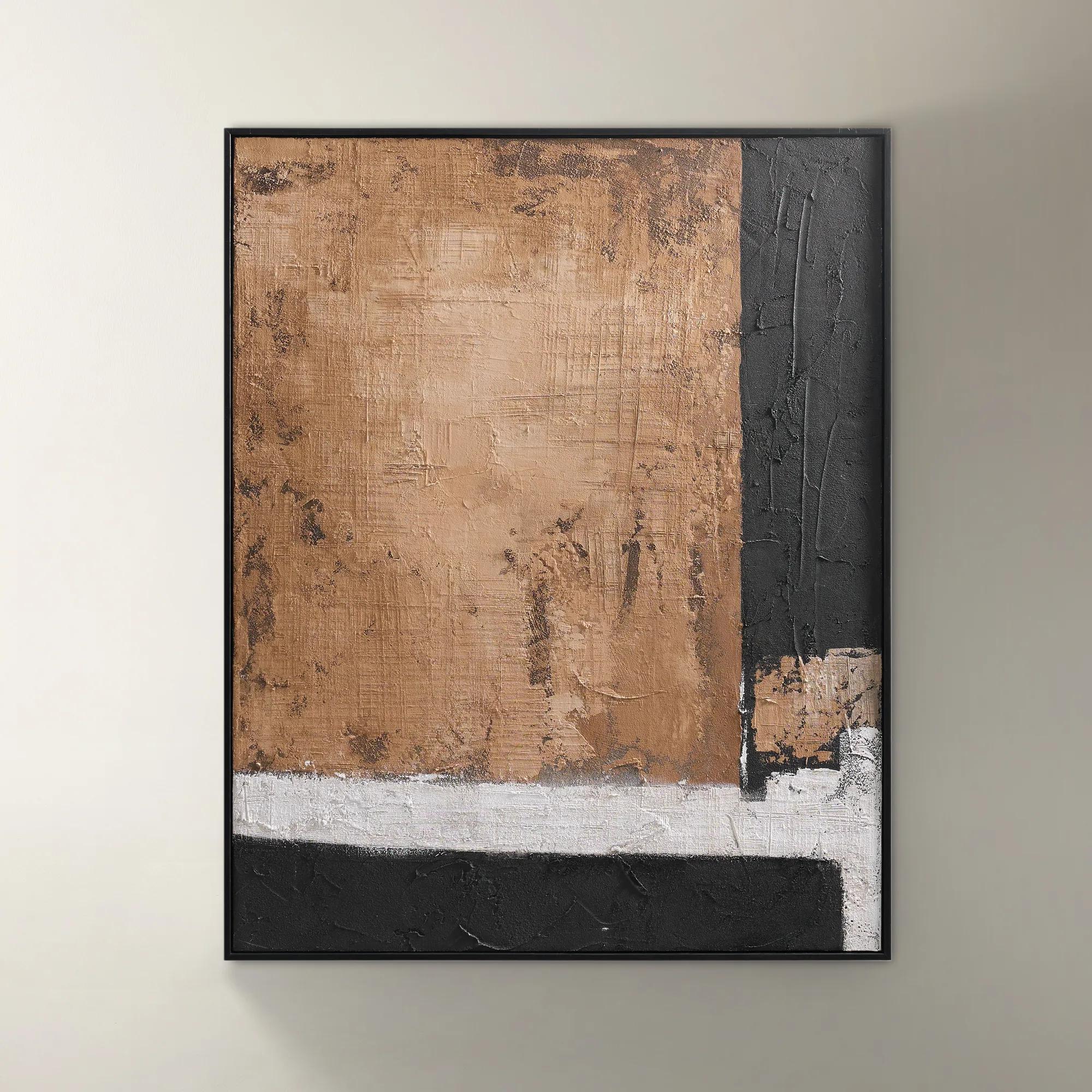 Drift Framed Painted Wall Art I 39.4" x 31.5"$299
A bold hand-painted abstract artwork featuring layered brown tones in a sleek black floater frame.
Add To Cart -
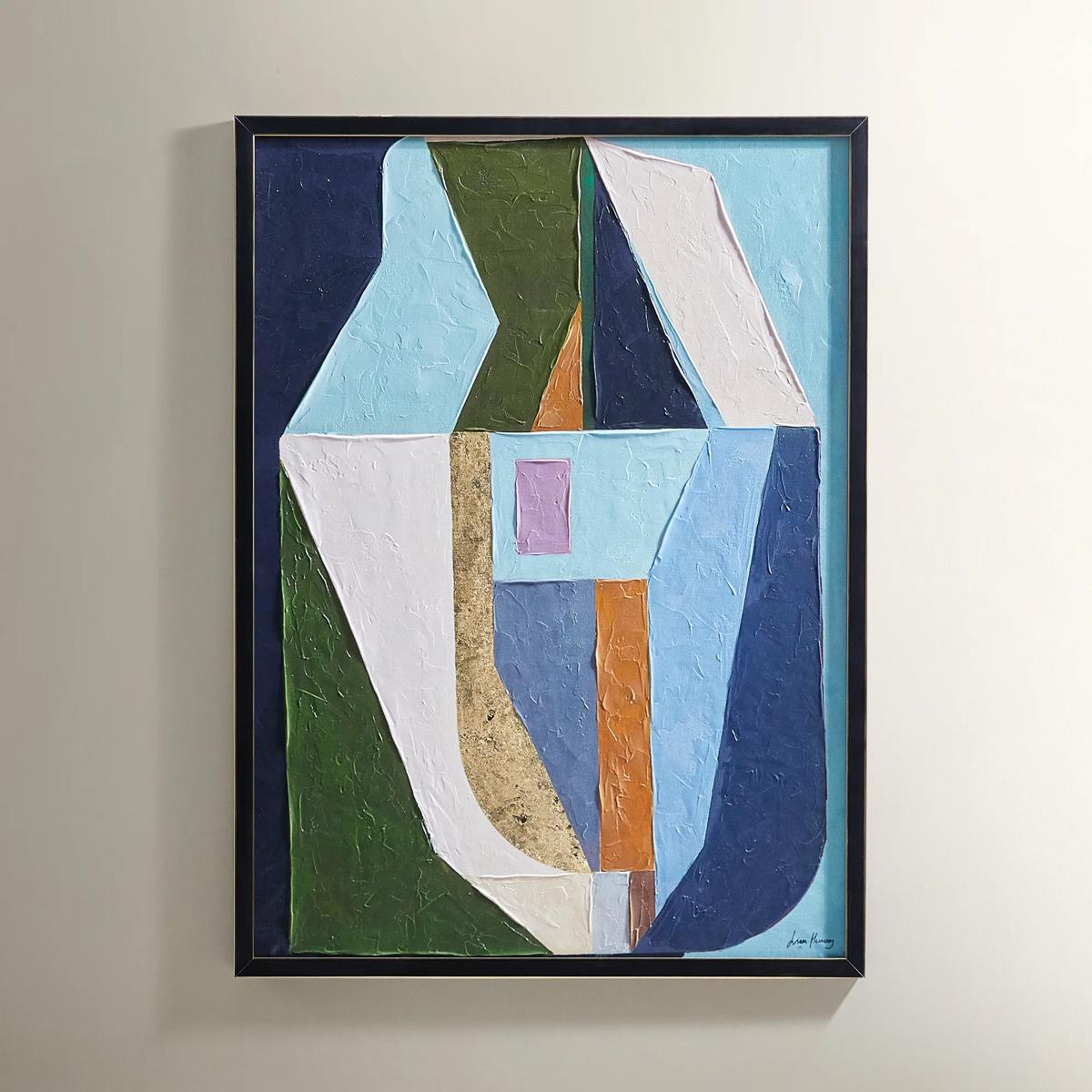 Thought Provoking Painting 2$249
A hand-embellished canvas artwork featuring textured strokes in deep blue, olive green, and gold accents.
Add To Cart -
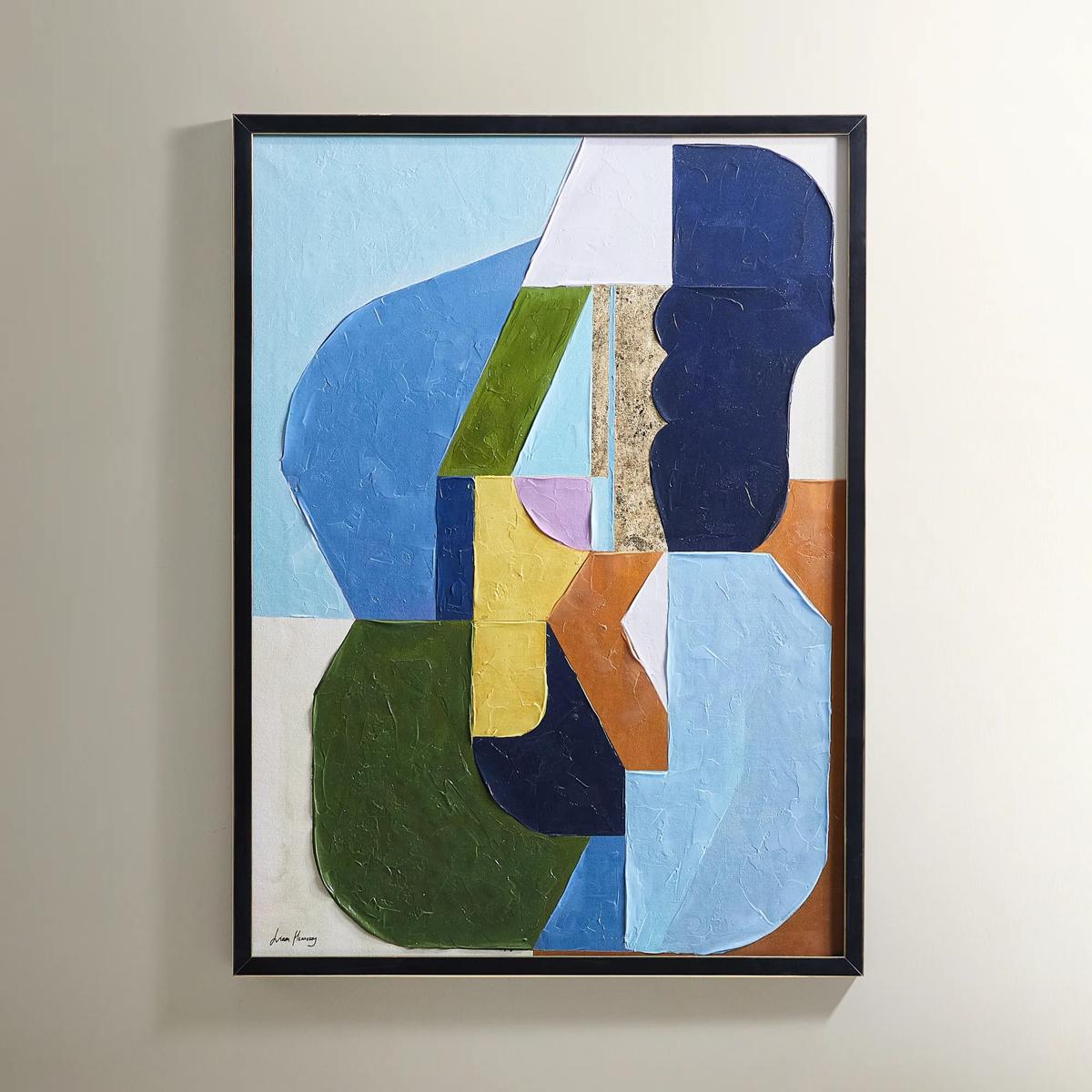
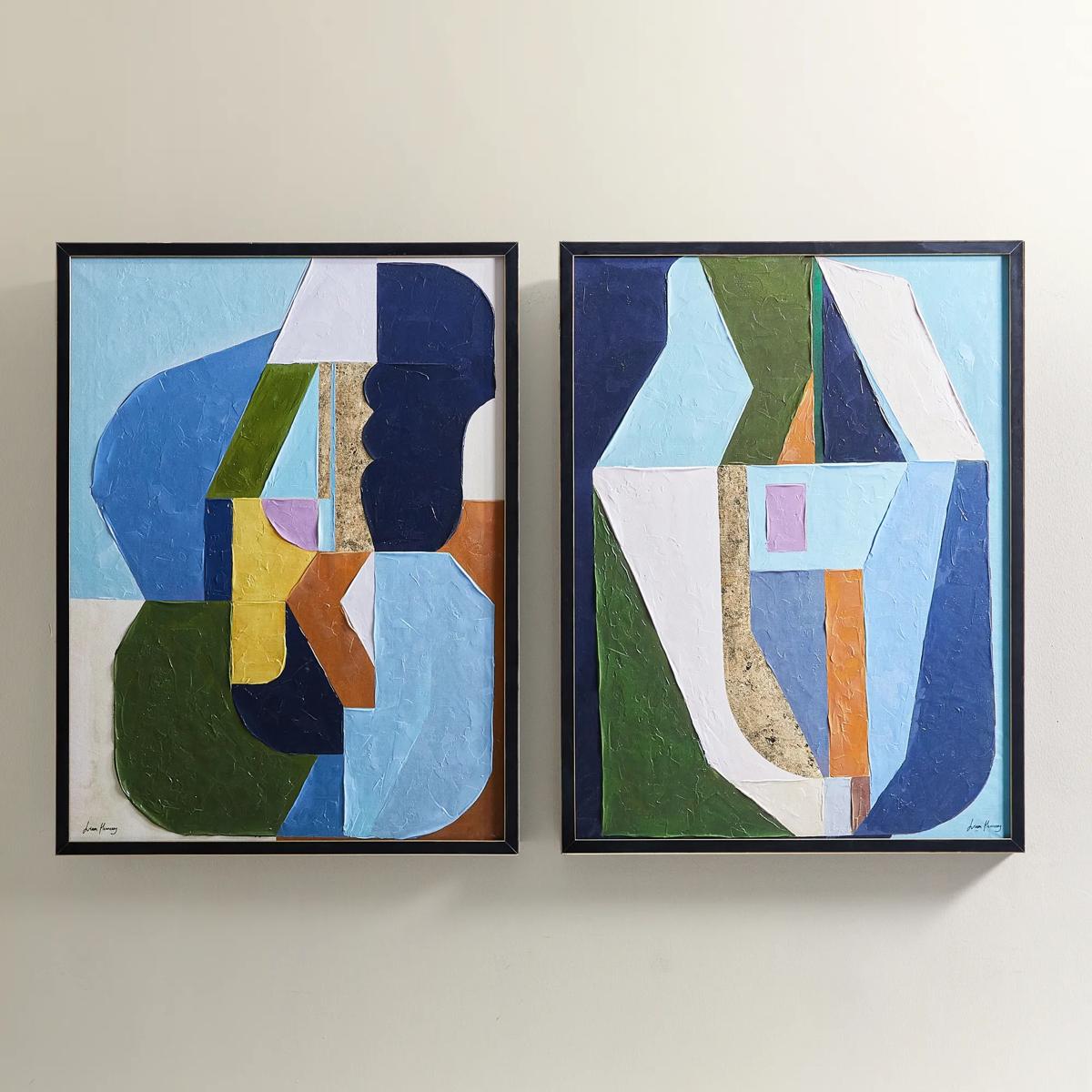 Thought Provoking Painting 1$249
A hand-embellished canvas artwork featuring textured strokes in deep blue, olive green, and gold accents.
Add To Cart -
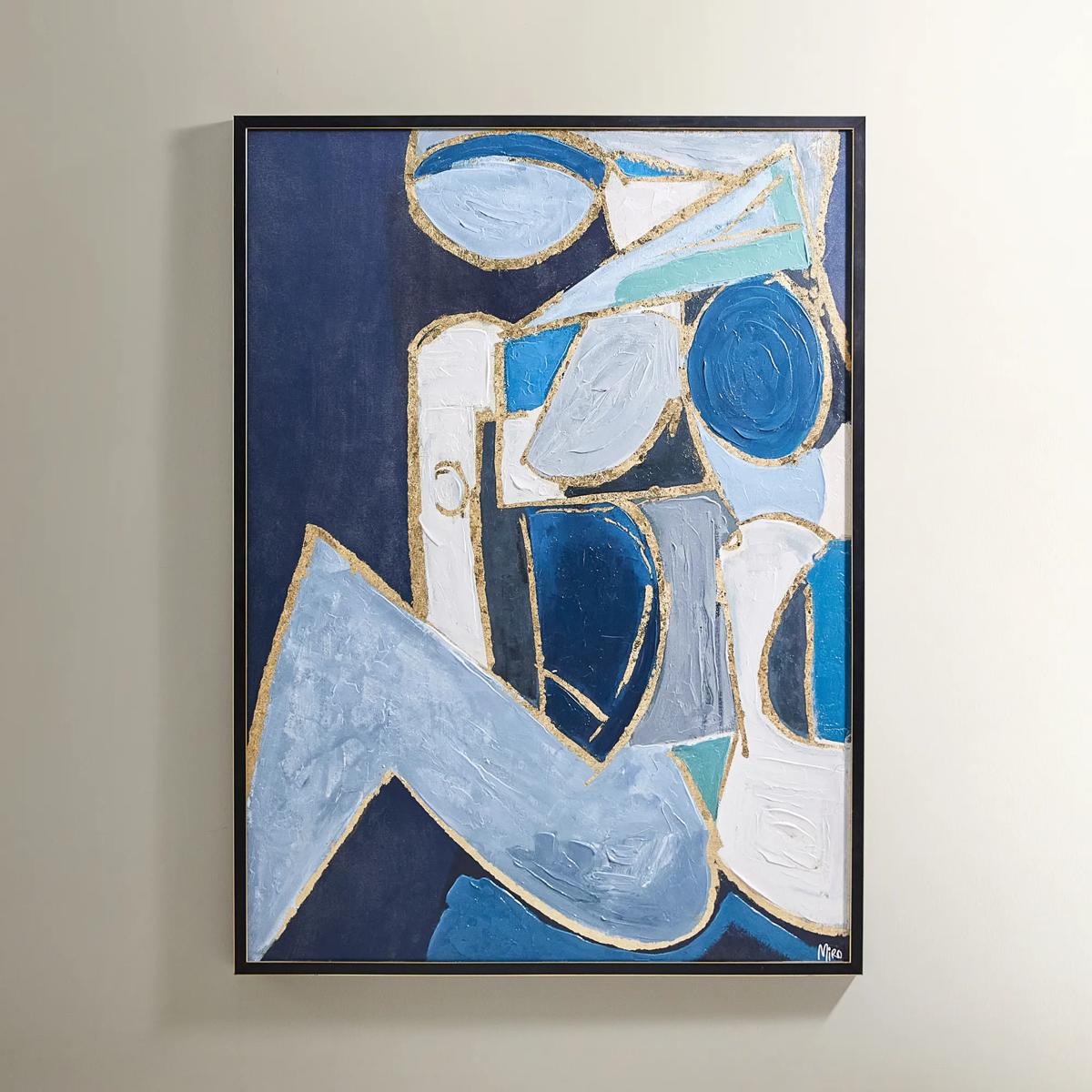
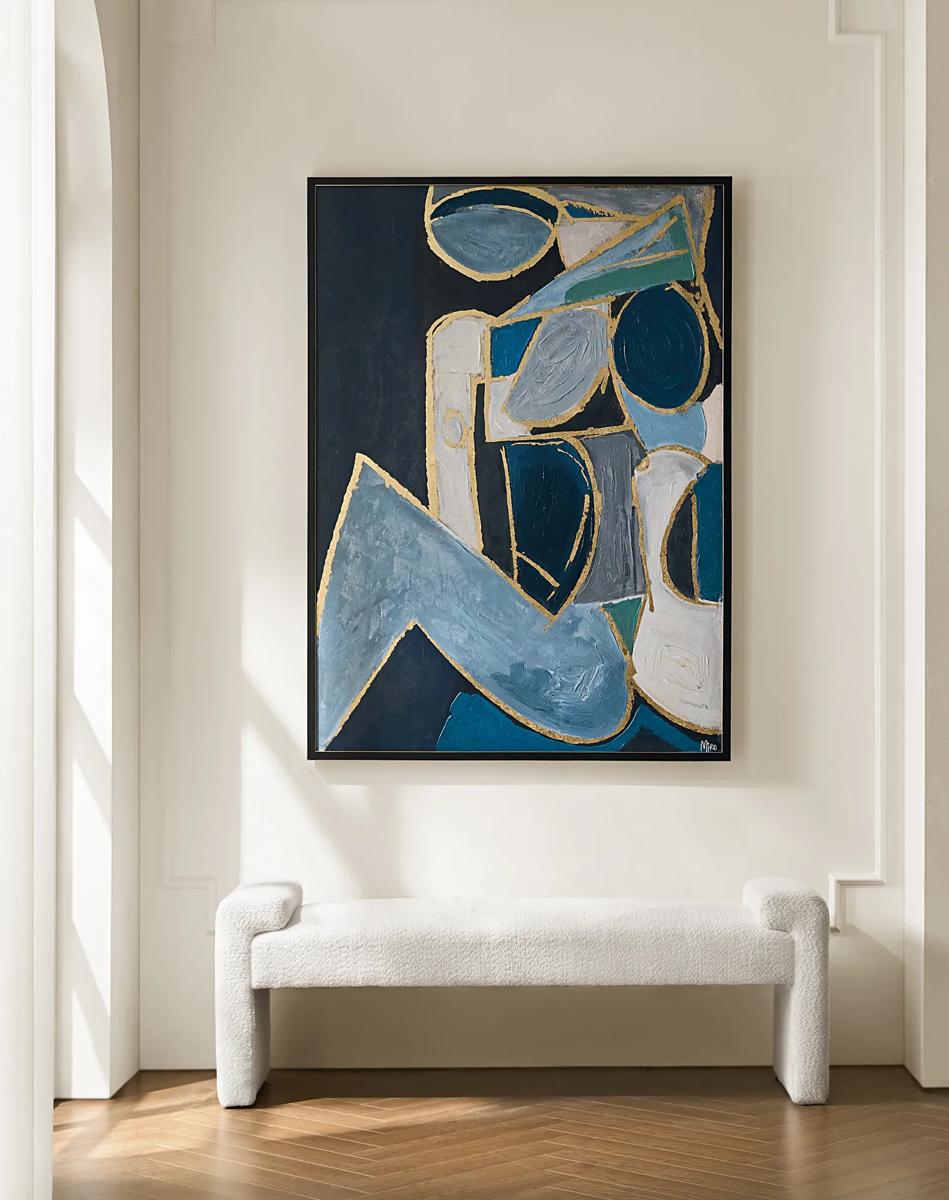 Figure in Cubism Painting$599
A hand-embellished canvas artwork featuring blue, gold, and white hues with elegant silver foil accents.
Add To Cart -
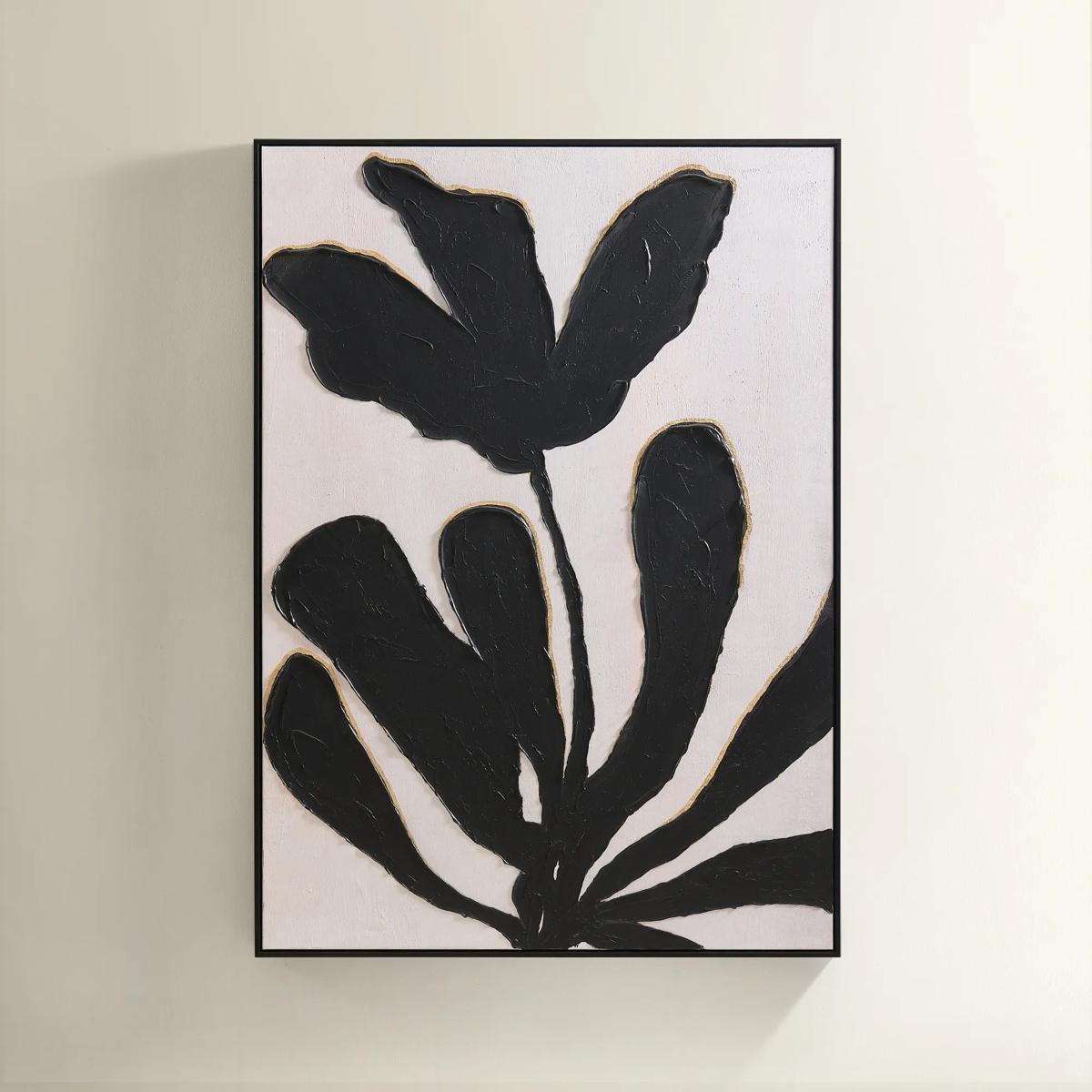
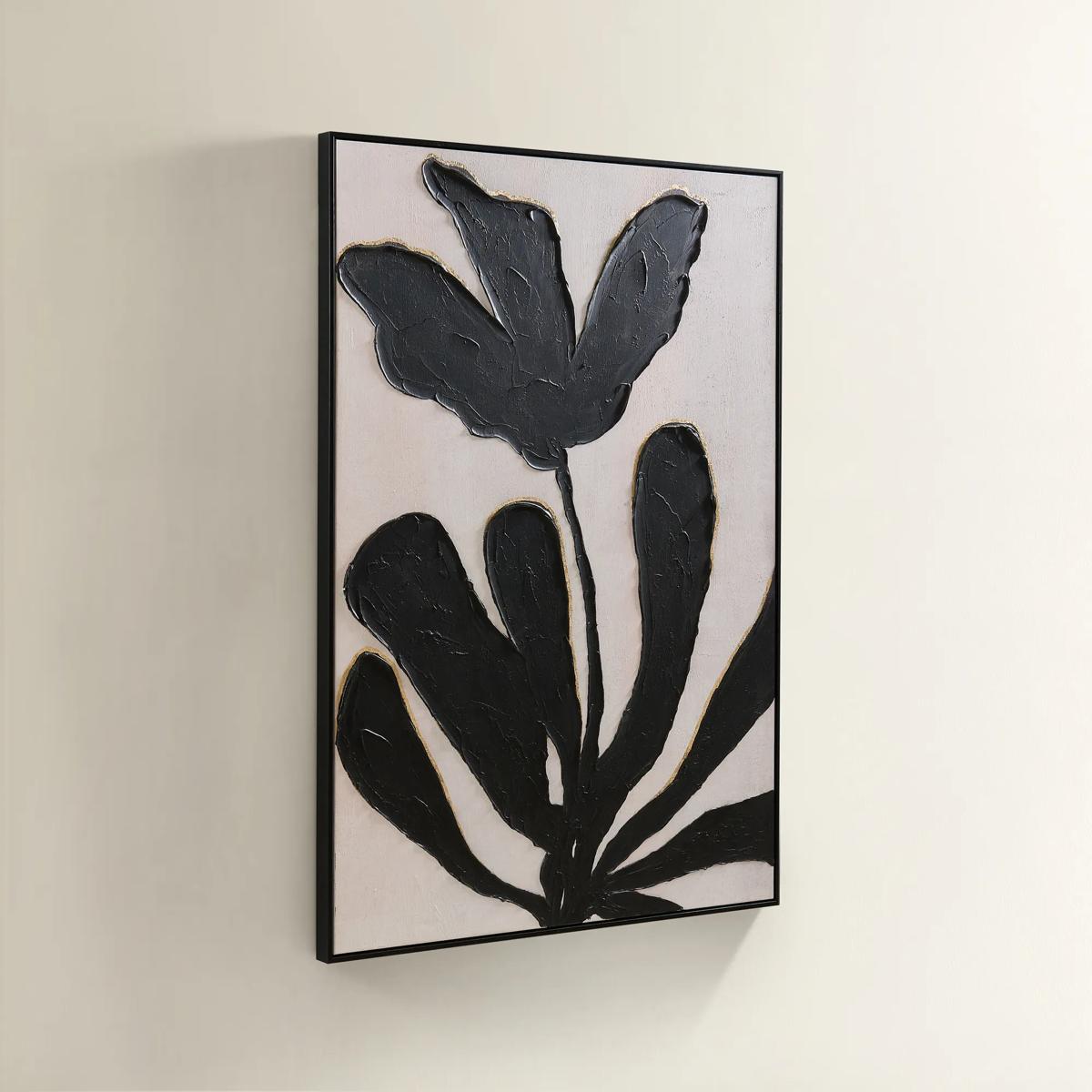 First Bloom Framed Painted Wall Art 39.25" x 55"$499
A hand-painted canvas featuring black abstract leaves and gold leafing on an ivory background in a black frame.
Add To Cart -
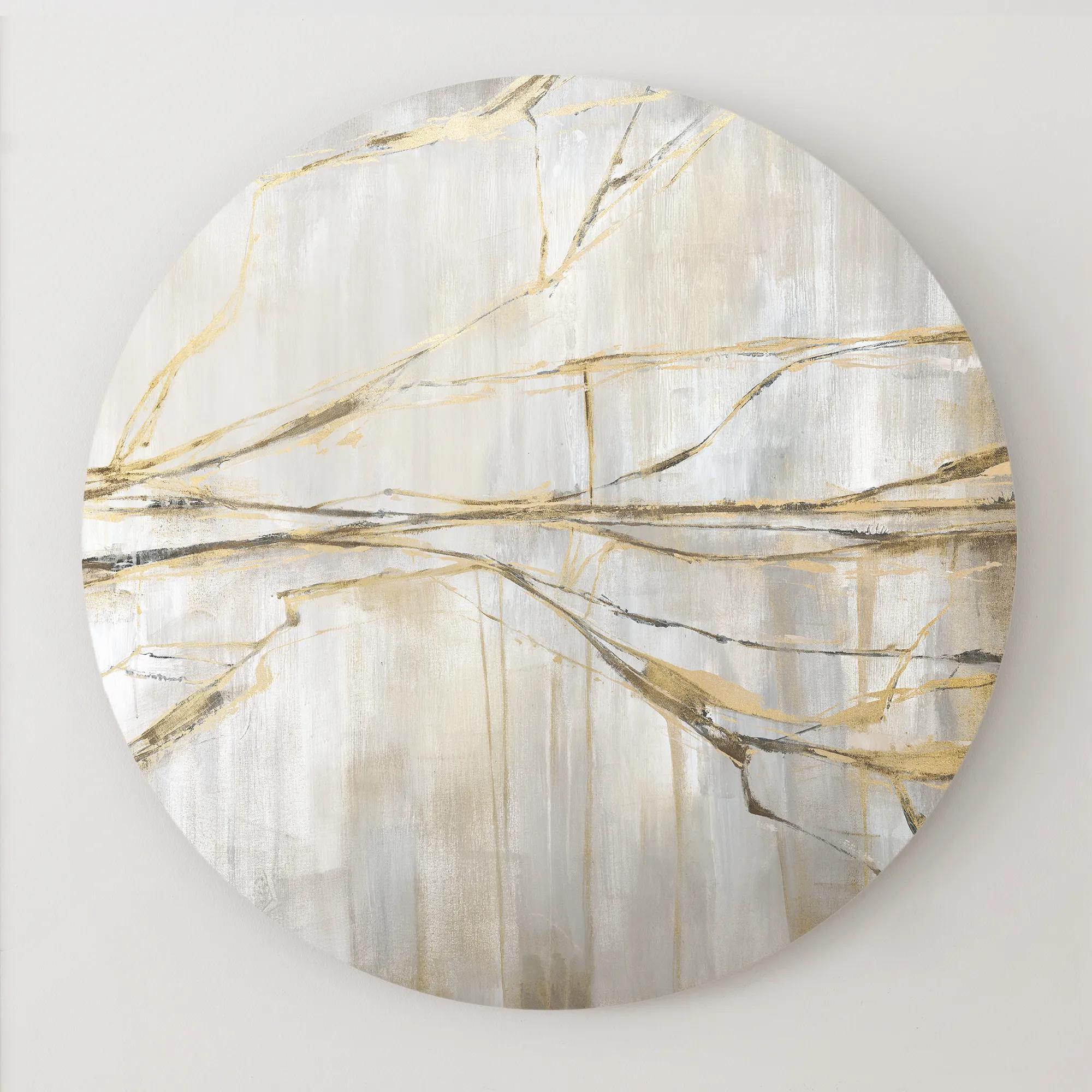
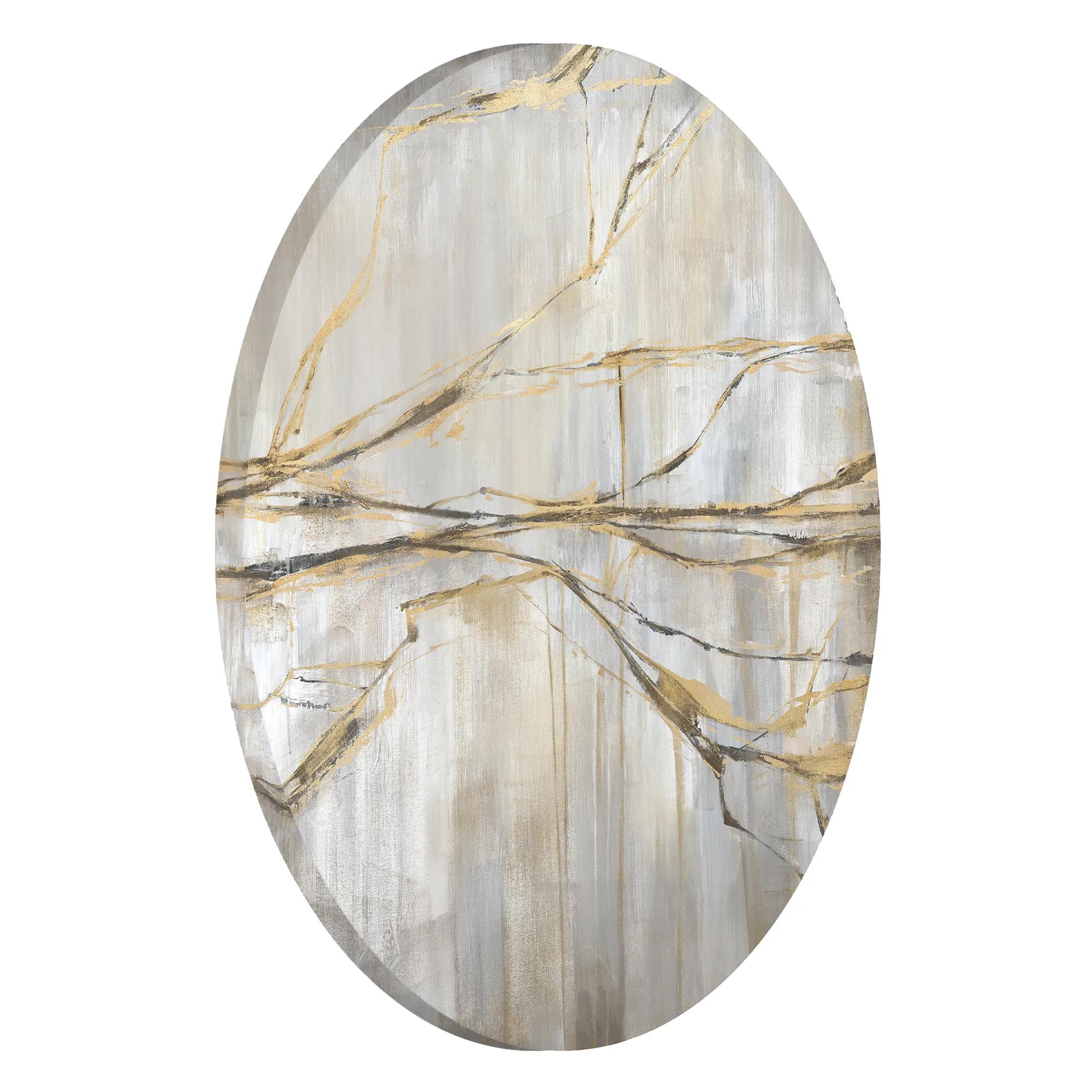 Lightening Crashes Round Wall Art 30"$899
A hand-textured circular linen canvas featuring a gallery-wrapped design for versatile wall display.
Add To Cart -
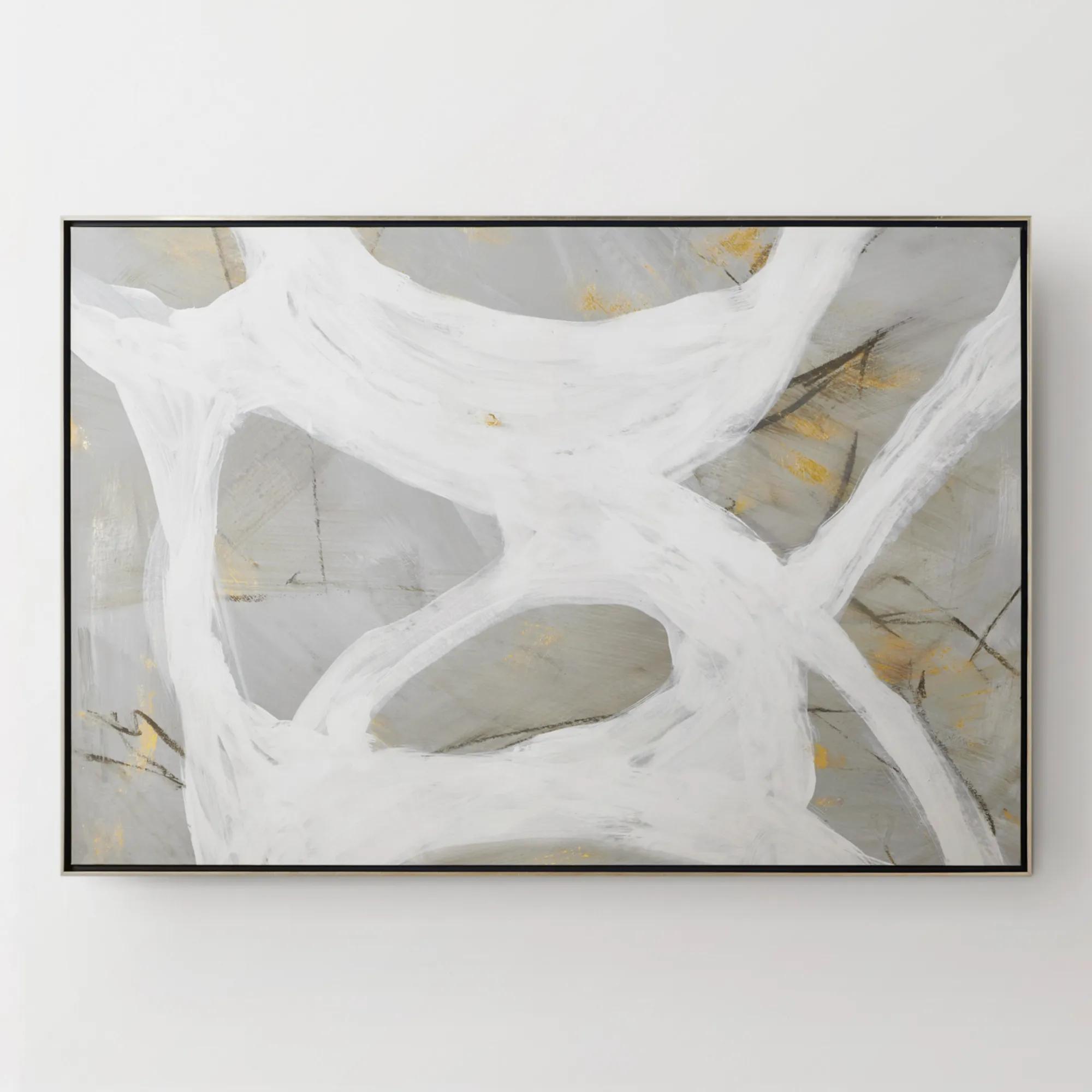
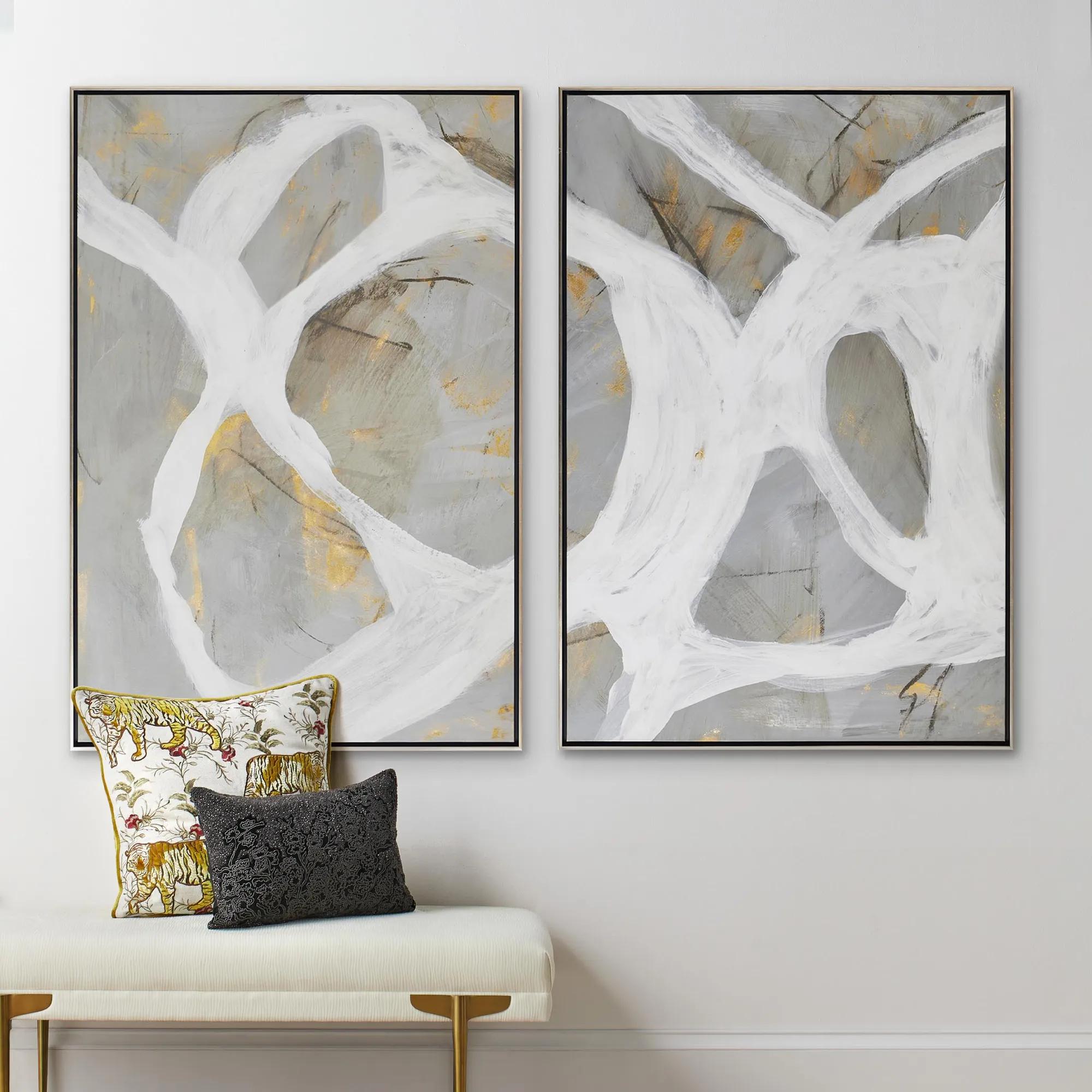 Les Series Framed Painted Wall Art II 61" x 41"$1099
An abstract canvas artwork featuring bold brushstrokes, hand-applied gold accents, and a silver floater frame.
Add To Cart -
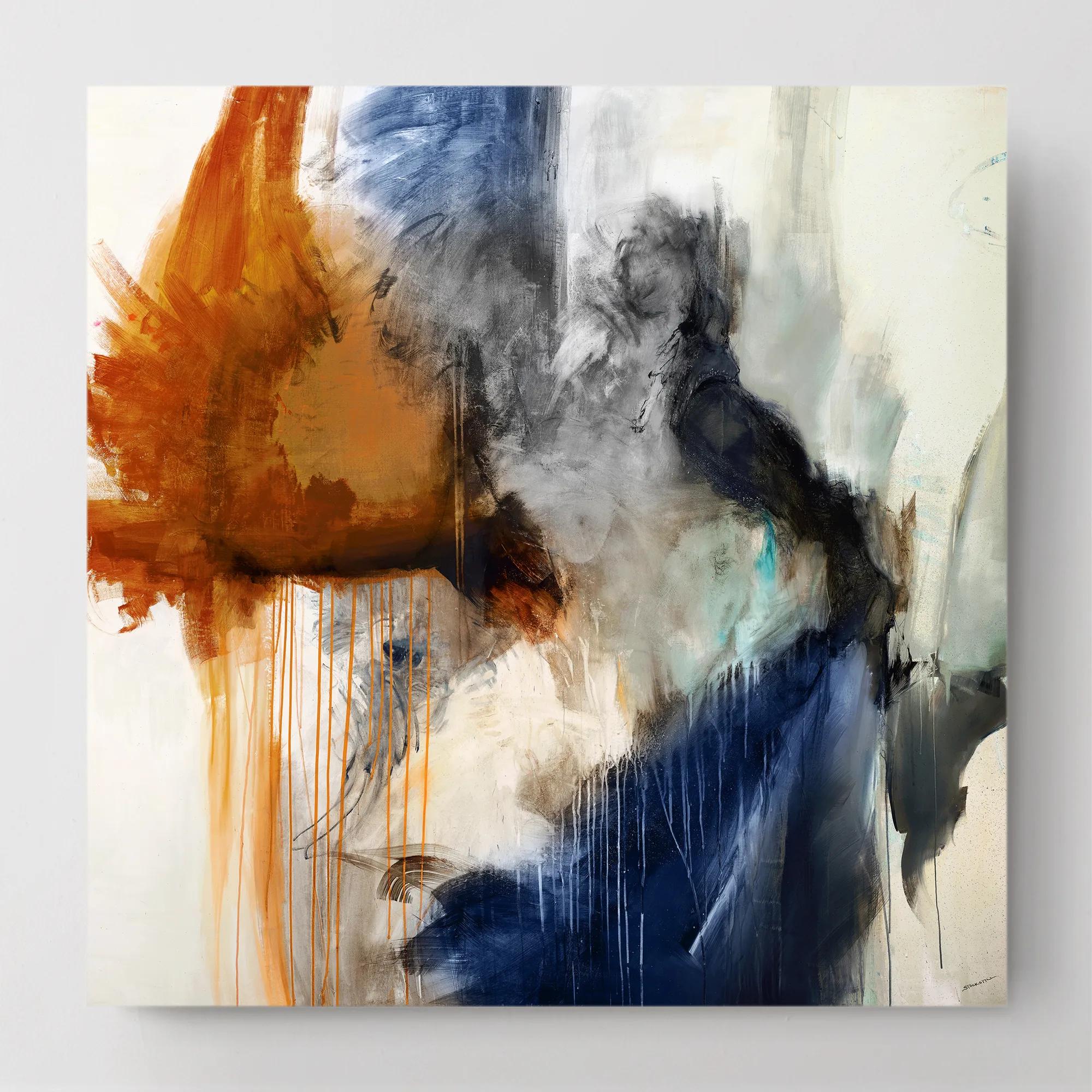
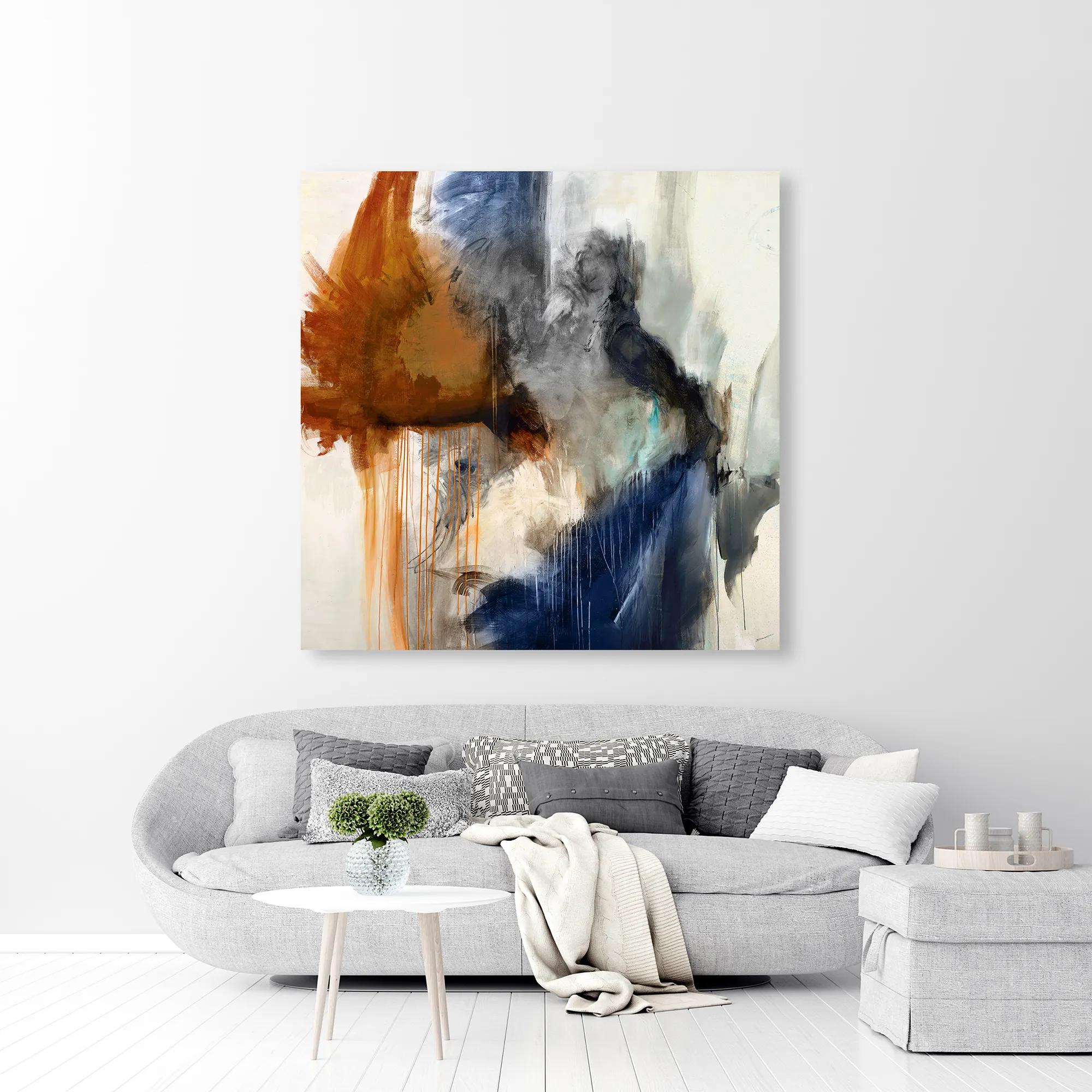 Swoon 6 Wall Art 54" x 54"$899
A gallery-wrapped canvas featuring a hand-applied image brush gel finish for a textured, artistic look.
Add To Cart -
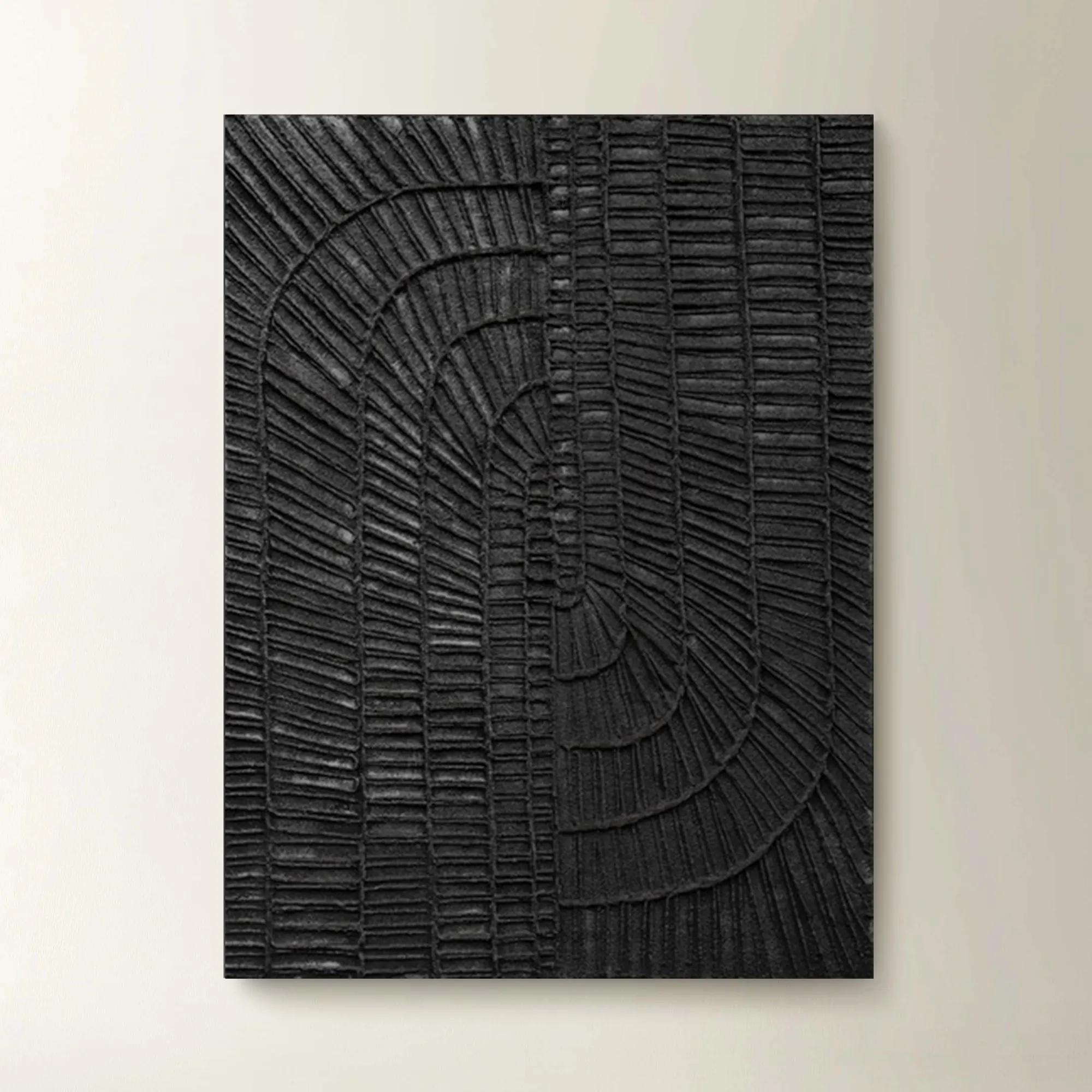 Textured Haze Black II Painted Wall Art 26" x 35"$499
A striking hand-painted black artwork featuring textured details for versatile vertical or horizontal display.
Add To Cart -
-compressed.jpg?w=1200&h=1200) Etched in Gold$229
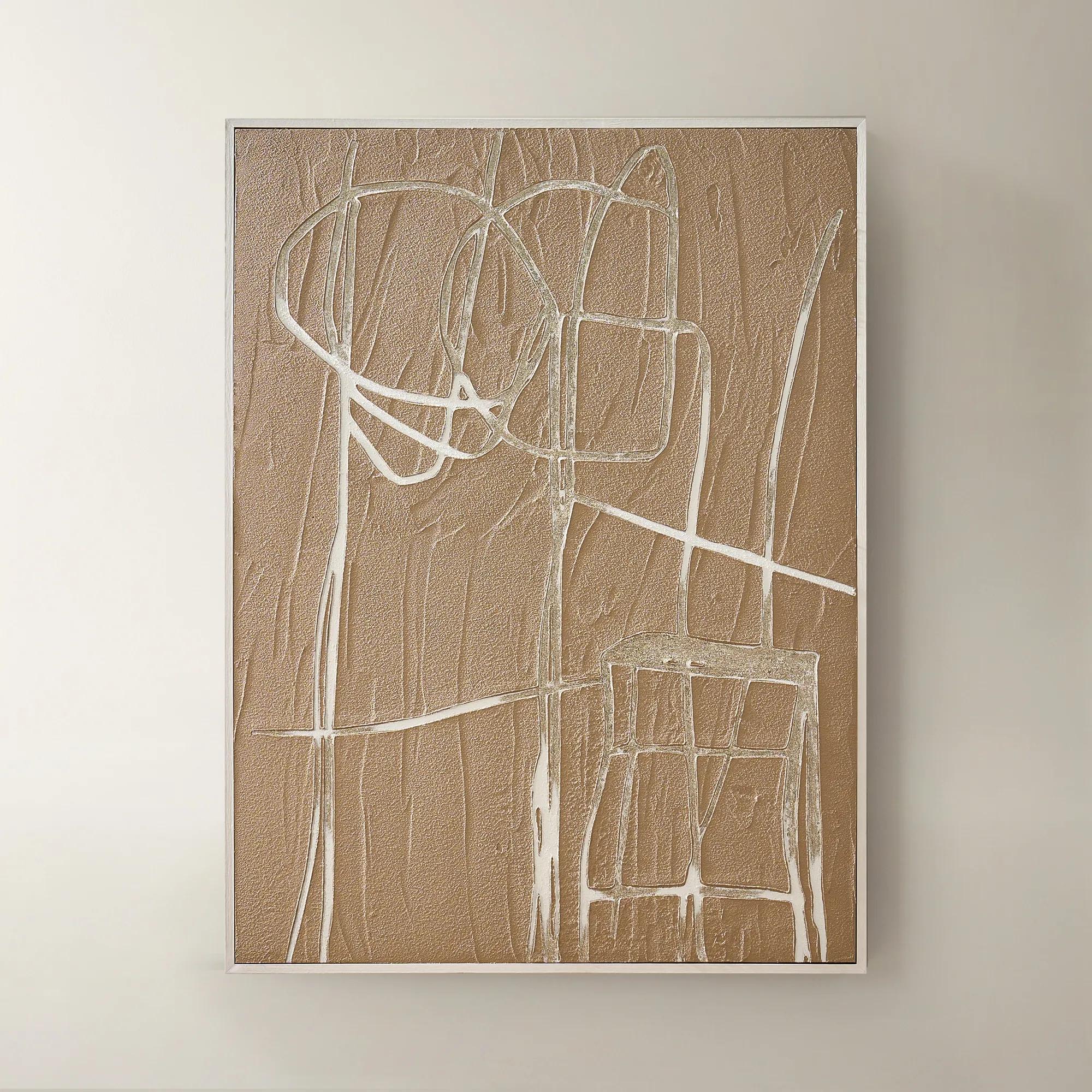
Etched in Gold$229A hand-carved gold copper artwork set in a sleek black alloy frame for modern contrast.
Add To Cart -
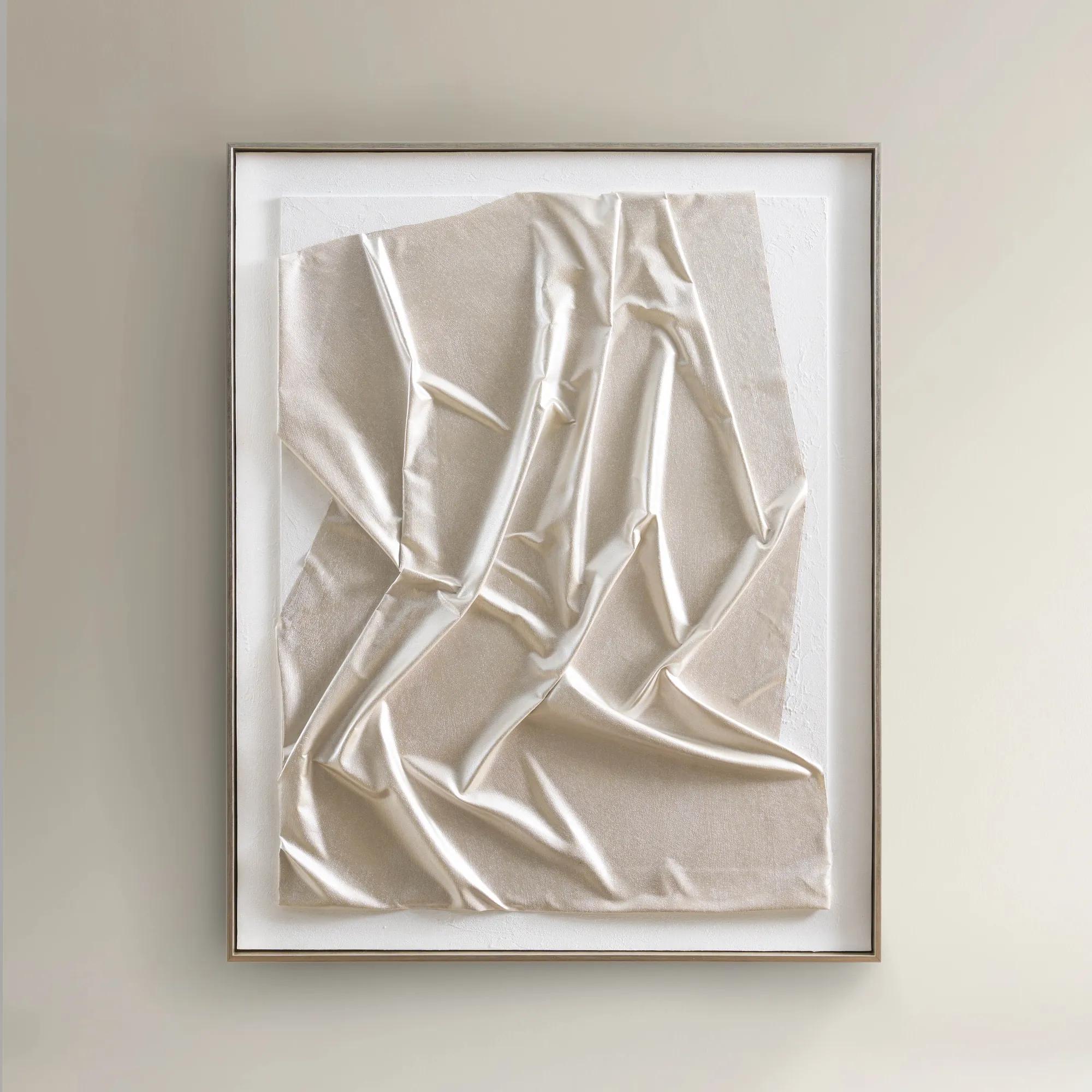 In the Mood Framed Painted Wall Art 31.5" x 39.5"$199
A hand-painted gold canvas artwork featuring textured surfaces and fluid forms in a champagne floater frame.
Add To Cart -
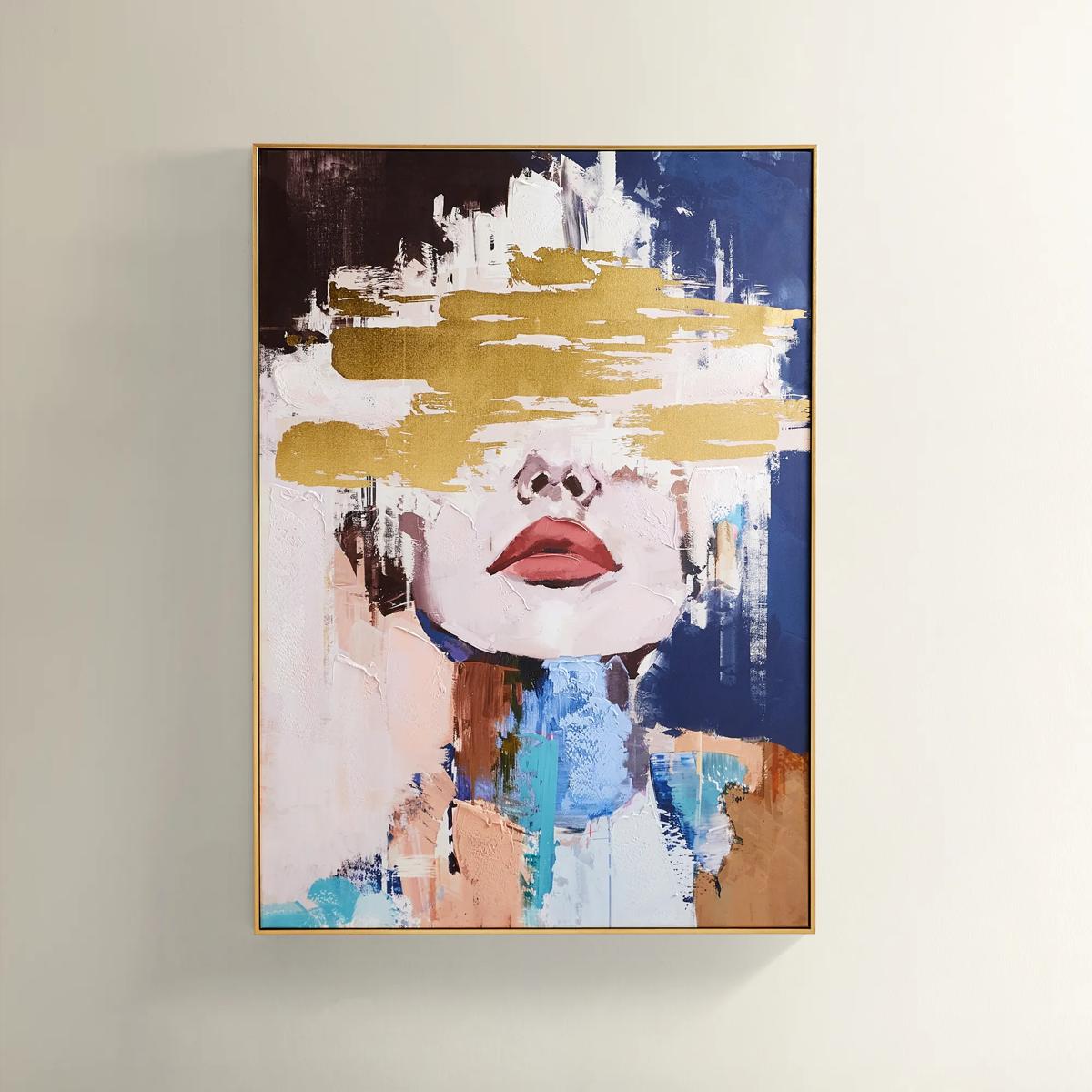
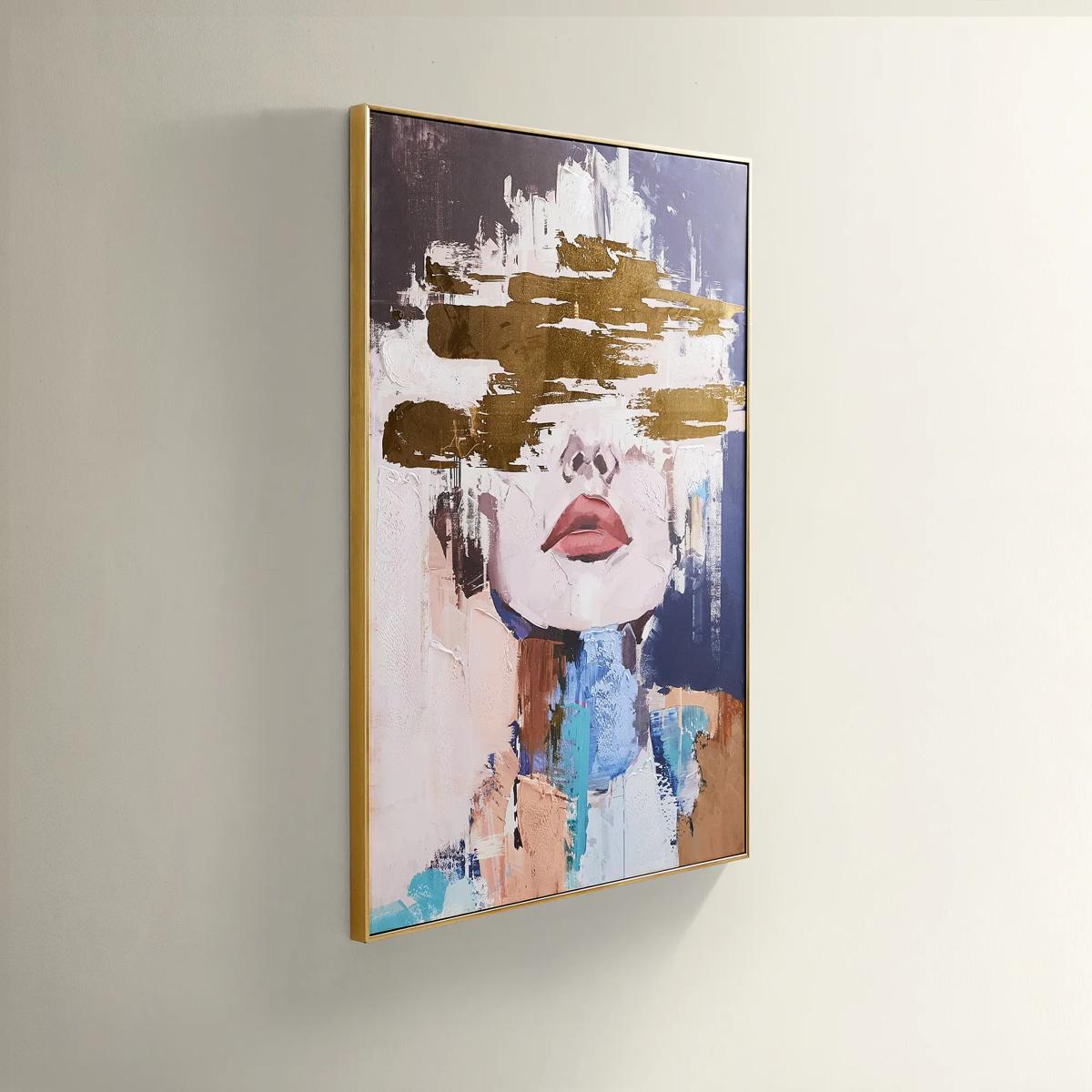 Waiting in Color Gold Foil Painted Wall Art 39.25" x 55"$499
A hand-painted abstract portrait in vivid blue, blush, and gold foil, framed in luxe gold.
Add To Cart

Hand Textured Abstract Wall Arts
Hand textured abstract wall arts transform blank walls into breathtaking expressions of individuality and allure. Each piece is a captivating interplay of texture, color, and movement—inviting you to experience art not just with your eyes, but with your senses. Whether you crave a gallery-worthy focal point or a subtle whisper of intrigue, these works evoke emotion and ignite conversation. Elevate your interiors with hand textured abstract wall arts that celebrate the artistry of touch and the thrill of bold design—because your walls deserve to be as dynamic and daring as you are.
Hand-textured abstract wall art brings physical dimension to an image, turning color and composition into a surface with sculptural presence. Unlike a flat print that depicts texture, a textured artwork has raised marks, layered passages, or relief details that catch light and cast small shadows. Those details give abstraction its particular intimacy: a sweeping gesture can feel expansive, while closely worked ridges invite a slower, more attentive look. Common materials include heavy-body acrylic paint, modeling paste, plaster-based mediums, and oil paint, applied with brushes, palette knives, or other tools to create depth. Each medium offers a different visual character. Thick acrylic can hold crisp peaks and confident strokes; modeling paste can build architectural relief; plaster-based finishes often suggest stone or chalky mineral surfaces; and oil impasto can lend richly worked passages a lustrous presence. The support matters as much as the surface, with stretched cotton or linen canvas offering a familiar painterly foundation and rigid wood panels providing firm backing for some heavier compositions. Construction varies, so the artwork’s material description is more informative than its appearance alone. A printed image may receive hand-applied embellishment, while another work may be painted and textured by hand throughout; “hand-textured” does not, by itself, mean the entire composition is an original painting. That distinction helps connect the desired effect with the way the art is made. Across these approaches, abstract wall art offers an expressive range, from ivory reliefs with barely shifting tones to densely layered fields of charcoal, indigo, or jewel-like color. Sweeping arcs, interrupted lines, and broad palette-knife strokes can introduce movement without depicting a recognizable subject. A restrained composition can still feel lavish when its surface is deeply worked, just as a vivid painting can feel composed when its colors echo the surrounding furnishings. For interiors built around rich fabrics, gleaming accents, and distinctive silhouettes, texture adds another register of detail—art that holds its own within an expressive room rather than disappearing into the decoration.
Scale, proportion, and light shape how hand-textured abstract wall art lives in a space. A generous horizontal composition above a sofa can draw an entire seating arrangement together, while a tall work beside a console can emphasize height and give an entry a deliberate sense of arrival. Over furniture, artwork approximately two-thirds to three-quarters of the furniture’s width is a useful starting proportion, not a fixed requirement; the room’s architecture, ceiling height, and neighboring objects should inform the final balance. The frame counts toward that measurement, and the depth of the artwork deserves attention as well. A pronounced relief or projecting frame needs breathing room in a narrow passage, where shoulders, bags, or an opening door could brush the surface. In a living room, broad planes of cream and sand can create a luminous counterpoint to a dark velvet sofa, while black gestures against a pale ground can repeat the clean outline of metal furnishings. A dining space can support a more theatrical composition, with layered color and reflective accents that converse with glassware and polished finishes. Bedrooms often benefit from sweeping shapes or tonal variations that feel enveloping without becoming visually insistent. Framing can sharpen these effects: a black floating frame defines the perimeter, a pale wood finish introduces warmth, and a champagne-toned surround lends a subtle gleam. Directional light reveals the physical relief most clearly. A lamp positioned to one side or thoughtfully aimed accent lighting can illuminate the high points and deepen the recesses; diffuse illumination creates a softer reading of the same surface. Excessive glare, however, can obscure color and overwhelm delicate marks. For a broader exploration of surfaces built through layered embellishment, Hand Applied Texture Wall Arts offers a related perspective on dimensional decoration. Whether displayed alone or within a considered grouping, textured abstraction benefits from enough open wall around it for its contours, edges, and shadows to remain legible.
The lasting appeal of textured wall decor depends on both its construction and its setting. Raised surfaces are part of the artwork’s character, but they also require more thoughtful handling than a smooth, protected image. Durability varies with the medium, the support, the bond between layers, and any protective finish; a substantial appearance does not necessarily mean a surface can withstand impact or frequent touching. Acrylic textures may have some flexibility, while plaster-based reliefs can be more vulnerable to chips, and heavily layered paint should never be pressed to test its firmness. These works are generally intended for indoor display in spaces with stable conditions, away from direct sunlight, persistent moisture, and concentrated heat. A wall above a working fireplace or close to a cooking area may expose art to heat, soot, grease, or residue, while a frequently steamy bathroom can be unsuitable for unprotected canvas and sensitive finishes. Placement in a living room, bedroom, dining room, or home office usually allows the surface to be appreciated without repeated contact. Installation should account for the full weight of the artwork, including its frame, and use hardware appropriate to both that weight and the wall’s construction. Heavier panels and large framed compositions may warrant professional installation, especially above seating or a bed. Care should follow the maker’s instructions: some stable surfaces tolerate gentle dusting with a clean, soft brush, but fragile peaks, loose particles, or flaking areas should be left untouched and assessed by a qualified conservator. Water, household cleaners, and vigorous wiping can damage paint, coatings, or relief details. When moving the work, support it by the frame or structural edges rather than gripping the decorated face. For design enthusiasts, new homeowners, or someone furnishing a distinctive personal retreat, textured abstract art can also make a meaningful gift when the recipient’s preferred palette, wall dimensions, and aesthetic are known. Its pleasure lies in the relationship between gesture and material: a ridge that catches a sliver of light, a quiet field interrupted by a bold stroke, a surface that gives an otherwise familiar room unmistakable presence.
FAQs
Hand textured abstract wall art features layers of meticulously applied materials, creating depth and dimension that transform a simple canvas into a tactile experience. Unlike traditional flat artwork, these pieces often incorporate sculptural elements, raised brushstrokes, and varied finishes, resulting in a dynamic visual impact that changes with the light and viewing angle.
Consider the mood and color palette of your room. Hand painted textured wall art can either harmonize with your current tones for a cohesive look or serve as a bold contrast to create a striking focal point. Pay attention to the textures and finishes in your furniture and accessories—choosing artwork with complementary or contrasting textures can elevate the overall ambiance.
Absolutely. The versatility of abstract hand art makes it ideal for virtually any space, from living rooms and bedrooms to hallways and entryways. Their expressive forms and tactile surfaces can add drama to a formal dining area or bring warmth and intrigue to a private study, adapting effortlessly to both contemporary and classic interiors.
Artists often layer various mediums—such as acrylics, gels, and pastes—using palette knives, brushes, and even unconventional tools to build up rich, tactile surfaces. Each piece is crafted by hand, ensuring a unique interplay of color, texture, and form that captures the artist’s individual style and creative intent.
Yes, gifting hand textured abstract wall art is a sophisticated and heartfelt gesture. These pieces are ideal for marking significant milestones, such as weddings, anniversaries, or housewarmings, offering the recipient a unique work of art that reflects thoughtfulness, creativity, and a sense of enduring style.