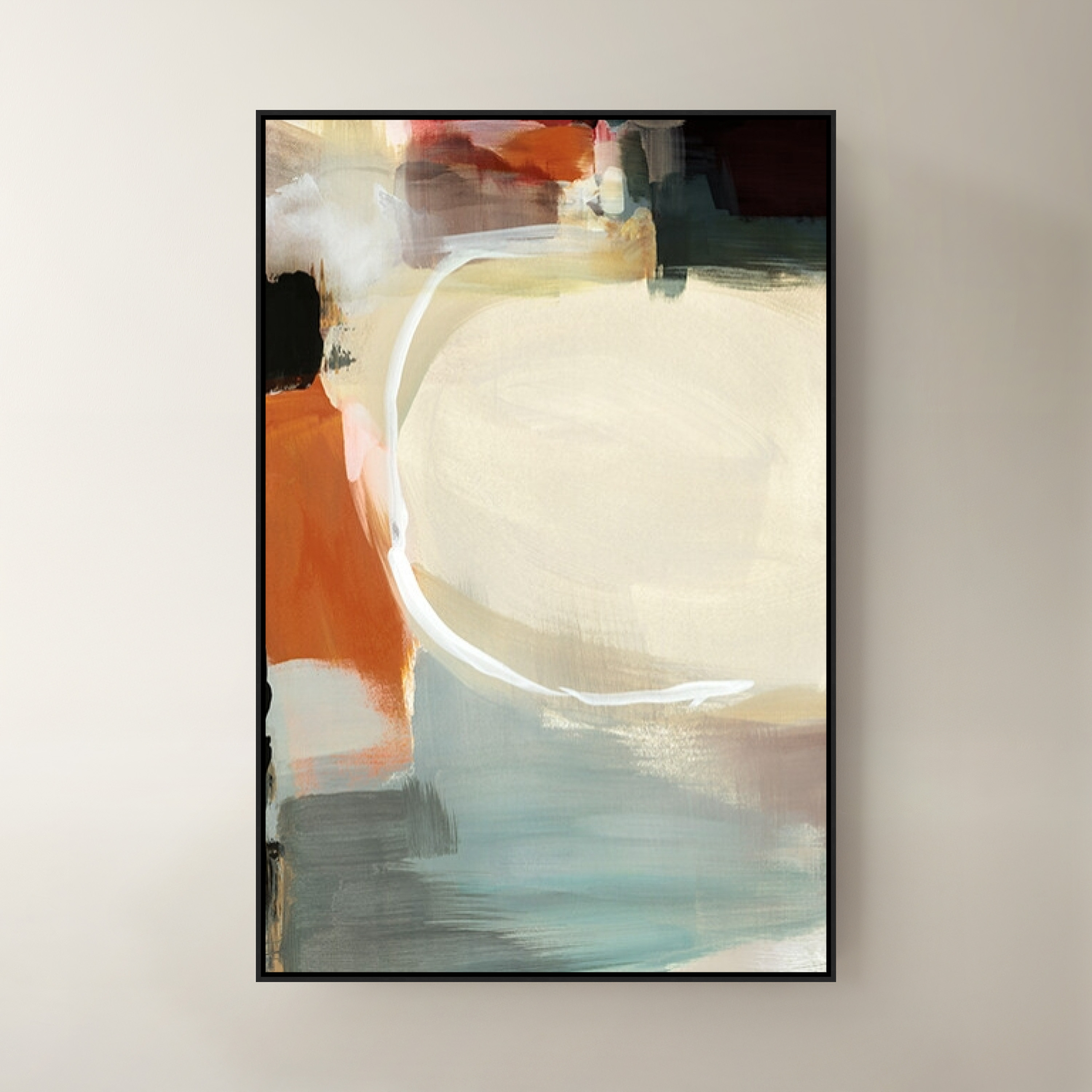
Hand Applied Texture Wall Arts
Hand Applied Texture Wall Arts
-
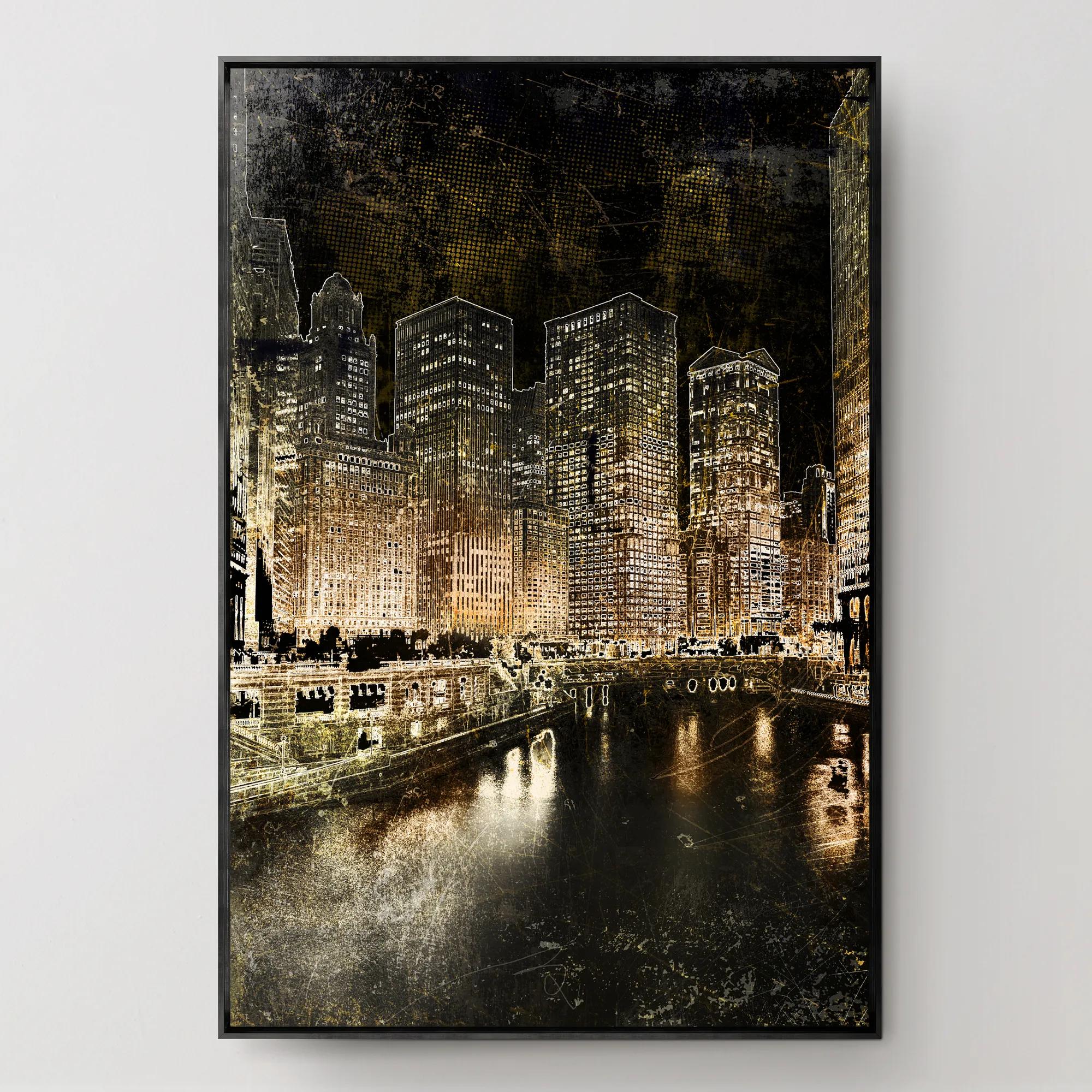
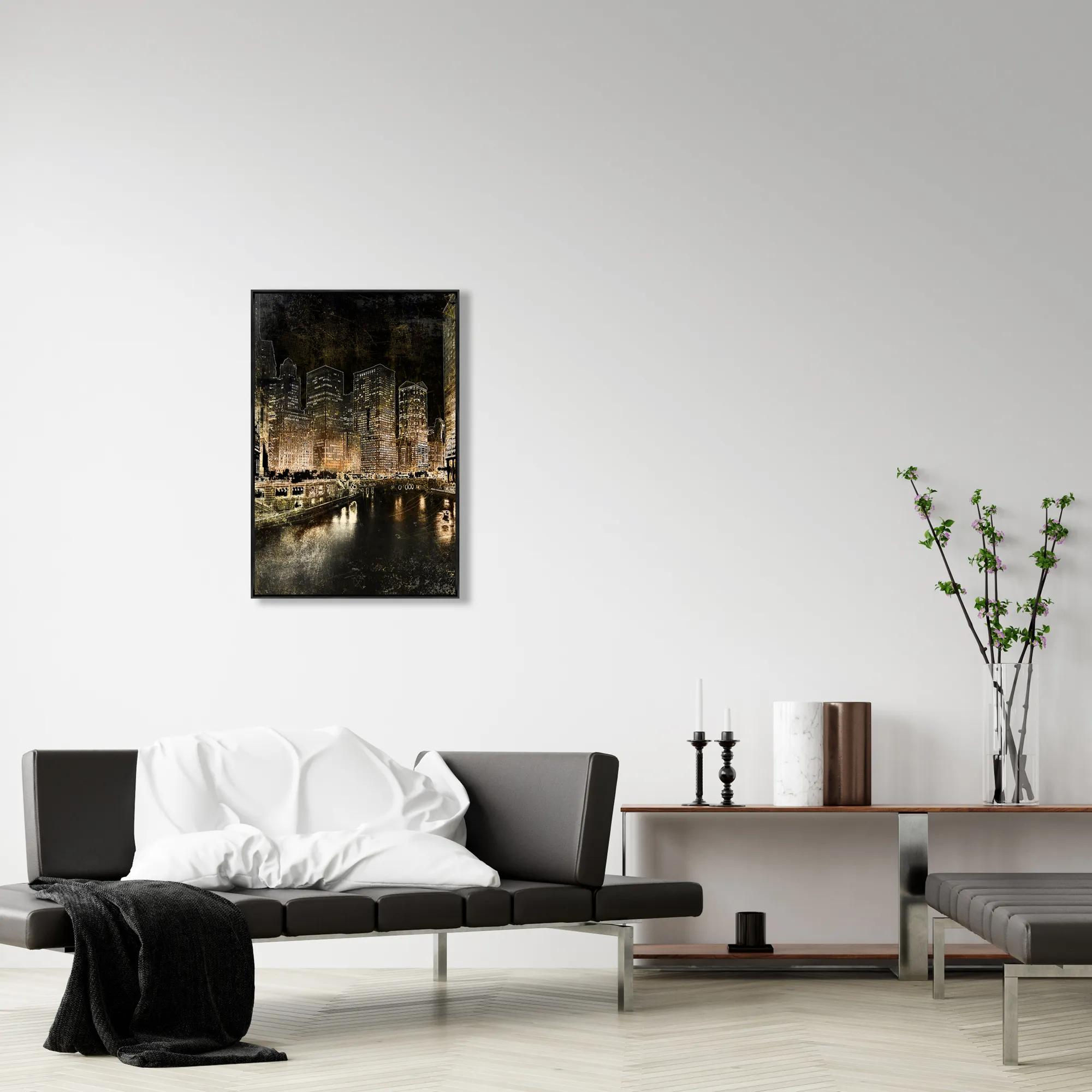 Chicago Lights Framed Wall Art 30" x 45"$649
A gallery-wrapped canvas artwork featuring a hand-applied gel finish in a sleek black floater frame.
Add To Cart -
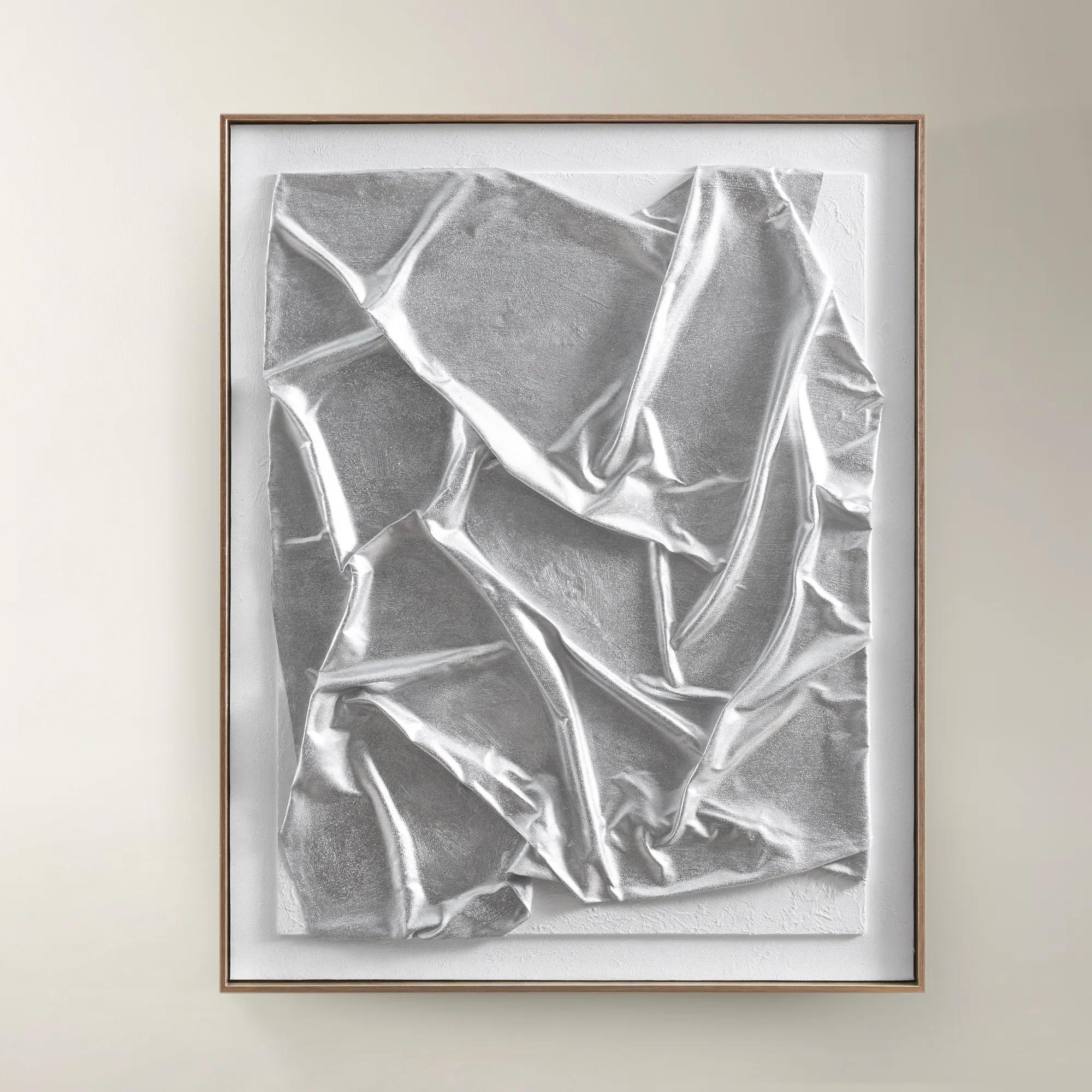 In the Mood Framed Painted Wall Art 31.5" x 39.5"$199
A hand-painted abstract canvas in shimmering silver tones, set in a warm champagne floater frame.
Add To Cart -
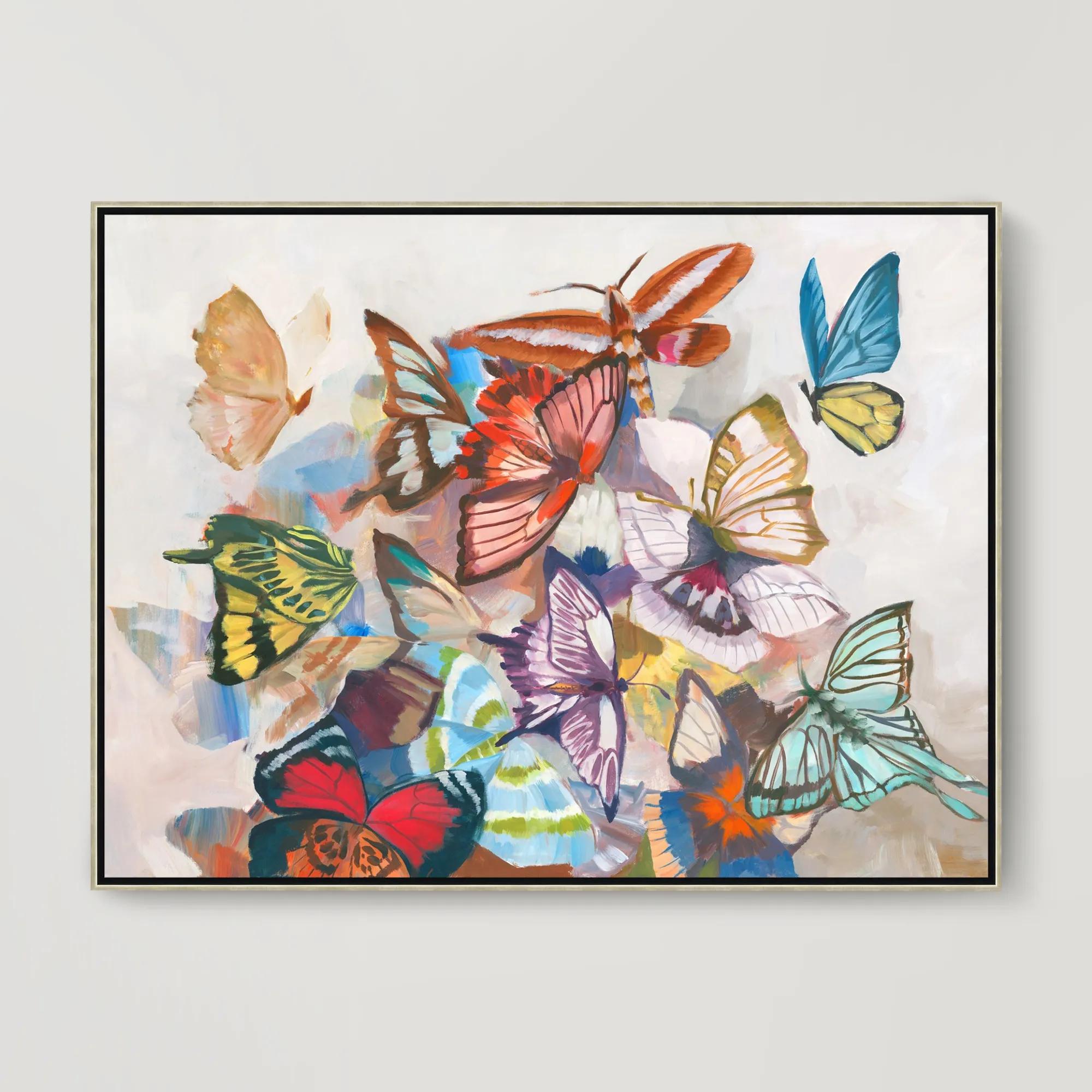 Sugar Wings Framed Wall Art 49.5" x 37.5"$799
A vibrant gallery-wrapped canvas artwork with hand-applied brush gel finish in a sleek silver floater frame.
Add To Cart -
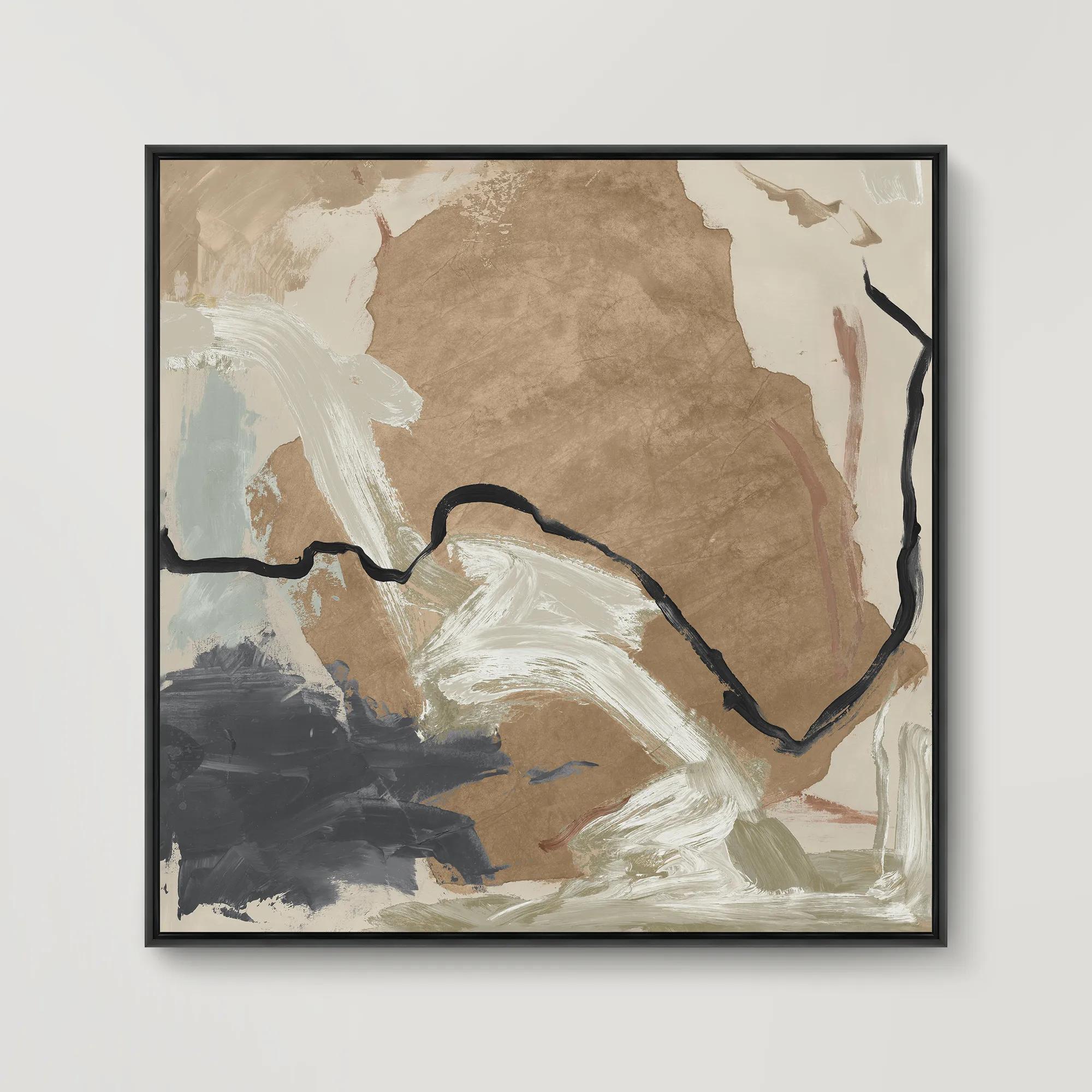 Borderlands III Framed Wall Art 31.5" x 31.5"$499
A gallery-wrapped canvas artwork with hand-applied brush gel finish, set in a sleek gray floater frame.
Add To Cart -
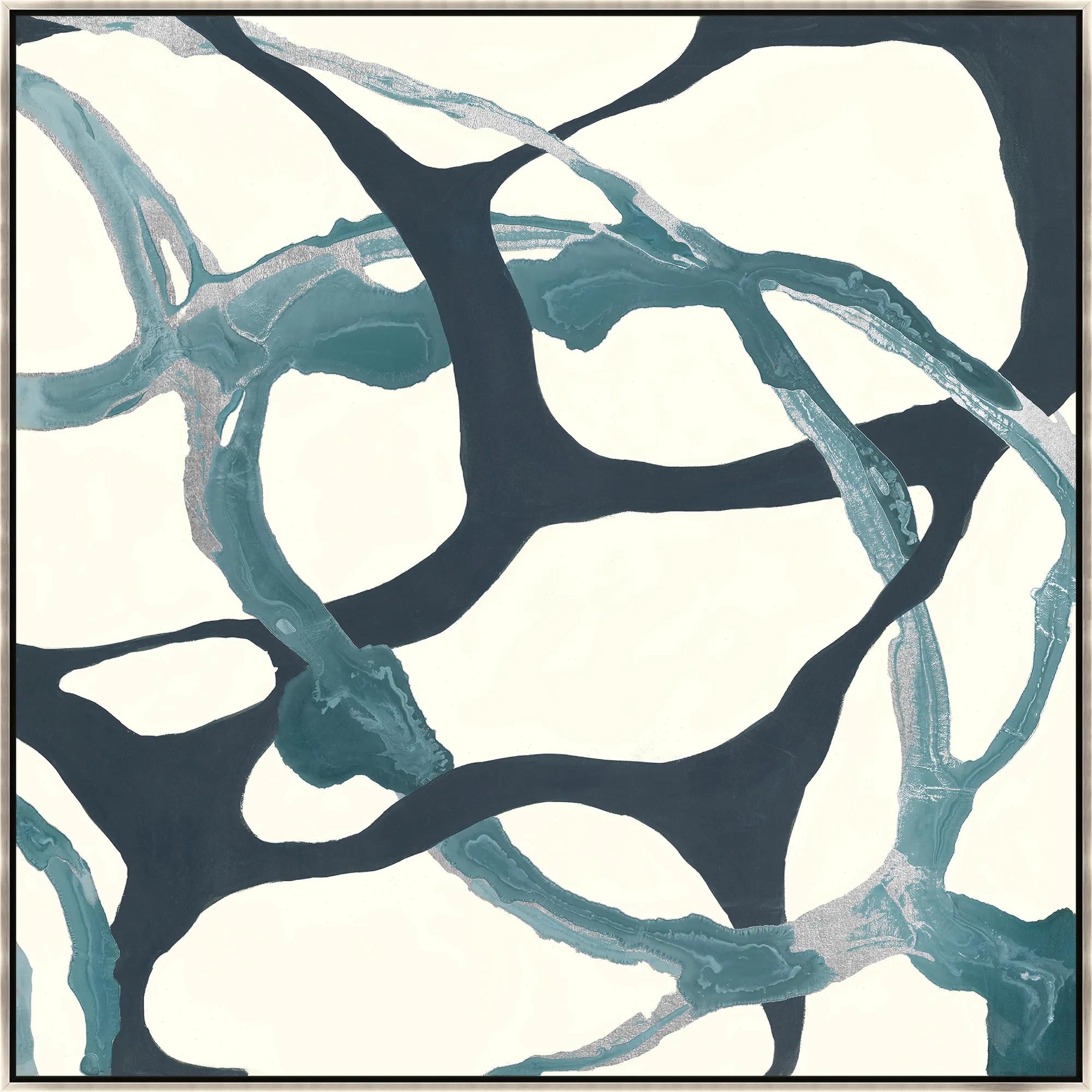
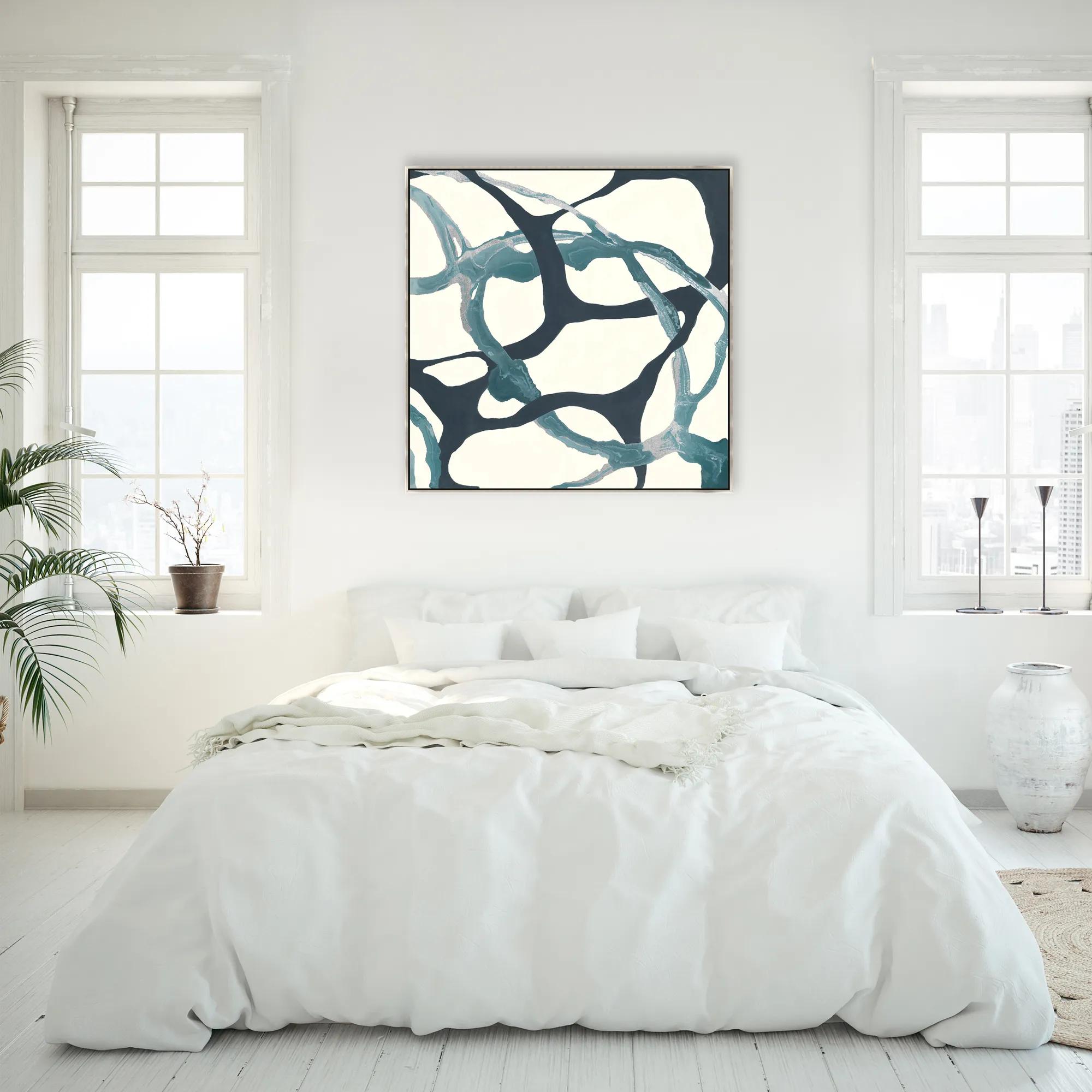 Alignments II Framed Wall Art 40" x 40"$899
A gallery-wrapped canvas featuring gilded silver accents and hand-applied brush gel in a silver floater frame.
Add To Cart -
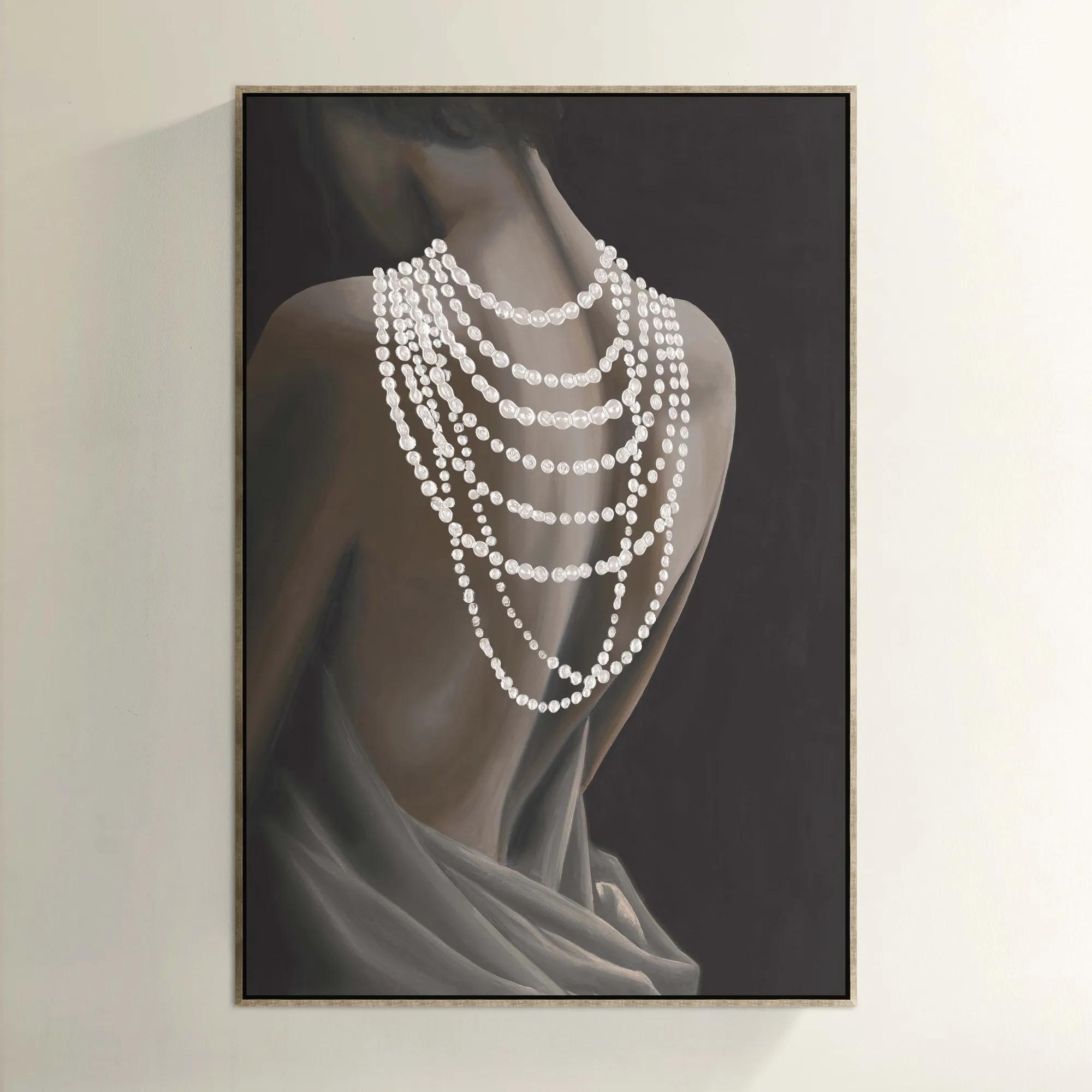 Luminescent Pearls Framed Wall Art 40" x 60"$1119
A hand-embellished canvas artwork featuring textured brush gel, set in a sleek silver floater frame.
Add To Cart -
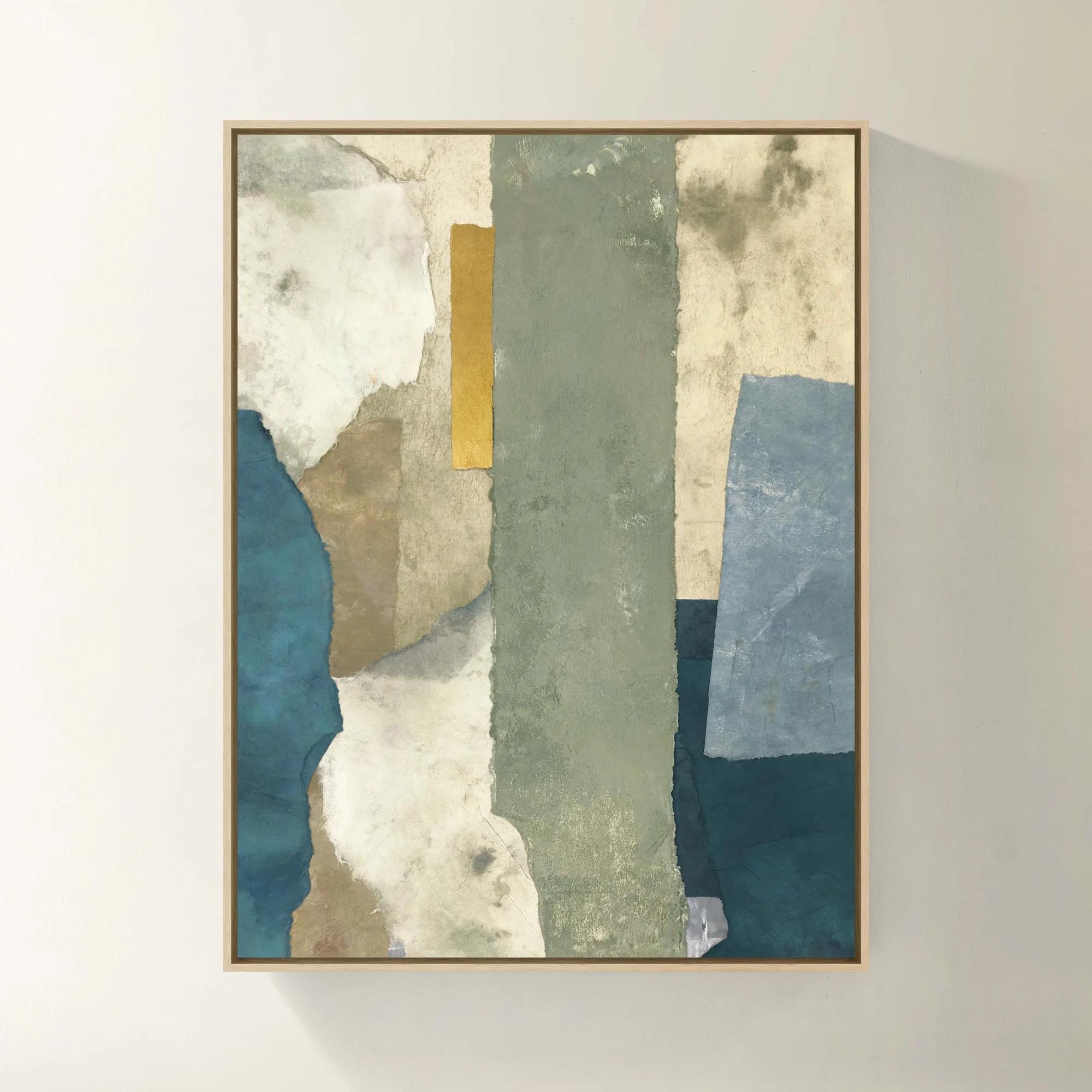 Earth Fragments II Framed Wall Art 30" x 40"$799
A gallery-wrapped canvas featuring gild accents and hand-applied gel, set in a natural floater frame.
Add To Cart -
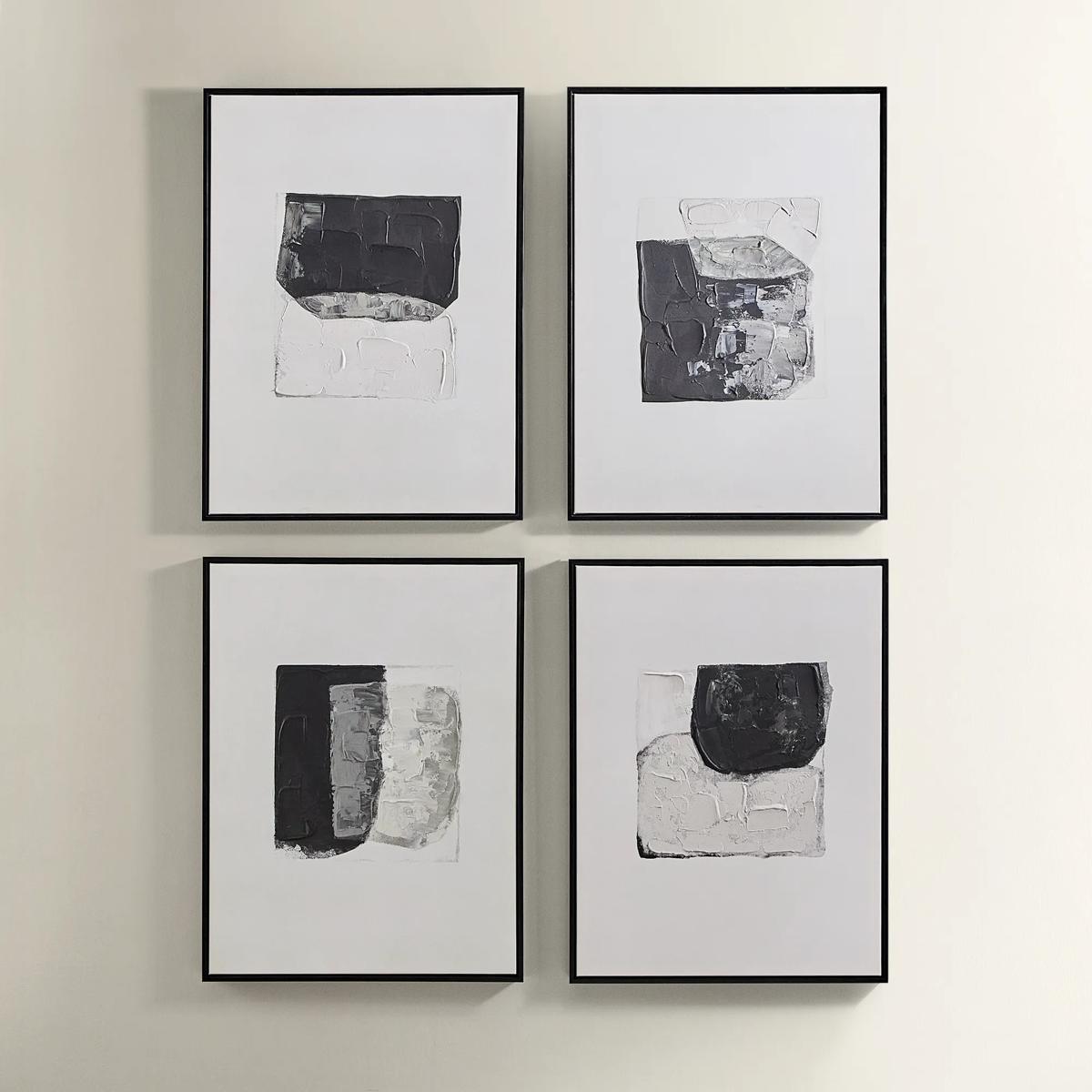
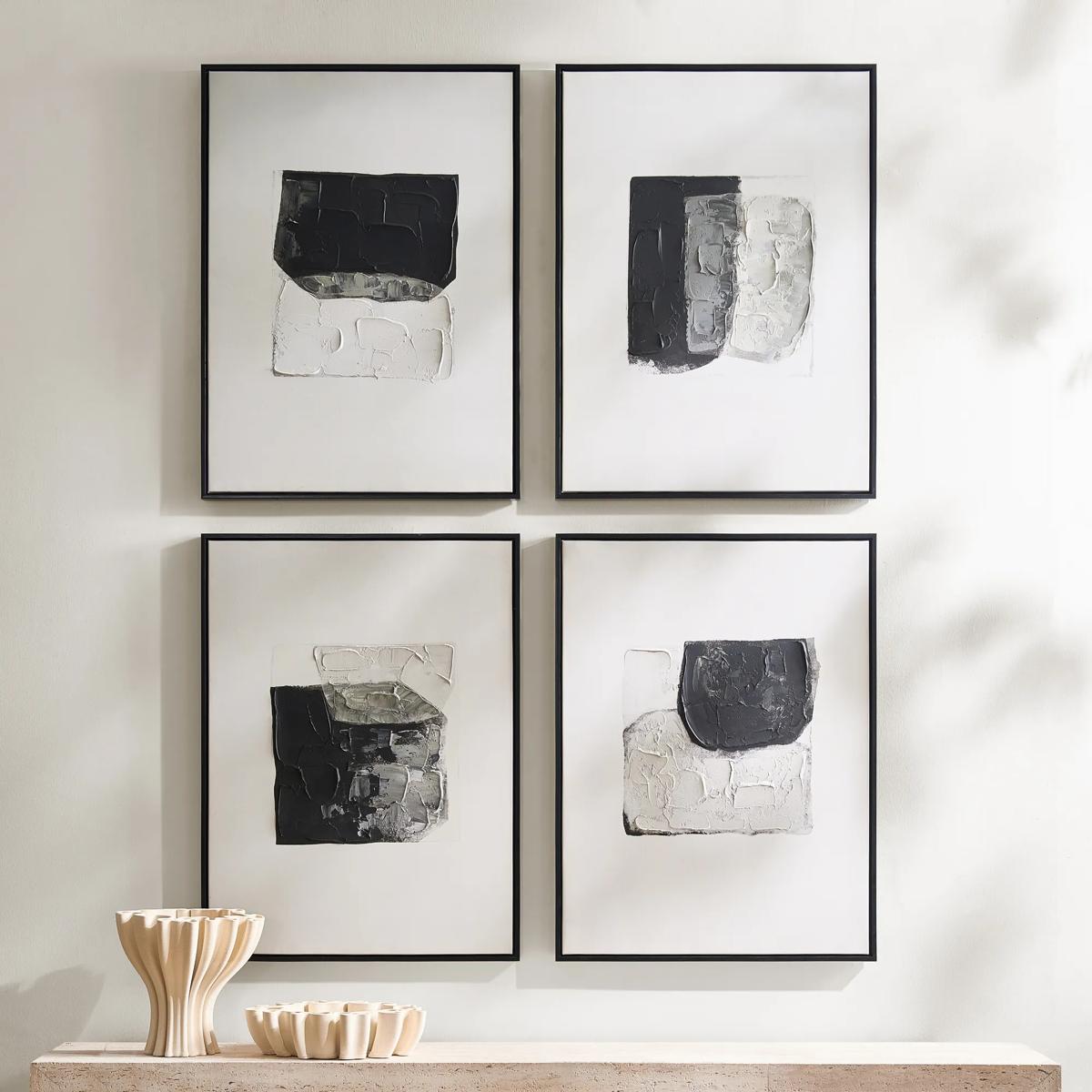 Shadows Framed Painted Wall Art Set of 4$299
A set of four hand-painted abstract canvases featuring black, white, and gold accents in black frames.
Add To Cart -
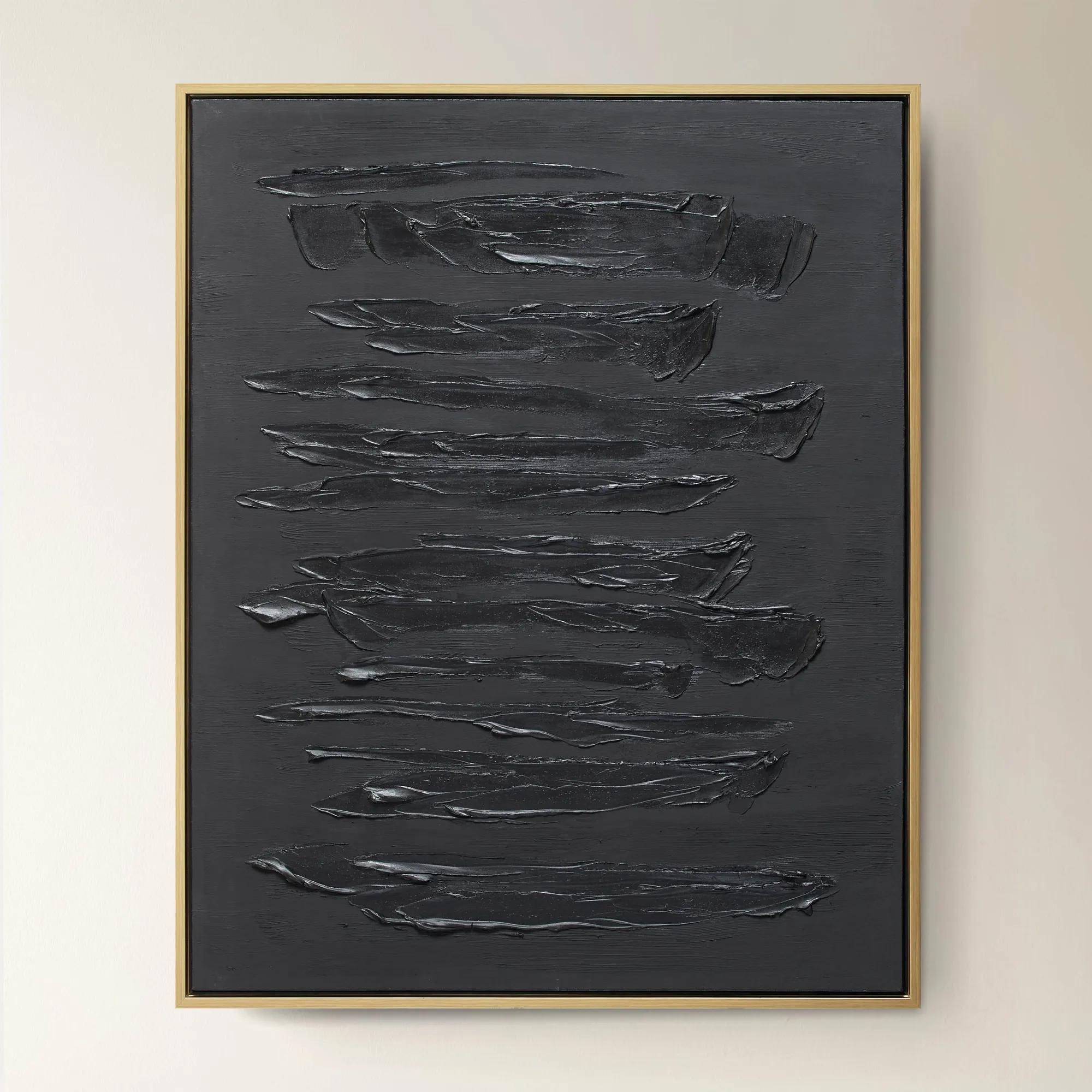
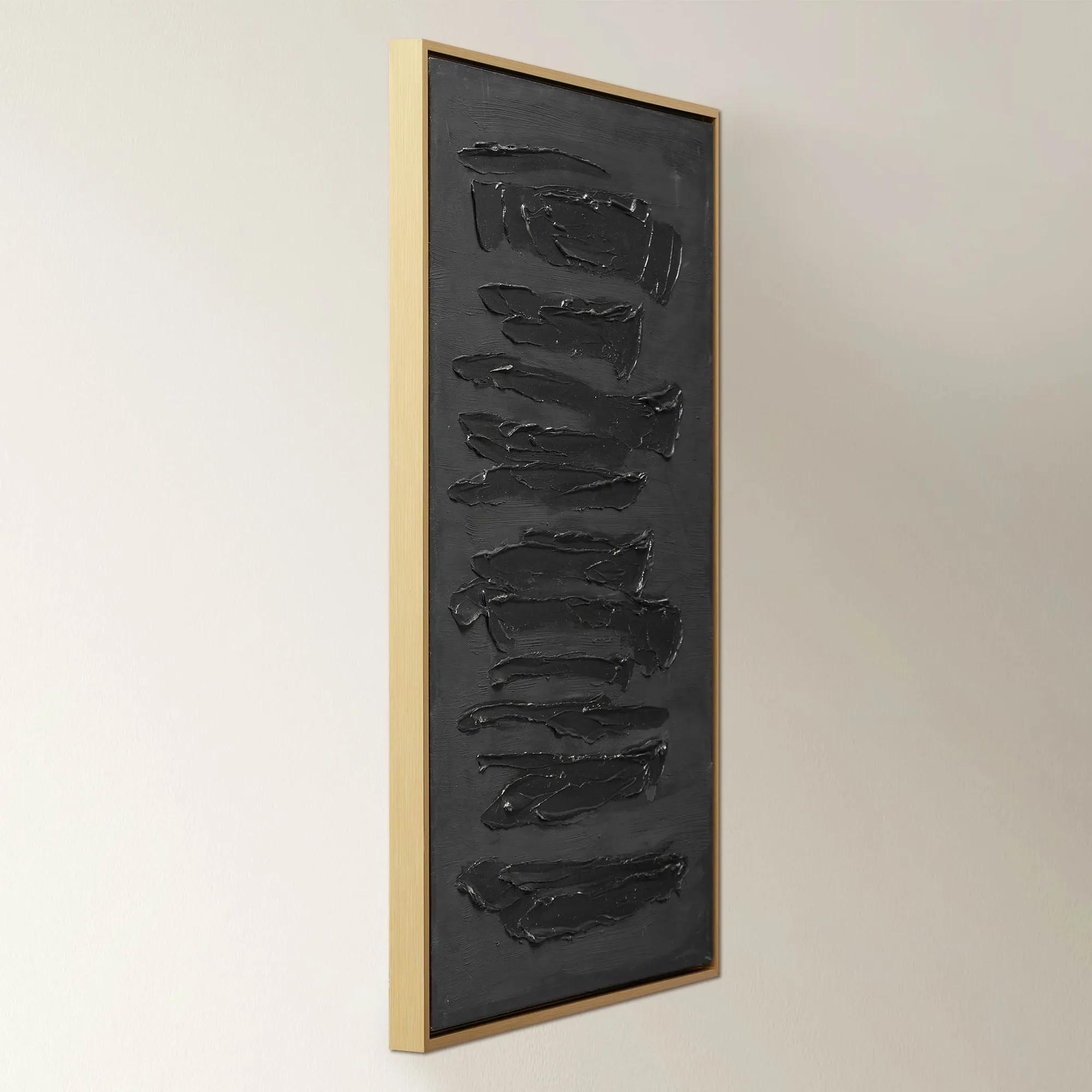 Nocturne$599.95
A dramatic abstract artwork featuring bold, dark brushstrokes on hand-painted canvas in a gold floater frame.
Add To Cart -
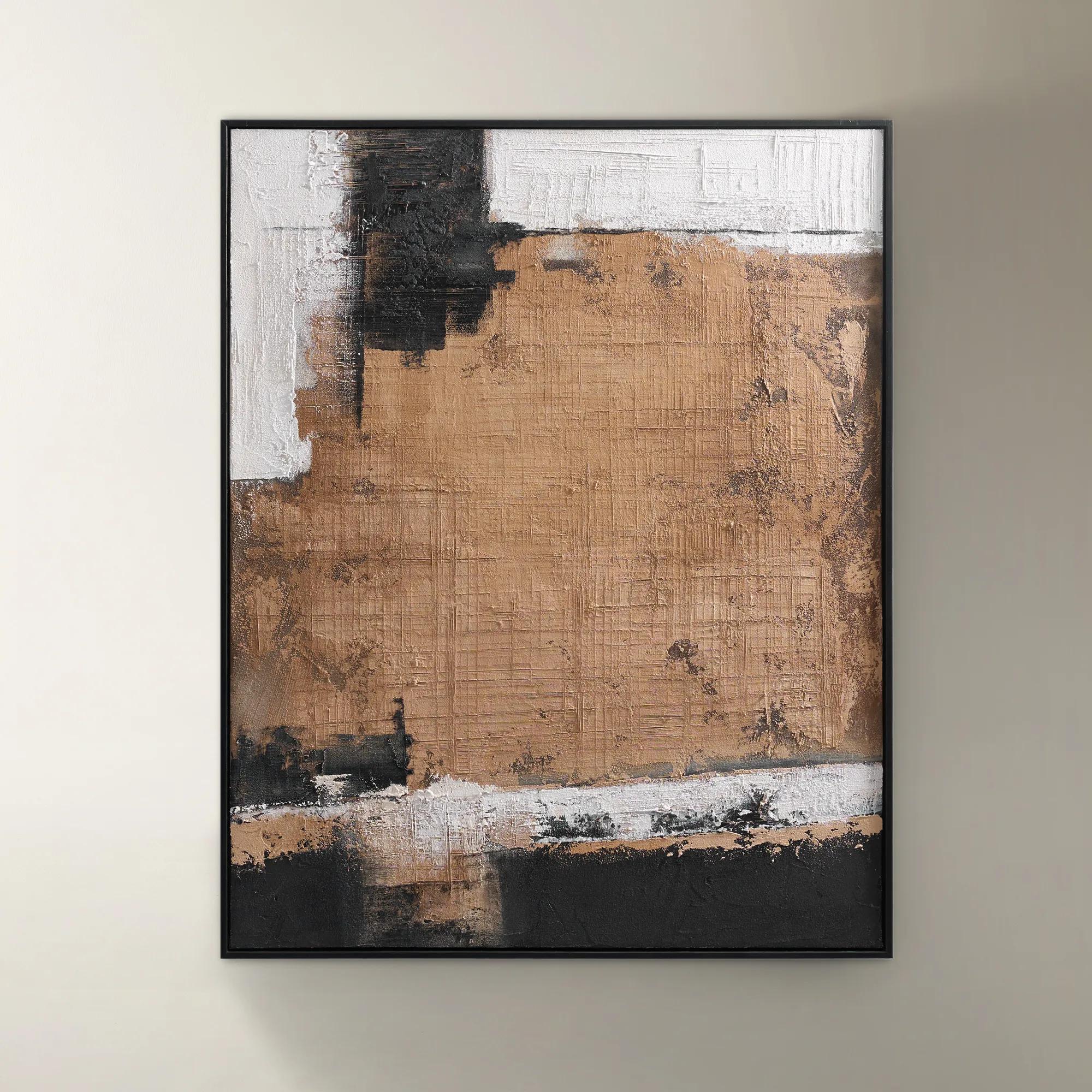
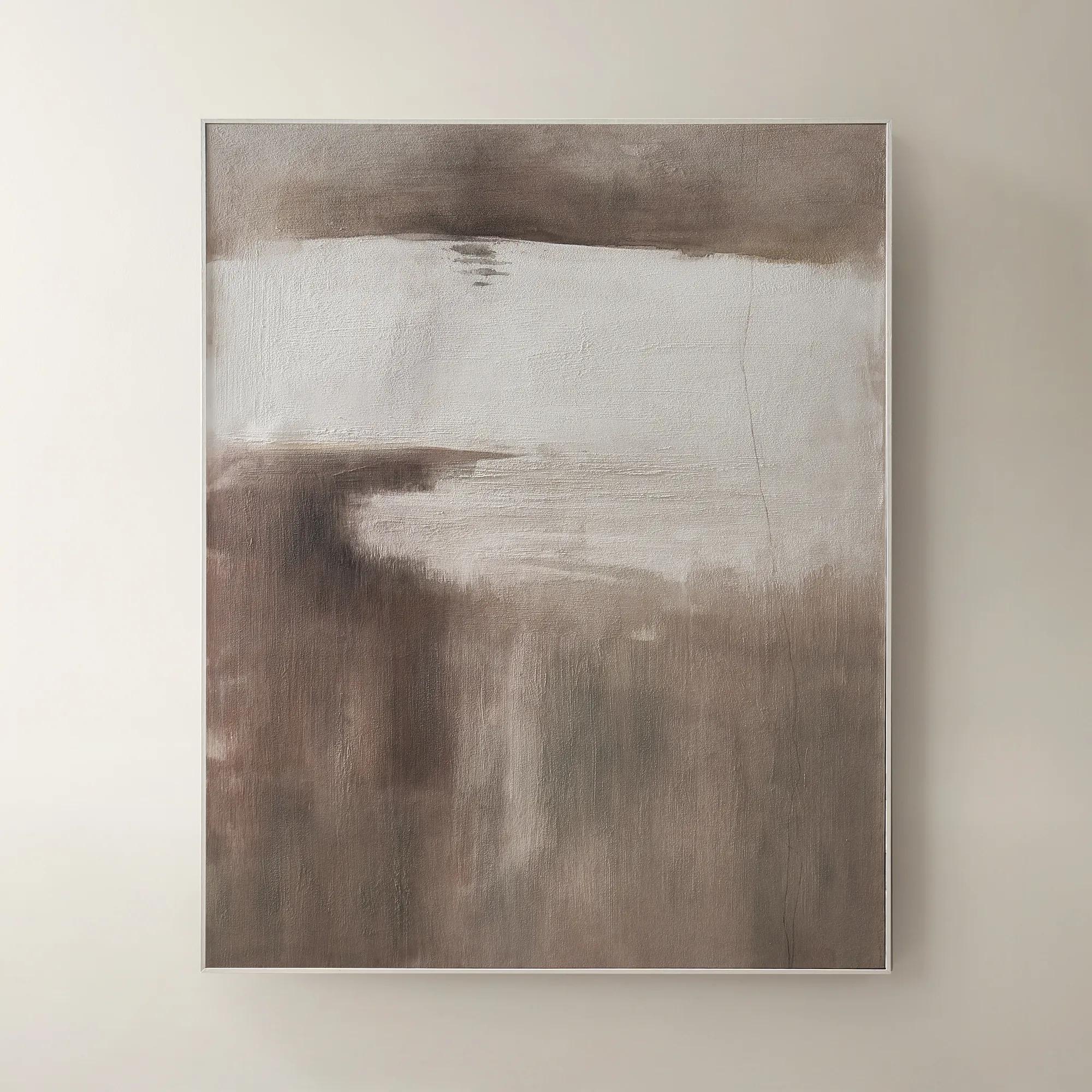
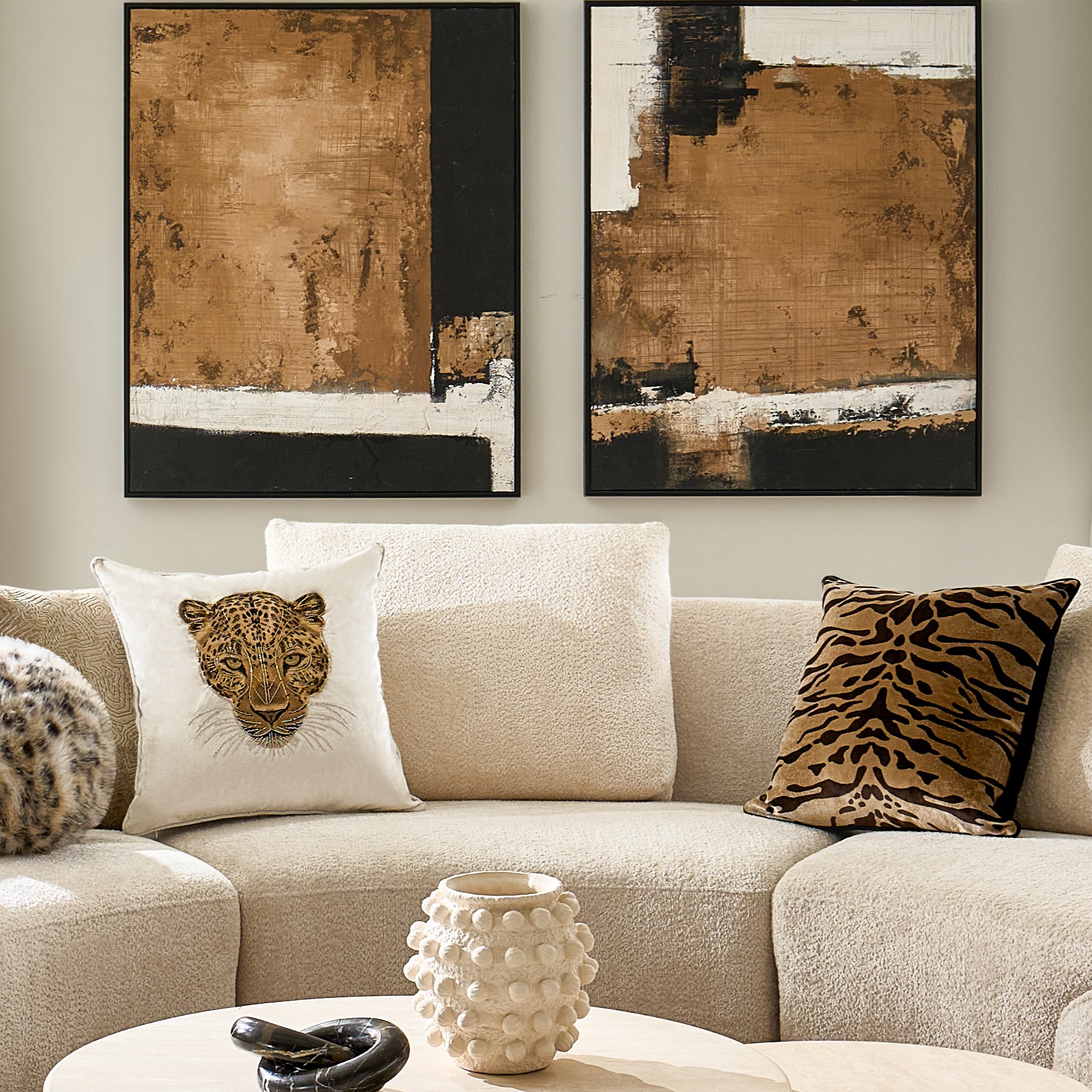 Drift Framed Painted Wall Art II 39.4" x 31.5"$299
A hand-painted canvas in brown, featuring bold texture and color interplay within a sleek black floater frame.
Add To Cart -
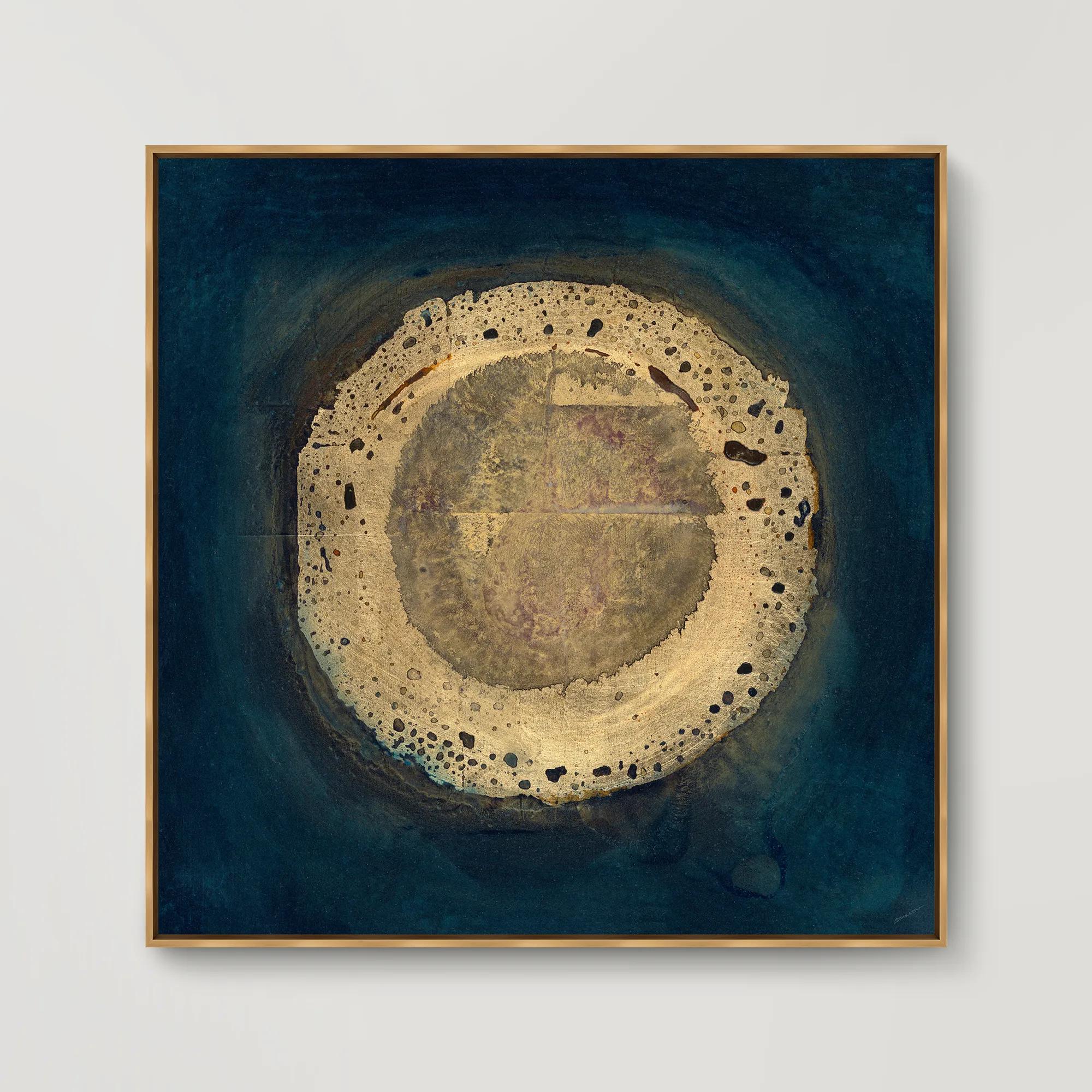
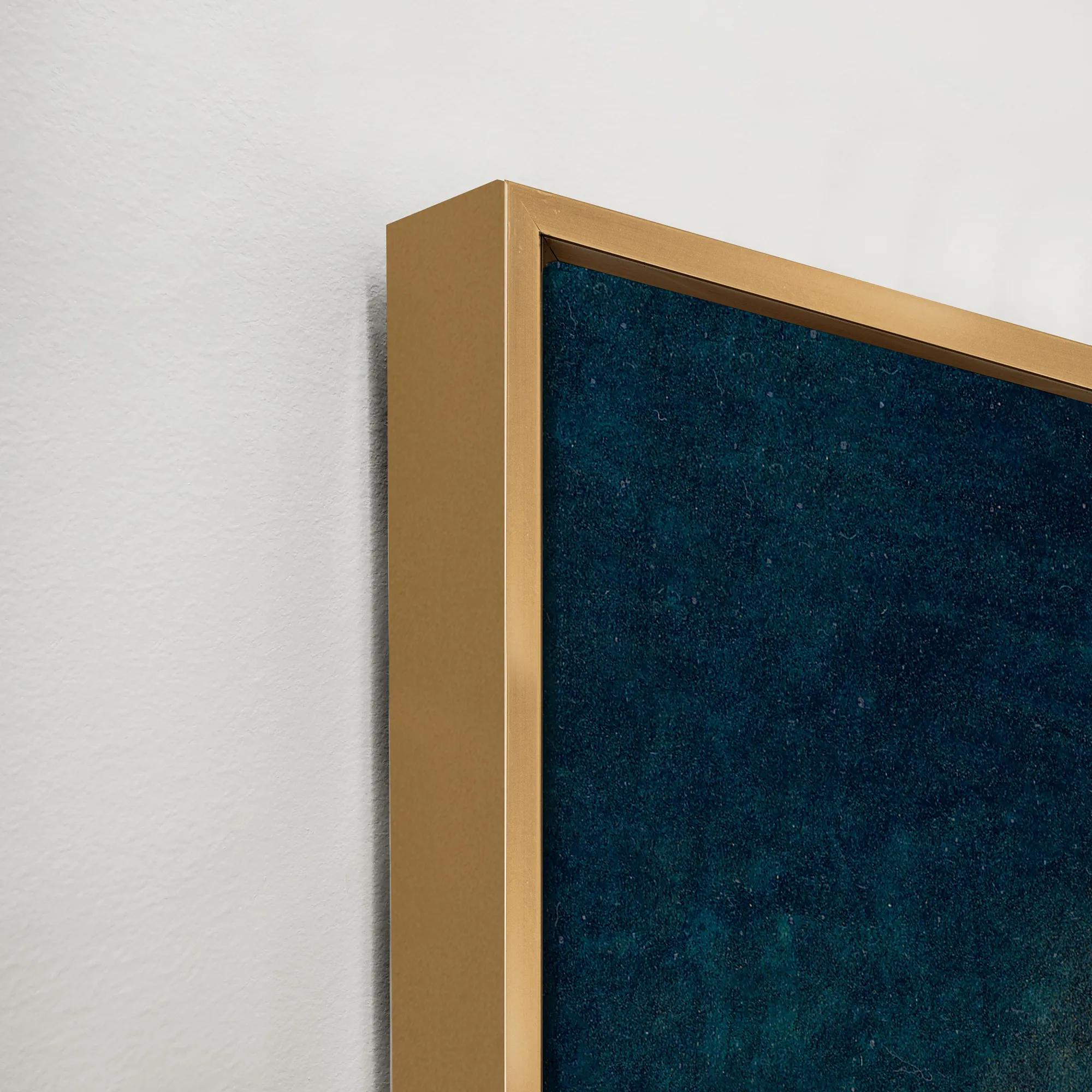 Bramble I Framed Wall Art 41.5" x 41.5"$749
A gallery-wrapped abstract canvas with hand-applied gel finish, set in an elegant gold floater frame.
Add To Cart -
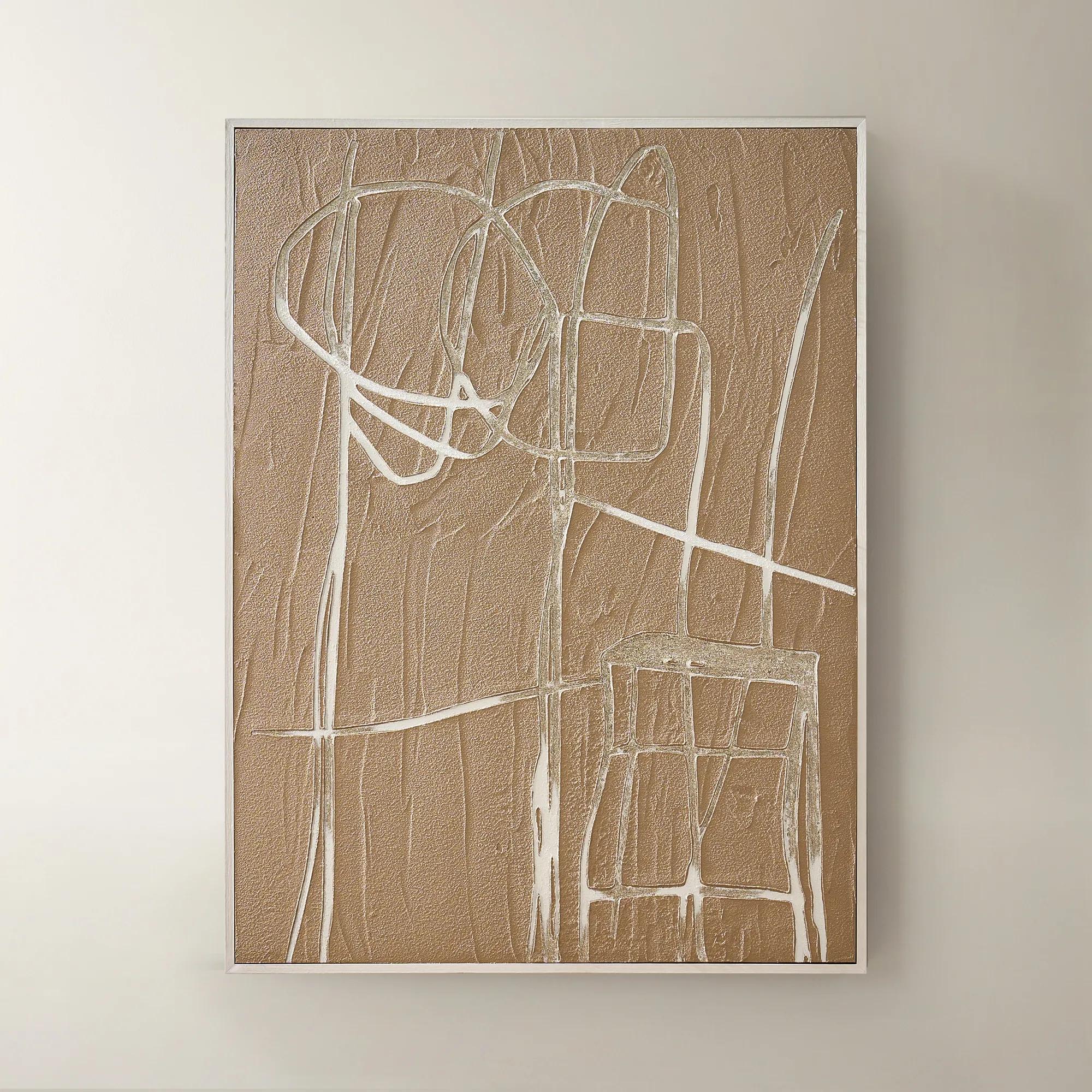
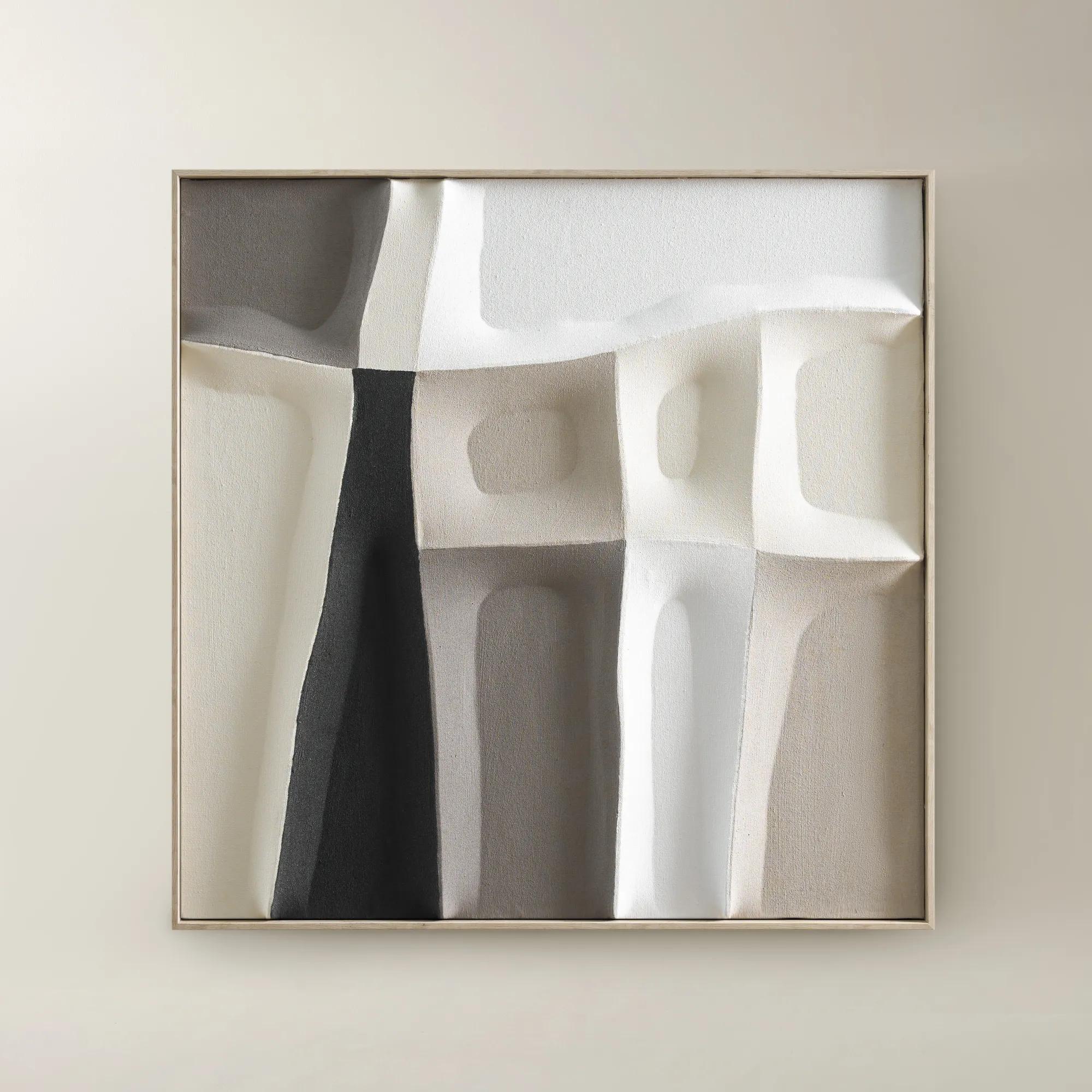 Shadow Painting 1$179
A hand-painted canvas featuring bold colors and sculptural textures in a warm whitewash floater frame.
Add To Cart -
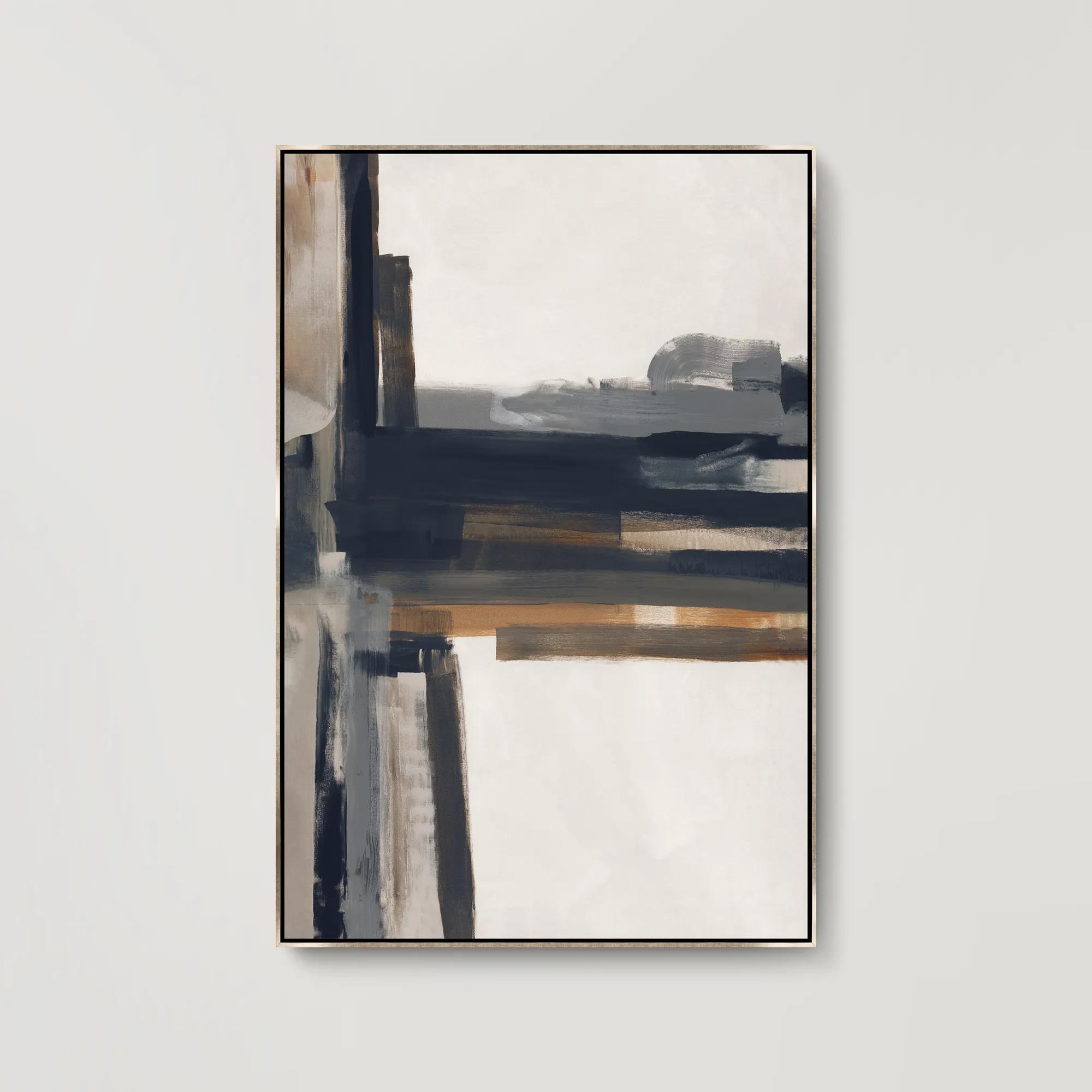
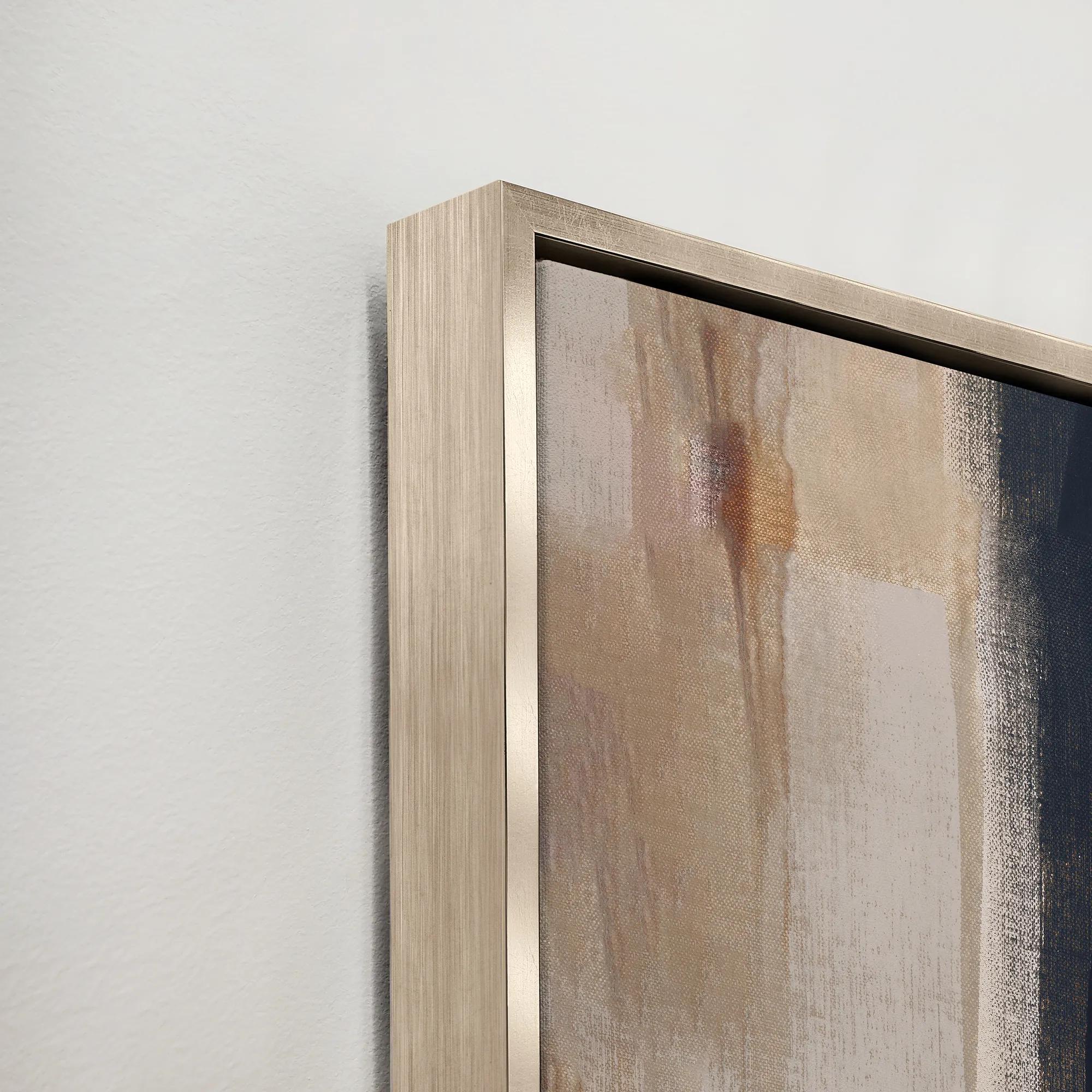 Imposing Construct I Framed Wall Art 41.5" x 61.5"$949
A gallery-wrapped abstract canvas featuring hand-applied brush gel and set in a sleek silver floater frame.
Add To Cart -
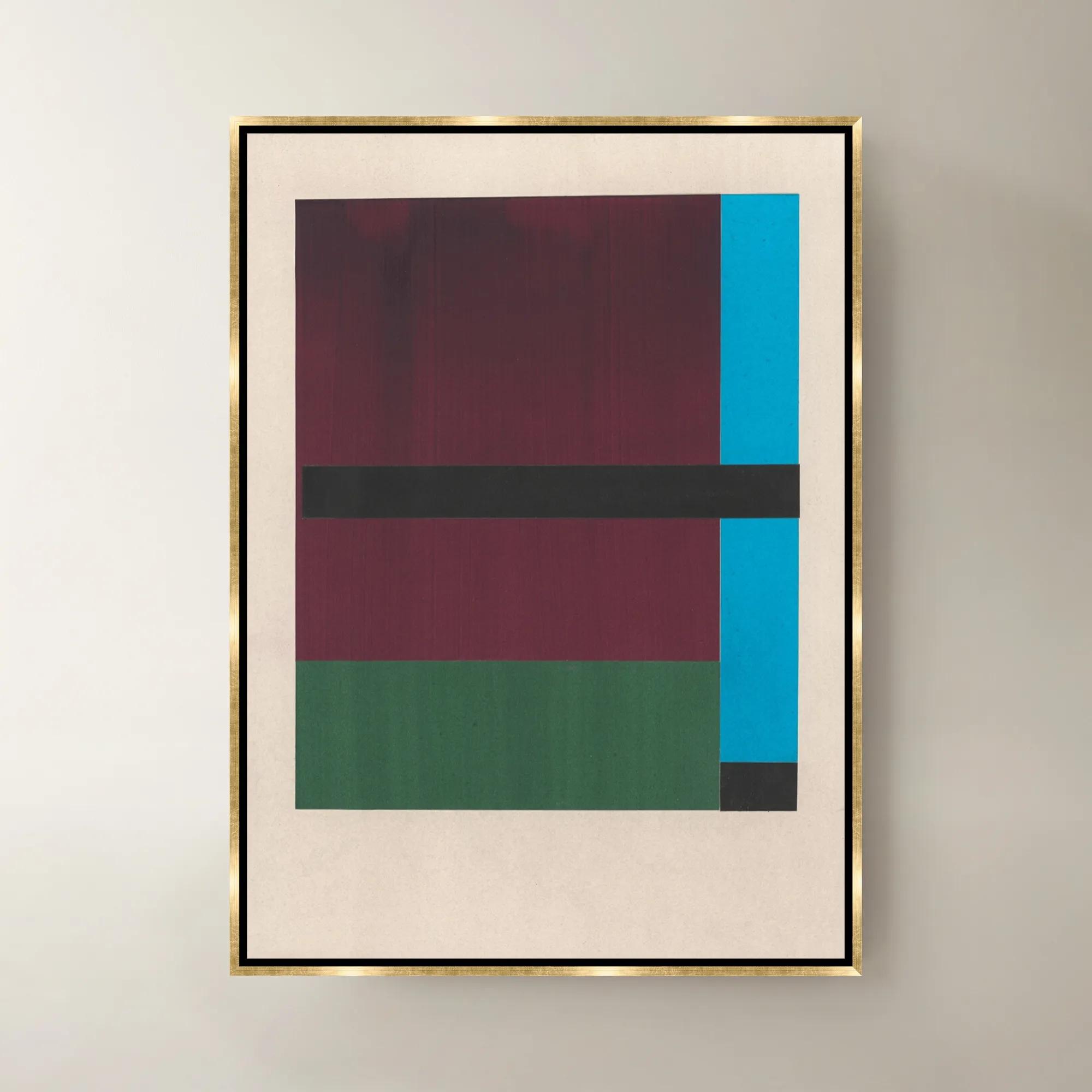
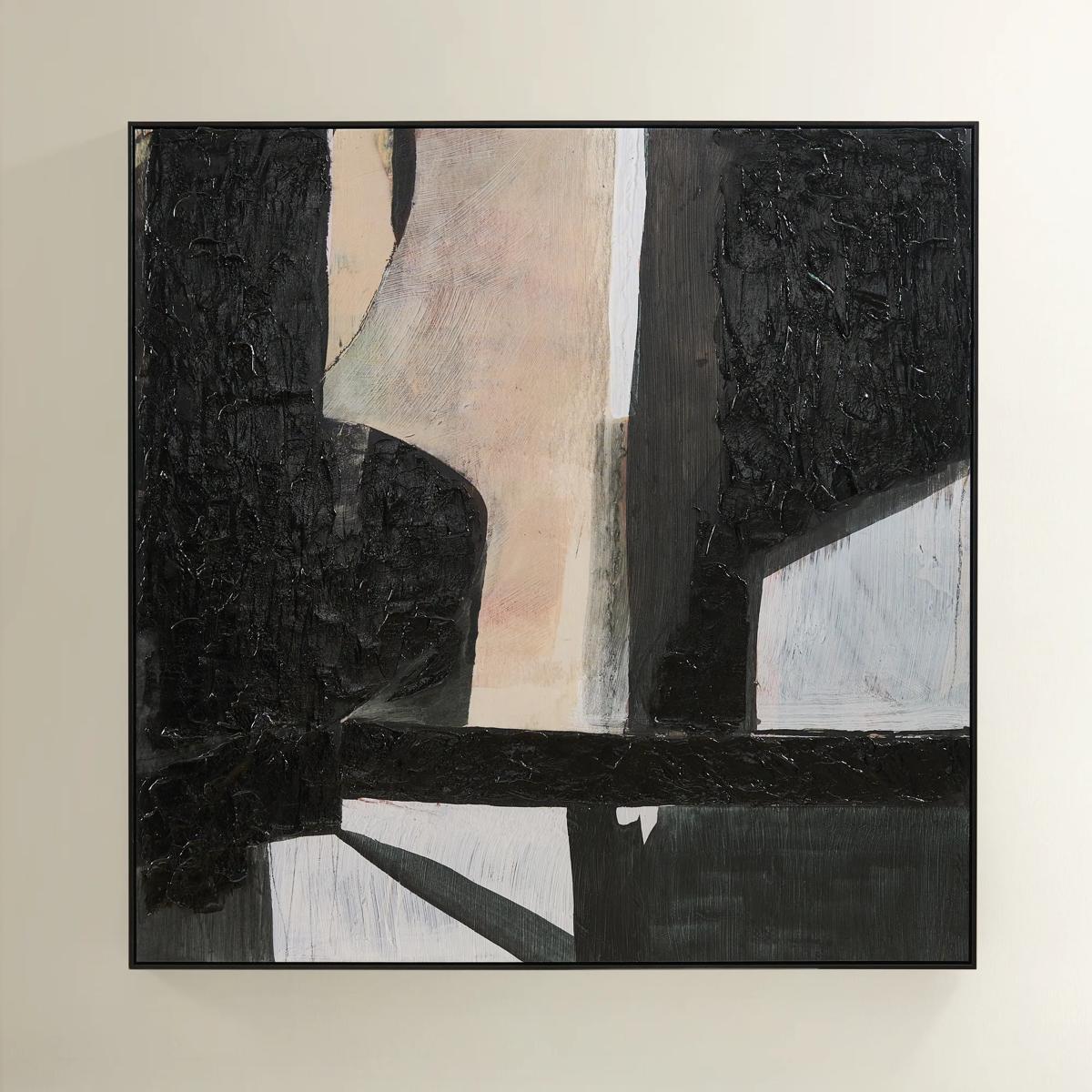 Grounded Painting$699
A hand-painted abstract canvas featuring black, cream, and earth tones in a sleek black floater frame.
Add To Cart -
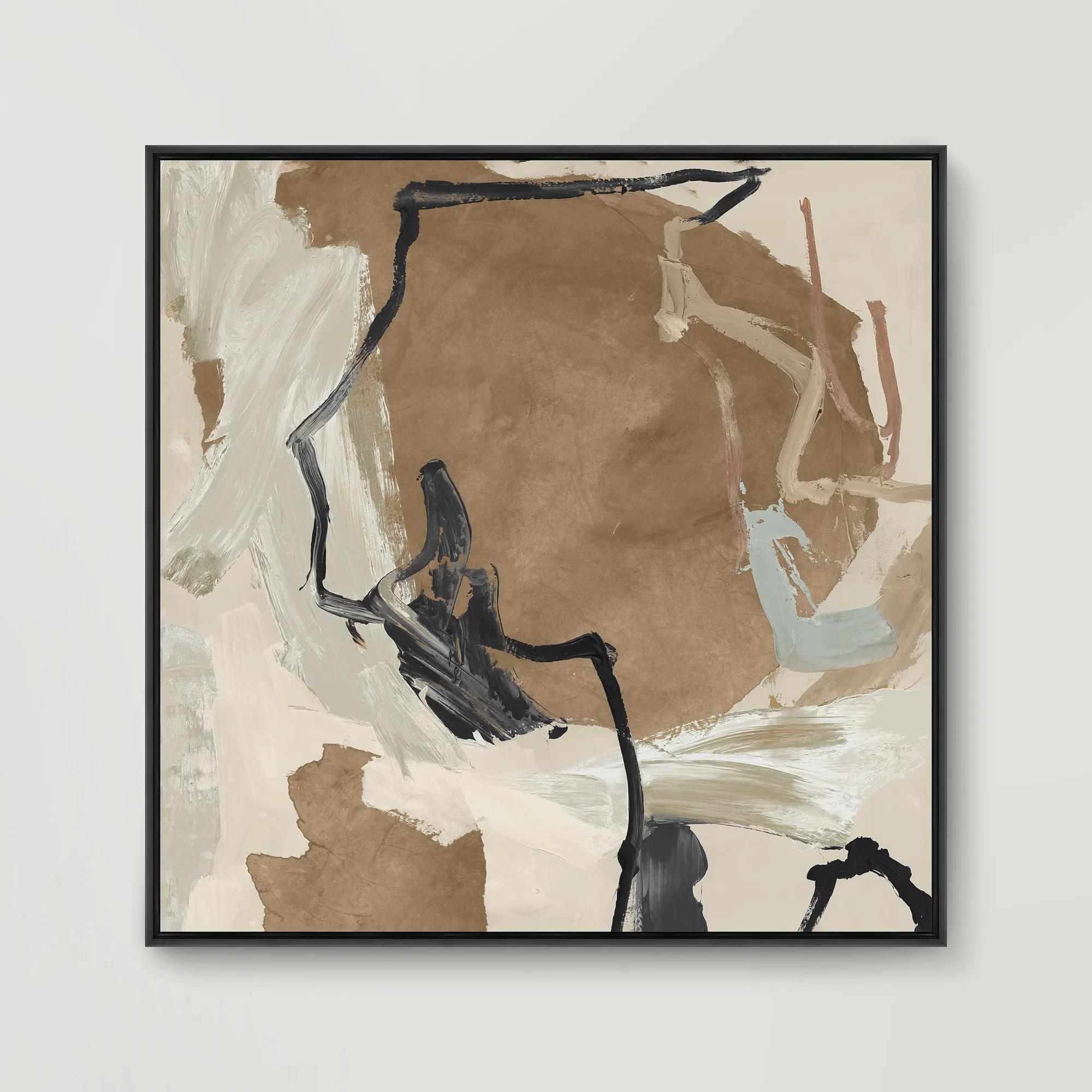
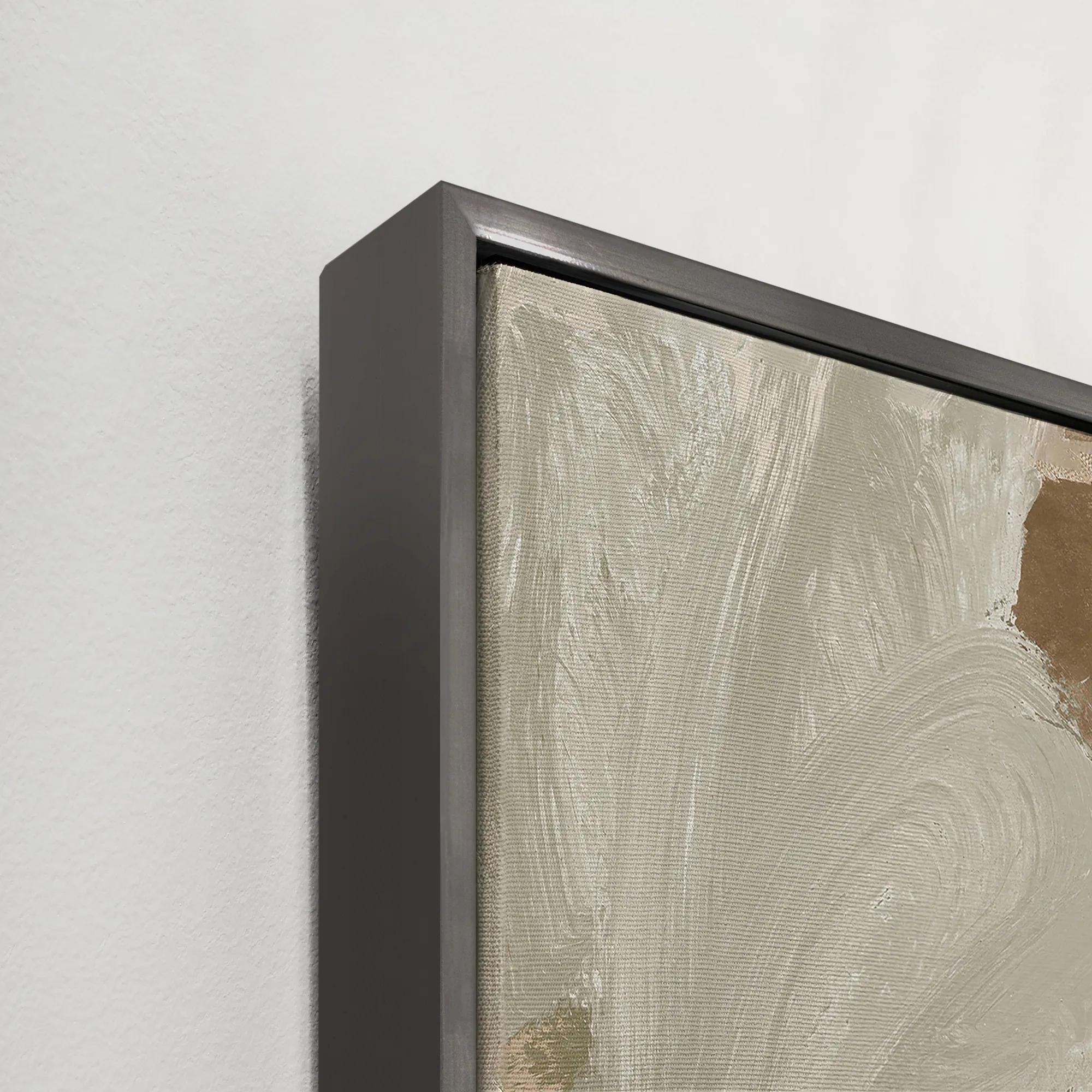 Borderlands IV Framed Wall Art 31.5" x 31.5"$499
A gallery-wrapped canvas artwork with a hand-applied brush gel finish in a sleek gray floater frame.
Add To Cart -
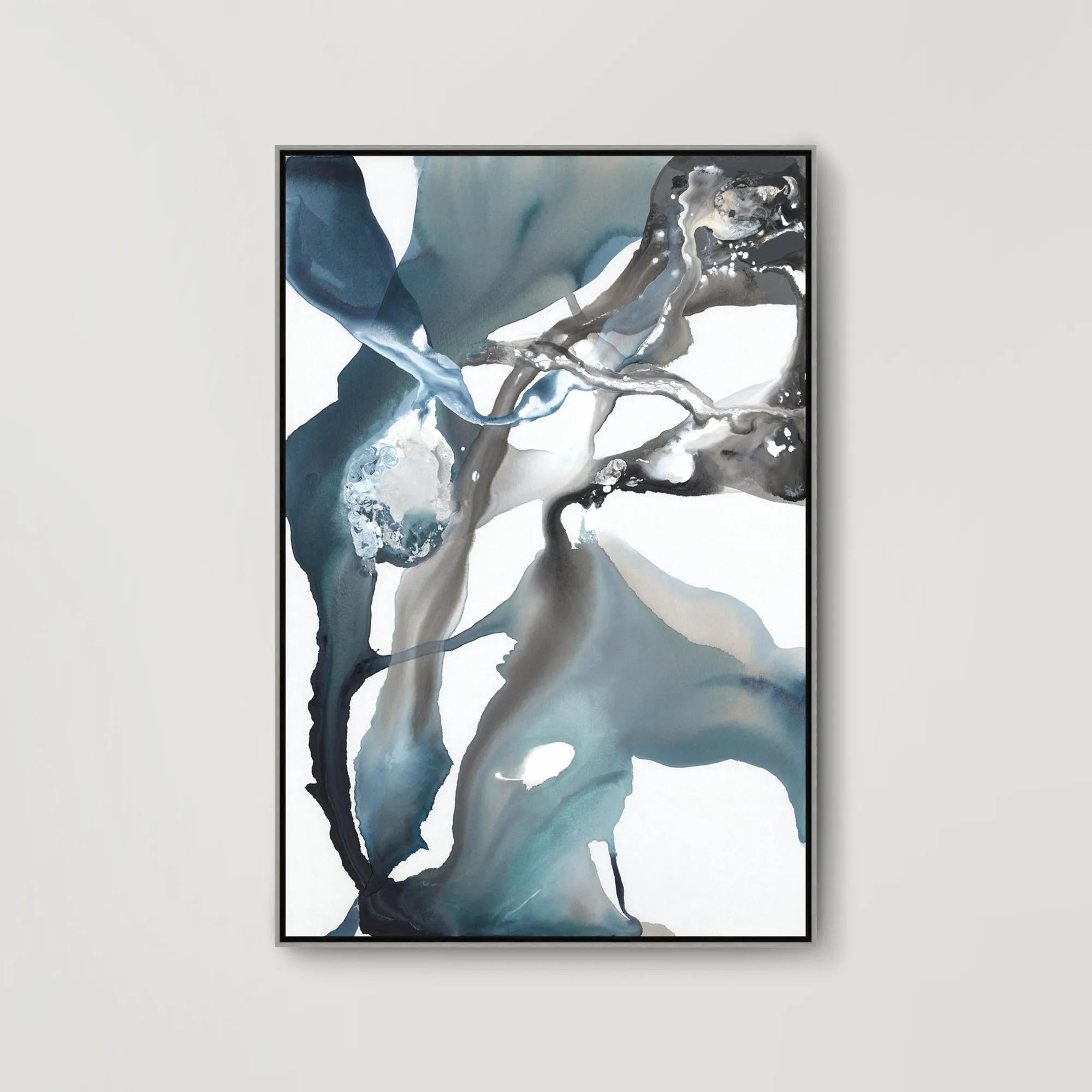
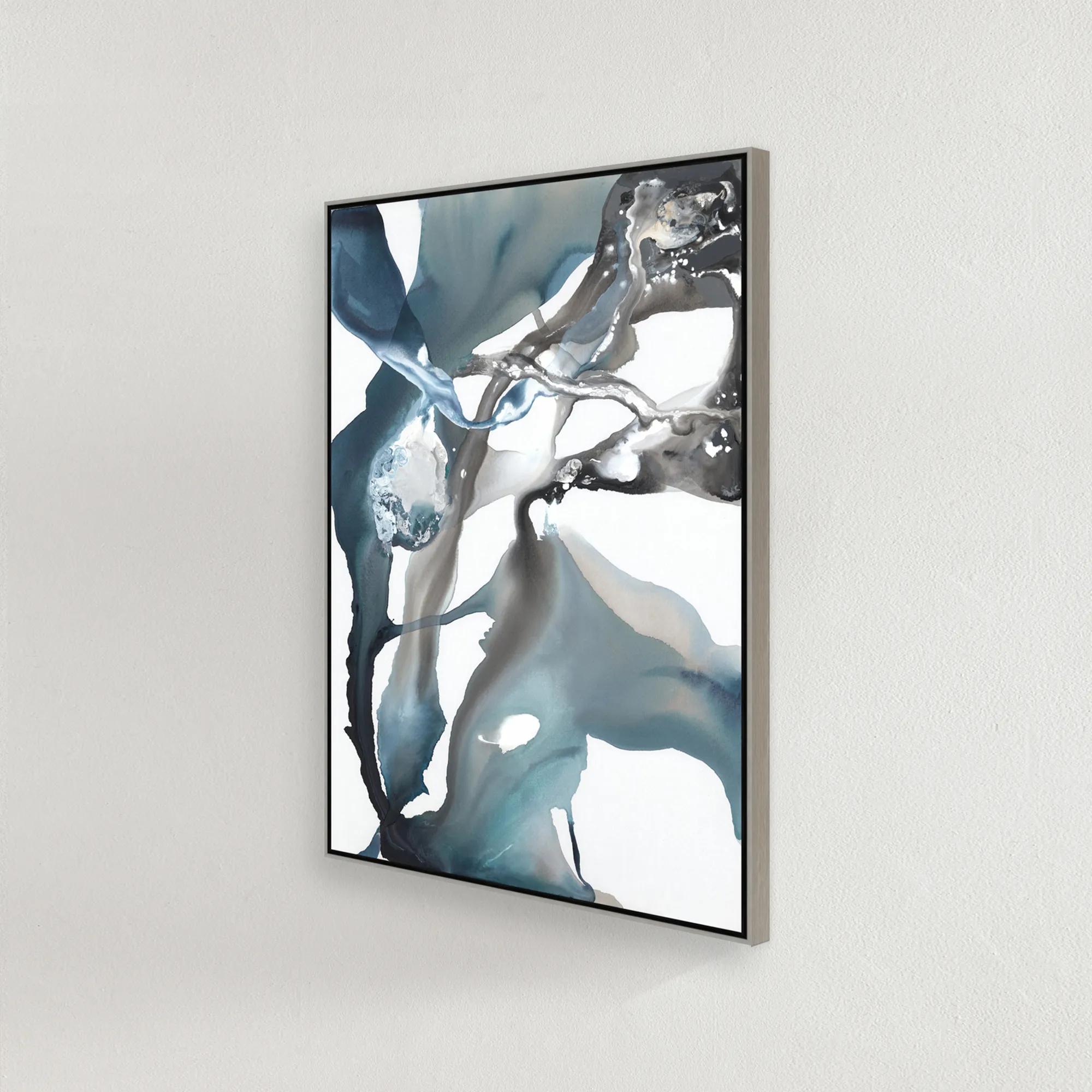 Cool Cascade Framed Wall Art 37.5" x 55.5"$849
A gallery-wrapped canvas artwork featuring expressive colors, hand-applied brush gel, and a gunmetal floater frame.
Add To Cart -
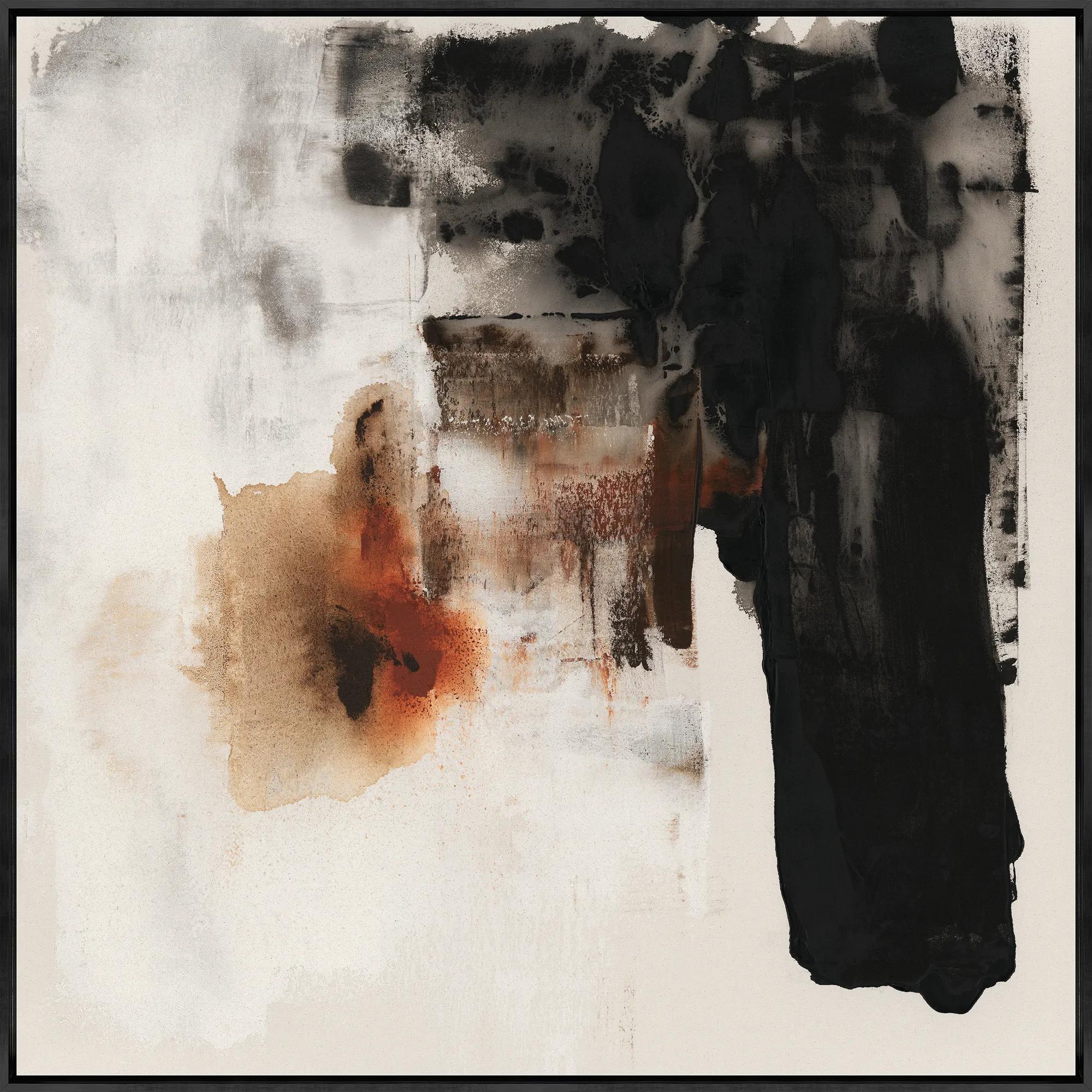
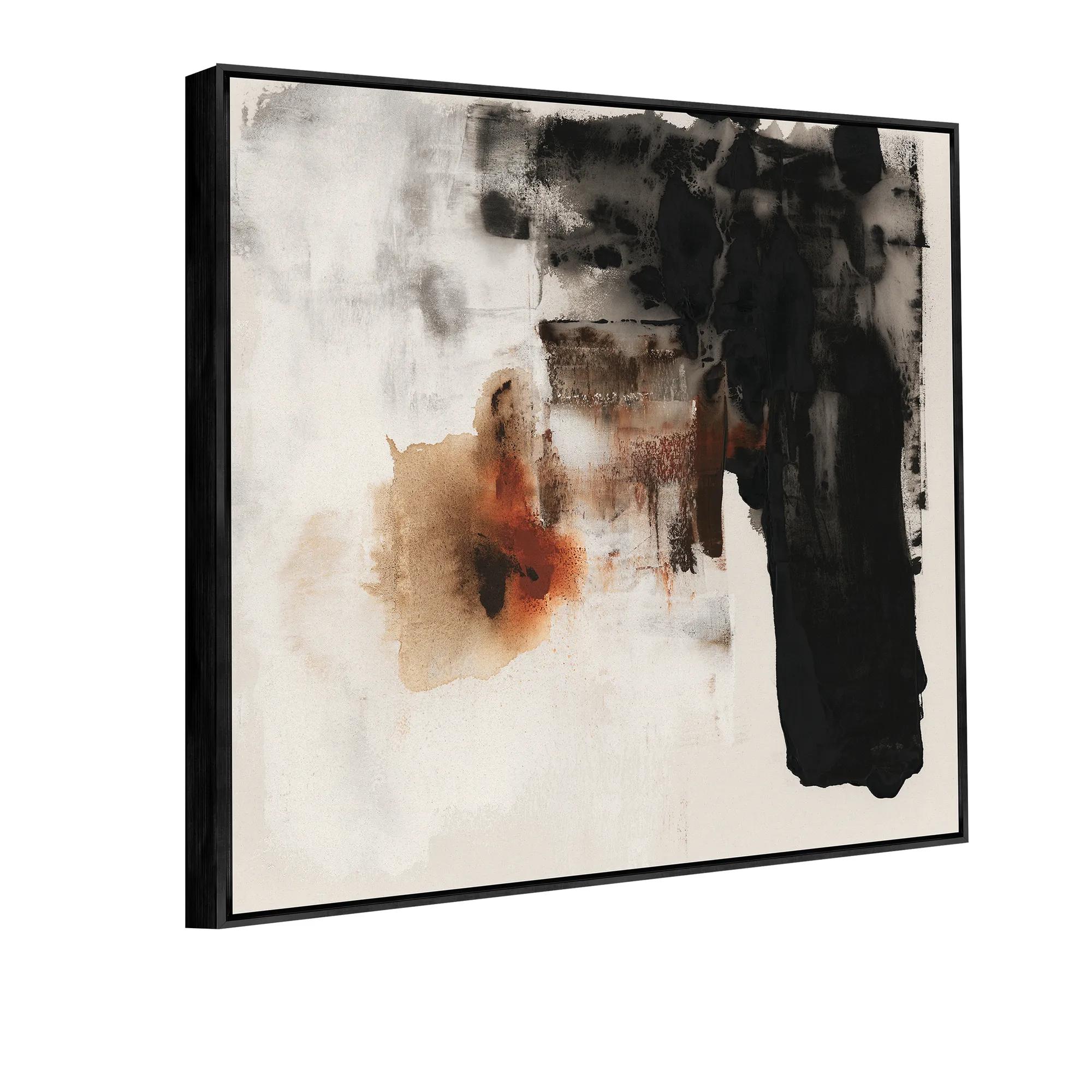 Burning for You II Framed Wall Art 40" x 40"$799
A gallery-wrapped canvas artwork with hand-applied brush gel, set in a sleek black floater frame.
Add To Cart -
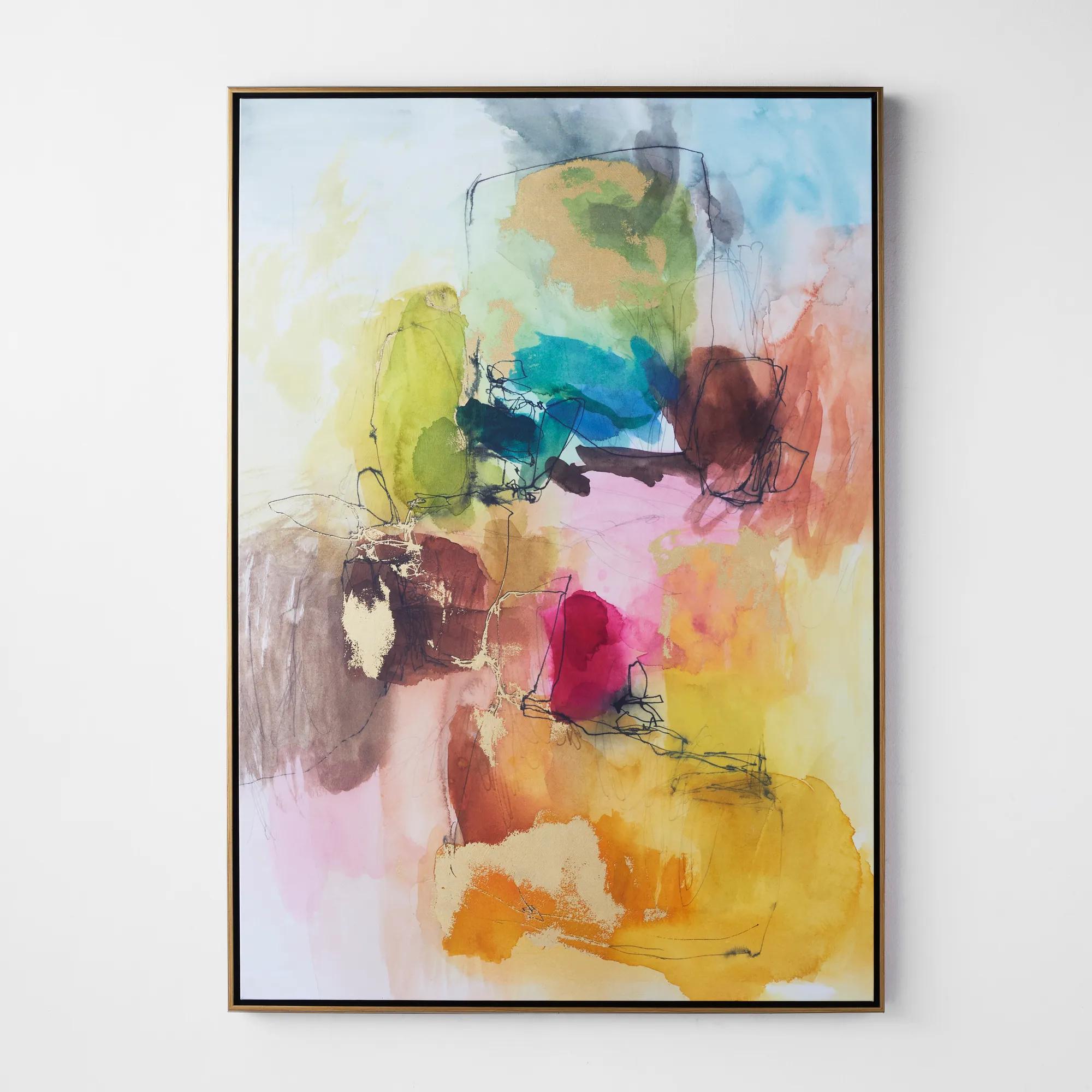 Apricity 3 Framed Wall Art 41" x 58"$899
A vibrant giclee on canvas featuring hand-applied gold gilding and a gold floater frame.
Add To Cart -
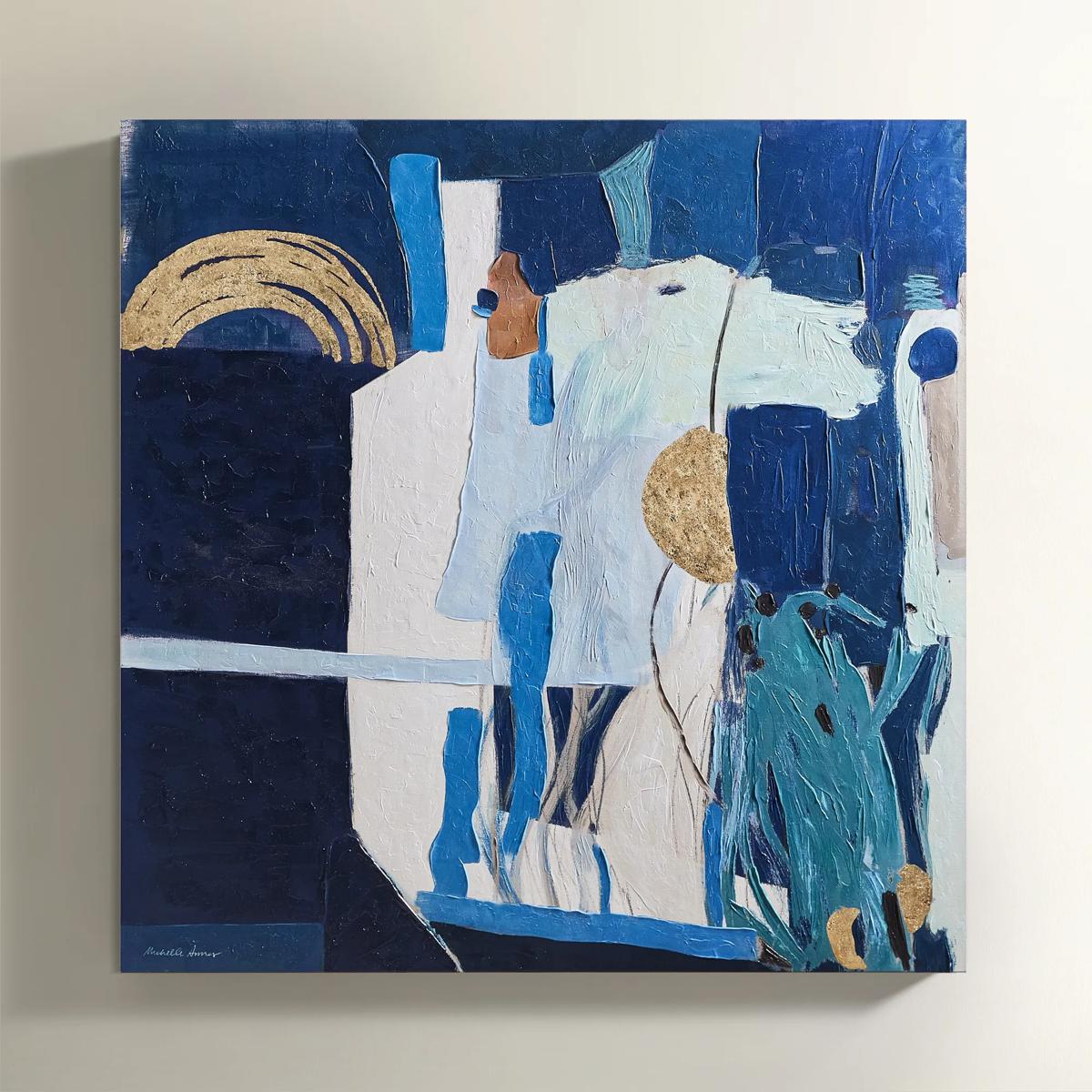
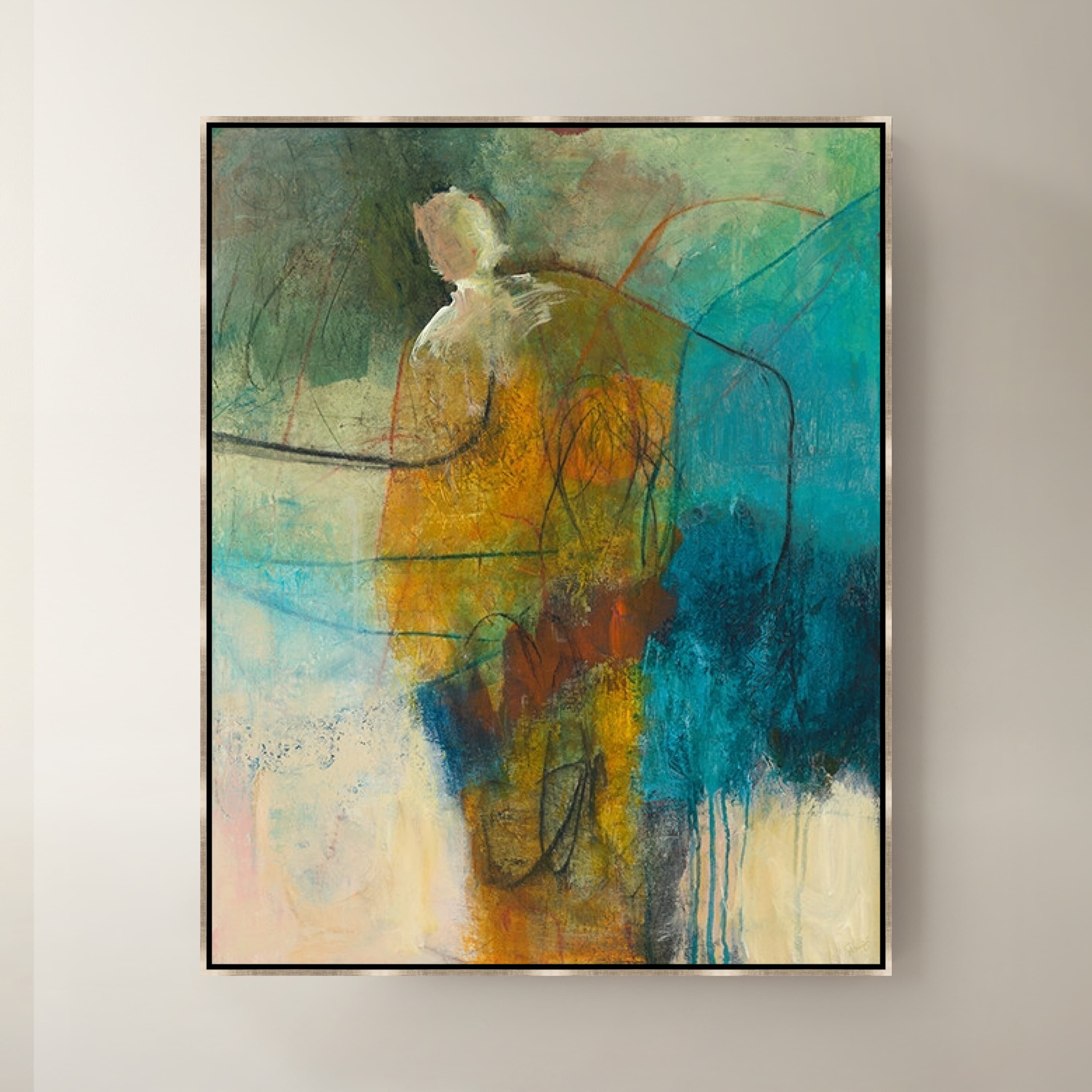
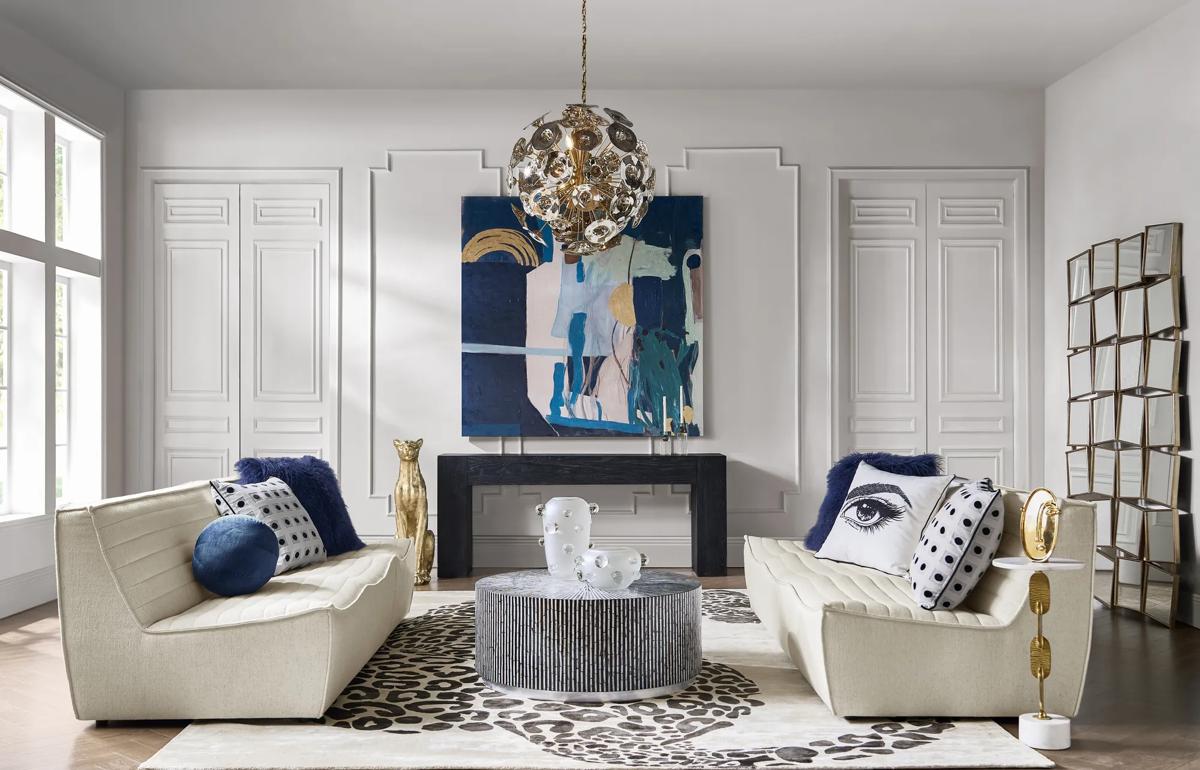 In Flux Painting$699
A hand-embellished canvas artwork featuring deep teal, green, ivory, and gold in a black Art Deco frame.
Add To Cart -
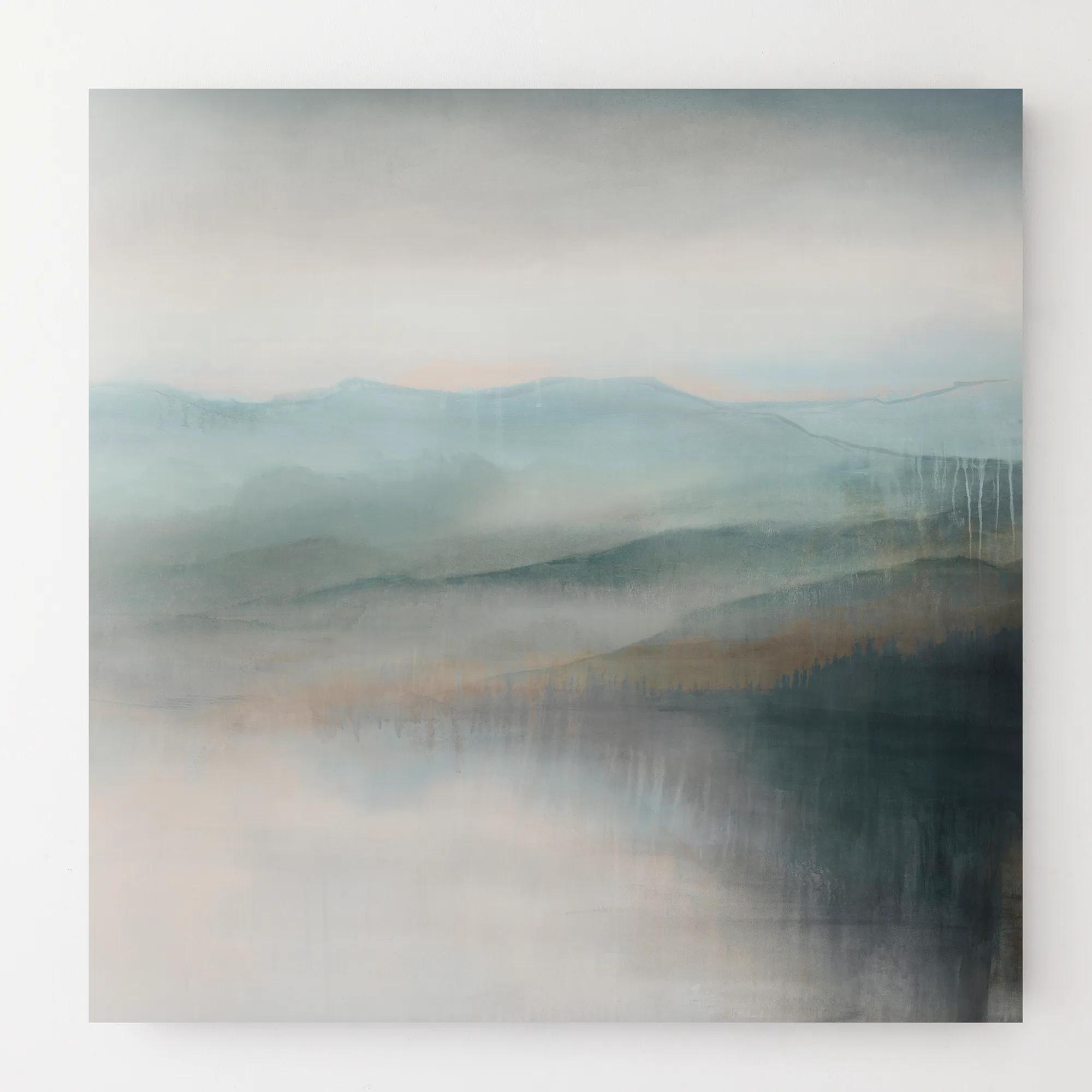
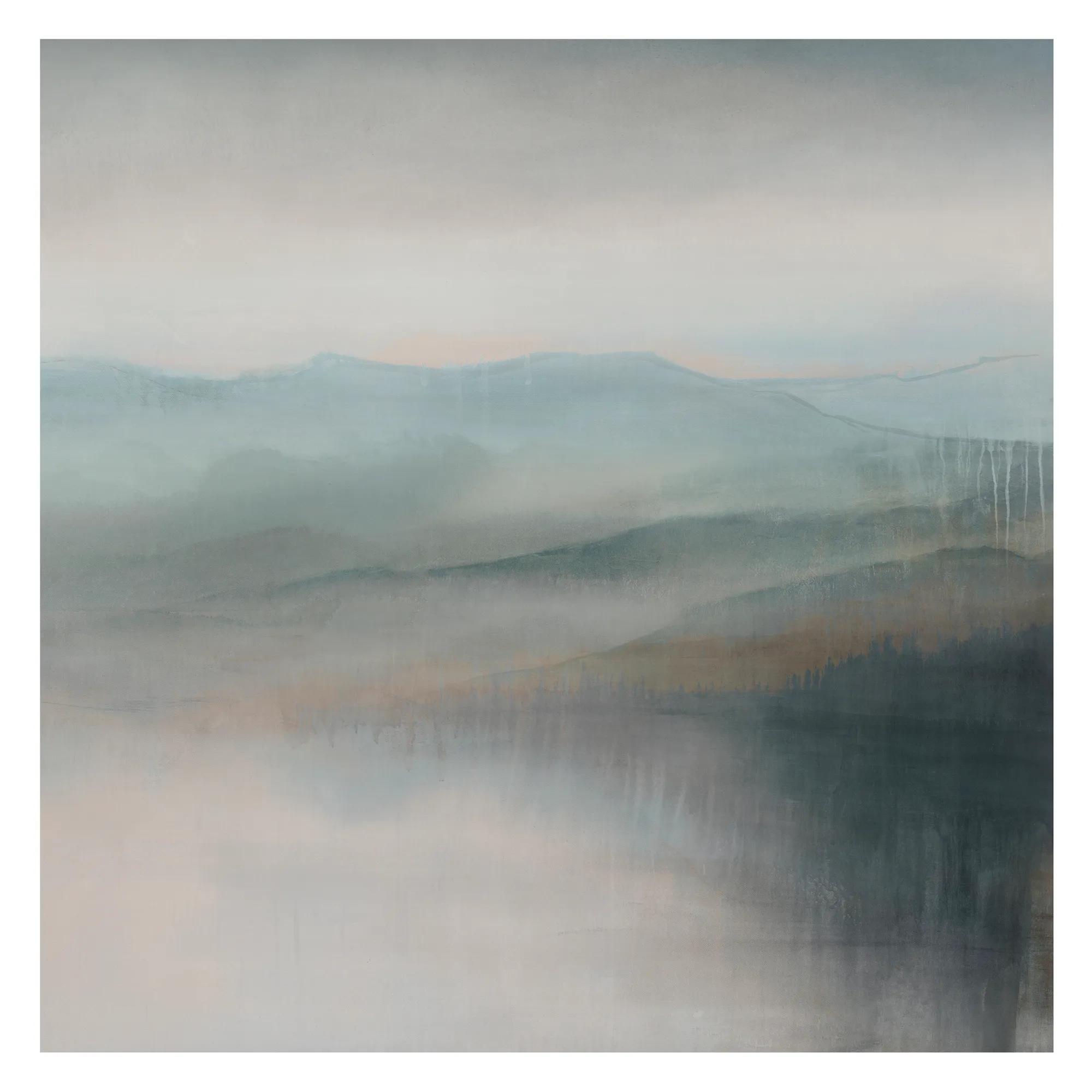 Morning Lift Wall Art 30" x 30"$399
A gallery-wrapped canvas artwork featuring a hand-applied image brush gel finish for added texture and depth.
Add To Cart -
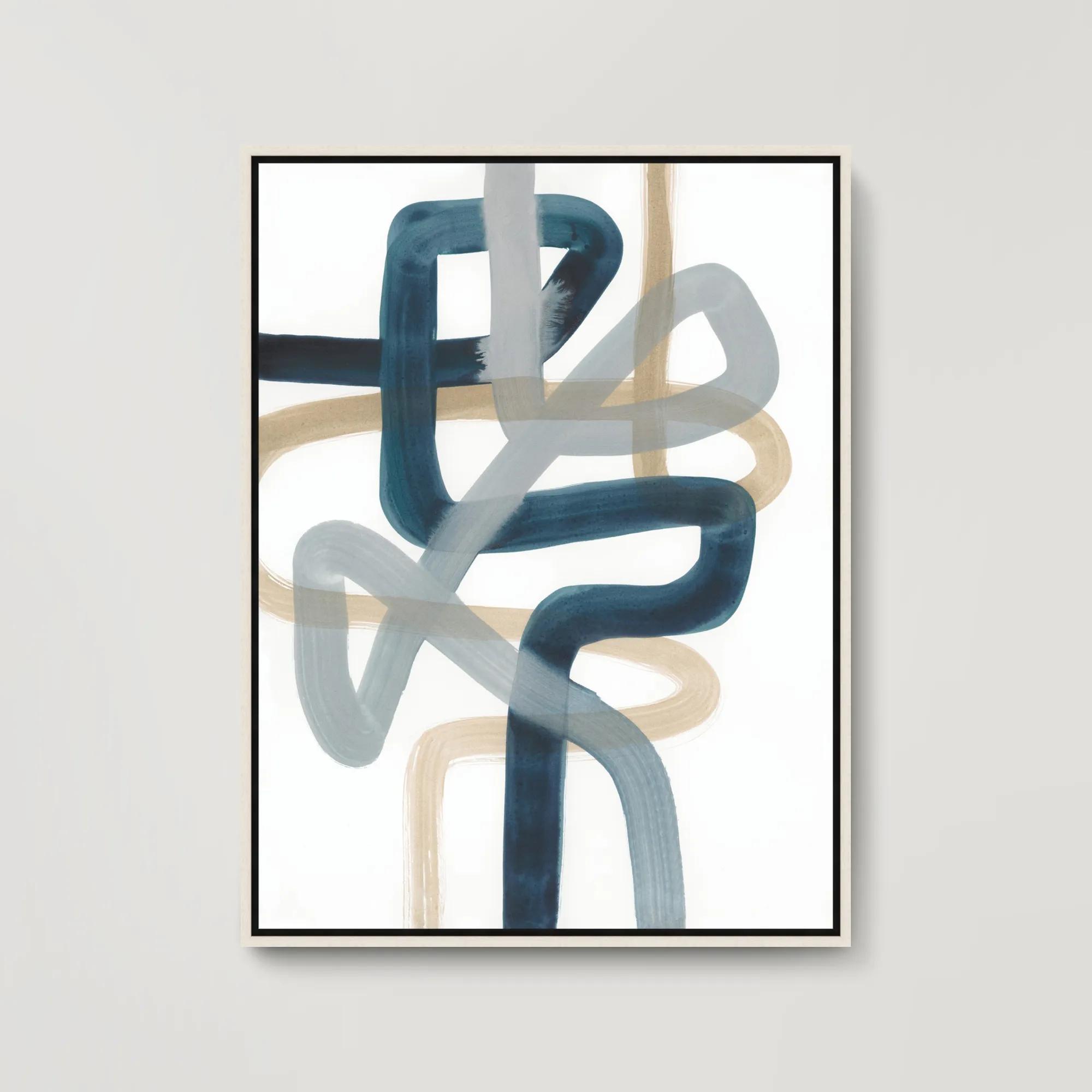
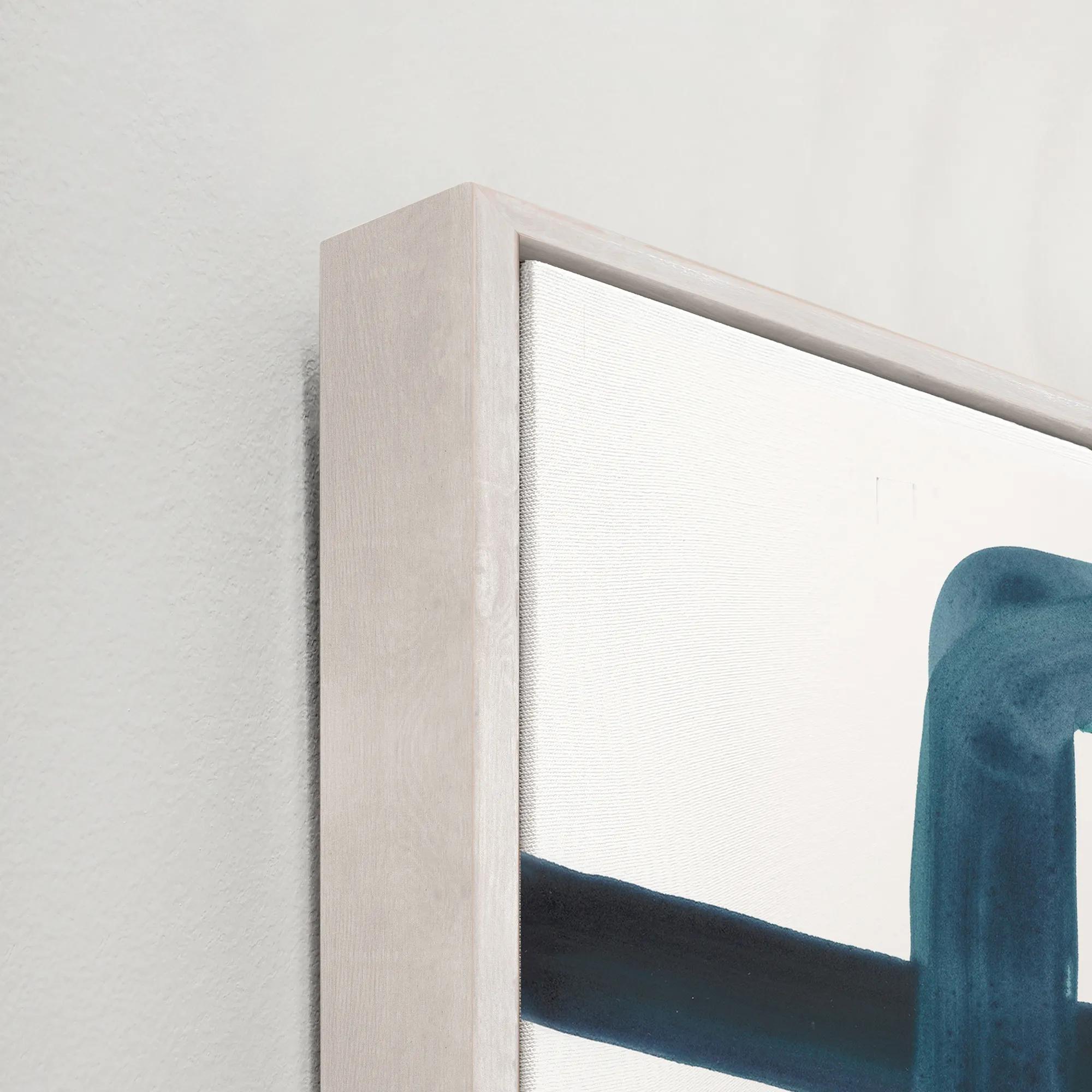 Looped In I Framed Wall Art 31.5" x 41.5"$699
A gallery-wrapped abstract canvas featuring hand-applied brush gel and a sleek white floater frame.
Add To Cart -
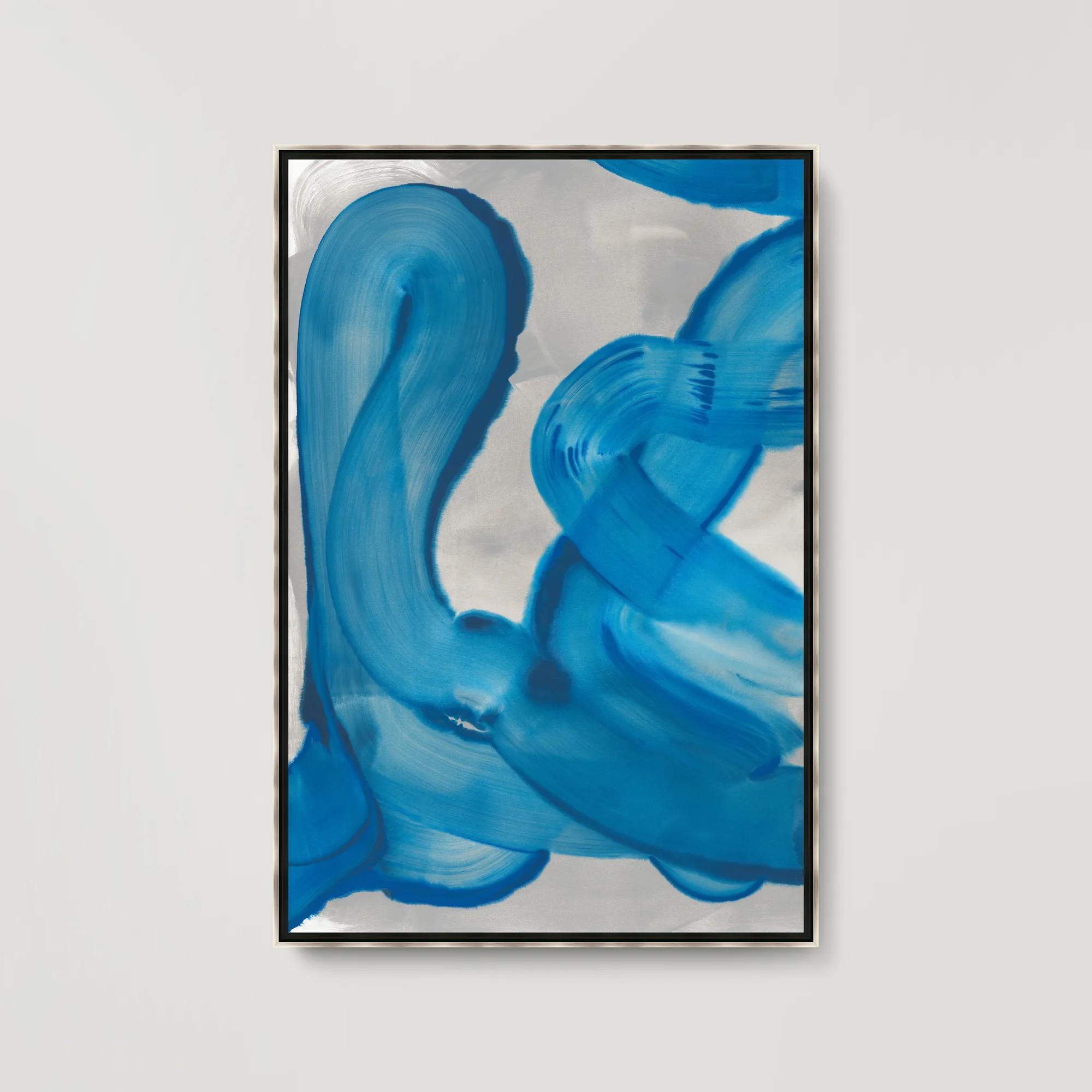 Royal Waves I Framed Wall Art 31.5" x 46.5"$699
A gallery-wrapped abstract canvas featuring hand-applied brush gel and set in a sleek silver floater frame.
Add To Cart -
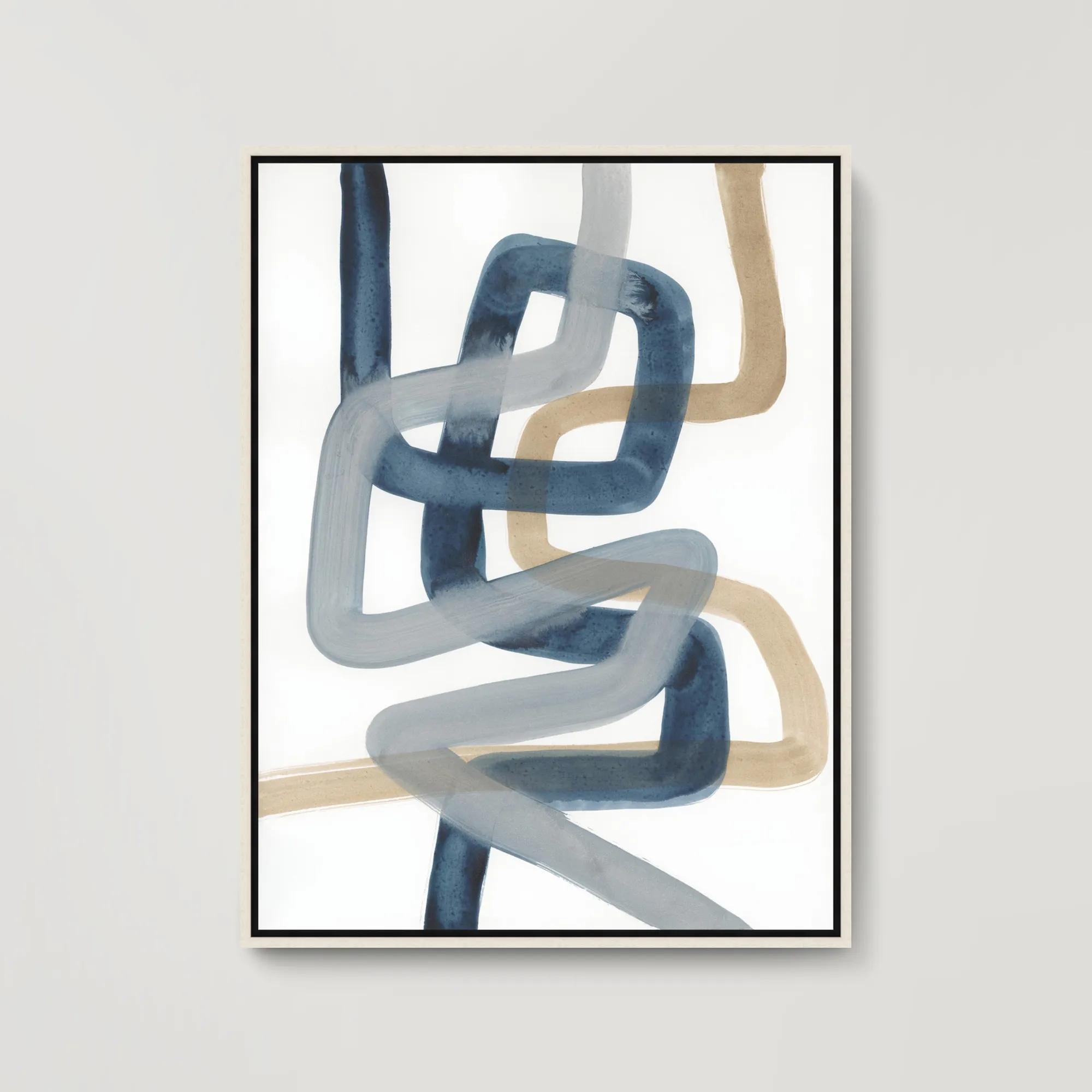 Looped In II Framed Wall Art 31.5" x 41.5"$699
A gallery-wrapped abstract canvas with hand-applied brush gel finish, set in a sleek white floater frame.
Add To Cart -
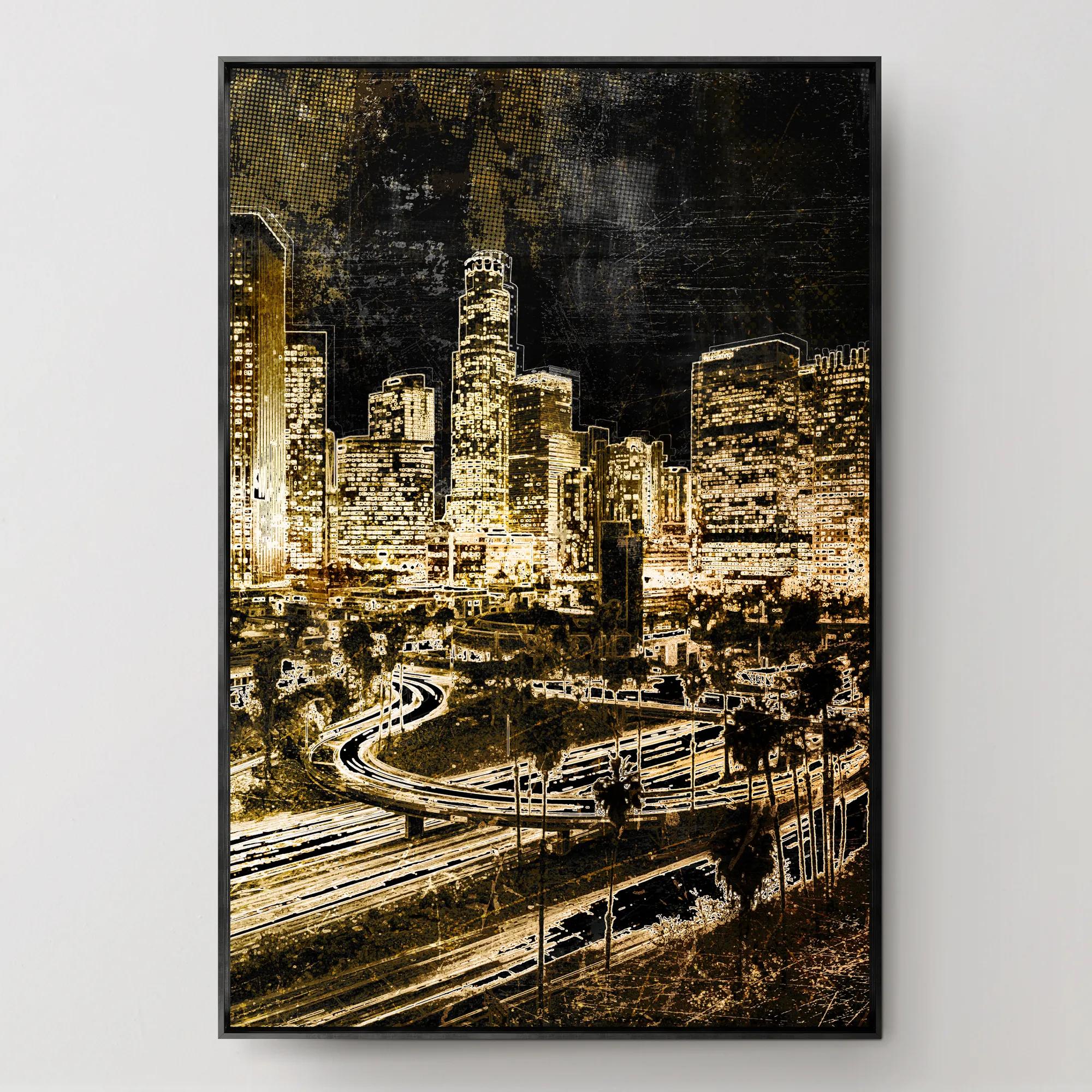 LA Lights Framed Wall Art 30" x 45"$649
A gallery-wrapped canvas artwork featuring a hand-applied brush gel finish in a sleek black floater frame.
Add To Cart

Hand Applied Texture Wall Arts
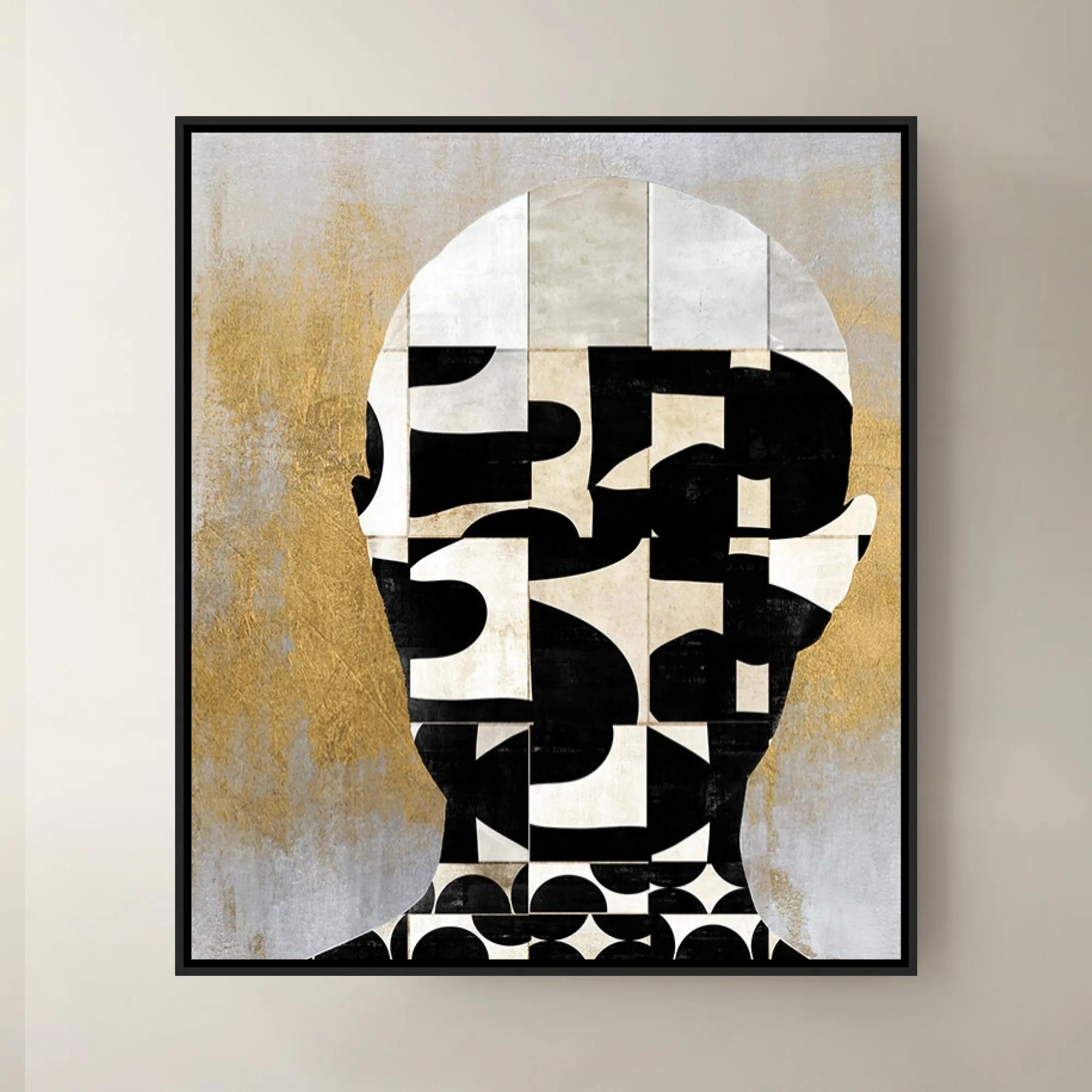
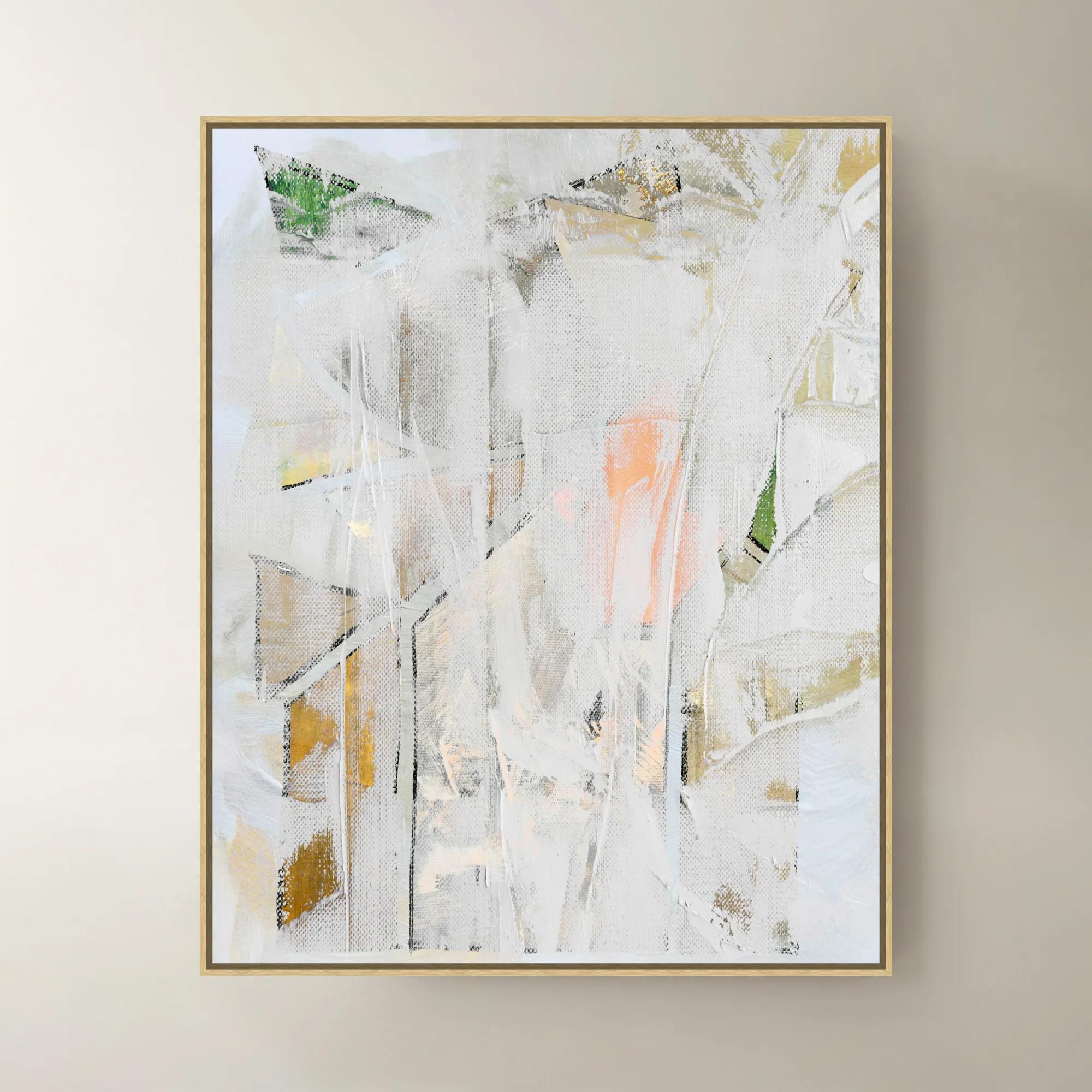
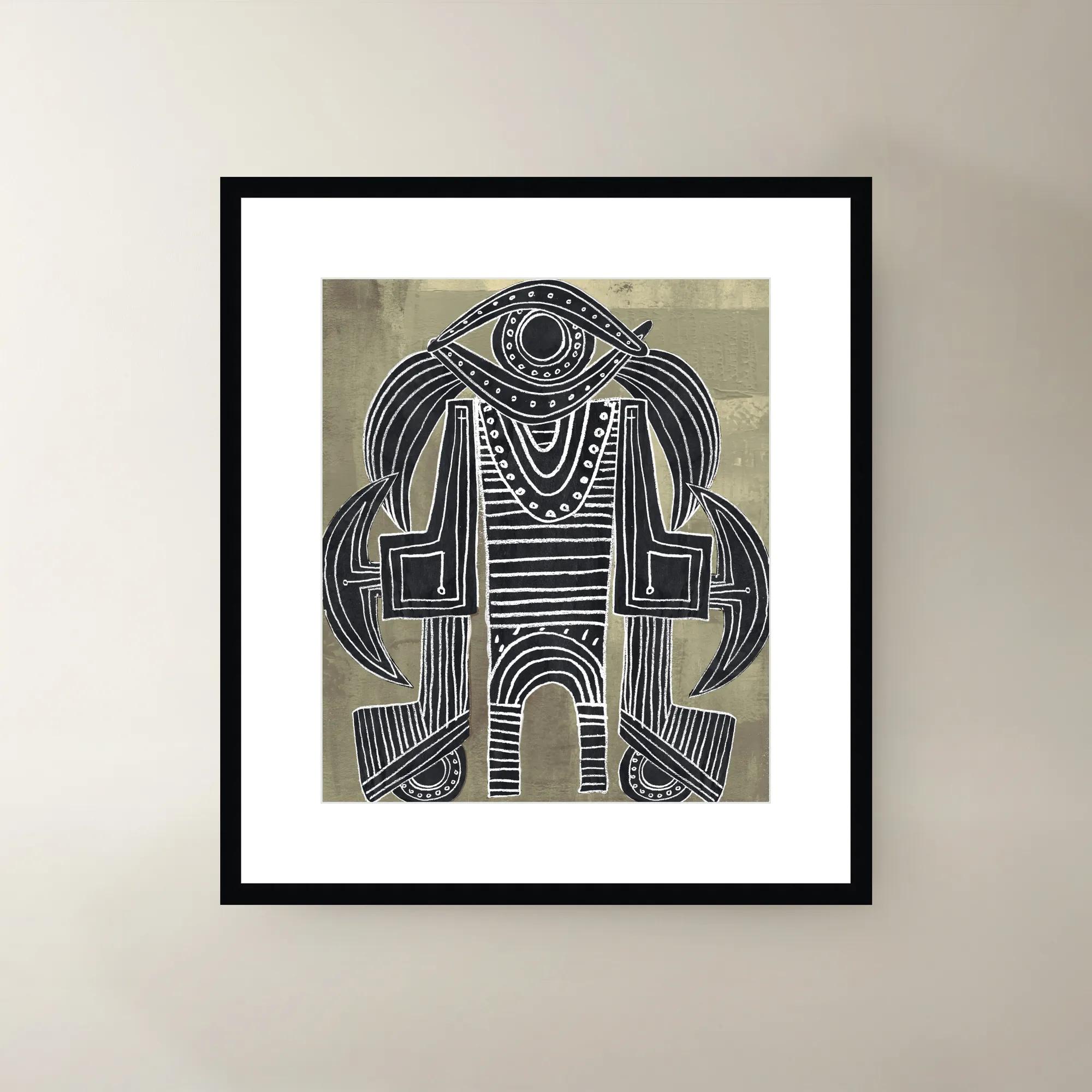
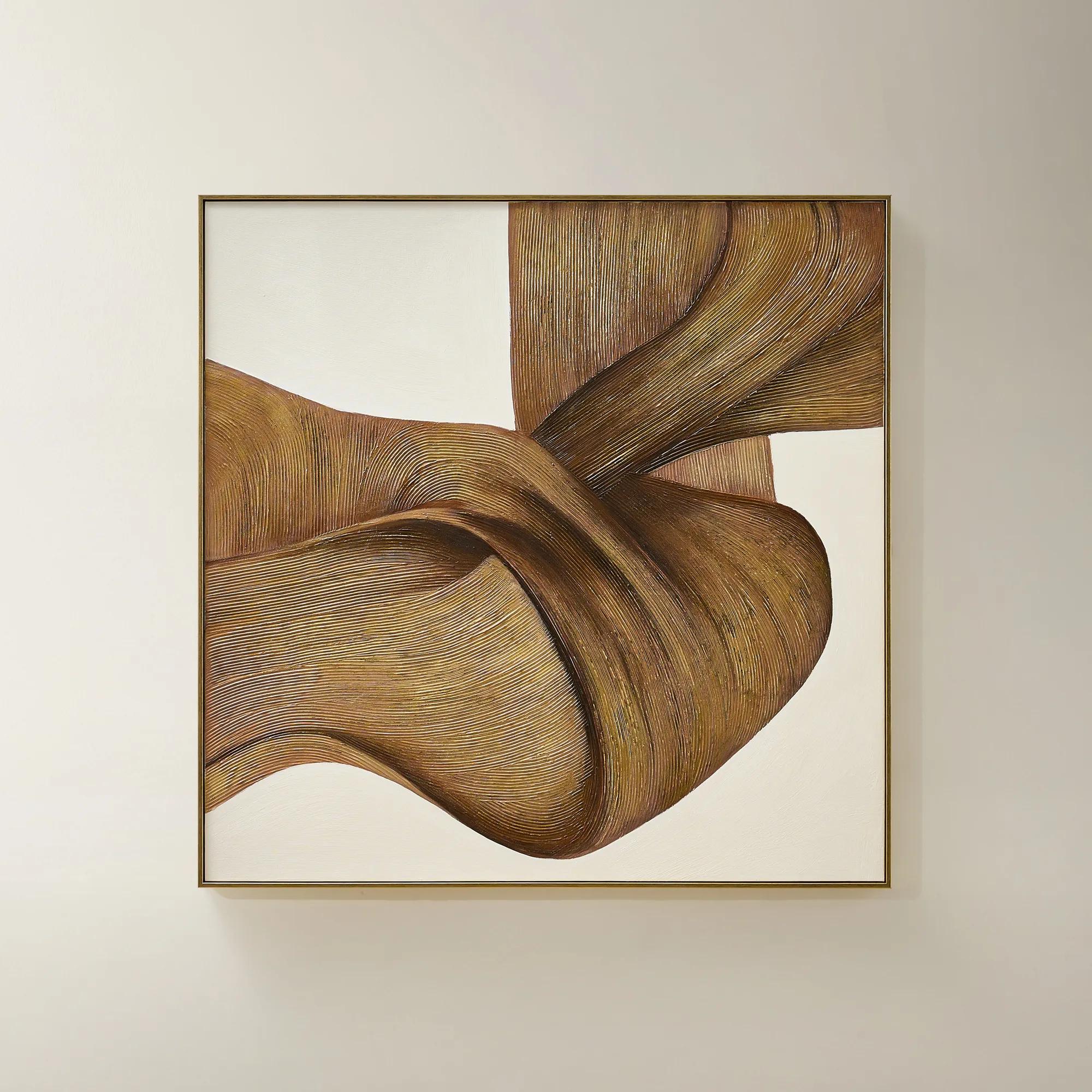
Unleash a world of tactile allure and visual intrigue with hand applied texture wall arts—where artistry leaps from the canvas to captivate every gaze. Each piece is a celebration of craftsmanship, inviting you to experience depth, dimension, and drama in your living space. Whether you crave a bold statement or a whisper of elegance, these works transform blank walls into immersive masterpieces, layering your home with expressive energy and curated sophistication. Let your interiors reflect your passion for the extraordinary with hand applied texture wall arts that turn every glance into an encounter with artful wonder.
Hand-applied texture wall art features raised, dimensional surfaces built with materials such as acrylic paint, modeling paste, plaster, or other textured mediums, depending on the piece. Applied by hand with brushes, palette knives, and similar tools, these layers create ridges, sweeping gestures, and sculptural relief that distinguish textured artwork from a smooth print. The effect is both visual and atmospheric: light grazes a crest of pigment, shadow gathers beneath an expressive stroke, and a composition reveals different nuances as daylight moves across the room. Some works combine printed imagery with hand-applied embellishment; others emphasize extensively worked surfaces. That distinction matters when selecting art for its depth, finish, and visible mark-making, since hand-applied texture does not necessarily mean every element of the artwork is painted by hand. Canvas offers a woven foundation that can remain visible beneath lighter passages, while rigid panels can support a firmer, more architectural presentation. The exact substrate and medium influence the artwork’s weight, surface character, and care requirements, making the material description as important as the image. A pale composition with broad, raised strokes can bring quiet grandeur to a bedroom, while dense charcoal gestures or metallic accents can lend a dining room a more theatrical presence. Even a restrained palette becomes expressive when its surface carries movement. Against smooth upholstery, polished stone, or gleaming metal, textured wall art introduces a compelling contrast: an invitation to look closer rather than another flat plane in the room. Its appeal lies in the relationship between composition and craftsmanship, with each visible sweep giving the surface a sense of intention. Hand-applied finishes may also show subtle variations in placement and texture, a characteristic worth understanding when considering coordinated works. For interiors that feel visually complete but lack dimension, this category offers an artful finishing layer without requiring another piece of furniture or a change to the room’s footprint.
The most compelling placement gives hand-applied texture room to register, both from across the space and at a closer viewing distance. Above a sofa, a substantial horizontal composition can establish a generous focal point, while a vertical work can lend height and elegance to a narrow entryway. Scale should relate to the furniture beneath the art rather than the wall alone; a small piece floating above an expansive sectional can feel disconnected, while an oversized composition crowded between sconces may lose its definition. Painter’s tape outlining the proposed dimensions can help reveal those proportions before installation, especially when a frame adds several inches beyond the image itself. In a grouping, deliberate spacing allows individual surfaces to remain distinct without breaking the larger composition. Color creates another connection. Ivory relief against a warm neutral wall emphasizes shadow and contour, whereas a darker background makes pale texture appear more pronounced. A trace of bronze, silver, or gold can echo nearby decorative finishes without making every accent match. For those drawn to expressive mark-making rather than recognizable subjects, Hand Textured Abstract Wall Arts explores the relationship between dimensional surfaces and abstract composition. These works can anchor a living room arranged for conversation, create a polished backdrop in a home office, or bring visual richness to the view from a bedroom doorway. Framing further shapes the effect: a floating frame can emphasize the separation between artwork and its surroundings, while a slender profile lets the textured field command attention. Lighting deserves equal consideration. Gentle illumination from the side often reveals relief more clearly than light aimed straight at the surface, although highly reflective finishes can produce glare under a concentrated beam. In a dining space used after sunset, the artwork should feel resolved under evening lighting as well as daylight. The goal is a relationship among surface, scale, and setting that feels intentional, allowing the art to hold attention without overwhelming the room’s other expressive details.
Because raised surfaces project beyond their foundation, hand-applied texture wall art benefits from thoughtful placement and gentle handling. Durability depends on the materials, the strength of their bond to the substrate, the construction of the support, and any protective finish; a substantial-looking ridge is not necessarily resistant to impact. Heavy impasto and plaster-like details can be vulnerable to chipping if bumped, while flexible canvas requires protection from pressure that could stretch or distort it. A busy passage where bags regularly brush the wall may suit a less exposed placement, and artwork near a chair should sit clear of the chair back’s movement. Most decorative textured artwork is intended for indoor display unless expressly described otherwise. Consistently dry rooms with stable temperatures are generally preferable to locations exposed to splashing, cooking grease, or pronounced humidity changes. Direct sunlight and concentrated heat can affect pigments, coatings, and supports over time, so a dramatic position above a fireplace still requires attention to heat exposure and the artwork’s stated care instructions. Routine care should follow the maker’s recommendations: some stable surfaces tolerate light dusting with a clean, very soft brush, but fragile, flaking, or loosely embellished areas should not be brushed. Water, household cleaners, abrasive cloths, and vigorous rubbing can damage finishes or catch on raised details. When moving a piece, support its frame or structural edges rather than pressing against the decorated face, and use hanging hardware appropriate to both its weight and the wall construction. These practical considerations preserve the qualities that make textured art so captivating: crisp relief, subtle tonal transitions, and the play of light across an expressive surface. As a housewarming, wedding, or milestone gift, it can be a deeply personal choice for someone who values interiors with artistic presence, particularly when their preferred palette and available wall space are known. For collectors furnishing a new home or refreshing a familiar room, hand-applied texture offers enduring visual interest through material and gesture, creating a focal point that feels considered, dimensional, and distinctly personal.
FAQs
Hand applied texture wall art stands apart for its tactile dimension and artisanal craftsmanship. Each piece is individually created by skilled artists, resulting in intricate layers, sculptural forms, and nuanced finishes that interact with light and shadow in ways flat prints cannot. The result is a visually dynamic and emotionally resonant work that brings depth and personality to any space.
Textured wall art is remarkably versatile and can elevate a variety of design aesthetics. In modern spaces, it adds visual interest and contrast to clean lines and minimalist furnishings. For glam or eclectic interiors, it amplifies drama and luxury, especially when paired with metallic accents or bold color palettes. Even in traditional settings, the right piece can introduce a fresh, contemporary twist while complementing classic decor.
Absolutely. Hand applied texture wall art makes a thoughtful and meaningful gift for art lovers, new homeowners, or anyone who appreciates unique craftsmanship. Its one-of-a-kind nature and expressive details turn it into a memorable present for occasions such as weddings, anniversaries, or housewarmings, offering lasting beauty and a personal touch.
Lighting plays a transformative role in showcasing textured wall art. As light moves across the raised surfaces, it creates shifting shadows and highlights that reveal new details throughout the day and evening. Placing textured art near windows, under spotlights, or adjacent to lamps can enhance its sculptural qualities and make it a captivating focal point.
Yes, textured wall art is a striking addition to a variety of rooms beyond the living area. It can bring sophistication to bedrooms, add a welcoming touch to entryways, infuse creativity into home offices, or even elevate dining rooms with a sense of artistry. Its versatility and ability to set a mood make it suitable for nearly any space that could benefit from visual intrigue and tactile beauty.
.jpg?w=3000&h=3000)