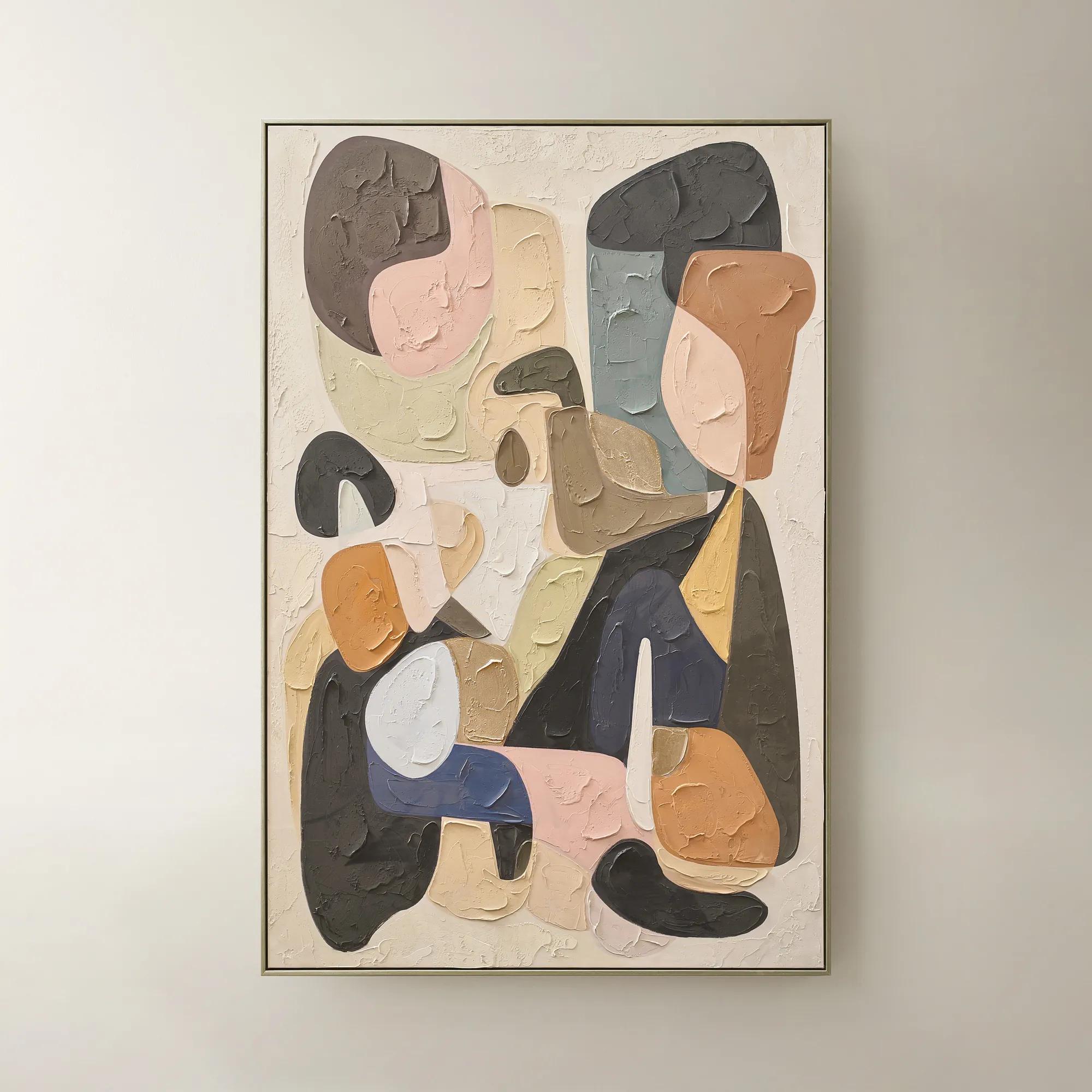
Textured Hand Painted Wall Arts
Textured Hand Painted Wall Arts
-
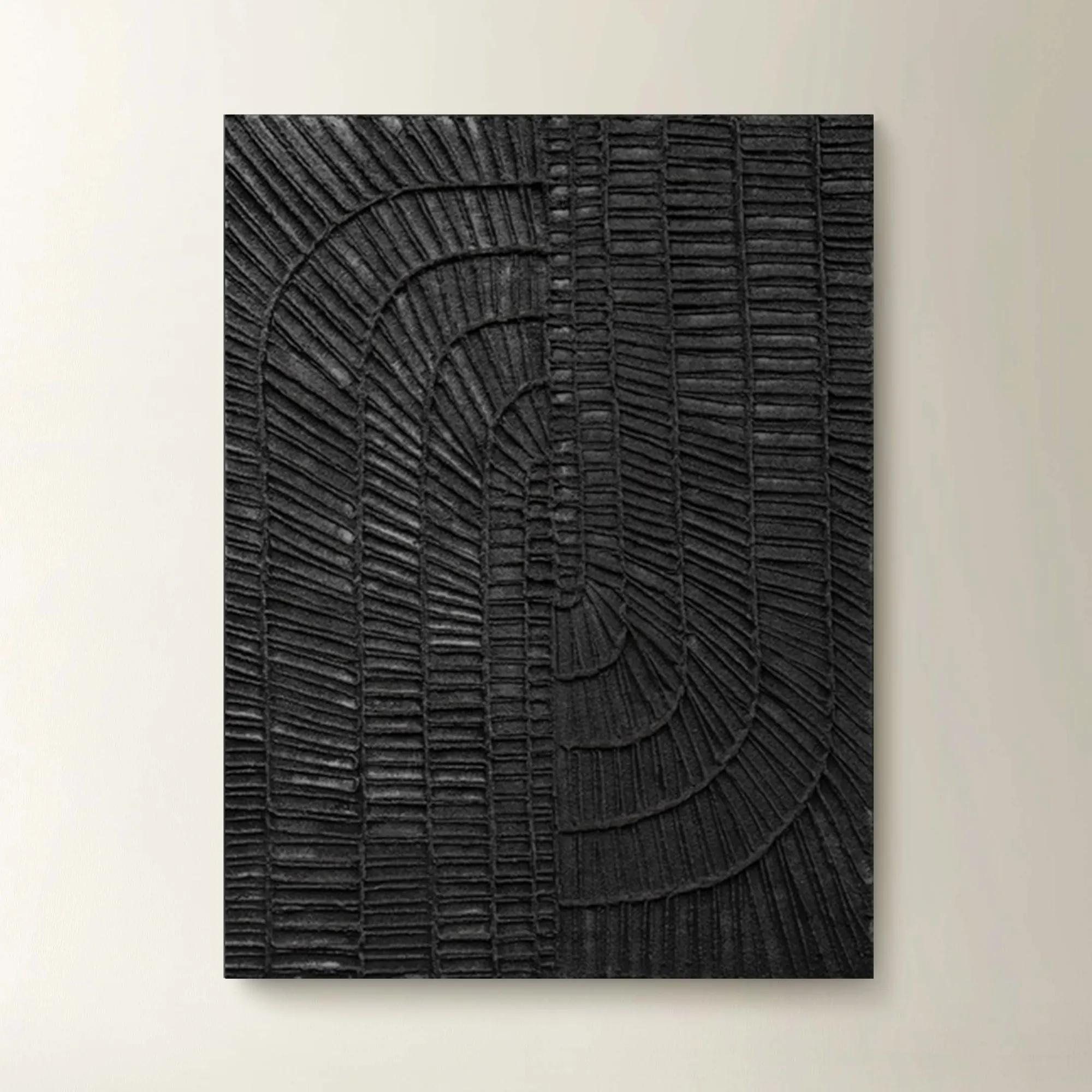 Textured Haze Black II Painted Wall Art 26" x 35"$499
A striking hand-painted black artwork featuring textured details for versatile vertical or horizontal display.
Add To Cart -
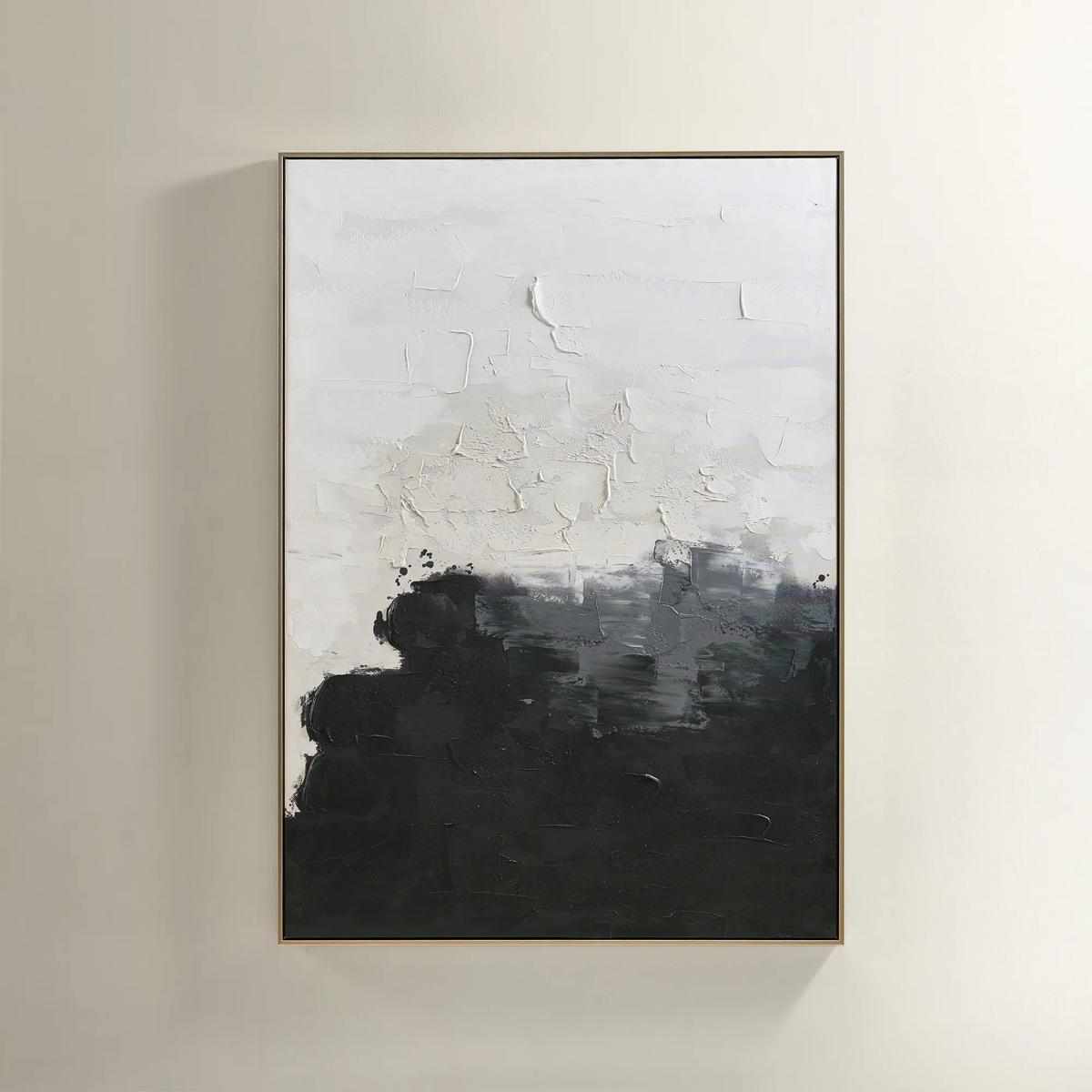
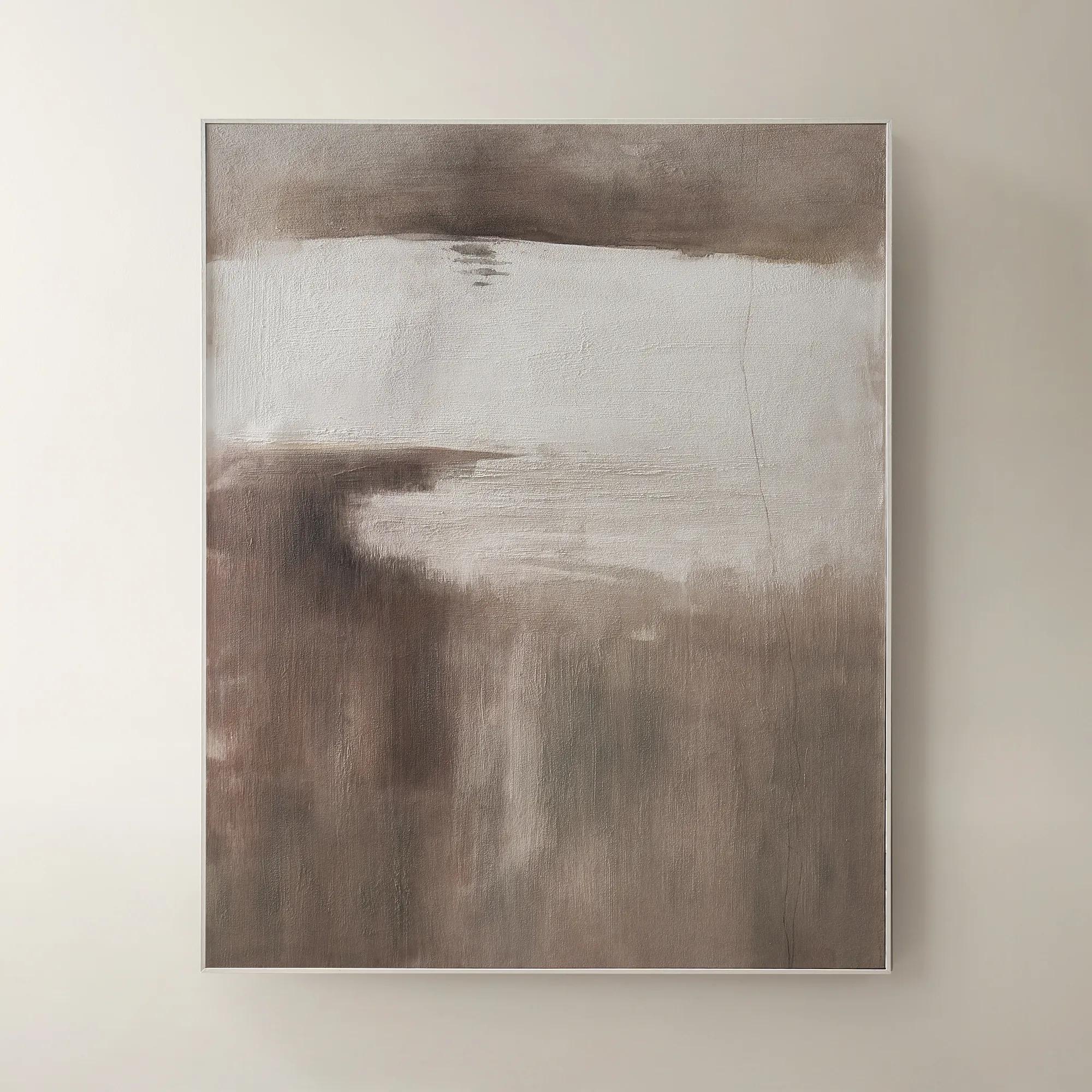
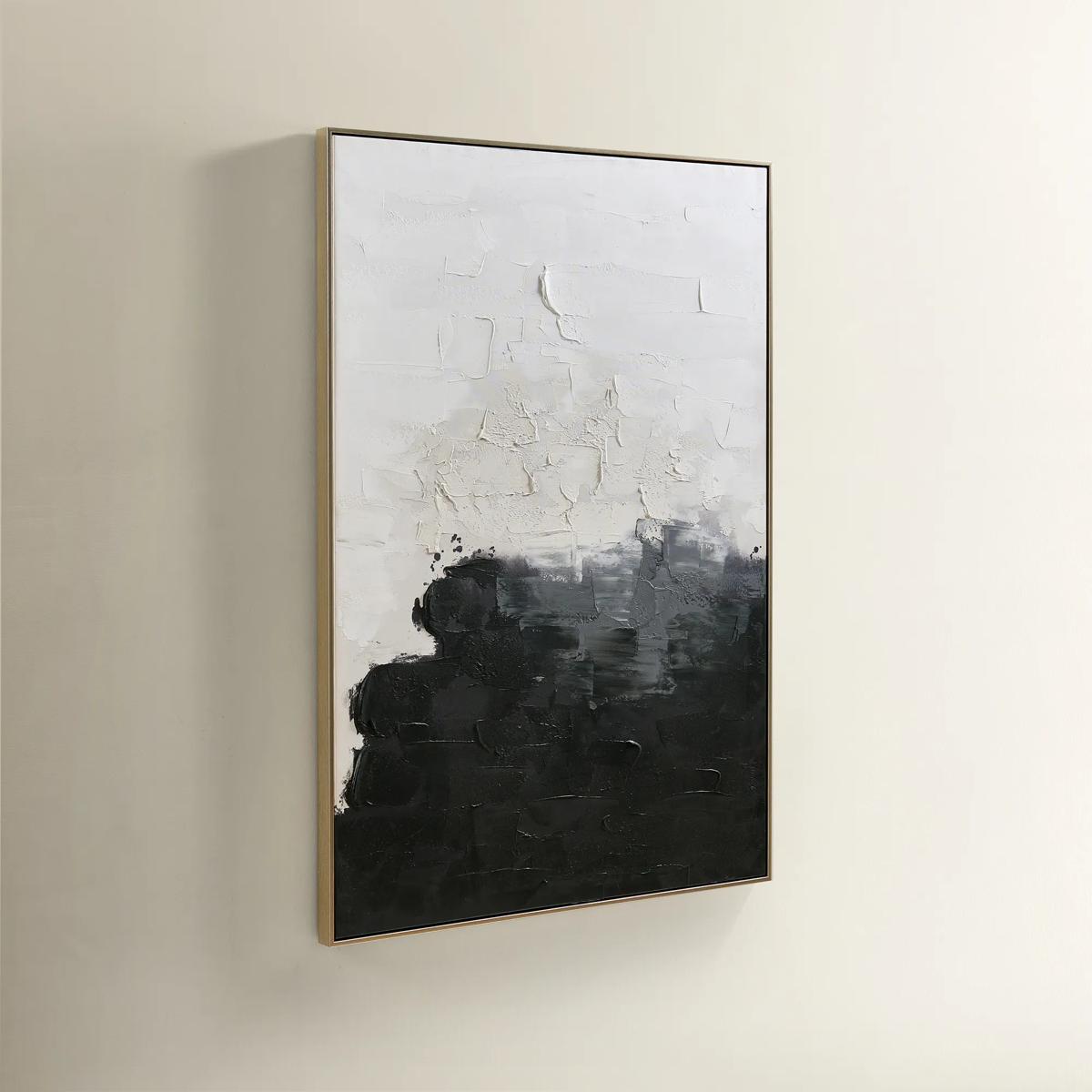 No Rush Painted Wall Art 39.25" x 55"$499
A hand-painted canvas featuring textured strokes of white, ivory, and charcoal in a natural wood frame.
Add To Cart -
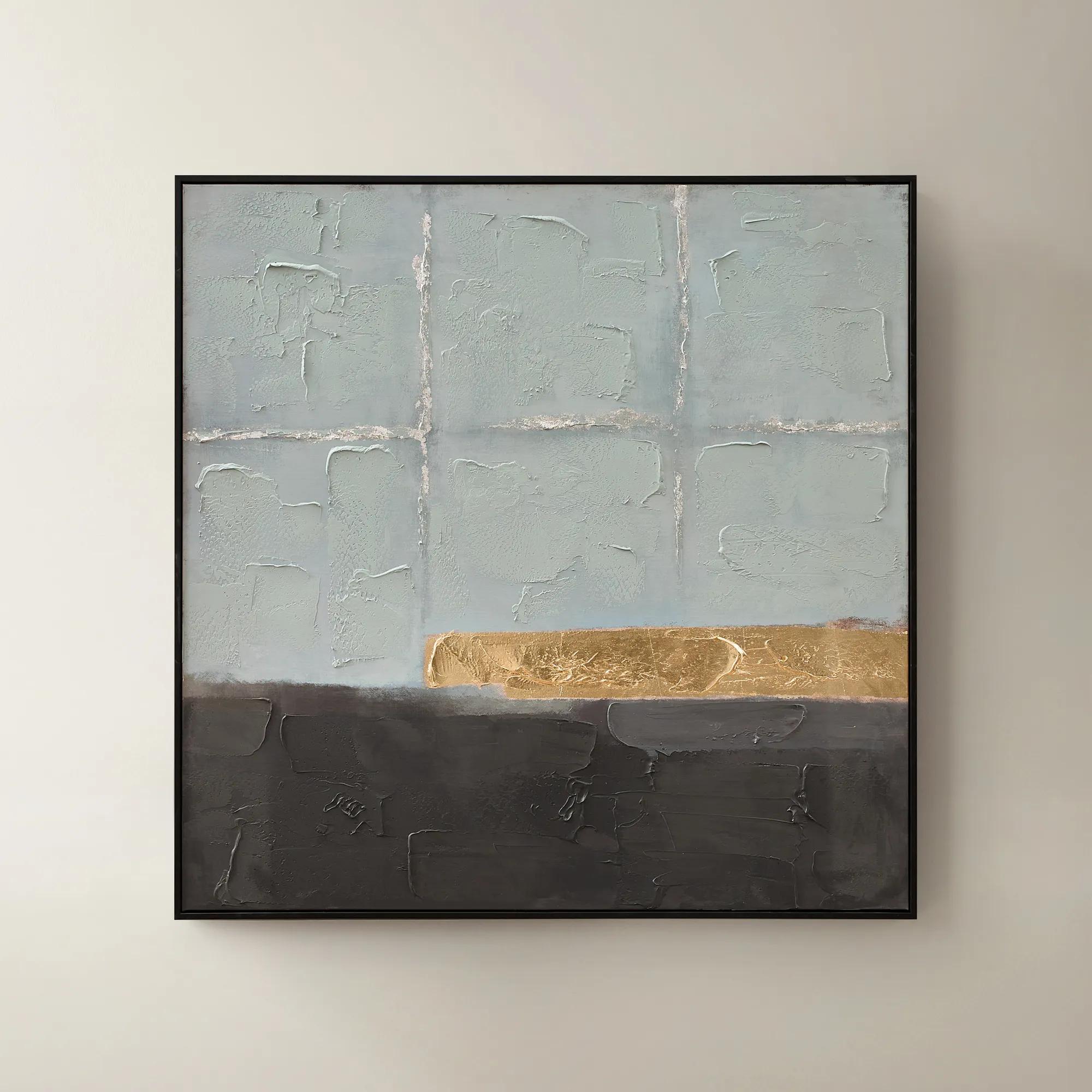
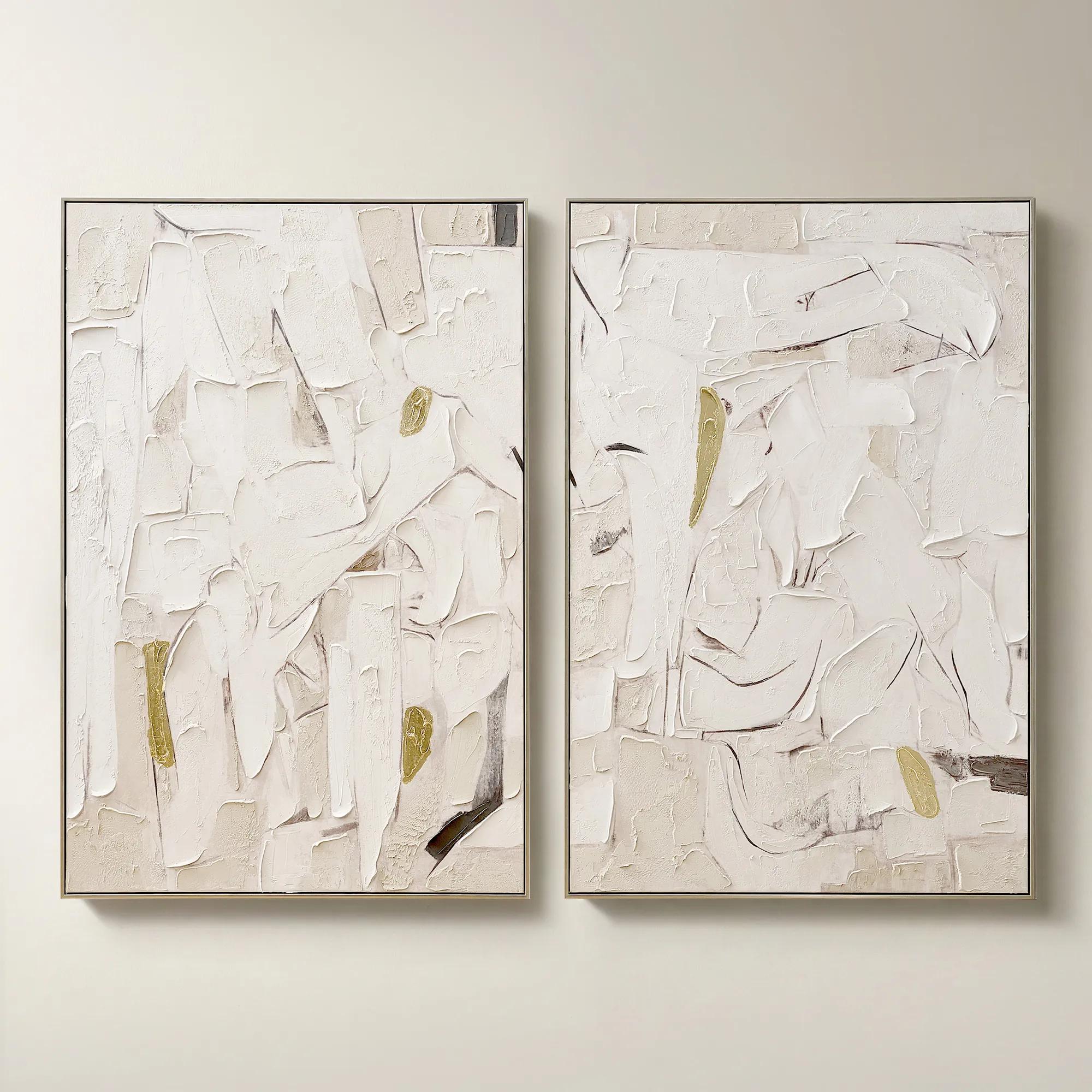 Beneath the Surface Framed Gold Leaf Painted Wall Art 40" x 60" Set of 2$799
A hand-painted abstract diptych featuring gold detailing and layered texture in alabaster and tawny hues.
Add To Cart -
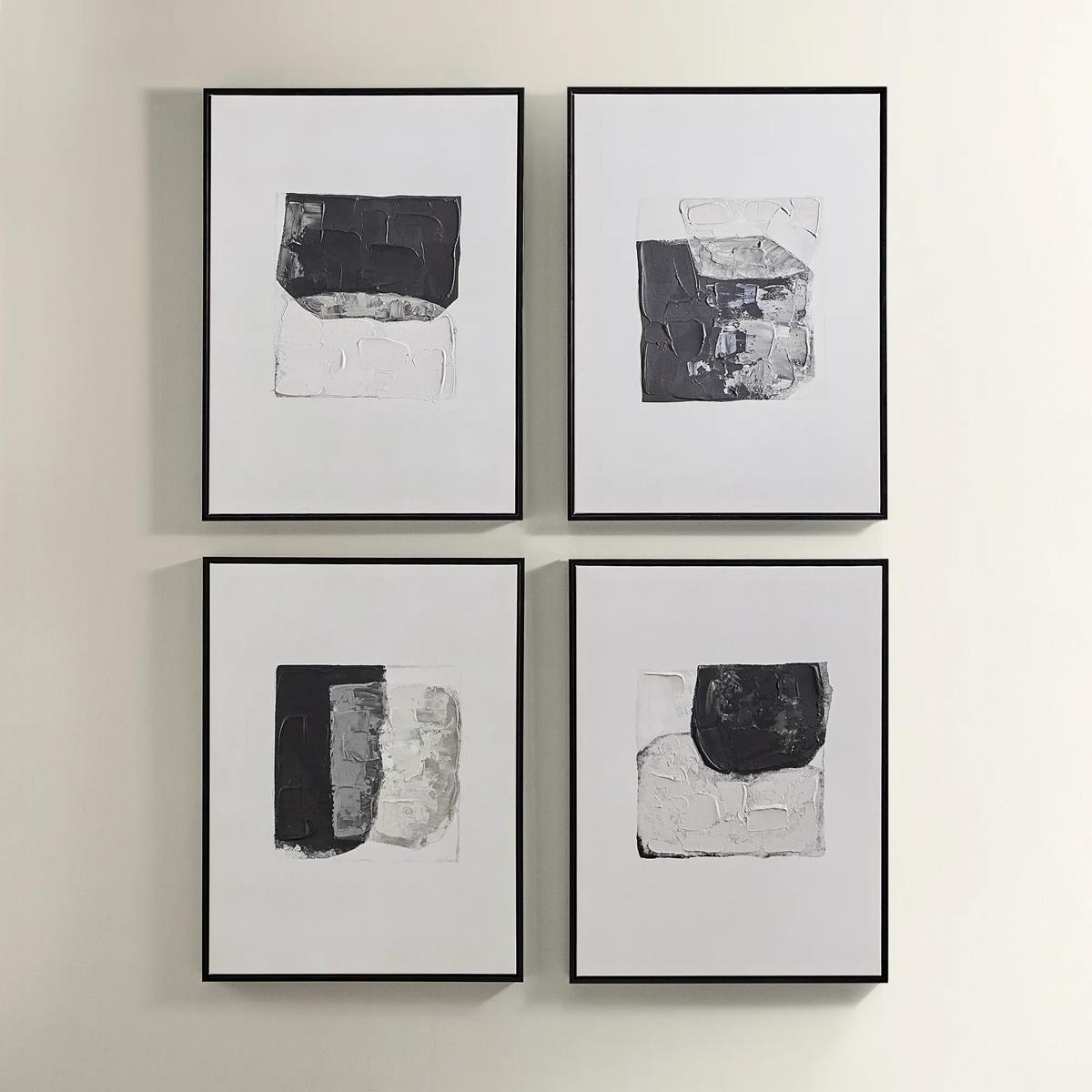
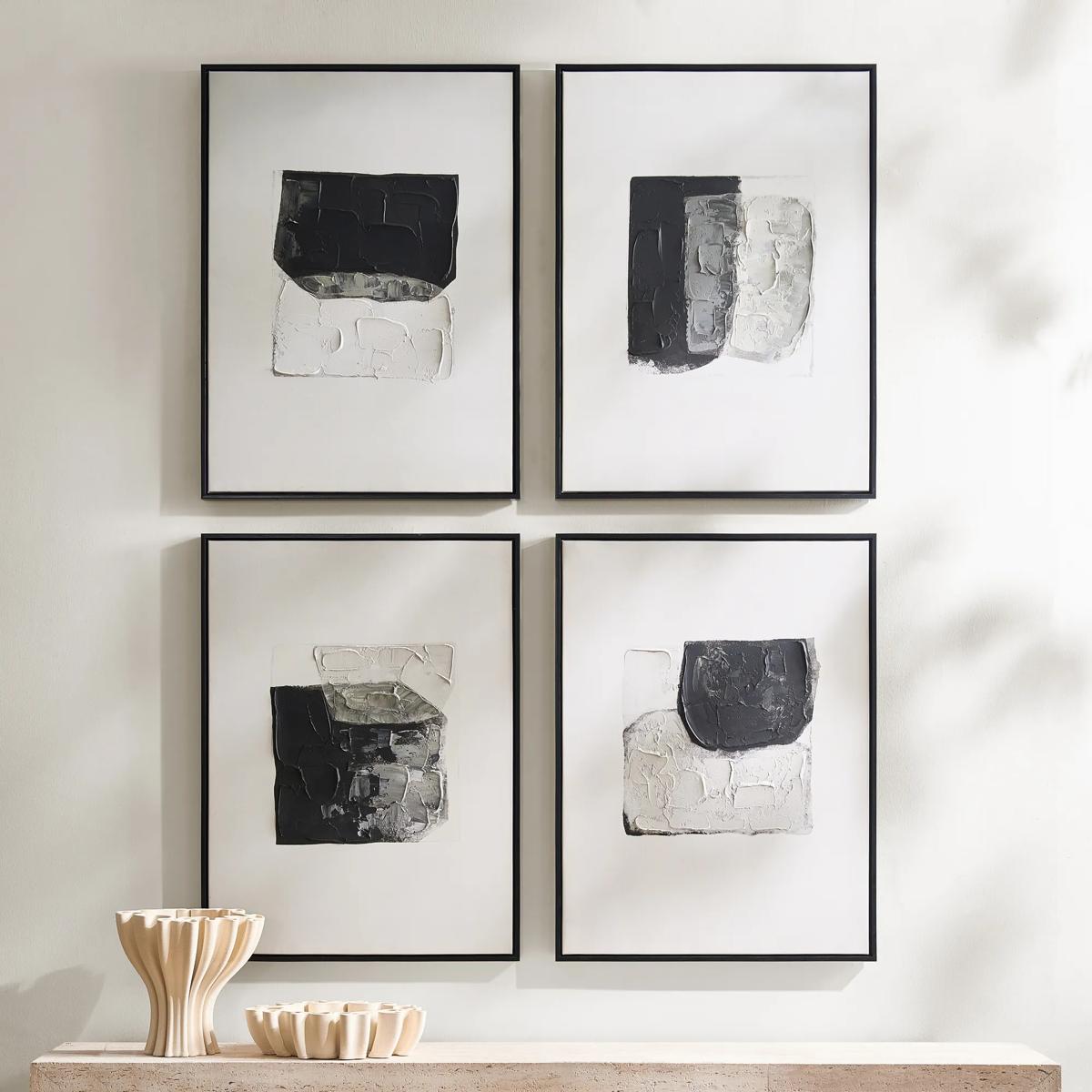 Shadows Framed Painted Wall Art Set of 4$299
A set of four hand-painted abstract canvases featuring black, white, and gold accents in black frames.
Add To Cart -
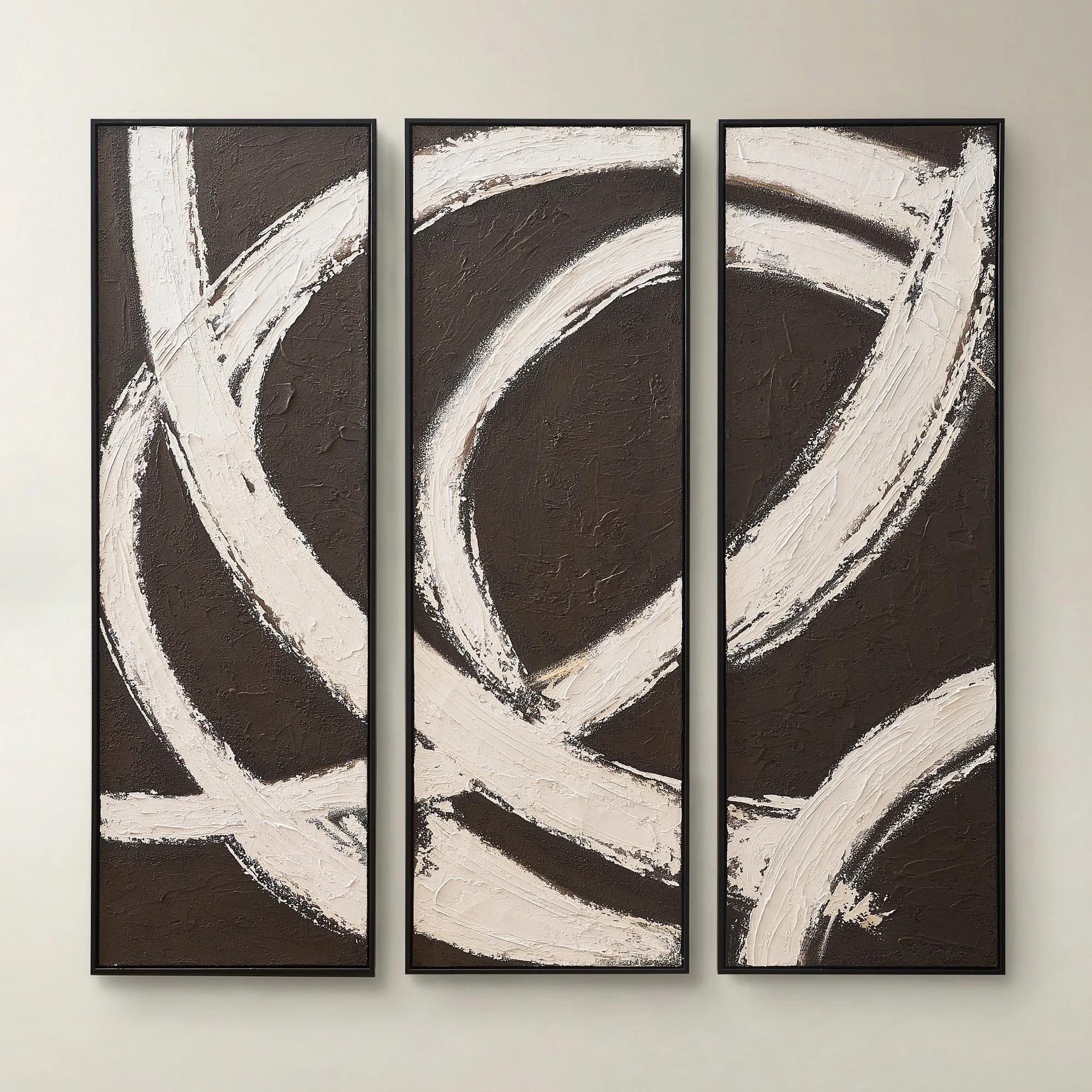
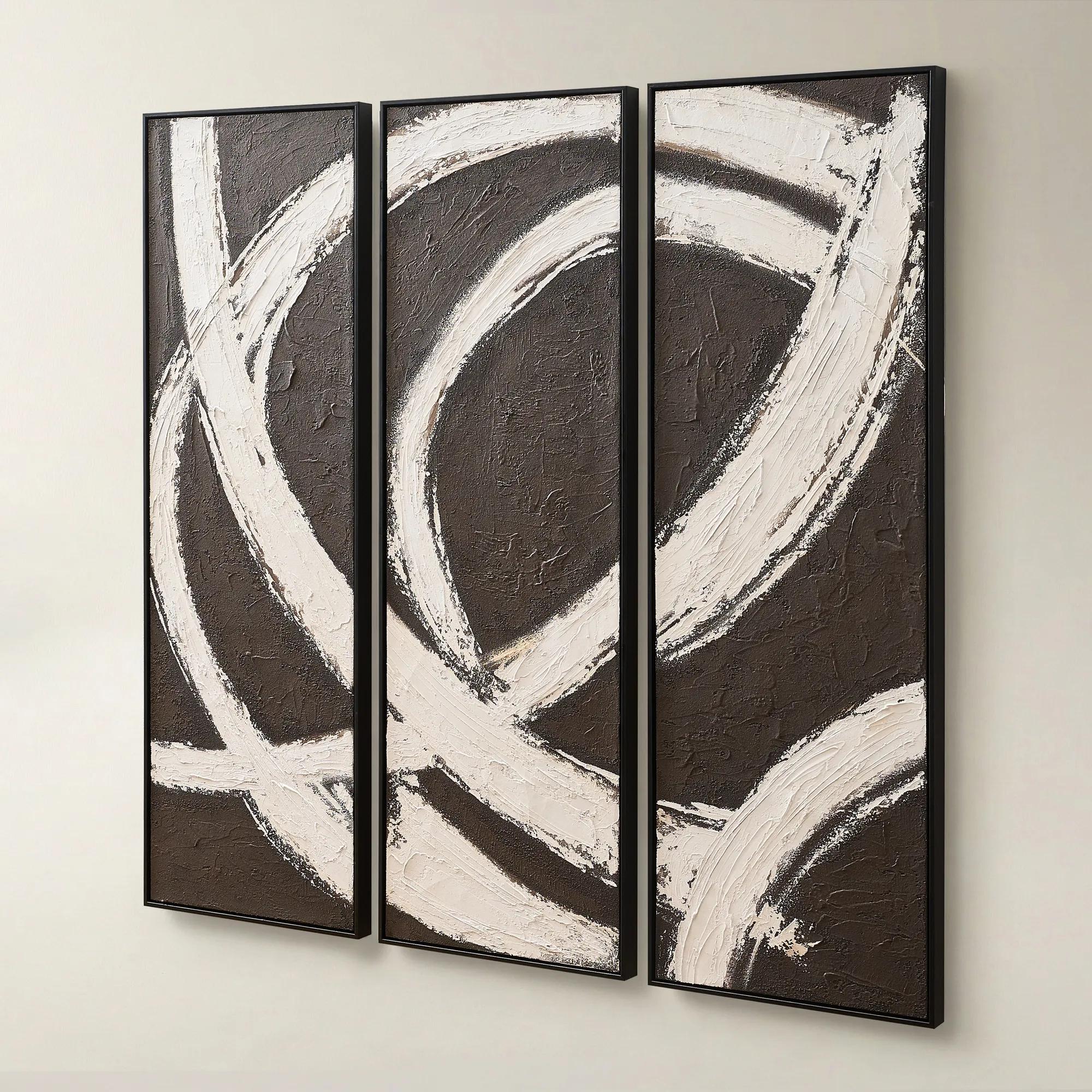 Spun in Coco Framed Painted Wall Art 20" x 60" Set of 3$499
A hand-painted triptych featuring dark chocolate and alabaster tones with rich texture and modern contrast.
Add To Cart -

 Shift Framed Painted Wall Art 39.4" x 59"$499
A hand-painted canvas featuring bold black and beige contrasts with textured layers in a sleek black frame.
Add To Cart -
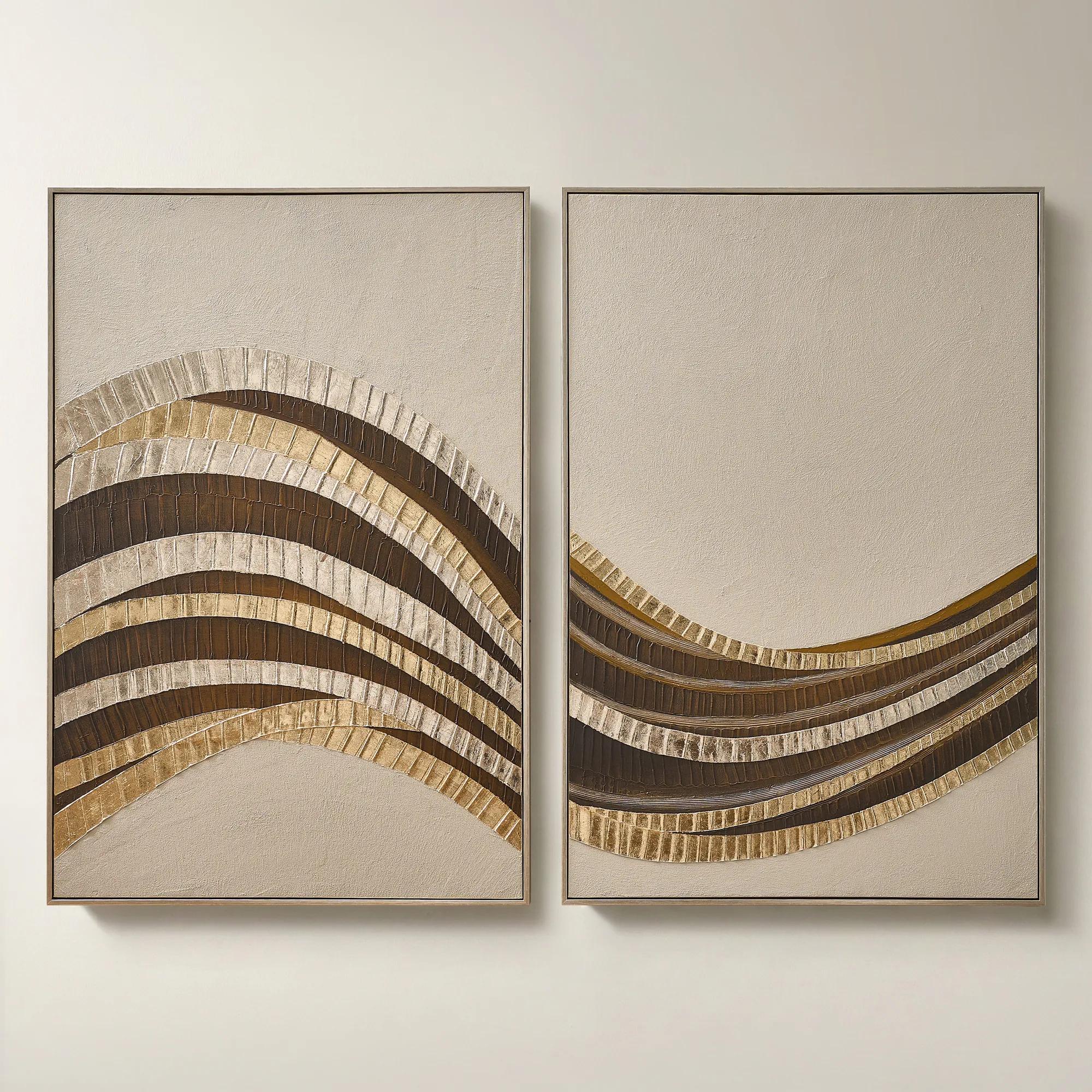 Stillness in Motion Framed Gold Leaf Painted Wall Art 40" x 60" Set of 2$899
A hand-painted abstract diptych with gold leaf accents, textured surface, and brushed champagne frames.
Add To Cart -
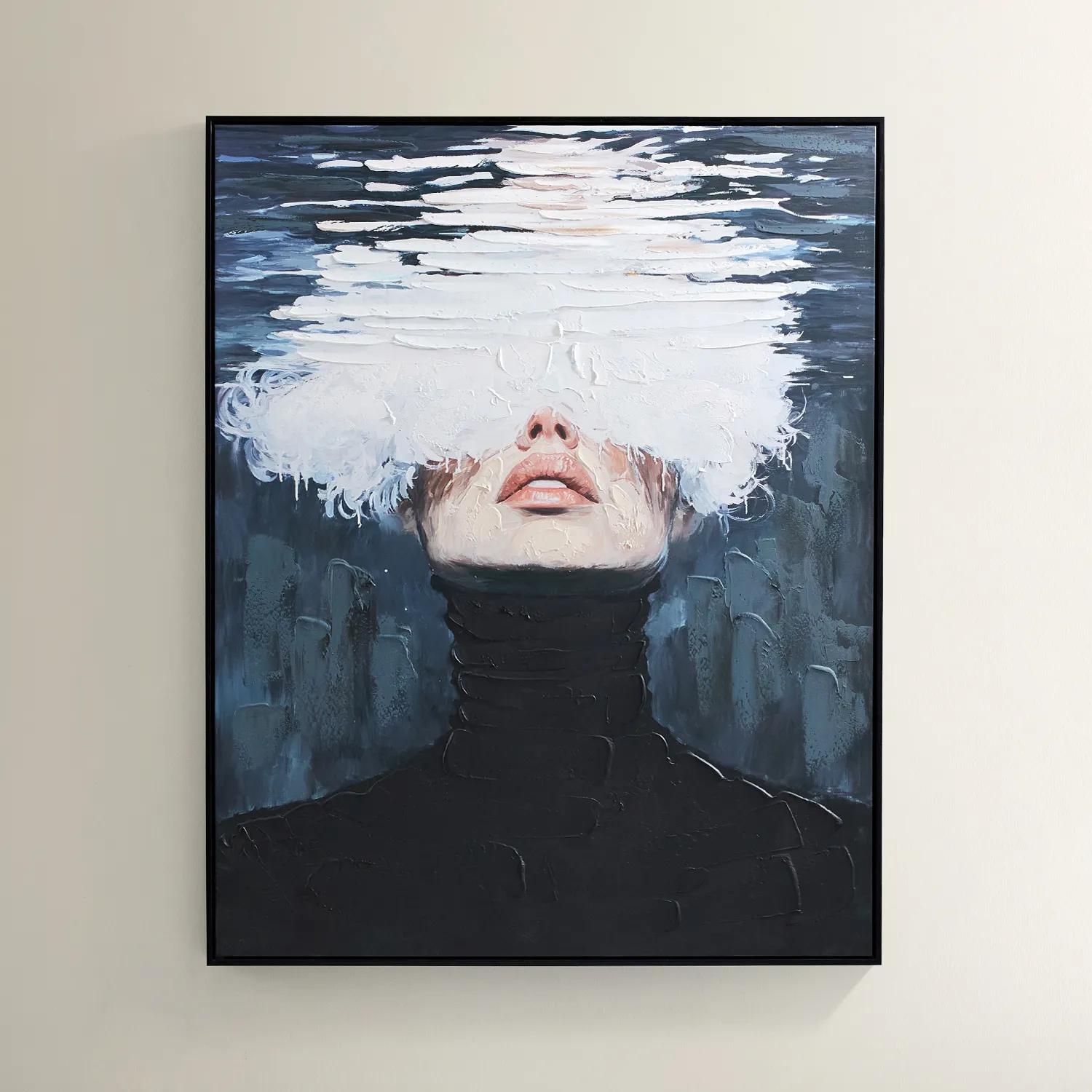
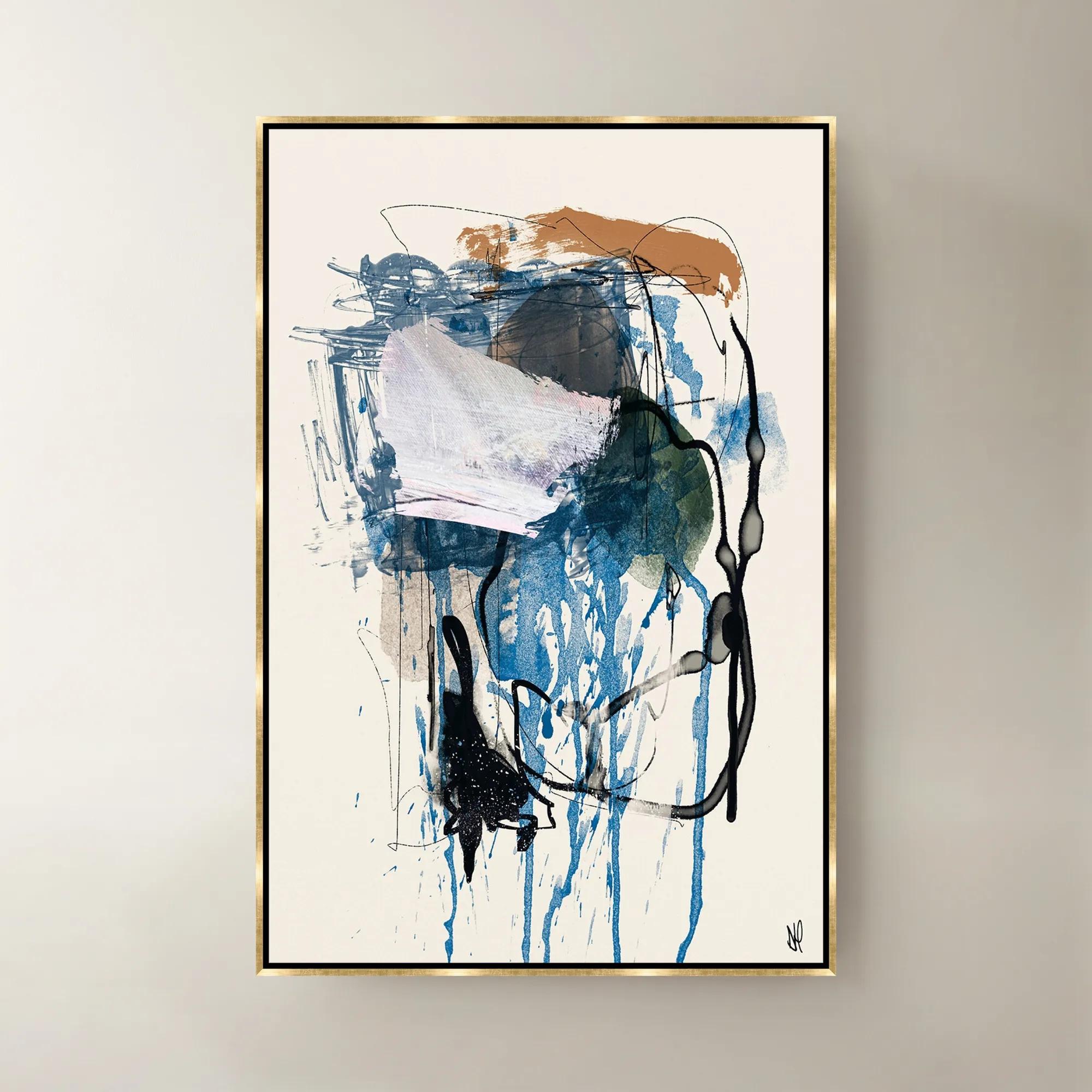
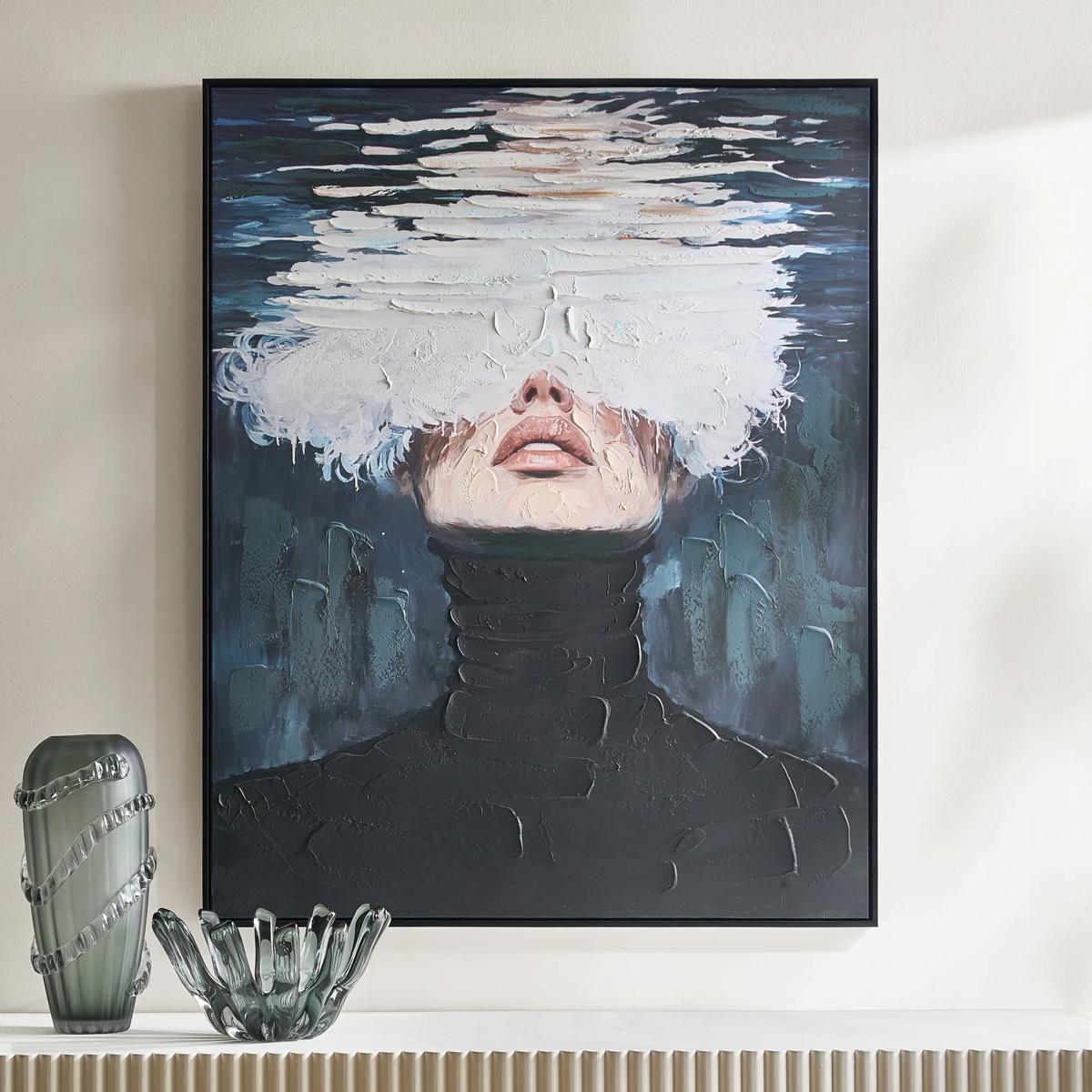 Submerged Framed Painted Wall Art 40" x 50"$599
A hand-painted canvas featuring a surreal portrait in black, blue, and white with a black floater frame.
Add To Cart -
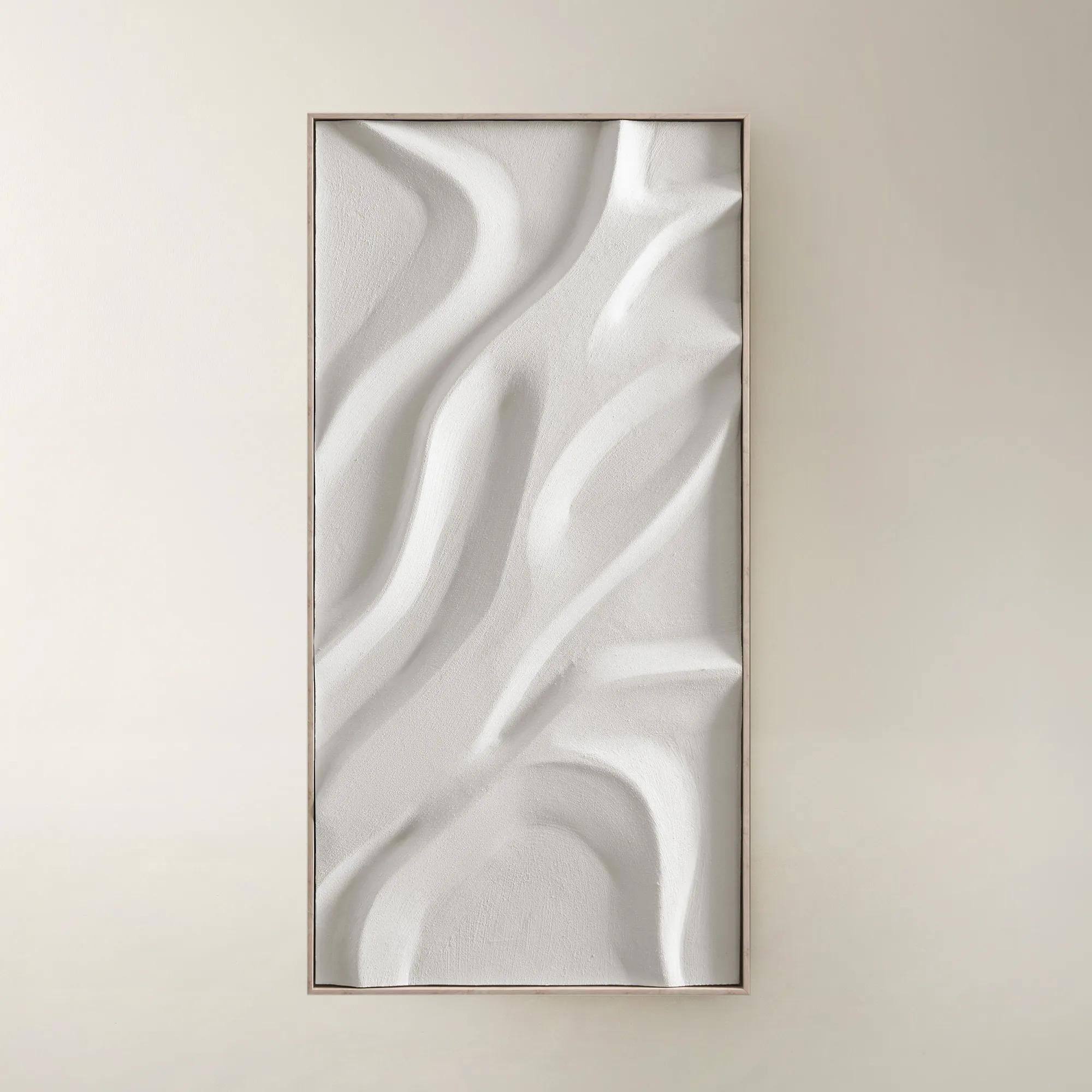
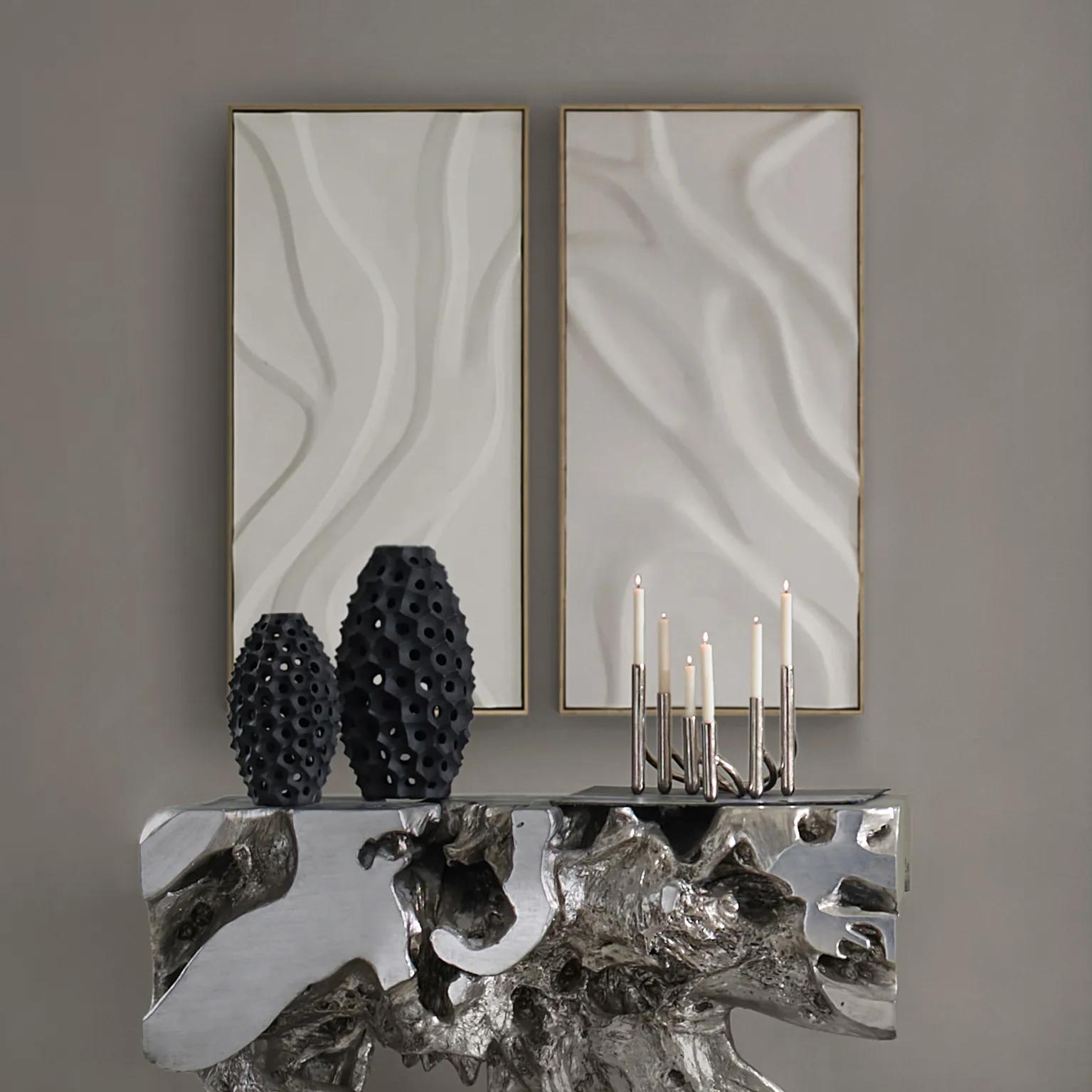 Au Lait Framed Painted Wall Art II 47.2" x 23.6"$199
A serene hand-painted canvas in beige, set in a warm whitewash floater frame for modern interiors.
Add To Cart -
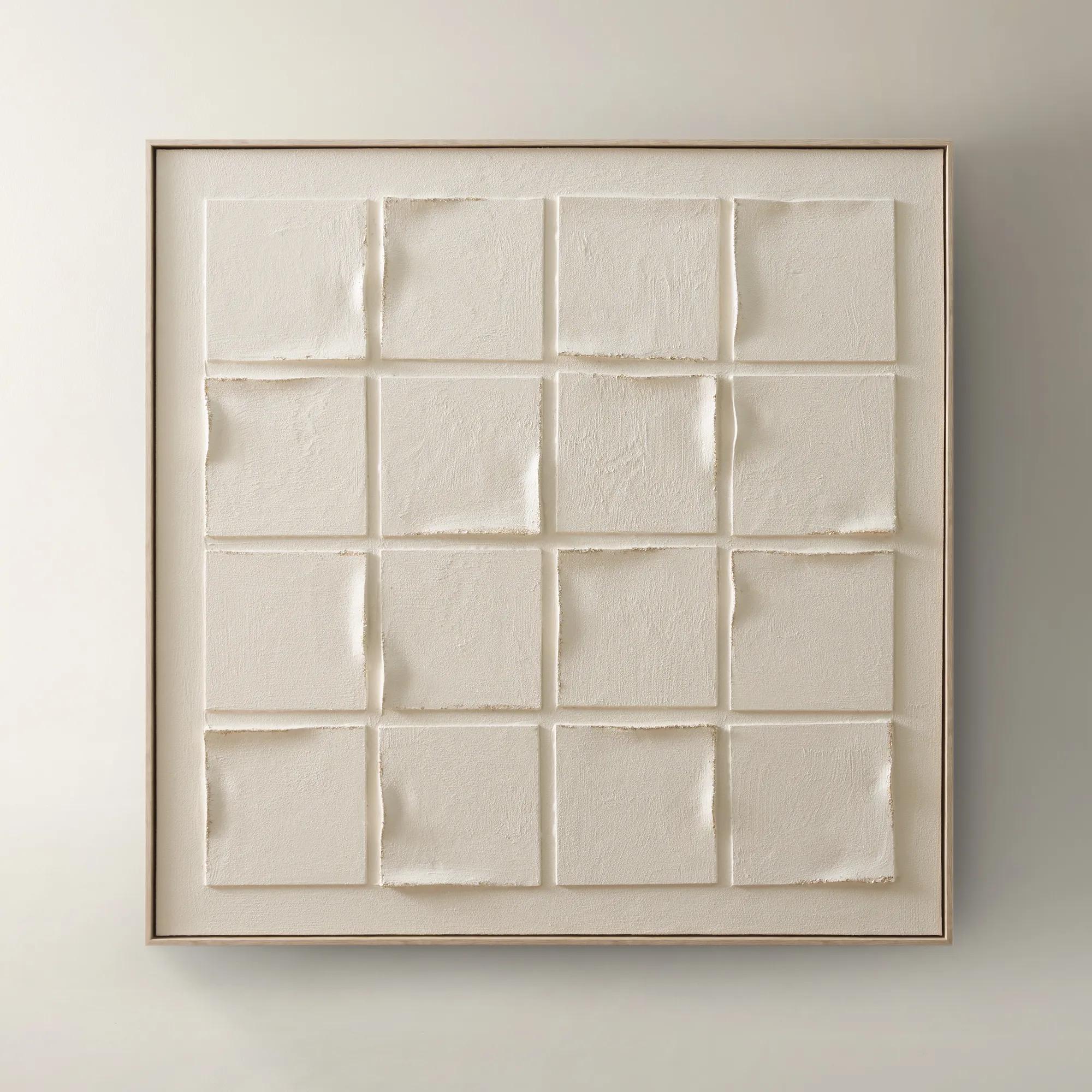 Gaze Framed Painted Wall Art 39.4" x 40"$329
A hand-painted canvas featuring subtle beige tones and textured depth in a warm whitewash floater frame.
Add To Cart -
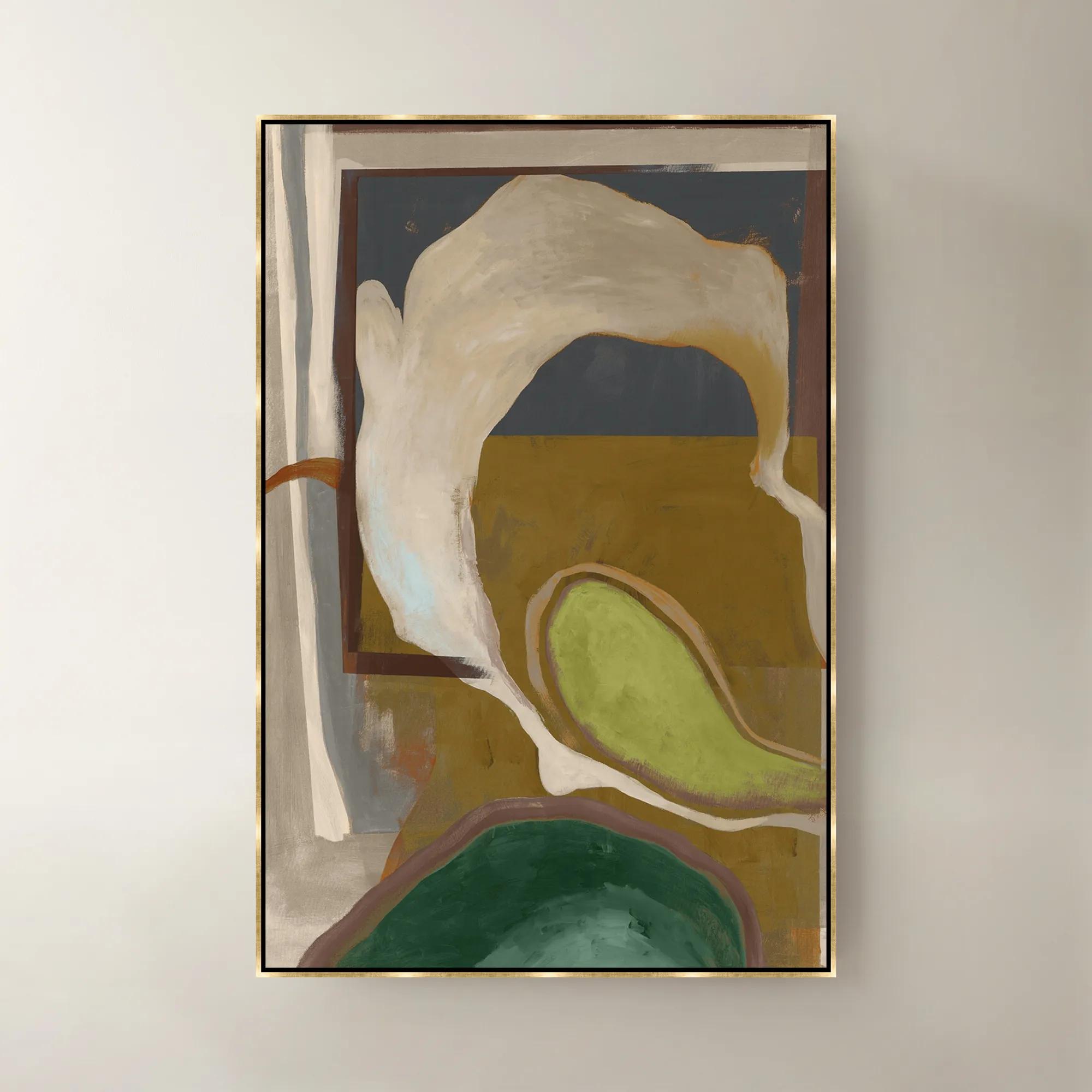
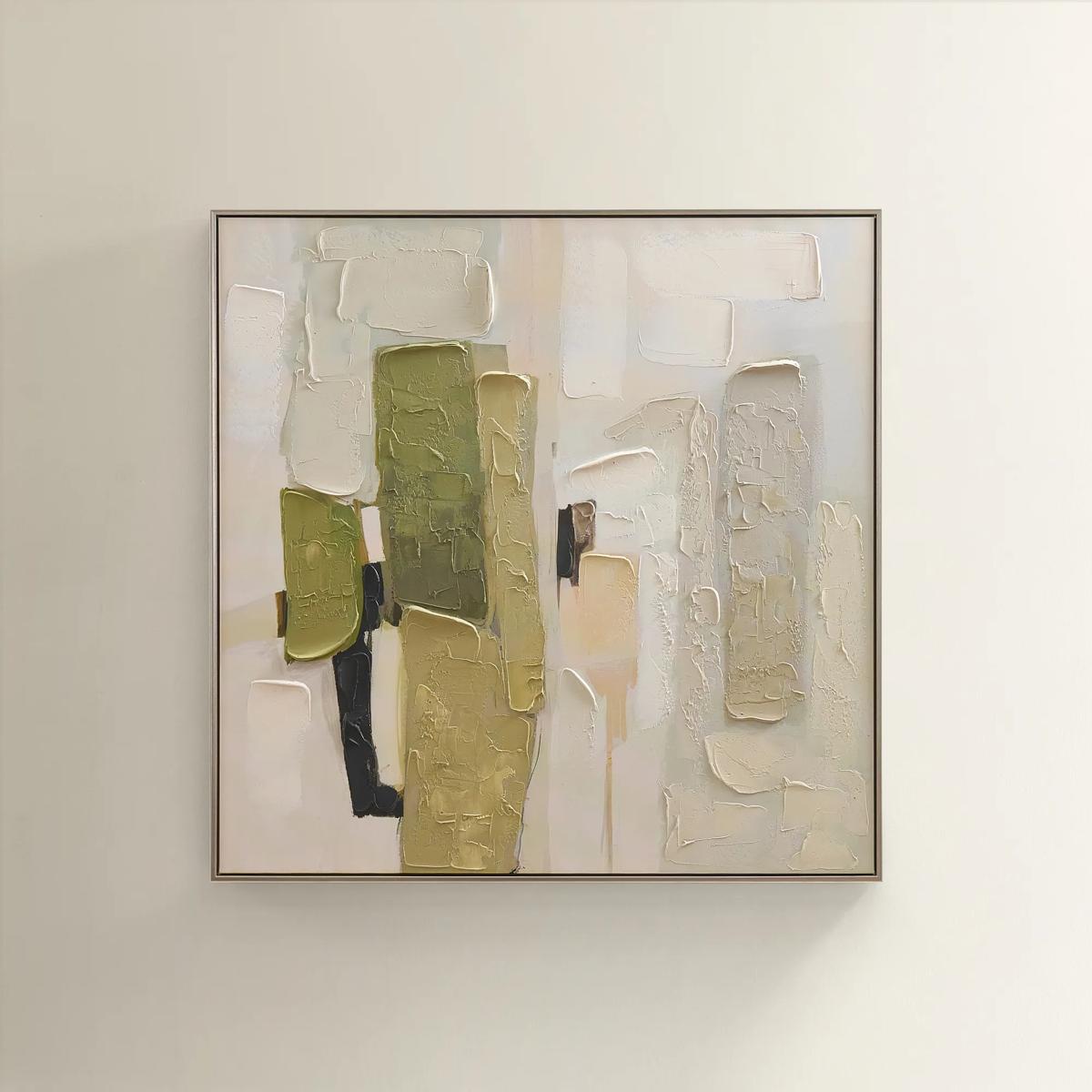 Verde Crush Framed Painted Wall Art 39.25" x 39.25"$349
A hand-painted abstract canvas featuring rich green tones, layered neutrals, and a champagne floater frame.
Add To Cart -
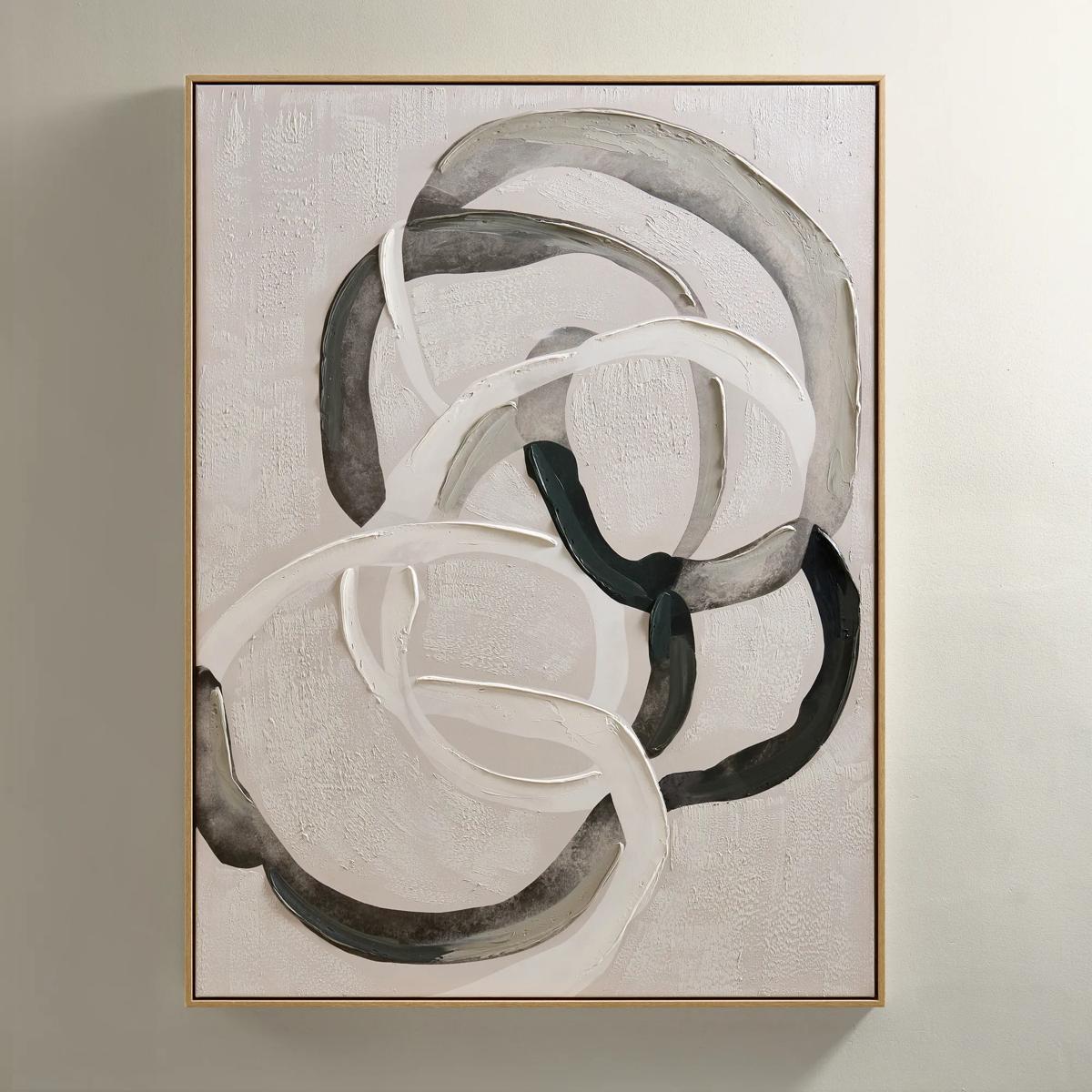
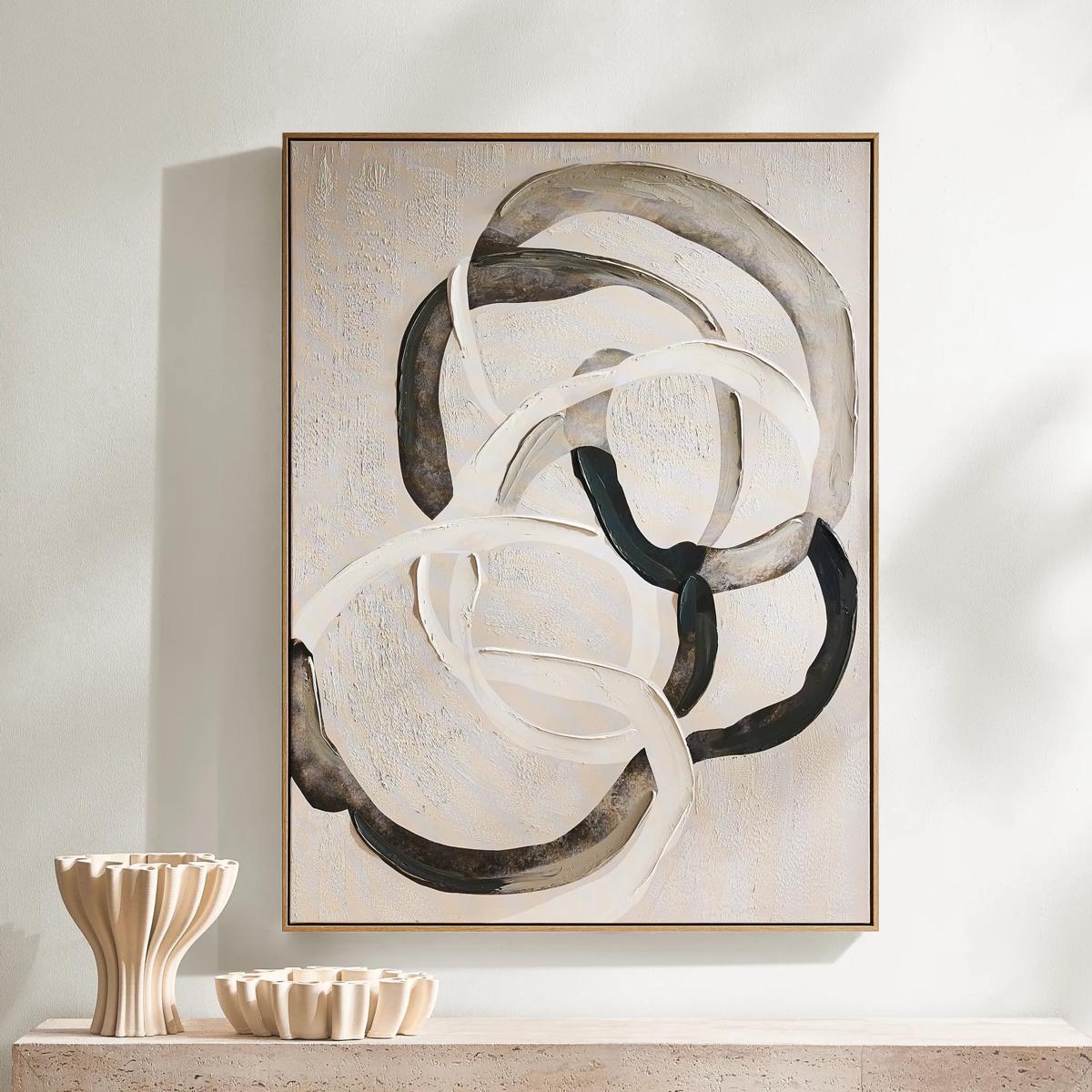 Round About Framed Painted Wall Art 35.25" x 47.25"$349
An abstract hand-painted canvas with tonal whites, charcoals, and taupes in a light wood floater frame.
Add To Cart -
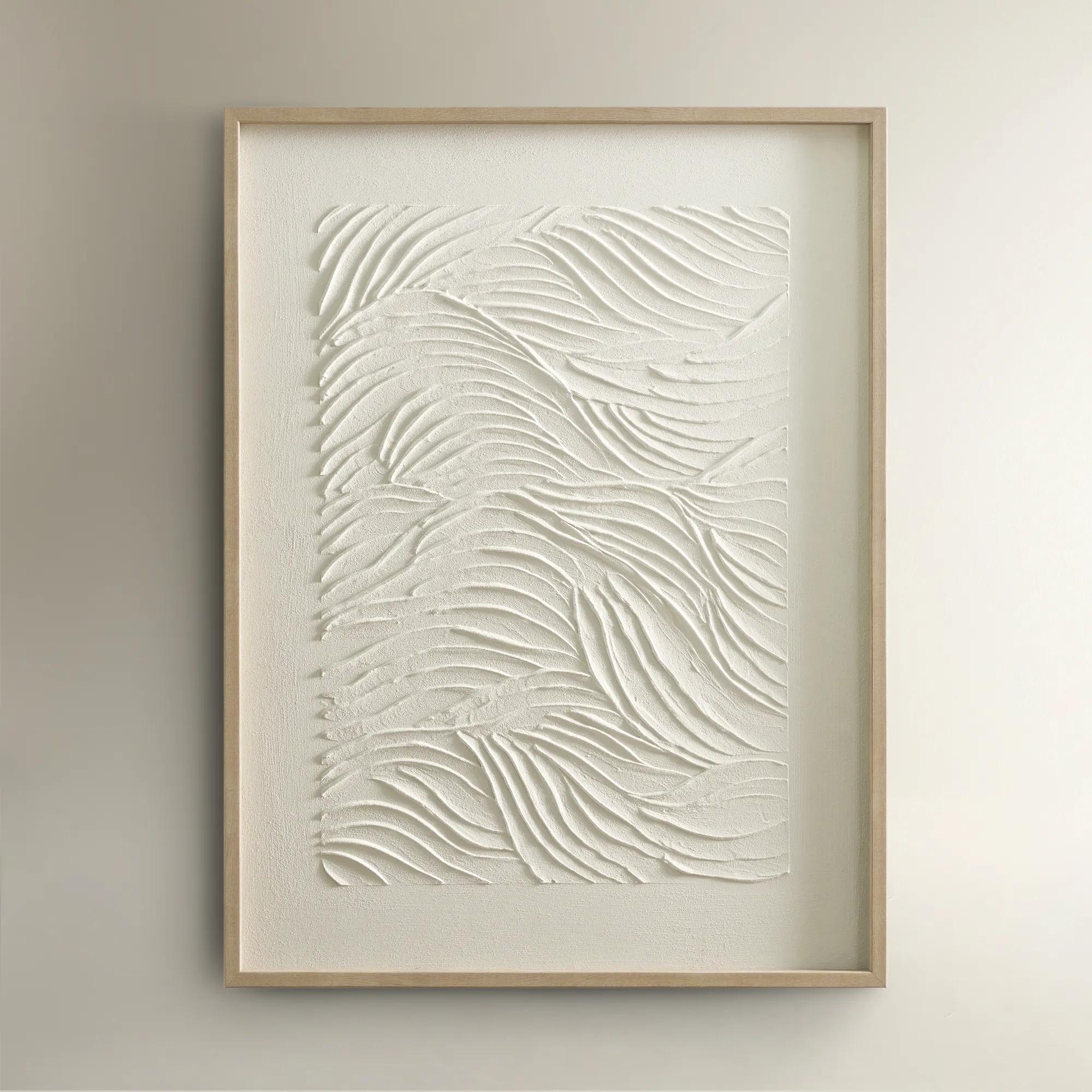
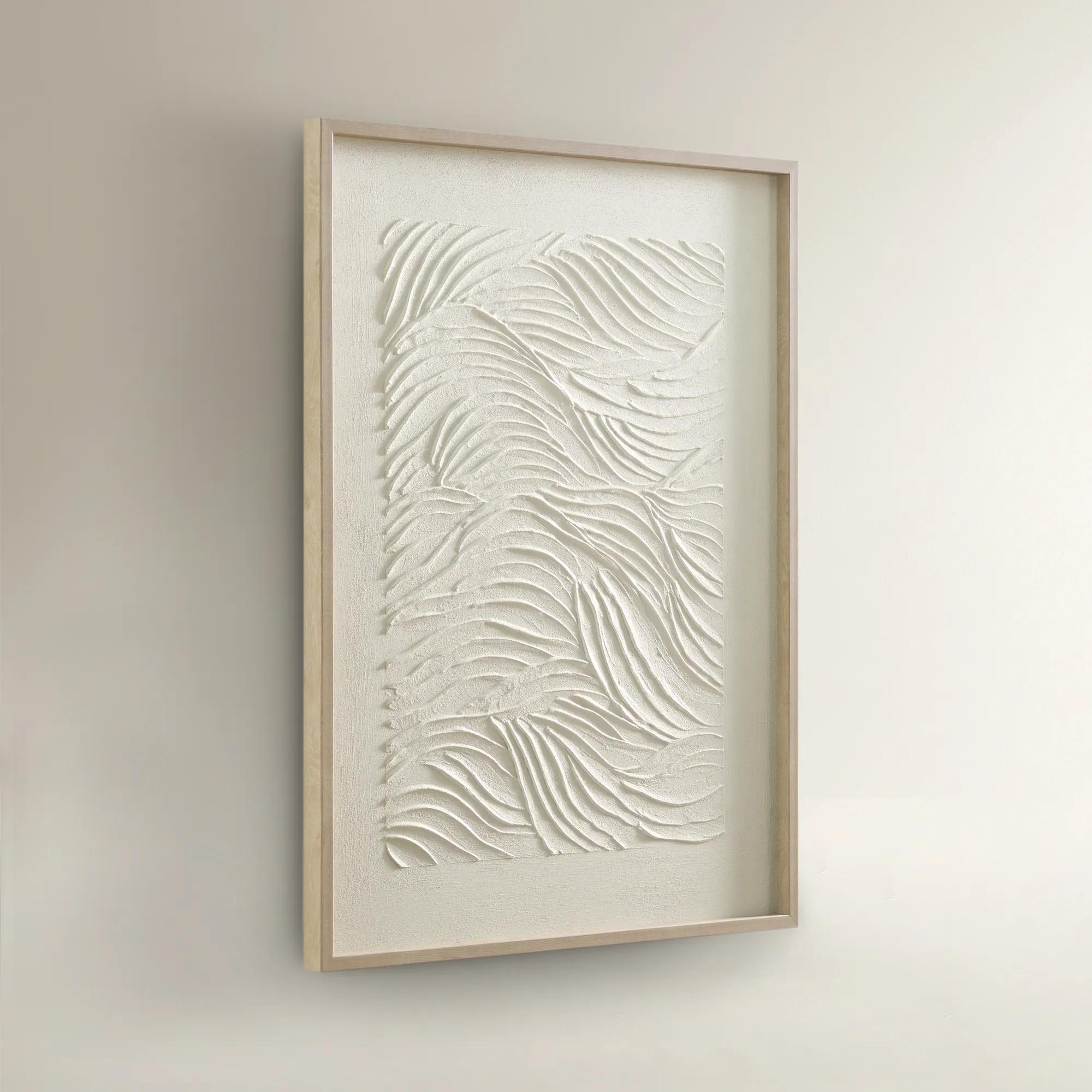 Sonnet Framed Painted Wall Art 23.5" x 31.5"$99
A hand-painted canvas featuring textured white shades and a warm blonde wood frame for elegant depth.
Add To Cart -
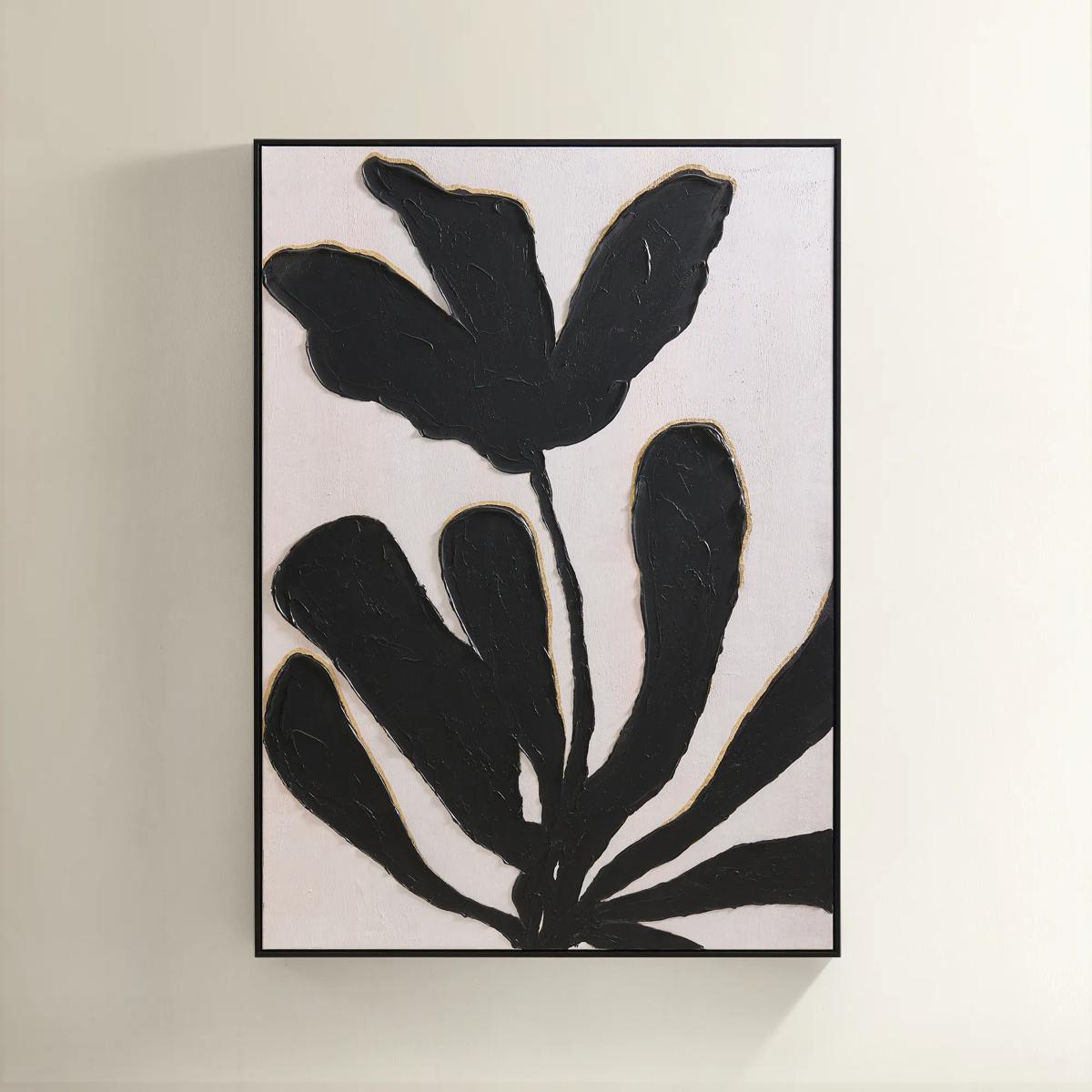
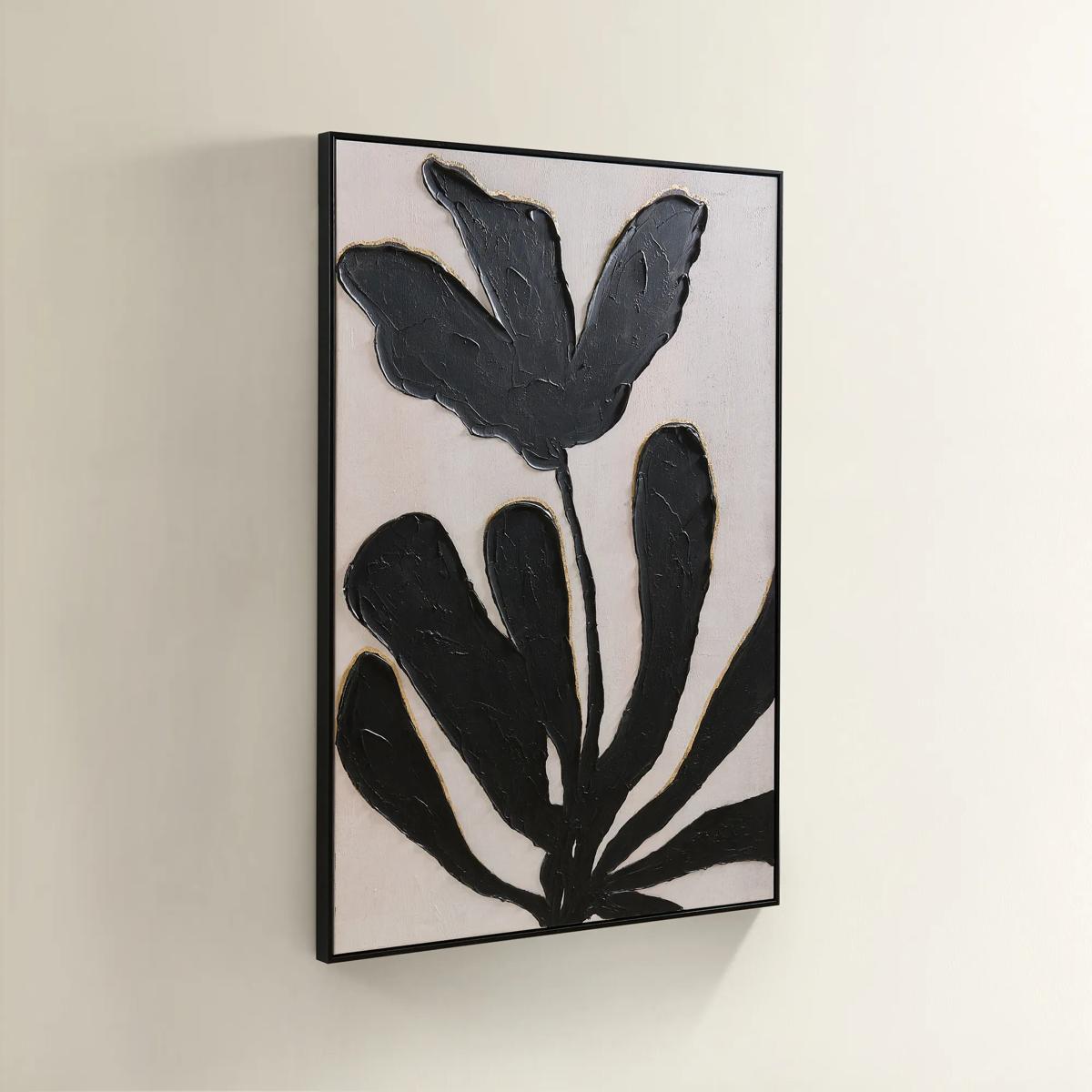 First Bloom Framed Painted Wall Art 39.25" x 55"$499
A hand-painted canvas featuring black abstract leaves and gold leafing on an ivory background in a black frame.
Add To Cart -
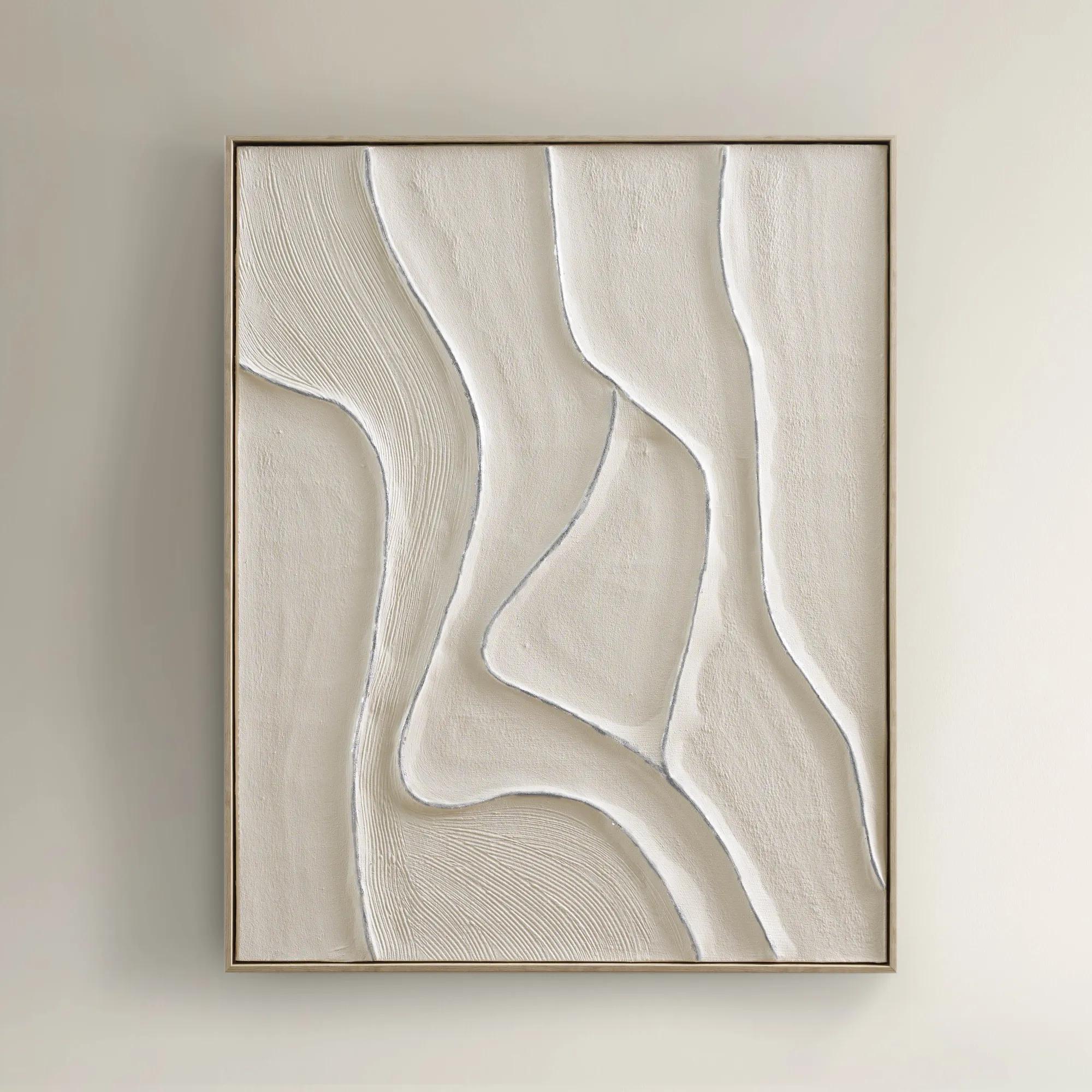
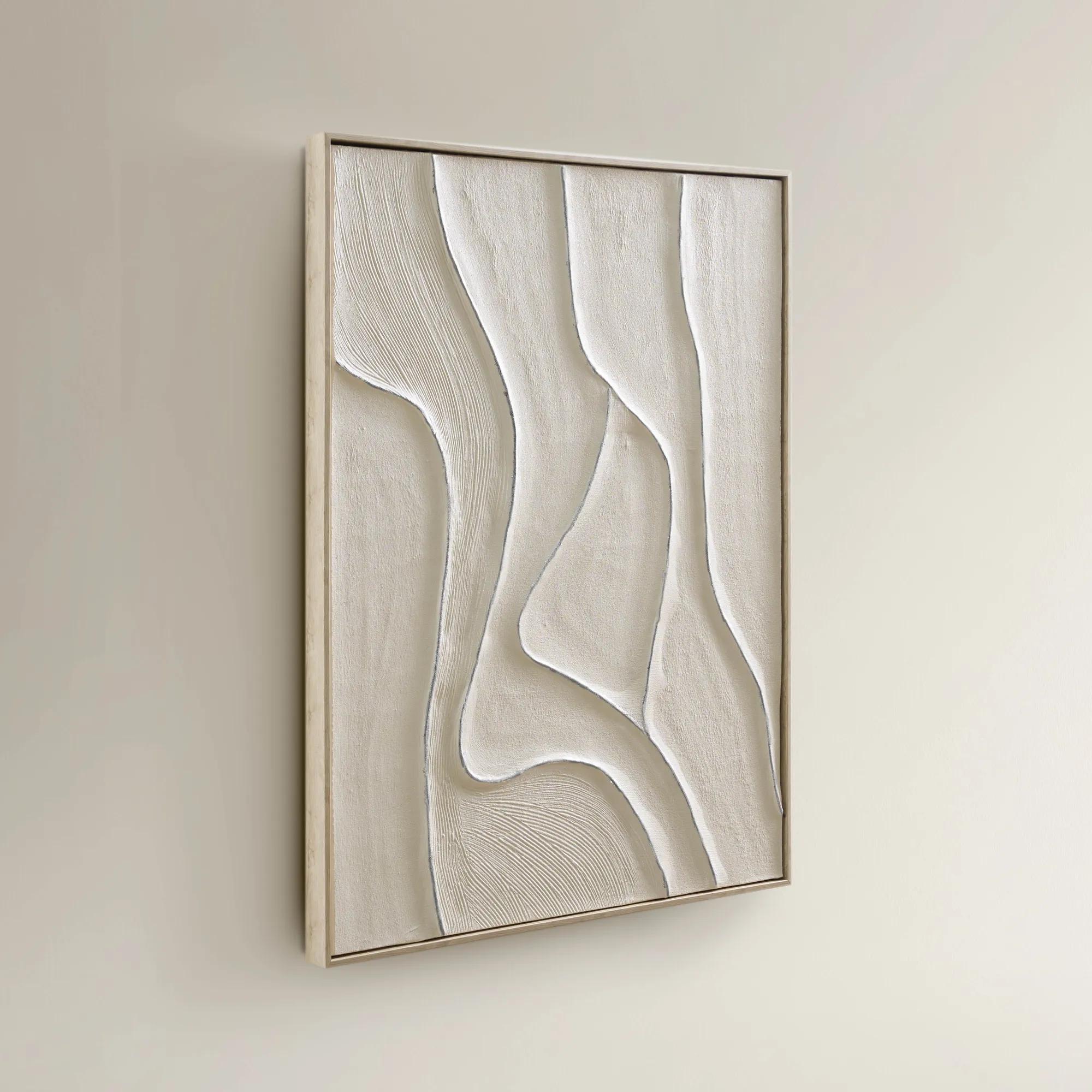 Vivre Framed Painted Wall Art 39.25" x 31.5"$199
A hand-painted canvas featuring tranquil beige hues and flowing lines in a warm whitewash floater frame.
Add To Cart -
 Espresso Framed Painted Wall Art 31.5" x 31.5"$149
A bold abstract artwork featuring rich brown hues on hand-painted canvas in a light wood floater frame.
Add To Cart -
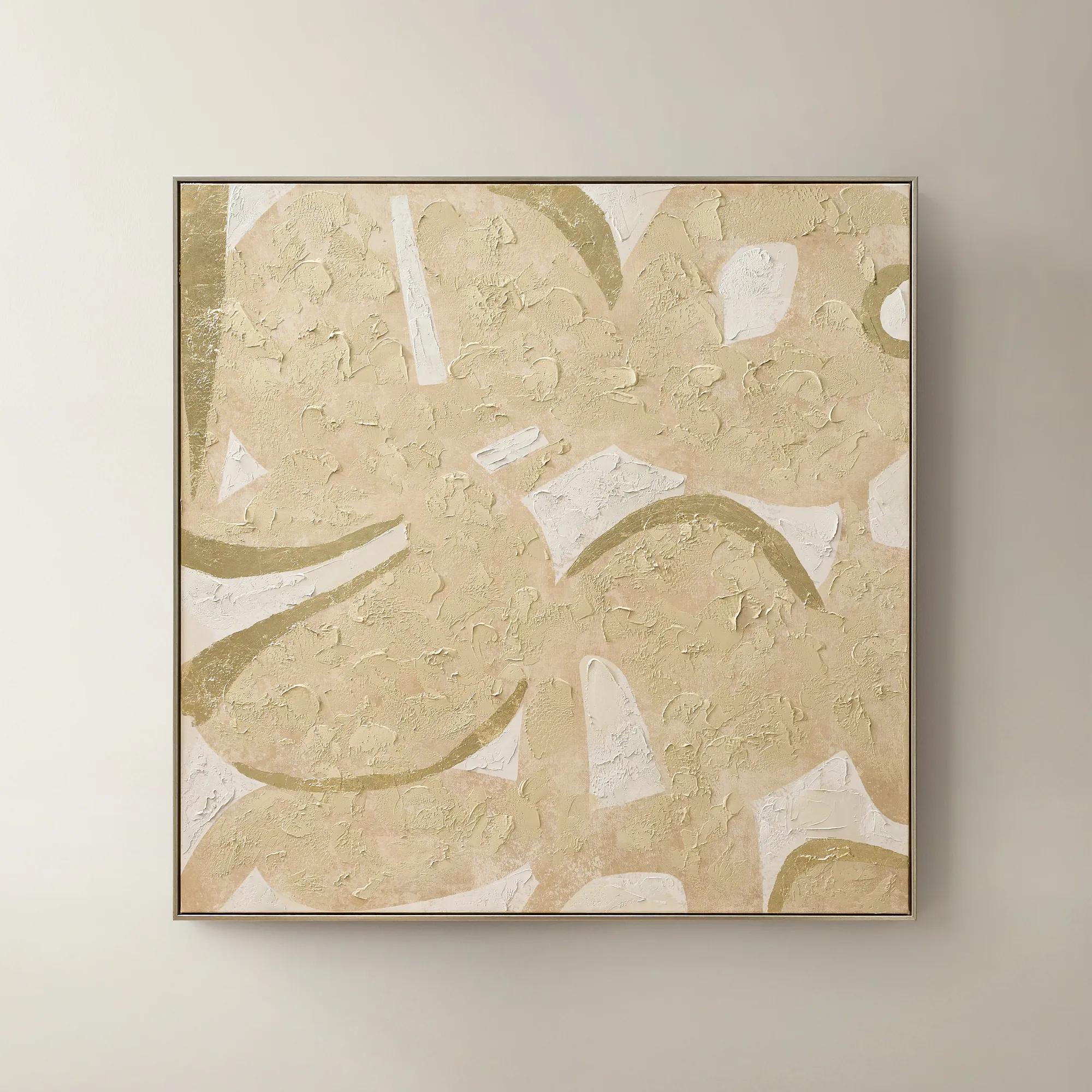
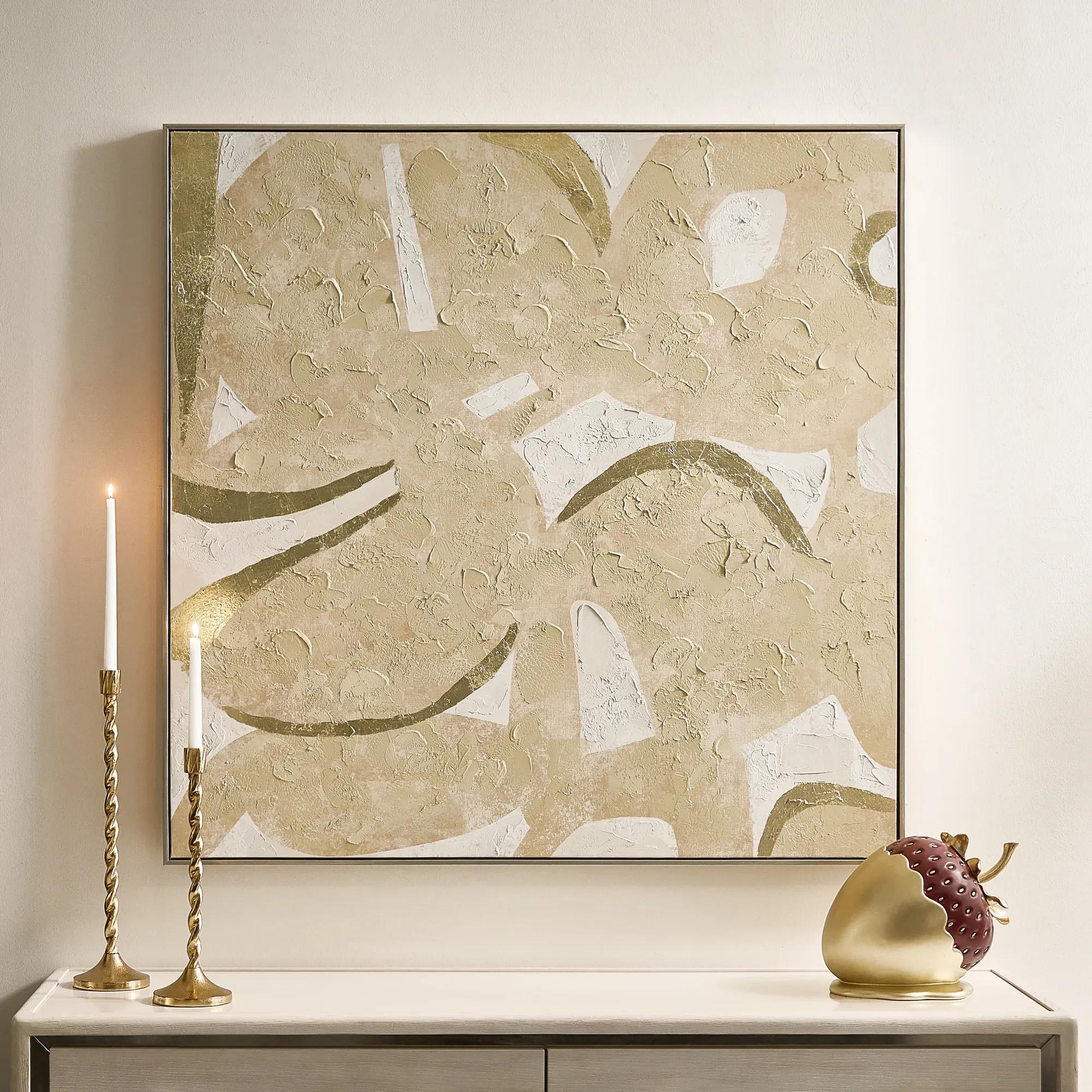 Golden Maize Framed Painted Wall Art 48" x 48"$399
A hand-painted canvas with champagne leafing and butter cream tones adds warmth and modern sophistication.
Add To Cart -
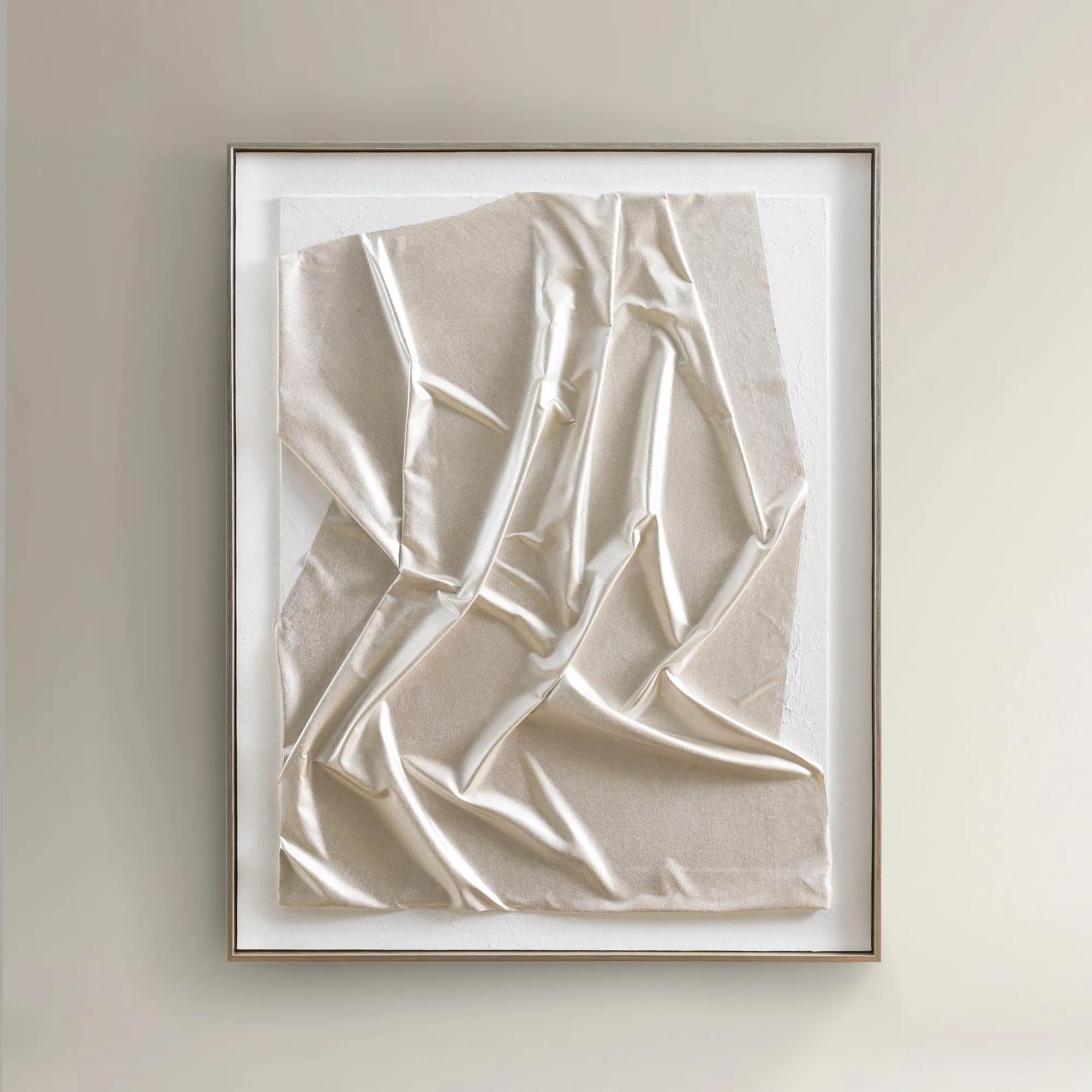
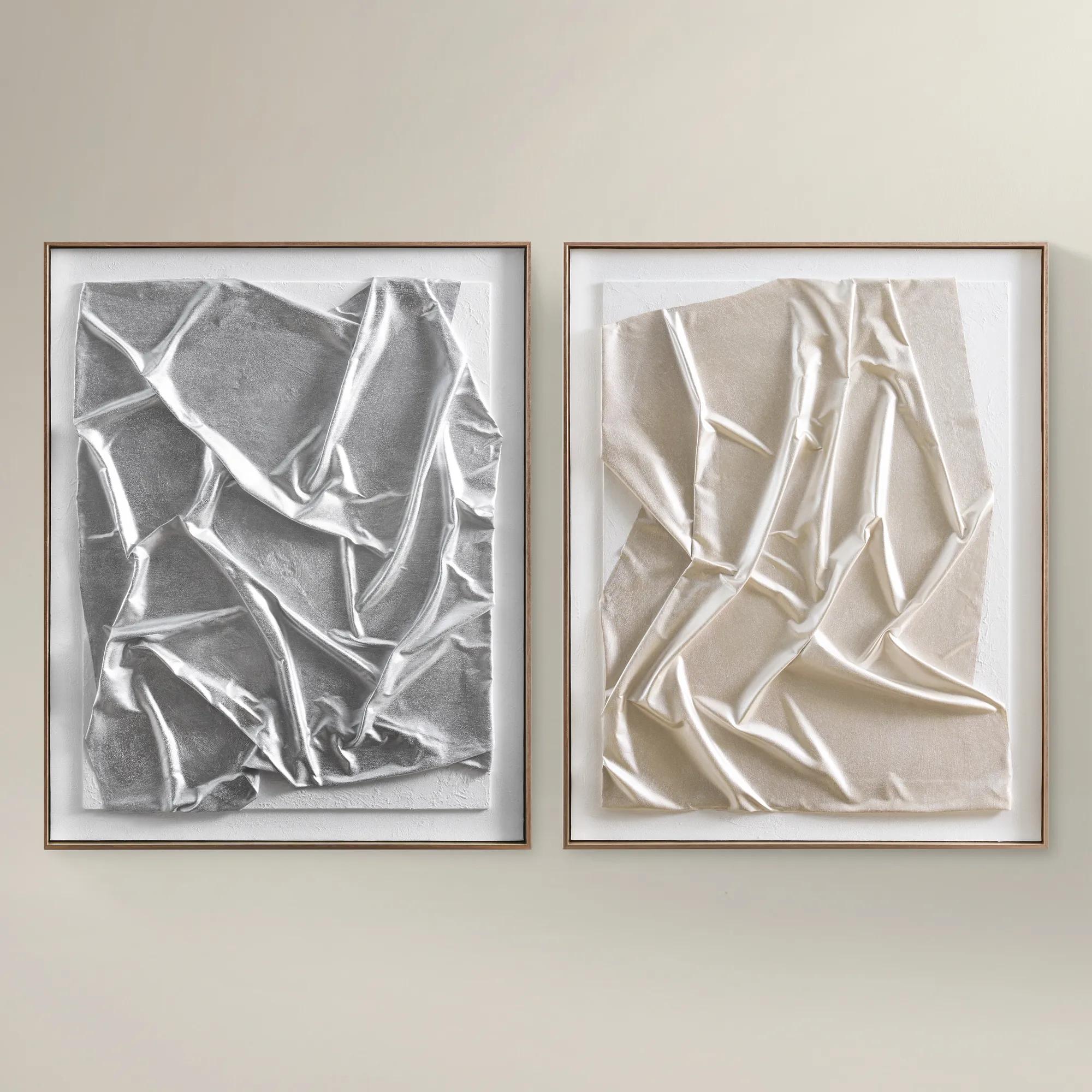 In the Mood Framed Painted Wall Art 31.5" x 39.5"$199
A hand-painted gold canvas artwork featuring textured surfaces and fluid forms in a champagne floater frame.
Add To Cart -
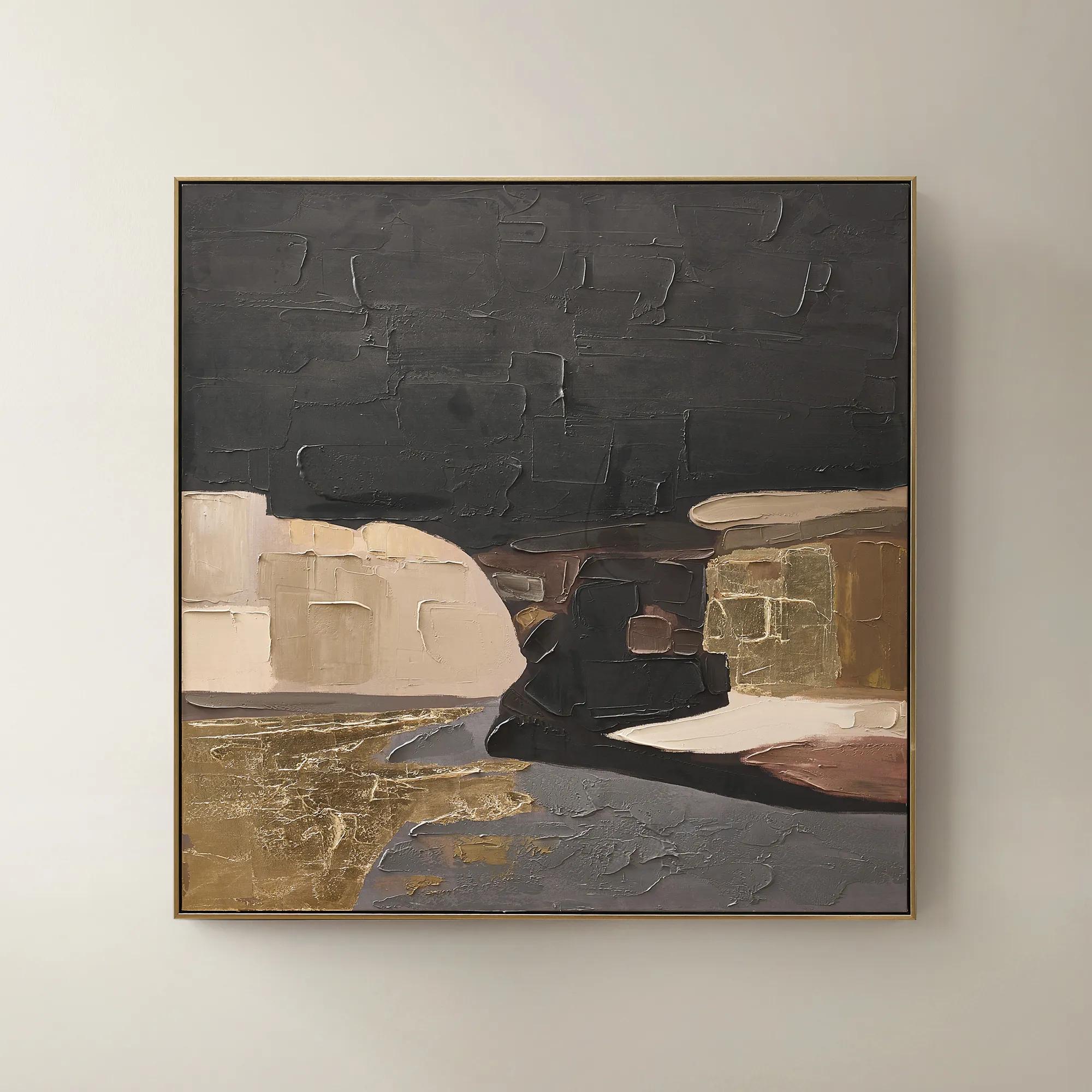 Obscured Light Framed Gold Leaf Painted Wall Art 48" x 48"$499
A hand-painted canvas with gold leaf accents and a black-gold frame in dramatic neutral tones.
Add To Cart -
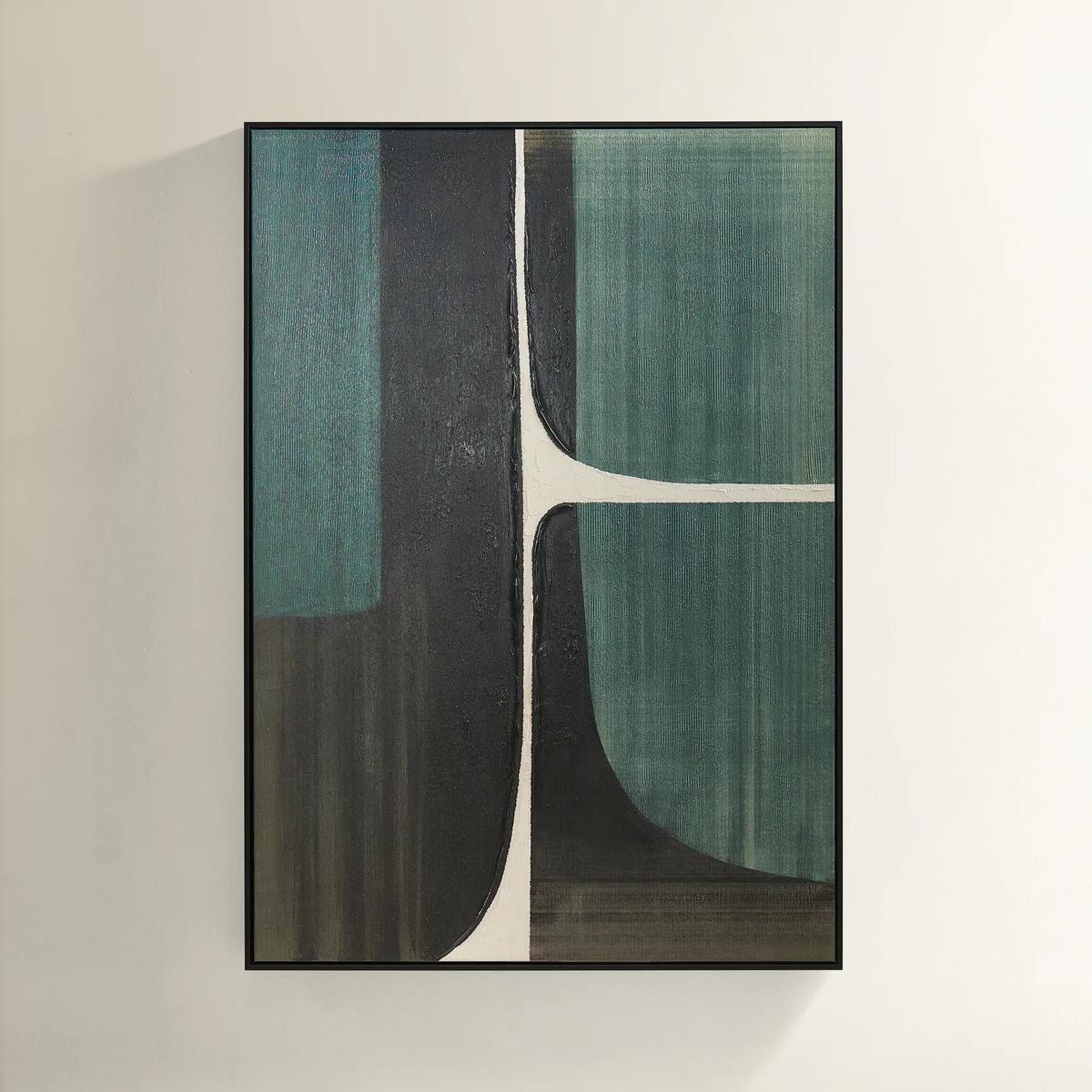 Plains Framed Painted Wall Art 39.25" x 55"$499
A hand-painted abstract canvas in forest green, ivory, and black with a sleek black floater frame.
Add To Cart -
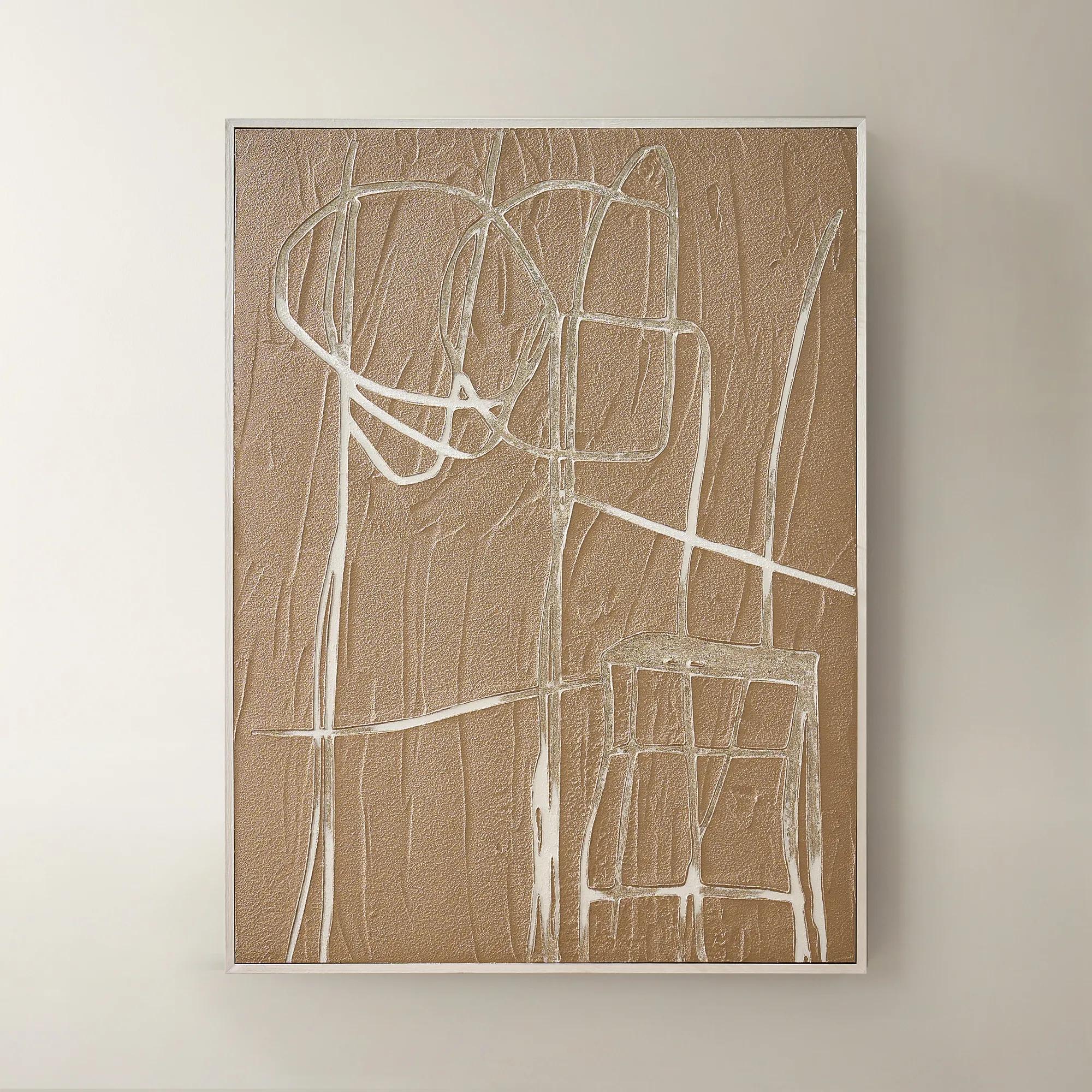
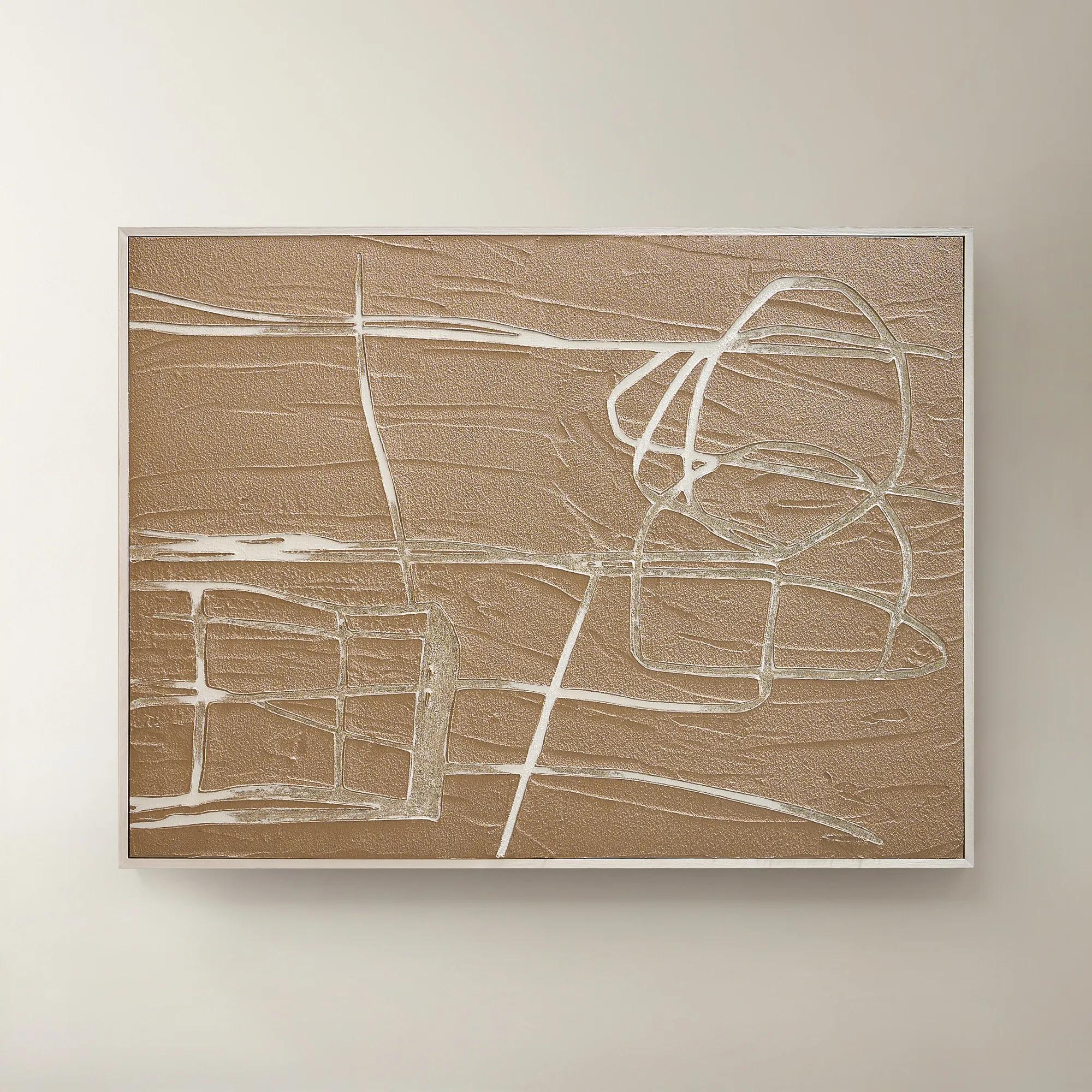 Linear Sand Framed Painted Wall Art 35" x 47"$369
A contemporary sand-toned painted canvas artwork framed for sophisticated modern interiors.
Add To Cart -
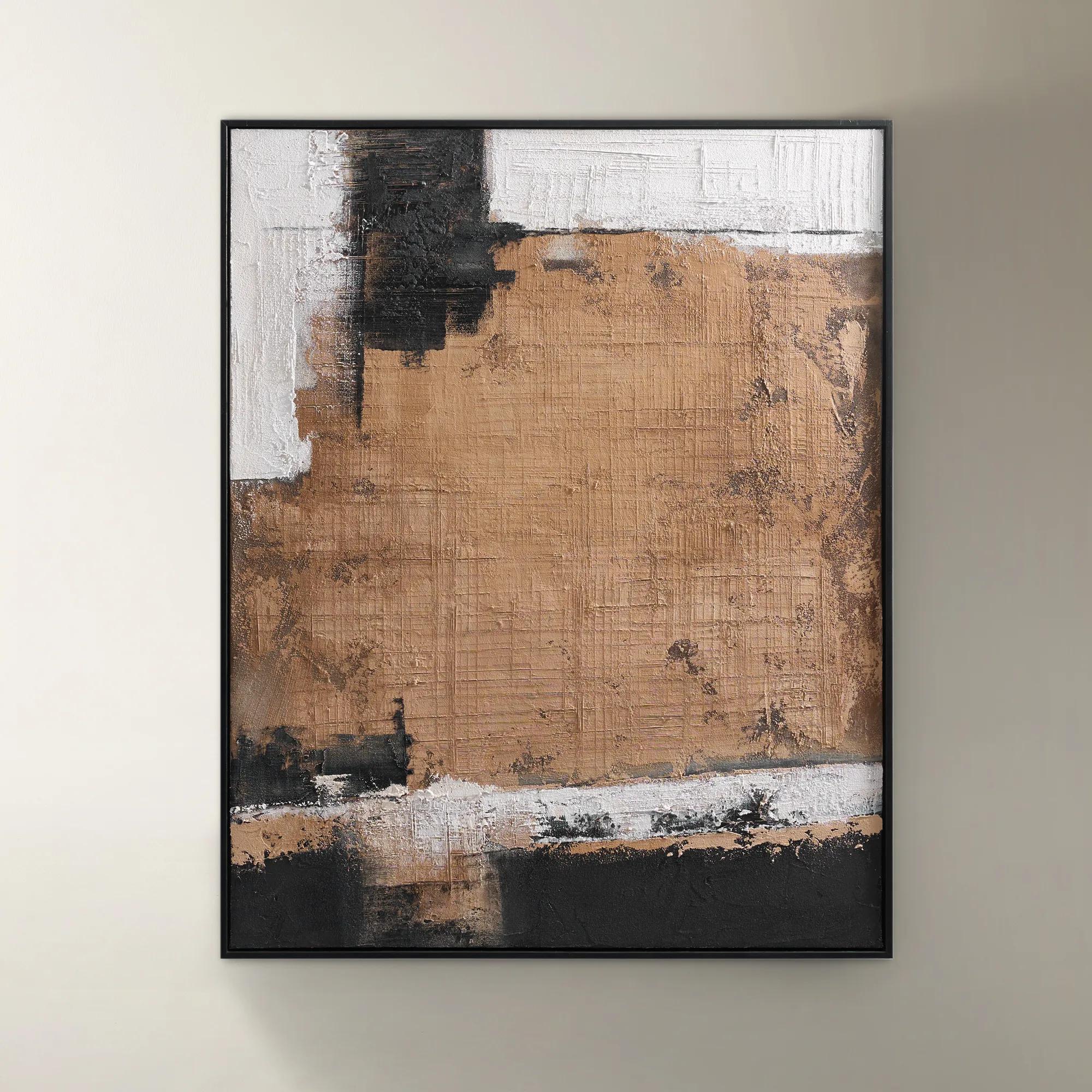
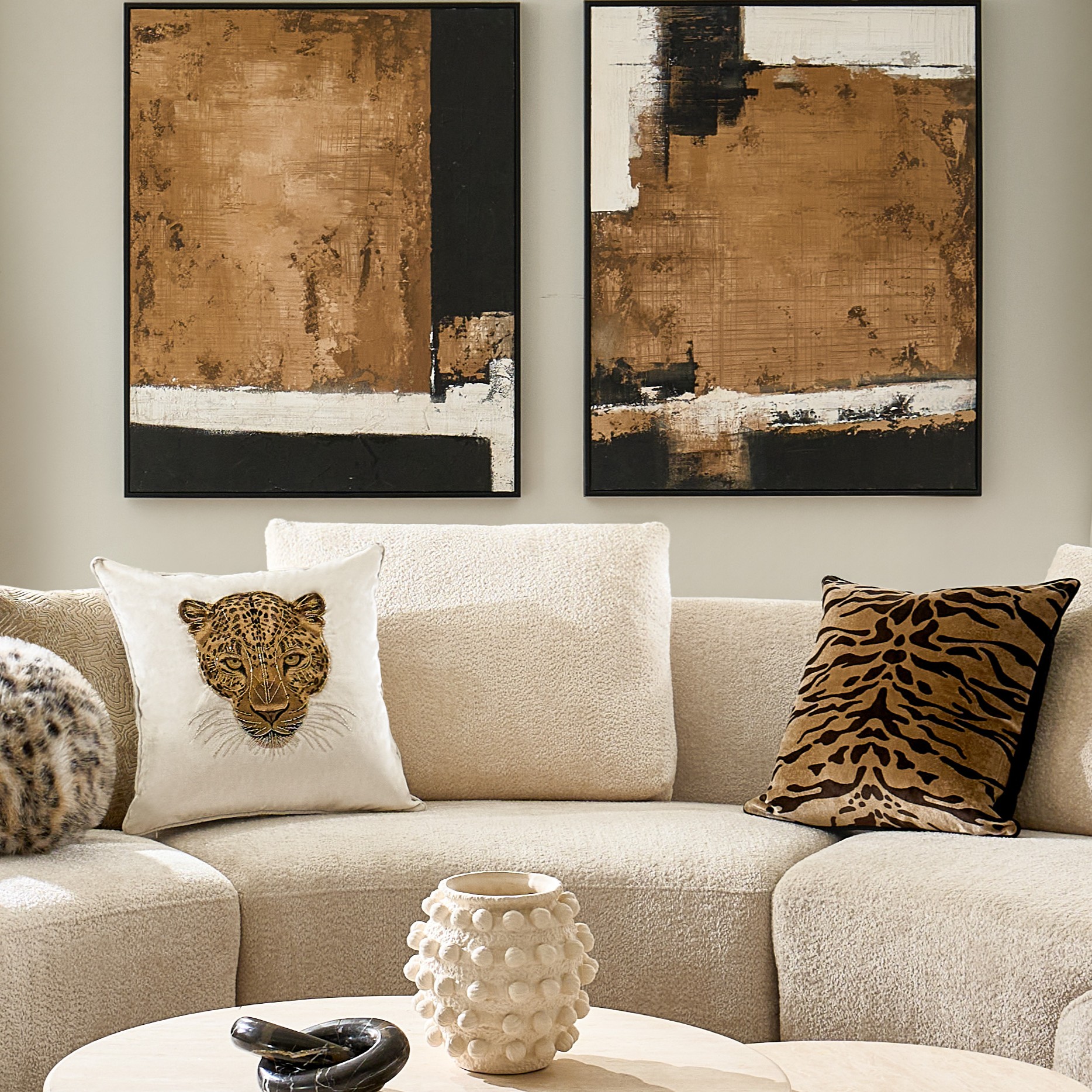 Drift Framed Painted Wall Art II 39.4" x 31.5"$299
A hand-painted canvas in brown, featuring bold texture and color interplay within a sleek black floater frame.
Add To Cart -
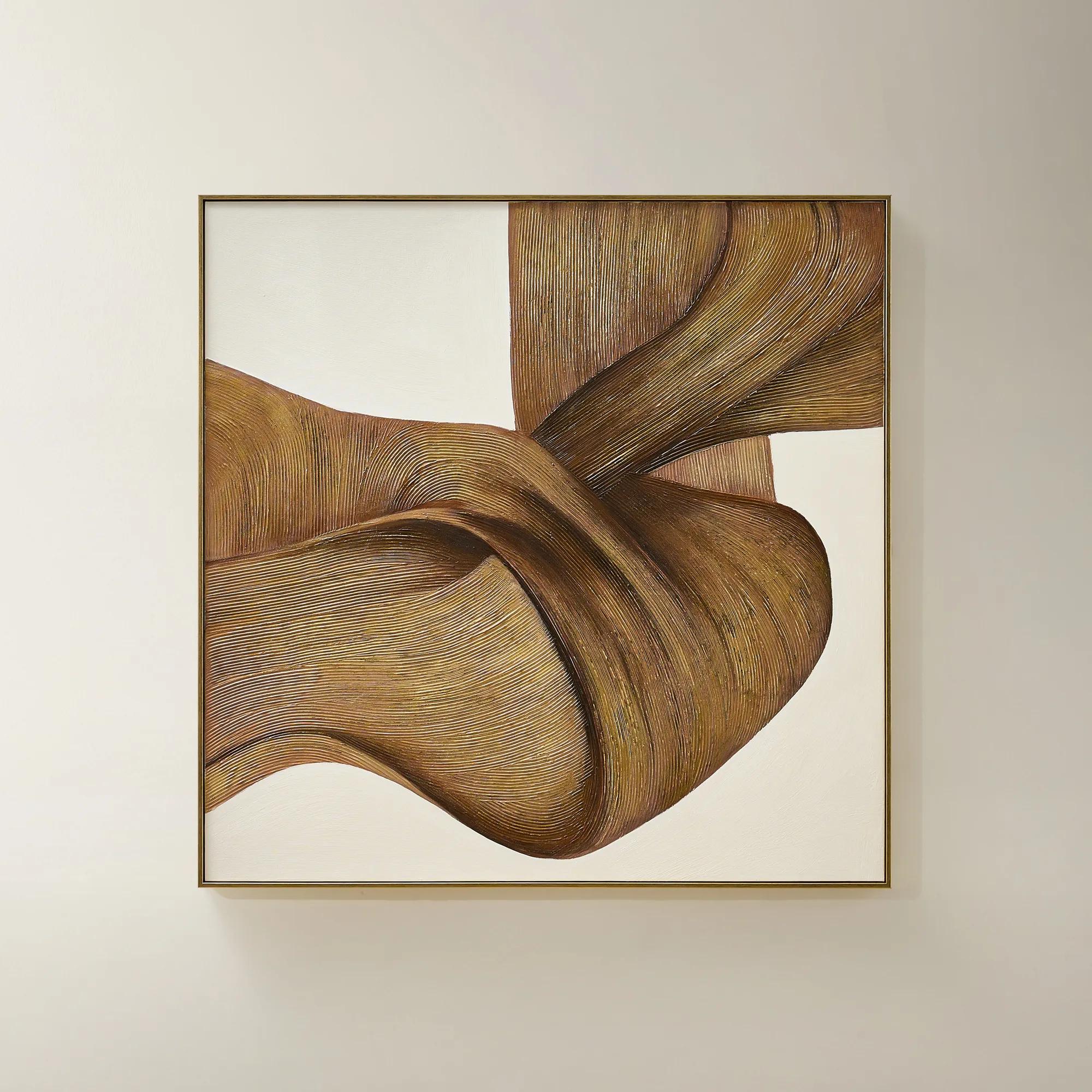
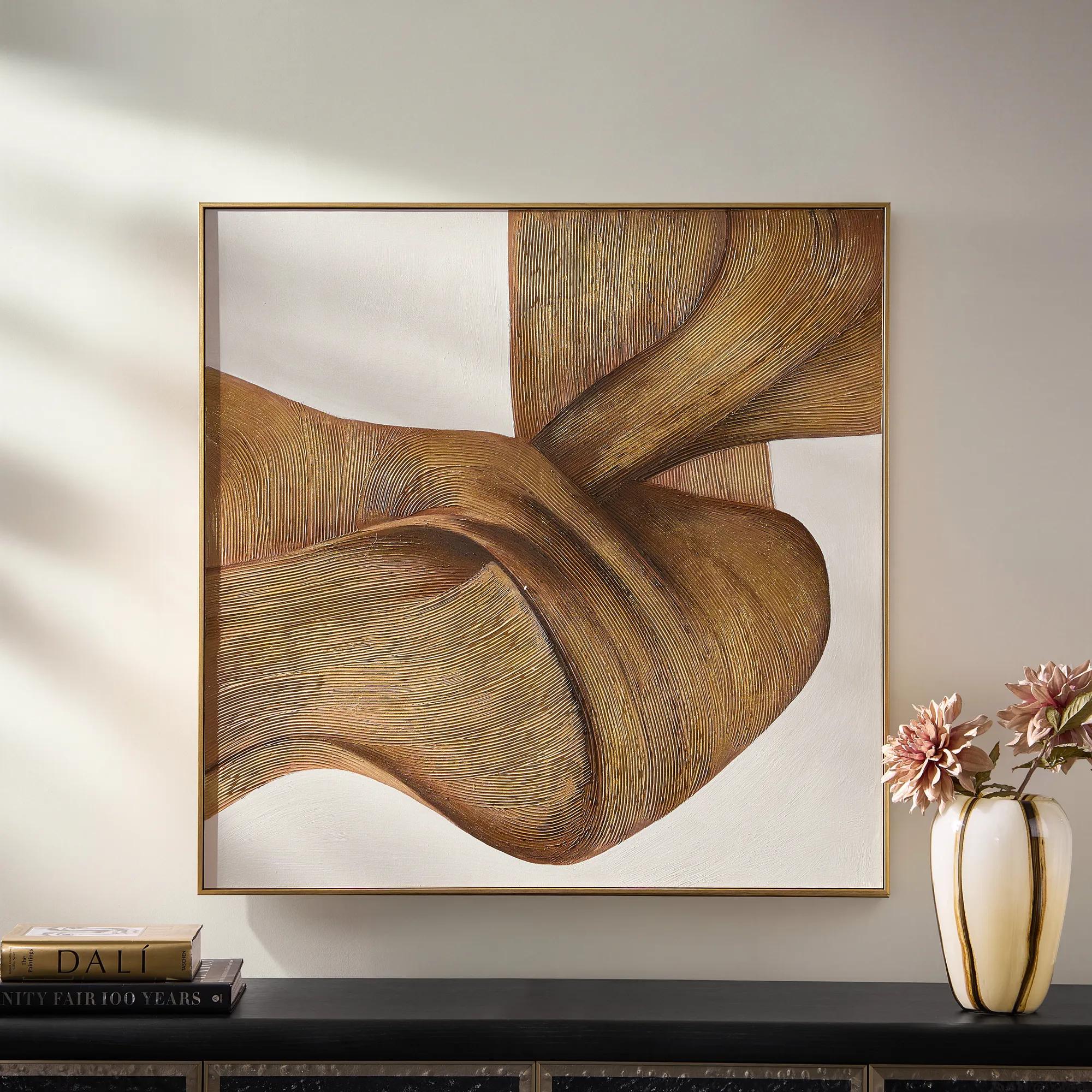 Latte Framed Gold Leaf Painted Wall Art 40" x 40"$499
A hand-painted canvas with fluid brown lines, luminous gold leafing, and a crisp black floater frame.
Add To Cart -
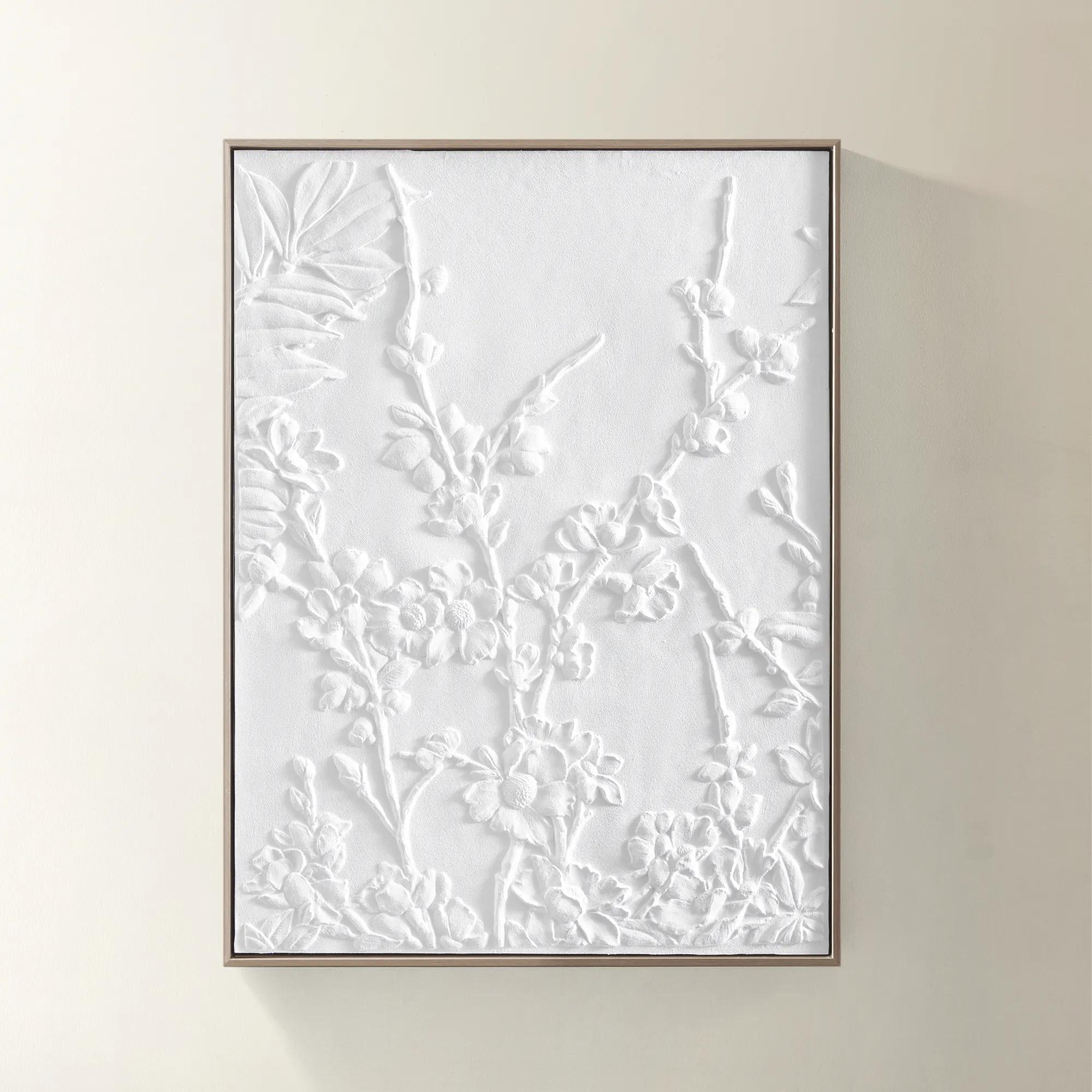
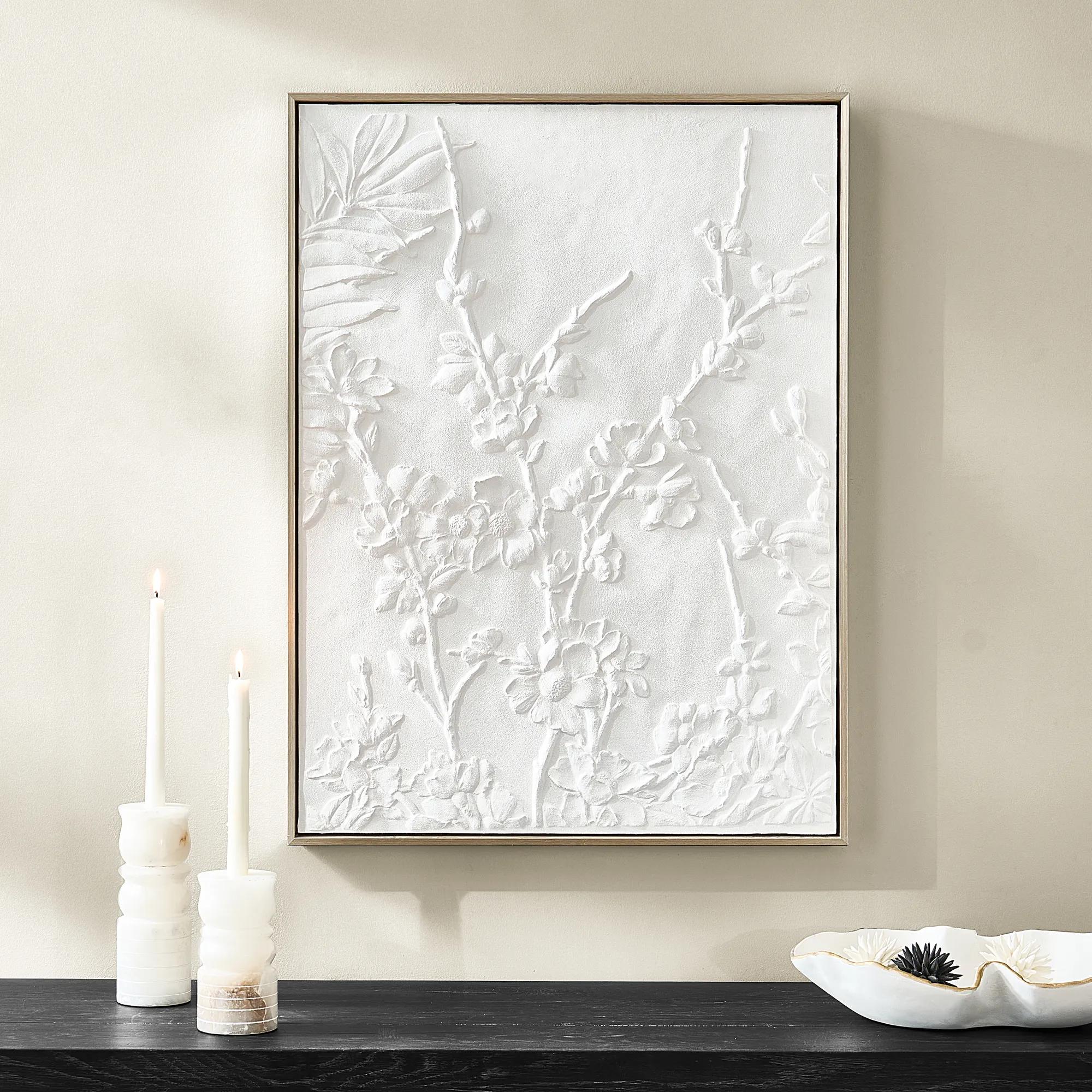 Allegro Framed Painted Wall Art 31.5" x 23.6"$109
A hand-painted canvas featuring textured floral motifs, framed in a warm champagne finish for subtle sophistication.
Add To Cart

Textured Hand Painted Wall Arts
Textured Hand Painted Wall Arts transform blank walls into living masterpieces, each stroke and contour a testament to artistry and imagination. These evocative creations invite you to experience depth, dimension, and drama—turning every glance into a moment of discovery. Perfect for those who crave expressive design, Textured Hand Painted Wall Arts infuse your space with tactile beauty and visual intrigue, ensuring your home is anything but ordinary. Let bold texture and hand-rendered detail set the scene for a gallery-worthy sanctuary that reflects your unique sense of style.
Textured hand-painted wall art gives color a physical presence, turning a painted surface into a composition of raised strokes, sculptural ridges, and layered detail. Unlike a flat reproduction, a textured painting carries relief that catches light and casts small shadows, allowing the artwork to reveal different nuances from different angles. That dimensional quality can come from thick applications of heavy-body acrylic or oil paint, a technique known as impasto, or from modeling paste, plaster-based mediums, and other materials worked beneath or alongside the paint. Brushes can leave sweeping tracks; palette knives can create crisp edges, broad planes, or rippling movement. The result might suggest a weathered stone surface, the rhythm of water, a distant landscape, or an entirely abstract arrangement of color and form. Materials and techniques vary, so the individual artwork’s description matters when distinguishing a hand-painted composition from a printed canvas with added texture or a mixed-media piece. Canvas is a familiar foundation, while rigid wood panels can support compositions that call for a firmer surface. Across these formats, texture gives even a restrained palette remarkable depth. Ivory, taupe, charcoal, and warm gray become expressive through the contrast between smooth passages and raised marks, while saturated blue, emerald, or burgundy can bring a more theatrical presence to a room. Metallic paint or gold- and silver-leaf accents introduce another layer of distinction, catching light along selected edges rather than relying on color alone. A matte field interrupted by a gleaming detail can feel as deliberate as a piece of jewelry against velvet. For interiors built around expressive furniture and richly layered accessories, textured wall art provides an artistic focal point without requiring every element to compete for attention. It also brings visual substance to quieter rooms, where a single large composition can establish the mood. The appeal lies in the relationship between the image and its surface: the subject draws attention from across the room, while the hand-worked detail rewards a closer look.
Scale, proportion, and placement determine how that presence feels within an interior. An expansive horizontal painting can connect the lines of a sofa and coffee table into one composed living-room vignette, while a tall, narrow format can give an entryway or wall beside a console a more architectural rhythm. Above furniture, artwork measuring approximately two-thirds to three-quarters of the furniture’s width often creates a balanced relationship, although surrounding windows, sconces, and open wall space may call for a different proportion. In a seating area, leaving roughly six to ten inches between the furniture and the bottom of the artwork helps the two feel connected; for an open wall, a center near eye level is a useful starting point. These measurements are flexible, particularly with high ceilings, oversized compositions, or a grouping intended to read as a single arrangement. The visual weight of texture matters as much as the dimensions. A densely worked charcoal canvas can command more attention than an equally sized pale painting, while broad areas of smooth color can give a heavily textured composition room to breathe. Frames shape the effect, too. Stretched canvas wraps around wooden stretcher bars, and a gallery-wrapped edge may be intended for display without an additional frame. A floating frame leaves a visible gap around the canvas, emphasizing its depth; black creates a defined border, natural wood brings warmth, and gold or silver can echo metallic details elsewhere in the room. Frame finish, overall depth, and hanging orientation deserve attention alongside the artwork’s height and width. For compositions that emphasize gesture, layered surfaces, and nonrepresentational form, Hand Textured Abstract Wall Arts offers a related direction to explore. Lighting further influences the finished impression. Soft light from the side reveals raised details and subtle shadows, while even frontal illumination emphasizes the color relationships. An adjustable picture light can highlight a focal wall, provided its placement does not create distracting glare on glossy or metallic passages. Repeating one tone from the painting in a pillow, vase, or upholstered chair creates cohesion without turning the room into an exact color match.
The best setting for textured hand-painted wall art is one that allows its surface to remain both visible and protected. Living rooms, bedrooms, dining rooms, home offices, and entryways provide opportunities for a dimensional composition to become part of daily life: a poised backdrop for conversation, a contemplative view from a desk, or a memorable first impression near the front door. In a bedroom, soft tonal layers can lend depth without overwhelming the space; in a dining room, bolder gestures and metallic highlights can complement lacquered furniture, sculptural lighting, and glass. These works are generally intended for indoor decorative use, and their longevity depends on the materials, construction, and display conditions. A dry, stable environment is preferable to a location exposed to steam, frequent splashes, or substantial humidity changes. Direct sunlight can affect pigments and finishes over time, while placement above a heat source may expose the canvas, paint, and frame to damaging fluctuations. Raised paint and plaster-like details may be vulnerable to abrasion, chipping, or pressure, so textured artwork benefits from being positioned away from narrow passages where bags, furniture, or hands might brush against it. Secure mounting is equally important: the piece’s weight, the supplied hanging hardware, and the wall construction should determine the appropriate anchors or support. Routine care should follow the maker’s instructions, with gentle dusting using a clean, soft brush when suitable for the surface. Water, household cleaners, abrasive cloths, and vigorous rubbing can disturb paint, delicate relief, or metallic leaf; flaking or loose details are better assessed by a qualified art conservator than treated with an improvised repair. For gifting, a textured painting can mark a housewarming, wedding, or milestone with something deeply personal, especially when the recipient’s preferred palette and available wall space are known. A thoughtfully chosen composition offers more than decoration. Its layered surface brings artistry into familiar surroundings, lending a room a distinctive character that comes into focus through light, proportion, and the unmistakable presence of the painted mark.
FAQs
Textured hand painted wall art stands apart through its tactile dimension and artisanal craftsmanship. Every brushstroke, ridge, and layer of pigment is applied by hand, resulting in a one-of-a-kind piece that brings movement, depth, and personality to your space. The interplay of texture and light creates a dynamic focal point that evolves throughout the day, making each viewing experience distinct.
Textured hand painted wall art is remarkably versatile, complementing a range of aesthetics from modern glam to eclectic maximalism. For contemporary spaces, opt for bold abstracts with metallic accents or geometric reliefs. Traditional rooms benefit from pieces with organic forms and neutral palettes, while eclectic interiors shine with vibrant, layered compositions. The key is to let the art echo or contrast the textures and tones already present in your furnishings.
Textured hand painted wall art makes an unforgettable gift for those who value creativity, craftsmanship, and personal expression. It’s ideal for newlyweds, new homeowners, art enthusiasts, or anyone embarking on a fresh chapter in their lives. Gifting a hand-painted piece is a way to share a sense of luxury and thoughtfulness, offering a daily reminder of a special moment or relationship.
Textured hand painted wall art infuses a space with visual intrigue and emotional resonance. Its dimensional surface captures and reflects light, creating subtle shadows and highlights that shift with the time of day. This ever-changing quality brings warmth, drama, and sophistication, transforming walls into living canvases that invite touch and spark conversation.
Absolutely. Pairing textured hand painted wall art with luxe textiles—such as velvet pillows, silk drapes, or a plush area rug—amplifies its tactile appeal. Mirrored or metallic accessories can echo the art’s reflective qualities, while sculptural lighting helps dramatize its dimensionality. Consider layering with other art forms, like <a href="https://zgallerie.com/o/textured-paper-wall-arts">Textured Paper Wall Arts</a>, to create a gallery effect that celebrates artistry in all its forms.