Textured Paper Wall Arts
Textured Paper Wall Arts
-
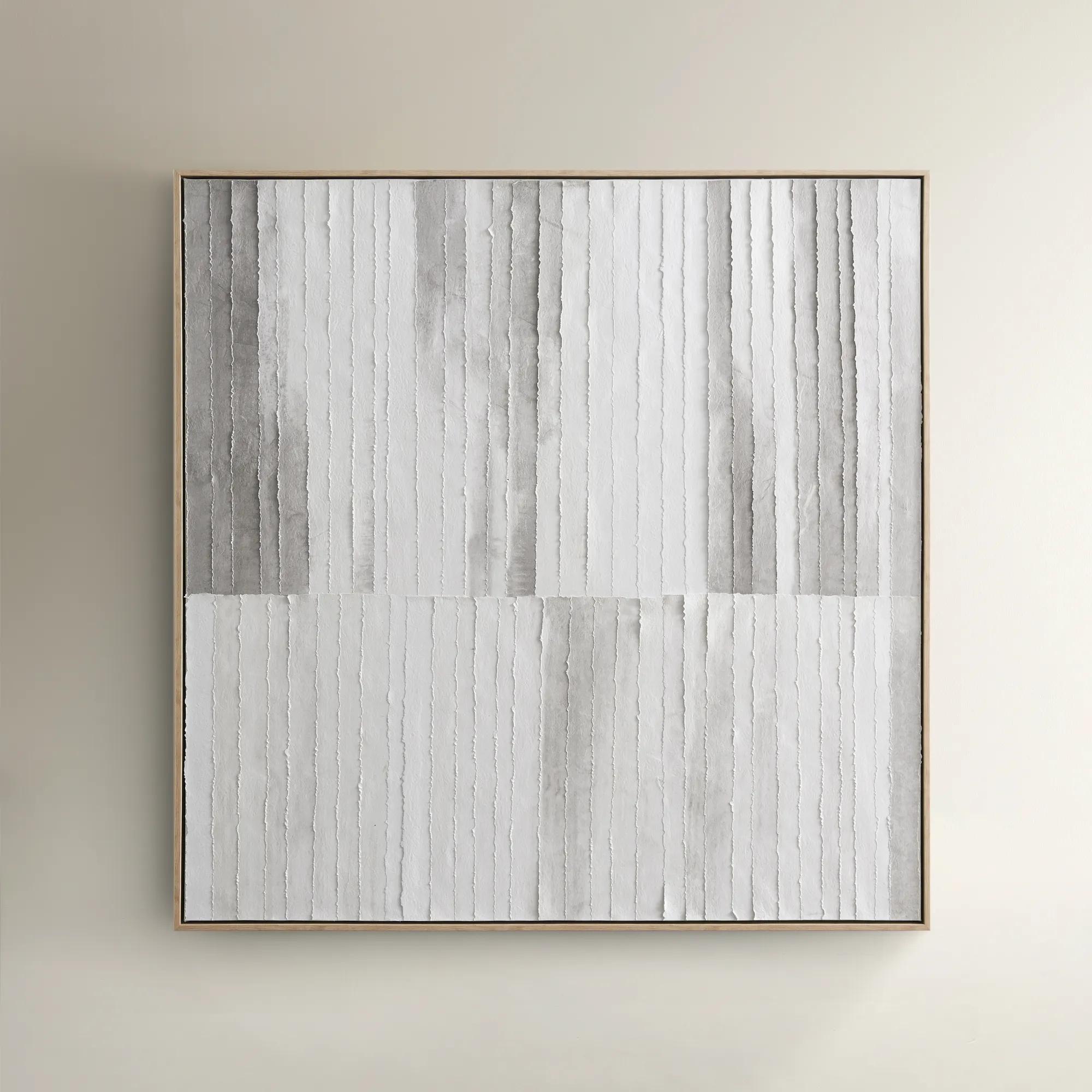
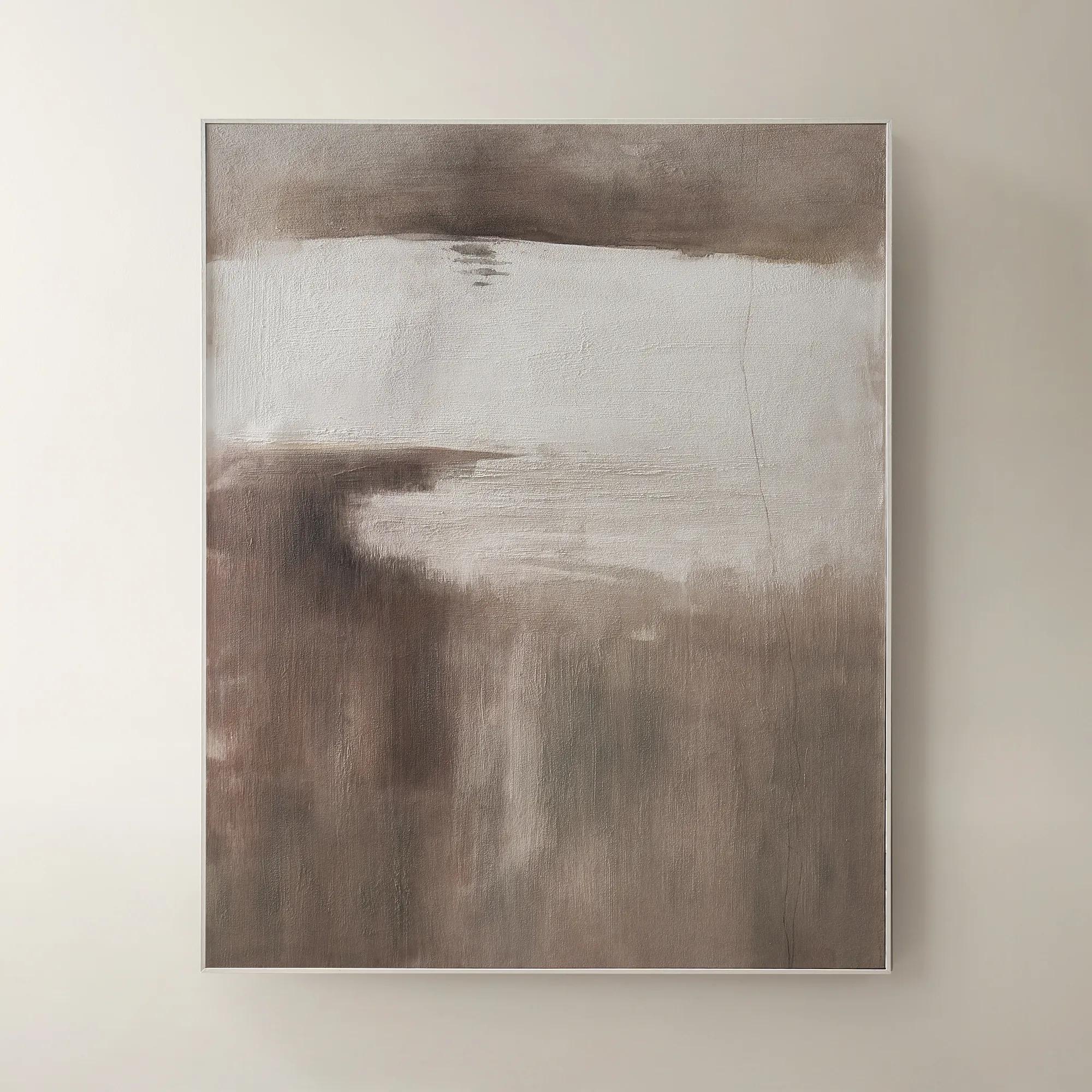
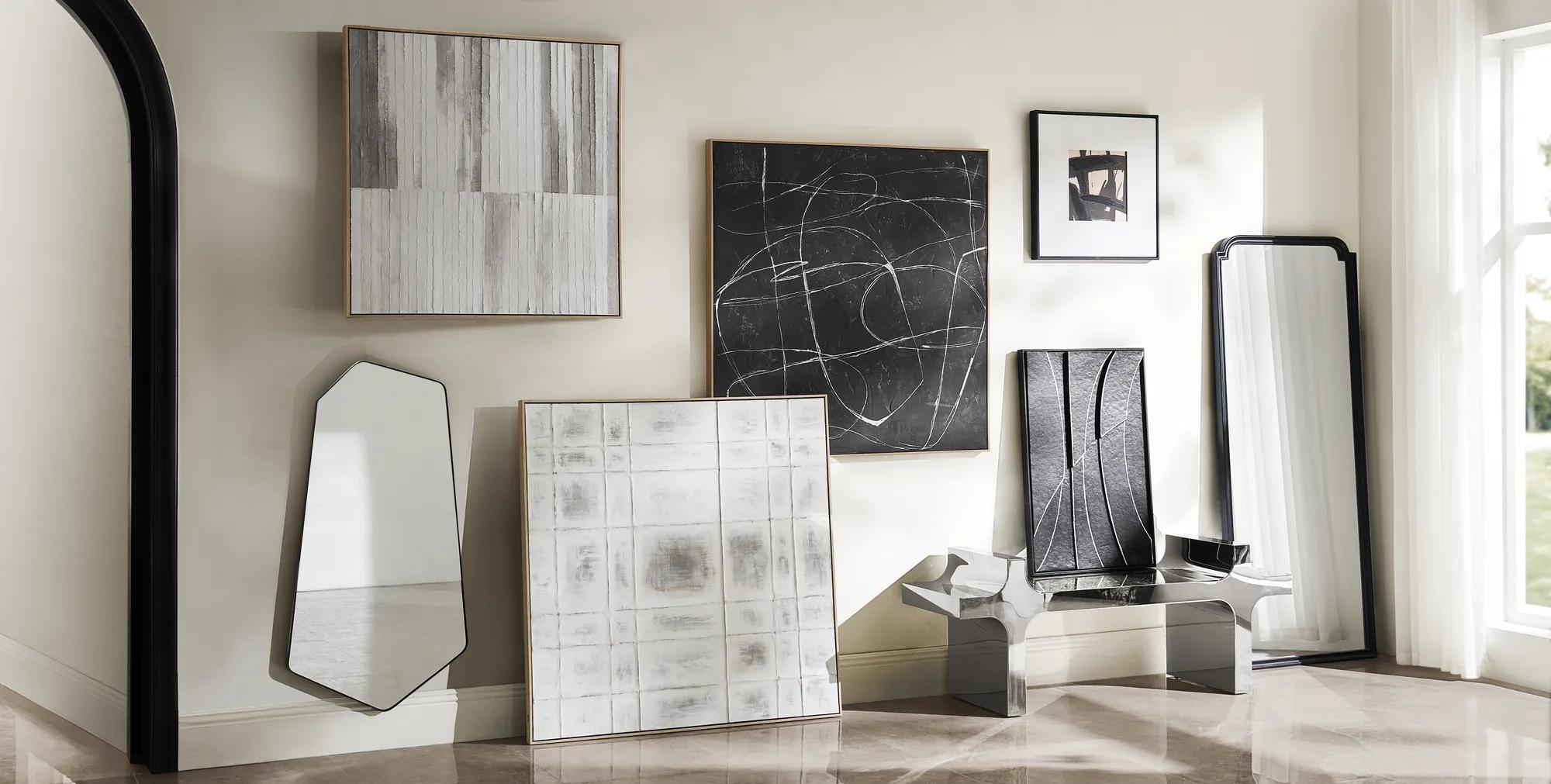 Morning Mist Paper Art$329
A hand-painted canvas featuring rhythmic grey lines in a textured, whitewashed floater frame for serene style.
Add To Cart -
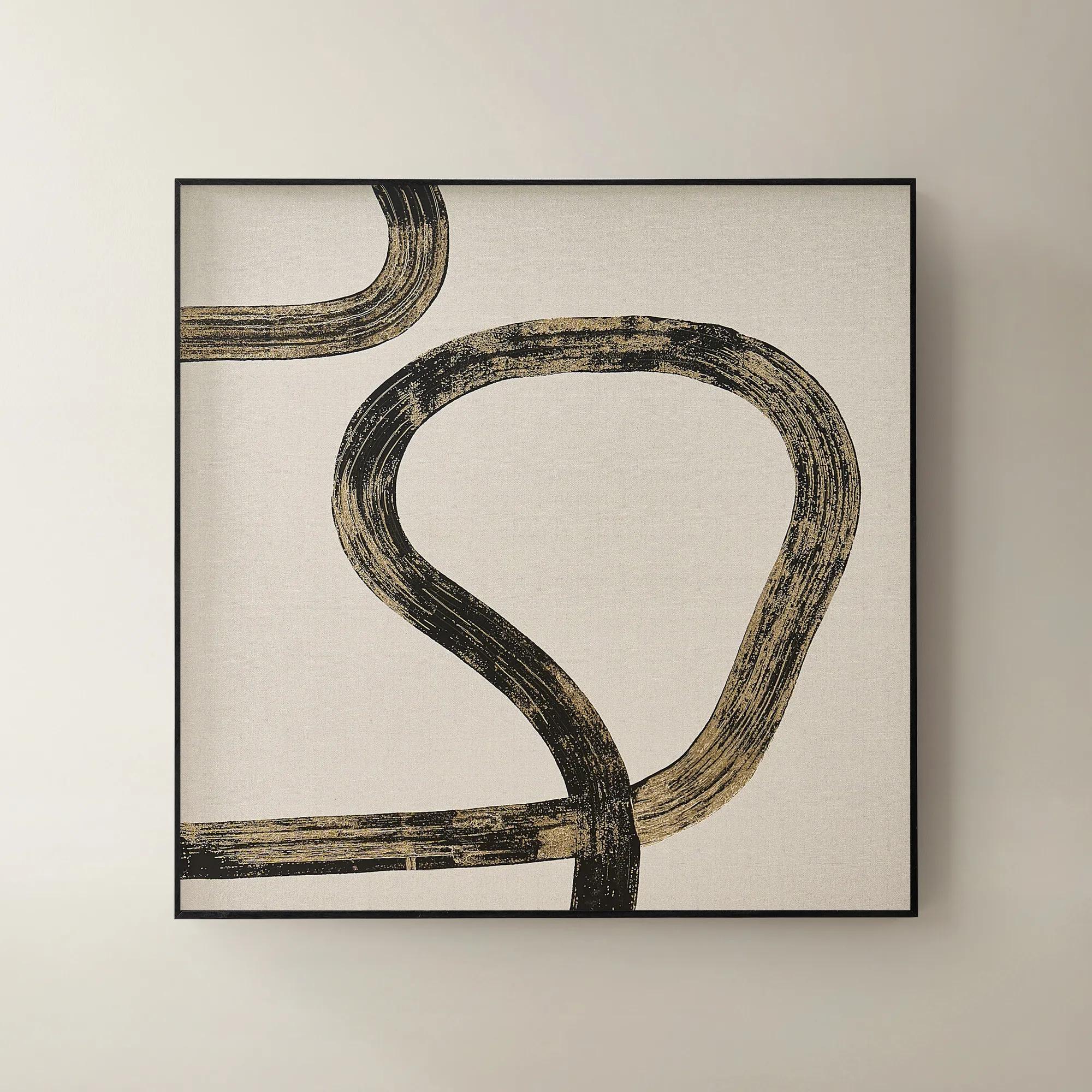
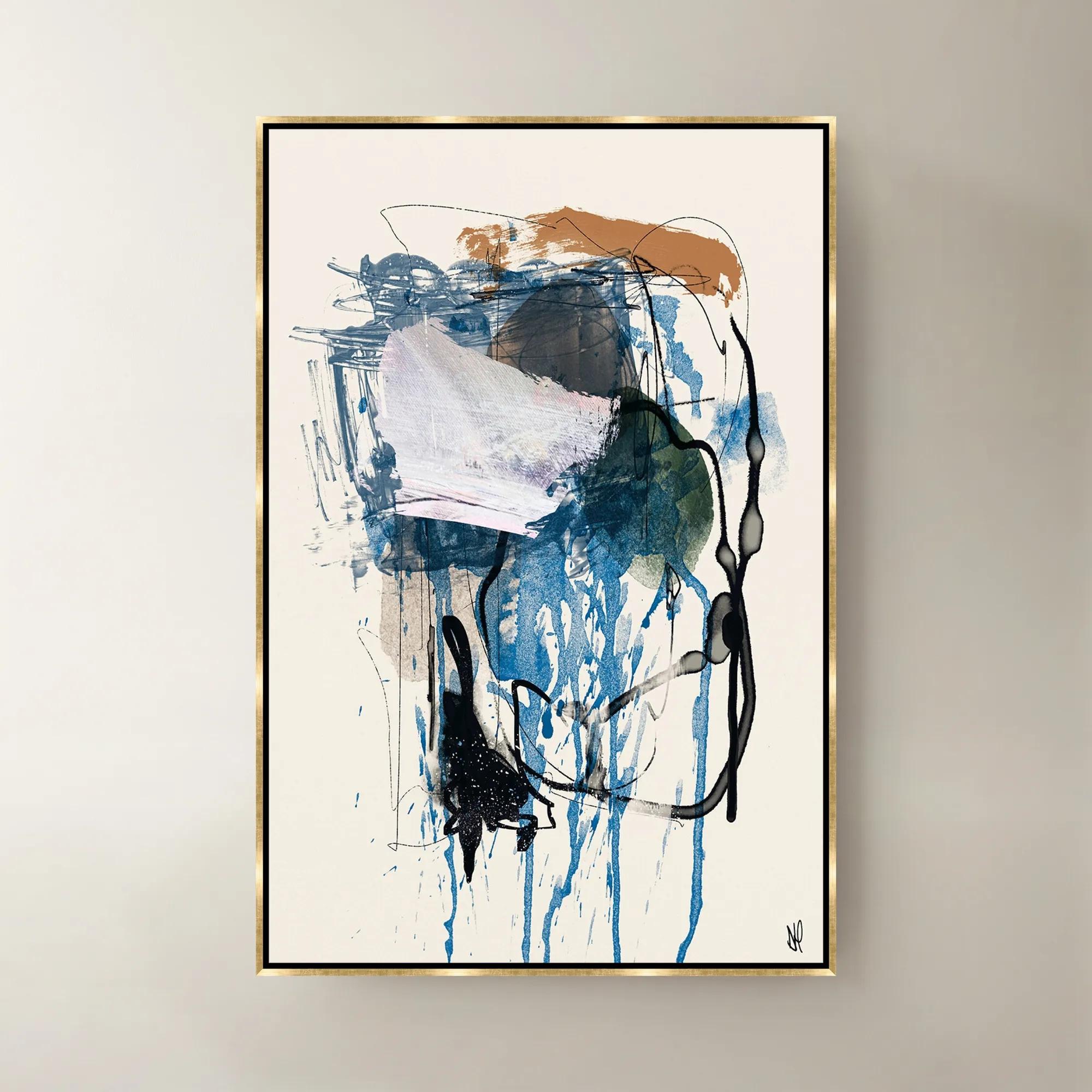
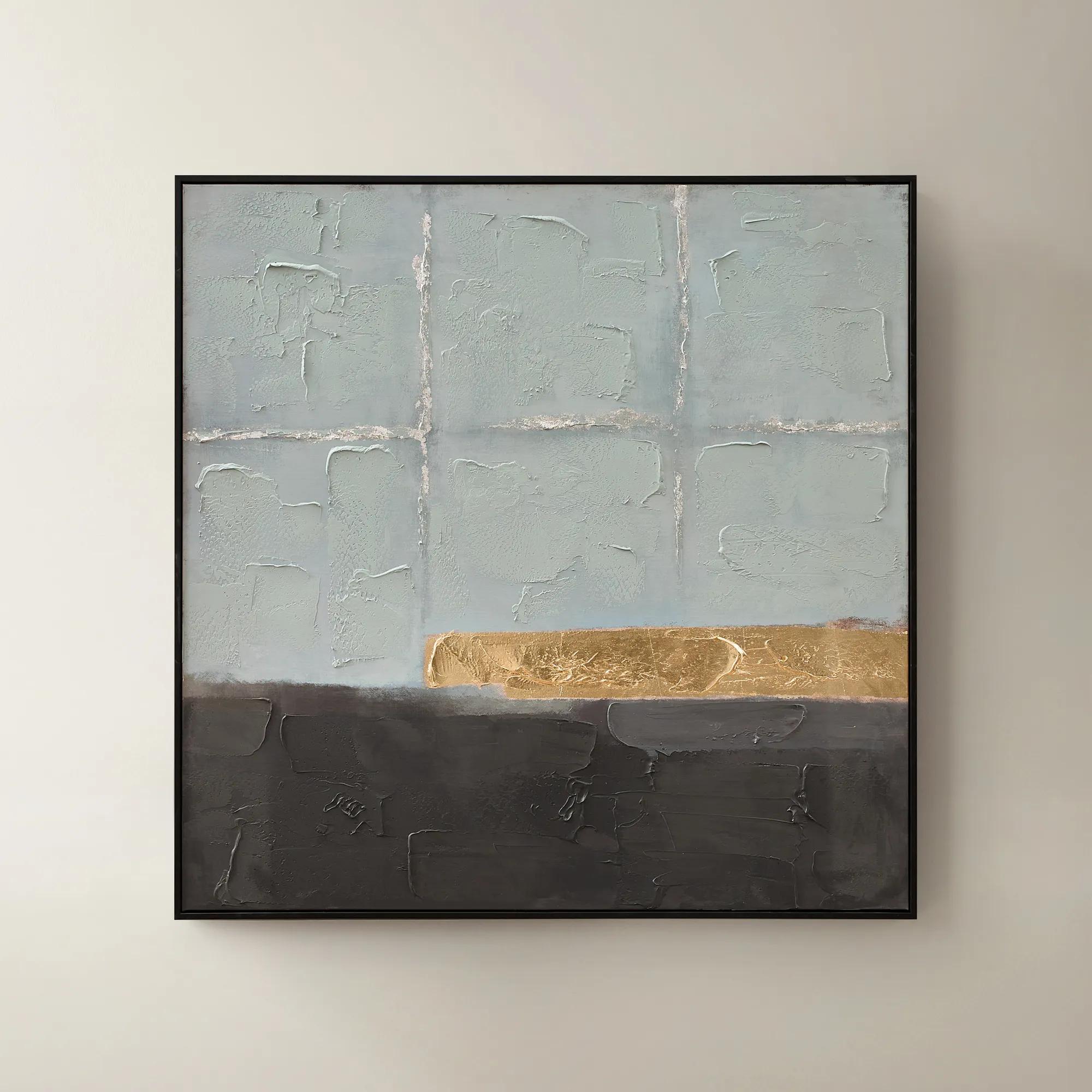
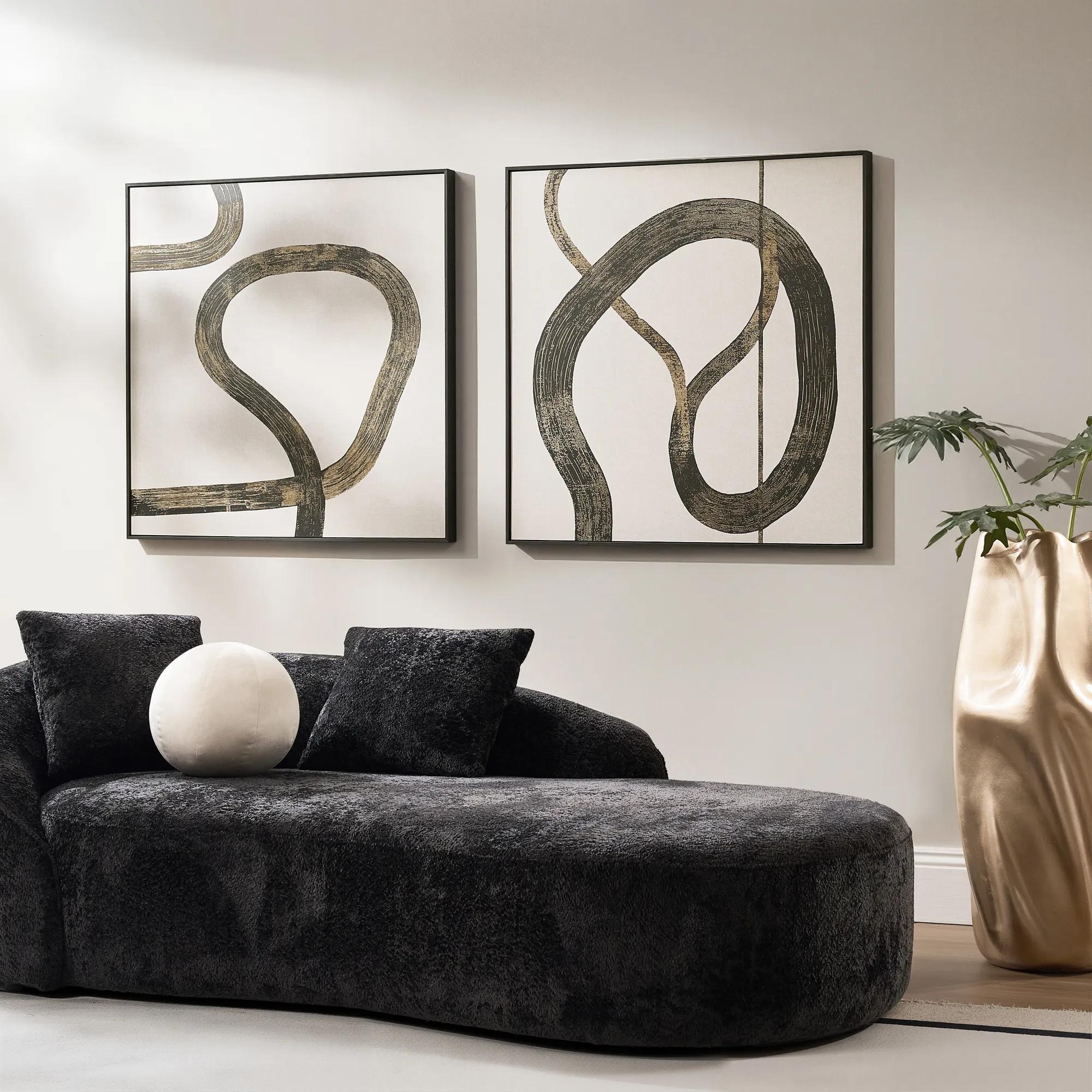 Live Wire Framed Gold Foil Painted Wall Art I 39" x 39"$349
A striking gold foil painting framed to bring modern artistic elegance and luminous texture to any wall.
Add To Cart -
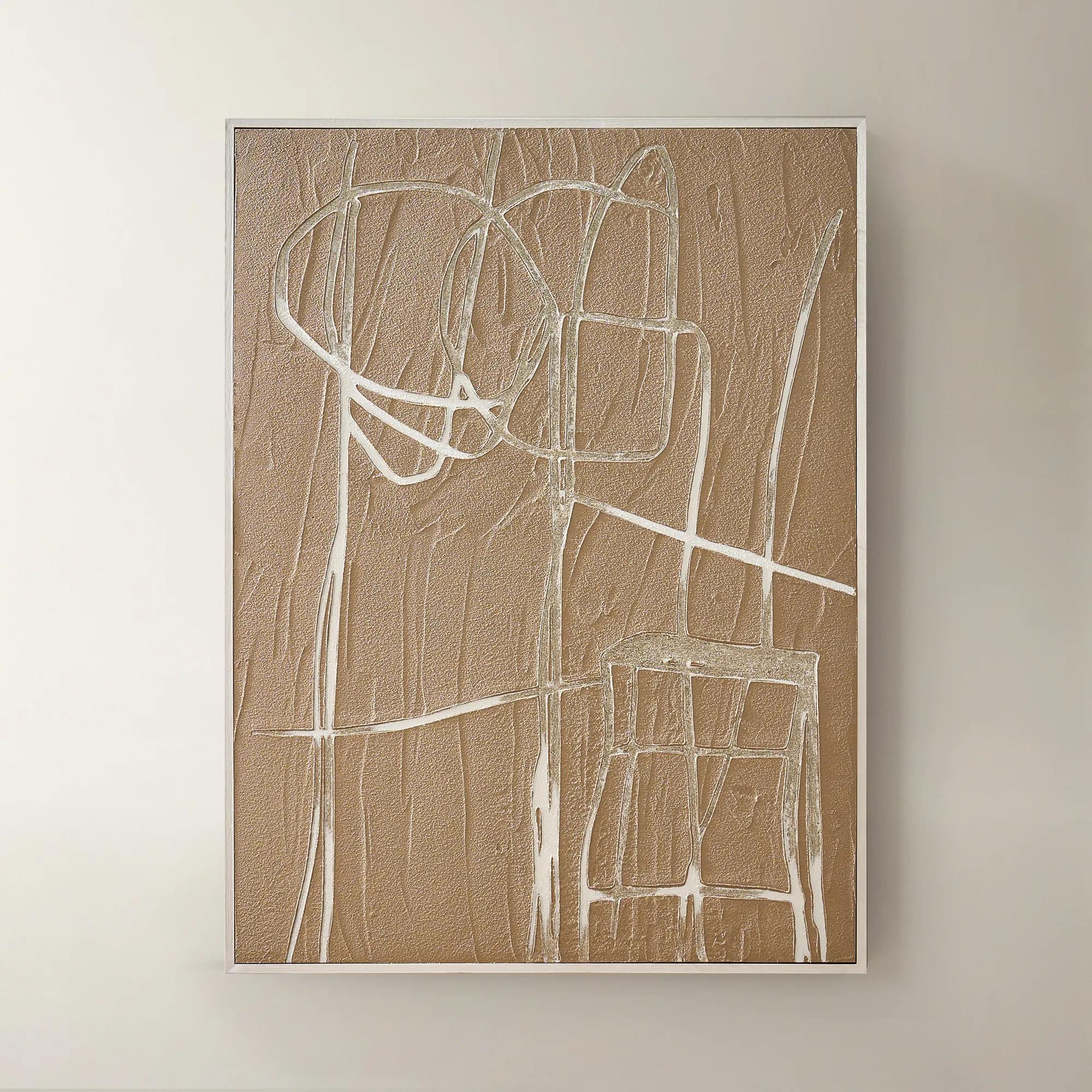
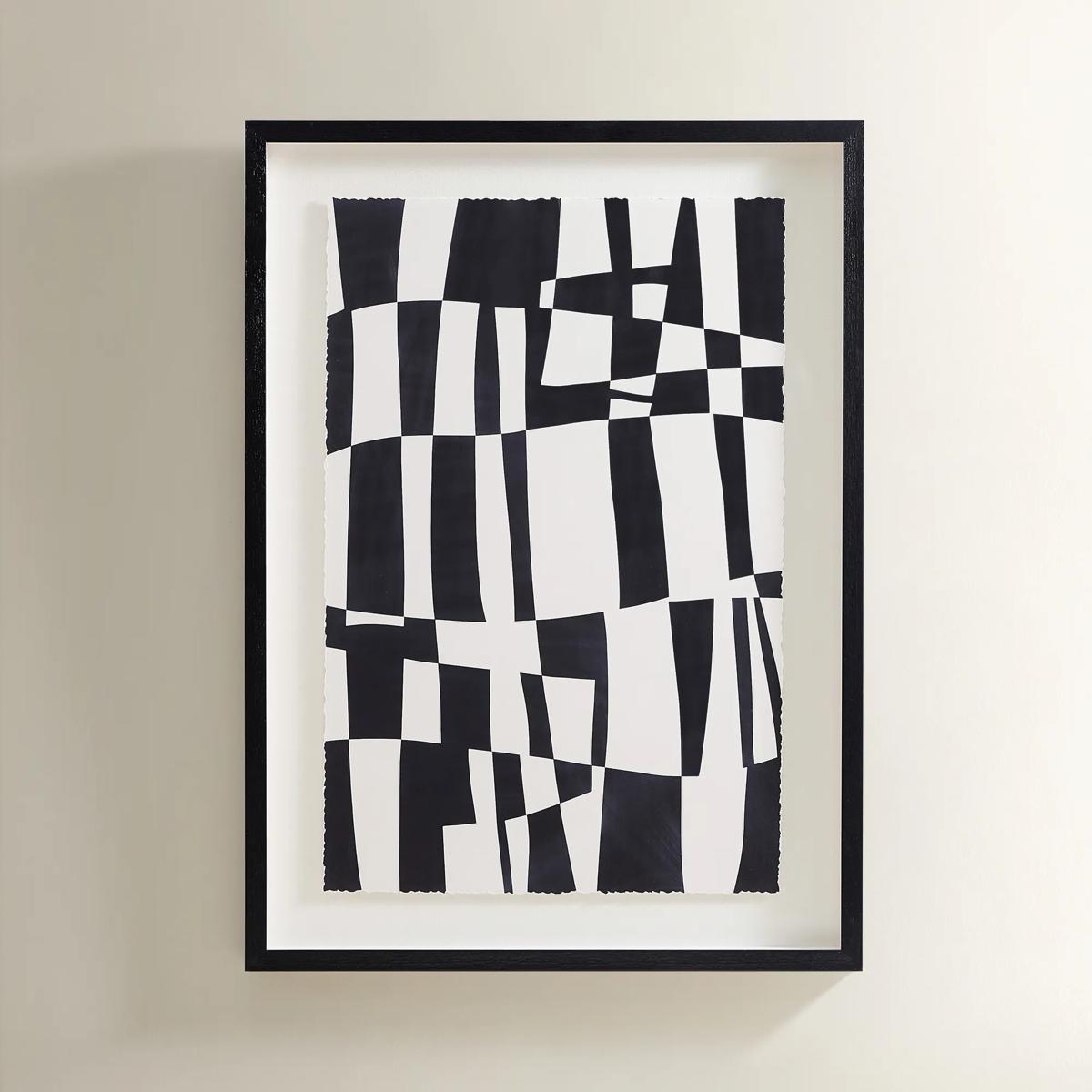 Matrix Art$369
A striking black and white abstract grid print set in a sleek black polyresin frame.
Add To Cart -

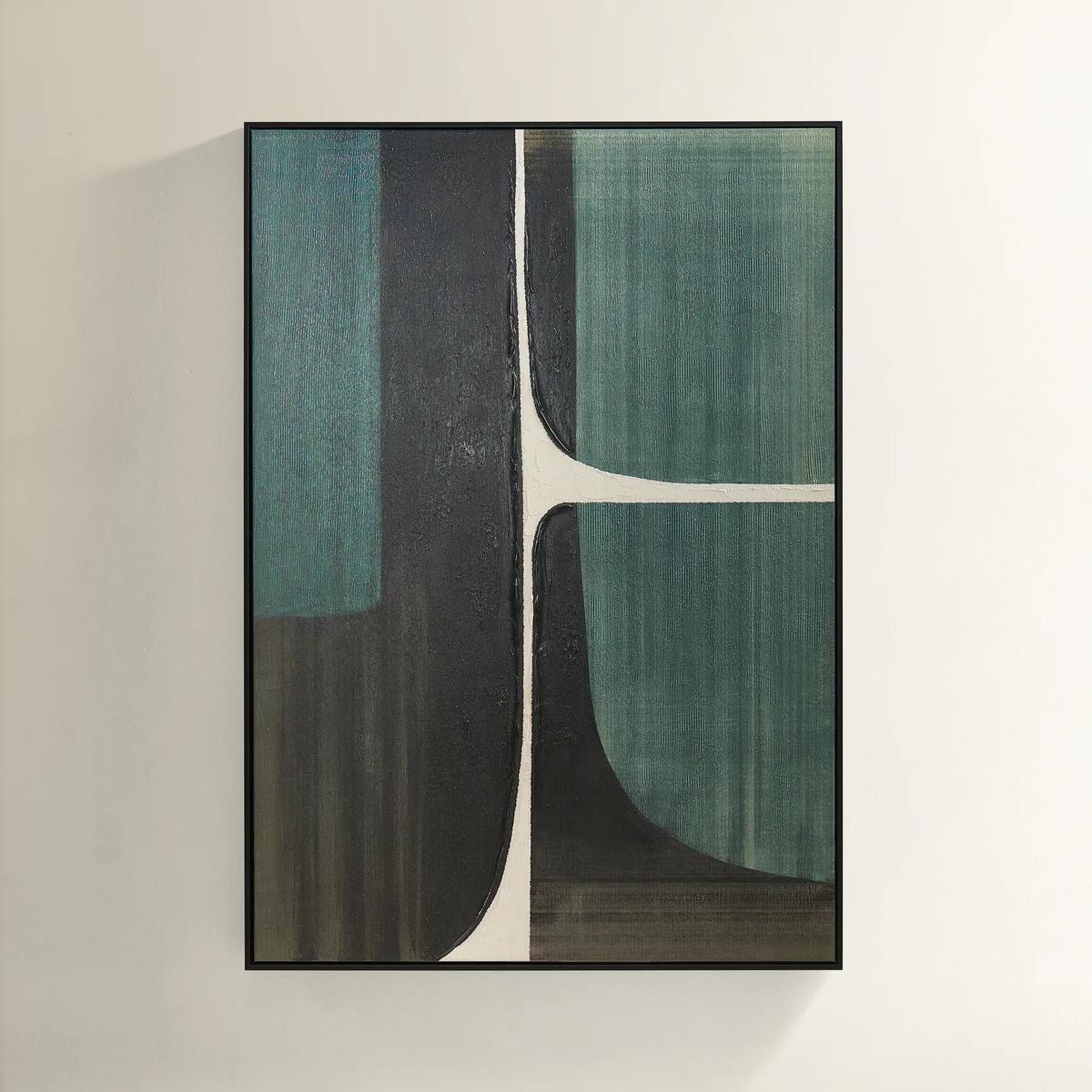
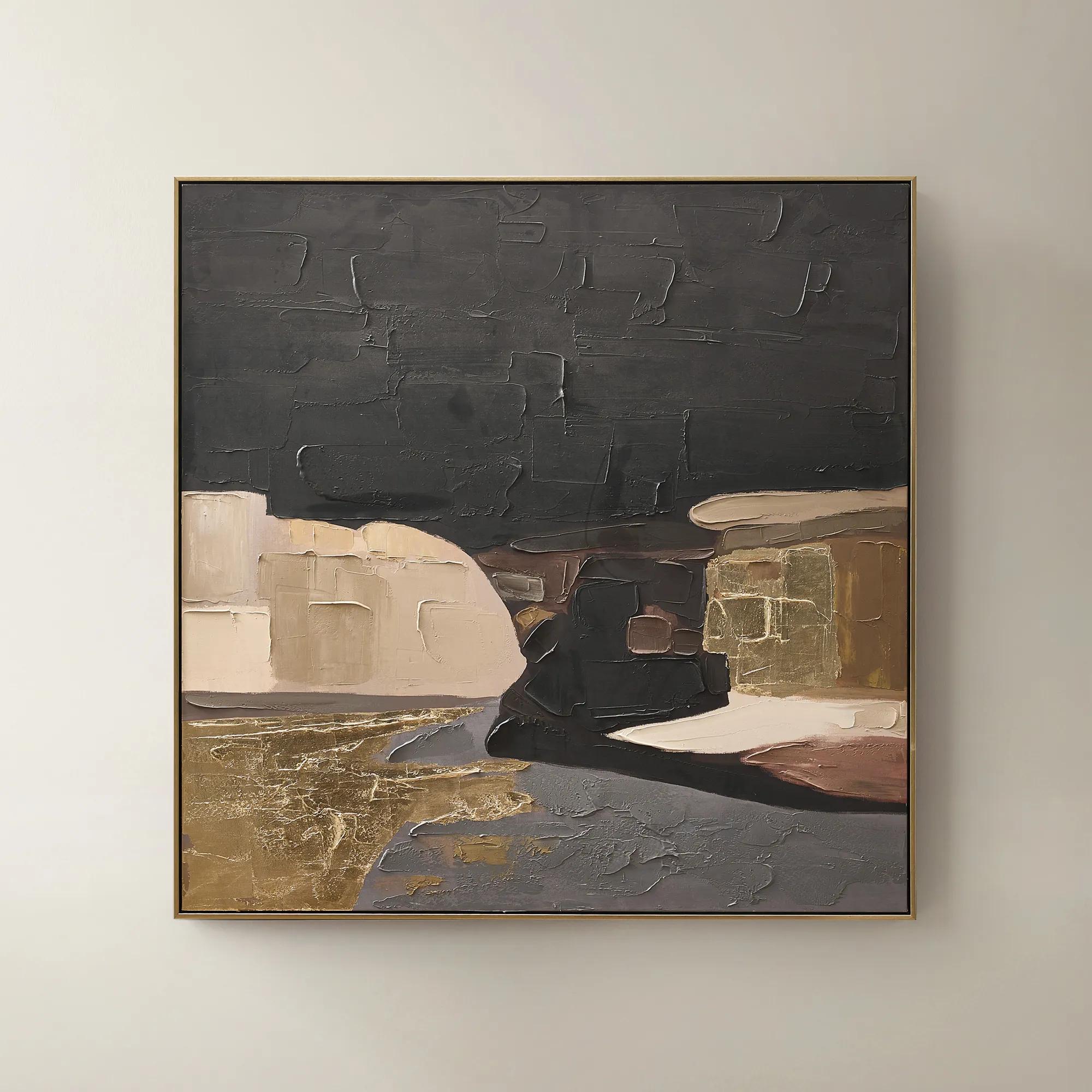
 Sand Storm Framed Gold Foil Wall Art 32" x 47"$329
A refined abstract artwork with gold foil accents, sand and charcoal tones, framed in solid wood.
Add To Cart -
 Live Wire Framed Gold Foil Painted Wall Art II 39" x 39"$349
A framed wall artwork featuring gold foil-painted detailing for glamorous modern display.
Add To Cart -
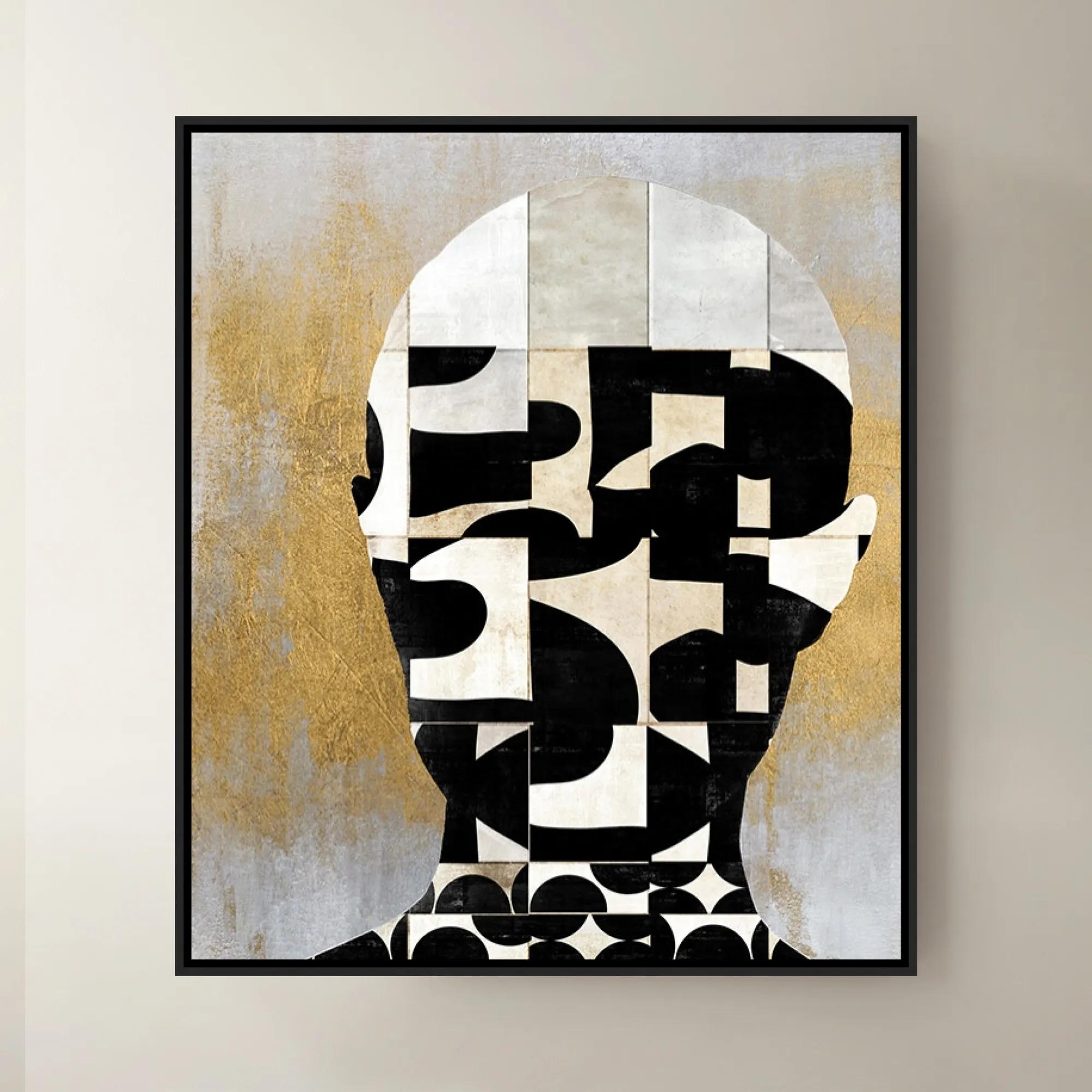
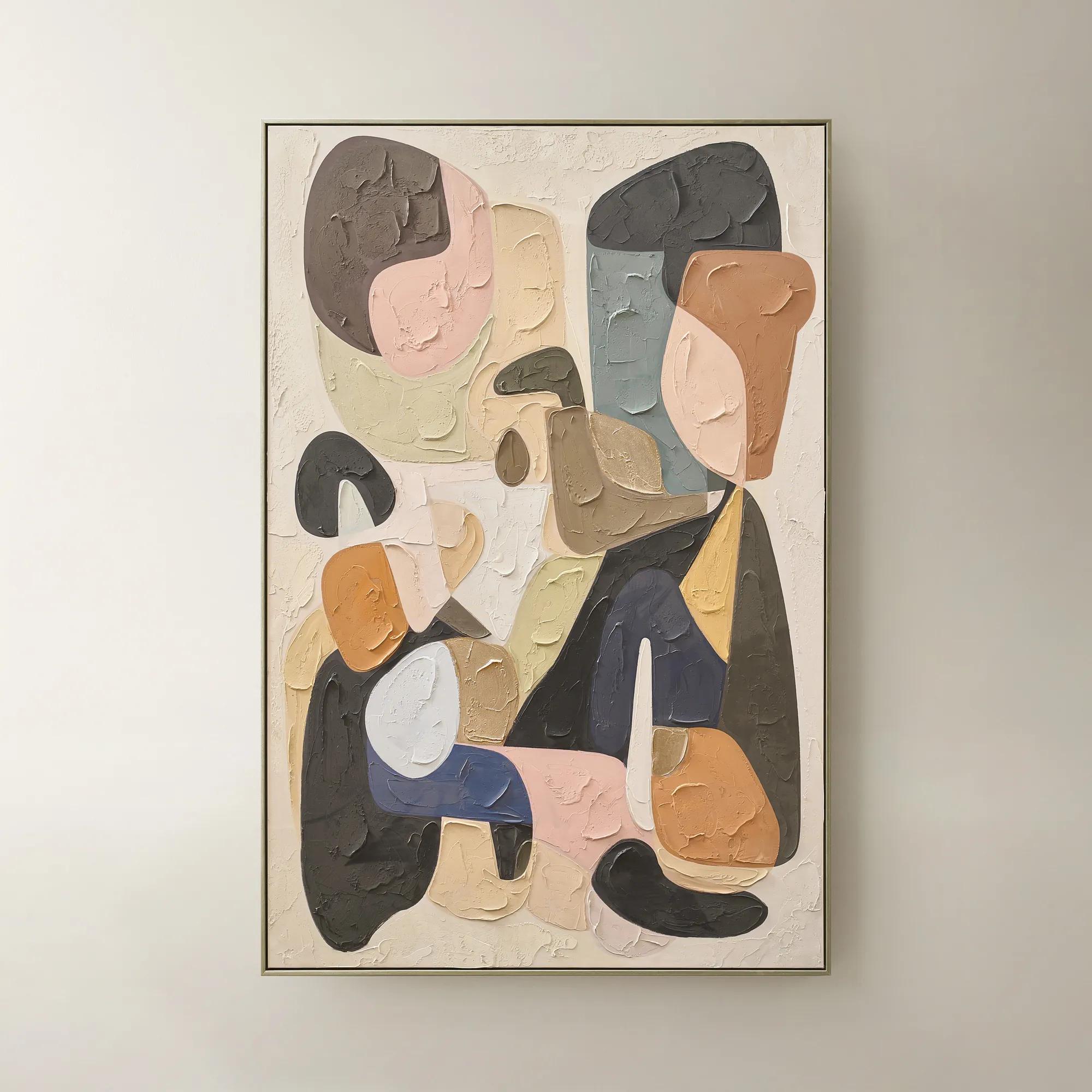
 Lets Face It II Framed Wall Art 30" x 35"$699
A striking contemporary art piece showcasing bold design and creative flair by a renowned interior designer.
Add To Cart -
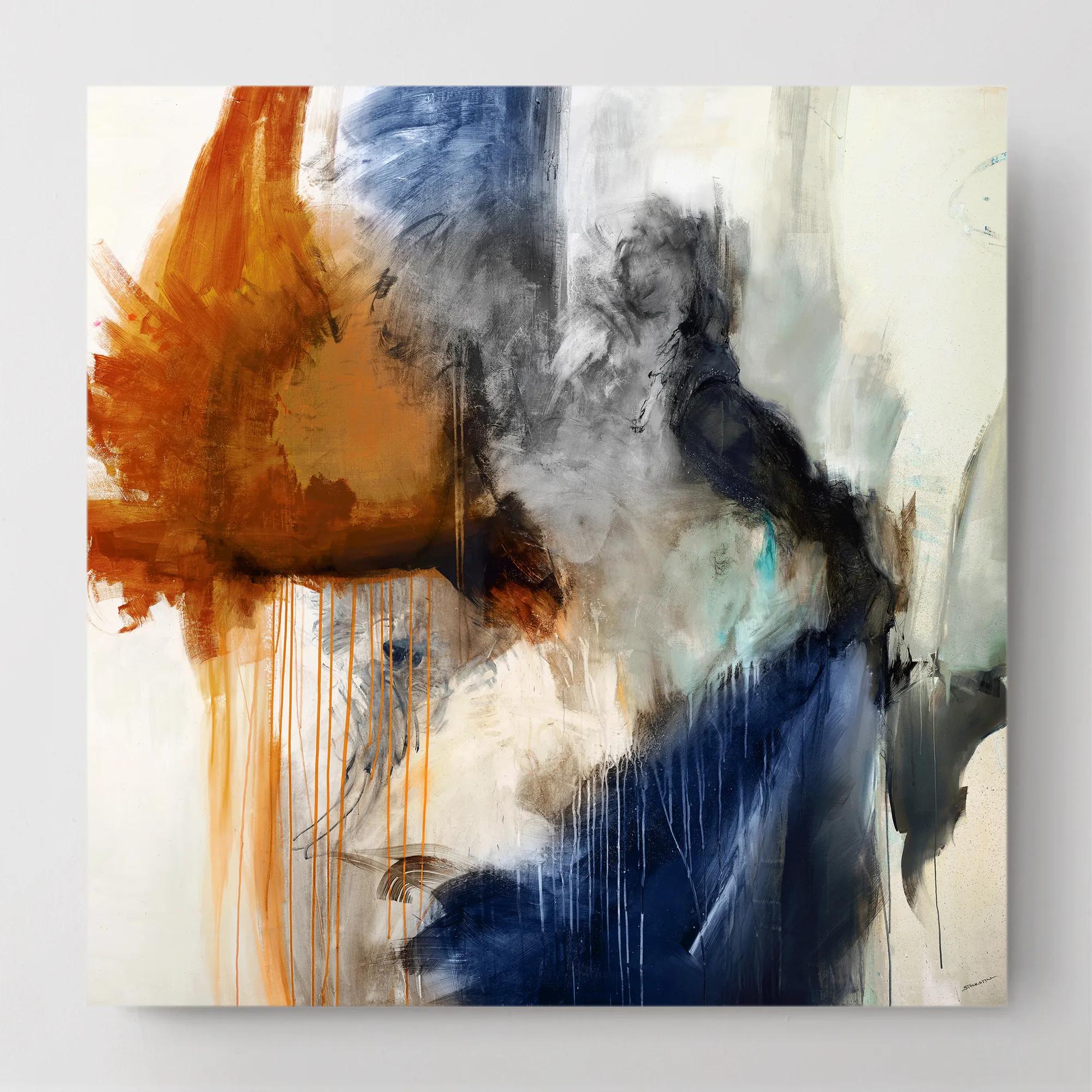
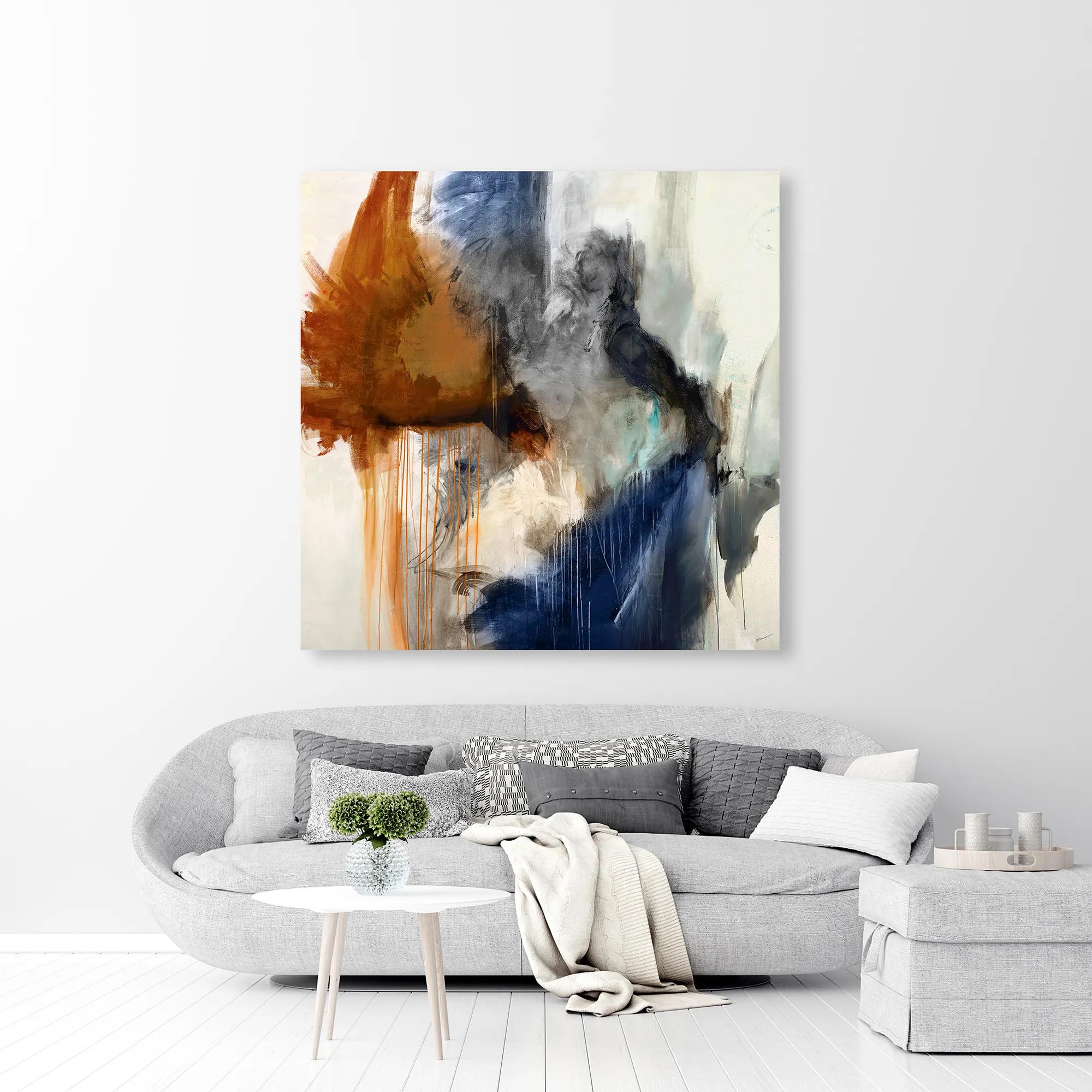 Swoon 6 Wall Art 54" x 54"$899
A gallery-wrapped canvas featuring a hand-applied image brush gel finish for a textured, artistic look.
Add To Cart -

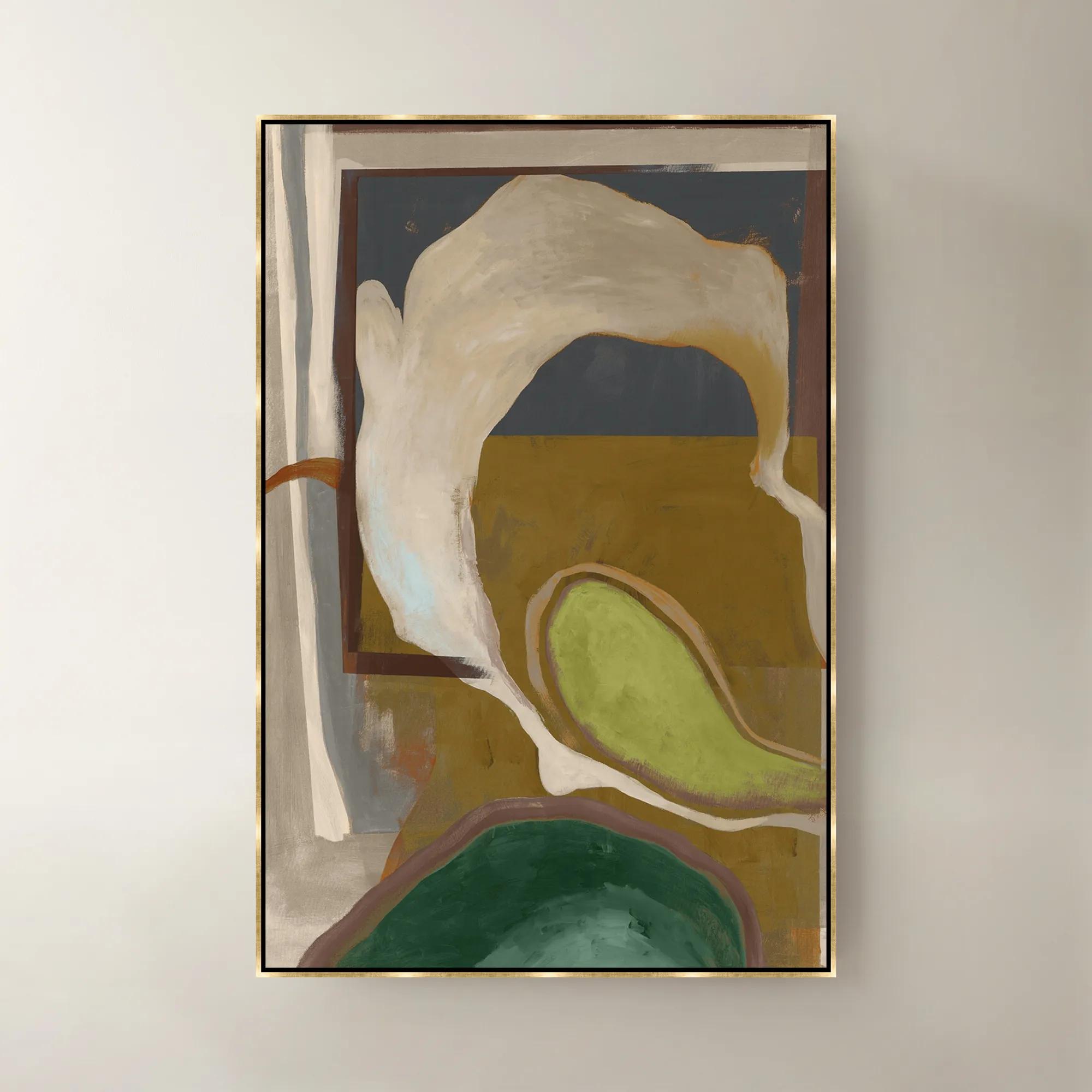
 Tribe V Framed Wall Art 24" x 28"$599
A striking contemporary art piece designed by acclaimed interior designer Nikki Chu.
Add To Cart -
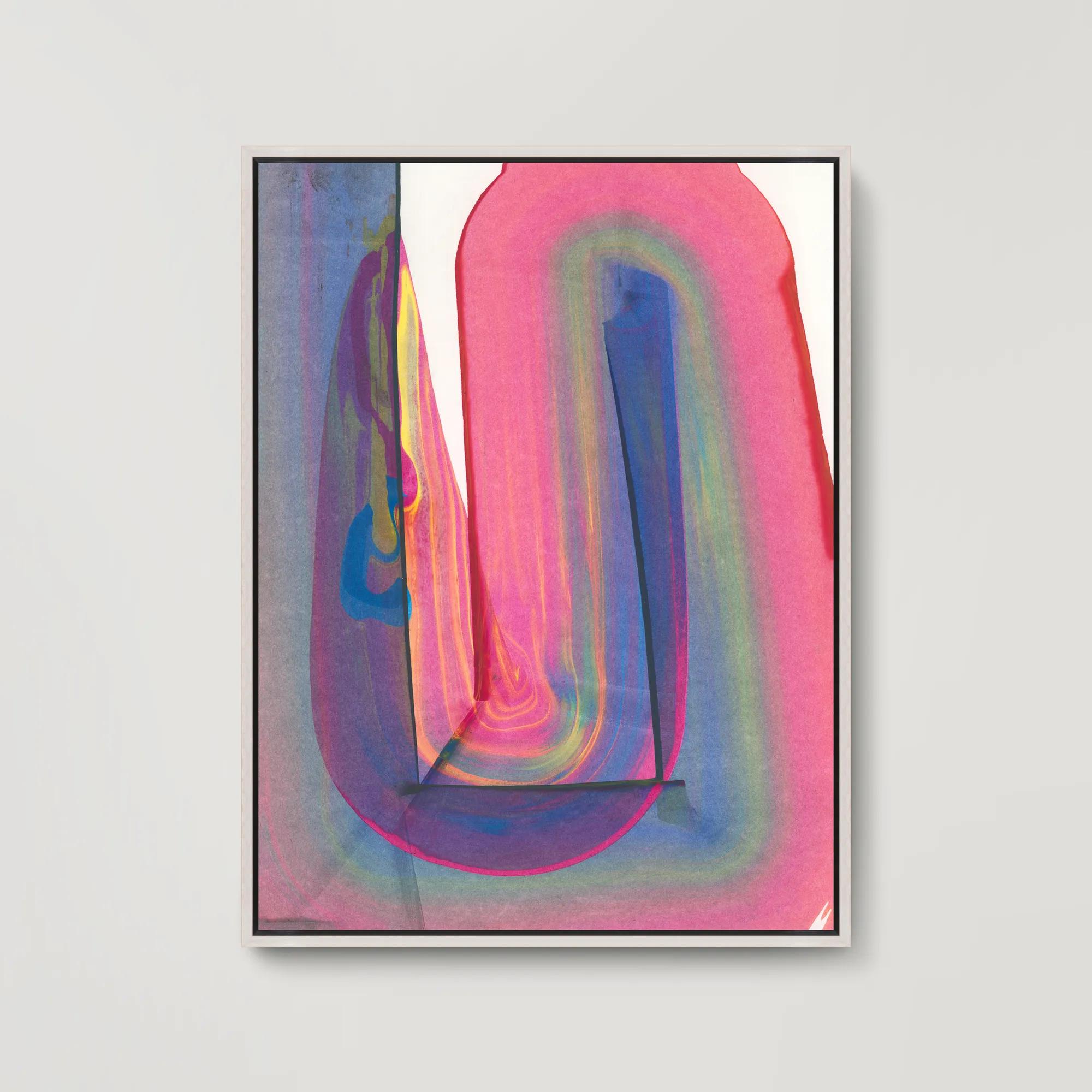
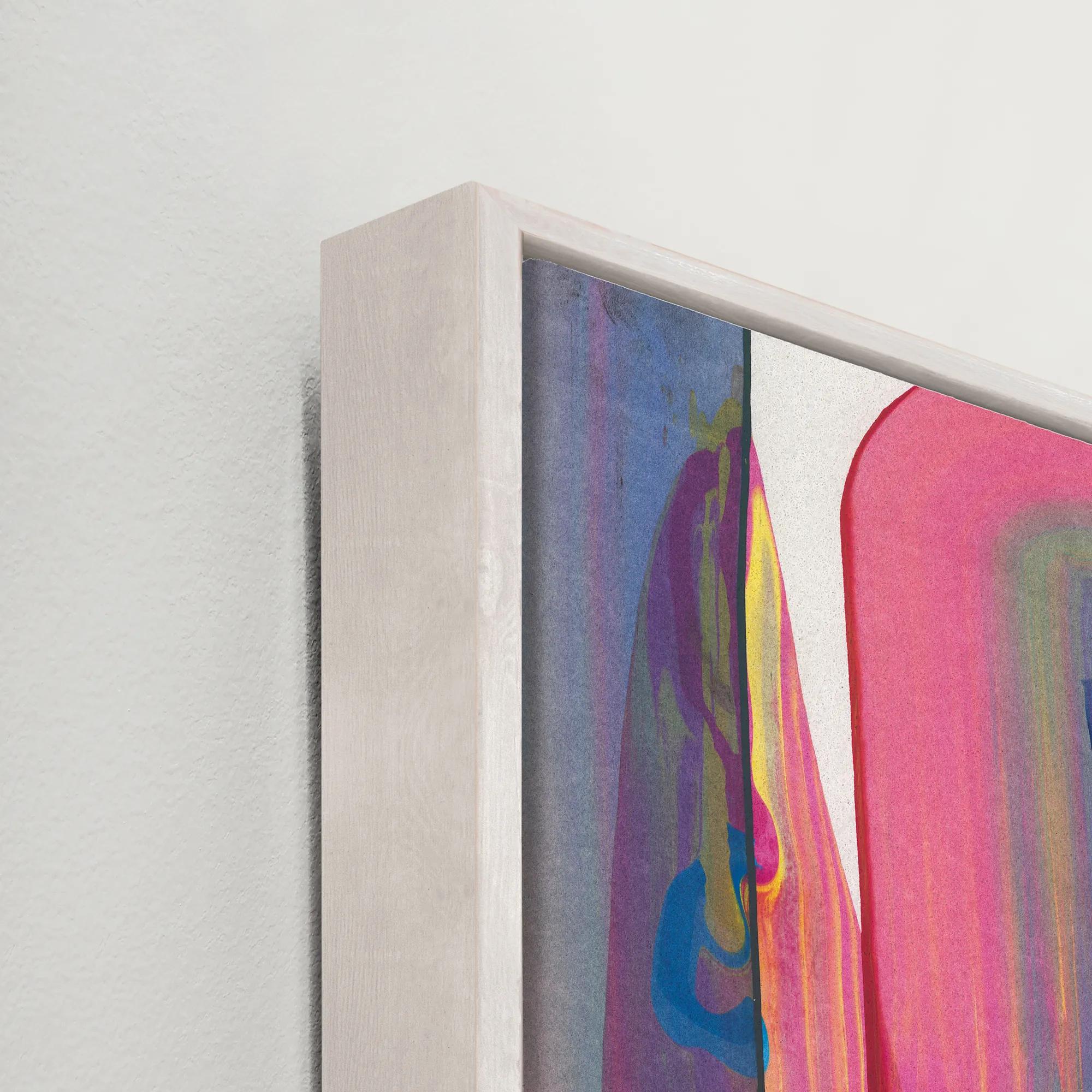 Color In Motion Framed Wall Art 31.5" x 41.5"$699
A gallery-wrapped abstract artwork featuring layered translucent paint and expressive brushstrokes in a white floater frame.
Add To Cart -
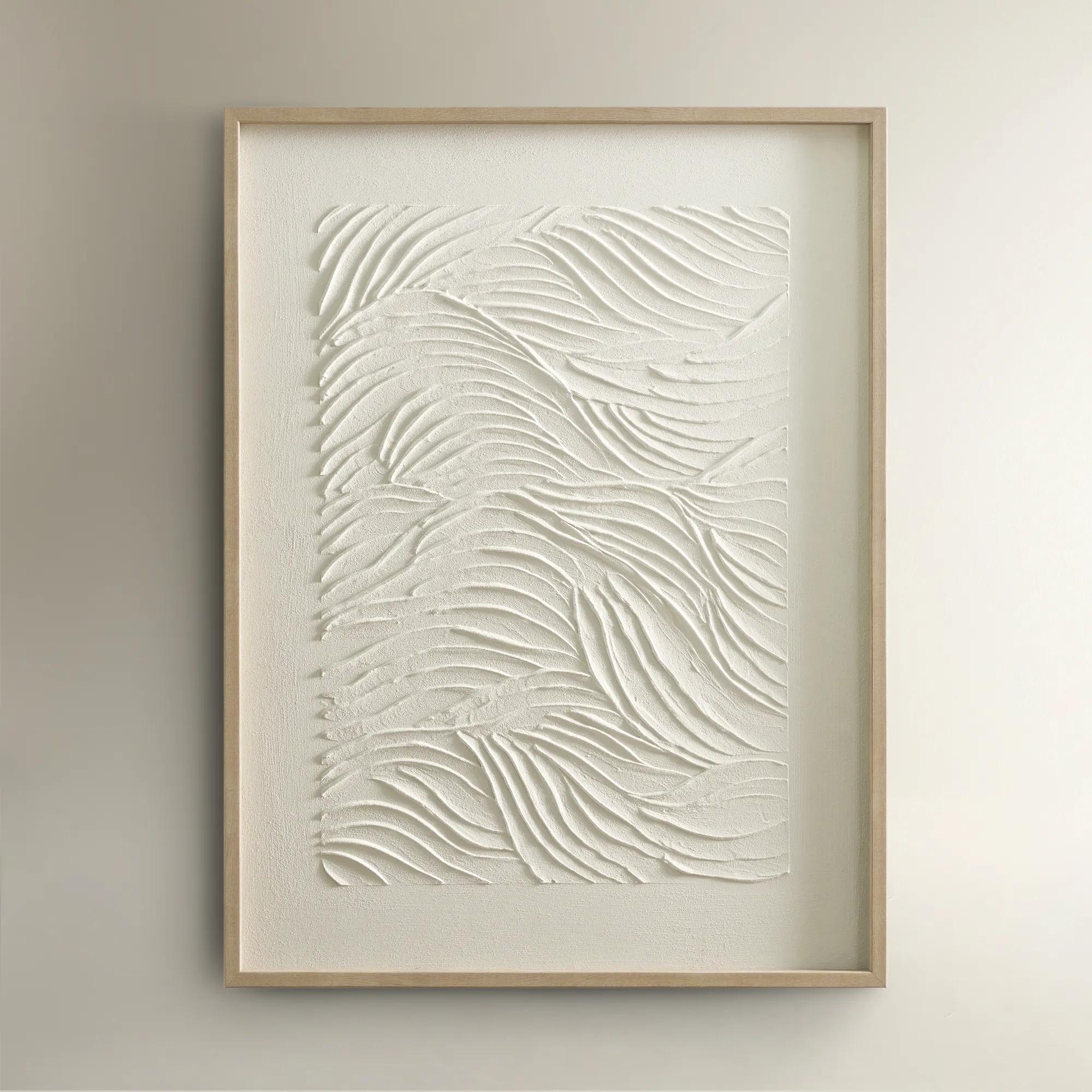
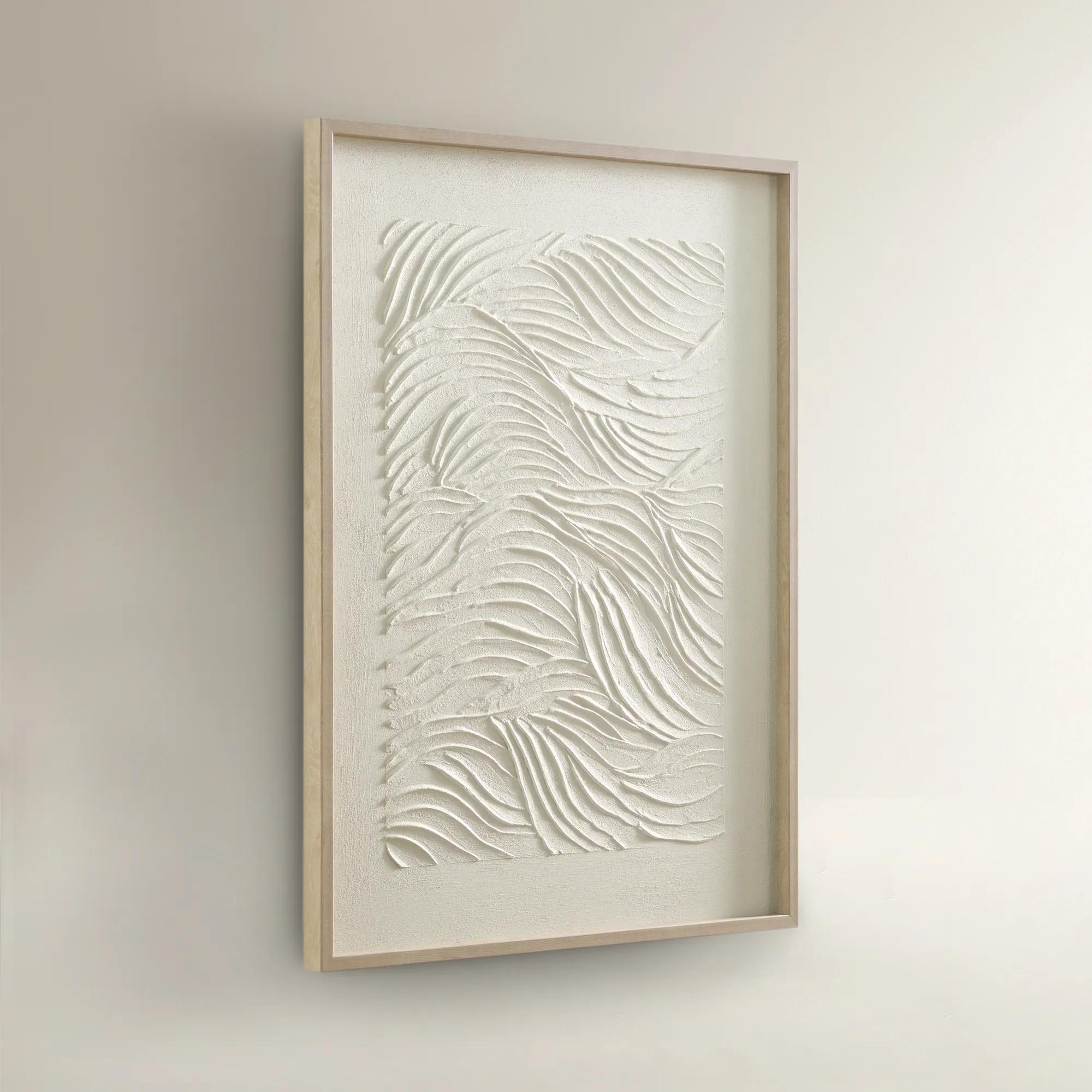 Sonnet Framed Painted Wall Art 23.5" x 31.5"$99
A hand-painted canvas featuring textured white shades and a warm blonde wood frame for elegant depth.
Add To Cart -
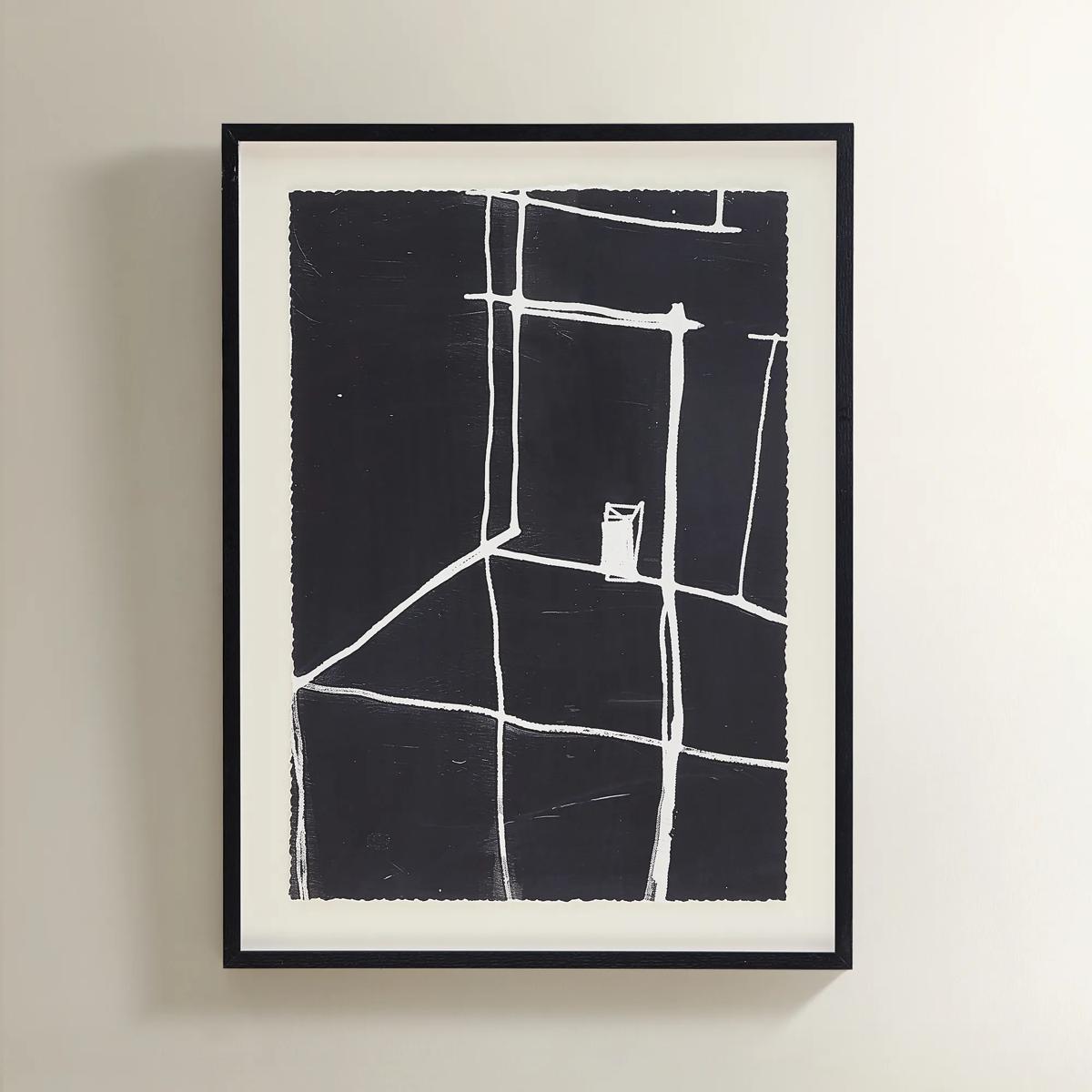 Solitude Art$269
A minimalist black-and-white abstract print featuring bold white lines in a sleek black polyresin frame.
Add To Cart -
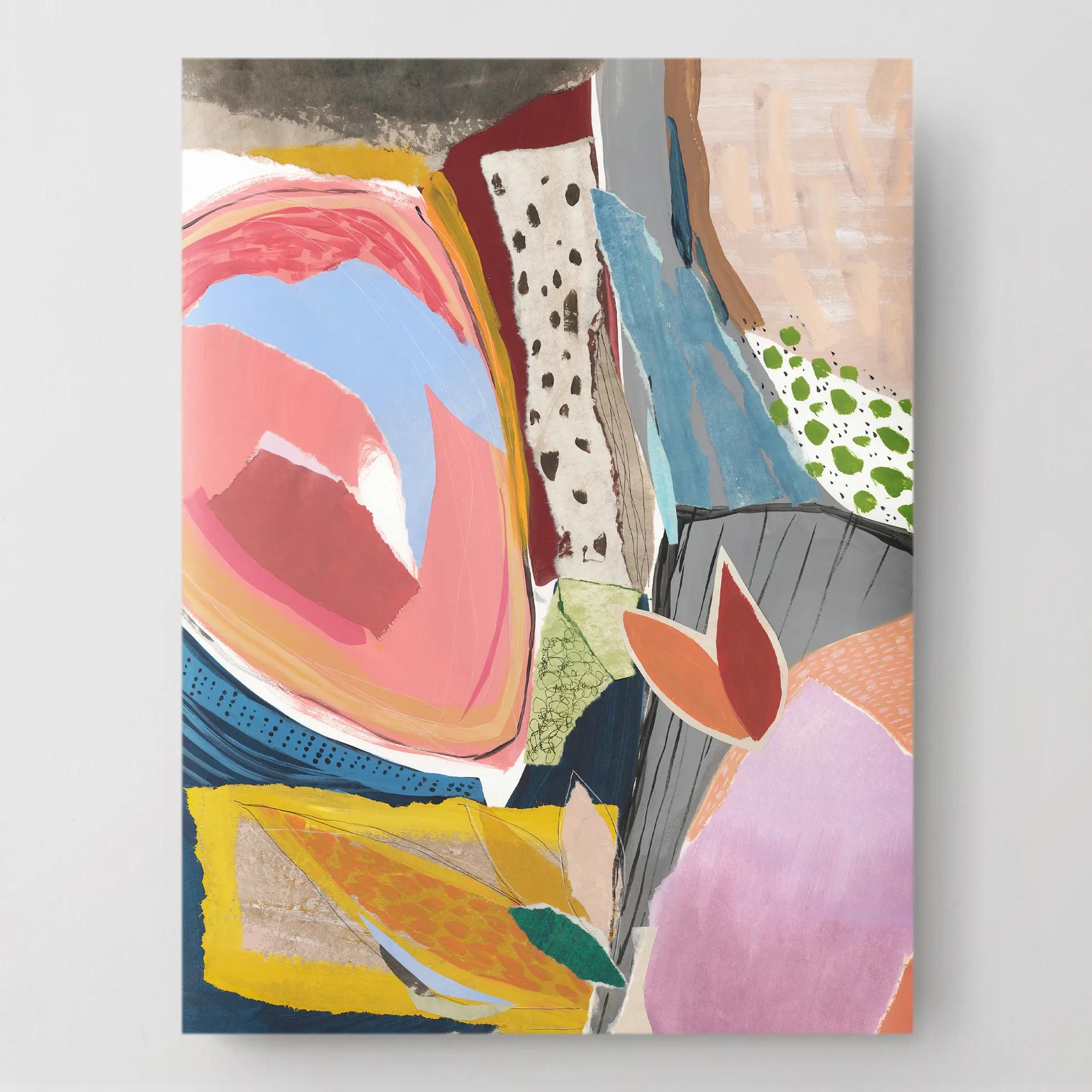
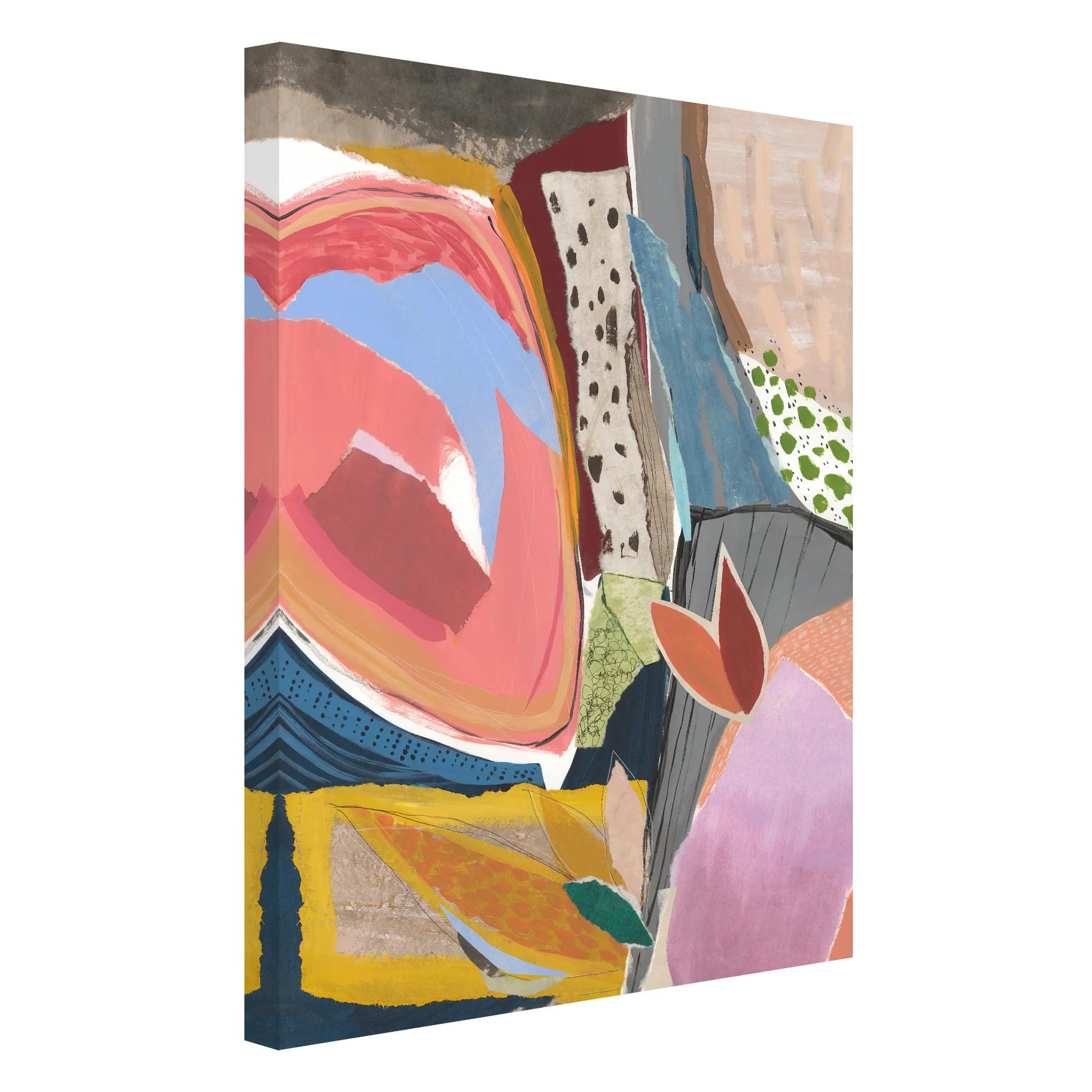 Sunday Vibes 1 Wall Art 30" x 40"$449
A gallery-wrapped canvas artwork featuring a hand-applied image brush gel finish for a textured look.
Add To Cart -
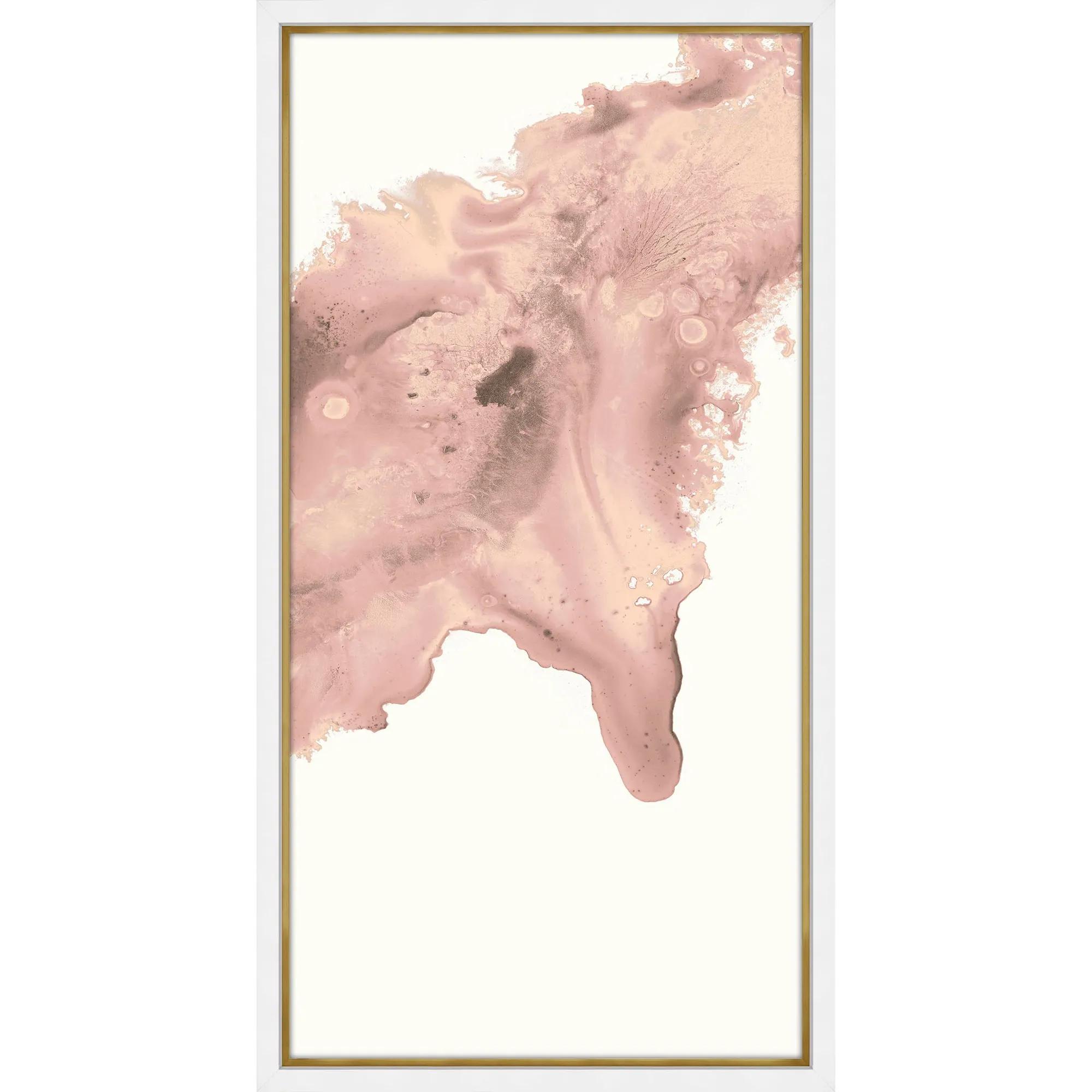
 Blush Conduit 2 Framed Wall Art 24" x 48"$849
A striking abstract print on pearl paper, elegantly framed in gold and matte white for modern appeal.
Add To Cart -
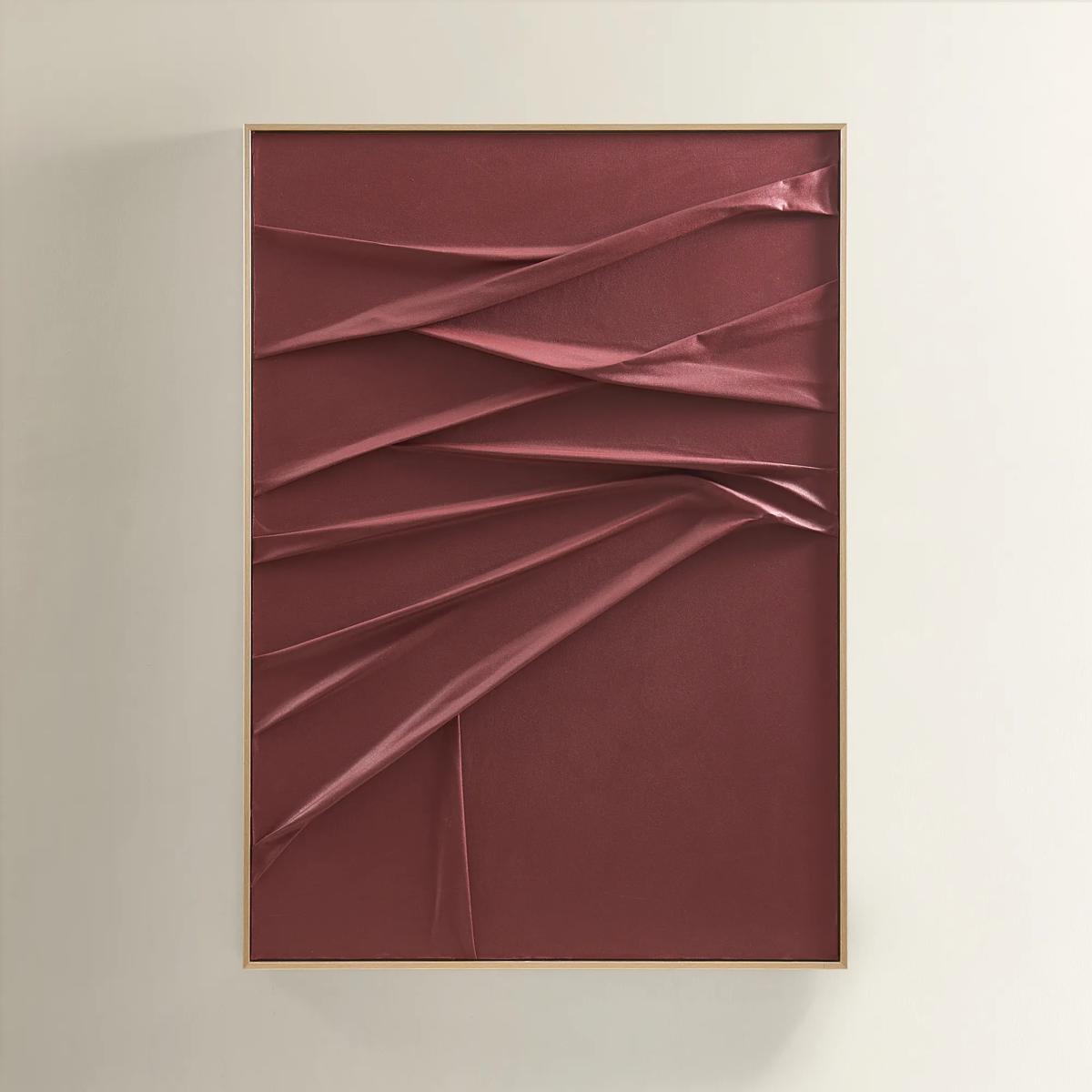
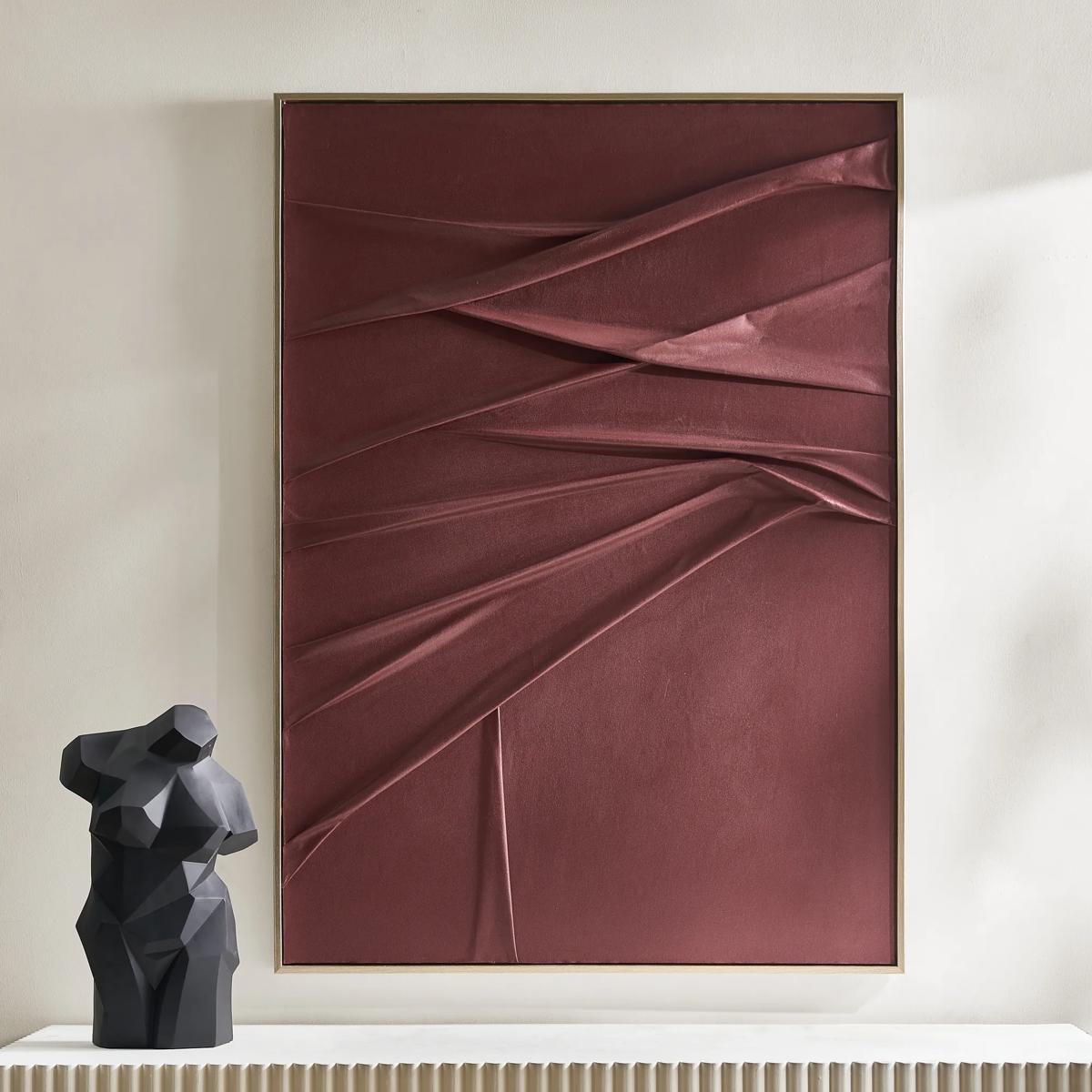 Crimson Painting$599
A handcrafted burgundy canvas artwork with sculptural folds, framed in champagne for a dramatic, textured effect.
Add To Cart -
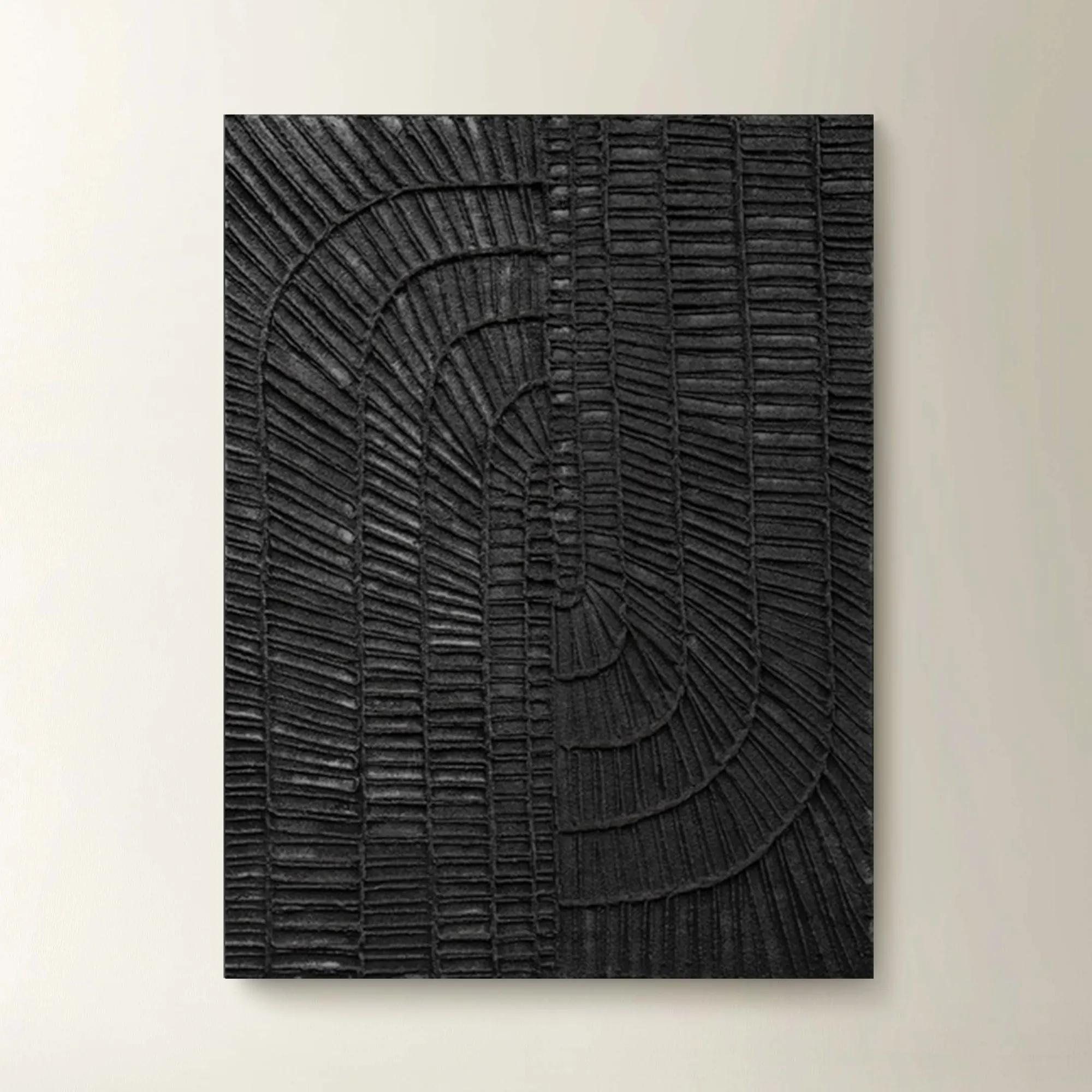 Textured Haze Black II Painted Wall Art 26" x 35"$499
A striking hand-painted black artwork featuring textured details for versatile vertical or horizontal display.
Add To Cart -
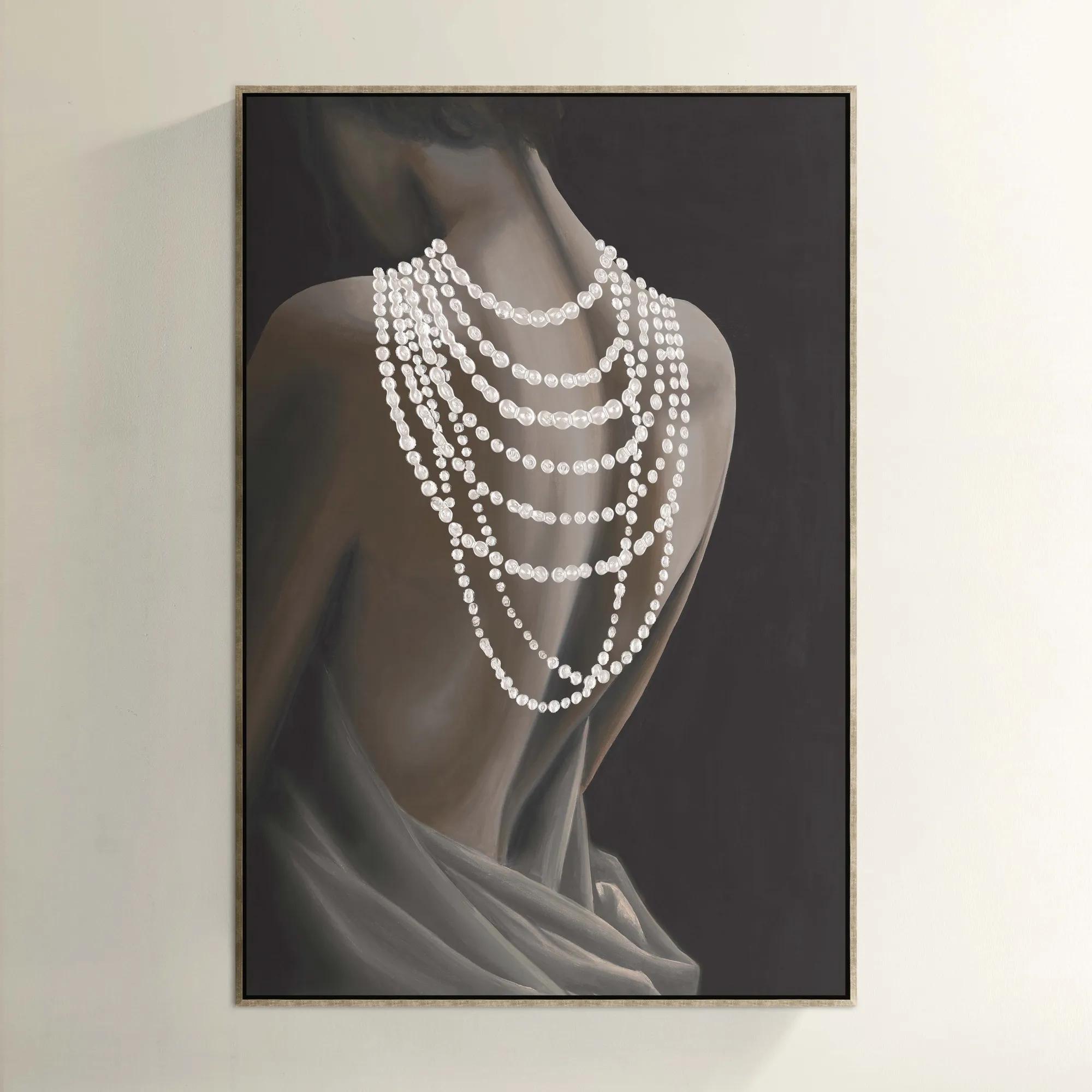 Luminescent Pearls Framed Wall Art 40" x 60"$1119
A hand-embellished canvas artwork featuring textured brush gel, set in a sleek silver floater frame.
Add To Cart -
 Fossil Painting$299
A bold hand-painted abstract artwork featuring textured black shades in a sleek black floater frame.
Add To Cart -
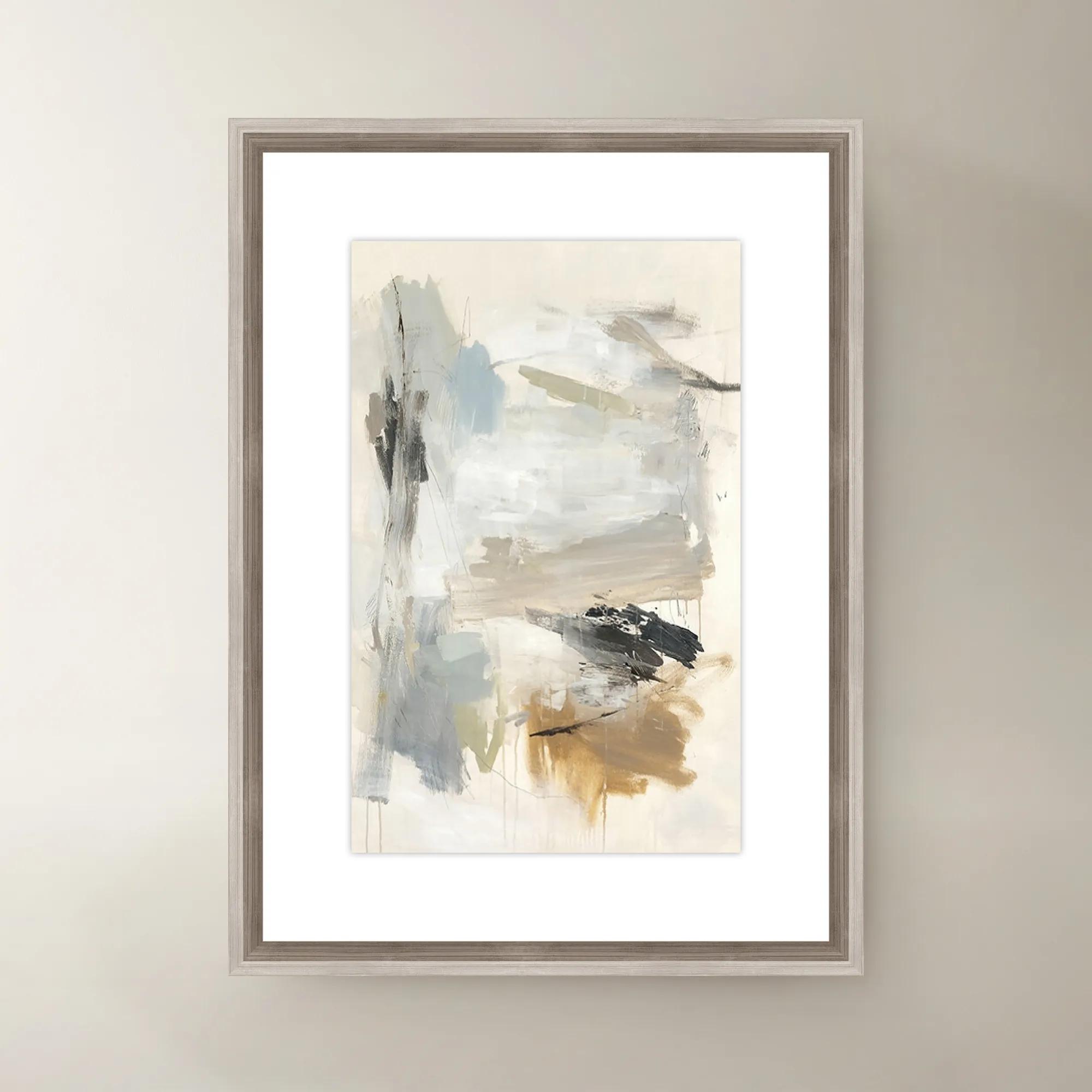
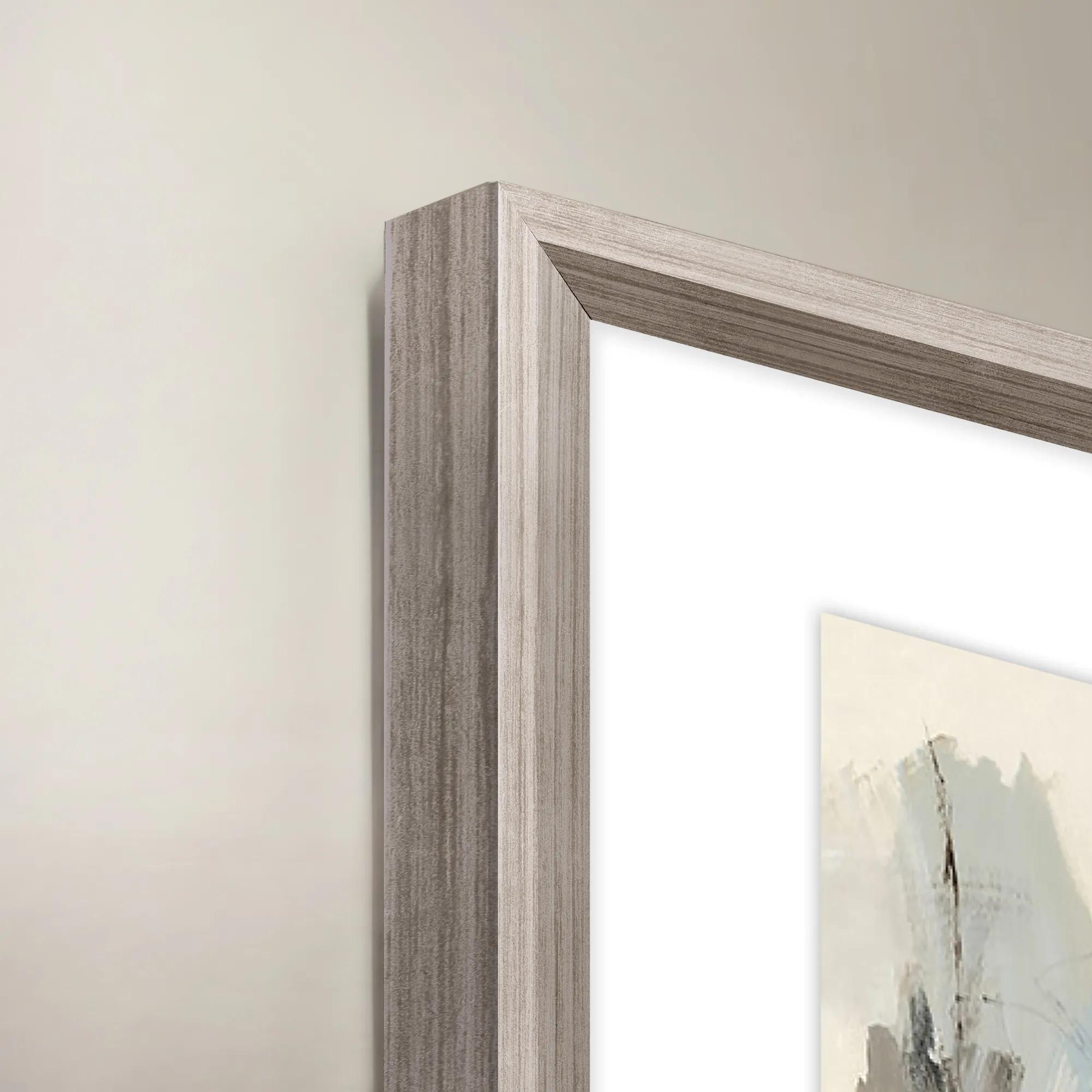 French Bakery II Framed Wall Art 20" x 30"$419
A colorful canvas wall art piece featuring a charming French bakery scene in a decorative frame.
Add To Cart -
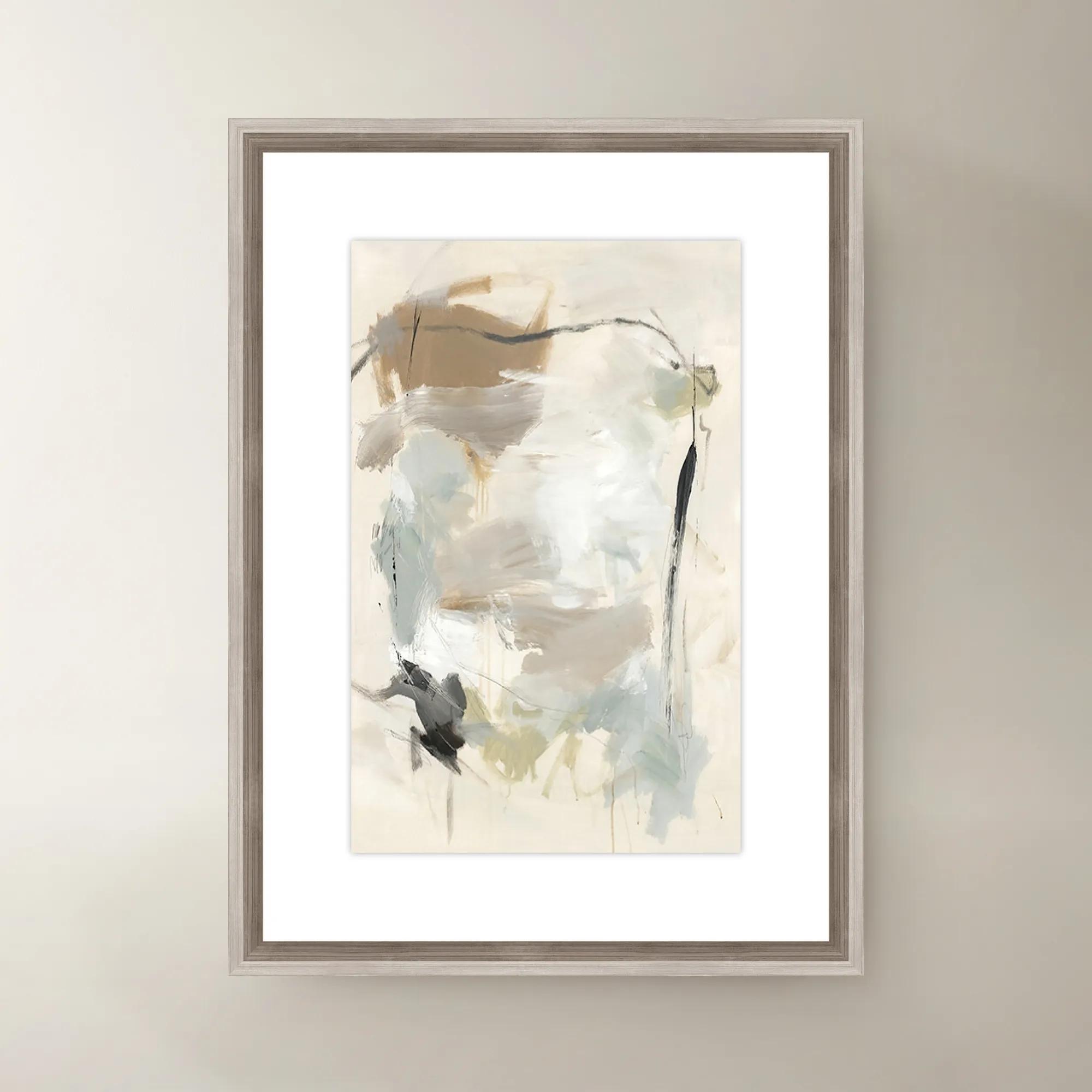
 French Bakery I Framed Wall Art 20" x 30"$419
A multi-colored canvas wall artwork in a framed presentation, inspired by a charming French bakery.
Add To Cart -
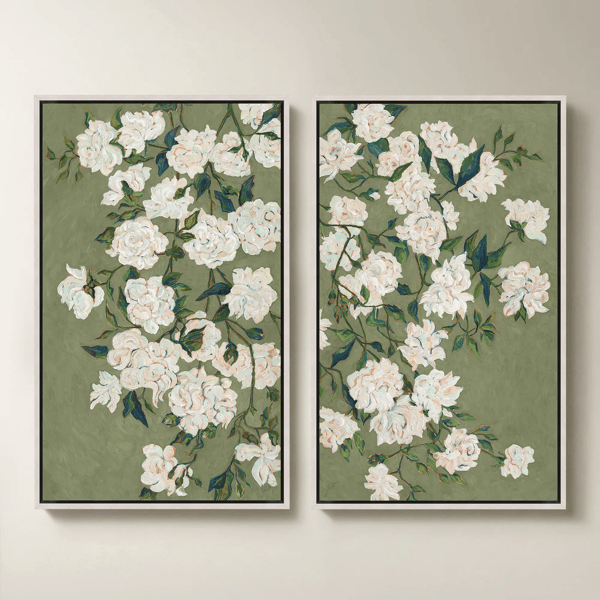
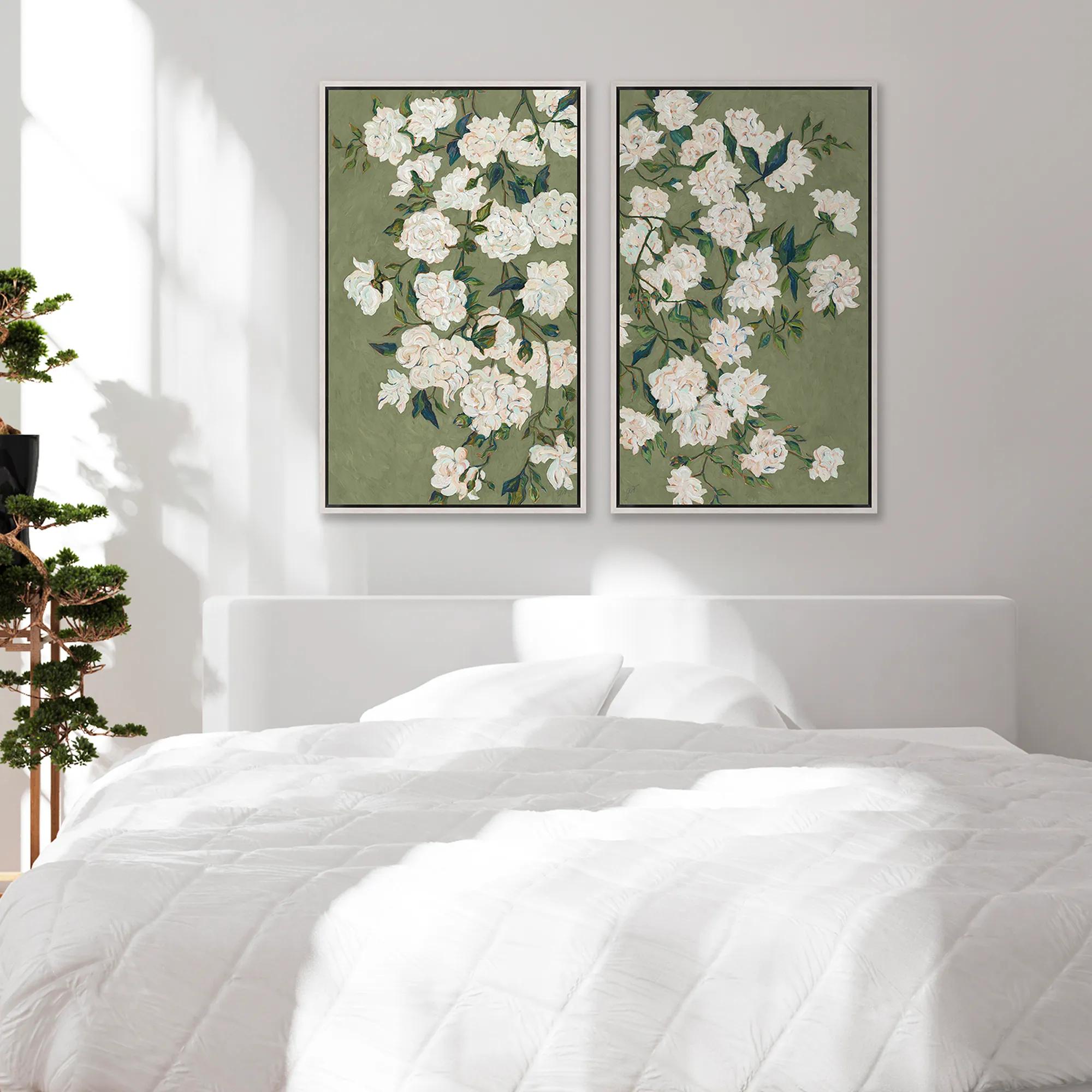 Verdi Vincent Framed Wall Art 21.5" x 41.5" Set of 2$949
A set of two gallery-wrapped fiber texture canvases in white floater frames for modern wall decor.
Add To Cart -
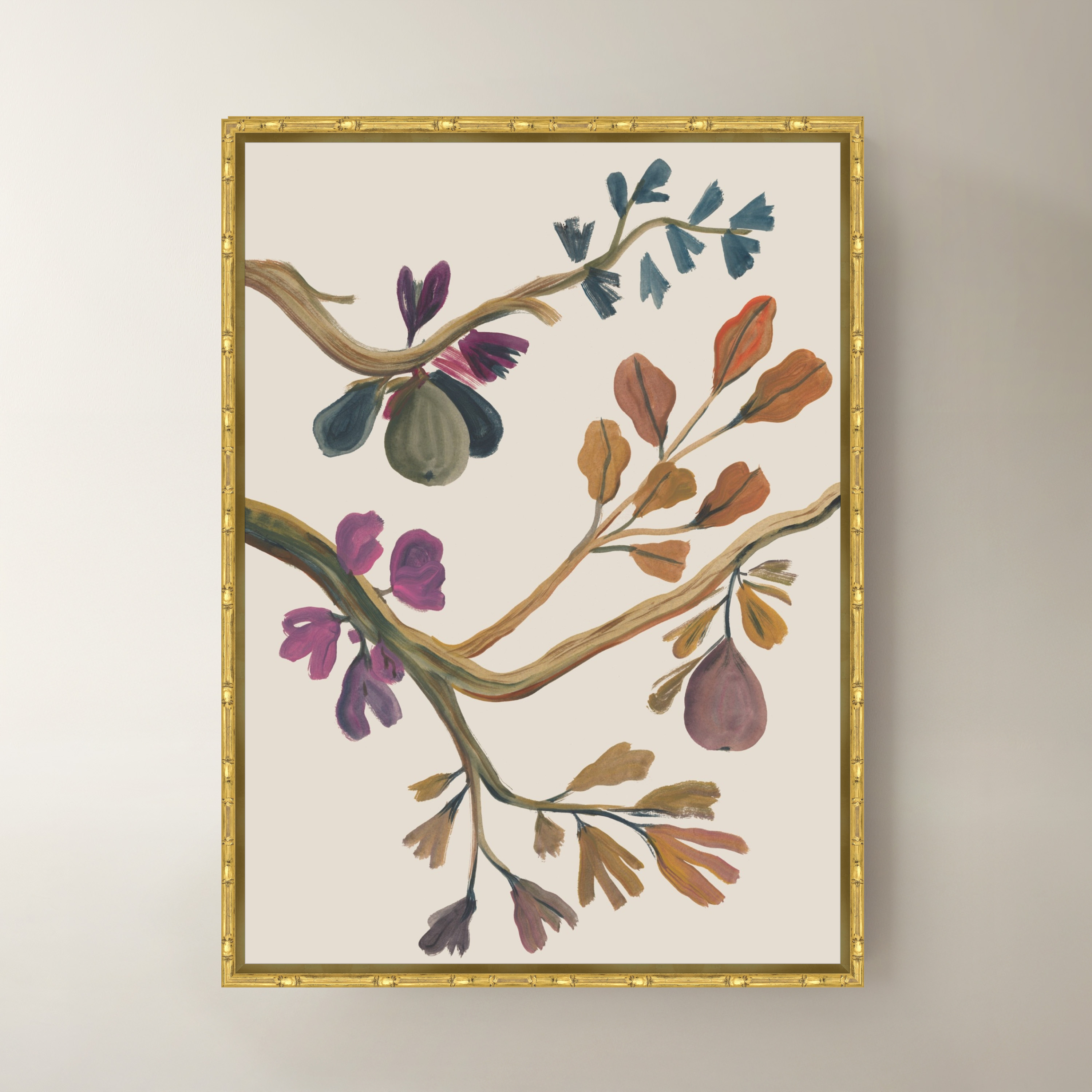
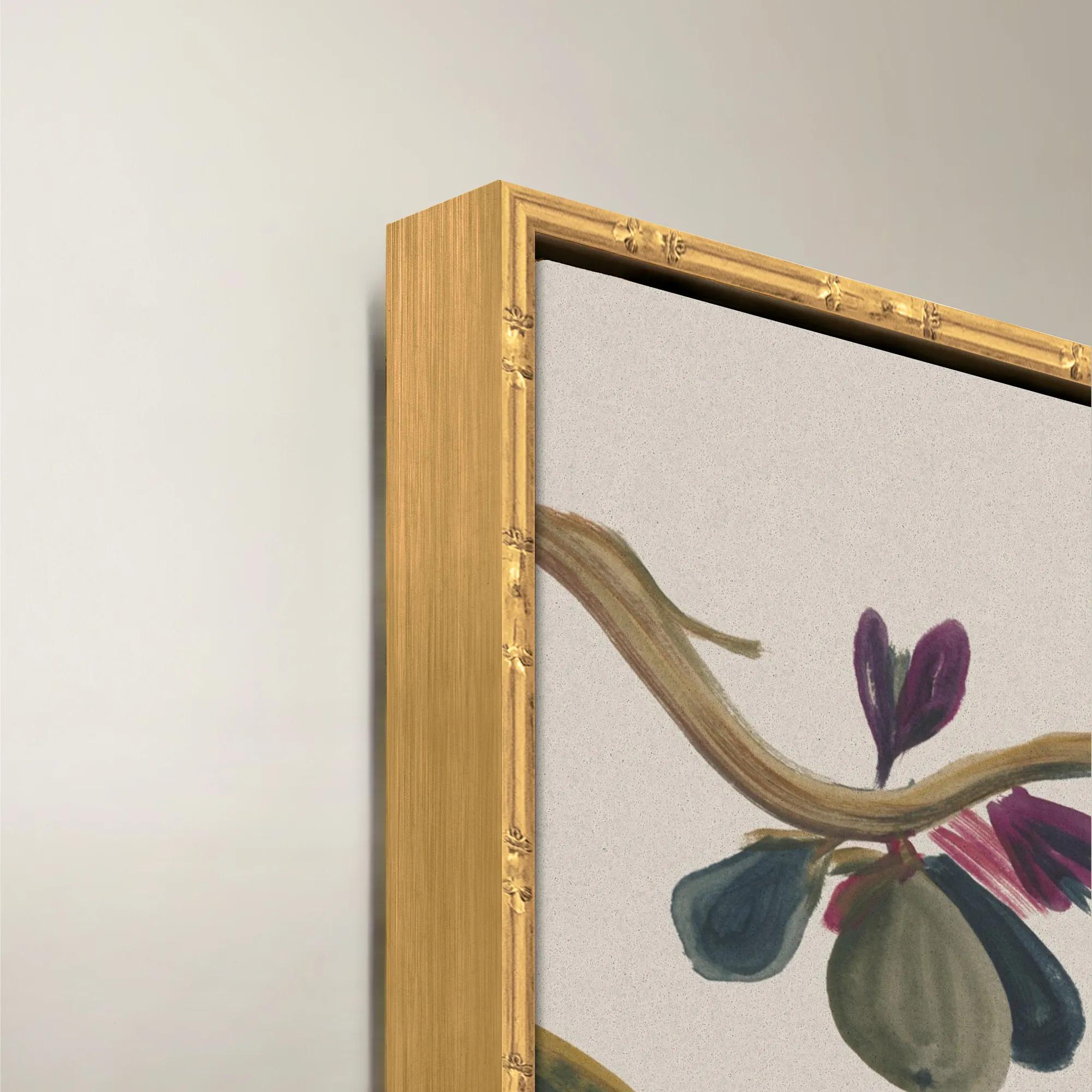 Whispering Orchard II Framed Wall Art 24" x 33"$749
A multicolored canvas wall art piece presented in an elegant frame for contemporary interiors.
Add To Cart -
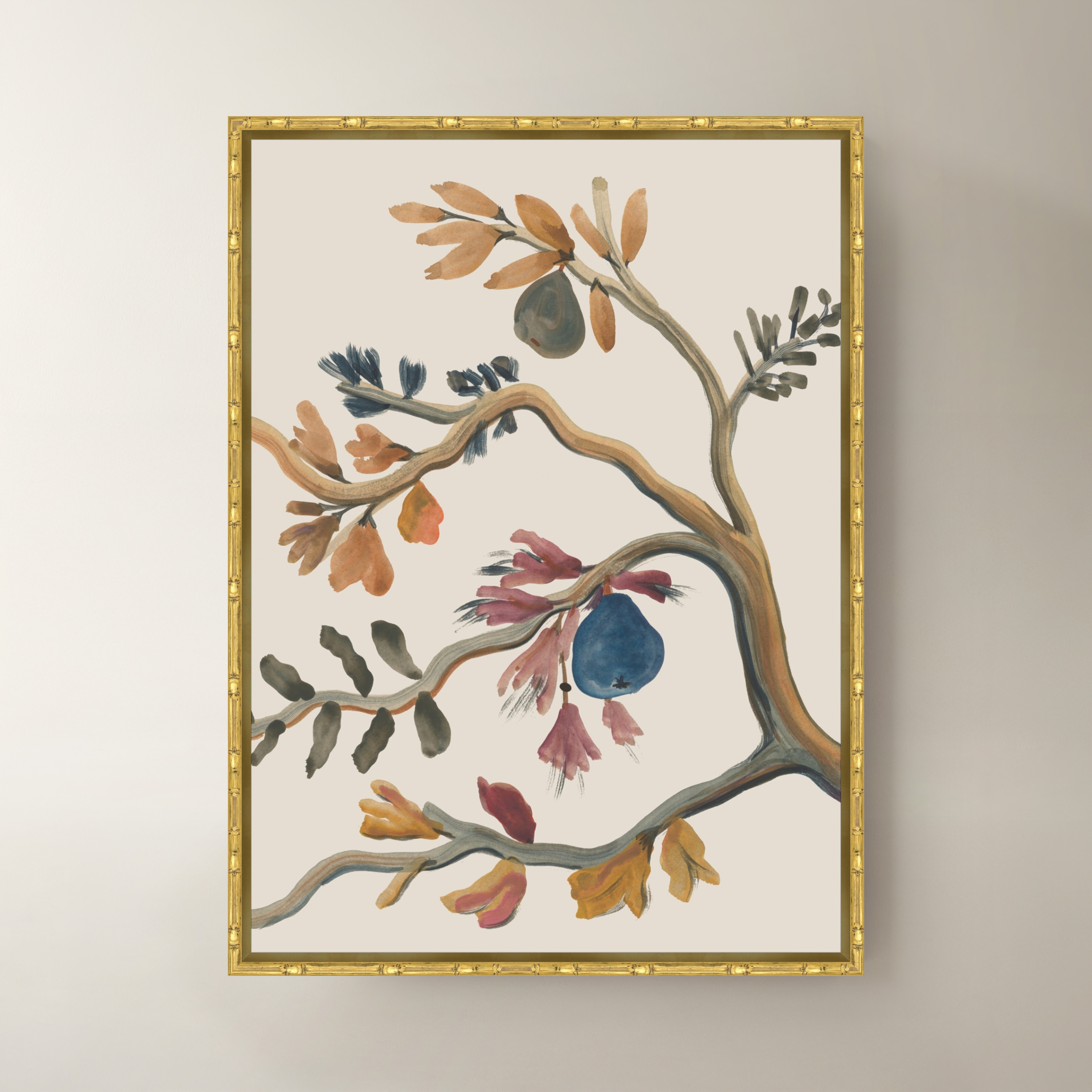
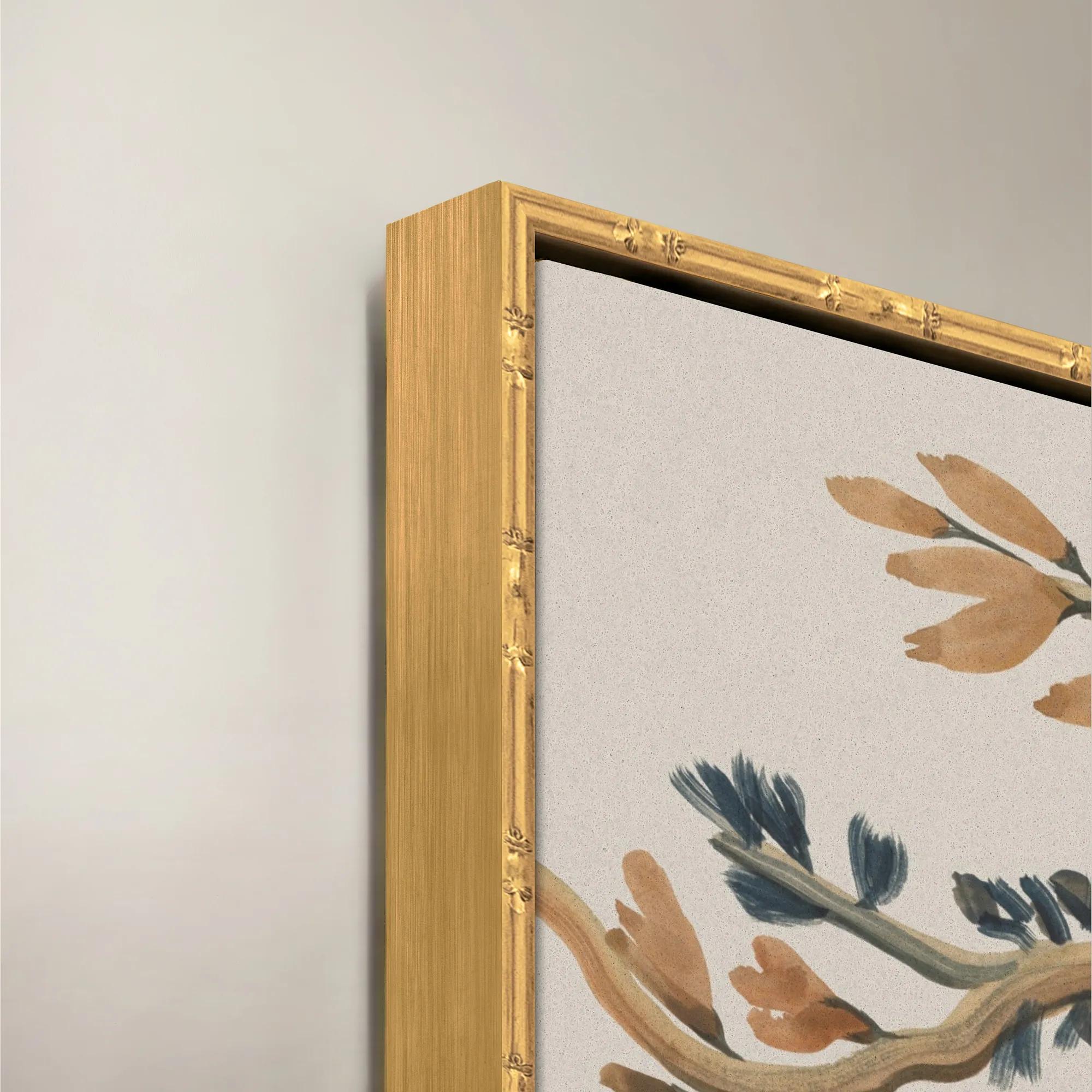 Whispering Orchard I Framed Wall Art 24" x 33"$749
A multicolored canvas wall artwork presented in a refined frame for vibrant, gallery-inspired styling.
Add To Cart -
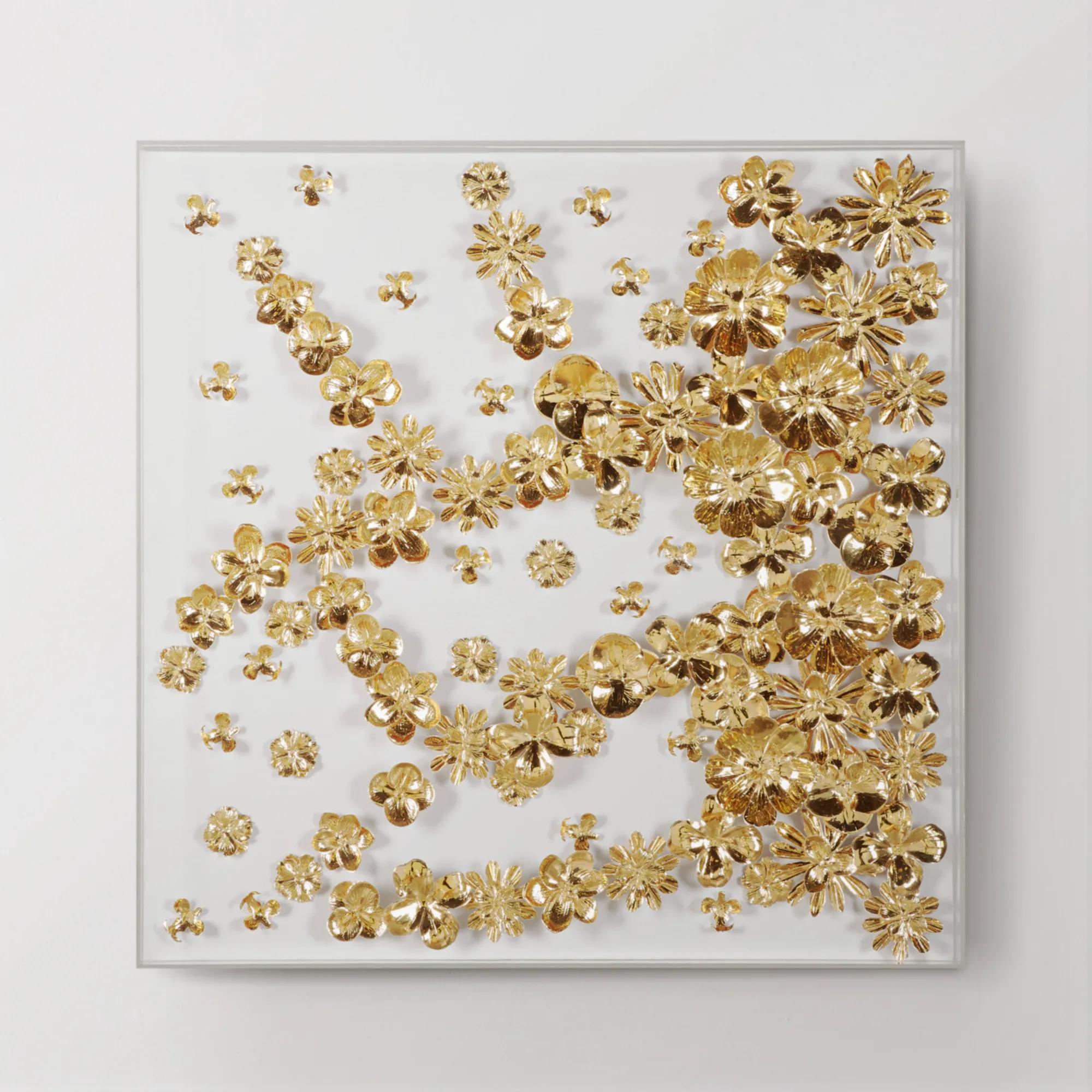
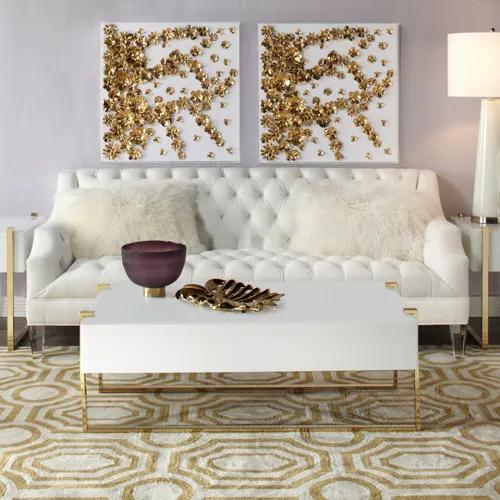 Gold Flora Handmade Foil Wall Decor in Acrylic 31" x 31"$499
A glam botanical wall art featuring handmade gold foil paper flowers on a white linen background.
Add To Cart -
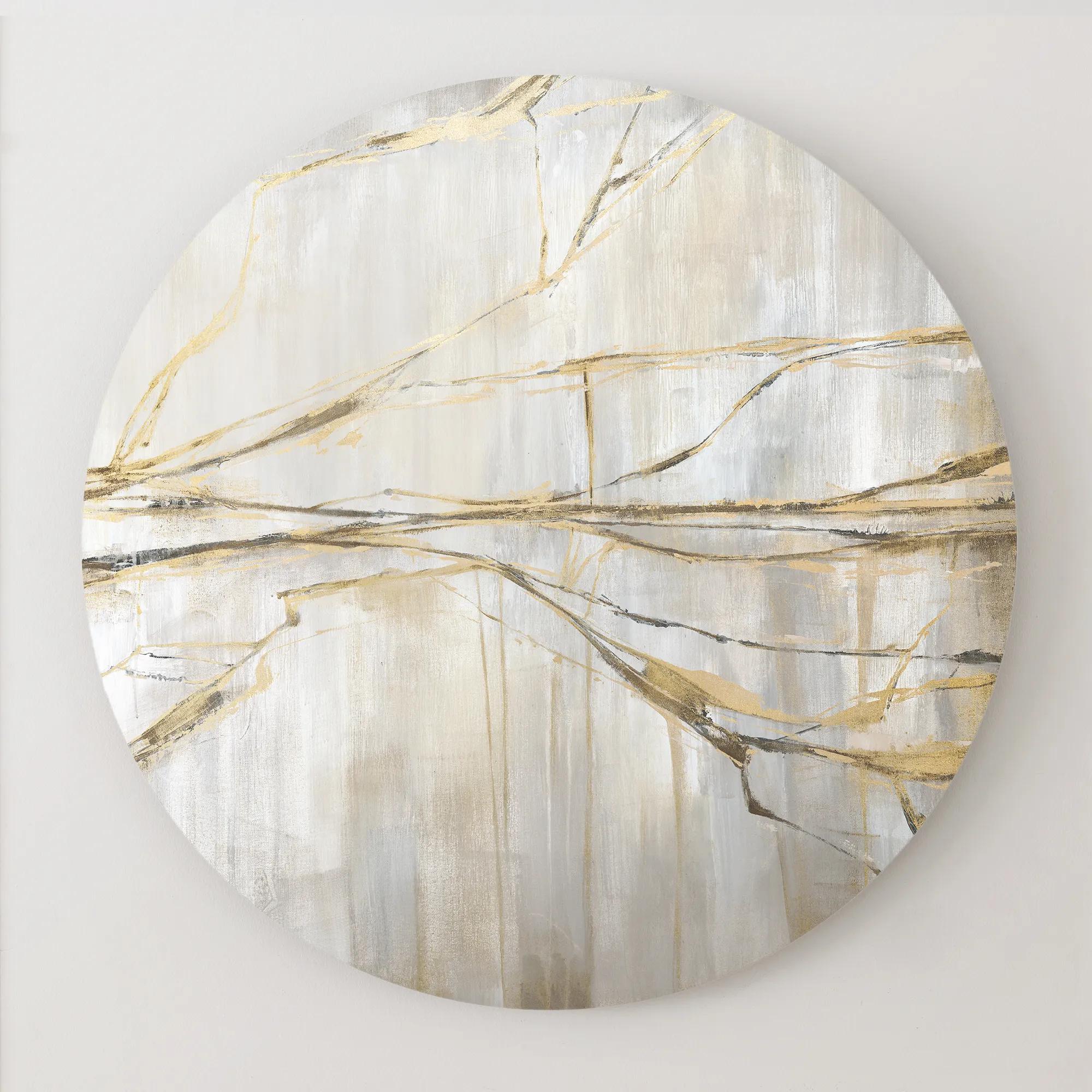
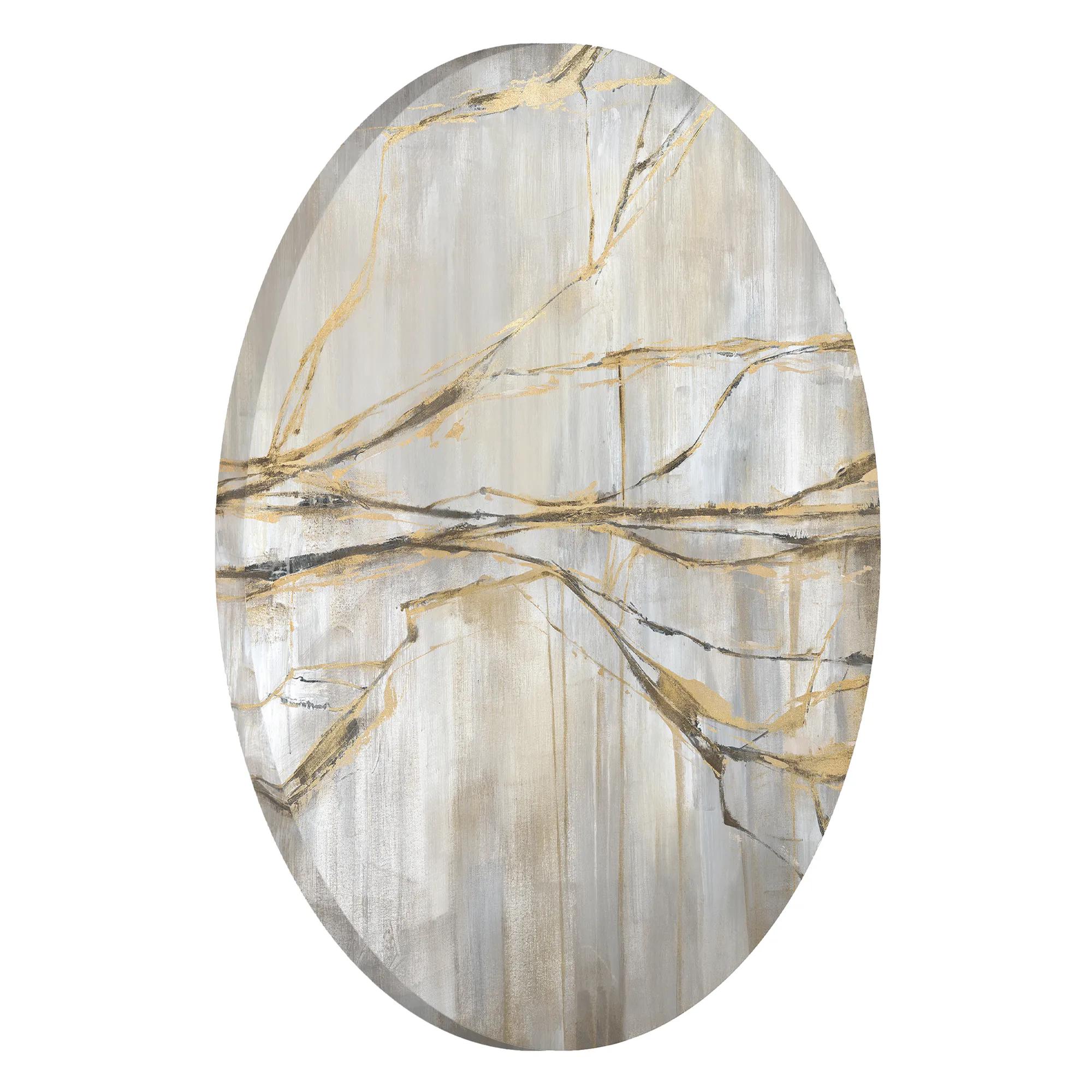 Lightening Crashes Round Wall Art 30"$899
A hand-textured circular linen canvas featuring a gallery-wrapped design for versatile wall display.
Add To Cart

Textured Paper Wall Arts
Textured Paper Wall Arts invite you to indulge in the poetry of texture and dimension, transforming blank walls into striking visual narratives. Each piece is a celebration of tactile artistry—layered, sculpted, and composed to capture the interplay of light and shadow. Whether you favor bold geometrics or subtle organic forms, these works turn every glance into an experience, infusing your space with depth, intrigue, and unmistakable sophistication. Let your walls become a canvas for creativity, where every detail whispers of curated elegance and expressive design.
Textured paper wall art brings sculptural presence to a material often associated with delicacy. Folded edges, raised fibers, layered sheets, and intricate cutwork turn a flat surface into a composition with depth, rhythm, and shifting shadow. The distinction matters: dimensional paper artwork has physical relief, while a print of a textured surface creates the appearance of depth without the same raised construction. Embossed designs offer a subtler expression, with patterns pressed into the paper itself; more sculptural compositions may feature curled strips, pleated forms, stacked shapes, or woven paper cord. Each approach gives a wall a different character, from measured geometry to sweeping, organic movement. Against a pale background, even a restrained palette can feel lavish when every ridge catches light and every recess holds shadow. Ivory, cream, and charcoal emphasize the architecture of the surface, while saturated color or metallic accents introduce a more theatrical focal point. Materials influence that effect as much as color. Cotton rag paper, handmade sheets, and other fiber-rich papers can reveal distinctive edges and surface variation; heavier paperboard can support crisp folds and defined shapes. Some mixed-media artwork combines paper with fabric, thread, or painted elements, adding another layer of visual complexity. Construction varies, so material descriptions are especially useful when distinguishing an embossed sheet from a deeply layered relief. Likewise, handmade variation should be understood as a feature of the individual work rather than an expectation for every paper composition. A frame completes the presentation: dark finishes sharpen the silhouette, warm wood adds tonal depth, and metallic finishes lend a luminous border. Shadow-box framing provides space around raised elements, allowing their contours to remain visible without pressing them flat. For interiors with velvet upholstery, polished stone, or gleaming metal, textured paper introduces a softer counterpoint without surrendering drama. Its appeal lies in that contrast: substantial visual impact created through an unexpectedly delicate medium, suited to anyone drawn to art that rewards both a first impression and a closer look.
Scale determines whether textured paper wall art reads as an intimate detail or the defining gesture of a room. Over a sofa, a broad composition can give the seating arrangement a clear center; above a narrow console, a tall piece can draw attention upward without overwhelming the furniture below. As a general starting point, artwork spanning about two-thirds to three-quarters of the furniture’s width often feels balanced, though the frame, surrounding architecture, and other objects should influence the final proportions. Listed dimensions deserve careful attention because the paper composition, outer frame, and overall depth may each measure differently. A generous frame can make a modest artwork feel substantial, while a deep shadow box projects farther from the wall than a conventional framed print. In a hallway, that projection matters as much as width, particularly where people pass closely. Above seating or a headboard, secure mounting and sufficient clearance are essential. The artwork’s weight, hanging hardware, and wall construction should guide installation rather than its appearance alone. Lighting is equally important to the effect. Gentle light arriving from one side reveals folds and raised details, giving a monochromatic composition remarkable dimension; evenly diffused light creates a quieter, more uniform impression. Intense direct sunlight is not necessary to achieve either result and can compromise sensitive materials over time. Glazing also changes the view: glass or acrylic helps shield delicate paper from dust and accidental contact, but reflections may obscure detail when a piece faces a bright window. A viewing angle that preserves the surface’s clarity is worth considering before placement. In a dining room, sculptural paper can balance reflective furniture with intricate, matte texture. In a bedroom, layered ivory forms create an expressive focal point without relying on a forceful color contrast. A home office benefits from a composition with enough detail to sustain interest while remaining visually composed. For a broader exploration of dimensional surfaces and elevated finishes, Luxury Textured Wall Arts offers a related perspective. Paper artwork is particularly compelling within these layered interiors because its beauty comes from the interplay of material, space, and light rather than color alone.
Thoughtful framing and placement help preserve the qualities that make textured paper artwork distinctive. Paper is sensitive to moisture, prolonged light exposure, and handling, and raised sections can be vulnerable to crushing or snagging. A dry, stable interior location is generally more suitable than a steamy bathroom, an area beside a kitchen sink, or a wall exposed to frequent splashes. Direct sunlight can fade pigments and discolor paper; UV-filtering glazing may reduce exposure, but it does not eliminate the need for considered placement. Acid-free mats, backing, and appropriate mounting materials can also support long-term preservation by reducing contact with materials that may contribute to deterioration. These details are worth checking in the framing specifications, especially for artwork intended to become a lasting part of a room. Protective glazing should have adequate clearance so that folded or layered elements do not touch its inner surface. Routine care is restrained rather than intensive. Dust the exterior frame gently with a clean, soft cloth, follow the stated care instructions for glass or acrylic, and keep cleaning liquid away from frame joints and exposed paper. Spraying cleaner directly onto a framed artwork risks moisture reaching the interior. Unprotected paper relief requires particular caution: rubbing, vacuuming, or brushing fragile edges may disturb the composition, so detailed cleaning is best addressed through the maker’s instructions or a qualified art-care professional. When moving artwork, support the frame rather than the decorative surface and protect projecting elements from pressure. With suitable construction and careful treatment, paper art can remain visually compelling for years, although its delicate character makes it better suited to display than frequent handling. That combination of artistry and individuality also makes it a thoughtful housewarming or wedding gift for someone who values expressive interiors. The most considered choice reflects the recipient’s wall space, preferred palette, and appetite for dimension, allowing the artwork to feel personal rather than prescribed. Whether placed above a sculptural console or given a wall of its own, textured paper art brings intricate detail into daily view, transforming folds, fibers, and shadow into an enduring focal point.
FAQs
Textured paper wall art stands apart from traditional prints by offering a tactile, three-dimensional quality that brings depth and artistry to your walls. The layered surfaces, intricate cutouts, and handcrafted details create visual intrigue, transforming flat spaces into dynamic focal points that engage both sight and touch.
Textured paper wall art introduces an elevated sense of warmth, movement, and sophistication to any space. The interplay of light and shadow across its sculptural surfaces can soften a minimalist setting, add drama to a glamorous room, or infuse a cozy nook with artistic character, setting the tone for relaxation, inspiration, or conversation.
Textured paper wall art is remarkably versatile and complements a range of design aesthetics. It adds a layer of luxury to modern and contemporary spaces, brings tactile interest to eclectic and maximalist rooms, and introduces organic elegance to transitional or even bohemian interiors. Its artistic presence makes it a standout in both bold and understated environments.
Absolutely. Textured paper wall art makes a thoughtful and memorable gift for art lovers, new homeowners, newlyweds, or anyone who appreciates unique, handcrafted décor. Its distinctive texture and visual impact ensure it stands out as a meaningful gesture for special occasions or milestones.
To maintain the allure of textured paper wall art, display it away from direct sunlight and excessive humidity to prevent fading or warping. Dust gently with a soft brush or dry cloth, and avoid contact with moisture. Framing under glass or acrylic can add extra protection while showcasing the art’s dimensional qualities.