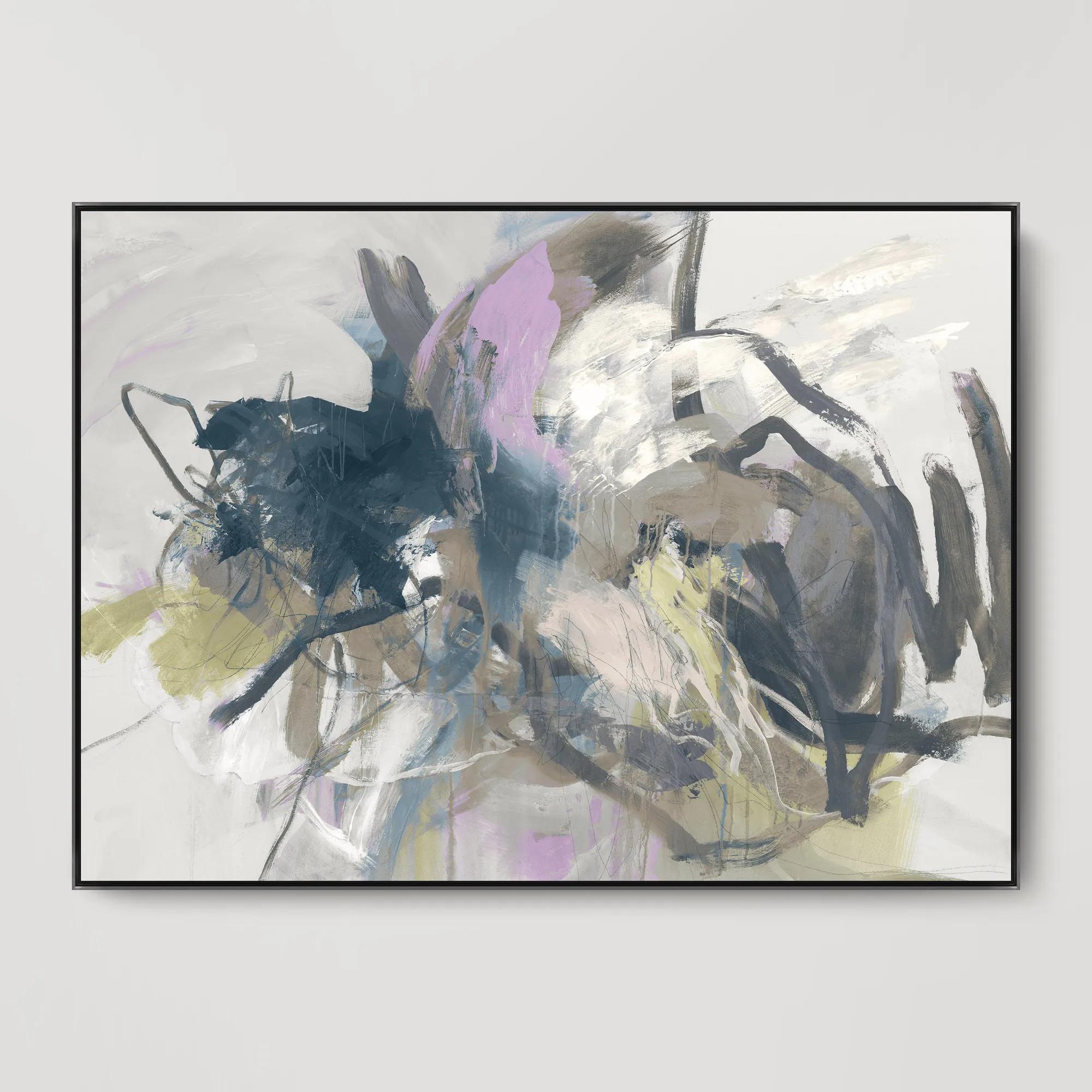
Textured Giclee Print Wall Arts
Textured Giclee Print Wall Arts
-
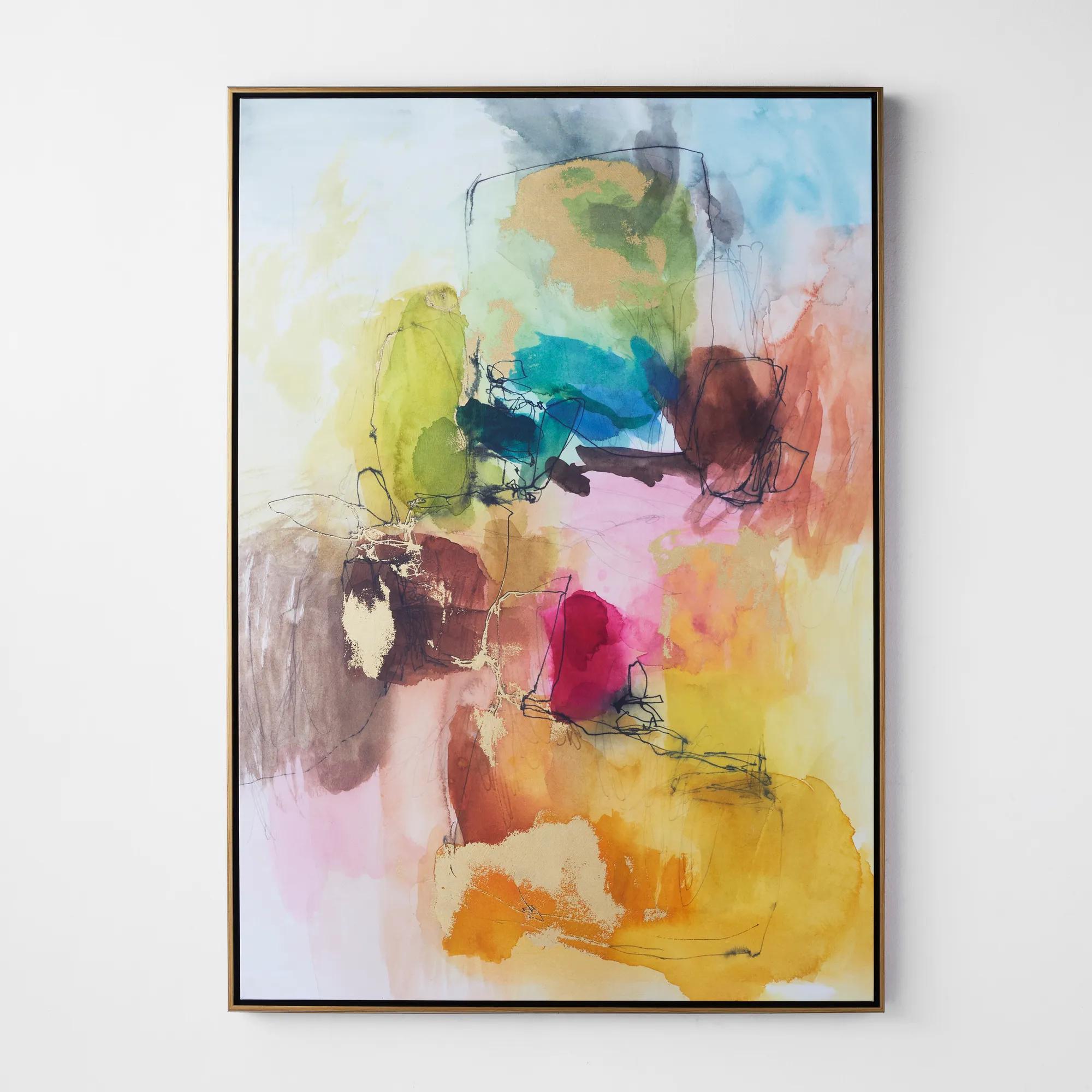 Apricity 3 Framed Wall Art 41" x 58"$899
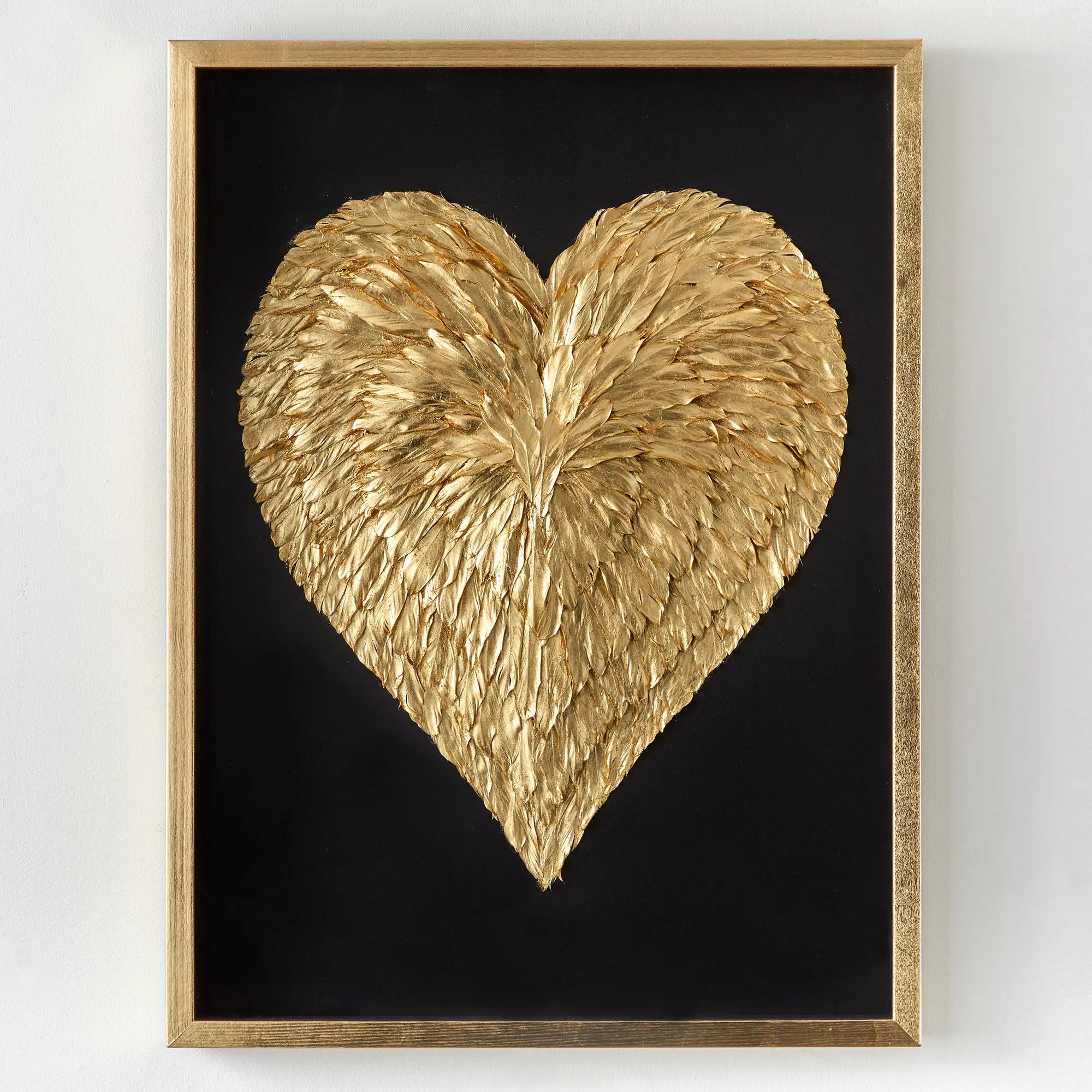
A vibrant giclee on canvas featuring hand-applied gold gilding and a gold floater frame.
Add To Cart -
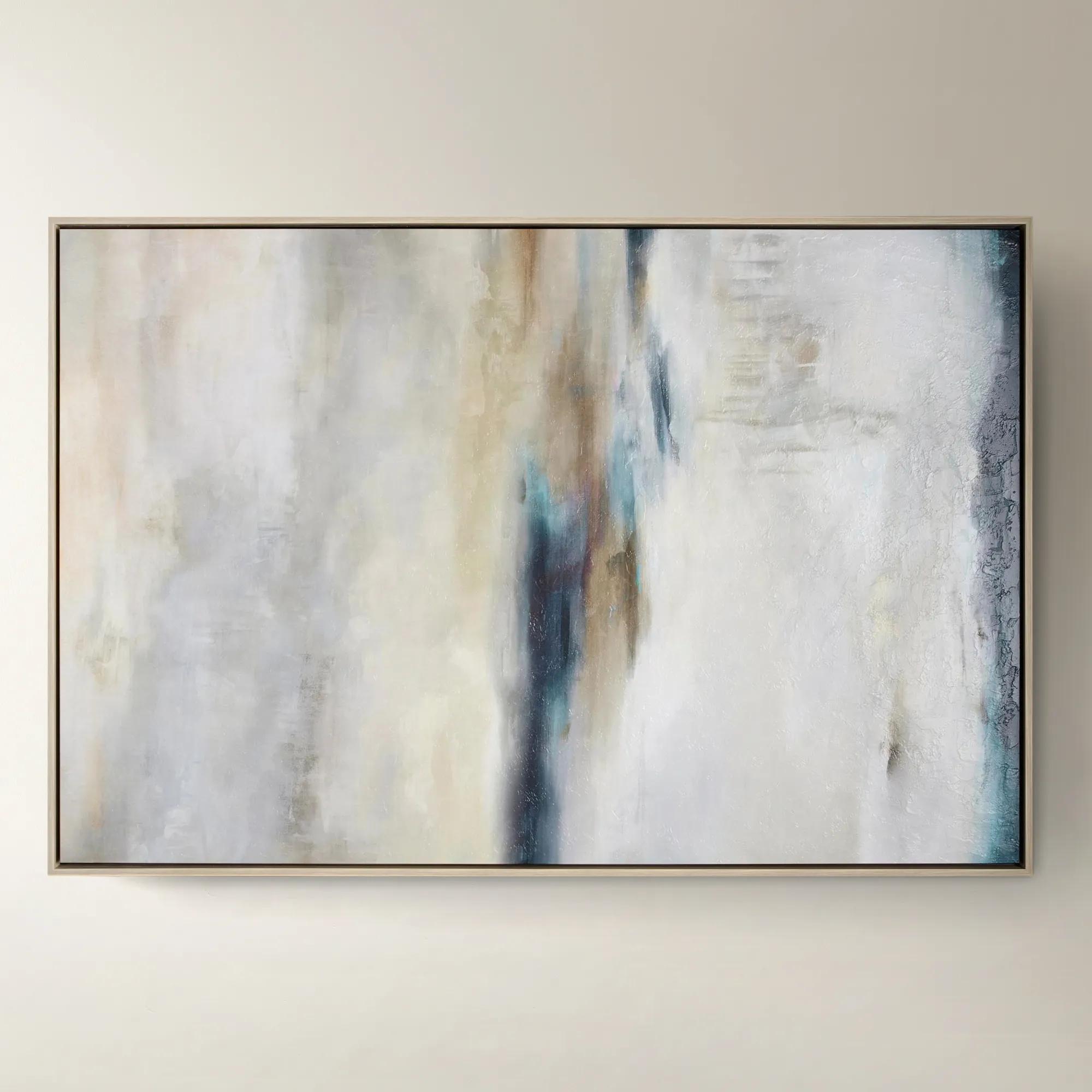
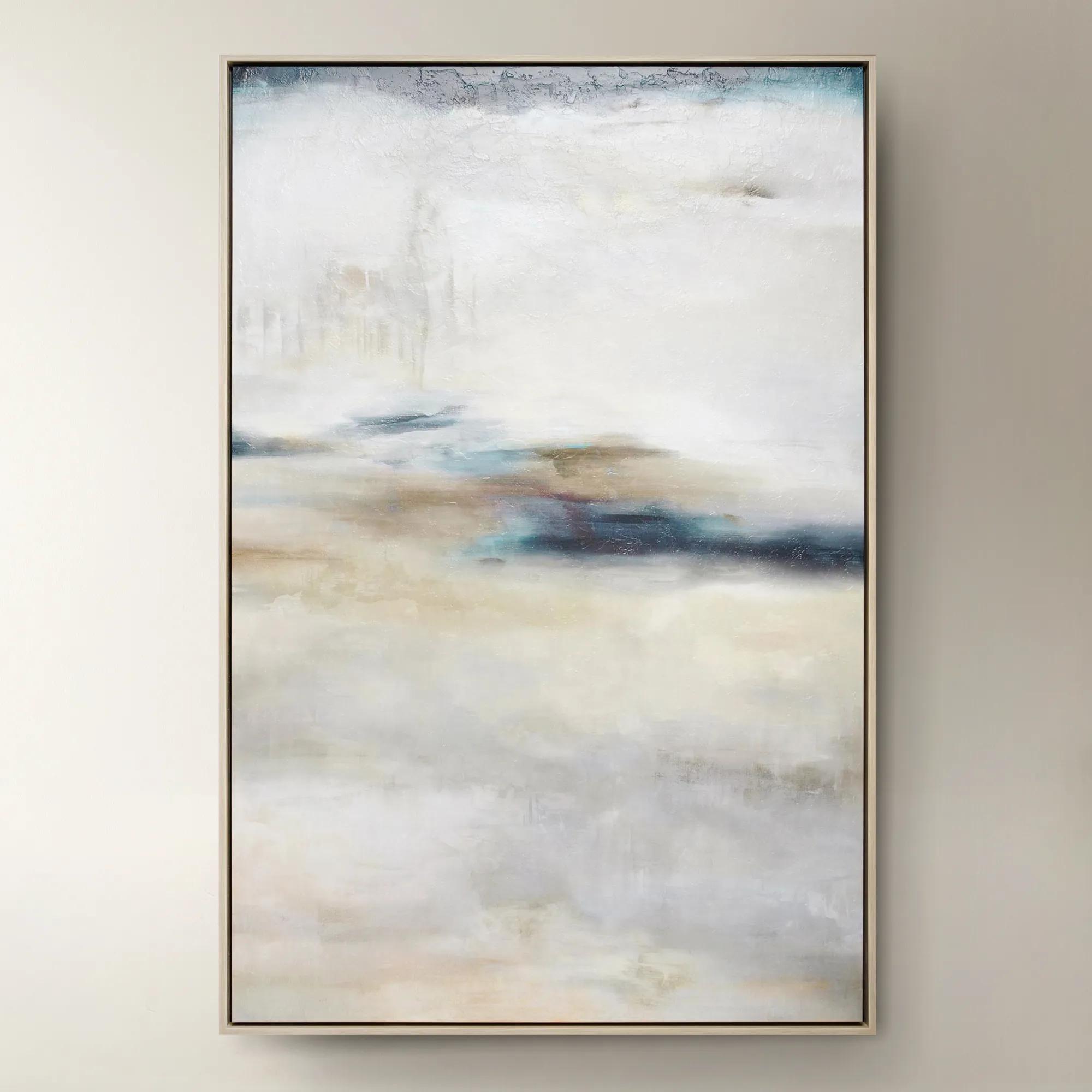 Forward Looking$1299
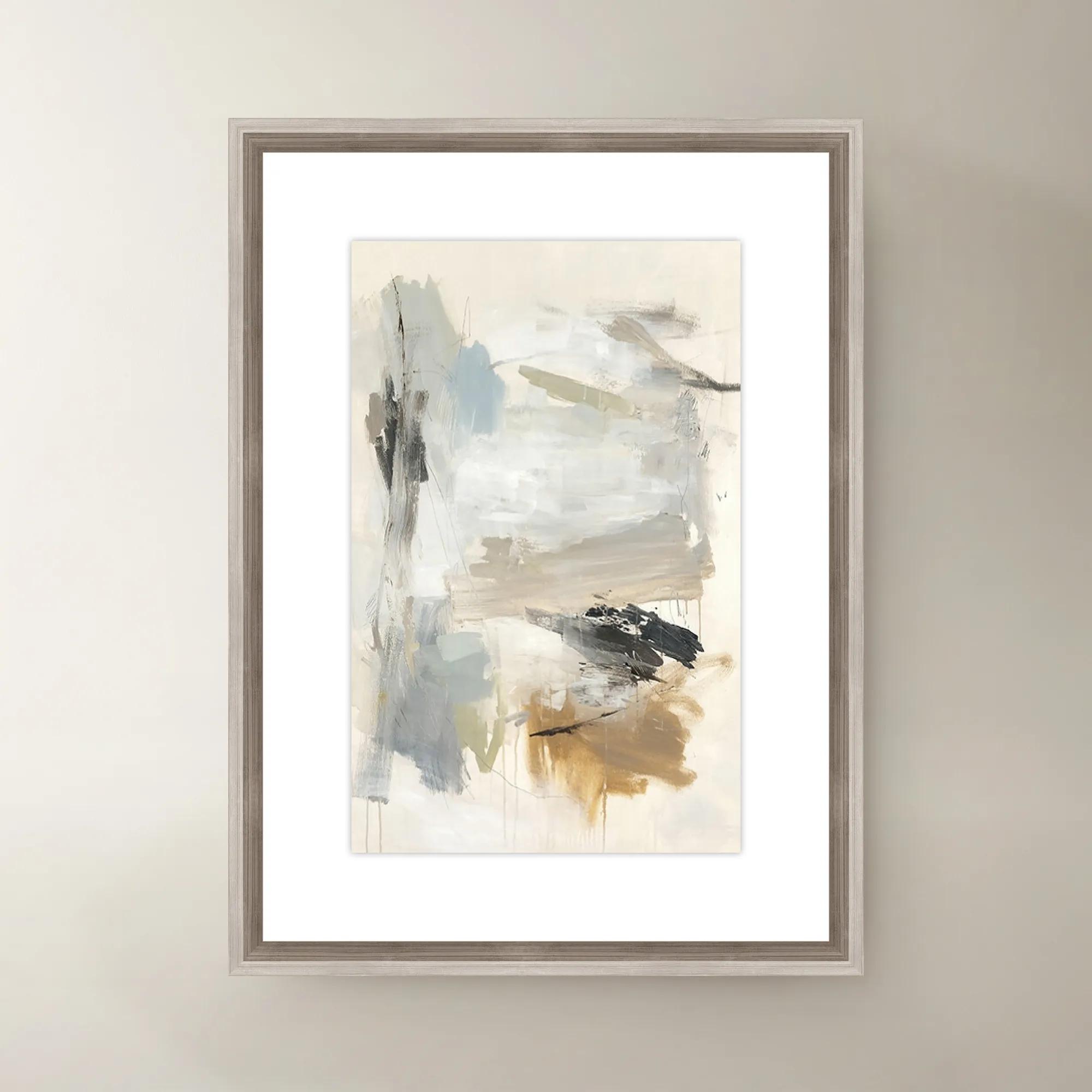
A softly layered abstract canvas print with a gel finish, set in a natural-hued floater frame.
Add To Cart -
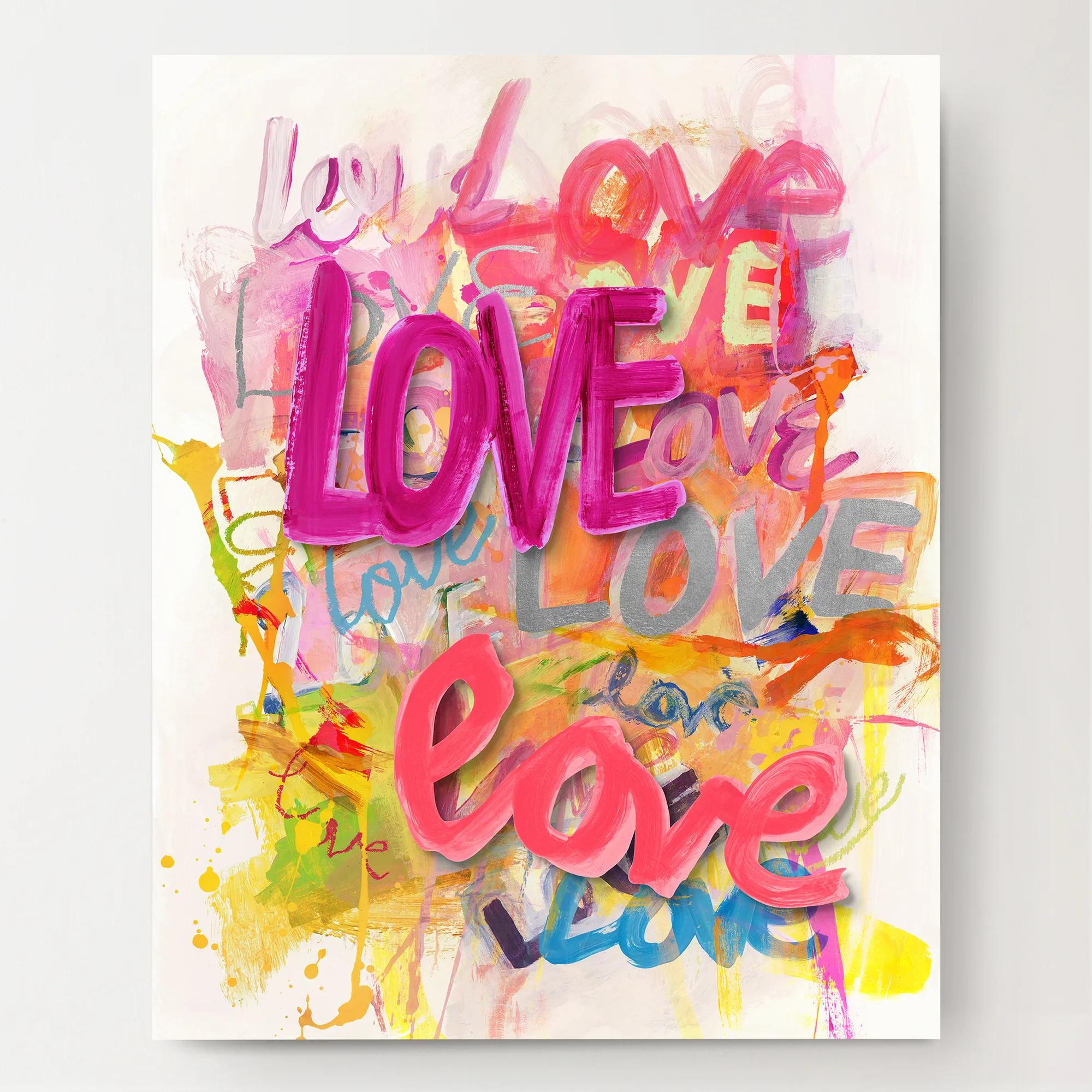
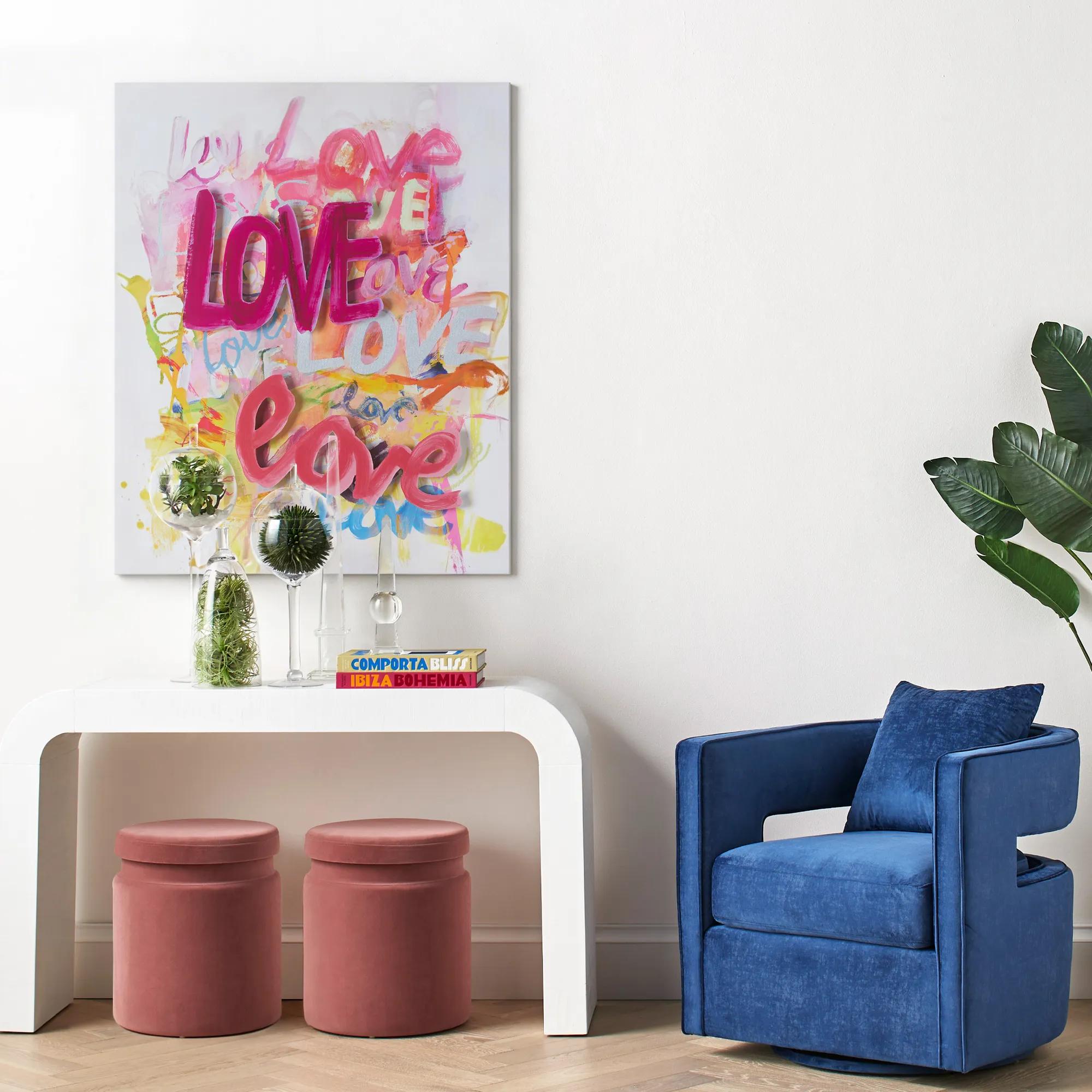 Love Is In The Air Wall Art 40" x 50"$1399
A vibrant giclee canvas print featuring hand-applied silver gilding and dimensional acrylic "Love" lettering.
Add To Cart -
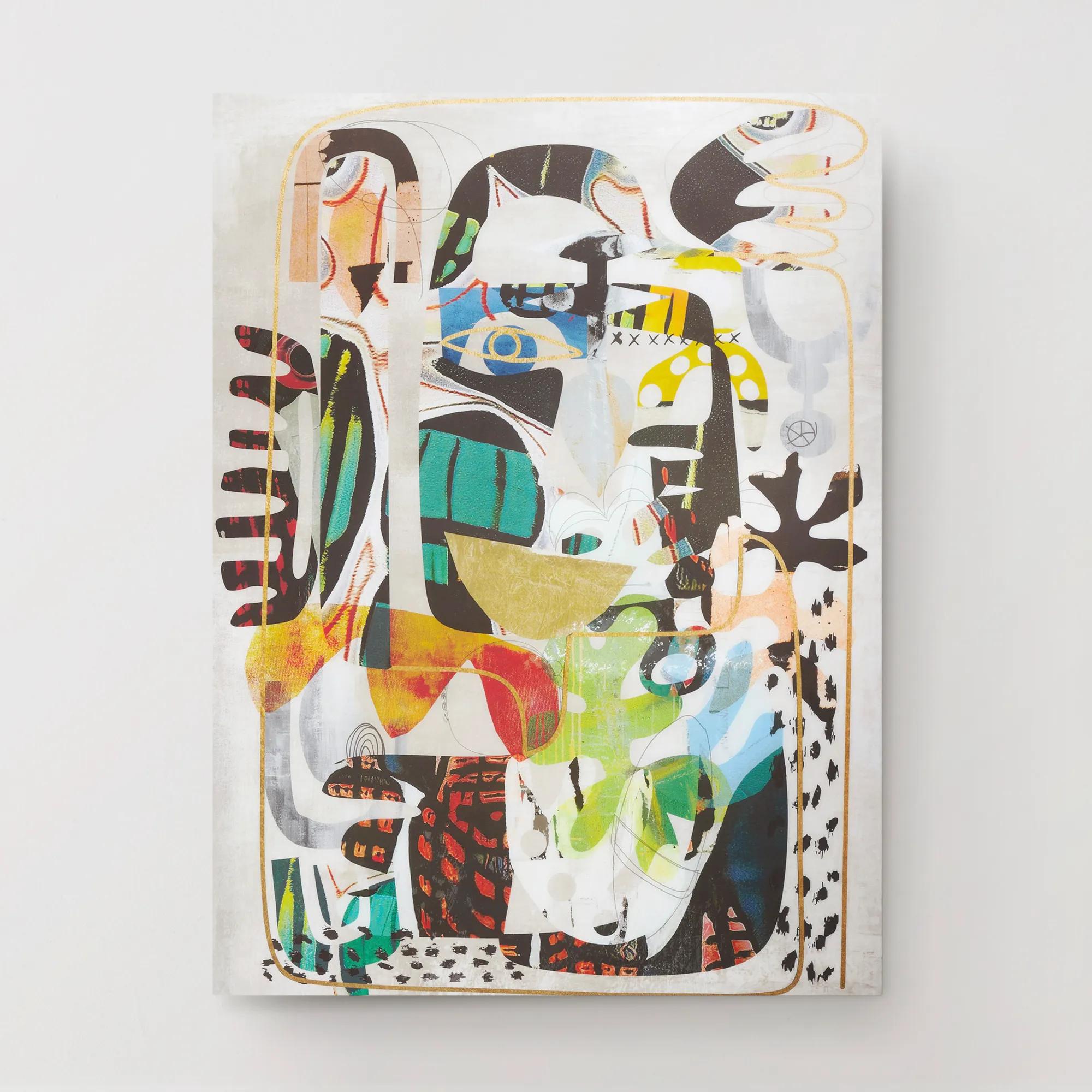
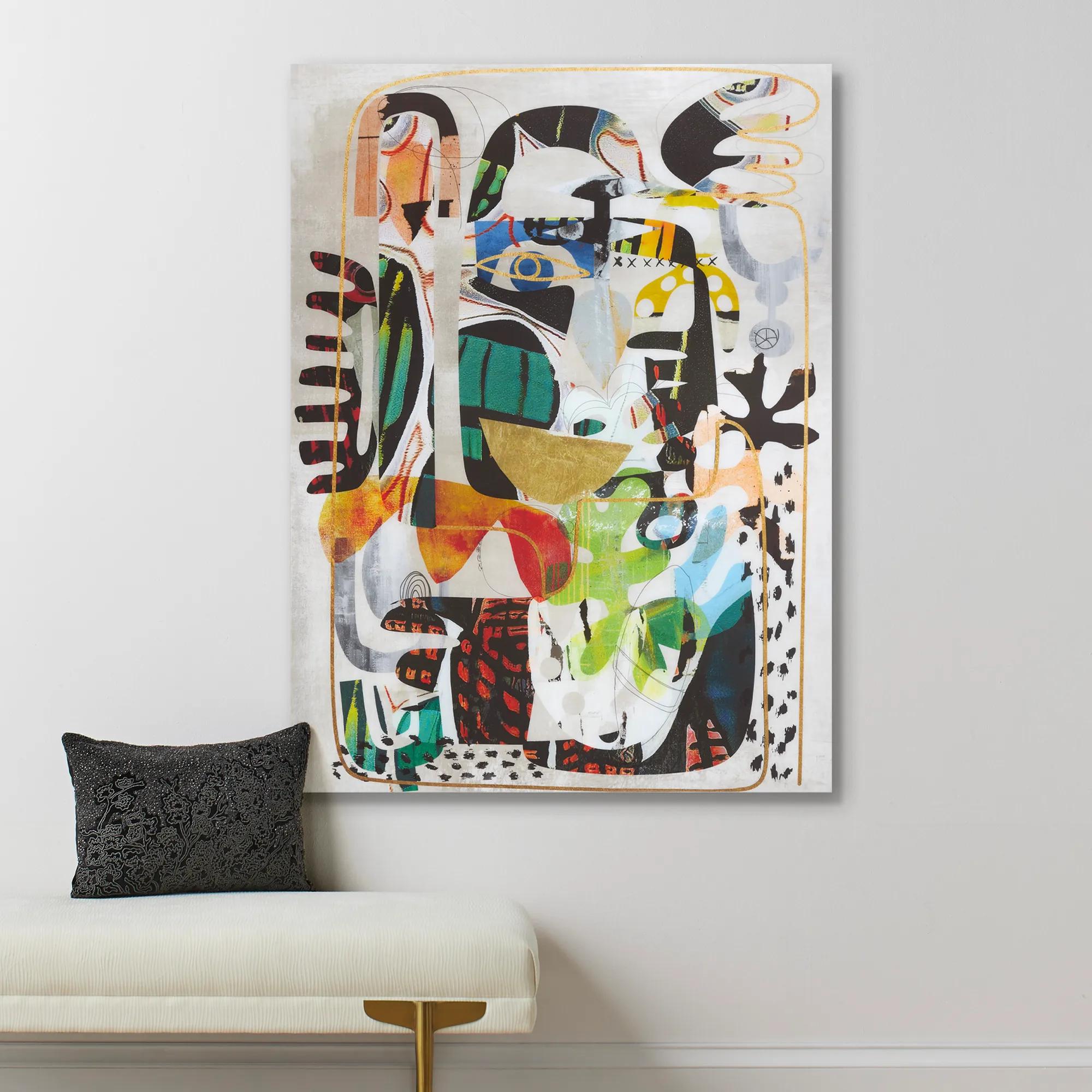 Nikki Chu Masked Wall Art 40" x 54"$899
A vibrant giclee print on canvas featuring a hand-applied glossy finish for a modern statement.
Add To Cart -
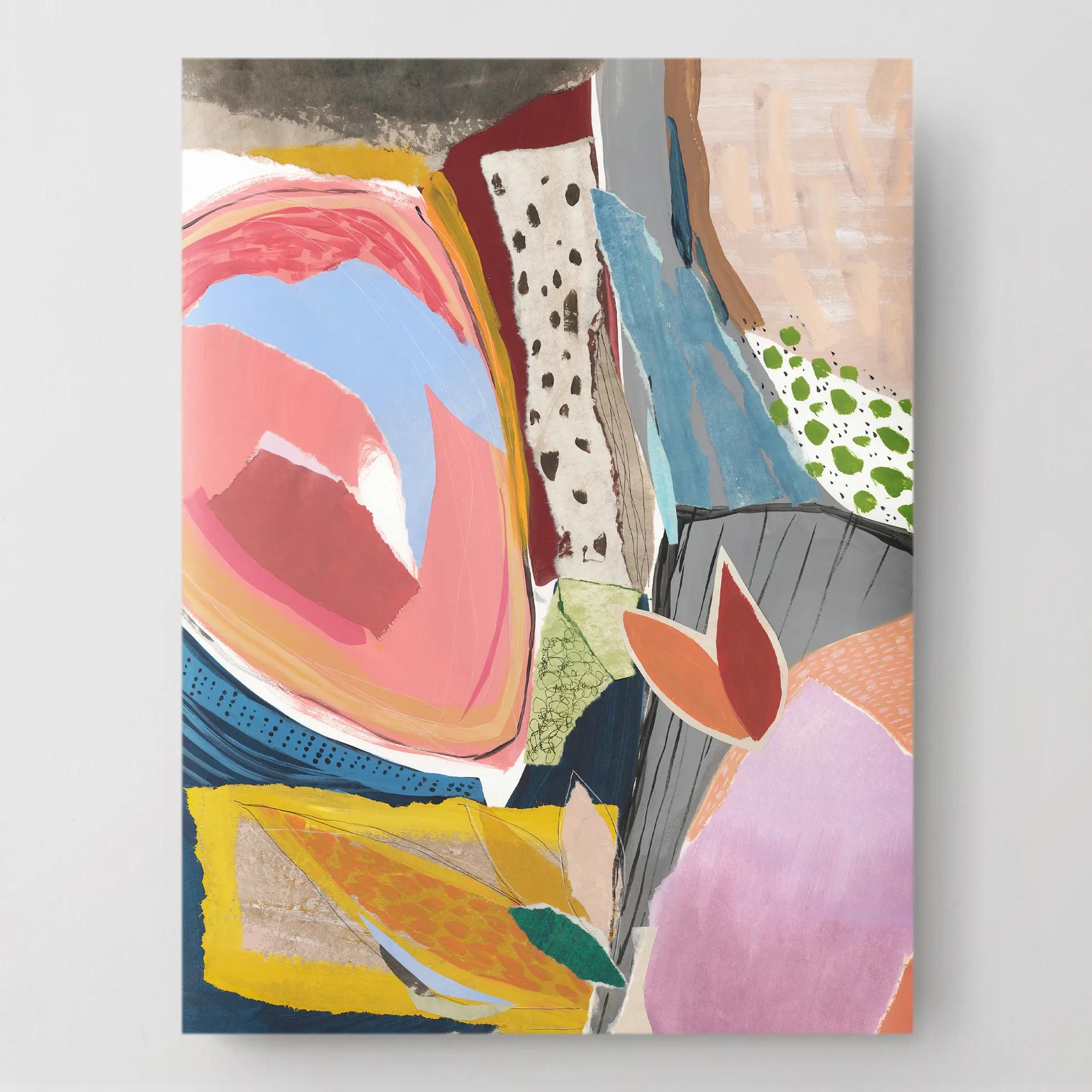
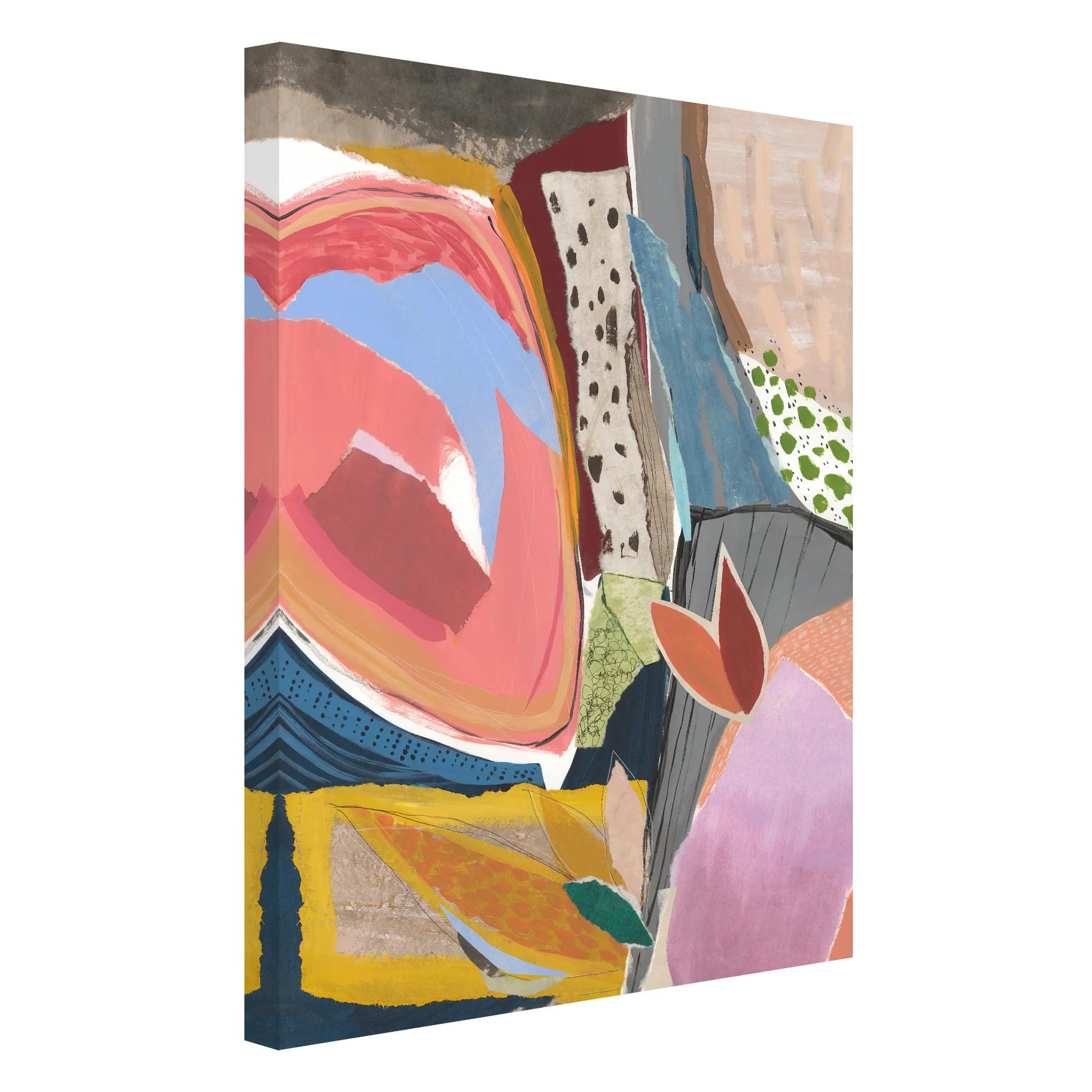 Sunday Vibes 1 Wall Art 30" x 40"$449
A gallery-wrapped canvas artwork featuring a hand-applied image brush gel finish for a textured look.
Add To Cart -
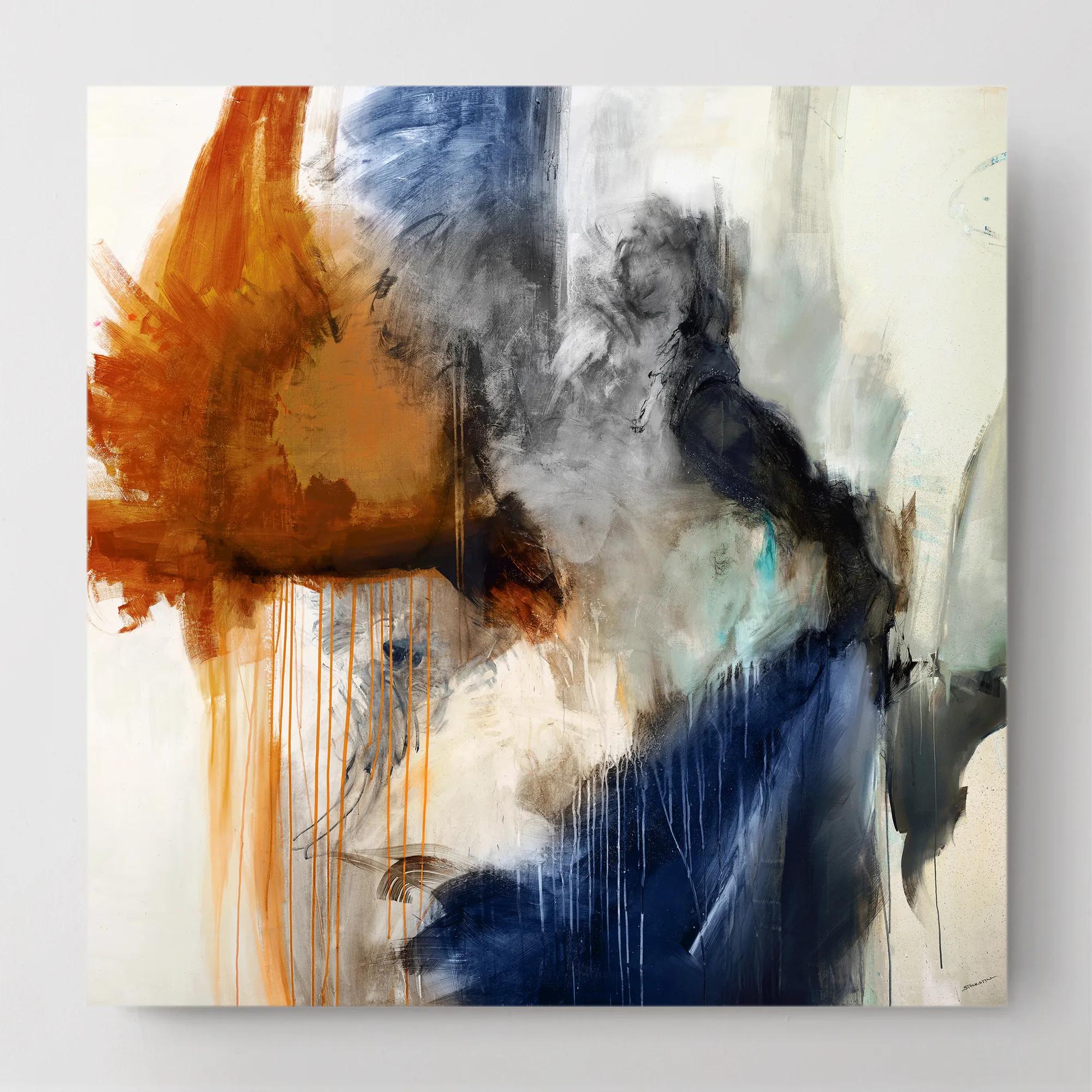
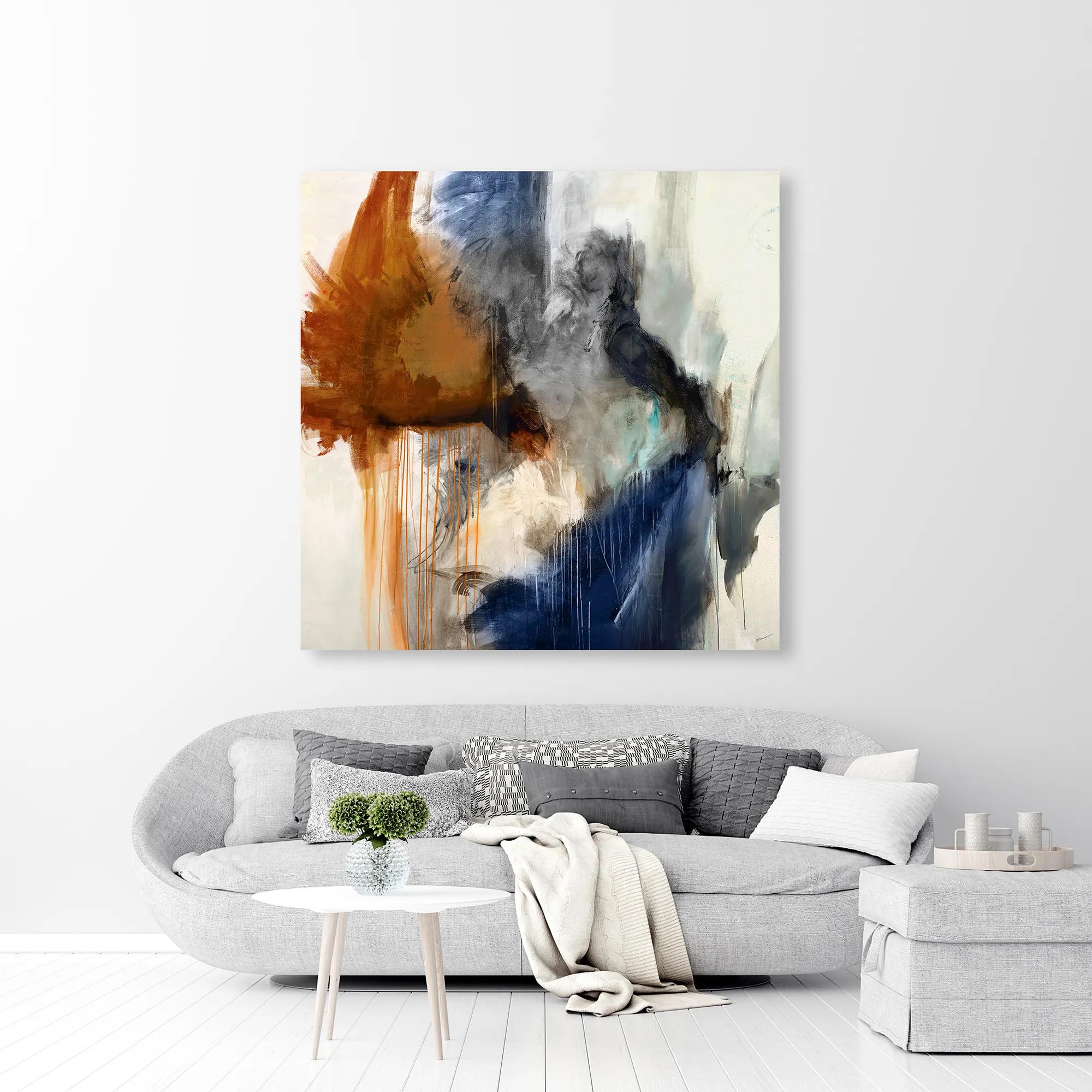 Swoon 6 Wall Art 54" x 54"$899
A gallery-wrapped canvas featuring a hand-applied image brush gel finish for a textured, artistic look.
Add To Cart -
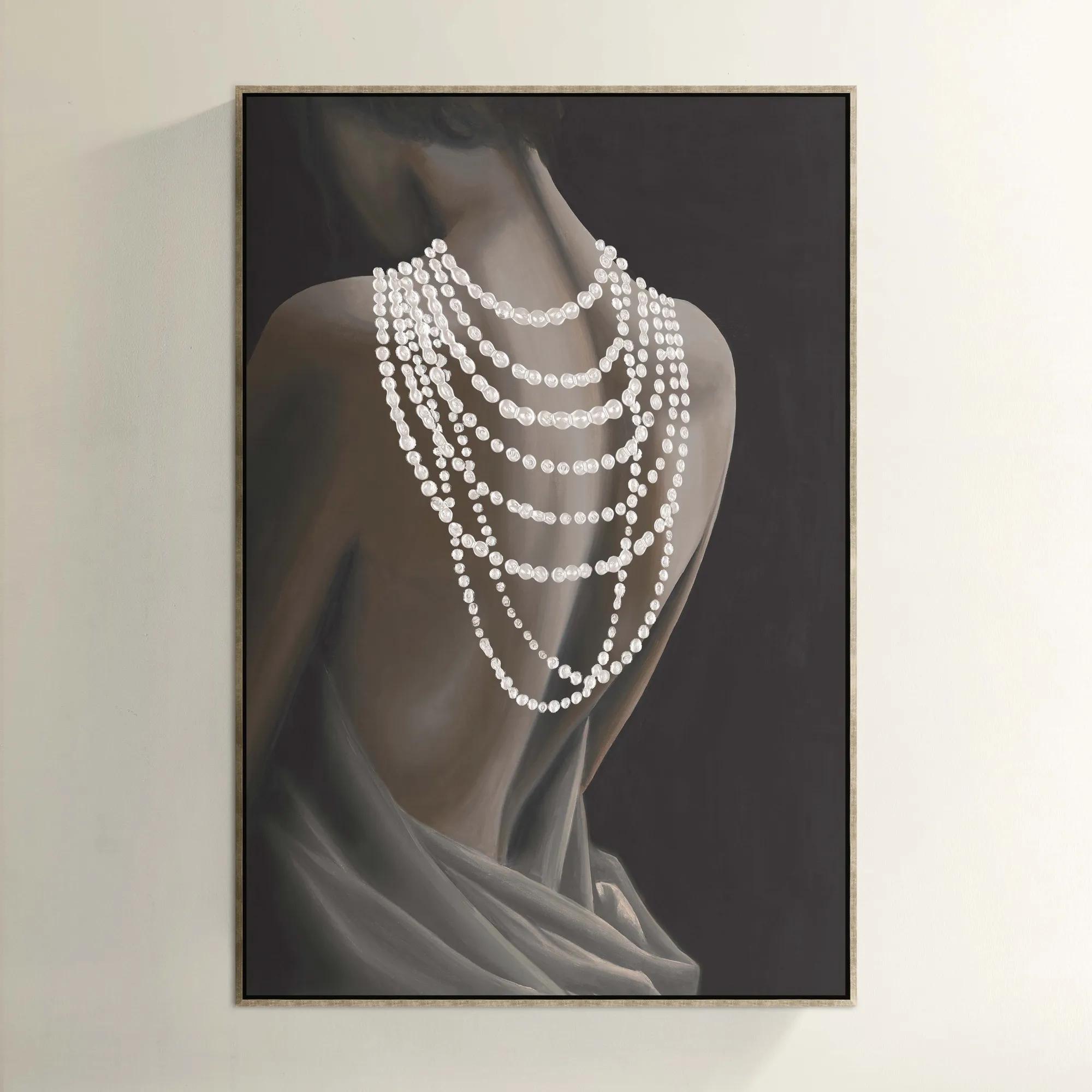 Luminescent Pearls Framed Wall Art 40" x 60"$1119
A hand-embellished canvas artwork featuring textured brush gel, set in a sleek silver floater frame.
Add To Cart -
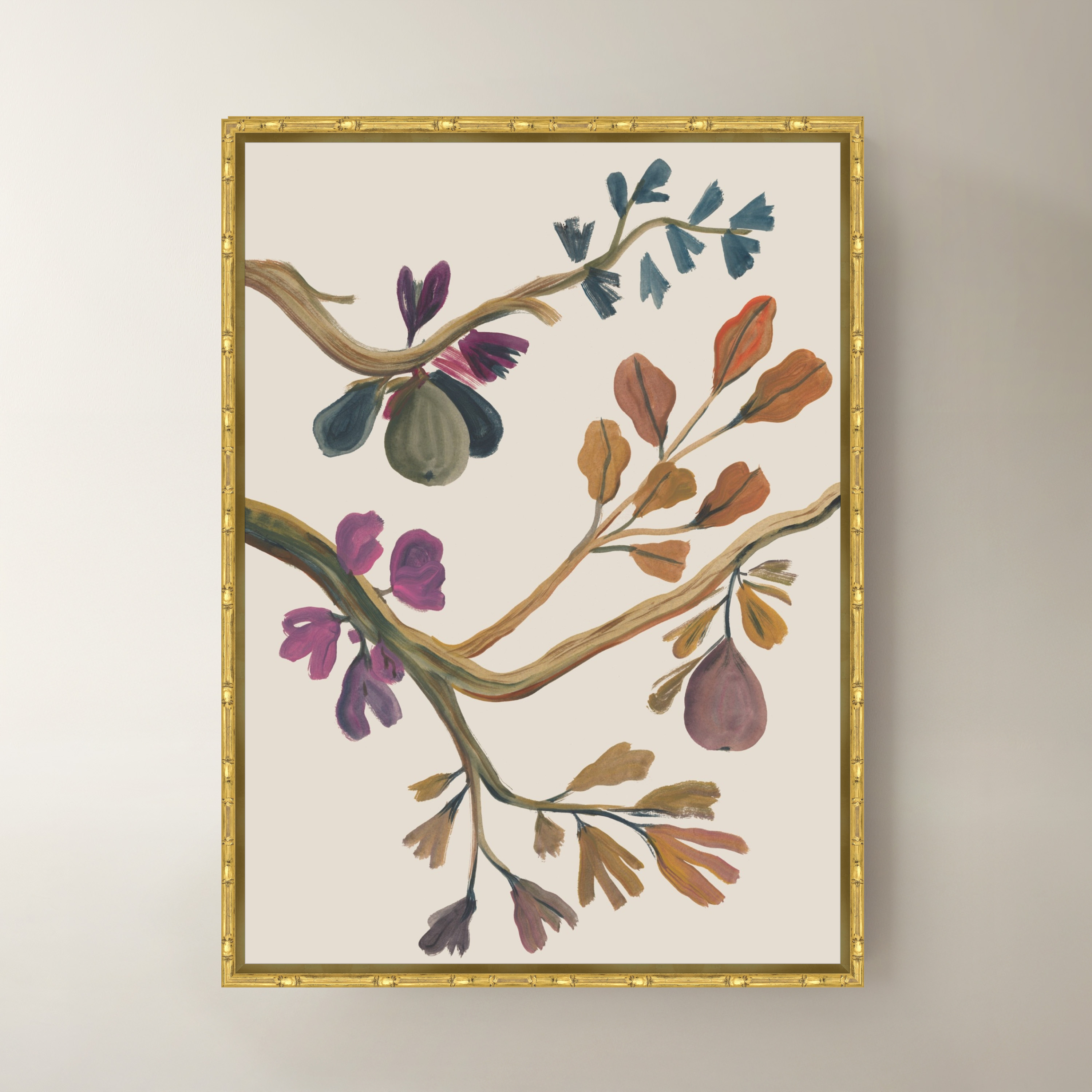
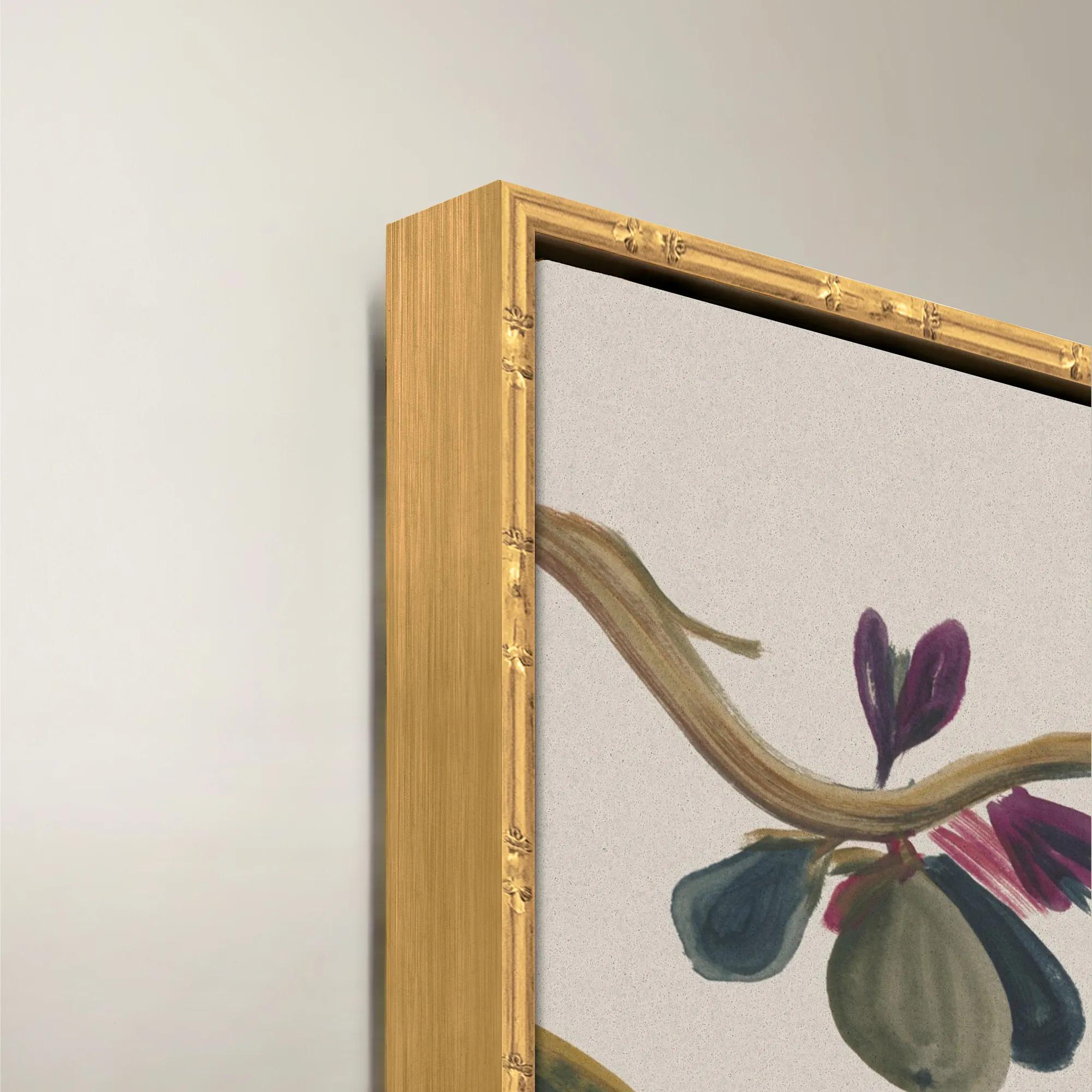 Whispering Orchard II Framed Wall Art 24" x 33"$749
A multicolored canvas wall art piece presented in an elegant frame for contemporary interiors.
Add To Cart -
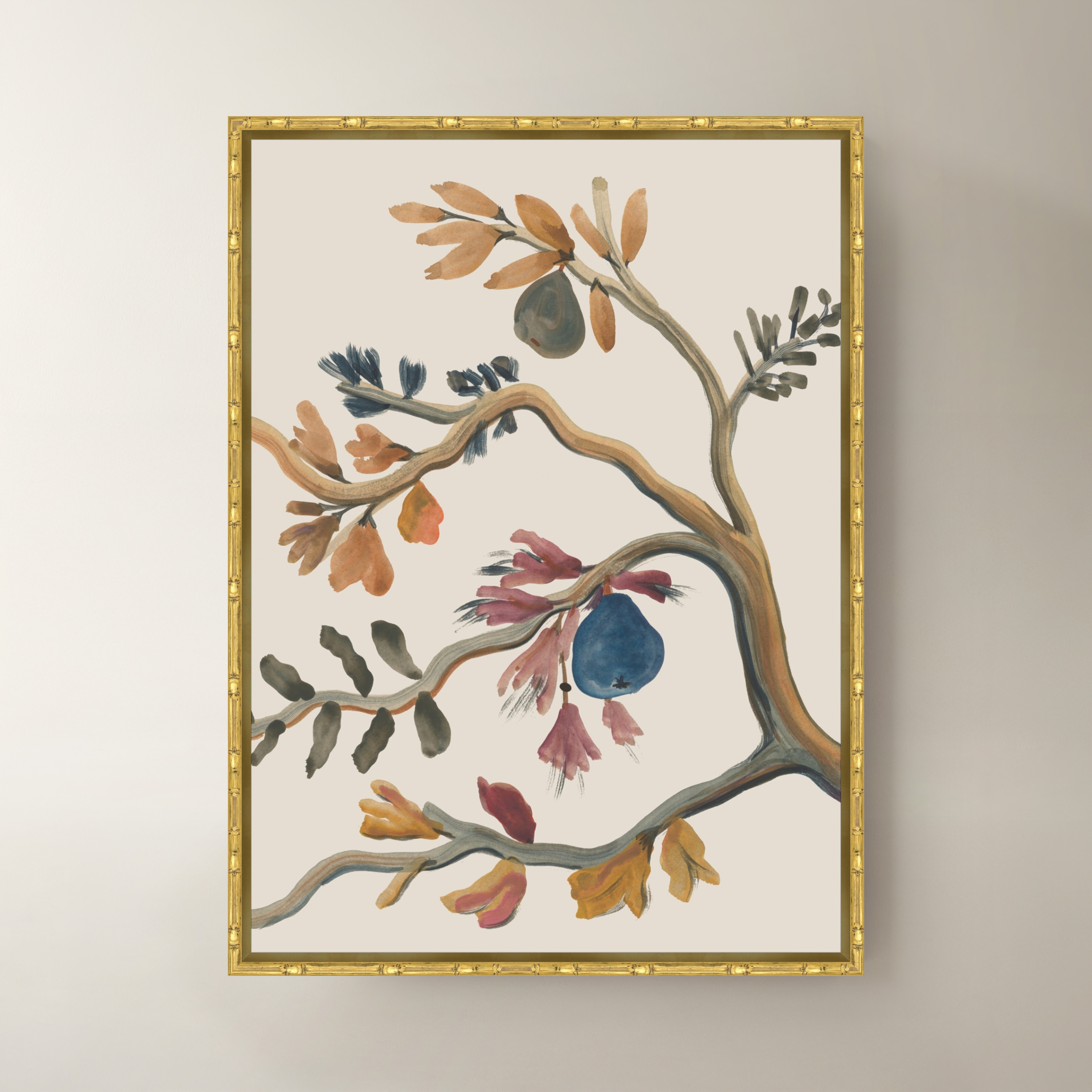
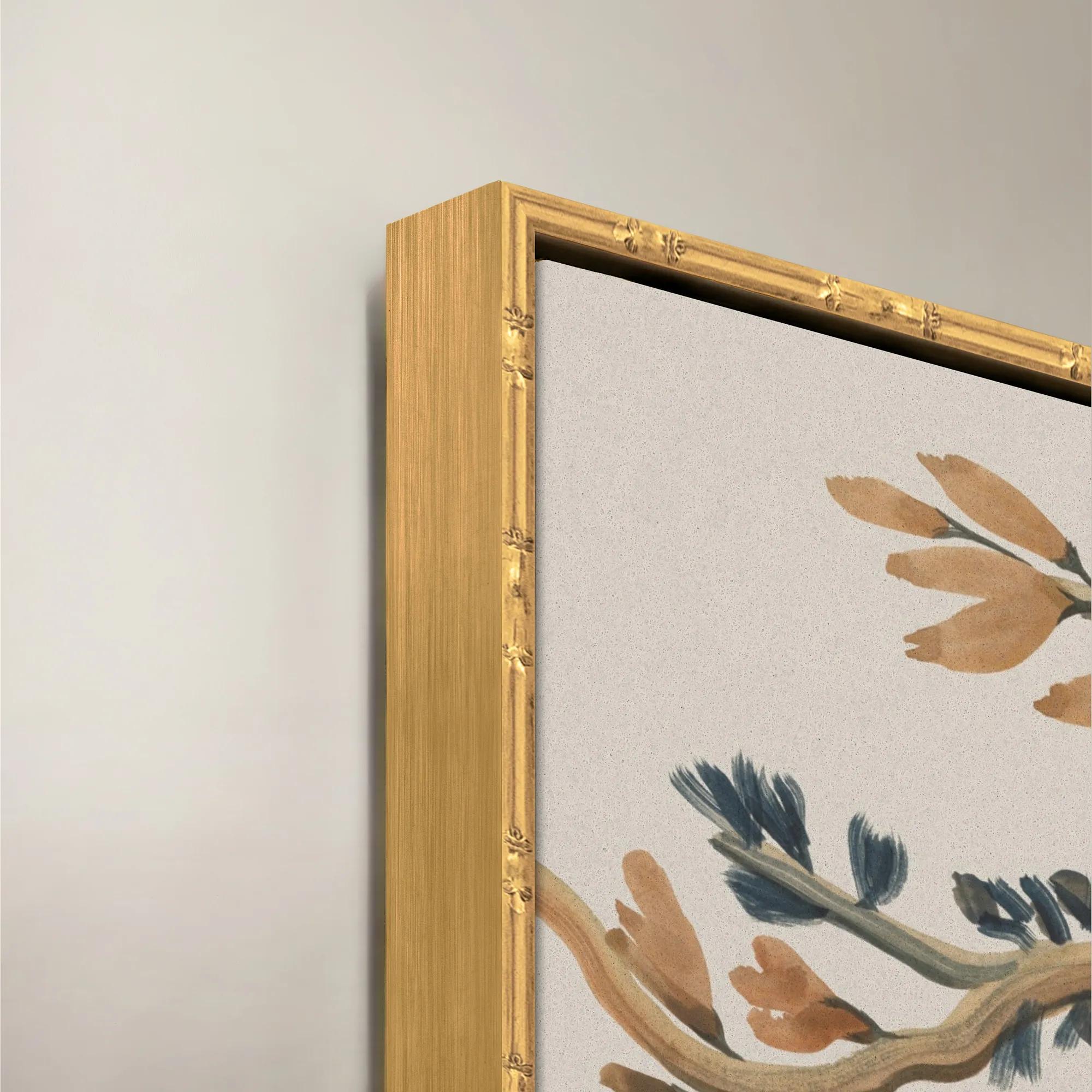 Whispering Orchard I Framed Wall Art 24" x 33"$749
A multicolored canvas wall artwork presented in a refined frame for vibrant, gallery-inspired styling.
Add To Cart -
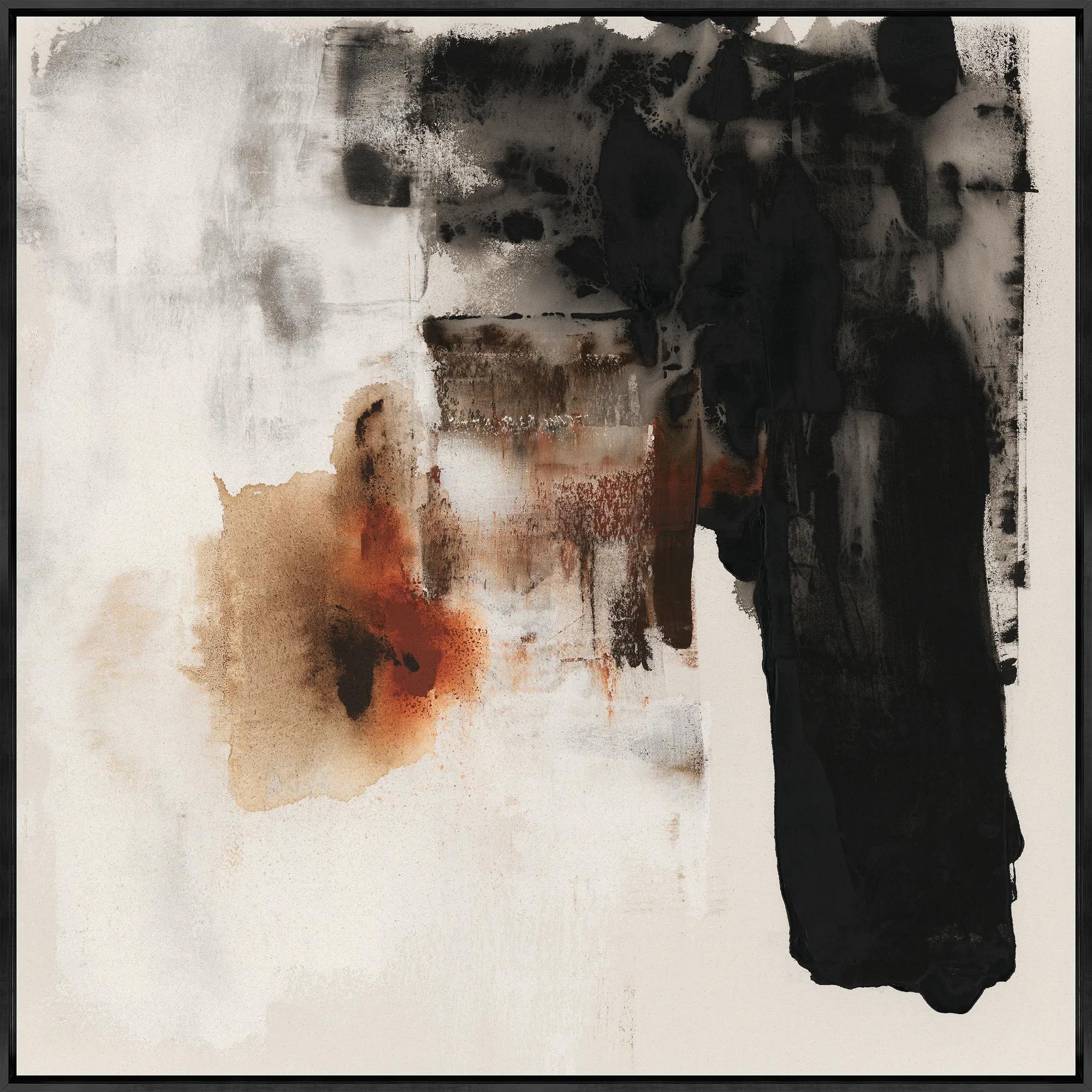
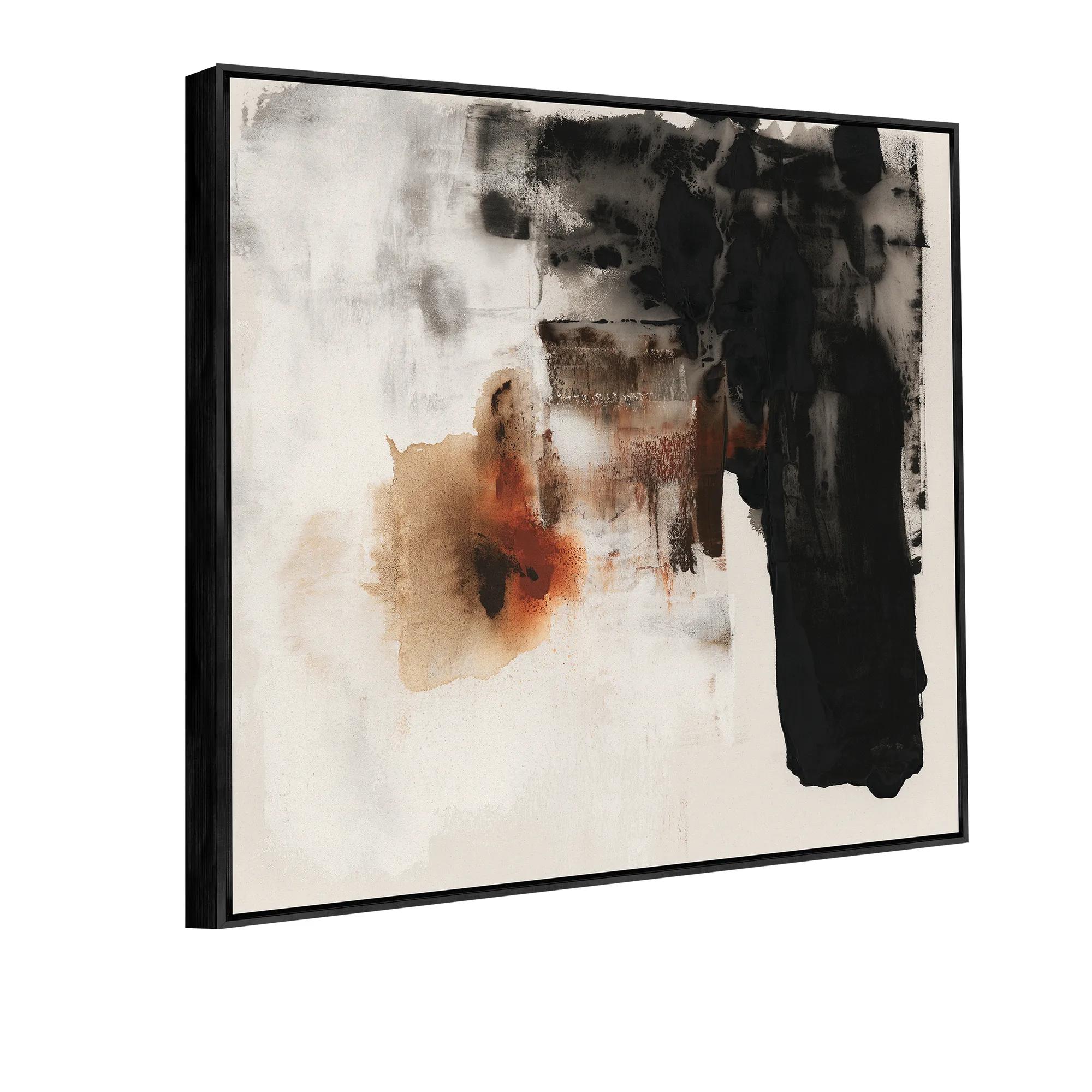 Burning for You II Framed Wall Art 40" x 40"$799
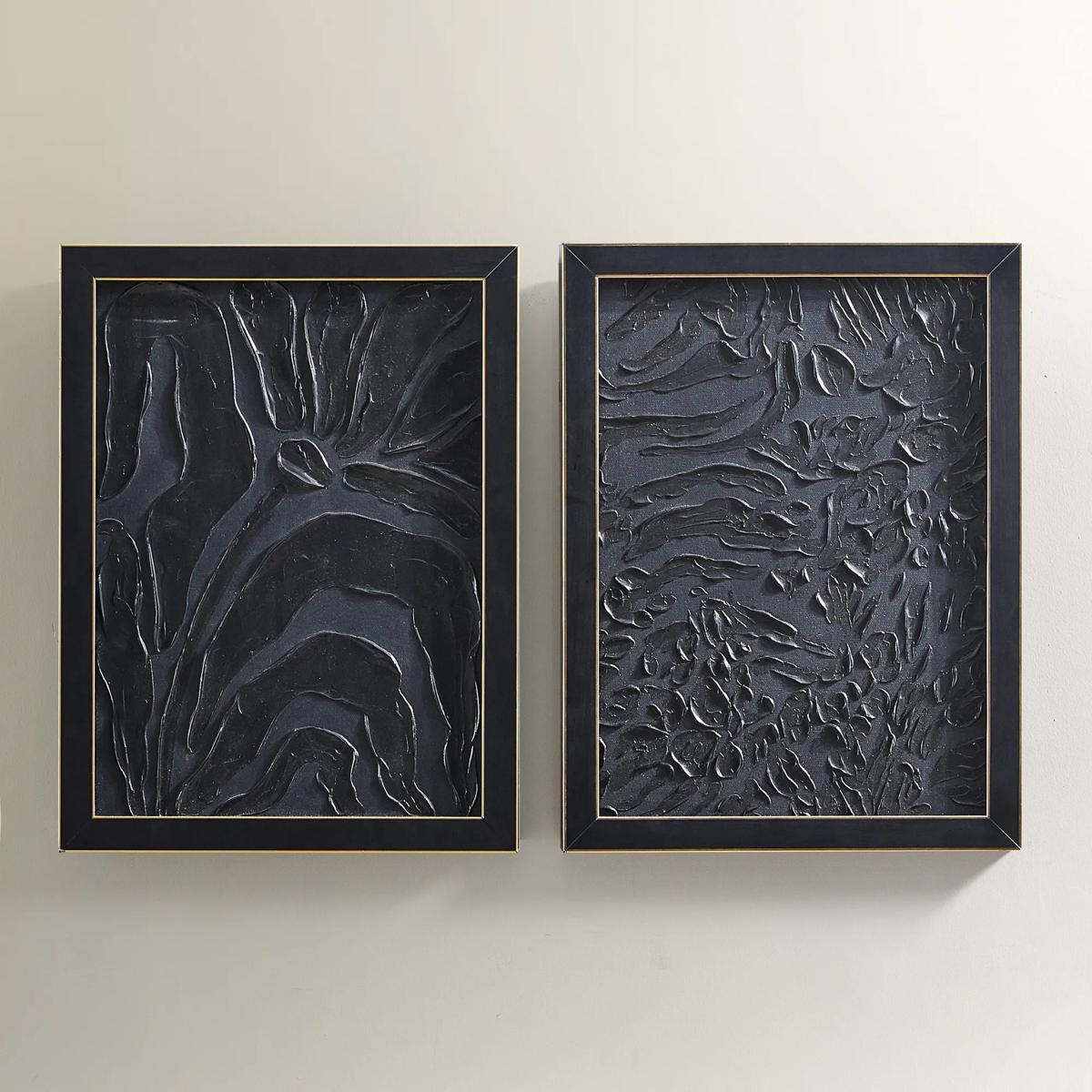
A gallery-wrapped canvas artwork with hand-applied brush gel, set in a sleek black floater frame.
Add To Cart -

 Jewel Toned Geometry Framed Wall Art 24" x 33"$519
A jewel-toned geometric canvas artwork framed to bring vibrant modern dimension to any wall.
Add To Cart -
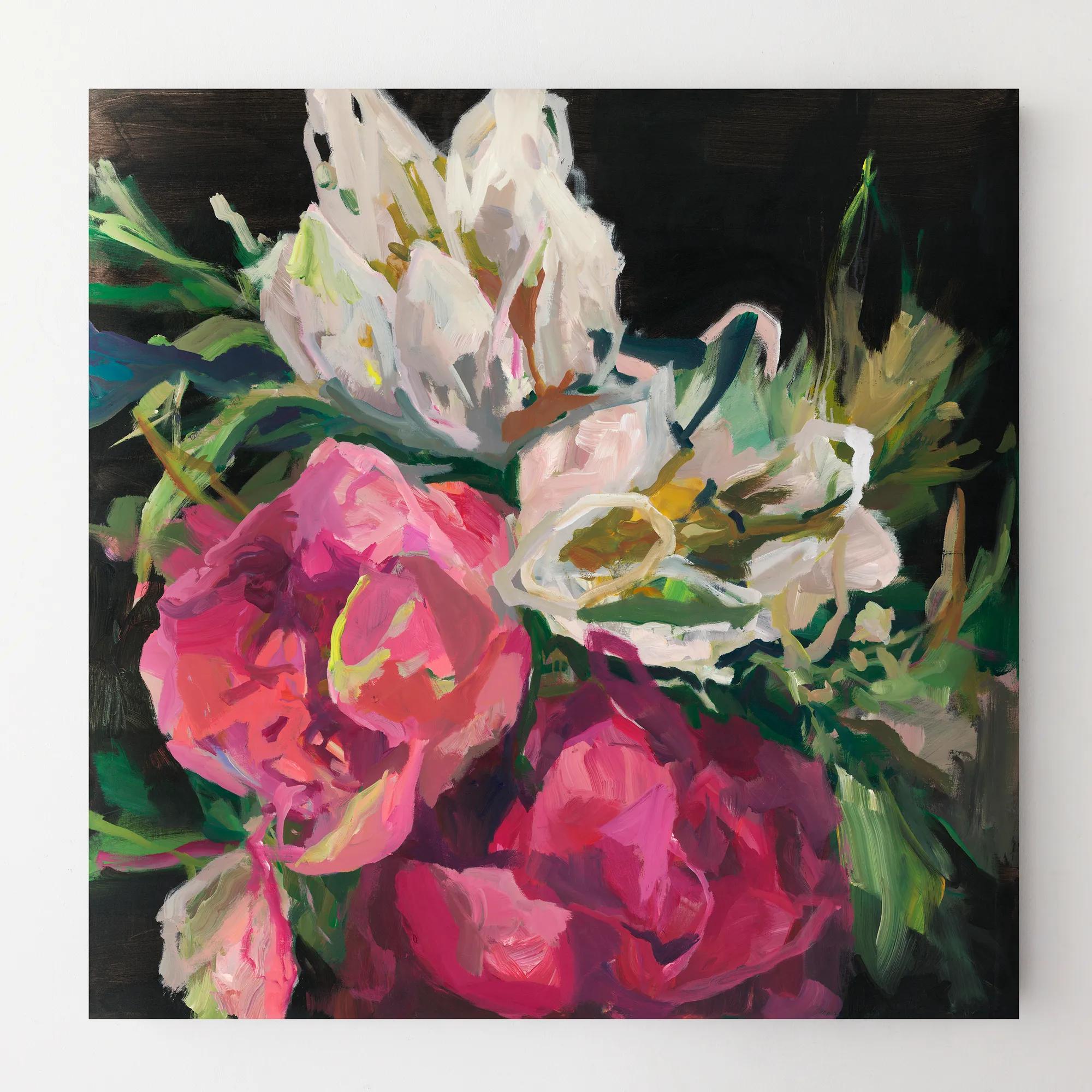
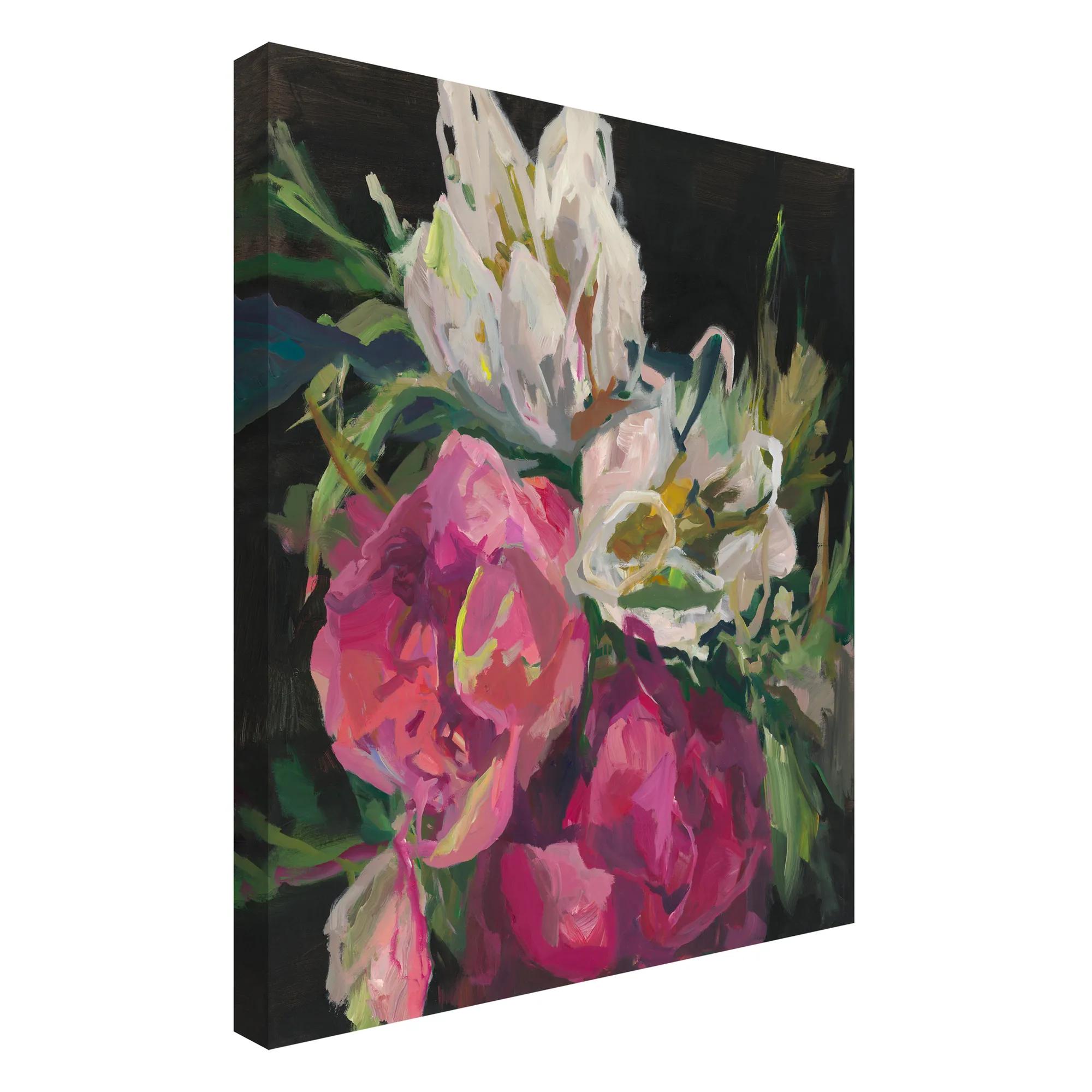 Wild At Heart Wall Art 30" x 30"$399
A gallery-wrapped canvas artwork featuring a hand-applied image brush gel finish for striking visual texture.
Add To Cart -
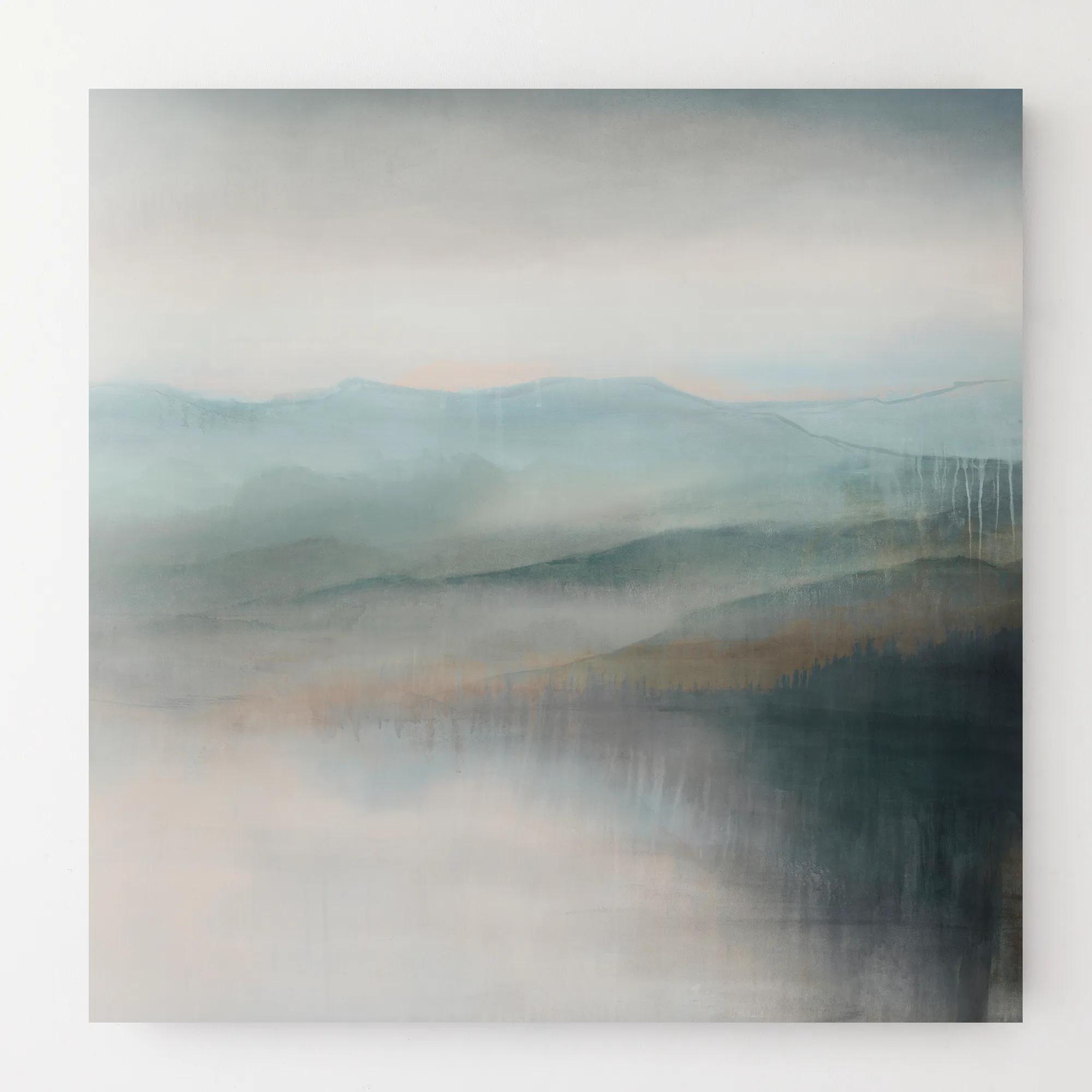
 Morning Lift Wall Art 30" x 30"$399
A gallery-wrapped canvas artwork featuring a hand-applied image brush gel finish for added texture and depth.
Add To Cart -
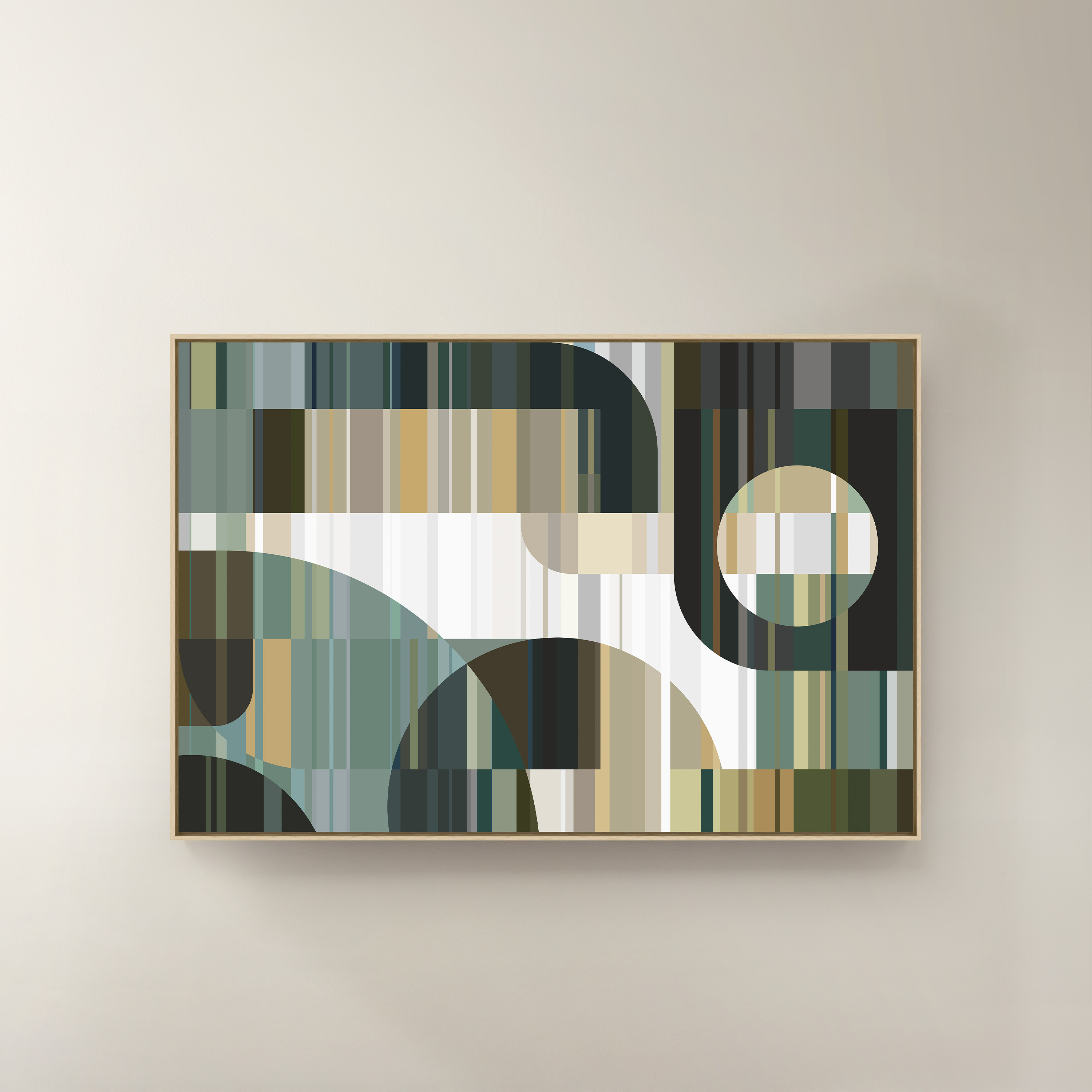
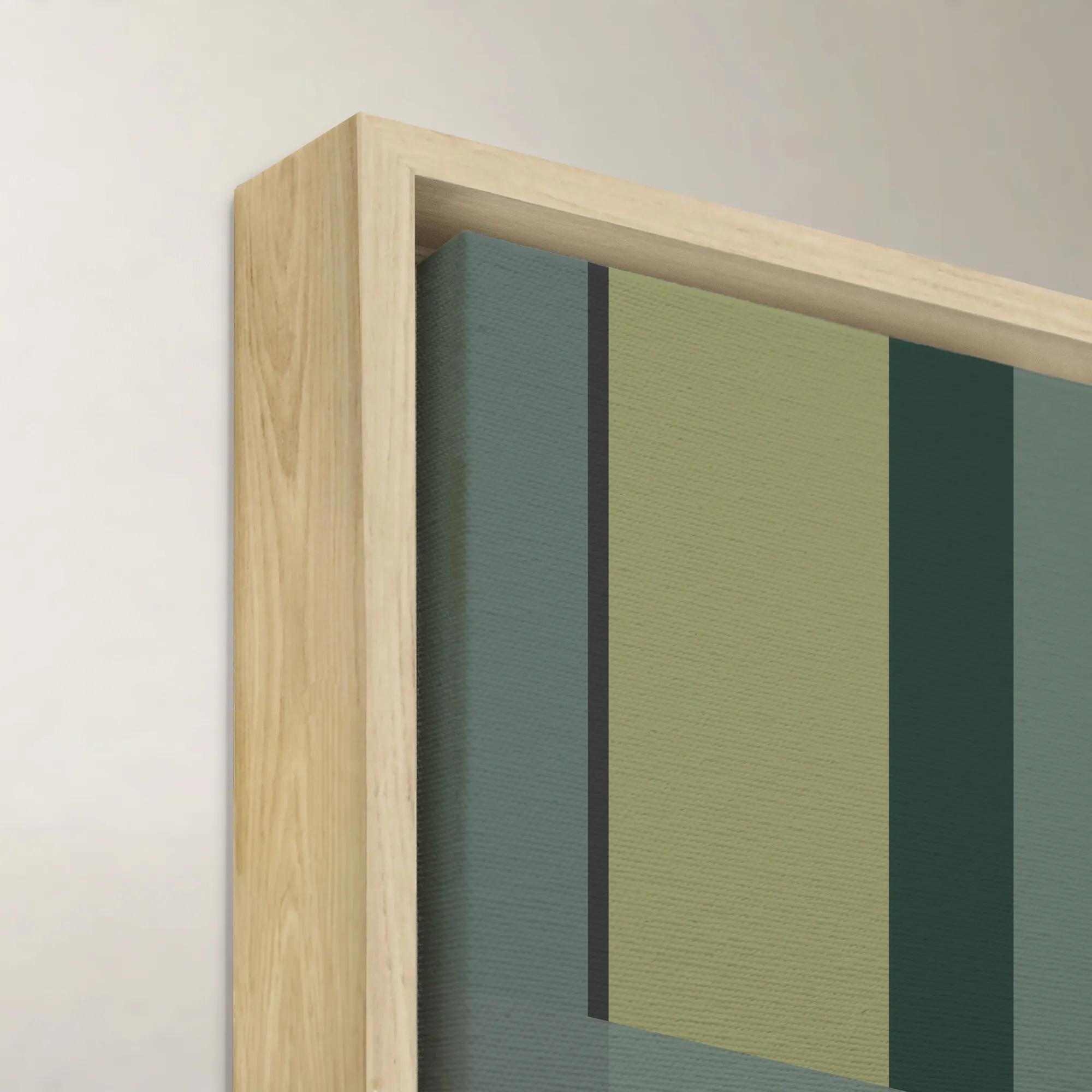 Cool Intersecting Forms II Framed Wall Art 60" x 40"$1099
A framed canvas wall artwork featuring cool-toned intersecting forms in a multicolored abstract composition.
Add To Cart -

 Blooming in Her Own Time Framed Wall Art 40" x 50"$1029
A vibrant multicolored canvas wall artwork featuring an expressive botanical-inspired design in a framed presentation.
Add To Cart -
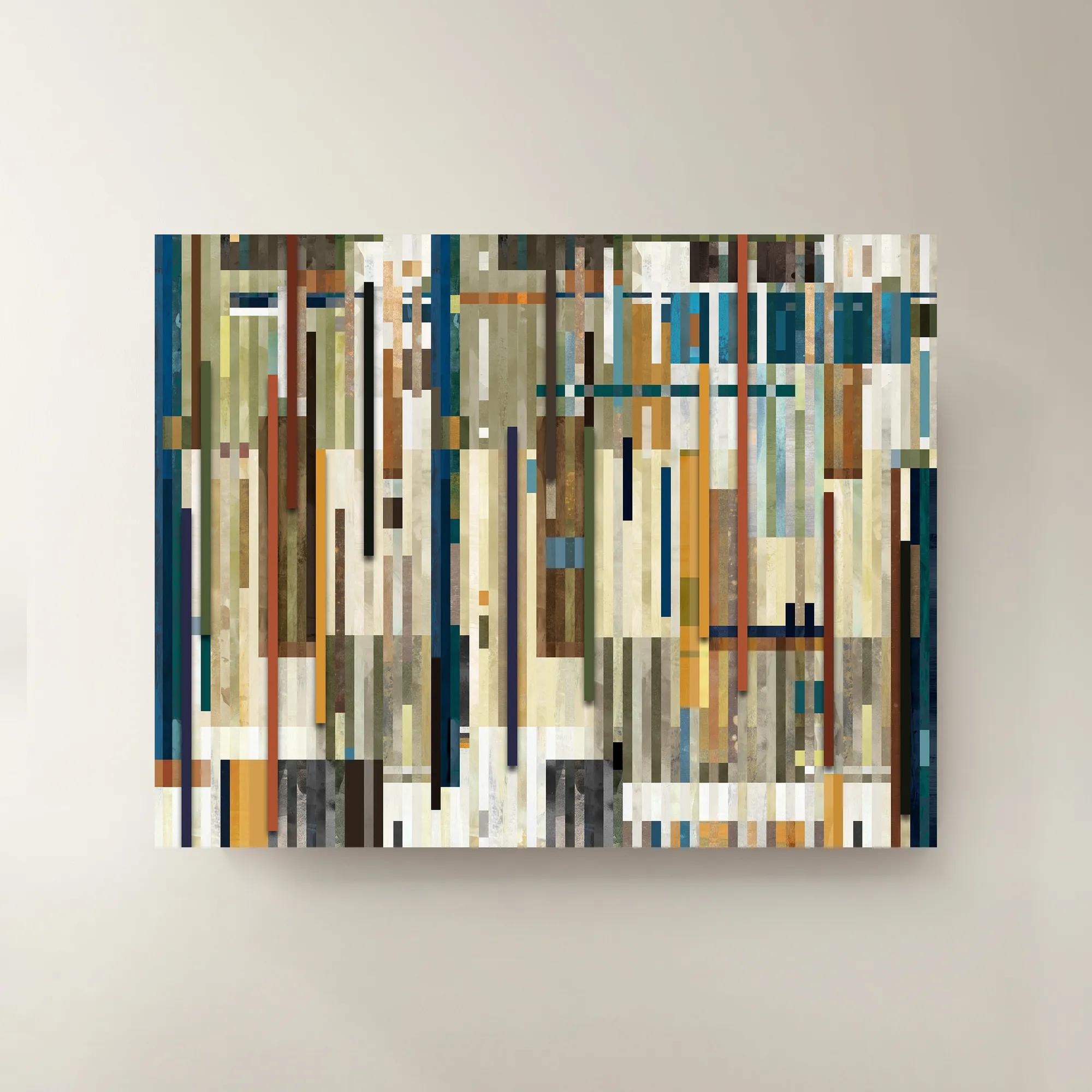
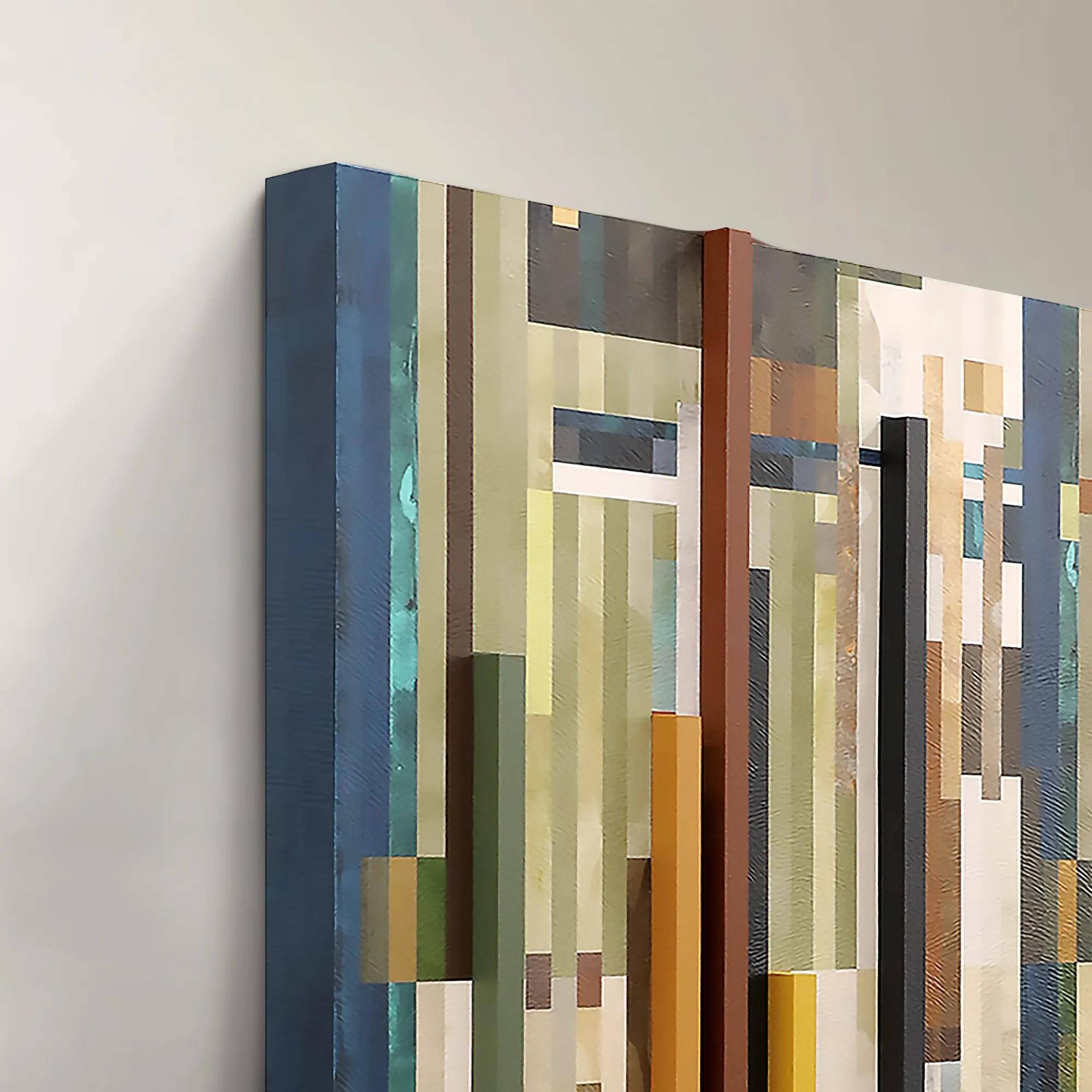 Chromatic Rhythms II Wall Art 60" x 47"$1899
A dynamic blue abstract canvas artwork featuring rhythmic geometric composition.
Add To Cart -
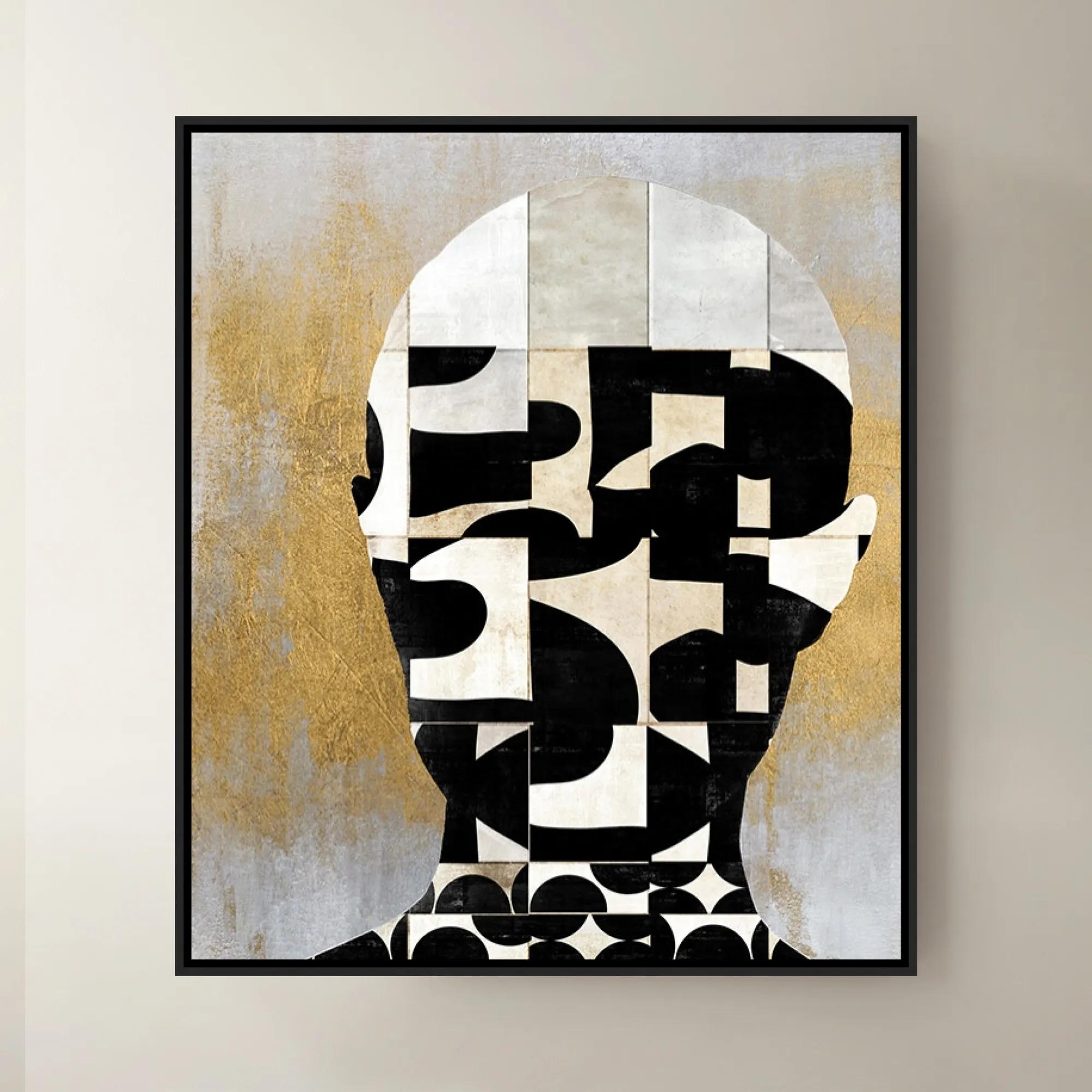
 Lets Face It II Framed Wall Art 30" x 35"$699
A striking contemporary art piece showcasing bold design and creative flair by a renowned interior designer.
Add To Cart -
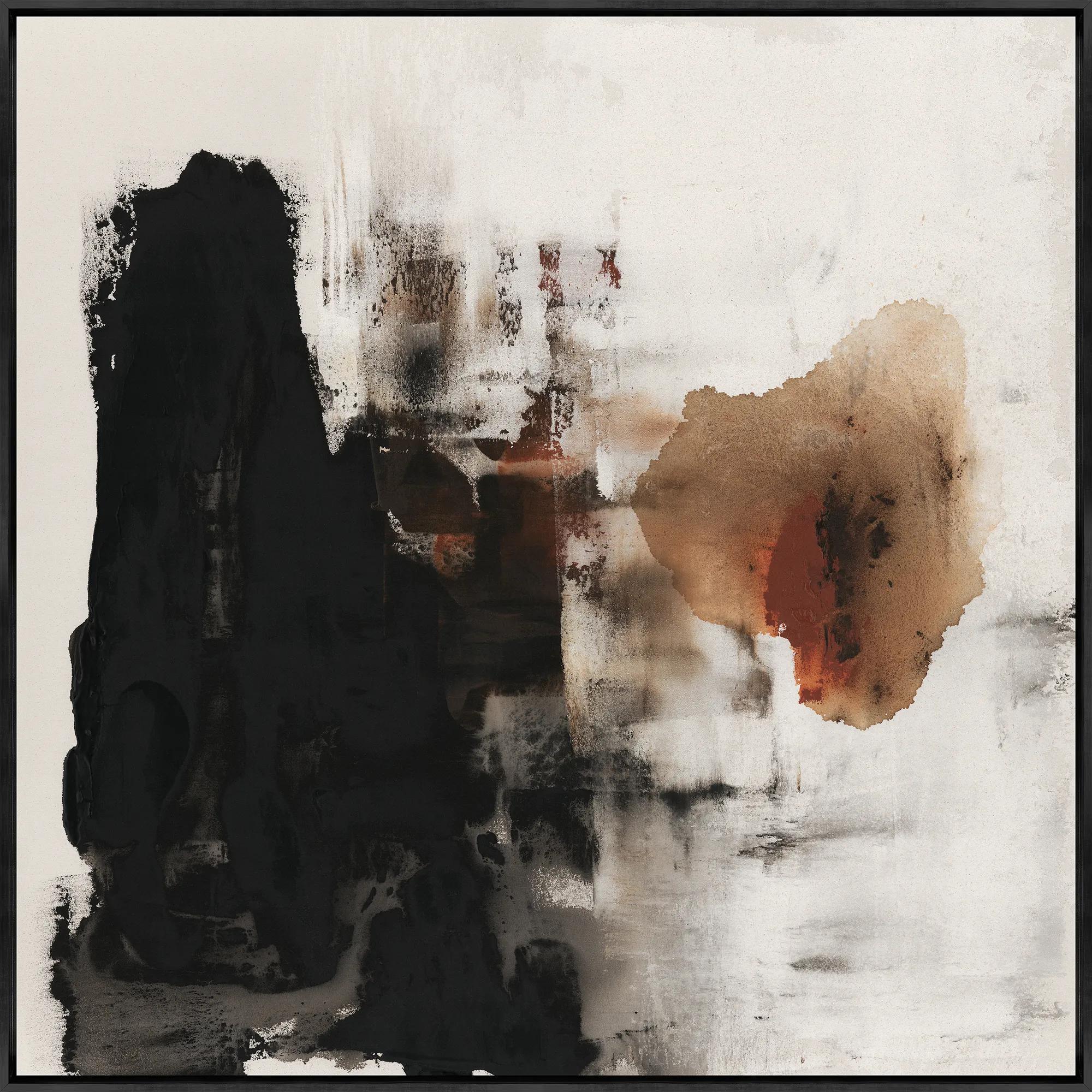 Burning for You I Framed Wall Art 40" x 40"$799
A gallery-wrapped canvas artwork with hand-applied brush gel, set in a sleek black floater frame.
Add To Cart -
 The Fight Between Two Creatures Framed Wall Art 30" x 40"$699
A dramatic blue and purple canvas artwork presented in an elegant frame.
Add To Cart -
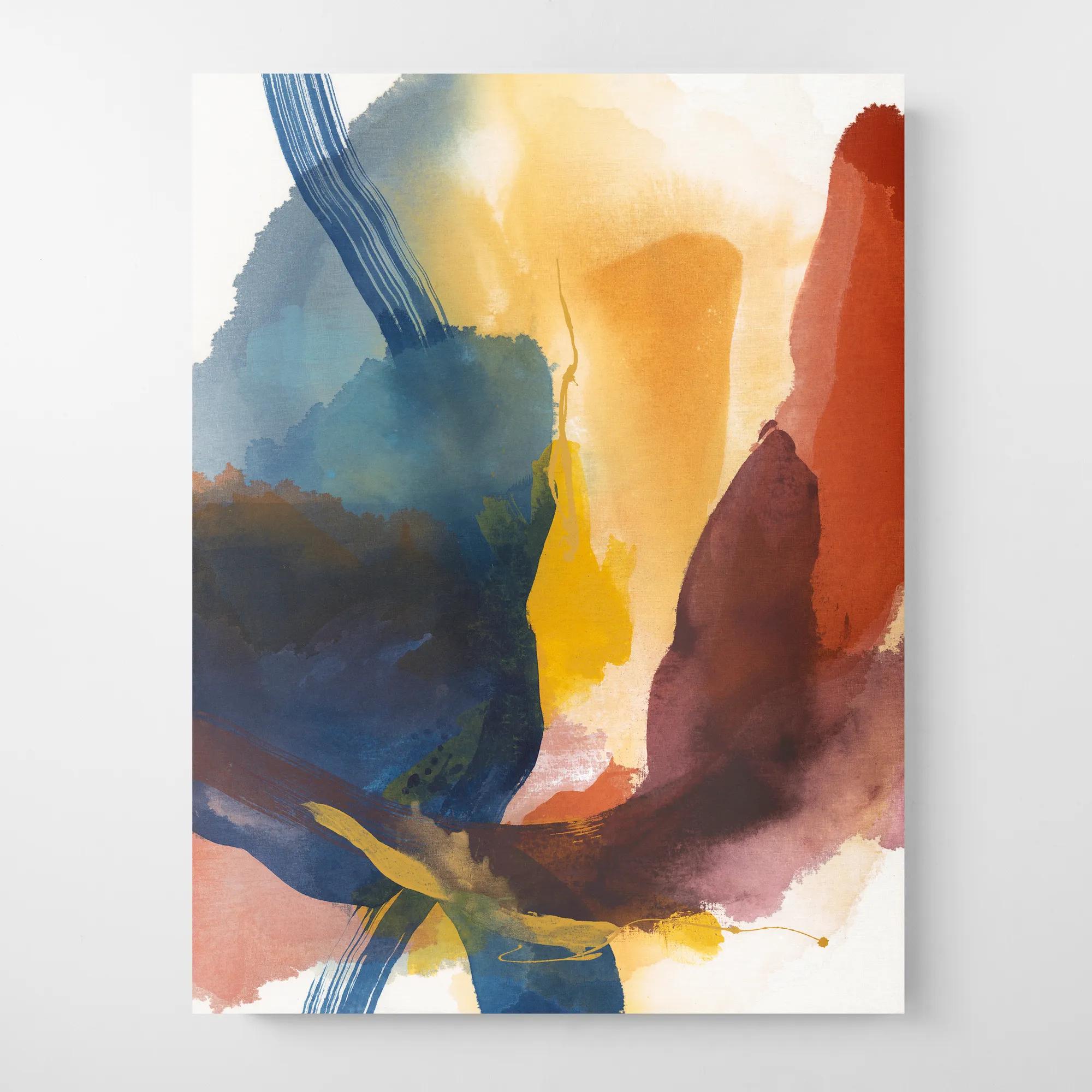
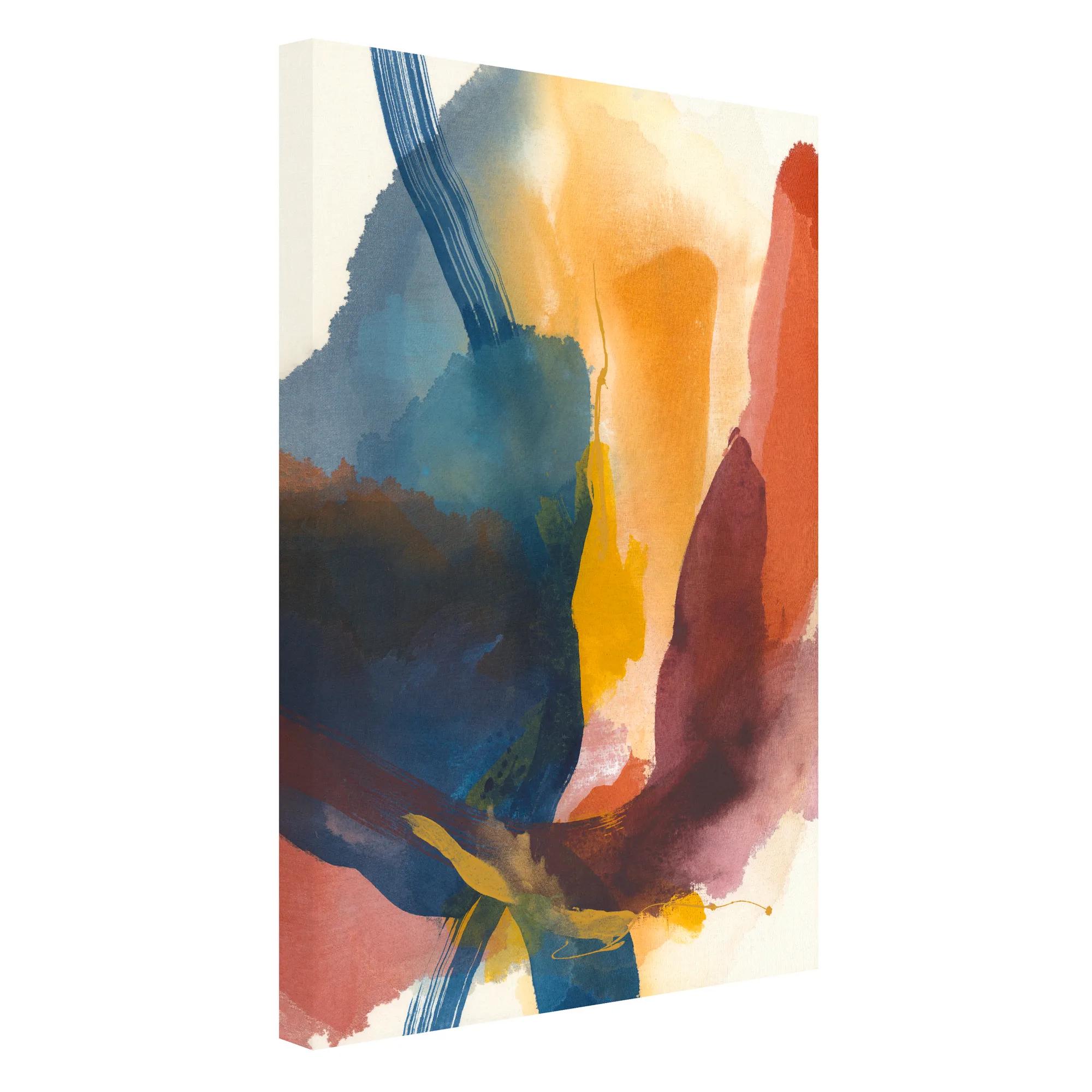 Moon Shower 1 Wall Art 30" x 40"$449
A gallery-wrapped canvas artwork featuring a hand-applied image brush gel finish for versatile display.
Add To Cart -
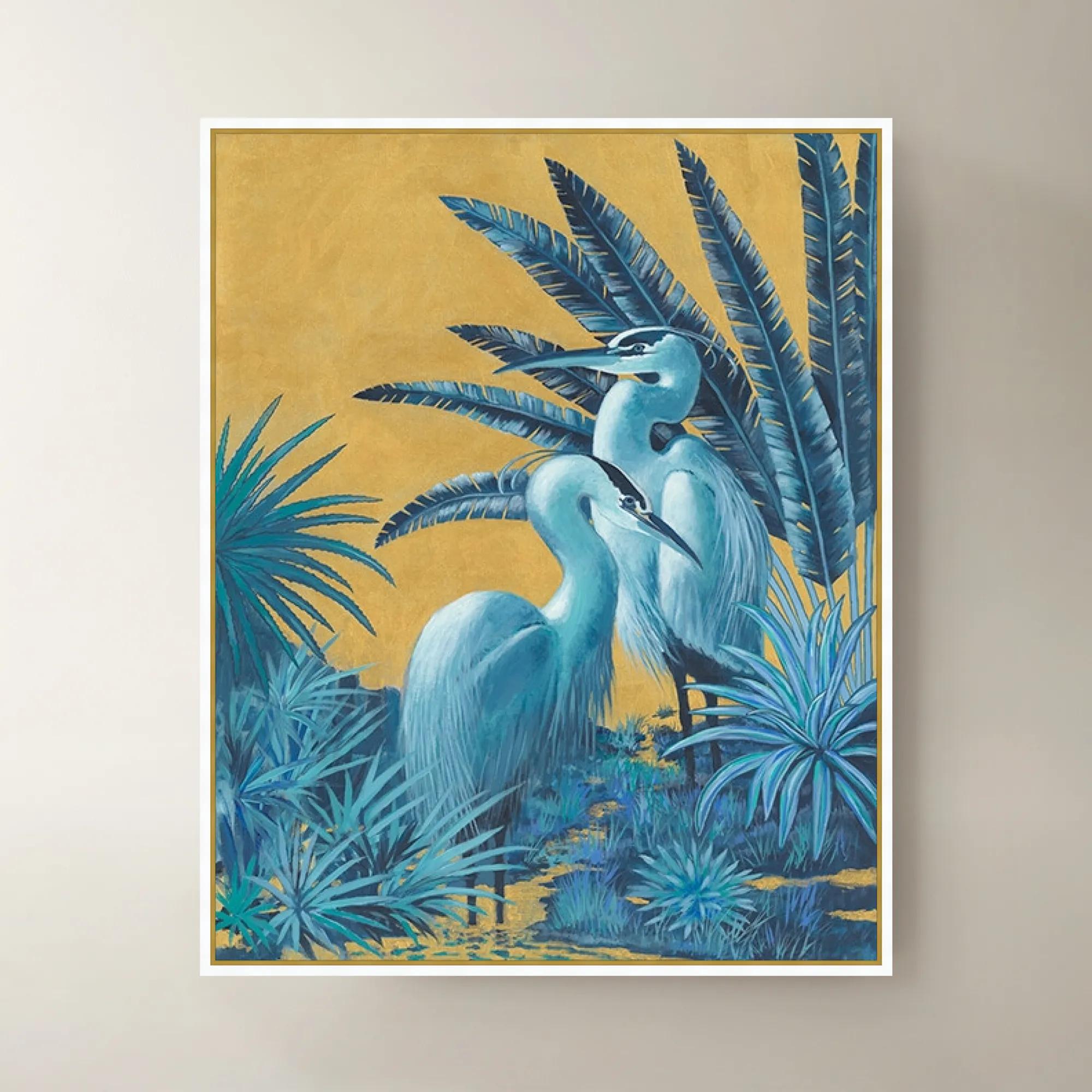
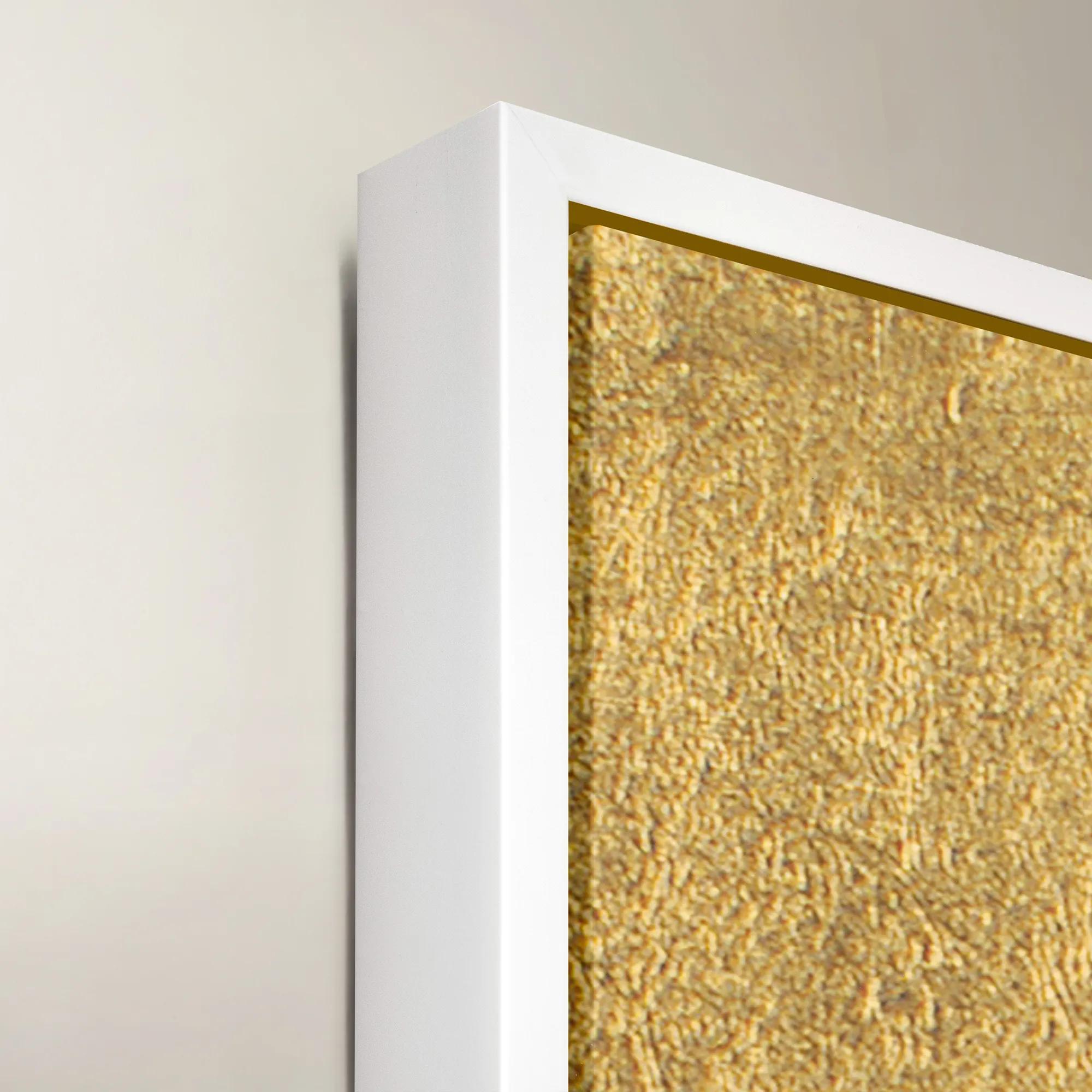 Blue Gold Herons Framed Wall Art 40" x 50"$1199
A striking blue and gold framed canvas artwork featuring elegant herons for sophisticated wall display.
Add To Cart -
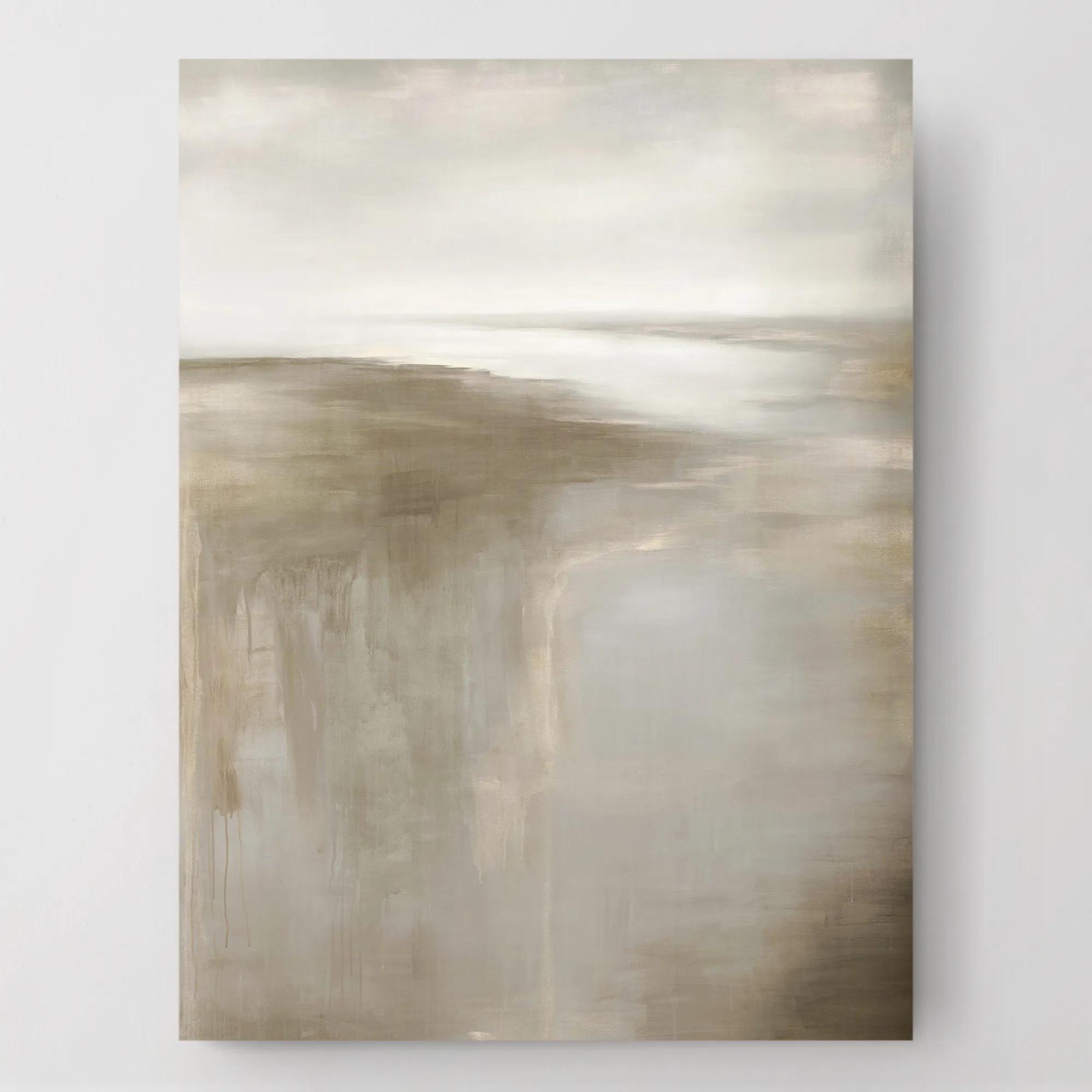
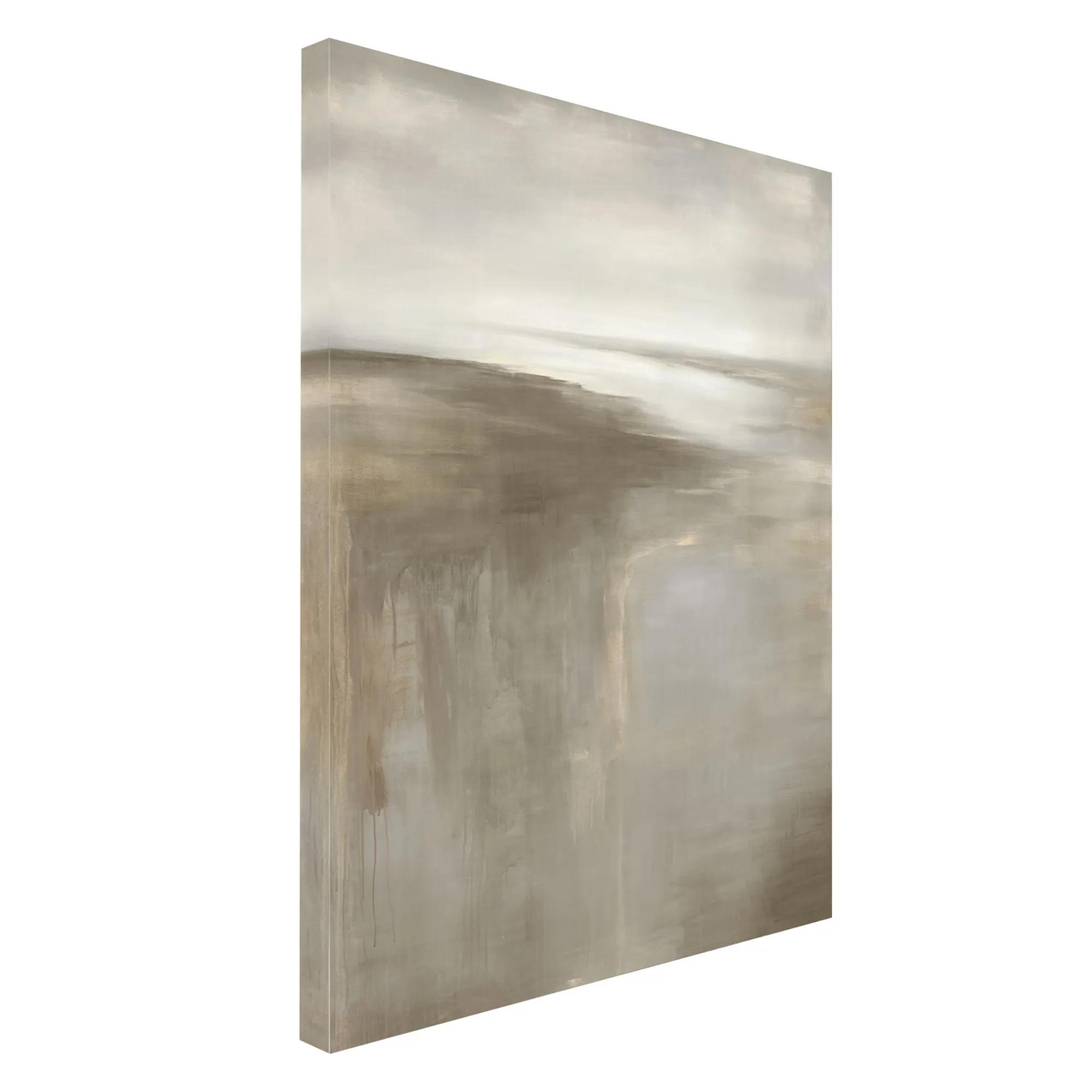 Silver Morning Wall Art 30" x 40"$449
A gallery-wrapped silver canvas artwork featuring a hand-applied image brush gel finish.
Add To Cart -
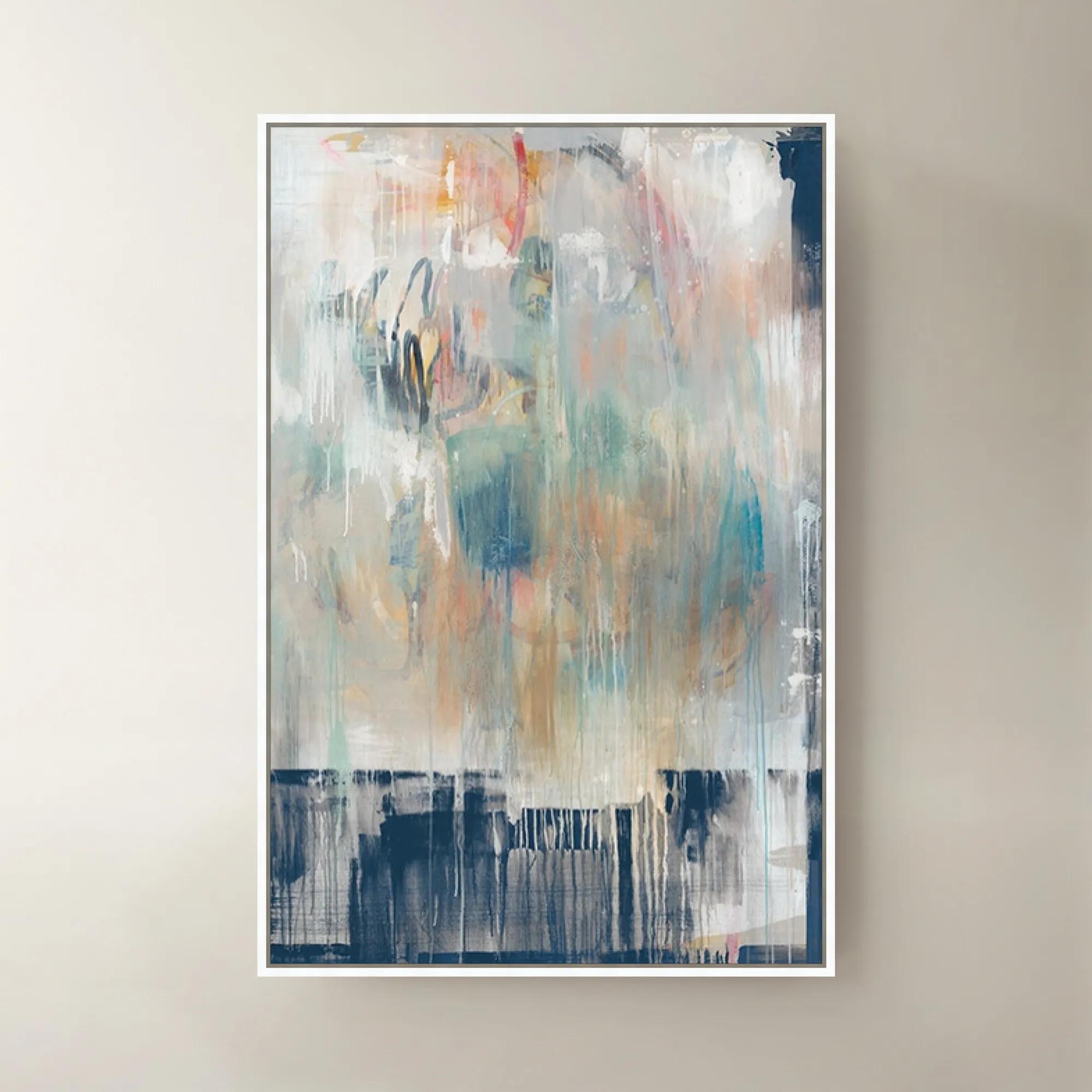
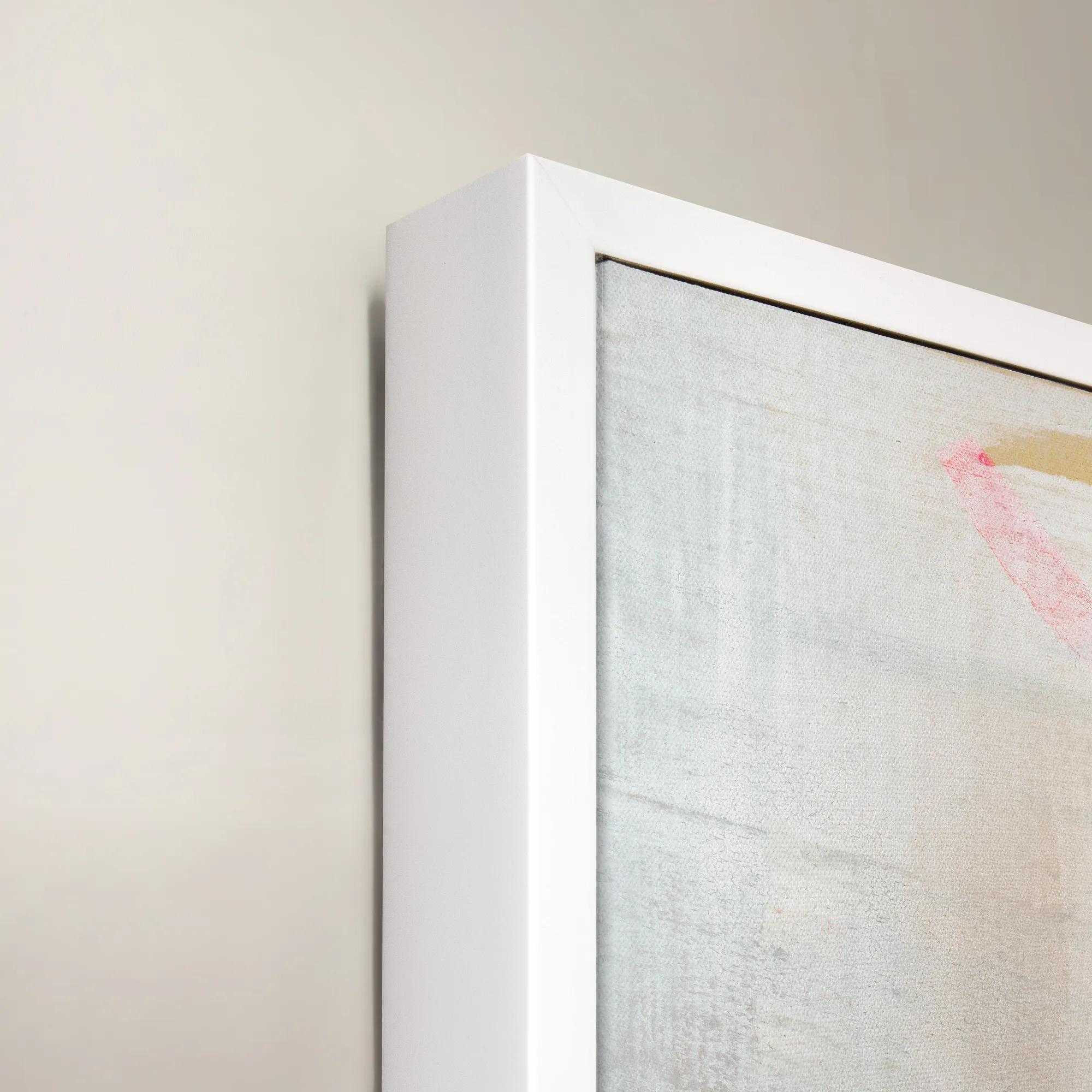 Disrepair III Framed Wall Art 40" x 60"$1099
A multicolored canvas wall artwork in a framed presentation, bringing expressive contemporary character to interiors.
Add To Cart -

 Twin Abstract 1 Framed Wall Art 30" x 45"$699
A captivating abstract canvas artwork featuring layered blue and purple tones in a sophisticated framed presentation.
Add To Cart

Textured Giclee Print Wall Arts
Textured Giclee Print Wall Arts transform every wall into a gallery of tactile intrigue and visual splendor. Each piece invites the eye to linger, layering dimension and artistry that transcends the ordinary. Discover a curated collection where color dances across canvas, texture catches the light, and every brushstroke tells a story of bold self-expression. Elevate your interiors with works that don’t just decorate—they captivate, infusing your space with drama, depth, and a signature sense of luxury only Z Gallerie can deliver.
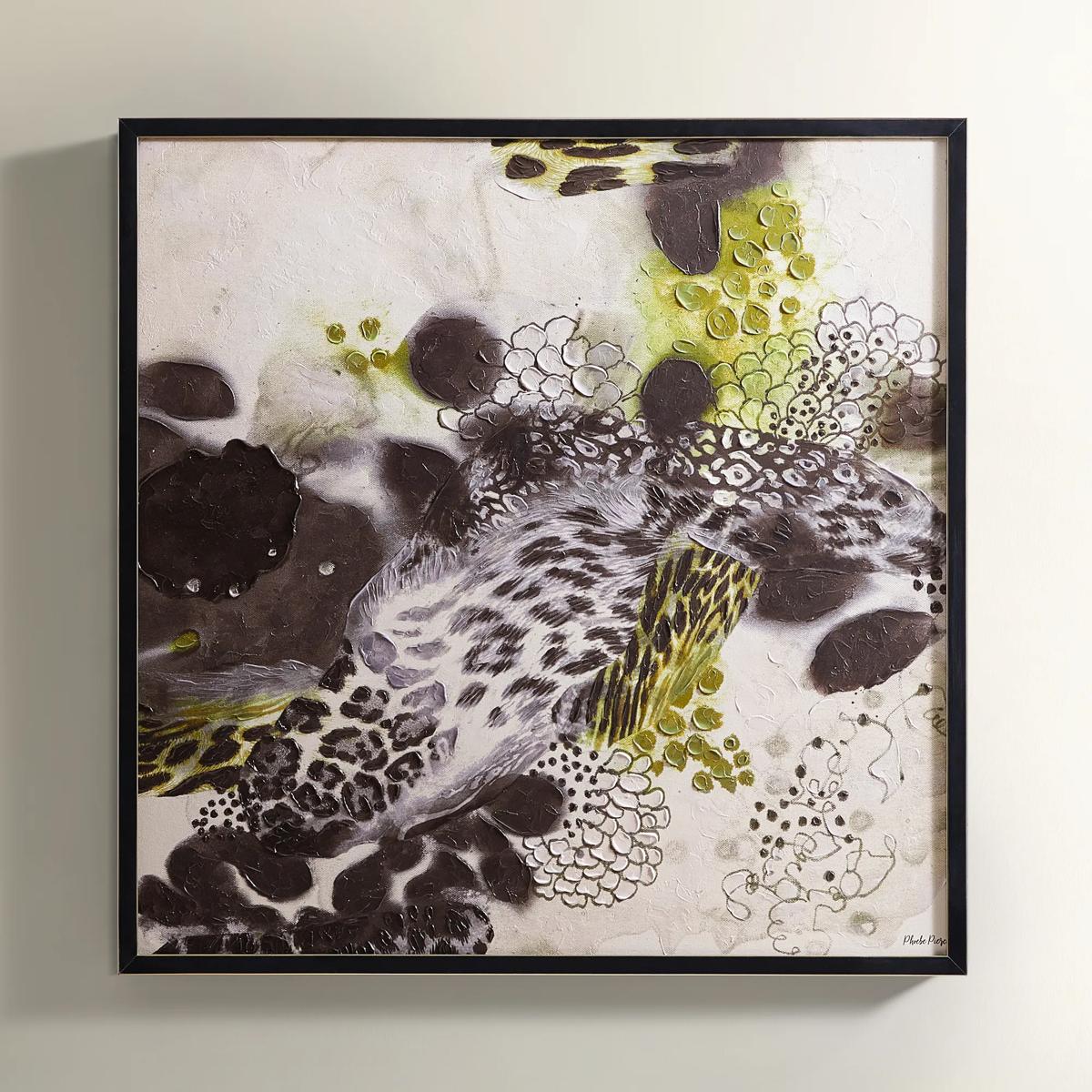
Textured giclée print wall art combines high-resolution inkjet reproduction with a surface that brings visible depth and tactile character to an image. Often printed on canvas or fine-art paper, these works can draw their texture from the underlying material, an applied finish, or a combination of both. Giclée describes the printing method, rather than a particular subject, surface treatment, or level of relief; a pronounced canvas weave and a raised, hand-applied embellishment create distinctly different effects. Fine detail, nuanced color transitions, and expressive compositions give this category its visual richness, while texture adds another dimension to the experience. An abstract arrangement of ivory, charcoal, and gold can feel almost architectural above a tailored sofa, while sweeping blue gestures introduce movement against a quiet wall. The appeal lies in that interplay between the printed image and its physical presence: passages of color hold attention from across the room, then reveal subtler surface details at closer range. Canvas lends a woven foundation that complements painterly imagery, while textured art paper can bring a softer, more intimate character to detailed compositions. Some prints feature clear gels, painted accents, or other embellishments that emphasize selected areas rather than covering the entire surface. Those treatments vary, so material descriptions are more informative than the word “textured” alone. A reproduction with visible brushlike relief has a different presence from one whose dimension comes primarily from the canvas itself. Neither approach needs to imitate an original painting to be compelling; each offers its own relationship between image, material, and light. For interiors that celebrate expressive design, textured giclée wall art creates a focal point with substance, whether the composition is exuberant and gestural or restrained in color. Even a nearly monochromatic work can feel dramatic when ridges, woven fibers, and tonal shifts keep the surface alive. The result is art that contributes more than color coordination: it establishes rhythm, introduces contrast, and gives a room a distinctive point of view.
Scale and placement determine how that presence unfolds within a room. A generously proportioned print above a sofa can anchor an entire seating arrangement, while a narrower vertical composition lends stature to an entryway or a wall beside a console. Art generally feels connected to the furniture beneath it when the composition is narrower than that furniture, with enough surrounding wall to keep the arrangement from appearing crowded. As a starting proportion, a work or grouping spanning roughly two-thirds to three-quarters of a sofa’s width often creates a balanced relationship, though ceiling height, nearby windows, and the artwork’s visual weight also matter. Measuring the full outer dimensions, including any frame, helps translate an image on a screen into a convincing presence at home. A paper template on the wall can reveal whether a broad horizontal composition feels commanding or simply oversized. Texture deserves similar consideration: pronounced relief often rewards a position where the surface can be appreciated nearby, while a bold silhouette or expansive color field remains legible across an open living area. In a dining room, a luminous neutral composition can hold its own beside reflective finishes without competing with a sculptural chandelier. In a bedroom, layered tonal passages can introduce depth without overwhelming the quieter mood. Frame selection adds another expressive layer. A slim dark surround sharpens pale imagery, a metallic finish lends a polished edge, and a floater frame can emphasize the dimensional character of stretched canvas. Gallery-wrapped edges offer a different presentation, allowing the image or finished sides to remain visible without a conventional outer frame. For interiors centered on the material character of canvas, Elegant Giclee Canvas Wall Arts offers a related direction for building a cohesive visual story. Across adjoining rooms, cohesion can come from a repeated undertone, a shared frame finish, or a similar sense of movement rather than matching every subject. That continuity leaves room for individual compositions to feel distinctive, with each wall contributing its own expression to the larger interior.
The lasting beauty of textured giclée prints depends on the materials, construction, and conditions of display. Pigment-based inks and archival-quality supports are often chosen for fine-art reproduction, but the term “giclée” alone does not guarantee fade resistance or a specific lifespan. Paper composition, ink formulation, surface coatings, and exposure to light all influence how a print ages. Descriptions that identify the substrate, embellishment technique, frame materials, and care requirements provide a clearer picture of what a work needs. Canvas should sit evenly on its support, while paper-based art benefits from suitable framing materials that help protect the sheet without pressing against raised details. If glazing is used, appropriate spacing matters: textured surfaces should not rub against glass or acrylic. Placement away from prolonged direct sunlight, heating vents, and damp areas helps protect both the image and its support. Kitchens with airborne grease and bathrooms with frequent steam are generally less forgiving settings than living rooms, bedrooms, or interior hallways. Thoughtful lighting can reveal dimension without placing the artwork in harsh sun; a softly directed picture light or nearby ambient illumination may bring out ridges and tonal variation while preserving the intended color balance. Care should remain gentle and specific to the finish. A clean, soft brush may suit some unglazed surfaces, but cleaning sprays, damp cloths, and vigorous rubbing can damage inks or embellishments; the maker’s instructions should take precedence. Hanging hardware should suit the artwork’s weight and the wall construction, especially for substantial framed pieces. These practical details support the pleasure of living with art that feels personal. Textured giclée prints can also make meaningful housewarming, wedding, or milestone gifts when the recipient’s taste and wall space are well understood. A familiar palette or favored artistic style offers a thoughtful starting point without requiring an exact match to existing furnishings. Whether chosen for a dramatic gathering space or a private retreat, the strongest selection feels intentional: a composition with enough presence to shape the room and enough detail to reward another look.
FAQs
Textured giclée print wall art stands apart through its remarkable depth and tactile allure. Unlike standard prints, these pieces feature hand-applied embellishments or raised detailing that bring dimension and richness to the artwork. The result is a visually dynamic piece that plays with light and shadow, creating an immersive, gallery-worthy experience in any room.
Textured giclée print wall art makes an extraordinary gift for art enthusiasts, newlyweds, housewarming hosts, or anyone with a flair for dramatic, expressive interiors. Its luxurious finish and artistic presence offer a thoughtful gesture for those who value creativity and wish to make their living space uniquely personal.
The layered textures and sophisticated finishes of giclée wall art infuse a room with depth, warmth, and visual intrigue. Whether you’re seeking to create a serene sanctuary, a bold statement wall, or an inviting gathering space, these artworks set the tone and elevate the overall ambiance with their captivating presence.
Absolutely. Textured giclée prints are versatile enough to complement a range of aesthetics—from modern glam and eclectic maximalism to serene contemporary or transitional spaces. Their dynamic surfaces and refined artistry allow them to either stand out as a statement piece or harmonize with existing décor.
To maintain the vibrancy and texture of your giclée wall art, display it away from direct sunlight and excessive humidity. Dust gently with a soft, dry cloth to keep the surface pristine. These simple steps will help ensure that the rich colors and dimensional details remain stunning for years to come.