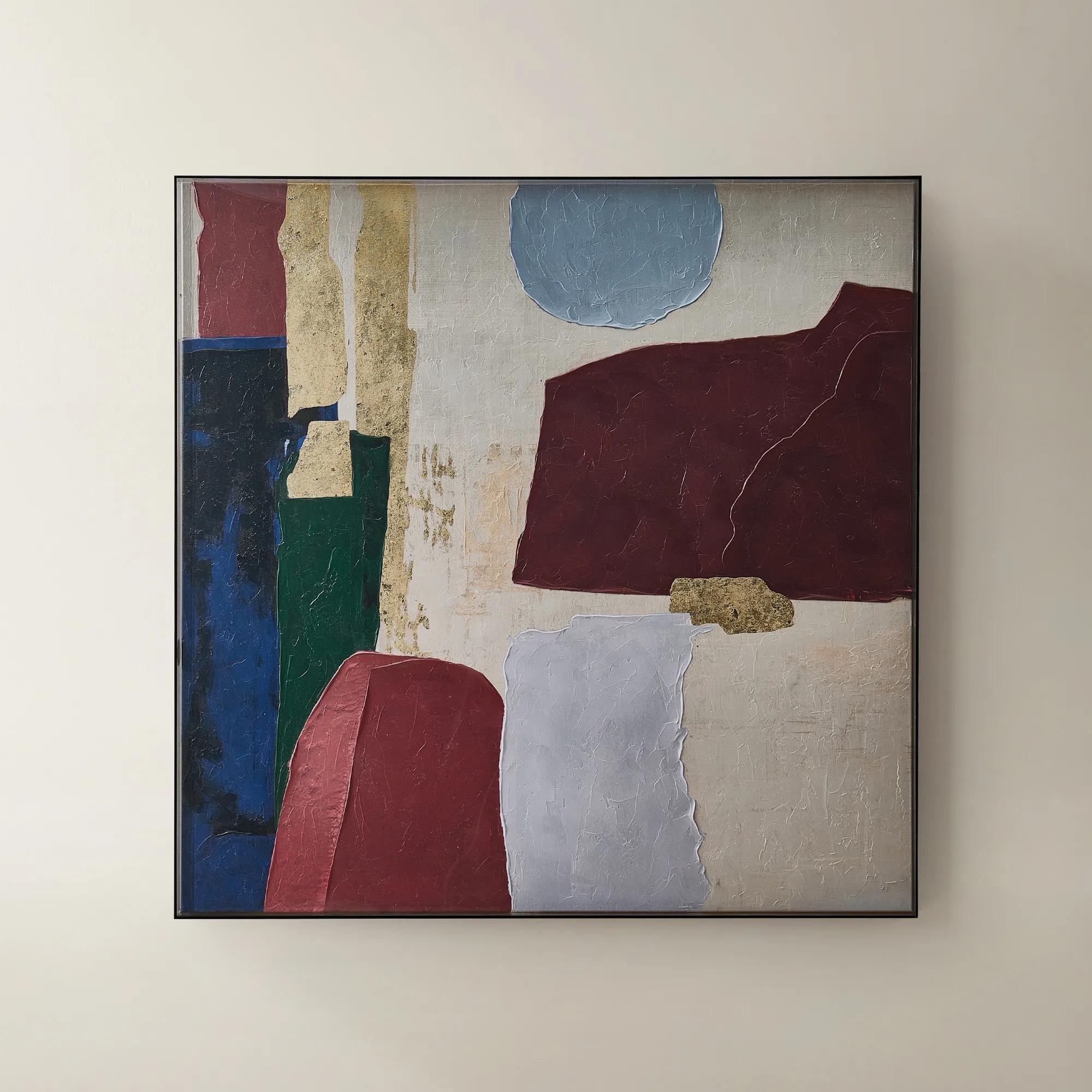
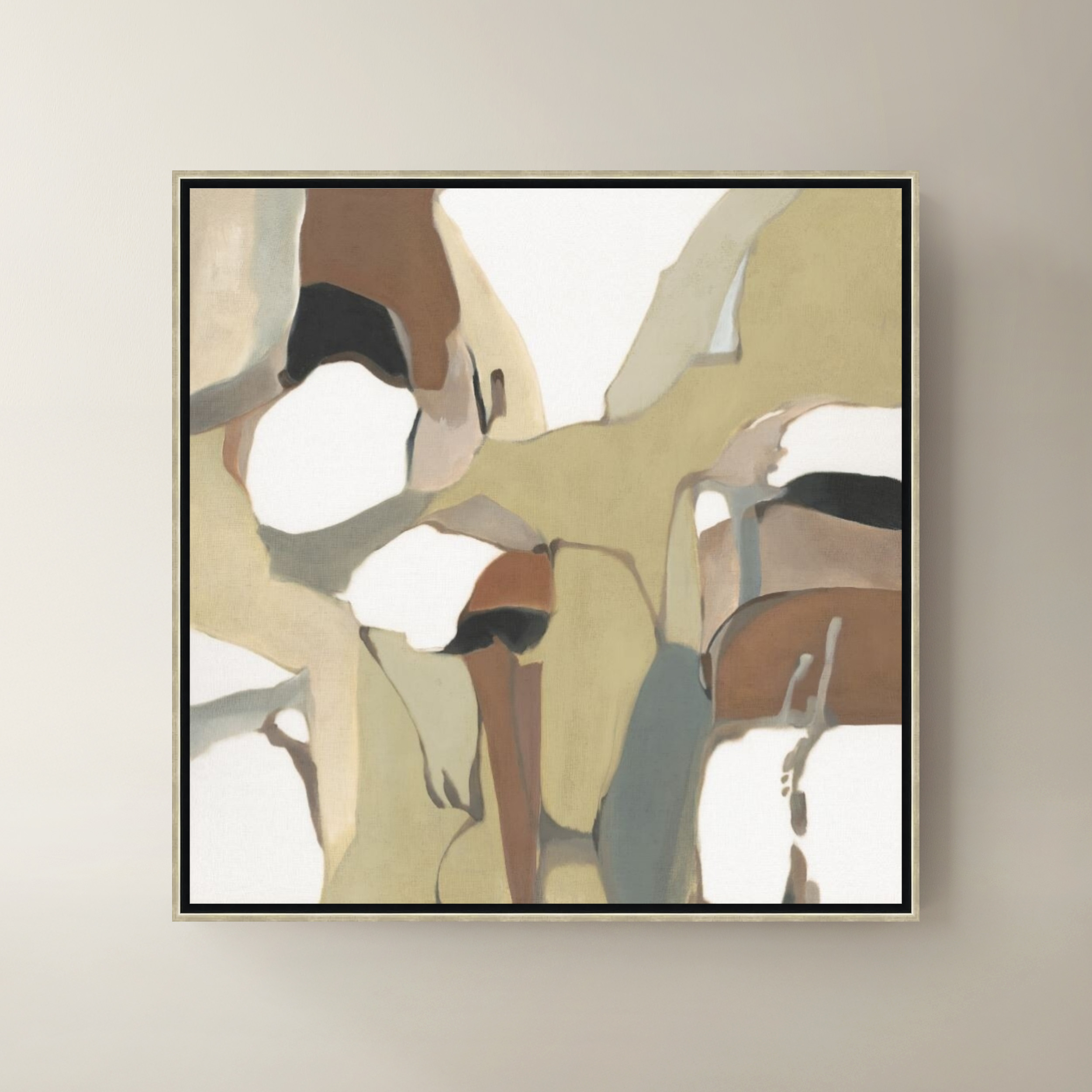
Textured Wall Art For Interiors
Textured Wall Art For Interiors
-
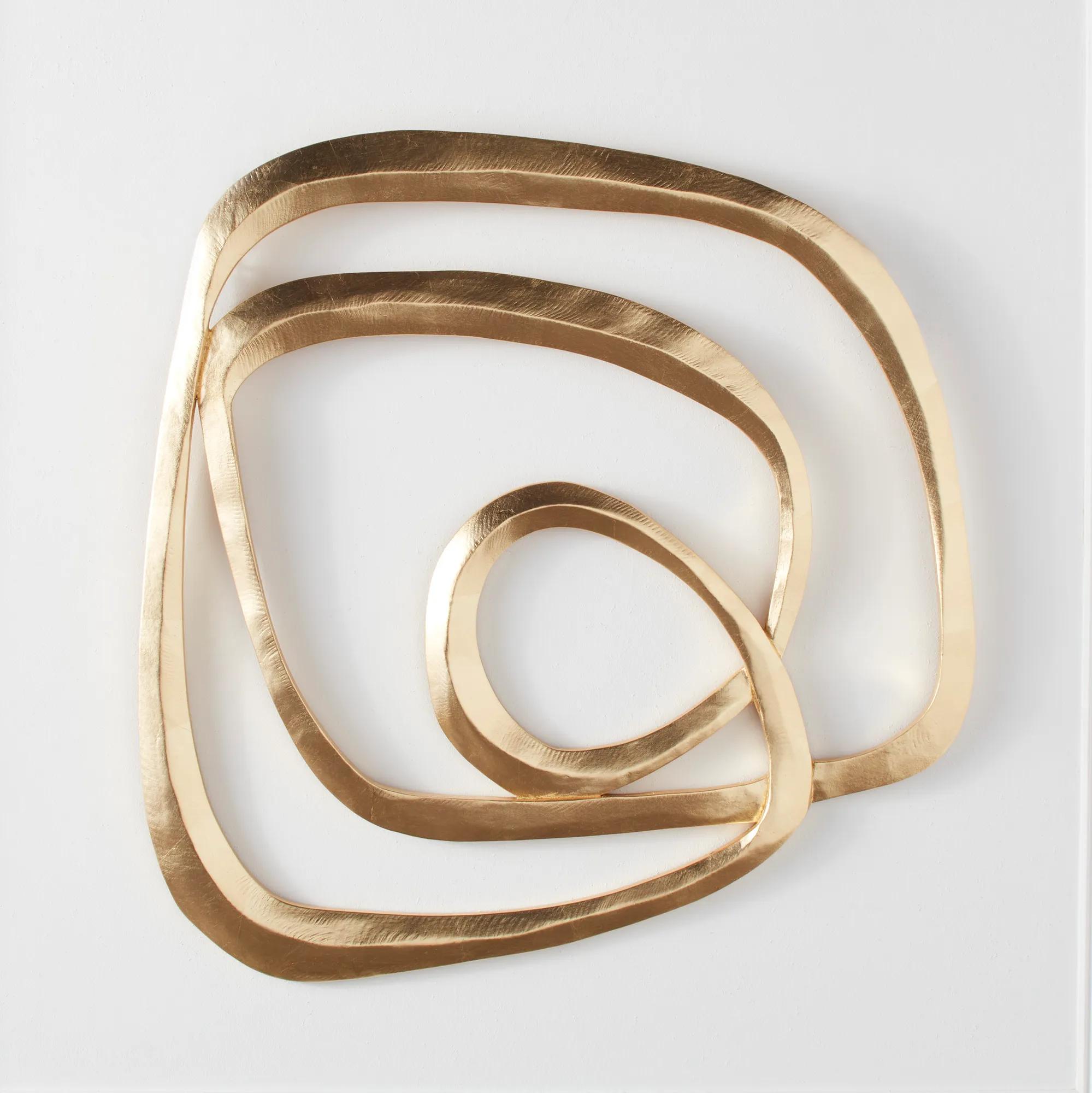 Infinity Gold Leaf Wood Wall Decor I 31.5" x 31.5"$299
A swirling wooden wall sculpture featuring a striking metallic gold finish for a bold decorative statement.
Add To Cart -
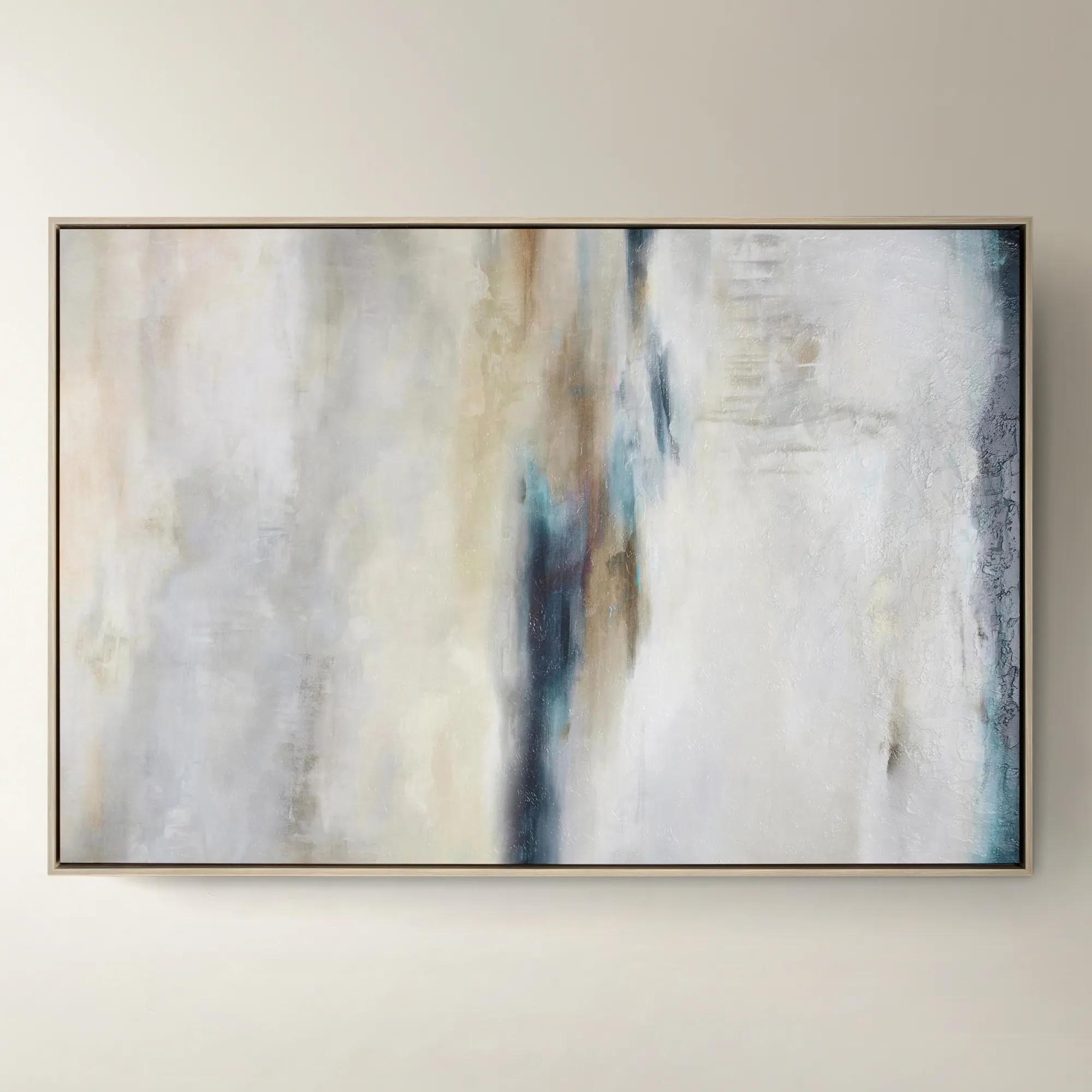
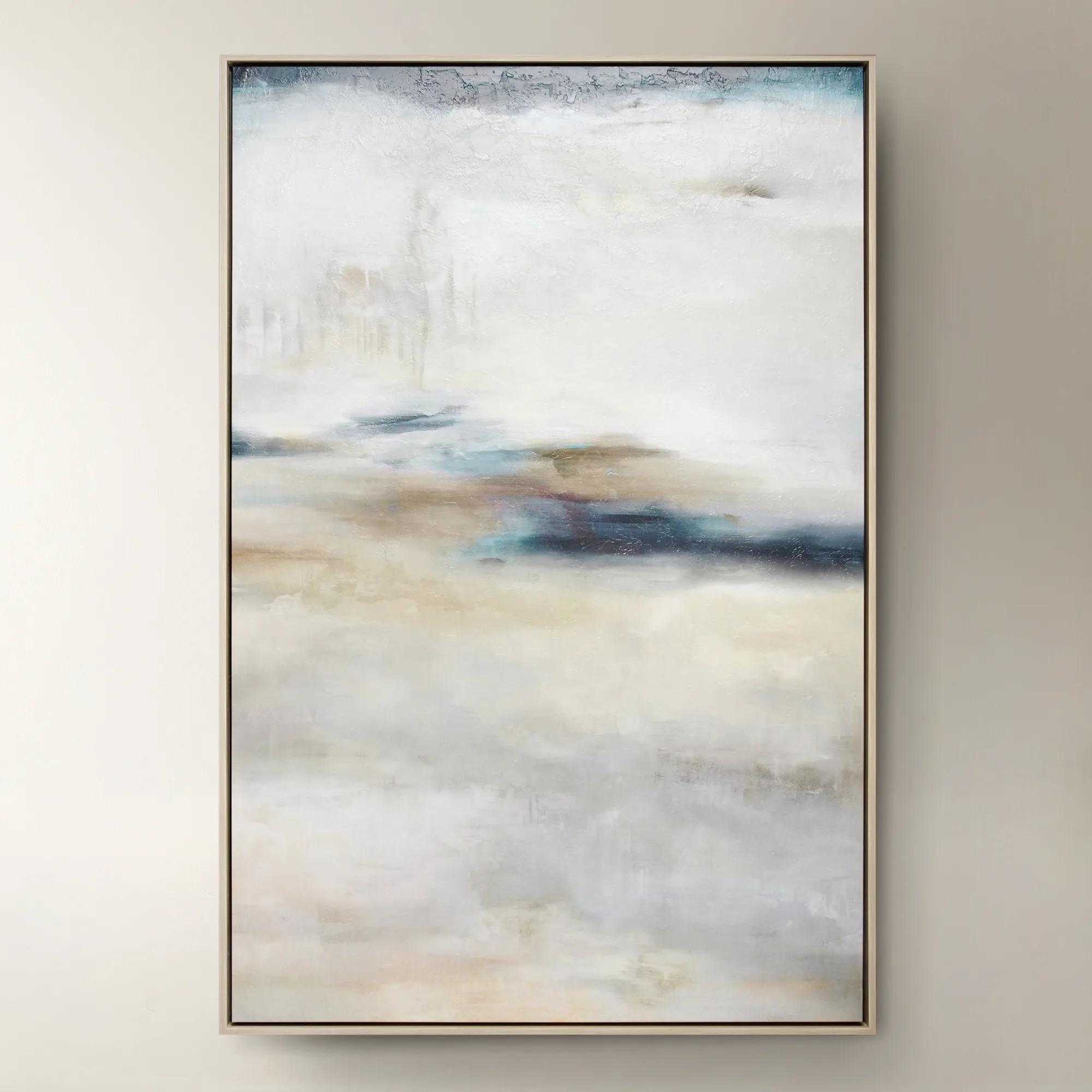 Forward Looking$1299
A softly layered abstract canvas print with a gel finish, set in a natural-hued floater frame.
Add To Cart -
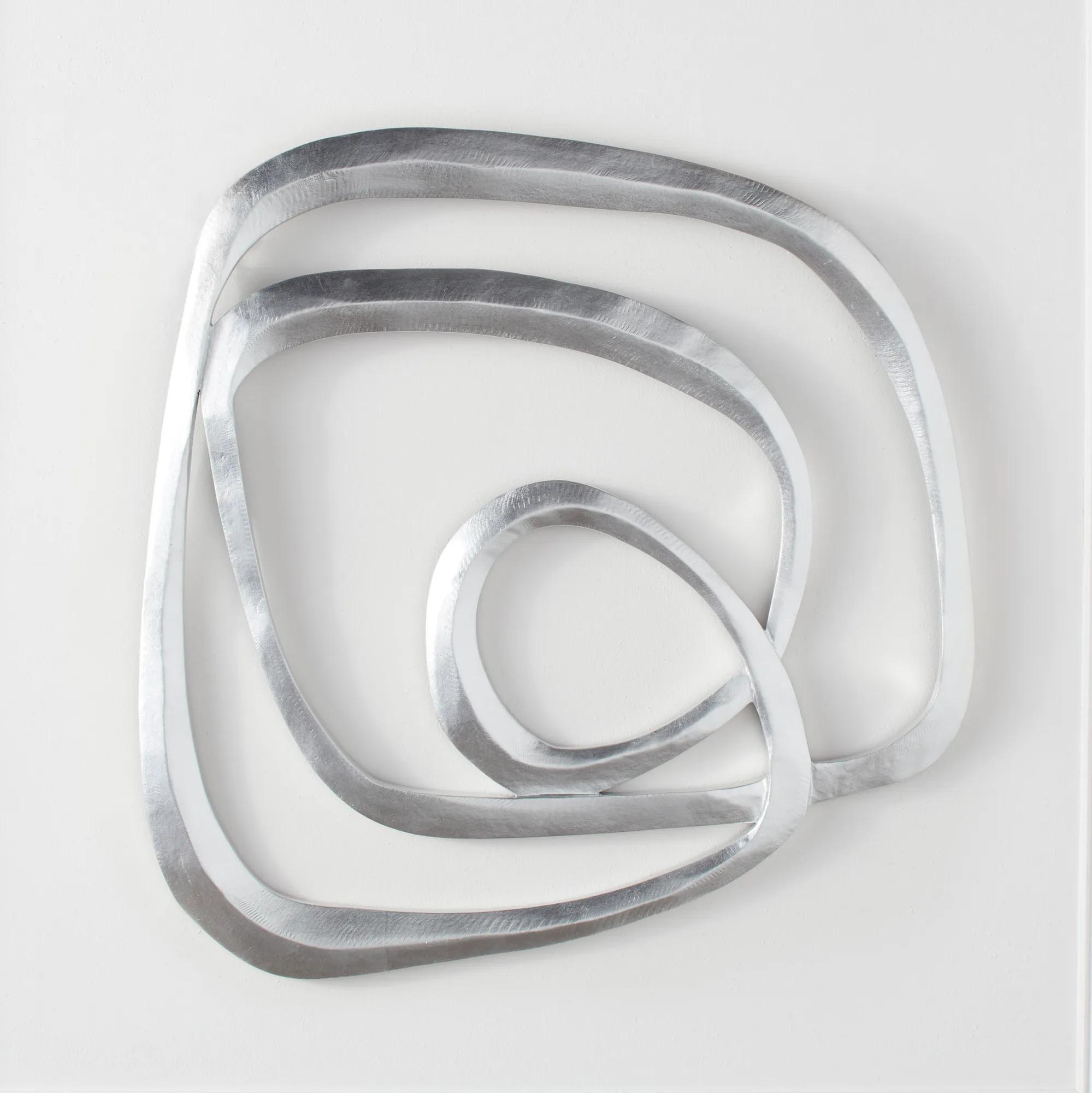 Infinity Silver Leaf Wood Wall Decor I 31.5" x 31.5"$299
A swirling wooden wall sculpture featuring a striking metallic silver finish for modern visual impact.
Add To Cart -
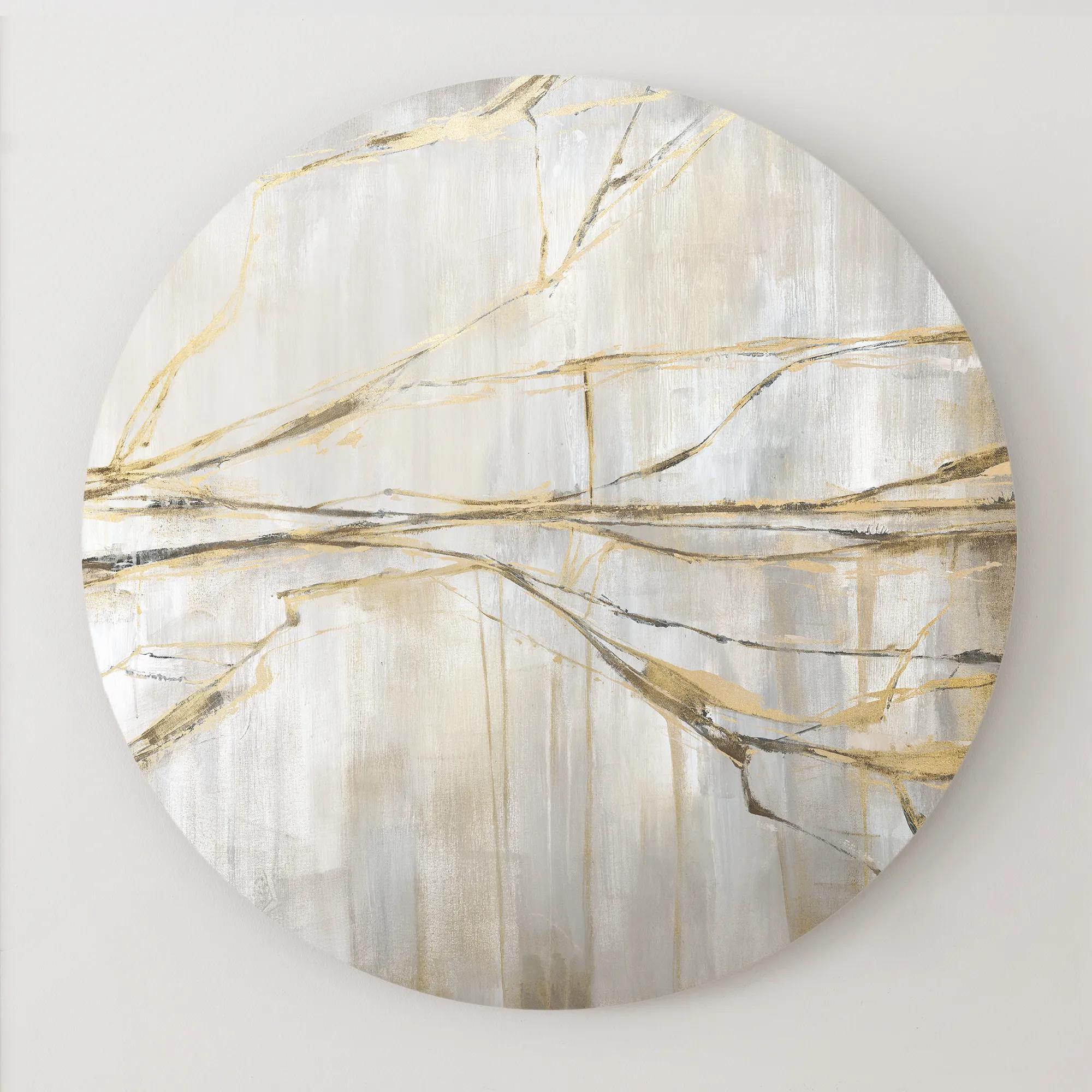
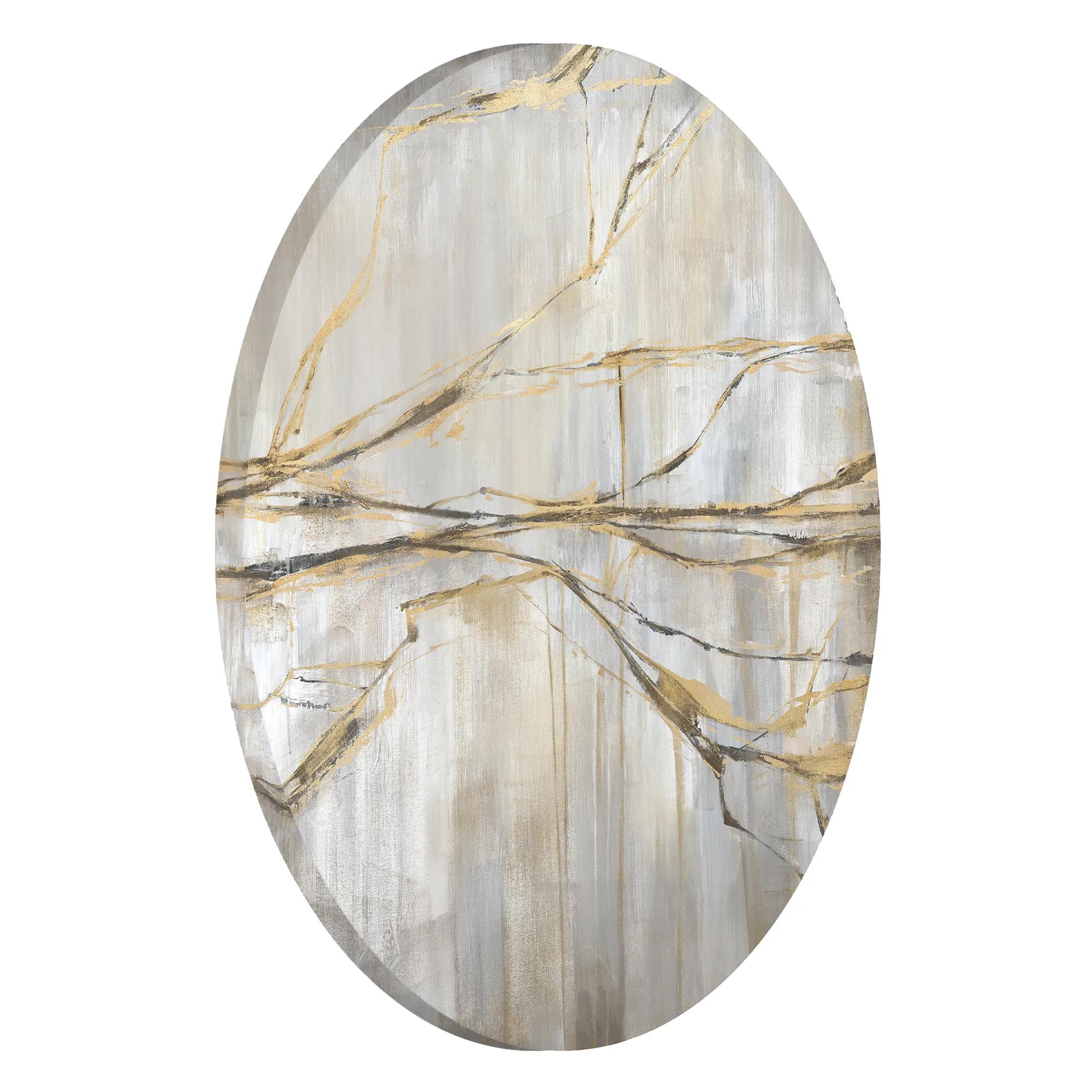 Lightening Crashes Round Wall Art 30"$899
A hand-textured circular linen canvas featuring a gallery-wrapped design for versatile wall display.
Add To Cart -
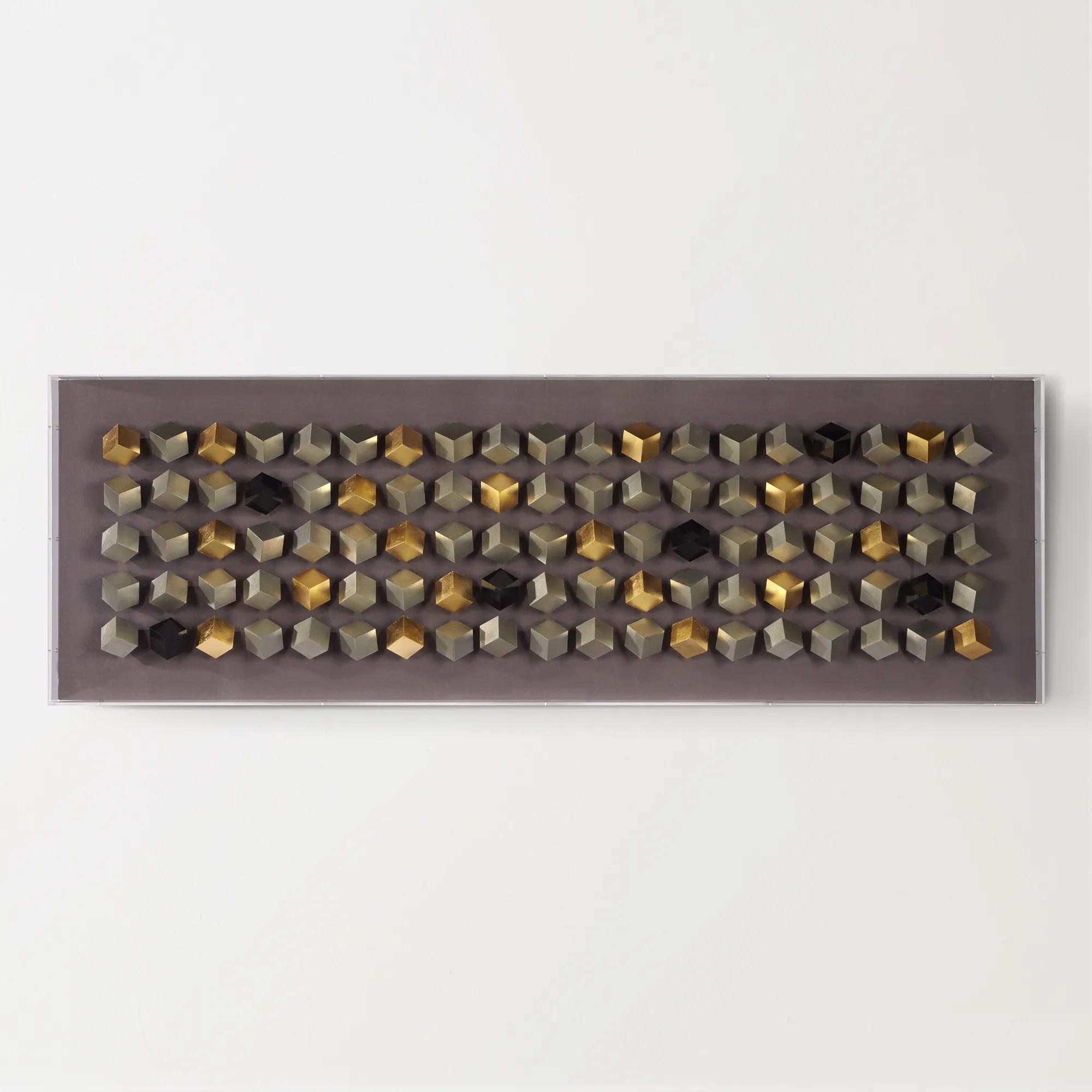
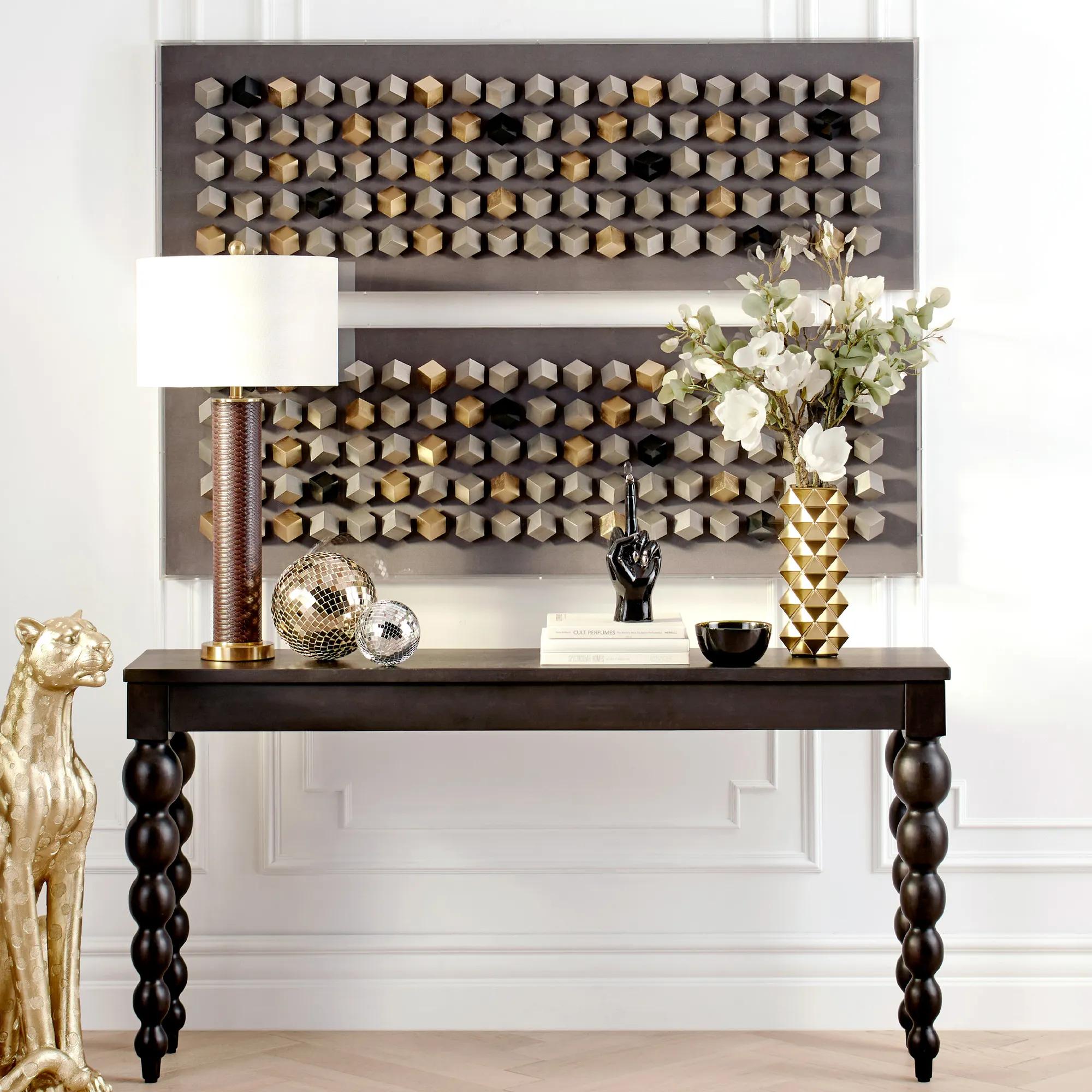 Cubic Array Dimensional Wall Decor in Acrylic 59" x 19.75"$599
A striking shadowbox wall art featuring a cubic, dimensional design with a tri-tone metallic finish.
Add To Cart -
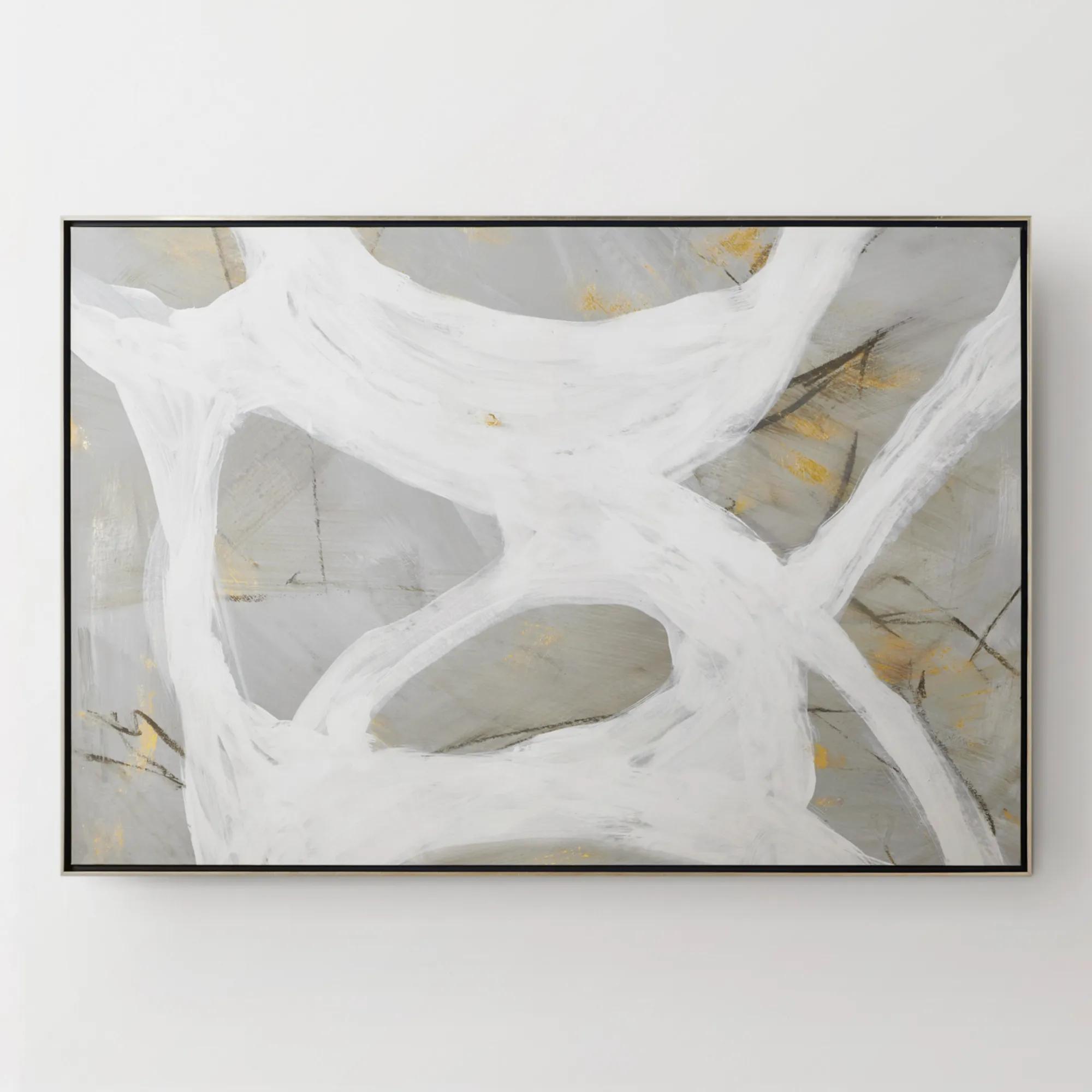
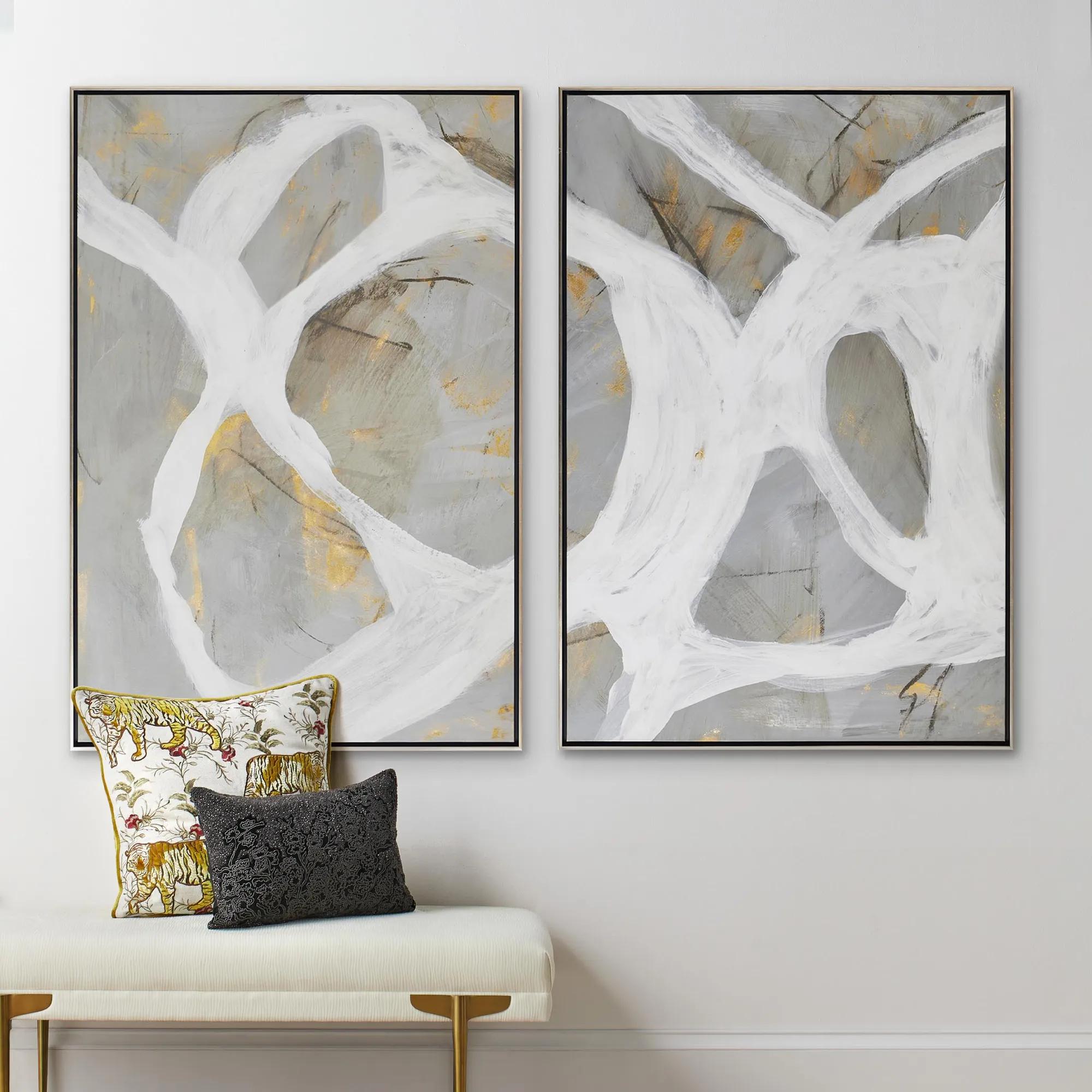 Les Series Framed Painted Wall Art II 61" x 41"$1099
An abstract canvas artwork featuring bold brushstrokes, hand-applied gold accents, and a silver floater frame.
Add To Cart -
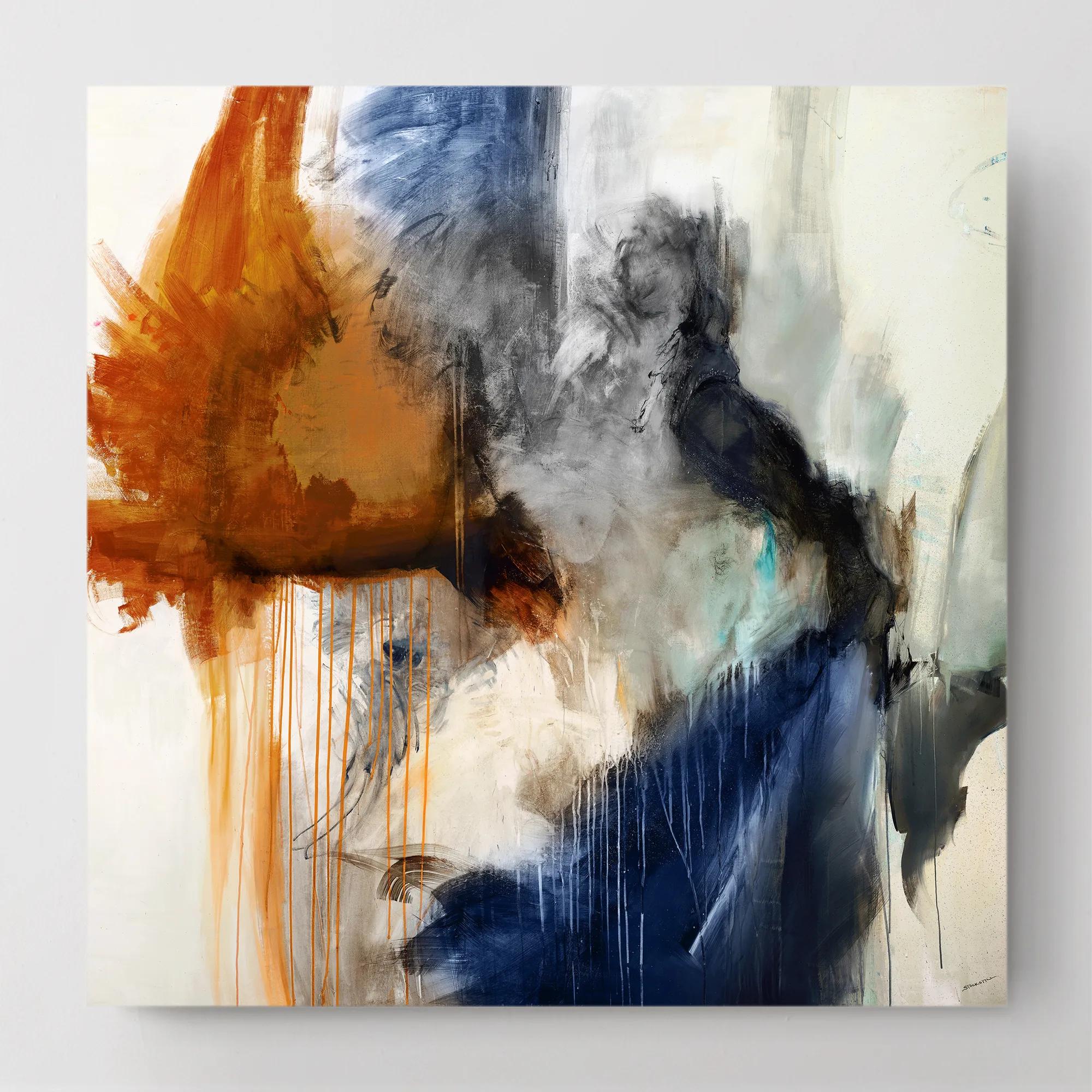
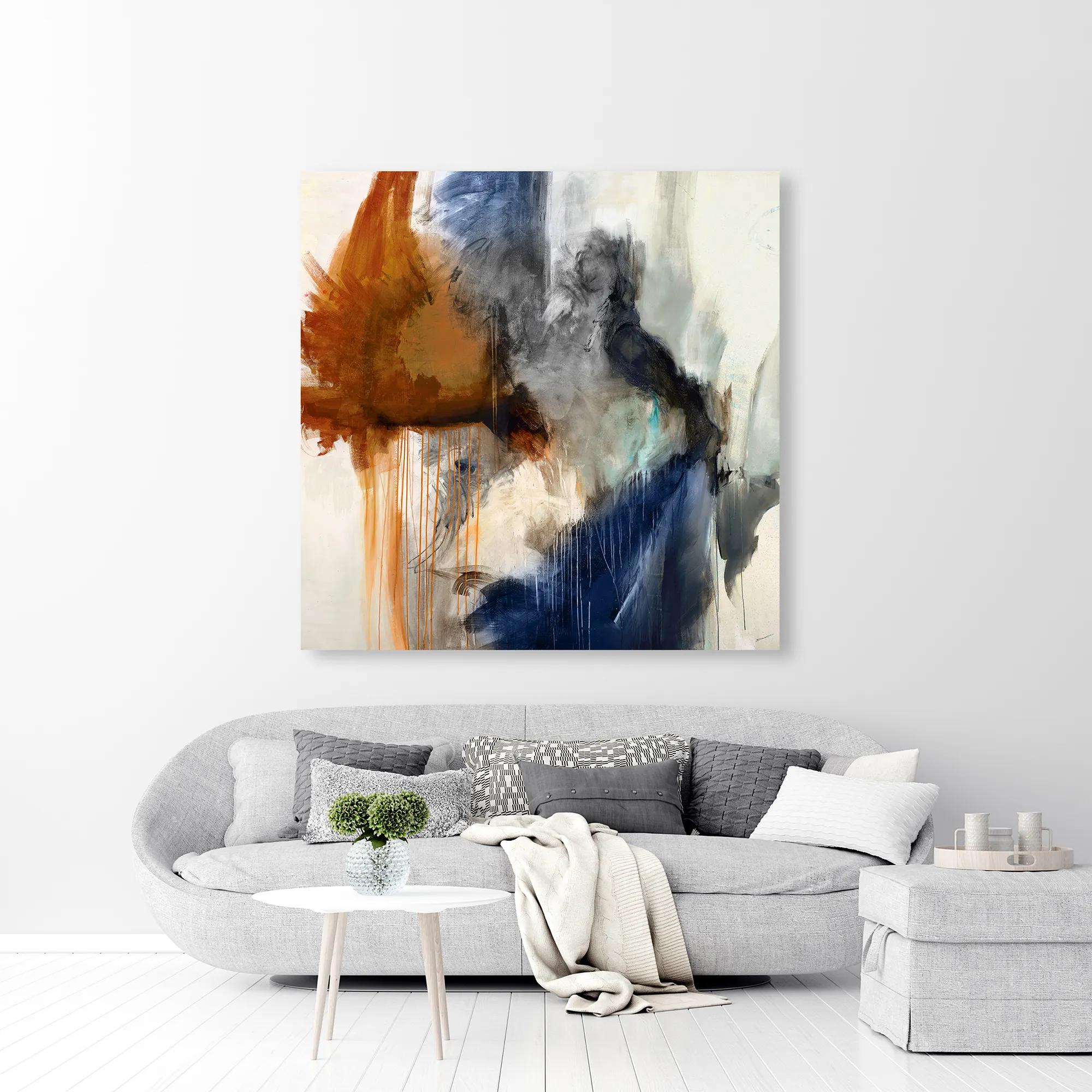 Swoon 6 Wall Art 54" x 54"$899
A gallery-wrapped canvas featuring a hand-applied image brush gel finish for a textured, artistic look.
Add To Cart -
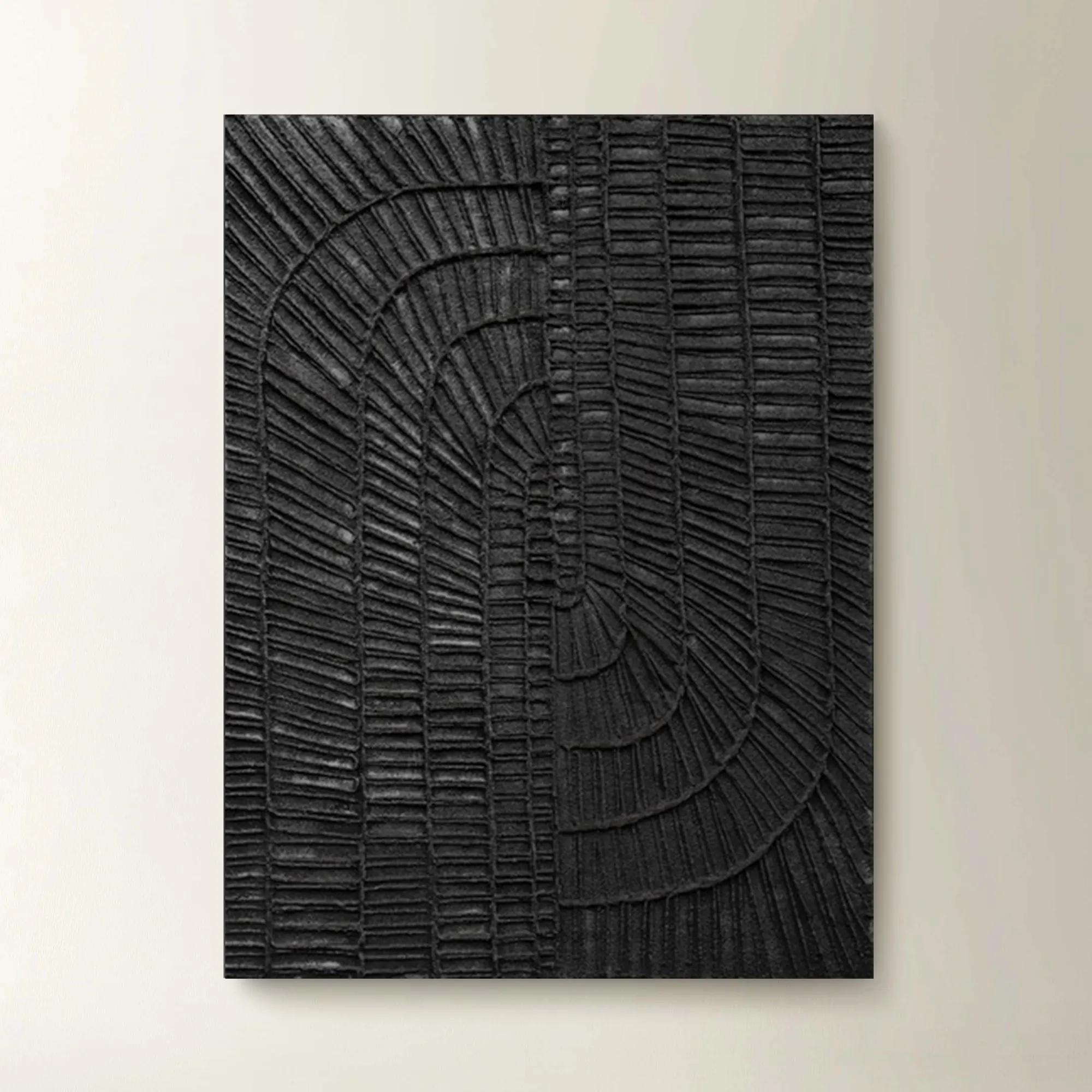 Textured Haze Black II Painted Wall Art 26" x 35"$499
A striking hand-painted black artwork featuring textured details for versatile vertical or horizontal display.
Add To Cart -
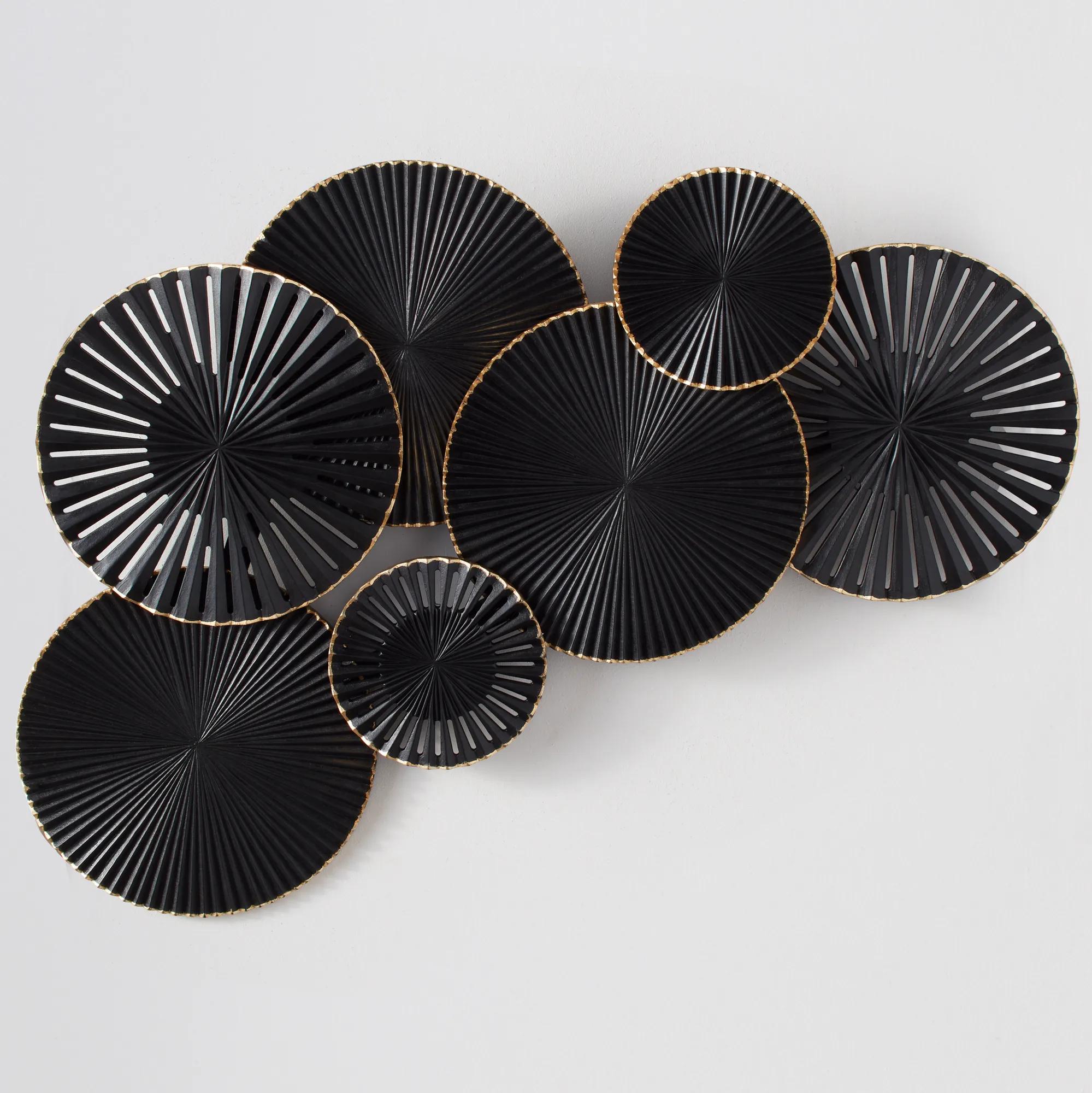
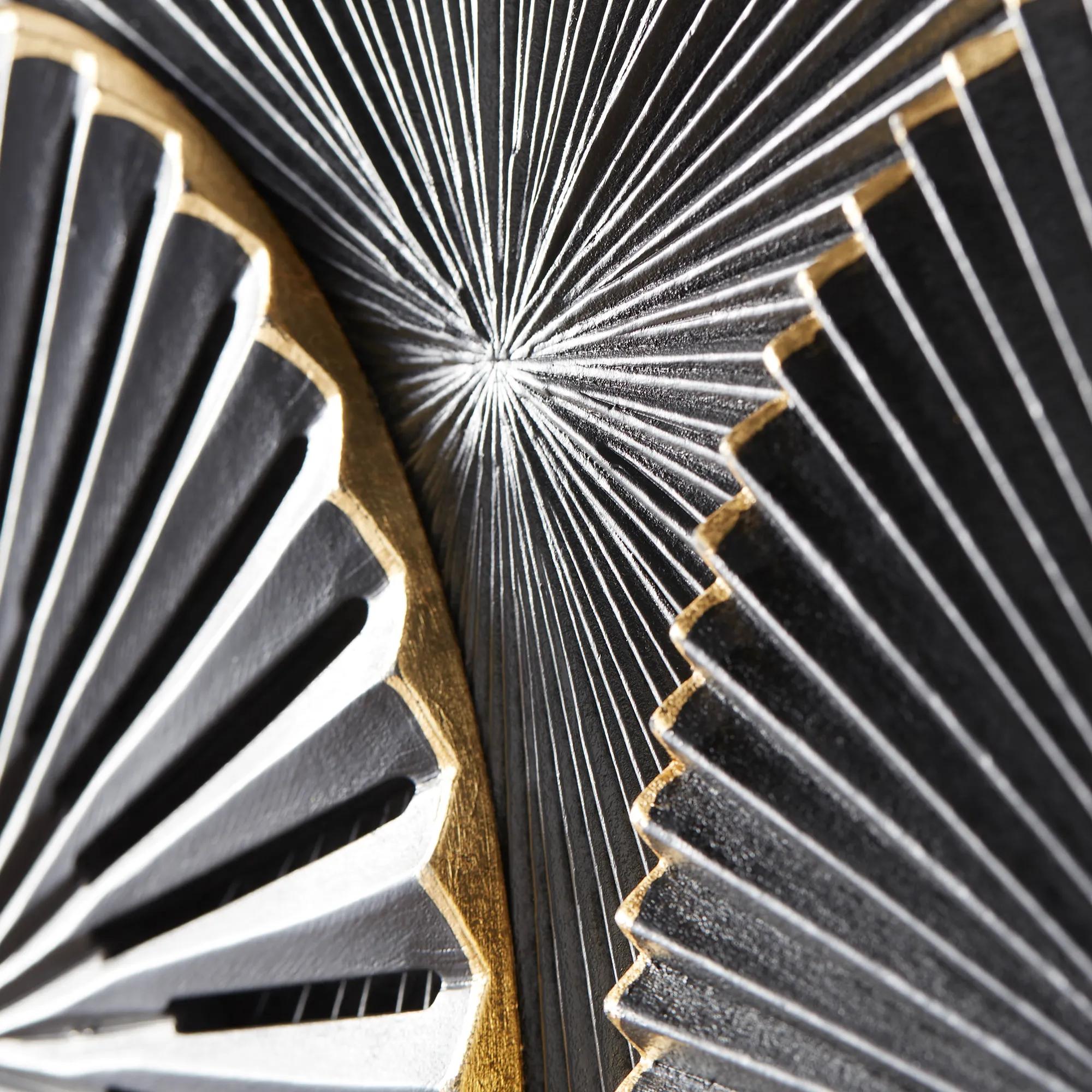 Circa Black Carved Wood Dimensional Wall Panel 47.25" x 27.5"$499
A carved wood wall art panel in black and gold that adds abstract intrigue to any room.
Add To Cart -
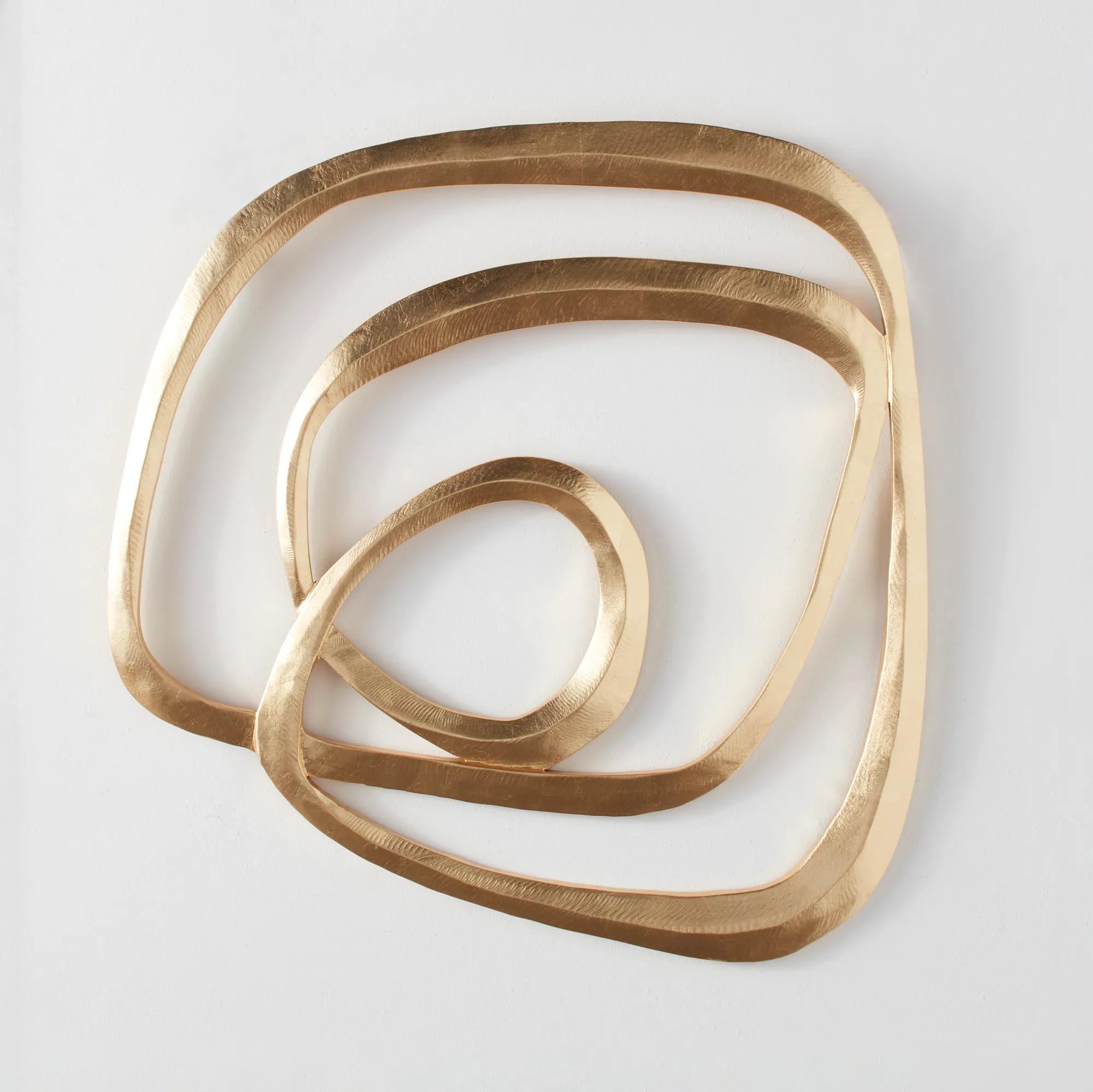 Infinity Gold Leaf Wood Wall Decor II 31.5" x 31.5"$299
A swirling wooden wall sculpture featuring a striking metallic gold finish for a modern statement.
Add To Cart -
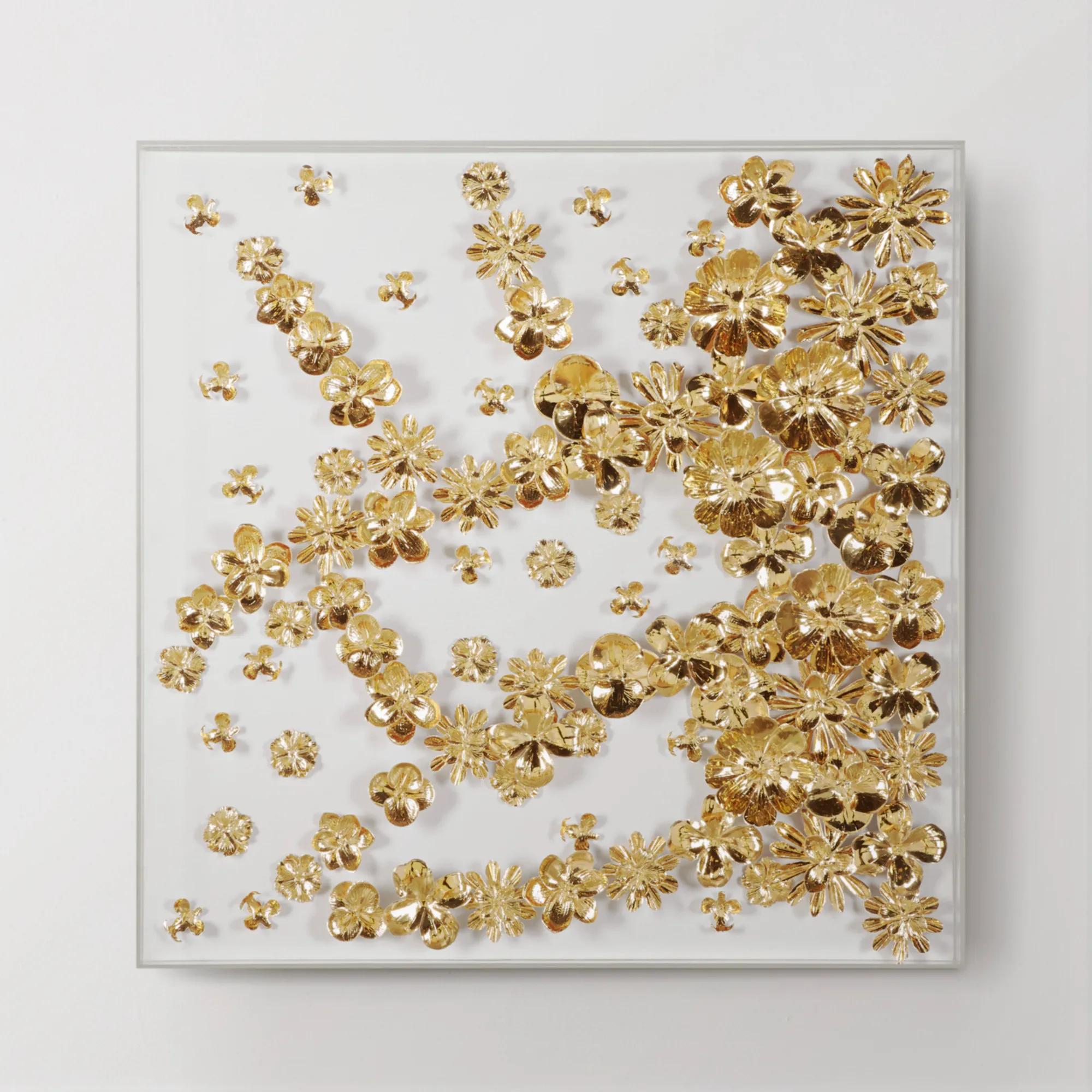
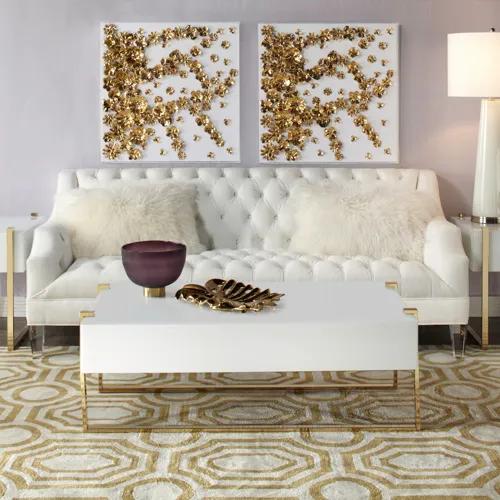 Gold Flora Handmade Foil Wall Decor in Acrylic 31" x 31"$499
A glam botanical wall art featuring handmade gold foil paper flowers on a white linen background.
Add To Cart -
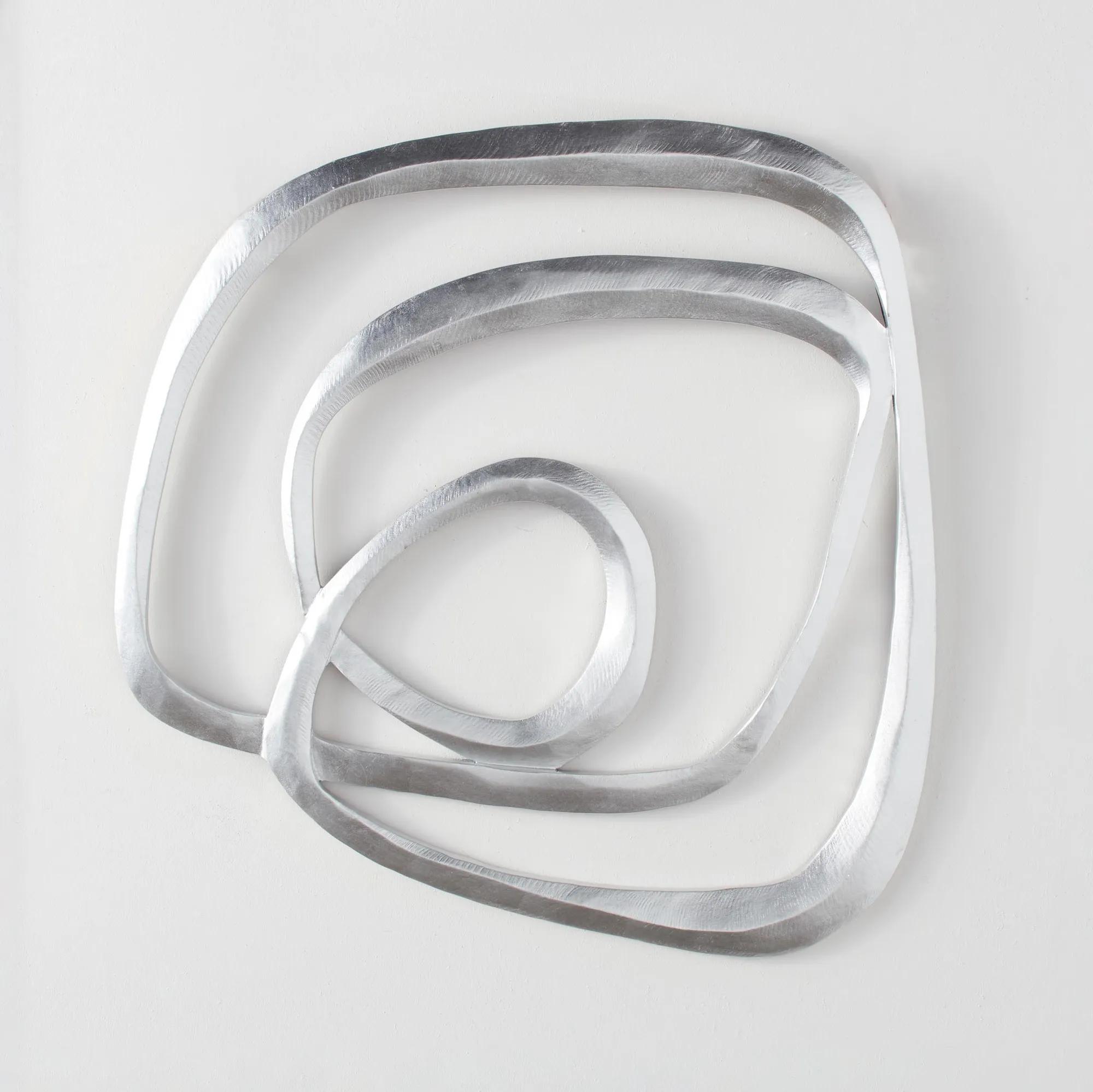 Infinity Silver Leaf Wood Wall Decor II 31.5" x 31.5"$299
A swirling wooden wall sculpture featuring a striking metallic silver finish for modern visual impact.
Add To Cart -
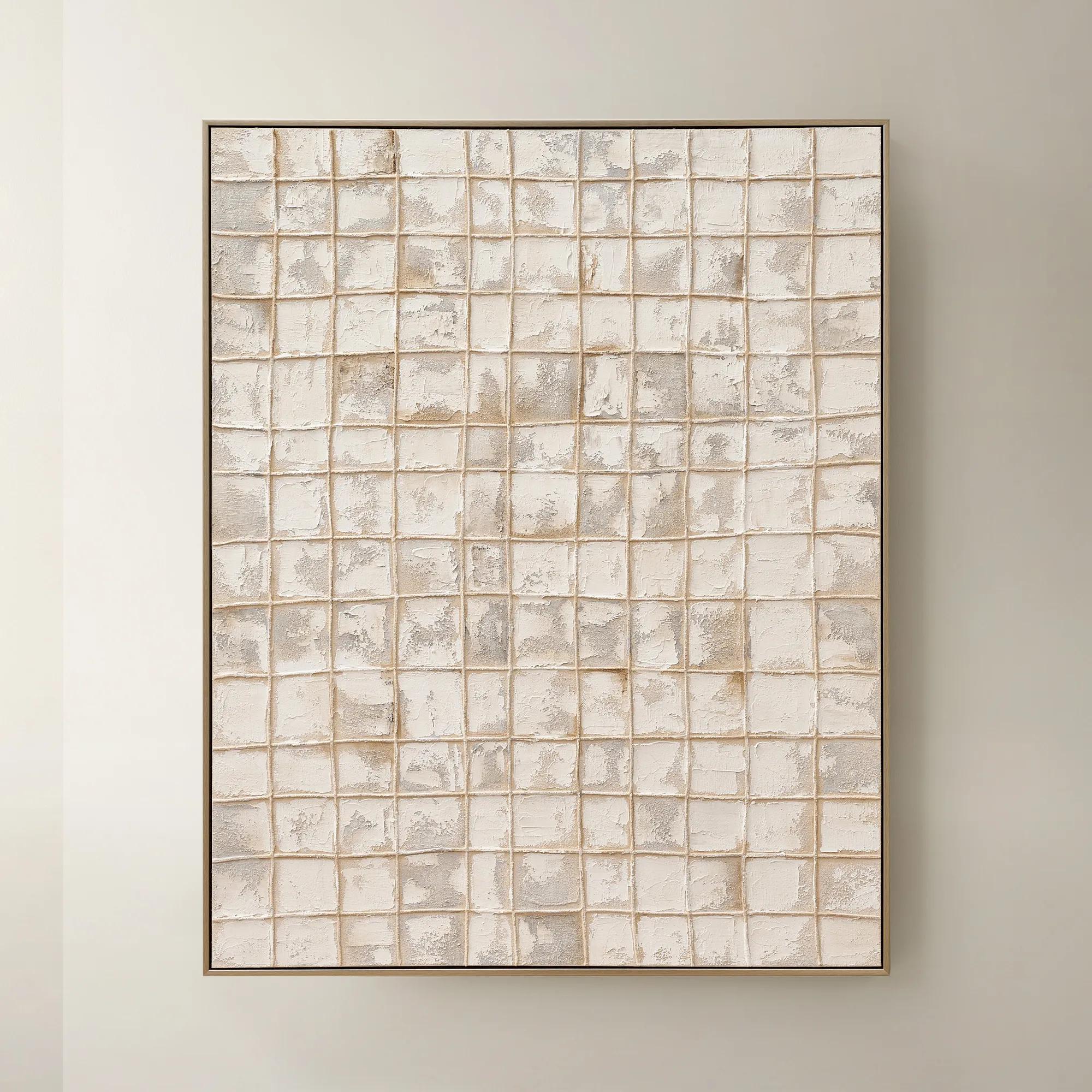
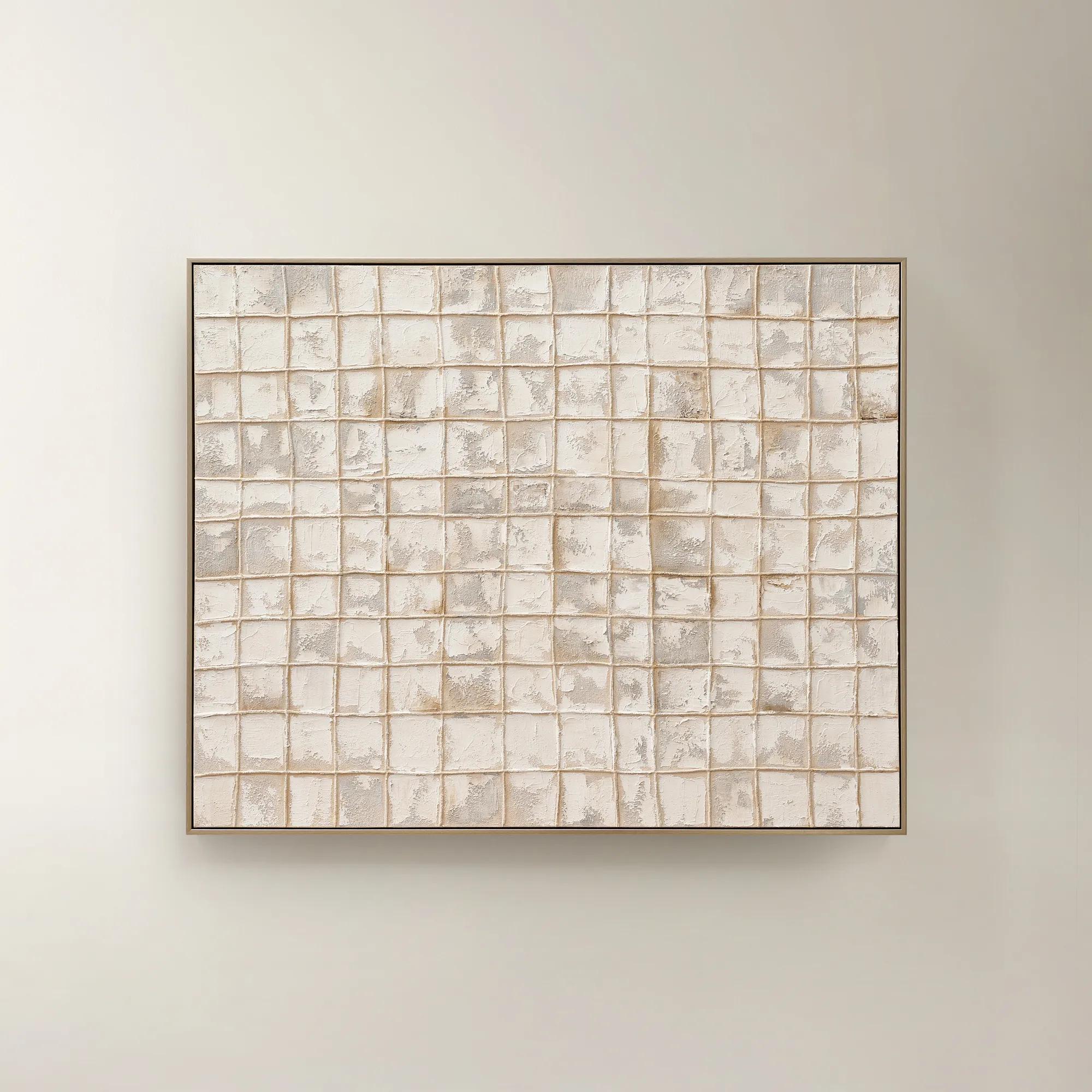 Painted Echos Framed Gold Leaf Wall Art 60" x 48"$699
A hand-painted abstract canvas with gold leaf accents and a champagne frame for modern, versatile display.
Add To Cart -
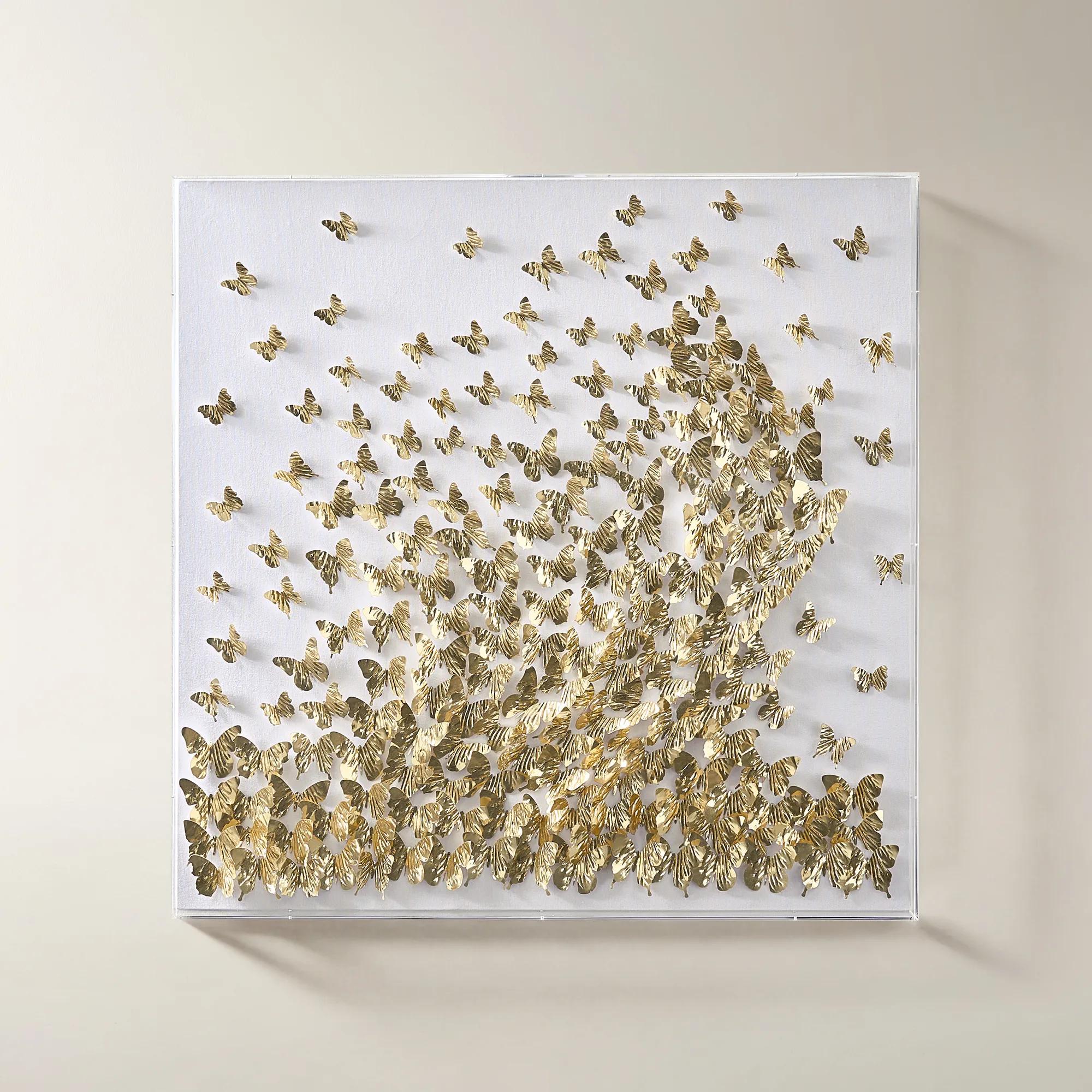
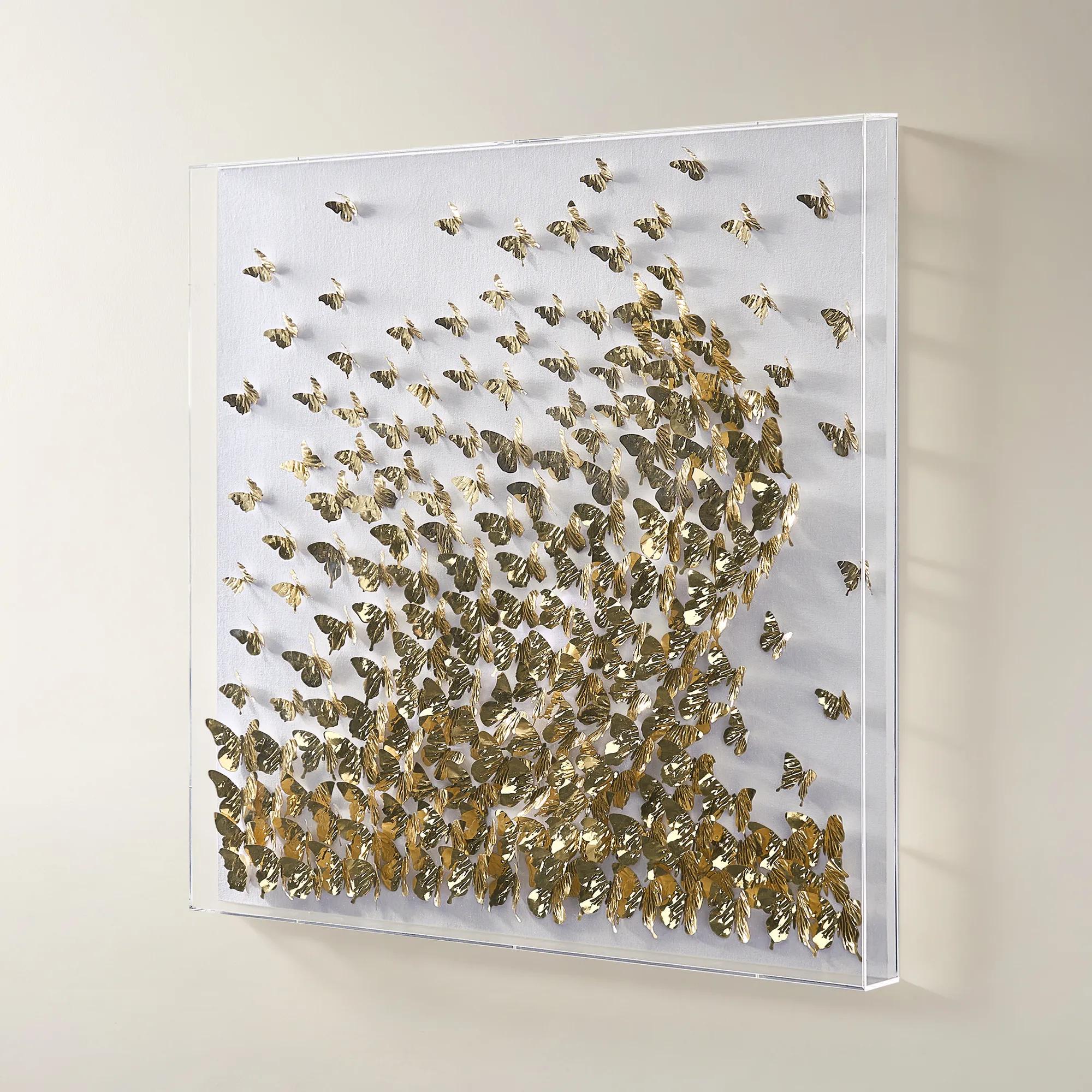 Butterfly Mist Handmade Gold Foil Wall Decor in Acrylic 39.25" x 39.25"$799
A sculptural wall art piece featuring handmade gold foil paper butterflies on linen, encased in a clear acrylic box.
Add To Cart -
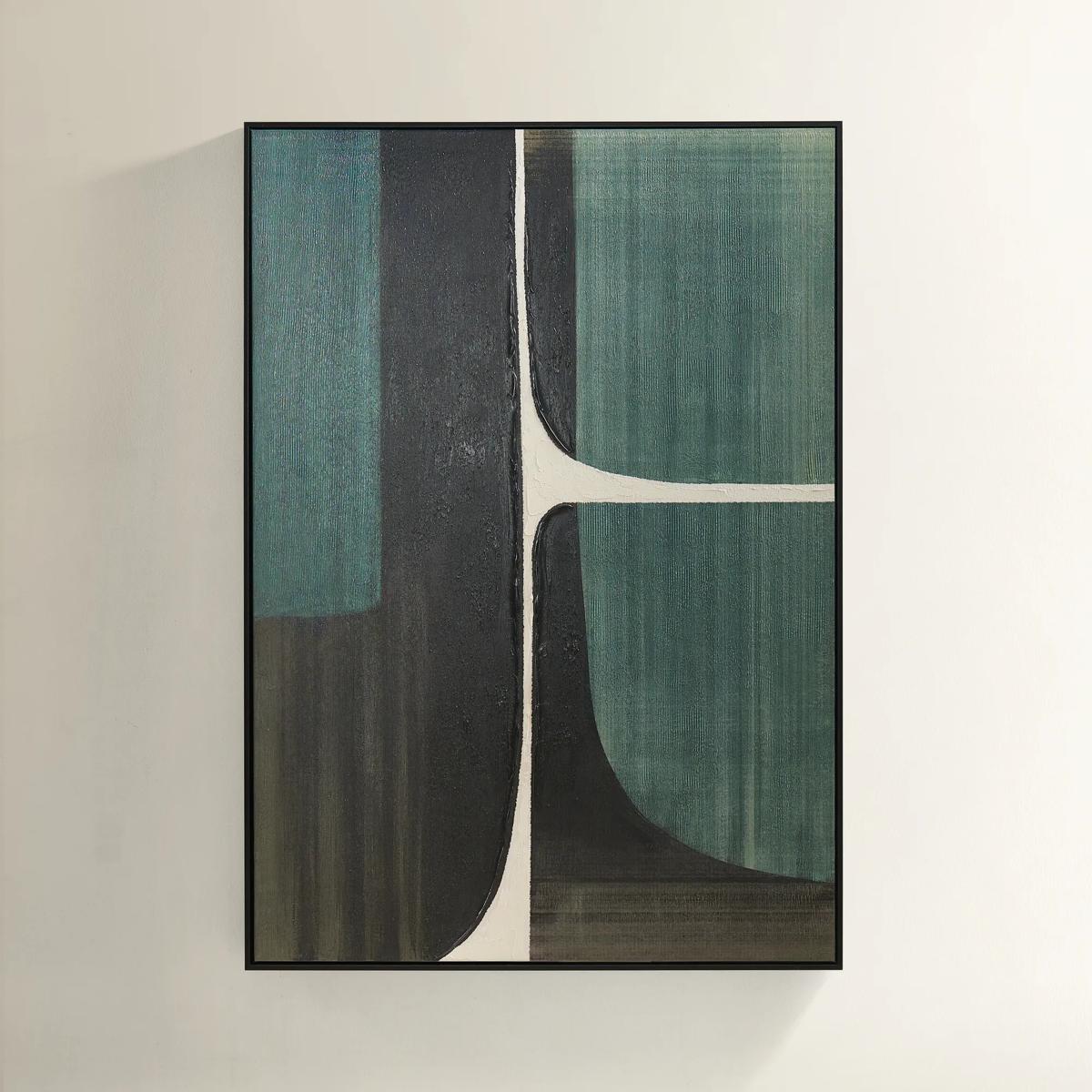 Plains Framed Painted Wall Art 39.25" x 55"$499
A hand-painted abstract canvas in forest green, ivory, and black with a sleek black floater frame.
Add To Cart -
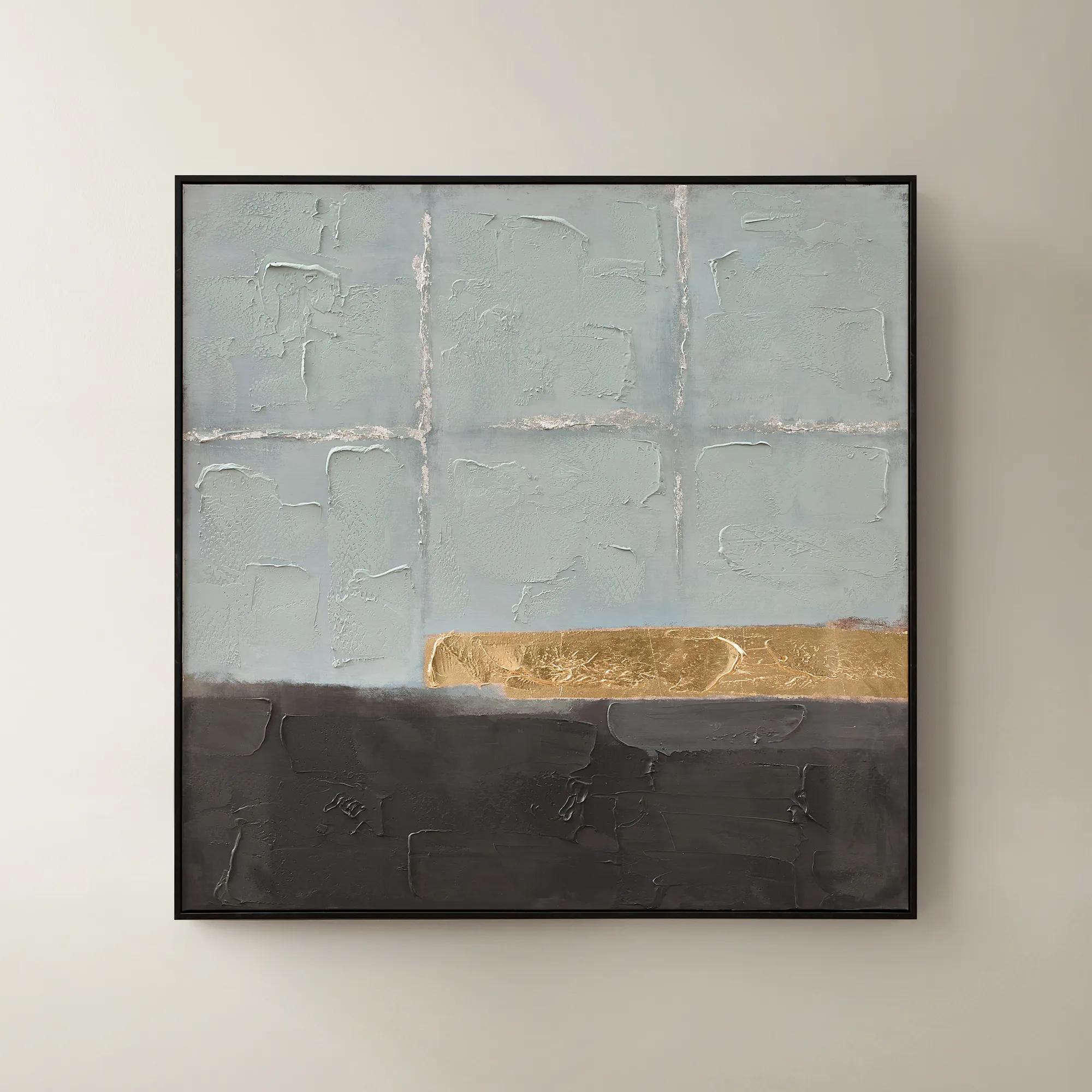
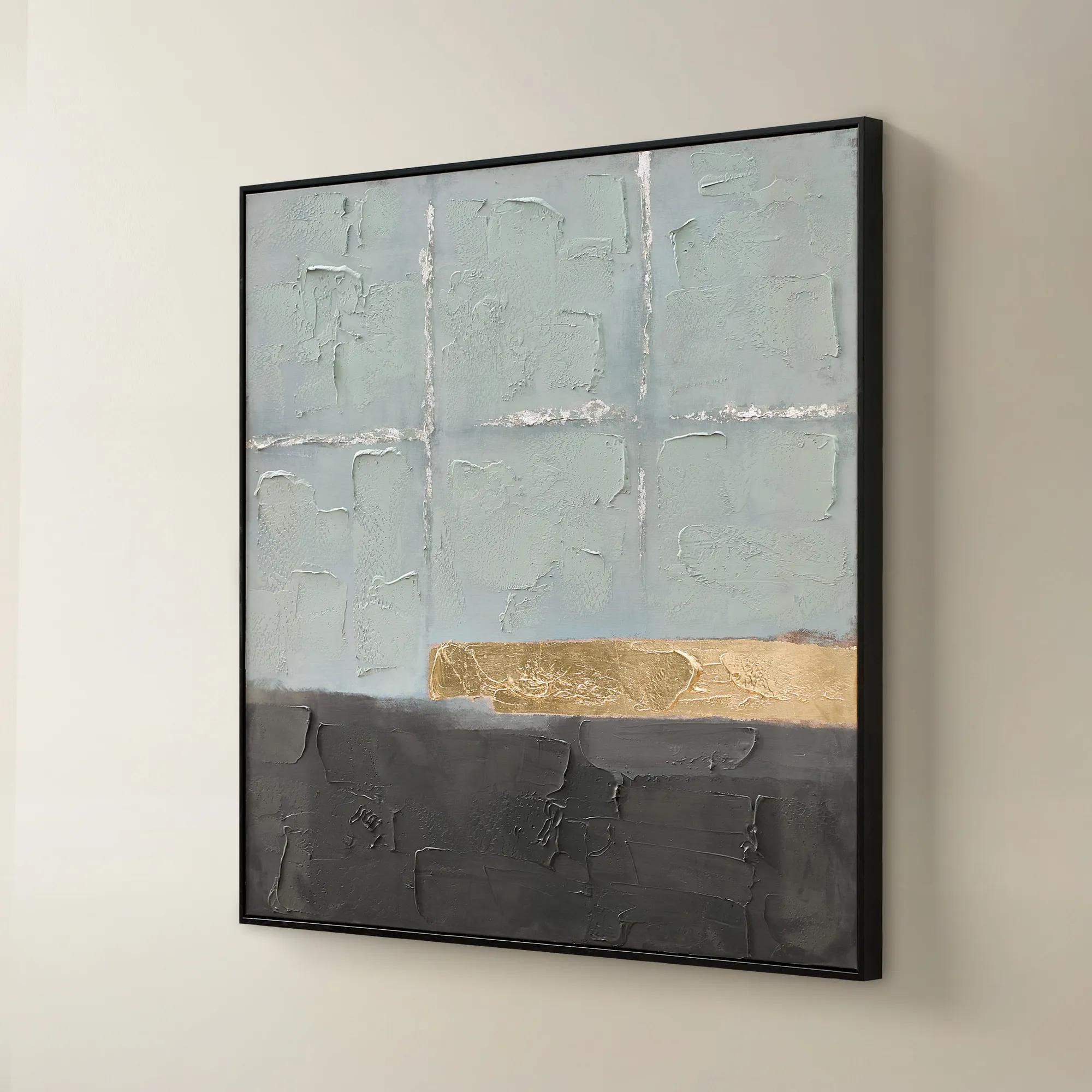 Jules Framed Gold Leaf Painted Wall Art 40" x 40"$299
A hand-painted canvas in mineral blue with gold leaf accents and a sleek black frame for modern appeal.
Add To Cart -
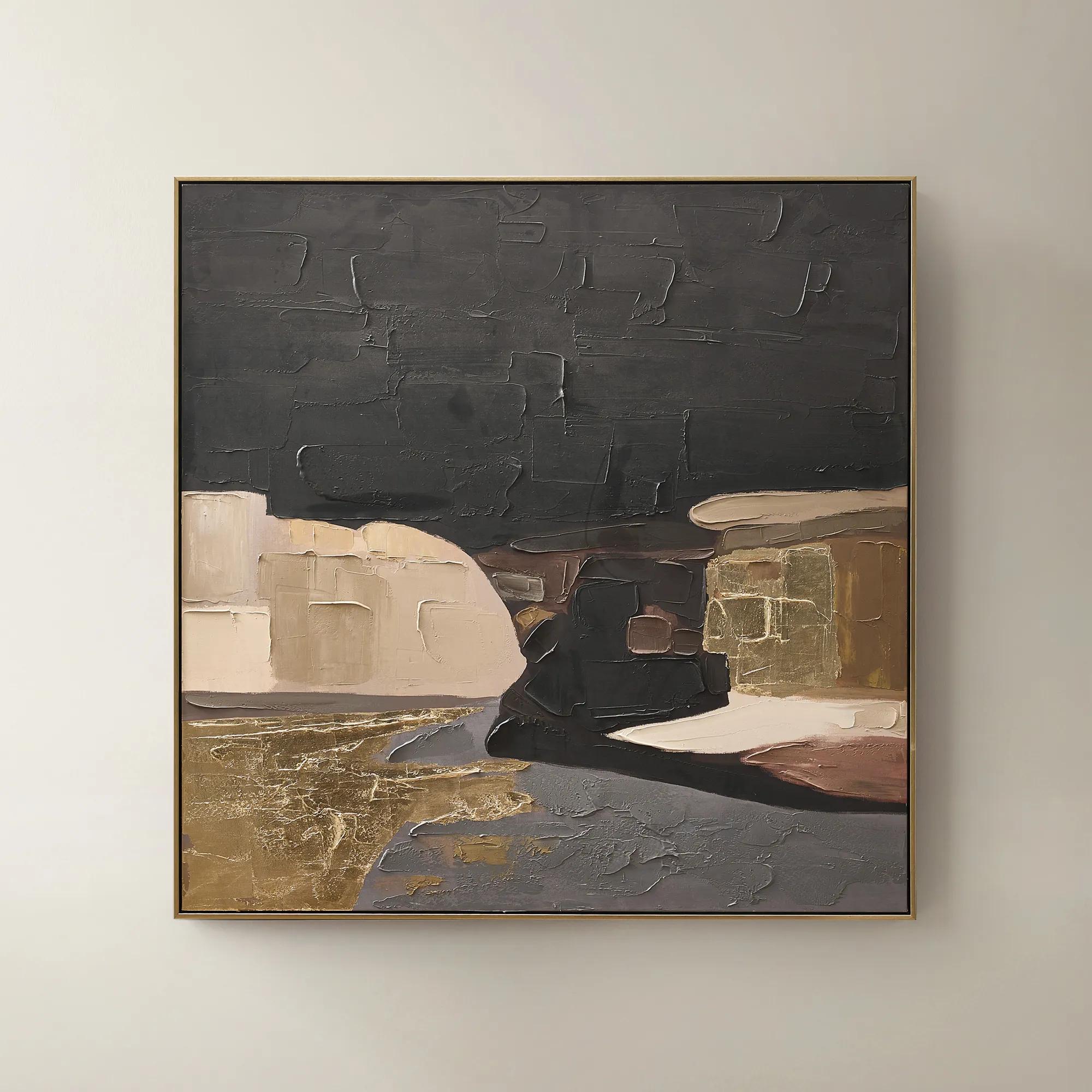 Obscured Light Framed Gold Leaf Painted Wall Art 48" x 48"$499
A hand-painted canvas with gold leaf accents and a black-gold frame in dramatic neutral tones.
Add To Cart -
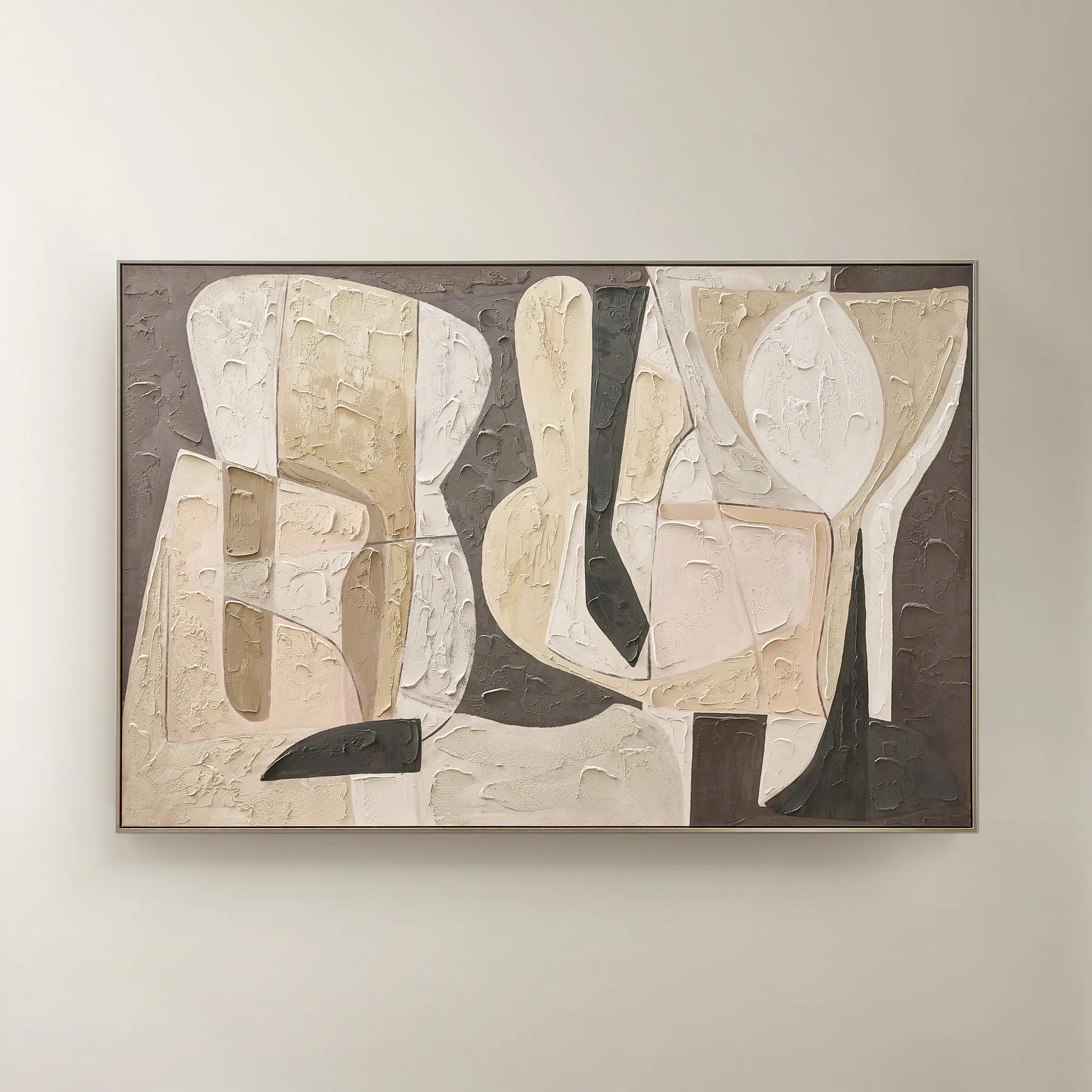 Wishful Thinking Framed Painted Wall Art 72" x 48"$599
A hand-painted abstract canvas featuring bold geometric forms and warm smoked plum, apricot, and tawny hues.
Add To Cart -
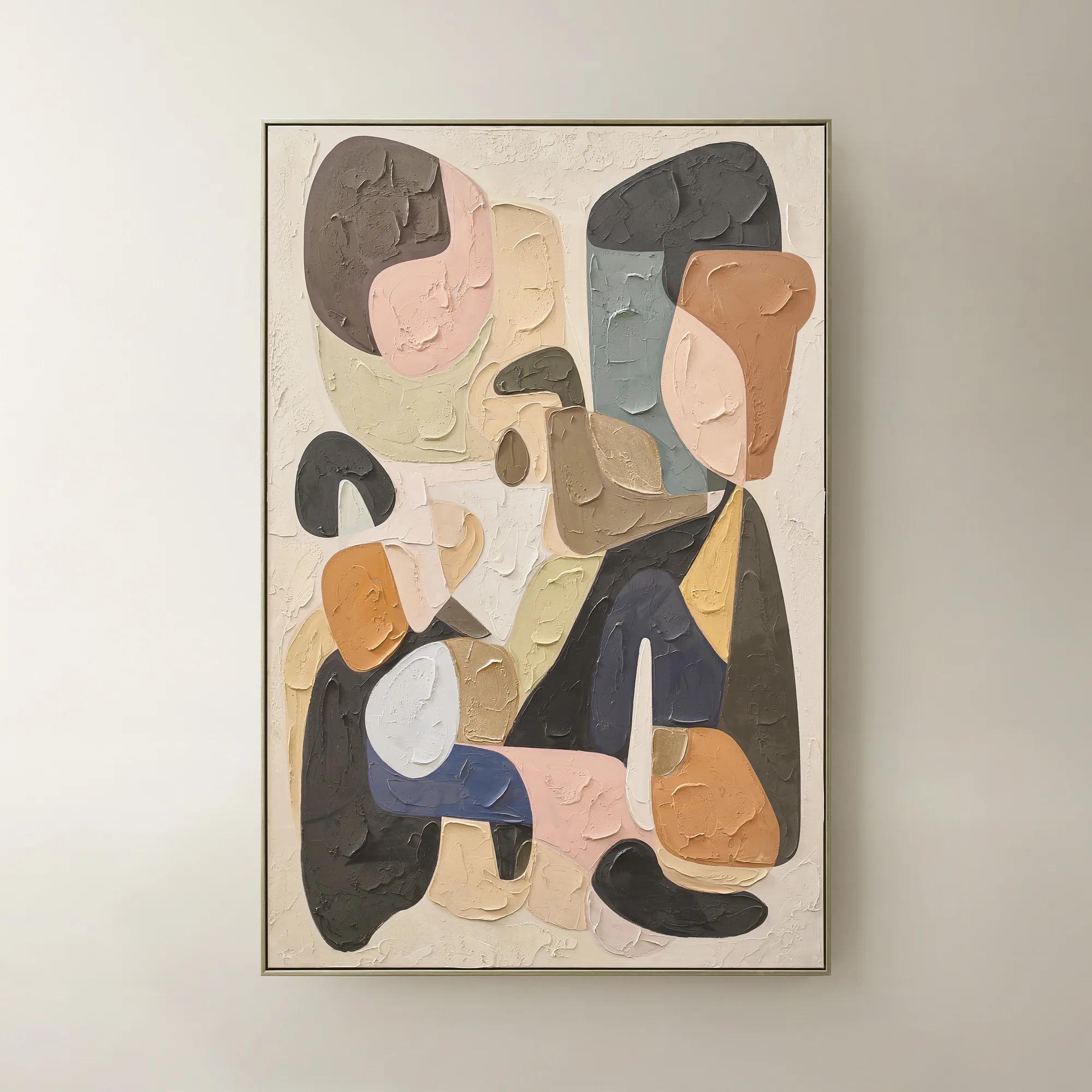 Chromatic Bloom Framed Painted Wall Art 40" x 60"$519
A hand-painted abstract canvas featuring a vibrant multi-color palette and shimmering champagne detailing.
Add To Cart -
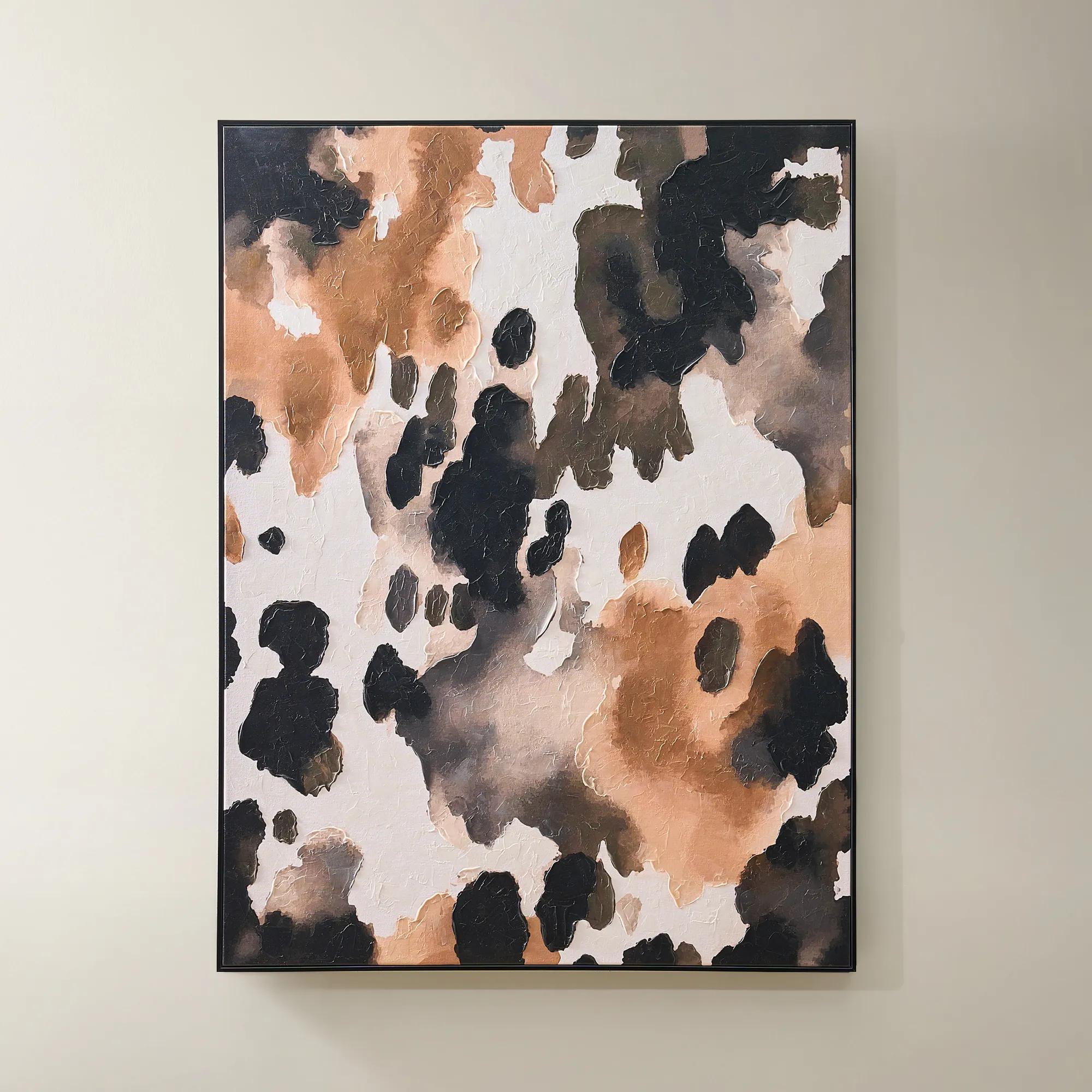
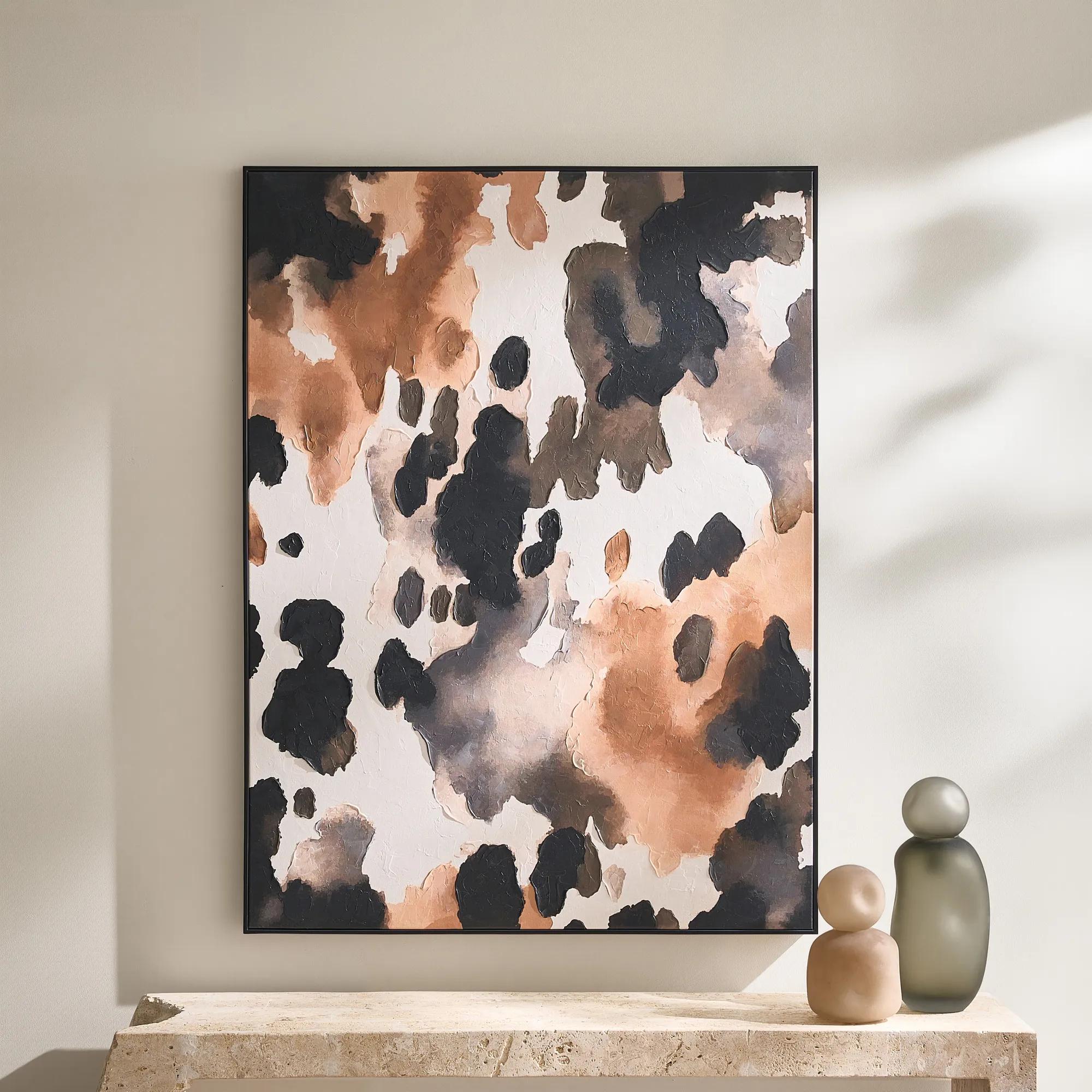 Wilder Framed Painted Wall Art 36" x 48"$499
An abstract hand-painted canvas featuring inky black, taupe, ivory, and coral hues in a sleek black frame.
Add To Cart -
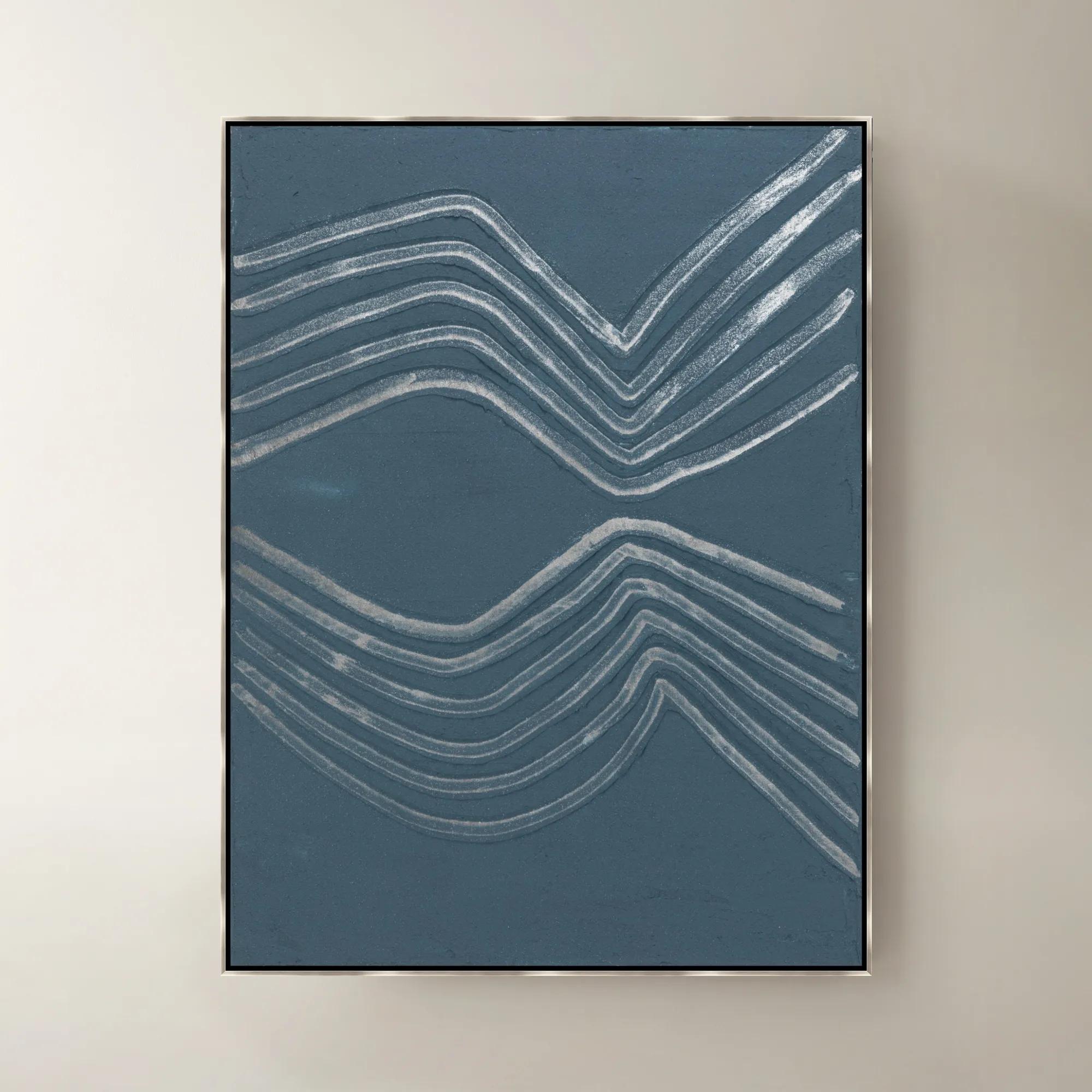
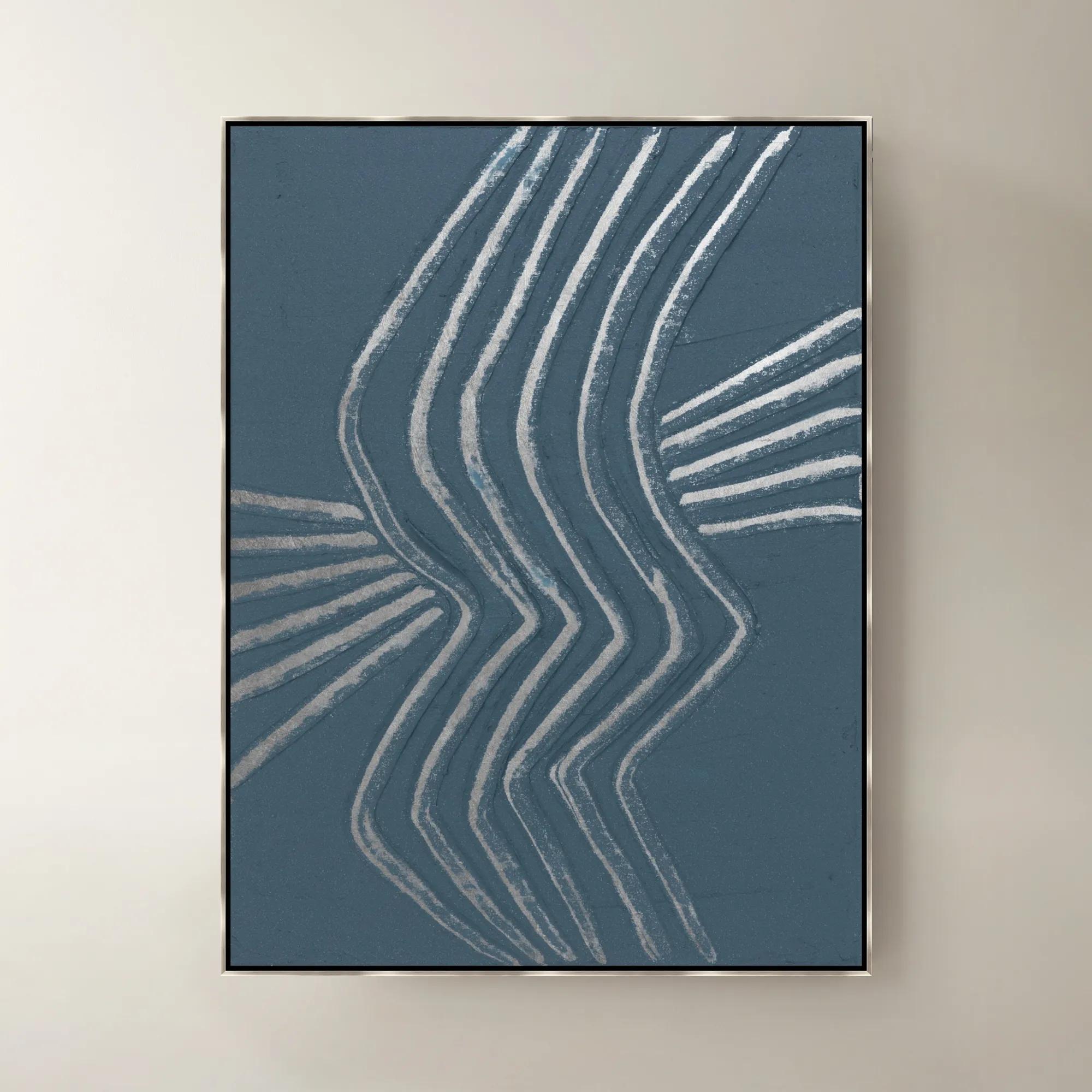
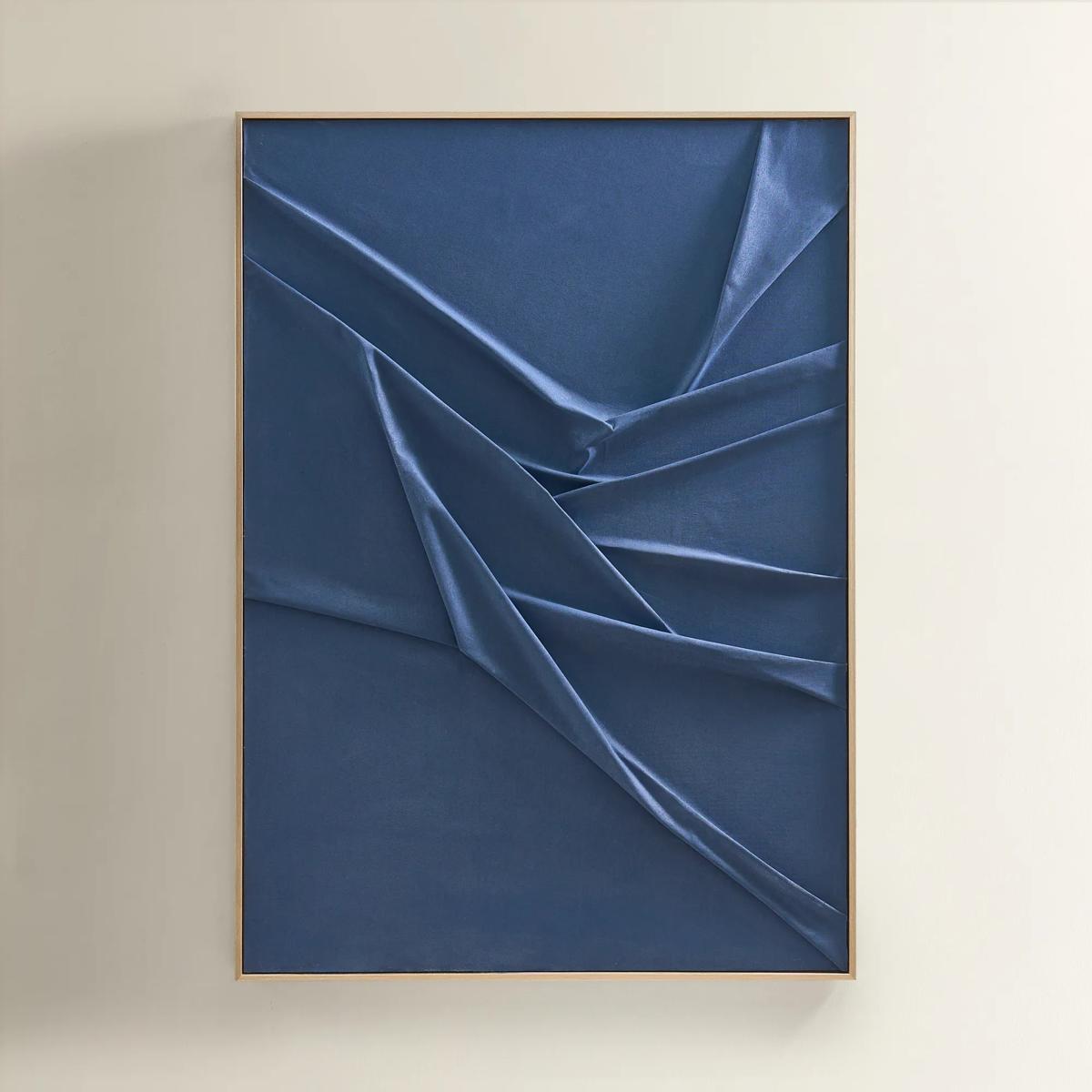 Deep Sea Painting$599
A hand-sculpted navy canvas with dimensional folds, framed in soft champagne for modern, serene elegance.
Add To Cart -
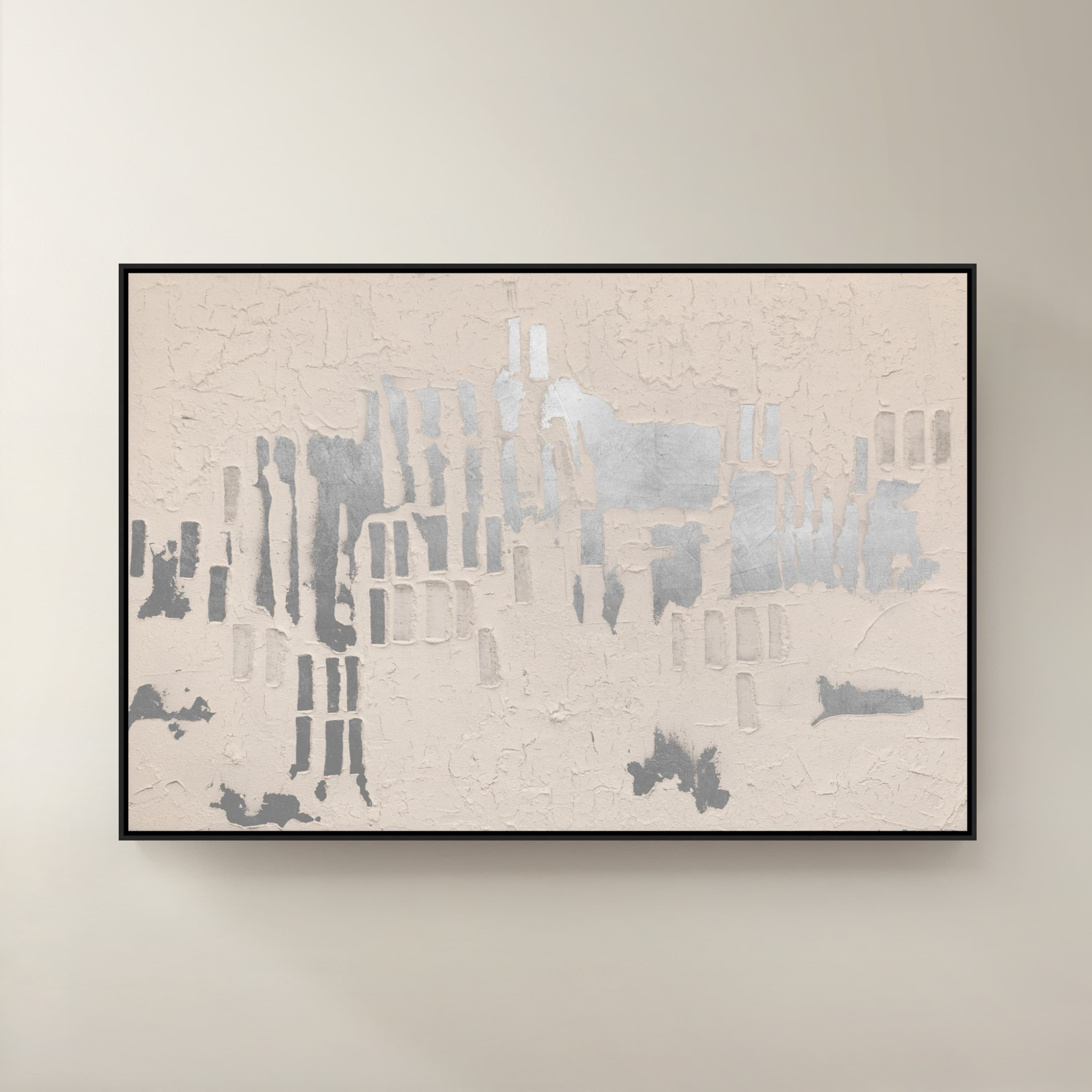
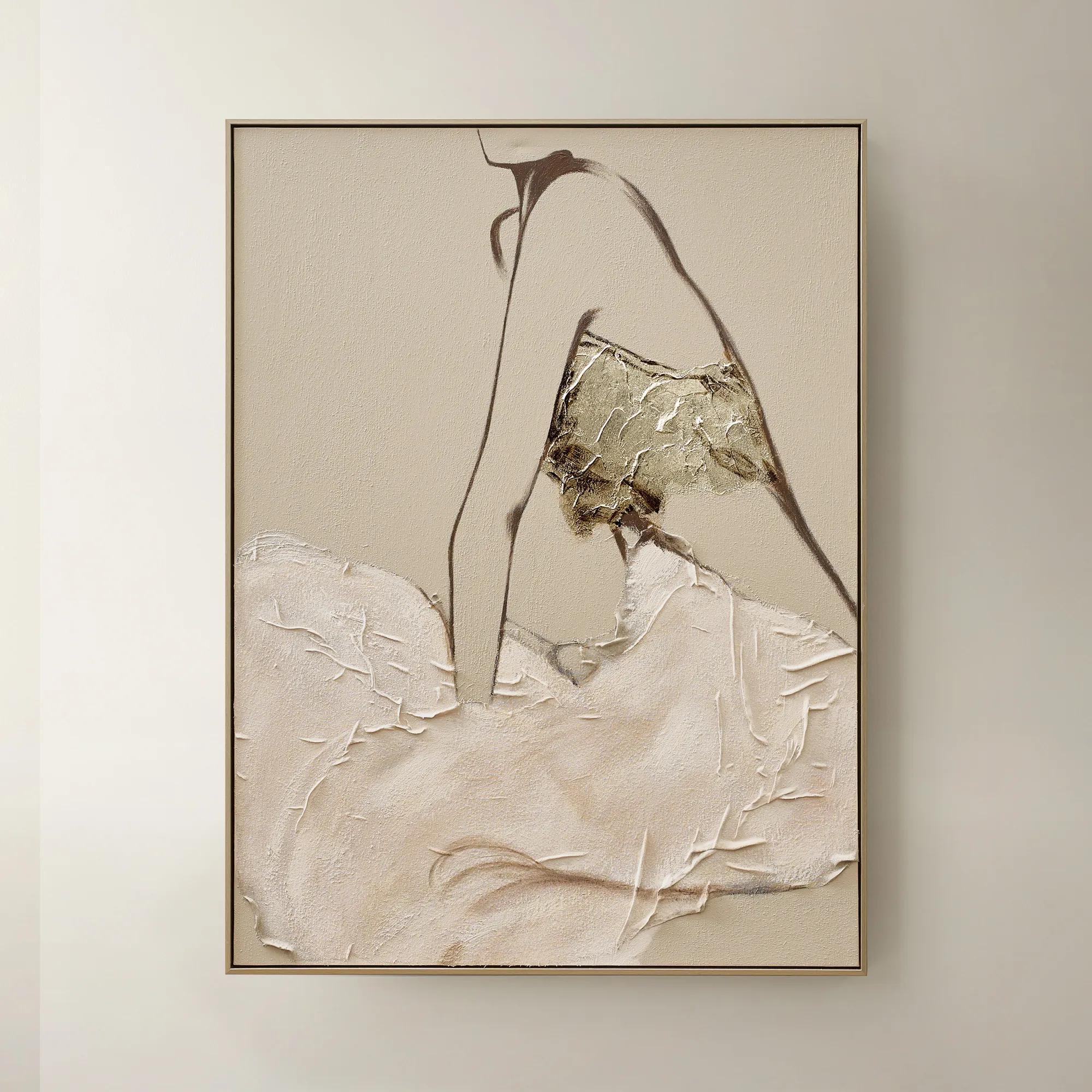 Quiet Pose Framed Painted Wall Art 36" x 48"$499
A hand-painted canvas in taupe and champagne tones features textural details and shimmering champagne leafing.
Add To Cart -
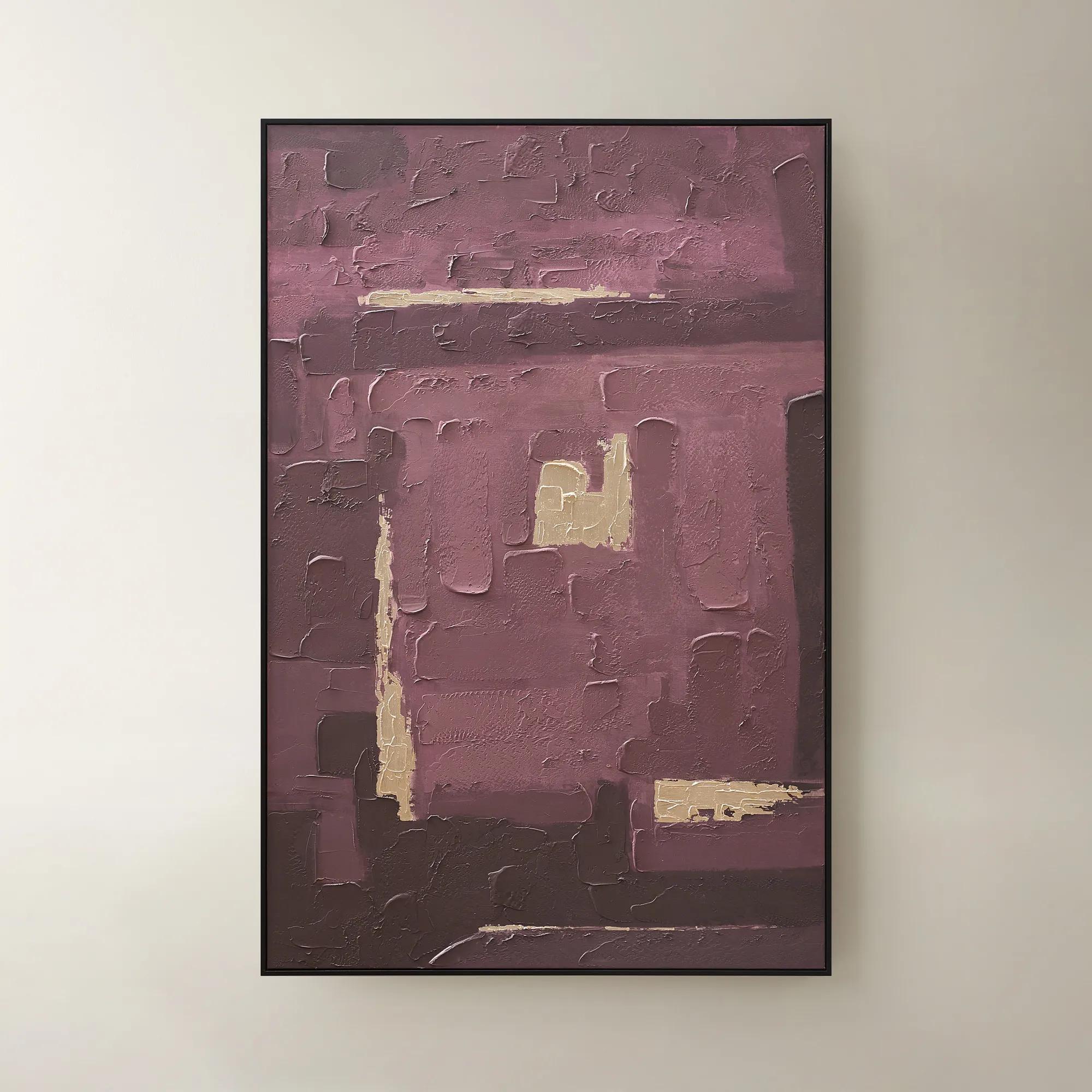
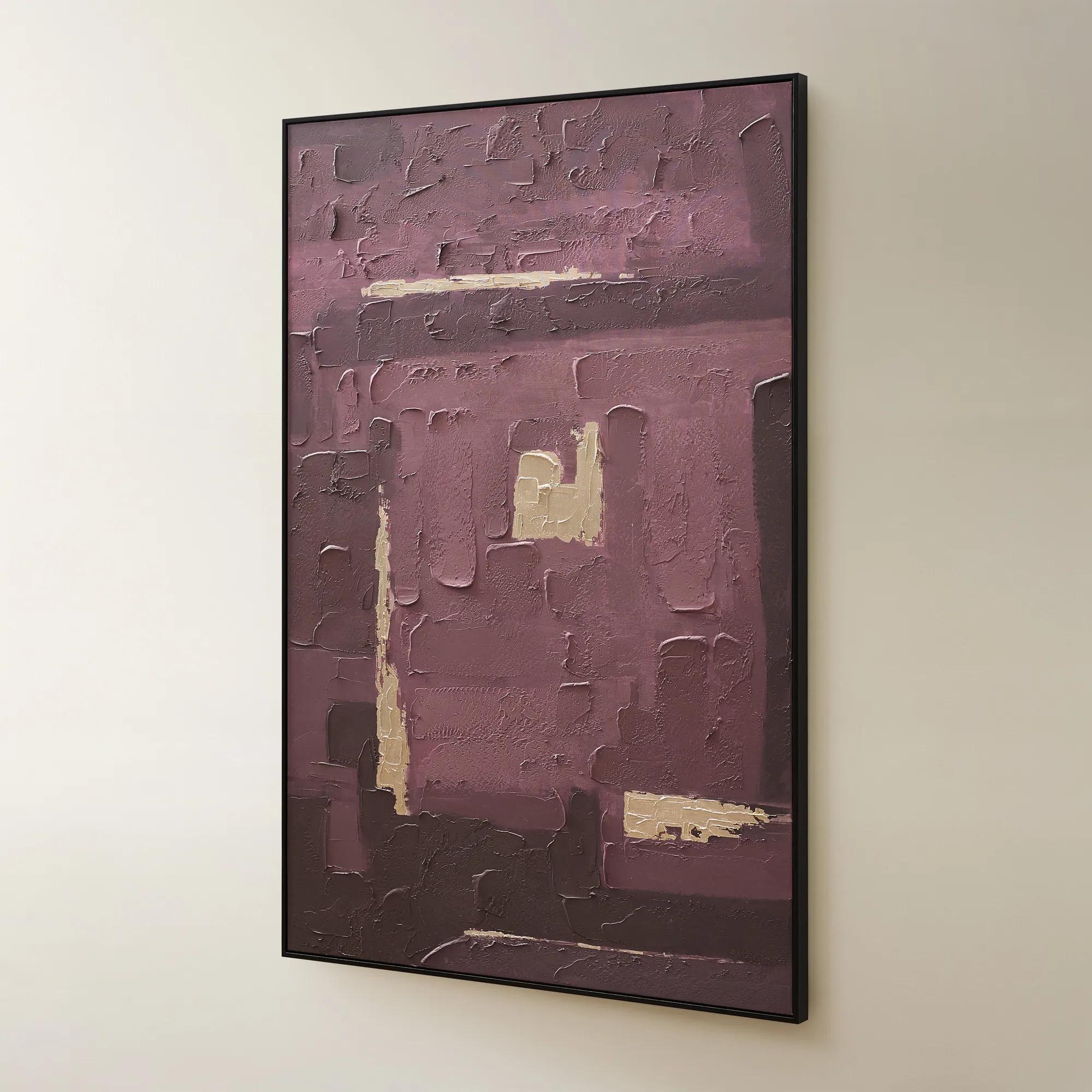 Fallback Framed Painted Wall Art 60" x 40"$499
A hand-painted abstract canvas in rich fig hues with champagne accents, set in a sleek black frame.
Add To Cart -
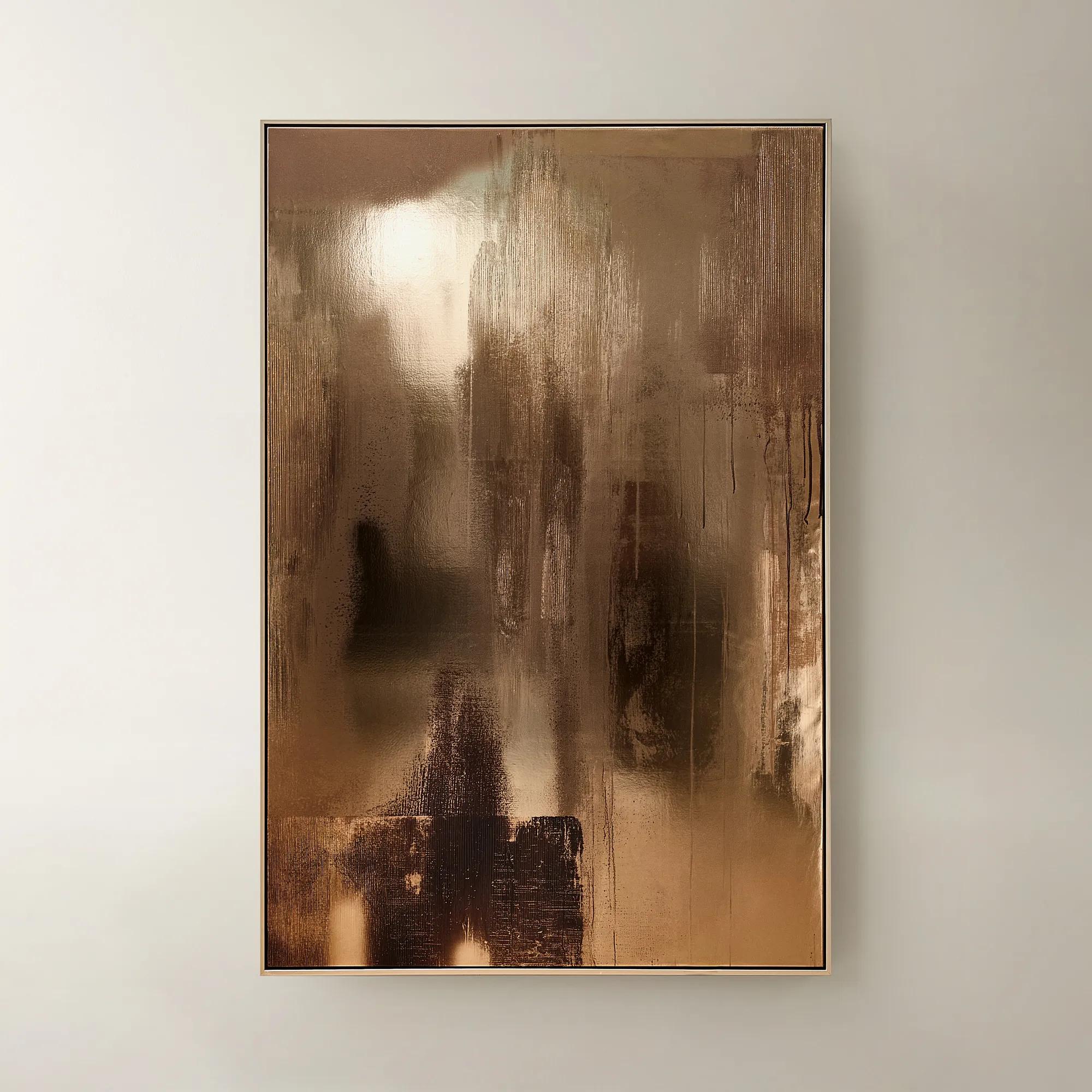
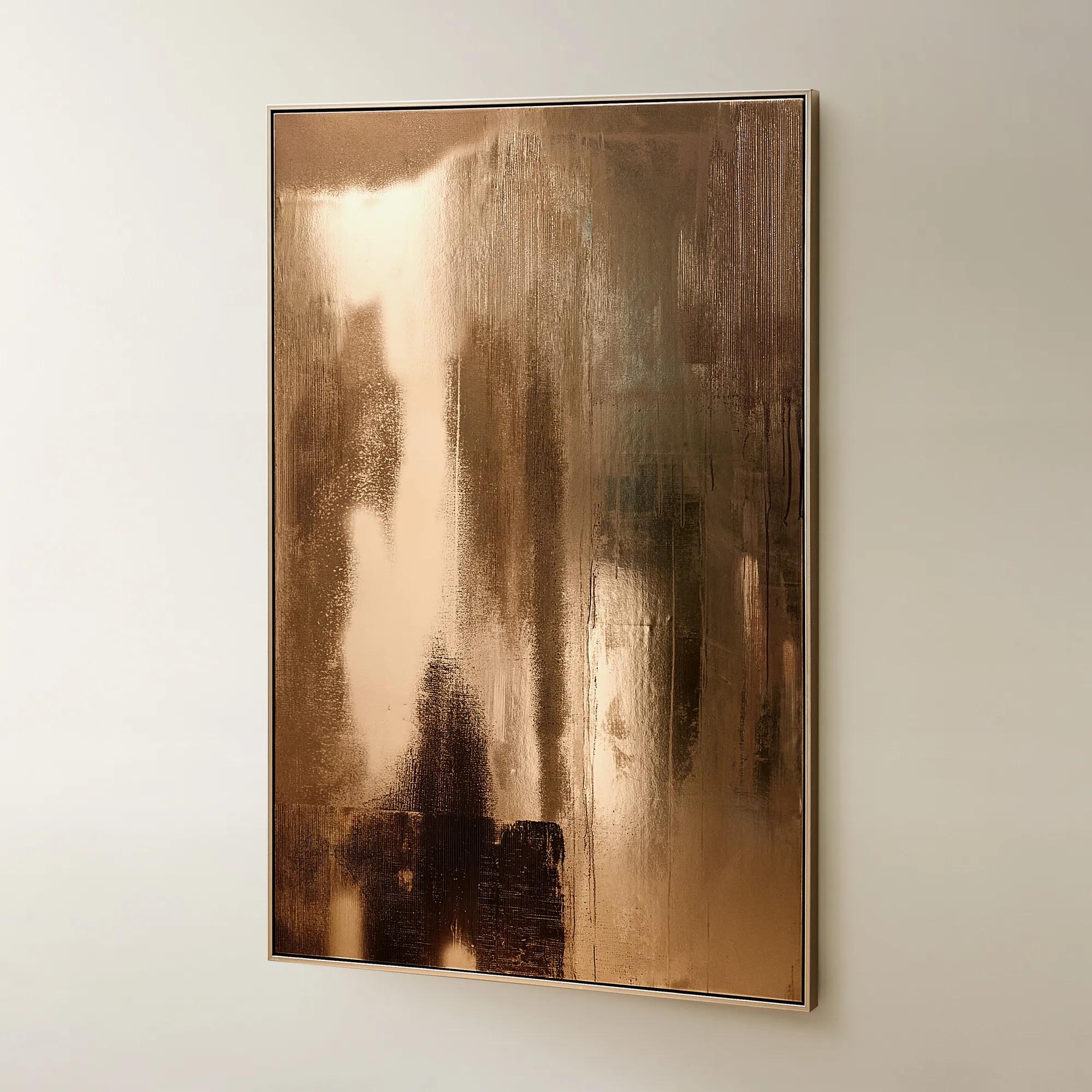 Bronze Reflective Framed Leather Painted Wall Art 40" x 60"$799
A hand-painted abstract wall art featuring reflective bronze faux leather and a warm champagne metallic frame.
Add To Cart

Textured Wall Art For Interiors
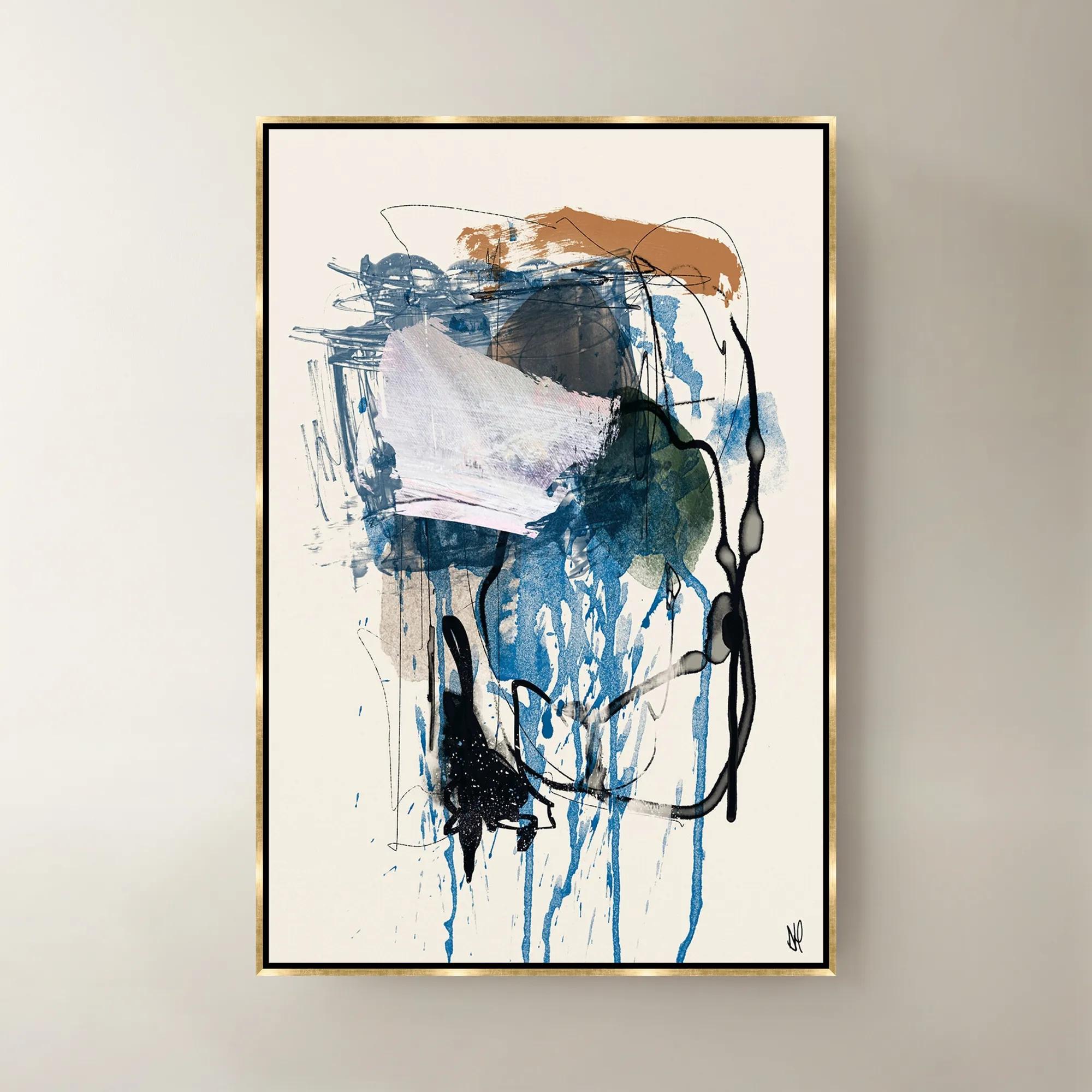
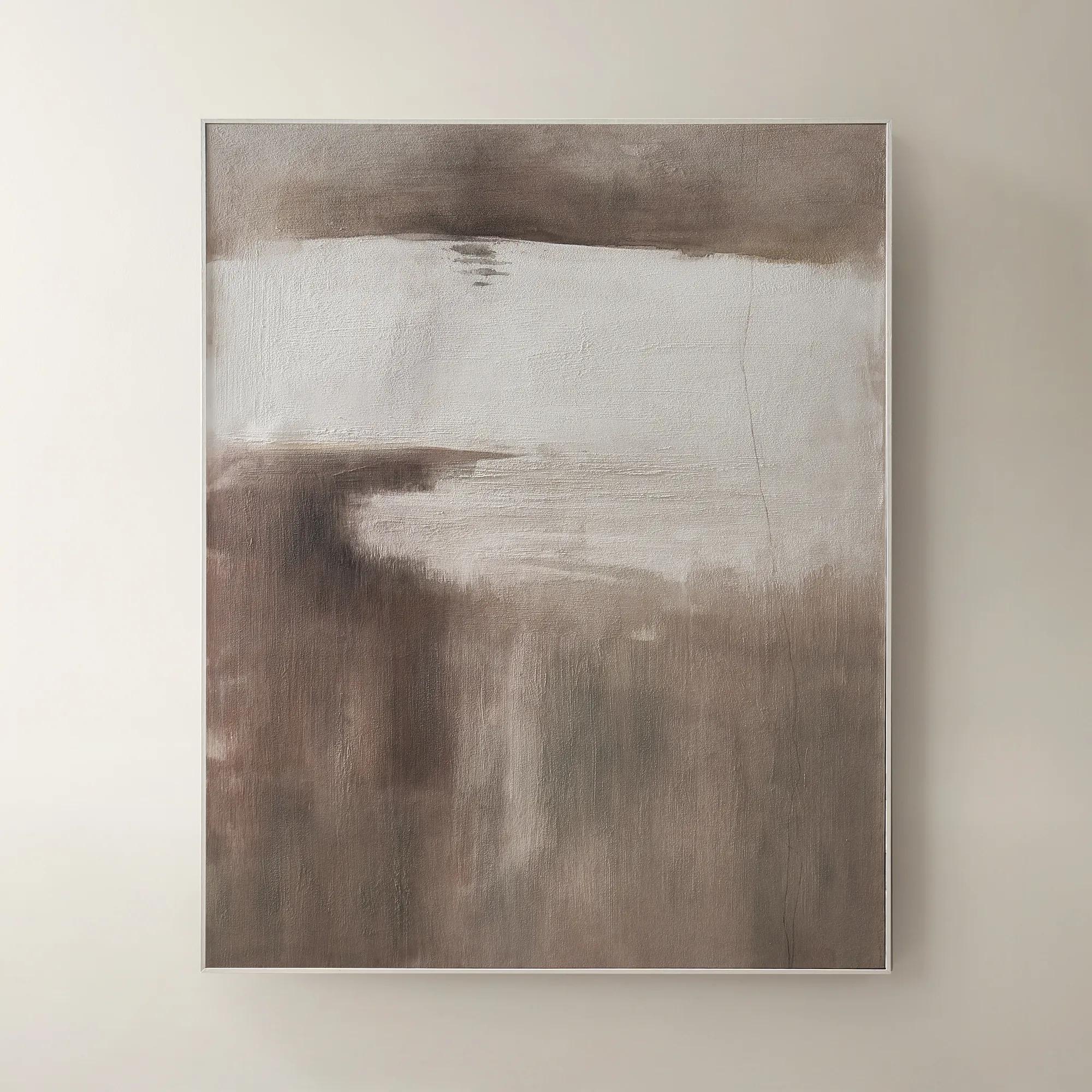
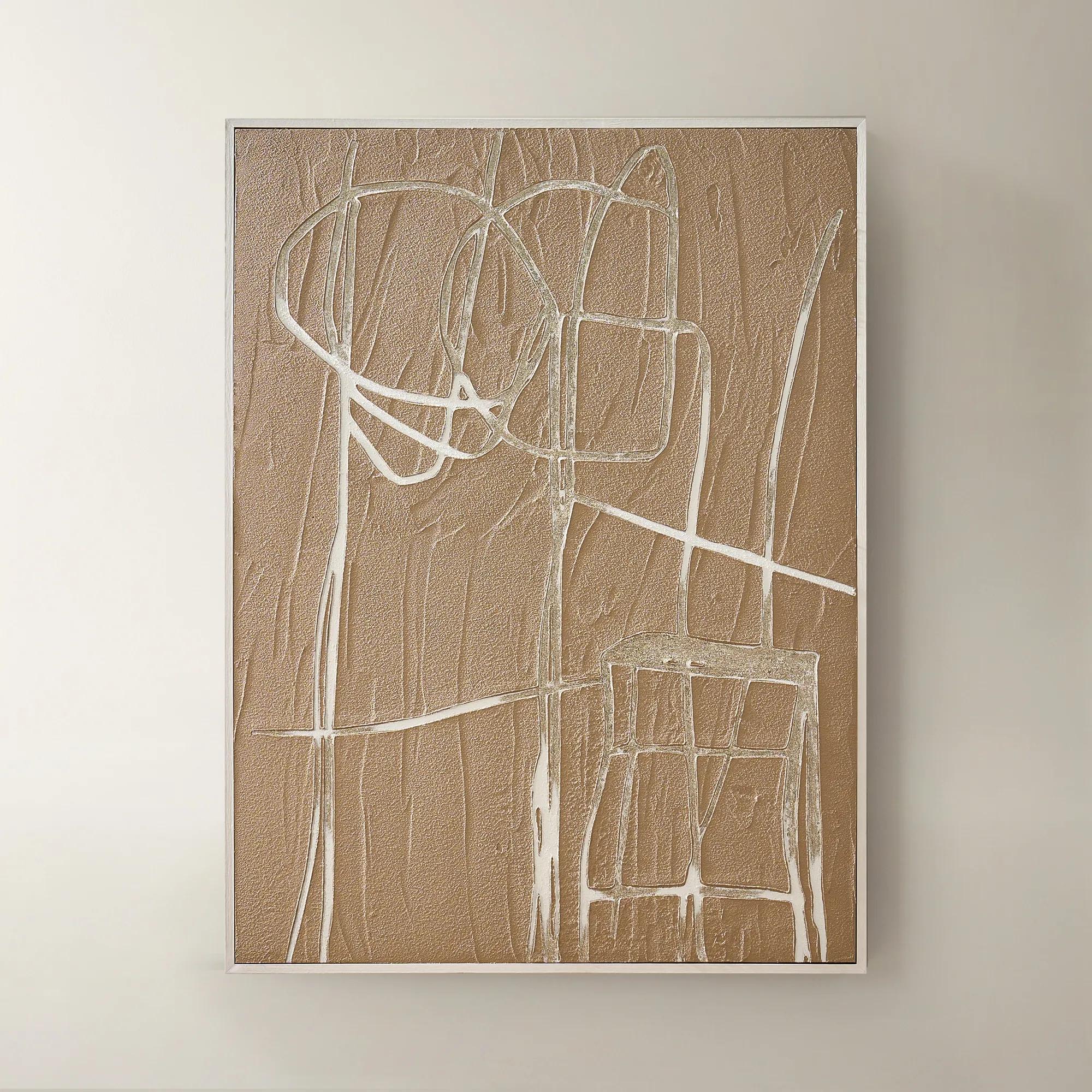
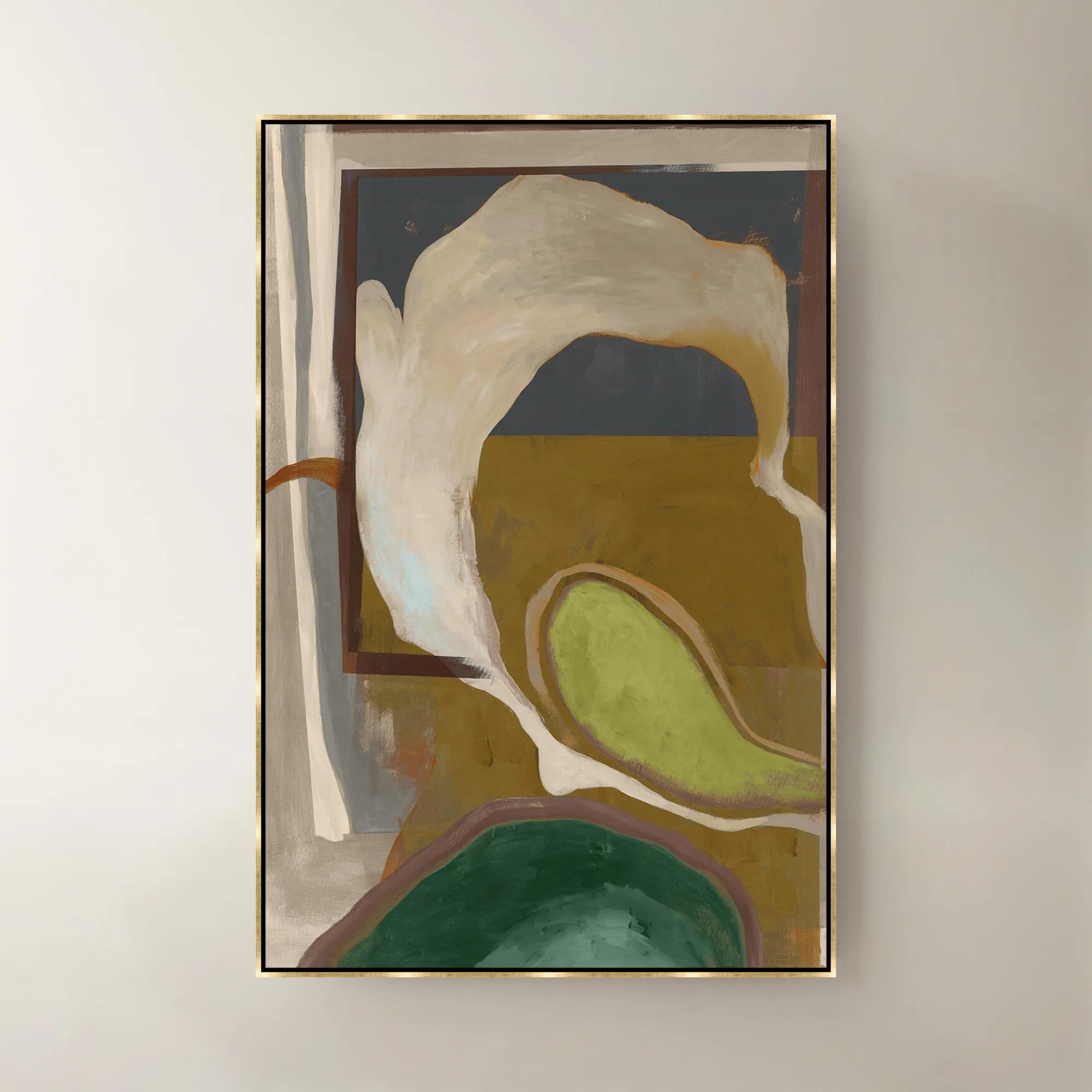
Texture transforms a room from ordinary to extraordinary, and nowhere is this more evident than with textured wall art for interiors. Each piece becomes an invitation to touch, a visual symphony of dimension and depth that draws the eye and stirs the senses. Whether shimmering with metallic accents or sculpted in bold relief, these artworks infuse your walls with drama and intrigue—turning blank spaces into living canvases. Elevate your surroundings with textured wall art for interiors that captures light, shadow, and imagination at every glance.
Textured wall art brings dimension, movement, and a sense of artistry to interiors, transforming an open wall into a layered visual moment. Unlike purely flat artwork, these pieces invite the eye to linger over raised brushwork, sculptural relief, woven details, carved surfaces, and mixed-media compositions that shift beautifully as light moves across the room. Textured canvas can create the impression of thick, expressive strokes, while plaster-inspired finishes offer an architectural quality with softly irregular curves, matte depth, and an artful sense of restraint. Wood, metal, resin, foil, and other dimensional materials introduce additional contrast, giving a room warmth, gleam, or a striking sculptural edge. Neutral shades such as ivory, cream, sand, taupe, gray, and greige allow shadows and surface variations to take center stage, while charcoal, bronze, black, or richly saturated tones can create a more dramatic focal point. For interiors shaped by modern silhouettes, textured wall art adds softness and atmosphere without compromising a polished aesthetic; in more collected rooms, it can bridge varied finishes and give a gallery-like arrangement a sense of cohesion. It is an especially compelling choice for anyone who wants a home to feel considered rather than overly matched, with every wall contributing its own chapter to the larger design story. A dimensional piece can lend quiet sophistication to a serene entryway, bring depth to a dining room with gleaming accents, or add a confident artistic note above a console, bar cabinet, or fireplace. During the warmer seasons, tactile surfaces can echo natural materials and sun-washed tones, while during the cooler months they contribute visual warmth that makes a room feel enveloping and complete. These works also make memorable gifts for new homeowners, newlyweds, hosts, design enthusiasts, or anyone celebrating a fresh beginning, particularly when chosen in a versatile palette that can evolve with the recipient’s space.
Choosing textured wall art begins with understanding the wall, the surrounding furnishings, and the mood you want to create. Measure the available area before selecting a piece, taking into account the furniture beneath it and the breathing room needed around its edges. A large horizontal composition can anchor the wall above a sofa, bed, sideboard, or headboard, while a vertically oriented design can emphasize ceiling height in a hallway, bedroom corner, or narrow entry. As a general styling principle, artwork often feels balanced when it spans roughly two-thirds to three-quarters of the furniture beneath it, though a more dramatic installation can intentionally extend beyond that proportion for a bold, gallery-inspired effect. Center the piece at a comfortable viewing height, and avoid crowding the artwork with nearby shelves, sconces, or decorative objects that compete with its relief. Textured surfaces are at their most expressive when illuminated from an angle: a window, picture light, wall sconce, or nearby lamp can skim across raised details and create delicate shadows that change throughout the day. Direct, harsh glare may flatten the finish or make reflective elements feel overly bright, so softer side lighting is often ideal. Consider the visual rhythm of the room as well. If upholstery, rugs, or drapery already carry substantial pattern, a tonal piece with sculptural texture can provide depth while maintaining composure. If the furnishings are streamlined and restrained, layered impasto, metallic accents, or a more pronounced three-dimensional design can supply the drama. In a bedroom, tactile artwork can establish a calm, enveloping focal point without relying on busy imagery; explore the collection of Textured Abstract Wall Art For Bedrooms for compositions that pair beautifully with upholstered beds, luminous bedding, and softly layered neutral tones. In living spaces, use textured art to frame conversation areas and draw attention toward the architectural heart of the room. For open-concept interiors, related textures or complementary tones can help connect separate zones without making them feel identical. Always review the hanging requirements, wall construction, and weight of the piece before installation, using appropriate hardware for a secure and beautifully finished presentation. With thoughtful scale, flattering light, and enough space for the surface to be appreciated, textured wall art does more than decorate an interior—it gives the room depth, mood, and a distinctive point of view.
FAQs
Textured wall art incorporates raised surfaces, sculptural elements, and layered materials that create a tactile and dimensional effect, setting it apart from traditional flat artwork. This depth captures light and shadow in dynamic ways, adding drama and movement to your interiors while inviting viewers to experience art not just visually, but through touch and presence.
To style textured wall art, consider the mood and palette of your space. Pair bold, abstract textured art with sleek modern furnishings for a striking contrast, or echo organic textures with natural materials like wood and linen. Layering textured pieces with mirrors or metallic accents can amplify their dimensionality, creating a sophisticated and cohesive look.
Absolutely. Textured wall art is remarkably versatile and can enhance a variety of rooms, from living areas and bedrooms to hallways and offices. Whether your style leans toward contemporary, glam, or eclectic, there are textured pieces—from 3d textured wall panels to subtle, hand-finished canvases—that can elevate your unique aesthetic.
Textured wall art can be crafted from a diverse array of materials, including plaster, resin, wood, metal leaf, fabric, and acrylic. Artists often layer these materials to create depth, sheen, and intrigue, resulting in pieces that are as much about sensory experience as they are about visual impact.
Textured wall art makes an unforgettable gift for housewarmings, weddings, anniversaries, or milestone celebrations. Its tactile beauty and artistic flair offer a personal touch, allowing you to give a piece that transforms a recipient’s space and serves as a lasting reminder of a special moment.