Nature Wall Arts For Offices
Nature Wall Arts For Offices
-

 Blooming in Her Own Time Framed Wall Art 40" x 50"$1029
A vibrant multicolored canvas wall artwork featuring an expressive botanical-inspired design in a framed presentation.
Add To Cart -

 Floral Jungle II Framed Wall Art 30" x 40"$799
A striking gold-framed canvas artwork depicting lush tropical foliage in an expressive botanical composition.
Add To Cart -
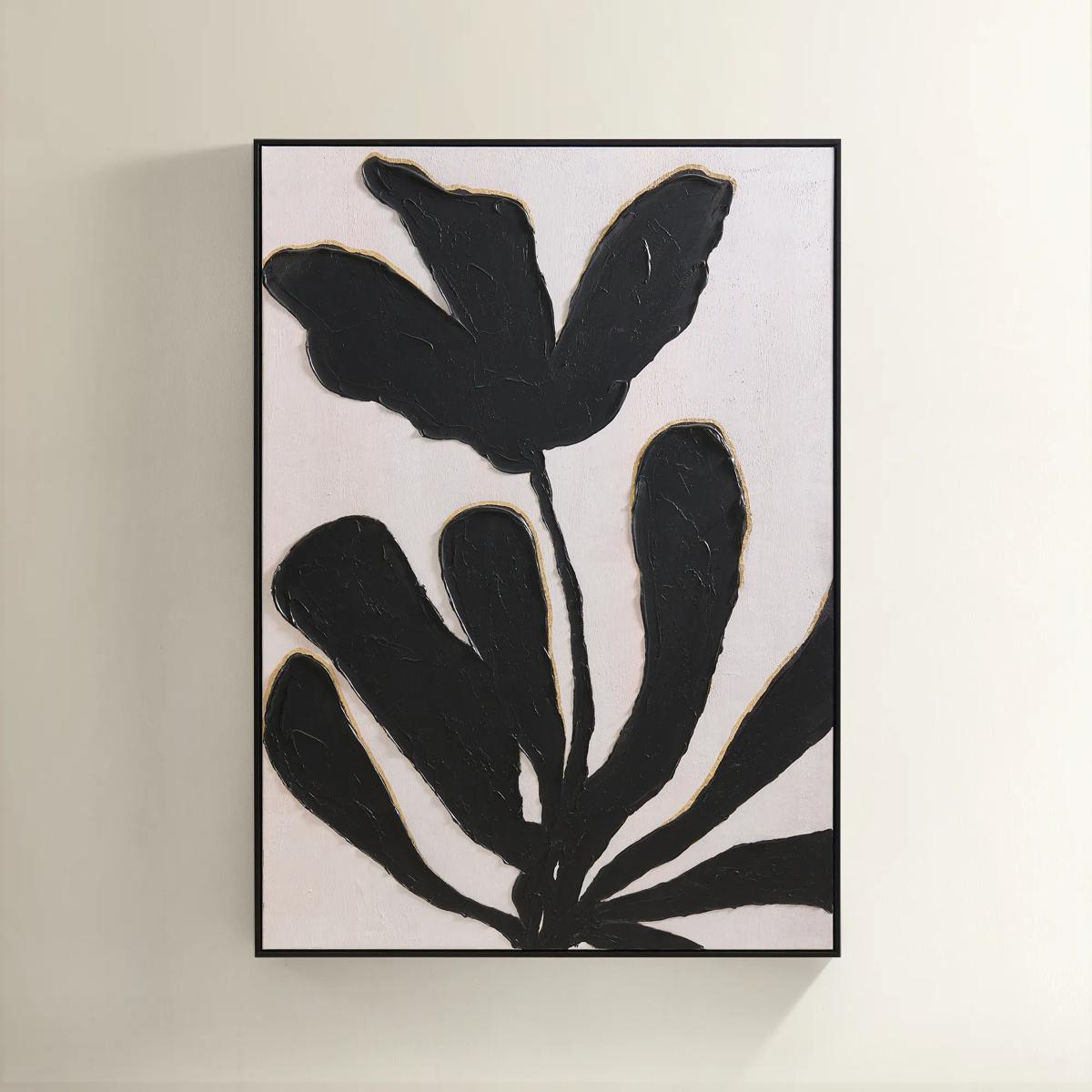
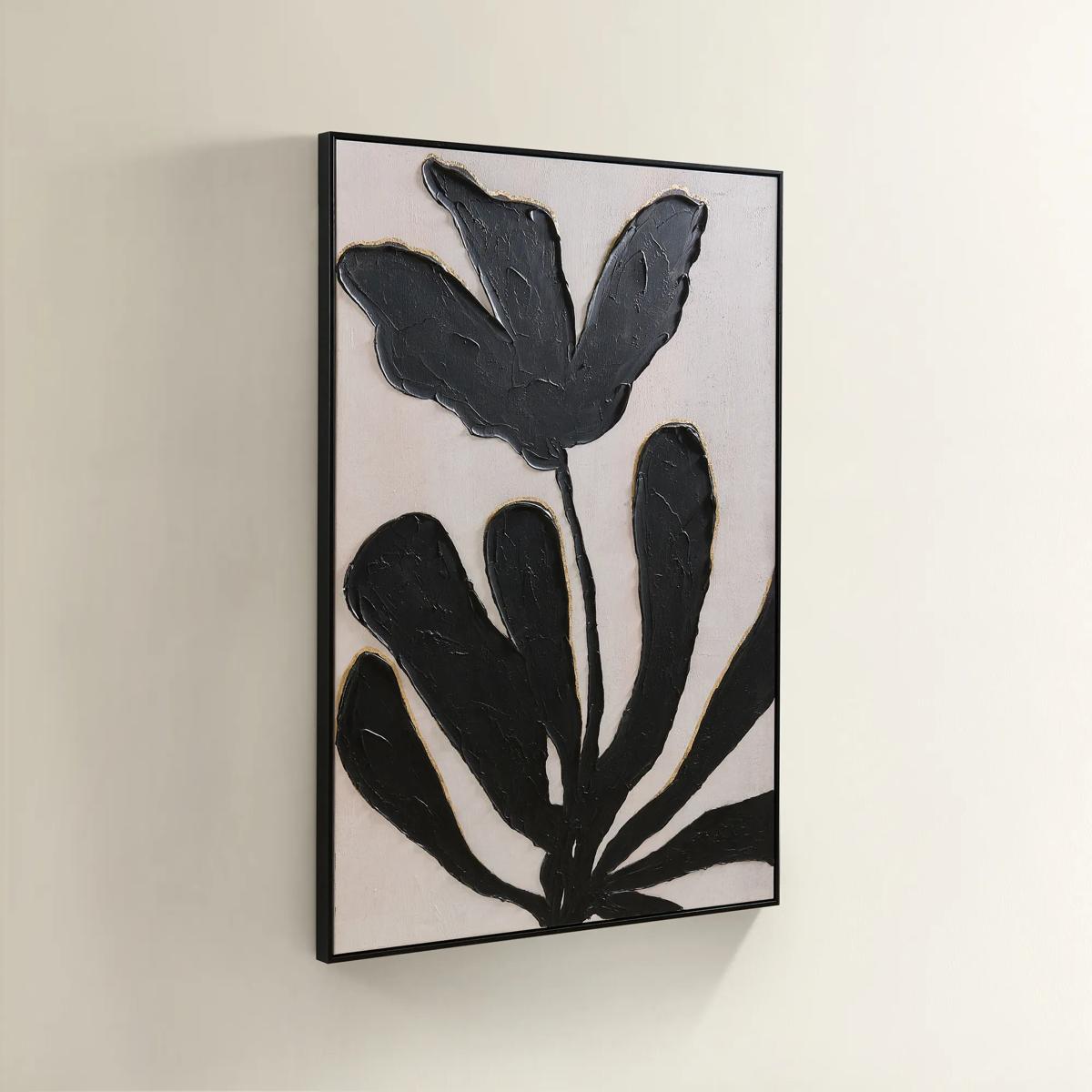 First Bloom Framed Painted Wall Art 39.25" x 55"$499
A hand-painted canvas featuring black abstract leaves and gold leafing on an ivory background in a black frame.
Add To Cart -
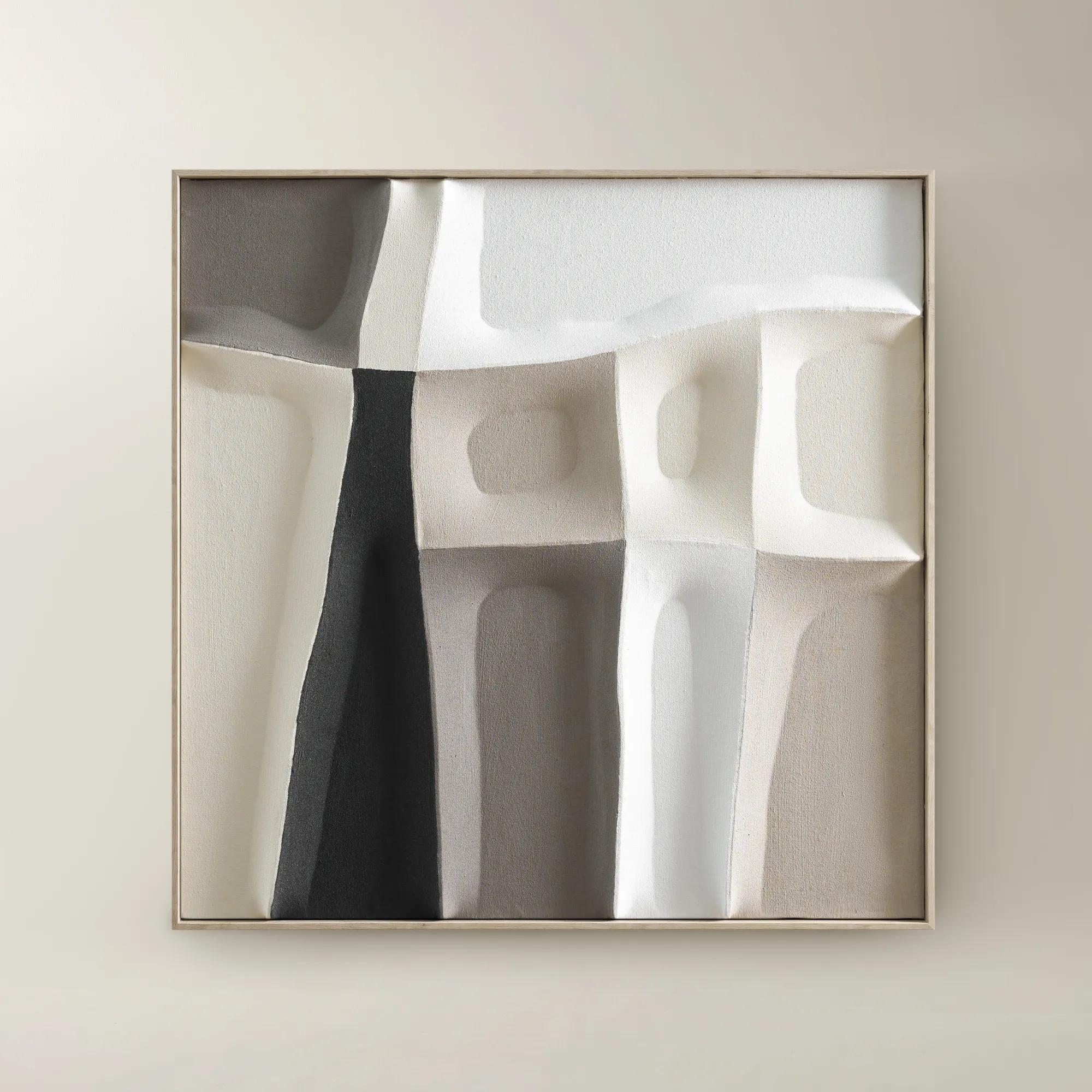
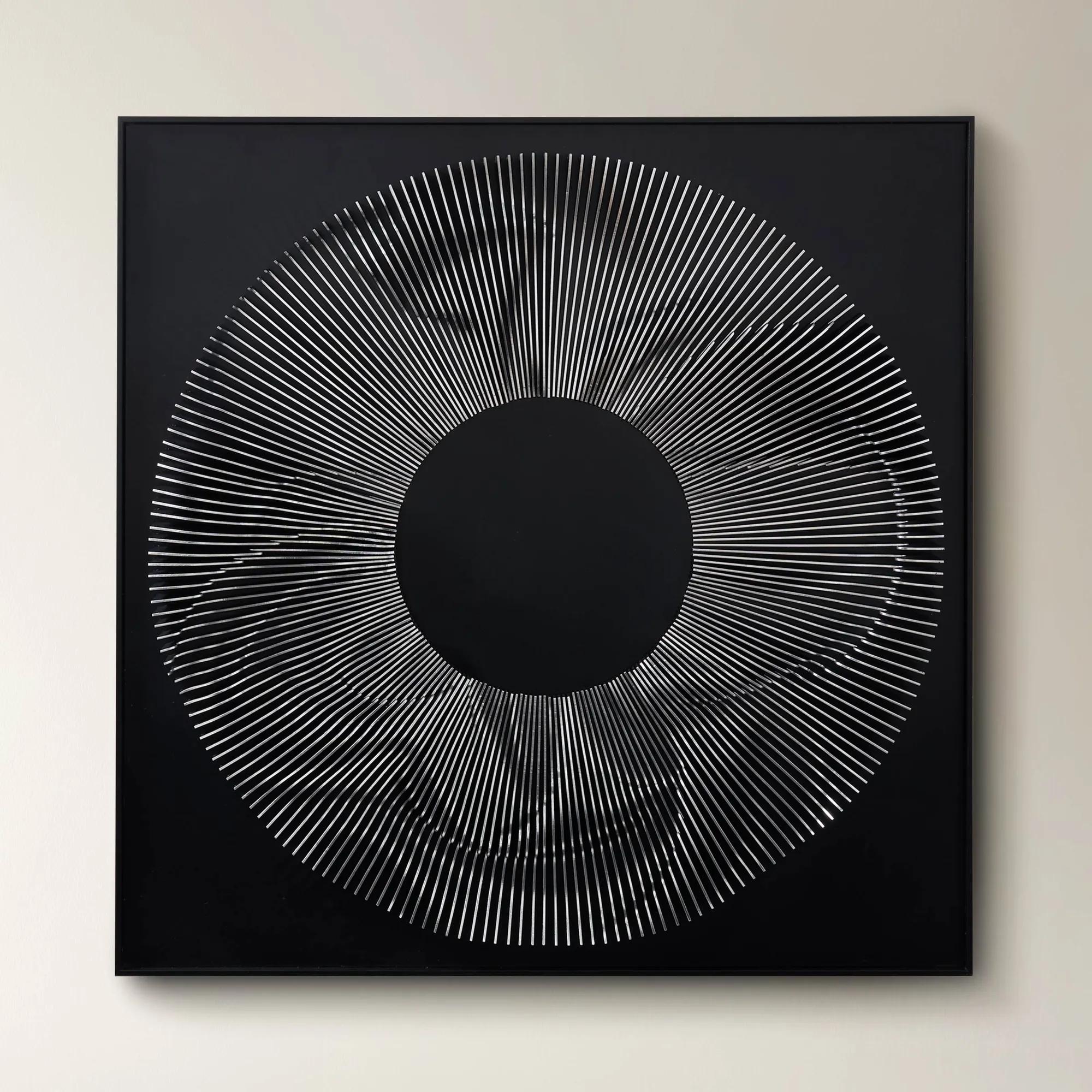 Efflorescence Wood Carving$799
A three-dimensional pine wood panel features a flowing carved motif in a striking silver finish.
Add To Cart -
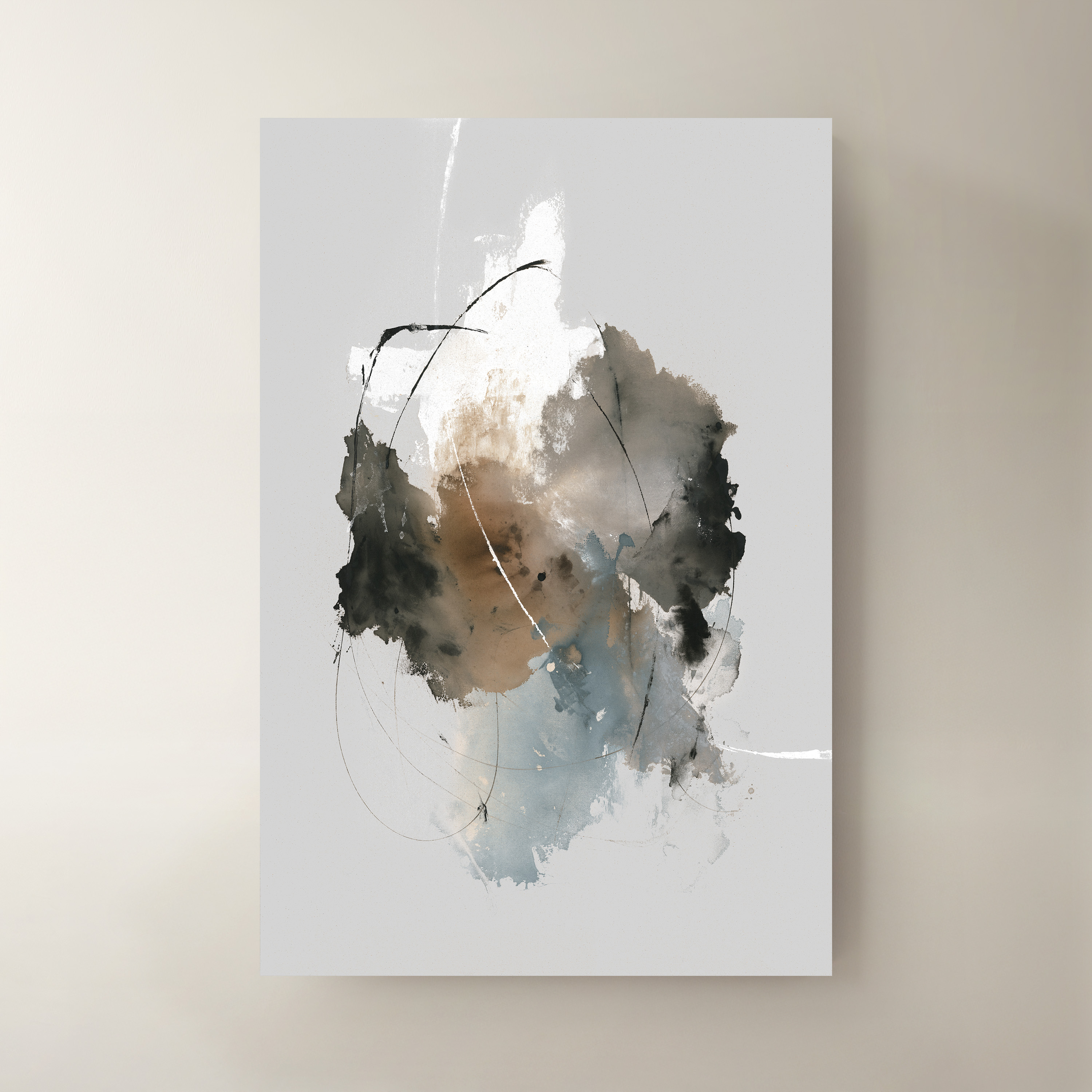
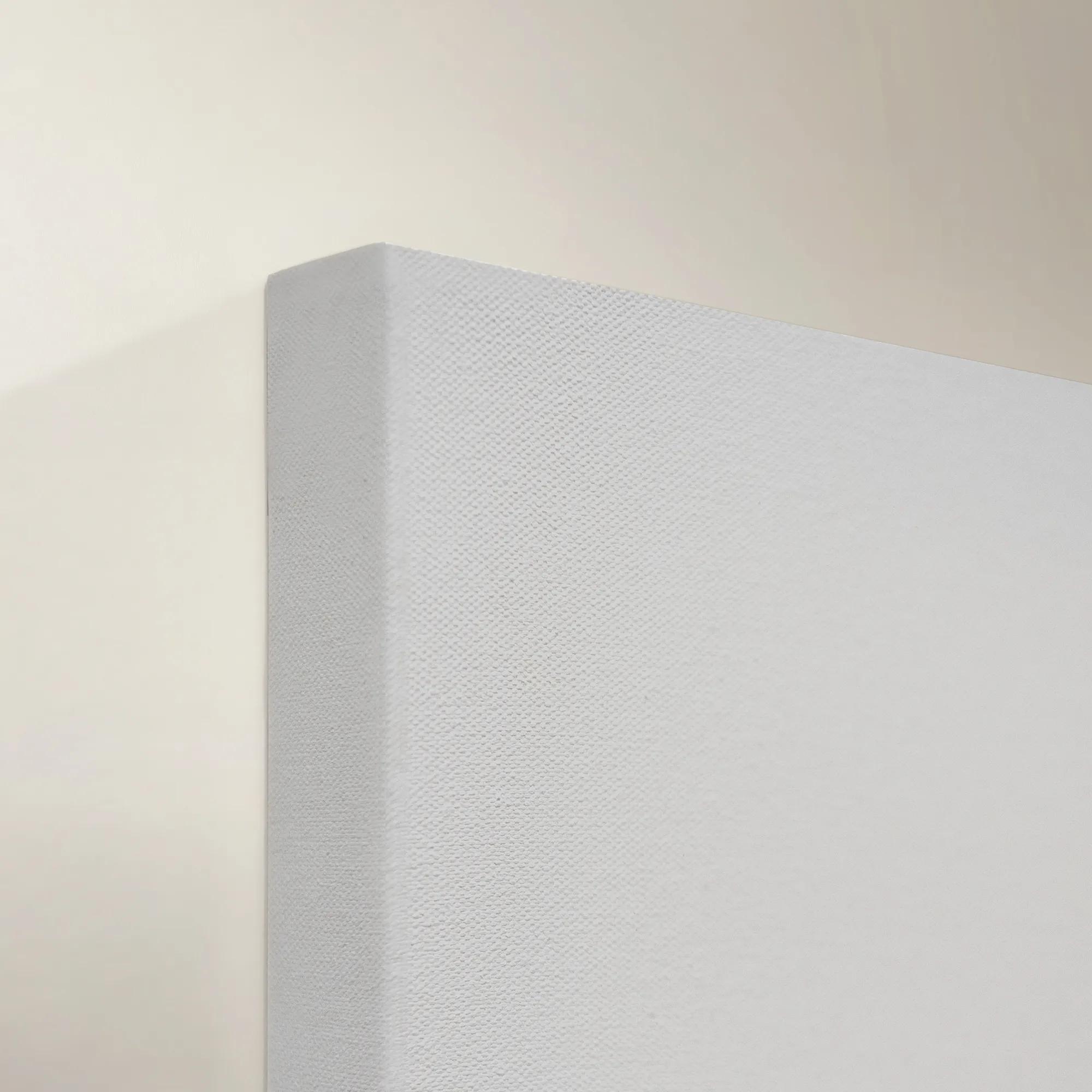 Time IV Wall Art 40" x 60"$999
A striking multicolored canvas artwork bringing contemporary visual interest to modern interiors.
Add To Cart -
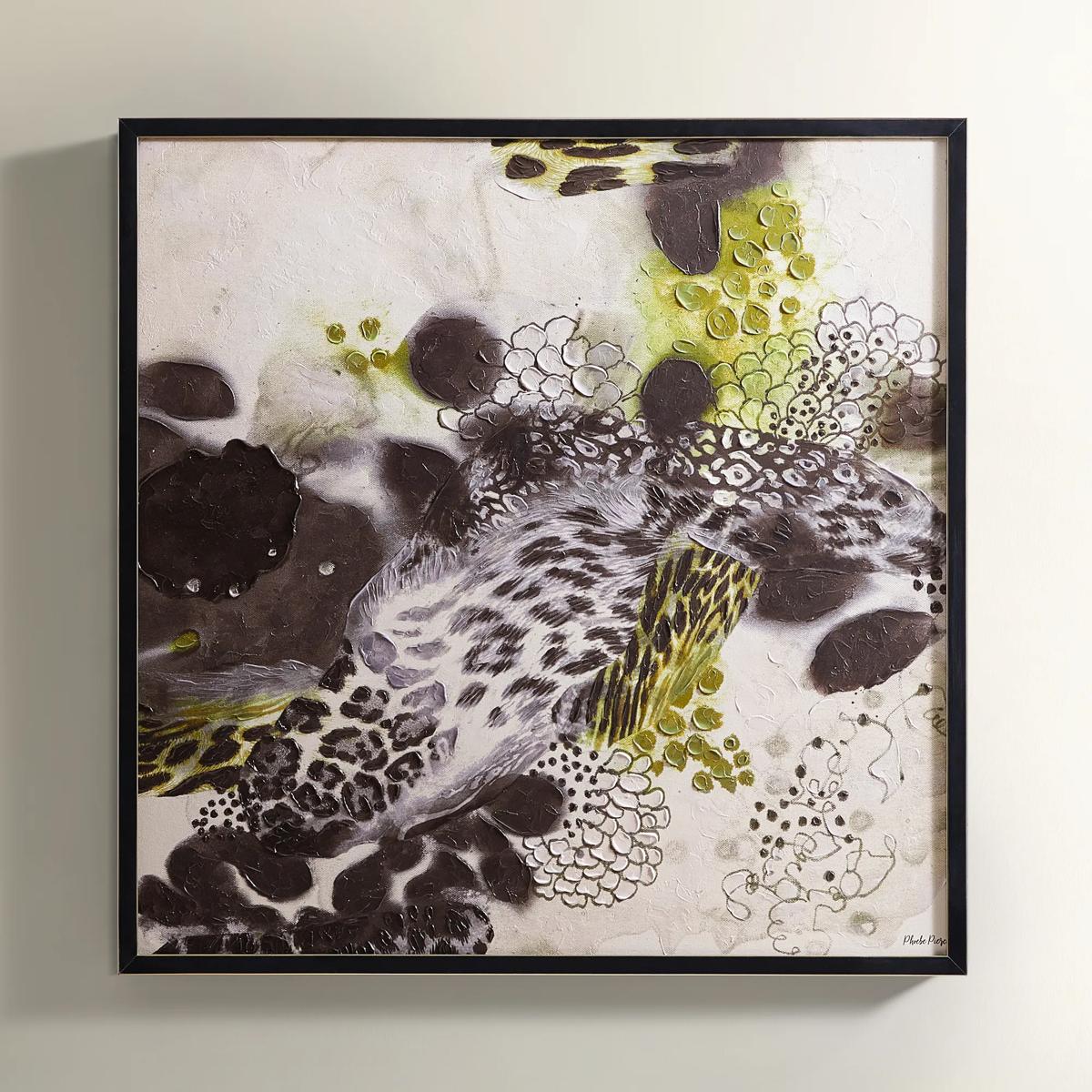
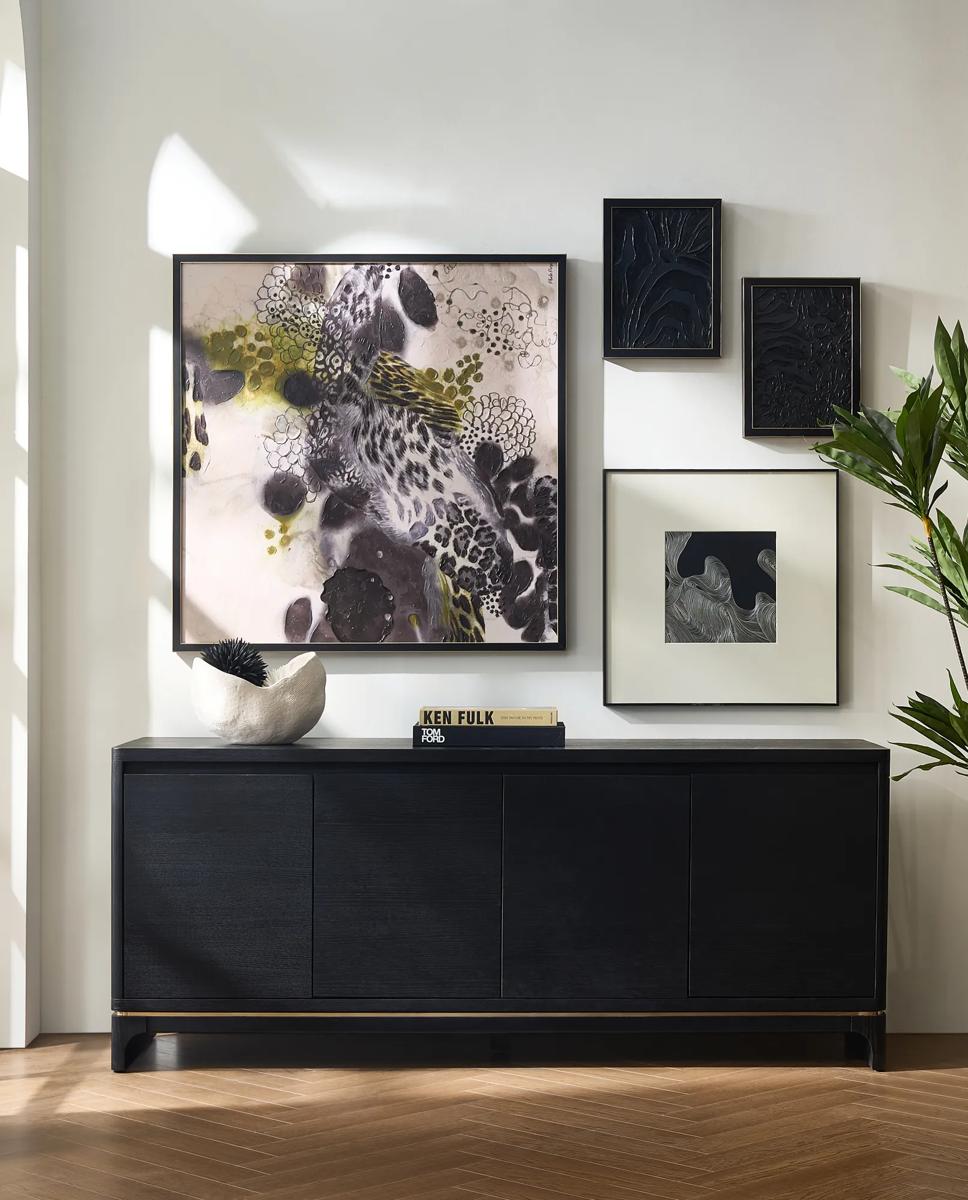 In the Wild$399
A hand-embellished canvas artwork featuring textured strokes in black, chartreuse, and sand, framed in ornate wood.
Add To Cart -
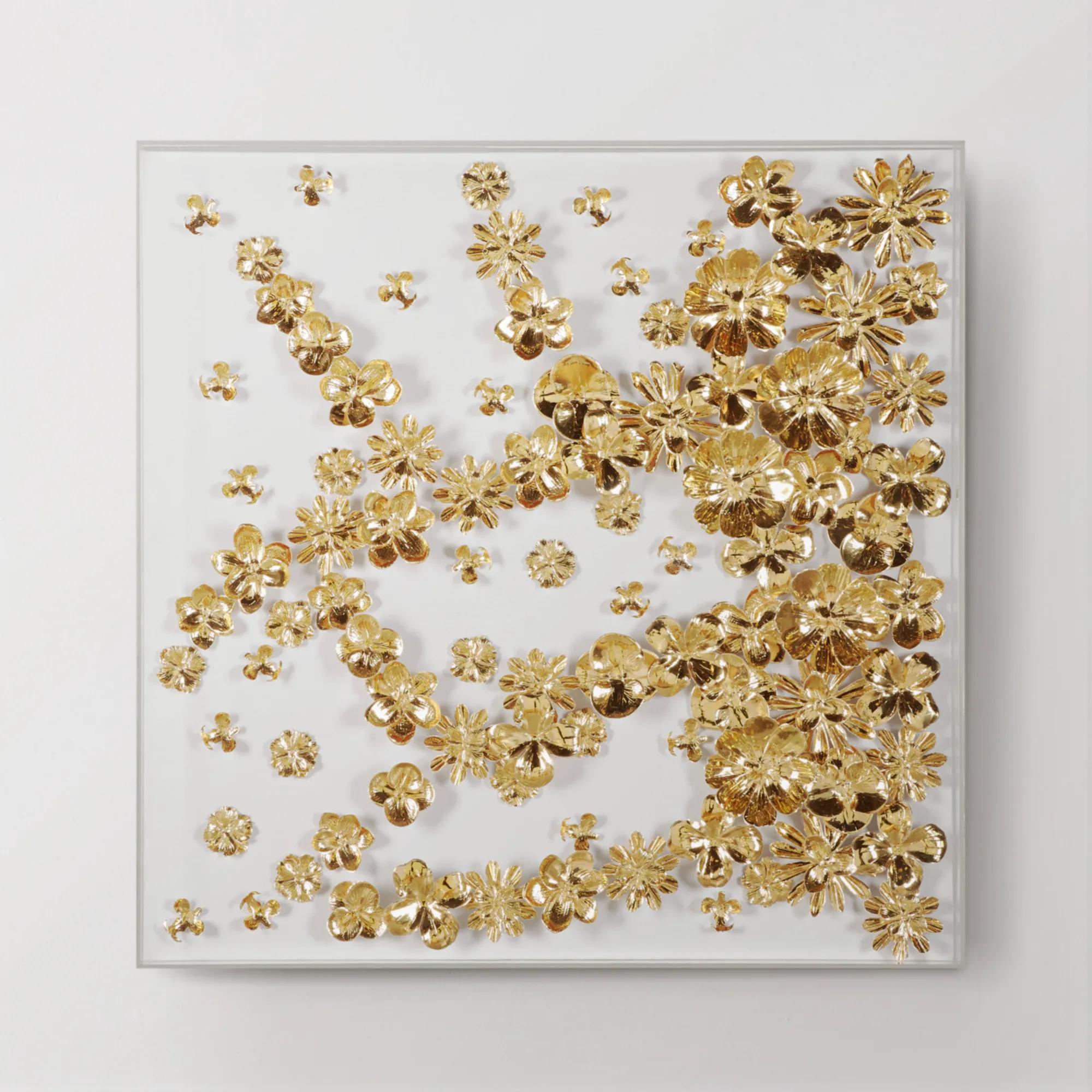
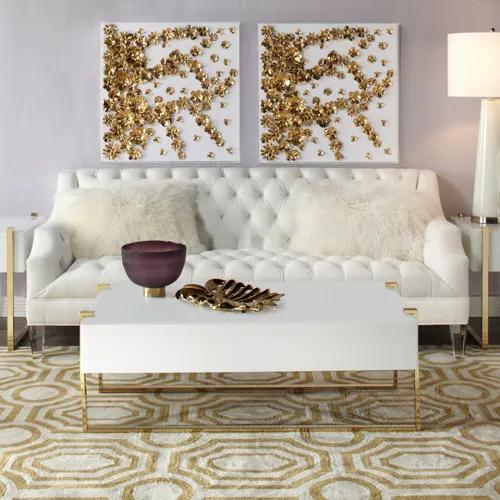 Gold Flora Handmade Foil Wall Decor in Acrylic 31" x 31"$499
A glam botanical wall art featuring handmade gold foil paper flowers on a white linen background.
Add To Cart -
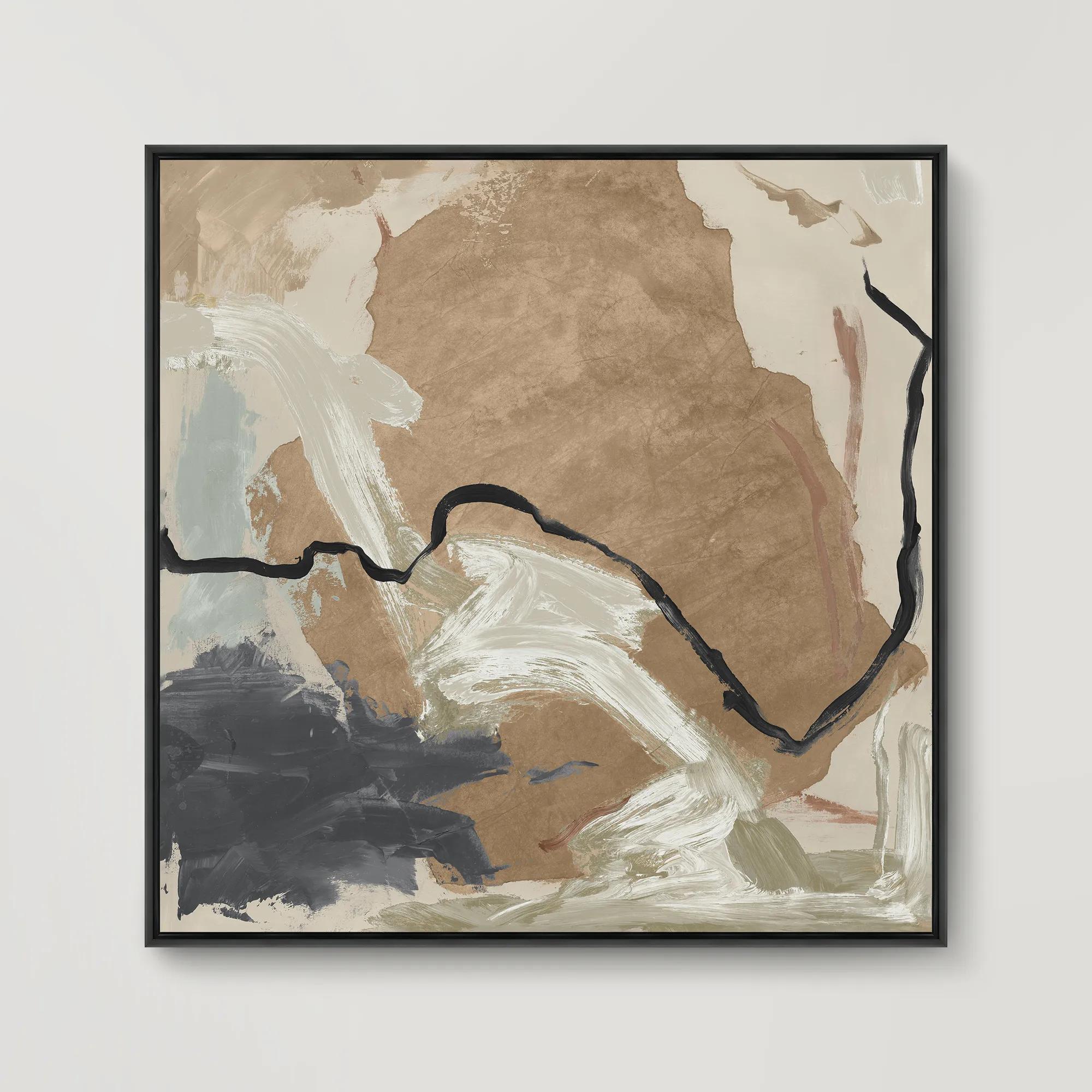
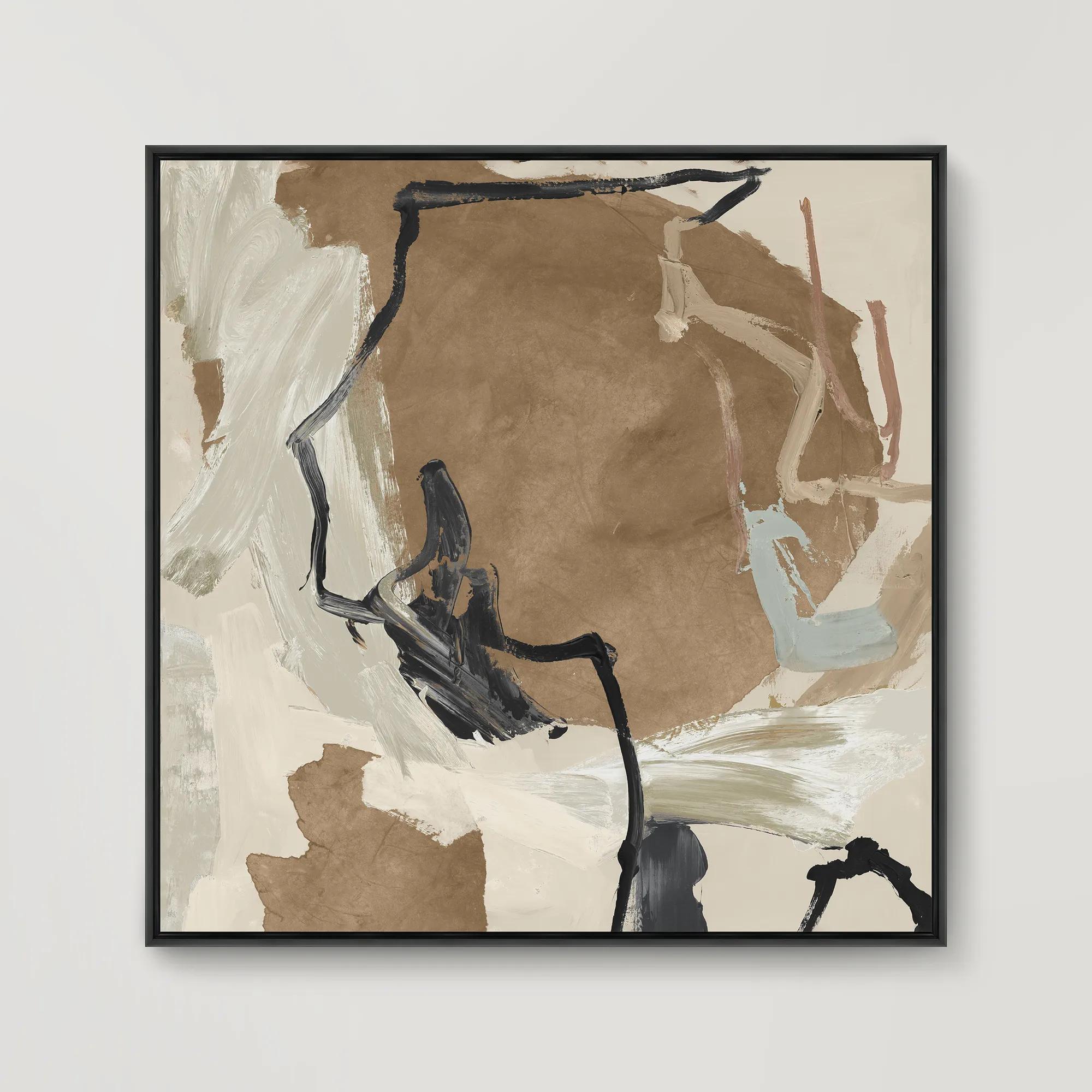
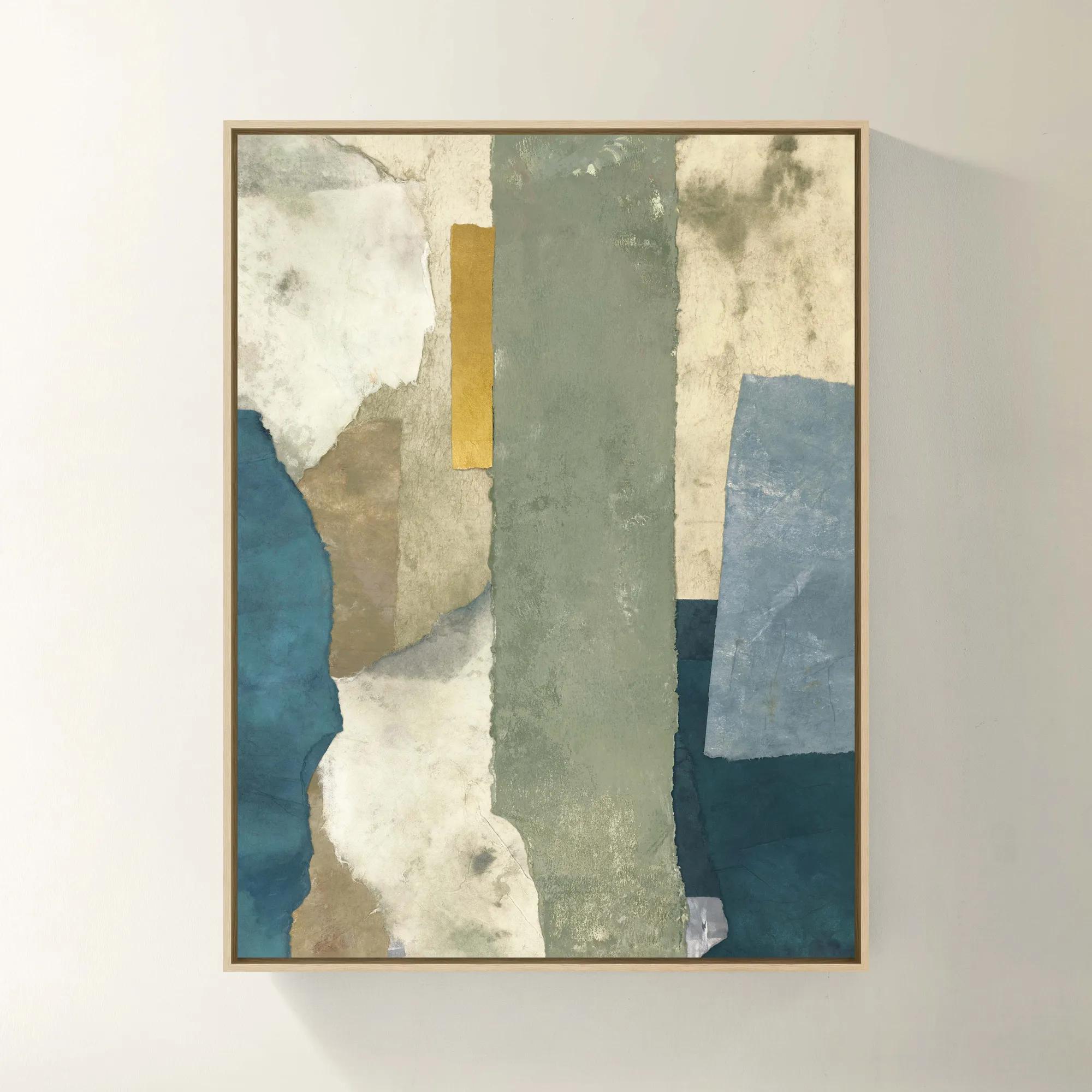 Earth Fragments II Framed Wall Art 30" x 40"$799
A gallery-wrapped canvas featuring gild accents and hand-applied gel, set in a natural floater frame.
Add To Cart -

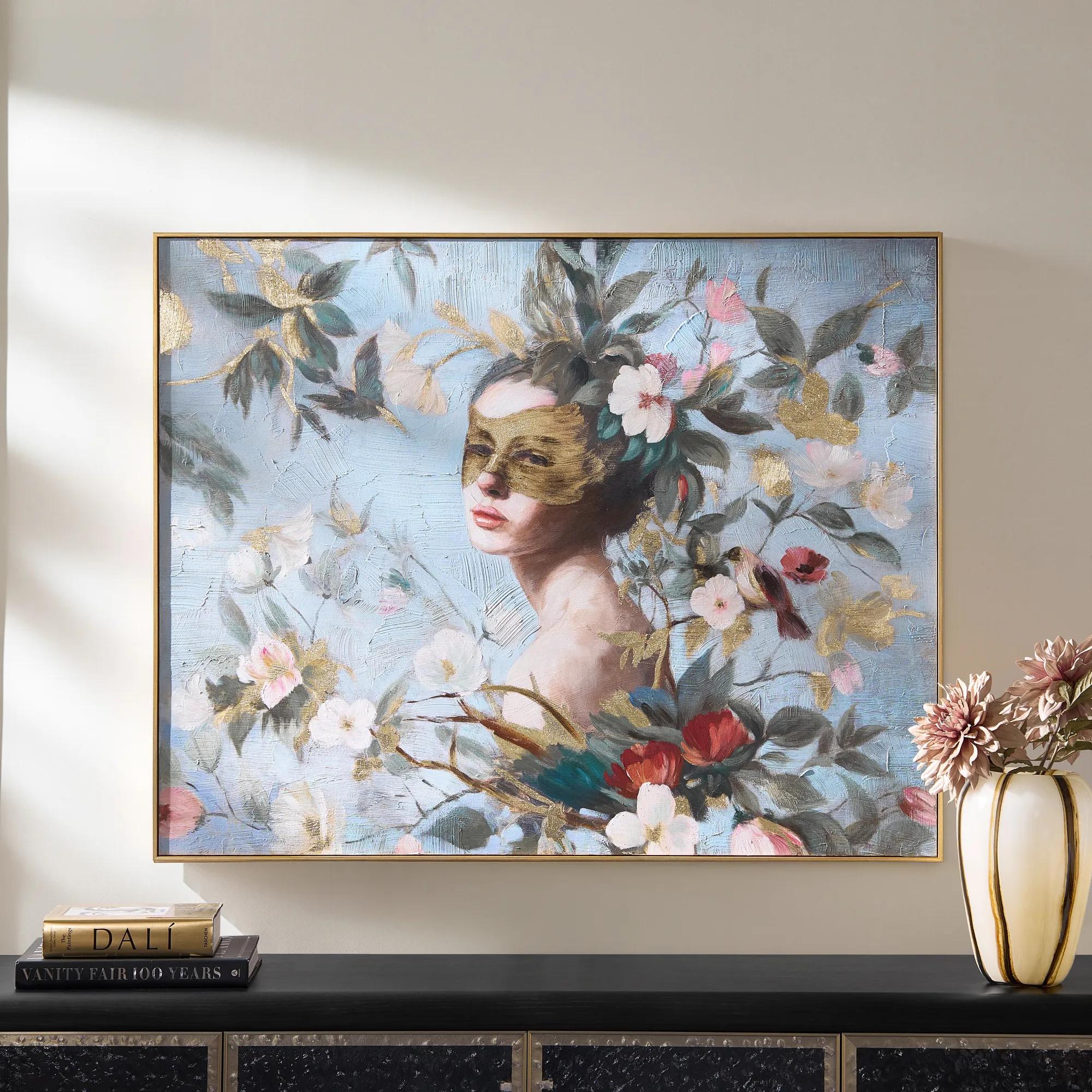 Garden Party Framed Gold Leaf Painted Wall Art 50" x 40"$399
A gold leaf painted canvas artwork in a framed presentation, bringing artistic sophistication to modern interiors.
Add To Cart -
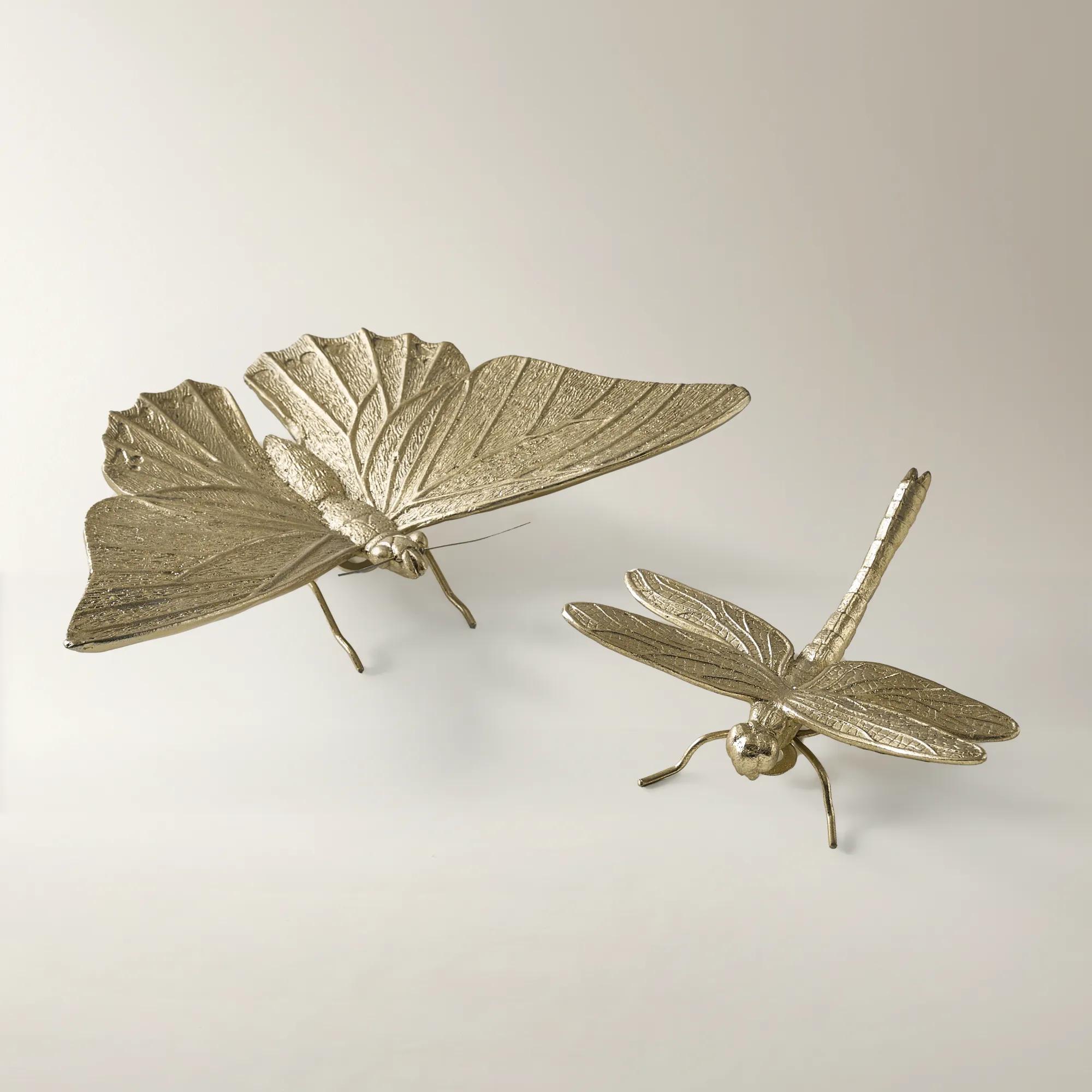 Gilt Champagne Resin Butterfly and Dragonfly Set of 2$99
A champagne-toned resin butterfly and dragonfly set adds sculptural shimmer to tabletops or walls.
Add To Cart -
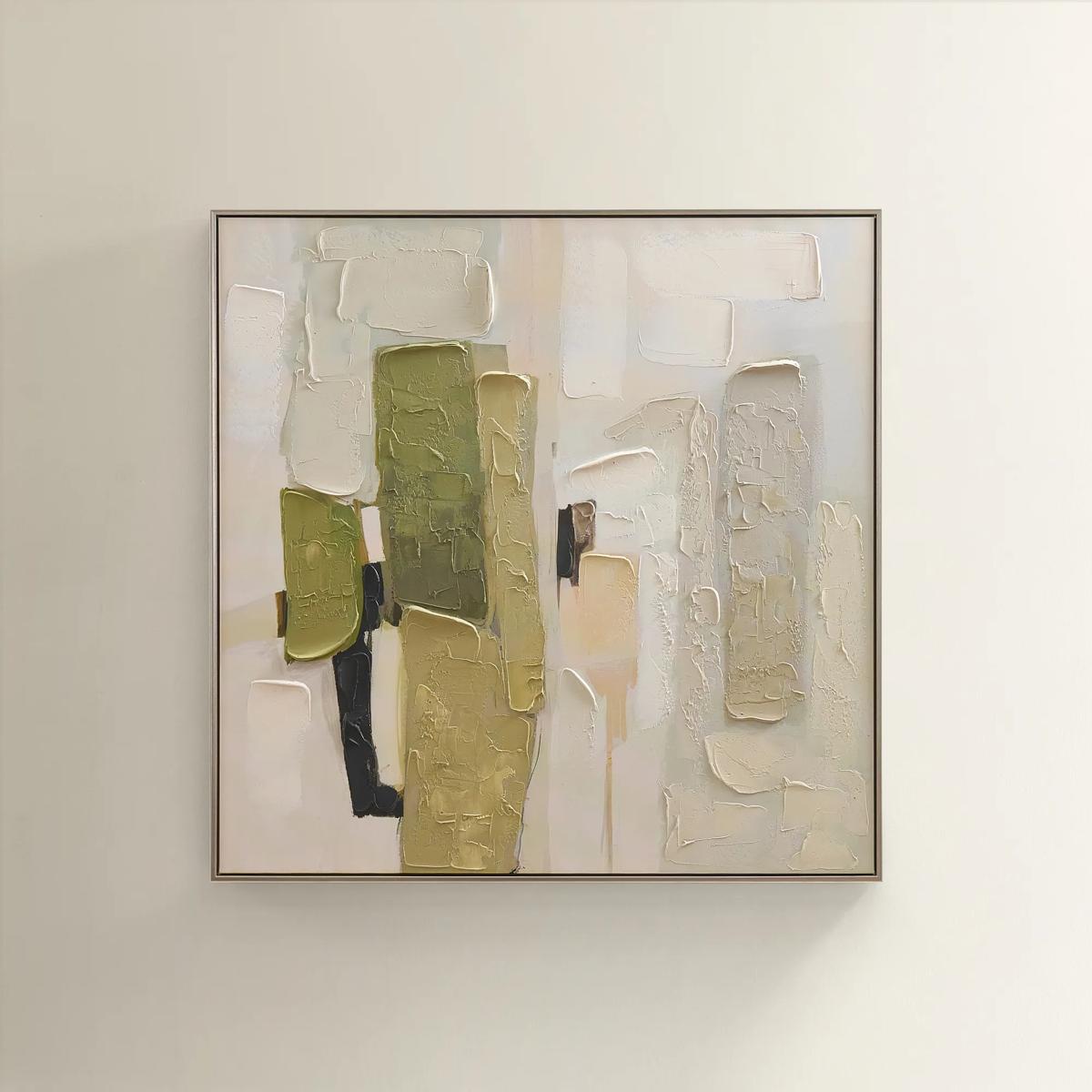 Verde Crush Framed Painted Wall Art 39.25" x 39.25"$349
A hand-painted abstract canvas featuring rich green tones, layered neutrals, and a champagne floater frame.
Add To Cart -
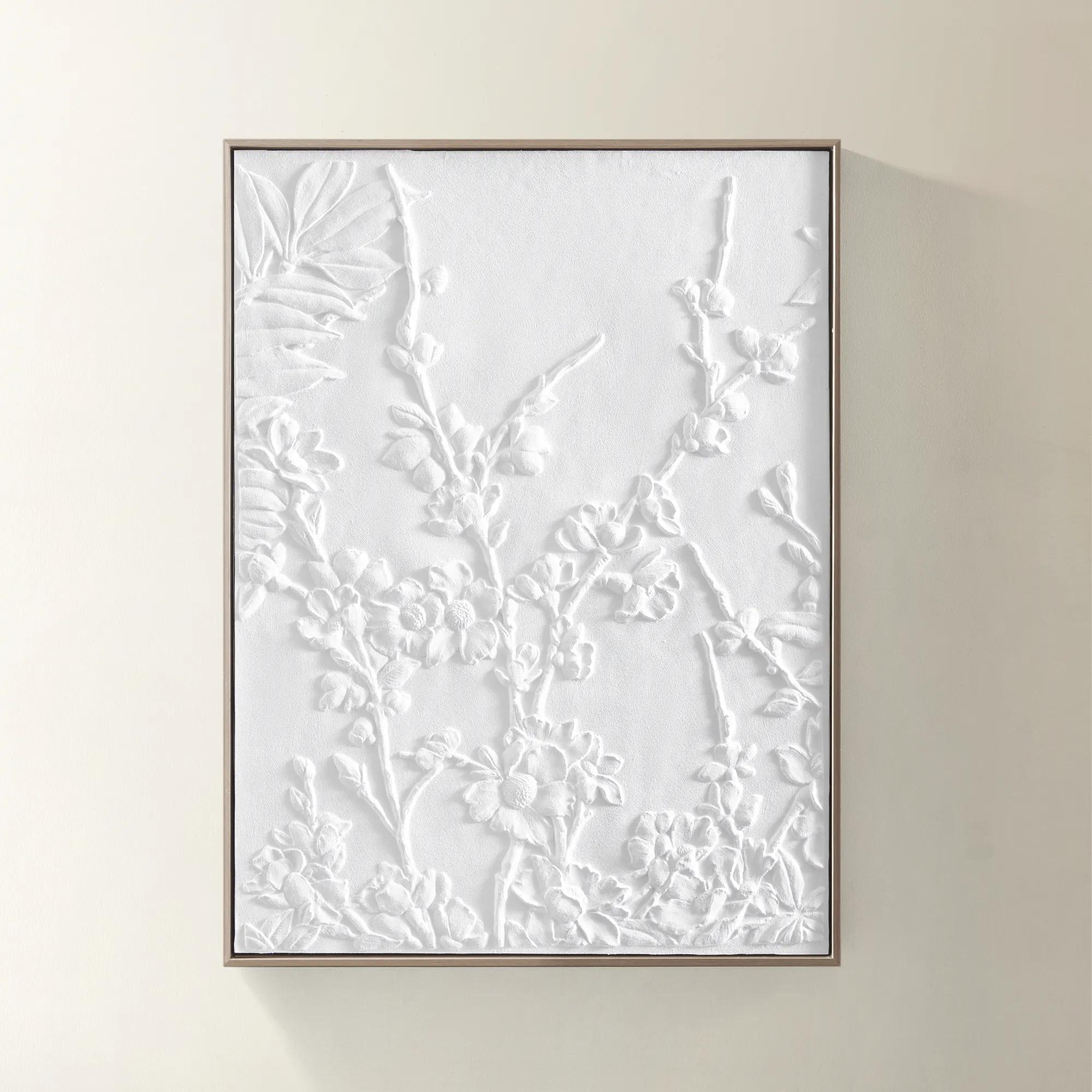
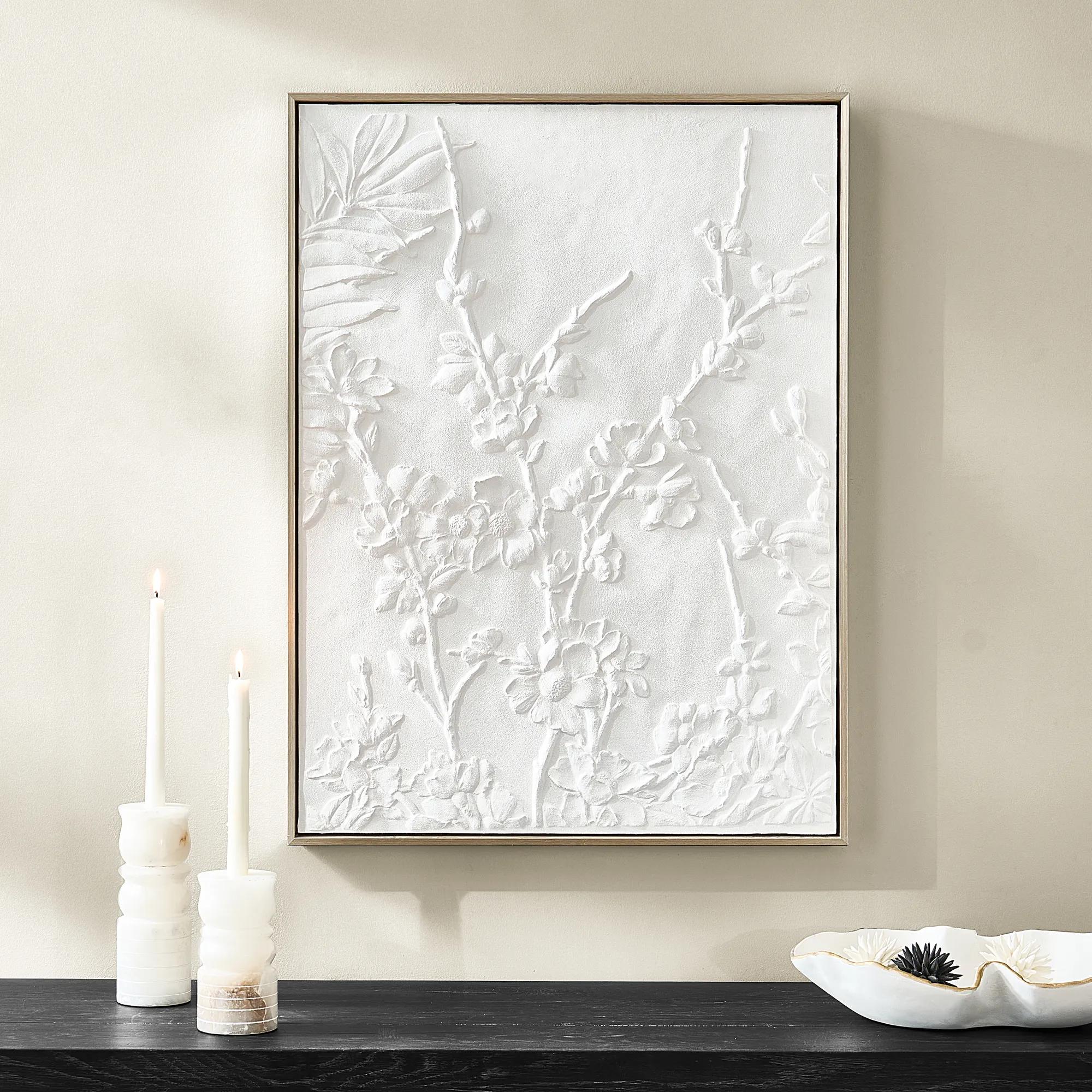 Allegro Framed Painted Wall Art 31.5" x 23.6"$109
A hand-painted canvas featuring textured floral motifs, framed in a warm champagne finish for subtle sophistication.
Add To Cart -
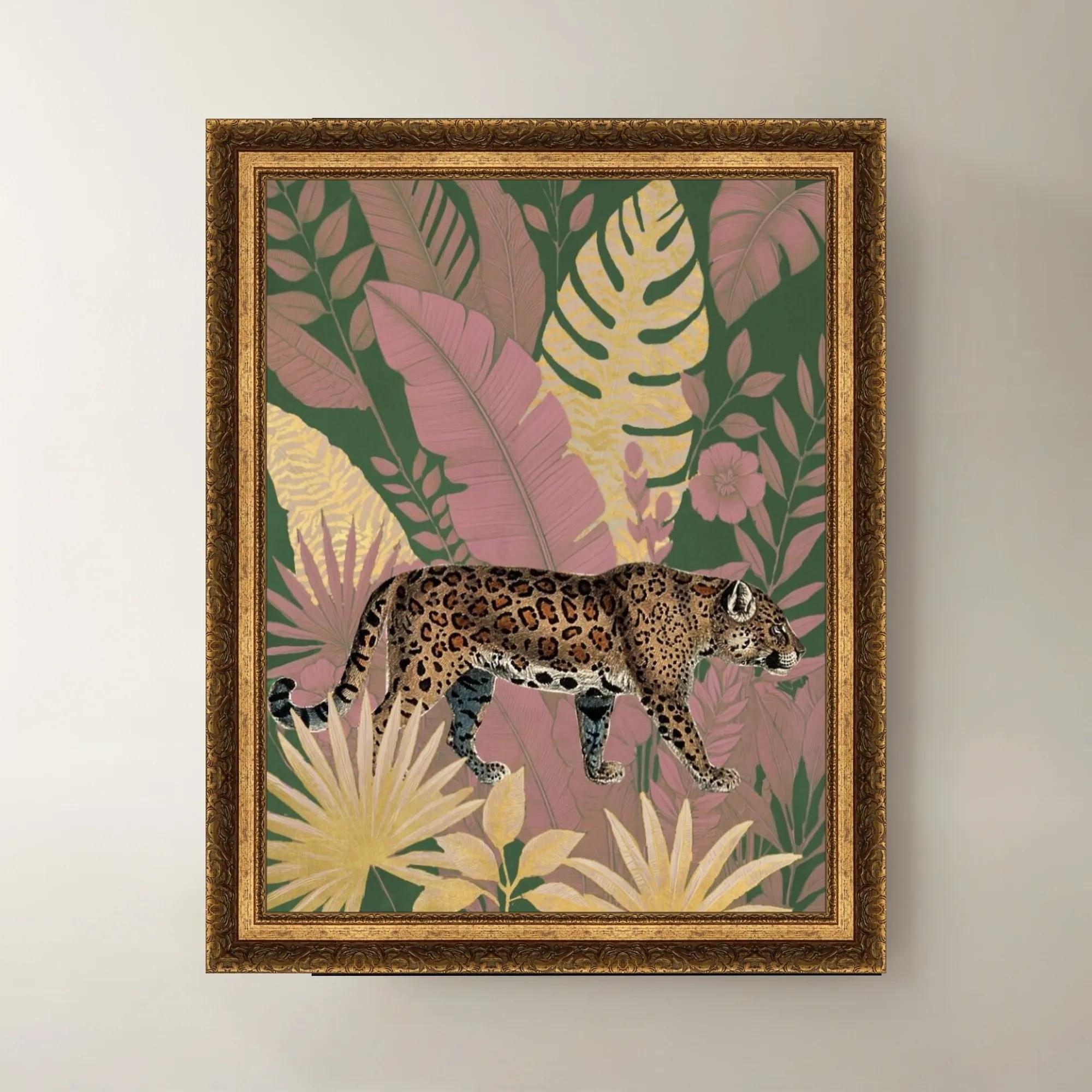
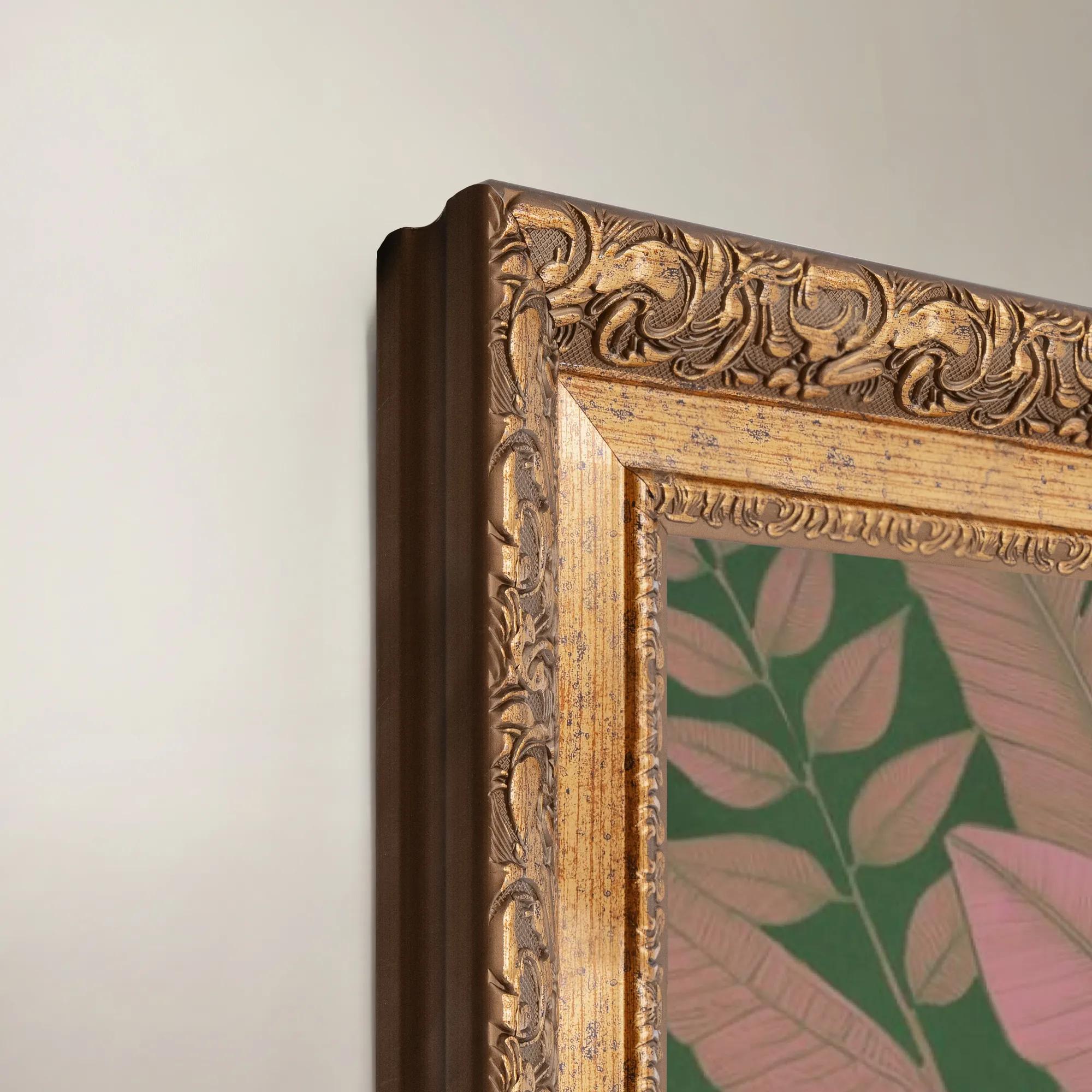 Floral Jungle I Framed Wall Art 30" x 40"$799
A gold-framed linen canvas artwork featuring vibrant pink and gold tones for a striking modern accent.
Add To Cart -
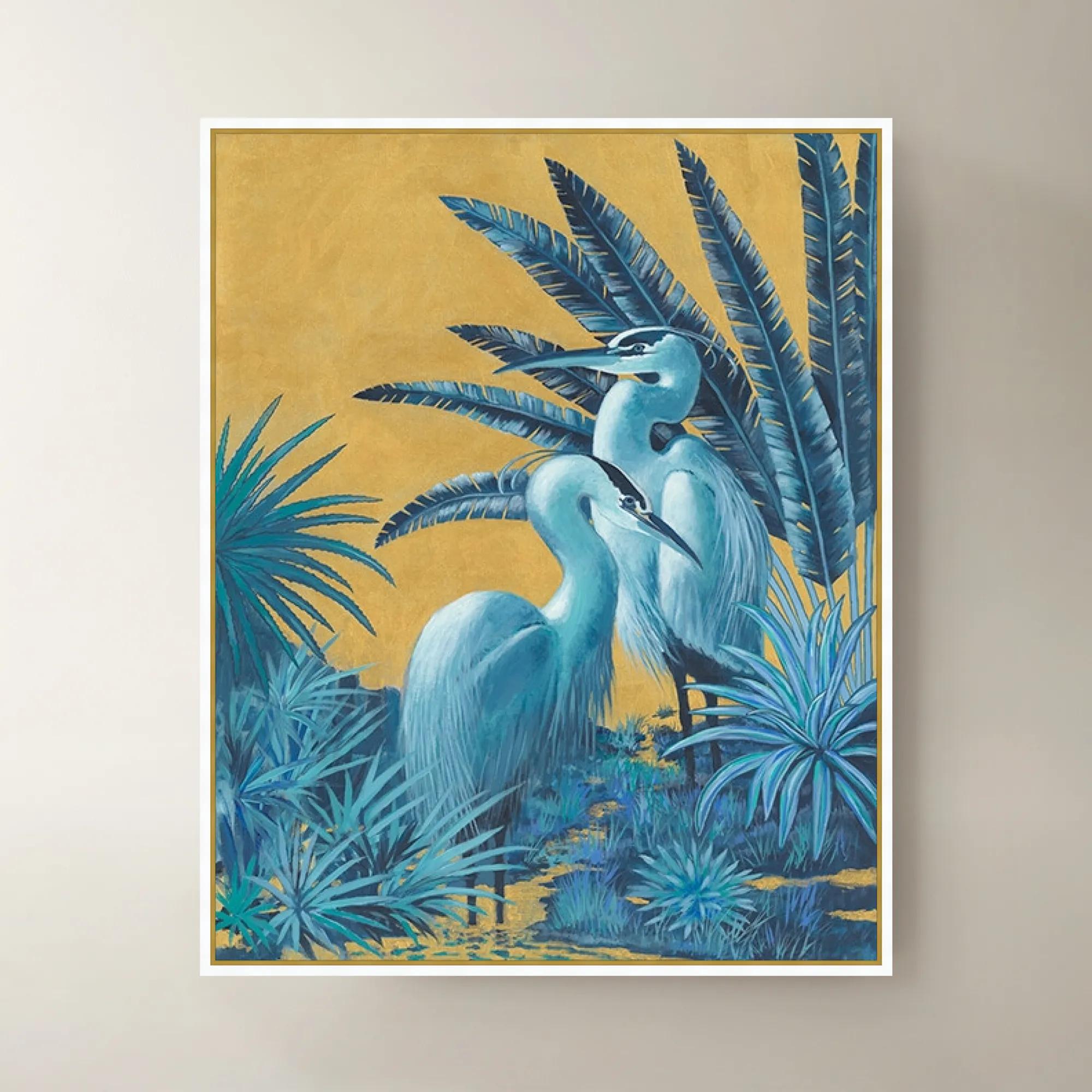
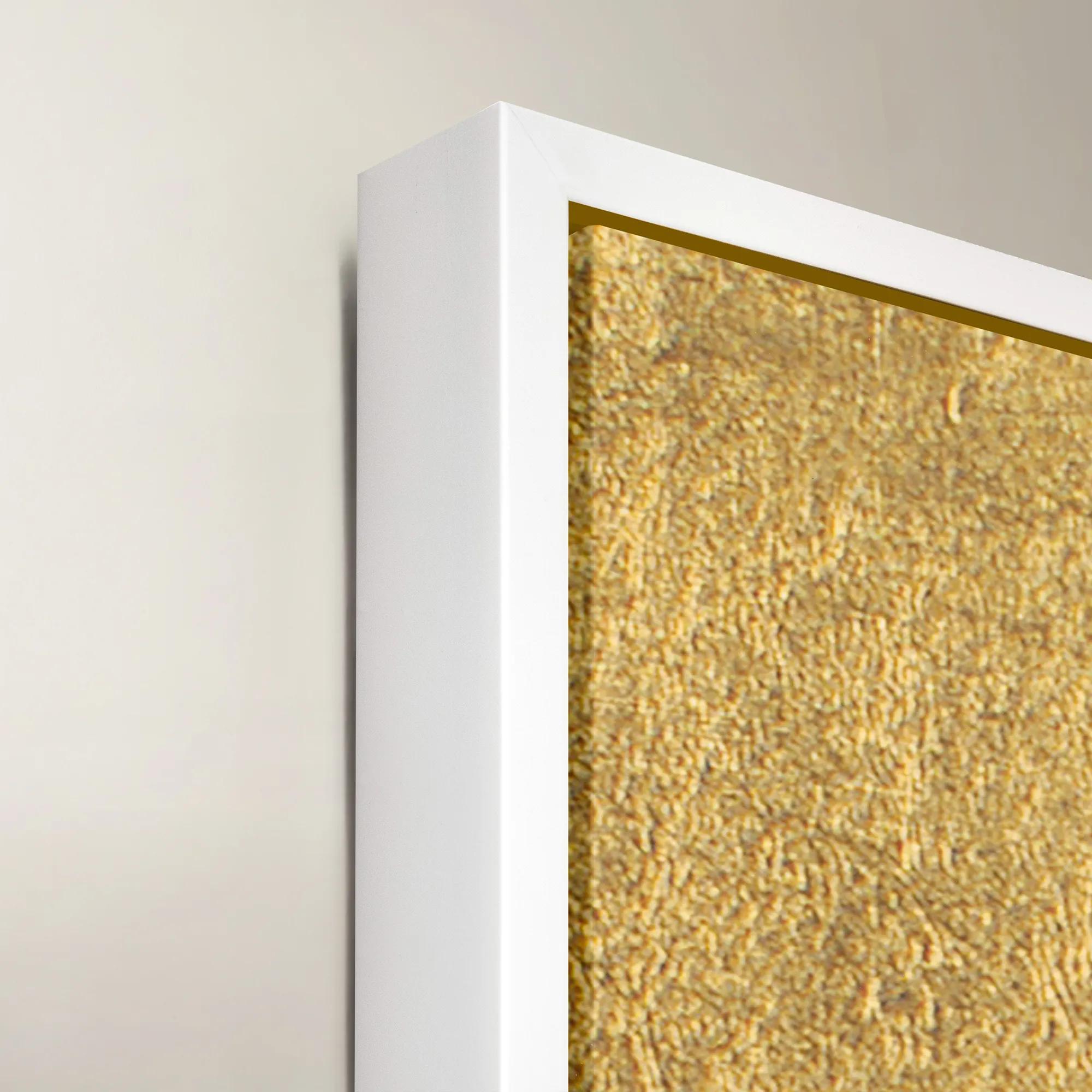 Blue Gold Herons Framed Wall Art 40" x 50"$1199
A striking blue and gold framed canvas artwork featuring elegant herons for sophisticated wall display.
Add To Cart -
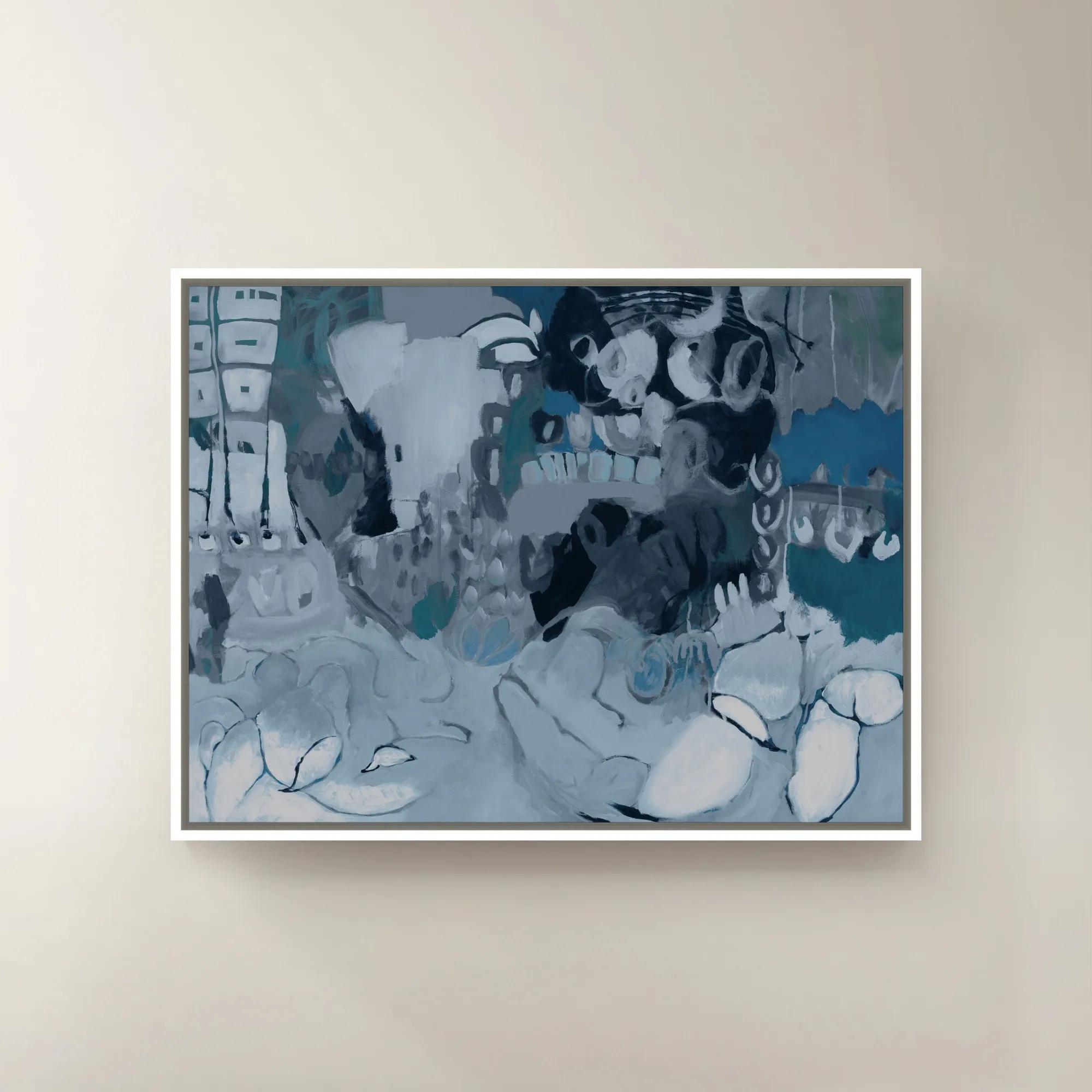
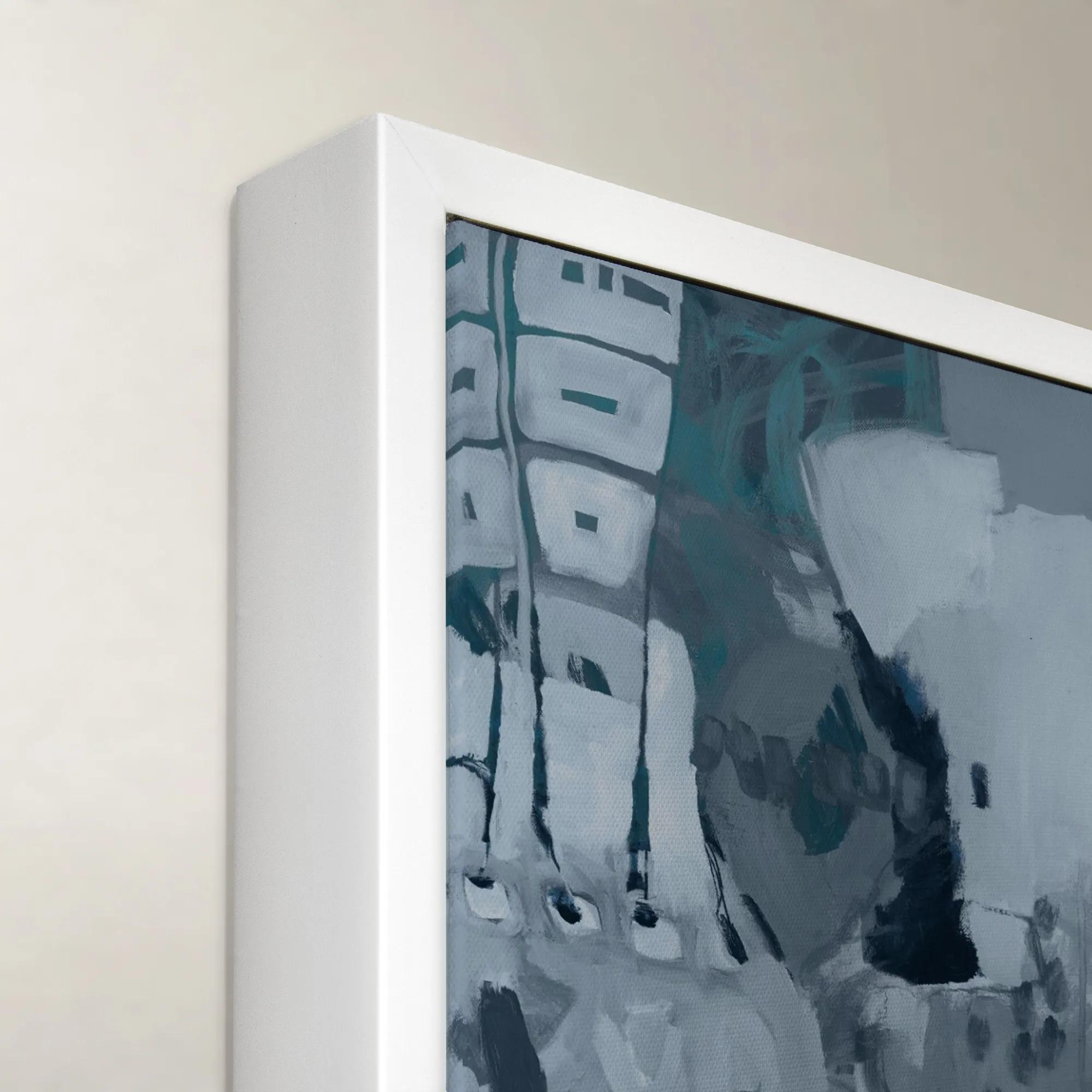 Wrap me in Forever II Framed Wall Art 40" x 30"$699
A striking blue and purple canvas wall art piece presented in a refined frame.
Add To Cart -
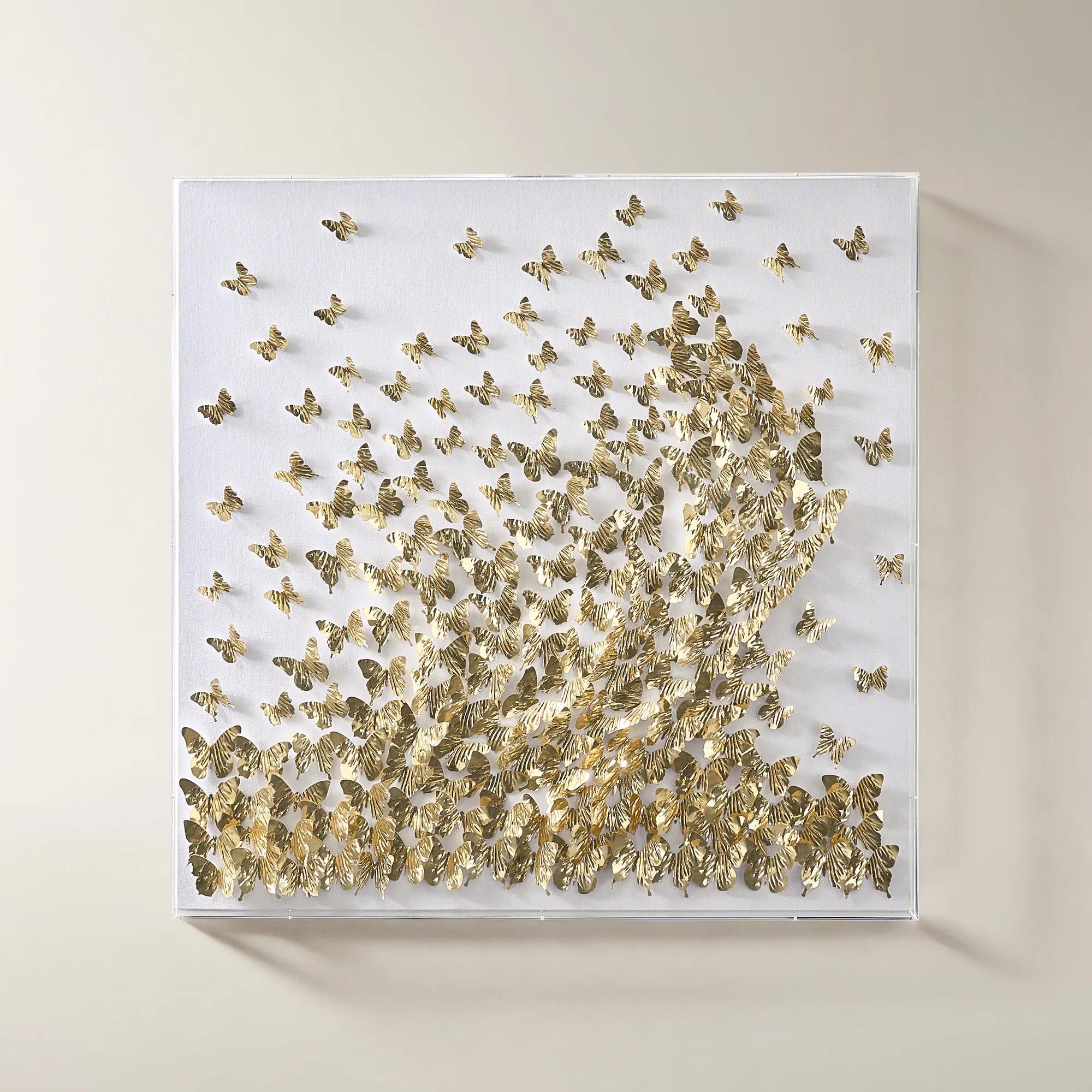
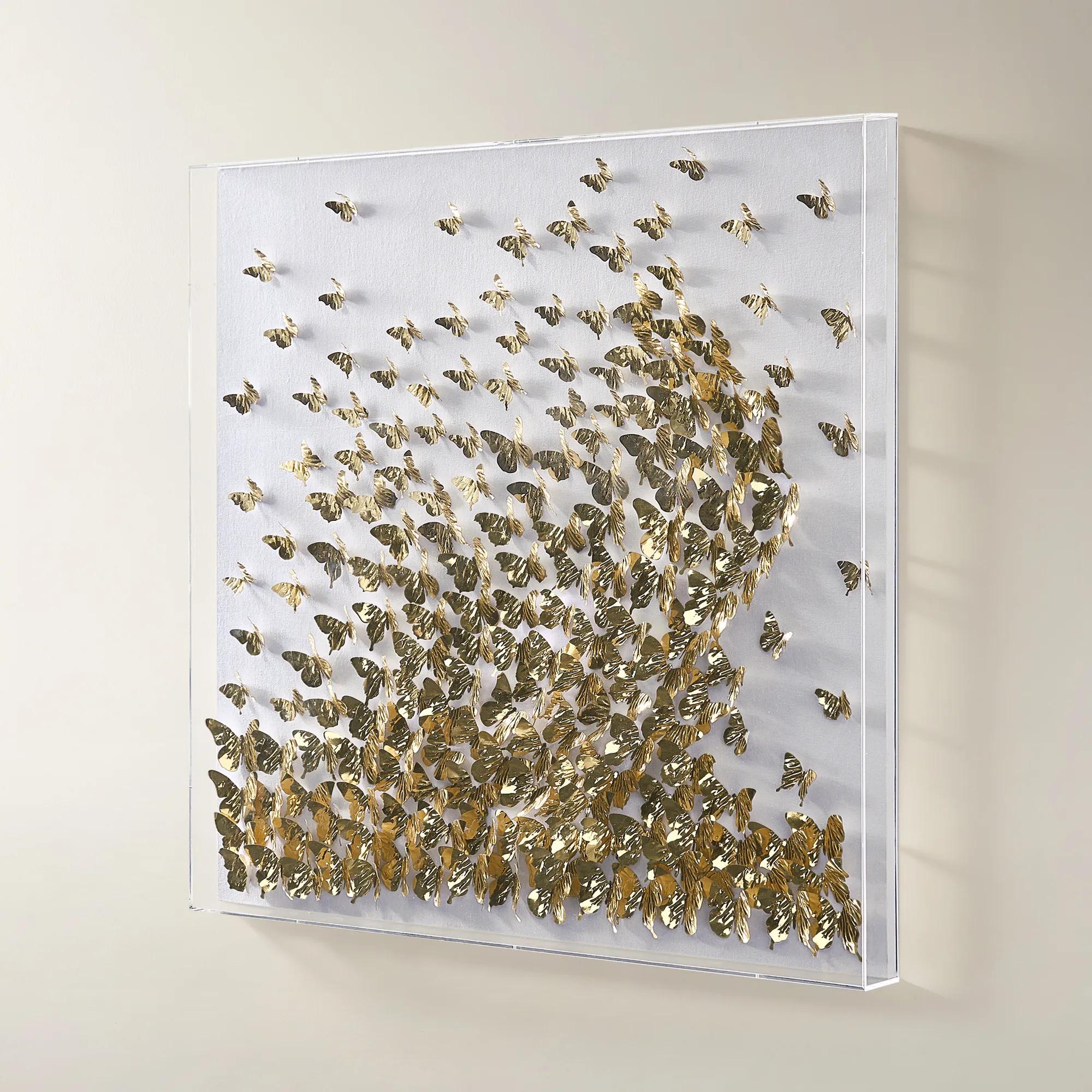 Butterfly Mist Handmade Gold Foil Wall Decor in Acrylic 39.25" x 39.25"$799
A sculptural wall art piece featuring handmade gold foil paper butterflies on linen, encased in a clear acrylic box.
Add To Cart -
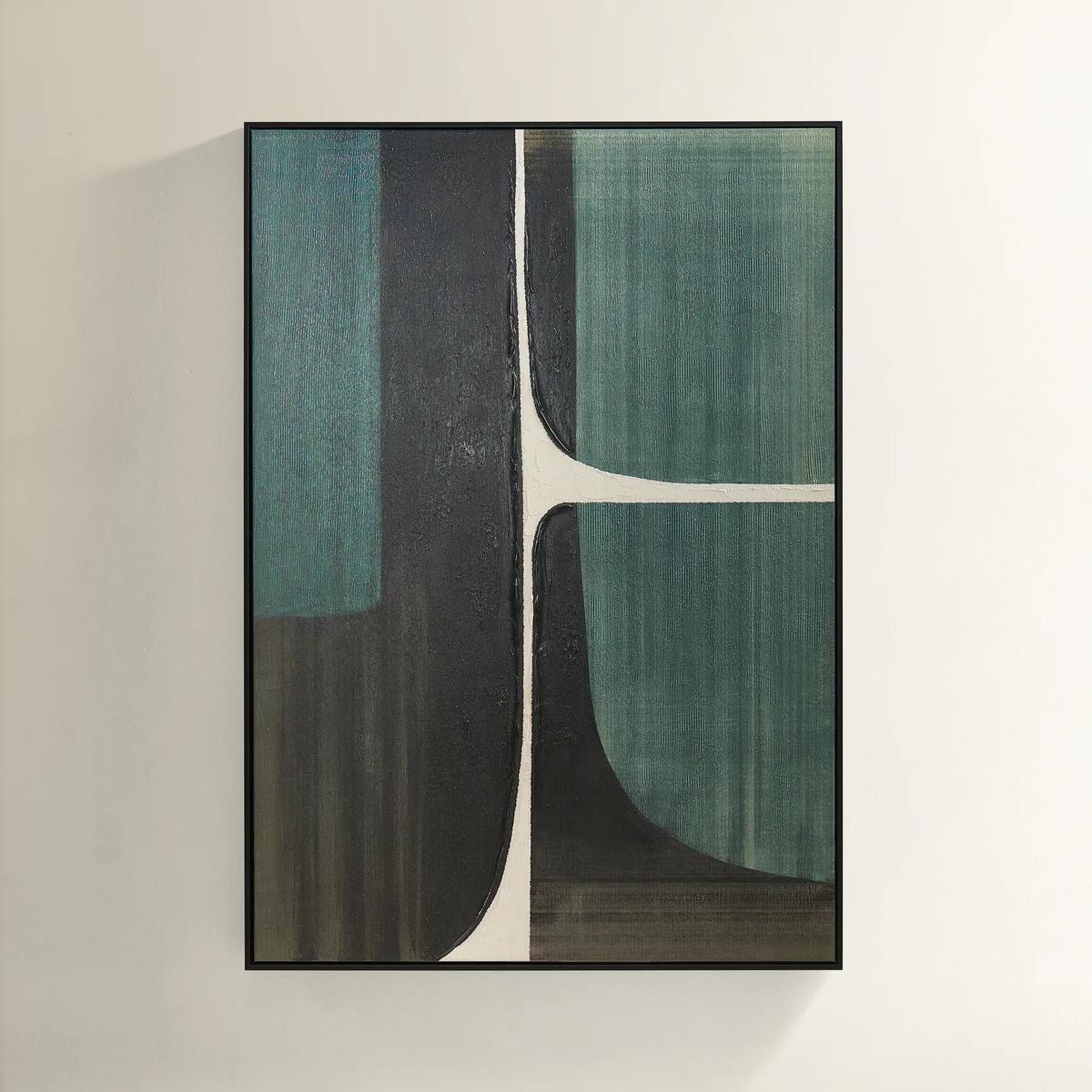 Plains Framed Painted Wall Art 39.25" x 55"$499
A hand-painted abstract canvas in forest green, ivory, and black with a sleek black floater frame.
Add To Cart -
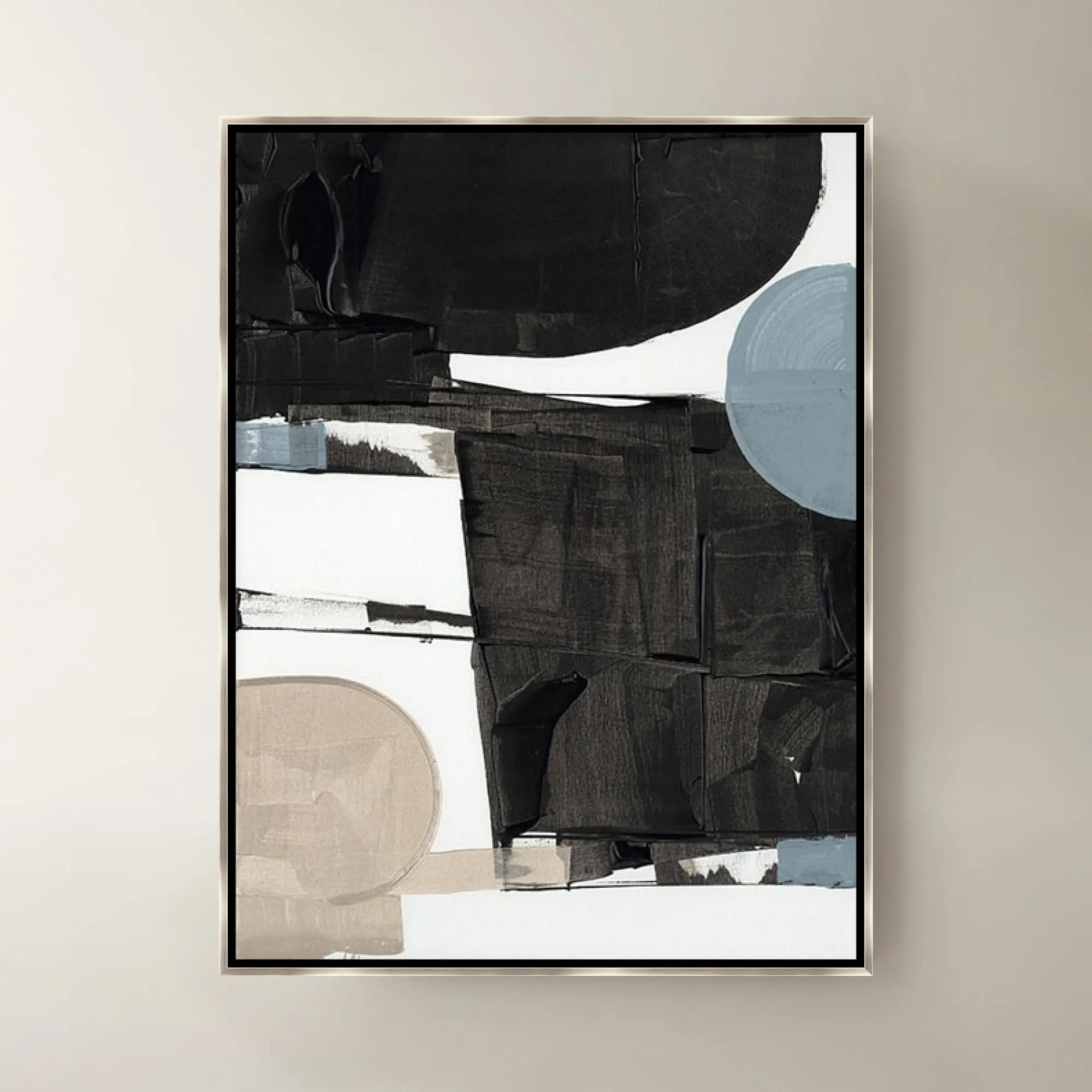
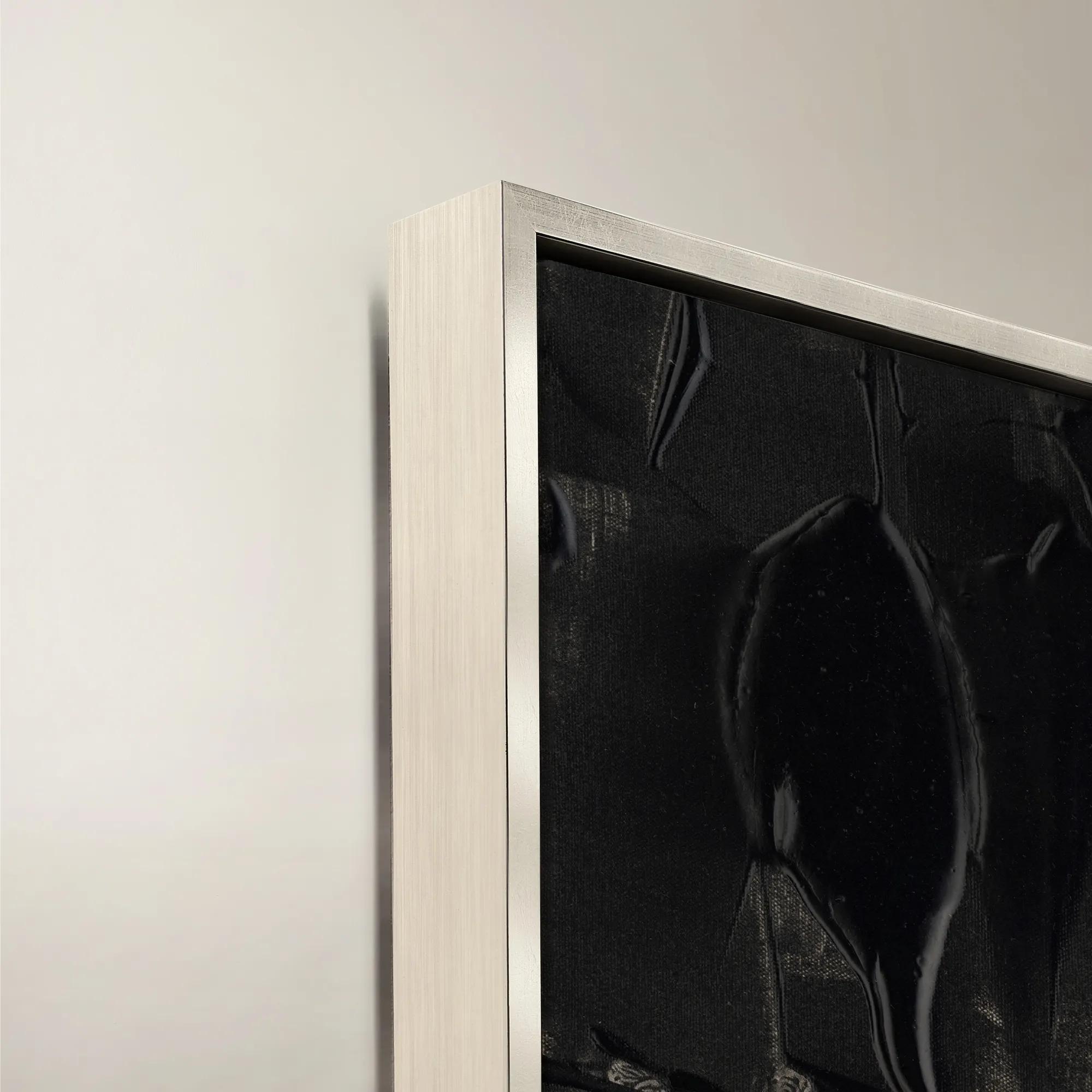 Blanc de Blancs II Framed Wall Art 24" x 30"$519
A sophisticated black canvas artwork presented in a refined frame, bringing modern elegance to your walls.
Add To Cart -
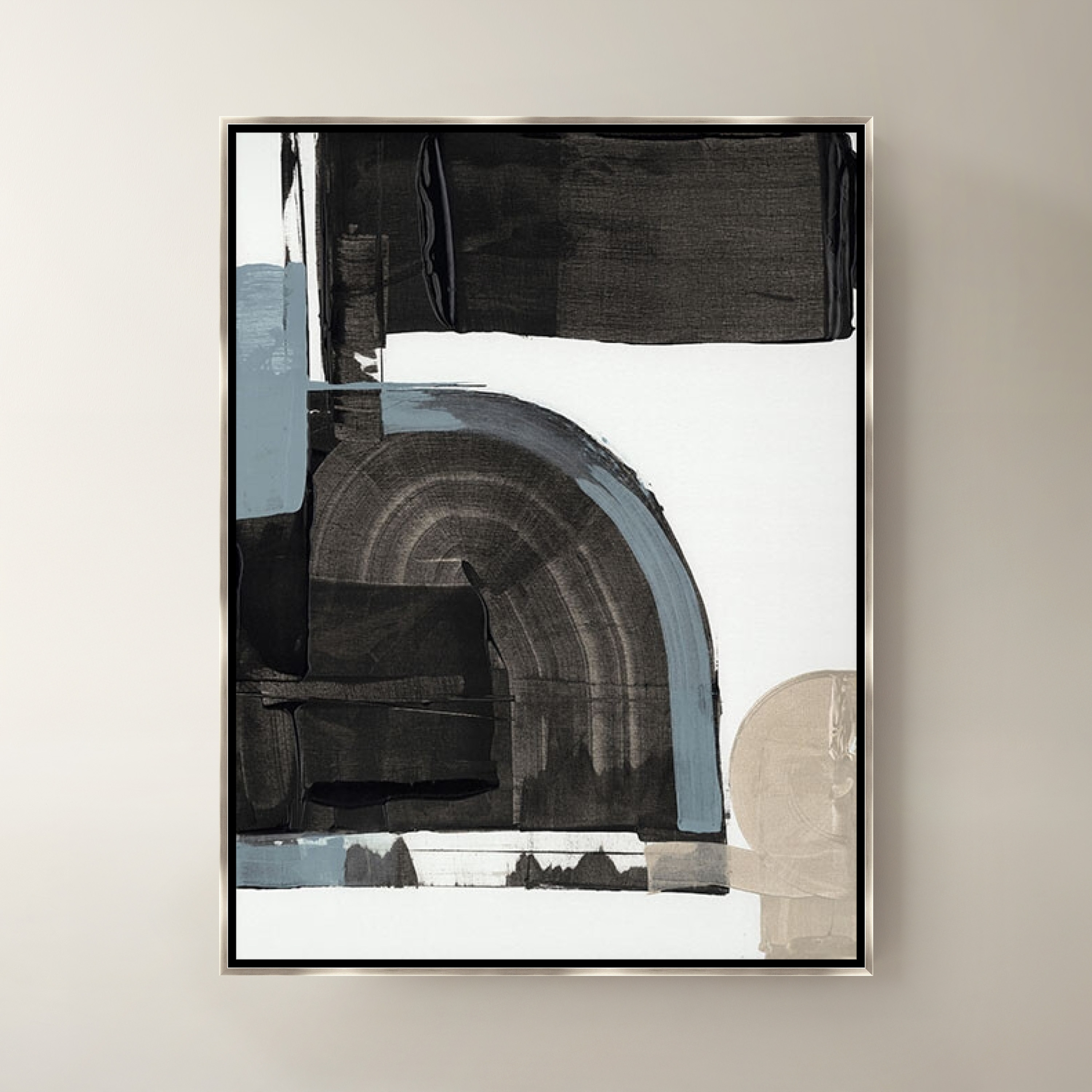
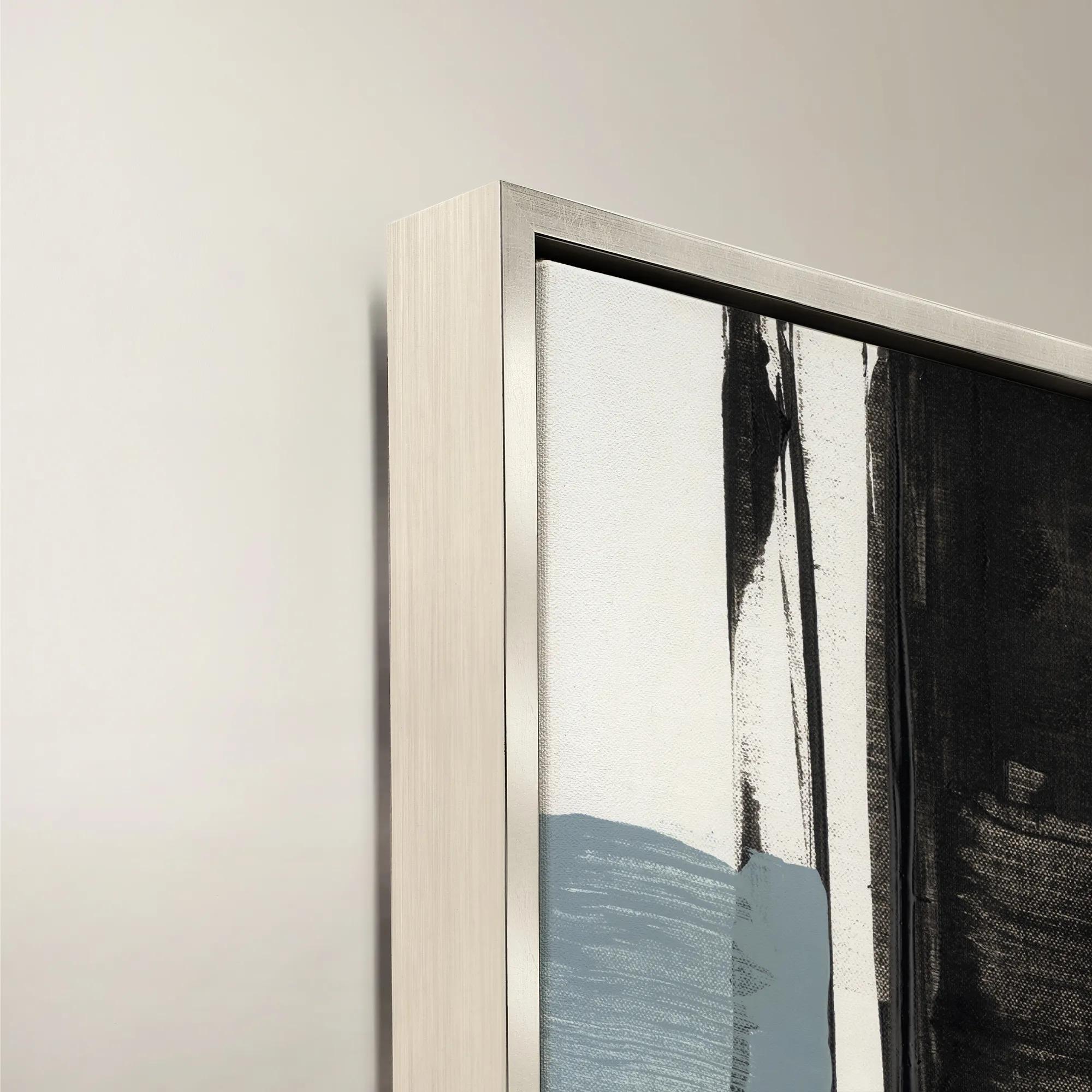 Blanc de Blancs III Framed Wall Art 24" x 30"$519
A sophisticated black canvas artwork presented in a refined frame for modern wall styling.
Add To Cart -
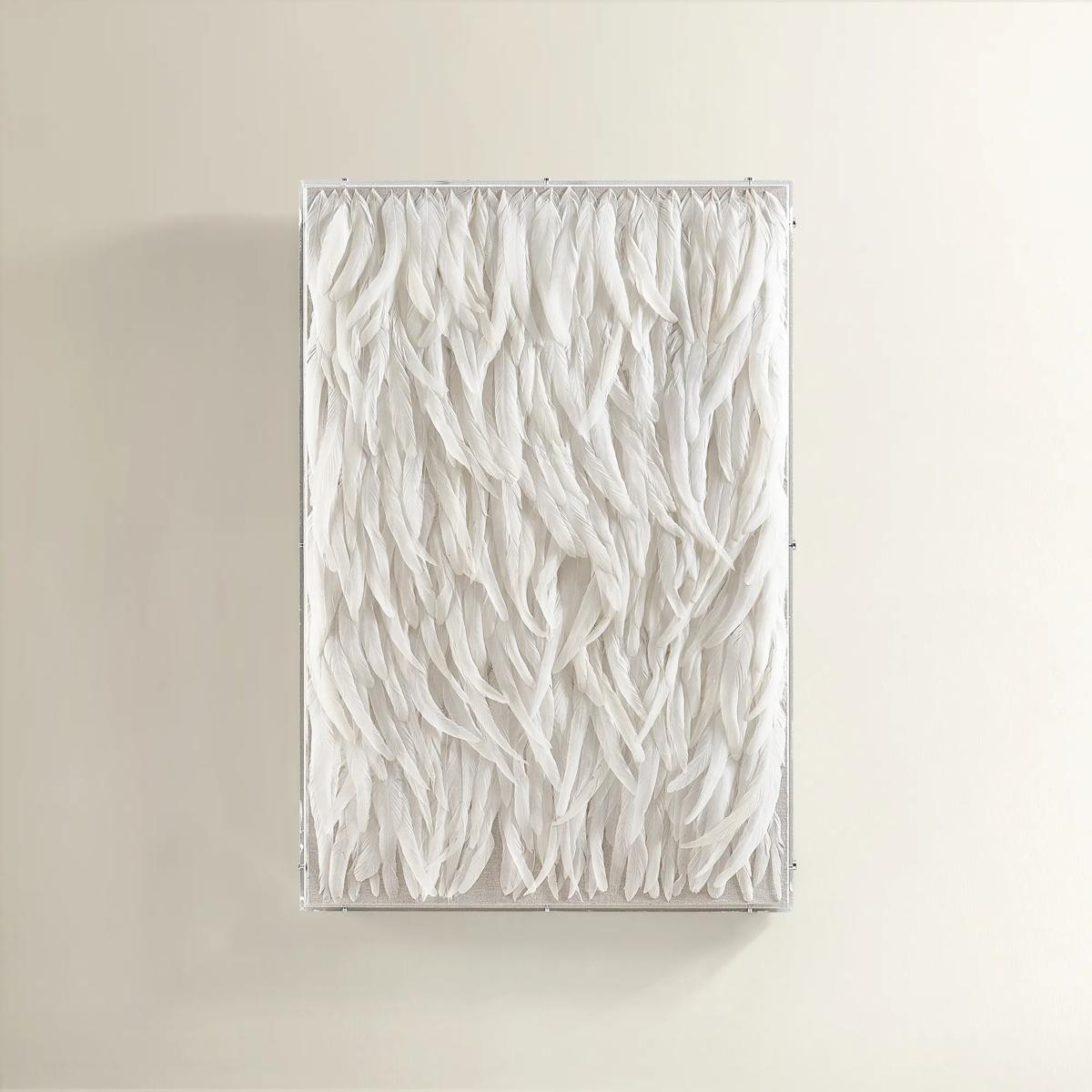 Swoon White Feather Wall Decor in Acrylic 23.5" x 35.5"$399
An ethereal wall art piece featuring layered white feathers encased in a crystal-clear acrylic shadow box.
Add To Cart -
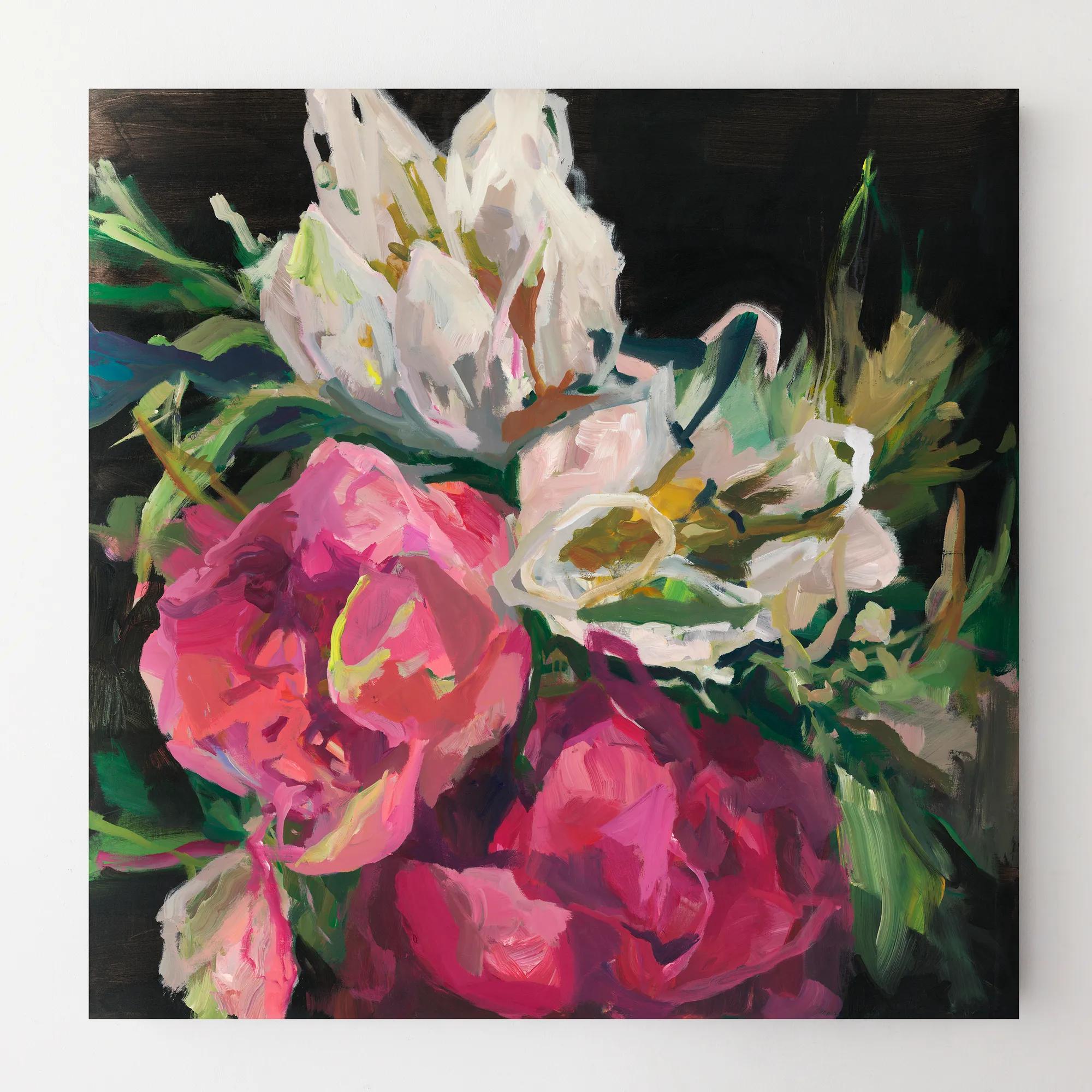
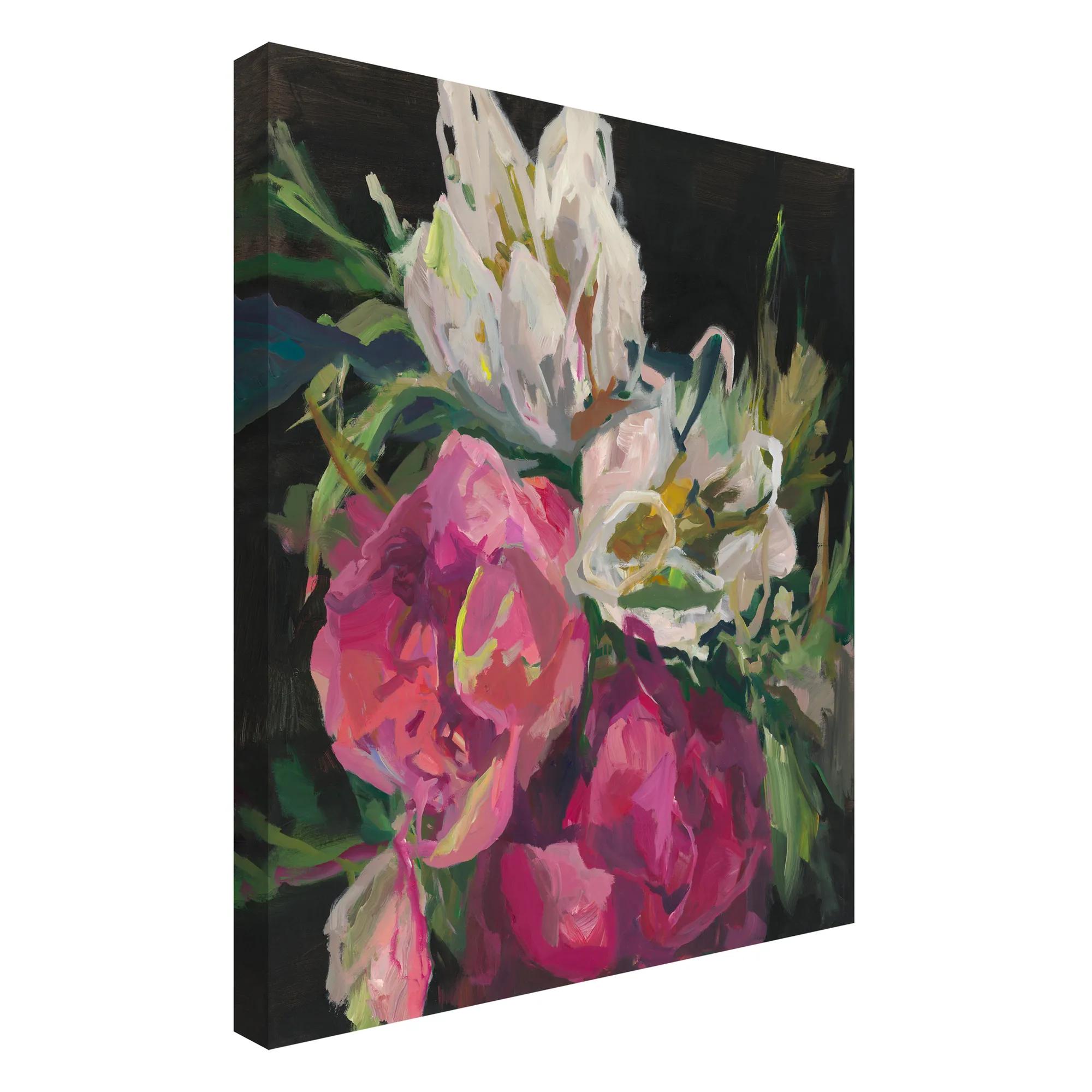 Wild At Heart Wall Art 30" x 30"$399
A gallery-wrapped canvas artwork featuring a hand-applied image brush gel finish for striking visual texture.
Add To Cart -
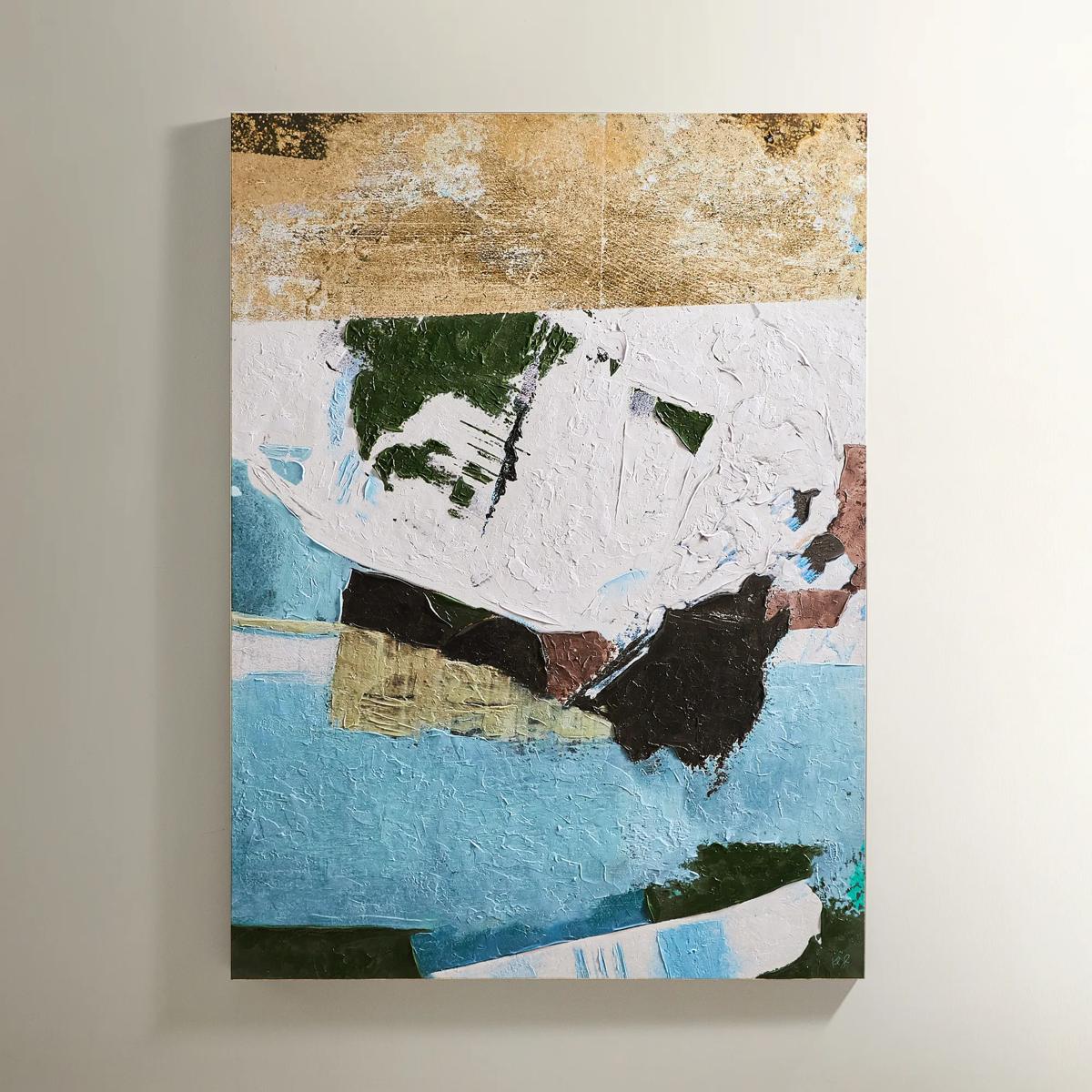 Cadence Painting$599
A hand-embellished canvas artwork featuring textured olive, gold, and ivory strokes in a black and gold frame.
Add To Cart -
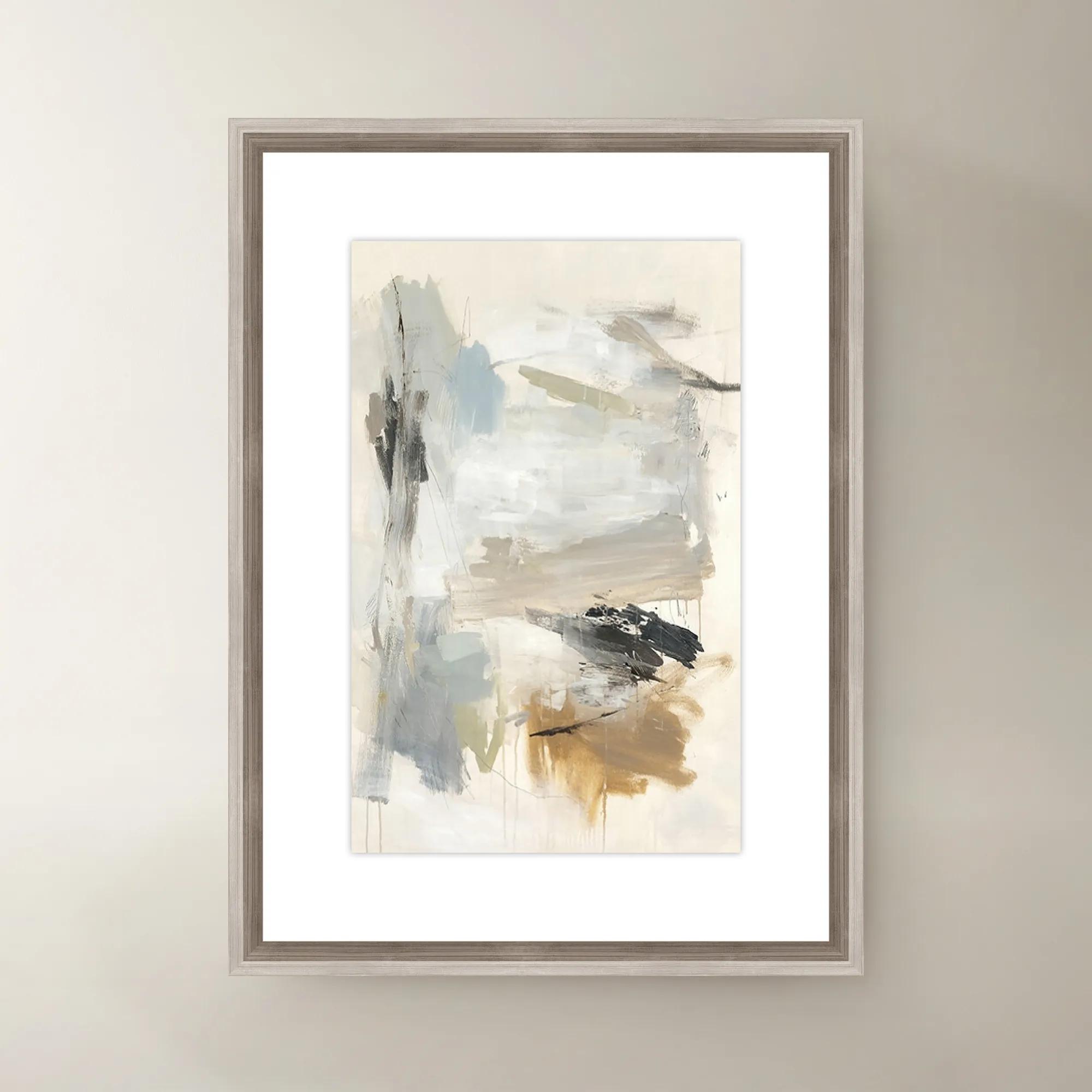
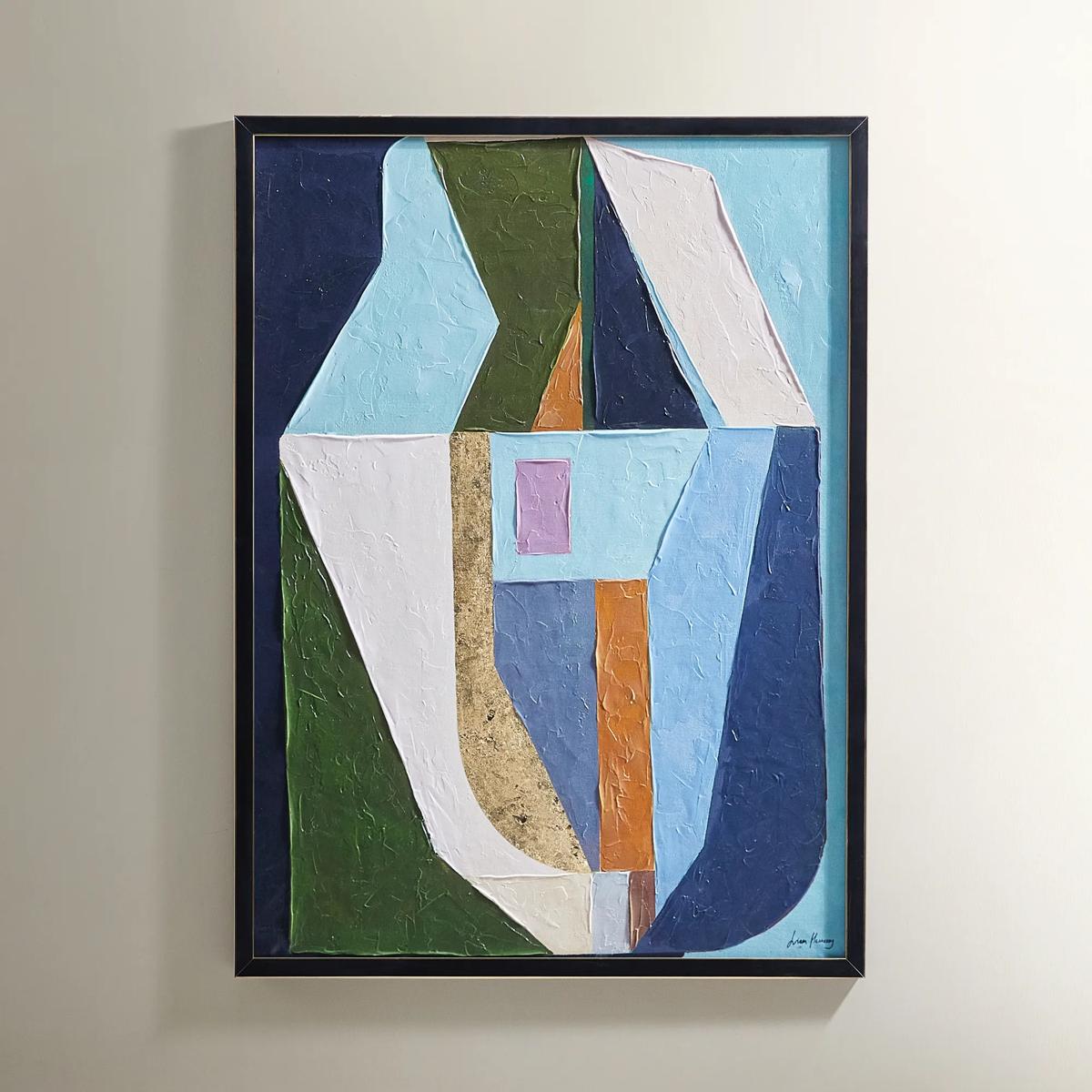 Thought Provoking Painting 2$249
A hand-embellished canvas artwork featuring textured strokes in deep blue, olive green, and gold accents.
Add To Cart -
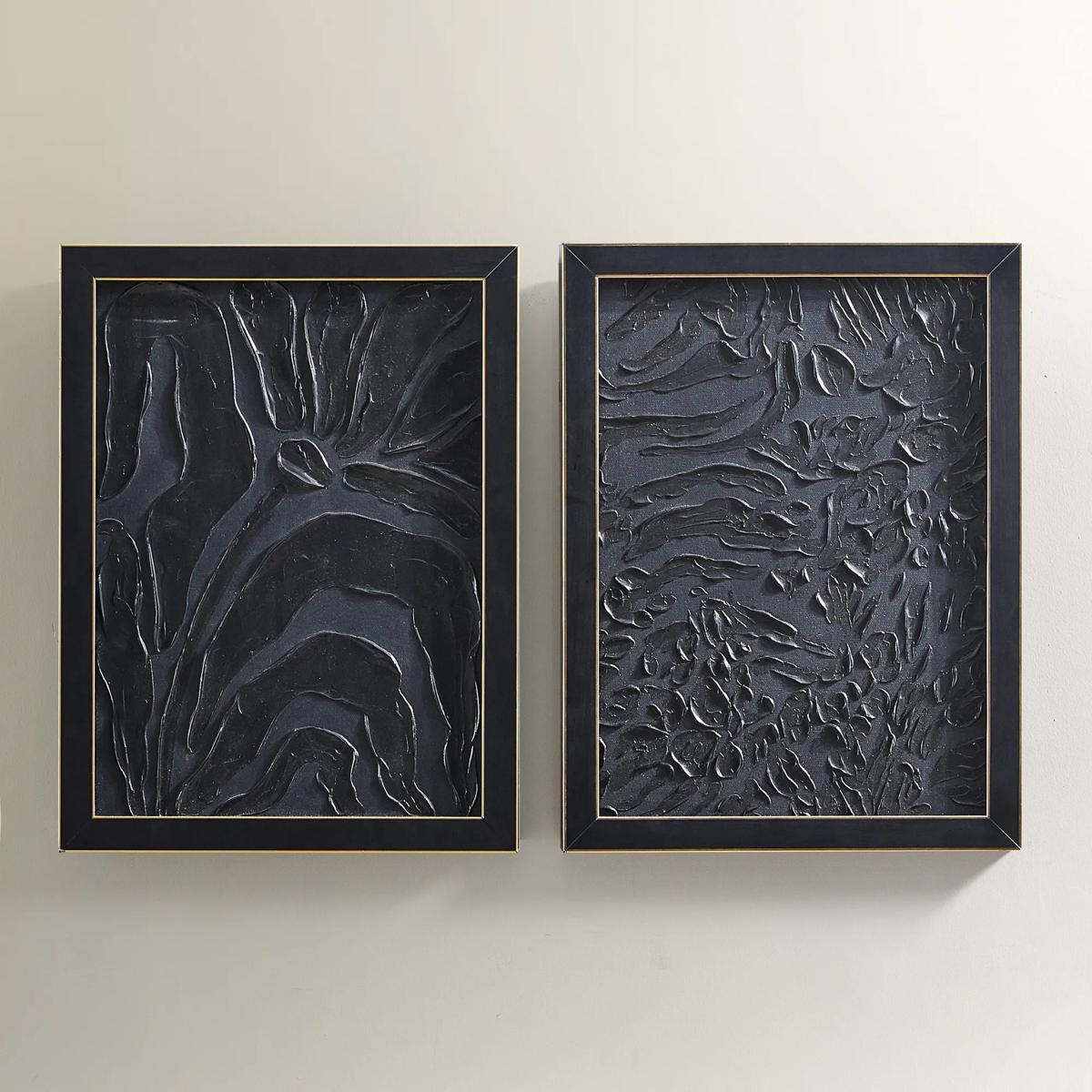
 Midnight Animal Painting - Set of 2$119
A set of hand-embellished canvas artworks in black and gold frames, adding depth and warmth to interiors.
Add To Cart

Nature Wall Arts For Offices
Transform the everyday workspace into a sanctuary of inspiration with nature wall arts for offices—where tranquility meets sophistication. Imagine lush botanicals, serene landscapes, and abstract interpretations of the natural world infusing your office with energy, focus, and creative vitality. These captivating pieces invite the outdoors in, elevating your environment with a curated sense of calm and artistry. Let every glance at your walls become a moment of escape, as nature wall arts for offices set the stage for productivity wrapped in beauty, and turn professional spaces into expressions of personal style.
Nature wall art for offices brings landscapes, botanical forms, and organic patterns into spaces shaped by work, conversation, and creative thought. A sweeping mountain composition can give a private office a sense of openness; an oversized study of leaves can lend a reception area sculptural elegance. These pieces introduce a visual connection to the outdoors, an element of biophilic design, without requiring the space or upkeep of living plants. Their appeal lies as much in atmosphere as in subject matter: layered greens soften the impression of hard architectural surfaces, luminous neutrals complement polished furnishings, and dramatic black-and-white photography creates a commanding focal point. Landscape wall art often suits executive offices, meeting rooms, and waiting areas where a composed backdrop feels appropriate. Botanical prints offer finer detail, making them especially compelling near seating where visitors can appreciate the delicate structure of a stem or the sweeping silhouette of a frond. Abstract nature art takes a more expressive approach, translating water, stone, foliage, or distant terrain into fluid lines and richly layered color. In a creative studio or collaborative workspace, that interpretation can feel more aligned with the room than a literal scenic image. Traditional professional settings may favor finely rendered botanical studies or landscapes framed with a substantial profile, while contemporary offices can carry expansive photography and bold organic compositions. Healthcare reception spaces may benefit visually from gentle imagery and restrained contrasts, although artwork should be selected for its aesthetic contribution rather than treated as a promise of reduced stress or improved performance. Across these settings, nature-inspired office wall decor offers a considered alternative to purely functional walls. It gives the room an identity, communicates attention to detail, and creates a place for the eye to rest between screens, shelving, and the geometry of office furniture. Even a compact home office can gain distinction from a single composition that feels deliberately chosen rather than added to fill an empty spot.
Materials and presentation shape how nature wall art looks in an office and how well it suits daily use. Canvas introduces a woven surface that can lend landscapes and painterly botanicals a softer, more tactile presence. Depending on the construction, it may be stretched over a support, displayed with exposed edges, or finished with a frame that adds definition. Paper prints preserve the crispness of photography, illustration, and fine botanical detail; matting creates breathing room around the image, while protective glazing helps shield the surface from dust and incidental contact. Glass offers clarity and a substantial finish, but its weight and potential for breakage deserve consideration in busy workspaces. Acrylic glazing is generally lighter and more resistant to shattering, though it can scratch and requires appropriate cleaning. Images printed on metal or presented with acrylic surfaces can produce a sleek, luminous effect suited to polished contemporary interiors, with appearance and durability varying by finish and fabrication. No material is automatically the best choice for every office. Exposure to direct sunlight, reflected glare from windows, and proximity to frequently used doors all influence the suitability of a piece. A glossy landscape facing a bright window may reflect more of the room than its own imagery, while a less reflective surface can keep delicate tonal changes easier to see. Scale matters just as much. Artwork above a credenza should relate to the furniture beneath it, leaving enough wall around the composition to make the arrangement feel intentional. A generous piece can anchor a long reception wall, whereas a coordinated grouping may suit a corridor or a pair of chairs. The image should remain legible from its usual viewing distance; intricate botanical details invite closer placement, while broad horizons retain their presence across a larger room. Overall framed dimensions, depth, weight, and mounting requirements deserve attention alongside the image itself. Secure installation with hardware appropriate to the wall material is especially important in shared offices, and heavier pieces may call for professional hanging. In leased or commercial spaces, mounting choices should also respect building policies and keep circulation routes clear.
The most compelling nature wall art for an office feels connected to the room without disappearing into it. A charcoal landscape above a pale upholstered bench creates depth through contrast, while a botanical composition with warm metallic framing can echo a brass lamp or a gleaming console. Color need not match every furnishing exactly. Repeating one note from the artwork in a chair, rug, or decorative object is often enough to give the space a coherent visual rhythm. In an office with richly grained wood and leather seating, organic imagery can reinforce the material warmth; against lacquered storage and clean architectural lines, it can introduce an expressive counterpoint. For spaces that need more dimension, textured wall art for offices offers a complementary direction, pairing naturally with botanical silhouettes, mineral-inspired palettes, and layered landscape compositions. Placement also shapes the experience of the workday. Art visible from a desk becomes part of the occupant’s daily surroundings, while a piece behind the desk may serve primarily as a backdrop for visitors or video calls. Reception and conference areas call for imagery that feels welcoming to a broad audience and supports the character of the business without competing with presentations or signage. Care helps preserve that impression. Frames and suitable surfaces generally benefit from gentle dusting with a soft, dry cloth, while glazing should be cleaned according to its material and the manufacturer’s directions. Cleaning fluid should not be sprayed directly onto framed artwork, and canvas or exposed paper should not be treated like a washable surface. Keeping pieces away from persistent moisture and direct sunlight can help protect their appearance, although specific care needs vary. Nature-inspired art can also make a thoughtful gift for someone establishing a private practice, opening a studio, or furnishing a home workspace. Familiarity with the recipient’s taste, wall space, and preferred colors makes the gesture more personal. Whether chosen for a client-facing room or a quiet desk alcove, the right composition gives an office a distinctive visual presence: expressive, assured, and grounded in the artistry of the natural world.
FAQs
Nature wall art has the power to transform an office, infusing the space with tranquility, inspiration, and a sense of connection to the outdoors. Whether it’s a sweeping landscape or a delicate botanical, these pieces can elevate mood, spark creativity, and foster a restorative environment that supports focus and well-being.
For a sophisticated office setting, consider artwork that features serene landscapes, abstract interpretations of natural elements, or modern botanical prints. These styles effortlessly blend elegance with a touch of organic beauty, creating a polished yet inviting atmosphere that complements a range of professional aesthetics.
Nature wall art makes a thoughtful gift for colleagues, mentors, or clients—especially those who value artistry and ambiance in their workspace. It’s an ideal choice for celebrating promotions, new roles, or work anniversaries, offering a lasting gesture of appreciation and encouragement.
In shared or collaborative offices, nature wall art can be used to create focal points, define communal areas, or establish zones of calm for reflection and brainstorming. Choose pieces that evoke harmony and growth, or select a series of artworks that tell a cohesive story throughout the space.
Absolutely. Pairing nature wall art with complementary elements—such as textured wall coverings, metallic accents, or sculptural lighting—can create a layered, curated effect. Explore options like <a href="https://zgallerie.com/o/textured-wall-art-for-offices">Textured Wall Art For Offices</a> to add depth and richness, ensuring your office decor feels both harmonious and visually dynamic.